

BIOMASS ENERGY
GEOGRAPHY PROJECT
 Laiba Ahmad (X-G)
 Marium Khan
 Subul Bari
 Sarah Fatima
Biomass means all materials which come from living organisms.
For instance, waste material of plants and
animals, wood, agricultural wastes, dead parts of plants and
animals. Since all living organisms contain carbon
compounds, biomass has energy stored in the form of chemical
compounds. The method of harnessing energy from each one of
them could be different. Direct burning of these materials
generally causes pollution but could be the cheapest form of
energy. E.g.. Using wood or dried cow dung cakes as fuel
generates a lot of smoke. Mostly in villages, all types of biomass
are traditionally burnt directly to produce heat. And if modern
methods are used, they can be utilized properly.
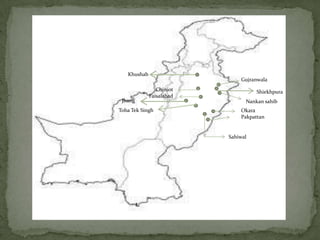
Khushab
Gujranwala
Shiekhpura
Nankan sahibJhang
Toba Tek Singh
Chiniot
Faisalabad
Okara
Pakpattan
Sahiwal
 Regional development program (especially initiatives regarding energy
 priorities and re-qualification of human resources of Trbovlje-Hrastnik
mining
 company)
 National policy in the field of energetic
 EU policies
 Wood potentials in wider area (100 km radius)
 Wider wood/biomass purchase market (south-east Europe)
 Transportation options (railway connections, road infrastructure)
 Possibilities of Coal plant Trbovlje surplus heat exploitation (wood drying)
It’s a renewable source of energy.
It’s a comparatively lesser pollution generating energy.
Biomass energy helps in cleanliness in villages and cities.
It provides manure for the agriculture and gardens
.
There is tremendous potential to generate biogas energy.
Biomass energy is relatively cheaper and reliable.
It can be generated from everyday human and animal wastes, vegetable and
agriculture left-over etc.
Recycling of waste reduces pollution and spread of diseases.
Heat energy that one gets from biogas is 3.5 times the heat from burning
wood.
Because of more heat produced the time required for cooking is lesser.
Pressure on the surrounding forest and scrubs can be reduced when biogas
is used as cooking fuel.
It is a more cost effective means of acquiring energy as compared to oil
supplies. As oil supplies are getting depleted day by day, it is becoming a
costly commodity.
Growing biomass crops use up carbon dioxide and produces oxygen.
Expensive : Firstly, its expensive. Living things are expensive to care
for, feed, and house, and all of that has to be considered when trying to use
waste products from animals for fuel.
Inefficient as Compared to Fossil Fuels : Secondly, and connected to the
first, is the relative inefficiency of biomass energy. Ethanol, as a biodiesel is
terribly inefficient when compared to gasoline, and it often has to be mixed
with some gasoline to make it work properly anyway. On top of
that, ethanol is harmful to combustion engines over long term use.
Harmful to Environment : Thirdly, using animal and human waste to power
engines may save on carbon dioxide emissions, but it increases methane
gases, which are also harmful to the Earth’s— ozone layer. So really, we are
no better off environmentally for using one or the other. And speaking of
using waste products, there is the smell to consider.
While it is not physically harmful, it is definitely unpleasant, and it can
attract unwanted pests (rats, flies) and spread bacteria and infection.
Consume More Fuel : Finally, using trees and tree products to power
machines is inefficient as well. Not only does it take a lot more fuel to do
the same job as using conventional fuels, but it also creates environmental
problems of its own. To amass enough lumber to power a nation full of
vehicles or even a power plant, companies would have to clear considerable
forest area. This results in major topological changes and destroys the
homes of countless animals and plants.
Require More Land : Combustion of biomass products require some land
where they can easily be burnt. Since, it produces gases like methane in
atmosphere; therefore it can be produced in those areas which are quite far
from residential homes.
 Our experts were engaged in the project of 350 biogas units establishment at
model villages of flood affected areas of Punjab i.e. Muzaffargarh, RY
Khan, DG Khan and Rajanpur.
www.google.ca
http://www.conserve-energy-
future.com/Advantages_Disadvantages_BiomassEnergy.php
http://www.ianswer4u.com/2012/02/biomass-energy-
advantages-and.html#axzz2emkW7YQE

Bio mass energy

  • 1.
  • 2.
     Laiba Ahmad(X-G)  Marium Khan  Subul Bari  Sarah Fatima
  • 3.
    Biomass means allmaterials which come from living organisms. For instance, waste material of plants and animals, wood, agricultural wastes, dead parts of plants and animals. Since all living organisms contain carbon compounds, biomass has energy stored in the form of chemical compounds. The method of harnessing energy from each one of them could be different. Direct burning of these materials generally causes pollution but could be the cheapest form of energy. E.g.. Using wood or dried cow dung cakes as fuel generates a lot of smoke. Mostly in villages, all types of biomass are traditionally burnt directly to produce heat. And if modern methods are used, they can be utilized properly.
  • 4.
    Khushab Gujranwala Shiekhpura Nankan sahibJhang Toba TekSingh Chiniot Faisalabad Okara Pakpattan Sahiwal
  • 5.
     Regional developmentprogram (especially initiatives regarding energy  priorities and re-qualification of human resources of Trbovlje-Hrastnik mining  company)  National policy in the field of energetic  EU policies  Wood potentials in wider area (100 km radius)  Wider wood/biomass purchase market (south-east Europe)  Transportation options (railway connections, road infrastructure)  Possibilities of Coal plant Trbovlje surplus heat exploitation (wood drying)
  • 6.
    It’s a renewablesource of energy. It’s a comparatively lesser pollution generating energy. Biomass energy helps in cleanliness in villages and cities. It provides manure for the agriculture and gardens . There is tremendous potential to generate biogas energy. Biomass energy is relatively cheaper and reliable. It can be generated from everyday human and animal wastes, vegetable and agriculture left-over etc.
  • 7.
    Recycling of wastereduces pollution and spread of diseases. Heat energy that one gets from biogas is 3.5 times the heat from burning wood. Because of more heat produced the time required for cooking is lesser. Pressure on the surrounding forest and scrubs can be reduced when biogas is used as cooking fuel. It is a more cost effective means of acquiring energy as compared to oil supplies. As oil supplies are getting depleted day by day, it is becoming a costly commodity. Growing biomass crops use up carbon dioxide and produces oxygen.
  • 8.
    Expensive : Firstly,its expensive. Living things are expensive to care for, feed, and house, and all of that has to be considered when trying to use waste products from animals for fuel. Inefficient as Compared to Fossil Fuels : Secondly, and connected to the first, is the relative inefficiency of biomass energy. Ethanol, as a biodiesel is terribly inefficient when compared to gasoline, and it often has to be mixed with some gasoline to make it work properly anyway. On top of that, ethanol is harmful to combustion engines over long term use. Harmful to Environment : Thirdly, using animal and human waste to power engines may save on carbon dioxide emissions, but it increases methane gases, which are also harmful to the Earth’s— ozone layer. So really, we are no better off environmentally for using one or the other. And speaking of using waste products, there is the smell to consider.
  • 9.
    While it isnot physically harmful, it is definitely unpleasant, and it can attract unwanted pests (rats, flies) and spread bacteria and infection. Consume More Fuel : Finally, using trees and tree products to power machines is inefficient as well. Not only does it take a lot more fuel to do the same job as using conventional fuels, but it also creates environmental problems of its own. To amass enough lumber to power a nation full of vehicles or even a power plant, companies would have to clear considerable forest area. This results in major topological changes and destroys the homes of countless animals and plants. Require More Land : Combustion of biomass products require some land where they can easily be burnt. Since, it produces gases like methane in atmosphere; therefore it can be produced in those areas which are quite far from residential homes.
  • 10.
     Our expertswere engaged in the project of 350 biogas units establishment at model villages of flood affected areas of Punjab i.e. Muzaffargarh, RY Khan, DG Khan and Rajanpur.
  • 11.