

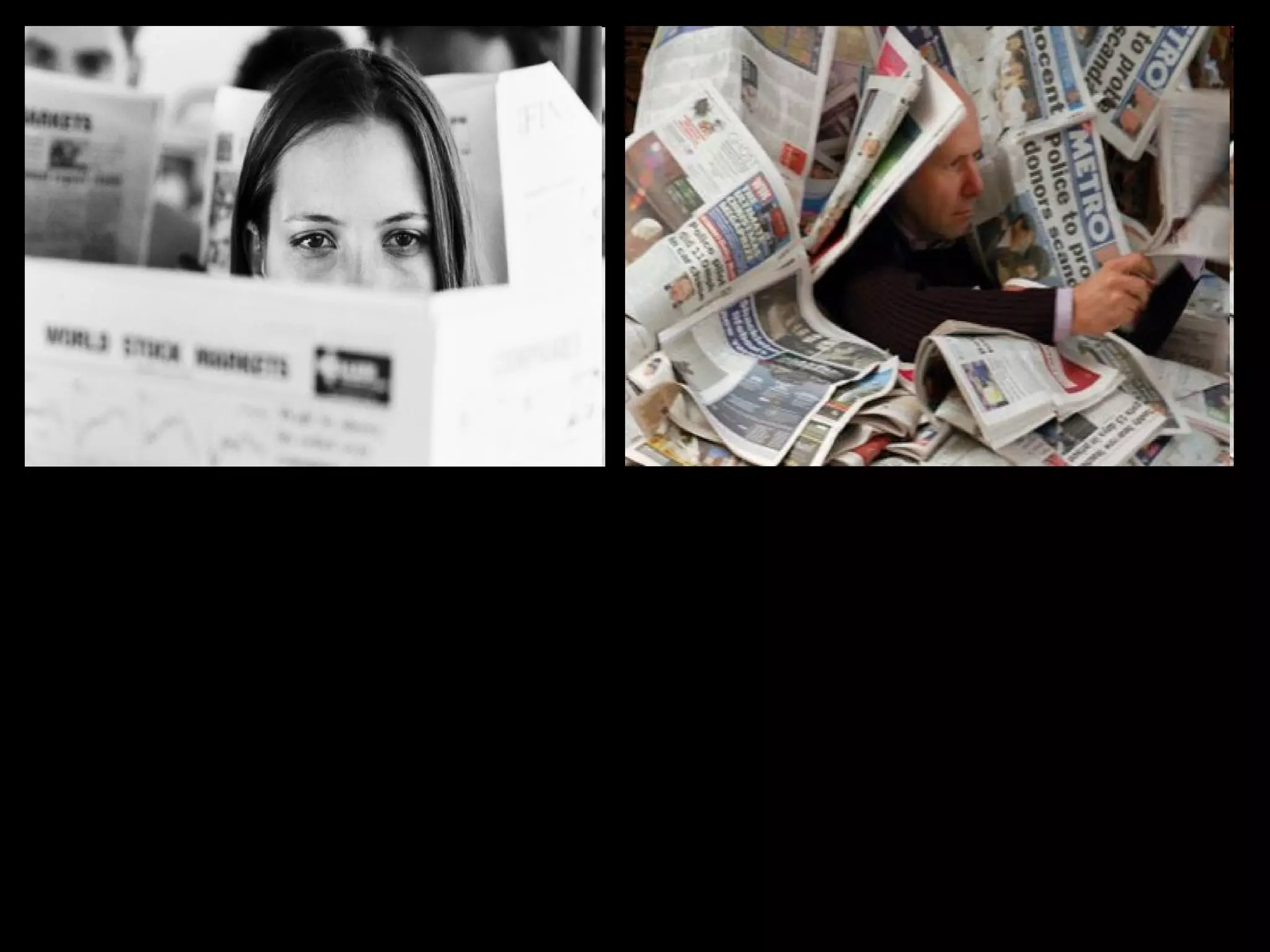





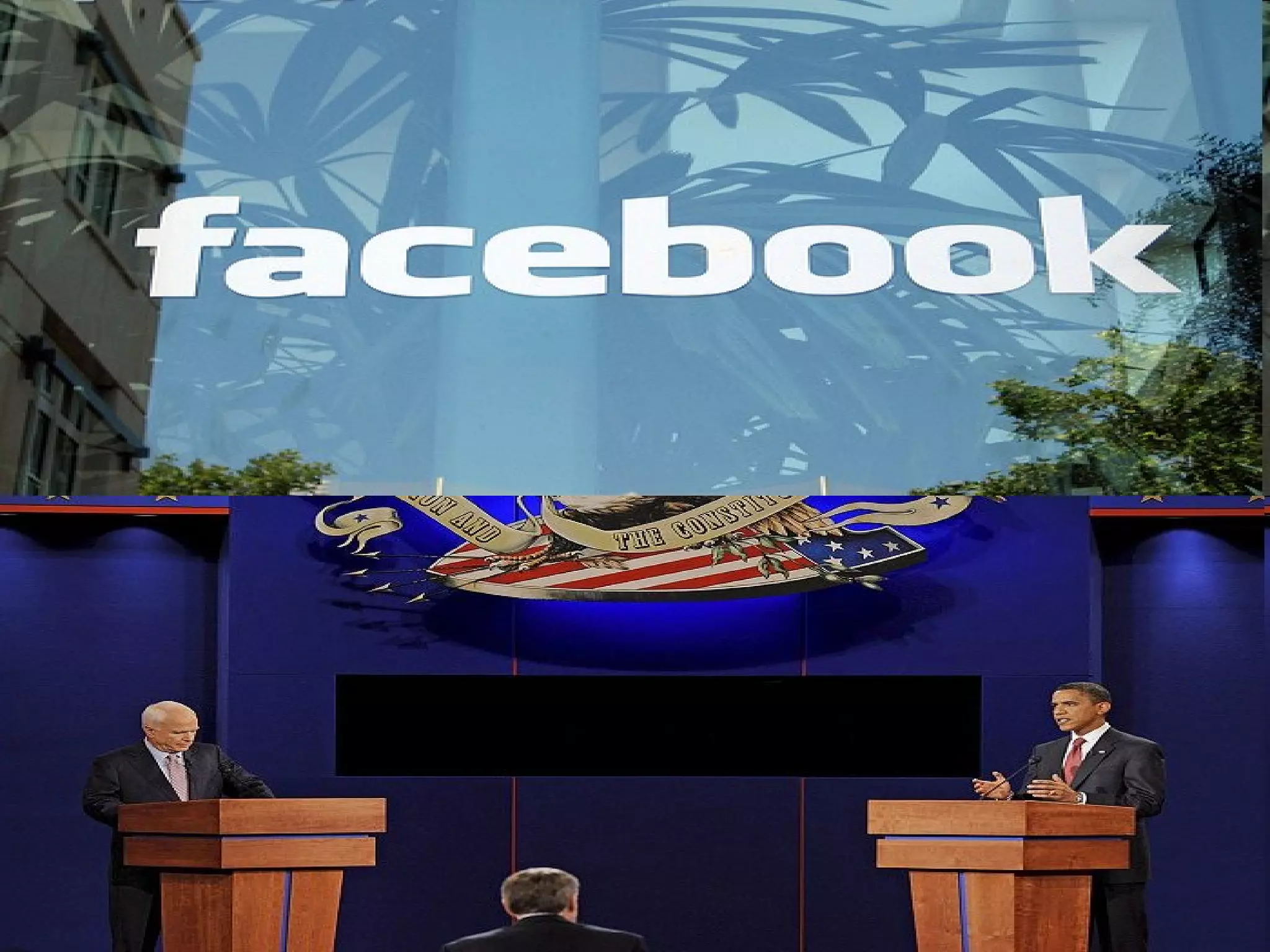

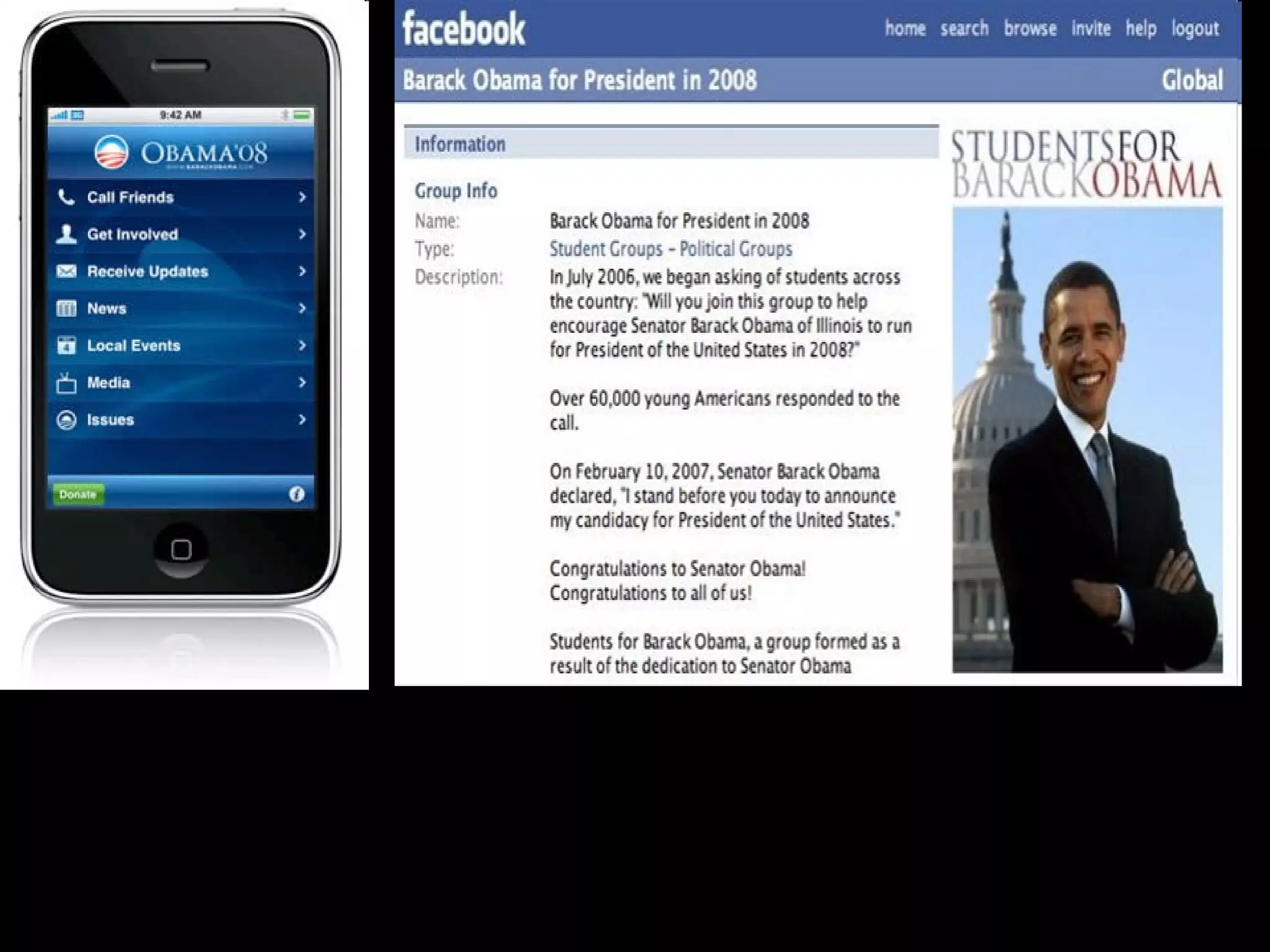
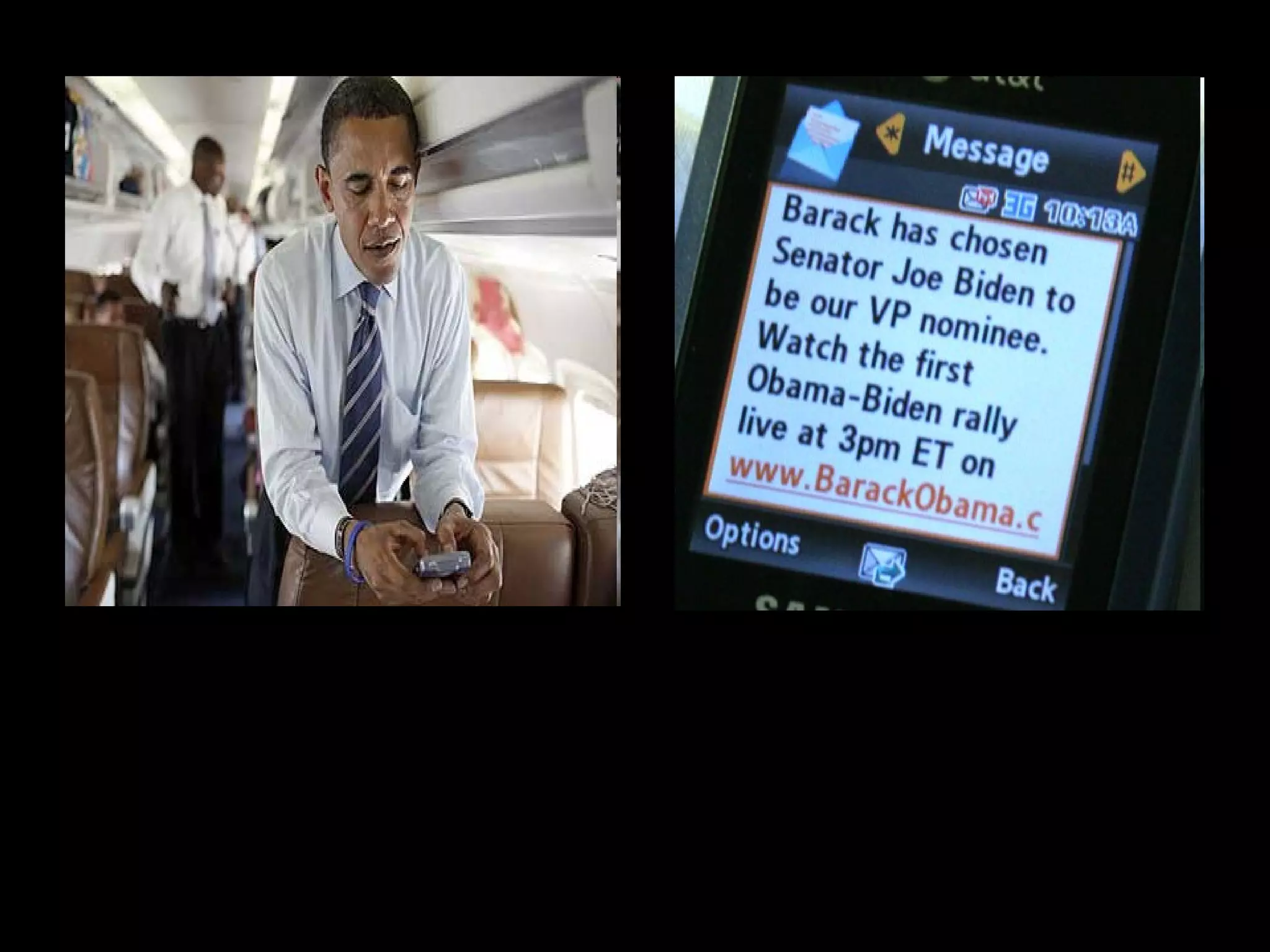












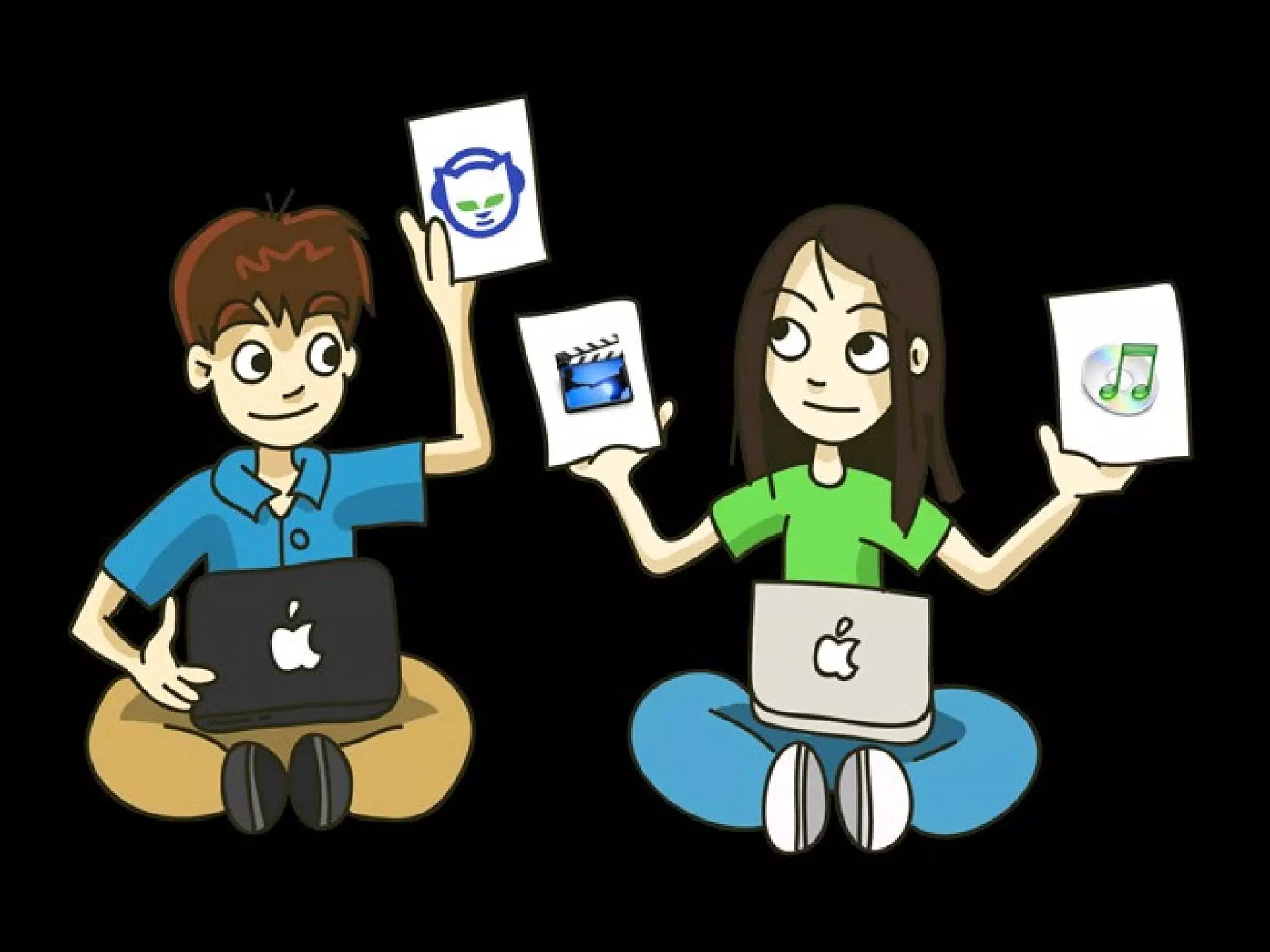


Beyond Internet and Mass Media   Gustavo Cardoso ISCTE-IUL Lisboa ISCTE-IUL, 5th July 2010


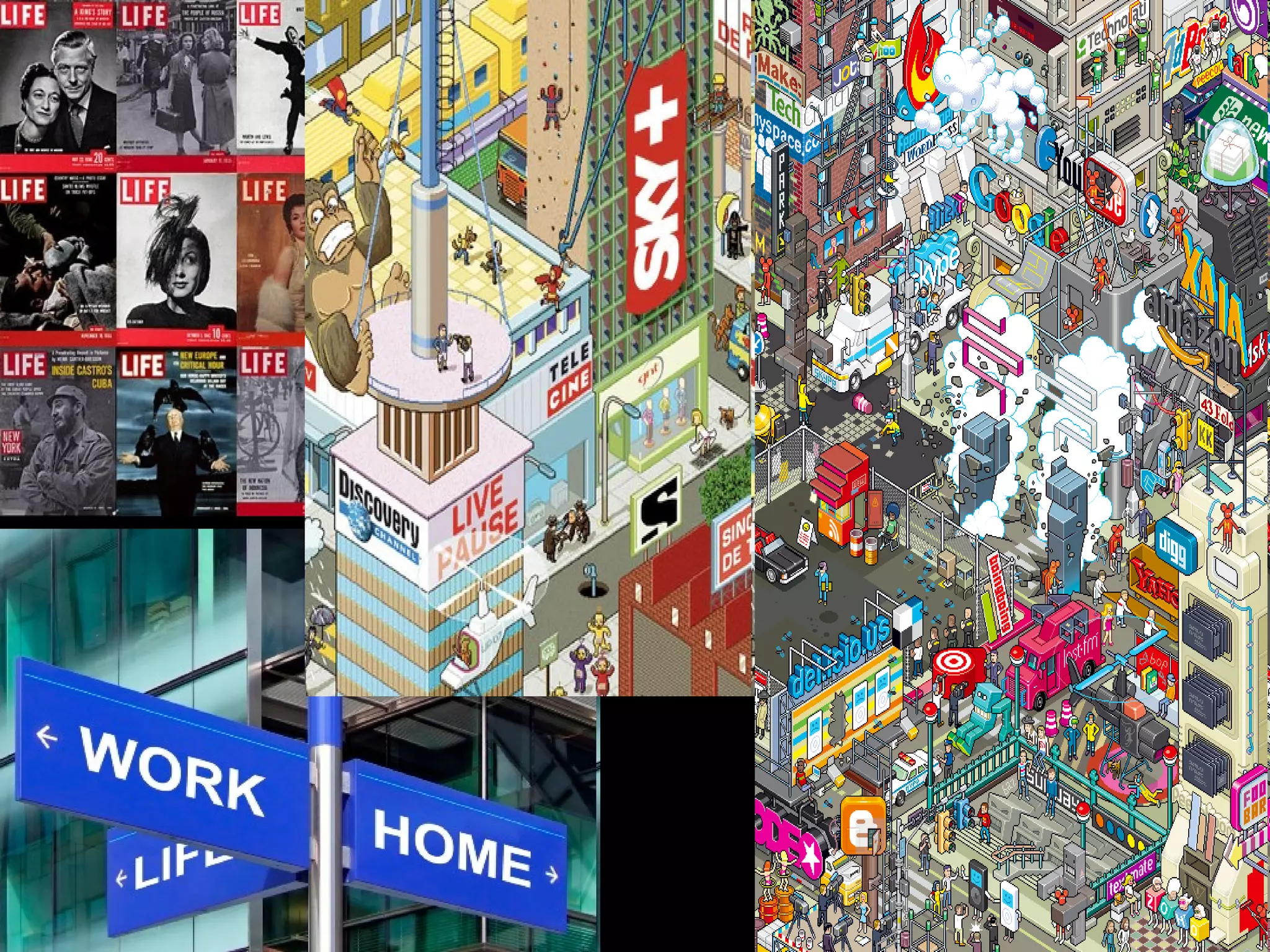
Television, Radio and Newspapers, as they developed,
become to be known during the XX Century as Mass Media
and assumed the central role in the media system
giving rise to a new communicational paradigm.
That communicational paradigm, of mass communication
was the communicational model of industrialized societies
under a industrial model of development
and under what was coined as later modernity.
From Bell to Touraine and Poster to Castells
the role of information and communication in social change in our societies
has been discussed during the last forty years
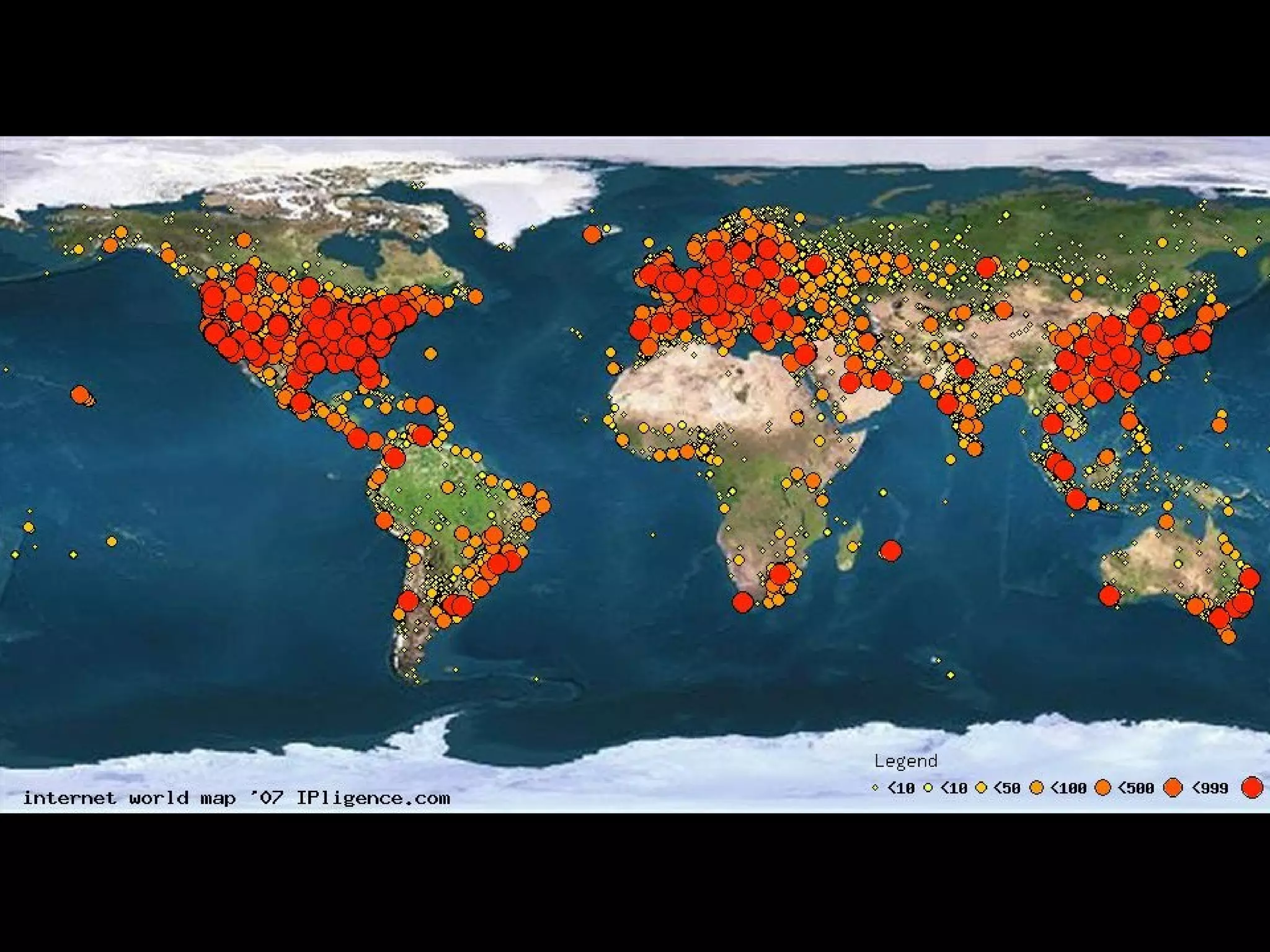
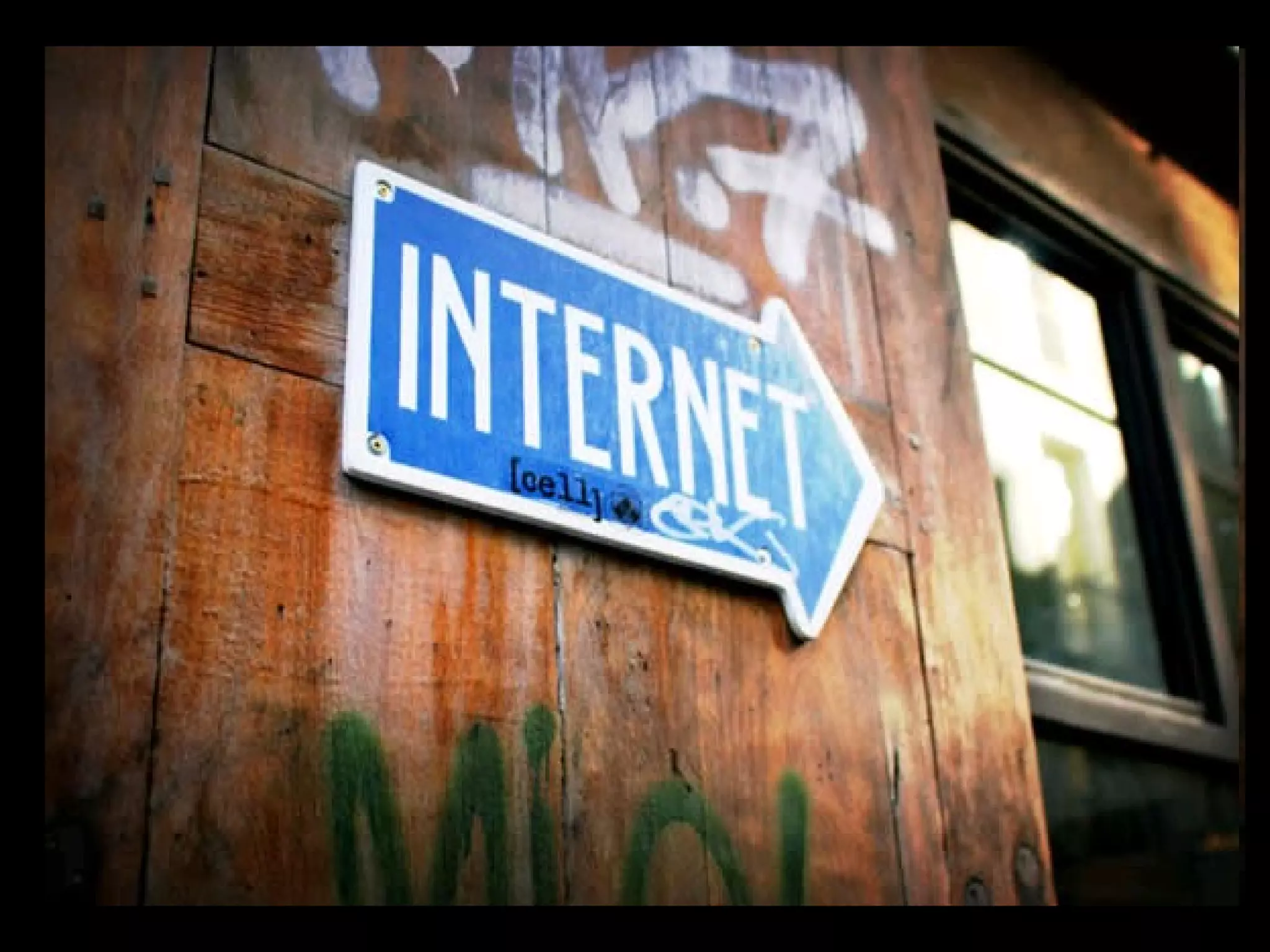
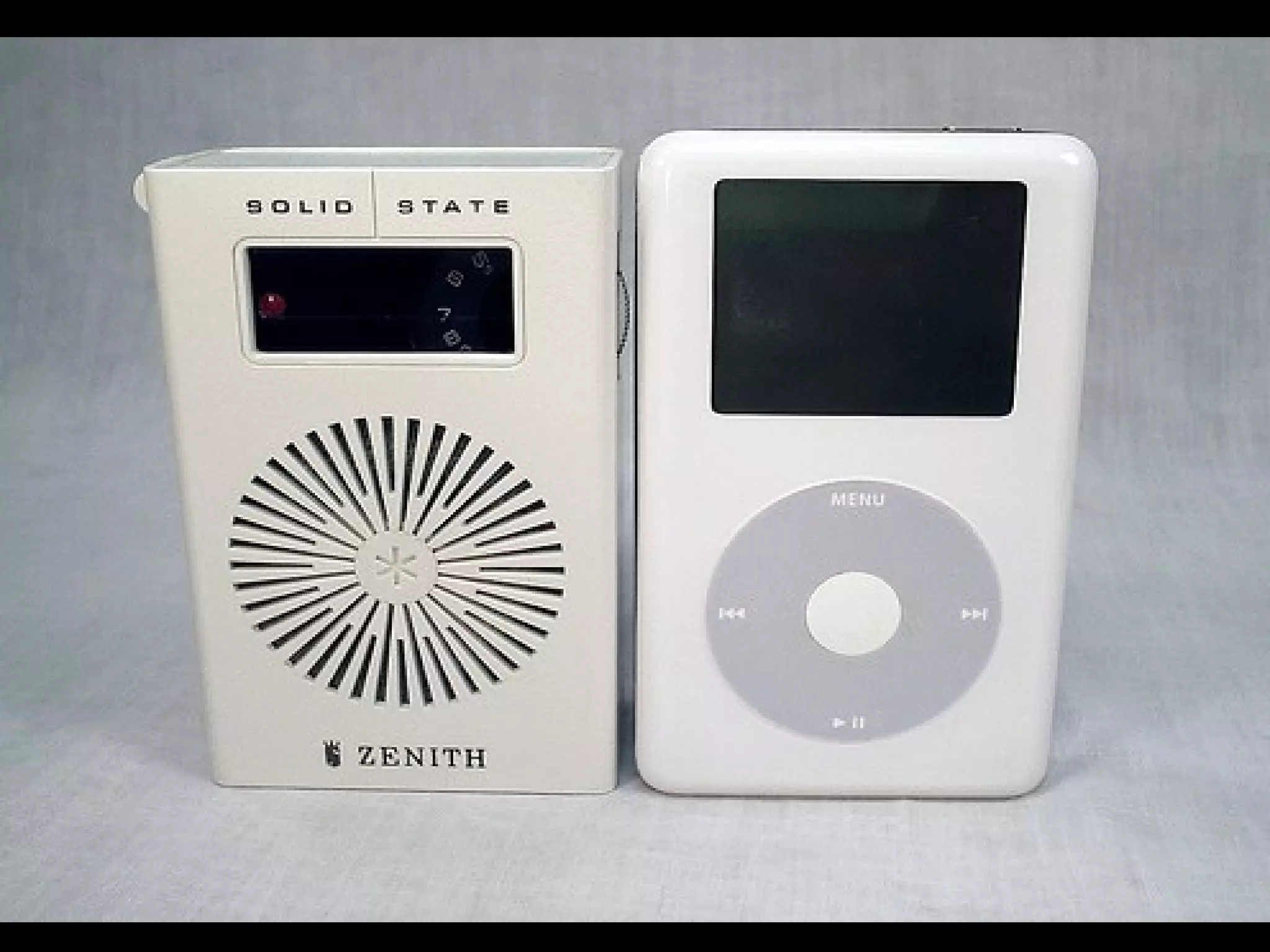
The birth of the Internet in 1969 and the long road of forty years,
from laboratories and scientific appropriation to homes and businesses
and the generalization of personal and organizational appropriation in daily lives,
when combined with Mass Media,
how would the Internet change the Mass Media, and what could we expect?
 
Seeing Change or Our Communication in a New Communicational Model
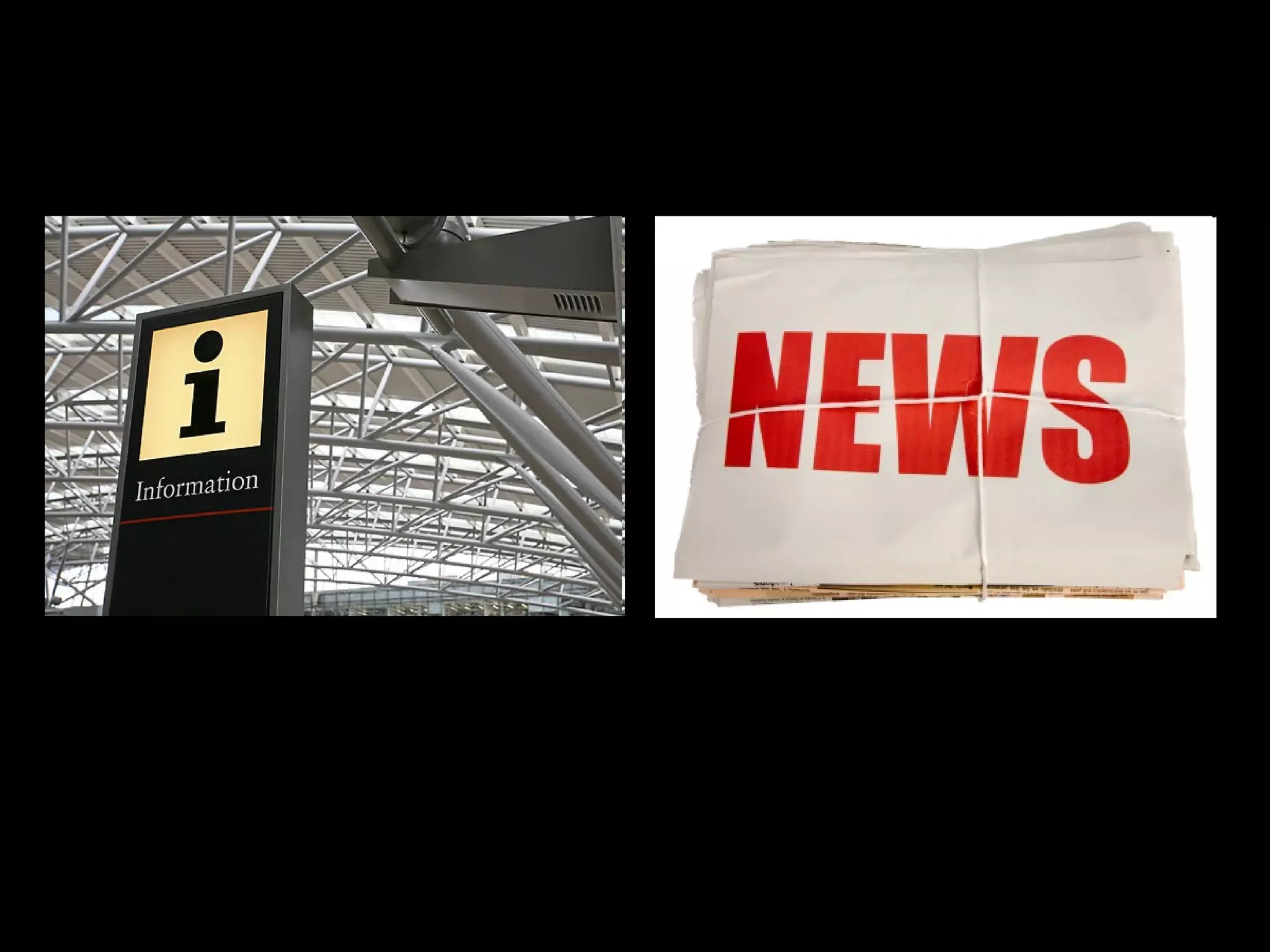
Hello information, goodbye news!
 
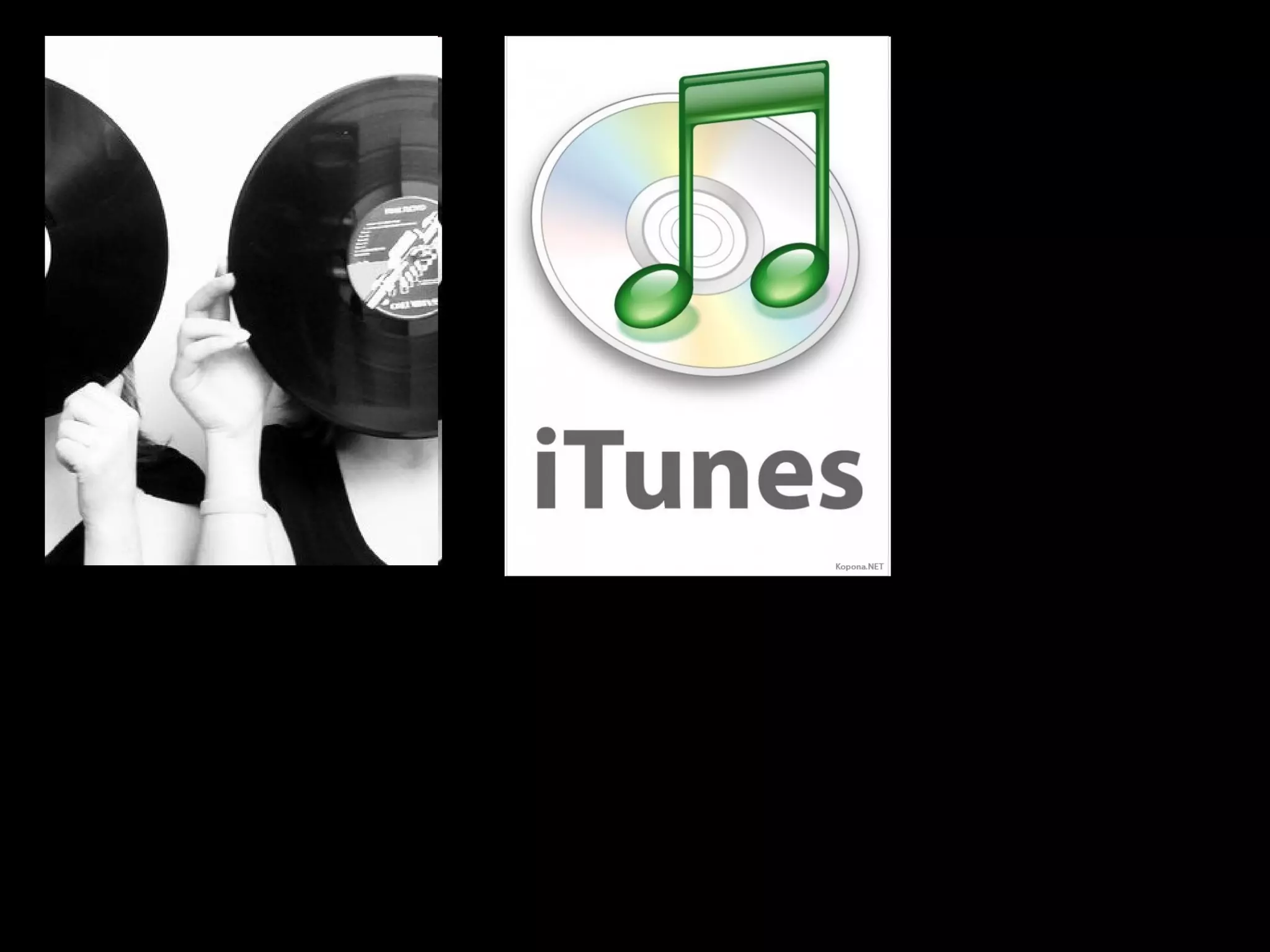
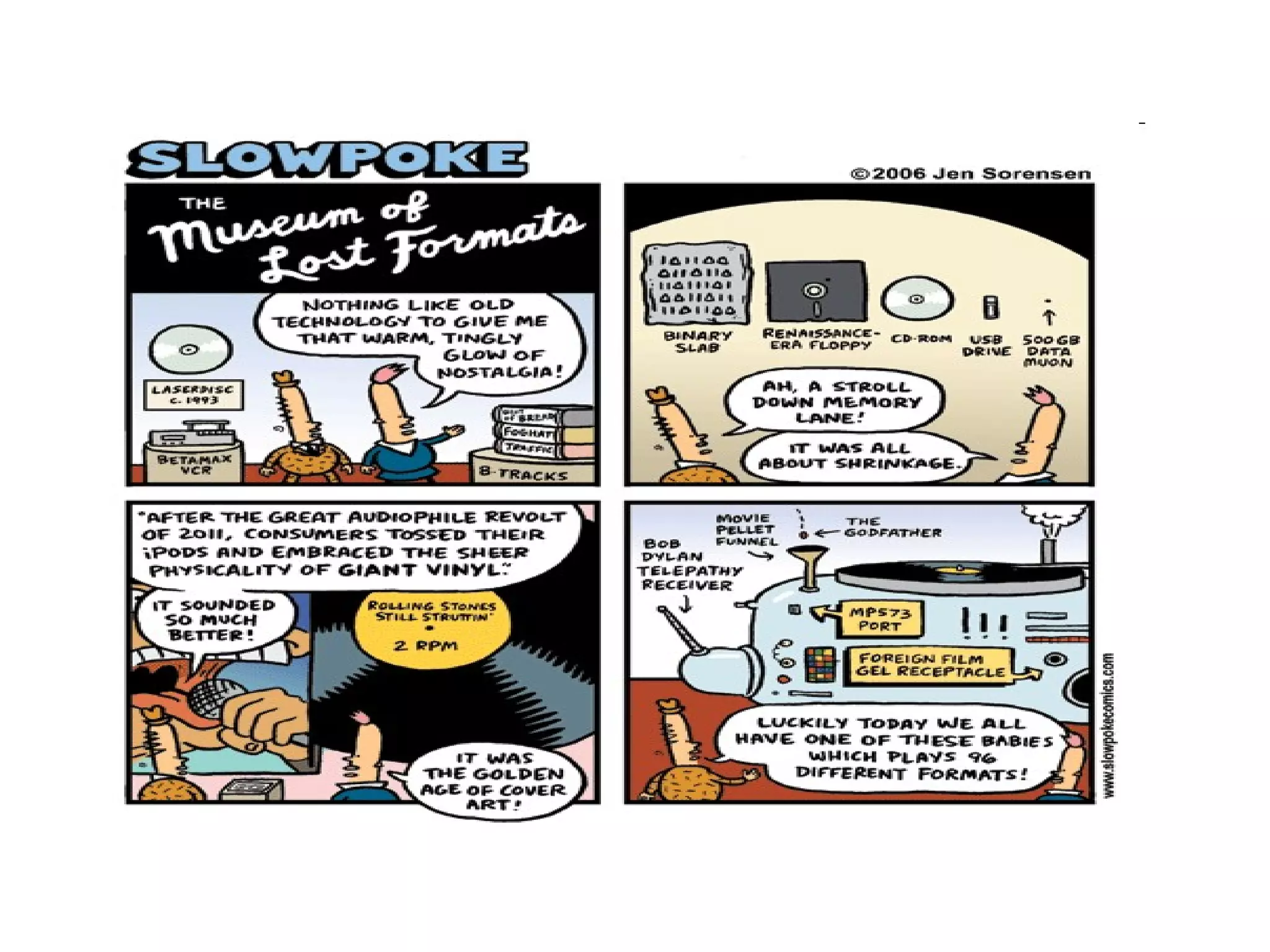
In communication, innovation is (almost always) incremental
 
 
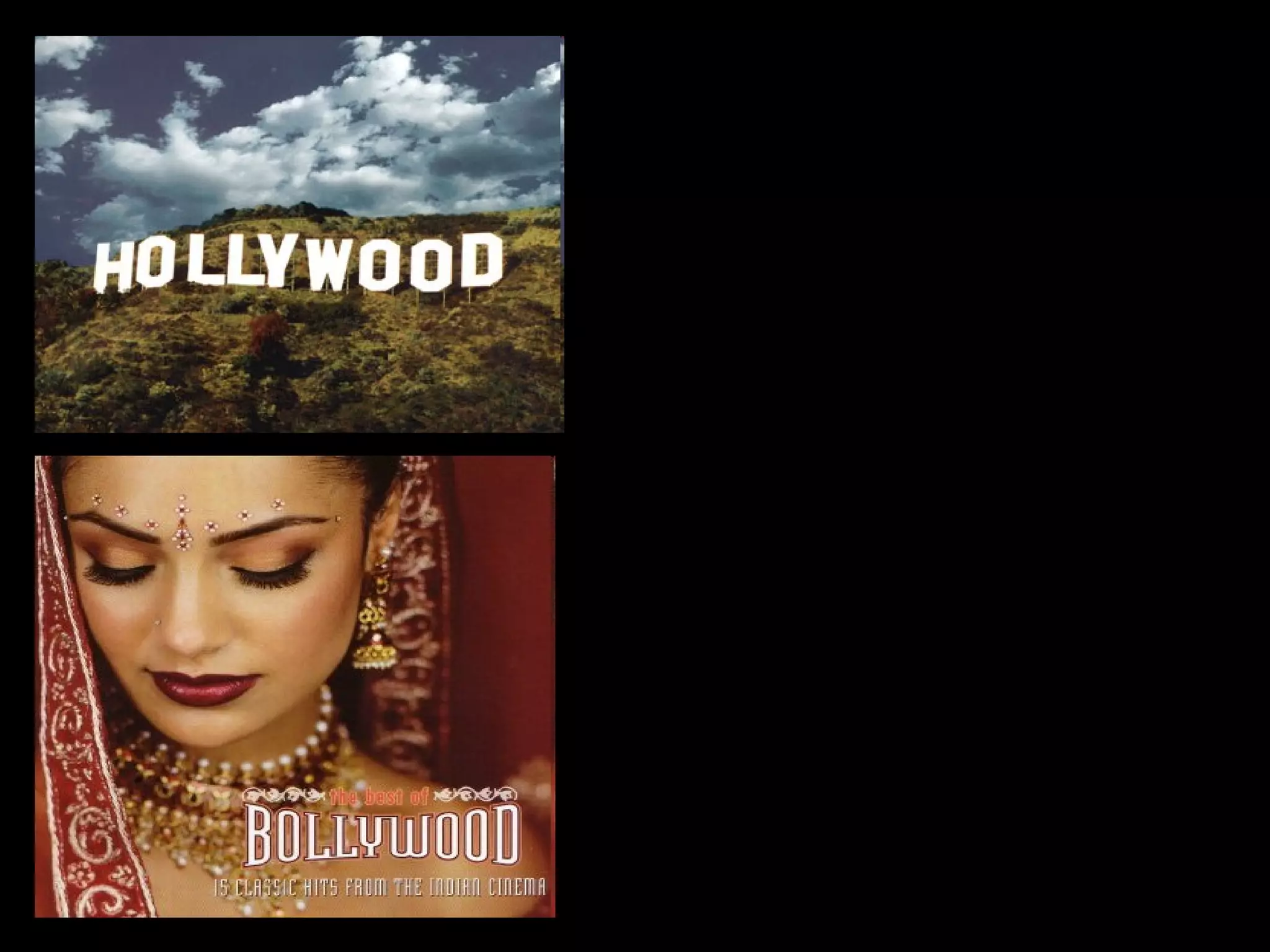
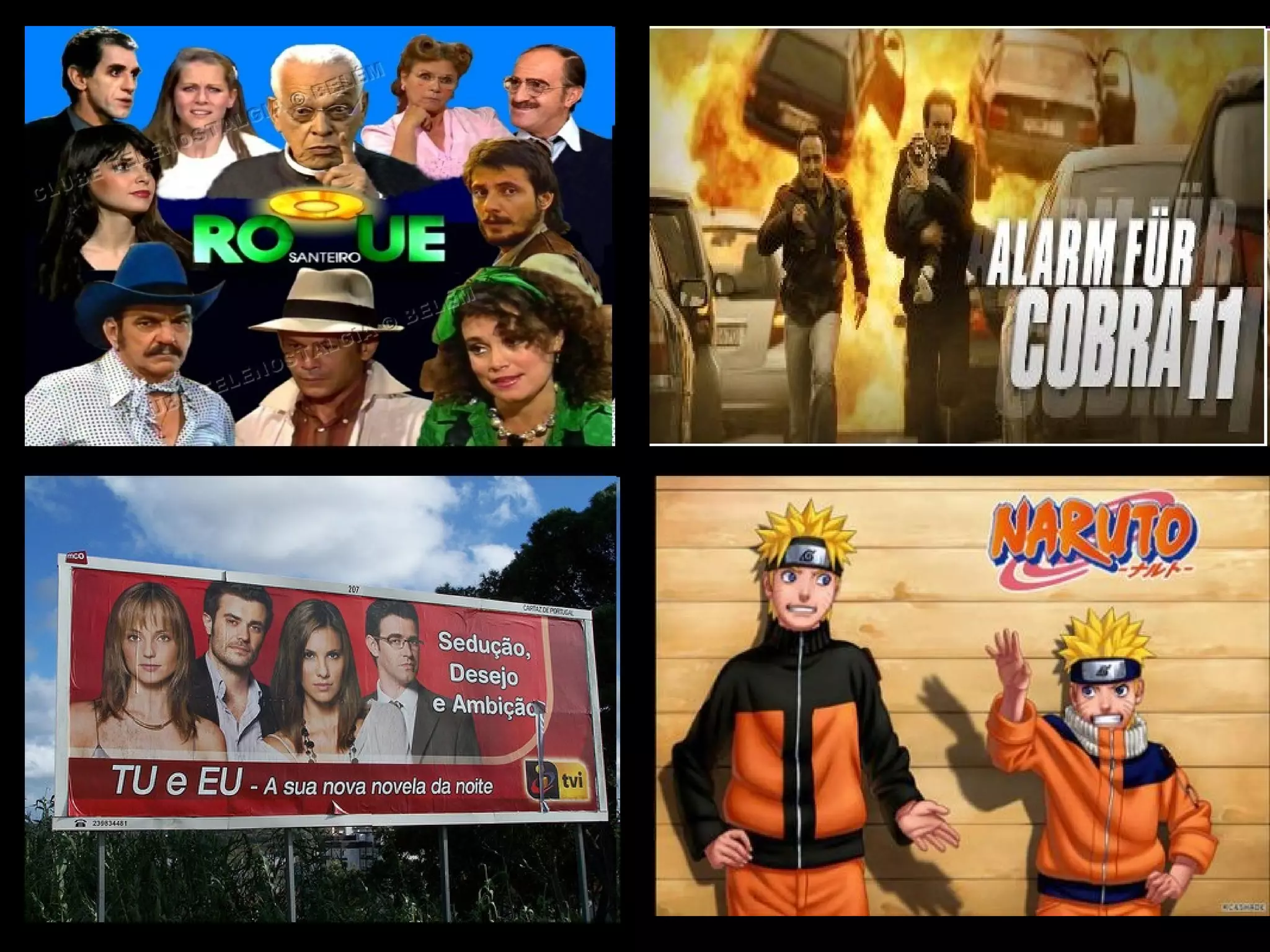
The three cultural industry narratives


Users as distributors
 
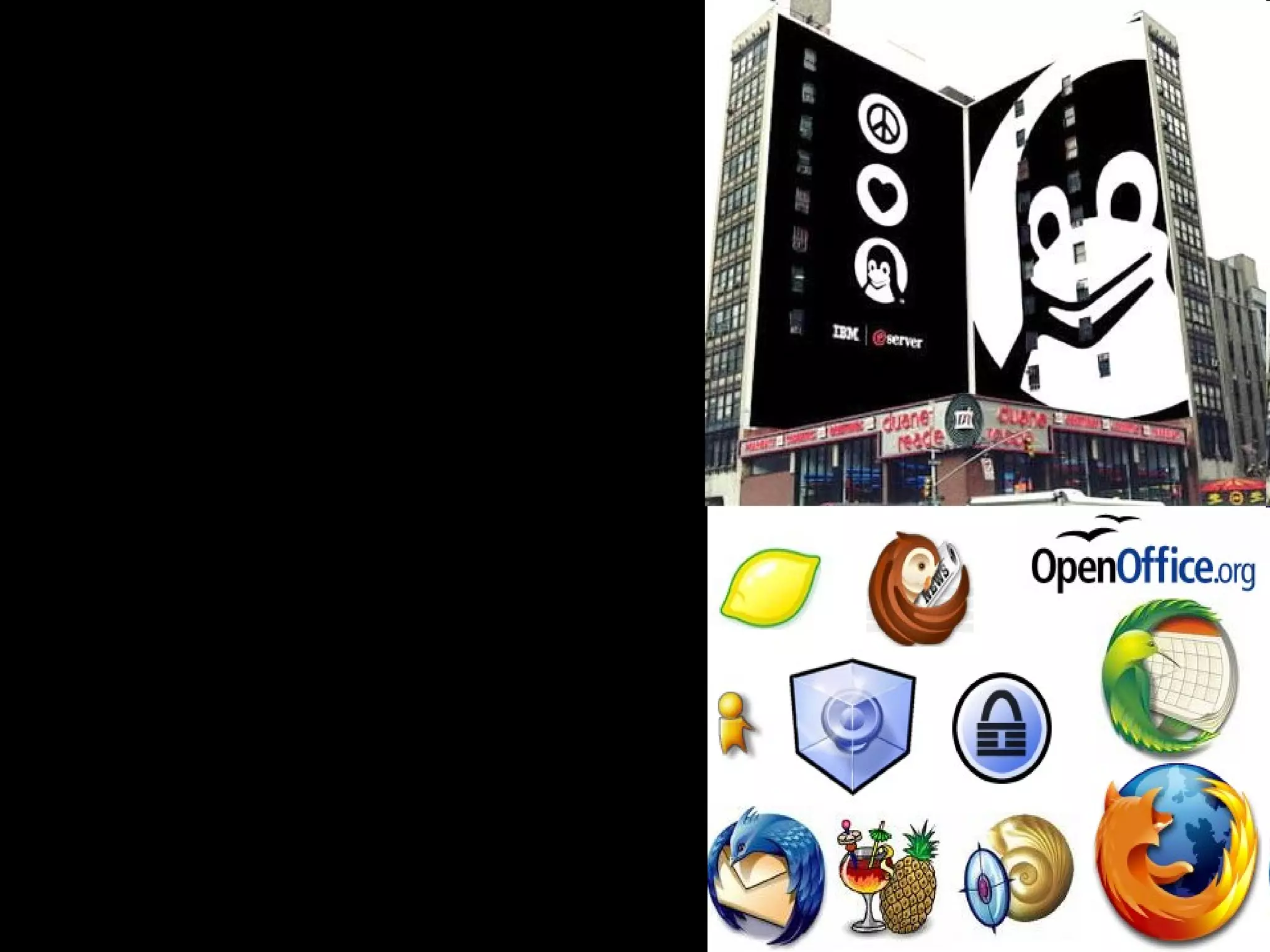
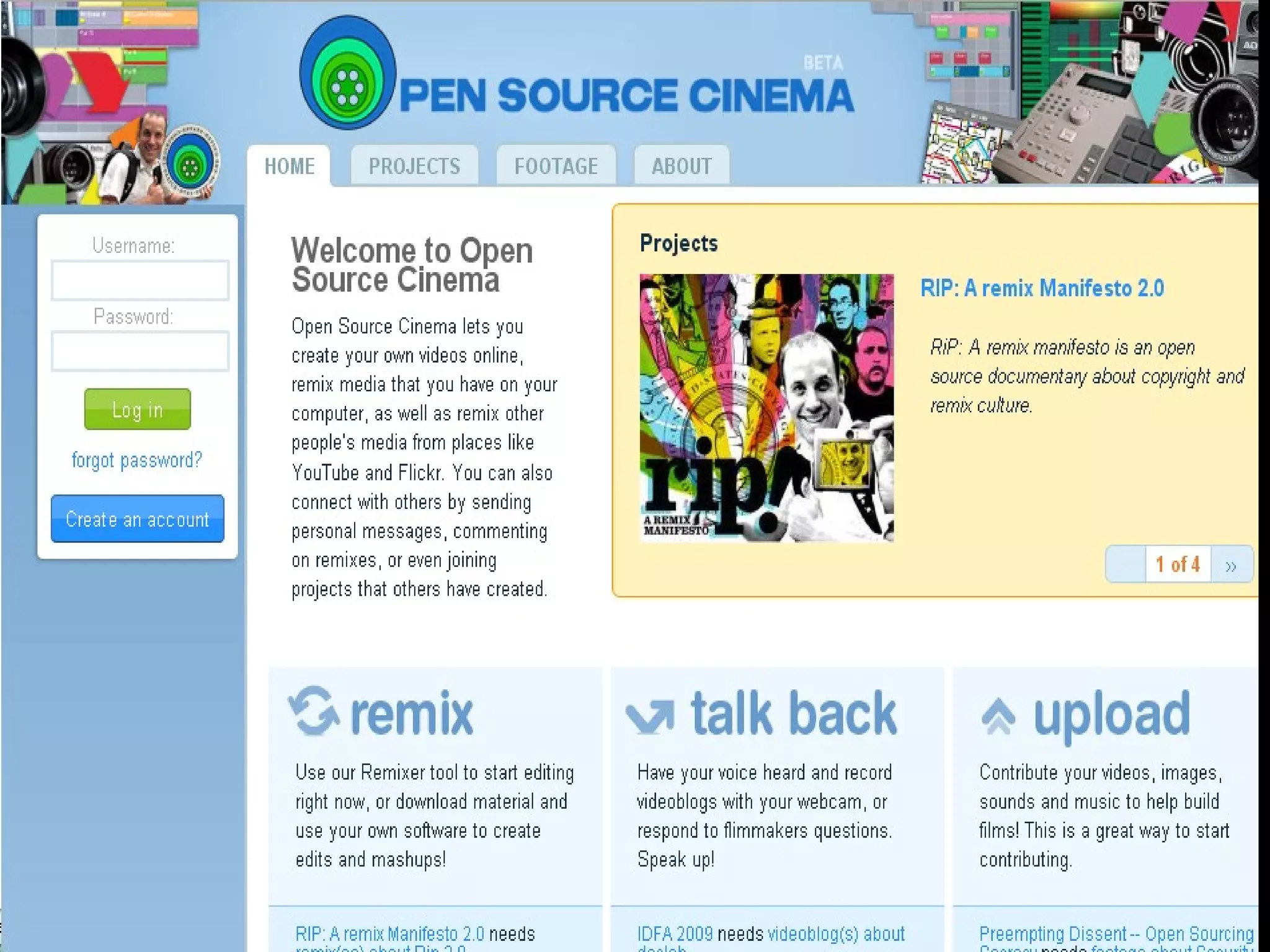
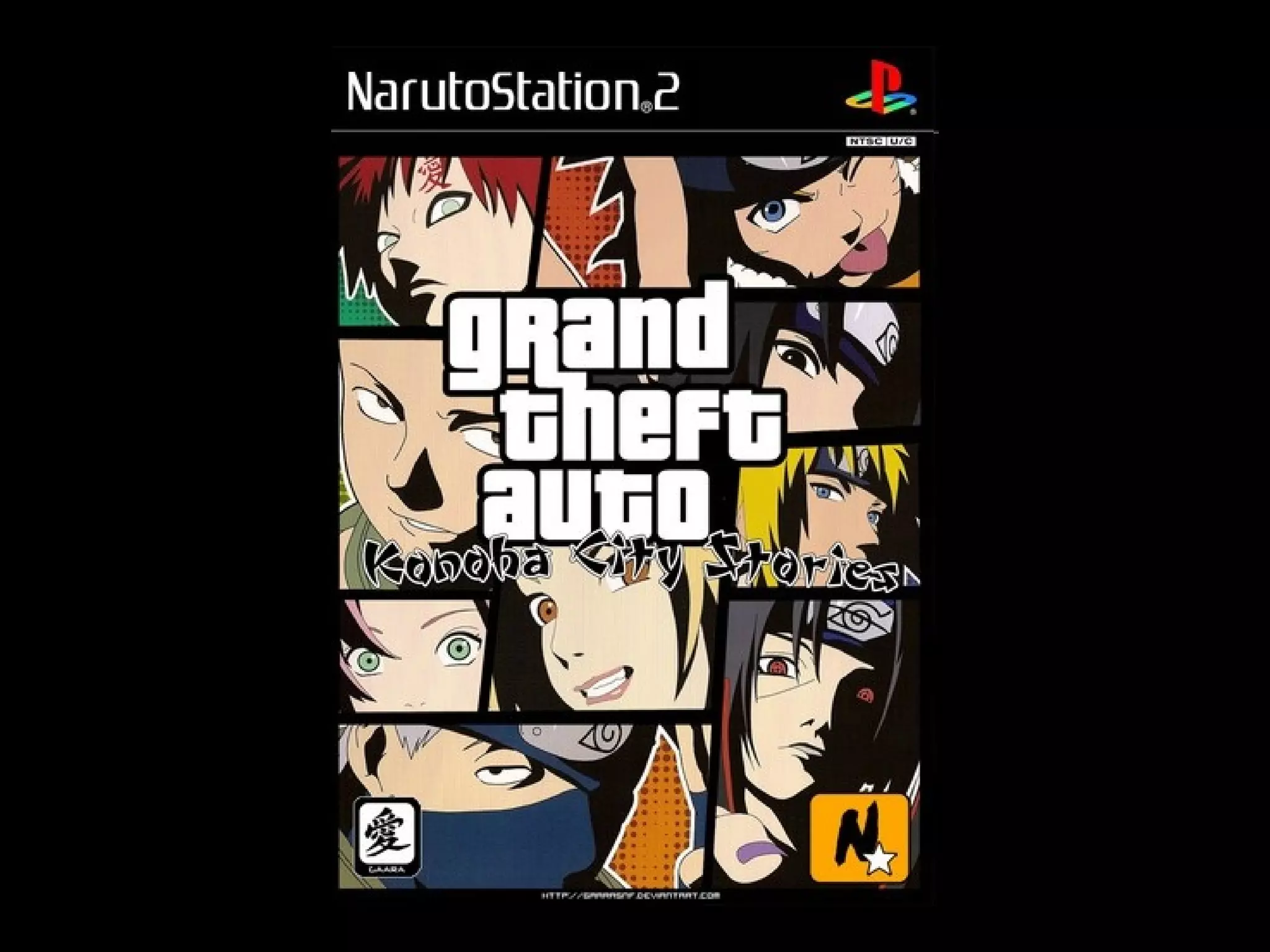
Open creativity or Open source of life
 
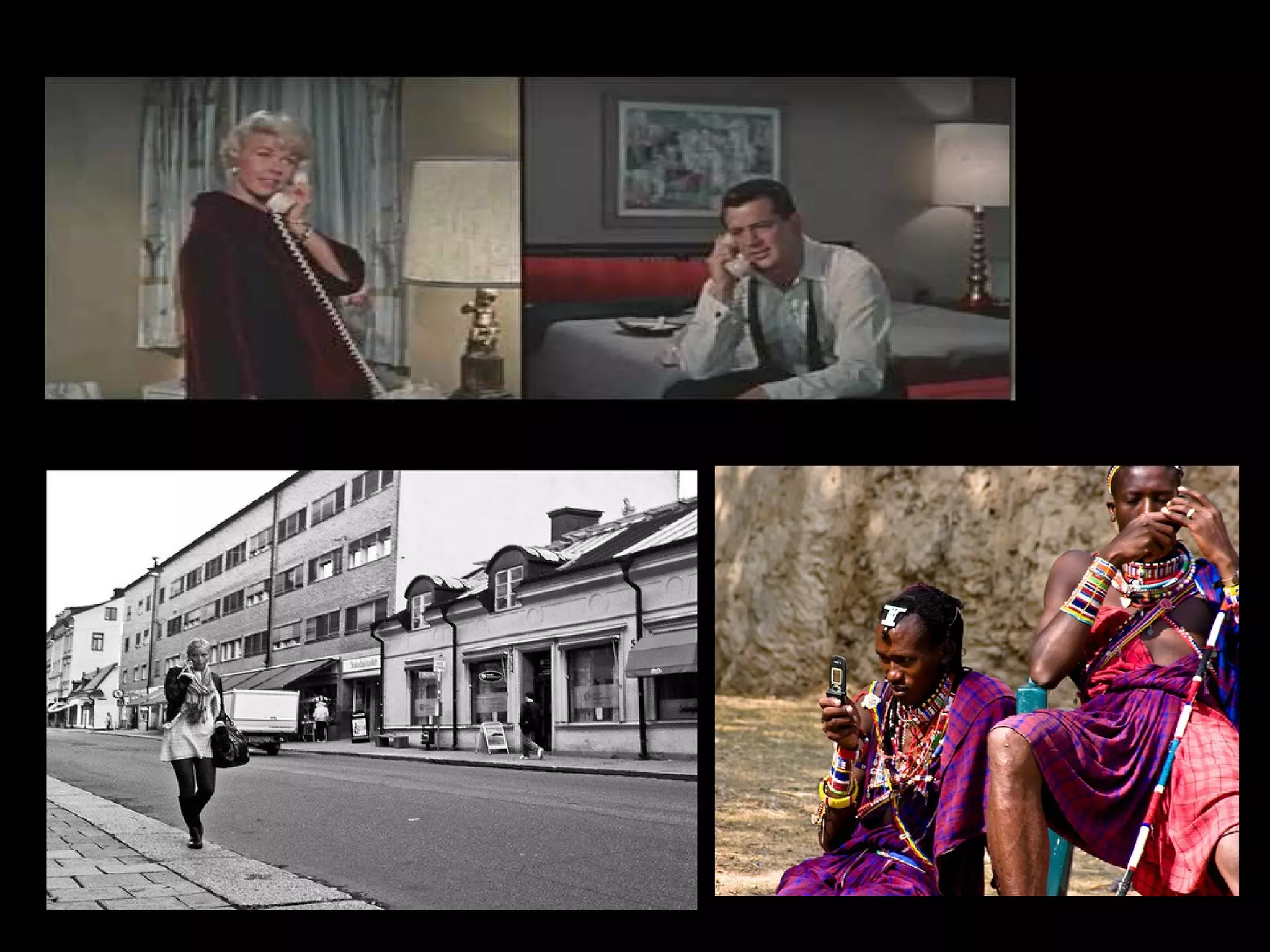
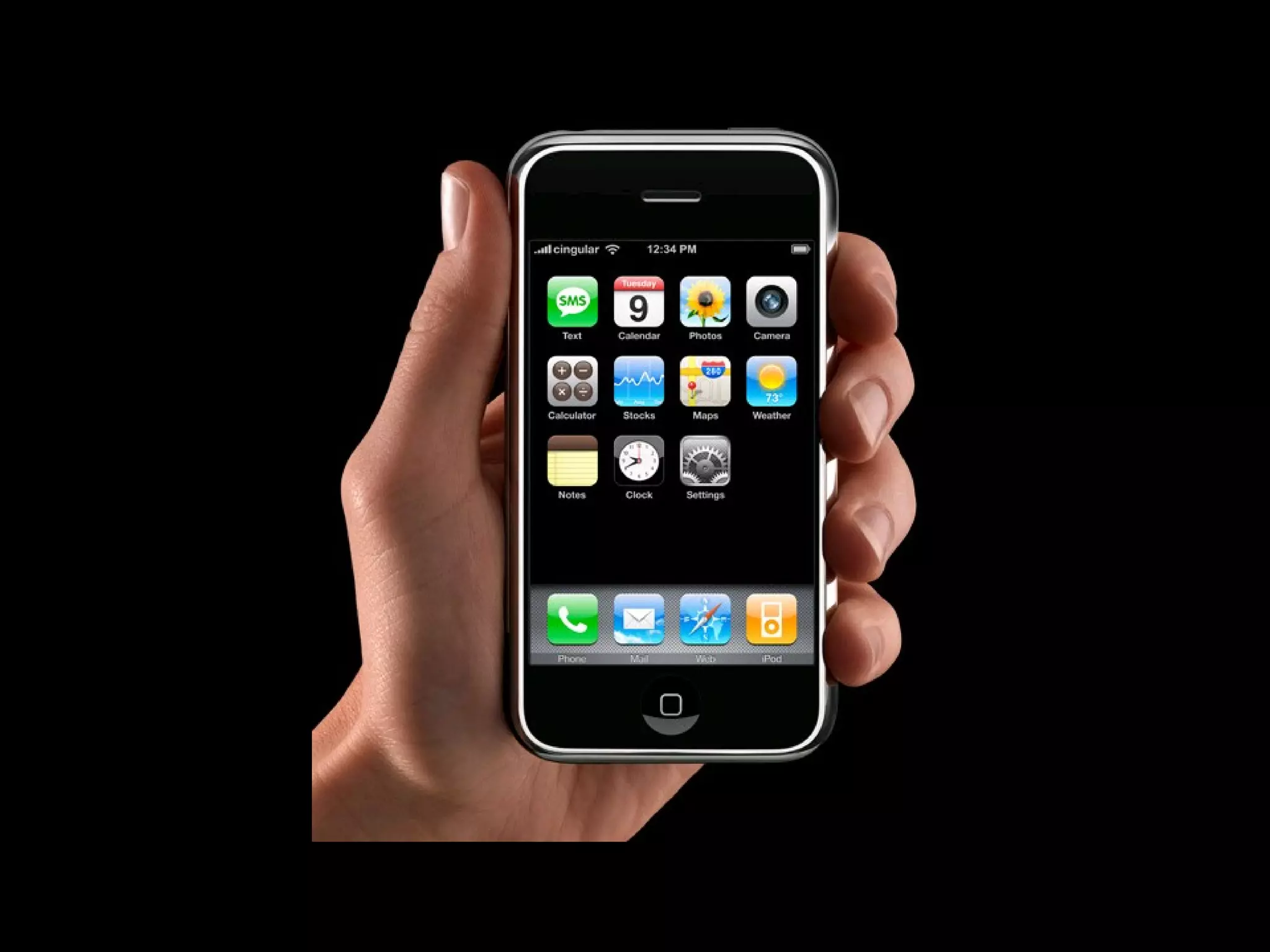
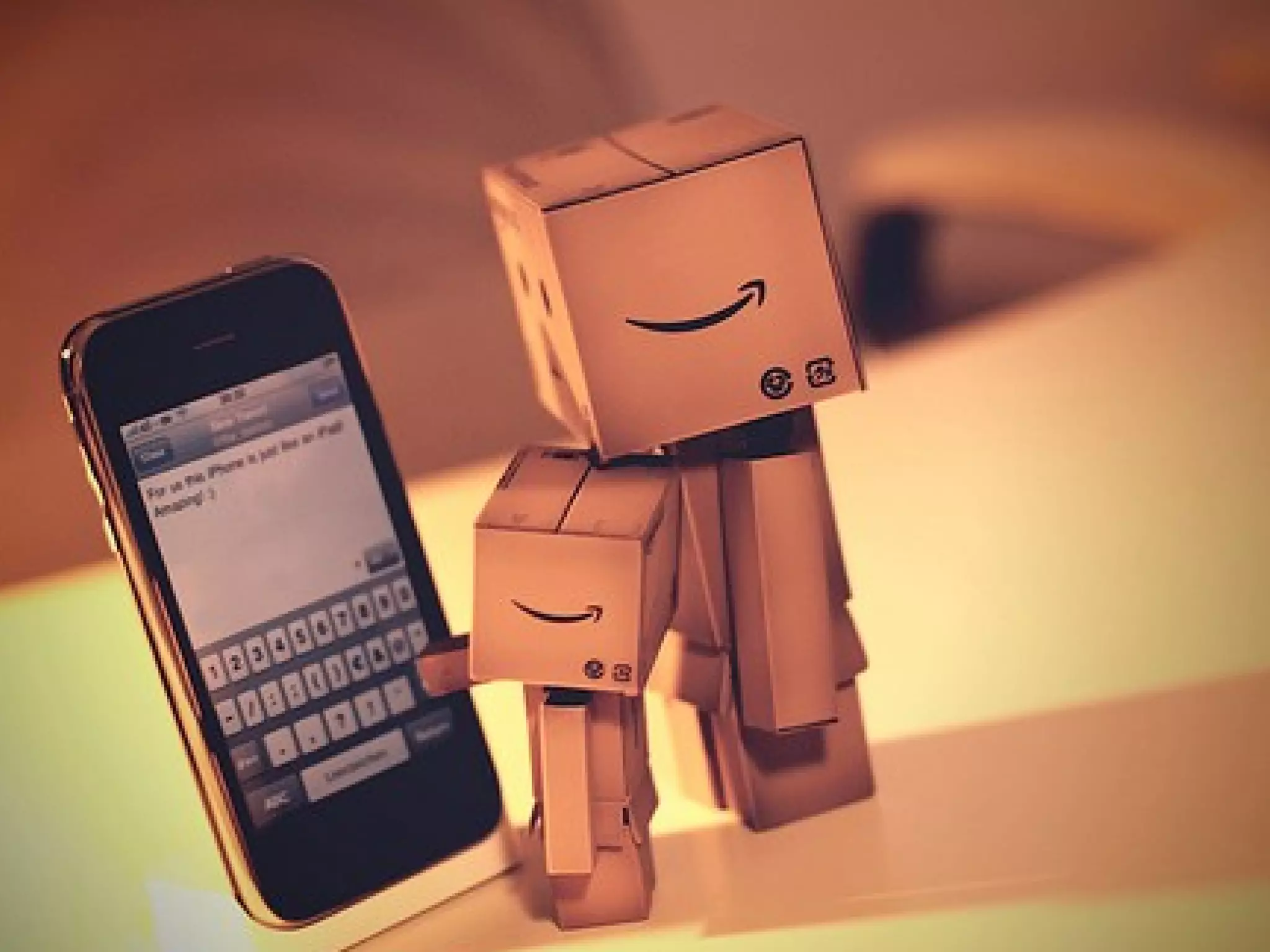
iLife with your iPhone
 
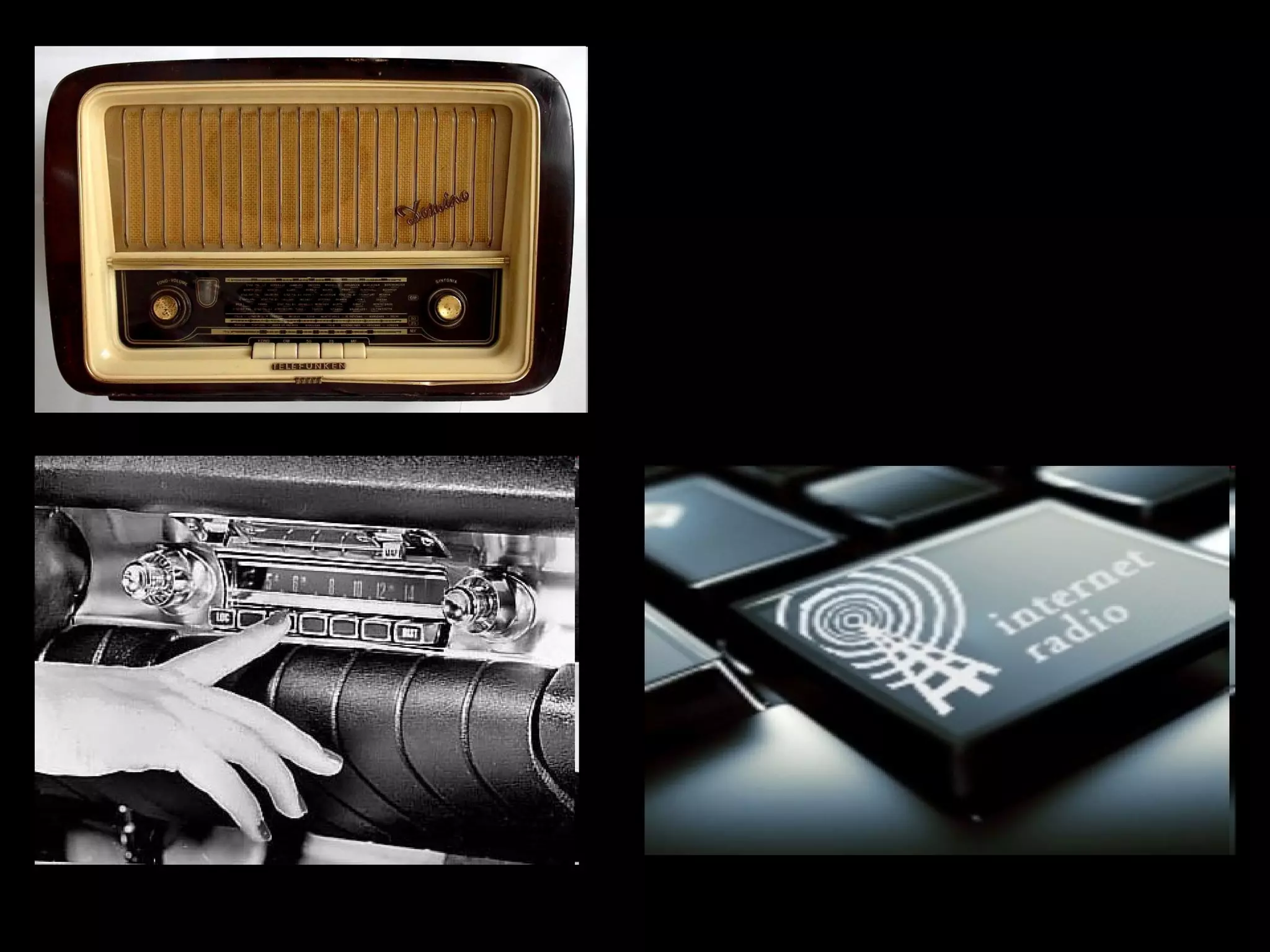
Radio’s third life
 
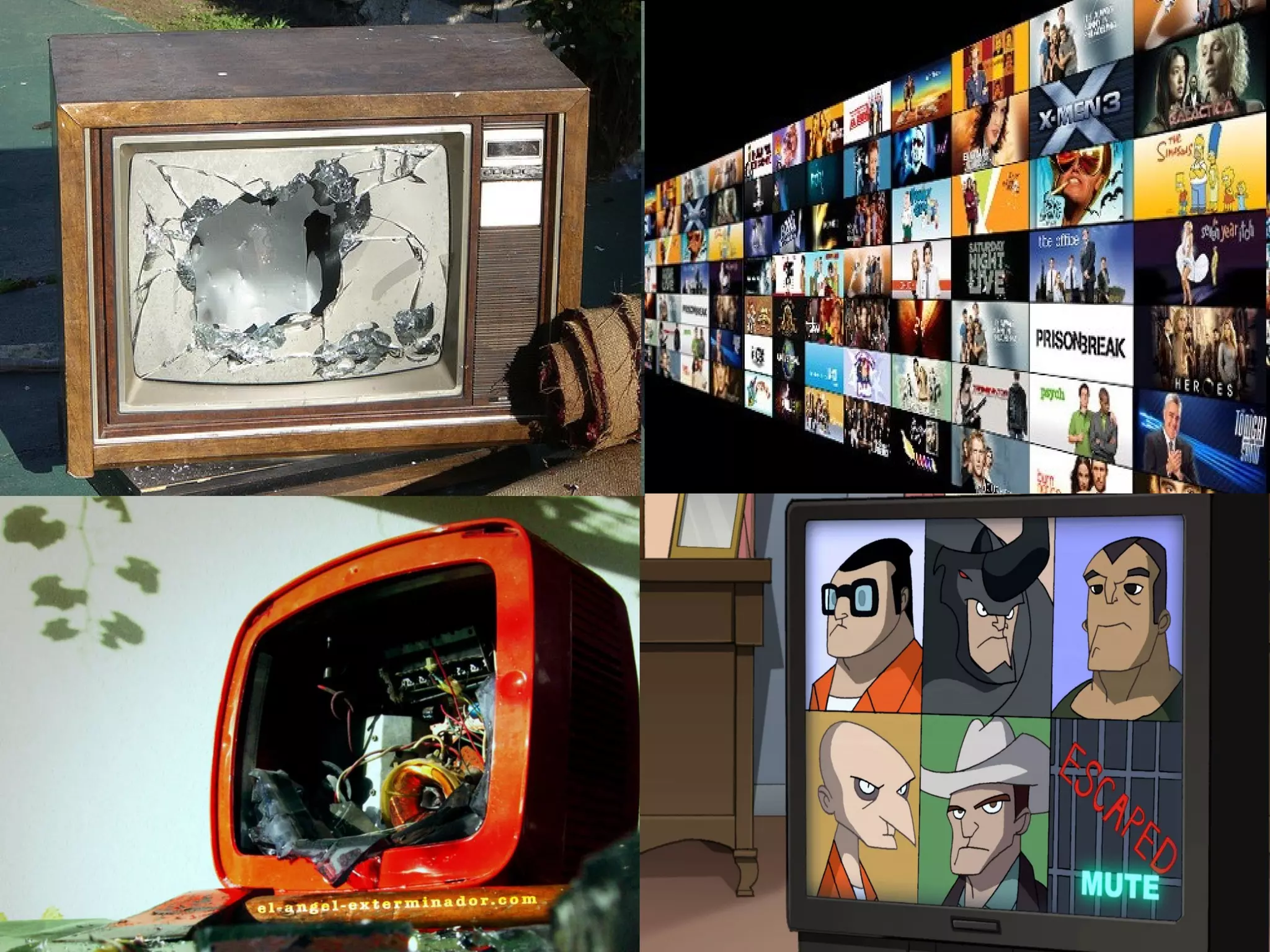
Television is a narrative, not a technology
 
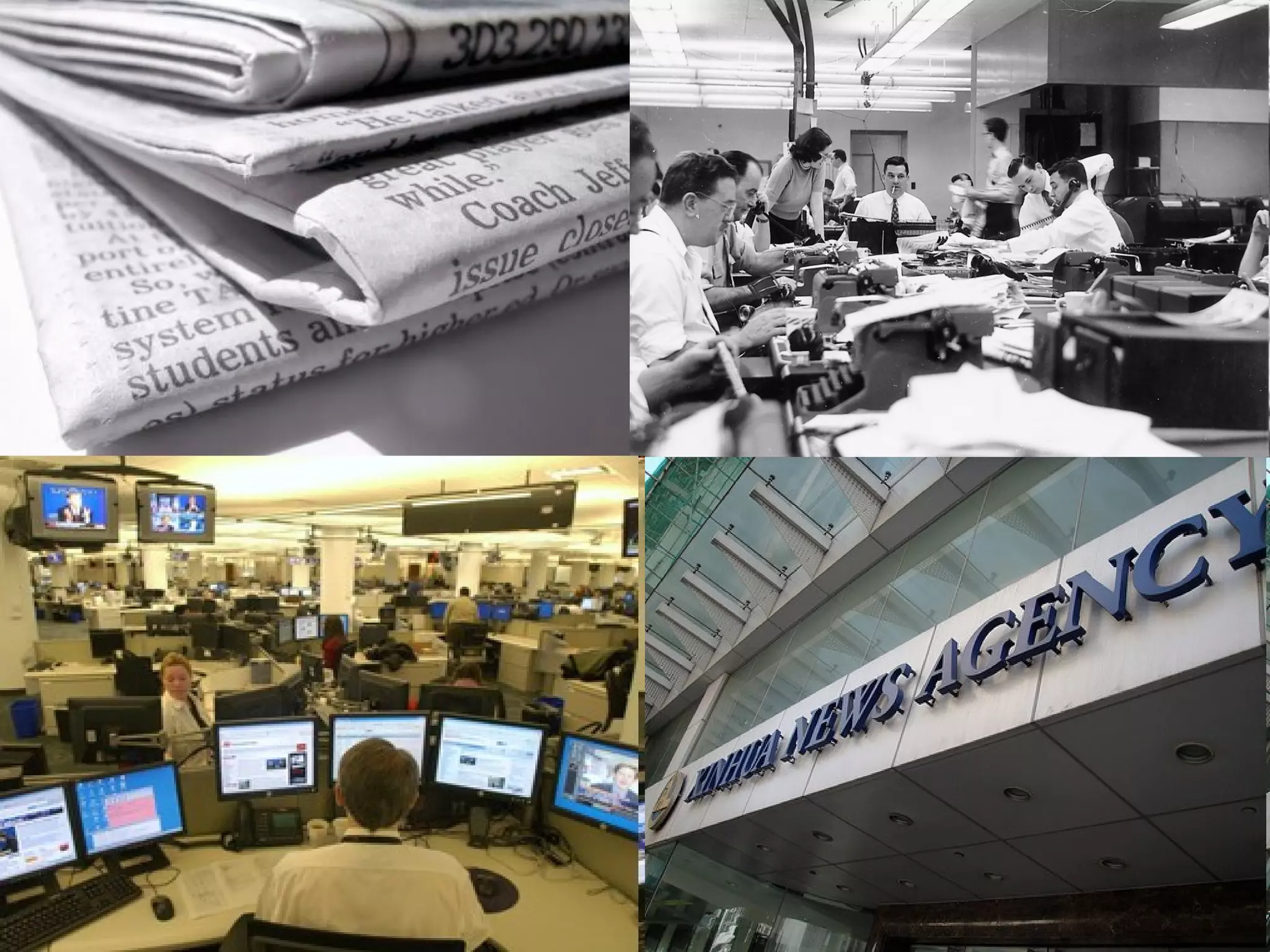
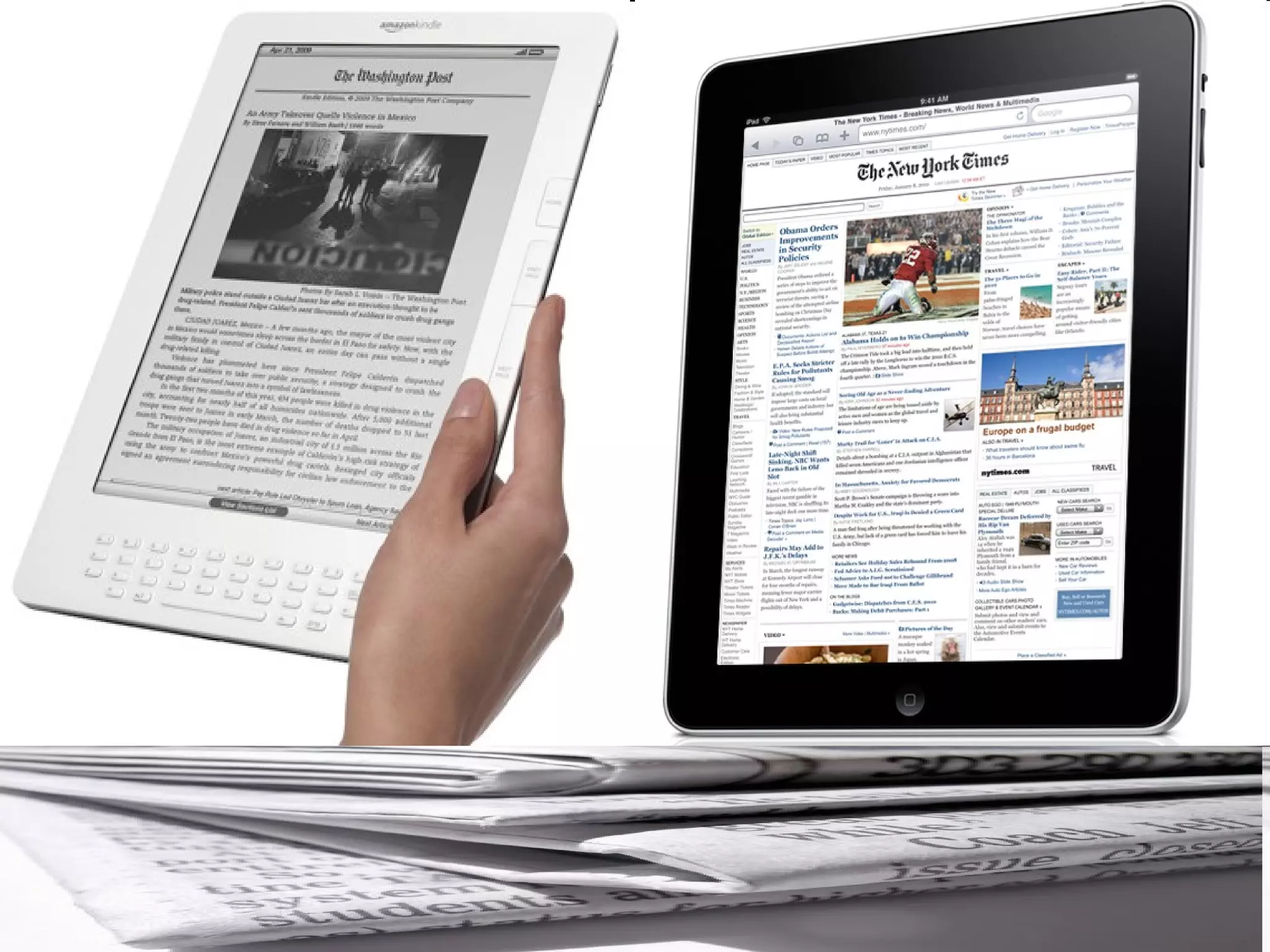
From newspaper to news agency
 
Democracy and everyday life immersed in mediation
 
All are signs of change
How to make sense from them?
From Mass to Networked Communication
Networked Communication Communicational Model of the Network Society
Networked Communication
Shaped by  3   forces
(1)
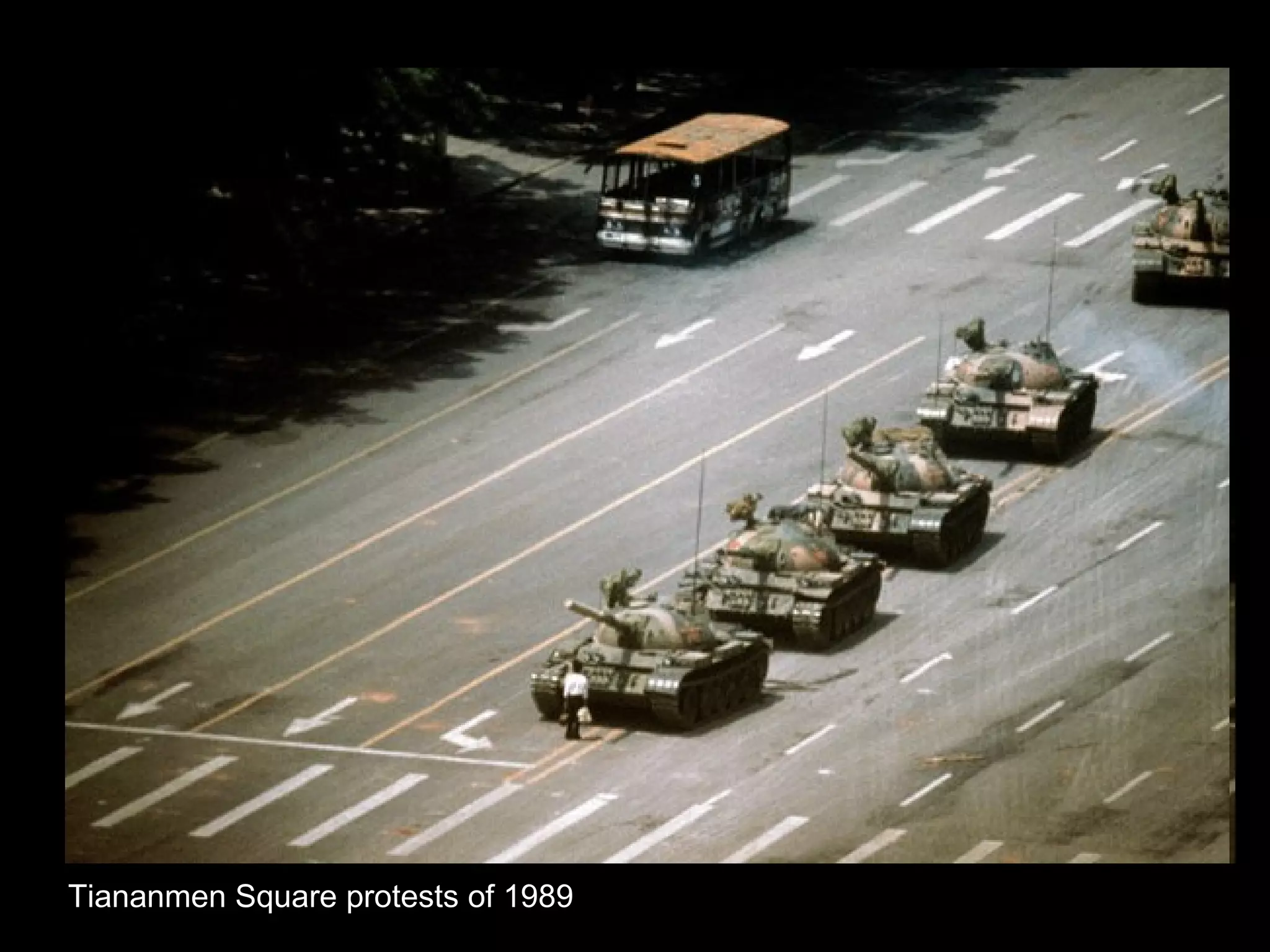
Communicational Globalization Processes
Tiananmen Square protests of 1989
First by Sattelite TV
 
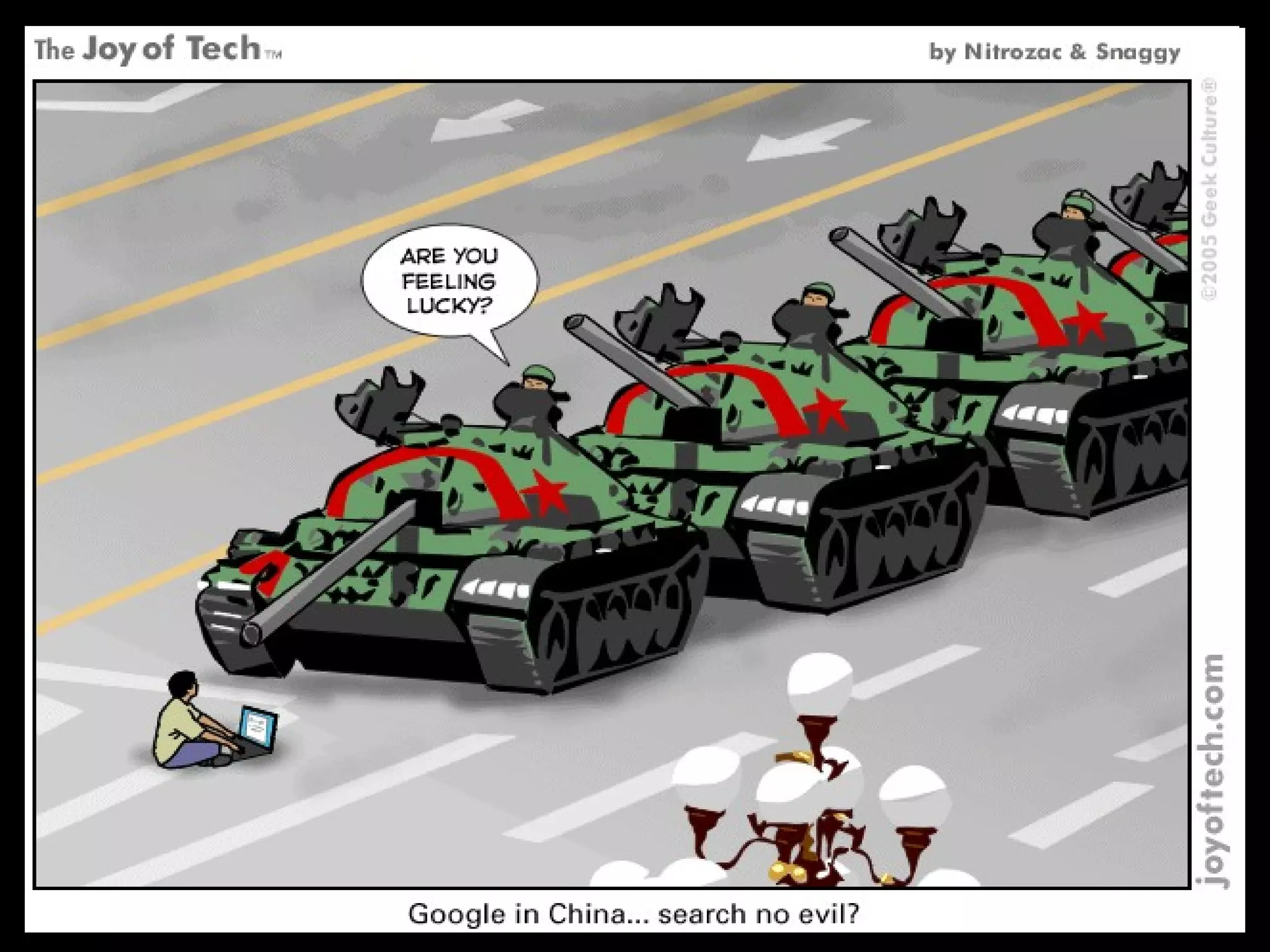
Latter by the Internet
(2)
What mediation ?


Self Mass Communication


multimedia interpersonal communication
 
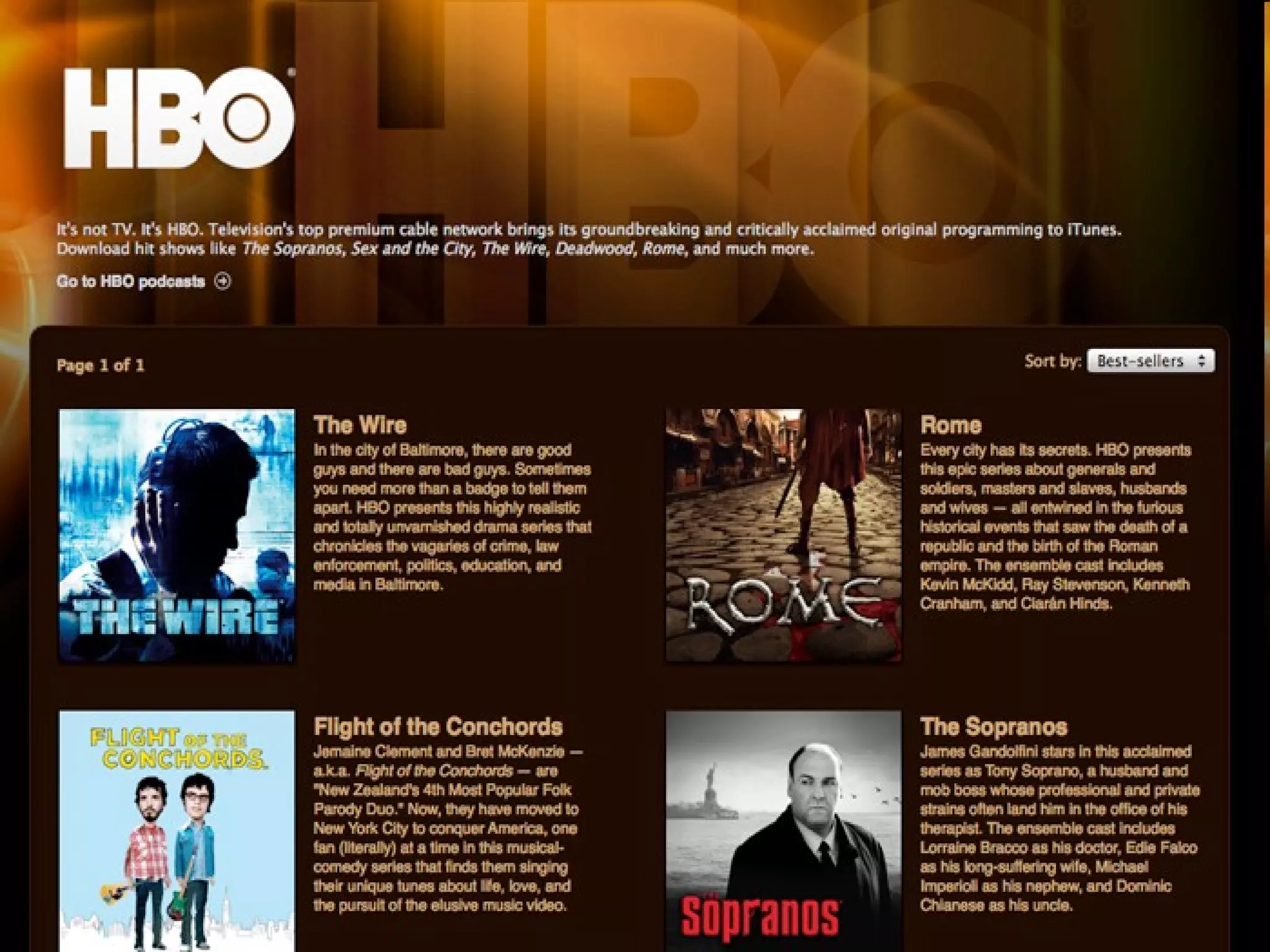
one to many mediated communication
 
 
Mass Communication
 
Non mediated face to face
This is our communication


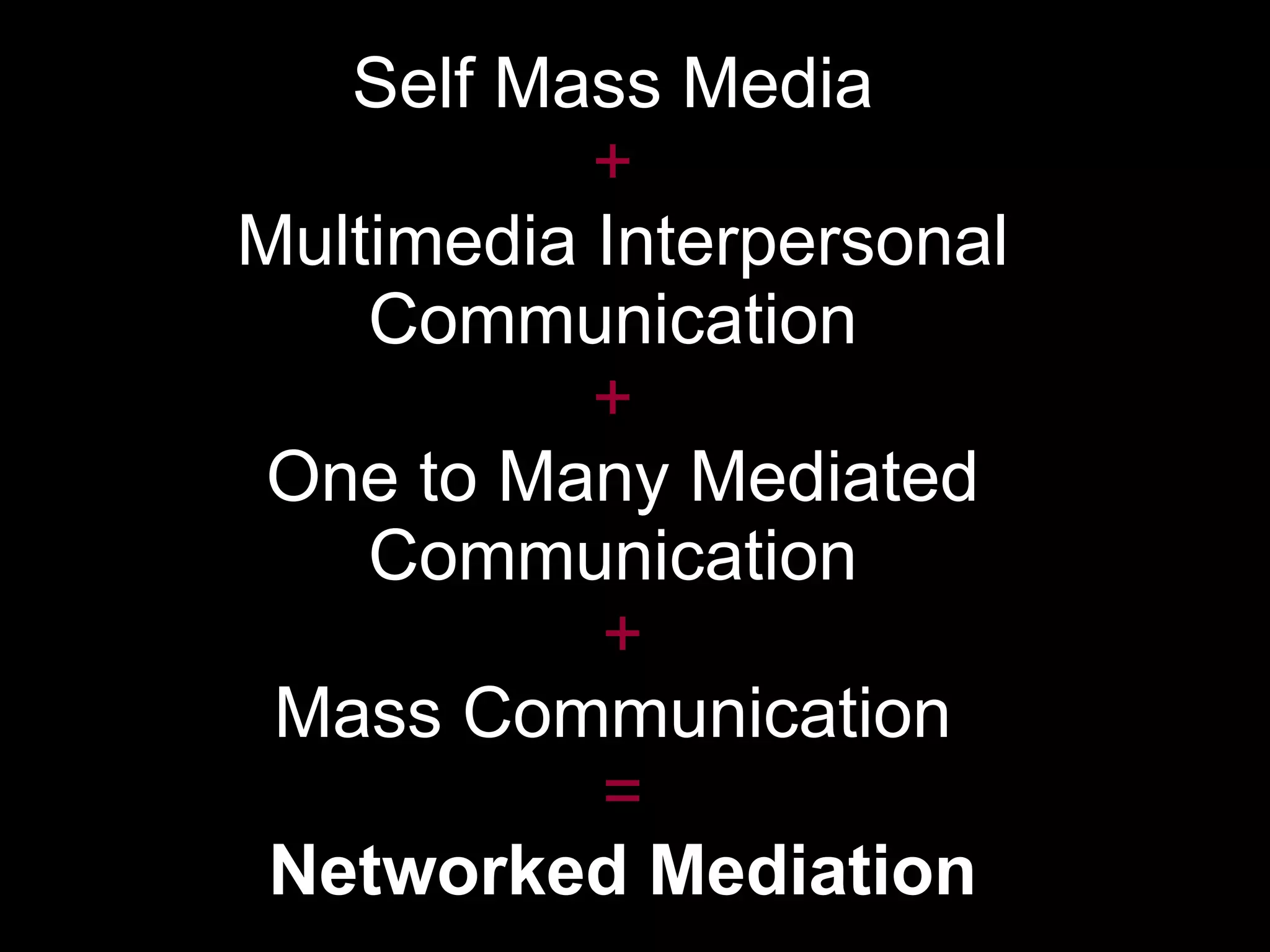
Self Mass Media  +   Multimedia Interpersonal Communication  +   One to Many Mediated Communication  + Mass Communication  = Networked Mediation
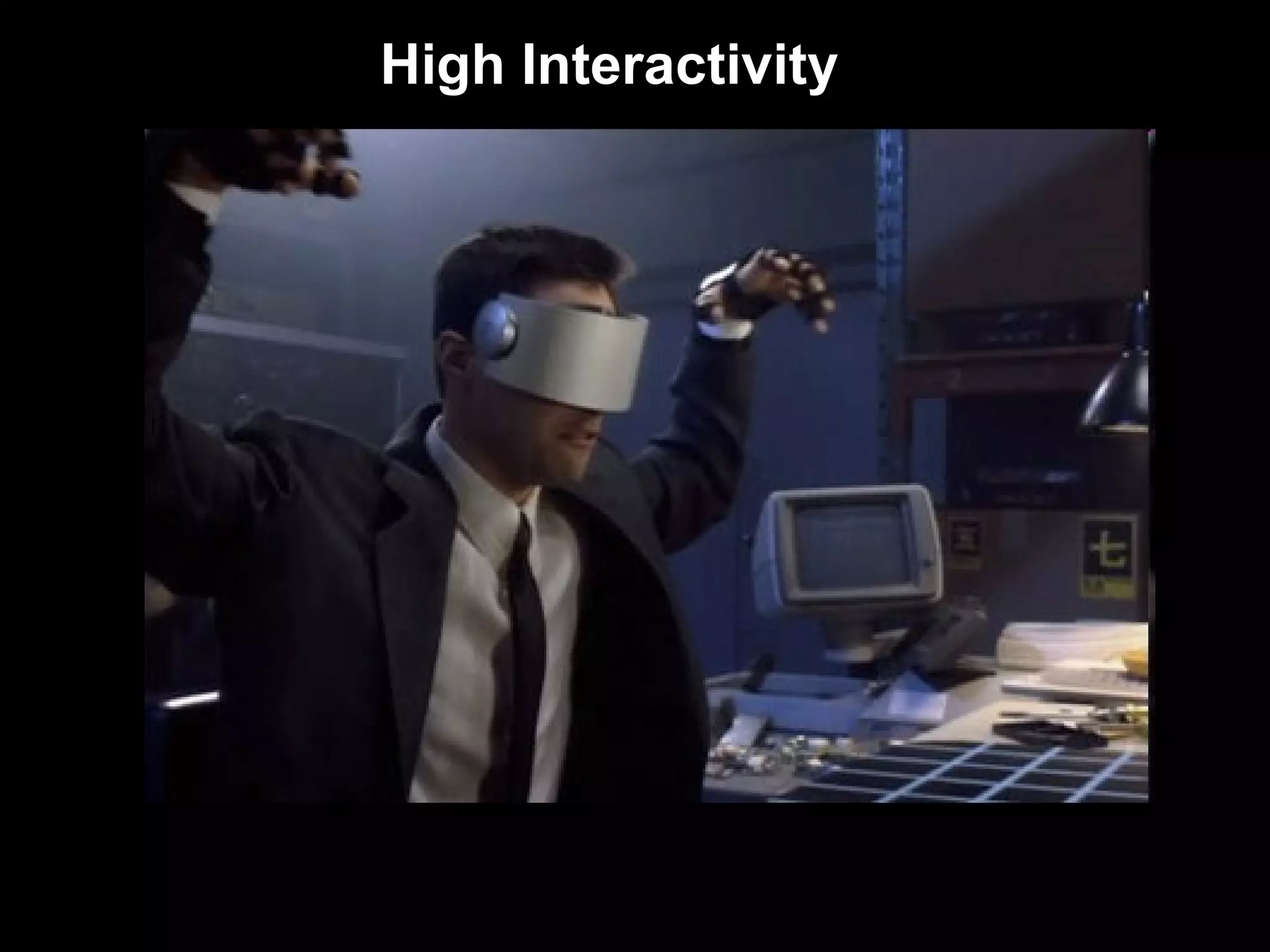
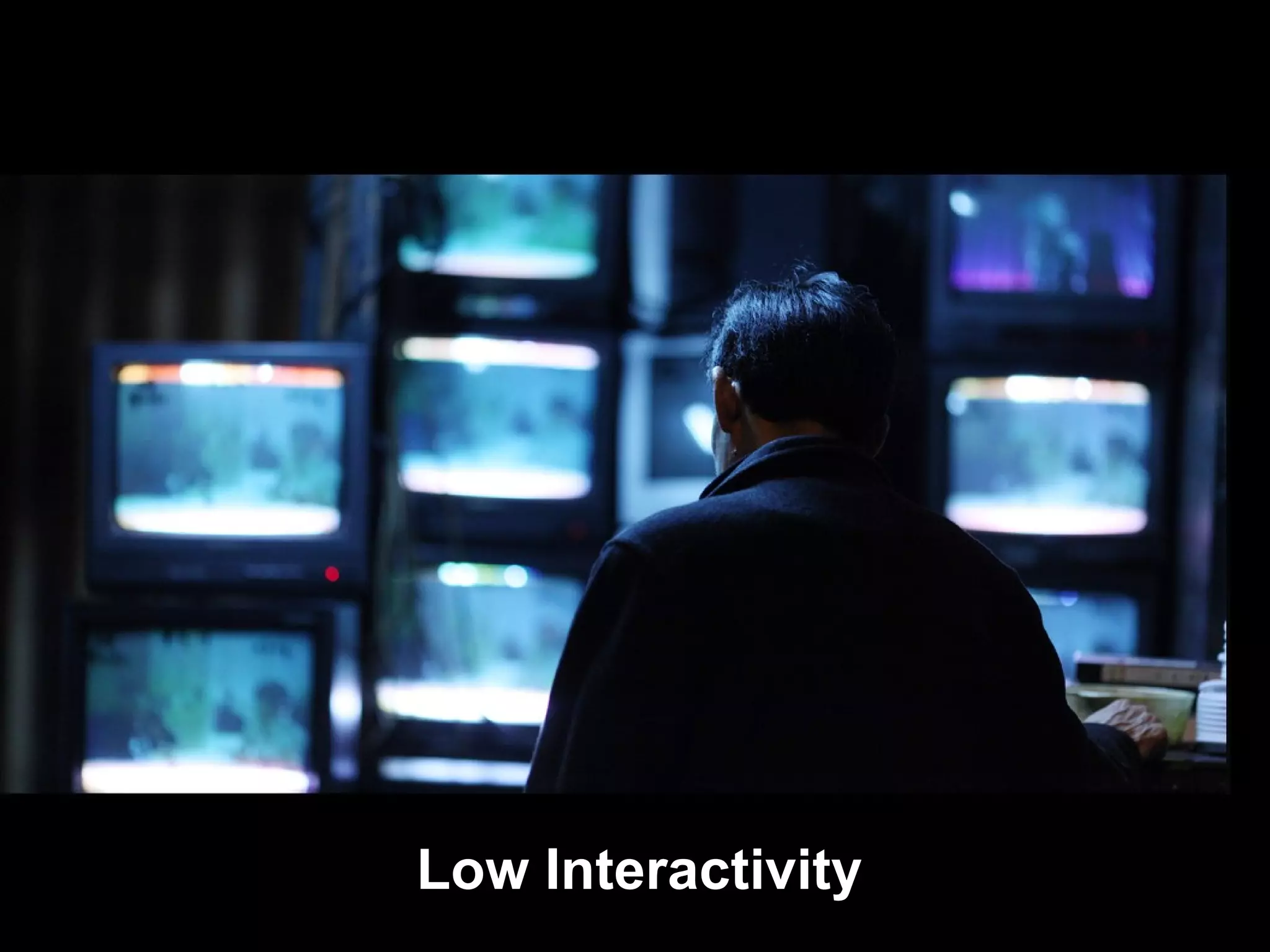
(3)
High Interactivity
 
Low Interactivity
 
Choice Different interactivity dimensions  HIGH  /  LOW Communicational Environment Approach towards interactivity
 
Networked Communication
If it is true that we build communicational models into our societies,
it is equally true  that they give rise to  communicational paradigms  that
format what a  given media system will be
Do we have a  new  communicational paradigm ?
 
 
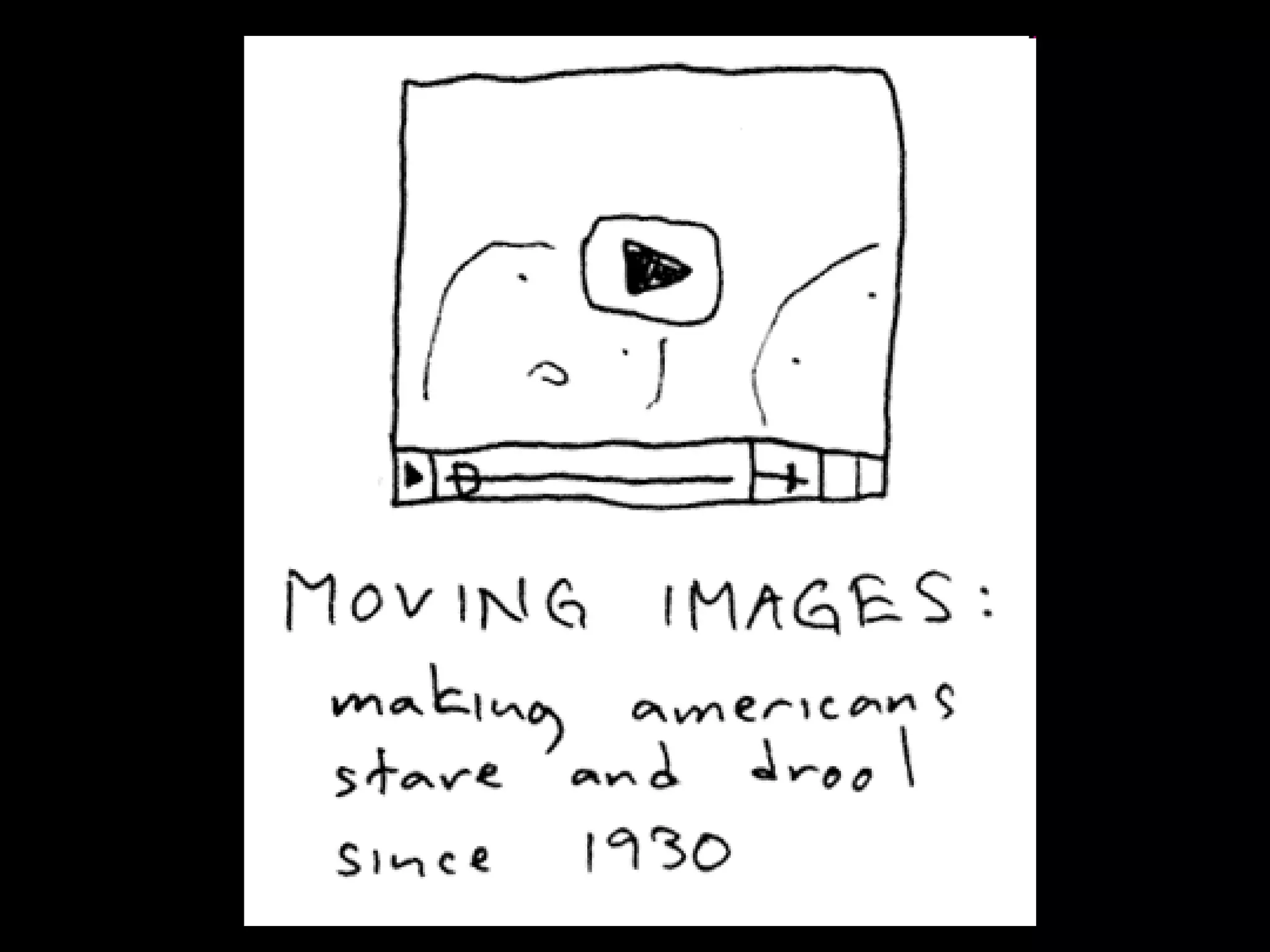
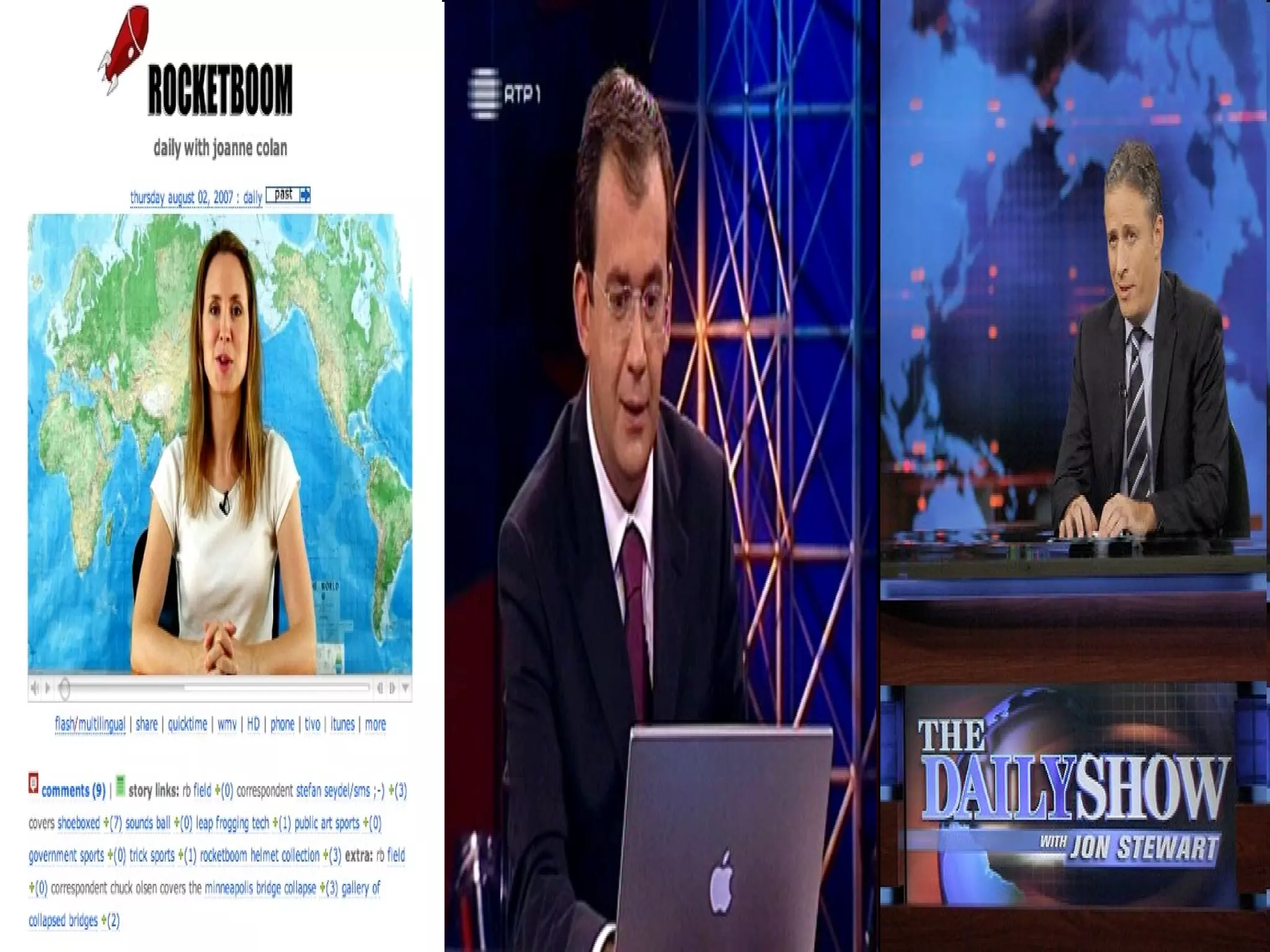
1) Rhetoric based on moving image
 
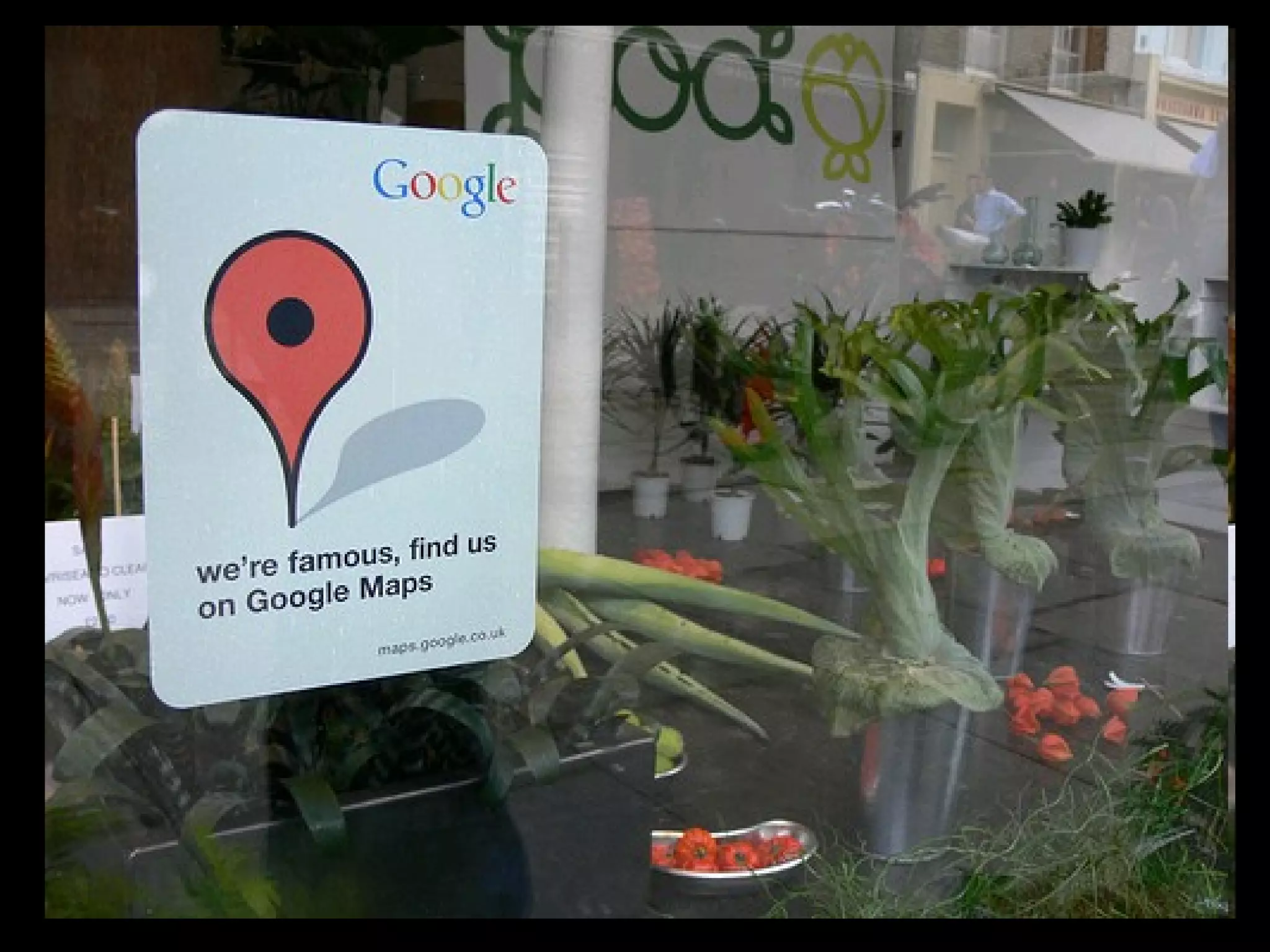
2) New dynamics of accessibility  (ranging from  availability  to  mobility )
 
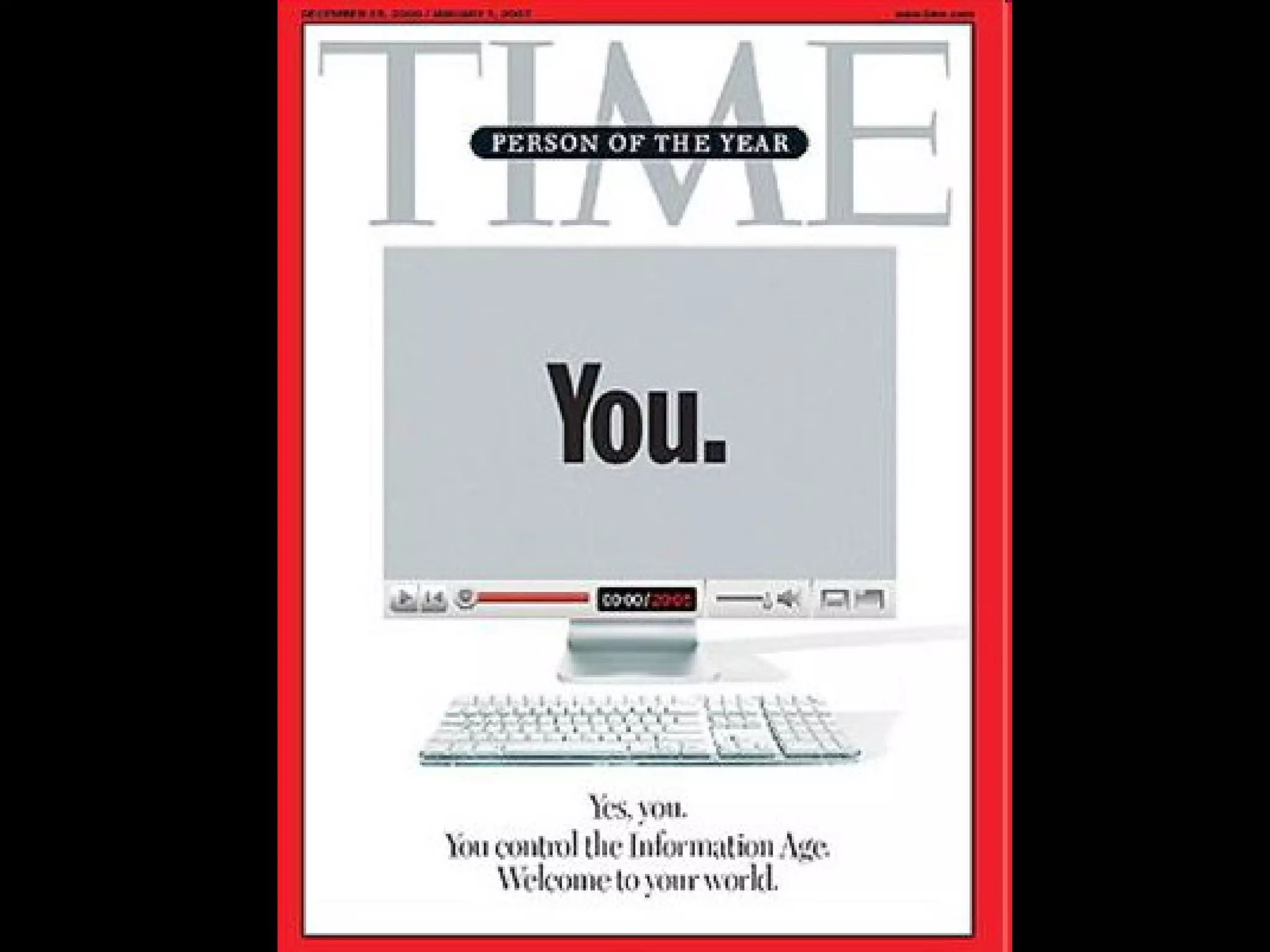
3) social value of  user generated content
 
4) Coexistence of multiple role models types of newscasts.
 
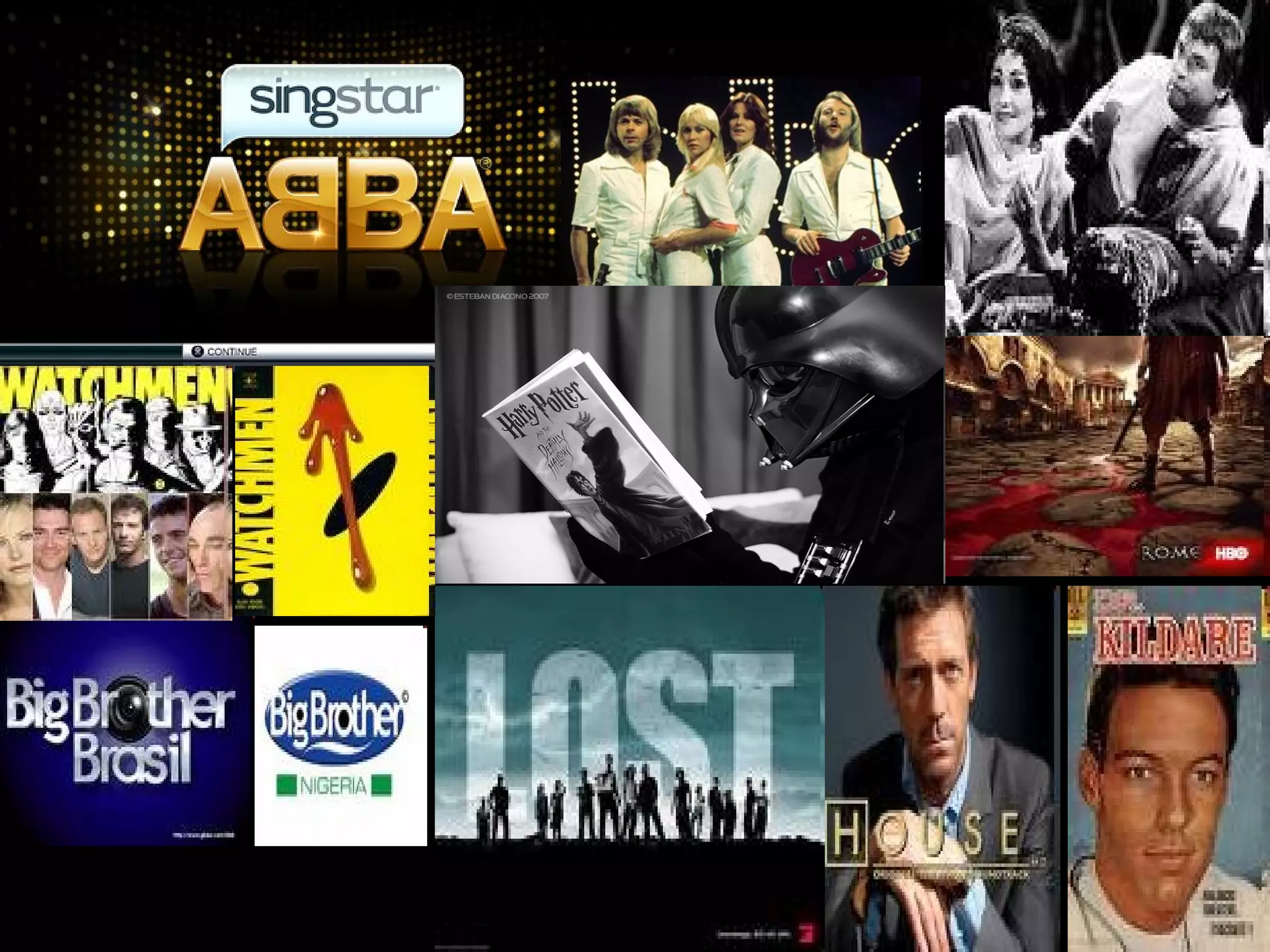
5) Innovation in entertainment models  But also in how do we tell our stories change in reserve (Eco) erosion of frontiers  separation (Silverstone) transcendence  interruption
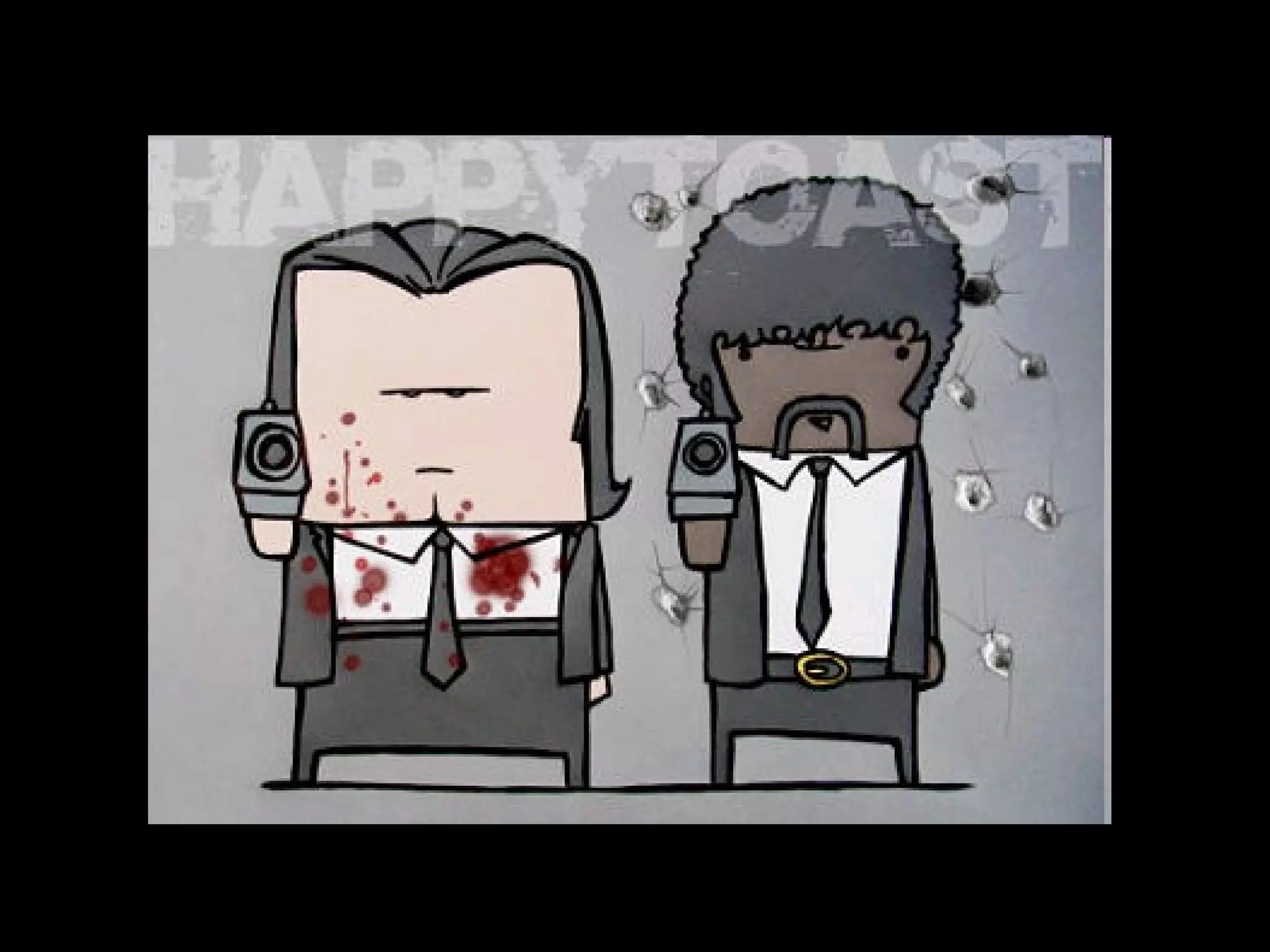
Each Age has it’s own
predominant genres


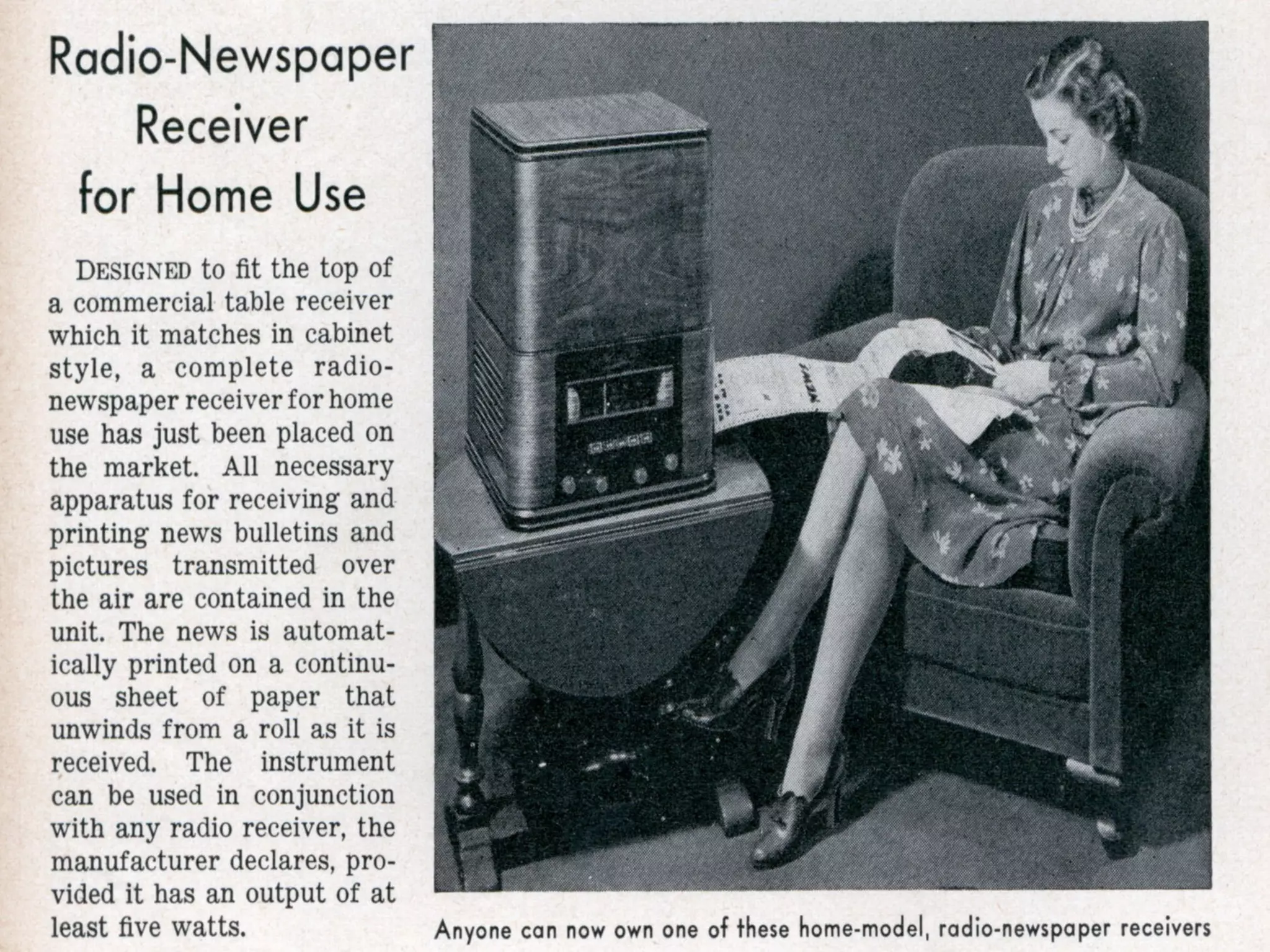
Ways to say the same differently
 
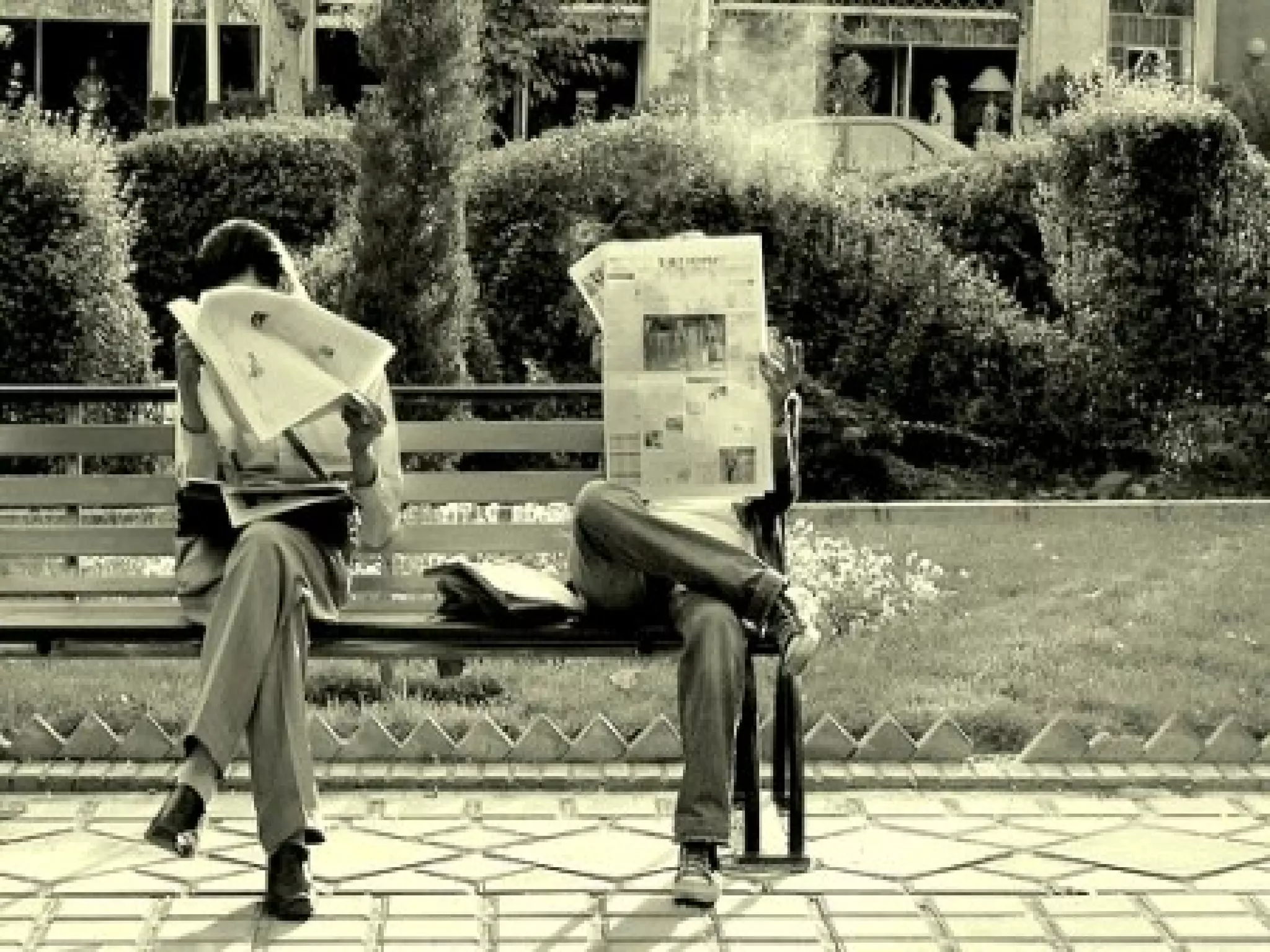
Different technologies for the same purpose
 
 
and modes of representation (i.e.)
news
 
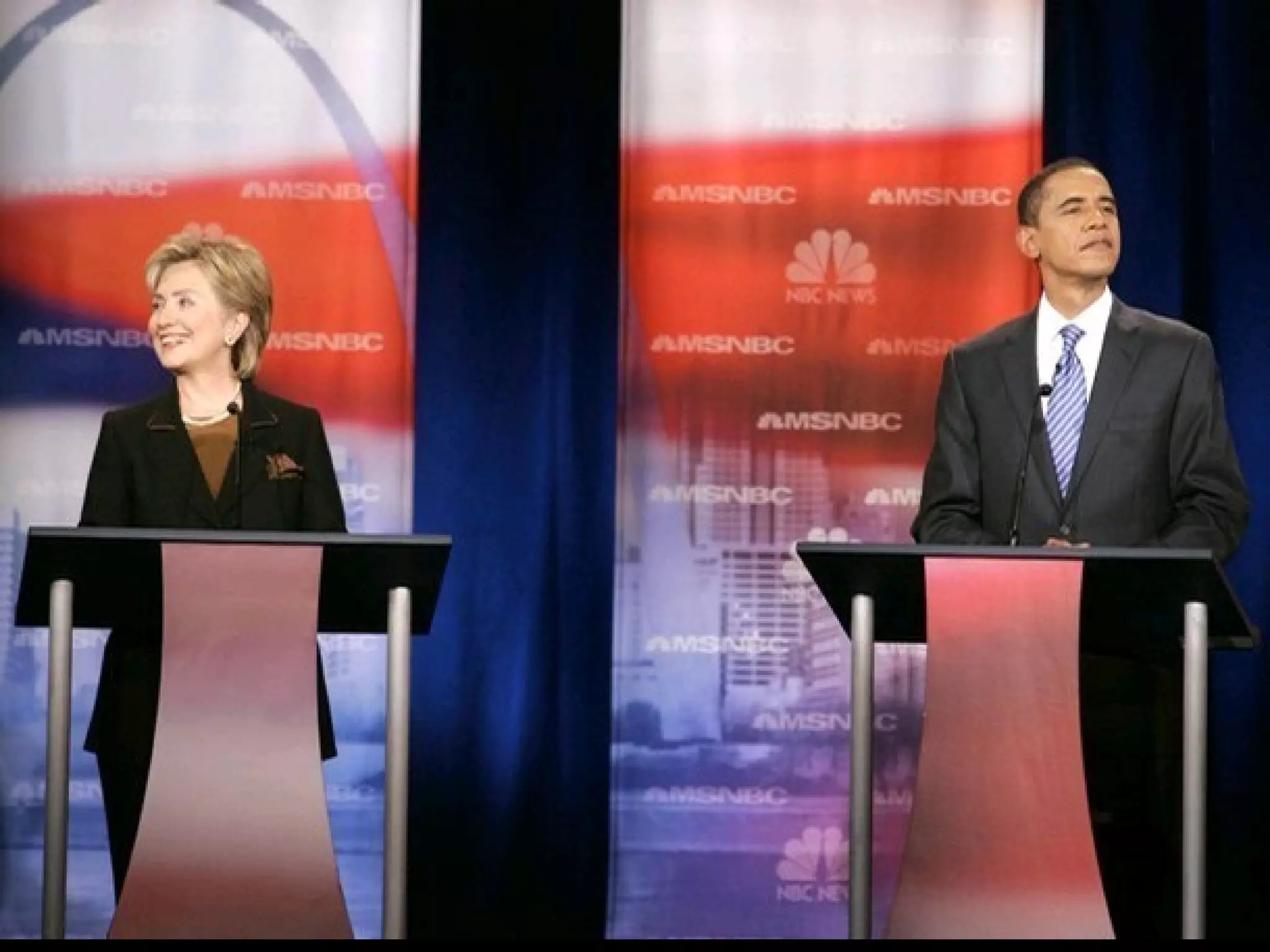
debates
 
 
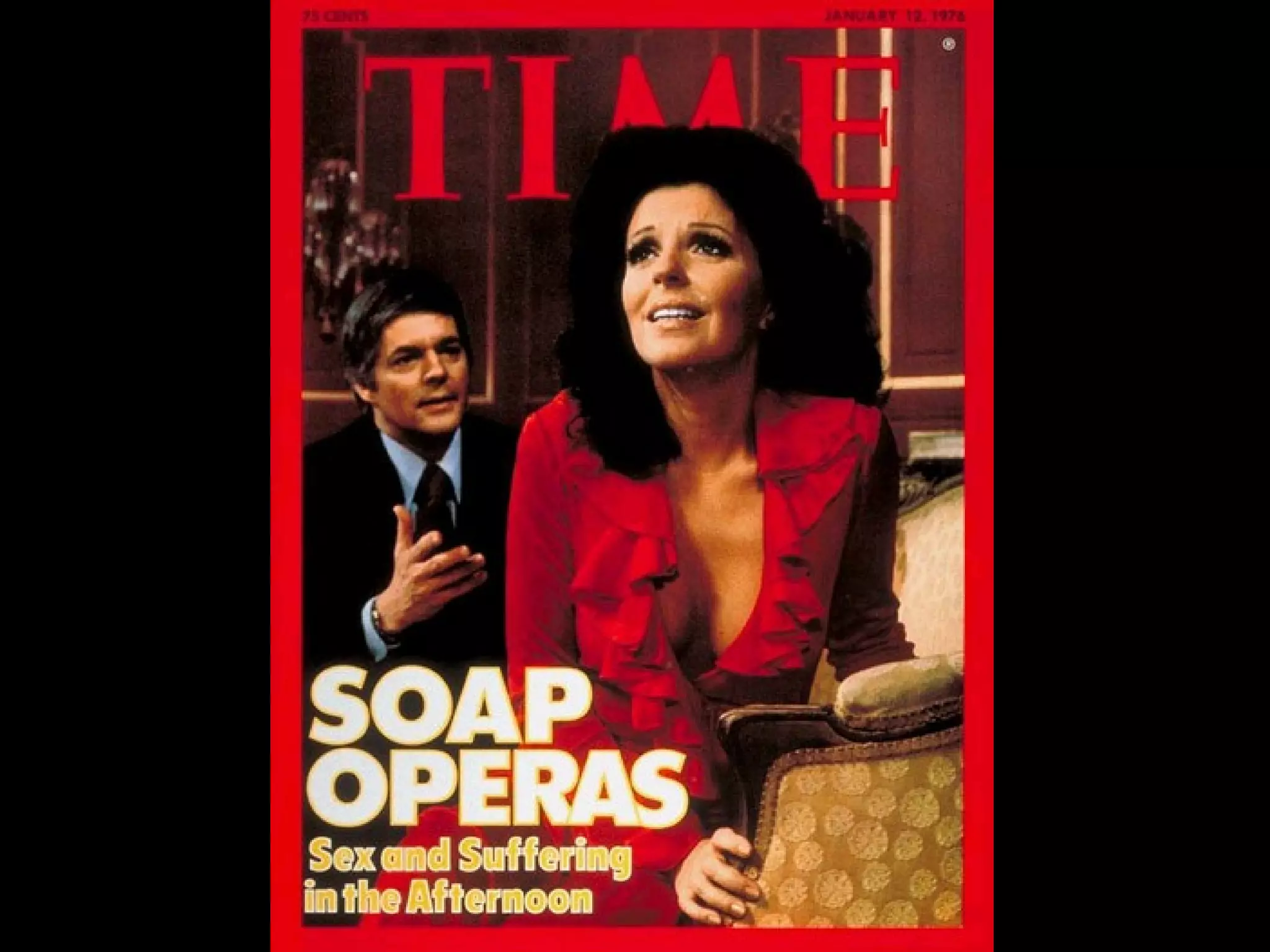
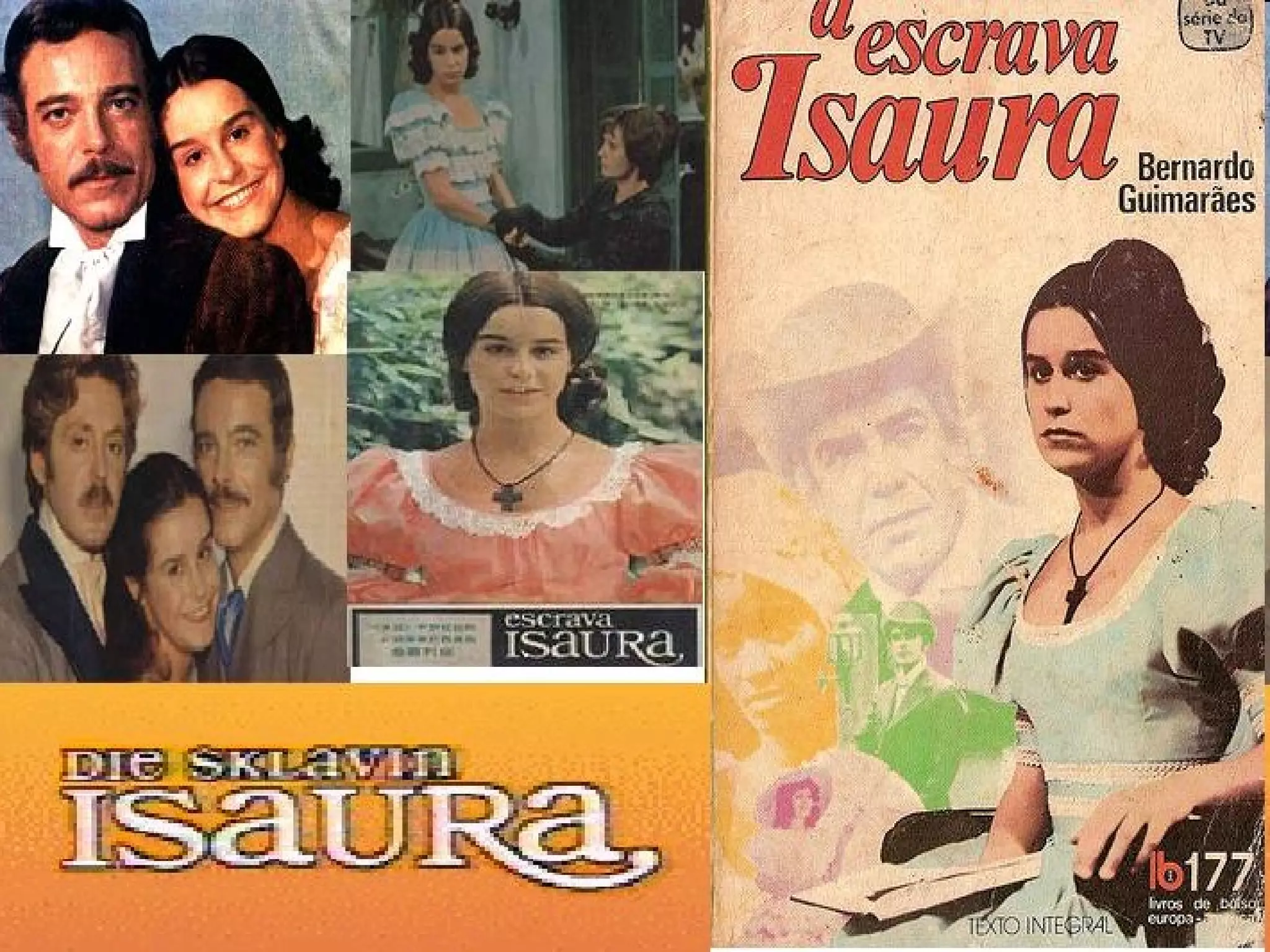
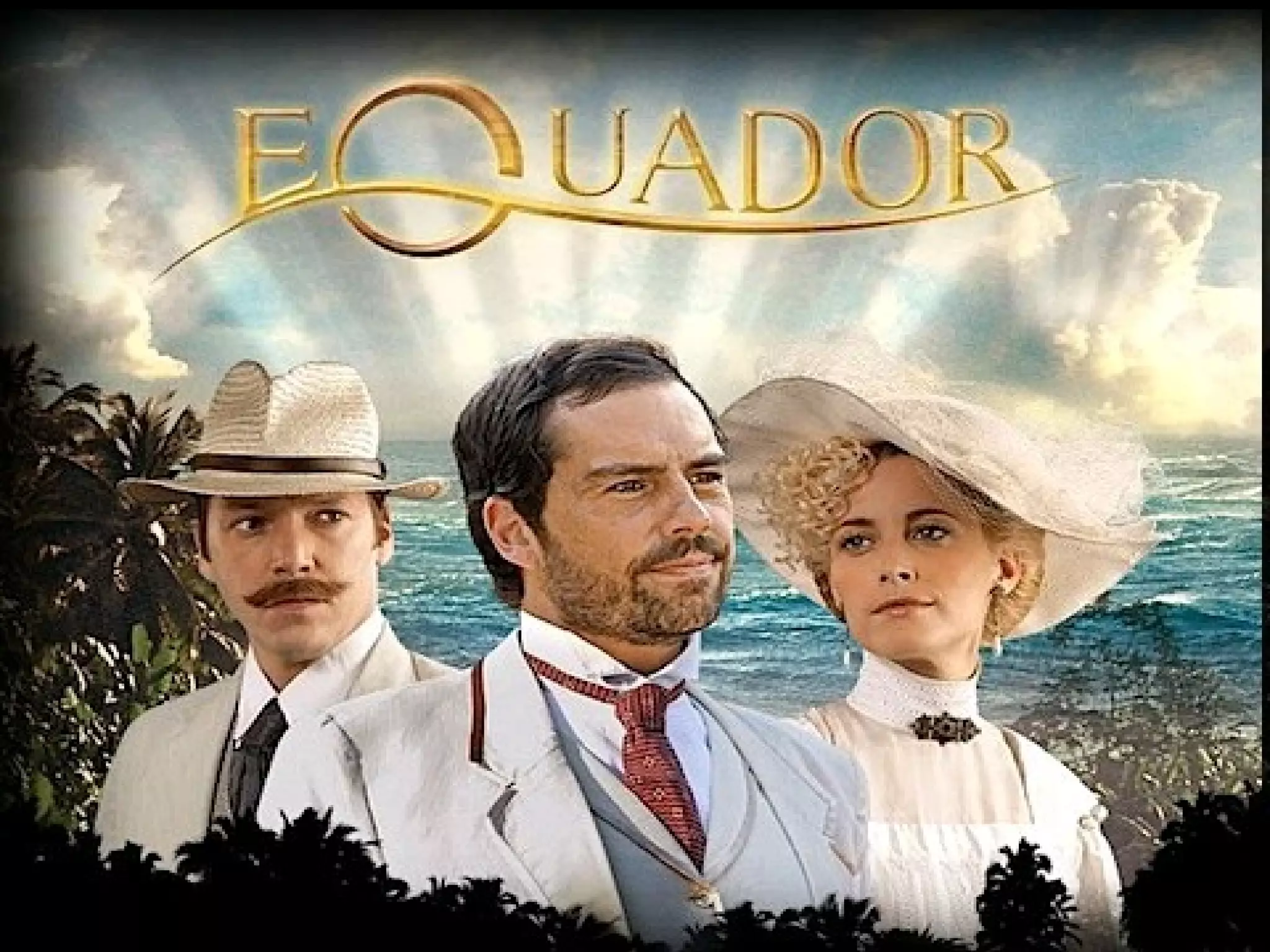
Soap operas


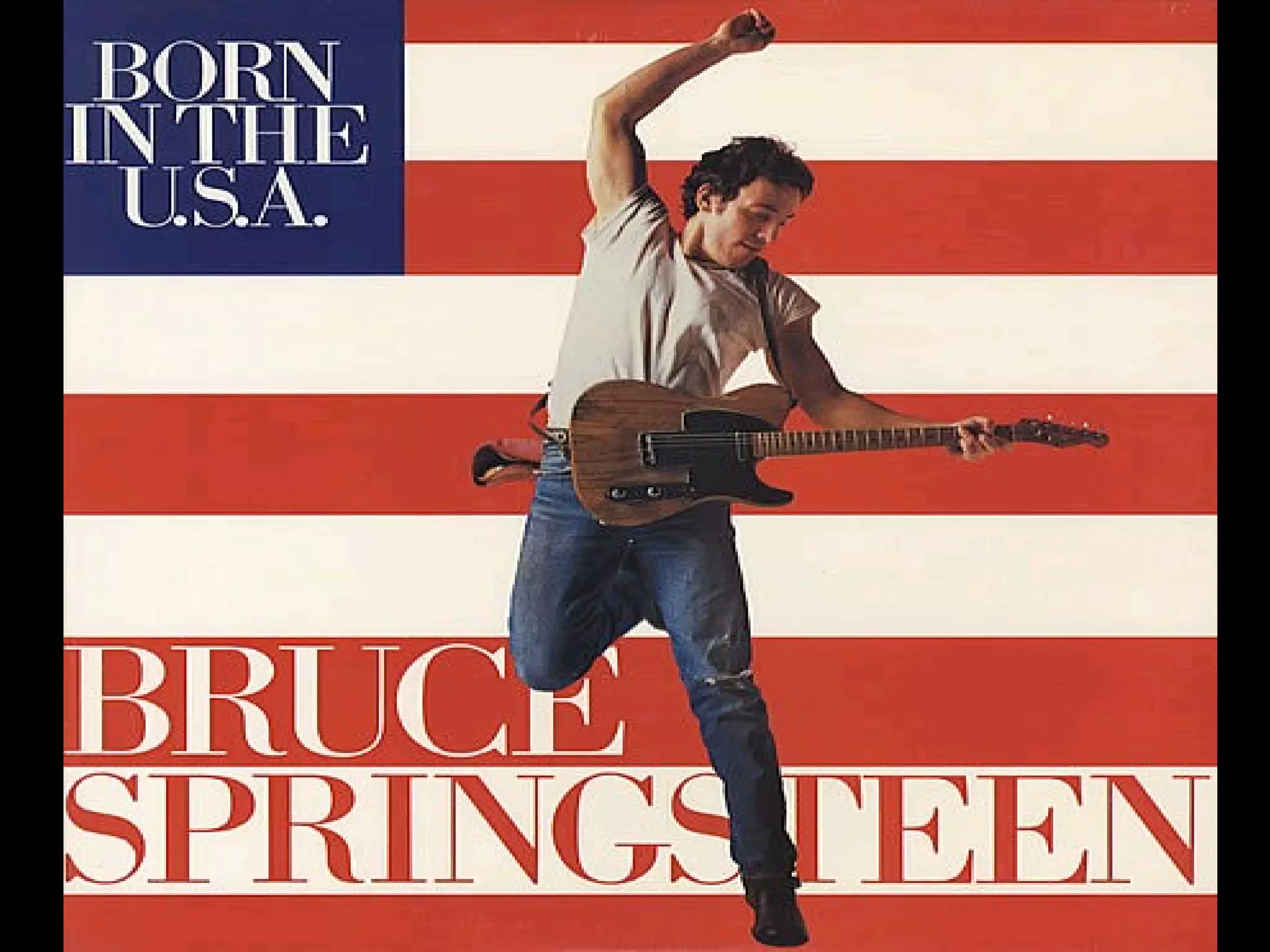
and also different ways to
express the singularity of individuals i.e.
Popular music
 
 
How to write
 
 
How to talk  (or to send messages)
 
 
How to share contents
 
 
Although those show the search for different types of order
and struggle for power and control over  our own
simbolic and  material space and time,
the media act diferently accordingly to different times and spaces.
Both  news and entertainment have changed in their nature across time
Networked Communication
Is about mediation and networks
And mediation is  about the role of screens, and its contents, in our communication.
With different “screens” we develop different interactivies.
“ Screens” are the product of technology, mediation processes, consumption, production and regulation.
Let’s think of “screens”,  not technology. Think of the way in which we interact with them
THINK SCREENS IN BROADCAST THINK SCREENS IN SEARCH
BROADCAST broadcast  and  zapping  for low interactivity practices
SEARCH search  and  browse , for high interactivity practices
2   Networks of practises
With 2  Central Nodes
Networked Communication ?
Who builds the network?  We do.
We   are the “hypertex” that links technologies and uses
Pursuing personal  or collective projects
 
 
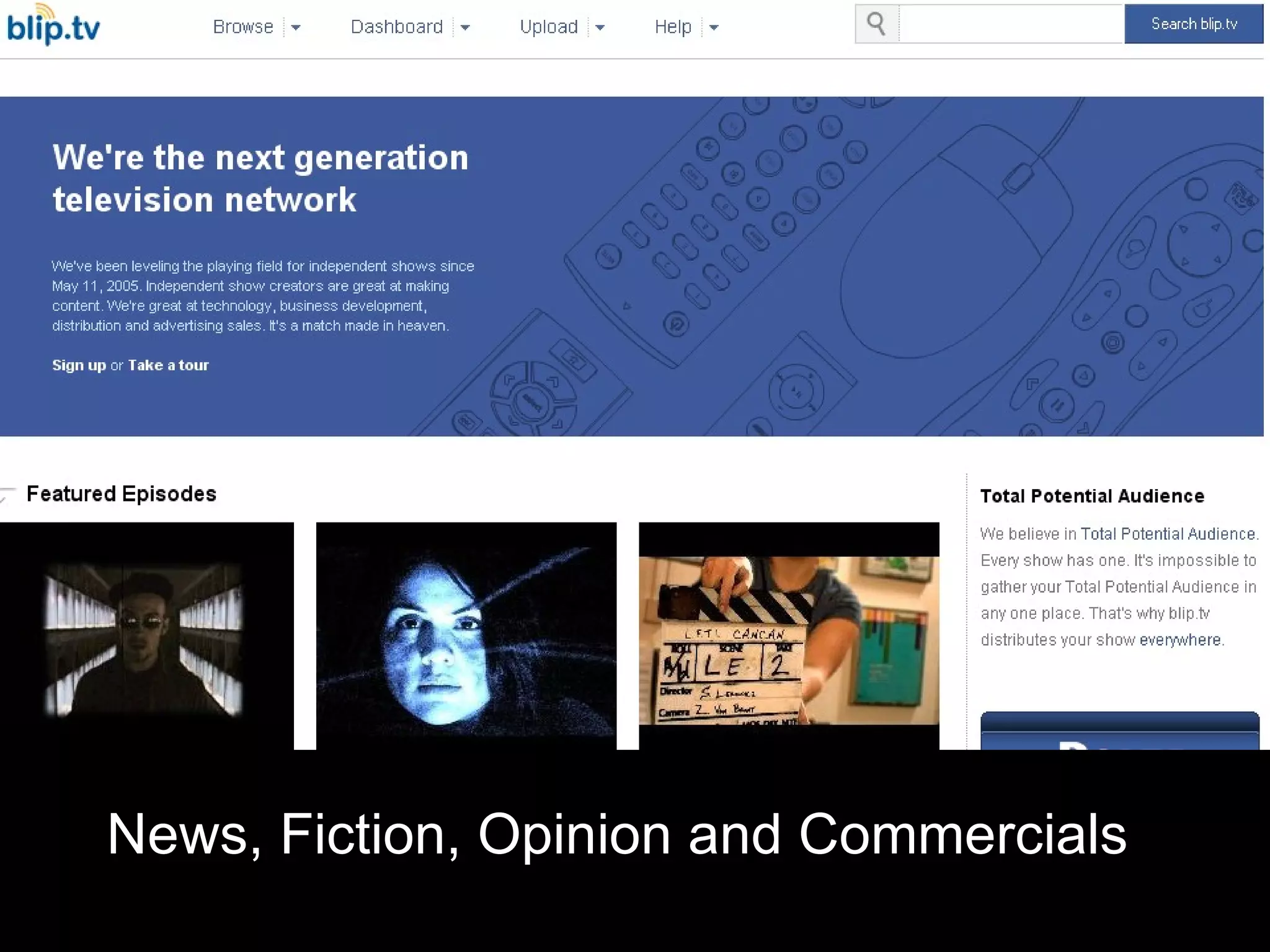
News, Fiction, Opinion and Commercials


Networked Communication
is
Network building
between  Mass Media  and  Multimedia Interpersonal Communication and  Self Mass Media and  One to Many Mediation not forgetting face to face
a space where
the “ user ” and “ audience ” meet
when  it  happens mediation changes
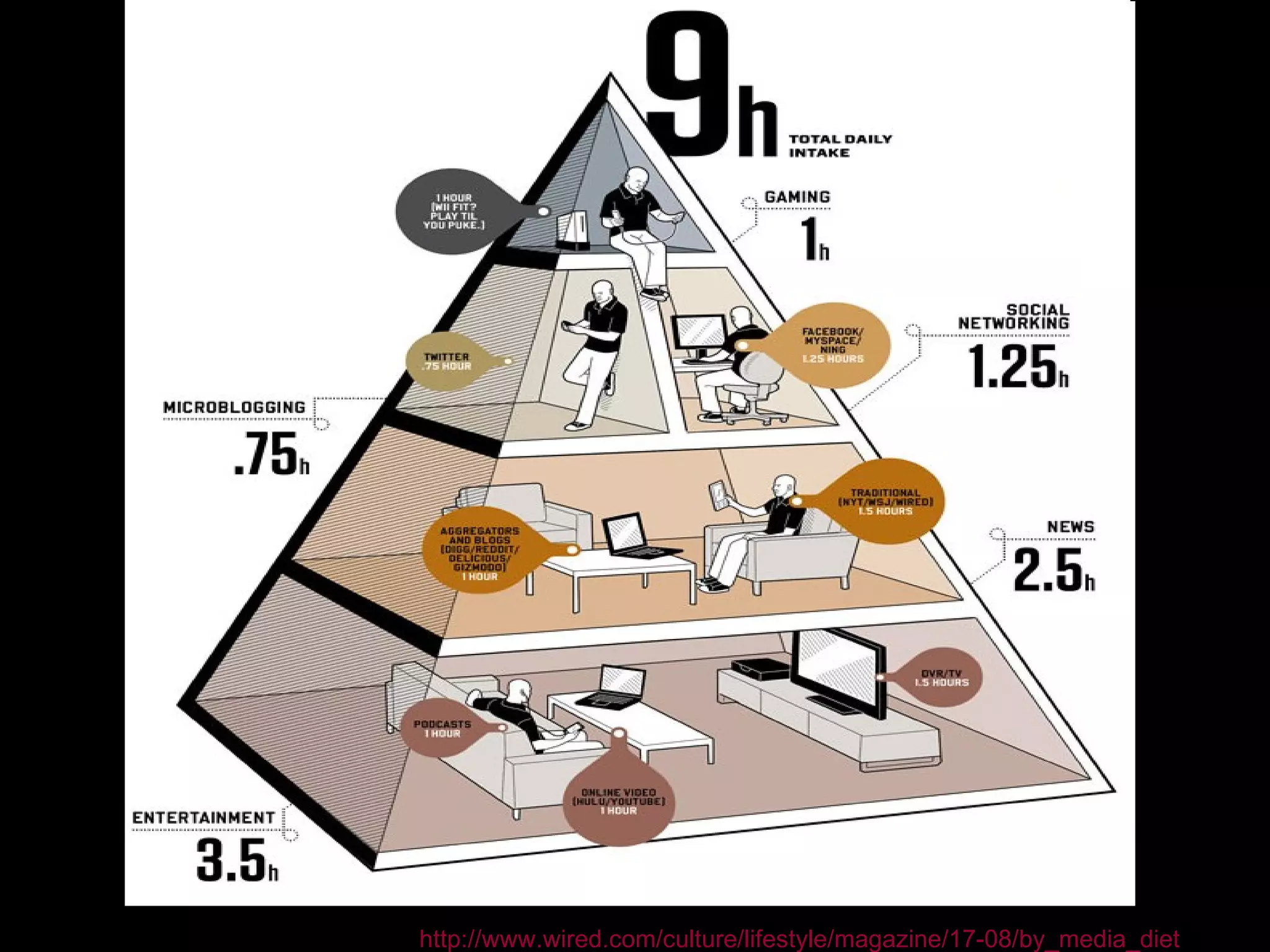
http://www.wired.com/culture/lifestyle/magazine/17-08/by_media_diet
our media diets change
 
media matrixes change
 
new media systems develop
where the “ user ” has  a new central role
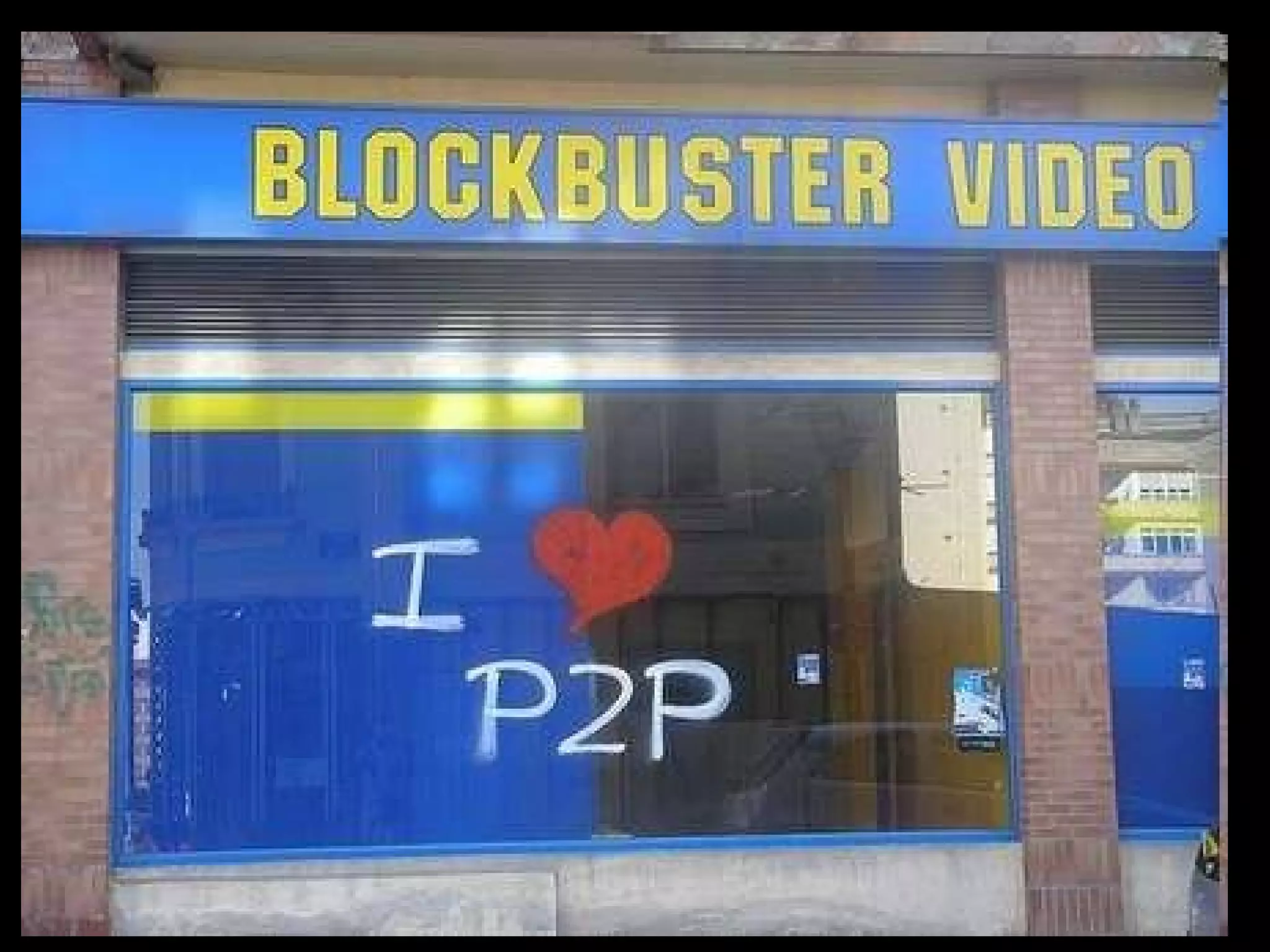
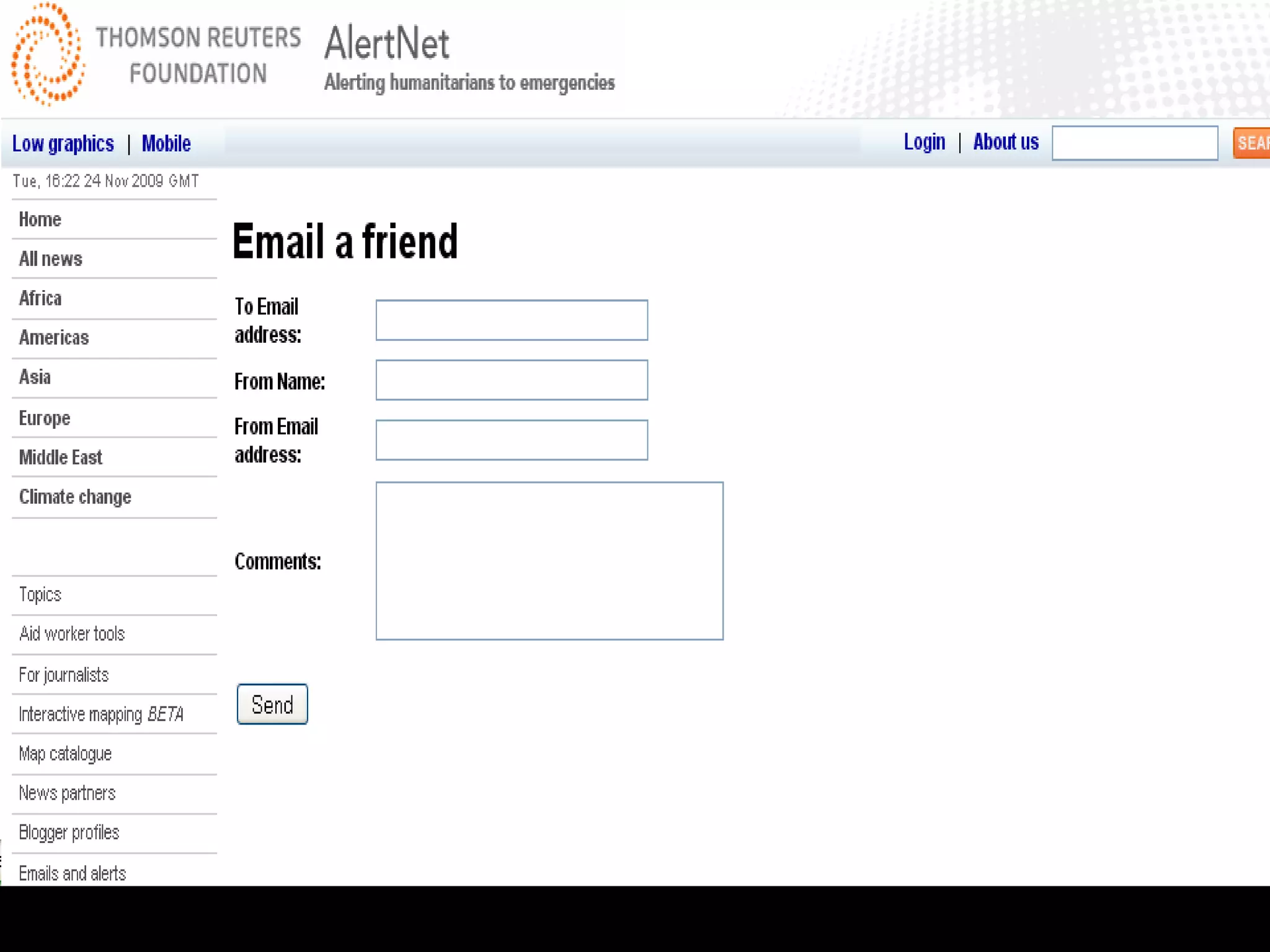
the user as  distributor
 
 
the user as  innovator


the user as  classificator   (of  experience )


In the Aftermath?  Or the Networking of a new communicational model?
So what is Communication today ?
A Remix of technology, contents and uses. a suggestion
A  remix  because in communication we are remixing the older and the new through mediation
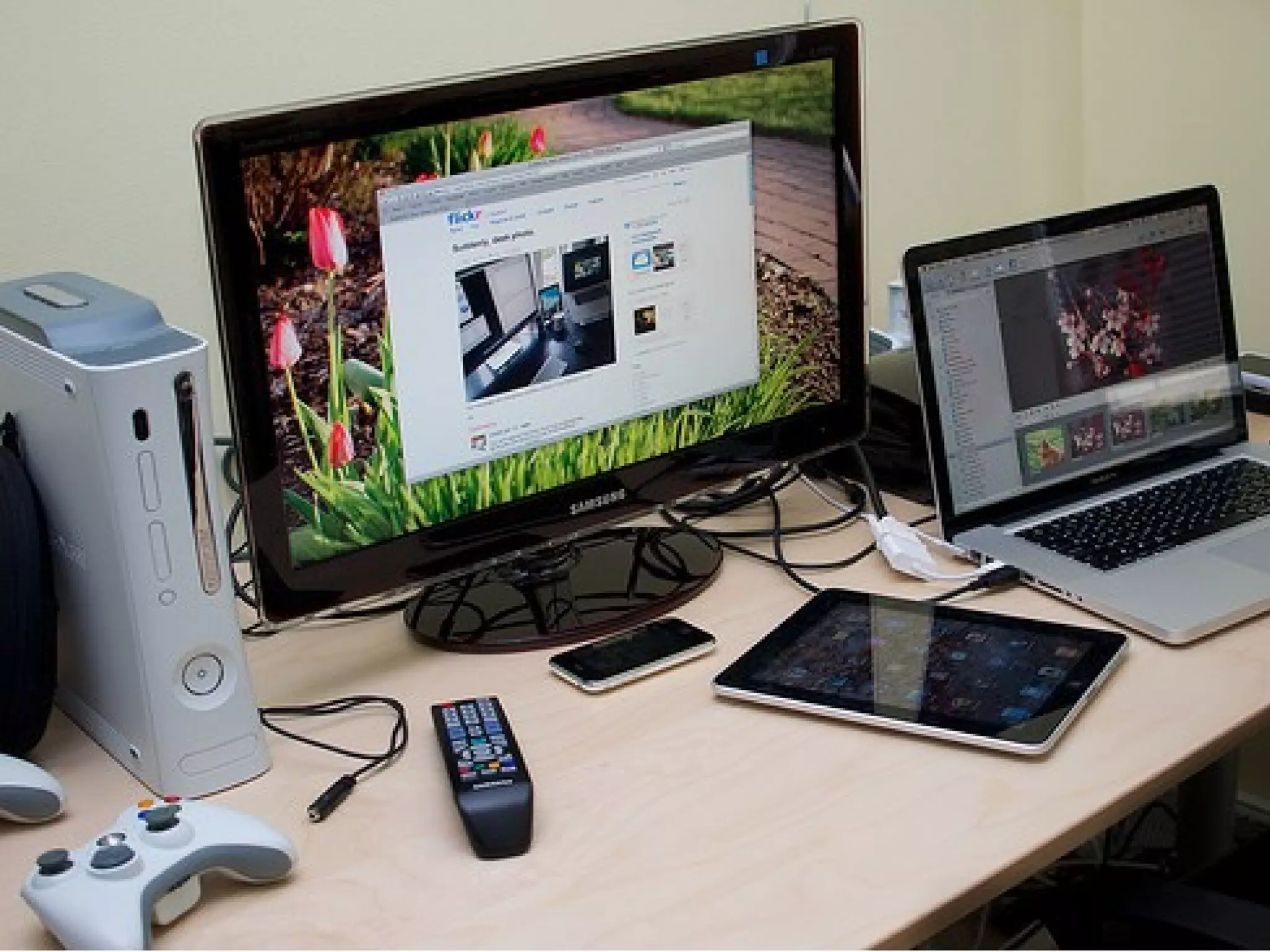
a  technologic   remix  because we are combining multiple screens in our practises
a  content   remix  because on “those” screens contents are diverse and different
Broadcasting will still be around  in some , but not in all screens.
Sometimes we will be
“ push ”  audiences , that still zapp through contents in broadcasting   and watch/read/listen to them
Other times we will be
“ pull ”  users  who, pre-choose contents, through complex and thorough search, in order to (use)watch/read/listen now or at a future given moment
That is: the difference between  pushing the “on” button and do zapping – i.e. the phenomena that produces  audiences !
and to access, search and browse – i.e. the phenomena that produces  users !
can this explain what communication is today?
From Media to People The Media is not the Message
All societies are characterised by communicational models and not just informational models.
The three preceding models
in chronological order in terms  of its cycles of social affirmation
The first model is defined as interpersonal communication.   Which takes the form  of the two-way exchange between two or more persons in a group.
The second model,  which is equally deeply rooted  in our societies, is one-to-many communication.  where an individual sends one single message to a limited group of persons
A third model,  with which we have less experience in historical terms,  is  mass communication . Where thanks to the use  of specific mediation technologies, one single message can be sent to a mass of people.
 
 
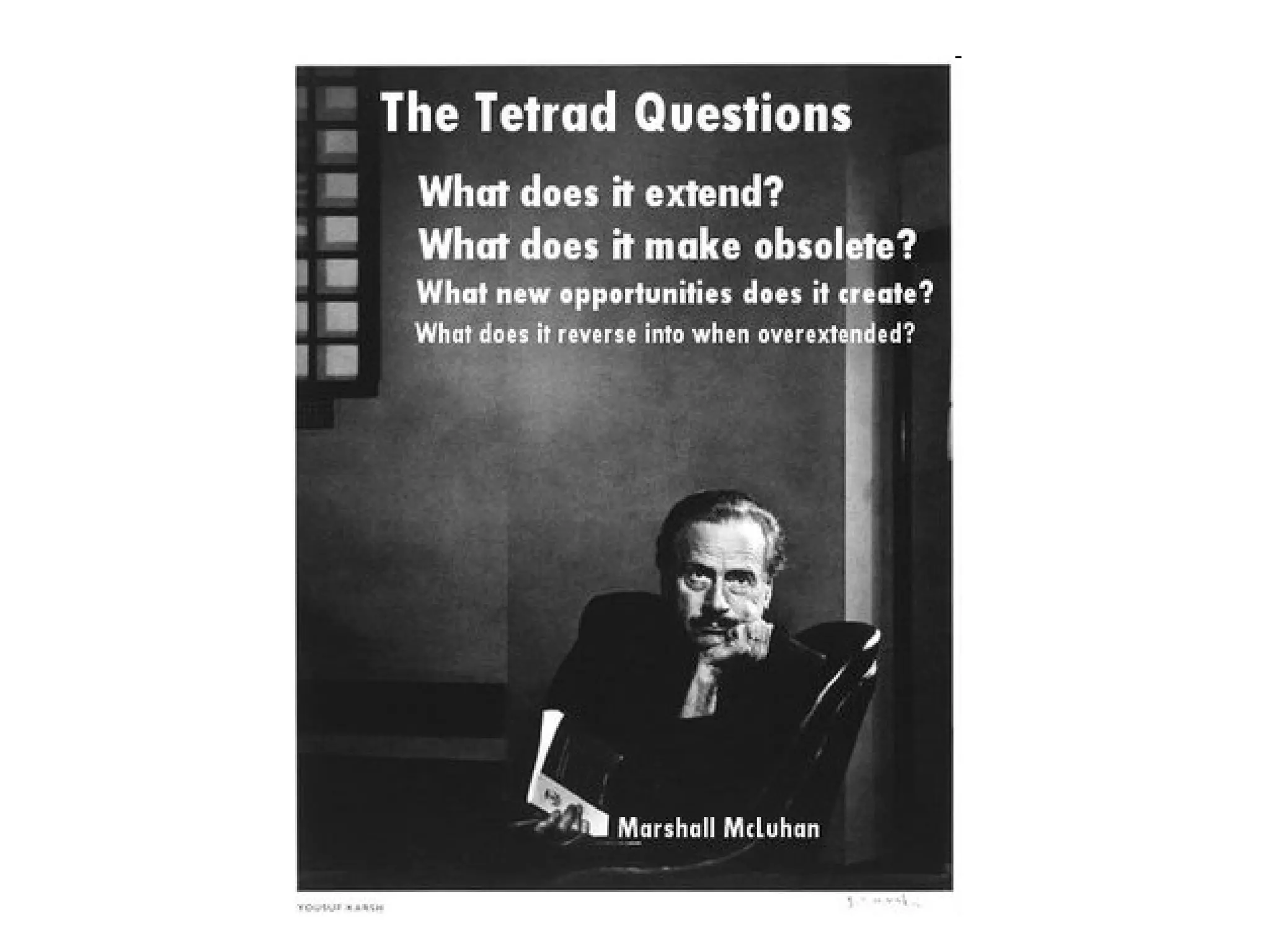
In the 1970’s, McLuhan  argued that the  media were the message. —  Meaning that any single medium induces behaviours, creates psychological connections, and shapes the mentality of the receiver; regardless of the content that medium transmits.
 
 
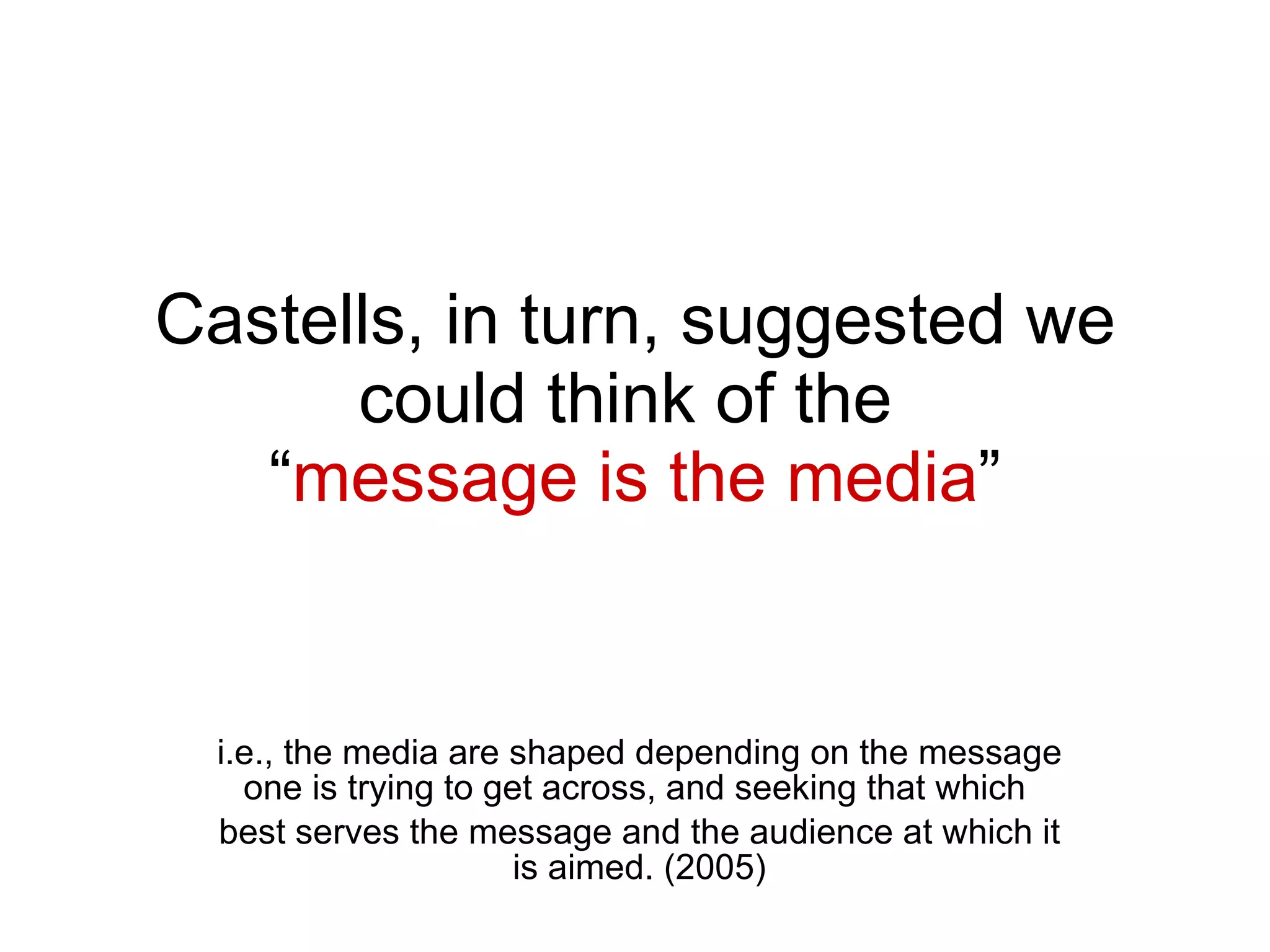
Castells, in turn, suggested we could think of the  “ message is the media ” i.e., the media are shaped depending on the message one is trying to get across, and seeking that which  best serves the message and the audience at which it is aimed. (2005)
 
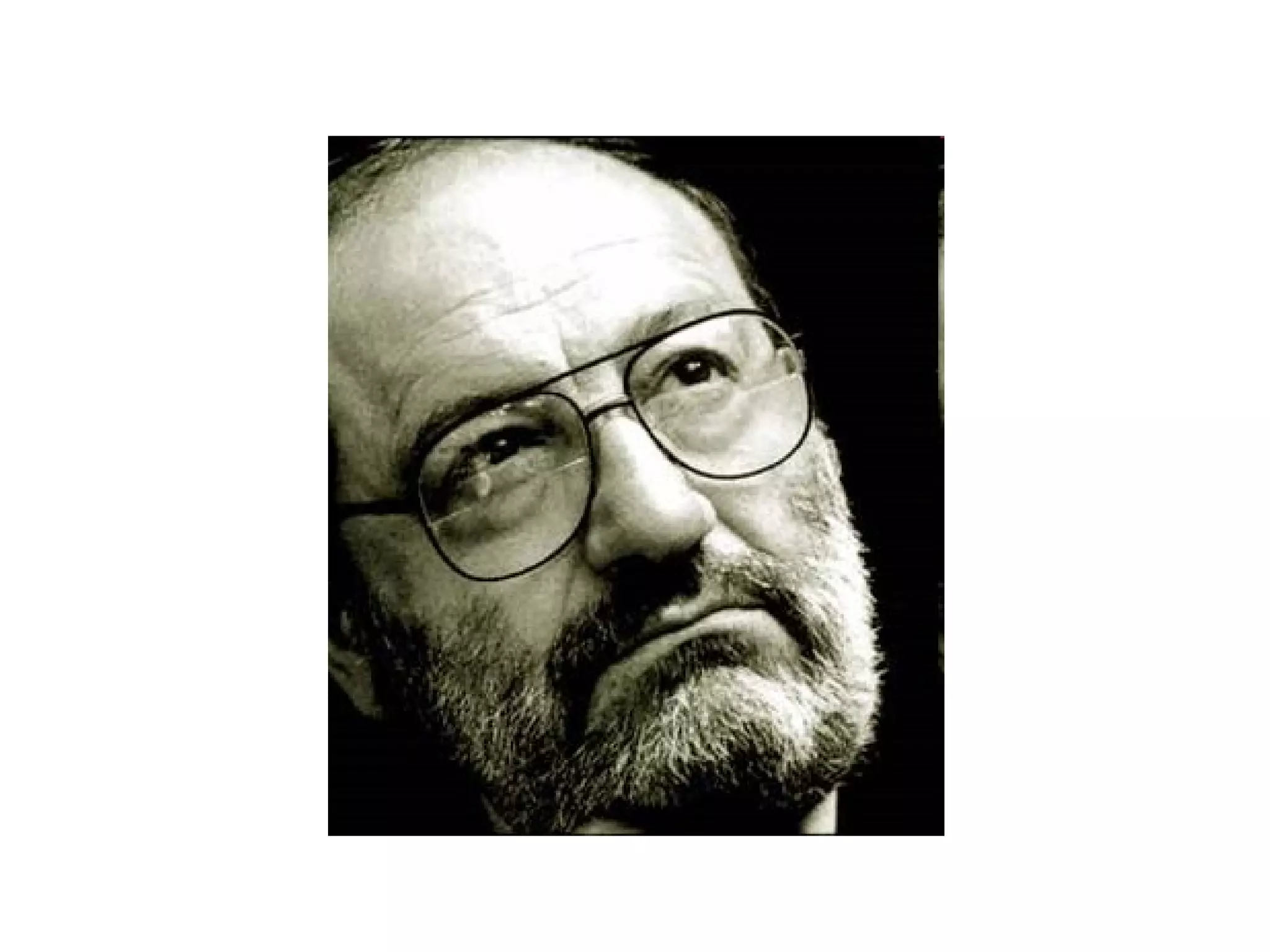
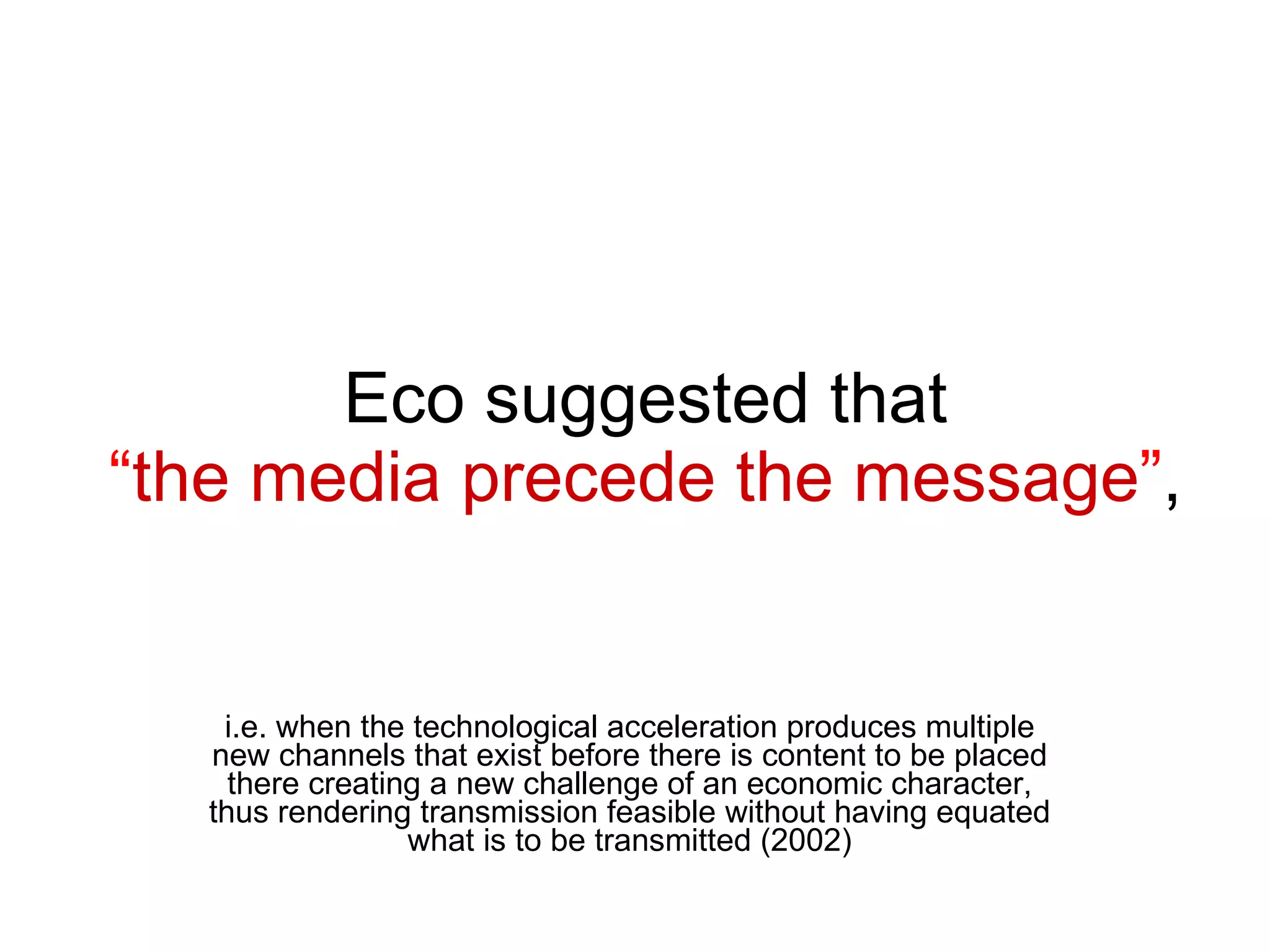
Eco suggested that  “ the media precede the message ” ,  i.e. when the technological acceleration produces multiple new channels that exist before there is content to be placed there creating a new challenge of an economic character, thus rendering transmission feasible without having equated what is to be transmitted (2002)
 
Should we discuss if networked communication introduces a third dimension into the dialectic between media and message?
In the network,  whatever the media chosen,  if the message is not the most appropriate, for a given group, it will be remixed by the people.
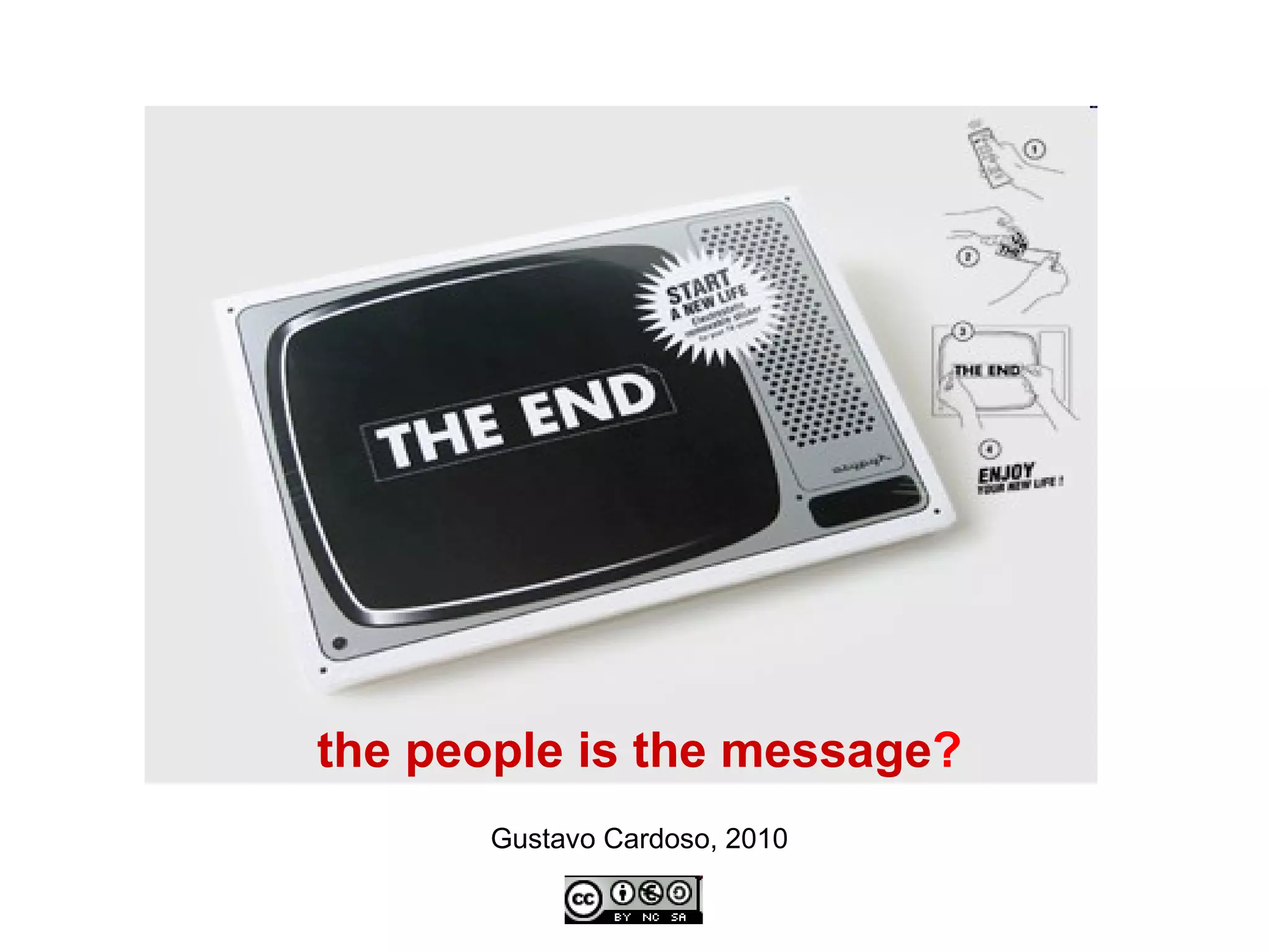
“ the people is the message”   vs . “ the media is the message” ?


the people is the message ? Gustavo Cardoso, 2010

Beyond mass media_internet_gc