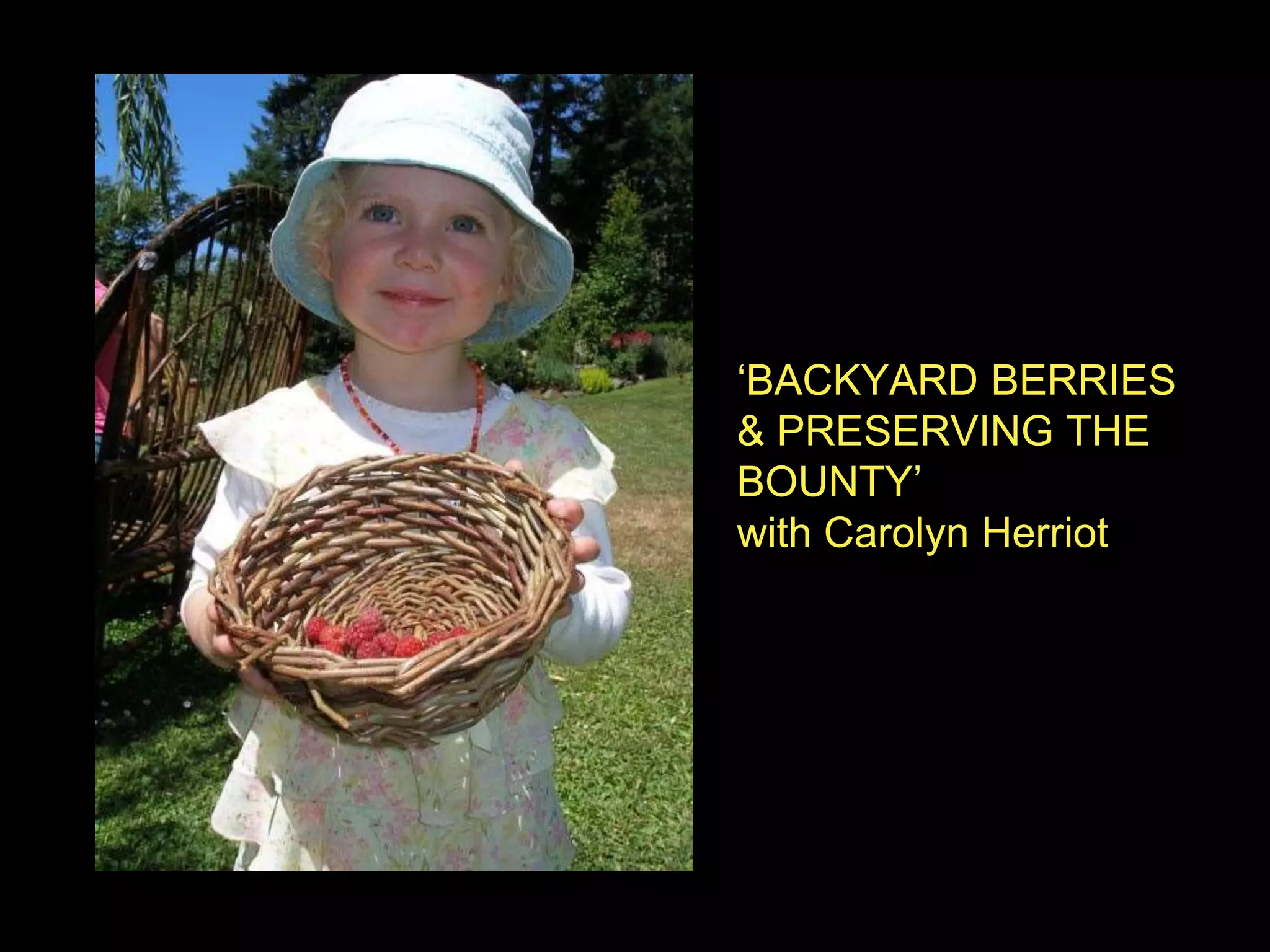
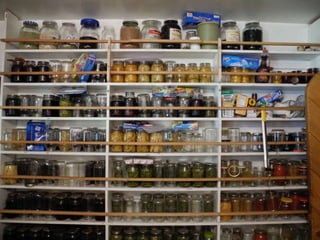
‘BACKYARD BERRIES
& PRESERVING THE
BOUNTY’
with Carolyn Herriot
2
14
16
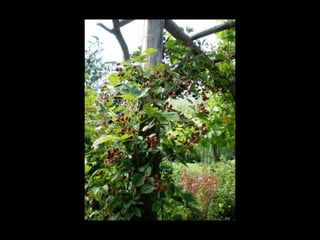
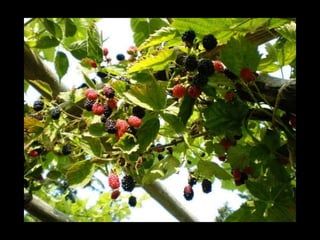
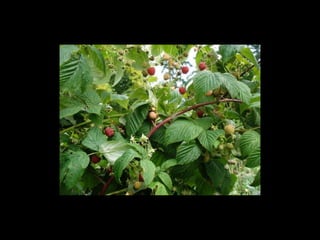
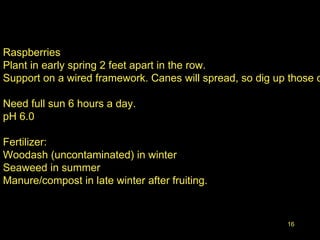
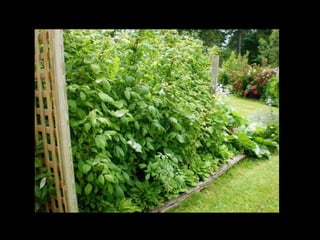
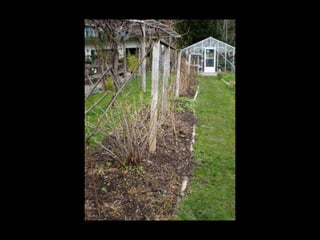
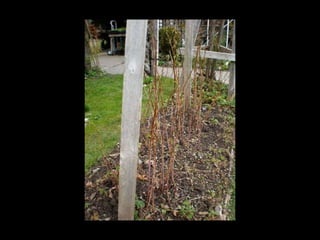
Raspberries
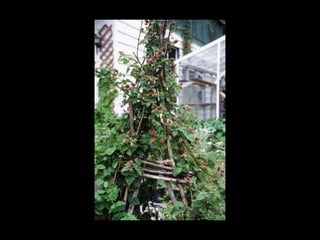
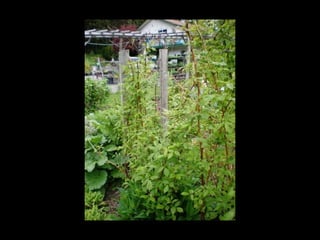
Plant in early spring 2 feet apart in the row.
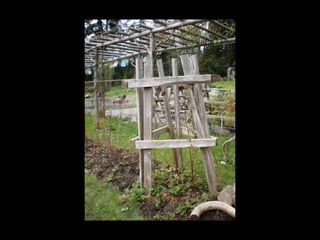
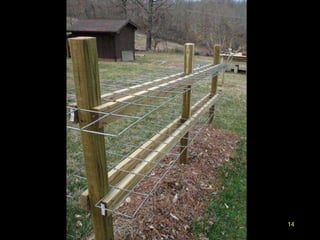
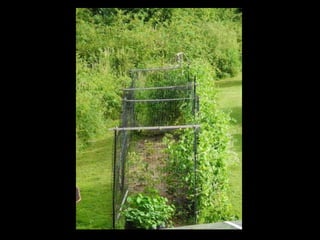
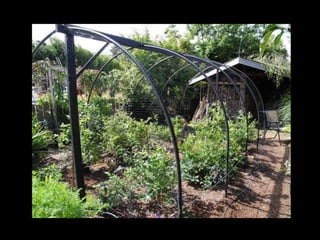
Support on a wired framework. Canes will spread, so dig up those c
Need full sun 6 hours a day.
pH 6.0
Fertilizer:
Woodash (uncontaminated) in winter
Seaweed in summer
Manure/compost in late winter after fruiting.
28
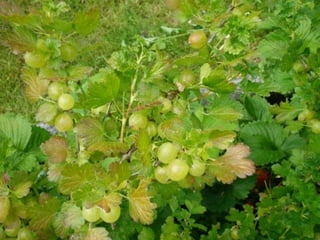
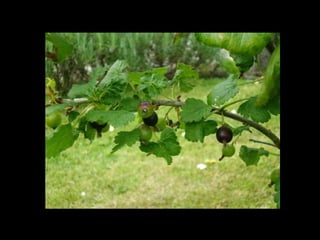
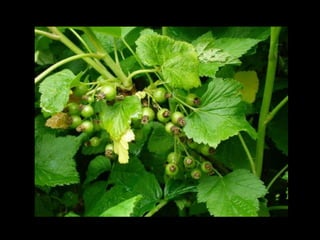
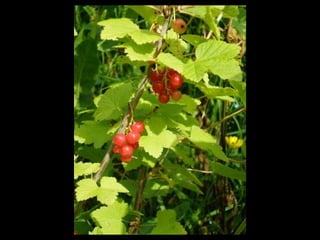
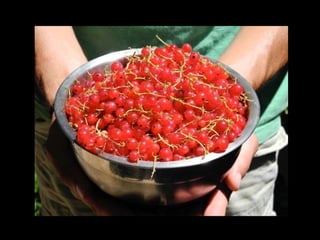
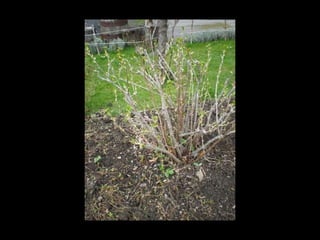
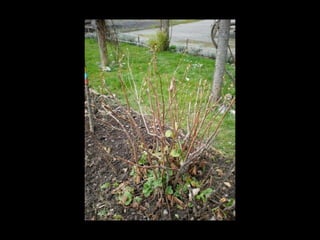
Currants and Gooseberries
Genus Ribes
Excellent for jams, jellies, and wine making
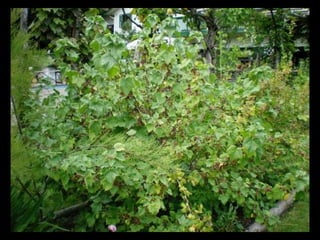
Full sun to partial shade. Avoid low lying frost pockets.
Space 5 feet apart.
Mulch to retain moisture with straw, compost or manure
twice a year. Feeds and helps prevent weed growth.
Feeding with mulches keeps fruit production high.
31
Blackcurrants produce fruit on one-year old wood
In spring remove old wood and weak canes leaving 6 to 9 strong on
Redcurrants and gooseberries produce on spurs on 2 and 3 year- o
Allow only 8 or 9 strong canes to remain on bush after pruning Shor
Pests: The currant fruit fly (small white maggots in fruit)
Prevent by spraying bushes after flowering with bacillus thuriengens
Powdery mildew - wettable sulphur sprays at 14 day intervals.
47
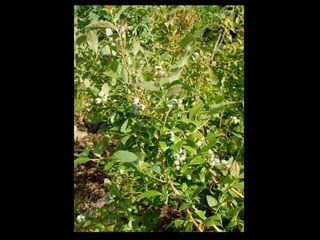
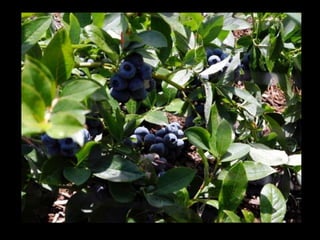
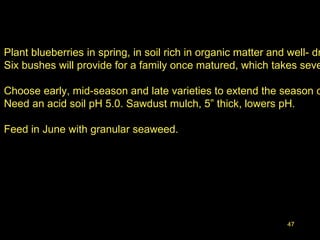
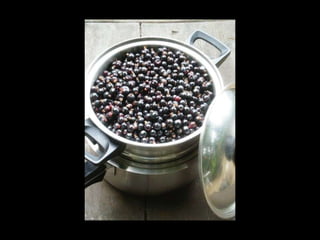
Plant blueberries in spring, in soil rich in organic matter and well- dr
Six bushes will provide for a family once matured, which takes seve
Choose early, mid-season and late varieties to extend the season o
Need an acid soil pH 5.0. Sawdust mulch, 5” thick, lowers pH.
Feed in June with granular seaweed.
48
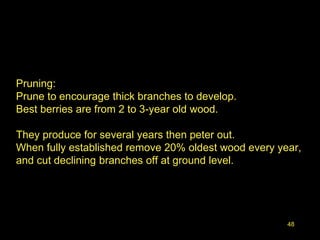
Pruning:
Prune to encourage thick branches to develop.
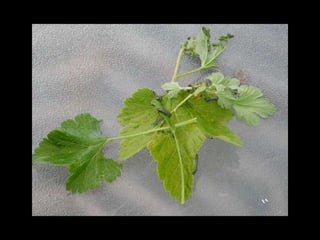
Best berries are from 2 to 3-year old wood.
They produce for several years then peter out.
When fully established remove 20% oldest wood every year,
and cut declining branches off at ground level.
49
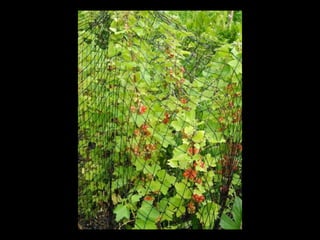
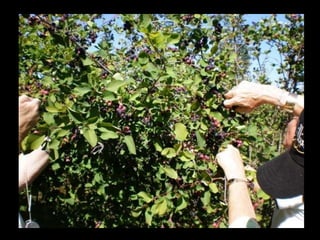
Watch for birds as berries become ripe. Use netting to cover bushe
Wait 2 to 3 weeks after they turn rich blue for truly ripe berries.
Test before harvesting.
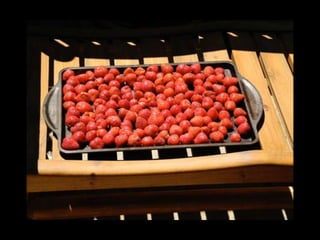
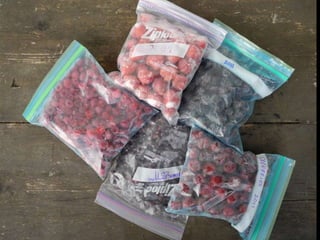
Freeze berries laid out on baking trays in a single layer .
When frozen, bag up and use individual berries as needed.
Enjoy year round interest from red leaves in fall and red stems in w
50
63
73
86
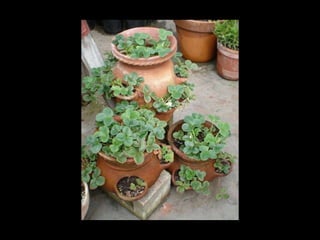
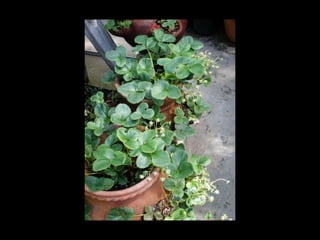
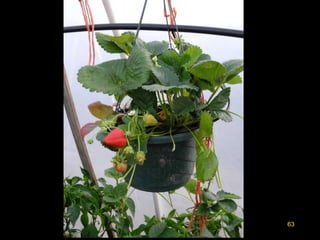
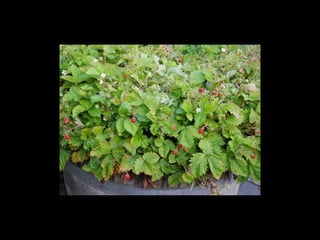
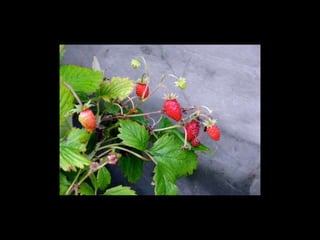
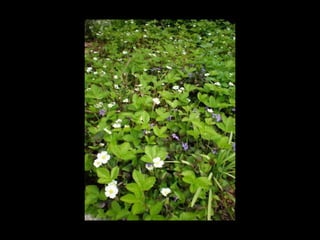
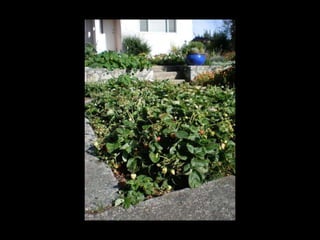
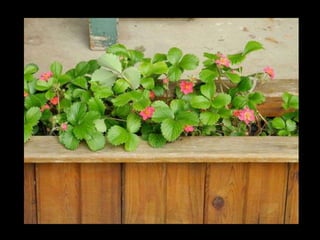
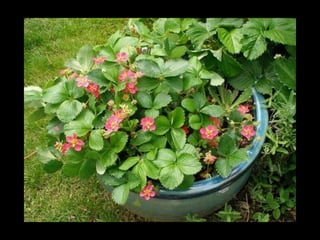
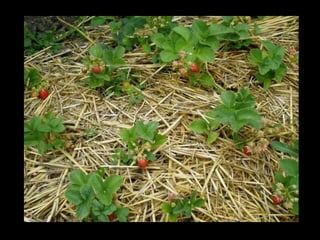
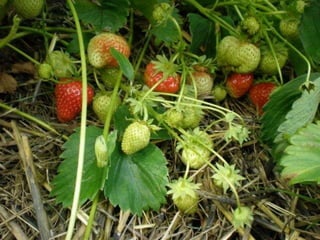
Strawberries
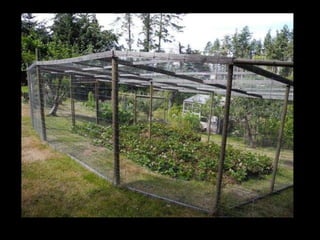
Prefer well-drained sandy loams, rich in organic matter.
Slightly acidic soil - pH 6.0
Southern exposure for full sun best.
Keep weed free, unable to compete with grass and weeds.
Spring planting - with crown just above soil surface
When first planted add organic fertilizer to help get established. Th
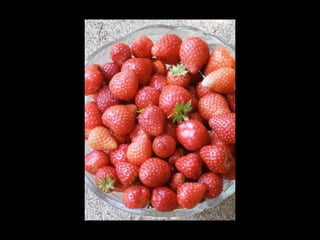
June bearing - once a year large crop (jams etc.)
Everbearing - crop in June and another in late summer
Day neutral - constant production of fruit once established
93

Backyard Berries and Preserving the Bounty

  • 1.
    ‘BACKYARD BERRIES & PRESERVINGTHE BOUNTY’ with Carolyn Herriot
  • 2.
  • 14.
  • 16.
    16 Raspberries Plant in earlyspring 2 feet apart in the row. Support on a wired framework. Canes will spread, so dig up those c Need full sun 6 hours a day. pH 6.0 Fertilizer: Woodash (uncontaminated) in winter Seaweed in summer Manure/compost in late winter after fruiting.
  • 28.
    28 Currants and Gooseberries GenusRibes Excellent for jams, jellies, and wine making Full sun to partial shade. Avoid low lying frost pockets. Space 5 feet apart. Mulch to retain moisture with straw, compost or manure twice a year. Feeds and helps prevent weed growth. Feeding with mulches keeps fruit production high.
  • 31.
    31 Blackcurrants produce fruiton one-year old wood In spring remove old wood and weak canes leaving 6 to 9 strong on Redcurrants and gooseberries produce on spurs on 2 and 3 year- o Allow only 8 or 9 strong canes to remain on bush after pruning Shor Pests: The currant fruit fly (small white maggots in fruit) Prevent by spraying bushes after flowering with bacillus thuriengens Powdery mildew - wettable sulphur sprays at 14 day intervals.
  • 47.
    47 Plant blueberries inspring, in soil rich in organic matter and well- dr Six bushes will provide for a family once matured, which takes seve Choose early, mid-season and late varieties to extend the season o Need an acid soil pH 5.0. Sawdust mulch, 5” thick, lowers pH. Feed in June with granular seaweed.
  • 48.
    48 Pruning: Prune to encouragethick branches to develop. Best berries are from 2 to 3-year old wood. They produce for several years then peter out. When fully established remove 20% oldest wood every year, and cut declining branches off at ground level.
  • 49.
    49 Watch for birdsas berries become ripe. Use netting to cover bushe Wait 2 to 3 weeks after they turn rich blue for truly ripe berries. Test before harvesting. Freeze berries laid out on baking trays in a single layer . When frozen, bag up and use individual berries as needed. Enjoy year round interest from red leaves in fall and red stems in w
  • 50.
  • 63.
  • 73.
  • 86.
    86 Strawberries Prefer well-drained sandyloams, rich in organic matter. Slightly acidic soil - pH 6.0 Southern exposure for full sun best. Keep weed free, unable to compete with grass and weeds. Spring planting - with crown just above soil surface When first planted add organic fertilizer to help get established. Th June bearing - once a year large crop (jams etc.) Everbearing - crop in June and another in late summer Day neutral - constant production of fruit once established
  • 93.