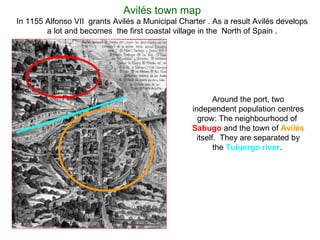
Avilés town map In 1155 Alfonso VII  grants Avilés a Municipal Charter . As a result Avilés develops a lot and becomes  the first coastal village in the  North of Spain . Around the port, two independent population centres grow: The neighbourhood of  Sabugo  and the town of  Avilés  itself.  They are separated by the  Tuluergo river .
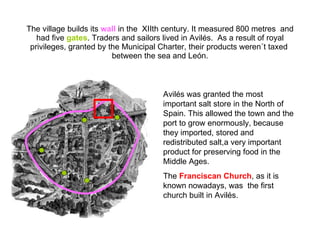
The village builds its  wall  in the  XIIth century. It measured 800 metres  and had five  gates . Traders and sailors lived in Avilés.  As a result of royal privileges, granted by the Municipal Charter, their products weren´t taxed  between the sea and León. Avilés was granted the most important salt store in the North of Spain. This allowed the town and the port to grow enormously, because they imported, stored and redistributed salt,a very important product for preserving food in the Middle Ages.  The  Franciscan Church , as it is known nowadays, was  the first church built in Avilés.
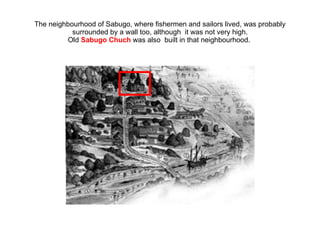
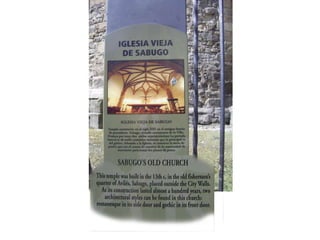
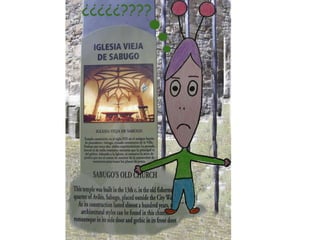
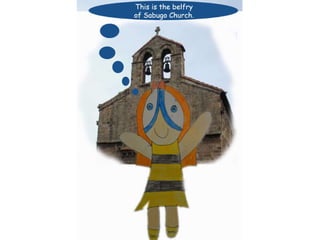
The neighbourhood of Sabugo, where fishermen and sailors lived, was probably surrounded by a wall too, although  it was not very high. Old  Sabugo Chuch  was also  built in that neighbourhood.
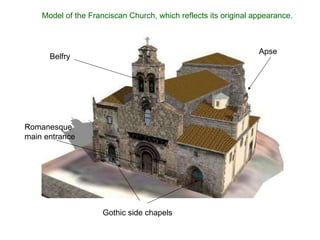
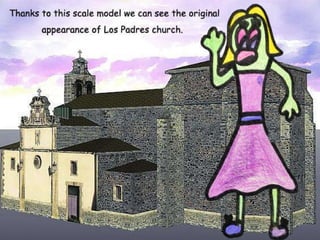
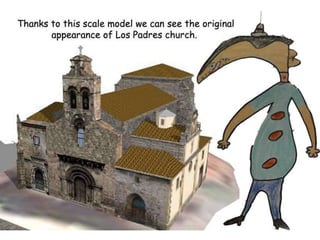
Model of the Franciscan Church, which reflects its original appearance. Romanesque main entrance Gothic side chapels Belfry Apse
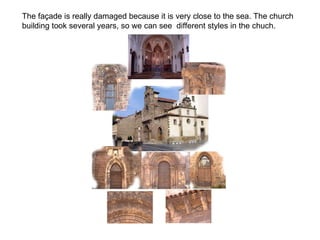
The façade is really damaged because it is very close to the sea. The church building took several years, so we can see  different styles in the chuch.
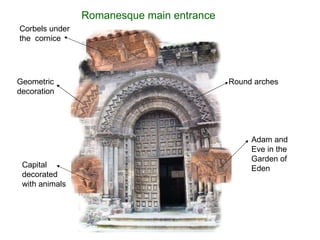
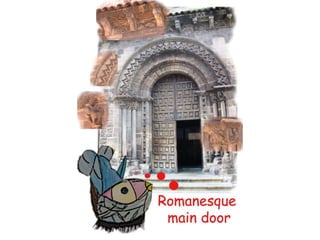
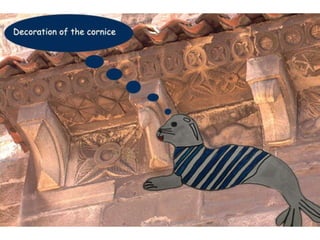
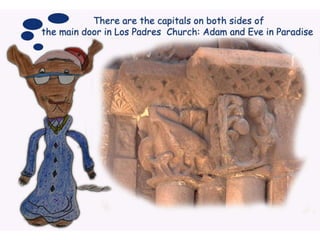
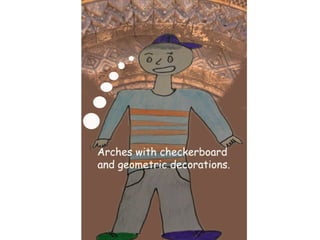
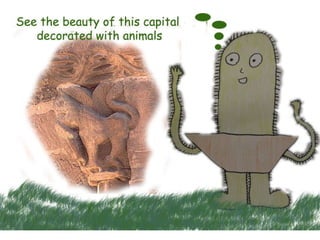
Corbels under the  cornice Geometric decoration Capital decorated  with animals Adam and  Eve in the Garden of Eden Romanesque main entrance  Round arches
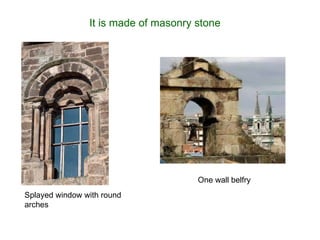
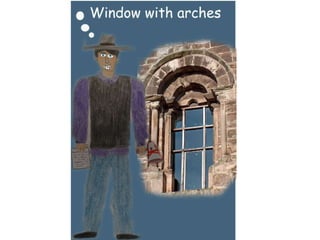
It is made of masonry stone One wall belfry Splayed window with round arches
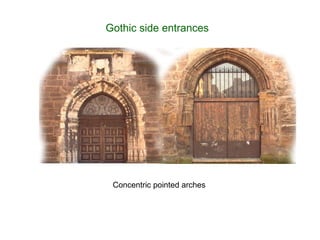
Gothic side entrances  Concentric pointed arches
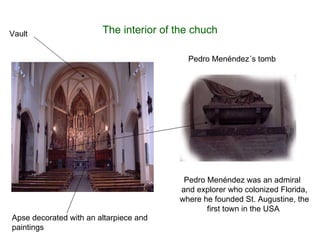
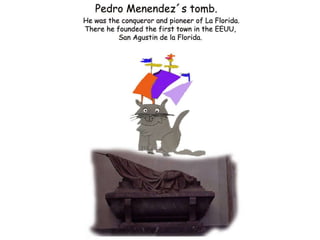
The interior of the chuch Apse decorated with an altarpiece and paintings Vault Pedro Menéndez´s tomb Pedro Menéndez was an admiral  and explorer who colonized Florida, where he founded St. Augustine, the first town in the USA
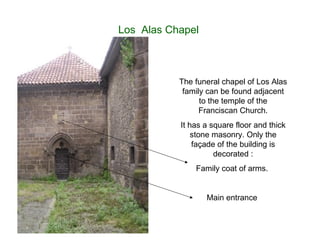
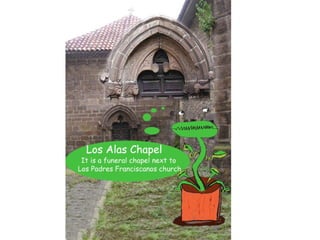
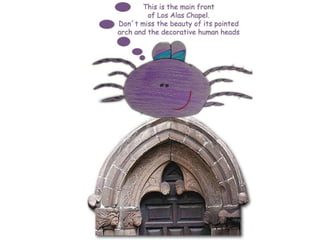
Los  Alas Chapel  The funeral chapel of Los Alas family can be found adjacent to the temple of the Franciscan Church. It has a square floor and thick stone masonry. Only the façade of the building is decorated : Family coat of arms.  Main entrance
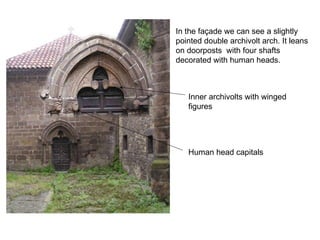
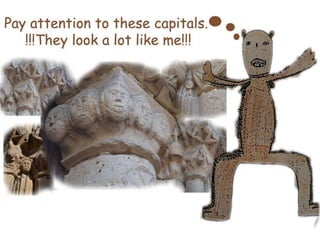
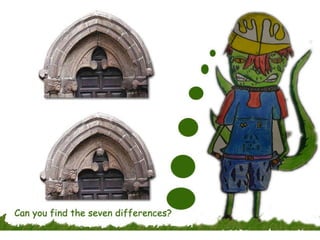
In the façade we can see a slightly pointed double archivolt arch. It leans on doorposts  with four shafts decorated with human heads.  Inner archivolts with winged figures Human head capitals
 
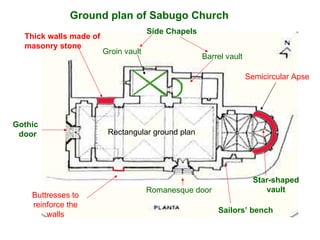
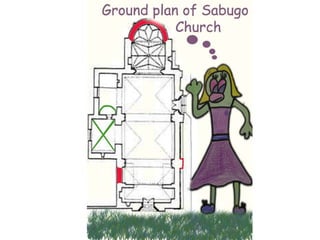
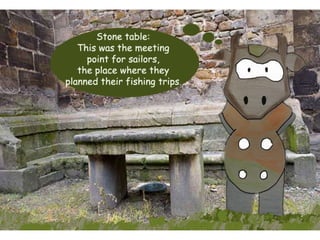
Thick walls made of masonry stone Ground plan of Sabugo Church Side Chapels Gothic  door Buttresses to reinforce the walls Romanesque door Semicircular Apse Star-shaped vault Sailors’ bench Groin vault Barrel vault Rectangular ground plan
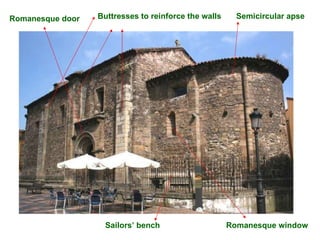
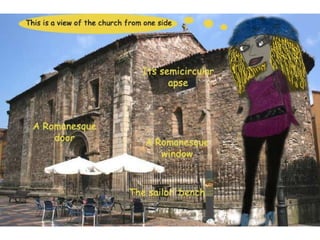
Semicircular apse Romanesque door Buttresses to reinforce the walls Sailors’ bench Romanesque window
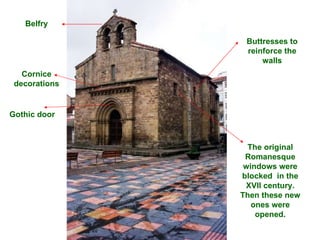
Gothic door Belfry Buttresses to reinforce the walls Cornice decorations The original Romanesque windows were blocked  in the XVII century. Then these new ones were opened.
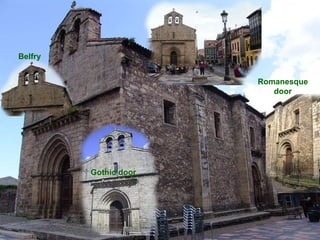
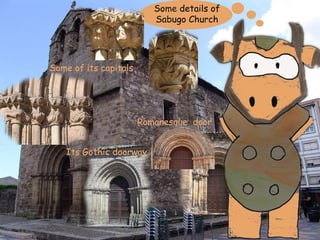
Belfry Romanesque door Gothic door
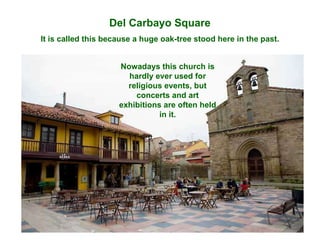
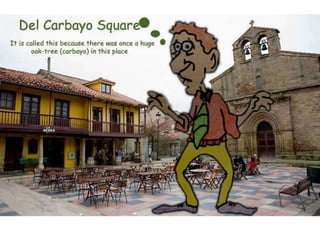
Del Carbayo Square It is called this because a huge oak-tree stood here in the past. Nowadays this church is hardly ever used for religious events, but concerts and art exhibitions are often held in it.
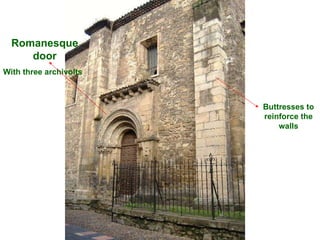
Romanesque door With three archivolts Buttresses to reinforce the walls
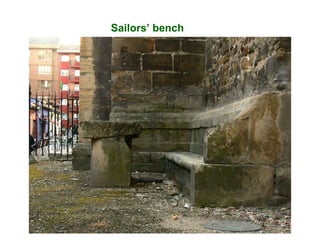
Sailors’ bench
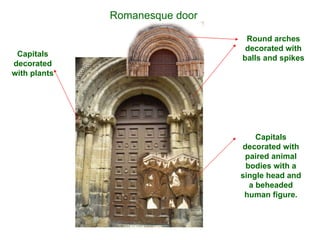
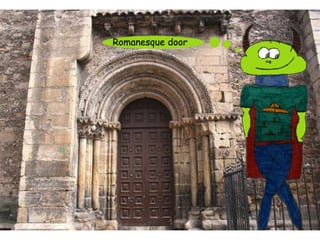
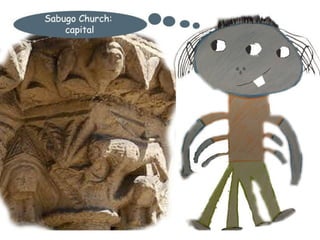
Romanesque door Round arches decorated with balls and spikes Capitals decorated with paired animal bodies with a single head and a beheaded human figure. Capitals decorated with plants
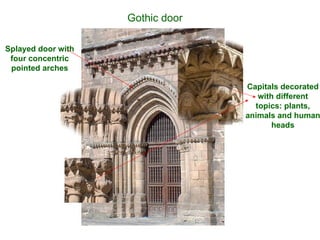
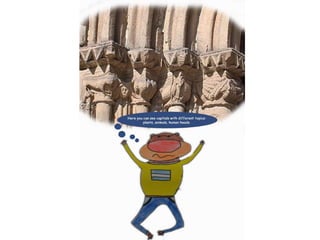
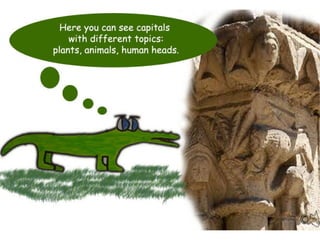
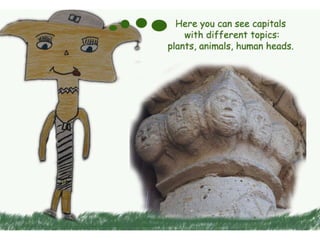
Gothic door Splayed door with four concentric pointed arches Capitals decorated with different topics: plants, animals and human heads
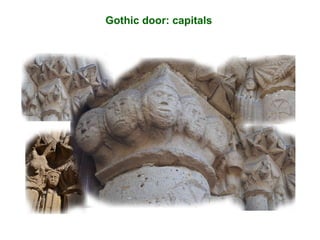
Gothic door: capitals
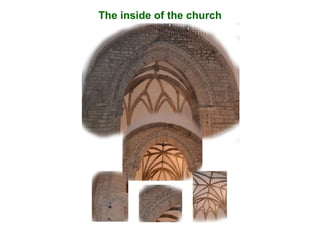
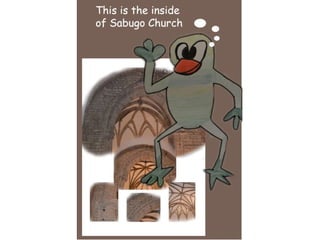
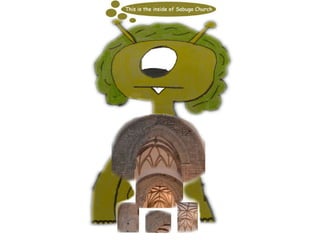
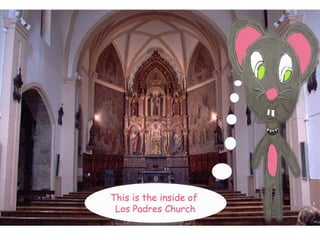
The inside of the church


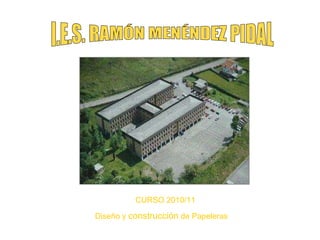
I.E.S. RAMÓN MENÉNDEZ PIDAL CURSO 2010/11 Diseño y  construcción  de Papeleras
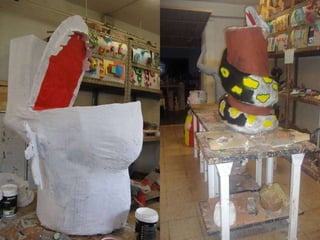
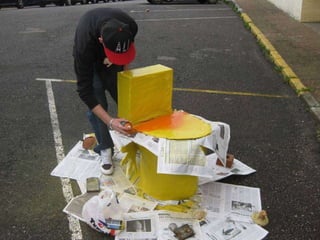
OBJETIVOS : -Análisis y realización del proceso de creación: idea, boceto, maqueta y construcción. -Utilización de materiales reciclables (periódicos, hojalata, cartón, plásticos). -Construcción de una estructura con alambre. -Utilización de las mismas por el alumnado para mantener el Centro limpio. -Transformación de un espacio mediante la ubicación de un volumen.
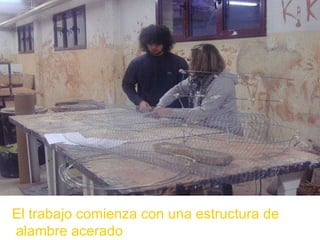
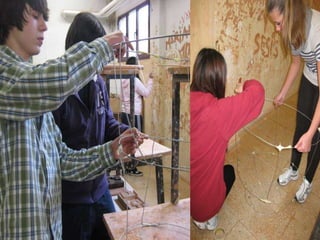
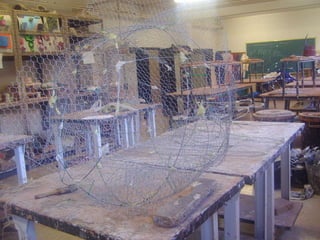
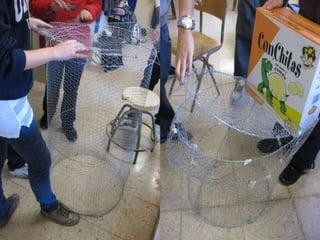
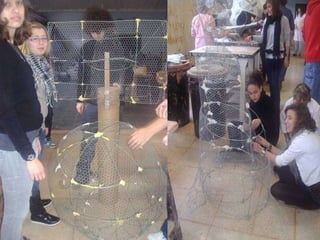
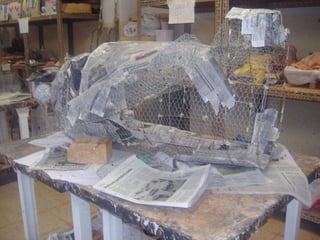
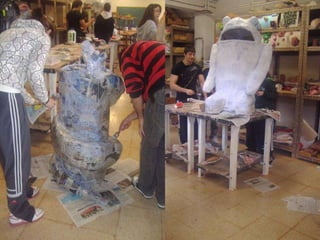
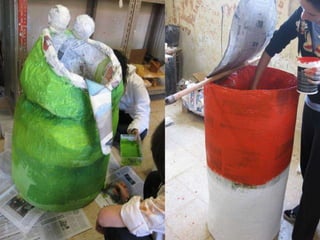
El trabajo comienza con una estructura de alambre acerado
 
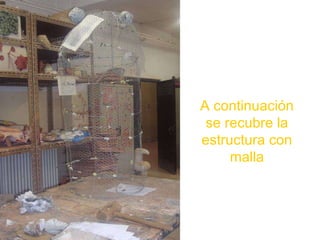
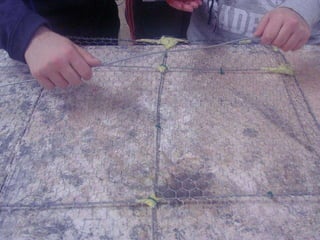
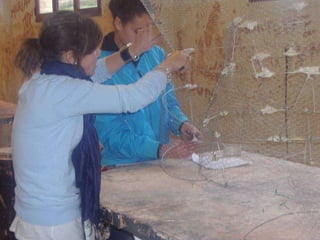
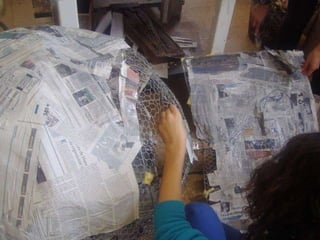
A continuación se recubre la estructura con malla


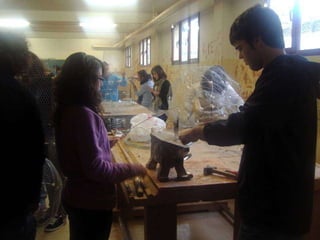
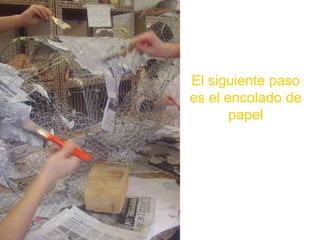
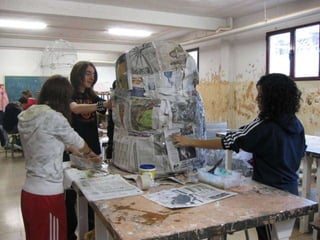
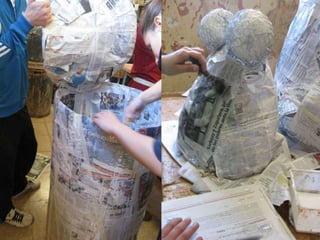
El siguiente paso es el encolado de papel


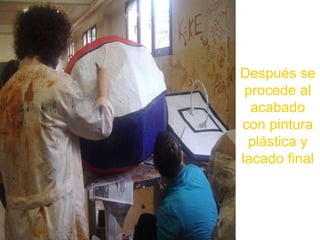
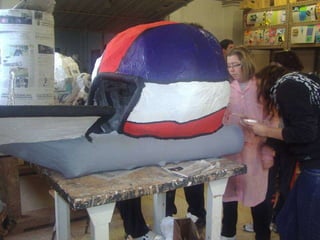
Después se procede al acabado con pintura plástica y lacado final


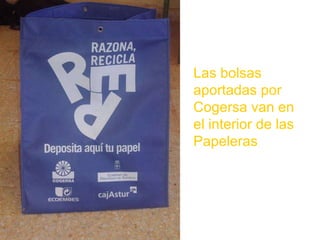
Las bolsas aportadas por Cogersa van en el interior de las Papeleras
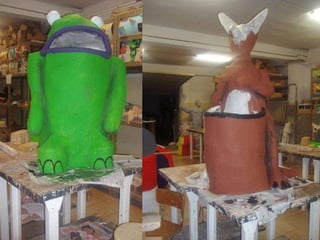
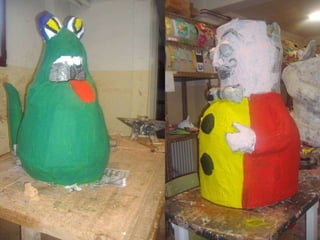
RESULTADO FINAL
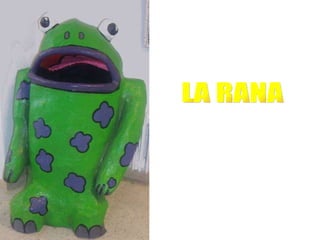
LA RANA
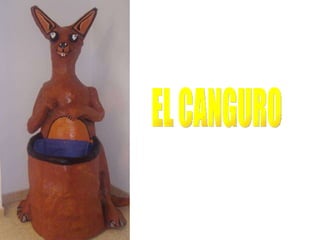
EL CANGURO
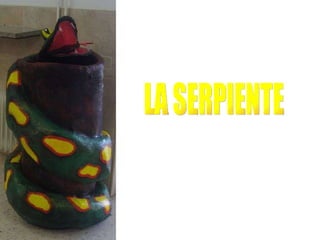
LA SERPIENTE
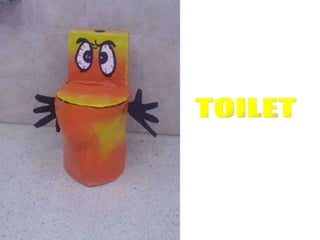
TOILET
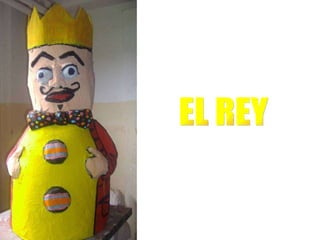
EL REY
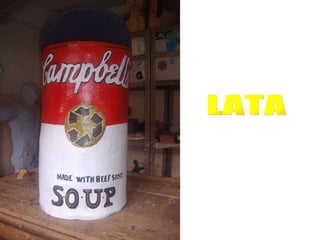
LATA
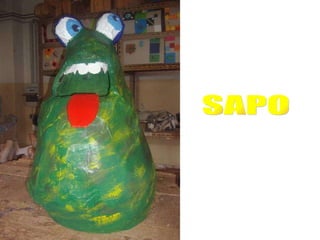
SAPO
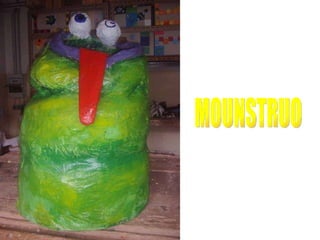
MOUNSTRUO
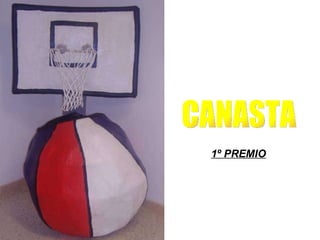
CANASTA 1º PREMIO
AGRADECIMIENTOS: A la Comunidad Educativa del Centro que nos apoyó en nuestro Proyecto, y en especial al alumnado de la asignatura de Volumen de 1º de Bachillerato de Artes. Profesores: Isabel Flores y Enrique Tirador

Aviles, the Medieval Town

  • 1.
    Avilés town mapIn 1155 Alfonso VII grants Avilés a Municipal Charter . As a result Avilés develops a lot and becomes the first coastal village in the North of Spain . Around the port, two independent population centres grow: The neighbourhood of Sabugo and the town of Avilés itself. They are separated by the Tuluergo river .
  • 2.
    The village buildsits wall in the XIIth century. It measured 800 metres and had five gates . Traders and sailors lived in Avilés. As a result of royal privileges, granted by the Municipal Charter, their products weren´t taxed between the sea and León. Avilés was granted the most important salt store in the North of Spain. This allowed the town and the port to grow enormously, because they imported, stored and redistributed salt,a very important product for preserving food in the Middle Ages. The Franciscan Church , as it is known nowadays, was the first church built in Avilés.
  • 3.
    The neighbourhood ofSabugo, where fishermen and sailors lived, was probably surrounded by a wall too, although it was not very high. Old Sabugo Chuch was also built in that neighbourhood.
  • 4.
    Model of theFranciscan Church, which reflects its original appearance. Romanesque main entrance Gothic side chapels Belfry Apse
  • 5.
    The façade isreally damaged because it is very close to the sea. The church building took several years, so we can see different styles in the chuch.
  • 6.
    Corbels under the cornice Geometric decoration Capital decorated with animals Adam and Eve in the Garden of Eden Romanesque main entrance Round arches
  • 7.
    It is madeof masonry stone One wall belfry Splayed window with round arches
  • 8.
    Gothic side entrances Concentric pointed arches
  • 9.
    The interior ofthe chuch Apse decorated with an altarpiece and paintings Vault Pedro Menéndez´s tomb Pedro Menéndez was an admiral and explorer who colonized Florida, where he founded St. Augustine, the first town in the USA
  • 10.
    Los AlasChapel The funeral chapel of Los Alas family can be found adjacent to the temple of the Franciscan Church. It has a square floor and thick stone masonry. Only the façade of the building is decorated : Family coat of arms. Main entrance
  • 11.
    In the façadewe can see a slightly pointed double archivolt arch. It leans on doorposts with four shafts decorated with human heads. Inner archivolts with winged figures Human head capitals
  • 12.
  • 13.
    Thick walls madeof masonry stone Ground plan of Sabugo Church Side Chapels Gothic door Buttresses to reinforce the walls Romanesque door Semicircular Apse Star-shaped vault Sailors’ bench Groin vault Barrel vault Rectangular ground plan
  • 14.
    Semicircular apse Romanesquedoor Buttresses to reinforce the walls Sailors’ bench Romanesque window
  • 15.
    Gothic door BelfryButtresses to reinforce the walls Cornice decorations The original Romanesque windows were blocked in the XVII century. Then these new ones were opened.
  • 16.
  • 17.
    Del Carbayo SquareIt is called this because a huge oak-tree stood here in the past. Nowadays this church is hardly ever used for religious events, but concerts and art exhibitions are often held in it.
  • 18.
    Romanesque door Withthree archivolts Buttresses to reinforce the walls
  • 19.
  • 20.
    Romanesque door Roundarches decorated with balls and spikes Capitals decorated with paired animal bodies with a single head and a beheaded human figure. Capitals decorated with plants
  • 21.
    Gothic door Splayeddoor with four concentric pointed arches Capitals decorated with different topics: plants, animals and human heads
  • 22.
  • 23.
    The inside ofthe church
  • 24.
  • 25.
  • 26.
  • 27.
  • 28.
  • 29.
  • 30.
  • 31.
  • 32.
  • 33.
  • 34.
  • 35.
  • 36.
  • 37.
  • 38.
  • 39.
  • 40.
  • 41.
  • 42.
  • 43.
  • 44.
  • 45.
  • 46.
  • 47.
  • 48.
  • 49.
  • 50.
  • 51.
  • 52.
  • 53.
  • 54.
    I.E.S. RAMÓN MENÉNDEZPIDAL CURSO 2010/11 Diseño y construcción de Papeleras
  • 55.
    OBJETIVOS : -Análisisy realización del proceso de creación: idea, boceto, maqueta y construcción. -Utilización de materiales reciclables (periódicos, hojalata, cartón, plásticos). -Construcción de una estructura con alambre. -Utilización de las mismas por el alumnado para mantener el Centro limpio. -Transformación de un espacio mediante la ubicación de un volumen.
  • 56.
    El trabajo comienzacon una estructura de alambre acerado
  • 57.
  • 58.
    A continuación serecubre la estructura con malla
  • 59.
  • 60.
  • 61.
  • 62.
  • 63.
  • 64.
  • 65.
    El siguiente pasoes el encolado de papel
  • 66.
  • 67.
  • 68.
  • 69.
  • 70.
  • 71.
    Después se procedeal acabado con pintura plástica y lacado final
  • 72.
  • 73.
  • 74.
  • 75.
  • 76.
  • 77.
  • 78.
    Las bolsas aportadaspor Cogersa van en el interior de las Papeleras
  • 79.
  • 80.
  • 81.
  • 82.
  • 83.
  • 84.
  • 85.
  • 86.
  • 87.
  • 88.
  • 89.
    AGRADECIMIENTOS: A laComunidad Educativa del Centro que nos apoyó en nuestro Proyecto, y en especial al alumnado de la asignatura de Volumen de 1º de Bachillerato de Artes. Profesores: Isabel Flores y Enrique Tirador