Downloaded 535 times




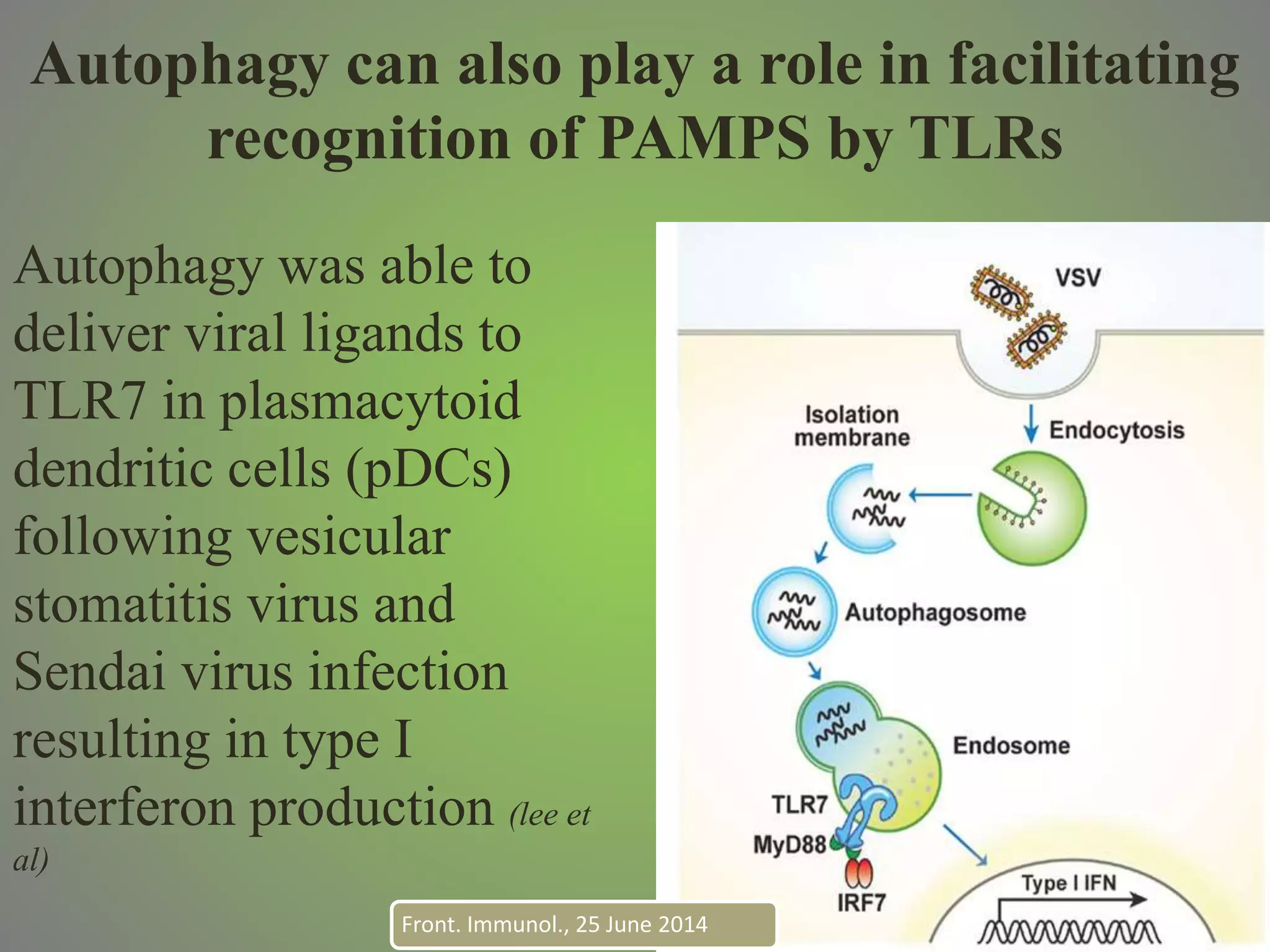


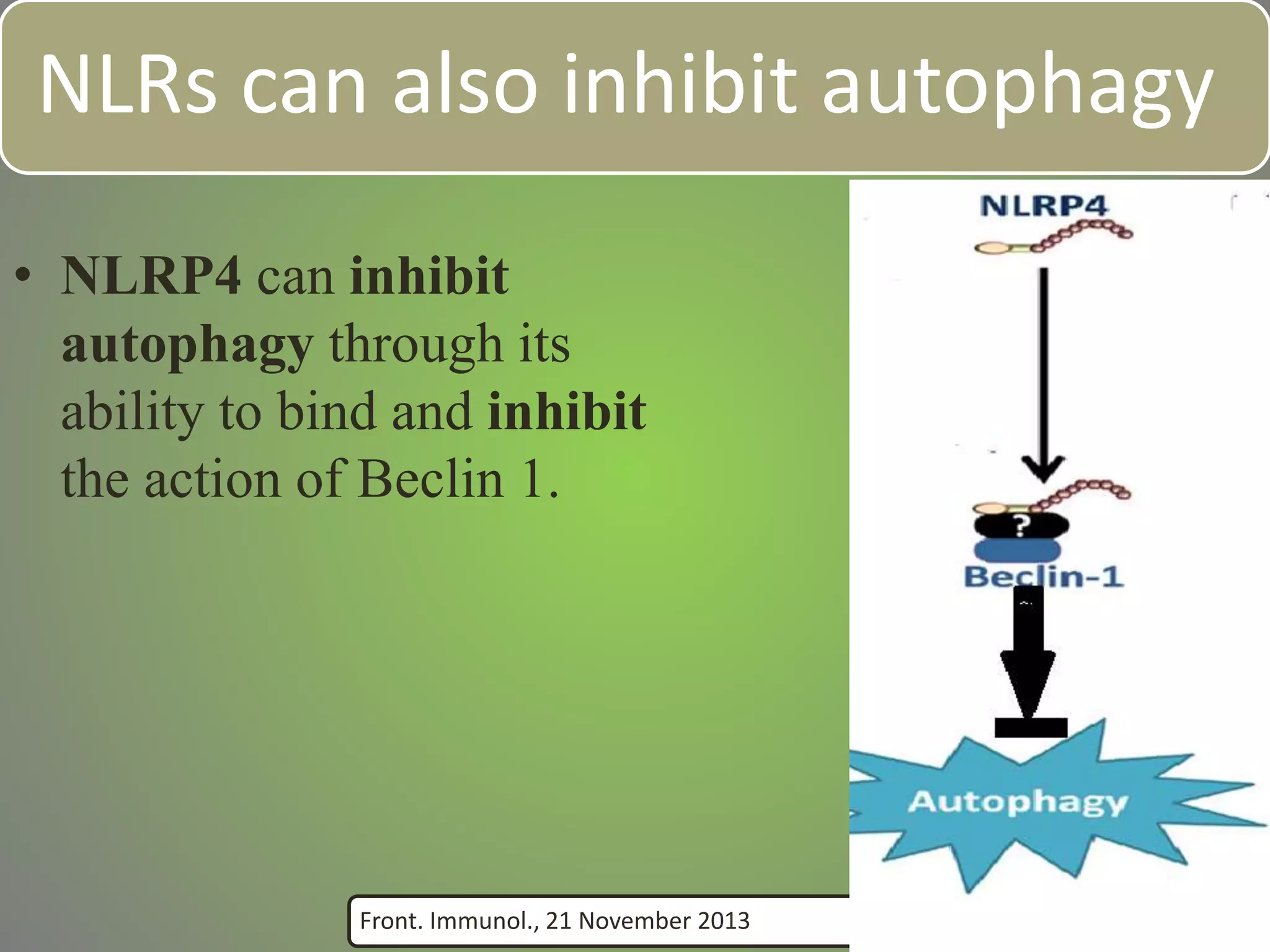





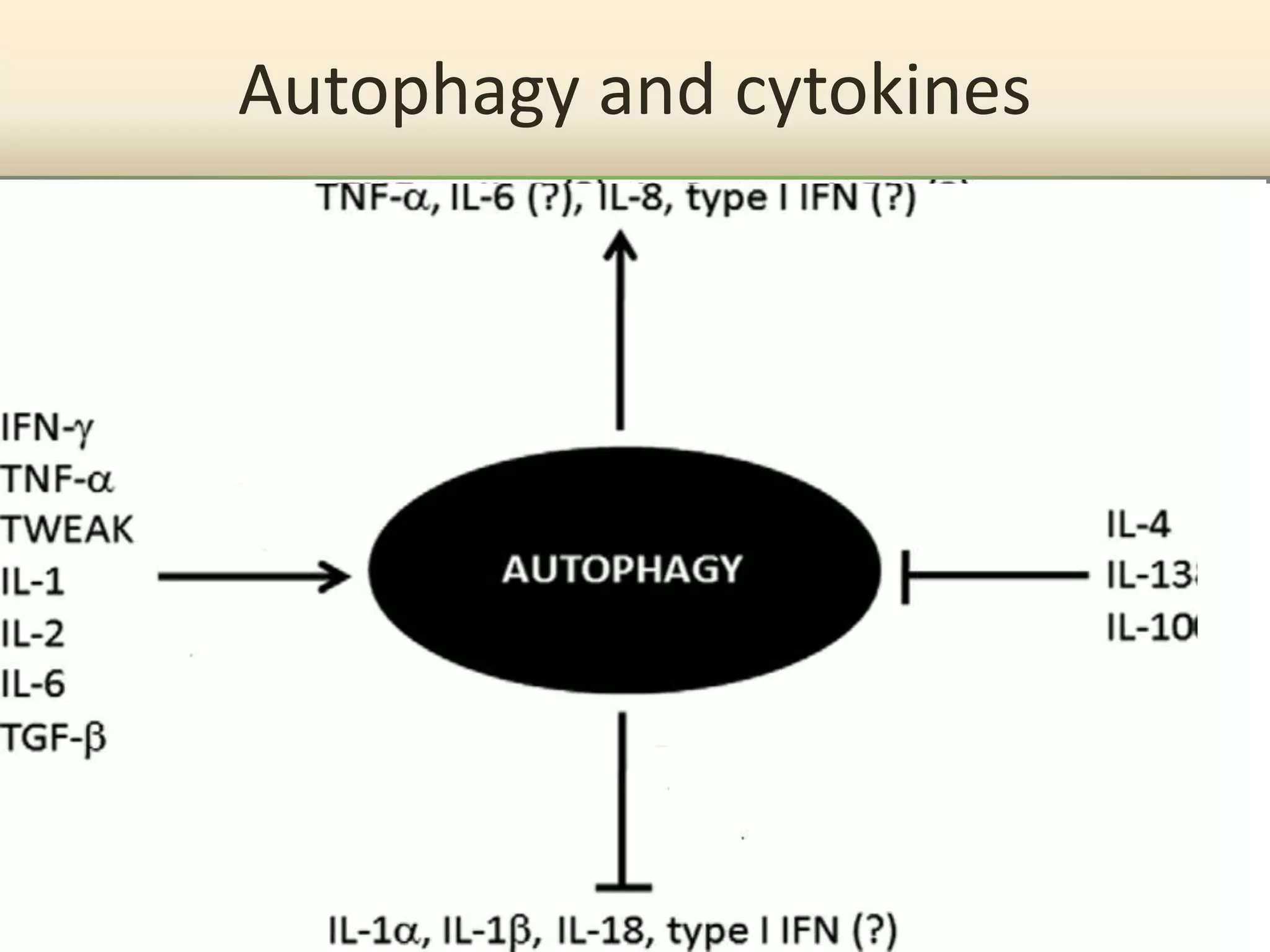

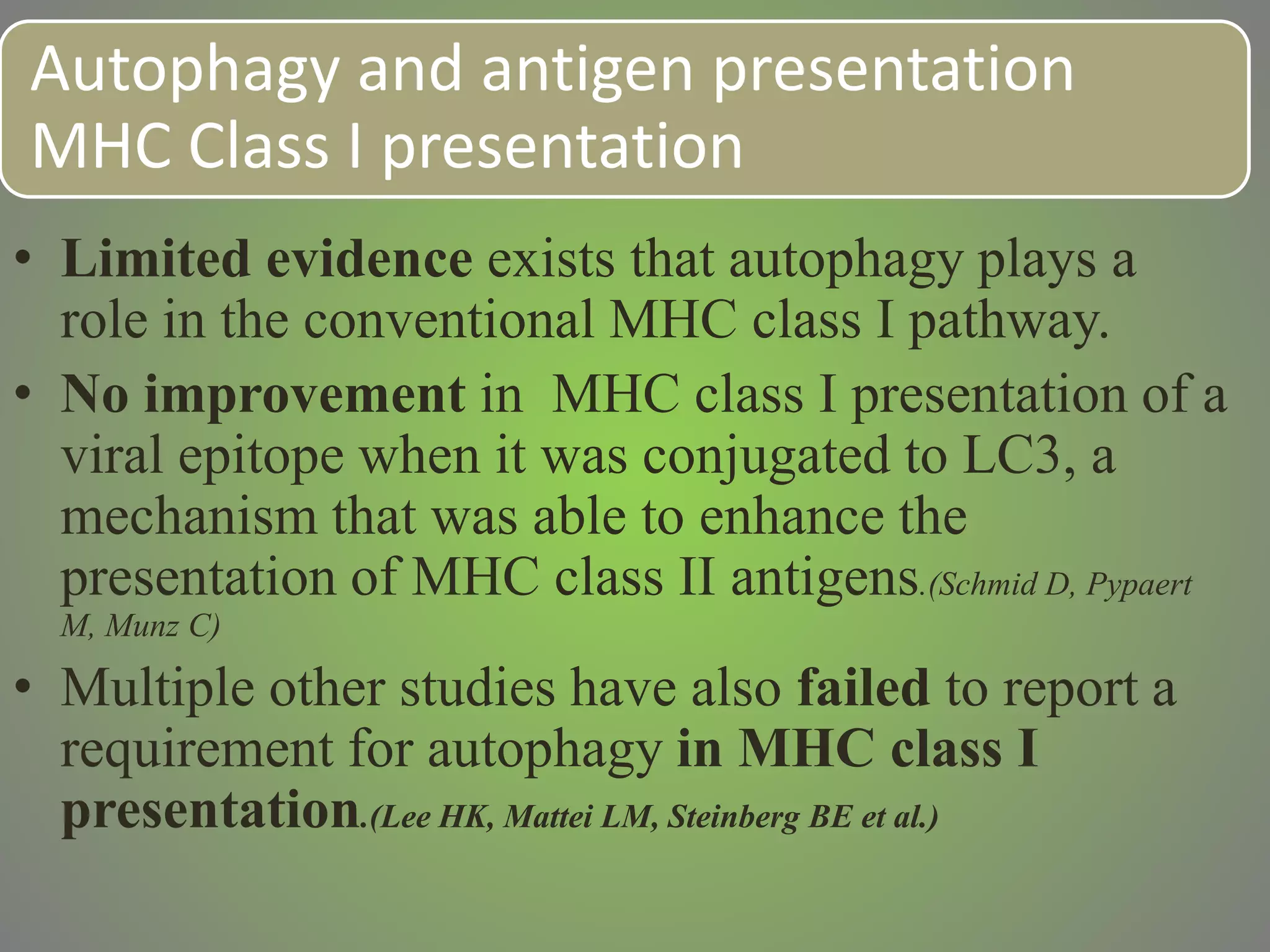
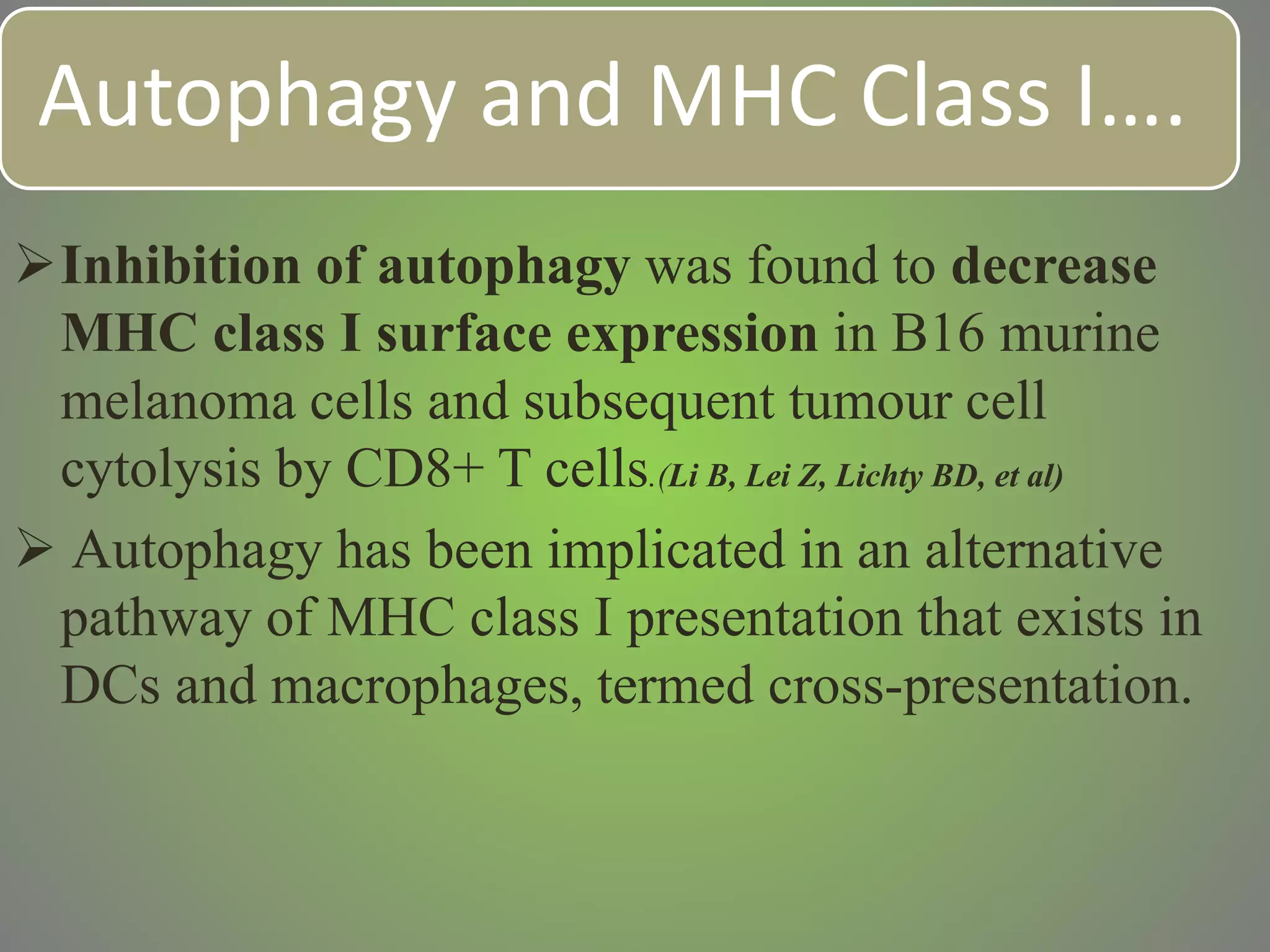

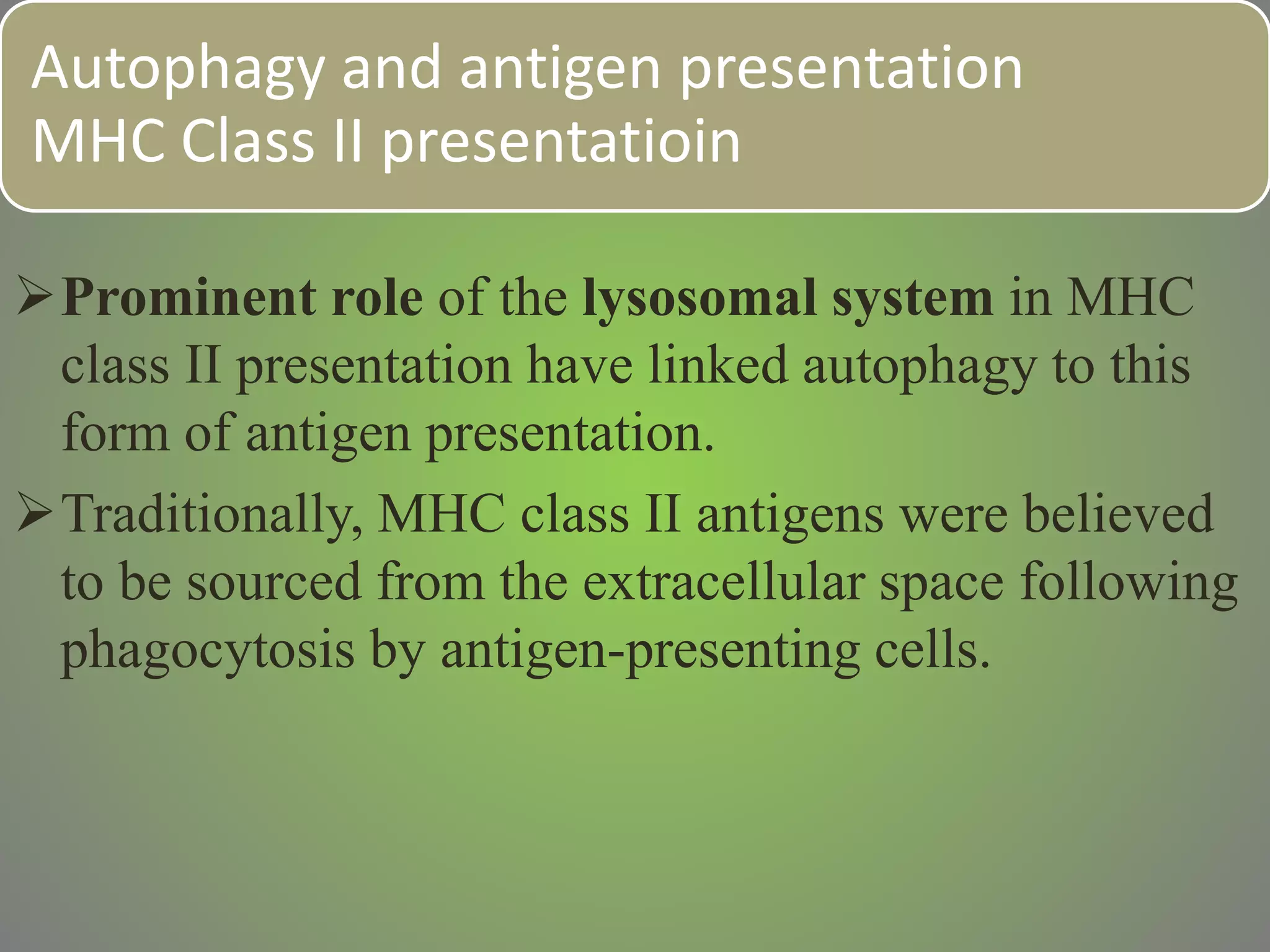



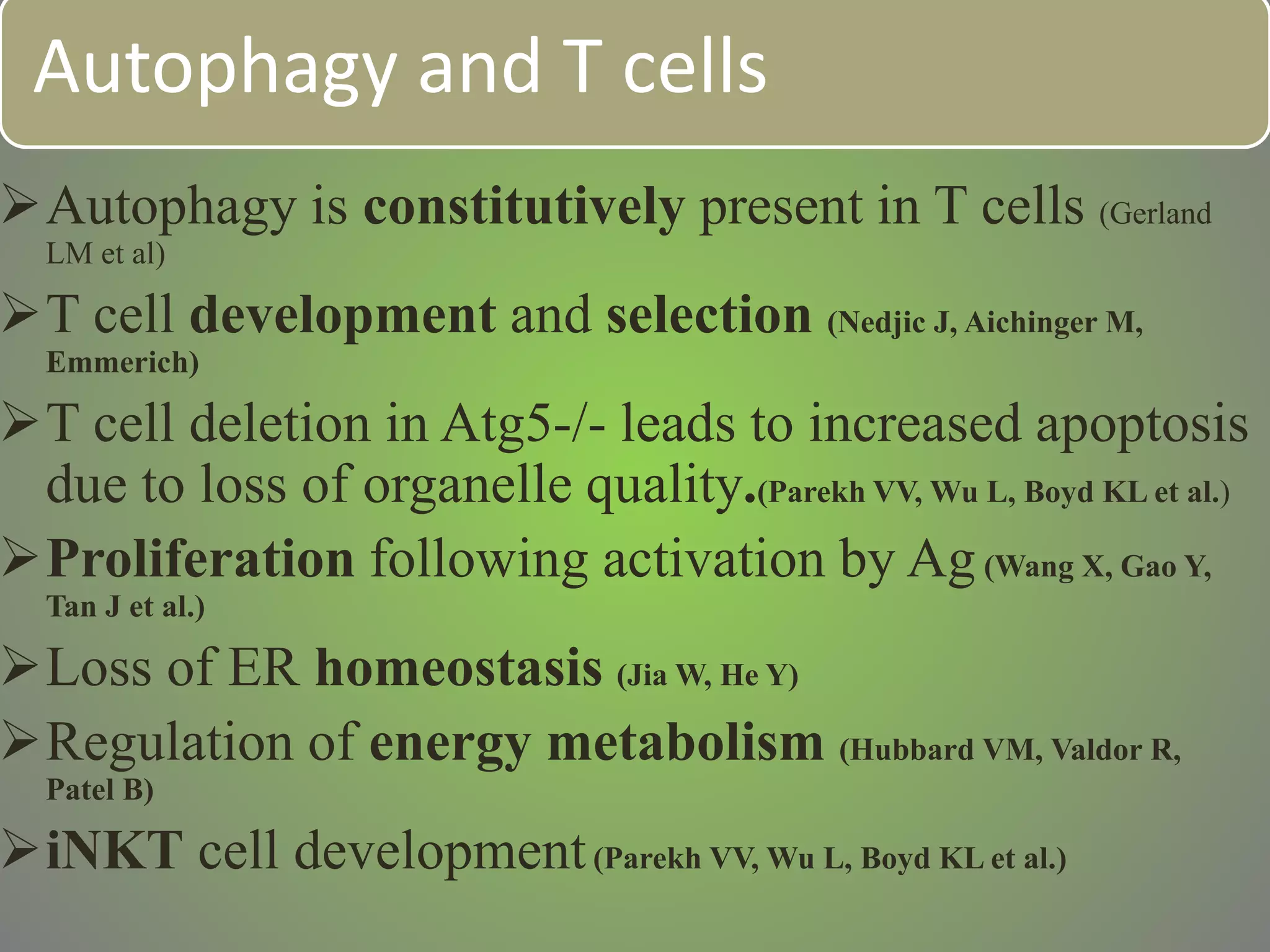


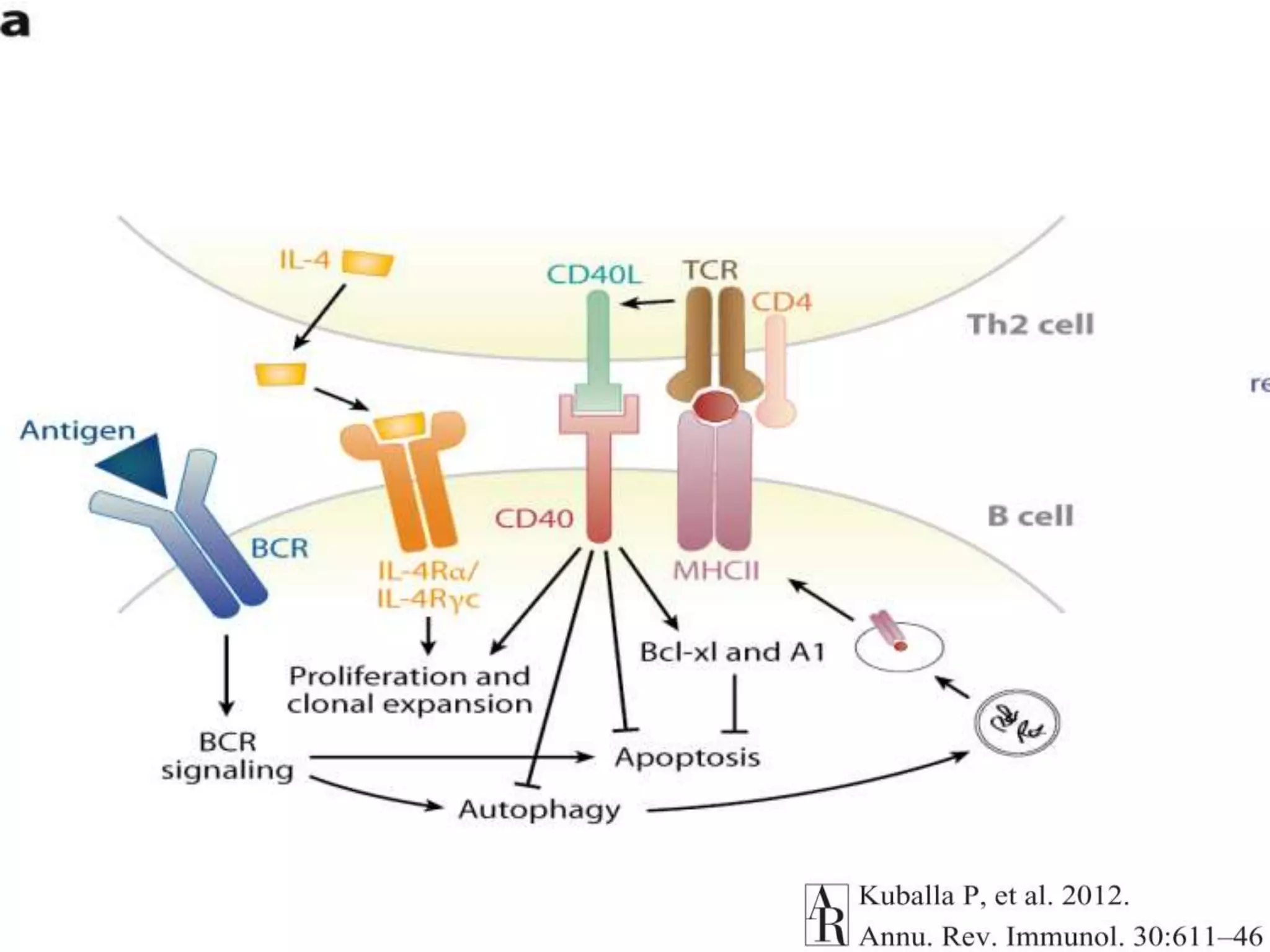




Autophagy plays multifaceted roles in both the innate and adaptive immune system. In innate immunity, autophagy aids in the recognition of pathogens by pattern recognition receptors like TLRs, NLRs, and RLRs. It also facilitates the handling and destruction of intracellular bacteria by phagocytosis and lysosomal fusion. Autophagy regulates the production of cytokines as well. In adaptive immunity, autophagy contributes to antigen presentation on MHC class I and II molecules and is important for the homeostasis and functions of lymphocytes like T cells and B cells. However, the precise mechanisms in some cases require further clarification.


![Autophagy [1].pptx](https://cdn.slidesharecdn.com/ss_thumbnails/autophagy1-251004162856-93ca1670-thumbnail.jpg?width=640&height=640&fit=bounds)


