WELCOME
BY,

DINU GEORGE,
1ST YEAR MSC, NSG,
ZNC.
DEFINITION
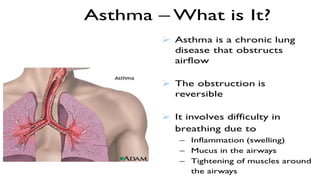
• Asthma is a common chronic inflammatory disease of the airways
characterized by variable and recurring symptoms, reversible airflow
obstruction, and bronchospasm. Common symptoms include
wheezing, coughing, chest tightness, and shortness of breath.
WEKIPEDIA
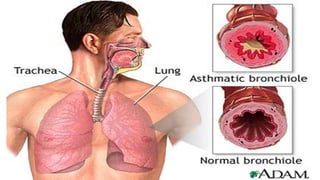
• A common inflammatory disease of the lungs characterized by
episodic airway obstruction caused by extensive narrowing of the
bronchi and bronchioles. The narrowing is caused by spasm of
smooth muscle, edema of the mucosa, and the presence of mucus in
the airway resulting from an immunologic reaction that can be
induced by allergies, irritants, infection, stress, and other factors in a
genetically predisposed individual. Common symptoms of asthma
include wheezing, coughing, and shortness of breath.
MEDICAL DICTIONARY
• chronic lung disorder that is marked by recurring episodes of airway
obstruction (as from bronchospasm) manifested by labored breathing
accompanied especially by wheezing and coughing and by a sense of
constriction in the chest, and that is triggered by hyperreactivity to
various stimuli (as allergens or rapid change in air temperature)
MERRIUM WEBISER
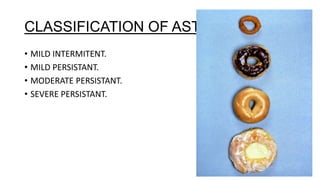
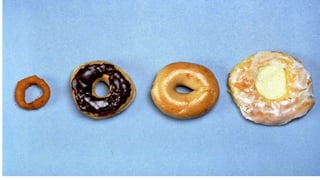
CLASSIFICATION OF ASTHMA
• MILD INTERMITENT.
• MILD PERSISTANT.
• MODERATE PERSISTANT.
• SEVERE PERSISTANT.
TYPES OF ASTHMA
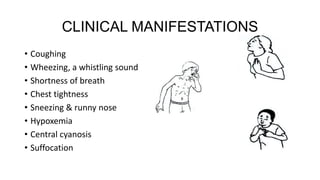
CLINICAL MANIFESTATIONS
• Coughing
• Wheezing, a whistling sound
• Shortness of breath
• Chest tightness
• Sneezing & runny nose
• Hypoxemia
• Central cyanosis
• Suffocation
MANAGEMENT
• MEDICAL MANAGEMENT
•
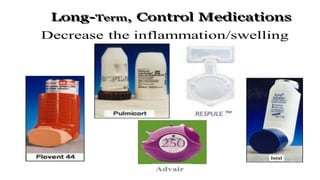
Anti inflammatory drugs,
•
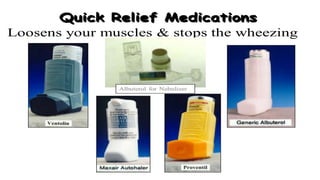
Bronchodialators,
•
Anti chlolinergic .

• DIETARY MANAGEMENT
• NURSING MANAGEMENT
COMPLICATIONS
• STATUS ASTHAMATICUS.
IT IS A SEVERE AND PERSISTANT ASTHMA THAT DOESNOT
RESPOND TO CONVENTIONAL THERAPY. THE ATTACKS CAN LAST
LONGER THAN 24 HRS.
PREVENTION
• Identify and minimize contact with your asthma trigger(s)
• Understand and take asthma medications as prescribed
• Recognize early signs that your asthma is getting worse

• Know what to do when your asthma is getting worse
THANKYOU

Asthama

  • 1.
  • 4.
    DEFINITION • Asthma isa common chronic inflammatory disease of the airways characterized by variable and recurring symptoms, reversible airflow obstruction, and bronchospasm. Common symptoms include wheezing, coughing, chest tightness, and shortness of breath. WEKIPEDIA
  • 5.
    • A commoninflammatory disease of the lungs characterized by episodic airway obstruction caused by extensive narrowing of the bronchi and bronchioles. The narrowing is caused by spasm of smooth muscle, edema of the mucosa, and the presence of mucus in the airway resulting from an immunologic reaction that can be induced by allergies, irritants, infection, stress, and other factors in a genetically predisposed individual. Common symptoms of asthma include wheezing, coughing, and shortness of breath. MEDICAL DICTIONARY
  • 6.
    • chronic lungdisorder that is marked by recurring episodes of airway obstruction (as from bronchospasm) manifested by labored breathing accompanied especially by wheezing and coughing and by a sense of constriction in the chest, and that is triggered by hyperreactivity to various stimuli (as allergens or rapid change in air temperature) MERRIUM WEBISER
  • 7.
    CLASSIFICATION OF ASTHMA •MILD INTERMITENT. • MILD PERSISTANT. • MODERATE PERSISTANT. • SEVERE PERSISTANT.
  • 8.
  • 9.
    CLINICAL MANIFESTATIONS • Coughing •Wheezing, a whistling sound • Shortness of breath • Chest tightness • Sneezing & runny nose • Hypoxemia • Central cyanosis • Suffocation
  • 10.
    MANAGEMENT • MEDICAL MANAGEMENT • Antiinflammatory drugs, • Bronchodialators, • Anti chlolinergic . • DIETARY MANAGEMENT • NURSING MANAGEMENT
  • 13.
    COMPLICATIONS • STATUS ASTHAMATICUS. ITIS A SEVERE AND PERSISTANT ASTHMA THAT DOESNOT RESPOND TO CONVENTIONAL THERAPY. THE ATTACKS CAN LAST LONGER THAN 24 HRS.
  • 14.
    PREVENTION • Identify andminimize contact with your asthma trigger(s) • Understand and take asthma medications as prescribed • Recognize early signs that your asthma is getting worse • Know what to do when your asthma is getting worse
  • 15.