Watch a video of this 
presentation at: 
http://vimeo.com/111014168
What is an Assessment? 
• A process of Gathering 
Information. 
• From secondary sources i.e. The 
opinions of others. 
• From our own senses i.e. 
Observations.
Thompson (2009:218) advocates that 
• Information gathering in assessments should 
be ‘minimum necessary, not maximum 
available’. 
This is to ensure: 
1. Minimal intrusion. 
2. Avoid wasting time. 
3. Avoid information overload.
It is essential that we 
Define the problem 
Before 
we seek solutions
Thompson (2009:219/23) states that 
Assessment should be: 
• Partnership, not paternalism – Why? 
• Assess situations, not people – Why? 
• Strengths – Why? 
• Significant changes? – Why? 
• Respond to need, not demand – Why? 
• Confidentiality – Why? 
• Separate fact from opinion – Why? 
• Avoid Jargon – Why? 
• Avoid vagueness – Why? 
• Set clear objectives and timescales – Why?
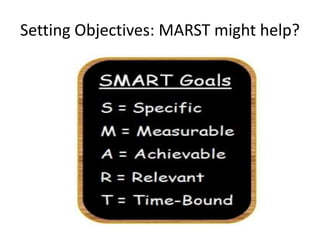
Setting Objectives: MARST might help?
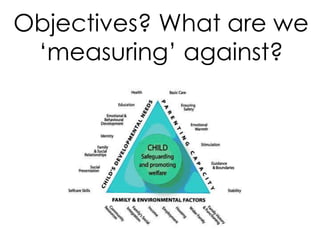
Objectives? What are we 
‘measuring’ against?
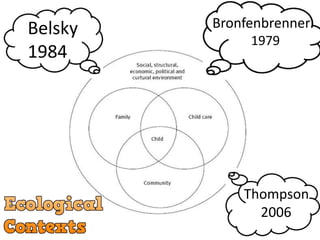
Bronfenbrenner 
1979 
Belsky 
1984 
Thompson 
2006
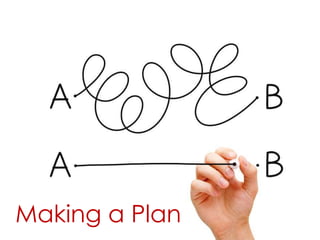
Making a Plan
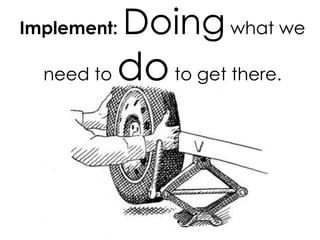
Implement: Doingwhat we 
need to doto get there.
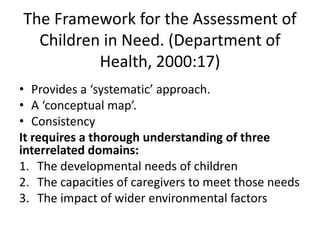
The Framework for the Assessment of 
Children in Need. (Department of 
Health, 2000:17) 
• Provides a ‘systematic’ approach. 
• A ‘conceptual map’. 
• Consistency 
It requires a thorough understanding of three 
interrelated domains: 
1. The developmental needs of children 
2. The capacities of caregivers to meet those needs 
3. The impact of wider environmental factors
The DoH guidance is based on 
research. Hence in is ‘evidence 
informed’ 
• For example; Cleaver et al (2011) 
examines the research on 
parenting capacity and how this 
relates to needs and risk. 
[you can find some of this research (Cleaver et al) in 
excerpt 6 in today’s pack – the entire document can 
be downloaded online]
Communication with parents 
• Clearly, communicating with parents about sensitive issues 
such as how they care for their children is a sensitive topic. 
• Practitioners must acknowledge this and proceed with tact 
and caution. However, whilst acknowledging the feelings of 
the parent, the practitioner must always ensure that the 
needs of the child are central and paramount. 
• Excerpt 7 in today’s pack (Billston & Edmonds, 2007) 
identifies ‘good practice’ for breaking bad news: broaching 
safeguarding issues is likely to be perceived as ‘bad news’ 
by parents and carers. 
(Note: When you see the word ‘patient’ read this word as 
‘client’)
Assessment concluding thoughts 
• Is a complex process of obtaining information about 
children and families. 
• This information gathering is necessary to build an 
accurate picture of children’s needs and risks to their 
development. 
• This information gathering includes judgements about 
what is reasonable to be expected for children of 
different ages. This reasonableness is based on 
research. 
• Parenting is a difficult ‘job’, broaching parenting issues 
requires tact and sensitivity, although the child must 
remain the priority and paramount focus.

Apir

  • 1.
    Watch a videoof this presentation at: http://vimeo.com/111014168
  • 2.
    What is anAssessment? • A process of Gathering Information. • From secondary sources i.e. The opinions of others. • From our own senses i.e. Observations.
  • 3.
    Thompson (2009:218) advocatesthat • Information gathering in assessments should be ‘minimum necessary, not maximum available’. This is to ensure: 1. Minimal intrusion. 2. Avoid wasting time. 3. Avoid information overload.
  • 4.
    It is essentialthat we Define the problem Before we seek solutions
  • 5.
    Thompson (2009:219/23) statesthat Assessment should be: • Partnership, not paternalism – Why? • Assess situations, not people – Why? • Strengths – Why? • Significant changes? – Why? • Respond to need, not demand – Why? • Confidentiality – Why? • Separate fact from opinion – Why? • Avoid Jargon – Why? • Avoid vagueness – Why? • Set clear objectives and timescales – Why?
  • 6.
  • 7.
    Objectives? What arewe ‘measuring’ against?
  • 8.
    Bronfenbrenner 1979 Belsky 1984 Thompson 2006
  • 9.
  • 10.
    Implement: Doingwhat we need to doto get there.
  • 11.
    The Framework forthe Assessment of Children in Need. (Department of Health, 2000:17) • Provides a ‘systematic’ approach. • A ‘conceptual map’. • Consistency It requires a thorough understanding of three interrelated domains: 1. The developmental needs of children 2. The capacities of caregivers to meet those needs 3. The impact of wider environmental factors
  • 12.
    The DoH guidanceis based on research. Hence in is ‘evidence informed’ • For example; Cleaver et al (2011) examines the research on parenting capacity and how this relates to needs and risk. [you can find some of this research (Cleaver et al) in excerpt 6 in today’s pack – the entire document can be downloaded online]
  • 13.
    Communication with parents • Clearly, communicating with parents about sensitive issues such as how they care for their children is a sensitive topic. • Practitioners must acknowledge this and proceed with tact and caution. However, whilst acknowledging the feelings of the parent, the practitioner must always ensure that the needs of the child are central and paramount. • Excerpt 7 in today’s pack (Billston & Edmonds, 2007) identifies ‘good practice’ for breaking bad news: broaching safeguarding issues is likely to be perceived as ‘bad news’ by parents and carers. (Note: When you see the word ‘patient’ read this word as ‘client’)
  • 14.
    Assessment concluding thoughts • Is a complex process of obtaining information about children and families. • This information gathering is necessary to build an accurate picture of children’s needs and risks to their development. • This information gathering includes judgements about what is reasonable to be expected for children of different ages. This reasonableness is based on research. • Parenting is a difficult ‘job’, broaching parenting issues requires tact and sensitivity, although the child must remain the priority and paramount focus.