Chapter 1: The Human Body
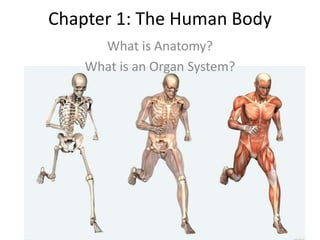
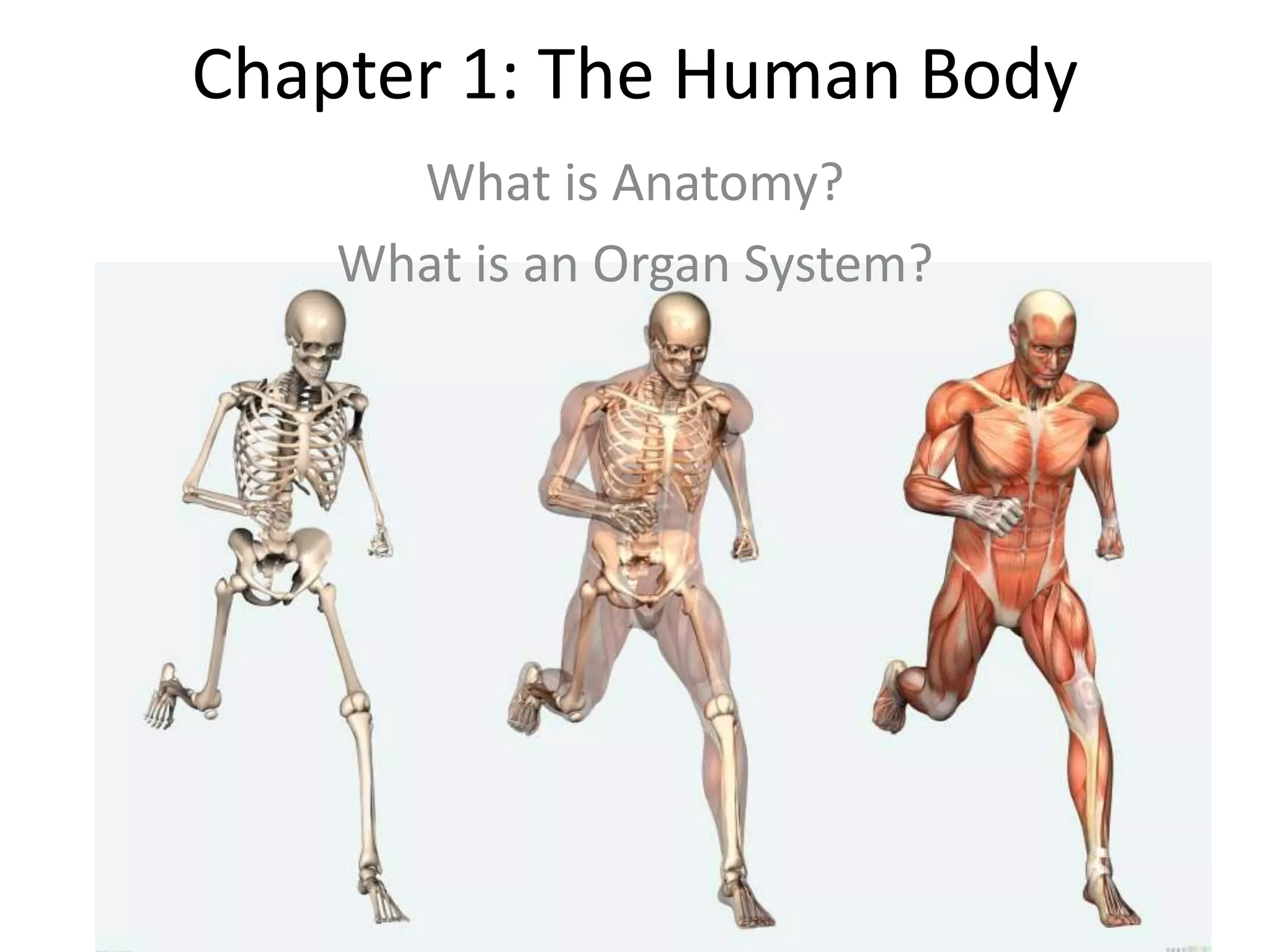
What is Anatomy?
What is an Organ System?
Anatomy and Physiology
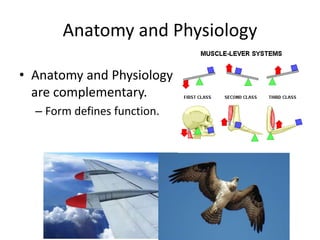
• Anatomy and Physiology
are complementary.
– Form defines function.
Anatomy
• Study of structures of body parts and their
relationships to one another.
– It is how the body is organized.
• Subdivisions:
– Gross or macroscopic (e.g., regional, systemic, and
surface anatomy)
– Microscopic (e.g., cytology and histology)
– Developmental (e.g., embryology)
Anatomy
• Structure of body parts and their relationship
to one another:
• There are different levels and ways you can
study Anatomy.
– Gross Anatomy – Study of large body structures
visible to the naked eye such as organs.
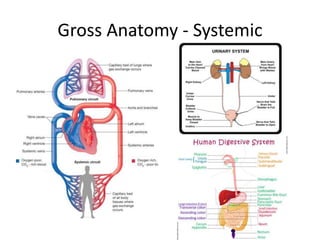
• Gross Anatomy is separated by different regions so you
can study the gross anatomy of different organ systems
or different regions of the body.
Gross Anatomy - Systemic
Anatomy
• There are different levels and ways you can
study Anatomy:
– Microscopic Anatomy – structures too small to be
seek with the naked eye.
– Microscopic Anatomy breaks down into Cytology
and Histology.
• Cytology – The anatomy of specific cells (Nerve cell,
muscle cell)
• Histology – The anatomy of specific tissues (Nervous
tissue, muscle tissue)
Anatomy
• There are different levels and ways you can
study Anatomy:
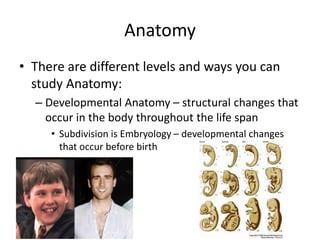
– Developmental Anatomy – structural changes that
occur in the body throughout the life span
• Subdivision is Embryology – developmental changes
that occur before birth
Physiology
• Physiology – function of the body
– How does the body work and carry out its
activities.
– Physiology is understood by looking at the
anatomy of a structure.
• You separate the different branches of
physiology based on the different organ
systems.
– Cardiovascular Physiology, Neurophysiology…
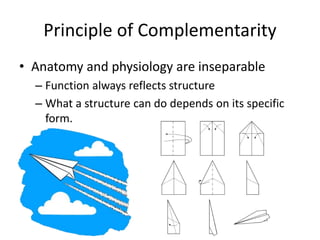
Principle of Complementarity
• Anatomy and physiology are inseparable
– Function always reflects structure
– What a structure can do depends on its specific
form.
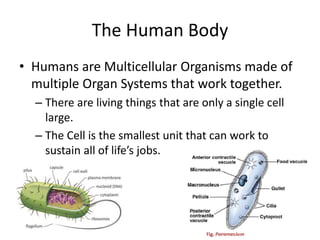
The Human Body
• Humans are Multicellular Organisms made of
multiple Organ Systems that work together.
– There are living things that are only a single cell
large.
– The Cell is the smallest unit that can work to
sustain all of life’s jobs.
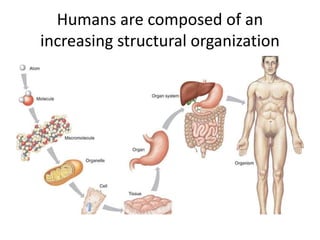
Humans are composed of an
increasing structural organization
© 2013 Pearson Education, Inc.
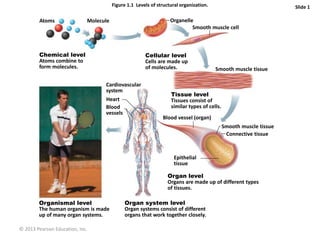
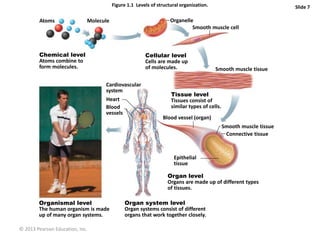
Figure 1.1 Levels of structural organization. Slide 1
Atoms Molecule Organelle
Smooth muscle cell
Chemical level
Atoms combine to
form molecules.
Cellular level
Cells are made up
of molecules.
Smooth muscle tissue
Cardiovascular
system
Heart
Blood
vessels
Tissue level
Tissues consist of
similar types of cells.
Blood vessel (organ)
Smooth muscle tissue
Connective tissue
Epithelial
tissue
Organ level
Organs are made up of different types
of tissues.
Organismal level
The human organism is made
up of many organ systems.
Organ system level
Organ systems consist of different
organs that work together closely.
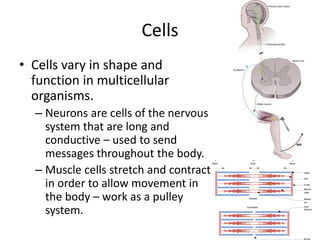
Cells
• Cells vary in shape and
function in multicellular
organisms.
– Neurons are cells of the nervous
system that are long and
conductive – used to send
messages throughout the body.
– Muscle cells stretch and contract
in order to allow movement in
the body – work as a pulley
system.
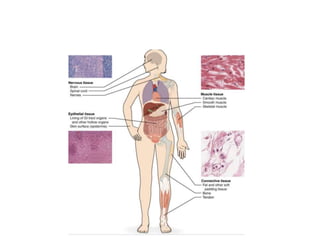
Cells group together into tissues
• Tissues are groups of similar cells tht have a
common function.
– There are four tissue types in the body
1. Epithelial Tissue
2. Muscle Tissue
3. Connective Tissue
4. Nervous Tissue
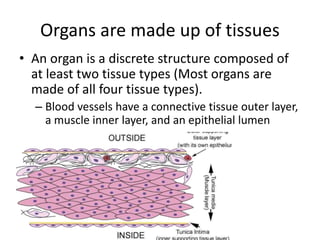
Organs are made up of tissues
• An organ is a discrete structure composed of
at least two tissue types (Most organs are
made of all four tissue types).
– Blood vessels have a connective tissue outer layer,
a muscle inner layer, and an epithelial lumen
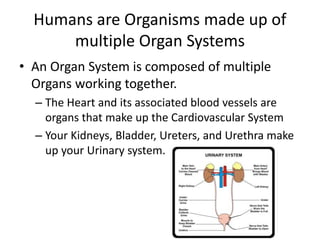
Humans are Organisms made up of
multiple Organ Systems
• An Organ System is composed of multiple
Organs working together.
– The Heart and its associated blood vessels are
organs that make up the Cardiovascular System
– Your Kidneys, Bladder, Ureters, and Urethra make
up your Urinary system.
© 2013 Pearson Education, Inc.
Figure 1.1 Levels of structural organization. Slide 2
Atoms Molecule
Chemical level
Atoms combine to
form molecules.
© 2013 Pearson Education, Inc.
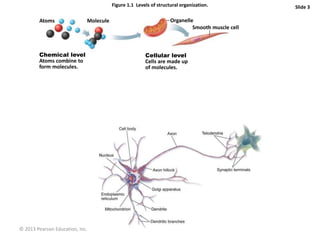
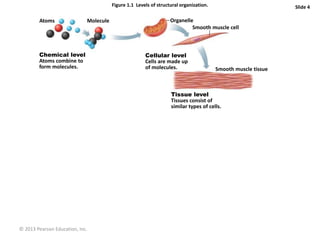
Figure 1.1 Levels of structural organization. Slide 3
Atoms Molecule Organelle
Smooth muscle cell
Chemical level
Atoms combine to
form molecules.
Cellular level
Cells are made up
of molecules.
© 2013 Pearson Education, Inc.
Figure 1.1 Levels of structural organization. Slide 4
Atoms Molecule Organelle
Smooth muscle cell
Chemical level
Atoms combine to
form molecules.
Cellular level
Cells are made up
of molecules.
Tissue level
Tissues consist of
similar types of cells.
Smooth muscle tissue
© 2013 Pearson Education, Inc.
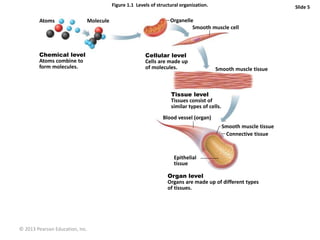
Figure 1.1 Levels of structural organization. Slide 5
Atoms Molecule Organelle
Smooth muscle cell
Chemical level
Atoms combine to
form molecules.
Cellular level
Cells are made up
of molecules.
Smooth muscle tissue
Tissue level
Tissues consist of
similar types of cells.
Blood vessel (organ)
Smooth muscle tissue
Connective tissue
Epithelial
tissue
Organ level
Organs are made up of different types
of tissues.
© 2013 Pearson Education, Inc.
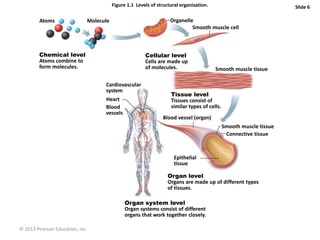
Figure 1.1 Levels of structural organization. Slide 6
Atoms Molecule Organelle
Smooth muscle cell
Chemical level
Atoms combine to
form molecules.
Cellular level
Cells are made up
of molecules.
Smooth muscle tissue
Cardiovascular
system
Heart
Blood
vessels
Tissue level
Tissues consist of
similar types of cells.
Blood vessel (organ)
Smooth muscle tissue
Connective tissue
Organ level
Organs are made up of different types
of tissues.
Organ system level
Organ systems consist of different
organs that work together closely.
Epithelial
tissue
© 2013 Pearson Education, Inc.
Figure 1.1 Levels of structural organization. Slide 7
Atoms Molecule Organelle
Smooth muscle cell
Chemical level
Atoms combine to
form molecules.
Cellular level
Cells are made up
of molecules.
Smooth muscle tissue
Cardiovascular
system
Heart
Blood
vessels
Tissue level
Tissues consist of
similar types of cells.
Blood vessel (organ)
Smooth muscle tissue
Connective tissue
Organ level
Organs are made up of different types
of tissues.
Organismal level
The human organism is made
up of many organ systems.
Organ system level
Organ systems consist of different
organs that work together closely.
Epithelial
tissue
© 2013 Pearson Education, Inc.
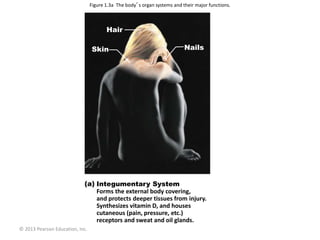
Figure 1.3a The body’s organ systems and their major functions.
Hair
Skin Nails
Integumentary System
Forms the external body covering,
and protects deeper tissues from injury.
Synthesizes vitamin D, and houses
cutaneous (pain, pressure, etc.)
receptors and sweat and oil glands.
© 2013 Pearson Education, Inc.
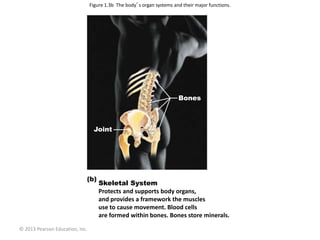
Figure 1.3b The body’s organ systems and their major functions.
Joint
Bones
Skeletal System
Protects and supports body organs,
and provides a framework the muscles
use to cause movement. Blood cells
are formed within bones. Bones store minerals.
© 2013 Pearson Education, Inc.
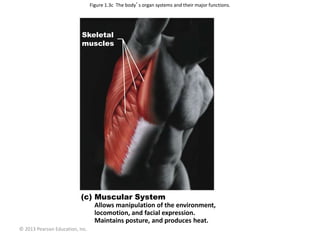
Figure 1.3c The body’s organ systems and their major functions.
Skeletal
muscles
(c) Muscular System
Allows manipulation of the environment,
locomotion, and facial expression.
Maintains posture, and produces heat.
© 2013 Pearson Education, Inc.
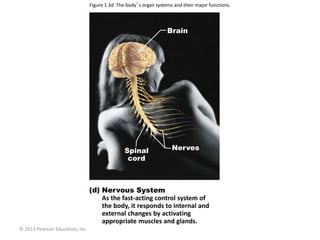
Figure 1.3d The body’s organ systems and their major functions.
Brain
Nerves
Spinal
cord
Nervous System
As the fast-acting control system of
the body, it responds to internal and
external changes by activating
appropriate muscles and glands.
© 2013 Pearson Education, Inc.
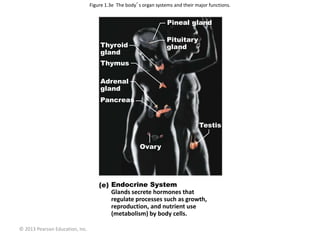
Figure 1.3e The body’s organ systems and their major functions.
Endocrine System
Glands secrete hormones that
regulate processes such as growth,
reproduction, and nutrient use
(metabolism) by body cells.
Pineal gland
Pituitary
gland
Testis
Thyroid
gland
Thymus
Adrenal
gland
Pancreas
Ovary
© 2013 Pearson Education, Inc.
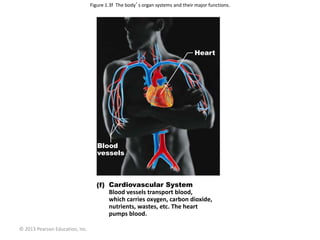
Figure 1.3f The body’s organ systems and their major functions.
Cardiovascular System
Blood vessels transport blood,
which carries oxygen, carbon dioxide,
nutrients, wastes, etc. The heart
pumps blood.
Heart
Blood
vessels
© 2013 Pearson Education, Inc.
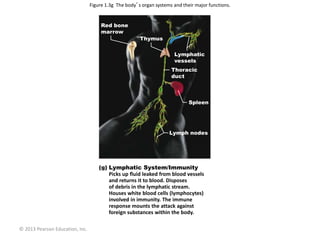
Figure 1.3g The body’s organ systems and their major functions.
Lymphatic System/Immunity
Picks up fluid leaked from blood vessels
and returns it to blood. Disposes
of debris in the lymphatic stream.
Houses white blood cells (lymphocytes)
involved in immunity. The immune
response mounts the attack against
foreign substances within the body.
Lymph nodes
Spleen
Thoracic
duct
Lymphatic
vessels
Thymus
Red bone
marrow
© 2013 Pearson Education, Inc.
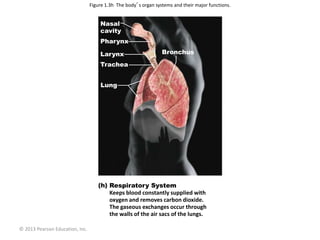
Figure 1.3h The body’s organ systems and their major functions.
Respiratory System
Keeps blood constantly supplied with
oxygen and removes carbon dioxide.
The gaseous exchanges occur through
the walls of the air sacs of the lungs.
Lung
Trachea
Larynx
Pharynx
Nasal
cavity
Bronchus
© 2013 Pearson Education, Inc.
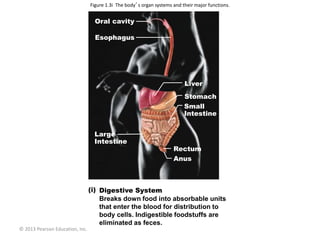
Figure 1.3i The body’s organ systems and their major functions.
Oral cavity
Esophagus
Liver
Stomach
Small
Intestine
Large
Intestine
Rectum
Anus
Digestive System
Breaks down food into absorbable units
that enter the blood for distribution to
body cells. Indigestible foodstuffs are
eliminated as feces.
© 2013 Pearson Education, Inc.
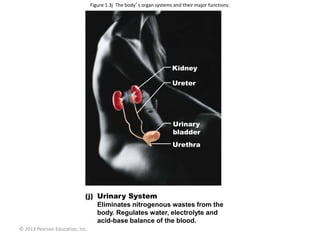
Kidney
Ureter
Urinary
bladder
Urethra
Urinary System
Eliminates nitrogenous wastes from the
body. Regulates water, electrolyte and
acid-base balance of the blood.
Figure 1.3j The body’s organ systems and their major functions.
© 2013 Pearson Education, Inc.
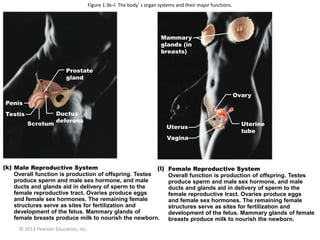
Prostate
gland
Penis
Testis
Scrotum
Ductus
deferens
Male Reproductive System
Overall function is production of offspring. Testes
produce sperm and male sex hormone, and male
ducts and glands aid in delivery of sperm to the
female reproductive tract. Ovaries produce eggs
and female sex hormones. The remaining female
structures serve as sites for fertilization and
development of the fetus. Mammary glands of
female breasts produce milk to nourish the newborn.
Uterus
Vagina
Uterine
tube
Ovary
Mammary
glands (in
breasts)
Female Reproductive System
Overall function is production of offspring. Testes
produce sperm and male sex hormone, and male
ducts and glands aid in delivery of sperm to the
female reproductive tract. Ovaries produce eggs
and female sex hormones. The remaining female
structures serve as sites for fertilization and
development of the fetus. Mammary glands of female
breasts produce milk to nourish the newborn.
Figure 1.3k–l The body’s organ systems and their major functions.

Ap chap 1

  • 1.
    Chapter 1: TheHuman Body What is Anatomy? What is an Organ System?
  • 2.
    Anatomy and Physiology •Anatomy and Physiology are complementary. – Form defines function.
  • 3.
    Anatomy • Study ofstructures of body parts and their relationships to one another. – It is how the body is organized. • Subdivisions: – Gross or macroscopic (e.g., regional, systemic, and surface anatomy) – Microscopic (e.g., cytology and histology) – Developmental (e.g., embryology)
  • 4.
    Anatomy • Structure ofbody parts and their relationship to one another: • There are different levels and ways you can study Anatomy. – Gross Anatomy – Study of large body structures visible to the naked eye such as organs. • Gross Anatomy is separated by different regions so you can study the gross anatomy of different organ systems or different regions of the body.
  • 5.
  • 6.
    Anatomy • There aredifferent levels and ways you can study Anatomy: – Microscopic Anatomy – structures too small to be seek with the naked eye. – Microscopic Anatomy breaks down into Cytology and Histology. • Cytology – The anatomy of specific cells (Nerve cell, muscle cell) • Histology – The anatomy of specific tissues (Nervous tissue, muscle tissue)
  • 7.
    Anatomy • There aredifferent levels and ways you can study Anatomy: – Developmental Anatomy – structural changes that occur in the body throughout the life span • Subdivision is Embryology – developmental changes that occur before birth
  • 8.
    Physiology • Physiology –function of the body – How does the body work and carry out its activities. – Physiology is understood by looking at the anatomy of a structure. • You separate the different branches of physiology based on the different organ systems. – Cardiovascular Physiology, Neurophysiology…
  • 9.
    Principle of Complementarity •Anatomy and physiology are inseparable – Function always reflects structure – What a structure can do depends on its specific form.
  • 10.
    The Human Body •Humans are Multicellular Organisms made of multiple Organ Systems that work together. – There are living things that are only a single cell large. – The Cell is the smallest unit that can work to sustain all of life’s jobs.
  • 11.
    Humans are composedof an increasing structural organization
  • 12.
    © 2013 PearsonEducation, Inc. Figure 1.1 Levels of structural organization. Slide 1 Atoms Molecule Organelle Smooth muscle cell Chemical level Atoms combine to form molecules. Cellular level Cells are made up of molecules. Smooth muscle tissue Cardiovascular system Heart Blood vessels Tissue level Tissues consist of similar types of cells. Blood vessel (organ) Smooth muscle tissue Connective tissue Epithelial tissue Organ level Organs are made up of different types of tissues. Organismal level The human organism is made up of many organ systems. Organ system level Organ systems consist of different organs that work together closely.
  • 13.
    Cells • Cells varyin shape and function in multicellular organisms. – Neurons are cells of the nervous system that are long and conductive – used to send messages throughout the body. – Muscle cells stretch and contract in order to allow movement in the body – work as a pulley system.
  • 14.
    Cells group togetherinto tissues • Tissues are groups of similar cells tht have a common function. – There are four tissue types in the body 1. Epithelial Tissue 2. Muscle Tissue 3. Connective Tissue 4. Nervous Tissue
  • 16.
    Organs are madeup of tissues • An organ is a discrete structure composed of at least two tissue types (Most organs are made of all four tissue types). – Blood vessels have a connective tissue outer layer, a muscle inner layer, and an epithelial lumen
  • 17.
    Humans are Organismsmade up of multiple Organ Systems • An Organ System is composed of multiple Organs working together. – The Heart and its associated blood vessels are organs that make up the Cardiovascular System – Your Kidneys, Bladder, Ureters, and Urethra make up your Urinary system.
  • 18.
    © 2013 PearsonEducation, Inc. Figure 1.1 Levels of structural organization. Slide 2 Atoms Molecule Chemical level Atoms combine to form molecules.
  • 19.
    © 2013 PearsonEducation, Inc. Figure 1.1 Levels of structural organization. Slide 3 Atoms Molecule Organelle Smooth muscle cell Chemical level Atoms combine to form molecules. Cellular level Cells are made up of molecules.
  • 20.
    © 2013 PearsonEducation, Inc. Figure 1.1 Levels of structural organization. Slide 4 Atoms Molecule Organelle Smooth muscle cell Chemical level Atoms combine to form molecules. Cellular level Cells are made up of molecules. Tissue level Tissues consist of similar types of cells. Smooth muscle tissue
  • 21.
    © 2013 PearsonEducation, Inc. Figure 1.1 Levels of structural organization. Slide 5 Atoms Molecule Organelle Smooth muscle cell Chemical level Atoms combine to form molecules. Cellular level Cells are made up of molecules. Smooth muscle tissue Tissue level Tissues consist of similar types of cells. Blood vessel (organ) Smooth muscle tissue Connective tissue Epithelial tissue Organ level Organs are made up of different types of tissues.
  • 22.
    © 2013 PearsonEducation, Inc. Figure 1.1 Levels of structural organization. Slide 6 Atoms Molecule Organelle Smooth muscle cell Chemical level Atoms combine to form molecules. Cellular level Cells are made up of molecules. Smooth muscle tissue Cardiovascular system Heart Blood vessels Tissue level Tissues consist of similar types of cells. Blood vessel (organ) Smooth muscle tissue Connective tissue Organ level Organs are made up of different types of tissues. Organ system level Organ systems consist of different organs that work together closely. Epithelial tissue
  • 23.
    © 2013 PearsonEducation, Inc. Figure 1.1 Levels of structural organization. Slide 7 Atoms Molecule Organelle Smooth muscle cell Chemical level Atoms combine to form molecules. Cellular level Cells are made up of molecules. Smooth muscle tissue Cardiovascular system Heart Blood vessels Tissue level Tissues consist of similar types of cells. Blood vessel (organ) Smooth muscle tissue Connective tissue Organ level Organs are made up of different types of tissues. Organismal level The human organism is made up of many organ systems. Organ system level Organ systems consist of different organs that work together closely. Epithelial tissue
  • 24.
    © 2013 PearsonEducation, Inc. Figure 1.3a The body’s organ systems and their major functions. Hair Skin Nails Integumentary System Forms the external body covering, and protects deeper tissues from injury. Synthesizes vitamin D, and houses cutaneous (pain, pressure, etc.) receptors and sweat and oil glands.
  • 25.
    © 2013 PearsonEducation, Inc. Figure 1.3b The body’s organ systems and their major functions. Joint Bones Skeletal System Protects and supports body organs, and provides a framework the muscles use to cause movement. Blood cells are formed within bones. Bones store minerals.
  • 26.
    © 2013 PearsonEducation, Inc. Figure 1.3c The body’s organ systems and their major functions. Skeletal muscles (c) Muscular System Allows manipulation of the environment, locomotion, and facial expression. Maintains posture, and produces heat.
  • 27.
    © 2013 PearsonEducation, Inc. Figure 1.3d The body’s organ systems and their major functions. Brain Nerves Spinal cord Nervous System As the fast-acting control system of the body, it responds to internal and external changes by activating appropriate muscles and glands.
  • 28.
    © 2013 PearsonEducation, Inc. Figure 1.3e The body’s organ systems and their major functions. Endocrine System Glands secrete hormones that regulate processes such as growth, reproduction, and nutrient use (metabolism) by body cells. Pineal gland Pituitary gland Testis Thyroid gland Thymus Adrenal gland Pancreas Ovary
  • 29.
    © 2013 PearsonEducation, Inc. Figure 1.3f The body’s organ systems and their major functions. Cardiovascular System Blood vessels transport blood, which carries oxygen, carbon dioxide, nutrients, wastes, etc. The heart pumps blood. Heart Blood vessels
  • 30.
    © 2013 PearsonEducation, Inc. Figure 1.3g The body’s organ systems and their major functions. Lymphatic System/Immunity Picks up fluid leaked from blood vessels and returns it to blood. Disposes of debris in the lymphatic stream. Houses white blood cells (lymphocytes) involved in immunity. The immune response mounts the attack against foreign substances within the body. Lymph nodes Spleen Thoracic duct Lymphatic vessels Thymus Red bone marrow
  • 31.
    © 2013 PearsonEducation, Inc. Figure 1.3h The body’s organ systems and their major functions. Respiratory System Keeps blood constantly supplied with oxygen and removes carbon dioxide. The gaseous exchanges occur through the walls of the air sacs of the lungs. Lung Trachea Larynx Pharynx Nasal cavity Bronchus
  • 32.
    © 2013 PearsonEducation, Inc. Figure 1.3i The body’s organ systems and their major functions. Oral cavity Esophagus Liver Stomach Small Intestine Large Intestine Rectum Anus Digestive System Breaks down food into absorbable units that enter the blood for distribution to body cells. Indigestible foodstuffs are eliminated as feces.
  • 33.
    © 2013 PearsonEducation, Inc. Kidney Ureter Urinary bladder Urethra Urinary System Eliminates nitrogenous wastes from the body. Regulates water, electrolyte and acid-base balance of the blood. Figure 1.3j The body’s organ systems and their major functions.
  • 34.
    © 2013 PearsonEducation, Inc. Prostate gland Penis Testis Scrotum Ductus deferens Male Reproductive System Overall function is production of offspring. Testes produce sperm and male sex hormone, and male ducts and glands aid in delivery of sperm to the female reproductive tract. Ovaries produce eggs and female sex hormones. The remaining female structures serve as sites for fertilization and development of the fetus. Mammary glands of female breasts produce milk to nourish the newborn. Uterus Vagina Uterine tube Ovary Mammary glands (in breasts) Female Reproductive System Overall function is production of offspring. Testes produce sperm and male sex hormone, and male ducts and glands aid in delivery of sperm to the female reproductive tract. Ovaries produce eggs and female sex hormones. The remaining female structures serve as sites for fertilization and development of the fetus. Mammary glands of female breasts produce milk to nourish the newborn. Figure 1.3k–l The body’s organ systems and their major functions.