Animal Abuse
Animal Abuse
• Animal abuse basically implies, being cruel to
  animals. This can either be on purpose or
  simply by neglect. Animal abuse can happen
  to your pet animals, farm animals or the wild
  animals. In any case, the animals suffer
  terribly. Your motto should be not to lose
  heart, and take every possible step to stop or
  reduce this cruelty. The animal abuse
  information is discussed in brief as you
  progress with this article.
Unintentional Cruelty
• Some people are not aware that the
  way they are taking care of the pet
  could be uncomfortable to them. For
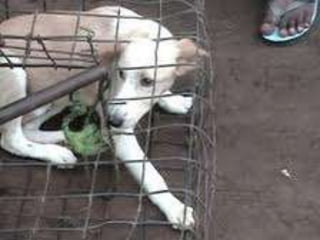
  example, some keep a very short chain
  for their dogs, making it uneasy to
  move. Some might forget their pet in
  the car on a hot sunny day with the
  windows rolled up.
Intentional Cruelty
• Some people abuse animals
  intentionally. Usually young people fall
  into this category. They hurt animals
  just for fun or to combat anger. For
  example, a group of kids might throw
  stones at a birds' nest or trouble a stray
  dog, a person who is mad at his
  parents, might kick his pet dog in
  aggression
Cruel Intention
• This is the worst group of people who abuse
  animals. They are people who enjoy hurting
  others or those who want to make others
  aware of their powers or potential. For
  example, a husband might hurt their pet to
  make the wife aware that he might hurt her
  in the same manner, these people are sadists
  or mentally disturbed people. Some hunt
  animals, just for fun or to make themselves
  feel powerful.
Unintentional Cruelty
• Unintentional cruelty is
  something that tops the list of
  animal cruelty. This can be
  prevented by educating
  people and making them
  aware of their animal's needs.
Intentional Cruelty
• Intentional cruelty is more
  severe than unintentional, and
  there are harsher punishments
  for this. This group can also be
  helped through support and
  counseling.
Cruel Intention
• People who hurt animals for cruel
  intentions need to visit a
  psychologist, because if they can
  harm someone for personal
  pleasures or boost their
  powers, they can also harm a fellow
  human being.
Animals for Entertainment
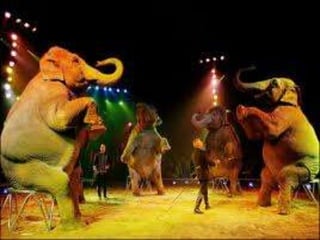
• Since 1990 captive elephants have killed 43 people.
  Elephants are peaceful animals, and this suggests
  that their treatment and cruel training techniques
  cause the animal to suffer and act in defence.
• Bullfights and cockfights still exist in today's world.
  Bullfights in particular being incredibly gruesome and
  cruel, with animals being tortured and having spears
  thrown into their backs until they finally succumb to a
  slow death.
• Greyhounds after finishing their racing life are often
  killed or sent for experimentation.
Animals for Experiments
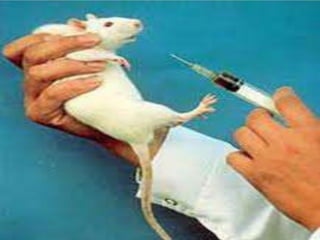
• It is said that over 70 million animals are
  tortured and killed in US laboratories each year.
  Rabbits are routinely blinded in a process named
  the 'Draize' test. The Draize test protects
  companies from potential lawsuits, and does not
  necessarily protect or guarantee human safety.
  Purchasing cosmetics from companies who
  specify no animal testing is one small step that
  can be taken to prevent animal cruelty. The
  medical research field also take part in animal
  experimentation.
Factory Farming
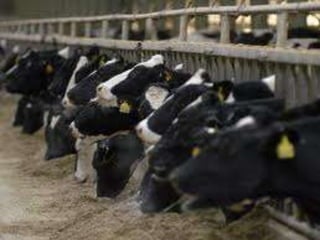
• Over 10 billion animals are slaughtered
  for human consumption each year. From
  cattle to chickens. Laying hens are kept
  in tiny cages, and many of the hens die
  from stress or disease. Dairy farmers are
  known to keep cows pregnant via
  artificial insemination to improve the
  cows productivity.
Fur Farms
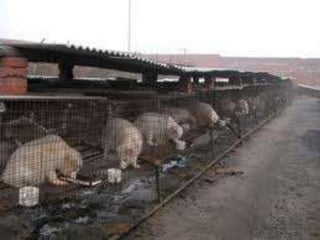
• Animals are 'harvested' for their
  fur on 'fur farms', millions of
  animals each year are killed.
  Animal cruelty is also prevalent
  in the trapping of animals, which
  is one known method many
  trappers use.
Hunting
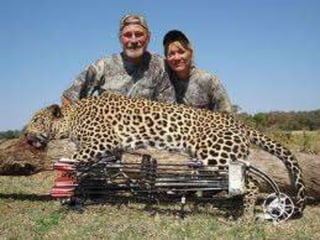
• Hunting is one unnecessary method of animal
  cruelty. Whilst some hunting takes place for
  food consumption, many other animals die a
  slow and painful death for no other reason than
  to pleasure the hunter.
• Exotic animals such as rhinos, elephants, tigers
  and etcetera are hunted and sold on the black
  market. This practice still exists in today's world.
• Over harvesting of fish in our waters has led to
  threatened populations.
• In some circuses, wild and exotic
  animals are trained through the
  use of intimidation and physical
  abuse. Former circus employees
  have reported seeing animals
  beaten, whipped, poked with
  sharp objects and even burned to
  force them to learn their routines!
•Elephants who perform
 in circuses are often
 kept in chains for as
 long as 23 hours a day
 from the time they are
 babies.
• More than 25 million
  vertebrate animals are used
  in testing in the United States
  each year. When invertebrate
  animals are thrown into the
  mix, the estimated number
  rises to as high as 100 million.
•By 2022, 22% of
 all species will be
 extinct if no action
 is taken.
• It is estimated that on average it
  takes 1,000 dogs to maintain a mid-
  sized racetrack operation. New
  greyhounds are continually entering
  the system to replace greyhounds
  that grade-off due to injury, age or
  poor performance. There are
  currently over 30 tracks operating in
  the United States.
• Made By:-
 Parv Garg

Animal abuse

  • 1.
  • 2.
    Animal Abuse • Animalabuse basically implies, being cruel to animals. This can either be on purpose or simply by neglect. Animal abuse can happen to your pet animals, farm animals or the wild animals. In any case, the animals suffer terribly. Your motto should be not to lose heart, and take every possible step to stop or reduce this cruelty. The animal abuse information is discussed in brief as you progress with this article.
  • 5.
    Unintentional Cruelty • Somepeople are not aware that the way they are taking care of the pet could be uncomfortable to them. For example, some keep a very short chain for their dogs, making it uneasy to move. Some might forget their pet in the car on a hot sunny day with the windows rolled up.
  • 7.
    Intentional Cruelty • Somepeople abuse animals intentionally. Usually young people fall into this category. They hurt animals just for fun or to combat anger. For example, a group of kids might throw stones at a birds' nest or trouble a stray dog, a person who is mad at his parents, might kick his pet dog in aggression
  • 9.
    Cruel Intention • Thisis the worst group of people who abuse animals. They are people who enjoy hurting others or those who want to make others aware of their powers or potential. For example, a husband might hurt their pet to make the wife aware that he might hurt her in the same manner, these people are sadists or mentally disturbed people. Some hunt animals, just for fun or to make themselves feel powerful.
  • 12.
    Unintentional Cruelty • Unintentionalcruelty is something that tops the list of animal cruelty. This can be prevented by educating people and making them aware of their animal's needs.
  • 14.
    Intentional Cruelty • Intentionalcruelty is more severe than unintentional, and there are harsher punishments for this. This group can also be helped through support and counseling.
  • 16.
    Cruel Intention • Peoplewho hurt animals for cruel intentions need to visit a psychologist, because if they can harm someone for personal pleasures or boost their powers, they can also harm a fellow human being.
  • 19.
    Animals for Entertainment •Since 1990 captive elephants have killed 43 people. Elephants are peaceful animals, and this suggests that their treatment and cruel training techniques cause the animal to suffer and act in defence. • Bullfights and cockfights still exist in today's world. Bullfights in particular being incredibly gruesome and cruel, with animals being tortured and having spears thrown into their backs until they finally succumb to a slow death. • Greyhounds after finishing their racing life are often killed or sent for experimentation.
  • 21.
    Animals for Experiments •It is said that over 70 million animals are tortured and killed in US laboratories each year. Rabbits are routinely blinded in a process named the 'Draize' test. The Draize test protects companies from potential lawsuits, and does not necessarily protect or guarantee human safety. Purchasing cosmetics from companies who specify no animal testing is one small step that can be taken to prevent animal cruelty. The medical research field also take part in animal experimentation.
  • 23.
    Factory Farming • Over10 billion animals are slaughtered for human consumption each year. From cattle to chickens. Laying hens are kept in tiny cages, and many of the hens die from stress or disease. Dairy farmers are known to keep cows pregnant via artificial insemination to improve the cows productivity.
  • 25.
    Fur Farms • Animalsare 'harvested' for their fur on 'fur farms', millions of animals each year are killed. Animal cruelty is also prevalent in the trapping of animals, which is one known method many trappers use.
  • 27.
    Hunting • Hunting isone unnecessary method of animal cruelty. Whilst some hunting takes place for food consumption, many other animals die a slow and painful death for no other reason than to pleasure the hunter. • Exotic animals such as rhinos, elephants, tigers and etcetera are hunted and sold on the black market. This practice still exists in today's world. • Over harvesting of fish in our waters has led to threatened populations.
  • 30.
    • In somecircuses, wild and exotic animals are trained through the use of intimidation and physical abuse. Former circus employees have reported seeing animals beaten, whipped, poked with sharp objects and even burned to force them to learn their routines!
  • 31.
    •Elephants who perform in circuses are often kept in chains for as long as 23 hours a day from the time they are babies.
  • 32.
    • More than25 million vertebrate animals are used in testing in the United States each year. When invertebrate animals are thrown into the mix, the estimated number rises to as high as 100 million.
  • 33.
    •By 2022, 22%of all species will be extinct if no action is taken.
  • 34.
    • It isestimated that on average it takes 1,000 dogs to maintain a mid- sized racetrack operation. New greyhounds are continually entering the system to replace greyhounds that grade-off due to injury, age or poor performance. There are currently over 30 tracks operating in the United States.
  • 35.