The Pennsylvania State University
The Graduate School
College of Agricultural Sciences
Natural Disaster Hazard Mitigation and Sustainable Recovery through Land Use Plans and
Ordinances and Economic Development Strategies: A Case Study of Joplin, Missouri, and the
Tornado of 22 May 2011
A Professional Paper in
Community and Economic Development
By
Scott H. Allen
©2013 Scott H. Allen
Submitted in Partial Fulfillment
of the Requirements
for the Degree of Master of Professional Studies in Community and Economic Development
April 2013
ii
Master’s Committee Page
The professional paper of Scott H. Allen was reviewed and approved* by the following:
John Shingler, Ph.D.
Research Associate
Co-Director of Consumer Services Information System Project
Co-Director of State Weatherization program Evaluation Project
(MPS Final Paper Academic Adviser)
Jason Weigle, MS, Ph.D.
Instructor
(MPS Final Paper Committee Member)
Bradley Woods, Ph.D.
Instructor and Education Specialist
(MPS Final Paper Committee Member)
*Signatures are on file in the CEDEV Graduate Program Office.
iii
ABSTRACT
彼らはメモリから消えたとき、自然災害だけで打つ
“Natural disasters strike just when they have faded from memory.”
Torahiko Terada after the 1923 Great Kanto Earthquake
(Nishikawa 2011, 31)
Severe destruction from natural disasters is on the rise. Communities world-wide are
faced with increases in damages and losses in virtually all aspects: economic; infrastructural;
terrestrial; political; and social. In the United States, extreme hazard events like floods,
landslides, earthquakes, hurricanes, and tornadoes, appear to be more prevalent—threatening
structures, utilities, businesses, schools, churches, and homes. Numerous well-intentioned
structural (physical) efforts are in place to cope with such disasters and subsequent losses, from
building reinforcements and storm shelters to levies and floodwalls. The same is true for non-
structural efforts such as floodplain ordinances and emergency response mutual aid
agreements to evacuation plans and hazard mitigation strategies. In Missouri and the Midwest,
all natural disasters but perhaps tsunamis are genuine threats to regions and localities. The City
of Joplin is one such community that suffered one of the most devastating tornadoes in the
past six decades. How could Joplin have further limited their losses through additional hazard
mitigation efforts, if at all? This paper finds that zoning and other standard land use controls are
lacking in their abilities to fundamentally assist with natural disaster hazard mitigation when it
comes to events that are not land-based in origin. Social capital and community interaction
offer the best opportunities for improving mitigation, response, and recovery efforts.
iv
TABLE OF CONTENTS
LIST OF FIGURES................................................................................................................................................. v
Acknowledgements........................................................................................................................................... vi
INTRODUCTION..................................................................................................................................................1
Natural Disaster Hazard Mitigation.....................................................................................................................1
Significant Natural Disasters...............................................................................................................................3
Wildfires ............................................................................................................................................................4
Landslides ..........................................................................................................................................................5
Floods................................................................................................................................................................6
Earthquakes, Tsunamis & Hurricanes..................................................................................................................7
Tornadoes..........................................................................................................................................................9
Risk Assessment and Land Use Planning ........................................................................................................... 12
PAPER OUTLINE AND METHODOLOGY.............................................................................................................. 15
HAZARD MITIGATION STRATEGIES.................................................................................................................... 17
Hazard Mitigation Plans................................................................................................................................... 17
Comprehensive Plans........................................................................................................................................ 18
Zoning and Land Use Codes.............................................................................................................................. 20
Community Education & Participation and Public/Private Partnerships.............................................................. 21
Safe Growth Audits, Risks/Hazards Analyses/Appraisals, and Other Strategies.................................................. 23
RESPONSE AND RECOVERY STRATEGIES............................................................................................................ 30
Post-Disaster Redevelopment Plans.................................................................................................................. 30
Zoning and Development Regulations............................................................................................................... 32
Building Codes and Infrastructure..................................................................................................................... 36
Economic Development and Financial Assistance.............................................................................................. 37
Social Capital, Community Well-Being, and Interactional Theory....................................................................... 39
Sustainability, Resilience, and Climate Change.................................................................................................. 42
THE JOPLIN TORNADO: RESPONSE AND RECOVERY........................................................................................... 47
HAZARD MITIGATION OPTIONS FOR JOPLIN: PAST, PRESENT, AND FUTURE ...................................................... 59
Resilience and Adaptability............................................................................................................................... 59
DISCUSSION ..................................................................................................................................................... 64
CONCLUSION ................................................................................................................................................... 69
REFERENCES..................................................................................................................................................... 72
APPENDIX 1. Planning Tools and Their Post-Disaster Applications. .................................................................... 83
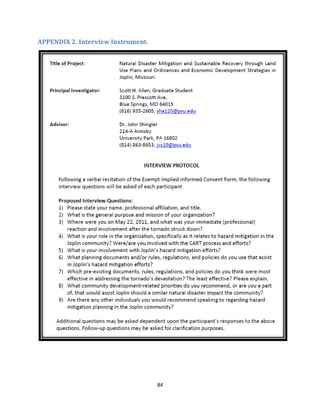
APPENDIX 2. Interview Instrument. .................................................................................................................. 84
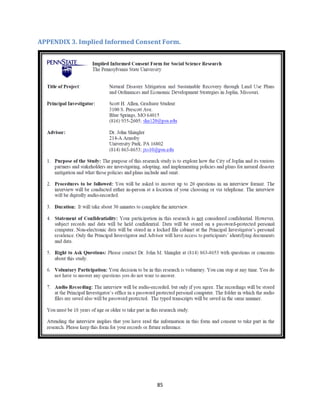
APPENDIX 3. Implied Informed Consent Form................................................................................................... 85
v
LIST OF FIGURES
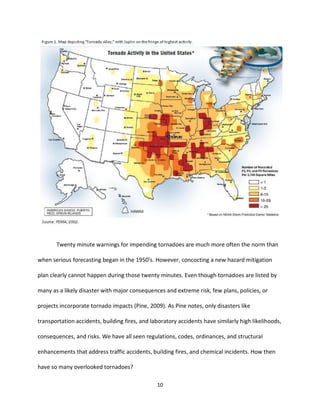
Figure 1. Map depicting “Tornado Alley,” with Joplin on the fringe of highest activity.................................. 10
Figure 2. Graph of total tornadoes, 1916-1995, and tornadoes of EF-2 and higher, 1880-1995 .................... 11
Table 1. Potential Relevance of Disaster Types to Mitigation Provisions in Comprehensive Plan Elements.. 19
Figure 3. Map: Joplin Missouri Tornado Path Impacted Area ......................................................................... 48
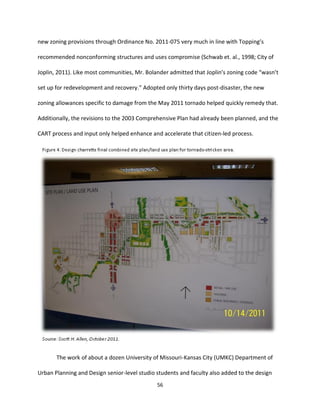
Figure 4. Photo: Design charrette final combined site plan/land use plan for tornado-stricken area............ 56
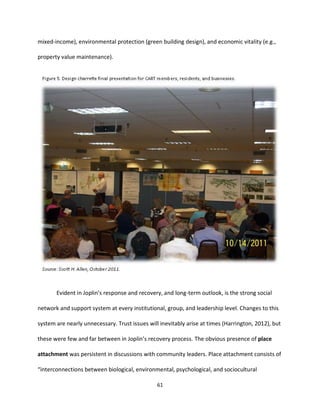
Figure 5. Photo: Design charrette final presentation for CART members, residents, and businesses............ 61
Figure 6.Photo: Destruction and desolation.................................................................................................... 65
Figure 7. Photo: Rebuilding within the remains. ............................................................................................. 70
Appendix 1. Planning Tools and Their Post-Disaster Applications................................................................... 83
Appendix 2. Interview Instrument................................................................................................................... 84
Appendix 3. Implied Informed Consent Form.................................................................................................. 85
vi
Acknowledgements
This culmination of seven years of long nights and short weekends is dedicated to:
My gorgeous bride and source of endless support for 15+ years, Natalie
My four patient and forgiving blessings, Celia, Lydia, David, and Maria
My wise coach and adviser, Dr. John Shingler
The friendly and professional staff and instructors of CEDEV, present and past
My engaging, enlightening, and encouraging classmates throughout the years
The resilient and genuine people of Joplin
My supportive supervisors and co-workers at the City of Blue Springs
My patient and gracious friends at CrossWay Bible Church
And my Lord and Savior Jesus Christ, from whom all things have been, are, and will be possible.
The finish line is here. The marathon is run. Onward State! Let’s start another one…
1
INTRODUCTION
The rapid rise in the number and severity of devastating natural disasters over the past
two decades have forced local, regional, and national leaders to redraw land use plans and
rethink development patterns and strategies in order to restore and to prepare their
communities physically, economically, and demographically. In the United States, this has been
seen most vividly in places like Greensburg, Kansas, and New Orleans, Louisiana.
Internationally, the 2010 earthquake in Haiti and 2011 tsunami in Japan provide examples on a
larger national scale. Most recently, the city of Joplin, Missouri, suffered an EF-51
tornado on
May 22, 2011, resulting in 160 deaths and a path of destruction scarring the city for over 22
miles at an average of three-quarter mile wide (Joplin Citizens Advisory Recovery Team, 2011).
Using Joplin as a case study, this paper will discuss various community and economic
development methods, tools, and plans—good and bad—that a city like Joplin can use both to
effectively mitigate future natural disasters, sustainably recover from such a disaster, and build
long-term resilience and adaptability. This paper intends to review hazard mitigation strategies
in general, discuss land use planning options related to natural disaster mitigation, and apply
these findings to the city of Joplin and their most recent violent threat: the tornado.
Natural Disaster Hazard Mitigation
A natural disaster, in the most simple of terms, occurs as a result of “an extreme
geological, meteorological, or hydrological event exceed[ing] the ability of a community to cope
1
Tornadoes are labeled on a scale from EF-0 to EF-5 based on their resultant damage, with EF referring to the
Enhanced Fujita Scale (Carmona, 2010). EF-5 identifies the most severe tornado possible, with a damage
assessment labeled as “Incredible,” 3-second gusts of over 200 miles per hour, “strong frame houses leveled,” and
“automobile-sized missiles fly through the air in excess of 100 meters (109 yards)” (ibid., 88).
2
with that event” (Lindell and Prater 2003, 176). Natural disaster, or hazard, mitigation is an
attempt, usually by a government agency, “to reduce loss of life and property by lessening the
impact of disasters” (FEMA, 2011). Such attempts consist of structural and non-structural—
policy—efforts focused on future impacts—damages—to persons and property (Berke and
Smith, 2009; Lindell and Prater, 2003; Schneider, 2002; Schwab, 2009; Topping, 2010). Although
these terms are commonly understood, they are not as commonly acted upon or integrated
into local planning documents (Schneider 2002).
Pearce (2004) in her presentation of hazard, risk, and vulnerability analyses offers a
simple, compact assessment of the basic options for hazard mitigation: “(1) prevent the event
from occurring; (2) prevent the potential consequences; or (3) lessen the harmful consequences
of the event” (413) Of these options, mitigation plans, emergency response plans, and disaster
recovery plans are the three traditional, sequential tools for managing natural disasters at every
geographic and governmental level—federal, state, regional, and local. Community planning
plays a key role in reducing the severity of natural disasters through land use regulation,
community visioning, development review, and capital improvement programming—among
other tools, plans, policies, and programs (Schwab, 2010).
Although there are myriad studies and reports on mitigation planning and recovery
management related to natural disasters of a geologic (e.g., landslides) and hydrologic (e.g.,
floods) nature (Schwab et al, 2005; Turner, 2012), there is a noticeable void when it comes to
such research on tornadoes and their equally devastating impacts on communities. Since
tornadoes are more sporadic and unpredictable (Grazulis, 2001; FEMA, 2002), it is
3
understandable that they are overlooked in hazard mitigation strategies and recovery plans.
However, in researching other natural disasters, it has become evident that such strategies and
plans have applicable components for those communities prone to tornadoes or recovering
from such a disaster.
Significant Natural Disasters
Throughout North America, communities are impacted by natural disasters of all sizes
and types, throughout all seasons and from all directions. Those that are land-based are most
readily accounted for and geographically identified—floods, earthquakes, wildfires, and
landslides—and thereby most directly addressed in land use plans and activities. Mitigation
strategies and recovery plans can be found at state and local levels that address these types of
disasters. Those that originate via airborne phenomena, such as hurricanes and tornadoes, are
not as thoroughly addressed in hazard mitigation plans. The localized, seemingly haphazard,
and yet broadly defined occurrence and impact of tornadoes makes hazard mitigation more
difficult and complex (Schwab, et. al., 1998). However, their physical, social, and economic
impacts on local communities are devastating and cannot be disregarded.
Globally between 1970 and 2000, the estimated average annual cost of natural disasters
ranged from a low of US$932 million to a high of US$4.4 billion, in 2012 U.S. dollars (Kousky,
2012). More recently, the total cost during the two-decade span from 1990 to 2010 of all
natural disaster damages are approximately US$110 billion, in 2012 U.S. dollars (ibid.). Adding
to these immense financial losses, data show that as income rises (nationally), natural disaster
deaths fall: “a 10 percent increase in income reduces natural disaster deaths by about 15
4
percent” (ibid., 32). Kousky finds that this is due in great part to higher income levels equating
to increased investment in disaster mitigation and preparedness (ibid., 34). Consequently,
income inequality plays a meaningful part in a community’s resilience to natural disasters,
placing an uneven burden on lower income regions and neighborhoods when disaster strikes
and raising the value of community development intervention and hazard mitigation strategies
beyond mere economic resilience but social capacity, as well.
Wildfires
Prevalent in the Western United States, landslides and wildfires have grown in severity
over the past several decades due in part to urban growth into previously undeveloped lands
(Muller and Schulte, 2011; Mowery and Anthony, 2012). With a land-based origination,
wildfires and landslides are more geographically identifiable and predictable.
For wildfires, in one study of several Arizona comprehensive plans, Srivastava and
Laurian (2006) attempted “to evaluate the strengths and weaknesses of hazard mitigation” in
the local and regional context (461). They concluded that, at least in the desert southwest, only
drought conditions are reasonably planned for, whereas other natural disasters such as floods
and wildfires are lacking in substantive planning. Others have determined the same limited
emphasis on wildfire risk identification and reduction, particularly in the regulatory realm
(Muller and Schulte, 2011).
Some regulatory options and unique response opportunities do exist for wildfire
mitigation, though. Unlike other natural disasters discussed here, in many instances wildfires
can be actively ‘fought,’ contained, and eliminated. Swelling flood waters have similar response
5
options, but wildfires are eventually remediated, or simply extinguish themselves as their fuel
source vanishes. All other natural disasters, and especially tornadoes--the crux of this paper—
simply offer a reactionary, recovery response. That is, unless one believes in Pecos Bill,
tornadoes cannot be driven away and eliminated. Regarding pre-disaster mitigation, Mowery
and Anthony (2012) provide a thorough summary of land use planning options: zoning
ordinances that limit development of sensitive areas and lands prone to wildfire risk;
subdivision ordinances that include clustering requirements; overlay zones “to regulate
development on a geographic basis rather than a parcel basis” (6); design standards; and
development and financial incentives, such as reduction or waiving of platting or other fees that
provide additional fire resistance measures. What we will discuss later is the fact that these
regulations will prove difficult, if not impossible, to implement, if even consider, for addressing
other natural disasters, including the emphasis here on tornadoes.
Landslides
Landslides also present frightening scenarios of devastation. More so than wildfires,
landslides can be triggered by multiple events—even other natural disasters, such as floods or
hurricanes. Legal and financial issues arise surrounding landslides and their mitigation and
recovery. Local governments are often targeted for financial restitution when they are seen as
negligent in providing proper regulatory controls that may have prevented landslide disasters
(Schwab et. al., 2005). Engineering and building construction solutions are certainly plausible in
many instances where unstable soils or steep slopes offer possible residential development
opportunities. However, non-structural (i.e., policy and regulatory) answers are also
considered.
6
Local regulatory options for mitigating landslides, like those of wildfires, rely primarily
on development restrictions within or away from sensitive geographic areas. These include:
transfer of development rights (TDR); restricting public investment (e.g., streets or sewers) in
high risk areas; limiting development types and densities; establishing geologic hazard
abatement districts; requiring geotechnical studies prior to development; or minimizing land
alterations in general (California Geological Survey, 2013; Schwab et. al., 2005). Like wildfire
mitigation, landslide mitigation depends almost exclusively on development restrictions at the
local level. As I’ll discuss later, data and research required to identify hazardous areas and zones
also remains meager, limited, and uncertain in their findings.
Floods
Of all of the potential natural disasters in the United States, floods remain one of the
most federally regulated—non-structurally and structurally—primarily through federal
floodplain designations and US Corps of Engineers structural improvements. They are also
prevalent throughout the entire nation (Turner, 2012). Much like landslides, floods, floodways,
and floodplains are often mitigated through development restrictions, such as: sensitive areas
ordinances; building codes; storm water management ordinances; subdivisions regulations; and
overlay zoning districts (Lindell and Prater, 2003; Turner, 2012).
Unlike landslides, though, floods are more consistently identified, mapped, and
regulated. This does not include flooding related to other natural disaster events, such as
hurricanes or tsunamis. Although flooding is a common, nationwide phenomenon, it is not
addressed much more in this paper due to its fairly standardized and well-established
7
mitigation techniques (e.g., FEMA FIRM identification utilized for local floodway and floodplain
ordinances). Other natural disasters offer more wide-ranging mitigation and recovery
techniques.
Where flood management is seen again paired with tornado and other natural disaster
hazard mitigation techniques is in climate change dialogues, such as a “climate action plan”
(Turner 2012, 3). A climate action plan offers strategies for communities looking to adjust to
and cope with climate change and the increasing likelihoods of natural disasters, such as floods.
More on climate change will be discussed later in this paper, but it should be noted that FEMA
is in the midst of several studies that include reconsideration of 100-year floodplain
designations, increased storm frequency and intensity, and the National Flood Insurance
Program Community Rating System (Crowell, 2010; Steinberger, 2011; FEMA, 2011). These
components of floodplain analysis and future planning efforts are being visited with additional
scrutiny from the federal government. The results will no doubt also affect state and local flood
mitigation plans and strategies.
Earthquakes, Tsunamis & Hurricanes
The combination of earthquakes, tsunamis, and hurricanes paints one of the closest
pictures of the unpredictability and devastation of tornadoes. One of the most recent
hurricanes to cause massive flooding, property loss, death, and displacement was Hurricane
Katrina, which battered the Gulf Coast in and around New Orleans in August 2005. Numerous
recovery factors are at play with such a magnitude of disaster, including economic,
infrastructure, community, social, and institutional (Foster 2011, 22). With such widespread
8
property destruction, opportunities for new growth patterns are available. However, despite
some sporadic new residential construction techniques and patterns, “most of the communities
have continued to move forward in directions similar to those that they were taking before the
hurricane” (Kumar 2011, 158).
Earthquakes, more so than hurricanes, can vary in intensity, duration, and scale. A
country that has centuries of experience with earthquakes and their aftermath is Japan.
Structurally, Japan has built earthquake-resistant infrastructure in its major metropolitan areas
(e.g., Tokyo). For example, skyscrapers have had re-engineered foundation footings to
reinforce against future tremors (Nishikawa, 2011). However, traditional disaster management
policies were strained and overwhelmed in many instances during the Great East Japan
Earthquake on 11 March 2011, which also triggered a massive tsunami (Hiroo and Chikawa,
2011). Even with the structural integrity of massively reinforced, deep-earth pylons, Tokyo
design standards are only set at a 7.3 magnitude earthquake (ibid.). The March 2011
earthquake weighed in at 9.0! Mitigation plans not only set the bar low in terms of seismic
magnitude, they also overemphasized the urban core and greatly ignored smaller, rural coastal
communities. Even the city of Fukushima was under-prepared for the tsunami, with essential
backup generators placed below the ultimate elevation of the flood waters (Kubo and Miwa,
2011). Of the lessons learned in Japan, two stand out: reinforcing not just physical structures
but public trust in government management; and a steady and stable energy supply (ibid., 114).
These are also relevant to this paper’s case study community of Joplin, Missouri, as I will
describe later.
9
Tornadoes
“Tornado Alley” stretches from western Iowa to northern Texas, as far east as Ohio and
Georgia, and through Oklahoma into southwestern Missouri (see Figure 1) where the city of
Joplin has been situated for nearly 140 years (Concannon et al, 2000; FEMA, 2002). The ferocity
of tornadoes and their undiscriminating, unpredictable violence make them frightening to
endure, debilitating from which to recover, and virtually impossible to mitigate against.
Although studies and analyses on post-tornado recovery efforts and options are legion
(Castaner, 2013; Citizens Advisory Recovery Team, 2012; Comfort, et. al., 2010; Fasl, 2012;
O’Brian, 2012; Olshansky, 2009; Polk County, 2009; Schwab, et. al., 1998), very few have
studied communities’ abilities—or more accurately, inabilities—to guard against them. Grazulis
(2001) offers a thorough history and ‘biography’ of sorts of tornadoes, acknowledging their
varied intensity and scale, noting that a tornado can be on the ground for as little as ten
seconds but remain, in extreme cases, more than two hours.
From 1950-2007, nearly 93,000 casualties (82,062 injuries and 4,860 fatalities) were
caused by less than 8,000 tornadoes (Simmons, 2010). Tornadoes have occurred in every state
in the U.S. and in every month of the year (Schwab, et. al., 1998). 2011, the year of Joplin’s
deadliest tornado, became the record-setter for the most property damage (adjusted for
inflation) in U.S. history, with April and May alone accounting for $22.5 billion in damage and
540 deaths (Simmons, et. al., 2012).
10
Twenty minute warnings for impending tornadoes are much more often the norm than
when serious forecasting began in the 1950’s. However, concocting a new hazard mitigation
plan clearly cannot happen during those twenty minutes. Even though tornadoes are listed by
many as a likely disaster with major consequences and extreme risk, few plans, policies, or
projects incorporate tornado impacts (Pine, 2009). As Pine notes, only disasters like
transportation accidents, building fires, and laboratory accidents have similarly high likelihoods,
consequences, and risks. We have all seen regulations, codes, ordinances, and structural
enhancements that address traffic accidents, building fires, and chemical incidents. How then
have so many overlooked tornadoes?
11
Sadly, Grazulis (2001) offers two words as reasons for the lack of tornado preparedness
at the local community level: apathy and greed. In his words: “Apathy is a product of the rarity
of tornadoes;” whereas “[g]reed, in the form of shortcuts in construction, can play a part in
building failures” (173). For example, even though a state such as Florida requires “hurricane
clips” (i.e., reinforced bracing connecting roof structures to tilt-up-panel walls), the added cost
to do so in Missouri has not yet outweighed the risk chance for tornadoes, despite the fact that
tornado damage can create more localized devastation than a hurricane. These mentalities
exist in spite of the fact that tornadoes have increased in multitude year-to-year since the
1950’s (see Figure 2). Even though casualties from other natural disasters have trended
downward since that time, deaths from tornadoes have remained constant (Mileti, 2004).
Beyond loss of life, tornadoes and their destructive outcomes lead to “downtime for
businesses, lost employment, environmental damage, [and] emotional effects on victims”
12
(Mileti 2004, 495). They disrupt local economies, business operations, communication and
other utility networks, schools and institutional routines, and temporarily displace several to
several thousand families. Although tornadoes do not cover as broad a geographic area as
hurricanes, wildfires, or regional floods, they cause similar physical and economic damage at
the local community level (Beven, 2006). For comparison, Hurricane Dennis impacted parts of
three states (Florida, Georgia, and Alabama) in July of 2005, leaving 15 dead and $2.2 billion in
damage (ibid.; Malmstadt, et. al., 2009). The Joplin tornado of May 2011 only impacted a part
of a city of 50,000 but caused $1.9 billion in damage and left 161 dead (City of Joplin, 2012). It is
because of these severe, unexpected, and potentially long-term community and economic
development disruptions that tornadoes deserve additional proactive scrutiny rather than the
typical reactive response. The alternative is to live with continued apathy and apparent greed.
Risk Assessment and Land Use Planning
Many planning concepts found in studies of landslides, wildfires, earthquakes, floods,
and other natural disasters tend to be comprised of several standardized elements (Burby et al,
2000; Schwab, 2000; Stevens, 2010). Schwab summarizes well the elements of a sound hazard
mitigation plan when addressing landslide land use planning. He lists the following basic
planning components as necessary for a successful hazard mitigation program: General
(Comprehensive) Plan; Zoning Regulations; Subdivision Regulations; Site Development
Regulations; Overlay Districts; and Building Codes. Certainly there is more that goes into these
elements of a hazard mitigation plan, but the emphasis here is on land use planning.
13
Land use planning begins with planners. In the most basic sense, local public planners
“provide assistance to governmental officials in the areas of problem identification, data
collection and analysis, plan formulation and implementation, and feedback” (Warner 1989,
124). Planners must be open to their community’s wants and needs by listening to and
engaging all key stakeholders and institutions within their community “and use appropriate
policy interventions…to better encourage local hazard mitigation policy adoption and
implementation” (Jung 2005, viii). This essentially means promoting collective action, “the
foundation of the community” (Wilkinson 1991, 67), and educating the community on the
connections of individual well-being to community well-being. This translates to hazard
mitigation, as well: “Planners need to maximize opportunities and minimize potential harms”
(Schilling and Mallach 2012, 30). For planners, this is essentially done through policy formation
and plan creation. Typical planning documents include comprehensive plans, capital
improvement plans, zoning and subdivision codes and ordinances, as well as ties to related
community plans like parks master plans, emergency management plans, and, of course, hazard
mitigation plans.
Planners operate in every sphere of government and community. Many planners work
at the local level in a neighborhood, city or regional planning agency. However, planners are
found at the state and federal levels, too—even within the federal agency charged with primary
natural disaster emergency response: Federal Emergency Management Agency, or FEMA
(Castaner, 2013 interview). At every level, hazard mitigation planning is necessary to address
any and all of the natural disasters so far listed here. Simple frameworks are available for
hazard mitigation plans, but incorporating them into standard plans of which planners are
14
accustomed is the new challenge. Regardless, commentators abound who acknowledge the
importance of linking disaster management planning and community planning in order to offer
an integrated community vision that addresses future growth and maintenance as well as
natural disaster hazard mitigation, response, and recovery (Pearce, 2002; FEMA, 2008).
15
PAPER OUTLINE AND METHODOLOGY
In the following sections, I will explore natural disaster hazard mitigation history, tools,
solutions, and obstacles, with an emphasis on land use strategies and tornadoes. This will be
presented through a review of existing literature, secondary and primary sources of data, and
personal key informant interviews. First, I will discuss hazard mitigation strategies, including:
traditional community hazard mitigation plans; comprehensive (a/k/a, master) plans; zoning
and land use codes; community education; public-private partnerships; and non-traditional
approaches. From these strategies I will discuss regulatory and structural options and tools
communities consider and utilize for natural disaster response and recovery, including: post-
disaster redevelopment plans; zoning and development regulations; building codes and
infrastructure solutions; economic development and financial assistance tools; implementation
of social capital, community well-being, and interactional theories; and 21st
century trends in
sustainability, resilience, adaptability, and climate change. Next, I will report on the May 2011
Joplin tornado and the community’s response actions and path to recovery. I will respond to
the response and recovery review with a presentation of past, present, and future hazard
mitigation options for Joplin—emphasizing resilience and adaptability. Finally, I will offer a
discussion of the preceding material, including real and perceived obstacles to natural disaster
hazard mitigation in Joplin.
A key component of the primary research was the key informant interview. Over the
course of four weeks, nine interviews were conducted with eleven professionals in their fields.
Two of the interviews were conducted in person (Chris Fasl with UMKC and Steve Castaner with
FEMA), one was done over Skype (Jane Cage with Joplin Citizens Advisory Recovery Team), and
16
the remainder were conducted via personal cell phone. All interviewees were emailed the
standard, approved list of questions (see Appendix 2) along with the approved Implied
Informed Consent Form for Social Science Research (see Appendix 3). Each interviewee had the
ICF explained to them at the outset of the interview and offered verbal consent to all noted
conditions, including audio recording and the statement of confidentiality. All audio recordings
have been stored continually and exclusively on the author’s personal, password-protected
home computer. In addition, all respondents were offered the opportunity to review their
quotes for accuracy and context prior to formal inclusion in this paper, and all accepted that
offer. Finally, all interviewees agreed to the attribution of their names to their quotes, data, and
information. Consequently, the reader will take note that each interview quotation is identified
by the respondent’s true name.
17
HAZARD MITIGATION STRATEGIES
“All mitigation is local.”
(Godschalk et. al., 1999)
The most commonly utilized hazard mitigation strategy is that of the traditional hazard
mitigation plan. Designed to identify, assess, quantify, and avoid risks, hazard mitigation efforts
provide one of the best tools for communities to avoid, reduce, and control the potentially
devastating effects of natural disasters (Johnson et. al., 2005; Reiss, 2001). Berke and Smith
(2009) state it most plainly: “The modern vehicles for preventing loss of property and life are
thus not disaster relief, but building local mitigation planning programs that foster disaster
resiliency” (9).
Hazard Mitigation Plans
Mandated by the federal Disaster Mitigation Act of 2000, Hazard mitigation plans
analyze probabilities and costs from natural disasters and promote implementation and
adoption of codes, regulations, and infrastructure to protect communities (McBean, 2004). A
hazard mitigation plan is developed in advance of the next natural disaster and is, therefore,
not an emergency response plan (in-disaster) or a recovery plan (post-disaster) (Ray, 2012).
Such plans can include myriad elements: hazard identification; hazard and risk analysis;
vulnerability analysis; benefit-cost analyses; zoning and land use recommendations; and
implementation actions (Siwar and Islam, 2012; Livingston County, 2003; Schwab, 2010;
Schilling and Mallach, 2012; Ganderton, 2004).
Recommendations abound suggesting the best and most effective elements with which
to construct a hazard mitigation plan. One such recommender is Godschalk, et. al., (1999), who
18
mention the following three-part framework for a quality hazard mitigation policy (i.e., plan):
“Be creative in devising mitigation strategies;” “Adapt procedures to local needs;” and
“Concentrate on building intergovernmental coordination” (188-190). The last in this list was
proven truly valuable in the Joplin case.
Comprehensive Plans
The penultimate tool for incorporating hazard mitigation planning is the comprehensive
plan. Drafted by local communities to identify, promote, and pursue their present and future
land use, social, and economic goals, policies and objectives, comprehensive plans incorporate
needs and assets analyses of geographic and policy areas within the community (Meck, 2002;
Moskowitz and Lindbloom, 2004). Godschalk and Anderson (2012) accentuate the value of a
comprehensive plan as having “the legal authority to act as the vehicle for guiding community
development, the scope to cover the necessary functions and facilities, and the history of
practice to inspire public acceptance of its policies” (8). Since comprehensive plans focus on
community development elements such as land use, transportation, infrastructure, and overall
community well-being, integration of natural disaster hazard mitigation strategies can be
virtually seamless (Godschalk et. al., 2003). Even with the initial Disaster Mitigation Act of 2000,
FEMA was seeking “an interface between mitigation plans and other local plans, especially
comprehensive…plans” (Topping 2010, 166). Even if the two are not wholly integrated but at
least linked and cross-referenced, doing so offers an opportunity for communities to provide a
more truly comprehensive and holistic approach to community development (Godschalk and
Anderson, 2012; Schwab, 2010). Specifically, Stevens (2010) presents several “features” of
comprehensive plans that make them well-suited as catalysts for hazard mitigation planning,
19
including: providing a balanced approach to risk management principles and other land use
planning goals; identifying geographic (spatial) aspects of exposure to natural disaster risks; and
providing considerations of natural disaster risks in locating, designing, and constructing private
and public developments. Srivastava and Laurian (2006) also list several benefits of
comprehensive plans as vehicles for hazard mitigation, noting that they “can steer growth and
development away from hazard-prone areas, restrict land uses in sensitive areas, locate public
infrastructures away from hazard areas, and impose building standards that reduce the
vulnerability of structures” (463).
As shown in Table 1, tornadoes are presented with the least options for planning
relevancy within a comprehensive plan. As this and others suggest, tornado areas (a/k/a, alleys)
are so generalized and broad in definition and scope that applying land use planning to them is
“almost meaningless” (Schwab et. al. 1998, 204).
Table 1. Potential Relevance of Disaster Types to Mitigation Provisions in Comprehensive Plan Elements
Type of Plan Element Flood Coastal
Hazards (incl.
tsunami)
Seismic Wildfire Tornado Landslide Volcano
Hazards X X X X X X X
Land Use X X
Conservation X X X X X
Public Facilities X X X X X X X
Transport X X X X X X
Capital
Improvements
X X X X X X X
Housing X X X X X X
Historic Preservation X X X X X
Economic
Development
X X X X X
Recreation & Open
Space
X X X (near
fault lines)
X X X
Environment X X X X X X
Implementation X X x X X X X
Source: Schwab 2010, 39 [emphasis mine]
20
Zoning and Land Use Codes
Within the realm of hazard mitigation planning, land use can and should plan a key role
(Schwab, 2009; Florida Department of Community Affairs et. al., 2010). Typically adopted as the
implementation tool of a community’s comprehensive plan, the zoning code can be an effective
tool for hazard mitigation due in part to their ability to guide land uses away from vulnerable
and high-risk areas or provide restrictions for those properties within such areas (Livingston
County, 2003; Lindell and Prater, 2003; Mileti and Gailus, 2004; Brody, 2003). In this context,
land use plans and regulations provide hazard mitigation through avoidance—“keeping people
and property out of the way in the first place” (Godschalk et. al. 1999, 67).
What remains for the case for tornado mitigation in particular, though, is that there are
limited applications of zoning and land use tools to effectively mitigate the wildly unpredictable
actions of a tornado. In the seminal publication Planning Advisory Service Report Number
483/484: Planning for Post-Disaster Recovery and Reconstruction (1998), Schwab, et. al.,
provide “A Planner’s Tool Kit” for hazard mitigation and disaster recovery. The categories of
these planning and community development tools represent a wide range of options from
emergency management during the post-disaster recovery phase to planning, zoning,
subdivision, and design tools for consideration in a comprehensive hazard mitigation plan. The
Appendix provides a reproduction of the tool kit’s “Figure 5.1. Planning Tools and Their Post-
Disaster Applications,” which lists the aforementioned tool categories and the most commonly
addressed natural disasters: floods; hurricanes; earthquakes; wildfire; tornadoes; and landslides
(Schwab et. al. 1998, 117). Of particular note is the fact that although tornadoes are listed as
having ‘access’ to nearly the identical emergency management (i.e., post-disaster) tools, it is
21
woefully deficient in all other categories—the point of being the least applicable natural
disaster for the myriad tools listed. Of those listed, only such options as overlay zones and
environmental review—both applicable to all listed natural disasters—are attributable to
tornado mitigation or recovery.
Community Education & Participation and Public/Private Partnerships
Community awareness and education are seemingly obvious public techniques that can
offer meaningful and responsive mitigation actions. Community participation is critical for any
critical planning or strategic visioning effort to be received corporately and implemented
thoroughly and in the long-term, including local hazard awareness education campaigns, news
articles and features, natural disasters education in local schools, and social media outreach
(Livingston County, 2003; Muller and Schulte, 2011; Brody, 2003; Ayres, 1996). Despite the U.S.
having probably the most vigorous public participation land use planning processes in the
world, without the immediacy of a recent natural disaster, meaningful participation is difficult
and ultimately undervalued (Godschalk et. al., 2003).
Often community participation is encouraged, directed, supported and enabled through
the local government (Olshansky, 2009; Olshansky et. al., 2006). As we’ll see with the Joplin
recovery planning process, speedy plan development and rapid-fire community involvement is
essential in a post-disaster reconstruction environment. A more deliberate process involving
established community groups, various planning tools and documents, and a focus on larger-
scale consensus are all more likely in a pre-disaster, hazard mitigation planning process
(Olshansky et. al., 2006).
22
Important to not only successful natural disasters response and recovery, public-private
partnerships make for strong hazard mitigation approaches, promoting dialogue on new
strategies among all impacted institutions and jurisdictions (Livingston County, 2003; Godschalk
et. al., 1999; Committee of Private-Public Sector Collaboration, 2011). At the most basic service
provision level, public-private partnerships already exist at the local community level between
municipal governments and private utilities, such as phone, cable television, Internet, natural
gas, and often electric and water (Committee of Private-Sector Collaboration, 2011). From this
established relationship, developing a protocol for natural disaster hazard mitigation can offer
mutual benefits.
The national Committee on Private-Public Sector Collaboration to Enhance Community
Disaster Resilience (2011) lists those key partners necessary for exceptional public-private
collaboration for hazard mitigation, all of which were integrally involved in the city of Joplin
before, during, and after the May 2011 tornado:
Ideally, collaboration includes representatives from local, state, and federal
agencies; small and large businesses; nonprofit and faith-based organizations;
academicians, researchers, and educational institutions; the mass media; civic
and neighborhood organizations; technical experts; volunteers; and other
diverse community stakeholders. (39)
These relationships stress the importance of building capacity within the community.
Doing so aids in providing public education individually and to the community at-large, and it
further ensures that basic and critical services are available during and after a disaster event
(FEMA, 1995; Committee on Private-Public Sector Collaboration, 2011). Such relationships also
expand valuable horizontal and vertical ties, with local buy-in amongst public and private
23
entities (horizontal) extending to state and federal programs and agencies pre- and post-
disaster (vertical) (Committee on Private-Public Sector Collaboration, 2011). As the Committee
sums up: “Private-public sector collaboration is an essential component of building capacity in
communities” (39).
Safe Growth Audits, Risks/Hazards Analyses/Appraisals, and Other Strategies
Ideally, quantitative models would be able to be applied to all natural disaster hazard
mitigation. However, it currently applies strongest only to geologic hazard assessment, such as
landslides or earthquakes (Schwab et. al., 2005). Historical analysis of natural disasters based
on observational data, combined with a direct cause-and-effect relationship, yields an
“empirical deterministic” quantitative model (ibid., 77). This is more useful for natural disasters
such as landslides that are static (i.e., land-based) and measurable (e.g., slopes and soil types)
than they are for airborne disasters that create varied impact despite their typology (e.g.,
Enhanced Fujita, or EF, scale) such as tornadoes. A more promising quantitative model for
tornadoes relies on greater variability and uncertainty: the “empirical probabilistic” model. This
model uses historical data (i.e., empirical) but “include[s] an uncertainty component to reflect
real world complexity” (ibid., 80). Whereas this model assists planners in determining landslide
likelihood for certain soil and slop conditions, one designed for tornadoes could help improve
predictability of tornado damage based on specific meteorological conditions, such as
atmospheric pressure, temperature, or even topographical conditions such as terrain, presence
and impact of water bodies, tree typology, or simply intensity of vertical development.
Although such quantitative models have only been used for geologic hazard assessment, certain
adjustments could allow a modified version to be applied to tornado hazard mitigation.
24
A new technical and structural effort is also underway through the U.S. Department of
Commerce’s National Institute of Standards and Technology (NIST). Begun in late 2011, NIST
has led a National Windstorm Impact Reduction Program (NWIRP) “to improve model codes,
standards, design guidance, and practices for the construction and retrofit of buildings,
structures, and lifelines” (NIST 2012, 1). Having gathered statistical and historical data on
‘windstorms,’ such as tornadoes and hurricanes, for sixty years, this new federal effort looks to
significantly improve windstorm forecasting and responsiveness. In doing so, data will be
collected on “the performance of the built environment” during such events, emergency
management responsiveness, and the effective value of hazard mitigation plans (ibid., 1). These
efforts hope to yield improved knowledge on mitigation, response, and recovery techniques, as
well as resilience within building code standards, that can be shared and replicated nationwide.
An emerging option for quantifying financial and regulatory impacts of natural disaster
hazard mitigation is the benefit-cost analysis (BCA) (a/k/a, cost-benefit analysis) (Ganderton,
2004; Magsino, 2009). As a definition: “BCA requires a complete enumeration of all
gains/benefits and losses/costs associated with a [hazard mitigation] project, and as such
produces a benchmark for measuring the impact and performance of the project” (Ganderton
2004, 447). Ganderton acknowledges that different individuals and groups within a community
may attribute different values to various hazard mitigation methods and outcomes but still
offers positives and negatives to a BCA approach. The potential benefits of BCA include the
rather obvious: reductions to life, health, and safety losses; business disruptions; and property
damage and destruction. Less direct are Ganderton’s possible costs associated with hazard
mitigation efforts: “lower property values due to new zoning [e.g., floodplains]”; “denial of
25
access to economic resources (environmental) due to zoning”; and “increased business
expenses to comply with regulations” (453). The value of a BCA approach is, although the
benefits are routinely understood in the natural disaster hazard mitigation realm, attempting to
financially and politically quantify their value compared to real and perceived costs can assist
communities in prioritizing hazard mitigation ‘soft costs’ of land use and regulatory measures.
Schilling and Mallach (2012) also confirm Ganderton’s overarching philosophy: “All planning
decisions need to be made with economic feasibility constantly in mind” (29).
A variety of newer natural disaster hazard assessment strategies are also available to
state, regional, and local governments. Hazard mitigation expert David R. Godschalk offers two
such assessment tools: buildout analysis and safe growth audits.
Buildout analysis essentially looks at a community’s future land use (comprehensive)
plan, zoning code, transportation plan, and similar growth and development plans, policies,
codes, and ordinances and attempts to “generate a future growth scenario of full
development” (Godschalk 2006, 2). Some of the criteria used in this analysis include many of
the elements of a demographic or existing conditions report in a standard comprehensive plan:
school enrollment; amount of existing industrial and commercial space; number and type of
housing units; water usage; and road miles. Buildout analysis can show where and what type of
future growth is expected to occur, and zoning and subdivision regulations can be modified to
take into consideration these patterns that are most likely to contribute to or be greatest
impacted by future natural disasters. One modeling tool that is used in buildout analysis and in
many other natural disaster planning scenarios is FEMA’s HAZUS. HAZUS estimates disaster
26
financial losses and casualties for floods, earthquakes, hurricanes, and tornadoes (Olshansky
and Chang, 2009; Godschalk, 2006). Since its accuracy is dependent upon available data and
disaster type (e.g., geographically bounded floods versus sporadic tornado movement), a
buildout analysis can help provide a stronger starting point with a HAZUS estimation.
Godschalk (2009) also promotes an emerging concept called ‘safe growth’ through his
safe growth audits. Safe growth audits take the buildout analysis to the next logic step by using
data such as a buildout analysis and ‘auditing’ it to rate a community’s growth trends in relation
to hazard mitigation. That is: Is the community growing safely? In addition to the elements of a
buildout analysis, a safe growth audit also reviews capital improvement programs and projects,
economic development strategies, and locations of existing critical facilities (ibid., 3). Some of
the recommendations that can come out of a safe growth audit include: preservation of
protective environments; retrofitting structures that may be at risk in redevelopment areas;
and, using mapping tools and regulatory codes and ordinances, guiding future growth away
from hazardous areas (ibid., 3-4). As already noted, not all of these elements can reasonably be
applied to tornado hazard mitigation. So-called ‘hazardous’ or ‘high-risk’ areas could include an
entire community in relation to tornado-prone areas. Floodplains and other spatially
identifiable natural disaster at-risk areas are much more readily mapped and avoided.
Regardless, a safe growth audit launched by a buildout analysis can still prove valuable for
tornado-prone communities like Joplin, since future growth patterns and construction and
redevelopment techniques can still help minimize loss from tornadoes.
27
Many authors refer to other basic hazard assessment techniques. A common thread
through all such strategies is a multi-part analysis. Such an analysis begins with hazard
identification, followed by a vulnerability assessment, then a risk analysis, and concluding with
a final hazard mitigation plan (Burby et. al., 2000; Berke and Smith, 2009; Cutter et. al., 2010).
The vulnerability assessment stage offers the most variety in approaches. It is at this stage that
many authors recommend incorporating a social capital or capacity assessment. Berke and
Smith (2009) suggest a “capability assessment” essentially combining a safe growth audit
approach with a social capital component (11). Instead of merely reviewing the hazard
mitigation and growth strategies of existing plans and codes, a capability assessment also relies
on community input and prioritization of future needs and hazard mitigation milestones and
indicators. Pine (2009) echoes this strategy with a multi-part asset inventory, including:
environmental/natural; social; and built/economic (34). Within the social element, he refers to
a capacity inventory and review, emphasizing a multitude of demographic data as well as
existing horizontal individual and institutional partnerships. In a more general, non-hazard
related sense, other social scientists also refer to the value of an asset-based community
development approach—not just for hazard mitigation but for all facets of community
development planning and visioning (McKnight and Kretzmann, 1988; Kretzmann, 1993;
Zimmerman, 2000; Mathie and Cunningham, 2002).
Unfortunately, these multi-part analyses suffer from limited empirical data supporting
successful outcomes through their utilization (Pine, 2009; Burby et. al., 2000). Only two
anecdotal examples from Berke and Smith (2009) and a small sample set through the work of
Cutter, et. al. (2010), have yielded any measurable data regarding the success of, respectively,
28
capability assessments and asset based resilience assessments. Berke and Smith compared the
relative value of an integrated hazard mitigation capability assessment in Lee County, Florida,
and a stand-alone mitigation plan in Roseville, California. Although the Roseville plan
emphasized mitigation strategies, it did not also include policy integration with the land use
plan, sheltering and evacuation plan, and recovery plan like Lee County did. Although untested
at the time of publication (2009), the Lee County plan analyzed a multitude of community
assets within multiple planning strategies. Although focused on mitigation, Roseville was more
disjointed and piecemeal in its asset analysis and policy development, identifying a mix of
zoning strategies and infrastructure design elements. Cutter, et. al., discussed several case
studies in the context of multi-capital assessment and analysis, including resilience rankings of
numerous southeastern United States counties and regions. This resulted in the establishment
of “baseline resilience indicators for communities” (BRIC) (ibid., 17). Elements such as social
resilience, economic resilience, institutional resilience, infrastructural resilience, and
community capital were all measured to establish a BRIC score for each case study community.
Despite such a limited body of work in community-specific capital, capability, and vulnerability
assessments, these specific case studies offer a strong indicator for meaningful, measurable,
and replicable assessments that yield mitigation and recovery improvements elsewhere.
Yet, as Pine cautions, undertaking a hazards analysis, even one that is asset based as in
the Berke and Smith examples, often leads to attempts to address multiple hazards and, thus,
multiple objectives that “may be in conflict and difficult to quantify” (Pine 2009, 46). True, a
BRIC score per Cutter, et. al., can help distill multiple analyses into a prioritization and ranking
system, but it does so at the expense of the individual community objectives that have now
29
been agglomerated into a unified approach. This leaves a community, like Joplin, to prioritize
each aspect of natural disaster hazard planning, including: mitigation; response; and recovery.
The alternative is a run-on checklist of the type Roseville crafted rather than the blended, yet
prioritized, strategy in Lee County. One such priority often rises to the top and is found in every
community with every natural disaster—response and recovery.
30
RESPONSE AND RECOVERY STRATEGIES
Post-disaster recovery planning is an emerging need and new challenge for local
community planners (Blanco & Alberti, 2009; Schwab et al, 1998). Not only has preventive
hazard mitigation planning shown itself to be of critical importance, but the recovery stages,
from immediate to long-term, also present themselves as vital components for a resilient and
sustainable community. Shaffer, et. al. (2004), offer insightful wisdom into the value of both
short-term and long-term community development recovery approaches—one that applies to
all geographic levels:
Often people are more interested in short-term projects than in long-term
strategies. Both are important. The long-term strategies provide people the
overarching direction for the community. The short-term projects provide
tangible feedback that local people need to stick with the long-term strategy.
(211)
Post-Disaster Redevelopment Plans
One of the leaders in disaster planning efforts is the State of Florida. Regionally,
communities are required to develop, adopt, and implement post-disaster recovery plans
(PDRPs). Led by the Florida Department of Community Affairs and the Florida Division of
Emergency Management, PDRPs have been developed at the regional scale but implementable
down to the county level (Florida Department of Community Affairs et. al., 2010).
The State of Florida’s PDRP guidance recommends emphasizing land use considerations
in local and regional PDRPs to the point of saying: “Land use is the most central topic to address
in the [PDRP]” (ibid., 44). Using catch phrases like “flexible strategy” and “increased resiliency,”
Florida’s land use commentary through their PDRP guidance appears thin and non-committal
31
(ibid., 44). However, the guidance document does include a handful of useful
recommendations, primarily along the building permit and code enforcement lines rather than
strictly land use, zoning, or subdivision design related. For example, the document’s authors, as
well as others (Lundin, 2011), suggest that communities, as a part of their ‘flexible strategy’
concept, consider streamlined permitting for immediate, life-health-safety repairs while also
providing for a phased (3 days stepped to 30 days) building moratorium based on location and
damage severity. If the local government has a substantive hazard mitigation plan with
sufficient community and institutional buy-in, such a moratorium option should already be on
the minds of those who may face the most resistance and opposition to such a rebuilding
restriction—politicians, government officials, and other local leaders. Otherwise, ‘moratorium,’
like ‘density’ or ‘global warming,’ will become a polarizing, divisive option. Also under
consideration during the hazard mitigation planning phase, reconstruction of nonconforming
and severely damaged structures should have guiding principles and standards included in a
PDRP. The same holds true for more long-term blight and degradation regulations for those
properties left abandoned or unrestored.
However, there are references to other land use related plans and strategies that should
be reviewed and considered at the regional and local level when developing a PDRP, including
comprehensive plans and land development codes (ibid.). Since this only serves as a
redevelopment planning guidance document, references to hazard mitigation are limited, but
points are inferred that land use changes could provide additional hazard mitigation safeguards
in some instances.
32
One example of an approved and adopted PDRP is found in Polk County, Florida.
Understanding the value of state, local, and regional planning efforts already in place, Polk
County’s PDRP provides a quick synopsis and comparison amongst similar plans, including the
PDRP itself and the County’s comprehensive plan (Polk County 2009, 4). Although the Polk
County PDRP presents a strong framework for local hazard mitigation strategies, it only subtly
refers to “the implementing mechanism for the Comprehensive Plan”: their Land Development
Code (a/k/a, zoning code or development ordinance) (ibid., 6).
Zoning and Development Regulations
As already discussed, zoning and development regulations are rarely initiated in the
post-disaster stage. Most zoning and development regulatory decisions made post-disaster are
usually temporary in nature. These short-term policy decisions may include building moratoria
in damaged areas in order to assess and promote a redevelopment scenario alternative to the
pre-disaster situation (Schwab, et. al., 1998). They may also include the waiving or suspension
of certain zoning or other land use policies, such as landscaping requirements or design
standards (City of Joplin, 2011). In most cases the desire to quickly restore the pre-existing
condition for residents and businesses is balanced with the opportunity to consider alternative
land use patterns and sustainable solutions (Schwab, et. al., 1998; Fasl, 2012; Harrington;
2012). Such a balance is inevitably dictated by a community’s nonconforming structures and
uses provisions of the zoning regulations. The strict application of these standard provisions
may lead to properties that could not be rebuilt, leading to a deluge of individual requests for
variances and exemptions, and ending in lengthy bureaucratic reviews—at which time the
community’s policy makers may be overwhelmed to the point of suspending or waiving
33
widespread nonconformity regulations anyway. Thus, it is prudent that communities must ask
which non-conformities, and at what scale, can a neighborhood or commercial district accept as
reconstruction commences. In the case of Joplin, pre-existing nonconforming landscaping was
allowed to be reinstalled and not meet current standards (City of Joplin, Council Bill No. 2011-
017). Nonconforming structures, on the other hand, were required to be rebuilt under the
current requirements (City of Joplin, Council Bill No. 2011-014).
Such regulatory decisions are best vetted and established in a pre-disaster setting as a
part of comprehensive hazard mitigation strategy. Lundin (2011) states it best:
The purpose of post-disaster land use planning is to identify policies, strategies,
and roles and responsibilities to mitigate the risk of future natural disasters,
ensure compatible land use, protect the land tenure of displaced land owners
and secondary rights holders, and protect and restore the ecosystem.
Lundin further lays out a number of post-disaster zoning and development strategies
communities could effective utilize in their short-term recovery stages. Although already noted
as potentially controversial, building moratoria do allow local planners and authorities added
time “to complete damage assessments, establish priorities, acquire additional resources, and
publish guidance and directives” all in the hopes of sufficiently providing for the health, safety,
and welfare of the community in a time of need (ibid., 11). Other zoning-related strategies
include temporary zoning and demolition regulations for use in areas of reconstruction and
recovery and performance standards that address noise, light, odors, and the like due to the
temporary loss of preexisting buffers or other controls that may have been lost in the disaster
(ibid., 13).
34
Natural disaster redevelopment expert Kenneth C. Topping (Schwab et. al., 1998) offers
a full “Model Recovery and Reconstruction Ordinance” that spells out regulatory procedures
and options for local communities (149). One of the more unique aspects is an entire
“Temporary Regulations” section that offers detailed provisions for temporary, immediate post-
disaster recovery needs, including: “damage assessment; development moratoria; debris
clearance; permit expediting; temporary uses and repairs; deferral of fees; nonconforming
buildings and uses; condemnation and demolition; and temporary and permanent housing”
(ibid., 158). Topping’s model language attempts to find a happy medium between an outright
reconstruction moratorium (although that is listed as an option) and unfettered rebuilding
damaged or destroyed areas simply as they were originally, warts and all. He offers a sample
nonconforming buildings and uses subsection that gives specific damage assessment, land use,
and zoning criteria that must be met in order to rebuild as-is, in-place. He notes that standard
nonconforming structures and uses language in most zoning codes refer to incremental
redevelopment—not catastrophic, widespread destruction—and is therefore rather strict in its
intent regarding what could or should be rebuilt to an original state. His approach is balanced
between zoning code deferral and structural upgrades and “offers a straightforward trade-off
that allows reestablishment of a nonconforming use or building in turn for strict adherence to
structural, plumbing, electrical code, and related hazard mitigation requirements” (ibid., 162). I
have yet to see such language put into practice, but communities like Joplin would be wise to
consider it in a hazard mitigation component of their zoning code.
A final, but nonetheless valuable, zoning tool frequently mentioned by disaster recovery
authors is that of overlay zoning districts (Schwab et. al., 1998; Mowery and Anthony, 2012;
35
Turner, 2012). Overlay districts allow planners, through collaboration in a community
participation process, to establish an area with new design standards, housing options, specific
construction techniques, and other redevelopment goals to impart a new development concept
and vision rather than simply a reconstruction of the same pre-disaster aesthetic. Overlay
districts have been successfully implemented in several, primarily Western U.S., communities:
Landslide Hazard Areas in Portland, Oregon (2002); Flood Hazard Overlay District in Prince
William County, Virginia (1995); and an all-hazards approach with multiple Natural Hazards
Overlay Districts in Weber County, Utah (2009), which also offers the droll but truthful
comment that “[t]he use of hazardous sites for open space is encouraged” (38-6).
Located along the Front Range of the Rocky Mountains, Douglas County, Colorado,
offers a substantive example of overlay district regulations, with the adoption of a Wildfire
Hazard Overlay District in 1999 and updates to this and related wildfire regulations in 2007
(Successful Communities Online Toolkit, 2012). Visited by frequent cycles of wildfires, Douglas
County planners used this documented history to open a dialogue with the fire departments
and districts within Douglas County, as well as the State Forest Service and the public (ibid.).
Through this discussion and debate, Douglas County developed a multi-classification system to
delineate and map the most wildfire susceptible areas—leading to the Wildfire Hazard Overlay
District designations requiring added fire protection measures and building safety
enhancements to minimize wildfire risk and improve wildfire resilience.
In response to a specific disaster, Jefferson County, Colorado, updated and improved
their Geologic Hazard Overlay District regulations in 2001 and 2010 (Jefferson County, 2010).
36
Despite being an area prone to landslides, Jefferson County allowed the construction of a large
residential subdivision within their Geologic Hazard Overlay District, albeit with numerous
conditions and third party engineering (Berry, 2010). Consequently, a landslide destroyed three
homes in 1998 (ibid.). Several engineering analyses were flawed and not verified by Jefferson
County, leading to the passage of tighter restrictions over the course of several years.
Building Codes and Infrastructure
One of the most common suggestions for natural disaster hazard mitigation, especially
for tornadoes, is to look to structural remedies—primarily through building construction
improvements and enhancements (Schwab et. al., 1998). Financial barriers aside, reinforcing
new structures to withstand high intensity wind loads or to be outfitted with storm shelters
gives a community a stronger sense of safety and security from future hazards. However,
financial constraints and lagging building codes offer serious obstacles to structural solutions.
Consequently, buildings are often reconstructed as they originally stood pre-disaster.
Exacerbating this trend are insurance companies, who typically require reconstruction to occur
to pre-disaster conditions and standards—leaving little or no financial incentive to install
structural upgrades (Srivastava and Laurian, 2006; Florida Department of Community Affairs et.
al., 2010). One option to improve this situation would be to pair incentives (financial or
otherwise) with new building safety standards (Olshansky et. al., 2006). Although there is no
fool-proof construction method to be fully tornado-proof, upgrading new structures to the
highest standard of wind load requirements, especially for roofing systems, is a measurable
37
improvement over pre-disaster construction methods (Livingston County, 2003; Lindell and
Prater, 2003; Berke and Wenger, 1991).
Economic Development and Financial Assistance
Governments at all levels, and particularly at the local level, are involved in business
sitings and relocations (Blair and Carroll, 2009). Incorporating economic development strategies
into local, and even state, hazard mitigation plans is a logical recommendation. This is especially
true when one considers the initial post-disaster reports immediately focus on lives lost and
overall economic impact (Rovins, 2008). In any case, sage advice is offered to local planners by
Lindell and Prater (2003):
One of the most important practical lessons to be learned about disaster impact
assessment is that local planners should know their communities’ economic
base…and types of employment…within areas prone to major hazards” (182).
In some cases, as with tornadoes and hurricanes, these areas may actually encompass the
entire community boundaries.
Business owners inherently prefer a location that is not in a high-risk environment
(ibid.). An overly restrictive zoning code or comprehensive plan can further hinder a
community’s business climate and pit the immediacy of economic growth strategies against the
longer term natural disaster hazard mitigation plans (Schneider, 2002). Communities that are
prone to natural disasters must also contend with these obstacles. Several financial tools are
suggested as a part of post-disaster recovery efforts.
38
Federal grant funds are clear choices for financing community-wide and individual
recovery and reconstruction efforts. Community Development Block Grant (CDBG), Small
Business Administration (SBA), and Hazard Mitigation Grant Program (HMGP) funds can all be
targeted towards natural disaster recovery (Schwab et. al., 1998; Muller and Schulte, 2011;
Laska et. al., 2010). Relocation assistance may also be available through various sources,
including FEMA or state offices. Regardless, it is important to understand the somewhat grim
local and regional economic reality presented by Laska, et. al. (2010): “Structures other than
private homes are more important to the [economic] functioning of a community as a whole
than are the homes” (6). In terms of employment, tax base, and goods and services distribution,
this is difficult to argue even in spite of being faced with a rash of homeless families, even in a
temporary fashion.
Yet it is important to make the point here that development in the community alone
cannot reinvigorate and sustain a community. Development of the community must be
undertaken in conjunction with Laska’s development in the community elements of economic
growth, employment creation, and services modernization (Summers, 1986). As Sen (1999)
succinctly stresses: “Development has to be more concerned with enhancing the lives we lead
and the freedoms we enjoy” (14).
Throughout the 1990’s and into this century, specialized regulatory districts have
evolved to address various economic development concerns. Regionally, economic
development districts have come into being to provide technical assistance to local
communities looking to improve their economic resilience in the face of natural disasters
39
(O’Neil, 2012). Such technical assistance is even being implemented internationally through the
growth in business continuity plans to assist every scale of business to transition out of a post-
disaster scenario with the least operational disruption (Alexander, 2010; Maruya, 2011).
Additionally, these districts act as one more intergovernmental jurisdiction with which to
partner in hazard mitigation planning efforts.
From a financial perspective, special taxing or assessment districts are also available for
local consideration. In operation in multi-hazard states like Florida and California, special
assessments may be placed on hazard-prone areas, such as those most susceptible to landslides
(Schwab et. al., 1998; Steele, 2006). The taxes are used to pay for reconstruction and recovery
efforts in impacted areas, as well as mitigation elements. These taxing options could be
considered in post-disaster tornado devastated areas, but not without appearing as though
local political leaders are adding insult to injury. Such districts appeal more to land-based,
geographically identifiable hazards like earthquakes, landslides, or floods, rather than to
airborne hazards such as tornadoes or hurricanes. Certainly, additional local funding will do
nothing but accelerate the recovery and reconstruction process, but fairly and accurately taxing
hazard prone areas may be too political and technically overwhelming in light of other
mitigation options already discussed here.
Social Capital, Community Well-Being, and Interactional Theory
At the heart of natural disaster hazard mitigation and recovery is the preservation of
community well-being. From a mitigation perspective, community and economic development
decisions should not only include consideration of the physical environment but also the impact
40
on social well-being (Godschalk, 2012). Wilkinson (1991) offers five elements that constitute a
comprehensive concept of community well-being: distributive justice; open communication;
tolerance; collective action; and communion. These elements, put into action, add up to social
interaction. Individually, each component of community well-being adds substantive value
when the discussion turns to resilience and adaptability in the face of natural disasters. Open
communication, collective action, tolerance, and communion rise the top of Wilkinson’s list as
the most directly applicable to social interaction as a critical component of hazard mitigation.
Open communication encompasses not only direct dialogue and debate but also the creation
and maintenance of community relationships (ibid., 67). To be discussed more comprehensive
later in this paper, collective action “entails people working together in pursuit of their
common interests” (ibid., 67). In the context of hazard mitigation, these common interests
reflect strategies for disaster resilience, comprehensive disaster response, and long-term
disaster recovery. As this paper will highlight through the key Informant interview discussion,
tolerance also becomes vital in balancing divergent preferences for collective action and
supports continued community well-being through methods of mutual respect. Finally,
communion stresses the “the relationships that already exist around them” (ibid., 68).
Communion recognizes the value of individuals while stressing their involvement in a larger
community context—identifying ways in which individual well-being can be achieved through
communal well-being. In all of these elements, communities like Joplin have excelled, thereby
establishing a strong foundation of community well-being that is inherently resilient and
adaptable to natural disasters regardless of type or scale.
41
To arrive at this interactional theory, one must first have a strong base of social capital.
Defined as the collection of norms, networks, and relationships that enable reciprocal,
collective action, high ‘inventories’ of social capital bind and strengthen communities in daily
life but also in disaster response and recovery situations (Woolcock and Narayan, 2000; Cook
and Burt, 2001; Bridger and Alter, 2006). Nakagawa and Shaw (2004) identified positive post-
disaster response and recovery characteristics in those communities with strong ‘bonding’ and
‘bridging’ social capital, with bonding capital being that which is found intra-community (a/k/a
strong ties) and bridging capital as that with vertically and externally links communities and
their resources in an extra-community sense (a/k/a weak ties) (Lin et. al., 2001). Nakagawa and
Shaw’s findings indicate that communities with strong social capital elements there was more
efficient response and recovery. Most importantly, they pointed to the need for political
leaders to apply collective decision-making and simply realize their community’s inventory of
social capital.
Social interaction is expressed through mutual actions undertaken within shared
meanings (e.g., morals and culture) and done so within a geographically defined locale
(Wilkinson, 1991). Frequently referred to as strong ties, this sense of community “emerges
specifically in local social interaction as common interests in local aspects of social life become
shared interests” (ibid., 35). What this leads us to is a framework for understanding the
inherent value of strong local ties—individually, corporately, and institutionally—in developing
a community resilient to natural disasters. Although many negative public impressions resulted
during the response and recovery phases of Hurricane Katrina, a more positive example is
found in the 1994 Northridge Earthquake in Southern California. Rather than strong local (i.e.,
42
horizontal or intra-community) ties and bonding capital, the success of transportation recovery
responses relied on strong vertical (i.e., extra-community) ties and bridging capital through
institutional and multi-jurisdictional agreements between local communities and the state
department of transportation (Kamel, 2010).
Social interaction and community well-being in this context provide a new framework
for coping with natural disaster recovery. Such social resilience requires resistance, recovery,
and creativity (Maguire and Hagan, 2007; Sairinen, 2009; Project for Public Spaces, 2012).
Maguire and Hagan provide a convenient checklist of sorts for communities to utilize when
gauging the strength of their social interaction as it relates to natural disaster resilience: trust;
leadership; collective efficacy; social capital; social cohesion and sense of community;
community involvement; existing norms/attitudes/values; communication and information;
and resource dependency (19). Functionally, in looking at the built environment, social
resilience is also expressed in the timeliness in which a community restores critical
infrastructure, such as sewer and water, electricity, and institutions (e.g., schools) (Berke and
Smith, 2009).
Sustainability, Resilience, and Climate Change
Godschalk and Anderson (2012) provide a comprehensive “scorecard” (71) for
measuring the quality and quantity of local sustainability plans and comprehensive land use
plans that incorporate their “Principles for Sustaining Places” (11). Not only does such a
scorecard approach serve as a valuable auditing tool for existing plans already adopted in a city
such as Joplin, but it can assist with the development of the sustainability framework of new or
43
revised planning documents, programs, and policies. Even more so, sustainability demands
both “regional solutions and local initiatives” (Roosa 2008, 363).
Resilience has quickly become a trendy buzzword in local planning circles, and rightfully
so. Very much tied to natural disaster hazard mitigation, resilience in a disaster context refers
to a community’s capacity for post-disaster “long-term adaptation” (Chen and Wang 2010, 138;
Chandrasekhar, 2010).
A common theme in both the literature and the reports from Joplin is the importance of
active community involvement in designing a sustainable and resilient future (Chen and Wang,
2010; Chandrasekhar, 2010). Resilience, sociologically speaking, “emerges from a community’s
ability to adapt to stress and return to healthy function” and produce social capacities to go
back to as much of a pre-disaster state as possible (Magsino 2009, 3). Stress is certainly
prevalent during and after a natural disaster—especially one the magnitude of the Joplin
tornado. Other such definitions look at a community’s ability to overcome sudden
environmental shocks, negotiating rapid changes without succumbing to them, and ultimately
balancing a quick recovery with equally timely adaptation (Boin et. al., 2010). Thus, concepts of
resilience range from the social (i.e., community development) realm to the built environment
(i.e., structural or engineering) realm (de Bruijne et. al., 2010). In the midst of this, much like
the dynamic nature between mitigation and recovery practices and strategies, resilience also
balances short-term needs and long-term goals (Comfort et. al., 2010).
In the end, resilience, like most other large scale management efforts, relies on multi-
jurisdictional strategies and the formulation of hazard mitigation policies and strategies
44
(Godschalk, 1999; McBean, 2004). Rhinard and Sundelius (2010) break this down into four key
components for a success resilience strategy: cooperation; coordination; resource distribution;
and trust building and social capital. All four were present in Joplin when the tornado struck,
with the last listed—social capital—being the most beneficial in their response and recovery.
The others can be, at times, garnered in quick fashion, such as external assistance for resource
distribution, but trust building and social capital are cultivated through intra-community strong
ties networks and long-standing institutional support structures. One cannot call upon a new
found sense of trust and social interaction on a whim.
Mileti and Gailus (2004) provide a clear and succinct definition of sustainability through
mitigation:
Sustainable mitigation is a concept that links the wise management of natural
resources with local economic and social resiliency, and views mitigation as an
integral part of a much larger set of issues (493).
Much like mitigation or recovery plans that are not specifically denoted as sustainable,
sustainable planning elements are similarly structured. They reference: community
involvement; damage assessment; information and warnings; and finances and insurance (ibid.;
Smith and Wegner, 2007).
Sustainability as an overall community development concept considers ‘Three E’s’ or the
‘Triple Bottom Line’ of environment, economics, and (social) equity and seeks to minimize
conflicts between and amongst them (Haughton and Counsell, 2004; Bridger and Luloff, 1999;
Godschalk, 2004). The emphasis has traditionally been on the environmental element. This
remains at the forefront in natural disaster hazard mitigation, focusing on “the ability of the
45
management [or mitigation] system to respond to feedbacks from the environment” (Berkes
and Folke 1998, 10). However, it also looks to more efficiently maintain those parts of the
community already committed to the urban pattern and to promote those areas that embody a
sense of community pride (Beatley, 1995). Those areas or community components or factors
exist within one or more of the Three E’s.
Mirroring the community response to the environment discussed by Berkes and Folke
(1998) above, human feedbacks to the environment also provide critical context to the current
and future state of natural disaster hazard mitigation. This is discussed through the theory of
global warming, or climate change. Numerous authors of natural disaster research more and
more routinely point to climate change as an essential variable in the dialogue on natural
disaster mitigation and recovery. The consistent prognostication is that human impacts on the
natural environment are exacerbating climate change (a/k/a global warming), thereby annually
increasing the number, frequency, and severity of natural disasters—tornadoes in particular
(Grazulis, 2001; Mileti and Gailus, 2004; Newton et. al., 2004; McBean, 2004; Pine, 2009;
Concannon, 2000; Sánchez Rodríguez, 2009). This knowledge can be used by local leaders to
further amplify the value and importance of natural disaster hazard mitigation and construct
new and improved responses to the globally important climate change quandary (Sánchez
Rodríguez, 2009). Although the literature rarely offers practical climate change solutions to
incorporate into mitigation or recovery plans, a multitude of carbon-reducing actions not only
lead to a ‘greener’ community overall but now can be attributed to lessening the rate of
increase in natural disaster severity and magnitude.
46
With these various response and recovery strategies in mind, their application to a
recent traumatic event can help test the validity and transferability of each. The 2011 tornado
in Joplin, Missouri, offers an extreme case with which to apply such strategies under the lens of
a massive tornado and within a city rich with interactional capital and social networks.
47
THE JOPLIN TORNADO: RESPONSE AND RECOVERY
Joplin, Missouri, is a regional employment and population center of just over 50,000
residents (240,000 daytime population) located in the southwestern corner of the state in
Jasper County—right on the edge of the most severe, active tornado regions in the country
(City of Joplin, 2012; FEMA, 2002). Although Joplin is predominantly white in its racial makeup,
it trends close to the Missouri state average, with 87.6 percent white compared to the state
level mix of 82.8 percent (U.S. Census Bureau, 2010). More noticeably, it is decidedly poorer
than the rest of the state, on average. Joplin trends below the state average for median
household income ($37,587 versus $47,202), high school graduates (84.3% versus 86.8%), and
those living below the poverty line (18.6% versus 14.3%) (U.S Census Bureau, 2011). Even more
divergent is the home ownership rate. The Missouri state average is 60.5 percent owner-
occupied, with 30.5 in rentals. Joplin is almost evenly split, with 54.6 percent owner-occupied
and 45.4 renter-occupied (ibid.). These data are contrasted with the balanced employment
bases situated in Joplin. The highest revenues come from the manufacturing sector ($1.9
billion), but the highest payroll ($383 million) and second highest employer establishments
(317, behind retail trade’s 426) are found in the health care and social assistance sector (U.S.
Census Bureau, 2011).
These baseline demographic and economic statistics paint a commonly held view of
Joplin as a transitioning rural city center with a blue collar history and white collar future. As
will be discussed later, some of the higher concentrations of the noted lower-income, renter-
occupied attributes were present in the areas hardest hit by the May 2011 tornado. However,
this was balanced by the equal devastation to higher-income employment centers, such as the
48
main hospital complex and the high school. This ‘income-balanced’ destruction contributed to a
generally equitable recovery process and long-term planning effort that prominently
emphasized housing and employment strategies (Citizens Advisory Recovery Team, 2011; Cage,
2012; Harrington, 2012).
Joplin and Jasper County had never faced a tornado larger than EF-4, and of the 31
tornadoes recorded from 1950-2003, ‘only’ 11 deaths had occurred—until Sunday, May 22,
2011, beginning at 5:41 P.M (Trulson, 2006; Marx, 2011). Fluctuating between one-half to
three-quarters of a mile wide, travelling west to east for 13 miles (see Figure 3), and with wind
49
speeds at 200 miles per hour, the EF-5 tornado that carved its massive scar through Joplin killed
161 people, injured over 900, destroyed approximately 8,000 buildings, created three million
cubic yards of debris, and exacted over 1.9 billion dollars in financial losses (City of Joplin, 2012;
Marx, 2011). It was the single deadliest tornado to hit the United States since an EF-5 tornado
tore apart parts of Oklahoma and Texas nearly 65 years earlier in April 1947 (Grazulis, 2001).
Although, as it was noted earlier, tornado propensity has increased during those 65 years and
population densities have increased, technological, structural, and educational advancements
have allowed us to go over six decades without such massive casualties.
One of the first responders to such a natural disaster is a community’s or region’s
Incident Commander under FEMA’s National Incident Command System, or NIMS. As Joplin’s
Emergency Management Director, Keith Stammer functions as the community’s Incident
Commander. Despite losing his house in the tornado, Mr. Stammer maintained focus on the
immediate community-wide response needs. Joplin emergency management’s response
reflected the strength of vertical (i.e., bridging) ties and relationships through their immediate
activation of established mutual aid agreements with other municipalities, counties, and
jurisdictions. According to Mr. Stammer, extra-community assistance was virtually immediate in
its deployment and arrival, advanced in its resources and capabilities, and thorough in its
adherence to adopted and expected emergency response plans. Even though the tornado
ended up being the largest in Joplin’s history, in Mr. Stammer’s view of their all-hazards plan:
“Honestly, to a large extent, it matters not so much what the exact disaster is because the
response is pretty much the same.”
50
Providentially, the Joplin and Jasper County emergency management personnel had just
completed a two-day, full-scale emergency response exercise with a New Madrid fault
earthquake scenario just four days before the tornado struck. In joint operations with the Joplin
Emergency Management office is the Jasper and Newton Counties Public Health Emergency
Plan, headed by the Emergency Response Planner, Lawrence “Mac” McKeough. In addition to
engagement of local and regional capacities, the joint operations were able to quickly mobilize
a state-level response, with a federal (FEMA) response on-site within 48 hours. This was in part
a result of many years of regular dialogue with the local hospitals and other emergency
management partners. As Mr. McKeough explained: “Starting about [twelve years ago] we
started meeting with the hospitals, making sure everyone’s on the same page, getting all of the
players to the table.” Without previously existing, mature, and comprehensive mutual
agreements at the regional level, medical and infrastructure assistance would have been greatly
delayed, sporadic, and incomplete.
Faced with such a massive task of finding people and belongings, securing properties
and structures, and initiating such a large scale cleanup, Joplin residents, leaders, and
institutions called upon their long-standing and long-growing personal and professional
relationships (i.e., social capital). Just a few hours after Joplin High School graduation
ceremonies, Superintendent C.J. Huff, was forced to rely on the relationships he had built over
the past five years with the Joplin School District. According to Dr. Huff, the school district’s
emergency management plan seemed too anemic to help with this scope of disaster and “had
to ‘rewrite’ it as [they] went along.” Dr. Huff, the district’s 1,100 staff, and 7,000 students were
best prepared for small events and ones that occurred during the school day. Combined with
51
the loss of the district’s command center (i.e., the high school) and a citywide inoperable
communications network, the school district was left to rely solely on the social capital they had
built with neighborhood groups, parent-teacher associations (PTAs), and other informal,
horizontal, bonded relationships. Through those relationships, key staff in the district were
willing and able to adjust their job descriptions—on the fly on a temporary basis—in order to
cope with contacting all 7,000 students over the course of five days, running school buses for
48 hours straight post-disaster for citywide transportation, and responding to the vast number
of families in mourning. As Dr. Huff plainly acknowledged: “None of these things were in the
emergency plan.” What will change for the next natural disaster include: safe rooms in all new
construction; modifications to sheltering-in-place options; intra-district communication
redundancies; a focus on individual schools’ strengths, weaknesses, opportunities, and threats
(SWOT) analyses; and, as Dr. Huff noted, “continue to take a reasonable approach” to disaster
preparedness and mitigation. The strong horizontal ties amongst the school district and other
community institutions will only get stronger, leaving only these few programmatic and minor
structural changes to be newly implemented in the near future.
Within four days after the tornado hit, the school buses stopped shuttling personnel,
victims, and supplies. Even before that, within 48 hours of the tornado, FEMA arrived as quickly
as most other extra-community assistance to initiate their short-term disaster recovery
protocols as well as launch the long-term community recovery (LTCR) process. Led by LTCR
Branch Director Steve Castaner of FEMA Region VII, the process followed the National Disaster
Recovery Framework developed by FEMA headquarters over the years. As Mr. Castaner
explained, the initial phase of the long-term community recovery process involved reviewing
52
community plans and socio-demographic information. Some of the highest value is placed on
community capacity, including connections with regional institutions, the quality and level of
public engagement in the local comprehensive planning process, and, as Mr. Castaner identified
it, the existence of “very capable existing leadership” and informal leadership. Yet, local plans
may be non-specific or outdated. As Mr. Castaner explained: “Hazard mitigation plans
stereotypically don’t have a lot of public engagement…and so they have some limitations; they
tend to be similar [to each other].” Educating the local leaders—formal and informal—through
FEMA’s Long-Term Community Recovery: A Self-Help Guide, FEMA provided technical assistance
and objectivity in the initial recovery planning stages: anecdotes and lessons learned; how to
plan a series of public meetings; and organizing a meeting between Joplin and Greensburg,
Kansas. All of these elements led to the quick formation and launch of a multi-discipline, multi-
jurisdictional, comprehensive community engagement working group and process. Some have
called such a group a “Disaster Recovery Task Force” (Berke and Wegner 1991, 38), but Joplin
called theirs: CART.
One of the most unique and powerful outcomes of the tornado recovery process was
the Joplin Citizens Advisory Recovery Team (CART). Formed just 5 weeks after the tornado,
with the first public meeting just two weeks later, the CART, led by local business owner Jane
Cage, consisted of members from various disciplines and institutions to make up four topical
sectors: Housing and Neighborhoods; Schools and Community Facilities; Infrastructure and
Environment; and Economic Development (CART, 2011). Two public meetings were held—July
and August—with respected community leaders—formal and informal—overseeing each
sector.
53
The group reviewing the future vision of subdivision redevelopment and residential
growth was the Housing and Neighborhoods sector, led by Crystal Harrington, Executive Officer
of the Home Builders Association (HBA) of Southwest Missouri. As the regional HBA, one of the
immediate responses to the tornado’s havoc was to broadcast public service announcements
(PSAs) urging affected residents to buy local and checking backgrounds of out-of-town
contractors. According to Ms. Harrington’s data, 500 out-of-town contractors arrived in Joplin
during the weeks immediately following the tornado, with only 29 local HBA members
remaining in the area who were functioning and capable of helping with the demolition and
first rebuilding phases. Thus, the CART group and process were not without their hurdles. After
Hurricane Katrina, the reputation of FEMA as an equitable and responsive government agency
was tarnished nationally through various media accounts (Walters, 2010; Moynihan, 2009).
Starting from this rather negative perception, FEMA, which was noted here as one of the
catalysts for the CART process, was seen at times by the local building community and leaders
within the construction industry, in Ms. Harrington’s estimation, as more of an intrusive, top-
down force rather than the advertised community rebuilder and technical adviser. A common
expectation was that Joplin would follow the lead of Greensburg, Kansas, and their
comprehensive commitment to ‘green’ building initiatives. Since Greensburg was essentially an
effort to rebuild an entirely leveled community and Joplin was looking at a large, but deep,
‘scar’ of sorts, an all-inclusive environmentally sustainable building approach was not pursued.
As Ms. Harrington explained: “[The city’s] goal was very much to keep [the construction
industry] on an even keel” and not attempt any drastic shifts in building codes or construction
strategies. Further aggravating the sense of trust and intended impartiality was the fact that
54
many national banks (with local branches) were members of various CART sectors—another
image tarnished by recent events as a result of the banking industry’s involvement with the
Great Recession and impact on the housing industry. Despite the regional connectedness, as
Ms. Harrington concluded, there was still some underlying insular preferences and resentment
towards extra-community assistance.
Binding the business community with the recovery and reconstruction efforts was the
Joplin Area Chamber of Commerce, led by President Rob O’Brian and Vice-President Tonya
Sprenkle. With “a lot of relationships in place” before the disaster, as Mr. O’Brian and Ms.
Sprenkle discussed, the Chamber of Commerce was able to reach out and connect the business
community to the CART process. Due to the strong horizontal ties between Chamber of
Commerce member businesses and the Joplin community, in Mr. O’Brian’s estimations, of the
560 employers damaged or destroyed, approximately 500 have already returned or are making
real plans to, with 95% of impacted jobs being retained. An example of a local business owner
who chose not to return was a popular pizza restaurant that was completely leveled. As part of
the less than ten percent that did not plan to reopen, the rationale in this case was the fact that
the owner was already planning to retire and was looking for a buyer at the time of the
tornado. The owner chose not to rebuild but rather activate his retirement plans beginning on
May 23, 2011, rather than later in the year. It was considered a loss to the community, but it
was not one that was entirely unexpected—only the reason for closing down was. One of the
positive outcomes of the strong social interaction long-promoted by the Chamber of Commerce
was that a focus was not just on tax-paying, private businesses but on the “employer
community,” which included the ruined hospital, churches, and the like.
55
The Chamber of Commerce was also instrumental in establishing a one-stop center for
local small businesses through the federal Small Business Administration (SBA) and the Missouri
Southern State University (MSSU) Small Business and Technology Development Center (SBTDC),
including SBTDC Director Lisa Robinson. Even though Ms. Robinson accepted the Director
position only two days before the tornado and was slated to start work on what turned out to
be the day after, the SBTDC very quickly opened a small business recovery center with the SBA
(funded through September 2013) to help businesses with various regulatory and funding
processes. Between the tornado and the recovery center opening, the SBTDC had to cope with
a lack of disaster plan for their statewide network. Drafting one in less than 48 hours, the
SBTDC used other state networks’ disaster recovery guides, such as the Alabama Small Disaster
Guide and Iowa SBTDC plans. Like so many other groups, institutions, and leaders throughout
Joplin, even without a disaster plan, as Ms. Robinson acknowledged, the SBTDC “fell back on
relationships and the natural progression” of the tasks and obstacles before them. This intra-
community, or horizontal, social bonding also extended in an extra-community, or vertical,
fashion to the SBTDC’s State of Missouri director, who confidently encouraged Ms. Robinson
the morning after the tornado: “We’ve never had a disaster of this magnitude in Missouri
before. You can handle it.”
One of the final pieces of the Joplin recovery process is that of long-term redevelopment
and considerations for new land use growth and infill patterns. The CART final report and the
City of Joplin’s new comprehensive plan both helped Planning and Community Development
Director Troy Bolander frame and envision new urban design guidelines and subdivision
regulations. However, prior to drafting both visioning documents, the City of Joplin enacted
56
new zoning provisions through Ordinance No. 2011-075 very much in line with Topping’s
recommended nonconforming structures and uses compromise (Schwab et. al., 1998; City of
Joplin, 2011). Like most communities, Mr. Bolander admitted that Joplin’s zoning code “wasn’t
set up for redevelopment and recovery.” Adopted only thirty days post-disaster, the new
zoning allowances specific to damage from the May 2011 tornado helped quickly remedy that.
Additionally, the revisions to the 2003 Comprehensive Plan had already been planned, and the
CART process and input only helped enhance and accelerate that citizen-led process.
The work of about a dozen University of Missouri-Kansas City (UMKC) Department of
Urban Planning and Design senior-level studio students and faculty also added to the design
57
options and vision for redevelopment of Joplin’s tornado ravaged scar and looked at trying to
answer the question, as articulated by studio student Chris Fasl in a December 21, 2012,
interview with the author: “How do you carry the momentum [of enthusiasm to rebuild in new
and better ways] past that initial shock [of losing so much to devastation]?” The studio project
was initiated by one of the department’s adjunct professors whose first job in the community
planning field was for the Harry S Truman Coordinating Council—a regional community
development corporation (CDC) serving Joplin and surrounding communities (Fasl, 2012).
Unlike the hordes of planning and design professionals that descended upon New
Orleans following Hurricane Katrina, at the start of the Fall 2011 semester no such outside
urban design response had yet occurred. As one of the students who led the outreach aspect of
the project, Chris Fasl worked with the author during the two-day design charrette wherein
outside professional experts in each the CART’s four sector topics put the CART’s ideas into
drawings and plans. Located 150 miles north of Joplin, the UMKC class role-played as a hazard
mitigation private consulting firm, operating various real-world aspects of what a private firm
would look like in a post-disaster recovery situation (Fasl, 2012). Like Godschalk’s strategy for
conducting a safe growth audit (Godschalk, 2009), the class reviewed, analyzed, and mapped
existing plans and conditions and asked questions about possible redevelopment scenarios.
An overarching disaster recovery theme certainly accelerated the maturation of their
design concepts and the stunted the grafting of their work into the final redevelopment plans
and reports: “When it comes to tornado recovery, it’s…get it fixed as quickly as possible” (Fasl,
2012). In doing so, and as an artifact of the studio’s design and social science emphasis, only
58
two of ‘The Three E’s’ of sustainable development—environment, equity, and economics—
were included in their work: environment and equity (Haughton and Counsell, 2004; Bridger
and Luloff, 1999; Godschalk, 2004). The economics of redeveloping Joplin with the studio’s
design concepts were not addressed (Fasl, 2012).
Despite the accelerated redevelopment planning process and lack of all three
components of sustainable development, their input was included in some of the final site
plans and recommendations (see Figure 4 and Figure 5). A final report was presented to the city
council in December of 2011 but found itself somewhat lost in the midst of the city-initiated
redevelopment plans due in part to its limited, if not absent, economic development
component of ‘The Three E’s’ (Fasl, 2012). In the end, the studio championed valuable
components of a recovery and redevelopment agenda and concluded that Joplin had a strong
foundation for redevelopment, physically and, most certainly, socially.
59
HAZARD MITIGATION OPTIONS FOR JOPLIN: PAST, PRESENT, AND FUTURE
Many natural disaster hazard mitigation strategies have been outlined in this paper.
Some of the most relevant options considered by interviewed Joplin leaders, community
participants, and planning experts include those that rely on and emphasize social capital,
interaction, and resilience.
Resilience and Adaptability
Part of a sustainable future for Joplin lies in what Godschalk and Anderson (2012) call a
“resilient economy” (14). Several of their myriad best practices can and should apply to Joplin.
One such principle is to “design and build infrastructure efficiently to stay cost competitive”
(15). Thankfully Joplin has been able to access federal and state monies with which to rebuild
devastated areas (need citation). However, such funds will not provide 100% reconstruction of
damaged infrastructure and new needs for expanded or modified infrastructure. Using these
and other limited funds efficiently in key areas targeted for redevelopment or expansion while
balanced against lower priority areas still in need of reconstruction will challenge Joplin leaders
and neighborhood advocates. As businesses rebuild, a move towards resilience demands that
each business owner consider, draft, and implement a business continuity plan (Alexander,
2010; Maruya, 2011). Doing so will make businesses more mobile and able to physically and
financially recover faster after a natural disaster (O’Brian and Sprenkle, 2012).
In the same vein as economic resilience, residential needs and strategies were
approached with the same vigor and value. As one of the primary redevelopment components
in the CART process, the Housing and Neighborhoods Sector included membership by and
60
direction from local leaders in the housing and social services institutions in and around Joplin.
They considered the current temporary displacement of several neighborhoods and residents,
the pre-existing condition of high rates of rental and multi-family properties in the affected
area, and the need for an emphasis on sustainable development (CART, 2011). One particular
social structure the Sector evaluated was how the “[s]trict segregation of land uses kept
neighborhoods too homogeneous” (ibid., 7). The Sector concluded that this led to an over-
agglomeration, or clustering, of lower-income housing and higher-density rental property. Their
recommendation was to take this opportunity of a proverbial clean slate to consider zoning and
design techniques that could encourage or require mixed-income neighborhoods and a wider
variety of multi-family options. Although this would not necessarily make these areas any more
structurally or physically resilient in a natural disaster hazard mitigation sense, it would disperse
and mix multiple income levels throughout the damaged area so that a single social group
would not be so wholly devastated should such a catastrophe occur again. This is not so much a
promotion of a shared pain philosophy whereby all income levels would be more equally
damaged as much as it is an attempt to encourage strong horizontal ties amongst the
previously detached income groups in hopes of becoming more socially resilient as a result of a
new strategy for the built environment. In order to implement this approach, the Sector
recommended simple projects such as enhanced, strengthened, and consistent property
maintenance code enforcement in order to maintain property values in the proposed mixed-
income neighborhoods. They also promoted more progressive on-the-ground projects like a
pilot neighborhood that, in effect, embraced the sustainable triumvirate of social equity (e.g.,
61
mixed-income), environmental protection (green building design), and economic vitality (e.g.,
property value maintenance).
Evident in Joplin’s response and recovery, and long-term outlook, is the strong social
network and support system at every institutional, group, and leadership level. Changes to this
system are nearly unnecessary. Trust issues will inevitably arise at times (Harrington, 2012), but
these were few and far between in Joplin’s recovery process. The obvious presence of place
attachment was persistent in discussions with community leaders. Place attachment consists of
“interconnections between biological, environmental, psychological, and sociocultural
62
processes” (Trentelman 2009, 200). This abiding sense of identity with and, essentially,
dependence upon Joplin before the tornado was maintained through the response and
recovery phases, leading to the high participation in the CART process and the surprisingly high
level of business return and retention (O’Brian & Sprenkle, 2012; Cage, 2012; Trentelman,
2009). Amplifying this place attachment situation was the additional shared emotional
connection obtained through the tornado experience and the post-disaster recovery processes,
which McMillan and Chavis (1986) call “the definitive element for true community” (14).
Despite the pervasive presence of strong social bonds, modifications to policies,
programs, plans, and the built environment were identified. Building codes should focus on roof
structures and foundation strength (Bolander, 2012). Meanwhile, zoning regulations need to be
more flexible and thorough in their nonconforming provisions (ibid.). Structurally, safe rooms
quickly gained favor, possibly as much or even more so than the 74% who favored them in all
new homes in a 2006 study (Trulson, 2006). Like others have noted with multi-hazard planning
and recovery, tornadoes should not be the only natural disaster built around. In the interview
with Dr. Huff, it was shared that the high school was originally in a floodplain and is now being
built outside of it, and also with the addition of multiple safe rooms—“built with resiliency in
mind.” Comments from the CART public input sessions also confirmed structural improvements
and preferences of the community, such as storm-proofing multi-family (i.e., large structure
and large population) residences, while also enhancing building safety with updated building
codes for the entire city and not just reconstructed properties (CART, 2011). As Ms. Harrington
has noted, no matter the construction preference or expectation, the goal for Joplin has been
63
to stay balanced in a reconstruction approach and not attempt any extreme one way or the
other, like in Greensburg, Kansas.
Sadly, despite the efforts of the CART and the adoption of a new comprehensive plan,
natural disaster hazard mitigation standards and recommendations were sorely lacking. In fact,
there is no discernible difference between the 2003 and the 2012 versions in terms of hazard
mitigation. Both reference modernizing infrastructure and suggest infill revitalization
guidelines—durable materials and existing compatibility—but there are no mentions of hazard
mitigation, resilience, or adaptability. Joplin’s continued reliance on social capital is certainly
logical and plausible, but failure to include overt mitigation recommendations in plans and
policies immediately following the largest natural disaster in the community’s history is an
opportunity sorely wasted.
64
DISCUSSION
Despite the best intentions of natural disaster hazard mitigation and recovery plans to
present themselves as ‘all-hazards’ compatible, they often fall short of providing useful
assistance for communities facing tornadoes. Many hazard mitigation and recovery strategies
emphasize government interaction and land use codes and ordinances. Certain land use
planning and zoning techniques simply do not apply to tornadoes in a hazard mitigation sense.
Innovative model codes often ignore tornadoes or suggest development ideas that work
for hazards other than tornadoes. For example, the highly touted SmartCode offers a ‘module’
on “Hazard Mitigation Standards,” but the only natural disaster referenced is flooding (Duany,
2010; Berke et. al., 2008). The SmartCode touts New Urbanism as its primary vision,
emphasizing traditional neighborhood design, more frequent use of common open space, and a
push for compact, low impact subdivision development standards (Berke et. al., 2008). As such,
several authors have recommended conservation and/or cluster subdivision standards that
require individual residential lots to be grouped more tightly together—more so than
traditional lot-and-block urban or suburban subdivisions—and away from sensitive areas
(Mowery and Anthony, 2012; Turner, 2012; Jacob and Pacello, 2011). One such report was even
bold enough to concoct a theory that compact development somehow inherently yields
“construction of sturdier buildings” due to that development’s geographic compaction
requiring less automobile use, which in turn allows homeowners to spend more money on
better (stronger) building materials (Jacob and Pacello 2011, 4). Thankfully Berke, et. al., (2008)
presented a strong argument against such subdivision development types and zoning codes:
“New Urban developments have underperformed in hazard mitigation compared to
65
conventional developments” (450). This is primarily the case for tornadoes which, in the case of
Joplin, would be much more devastating in every aspect should they squarely hit a compact
development design or higher density built environment, like an old downtown or a new transit
oriented development node (Cutter et. al., 2003).
Another lesson that Joplin can teach community development practitioners and other
rural city center communities is that insurance coverage isn’t uniform across all populations or
income levels. Some authors unwittingly expect the insurance industry to act consistently to all
parties and properties and in all disaster situations (Srivastava and Laurian, 2006; Florida
Department of Community Affairs et. al., 2010). Reality begs to differ. In Joplin’s case, many
impacted and devastated neighborhoods were lower-income, where not all residents had
homeowners insurance. Without their losses even partially covered financially, reconstruction
has lagged, and, as Ms. Harrington has seen, those uninsured or under-insured properties
undertaking reconstruction are doing so with lesser quality improvements with fewer amenities
66
and smaller square footages. With an equal sense of surprise, Ms. Harrington noted that “[the
tornado] has not changed the way we build houses [in Joplin].”
Not only has lack of adequate insurance coverage affected the poorer impacted areas,
the housing stock typically is originally of lower quality to begin with and therefore initially
more susceptible to damage and loss as a result of even less devastating winds and other
natural disasters (Mileti and Gailus, 2004). Exacerbating this condition is the financial
competition between local builders and low-income assistance groups like Habitat for
Humanity and Samaritan’s Purse. Although local builders were finding a modicum of success in
the rebuilding efforts, they were only able to construct approximately one house for every two
built by non-profit assistance groups (Harrington, 2012).
Experts abound, preaching the pitfalls of poor hazard mitigation planning. They offer
lists of ‘avoidances’ that Joplin and others would be well-advised to consider. Thankfully in
Joplin’s case only a very few minor stumbling blocks were evident in their response and
recovery efforts related to the May 2011 tornado. Pine (2009) lists difficulties problem solving
in an “ill-structured environment” as well as “decision traps” (46-47). Again, Joplin has
successfully avoided all eight listed problem areas, for the most part. A criterion of an ill-
structured environment in Joplin “is a lack of complete information associated with hazards”
(ibid., 46). This is and will be true for any community faced with the continued likelihood of
tornadoes. As it has already been explained, floods, earthquakes, landslides and similar ‘land-
based’ natural disaster hazards are much more quantifiable, observable, and avoidable than
unpredictable tornadoes. However, as noted earlier regarding the NIST’s NWIRP, more and
67
more knowledge—both current and historical—is being gathered for tornadoes, making this
one obstacle much less problematic. A more complete and relevant list of avoidances at the
response and initial recovery stage is offered by Boin (2010): clinging to the plan; waiting for all
facts and figures before making critical decisions; getting fixated on restoring communication
means; acting as if the command-and-control structure still stands; waiting for outside help;
disseminating unverified rumors; initiating the ‘blame game’; berating the public; and treating
the media as an enemy (134-136) [emphasis mine]. These are all certainly fair assessments of
what would constitute a poorly handled natural disaster response. However, Joplin was right to
focus on restoring immediate communication needs in order to more efficiently deploy and
manage first responders and ensure residents were all accounted for, especially the
approximately 7,000 school children (Huff, 2012). Also in Joplin’s case, the command-and-
control structure was still standing and was valuable in coordinating every facet of the
immediate life, health, and safety response (Stammer and McKeough, 2012). Perhaps other
parts of the country or other natural disaster types or scales would pose greater impacts on
these elements, but that was clearly not the case in Joplin.
One element that was overwhelmed, however, was Joplin’s communication system.
Thankfully the 200,000 dollars just previously spent to upgrade emergency warning sirens paid
off in ten minutes of warning for people in the path of the tornado (Stammer and McKeough,
2012). However, the new reverse-911 telephone system was immediately overloaded, with a
three hour delay in pushing out communication to residents (ibid.). The delay was greater in the
tornado’s wake, as several telecommunication towers were knocked out, along with electricity.
Severely taxed communication networks limited emergency response coordination and
68
information sharing with the public. Enhancements and redundancies can help mitigate this
future concern, but it is always important to remember: “There’s no one big red button you can
push that catches everybody” (Stammer and McKeough, 2012).
Godschalk, et. al., (1999) call out two commonly missing ingredients for an effective,
sustainable, and resilient hazard mitigation plan: commitment and capacity. Commitment
refers to community stakeholders and political leaders remaining steadfast in their efforts.
Capacity is the community’s ability to produce and carry out hazard mitigation plans. Both can
be seen as obstacles, but with a strong balance of social capital and political will, they are
merely guideposts in the journey towards a sustainable, hazard-resistant community.
Finally, revisiting Wilkinson (1991), it is evident that Joplin presents significant currency
in most elements of community well-being. Through the key informant interviews, community
well-being components of open communication, collective action, and communion presented
themselves as critical, foundational pieces of Joplin’s interactional model for natural disaster
resilience. Emergency response plans reflected years of trust-building and open
communication. Economic development professionals quickly responded by initiating business
redevelopment strategies and short-term recovery options—all via shared, collective action.
None of these reactive and proactive efforts to rebuild—economically, physically, and
emotionally—would have been achievable, and in such rapid fashion, without a strong sense of
communion. Both horizontal and vertical relationships had been cultivated over years and
years, allowing a community like Joplin to react to their natural disaster in unity of vision and
consistency of purpose.
69
CONCLUSION
Natural disaster hazard mitigation varies in scale, value, and depth depending upon
disaster type and location. New hazard mitigation strategies emphasize resilience, adaptability,
and sustainability. The case of Joplin and the devastating May 2011 tornado can translate to
other similar communities as they consider hazard mitigation land use planning and economic
development strategies. Community involvement and the presence of bonding and bridging
social capital, community capacity, social interaction, place attachment, and shared emotional
connections all led to a unified, powerful response and recovery period for Joplin. More
important than mitigation plans, emergency response plans, or modern comprehensive plans,
the social capital of Joplin led it through its worst natural disaster in its history—to the point
that less than ten percent of its displaced business have already returned. As Flint and Luloff
(2005) concluded:
Social interaction in the context of shared experiences in a place is the essence
of community. When it leads to collective action, it can lead to greater
community well-being and reduced vulnerability in the face of risk and disaster
(405).
Location, government structure, and finances did not seem at all relevant to the success
of Joplin’s response. Long-standing and long-cultivated relationships overrode most political
and fiscal obstacles. Clearly the social value of development of the community did indeed
outweigh the economic value of development in the community. Although many of the land
use planning options through hazard mitigation strategies discussed in this paper were woefully
deficient in addressing tornadoes and other airborne natural disasters, only minor changes to
zoning codes, such as nonconformities, were necessary for Joplin at this point in their recovery.
70
Recognizing the value of hazard mitigation in general should still be referenced in
comprehensive plans, even if only supported through social networks rather than building
codes, zoning regulations, or political policies.
In all of the aforementioned strategies, plans, policies, and programs, gaps are clearly
evident in the context of hazard mitigation options as they relate to their value in mitigating
damage from tornadoes. Not only must this topical deficiency be ameliorated, the significance
and applicability of these strategies can vary from community to community and must not be
overlooked. Although such regulatory approaches like zoning overlay districts appear
transferable at face value, every community must apply them in their unique context—
geographically, structurally, politically, and socially (Castaner, 2012; Flint and Luloff, 2005).
Empirical and historical data are available for tornado impacts, damage, recoveries, and
responses, but mitigation strategies vary widely. This offers an opportunity for additional case
studies, scientific exploration, and policy and program testing.
71
As Joplin moves forward, those directly involved in its recovery and long-term livelihood
have made clear conclusions and suggestions for future leaders: We need to take a reasonable
approach to learn from every disaster and implement incremental improvements to make
every situation safer and better (Huff, 2012). More important to Joplin than plans, codes,
policies, ordinances, and other regulatory fixtures, long-standing social bonds were the most
critical to its natural disaster response, quick and unified short-term recovery, and organized
and comprehensive long-term community-building processes.
72
REFERENCES
Ayres, Janet. 1996. “Essential Elements of Strategic Visioning.” In Community Strategic Visioning
Programs, Ed. Norman Walzer. Westport, CT: Praeger.
Beatley, Timothy. 1995. “Planning and Sustainability: The Elements of a New (Improved?)
Paradigm.” Journal of Planning Literature. 9:4. 383-395.
Berke, Philip and Gavin Smith. 2009. “Hazard Mitigation, Planning, and Disaster Resiliency:
Challenges and Strategic Choices for the 21st Century.” In Sustainable Development and
Disaster Resiliency, Ed. Urbano Fra Paleo. Amsterdam, The Netherlands: IOS Press.
Berke, Philip R., Yan Song, and Mark Stevens. 2008. “Integrating Hazard Mitigation into New
Urban and Conventional Developments.” Journal of Planning Education and Research. 28:441-
455.
Berke, Philip and Dennis Wenger. 1991. Linking Hurricane Disaster Recovery to Sustainable
Development Strategies: St. Kitts and Nevis, West Indies. College Station, TX: Hazard Reduction
& Recovery Center, Texas A&M University.
Berkes, Fikret and Carl Folke. 1998. “Linking social and ecological systems for resilience and
sustainability.” In Linking Social and Ecological Systems: Management Practices and Social
Mechanisms for Building Resilience. New York: Cambridge University Press. pp. 1-25.
Berry, Karen. 2010. The Green Mountain Landslide: A Case History of Geologic Hazards Planning
in Colorado. Colorado Geological Survey and Jefferson Soil Conservation District.
Beven, Jack. 2006. “Tropical Cyclone Report: Hurricane Dennis.” National Hurricane Center.
Blair, John P. and Michael C. Carroll. 2009. Local Economic Development: Analysis, Practices,
and Globalization. Thousand Oaks, CA: SAGE Publications, Inc.
Boin, Arjen. “Designing Resilience: Leadership Challenges in Complex Administrative Systems.”
In Designing Resilience: Preparing for Extreme Events. Eds. L.K. Comfort, A. Boin, and C.C.
Demchak. Pittsburgh: University of Pittsburgh Press. 129-142.
Boin, Arjen, Louise K. Comfort, and Chris C. Demchak. 2010. “The Rise of Resilience.” In
Designing Resilience: Preparing for Extreme Events. Eds. L.K. Comfort, A. Boin, and C.C.
Demchak. Pittsburgh: University of Pittsburgh Press. 1-12.
Bolander, Troy. Interview by author. Blue Springs, MO. 26 December 2012.
73
Bridger, Jeffrey C. and Theodore R. Alter. 2006. “Place, Community Development, and Social
Capital.” COMMUNITY DEVELOPMENT: Journal of the Community Development Society. 37:1. 5-
18.
Bridger, Jeffrey C. and A.E. Luloff. 1999. “Toward an interactional approach to sustainable
community development.” Journal of Rural Studies. 15:377-387.
Brody, Samuel D. 2003. “Are We Learning to Make Better Plans? A Longitudinal Analysis of Plan
Quality Associated with Natural Hazards.” College Station, TX: Texas A&M University.
Burby, Raymond J., Robert E. Deyle, David R. Godschalk, and Robert B. Olshansky. 2000.
“Creating hazard resilient communities through land-use planning.” Natural Hazards Review.
1:2. 99-106.
Castaner, Steve. Interview by author. Blue Springs, MO. 4 January 2013.
Chandrasekhar, Divya. 2010. “‘Setting the Stage’: How Policy Institutions Frame Participation in
Post-Disaster Recovery.” Journal of Disaster Research. 5:2. 130-137.
Chen, Liang-Chun and Yi-Wen Wang. 2010. “Building Community Capacity for Disaster
Resilience in Taiwan.” Journal of Disaster Research. 5:2. 138-146.
Cage, Jane. Interview by author. Blue Springs, MO. 27 December 2012.
Carmona, Richard H., Robert G. Darling, James E. Knoben, and Jerrold M. Michael. 2010. Public
Health Emergency Preparedness & Response: Principles & Practice. Landover, MD: Public Health
Service Commissioned Officers Foundation.
Citizens Advisory Recovery Team. 2011. “Listening to Joplin: Report of the Citizens Advisory
Recovery Team.”
Citizens Advisory Recovery Team. 2011. “Joplin Open House-Public Input Sessions: Citizen
Comments.”
Comfort, Louise K., Namkyung Oh, Gunes Ertan, and Steve Scheinert. 2010. “Designing Adaptive
Systems for Disaster Mitigation and Response: The Role of Structure.” In Designing Resilience:
Preparing for Extreme Events. Eds. L.K. Comfort, A. Boin, and C.C. Demchak. Pittsburgh:
University of Pittsburgh Press. 33-61.
Committee on Private-Public Sector Collaboration to Enhance Community Disaster Resilience.
2011. Building Community Disaster Resilience through Private-Public Collaboration.
Washington, DC: Geographical Science Committee, National Research Council, The National
Academies Press.
74
Concannon, Peggy R. 2000. “Climatological risk of strong and violent tornadoes in the United
States.” Paper 9.4, 2nd
Conference on Environmental Appications. Long Beach, CA: American
Meteorological Society. 212-219.
Crowell, Mark. “Impact of Climate Change on the NFIP.” Lecture at Coastal Engineering
Research Board Meeting. 22 June 2010.
Cutter, Susan L., Bryan J. Boruff, and W. Lynn Shirley. 2003. “Social Vulnerability to
Environmental Hazards.” Social Science Quarterly. 84:2. 242-261.
Cutter, Susan L., Christopher G. Burton, and Christopher T. Emrich. 2010. “Disaster Resilience
Indicators for Benchmarking Baseline Conditions.” Journal of Homeland Security and Emergency
Management. 7:1. Article 51. 1-22.
de Bruijne, Mark, Arjen Boin, and Michael van Eeten. 2010. “Resilience: Exploring the Concept
and its Meanings.” In Designing Resilience: Preparing for Extreme Events. Eds. L.K. Comfort, A.
Boin, and C.C. Demchak. Pittsburgh: University of Pittsburgh Press. 13-32.
Douglas County, Colorado. “Section 17: Wildfire Hazard Overlay District.” Douglas County
Zoning Resolution. 10 March 1999.
Duany, Andres, Sandy Sorlien, and William Wright. 2010. SmartCode Version 9.2. Ithaca, NY:
New Urban News Publications Inc.
Fasl, Chris. Interview by author. Kansas City, MO. 21 December 2012.
Federal Emergency Management Agency. 1995. National Mitigation Strategy: Partnerships for
Building Safer Communities. Washington, DC: FEMA.
Federal Emergency Management Agency. 2002. “Community Wind Shelters: Background and
Research.” U.S. Department of Homeland Security.
Federal Emergency Management Agency. 2005. Long-Term Community Recovery Planning
Process: A Self-Help Guide. U.S. Department of Homeland Security.
Federal Emergency Management Agency. 2008. “Emergency Support Function #14—Long-Term
Community Recovery Annex.” U.S. Department of Homeland Security.
Federal Emergency Management Agency. 2011. “Climate Change: Long Term Trends and their
Implications for Emergency Management.” Strategic Foresight Initiative. U.S. Department of
Homeland Security.
75
Flint, Courtney G. and A.E. Luloff. 2005. “Natural Resource-Based Communities, Risk, and
Disaster: An Intersection of Theories.” Society and Natural Resources. 18:399-412.
Florida Department of Community Affairs and Florida Division of Emergency Management.
2010. Post-Disaster Redevelopment Planning: A Guide for Florida Communities.
Foster, Kathryn A. 2011. “Professing Regional Resilience.” In Resilience and Opportunity:
Lessons from the U.S. Gulf Coast after Katrina and Rita. Eds. Amy Liu, R.V. Anglin, R.M. Mizelle,
Jr., A. Plyer. Washington, DC: Brookings Institution Press. 17-27.
Ganderton, Philip T. 2004. “‘Benefit-cost analysis’ of disaster mitigation: application as a policy
and decision-making tool.” In Mitigation of Natural Hazards and Disasters: International
Perspectives. Ed. C.E. Haque. 2005. University of Manitoba, Winnipeg, Canada: Springer. 445-
465.
Godschalk, David R. 2004. “Land Use Planning Challenges: Coping with Conflicts in Visions of
Sustainable Development and Livable Communities.” Journal of the American Planning
Association. 70:1. 5-13.
Ibid. 2006. “Buildout Analysis: A Valuable Planning and Hazard Mitigation Tool.” Zoning
Practice. 23:3.
Ibid. 2009. “Safe Growth Audits.” Zoning Practice. 26:10.
Godschalk, David R. and William R. Anderson. 2012. Sustaining Places: The Role of the
Comprehensive Plan. PAS Report 567. Chicago: APA Planning Advisory Service.
Godschalk, David, Timothy Beatley, Philip Berke, David Brower, and Edward J. Kaiser. 1999.
Natural Hazard Mitigation: Recasting Disaster Policy and Planning. Washington, DC: Island
Press.
Godschalk, David R., Samuel Brody, and Raymond Burby. 2003. “Public Participation in Natural
Hazard Mitigation Policy Formation: Challenges for Comprehensive Planning.” Journal of
Environmental Planning and Management. 46:5. 733-754.
Grazulis, Thomas P. 2001. The Tornado: Nature’s Ultimate Windstorm. Norman, OK: University
of Oklahoma Press.
Harrington, Crystal. Interview by author. Blue Springs, MO. 13 December 2012 and 20
December 2012.
Haughton, Graham and Dave Counsell. 2004. “Regions and sustainable development: regional
planning matters.” The Geographical Journal. 170:2. 135-145.
76
Huff, C.J. Interview by author. Blue Springs, MO. 20 December 2012.
Jacob, John and Tommy Pacello. 2011. “Coastal Hazards and Smart Growth.” Zoning Practice.
28: 1.
Jefferson County, Colorado. 2010. “Section 51: G-H Geologic Hazard Overlay District.” Zoning
Resolution – Amended 4-20-10.
Johnson, Laurie, Suzanne Frew, and Laura Samant. 2005. Planning for the Unexpected: Land-
Use Development and Risk. PAS Report 531. Chicago: APA Planning Advisory Service.
Joplin, City of. City of Joplin, Missouri—Comprehensive Plan Update. February 2003.
Ibid. An Ordinance amending Sections 29A-2002 and 29A-2003 of the City of Joplin Zoning
Regulations. Council Bill No. 2011-014 / Ordinance No. 2011-075. 21 June 2011.
Ibid. “Joplin, Missouri hit by EF-5 Tornado on May 22, 2011.” Public Information Office. 14 May
2012.
Ibid. Joplin Moving Forward: Comprehensive Plan 2012.
Jung, Juchul. 2005. “The impact of institutional settings on local hazard mitigation efforts: A
‘new institutional’ perspective.” PhD dissertation, The University of Texas at Austin.
Kamel, Nabil. 2010. “Lessons for Long-Term Residential Recovery: Factors of Community
Resilience and Marginalization.” Journal of Disaster Research. 5:2. 147-154.
Kousky, Carolyn. 2012. “Informing Climate Adaptation: A Review of the Economic Costs of
Natural Disasters, Their Determinants, and Risk Reduction Options.” Resources for the Future
Discussion Paper 12-28. Washington, DC: Resources for the Future.
Kretzmann, John P. 1993. “Asset-Based Community Development: Mobilizing an Entire
Community.” In Building communities from the inside out: a path toward finding and mobilizing
a community’s assets. Evanston, IL: The Asset-Based Community Development Institute,
Institute for Policy Research, Northwestern University. 345-354.
Kubo, Takayuki and Yasuyuki Miwa. 2011. “Reconstruction and Regeneration: A Community
Wiped Off the Map and a Shattered Community.” In Lessons from the Disaster: Risk
management and the compound crisis presented by the Great East Japan Earthquake. Eds. Y.
Funabashi and H. Takenaka. Tokyo: The Japan Times. 49-80.
Kumar, Mukesh. “A Tale of Uneven Comebacks: Community Planning and Neighborhood Design
on the Mississippi Coast.” In Resilience and Opportunity: Lessons from the U.S. Gulf Coast after
77
Katrina and Rita. Ed. Amy Liu, R.V. Anglin, R.M. Mizelle, Jr., A. Plyer. Washington, DC: Brookings
Institution Press. 148-160.
Laska, Shirley, Earthea Nance, K.C. King, and Joel Devalcourt. 2010. “Achieving Successful Long-
Term Recovery and Safety from a Catastrophe: Recommendations for Mitigation.” CHART
Publications. New Orleans: Center for Hazards Assessment, Response and Technology.
Lin, Nan. 2001. “Building a Network Theory of Social Capital.” In Social Capital: Theory and
Research. Eds. N. Lin, K. Cook, and R.S. Burt. New York: Aldine De Gruyter.
Lindell, Michael K. and Carla S. Prater. 2003. “Assessing Community Impacts of Natural
Disasters.” Natural Hazards Review. 4:4. 176-185.
Livingston County Department of Planning. 2003. “Appendix D—Integrating Hazard Mitigation
into Community Comprehensive Planning.” In Comprehensive Plan / Hazard Mitigation
Interface.
Lundin, Walter E. 2011. “Land Use Planning after a Natural Disaster.” University of New Orleans
Theses and Dissertations. Paper 1386.
Magsino, Sammantha L., Rapporteur. 2009. “Applications of Social Network Analysis for
Building Community Disaster Resilience: Workshop Summary.” National Research Council.
Maguire, Brigit and Patrick Hagan. 2007. “Disasters and communities: understanding social
resilience.” The Australian Journal of Emergency Management. 22:2. 16-20.
Malmstadt, Jill, Kelsey Scheitlin, and James Elsner. 2009. “Florida Hurricanes and Damage
Costs.” Southeastern Geographer. 49:2. 108-131.
Maruya, Hiroaki. 2011. “Business Management: The Supply Chain and Business Continuity.” In
Lessons from the Disaster: Risk management and the compound crisis presented by the Great
East Japan Earthquake. Eds. Y. Funabashi and H. Takenaka. Tokyo: The Japan Times. 147-168.
Marx, Gary. 2011. Joplin 5:41: When a Monster Storm Shattered a Missouri Town but didn’t
Break its Spirit. Kansas City: Kansas City Star Books.
Mathie, Alison and Gord Cunningham. 2002. “From clients to citizens: Asset-based community
development as a strategy for community-driven development.” Occasional Paper Series, No. 4.
Coady International Institute.
McBean, G.A. 2004. “Risk mitigation strategies for tornadoes in the context of climate change
and development.” In Mitigation of Natural Hazards and Disasters: International Perspectives.
Ed. C.E. Haque. 2005. University of Manitoba, Winnipeg, Canada: Springer. 357-366.
78
McKnight, John L. and John P. Kretzmann. 1988. “Chapter 10: Mapping Community Capacity.” In
Mapping Community Capacity. Evanston, IL: Center for Urban Affairs and Policy Research,
Northwestern University. 157-172.
McMillan, David W. and David M. Chavis. 1986. “Sense of Community: A Definition and
Theory.” Journal of Community Psychology. 14:6-23.
Meck, Stuart, Ed. 2002. Growing Smart℠ Legislative Guidebook: Model Statutes for Planning
and the Management of Change. Chicago, IL: American Planning Association.
Mileti, Dennis S. and Julie L. Gailus. 2004. “Sustainable development and hazards mitigation in
the United States: Disasters by design revisited.” In Mitigation of Natural Hazards and
Disasters: International Perspectives. Ed. C.E. Haque. 2005. University of Manitoba, Winnipeg,
Canada: Springer. 491-504.
Moskowitz, Harvey S. and Carl G. Lindbloom. 2004. The Latest Illustrated Book of Development
Definitions: New Expanded Edition. New Brunswick, NJ: Center for Urban Policy Research,
Edward J. Bloustein School of Planning and Public Policy, Rutgers, The State University of New
Jersey.
Mowery, Molly and Paul Anthony. 2012. “Limiting Wildfire Risk Through Land-Use Controls.”
Zoning Practice. 29:5.
Moynihan, Donald P. 2009. “The Response to Hurricane Katrina.” In “Risk Governance Deficits:
An analysis of the most common deficits in risk governance.” Geneva, Switzerland: International
Risk Governance Council.
Muller, Brian and Stacey Schulte. 2011. “Governing Wildfire Risks: What Shapes County Hazard
Mitigation Programs?” Journal of Planning Education and Research. 31:1. 60-73.
Nakagawa, Yuko and Rajib Shaw. 2004. “Social Capital: A Missing Link to Disaster Recovery.”
International Journal of Mass Emergencies and Disasters. 22:1. 5-34.
National Institute of Standards and Technology. 2011. “National Windstorm Impact Reduction
Program.” www.nist.gov/el/nwirp/nwirp_program.cfm.
Newton, John, C.D. James Paci, and Aynslie Ogden. 2004. “Climate change and natural hazards
in northern Canada: Integrating indigenous perspectives with government policy.” In Mitigation
of Natural Hazards and Disasters: International Perspectives. Ed. C.E. Haque. 2005. University of
Manitoba, Winnipeg, Canada: Springer. 541-571.
Nishikawa, Satoru. 2011. “Disaster Risk Reduction: Japan’s Preparedness and the Great
Earthquake and Tsunami.” In Lessons from the Disaster: Risk management and the compound
79
crisis presented by the Great East Japan Earthquake. Eds. Y. Funabashi and H. Takenaka. Tokyo:
The Japan Times. 17-48.
O’Brian, Rob. “IEDC: Disaster Response & Recovery.” Lecture, Joplin, MO. 9 November 2012.
O’Brian, Rob and Tonya Sprenkle. Interview by author. Blue Springs, MO. 13 December 2012.
Olshansky, Robert B. 1986. “Geologic Hazard Abatement Districts.” California Geology. 39:7.
158-159.
Ibid. 2009. “The Challenges of Planning for Post-Disaster Recovery.” In Building Safer
Communities: Risk Governance, Spatial Planning, and Responses to Natural Hazards. Ed. Urbano
Fra Paleo. Amsterdam, The Netherlands: IOS Press. 175-181.
Olshansky, Robert B., Laurie A. Johnson, and Kenneth C. Topping. 2006. “Rebuilding
Communities Following Disaster: Lessons from Kobe and Los Angeles.” Built Environment. 32:4.
354-374.
Olshansky, Robert and Stephanie Chang. 2009. “Chapter 2. Planning for disaster recovery:
emerging research needs and challenges.” In Progress in Planning. Eds. H. Blanco and M.
Alberti. 195-250.
O’Neil, Patrick. “Tampa Bay Disaster Resiliency Study.” Lecture, Tampa, FL. 24 October 2012
Pearce, Laurie. 2003. “Disaster Management and Community Planning, and Public Participation:
How to Achieve Sustainable Hazard Mitigation.” Natural Hazards. 28: 211-228.
Ibid. 2004. “The value of public participation during a hazard, impact, risk and vulnerability
(HIRV) analysis.” In Mitigation of Natural Hazards and Disasters: International Perspectives. Ed.
C.E. Haque. 2005. University of Manitoba, Winnipeg, Canada: Springer. 411-441.
Pine, John C. 2009. Natural Hazards Analysis: Reducing the Impact of Disasters. Boca Raton, FL:
Taylor & Francis Group, LLC.
Polk County, Florida. Post Disaster Redevelopment Plan. 17 June 2009.
Portland, Oregon, City of. “Chapter 33.632: Sites in Potential Landslide Hazard Areas.” Title 33,
Planning and Zoning. 1 July 2002.
Prince William County, Virginia. “Article V. Overlay Districts: Part 501. Flood Hazard Overlay
District.” Code of Ordinances, Chapter 32: Zoning. 17 January 1995.
Project for Public Spaces. “Re-Thinking Resilience: What Disasters Teach us About Community
Capacity.” Placemaking Blog. 1 November 2012.
80
Ray, Jeffrey B. “Hazard Mitigation Planning in Nebraska.” Lecture, Omaha, NE. 5 October 2012.
Reiss, Claire Lee. 2001. Risk Identification and Analysis: A Guide for Small Public Entities. Fairfax,
VA: Public Entity Risk Institute.
Rhinard, Mark and Bengt Sundelis. 2010. “The Limits of Self-Reliance: International Cooperation
as a Source of Resilience.” In Designing Resilience: Preparing for Extreme Events. Ed. L.K.
Comfort, A. Boin, and C.C. Demchak. Pittsburgh: University of Pittsburgh Press. 196-219.
Robinson, Lisa. Interview by author. Blue Springs, MO. 14 December 2012.
Roosa, Stephen A. 2008. Sustainable Development Handbook. Liburn, GA: The Fairmont Press,
Inc.
Rovins, Jane E. 2008. “Effective Hazard Mitigation: Are Local Mitigation Strategies Getting the
Job Done?” Tulane University.
Sánchez Rodríguez, Roberto. 2009. “Vulnerability and Adaptation to Climate Change in Urban
Areas. A Role for Urban Planning.” In Building Safer Communities: Risk Governance, Spatial
Planning, and Responses to Natural Hazards. Ed. Urbano Fra Paleo. Amsterdam, The
Netherlands: IOS Press. 105-121.
Sairinen, Rauno. 2009. “Social Impact Assessment for Environmental Disaster Management.” In
Building Safer Communities: Risk Governance, Spatial Planning, and Responses to Natural
Hazards. Ed. Urbano Fra Paleo. Amsterdam, The Netherlands: IOS Press. 137-146.
Schilling, Joseph and Alan Mallach. 2012. Cities in Transition: A Guide for Practicing Planners.
PAS Report 568. Chicago: APA Planning Advisory Service.
Schneider, Robert O. 2002. “Hazard mitigation and sustainable community development.”
Disaster Prevention and Management. 11:2. 141-147.
Schwab, James C. “Chapter 9. Findings and Recommendations.” In Hazard Mitigation:
Integrating Best Practices into Planning. Ed. J.C. Schwab. PAS Report 560. Chicago: APA Planning
Advisory Service. 131-137.
Ibid. “Making Hazards a Priority.” PAS Memo. July/August 2009.
Schwab, James C. and Kenneth C. Topping. 2010. “Chapter 1. Hazard Mitigation: An Essential
Role for Planners.” In Hazard Mitigation: Integrating Best Practices into Planning. Ed. J.C.
Schwab. PAS Report 560. Chicago: APA Planning Advisory Service. 1-14.
81
Ibid. “Chapter 3. Integrating Hazard Mitigation Throughout the Comprehensive Plan.” In Hazard
Mitigation: Integrating Best Practices into Planning. Ed. J.C. Schwab. PAS Report 560. Chicago:
APA Planning Advisory Service. 23-40.
Schwab, James C., Kenneth C. Topping, Charles D. Eadie, Robert E. Deyle, and Richard A. Smith.
1998. “Chapter5: A Planner’s Tool Kit.” In Planning for Post-Disaster Recovery and
Reconstruction. PAS Report 483/484. Chicago: APA Planning Advisory Service.
Schwab, James C., Paula L. Gori, and Sanjay Jeer. 2005. Landslide Hazards and Planning. PAS
Report 533/534. Chicago: APA Planning Advisory Service.
Sen, Amartya. 1999. “Chapter 1: The Perspective of Freedom.” In Development as Freedom.
New York: Alfred A. Knopf. 13-34.
Shaffer, Ron, Steve Deller, and Dave Marcouiller. 2004. Community Economics: Linking Theory
and Practice. Ames, IA: Blackwell Publishing.
Simmons, Kevin M. 2010. “The Economic and Societal Impacts of Tornadoes.” Oslo, Norway:
Fullbright Research Scholar, International Centre for GeoHazards.
Simmons, Kevin, Daniel Sutter, and Roger Pielke. 2012. “Blown away: monetary and human
impacts of the 2011 U.S. tornadoes.” Extreme events and insurance: 2011 annus horribilis. The
Geneva Reports Risk and Insurance Research, No. 5. Ed. C. Courbage and W.R. Stahel. Geneva,
Switzerland: The Geneva Association. 107-120.
Siwar, Chamhuri and Rabiul Islam. 2012. “Characterization of Hazards, Vulnerability and Risk of
Disaster Management.” Advances in Environmental Biology. 6:3. 955-966.
Smith, Gavin P. and Dennis Wegner. 2007. “Sustainable Disaster Recovery: Operationalizing an
Existing Agenda.” In Handbook of Disaster Research. New York: Springer. 234-257.
Srivastava, Rahul and Luci Laurian. 2006. “Natural hazard mitigation in local comprehensive
plans: The case of flood, wildfire and drought planning in Arizona.” Disaster Prevention and
Management. 15:3. 461-483.
Stammer, Keith and Lawrence “Mac” McKeough. Interview by author. Blue Springs, MO. 14
December 2012.
Steele, Judith Jo. 2006. “What makes hazard mitigation happen? The story of Oakland after the
1991 wildfire.” PhD dissertation, University of Southern California.
Steinberger, Nancy. “Climate Change and Floods: Implications for FEMA.” Lecture at Western
States Water Council Workshop. 22 March 2011.
82
Stevens, Mark. “Implementing Natural Hazard Mitigation Provisions: Exploring the Role That
Individual Land Use Planners Can Play.” Journal of Planning Literature. 24:4. 362-371.
Successful Communities Online Toolkit. 2012. “Douglas County, CO Wildfire Hazard Overlay
District and Standards.” Best Practices from Communities in the West. Phoenix, AZ: Western
Lands and Communities.
Summers, Gene F. 1986. “Rural Community Development.” Annual Review of Sociology. 12:347-
71.
Topping, Kenneth C. 2010. “Using National Financial Incentives to Build Local Resiliency: The
U.S. Disaster Mitigation Act.” Journal of Disaster Research. 5:2. 164-171.
Trentelman, Carla Koons. 2009. “Place Attachment and Community Attachment: A Primer
Grounded in the Lived Experience of a Community Sociologist.” Society and Natural Resources.
22:191-210.
Trulson, Gary S. 2006. “Safe Rooms, Providing Shelter: Leading Community Risk Reduction.”
Joplin Fire Department.
Turner, Terri L. 2012. “Promoting Flood Resiliency Through the Regulatory Process.” Zoning
Practice. 29:4.
Walters, Jonathan. “FEMA: Making a Comeback.” Governing.com. August 2010.
Warner, Paul D. 1989. “Professional Community Development Roles.” In Community
Development in Perspective. Eds. James A. Christenson and Jerry W. Robinson, Jr. Ames, IA:
Iowa State University Press. 117-135.
Weber County, Utah. “Chapter 38: Natural Hazards Overlay Districts.” Weber County Zoning
Ordinance. 5 December 2009.
Wilkinson, Kenneth P. 1991. The Community in Rural America. Middleton, WI: Social Ecology
Press.
Woolcock, Michael and Deepa Narayan. 2000. “Social Capital: Implications for Development
Theory, Research, and Policy.” The World Bank Research Observer. 15:2. 225-249.
Zimmerman, Julie N. 2000. “Building a New Perspective: Asset-Based Development.” Social and
Economic Education for Development (SEED): University of Kentucky.
83
APPENDIX 1. Planning Tools and Their Post-Disaster Applications.
Source: Schwab, et. al., 1998, 117 [emphasis mine]
84
APPENDIX 2. Interview Instrument.
85
APPENDIX 3. Implied Informed Consent Form.

Allen_Scott_H_Final_Paper

  • 1.
    The Pennsylvania StateUniversity The Graduate School College of Agricultural Sciences Natural Disaster Hazard Mitigation and Sustainable Recovery through Land Use Plans and Ordinances and Economic Development Strategies: A Case Study of Joplin, Missouri, and the Tornado of 22 May 2011 A Professional Paper in Community and Economic Development By Scott H. Allen ©2013 Scott H. Allen Submitted in Partial Fulfillment of the Requirements for the Degree of Master of Professional Studies in Community and Economic Development April 2013
  • 2.
    ii Master’s Committee Page Theprofessional paper of Scott H. Allen was reviewed and approved* by the following: John Shingler, Ph.D. Research Associate Co-Director of Consumer Services Information System Project Co-Director of State Weatherization program Evaluation Project (MPS Final Paper Academic Adviser) Jason Weigle, MS, Ph.D. Instructor (MPS Final Paper Committee Member) Bradley Woods, Ph.D. Instructor and Education Specialist (MPS Final Paper Committee Member) *Signatures are on file in the CEDEV Graduate Program Office.
  • 3.
    iii ABSTRACT 彼らはメモリから消えたとき、自然災害だけで打つ “Natural disasters strikejust when they have faded from memory.” Torahiko Terada after the 1923 Great Kanto Earthquake (Nishikawa 2011, 31) Severe destruction from natural disasters is on the rise. Communities world-wide are faced with increases in damages and losses in virtually all aspects: economic; infrastructural; terrestrial; political; and social. In the United States, extreme hazard events like floods, landslides, earthquakes, hurricanes, and tornadoes, appear to be more prevalent—threatening structures, utilities, businesses, schools, churches, and homes. Numerous well-intentioned structural (physical) efforts are in place to cope with such disasters and subsequent losses, from building reinforcements and storm shelters to levies and floodwalls. The same is true for non- structural efforts such as floodplain ordinances and emergency response mutual aid agreements to evacuation plans and hazard mitigation strategies. In Missouri and the Midwest, all natural disasters but perhaps tsunamis are genuine threats to regions and localities. The City of Joplin is one such community that suffered one of the most devastating tornadoes in the past six decades. How could Joplin have further limited their losses through additional hazard mitigation efforts, if at all? This paper finds that zoning and other standard land use controls are lacking in their abilities to fundamentally assist with natural disaster hazard mitigation when it comes to events that are not land-based in origin. Social capital and community interaction offer the best opportunities for improving mitigation, response, and recovery efforts.
  • 4.
    iv TABLE OF CONTENTS LISTOF FIGURES................................................................................................................................................. v Acknowledgements........................................................................................................................................... vi INTRODUCTION..................................................................................................................................................1 Natural Disaster Hazard Mitigation.....................................................................................................................1 Significant Natural Disasters...............................................................................................................................3 Wildfires ............................................................................................................................................................4 Landslides ..........................................................................................................................................................5 Floods................................................................................................................................................................6 Earthquakes, Tsunamis & Hurricanes..................................................................................................................7 Tornadoes..........................................................................................................................................................9 Risk Assessment and Land Use Planning ........................................................................................................... 12 PAPER OUTLINE AND METHODOLOGY.............................................................................................................. 15 HAZARD MITIGATION STRATEGIES.................................................................................................................... 17 Hazard Mitigation Plans................................................................................................................................... 17 Comprehensive Plans........................................................................................................................................ 18 Zoning and Land Use Codes.............................................................................................................................. 20 Community Education & Participation and Public/Private Partnerships.............................................................. 21 Safe Growth Audits, Risks/Hazards Analyses/Appraisals, and Other Strategies.................................................. 23 RESPONSE AND RECOVERY STRATEGIES............................................................................................................ 30 Post-Disaster Redevelopment Plans.................................................................................................................. 30 Zoning and Development Regulations............................................................................................................... 32 Building Codes and Infrastructure..................................................................................................................... 36 Economic Development and Financial Assistance.............................................................................................. 37 Social Capital, Community Well-Being, and Interactional Theory....................................................................... 39 Sustainability, Resilience, and Climate Change.................................................................................................. 42 THE JOPLIN TORNADO: RESPONSE AND RECOVERY........................................................................................... 47 HAZARD MITIGATION OPTIONS FOR JOPLIN: PAST, PRESENT, AND FUTURE ...................................................... 59 Resilience and Adaptability............................................................................................................................... 59 DISCUSSION ..................................................................................................................................................... 64 CONCLUSION ................................................................................................................................................... 69 REFERENCES..................................................................................................................................................... 72 APPENDIX 1. Planning Tools and Their Post-Disaster Applications. .................................................................... 83 APPENDIX 2. Interview Instrument. .................................................................................................................. 84 APPENDIX 3. Implied Informed Consent Form................................................................................................... 85
  • 5.
    v LIST OF FIGURES Figure1. Map depicting “Tornado Alley,” with Joplin on the fringe of highest activity.................................. 10 Figure 2. Graph of total tornadoes, 1916-1995, and tornadoes of EF-2 and higher, 1880-1995 .................... 11 Table 1. Potential Relevance of Disaster Types to Mitigation Provisions in Comprehensive Plan Elements.. 19 Figure 3. Map: Joplin Missouri Tornado Path Impacted Area ......................................................................... 48 Figure 4. Photo: Design charrette final combined site plan/land use plan for tornado-stricken area............ 56 Figure 5. Photo: Design charrette final presentation for CART members, residents, and businesses............ 61 Figure 6.Photo: Destruction and desolation.................................................................................................... 65 Figure 7. Photo: Rebuilding within the remains. ............................................................................................. 70 Appendix 1. Planning Tools and Their Post-Disaster Applications................................................................... 83 Appendix 2. Interview Instrument................................................................................................................... 84 Appendix 3. Implied Informed Consent Form.................................................................................................. 85
  • 6.
    vi Acknowledgements This culmination ofseven years of long nights and short weekends is dedicated to: My gorgeous bride and source of endless support for 15+ years, Natalie My four patient and forgiving blessings, Celia, Lydia, David, and Maria My wise coach and adviser, Dr. John Shingler The friendly and professional staff and instructors of CEDEV, present and past My engaging, enlightening, and encouraging classmates throughout the years The resilient and genuine people of Joplin My supportive supervisors and co-workers at the City of Blue Springs My patient and gracious friends at CrossWay Bible Church And my Lord and Savior Jesus Christ, from whom all things have been, are, and will be possible. The finish line is here. The marathon is run. Onward State! Let’s start another one…
  • 7.
    1 INTRODUCTION The rapid risein the number and severity of devastating natural disasters over the past two decades have forced local, regional, and national leaders to redraw land use plans and rethink development patterns and strategies in order to restore and to prepare their communities physically, economically, and demographically. In the United States, this has been seen most vividly in places like Greensburg, Kansas, and New Orleans, Louisiana. Internationally, the 2010 earthquake in Haiti and 2011 tsunami in Japan provide examples on a larger national scale. Most recently, the city of Joplin, Missouri, suffered an EF-51 tornado on May 22, 2011, resulting in 160 deaths and a path of destruction scarring the city for over 22 miles at an average of three-quarter mile wide (Joplin Citizens Advisory Recovery Team, 2011). Using Joplin as a case study, this paper will discuss various community and economic development methods, tools, and plans—good and bad—that a city like Joplin can use both to effectively mitigate future natural disasters, sustainably recover from such a disaster, and build long-term resilience and adaptability. This paper intends to review hazard mitigation strategies in general, discuss land use planning options related to natural disaster mitigation, and apply these findings to the city of Joplin and their most recent violent threat: the tornado. Natural Disaster Hazard Mitigation A natural disaster, in the most simple of terms, occurs as a result of “an extreme geological, meteorological, or hydrological event exceed[ing] the ability of a community to cope 1 Tornadoes are labeled on a scale from EF-0 to EF-5 based on their resultant damage, with EF referring to the Enhanced Fujita Scale (Carmona, 2010). EF-5 identifies the most severe tornado possible, with a damage assessment labeled as “Incredible,” 3-second gusts of over 200 miles per hour, “strong frame houses leveled,” and “automobile-sized missiles fly through the air in excess of 100 meters (109 yards)” (ibid., 88).
  • 8.
    2 with that event”(Lindell and Prater 2003, 176). Natural disaster, or hazard, mitigation is an attempt, usually by a government agency, “to reduce loss of life and property by lessening the impact of disasters” (FEMA, 2011). Such attempts consist of structural and non-structural— policy—efforts focused on future impacts—damages—to persons and property (Berke and Smith, 2009; Lindell and Prater, 2003; Schneider, 2002; Schwab, 2009; Topping, 2010). Although these terms are commonly understood, they are not as commonly acted upon or integrated into local planning documents (Schneider 2002). Pearce (2004) in her presentation of hazard, risk, and vulnerability analyses offers a simple, compact assessment of the basic options for hazard mitigation: “(1) prevent the event from occurring; (2) prevent the potential consequences; or (3) lessen the harmful consequences of the event” (413) Of these options, mitigation plans, emergency response plans, and disaster recovery plans are the three traditional, sequential tools for managing natural disasters at every geographic and governmental level—federal, state, regional, and local. Community planning plays a key role in reducing the severity of natural disasters through land use regulation, community visioning, development review, and capital improvement programming—among other tools, plans, policies, and programs (Schwab, 2010). Although there are myriad studies and reports on mitigation planning and recovery management related to natural disasters of a geologic (e.g., landslides) and hydrologic (e.g., floods) nature (Schwab et al, 2005; Turner, 2012), there is a noticeable void when it comes to such research on tornadoes and their equally devastating impacts on communities. Since tornadoes are more sporadic and unpredictable (Grazulis, 2001; FEMA, 2002), it is
  • 9.
    3 understandable that theyare overlooked in hazard mitigation strategies and recovery plans. However, in researching other natural disasters, it has become evident that such strategies and plans have applicable components for those communities prone to tornadoes or recovering from such a disaster. Significant Natural Disasters Throughout North America, communities are impacted by natural disasters of all sizes and types, throughout all seasons and from all directions. Those that are land-based are most readily accounted for and geographically identified—floods, earthquakes, wildfires, and landslides—and thereby most directly addressed in land use plans and activities. Mitigation strategies and recovery plans can be found at state and local levels that address these types of disasters. Those that originate via airborne phenomena, such as hurricanes and tornadoes, are not as thoroughly addressed in hazard mitigation plans. The localized, seemingly haphazard, and yet broadly defined occurrence and impact of tornadoes makes hazard mitigation more difficult and complex (Schwab, et. al., 1998). However, their physical, social, and economic impacts on local communities are devastating and cannot be disregarded. Globally between 1970 and 2000, the estimated average annual cost of natural disasters ranged from a low of US$932 million to a high of US$4.4 billion, in 2012 U.S. dollars (Kousky, 2012). More recently, the total cost during the two-decade span from 1990 to 2010 of all natural disaster damages are approximately US$110 billion, in 2012 U.S. dollars (ibid.). Adding to these immense financial losses, data show that as income rises (nationally), natural disaster deaths fall: “a 10 percent increase in income reduces natural disaster deaths by about 15
  • 10.
    4 percent” (ibid., 32).Kousky finds that this is due in great part to higher income levels equating to increased investment in disaster mitigation and preparedness (ibid., 34). Consequently, income inequality plays a meaningful part in a community’s resilience to natural disasters, placing an uneven burden on lower income regions and neighborhoods when disaster strikes and raising the value of community development intervention and hazard mitigation strategies beyond mere economic resilience but social capacity, as well. Wildfires Prevalent in the Western United States, landslides and wildfires have grown in severity over the past several decades due in part to urban growth into previously undeveloped lands (Muller and Schulte, 2011; Mowery and Anthony, 2012). With a land-based origination, wildfires and landslides are more geographically identifiable and predictable. For wildfires, in one study of several Arizona comprehensive plans, Srivastava and Laurian (2006) attempted “to evaluate the strengths and weaknesses of hazard mitigation” in the local and regional context (461). They concluded that, at least in the desert southwest, only drought conditions are reasonably planned for, whereas other natural disasters such as floods and wildfires are lacking in substantive planning. Others have determined the same limited emphasis on wildfire risk identification and reduction, particularly in the regulatory realm (Muller and Schulte, 2011). Some regulatory options and unique response opportunities do exist for wildfire mitigation, though. Unlike other natural disasters discussed here, in many instances wildfires can be actively ‘fought,’ contained, and eliminated. Swelling flood waters have similar response
  • 11.
    5 options, but wildfiresare eventually remediated, or simply extinguish themselves as their fuel source vanishes. All other natural disasters, and especially tornadoes--the crux of this paper— simply offer a reactionary, recovery response. That is, unless one believes in Pecos Bill, tornadoes cannot be driven away and eliminated. Regarding pre-disaster mitigation, Mowery and Anthony (2012) provide a thorough summary of land use planning options: zoning ordinances that limit development of sensitive areas and lands prone to wildfire risk; subdivision ordinances that include clustering requirements; overlay zones “to regulate development on a geographic basis rather than a parcel basis” (6); design standards; and development and financial incentives, such as reduction or waiving of platting or other fees that provide additional fire resistance measures. What we will discuss later is the fact that these regulations will prove difficult, if not impossible, to implement, if even consider, for addressing other natural disasters, including the emphasis here on tornadoes. Landslides Landslides also present frightening scenarios of devastation. More so than wildfires, landslides can be triggered by multiple events—even other natural disasters, such as floods or hurricanes. Legal and financial issues arise surrounding landslides and their mitigation and recovery. Local governments are often targeted for financial restitution when they are seen as negligent in providing proper regulatory controls that may have prevented landslide disasters (Schwab et. al., 2005). Engineering and building construction solutions are certainly plausible in many instances where unstable soils or steep slopes offer possible residential development opportunities. However, non-structural (i.e., policy and regulatory) answers are also considered.
  • 12.
    6 Local regulatory optionsfor mitigating landslides, like those of wildfires, rely primarily on development restrictions within or away from sensitive geographic areas. These include: transfer of development rights (TDR); restricting public investment (e.g., streets or sewers) in high risk areas; limiting development types and densities; establishing geologic hazard abatement districts; requiring geotechnical studies prior to development; or minimizing land alterations in general (California Geological Survey, 2013; Schwab et. al., 2005). Like wildfire mitigation, landslide mitigation depends almost exclusively on development restrictions at the local level. As I’ll discuss later, data and research required to identify hazardous areas and zones also remains meager, limited, and uncertain in their findings. Floods Of all of the potential natural disasters in the United States, floods remain one of the most federally regulated—non-structurally and structurally—primarily through federal floodplain designations and US Corps of Engineers structural improvements. They are also prevalent throughout the entire nation (Turner, 2012). Much like landslides, floods, floodways, and floodplains are often mitigated through development restrictions, such as: sensitive areas ordinances; building codes; storm water management ordinances; subdivisions regulations; and overlay zoning districts (Lindell and Prater, 2003; Turner, 2012). Unlike landslides, though, floods are more consistently identified, mapped, and regulated. This does not include flooding related to other natural disaster events, such as hurricanes or tsunamis. Although flooding is a common, nationwide phenomenon, it is not addressed much more in this paper due to its fairly standardized and well-established
  • 13.
    7 mitigation techniques (e.g.,FEMA FIRM identification utilized for local floodway and floodplain ordinances). Other natural disasters offer more wide-ranging mitigation and recovery techniques. Where flood management is seen again paired with tornado and other natural disaster hazard mitigation techniques is in climate change dialogues, such as a “climate action plan” (Turner 2012, 3). A climate action plan offers strategies for communities looking to adjust to and cope with climate change and the increasing likelihoods of natural disasters, such as floods. More on climate change will be discussed later in this paper, but it should be noted that FEMA is in the midst of several studies that include reconsideration of 100-year floodplain designations, increased storm frequency and intensity, and the National Flood Insurance Program Community Rating System (Crowell, 2010; Steinberger, 2011; FEMA, 2011). These components of floodplain analysis and future planning efforts are being visited with additional scrutiny from the federal government. The results will no doubt also affect state and local flood mitigation plans and strategies. Earthquakes, Tsunamis & Hurricanes The combination of earthquakes, tsunamis, and hurricanes paints one of the closest pictures of the unpredictability and devastation of tornadoes. One of the most recent hurricanes to cause massive flooding, property loss, death, and displacement was Hurricane Katrina, which battered the Gulf Coast in and around New Orleans in August 2005. Numerous recovery factors are at play with such a magnitude of disaster, including economic, infrastructure, community, social, and institutional (Foster 2011, 22). With such widespread
  • 14.
    8 property destruction, opportunitiesfor new growth patterns are available. However, despite some sporadic new residential construction techniques and patterns, “most of the communities have continued to move forward in directions similar to those that they were taking before the hurricane” (Kumar 2011, 158). Earthquakes, more so than hurricanes, can vary in intensity, duration, and scale. A country that has centuries of experience with earthquakes and their aftermath is Japan. Structurally, Japan has built earthquake-resistant infrastructure in its major metropolitan areas (e.g., Tokyo). For example, skyscrapers have had re-engineered foundation footings to reinforce against future tremors (Nishikawa, 2011). However, traditional disaster management policies were strained and overwhelmed in many instances during the Great East Japan Earthquake on 11 March 2011, which also triggered a massive tsunami (Hiroo and Chikawa, 2011). Even with the structural integrity of massively reinforced, deep-earth pylons, Tokyo design standards are only set at a 7.3 magnitude earthquake (ibid.). The March 2011 earthquake weighed in at 9.0! Mitigation plans not only set the bar low in terms of seismic magnitude, they also overemphasized the urban core and greatly ignored smaller, rural coastal communities. Even the city of Fukushima was under-prepared for the tsunami, with essential backup generators placed below the ultimate elevation of the flood waters (Kubo and Miwa, 2011). Of the lessons learned in Japan, two stand out: reinforcing not just physical structures but public trust in government management; and a steady and stable energy supply (ibid., 114). These are also relevant to this paper’s case study community of Joplin, Missouri, as I will describe later.
  • 15.
    9 Tornadoes “Tornado Alley” stretchesfrom western Iowa to northern Texas, as far east as Ohio and Georgia, and through Oklahoma into southwestern Missouri (see Figure 1) where the city of Joplin has been situated for nearly 140 years (Concannon et al, 2000; FEMA, 2002). The ferocity of tornadoes and their undiscriminating, unpredictable violence make them frightening to endure, debilitating from which to recover, and virtually impossible to mitigate against. Although studies and analyses on post-tornado recovery efforts and options are legion (Castaner, 2013; Citizens Advisory Recovery Team, 2012; Comfort, et. al., 2010; Fasl, 2012; O’Brian, 2012; Olshansky, 2009; Polk County, 2009; Schwab, et. al., 1998), very few have studied communities’ abilities—or more accurately, inabilities—to guard against them. Grazulis (2001) offers a thorough history and ‘biography’ of sorts of tornadoes, acknowledging their varied intensity and scale, noting that a tornado can be on the ground for as little as ten seconds but remain, in extreme cases, more than two hours. From 1950-2007, nearly 93,000 casualties (82,062 injuries and 4,860 fatalities) were caused by less than 8,000 tornadoes (Simmons, 2010). Tornadoes have occurred in every state in the U.S. and in every month of the year (Schwab, et. al., 1998). 2011, the year of Joplin’s deadliest tornado, became the record-setter for the most property damage (adjusted for inflation) in U.S. history, with April and May alone accounting for $22.5 billion in damage and 540 deaths (Simmons, et. al., 2012).
  • 16.
    10 Twenty minute warningsfor impending tornadoes are much more often the norm than when serious forecasting began in the 1950’s. However, concocting a new hazard mitigation plan clearly cannot happen during those twenty minutes. Even though tornadoes are listed by many as a likely disaster with major consequences and extreme risk, few plans, policies, or projects incorporate tornado impacts (Pine, 2009). As Pine notes, only disasters like transportation accidents, building fires, and laboratory accidents have similarly high likelihoods, consequences, and risks. We have all seen regulations, codes, ordinances, and structural enhancements that address traffic accidents, building fires, and chemical incidents. How then have so many overlooked tornadoes?
  • 17.
    11 Sadly, Grazulis (2001)offers two words as reasons for the lack of tornado preparedness at the local community level: apathy and greed. In his words: “Apathy is a product of the rarity of tornadoes;” whereas “[g]reed, in the form of shortcuts in construction, can play a part in building failures” (173). For example, even though a state such as Florida requires “hurricane clips” (i.e., reinforced bracing connecting roof structures to tilt-up-panel walls), the added cost to do so in Missouri has not yet outweighed the risk chance for tornadoes, despite the fact that tornado damage can create more localized devastation than a hurricane. These mentalities exist in spite of the fact that tornadoes have increased in multitude year-to-year since the 1950’s (see Figure 2). Even though casualties from other natural disasters have trended downward since that time, deaths from tornadoes have remained constant (Mileti, 2004). Beyond loss of life, tornadoes and their destructive outcomes lead to “downtime for businesses, lost employment, environmental damage, [and] emotional effects on victims”
  • 18.
    12 (Mileti 2004, 495).They disrupt local economies, business operations, communication and other utility networks, schools and institutional routines, and temporarily displace several to several thousand families. Although tornadoes do not cover as broad a geographic area as hurricanes, wildfires, or regional floods, they cause similar physical and economic damage at the local community level (Beven, 2006). For comparison, Hurricane Dennis impacted parts of three states (Florida, Georgia, and Alabama) in July of 2005, leaving 15 dead and $2.2 billion in damage (ibid.; Malmstadt, et. al., 2009). The Joplin tornado of May 2011 only impacted a part of a city of 50,000 but caused $1.9 billion in damage and left 161 dead (City of Joplin, 2012). It is because of these severe, unexpected, and potentially long-term community and economic development disruptions that tornadoes deserve additional proactive scrutiny rather than the typical reactive response. The alternative is to live with continued apathy and apparent greed. Risk Assessment and Land Use Planning Many planning concepts found in studies of landslides, wildfires, earthquakes, floods, and other natural disasters tend to be comprised of several standardized elements (Burby et al, 2000; Schwab, 2000; Stevens, 2010). Schwab summarizes well the elements of a sound hazard mitigation plan when addressing landslide land use planning. He lists the following basic planning components as necessary for a successful hazard mitigation program: General (Comprehensive) Plan; Zoning Regulations; Subdivision Regulations; Site Development Regulations; Overlay Districts; and Building Codes. Certainly there is more that goes into these elements of a hazard mitigation plan, but the emphasis here is on land use planning.
  • 19.
    13 Land use planningbegins with planners. In the most basic sense, local public planners “provide assistance to governmental officials in the areas of problem identification, data collection and analysis, plan formulation and implementation, and feedback” (Warner 1989, 124). Planners must be open to their community’s wants and needs by listening to and engaging all key stakeholders and institutions within their community “and use appropriate policy interventions…to better encourage local hazard mitigation policy adoption and implementation” (Jung 2005, viii). This essentially means promoting collective action, “the foundation of the community” (Wilkinson 1991, 67), and educating the community on the connections of individual well-being to community well-being. This translates to hazard mitigation, as well: “Planners need to maximize opportunities and minimize potential harms” (Schilling and Mallach 2012, 30). For planners, this is essentially done through policy formation and plan creation. Typical planning documents include comprehensive plans, capital improvement plans, zoning and subdivision codes and ordinances, as well as ties to related community plans like parks master plans, emergency management plans, and, of course, hazard mitigation plans. Planners operate in every sphere of government and community. Many planners work at the local level in a neighborhood, city or regional planning agency. However, planners are found at the state and federal levels, too—even within the federal agency charged with primary natural disaster emergency response: Federal Emergency Management Agency, or FEMA (Castaner, 2013 interview). At every level, hazard mitigation planning is necessary to address any and all of the natural disasters so far listed here. Simple frameworks are available for hazard mitigation plans, but incorporating them into standard plans of which planners are
  • 20.
    14 accustomed is thenew challenge. Regardless, commentators abound who acknowledge the importance of linking disaster management planning and community planning in order to offer an integrated community vision that addresses future growth and maintenance as well as natural disaster hazard mitigation, response, and recovery (Pearce, 2002; FEMA, 2008).
  • 21.
    15 PAPER OUTLINE ANDMETHODOLOGY In the following sections, I will explore natural disaster hazard mitigation history, tools, solutions, and obstacles, with an emphasis on land use strategies and tornadoes. This will be presented through a review of existing literature, secondary and primary sources of data, and personal key informant interviews. First, I will discuss hazard mitigation strategies, including: traditional community hazard mitigation plans; comprehensive (a/k/a, master) plans; zoning and land use codes; community education; public-private partnerships; and non-traditional approaches. From these strategies I will discuss regulatory and structural options and tools communities consider and utilize for natural disaster response and recovery, including: post- disaster redevelopment plans; zoning and development regulations; building codes and infrastructure solutions; economic development and financial assistance tools; implementation of social capital, community well-being, and interactional theories; and 21st century trends in sustainability, resilience, adaptability, and climate change. Next, I will report on the May 2011 Joplin tornado and the community’s response actions and path to recovery. I will respond to the response and recovery review with a presentation of past, present, and future hazard mitigation options for Joplin—emphasizing resilience and adaptability. Finally, I will offer a discussion of the preceding material, including real and perceived obstacles to natural disaster hazard mitigation in Joplin. A key component of the primary research was the key informant interview. Over the course of four weeks, nine interviews were conducted with eleven professionals in their fields. Two of the interviews were conducted in person (Chris Fasl with UMKC and Steve Castaner with FEMA), one was done over Skype (Jane Cage with Joplin Citizens Advisory Recovery Team), and
  • 22.
    16 the remainder wereconducted via personal cell phone. All interviewees were emailed the standard, approved list of questions (see Appendix 2) along with the approved Implied Informed Consent Form for Social Science Research (see Appendix 3). Each interviewee had the ICF explained to them at the outset of the interview and offered verbal consent to all noted conditions, including audio recording and the statement of confidentiality. All audio recordings have been stored continually and exclusively on the author’s personal, password-protected home computer. In addition, all respondents were offered the opportunity to review their quotes for accuracy and context prior to formal inclusion in this paper, and all accepted that offer. Finally, all interviewees agreed to the attribution of their names to their quotes, data, and information. Consequently, the reader will take note that each interview quotation is identified by the respondent’s true name.
  • 23.
    17 HAZARD MITIGATION STRATEGIES “Allmitigation is local.” (Godschalk et. al., 1999) The most commonly utilized hazard mitigation strategy is that of the traditional hazard mitigation plan. Designed to identify, assess, quantify, and avoid risks, hazard mitigation efforts provide one of the best tools for communities to avoid, reduce, and control the potentially devastating effects of natural disasters (Johnson et. al., 2005; Reiss, 2001). Berke and Smith (2009) state it most plainly: “The modern vehicles for preventing loss of property and life are thus not disaster relief, but building local mitigation planning programs that foster disaster resiliency” (9). Hazard Mitigation Plans Mandated by the federal Disaster Mitigation Act of 2000, Hazard mitigation plans analyze probabilities and costs from natural disasters and promote implementation and adoption of codes, regulations, and infrastructure to protect communities (McBean, 2004). A hazard mitigation plan is developed in advance of the next natural disaster and is, therefore, not an emergency response plan (in-disaster) or a recovery plan (post-disaster) (Ray, 2012). Such plans can include myriad elements: hazard identification; hazard and risk analysis; vulnerability analysis; benefit-cost analyses; zoning and land use recommendations; and implementation actions (Siwar and Islam, 2012; Livingston County, 2003; Schwab, 2010; Schilling and Mallach, 2012; Ganderton, 2004). Recommendations abound suggesting the best and most effective elements with which to construct a hazard mitigation plan. One such recommender is Godschalk, et. al., (1999), who
  • 24.
    18 mention the followingthree-part framework for a quality hazard mitigation policy (i.e., plan): “Be creative in devising mitigation strategies;” “Adapt procedures to local needs;” and “Concentrate on building intergovernmental coordination” (188-190). The last in this list was proven truly valuable in the Joplin case. Comprehensive Plans The penultimate tool for incorporating hazard mitigation planning is the comprehensive plan. Drafted by local communities to identify, promote, and pursue their present and future land use, social, and economic goals, policies and objectives, comprehensive plans incorporate needs and assets analyses of geographic and policy areas within the community (Meck, 2002; Moskowitz and Lindbloom, 2004). Godschalk and Anderson (2012) accentuate the value of a comprehensive plan as having “the legal authority to act as the vehicle for guiding community development, the scope to cover the necessary functions and facilities, and the history of practice to inspire public acceptance of its policies” (8). Since comprehensive plans focus on community development elements such as land use, transportation, infrastructure, and overall community well-being, integration of natural disaster hazard mitigation strategies can be virtually seamless (Godschalk et. al., 2003). Even with the initial Disaster Mitigation Act of 2000, FEMA was seeking “an interface between mitigation plans and other local plans, especially comprehensive…plans” (Topping 2010, 166). Even if the two are not wholly integrated but at least linked and cross-referenced, doing so offers an opportunity for communities to provide a more truly comprehensive and holistic approach to community development (Godschalk and Anderson, 2012; Schwab, 2010). Specifically, Stevens (2010) presents several “features” of comprehensive plans that make them well-suited as catalysts for hazard mitigation planning,
  • 25.
    19 including: providing abalanced approach to risk management principles and other land use planning goals; identifying geographic (spatial) aspects of exposure to natural disaster risks; and providing considerations of natural disaster risks in locating, designing, and constructing private and public developments. Srivastava and Laurian (2006) also list several benefits of comprehensive plans as vehicles for hazard mitigation, noting that they “can steer growth and development away from hazard-prone areas, restrict land uses in sensitive areas, locate public infrastructures away from hazard areas, and impose building standards that reduce the vulnerability of structures” (463). As shown in Table 1, tornadoes are presented with the least options for planning relevancy within a comprehensive plan. As this and others suggest, tornado areas (a/k/a, alleys) are so generalized and broad in definition and scope that applying land use planning to them is “almost meaningless” (Schwab et. al. 1998, 204). Table 1. Potential Relevance of Disaster Types to Mitigation Provisions in Comprehensive Plan Elements Type of Plan Element Flood Coastal Hazards (incl. tsunami) Seismic Wildfire Tornado Landslide Volcano Hazards X X X X X X X Land Use X X Conservation X X X X X Public Facilities X X X X X X X Transport X X X X X X Capital Improvements X X X X X X X Housing X X X X X X Historic Preservation X X X X X Economic Development X X X X X Recreation & Open Space X X X (near fault lines) X X X Environment X X X X X X Implementation X X x X X X X Source: Schwab 2010, 39 [emphasis mine]
  • 26.
    20 Zoning and LandUse Codes Within the realm of hazard mitigation planning, land use can and should plan a key role (Schwab, 2009; Florida Department of Community Affairs et. al., 2010). Typically adopted as the implementation tool of a community’s comprehensive plan, the zoning code can be an effective tool for hazard mitigation due in part to their ability to guide land uses away from vulnerable and high-risk areas or provide restrictions for those properties within such areas (Livingston County, 2003; Lindell and Prater, 2003; Mileti and Gailus, 2004; Brody, 2003). In this context, land use plans and regulations provide hazard mitigation through avoidance—“keeping people and property out of the way in the first place” (Godschalk et. al. 1999, 67). What remains for the case for tornado mitigation in particular, though, is that there are limited applications of zoning and land use tools to effectively mitigate the wildly unpredictable actions of a tornado. In the seminal publication Planning Advisory Service Report Number 483/484: Planning for Post-Disaster Recovery and Reconstruction (1998), Schwab, et. al., provide “A Planner’s Tool Kit” for hazard mitigation and disaster recovery. The categories of these planning and community development tools represent a wide range of options from emergency management during the post-disaster recovery phase to planning, zoning, subdivision, and design tools for consideration in a comprehensive hazard mitigation plan. The Appendix provides a reproduction of the tool kit’s “Figure 5.1. Planning Tools and Their Post- Disaster Applications,” which lists the aforementioned tool categories and the most commonly addressed natural disasters: floods; hurricanes; earthquakes; wildfire; tornadoes; and landslides (Schwab et. al. 1998, 117). Of particular note is the fact that although tornadoes are listed as having ‘access’ to nearly the identical emergency management (i.e., post-disaster) tools, it is
  • 27.
    21 woefully deficient inall other categories—the point of being the least applicable natural disaster for the myriad tools listed. Of those listed, only such options as overlay zones and environmental review—both applicable to all listed natural disasters—are attributable to tornado mitigation or recovery. Community Education & Participation and Public/Private Partnerships Community awareness and education are seemingly obvious public techniques that can offer meaningful and responsive mitigation actions. Community participation is critical for any critical planning or strategic visioning effort to be received corporately and implemented thoroughly and in the long-term, including local hazard awareness education campaigns, news articles and features, natural disasters education in local schools, and social media outreach (Livingston County, 2003; Muller and Schulte, 2011; Brody, 2003; Ayres, 1996). Despite the U.S. having probably the most vigorous public participation land use planning processes in the world, without the immediacy of a recent natural disaster, meaningful participation is difficult and ultimately undervalued (Godschalk et. al., 2003). Often community participation is encouraged, directed, supported and enabled through the local government (Olshansky, 2009; Olshansky et. al., 2006). As we’ll see with the Joplin recovery planning process, speedy plan development and rapid-fire community involvement is essential in a post-disaster reconstruction environment. A more deliberate process involving established community groups, various planning tools and documents, and a focus on larger- scale consensus are all more likely in a pre-disaster, hazard mitigation planning process (Olshansky et. al., 2006).
  • 28.
    22 Important to notonly successful natural disasters response and recovery, public-private partnerships make for strong hazard mitigation approaches, promoting dialogue on new strategies among all impacted institutions and jurisdictions (Livingston County, 2003; Godschalk et. al., 1999; Committee of Private-Public Sector Collaboration, 2011). At the most basic service provision level, public-private partnerships already exist at the local community level between municipal governments and private utilities, such as phone, cable television, Internet, natural gas, and often electric and water (Committee of Private-Sector Collaboration, 2011). From this established relationship, developing a protocol for natural disaster hazard mitigation can offer mutual benefits. The national Committee on Private-Public Sector Collaboration to Enhance Community Disaster Resilience (2011) lists those key partners necessary for exceptional public-private collaboration for hazard mitigation, all of which were integrally involved in the city of Joplin before, during, and after the May 2011 tornado: Ideally, collaboration includes representatives from local, state, and federal agencies; small and large businesses; nonprofit and faith-based organizations; academicians, researchers, and educational institutions; the mass media; civic and neighborhood organizations; technical experts; volunteers; and other diverse community stakeholders. (39) These relationships stress the importance of building capacity within the community. Doing so aids in providing public education individually and to the community at-large, and it further ensures that basic and critical services are available during and after a disaster event (FEMA, 1995; Committee on Private-Public Sector Collaboration, 2011). Such relationships also expand valuable horizontal and vertical ties, with local buy-in amongst public and private
  • 29.
    23 entities (horizontal) extendingto state and federal programs and agencies pre- and post- disaster (vertical) (Committee on Private-Public Sector Collaboration, 2011). As the Committee sums up: “Private-public sector collaboration is an essential component of building capacity in communities” (39). Safe Growth Audits, Risks/Hazards Analyses/Appraisals, and Other Strategies Ideally, quantitative models would be able to be applied to all natural disaster hazard mitigation. However, it currently applies strongest only to geologic hazard assessment, such as landslides or earthquakes (Schwab et. al., 2005). Historical analysis of natural disasters based on observational data, combined with a direct cause-and-effect relationship, yields an “empirical deterministic” quantitative model (ibid., 77). This is more useful for natural disasters such as landslides that are static (i.e., land-based) and measurable (e.g., slopes and soil types) than they are for airborne disasters that create varied impact despite their typology (e.g., Enhanced Fujita, or EF, scale) such as tornadoes. A more promising quantitative model for tornadoes relies on greater variability and uncertainty: the “empirical probabilistic” model. This model uses historical data (i.e., empirical) but “include[s] an uncertainty component to reflect real world complexity” (ibid., 80). Whereas this model assists planners in determining landslide likelihood for certain soil and slop conditions, one designed for tornadoes could help improve predictability of tornado damage based on specific meteorological conditions, such as atmospheric pressure, temperature, or even topographical conditions such as terrain, presence and impact of water bodies, tree typology, or simply intensity of vertical development. Although such quantitative models have only been used for geologic hazard assessment, certain adjustments could allow a modified version to be applied to tornado hazard mitigation.
  • 30.
    24 A new technicaland structural effort is also underway through the U.S. Department of Commerce’s National Institute of Standards and Technology (NIST). Begun in late 2011, NIST has led a National Windstorm Impact Reduction Program (NWIRP) “to improve model codes, standards, design guidance, and practices for the construction and retrofit of buildings, structures, and lifelines” (NIST 2012, 1). Having gathered statistical and historical data on ‘windstorms,’ such as tornadoes and hurricanes, for sixty years, this new federal effort looks to significantly improve windstorm forecasting and responsiveness. In doing so, data will be collected on “the performance of the built environment” during such events, emergency management responsiveness, and the effective value of hazard mitigation plans (ibid., 1). These efforts hope to yield improved knowledge on mitigation, response, and recovery techniques, as well as resilience within building code standards, that can be shared and replicated nationwide. An emerging option for quantifying financial and regulatory impacts of natural disaster hazard mitigation is the benefit-cost analysis (BCA) (a/k/a, cost-benefit analysis) (Ganderton, 2004; Magsino, 2009). As a definition: “BCA requires a complete enumeration of all gains/benefits and losses/costs associated with a [hazard mitigation] project, and as such produces a benchmark for measuring the impact and performance of the project” (Ganderton 2004, 447). Ganderton acknowledges that different individuals and groups within a community may attribute different values to various hazard mitigation methods and outcomes but still offers positives and negatives to a BCA approach. The potential benefits of BCA include the rather obvious: reductions to life, health, and safety losses; business disruptions; and property damage and destruction. Less direct are Ganderton’s possible costs associated with hazard mitigation efforts: “lower property values due to new zoning [e.g., floodplains]”; “denial of
  • 31.
    25 access to economicresources (environmental) due to zoning”; and “increased business expenses to comply with regulations” (453). The value of a BCA approach is, although the benefits are routinely understood in the natural disaster hazard mitigation realm, attempting to financially and politically quantify their value compared to real and perceived costs can assist communities in prioritizing hazard mitigation ‘soft costs’ of land use and regulatory measures. Schilling and Mallach (2012) also confirm Ganderton’s overarching philosophy: “All planning decisions need to be made with economic feasibility constantly in mind” (29). A variety of newer natural disaster hazard assessment strategies are also available to state, regional, and local governments. Hazard mitigation expert David R. Godschalk offers two such assessment tools: buildout analysis and safe growth audits. Buildout analysis essentially looks at a community’s future land use (comprehensive) plan, zoning code, transportation plan, and similar growth and development plans, policies, codes, and ordinances and attempts to “generate a future growth scenario of full development” (Godschalk 2006, 2). Some of the criteria used in this analysis include many of the elements of a demographic or existing conditions report in a standard comprehensive plan: school enrollment; amount of existing industrial and commercial space; number and type of housing units; water usage; and road miles. Buildout analysis can show where and what type of future growth is expected to occur, and zoning and subdivision regulations can be modified to take into consideration these patterns that are most likely to contribute to or be greatest impacted by future natural disasters. One modeling tool that is used in buildout analysis and in many other natural disaster planning scenarios is FEMA’s HAZUS. HAZUS estimates disaster
  • 32.
    26 financial losses andcasualties for floods, earthquakes, hurricanes, and tornadoes (Olshansky and Chang, 2009; Godschalk, 2006). Since its accuracy is dependent upon available data and disaster type (e.g., geographically bounded floods versus sporadic tornado movement), a buildout analysis can help provide a stronger starting point with a HAZUS estimation. Godschalk (2009) also promotes an emerging concept called ‘safe growth’ through his safe growth audits. Safe growth audits take the buildout analysis to the next logic step by using data such as a buildout analysis and ‘auditing’ it to rate a community’s growth trends in relation to hazard mitigation. That is: Is the community growing safely? In addition to the elements of a buildout analysis, a safe growth audit also reviews capital improvement programs and projects, economic development strategies, and locations of existing critical facilities (ibid., 3). Some of the recommendations that can come out of a safe growth audit include: preservation of protective environments; retrofitting structures that may be at risk in redevelopment areas; and, using mapping tools and regulatory codes and ordinances, guiding future growth away from hazardous areas (ibid., 3-4). As already noted, not all of these elements can reasonably be applied to tornado hazard mitigation. So-called ‘hazardous’ or ‘high-risk’ areas could include an entire community in relation to tornado-prone areas. Floodplains and other spatially identifiable natural disaster at-risk areas are much more readily mapped and avoided. Regardless, a safe growth audit launched by a buildout analysis can still prove valuable for tornado-prone communities like Joplin, since future growth patterns and construction and redevelopment techniques can still help minimize loss from tornadoes.
  • 33.
    27 Many authors referto other basic hazard assessment techniques. A common thread through all such strategies is a multi-part analysis. Such an analysis begins with hazard identification, followed by a vulnerability assessment, then a risk analysis, and concluding with a final hazard mitigation plan (Burby et. al., 2000; Berke and Smith, 2009; Cutter et. al., 2010). The vulnerability assessment stage offers the most variety in approaches. It is at this stage that many authors recommend incorporating a social capital or capacity assessment. Berke and Smith (2009) suggest a “capability assessment” essentially combining a safe growth audit approach with a social capital component (11). Instead of merely reviewing the hazard mitigation and growth strategies of existing plans and codes, a capability assessment also relies on community input and prioritization of future needs and hazard mitigation milestones and indicators. Pine (2009) echoes this strategy with a multi-part asset inventory, including: environmental/natural; social; and built/economic (34). Within the social element, he refers to a capacity inventory and review, emphasizing a multitude of demographic data as well as existing horizontal individual and institutional partnerships. In a more general, non-hazard related sense, other social scientists also refer to the value of an asset-based community development approach—not just for hazard mitigation but for all facets of community development planning and visioning (McKnight and Kretzmann, 1988; Kretzmann, 1993; Zimmerman, 2000; Mathie and Cunningham, 2002). Unfortunately, these multi-part analyses suffer from limited empirical data supporting successful outcomes through their utilization (Pine, 2009; Burby et. al., 2000). Only two anecdotal examples from Berke and Smith (2009) and a small sample set through the work of Cutter, et. al. (2010), have yielded any measurable data regarding the success of, respectively,
  • 34.
    28 capability assessments andasset based resilience assessments. Berke and Smith compared the relative value of an integrated hazard mitigation capability assessment in Lee County, Florida, and a stand-alone mitigation plan in Roseville, California. Although the Roseville plan emphasized mitigation strategies, it did not also include policy integration with the land use plan, sheltering and evacuation plan, and recovery plan like Lee County did. Although untested at the time of publication (2009), the Lee County plan analyzed a multitude of community assets within multiple planning strategies. Although focused on mitigation, Roseville was more disjointed and piecemeal in its asset analysis and policy development, identifying a mix of zoning strategies and infrastructure design elements. Cutter, et. al., discussed several case studies in the context of multi-capital assessment and analysis, including resilience rankings of numerous southeastern United States counties and regions. This resulted in the establishment of “baseline resilience indicators for communities” (BRIC) (ibid., 17). Elements such as social resilience, economic resilience, institutional resilience, infrastructural resilience, and community capital were all measured to establish a BRIC score for each case study community. Despite such a limited body of work in community-specific capital, capability, and vulnerability assessments, these specific case studies offer a strong indicator for meaningful, measurable, and replicable assessments that yield mitigation and recovery improvements elsewhere. Yet, as Pine cautions, undertaking a hazards analysis, even one that is asset based as in the Berke and Smith examples, often leads to attempts to address multiple hazards and, thus, multiple objectives that “may be in conflict and difficult to quantify” (Pine 2009, 46). True, a BRIC score per Cutter, et. al., can help distill multiple analyses into a prioritization and ranking system, but it does so at the expense of the individual community objectives that have now
  • 35.
    29 been agglomerated intoa unified approach. This leaves a community, like Joplin, to prioritize each aspect of natural disaster hazard planning, including: mitigation; response; and recovery. The alternative is a run-on checklist of the type Roseville crafted rather than the blended, yet prioritized, strategy in Lee County. One such priority often rises to the top and is found in every community with every natural disaster—response and recovery.
  • 36.
    30 RESPONSE AND RECOVERYSTRATEGIES Post-disaster recovery planning is an emerging need and new challenge for local community planners (Blanco & Alberti, 2009; Schwab et al, 1998). Not only has preventive hazard mitigation planning shown itself to be of critical importance, but the recovery stages, from immediate to long-term, also present themselves as vital components for a resilient and sustainable community. Shaffer, et. al. (2004), offer insightful wisdom into the value of both short-term and long-term community development recovery approaches—one that applies to all geographic levels: Often people are more interested in short-term projects than in long-term strategies. Both are important. The long-term strategies provide people the overarching direction for the community. The short-term projects provide tangible feedback that local people need to stick with the long-term strategy. (211) Post-Disaster Redevelopment Plans One of the leaders in disaster planning efforts is the State of Florida. Regionally, communities are required to develop, adopt, and implement post-disaster recovery plans (PDRPs). Led by the Florida Department of Community Affairs and the Florida Division of Emergency Management, PDRPs have been developed at the regional scale but implementable down to the county level (Florida Department of Community Affairs et. al., 2010). The State of Florida’s PDRP guidance recommends emphasizing land use considerations in local and regional PDRPs to the point of saying: “Land use is the most central topic to address in the [PDRP]” (ibid., 44). Using catch phrases like “flexible strategy” and “increased resiliency,” Florida’s land use commentary through their PDRP guidance appears thin and non-committal
  • 37.
    31 (ibid., 44). However,the guidance document does include a handful of useful recommendations, primarily along the building permit and code enforcement lines rather than strictly land use, zoning, or subdivision design related. For example, the document’s authors, as well as others (Lundin, 2011), suggest that communities, as a part of their ‘flexible strategy’ concept, consider streamlined permitting for immediate, life-health-safety repairs while also providing for a phased (3 days stepped to 30 days) building moratorium based on location and damage severity. If the local government has a substantive hazard mitigation plan with sufficient community and institutional buy-in, such a moratorium option should already be on the minds of those who may face the most resistance and opposition to such a rebuilding restriction—politicians, government officials, and other local leaders. Otherwise, ‘moratorium,’ like ‘density’ or ‘global warming,’ will become a polarizing, divisive option. Also under consideration during the hazard mitigation planning phase, reconstruction of nonconforming and severely damaged structures should have guiding principles and standards included in a PDRP. The same holds true for more long-term blight and degradation regulations for those properties left abandoned or unrestored. However, there are references to other land use related plans and strategies that should be reviewed and considered at the regional and local level when developing a PDRP, including comprehensive plans and land development codes (ibid.). Since this only serves as a redevelopment planning guidance document, references to hazard mitigation are limited, but points are inferred that land use changes could provide additional hazard mitigation safeguards in some instances.
  • 38.
    32 One example ofan approved and adopted PDRP is found in Polk County, Florida. Understanding the value of state, local, and regional planning efforts already in place, Polk County’s PDRP provides a quick synopsis and comparison amongst similar plans, including the PDRP itself and the County’s comprehensive plan (Polk County 2009, 4). Although the Polk County PDRP presents a strong framework for local hazard mitigation strategies, it only subtly refers to “the implementing mechanism for the Comprehensive Plan”: their Land Development Code (a/k/a, zoning code or development ordinance) (ibid., 6). Zoning and Development Regulations As already discussed, zoning and development regulations are rarely initiated in the post-disaster stage. Most zoning and development regulatory decisions made post-disaster are usually temporary in nature. These short-term policy decisions may include building moratoria in damaged areas in order to assess and promote a redevelopment scenario alternative to the pre-disaster situation (Schwab, et. al., 1998). They may also include the waiving or suspension of certain zoning or other land use policies, such as landscaping requirements or design standards (City of Joplin, 2011). In most cases the desire to quickly restore the pre-existing condition for residents and businesses is balanced with the opportunity to consider alternative land use patterns and sustainable solutions (Schwab, et. al., 1998; Fasl, 2012; Harrington; 2012). Such a balance is inevitably dictated by a community’s nonconforming structures and uses provisions of the zoning regulations. The strict application of these standard provisions may lead to properties that could not be rebuilt, leading to a deluge of individual requests for variances and exemptions, and ending in lengthy bureaucratic reviews—at which time the community’s policy makers may be overwhelmed to the point of suspending or waiving
  • 39.
    33 widespread nonconformity regulationsanyway. Thus, it is prudent that communities must ask which non-conformities, and at what scale, can a neighborhood or commercial district accept as reconstruction commences. In the case of Joplin, pre-existing nonconforming landscaping was allowed to be reinstalled and not meet current standards (City of Joplin, Council Bill No. 2011- 017). Nonconforming structures, on the other hand, were required to be rebuilt under the current requirements (City of Joplin, Council Bill No. 2011-014). Such regulatory decisions are best vetted and established in a pre-disaster setting as a part of comprehensive hazard mitigation strategy. Lundin (2011) states it best: The purpose of post-disaster land use planning is to identify policies, strategies, and roles and responsibilities to mitigate the risk of future natural disasters, ensure compatible land use, protect the land tenure of displaced land owners and secondary rights holders, and protect and restore the ecosystem. Lundin further lays out a number of post-disaster zoning and development strategies communities could effective utilize in their short-term recovery stages. Although already noted as potentially controversial, building moratoria do allow local planners and authorities added time “to complete damage assessments, establish priorities, acquire additional resources, and publish guidance and directives” all in the hopes of sufficiently providing for the health, safety, and welfare of the community in a time of need (ibid., 11). Other zoning-related strategies include temporary zoning and demolition regulations for use in areas of reconstruction and recovery and performance standards that address noise, light, odors, and the like due to the temporary loss of preexisting buffers or other controls that may have been lost in the disaster (ibid., 13).
  • 40.
    34 Natural disaster redevelopmentexpert Kenneth C. Topping (Schwab et. al., 1998) offers a full “Model Recovery and Reconstruction Ordinance” that spells out regulatory procedures and options for local communities (149). One of the more unique aspects is an entire “Temporary Regulations” section that offers detailed provisions for temporary, immediate post- disaster recovery needs, including: “damage assessment; development moratoria; debris clearance; permit expediting; temporary uses and repairs; deferral of fees; nonconforming buildings and uses; condemnation and demolition; and temporary and permanent housing” (ibid., 158). Topping’s model language attempts to find a happy medium between an outright reconstruction moratorium (although that is listed as an option) and unfettered rebuilding damaged or destroyed areas simply as they were originally, warts and all. He offers a sample nonconforming buildings and uses subsection that gives specific damage assessment, land use, and zoning criteria that must be met in order to rebuild as-is, in-place. He notes that standard nonconforming structures and uses language in most zoning codes refer to incremental redevelopment—not catastrophic, widespread destruction—and is therefore rather strict in its intent regarding what could or should be rebuilt to an original state. His approach is balanced between zoning code deferral and structural upgrades and “offers a straightforward trade-off that allows reestablishment of a nonconforming use or building in turn for strict adherence to structural, plumbing, electrical code, and related hazard mitigation requirements” (ibid., 162). I have yet to see such language put into practice, but communities like Joplin would be wise to consider it in a hazard mitigation component of their zoning code. A final, but nonetheless valuable, zoning tool frequently mentioned by disaster recovery authors is that of overlay zoning districts (Schwab et. al., 1998; Mowery and Anthony, 2012;
  • 41.
    35 Turner, 2012). Overlaydistricts allow planners, through collaboration in a community participation process, to establish an area with new design standards, housing options, specific construction techniques, and other redevelopment goals to impart a new development concept and vision rather than simply a reconstruction of the same pre-disaster aesthetic. Overlay districts have been successfully implemented in several, primarily Western U.S., communities: Landslide Hazard Areas in Portland, Oregon (2002); Flood Hazard Overlay District in Prince William County, Virginia (1995); and an all-hazards approach with multiple Natural Hazards Overlay Districts in Weber County, Utah (2009), which also offers the droll but truthful comment that “[t]he use of hazardous sites for open space is encouraged” (38-6). Located along the Front Range of the Rocky Mountains, Douglas County, Colorado, offers a substantive example of overlay district regulations, with the adoption of a Wildfire Hazard Overlay District in 1999 and updates to this and related wildfire regulations in 2007 (Successful Communities Online Toolkit, 2012). Visited by frequent cycles of wildfires, Douglas County planners used this documented history to open a dialogue with the fire departments and districts within Douglas County, as well as the State Forest Service and the public (ibid.). Through this discussion and debate, Douglas County developed a multi-classification system to delineate and map the most wildfire susceptible areas—leading to the Wildfire Hazard Overlay District designations requiring added fire protection measures and building safety enhancements to minimize wildfire risk and improve wildfire resilience. In response to a specific disaster, Jefferson County, Colorado, updated and improved their Geologic Hazard Overlay District regulations in 2001 and 2010 (Jefferson County, 2010).
  • 42.
    36 Despite being anarea prone to landslides, Jefferson County allowed the construction of a large residential subdivision within their Geologic Hazard Overlay District, albeit with numerous conditions and third party engineering (Berry, 2010). Consequently, a landslide destroyed three homes in 1998 (ibid.). Several engineering analyses were flawed and not verified by Jefferson County, leading to the passage of tighter restrictions over the course of several years. Building Codes and Infrastructure One of the most common suggestions for natural disaster hazard mitigation, especially for tornadoes, is to look to structural remedies—primarily through building construction improvements and enhancements (Schwab et. al., 1998). Financial barriers aside, reinforcing new structures to withstand high intensity wind loads or to be outfitted with storm shelters gives a community a stronger sense of safety and security from future hazards. However, financial constraints and lagging building codes offer serious obstacles to structural solutions. Consequently, buildings are often reconstructed as they originally stood pre-disaster. Exacerbating this trend are insurance companies, who typically require reconstruction to occur to pre-disaster conditions and standards—leaving little or no financial incentive to install structural upgrades (Srivastava and Laurian, 2006; Florida Department of Community Affairs et. al., 2010). One option to improve this situation would be to pair incentives (financial or otherwise) with new building safety standards (Olshansky et. al., 2006). Although there is no fool-proof construction method to be fully tornado-proof, upgrading new structures to the highest standard of wind load requirements, especially for roofing systems, is a measurable
  • 43.
    37 improvement over pre-disasterconstruction methods (Livingston County, 2003; Lindell and Prater, 2003; Berke and Wenger, 1991). Economic Development and Financial Assistance Governments at all levels, and particularly at the local level, are involved in business sitings and relocations (Blair and Carroll, 2009). Incorporating economic development strategies into local, and even state, hazard mitigation plans is a logical recommendation. This is especially true when one considers the initial post-disaster reports immediately focus on lives lost and overall economic impact (Rovins, 2008). In any case, sage advice is offered to local planners by Lindell and Prater (2003): One of the most important practical lessons to be learned about disaster impact assessment is that local planners should know their communities’ economic base…and types of employment…within areas prone to major hazards” (182). In some cases, as with tornadoes and hurricanes, these areas may actually encompass the entire community boundaries. Business owners inherently prefer a location that is not in a high-risk environment (ibid.). An overly restrictive zoning code or comprehensive plan can further hinder a community’s business climate and pit the immediacy of economic growth strategies against the longer term natural disaster hazard mitigation plans (Schneider, 2002). Communities that are prone to natural disasters must also contend with these obstacles. Several financial tools are suggested as a part of post-disaster recovery efforts.
  • 44.
    38 Federal grant fundsare clear choices for financing community-wide and individual recovery and reconstruction efforts. Community Development Block Grant (CDBG), Small Business Administration (SBA), and Hazard Mitigation Grant Program (HMGP) funds can all be targeted towards natural disaster recovery (Schwab et. al., 1998; Muller and Schulte, 2011; Laska et. al., 2010). Relocation assistance may also be available through various sources, including FEMA or state offices. Regardless, it is important to understand the somewhat grim local and regional economic reality presented by Laska, et. al. (2010): “Structures other than private homes are more important to the [economic] functioning of a community as a whole than are the homes” (6). In terms of employment, tax base, and goods and services distribution, this is difficult to argue even in spite of being faced with a rash of homeless families, even in a temporary fashion. Yet it is important to make the point here that development in the community alone cannot reinvigorate and sustain a community. Development of the community must be undertaken in conjunction with Laska’s development in the community elements of economic growth, employment creation, and services modernization (Summers, 1986). As Sen (1999) succinctly stresses: “Development has to be more concerned with enhancing the lives we lead and the freedoms we enjoy” (14). Throughout the 1990’s and into this century, specialized regulatory districts have evolved to address various economic development concerns. Regionally, economic development districts have come into being to provide technical assistance to local communities looking to improve their economic resilience in the face of natural disasters
  • 45.
    39 (O’Neil, 2012). Suchtechnical assistance is even being implemented internationally through the growth in business continuity plans to assist every scale of business to transition out of a post- disaster scenario with the least operational disruption (Alexander, 2010; Maruya, 2011). Additionally, these districts act as one more intergovernmental jurisdiction with which to partner in hazard mitigation planning efforts. From a financial perspective, special taxing or assessment districts are also available for local consideration. In operation in multi-hazard states like Florida and California, special assessments may be placed on hazard-prone areas, such as those most susceptible to landslides (Schwab et. al., 1998; Steele, 2006). The taxes are used to pay for reconstruction and recovery efforts in impacted areas, as well as mitigation elements. These taxing options could be considered in post-disaster tornado devastated areas, but not without appearing as though local political leaders are adding insult to injury. Such districts appeal more to land-based, geographically identifiable hazards like earthquakes, landslides, or floods, rather than to airborne hazards such as tornadoes or hurricanes. Certainly, additional local funding will do nothing but accelerate the recovery and reconstruction process, but fairly and accurately taxing hazard prone areas may be too political and technically overwhelming in light of other mitigation options already discussed here. Social Capital, Community Well-Being, and Interactional Theory At the heart of natural disaster hazard mitigation and recovery is the preservation of community well-being. From a mitigation perspective, community and economic development decisions should not only include consideration of the physical environment but also the impact
  • 46.
    40 on social well-being(Godschalk, 2012). Wilkinson (1991) offers five elements that constitute a comprehensive concept of community well-being: distributive justice; open communication; tolerance; collective action; and communion. These elements, put into action, add up to social interaction. Individually, each component of community well-being adds substantive value when the discussion turns to resilience and adaptability in the face of natural disasters. Open communication, collective action, tolerance, and communion rise the top of Wilkinson’s list as the most directly applicable to social interaction as a critical component of hazard mitigation. Open communication encompasses not only direct dialogue and debate but also the creation and maintenance of community relationships (ibid., 67). To be discussed more comprehensive later in this paper, collective action “entails people working together in pursuit of their common interests” (ibid., 67). In the context of hazard mitigation, these common interests reflect strategies for disaster resilience, comprehensive disaster response, and long-term disaster recovery. As this paper will highlight through the key Informant interview discussion, tolerance also becomes vital in balancing divergent preferences for collective action and supports continued community well-being through methods of mutual respect. Finally, communion stresses the “the relationships that already exist around them” (ibid., 68). Communion recognizes the value of individuals while stressing their involvement in a larger community context—identifying ways in which individual well-being can be achieved through communal well-being. In all of these elements, communities like Joplin have excelled, thereby establishing a strong foundation of community well-being that is inherently resilient and adaptable to natural disasters regardless of type or scale.
  • 47.
    41 To arrive atthis interactional theory, one must first have a strong base of social capital. Defined as the collection of norms, networks, and relationships that enable reciprocal, collective action, high ‘inventories’ of social capital bind and strengthen communities in daily life but also in disaster response and recovery situations (Woolcock and Narayan, 2000; Cook and Burt, 2001; Bridger and Alter, 2006). Nakagawa and Shaw (2004) identified positive post- disaster response and recovery characteristics in those communities with strong ‘bonding’ and ‘bridging’ social capital, with bonding capital being that which is found intra-community (a/k/a strong ties) and bridging capital as that with vertically and externally links communities and their resources in an extra-community sense (a/k/a weak ties) (Lin et. al., 2001). Nakagawa and Shaw’s findings indicate that communities with strong social capital elements there was more efficient response and recovery. Most importantly, they pointed to the need for political leaders to apply collective decision-making and simply realize their community’s inventory of social capital. Social interaction is expressed through mutual actions undertaken within shared meanings (e.g., morals and culture) and done so within a geographically defined locale (Wilkinson, 1991). Frequently referred to as strong ties, this sense of community “emerges specifically in local social interaction as common interests in local aspects of social life become shared interests” (ibid., 35). What this leads us to is a framework for understanding the inherent value of strong local ties—individually, corporately, and institutionally—in developing a community resilient to natural disasters. Although many negative public impressions resulted during the response and recovery phases of Hurricane Katrina, a more positive example is found in the 1994 Northridge Earthquake in Southern California. Rather than strong local (i.e.,
  • 48.
    42 horizontal or intra-community)ties and bonding capital, the success of transportation recovery responses relied on strong vertical (i.e., extra-community) ties and bridging capital through institutional and multi-jurisdictional agreements between local communities and the state department of transportation (Kamel, 2010). Social interaction and community well-being in this context provide a new framework for coping with natural disaster recovery. Such social resilience requires resistance, recovery, and creativity (Maguire and Hagan, 2007; Sairinen, 2009; Project for Public Spaces, 2012). Maguire and Hagan provide a convenient checklist of sorts for communities to utilize when gauging the strength of their social interaction as it relates to natural disaster resilience: trust; leadership; collective efficacy; social capital; social cohesion and sense of community; community involvement; existing norms/attitudes/values; communication and information; and resource dependency (19). Functionally, in looking at the built environment, social resilience is also expressed in the timeliness in which a community restores critical infrastructure, such as sewer and water, electricity, and institutions (e.g., schools) (Berke and Smith, 2009). Sustainability, Resilience, and Climate Change Godschalk and Anderson (2012) provide a comprehensive “scorecard” (71) for measuring the quality and quantity of local sustainability plans and comprehensive land use plans that incorporate their “Principles for Sustaining Places” (11). Not only does such a scorecard approach serve as a valuable auditing tool for existing plans already adopted in a city such as Joplin, but it can assist with the development of the sustainability framework of new or
  • 49.
    43 revised planning documents,programs, and policies. Even more so, sustainability demands both “regional solutions and local initiatives” (Roosa 2008, 363). Resilience has quickly become a trendy buzzword in local planning circles, and rightfully so. Very much tied to natural disaster hazard mitigation, resilience in a disaster context refers to a community’s capacity for post-disaster “long-term adaptation” (Chen and Wang 2010, 138; Chandrasekhar, 2010). A common theme in both the literature and the reports from Joplin is the importance of active community involvement in designing a sustainable and resilient future (Chen and Wang, 2010; Chandrasekhar, 2010). Resilience, sociologically speaking, “emerges from a community’s ability to adapt to stress and return to healthy function” and produce social capacities to go back to as much of a pre-disaster state as possible (Magsino 2009, 3). Stress is certainly prevalent during and after a natural disaster—especially one the magnitude of the Joplin tornado. Other such definitions look at a community’s ability to overcome sudden environmental shocks, negotiating rapid changes without succumbing to them, and ultimately balancing a quick recovery with equally timely adaptation (Boin et. al., 2010). Thus, concepts of resilience range from the social (i.e., community development) realm to the built environment (i.e., structural or engineering) realm (de Bruijne et. al., 2010). In the midst of this, much like the dynamic nature between mitigation and recovery practices and strategies, resilience also balances short-term needs and long-term goals (Comfort et. al., 2010). In the end, resilience, like most other large scale management efforts, relies on multi- jurisdictional strategies and the formulation of hazard mitigation policies and strategies
  • 50.
    44 (Godschalk, 1999; McBean,2004). Rhinard and Sundelius (2010) break this down into four key components for a success resilience strategy: cooperation; coordination; resource distribution; and trust building and social capital. All four were present in Joplin when the tornado struck, with the last listed—social capital—being the most beneficial in their response and recovery. The others can be, at times, garnered in quick fashion, such as external assistance for resource distribution, but trust building and social capital are cultivated through intra-community strong ties networks and long-standing institutional support structures. One cannot call upon a new found sense of trust and social interaction on a whim. Mileti and Gailus (2004) provide a clear and succinct definition of sustainability through mitigation: Sustainable mitigation is a concept that links the wise management of natural resources with local economic and social resiliency, and views mitigation as an integral part of a much larger set of issues (493). Much like mitigation or recovery plans that are not specifically denoted as sustainable, sustainable planning elements are similarly structured. They reference: community involvement; damage assessment; information and warnings; and finances and insurance (ibid.; Smith and Wegner, 2007). Sustainability as an overall community development concept considers ‘Three E’s’ or the ‘Triple Bottom Line’ of environment, economics, and (social) equity and seeks to minimize conflicts between and amongst them (Haughton and Counsell, 2004; Bridger and Luloff, 1999; Godschalk, 2004). The emphasis has traditionally been on the environmental element. This remains at the forefront in natural disaster hazard mitigation, focusing on “the ability of the
  • 51.
    45 management [or mitigation]system to respond to feedbacks from the environment” (Berkes and Folke 1998, 10). However, it also looks to more efficiently maintain those parts of the community already committed to the urban pattern and to promote those areas that embody a sense of community pride (Beatley, 1995). Those areas or community components or factors exist within one or more of the Three E’s. Mirroring the community response to the environment discussed by Berkes and Folke (1998) above, human feedbacks to the environment also provide critical context to the current and future state of natural disaster hazard mitigation. This is discussed through the theory of global warming, or climate change. Numerous authors of natural disaster research more and more routinely point to climate change as an essential variable in the dialogue on natural disaster mitigation and recovery. The consistent prognostication is that human impacts on the natural environment are exacerbating climate change (a/k/a global warming), thereby annually increasing the number, frequency, and severity of natural disasters—tornadoes in particular (Grazulis, 2001; Mileti and Gailus, 2004; Newton et. al., 2004; McBean, 2004; Pine, 2009; Concannon, 2000; Sánchez Rodríguez, 2009). This knowledge can be used by local leaders to further amplify the value and importance of natural disaster hazard mitigation and construct new and improved responses to the globally important climate change quandary (Sánchez Rodríguez, 2009). Although the literature rarely offers practical climate change solutions to incorporate into mitigation or recovery plans, a multitude of carbon-reducing actions not only lead to a ‘greener’ community overall but now can be attributed to lessening the rate of increase in natural disaster severity and magnitude.
  • 52.
    46 With these variousresponse and recovery strategies in mind, their application to a recent traumatic event can help test the validity and transferability of each. The 2011 tornado in Joplin, Missouri, offers an extreme case with which to apply such strategies under the lens of a massive tornado and within a city rich with interactional capital and social networks.
  • 53.
    47 THE JOPLIN TORNADO:RESPONSE AND RECOVERY Joplin, Missouri, is a regional employment and population center of just over 50,000 residents (240,000 daytime population) located in the southwestern corner of the state in Jasper County—right on the edge of the most severe, active tornado regions in the country (City of Joplin, 2012; FEMA, 2002). Although Joplin is predominantly white in its racial makeup, it trends close to the Missouri state average, with 87.6 percent white compared to the state level mix of 82.8 percent (U.S. Census Bureau, 2010). More noticeably, it is decidedly poorer than the rest of the state, on average. Joplin trends below the state average for median household income ($37,587 versus $47,202), high school graduates (84.3% versus 86.8%), and those living below the poverty line (18.6% versus 14.3%) (U.S Census Bureau, 2011). Even more divergent is the home ownership rate. The Missouri state average is 60.5 percent owner- occupied, with 30.5 in rentals. Joplin is almost evenly split, with 54.6 percent owner-occupied and 45.4 renter-occupied (ibid.). These data are contrasted with the balanced employment bases situated in Joplin. The highest revenues come from the manufacturing sector ($1.9 billion), but the highest payroll ($383 million) and second highest employer establishments (317, behind retail trade’s 426) are found in the health care and social assistance sector (U.S. Census Bureau, 2011). These baseline demographic and economic statistics paint a commonly held view of Joplin as a transitioning rural city center with a blue collar history and white collar future. As will be discussed later, some of the higher concentrations of the noted lower-income, renter- occupied attributes were present in the areas hardest hit by the May 2011 tornado. However, this was balanced by the equal devastation to higher-income employment centers, such as the
  • 54.
    48 main hospital complexand the high school. This ‘income-balanced’ destruction contributed to a generally equitable recovery process and long-term planning effort that prominently emphasized housing and employment strategies (Citizens Advisory Recovery Team, 2011; Cage, 2012; Harrington, 2012). Joplin and Jasper County had never faced a tornado larger than EF-4, and of the 31 tornadoes recorded from 1950-2003, ‘only’ 11 deaths had occurred—until Sunday, May 22, 2011, beginning at 5:41 P.M (Trulson, 2006; Marx, 2011). Fluctuating between one-half to three-quarters of a mile wide, travelling west to east for 13 miles (see Figure 3), and with wind
  • 55.
    49 speeds at 200miles per hour, the EF-5 tornado that carved its massive scar through Joplin killed 161 people, injured over 900, destroyed approximately 8,000 buildings, created three million cubic yards of debris, and exacted over 1.9 billion dollars in financial losses (City of Joplin, 2012; Marx, 2011). It was the single deadliest tornado to hit the United States since an EF-5 tornado tore apart parts of Oklahoma and Texas nearly 65 years earlier in April 1947 (Grazulis, 2001). Although, as it was noted earlier, tornado propensity has increased during those 65 years and population densities have increased, technological, structural, and educational advancements have allowed us to go over six decades without such massive casualties. One of the first responders to such a natural disaster is a community’s or region’s Incident Commander under FEMA’s National Incident Command System, or NIMS. As Joplin’s Emergency Management Director, Keith Stammer functions as the community’s Incident Commander. Despite losing his house in the tornado, Mr. Stammer maintained focus on the immediate community-wide response needs. Joplin emergency management’s response reflected the strength of vertical (i.e., bridging) ties and relationships through their immediate activation of established mutual aid agreements with other municipalities, counties, and jurisdictions. According to Mr. Stammer, extra-community assistance was virtually immediate in its deployment and arrival, advanced in its resources and capabilities, and thorough in its adherence to adopted and expected emergency response plans. Even though the tornado ended up being the largest in Joplin’s history, in Mr. Stammer’s view of their all-hazards plan: “Honestly, to a large extent, it matters not so much what the exact disaster is because the response is pretty much the same.”
  • 56.
    50 Providentially, the Joplinand Jasper County emergency management personnel had just completed a two-day, full-scale emergency response exercise with a New Madrid fault earthquake scenario just four days before the tornado struck. In joint operations with the Joplin Emergency Management office is the Jasper and Newton Counties Public Health Emergency Plan, headed by the Emergency Response Planner, Lawrence “Mac” McKeough. In addition to engagement of local and regional capacities, the joint operations were able to quickly mobilize a state-level response, with a federal (FEMA) response on-site within 48 hours. This was in part a result of many years of regular dialogue with the local hospitals and other emergency management partners. As Mr. McKeough explained: “Starting about [twelve years ago] we started meeting with the hospitals, making sure everyone’s on the same page, getting all of the players to the table.” Without previously existing, mature, and comprehensive mutual agreements at the regional level, medical and infrastructure assistance would have been greatly delayed, sporadic, and incomplete. Faced with such a massive task of finding people and belongings, securing properties and structures, and initiating such a large scale cleanup, Joplin residents, leaders, and institutions called upon their long-standing and long-growing personal and professional relationships (i.e., social capital). Just a few hours after Joplin High School graduation ceremonies, Superintendent C.J. Huff, was forced to rely on the relationships he had built over the past five years with the Joplin School District. According to Dr. Huff, the school district’s emergency management plan seemed too anemic to help with this scope of disaster and “had to ‘rewrite’ it as [they] went along.” Dr. Huff, the district’s 1,100 staff, and 7,000 students were best prepared for small events and ones that occurred during the school day. Combined with
  • 57.
    51 the loss ofthe district’s command center (i.e., the high school) and a citywide inoperable communications network, the school district was left to rely solely on the social capital they had built with neighborhood groups, parent-teacher associations (PTAs), and other informal, horizontal, bonded relationships. Through those relationships, key staff in the district were willing and able to adjust their job descriptions—on the fly on a temporary basis—in order to cope with contacting all 7,000 students over the course of five days, running school buses for 48 hours straight post-disaster for citywide transportation, and responding to the vast number of families in mourning. As Dr. Huff plainly acknowledged: “None of these things were in the emergency plan.” What will change for the next natural disaster include: safe rooms in all new construction; modifications to sheltering-in-place options; intra-district communication redundancies; a focus on individual schools’ strengths, weaknesses, opportunities, and threats (SWOT) analyses; and, as Dr. Huff noted, “continue to take a reasonable approach” to disaster preparedness and mitigation. The strong horizontal ties amongst the school district and other community institutions will only get stronger, leaving only these few programmatic and minor structural changes to be newly implemented in the near future. Within four days after the tornado hit, the school buses stopped shuttling personnel, victims, and supplies. Even before that, within 48 hours of the tornado, FEMA arrived as quickly as most other extra-community assistance to initiate their short-term disaster recovery protocols as well as launch the long-term community recovery (LTCR) process. Led by LTCR Branch Director Steve Castaner of FEMA Region VII, the process followed the National Disaster Recovery Framework developed by FEMA headquarters over the years. As Mr. Castaner explained, the initial phase of the long-term community recovery process involved reviewing
  • 58.
    52 community plans andsocio-demographic information. Some of the highest value is placed on community capacity, including connections with regional institutions, the quality and level of public engagement in the local comprehensive planning process, and, as Mr. Castaner identified it, the existence of “very capable existing leadership” and informal leadership. Yet, local plans may be non-specific or outdated. As Mr. Castaner explained: “Hazard mitigation plans stereotypically don’t have a lot of public engagement…and so they have some limitations; they tend to be similar [to each other].” Educating the local leaders—formal and informal—through FEMA’s Long-Term Community Recovery: A Self-Help Guide, FEMA provided technical assistance and objectivity in the initial recovery planning stages: anecdotes and lessons learned; how to plan a series of public meetings; and organizing a meeting between Joplin and Greensburg, Kansas. All of these elements led to the quick formation and launch of a multi-discipline, multi- jurisdictional, comprehensive community engagement working group and process. Some have called such a group a “Disaster Recovery Task Force” (Berke and Wegner 1991, 38), but Joplin called theirs: CART. One of the most unique and powerful outcomes of the tornado recovery process was the Joplin Citizens Advisory Recovery Team (CART). Formed just 5 weeks after the tornado, with the first public meeting just two weeks later, the CART, led by local business owner Jane Cage, consisted of members from various disciplines and institutions to make up four topical sectors: Housing and Neighborhoods; Schools and Community Facilities; Infrastructure and Environment; and Economic Development (CART, 2011). Two public meetings were held—July and August—with respected community leaders—formal and informal—overseeing each sector.
  • 59.
    53 The group reviewingthe future vision of subdivision redevelopment and residential growth was the Housing and Neighborhoods sector, led by Crystal Harrington, Executive Officer of the Home Builders Association (HBA) of Southwest Missouri. As the regional HBA, one of the immediate responses to the tornado’s havoc was to broadcast public service announcements (PSAs) urging affected residents to buy local and checking backgrounds of out-of-town contractors. According to Ms. Harrington’s data, 500 out-of-town contractors arrived in Joplin during the weeks immediately following the tornado, with only 29 local HBA members remaining in the area who were functioning and capable of helping with the demolition and first rebuilding phases. Thus, the CART group and process were not without their hurdles. After Hurricane Katrina, the reputation of FEMA as an equitable and responsive government agency was tarnished nationally through various media accounts (Walters, 2010; Moynihan, 2009). Starting from this rather negative perception, FEMA, which was noted here as one of the catalysts for the CART process, was seen at times by the local building community and leaders within the construction industry, in Ms. Harrington’s estimation, as more of an intrusive, top- down force rather than the advertised community rebuilder and technical adviser. A common expectation was that Joplin would follow the lead of Greensburg, Kansas, and their comprehensive commitment to ‘green’ building initiatives. Since Greensburg was essentially an effort to rebuild an entirely leveled community and Joplin was looking at a large, but deep, ‘scar’ of sorts, an all-inclusive environmentally sustainable building approach was not pursued. As Ms. Harrington explained: “[The city’s] goal was very much to keep [the construction industry] on an even keel” and not attempt any drastic shifts in building codes or construction strategies. Further aggravating the sense of trust and intended impartiality was the fact that
  • 60.
    54 many national banks(with local branches) were members of various CART sectors—another image tarnished by recent events as a result of the banking industry’s involvement with the Great Recession and impact on the housing industry. Despite the regional connectedness, as Ms. Harrington concluded, there was still some underlying insular preferences and resentment towards extra-community assistance. Binding the business community with the recovery and reconstruction efforts was the Joplin Area Chamber of Commerce, led by President Rob O’Brian and Vice-President Tonya Sprenkle. With “a lot of relationships in place” before the disaster, as Mr. O’Brian and Ms. Sprenkle discussed, the Chamber of Commerce was able to reach out and connect the business community to the CART process. Due to the strong horizontal ties between Chamber of Commerce member businesses and the Joplin community, in Mr. O’Brian’s estimations, of the 560 employers damaged or destroyed, approximately 500 have already returned or are making real plans to, with 95% of impacted jobs being retained. An example of a local business owner who chose not to return was a popular pizza restaurant that was completely leveled. As part of the less than ten percent that did not plan to reopen, the rationale in this case was the fact that the owner was already planning to retire and was looking for a buyer at the time of the tornado. The owner chose not to rebuild but rather activate his retirement plans beginning on May 23, 2011, rather than later in the year. It was considered a loss to the community, but it was not one that was entirely unexpected—only the reason for closing down was. One of the positive outcomes of the strong social interaction long-promoted by the Chamber of Commerce was that a focus was not just on tax-paying, private businesses but on the “employer community,” which included the ruined hospital, churches, and the like.
  • 61.
    55 The Chamber ofCommerce was also instrumental in establishing a one-stop center for local small businesses through the federal Small Business Administration (SBA) and the Missouri Southern State University (MSSU) Small Business and Technology Development Center (SBTDC), including SBTDC Director Lisa Robinson. Even though Ms. Robinson accepted the Director position only two days before the tornado and was slated to start work on what turned out to be the day after, the SBTDC very quickly opened a small business recovery center with the SBA (funded through September 2013) to help businesses with various regulatory and funding processes. Between the tornado and the recovery center opening, the SBTDC had to cope with a lack of disaster plan for their statewide network. Drafting one in less than 48 hours, the SBTDC used other state networks’ disaster recovery guides, such as the Alabama Small Disaster Guide and Iowa SBTDC plans. Like so many other groups, institutions, and leaders throughout Joplin, even without a disaster plan, as Ms. Robinson acknowledged, the SBTDC “fell back on relationships and the natural progression” of the tasks and obstacles before them. This intra- community, or horizontal, social bonding also extended in an extra-community, or vertical, fashion to the SBTDC’s State of Missouri director, who confidently encouraged Ms. Robinson the morning after the tornado: “We’ve never had a disaster of this magnitude in Missouri before. You can handle it.” One of the final pieces of the Joplin recovery process is that of long-term redevelopment and considerations for new land use growth and infill patterns. The CART final report and the City of Joplin’s new comprehensive plan both helped Planning and Community Development Director Troy Bolander frame and envision new urban design guidelines and subdivision regulations. However, prior to drafting both visioning documents, the City of Joplin enacted
  • 62.
    56 new zoning provisionsthrough Ordinance No. 2011-075 very much in line with Topping’s recommended nonconforming structures and uses compromise (Schwab et. al., 1998; City of Joplin, 2011). Like most communities, Mr. Bolander admitted that Joplin’s zoning code “wasn’t set up for redevelopment and recovery.” Adopted only thirty days post-disaster, the new zoning allowances specific to damage from the May 2011 tornado helped quickly remedy that. Additionally, the revisions to the 2003 Comprehensive Plan had already been planned, and the CART process and input only helped enhance and accelerate that citizen-led process. The work of about a dozen University of Missouri-Kansas City (UMKC) Department of Urban Planning and Design senior-level studio students and faculty also added to the design
  • 63.
    57 options and visionfor redevelopment of Joplin’s tornado ravaged scar and looked at trying to answer the question, as articulated by studio student Chris Fasl in a December 21, 2012, interview with the author: “How do you carry the momentum [of enthusiasm to rebuild in new and better ways] past that initial shock [of losing so much to devastation]?” The studio project was initiated by one of the department’s adjunct professors whose first job in the community planning field was for the Harry S Truman Coordinating Council—a regional community development corporation (CDC) serving Joplin and surrounding communities (Fasl, 2012). Unlike the hordes of planning and design professionals that descended upon New Orleans following Hurricane Katrina, at the start of the Fall 2011 semester no such outside urban design response had yet occurred. As one of the students who led the outreach aspect of the project, Chris Fasl worked with the author during the two-day design charrette wherein outside professional experts in each the CART’s four sector topics put the CART’s ideas into drawings and plans. Located 150 miles north of Joplin, the UMKC class role-played as a hazard mitigation private consulting firm, operating various real-world aspects of what a private firm would look like in a post-disaster recovery situation (Fasl, 2012). Like Godschalk’s strategy for conducting a safe growth audit (Godschalk, 2009), the class reviewed, analyzed, and mapped existing plans and conditions and asked questions about possible redevelopment scenarios. An overarching disaster recovery theme certainly accelerated the maturation of their design concepts and the stunted the grafting of their work into the final redevelopment plans and reports: “When it comes to tornado recovery, it’s…get it fixed as quickly as possible” (Fasl, 2012). In doing so, and as an artifact of the studio’s design and social science emphasis, only
  • 64.
    58 two of ‘TheThree E’s’ of sustainable development—environment, equity, and economics— were included in their work: environment and equity (Haughton and Counsell, 2004; Bridger and Luloff, 1999; Godschalk, 2004). The economics of redeveloping Joplin with the studio’s design concepts were not addressed (Fasl, 2012). Despite the accelerated redevelopment planning process and lack of all three components of sustainable development, their input was included in some of the final site plans and recommendations (see Figure 4 and Figure 5). A final report was presented to the city council in December of 2011 but found itself somewhat lost in the midst of the city-initiated redevelopment plans due in part to its limited, if not absent, economic development component of ‘The Three E’s’ (Fasl, 2012). In the end, the studio championed valuable components of a recovery and redevelopment agenda and concluded that Joplin had a strong foundation for redevelopment, physically and, most certainly, socially.
  • 65.
    59 HAZARD MITIGATION OPTIONSFOR JOPLIN: PAST, PRESENT, AND FUTURE Many natural disaster hazard mitigation strategies have been outlined in this paper. Some of the most relevant options considered by interviewed Joplin leaders, community participants, and planning experts include those that rely on and emphasize social capital, interaction, and resilience. Resilience and Adaptability Part of a sustainable future for Joplin lies in what Godschalk and Anderson (2012) call a “resilient economy” (14). Several of their myriad best practices can and should apply to Joplin. One such principle is to “design and build infrastructure efficiently to stay cost competitive” (15). Thankfully Joplin has been able to access federal and state monies with which to rebuild devastated areas (need citation). However, such funds will not provide 100% reconstruction of damaged infrastructure and new needs for expanded or modified infrastructure. Using these and other limited funds efficiently in key areas targeted for redevelopment or expansion while balanced against lower priority areas still in need of reconstruction will challenge Joplin leaders and neighborhood advocates. As businesses rebuild, a move towards resilience demands that each business owner consider, draft, and implement a business continuity plan (Alexander, 2010; Maruya, 2011). Doing so will make businesses more mobile and able to physically and financially recover faster after a natural disaster (O’Brian and Sprenkle, 2012). In the same vein as economic resilience, residential needs and strategies were approached with the same vigor and value. As one of the primary redevelopment components in the CART process, the Housing and Neighborhoods Sector included membership by and
  • 66.
    60 direction from localleaders in the housing and social services institutions in and around Joplin. They considered the current temporary displacement of several neighborhoods and residents, the pre-existing condition of high rates of rental and multi-family properties in the affected area, and the need for an emphasis on sustainable development (CART, 2011). One particular social structure the Sector evaluated was how the “[s]trict segregation of land uses kept neighborhoods too homogeneous” (ibid., 7). The Sector concluded that this led to an over- agglomeration, or clustering, of lower-income housing and higher-density rental property. Their recommendation was to take this opportunity of a proverbial clean slate to consider zoning and design techniques that could encourage or require mixed-income neighborhoods and a wider variety of multi-family options. Although this would not necessarily make these areas any more structurally or physically resilient in a natural disaster hazard mitigation sense, it would disperse and mix multiple income levels throughout the damaged area so that a single social group would not be so wholly devastated should such a catastrophe occur again. This is not so much a promotion of a shared pain philosophy whereby all income levels would be more equally damaged as much as it is an attempt to encourage strong horizontal ties amongst the previously detached income groups in hopes of becoming more socially resilient as a result of a new strategy for the built environment. In order to implement this approach, the Sector recommended simple projects such as enhanced, strengthened, and consistent property maintenance code enforcement in order to maintain property values in the proposed mixed- income neighborhoods. They also promoted more progressive on-the-ground projects like a pilot neighborhood that, in effect, embraced the sustainable triumvirate of social equity (e.g.,
  • 67.
    61 mixed-income), environmental protection(green building design), and economic vitality (e.g., property value maintenance). Evident in Joplin’s response and recovery, and long-term outlook, is the strong social network and support system at every institutional, group, and leadership level. Changes to this system are nearly unnecessary. Trust issues will inevitably arise at times (Harrington, 2012), but these were few and far between in Joplin’s recovery process. The obvious presence of place attachment was persistent in discussions with community leaders. Place attachment consists of “interconnections between biological, environmental, psychological, and sociocultural
  • 68.
    62 processes” (Trentelman 2009,200). This abiding sense of identity with and, essentially, dependence upon Joplin before the tornado was maintained through the response and recovery phases, leading to the high participation in the CART process and the surprisingly high level of business return and retention (O’Brian & Sprenkle, 2012; Cage, 2012; Trentelman, 2009). Amplifying this place attachment situation was the additional shared emotional connection obtained through the tornado experience and the post-disaster recovery processes, which McMillan and Chavis (1986) call “the definitive element for true community” (14). Despite the pervasive presence of strong social bonds, modifications to policies, programs, plans, and the built environment were identified. Building codes should focus on roof structures and foundation strength (Bolander, 2012). Meanwhile, zoning regulations need to be more flexible and thorough in their nonconforming provisions (ibid.). Structurally, safe rooms quickly gained favor, possibly as much or even more so than the 74% who favored them in all new homes in a 2006 study (Trulson, 2006). Like others have noted with multi-hazard planning and recovery, tornadoes should not be the only natural disaster built around. In the interview with Dr. Huff, it was shared that the high school was originally in a floodplain and is now being built outside of it, and also with the addition of multiple safe rooms—“built with resiliency in mind.” Comments from the CART public input sessions also confirmed structural improvements and preferences of the community, such as storm-proofing multi-family (i.e., large structure and large population) residences, while also enhancing building safety with updated building codes for the entire city and not just reconstructed properties (CART, 2011). As Ms. Harrington has noted, no matter the construction preference or expectation, the goal for Joplin has been
  • 69.
    63 to stay balancedin a reconstruction approach and not attempt any extreme one way or the other, like in Greensburg, Kansas. Sadly, despite the efforts of the CART and the adoption of a new comprehensive plan, natural disaster hazard mitigation standards and recommendations were sorely lacking. In fact, there is no discernible difference between the 2003 and the 2012 versions in terms of hazard mitigation. Both reference modernizing infrastructure and suggest infill revitalization guidelines—durable materials and existing compatibility—but there are no mentions of hazard mitigation, resilience, or adaptability. Joplin’s continued reliance on social capital is certainly logical and plausible, but failure to include overt mitigation recommendations in plans and policies immediately following the largest natural disaster in the community’s history is an opportunity sorely wasted.
  • 70.
    64 DISCUSSION Despite the bestintentions of natural disaster hazard mitigation and recovery plans to present themselves as ‘all-hazards’ compatible, they often fall short of providing useful assistance for communities facing tornadoes. Many hazard mitigation and recovery strategies emphasize government interaction and land use codes and ordinances. Certain land use planning and zoning techniques simply do not apply to tornadoes in a hazard mitigation sense. Innovative model codes often ignore tornadoes or suggest development ideas that work for hazards other than tornadoes. For example, the highly touted SmartCode offers a ‘module’ on “Hazard Mitigation Standards,” but the only natural disaster referenced is flooding (Duany, 2010; Berke et. al., 2008). The SmartCode touts New Urbanism as its primary vision, emphasizing traditional neighborhood design, more frequent use of common open space, and a push for compact, low impact subdivision development standards (Berke et. al., 2008). As such, several authors have recommended conservation and/or cluster subdivision standards that require individual residential lots to be grouped more tightly together—more so than traditional lot-and-block urban or suburban subdivisions—and away from sensitive areas (Mowery and Anthony, 2012; Turner, 2012; Jacob and Pacello, 2011). One such report was even bold enough to concoct a theory that compact development somehow inherently yields “construction of sturdier buildings” due to that development’s geographic compaction requiring less automobile use, which in turn allows homeowners to spend more money on better (stronger) building materials (Jacob and Pacello 2011, 4). Thankfully Berke, et. al., (2008) presented a strong argument against such subdivision development types and zoning codes: “New Urban developments have underperformed in hazard mitigation compared to
  • 71.
    65 conventional developments” (450).This is primarily the case for tornadoes which, in the case of Joplin, would be much more devastating in every aspect should they squarely hit a compact development design or higher density built environment, like an old downtown or a new transit oriented development node (Cutter et. al., 2003). Another lesson that Joplin can teach community development practitioners and other rural city center communities is that insurance coverage isn’t uniform across all populations or income levels. Some authors unwittingly expect the insurance industry to act consistently to all parties and properties and in all disaster situations (Srivastava and Laurian, 2006; Florida Department of Community Affairs et. al., 2010). Reality begs to differ. In Joplin’s case, many impacted and devastated neighborhoods were lower-income, where not all residents had homeowners insurance. Without their losses even partially covered financially, reconstruction has lagged, and, as Ms. Harrington has seen, those uninsured or under-insured properties undertaking reconstruction are doing so with lesser quality improvements with fewer amenities
  • 72.
    66 and smaller squarefootages. With an equal sense of surprise, Ms. Harrington noted that “[the tornado] has not changed the way we build houses [in Joplin].” Not only has lack of adequate insurance coverage affected the poorer impacted areas, the housing stock typically is originally of lower quality to begin with and therefore initially more susceptible to damage and loss as a result of even less devastating winds and other natural disasters (Mileti and Gailus, 2004). Exacerbating this condition is the financial competition between local builders and low-income assistance groups like Habitat for Humanity and Samaritan’s Purse. Although local builders were finding a modicum of success in the rebuilding efforts, they were only able to construct approximately one house for every two built by non-profit assistance groups (Harrington, 2012). Experts abound, preaching the pitfalls of poor hazard mitigation planning. They offer lists of ‘avoidances’ that Joplin and others would be well-advised to consider. Thankfully in Joplin’s case only a very few minor stumbling blocks were evident in their response and recovery efforts related to the May 2011 tornado. Pine (2009) lists difficulties problem solving in an “ill-structured environment” as well as “decision traps” (46-47). Again, Joplin has successfully avoided all eight listed problem areas, for the most part. A criterion of an ill- structured environment in Joplin “is a lack of complete information associated with hazards” (ibid., 46). This is and will be true for any community faced with the continued likelihood of tornadoes. As it has already been explained, floods, earthquakes, landslides and similar ‘land- based’ natural disaster hazards are much more quantifiable, observable, and avoidable than unpredictable tornadoes. However, as noted earlier regarding the NIST’s NWIRP, more and
  • 73.
    67 more knowledge—both currentand historical—is being gathered for tornadoes, making this one obstacle much less problematic. A more complete and relevant list of avoidances at the response and initial recovery stage is offered by Boin (2010): clinging to the plan; waiting for all facts and figures before making critical decisions; getting fixated on restoring communication means; acting as if the command-and-control structure still stands; waiting for outside help; disseminating unverified rumors; initiating the ‘blame game’; berating the public; and treating the media as an enemy (134-136) [emphasis mine]. These are all certainly fair assessments of what would constitute a poorly handled natural disaster response. However, Joplin was right to focus on restoring immediate communication needs in order to more efficiently deploy and manage first responders and ensure residents were all accounted for, especially the approximately 7,000 school children (Huff, 2012). Also in Joplin’s case, the command-and- control structure was still standing and was valuable in coordinating every facet of the immediate life, health, and safety response (Stammer and McKeough, 2012). Perhaps other parts of the country or other natural disaster types or scales would pose greater impacts on these elements, but that was clearly not the case in Joplin. One element that was overwhelmed, however, was Joplin’s communication system. Thankfully the 200,000 dollars just previously spent to upgrade emergency warning sirens paid off in ten minutes of warning for people in the path of the tornado (Stammer and McKeough, 2012). However, the new reverse-911 telephone system was immediately overloaded, with a three hour delay in pushing out communication to residents (ibid.). The delay was greater in the tornado’s wake, as several telecommunication towers were knocked out, along with electricity. Severely taxed communication networks limited emergency response coordination and
  • 74.
    68 information sharing withthe public. Enhancements and redundancies can help mitigate this future concern, but it is always important to remember: “There’s no one big red button you can push that catches everybody” (Stammer and McKeough, 2012). Godschalk, et. al., (1999) call out two commonly missing ingredients for an effective, sustainable, and resilient hazard mitigation plan: commitment and capacity. Commitment refers to community stakeholders and political leaders remaining steadfast in their efforts. Capacity is the community’s ability to produce and carry out hazard mitigation plans. Both can be seen as obstacles, but with a strong balance of social capital and political will, they are merely guideposts in the journey towards a sustainable, hazard-resistant community. Finally, revisiting Wilkinson (1991), it is evident that Joplin presents significant currency in most elements of community well-being. Through the key informant interviews, community well-being components of open communication, collective action, and communion presented themselves as critical, foundational pieces of Joplin’s interactional model for natural disaster resilience. Emergency response plans reflected years of trust-building and open communication. Economic development professionals quickly responded by initiating business redevelopment strategies and short-term recovery options—all via shared, collective action. None of these reactive and proactive efforts to rebuild—economically, physically, and emotionally—would have been achievable, and in such rapid fashion, without a strong sense of communion. Both horizontal and vertical relationships had been cultivated over years and years, allowing a community like Joplin to react to their natural disaster in unity of vision and consistency of purpose.
  • 75.
    69 CONCLUSION Natural disaster hazardmitigation varies in scale, value, and depth depending upon disaster type and location. New hazard mitigation strategies emphasize resilience, adaptability, and sustainability. The case of Joplin and the devastating May 2011 tornado can translate to other similar communities as they consider hazard mitigation land use planning and economic development strategies. Community involvement and the presence of bonding and bridging social capital, community capacity, social interaction, place attachment, and shared emotional connections all led to a unified, powerful response and recovery period for Joplin. More important than mitigation plans, emergency response plans, or modern comprehensive plans, the social capital of Joplin led it through its worst natural disaster in its history—to the point that less than ten percent of its displaced business have already returned. As Flint and Luloff (2005) concluded: Social interaction in the context of shared experiences in a place is the essence of community. When it leads to collective action, it can lead to greater community well-being and reduced vulnerability in the face of risk and disaster (405). Location, government structure, and finances did not seem at all relevant to the success of Joplin’s response. Long-standing and long-cultivated relationships overrode most political and fiscal obstacles. Clearly the social value of development of the community did indeed outweigh the economic value of development in the community. Although many of the land use planning options through hazard mitigation strategies discussed in this paper were woefully deficient in addressing tornadoes and other airborne natural disasters, only minor changes to zoning codes, such as nonconformities, were necessary for Joplin at this point in their recovery.
  • 76.
    70 Recognizing the valueof hazard mitigation in general should still be referenced in comprehensive plans, even if only supported through social networks rather than building codes, zoning regulations, or political policies. In all of the aforementioned strategies, plans, policies, and programs, gaps are clearly evident in the context of hazard mitigation options as they relate to their value in mitigating damage from tornadoes. Not only must this topical deficiency be ameliorated, the significance and applicability of these strategies can vary from community to community and must not be overlooked. Although such regulatory approaches like zoning overlay districts appear transferable at face value, every community must apply them in their unique context— geographically, structurally, politically, and socially (Castaner, 2012; Flint and Luloff, 2005). Empirical and historical data are available for tornado impacts, damage, recoveries, and responses, but mitigation strategies vary widely. This offers an opportunity for additional case studies, scientific exploration, and policy and program testing.
  • 77.
    71 As Joplin movesforward, those directly involved in its recovery and long-term livelihood have made clear conclusions and suggestions for future leaders: We need to take a reasonable approach to learn from every disaster and implement incremental improvements to make every situation safer and better (Huff, 2012). More important to Joplin than plans, codes, policies, ordinances, and other regulatory fixtures, long-standing social bonds were the most critical to its natural disaster response, quick and unified short-term recovery, and organized and comprehensive long-term community-building processes.
  • 78.
    72 REFERENCES Ayres, Janet. 1996.“Essential Elements of Strategic Visioning.” In Community Strategic Visioning Programs, Ed. Norman Walzer. Westport, CT: Praeger. Beatley, Timothy. 1995. “Planning and Sustainability: The Elements of a New (Improved?) Paradigm.” Journal of Planning Literature. 9:4. 383-395. Berke, Philip and Gavin Smith. 2009. “Hazard Mitigation, Planning, and Disaster Resiliency: Challenges and Strategic Choices for the 21st Century.” In Sustainable Development and Disaster Resiliency, Ed. Urbano Fra Paleo. Amsterdam, The Netherlands: IOS Press. Berke, Philip R., Yan Song, and Mark Stevens. 2008. “Integrating Hazard Mitigation into New Urban and Conventional Developments.” Journal of Planning Education and Research. 28:441- 455. Berke, Philip and Dennis Wenger. 1991. Linking Hurricane Disaster Recovery to Sustainable Development Strategies: St. Kitts and Nevis, West Indies. College Station, TX: Hazard Reduction & Recovery Center, Texas A&M University. Berkes, Fikret and Carl Folke. 1998. “Linking social and ecological systems for resilience and sustainability.” In Linking Social and Ecological Systems: Management Practices and Social Mechanisms for Building Resilience. New York: Cambridge University Press. pp. 1-25. Berry, Karen. 2010. The Green Mountain Landslide: A Case History of Geologic Hazards Planning in Colorado. Colorado Geological Survey and Jefferson Soil Conservation District. Beven, Jack. 2006. “Tropical Cyclone Report: Hurricane Dennis.” National Hurricane Center. Blair, John P. and Michael C. Carroll. 2009. Local Economic Development: Analysis, Practices, and Globalization. Thousand Oaks, CA: SAGE Publications, Inc. Boin, Arjen. “Designing Resilience: Leadership Challenges in Complex Administrative Systems.” In Designing Resilience: Preparing for Extreme Events. Eds. L.K. Comfort, A. Boin, and C.C. Demchak. Pittsburgh: University of Pittsburgh Press. 129-142. Boin, Arjen, Louise K. Comfort, and Chris C. Demchak. 2010. “The Rise of Resilience.” In Designing Resilience: Preparing for Extreme Events. Eds. L.K. Comfort, A. Boin, and C.C. Demchak. Pittsburgh: University of Pittsburgh Press. 1-12. Bolander, Troy. Interview by author. Blue Springs, MO. 26 December 2012.
  • 79.
    73 Bridger, Jeffrey C.and Theodore R. Alter. 2006. “Place, Community Development, and Social Capital.” COMMUNITY DEVELOPMENT: Journal of the Community Development Society. 37:1. 5- 18. Bridger, Jeffrey C. and A.E. Luloff. 1999. “Toward an interactional approach to sustainable community development.” Journal of Rural Studies. 15:377-387. Brody, Samuel D. 2003. “Are We Learning to Make Better Plans? A Longitudinal Analysis of Plan Quality Associated with Natural Hazards.” College Station, TX: Texas A&M University. Burby, Raymond J., Robert E. Deyle, David R. Godschalk, and Robert B. Olshansky. 2000. “Creating hazard resilient communities through land-use planning.” Natural Hazards Review. 1:2. 99-106. Castaner, Steve. Interview by author. Blue Springs, MO. 4 January 2013. Chandrasekhar, Divya. 2010. “‘Setting the Stage’: How Policy Institutions Frame Participation in Post-Disaster Recovery.” Journal of Disaster Research. 5:2. 130-137. Chen, Liang-Chun and Yi-Wen Wang. 2010. “Building Community Capacity for Disaster Resilience in Taiwan.” Journal of Disaster Research. 5:2. 138-146. Cage, Jane. Interview by author. Blue Springs, MO. 27 December 2012. Carmona, Richard H., Robert G. Darling, James E. Knoben, and Jerrold M. Michael. 2010. Public Health Emergency Preparedness & Response: Principles & Practice. Landover, MD: Public Health Service Commissioned Officers Foundation. Citizens Advisory Recovery Team. 2011. “Listening to Joplin: Report of the Citizens Advisory Recovery Team.” Citizens Advisory Recovery Team. 2011. “Joplin Open House-Public Input Sessions: Citizen Comments.” Comfort, Louise K., Namkyung Oh, Gunes Ertan, and Steve Scheinert. 2010. “Designing Adaptive Systems for Disaster Mitigation and Response: The Role of Structure.” In Designing Resilience: Preparing for Extreme Events. Eds. L.K. Comfort, A. Boin, and C.C. Demchak. Pittsburgh: University of Pittsburgh Press. 33-61. Committee on Private-Public Sector Collaboration to Enhance Community Disaster Resilience. 2011. Building Community Disaster Resilience through Private-Public Collaboration. Washington, DC: Geographical Science Committee, National Research Council, The National Academies Press.
  • 80.
    74 Concannon, Peggy R.2000. “Climatological risk of strong and violent tornadoes in the United States.” Paper 9.4, 2nd Conference on Environmental Appications. Long Beach, CA: American Meteorological Society. 212-219. Crowell, Mark. “Impact of Climate Change on the NFIP.” Lecture at Coastal Engineering Research Board Meeting. 22 June 2010. Cutter, Susan L., Bryan J. Boruff, and W. Lynn Shirley. 2003. “Social Vulnerability to Environmental Hazards.” Social Science Quarterly. 84:2. 242-261. Cutter, Susan L., Christopher G. Burton, and Christopher T. Emrich. 2010. “Disaster Resilience Indicators for Benchmarking Baseline Conditions.” Journal of Homeland Security and Emergency Management. 7:1. Article 51. 1-22. de Bruijne, Mark, Arjen Boin, and Michael van Eeten. 2010. “Resilience: Exploring the Concept and its Meanings.” In Designing Resilience: Preparing for Extreme Events. Eds. L.K. Comfort, A. Boin, and C.C. Demchak. Pittsburgh: University of Pittsburgh Press. 13-32. Douglas County, Colorado. “Section 17: Wildfire Hazard Overlay District.” Douglas County Zoning Resolution. 10 March 1999. Duany, Andres, Sandy Sorlien, and William Wright. 2010. SmartCode Version 9.2. Ithaca, NY: New Urban News Publications Inc. Fasl, Chris. Interview by author. Kansas City, MO. 21 December 2012. Federal Emergency Management Agency. 1995. National Mitigation Strategy: Partnerships for Building Safer Communities. Washington, DC: FEMA. Federal Emergency Management Agency. 2002. “Community Wind Shelters: Background and Research.” U.S. Department of Homeland Security. Federal Emergency Management Agency. 2005. Long-Term Community Recovery Planning Process: A Self-Help Guide. U.S. Department of Homeland Security. Federal Emergency Management Agency. 2008. “Emergency Support Function #14—Long-Term Community Recovery Annex.” U.S. Department of Homeland Security. Federal Emergency Management Agency. 2011. “Climate Change: Long Term Trends and their Implications for Emergency Management.” Strategic Foresight Initiative. U.S. Department of Homeland Security.
  • 81.
    75 Flint, Courtney G.and A.E. Luloff. 2005. “Natural Resource-Based Communities, Risk, and Disaster: An Intersection of Theories.” Society and Natural Resources. 18:399-412. Florida Department of Community Affairs and Florida Division of Emergency Management. 2010. Post-Disaster Redevelopment Planning: A Guide for Florida Communities. Foster, Kathryn A. 2011. “Professing Regional Resilience.” In Resilience and Opportunity: Lessons from the U.S. Gulf Coast after Katrina and Rita. Eds. Amy Liu, R.V. Anglin, R.M. Mizelle, Jr., A. Plyer. Washington, DC: Brookings Institution Press. 17-27. Ganderton, Philip T. 2004. “‘Benefit-cost analysis’ of disaster mitigation: application as a policy and decision-making tool.” In Mitigation of Natural Hazards and Disasters: International Perspectives. Ed. C.E. Haque. 2005. University of Manitoba, Winnipeg, Canada: Springer. 445- 465. Godschalk, David R. 2004. “Land Use Planning Challenges: Coping with Conflicts in Visions of Sustainable Development and Livable Communities.” Journal of the American Planning Association. 70:1. 5-13. Ibid. 2006. “Buildout Analysis: A Valuable Planning and Hazard Mitigation Tool.” Zoning Practice. 23:3. Ibid. 2009. “Safe Growth Audits.” Zoning Practice. 26:10. Godschalk, David R. and William R. Anderson. 2012. Sustaining Places: The Role of the Comprehensive Plan. PAS Report 567. Chicago: APA Planning Advisory Service. Godschalk, David, Timothy Beatley, Philip Berke, David Brower, and Edward J. Kaiser. 1999. Natural Hazard Mitigation: Recasting Disaster Policy and Planning. Washington, DC: Island Press. Godschalk, David R., Samuel Brody, and Raymond Burby. 2003. “Public Participation in Natural Hazard Mitigation Policy Formation: Challenges for Comprehensive Planning.” Journal of Environmental Planning and Management. 46:5. 733-754. Grazulis, Thomas P. 2001. The Tornado: Nature’s Ultimate Windstorm. Norman, OK: University of Oklahoma Press. Harrington, Crystal. Interview by author. Blue Springs, MO. 13 December 2012 and 20 December 2012. Haughton, Graham and Dave Counsell. 2004. “Regions and sustainable development: regional planning matters.” The Geographical Journal. 170:2. 135-145.
  • 82.
    76 Huff, C.J. Interviewby author. Blue Springs, MO. 20 December 2012. Jacob, John and Tommy Pacello. 2011. “Coastal Hazards and Smart Growth.” Zoning Practice. 28: 1. Jefferson County, Colorado. 2010. “Section 51: G-H Geologic Hazard Overlay District.” Zoning Resolution – Amended 4-20-10. Johnson, Laurie, Suzanne Frew, and Laura Samant. 2005. Planning for the Unexpected: Land- Use Development and Risk. PAS Report 531. Chicago: APA Planning Advisory Service. Joplin, City of. City of Joplin, Missouri—Comprehensive Plan Update. February 2003. Ibid. An Ordinance amending Sections 29A-2002 and 29A-2003 of the City of Joplin Zoning Regulations. Council Bill No. 2011-014 / Ordinance No. 2011-075. 21 June 2011. Ibid. “Joplin, Missouri hit by EF-5 Tornado on May 22, 2011.” Public Information Office. 14 May 2012. Ibid. Joplin Moving Forward: Comprehensive Plan 2012. Jung, Juchul. 2005. “The impact of institutional settings on local hazard mitigation efforts: A ‘new institutional’ perspective.” PhD dissertation, The University of Texas at Austin. Kamel, Nabil. 2010. “Lessons for Long-Term Residential Recovery: Factors of Community Resilience and Marginalization.” Journal of Disaster Research. 5:2. 147-154. Kousky, Carolyn. 2012. “Informing Climate Adaptation: A Review of the Economic Costs of Natural Disasters, Their Determinants, and Risk Reduction Options.” Resources for the Future Discussion Paper 12-28. Washington, DC: Resources for the Future. Kretzmann, John P. 1993. “Asset-Based Community Development: Mobilizing an Entire Community.” In Building communities from the inside out: a path toward finding and mobilizing a community’s assets. Evanston, IL: The Asset-Based Community Development Institute, Institute for Policy Research, Northwestern University. 345-354. Kubo, Takayuki and Yasuyuki Miwa. 2011. “Reconstruction and Regeneration: A Community Wiped Off the Map and a Shattered Community.” In Lessons from the Disaster: Risk management and the compound crisis presented by the Great East Japan Earthquake. Eds. Y. Funabashi and H. Takenaka. Tokyo: The Japan Times. 49-80. Kumar, Mukesh. “A Tale of Uneven Comebacks: Community Planning and Neighborhood Design on the Mississippi Coast.” In Resilience and Opportunity: Lessons from the U.S. Gulf Coast after
  • 83.
    77 Katrina and Rita.Ed. Amy Liu, R.V. Anglin, R.M. Mizelle, Jr., A. Plyer. Washington, DC: Brookings Institution Press. 148-160. Laska, Shirley, Earthea Nance, K.C. King, and Joel Devalcourt. 2010. “Achieving Successful Long- Term Recovery and Safety from a Catastrophe: Recommendations for Mitigation.” CHART Publications. New Orleans: Center for Hazards Assessment, Response and Technology. Lin, Nan. 2001. “Building a Network Theory of Social Capital.” In Social Capital: Theory and Research. Eds. N. Lin, K. Cook, and R.S. Burt. New York: Aldine De Gruyter. Lindell, Michael K. and Carla S. Prater. 2003. “Assessing Community Impacts of Natural Disasters.” Natural Hazards Review. 4:4. 176-185. Livingston County Department of Planning. 2003. “Appendix D—Integrating Hazard Mitigation into Community Comprehensive Planning.” In Comprehensive Plan / Hazard Mitigation Interface. Lundin, Walter E. 2011. “Land Use Planning after a Natural Disaster.” University of New Orleans Theses and Dissertations. Paper 1386. Magsino, Sammantha L., Rapporteur. 2009. “Applications of Social Network Analysis for Building Community Disaster Resilience: Workshop Summary.” National Research Council. Maguire, Brigit and Patrick Hagan. 2007. “Disasters and communities: understanding social resilience.” The Australian Journal of Emergency Management. 22:2. 16-20. Malmstadt, Jill, Kelsey Scheitlin, and James Elsner. 2009. “Florida Hurricanes and Damage Costs.” Southeastern Geographer. 49:2. 108-131. Maruya, Hiroaki. 2011. “Business Management: The Supply Chain and Business Continuity.” In Lessons from the Disaster: Risk management and the compound crisis presented by the Great East Japan Earthquake. Eds. Y. Funabashi and H. Takenaka. Tokyo: The Japan Times. 147-168. Marx, Gary. 2011. Joplin 5:41: When a Monster Storm Shattered a Missouri Town but didn’t Break its Spirit. Kansas City: Kansas City Star Books. Mathie, Alison and Gord Cunningham. 2002. “From clients to citizens: Asset-based community development as a strategy for community-driven development.” Occasional Paper Series, No. 4. Coady International Institute. McBean, G.A. 2004. “Risk mitigation strategies for tornadoes in the context of climate change and development.” In Mitigation of Natural Hazards and Disasters: International Perspectives. Ed. C.E. Haque. 2005. University of Manitoba, Winnipeg, Canada: Springer. 357-366.
  • 84.
    78 McKnight, John L.and John P. Kretzmann. 1988. “Chapter 10: Mapping Community Capacity.” In Mapping Community Capacity. Evanston, IL: Center for Urban Affairs and Policy Research, Northwestern University. 157-172. McMillan, David W. and David M. Chavis. 1986. “Sense of Community: A Definition and Theory.” Journal of Community Psychology. 14:6-23. Meck, Stuart, Ed. 2002. Growing Smart℠ Legislative Guidebook: Model Statutes for Planning and the Management of Change. Chicago, IL: American Planning Association. Mileti, Dennis S. and Julie L. Gailus. 2004. “Sustainable development and hazards mitigation in the United States: Disasters by design revisited.” In Mitigation of Natural Hazards and Disasters: International Perspectives. Ed. C.E. Haque. 2005. University of Manitoba, Winnipeg, Canada: Springer. 491-504. Moskowitz, Harvey S. and Carl G. Lindbloom. 2004. The Latest Illustrated Book of Development Definitions: New Expanded Edition. New Brunswick, NJ: Center for Urban Policy Research, Edward J. Bloustein School of Planning and Public Policy, Rutgers, The State University of New Jersey. Mowery, Molly and Paul Anthony. 2012. “Limiting Wildfire Risk Through Land-Use Controls.” Zoning Practice. 29:5. Moynihan, Donald P. 2009. “The Response to Hurricane Katrina.” In “Risk Governance Deficits: An analysis of the most common deficits in risk governance.” Geneva, Switzerland: International Risk Governance Council. Muller, Brian and Stacey Schulte. 2011. “Governing Wildfire Risks: What Shapes County Hazard Mitigation Programs?” Journal of Planning Education and Research. 31:1. 60-73. Nakagawa, Yuko and Rajib Shaw. 2004. “Social Capital: A Missing Link to Disaster Recovery.” International Journal of Mass Emergencies and Disasters. 22:1. 5-34. National Institute of Standards and Technology. 2011. “National Windstorm Impact Reduction Program.” www.nist.gov/el/nwirp/nwirp_program.cfm. Newton, John, C.D. James Paci, and Aynslie Ogden. 2004. “Climate change and natural hazards in northern Canada: Integrating indigenous perspectives with government policy.” In Mitigation of Natural Hazards and Disasters: International Perspectives. Ed. C.E. Haque. 2005. University of Manitoba, Winnipeg, Canada: Springer. 541-571. Nishikawa, Satoru. 2011. “Disaster Risk Reduction: Japan’s Preparedness and the Great Earthquake and Tsunami.” In Lessons from the Disaster: Risk management and the compound
  • 85.
    79 crisis presented bythe Great East Japan Earthquake. Eds. Y. Funabashi and H. Takenaka. Tokyo: The Japan Times. 17-48. O’Brian, Rob. “IEDC: Disaster Response & Recovery.” Lecture, Joplin, MO. 9 November 2012. O’Brian, Rob and Tonya Sprenkle. Interview by author. Blue Springs, MO. 13 December 2012. Olshansky, Robert B. 1986. “Geologic Hazard Abatement Districts.” California Geology. 39:7. 158-159. Ibid. 2009. “The Challenges of Planning for Post-Disaster Recovery.” In Building Safer Communities: Risk Governance, Spatial Planning, and Responses to Natural Hazards. Ed. Urbano Fra Paleo. Amsterdam, The Netherlands: IOS Press. 175-181. Olshansky, Robert B., Laurie A. Johnson, and Kenneth C. Topping. 2006. “Rebuilding Communities Following Disaster: Lessons from Kobe and Los Angeles.” Built Environment. 32:4. 354-374. Olshansky, Robert and Stephanie Chang. 2009. “Chapter 2. Planning for disaster recovery: emerging research needs and challenges.” In Progress in Planning. Eds. H. Blanco and M. Alberti. 195-250. O’Neil, Patrick. “Tampa Bay Disaster Resiliency Study.” Lecture, Tampa, FL. 24 October 2012 Pearce, Laurie. 2003. “Disaster Management and Community Planning, and Public Participation: How to Achieve Sustainable Hazard Mitigation.” Natural Hazards. 28: 211-228. Ibid. 2004. “The value of public participation during a hazard, impact, risk and vulnerability (HIRV) analysis.” In Mitigation of Natural Hazards and Disasters: International Perspectives. Ed. C.E. Haque. 2005. University of Manitoba, Winnipeg, Canada: Springer. 411-441. Pine, John C. 2009. Natural Hazards Analysis: Reducing the Impact of Disasters. Boca Raton, FL: Taylor & Francis Group, LLC. Polk County, Florida. Post Disaster Redevelopment Plan. 17 June 2009. Portland, Oregon, City of. “Chapter 33.632: Sites in Potential Landslide Hazard Areas.” Title 33, Planning and Zoning. 1 July 2002. Prince William County, Virginia. “Article V. Overlay Districts: Part 501. Flood Hazard Overlay District.” Code of Ordinances, Chapter 32: Zoning. 17 January 1995. Project for Public Spaces. “Re-Thinking Resilience: What Disasters Teach us About Community Capacity.” Placemaking Blog. 1 November 2012.
  • 86.
    80 Ray, Jeffrey B.“Hazard Mitigation Planning in Nebraska.” Lecture, Omaha, NE. 5 October 2012. Reiss, Claire Lee. 2001. Risk Identification and Analysis: A Guide for Small Public Entities. Fairfax, VA: Public Entity Risk Institute. Rhinard, Mark and Bengt Sundelis. 2010. “The Limits of Self-Reliance: International Cooperation as a Source of Resilience.” In Designing Resilience: Preparing for Extreme Events. Ed. L.K. Comfort, A. Boin, and C.C. Demchak. Pittsburgh: University of Pittsburgh Press. 196-219. Robinson, Lisa. Interview by author. Blue Springs, MO. 14 December 2012. Roosa, Stephen A. 2008. Sustainable Development Handbook. Liburn, GA: The Fairmont Press, Inc. Rovins, Jane E. 2008. “Effective Hazard Mitigation: Are Local Mitigation Strategies Getting the Job Done?” Tulane University. Sánchez Rodríguez, Roberto. 2009. “Vulnerability and Adaptation to Climate Change in Urban Areas. A Role for Urban Planning.” In Building Safer Communities: Risk Governance, Spatial Planning, and Responses to Natural Hazards. Ed. Urbano Fra Paleo. Amsterdam, The Netherlands: IOS Press. 105-121. Sairinen, Rauno. 2009. “Social Impact Assessment for Environmental Disaster Management.” In Building Safer Communities: Risk Governance, Spatial Planning, and Responses to Natural Hazards. Ed. Urbano Fra Paleo. Amsterdam, The Netherlands: IOS Press. 137-146. Schilling, Joseph and Alan Mallach. 2012. Cities in Transition: A Guide for Practicing Planners. PAS Report 568. Chicago: APA Planning Advisory Service. Schneider, Robert O. 2002. “Hazard mitigation and sustainable community development.” Disaster Prevention and Management. 11:2. 141-147. Schwab, James C. “Chapter 9. Findings and Recommendations.” In Hazard Mitigation: Integrating Best Practices into Planning. Ed. J.C. Schwab. PAS Report 560. Chicago: APA Planning Advisory Service. 131-137. Ibid. “Making Hazards a Priority.” PAS Memo. July/August 2009. Schwab, James C. and Kenneth C. Topping. 2010. “Chapter 1. Hazard Mitigation: An Essential Role for Planners.” In Hazard Mitigation: Integrating Best Practices into Planning. Ed. J.C. Schwab. PAS Report 560. Chicago: APA Planning Advisory Service. 1-14.
  • 87.
    81 Ibid. “Chapter 3.Integrating Hazard Mitigation Throughout the Comprehensive Plan.” In Hazard Mitigation: Integrating Best Practices into Planning. Ed. J.C. Schwab. PAS Report 560. Chicago: APA Planning Advisory Service. 23-40. Schwab, James C., Kenneth C. Topping, Charles D. Eadie, Robert E. Deyle, and Richard A. Smith. 1998. “Chapter5: A Planner’s Tool Kit.” In Planning for Post-Disaster Recovery and Reconstruction. PAS Report 483/484. Chicago: APA Planning Advisory Service. Schwab, James C., Paula L. Gori, and Sanjay Jeer. 2005. Landslide Hazards and Planning. PAS Report 533/534. Chicago: APA Planning Advisory Service. Sen, Amartya. 1999. “Chapter 1: The Perspective of Freedom.” In Development as Freedom. New York: Alfred A. Knopf. 13-34. Shaffer, Ron, Steve Deller, and Dave Marcouiller. 2004. Community Economics: Linking Theory and Practice. Ames, IA: Blackwell Publishing. Simmons, Kevin M. 2010. “The Economic and Societal Impacts of Tornadoes.” Oslo, Norway: Fullbright Research Scholar, International Centre for GeoHazards. Simmons, Kevin, Daniel Sutter, and Roger Pielke. 2012. “Blown away: monetary and human impacts of the 2011 U.S. tornadoes.” Extreme events and insurance: 2011 annus horribilis. The Geneva Reports Risk and Insurance Research, No. 5. Ed. C. Courbage and W.R. Stahel. Geneva, Switzerland: The Geneva Association. 107-120. Siwar, Chamhuri and Rabiul Islam. 2012. “Characterization of Hazards, Vulnerability and Risk of Disaster Management.” Advances in Environmental Biology. 6:3. 955-966. Smith, Gavin P. and Dennis Wegner. 2007. “Sustainable Disaster Recovery: Operationalizing an Existing Agenda.” In Handbook of Disaster Research. New York: Springer. 234-257. Srivastava, Rahul and Luci Laurian. 2006. “Natural hazard mitigation in local comprehensive plans: The case of flood, wildfire and drought planning in Arizona.” Disaster Prevention and Management. 15:3. 461-483. Stammer, Keith and Lawrence “Mac” McKeough. Interview by author. Blue Springs, MO. 14 December 2012. Steele, Judith Jo. 2006. “What makes hazard mitigation happen? The story of Oakland after the 1991 wildfire.” PhD dissertation, University of Southern California. Steinberger, Nancy. “Climate Change and Floods: Implications for FEMA.” Lecture at Western States Water Council Workshop. 22 March 2011.
  • 88.
    82 Stevens, Mark. “ImplementingNatural Hazard Mitigation Provisions: Exploring the Role That Individual Land Use Planners Can Play.” Journal of Planning Literature. 24:4. 362-371. Successful Communities Online Toolkit. 2012. “Douglas County, CO Wildfire Hazard Overlay District and Standards.” Best Practices from Communities in the West. Phoenix, AZ: Western Lands and Communities. Summers, Gene F. 1986. “Rural Community Development.” Annual Review of Sociology. 12:347- 71. Topping, Kenneth C. 2010. “Using National Financial Incentives to Build Local Resiliency: The U.S. Disaster Mitigation Act.” Journal of Disaster Research. 5:2. 164-171. Trentelman, Carla Koons. 2009. “Place Attachment and Community Attachment: A Primer Grounded in the Lived Experience of a Community Sociologist.” Society and Natural Resources. 22:191-210. Trulson, Gary S. 2006. “Safe Rooms, Providing Shelter: Leading Community Risk Reduction.” Joplin Fire Department. Turner, Terri L. 2012. “Promoting Flood Resiliency Through the Regulatory Process.” Zoning Practice. 29:4. Walters, Jonathan. “FEMA: Making a Comeback.” Governing.com. August 2010. Warner, Paul D. 1989. “Professional Community Development Roles.” In Community Development in Perspective. Eds. James A. Christenson and Jerry W. Robinson, Jr. Ames, IA: Iowa State University Press. 117-135. Weber County, Utah. “Chapter 38: Natural Hazards Overlay Districts.” Weber County Zoning Ordinance. 5 December 2009. Wilkinson, Kenneth P. 1991. The Community in Rural America. Middleton, WI: Social Ecology Press. Woolcock, Michael and Deepa Narayan. 2000. “Social Capital: Implications for Development Theory, Research, and Policy.” The World Bank Research Observer. 15:2. 225-249. Zimmerman, Julie N. 2000. “Building a New Perspective: Asset-Based Development.” Social and Economic Education for Development (SEED): University of Kentucky.
  • 89.
    83 APPENDIX 1. PlanningTools and Their Post-Disaster Applications. Source: Schwab, et. al., 1998, 117 [emphasis mine]
  • 90.
  • 91.
    85 APPENDIX 3. ImpliedInformed Consent Form.