Dignity, malnutrition and
comfort in later life
Food and Nutrition in Later Life -
The Vital Ingredients
One size does not fit all…..
11.5%
17.1%
24.4%
33.1% 33.1%
30.4%
26.6%
12.3%
20.9%
25.2%
30.2%
31.4%
33.7%
28.4%
0%
5%
10%
15%
20%
25%
30%
35%
16-24 25-34 35-44 45-54 55-64 65-74 75+
Prevalenceofobesity
Men Women
Adult obesity prevalence by age
Health Survey for England 2010-2012
4Patterns and trends in adult obesity
Adult (aged 16+) obesity: BMI ≥ 30kg/m2
Malnutrition
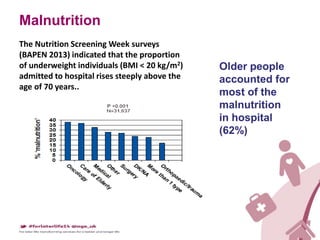
The Nutrition Screening Week surveys
(BAPEN 2013) indicated that the proportion
of underweight individuals (BMI < 20 kg/m2)
admitted to hospital rises steeply above the
age of 70 years..
Older people
accounted for
most of the
malnutrition
in hospital
(62%)
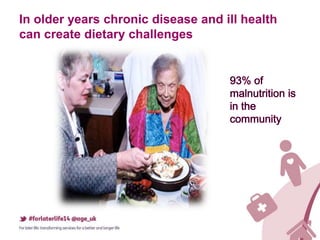
In older years chronic disease and ill health
can create dietary challenges
Psychological and Social Well Being
Psychological well-being
How happy or content we feel with life
Social well-being
A sense of involvement with other people and
with our communities
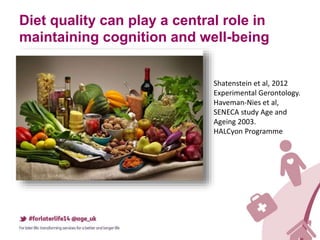
Diet quality can play a central role in
maintaining cognition and well-being
Shatenstein et al, 2012
Experimental Gerontology.
Haveman-Nies et al,
SENECA study Age and
Ageing 2003.
HALCyon Programme
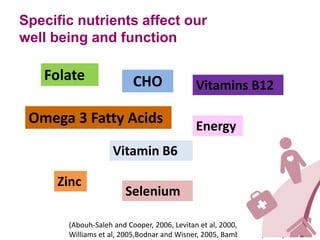
Specific nutrients affect our
well being and function
Folate
Zinc
Vitamins B12
Omega 3 Fatty Acids
Selenium
(Abouh-Saleh and Cooper, 2006, Levitan et al, 2000, Nowak et al, 2005,
Williams et al, 2005,Bodnar and Wisner, 2005, Bamber et al, 2007)
Vitamin B6
CHO
Energy
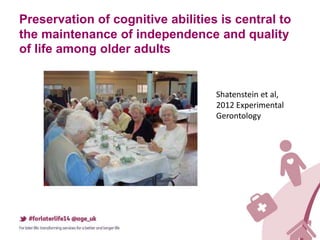
Preservation of cognitive abilities is central to
the maintenance of independence and quality
of life among older adults
Shatenstein et al,
2012 Experimental
Gerontology
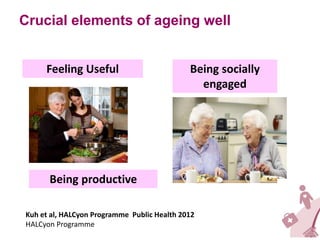
Kuh et al, HALCyon Programme Public Health 2012
HALCyon Programme
Crucial elements of ageing well
Feeling Useful Being socially
engaged
Being productive
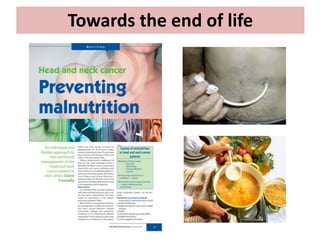
Towards the end of life
Conclusion - one size does not fit all
• Good nutrition can help to combat chronic
disease, manage weight and function
• Under-nutrition predisposes to disease and
adversely affects its outcome. This has
important economic implications but can
adversely affect mood, happiness, comfort.
• Older people and partner agencies with a remit
for older people’s health should be provided with
consistent and appropriate messages
concerning nutrition in later life.
Do we listen to our clients?
• Do we know what is good for older people?
• In chronic disease and life limiting
conditions we need to be aware that food can
create considerable anxiety,
misunderstandings, become a battle ground.
• Do we take into consideration all the
challenges around food?
• Do we address beliefs and values?
• Do we aim to improve QoL or nutritional
status?
Malnutrition, dignity and later life.
•Do we really cater for the
individual needs of our ageing
population?
•If diet is a habit of a lifetime - are
individuals able to enjoy what they
have habitually eaten when in a
care home, nursing home?
•Do individuals feel engaged in the
preparation and choice of meals?
Creating the Right Environment

Dignity, malnutrition and comfort in later life, Anne Holdoway at For Later Life 2014

  • 1.
  • 2.
    Food and Nutritionin Later Life - The Vital Ingredients
  • 3.
    One size doesnot fit all…..
  • 4.
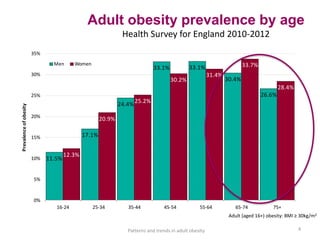
    11.5% 17.1% 24.4% 33.1% 33.1% 30.4% 26.6% 12.3% 20.9% 25.2% 30.2% 31.4% 33.7% 28.4% 0% 5% 10% 15% 20% 25% 30% 35% 16-24 25-3435-44 45-54 55-64 65-74 75+ Prevalenceofobesity Men Women Adult obesity prevalence by age Health Survey for England 2010-2012 4Patterns and trends in adult obesity Adult (aged 16+) obesity: BMI ≥ 30kg/m2
  • 5.
    Malnutrition The Nutrition ScreeningWeek surveys (BAPEN 2013) indicated that the proportion of underweight individuals (BMI < 20 kg/m2) admitted to hospital rises steeply above the age of 70 years.. Older people accounted for most of the malnutrition in hospital (62%)
  • 6.
    In older yearschronic disease and ill health can create dietary challenges
  • 9.
    Psychological and SocialWell Being Psychological well-being How happy or content we feel with life Social well-being A sense of involvement with other people and with our communities
  • 10.
    Diet quality canplay a central role in maintaining cognition and well-being Shatenstein et al, 2012 Experimental Gerontology. Haveman-Nies et al, SENECA study Age and Ageing 2003. HALCyon Programme
  • 11.
    Specific nutrients affectour well being and function Folate Zinc Vitamins B12 Omega 3 Fatty Acids Selenium (Abouh-Saleh and Cooper, 2006, Levitan et al, 2000, Nowak et al, 2005, Williams et al, 2005,Bodnar and Wisner, 2005, Bamber et al, 2007) Vitamin B6 CHO Energy
  • 12.
    Preservation of cognitiveabilities is central to the maintenance of independence and quality of life among older adults Shatenstein et al, 2012 Experimental Gerontology
  • 13.
    Kuh et al,HALCyon Programme Public Health 2012 HALCyon Programme Crucial elements of ageing well Feeling Useful Being socially engaged Being productive
  • 15.
  • 16.
    Conclusion - onesize does not fit all • Good nutrition can help to combat chronic disease, manage weight and function • Under-nutrition predisposes to disease and adversely affects its outcome. This has important economic implications but can adversely affect mood, happiness, comfort. • Older people and partner agencies with a remit for older people’s health should be provided with consistent and appropriate messages concerning nutrition in later life.
  • 17.
    Do we listento our clients? • Do we know what is good for older people? • In chronic disease and life limiting conditions we need to be aware that food can create considerable anxiety, misunderstandings, become a battle ground. • Do we take into consideration all the challenges around food? • Do we address beliefs and values? • Do we aim to improve QoL or nutritional status?
  • 18.
    Malnutrition, dignity andlater life. •Do we really cater for the individual needs of our ageing population? •If diet is a habit of a lifetime - are individuals able to enjoy what they have habitually eaten when in a care home, nursing home? •Do individuals feel engaged in the preparation and choice of meals?
  • 19.
    Creating the RightEnvironment

Editor's Notes

  • #5 There are differences in obesity prevalence by both age and sex. Obesity prevalence appears to increase with age (in the age range 16 to 74 years), but then decreases above age 75 years. When broken down by age group, differences in obesity prevalence by sex are most noticeable in the 16-24 years and 75+ age groups. Here obesity prevalence is higher for women than for men. However between the ages of 45 and 64 years obesity prevalence appears to be higher among men than women. The published Health Survey for England data used to produce this chart are available from: http://www.hscic.gov.uk/catalogue/PUB13219
  • #9 What are we trying to achieve through nutrition???
  • #10 Maintaining a sense of psychological wellbeing and continuing to be socially engaged in later life is an important part of growing older in a healthy way. During this presentation I will highlight how specific nutrients, food itself, the eating experience, individual needs and challenges might influence our state of well being and happiness.
  • #12 The connection between food and depressive disorders has been established through epidemiological studies. Much of the research into biochemical causes of depression have focussed on neurotransmitters such as serotonin. Nutrients that affect neurotransmitters are believed to be important in treating depression and augmenting the effect of medication.
  • #13 Not just the nutrients it is the environment
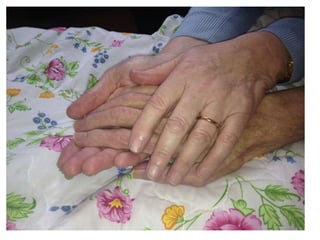
  • #18 All these factors will affect dignity and well being (comfort)