AEROMICROBIOLOGY
During 1930s the term aeromicrobiology was used to denote the air borne spores (e.g. fungi and other microorganisms )Further in 1951 ,the term was elaborated to include dispersion of insect population, fungal spores, bacteria and viruses.In 1964, the term included the research work of air borne materials of biological significance.
   It is the study of those invisible microorganisms (which are less   1mm in size & not visible through naked eyes) which are present in air.
Study of aerosolization, aerial transmission and biological materials.It also includes the study of diseases transmitted through respiratory routes.The field of aeromicrobiology is important as it involves, Formation of aerosols .Their transmission and deposition in soil.
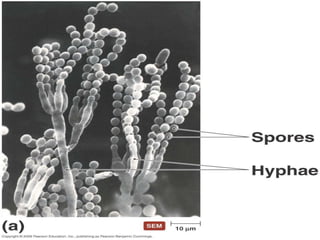
The important gases that effect the microorganisms are hydrogen sulphide, sulphur dioxide, carbon monoxide, chlorine, hydrogen fluoride, ozone , etc.  The microbial forms are bacteria, fungi and actinomycetes , algae, spores of pteridophytes, pollen grains, micro insects and viruses.
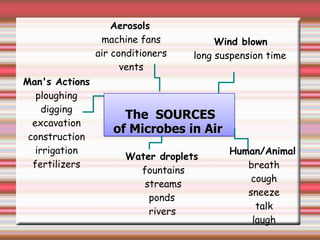
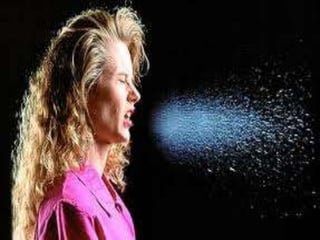
    Aerosolsmachine fansair conditionersvents         Wind blown      long suspension timeMan's ActionsploughingdiggingexcavationconstructionirrigationfertilizersThe  SOURCES      of Microbes in AirHuman/Animalbreath coughsneezetalklaughWater dropletsfountainsstreams        ponds        rivers
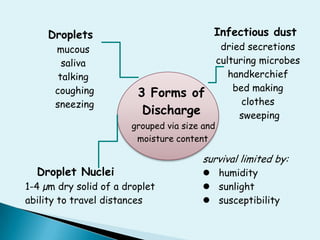
Infectious dustdried secretionsculturing microbeshandkerchiefbed makingclothes sweepingDropletsmucoussalivatalking coughing sneezing  3 Forms of  Dischargegrouped via size and     moisture contentsurvival limited by:   humidity
   sunlight
   susceptibility Droplet Nuclei1-4 µm dry solid of a dropletability to travel distances
INDOOR AEROMICRBIOLOGY It deals with microorganisms present in air in indoor environment.They are the microorganisms which are responsible biodeterioraton of storage materials, equipment , library materials and archives.
Indoor aeromicrobiology Aeromicrospora of pharmacy.Aeromicroflora of hospitals.HousesAeromicroflora of storagematerials.
AEROALLERGENS AND AEROALLERGYAllergy is caused by certain biological & abiological agents present in the atmosphere.The allergy causing agents in the air are called aeroallergens.The allergy caused by them is called aeroallergy.
Aeroallergens House dust allergens .Pollen grains.Cosmetics .
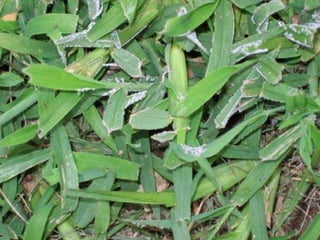
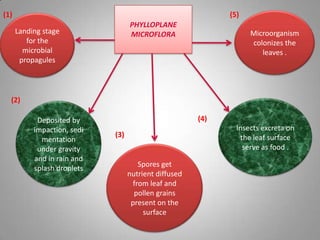
PHYLLOPLANE MICROFLORA (1)(5)Microorganism colonizes the leaves . Landing stage for the microbial propagules (2)Insects excreta on the leaf surface serve as food .Deposited by impaction, sedimentation  under gravity and in rain and splash droplets (4)(3)Spores get nutrient diffused from leaf and pollen grains present on the surface
Environmental parameters effecting microbes survival Microbes are continually in the state of stress.Oxygen stress (OAF) and ionic stress. Temperature stress.Moisture stress.UV-radiation stress.
OXYGENIC AND IONIC STRESS Higher level of oxygen and its reactive    form causes inactivation of enzymes. Damage to DNA.Inactivation of nucleic acids.Naturally occurring ions causes ionic stress causes lightening, water shearing and ion displacement
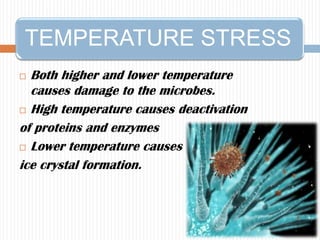
Both higher and lower temperature causes damage to the microbes.High temperature causes deactivation of proteins and enzymes Lower temperature causes ice crystal formation.
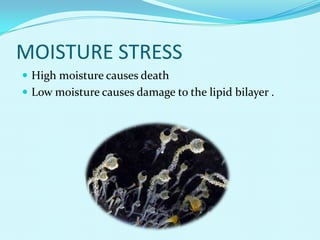
MOISTURE STRESS High moisture causes death Low moisture causes damage to the lipid bilayer .
RADIATION STRESS Shorter wavelength  and X-ray causes damage to DNA by Single strand breaks.
Double strand breaks
Alteration in structure of DNA And also effects Genome replication Transcription Translation
BIOAEROSOLS Biological contaminants occurring as solid or liquid particles in air.Size :0.1 -100µMay be single or aggregate form May be adhere to dust particles or surrounded by a film of organic or inorganic matter.Pathogenic for plants, animal and human and also damage inanimate materials.

Aeromicroby seminar 2007

  • 1.
  • 3.
    During 1930s theterm aeromicrobiology was used to denote the air borne spores (e.g. fungi and other microorganisms )Further in 1951 ,the term was elaborated to include dispersion of insect population, fungal spores, bacteria and viruses.In 1964, the term included the research work of air borne materials of biological significance.
  • 5.
    It is the study of those invisible microorganisms (which are less 1mm in size & not visible through naked eyes) which are present in air.
  • 6.
    Study of aerosolization,aerial transmission and biological materials.It also includes the study of diseases transmitted through respiratory routes.The field of aeromicrobiology is important as it involves, Formation of aerosols .Their transmission and deposition in soil.
  • 7.
    The important gasesthat effect the microorganisms are hydrogen sulphide, sulphur dioxide, carbon monoxide, chlorine, hydrogen fluoride, ozone , etc. The microbial forms are bacteria, fungi and actinomycetes , algae, spores of pteridophytes, pollen grains, micro insects and viruses.
  • 8.
    Aerosolsmachine fansair conditionersvents Wind blown long suspension timeMan's ActionsploughingdiggingexcavationconstructionirrigationfertilizersThe SOURCES of Microbes in AirHuman/Animalbreath coughsneezetalklaughWater dropletsfountainsstreams ponds rivers
  • 10.
    Infectious dustdried secretionsculturingmicrobeshandkerchiefbed makingclothes sweepingDropletsmucoussalivatalking coughing sneezing 3 Forms of Dischargegrouped via size and moisture contentsurvival limited by: humidity
  • 11.
    sunlight
  • 12.
    susceptibility Droplet Nuclei1-4 µm dry solid of a dropletability to travel distances
  • 14.
    INDOOR AEROMICRBIOLOGY Itdeals with microorganisms present in air in indoor environment.They are the microorganisms which are responsible biodeterioraton of storage materials, equipment , library materials and archives.
  • 15.
    Indoor aeromicrobiology Aeromicrosporaof pharmacy.Aeromicroflora of hospitals.HousesAeromicroflora of storagematerials.
  • 16.
    AEROALLERGENS AND AEROALLERGYAllergyis caused by certain biological & abiological agents present in the atmosphere.The allergy causing agents in the air are called aeroallergens.The allergy caused by them is called aeroallergy.
  • 17.
    Aeroallergens House dustallergens .Pollen grains.Cosmetics .
  • 20.
    PHYLLOPLANE MICROFLORA (1)(5)Microorganismcolonizes the leaves . Landing stage for the microbial propagules (2)Insects excreta on the leaf surface serve as food .Deposited by impaction, sedimentation under gravity and in rain and splash droplets (4)(3)Spores get nutrient diffused from leaf and pollen grains present on the surface
  • 22.
    Environmental parameters effectingmicrobes survival Microbes are continually in the state of stress.Oxygen stress (OAF) and ionic stress. Temperature stress.Moisture stress.UV-radiation stress.
  • 23.
    OXYGENIC AND IONICSTRESS Higher level of oxygen and its reactive form causes inactivation of enzymes. Damage to DNA.Inactivation of nucleic acids.Naturally occurring ions causes ionic stress causes lightening, water shearing and ion displacement
  • 24.
    Both higher andlower temperature causes damage to the microbes.High temperature causes deactivation of proteins and enzymes Lower temperature causes ice crystal formation.
  • 25.
    MOISTURE STRESS Highmoisture causes death Low moisture causes damage to the lipid bilayer .
  • 26.
    RADIATION STRESS Shorterwavelength and X-ray causes damage to DNA by Single strand breaks.
  • 27.
  • 28.
    Alteration in structureof DNA And also effects Genome replication Transcription Translation
  • 29.
    BIOAEROSOLS Biological contaminantsoccurring as solid or liquid particles in air.Size :0.1 -100µMay be single or aggregate form May be adhere to dust particles or surrounded by a film of organic or inorganic matter.Pathogenic for plants, animal and human and also damage inanimate materials.