ABDOMINAL WALL INCISION
BY
ABDELAZIZ RAGAB SAKR
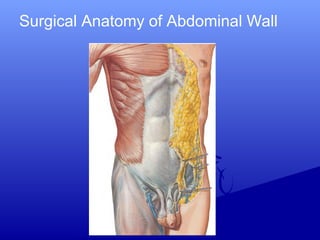
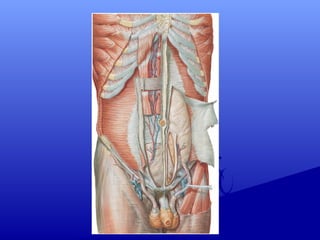
Surgical Anatomy of Abdominal Wall
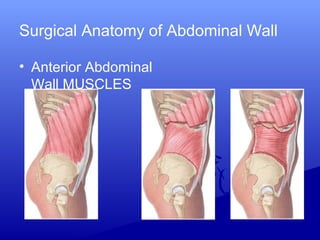
• Anterior Abdominal
Wall MUSCLES
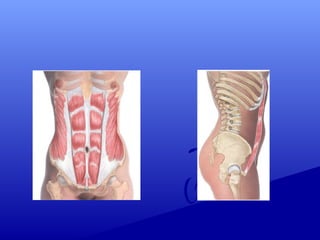
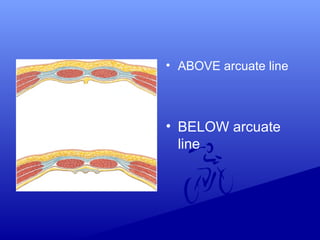
• ABOVE arcuate line
• BELOW arcuate
line
Principles in abdominal surgery
• Adequate incision - Incision should be long enough for a good
exposure
• Splitting the muscle is better than cutting, except rectus muscle
• Avoid cutting nerves and vessels in the abdominal wall
• Adequate retraction - Retract muscle, abdominal organs towards the
neurovascular supply
• Adequate exposure of surgical site and surrounding field
• Adequate meticulous dissection
• Adequate haemostasis
• Adequate proper closure; if required with a drain (tube). Insert a
drainage tube through a separate incision.
• Transverse incisions are better than vertical incisions.
Requirements
• AccessibilityIncision should give adequate proper access to
the surgical site in the abdomen – well planned; with adequate
exposure of adequate length.
• ExtensibilityIt should be amenable for extension as needed.
Muscle should be split as much as possible, not cut in vertical and
oblique incisions.
• Security.
Choice of incision
Type of surgery [elective/emergency]
Target organ
Surgeons own experience and
preference and Previous surgery.
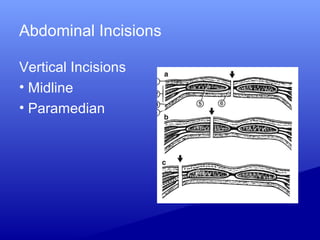
Abdominal Incisions
Vertical Incisions
• Midline
• Paramedian
1)Median Incision
vertical incision which follows the linea alba.
SIGNIFICANCE-it is favored In diagnostic
laparotomy, as it allows wide access to
abdominal Cavity.
Median Incision
Advantages:
•almost bloodless
•no muscle fibers are divided
•no nerves are injured
•good access to upper abdominal
viscera
•very quick to make as well as to
close
•can be extended full lenght of
abdomen curving around umblical
scar.
Disadvantages
•Care needs to be taken
just above the umbilicus
where the falciform
ligament is
•Midline scar
•Bladder injury
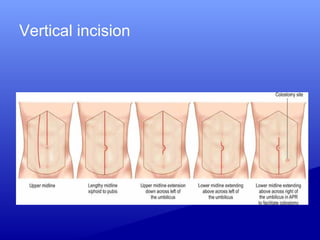
Vertical incision
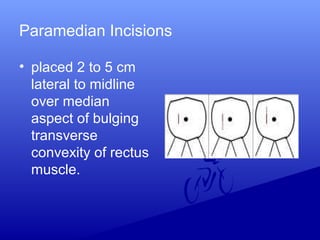
Paramedian Incisions
• placed 2 to 5 cm
lateral to midline
over median
aspect of bulging
transverse
convexity of rectus
muscle.
Advantages
 Provides access to lateral
structures
 Avoids injury to nerves,limits
trauma to rectus muscle.
 Permits good restoration of
abdominal wall function
 Can be extended by slanting
the upper end of the
incision medially towards the
xiphoid process if required
 Disadvantages
 Time consuming.
 Incision needs to be closed in
layers
 Difficult extension superiorly as
limited by the costal margin
 Tends to strip the muscles of
their lateral blood and
nerve supply resulting in atrophy
of the muscle medial to the
incision
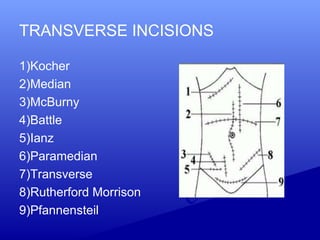
TRANSVERSE INCISIONS
1)Kocher
2)Median
3)McBurny
4)Battle
5)Ianz
6)Paramedian
7)Transverse
8)Rutherford Morrison
9)Pfannensteil
Transverse Incisions
Advantages
better cosmetically
Stronger than vertical
Less painful
Good access to upper GI
structures
More advantageous in
children b/c of more
transverse length of
abdomen.
Disadvantages
Limited exposure to
the organs
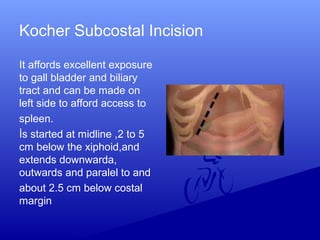
Kocher Subcostal Incision
It affords excellent exposure
to gall bladder and biliary
tract and can be made on
left side to afford access to
spleen.
İs started at midline ,2 to 5
cm below the xiphoid,and
extends downwarda,
outwards and paralel to and
about 2.5 cm below costal
margin
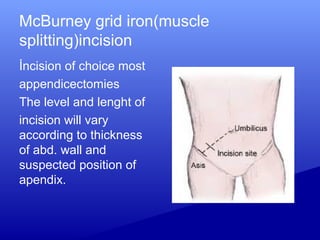
McBurney grid iron(muscle
splitting)incision
İncision of choice most
appendicectomies
The level and lenght of
incision will vary
according to thickness
of abd. wall and
suspected position of
apendix.
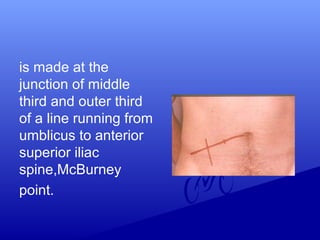
is made at the
junction of middle
third and outer third
of a line running from
umblicus to anterior
superior iliac
spine,McBurney
point.
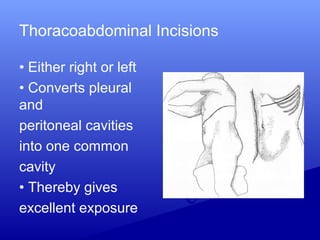
Thoracoabdominal Incisions
• Either right or left
• Converts pleural
and
peritoneal cavities
into one common
cavity
• Thereby gives
excellent exposure
Complications of abdominal
incision
Hematoma, Stitch abscess, Wound infection
Wound dehiscence
Burst abdomen
Fistula formation
Wound pain
Incisional hernia
Adhesion and its complications
Unsightly scar
THANK YOU

Abdominal wall incision

  • 1.
  • 2.
    Surgical Anatomy ofAbdominal Wall
  • 3.
    Surgical Anatomy ofAbdominal Wall • Anterior Abdominal Wall MUSCLES
  • 6.
    • ABOVE arcuateline • BELOW arcuate line
  • 7.
    Principles in abdominalsurgery • Adequate incision - Incision should be long enough for a good exposure • Splitting the muscle is better than cutting, except rectus muscle • Avoid cutting nerves and vessels in the abdominal wall • Adequate retraction - Retract muscle, abdominal organs towards the neurovascular supply • Adequate exposure of surgical site and surrounding field • Adequate meticulous dissection • Adequate haemostasis • Adequate proper closure; if required with a drain (tube). Insert a drainage tube through a separate incision. • Transverse incisions are better than vertical incisions.
  • 8.
    Requirements • AccessibilityIncision shouldgive adequate proper access to the surgical site in the abdomen – well planned; with adequate exposure of adequate length. • ExtensibilityIt should be amenable for extension as needed. Muscle should be split as much as possible, not cut in vertical and oblique incisions. • Security.
  • 9.
    Choice of incision Typeof surgery [elective/emergency] Target organ Surgeons own experience and preference and Previous surgery.
  • 10.
  • 11.
    1)Median Incision vertical incisionwhich follows the linea alba. SIGNIFICANCE-it is favored In diagnostic laparotomy, as it allows wide access to abdominal Cavity.
  • 12.
    Median Incision Advantages: •almost bloodless •nomuscle fibers are divided •no nerves are injured •good access to upper abdominal viscera •very quick to make as well as to close •can be extended full lenght of abdomen curving around umblical scar. Disadvantages •Care needs to be taken just above the umbilicus where the falciform ligament is •Midline scar •Bladder injury
  • 13.
  • 14.
    Paramedian Incisions • placed2 to 5 cm lateral to midline over median aspect of bulging transverse convexity of rectus muscle.
  • 15.
    Advantages  Provides accessto lateral structures  Avoids injury to nerves,limits trauma to rectus muscle.  Permits good restoration of abdominal wall function  Can be extended by slanting the upper end of the incision medially towards the xiphoid process if required  Disadvantages  Time consuming.  Incision needs to be closed in layers  Difficult extension superiorly as limited by the costal margin  Tends to strip the muscles of their lateral blood and nerve supply resulting in atrophy of the muscle medial to the incision
  • 16.
  • 17.
    Transverse Incisions Advantages better cosmetically Strongerthan vertical Less painful Good access to upper GI structures More advantageous in children b/c of more transverse length of abdomen. Disadvantages Limited exposure to the organs
  • 18.
    Kocher Subcostal Incision Itaffords excellent exposure to gall bladder and biliary tract and can be made on left side to afford access to spleen. İs started at midline ,2 to 5 cm below the xiphoid,and extends downwarda, outwards and paralel to and about 2.5 cm below costal margin
  • 19.
    McBurney grid iron(muscle splitting)incision İncisionof choice most appendicectomies The level and lenght of incision will vary according to thickness of abd. wall and suspected position of apendix.
  • 20.
    is made atthe junction of middle third and outer third of a line running from umblicus to anterior superior iliac spine,McBurney point.
  • 21.
    Thoracoabdominal Incisions • Eitherright or left • Converts pleural and peritoneal cavities into one common cavity • Thereby gives excellent exposure
  • 22.
    Complications of abdominal incision Hematoma,Stitch abscess, Wound infection Wound dehiscence Burst abdomen Fistula formation Wound pain Incisional hernia Adhesion and its complications Unsightly scar
  • 23.