Translating the Plan into Action March 5, 2009 Scott McLean President – ThinkWise, Inc. [email_address]
WHAT YOU’LL HEAR My Top Challenges My Advice (Advisors) Some Tools and Resources
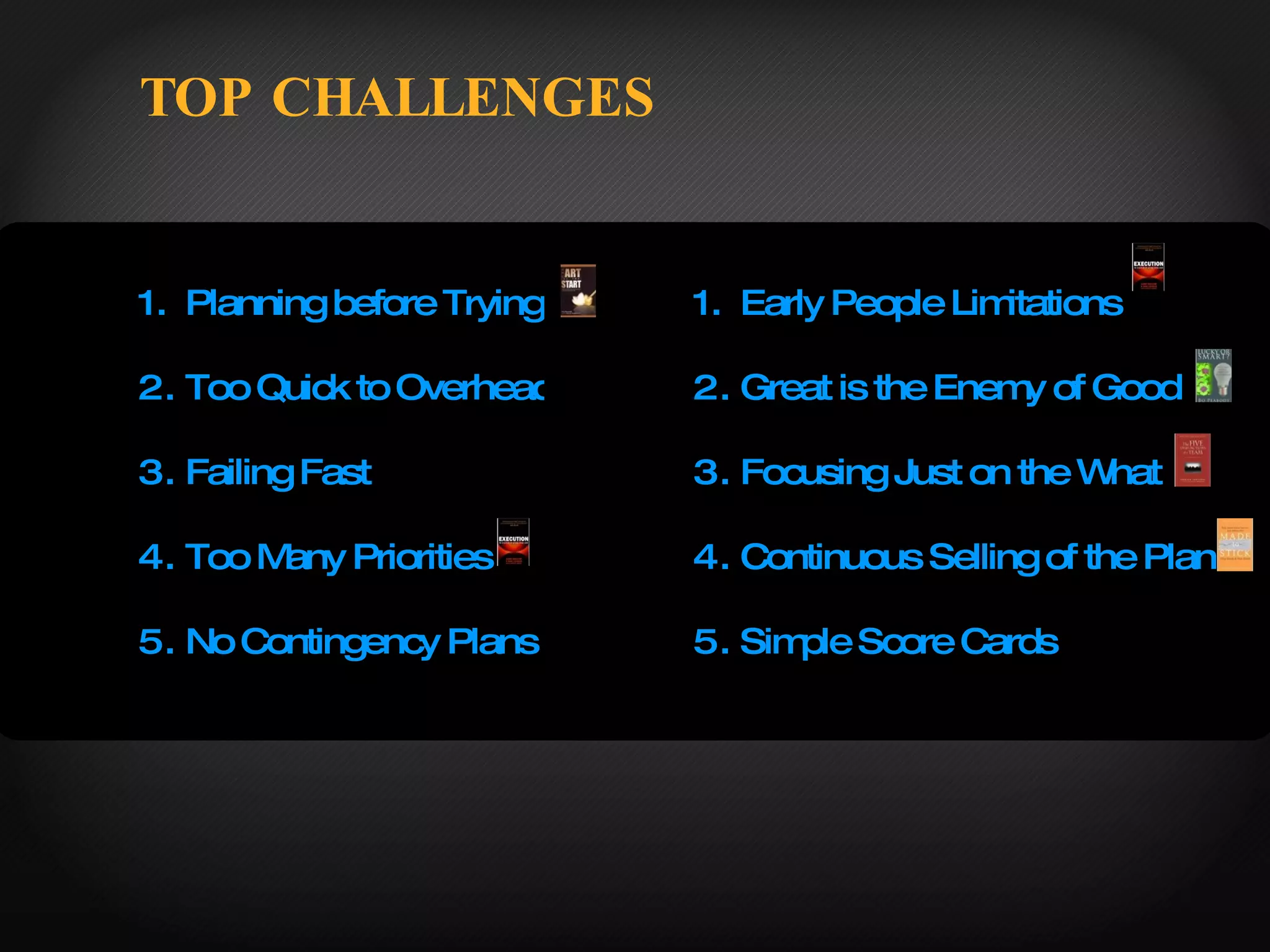
TOP CHALLENGES Planning before Trying Too Quick to Overhead Failing Fast Too Many Priorities No Contingency Plans Early People Limitations Great is the Enemy of Good Focusing Just on the What Continuous Selling of the Plan Simple Score Cards
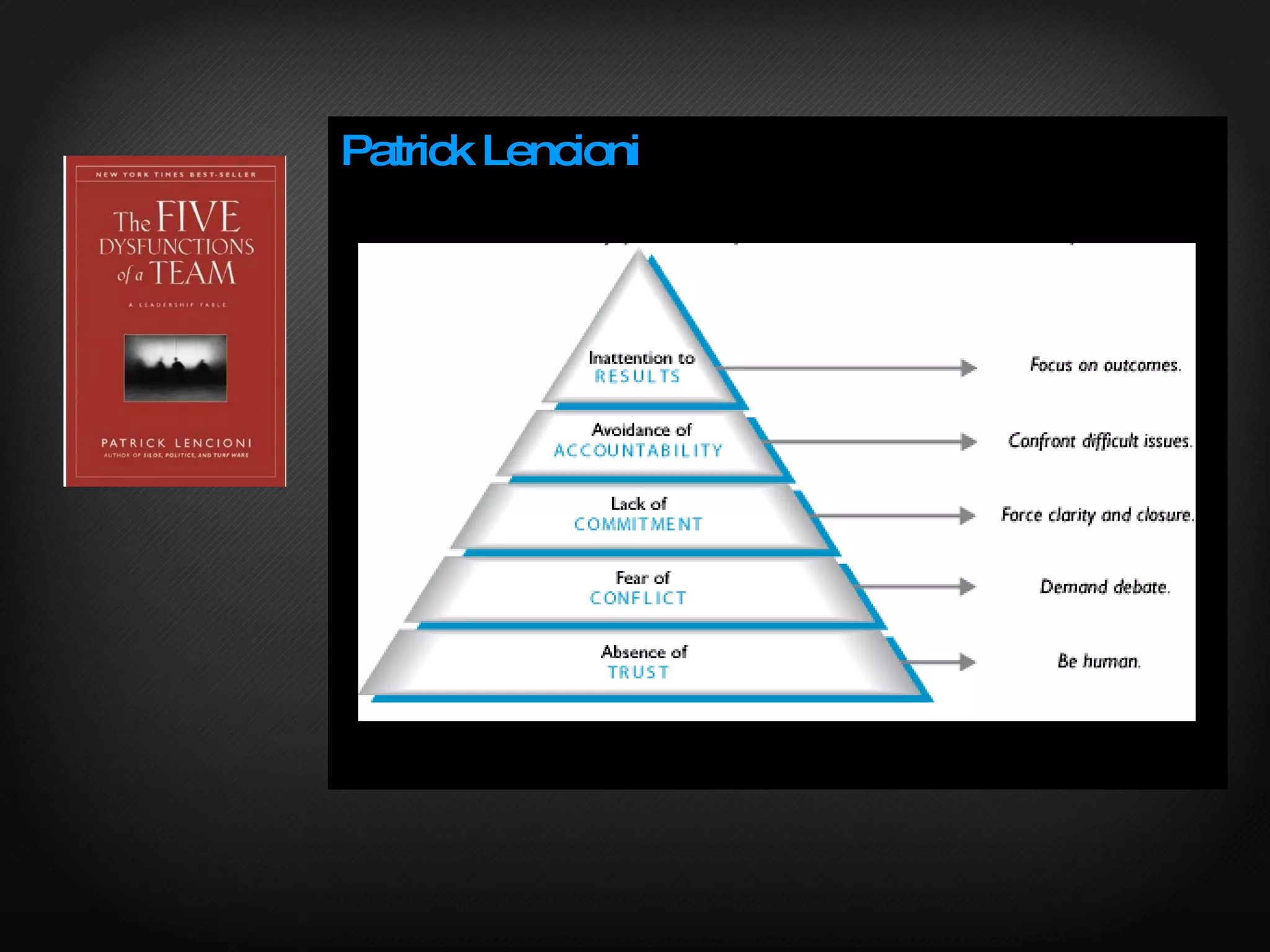
Patrick Lencioni
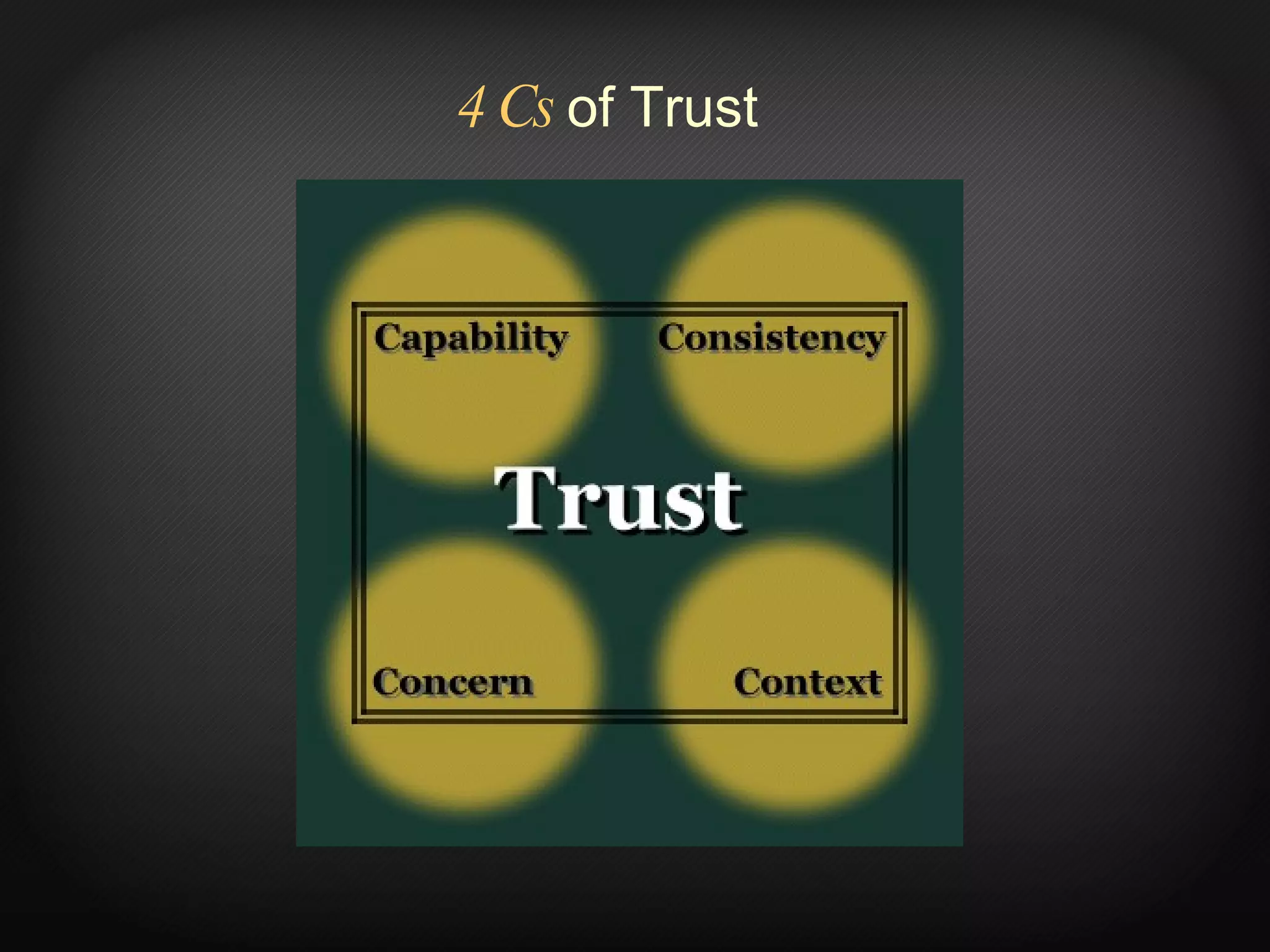
4 Cs  of Trust
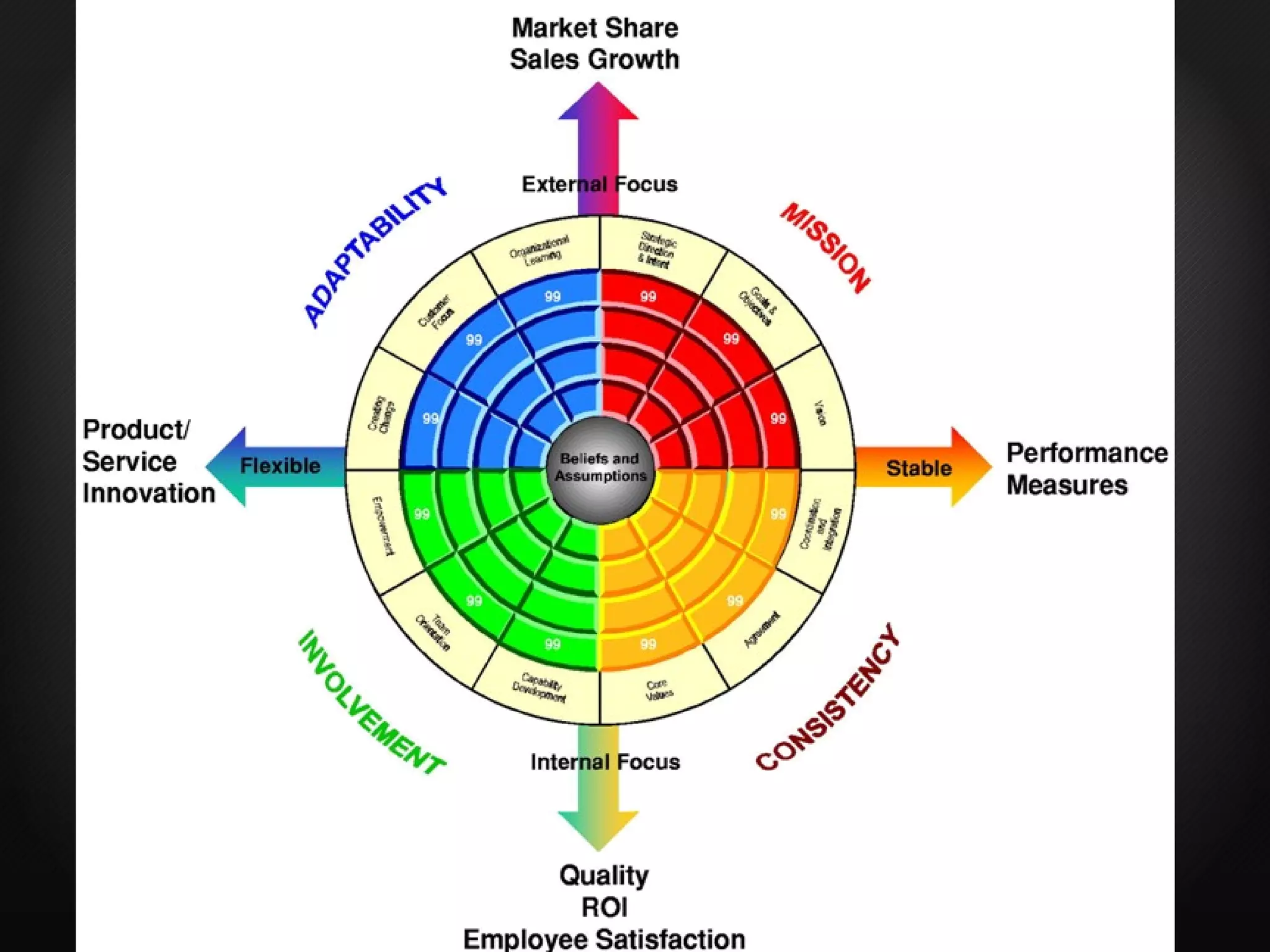
Cultural Performance Profiles
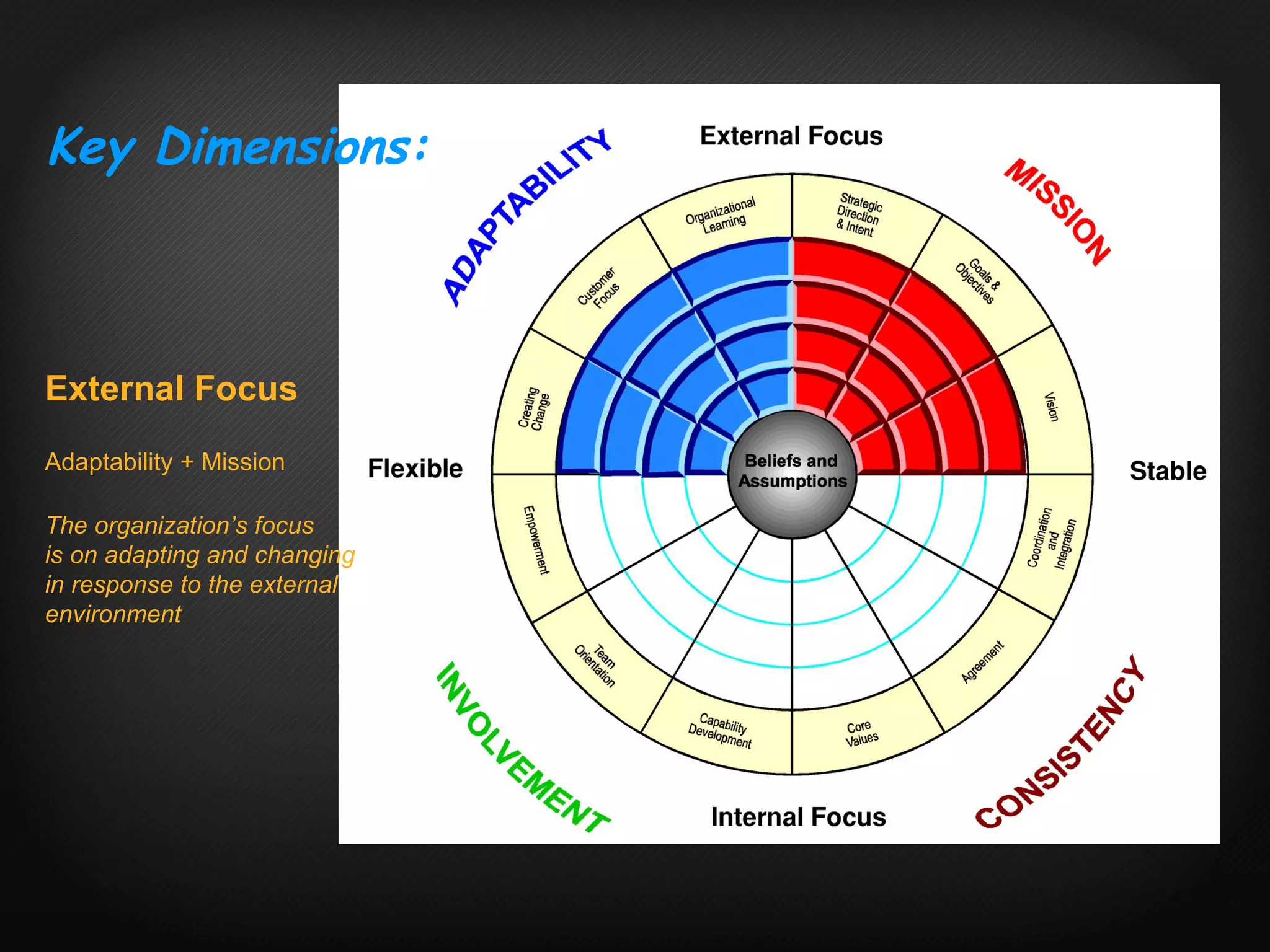
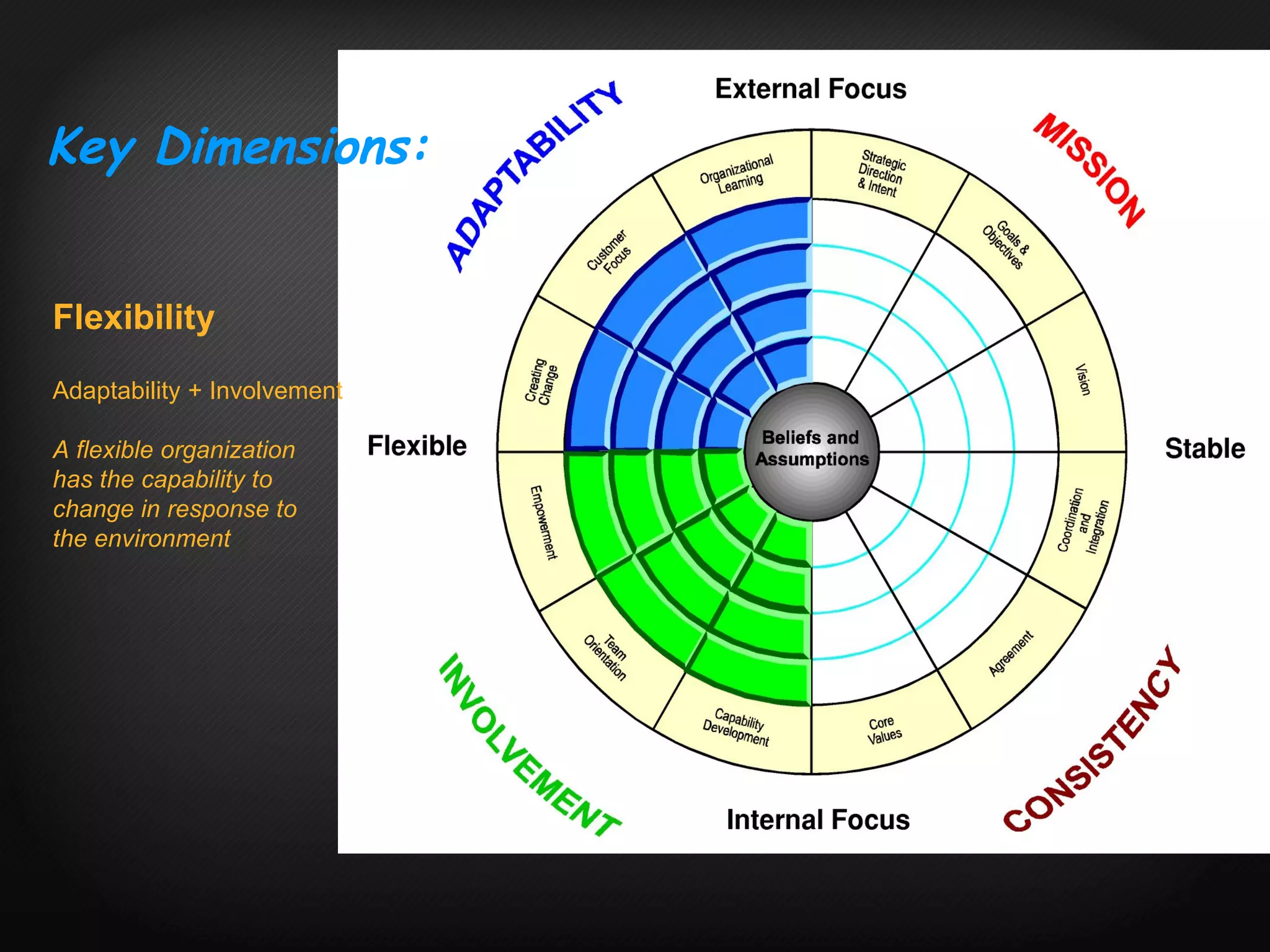
External Focus Adaptability + Mission The organization’s focus  is on adapting and changing in response to the external environment Key Dimensions:
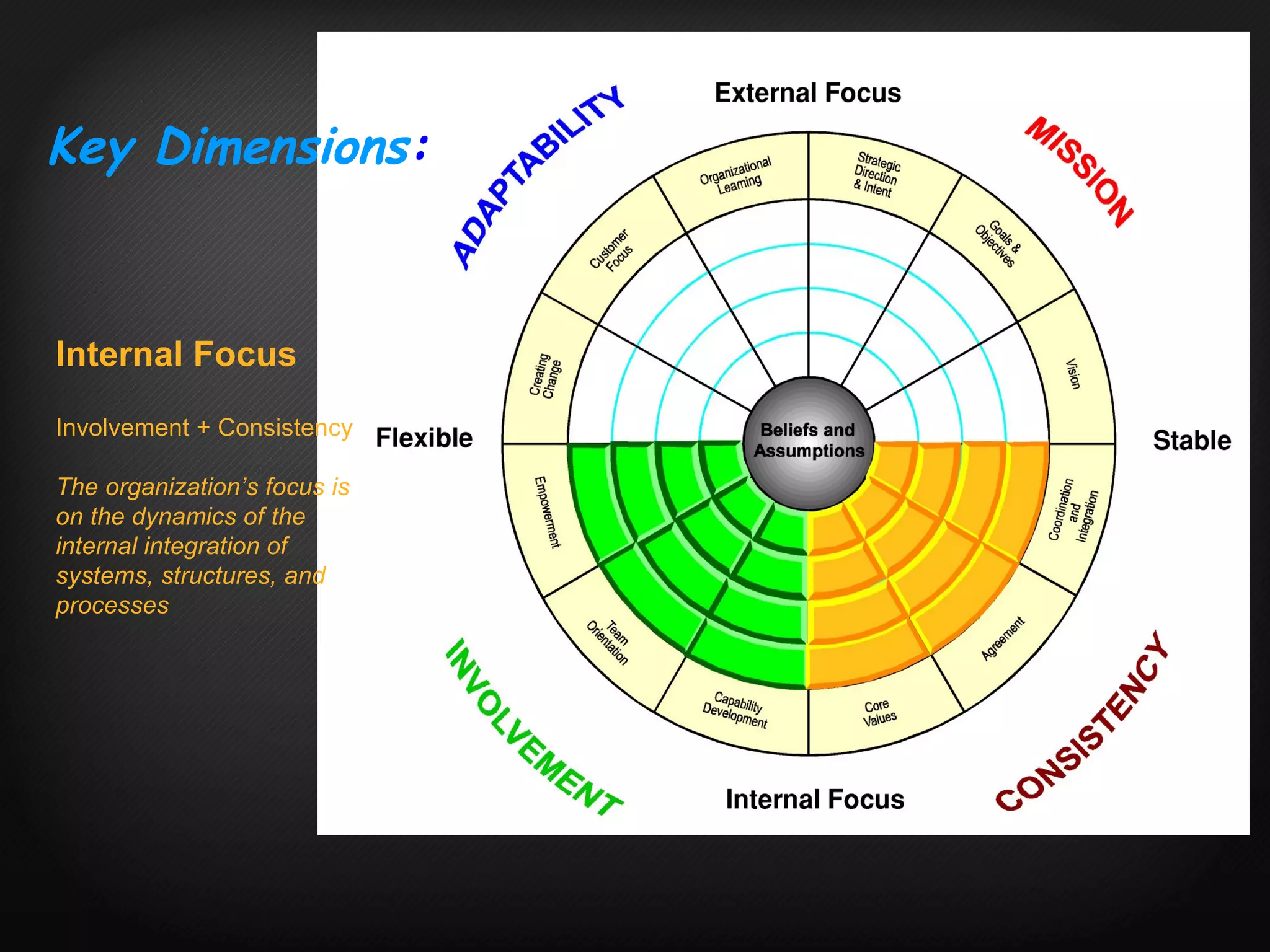
Internal Focus Involvement + Consistency The organization’s focus is on the dynamics of the  internal integration of  systems, structures, and  processes Key Dimensions :
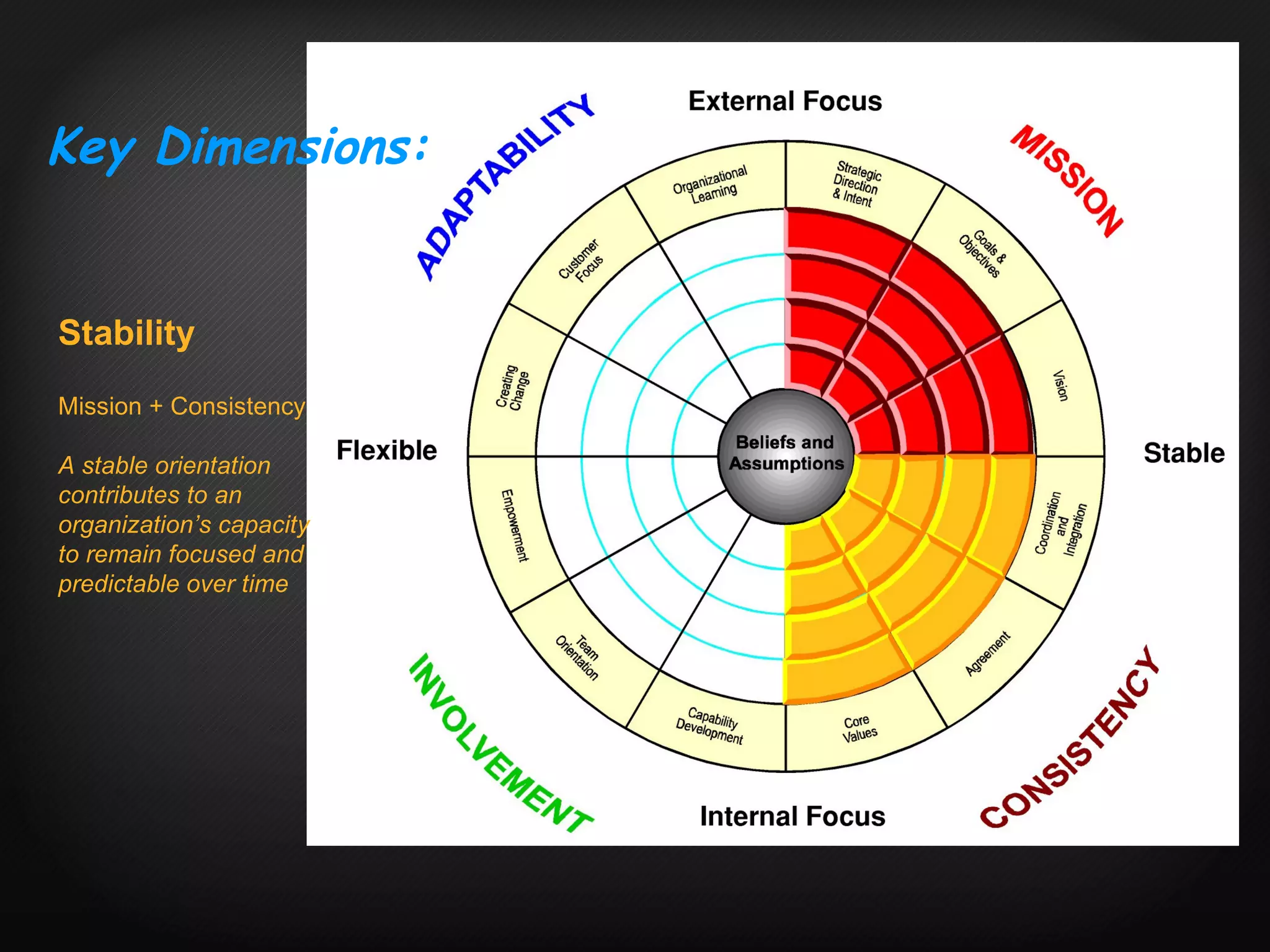
Stability Mission + Consistency A stable orientation contributes to an  organization’s capacity  to remain focused and  predictable over time Key Dimensions:
Flexibility Adaptability + Involvement A flexible organization has the capability to  change in response to  the environment  Key Dimensions:
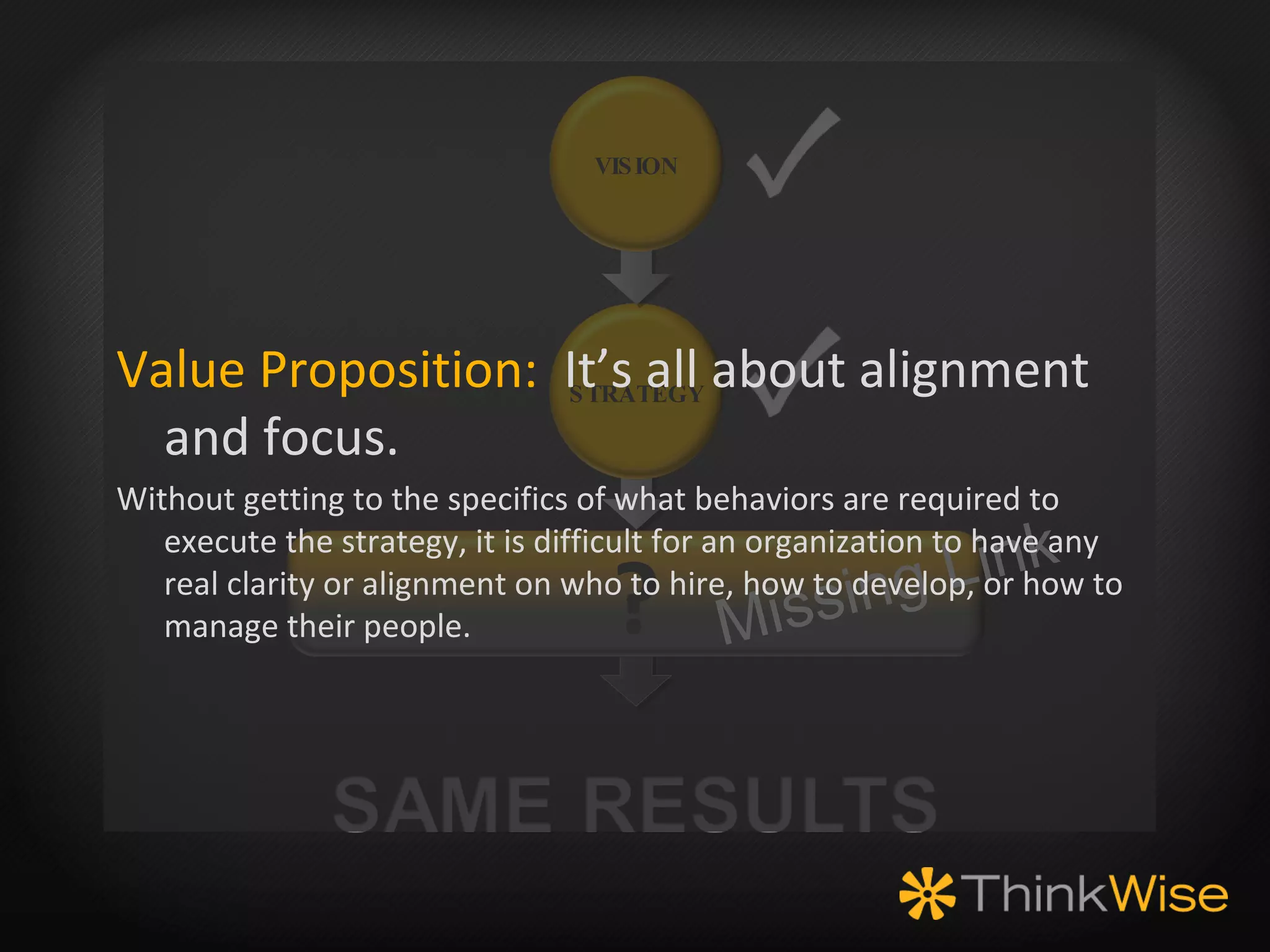
Value Proposition:  It’s all about alignment and focus.  Without getting to the specifics of what behaviors are required to execute the strategy, it is difficult for an organization to have any real clarity or alignment on who to hire, how to develop, or how to manage their people. STRATEGY VISION ? Missing Link
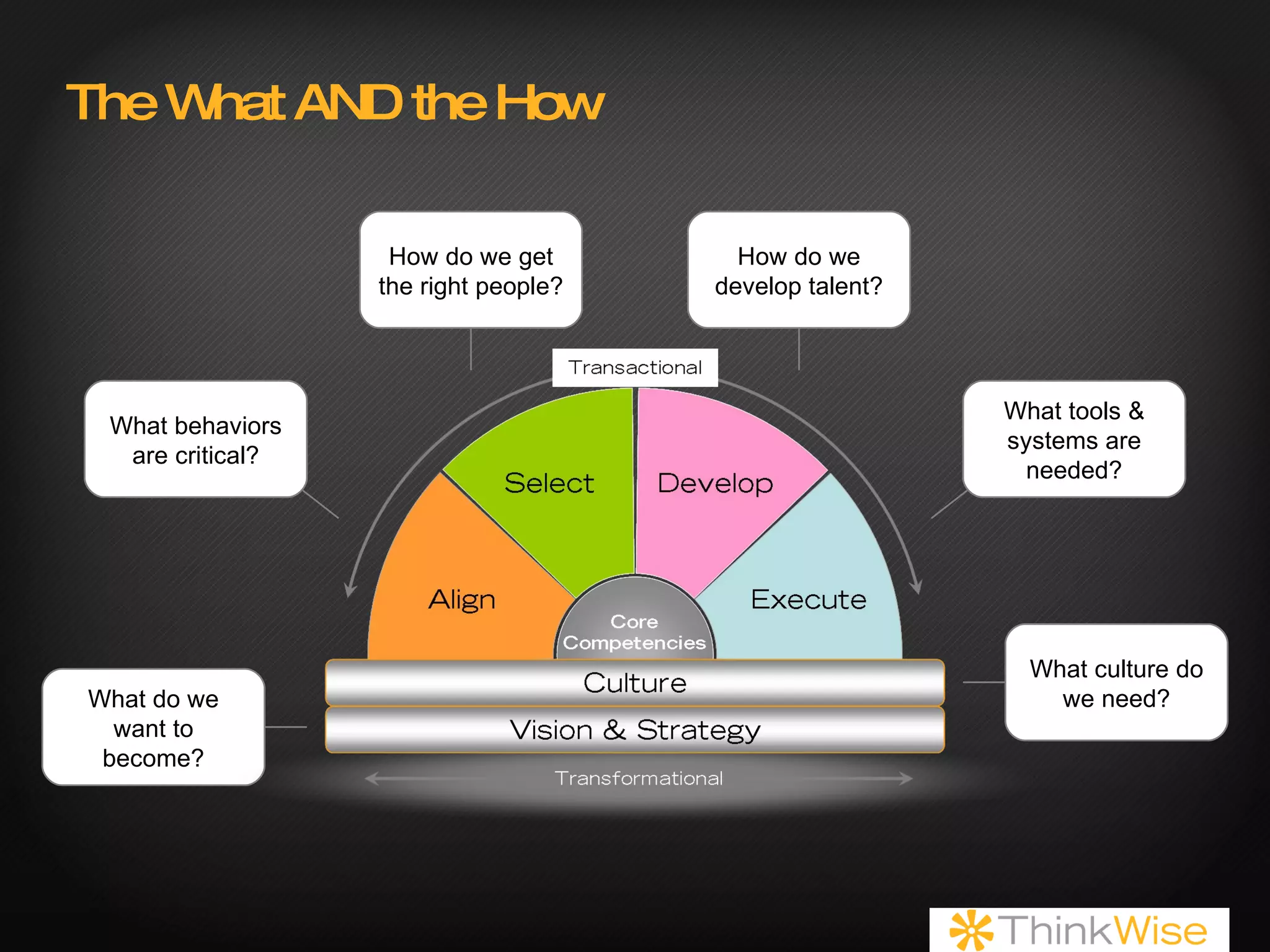
The What AND the How What do we want to become? What culture do we need? How do we get the right people? How do we develop talent? What behaviors are critical? What tools & systems are needed?
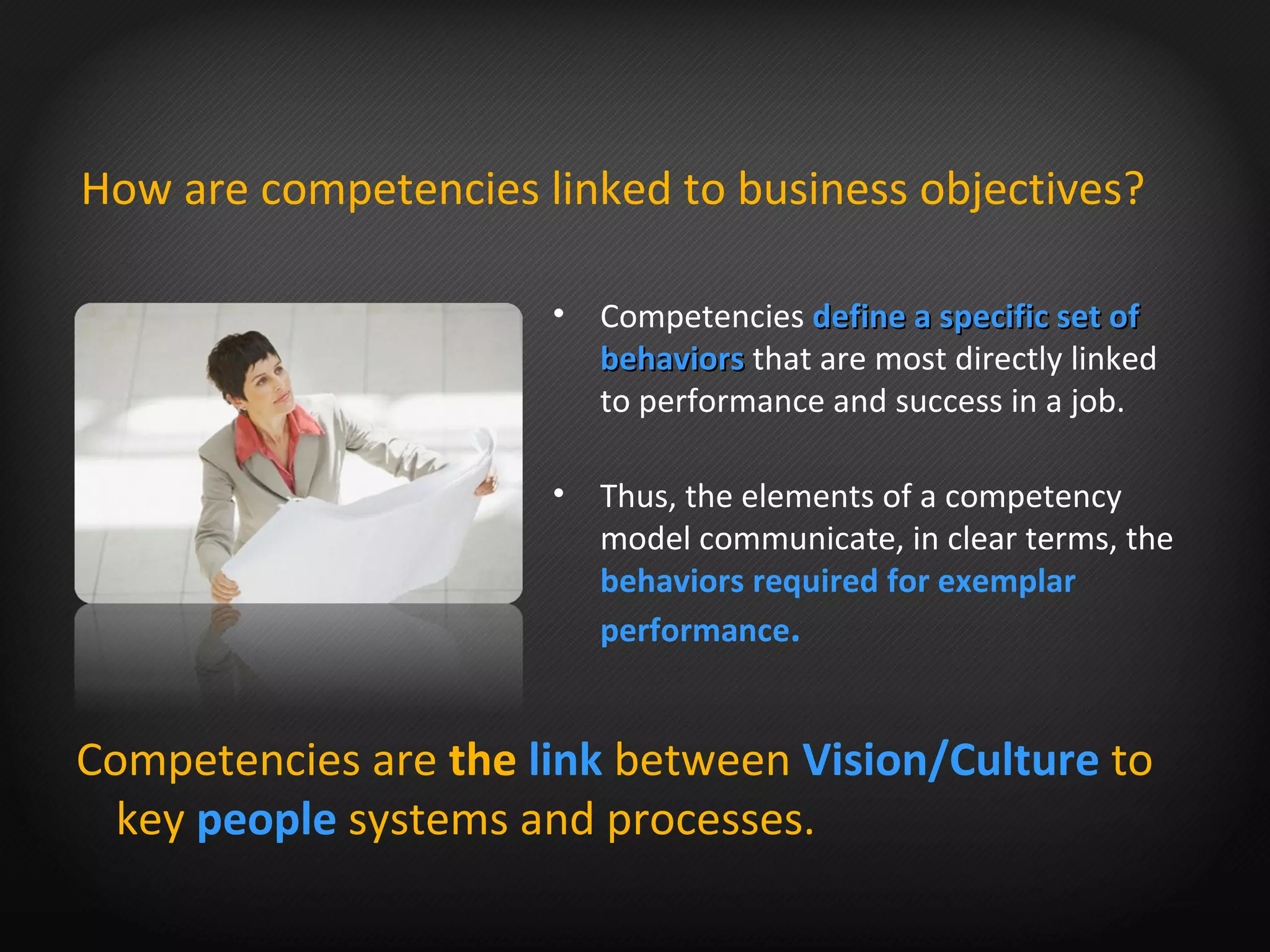
Competencies   define a specific set of behaviors  that are most directly linked to performance and success in a job. Thus, the elements of a competency model communicate, in clear terms, the  behaviors required for exemplar performance .   How are competencies linked to business objectives? Competencies are  the  link  between   Vision/Culture  to key  people   systems and processes.
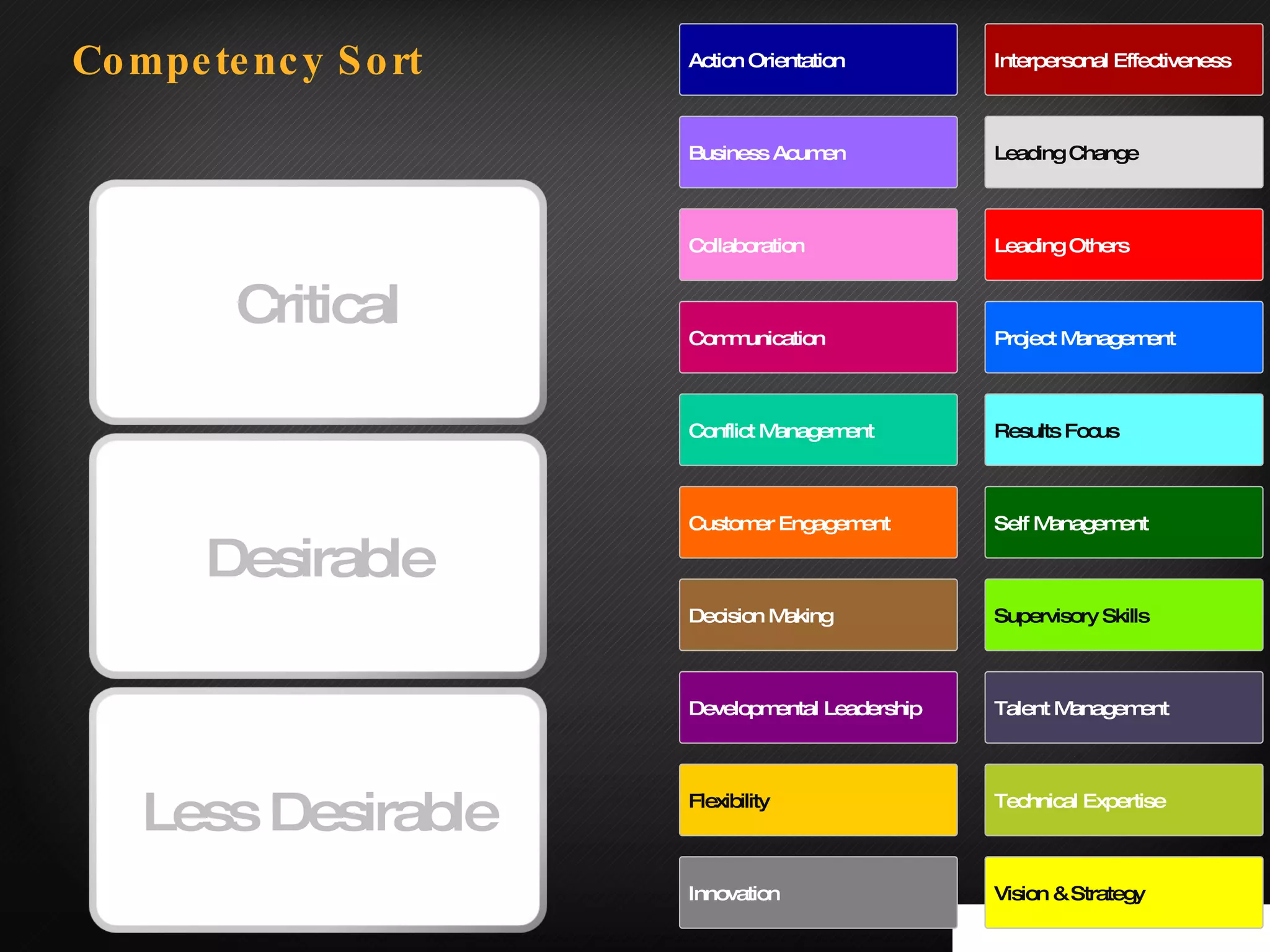
Business   Acumen Collaboration Communication Conflict Management Customer Engagement Decision Making Developmental Leadership Flexibility Innovation Interpersonal Effectiveness Leading Change Leading Others Project Management Results Focus Self Management Supervisory Skills Talent Management Technical Expertise Vision & Strategy Action Orientation Competency Sort Critical Desirable Less Desirable
 
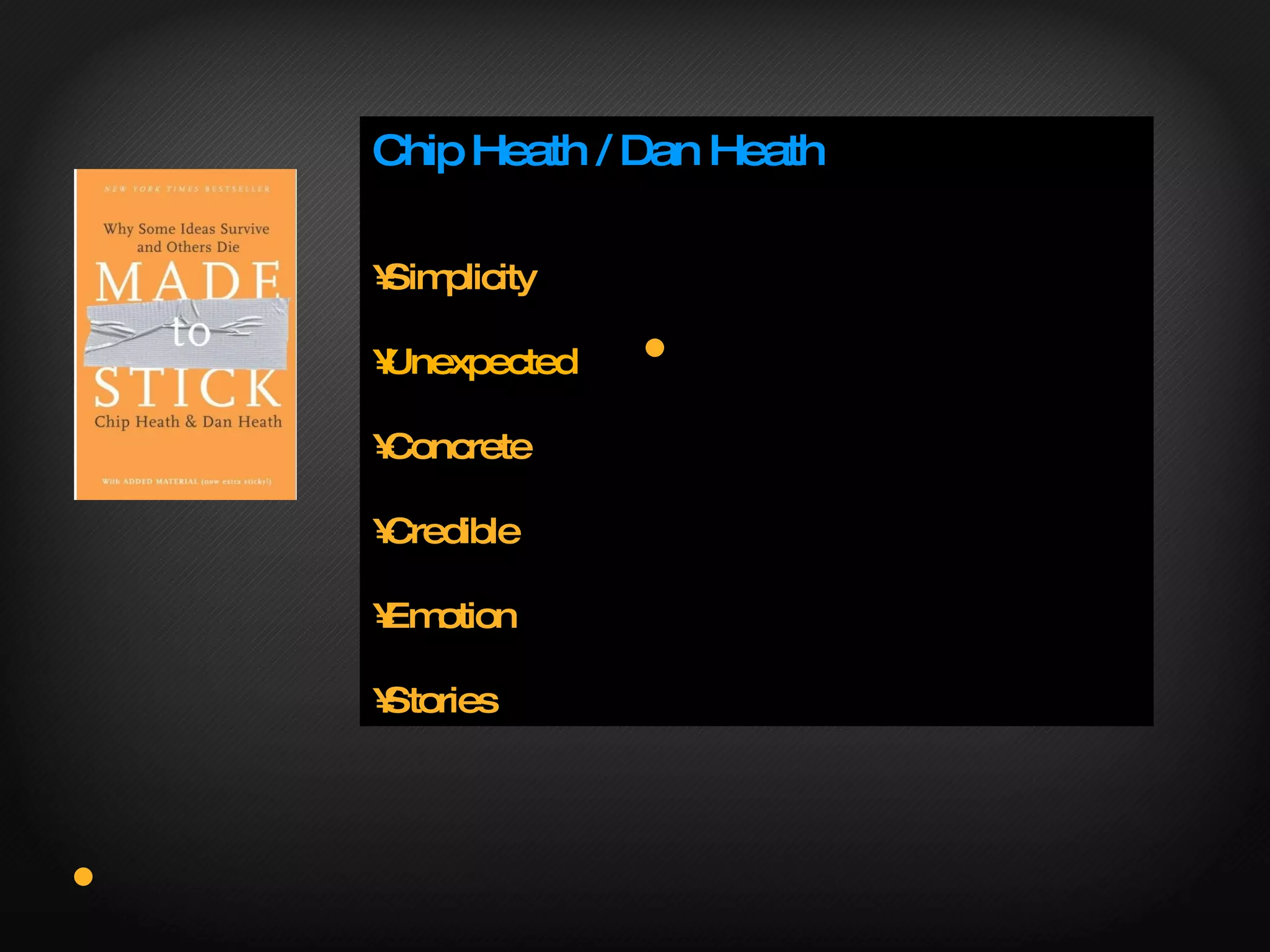
Chip Heath / Dan Heath Simplicity Unexpected Concrete Credible Emotion Stories
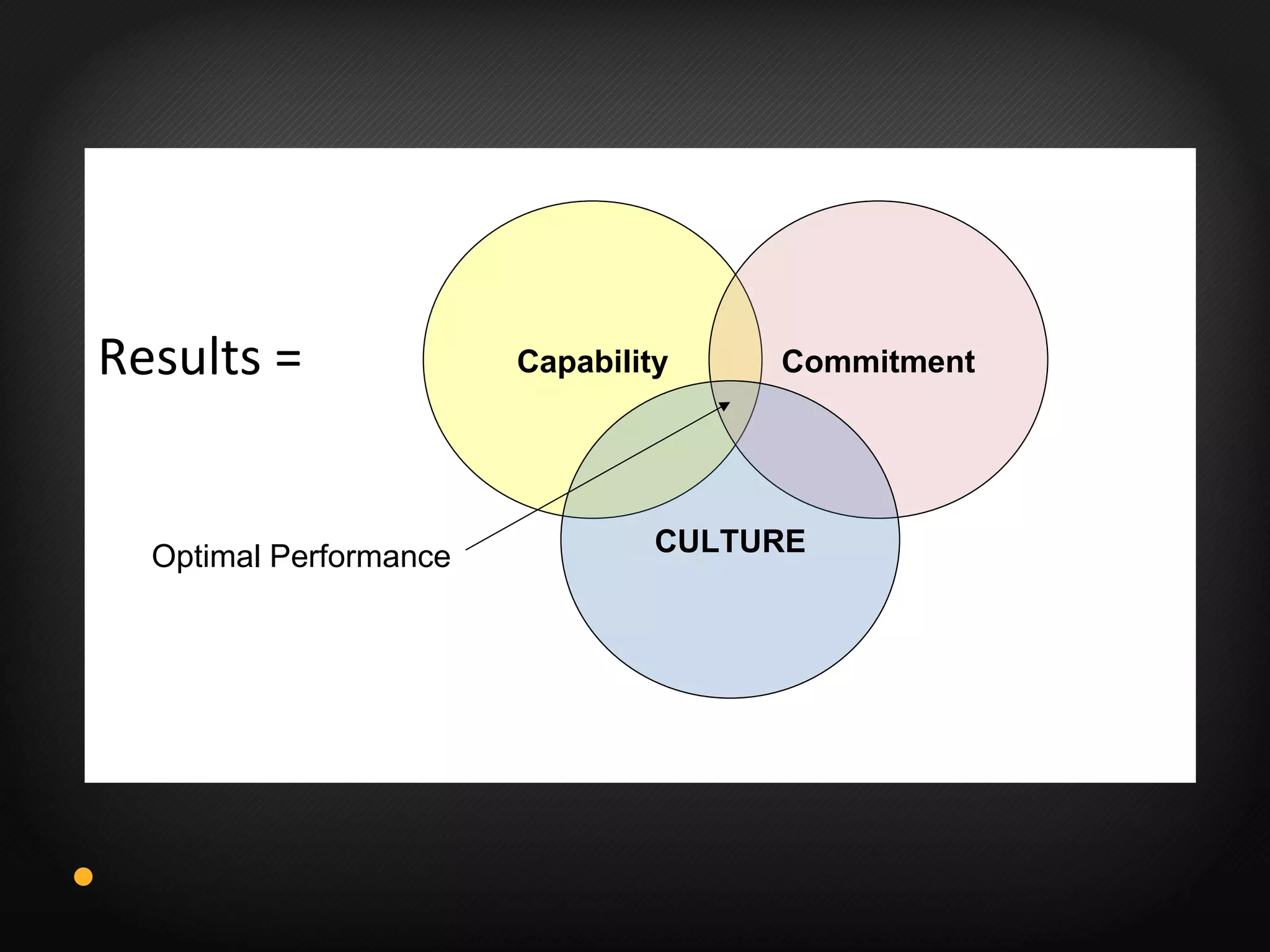
Results = Capability Commitment CULTURE Optimal Performance
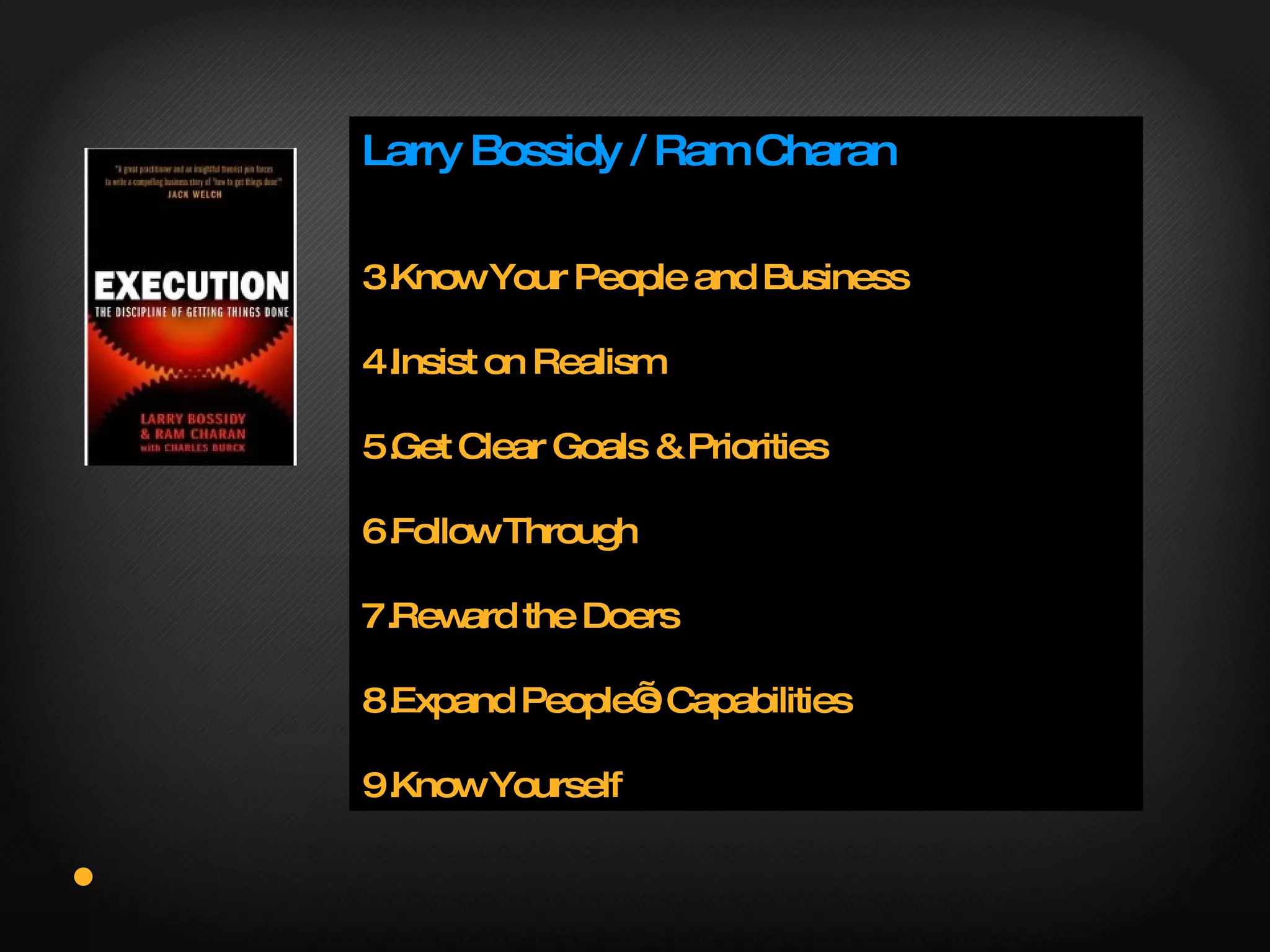
Larry Bossidy / Ram Charan Know Your People and Business Insist on Realism Get Clear Goals & Priorities Follow Through Reward the Doers Expand People’s Capabilities Know Yourself
“ After five years of research, I’m absolutely convinced that if we just focus our attention on the right things – and stop doing the senseless things that consume so much time and energy – we an create a powerful Flywheel effect.” - Jim Collins, Good to Great “ Leaders who say:  ‘ I ’ ve got ten priorities ’  don ’ t know what they are talking about …  You ’ ve got to have these few, clearly realistic goals and priorities. ”   - Bossidy and Charan, Execution
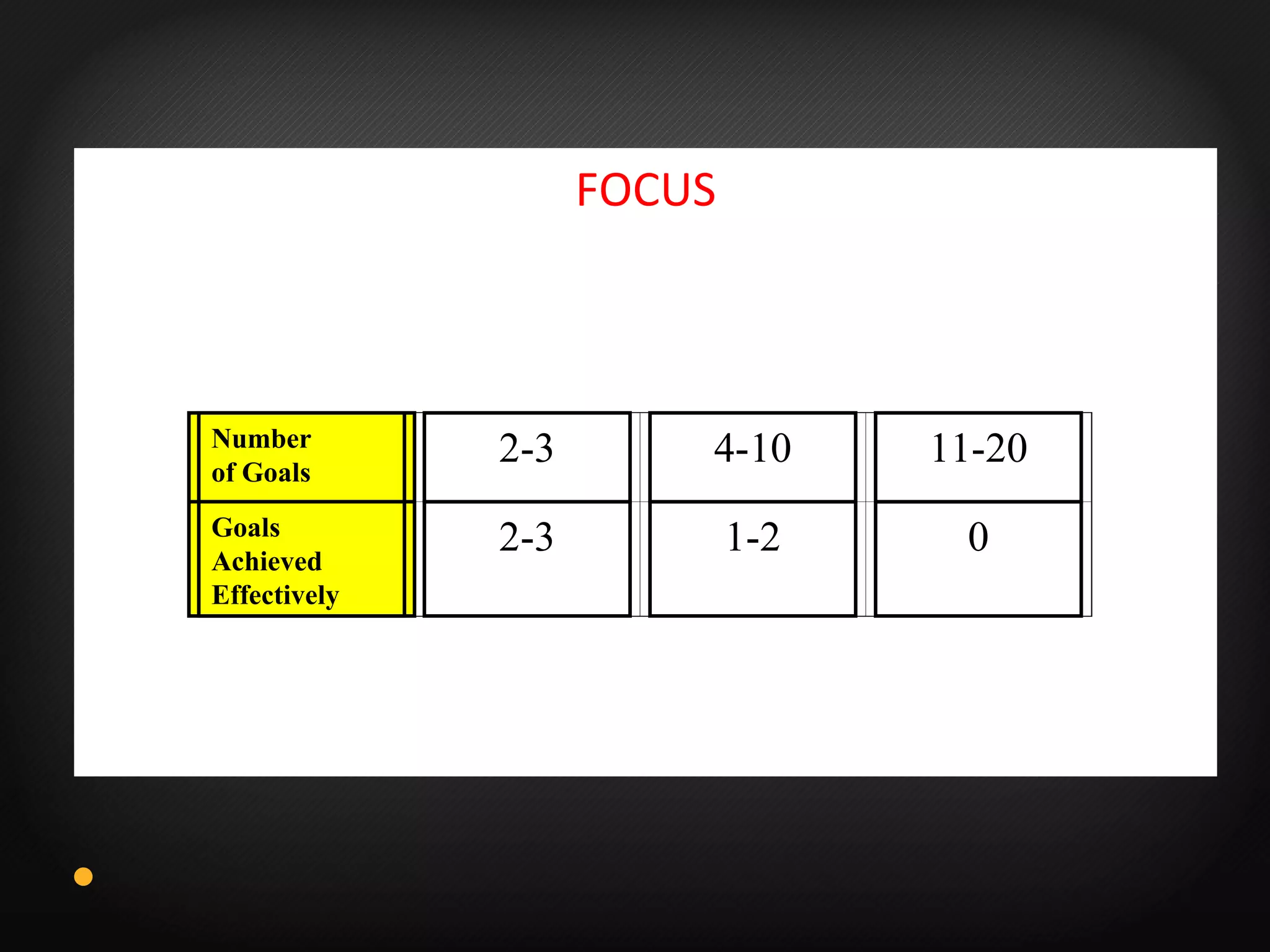
FOCUS Number  of Goals 2-3 4-10 11-20 Goals Achieved Effectively 2-3 1-2 0
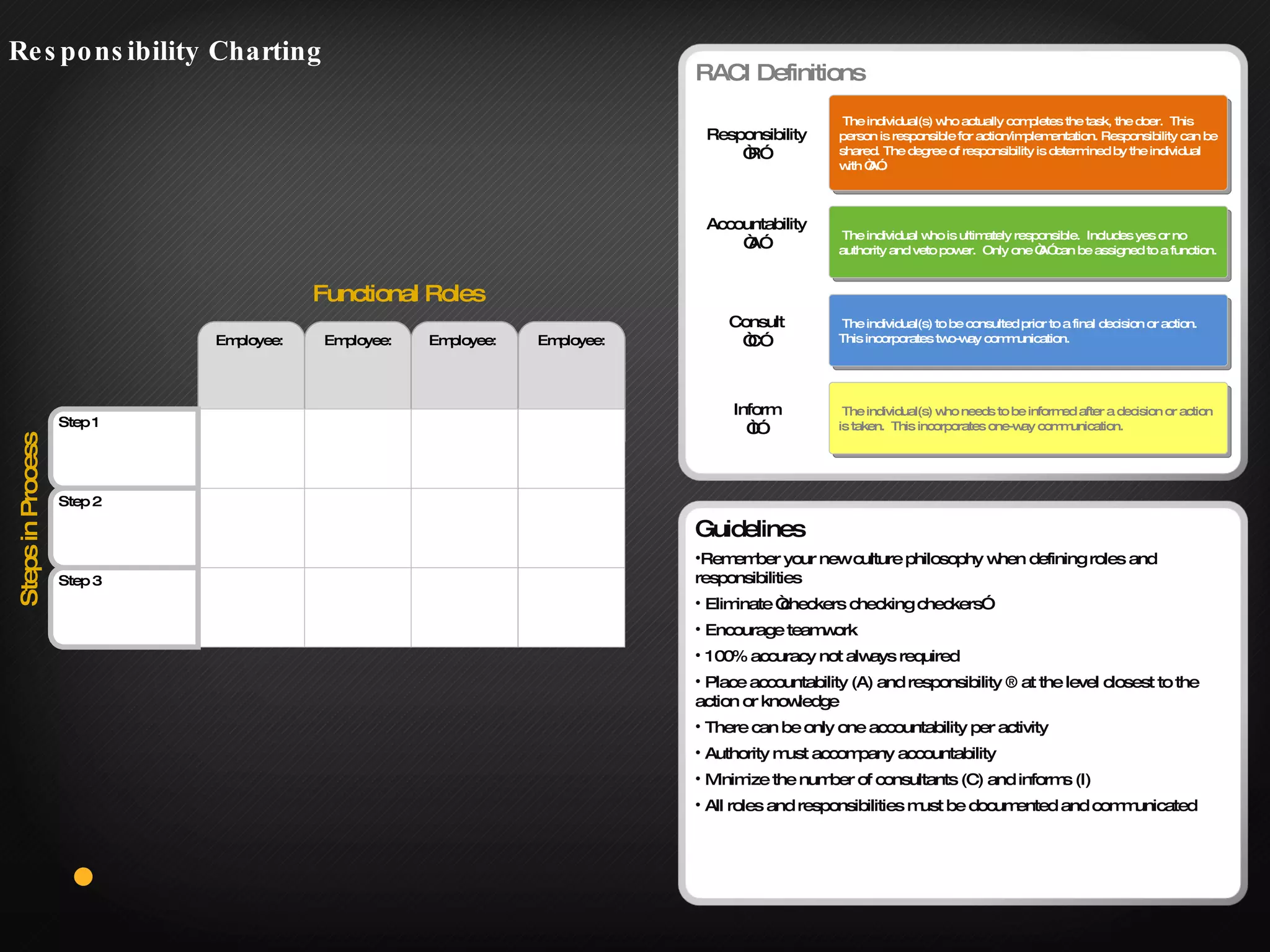
Employee: Employee:  Employee: Employee:  The individual who is ultimately responsible.  Includes yes or no authority and veto power.  Only one “A” can be assigned to a function. Accountability “ A” The individual(s) who actually completes the task, the doer.  This person is responsible for action/implementation. Responsibility can be shared. The degree of responsibility is determined by the individual with “A”. Responsibility “ R” The individual(s) to be consulted prior to a final decision or action.  This incorporates two-way communication. Consult “ C” The individual(s) who needs to be informed after a decision or action is taken.  This incorporates one-way communication. Inform “ I” Step 1 Step 2 Step 3 Functional Roles Steps in Process Responsibility Charting RACI Definitions Guidelines Remember your new culture philosophy when defining roles and responsibilities Eliminate “checkers checking checkers” Encourage teamwork 100% accuracy not always required Place accountability (A) and responsibility ® at the level closest to the action or knowledge There can be only one accountability per activity Authority must accompany accountability Minimize the number of consultants (C) and informs (I) All roles and responsibilities must be documented and communicated
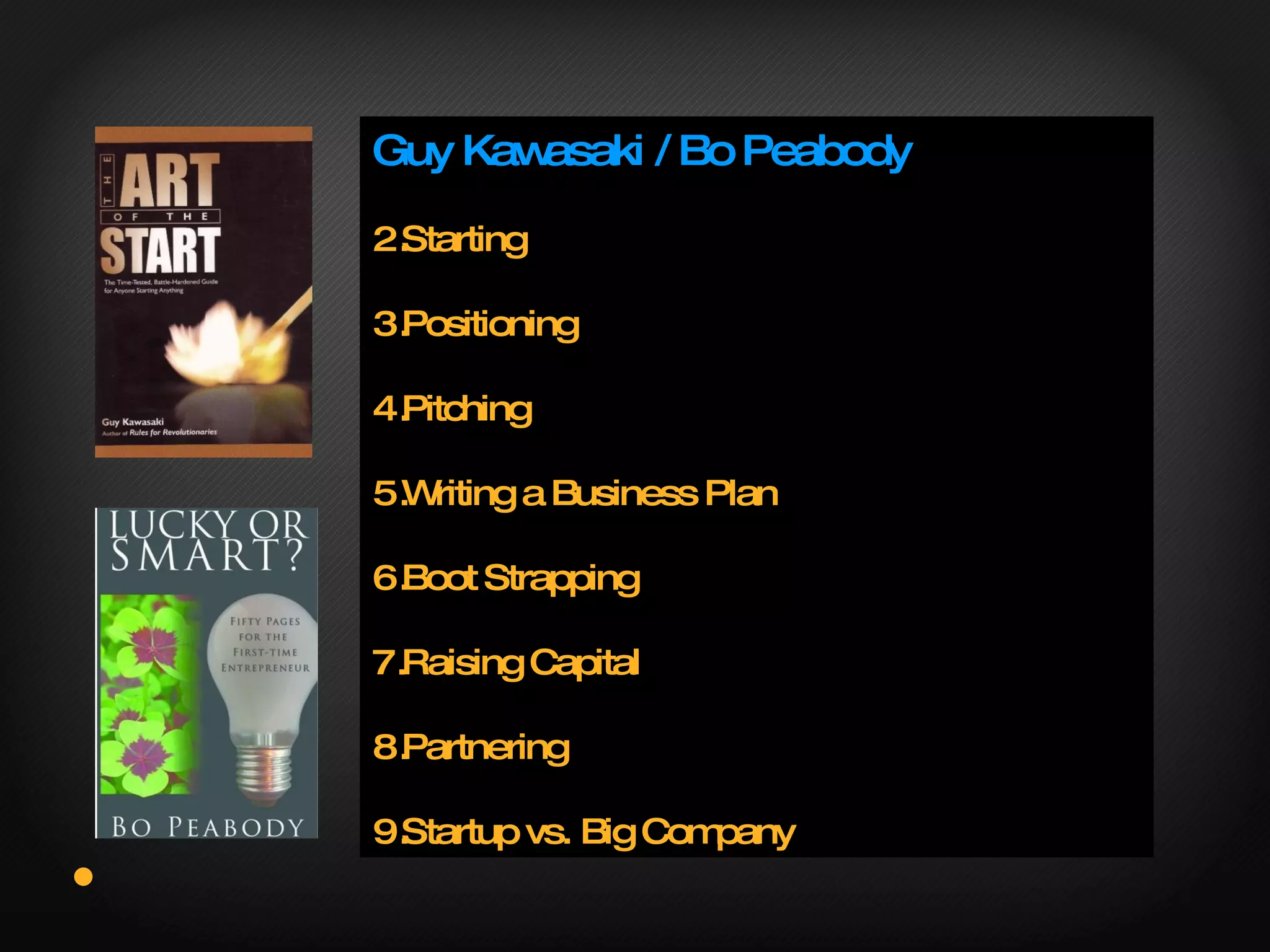
Guy Kawasaki / Bo Peabody Starting Positioning Pitching Writing a Business Plan Boot Strapping Raising Capital Partnering Startup vs. Big Company

Pres March 5, 2009

  • 1.
    Translating the Planinto Action March 5, 2009 Scott McLean President – ThinkWise, Inc. [email_address]
  • 2.
    WHAT YOU’LL HEARMy Top Challenges My Advice (Advisors) Some Tools and Resources
  • 3.
    TOP CHALLENGES Planningbefore Trying Too Quick to Overhead Failing Fast Too Many Priorities No Contingency Plans Early People Limitations Great is the Enemy of Good Focusing Just on the What Continuous Selling of the Plan Simple Score Cards
  • 4.
  • 5.
    4 Cs of Trust
  • 6.
  • 7.
    External Focus Adaptability+ Mission The organization’s focus is on adapting and changing in response to the external environment Key Dimensions:
  • 8.
    Internal Focus Involvement+ Consistency The organization’s focus is on the dynamics of the internal integration of systems, structures, and processes Key Dimensions :
  • 9.
    Stability Mission +Consistency A stable orientation contributes to an organization’s capacity to remain focused and predictable over time Key Dimensions:
  • 10.
    Flexibility Adaptability +Involvement A flexible organization has the capability to change in response to the environment Key Dimensions:
  • 11.
    Value Proposition: It’s all about alignment and focus. Without getting to the specifics of what behaviors are required to execute the strategy, it is difficult for an organization to have any real clarity or alignment on who to hire, how to develop, or how to manage their people. STRATEGY VISION ? Missing Link
  • 12.
    The What ANDthe How What do we want to become? What culture do we need? How do we get the right people? How do we develop talent? What behaviors are critical? What tools & systems are needed?
  • 13.
    Competencies define a specific set of behaviors that are most directly linked to performance and success in a job. Thus, the elements of a competency model communicate, in clear terms, the behaviors required for exemplar performance . How are competencies linked to business objectives? Competencies are the link between Vision/Culture to key people systems and processes.
  • 14.
    Business Acumen Collaboration Communication Conflict Management Customer Engagement Decision Making Developmental Leadership Flexibility Innovation Interpersonal Effectiveness Leading Change Leading Others Project Management Results Focus Self Management Supervisory Skills Talent Management Technical Expertise Vision & Strategy Action Orientation Competency Sort Critical Desirable Less Desirable
  • 15.
  • 16.
    Chip Heath /Dan Heath Simplicity Unexpected Concrete Credible Emotion Stories
  • 17.
    Results = CapabilityCommitment CULTURE Optimal Performance
  • 18.
    Larry Bossidy /Ram Charan Know Your People and Business Insist on Realism Get Clear Goals & Priorities Follow Through Reward the Doers Expand People’s Capabilities Know Yourself
  • 19.
    “ After fiveyears of research, I’m absolutely convinced that if we just focus our attention on the right things – and stop doing the senseless things that consume so much time and energy – we an create a powerful Flywheel effect.” - Jim Collins, Good to Great “ Leaders who say: ‘ I ’ ve got ten priorities ’ don ’ t know what they are talking about … You ’ ve got to have these few, clearly realistic goals and priorities. ” - Bossidy and Charan, Execution
  • 20.
    FOCUS Number of Goals 2-3 4-10 11-20 Goals Achieved Effectively 2-3 1-2 0
  • 21.
    Employee: Employee: Employee: Employee: The individual who is ultimately responsible. Includes yes or no authority and veto power. Only one “A” can be assigned to a function. Accountability “ A” The individual(s) who actually completes the task, the doer. This person is responsible for action/implementation. Responsibility can be shared. The degree of responsibility is determined by the individual with “A”. Responsibility “ R” The individual(s) to be consulted prior to a final decision or action. This incorporates two-way communication. Consult “ C” The individual(s) who needs to be informed after a decision or action is taken. This incorporates one-way communication. Inform “ I” Step 1 Step 2 Step 3 Functional Roles Steps in Process Responsibility Charting RACI Definitions Guidelines Remember your new culture philosophy when defining roles and responsibilities Eliminate “checkers checking checkers” Encourage teamwork 100% accuracy not always required Place accountability (A) and responsibility ® at the level closest to the action or knowledge There can be only one accountability per activity Authority must accompany accountability Minimize the number of consultants (C) and informs (I) All roles and responsibilities must be documented and communicated
  • 22.
    Guy Kawasaki /Bo Peabody Starting Positioning Pitching Writing a Business Plan Boot Strapping Raising Capital Partnering Startup vs. Big Company