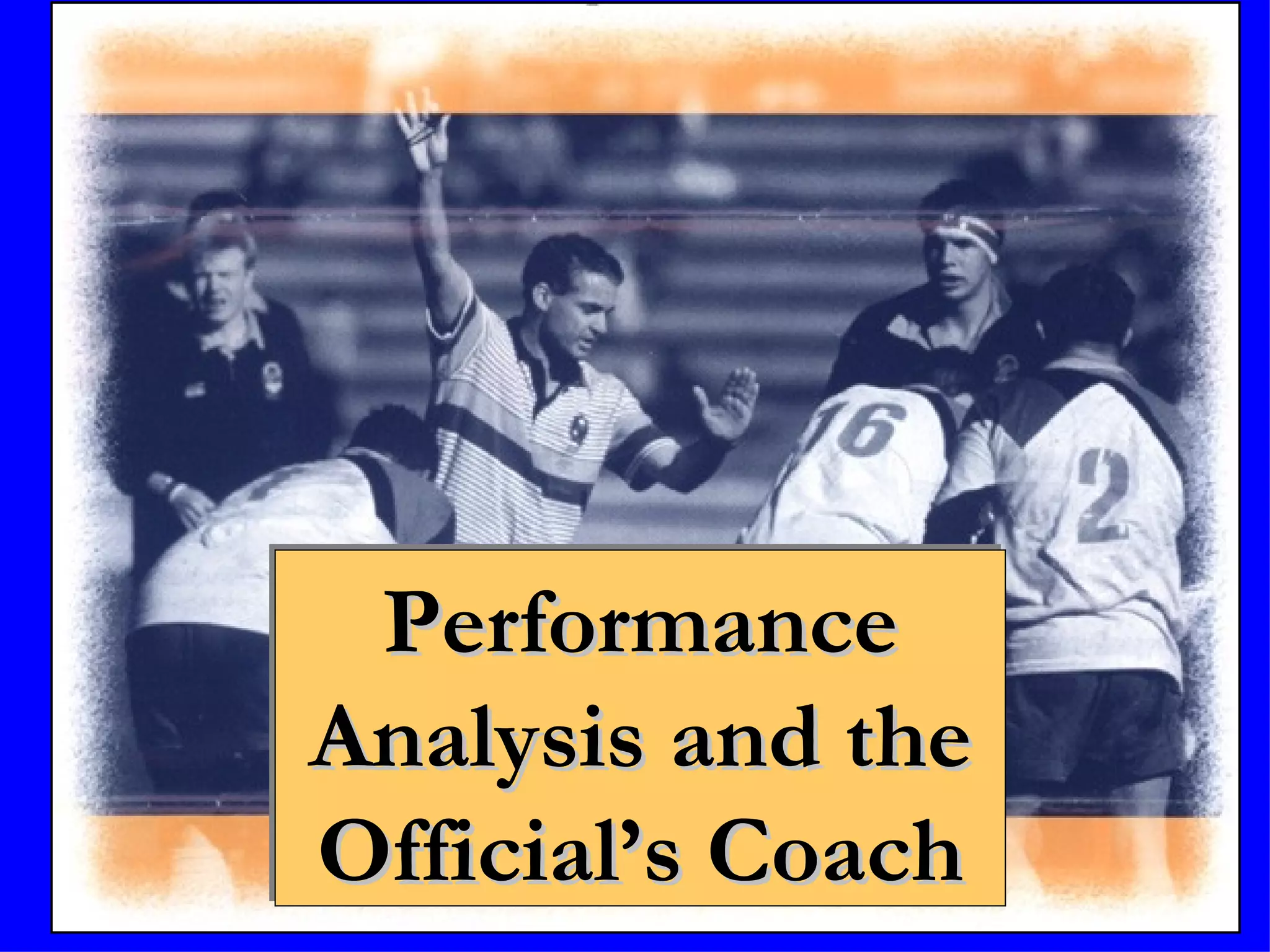




Performance
Analysis and the
Official’s Coach
An Ethological and
   Ecological
  Celebration of
  Bio-Diversity!
You can’t make a waiter
see you until he is ready
     to see you …
  Bill Bryson (1989) The Lost Continent
An Opportunity
            to Explore
         the Potential of
an Interdisciplinary, Inter-Game
           Approach to
    Performance Excellence
          in Officiating
Performance Analysis
A disciplined insight that …
1. uses systematic observation …
2. to record and then analyse performance
  …
3. to provide quantitative and qualitative
    augmented information.
Performance Analysis
Aims to provide objective and reliable
observations of performance …

That facilitate recall of performance …

To develop performance.
Official as Machine
1.   Event tallies and frequencies.
2.   Movement characteristics.
3.   Physiological profiles.
4.   Psychological profiles.
5.   Verbal and non-verbal behaviour.
The Human Official!
1. A social person.
2. Vocational commitments.
3. Able to reflect-in-action and to reflect-on-
   action.
4. Able to communicate about officiating.
5. Able to give MEANING to actions.
Recovery: Humanised Machinery?
Angela Calder’s work indicates the
 opportunities for enhanced performance
 when we combine our interest in the
 official as a machine and as a social
 person.

Recovery methods integrate and make
 personal officiating performance.
Some Examples
   of Australian Research
into Officiating Performance
Time and Motion Analysis
Donna O’Connor’s (1994) study of elite
 touch referees and Leonie Otago and
 others’ (1994) study of netball umpires
 identified methodologies for quantifying in-
 game movement patterns ...in order to
 enhance referee/umpire performance.
Time and Motion Analysis
TOUCH REFEREES:                    NETBALL UMPIRES:
Locomotor activities identified.   Impact of changes in standard
A study of eight referees.           and speed of play for
Intermittent nature of activity      umpires.
   profile and significance of     Heart rate data were collected
   buddy referee system.             in competition.
Implications for training          Umpires’ movement patterns
   programmes.                       were recorded on videotape.
In order to optimise a referee’s performance,
training programs should enable referees to
replicate as closely as possible the physical
requirements demanded in a game.
                                     O’Connor (1994)


Training is essential to improve fitness
for umpires in order for them to keep up
with play and be able to operate effectively
in decision-making …
                        Otago, Riley and Forrest (1994)
Physiological Preparation
David Pyne’s (1994) reported an ACTAFL
training programme for field and boundary
umpires that emphasised specificity.

A programme devised for a wide range of
umpires of different age, experience and fitness
levels.
Psychological Profile of
           Performance
Richard Evans’ (1994) study of soccer
   referees:
1. Limited information about officials.
2. Communication strategies and proxemics.
3. Psychological profiles of successful referees?
4. A case study of 20 Australian referees.
Psychological Profile of
           Performance
5. A study of how referees interpret their
   motivations (metamotivations).

6. Results indicated that elite Australian referees
   appeared to have similar psychological
   profiles.
… we must continue to
investigate the characteristics
that comprise the performance
of top level referees just as we
would investigate what causes
superior athletic performance.
                  Richard Evans (1994)
Rest and Recovery
Russell Trotter (1994) has written about rest
  and recovery for rugby union referees in
  order to:
Develop of training rhythms.
Optimise performance in games.
Increase work load.
Accelerate recovery.
 “with a view to improve performance and enjoyment”
Interdisciplinary and Inter-Game?
1. A range of excellent Australian practice to
   share and develop.
2. Officiating offers the opportunity to integrate
   what we know.
3. Recovery is an excellent example of how to
   harmonise the physiological, psychological
   and nutritional aspects of officiating.
What Do We Know About ...?
1. The INVARIANT structure of officiating
   performance?
2. The VARIANCE in officiating performance.
3. The relative importance to be attached to
   quantitative and/or qualitative performance
   indicators.
A Great Divide?
Scott Dickson and Paul Webb (1998)suggest
   that officials have in common with coaches:
1. Respect for the game.
2. Effective invisibility.
3. Authority.
4. Teaching.
5. Health and safety.
Each game has a special music.
When the referee is in tune, the game
is good …There is a different feeling
in a children’s game than an international,
and the referee must have empathy
with the feeling of the game.

                     (Water Polo Referee)
… the biggest problem is to firstly improve
the standard of performance by umpires.
This is probably applicable to most sports
in this country. From where I stand,
improved performance is basic to solving
most of the problems which confront
umpiring/refereeing.

                           Dave Parkin (1991)
Improving Performance?

1. A collaboration between stakeholders?

2. Formative and summative assessment.

3. Specificity of augmented information and
  coaching.
Competent and Effective
        Officiating?
Mark Anshel and Paul Webb (1991)
   investigated competencies of effective
   touch referees.
1. Focus on behaviours.
2. Panels of experts determined
   competencies.
3. Essential, important and non-essential
   competencies were identified.
There is a need to systematically
assess the performance of sports
officials in an objective, measurable,
and observable manner.

                    Anshell and Webb (1991)
Performance Analysis
1. Celebrate the DIVERSITY of officiating
  behaviours.
2. Recognise that there are GENERIC issues
  available for discussion and reflection.
3. Acknowledge the DYNAMIC nature of
  sports contests.
4. Open up to the INTEGRATION of
  performance.
The Official’s Coach
Quis custodiet custodiens?

(How can we support and empower those
  who are committed enough to officiating
  to want to develop the training and
  development of other officials?)
Vision for Official Coaching
1. Officiating performance is multi-faceted.
2. Performance development is a partnership.
3. Integration of knowledge and experience is
   demanding, challenging and fallible.
4. It is forward looking whilst building upon the
   craft knowledge of past careers.
5. It is a wonderful mix of art, science and
   magic.
BISOCIATION
How do we enhance the
performance of officials
without leaving it to chance?

How do we routinise excellence
so that it becomes a new standard
for all?
Work at Cardiff
Game structures: control and management.
Decision-making under microscopic
 investigation.

Vulnerability: pre-emptive strategies and self-
  monitoring.
Situational conflict resolution.
Empowerment
1. Listen with empathy.

2. Enlist support.

3. Offer advice without taking responsibility
   (whilst remaining accountable).
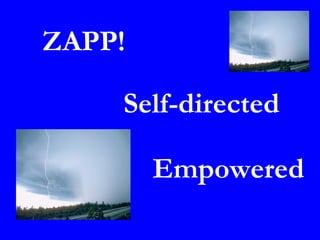
ZAPP!

    Self-directed

        Empowered
Working Together
1. The National Officiating Programme is an
   excellent example of the innovative vision
   required to integrate performance.
2. Within and Between sport development.
3. Performance is diverse and provides an
   opportunity to transform officiating
   behaviour.
The Future?

Athletic
 Confident
    Motivated
         Empowered
           Secure Officials
981125 Performance Analysis And The Officials Coach

981125 Performance Analysis And The Officials Coach

  • 1.
  • 2.
    An Ethological and Ecological Celebration of Bio-Diversity!
  • 3.
    You can’t makea waiter see you until he is ready to see you … Bill Bryson (1989) The Lost Continent
  • 4.
    An Opportunity to Explore the Potential of an Interdisciplinary, Inter-Game Approach to Performance Excellence in Officiating
  • 5.
    Performance Analysis A disciplinedinsight that … 1. uses systematic observation … 2. to record and then analyse performance … 3. to provide quantitative and qualitative augmented information.
  • 6.
    Performance Analysis Aims toprovide objective and reliable observations of performance … That facilitate recall of performance … To develop performance.
  • 7.
    Official as Machine 1. Event tallies and frequencies. 2. Movement characteristics. 3. Physiological profiles. 4. Psychological profiles. 5. Verbal and non-verbal behaviour.
  • 8.
    The Human Official! 1.A social person. 2. Vocational commitments. 3. Able to reflect-in-action and to reflect-on- action. 4. Able to communicate about officiating. 5. Able to give MEANING to actions.
  • 9.
    Recovery: Humanised Machinery? AngelaCalder’s work indicates the opportunities for enhanced performance when we combine our interest in the official as a machine and as a social person. Recovery methods integrate and make personal officiating performance.
  • 10.
    Some Examples of Australian Research into Officiating Performance
  • 11.
    Time and MotionAnalysis Donna O’Connor’s (1994) study of elite touch referees and Leonie Otago and others’ (1994) study of netball umpires identified methodologies for quantifying in- game movement patterns ...in order to enhance referee/umpire performance.
  • 12.
    Time and MotionAnalysis TOUCH REFEREES: NETBALL UMPIRES: Locomotor activities identified. Impact of changes in standard A study of eight referees. and speed of play for Intermittent nature of activity umpires. profile and significance of Heart rate data were collected buddy referee system. in competition. Implications for training Umpires’ movement patterns programmes. were recorded on videotape.
  • 13.
    In order tooptimise a referee’s performance, training programs should enable referees to replicate as closely as possible the physical requirements demanded in a game. O’Connor (1994) Training is essential to improve fitness for umpires in order for them to keep up with play and be able to operate effectively in decision-making … Otago, Riley and Forrest (1994)
  • 14.
    Physiological Preparation David Pyne’s(1994) reported an ACTAFL training programme for field and boundary umpires that emphasised specificity. A programme devised for a wide range of umpires of different age, experience and fitness levels.
  • 15.
    Psychological Profile of Performance Richard Evans’ (1994) study of soccer referees: 1. Limited information about officials. 2. Communication strategies and proxemics. 3. Psychological profiles of successful referees? 4. A case study of 20 Australian referees.
  • 16.
    Psychological Profile of Performance 5. A study of how referees interpret their motivations (metamotivations). 6. Results indicated that elite Australian referees appeared to have similar psychological profiles.
  • 17.
    … we mustcontinue to investigate the characteristics that comprise the performance of top level referees just as we would investigate what causes superior athletic performance. Richard Evans (1994)
  • 18.
    Rest and Recovery RussellTrotter (1994) has written about rest and recovery for rugby union referees in order to: Develop of training rhythms. Optimise performance in games. Increase work load. Accelerate recovery. “with a view to improve performance and enjoyment”
  • 19.
    Interdisciplinary and Inter-Game? 1.A range of excellent Australian practice to share and develop. 2. Officiating offers the opportunity to integrate what we know. 3. Recovery is an excellent example of how to harmonise the physiological, psychological and nutritional aspects of officiating.
  • 20.
    What Do WeKnow About ...? 1. The INVARIANT structure of officiating performance? 2. The VARIANCE in officiating performance. 3. The relative importance to be attached to quantitative and/or qualitative performance indicators.
  • 21.
    A Great Divide? ScottDickson and Paul Webb (1998)suggest that officials have in common with coaches: 1. Respect for the game. 2. Effective invisibility. 3. Authority. 4. Teaching. 5. Health and safety.
  • 22.
    Each game hasa special music. When the referee is in tune, the game is good …There is a different feeling in a children’s game than an international, and the referee must have empathy with the feeling of the game. (Water Polo Referee)
  • 23.
    … the biggestproblem is to firstly improve the standard of performance by umpires. This is probably applicable to most sports in this country. From where I stand, improved performance is basic to solving most of the problems which confront umpiring/refereeing. Dave Parkin (1991)
  • 24.
    Improving Performance? 1. Acollaboration between stakeholders? 2. Formative and summative assessment. 3. Specificity of augmented information and coaching.
  • 25.
    Competent and Effective Officiating? Mark Anshel and Paul Webb (1991) investigated competencies of effective touch referees. 1. Focus on behaviours. 2. Panels of experts determined competencies. 3. Essential, important and non-essential competencies were identified.
  • 26.
    There is aneed to systematically assess the performance of sports officials in an objective, measurable, and observable manner. Anshell and Webb (1991)
  • 27.
    Performance Analysis 1. Celebratethe DIVERSITY of officiating behaviours. 2. Recognise that there are GENERIC issues available for discussion and reflection. 3. Acknowledge the DYNAMIC nature of sports contests. 4. Open up to the INTEGRATION of performance.
  • 28.
    The Official’s Coach Quiscustodiet custodiens? (How can we support and empower those who are committed enough to officiating to want to develop the training and development of other officials?)
  • 29.
    Vision for OfficialCoaching 1. Officiating performance is multi-faceted. 2. Performance development is a partnership. 3. Integration of knowledge and experience is demanding, challenging and fallible. 4. It is forward looking whilst building upon the craft knowledge of past careers. 5. It is a wonderful mix of art, science and magic.
  • 30.
  • 31.
    How do weenhance the performance of officials without leaving it to chance? How do we routinise excellence so that it becomes a new standard for all?
  • 32.
    Work at Cardiff Gamestructures: control and management. Decision-making under microscopic investigation. Vulnerability: pre-emptive strategies and self- monitoring. Situational conflict resolution.
  • 33.
    Empowerment 1. Listen withempathy. 2. Enlist support. 3. Offer advice without taking responsibility (whilst remaining accountable).
  • 34.
    ZAPP! Self-directed Empowered
  • 35.
    Working Together 1. TheNational Officiating Programme is an excellent example of the innovative vision required to integrate performance. 2. Within and Between sport development. 3. Performance is diverse and provides an opportunity to transform officiating behaviour.
  • 36.
    The Future? Athletic Confident Motivated Empowered Secure Officials