Focus on the following when studying:
1. Period of time
2. Basic explanation of what happened
3. Key people involved
3. How did it impact the US both positively and
negatively
4. Key Terms/People and other topics I stressed in
class
Include pictures/maps and sources
Ten Events That Shaped US History to 1877
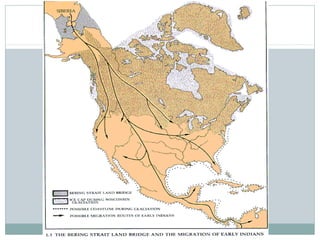
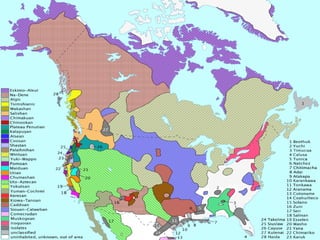
Native Americans Coming and Going(Forced)(10,000
years ago)
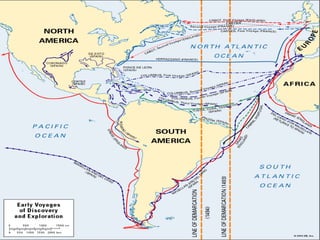
Exploration(1492-early 1600’s)
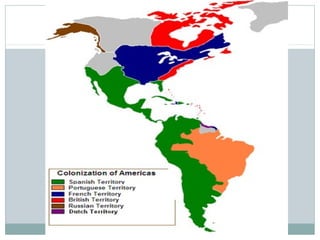
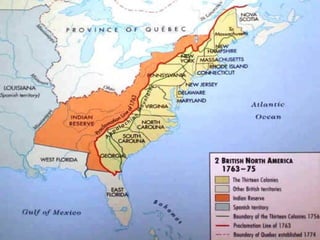
Colonization(early 1600’s-1770’s)
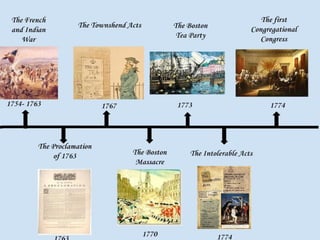
Revolutionary War(1775-1783)
US Constitution(1789)
Westward Expansion(1800’s)
Texas War for Ind.(1835-36)/Mexican-American
War(1846-1848)
Civil War(1861-1865)
Reconstruction(1865-1877)
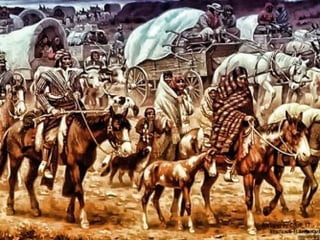
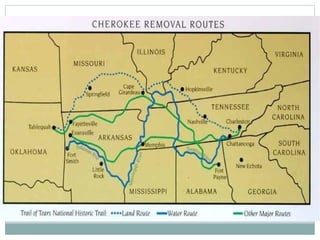
What did the Europeans explorers and
eventually, the United States, do to
Native Americans over the years?
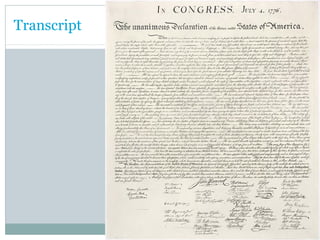
Transcript
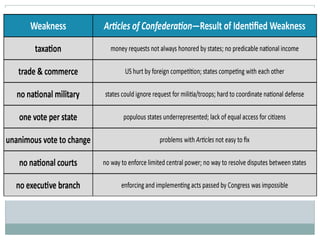
The Articles of Confederation
1781-1788
The Un-United States of America
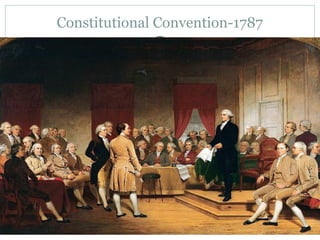
Constitutional Convention-1787
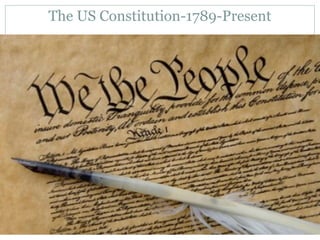
The US Constitution-1789-Present
Questions
What is the US Constitution?
Why did the US Constitution come about?
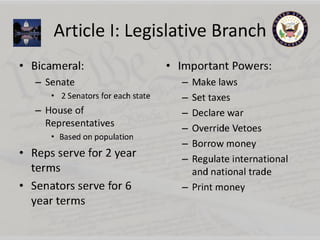
What is Separation of Powers?
What is the Checks and Balance system?
Who was the “Father of the
Constitution”?
More Questions
What are the two houses of Congress?
How many Senators? How is that
number determined?
How many people are in the House of
Representatives? How is that number
determined?
Length of term/Age requirement
What powers does Congress have?
Even More Questions
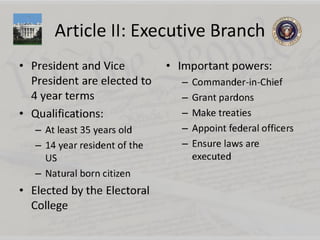
What is the length of a President’s term?
How old do you have to be to be
President?
What is the longest amount of time a
President can now serve?
Which President served the longest in US
History? How long?
What powers does a President have?
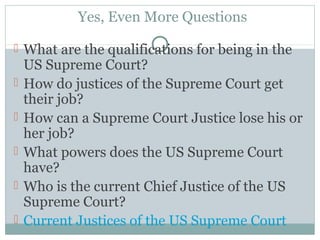
Yes, Even More Questions
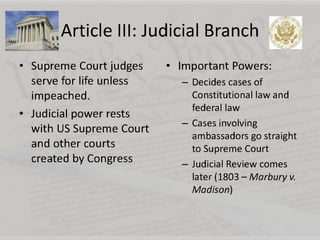
 What are the qualifications for being in the
US Supreme Court?
 How do justices of the Supreme Court get
their job?
 How can a Supreme Court Justice lose his or
her job?
 What powers does the US Supreme Court
have?
 Who is the current Chief Justice of the US
Supreme Court?
 Current Justices of the US Supreme Court
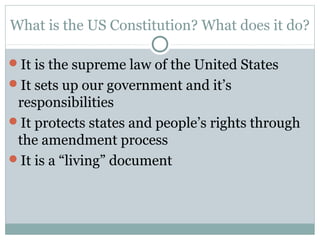
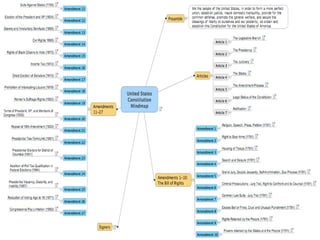
What is the US Constitution? What does it do?
It is the supreme law of the United States
It sets up our government and it’s
responsibilities
It protects states and people’s rights through
the amendment process
It is a “living” document
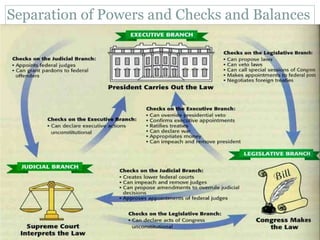
Separation of Powers and Checks and Balances
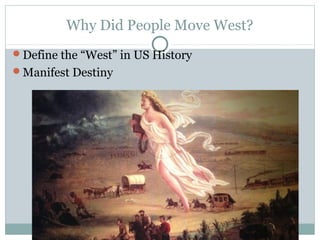
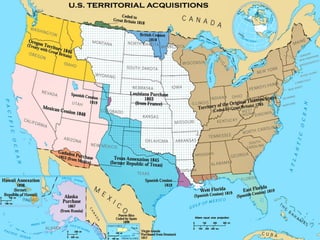
Why Did People Move West?
Define the “West” in US History
Manifest Destiny
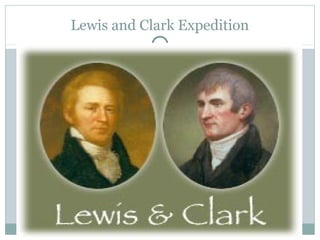
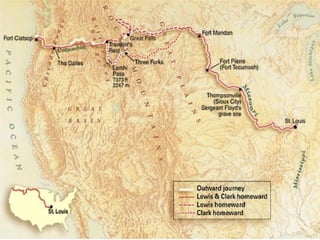
Lewis and Clark Expedition
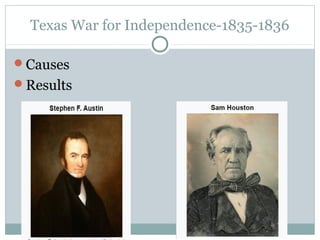
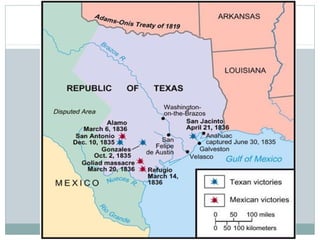
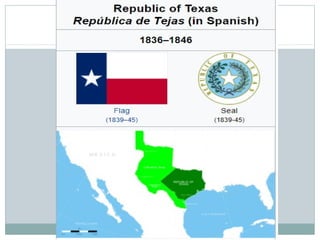
Texas War for Independence-1835-1836
Causes
Results
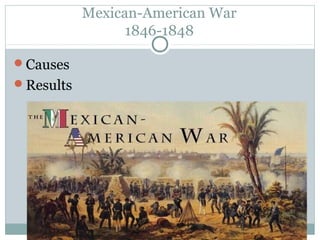
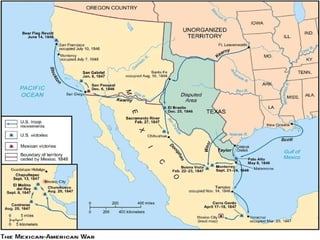
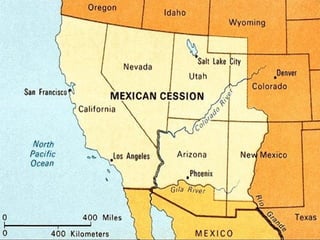
Mexican-American War
1846-1848
Causes
Results
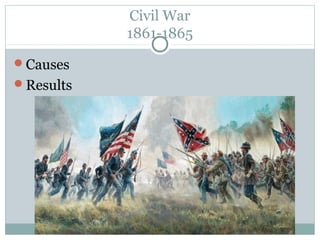
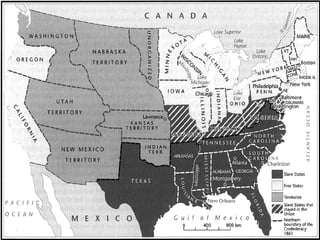
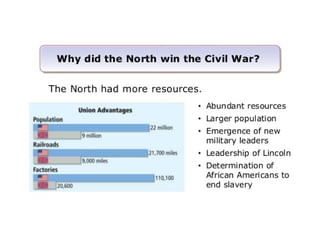
Civil War
1861-1865
Causes
Results
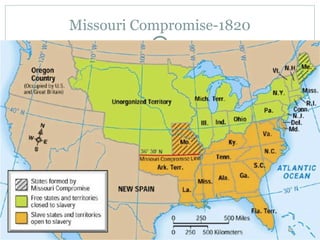
Missouri Compromise-1820
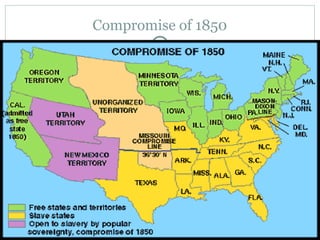
Compromise of 1850
Dred Scott Decision-1857
7-2 Decision by the US Supreme Court
Supreme Court said that blacks were not US
citizens and could not sue in court
Said that the government could not abolish
slavery
Suddenly, slavery could be open anywhere
Greatly upset abolitionists
Reconstruction-1865-1877
The period of time after the Civil War in
which the South had to be rebuilt and
reorganized and brought back into the
Union
President’s Lincoln and Johnson wanted to
be easy on the South
That changed in the 1866 Congressional
election
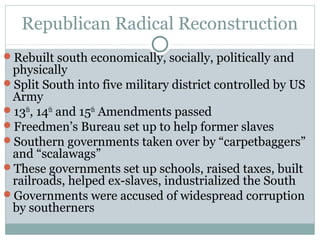
Republican Radical Reconstruction
Rebuilt south economically, socially, politically and
physically
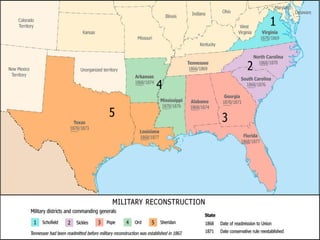
Split South into five military district controlled by US
Army
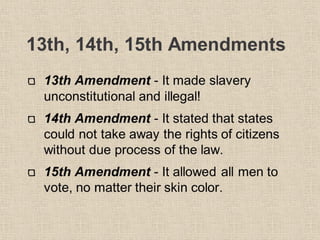
13th
, 14th
and 15th
Amendments passed
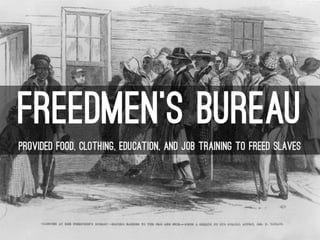
Freedmen’s Bureau set up to help former slaves
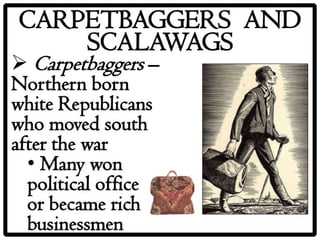
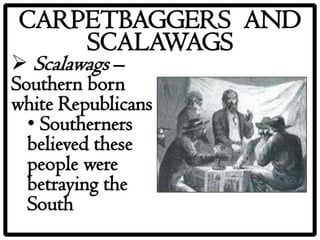
Southern governments taken over by “carpetbaggers”
and “scalawags”
These governments set up schools, raised taxes, built
railroads, helped ex-slaves, industrialized the South
Governments were accused of widespread corruption
by southerners
Reconstruction 1865-1877
Reconstruction left very deep divisions
between the northern states and southern
states
Once the northern governments and
military left the south, traditional rich, white
racist males took back over
Jim Crow laws and segregation was
established
African-Americans would not see the rights
they should have had in 1865 until 1964
The End of Reconstruction-1877
The Compromise of 1877
Unwritten deal between Northern and
Southern politicians that settled the heavily
disputed 1876 U.S. presidential election
Republican Rutherford B. Hayes was
awarded the White House over Democrat
Samuel J. Tilden
Hayes would then remove the federal troops
from the south ending Reconstruction
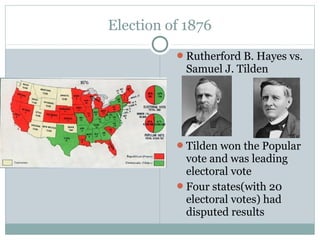
Election of 1876
Rutherford B. Hayes vs.
Samuel J. Tilden
Tilden won the Popular
vote and was leading
electoral vote
Four states(with 20
electoral votes) had
disputed results

7th grade review

  • 1.
    Focus on thefollowing when studying: 1. Period of time 2. Basic explanation of what happened 3. Key people involved 3. How did it impact the US both positively and negatively 4. Key Terms/People and other topics I stressed in class Include pictures/maps and sources
  • 2.
    Ten Events ThatShaped US History to 1877 Native Americans Coming and Going(Forced)(10,000 years ago) Exploration(1492-early 1600’s) Colonization(early 1600’s-1770’s) Revolutionary War(1775-1783) US Constitution(1789) Westward Expansion(1800’s) Texas War for Ind.(1835-36)/Mexican-American War(1846-1848) Civil War(1861-1865) Reconstruction(1865-1877)
  • 7.
    What did theEuropeans explorers and eventually, the United States, do to Native Americans over the years?
  • 13.
  • 14.
    The Articles ofConfederation 1781-1788 The Un-United States of America
  • 16.
  • 17.
  • 18.
    Questions What is theUS Constitution? Why did the US Constitution come about? What is Separation of Powers? What is the Checks and Balance system? Who was the “Father of the Constitution”?
  • 19.
    More Questions What arethe two houses of Congress? How many Senators? How is that number determined? How many people are in the House of Representatives? How is that number determined? Length of term/Age requirement What powers does Congress have?
  • 20.
    Even More Questions Whatis the length of a President’s term? How old do you have to be to be President? What is the longest amount of time a President can now serve? Which President served the longest in US History? How long? What powers does a President have?
  • 21.
    Yes, Even MoreQuestions  What are the qualifications for being in the US Supreme Court?  How do justices of the Supreme Court get their job?  How can a Supreme Court Justice lose his or her job?  What powers does the US Supreme Court have?  Who is the current Chief Justice of the US Supreme Court?  Current Justices of the US Supreme Court
  • 22.
    What is theUS Constitution? What does it do? It is the supreme law of the United States It sets up our government and it’s responsibilities It protects states and people’s rights through the amendment process It is a “living” document
  • 24.
    Separation of Powersand Checks and Balances
  • 28.
    Why Did PeopleMove West? Define the “West” in US History Manifest Destiny
  • 30.
    Lewis and ClarkExpedition
  • 32.
    Texas War forIndependence-1835-1836 Causes Results
  • 35.
  • 38.
  • 40.
  • 41.
  • 42.
    Dred Scott Decision-1857 7-2Decision by the US Supreme Court Supreme Court said that blacks were not US citizens and could not sue in court Said that the government could not abolish slavery Suddenly, slavery could be open anywhere Greatly upset abolitionists
  • 45.
    Reconstruction-1865-1877 The period oftime after the Civil War in which the South had to be rebuilt and reorganized and brought back into the Union President’s Lincoln and Johnson wanted to be easy on the South That changed in the 1866 Congressional election
  • 46.
    Republican Radical Reconstruction Rebuiltsouth economically, socially, politically and physically Split South into five military district controlled by US Army 13th , 14th and 15th Amendments passed Freedmen’s Bureau set up to help former slaves Southern governments taken over by “carpetbaggers” and “scalawags” These governments set up schools, raised taxes, built railroads, helped ex-slaves, industrialized the South Governments were accused of widespread corruption by southerners
  • 52.
    Reconstruction 1865-1877 Reconstruction leftvery deep divisions between the northern states and southern states Once the northern governments and military left the south, traditional rich, white racist males took back over Jim Crow laws and segregation was established African-Americans would not see the rights they should have had in 1865 until 1964
  • 53.
    The End ofReconstruction-1877 The Compromise of 1877 Unwritten deal between Northern and Southern politicians that settled the heavily disputed 1876 U.S. presidential election Republican Rutherford B. Hayes was awarded the White House over Democrat Samuel J. Tilden Hayes would then remove the federal troops from the south ending Reconstruction
  • 54.
    Election of 1876 RutherfordB. Hayes vs. Samuel J. Tilden Tilden won the Popular vote and was leading electoral vote Four states(with 20 electoral votes) had disputed results