Christy
Samira
Leon
Kareena
Philicia
Ayanna
Lilah
Remy
Donovan
Michael
Yamilee
Jessica
Leslie
Carlos
Bryan
Ricardo
Alexis
David
Jordan
Alejandra
Kathy
Diana
Ixza
Emily
Jaileen
JeffreyThursday
June 6, 2013
June is Fireworks Safety Month. Pretend that you are a
firecracker. What would you say to children about
fireworks safety?
Edward
Adrianette
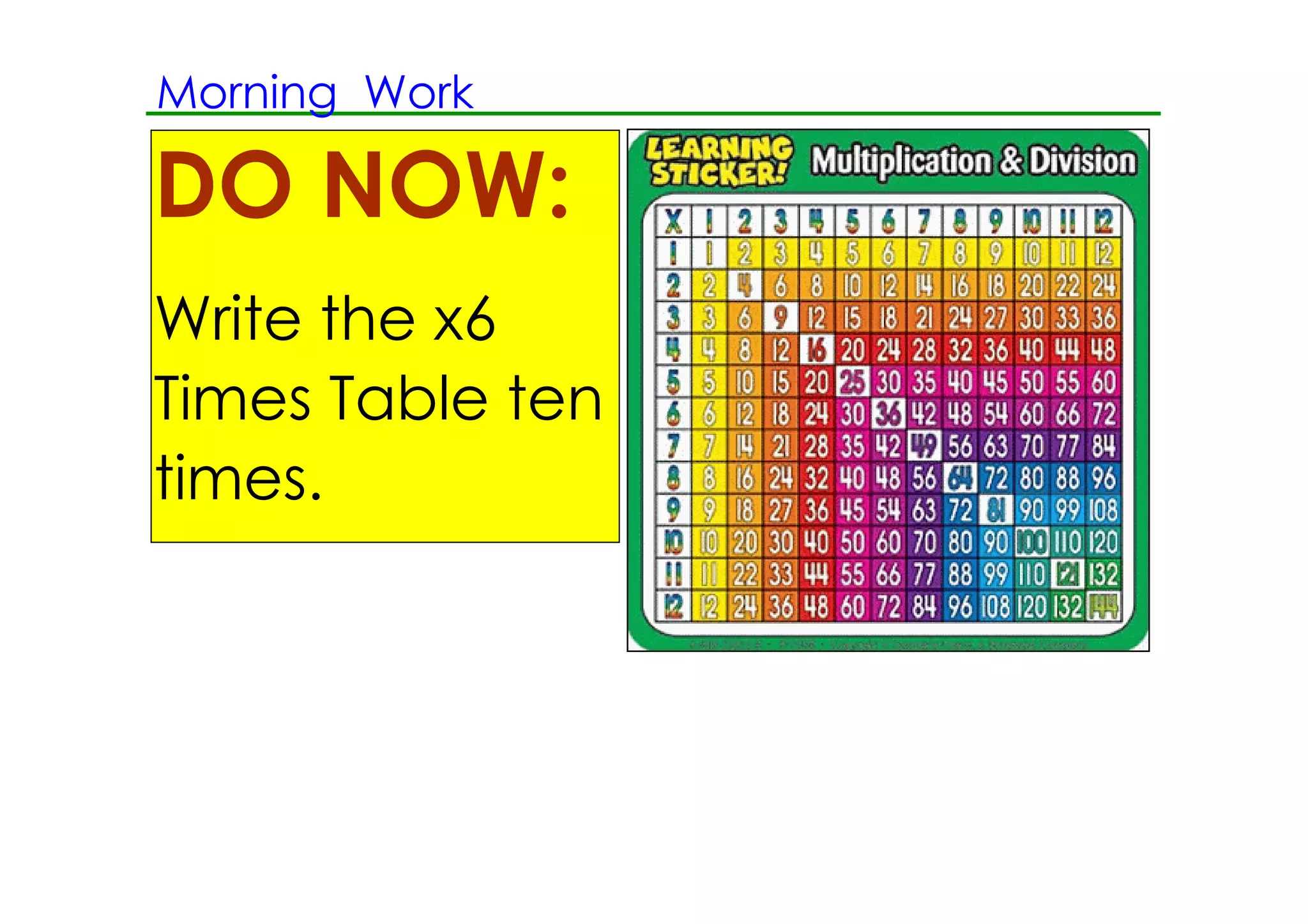
DO NOW:
Write the x6
Times Table ten
times.
Morning Work
Reading
Aim: Scientists
at Work
(p. 736)
Talk About It
If you could
be a scientist, what would you study? What
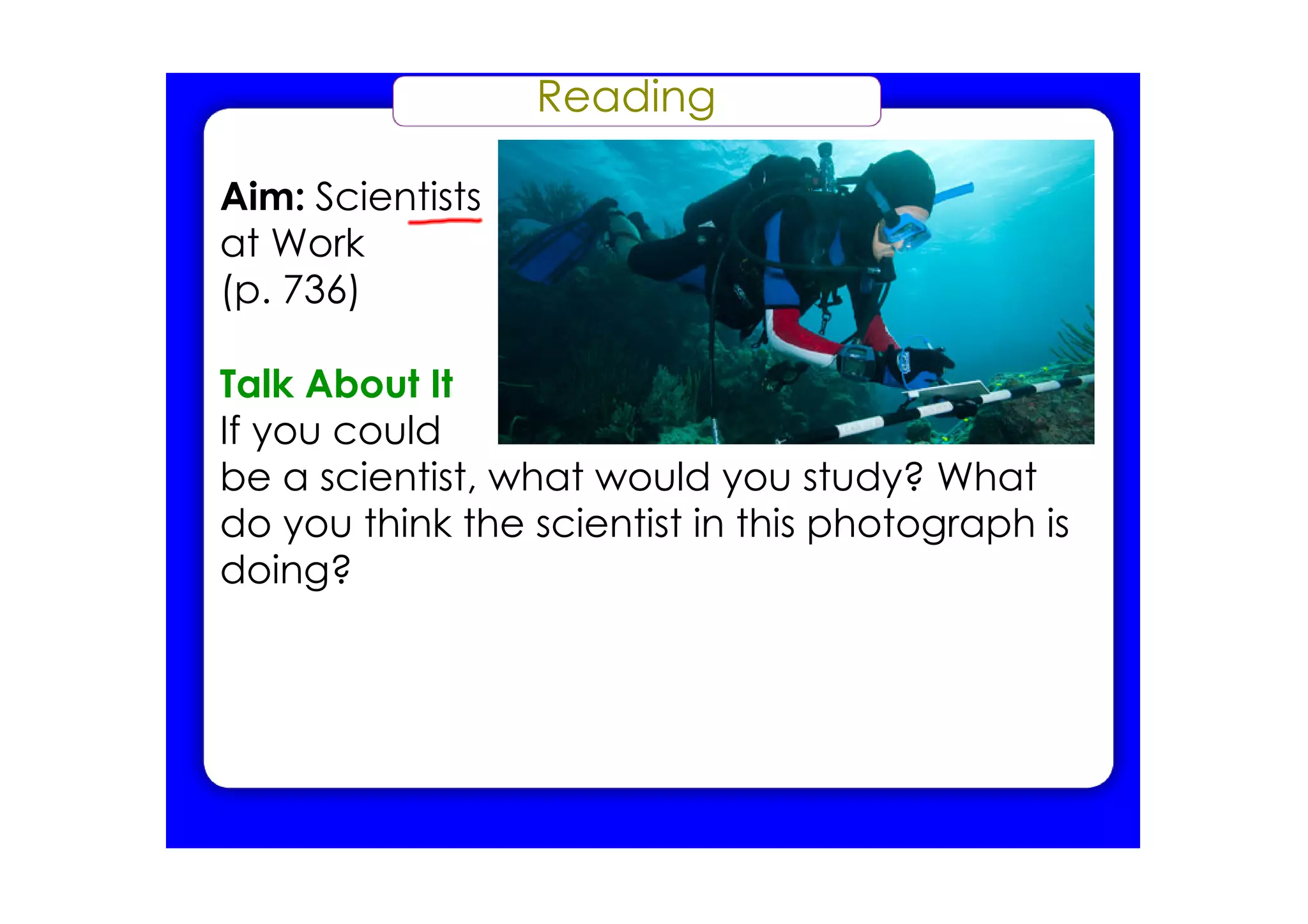
do you think the scientist in this photograph is
doing?
Specimens are items or parts typical of a
whole group.
Erupted means forced out or burst forth.
Something that is murky is too dark or
cloudy to see through clearly.
Something that is dormant is quiet or not
active for a period of time.
Biology is the study of living things.
If something was scoured, it was cleaned,
cleared, or worn away.
Research is a careful study to find and learn
facts about a subject.
An observer is a person who watches in a
close and careful way.
Reading
Aim: Hidden Worlds (p. 741)
Nonfiction gives information
and facts about real
people, places, events,
and situations.
Sequence
Look for clues that indicate the order of
events.
Read to Find Out
What events influenced Dennis's career in
science?
algae: simple living organisms made up of
one or more cells which contain chlorophyll,
usually existing as lower order plants that do
not have stems, roots, or leaves.
lichens: an organism made up of fungi and
algae growing together, usually found on
tree trunks, on rocks, and on the ground.
bacteria: tiny one­celled organisms that
can only be seen through a microscope.
Reading
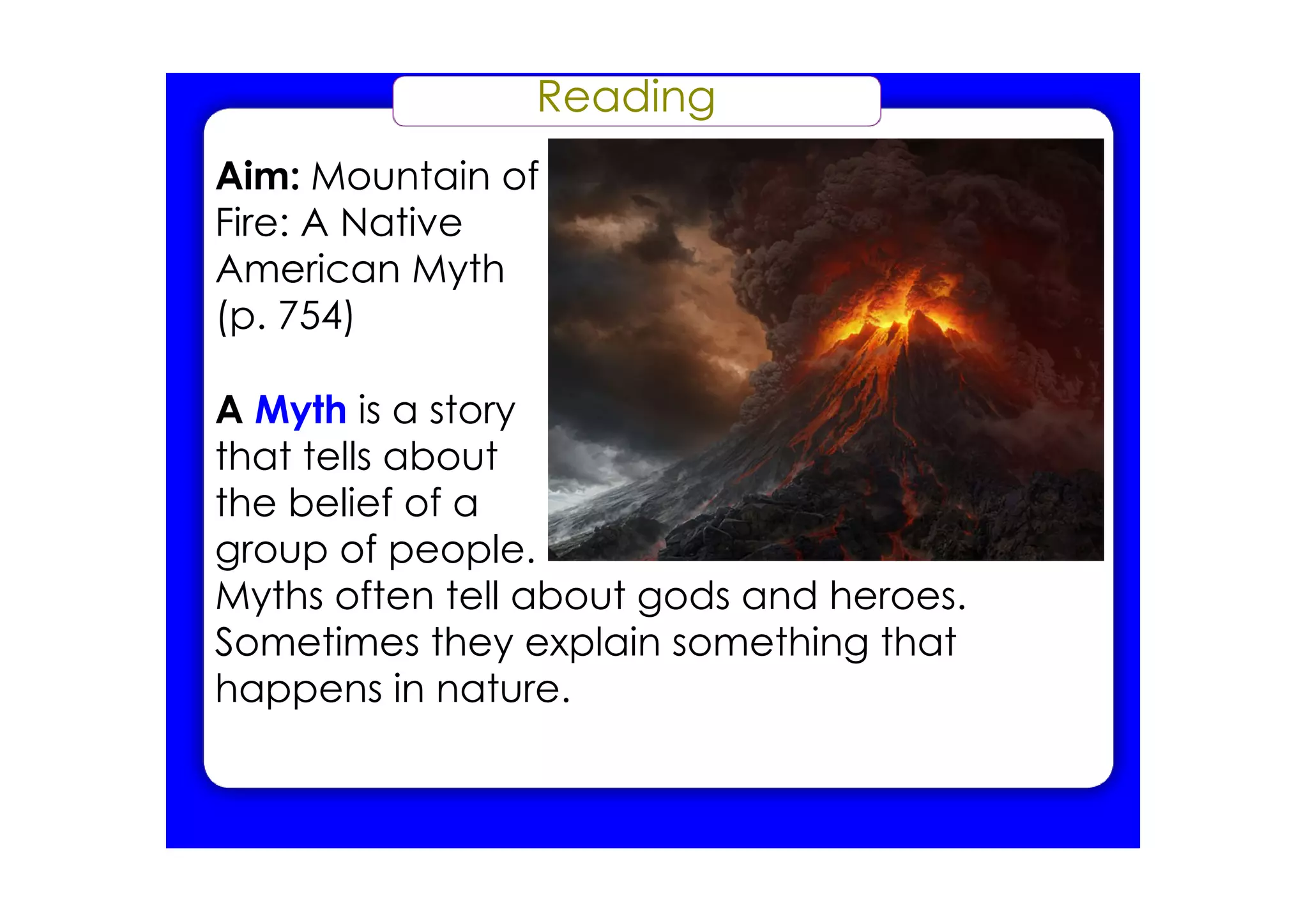
Aim: Mountain of
Fire: A Native
American Myth
(p. 754)
A Myth is a story
that tells about
the belief of a
group of people.
Myths often tell about gods and heroes.
Sometimes they explain something that
happens in nature.
Reading
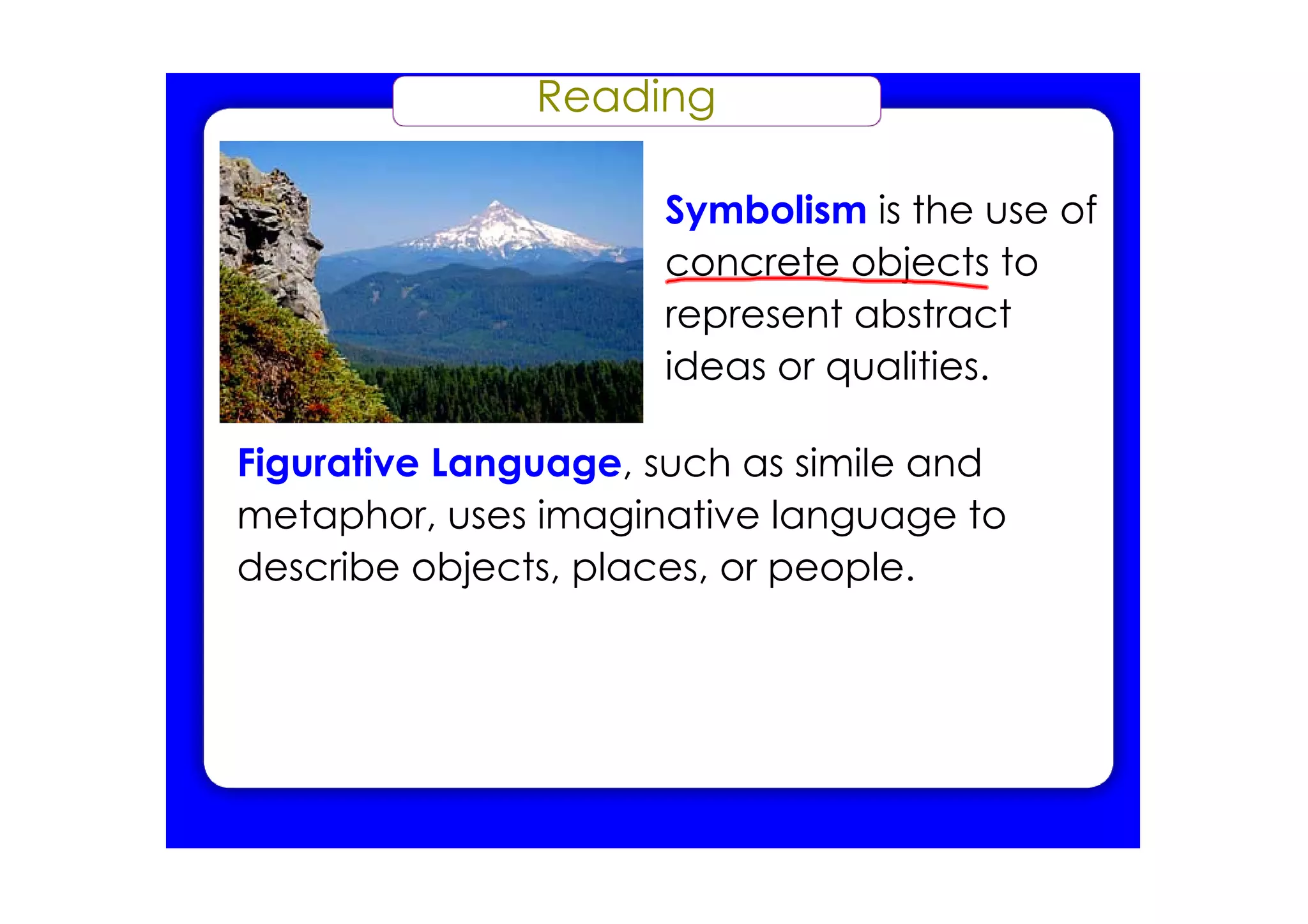
Symbolism is the use of
concrete objects to
represent abstract
ideas or qualities.
Figurative Language, such as simile and
metaphor, uses imaginative language to
describe objects, places, or people.
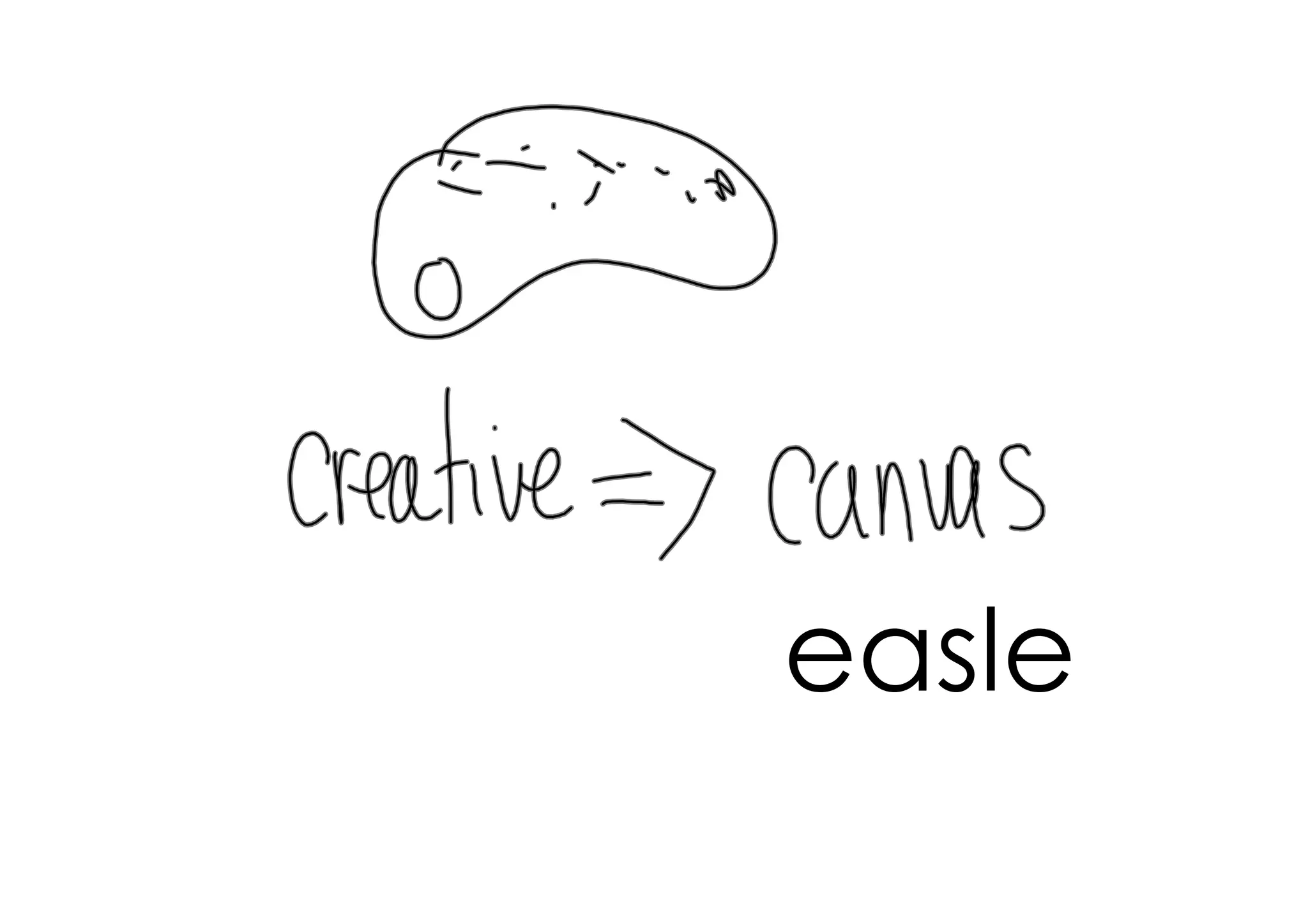
easle
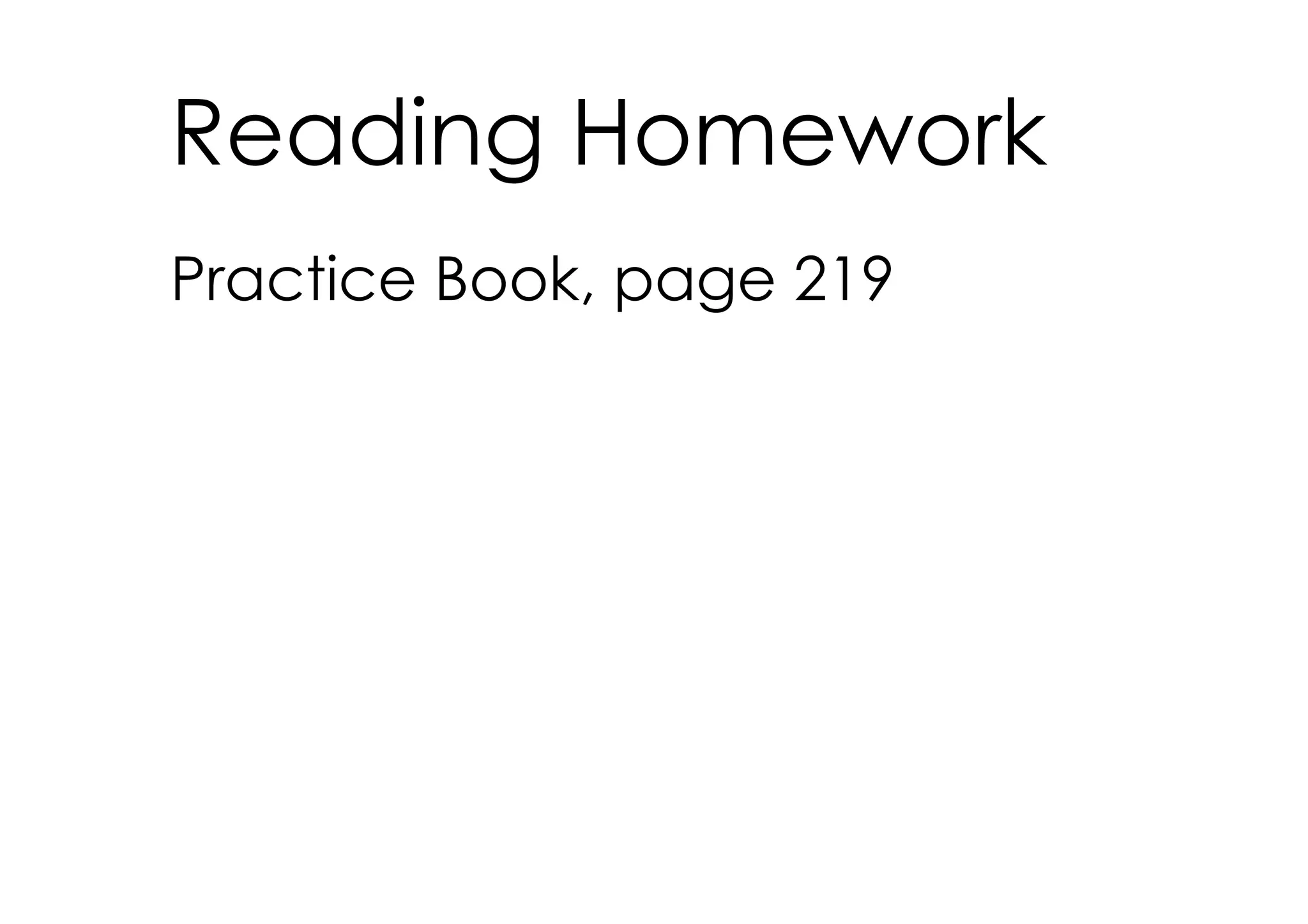
Reading Homework
Practice Book, page 219
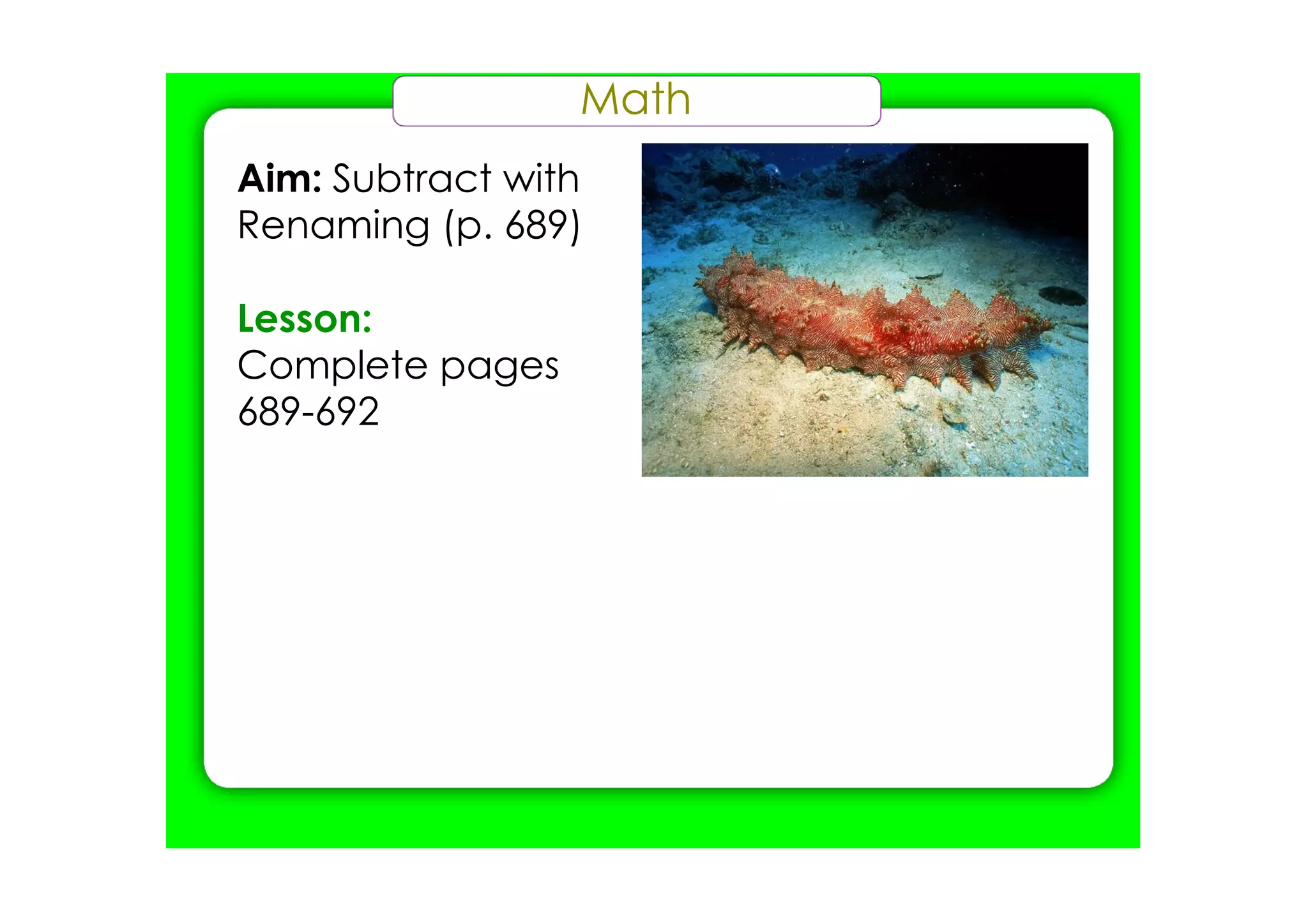
Math
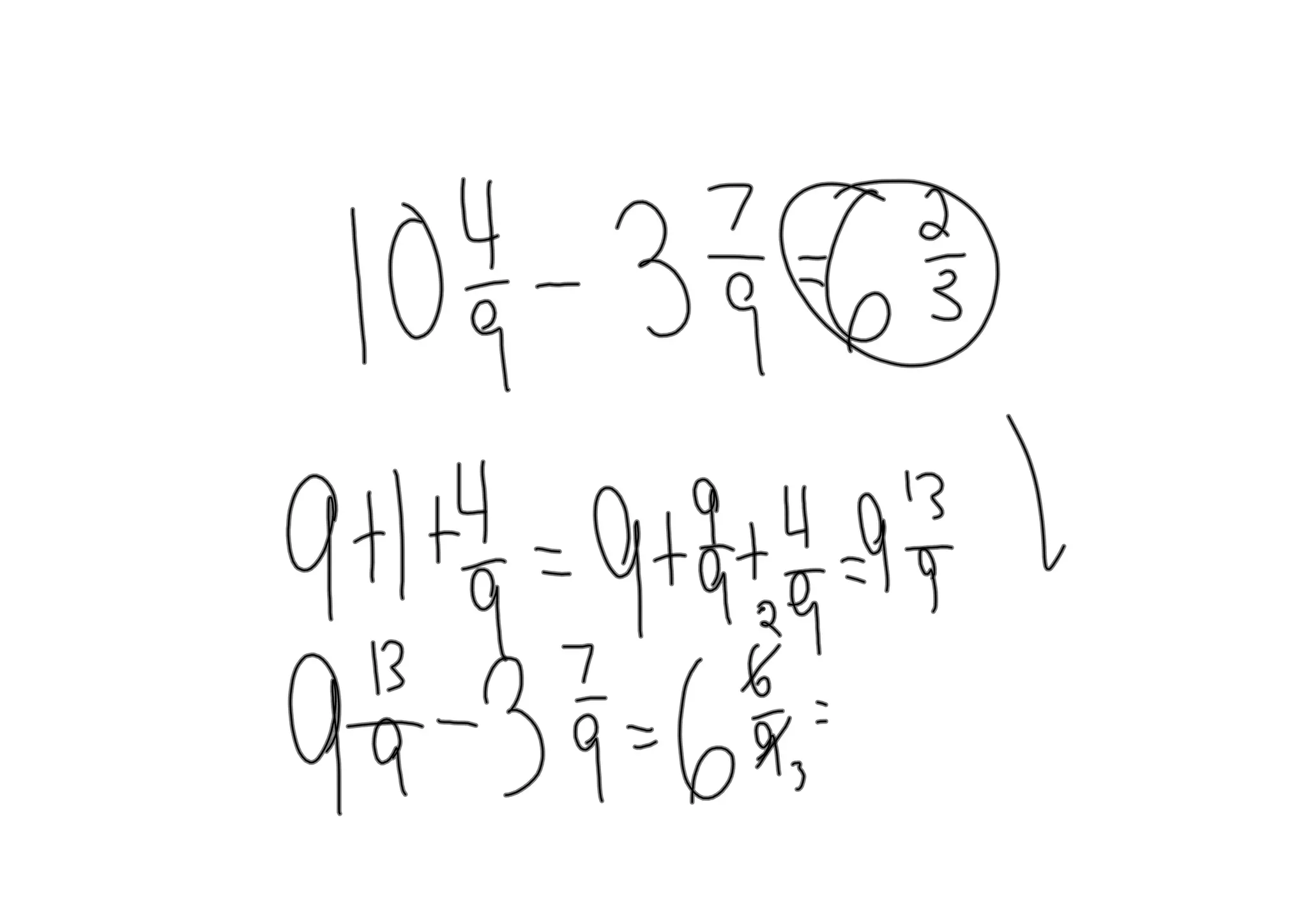
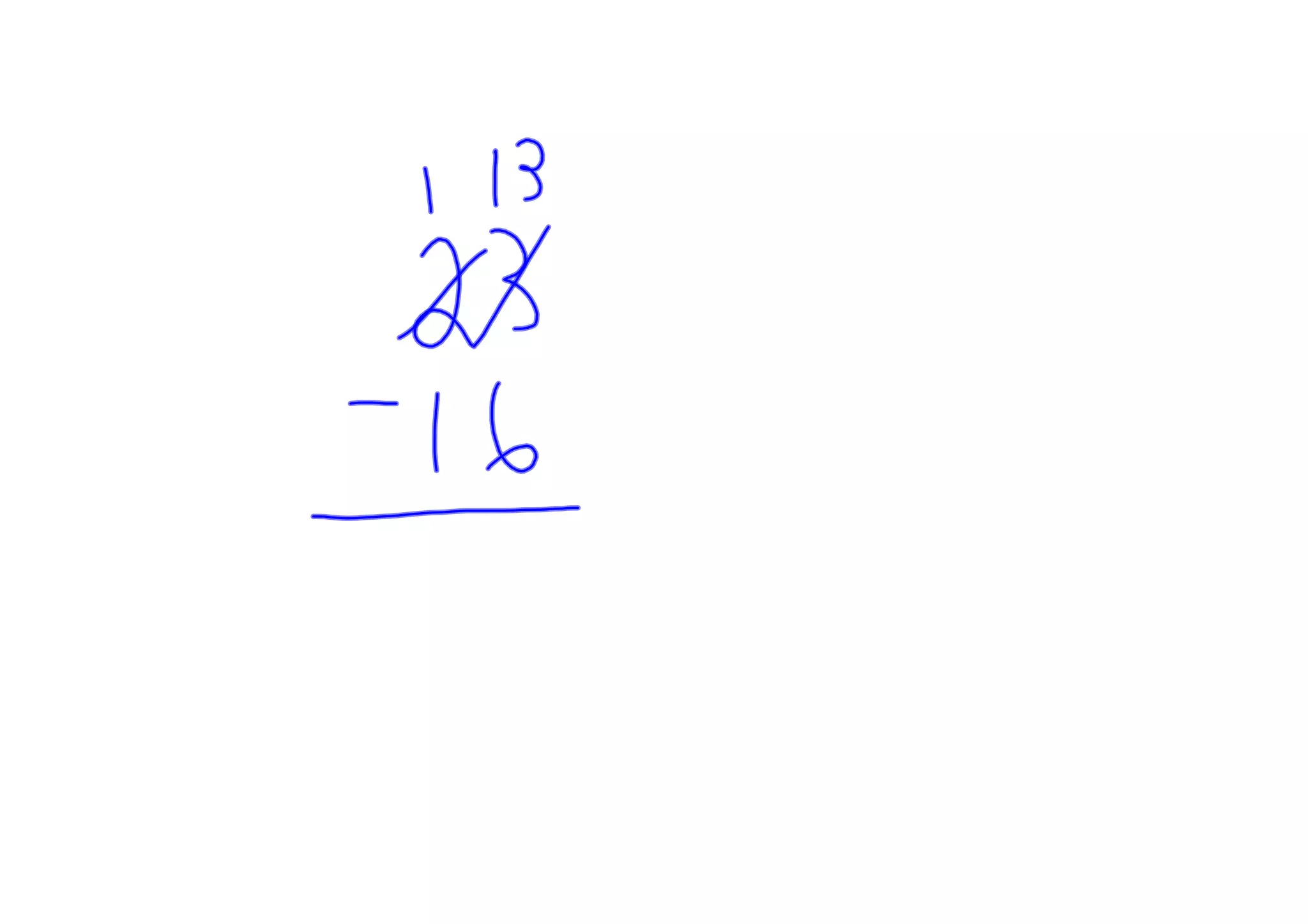
Aim: Subtract with
Renaming (p. 689)
Lesson:
Complete pages
689­692
Math
Aim: Review (p. 695)
Lesson:
Complete pages
695­697
Homework:
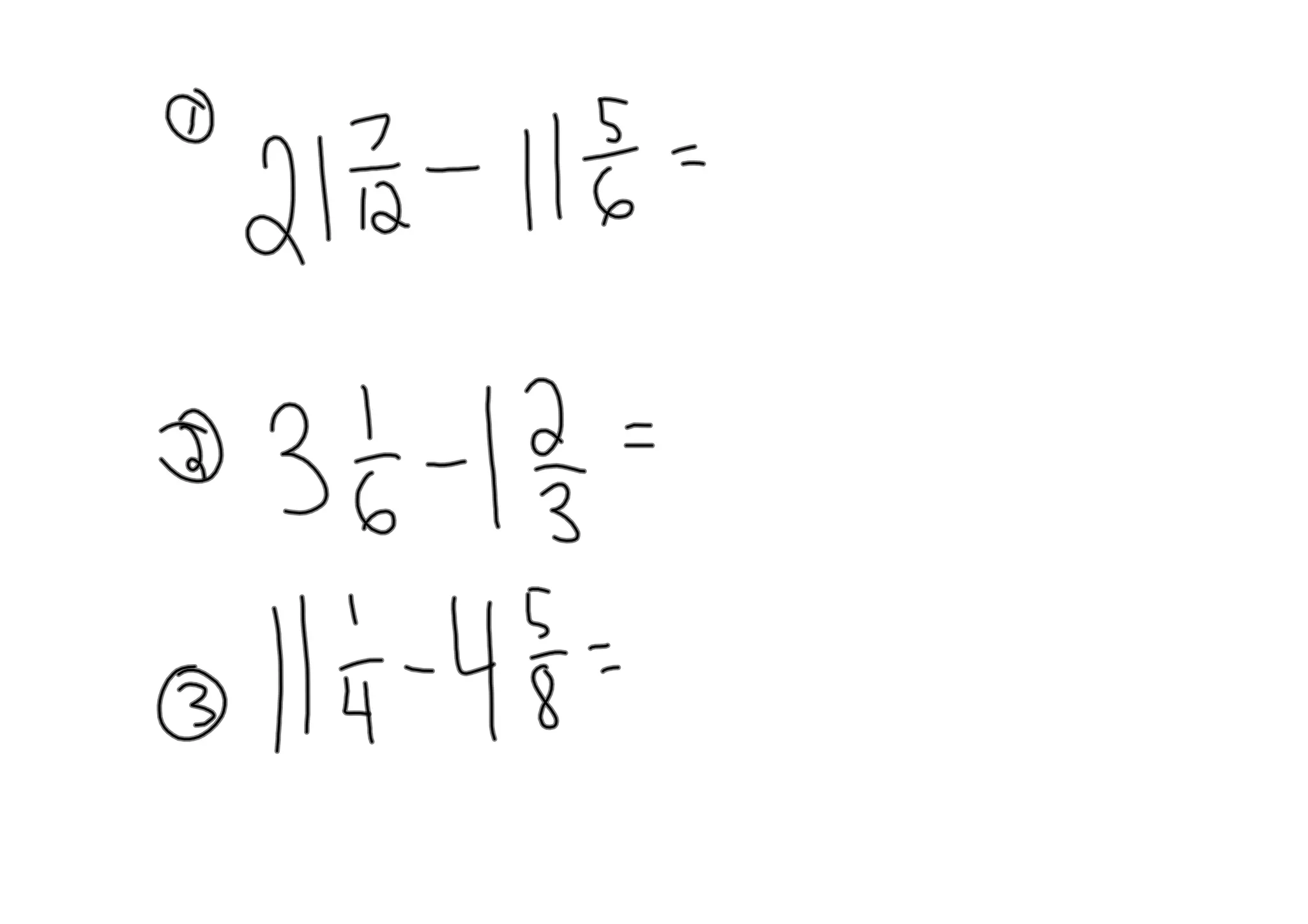
Redo page 691 (2­13) in your notebook and
show all work.
Spelling
1. enjoyable 11. comfortable
2. breakable 12. convertible
3. favorable 13. invisible
4. likable 14. honorable
5. usable 15. capable
6. respectable 16. sensible
7. affordable 17. unbelievable
8. possible 18. bearable
9. reasonable 19. collapsible
10. laughable 20. suitable
Spelling
Aim: Words with ­able, ­ible
Lesson:
Use words in a sentence.
Homework:
What problem have you
recently solved for yourself? Write an essay
that explains the problem and the steps you
took to solve it. Use SIX spelling words in your
writing.
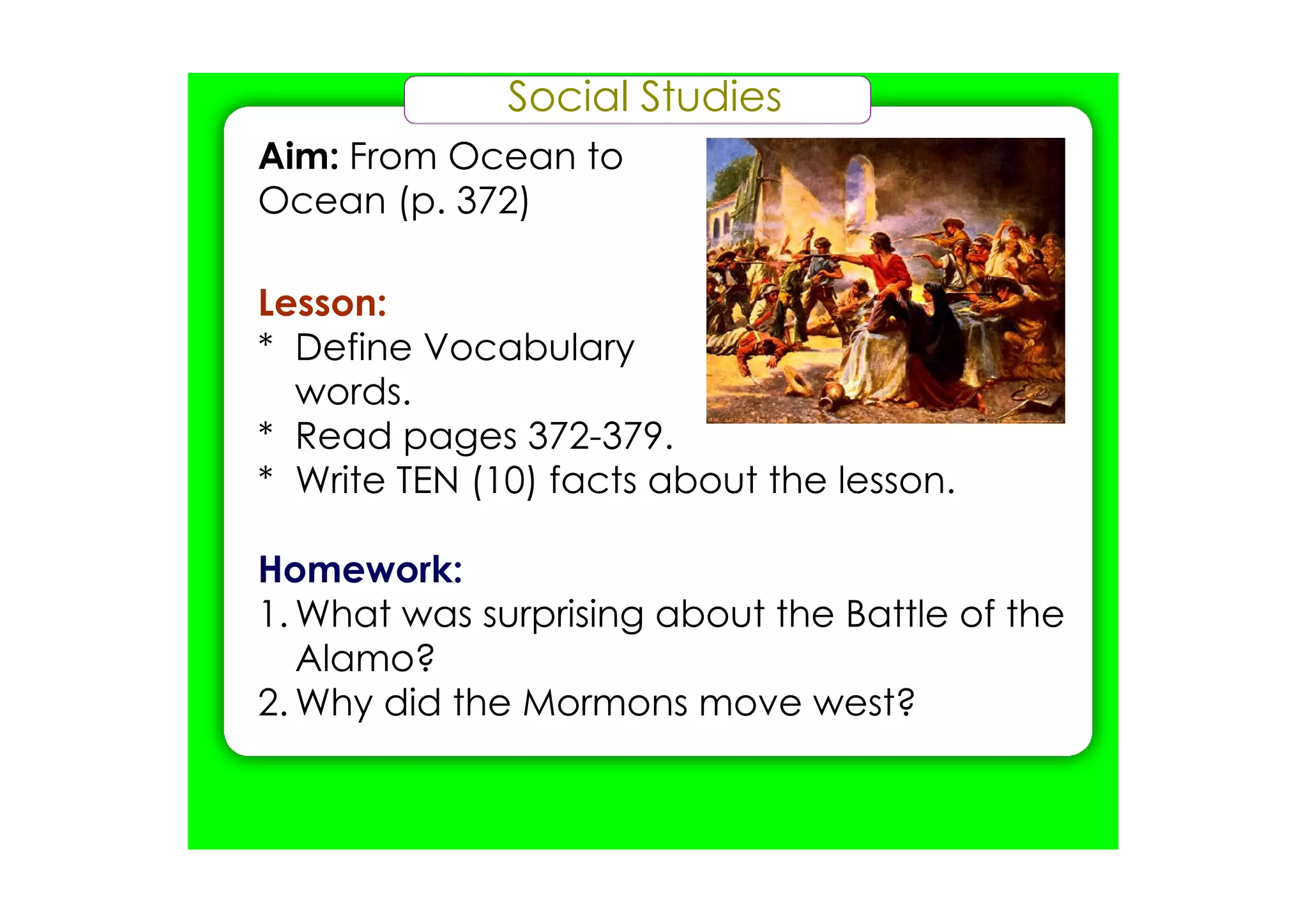
Social Studies
Aim: From Ocean to
Ocean (p. 372)
Lesson:
* Define Vocabulary
words.
* Read pages 372­379.
* Write TEN (10) facts about the lesson.
Homework:
1. What was surprising about the Battle of the
Alamo?
2. Why did the Mormons move west?
Homework Summary for Thursday June 6, 2013
Reading
Practice book, page 219
Math
Redo page 691 (2­13) in your notebook and show all
work.
Spelling
What problem have you recently solved for yourself?
Write an essay that explains the problem and the steps
you took to solve it. Use SIX spelling words in your
writing.
Attachments
1314158
Analogies TTT.notebook

6.6.13 classwork thursday

  • 1.
  • 2.
    DO NOW: Write thex6 Times Table ten times. Morning Work
  • 3.
    Reading Aim: Scientists at Work (p.736) Talk About It If you could be a scientist, what would you study? What do you think the scientist in this photograph is doing?
  • 4.
    Specimens are itemsor parts typical of a whole group. Erupted means forced out or burst forth. Something that is murky is too dark or cloudy to see through clearly. Something that is dormant is quiet or not active for a period of time.
  • 5.
    Biology is thestudy of living things. If something was scoured, it was cleaned, cleared, or worn away. Research is a careful study to find and learn facts about a subject. An observer is a person who watches in a close and careful way.
  • 6.
    Reading Aim: Hidden Worlds(p. 741) Nonfiction gives information and facts about real people, places, events, and situations. Sequence Look for clues that indicate the order of events. Read to Find Out What events influenced Dennis's career in science?
  • 7.
    algae: simple livingorganisms made up of one or more cells which contain chlorophyll, usually existing as lower order plants that do not have stems, roots, or leaves. lichens: an organism made up of fungi and algae growing together, usually found on tree trunks, on rocks, and on the ground. bacteria: tiny one­celled organisms that can only be seen through a microscope.
  • 8.
    Reading Aim: Mountain of Fire:A Native American Myth (p. 754) A Myth is a story that tells about the belief of a group of people. Myths often tell about gods and heroes. Sometimes they explain something that happens in nature.
  • 9.
    Reading Symbolism is theuse of concrete objects to represent abstract ideas or qualities. Figurative Language, such as simile and metaphor, uses imaginative language to describe objects, places, or people.
  • 11.
  • 13.
  • 14.
    Math Aim: Subtract with Renaming(p. 689) Lesson: Complete pages 689­692
  • 22.
    Math Aim: Review (p.695) Lesson: Complete pages 695­697 Homework: Redo page 691 (2­13) in your notebook and show all work.
  • 23.
    Spelling 1. enjoyable 11.comfortable 2. breakable 12. convertible 3. favorable 13. invisible 4. likable 14. honorable 5. usable 15. capable 6. respectable 16. sensible 7. affordable 17. unbelievable 8. possible 18. bearable 9. reasonable 19. collapsible 10. laughable 20. suitable
  • 24.
    Spelling Aim: Words with­able, ­ible Lesson: Use words in a sentence. Homework: What problem have you recently solved for yourself? Write an essay that explains the problem and the steps you took to solve it. Use SIX spelling words in your writing.
  • 25.
    Social Studies Aim: FromOcean to Ocean (p. 372) Lesson: * Define Vocabulary words. * Read pages 372­379. * Write TEN (10) facts about the lesson. Homework: 1. What was surprising about the Battle of the Alamo? 2. Why did the Mormons move west?
  • 26.
    Homework Summary forThursday June 6, 2013 Reading Practice book, page 219 Math Redo page 691 (2­13) in your notebook and show all work. Spelling What problem have you recently solved for yourself? Write an essay that explains the problem and the steps you took to solve it. Use SIX spelling words in your writing.
  • 27.