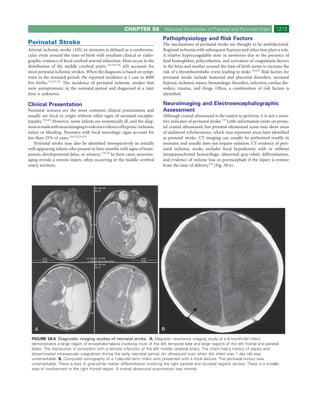
Chapter 58
Neonatal Morbidities of Prenatal and
Perinatal Origin
                                        James M. Greenberg, MD, Vivek Narendran, MD, Kurt R. Schibler, MD,
                                     Barbara B. Warner, MD, Beth Haberman, MD, and Edward F. Donovan, MD


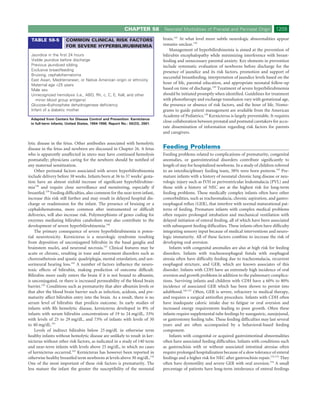
Obstetric and Postnatal                                                     Common Morbidities
Management Decisions                                                        of Pregnancy and
The nature of obstetric clinical practice requires consideration of two     Neonatal Outcomes
patients: mother and fetus. The intrinsic biologic interdependence of
one with the other creates challenges not typically encountered in          Complications of pregnancy that affect infant well-being may be
other realms of medical practice. Often, there is a paucity of objective    immediately evident after birth, such as hypotension related to mater-
data to support the evaluation of risks and benefits associated with a       nal hemorrhage, or may manifest hours later, such as hypoglycemia
given clinical situation, forcing obstetricians to rely on their clinical   related to maternal diabetes or thrombocytopenia related to maternal
acumen and experience. Family perspectives must be integrated in            preeclampsia. Anemia and thyroid disorders related to transplacental
clinical decision making, along with the advice and counsel of other        passage of maternal IgG antibodies to platelets or thyroid, respectively,
clinical providers. In this chapter, we review how to best use neonato-     may manifest days after delivery.
logic expertise in the obstetric decision-making process.                       Diabetes during pregnancy serves as an example. Infants born to
    Optimal perinatal care often derives from collaboration between         women with diabetes are often macrosomic, increasing the risk of
the obstetrician and neonatologist during pregnancy and especially          shoulder dystocia and birth injury. After delivery, these infants may
around the time of labor to eliminate ambiguity and confusion in the        have significant hypoglycemia, polycythemia, and electrolyte distur-
delivery room and to ensure that patients and families understand the       bances, which require close surveillance and treatment. Lung matura-
rationale for obstetric and postnatal management decisions. The neo-        tion is delayed in the infants born to women with diabetes, increasing
natologist can provide information regarding risks to the fetus associ-     the incidence of respiratory distress syndrome (RDS) at a given gesta-
ated with delaying or initiating preterm delivery and can identify the      tional age. Infants of diabetic mothers may also have delayed neuro-
optimal location for delivery to ensure that skilled personnel are          logic maturation, with decreased tone typically leading to delayed
present to support the newborn infant.                                      feeding competence. Less common complications include an increased
    In addition to contributing information about gestational age–          incidence of congenital heart disease and skeletal malformations.
specific outcomes, the neonatologist can anticipate neonatal com-            These neonatal complications are typically managed without long-
plications related to maternal disorders such as diabetes mellitus,         term sequelae, but they are not without consequences, such as pro-
hypertension, and multiple gestations or to prenatally detected fetal       longed hospital stay. Neonatal complications for the infant of a woman
conditions such as congenital infections, alloimmunization, or devel-       with diabetes are a function of maternal glycemic control. Careful
opmental anomalies. When a lethal condition or high risk of death in        antenatal attention to optimal control of blood glucose can reduce
the delivery room is anticipated, the neonatologist can assist with the     neonatal morbidity due to maternal diabetes.
formulation of a birth plan and develop parameters for delivery room            Table 58-1 summarizes other morbidities of pregnancy and their
intervention.                                                               effects on neonatal outcome. The list is not exhaustive and does not
    Preparing parents by describing delivery room management and            take into account how multiple morbidities may interact to create
resuscitation of a high-risk infant can demystify the process and reduce    additional complications. All of these problems may contribute to
some of the fear anticipated by the expectant family. Premature infants     increased length of hospital stay after delivery and to long-term
are susceptible to thermal instability and are moved rapidly after birth    morbidity.
to a warming bed to prevent hypothermia while assessing the infant’s            Chorioamnionitis has diverse effects on the fetus and neonatal
cardiorespiratory status and vigor. The need for resuscitation is deter-    outcome. It is associated with premature rupture of membranes
mined by careful evaluation of cardiorespiratory parameters and             and preterm delivery. Elevated levels of proinflammatory cytokines
appropriate response according to published Neonatal Resuscitation          may predispose neonates to cerebral injury.2 Although suspected or
Program guidelines.1                                                        proven neonatal sepsis is more common in the setting of chorioamnio-
1198      CHAPTER 58             Neonatal Morbidities of Prenatal and Perinatal Origin

  TABLE 58-1          MANAGEMENT CONSIDERATIONS ASSOCIATED WITH NEONATAL MANAGEMENT OF
                      CONGENITAL MALFORMATIONS

 Malformation                                                                     Management Considerations
 Clefts                                          Alternative feeding devices (e.g., Haberman feeder), genetics evaluation, occupational or physical
                                                   therapy
 Congenital diaphragmatic hernia                 Skilled airway management, pediatric surgery, immediate availability of mechanical ventilation,
                                                   nitric oxide, ECMO
 Upper airway obstruction or micrognathia        Skilled airway management, otolaryngologic evaluation, genetics evaluation and management,
                                                   immediate availability of mechanical ventilation
 Hydrothorax                                     Skilled airway management, nitric oxide, ECMO, chest tube placement, immediate availability of
                                                   mechanical ventilation
 Ambiguous genitalia                             Endocrinology, urologic consultation, genetic profile available for immediate evaluation
 Neural tube defects                             Dressings to cover defect, IV fluids, neurosurgery, urologic evaluation, orthopedics evaluation
                                                   and management
 Abdominal wall defects                          Saline-filled sterile bag to contain exposed abdominal contents, IV fluids, pediatric surgery,
                                                   genetics evaluation and management
 Cyanotic congenital heart disease               IV access, prostaglandin E1, immediate availability of mechanical ventilation

 ECMO, extracorporeal membrane oxygenation; IV, intravenous.


nitis, many neonates born to mothers with histologically proven               day). Mothers experienced significant third-trimester weight loss, and
chorioamnionitis are asymptomatic and appear uninfected. Animal               offspring were underweight.8 There is growing evidence that infants
models and associated epidemiologic data suggest that chorioamnio-            undernourished during fetal life are at higher risk for “adult” diseases
nitis can accelerate fetal lung maturation, as measured by surfactant         such as atherosclerosis and hypertension. Poor maternal nutrition
production and function. However, preterm infants born to mothers             during intrauterine life may signal the fetus to modify metabolic path-
with chorioamnionitis are more likely to develop bronchopulmonary             ways and blood pressure regulatory systems, with health consequences
dysplasia (BPD).3-5 The neonatal consequences of chorioamnionitis are         lasting into late childhood and beyond.9 Conversely, maternal overnu-
likely related to the timing, severity, and extent of the infection and the   trition (i.e., excessive caloric intake) predisposes mothers to insulin
associated inflammatory response.                                              resistance and large-for-gestational-age infants.10,11
    The effects of preeclampsia on the neonate include intrauterine               Neonatal anemia may be a consequence of perinatal events such as
growth retardation, hypoglycemia, neutropenia, thrombocytopenia,              placental abruption, ruptured vasa previa, or fetal-maternal transfu-
polycythemia, and electrolyte abnormalities such as hypocalcemia.             sion. At delivery, the neonate may be asymptomatic or display pro-
Most of these problems appear related to placental insufficiency, with         found effects of blood loss, including high-output heart failure or
diminished oxygen and nutrient delivery to the fetus. With delivery           hypovolemic shock. The duration and extent of blood loss along with
and supportive care, most of these problems will resolve with time,           any fetal compensation typically determine neonatal clinical status at
although some patients will require treatment with intravenous                delivery and subsequent management. In the delivery room, prompt
calcium or glucose, or both, in the early neonatal period. Similarly,         recognition of acute blood loss and transfusion with type O, Rh-
severe thrombocytopenia may require platelet transfusion therapy.             negative blood can be a lifesaving intervention.
Preeclampsia may protect against intraventricular hemorrhage (IVH)                Neonates from a multifetal gestation are, on average, smaller at a
in preterm infants, perhaps because of maternal treatment or other            given gestational age than their singleton counterparts. They are also
unknown factors.6 Unlike intrauterine inflammation, preeclampsia               more likely to deliver before term and therefore are more likely to
does not appear to accelerate lung maturation.7                               experience the complications associated with low birth weight and
    Maternal autoimmune disease may affect the neonate through                prematurity described in this chapter. Monochorionic twins may expe-
transplacental transfer of autoantibodies. Symptoms are a function of         rience twin-twin transfusion syndrome. The associated discordant
the extent of antibody transfer. Treatment is supportive and based on         growth and additional problems of anemia, polycythemia, congestive
the affected neonatal organ systems. For example, maternal Graves             heart failure, and hydrops may further complicate the clinical course
disease may cause neonatal thyrotoxicosis requiring treatment with            after delivery, even after amnioreduction or fetoscopic laser occlusion.
propylthiouracil or β-blockers. Maternal lupus or connective tissue           Cerebral lesions such as periventricular white matter injury and ven-
disease is linked to congenital heart block that may require long-term        tricular enlargement may occur more frequently in the setting of twin-
pacing after delivery. Myasthenia gravis during pregnancy occasionally        twin transfusion syndrome.12 Additional epidemiologic studies and
results in a transient form of the disease in the neonate. Supportive         long-term follow-up are needed to further address this issue.
therapy during the early neonatal period addresses most issues associ-            Congenital malformations present significant challenges for care-
ated with maternal autoimmune disorders. Passively transferred auto-          givers and families, and prenatal diagnosis is an opportunity to provide
antibodies gradually clear from the neonatal circulation with a half-life     anticipatory guidance. The neonatologist can facilitate delivery cover-
of 2 to 3 weeks.                                                              age and ensure availability of appropriate equipment, medications, and
    Neonatal outcome associated with maternal nutritional status              personnel. Table 58-1 summarizes some of the important consider-
during pregnancy is of growing interest. The Dutch famine of 1944 to          ations associated with management of congenital malformations and
1945 created a unique circumstance for studying the consequences of           reflects the importance of multidisciplinary input. Typically, these
severe undernutrition during pregnancy (i.e., caloric intake <1000 kcal/      patients are best delivered in a setting where experienced delivery
CHAPTER 58           Neonatal Morbidities of Prenatal and Perinatal Origin           1199
room attendance is available. If the needed consultative services and
equipment are not readily available, arrangement should be made for          Complications of Prematurity
prompt transfer to a tertiary center. Successful transports depend           Besides increased mortality risk, prematurity is associated with an
on clear communication between centers, for example, regarding               increased risk for morbidity in almost every major organ system. BPD,
delivery of an infant with gastroschisis, so that the delivering             retinopathy of prematurity, necrotizing enterocolitis, and IVH are par-
hospital provides adequate intravenous hydration and protection              ticularly linked to preterm births. Intrauterine growth restriction and
of exposed abdominal organs, and the referral center can mobilize            increased susceptibility to infection are not restricted to the preterm
pediatric surgical intervention immediately on arrival of the                infant but are complicated in the immature infant. Table 58-2 sum-
infant.                                                                      marizes common complications of prematurity by organ system.
    In settings of premature, preterm, or prolonged rupture of mem-              The rate of preterm birth increased by 30% between 1983 and
branes and premature labor, mothers are frequently treated with anti-        2004, from 9.6% to 12.5%. Three major causes have been identified
biotics and tocolytic agents. Maternal medications administered during       to explain the rise (see Chapter 29): improved gestational dating asso-
pregnancy for non-obstetric diseases can have a significant impact on         ciated with increased use of early ultrasound,16 the substantial rise in
the neonate. A common challenge in many centers is the treatment of          multifetal gestation associated with assisted reproductive technology,
opiate-addicted mothers on methadone. The symptoms of neonatal               and an increase in “indicated” preterm births.17 The latter category is
abstinence syndrome vary as a function of the degree of prenatal opiate      important because decisions affecting the timing and management of
exposure and age after delivery. Many infants appear neurologically          preterm delivery can have a profound effect on neonatal outcome.
normal at delivery, only to exhibit symptoms later on the first or            The risk of death before birth hospital discharge doubles when the
second day or extrauterine life. Infants with neonatal abstinence syn-       gestational age decreases from 27.5 weeks (10%) to 26 weeks (20%).
drome typically demonstrate irritability, poor feeding, loose and fre-       Delaying delivery even for a few days may substantially improve
quent stools, and in severe cases, seizures. Treatment options include       outcome, especially before 32 weeks, assuming that the intrauterine
nonpharmacologic intervention (e.g., swaddling, minimal stimula-             environment is safe to support the fetus. However, in some clinical
tion), methadone, or non-narcotic drugs such as phenobarbital. These         situations with a high potential for preterm delivery, it is difficult to
infants often require hospitalization for many days or weeks until their     assess the quality of the intrauterine environment. Three common
irritability is under sufficient control to allow for care in a home          examples are preterm, premature rupture of membranes (see Chapter
setting. There is clinical evidence that neonates may also exhibit similar   31), placental abruption (see Chapter 37), and preeclampsia (see
symptoms after withdrawal from antenatal nicotine exposure.13,14 The         Chapter 35). In each case, prolonging gestation to allow continued
consequences of other illicit drug use during pregnancy have been            fetal growth and maturation in utero is accompanied by an uncertain
widely studied but are difficult to assess because of difficulties with        risk of rapid change in maternal status with a corresponding increased
diagnosis and confounding variables. Maternal cocaine abuse has been         risk of fetal compromise. Tests of fetal well-being are discussed in
associated with obstetric complications such as placental abruption.         Chapter 21, and clinical decision making in obstetrics is addressed in
Vascular compromise may predispose neonates to cerebral infarcts and         Chapters 28 and 29.
bowel injury. Developmental delay and behavioral problems are                    Obstetric decisions about the timing of delivery in the setting of
observed, although associated factors such as poverty, lack of prenatal      uncertain in utero risk are a significant contributing factor to the
care, and low socioeconomic status also contribute.                          increase in late preterm births, after 32 to 34 weeks. The contribution
    Alloimmune hemolytic disorders such as Rh hemolytic disease              of elective delivery must also be considered. Although perinatal mor-
and ABO incompatibility can cause neonatal morbidity ranging from
uncomplicated hyperbilirubinemia to severe anemia, hydrops, and
high-output congestive heart failure. Although it is uncommon, Rh
                                                                              TABLE 58-2          COMMON COMPLICATIONS OF
hemolytic disease must be considered as a cause of unexplained
hydrops, anemia, or heart failure in infants born to Rh-negative                                  PREMATURITY BY ORGAN SYSTEM
mothers, especially if there is a possibility of maternal sensitization.      Organ System                                  Morbidity
ABO incompatibility is common, with up to 20% of all pregnancies
potentially at risk. The responsible isohemagglutinins have weak              Pulmonary                         Respiratory distress syndrome
affinity for blood group antigens, and the degree of hemolysis and                                               Bronchopulmonary dysplasia
                                                                                                                Pulmonary hypoplasia
subsequent jaundice varies among patients. Indirect immunoglobulin
                                                                                                                Apnea of prematurity
(Coombs) testing has limited value in predicting clinically significant        Cardiovascular                    Patent ductus arteriosus
jaundice. Neonatal morbidity is typically restricted to hyperbilirubine-                                        Apnea and bradycardia
mia requiring treatment with phototherapy.                                                                      Hypotension
                                                                              Gastrointestinal, hepatic         Necrotizing enterocolitis
                                                                                                                Dysmotility or reflux
Prematurity                                                                                                     Feeding difficulties
                                                                                                                Hypoglycemia
The mean duration of a spontaneous singleton pregnancy is 280 days            Central nervous system            Intraventricular hemorrhage
or 40 menstrual weeks, 38 weeks after conception. An infant delivered                                           Periventricular leukomalacia
                                                                              Visual                            Retinopathy of prematurity
before completion of 37 weeks’ gestation is considered to be preterm
                                                                              Skin                              Excess insensible water loss
according to the World Health Organization (WHO) definition. Infant                                              Hypothermia
morbidity and mortality increase with decreasing gestational age at           Immunologic, hematologic          Increased incidence of sepsis and
birth. The risk of poor outcome, defined as death or lifelong handicap,                                            meningitis
increases dramatically as gestational age decreases, especially for very                                        Anemia of prematurity
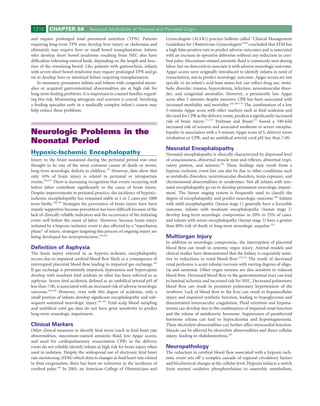
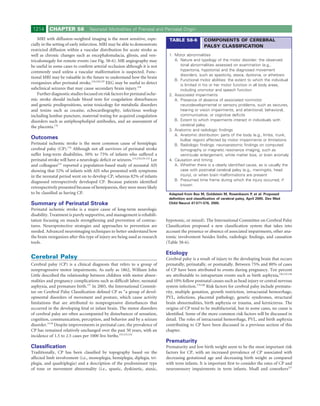
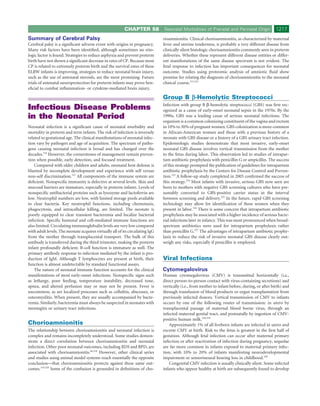
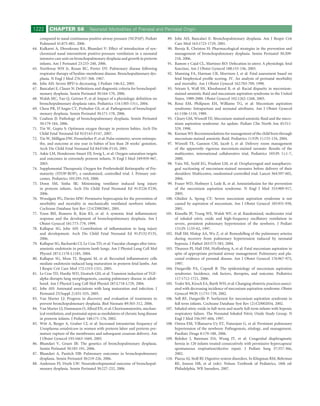
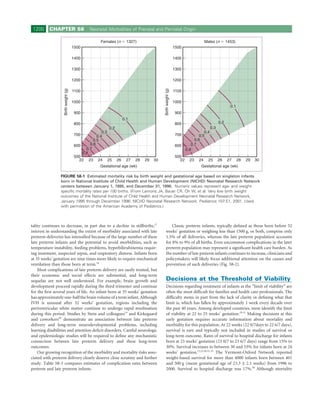
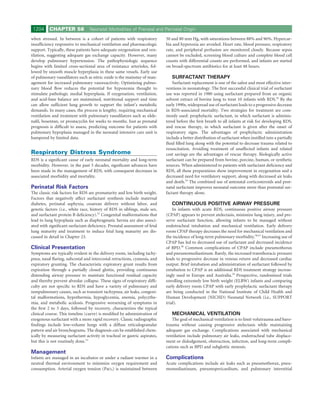
low birth weight (VLBW) infants (Fig. 58-1).
1200     CHAPTER 58                         Neonatal Morbidities of Prenatal and Perinatal Origin

                                                  Females (n       1327)                                                    Males (n        1453)
                                      1500                                                                1500

                                      1400                                                                1400

                                      1300                                                                1300

                                      1200                                                                1200
                   Birth weight (g)


                                                                                       Birth weight (g)
                                      1100                                                                1100

                                      1000                                                                1000
                                                                                                                                              0.1
                                      900                                                                  900
                                                                 0.1
                                      800                                                                  800                        0.2
                                                      0.2                                                                       0.3
                                                     0.3                                                                  0.4
                                      700         0.4                                                      700         0.5
                                                0.5                                                                 0.6
                                      600     0.6                                                          600    0.7
                                            0.7                                                                0.8
                                          0.8
                                      500                                                                  500
                                        22 23 24 25         26     27   28   29   30                         22   23   24     25      26    27      28   29   30
                                                  Gestational age (wk)                                                  Gestational age (wk)

                 FIGURE 58-1 Estimated mortality risk by birth weight and gestational age based on singleton infants
                 born in National Institute of Child Health and Human Development (NICHD) Neonatal Research Network
                 centers between January 1, 1995, and December 31, 1996. Numeric values represent age- and weight-
                 specific mortality rates per 100 births. (From Lemons JA, Bauer CR, Oh W, et al: Very low birth weight
                 outcomes of the National Institute of Child Health and Human Development Neonatal Research Network,
                 January 1995 through December 1996. NICHD Neonatal Research Network. Pediatrics 107:E1, 2001. Used
                 with permission of the American Academy of Pediatrics.)


tality continues to decrease, in part due to a decline in stillbirths,17                      Classic preterm infants, typically defined as those born before 32
interest in understanding the extent of morbidity associated with late                    weeks’ gestation or weighing less than 1500 g, or both, comprise only
preterm deliveries has intensified because of the large number of these                    1.5% of all deliveries, whereas the late preterm population accounts
late preterm infants and the potential to avoid morbidities, such as                      for 8% to 9% of all births. Even uncommon complications in the later
temperature instability, feeding problems, hyperbilirubinemia requir-                     preterm population may represent a significant health care burden. As
ing treatment, suspected sepsis, and respiratory distress. Infants born                   the number of late preterm infants continues to increase, clinicians and
at 35 weeks’ gestation are nine times more likely to require mechanical                   policymakers will likely focus additional attention on the causes and
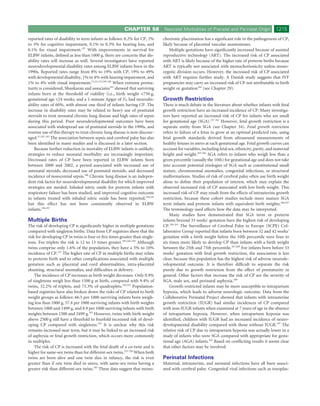
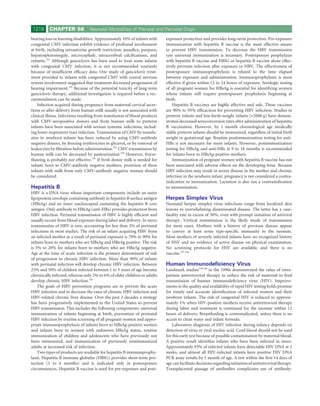
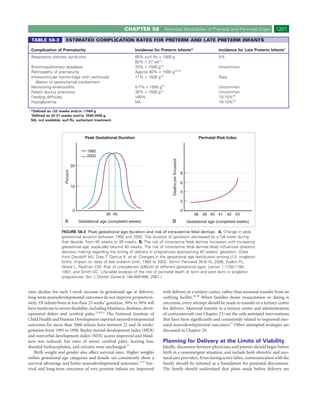
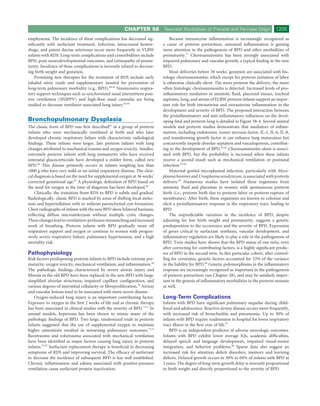
ventilation than those born at term.18                                                    prevention of such deliveries (Fig. 58-2).
    Most complications of late preterm delivery are easily treated, but
their economic and social effects are substantial, and long-term
sequelae are not well understood. For example, brain growth and                           Decisions at the Threshold of Viability
development proceed rapidly during the third trimester and continue                       Decisions regarding treatment of infants at the “limit of viability” are
for the first several years of life. An infant born at 35 weeks’ gestation                 often the most difficult for families and health care professionals. The
has approximately one-half the brain volume of a term infant. Although                    difficulty stems in part from the lack of clarity in defining what that
IVH is unusual after 32 weeks’ gestation, regions including the                           limit is, which has fallen by approximately 1 week every decade over
periventricular white matter continue to undergo rapid myelination                        the past 40 years. Among developed countries, most identify the limit
during this period. Studies by Stein and colleagues19 and Kirkegaard                      of viability at 22 to 25 weeks’ gestation.29-31 Making decisions at this
and coworkers20 demonstrate an association between late preterm                           early gestation requires accurate information about mortality and
delivery and long-term neurodevelopmental problems, including                             morbidity for this population. At 22 weeks (22 0/7days to 22 6/7 days),
learning disabilities and attention deficit disorders. Careful neurologic                  survival is rare and typically not included in studies of survival or
and epidemiologic studies will be required to define any mechanistic                       long-term outcome. Rates of survival to hospital discharge for infants
connection between late preterm delivery and these long-term                              born at 23 weeks’ gestation (23 0/7 to 23 6/7 days) range from 15% to
outcomes.                                                                                 30%. Survival increases to between 30 and 55% for infants born at 24
    Our growing recognition of the morbidity and mortality risks asso-                    weeks’ gestation.15,23,30,32-35 The Vermont-Oxford Network reported
ciated with preterm delivery clearly deserve close scrutiny and further                   weight-based survival for more than 4000 infants born between 401
study. Table 58-3 compares estimates of complication rates between                        and 500 g (mean gestational age of 23.3 ± 2.1 weeks) from 1996 to
preterm and late preterm infants.                                                         2000. Survival to hospital discharge was 17%.36 Although mortality
CHAPTER 58               Neonatal Morbidities of Prenatal and Perinatal Origin                         1201

  TABLE 58-3          ESTIMATED COMPLICATION RATES FOR PRETERM AND LATE PRETERM INFANTS

 Complication of Prematurity                                       Incidence for Preterm Infants*                                    Incidence for Late Preterm Infants†
 Respiratory distress syndrome                                     65% surf Rx < 1500 g                                              5%
                                                                   80% < 27 wk21
 Bronchopulmonary dysplasia                                        23% < 1500 g15                                                    Uncommon
 Retinopathy of prematurity                                        Approx 40% < 1500 g22-24
 Intraventricular hemorrhage with ventricular                      11% < 1500 g15                                                    Rare
   dilation or parenchymal involvement
 Necrotizing enterocolitis                                         5-7% < 1500 g15                                                   Uncommon
 Patent ductus arteriosus                                          30% < 1500 g15                                                    Uncommon
 Feeding difficulty                                                 >90%                                                              10-15%25
 Hypoglycemia                                                      NA                                                                10-15%25

 *Defined as <32 weeks and/or <1500 g.
 †
  Defined as 32-37 weeks and/or 1500-2500 g.
 NA, not available; surf Rx, surfactant treatment.


                                       Peak Gestational Duration                                                           Perinatal Risk Index


                                        1992
                                        2002


                                                                                         Deaths per thousand
                               20
                     Percent


                                                                                                               8

                                                                                                               6
                               10
                                                                                                               4

                                                                                                               2

                                0                                                                              0
                                                  39 40                                                               38     39 40 41     42 43
                     A              Gestational age (completed weeks)                    B                         Gestational age (completed weeks)

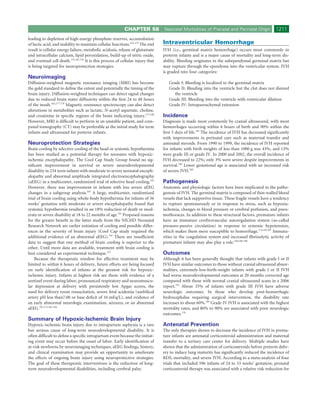
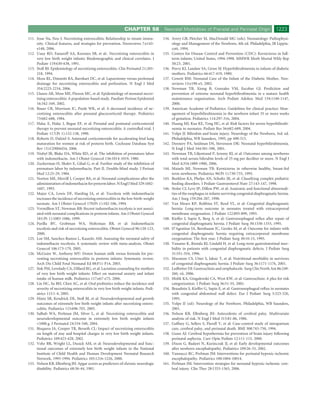
                   FIGURE 58-2 Peak gestational age duration and risk of intrauterine fetal demise. A, Change in peak
                   gestational duration between 1992 and 2002. The duration of gestation decreased by a full week during
                   that decade, from 40 weeks to 39 weeks. B, The risk of intrauterine fetal demise increases with increasing
                   gestational age, especially beyond 40 weeks. The risk of intrauterine fetal demise likely influences obstetric
                   decision making regarding the timing of delivery in pregnancies approaching 40 weeks’ gestation. (Data
                   from Davidoff MJ, Dias T, Damus K, et al: Changes in the gestational age distribution among U.S: singleton
                   births: Impact on rates of late preterm birth, 1992 to 2002. Semin Perinatol 30:8-15, 2006; Yudkin PL,
                   Wood L, Redman CW: Risk of unexplained stillbirth at different gestational ages. Lancet 1:1192-1194,
                   1987; and Smith GC: Life-table analysis of the risk of perinatal death at term and post term in singleton
                   pregnancies. Am J Obstet Gynecol 184:489-496, 2001.)


rates decline for each 1-week increase in gestational age at delivery,           with delivery at a tertiary center, rather than neonatal transfer from an
long-term neurodevelopmental outcomes do not improve proportion-                 outlying facility.38-40 When families desire resuscitation or dating is
ately. Of infants born at less than 25 weeks’ gestation, 30% to 50% will         uncertain, every attempt should be made to transfer to a tertiary center
have moderate to severe disability, including blindness, deafness, devel-        for delivery. Maternal transfer to a tertiary center and administration
opmental delays and cerebral palsy.23,30,32 The National Institute of            of corticosteroids (see Chapter 23) are the only antenatal interventions
Child Health and Human Development reported neurodevelopmental                   that have been significantly and consistently related to improved neo-
outcomes for more than 5000 infants born between 22 and 26 weeks’                natal neurodevelopmental outcomes.37 Other attempted strategies are
gestation from 1993 to 1998. Bayley mental development index (MDI)               discussed in Chapter 29.
and nonverbal development index (NDI) scores improved and blind-
ness was reduced, but rates of severe cerebral palsy, hearing loss,              Planning for Delivery at the Limits of Viability
shunted hydrocephalus, and seizures were unchanged.37                            Ideally, discussion between physicians and parents should begin before
    Birth weight and gender also affect survival rates. Higher weights           birth in a nonemergent situation, and include both obstetric and neo-
within gestational age categories and female sex consistently show a             natal care providers. Even during active labor, communication with the
survival advantage and better neurodevelopmental outcomes.15,37 Sur-             family should be initiated as a foundation for postnatal discussions.
vival and long-term outcomes of very preterm infants are improved                The family should understand that plans made before delivery are
1202      CHAPTER 58              Neonatal Morbidities of Prenatal and Perinatal Origin

influenced by maternal and fetal considerations and are based on
limited information. It should be emphasized that information avail-
able only after delivery, such as birth weight and neonatal physical           Respiratory Problems in the
findings, may change the infant’s prognosis.30                                  Neonatal Period
Neonatal Resuscitation at the Limits                                           No aspect of the transition from fetal to neonatal life is more dramatic
of Viability                                                                   than the process of pulmonary adaptation. In a normal term infant, the
If time allows before delivery of an infant whose gestational age is           lungs expand with air, pulmonary vascular resistance rapidly decreases,
near the threshold of viability, a thoughtful birth plan developed by          and vigorous, consistent respiratory effort ensues within a minute of
the parents in consultation with maternal-fetal medicine specialists           separation from the placenta. The process depends on crucial physio-
and the neonatologist should be established. The neonatologist can             logic mechanisms, including production of functional surfactant, dila-
assist families in making decisions regarding a birth plan for their           tion of resistance pulmonary arterioles, bulk transfer of fluid from air
infant by providing general information about the prognosis, the hos-          spaces, and physiologic closure of the ductus arteriosus, foramen ovale.
pital course, potential complications, survival information, and general       Complications such as prematurity, infection, neuromuscular disor-
health and well-being of infants delivered at the similar gestational          ders, developmental defects, or complications of labor may interfere
age. When time does not permit such discussions, careful evaluation            with neonatal respiratory function. Common respiratory problems of
of gestational age and response to resuscitation are instrumental in           neonates are reviewed in the following sections.
assisting families in making decisions regarding viability or nonviabil-
ity of an extremely premature infant. The presence of an experienced
pediatrician at delivery is recommended to assess weight, gestational          Transient Tachypnea of the Newborn
age and fetal status, and to provide medical leadership in decisions to
be made jointly with families.29,31 In cases of precipitous deliveries         Definition
when communication with families has not occurred, physicians                  Transient tachypnea of the newborn (TTN), commonly known as wet
should use their best judgment on behalf of the infant to initiate resus-      lungs, is a mild condition affecting term and late preterm infants. This
citation until families can be brought into the discussion, erring on the      is the most common respiratory cause of admission to the special care
side of resuscitation if the appropriate course is uncertain.29,41             nursery. Transient tachypnea is self-limiting, with no risk of recurrence
    Under ideal circumstances, the health care team and the infant’s           or residual pulmonary dysfunction. It rarely causes hypoxic respiratory
family should make shared management decisions regarding these                 failure.43
infants. The American Medical Association and American Academy of
Pediatrics endorse the concept that “the primary consideration for             Pathophysiology
decisions regarding life-sustaining treatment for seriously ill newborns       During the last trimester, a series of physiologic events led to changes
should be what is best for the newborn,” and they recognize parents            in the hormonal milieu of the fetus and its mother to facilitate neonatal
as having the primary role in determining the goals of care for their          transition.44 Rapid clearance of fetal lung fluid is essential for successful
infant.1,29,42 Discussions with the family should include local and            transition to air breathing. The bulk of this fluid clearance is mediated
national information on mortality as well as long-term outcomes.               by transepithelial sodium re-absorption through amiloride sensitive
Parental participation should be encouraged with open communica-               sodium channels in the respiratory epithelial cells.45 The mechanisms
tion regarding their personal values and goals.                                for such an effective “self-resuscitation” soon after birth are not com-
    Decisions about resuscitation should be individualized to the case         pletely understood. Traditional explanations based on Starling forces
and the family but should begin with parameters for care that are based        and vaginal squeeze for fluid clearance account only for a fraction of
on global reviews of the medical and ethical literature and expertise.         the fluid absorbed.
The Nuffield Council on Bioethics in the United Kingdom has pro-
posed parameters for treating extremely premature infants that parallel        Risk Factors
guidance from the American Academy of Pediatrics.1,29 When gestation           Transient tachypnea is classically seen in infants delivered near term,
or birth weight are associated with almost certain early death and             especially after cesarean birth before the onset of spontaneous labor.46,47
anticipated morbidity is unacceptably high, resuscitation is not indi-         Absence of labor is accompanied by impaired surge of endogenous
cated. Exceptions to comply with parental requests may be appropriate          steroids and catecholamines necessary for a successful transition.48
in specific cases, such as for infants born at less than 23 weeks’ gestation    Additional risk factors such as multiple gestations, excessive maternal
or with a birth weight of 400 g. When the prognosis is more uncertain,         sedation, prolonged labor, and complications resulting from excessive
survival is borderline with a high rate of morbidity, such as at 23 to 24      maternal fluid administration have been less consistently observed.
weeks’ gestation, parental views should be supported.
    Decisions regarding care of extremely preterm infants is always            Clinical Presentation
difficult for all involved. Parental involvement, active listening, and         The clinical features of TTN include a combination of grunting, tachy-
accurate information are critical to an optimal outcome for infants and        pnea, nasal flaring, and mild intercostal and subcostal retractions along
their families. Although parents are considered the best surrogate for         with mild central cyanosis. The grunting can be fairly significant and
their infant, health care professionals have a legal and ethical obligation    sometimes misdiagnosed as RDS resulting from surfactant deficiency.
to provide appropriate care for the infant based on medical informa-           The chest radiograph usually shows prominent perihilar streaks that
tion. If agreement with the family cannot be reached, it may be appro-         represent engorged pulmonary lymphatics and blood vessels. The
priate to consult the hospital ethics committee or legal council. If the       radiographic appearance and clinical symptoms rapidly improve
situation is emergent and the responsible physician concludes the              within the first 24 to 48 hours. The presence of fluid in the fissures is
parents wishes are not in the best interest of the infant, it is appropriate   a common nonspecific finding. TTN is a diagnosis of exclusion and it
to resuscitate against parental objection.35                                   is important that other potential causes of respiratory distress in the
CHAPTER 58          Neonatal Morbidities of Prenatal and Perinatal Origin             1203
newborn are excluded. The differential diagnosis of TTN includes           third year of postnatal life. Clinical conditions associated with pulmo-
pneumonia or sepsis, air leaks, surfactant deficiency, and congenital       nary hypoplasia and approaches to prevention and treatment are dis-
heart disease. Other rare diagnoses are pulmonary hypertension,            cussed here.
meconium aspiration, and polycythemia.                                         Perturbation of lung development at anytime during gestation may
                                                                           lead to clinically significant pulmonary hypoplasia. Two general patho-
Diagnosis                                                                  physiologic mechanisms contribute to pulmonary hypoplasia: extrinsic
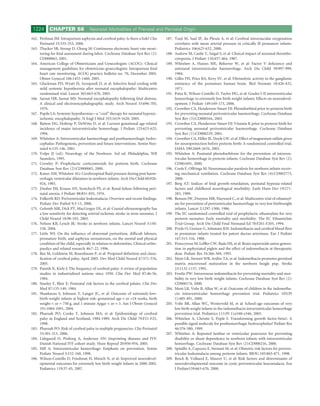
TTN is primarily a clinical diagnosis. Chest radiographs typically dem-    compression and neuromuscular dysfunction. Infants with aneuploidy
onstrate mild pulmonary congestion with hazy lung fields. The pul-          such as trisomy 21 and those with multiple congenital anomalies or
monary vasculature may be prominent. Small accumulations of                hydrops fetalis have a high incidence of pulmonary hypoplasia.
extrapleural fluid, especially in the minor fissure on the right side, may       Oligohydramnios, whether caused by premature rupture of mem-
be seen.                                                                   branes or diminished fetal urine production, can lead to pulmonary
                                                                           hypoplasia. The reduction in branching morphogenesis and surface
Management                                                                 area for gas exchange may be lethal or clinically imperceptible. Clinical
Management is mainly supportive. Supplemental oxygen is provided           studies link the degree of pulmonary hypoplasia to the duration and
to keep the oxygen saturation level greater than 90%. Infants are          severity of the oligohydramnios. Similarly, pulmonary hypoplasia is a
usually given intravenous fluids and not fed orally until their tachy-      hallmark of congenital diaphragmatic hernia (CDH), caused by extrin-
pnea resolves. Rarely, infants may need continuous positive airway         sic compression of the developing fetal lung by the herniated abdomi-
pressure to relieve symptoms. Diuretic therapy has been shown to be        nal contents. The degree of pulmonary hypoplasia in CDH is directly
ineffective.49                                                             related to the extent of herniation. Large hernias occur earlier in gesta-
                                                                           tion. In most cases, the contralateral lung is also hypoplastic.
Neonatal Implications                                                          Lindner and associates51 report a significant mortality risk for
TTN can lead to significant morbidity related to delayed initiation of      infants born to women with premature rupture of membranes and
oral feeding, which may interfere with parental bonding and establish-     oligohydramnios before 20 weeks’ gestation. Their retrospective analy-
ment of successful breastfeeding. The hospital stay is prolonged for       sis demonstrated 69% short-term mortality risk. However, the remain-
mother and infant. The existing perinatal guidelines50 recommend           ing infants fared well and were discharged with apparently normal
scheduling elective cesarean births only after 39 completed weeks’ ges-    pulmonary function. Prediction of clinical outcome is difficult for
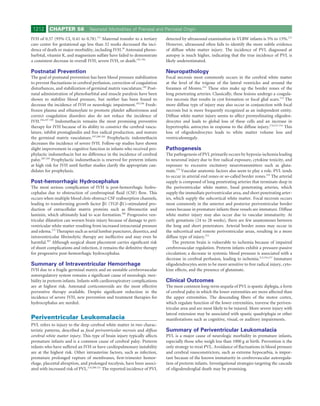
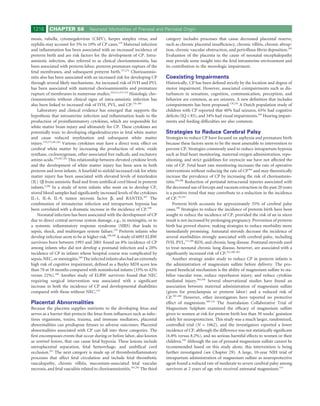
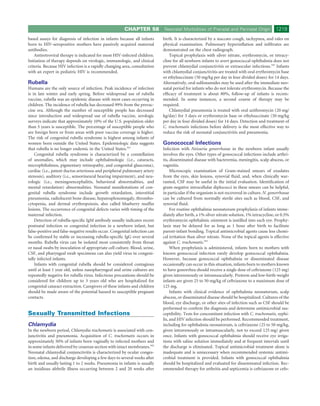
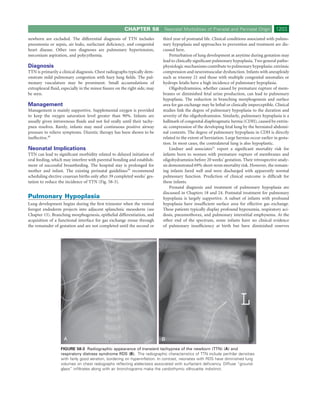
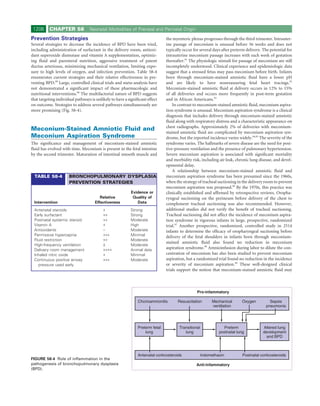
tation to reduce the incidence of TTN (Fig. 58-3).                         these infants.
                                                                               Prenatal diagnosis and treatment of pulmonary hypoplasia are
                                                                           discussed in Chapters 18 and 24. Postnatal treatment for pulmonary
Pulmonary Hypoplasia                                                       hypoplasia is largely supportive. A subset of infants with profound
Lung development begins during the first trimester when the ventral         hypoplasia have insufficient surface area for effective gas exchange.
foregut endoderm projects into adjacent splanchnic mesoderm (see           These patients typically display profound hypoxemia, respiratory aci-
Chapter 15). Branching morphogenesis, epithelial differentiation, and      dosis, pneumothorax, and pulmonary interstitial emphysema. At the
acquisition of a functional interface for gas exchange ensue through       other end of the spectrum, some infants have no clinical evidence
the remainder of gestation and are not completed until the second or       of pulmonary insufficiency at birth but have diminished reserves


                    A                                                      B
                  FIGURE 58-3 Radiographic appearance of transient tachypnea of the newborn (TTN) (A) and
                  respiratory distress syndrome RDS (B). The radiographic characteristics of TTN include perihilar densities
                  with fairly good aeration, bordering on hyperinflation. In contrast, neonates with RDS have diminished lung
                  volumes on chest radiographs reflecting atelectasis associated with surfactant deficiency. Diffuse “ground-
                  glass” infiltrates along with air bronchograms make the cardiothymic silhouette indistinct.
1204     CHAPTER 58             Neonatal Morbidities of Prenatal and Perinatal Origin

when stressed. In between is a cohort of patients with respiratory          50 and 80 mm Hg, with saturations between 88% and 96%. Hypercar-
insufficiency responsive to mechanical ventilation and pharmacologic         bia and hyperoxia are avoided. Heart rate, blood pressure, respiratory
support. Typically, these patients have adequate oxygenation and ven-       rate, and peripheral perfusion are monitored closely. Because sepsis
tilation, suggesting adequate gas exchange capacity. However, many          cannot be excluded, screening blood culture and complete blood cell
develop pulmonary hypertension. The pathophysiologic sequence               counts with differential counts are performed, and infants are started
begins with limited cross-sectional area of resistance arterioles, fol-     on broad-spectrum antibiotics for at least 48 hours.
lowed by smooth muscle hyperplasia in these same vessels. Early use
of pulmonary vasodilators such as nitric oxide is the mainstay of man-         SURFACTANT THERAPY
agement for increased pulmonary vasoreactivity. Optimizing pulmo-               Surfactant replacement is one of the safest and most effective inter-
nary blood flow reduces the potential for hypoxemia thought to               ventions in neonatology. The first successful clinical trial of surfactant
stimulate pathologic medial hyperplasia. If oxygenation, ventilation,       use was reported in 1980 using surfactant prepared from an organic
and acid-base balance are maintained, nutritional support and time          solvent extract of bovine lung to treat 10 infants with RDS.54 By the
can allow sufficient lung growth to support the infant’s metabolic           early 1990s, widespread use of surfactant leads to a progressive decrease
demands. In many cases, the process is lengthy, requiring mechanical        in RDS-associated mortality. Two strategies for treatment are com-
ventilation and treatment with pulmonary vasodilators such as silde-        monly used: prophylactic surfactant, in which surfactant is adminis-
nafil, bosentan, or prostacyclin for weeks to months. Just as prenatal       tered before the first breath to all infants at risk for developing RDS,
prognosis is difficult to assess, predicting outcome for patients with       and rescue therapy, in which surfactant is given after the onset of
pulmonary hypoplasia managed in the neonatal intensive care unit is         respiratory signs. The advantages of prophylactic administration
hampered by limited data.                                                   include a better distribution of surfactant when instilled into a partially
                                                                            fluid filled lung along with the potential to decrease trauma related to
                                                                            resuscitation. Avoiding treatment of unaffected infants and related
Respiratory Distress Syndrome                                               cost savings are the advantages of rescue therapy. Biologically active
RDS is a significant cause of early neonatal mortality and long-term         surfactant can be prepared from bovine, porcine, human, or synthetic
morbidity. However, in the past 3 decades, significant advances have         sources. When administered to patients with surfactant deficiency and
been made in the management of RDS, with consequent decreases in            RDS, all these preparations show improvement in oxygenation and a
associated morbidity and mortality.                                         decreased need for ventilatory support, along with decreased air leaks
                                                                            and death.55 The combined use of antenatal corticosteroids and post-
Perinatal Risk Factors                                                      natal surfactant improves neonatal outcome more than postnatal sur-
The classic risk factors for RDS are prematurity and low birth weight.      factant therapy alone.
Factors that negatively affect surfactant synthesis include maternal
diabetes, perinatal asphyxia, cesarean delivery without labor, and             CONTINUOUS POSITIVE AIRWAY PRESSURE
genetic factors (i.e., white race, history of RDS in siblings, male sex,        In infants with acute RDS, continuous positive airway pressure
and surfactant protein B deficiency).52 Congenital malformations that        (CPAP) appears to prevent atelectasis, minimize lung injury, and pre-
lead to lung hypoplasia such as diaphragmatic hernia are also associ-       serve surfactant function, allowing infants to be managed without
ated with significant surfactant deficiency. Prenatal assessment of fetal     endotracheal intubation and mechanical ventilation. Early delivery
lung maturity and treatment to induce fetal lung maturity are dis-          room CPAP therapy decreases the need for mechanical ventilation and
cussed in detail in Chapter 23.                                             the incidence of long-term pulmonary morbidity.56,57 Increasing use of
                                                                            CPAP has led to decreased use of surfactant and decreased incidence
Clinical Presentation                                                       of BPD.58 Common complications of CPAP include pneumothorax
Symptoms are typically evident in the delivery room, including tachy-       and pneumomediastinum. Rarely, the increased transthoracic pressure
pnea, nasal flaring, subcostal and intercostal retractions, cyanosis, and    leads to progressive decrease in venous return and decreased cardiac
expiratory grunting. The characteristic expiratory grunt results from       output. Brief intubation and administration of surfactant followed by
expiration through a partially closed glottis, providing continuous         extubation to CPAP is an additional RDS treatment strategy increas-
distending airway pressure to maintain functional residual capacity         ingly used in Europe and Australia.59 Prospective, randomized trials
and thereby prevent alveolar collapse. These signs of respiratory diffi-     enrolling extremely low birth weight (ELBW) infants and comparing
culty are not specific to RDS and have a variety of pulmonary and            early delivery room CPAP with early prophylactic surfactant therapy
nonpulmonary causes, such as transient tachypnea, air leaks, congeni-       are being conducted in the National Institute of Child Health and
tal malformations, hypothermia, hypoglycemia, anemia, polycythe-            Human Development (NICHD) Neonatal Network (i.e., SUPPORT
mia, and metabolic acidosis. Progressive worsening of symptoms in           trial).
the first 2 to 3 days, followed by recovery, characterizes the typical
clinical course. This timeline (curve) is modified by administration of         MECHANICAL VENTILATION
exogenous surfactant with a more rapid recovery. Classic radiographic           The goal of mechanical ventilation is to limit volutrauma and baro-
findings include low-volume lungs with a diffuse reticulogranular            trauma without causing progressive atelectasis while maintaining
pattern and air bronchograms. The diagnosis can be established chem-        adequate gas exchange. Complications associated with mechanical
ically by measuring surfactant activity in tracheal or gastric aspirates,   ventilation include pulmonary air leaks, endotracheal tube displace-
but this is not routinely done.53                                           ment or dislodgement, obstruction, infection, and long-term compli-
                                                                            cations such as BPD and subglottic stenosis.
Management
Infants are managed in an incubator or under a radiant warmer in a          Complications
neutral thermal environment to minimize oxygen requirement and              Acute complications include air leaks such as pneumothorax, pneu-
consumption. Arterial oxygen tension (PaO2) is maintained between           momediastinum, pneumopericardium, and pulmonary interstitial
CHAPTER 58           Neonatal Morbidities of Prenatal and Perinatal Origin            1205
emphysema. The incidence of these complications has decreased sig-               Because intrauterine inflammation is increasingly recognized as
nificantly with surfactant treatment. Infection, intracranial hemor-          a cause of preterm parturition, antenatal inflammation is gaining
rhage, and patent ductus arteriosus occur more frequently in VLBW            more attention in the pathogenesis of BPD and other morbidities of
infants with RDS. Long-term complications and comorbidities include          prematurity.77 Chorioamnionitis has been strongly associated with
BPD, poor neurodevelopmental outcomes, and retinopathy of prema-             impaired pulmonary and vascular growth, a typical finding in the new
turity. Incidence of these complications is inversely related to decreas-    BPD.
ing birth weight and gestation.                                                  Most deliveries before 30 weeks’ gestation are associated with his-
    Promising new therapies for the treatment of RDS include early           tologic chorioamnionitis, which except for preterm initiation of labor
inhaled nitric oxide and supplementary inositol for prevention of            is otherwise clinically silent. The more preterm the delivery, the more
long-term pulmonary morbidity (e.g., BPD).60-62 Noninvasive respira-         often histologic chorioamnionitis is detected. Increased levels of pro-
tory support techniques such as synchronized nasal intermittent posi-        inflammatory mediators in amniotic fluid, placental tissues, tracheal
tive ventilation (SNIPPV) and high-flow nasal cannulas are being              aspirates, lung, and serum of ELBW preterm infants support an impor-
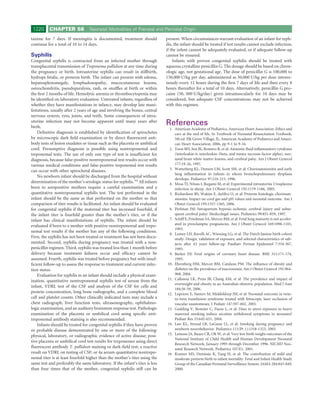
studied to decrease ventilator-associated lung injury.63,64                  tant role for both intrauterine and extrauterine inflammation in the
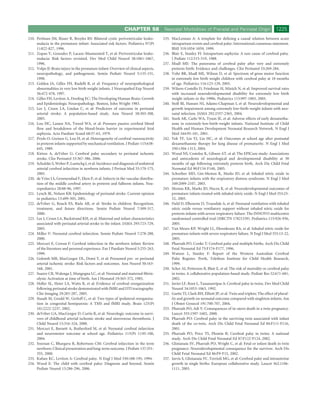
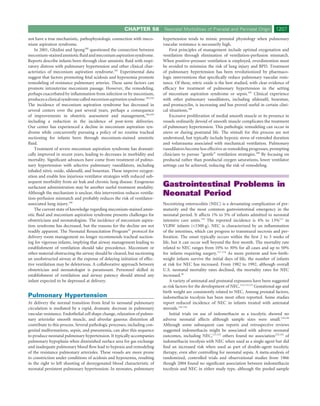
                                                                             development and severity of BPD. The proposed interaction between
                                                                             the proinflammatory and anti-inflammatory influences on the devel-
Bronchopulmonary Dysplasia                                                   oping fetal and preterm lung is detailed in Figure 58-4. Several animal
The classic form of BPD was first described65 in a group of preterm           models and preterm studies demonstrate that mediators of inflam-
infants who were mechanically ventilated at birth and who later              mation, including endotoxins, tumor necrosis factor, IL-1, IL-6, IL-8,
developed chronic respiratory failure with characteristic radiological       and transforming growth factor α can enhance lung maturation but
findings. These infants were larger, late preterm infants with lung           concurrently impede alveolar septation and vasculogenesis, contribut-
changes attributed to mechanical trauma and oxygen toxicity. Smaller,        ing to the development of BPD.78-81 Chorioamnionitis alone is associ-
extremely preterm infants with lung immaturity who have received             ated with BPD, but the probability is increased when these infants
antenatal glucocorticoids have developed a milder form, called new           receive a second insult such as mechanical ventilation or postnatal
BPD.66 This disease primarily occurs in infants weighing less than           infection.82-84
1000 g who have very mild or no initial respiratory distress. The clini-         Maternal genital mycoplasmal infection, particularly with Myco-
cal diagnosis is based on the need for supplemental oxygen at 36 weeks’      plasma hominis and Ureaplasma urealyticum, is associated with preterm
corrected gestational age.67 A physiologic definition of BPD based on         delivery.85 Numerous studies have isolated these organisms from
the need for oxygen at the time of diagnosis has been developed.68           amniotic fluid and placentas in women with spontaneous preterm
    Clinically, the transition from RDS to BPD is subtle and gradual.        birth (i.e., preterm birth due to preterm labor or preterm rupture of
Radiologically, classic BPD is marked by areas of shifting focal atelec-     membranes). After birth, these organisms are known to colonize and
tasis and hyperinflation with or without parenchymal cyst formation.          elicit a proinflammatory response in the respiratory tract, leading to
Chest radiographs of infants with the new BPD show bilateral haziness,       BPD.
reflecting diffuse microatelectasis without multiple cystic changes.              The unpredictable variation in the incidence of BPD, despite
These changes lead to ventilation-perfusion mismatching and increased        adjusting for low birth weight and prematurity, suggests a genetic
work of breathing. Preterm infants with BPD gradually wean off               predisposition to the occurrence and the severity of BPD. Expression
respiratory support and oxygen or continue to worsen with progres-           of genes critical to surfactant synthesis, vascular development, and
sively severe respiratory failure, pulmonary hypertension, and a high        inflammatory regulation are likely to play a role in the pathogenesis of
mortality risk.                                                              BPD. Twin studies have shown that the BPD status of one twin, even
                                                                             after correcting for contributing factors, is a highly significant predic-
Pathophysiology                                                              tor of BPD in the second twin. In this particular cohort, after control-
Risk factors predisposing preterm infants to BPD include extreme pre-        ling for covariates, genetic factors accounted for 53% of the variance
maturity, oxygen toxicity, mechanical ventilation, and inflammation.69        in the liability for BPD.86 Genetic polymorphisms in the inflammatory
The pathologic findings characterized by severe airway injury and             response are increasingly recognized as important in the pathogenesis
fibrosis in the old BPD have been replaced in the new BPD with large,         of preterm parturition (see Chapter 28), and may be similarly impor-
simplified alveolar structures, impaired capillary configuration, and          tant in the genesis of inflammatory morbidities in the preterm neonate
various degrees of interstitial cellularity or fibroproliferation.70 Airway   as well.
and vascular lesions tend to be associated with more severe disease.
    Oxygen-induced lung injury is an important contributing factor.          Long-Term Complications
Exposure to oxygen in the first 2 weeks of life and as chronic therapy        Infants with BPD have significant pulmonary sequelae during child-
has been associated in clinical studies with the severity of BPD.71,72 In    hood and adolescence. Reactive airway disease occurs more frequently,
animal models, hyperoxia has been shown to mimic many of the                 with increased risk of bronchiolitis and pneumonia. Up to 50% of
pathologic findings of BPD. Two large, randomized trials in preterm           infants with BPD require readmission to hospital for lower respiratory
infants suggested that the use of supplemental oxygen to maintain            tract illness in the first year of life.87
higher saturations resulted in worsening pulmonary outcomes.73,74                BPD is an independent predictor of adverse neurologic outcomes.
Barotrauma and volutrauma associated with mechanical ventilation             Infants with BPD exhibit lower average IQs, academic difficulties,
have been identified as major factors causing lung injury in preterm          delayed speech and language development, impaired visual-motor
infants.75,76 Surfactant replacement therapy is beneficial in decreasing      integration, and behavior problems.88 Sparse data also suggest an
symptoms of RDS and improving survival. The efficacy of surfactant            increased risk for attention deficit disorders, memory and learning
to decrease the incidence of subsequent BPD is less well established.        deficits. Delayed growth occurs in 30% to 60% of infants with BPD at
Chronic inflammation and edema associated with positive-pressure              2 years. The degree of long-term growth delay is inversely proportional
ventilation cause surfactant protein inactivation.                           to birth weight and directly proportional to the severity of BPD.
1206     CHAPTER 58              Neonatal Morbidities of Prenatal and Perinatal Origin

Prevention Strategies                                                         the myenteric plexus progresses through the third trimester. Intrauter-
Several strategies to decrease the incidence of BPD have been tried,          ine passage of meconium is unusual before 36 weeks and does not
including administration of surfactant in the delivery room, antioxi-         typically occur for several days after preterm delivery. The potential for
dant superoxide dismutase and vitamin A supplementation, optimiz-             intrauterine meconium passage increases with each week of gestation
ing fluid and parenteral nutrition, aggressive treatment of patent             thereafter.91 The physiologic stimuli for passage of meconium are still
ductus arteriosus, minimizing mechanical ventilation, limiting expo-          incompletely understood. Clinical experience and epidemiologic data
sure to high levels of oxygen, and infection prevention. Table 58-4           suggest that a stressed fetus may pass meconium before birth. Infants
enumerates current strategies and their relative effectiveness in pre-        born through meconium-stained amniotic fluid have a lower pH
venting BPD.89 Large, controlled clinical trials and meta-analysis have       and are likely to have nonreassuring fetal heart tracings.92
not demonstrated a significant impact of these pharmacologic and               Meconium-stained amniotic fluid at delivery occurs in 12% to 15%
nutritional interventions.90 The multifactorial nature of BPD suggests        of all deliveries and occurs more frequently in post-term gestation
that targeting individual pathways is unlikely to have a significant effect    and in African Americans.93
on outcome. Strategies to address several pathways simultaneously are             In contrast to meconium-stained amniotic fluid, meconium aspira-
more promising (Fig. 58-4).                                                   tion syndrome is unusual. Meconium aspiration syndrome is a clinical
                                                                              diagnosis that includes delivery through meconium-stained amniotic
                                                                              fluid along with respiratory distress and a characteristic appearance on
                                                                              chest radiographs. Approximately 2% of deliveries with meconium-
Meconium-Stained Amniotic Fluid and                                           stained amniotic fluid are complicated by meconium aspiration syn-
Meconium Aspiration Syndrome                                                  drome, but the reported incidence varies widely.94,95 The severity of the
The significance and management of meconium-stained amniotic                   syndrome varies. The hallmarks of severe disease are the need for posi-
fluid has evolved with time. Meconium is present in the fetal intestine        tive-pressure ventilation and the presence of pulmonary hypertension.
by the second trimester. Maturation of intestinal smooth muscle and           Severe meconium aspiration is associated with significant mortality
                                                                              and morbidity risk, including air leak, chronic lung disease, and devel-
                                                                              opmental delay.
                                                                                  A relationship between meconium-stained amniotic fluid and
  TABLE 58-4          BRONCHOPULMONARY DYSPLASIA                              meconium aspiration syndrome has been presumed since the 1960s,
                      PREVENTION STRATEGIES                                   when the strategy of tracheal suctioning in the delivery room to prevent
                                                                              meconium aspiration was proposed.96 By the 1970s, this practice was
                                                          Evidence or         clinically established and affirmed by retrospective reviews. Oropha-
                                        Relative           Quality of         ryngeal suctioning on the perineum before delivery of the chest to
 Intervention                        Effectiveness           Data             complement tracheal suctioning was also recommended. However,
 Antenatal steroids                       +               Strong              additional studies did not verify the benefit of tracheal suctioning.
 Early surfactant                         ++              Strong              Tracheal suctioning did not affect the incidence of meconium aspira-
 Postnatal systemic steroid               ++              Moderate            tion syndrome in vigorous infants in large, prospective, randomized
 Vitamin A                                +               High                trial.97 Another prospective, randomized, controlled study in 2514
 Antioxidants                             −               Moderate            infants to determine the efficacy of oropharyngeal suctioning before
 Permissive hypercapnia                   +++             Minimal             delivery of the fetal shoulders in infants born through meconium-
 Fluid restriction                        ++              Moderate
                                                                              stained amniotic fluid also found no reduction in meconium
 High-frequency ventilation               ±               Moderate
 Delivery room management                 ++++            Animal data
                                                                              aspiration syndrome.98 Amnioinfusion during labor to dilute the con-
 Inhaled nitric oxide                     +               Minimal             centration of meconium has also been studied to prevent meconium
 Continuous positive airway               +++             Moderate            aspiration, but a randomized trial found no reduction in the incidence
    pressure used early                                                       or severity of meconium aspiration.99 These well-designed clinical
                                                                              trials support the notion that meconium-stained amniotic fluid may


                                                                                                Pro-infammatory

                                                              Chorioamnionitis      Resuscitation        Mechanical       Oxygen          Sepsis
                                                                                                         ventilation                    pneumonia


                                                              Preterm fetal          Transitional              Preterm                 Altered lung
                                                                  lung                  lung                 postnatal lung            development
                                                                                                                                         and BPD


                                                              Antenatal corticosteroids             Indomethacin          Postnatal corticosteroids
FIGURE 58-4 Role of inflammation in the
pathogenesis of bronchopulmonary dysplasia                                                     Anti-infammatory
(BPD).
CHAPTER 58          Neonatal Morbidities of Prenatal and Perinatal Origin             1207
not have a true mechanistic, pathophysiologic connection with meco-        hypertension tends to mimic prenatal physiology when pulmonary
nium aspiration syndrome.                                                  vascular resistance is necessarily high.
    In 2001, Ghidini and Spong100 questioned the connection between            First principles of management include optimal oxygenation and
meconium-stained amniotic fluid and meconium aspiration syndrome.           ventilation through elimination of ventilation-perfusion mismatch.
Reports describe infants born through clear amniotic fluid with respi-      When positive-pressure ventilation is employed, overdistention must
ratory distress with pulmonary hypertension and other clinical char-       be avoided to minimize the risk of lung injury and BPD. Treatment
acteristics of meconium aspiration syndrome.101 Experimental data          of pulmonary hypertension has been revolutionized by pharmaco-
suggest that factors promoting fetal acidosis and hypoxemia promote        logic interventions that specifically reduce pulmonary vascular resis-
remodeling of resistance pulmonary arteries. These same factors can        tance. Of these, nitric oxide is the best studied, with clear evidence of
promote intrauterine meconium passage. However, the remodeling,            efficacy for treatment of pulmonary hypertension in the setting
perhaps exacerbated by inflammation from infection or by meconium,          of meconium aspiration syndrome or sepsis.107 Clinical experience
produces a clinical syndrome called meconium aspiration syndrome.102,103   with other pulmonary vasodilators, including sildenafil, bosentan,
The incidence of meconium aspiration syndrome has decreased in             and prostacyclin, is increasing and has proved useful in certain clini-
several centers over the past several years, perhaps a consequence         cal situations.108
of improvements in obstetric assessment and management,104,105                 Excessive proliferation of medial smooth muscle or its presence in
including a reduction in the incidence of post-term deliveries.            vessels ordinarily devoid of smooth muscle complicates the treatment
Our center has experienced a decline in meconium aspiration syn-           of pulmonary hypertension. This pathologic remodeling can occur in
drome while concurrently pursuing a policy of no routine tracheal          utero or during postnatal life. The stimuli for this process are not
suctioning for infants born through meconium-stained amniotic              understood, but typically include hypoxic stress of extended duration
fluid.                                                                      and volutrauma associated with mechanical ventilation. Pulmonary
    Treatment of severe meconium aspiration syndrome has dramati-          vasodilators become less effective as remodeling progresses, prompting
cally improved in recent years, leading to decreases in morbidity and      clinicians to pursue “gentle” ventilation strategies.109 By focusing on
mortality. Significant advances have come from treatment of pulmo-          preductal rather than postductal oxygen saturations, lower ventilator
nary hypertension with selective pulmonary vasodilators, including         settings can be achieved, reducing the risk of remodeling.
inhaled nitric oxide, sildenafil, and bosentan. These improve oxygen-
ation and enable less injurious ventilator strategies with reduced sub-
sequent morbidity from air leak and chronic lung disease. Exogenous
surfactant administration may be another useful treatment modality.        Gastrointestinal Problems in
Although the mechanism is unclear, this intervention reduces ventila-
tion-perfusion mismatch and probably reduces the risk of ventilator-
                                                                           Neonatal Period
associated lung injury.106                                                 Necrotizing enterocolitis (NEC) is a devastating complication of pre-
    The current state of knowledge regarding meconium-stained amni-        maturity and the most common gastrointestinal emergency in the
otic fluid and meconium aspiration syndrome presents challenges for         neonatal period. It affects 1% to 5% of infants admitted to neonatal
obstetricians and neonatologists. The incidence of meconium aspira-        intensive care units.110 The reported incidence is 4% to 13%111 in
tion syndrome has decreased, but the reasons for the decline are not       VLBW infants (<1500 g). NEC is characterized by an inflammation
readily apparent. The Neonatal Resuscitation Program35 protocol for        of the intestines, which can progress to transmural necrosis and per-
delivery room management no longer recommends tracheal suction-            foration. The onset typically occurs within the first 2 to 3 weeks of
ing for vigorous infants, implying that airway management leading to       life, but it can occur well beyond the first month. The mortality rate
establishment of ventilation should take precedence. Meconium or           related to NEC ranges from 10% to 30% for all cases and up to 50%
other material obstructing the airway should be cleared, but suctioning    for infants requiring surgery.111-114 As more preterm and low-birth-
an unobstructed airway at the expense of delaying initiation of effec-     weight infants survive the initial days of life, the number of infants
tive ventilation may be deleterious. A collaborative approach between      at risk for NEC has increased. From 1982 to 1992, although overall
obstetrician and neonatologist is paramount. Personnel skilled in          U.S. neonatal mortality rates declined, the mortality rates for NEC
establishment of ventilation and airway patency should attend any          increased.26
infant expected to be depressed at delivery.                                   A variety of antenatal and postnatal exposures have been suggested
                                                                           as risk factors for the development of NEC.112,113,115 Gestational age and
                                                                           birth weight are consistently related to NEC. Among prenatal factors,
Pulmonary Hypertension                                                     indomethacin tocolysis has been most often reported. Some studies
At delivery the normal transition from fetal to neonatal pulmonary         report reduced incidence of NEC in infants treated with antenatal
circulation is mediated by a rapid, dramatic decrease in pulmonary         steroids.116-118
vascular resistance. Endothelial cell shape change, relaxation of pulmo-       Initial trials on use of indomethacin as a tocolytic showed no
nary arteriolar smooth muscle, and alveolar gaseous distention all         adverse neonatal affects although sample sizes were small.119,120
contribute to this process. Several pathologic processes, including con-   Although some subsequent case reports and retrospective reviews
genital malformations, sepsis, and pneumonia, can alter this sequence      suggested indomethacin might be associated with adverse neonatal
to produce neonatal pulmonary hypertension. It typically accompanies       outcomes, including NEC,121,122 others found no association123,124 of
pulmonary hypoplasia when diminished surface area for gas exchange         indomethacin tocolysis with NEC when used as a single agent but did
and inadequate pulmonary blood flow lead to hypoxia and remodeling          find an increased risk when used as part of double-agent tocolytic
of the resistance pulmonary arterioles. These vessels are more prone       therapy, even after controlling for neonatal sepsis. A meta-analysis of
to constriction under conditions of acidosis and hypoxemia, resulting      randomized, controlled trials and observational studies from 1966
in the right to left shunting of deoxygenated blood characteristic of      though 2004 found no significant association between indomethacin
neonatal persistent pulmonary hypertension. In neonates, pulmonary         tocolysis and NEC in either study type, although the pooled sample
1208     CHAPTER 58             Neonatal Morbidities of Prenatal and Perinatal Origin

size of the published randomized, controlled trials limited statistical     are adversely affected. NEC is an independent risk factor for develop-
power.125 There is insufficient evidence to alter use of antenatal indo-     ment of cerebral palsy and developmental delay.129,130,132 For infants
methacin in relationship to NEC (see Chapter 29).                           with surgical NEC, depending on the amount of bowel lost, there is
    Postnatal interventions to prevent the development of NEC               risk of short gut syndrome requiring parenteral nutrition and, ulti-
include alterations in feeding type and advancements, oral antibiot-        mately, small bowel or liver transplantation. NEC is the single most
ics, immune globulin use and vitamin supplementation. Decreased             common cause of the short gut syndrome in children.27-29
incidence of NEC has been demonstrated only for human milk. A
meta-analysis of randomized, controlled trials evaluating use of
human milk and NEC found a fourfold decrease (relative risk [RR]            Hyperbilirubinemia
= 0.25; 95% confidence interval [CI], 0.06 to 0.98) with the use of          Hyperbilirubinemia is common; 60% of term infants and 80% of
human milk.126 Mothers of infants at risk, particularly those less than     preterm infants develop jaundice in the first week of life.133 Bilirubin
32 weeks’ gestation, should be encouraged to supply breast milk for         levels are elevated in neonates due to increased production coupled
their infant. Providing early prenatal and postnatal counseling on use      with decreased excretion. Increased production is related to higher
of human milk increases the initiation of lactation and neonatal            rates of red cell turnover and shorter red cell life span.134 Rates of
intake of mother’s milk without increasing maternal stress or               excretion are lower because of diminished activity of glucoronosyl-
anxiety.127 Newer preventive interventions being explored include the       transferase, limiting bilirubin conjugation, and increased enterohe-
use of probiotics and growth factors aimed at protecting the gut            patic circulation. In most cases, jaundice has no clinical significance
epithelium.128                                                              because bilirubin levels remain low, and it is transient. Less than 3%
    NEC may present slowly or as a sudden catastrophic event. Abdom-        develop levels greater than 15 mg/dL.133 Risk factors for development
inal distention occurs early, with bloody stools present in 25% of          of severe jaundice are outlined in Table 58-5.
cases.110 The radiographic hallmark is the presence of pneumatosis              Several important risk factors have their origin in the prenatal and
intestinalis or portal venous gas (see Fig. 58-2). Progression may be       perinatal environment. Hyperbilirubinemia is seen more frequently in
rapid, resulting in bowel perforation with evidence of free air on the      infants of mothers who are diabetic (IDM). The pathogenesis of
radiograph. Early management consists of bowel decompression,               increased bilirubin in IDM infants is uncertain but has been attributed
intravenous antibiotics, and respiratory and cardiovascular support as      to polycythemia as well as increased red cell turnover.136,137 Prenatally,
indicated. The single absolute indication for surgical intervention is      maternal blood group immunization may result from blood transfu-
pneumoperitoneum (Fig. 58-5).                                               sion or fetal maternal hemorrhage. Although the prevalence of Rh(D)
    For infants who survive NEC, morbidity is high, including high          immunization has significantly decreased with the advent of preven-
rates of growth failure, chronic lung disease, and nosocomial infec-        tion programs, including use of Rh immune globulin, antibodies to
tions.129-131 Lengths of stay and hospital costs are significantly length-   other blood group antigens may still occur. ABO hemolytic disease, a
ened, particularly in surgical NEC.131 Long-term neurologic outcomes        common cause of severe jaundice in the newborn, rarely causes hemo-


                    A                                                       B
                   FIGURE 58-5 Diagnosis and pathology of necrotizing enterocolitis. A, Typical radiographic appearance
                   of necrotizing enterocolitis, demonstrating pneumatosis and intramural gas. B, Intraoperative photograph of
                   the small bowel, which contains intramural gas.
CHAPTER 58         Neonatal Morbidities of Prenatal and Perinatal Origin             1209

 TABLE 58-5           COMMON CLINICAL RISK FACTORS                           brain.141 At what level more subtle neurologic abnormalities appear
                      FOR SEVERE HYPERBILIRUBINEMIA                          remains unclear.139
                                                                                 Management of hyperbilirubinemia is aimed at the prevention of
 Jaundice in the first 24 hours                                               bilirubin encephalopathy while minimizing interference with breast-
 Visible jaundice before discharge                                           feeding and unnecessary parental anxiety. Key elements in prevention
 Previous jaundiced sibling                                                  include systematic evaluation of newborns before discharge for the
 Exclusive breastfeeding                                                     presence of jaundice and its risk factors, promotion and support of
 Bruising, cephalohematoma
                                                                             successful breastfeeding, interpretation of jaundice levels based on the
 East Asian, Mediterranean, or Native American origin or ethnicity
 Maternal age >25 years
                                                                             hour of life, parental education, and appropriate neonatal follow-up
 Male sex                                                                    based on time of discharge.139 Treatment of severe hyperbilirubinemia
 Unrecognized hemolysis (i.e., ABO, Rh, c, C, E, Kell, and other             should be initiated promptly when identified. Guidelines for treatment
   minor blood group antigens)                                               with phototherapy and exchange transfusion vary with gestational age,
 Glucose–6-phosphate dehydrogenase deficiency                                 the presence or absence of risk factors, and the hour of life. Nomo-
 Infant of a diabetic mother                                                 grams to guide patient management are available from the American
                                                                             Academy of Pediatrics.139 Kernicterus is largely preventable. It requires
 Adapted from Centers for Disease Control and Prevention: Kernicterus
 in full-term infants; United States, 1994-1998. Report No.: 50(23), 2001.
                                                                             close collaboration between prenatal and postnatal caretakers for accu-
                                                                             rate dissemination of information regarding risk factors for parents
                                                                             and caregivers.

lytic disease in the fetus. Other antibodies associated with hemolytic
disease in the fetus and newborn are discussed in Chapter 26. A fetus        Feeding Problems
who is apparently unaffected in utero may have continued hemolysis           Feeding problems related to complications of prematurity, congenital
postnatally; physicians caring for the newborn should be notified of          anomalies, or gastrointestinal disorders contribute significantly to
any maternal sensitization.                                                  length of stay for hospitalized newborns. In a study of children referred
    Other perinatal factors associated with severe hyperbilirubinemia        to an interdisciplinary feeding team, 38% were born preterm.145 Pre-
include delivery before 38 weeks. Infants born at 36 to 37 weeks’ gesta-     mature infants with a history of neonatal chronic lung disease or neu-
tion have an almost sixfold increase of significant hyperbilirubine-          rologic injury such as IVH or periventricular leukomalacia (PVL) and
mia138 and require close surveillance and monitoring, especially if          those with a history of NEC are at the highest risk for long-term
breastfed.139 Feeding difficulties, also common for the near term infant,     feeding problems. These medically complex infants often have other
increase this risk still further and may result in delayed hospital dis-     comorbidities, such as tracheomalacia, chronic aspiration, and gastro-
charge or readmission for the infant. The presence of bruising or a          esophageal reflux (GER), that interfere with normal maturational pat-
cephalohematoma, more common after instrumented or difficult                  terns of feeding. Premature infants with complex medical problems
deliveries, will also increase risk. Polymorphisms of genes coding for       often require prolonged intubation and mechanical ventilation with
enzymes mediating bilirubin catabolism may also contribute to the            delayed initiation of enteral feeding, all of which have been associated
development of severe hyperbilirubinemia.140                                 with subsequent feeding difficulties. These infants often have difficulty
    The primary consequence of severe hyperbilirubinemia is poten-           integrating sensory input because of medical interventions and neuro-
tial neurotoxicity. Kernicterus is a neurologic syndrome resulting           logic immaturity. All of these factors combine to increase the risk of
from deposition of unconjugated bilirubin in the basal ganglia and           developing oral aversion.
brainstem nuclei, and neuronal necrosis.141 Clinical features may be             Infants with congenital anomalies are also at high risk for feeding
acute or chronic, resulting in tone and movement disorders such as           disorders. Infants with tracheoesophageal fistula with esophageal
choreoathetosis and spastic quadriplegia, mental retardation, and sen-       atresia often have difficulty feeding due to tracheomalacia, recurrent
sorineural hearing loss.142 A number of factors influence the neuro-          esophageal stricture, and GER, which are known associates of this
toxic effects of bilirubin, making prediction of outcome difficult.           disorder. Infants with CDH have an extremely high incidence of oral
Bilirubin more easily enters the brain if it is not bound to albumin,        aversion and growth problems in addition to the pulmonary complica-
is unconjugated, or there is increased permeability of the blood brain       tions. Surviving infants and children with CDH have a 60% to 80%
barrier.142 Conditions such as prematurity that alter albumin levels or      incidence of associated GER which has been shown to persist into
that alter the blood brain barrier such as infection, acidosis, and pre-     adulthood.146-151 Often, GER is severe, refractory to medical therapy,
maturity affect bilirubin entry into the brain. As a result, there is no     and requires a surgical antireflux procedure. Infants with CDH often
serum level of bilirubin that predicts outcome. In early studies of          have inadequate caloric intake due to fatigue or oral aversion and
infants with Rh hemolytic disease, kernicterus developed in 8% of            increased energy requirements leading to poor growth. Often these
infants with serum bilirubin concentrations of 19 to 24 mg/dL, 33%           infants require supplemental tube feedings by nasogastric, nasojejunal,
with levels of 25 to 29 mg/dL, and 73% of infants with levels of 30          or gastrostomy feeding tube. These feeding difficulties may last several
to 40 mg/dL.141                                                              years and are often accompanied by a behavioral-based feeding
    Levels of indirect bilirubin below 25 mg/dL in otherwise term            component.
healthy infants without hemolytic disease are unlikely to result in ker-         Infants with congenital or acquired gastrointestinal abnormalities
nicterus without other risk factors, as indicated in a study of 140 term     often have associated feeding difficulties. Infants with conditions such
and near-term infants with levels above 25 mg/dL, in which no cases          as gastroschisis with or without associated intestinal atresias often
of kernicterus occurred.143 Kernicterus has however been reported in         require prolonged hospitalization because of a slow tolerance of enteral
otherwise healthy breastfed term newborns at levels above 30 mg/dL.144       feedings and a higher risk for NEC after gastroschisis repair.152,153 They
One of the most important of these risk factors is prematurity. The          often have dysmotility and severe GER with oral aversion.154 A small
less mature the infant the greater the susceptibility of the neonatal        percentage of patients have long-term intolerance of enteral feedings
1210      CHAPTER 58             Neonatal Morbidities of Prenatal and Perinatal Origin

and require prolonged total parenteral nutrition (TPN). Patients              Gynecologists (ACOG) practice bulletin called “Clinical Management
requiring long-term TPN may develop liver injury or cholestasis and           Guidelines for Obstetrician-Gynecologists”164 concluded that EFM has
ultimately may require liver or small bowel transplantation. Infants          a high false-positive rate to predict adverse outcomes and is associated
who develop short bowel syndrome resulting from NEC also have                 with an increase in operative deliveries without any reduction in cere-
difficulties tolerating enteral feeds, depending on the length and func-       bral palsy. Meconium-stained amniotic fluid is commonly seen during
tion of the remaining bowel. Like patients with gastroschisis, infants        labor, but no data exist to associate it with adverse neurologic outcome.
with severe short bowel syndrome may require prolonged TPN and go             Apgar scores were originally introduced to identify infants in need of
on to develop liver or intestinal failure requiring transplantation.          resuscitation, not to predict neurologic outcome. Apgar scores are not
    In summary, premature infants and infants with congenital anom-           specific to an infant’s acid-base status but can reflect drug use, meta-
alies or acquired gastrointestinal abnormalities are at high risk for         bolic disorder, trauma, hypovolemia, infection, neuromuscular disor-
long-term feeding problems. It is important to counsel families regard-       der, and congenital anomalies. However, a persistently low Apgar
ing this risk. Minimizing iatrogenic oral aversion is crucial. Involving      score after 5 minutes despite intensive CPR has been associated with
a feeding specialist early in a medically complex infant’s course may         increased morbidity and mortality.162,168-170 The combination of a low
help reduce these problems.                                                   5-minute Apgar score with other markers such as fetal acidemia and
                                                                              the need for CPR in the delivery room, predicts a significantly increased
                                                                              risk of brain injury.171,172 Perlman and Risser172 found a 340-fold
                                                                              increased risk of seizures and associated moderate to severe encepha-
Neurologic Problems in the                                                    lopathy in association with a 5-minute Apgar score of 5, delivery room
                                                                              intubation or CPR, and an umbilical arterial cord pH less than 7.00.
Neonatal Period
                                                                              Neonatal Encephalopathy
Hypoxic-Ischemic Encephalopathy                                               Neonatal encephalopathy is clinically characterized by depressed level
Injury to the brain sustained during the perinatal period was once            of consciousness, abnormal muscle tone and reflexes, abnormal respi-
thought to be one of the most common causes of death or severe,               ratory pattern, and seizures.155 These findings may result from a
long-term neurologic deficits in children.155 However, data show that          hypoxic-ischemic event but can also be due to other conditions such
only 10% of brain injury is related to perinatal or intrapartum               as metabolic disorders, neuromuscular disorders, toxin exposure, and
events.156,157 There is increasing recognition that events occurring well     chromosomal abnormalities or syndromes. Not all infants with neo-
before labor contribute significantly to the cause of brain injury.            natal encephalopathy go on to develop permanent neurologic impair-
Despite improvements in perinatal practice, the incidence of hypoxic-         ment. The Sarnat staging system is frequently used to classify the
ischemic encephalopathy has remained stable at 1 or 2 cases per 1000          degree of encephalopathy and predict neurologic outcome.166 Infants
term births.158,159 Strategies for prevention of brain injury have been       with mild encephalopathy (Sarnat stage 1) generally have a favorable
mainly supportive because prevention has been difficult because of the         outcome. Infants with moderate encephalopathy (Sarnat stage 2)
lack of clinically reliable indicators and the occurrence of the initiating   develop long-term neurologic compromise in 20% to 25% of cases,
event well before the onset of labor. However, because brain injury           and infants with severe encephalopathy (Sarnat stage 3) have a greater
initiated by a hypoxic-ischemic event is also affected by a “reperfusion      than 80% risk of death or long-term neurologic sequelae.155
phase” of injury, strategies targeting this process of ongoing injury are
being developed for neuroprotection.160,161                                   Multiorgan Injury
                                                                              In addition to neurologic compromise, the interruption of placental
Definition of Asphyxia                                                         blood flow can result in systemic organ injury. Animal models and
The brain injury referred to as hypoxic-ischemic encephalopathy               clinical studies have demonstrated that the kidney is exquisitely sensi-
occurs due to impaired cerebral blood flow likely as a consequence of          tive to reductions in renal blood flow.173,174 The result of decreased
interrupted placental blood flow leading to impaired gas exchange.162          renal perfusion is acute tubular necrosis with varying degrees of oligu-
If gas exchange is persistently impaired, hypoxemia and hypercapnia           ria and azotemia. Other organ systems are also sensitive to reduced
develop with resultant fetal acidosis or what has been referred to as         blood flow. Decreased blood flow to the gastrointestinal tract can lead
asphyxia. Severe fetal acidemia, defined as an umbilical arterial pH of        to luminal ischemia and increased risk for NEC. Decreased pulmonary
less than 7.00, is associated with an increased risk of adverse neurologic    blood flow can result in persistent pulmonary hypertension of the
outcome.163,164 However, even with this degree of acidemia, only a            newborn. Lack of blood flow to the liver can result in hepatocellular
small portion of infants develop significant encephalopathy and sub-           injury and impaired synthetic function, leading to hypoglycemia and
sequent sustained neurologic injury.165-167 Fetal scalp blood sampling        disseminated intravascular coagulation. Fluid retention and hypona-
and umbilical cord gas data do not have great sensitivity to predict          tremia can develop due to the combination of impaired renal function
long-term neurologic impairment.                                              and the release of antidiuretic hormone. Suppression of parathyroid
                                                                              hormone release can lead to hypocalcemia and hypomagnesemia.
Clinical Markers                                                              These electrolyte abnormalities can further affect myocardial function.
Other clinical measures to identify fetal stress (such as fetal heart rate    Muscle can be affected by electrolyte abnormalities and direct cellular
abnormalities, meconium-stained amniotic fluid, low Apgar scores,              injury, leading to rhabdomyolysis.162
and need for cardiopulmonary resuscitation CPR) in the delivery
room do not reliably identify infants at high risk for brain injury when      Neuropathology
used in isolation. Despite the widespread use of electronic fetal heart       The reduction in cerebral blood flow associated with a hypoxic-isch-
rate monitoring (EFM) which detects changes in fetal heart rate related       emic event sets off a complex cascade of regional circulatory factors
to fetal oxygenation, there has been no reduction in the incidence of         and biochemical changes at the cellular level. Hypoxia induces a switch
cerebral palsy.163 In 2005, an American College of Obstetricians and          from normal oxidative phosphorylation to anaerobic metabolism,
CHAPTER 58            Neonatal Morbidities of Prenatal and Perinatal Origin             1211
leading to depletion of high-energy phosphate reserves, accumulation
of lactic acid, and inability to maintain cellular functions.161,175 The end     Intraventricular Hemorrhage
result is cellular energy failure, metabolic acidosis, release of glutamate      IVH (i.e., germinal matrix hemorrhage) occurs most commonly in
and intracellular calcium, lipid peroxidation, build-up of nitric oxide,         preterm infants and is a major cause of mortality and long-term dis-
and eventual cell death.155,161,176 It is this process of cellular injury that   ability. Bleeding originates in the subependymal germinal matrix but
is being targeted for neuroprotection strategies.                                may rupture through the ependyma into the ventricular system. IVH
                                                                                 is graded into four categories:
Neuroimaging
Diffusion-weighted magnetic resonance imaging (MRI) has become                      Grade I: Bleeding is localized to the germinal matrix
the gold standard to define the extent and potentially the timing of the             Grade II: Bleeding into the ventricle but the clot does not distend
brain injury. Diffusion-weighted techniques can detect signal changes                  the ventricle
due to reduced brain water diffusivity within the first 24 to 48 hours               Grade III: Bleeding into the ventricle with ventricular dilation
of the insult.162,177-179 Magnetic resonance spectroscopy can also detect           Grade IV: Intraparenchymal extension
alterations in metabolites such as lactate, N-acetyl aspartate, choline,
and creatinine in specific regions of the brain indicating injury.177,180         Incidence
However, MRI is difficult to perform in an unstable patient, and com-             Diagnosis is made most commonly by cranial ultrasound, with most
puted tomography (CT) may be preferable as the initial study for term            hemorrhages occurring within 6 hours of birth and 90% within the
infants and ultrasound for preterm infants.                                      first 5 days of life.185 The incidence of IVH has decreased significantly
                                                                                 with improvements in perinatal care such as maternal transfer and
Neuroprotection Strategies                                                       antenatal steroids. From 1990 to 1999, the incidence of IVH reported
Brain cooling by selective cooling of the head or systemic hypothermia           for infants with birth weights of less than 1000 g was 43%, and 13%
has been studied as a potential therapy for neonates with hypoxic-               were grade III or grade IV. In 2000 and 2002, the overall incidence of
ischemic encephalopathy. The Cool Cap Study Group found no sig-                  IVH decreased to 22%; only 3% were severe despite improvements in
nificant improvement in survival or severe neurodevelopmental                     survival.186 Lower gestational age is associated with an increased risk
disability in 234 term infants with moderate to severe neonatal enceph-          of severe IVH.168
alopathy and abnormal amplitude integrated electroencephalography
(aEEG) in a multicenter, randomized trial of selective head cooling.165          Pathogenesis
However, there was improvement in infants with less severe aEEG                  Anatomic and physiologic factors have been implicated in the patho-
changes in a subgroup analysis.165 A large, multicenter, randomized              genesis of IVH. The germinal matrix is composed of thin-walled blood
trial of brain cooling using whole-body hypothermia for infants of 36            vessels that lack supportive tissue. These fragile vessels have a tendency
weeks’ gestation with moderate or severe encephalopathy found that               to rupture spontaneously or in response to stress, such as hypoxia-
systemic hypothermia resulted in an 18% reduction of death or mod-               ischemia, changes in blood pressure or cerebral perfusion, and pneu-
erate or severe disability at 18 to 22 months of age.181 Proposed reasons        mothoraces. In addition to these structural factors, premature infants
for the greater benefit in the latter study from the NICHD Neonatal               have an immature cerebrovascular autoregulation system (so-called
Research Network are earlier initiation of cooling and possible differ-          pressure-passive circulation) in response to systemic hypotension,
ences in the severity of brain injury (Cool Cap study required the               which makes them more susceptible to hemorrhage.174,185,187 Immatu-
additional evidence of an abnormal aEEG).165 There are insufficient               rities in the coagulation system and increased fibrinolytic activity of
data to suggest that one method of brain cooling is superior to the              premature infants may also play a role.169,188-190
other. Until more data are available, treatment with brain cooling is
best considered an experimental technique.167                                    Outcomes
    Because the therapeutic window for effective treatment may be                Although it has been generally thought that infants with grade I or II
limited to within 6 hours of delivery, future efforts are being focused          IVH have similar outcomes to those without cranial ultrasound abnor-
on early identification of infants at the greatest risk for hypoxic-              malities, extremely-low-birth-weight infants with grade I or II IVH
ischemic injury. Infants at highest risk are those with evidence of a            had worse neurodevelopmental outcomes at 20 months corrected age
sentinel event during labor, pronounced respiratory and neuromuscu-              compared with those with normal cranial ultrasound scans in a 2006
lar depression at delivery with persistently low Apgar scores, the               report.191 About 35% of infants with grade III IVH have adverse
need for delivery room resuscitation, severe fetal acidemia (umbilical           neurologic outcomes. In those who develop post-hemorrhagic
artery pH less than7.00 or base deficit of 16 mEq/L), and evidence of             hydrocephalus requiring surgical intervention, the disability rate
an early abnormal neurologic examination, seizures, or an abnormal               increases to about 60%.169 Grade IV IVH is associated with the highest
aEEG.161,172,182-184                                                             mortality rates, and 80% to 90% are associated with poor neurologic
                                                                                 outcomes.170
Summary of Hypoxic-Ischemic Brain Injury
Hypoxic-ischemic brain injury due to intrapartum asphyxia is a rare              Antenatal Prevention
but serious cause of long-term neurodevelopmental disability. It is              The only therapies shown to decrease the incidence of IVH in prema-
often difficult to define a specific intrapartum event because the initiat-         ture infants are antenatal corticosteroid administration and maternal
ing event may occur before the onset of labor. Early identification of            transfer to a tertiary care center for delivery. Multiple studies have
at-risk newborns by neuroimaging techniques, aEEG findings, history,              shown that the administration of corticosteroids before preterm deliv-
and clinical examination may provide an opportunity to ameliorate                ery to induce lung maturity has significantly reduced the incidence of
the effects of ongoing brain injury using neuroprotective strategies.            RDS, mortality, and severe IVH. According to a meta-analysis of four
The goal of these therapeutic interventions is the reduction of long-            trials that included 596 infants of 24 to 33 weeks’ gestation, prenatal
term neurodevelopmental disabilities, including cerebral palsy.                  corticosteroid therapy was associated with a relative risk reduction for
1212     CHAPTER 58              Neonatal Morbidities of Prenatal and Perinatal Origin

IVH of 0.57 (95% CI, 0.41 to 0.78).171 Maternal transfer to a tertiary       detected by ultrasound examination in VLBW infants is 5% to 15%.212
care center for gestational age less than 32 weeks decreased the inci-       However, ultrasound often fails to identify the more subtle evidence
dence of death or major morbidity, including IVH.39 Antenatal pheno-         of diffuse white matter injury. The incidence of PVL diagnosed at
barbital, vitamin K, and magnesium sulfate have failed to demonstrate        autopsy is much higher, indicating that the true incidence of PVL is
a consistent decrease in overall IVH, severe IVH, or death.192-194           likely underestimated.

Postnatal Prevention                                                         Neuropathology
The goal of postnatal prevention has been blood pressure stabilization       Focal necrosis most commonly occurs in the cerebral white matter
to prevent fluctuations in cerebral perfusion, correction of coagulation      at the level of the trigone of the lateral ventricles and around the
disturbances, and stabilization of germinal matrix vasculature.185 Post-     foramen of Monro.212 These sites make up the border zones of the
natal administration of phenobarbital and muscle paralysis have been         long penetrating arteries. Classically, these lesions undergo a coagula-
shown to stabilize blood pressure, but neither has been found to             tive necrosis that results in cyst formation or focal glial scars.174 The
decrease the incidence of IVH or neurologic impairment.195,196 Fresh-        more diffuse type of injury may also occur in conjunction with focal
frozen plasma and ethamsylate to promote platelet adhesiveness and           necrosis but is more frequently recognized as an independent entity.
correct coagulation disorders also do not reduce the incidence of            Diffuse white matter injury seems to affect premyelinating oligoden-
IVH.194,197-199 Indomethacin remains the most promising preventive           drocytes and leads to global loss of these cells and an increase in
therapy for IVH because of its ability to constrict the cerebral vascu-      hypertrophic astrocytes in response to the diffuse injury.174,212-214 This
lature, inhibit prostaglandin and free radical production, and mature        loss of oligodendrocytes leads to white matter volume loss and
the germinal matrix vasculature.197,200-202 Prophylactic indomethacin        ventriculomegaly.
decreases the incidence of severe IVH. Follow-up studies have shown
slight improvement in cognitive function in infants who received pro-        Pathogenesis
phylactic indomethacin but no difference in the incidence of cerebral        The pathogenesis of PVL primarily occurs by hypoxia-ischemia leading
palsy.203-205 Prophylactic indomethacin is reserved for preterm infants      to neuronal injury due to free radical exposure, cytokine toxicity, and
at high risk for IVH until further studies clarify the appropriate can-      exposure to excessive excitatory neurotransmitters such as gluta-
didates for prophylaxis.                                                     mate.174 Vascular anatomic factors also seem to play a role. PVL tends
                                                                             to occur in arterial end zones or so-called border zones.215 The arterial
Post-hemorrhagic Hydrocephalus                                               supply is composed of long penetrating arteries that terminate deep in
The most serious complication of IVH is post-hemorrhagic hydro-              the periventricular white matter, basal penetrating arteries, which
cephalus due to obstruction of cerebrospinal fluid (CSF) flow. This            supply the immediate periventricular area, and short penetrating arter-
occurs when multiple blood clots obstruct CSF reabsorption channels,         ies, which supply the subcortical white matter. Focal necrosis occurs
leading to transforming growth factor β1 (TGF-β1)–stimulated pro-            most commonly in the anterior and posterior periventricular border
duction of extracellular matrix proteins such as fibronectin and              zones because in premature infants these vessels are immature. Diffuse
laminin, which ultimately lead to scar formation.206 Progressive ven-        white matter injury may also occur due to vascular immaturity. At
tricular dilatation can worsen brain injury because of damage to peri-       early gestations (24 to 28 weeks), there are few anastomoses between
ventricular white matter resulting from increased intracranial pressure      the long and short penetrators. Arterial border zones may occur in
and edema.172 Therapies such as serial lumbar punctures, diuretics, and      the subcortical and remote periventricular areas, resulting in a more
intraventricular fibrinolytic therapy are ineffective and may even be         diffuse type of injury.212
harmful.207 Although surgical shunt placement carries significant risk            The preterm brain is vulnerable to ischemia because of impaired
of shunt complications and infection, it remains the definitive therapy       cerebrovascular regulation. Preterm infants exhibit a pressure-passive
for progressive post-hemorrhagic hydrocephalus.                              circulation; a decrease in systemic blood pressure is associated with a
                                                                             decrease in cerebral perfusion, leading to ischemia.212,216,217 Immature
Summary of Intraventricular Hemorrhage                                       oligodendrocytes seem to be more sensitive to free radical injury, cyto-
IVH due to a fragile germinal matrix and an unstable cerebrovascular         kine effects, and the presence of glutamate.
autoregulatory system remains a significant cause of neurologic mor-
bidity in preterm infants. Infants with cardiorespiratory complications      Clinical Outcomes
are at highest risk. Antenatal corticosteroids are the most effective        The most common long-term sequela of PVL is spastic diplegia, a form
preventive therapy available. Despite significant reduction in the            of cerebral palsy in which the lower extremities are more affected than
incidence of severe IVH, new prevention and treatment therapies for          the upper extremities. The descending fibers of the motor cortex,
hydrocephalus are needed.                                                    which regulate function of the lower extremities, traverse the periven-
                                                                             tricular area and are most likely to be injured. More severe injury with
                                                                             lateral extension may be associated with spastic quadriplegia or other
Periventricular Leukomalacia                                                 manifestations such as cognitive, visual, or auditory impairments.
PVL refers to injury to the deep cerebral white matter in two charac-
teristic patterns, described as focal periventricular necrosis and diffuse   Summary of Periventricular Leukomalacia
cerebral white matter injury. This type of brain injury typically affects    PVL is a major cause of neurologic morbidity in premature infants,
premature infants and is a common cause of cerebral palsy. Preterm           especially those who weigh less than 1000 g at birth. Prevention is the
infants who have suffered an IVH or have cardiopulmonary instability         only strategy to treat PVL. Avoidance of fluctuations in blood pressure
are at the highest risk. Other intrauterine factors, such as infection,      and cerebral vasoconstrictors, such as extreme hypocarbia, is impor-
premature prolonged rupture of membranes, first-trimester hemor-              tant because of the known immaturity in cerebrovascular autoregula-
rhage, placental abruption, and prolonged tocolysis, have been associ-       tion of preterm infants. Investigational strategies targeting the cascade
ated with increased risk of PVL.174,208-211 The reported incidence of PVL    of oligodendroglial death may be promising.
CHAPTER 58            Neonatal Morbidities of Prenatal and Perinatal Origin            1213
                                                                             Pathophysiology and Risk Factors
Perinatal Stroke                                                             The mechanisms of perinatal stroke are thought to be multifactorial.
Arterial ischemic stroke (AIS) in neonates is defined as a cerebrovas-        Regional ischemia with subsequent hypoxia and infarction plays a role.
cular event around the time of birth with resultant clinical or radio-       A relative hypercoagulable state in newborns due to the presence of
graphic evidence of focal cerebral arterial infarction. Most occur in the    fetal hemoglobin, polycythemia, and activation of coagulation factors
distribution of the middle cerebral artery.176,218-220 AIS accounts for      in the fetus and mother around the time of birth seems to increase the
most perinatal ischemic strokes. When the diagnosis is based on symp-        risk of a thromboembolic event leading to stoke.176,227 Risk factors for
toms in the neonatal period, the reported incidence is 1 case in 4000        perinatal stroke include maternal and placental disorders, neonatal
live births.176,221,222 The incidence of perinatal ischemic strokes that     hypoxic-ischemic injury, hematologic disorders, infection, cardiac dis-
were asymptomatic in the neonatal period and diagnosed at a later            orders, trauma, and drugs. Often, a combination of risk factors is
time is unknown.                                                             identified.

Clinical Presentation                                                        Neuroimaging and Electroencephalographic
Neonatal seizures are the most common clinical presentation and              Assessment
usually are focal in origin without other signs of neonatal encepha-         Although cranial ultrasound is the easiest to perform, it is not a sensi-
lopathy.176,223 However, some infants are systemically ill, and the diag-    tive indicator of perinatal stroke.175 Little information exists on prena-
nosis is made with neuroimaging to rule out evidence of hypoxic-ischemic     tal cranial ultrasound, but prenatal ultrasound scans may show areas
injury or bleeding. Neonates with focal neurologic signs account for         of unilateral echolucencies, which may represent areas later identified
less than 25% of cases.218,222,224,225                                       as prenatal stroke. CT imaging can usually be performed readily in
    Perinatal stroke may also be identified retrospectively in initially      neonates and usually does not require sedation. CT evidence of peri-
well-appearing infants who present in later months with signs of hemi-       natal ischemic stroke includes focal hypodensity with or without
paresis, developmental delay, or seizures.176,226 In these cases, neuroim-   intraparenchymal hemorrhage, abnormal gray-white differentiation,
aging reveals a remote injury, often occurring in the middle cerebral        and evidence of volume loss or porencephaly if the injury is remote
artery territory.                                                            from the time of delivery176 (Fig. 58-6).


    A                                                                        B
  FIGURE 58-6 Diagnostic imaging studies of neonatal stroke. A, Magnetic resonance imaging study of a 6-month-old infant
  demonstrates a large region of encephalomalacia involving most of the left temporal lobe and large regions of the left frontal and parietal
  lobes. The distribution is consistent with a remote infarction of the left middle cerebral artery. The infant had a history of sepsis and
  disseminated intravascular coagulation during the early neonatal period. An ultrasound scan when the infant was 1 day old was
  unremarkable. B, Computed tomography of a 1-day-old term infant who presented with a focal seizure. The perinatal history was
  unremarkable. There is loss of gray-white matter differentiation involving the right parietal and occipital regions (arrow). There is a smaller
  area of involvement in the right frontal region. A cranial ultrasound examination was normal.
1214      CHAPTER 58               Neonatal Morbidities of Prenatal and Perinatal Origin

    MRI with diffusion-weighted imaging is the most sensitive, espe-               TABLE 58-6          COMPONENTS OF CEREBRAL
cially in the setting of early infarction. MRI may be able to demonstrate                              PALSY CLASSIFICATION
restricted diffusion within a vascular distribution for acute stroke as
well as chronic changes such as encephalomalacia, gliosis, and ven-               1. Motor abnormalities
triculomegaly for remote events (see Fig. 58-6). MR angiography may                  A. Nature and typology of the motor disorder: the observed
be useful in some cases to confirm arterial occlusion although it is not                 tonal abnormalities assessed on examination (e.g.,
commonly used unless a vascular malformation is suspected. Func-                        hypertonia, hypotonia) and the diagnosed movement
                                                                                        disorders, such as spasticity, ataxia, dystonia, or athetosis
tional MRI may be valuable in the future to understand how the brain
                                                                                     B. Functional motor abilities: the extent to which the individual
reorganizes after perinatal stroke.218,228,229 EEG may be useful to detect              is limited in his or her motor function in all body areas,
subclinical seizures that may cause secondary brain injury.218                          including oromotor and speech function
    Further diagnostic studies focused on risk factors for perinatal ische-       2. Associated impairments
mic stroke should include blood tests for coagulation disturbances                   A. Presence of absence of associated nonmotor
and genetic predispositions, urine toxicology for metabolic disorders                   neurodevelopmental or sensory problems, such as seizures,
and toxins such as cocaine, echocardiography, infectious workup                         hearing or vision impairments, and attentional, behavioral,
including lumbar puncture, maternal testing for acquired coagulation                    communicative, or cognitive deficits
disorders such as antiphospholipid antibodies, and an assessment of                  B. Extent to which impairments interact in individuals with
the placenta.176                                                                        cerebral palsy
                                                                                  3. Anatomic and radiologic findings
                                                                                     A. Anatomic distribution: parts of the body (e.g., limbs, trunk,
Outcomes                                                                                bulbar region) affected by motor impairments or limitations
Perinatal ischemic stroke is the most common cause of hemiplegic                     B. Radiologic findings: neuroanatomic findings on computed
cerebral palsy (CP).176 Although not all survivors of perinatal stroke                  tomography or magnetic resonance imaging, such as
suffer long-term disabilities, 50% to 75% of infants who suffered a                     ventricular enlargement, white matter loss, or brain anomaly
perinatal stroke will have a neurologic deficit or seizures.215,218,230-232 Lee    4. Causation and timing
and colleagues215 reported a population-based study of neonatal AIS                  A. Whether there is a clearly identified cause, as is usually the
showing that 32% of infants with AIS who presented with symptoms                        case with postnatal cerebral palsy (e.g., meningitis, head
in the neonatal period went on to develop CP, whereas 82% of infants                    injury), or when brain malformations are present
diagnosed retrospectively developed CP. Because patients identified                   B. Presumed time frame during which the injury occurred, if
                                                                                        known
retrospectively presented because of hemiparesis, they were more likely
to be classified as having CP.                                                     Adapted from Bax M, Goldstein M, Rosenbaum P, et al: Proposed
                                                                                  definition and classification of cerebral palsy, April 2005. Dev Med
Summary of Perinatal Stroke                                                       Child Neurol 47:571-576, 2005.
Perinatal ischemic stroke is a major cause of long-term neurologic
disability. Treatment is purely supportive, and management is rehabili-
tation focusing on muscle strengthening and prevention of contrac-               hypotonic, or mixed). The International Committee on Cerebral Palsy
tures. Neuroprotective strategies and approaches to prevention are               Classification proposed a new classification system that takes into
needed. Advanced neuroimaging techniques to better understand how                account the presence or absence of associated impairments, other ana-
the brain reorganizes after this type of injury are being used as research       tomic involvement besides limbs, radiologic findings, and causation
tools.                                                                           (Table 58-6).

                                                                                 Etiology
Cerebral Palsy                                                                   Cerebral palsy is a result of injury to the developing brain that occurs
Cerebral palsy (CP) is a clinical diagnosis that refers to a group of            prenatally, perinatally, or postnatally. Between 75% and 80% of cases
nonprogressive motor impairments. As early as 1862, William John                 of CP have been attributed to events during pregnancy. Ten percent
Little described the relationship between children with motor abnor-             are attributable to intrapartum events such as birth asphyxia,156,235,236
malities and pregnancy complications such as difficult labor, neonatal            and 10% follow postnatal causes such as head injury or central nervous
asphyxia, and premature birth.177 In 2005, the International Commit-             system infection.179,180 Risk factors for cerebral palsy include prematu-
tee on Cerebral Palsy Classification defined CP as “a group of devel-              rity, multiple gestation, growth restriction, intracranial hemorrhage,
opmental disorders of movement and posture, which cause activity                 PVL, infections, placental pathology, genetic syndromes, structural
limitations that are attributed to nonprogressive disturbances that              brain abnormalities, birth asphyxia or trauma, and kernicterus. The
occurred in the developing fetal or infant brain. The motor disorders            origins of CP tend to be multifactorial, but in some cases, no cause is
of cerebral palsy are often accompanied by disturbances of sensation,            identified. Some of the more common risk factors will be discussed in
cognition, communication, perception, and behavior and by a seizure              detail. The roles of intracranial hemorrhage, PVL, and birth asphyxia
disorder.”178 Despite improvements in perinatal care, the prevalence of          contributing to CP have been discussed in a previous section of this
CP has remained relatively unchanged over the past 50 years, with an             chapter.
incidence of 1.5 to 2.5 cases per 1000 live births.155,233,234
                                                                                 Prematurity
Classification                                                                    Prematurity and low birth weight seem to be the most important risk
Traditionally, CP has been classified by topography based on the                  factors for CP, with an increased prevalence of CP associated with
affected limb involvement (i.e., monoplegia, hemiplegia, diplegia, tri-          decreasing gestational age and decreasing birth weight as compared
plegia, and quadriplegia) and a description of the predominant type              with term infants. It is important first to consider the rates of CP and
of tone or movement abnormality (i.e., spastic, dyskinetic, ataxic,              neurosensory impairments in term infants. Msall and coworkers237
CHAPTER 58           Neonatal Morbidities of Prenatal and Perinatal Origin              1215
reported rates of disability in term infants as follows: 0.2% for CP, 2%     chorionic placentation has a significant role in the pathogenesis of CP,
to 3% for cognitive impairment, 0.1% to 0.3% for hearing loss, and           likely because of placental vascular anastomoses.
0.1% for visual impairment.237 With improvements in survival for                 Multiple gestations have significantly increased because of assisted
ELBW infants, defined as less than 1000 g, there are concerns that dis-       reproductive technology (ART). The increased risk of CP associated
ability rates will increase as well. Several investigators have reported     with ART is likely because of the higher rate of preterm births because
neurodevelopmental disability rates among ELBW infants born in the           ART is typically not associated with monochorionicity unless mono-
1990s. Reported rates range from 8% to 19% with CP, 19% to 49%               zygotic division occurs. However, the increased risk of CP associated
with developmental disability, 1% to 4% with hearing impairment, and         with ART requires further study. A Danish study suggests that IVF
1% to 4% with visual impairment.23,32,132,238-240 When extreme prema-        pregnancies may carry an increased risk of CP not attributable to birth
turity is considered, Shankaran and associates181 showed that surviving      weight or gestation184 (see Chapter 29).
infants born at the threshold of viability (i.e., birth weight <750 g,
gestational age <24 weeks, and a 1-minute Apgar of 3), had neurodis-         Growth Restriction
ability rates of 60%, with almost one third of infants having CP. The        There is much debate in the literature about whether infants with fetal
increase in disability rates may be related to heavy use of postnatal        growth restriction have an increased incidence of CP. Many investiga-
steroids to treat neonatal chronic lung disease and high rates of sepsis     tors have reported an increased risk of CP for infants who are small
during this period. Poor neurodevelopmental outcomes have been               for gestational age (SGA).257-262 However, fetal growth restriction is a
associated with widespread use of postnatal steroids in the 1990s, and       separate entity from SGA (see Chapter 34). Fetal growth restriction
routine use of this therapy to treat chronic lung disease is now discour-    refers to failure of a fetus to grow at an optimal predicted rate, using
aged.31,241-243 The association between sepsis and cerebral palsy has also   fetal growth standards derived from ultrasound measurements of
been identified in many studies and is discussed in a later section.          healthy fetuses in utero at each gestational age. Fetal growth curves can
    Because further reduction in mortality of ELBW infants is unlikely,      account for variables, including fetal sex, ethnicity, parity, and maternal
strategies to reduce neonatal morbidity are increasingly important.          height and weight.263-265 SGA refers to infants who weigh less than a
Decreased rates of CP have been reported in ELBW infants born                given percentile (usually the 10th) for gestational age and does not take
between 2000 and 2002, a period associated with increased use of             into account potential etiologies of SGA such as constitutional small
antenatal steroids, decreased use of postnatal steroids, and decreased       stature, chromosomal anomalies, congenital infections, or structural
incidence of nosocomial sepsis.186 Chronic lung disease is an indepen-       malformations. Studies of risk of cerebral palsy often use birth weight
dent risk factor for neurodevelopmental disability for which improved        alone to define their population of interest, which may explain the
strategies are needed. Inhaled nitric oxide for preterm infants with         observed increased risk of CP associated with low birth weight. This
respiratory failure has been studied, and improved cognitive outcome         increased risk of CP may result from the effects of intrauterine growth
in infants treated with inhaled nitric oxide has been reported,244,245       restriction, because these cohort studies include more mature SGA
but this effect has not been consistently observed in ELBW                   term infants and preterm infants with equivalent birth weights.266,267
infants.246,247                                                              The terminology used affects how the data may be interpreted.
                                                                                 Many studies have demonstrated that SGA term or preterm
Multiple Births                                                              infants beyond 33 weeks’ gestation have the highest risk of developing
The risk of developing CP is significantly higher in multiple gestations      CP.259-261 The Surveillance of Cerebral Palsy in Europe (SCPE) Col-
compared with singleton births. Data from CP registries show that the        laborative Group reported that infants born between 32 and 42 weeks’
risk for developing CP in twins is four or five times greater than single-    gestation with a birth weight below the 10th percentile were four to
tons. For triplets the risk is 12 to 13 times greater.183,248-250 Although   six times more likely to develop CP than infants with a birth weight
twins comprise only 1.6% of the population, they have a 5% to 10%            between the 25th and 75th percentile.267,268 For infants born before 33
incidence of CP.251 The higher rate of CP in multiple births may relate      weeks’ gestation with fetal growth restriction, the association is less
to preterm birth and to other complications associated with multiple         clear, because this population has the highest risk of adverse neurode-
gestation such as placental and cord abnormalities, intra-placental          velopmental outcome. It is therefore difficult to separate the risk
shunting, structural anomalies, and difficulties at delivery.                 purely due to growth restriction from the effect of prematurity in
    The incidence of CP increases as birth weight decreases. Only 0.9%       general. Other factors that increase the risk of CP are the severity of
of singletons weigh less than 1500 g at birth, compared with 9.4% of         SGA, male sex, and perinatal asphyxia.269
twins, 32.2% of triplets, and 73.3% of quadruplets.183,252 Population-           Growth-restricted infants may be more susceptible to intrapartum
based registries have also broken down the risks of CP related to birth      hypoxia, which leads to adverse neurologic outcome. Data from the
weight groups as follows: 66.5 per 1000 surviving infants born weigh-        Collaborative Perinatal Project showed that infants with intrauterine
ing less than 1000 g, 57.4 per 1000 surviving infants with birth weights     growth restriction (IUGR) had similar incidences of CP compared
between 1000 and 1499 g, and 8.9 per 1000 surviving infants with birth       with non-IUGR infants when examined at 7 years of age in the absence
weights between 1500 and 2499 g.182 However, twins with birth weight         of intrapartum hypoxia. However, when intrapartum hypoxia was
above 2500 g still have a threefold to fourfold increased risk of devel-     identified, children with IUGR had an increased incidence of neuro-
oping CP compared with singletons.183 It is unclear why this risk            developmental disability compared with those without IUGR.197 The
remains increased near term, but it may be linked to an increased risk       relative risk of CP due to intrapartum hypoxia was actually lower in a
of asphyxia or fetal growth restriction, which occurs more commonly          study of infants who were SGA compared with appropriate for gesta-
in multiples.                                                                tional age (AGA) infants.262 Based on conflicting results it seems clear
    The risk of CP is increased with the fetal death of a co-twin and is     that other factors may be involved.
higher for same-sex twins than for different-sex twins.253-256 When both
twins are born alive and one twin dies in infancy, the risk is even          Perinatal Infections
greater than if one twin died in utero, with same-sex twins having a         Maternal, intrauterine, and neonatal infections have all been associ-
greater risk than different-sex twins.183 These data suggest that mono-      ated with cerebral palsy. Congenital viral infections such as toxoplas-
1216      CHAPTER 58              Neonatal Morbidities of Prenatal and Perinatal Origin

mosis, rubella, cytomegalovirus (CMV), herpes simplex virus, and               category includes processes that cause decreased placental reserve,
syphilis may account for 5% to 10% of CP cases.270 Maternal infection          such as chronic placental insufficiency, chronic villitis, chronic abrup-
and inflammation has been associated with an increased incidence of             tion, chronic vascular obstruction, and perivillous fibrin deposition.293
preterm birth and are risk factors for the development of CP. Intra-           Evaluation of the placenta in the cause of neonatal encephalopathy
amniotic infection, also referred to as clinical chorioamnionitis, has         may provide some insight into the fetal intrauterine environment and
been associated with preterm labor, preterm premature rupture of the           its contribution to the neurologic impairment.
fetal membranes, and subsequent preterm birth.271,272 Chorioamnio-
nitis also has been associated with an increased risk for developing CP        Coexisting Impairments
through several likely mechanisms. An increased risk of IVH and PVL            Historically, CP has been defined strictly by the location and degree of
has been associated with maternal chorioamnionitis and premature               motor impairment. However, associated coimpairments such as dis-
rupture of membranes in numerous studies.210,211,273-275 Histologic cho-       turbances in sensation, cognition, communication, perception, and
rioamnionitis without clinical signs of intra-amniotic infection has           behavior are common, as are seizures. A new definition that includes
also been linked to increased risk of IVH, PVL, and CP.276-280                 coimpairments has been proposed.178,234 A Dutch population study of
    Laboratory and clinical evidence has emerged that supports the             children with CP reported that 40% had seizures, 65% had cognitive
hypothesis that intrauterine infection and inflammation leads to the            deficits (IQ < 85), and 34% had visual impairments.294 Hearing impair-
production of proinflammatory cytokines, which are responsible for              ments and feeding difficulties are also common.
white matter brain injury and ultimately for CP. These cytokines are
potentially toxic to developing oligodendrocytes in fetal white matter         Strategies to Reduce Cerebral Palsy
and cause reduced myelination and subsequent white matter                      Strategies to reduce CP have focused on asphyxia and premature birth
injury.270,273,281,282 Various cytokines may have a direct toxic effect on     because these factors seem to be the most amenable to intervention to
cerebral white matter by increasing the production of nitric oxide             prevent CP. Strategies commonly used to reduce intrapartum hypoxia
synthase, cyclooxygenase, other associated free radicals, and excitatory       such as fetal heart monitoring, maternal oxygen administration, repo-
amino acids.270,282-285 This relationship between elevated cytokine levels     sitioning, and strict guidelines for oxytocin use have not affected the
and the development of white matter injury has been seen in both               rate of CP. Fetal heart rate monitoring increases the rate of operative
preterm and term infants. A fourfold to sixfold increased risk for white       interventions without reducing the rate of CP164 and may theoretically
matter injury has been associated with elevated levels of interleukin          increase the prevalence of CP by increasing the risk of chorioamnio-
(IL) 1β from amniotic fluid and from umbilical cord blood in preterm            nitis.295,296 Reduction of perinatal intracranial injuries associated with
infants.2,286 In a study of term infants who went on to develop CP,            the decreased use of forceps and vacuum extraction in the past 20 years
stored blood samples had significantly increased levels of the cytokines        is a positive trend that may contribute to a reduction in the incidence
IL-1, IL-8, IL-9, tumor necrosis factor β, and RANTES.287 The                  of CP.155,297
combination of intrauterine infection and intrapartum hypoxia has                  Preterm birth accounts for approximately 35% of cerebral palsy
been correlated with a dramatic increase in the incidence of CP.288            cases.298 Strategies to reduce the incidence of preterm birth have been
    Neonatal infection has been associated with the development of CP          sought to reduce the incidence of CP, provided the risk of an in utero
due to direct central nervous system damage, e.g., in meningitis, or to        insult is not increased by prolonging pregnancy. Prevention of preterm
a systemic inflammatory response syndrome (SIRS) that leads to                  birth has proved elusive, making strategies to reduce morbidity more
sepsis, shock, and multiorgan system failure.270 Preterm infants who           immediately promising. Antenatal steroids decrease the incidence of
develop infection seem to be at higher risk.289,290 A study of 6093 ELBW       several morbidities strongly associated with cerebral palsy, including
survivors born between 1993 and 2001 found an 8% incidence of CP               IVH, PVL,171,299 RDS, and chronic lung disease. Postnatal steroids used
among infants who did not develop a postnatal infection and a 20%              to treat neonatal chronic lung disease, however, are associated with a
incidence of CP in infants whose hospital course was complicated by            significantly increased risk of CP.241,300-302
sepsis, NEC, or meningitis.240 The infected infants also had an extremely          Another strategy under study to reduce CP in preterm infants is
high risk of cognitive impairment, defined as a Bayley MDI score less           the administration of magnesium sulfate before delivery. The pro-
than 70 at 18 months compared with noninfected infants (33% to 42%             posed beneficial mechanism is the ability of magnesium sulfate to sta-
versus 22%).240 Another study of ELBW survivors found that NEC                 bilize vascular tone, reduce reperfusion injury, and reduce cytokine
requiring surgical intervention was associated with a significant               mediated injury.303,304 Several observational studies have found an
increase in both the incidence of CP and developmental disabilities            association between maternal administration of magnesium sulfate
compared with those without NEC.129                                            (given for preeclampsia or preterm labor) and a reduced risk of
                                                                               CP.305-308 However, other investigators have reported no protective
Placental Abnormalities                                                        effect of magnesium.309-314 The Australasian Collaborative Trial of
Because the placenta supplies nutrients to the developing fetus and            Magnesium Sulphate examined the efficacy of magnesium sulfate
serves as a barrier that protects the fetus from influences such as infec-      given to women at risk for preterm birth less than 30 weeks’ gestation
tious organisms, toxins, trauma, and immune mediators, placental               solely for neuroprotection. This study was a much larger, randomized,
abnormalities can predispose fetuses to adverse outcomes. Placental            controlled trial (N = 1062), and the investigators reported a lower
abnormalities associated with CP can fall into three categories. The           incidence of CP, although the difference was not statistically significant
first encompasses events that occur during or before labor, also known          (6.8% versus 8.2%), and no serious harmful effects to women or their
as sentinel lesions, that can cause fetal hypoxia. These lesions include       children.194 Although the use of prenatal magnesium sulfate cannot be
uteroplacental separation, fetal hemorrhage, and umbilical cord                recommended based on this study alone, this intervention is being
occlusion.291 The next category is made up of thromboinflammatory               further investigated (see Chapter 29). A large, 10-year NIH trial of
processes that affect fetal circulation and include fetal thrombotic           intrapartum administration of magnesium sulfate as neuroprotective
vasculopathy, chronic villitis, meconium-associated fetal vascular             agent found a reduced rate of moderate to severe cerebral palsy among
necrosis, and fetal vasculitis related to chorioamnionitis.291,292 The third   survivors at 2 years of age who received antenatal magnesium.315
CHAPTER 58           Neonatal Morbidities of Prenatal and Perinatal Origin              1217
Summary of Cerebral Palsy                                                      rioamnionitis. Clinical chorioamnionitis, as characterized by maternal
Cerebral palsy is a significant adverse event with origins in pregnancy.        fever and uterine tenderness, is probably a very different disease from
Many risk factors have been identified, although sometimes no etio-             clinically silent histologic chorioamnionitis commonly seen in preterm
logic factor is found. Strategies to reduce asphyxia and prevent preterm       deliveries. Whether these represent different disease entities or differ-
birth have not shown a significant decrease in rates of CP. Because most        ent manifestations of the same disease spectrum is not evident. The
CP is related to extremely preterm birth and the survival rates of these       fetal response to infection has important consequences for neonatal
ELBW infants is improving, strategies to reduce neonatal brain injury,         outcome. Studies using proteomic analysis of amniotic fluid show
such as the use of antenatal steroids, are the most promising. Future          promise for relating the diagnosis of chorioamnionitis to the neonatal
trials of antenatal neuroprotection for preterm infants may prove ben-         clinical course.321,322
eficial to combat inflammation- or cytokine-mediated brain injury.

                                                                               Group B b-Hemolytic Streptococci
                                                                               Infection with group B β-hemolytic streptococci (GBS) was first rec-
Infectious Disease Problems                                                    ognized as a cause of early-onset neonatal sepsis in the 1970s. By the
in the Neonatal Period                                                         1990s, GBS was a leading cause of serious neonatal infections. The
                                                                               organism is a common colonizing constituent of the vagina and rectum
Neonatal infection is a significant cause of neonatal morbidity and             in 10% to 30% of pregnant women. GBS colonization is more common
mortality in preterm and term infants. The risk of infection is inversely      in African-American women and those with a previous history of a
related to gestational age. The clinical manifestations of neonatal infec-     neonate with GBS disease or a history of a GBS urinary tract infection.
tion vary by pathogen and age of acquisition. The spectrum of patho-           Epidemiologic studies demonstrate that most invasive, early-onset
gens causing neonatal infection is broad and has changed over the              neonatal GBS disease involves vertical transmission from the mother
decades.316 However, the cornerstones of management remain preven-             to the fetus during labor. This observation led to studies of intrapar-
tion when possible, early detection, and focused treatment.                    tum antibiotic prophylaxis with penicillin G or ampicillin. The success
    Compared with older children and adults, neonatal host defense is          of this strategy prompted the publication of guidelines for intrapartum
blunted by incomplete development and experience with self versus              antibiotic prophylaxis by the Centers for Disease Control and Preven-
non-self discrimination.317 All components of the immune system are            tion.323 A follow-up study completed in 2005 confirmed the success of
deficient. Nonspecific immunity is defective at several levels. Skin and         this strategy.324 Most infants with invasive, serious GBS now seen are
mucosal barriers are immature, especially in preterm infants. Levels of        born to mothers with negative GBS screening cultures who have pre-
nonspecific antibacterial proteins such as lysozyme and lactoferrin are         sumably converted to GBS-positive carrier status in the interval
low. Neutrophil numbers are low, with limited storage pools available          between screening and delivery.325 In the future, rapid GBS screening
to clear bacteria. Key neutrophil functions, including chemotaxis,             technology may allow for identification of these women when they
phagocytosis, and intracellular killing, are limited. The neonate is           present in labor.326 There is some concern that intrapartum antibiotic
poorly equipped to clear transient bacteremia and localize bacterial           prophylaxis may be associated with a higher incidence of serious bacte-
infection. Specific humoral and cell-mediated immune functions are              rial infections later in infancy. This was most pronounced when broad-
also limited. Circulating immunoglobulin levels are very low compared          spectrum antibiotics were used for intrapartum prophylaxis rather
with adult levels. The neonate acquires virtually all of its circulating IgG   than penicillin G.327 The advantages of intrapartum antibiotic prophy-
from the mother through transplacental transport. The bulk of this             laxis to reduce the risk of invasive neonatal GBS disease clearly out-
antibody is transferred during the third trimester, making the preterm         weigh any risks, especially if penicillin is employed.
infant profoundly deficient. B-cell function is immature as well. The
primary antibody response to infection mediated by the infant is pro-
duction of IgM. Although T lymphocytes are present at birth, their             Viral Infections
function is almost undetectable by standard functional assays.
    The nature of neonatal immune function accounts for the clinical           Cytomegalovirus
manifestations of most early-onset infections. Nonspecific signs such           Human cytomegalovirus (CMV) is transmitted horizontally (i.e.,
as lethargy, poor feeding, temperature instability, decreased tone,            direct person-to-person contact with virus-containing secretions) and
apnea, and altered perfusion may or may not be present. Fever is               vertically (i.e., from mother to infant before, during, or after birth) and
uncommon, as are localized processes such as cellulitis, abscesses, or         through transfusion of blood products or organ transplantation from
osteomyelitis. When present, they are usually accompanied by bacte-            previously infected donors. Vertical transmission of CMV to infants
remia. Similarly, bacteremia must always be suspected in neonates with         occurs by one of the following routes of transmission: in utero by
meningitis or urinary tract infections.                                        transplacental passage of maternal blood borne virus, through an
                                                                               infected maternal genital tract, and postnatally by ingestion of CMV-
                                                                               positive human milk.328,329
Chorioamnionitis                                                                   Approximately 1% of all liveborn infants are infected in utero and
The relationship between chorioamnionitis and neonatal infection is            excrete CMV at birth. Risk to the fetus is greatest in the first half of
complex and remains incompletely understood. Some studies demon-               gestation. Although fetal infection can occur after maternal primary
strate a direct correlation between chorioamnionitis and neonatal              infection or after reactivation of infection during pregnancy, sequelae
infection. Other poor neonatal outcomes, including RDS and BPD, are            are far more common in infants exposed to maternal primary infec-
associated with chorioamnionitis.84,318 However, other clinical series         tion, with 10% to 20% of infants manifesting neurodevelopmental
and studies using animal model systems reach essentially the opposite          impairment or sensorineural hearing loss in childhood.330
conclusion—that chorioamnionitis protects against these same out-                  Congenital CMV infection is usually clinically silent. Some infected
comes.319,320 Some of the confusion is grounded in definitions of cho-          infants who appear healthy at birth are subsequently found to develop
1218     CHAPTER 58             Neonatal Morbidities of Prenatal and Perinatal Origin

hearing loss or learning disabilities. Approximately 10% of infants with    exposure protection and provides long-term protection. Pre-exposure
congenital CMV infection exhibit evidence of profound involvement           immunization with hepatitis B vaccine is the most effective means
at birth, including intrauterine growth restriction, jaundice, purpura,     to prevent HBV transmission. To decrease the HBV transmission
hepatosplenomegaly, microcephaly, intracerebral calcifications, and          rate universal immunization is necessary. Postexposure prophylaxis
retinitis.331 Although ganciclovir has been used to treat some infants      with hepatitis B vaccine and HBIG or hepatitis B vaccine alone effec-
with congenital CMV infection, it is not recommended routinely              tively prevents infection after exposure to HBV. The effectiveness of
because of insufficient efficacy data. One study of ganciclovir treat-        postexposure immunoprophylaxis is related to the time elapsed
ment provided to infants with congenital CMV with central nervous           between exposure and administration. Immunoprophylaxis is most
system involvement suggested that treatment decreased progression of        effective if given within 12 to 24 hours of exposure. Serologic testing
hearing impairment.332 Because of the potential toxicity of long-term       of all pregnant women for HBsAg is essential for identifying women
ganciclovir therapy, additional investigation is required before a rec-     whose infants will require postexposure prophylaxis beginning at
ommendation can be made.                                                    birth.
    Infection acquired during pregnancy from maternal cervical secre-           Hepatitis B vaccines are highly effective and safe. These vaccines
tions or after delivery from human milk usually is not associated with      are 90% to 95% efficacious for preventing HBV infection. Studies in
clinical illness. Infections resulting from transfusion of blood products   preterm infants and low-birth-weight infants (<2000 g) have demon-
with CMV-seropositive donors and from human milk to preterm                 strated decreased seroconversion rates after administration of hepatitis
infants have been associated with serious systemic infections, includ-      B vaccination. However, by 1 month chronological age medically
ing lower respiratory tract infection. Transmission of CMV by transfu-      stable preterm infants should be immunized, regardless of initial birth
sion to newborn infants has been reduced by using CMV-antibody              weight or gestational age. Routine postimmunization testing for anti-
negative donors, by freezing erythrocytes in glycerol, or by removal of     HBs is not necessary for most infants. However, postimmunization
leukocytes by filtration before administration.333 CMV transmission by       testing for HBsAg and anti-HBs at 9 to 18 months is recommended
human milk can be decreased by pasteurization.334 However, freeze-          for infants born to HBsAg-positive mothers.
thawing is probably not effective.335 If fresh donor milk is needed for         Immunization of pregnant women with hepatitis B vaccine has not
infants born to CMV-antibody negative mothers, provision of these           been associated with adverse effects on the developing fetus. Because
infants with milk from only CMV-antibody negative women should              HBV infection may result in severe disease in the mother and chronic
be considered.                                                              infection in the newborn infant, pregnancy is not considered a contra-
                                                                            indication to immunization. Lactation is also not a contraindication
Hepatitis B                                                                 to immunization.
HBV is a DNA virus whose important components include an outer
lipoprotein envelope containing antibody to hepatitis B surface antigen     Herpes Simplex Virus
(HBsAg) and an inner nucleocapsid containing the hepatitis B core           Neonatal herpes simplex virus infections range from localized skin
antigen. Only antibody to HBsAg (anti-HBs) provides protection from         lesions to overwhelming disseminated disease. The latter has a case-
HBV infection. Perinatal transmission of HBV is highly efficient and         fatality rate in excess of 50%, even with prompt initiation of antiviral
usually occurs from blood exposure during labor and delivery. In utero      therapy. Vertical transmission is the likely mode of transmission
transmission of HBV is rare, accounting for less than 2% of perinatal       for most cases. Mothers with a history of previous disease appear
infections in most studies. The risk of an infant acquiring HBV from        to convey at least some type-specific immunity to the neonate.
an infected mother as a result of perinatal exposure is 70% to 90% for      Most mothers of severely infected infants have no recognized history
infants born to mothers who are HBsAg and HBeAg positive. The risk          of HSV and no evidence of active disease on physical examination.
is 5% to 20% for infants born to mothers who are HBeAg negative.            No screening protocols for HSV are available, and there is no
Age at the time of acute infection is the primary determinant of risk       vaccine.337,338
of progression to chronic HBV infection. More than 90% of infants
with perinatal infection will develop chronic HBV infection. Between        Human Immunodeficiency Virus
25% and 50% of children infected between 1 to 5 years of age become         Landmark studies339,340 in the 1990s demonstrated the value of intra-
chronically infected, whereas only 2% to 6% of older children or adults     partum antiretroviral therapy to reduce the risk of maternal to fetal
develop chronic HBV infection.336                                           transmission of human immunodeficiency virus (HIV). Improve-
    The goals of HBV prevention programs are to prevent the acute           ments in the quality and availability of rapid HIV testing holds promise
HBV infection and to decrease the rates of chronic HBV infection and        for timely and accurate identification of infected women and their
HBV-related chronic liver disease. Over the past 2 decades a strategy       newborn infants. The risk of congenital HIV is reduced to approxi-
has been progressively implemented in the United States to prevent          mately 1% when HIV-positive mothers receive antiretroviral therapy
HBV transmission. This includes the following components: universal         during labor and treatment is continued for the neonate within 12
immunization of infants beginning at birth, prevention of perinatal         hours of delivery, Breastfeeding is contraindicated, unless there is no
HBV infection by routine screening of all pregnant women and appro-         access to clean water and infant formula.
priate immunoprophylaxis of infants born to HBsAg-positive women                Laboratory diagnosis of HIV infection during infancy depends on
and infants born to women with unknown HBsAg status, routine                detection of virus or viral nucleic acid. Cord blood should not be used
immunization of children and adolescents who have previously not            for this early test because of possible contamination by maternal blood.
been immunized, and immunization of previously nonimmunized                 A positive result identifies infants who have been infected in utero.
adults at increased risk of infection.                                      Approximately 93% of infected infants have detectable HIV DNA at 2
    Two types of products are available for hepatitis B immunoprophy-       weeks, and almost all HIV-infected infants have positive HIV DNA
laxis. Hepatitis B immune globulin (HBIG) provides short-term pro-          PCR assay results by 1 month of age. A test within the first 14 days of
tection (3 to 6 months) and is indicated only in postexposure               age can facilitate decisions regarding initiation of antiretroviral therapy.
circumstances. Hepatitis B vaccine is used for pre-exposure and post-       Transplacental passage of antibodies complicates use of antibody-
CHAPTER 58           Neonatal Morbidities of Prenatal and Perinatal Origin              1219
based assays for diagnosis of infection in infants because all infants      birth. It is characterized by a staccato cough, tachypnea, and rales on
born to HIV-seropositive mothers have passively acquired maternal           physical examination. Pulmonary hyperinflation and infiltrates are
antibodies.                                                                 demonstrated on the chest radiograph.
    Antiretroviral therapy is indicated for most HIV-infected children.         Topical prophylaxis with silver nitrate, erythromycin, or tetracy-
Initiation of therapy depends on virologic, immunologic, and clinical       cline for all newborn infants to avert gonococcal ophthalmia does not
criteria. Because HIV infection is a rapidly changing area, consultation    prevent chlamydial conjunctivitis or extraocular infections.343 Infants
with an expert in pediatric HIV is recommended.                             with chlamydial conjunctivitis are treated with oral erythromycin base
                                                                            or ethylsuccinate (50 mg/kg per day in four divided doses) for 14 days.
Rubella                                                                     Alternatively, oral sulfonamides may be used after the immediate neo-
Humans are the only source of infection. Peak incidence of infection        natal period for infants who do not tolerate erythromycin. Because the
is in late winter and early spring. Before widespread use of rubella        efficacy of treatment is about 80%, follow-up of infants is recom-
vaccine, rubella was an epidemic disease with most cases occurring in       mended. In some instances, a second course of therapy may be
children. The incidence of rubella has decreased 99% from the prevac-       required.
cine era. Although the number of susceptible people has decreased               Chlamydial pneumonia is treated with oral azithromycin (20 mg/
since introduction and widespread use of rubella vaccine, serologic         kg/day) for 3 days or erythromycin base or ethylsuccinate (50 mg/kg
surveys indicate that approximately 10% of the U.S. population older        per day in four divided doses) for 14 days. Detection and treatment of
than 5 years is susceptible. The percentage of susceptible people who       C. trachomatis infections before delivery is the most effective way to
are foreign born or from areas with poor vaccine coverage is higher.        reduce the risk of neonatal conjunctivitis and pneumonia.
The risk of congenital rubella syndrome is highest among infants of
women born outside the United States. Epidemiologic data suggests           Gonococcal Infections
that rubella is no longer endemic in the United States.341                  Infection with Neisseria gonorrhoeae in the newborn infant usually
    Congenital rubella syndrome is characterized by a constellation         involves the eyes. Other types of gonococcal infections include arthri-
of anomalies, which may include ophthalmologic (i.e., cataracts,            tis, disseminated disease with bacteremia, meningitis, scalp abscess, or
microphthalmos, pigmentary retinopathy, and congenital glaucoma),           vaginitis.
cardiac (i.e., patent ductus arteriosus and peripheral pulmonary artery          Microscopic examination of Gram-stained smears of exudates
stenosis), auditory (i.e., sensorineural hearing impairment), and neu-      from the eyes, skin lesions, synovial fluid, and, when clinically war-
rologic (i.e., meningoencephalitis, behavioral abnormalities, and           ranted, CSF may be useful in the initial evaluation. Identification of
mental retardation) abnormalities. Neonatal manifestations of con-          gram-negative intracellular diplococci in these smears can be helpful,
genital rubella syndrome include growth retardation, interstitial           in particular if the organism is not recovered in culture. N. gonorrhoeae
pneumonia, radiolucent bone disease, hepatosplenomegaly, thrombo-           can be cultured from normally sterile sites such as blood, CSF, and
cytopenia, and dermal erythropoiesis, also called blueberry muffin           synovial fluid.
lesions. The occurrence of congenital defects varies with timing of the          For routine ophthalmia neonatorum prophylaxis of infants imme-
maternal infection.                                                         diately after birth, a 1% silver nitrate solution, 1% tetracycline, or 0.5%
    Detection of rubella-specific IgM antibody usually indicates recent      erythromycin ophthalmic ointment is instilled into each eye. Prophy-
postnatal infection or congenital infection in a newborn infant, but        laxis may be delayed for as long as 1 hour after birth to facilitate
false-positive and false-negative results occur. Congenital infection can   parent-infant bonding. Topical antimicrobial agents cause less chemi-
be confirmed by stable or increasing rubella-specific IgG over several        cal irritation than silver nitrate. None of the topical agents is effective
months. Rubella virus can be isolated most consistently from throat         against C. trachomatis.343
or nasal swabs by inoculation of appropriate cell culture. Blood, urine,         When prophylaxis is administered, infants born to mothers with
CSF, and pharyngeal swab specimens can also yield virus in congeni-         known gonococcal infection rarely develop gonococcal ophthalmia.
tally infected infants.                                                     However, because gonococcal ophthalmia or disseminated disease
    Infants with congenital rubella should be considered contagious         occasionally can occur in this situation, infants born to mothers known
until at least 1 year old, unless nasopharyngeal and urine cultures are     to have gonorrhea should receive a single dose of ceftriaxone (125 mg)
repeatedly negative for rubella virus. Infectious precautions should be     given intravenously or intramuscularly. Preterm and low-birth-weight
considered for children up to 3 years old who are hospitalized for          infants are given 25 to 50 mg/kg of ceftriaxone to a maximum dose of
congenital cataract extraction. Caregivers of these infants and children    125 mg.
should be made aware of the potential hazard to susceptible pregnant             Infants with clinical evidence of ophthalmia neonatorum, scalp
contacts.                                                                   abscess, or disseminated disease should be hospitalized. Cultures of the
                                                                            blood, eye discharge, or other sites of infection such as CSF should be
                                                                            performed to confirm the diagnosis and determine antimicrobial sus-
Sexually Transmitted Infections                                             ceptibility. Tests for concomitant infection with C. trachomatis, syphi-
                                                                            lis, and HIV infection should be performed. Recommended treatment,
Chlamydia                                                                   including for ophthalmia neonatorum, is ceftriaxone (25 to 50 mg/kg,
In the newborn period, Chlamydia trachomatis is associated with con-        given intravenously or intramuscularly, not to exceed 125 mg) given
junctivitis and pneumonia. Acquisition of C. trachomatis occurs in          once. Infants with gonococcal ophthalmia should receive eye irriga-
approximately 50% of infants born vaginally to infected mothers and         tions with saline solution immediately and at frequent intervals until
in some infants delivered by cesarean section with intact membranes.342     the discharge is eliminated. Topical antimicrobial treatment alone is
Neonatal chlamydial conjunctivitis is characterized by ocular conges-       inadequate and is unnecessary when recommended systemic antimi-
tion, edema, and discharge developing a few days to several weeks after     crobial treatment is provided. Infants with gonococcal ophthalmia
birth and usually lasting 1 to 2 weeks. Pneumonia in infants is usually     should be hospitalized and evaluated for disseminated infection. Rec-
an insidious afebrile illness occurring between 2 and 20 weeks after        ommended therapy for arthritis and septicemia is ceftriaxone or cefo-
1220      CHAPTER 58             Neonatal Morbidities of Prenatal and Perinatal Origin

taxime for 7 days. If meningitis is documented, treatment should              present. When circumstances warrant evaluation of an infant for syph-
continue for a total of 10 to 14 days.                                        ilis, the infant should be treated if test results cannot exclude infection,
                                                                              if the infant cannot be adequately evaluated, or if adequate follow-up
Syphilis                                                                      cannot be ensured.
Congenital syphilis is contracted from an infected mother through                  Infants with proven congenital syphilis should be treated with
transplacental transmission of Treponema pallidum at any time during          aqueous crystalline penicillin G. The dosage should be based on chron-
the pregnancy or birth. Intrauterine syphilis can result in stillbirth,       ologic age, not gestational age. The dose of penicillin G is 100,000 to
hydrops fetalis, or preterm birth. The infant can present with edema,         150,000 U/kg per day, administered as 50,000 U/kg per dose intrave-
hepatosplenomegaly, lymphadenopathy, mucocutaneous lesions,                   nously every 12 hours during the first 7 days of life and then every 8
osteochondritis, pseudoparalysis, rash, or snuffles at birth or within         hours thereafter for a total of 10 days. Alternatively, penicillin G pro-
the first 2 months of life. Hemolytic anemia or thrombocytopenia may           caine (50, 000 U/kg/day) given intramuscularly for 10 days may be
be identified on laboratory evaluation. Untreated infants, regardless of       considered, but adequate CSF concentrations may not be achieved
whether they have manifestations in infancy, may develop late mani-           with this regimen.
festations, usually after 2 years of age and involving the bones, central
nervous system, eyes, joints, and teeth. Some consequences of intra-
uterine infection may not become apparent until many years after
birth.
                                                                              References
                                                                                1. American Academy of Pediatrics, American Heart Association: Ethics and
    Definitive diagnosis is established by identification of spirochetes             care at the end of life. In Textbook of Neonatal Resuscitation Textbook,
by microscopic dark field examination or by direct fluorescent anti-                 5th ed. Elk Grove Village, IL, American Academy of Pediatrics and Ameri-
body tests of lesion exudates or tissue such as the placenta or umbilical          can Heart Association, 2006, pp 9-1 to 9-16.
cord. Presumptive diagnosis is possible using nontreponemal and                 2. Yoon BH, Jun JK, Romero R, et al: Amniotic fluid inflammatory cytokines
treponemal tests. The use of only one type of test is insufficient for              (interleukin-6, interleukin-1beta, and tumor necrosis factor-alpha), neo-
diagnosis, because false-positive nontreponemal test results occur with            natal brain white matter lesions, and cerebral palsy. Am J Obstet Gynecol
various medical conditions and false-positive treponemal test results              177:19-26, 1997.
can occur with other spirochetal diseases.                                      3. Watterberg KL, Demers LM, Scott SM, et al: Chorioamnionitis and early
                                                                                   lung inflammation in infants in whom bronchopulmonary dysplasia
    No newborn infant should be discharged from the hospital without
                                                                                   develops. Pediatrics 97:210-215, 1996.
determination of the mother’s serologic status for syphilis.344 All infants     4. Moss TJ, Nitsos I, Ikegami M, et al: Experimental intrauterine Ureaplasma
born to seropositive mothers require a careful examination and a                   infection in sheep. Am J Obstet Gynecol 192:1179-1186, 2005.
quantitative nontreponemal syphilis test. The test performed in the             5. Richardson BS, Wakim E, daSilva O, et al: Preterm histologic chorioam-
infant should be the same as that performed on the mother so that                  nionitis: Impact on cord gas and pH values and neonatal outcome. Am J
comparison of titer results is facilitated. An infant should be evaluated          Obstet Gynecol 195:1357-1365, 2006.
for congenital syphilis if the maternal titer has increased fourfold, if        6. Perlman JM: Intrapartum hypoxic-ischemic cerebral injury and subse-
the infant titer is fourfold greater than the mother’s titer, or if the            quent cerebral palsy: Medicolegal issues. Pediatrics 99:851-859, 1997.
infant has clinical manifestations of syphilis. The infant should be            7. Schiff E, Friedman SA, Mercer BM, et al: Fetal lung maturity is not acceler-
evaluated if born to a mother with positive nontreponemal and trepo-               ated in preeclamptic pregnancies. Am J Obstet Gynecol 169:1096-1101,
                                                                                   1993.
nemal test results if the mother has any of the following conditions.
                                                                                8. Lumey LH, Ravelli AC, Wiessing LG, et al: The Dutch famine birth cohort
First, the syphilis has not been treated or treatment has not been docu-           study: Design, validation of exposure, and selected characteristics of sub-
mented. Second, syphilis during pregnancy was treated with a non-                  jects after 43 years follow-up. Paediatr Perinat Epidemiol 7:354-367,
penicillin regimen. Third, syphilis was treated less than 1 month before           1993.
delivery because treatment failures occur and efficacy cannot be                 9. Barker DJ: Fetal origins of coronary heart disease. BMJ 311:171-174,
assumed. Fourth, syphilis was treated before pregnancy but with insuf-             1995.
ficient follow-up to assess the response to treatment and current infec-        10. Ehrenberg HM, Mercer BM, Catalano PM: The influence of obesity and
tion status.                                                                       diabetes on the prevalence of macrosomia. Am J Obstet Gynecol 191:964-
    Evaluation for syphilis in an infant should include a physical exam-           968, 2004.
ination, quantitative nontreponemal syphilis test of serum from the            11. Callaway LK, Prins JB, Chang AM, et al: The prevalence and impact of
                                                                                   overweight and obesity in an Australian obstetric population. Med J Aust
infant, VDRL test of the CSF and analysis of the CSF for cells and
                                                                                   184:56-59, 2006.
protein concentration, long bone radiographs, and a complete blood             12. Lopriore E, Sueters M, Middeldorp JM, et al: Neonatal outcome in twin-
cell and platelet counts. Other clinically indicated tests may include a           to-twin transfusion syndrome treated with fetoscopic laser occlusion of
chest radiograph, liver function tests, ultrasonography, ophthalmo-                vascular anastomoses. J Pediatr 147:597-602, 2005.
logic examination, and an auditory brainstem response test. Pathologic         13. Godding V, Bonnier C, Fiasse L, et al: Does in utero exposure to heavy
examination of the placenta or umbilical cord using specific anti-                  maternal smoking induce nicotine withdrawal symptoms in neonates?
treponemal antibody staining is also recommended.                                  Pediatr Res 55:645-651, 2004.
    Infants should be treated for congenital syphilis if they have proven      14. Law KL, Stroud LR, LaGasse LL, et al: Smoking during pregnancy and
or probable disease demonstrated by one or more of the following:                  newborn neurobehavior. Pediatrics 111(Pt 1):1318-1323, 2003.
physical, laboratory, or radiographic evidence of active disease; posi-        15. Lemons JA, Bauer CR, Oh W, et al: Very low birth weight outcomes of the
                                                                                   National Institute of Child Health and Human Development Neonatal
tive placenta or umbilical cord test results for treponemes using direct
                                                                                   Research Network, January 1995 through December 1996. NICHD Neo-
fluorescent antibody T. pallidum staining or dark-field test; a reactive             natal Research Network. Pediatrics 107:E1, 2001.
result on VDRL on testing of CSF; or 4a serum quantitative nontrepo-           16. Kramer MS, Demissie K, Yang H, et al: The contribution of mild and
nemal titer is at least fourfold higher than the mother’s titer using the          moderate preterm birth to infant mortality. Fetal and Infant Health Study
same test and preferably the same laboratory. If the infant’s titer is less        Group of the Canadian Perinatal Surveillance System. JAMA 284:843-849,
than four times that of the mother, congenital syphilis still can be               2000.
CHAPTER 58             Neonatal Morbidities of Prenatal and Perinatal Origin                   1221
17. Smulian JC, Shen-Schwarz S, Vintzileos AM, et al: Clinical chorioamnio-         40. Haberland CA, Phibbs CS, Baker LC: Effect of opening midlevel
    nitis and histologic placental inflammation. Obstet Gynecol 94:1000-                 neonatal intensive care units on the location of low birth weight births in
    1005, 1999.                                                                         California. Pediatrics 118:e1667-e1679, 2006.
18. Escobar GJ, Clark RH, Greene JD: Short-term outcomes of infants born            41. Bell EF: Noninitiation or withdrawal of intensive care for high-risk new-
    at 35 and 36 weeks’ gestation: We need to ask more questions. Semin                 borns. Pediatrics 119:401-403, 2007.
    Perinatol 30:28-33, 2006.                                                       42. Committee on Bioethics: Ethics and care of critically ill infants and chil-
19. Stein RE, Siegel MJ, Bauman LJ: Are children of moderately low birth                dren. Pediatrics 98:149-152, 2006.
    weight at increased risk for poor health? A new look at an old question.        43. Dudell GG, Jain L: Hypoxic respiratory failure in the late preterm infant
    Pediatrics 118:217-223, 2006.                                                       [abstract]. Clin Perinatol 33:803-830; viii-ix, 2006.
20. Kirkegaard I, Obel C, Hedegaard M, et al: Gestational age and birth weight      44. Jain L, Dudell GG: Respiratory transition in infants delivered by cesarean
    in relation to school performance of 10-year-old children: A follow-up              section. Semin Perinatol 30:296-304, 2006.
    study of children born after 32 completed weeks. Pediatrics 118:1600-           45. Jain L, Eaton DC: Physiology of fetal lung fluid clearance and the effect
    1606, 2006.                                                                         of labor. Semin Perinatol 30:34-43, 2006.
21. Hulsey TC, Alexander GR, Robillard PY, et al: Hyaline membrane disease:         46. Riskin A, Abend-Weinger M, Riskin-Mashiah S, et al: Cesarean section,
    The role of ethnicity and maternal risk characteristics. Am J Obstet                gestational age, and transient tachypnea of the newborn: Timing is the
    Gynecol 168:572-576, 1993.                                                          key. Am J Perinatol 22:377-382, 2005.
22. Mikkola K, Ritari N, Tommiska V, et al: Neurodevelopmental outcome              47. Kolas T, Saugstad OD, Daltveit AK, et al: Planned cesarean versus planned
    at 5 years of age of a national cohort of extremely low birth weight infants        vaginal delivery at term: Comparison of newborn infant outcomes. Am J
    who were born in 1996-1997. Pediatrics 116:1391-1400, 2005.                         Obstet Gynecol 195:1538-1543, 2006.
23. Hintz SR, Kendrick DE, Vohr BR, et al: Changes in neurodevelopmental            48. Ronca AE, Abel RA, Ronan PJ, et al: Effects of labor contractions on cat-
    outcomes at 18 to 22 months’ corrected age among infants of less than 25            echolamine release and breathing frequency in newborn rats. Behav Neu-
    weeks’ gestational age born in 1993-1999. Pediatrics 115:1645-1651,                 rosci 120:1308-1314, 2006.
    2005.                                                                           49. Lewis V, Whitelaw A: Furosemide for transient tachypnea of the newborn.
24. Ho S, Saigal S: Current survival and early outcomes of infants of border-           Cochrane Database Syst Rev (1):CD003064, 2002.
    line viability. Neoreviews 6:e123-e132, 2005.                                   50. ACOG Committee on Obstetric Practice and AAP Committee on Fetur
25. Wang ML, Dorer DJ, Fleming MP, et al: Clinical outcomes of near-term                and Newborn: Intrapartum and postpartum care of the mother. In
    infants. Pediatrics 114:372-376, 2004.                                              Lockwood CJ, Lemmons JA (eds): Guidelines for Perinatal Care, 6th ed.
26. Davidoff MJ, Dias T, Damus K, et al: Changes in the gestational age dis-            Elk Grove Village, IL, American Academy of Pediatrics and American
    tribution among U.S. singleton births: Impact on rates of late preterm              College of Obstetricians and Gynecologists, 2007, pp 139-174.
    birth, 1992 to 2002. Semin Perinatol 30:8-15, 2006.                             51. Lindner W, Pohlandt F, Grab D, et al: Acute respiratory failure and short-
27. Yudkin PL, Wood L, Redman CW: Risk of unexplained stillbirth at dif-                term outcome after premature rupture of the membranes and oligohy-
    ferent gestational ages. Lancet 1:1192-1194, 1987.                                  dramnios before 20 weeks of gestation. J Pediatr 140:177-182, 2002.
28. Smith GC: Life-table analysis of the risk of perinatal death at term and post   52. Gerten KA, Coonrod DV, Bay RC, et al: Cesarean delivery and respiratory
    term in singleton pregnancies. Am J Obstet Gynecol 184:489-496, 2001.               distress syndrome: Does labor make a difference? Am J Obstet Gynecol
29. Nuffield Council on Bioethics: Critical Care Decisions in Fetal and Neo-             193(Pt 2):1061-1064, 2005.
    natal Medicine: Ethical Issues. London, Nuffield Council on Bioethics,           53. Eckert Seitz E, Fiori HH, Luz JH, et al: Stable microbubble test on tracheal
    2006.                                                                               aspirate for the diagnosis of respiratory distress syndrome. Biol Neonate
30. MacDonald H: Perinatal care at the threshold of viability. Pediatrics               87:140-144, 2005.
    110:1024-1027, 2002.                                                            54. Kallapur S, Ikegami M: The surfactants. Am J Perinatol 17:335-343,
31. Committee on the Fetus and Newborn: Postnatal corticosteroids to treat              2000.
    or prevent chronic lung disease in preterm infants. Pediatrics 109:330-         55. Halliday HL: Recent clinical trials of surfactant treatment for neonates.
    338, 2002.                                                                          Biol Neonate 89:323-329, 2006.
32. Wood NS, Marlow N, Costeloe K, et al: Neurologic and developmental              56. Ammari A, Suri M, Milisavljevic V, et al: Variables associated with the
    disability after extremely preterm birth. EPICure Study Group. N Engl J             early failure of nasal CPAP in very low birth weight infants. J Pediatr
    Med 343:378-384, 2000.                                                              147:341-347, 2005.
33. Costeloe K, Hennessy E, Gibson AT, et al: The EPICure study: Outcomes           57. Ho JJ, Henderson-Smart DJ, Davis PG: Early versus delayed initiation of
    to discharge from hospital for infants born at the threshold of viability.          continuous distending pressure for respiratory distress syndrome in
    Pediatrics 106:659-671, 2000.                                                       preterm infants. Cochrane Database Syst Rev (2):CD002975, 2002.
34. Vanhaesebrouck P, Allegaert K, Bottu J, et al: The EPIBEL study: Out-           58. Stevens T, Harrington E, Blennow M, et al: Early surfactant administration
    comes to discharge from hospital for extremely preterm infants in                   with brief ventilation vs. selective surfactant and continued mechanical
    Belgium. Pediatrics 114:663-675, 2004.                                              ventilation for preterm infants with or at risk for respiratory distress syn-
35. American Academy of Pediatrics, American Heart Association: Ethics and              drome. Cochrane Database Syst Rev (4):CD003063, 2007.
    care at the end of life. In Textbook of Neonatal Resuscitation Textbook,        59. Stevens TP, Blennow M, Soll RF: Early surfactant administration with brief
    5th ed. Elk Grove Village, IL, American Academy of Pediatrics and Ameri-            ventilation vs. selective surfactant and continued mechanical ventilation
    can Heart Association, 2006, pp 9-5 to 9-6.                                         for preterm infants with or at risk for respiratory distress syndrome.
36. Lucey JF, Rowan CA, Shiono P, et al: Fetal infants: The fate of 4172 infants        Cochrane Database Syst Rev (3):CD003063, 2004.
    with birth weights of 401 to 500 grams—the Vermont Oxford Network               60. Howlett A, Ohlsson A: Inositol for respiratory distress syndrome in
    experience (1996-2000). Pediatrics 113:1559-1566, 2004.                             preterm infants. Cochrane Database Syst Rev (4):CD000366, 2003.
37. Vohr BR, Wright LL, Poole WK, et al: Neurodevelopmental outcomes of             61. Kinsella JP, Cutter GR, Walsh WF, et al: Early inhaled nitric oxide therapy
    extremely low birth weight infants <32 weeks’ gestation between 1993 and            in premature newborns with respiratory failure. N Engl J Med 355:354-
    1998. Pediatrics 116:635-643, 2005.                                                 364, 2006.
38. Cifuentes J, Bronstein J, Phibbs CS, et al: Mortality in low birth weight       62. Ballard RA, Truog WE, Cnaan A, et al: Inhaled nitric oxide in preterm
    infants according to level of neonatal care at hospital of birth. Pediatrics        infants undergoing mechanical ventilation. N Engl J Med 355:343-353,
    109:745-751, 2002.                                                                  2006.
39. Warner B, Musial MJ, Chenier T, et al: The effect of birth hospital type on     63. Aghai ZH, Saslow JG, Nakhla T, et al: Synchronized nasal intermittent
    the outcome of very low birth weight infants. Pediatrics 113(Pt 1):35-41,           positive pressure ventilation (SNIPPV) decreases work of breathing
    2004.                                                                               (WOB) in premature infants with respiratory distress syndrome (RDS)
1222        CHAPTER 58                Neonatal Morbidities of Prenatal and Perinatal Origin

      compared to nasal continuous positive airway pressure (NCPAP). Pediatr          89. Jobe AH, Bancalari E: Bronchopulmonary dysplasia. Am J Respir Crit
      Pulmonol 41:875-881, 2006.                                                          Care Med 163:1723-1729, 2001.
64.   Kulkarni A, Ehrenkranz RA, Bhandari V: Effect of introduction of syn-           90. Baveja R, Christou H: Pharmacological strategies in the prevention and
      chronized nasal intermittent positive-pressure ventilation in a neonatal            management of bronchopulmonary dysplasia. Semin Perinatol 30:209-
      intensive care unit on bronchopulmonary dysplasia and growth in preterm             218, 2006.
      infants. Am J Perinatol 23:233-240, 2006.                                       91. Ramon y Cajal CL, Martinez RO: Defecation in utero: A physiologic fetal
65.   Northway WH Jr, Rosan RC, Porter DY: Pulmonary disease following                    function. Am J Obstet Gynecol 188:153-156, 2003.
      respirator therapy of hyaline-membrane disease. Bronchopulmonary dys-           92. Manning FA, Harman CR, Morrison I, et al: Fetal assessment based on
      plasia. N Engl J Med 276:357-368, 1967.                                             fetal biophysical profile scoring. IV. An analysis of perinatal morbidity
66.   Jobe AH: Severe BPD is decreasing. J Pediatr 146:A2, 2005.                          and mortality. Am J Obstet Gynecol 162:703-709, 1990.
67.   Bancalari E, Claure N: Definitions and diagnostic criteria for bronchopul-       93. Sriram S, Wall SN, Khoshnood B, et al: Racial disparity in meconium-
      monary dysplasia. Semin Perinatol 30:164-170, 2006.                                 stained amniotic fluid and meconium aspiration syndrome in the United
68.   Walsh MC, Yao Q, Gettner P, et al: Impact of a physiologic definition on             States, 1989-2000. Obstet Gynecol 102:1262-1268, 2003.
      bronchopulmonary dysplasia rates. Pediatrics 114:1305-1311, 2004.               94. Rossi EM, Philipson EH, Williams TG, et al: Meconium aspiration
69.   Chess PR, D’Angio CT, Pryhuber GS, et al: Pathogenesis of bronchopul-               syndrome: Intrapartum and neonatal attributes. Am J Obstet Gynecol
      monary dysplasia. Semin Perinatol 30:171-178, 2006.                                 61:1106-1110, 1989.
70.   Coalson JJ: Pathology of bronchopulmonary dysplasia. Semin Perinatol            95. Cleary GM, Wiswell TE: Meconium-stained amniotic fluid and the meco-
      30:179-184, 2006.                                                                   nium aspiration syndrome: An update. Pediatr Clin North Am 45:511-
71.   Tin W, Gupta S: Optimum oxygen therapy in preterm babies. Arch Dis                  529, 1998.
      Child Fetal Neonatal Ed 92:F143-F147, 2007.                                     96. Keenan WJ: Recommendations for management of the child born through
72.   Tin W, Milligan DW, Pennefather P, et al: Pulse oximetry, severe retinopa-          meconium-stained amniotic fluid. Pediatrics 113(Pt 1):133-134, 2004.
      thy, and outcome at one year in babies of less than 28 weeks’ gestation.        97. Wiswell TE, Gannon CM, Jacob J, et al: Delivery room management
      Arch Dis Child Fetal Neonatal Ed 84:F106-F110, 2001.                                of the apparently vigorous meconium-stained neonate: Results of the
73.   Askie LM, Henderson-Smart DJ, Irwig L, et al: Oxygen-saturation targets             multicenter, international collaborative trial. Pediatrics 105(Pt 1):1-7,
      and outcomes in extremely preterm infants. N Engl J Med 349:959-967,                2000.
      2003.                                                                           98. Vain NE, Szyld EG, Prudent LM, et al: Oropharyngeal and nasopharyn-
74.   Supplemental Therapeutic Oxygen for Prethreshold Retinopathy of Pre-                geal suctioning of meconium-stained neonates before delivery of their
      maturity (STOP-ROP), a randomized, controlled trial. I. Primary out-                shoulders: Multicentre, randomised controlled trial. Lancet 364:597-602,
      comes. Pediatrics 105:295-310, 2000.                                                2004.
75.   Donn SM, Sinha SK: Minimising ventilator induced lung injury                    99. Fraser WD, Hofmeyr J, Lede R, et al: Amnioinfusion for the prevention
      in preterm infants. Arch Dis Child Fetal Neonatal Ed 91:F226-F230,                  of the meconium aspiration syndrome. N Engl J Med 353:909-917,
      2006.                                                                               2005.
76.   Woodgate PG, Davies MW: Permissive hypercapnia for the prevention of           100. Ghidini A, Spong CY: Severe meconium aspiration syndrome is not
      morbidity and mortality in mechanically ventilated newborn infants.                 caused by aspiration of meconium. Am J Obstet Gynecol 185:931-938,
      Cochrane Database Syst Rev (2):CD002061, 2001.                                      2001.
77.   Yoon BH, Romero R, Kim KS, et al: A systemic fetal inflammatory                 101. Kinsella JP, Truog WE, Walsh WF, et al: Randomized, multicenter trial
      response and the development of bronchopulmonary dysplasia. Am J                    of inhaled nitric oxide and high-frequency oscillatory ventilation in
      Obstet Gynecol 181:773-779, 1999.                                                   severe, persistent pulmonary hypertension of the newborn. J Pediatr
78.   Kallapur SG, Jobe AH: Contribution of inflammation to lung injury                    131(Pt 1):55-62, 1997.
      and development. Arch Dis Child Fetal Neonatal Ed 91:F132-F135,                102. Hall SM, Hislop AA, Wu Z, et al: Remodelling of the pulmonary arteries
      2006.                                                                               during recovery from pulmonary hypertension induced by neonatal
79.   Kallapur SG, Bachurski CJ, Le Cras TD, et al: Vascular changes after intra-         hypoxia. J Pathol 203:575-583, 2004.
      amniotic endotoxin in preterm lamb lungs. Am J Physiol Lung Cell Mol           103. Thureen PJ, Hall DM, Hoffenberg A, et al: Fatal meconium aspiration in
      Physiol 287:L1178-L1185, 2004.                                                      spite of appropriate perinatal airway management: Pulmonary and pla-
80.   Kallapur SG, Moss TJ, Ikegami M, et al: Recruited inflammatory cells                 cental evidence of prenatal disease. Am J Obstet Gynecol 176:967-975,
      mediate endotoxin-induced lung maturation in preterm fetal lambs. Am                1997.
      J Respir Crit Care Med 172:1315-1321, 2005.                                    104. Dargaville PA, Copnell B: The epidemiology of meconium aspiration
81.   Le Cras TD, Hardie WD, Deutsch GH, et al: Transient induction of TGF-               syndrome: Incidence, risk factors, therapies, and outcome. Pediatrics
      alpha disrupts lung morphogenesis, causing pulmonary disease in adult-              117:1712-1721, 2006.
      hood. Am J Physiol Lung Cell Mol Physiol 287:L718-L729, 2004.                  105. Yoder BA, Kirsch EA, Barth WH, et al: Changing obstetric practices associ-
82.   Jobe AH: Antenatal associations with lung maturation and infection. J               ated with decreasing incidence of meconium aspiration syndrome. Obstet
      Perinatol 25(Suppl 2):S31-S35, 2005.                                                Gynecol 99(Pt 1):731-739, 2002.
83.   Van Marter LJ: Progress in discovery and evaluation of treatments to           106. Soll RF, Dargaville P: Surfactant for meconium aspiration syndrome in
      prevent bronchopulmonary dysplasia. Biol Neonate 89:303-312, 2006.                  full term infants. Cochrane Database Syst Rev (2):CD002054, 2002.
84.   Van Marter LJ, Dammann O, Allred EN, et al: Chorioamnionitis, mechan-          107. Inhaled nitric oxide in full-term and nearly full-term infants with hypoxic
      ical ventilation, and postnatal sepsis as modulators of chronic lung disease        respiratory failure. The Neonatal Inhaled Nitric Oxide Study Group. N
      in preterm infants. J Pediatr 140:171-176, 2002.                                    Engl J Med 336:597-604, 1997.
85.   Witt A, Berger A, Gruber CJ, et al: Increased intrauterine frequency of        108. Ostrea EM, Villanueva-Uy ET, Natarajan G, et al: Persistent pulmonary
      Ureaplasma urealyticum in women with preterm labor and preterm pre-                 hypertension of the newborn: Pathogenesis, etiology, and management.
      mature rupture of the membranes and subsequent cesarean delivery. Am                Paediatr Drugs 8:179-188, 2006.
      J Obstet Gynecol 193:1663-1669, 2005.                                          109. Boloker J, Bateman DA, Wung JT, et al: Congenital diaphragmatic
86.   Bhandari V, Gruen JR: The genetics of bronchopulmonary dysplasia.                   hernia in 120 infants treated consecutively with permissive hypercapnea/
      Semin Perinatol 30:185-191, 2006.                                                   spontaneous respiration/elective repair. J Pediatr Surg 37:357-366,
87.   Bhandari A, Panitch HB: Pulmonary outcomes in bronchopulmonary                      2002.
      dysplasia. Semin Perinatol 30:219-226, 2006.                                   110. Piazza AJ, Stoll BJ: Digestive system disorders. In Kliegman RM, Behrman
88.   Anderson PJ, Doyle LW: Neurodevelopmental outcome of bronchopul-                    RE, Jenson HB, et al (eds): Nelson Textbook of Pediatrics, 18th ed:
      monary dysplasia. Semin Perinatol 30:227-232, 2006.                                 Philadelphia, WB Saunders, 2007.
CHAPTER 58             Neonatal Morbidities of Prenatal and Perinatal Origin                  1223
111. Jesse Na, Neu J: Necrotizing enterocolitis: Relationship to innate immu-        134. Avery GB, Fletcher M, MacDonald MG (eds): Neonatology: Pathophysi-
     nity. Clinical features, and strategies for prevention. Neoreviews 7:e143-           ology and Management of the Newborn, 4th ed. Philadelphia, JB Lippin-
     e148, 2006.                                                                          cott, 1994.
112. Uauy RD, Fanaroff AA, Korones SB, et al:. Necrotizing enterocolitis in          135. Centers for Disease Control and Prevention (CDC): Kernicterus in full-
     very low birth weight infants: Biodemographic and clinical correlates. J             term infants; United States, 1994-1998. MMWR Morb Mortal Wkly Rep
     Pediatr 119:630-638, 1991.                                                           50:23, 2001.
113. Stoll BJ: Epidemiology of necrotizing enterocolitis. Clin Perinatol 21:205-     136. Peevy KJ, Landaw SA, Gross SJ: Hyperbilirubinemia in infants of diabetic
     218, 1994.                                                                           mothers. Pediatrics 66:417-419, 1980.
114. Moss RL, Dimmitt RA, Barnhart DC, et al: Laparotomy versus peritoneal           137. Cowett RM: Neonatal Care of the Infant of the Diabetic Mother. Neo-
     drainage for necrotizing enterocolitis and perforation. N Engl J Med                 reviews 13:e190-e5, 2002.
     354:2225-2234, 2006.                                                            138. Newman TB, Xiong B, Gonzales VM, Escobar GJ: Prediction and
115. Llanos AR, Moss ME, Pinzon MC, et al: Epidemiology of neonatal necro-                prevention of extreme neonatal hyperbilirubinemia in a mature health
     tising enterocolitis: A population-based study. Paediatr Perinat Epidemiol           maintenance organization. Arch Pediatr Adolesc Med 154:1140-1147,
     16:342-349, 2002.                                                                    2000.
116. Bauer CR, Morrison JC, Poole WK, et al: A decreased incidence of ne-            139. American Academy of Pediatrics: Guidelines for clinical practice: Man-
     crotizing enterocolitis after prenatal glucocorticoid therapy. Pediatrics            agement of hyperbilirubinemia in the newborn infant 35 or more weeks
     73:682-688, 1984.                                                                    of gestation. Pediatrics 114:297-316, 2004.
117. Halac E, Halac J, Begue EF, et al: Prenatal and postnatal corticosteroid        140. Huang MJ, Kua KE, Teng HC, et al: Risk factors for severe hyperbilirubi-
     therapy to prevent neonatal necrotizing enterocolitis: A controlled trial. J         nemia in neonates. Pediatr Res 56:682-689, 2004.
     Pediatr 117(Pt 1):132-138, 1990.                                                141. Volpe JJ: Bilirubin and brain injury. Neurology of the Newborn, 3rd. ed.
118. Roberts D, Dalziel S: Antenatal corticosteroids for accelerating fetal lung          Philadelphia, WB Saunders, 1995, pp 490-515.
     maturation for women at risk of preterm birth. Cochrane Database Syst           142. Dennery PA, Seidman DS, Stevenson DK: Neonatal hyperbilirubinemia.
     Rev (3):CD004454, 2006.                                                              N Engl J Med 344:581-590, 2001.
119. Niebyl JR, Blake DA, White RD, et al: The inhibition of premature labor         143. Newman TB, Liljestrand P, Jeremy RJ, et al: Outcomes among newborns
     with indomethacin. Am J Obstet Gynecol 136:1014-1019, 1980.                          with total serum bilirubin levels of 25 mg per deciliter or more. N Engl J
120. Zuckerman H, Shalev E, Gilad G, et al: Further study of the inhibition of            Med 4;354:1889-1900, 2006.
     premature labor by indomethacin. Part II. Double-blind study. J Perinat         144. Maisels MJ, Newman TB: Kernicterus in otherwise healthy, breast-fed
     Med 12:25-29, 1984.                                                                  term newborns. Pediatrics 96(Pt 1):730-733, 1995.
121. Norton ME, Merrill J, Cooper BA, et al: Neonatal complications after the        145. Burklow KA, Phelps AN, Schultz JR, et al: Classifying complex pediatric
     administration of indomethacin for preterm labor. N Engl J Med 329:1602-             feeding disorders. J Pediatr Gastroenterol Nutr 27:143-147, 1998.
     1607, 1993.                                                                     146. Stolar CJ, Levy JP, Dillon PW, et al: Anatomic and functional abnormali-
122. Major CA, Lewis DF, Harding JA, et al: Tocolysis with indomethacin                   ties of the esophagus in infants surviving congenital diaphragmatic hernia.
     increases the incidence of necrotizing enterocolitis in the low-birth-weight         Am J Surg 159:204-207, 1990.
     neonate. Am J Obstet Gynecol 170(Pt 1):102-106, 1994.                           147. Van Meurs KP, Robbins ST, Reed VL, et al: Congenital diaphragmatic
123. Vermillion ST, Newman RB: Recent indomethacin tocolysis is not associ-               hernia: Long-term outcome in neonates treated with extracorporeal
     ated with neonatal complications in preterm infants. Am J Obstet Gynecol             membrane oxygenation. J Pediatr 122:893-899, 1993.
     181(Pt 1):1083-1086, 1999.                                                      148. Kieffer J, Sapin E, Berg A, et al: Gastroesophageal reflux after repair of
124. Parilla BV, Grobman WA, Holtzman RB, et al: Indomethacin                             congenital diaphragmatic hernia. J Pediatr Surg 30:1330-1333, 1995.
     tocolysis and risk of necrotizing enterocolitis. Obstet Gynecol 96:120-123,     149. D’Agostino JA, Bernbaum JC, Gerdes M, et al: Outcome for infants with
     2000.                                                                                congenital diaphragmatic hernia requiring extracorporeal membrane
125. Loe SM, Sanchez-Ramos L, Kaunitz AM: Assessing the neonatal safety of                oxygenation: The first year. J Pediatr Surg 30:10-15, 1995.
     indomethacin tocolysis; A systematic review with meta-analysis. Obstet          150. Vanamo K, Rintala RJ, Lindahl H, et al: Long-term gastrointestinal mor-
     Gynecol 106:173-179, 2005.                                                           bidity in patients with congenital diaphragmatic defects. J Pediatr Surg
126. McGuire W, Anthony MY: Donor human milk versus formula for pre-                      31:551-554, 1996.
     venting necrotising enterocolitis in preterm infants: Systematic review.        151. Muratore CS, Utter S, Jaksic T, et al: Nutritional morbidity in survivors
     Arch Dis Child Fetal Neonatal Ed 88:F11-F14, 2003.                                   of congenital diaphragmatic hernia. J Pediatr Surg 36:1171-1176, 2001.
127. Sisk PM, Lovelady CA, Dillard RG, et al: Lactation counseling for mothers       152. Ledbetter DJ: Gastroschisis and omphalocele. Surg Clin North Am 86:249-
     of very low birth weight infants: Effect on maternal anxiety and infant              260, vii, 2006.
     intake of human milk. Pediatrics 117:e67-e75, 2006.                             153. Molik KA, Gingalewski CA, West KW, et al: Gastroschisis: A plea for risk
128. Lin HC, Su BH, Chen AC, et al: Oral probiotics reduce the incidence and              categorization. J Pediatr Surg 36:51-55, 2001.
     severity of necrotizing enterocolitis in very low birth weight infants. Pedi-   154. Beaudoin S, Kieffer G, Sapin E, et al: Gastroesophageal reflux in neonates
     atrics 115:1-4, 2005.                                                                with congenital abdominal wall defect. Eur J Pediatr Surg 5:323-326,
129. Hintz SR, Kendrick DE, Stoll BJ, et al: Neurodevelopmental and growth                1995.
     outcomes of extremely low birth weight infants after necrotizing entero-        155. Volpe JJ (ed): Neurology of the Newborn. Philadelphia, WB Saunders,
     colitis. Pediatrics 115:696-703, 2005.                                               2001.
130. Salhab WA, Perlman JM, Silver L, et al: Necrotizing enterocolitis and           156. Nelson KB, Ellenberg JH: Antecedents of cerebral palsy. Multivariate
     neurodevelopmental outcome in extremely low birth weight infants                     analysis of risk. N Engl J Med 315:81-86, 1986.
     <1000 g. J Perinatol 24:534-540, 2004.                                          157. Gaffney G, Sellers S, Flavell V, et al: Case-control study of intrapartum
131. Bisquera JA, Cooper TR, Berseth CL: Impact of necrotizing enterocolitis              care, cerebral palsy, and perinatal death. BMJ 308:743-750, 1994.
     on length of stay and hospital charges in very low birth weight infants.        158. Gunn AJ: Cerebral hypothermia for prevention of brain injury following
     Pediatrics 109:423-428, 2002.                                                        perinatal asphyxia. Curr Opin Pediatr 12:111-115, 2000.
132. Vohr BR, Wright LL, Dusick AM, et al: Neurodevelopmental and func-              159. Dixon G, Badawi N, Kurinczuk JJ, et al: Early developmental outcomes
     tional outcomes of extremely low birth weight infants in the National                after newborn encephalopathy. Pediatrics 109:26-33, 2002.
     Institute of Child Health and Human Development Neonatal Research               160. Vannucci RC, Perlman JM: Interventions for perinatal hypoxic-ischemic
     Network, 1993-1994. Pediatrics 105:1216-1226, 2000.                                  encephalopathy. Pediatrics 100:1004-10014.
133. Nelson KB, Ellenberg JH: Apgar scores as predictors of chronic neurologic       161. Perlman JM: Intervention strategies for neonatal hypoxic-ischemic cere-
     disability. Pediatrics 68:36-44, 1981.                                               bral injury. Clin Ther 28:1353-1365, 2006.
1224       CHAPTER 58                Neonatal Morbidities of Prenatal and Perinatal Origin

162. Perlman JM: Intrapartum asphyxia and cerebral palsy: Is there a link? Clin       187. Tsuji M, Saul JP, du Plessis A, et al: Cerebral intravascular oxygenation
     Perinatol 33:335-353, 2006.                                                           correlates with mean arterial pressure in critically ill premature infants.
163. Thacker SB, Stroup D, Chang M: Continuous electronic heart rate moni-                 Pediatrics 106:625-632, 2000.
     toring for fetal assessment during labor. Cochrane Database Syst Rev (2):        188. Andrew M, Castle V, Saigal S, et al: Clinical impact of neonatal thrombo-
     CD000063, 2001.                                                                       cytopenia. J Pediatr 110:457-464, 1987.
164. American College of Obstetricians and Gynecologists (ACOG): Clinical             189. Whitelaw A, Haines ME, Bolsover W, et al: Factor V deficiency and
     management guidelines for obstetrician-gynecologists: Intrapartum fetal               antenatal intraventricular haemorrhage. Arch Dis Child 59:997-999,
     heart rate monitoring. ACOG practice bulletin no. 70, December 2005.                  1984.
     Obstet Gynecol 106:1453-1460, 2005.                                              190. Gilles FH, Price RA, Kevy SV, et al: Fibrinolytic activity in the ganglionic
165. Gluckman PD, Wyatt JS, Azzopardi D, et al: Selective head cooling with                eminence of the premature human brain. Biol Neonate 18:426-432,
     mild systemic hypothermia after neonatal encephalopathy: Multicentre                  1971.
     randomised trial. Lancet 365:663-670, 2005.                                      191. Patra K, Wilson-Costello D, Taylor HG, et al: Grades I-II intraventricular
166. Sarnat HB, Sarnat MS: Neonatal encephalopathy following fetal distress.               hemorrhage in extremely low birth weight infants: Effects on neurodevel-
     A clinical and electroencephalographic study. Arch Neurol 33:696-705,                 opment. J Pediatr 149:169-173, 2006.
     1976.                                                                            192. Crowther CA, Henderson-Smart DJ: Phenobarbital prior to preterm birth
167. Papile LA: Systemic hypothermia—a “cool” therapy for neonatal hypoxic-                for preventing neonatal periventricular haemorrhage. Cochrane Database
     ischemic encephalopathy. N Engl J Med 353:1619-1620, 2005.                            Syst Rev (3):CD000164, 2003.
168. Batton DG, Holtrop P, DeWitte D, et al: Current gestational age-related          193. Crowther CA, Henderson-Smart DJ: Vitamin K prior to preterm birth for
     incidence of major intraventricular hemorrhage. J Pediatr 125:623-625,                preventing neonatal periventricular haemorrhage. Cochrane Database
     1994.                                                                                 Syst Rev (1):CD000229, 2001.
169. Whitelaw A: Intraventricular haemorrhage and posthaemorrhagic hydro-             194. Crowther CA, Hiller JE, Doyle LW, et al: Effect of magnesium sulfate given
     cephalus: Pathogenesis, prevention and future interventions. Semin Neo-               for neuroprotection before preterm birth: A randomized controlled trial.
     natol 6:135-146, 2001.                                                                JAMA 290:2669-2676, 2003.
170. Volpe JJ (ed): Neurology of the Newborn. 3rd ed. Philadelphia, WB                195. Whitelaw A: Postnatal phenobarbitone for the prevention of intraven-
     Saunders, 1995.                                                                       tricular hemorrhage in preterm infants. Cochrane Database Syst Rev (2):
171. Crowley P: Prophylactic corticosteroids for preterm birth. Cochrane                   CD001691, 2000.
     Database Syst Rev (2):CD000065, 2000.                                            196. Cools F, Offringa M: Neuromuscular paralysis for newborn infants receiv-
172. Kaiser AM, Whitelaw AG: Cerebrospinal fluid pressure during post haem-                 ing mechanical ventilation. Cochrane Database Syst Rev (4):CD002773,
     orrhagic ventricular dilatation in newborn infants. Arch Dis Child 60:920-            2000.
     924, 1985.                                                                       197. Berg AT: Indices of fetal growth-retardation, perinatal hypoxia-related
173. Dauber IM, Krauss AN, Symchych PS, et al: Renal failure following peri-               factors and childhood neurological morbidity. Early Hum Dev 19:271-
     natal anoxia. J Pediatr 88:851-855, 1976.                                             283, 1989.
174. Folkerth RD: Periventricular leukomalacia: Overview and recent findings.          198. Benson JW, Drayton MR, Hayward C, et al: Multicentre trial of ethamsyl-
     Pediatr Dev Pathol 9:3-13, 2006.                                                      ate for prevention of periventricular haemorrhage in very low birthweight
175. Golomb MR, Dick PT, MacGregor DL, et al: Cranial ultrasonography has                  infants. Lancet 2:1297-1300, 1986.
     a low sensitivity for detecting arterial ischemic stroke in term neonates. J     199. The EC randomised controlled trial of prophylactic ethamsylate for very
     Child Neurol 18:98-103, 2003.                                                         preterm neonates: Early mortality and morbidity. The EC Ethamsylate
176. Nelson KB, Lynch JK: Stroke in newborn infants. Lancet Neurol 3:150-                  Trial Group. Arch Dis Child Fetal Neonatal Ed 70:F201-F205, 1994.
     158, 2004.                                                                       200. Pryds O, Greisen G, Johansen KH: Indomethacin and cerebral blood flow
177. Little WJ: On the influence of abnormal parturition, difficult labours,                 in premature infants treated for patent ductus arteriosus. Eur J Pediatr
     premature birth, and asphyxia neonatorum, on the mental and physical                  147:315-316, 1988.
     condition of the child, especially in relation to deformities. Clinical ortho-   201. Pourcyrous M, Leffler CW, Bada HS, et al: Brain superoxide anion genera-
     paedics and related research 46:7-22, 1996.                                           tion in asphyxiated piglets and the effect of indomethacin at therapeutic
178. Bax M, Goldstein M, Rosenbaum P, et al: Proposed definition and classi-                dose. Pediatr Res 34:366-369, 1993.
     fication of cerebral palsy, April 2005. Dev Med Child Neurol 47:571-576,          202. Ment LR, Stewart WB, Ardito TA, et al: Indomethacin promotes germinal
     2005.                                                                                 matrix microvessel maturation in the newborn beagle pup. Stroke
179. Paneth N, Kiely J: The frequency of cerebral palsy: A review of population            23:1132-1137, 1992.
     studies in industrialized nations since 1950. Clin Dev Med 87:46-56,             203. Fowlie PW: Intravenous indomethacin for preventing mortality and mor-
     1984.                                                                                 bidity in very low birth weight infants. Cochrane Database Syst Rev (2):
180. Stanley F, Blair E: Postnatal risk factors in the cerebral palsies. Clin Dev          CD000174, 2000.
     Med 87:135-149, 1984.                                                            204. Ment LR, Vohr B, Allan W, et al: Outcome of children in the indometha-
181. Shankaran S, Johnson Y, Langer JC, et al: Outcome of extremely-low-                   cin intraventricular hemorrhage prevention trial. Pediatrics 105(Pt
     birth-weight infants at highest risk: gestational age < or =24 weeks, birth           1):485-491, 2000.
     weight < or = 750 g, and 1-minute Apgar < or = 3. Am J Obstet Gynecol            205. Vohr BR, Allan WC, Westerveld M, et al: School-age outcomes of very
     191:1084-1091, 2004.                                                                  low birth weight infants in the indomethacin intraventricular hemorrhage
182. Pharoah PO, Cooke T, Johnson MA, et al: Epidemiology of cerebral                      prevention trial. Pediatrics 111(Pt 1):e340-e346, 2003.
     palsy in England and Scotland, 1984-1989. Arch Dis Child 79:F21-F25,             206. Whitelaw A, Christie S, Pople I: Transforming growth factor-beta1: A
     1998.                                                                                 possible signal molecule for posthemorrhagic hydrocephalus? Pediatr Res
183. Pharoah PO: Risk of cerebral palsy in multiple pregnancies. Clin Perinatol            46:576-580, 1999.
     33:301-313, 2006.                                                                207. Whitelaw A: Repeated lumbar or ventricular punctures for preventing
184. Lidegaard O, Pinborg A, Andersen AN: Imprinting diseases and IVF:                     disability or shunt dependence in newborn infants with intraventricular
     Danish National IVF cohort study. Hum Reprod 20:950-954, 2005.                        hemorrhage. Cochrane Database Syst Rev (2):CD000216, 2000.
185. Hill A: Intraventricular hemorrhage: Emphasis on prevention. Semin               208. Spinillo A, Capuzzo E, Stronati M, et al: Obstetric risk factors for periven-
     Pediatr Neurol 5:152-160, 1998.                                                       tricular leukomalacia among preterm infants. BJOG 105:865-871, 1998.
186. Wilson-Costello D, Friedman H, Minich N, et al: Improved neurodevel-             209. Resch B, Vollaard E, Maurer U, et al: Risk factors and determinants of
     opmental outcomes for extremely low birth weight infants in 2000-2002.                neurodevelopmental outcome in cystic periventricular leucomalacia. Eur
     Pediatrics 119:37-45, 2007.                                                           J Pediatr159:663-670, 2000.
CHAPTER 58              Neonatal Morbidities of Prenatal and Perinatal Origin                      1225
210. Perlman JM, Risser R, Broyles RS: Bilateral cystic periventricular leuko-       235. MacLennan A: A template for defining a causal relation between acute
     malacia in the premature infant: Associated risk factors. Pediatrics 97(Pt           intrapartum events and cerebral palsy: International consensus statement.
     1):822-827, 1996.                                                                    BMJ 319:1054-1059, 1999.
211. Zupan V, Gonzalez P, Lacaze-Masmonteil T, et al: Periventricular leuko-         236. Blair E, Stanley FJ: Intrapartum asphyxia: A rare cause of cerebral palsy.
     malacia: Risk factors revisited. Dev Med Child Neurol 38:1061-1067,                  J Pediatr 112:515-519, 1988.
     1996.                                                                           237. Msall ME: The panorama of cerebral palsy after very and extremely
212. Volpe JJ: Brain injury in the premature infant: Overview of clinical aspects,        preterm birth: Evidence and challenges. Clin Perinatol 33:269-284.
     neuropathology, and pathogenesis. Semin Pediatr Neurol 5:135-151,               238. Vohr BR, Msall ME, Wilson D, et al: Spectrum of gross motor function
     1998.                                                                                in extremely low birth weight children with cerebral palsy at 18 months
213. Golden JA, Gilles FH, Rudelli R, et al: Frequency of neuropathological               of age. Pediatrics 116:123-129, 2005.
     abnormalities in very low birth weight infants. J Neuropathol Exp Neurol        239. Wilson-Costello D, Friedman H, Minich N, et al: Improved survival rates
     56:472-478, 1997.                                                                    with increased neurodevelopmental disability for extremely low birth
214. Gilles FH, Leviton A, Dooling EC: The Developing Human Brain: Growth                 weight infants in the 1990s. Pediatrics 115:997-1003, 2005.
     and Epidemiologic Neuropathology. Boston, John Wright 1983.                     240. Stoll BJ, Hansen NI, Adams-Chapman I, et al: Neurodevelopmental and
215. Lee J, Croen LA, Lindan C, et al: Predictors of outcome in perinatal                 growth impairment among extremely low-birth-weight infants with neo-
     arterial stroke: A population-based study. Ann Neurol 58:303-308,                    natal infection. JAMA 292:2357-2365, 2004.
     2005.                                                                           241. Stark AR, Carlo WA, Tyson JE, et al: Adverse effects of early dexametha-
216. Lou HC, Lassen NA, Tweed WA, et al: Pressure passive cerebral blood                  sone in extremely-low-birth-weight infants. National Institute of Child
     flow and breakdown of the blood-brain barrier in experimental fetal                   Health and Human Development Neonatal Research Network. N Engl J
     asphyxia. Acta Paediatr Scand 68:57-63, 1979.                                        Med 344:95-101, 2001.
217. Pryds O, Greisen G, Lou H, et al: Heterogeneity of cerebral vasoreactivity      242. Yeh TF, Lin YJ, Lin HC, et al: Outcomes at school age after postnatal
     in preterm infants supported by mechanical ventilation. J Pediatr 115:638-           dexamethasone therapy for lung disease of prematurity. N Engl J Med
     645, 1989.                                                                           350:1304-1313, 2004.
218. Kirton A, deVeber G: Cerebral palsy secondary to perinatal ischemic             243. Wood NS, Costeloe K, Gibson AT, et al: The EPICure study: Associations
     stroke. Clin Perinatol 33:367-386, 2006.                                             and antecedents of neurological and developmental disability at 30
219. Schulzke S, Weber P, Luetschg J, et al: Incidence and diagnosis of unilateral        months of age following extremely preterm birth. Arch Dis Child Fetal
     arterial cerebral infarction in newborn infants. J Perinat Med 33:170-175,           Neonatal Ed 90:F134-F140, 2005.
     2005.                                                                           244. Schreiber MD, Gin-Mestan K, Marks JD, et al: Inhaled nitric oxide in
220. de Vries LS, Groenendaal F, Eken P, et al: Infarcts in the vascular distribu-        premature infants with the respiratory distress syndrome. N Engl J Med
     tion of the middle cerebral artery in preterm and fullterm infants. Neu-             349:2099-2107, 2003.
     ropediatrics 28:88-96, 1997.                                                    245. Mestan KK, Marks JD, Hecox K, et al: Neurodevelopmental outcomes of
221. Lynch JK, Nelson KB: Epidemiology of perinatal stroke. Current opinion               premature infants treated with inhaled nitric oxide. N Engl J Med 353:23-
     in pediatrics 13:499-505, 2001.                                                      32, 2005.
222. deVeber G, Roach ES, Riela AR, et al: Stroke in children: Recognition,          246. Field D, Elbourne D, Truesdale A, et al: Neonatal ventilation with inhaled
     treatment, and future directions. Semin Pediatr Neurol 7:309-317,                    nitric oxide versus ventilatory support without inhaled nitric oxide for
     2000.                                                                                preterm infants with severe respiratory failure: The INNOVO multicentre
223. Lee J, Croen LA, Backstrand KH, et al: Maternal and infant characteristics           randomised controlled trial (ISRCTN 17821339). Pediatrics 115:926-936,
     associated with perinatal arterial stroke in the infant. JAMA 293:723-729,           2005.
     2005.                                                                           247. Van Meurs KP, Wright LL, Ehrenkranz RA, et al: Inhaled nitric oxide for
224. Miller V: Neonatal cerebral infarction. Semin Pediatr Neurol 7:278-288,              premature infants with severe respiratory failure. N Engl J Med 353:13-22,
     2000.                                                                                2005.
225. Mercuri E, Cowan F: Cerebral infarction in the newborn infant: Review           248. Pharoah PO, Cooke T: Cerebral palsy and multiple births. Arch Dis Child
     of the literature and personal experience. Eur J Paediatr Neurol 3:255-263,          Fetal Neonatal Ed 75:F174-F177, 1996.
     1999.                                                                           249. Watson L, Stanley F: Report of the Western Australian Cerebral
226. Golomb MR, MacGregor DL, Domi T, et al: Presumed pre- or perinatal                   Palsy Register. Perth, Telethon Institute for Child Health Research,
     arterial ischemic stroke: Risk factors and outcomes. Ann Neurol 50:163-              1999.
     168, 2001.                                                                      250. Scher AI, Petterson B, Blair E, et al: The risk of mortality or cerebral palsy
227. Suarez CR, Walenga J, Mangogna LC, et al: Neonatal and maternal fibrin-               in twins: A collaborative population-based study. Pediatr Res 52:671-681,
     olysis: Activation at time of birth. Am J Hematol 19:365-372, 1985.                  2002.
228. Heller SL, Heier LA, Watts R, et al: Evidence of cerebral reorganization        251. Javier LF, Root L, Tassanawipas A: Cerebral palsy in twins. Dev Med Child
     following perinatal stroke demonstrated with fMRI and DTI tractography.              Neurol 34:1053-1063, 1992.
     Clin Imaging 29:283-287, 2005.                                                  252. Garite TJ, Clark RH, Elliott JP, et al: Twin and triplets: The effect of plural-
229. Staudt M, Grodd W, Gerloff C, et al: Two types of ipsilateral reorganiza-            ity and growth on neonatal outcome compared with singleton infants. Am
     tion in congenital hemiparesis: A TMS and fMRI study. Brain 125(Pt                   J Obstet Gynecol 191:700-707, 2004.
     10):2222-2237, 2002.                                                            253. Pharoah PO, Adi Y: Consequences of in-utero death in a twin pregnancy.
230. deVeber GA, MacGregor D, Curtis R, et al: Neurologic outcome in survi-               Lancet 355:1597-1602, 2000.
     vors of childhood arterial ischemic stroke and sinovenous thrombosis. J         254. Pharoah PO: Cerebral palsy in the surviving twin associated with infant
     Child Neurol 15:316-324, 2000.                                                       death of the co-twin. Arch Dis Child Fetal Neonatal Ed 84:F111-F116,
231. Mercuri E, Barnett A, Rutherford M, et al: Neonatal cerebral infarction              2001.
     and neuromotor outcome at school age. Pediatrics 113(Pt 1):95-100,              255. Pharoah PO, Price TS, Plomin R: Cerebral palsy in twins: A national
     2004.                                                                                study. Arch Dis Child Fetal Neonatal Ed 87:F122-F124, 2002.
232. Sreenan C, Bhargava R, Robertson CM: Cerebral infarction in the term            256. Glinianaia SV, Pharoah PO, Wright C, et al: Fetal or infant death in twin
     newborn: Clinical presentation and long-term outcome. J Pediatr 137:351-             pregnancy: Neurodevelopmental consequence for the survivor. Arch Dis
     355, 2000.                                                                           Child Fetal Neonatal Ed 86:F9-F15, 2002.
233. Kuban KC, Leviton A: Cerebral palsy. N Engl J Med 330:188-195, 1994.            257. Jarvis S, Glinianaia SV, Torrioli MG, et al: Cerebral palsy and intrauterine
234. Wood E: The child with cerebral palsy: Diagnosis and beyond. Semin                   growth in single births: European collaborative study. Lancet 362:1106-
     Pediatr Neurol 13:286-296, 2006.                                                     1111, 2003.
1226       CHAPTER 58                Neonatal Morbidities of Prenatal and Perinatal Origin

258. Liu J, Li Z, Lin Q, et al: Cerebral palsy and multiple births in China.         285. Okusawa S, Gelfand JA, Ikejima T, et al: Interleukin 1 induces a shock-like
     International journal of epidemiology 29:292-299, 2000.                              state in rabbits. Synergism with tumor necrosis factor and the effect of
259. Ellenberg JH, Nelson KB: Birth weight and gestational age in children with           cyclooxygenase inhibition. J Clin Invest 81:1162-1172, 1988.
     cerebral palsy or seizure disorders. Am J Dis Child 133:1044-1048, 1979.        286. Yoon BH, Romero R, Yang SH, et al: Interleukin-6 concentrations in
260. Blair E, Stanley F: Intrauterine growth and spastic cerebral palsy. I. Asso-         umbilical cord plasma are elevated in neonates with white matter lesions
     ciation with birth weight for gestational age. Am J Obstet Gynecol                   associated with periventricular leukomalacia. Am J Obstet Gynecol
     162:229-237, 1990.                                                                   174:1433-1440, 1996.
261. Topp M, Langhoff-Roos J, Uldall P, et al: Intrauterine growth and gesta-        287. Nelson KB, Grether JK: Potentially asphyxiating conditions and spastic
     tional age in preterm infants with cerebral palsy. Early Hum Dev 44:27-36,           cerebral palsy in infants of normal birth weight. Am J Obstet Gynecol
     1996.                                                                                179:507-513, 1998.
262. Uvebrant P, Hagberg G: Intrauterine growth in children with cerebral            288. Nelson KB, Dambrosia JM, Grether JK, Phillips TM: Neonatal cytokines
     palsy. Acta Paediatr 81:407-412, 1992.                                               and coagulation factors in children with cerebral palsy. Ann Neurol
263. Hadlock FP, Harrist RB, Martinez-Poyer J: In utero analysis of fetal                 44:665-675, 1998.
     growth: A sonographic weight standard. Radiology 181:129-133, 1991.             289. Wheater M, Rennie JM: Perinatal infection is an important risk factor for
264. Marsal K, Persson PH, Larsen T, et al: Intrauterine growth curves based              cerebral palsy in very-low-birthweight infants. Dev Med Child Neurol
     on ultrasonically estimated foetal weights. Acta Paediatr 85:843-848,                42:364-367, 2000.
     1996.                                                                           290. Murphy DJ, Hope PL, Johnson A: Neonatal risk factors for cerebral palsy
265. Mongelli M, Gardosi J: Longitudinal study of fetal growth in subgroups               in very preterm babies: Case-control study. BMJ 314:404-408, 1997.
     of a low-risk population. Ultrasound Obstet Gynecol 6:340-344, 1995.            291. Redline RW: Placental pathology and cerebral palsy. Clin Perinatol
266. Jarvis S, Glinianaia SV, Blair E: Cerebral palsy and intrauterine growth.            33:503-516, 2006.
     Clin Perinatol 33:285-300, 2006.                                                292. Redline RW: Severe fetal placental vascular lesions in term infants with
267. Yanney M, Marlow N: Paediatric consequences of fetal growth restriction.             neurologic impairment. Am J Obstet Gynecol 192:452-457, 2005.
     Semin Fetal Neonatal Med 9:411-418, 2004.                                       293. Redline RW, Patterson P: Patterns of placental injury. Correlations with
268. Surveillance of cerebral palsy in Europe: A collaboration of cerebral palsy          gestational age, placental weight, and clinical diagnoses. Arch Pathol Lab
     surveys and registers. Surveillance of Cerebral Palsy in Europe (SCPE).              Med118:698-701, 1994.
     Dev Med Child Neurol 42:816-824, 2000.                                          294. Wichers MJ, Odding E, Stam HJ, et al: Clinical presentation, associated
269. Jarvis S, Glinianaia SV, Arnaud C, et al: Case gender and severity in cere-          disorders and aetiological moments in cerebral palsy: A Dutch popula-
     bral palsy varies with intrauterine growth. Archives of disease in child-            tion-based study. Disabil Rehabil 27:583-589, 2005.
     hood 90:474-479, 2005.                                                          295. Shy KK, Luthy DA, Bennett FC, et al: Effects of electronic fetal-heart-rate
270. Hermansen MC, Hermansen MG: Perinatal infections and cerebral palsy.                 monitoring, as compared with periodic auscultation, on the neurologic
     Clin Perinatol 33:315-333, 2006.                                                     development of premature infants. N Engl J Med 322:588-593, 1990.
271. Goldenberg RL, Hauth JC, Andrews WW: Intrauterine infection and                 296. Nelson KB, Dambrosia JM, Ting TY, Grether JK: Uncertain value of
     preterm delivery. N Engl J Med 342:1500-1507, 2000.                                  electronic fetal monitoring in predicting cerebral palsy. N Engl J Med
272. Goldenberg RL, Culhane JF, Johnson DC: Maternal infection and adverse                334:613-618, 1996.
     fetal and neonatal outcomes. Clin Perinatol 32:523-559, 2005.                   297. Martin JA, Hamilton BE, Sutton PD, et al: Births: Final data for 2003. Natl
273. Dammann O, Leviton A: Maternal intrauterine infection, cytokines, and                Vital Stat Rep 54:1-116, 2005.
     brain damage in the preterm newborn. Pediatr Res 42:1-8, 1997.                  298. Thorngren-Jerneck K, Herbst A: Perinatal factors associated with cerebral
274. Dammann O, Leviton A: The role of perinatal brain damage in develop-                 palsy in children born in Sweden. Obstet Gynecol 108:1499-1505, 2006.
     mental disabilities: An epidemiologic perspective. Ment Retard Dev              299. Crowley PA: Antenatal corticosteroid therapy: A meta-analysis of the ran-
     Disabil Res Rev 3:13-21, 1997.                                                       domized trials, 1972 to 1994. Am J Obstet Gynecol 173:322-335, 1995.
275. Alexander JM, Gilstrap LC, Cox SM, et al: Clinical chorioamnionitis and         300. Yeh TF, Lin YJ, Huang CC, et al: Early dexamethasone therapy in preterm
     the prognosis for very low birth weight infants. Obstet Gynecol 91(Pt                infants: A follow-up study. Pediatrics 101:E7, 1998.
     1):725-729, 1998.                                                               301. O’Shea TM, Kothadia JM, Klinepeter KL, et al: Randomized placebo-con-
276. Wu YW, Colford JM Jr: Chorioamnionitis as a risk factor for cerebral                 trolled trial of a 42-day tapering course of dexamethasone to reduce the
     palsy: A meta-analysis. JAMA 284:1417-1424, 2000.                                    duration of ventilator dependency in very low birth weight infants:
277. Grafe MR: The correlation of prenatal brain damage with placental                    Outcome of study participants at 1-year adjusted age. Pediatrics 104(Pt
     pathology. J Neuropathol Exp Neurol 53:407-415, 1994.                                1):15-21, 1999.
278. Salafia CM, Minior VK, Rosenkrantz TS, et al: Maternal, placental, and           302. Shinwell ES, Karplus M, Reich D, et al: Early postnatal dexamethasone
     neonatal associations with early germinal matrix/intraventricular hemor-             treatment and increased incidence of cerebral palsy. Arch Dis Child Fetal
     rhage in infants born before 32 weeks’ gestation. Am J Perinatol 12:429-             Neonatal Ed 83:F177-F181, 2000.
     436, 1995.                                                                      303. McDonald JW, Silverstein FS, Johnston MV: Magnesium reduces N-
279. De Felice C, Toti P, Parrini S, et al: Histologic chorioamnionitis and sever-        methyl-D-aspartate (NMDA)–mediated brain injury in perinatal rats.
     ity of illness in very low birth weight newborns. Pediatr Crit Care Med              Neurosci Lett 109:234-238, 1990.
     6:298-302, 2005.                                                                304. Weglicki WB, Phillips TM, Freedman AM, et al: Magnesium-deficiency
280. Kraus FT: Cerebral palsy and thrombi in placental vessels of the fetus:              elevates circulating levels of inflammatory cytokines and endothelin.
     Insights from litigation. Hum Pathol 28:246-248, 1997.                               Molecular and cellular biochemistry 110:169-173, 1992.
281. Leviton A: Preterm birth and cerebral palsy: Is tumor necrosis factor the       305. Wiswell TE, Graziani LJ, Caddell JL, et al: Maternally administered mag-
     missing link? Dev Med Child Neurol 35:553-558, 1993.                                 nesium sulphate protects against early brain injury and long-term adverse
282. Adinolfi M: Infectious diseases in pregnancy, cytokines and neurological              neurodevelopmental outcomes in preterm infants: A prospective study.
     impairment: An hypothesis. Dev Med Child Neurol 35:549-558, 1993.                    Pediatr Res 39:253A, 1996.
283. Dammann O, Leviton A: Brain damage in preterm newborns: Might                   306. Nelson KB, Grether JK: Can magnesium sulfate reduce the risk of cerebral
     enhancement of developmentally regulated endogenous protection open                  palsy in very low birthweight infants? Pediatrics 95:263-269, 1995.
     a door for prevention? Pediatrics 104(Pt 1):541-550, 1999.                      307. Hauth JC, Goldenberg RL, Nelson KB, et al: Reduction of cerebral palsy
284. Chao CC, Hu S, Ehrlich L, et al: Interleukin-1 and tumor necrosis factor-            with maternal MgSO4 treatment in newborns weighing 500-1000 g
     alpha synergistically mediate neurotoxicity: Involvement of nitric oxide             [abstract]. Am J Obstet Gynecol 172(Pt 2):419, 1995.
     and of N-methyl-D-aspartate receptors. Brain Behav Immun 9:355-365,             308. Schendel DE, Berg CJ, Yeargin-Allsopp M, et al: Prenatal magnesium
     1995.                                                                                sulfate exposure and the risk for cerebral palsy or mental retardation
CHAPTER 58            Neonatal Morbidities of Prenatal and Perinatal Origin                  1227
       among very low-birth-weight children aged 3 to 5 years. JAMA 276:1805-       326. Honest H, Sharma S, Khan KS: Rapid tests for group B Streptococcus colo-
       1810, 1996.                                                                       nization in laboring women: A systematic review. Pediatrics 117:1055-
309.   Paneth N, Jetton J, Pinto-Martin J, Susser M: Magnesium sulfate in labor          1066, 2006.
       and risk of neonatal brain lesions and cerebral palsy in low birth weight    327. Glasgow TS, Young PC, Wallin J, et al: Association of intrapartum antibi-
       infants. The Neonatal Brain Hemorrhage Study Analysis Group. Pediatrics           otic exposure and late-onset serious bacterial infections in infants. Pedi-
       99:E1, 1997.                                                                      atrics 116:696-702, 2005.
310.   O’Shea TM, Klinepeter KL, Dillard RG: Prenatal events and the risk of        328. Dworsky M, Yow M, Stagno S, et al: Cytomegalovirus infection of breast
       cerebral palsy in very low birth weight infants. Am J Epidemiol 147:362-          milk and transmission in infancy. Pediatrics 72:295-299, 1983.
       369, 1998.                                                                   329. Hamprecht K, Maschmann J, Vochem M, et al: Epidemiology of transmis-
311.   Boyle CA, Yeargin-Allsopp M, Schendel DE, et al: Tocolytic magnesium              sion of cytomegalovirus from mother to preterm infant by breastfeeding.
       sulfate exposure and risk of cerebral palsy among children with birth             Lancet 357:513-518, 2001.
       weights less than 1,750 grams. American journal of epidemiology 152:120-     330. Fowler KB, Stagno S, Pass RF, et al: The outcome of congenital cytomega-
       124, 2000.                                                                        lovirus infection in relation to maternal antibody status. N Engl J Med
312.   Grether JK, Hoogstrate J, Walsh-Greene E, et al: Magnesium sulfate for            326:663-667, 1992.
       tocolysis and risk of spastic cerebral palsy in premature children born      331. Noyola DE, Demmler GJ, Nelson CT, et al: Early predictors of neurode-
       to women without preeclampsia. Am J Obstet Gynecol 183:717-725,                   velopmental outcome in symptomatic congenital cytomegalovirus infec-
       2000.                                                                             tion. J Pediatr 138:325-231, 2001.
313.   Mittendorf R, Covert R, Boman J, et al: Is tocolytic magnesium sulphate      332. Kimberlin DW, Lin CY, Sanchez PJ, et al: Effect of ganciclovir therapy on
       associated with increased total paediatric mortality? Lancet 350:1517-            hearing in symptomatic congenital cytomegalovirus disease involving the
       1518, 1997.                                                                       central nervous system: A randomized, controlled trial. J Pediatr 143:16-
314.   Mittendorf R, Dambrosia J, Pryde PG, et al: Association between the use           25, 2003.
       of antenatal magnesium sulfate in preterm labor and adverse health out-      333. Gilbert GL, Hayes K, Hudson IL, et al: Prevention of transfusion-acquired
       comes in infants. Am J Obstet Gynecol 186:1111-1118, 2002.                        cytomegalovirus infection in infants by blood filtration to remove leuco-
315.   Rouse D for the NICHD MFMU Network. A randomized controlled trial                 cytes. Neonatal Cytomegalovirus Infection Study Group. Lancet 1:1228-
       of magnesium sulfate for the prevention of cerebral palsy. Abstract 1 at          1231, 1989.
       the 2008 meeting of the Society for Maternal Fetal Medicine. Am J Obstet     334. Hamprecht K, Maschmann J, Muller D, et al: Cytomegalovirus (CMV)
       Gynecol 197:S2, 2008.                                                             inactivation in breast milk: Reassessment of pasteurization and freeze-
316.   Bizzarro MJ, Raskind C, Baltimore RS, et al: Seventy-five years of neonatal        thawing. Pediatr Res 56:529-535, 2004.
       sepsis at Yale: 1928-2003. Pediatrics 116:595-602, 2005.                     335. Maschmann J, Hamprecht K, Weissbrich B, et al: Freeze-thawing of breast
317.   Schelonka RL, Infante AJ: Neonatal immunology. Semin Perinatol 22:2-              milk does not prevent cytomegalovirus transmission to a preterm infant.
       14, 1998.                                                                         Arch Dis Child Fetal Neonatal Ed 91:F288-F290, 2006.
318.   Andrews WW, Goldenberg RL, Faye-Petersen O, et al: The Alabama               336. Shepard CW, Finelli L, Fiore AE, et al: Epidemiology of hepatitis B and
       Preterm Birth study: Polymorphonuclear and mononuclear cell placental             hepatitis B virus infection in United States children. Pediatr Infect Dis
       infiltrations, other markers of inflammation, and outcomes in 23- to                J24:755-760, 2005.
       32-week preterm newborn infants. Am J Obstet Gynecol 195:803-808,            337. Kropp RY, Wong T, Cormier L, et al: Neonatal herpes simplex virus infec-
       2006.                                                                             tions in Canada: Results of a 3-year national prospective study. Pediatrics
319.   Willet KE, Kramer BW, Kallapur SG, et al: Intra-amniotic injection of IL-1        117:1955-1962, 2006.
       induces inflammation and maturation in fetal sheep lung. Am J Physiol         338. O’Riordan DP, Golden WC, Aucott SW: Herpes simplex virus infections
       Lung Cell Mol Physiol 282:L411-L4120, 2002.                                       in preterm infants. Pediatrics 118:e1612-e1620, 2006.
320.   Nogueira-Silva C, Santos M, Baptista MJ, et al: IL-6 is constitutively       339. Connor EM, Sperling RS, Gelber R, et al: Reduction of maternal-infant
       expressed during lung morphogenesis and enhances fetal lung explant               transmission of human immunodeficiency virus type 1 with zidovudine
       branching. Pediatr Res 60:530-536, 2006.                                          treatment. Pediatric AIDS Clinical Trials Group Protocol 076 Study Group.
321.   Gravett MG, Novy MJ, Rosenfeld RG, et al: Diagnosis of intra-amniotic             N Engl J Med 331:1173-1180, 1994.
       infection by proteomic profiling and identification of novel biomarkers.       340. Volmink J, Siegfried NL, van der Merwe L, et al: Antiretrovirals for reduc-
       JAMA 292:462-469, 2004.                                                           ing the risk of mother-to-child transmission of HIV infection. Cochrane
322.   Buhimschi CS, Buhimschi IA, Abdel-Razeq S, et al: Proteomic biomarkers            Database Syst Rev (1):CD003510, 2007.
       of intra-amniotic inflammation: Relationship with funisitis and early-        341. Reef SE, Redd SB, Abernathy E, et al: The epidemiological profile of
       onset sepsis in the premature neonate. Pediatr Res 61:318-324, 2007.              rubella and congenital rubella syndrome in the United States, 1998-2004:
323.   Schrag S, Gorwitz R, Fultz-Butts K, et al: Prevention of perinatal group B        The evidence for absence of endemic transmission. Clin Infect Dis
       streptococcal disease. Revised guidelines from CDC. MMWR Recomm                   43(Suppl 3):S126-S132, 2006.
       Rep 51:1-22, 2002.                                                           342. Schachter J, Grossman M, Sweet RL, et al: Prospective study of
324.   Centers for Disease Control and Prevention (CDC): Perinatal group                 perinatal transmission of Chlamydia trachomatis. JAMA 255:3374-3377,
       B streptococcal disease after universal screening recommendations—                1986.
       United States, 2003-2005. MMWR Morb Mortal Wkly Rep 56:701-705,              343. Hammerschlag MR, Cummings C, Roblin PM, et al: Efficacy of neonatal
       2007.                                                                             ocular prophylaxis for the prevention of chlamydial and gonococcal con-
325.   Puopolo KM, Madoff LC, Eichenwald EC: Early-onset group B streptococ-             junctivitis. N Engl J Med 320:769-772, 1989.
       cal disease in the era of maternal screening. Pediatrics 115:1240-1246,      344. Kumar P: Physician documentation of neonatal risk assessment for peri-
       2005.                                                                             natal infections. J Pediatr 149:265-267, 2006.

4 u1.0-b978-1-4160-4224-2..50061-2..docpdf

  • 1.
    Chapter 58 Neonatal Morbiditiesof Prenatal and Perinatal Origin James M. Greenberg, MD, Vivek Narendran, MD, Kurt R. Schibler, MD, Barbara B. Warner, MD, Beth Haberman, MD, and Edward F. Donovan, MD Obstetric and Postnatal Common Morbidities Management Decisions of Pregnancy and The nature of obstetric clinical practice requires consideration of two Neonatal Outcomes patients: mother and fetus. The intrinsic biologic interdependence of one with the other creates challenges not typically encountered in Complications of pregnancy that affect infant well-being may be other realms of medical practice. Often, there is a paucity of objective immediately evident after birth, such as hypotension related to mater- data to support the evaluation of risks and benefits associated with a nal hemorrhage, or may manifest hours later, such as hypoglycemia given clinical situation, forcing obstetricians to rely on their clinical related to maternal diabetes or thrombocytopenia related to maternal acumen and experience. Family perspectives must be integrated in preeclampsia. Anemia and thyroid disorders related to transplacental clinical decision making, along with the advice and counsel of other passage of maternal IgG antibodies to platelets or thyroid, respectively, clinical providers. In this chapter, we review how to best use neonato- may manifest days after delivery. logic expertise in the obstetric decision-making process. Diabetes during pregnancy serves as an example. Infants born to Optimal perinatal care often derives from collaboration between women with diabetes are often macrosomic, increasing the risk of the obstetrician and neonatologist during pregnancy and especially shoulder dystocia and birth injury. After delivery, these infants may around the time of labor to eliminate ambiguity and confusion in the have significant hypoglycemia, polycythemia, and electrolyte distur- delivery room and to ensure that patients and families understand the bances, which require close surveillance and treatment. Lung matura- rationale for obstetric and postnatal management decisions. The neo- tion is delayed in the infants born to women with diabetes, increasing natologist can provide information regarding risks to the fetus associ- the incidence of respiratory distress syndrome (RDS) at a given gesta- ated with delaying or initiating preterm delivery and can identify the tional age. Infants of diabetic mothers may also have delayed neuro- optimal location for delivery to ensure that skilled personnel are logic maturation, with decreased tone typically leading to delayed present to support the newborn infant. feeding competence. Less common complications include an increased In addition to contributing information about gestational age– incidence of congenital heart disease and skeletal malformations. specific outcomes, the neonatologist can anticipate neonatal com- These neonatal complications are typically managed without long- plications related to maternal disorders such as diabetes mellitus, term sequelae, but they are not without consequences, such as pro- hypertension, and multiple gestations or to prenatally detected fetal longed hospital stay. Neonatal complications for the infant of a woman conditions such as congenital infections, alloimmunization, or devel- with diabetes are a function of maternal glycemic control. Careful opmental anomalies. When a lethal condition or high risk of death in antenatal attention to optimal control of blood glucose can reduce the delivery room is anticipated, the neonatologist can assist with the neonatal morbidity due to maternal diabetes. formulation of a birth plan and develop parameters for delivery room Table 58-1 summarizes other morbidities of pregnancy and their intervention. effects on neonatal outcome. The list is not exhaustive and does not Preparing parents by describing delivery room management and take into account how multiple morbidities may interact to create resuscitation of a high-risk infant can demystify the process and reduce additional complications. All of these problems may contribute to some of the fear anticipated by the expectant family. Premature infants increased length of hospital stay after delivery and to long-term are susceptible to thermal instability and are moved rapidly after birth morbidity. to a warming bed to prevent hypothermia while assessing the infant’s Chorioamnionitis has diverse effects on the fetus and neonatal cardiorespiratory status and vigor. The need for resuscitation is deter- outcome. It is associated with premature rupture of membranes mined by careful evaluation of cardiorespiratory parameters and and preterm delivery. Elevated levels of proinflammatory cytokines appropriate response according to published Neonatal Resuscitation may predispose neonates to cerebral injury.2 Although suspected or Program guidelines.1 proven neonatal sepsis is more common in the setting of chorioamnio-
  • 2.
    1198 CHAPTER 58 Neonatal Morbidities of Prenatal and Perinatal Origin TABLE 58-1 MANAGEMENT CONSIDERATIONS ASSOCIATED WITH NEONATAL MANAGEMENT OF CONGENITAL MALFORMATIONS Malformation Management Considerations Clefts Alternative feeding devices (e.g., Haberman feeder), genetics evaluation, occupational or physical therapy Congenital diaphragmatic hernia Skilled airway management, pediatric surgery, immediate availability of mechanical ventilation, nitric oxide, ECMO Upper airway obstruction or micrognathia Skilled airway management, otolaryngologic evaluation, genetics evaluation and management, immediate availability of mechanical ventilation Hydrothorax Skilled airway management, nitric oxide, ECMO, chest tube placement, immediate availability of mechanical ventilation Ambiguous genitalia Endocrinology, urologic consultation, genetic profile available for immediate evaluation Neural tube defects Dressings to cover defect, IV fluids, neurosurgery, urologic evaluation, orthopedics evaluation and management Abdominal wall defects Saline-filled sterile bag to contain exposed abdominal contents, IV fluids, pediatric surgery, genetics evaluation and management Cyanotic congenital heart disease IV access, prostaglandin E1, immediate availability of mechanical ventilation ECMO, extracorporeal membrane oxygenation; IV, intravenous. nitis, many neonates born to mothers with histologically proven day). Mothers experienced significant third-trimester weight loss, and chorioamnionitis are asymptomatic and appear uninfected. Animal offspring were underweight.8 There is growing evidence that infants models and associated epidemiologic data suggest that chorioamnio- undernourished during fetal life are at higher risk for “adult” diseases nitis can accelerate fetal lung maturation, as measured by surfactant such as atherosclerosis and hypertension. Poor maternal nutrition production and function. However, preterm infants born to mothers during intrauterine life may signal the fetus to modify metabolic path- with chorioamnionitis are more likely to develop bronchopulmonary ways and blood pressure regulatory systems, with health consequences dysplasia (BPD).3-5 The neonatal consequences of chorioamnionitis are lasting into late childhood and beyond.9 Conversely, maternal overnu- likely related to the timing, severity, and extent of the infection and the trition (i.e., excessive caloric intake) predisposes mothers to insulin associated inflammatory response. resistance and large-for-gestational-age infants.10,11 The effects of preeclampsia on the neonate include intrauterine Neonatal anemia may be a consequence of perinatal events such as growth retardation, hypoglycemia, neutropenia, thrombocytopenia, placental abruption, ruptured vasa previa, or fetal-maternal transfu- polycythemia, and electrolyte abnormalities such as hypocalcemia. sion. At delivery, the neonate may be asymptomatic or display pro- Most of these problems appear related to placental insufficiency, with found effects of blood loss, including high-output heart failure or diminished oxygen and nutrient delivery to the fetus. With delivery hypovolemic shock. The duration and extent of blood loss along with and supportive care, most of these problems will resolve with time, any fetal compensation typically determine neonatal clinical status at although some patients will require treatment with intravenous delivery and subsequent management. In the delivery room, prompt calcium or glucose, or both, in the early neonatal period. Similarly, recognition of acute blood loss and transfusion with type O, Rh- severe thrombocytopenia may require platelet transfusion therapy. negative blood can be a lifesaving intervention. Preeclampsia may protect against intraventricular hemorrhage (IVH) Neonates from a multifetal gestation are, on average, smaller at a in preterm infants, perhaps because of maternal treatment or other given gestational age than their singleton counterparts. They are also unknown factors.6 Unlike intrauterine inflammation, preeclampsia more likely to deliver before term and therefore are more likely to does not appear to accelerate lung maturation.7 experience the complications associated with low birth weight and Maternal autoimmune disease may affect the neonate through prematurity described in this chapter. Monochorionic twins may expe- transplacental transfer of autoantibodies. Symptoms are a function of rience twin-twin transfusion syndrome. The associated discordant the extent of antibody transfer. Treatment is supportive and based on growth and additional problems of anemia, polycythemia, congestive the affected neonatal organ systems. For example, maternal Graves heart failure, and hydrops may further complicate the clinical course disease may cause neonatal thyrotoxicosis requiring treatment with after delivery, even after amnioreduction or fetoscopic laser occlusion. propylthiouracil or β-blockers. Maternal lupus or connective tissue Cerebral lesions such as periventricular white matter injury and ven- disease is linked to congenital heart block that may require long-term tricular enlargement may occur more frequently in the setting of twin- pacing after delivery. Myasthenia gravis during pregnancy occasionally twin transfusion syndrome.12 Additional epidemiologic studies and results in a transient form of the disease in the neonate. Supportive long-term follow-up are needed to further address this issue. therapy during the early neonatal period addresses most issues associ- Congenital malformations present significant challenges for care- ated with maternal autoimmune disorders. Passively transferred auto- givers and families, and prenatal diagnosis is an opportunity to provide antibodies gradually clear from the neonatal circulation with a half-life anticipatory guidance. The neonatologist can facilitate delivery cover- of 2 to 3 weeks. age and ensure availability of appropriate equipment, medications, and Neonatal outcome associated with maternal nutritional status personnel. Table 58-1 summarizes some of the important consider- during pregnancy is of growing interest. The Dutch famine of 1944 to ations associated with management of congenital malformations and 1945 created a unique circumstance for studying the consequences of reflects the importance of multidisciplinary input. Typically, these severe undernutrition during pregnancy (i.e., caloric intake <1000 kcal/ patients are best delivered in a setting where experienced delivery
  • 3.
    CHAPTER 58 Neonatal Morbidities of Prenatal and Perinatal Origin 1199 room attendance is available. If the needed consultative services and equipment are not readily available, arrangement should be made for Complications of Prematurity prompt transfer to a tertiary center. Successful transports depend Besides increased mortality risk, prematurity is associated with an on clear communication between centers, for example, regarding increased risk for morbidity in almost every major organ system. BPD, delivery of an infant with gastroschisis, so that the delivering retinopathy of prematurity, necrotizing enterocolitis, and IVH are par- hospital provides adequate intravenous hydration and protection ticularly linked to preterm births. Intrauterine growth restriction and of exposed abdominal organs, and the referral center can mobilize increased susceptibility to infection are not restricted to the preterm pediatric surgical intervention immediately on arrival of the infant but are complicated in the immature infant. Table 58-2 sum- infant. marizes common complications of prematurity by organ system. In settings of premature, preterm, or prolonged rupture of mem- The rate of preterm birth increased by 30% between 1983 and branes and premature labor, mothers are frequently treated with anti- 2004, from 9.6% to 12.5%. Three major causes have been identified biotics and tocolytic agents. Maternal medications administered during to explain the rise (see Chapter 29): improved gestational dating asso- pregnancy for non-obstetric diseases can have a significant impact on ciated with increased use of early ultrasound,16 the substantial rise in the neonate. A common challenge in many centers is the treatment of multifetal gestation associated with assisted reproductive technology, opiate-addicted mothers on methadone. The symptoms of neonatal and an increase in “indicated” preterm births.17 The latter category is abstinence syndrome vary as a function of the degree of prenatal opiate important because decisions affecting the timing and management of exposure and age after delivery. Many infants appear neurologically preterm delivery can have a profound effect on neonatal outcome. normal at delivery, only to exhibit symptoms later on the first or The risk of death before birth hospital discharge doubles when the second day or extrauterine life. Infants with neonatal abstinence syn- gestational age decreases from 27.5 weeks (10%) to 26 weeks (20%). drome typically demonstrate irritability, poor feeding, loose and fre- Delaying delivery even for a few days may substantially improve quent stools, and in severe cases, seizures. Treatment options include outcome, especially before 32 weeks, assuming that the intrauterine nonpharmacologic intervention (e.g., swaddling, minimal stimula- environment is safe to support the fetus. However, in some clinical tion), methadone, or non-narcotic drugs such as phenobarbital. These situations with a high potential for preterm delivery, it is difficult to infants often require hospitalization for many days or weeks until their assess the quality of the intrauterine environment. Three common irritability is under sufficient control to allow for care in a home examples are preterm, premature rupture of membranes (see Chapter setting. There is clinical evidence that neonates may also exhibit similar 31), placental abruption (see Chapter 37), and preeclampsia (see symptoms after withdrawal from antenatal nicotine exposure.13,14 The Chapter 35). In each case, prolonging gestation to allow continued consequences of other illicit drug use during pregnancy have been fetal growth and maturation in utero is accompanied by an uncertain widely studied but are difficult to assess because of difficulties with risk of rapid change in maternal status with a corresponding increased diagnosis and confounding variables. Maternal cocaine abuse has been risk of fetal compromise. Tests of fetal well-being are discussed in associated with obstetric complications such as placental abruption. Chapter 21, and clinical decision making in obstetrics is addressed in Vascular compromise may predispose neonates to cerebral infarcts and Chapters 28 and 29. bowel injury. Developmental delay and behavioral problems are Obstetric decisions about the timing of delivery in the setting of observed, although associated factors such as poverty, lack of prenatal uncertain in utero risk are a significant contributing factor to the care, and low socioeconomic status also contribute. increase in late preterm births, after 32 to 34 weeks. The contribution Alloimmune hemolytic disorders such as Rh hemolytic disease of elective delivery must also be considered. Although perinatal mor- and ABO incompatibility can cause neonatal morbidity ranging from uncomplicated hyperbilirubinemia to severe anemia, hydrops, and high-output congestive heart failure. Although it is uncommon, Rh TABLE 58-2 COMMON COMPLICATIONS OF hemolytic disease must be considered as a cause of unexplained hydrops, anemia, or heart failure in infants born to Rh-negative PREMATURITY BY ORGAN SYSTEM mothers, especially if there is a possibility of maternal sensitization. Organ System Morbidity ABO incompatibility is common, with up to 20% of all pregnancies potentially at risk. The responsible isohemagglutinins have weak Pulmonary Respiratory distress syndrome affinity for blood group antigens, and the degree of hemolysis and Bronchopulmonary dysplasia Pulmonary hypoplasia subsequent jaundice varies among patients. Indirect immunoglobulin Apnea of prematurity (Coombs) testing has limited value in predicting clinically significant Cardiovascular Patent ductus arteriosus jaundice. Neonatal morbidity is typically restricted to hyperbilirubine- Apnea and bradycardia mia requiring treatment with phototherapy. Hypotension Gastrointestinal, hepatic Necrotizing enterocolitis Dysmotility or reflux Prematurity Feeding difficulties Hypoglycemia The mean duration of a spontaneous singleton pregnancy is 280 days Central nervous system Intraventricular hemorrhage or 40 menstrual weeks, 38 weeks after conception. An infant delivered Periventricular leukomalacia Visual Retinopathy of prematurity before completion of 37 weeks’ gestation is considered to be preterm Skin Excess insensible water loss according to the World Health Organization (WHO) definition. Infant Hypothermia morbidity and mortality increase with decreasing gestational age at Immunologic, hematologic Increased incidence of sepsis and birth. The risk of poor outcome, defined as death or lifelong handicap, meningitis increases dramatically as gestational age decreases, especially for very Anemia of prematurity low birth weight (VLBW) infants (Fig. 58-1).
  • 4.
    1200 CHAPTER 58 Neonatal Morbidities of Prenatal and Perinatal Origin Females (n 1327) Males (n 1453) 1500 1500 1400 1400 1300 1300 1200 1200 Birth weight (g) Birth weight (g) 1100 1100 1000 1000 0.1 900 900 0.1 800 800 0.2 0.2 0.3 0.3 0.4 700 0.4 700 0.5 0.5 0.6 600 0.6 600 0.7 0.7 0.8 0.8 500 500 22 23 24 25 26 27 28 29 30 22 23 24 25 26 27 28 29 30 Gestational age (wk) Gestational age (wk) FIGURE 58-1 Estimated mortality risk by birth weight and gestational age based on singleton infants born in National Institute of Child Health and Human Development (NICHD) Neonatal Research Network centers between January 1, 1995, and December 31, 1996. Numeric values represent age- and weight- specific mortality rates per 100 births. (From Lemons JA, Bauer CR, Oh W, et al: Very low birth weight outcomes of the National Institute of Child Health and Human Development Neonatal Research Network, January 1995 through December 1996. NICHD Neonatal Research Network. Pediatrics 107:E1, 2001. Used with permission of the American Academy of Pediatrics.) tality continues to decrease, in part due to a decline in stillbirths,17 Classic preterm infants, typically defined as those born before 32 interest in understanding the extent of morbidity associated with late weeks’ gestation or weighing less than 1500 g, or both, comprise only preterm deliveries has intensified because of the large number of these 1.5% of all deliveries, whereas the late preterm population accounts late preterm infants and the potential to avoid morbidities, such as for 8% to 9% of all births. Even uncommon complications in the later temperature instability, feeding problems, hyperbilirubinemia requir- preterm population may represent a significant health care burden. As ing treatment, suspected sepsis, and respiratory distress. Infants born the number of late preterm infants continues to increase, clinicians and at 35 weeks’ gestation are nine times more likely to require mechanical policymakers will likely focus additional attention on the causes and ventilation than those born at term.18 prevention of such deliveries (Fig. 58-2). Most complications of late preterm delivery are easily treated, but their economic and social effects are substantial, and long-term sequelae are not well understood. For example, brain growth and Decisions at the Threshold of Viability development proceed rapidly during the third trimester and continue Decisions regarding treatment of infants at the “limit of viability” are for the first several years of life. An infant born at 35 weeks’ gestation often the most difficult for families and health care professionals. The has approximately one-half the brain volume of a term infant. Although difficulty stems in part from the lack of clarity in defining what that IVH is unusual after 32 weeks’ gestation, regions including the limit is, which has fallen by approximately 1 week every decade over periventricular white matter continue to undergo rapid myelination the past 40 years. Among developed countries, most identify the limit during this period. Studies by Stein and colleagues19 and Kirkegaard of viability at 22 to 25 weeks’ gestation.29-31 Making decisions at this and coworkers20 demonstrate an association between late preterm early gestation requires accurate information about mortality and delivery and long-term neurodevelopmental problems, including morbidity for this population. At 22 weeks (22 0/7days to 22 6/7 days), learning disabilities and attention deficit disorders. Careful neurologic survival is rare and typically not included in studies of survival or and epidemiologic studies will be required to define any mechanistic long-term outcome. Rates of survival to hospital discharge for infants connection between late preterm delivery and these long-term born at 23 weeks’ gestation (23 0/7 to 23 6/7 days) range from 15% to outcomes. 30%. Survival increases to between 30 and 55% for infants born at 24 Our growing recognition of the morbidity and mortality risks asso- weeks’ gestation.15,23,30,32-35 The Vermont-Oxford Network reported ciated with preterm delivery clearly deserve close scrutiny and further weight-based survival for more than 4000 infants born between 401 study. Table 58-3 compares estimates of complication rates between and 500 g (mean gestational age of 23.3 ± 2.1 weeks) from 1996 to preterm and late preterm infants. 2000. Survival to hospital discharge was 17%.36 Although mortality
  • 5.
    CHAPTER 58 Neonatal Morbidities of Prenatal and Perinatal Origin 1201 TABLE 58-3 ESTIMATED COMPLICATION RATES FOR PRETERM AND LATE PRETERM INFANTS Complication of Prematurity Incidence for Preterm Infants* Incidence for Late Preterm Infants† Respiratory distress syndrome 65% surf Rx < 1500 g 5% 80% < 27 wk21 Bronchopulmonary dysplasia 23% < 1500 g15 Uncommon Retinopathy of prematurity Approx 40% < 1500 g22-24 Intraventricular hemorrhage with ventricular 11% < 1500 g15 Rare dilation or parenchymal involvement Necrotizing enterocolitis 5-7% < 1500 g15 Uncommon Patent ductus arteriosus 30% < 1500 g15 Uncommon Feeding difficulty >90% 10-15%25 Hypoglycemia NA 10-15%25 *Defined as <32 weeks and/or <1500 g. † Defined as 32-37 weeks and/or 1500-2500 g. NA, not available; surf Rx, surfactant treatment. Peak Gestational Duration Perinatal Risk Index 1992 2002 Deaths per thousand 20 Percent 8 6 10 4 2 0 0 39 40 38 39 40 41 42 43 A Gestational age (completed weeks) B Gestational age (completed weeks) FIGURE 58-2 Peak gestational age duration and risk of intrauterine fetal demise. A, Change in peak gestational duration between 1992 and 2002. The duration of gestation decreased by a full week during that decade, from 40 weeks to 39 weeks. B, The risk of intrauterine fetal demise increases with increasing gestational age, especially beyond 40 weeks. The risk of intrauterine fetal demise likely influences obstetric decision making regarding the timing of delivery in pregnancies approaching 40 weeks’ gestation. (Data from Davidoff MJ, Dias T, Damus K, et al: Changes in the gestational age distribution among U.S: singleton births: Impact on rates of late preterm birth, 1992 to 2002. Semin Perinatol 30:8-15, 2006; Yudkin PL, Wood L, Redman CW: Risk of unexplained stillbirth at different gestational ages. Lancet 1:1192-1194, 1987; and Smith GC: Life-table analysis of the risk of perinatal death at term and post term in singleton pregnancies. Am J Obstet Gynecol 184:489-496, 2001.) rates decline for each 1-week increase in gestational age at delivery, with delivery at a tertiary center, rather than neonatal transfer from an long-term neurodevelopmental outcomes do not improve proportion- outlying facility.38-40 When families desire resuscitation or dating is ately. Of infants born at less than 25 weeks’ gestation, 30% to 50% will uncertain, every attempt should be made to transfer to a tertiary center have moderate to severe disability, including blindness, deafness, devel- for delivery. Maternal transfer to a tertiary center and administration opmental delays and cerebral palsy.23,30,32 The National Institute of of corticosteroids (see Chapter 23) are the only antenatal interventions Child Health and Human Development reported neurodevelopmental that have been significantly and consistently related to improved neo- outcomes for more than 5000 infants born between 22 and 26 weeks’ natal neurodevelopmental outcomes.37 Other attempted strategies are gestation from 1993 to 1998. Bayley mental development index (MDI) discussed in Chapter 29. and nonverbal development index (NDI) scores improved and blind- ness was reduced, but rates of severe cerebral palsy, hearing loss, Planning for Delivery at the Limits of Viability shunted hydrocephalus, and seizures were unchanged.37 Ideally, discussion between physicians and parents should begin before Birth weight and gender also affect survival rates. Higher weights birth in a nonemergent situation, and include both obstetric and neo- within gestational age categories and female sex consistently show a natal care providers. Even during active labor, communication with the survival advantage and better neurodevelopmental outcomes.15,37 Sur- family should be initiated as a foundation for postnatal discussions. vival and long-term outcomes of very preterm infants are improved The family should understand that plans made before delivery are
  • 6.
    1202 CHAPTER 58 Neonatal Morbidities of Prenatal and Perinatal Origin influenced by maternal and fetal considerations and are based on limited information. It should be emphasized that information avail- able only after delivery, such as birth weight and neonatal physical Respiratory Problems in the findings, may change the infant’s prognosis.30 Neonatal Period Neonatal Resuscitation at the Limits No aspect of the transition from fetal to neonatal life is more dramatic of Viability than the process of pulmonary adaptation. In a normal term infant, the If time allows before delivery of an infant whose gestational age is lungs expand with air, pulmonary vascular resistance rapidly decreases, near the threshold of viability, a thoughtful birth plan developed by and vigorous, consistent respiratory effort ensues within a minute of the parents in consultation with maternal-fetal medicine specialists separation from the placenta. The process depends on crucial physio- and the neonatologist should be established. The neonatologist can logic mechanisms, including production of functional surfactant, dila- assist families in making decisions regarding a birth plan for their tion of resistance pulmonary arterioles, bulk transfer of fluid from air infant by providing general information about the prognosis, the hos- spaces, and physiologic closure of the ductus arteriosus, foramen ovale. pital course, potential complications, survival information, and general Complications such as prematurity, infection, neuromuscular disor- health and well-being of infants delivered at the similar gestational ders, developmental defects, or complications of labor may interfere age. When time does not permit such discussions, careful evaluation with neonatal respiratory function. Common respiratory problems of of gestational age and response to resuscitation are instrumental in neonates are reviewed in the following sections. assisting families in making decisions regarding viability or nonviabil- ity of an extremely premature infant. The presence of an experienced pediatrician at delivery is recommended to assess weight, gestational Transient Tachypnea of the Newborn age and fetal status, and to provide medical leadership in decisions to be made jointly with families.29,31 In cases of precipitous deliveries Definition when communication with families has not occurred, physicians Transient tachypnea of the newborn (TTN), commonly known as wet should use their best judgment on behalf of the infant to initiate resus- lungs, is a mild condition affecting term and late preterm infants. This citation until families can be brought into the discussion, erring on the is the most common respiratory cause of admission to the special care side of resuscitation if the appropriate course is uncertain.29,41 nursery. Transient tachypnea is self-limiting, with no risk of recurrence Under ideal circumstances, the health care team and the infant’s or residual pulmonary dysfunction. It rarely causes hypoxic respiratory family should make shared management decisions regarding these failure.43 infants. The American Medical Association and American Academy of Pediatrics endorse the concept that “the primary consideration for Pathophysiology decisions regarding life-sustaining treatment for seriously ill newborns During the last trimester, a series of physiologic events led to changes should be what is best for the newborn,” and they recognize parents in the hormonal milieu of the fetus and its mother to facilitate neonatal as having the primary role in determining the goals of care for their transition.44 Rapid clearance of fetal lung fluid is essential for successful infant.1,29,42 Discussions with the family should include local and transition to air breathing. The bulk of this fluid clearance is mediated national information on mortality as well as long-term outcomes. by transepithelial sodium re-absorption through amiloride sensitive Parental participation should be encouraged with open communica- sodium channels in the respiratory epithelial cells.45 The mechanisms tion regarding their personal values and goals. for such an effective “self-resuscitation” soon after birth are not com- Decisions about resuscitation should be individualized to the case pletely understood. Traditional explanations based on Starling forces and the family but should begin with parameters for care that are based and vaginal squeeze for fluid clearance account only for a fraction of on global reviews of the medical and ethical literature and expertise. the fluid absorbed. The Nuffield Council on Bioethics in the United Kingdom has pro- posed parameters for treating extremely premature infants that parallel Risk Factors guidance from the American Academy of Pediatrics.1,29 When gestation Transient tachypnea is classically seen in infants delivered near term, or birth weight are associated with almost certain early death and especially after cesarean birth before the onset of spontaneous labor.46,47 anticipated morbidity is unacceptably high, resuscitation is not indi- Absence of labor is accompanied by impaired surge of endogenous cated. Exceptions to comply with parental requests may be appropriate steroids and catecholamines necessary for a successful transition.48 in specific cases, such as for infants born at less than 23 weeks’ gestation Additional risk factors such as multiple gestations, excessive maternal or with a birth weight of 400 g. When the prognosis is more uncertain, sedation, prolonged labor, and complications resulting from excessive survival is borderline with a high rate of morbidity, such as at 23 to 24 maternal fluid administration have been less consistently observed. weeks’ gestation, parental views should be supported. Decisions regarding care of extremely preterm infants is always Clinical Presentation difficult for all involved. Parental involvement, active listening, and The clinical features of TTN include a combination of grunting, tachy- accurate information are critical to an optimal outcome for infants and pnea, nasal flaring, and mild intercostal and subcostal retractions along their families. Although parents are considered the best surrogate for with mild central cyanosis. The grunting can be fairly significant and their infant, health care professionals have a legal and ethical obligation sometimes misdiagnosed as RDS resulting from surfactant deficiency. to provide appropriate care for the infant based on medical informa- The chest radiograph usually shows prominent perihilar streaks that tion. If agreement with the family cannot be reached, it may be appro- represent engorged pulmonary lymphatics and blood vessels. The priate to consult the hospital ethics committee or legal council. If the radiographic appearance and clinical symptoms rapidly improve situation is emergent and the responsible physician concludes the within the first 24 to 48 hours. The presence of fluid in the fissures is parents wishes are not in the best interest of the infant, it is appropriate a common nonspecific finding. TTN is a diagnosis of exclusion and it to resuscitate against parental objection.35 is important that other potential causes of respiratory distress in the
  • 7.
    CHAPTER 58 Neonatal Morbidities of Prenatal and Perinatal Origin 1203 newborn are excluded. The differential diagnosis of TTN includes third year of postnatal life. Clinical conditions associated with pulmo- pneumonia or sepsis, air leaks, surfactant deficiency, and congenital nary hypoplasia and approaches to prevention and treatment are dis- heart disease. Other rare diagnoses are pulmonary hypertension, cussed here. meconium aspiration, and polycythemia. Perturbation of lung development at anytime during gestation may lead to clinically significant pulmonary hypoplasia. Two general patho- Diagnosis physiologic mechanisms contribute to pulmonary hypoplasia: extrinsic TTN is primarily a clinical diagnosis. Chest radiographs typically dem- compression and neuromuscular dysfunction. Infants with aneuploidy onstrate mild pulmonary congestion with hazy lung fields. The pul- such as trisomy 21 and those with multiple congenital anomalies or monary vasculature may be prominent. Small accumulations of hydrops fetalis have a high incidence of pulmonary hypoplasia. extrapleural fluid, especially in the minor fissure on the right side, may Oligohydramnios, whether caused by premature rupture of mem- be seen. branes or diminished fetal urine production, can lead to pulmonary hypoplasia. The reduction in branching morphogenesis and surface Management area for gas exchange may be lethal or clinically imperceptible. Clinical Management is mainly supportive. Supplemental oxygen is provided studies link the degree of pulmonary hypoplasia to the duration and to keep the oxygen saturation level greater than 90%. Infants are severity of the oligohydramnios. Similarly, pulmonary hypoplasia is a usually given intravenous fluids and not fed orally until their tachy- hallmark of congenital diaphragmatic hernia (CDH), caused by extrin- pnea resolves. Rarely, infants may need continuous positive airway sic compression of the developing fetal lung by the herniated abdomi- pressure to relieve symptoms. Diuretic therapy has been shown to be nal contents. The degree of pulmonary hypoplasia in CDH is directly ineffective.49 related to the extent of herniation. Large hernias occur earlier in gesta- tion. In most cases, the contralateral lung is also hypoplastic. Neonatal Implications Lindner and associates51 report a significant mortality risk for TTN can lead to significant morbidity related to delayed initiation of infants born to women with premature rupture of membranes and oral feeding, which may interfere with parental bonding and establish- oligohydramnios before 20 weeks’ gestation. Their retrospective analy- ment of successful breastfeeding. The hospital stay is prolonged for sis demonstrated 69% short-term mortality risk. However, the remain- mother and infant. The existing perinatal guidelines50 recommend ing infants fared well and were discharged with apparently normal scheduling elective cesarean births only after 39 completed weeks’ ges- pulmonary function. Prediction of clinical outcome is difficult for tation to reduce the incidence of TTN (Fig. 58-3). these infants. Prenatal diagnosis and treatment of pulmonary hypoplasia are discussed in Chapters 18 and 24. Postnatal treatment for pulmonary Pulmonary Hypoplasia hypoplasia is largely supportive. A subset of infants with profound Lung development begins during the first trimester when the ventral hypoplasia have insufficient surface area for effective gas exchange. foregut endoderm projects into adjacent splanchnic mesoderm (see These patients typically display profound hypoxemia, respiratory aci- Chapter 15). Branching morphogenesis, epithelial differentiation, and dosis, pneumothorax, and pulmonary interstitial emphysema. At the acquisition of a functional interface for gas exchange ensue through other end of the spectrum, some infants have no clinical evidence the remainder of gestation and are not completed until the second or of pulmonary insufficiency at birth but have diminished reserves A B FIGURE 58-3 Radiographic appearance of transient tachypnea of the newborn (TTN) (A) and respiratory distress syndrome RDS (B). The radiographic characteristics of TTN include perihilar densities with fairly good aeration, bordering on hyperinflation. In contrast, neonates with RDS have diminished lung volumes on chest radiographs reflecting atelectasis associated with surfactant deficiency. Diffuse “ground- glass” infiltrates along with air bronchograms make the cardiothymic silhouette indistinct.
  • 8.
    1204 CHAPTER 58 Neonatal Morbidities of Prenatal and Perinatal Origin when stressed. In between is a cohort of patients with respiratory 50 and 80 mm Hg, with saturations between 88% and 96%. Hypercar- insufficiency responsive to mechanical ventilation and pharmacologic bia and hyperoxia are avoided. Heart rate, blood pressure, respiratory support. Typically, these patients have adequate oxygenation and ven- rate, and peripheral perfusion are monitored closely. Because sepsis tilation, suggesting adequate gas exchange capacity. However, many cannot be excluded, screening blood culture and complete blood cell develop pulmonary hypertension. The pathophysiologic sequence counts with differential counts are performed, and infants are started begins with limited cross-sectional area of resistance arterioles, fol- on broad-spectrum antibiotics for at least 48 hours. lowed by smooth muscle hyperplasia in these same vessels. Early use of pulmonary vasodilators such as nitric oxide is the mainstay of man- SURFACTANT THERAPY agement for increased pulmonary vasoreactivity. Optimizing pulmo- Surfactant replacement is one of the safest and most effective inter- nary blood flow reduces the potential for hypoxemia thought to ventions in neonatology. The first successful clinical trial of surfactant stimulate pathologic medial hyperplasia. If oxygenation, ventilation, use was reported in 1980 using surfactant prepared from an organic and acid-base balance are maintained, nutritional support and time solvent extract of bovine lung to treat 10 infants with RDS.54 By the can allow sufficient lung growth to support the infant’s metabolic early 1990s, widespread use of surfactant leads to a progressive decrease demands. In many cases, the process is lengthy, requiring mechanical in RDS-associated mortality. Two strategies for treatment are com- ventilation and treatment with pulmonary vasodilators such as silde- monly used: prophylactic surfactant, in which surfactant is adminis- nafil, bosentan, or prostacyclin for weeks to months. Just as prenatal tered before the first breath to all infants at risk for developing RDS, prognosis is difficult to assess, predicting outcome for patients with and rescue therapy, in which surfactant is given after the onset of pulmonary hypoplasia managed in the neonatal intensive care unit is respiratory signs. The advantages of prophylactic administration hampered by limited data. include a better distribution of surfactant when instilled into a partially fluid filled lung along with the potential to decrease trauma related to resuscitation. Avoiding treatment of unaffected infants and related Respiratory Distress Syndrome cost savings are the advantages of rescue therapy. Biologically active RDS is a significant cause of early neonatal mortality and long-term surfactant can be prepared from bovine, porcine, human, or synthetic morbidity. However, in the past 3 decades, significant advances have sources. When administered to patients with surfactant deficiency and been made in the management of RDS, with consequent decreases in RDS, all these preparations show improvement in oxygenation and a associated morbidity and mortality. decreased need for ventilatory support, along with decreased air leaks and death.55 The combined use of antenatal corticosteroids and post- Perinatal Risk Factors natal surfactant improves neonatal outcome more than postnatal sur- The classic risk factors for RDS are prematurity and low birth weight. factant therapy alone. Factors that negatively affect surfactant synthesis include maternal diabetes, perinatal asphyxia, cesarean delivery without labor, and CONTINUOUS POSITIVE AIRWAY PRESSURE genetic factors (i.e., white race, history of RDS in siblings, male sex, In infants with acute RDS, continuous positive airway pressure and surfactant protein B deficiency).52 Congenital malformations that (CPAP) appears to prevent atelectasis, minimize lung injury, and pre- lead to lung hypoplasia such as diaphragmatic hernia are also associ- serve surfactant function, allowing infants to be managed without ated with significant surfactant deficiency. Prenatal assessment of fetal endotracheal intubation and mechanical ventilation. Early delivery lung maturity and treatment to induce fetal lung maturity are dis- room CPAP therapy decreases the need for mechanical ventilation and cussed in detail in Chapter 23. the incidence of long-term pulmonary morbidity.56,57 Increasing use of CPAP has led to decreased use of surfactant and decreased incidence Clinical Presentation of BPD.58 Common complications of CPAP include pneumothorax Symptoms are typically evident in the delivery room, including tachy- and pneumomediastinum. Rarely, the increased transthoracic pressure pnea, nasal flaring, subcostal and intercostal retractions, cyanosis, and leads to progressive decrease in venous return and decreased cardiac expiratory grunting. The characteristic expiratory grunt results from output. Brief intubation and administration of surfactant followed by expiration through a partially closed glottis, providing continuous extubation to CPAP is an additional RDS treatment strategy increas- distending airway pressure to maintain functional residual capacity ingly used in Europe and Australia.59 Prospective, randomized trials and thereby prevent alveolar collapse. These signs of respiratory diffi- enrolling extremely low birth weight (ELBW) infants and comparing culty are not specific to RDS and have a variety of pulmonary and early delivery room CPAP with early prophylactic surfactant therapy nonpulmonary causes, such as transient tachypnea, air leaks, congeni- are being conducted in the National Institute of Child Health and tal malformations, hypothermia, hypoglycemia, anemia, polycythe- Human Development (NICHD) Neonatal Network (i.e., SUPPORT mia, and metabolic acidosis. Progressive worsening of symptoms in trial). the first 2 to 3 days, followed by recovery, characterizes the typical clinical course. This timeline (curve) is modified by administration of MECHANICAL VENTILATION exogenous surfactant with a more rapid recovery. Classic radiographic The goal of mechanical ventilation is to limit volutrauma and baro- findings include low-volume lungs with a diffuse reticulogranular trauma without causing progressive atelectasis while maintaining pattern and air bronchograms. The diagnosis can be established chem- adequate gas exchange. Complications associated with mechanical ically by measuring surfactant activity in tracheal or gastric aspirates, ventilation include pulmonary air leaks, endotracheal tube displace- but this is not routinely done.53 ment or dislodgement, obstruction, infection, and long-term compli- cations such as BPD and subglottic stenosis. Management Infants are managed in an incubator or under a radiant warmer in a Complications neutral thermal environment to minimize oxygen requirement and Acute complications include air leaks such as pneumothorax, pneu- consumption. Arterial oxygen tension (PaO2) is maintained between momediastinum, pneumopericardium, and pulmonary interstitial
  • 9.
    CHAPTER 58 Neonatal Morbidities of Prenatal and Perinatal Origin 1205 emphysema. The incidence of these complications has decreased sig- Because intrauterine inflammation is increasingly recognized as nificantly with surfactant treatment. Infection, intracranial hemor- a cause of preterm parturition, antenatal inflammation is gaining rhage, and patent ductus arteriosus occur more frequently in VLBW more attention in the pathogenesis of BPD and other morbidities of infants with RDS. Long-term complications and comorbidities include prematurity.77 Chorioamnionitis has been strongly associated with BPD, poor neurodevelopmental outcomes, and retinopathy of prema- impaired pulmonary and vascular growth, a typical finding in the new turity. Incidence of these complications is inversely related to decreas- BPD. ing birth weight and gestation. Most deliveries before 30 weeks’ gestation are associated with his- Promising new therapies for the treatment of RDS include early tologic chorioamnionitis, which except for preterm initiation of labor inhaled nitric oxide and supplementary inositol for prevention of is otherwise clinically silent. The more preterm the delivery, the more long-term pulmonary morbidity (e.g., BPD).60-62 Noninvasive respira- often histologic chorioamnionitis is detected. Increased levels of pro- tory support techniques such as synchronized nasal intermittent posi- inflammatory mediators in amniotic fluid, placental tissues, tracheal tive ventilation (SNIPPV) and high-flow nasal cannulas are being aspirates, lung, and serum of ELBW preterm infants support an impor- studied to decrease ventilator-associated lung injury.63,64 tant role for both intrauterine and extrauterine inflammation in the development and severity of BPD. The proposed interaction between the proinflammatory and anti-inflammatory influences on the devel- Bronchopulmonary Dysplasia oping fetal and preterm lung is detailed in Figure 58-4. Several animal The classic form of BPD was first described65 in a group of preterm models and preterm studies demonstrate that mediators of inflam- infants who were mechanically ventilated at birth and who later mation, including endotoxins, tumor necrosis factor, IL-1, IL-6, IL-8, developed chronic respiratory failure with characteristic radiological and transforming growth factor α can enhance lung maturation but findings. These infants were larger, late preterm infants with lung concurrently impede alveolar septation and vasculogenesis, contribut- changes attributed to mechanical trauma and oxygen toxicity. Smaller, ing to the development of BPD.78-81 Chorioamnionitis alone is associ- extremely preterm infants with lung immaturity who have received ated with BPD, but the probability is increased when these infants antenatal glucocorticoids have developed a milder form, called new receive a second insult such as mechanical ventilation or postnatal BPD.66 This disease primarily occurs in infants weighing less than infection.82-84 1000 g who have very mild or no initial respiratory distress. The clini- Maternal genital mycoplasmal infection, particularly with Myco- cal diagnosis is based on the need for supplemental oxygen at 36 weeks’ plasma hominis and Ureaplasma urealyticum, is associated with preterm corrected gestational age.67 A physiologic definition of BPD based on delivery.85 Numerous studies have isolated these organisms from the need for oxygen at the time of diagnosis has been developed.68 amniotic fluid and placentas in women with spontaneous preterm Clinically, the transition from RDS to BPD is subtle and gradual. birth (i.e., preterm birth due to preterm labor or preterm rupture of Radiologically, classic BPD is marked by areas of shifting focal atelec- membranes). After birth, these organisms are known to colonize and tasis and hyperinflation with or without parenchymal cyst formation. elicit a proinflammatory response in the respiratory tract, leading to Chest radiographs of infants with the new BPD show bilateral haziness, BPD. reflecting diffuse microatelectasis without multiple cystic changes. The unpredictable variation in the incidence of BPD, despite These changes lead to ventilation-perfusion mismatching and increased adjusting for low birth weight and prematurity, suggests a genetic work of breathing. Preterm infants with BPD gradually wean off predisposition to the occurrence and the severity of BPD. Expression respiratory support and oxygen or continue to worsen with progres- of genes critical to surfactant synthesis, vascular development, and sively severe respiratory failure, pulmonary hypertension, and a high inflammatory regulation are likely to play a role in the pathogenesis of mortality risk. BPD. Twin studies have shown that the BPD status of one twin, even after correcting for contributing factors, is a highly significant predic- Pathophysiology tor of BPD in the second twin. In this particular cohort, after control- Risk factors predisposing preterm infants to BPD include extreme pre- ling for covariates, genetic factors accounted for 53% of the variance maturity, oxygen toxicity, mechanical ventilation, and inflammation.69 in the liability for BPD.86 Genetic polymorphisms in the inflammatory The pathologic findings characterized by severe airway injury and response are increasingly recognized as important in the pathogenesis fibrosis in the old BPD have been replaced in the new BPD with large, of preterm parturition (see Chapter 28), and may be similarly impor- simplified alveolar structures, impaired capillary configuration, and tant in the genesis of inflammatory morbidities in the preterm neonate various degrees of interstitial cellularity or fibroproliferation.70 Airway as well. and vascular lesions tend to be associated with more severe disease. Oxygen-induced lung injury is an important contributing factor. Long-Term Complications Exposure to oxygen in the first 2 weeks of life and as chronic therapy Infants with BPD have significant pulmonary sequelae during child- has been associated in clinical studies with the severity of BPD.71,72 In hood and adolescence. Reactive airway disease occurs more frequently, animal models, hyperoxia has been shown to mimic many of the with increased risk of bronchiolitis and pneumonia. Up to 50% of pathologic findings of BPD. Two large, randomized trials in preterm infants with BPD require readmission to hospital for lower respiratory infants suggested that the use of supplemental oxygen to maintain tract illness in the first year of life.87 higher saturations resulted in worsening pulmonary outcomes.73,74 BPD is an independent predictor of adverse neurologic outcomes. Barotrauma and volutrauma associated with mechanical ventilation Infants with BPD exhibit lower average IQs, academic difficulties, have been identified as major factors causing lung injury in preterm delayed speech and language development, impaired visual-motor infants.75,76 Surfactant replacement therapy is beneficial in decreasing integration, and behavior problems.88 Sparse data also suggest an symptoms of RDS and improving survival. The efficacy of surfactant increased risk for attention deficit disorders, memory and learning to decrease the incidence of subsequent BPD is less well established. deficits. Delayed growth occurs in 30% to 60% of infants with BPD at Chronic inflammation and edema associated with positive-pressure 2 years. The degree of long-term growth delay is inversely proportional ventilation cause surfactant protein inactivation. to birth weight and directly proportional to the severity of BPD.
  • 10.
    1206 CHAPTER 58 Neonatal Morbidities of Prenatal and Perinatal Origin Prevention Strategies the myenteric plexus progresses through the third trimester. Intrauter- Several strategies to decrease the incidence of BPD have been tried, ine passage of meconium is unusual before 36 weeks and does not including administration of surfactant in the delivery room, antioxi- typically occur for several days after preterm delivery. The potential for dant superoxide dismutase and vitamin A supplementation, optimiz- intrauterine meconium passage increases with each week of gestation ing fluid and parenteral nutrition, aggressive treatment of patent thereafter.91 The physiologic stimuli for passage of meconium are still ductus arteriosus, minimizing mechanical ventilation, limiting expo- incompletely understood. Clinical experience and epidemiologic data sure to high levels of oxygen, and infection prevention. Table 58-4 suggest that a stressed fetus may pass meconium before birth. Infants enumerates current strategies and their relative effectiveness in pre- born through meconium-stained amniotic fluid have a lower pH venting BPD.89 Large, controlled clinical trials and meta-analysis have and are likely to have nonreassuring fetal heart tracings.92 not demonstrated a significant impact of these pharmacologic and Meconium-stained amniotic fluid at delivery occurs in 12% to 15% nutritional interventions.90 The multifactorial nature of BPD suggests of all deliveries and occurs more frequently in post-term gestation that targeting individual pathways is unlikely to have a significant effect and in African Americans.93 on outcome. Strategies to address several pathways simultaneously are In contrast to meconium-stained amniotic fluid, meconium aspira- more promising (Fig. 58-4). tion syndrome is unusual. Meconium aspiration syndrome is a clinical diagnosis that includes delivery through meconium-stained amniotic fluid along with respiratory distress and a characteristic appearance on chest radiographs. Approximately 2% of deliveries with meconium- Meconium-Stained Amniotic Fluid and stained amniotic fluid are complicated by meconium aspiration syn- Meconium Aspiration Syndrome drome, but the reported incidence varies widely.94,95 The severity of the The significance and management of meconium-stained amniotic syndrome varies. The hallmarks of severe disease are the need for posi- fluid has evolved with time. Meconium is present in the fetal intestine tive-pressure ventilation and the presence of pulmonary hypertension. by the second trimester. Maturation of intestinal smooth muscle and Severe meconium aspiration is associated with significant mortality and morbidity risk, including air leak, chronic lung disease, and devel- opmental delay. A relationship between meconium-stained amniotic fluid and TABLE 58-4 BRONCHOPULMONARY DYSPLASIA meconium aspiration syndrome has been presumed since the 1960s, PREVENTION STRATEGIES when the strategy of tracheal suctioning in the delivery room to prevent meconium aspiration was proposed.96 By the 1970s, this practice was Evidence or clinically established and affirmed by retrospective reviews. Oropha- Relative Quality of ryngeal suctioning on the perineum before delivery of the chest to Intervention Effectiveness Data complement tracheal suctioning was also recommended. However, Antenatal steroids + Strong additional studies did not verify the benefit of tracheal suctioning. Early surfactant ++ Strong Tracheal suctioning did not affect the incidence of meconium aspira- Postnatal systemic steroid ++ Moderate tion syndrome in vigorous infants in large, prospective, randomized Vitamin A + High trial.97 Another prospective, randomized, controlled study in 2514 Antioxidants − Moderate infants to determine the efficacy of oropharyngeal suctioning before Permissive hypercapnia +++ Minimal delivery of the fetal shoulders in infants born through meconium- Fluid restriction ++ Moderate stained amniotic fluid also found no reduction in meconium High-frequency ventilation ± Moderate Delivery room management ++++ Animal data aspiration syndrome.98 Amnioinfusion during labor to dilute the con- Inhaled nitric oxide + Minimal centration of meconium has also been studied to prevent meconium Continuous positive airway +++ Moderate aspiration, but a randomized trial found no reduction in the incidence pressure used early or severity of meconium aspiration.99 These well-designed clinical trials support the notion that meconium-stained amniotic fluid may Pro-infammatory Chorioamnionitis Resuscitation Mechanical Oxygen Sepsis ventilation pneumonia Preterm fetal Transitional Preterm Altered lung lung lung postnatal lung development and BPD Antenatal corticosteroids Indomethacin Postnatal corticosteroids FIGURE 58-4 Role of inflammation in the pathogenesis of bronchopulmonary dysplasia Anti-infammatory (BPD).
  • 11.
    CHAPTER 58 Neonatal Morbidities of Prenatal and Perinatal Origin 1207 not have a true mechanistic, pathophysiologic connection with meco- hypertension tends to mimic prenatal physiology when pulmonary nium aspiration syndrome. vascular resistance is necessarily high. In 2001, Ghidini and Spong100 questioned the connection between First principles of management include optimal oxygenation and meconium-stained amniotic fluid and meconium aspiration syndrome. ventilation through elimination of ventilation-perfusion mismatch. Reports describe infants born through clear amniotic fluid with respi- When positive-pressure ventilation is employed, overdistention must ratory distress with pulmonary hypertension and other clinical char- be avoided to minimize the risk of lung injury and BPD. Treatment acteristics of meconium aspiration syndrome.101 Experimental data of pulmonary hypertension has been revolutionized by pharmaco- suggest that factors promoting fetal acidosis and hypoxemia promote logic interventions that specifically reduce pulmonary vascular resis- remodeling of resistance pulmonary arteries. These same factors can tance. Of these, nitric oxide is the best studied, with clear evidence of promote intrauterine meconium passage. However, the remodeling, efficacy for treatment of pulmonary hypertension in the setting perhaps exacerbated by inflammation from infection or by meconium, of meconium aspiration syndrome or sepsis.107 Clinical experience produces a clinical syndrome called meconium aspiration syndrome.102,103 with other pulmonary vasodilators, including sildenafil, bosentan, The incidence of meconium aspiration syndrome has decreased in and prostacyclin, is increasing and has proved useful in certain clini- several centers over the past several years, perhaps a consequence cal situations.108 of improvements in obstetric assessment and management,104,105 Excessive proliferation of medial smooth muscle or its presence in including a reduction in the incidence of post-term deliveries. vessels ordinarily devoid of smooth muscle complicates the treatment Our center has experienced a decline in meconium aspiration syn- of pulmonary hypertension. This pathologic remodeling can occur in drome while concurrently pursuing a policy of no routine tracheal utero or during postnatal life. The stimuli for this process are not suctioning for infants born through meconium-stained amniotic understood, but typically include hypoxic stress of extended duration fluid. and volutrauma associated with mechanical ventilation. Pulmonary Treatment of severe meconium aspiration syndrome has dramati- vasodilators become less effective as remodeling progresses, prompting cally improved in recent years, leading to decreases in morbidity and clinicians to pursue “gentle” ventilation strategies.109 By focusing on mortality. Significant advances have come from treatment of pulmo- preductal rather than postductal oxygen saturations, lower ventilator nary hypertension with selective pulmonary vasodilators, including settings can be achieved, reducing the risk of remodeling. inhaled nitric oxide, sildenafil, and bosentan. These improve oxygen- ation and enable less injurious ventilator strategies with reduced sub- sequent morbidity from air leak and chronic lung disease. Exogenous surfactant administration may be another useful treatment modality. Gastrointestinal Problems in Although the mechanism is unclear, this intervention reduces ventila- tion-perfusion mismatch and probably reduces the risk of ventilator- Neonatal Period associated lung injury.106 Necrotizing enterocolitis (NEC) is a devastating complication of pre- The current state of knowledge regarding meconium-stained amni- maturity and the most common gastrointestinal emergency in the otic fluid and meconium aspiration syndrome presents challenges for neonatal period. It affects 1% to 5% of infants admitted to neonatal obstetricians and neonatologists. The incidence of meconium aspira- intensive care units.110 The reported incidence is 4% to 13%111 in tion syndrome has decreased, but the reasons for the decline are not VLBW infants (<1500 g). NEC is characterized by an inflammation readily apparent. The Neonatal Resuscitation Program35 protocol for of the intestines, which can progress to transmural necrosis and per- delivery room management no longer recommends tracheal suction- foration. The onset typically occurs within the first 2 to 3 weeks of ing for vigorous infants, implying that airway management leading to life, but it can occur well beyond the first month. The mortality rate establishment of ventilation should take precedence. Meconium or related to NEC ranges from 10% to 30% for all cases and up to 50% other material obstructing the airway should be cleared, but suctioning for infants requiring surgery.111-114 As more preterm and low-birth- an unobstructed airway at the expense of delaying initiation of effec- weight infants survive the initial days of life, the number of infants tive ventilation may be deleterious. A collaborative approach between at risk for NEC has increased. From 1982 to 1992, although overall obstetrician and neonatologist is paramount. Personnel skilled in U.S. neonatal mortality rates declined, the mortality rates for NEC establishment of ventilation and airway patency should attend any increased.26 infant expected to be depressed at delivery. A variety of antenatal and postnatal exposures have been suggested as risk factors for the development of NEC.112,113,115 Gestational age and birth weight are consistently related to NEC. Among prenatal factors, Pulmonary Hypertension indomethacin tocolysis has been most often reported. Some studies At delivery the normal transition from fetal to neonatal pulmonary report reduced incidence of NEC in infants treated with antenatal circulation is mediated by a rapid, dramatic decrease in pulmonary steroids.116-118 vascular resistance. Endothelial cell shape change, relaxation of pulmo- Initial trials on use of indomethacin as a tocolytic showed no nary arteriolar smooth muscle, and alveolar gaseous distention all adverse neonatal affects although sample sizes were small.119,120 contribute to this process. Several pathologic processes, including con- Although some subsequent case reports and retrospective reviews genital malformations, sepsis, and pneumonia, can alter this sequence suggested indomethacin might be associated with adverse neonatal to produce neonatal pulmonary hypertension. It typically accompanies outcomes, including NEC,121,122 others found no association123,124 of pulmonary hypoplasia when diminished surface area for gas exchange indomethacin tocolysis with NEC when used as a single agent but did and inadequate pulmonary blood flow lead to hypoxia and remodeling find an increased risk when used as part of double-agent tocolytic of the resistance pulmonary arterioles. These vessels are more prone therapy, even after controlling for neonatal sepsis. A meta-analysis of to constriction under conditions of acidosis and hypoxemia, resulting randomized, controlled trials and observational studies from 1966 in the right to left shunting of deoxygenated blood characteristic of though 2004 found no significant association between indomethacin neonatal persistent pulmonary hypertension. In neonates, pulmonary tocolysis and NEC in either study type, although the pooled sample
  • 12.
    1208 CHAPTER 58 Neonatal Morbidities of Prenatal and Perinatal Origin size of the published randomized, controlled trials limited statistical are adversely affected. NEC is an independent risk factor for develop- power.125 There is insufficient evidence to alter use of antenatal indo- ment of cerebral palsy and developmental delay.129,130,132 For infants methacin in relationship to NEC (see Chapter 29). with surgical NEC, depending on the amount of bowel lost, there is Postnatal interventions to prevent the development of NEC risk of short gut syndrome requiring parenteral nutrition and, ulti- include alterations in feeding type and advancements, oral antibiot- mately, small bowel or liver transplantation. NEC is the single most ics, immune globulin use and vitamin supplementation. Decreased common cause of the short gut syndrome in children.27-29 incidence of NEC has been demonstrated only for human milk. A meta-analysis of randomized, controlled trials evaluating use of human milk and NEC found a fourfold decrease (relative risk [RR] Hyperbilirubinemia = 0.25; 95% confidence interval [CI], 0.06 to 0.98) with the use of Hyperbilirubinemia is common; 60% of term infants and 80% of human milk.126 Mothers of infants at risk, particularly those less than preterm infants develop jaundice in the first week of life.133 Bilirubin 32 weeks’ gestation, should be encouraged to supply breast milk for levels are elevated in neonates due to increased production coupled their infant. Providing early prenatal and postnatal counseling on use with decreased excretion. Increased production is related to higher of human milk increases the initiation of lactation and neonatal rates of red cell turnover and shorter red cell life span.134 Rates of intake of mother’s milk without increasing maternal stress or excretion are lower because of diminished activity of glucoronosyl- anxiety.127 Newer preventive interventions being explored include the transferase, limiting bilirubin conjugation, and increased enterohe- use of probiotics and growth factors aimed at protecting the gut patic circulation. In most cases, jaundice has no clinical significance epithelium.128 because bilirubin levels remain low, and it is transient. Less than 3% NEC may present slowly or as a sudden catastrophic event. Abdom- develop levels greater than 15 mg/dL.133 Risk factors for development inal distention occurs early, with bloody stools present in 25% of of severe jaundice are outlined in Table 58-5. cases.110 The radiographic hallmark is the presence of pneumatosis Several important risk factors have their origin in the prenatal and intestinalis or portal venous gas (see Fig. 58-2). Progression may be perinatal environment. Hyperbilirubinemia is seen more frequently in rapid, resulting in bowel perforation with evidence of free air on the infants of mothers who are diabetic (IDM). The pathogenesis of radiograph. Early management consists of bowel decompression, increased bilirubin in IDM infants is uncertain but has been attributed intravenous antibiotics, and respiratory and cardiovascular support as to polycythemia as well as increased red cell turnover.136,137 Prenatally, indicated. The single absolute indication for surgical intervention is maternal blood group immunization may result from blood transfu- pneumoperitoneum (Fig. 58-5). sion or fetal maternal hemorrhage. Although the prevalence of Rh(D) For infants who survive NEC, morbidity is high, including high immunization has significantly decreased with the advent of preven- rates of growth failure, chronic lung disease, and nosocomial infec- tion programs, including use of Rh immune globulin, antibodies to tions.129-131 Lengths of stay and hospital costs are significantly length- other blood group antigens may still occur. ABO hemolytic disease, a ened, particularly in surgical NEC.131 Long-term neurologic outcomes common cause of severe jaundice in the newborn, rarely causes hemo- A B FIGURE 58-5 Diagnosis and pathology of necrotizing enterocolitis. A, Typical radiographic appearance of necrotizing enterocolitis, demonstrating pneumatosis and intramural gas. B, Intraoperative photograph of the small bowel, which contains intramural gas.
  • 13.
    CHAPTER 58 Neonatal Morbidities of Prenatal and Perinatal Origin 1209 TABLE 58-5 COMMON CLINICAL RISK FACTORS brain.141 At what level more subtle neurologic abnormalities appear FOR SEVERE HYPERBILIRUBINEMIA remains unclear.139 Management of hyperbilirubinemia is aimed at the prevention of Jaundice in the first 24 hours bilirubin encephalopathy while minimizing interference with breast- Visible jaundice before discharge feeding and unnecessary parental anxiety. Key elements in prevention Previous jaundiced sibling include systematic evaluation of newborns before discharge for the Exclusive breastfeeding presence of jaundice and its risk factors, promotion and support of Bruising, cephalohematoma successful breastfeeding, interpretation of jaundice levels based on the East Asian, Mediterranean, or Native American origin or ethnicity Maternal age >25 years hour of life, parental education, and appropriate neonatal follow-up Male sex based on time of discharge.139 Treatment of severe hyperbilirubinemia Unrecognized hemolysis (i.e., ABO, Rh, c, C, E, Kell, and other should be initiated promptly when identified. Guidelines for treatment minor blood group antigens) with phototherapy and exchange transfusion vary with gestational age, Glucose–6-phosphate dehydrogenase deficiency the presence or absence of risk factors, and the hour of life. Nomo- Infant of a diabetic mother grams to guide patient management are available from the American Academy of Pediatrics.139 Kernicterus is largely preventable. It requires Adapted from Centers for Disease Control and Prevention: Kernicterus in full-term infants; United States, 1994-1998. Report No.: 50(23), 2001. close collaboration between prenatal and postnatal caretakers for accu- rate dissemination of information regarding risk factors for parents and caregivers. lytic disease in the fetus. Other antibodies associated with hemolytic disease in the fetus and newborn are discussed in Chapter 26. A fetus Feeding Problems who is apparently unaffected in utero may have continued hemolysis Feeding problems related to complications of prematurity, congenital postnatally; physicians caring for the newborn should be notified of anomalies, or gastrointestinal disorders contribute significantly to any maternal sensitization. length of stay for hospitalized newborns. In a study of children referred Other perinatal factors associated with severe hyperbilirubinemia to an interdisciplinary feeding team, 38% were born preterm.145 Pre- include delivery before 38 weeks. Infants born at 36 to 37 weeks’ gesta- mature infants with a history of neonatal chronic lung disease or neu- tion have an almost sixfold increase of significant hyperbilirubine- rologic injury such as IVH or periventricular leukomalacia (PVL) and mia138 and require close surveillance and monitoring, especially if those with a history of NEC are at the highest risk for long-term breastfed.139 Feeding difficulties, also common for the near term infant, feeding problems. These medically complex infants often have other increase this risk still further and may result in delayed hospital dis- comorbidities, such as tracheomalacia, chronic aspiration, and gastro- charge or readmission for the infant. The presence of bruising or a esophageal reflux (GER), that interfere with normal maturational pat- cephalohematoma, more common after instrumented or difficult terns of feeding. Premature infants with complex medical problems deliveries, will also increase risk. Polymorphisms of genes coding for often require prolonged intubation and mechanical ventilation with enzymes mediating bilirubin catabolism may also contribute to the delayed initiation of enteral feeding, all of which have been associated development of severe hyperbilirubinemia.140 with subsequent feeding difficulties. These infants often have difficulty The primary consequence of severe hyperbilirubinemia is poten- integrating sensory input because of medical interventions and neuro- tial neurotoxicity. Kernicterus is a neurologic syndrome resulting logic immaturity. All of these factors combine to increase the risk of from deposition of unconjugated bilirubin in the basal ganglia and developing oral aversion. brainstem nuclei, and neuronal necrosis.141 Clinical features may be Infants with congenital anomalies are also at high risk for feeding acute or chronic, resulting in tone and movement disorders such as disorders. Infants with tracheoesophageal fistula with esophageal choreoathetosis and spastic quadriplegia, mental retardation, and sen- atresia often have difficulty feeding due to tracheomalacia, recurrent sorineural hearing loss.142 A number of factors influence the neuro- esophageal stricture, and GER, which are known associates of this toxic effects of bilirubin, making prediction of outcome difficult. disorder. Infants with CDH have an extremely high incidence of oral Bilirubin more easily enters the brain if it is not bound to albumin, aversion and growth problems in addition to the pulmonary complica- is unconjugated, or there is increased permeability of the blood brain tions. Surviving infants and children with CDH have a 60% to 80% barrier.142 Conditions such as prematurity that alter albumin levels or incidence of associated GER which has been shown to persist into that alter the blood brain barrier such as infection, acidosis, and pre- adulthood.146-151 Often, GER is severe, refractory to medical therapy, maturity affect bilirubin entry into the brain. As a result, there is no and requires a surgical antireflux procedure. Infants with CDH often serum level of bilirubin that predicts outcome. In early studies of have inadequate caloric intake due to fatigue or oral aversion and infants with Rh hemolytic disease, kernicterus developed in 8% of increased energy requirements leading to poor growth. Often these infants with serum bilirubin concentrations of 19 to 24 mg/dL, 33% infants require supplemental tube feedings by nasogastric, nasojejunal, with levels of 25 to 29 mg/dL, and 73% of infants with levels of 30 or gastrostomy feeding tube. These feeding difficulties may last several to 40 mg/dL.141 years and are often accompanied by a behavioral-based feeding Levels of indirect bilirubin below 25 mg/dL in otherwise term component. healthy infants without hemolytic disease are unlikely to result in ker- Infants with congenital or acquired gastrointestinal abnormalities nicterus without other risk factors, as indicated in a study of 140 term often have associated feeding difficulties. Infants with conditions such and near-term infants with levels above 25 mg/dL, in which no cases as gastroschisis with or without associated intestinal atresias often of kernicterus occurred.143 Kernicterus has however been reported in require prolonged hospitalization because of a slow tolerance of enteral otherwise healthy breastfed term newborns at levels above 30 mg/dL.144 feedings and a higher risk for NEC after gastroschisis repair.152,153 They One of the most important of these risk factors is prematurity. The often have dysmotility and severe GER with oral aversion.154 A small less mature the infant the greater the susceptibility of the neonatal percentage of patients have long-term intolerance of enteral feedings
  • 14.
    1210 CHAPTER 58 Neonatal Morbidities of Prenatal and Perinatal Origin and require prolonged total parenteral nutrition (TPN). Patients Gynecologists (ACOG) practice bulletin called “Clinical Management requiring long-term TPN may develop liver injury or cholestasis and Guidelines for Obstetrician-Gynecologists”164 concluded that EFM has ultimately may require liver or small bowel transplantation. Infants a high false-positive rate to predict adverse outcomes and is associated who develop short bowel syndrome resulting from NEC also have with an increase in operative deliveries without any reduction in cere- difficulties tolerating enteral feeds, depending on the length and func- bral palsy. Meconium-stained amniotic fluid is commonly seen during tion of the remaining bowel. Like patients with gastroschisis, infants labor, but no data exist to associate it with adverse neurologic outcome. with severe short bowel syndrome may require prolonged TPN and go Apgar scores were originally introduced to identify infants in need of on to develop liver or intestinal failure requiring transplantation. resuscitation, not to predict neurologic outcome. Apgar scores are not In summary, premature infants and infants with congenital anom- specific to an infant’s acid-base status but can reflect drug use, meta- alies or acquired gastrointestinal abnormalities are at high risk for bolic disorder, trauma, hypovolemia, infection, neuromuscular disor- long-term feeding problems. It is important to counsel families regard- der, and congenital anomalies. However, a persistently low Apgar ing this risk. Minimizing iatrogenic oral aversion is crucial. Involving score after 5 minutes despite intensive CPR has been associated with a feeding specialist early in a medically complex infant’s course may increased morbidity and mortality.162,168-170 The combination of a low help reduce these problems. 5-minute Apgar score with other markers such as fetal acidemia and the need for CPR in the delivery room, predicts a significantly increased risk of brain injury.171,172 Perlman and Risser172 found a 340-fold increased risk of seizures and associated moderate to severe encepha- Neurologic Problems in the lopathy in association with a 5-minute Apgar score of 5, delivery room intubation or CPR, and an umbilical arterial cord pH less than 7.00. Neonatal Period Neonatal Encephalopathy Hypoxic-Ischemic Encephalopathy Neonatal encephalopathy is clinically characterized by depressed level Injury to the brain sustained during the perinatal period was once of consciousness, abnormal muscle tone and reflexes, abnormal respi- thought to be one of the most common causes of death or severe, ratory pattern, and seizures.155 These findings may result from a long-term neurologic deficits in children.155 However, data show that hypoxic-ischemic event but can also be due to other conditions such only 10% of brain injury is related to perinatal or intrapartum as metabolic disorders, neuromuscular disorders, toxin exposure, and events.156,157 There is increasing recognition that events occurring well chromosomal abnormalities or syndromes. Not all infants with neo- before labor contribute significantly to the cause of brain injury. natal encephalopathy go on to develop permanent neurologic impair- Despite improvements in perinatal practice, the incidence of hypoxic- ment. The Sarnat staging system is frequently used to classify the ischemic encephalopathy has remained stable at 1 or 2 cases per 1000 degree of encephalopathy and predict neurologic outcome.166 Infants term births.158,159 Strategies for prevention of brain injury have been with mild encephalopathy (Sarnat stage 1) generally have a favorable mainly supportive because prevention has been difficult because of the outcome. Infants with moderate encephalopathy (Sarnat stage 2) lack of clinically reliable indicators and the occurrence of the initiating develop long-term neurologic compromise in 20% to 25% of cases, event well before the onset of labor. However, because brain injury and infants with severe encephalopathy (Sarnat stage 3) have a greater initiated by a hypoxic-ischemic event is also affected by a “reperfusion than 80% risk of death or long-term neurologic sequelae.155 phase” of injury, strategies targeting this process of ongoing injury are being developed for neuroprotection.160,161 Multiorgan Injury In addition to neurologic compromise, the interruption of placental Definition of Asphyxia blood flow can result in systemic organ injury. Animal models and The brain injury referred to as hypoxic-ischemic encephalopathy clinical studies have demonstrated that the kidney is exquisitely sensi- occurs due to impaired cerebral blood flow likely as a consequence of tive to reductions in renal blood flow.173,174 The result of decreased interrupted placental blood flow leading to impaired gas exchange.162 renal perfusion is acute tubular necrosis with varying degrees of oligu- If gas exchange is persistently impaired, hypoxemia and hypercapnia ria and azotemia. Other organ systems are also sensitive to reduced develop with resultant fetal acidosis or what has been referred to as blood flow. Decreased blood flow to the gastrointestinal tract can lead asphyxia. Severe fetal acidemia, defined as an umbilical arterial pH of to luminal ischemia and increased risk for NEC. Decreased pulmonary less than 7.00, is associated with an increased risk of adverse neurologic blood flow can result in persistent pulmonary hypertension of the outcome.163,164 However, even with this degree of acidemia, only a newborn. Lack of blood flow to the liver can result in hepatocellular small portion of infants develop significant encephalopathy and sub- injury and impaired synthetic function, leading to hypoglycemia and sequent sustained neurologic injury.165-167 Fetal scalp blood sampling disseminated intravascular coagulation. Fluid retention and hypona- and umbilical cord gas data do not have great sensitivity to predict tremia can develop due to the combination of impaired renal function long-term neurologic impairment. and the release of antidiuretic hormone. Suppression of parathyroid hormone release can lead to hypocalcemia and hypomagnesemia. Clinical Markers These electrolyte abnormalities can further affect myocardial function. Other clinical measures to identify fetal stress (such as fetal heart rate Muscle can be affected by electrolyte abnormalities and direct cellular abnormalities, meconium-stained amniotic fluid, low Apgar scores, injury, leading to rhabdomyolysis.162 and need for cardiopulmonary resuscitation CPR) in the delivery room do not reliably identify infants at high risk for brain injury when Neuropathology used in isolation. Despite the widespread use of electronic fetal heart The reduction in cerebral blood flow associated with a hypoxic-isch- rate monitoring (EFM) which detects changes in fetal heart rate related emic event sets off a complex cascade of regional circulatory factors to fetal oxygenation, there has been no reduction in the incidence of and biochemical changes at the cellular level. Hypoxia induces a switch cerebral palsy.163 In 2005, an American College of Obstetricians and from normal oxidative phosphorylation to anaerobic metabolism,
  • 15.
    CHAPTER 58 Neonatal Morbidities of Prenatal and Perinatal Origin 1211 leading to depletion of high-energy phosphate reserves, accumulation of lactic acid, and inability to maintain cellular functions.161,175 The end Intraventricular Hemorrhage result is cellular energy failure, metabolic acidosis, release of glutamate IVH (i.e., germinal matrix hemorrhage) occurs most commonly in and intracellular calcium, lipid peroxidation, build-up of nitric oxide, preterm infants and is a major cause of mortality and long-term dis- and eventual cell death.155,161,176 It is this process of cellular injury that ability. Bleeding originates in the subependymal germinal matrix but is being targeted for neuroprotection strategies. may rupture through the ependyma into the ventricular system. IVH is graded into four categories: Neuroimaging Diffusion-weighted magnetic resonance imaging (MRI) has become Grade I: Bleeding is localized to the germinal matrix the gold standard to define the extent and potentially the timing of the Grade II: Bleeding into the ventricle but the clot does not distend brain injury. Diffusion-weighted techniques can detect signal changes the ventricle due to reduced brain water diffusivity within the first 24 to 48 hours Grade III: Bleeding into the ventricle with ventricular dilation of the insult.162,177-179 Magnetic resonance spectroscopy can also detect Grade IV: Intraparenchymal extension alterations in metabolites such as lactate, N-acetyl aspartate, choline, and creatinine in specific regions of the brain indicating injury.177,180 Incidence However, MRI is difficult to perform in an unstable patient, and com- Diagnosis is made most commonly by cranial ultrasound, with most puted tomography (CT) may be preferable as the initial study for term hemorrhages occurring within 6 hours of birth and 90% within the infants and ultrasound for preterm infants. first 5 days of life.185 The incidence of IVH has decreased significantly with improvements in perinatal care such as maternal transfer and Neuroprotection Strategies antenatal steroids. From 1990 to 1999, the incidence of IVH reported Brain cooling by selective cooling of the head or systemic hypothermia for infants with birth weights of less than 1000 g was 43%, and 13% has been studied as a potential therapy for neonates with hypoxic- were grade III or grade IV. In 2000 and 2002, the overall incidence of ischemic encephalopathy. The Cool Cap Study Group found no sig- IVH decreased to 22%; only 3% were severe despite improvements in nificant improvement in survival or severe neurodevelopmental survival.186 Lower gestational age is associated with an increased risk disability in 234 term infants with moderate to severe neonatal enceph- of severe IVH.168 alopathy and abnormal amplitude integrated electroencephalography (aEEG) in a multicenter, randomized trial of selective head cooling.165 Pathogenesis However, there was improvement in infants with less severe aEEG Anatomic and physiologic factors have been implicated in the patho- changes in a subgroup analysis.165 A large, multicenter, randomized genesis of IVH. The germinal matrix is composed of thin-walled blood trial of brain cooling using whole-body hypothermia for infants of 36 vessels that lack supportive tissue. These fragile vessels have a tendency weeks’ gestation with moderate or severe encephalopathy found that to rupture spontaneously or in response to stress, such as hypoxia- systemic hypothermia resulted in an 18% reduction of death or mod- ischemia, changes in blood pressure or cerebral perfusion, and pneu- erate or severe disability at 18 to 22 months of age.181 Proposed reasons mothoraces. In addition to these structural factors, premature infants for the greater benefit in the latter study from the NICHD Neonatal have an immature cerebrovascular autoregulation system (so-called Research Network are earlier initiation of cooling and possible differ- pressure-passive circulation) in response to systemic hypotension, ences in the severity of brain injury (Cool Cap study required the which makes them more susceptible to hemorrhage.174,185,187 Immatu- additional evidence of an abnormal aEEG).165 There are insufficient rities in the coagulation system and increased fibrinolytic activity of data to suggest that one method of brain cooling is superior to the premature infants may also play a role.169,188-190 other. Until more data are available, treatment with brain cooling is best considered an experimental technique.167 Outcomes Because the therapeutic window for effective treatment may be Although it has been generally thought that infants with grade I or II limited to within 6 hours of delivery, future efforts are being focused IVH have similar outcomes to those without cranial ultrasound abnor- on early identification of infants at the greatest risk for hypoxic- malities, extremely-low-birth-weight infants with grade I or II IVH ischemic injury. Infants at highest risk are those with evidence of a had worse neurodevelopmental outcomes at 20 months corrected age sentinel event during labor, pronounced respiratory and neuromuscu- compared with those with normal cranial ultrasound scans in a 2006 lar depression at delivery with persistently low Apgar scores, the report.191 About 35% of infants with grade III IVH have adverse need for delivery room resuscitation, severe fetal acidemia (umbilical neurologic outcomes. In those who develop post-hemorrhagic artery pH less than7.00 or base deficit of 16 mEq/L), and evidence of hydrocephalus requiring surgical intervention, the disability rate an early abnormal neurologic examination, seizures, or an abnormal increases to about 60%.169 Grade IV IVH is associated with the highest aEEG.161,172,182-184 mortality rates, and 80% to 90% are associated with poor neurologic outcomes.170 Summary of Hypoxic-Ischemic Brain Injury Hypoxic-ischemic brain injury due to intrapartum asphyxia is a rare Antenatal Prevention but serious cause of long-term neurodevelopmental disability. It is The only therapies shown to decrease the incidence of IVH in prema- often difficult to define a specific intrapartum event because the initiat- ture infants are antenatal corticosteroid administration and maternal ing event may occur before the onset of labor. Early identification of transfer to a tertiary care center for delivery. Multiple studies have at-risk newborns by neuroimaging techniques, aEEG findings, history, shown that the administration of corticosteroids before preterm deliv- and clinical examination may provide an opportunity to ameliorate ery to induce lung maturity has significantly reduced the incidence of the effects of ongoing brain injury using neuroprotective strategies. RDS, mortality, and severe IVH. According to a meta-analysis of four The goal of these therapeutic interventions is the reduction of long- trials that included 596 infants of 24 to 33 weeks’ gestation, prenatal term neurodevelopmental disabilities, including cerebral palsy. corticosteroid therapy was associated with a relative risk reduction for
  • 16.
    1212 CHAPTER 58 Neonatal Morbidities of Prenatal and Perinatal Origin IVH of 0.57 (95% CI, 0.41 to 0.78).171 Maternal transfer to a tertiary detected by ultrasound examination in VLBW infants is 5% to 15%.212 care center for gestational age less than 32 weeks decreased the inci- However, ultrasound often fails to identify the more subtle evidence dence of death or major morbidity, including IVH.39 Antenatal pheno- of diffuse white matter injury. The incidence of PVL diagnosed at barbital, vitamin K, and magnesium sulfate have failed to demonstrate autopsy is much higher, indicating that the true incidence of PVL is a consistent decrease in overall IVH, severe IVH, or death.192-194 likely underestimated. Postnatal Prevention Neuropathology The goal of postnatal prevention has been blood pressure stabilization Focal necrosis most commonly occurs in the cerebral white matter to prevent fluctuations in cerebral perfusion, correction of coagulation at the level of the trigone of the lateral ventricles and around the disturbances, and stabilization of germinal matrix vasculature.185 Post- foramen of Monro.212 These sites make up the border zones of the natal administration of phenobarbital and muscle paralysis have been long penetrating arteries. Classically, these lesions undergo a coagula- shown to stabilize blood pressure, but neither has been found to tive necrosis that results in cyst formation or focal glial scars.174 The decrease the incidence of IVH or neurologic impairment.195,196 Fresh- more diffuse type of injury may also occur in conjunction with focal frozen plasma and ethamsylate to promote platelet adhesiveness and necrosis but is more frequently recognized as an independent entity. correct coagulation disorders also do not reduce the incidence of Diffuse white matter injury seems to affect premyelinating oligoden- IVH.194,197-199 Indomethacin remains the most promising preventive drocytes and leads to global loss of these cells and an increase in therapy for IVH because of its ability to constrict the cerebral vascu- hypertrophic astrocytes in response to the diffuse injury.174,212-214 This lature, inhibit prostaglandin and free radical production, and mature loss of oligodendrocytes leads to white matter volume loss and the germinal matrix vasculature.197,200-202 Prophylactic indomethacin ventriculomegaly. decreases the incidence of severe IVH. Follow-up studies have shown slight improvement in cognitive function in infants who received pro- Pathogenesis phylactic indomethacin but no difference in the incidence of cerebral The pathogenesis of PVL primarily occurs by hypoxia-ischemia leading palsy.203-205 Prophylactic indomethacin is reserved for preterm infants to neuronal injury due to free radical exposure, cytokine toxicity, and at high risk for IVH until further studies clarify the appropriate can- exposure to excessive excitatory neurotransmitters such as gluta- didates for prophylaxis. mate.174 Vascular anatomic factors also seem to play a role. PVL tends to occur in arterial end zones or so-called border zones.215 The arterial Post-hemorrhagic Hydrocephalus supply is composed of long penetrating arteries that terminate deep in The most serious complication of IVH is post-hemorrhagic hydro- the periventricular white matter, basal penetrating arteries, which cephalus due to obstruction of cerebrospinal fluid (CSF) flow. This supply the immediate periventricular area, and short penetrating arter- occurs when multiple blood clots obstruct CSF reabsorption channels, ies, which supply the subcortical white matter. Focal necrosis occurs leading to transforming growth factor β1 (TGF-β1)–stimulated pro- most commonly in the anterior and posterior periventricular border duction of extracellular matrix proteins such as fibronectin and zones because in premature infants these vessels are immature. Diffuse laminin, which ultimately lead to scar formation.206 Progressive ven- white matter injury may also occur due to vascular immaturity. At tricular dilatation can worsen brain injury because of damage to peri- early gestations (24 to 28 weeks), there are few anastomoses between ventricular white matter resulting from increased intracranial pressure the long and short penetrators. Arterial border zones may occur in and edema.172 Therapies such as serial lumbar punctures, diuretics, and the subcortical and remote periventricular areas, resulting in a more intraventricular fibrinolytic therapy are ineffective and may even be diffuse type of injury.212 harmful.207 Although surgical shunt placement carries significant risk The preterm brain is vulnerable to ischemia because of impaired of shunt complications and infection, it remains the definitive therapy cerebrovascular regulation. Preterm infants exhibit a pressure-passive for progressive post-hemorrhagic hydrocephalus. circulation; a decrease in systemic blood pressure is associated with a decrease in cerebral perfusion, leading to ischemia.212,216,217 Immature Summary of Intraventricular Hemorrhage oligodendrocytes seem to be more sensitive to free radical injury, cyto- IVH due to a fragile germinal matrix and an unstable cerebrovascular kine effects, and the presence of glutamate. autoregulatory system remains a significant cause of neurologic mor- bidity in preterm infants. Infants with cardiorespiratory complications Clinical Outcomes are at highest risk. Antenatal corticosteroids are the most effective The most common long-term sequela of PVL is spastic diplegia, a form preventive therapy available. Despite significant reduction in the of cerebral palsy in which the lower extremities are more affected than incidence of severe IVH, new prevention and treatment therapies for the upper extremities. The descending fibers of the motor cortex, hydrocephalus are needed. which regulate function of the lower extremities, traverse the periven- tricular area and are most likely to be injured. More severe injury with lateral extension may be associated with spastic quadriplegia or other Periventricular Leukomalacia manifestations such as cognitive, visual, or auditory impairments. PVL refers to injury to the deep cerebral white matter in two charac- teristic patterns, described as focal periventricular necrosis and diffuse Summary of Periventricular Leukomalacia cerebral white matter injury. This type of brain injury typically affects PVL is a major cause of neurologic morbidity in premature infants, premature infants and is a common cause of cerebral palsy. Preterm especially those who weigh less than 1000 g at birth. Prevention is the infants who have suffered an IVH or have cardiopulmonary instability only strategy to treat PVL. Avoidance of fluctuations in blood pressure are at the highest risk. Other intrauterine factors, such as infection, and cerebral vasoconstrictors, such as extreme hypocarbia, is impor- premature prolonged rupture of membranes, first-trimester hemor- tant because of the known immaturity in cerebrovascular autoregula- rhage, placental abruption, and prolonged tocolysis, have been associ- tion of preterm infants. Investigational strategies targeting the cascade ated with increased risk of PVL.174,208-211 The reported incidence of PVL of oligodendroglial death may be promising.
  • 17.
    CHAPTER 58 Neonatal Morbidities of Prenatal and Perinatal Origin 1213 Pathophysiology and Risk Factors Perinatal Stroke The mechanisms of perinatal stroke are thought to be multifactorial. Arterial ischemic stroke (AIS) in neonates is defined as a cerebrovas- Regional ischemia with subsequent hypoxia and infarction plays a role. cular event around the time of birth with resultant clinical or radio- A relative hypercoagulable state in newborns due to the presence of graphic evidence of focal cerebral arterial infarction. Most occur in the fetal hemoglobin, polycythemia, and activation of coagulation factors distribution of the middle cerebral artery.176,218-220 AIS accounts for in the fetus and mother around the time of birth seems to increase the most perinatal ischemic strokes. When the diagnosis is based on symp- risk of a thromboembolic event leading to stoke.176,227 Risk factors for toms in the neonatal period, the reported incidence is 1 case in 4000 perinatal stroke include maternal and placental disorders, neonatal live births.176,221,222 The incidence of perinatal ischemic strokes that hypoxic-ischemic injury, hematologic disorders, infection, cardiac dis- were asymptomatic in the neonatal period and diagnosed at a later orders, trauma, and drugs. Often, a combination of risk factors is time is unknown. identified. Clinical Presentation Neuroimaging and Electroencephalographic Neonatal seizures are the most common clinical presentation and Assessment usually are focal in origin without other signs of neonatal encepha- Although cranial ultrasound is the easiest to perform, it is not a sensi- lopathy.176,223 However, some infants are systemically ill, and the diag- tive indicator of perinatal stroke.175 Little information exists on prena- nosis is made with neuroimaging to rule out evidence of hypoxic-ischemic tal cranial ultrasound, but prenatal ultrasound scans may show areas injury or bleeding. Neonates with focal neurologic signs account for of unilateral echolucencies, which may represent areas later identified less than 25% of cases.218,222,224,225 as prenatal stroke. CT imaging can usually be performed readily in Perinatal stroke may also be identified retrospectively in initially neonates and usually does not require sedation. CT evidence of peri- well-appearing infants who present in later months with signs of hemi- natal ischemic stroke includes focal hypodensity with or without paresis, developmental delay, or seizures.176,226 In these cases, neuroim- intraparenchymal hemorrhage, abnormal gray-white differentiation, aging reveals a remote injury, often occurring in the middle cerebral and evidence of volume loss or porencephaly if the injury is remote artery territory. from the time of delivery176 (Fig. 58-6). A B FIGURE 58-6 Diagnostic imaging studies of neonatal stroke. A, Magnetic resonance imaging study of a 6-month-old infant demonstrates a large region of encephalomalacia involving most of the left temporal lobe and large regions of the left frontal and parietal lobes. The distribution is consistent with a remote infarction of the left middle cerebral artery. The infant had a history of sepsis and disseminated intravascular coagulation during the early neonatal period. An ultrasound scan when the infant was 1 day old was unremarkable. B, Computed tomography of a 1-day-old term infant who presented with a focal seizure. The perinatal history was unremarkable. There is loss of gray-white matter differentiation involving the right parietal and occipital regions (arrow). There is a smaller area of involvement in the right frontal region. A cranial ultrasound examination was normal.
  • 18.
    1214 CHAPTER 58 Neonatal Morbidities of Prenatal and Perinatal Origin MRI with diffusion-weighted imaging is the most sensitive, espe- TABLE 58-6 COMPONENTS OF CEREBRAL cially in the setting of early infarction. MRI may be able to demonstrate PALSY CLASSIFICATION restricted diffusion within a vascular distribution for acute stroke as well as chronic changes such as encephalomalacia, gliosis, and ven- 1. Motor abnormalities triculomegaly for remote events (see Fig. 58-6). MR angiography may A. Nature and typology of the motor disorder: the observed be useful in some cases to confirm arterial occlusion although it is not tonal abnormalities assessed on examination (e.g., commonly used unless a vascular malformation is suspected. Func- hypertonia, hypotonia) and the diagnosed movement disorders, such as spasticity, ataxia, dystonia, or athetosis tional MRI may be valuable in the future to understand how the brain B. Functional motor abilities: the extent to which the individual reorganizes after perinatal stroke.218,228,229 EEG may be useful to detect is limited in his or her motor function in all body areas, subclinical seizures that may cause secondary brain injury.218 including oromotor and speech function Further diagnostic studies focused on risk factors for perinatal ische- 2. Associated impairments mic stroke should include blood tests for coagulation disturbances A. Presence of absence of associated nonmotor and genetic predispositions, urine toxicology for metabolic disorders neurodevelopmental or sensory problems, such as seizures, and toxins such as cocaine, echocardiography, infectious workup hearing or vision impairments, and attentional, behavioral, including lumbar puncture, maternal testing for acquired coagulation communicative, or cognitive deficits disorders such as antiphospholipid antibodies, and an assessment of B. Extent to which impairments interact in individuals with the placenta.176 cerebral palsy 3. Anatomic and radiologic findings A. Anatomic distribution: parts of the body (e.g., limbs, trunk, Outcomes bulbar region) affected by motor impairments or limitations Perinatal ischemic stroke is the most common cause of hemiplegic B. Radiologic findings: neuroanatomic findings on computed cerebral palsy (CP).176 Although not all survivors of perinatal stroke tomography or magnetic resonance imaging, such as suffer long-term disabilities, 50% to 75% of infants who suffered a ventricular enlargement, white matter loss, or brain anomaly perinatal stroke will have a neurologic deficit or seizures.215,218,230-232 Lee 4. Causation and timing and colleagues215 reported a population-based study of neonatal AIS A. Whether there is a clearly identified cause, as is usually the showing that 32% of infants with AIS who presented with symptoms case with postnatal cerebral palsy (e.g., meningitis, head in the neonatal period went on to develop CP, whereas 82% of infants injury), or when brain malformations are present diagnosed retrospectively developed CP. Because patients identified B. Presumed time frame during which the injury occurred, if known retrospectively presented because of hemiparesis, they were more likely to be classified as having CP. Adapted from Bax M, Goldstein M, Rosenbaum P, et al: Proposed definition and classification of cerebral palsy, April 2005. Dev Med Summary of Perinatal Stroke Child Neurol 47:571-576, 2005. Perinatal ischemic stroke is a major cause of long-term neurologic disability. Treatment is purely supportive, and management is rehabili- tation focusing on muscle strengthening and prevention of contrac- hypotonic, or mixed). The International Committee on Cerebral Palsy tures. Neuroprotective strategies and approaches to prevention are Classification proposed a new classification system that takes into needed. Advanced neuroimaging techniques to better understand how account the presence or absence of associated impairments, other ana- the brain reorganizes after this type of injury are being used as research tomic involvement besides limbs, radiologic findings, and causation tools. (Table 58-6). Etiology Cerebral Palsy Cerebral palsy is a result of injury to the developing brain that occurs Cerebral palsy (CP) is a clinical diagnosis that refers to a group of prenatally, perinatally, or postnatally. Between 75% and 80% of cases nonprogressive motor impairments. As early as 1862, William John of CP have been attributed to events during pregnancy. Ten percent Little described the relationship between children with motor abnor- are attributable to intrapartum events such as birth asphyxia,156,235,236 malities and pregnancy complications such as difficult labor, neonatal and 10% follow postnatal causes such as head injury or central nervous asphyxia, and premature birth.177 In 2005, the International Commit- system infection.179,180 Risk factors for cerebral palsy include prematu- tee on Cerebral Palsy Classification defined CP as “a group of devel- rity, multiple gestation, growth restriction, intracranial hemorrhage, opmental disorders of movement and posture, which cause activity PVL, infections, placental pathology, genetic syndromes, structural limitations that are attributed to nonprogressive disturbances that brain abnormalities, birth asphyxia or trauma, and kernicterus. The occurred in the developing fetal or infant brain. The motor disorders origins of CP tend to be multifactorial, but in some cases, no cause is of cerebral palsy are often accompanied by disturbances of sensation, identified. Some of the more common risk factors will be discussed in cognition, communication, perception, and behavior and by a seizure detail. The roles of intracranial hemorrhage, PVL, and birth asphyxia disorder.”178 Despite improvements in perinatal care, the prevalence of contributing to CP have been discussed in a previous section of this CP has remained relatively unchanged over the past 50 years, with an chapter. incidence of 1.5 to 2.5 cases per 1000 live births.155,233,234 Prematurity Classification Prematurity and low birth weight seem to be the most important risk Traditionally, CP has been classified by topography based on the factors for CP, with an increased prevalence of CP associated with affected limb involvement (i.e., monoplegia, hemiplegia, diplegia, tri- decreasing gestational age and decreasing birth weight as compared plegia, and quadriplegia) and a description of the predominant type with term infants. It is important first to consider the rates of CP and of tone or movement abnormality (i.e., spastic, dyskinetic, ataxic, neurosensory impairments in term infants. Msall and coworkers237
  • 19.
    CHAPTER 58 Neonatal Morbidities of Prenatal and Perinatal Origin 1215 reported rates of disability in term infants as follows: 0.2% for CP, 2% chorionic placentation has a significant role in the pathogenesis of CP, to 3% for cognitive impairment, 0.1% to 0.3% for hearing loss, and likely because of placental vascular anastomoses. 0.1% for visual impairment.237 With improvements in survival for Multiple gestations have significantly increased because of assisted ELBW infants, defined as less than 1000 g, there are concerns that dis- reproductive technology (ART). The increased risk of CP associated ability rates will increase as well. Several investigators have reported with ART is likely because of the higher rate of preterm births because neurodevelopmental disability rates among ELBW infants born in the ART is typically not associated with monochorionicity unless mono- 1990s. Reported rates range from 8% to 19% with CP, 19% to 49% zygotic division occurs. However, the increased risk of CP associated with developmental disability, 1% to 4% with hearing impairment, and with ART requires further study. A Danish study suggests that IVF 1% to 4% with visual impairment.23,32,132,238-240 When extreme prema- pregnancies may carry an increased risk of CP not attributable to birth turity is considered, Shankaran and associates181 showed that surviving weight or gestation184 (see Chapter 29). infants born at the threshold of viability (i.e., birth weight <750 g, gestational age <24 weeks, and a 1-minute Apgar of 3), had neurodis- Growth Restriction ability rates of 60%, with almost one third of infants having CP. The There is much debate in the literature about whether infants with fetal increase in disability rates may be related to heavy use of postnatal growth restriction have an increased incidence of CP. Many investiga- steroids to treat neonatal chronic lung disease and high rates of sepsis tors have reported an increased risk of CP for infants who are small during this period. Poor neurodevelopmental outcomes have been for gestational age (SGA).257-262 However, fetal growth restriction is a associated with widespread use of postnatal steroids in the 1990s, and separate entity from SGA (see Chapter 34). Fetal growth restriction routine use of this therapy to treat chronic lung disease is now discour- refers to failure of a fetus to grow at an optimal predicted rate, using aged.31,241-243 The association between sepsis and cerebral palsy has also fetal growth standards derived from ultrasound measurements of been identified in many studies and is discussed in a later section. healthy fetuses in utero at each gestational age. Fetal growth curves can Because further reduction in mortality of ELBW infants is unlikely, account for variables, including fetal sex, ethnicity, parity, and maternal strategies to reduce neonatal morbidity are increasingly important. height and weight.263-265 SGA refers to infants who weigh less than a Decreased rates of CP have been reported in ELBW infants born given percentile (usually the 10th) for gestational age and does not take between 2000 and 2002, a period associated with increased use of into account potential etiologies of SGA such as constitutional small antenatal steroids, decreased use of postnatal steroids, and decreased stature, chromosomal anomalies, congenital infections, or structural incidence of nosocomial sepsis.186 Chronic lung disease is an indepen- malformations. Studies of risk of cerebral palsy often use birth weight dent risk factor for neurodevelopmental disability for which improved alone to define their population of interest, which may explain the strategies are needed. Inhaled nitric oxide for preterm infants with observed increased risk of CP associated with low birth weight. This respiratory failure has been studied, and improved cognitive outcome increased risk of CP may result from the effects of intrauterine growth in infants treated with inhaled nitric oxide has been reported,244,245 restriction, because these cohort studies include more mature SGA but this effect has not been consistently observed in ELBW term infants and preterm infants with equivalent birth weights.266,267 infants.246,247 The terminology used affects how the data may be interpreted. Many studies have demonstrated that SGA term or preterm Multiple Births infants beyond 33 weeks’ gestation have the highest risk of developing The risk of developing CP is significantly higher in multiple gestations CP.259-261 The Surveillance of Cerebral Palsy in Europe (SCPE) Col- compared with singleton births. Data from CP registries show that the laborative Group reported that infants born between 32 and 42 weeks’ risk for developing CP in twins is four or five times greater than single- gestation with a birth weight below the 10th percentile were four to tons. For triplets the risk is 12 to 13 times greater.183,248-250 Although six times more likely to develop CP than infants with a birth weight twins comprise only 1.6% of the population, they have a 5% to 10% between the 25th and 75th percentile.267,268 For infants born before 33 incidence of CP.251 The higher rate of CP in multiple births may relate weeks’ gestation with fetal growth restriction, the association is less to preterm birth and to other complications associated with multiple clear, because this population has the highest risk of adverse neurode- gestation such as placental and cord abnormalities, intra-placental velopmental outcome. It is therefore difficult to separate the risk shunting, structural anomalies, and difficulties at delivery. purely due to growth restriction from the effect of prematurity in The incidence of CP increases as birth weight decreases. Only 0.9% general. Other factors that increase the risk of CP are the severity of of singletons weigh less than 1500 g at birth, compared with 9.4% of SGA, male sex, and perinatal asphyxia.269 twins, 32.2% of triplets, and 73.3% of quadruplets.183,252 Population- Growth-restricted infants may be more susceptible to intrapartum based registries have also broken down the risks of CP related to birth hypoxia, which leads to adverse neurologic outcome. Data from the weight groups as follows: 66.5 per 1000 surviving infants born weigh- Collaborative Perinatal Project showed that infants with intrauterine ing less than 1000 g, 57.4 per 1000 surviving infants with birth weights growth restriction (IUGR) had similar incidences of CP compared between 1000 and 1499 g, and 8.9 per 1000 surviving infants with birth with non-IUGR infants when examined at 7 years of age in the absence weights between 1500 and 2499 g.182 However, twins with birth weight of intrapartum hypoxia. However, when intrapartum hypoxia was above 2500 g still have a threefold to fourfold increased risk of devel- identified, children with IUGR had an increased incidence of neuro- oping CP compared with singletons.183 It is unclear why this risk developmental disability compared with those without IUGR.197 The remains increased near term, but it may be linked to an increased risk relative risk of CP due to intrapartum hypoxia was actually lower in a of asphyxia or fetal growth restriction, which occurs more commonly study of infants who were SGA compared with appropriate for gesta- in multiples. tional age (AGA) infants.262 Based on conflicting results it seems clear The risk of CP is increased with the fetal death of a co-twin and is that other factors may be involved. higher for same-sex twins than for different-sex twins.253-256 When both twins are born alive and one twin dies in infancy, the risk is even Perinatal Infections greater than if one twin died in utero, with same-sex twins having a Maternal, intrauterine, and neonatal infections have all been associ- greater risk than different-sex twins.183 These data suggest that mono- ated with cerebral palsy. Congenital viral infections such as toxoplas-
  • 20.
    1216 CHAPTER 58 Neonatal Morbidities of Prenatal and Perinatal Origin mosis, rubella, cytomegalovirus (CMV), herpes simplex virus, and category includes processes that cause decreased placental reserve, syphilis may account for 5% to 10% of CP cases.270 Maternal infection such as chronic placental insufficiency, chronic villitis, chronic abrup- and inflammation has been associated with an increased incidence of tion, chronic vascular obstruction, and perivillous fibrin deposition.293 preterm birth and are risk factors for the development of CP. Intra- Evaluation of the placenta in the cause of neonatal encephalopathy amniotic infection, also referred to as clinical chorioamnionitis, has may provide some insight into the fetal intrauterine environment and been associated with preterm labor, preterm premature rupture of the its contribution to the neurologic impairment. fetal membranes, and subsequent preterm birth.271,272 Chorioamnio- nitis also has been associated with an increased risk for developing CP Coexisting Impairments through several likely mechanisms. An increased risk of IVH and PVL Historically, CP has been defined strictly by the location and degree of has been associated with maternal chorioamnionitis and premature motor impairment. However, associated coimpairments such as dis- rupture of membranes in numerous studies.210,211,273-275 Histologic cho- turbances in sensation, cognition, communication, perception, and rioamnionitis without clinical signs of intra-amniotic infection has behavior are common, as are seizures. A new definition that includes also been linked to increased risk of IVH, PVL, and CP.276-280 coimpairments has been proposed.178,234 A Dutch population study of Laboratory and clinical evidence has emerged that supports the children with CP reported that 40% had seizures, 65% had cognitive hypothesis that intrauterine infection and inflammation leads to the deficits (IQ < 85), and 34% had visual impairments.294 Hearing impair- production of proinflammatory cytokines, which are responsible for ments and feeding difficulties are also common. white matter brain injury and ultimately for CP. These cytokines are potentially toxic to developing oligodendrocytes in fetal white matter Strategies to Reduce Cerebral Palsy and cause reduced myelination and subsequent white matter Strategies to reduce CP have focused on asphyxia and premature birth injury.270,273,281,282 Various cytokines may have a direct toxic effect on because these factors seem to be the most amenable to intervention to cerebral white matter by increasing the production of nitric oxide prevent CP. Strategies commonly used to reduce intrapartum hypoxia synthase, cyclooxygenase, other associated free radicals, and excitatory such as fetal heart monitoring, maternal oxygen administration, repo- amino acids.270,282-285 This relationship between elevated cytokine levels sitioning, and strict guidelines for oxytocin use have not affected the and the development of white matter injury has been seen in both rate of CP. Fetal heart rate monitoring increases the rate of operative preterm and term infants. A fourfold to sixfold increased risk for white interventions without reducing the rate of CP164 and may theoretically matter injury has been associated with elevated levels of interleukin increase the prevalence of CP by increasing the risk of chorioamnio- (IL) 1β from amniotic fluid and from umbilical cord blood in preterm nitis.295,296 Reduction of perinatal intracranial injuries associated with infants.2,286 In a study of term infants who went on to develop CP, the decreased use of forceps and vacuum extraction in the past 20 years stored blood samples had significantly increased levels of the cytokines is a positive trend that may contribute to a reduction in the incidence IL-1, IL-8, IL-9, tumor necrosis factor β, and RANTES.287 The of CP.155,297 combination of intrauterine infection and intrapartum hypoxia has Preterm birth accounts for approximately 35% of cerebral palsy been correlated with a dramatic increase in the incidence of CP.288 cases.298 Strategies to reduce the incidence of preterm birth have been Neonatal infection has been associated with the development of CP sought to reduce the incidence of CP, provided the risk of an in utero due to direct central nervous system damage, e.g., in meningitis, or to insult is not increased by prolonging pregnancy. Prevention of preterm a systemic inflammatory response syndrome (SIRS) that leads to birth has proved elusive, making strategies to reduce morbidity more sepsis, shock, and multiorgan system failure.270 Preterm infants who immediately promising. Antenatal steroids decrease the incidence of develop infection seem to be at higher risk.289,290 A study of 6093 ELBW several morbidities strongly associated with cerebral palsy, including survivors born between 1993 and 2001 found an 8% incidence of CP IVH, PVL,171,299 RDS, and chronic lung disease. Postnatal steroids used among infants who did not develop a postnatal infection and a 20% to treat neonatal chronic lung disease, however, are associated with a incidence of CP in infants whose hospital course was complicated by significantly increased risk of CP.241,300-302 sepsis, NEC, or meningitis.240 The infected infants also had an extremely Another strategy under study to reduce CP in preterm infants is high risk of cognitive impairment, defined as a Bayley MDI score less the administration of magnesium sulfate before delivery. The pro- than 70 at 18 months compared with noninfected infants (33% to 42% posed beneficial mechanism is the ability of magnesium sulfate to sta- versus 22%).240 Another study of ELBW survivors found that NEC bilize vascular tone, reduce reperfusion injury, and reduce cytokine requiring surgical intervention was associated with a significant mediated injury.303,304 Several observational studies have found an increase in both the incidence of CP and developmental disabilities association between maternal administration of magnesium sulfate compared with those without NEC.129 (given for preeclampsia or preterm labor) and a reduced risk of CP.305-308 However, other investigators have reported no protective Placental Abnormalities effect of magnesium.309-314 The Australasian Collaborative Trial of Because the placenta supplies nutrients to the developing fetus and Magnesium Sulphate examined the efficacy of magnesium sulfate serves as a barrier that protects the fetus from influences such as infec- given to women at risk for preterm birth less than 30 weeks’ gestation tious organisms, toxins, trauma, and immune mediators, placental solely for neuroprotection. This study was a much larger, randomized, abnormalities can predispose fetuses to adverse outcomes. Placental controlled trial (N = 1062), and the investigators reported a lower abnormalities associated with CP can fall into three categories. The incidence of CP, although the difference was not statistically significant first encompasses events that occur during or before labor, also known (6.8% versus 8.2%), and no serious harmful effects to women or their as sentinel lesions, that can cause fetal hypoxia. These lesions include children.194 Although the use of prenatal magnesium sulfate cannot be uteroplacental separation, fetal hemorrhage, and umbilical cord recommended based on this study alone, this intervention is being occlusion.291 The next category is made up of thromboinflammatory further investigated (see Chapter 29). A large, 10-year NIH trial of processes that affect fetal circulation and include fetal thrombotic intrapartum administration of magnesium sulfate as neuroprotective vasculopathy, chronic villitis, meconium-associated fetal vascular agent found a reduced rate of moderate to severe cerebral palsy among necrosis, and fetal vasculitis related to chorioamnionitis.291,292 The third survivors at 2 years of age who received antenatal magnesium.315
  • 21.
    CHAPTER 58 Neonatal Morbidities of Prenatal and Perinatal Origin 1217 Summary of Cerebral Palsy rioamnionitis. Clinical chorioamnionitis, as characterized by maternal Cerebral palsy is a significant adverse event with origins in pregnancy. fever and uterine tenderness, is probably a very different disease from Many risk factors have been identified, although sometimes no etio- clinically silent histologic chorioamnionitis commonly seen in preterm logic factor is found. Strategies to reduce asphyxia and prevent preterm deliveries. Whether these represent different disease entities or differ- birth have not shown a significant decrease in rates of CP. Because most ent manifestations of the same disease spectrum is not evident. The CP is related to extremely preterm birth and the survival rates of these fetal response to infection has important consequences for neonatal ELBW infants is improving, strategies to reduce neonatal brain injury, outcome. Studies using proteomic analysis of amniotic fluid show such as the use of antenatal steroids, are the most promising. Future promise for relating the diagnosis of chorioamnionitis to the neonatal trials of antenatal neuroprotection for preterm infants may prove ben- clinical course.321,322 eficial to combat inflammation- or cytokine-mediated brain injury. Group B b-Hemolytic Streptococci Infection with group B β-hemolytic streptococci (GBS) was first rec- Infectious Disease Problems ognized as a cause of early-onset neonatal sepsis in the 1970s. By the in the Neonatal Period 1990s, GBS was a leading cause of serious neonatal infections. The organism is a common colonizing constituent of the vagina and rectum Neonatal infection is a significant cause of neonatal morbidity and in 10% to 30% of pregnant women. GBS colonization is more common mortality in preterm and term infants. The risk of infection is inversely in African-American women and those with a previous history of a related to gestational age. The clinical manifestations of neonatal infec- neonate with GBS disease or a history of a GBS urinary tract infection. tion vary by pathogen and age of acquisition. The spectrum of patho- Epidemiologic studies demonstrate that most invasive, early-onset gens causing neonatal infection is broad and has changed over the neonatal GBS disease involves vertical transmission from the mother decades.316 However, the cornerstones of management remain preven- to the fetus during labor. This observation led to studies of intrapar- tion when possible, early detection, and focused treatment. tum antibiotic prophylaxis with penicillin G or ampicillin. The success Compared with older children and adults, neonatal host defense is of this strategy prompted the publication of guidelines for intrapartum blunted by incomplete development and experience with self versus antibiotic prophylaxis by the Centers for Disease Control and Preven- non-self discrimination.317 All components of the immune system are tion.323 A follow-up study completed in 2005 confirmed the success of deficient. Nonspecific immunity is defective at several levels. Skin and this strategy.324 Most infants with invasive, serious GBS now seen are mucosal barriers are immature, especially in preterm infants. Levels of born to mothers with negative GBS screening cultures who have pre- nonspecific antibacterial proteins such as lysozyme and lactoferrin are sumably converted to GBS-positive carrier status in the interval low. Neutrophil numbers are low, with limited storage pools available between screening and delivery.325 In the future, rapid GBS screening to clear bacteria. Key neutrophil functions, including chemotaxis, technology may allow for identification of these women when they phagocytosis, and intracellular killing, are limited. The neonate is present in labor.326 There is some concern that intrapartum antibiotic poorly equipped to clear transient bacteremia and localize bacterial prophylaxis may be associated with a higher incidence of serious bacte- infection. Specific humoral and cell-mediated immune functions are rial infections later in infancy. This was most pronounced when broad- also limited. Circulating immunoglobulin levels are very low compared spectrum antibiotics were used for intrapartum prophylaxis rather with adult levels. The neonate acquires virtually all of its circulating IgG than penicillin G.327 The advantages of intrapartum antibiotic prophy- from the mother through transplacental transport. The bulk of this laxis to reduce the risk of invasive neonatal GBS disease clearly out- antibody is transferred during the third trimester, making the preterm weigh any risks, especially if penicillin is employed. infant profoundly deficient. B-cell function is immature as well. The primary antibody response to infection mediated by the infant is pro- duction of IgM. Although T lymphocytes are present at birth, their Viral Infections function is almost undetectable by standard functional assays. The nature of neonatal immune function accounts for the clinical Cytomegalovirus manifestations of most early-onset infections. Nonspecific signs such Human cytomegalovirus (CMV) is transmitted horizontally (i.e., as lethargy, poor feeding, temperature instability, decreased tone, direct person-to-person contact with virus-containing secretions) and apnea, and altered perfusion may or may not be present. Fever is vertically (i.e., from mother to infant before, during, or after birth) and uncommon, as are localized processes such as cellulitis, abscesses, or through transfusion of blood products or organ transplantation from osteomyelitis. When present, they are usually accompanied by bacte- previously infected donors. Vertical transmission of CMV to infants remia. Similarly, bacteremia must always be suspected in neonates with occurs by one of the following routes of transmission: in utero by meningitis or urinary tract infections. transplacental passage of maternal blood borne virus, through an infected maternal genital tract, and postnatally by ingestion of CMV- positive human milk.328,329 Chorioamnionitis Approximately 1% of all liveborn infants are infected in utero and The relationship between chorioamnionitis and neonatal infection is excrete CMV at birth. Risk to the fetus is greatest in the first half of complex and remains incompletely understood. Some studies demon- gestation. Although fetal infection can occur after maternal primary strate a direct correlation between chorioamnionitis and neonatal infection or after reactivation of infection during pregnancy, sequelae infection. Other poor neonatal outcomes, including RDS and BPD, are are far more common in infants exposed to maternal primary infec- associated with chorioamnionitis.84,318 However, other clinical series tion, with 10% to 20% of infants manifesting neurodevelopmental and studies using animal model systems reach essentially the opposite impairment or sensorineural hearing loss in childhood.330 conclusion—that chorioamnionitis protects against these same out- Congenital CMV infection is usually clinically silent. Some infected comes.319,320 Some of the confusion is grounded in definitions of cho- infants who appear healthy at birth are subsequently found to develop
  • 22.
    1218 CHAPTER 58 Neonatal Morbidities of Prenatal and Perinatal Origin hearing loss or learning disabilities. Approximately 10% of infants with exposure protection and provides long-term protection. Pre-exposure congenital CMV infection exhibit evidence of profound involvement immunization with hepatitis B vaccine is the most effective means at birth, including intrauterine growth restriction, jaundice, purpura, to prevent HBV transmission. To decrease the HBV transmission hepatosplenomegaly, microcephaly, intracerebral calcifications, and rate universal immunization is necessary. Postexposure prophylaxis retinitis.331 Although ganciclovir has been used to treat some infants with hepatitis B vaccine and HBIG or hepatitis B vaccine alone effec- with congenital CMV infection, it is not recommended routinely tively prevents infection after exposure to HBV. The effectiveness of because of insufficient efficacy data. One study of ganciclovir treat- postexposure immunoprophylaxis is related to the time elapsed ment provided to infants with congenital CMV with central nervous between exposure and administration. Immunoprophylaxis is most system involvement suggested that treatment decreased progression of effective if given within 12 to 24 hours of exposure. Serologic testing hearing impairment.332 Because of the potential toxicity of long-term of all pregnant women for HBsAg is essential for identifying women ganciclovir therapy, additional investigation is required before a rec- whose infants will require postexposure prophylaxis beginning at ommendation can be made. birth. Infection acquired during pregnancy from maternal cervical secre- Hepatitis B vaccines are highly effective and safe. These vaccines tions or after delivery from human milk usually is not associated with are 90% to 95% efficacious for preventing HBV infection. Studies in clinical illness. Infections resulting from transfusion of blood products preterm infants and low-birth-weight infants (<2000 g) have demon- with CMV-seropositive donors and from human milk to preterm strated decreased seroconversion rates after administration of hepatitis infants have been associated with serious systemic infections, includ- B vaccination. However, by 1 month chronological age medically ing lower respiratory tract infection. Transmission of CMV by transfu- stable preterm infants should be immunized, regardless of initial birth sion to newborn infants has been reduced by using CMV-antibody weight or gestational age. Routine postimmunization testing for anti- negative donors, by freezing erythrocytes in glycerol, or by removal of HBs is not necessary for most infants. However, postimmunization leukocytes by filtration before administration.333 CMV transmission by testing for HBsAg and anti-HBs at 9 to 18 months is recommended human milk can be decreased by pasteurization.334 However, freeze- for infants born to HBsAg-positive mothers. thawing is probably not effective.335 If fresh donor milk is needed for Immunization of pregnant women with hepatitis B vaccine has not infants born to CMV-antibody negative mothers, provision of these been associated with adverse effects on the developing fetus. Because infants with milk from only CMV-antibody negative women should HBV infection may result in severe disease in the mother and chronic be considered. infection in the newborn infant, pregnancy is not considered a contra- indication to immunization. Lactation is also not a contraindication Hepatitis B to immunization. HBV is a DNA virus whose important components include an outer lipoprotein envelope containing antibody to hepatitis B surface antigen Herpes Simplex Virus (HBsAg) and an inner nucleocapsid containing the hepatitis B core Neonatal herpes simplex virus infections range from localized skin antigen. Only antibody to HBsAg (anti-HBs) provides protection from lesions to overwhelming disseminated disease. The latter has a case- HBV infection. Perinatal transmission of HBV is highly efficient and fatality rate in excess of 50%, even with prompt initiation of antiviral usually occurs from blood exposure during labor and delivery. In utero therapy. Vertical transmission is the likely mode of transmission transmission of HBV is rare, accounting for less than 2% of perinatal for most cases. Mothers with a history of previous disease appear infections in most studies. The risk of an infant acquiring HBV from to convey at least some type-specific immunity to the neonate. an infected mother as a result of perinatal exposure is 70% to 90% for Most mothers of severely infected infants have no recognized history infants born to mothers who are HBsAg and HBeAg positive. The risk of HSV and no evidence of active disease on physical examination. is 5% to 20% for infants born to mothers who are HBeAg negative. No screening protocols for HSV are available, and there is no Age at the time of acute infection is the primary determinant of risk vaccine.337,338 of progression to chronic HBV infection. More than 90% of infants with perinatal infection will develop chronic HBV infection. Between Human Immunodeficiency Virus 25% and 50% of children infected between 1 to 5 years of age become Landmark studies339,340 in the 1990s demonstrated the value of intra- chronically infected, whereas only 2% to 6% of older children or adults partum antiretroviral therapy to reduce the risk of maternal to fetal develop chronic HBV infection.336 transmission of human immunodeficiency virus (HIV). Improve- The goals of HBV prevention programs are to prevent the acute ments in the quality and availability of rapid HIV testing holds promise HBV infection and to decrease the rates of chronic HBV infection and for timely and accurate identification of infected women and their HBV-related chronic liver disease. Over the past 2 decades a strategy newborn infants. The risk of congenital HIV is reduced to approxi- has been progressively implemented in the United States to prevent mately 1% when HIV-positive mothers receive antiretroviral therapy HBV transmission. This includes the following components: universal during labor and treatment is continued for the neonate within 12 immunization of infants beginning at birth, prevention of perinatal hours of delivery, Breastfeeding is contraindicated, unless there is no HBV infection by routine screening of all pregnant women and appro- access to clean water and infant formula. priate immunoprophylaxis of infants born to HBsAg-positive women Laboratory diagnosis of HIV infection during infancy depends on and infants born to women with unknown HBsAg status, routine detection of virus or viral nucleic acid. Cord blood should not be used immunization of children and adolescents who have previously not for this early test because of possible contamination by maternal blood. been immunized, and immunization of previously nonimmunized A positive result identifies infants who have been infected in utero. adults at increased risk of infection. Approximately 93% of infected infants have detectable HIV DNA at 2 Two types of products are available for hepatitis B immunoprophy- weeks, and almost all HIV-infected infants have positive HIV DNA laxis. Hepatitis B immune globulin (HBIG) provides short-term pro- PCR assay results by 1 month of age. A test within the first 14 days of tection (3 to 6 months) and is indicated only in postexposure age can facilitate decisions regarding initiation of antiretroviral therapy. circumstances. Hepatitis B vaccine is used for pre-exposure and post- Transplacental passage of antibodies complicates use of antibody-
  • 23.
    CHAPTER 58 Neonatal Morbidities of Prenatal and Perinatal Origin 1219 based assays for diagnosis of infection in infants because all infants birth. It is characterized by a staccato cough, tachypnea, and rales on born to HIV-seropositive mothers have passively acquired maternal physical examination. Pulmonary hyperinflation and infiltrates are antibodies. demonstrated on the chest radiograph. Antiretroviral therapy is indicated for most HIV-infected children. Topical prophylaxis with silver nitrate, erythromycin, or tetracy- Initiation of therapy depends on virologic, immunologic, and clinical cline for all newborn infants to avert gonococcal ophthalmia does not criteria. Because HIV infection is a rapidly changing area, consultation prevent chlamydial conjunctivitis or extraocular infections.343 Infants with an expert in pediatric HIV is recommended. with chlamydial conjunctivitis are treated with oral erythromycin base or ethylsuccinate (50 mg/kg per day in four divided doses) for 14 days. Rubella Alternatively, oral sulfonamides may be used after the immediate neo- Humans are the only source of infection. Peak incidence of infection natal period for infants who do not tolerate erythromycin. Because the is in late winter and early spring. Before widespread use of rubella efficacy of treatment is about 80%, follow-up of infants is recom- vaccine, rubella was an epidemic disease with most cases occurring in mended. In some instances, a second course of therapy may be children. The incidence of rubella has decreased 99% from the prevac- required. cine era. Although the number of susceptible people has decreased Chlamydial pneumonia is treated with oral azithromycin (20 mg/ since introduction and widespread use of rubella vaccine, serologic kg/day) for 3 days or erythromycin base or ethylsuccinate (50 mg/kg surveys indicate that approximately 10% of the U.S. population older per day in four divided doses) for 14 days. Detection and treatment of than 5 years is susceptible. The percentage of susceptible people who C. trachomatis infections before delivery is the most effective way to are foreign born or from areas with poor vaccine coverage is higher. reduce the risk of neonatal conjunctivitis and pneumonia. The risk of congenital rubella syndrome is highest among infants of women born outside the United States. Epidemiologic data suggests Gonococcal Infections that rubella is no longer endemic in the United States.341 Infection with Neisseria gonorrhoeae in the newborn infant usually Congenital rubella syndrome is characterized by a constellation involves the eyes. Other types of gonococcal infections include arthri- of anomalies, which may include ophthalmologic (i.e., cataracts, tis, disseminated disease with bacteremia, meningitis, scalp abscess, or microphthalmos, pigmentary retinopathy, and congenital glaucoma), vaginitis. cardiac (i.e., patent ductus arteriosus and peripheral pulmonary artery Microscopic examination of Gram-stained smears of exudates stenosis), auditory (i.e., sensorineural hearing impairment), and neu- from the eyes, skin lesions, synovial fluid, and, when clinically war- rologic (i.e., meningoencephalitis, behavioral abnormalities, and ranted, CSF may be useful in the initial evaluation. Identification of mental retardation) abnormalities. Neonatal manifestations of con- gram-negative intracellular diplococci in these smears can be helpful, genital rubella syndrome include growth retardation, interstitial in particular if the organism is not recovered in culture. N. gonorrhoeae pneumonia, radiolucent bone disease, hepatosplenomegaly, thrombo- can be cultured from normally sterile sites such as blood, CSF, and cytopenia, and dermal erythropoiesis, also called blueberry muffin synovial fluid. lesions. The occurrence of congenital defects varies with timing of the For routine ophthalmia neonatorum prophylaxis of infants imme- maternal infection. diately after birth, a 1% silver nitrate solution, 1% tetracycline, or 0.5% Detection of rubella-specific IgM antibody usually indicates recent erythromycin ophthalmic ointment is instilled into each eye. Prophy- postnatal infection or congenital infection in a newborn infant, but laxis may be delayed for as long as 1 hour after birth to facilitate false-positive and false-negative results occur. Congenital infection can parent-infant bonding. Topical antimicrobial agents cause less chemi- be confirmed by stable or increasing rubella-specific IgG over several cal irritation than silver nitrate. None of the topical agents is effective months. Rubella virus can be isolated most consistently from throat against C. trachomatis.343 or nasal swabs by inoculation of appropriate cell culture. Blood, urine, When prophylaxis is administered, infants born to mothers with CSF, and pharyngeal swab specimens can also yield virus in congeni- known gonococcal infection rarely develop gonococcal ophthalmia. tally infected infants. However, because gonococcal ophthalmia or disseminated disease Infants with congenital rubella should be considered contagious occasionally can occur in this situation, infants born to mothers known until at least 1 year old, unless nasopharyngeal and urine cultures are to have gonorrhea should receive a single dose of ceftriaxone (125 mg) repeatedly negative for rubella virus. Infectious precautions should be given intravenously or intramuscularly. Preterm and low-birth-weight considered for children up to 3 years old who are hospitalized for infants are given 25 to 50 mg/kg of ceftriaxone to a maximum dose of congenital cataract extraction. Caregivers of these infants and children 125 mg. should be made aware of the potential hazard to susceptible pregnant Infants with clinical evidence of ophthalmia neonatorum, scalp contacts. abscess, or disseminated disease should be hospitalized. Cultures of the blood, eye discharge, or other sites of infection such as CSF should be performed to confirm the diagnosis and determine antimicrobial sus- Sexually Transmitted Infections ceptibility. Tests for concomitant infection with C. trachomatis, syphi- lis, and HIV infection should be performed. Recommended treatment, Chlamydia including for ophthalmia neonatorum, is ceftriaxone (25 to 50 mg/kg, In the newborn period, Chlamydia trachomatis is associated with con- given intravenously or intramuscularly, not to exceed 125 mg) given junctivitis and pneumonia. Acquisition of C. trachomatis occurs in once. Infants with gonococcal ophthalmia should receive eye irriga- approximately 50% of infants born vaginally to infected mothers and tions with saline solution immediately and at frequent intervals until in some infants delivered by cesarean section with intact membranes.342 the discharge is eliminated. Topical antimicrobial treatment alone is Neonatal chlamydial conjunctivitis is characterized by ocular conges- inadequate and is unnecessary when recommended systemic antimi- tion, edema, and discharge developing a few days to several weeks after crobial treatment is provided. Infants with gonococcal ophthalmia birth and usually lasting 1 to 2 weeks. Pneumonia in infants is usually should be hospitalized and evaluated for disseminated infection. Rec- an insidious afebrile illness occurring between 2 and 20 weeks after ommended therapy for arthritis and septicemia is ceftriaxone or cefo-
  • 24.
    1220 CHAPTER 58 Neonatal Morbidities of Prenatal and Perinatal Origin taxime for 7 days. If meningitis is documented, treatment should present. When circumstances warrant evaluation of an infant for syph- continue for a total of 10 to 14 days. ilis, the infant should be treated if test results cannot exclude infection, if the infant cannot be adequately evaluated, or if adequate follow-up Syphilis cannot be ensured. Congenital syphilis is contracted from an infected mother through Infants with proven congenital syphilis should be treated with transplacental transmission of Treponema pallidum at any time during aqueous crystalline penicillin G. The dosage should be based on chron- the pregnancy or birth. Intrauterine syphilis can result in stillbirth, ologic age, not gestational age. The dose of penicillin G is 100,000 to hydrops fetalis, or preterm birth. The infant can present with edema, 150,000 U/kg per day, administered as 50,000 U/kg per dose intrave- hepatosplenomegaly, lymphadenopathy, mucocutaneous lesions, nously every 12 hours during the first 7 days of life and then every 8 osteochondritis, pseudoparalysis, rash, or snuffles at birth or within hours thereafter for a total of 10 days. Alternatively, penicillin G pro- the first 2 months of life. Hemolytic anemia or thrombocytopenia may caine (50, 000 U/kg/day) given intramuscularly for 10 days may be be identified on laboratory evaluation. Untreated infants, regardless of considered, but adequate CSF concentrations may not be achieved whether they have manifestations in infancy, may develop late mani- with this regimen. festations, usually after 2 years of age and involving the bones, central nervous system, eyes, joints, and teeth. Some consequences of intra- uterine infection may not become apparent until many years after birth. References 1. American Academy of Pediatrics, American Heart Association: Ethics and Definitive diagnosis is established by identification of spirochetes care at the end of life. In Textbook of Neonatal Resuscitation Textbook, by microscopic dark field examination or by direct fluorescent anti- 5th ed. Elk Grove Village, IL, American Academy of Pediatrics and Ameri- body tests of lesion exudates or tissue such as the placenta or umbilical can Heart Association, 2006, pp 9-1 to 9-16. cord. Presumptive diagnosis is possible using nontreponemal and 2. Yoon BH, Jun JK, Romero R, et al: Amniotic fluid inflammatory cytokines treponemal tests. The use of only one type of test is insufficient for (interleukin-6, interleukin-1beta, and tumor necrosis factor-alpha), neo- diagnosis, because false-positive nontreponemal test results occur with natal brain white matter lesions, and cerebral palsy. Am J Obstet Gynecol various medical conditions and false-positive treponemal test results 177:19-26, 1997. can occur with other spirochetal diseases. 3. Watterberg KL, Demers LM, Scott SM, et al: Chorioamnionitis and early lung inflammation in infants in whom bronchopulmonary dysplasia No newborn infant should be discharged from the hospital without develops. Pediatrics 97:210-215, 1996. determination of the mother’s serologic status for syphilis.344 All infants 4. Moss TJ, Nitsos I, Ikegami M, et al: Experimental intrauterine Ureaplasma born to seropositive mothers require a careful examination and a infection in sheep. Am J Obstet Gynecol 192:1179-1186, 2005. quantitative nontreponemal syphilis test. The test performed in the 5. Richardson BS, Wakim E, daSilva O, et al: Preterm histologic chorioam- infant should be the same as that performed on the mother so that nionitis: Impact on cord gas and pH values and neonatal outcome. Am J comparison of titer results is facilitated. An infant should be evaluated Obstet Gynecol 195:1357-1365, 2006. for congenital syphilis if the maternal titer has increased fourfold, if 6. Perlman JM: Intrapartum hypoxic-ischemic cerebral injury and subse- the infant titer is fourfold greater than the mother’s titer, or if the quent cerebral palsy: Medicolegal issues. Pediatrics 99:851-859, 1997. infant has clinical manifestations of syphilis. The infant should be 7. Schiff E, Friedman SA, Mercer BM, et al: Fetal lung maturity is not acceler- evaluated if born to a mother with positive nontreponemal and trepo- ated in preeclamptic pregnancies. Am J Obstet Gynecol 169:1096-1101, 1993. nemal test results if the mother has any of the following conditions. 8. Lumey LH, Ravelli AC, Wiessing LG, et al: The Dutch famine birth cohort First, the syphilis has not been treated or treatment has not been docu- study: Design, validation of exposure, and selected characteristics of sub- mented. Second, syphilis during pregnancy was treated with a non- jects after 43 years follow-up. Paediatr Perinat Epidemiol 7:354-367, penicillin regimen. Third, syphilis was treated less than 1 month before 1993. delivery because treatment failures occur and efficacy cannot be 9. Barker DJ: Fetal origins of coronary heart disease. BMJ 311:171-174, assumed. Fourth, syphilis was treated before pregnancy but with insuf- 1995. ficient follow-up to assess the response to treatment and current infec- 10. Ehrenberg HM, Mercer BM, Catalano PM: The influence of obesity and tion status. diabetes on the prevalence of macrosomia. Am J Obstet Gynecol 191:964- Evaluation for syphilis in an infant should include a physical exam- 968, 2004. ination, quantitative nontreponemal syphilis test of serum from the 11. Callaway LK, Prins JB, Chang AM, et al: The prevalence and impact of overweight and obesity in an Australian obstetric population. Med J Aust infant, VDRL test of the CSF and analysis of the CSF for cells and 184:56-59, 2006. protein concentration, long bone radiographs, and a complete blood 12. Lopriore E, Sueters M, Middeldorp JM, et al: Neonatal outcome in twin- cell and platelet counts. Other clinically indicated tests may include a to-twin transfusion syndrome treated with fetoscopic laser occlusion of chest radiograph, liver function tests, ultrasonography, ophthalmo- vascular anastomoses. J Pediatr 147:597-602, 2005. logic examination, and an auditory brainstem response test. Pathologic 13. Godding V, Bonnier C, Fiasse L, et al: Does in utero exposure to heavy examination of the placenta or umbilical cord using specific anti- maternal smoking induce nicotine withdrawal symptoms in neonates? treponemal antibody staining is also recommended. Pediatr Res 55:645-651, 2004. Infants should be treated for congenital syphilis if they have proven 14. Law KL, Stroud LR, LaGasse LL, et al: Smoking during pregnancy and or probable disease demonstrated by one or more of the following: newborn neurobehavior. Pediatrics 111(Pt 1):1318-1323, 2003. physical, laboratory, or radiographic evidence of active disease; posi- 15. Lemons JA, Bauer CR, Oh W, et al: Very low birth weight outcomes of the National Institute of Child Health and Human Development Neonatal tive placenta or umbilical cord test results for treponemes using direct Research Network, January 1995 through December 1996. NICHD Neo- fluorescent antibody T. pallidum staining or dark-field test; a reactive natal Research Network. Pediatrics 107:E1, 2001. result on VDRL on testing of CSF; or 4a serum quantitative nontrepo- 16. Kramer MS, Demissie K, Yang H, et al: The contribution of mild and nemal titer is at least fourfold higher than the mother’s titer using the moderate preterm birth to infant mortality. Fetal and Infant Health Study same test and preferably the same laboratory. If the infant’s titer is less Group of the Canadian Perinatal Surveillance System. JAMA 284:843-849, than four times that of the mother, congenital syphilis still can be 2000.
  • 25.
    CHAPTER 58 Neonatal Morbidities of Prenatal and Perinatal Origin 1221 17. Smulian JC, Shen-Schwarz S, Vintzileos AM, et al: Clinical chorioamnio- 40. Haberland CA, Phibbs CS, Baker LC: Effect of opening midlevel nitis and histologic placental inflammation. Obstet Gynecol 94:1000- neonatal intensive care units on the location of low birth weight births in 1005, 1999. California. Pediatrics 118:e1667-e1679, 2006. 18. Escobar GJ, Clark RH, Greene JD: Short-term outcomes of infants born 41. Bell EF: Noninitiation or withdrawal of intensive care for high-risk new- at 35 and 36 weeks’ gestation: We need to ask more questions. Semin borns. Pediatrics 119:401-403, 2007. Perinatol 30:28-33, 2006. 42. Committee on Bioethics: Ethics and care of critically ill infants and chil- 19. Stein RE, Siegel MJ, Bauman LJ: Are children of moderately low birth dren. Pediatrics 98:149-152, 2006. weight at increased risk for poor health? A new look at an old question. 43. Dudell GG, Jain L: Hypoxic respiratory failure in the late preterm infant Pediatrics 118:217-223, 2006. [abstract]. Clin Perinatol 33:803-830; viii-ix, 2006. 20. Kirkegaard I, Obel C, Hedegaard M, et al: Gestational age and birth weight 44. Jain L, Dudell GG: Respiratory transition in infants delivered by cesarean in relation to school performance of 10-year-old children: A follow-up section. Semin Perinatol 30:296-304, 2006. study of children born after 32 completed weeks. Pediatrics 118:1600- 45. Jain L, Eaton DC: Physiology of fetal lung fluid clearance and the effect 1606, 2006. of labor. Semin Perinatol 30:34-43, 2006. 21. Hulsey TC, Alexander GR, Robillard PY, et al: Hyaline membrane disease: 46. Riskin A, Abend-Weinger M, Riskin-Mashiah S, et al: Cesarean section, The role of ethnicity and maternal risk characteristics. Am J Obstet gestational age, and transient tachypnea of the newborn: Timing is the Gynecol 168:572-576, 1993. key. Am J Perinatol 22:377-382, 2005. 22. Mikkola K, Ritari N, Tommiska V, et al: Neurodevelopmental outcome 47. Kolas T, Saugstad OD, Daltveit AK, et al: Planned cesarean versus planned at 5 years of age of a national cohort of extremely low birth weight infants vaginal delivery at term: Comparison of newborn infant outcomes. Am J who were born in 1996-1997. Pediatrics 116:1391-1400, 2005. Obstet Gynecol 195:1538-1543, 2006. 23. Hintz SR, Kendrick DE, Vohr BR, et al: Changes in neurodevelopmental 48. Ronca AE, Abel RA, Ronan PJ, et al: Effects of labor contractions on cat- outcomes at 18 to 22 months’ corrected age among infants of less than 25 echolamine release and breathing frequency in newborn rats. Behav Neu- weeks’ gestational age born in 1993-1999. Pediatrics 115:1645-1651, rosci 120:1308-1314, 2006. 2005. 49. Lewis V, Whitelaw A: Furosemide for transient tachypnea of the newborn. 24. Ho S, Saigal S: Current survival and early outcomes of infants of border- Cochrane Database Syst Rev (1):CD003064, 2002. line viability. Neoreviews 6:e123-e132, 2005. 50. ACOG Committee on Obstetric Practice and AAP Committee on Fetur 25. Wang ML, Dorer DJ, Fleming MP, et al: Clinical outcomes of near-term and Newborn: Intrapartum and postpartum care of the mother. In infants. Pediatrics 114:372-376, 2004. Lockwood CJ, Lemmons JA (eds): Guidelines for Perinatal Care, 6th ed. 26. Davidoff MJ, Dias T, Damus K, et al: Changes in the gestational age dis- Elk Grove Village, IL, American Academy of Pediatrics and American tribution among U.S. singleton births: Impact on rates of late preterm College of Obstetricians and Gynecologists, 2007, pp 139-174. birth, 1992 to 2002. Semin Perinatol 30:8-15, 2006. 51. Lindner W, Pohlandt F, Grab D, et al: Acute respiratory failure and short- 27. Yudkin PL, Wood L, Redman CW: Risk of unexplained stillbirth at dif- term outcome after premature rupture of the membranes and oligohy- ferent gestational ages. Lancet 1:1192-1194, 1987. dramnios before 20 weeks of gestation. J Pediatr 140:177-182, 2002. 28. Smith GC: Life-table analysis of the risk of perinatal death at term and post 52. Gerten KA, Coonrod DV, Bay RC, et al: Cesarean delivery and respiratory term in singleton pregnancies. Am J Obstet Gynecol 184:489-496, 2001. distress syndrome: Does labor make a difference? Am J Obstet Gynecol 29. Nuffield Council on Bioethics: Critical Care Decisions in Fetal and Neo- 193(Pt 2):1061-1064, 2005. natal Medicine: Ethical Issues. London, Nuffield Council on Bioethics, 53. Eckert Seitz E, Fiori HH, Luz JH, et al: Stable microbubble test on tracheal 2006. aspirate for the diagnosis of respiratory distress syndrome. Biol Neonate 30. MacDonald H: Perinatal care at the threshold of viability. Pediatrics 87:140-144, 2005. 110:1024-1027, 2002. 54. Kallapur S, Ikegami M: The surfactants. Am J Perinatol 17:335-343, 31. Committee on the Fetus and Newborn: Postnatal corticosteroids to treat 2000. or prevent chronic lung disease in preterm infants. Pediatrics 109:330- 55. Halliday HL: Recent clinical trials of surfactant treatment for neonates. 338, 2002. Biol Neonate 89:323-329, 2006. 32. Wood NS, Marlow N, Costeloe K, et al: Neurologic and developmental 56. Ammari A, Suri M, Milisavljevic V, et al: Variables associated with the disability after extremely preterm birth. EPICure Study Group. N Engl J early failure of nasal CPAP in very low birth weight infants. J Pediatr Med 343:378-384, 2000. 147:341-347, 2005. 33. Costeloe K, Hennessy E, Gibson AT, et al: The EPICure study: Outcomes 57. Ho JJ, Henderson-Smart DJ, Davis PG: Early versus delayed initiation of to discharge from hospital for infants born at the threshold of viability. continuous distending pressure for respiratory distress syndrome in Pediatrics 106:659-671, 2000. preterm infants. Cochrane Database Syst Rev (2):CD002975, 2002. 34. Vanhaesebrouck P, Allegaert K, Bottu J, et al: The EPIBEL study: Out- 58. Stevens T, Harrington E, Blennow M, et al: Early surfactant administration comes to discharge from hospital for extremely preterm infants in with brief ventilation vs. selective surfactant and continued mechanical Belgium. Pediatrics 114:663-675, 2004. ventilation for preterm infants with or at risk for respiratory distress syn- 35. American Academy of Pediatrics, American Heart Association: Ethics and drome. Cochrane Database Syst Rev (4):CD003063, 2007. care at the end of life. In Textbook of Neonatal Resuscitation Textbook, 59. Stevens TP, Blennow M, Soll RF: Early surfactant administration with brief 5th ed. Elk Grove Village, IL, American Academy of Pediatrics and Ameri- ventilation vs. selective surfactant and continued mechanical ventilation can Heart Association, 2006, pp 9-5 to 9-6. for preterm infants with or at risk for respiratory distress syndrome. 36. Lucey JF, Rowan CA, Shiono P, et al: Fetal infants: The fate of 4172 infants Cochrane Database Syst Rev (3):CD003063, 2004. with birth weights of 401 to 500 grams—the Vermont Oxford Network 60. Howlett A, Ohlsson A: Inositol for respiratory distress syndrome in experience (1996-2000). Pediatrics 113:1559-1566, 2004. preterm infants. Cochrane Database Syst Rev (4):CD000366, 2003. 37. Vohr BR, Wright LL, Poole WK, et al: Neurodevelopmental outcomes of 61. Kinsella JP, Cutter GR, Walsh WF, et al: Early inhaled nitric oxide therapy extremely low birth weight infants <32 weeks’ gestation between 1993 and in premature newborns with respiratory failure. N Engl J Med 355:354- 1998. Pediatrics 116:635-643, 2005. 364, 2006. 38. Cifuentes J, Bronstein J, Phibbs CS, et al: Mortality in low birth weight 62. Ballard RA, Truog WE, Cnaan A, et al: Inhaled nitric oxide in preterm infants according to level of neonatal care at hospital of birth. Pediatrics infants undergoing mechanical ventilation. N Engl J Med 355:343-353, 109:745-751, 2002. 2006. 39. Warner B, Musial MJ, Chenier T, et al: The effect of birth hospital type on 63. Aghai ZH, Saslow JG, Nakhla T, et al: Synchronized nasal intermittent the outcome of very low birth weight infants. Pediatrics 113(Pt 1):35-41, positive pressure ventilation (SNIPPV) decreases work of breathing 2004. (WOB) in premature infants with respiratory distress syndrome (RDS)
  • 26.
    1222 CHAPTER 58 Neonatal Morbidities of Prenatal and Perinatal Origin compared to nasal continuous positive airway pressure (NCPAP). Pediatr 89. Jobe AH, Bancalari E: Bronchopulmonary dysplasia. Am J Respir Crit Pulmonol 41:875-881, 2006. Care Med 163:1723-1729, 2001. 64. Kulkarni A, Ehrenkranz RA, Bhandari V: Effect of introduction of syn- 90. Baveja R, Christou H: Pharmacological strategies in the prevention and chronized nasal intermittent positive-pressure ventilation in a neonatal management of bronchopulmonary dysplasia. Semin Perinatol 30:209- intensive care unit on bronchopulmonary dysplasia and growth in preterm 218, 2006. infants. Am J Perinatol 23:233-240, 2006. 91. Ramon y Cajal CL, Martinez RO: Defecation in utero: A physiologic fetal 65. Northway WH Jr, Rosan RC, Porter DY: Pulmonary disease following function. Am J Obstet Gynecol 188:153-156, 2003. respirator therapy of hyaline-membrane disease. Bronchopulmonary dys- 92. Manning FA, Harman CR, Morrison I, et al: Fetal assessment based on plasia. N Engl J Med 276:357-368, 1967. fetal biophysical profile scoring. IV. An analysis of perinatal morbidity 66. Jobe AH: Severe BPD is decreasing. J Pediatr 146:A2, 2005. and mortality. Am J Obstet Gynecol 162:703-709, 1990. 67. Bancalari E, Claure N: Definitions and diagnostic criteria for bronchopul- 93. Sriram S, Wall SN, Khoshnood B, et al: Racial disparity in meconium- monary dysplasia. Semin Perinatol 30:164-170, 2006. stained amniotic fluid and meconium aspiration syndrome in the United 68. Walsh MC, Yao Q, Gettner P, et al: Impact of a physiologic definition on States, 1989-2000. Obstet Gynecol 102:1262-1268, 2003. bronchopulmonary dysplasia rates. Pediatrics 114:1305-1311, 2004. 94. Rossi EM, Philipson EH, Williams TG, et al: Meconium aspiration 69. Chess PR, D’Angio CT, Pryhuber GS, et al: Pathogenesis of bronchopul- syndrome: Intrapartum and neonatal attributes. Am J Obstet Gynecol monary dysplasia. Semin Perinatol 30:171-178, 2006. 61:1106-1110, 1989. 70. Coalson JJ: Pathology of bronchopulmonary dysplasia. Semin Perinatol 95. Cleary GM, Wiswell TE: Meconium-stained amniotic fluid and the meco- 30:179-184, 2006. nium aspiration syndrome: An update. Pediatr Clin North Am 45:511- 71. Tin W, Gupta S: Optimum oxygen therapy in preterm babies. Arch Dis 529, 1998. Child Fetal Neonatal Ed 92:F143-F147, 2007. 96. Keenan WJ: Recommendations for management of the child born through 72. Tin W, Milligan DW, Pennefather P, et al: Pulse oximetry, severe retinopa- meconium-stained amniotic fluid. Pediatrics 113(Pt 1):133-134, 2004. thy, and outcome at one year in babies of less than 28 weeks’ gestation. 97. Wiswell TE, Gannon CM, Jacob J, et al: Delivery room management Arch Dis Child Fetal Neonatal Ed 84:F106-F110, 2001. of the apparently vigorous meconium-stained neonate: Results of the 73. Askie LM, Henderson-Smart DJ, Irwig L, et al: Oxygen-saturation targets multicenter, international collaborative trial. Pediatrics 105(Pt 1):1-7, and outcomes in extremely preterm infants. N Engl J Med 349:959-967, 2000. 2003. 98. Vain NE, Szyld EG, Prudent LM, et al: Oropharyngeal and nasopharyn- 74. Supplemental Therapeutic Oxygen for Prethreshold Retinopathy of Pre- geal suctioning of meconium-stained neonates before delivery of their maturity (STOP-ROP), a randomized, controlled trial. I. Primary out- shoulders: Multicentre, randomised controlled trial. Lancet 364:597-602, comes. Pediatrics 105:295-310, 2000. 2004. 75. Donn SM, Sinha SK: Minimising ventilator induced lung injury 99. Fraser WD, Hofmeyr J, Lede R, et al: Amnioinfusion for the prevention in preterm infants. Arch Dis Child Fetal Neonatal Ed 91:F226-F230, of the meconium aspiration syndrome. N Engl J Med 353:909-917, 2006. 2005. 76. Woodgate PG, Davies MW: Permissive hypercapnia for the prevention of 100. Ghidini A, Spong CY: Severe meconium aspiration syndrome is not morbidity and mortality in mechanically ventilated newborn infants. caused by aspiration of meconium. Am J Obstet Gynecol 185:931-938, Cochrane Database Syst Rev (2):CD002061, 2001. 2001. 77. Yoon BH, Romero R, Kim KS, et al: A systemic fetal inflammatory 101. Kinsella JP, Truog WE, Walsh WF, et al: Randomized, multicenter trial response and the development of bronchopulmonary dysplasia. Am J of inhaled nitric oxide and high-frequency oscillatory ventilation in Obstet Gynecol 181:773-779, 1999. severe, persistent pulmonary hypertension of the newborn. J Pediatr 78. Kallapur SG, Jobe AH: Contribution of inflammation to lung injury 131(Pt 1):55-62, 1997. and development. Arch Dis Child Fetal Neonatal Ed 91:F132-F135, 102. Hall SM, Hislop AA, Wu Z, et al: Remodelling of the pulmonary arteries 2006. during recovery from pulmonary hypertension induced by neonatal 79. Kallapur SG, Bachurski CJ, Le Cras TD, et al: Vascular changes after intra- hypoxia. J Pathol 203:575-583, 2004. amniotic endotoxin in preterm lamb lungs. Am J Physiol Lung Cell Mol 103. Thureen PJ, Hall DM, Hoffenberg A, et al: Fatal meconium aspiration in Physiol 287:L1178-L1185, 2004. spite of appropriate perinatal airway management: Pulmonary and pla- 80. Kallapur SG, Moss TJ, Ikegami M, et al: Recruited inflammatory cells cental evidence of prenatal disease. Am J Obstet Gynecol 176:967-975, mediate endotoxin-induced lung maturation in preterm fetal lambs. Am 1997. J Respir Crit Care Med 172:1315-1321, 2005. 104. Dargaville PA, Copnell B: The epidemiology of meconium aspiration 81. Le Cras TD, Hardie WD, Deutsch GH, et al: Transient induction of TGF- syndrome: Incidence, risk factors, therapies, and outcome. Pediatrics alpha disrupts lung morphogenesis, causing pulmonary disease in adult- 117:1712-1721, 2006. hood. Am J Physiol Lung Cell Mol Physiol 287:L718-L729, 2004. 105. Yoder BA, Kirsch EA, Barth WH, et al: Changing obstetric practices associ- 82. Jobe AH: Antenatal associations with lung maturation and infection. J ated with decreasing incidence of meconium aspiration syndrome. Obstet Perinatol 25(Suppl 2):S31-S35, 2005. Gynecol 99(Pt 1):731-739, 2002. 83. Van Marter LJ: Progress in discovery and evaluation of treatments to 106. Soll RF, Dargaville P: Surfactant for meconium aspiration syndrome in prevent bronchopulmonary dysplasia. Biol Neonate 89:303-312, 2006. full term infants. Cochrane Database Syst Rev (2):CD002054, 2002. 84. Van Marter LJ, Dammann O, Allred EN, et al: Chorioamnionitis, mechan- 107. Inhaled nitric oxide in full-term and nearly full-term infants with hypoxic ical ventilation, and postnatal sepsis as modulators of chronic lung disease respiratory failure. The Neonatal Inhaled Nitric Oxide Study Group. N in preterm infants. J Pediatr 140:171-176, 2002. Engl J Med 336:597-604, 1997. 85. Witt A, Berger A, Gruber CJ, et al: Increased intrauterine frequency of 108. Ostrea EM, Villanueva-Uy ET, Natarajan G, et al: Persistent pulmonary Ureaplasma urealyticum in women with preterm labor and preterm pre- hypertension of the newborn: Pathogenesis, etiology, and management. mature rupture of the membranes and subsequent cesarean delivery. Am Paediatr Drugs 8:179-188, 2006. J Obstet Gynecol 193:1663-1669, 2005. 109. Boloker J, Bateman DA, Wung JT, et al: Congenital diaphragmatic 86. Bhandari V, Gruen JR: The genetics of bronchopulmonary dysplasia. hernia in 120 infants treated consecutively with permissive hypercapnea/ Semin Perinatol 30:185-191, 2006. spontaneous respiration/elective repair. J Pediatr Surg 37:357-366, 87. Bhandari A, Panitch HB: Pulmonary outcomes in bronchopulmonary 2002. dysplasia. Semin Perinatol 30:219-226, 2006. 110. Piazza AJ, Stoll BJ: Digestive system disorders. In Kliegman RM, Behrman 88. Anderson PJ, Doyle LW: Neurodevelopmental outcome of bronchopul- RE, Jenson HB, et al (eds): Nelson Textbook of Pediatrics, 18th ed: monary dysplasia. Semin Perinatol 30:227-232, 2006. Philadelphia, WB Saunders, 2007.
  • 27.
    CHAPTER 58 Neonatal Morbidities of Prenatal and Perinatal Origin 1223 111. Jesse Na, Neu J: Necrotizing enterocolitis: Relationship to innate immu- 134. Avery GB, Fletcher M, MacDonald MG (eds): Neonatology: Pathophysi- nity. Clinical features, and strategies for prevention. Neoreviews 7:e143- ology and Management of the Newborn, 4th ed. Philadelphia, JB Lippin- e148, 2006. cott, 1994. 112. Uauy RD, Fanaroff AA, Korones SB, et al:. Necrotizing enterocolitis in 135. Centers for Disease Control and Prevention (CDC): Kernicterus in full- very low birth weight infants: Biodemographic and clinical correlates. J term infants; United States, 1994-1998. MMWR Morb Mortal Wkly Rep Pediatr 119:630-638, 1991. 50:23, 2001. 113. Stoll BJ: Epidemiology of necrotizing enterocolitis. Clin Perinatol 21:205- 136. Peevy KJ, Landaw SA, Gross SJ: Hyperbilirubinemia in infants of diabetic 218, 1994. mothers. Pediatrics 66:417-419, 1980. 114. Moss RL, Dimmitt RA, Barnhart DC, et al: Laparotomy versus peritoneal 137. Cowett RM: Neonatal Care of the Infant of the Diabetic Mother. Neo- drainage for necrotizing enterocolitis and perforation. N Engl J Med reviews 13:e190-e5, 2002. 354:2225-2234, 2006. 138. Newman TB, Xiong B, Gonzales VM, Escobar GJ: Prediction and 115. Llanos AR, Moss ME, Pinzon MC, et al: Epidemiology of neonatal necro- prevention of extreme neonatal hyperbilirubinemia in a mature health tising enterocolitis: A population-based study. Paediatr Perinat Epidemiol maintenance organization. Arch Pediatr Adolesc Med 154:1140-1147, 16:342-349, 2002. 2000. 116. Bauer CR, Morrison JC, Poole WK, et al: A decreased incidence of ne- 139. American Academy of Pediatrics: Guidelines for clinical practice: Man- crotizing enterocolitis after prenatal glucocorticoid therapy. Pediatrics agement of hyperbilirubinemia in the newborn infant 35 or more weeks 73:682-688, 1984. of gestation. Pediatrics 114:297-316, 2004. 117. Halac E, Halac J, Begue EF, et al: Prenatal and postnatal corticosteroid 140. Huang MJ, Kua KE, Teng HC, et al: Risk factors for severe hyperbilirubi- therapy to prevent neonatal necrotizing enterocolitis: A controlled trial. J nemia in neonates. Pediatr Res 56:682-689, 2004. Pediatr 117(Pt 1):132-138, 1990. 141. Volpe JJ: Bilirubin and brain injury. Neurology of the Newborn, 3rd. ed. 118. Roberts D, Dalziel S: Antenatal corticosteroids for accelerating fetal lung Philadelphia, WB Saunders, 1995, pp 490-515. maturation for women at risk of preterm birth. Cochrane Database Syst 142. Dennery PA, Seidman DS, Stevenson DK: Neonatal hyperbilirubinemia. Rev (3):CD004454, 2006. N Engl J Med 344:581-590, 2001. 119. Niebyl JR, Blake DA, White RD, et al: The inhibition of premature labor 143. Newman TB, Liljestrand P, Jeremy RJ, et al: Outcomes among newborns with indomethacin. Am J Obstet Gynecol 136:1014-1019, 1980. with total serum bilirubin levels of 25 mg per deciliter or more. N Engl J 120. Zuckerman H, Shalev E, Gilad G, et al: Further study of the inhibition of Med 4;354:1889-1900, 2006. premature labor by indomethacin. Part II. Double-blind study. J Perinat 144. Maisels MJ, Newman TB: Kernicterus in otherwise healthy, breast-fed Med 12:25-29, 1984. term newborns. Pediatrics 96(Pt 1):730-733, 1995. 121. Norton ME, Merrill J, Cooper BA, et al: Neonatal complications after the 145. Burklow KA, Phelps AN, Schultz JR, et al: Classifying complex pediatric administration of indomethacin for preterm labor. N Engl J Med 329:1602- feeding disorders. J Pediatr Gastroenterol Nutr 27:143-147, 1998. 1607, 1993. 146. Stolar CJ, Levy JP, Dillon PW, et al: Anatomic and functional abnormali- 122. Major CA, Lewis DF, Harding JA, et al: Tocolysis with indomethacin ties of the esophagus in infants surviving congenital diaphragmatic hernia. increases the incidence of necrotizing enterocolitis in the low-birth-weight Am J Surg 159:204-207, 1990. neonate. Am J Obstet Gynecol 170(Pt 1):102-106, 1994. 147. Van Meurs KP, Robbins ST, Reed VL, et al: Congenital diaphragmatic 123. Vermillion ST, Newman RB: Recent indomethacin tocolysis is not associ- hernia: Long-term outcome in neonates treated with extracorporeal ated with neonatal complications in preterm infants. Am J Obstet Gynecol membrane oxygenation. J Pediatr 122:893-899, 1993. 181(Pt 1):1083-1086, 1999. 148. Kieffer J, Sapin E, Berg A, et al: Gastroesophageal reflux after repair of 124. Parilla BV, Grobman WA, Holtzman RB, et al: Indomethacin congenital diaphragmatic hernia. J Pediatr Surg 30:1330-1333, 1995. tocolysis and risk of necrotizing enterocolitis. Obstet Gynecol 96:120-123, 149. D’Agostino JA, Bernbaum JC, Gerdes M, et al: Outcome for infants with 2000. congenital diaphragmatic hernia requiring extracorporeal membrane 125. Loe SM, Sanchez-Ramos L, Kaunitz AM: Assessing the neonatal safety of oxygenation: The first year. J Pediatr Surg 30:10-15, 1995. indomethacin tocolysis; A systematic review with meta-analysis. Obstet 150. Vanamo K, Rintala RJ, Lindahl H, et al: Long-term gastrointestinal mor- Gynecol 106:173-179, 2005. bidity in patients with congenital diaphragmatic defects. J Pediatr Surg 126. McGuire W, Anthony MY: Donor human milk versus formula for pre- 31:551-554, 1996. venting necrotising enterocolitis in preterm infants: Systematic review. 151. Muratore CS, Utter S, Jaksic T, et al: Nutritional morbidity in survivors Arch Dis Child Fetal Neonatal Ed 88:F11-F14, 2003. of congenital diaphragmatic hernia. J Pediatr Surg 36:1171-1176, 2001. 127. Sisk PM, Lovelady CA, Dillard RG, et al: Lactation counseling for mothers 152. Ledbetter DJ: Gastroschisis and omphalocele. Surg Clin North Am 86:249- of very low birth weight infants: Effect on maternal anxiety and infant 260, vii, 2006. intake of human milk. Pediatrics 117:e67-e75, 2006. 153. Molik KA, Gingalewski CA, West KW, et al: Gastroschisis: A plea for risk 128. Lin HC, Su BH, Chen AC, et al: Oral probiotics reduce the incidence and categorization. J Pediatr Surg 36:51-55, 2001. severity of necrotizing enterocolitis in very low birth weight infants. Pedi- 154. Beaudoin S, Kieffer G, Sapin E, et al: Gastroesophageal reflux in neonates atrics 115:1-4, 2005. with congenital abdominal wall defect. Eur J Pediatr Surg 5:323-326, 129. Hintz SR, Kendrick DE, Stoll BJ, et al: Neurodevelopmental and growth 1995. outcomes of extremely low birth weight infants after necrotizing entero- 155. Volpe JJ (ed): Neurology of the Newborn. Philadelphia, WB Saunders, colitis. Pediatrics 115:696-703, 2005. 2001. 130. Salhab WA, Perlman JM, Silver L, et al: Necrotizing enterocolitis and 156. Nelson KB, Ellenberg JH: Antecedents of cerebral palsy. Multivariate neurodevelopmental outcome in extremely low birth weight infants analysis of risk. N Engl J Med 315:81-86, 1986. <1000 g. J Perinatol 24:534-540, 2004. 157. Gaffney G, Sellers S, Flavell V, et al: Case-control study of intrapartum 131. Bisquera JA, Cooper TR, Berseth CL: Impact of necrotizing enterocolitis care, cerebral palsy, and perinatal death. BMJ 308:743-750, 1994. on length of stay and hospital charges in very low birth weight infants. 158. Gunn AJ: Cerebral hypothermia for prevention of brain injury following Pediatrics 109:423-428, 2002. perinatal asphyxia. Curr Opin Pediatr 12:111-115, 2000. 132. Vohr BR, Wright LL, Dusick AM, et al: Neurodevelopmental and func- 159. Dixon G, Badawi N, Kurinczuk JJ, et al: Early developmental outcomes tional outcomes of extremely low birth weight infants in the National after newborn encephalopathy. Pediatrics 109:26-33, 2002. Institute of Child Health and Human Development Neonatal Research 160. Vannucci RC, Perlman JM: Interventions for perinatal hypoxic-ischemic Network, 1993-1994. Pediatrics 105:1216-1226, 2000. encephalopathy. Pediatrics 100:1004-10014. 133. Nelson KB, Ellenberg JH: Apgar scores as predictors of chronic neurologic 161. Perlman JM: Intervention strategies for neonatal hypoxic-ischemic cere- disability. Pediatrics 68:36-44, 1981. bral injury. Clin Ther 28:1353-1365, 2006.
  • 28.
    1224 CHAPTER 58 Neonatal Morbidities of Prenatal and Perinatal Origin 162. Perlman JM: Intrapartum asphyxia and cerebral palsy: Is there a link? Clin 187. Tsuji M, Saul JP, du Plessis A, et al: Cerebral intravascular oxygenation Perinatol 33:335-353, 2006. correlates with mean arterial pressure in critically ill premature infants. 163. Thacker SB, Stroup D, Chang M: Continuous electronic heart rate moni- Pediatrics 106:625-632, 2000. toring for fetal assessment during labor. Cochrane Database Syst Rev (2): 188. Andrew M, Castle V, Saigal S, et al: Clinical impact of neonatal thrombo- CD000063, 2001. cytopenia. J Pediatr 110:457-464, 1987. 164. American College of Obstetricians and Gynecologists (ACOG): Clinical 189. Whitelaw A, Haines ME, Bolsover W, et al: Factor V deficiency and management guidelines for obstetrician-gynecologists: Intrapartum fetal antenatal intraventricular haemorrhage. Arch Dis Child 59:997-999, heart rate monitoring. ACOG practice bulletin no. 70, December 2005. 1984. Obstet Gynecol 106:1453-1460, 2005. 190. Gilles FH, Price RA, Kevy SV, et al: Fibrinolytic activity in the ganglionic 165. Gluckman PD, Wyatt JS, Azzopardi D, et al: Selective head cooling with eminence of the premature human brain. Biol Neonate 18:426-432, mild systemic hypothermia after neonatal encephalopathy: Multicentre 1971. randomised trial. Lancet 365:663-670, 2005. 191. Patra K, Wilson-Costello D, Taylor HG, et al: Grades I-II intraventricular 166. Sarnat HB, Sarnat MS: Neonatal encephalopathy following fetal distress. hemorrhage in extremely low birth weight infants: Effects on neurodevel- A clinical and electroencephalographic study. Arch Neurol 33:696-705, opment. J Pediatr 149:169-173, 2006. 1976. 192. Crowther CA, Henderson-Smart DJ: Phenobarbital prior to preterm birth 167. Papile LA: Systemic hypothermia—a “cool” therapy for neonatal hypoxic- for preventing neonatal periventricular haemorrhage. Cochrane Database ischemic encephalopathy. N Engl J Med 353:1619-1620, 2005. Syst Rev (3):CD000164, 2003. 168. Batton DG, Holtrop P, DeWitte D, et al: Current gestational age-related 193. Crowther CA, Henderson-Smart DJ: Vitamin K prior to preterm birth for incidence of major intraventricular hemorrhage. J Pediatr 125:623-625, preventing neonatal periventricular haemorrhage. Cochrane Database 1994. Syst Rev (1):CD000229, 2001. 169. Whitelaw A: Intraventricular haemorrhage and posthaemorrhagic hydro- 194. Crowther CA, Hiller JE, Doyle LW, et al: Effect of magnesium sulfate given cephalus: Pathogenesis, prevention and future interventions. Semin Neo- for neuroprotection before preterm birth: A randomized controlled trial. natol 6:135-146, 2001. JAMA 290:2669-2676, 2003. 170. Volpe JJ (ed): Neurology of the Newborn. 3rd ed. Philadelphia, WB 195. Whitelaw A: Postnatal phenobarbitone for the prevention of intraven- Saunders, 1995. tricular hemorrhage in preterm infants. Cochrane Database Syst Rev (2): 171. Crowley P: Prophylactic corticosteroids for preterm birth. Cochrane CD001691, 2000. Database Syst Rev (2):CD000065, 2000. 196. Cools F, Offringa M: Neuromuscular paralysis for newborn infants receiv- 172. Kaiser AM, Whitelaw AG: Cerebrospinal fluid pressure during post haem- ing mechanical ventilation. Cochrane Database Syst Rev (4):CD002773, orrhagic ventricular dilatation in newborn infants. Arch Dis Child 60:920- 2000. 924, 1985. 197. Berg AT: Indices of fetal growth-retardation, perinatal hypoxia-related 173. Dauber IM, Krauss AN, Symchych PS, et al: Renal failure following peri- factors and childhood neurological morbidity. Early Hum Dev 19:271- natal anoxia. J Pediatr 88:851-855, 1976. 283, 1989. 174. Folkerth RD: Periventricular leukomalacia: Overview and recent findings. 198. Benson JW, Drayton MR, Hayward C, et al: Multicentre trial of ethamsyl- Pediatr Dev Pathol 9:3-13, 2006. ate for prevention of periventricular haemorrhage in very low birthweight 175. Golomb MR, Dick PT, MacGregor DL, et al: Cranial ultrasonography has infants. Lancet 2:1297-1300, 1986. a low sensitivity for detecting arterial ischemic stroke in term neonates. J 199. The EC randomised controlled trial of prophylactic ethamsylate for very Child Neurol 18:98-103, 2003. preterm neonates: Early mortality and morbidity. The EC Ethamsylate 176. Nelson KB, Lynch JK: Stroke in newborn infants. Lancet Neurol 3:150- Trial Group. Arch Dis Child Fetal Neonatal Ed 70:F201-F205, 1994. 158, 2004. 200. Pryds O, Greisen G, Johansen KH: Indomethacin and cerebral blood flow 177. Little WJ: On the influence of abnormal parturition, difficult labours, in premature infants treated for patent ductus arteriosus. Eur J Pediatr premature birth, and asphyxia neonatorum, on the mental and physical 147:315-316, 1988. condition of the child, especially in relation to deformities. Clinical ortho- 201. Pourcyrous M, Leffler CW, Bada HS, et al: Brain superoxide anion genera- paedics and related research 46:7-22, 1996. tion in asphyxiated piglets and the effect of indomethacin at therapeutic 178. Bax M, Goldstein M, Rosenbaum P, et al: Proposed definition and classi- dose. Pediatr Res 34:366-369, 1993. fication of cerebral palsy, April 2005. Dev Med Child Neurol 47:571-576, 202. Ment LR, Stewart WB, Ardito TA, et al: Indomethacin promotes germinal 2005. matrix microvessel maturation in the newborn beagle pup. Stroke 179. Paneth N, Kiely J: The frequency of cerebral palsy: A review of population 23:1132-1137, 1992. studies in industrialized nations since 1950. Clin Dev Med 87:46-56, 203. Fowlie PW: Intravenous indomethacin for preventing mortality and mor- 1984. bidity in very low birth weight infants. Cochrane Database Syst Rev (2): 180. Stanley F, Blair E: Postnatal risk factors in the cerebral palsies. Clin Dev CD000174, 2000. Med 87:135-149, 1984. 204. Ment LR, Vohr B, Allan W, et al: Outcome of children in the indometha- 181. Shankaran S, Johnson Y, Langer JC, et al: Outcome of extremely-low- cin intraventricular hemorrhage prevention trial. Pediatrics 105(Pt birth-weight infants at highest risk: gestational age < or =24 weeks, birth 1):485-491, 2000. weight < or = 750 g, and 1-minute Apgar < or = 3. Am J Obstet Gynecol 205. Vohr BR, Allan WC, Westerveld M, et al: School-age outcomes of very 191:1084-1091, 2004. low birth weight infants in the indomethacin intraventricular hemorrhage 182. Pharoah PO, Cooke T, Johnson MA, et al: Epidemiology of cerebral prevention trial. Pediatrics 111(Pt 1):e340-e346, 2003. palsy in England and Scotland, 1984-1989. Arch Dis Child 79:F21-F25, 206. Whitelaw A, Christie S, Pople I: Transforming growth factor-beta1: A 1998. possible signal molecule for posthemorrhagic hydrocephalus? Pediatr Res 183. Pharoah PO: Risk of cerebral palsy in multiple pregnancies. Clin Perinatol 46:576-580, 1999. 33:301-313, 2006. 207. Whitelaw A: Repeated lumbar or ventricular punctures for preventing 184. Lidegaard O, Pinborg A, Andersen AN: Imprinting diseases and IVF: disability or shunt dependence in newborn infants with intraventricular Danish National IVF cohort study. Hum Reprod 20:950-954, 2005. hemorrhage. Cochrane Database Syst Rev (2):CD000216, 2000. 185. Hill A: Intraventricular hemorrhage: Emphasis on prevention. Semin 208. Spinillo A, Capuzzo E, Stronati M, et al: Obstetric risk factors for periven- Pediatr Neurol 5:152-160, 1998. tricular leukomalacia among preterm infants. BJOG 105:865-871, 1998. 186. Wilson-Costello D, Friedman H, Minich N, et al: Improved neurodevel- 209. Resch B, Vollaard E, Maurer U, et al: Risk factors and determinants of opmental outcomes for extremely low birth weight infants in 2000-2002. neurodevelopmental outcome in cystic periventricular leucomalacia. Eur Pediatrics 119:37-45, 2007. J Pediatr159:663-670, 2000.
  • 29.
    CHAPTER 58 Neonatal Morbidities of Prenatal and Perinatal Origin 1225 210. Perlman JM, Risser R, Broyles RS: Bilateral cystic periventricular leuko- 235. MacLennan A: A template for defining a causal relation between acute malacia in the premature infant: Associated risk factors. Pediatrics 97(Pt intrapartum events and cerebral palsy: International consensus statement. 1):822-827, 1996. BMJ 319:1054-1059, 1999. 211. Zupan V, Gonzalez P, Lacaze-Masmonteil T, et al: Periventricular leuko- 236. Blair E, Stanley FJ: Intrapartum asphyxia: A rare cause of cerebral palsy. malacia: Risk factors revisited. Dev Med Child Neurol 38:1061-1067, J Pediatr 112:515-519, 1988. 1996. 237. Msall ME: The panorama of cerebral palsy after very and extremely 212. Volpe JJ: Brain injury in the premature infant: Overview of clinical aspects, preterm birth: Evidence and challenges. Clin Perinatol 33:269-284. neuropathology, and pathogenesis. Semin Pediatr Neurol 5:135-151, 238. Vohr BR, Msall ME, Wilson D, et al: Spectrum of gross motor function 1998. in extremely low birth weight children with cerebral palsy at 18 months 213. Golden JA, Gilles FH, Rudelli R, et al: Frequency of neuropathological of age. Pediatrics 116:123-129, 2005. abnormalities in very low birth weight infants. J Neuropathol Exp Neurol 239. Wilson-Costello D, Friedman H, Minich N, et al: Improved survival rates 56:472-478, 1997. with increased neurodevelopmental disability for extremely low birth 214. Gilles FH, Leviton A, Dooling EC: The Developing Human Brain: Growth weight infants in the 1990s. Pediatrics 115:997-1003, 2005. and Epidemiologic Neuropathology. Boston, John Wright 1983. 240. Stoll BJ, Hansen NI, Adams-Chapman I, et al: Neurodevelopmental and 215. Lee J, Croen LA, Lindan C, et al: Predictors of outcome in perinatal growth impairment among extremely low-birth-weight infants with neo- arterial stroke: A population-based study. Ann Neurol 58:303-308, natal infection. JAMA 292:2357-2365, 2004. 2005. 241. Stark AR, Carlo WA, Tyson JE, et al: Adverse effects of early dexametha- 216. Lou HC, Lassen NA, Tweed WA, et al: Pressure passive cerebral blood sone in extremely-low-birth-weight infants. National Institute of Child flow and breakdown of the blood-brain barrier in experimental fetal Health and Human Development Neonatal Research Network. N Engl J asphyxia. Acta Paediatr Scand 68:57-63, 1979. Med 344:95-101, 2001. 217. Pryds O, Greisen G, Lou H, et al: Heterogeneity of cerebral vasoreactivity 242. Yeh TF, Lin YJ, Lin HC, et al: Outcomes at school age after postnatal in preterm infants supported by mechanical ventilation. J Pediatr 115:638- dexamethasone therapy for lung disease of prematurity. N Engl J Med 645, 1989. 350:1304-1313, 2004. 218. Kirton A, deVeber G: Cerebral palsy secondary to perinatal ischemic 243. Wood NS, Costeloe K, Gibson AT, et al: The EPICure study: Associations stroke. Clin Perinatol 33:367-386, 2006. and antecedents of neurological and developmental disability at 30 219. Schulzke S, Weber P, Luetschg J, et al: Incidence and diagnosis of unilateral months of age following extremely preterm birth. Arch Dis Child Fetal arterial cerebral infarction in newborn infants. J Perinat Med 33:170-175, Neonatal Ed 90:F134-F140, 2005. 2005. 244. Schreiber MD, Gin-Mestan K, Marks JD, et al: Inhaled nitric oxide in 220. de Vries LS, Groenendaal F, Eken P, et al: Infarcts in the vascular distribu- premature infants with the respiratory distress syndrome. N Engl J Med tion of the middle cerebral artery in preterm and fullterm infants. Neu- 349:2099-2107, 2003. ropediatrics 28:88-96, 1997. 245. Mestan KK, Marks JD, Hecox K, et al: Neurodevelopmental outcomes of 221. Lynch JK, Nelson KB: Epidemiology of perinatal stroke. Current opinion premature infants treated with inhaled nitric oxide. N Engl J Med 353:23- in pediatrics 13:499-505, 2001. 32, 2005. 222. deVeber G, Roach ES, Riela AR, et al: Stroke in children: Recognition, 246. Field D, Elbourne D, Truesdale A, et al: Neonatal ventilation with inhaled treatment, and future directions. Semin Pediatr Neurol 7:309-317, nitric oxide versus ventilatory support without inhaled nitric oxide for 2000. preterm infants with severe respiratory failure: The INNOVO multicentre 223. Lee J, Croen LA, Backstrand KH, et al: Maternal and infant characteristics randomised controlled trial (ISRCTN 17821339). Pediatrics 115:926-936, associated with perinatal arterial stroke in the infant. JAMA 293:723-729, 2005. 2005. 247. Van Meurs KP, Wright LL, Ehrenkranz RA, et al: Inhaled nitric oxide for 224. Miller V: Neonatal cerebral infarction. Semin Pediatr Neurol 7:278-288, premature infants with severe respiratory failure. N Engl J Med 353:13-22, 2000. 2005. 225. Mercuri E, Cowan F: Cerebral infarction in the newborn infant: Review 248. Pharoah PO, Cooke T: Cerebral palsy and multiple births. Arch Dis Child of the literature and personal experience. Eur J Paediatr Neurol 3:255-263, Fetal Neonatal Ed 75:F174-F177, 1996. 1999. 249. Watson L, Stanley F: Report of the Western Australian Cerebral 226. Golomb MR, MacGregor DL, Domi T, et al: Presumed pre- or perinatal Palsy Register. Perth, Telethon Institute for Child Health Research, arterial ischemic stroke: Risk factors and outcomes. Ann Neurol 50:163- 1999. 168, 2001. 250. Scher AI, Petterson B, Blair E, et al: The risk of mortality or cerebral palsy 227. Suarez CR, Walenga J, Mangogna LC, et al: Neonatal and maternal fibrin- in twins: A collaborative population-based study. Pediatr Res 52:671-681, olysis: Activation at time of birth. Am J Hematol 19:365-372, 1985. 2002. 228. Heller SL, Heier LA, Watts R, et al: Evidence of cerebral reorganization 251. Javier LF, Root L, Tassanawipas A: Cerebral palsy in twins. Dev Med Child following perinatal stroke demonstrated with fMRI and DTI tractography. Neurol 34:1053-1063, 1992. Clin Imaging 29:283-287, 2005. 252. Garite TJ, Clark RH, Elliott JP, et al: Twin and triplets: The effect of plural- 229. Staudt M, Grodd W, Gerloff C, et al: Two types of ipsilateral reorganiza- ity and growth on neonatal outcome compared with singleton infants. Am tion in congenital hemiparesis: A TMS and fMRI study. Brain 125(Pt J Obstet Gynecol 191:700-707, 2004. 10):2222-2237, 2002. 253. Pharoah PO, Adi Y: Consequences of in-utero death in a twin pregnancy. 230. deVeber GA, MacGregor D, Curtis R, et al: Neurologic outcome in survi- Lancet 355:1597-1602, 2000. vors of childhood arterial ischemic stroke and sinovenous thrombosis. J 254. Pharoah PO: Cerebral palsy in the surviving twin associated with infant Child Neurol 15:316-324, 2000. death of the co-twin. Arch Dis Child Fetal Neonatal Ed 84:F111-F116, 231. Mercuri E, Barnett A, Rutherford M, et al: Neonatal cerebral infarction 2001. and neuromotor outcome at school age. Pediatrics 113(Pt 1):95-100, 255. Pharoah PO, Price TS, Plomin R: Cerebral palsy in twins: A national 2004. study. Arch Dis Child Fetal Neonatal Ed 87:F122-F124, 2002. 232. Sreenan C, Bhargava R, Robertson CM: Cerebral infarction in the term 256. Glinianaia SV, Pharoah PO, Wright C, et al: Fetal or infant death in twin newborn: Clinical presentation and long-term outcome. J Pediatr 137:351- pregnancy: Neurodevelopmental consequence for the survivor. Arch Dis 355, 2000. Child Fetal Neonatal Ed 86:F9-F15, 2002. 233. Kuban KC, Leviton A: Cerebral palsy. N Engl J Med 330:188-195, 1994. 257. Jarvis S, Glinianaia SV, Torrioli MG, et al: Cerebral palsy and intrauterine 234. Wood E: The child with cerebral palsy: Diagnosis and beyond. Semin growth in single births: European collaborative study. Lancet 362:1106- Pediatr Neurol 13:286-296, 2006. 1111, 2003.
  • 30.
    1226 CHAPTER 58 Neonatal Morbidities of Prenatal and Perinatal Origin 258. Liu J, Li Z, Lin Q, et al: Cerebral palsy and multiple births in China. 285. Okusawa S, Gelfand JA, Ikejima T, et al: Interleukin 1 induces a shock-like International journal of epidemiology 29:292-299, 2000. state in rabbits. Synergism with tumor necrosis factor and the effect of 259. Ellenberg JH, Nelson KB: Birth weight and gestational age in children with cyclooxygenase inhibition. J Clin Invest 81:1162-1172, 1988. cerebral palsy or seizure disorders. Am J Dis Child 133:1044-1048, 1979. 286. Yoon BH, Romero R, Yang SH, et al: Interleukin-6 concentrations in 260. Blair E, Stanley F: Intrauterine growth and spastic cerebral palsy. I. Asso- umbilical cord plasma are elevated in neonates with white matter lesions ciation with birth weight for gestational age. Am J Obstet Gynecol associated with periventricular leukomalacia. Am J Obstet Gynecol 162:229-237, 1990. 174:1433-1440, 1996. 261. Topp M, Langhoff-Roos J, Uldall P, et al: Intrauterine growth and gesta- 287. Nelson KB, Grether JK: Potentially asphyxiating conditions and spastic tional age in preterm infants with cerebral palsy. Early Hum Dev 44:27-36, cerebral palsy in infants of normal birth weight. Am J Obstet Gynecol 1996. 179:507-513, 1998. 262. Uvebrant P, Hagberg G: Intrauterine growth in children with cerebral 288. Nelson KB, Dambrosia JM, Grether JK, Phillips TM: Neonatal cytokines palsy. Acta Paediatr 81:407-412, 1992. and coagulation factors in children with cerebral palsy. Ann Neurol 263. Hadlock FP, Harrist RB, Martinez-Poyer J: In utero analysis of fetal 44:665-675, 1998. growth: A sonographic weight standard. Radiology 181:129-133, 1991. 289. Wheater M, Rennie JM: Perinatal infection is an important risk factor for 264. Marsal K, Persson PH, Larsen T, et al: Intrauterine growth curves based cerebral palsy in very-low-birthweight infants. Dev Med Child Neurol on ultrasonically estimated foetal weights. Acta Paediatr 85:843-848, 42:364-367, 2000. 1996. 290. Murphy DJ, Hope PL, Johnson A: Neonatal risk factors for cerebral palsy 265. Mongelli M, Gardosi J: Longitudinal study of fetal growth in subgroups in very preterm babies: Case-control study. BMJ 314:404-408, 1997. of a low-risk population. Ultrasound Obstet Gynecol 6:340-344, 1995. 291. Redline RW: Placental pathology and cerebral palsy. Clin Perinatol 266. Jarvis S, Glinianaia SV, Blair E: Cerebral palsy and intrauterine growth. 33:503-516, 2006. Clin Perinatol 33:285-300, 2006. 292. Redline RW: Severe fetal placental vascular lesions in term infants with 267. Yanney M, Marlow N: Paediatric consequences of fetal growth restriction. neurologic impairment. Am J Obstet Gynecol 192:452-457, 2005. Semin Fetal Neonatal Med 9:411-418, 2004. 293. Redline RW, Patterson P: Patterns of placental injury. Correlations with 268. Surveillance of cerebral palsy in Europe: A collaboration of cerebral palsy gestational age, placental weight, and clinical diagnoses. Arch Pathol Lab surveys and registers. Surveillance of Cerebral Palsy in Europe (SCPE). Med118:698-701, 1994. Dev Med Child Neurol 42:816-824, 2000. 294. Wichers MJ, Odding E, Stam HJ, et al: Clinical presentation, associated 269. Jarvis S, Glinianaia SV, Arnaud C, et al: Case gender and severity in cere- disorders and aetiological moments in cerebral palsy: A Dutch popula- bral palsy varies with intrauterine growth. Archives of disease in child- tion-based study. Disabil Rehabil 27:583-589, 2005. hood 90:474-479, 2005. 295. Shy KK, Luthy DA, Bennett FC, et al: Effects of electronic fetal-heart-rate 270. Hermansen MC, Hermansen MG: Perinatal infections and cerebral palsy. monitoring, as compared with periodic auscultation, on the neurologic Clin Perinatol 33:315-333, 2006. development of premature infants. N Engl J Med 322:588-593, 1990. 271. Goldenberg RL, Hauth JC, Andrews WW: Intrauterine infection and 296. Nelson KB, Dambrosia JM, Ting TY, Grether JK: Uncertain value of preterm delivery. N Engl J Med 342:1500-1507, 2000. electronic fetal monitoring in predicting cerebral palsy. N Engl J Med 272. Goldenberg RL, Culhane JF, Johnson DC: Maternal infection and adverse 334:613-618, 1996. fetal and neonatal outcomes. Clin Perinatol 32:523-559, 2005. 297. Martin JA, Hamilton BE, Sutton PD, et al: Births: Final data for 2003. Natl 273. Dammann O, Leviton A: Maternal intrauterine infection, cytokines, and Vital Stat Rep 54:1-116, 2005. brain damage in the preterm newborn. Pediatr Res 42:1-8, 1997. 298. Thorngren-Jerneck K, Herbst A: Perinatal factors associated with cerebral 274. Dammann O, Leviton A: The role of perinatal brain damage in develop- palsy in children born in Sweden. Obstet Gynecol 108:1499-1505, 2006. mental disabilities: An epidemiologic perspective. Ment Retard Dev 299. Crowley PA: Antenatal corticosteroid therapy: A meta-analysis of the ran- Disabil Res Rev 3:13-21, 1997. domized trials, 1972 to 1994. Am J Obstet Gynecol 173:322-335, 1995. 275. Alexander JM, Gilstrap LC, Cox SM, et al: Clinical chorioamnionitis and 300. Yeh TF, Lin YJ, Huang CC, et al: Early dexamethasone therapy in preterm the prognosis for very low birth weight infants. Obstet Gynecol 91(Pt infants: A follow-up study. Pediatrics 101:E7, 1998. 1):725-729, 1998. 301. O’Shea TM, Kothadia JM, Klinepeter KL, et al: Randomized placebo-con- 276. Wu YW, Colford JM Jr: Chorioamnionitis as a risk factor for cerebral trolled trial of a 42-day tapering course of dexamethasone to reduce the palsy: A meta-analysis. JAMA 284:1417-1424, 2000. duration of ventilator dependency in very low birth weight infants: 277. Grafe MR: The correlation of prenatal brain damage with placental Outcome of study participants at 1-year adjusted age. Pediatrics 104(Pt pathology. J Neuropathol Exp Neurol 53:407-415, 1994. 1):15-21, 1999. 278. Salafia CM, Minior VK, Rosenkrantz TS, et al: Maternal, placental, and 302. Shinwell ES, Karplus M, Reich D, et al: Early postnatal dexamethasone neonatal associations with early germinal matrix/intraventricular hemor- treatment and increased incidence of cerebral palsy. Arch Dis Child Fetal rhage in infants born before 32 weeks’ gestation. Am J Perinatol 12:429- Neonatal Ed 83:F177-F181, 2000. 436, 1995. 303. McDonald JW, Silverstein FS, Johnston MV: Magnesium reduces N- 279. De Felice C, Toti P, Parrini S, et al: Histologic chorioamnionitis and sever- methyl-D-aspartate (NMDA)–mediated brain injury in perinatal rats. ity of illness in very low birth weight newborns. Pediatr Crit Care Med Neurosci Lett 109:234-238, 1990. 6:298-302, 2005. 304. Weglicki WB, Phillips TM, Freedman AM, et al: Magnesium-deficiency 280. Kraus FT: Cerebral palsy and thrombi in placental vessels of the fetus: elevates circulating levels of inflammatory cytokines and endothelin. Insights from litigation. Hum Pathol 28:246-248, 1997. Molecular and cellular biochemistry 110:169-173, 1992. 281. Leviton A: Preterm birth and cerebral palsy: Is tumor necrosis factor the 305. Wiswell TE, Graziani LJ, Caddell JL, et al: Maternally administered mag- missing link? Dev Med Child Neurol 35:553-558, 1993. nesium sulphate protects against early brain injury and long-term adverse 282. Adinolfi M: Infectious diseases in pregnancy, cytokines and neurological neurodevelopmental outcomes in preterm infants: A prospective study. impairment: An hypothesis. Dev Med Child Neurol 35:549-558, 1993. Pediatr Res 39:253A, 1996. 283. Dammann O, Leviton A: Brain damage in preterm newborns: Might 306. Nelson KB, Grether JK: Can magnesium sulfate reduce the risk of cerebral enhancement of developmentally regulated endogenous protection open palsy in very low birthweight infants? Pediatrics 95:263-269, 1995. a door for prevention? Pediatrics 104(Pt 1):541-550, 1999. 307. Hauth JC, Goldenberg RL, Nelson KB, et al: Reduction of cerebral palsy 284. Chao CC, Hu S, Ehrlich L, et al: Interleukin-1 and tumor necrosis factor- with maternal MgSO4 treatment in newborns weighing 500-1000 g alpha synergistically mediate neurotoxicity: Involvement of nitric oxide [abstract]. Am J Obstet Gynecol 172(Pt 2):419, 1995. and of N-methyl-D-aspartate receptors. Brain Behav Immun 9:355-365, 308. Schendel DE, Berg CJ, Yeargin-Allsopp M, et al: Prenatal magnesium 1995. sulfate exposure and the risk for cerebral palsy or mental retardation
  • 31.
    CHAPTER 58 Neonatal Morbidities of Prenatal and Perinatal Origin 1227 among very low-birth-weight children aged 3 to 5 years. JAMA 276:1805- 326. Honest H, Sharma S, Khan KS: Rapid tests for group B Streptococcus colo- 1810, 1996. nization in laboring women: A systematic review. Pediatrics 117:1055- 309. Paneth N, Jetton J, Pinto-Martin J, Susser M: Magnesium sulfate in labor 1066, 2006. and risk of neonatal brain lesions and cerebral palsy in low birth weight 327. Glasgow TS, Young PC, Wallin J, et al: Association of intrapartum antibi- infants. The Neonatal Brain Hemorrhage Study Analysis Group. Pediatrics otic exposure and late-onset serious bacterial infections in infants. Pedi- 99:E1, 1997. atrics 116:696-702, 2005. 310. O’Shea TM, Klinepeter KL, Dillard RG: Prenatal events and the risk of 328. Dworsky M, Yow M, Stagno S, et al: Cytomegalovirus infection of breast cerebral palsy in very low birth weight infants. Am J Epidemiol 147:362- milk and transmission in infancy. Pediatrics 72:295-299, 1983. 369, 1998. 329. Hamprecht K, Maschmann J, Vochem M, et al: Epidemiology of transmis- 311. Boyle CA, Yeargin-Allsopp M, Schendel DE, et al: Tocolytic magnesium sion of cytomegalovirus from mother to preterm infant by breastfeeding. sulfate exposure and risk of cerebral palsy among children with birth Lancet 357:513-518, 2001. weights less than 1,750 grams. American journal of epidemiology 152:120- 330. Fowler KB, Stagno S, Pass RF, et al: The outcome of congenital cytomega- 124, 2000. lovirus infection in relation to maternal antibody status. N Engl J Med 312. Grether JK, Hoogstrate J, Walsh-Greene E, et al: Magnesium sulfate for 326:663-667, 1992. tocolysis and risk of spastic cerebral palsy in premature children born 331. Noyola DE, Demmler GJ, Nelson CT, et al: Early predictors of neurode- to women without preeclampsia. Am J Obstet Gynecol 183:717-725, velopmental outcome in symptomatic congenital cytomegalovirus infec- 2000. tion. J Pediatr 138:325-231, 2001. 313. Mittendorf R, Covert R, Boman J, et al: Is tocolytic magnesium sulphate 332. Kimberlin DW, Lin CY, Sanchez PJ, et al: Effect of ganciclovir therapy on associated with increased total paediatric mortality? Lancet 350:1517- hearing in symptomatic congenital cytomegalovirus disease involving the 1518, 1997. central nervous system: A randomized, controlled trial. J Pediatr 143:16- 314. Mittendorf R, Dambrosia J, Pryde PG, et al: Association between the use 25, 2003. of antenatal magnesium sulfate in preterm labor and adverse health out- 333. Gilbert GL, Hayes K, Hudson IL, et al: Prevention of transfusion-acquired comes in infants. Am J Obstet Gynecol 186:1111-1118, 2002. cytomegalovirus infection in infants by blood filtration to remove leuco- 315. Rouse D for the NICHD MFMU Network. A randomized controlled trial cytes. Neonatal Cytomegalovirus Infection Study Group. Lancet 1:1228- of magnesium sulfate for the prevention of cerebral palsy. Abstract 1 at 1231, 1989. the 2008 meeting of the Society for Maternal Fetal Medicine. Am J Obstet 334. Hamprecht K, Maschmann J, Muller D, et al: Cytomegalovirus (CMV) Gynecol 197:S2, 2008. inactivation in breast milk: Reassessment of pasteurization and freeze- 316. Bizzarro MJ, Raskind C, Baltimore RS, et al: Seventy-five years of neonatal thawing. Pediatr Res 56:529-535, 2004. sepsis at Yale: 1928-2003. Pediatrics 116:595-602, 2005. 335. Maschmann J, Hamprecht K, Weissbrich B, et al: Freeze-thawing of breast 317. Schelonka RL, Infante AJ: Neonatal immunology. Semin Perinatol 22:2- milk does not prevent cytomegalovirus transmission to a preterm infant. 14, 1998. Arch Dis Child Fetal Neonatal Ed 91:F288-F290, 2006. 318. Andrews WW, Goldenberg RL, Faye-Petersen O, et al: The Alabama 336. Shepard CW, Finelli L, Fiore AE, et al: Epidemiology of hepatitis B and Preterm Birth study: Polymorphonuclear and mononuclear cell placental hepatitis B virus infection in United States children. Pediatr Infect Dis infiltrations, other markers of inflammation, and outcomes in 23- to J24:755-760, 2005. 32-week preterm newborn infants. Am J Obstet Gynecol 195:803-808, 337. Kropp RY, Wong T, Cormier L, et al: Neonatal herpes simplex virus infec- 2006. tions in Canada: Results of a 3-year national prospective study. Pediatrics 319. Willet KE, Kramer BW, Kallapur SG, et al: Intra-amniotic injection of IL-1 117:1955-1962, 2006. induces inflammation and maturation in fetal sheep lung. Am J Physiol 338. O’Riordan DP, Golden WC, Aucott SW: Herpes simplex virus infections Lung Cell Mol Physiol 282:L411-L4120, 2002. in preterm infants. Pediatrics 118:e1612-e1620, 2006. 320. Nogueira-Silva C, Santos M, Baptista MJ, et al: IL-6 is constitutively 339. Connor EM, Sperling RS, Gelber R, et al: Reduction of maternal-infant expressed during lung morphogenesis and enhances fetal lung explant transmission of human immunodeficiency virus type 1 with zidovudine branching. Pediatr Res 60:530-536, 2006. treatment. Pediatric AIDS Clinical Trials Group Protocol 076 Study Group. 321. Gravett MG, Novy MJ, Rosenfeld RG, et al: Diagnosis of intra-amniotic N Engl J Med 331:1173-1180, 1994. infection by proteomic profiling and identification of novel biomarkers. 340. Volmink J, Siegfried NL, van der Merwe L, et al: Antiretrovirals for reduc- JAMA 292:462-469, 2004. ing the risk of mother-to-child transmission of HIV infection. Cochrane 322. Buhimschi CS, Buhimschi IA, Abdel-Razeq S, et al: Proteomic biomarkers Database Syst Rev (1):CD003510, 2007. of intra-amniotic inflammation: Relationship with funisitis and early- 341. Reef SE, Redd SB, Abernathy E, et al: The epidemiological profile of onset sepsis in the premature neonate. Pediatr Res 61:318-324, 2007. rubella and congenital rubella syndrome in the United States, 1998-2004: 323. Schrag S, Gorwitz R, Fultz-Butts K, et al: Prevention of perinatal group B The evidence for absence of endemic transmission. Clin Infect Dis streptococcal disease. Revised guidelines from CDC. MMWR Recomm 43(Suppl 3):S126-S132, 2006. Rep 51:1-22, 2002. 342. Schachter J, Grossman M, Sweet RL, et al: Prospective study of 324. Centers for Disease Control and Prevention (CDC): Perinatal group perinatal transmission of Chlamydia trachomatis. JAMA 255:3374-3377, B streptococcal disease after universal screening recommendations— 1986. United States, 2003-2005. MMWR Morb Mortal Wkly Rep 56:701-705, 343. Hammerschlag MR, Cummings C, Roblin PM, et al: Efficacy of neonatal 2007. ocular prophylaxis for the prevention of chlamydial and gonococcal con- 325. Puopolo KM, Madoff LC, Eichenwald EC: Early-onset group B streptococ- junctivitis. N Engl J Med 320:769-772, 1989. cal disease in the era of maternal screening. Pediatrics 115:1240-1246, 344. Kumar P: Physician documentation of neonatal risk assessment for peri- 2005. natal infections. J Pediatr 149:265-267, 2006.