ECOLOGY
Dr. Preeti Kumari
Assistant Professor, Amity Institute of Applied Sciences,
Amity University, Jharkhand, India -834002.
ECOLOGY
What is ecology?
• Ecology (Greek Oikos = home, habitat, logy = study) was coined over a
century ago ( by Haeckel).
• The word Ecosystem was first coined by British ecologist, A.G. Transley in
1935.
Definitions:
The study of interaction between biotic and abiotic
components is known as Ecology.
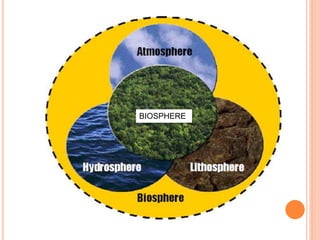
BIOSPHERE
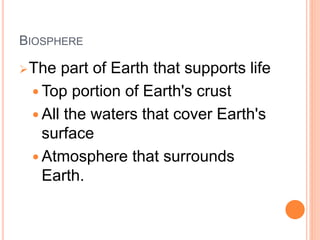
The part of Earth that supports life
 Top portion of Earth's crust
 All the waters that cover Earth's
surface
 Atmosphere that surrounds
Earth.
BIOSPHERE
ECOSYSTEM
All the organisms living in an
area and the nonliving features
of their environment
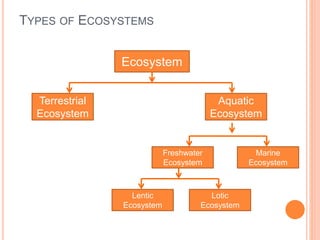
TYPES OF ECOSYSTEMS
Ecosystem
Terrestrial
Ecosystem
Aquatic
Ecosystem
Freshwater
Ecosystem
Marine
Ecosystem
Lentic
Ecosystem
Lotic
Ecosystem
BIOTIC COMPONENTS
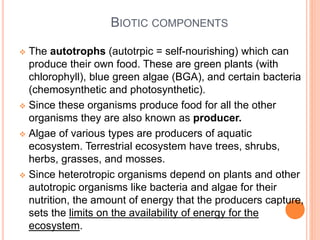
 The autotrophs (autotrpic = self-nourishing) which can
produce their own food. These are green plants (with
chlorophyll), blue green algae (BGA), and certain bacteria
(chemosynthetic and photosynthetic).
 Since these organisms produce food for all the other
organisms they are also known as producer.
 Algae of various types are producers of aquatic
ecosystem. Terrestrial ecosystem have trees, shrubs,
herbs, grasses, and mosses.
 Since heterotropic organisms depend on plants and other
autotropic organisms like bacteria and algae for their
nutrition, the amount of energy that the producers capture,
sets the limits on the availability of energy for the
ecosystem.
ECOLOGICAL PYRAMIDS
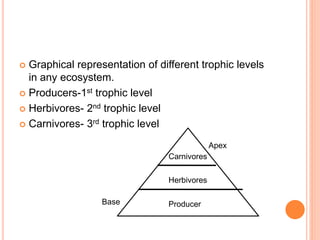
 Graphical representation of different trophic levels
in any ecosystem.
 Producers-1st trophic level
 Herbivores- 2nd trophic level
 Carnivores- 3rd trophic level
Base
Apex
Producer
Herbivores
Carnivores
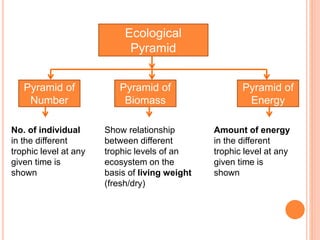
Ecological
Pyramid
Pyramid of
Number
Pyramid of
Energy
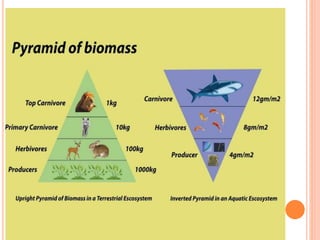
Pyramid of
Biomass
No. of individual
in the different
trophic level at any
given time is
shown
Show relationship
between different
trophic levels of an
ecosystem on the
basis of living weight
(fresh/dry)
Amount of energy
in the different
trophic level at any
given time is
shown
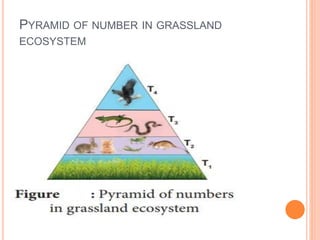
PYRAMID OF NUMBER IN GRASSLAND
ECOSYSTEM
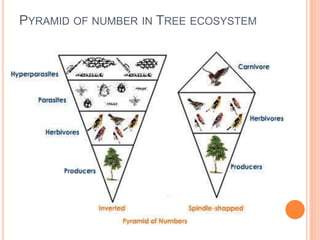
PYRAMID OF NUMBER IN TREE ECOSYSTEM
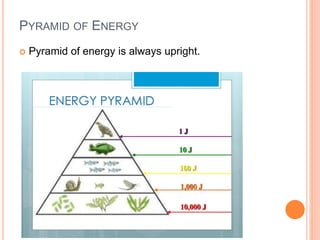
PYRAMID OF ENERGY
 Pyramid of energy is always upright.
POPULATION
All the organisms in an
ecosystem that belong to the
same species
COMMUNITY
All the populations in an
ecosystem
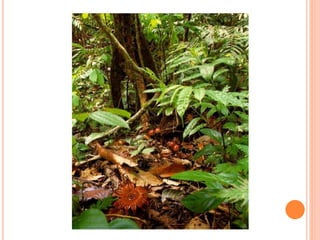
HABITAT
The place in which an
organism lives
 provides the kinds of food and
shelter, the temperature, and the
amount of moisture the organism
needs to survive
COMPETITION
 Food
 Space
COMPETITION
Competition caused by
population growth affects
many organisms, including
humans
Limits population size
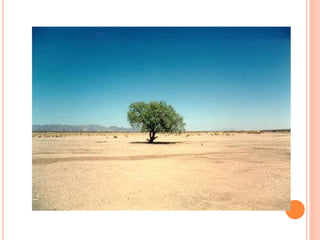
LIMITING FACTOR
Anything that restricts the
number of individuals in a
population.
Includes living and nonliving
features of the ecosystem
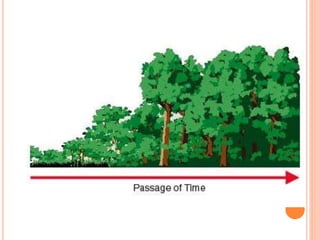
SUCCESSION
Natural, gradual changes in
the types of species that live in
an area; can be primary or
secondary.
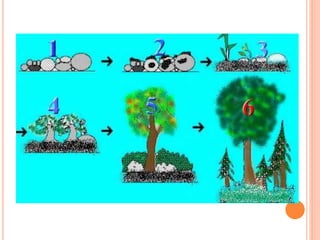
 Primary – begins in a place without soil
 Secondary – where soil already exists
PRIMARY SUCCESSION
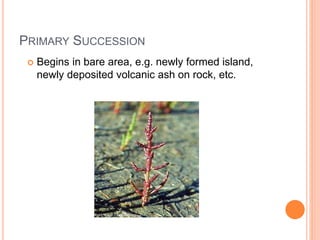
 Begins in bare area, e.g. newly formed island,
newly deposited volcanic ash on rock, etc.
SECONDARY SUCCESSION
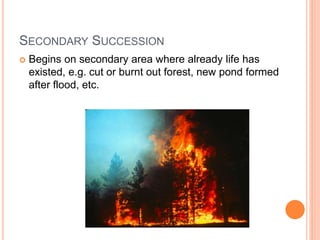
 Begins on secondary area where already life has
existed, e.g. cut or burnt out forest, new pond formed
after flood, etc.
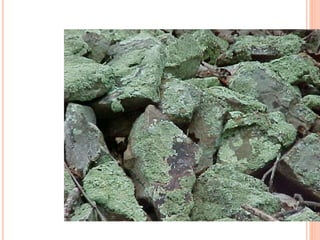
PIONEER SPECIES
A group of organisms, such as
lichens, found in the primary
stage of succession and that
begin an area's soil-building
process
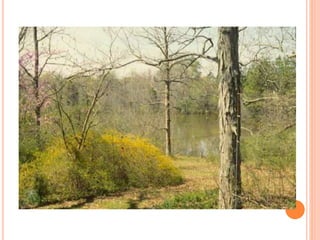
CLIMAX COMMUNITY
A community that has reached
a stable stage of ecological
succession
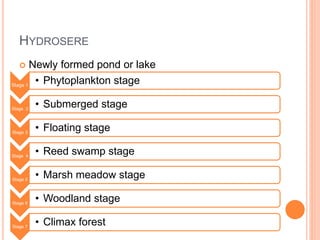
HYDROSERE
 Newly formed pond or lake
Stage 1
• Phytoplankton stage
Stage 2
• Submerged stage
Stage 3
• Floating stage
Stage 4
• Reed swamp stage
Stage 5
• Marsh meadow stage
Stage 6
• Woodland stage
Stage 7
• Climax forest
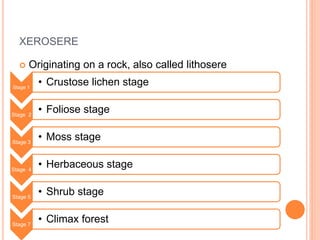
XEROSERE
 Originating on a rock, also called lithosere
Stage 1
• Crustose lichen stage
Stage 2
• Foliose stage
Stage 3
• Moss stage
Stage 4
• Herbaceous stage
Stage 5
• Shrub stage
Stage 7
• Climax forest
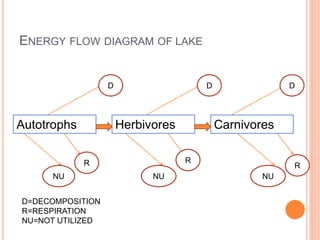
Autotrophs Herbivores Carnivores
ENERGY FLOW DIAGRAM OF LAKE
D D D
NU
R
NU NU
R
R
D=DECOMPOSITION
R=RESPIRATION
NU=NOT UTILIZED
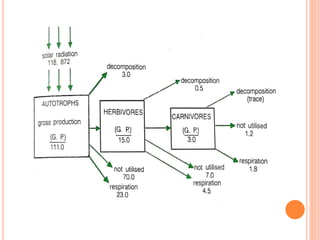
 The diagram reveals two important aspects.
 1. The flow of energy is unidirectional and non-
cyclic in nature.
 2. Energy decreases gradually at each trophic level.
PRODUC
ER
CONSUM
ERS
[I- total energy input, LA – light absorbed by plant cover, PG – gross primary
production, A – total assimilation, PN – net primary production, P – Secondary
production, NU – Energy not used (stored), NA – Energy not assimilated by
consumers (egested), R – respiration. Bottom line in the diagram shows the
order of the magnitude of energy losses expected at major transfer points,
starting with a solar input of 3,000 Kcal per square meter per day. (After E.P.
Odum, 1963)]
 The linear energy flow model has significant
implications.
 It highlights that shorter food chains tend to have
more energy available at higher trophic levels.
 This observation highlights the significance of taking
into account the length and complexity of food
chains when evaluating energy availability in
ecosystems.
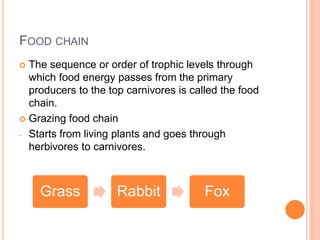
FOOD CHAIN
 The sequence or order of trophic levels through
which food energy passes from the primary
producers to the top carnivores is called the food
chain.
 Grazing food chain
- Starts from living plants and goes through
herbivores to carnivores.
Grass Rabbit Fox
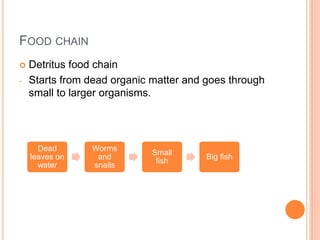
FOOD CHAIN
 Detritus food chain
- Starts from dead organic matter and goes through
small to larger organisms.
Dead
leaves on
water
Worms
and
snails
Small
fish
Big fish
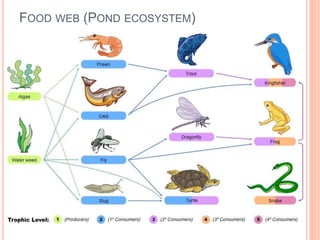
FOOD WEB (POND ECOSYSTEM)
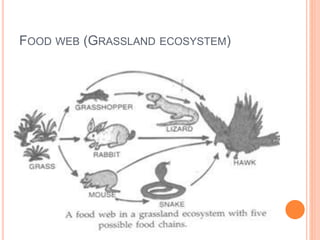
FOOD WEB (GRASSLAND ECOSYSTEM)
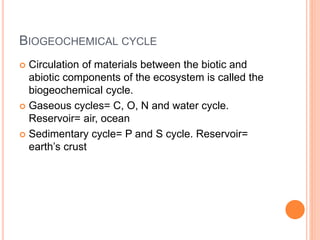
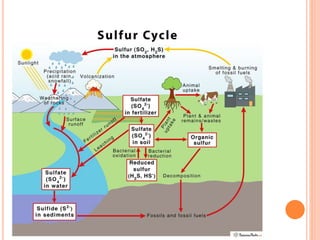
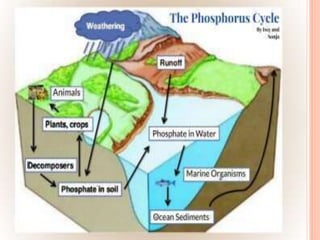
BIOGEOCHEMICAL CYCLE
 Circulation of materials between the biotic and
abiotic components of the ecosystem is called the
biogeochemical cycle.
 Gaseous cycles= C, O, N and water cycle.
Reservoir= air, ocean
 Sedimentary cycle= P and S cycle. Reservoir=
earth’s crust
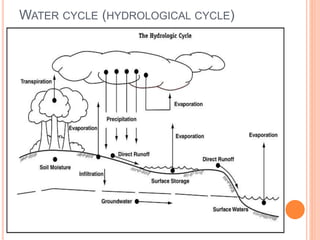
WATER CYCLE (HYDROLOGICAL CYCLE)
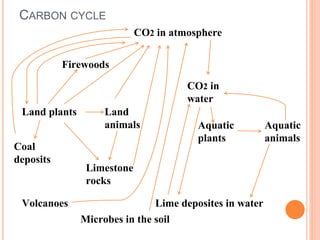
CARBON CYCLE
CO2 in atmosphere
CO2 in
water
Firewoods
Land plants Land
animals
Coal
deposits
Limestone
rocks
Volcanoes Lime deposites in water
Microbes in the soil
Aquatic
plants
Aquatic
animals
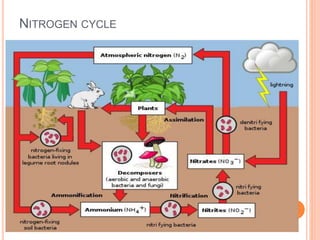
NITROGEN CYCLE
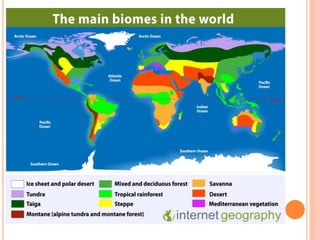
BIOME
Large geographic areas with
similar climates and
ecosystems
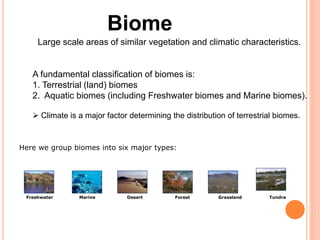
Biome
Large scale areas of similar vegetation and climatic characteristics.
A fundamental classification of biomes is:
1. Terrestrial (land) biomes
2. Aquatic biomes (including Freshwater biomes and Marine biomes).
 Climate is a major factor determining the distribution of terrestrial biomes.
Freshwater Marine Desert Forest Grassland Tundra
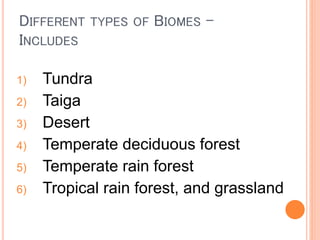
Here we group biomes into six major types:
DIFFERENT TYPES OF BIOMES -
INCLUDES
1) Tundra
2) Taiga
3) Desert
4) Temperate deciduous forest
5) Temperate rain forest
6) Tropical rain forest, and grassland
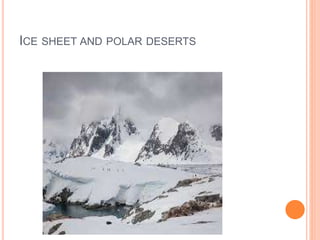
ICE SHEET AND POLAR DESERTS
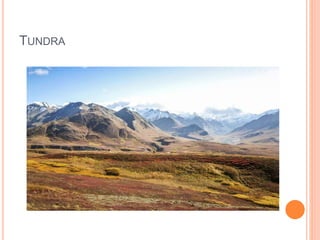
TUNDRA
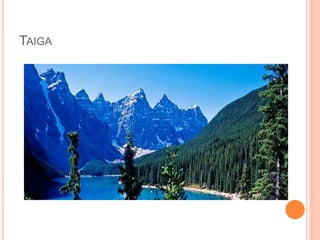
TAIGA
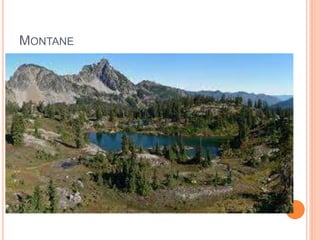
MONTANE
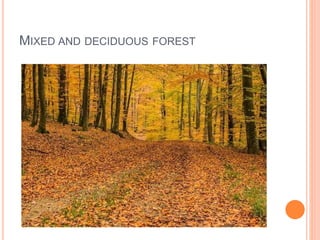
MIXED AND DECIDUOUS FOREST
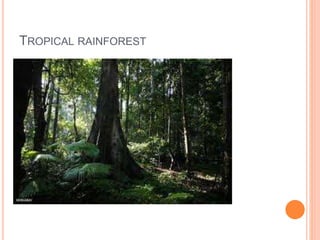
TROPICAL RAINFOREST
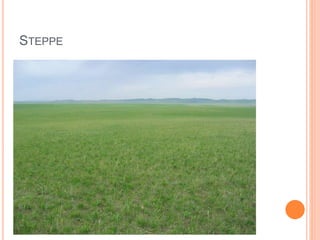
STEPPE
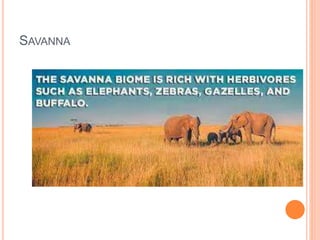
SAVANNA
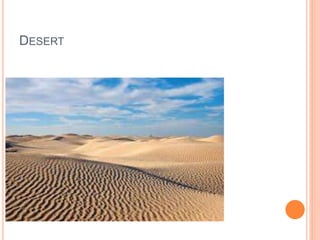
DESERT
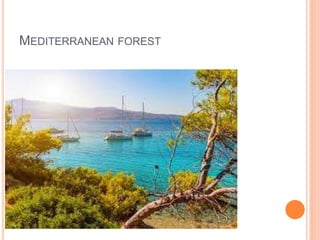
MEDITERRANEAN FOREST
THANK YOU

3. Ecosystem.ppt

  • 1.
    ECOLOGY Dr. Preeti Kumari AssistantProfessor, Amity Institute of Applied Sciences, Amity University, Jharkhand, India -834002.
  • 2.
    ECOLOGY What is ecology? •Ecology (Greek Oikos = home, habitat, logy = study) was coined over a century ago ( by Haeckel). • The word Ecosystem was first coined by British ecologist, A.G. Transley in 1935. Definitions: The study of interaction between biotic and abiotic components is known as Ecology.
  • 3.
    BIOSPHERE The part ofEarth that supports life  Top portion of Earth's crust  All the waters that cover Earth's surface  Atmosphere that surrounds Earth.
  • 4.
  • 5.
    ECOSYSTEM All the organismsliving in an area and the nonliving features of their environment
  • 6.
  • 7.
    BIOTIC COMPONENTS  Theautotrophs (autotrpic = self-nourishing) which can produce their own food. These are green plants (with chlorophyll), blue green algae (BGA), and certain bacteria (chemosynthetic and photosynthetic).  Since these organisms produce food for all the other organisms they are also known as producer.  Algae of various types are producers of aquatic ecosystem. Terrestrial ecosystem have trees, shrubs, herbs, grasses, and mosses.  Since heterotropic organisms depend on plants and other autotropic organisms like bacteria and algae for their nutrition, the amount of energy that the producers capture, sets the limits on the availability of energy for the ecosystem.
  • 8.
  • 9.
     Graphical representationof different trophic levels in any ecosystem.  Producers-1st trophic level  Herbivores- 2nd trophic level  Carnivores- 3rd trophic level Base Apex Producer Herbivores Carnivores
  • 10.
    Ecological Pyramid Pyramid of Number Pyramid of Energy Pyramidof Biomass No. of individual in the different trophic level at any given time is shown Show relationship between different trophic levels of an ecosystem on the basis of living weight (fresh/dry) Amount of energy in the different trophic level at any given time is shown
  • 11.
    PYRAMID OF NUMBERIN GRASSLAND ECOSYSTEM
  • 12.
    PYRAMID OF NUMBERIN TREE ECOSYSTEM
  • 14.
    PYRAMID OF ENERGY Pyramid of energy is always upright.
  • 15.
    POPULATION All the organismsin an ecosystem that belong to the same species
  • 17.
  • 18.
    HABITAT The place inwhich an organism lives  provides the kinds of food and shelter, the temperature, and the amount of moisture the organism needs to survive
  • 20.
  • 21.
    COMPETITION Competition caused by populationgrowth affects many organisms, including humans Limits population size
  • 22.
    LIMITING FACTOR Anything thatrestricts the number of individuals in a population. Includes living and nonliving features of the ecosystem
  • 24.
    SUCCESSION Natural, gradual changesin the types of species that live in an area; can be primary or secondary.  Primary – begins in a place without soil  Secondary – where soil already exists
  • 27.
    PRIMARY SUCCESSION  Beginsin bare area, e.g. newly formed island, newly deposited volcanic ash on rock, etc.
  • 28.
    SECONDARY SUCCESSION  Beginson secondary area where already life has existed, e.g. cut or burnt out forest, new pond formed after flood, etc.
  • 29.
    PIONEER SPECIES A groupof organisms, such as lichens, found in the primary stage of succession and that begin an area's soil-building process
  • 31.
    CLIMAX COMMUNITY A communitythat has reached a stable stage of ecological succession
  • 33.
    HYDROSERE  Newly formedpond or lake Stage 1 • Phytoplankton stage Stage 2 • Submerged stage Stage 3 • Floating stage Stage 4 • Reed swamp stage Stage 5 • Marsh meadow stage Stage 6 • Woodland stage Stage 7 • Climax forest
  • 34.
    XEROSERE  Originating ona rock, also called lithosere Stage 1 • Crustose lichen stage Stage 2 • Foliose stage Stage 3 • Moss stage Stage 4 • Herbaceous stage Stage 5 • Shrub stage Stage 7 • Climax forest
  • 35.
    Autotrophs Herbivores Carnivores ENERGYFLOW DIAGRAM OF LAKE D D D NU R NU NU R R D=DECOMPOSITION R=RESPIRATION NU=NOT UTILIZED
  • 37.
     The diagramreveals two important aspects.  1. The flow of energy is unidirectional and non- cyclic in nature.  2. Energy decreases gradually at each trophic level.
  • 38.
    PRODUC ER CONSUM ERS [I- total energyinput, LA – light absorbed by plant cover, PG – gross primary production, A – total assimilation, PN – net primary production, P – Secondary production, NU – Energy not used (stored), NA – Energy not assimilated by consumers (egested), R – respiration. Bottom line in the diagram shows the order of the magnitude of energy losses expected at major transfer points, starting with a solar input of 3,000 Kcal per square meter per day. (After E.P. Odum, 1963)]
  • 39.
     The linearenergy flow model has significant implications.  It highlights that shorter food chains tend to have more energy available at higher trophic levels.  This observation highlights the significance of taking into account the length and complexity of food chains when evaluating energy availability in ecosystems.
  • 40.
    FOOD CHAIN  Thesequence or order of trophic levels through which food energy passes from the primary producers to the top carnivores is called the food chain.  Grazing food chain - Starts from living plants and goes through herbivores to carnivores. Grass Rabbit Fox
  • 41.
    FOOD CHAIN  Detritusfood chain - Starts from dead organic matter and goes through small to larger organisms. Dead leaves on water Worms and snails Small fish Big fish
  • 42.
    FOOD WEB (PONDECOSYSTEM)
  • 43.
  • 44.
    BIOGEOCHEMICAL CYCLE  Circulationof materials between the biotic and abiotic components of the ecosystem is called the biogeochemical cycle.  Gaseous cycles= C, O, N and water cycle. Reservoir= air, ocean  Sedimentary cycle= P and S cycle. Reservoir= earth’s crust
  • 45.
  • 46.
    CARBON CYCLE CO2 inatmosphere CO2 in water Firewoods Land plants Land animals Coal deposits Limestone rocks Volcanoes Lime deposites in water Microbes in the soil Aquatic plants Aquatic animals
  • 47.
  • 50.
    BIOME Large geographic areaswith similar climates and ecosystems
  • 51.
    Biome Large scale areasof similar vegetation and climatic characteristics. A fundamental classification of biomes is: 1. Terrestrial (land) biomes 2. Aquatic biomes (including Freshwater biomes and Marine biomes).  Climate is a major factor determining the distribution of terrestrial biomes. Freshwater Marine Desert Forest Grassland Tundra Here we group biomes into six major types:
  • 53.
    DIFFERENT TYPES OFBIOMES - INCLUDES 1) Tundra 2) Taiga 3) Desert 4) Temperate deciduous forest 5) Temperate rain forest 6) Tropical rain forest, and grassland
  • 54.
    ICE SHEET ANDPOLAR DESERTS
  • 55.
  • 56.
  • 57.
  • 58.
  • 59.
  • 60.
  • 61.
  • 62.
  • 63.
  • 64.

Editor's Notes

  • #38 Green plants, or autotrophs, take in energy from the sun through photosynthesis and convert it into chemical energy. Plant tissues store this energy and then transform it into heat energy during metabolic activities. Afterwards, it is transferred to the next trophic level in the food chain. The solar energy captured by autotrophs does not return to the sun; instead, it travels through the ecosystem, reaching herbivores and subsequently consumers. The functioning of biological systems is dependent on this unidirectional flow of energy. The entire ecosystem would collapse without a primary energy source. The transfer of energy from one trophic level to another causes a significant loss of heat through metabolic reactions. Additionally, the organisms utilize some of the energy at each trophic level for their various biological processes.
  • #39 When considering the Single Channel Energy Flow Model, it becomes evident that the flow of energy in an ecosystem decreases significantly at each successive trophic level. The reason for this reduction is energy losses in the form of heat or other unusable forms. Considering the total energy flow, which includes primary productivity and respiration, or focusing solely on secondary productivity, there is a gradual decrease in energy flow. For instance, out of the 3,000 Kcal of total light energy falling upon green plants, approximately 50% is absorbed, 1% is converted at the first trophic level, resulting in a net primary production of only 15 Kcal. As we move up the trophic levels, secondary productivity tends to be around 10% for successive consumer levels, although it may occasionally reach 20% at the carnivore level.
  • #40 The first law of thermodynamics states that energy cannot be created or destroyed but can be converted from one form to another. In the context of energy transfer in ecosystems, there is a degradation of energy from a concentrated form, such as mechanical or chemical energy, to a dispersed form, primarily as heat. The second law of thermodynamics emphasizes that energy transformations are never 100% efficient and are always accompanied by some loss of energy, predominantly in the form of heat.