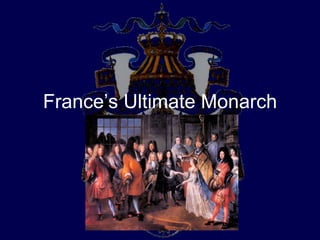
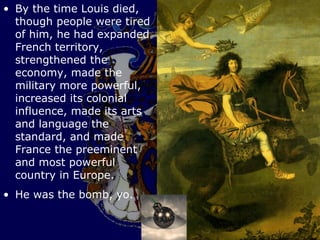
France’s Ultimate Monarch
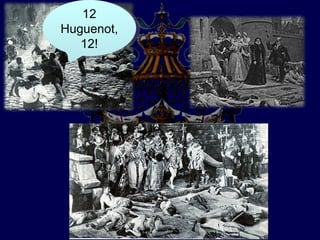
12
Huguenot,
   12!
• Tensions increased. The Catholics were afraid the
  Huguenots would commit violence, so they struck
  first.
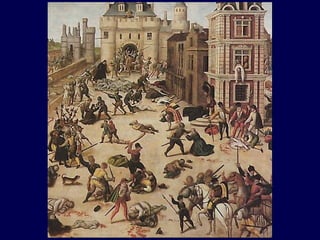
• Huguenots nobles were dragged out of the palace
  and killed in the streets. Commoners hunted
  protestants, barring streets so they couldn’t leave.
  It took a week to restore order.
• The killing spread to other cities when they got word
  of what happened in Paris.
• The estimated death toll over the several weeks and
  cities ranges from 10,000 to 100,000.
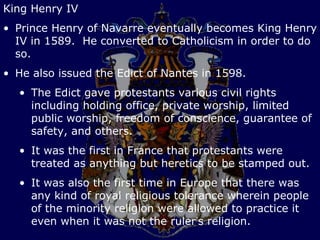
King Henry IV
• Prince Henry of Navarre eventually becomes King Henry
  IV in 1589. He converted to Catholicism in order to do
  so.
• He also issued the Edict of Nantes in 1598.
  • The Edict gave protestants various civil rights
    including holding office, private worship, limited
    public worship, freedom of conscience, guarantee of
    safety, and others.
  • It was the first in France that protestants were
    treated as anything but heretics to be stamped out.
  • It was also the first time in Europe that there was
    any kind of royal religious tolerance wherein people
    of the minority religion were allowed to practice it
    even when it was not the ruler’s religion.
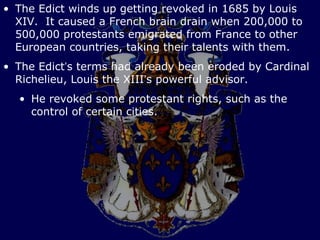
• The Edict winds up getting revoked in 1685 by Louis
  XIV. It caused a French brain drain when 200,000 to
  500,000 protestants emigrated from France to other
  European countries, taking their talents with them.
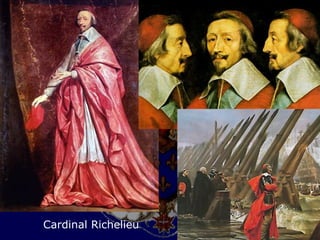
• The Edict’s terms had already been eroded by Cardinal
  Richelieu, Louis the XIII’s powerful advisor.
  • He revoked some protestant rights, such as the
    control of certain cities.
Cardinal Richelieu
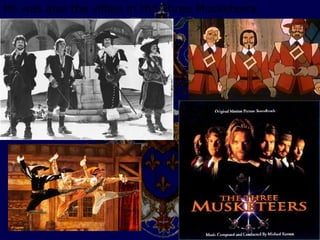
He was also the villain in the Three Musketeers.
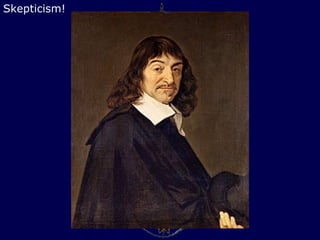
Skepticism!
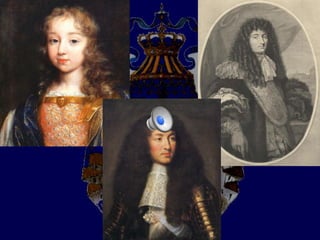
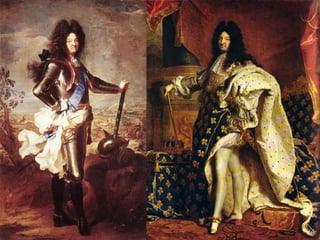
Louis XIV
• Was king of France for 72(!) years, from 1643 when he
  was a few months shy of five years old until 1715 when
  he died at almost 77.
  • He didn’t take personal control of France until the
    death of his First Minister, Cardinal Mazarin, when
    Louis was 23.
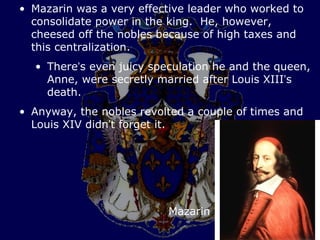
• Mazarin was a very effective leader who worked to
  consolidate power in the king. He, however,
  cheesed off the nobles because of high taxes and
  this centralization.
  • There’s even juicy speculation he and the queen,
    Anne, were secretly married after Louis XIII’s
    death.
• Anyway, the nobles revolted a couple of times and
  Louis XIV didn’t forget it.


                          Mazarin
• Louis was a multinational child with French, Spanish,
  Italian (Medici!) and German royal blood.
• Upon taking control of France in 1661, Louis goes about
  centralizing power in himself.
  • His big stroke of genius was to surround himself with
    the nobles at his court, turning them into courtiers
    instead of government figures.
• He commissioned commoners or newer nobles as
  intendants, who were his regional agents and
  administered his government.
• With the nobles stuck being around Louis with no
  government positions and not out administering the
  province of which they were technically the lord,
  their political power was significantly weakened.
• The noble courtiers, however, vied for the king’s
  attention because he gave them gifts. Who doesn’t
  like gifts?
• Louis encouraged mercantilism as put forth by Colbert.
  • Under this policy, the country accumulates gold and
    silver, exploits colonies, develops its own
    manufacturing, limits imports, has high tariffs, etc.
    It tries to make the country self-dependent.
• Various wars, including the War of Spanish Succession
  to put and keep his nephew on the Spanish throne,
  built up debt.
  • His nephew was allowed to stay king of Spain by the
    Treaty of Utrecht, thereby having Bourbons as kings
    of both France and Spain and negating the chance of
    hostilities, so long as the throne did not unite.
• Louis’s lavishness also built up debt and nearly
  bankrupted the treasury.
   • All the gifts, the palaces (which included
     Versailles), the lifestyle, the money spent on
     increasing France’s role in academics and the
     arts, etc., also built up debt.
   • The State was nearly bankrupt, the country was
     very well off.
• By the time Louis died,
  though people were tired
  of him, he had expanded
  French territory,
  strengthened the
  economy, made the
  military more powerful,
  increased its colonial
  influence, made its arts
  and language the
  standard, and made
  France the preeminent
  and most powerful
  country in Europe.
• He was the bomb, yo.

21.2 frances ultimate monarch

  • 1.
  • 3.
  • 4.
    • Tensions increased.The Catholics were afraid the Huguenots would commit violence, so they struck first. • Huguenots nobles were dragged out of the palace and killed in the streets. Commoners hunted protestants, barring streets so they couldn’t leave. It took a week to restore order. • The killing spread to other cities when they got word of what happened in Paris. • The estimated death toll over the several weeks and cities ranges from 10,000 to 100,000.
  • 7.
    King Henry IV •Prince Henry of Navarre eventually becomes King Henry IV in 1589. He converted to Catholicism in order to do so. • He also issued the Edict of Nantes in 1598. • The Edict gave protestants various civil rights including holding office, private worship, limited public worship, freedom of conscience, guarantee of safety, and others. • It was the first in France that protestants were treated as anything but heretics to be stamped out. • It was also the first time in Europe that there was any kind of royal religious tolerance wherein people of the minority religion were allowed to practice it even when it was not the ruler’s religion.
  • 8.
    • The Edictwinds up getting revoked in 1685 by Louis XIV. It caused a French brain drain when 200,000 to 500,000 protestants emigrated from France to other European countries, taking their talents with them. • The Edict’s terms had already been eroded by Cardinal Richelieu, Louis the XIII’s powerful advisor. • He revoked some protestant rights, such as the control of certain cities.
  • 9.
  • 10.
    He was alsothe villain in the Three Musketeers.
  • 11.
  • 12.
    Louis XIV • Wasking of France for 72(!) years, from 1643 when he was a few months shy of five years old until 1715 when he died at almost 77. • He didn’t take personal control of France until the death of his First Minister, Cardinal Mazarin, when Louis was 23.
  • 13.
    • Mazarin wasa very effective leader who worked to consolidate power in the king. He, however, cheesed off the nobles because of high taxes and this centralization. • There’s even juicy speculation he and the queen, Anne, were secretly married after Louis XIII’s death. • Anyway, the nobles revolted a couple of times and Louis XIV didn’t forget it. Mazarin
  • 14.
    • Louis wasa multinational child with French, Spanish, Italian (Medici!) and German royal blood. • Upon taking control of France in 1661, Louis goes about centralizing power in himself. • His big stroke of genius was to surround himself with the nobles at his court, turning them into courtiers instead of government figures.
  • 15.
    • He commissionedcommoners or newer nobles as intendants, who were his regional agents and administered his government. • With the nobles stuck being around Louis with no government positions and not out administering the province of which they were technically the lord, their political power was significantly weakened. • The noble courtiers, however, vied for the king’s attention because he gave them gifts. Who doesn’t like gifts?
  • 16.
    • Louis encouragedmercantilism as put forth by Colbert. • Under this policy, the country accumulates gold and silver, exploits colonies, develops its own manufacturing, limits imports, has high tariffs, etc. It tries to make the country self-dependent.
  • 19.
    • Various wars,including the War of Spanish Succession to put and keep his nephew on the Spanish throne, built up debt. • His nephew was allowed to stay king of Spain by the Treaty of Utrecht, thereby having Bourbons as kings of both France and Spain and negating the chance of hostilities, so long as the throne did not unite.
  • 20.
    • Louis’s lavishnessalso built up debt and nearly bankrupted the treasury. • All the gifts, the palaces (which included Versailles), the lifestyle, the money spent on increasing France’s role in academics and the arts, etc., also built up debt. • The State was nearly bankrupt, the country was very well off.
  • 21.
    • By thetime Louis died, though people were tired of him, he had expanded French territory, strengthened the economy, made the military more powerful, increased its colonial influence, made its arts and language the standard, and made France the preeminent and most powerful country in Europe. • He was the bomb, yo.