About Me
• PhD in Cyber Security + Machine
Learning
• Security researcher
• Ethical hacker with a specialism
in Mobile APIs
• YouTuber and educator in web
and API security @InsiderPhD
About this talk
• Designed for developers
• I’m going to assume you are
familiar with RESTful APIs
• How to hack your own APIs to
test for security flaws
• Common API security flaws to
watch out for
• Tools you can use to test your
security
Hacking
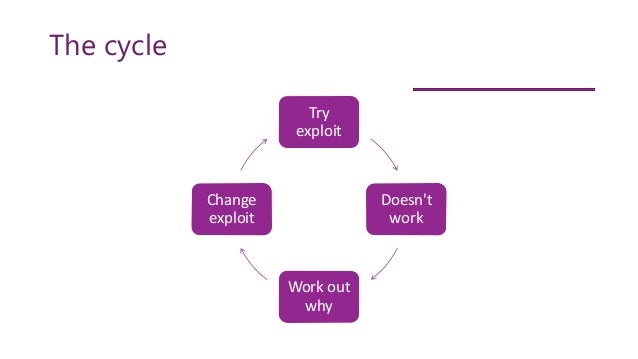
The cycle
Try
exploit
Doesn't
work
Work out
why
Change
exploit
Interesting => Vulnerable
• Try to perform a test for the bug
I’m looking for
• IDOR = change ID
• XSS = simple XSS payload
• Did it work?
• Write a full exploit to show as a
PoC
• Did it fail?
• Why did it fail? Eg filtered
• Retest with a change
I’ve got a good feeling
about this XSS Watson
The Cycle
Try
exploit
Doesn't
work
Work out
why
Change
exploit
Exploit it
RESTful reminder
• RESTful APIs are really easy to spot
• They have a defined structure which relates
to CRUD functionality
• You can easy predict new endpoints simply by
knowing an application
• Eg: If YouTube’s API has something like GET
/video/1
• You can assume DELETE /video/1 also exists
• And that if YouTube has videos maybe GET
/comment/1 exists for comments
• They are widely used, however some of the
endpoints may be more custom
• Eg DELETE /posts/1 vs POST /posts/1/delete
• They usually return JSON
We need to see requests
Hacking is about fiddling with things
• We make small changes to a
request and see if that changes
the response
• Asking ourselves ‘what could an
attacker do this this?’
• The hard part is knowing what
change to make!
• For that info we need to look at
specific vulnerabilities
OWASP API Security top 10
• API1:2019 Broken Object Level Authorization
• API2:2019 Broken User Authentication
• API3:2019 Excessive Data Exposure
• API4:2019 Lack of Resources & Rate Limiting
• API5:2019 Broken Function Level
Authorization
• API6:2019 Mass Assignment
• API7:2019 Security Misconfiguration
• API8:2019 Injection
• API9:2019 Improper Assets Management
• API10:2019 Insufficient Logging & Monitoring
Excessive Data Exposure
What is it?
• When an API returns too much
information
• For example if you are booking a
hotel room, should the API be
returning the names of all other
guests at the hotel? Or just the
number of rooms
• Extreme example but this
happens
13
The recipe for an information disclosure
• Call the API
• Look at the response
• Is it disclosing too much info?
• Bonus points:
• Enumerating through the API to
find hidden endpoints
• Enumerating through the
parameters to find hidden
parameters
14
Clues
• For information disclosure we are
looking for an API that returns back
too much info
• Sometimes an API might return a
ton of info but never display it
• Or only display some of it
• Or has a lot of parameters –
suggests some querying is being
done that we can change
• These are clues that an API might
be vulnerable
15
Skills you need
• Keep an eye out
• Think about the security risk of what
information is returned
• Make a judgement call
• Is it a security risk?
• Could it be used to help a larger
attack?
• Does the target really want this
public?
• Does it return a large amount of data?
• Just because it’s working as intended
doesn’t mean that there are no
security risks
16
Broken Object Level Authorisation
Broken Function Level
Authorisation
AKA IDORs
What’s an IDOR?
• IDOR stands for Insecure Direct Object Reference
• Fancy term which means it doesn’t check if you can
actually access or modify something
• Example: your account is ID 4
• Delete account ID 4 – Should work, it’s your
account
• Delete account ID 3 – Shouldn’t work, it’s not your
account
• Another example: You are a guest
• View post ID 4 – Should work, you only have view
permissions
• Edit post ID 4 – Shouldn’t work, you don’t have
permission
18
The types of IDORs
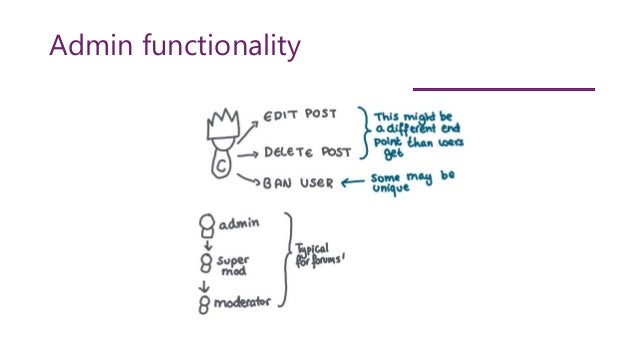
Admin functionality
The recipe for an IDOR
• Find endpoints with IDs in the request
• Change the ID (to another account
you own – don’t test on accounts you
don’t own)
• If it works it’s an IDOR
• Find endpoints that require admin
permissions
• Login to an account that has guest
permissions
• Repeat the requests to the admin
endpoints, changing the cookies
• If it works it’s an IDOR
21
[IDOR] Deleting other people's tasks
22
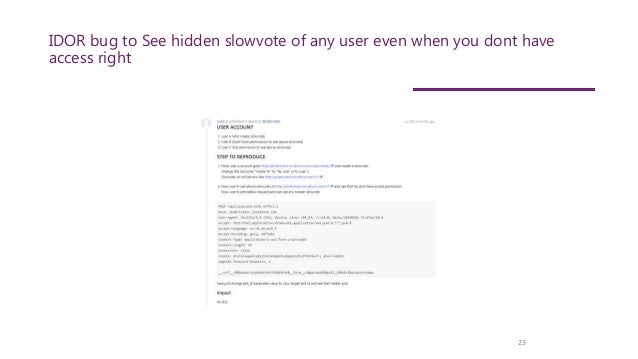
IDOR bug to See hidden slowvote of any user even when you dont have
access right
23
Bypass of my three other reports #267636 + #255894 + #271861 - (IDOR) Ability to see full
name associated with other New Relic accounts
24
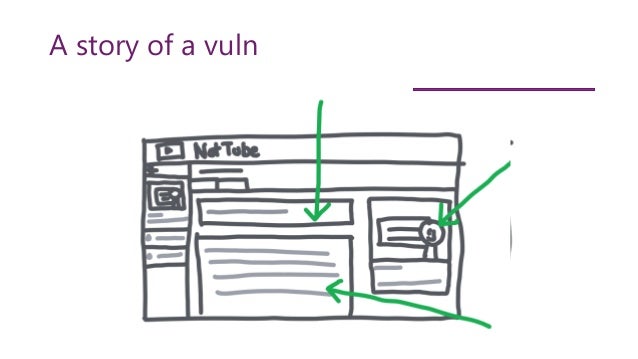
A story of a vuln
Impact, impact, impact
• Giggle Drama:
https://research.digitalinterrupti
on.com/2020/09/10/giggle-
laughable-security/
• Technically simple IDOR
• BUT
• Had consequences due to the
nature of some of the categories
on the app
• Eg partners fleeing abuse could
have been located

2022 APIsecure_Go Hack Yourself: API Hacking for Beginners

  • 2.
    About Me • PhDin Cyber Security + Machine Learning • Security researcher • Ethical hacker with a specialism in Mobile APIs • YouTuber and educator in web and API security @InsiderPhD
  • 3.
    About this talk •Designed for developers • I’m going to assume you are familiar with RESTful APIs • How to hack your own APIs to test for security flaws • Common API security flaws to watch out for • Tools you can use to test your security
  • 4.
  • 5.
  • 6.
    Interesting => Vulnerable •Try to perform a test for the bug I’m looking for • IDOR = change ID • XSS = simple XSS payload • Did it work? • Write a full exploit to show as a PoC • Did it fail? • Why did it fail? Eg filtered • Retest with a change I’ve got a good feeling about this XSS Watson
  • 7.
  • 8.
    RESTful reminder • RESTfulAPIs are really easy to spot • They have a defined structure which relates to CRUD functionality • You can easy predict new endpoints simply by knowing an application • Eg: If YouTube’s API has something like GET /video/1 • You can assume DELETE /video/1 also exists • And that if YouTube has videos maybe GET /comment/1 exists for comments • They are widely used, however some of the endpoints may be more custom • Eg DELETE /posts/1 vs POST /posts/1/delete • They usually return JSON
  • 9.
    We need tosee requests
  • 10.
    Hacking is aboutfiddling with things • We make small changes to a request and see if that changes the response • Asking ourselves ‘what could an attacker do this this?’ • The hard part is knowing what change to make! • For that info we need to look at specific vulnerabilities
  • 11.
    OWASP API Securitytop 10 • API1:2019 Broken Object Level Authorization • API2:2019 Broken User Authentication • API3:2019 Excessive Data Exposure • API4:2019 Lack of Resources & Rate Limiting • API5:2019 Broken Function Level Authorization • API6:2019 Mass Assignment • API7:2019 Security Misconfiguration • API8:2019 Injection • API9:2019 Improper Assets Management • API10:2019 Insufficient Logging & Monitoring
  • 12.
  • 13.
    What is it? •When an API returns too much information • For example if you are booking a hotel room, should the API be returning the names of all other guests at the hotel? Or just the number of rooms • Extreme example but this happens 13
  • 14.
    The recipe foran information disclosure • Call the API • Look at the response • Is it disclosing too much info? • Bonus points: • Enumerating through the API to find hidden endpoints • Enumerating through the parameters to find hidden parameters 14
  • 15.
    Clues • For informationdisclosure we are looking for an API that returns back too much info • Sometimes an API might return a ton of info but never display it • Or only display some of it • Or has a lot of parameters – suggests some querying is being done that we can change • These are clues that an API might be vulnerable 15
  • 16.
    Skills you need •Keep an eye out • Think about the security risk of what information is returned • Make a judgement call • Is it a security risk? • Could it be used to help a larger attack? • Does the target really want this public? • Does it return a large amount of data? • Just because it’s working as intended doesn’t mean that there are no security risks 16
  • 17.
    Broken Object LevelAuthorisation Broken Function Level Authorisation AKA IDORs
  • 18.
    What’s an IDOR? •IDOR stands for Insecure Direct Object Reference • Fancy term which means it doesn’t check if you can actually access or modify something • Example: your account is ID 4 • Delete account ID 4 – Should work, it’s your account • Delete account ID 3 – Shouldn’t work, it’s not your account • Another example: You are a guest • View post ID 4 – Should work, you only have view permissions • Edit post ID 4 – Shouldn’t work, you don’t have permission 18
  • 19.
  • 20.
  • 21.
    The recipe foran IDOR • Find endpoints with IDs in the request • Change the ID (to another account you own – don’t test on accounts you don’t own) • If it works it’s an IDOR • Find endpoints that require admin permissions • Login to an account that has guest permissions • Repeat the requests to the admin endpoints, changing the cookies • If it works it’s an IDOR 21
  • 22.
    [IDOR] Deleting otherpeople's tasks 22
  • 23.
    IDOR bug toSee hidden slowvote of any user even when you dont have access right 23
  • 24.
    Bypass of mythree other reports #267636 + #255894 + #271861 - (IDOR) Ability to see full name associated with other New Relic accounts 24
  • 25.
    A story ofa vuln
  • 26.
    Impact, impact, impact •Giggle Drama: https://research.digitalinterrupti on.com/2020/09/10/giggle- laughable-security/ • Technically simple IDOR • BUT • Had consequences due to the nature of some of the categories on the app • Eg partners fleeing abuse could have been located