Emerald Siggery 
Coastal Process Scientist 
South West Regional Coastal Monitoring Programme
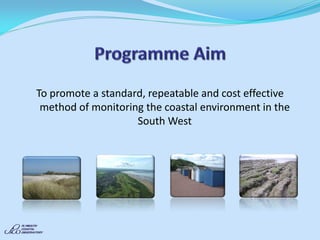
To promote a standard, repeatable and cost effective method of monitoring the coastal environment in the South West
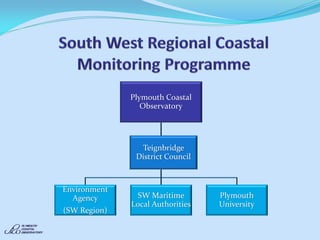
Plymouth Coastal Observatory Environment Agency (SW Region) SW Maritime Local Authorities Plymouth University Teignbridge District Council
1st Phase of Programme 2006-2011 
2nd Phase of Programme 2011-2016 
100% grant aid funded - £4.4 million over 5 years
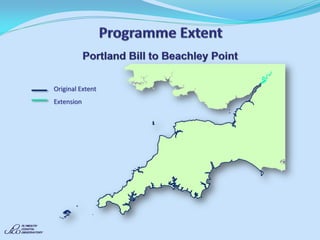
Original Extent 
Extension
Various coastal defence schemes underway in the South West 
Flood Risk Management Schemes 
Managed Realignment Projects 
Beach Management Schemes 
Shoreline Management Plans 
Monitoring required for each scheme – data rarely archived 
Tourism spending in South West is over £9,000m annually 
Long term trends needed to monitor impacts of climate change
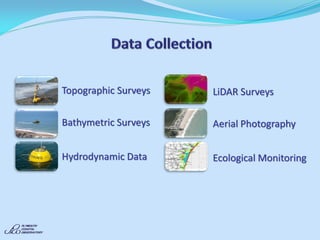
Topographic Surveys Bathymetric Surveys Hydrodynamic Data 
LiDAR Surveys 
Aerial Photography 
Ecological Monitoring
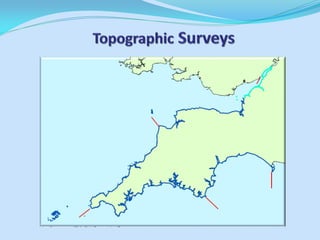
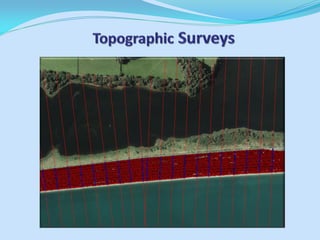
Real-Time Kinematic (RTK) GPS / GNSS 
MLWS as seaward limit 
Baseline survey at start of phase to get full coverage of all beaches 
Interim surveys stakeout points on cross-shore profile lines
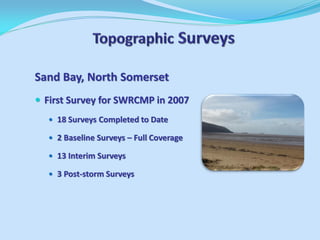
Sand Bay, North Somerset 
First Survey for SWRCMP in 2007 
18 Surveys Completed to Date 
2 Baseline Surveys – Full Coverage 
13 Interim Surveys 
3 Post-storm Surveys
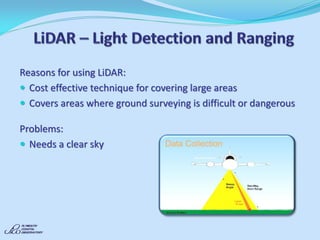
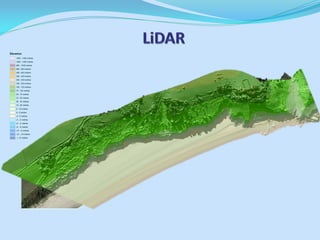
Reasons for using LiDAR: 
Cost effective technique for covering large areas 
Covers areas where ground surveying is difficult or dangerous 
Problems: 
Needs a clear sky
Flown between September and May – minimise vegetation cover 
Flown over MLWS for maximum coverage of the intertidal area 
1m Resolution 
Up to 6 flights in the Severn Estuary to date
Flown Between May and September 
10cm resolution 
Flown over MLWS for maximum coverage of the intertidal area 
3 sets of photography to date 
2007 
2009 
2013/2014
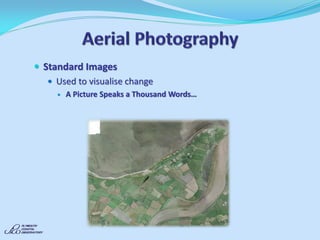
Standard Images 
Used to visualise change 
A Picture Speaks a Thousand Words…
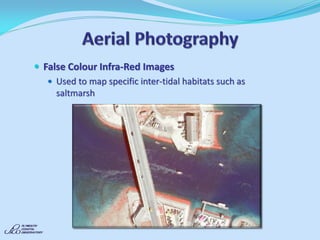
False Colour Infra-Red Images 
Used to map specific inter-tidal habitats such as saltmarsh
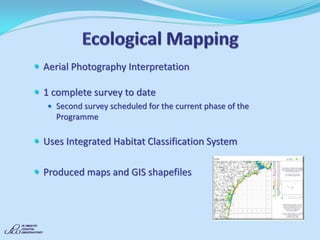
Aerial Photography Interpretation 
1 complete survey to date 
Second survey scheduled for the current phase of the Programme 
Uses Integrated Habitat Classification System 
Produced maps and GIS shapefiles
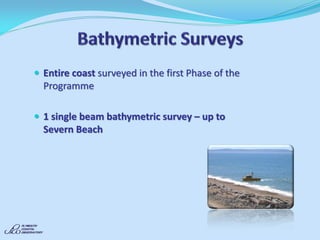
Entire coast surveyed in the first Phase of the Programme 
1 single beam bathymetric survey – up to Severn Beach
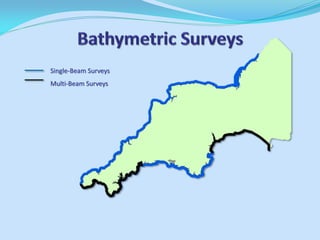
Single-Beam Surveys 
Multi-Beam Surveys
St. Mary’s Sound
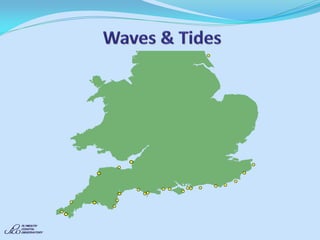
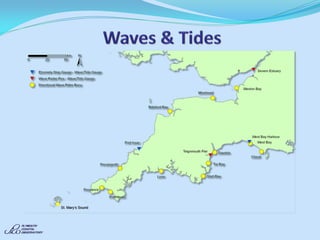
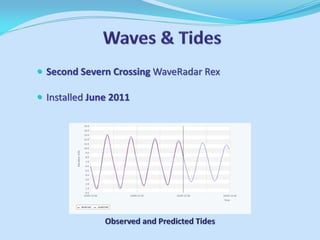
Second Severn Crossing WaveRadar Rex 
Installed June 2011
Location 
51° 21.21749' N 003° 1.10066' W 
Approximate Water Depth 
~ 13m CD 
Tidal Range 
Approx. Spring Tidal Range = 11.2m 
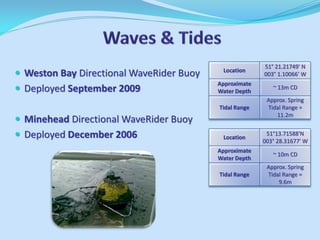
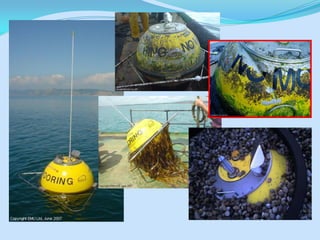
Weston Bay Directional WaveRider Buoy 
Deployed September 2009 
Minehead Directional WaveRider Buoy 
Deployed December 2006 
Location 
51°13.71588'N 003° 28.31677' W 
Approximate Water Depth 
~ 10m CD 
Tidal Range 
Approx. Spring Tidal Range = 
9.6m
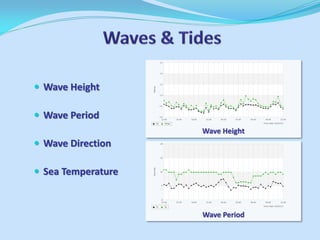
Wave Height 
Wave Period 
Wave Direction 
Sea Temperature 
Wave Height 
Wave Period
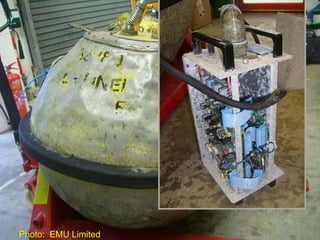
Photo: EMU Limited
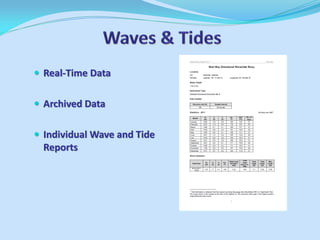
Real-Time Data 
Archived Data 
Individual Wave and Tide Reports
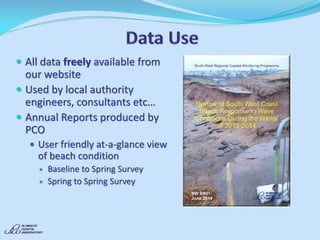
All data freely available from our website 
Used by local authority engineers, consultants etc… 
Annual Reports produced by PCO 
User friendly at-a-glance view of beach condition 
Baseline to Spring Survey 
Spring to Spring Survey
Securing funding for Phase 3 of the Programme 
Reviewing our data and exploring new technology 
Continuing to build a long term dataset
2014   04 emerald siggery

2014 04 emerald siggery

  • 1.
    Emerald Siggery CoastalProcess Scientist South West Regional Coastal Monitoring Programme
  • 2.
    To promote astandard, repeatable and cost effective method of monitoring the coastal environment in the South West
  • 3.
    Plymouth Coastal ObservatoryEnvironment Agency (SW Region) SW Maritime Local Authorities Plymouth University Teignbridge District Council
  • 4.
    1st Phase ofProgramme 2006-2011 2nd Phase of Programme 2011-2016 100% grant aid funded - £4.4 million over 5 years
  • 5.
  • 6.
    Various coastal defenceschemes underway in the South West Flood Risk Management Schemes Managed Realignment Projects Beach Management Schemes Shoreline Management Plans Monitoring required for each scheme – data rarely archived Tourism spending in South West is over £9,000m annually Long term trends needed to monitor impacts of climate change
  • 7.
    Topographic Surveys BathymetricSurveys Hydrodynamic Data LiDAR Surveys Aerial Photography Ecological Monitoring
  • 9.
    Real-Time Kinematic (RTK)GPS / GNSS MLWS as seaward limit Baseline survey at start of phase to get full coverage of all beaches Interim surveys stakeout points on cross-shore profile lines
  • 11.
    Sand Bay, NorthSomerset First Survey for SWRCMP in 2007 18 Surveys Completed to Date 2 Baseline Surveys – Full Coverage 13 Interim Surveys 3 Post-storm Surveys
  • 12.
    Reasons for usingLiDAR: Cost effective technique for covering large areas Covers areas where ground surveying is difficult or dangerous Problems: Needs a clear sky
  • 13.
    Flown between Septemberand May – minimise vegetation cover Flown over MLWS for maximum coverage of the intertidal area 1m Resolution Up to 6 flights in the Severn Estuary to date
  • 15.
    Flown Between Mayand September 10cm resolution Flown over MLWS for maximum coverage of the intertidal area 3 sets of photography to date 2007 2009 2013/2014
  • 16.
    Standard Images Usedto visualise change A Picture Speaks a Thousand Words…
  • 17.
    False Colour Infra-RedImages Used to map specific inter-tidal habitats such as saltmarsh
  • 18.
    Aerial Photography Interpretation 1 complete survey to date Second survey scheduled for the current phase of the Programme Uses Integrated Habitat Classification System Produced maps and GIS shapefiles
  • 20.
    Entire coast surveyedin the first Phase of the Programme 1 single beam bathymetric survey – up to Severn Beach
  • 21.
  • 23.
  • 24.
    Second Severn CrossingWaveRadar Rex Installed June 2011
  • 25.
    Location 51° 21.21749'N 003° 1.10066' W Approximate Water Depth ~ 13m CD Tidal Range Approx. Spring Tidal Range = 11.2m Weston Bay Directional WaveRider Buoy Deployed September 2009 Minehead Directional WaveRider Buoy Deployed December 2006 Location 51°13.71588'N 003° 28.31677' W Approximate Water Depth ~ 10m CD Tidal Range Approx. Spring Tidal Range = 9.6m
  • 26.
    Wave Height WavePeriod Wave Direction Sea Temperature Wave Height Wave Period
  • 28.
  • 29.
    Real-Time Data ArchivedData Individual Wave and Tide Reports
  • 31.
    All data freelyavailable from our website Used by local authority engineers, consultants etc… Annual Reports produced by PCO User friendly at-a-glance view of beach condition Baseline to Spring Survey Spring to Spring Survey
  • 32.
    Securing funding forPhase 3 of the Programme Reviewing our data and exploring new technology Continuing to build a long term dataset