)‫حمكمة‬ ‫دولية‬ ‫فصلية‬ ‫(جملة‬ ‫اللغة‬ ‫علم‬ ‫اسات‬‫ر‬‫لد‬ ‫األهواز‬ ‫جملة‬
WWW.AJLS.IR
ISSN: 2717-2716
2021
/‫م‬
1443
:‫اجمللد‬ ،‫ه‬
2
:‫العدد‬ ،
3
Ahwaz Journal of Linguistics Studies (AJLS) (WWW.AJLS.IR),
ISSN: 2717-2643, 2021, Vol. 2, No. 3
i
Table of Contents Page
Role of Speech Therapy in Overcoming Lexical Deficit in Adult Broca’s Aphasia,
Tanzeela Abid & Dr. Habibullah Pathan ………….………....…………........………..... 1-10
Investigating the Difficulties Faced by Iraqi EFL Learners in Using Light Verbs, Zahraa
Adnan Fadhil Al-Murib …………………………….........................................……… 11-21
A Syntactic Analysis of Cambodian News Discourse on COVID-19 Outbreaks:
Sentence Lengths and Structures as Predictors of Readability, Bunlot Khoy, Sotheara
Suon & Bophan Khan ………………………………...…….………..………............. 22-36
‘Languaging’ as Marketing and Promotion Strategies: What Triggers Emotional
Engagement of Potential Customer, Satomi Ura …………………….…….……….. 37-44
‫احملتوايت‬ ‫قائمة‬
/ ‫والتدوين‬ ‫املشافهة‬ ‫بني‬ ‫ومبانيها‬ ‫معانيها‬ ‫تعددت‬ ‫قرآنية‬ ‫كلمات‬
.. ‫املنجد‬ ‫عيد‬ ‫حممد‬ ‫بن‬ ‫الدين‬ ‫نور‬ ‫حممد‬ .‫د‬
...
...
57
-
45
/ ‫القرآين‬ ‫للمعجم‬ ‫الداليل‬ ‫التصميم‬
‫مدين‬ ‫حاج‬ ‫خدجية‬ .‫د‬
..................
.
..........
.
......................
67
-
58
‫صرفية‬ ‫اسة‬‫ر‬‫(د‬ ‫العربية‬ ‫اللغة‬ ‫يف‬ ‫للمجهول‬ ‫املبين‬ ‫الفعل‬
-
/ )‫حنوية‬
..... ‫الكاكي‬ ‫كاظم‬‫امساعيل‬ ‫حسني‬
.
..........
84
-
68
Ahwaz Journal of Linguistics Studies (AJLS) (WWW.AJLS.IR),
ISSN: 2717-2643, 2021, Vol. 2, No. 3
1
Role of Speech Therapy in Overcoming Lexical Deficit in Adult Broca’s Aphasia
Tanzeela Abid & Dr. Habibullah Pathan,
Mehran University of Engineering and Technology Jamshoro, Pakistan
Abstract
This is an exploratory study and qualitative in nature. Unit of exploration is ‘Adult Broca’s
Aphasic Patients.’ This paper aims to explore the function and integrity of ‘Speech Therapy’
for adult Broca’s aphasia. Aphasia is the after-effect of brain damage, commonly found in
left hemisphere which disrupts language faculty. Present study focuses on ‘Lexical’ aspect
of language in which an individual faces trouble in processing of words. In Broca’s aphasia
affected individual suffers from diminished capability of speaking/communication. To
recover such diminished capabilities, speech therapy is utilized. This study intends to
investigate the effectiveness of speech therapy that how speech therapy helps to adult
Broca’s aphasia to recover their speaking or conversing skills? Participants of the study are
‘Speech therapists.’ Purposeful sampling, particularly Snowball sampling has been
undertaken. Semi-structured interviews have been conducted from five speech therapists,
which have been analyzed through thematic analysis under the light of ‘Sketch Model’ given
by De ruiter and De beer (2013). Findings of the study suggest that speech therapy may be
proved helpful for Broca’s aphasia to recover their communicating capabilities but it requires
much time (minimum 6 months). Moreover, recovery depends upon certain factors. For
instance; Age, Level of disorder and Willingness.
Keywords: Broca’s aphasia; Lexical deficit; Speech therapy; Communication; Speaking
skills
1. Introduction
This research paper affiliates with neurolinguistics, which is one of the fields of
linguistics that investigates language impairments that follow brain injury in terms of
language structure (Basso, Frobes & Boller, 2013). Neurolinguistics converses about neural
processes that regulate language acquisition, comprehension, production, and
communication disturbances. Therefore, it undertakes ‘Speech identification,’ ‘Lexicon’ and
‘Sentence formation,’ ‘Semantics’ and ‘Discourse’ in both; normal talkers and those who
have language disabilities (Ingram, 2007).
Lots of people believe that the physical basis of language is in the lips, tongue or
ear. But deaf and dumb people may have complete linguistic system. People, who are
incompetent to move their vocal cords, may still be competent to apprehend language.
Language is most precious possession of humans that is omnipresent. It is as essential as air
for breathing to humans. All language-deficit conditions are not always genetic. Aphasia is
also one of them. There are numerous reasons that can cause aphasia. For instance; ‘stroke,’
‘head injury,’ ‘accident,’ ‘shock’ or even an infection in the brain. However, stroke is
considered as the largest threat to language skills. Due to this illness, the link between brain
areas governing language and organs connected with language is shattered, which affect
language skills (Qayyum, 2015).
There are diverse categories of aphasia. But, present study deals with Broca’s
aphasia which is one of the types of aphasia. Broca’s aphasia is also known as ‘non-fluent
aphasia’ because in this, affected individual have flaw in the area of language production.
While, comprehension of language remains unimpaired (Goodglas & Kaplan, 1972). Broca’s
aphasia may be found in people with varied ages. However, this study has particularly
centered adults.
Aphasia can disrupt different levels of linguistics such as, morphology, phoneme,
syntax, semantics, pragmatics and lexis (Edward & Salis, 2015). However, this research
Ahwaz Journal of Linguistics Studies (AJLS) (WWW.AJLS.IR),
ISSN: 2717-2643, 2021, Vol. 2, No. 3
2
paper on the whole deals with lexicality (Lexical deficit condition), which is diminished
condition of vocabulary. Basically, it is deterioration to one or more of the systems in the
processing of words. For instance; difficulty in practicing words during reading, spelling,
comprehension and even producing single word. (Rapp & Caramazza, 1991). Every person
requires to do contact with one another. So, language is the tool to make this contact possible,
and means of communication as well. Language process does not experience any
impediment for normal people, because language simply slides from utensil. On the other
hand, who have restraints in their minds, they experience difficulty in the communication
process as well. Such difficulty is experienced by people with Broca’s aphasia (Hartini,
Sudana & Gunwana, 2021). In order to get better
and cope with lexical deficit condition, present study has selected Speech therapy as gear for
people with Broca’s aphasia. Speech therapy is a technique or service that supports to
progress language development, practical and communicative language skills (Smith, 2014).
Usually, process of speech therapy begins by determining disorders. When disorder is
identified, then best way is acquired to treat present condition. In speech therapy, exercises
may differ according to age and condition. Some activities have been mentioned by
Longhurst (2019) for children:
 Develop connection via talking, playing and by means of books, pictures and other
things which can arouse language progress.
 Upskill children through apropos age games that can correct their sounds in terms of
uttering syllables.
 Provide suggestions to parents or care giver to perform some activities at home for
speech therapy.
While, Rowden (2021) have suggested following different tactics for adult speech therapy:
 Train them through problem sorting activities and conversation practices.
 Employ breathing exercises to assist echo problems.
 To make verbal communication stronger, carry out mouth drills.
Succeeding section (2) reviews all the related studies that have been done in the line of work
of speech therapy for adult aphasic patients. Alongside, historical background of aphasia and
theoretical framework has been discoursed. Moreover, methodology section (3) talks over
following aspects of present article: paradigmatic, epistemological, ontological and
axiological stances of study; employed sampling and tool; site of study, procedure of data
gathering and its analysis. Whereas, section (4) reveals the results of gathered data. Lastly,
section (5) provides conclusive lines with the implications of study and recommends
propositions for forthcoming researches.
1.1 Aim and Objectives
This paper aims to explore the role of speech therapy in terms of its function and
integrity for adult Broca’s aphasia to overcome lexical deficit condition during speaking or
communicating with others. This study intends to investigate the effectiveness of speech
therapy for people with Broca’s aphasia to recover their performance in terms of speaking
or conversing skills.
 To explore the use of speech therapy for adult Broca’s aphasia to deal with lexical
deficit state in communication process.
 To investigate the effectiveness of speech therapy to recuperate speaking and
conversing capabilities of people with Broca’s aphasia.
1.2 Research Questions
Q: 1 How does speech therapy help to adult Broca’ aphasic patients to overcome their lexical
deficit state in order to enhance their communicating abilities?
Ahwaz Journal of Linguistics Studies (AJLS) (WWW.AJLS.IR),
ISSN: 2717-2643, 2021, Vol. 2, No. 3
3
Q: 2 To what extent speech therapy is effective for people with Broca’s aphasia to recover
their speaking and communication skills?
2. Literature Review
In this part, historical background of aphasia and contributions of different
researchers have been discussed, regarding the starring role of speech therapy in aphasic
condition. Additionally, it has demonstrated the theoretical frame work that imparted
dimension to the study for research questions and data analysis.
2.1 Historical Context of Aphasia
Study of aphasia associated with specific areas of brain, particularly left
hemisphere was initiated in 19th
century by two well-known neurologist; Paul Broca and
Carl Wernicke. Paul Broca was basically a surgeon in France. For a long time, he observed
a patient, named M. Leborgne. Leborgne seemed to comprehend, but was incapable to speak
save for a meaningless recurrence of “tan.” After some time period, he became paralyzed by
his right arm and leg. Later, Leborgne’s death autopsy unveiled substantial brain damage in
his brain. The part of brain that got damage was fronto-temporal, undoubtedly caused by
cyst. Broca also examined other cases related to this, and revealed his findings in 1861. He
proclaimed in 1865 that our left side of brain is involved when we talk. Carl Wernicke was
a German neuro-psychiatrist. After nine years, he provided description of eight persons, who
also had language impairment following brain damage. Though, this language disorder was
not similar to that was described by Broca. These individuals had trouble in apprehension,
could speak smoothly. Whereas, Individuals with Broca’s discovered disorder were capable
to apprehend, but their speaking had many lexical and semantic omissions and meaning was
tapered. On the behalf of investigation, held during post-mortem, both physicians detected
that the lesions are in the left cortex. Broca described a lesion in the frontal lobe. On the
other hand, the injuries examined by Wernicke were posterior to this (Edward & Salis, 2016).
2.2 Reviews Related to Speech Therapy
Speech therapy or speech pathology is a domain of skill, applied by clinician. Its
beginning lies in America around 1925, when speech disorders and speech correction were
taken into consideration at the level of practice. Far ahead in 20th
century, its execution
commenced at broader level. Various studies indicate that speech therapy is being used as a
mediating service that works on language improvement. Speech and language therapy is
being used widely for aphasic patients, having different etiologies. It has shown to be
effective. It targets to maximize the performance. A meta-analysis recognized thirty
controlled trials with speech therapy that were performed between 1969 and 2009. It shown
beneficial results in a variety of linguistic parameters. For instance; impulsive speech, use
of gestures, severity of aphasia, expressive written skills and most important apprehension.
During therapy, patients learn new tactics of interaction to use in everyday life that improve
his/her communication abilities by engaging them in many language-based activities
(Farrajota, Maruta, Maroco, Martins, Guerreiro & Mendonca, 2012).
As, Latif (2015) stated that aphasia is a condition that disrupts communication
skills. In this regard, speech therapy is taken as an implied option to boost communication
skills. Further, he added, speech therapy is an individualized in nature, depend upon patients’
state and requirements as gauged by speech therapists. Majority of the patients pass through
a period of prompt recovery, following brain injury in which they recuperate a great deal of
language function. During practices, patients repeat words and phrases. Patients recover a
great deal of language function with different pace.
However, some researches reveal the role of speech therapists in the recovery of
language for aphasic patients. Quality professional therapy can considerably passage stroke
Ahwaz Journal of Linguistics Studies (AJLS) (WWW.AJLS.IR),
ISSN: 2717-2643, 2021, Vol. 2, No. 3
4
patients’ recovery. Actually, therapists are the ultimate resource for stroke patients because
initially, they evaluate the deficit condition of patients then they pay attention on required
challenges (Saebo, 2016). Correspondingly, Brady, Godwin, Enderby, Kelly & Cambell
(2016) mentioned outcomes of their study in which they pointed out two important aspects:
first, Speech and language therapy (SLT) is a convoluted rehabilitating intervention, aims to
improve language and communication skills. SLT is considered operative for people with
aphasia, for the development of following skills; reading, writing, communication and useful
interaction. Second, higher degree of therapy may be useful, but may not be appropriate for
all.
Moreover, Stephens (2017) stated that speech language therapy (SLT) reinforce
aphasic patients to communicate their feelings and thoughts in everyday life circumstances.
Further, he said while denying the role of society that there was no proof of social support
or stimulus that leads to any advancement in functional communication. Besides, there are
certain factors which influence on the recuperation of linguistic recovery. Aphasic condition
includes two factors; first one is stroke age and the second one is receiving aphasia treatment
because language therapy keeps a powerful and long term influence (Jhonson, Vasilakos &
Yourganov, 2019).
2.3 Theoretical Framework
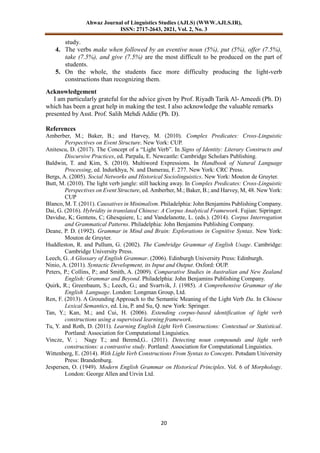
For this study, The Sketch Model has been used as theoretical framework, which
was given by De ruiter and De beer (2013), has been presented in figure 1. Model expounds
the association between gestures and speech, along the communicative purpose of gestures.
Gesture and speech emerge from a joined communicative meaning and work interactively
to articulate that meaning. This model elucidates that development of gestures and speech,
pre-linguistically originate in the conceptualizer, where thoughts get generated.
Propositional and imagistic info retained in working memory, are regained and then speaker
selects, which bit of the communication will be transferred through gestures or in verbal
mode. Sketch and proverbial message are devised and directed to the Gesture Planner and
Formulator, respectively. Both, Gesture Planner and Formulator work freely from one
another, which give rise speech and gesture as output. In the development of message and
speech, lexicon/lemmas and forms play a significant role which assist to the grammatical
and phonological coding. While, environment influence in the production of gestures.
This model provides following implications. On the basis of these implications data has been
analyzed:
 Gesture and speech get up from a conjoint communicative purpose.
 They work together to deliver that intention.
 Isolated pathways allow for interruptions between speech and gesture, following
brain damage.
 Gestures can compensate for troubles in the Formulator (grammatical and
phonological encoding) and Articulator (speech).
Ahwaz Journal of Linguistics Studies (AJLS) (WWW.AJLS.IR),
ISSN: 2717-2643, 2021, Vol. 2, No. 3
5
Figure: 1. The Sketch Model” given by De ruiter and De beer (2013).
3. Methodology
3.1 Paradigm
Paradigm provided channel to present study apropos of choosing method and tools
to detect the role of speech therapy for adult Broca’s aphasia to overcome lexical deficit
condition during speaking and conversing. Paradigm is a way of studying and interpreting
the reality of the world (Rehman & Alharthi, 2016). It is essential to deem paradigm of
research before initiating it, because it proposes extensive groundwork of view,
understanding conviction within which theories and practices operate. A research
paradigm is considered as a researcher’s worldview about how to accomplish research.
Paradigm of present article is ‘Constructivism.’ Constructivism deals with interpretation
from an insider stands point. Hence, this is also named as ‘Interpretivist.’ This paradigm says
that truth is socially organized. Therefore, this paradigm is known as Constructivist. (Bogdan
& Biklen, 1997).
3.2 Epistemology
Epistemology means ‘Knowledge.’ Constructivism takes on Subjectivist
Epistemology in which researcher builds understanding through social constructs and his/her
personal engrossment in the real life within the natural surroundings (Punch, 2005). In this
study, source of knowledge is authoritative, because data has been collected through speech
therapists. If data is collected from people, books or leaders of the organization, then
epistemology is based upon Authoritative Knowledge (Kivunja & Kuyini, 2017).
3.3 Ontology
Ontology refers to what reality researcher wants to investigate and recognize?
Constructivism paradigm takes on Relativist Ontology. Relativist ontology denotes the faith
of researcher in terms of, examined condition has numerous truths and those truths can be
explored by human collaborations between the researcher and issue of the research and the
research members (Chalmers, Manley & Wasserman, 2005). In this article, researcher wants
to investigate whether speech therapy function for adult Broca’s aphasic patients or not? Can
lexical deficit be overcome with the help of this gear? And if yes then, up to what extent this
gear endeavors?
Ahwaz Journal of Linguistics Studies (AJLS) (WWW.AJLS.IR),
ISSN: 2717-2643, 2021, Vol. 2, No. 3
6
3.4 Method
This is an exploratory study in which qualitative method has been employed,
because researcher was interested in exploring the action in natural setting in respect of role
of speech therapy through real life practices of speech therapists. Qualitative method
incorporates data collection practices that are mostly open ended and researchers aim to seek
responses to broad. It denotes a variable and greatly contextual micro perspective of
everyday reality of a particular field (Dornyei, 2007).
3.4.1 Study site
Region of present study is “Hyderabad City.” It is the second largest in Sindh
province and 8th
largest in Pakistan. Particularly, Private Treatment Centers of Speech
Therapists” were preferred for the conduction of interviews. Five treatment centers were
chosen, where speech therapists were easily available. Preference of clinics did not depend
upon researcher’s choice, rather it merely depended upon the accessibility of clinics in
Hyderabad. Following are the names of centers:
 Inaya Day Care Centre; A project of Faraz Speech Centre, unit #8 Latifabad.
 The Talk Clinic Speech Language Therapy and Audiology, Doctors Lane Saddar.
 The Real Audiology Hearing Aids and Speech Therapy Center, Doctors Lane Saddar.
 Speech World Center, Quaid-e-Azam Complex Cantonment.
 Sehat Medical and Trauma Centre, unit #6 Latifabad.
3.4.2 Sampling and Participants
Adult Broca’s aphasic patients and Speech therapists are the targeted population of
present article. Sampling refers to picking a segment of population, which are known as
participants. Whereas, population is a cluster of people that a researcher studies in his/her
research. Present has employed Non-Probability Sampling, which is also known as
Purposeful Sampling. Qualitative researches undertake non-probability sampling because it
offers in-depth understanding apropos of any issue. Therefore, this study has utilized
Purposeful Sampling to gather data. In purposeful sampling, researchers intentionally choose
individuals and sites to understand the central phenomenon (Creswell, 2012).
3.4.3 Research Tool
Research tool has provided pathway to researcher, for organizing information,
bringing them together and then transforming it into productive data (Hinds, 2000). This
study has utilized interviews as research tool. Interviewing is the practice of asking open-
ended questions by researchers to one or more participants (Creswell, 2012). To explore the
role of speech therapy, Semi-structured interviews were conducted because such interviews
allow researcher to construct in depth perception (Cousin, 2009). One-on-one interviews
have been conducted. Five interviews have been incorporated.
3.4.4 Data Gathering procedure
In this study, two different ways have been used for the collection of data; Primary
and Secondary, which are usually undertaken by researchers (Douglas, 2015). For main data
collection, primary resource has been used. Whereas, secondary data has been used for
literature review. Primary data is assembled for stating the problem at hand and first time
formulated by researcher. While, secondary data is the previously existing data, which is
piled up through researchers, agencies investigators and associations (Ajayi, 2017). Survey,
observation, experiment, questionnaire and interview are the instances of primary data.
While, government books/magazines, websites, papers, editorials and internal records come
in secondary data.
Ahwaz Journal of Linguistics Studies (AJLS) (WWW.AJLS.IR),
ISSN: 2717-2643, 2021, Vol. 2, No. 3
7
For the conduction of interviews, researcher visited in evening and night to the clinics of
speech therapists. Designed tool has been utilized for data collection. Before, during and
afterward interview, some stances were considered, have been mentioned in table 1.
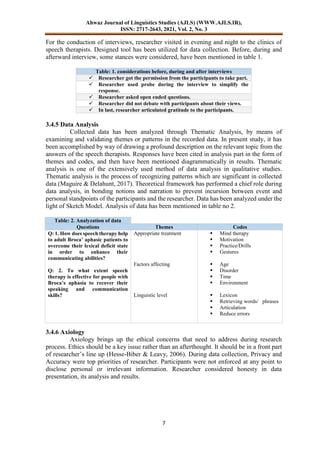
Table: 1. considerations before, during and after interviews
 Researcher got the permission from the participants to take part.
 Researcher used probe during the interview to simplify the
response.
 Researcher asked open ended questions.
 Researcher did not debate with participants about their views.
 In last, researcher articulated gratitude to the participants.
3.4.5 Data Analysis
Collected data has been analyzed through Thematic Analysis, by means of
examining and validating themes or patterns in the recorded data. In present study, it has
been accomplished by way of drawing a profound description on the relevant topic from the
answers of the speech therapists. Responses have been cited in analysis part in the form of
themes and codes, and then have been mentioned diagrammatically in results. Thematic
analysis is one of the extensively used method of data analysis in qualitative studies.
Thematic analysis is the process of recognizing patterns which are significant in collected
data (Maguire & Delahunt, 2017). Theoretical framework has performed a chief role during
data analysis, in bonding notions and narration to prevent incursion between event and
personal standpoints of the participants and the researcher. Data has been analyzed under the
light of Sketch Model. Analysis of data has been mentioned in table no 2.
Table: 2. Analyzation of data
Questions Themes Codes
Q: 1. How does speech therapy help
to adult Broca’ aphasic patients to
overcome their lexical deficit state
in order to enhance their
communicating abilities?
Q: 2. To what extent speech
therapy is effective for people with
Broca’s aphasia to recover their
speaking and communication
skills?
Appropriate treatment
Factors affecting
Linguistic level
 Mind therapy
 Motivation
 Practice/Drills
 Gestures
 Age
 Disorder
 Time
 Environment
 Lexicon
 Retrieving words/ phrases
 Articulation
 Reduce errors
3.4.6 Axiology
Axiology brings up the ethical concerns that need to address during research
process. Ethics should be a key issue rather than an afterthought. It should be in a front part
of researcher’s line up (Hesse-Biber & Leavy, 2006). During data collection, Privacy and
Accuracy were top priorities of researcher. Participants were not enforced at any point to
disclose personal or irrelevant information. Researcher considered honesty in data
presentation, its analysis and results.
Ahwaz Journal of Linguistics Studies (AJLS) (WWW.AJLS.IR),
ISSN: 2717-2643, 2021, Vol. 2, No. 3
8
4. Findings and Discussion
On the basis of data analysis following findings have been obtained. Diagrammatic
representation has been mentioned in table 3, 4 & 5. While, theoretically has been presented
in discussion part.
Q: 1. How does speech therapy help to adult Broca’ aphasic patients to overcome their lexical
deficit state in order to enhance their communicating abilities?
Table: 3. Findings of question no 1.
Q: 2. To what extent speech therapy is effective for people with Broca’s aphasia to recover
their speaking and communication skills?
Table: 4. Findings of question no 2.
Table: 5. Findings of question no 2.
Results of the study suggest that speech therapy may be proved helpful for adult Broca’s
aphasia to overcome lexical deficit state. Their communicating capabilities can be recovered
by giving treatment. But, recovery is merely probable with appropriate treatment in terms of
speech therapy. According to the responses of speech therapists, appropriate treatment
embraces following four facets:
 All of the speech therapists responded that practicing or drilling is the top most
exercise of speech therapy. By this exercise, Broca’s aphasic patients try to overcome
the troubles which they face while speaking, and learn to communicate.
 At second level, speech therapists replied that speech therapy also boost up the
development of gestures because there are certain patients who even do not possess
gestural skills. Gestures are the alternative pathway of speaking.
 Some responded that speech therapy engrosses the motivation into affected
individual. Because their willingness for speaking very much influence on their
linguistic recovery.
 A few speech therapists replied that mind therapy is also need which can only be
provided by speech therapy.
On asking question regarding the effectiveness of speech therapy, they stated that first we
need to know about the factors that effect on speech therapy. According to them, recovery
depends upon following four factors:
APPROPRIATE TREATMENT Practice/drills
Gestures
Motivation
Mind therapy
FACTORS AFFECTING Age
Level of disorder
Time
Environment
LINGUISTIC LEVEL
Retrieving words/phrases
Lexicon
Articulation
Reduce errors
Ahwaz Journal of Linguistics Studies (AJLS) (WWW.AJLS.IR),
ISSN: 2717-2643, 2021, Vol. 2, No. 3
9
 Foremost factor is age. According to their responses, early age is considered golden
age for the linguistic recovery in aphasic condition. Whether it is Broca’s or
Wernicke’s.
 Secondly, level of disorder or stroke does matter that how much is a patient’s brain
injured? If a patient has higher intensity of stroke, so it requires longer time for
recovery.
 Some included environment too as influential factor during therapy. Through active
environment, competence can be in term of lexicality can be improved.
 A few speech therapists replied that time is also one of the constraints during therapy.
They said minimum 6 months are always required for recovery.
After deliberating factors, they pointed out the effectiveness of speech therapy for the
recovery of speaking or communicating skills at following linguistic levels; retrieving words
or phrases while speaking, stimulate lexicon or mental vocabulary that creates messages into
the mind, articulation of words for communicative purpose and reduction of errors during
speaking and conversation.
5. Implications, Conclusion and Recommendation
Present study is valuable for linguists related to the field of neurolinguistics and
psycholinguistics. This study affirms that language is not an isolated entity, where it is tied
up with society and culture along it is knotted with brain. This study imparts the facts of
cognitive linguistic phenomenon. Particularly, it is beneficial for contemporary and future
researchers of neurolinguistics because this study reviews the consequences of language
impairment and its recovery. Hence, outcomes of this study is chiefly conducive for both
researchers and readers of aphasia, who are extremely engrossed in Broca’s aphasia and will
add into the literature. Findings of the study devise that lexical skill is a central element of
language conception and production.
Since, aphasia is an unusual cerebral effect. Due to this neurogenic language syndrome,
affected individuals go through either weakened ability of speaking or listening. Therefore,
different tools are used by/for affected individuals to cope-up with such ailments.
Subsequently, findings of the study reveals that people with Broca’s aphasia can overcome
lexical deficit condition through speech therapy, but overcoming settings varies according
to age and magnitude of brain damaged or stroke. Where implications of the study are
significant for linguists, likewise it is worthwhile for speech therapist, apropos the treatment
of adult Broca’s aphasia. Because, findings of the study also reports that what factors
influence on performance and how much time an adult Broca’s aphasia may need for their
linguistic recovery.
When some disorders rob your competence which can affect your ability to speak,
write and understand language. So, there is need to address such issues which can reveal the
grounds of language impairment and its treatment. Broca’s aphasia causes disruption in the
production of language. Whereas, understanding does not get impaired. Affected individual
faces trouble in word finding and suffers during speaking that makes one- sided
communication. Competence remains unaffected, while performance becomes
impoverished. Because, aphasia is considered as loss of words not thoughts. So, why people
with Broca’s aphasia become deprived in daily life conversation? If, there are tools like
Speech therapy to overcome lexical deficit condition.
This article has determined the role of speech therapy. However, future researches may be
followed by determining more tools, other than speech therapy for adult Broca’s aphasia.
Likewise, this study has focused on lexical aspect of language. While, aphasia may affect
different aspects of language. It can be expressive or receptive. So, other linguistic levels
should be taken under account.
Ahwaz Journal of Linguistics Studies (AJLS) (WWW.AJLS.IR),
ISSN: 2717-2643, 2021, Vol. 2, No. 3
10
References
Basso, A., Forbes, M., & Boller, F. (2013). Neurological Rehabilitation: Chapter 27. Rehabilitation
of aphasia (Vol. 110). Elsevier Inc. Chapters.
Brady, M. C., Kelly, H., Godwin, J., Enderby, P., & Campbell, P. (2016). Speech and language
therapy for aphasia following stroke. Cochrane database of systematic reviews, (6).
Bogdan, R., & Biklen, S. K. (1997). Qualitative research for education. Boston, MA: Allyn &
Bacon.
Chalmers, D.J., Manley, D. & Wasserman, R. (2005). Metametaphysics: New Essays on the
Foundations of Ontology. Oxford University Press. Dorr, C.
Cousin, G. (2009). Researching learning in higher education: An introduction to contemporary
methods and approaches. Routledge.
Creswell, J. W. (2012). Educational research: planning. Conducting, and Evaluating.
Dörnyei, Z. (2007). Research methods in applied linguistics. Oxford university press.
Douglas, M. (2015). “Sources of data”. Retrieved from http://www.onlineetymologydictionary/data
Edwards, Susan, & Salis, Christos. (2016). Aphasia from a Neurolinguistics Perspective. Oxford
Research Encyclopedias.
Farrajota, L., Maruta, C., Maroco, J., Martins, I. P., Guerreiro, M., & De Mendonca, A. (2012).
Speech therapy in primary progressive aphasia: a pilot study. Dementia and geriatric cognitive
disorders extra, 2(1), 321-331.
Goodglass, H., & Kaplan, E. (1972). The assessment of aphasia and related disorders. Lea &
Febiger.
Hartini, L., Sudana, D., & Gunawan, W. (2021, April). Illocution Gesture in Broca Aphasia Patients.
In Thirteenth Conference on Applied Linguistics (CONAPLIN 2020) (pp. 296-301). Atlantis Press.
Hesse-Biber, S. N., & Leavy, P. (2006). The ethics of social research. The practice of qualitative
research, 83-116.
Ingram-John, C. L. (2007). Neurolinguistics: An Introduction to Spoken Language Processing and
its Disorders.
Johnson, L., Basilakos, A., Yourganov, G., Cai, B., Bonilha, L., Rorden, C., & Fridriksson, J. (2019).
Progression of aphasia severity in the chronic stages of stroke. American journal of speech-language
pathology, 28(2), 639-649.
Kivunja, C., & Kuyini, A. B. (2017). Understanding and applying research paradigms in educational
contexts. International Journal of higher education, 6(5), 26-41.
Longhurst, Adrienne Santos (2019). What is speech therapy? Retrieved from;
https://www.healthline.com/health/speech-therapy
Latif, Zahida. (2015). Aphasia and communication, retrieved from; https://nation.com.pk/29-Sep-
2015/aphasia-and-communication
Maguire, M., & Delahunt, B. (2017). Doing a thematic analysis: A practical, step-by-step guide for
learning and teaching scholars. All Ireland Journal of Higher Education, 9(3).
Punch, K. (2005). Introduction to Social Research: Quantitative and qualitative approaches,
London: Sage Publications.
Qayyum, S. (2015). A LINGUISTIC STUDY OF THE PSYCHOLOGICAL ASPECTS OF
APHASIA (Doctoral dissertation, National University of Modern Languages, Islamabad, Pakistan).
Rapp, B. C., & Caramazza, A. (1991). Lexical deficits. Acquired aphasias.
Rowden, Adam (2021). What to know about speech therapy? Retrieved from;
https://www.medicalnewstoday.com/articles/speech-therapy
Rehman, A. A., & Alharthi, K. (2016). An introduction to research paradigms. International Journal
of Educational Investigations, 3(8), 51-59.
Smith, Barbara. (2014). What is speech therapy? Retrieved from;
https://www.parents.com/kids/development/learning-disabilities/what-is-speech-therapy/
Stephens, M. (2017). The Effectiveness of Speech and Language Therapy for Post stroke
Aphasia. AJN The American Journal of Nursing, 117(11), 19.
Saebo, (2016). The Benefits of Speech Language Therapy for Stroke Patients, retrieved from;
https://www.saebo.com/benefits-speech-language-therapy-stroke-patients/
Ahwaz Journal of Linguistics Studies (AJLS) (WWW.AJLS.IR),
ISSN: 2717-2643, 2021, Vol. 2, No. 3
11
Investigating the Difficulties Faced by Iraqi EFL Learners in Using Light Verbs
Zahraa Adnan Fadhil Al-Murib,
Department of English, College of Education, Islamic University, Babylon, Iraq
Abstract
This study deals with light verb constructions as being syntactically functional and
semantically bleached. It aims at investigating the difficulties faced by Iraqi EFL Learners
(fourth-year university students) in recognizing and producing this kind of constructions.
Thus, to achieve this aim, it is hypothesized that Iraqi EFL Learners are unable to collocate
the light verb with its proper noun phrase both at the recognition and the production levels.
And in order to achieve the aim of the study and examine its hypothesis, the following
procedures are adopted: (1) Presenting a theoretical background about light verb
constructions including their definition, structure, and their relationship with collocations,
(2) Designing a diagnostic test to investigate the difficulties that might face the learners
while being exposed to these constructions, (3) Analyzing the findings of the test to reveal
the learner’s recognition and performance in dealing with light verb constructions.
Keywords: Light Verb Constructions, Collocations, Difficulties
1. Introduction
The light verb construction has inspired research in a large number of languages,
from a vast range of theoretical perspectives that result in a diverse set of terminology and
definitions. The light verbs have a particular combination of syntactic and semantic
properties making it difficult to class them either with function words or with proper lexical
verbs. However, they have been considered as a class in their own right. Morphologically,
the light verb is inflected, but the following noun phrase “tends to have a fixed number and
a preference for determiner type.” For example, make amends receives full verbal inflection
(make/ makes/ made/ making amends), but the following noun phrase cannot be used in its
singular form (*make amend). Syntactically, the light verb construction is highly flexible,
i.e. it can be made passive, for instance, an offer was made and it can also be used with an
internal modification, e.g. make an irresistible offer (Baldwin and Kim, 2010: 277). Besides,
light verbs offer a wider range of expressive possibilities than many proper lexical verbs (do
a translation (of), get a view (of), give a hand, have a look, make a decision (on), offer an
apology, put a stop to, take a look). They can be combined with nouns to behave just like
their non-light counterparts. As such, in part two the literature about light verbs is reviewed.
Then, the study takes an account of light verb constructions introducing their definition in
part three and their structure in part four. As for part five, it presents the possible collocations
of the light verbs with their nouns. Besides, the study employs a diagnostic test, occupying
part six, in an attempt to investigate the difficulties faced by Iraqi EFL learners (fourth- year
university students) in recognizing and producing this kind of constructions.
2. Literature Review
Light verbs are studied by a variety of scholars from different theoretical and practical
perspectives. Most studies view light verbs as a special type of multi-word expressions that
have a functional role (Tan et al., 2006: 49; Vincze et al., 2011: 116; and Tu and Roth, 2011:
31).
According to Tan, et al. (2006:49) a light verb construction is “a verb-complement pair
in which the verb has little lexical meaning (is “light”) and much of the semantic content of
the construction is obtained from the complement. ” Thus, they focused on the identification
of the light-verb constructions in English. They suggest a corpus- based approach to find out
whether a verb-object combination is regarded as a light verb construction. By their corpus-
Ahwaz Journal of Linguistics Studies (AJLS) (WWW.AJLS.IR),
ISSN: 2717-2643, 2021, Vol. 2, No. 3
12
based method, they have shown that most of the semantic meaning is expressed by the object.
In addition, they identified light verbs as a set of closed class verbs. This feature helps to
identify light verbs from non-light verbs when used with the same noun complement, namely
the verbs that express possession, direction, aspect, and causation (Ibid: 56).
Tu and Roth (2011:31) denote that light verb constructions are formed from a verb and a
noun phrase as its object. They describe them as being semi-compositional. They proposed
a case study on the recognition of light verb constructions focusing on the most frequently
used light verbs in English. They find that contextual features help recognize better light
verb constructions (Ibid: 38).
As for Vinceze et al (2011: 116), light verbs are verb and noun combinations in which the
meaning of the verb is impoverished to be carried by the noun. They studied them in relation
to noun compounds identifying them as syntactically flexible, i.e. the verb is inflected and
the noun can be pluralized and modified, as in: She gave him a doubting smile.
To summarize, these studies agree upon the fact that light verb constructions are
semantically bleached and have a functional role only. However, they contradict one another
in the identification of the light verb construction. The earlier study deals with light verbs as
being part of syntax identifying them as closed class verbs. They depend on their syntactic
features to classify the verb- object construction as being literal or idiomatic. Vincze et al.
(2011: 116), on the other hand, identified them as open- class verbs focusing on the most
frequently used verbs in English. Like the previous work, Tu and Roth (2011:32) focused on
those verbs that are documented as being light in English. They depend on both statistical
measures and local context in their analysis.
2. Light Verbs: Definition
Jespersen (1949: 117) first coined the term light verb when he applied it to English
V+ NP constructions as in (give a sigh, have a rest, take a breath). He found out that in
modern English there is a general tendency to add a verb before a noun that has a real
semantic meaning and this verb is inflected for person, tense, and aspect. As being an
important linguistic phenomenon, light verbs have aroused the interest of the scholars; thus
they are mainly studied in terms of structuralism (Ren, 2013: 90). They are said to be 'light'
because although these verbs follow the standard verb complement schema in English, the
bulk of the semantic content is carried almost entirely in the noun phrase that follows. In
other words, it is typically but not perpetually to be paraphrased by simple verbs
corresponding to the predicate noun phrase, for example, it is not actually physically for one
to take a plunge but rather one plunges. However, this does not mean that they are completely
devoid of semantic predicative content, i.e. they neither retain their full semantic predicative
content, nor are they semantically completely empty. Rather, they appear to be semantically
light (Butt, 2010: 48). Such constructions are also known as eventive objects, stretched verbs,
multi verbs, or verbo- nominal constructions (Davides, et al., 2014: 15). Following Jespersen
(1949: 117), this study sides with the term light verbs.
A light verb construction can also be defined by different scholars. According to Leech
(2006: 60), a light verb is:
“a common and versatile lexical verb that is weak in many of its uses, and
can be combined with nouns in constructions such as do the cleaning, give
(someone) a hug, have a drink, make a decision, take a break. The whole
construction often seems equivalent to the use of a single verb: make a
decision= decide.”
Similarly, Crystal (2008: 281) defines a light verb as a verb whose meaning is so
unspecific that is why it needs a complement to function effectively as a predicate. In English
the verbs make, have, give, and many others are used as light verbs in phrases like, she made
a sign, we had a look, and they give an answer.
Ahwaz Journal of Linguistics Studies (AJLS) (WWW.AJLS.IR),
ISSN: 2717-2643, 2021, Vol. 2, No. 3
13
As for Wittenberg (2014: 3), a light verb is a complex predicate in which the verb is
semantically bleached, and merely represents the aspect of the predicate. In a sentence like
She gave her teacher an answer, what is associated with the subject (She) is not transferring
a concrete thing into the possession of the object (her teacher), as the verb give implies.
Rather, give an answer describes the same event as the base verb answer. In other words,
the event nominal answer is part of the predicate and assigns semantic roles to the subject,
just like the non- light verb give (Ibid.).
Put in the same way, [Ten, et al., 2006 cited in (Dai, 2016: 134)] defines a light verb
as a verb- complement pair in which the verb has little lexical meaning and it obtains much
of its semantic content from the complement with which it is combined. In other words, it is
a verb of general meaning followed by a complement generally takes the form of a deverbal
noun considered semantically an extension of the verb carrying the major part of the
meaning. A deverbal noun is derived from a verb or a verb phrase and functioning as a noun,
not a verb; for example, ‘walk’ in the construction ‘take a walk’ is a deverbal noun.
According to Quirk, et al. (1985: 750), this deverbal noun is usually an indefinite direct
object having a similar function as an eventive object. Semantically, the latter is an extension
of the verb bearing the major part of the meaning. It can sometimes be related to a cognate
object in that it substitutes for the major lexical of the verb whereas the cognate object repeats
the lexical meaning:
1. They fought for a long time. (verb + adverbial)
2. They fought a long fight. (verb + cognate object)
3. They had a long fight. (verb + eventive object)
(Ibid.)
The widest definition of light verbs is that of Huddleston and Pullum (2002: 290)
who point out that light verbs are “semantically ‘light’ in the sense that their contribution to
the meaning of the predication is relatively small in comparison with that of their
complements”. Peters, et al. (2009: 140) remark that the verb in such constructions might
complete the noun without changing the meaning, or where a common verb is added to a
noun that has no single- word verb as its equivalent. That is, this definition makes no
condition on the form of the noun.
3. Light Verbs: Structure
Grammatically speaking, in a light verb construction, the verb participates in
different structures. It is syntactically functional (as being the main verb V) followed by a
noun phrase (NP) which is verbalized differently. The noun phrase is in all cases an eventive
noun that carries the meaning usually carried by the corresponding verb. In such a structure,
the light verb is known as a helping predication of V+ NP (Blanco, 2011: 24). For instance:
4. He is having a rest.
In the sentence above, the structure having a rest does not mean ‘to own a rest’, but
the NP is used predicatively by virtue of being the complement of the light verb have which
is responsible for the syntax and semantics of the complex predicate. However, the verb has
syntactic import but ‘light’ semantics (ibid.).
This structure is “the basic form” [Live, 1973: 32 cited in (Bergs, 2005: 211)]. It
consists of a light verb contributing a grammatical function, and a verb- stem noun. The NP
is derived from a corresponding verb by conversion (ibid.). As far as form is concerned, the
NP, in this case, is identical to the simple verb which is in its turn synonymous to the light
verb construction (LVC): do a twist~ to twist, give a talk~ to talk, have a walk~ to walk,
make a turn~ to turn, take a shower~ to shower.
The NP can also be a deverbal noun derived through other derivational processes like
suffixation (-ion, -ent, or the gerunds -ing), stress shifts, or changes on the stem (e.g. do a
translation, offer an apology, have a meeting, make a protest, give a thought, put trust in,
Ahwaz Journal of Linguistics Studies (AJLS) (WWW.AJLS.IR),
ISSN: 2717-2643, 2021, Vol. 2, No. 3
14
take action). This NP is described as a pseudo expanded predicate carries, too, most of the
semantic load of the predicate. Such LVCs can be replaced by corresponding simple verbs,
such as to translate, to apologize, to meet, to protest, to think, to trust in, to act. However, to
give an impression does not correspond to the simple verb impress, but is morphologically
derived from it (ibid.).
Moreover, the light verb can be completed by a markedly different nominal
complement. It could be a compound NP that is difficult to be replaced by a simple verb: do
somebody’s homework~ to work, have a heart-attack~ to attack (ibid.: 212).
It is also important to note that such verbs are complex multiword verbs whose
meaning is lexically stored by the object nominal that donates the thematic roles to the verb
throughout a process of complex predicate composition (ibid.: 109). Thus, whether the verb
is followed by two noun phrases as objects is determined by its complement and not by the
verb itself. For example, the verb give normally takes two NP objects, but the light verb give
takes two NP objects only if the direct object is the type of noun that requires an indirect
object, as in (Anitescu, 2017: 115):
5. She gave him a kick in the teeth.
As kick is the complement of the verb give, then it requires a second NP to be as its indirect
object. In contrast, a noun like sigh does not seem to appear with another NP object with
give as a light verb (ibid.):
6. She gave a sigh.
However, Huddleston and Pullum (2002: 293) point out that even such nouns allow an
indirect object with the light verb give:
7. She turned and gave the audience a deep sigh.
8. She blushed and gave us an embarrassed laugh.
(ibid.)
Likewise, the verb take permits an indirect object:
9. She took him a drink.
As for Deane (1992:10), the light verb in a light verb construction can be followed
by an abstract noun like claim, hope and a phrasal modifier of the noun carrying most of the
content of the sentence, as in the following typical examples (ibid.):
11. John made the claim that he was happy.
12. Mary has hopes that she will win the championship.
Furthermore, the NP in this construction can be modified in a way that is not allowed
for the corresponding simple verb (ibid.):
13. She gave him a well-earned pat on the back.
* She patted him on the back well- earnedly.
14. He is taking another of his seemingly frequent shower.
* He is showering again seemingly frequently.
In addition, it allows for conflicting adverbs that are not available to the
corresponding simple verb, for instance (Ibid.):
15. The man’s wings slowly gave a quick flap.
* The man’s wings slowly flapped quickly.
5. Light Verbs and Collocations
Verb- noun combinations are of different kinds. Collocation, namely the lexical
collocation, is one of them. The latter can be defined as habitual co- occurrence of individual
lexical items (Crystal, 2008: 86). Among the common collocations are that of a light verb
and a noun where the former is, in the given sense, to some degree arbitrarily restricted to
certain nouns usually derived from verbs (Quirk, et al., 1985: 751):
Do a dance, a dive, a left/ right turn, a report, a sketch, a somersault, a translation, some
Ahwaz Journal of Linguistics Studies (AJLS) (WWW.AJLS.IR),
ISSN: 2717-2643, 2021, Vol. 2, No. 3
15
work, some drawing, some cleaning, some knitting, some painting, some sewing, some
thinking, some writing.
Get access to, a glance (at), a look (at), a shot at, a view (of).
Give advice, an answer, a cheer, consideration (to), a cough, a cry, a definition, a
description, encouragement, an explanation, help, (to), a kick, a kiss, a laugh, a nod,
permission, a push, a reply, a sigh, a smile, a wash, a wave.
Have an argument, a bath, a dream, a drink, an effect, a fight, a guess, a holiday, an
influence (on/ over), a look (at), a meeting, a rest, a seat, a shave, a shower, a swim, a talk,
a taste, a walk, a wash.
Make an accusation (against), an agreement (with), allowance (for), an attack (on),
a bargain (with), a call (on), a choice, a comment, a contribution (to), a copy (of), a criticism
(of), a decision, a discovery (that), an escape, a guess, an inquiry (into/ of), an impression
(on), an improvement (on), an investigation (into/ of), a note (of), an objection (to), an
observation (that), an offer (that), a payment, a promise (that), a proposal (that), a
recommendation (that), a reduction in, a reference to, a report (on), a request (that/ for), a
start, a suggestion, a turn, use of.
Offer an apology, one's resignation, a suggestion.
Pay attention (to), a call (on), a visit (to), pay tribute to.
Put emphasis on, an end to, a question to, a stop to, trust in.
Take a bath, a breath, care (of), a dislike to, a dive, a drink, a glance (at), a guess, a
look (at), a note (of), notice (of), offence (at), a photograph (of), pity (on), a rest, a risk, a
seat, a shower, a shave, a sleep, a smoke, a swim, a vacation, a walk, a wash.
It is to be noticed that several noun phrases collocate with have and take as well,
where have is the typical British verb and take is the typical American verb (ibid.).
6. Data Collection and Analysis
6.1. Data Collection
This section presents the data collection instruments adopted to achieve the aim of
the study. The data collection instruments include a test of two questions: an MCQ that
investigates the knowledge of Iraqi EFL learners of light verbs and another question which
investigates their use of light verbs. Most of the items of the test are taken from Close’s A
University Grammar of English (Work book). The items are chosen in such a way to
represent each portion of the study. Besides, the test is applied to a sample of 40 fourth- year
university students of the Department of English (2018- 2019), College of Education,
University of Karbala1
.
6.2. Data Analysis
To achieve the aim of the study, the following table is presented to show the number
and percentage of the correct and incorrect responses of the verbs as they are recognized by
the sample as far as Question One is concerned:
1
The present test is approved of by the following experts:
1. Prof. Riyadh Tarik Al- Ameedi (Ph. D.)
2. Asst. Prof. Salih Mehdi Addie (Ph. D.)
Ahwaz Journal of Linguistics Studies (AJLS) (WWW.AJLS.IR),
ISSN: 2717-2643, 2021, Vol. 2, No. 3
16
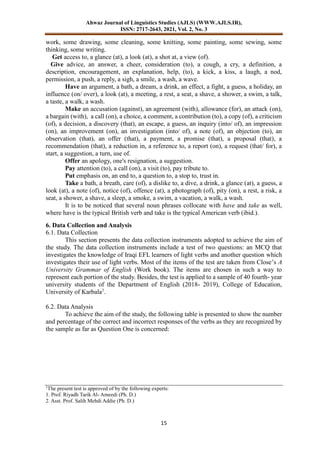
Table (1): The Findings of the Recognition of the Sample in Question One
Verbs
No. of Correct
Choices
Percentage
%
No. of Incorrect
Choices
Percentage
%
Offer 5 12.5 35 87.5
Put 9 22.5 31 77.5
Make 9 22.5 31 77.5
Do 8 20 32 80
Give 17 42.5 23 57.5
Have 13 32.5 27 67.5
Take 6 15 34 85
Get 6 15 34 85
Pay 33 82.5 7 17.5
Do 3 7.5 37 92.5
Total 95 27.25 295 72.75
According to the results shown by the table above, it is clear that the light verbs are
difficult to be recognized properly. Thus, the number and percentage of the correct responses
are much less than the incorrect ones. They are (95, 23.75%) and (295, 76.25%),
respectively.
Item 1: We regret the error and we………. our apology.
The number and percentage of the correct responses are (5, 12.5%) and they are less
than the incorrect ones (35, 87.5%). According to these results, it is clear that students face
difficulty working out the correct verb-noun collocation, i.e. the majority of the students
choose have or do instead of choosing the verb offer which is the correct verb that completes
the light- verb construction, "offer apology", in this combination.
Item 2: They promised to……. an end to unfair policies.
As for item 2, the number and percentage of the correct responses are less than the
incorrect ones. They are (9, 22.5%) and (31, 77.5%), respectively. It seems that students have
not come across such verb-noun collocation "put an end to". Most of the students select the
verb give rather than put to complete the light verb construction.
Item 3: I need to…….. a phone call.
Likewise, the light- verb construction in this item has the same number and
percentage of the correct (9, 22.5%) and incorrect (31, 77.5%) responses as the previous one.
The students fail to collocate the verb, make, with its noun, phone call, in this construction
because they do not know about this verb- noun combination. Thus, they select "get a phone
call" and "do a phone call" instead of "make a phone call".
Item 4: They may learn to……… somersault in the water.
As for item 4, the number and percentage of the correct responses are less than the
incorrect ones. They represent (8, 20%) and (32, 80%) respectively. These results make clear
the fact that the students face difficulty selecting the verb that completes this light- verb
construction. They resort to the guessing strategy to collocate the verb with the noun because
they are unfamiliar with the light-verb construction "do somersault".
Item 5: My parents…….. me every encouragement to try something new.
In this item, nearly half of the students choose the correct verb. The number and
percentage of the correct responses are (17, 42.5 %) and they are still less than the incorrect
ones (23, 57%). This means that students are also not that familiar with this light verb
Ahwaz Journal of Linguistics Studies (AJLS) (WWW.AJLS.IR),
ISSN: 2717-2643, 2021, Vol. 2, No. 3
17
construction and they use the light verbs interchangeably, such as selecting "offer
encouragement" instead of "give encouragement".
Item 6: They ……….. an argument.
Most students fail to collocate the light verb with its noun in this light verb
construction. 13 of them respond correctly and they form (32.5%) of the whole number of
students. The rest of the students guess the verb because they do not come across such verb-
noun combination. For example, they choose "make an argument" and "do an argument"
rather than " have an argument".
Item 7: Why do you ………… a risk of your life?
In this item, very few of the students choose the correct verb take to complete the
light- verb construction. In terms of percentage, they represent (15%). Thus, it is clear that
the majority of the students face difficulty recognizing that the light verb take collocates with
the noun risk resulting in "take a risk" as a light- verb construction and they choose the verbs
"do a risk", "get a risk", and "put a risk" instead.
Item 8: From the top, you…… a panoramic view of the city.
The number and percentage of the correct responses (From the top, you get a
panoramic view of the city) in this item are exactly the same as in the previous one. And they
are much less than the incorrect ones. They are (6, 15% and 34, 85%), respectively. It seems
that the influence of the majority of student’s first language (L1) dominates their choice of
the verb. As a result, they choose " have a view" (From the top, you have a panoramic view
of the city) instead of "get a view" which is the correct verb that collocates with the noun
view.
Item 9: I hope you………attention, because you will be tested later.
As the results show, this item has the highest number and percentage of the correct
responses. They are (33, 82.5%). This means that the majority of the students are familiar
with this light- verb construction. They collocate the verb pay with its noun attention to
complete the light- verb construction "pay attention".
Item 10: She is………some knitting.
On the contrary, this light verb construction has the least number and percentage of
the correct responses. They are (3, 7.5%), respectively. Only 3 of the students choose the
verb do to complete the light- verb construction "do knitting". Thus, it is very clear that the
majority of the students do not know that the verb do collocates with eventive nouns as well.
As for the performance of students, another table is introduced below to show the
number and percentage of the correct and incorrect responses of the sample in terms of the
light- verb constructions:
Ahwaz Journal of Linguistics Studies (AJLS) (WWW.AJLS.IR),
ISSN: 2717-2643, 2021, Vol. 2, No. 3
18
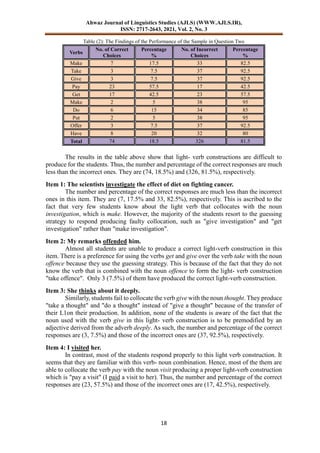
Table (2): The Findings of the Performance of the Sample in Question Two
Verbs
No. of Correct
Choices
Percentage
%
No. of Incorrect
Choices
Percentage
%
Make 7 17.5 33 82.5
Take 3 7.5 37 92.5
Give 3 7.5 37 92.5
Pay 23 57.5 17 42.5
Get 17 42.5 23 57.5
Make 2 5 38 95
Do 6 15 34 85
Put 2 5 38 95
Offer 3 7.5 37 92.5
Have 8 20 32 80
Total 74 18.5 326 81.5
The results in the table above show that light- verb constructions are difficult to
produce for the students. Thus, the number and percentage of the correct responses are much
less than the incorrect ones. They are (74, 18.5%) and (326, 81.5%), respectively.
Item 1: The scientists investigate the effect of diet on fighting cancer.
The number and percentage of the correct responses are much less than the incorrect
ones in this item. They are (7, 17.5% and 33, 82.5%), respectively. This is ascribed to the
fact that very few students know about the light verb that collocates with the noun
investigation, which is make. However, the majority of the students resort to the guessing
strategy to respond producing faulty collocation, such as "give investigation" and "get
investigation" rather than "make investigation".
Item 2: My remarks offended him.
Almost all students are unable to produce a correct light-verb construction in this
item. There is a preference for using the verbs get and give over the verb take with the noun
offence because they use the guessing strategy. This is because of the fact that they do not
know the verb that is combined with the noun offence to form the light- verb construction
"take offence". Only 3 (7.5%) of them have produced the correct light-verb construction.
Item 3: She thinks about it deeply.
Similarly, students fail to collocate the verb give with the noun thought. They produce
"take a thought" and "do a thought" instead of "give a thought" because of the transfer of
their L1on their production. In addition, none of the students is aware of the fact that the
noun used with the verb give in this light- verb construction is to be premodified by an
adjective derived from the adverb deeply. As such, the number and percentage of the correct
responses are (3, 7.5%) and those of the incorrect ones are (37, 92.5%), respectively.
Item 4: I visited her.
In contrast, most of the students respond properly to this light verb construction. It
seems that they are familiar with this verb- noun combination. Hence, most of the them are
able to collocate the verb pay with the noun visit producing a proper light-verb construction
which is "pay a visit" (I paid a visit to her). Thus, the number and percentage of the correct
responses are (23, 57.5%) and those of the incorrect ones are (17, 42.5%), respectively.
Ahwaz Journal of Linguistics Studies (AJLS) (WWW.AJLS.IR),
ISSN: 2717-2643, 2021, Vol. 2, No. 3
19
Item 5: People came from all the world to view her work.
In this item, the number and percentage of the correct and incorrect responses is
exactly the opposite of those in the previous one, i.e. (17.5, 42.5%) and (23, 57.5%),
respectively. These results show that this light verb construction is difficult to produce.
Students produced faulty collocations such as "take a view" and "have a view" rather than
"get a view" (People came from all the world to have a view of her work/ People came from
all the world to take a view of her work). As such, it is noted that there is a preference for
using one verb over another due to transfer from student s’ L1on their production.
Item 6: Jane commented on what her teacher had written.
Only two students produce a correct light- verb construction in this item. In terms of
percentage, they constitute (5%). This law percentage is ascribed to the transfer of the student
s’ L1 on their production. They use "give a comment" and "have a comment" instead of
“make a comment".
Item 7: They dance together.
The number and percentage of the correct responses are less than the incorrect ones.
They are (6, 15%) and (94, 85%), respectively. These results make it clear that the light- verb
construction "do a dance" is difficult to produce for the students. Due to their being not come
across such a verb- noun combination, the students produce faulty collocations as they resort
to the guessing strategy to select the verb, as in "make a dance" and "have a dance".
Item 8: They emphasize how little is known about the disease.
Similar to the light verb make, the verb put has the least number and percentage of
correct responses. They are (2, 5%). The students have preference for certain verbs over
others, like "make emphasis", "get emphasis", and "give emphasis". This can be the result of
the transfer of the students’ L1. In this way, the majority of the students fail to produce such
light- verb construction.
Item 9: They apologized.
In this item, the verb offer has a very low number and percentage of correct responses
in comparison with the incorrect responses. They are (3, 7.5%) and (37, 92.5%), respectively.
Almost all students fail to collocate the verb offer with the noun apology. Their inability to
produce such a light verb construction is due to the transfer of their L1 on their production.
They use the verb "give an apology" rather than "offer an apology".
Item 10: Maybe we will meet again sometime.
Finally, there is the light verb have which has a low number and percentage of correct
responses. They are (8, 20%). This result shows that the students do not know which verb is
to be collocated with the noun meeting. Thus, their L1 knowledge influenced their
production making them to use the wrong verb with the noun producing faulty verb- noun
collocation. for example, "get a meeting" and "make a meeting" instead of "have a meeting".
7. Conclusions
The practical side of this study reveals the following conclusions:
1. The results of the first question show that the correct responses (27.25%) are less
than the incorrect ones (72.75%). As such, the first part of the hypothesis of the study
is validated.
2. The verbs offer (12.5%) and do when followed by an eventive noun (7.5%) are the
most difficult verbs to be recognized on the part of the students.
3. The results of the second question also show that the correct responses (18.5%) are
much less than the incorrect ones (81.5%). This validates more the hypothesis of the
Ahwaz Journal of Linguistics Studies (AJLS) (WWW.AJLS.IR),
ISSN: 2717-2643, 2021, Vol. 2, No. 3
20
study.
4. The verbs make when followed by an eventive noun (5%), put (5%), offer (7.5%),
take (7.5%), and give (7.5%) are the most difficult to be produced on the part of
students.
5. On the whole, the students face more difficulty producing the light-verb
constructions than recognizing them.
Acknowledgement
I am particularly grateful for the advice given by Prof. Riyadh Tarik Al- Ameedi (Ph. D)
which has been a great help in making the test. I also acknowledge the valuable remarks
presented by Asst. Prof. Salih Mehdi Addie (Ph. D).
References
Amberber, M.; Baker, B.; and Harvey, M. (2010). Complex Predicates: Cross-Linguistic
Perspectives on Event Structure. New York: CUP.
Anitescu, D. (2017). The Concept of a “Light Verb”. In Signs of Identity: Literary Constructs and
Discursive Practices, ed. Parpala, E. Newcastle: Cambridge Scholars Publishing.
Baldwin, T. and Kim, S. (2010). Multiword Expressions. In Handbook of Natural Language
Processing, ed. Indurkhya, N. and Damerau, F. 277. New York: CRC Press.
Bergs, A. (2005). Social Networks and Historical Sociolinguistics. New York: Mouton de Gruyter.
Butt, M. (2010). The light verb jungle: still hacking away. In Complex Predicates: Cross-Linguistic
Perspectives on Event Structure, ed. Amberber, M.; Baker, B.; and Harvey, M, 48. New York:
CUP
Blanco, M. T. (2011). Causatives in Minimalism. Philadelphia: John Benjamins Publishing Company.
Dai, G. (2016). Hybridity in translated Chinese: A Corpus Analytical Framework. Fujian: Sipringer.
Davidse, K; Gentens, C; Ghesquiere, L; and Vandelanotte, L. (eds.). (2014). Corpus Interrogation
and Grammatical Patterns. Philadelphia: John Benjamins Publishing Company.
Deane, P. D. (1992). Grammar in Mind and Brain: Explorations in Cognitive Syntax. New York:
Mouton de Gruyter.
Huddleston, R. and Pullum, G. (2002). The Cambridge Grammar of English Usage. Cambridge:
Cambridge University Press.
Leech, G. A Glossary of English Grammar. (2006). Edinburgh University Press: Edinburgh.
Ninio, A. (2011). Syntactic Development, its Input and Output. Oxford: OUP.
Peters, P.; Collins, P.; and Smith, A. (2009). Comparative Studies in Australian and New Zealand
English: Grammar and Beyond. Philadelphia: John Benjamins Publishing Company.
Quirk, R.; Greenbaum, S.; Leech, G.; and Svartvik, J. (1985). A Comprehensive Grammar of the
English Language. London: Longman Group, Ltd.
Ren, F. (2013). A Grounding Approach to the Semantic Meaning of the Light Verb Da. In Chinese
Lexical Semantics, ed. Liu, P. and Su, Q. new York: Springer.
Tan, Y.; Kan, M.; and Cui, H. (2006). Extending corpus-based identification of light verb
constructions using a supervised learning framework.
Tu, Y. and Roth, D. (2011). Learning English Light Verb Constructions: Contextual or Statistical.
Portland: Association for Computational Linguistics.
Vincze, V. ; Nagy T.; and Berend,G.. (2011). Detecting noun compounds and light verb
constructions: a contrastive study. Portland: Association for Computational Linguistics.
Wittenberg, E. (2014). With Light Verb Constructions From Syntax to Concepts. Potsdam University
Press: Brandenburg.
Jespersen, O. (1949). Modern English Grammar on Historical Principles. Vol. 6 of Morphology.
London: George Allen and Urvin Ltd.
Ahwaz Journal of Linguistics Studies (AJLS) (WWW.AJLS.IR),
ISSN: 2717-2643, 2021, Vol. 2, No. 3
21
Appendix
Appendix1. The Test Questions
Q1/ Complete the following sentences by choosing the suitable light verb from the box
below:
1. We regret the error and we………. our apology.
2. They promised to……. an end to unfair policies.
3. I need to…….. a phone call.
4. They may learn to……… somersault in the water.
5. My parents……… me every encouragement to try something new.
6. They ……….. an argument.
7. Why do you ………… a risk of your life?
8. From the top, you…… a panoramic view of the city.
9. I hope you………. Attention, because you will be tested later.
10. She is………some knitting.
Q2/ Re- write the following sentences keeping the same meaning by using one of the
following light verb constructions (do+ NP, get+ NP, give+ NP, have+ NP, make+ NP,
offer+ NP, pay+ NP, put+ NP, or take+ NP) instead of the underlined verbs:
1. The scientists investigate the effect of diet on fighting cancer.
2. My remarks offended him.
3. She thinks about it deeply.
4. I visited her.
5. People came from all the world to view her work.
6. Jane commented on what her teacher had written.
7. They dance together.
8. They emphasize how little is known about the disease.
9. They apologized.
10. Maybe we will meet again sometime.
Do get give have make offer pay put take
Ahwaz Journal of Linguistics Studies (AJLS) (WWW.AJLS.IR),
ISSN: 2717-2643, 2021, Vol. 2, No. 3
22
A Syntactic Analysis of Cambodian News Discourse on COVID-19 Outbreaks:
Sentence Lengths and Structures as Predictors of Readability
Bunlot Khoy, Sotheara Suon & Bophan Khan,
Faculty of Social sciences and Humanities, Royal University of Phnom Penh, Cambodia; Faculty
of Social sciences and Humanities, Royal University of Phnom Penh, Cambodia & Institute of
Foreign Languages, Royal University of Phnom Penh, Cambodia
Abstract
The purpose of the study is to conduct a syntactic analysis of news discourse
published online in four popular Khmer newspapers in Cambodia. A sample of 60 articles
on COVID-19 outbreaks published from 23 to 29 January 2020 were analysed qualitatively
and quantitatively, and with the PAN Khmer Line Breaking Program used to separate Khmer
words for word count the way English words are counted as Khmer writing conventions do
not require a space in between words but phrases. The researchers used descriptive and
inferential statistics to calculate and compare average lengths of the articles, paragraphs, and
sentences. The study compared its results to subject-specific academic discourse for Grade
12 and undergraduate studies, and found no statistically significant difference in average
sentence lengths between academic texts and the target articles, with sentences of the
newspaper articles averaging 32.25 words, compared to 34.3 for the academic texts.
Complex sentences were most commonly used, accounting for 44% of a total of 442
sentences in the study’s dataset. Based on the findings, Khmer journalistic writers are
recommended to reduce complexity of clauses and sentences in their written news pieces,
observing the standard readability of under 20 words per sentence.
Keywords: COVID-19, News Discourse, Readability, Syntactic Analysis, Sentence
Structure
1. Introduction
This section presents the background of the study, context of media publication in
Cambodia, purpose of the study, and research questions. Section 2 reviews related literature
and presents the analysis framework of the study, while Section 3 presents findings of the
study for both research questions. The last section of the article compares the study’s
findings to those of the past studies, and provides recommendations for professional training
of Khmer journalistic writers and future research.
Newspapers are a staple item that most people come in contact with every day. For
some, reading newspapers is a necessity, perhaps in the form of a morning ritual, in order to
keep up with what is happening in the world, while it is an ideal activity for relaxation for
others (Järvbäck Hillbom, 2009). Plus, newspapers are believed to have more readers than
any other type of written text because it consists of articles of an enormously miscellaneous
nature and has therefore become a significant source of information across the world.
Various information that is aimed at addressing the needs of its perceived readership is
provided through news and sports analyses, feature articles and advertisements (Grossberg
et al., 1998). In this way, content and language use in newspaper writings form an interesting
relationship between the providers and receivers of information. In terms of language use,
sentence complexity is found to have direct impact on readability of a discourse (Biber et
al., 1999).
In Cambodia, in line with the global trend, traditional print news media are gradually
replaced by online news outlets. Okonofua (2010) captures this trend, crediting innovations
in Information and Communication Technologies (ICT) as an impetus leading to multiplicity
in newspaper publishing, including online versions, with an increased ability to connect and
Ahwaz Journal of Linguistics Studies (AJLS) (WWW.AJLS.IR),
ISSN: 2717-2643, 2021, Vol. 2, No. 3
23
interact with readers. Many daily newspapers in Cambodia now also have online versions in
addition to their traditional print counterpart, while at least half of the local newspapers
publish only online. Bittner (2003) stated that the first newspaper, Columbus Dispatch, to
cater to Internet users went online on July 1, 1980. In addition to the conventional online
space, newspapers nowadays are commonly featured in various social media platforms,
appealing to social media users (Nkemdilim, 2015), making news content available within
scrolls and clicks.
This study investigates language use in Khmer journalistic writing, aiming to provide
a description of features of Khmer professional newspaper writing style to inform
implications about Cambodia's newspaper readability, comprehensibility and other relevant
syntactic aspects. This study begins with the premise that the writing style or linguistic
choices play a vital role in the readability and comprehensibility of newspapers (DuBay,
2004). Writing style here implies the lexical and syntactic elements used to construct
newspapers reports. The study begins with a proposition that the language of Khmer
newspapers is complex lexically and syntactically, and that this could negatively impact the
readability and comprehensibility of the newspapers among their target consumers.
Complexity in this study refers to the occurrence of syntactic categories and constituency in
a text in a manner that could compromise knowledge transfer and in doing so cause some
readers understanding complications (McNamara, Crossley, & McCarthy, 2010). In the
context of Cambodia, not just as a developing country but also as an emerging democracy,
problems related to the ability of the media to communicate with its readers with clear
language use are enormously significant. Therefore, critical questions that cannot be ignored
and which this study endeavors to address are as follows:
(1) What is the average length of articles, paragraphs, and sentences published in four
popular online newspapers in Khmer, in comparison to academic texts for Grade 12
and undergraduate students?
(2) What types of sentences are most commonly used in the articles published in the four
newspapers?
2. Literature review
News discourse is commonly subject to Critical Discourse Analysis (Fairclough &
Wodak, 1997), with a good proportion dedicated to the study of headlines (Hassan, 2018)
and focusing on relationships between language choices in the news pieces and ideological
implications for the readers (Chen, 2017; Hassan, 2018; Pang & Wu, 2009; Wang, 2021).
News discourse is less commonly analysed from the syntactic perspectives per se (Andriani
& Bram, 2021) despite their important roles in systematizing communication messages from
writers to readers. Outside the media discourse, syntactic features such as sentence types are
also emphasized as a core writing skill to master in educational and professional settings,
helping writers achieve communication purposes with appropriate readability and style
demonstrated in their written outputs.
DuBay (2004) considers sentence length as a prominent criterion to determine
readability of an English text, observing that sentence length averages have decreased over
time, from 45 words per sentence during the Elizabethan times, to 29 words during the
Victorian times, and about 20 words per sentence in contemporary time.
Similarly, the component of news reportage had an average sentence length of 20
words as specified in the Longman Grammar of Spoken and Written English (Biber et al.,
1999b). Many researchers and experts agreed that a sentence ranging from 15 to 25 words
provides comprehensible information for public communication (Russell, 2001). Moreover,
Smith (2007) recommended that journalists follow an average sentence length of 20 words.
Nevertheless, to many authors, syntactic elements also blend with lexis in different ways,
which could complicate the ways sentences are structured. Factors such as the occurrences
Ahwaz Journal of Linguistics Studies (AJLS) (WWW.AJLS.IR),
ISSN: 2717-2643, 2021, Vol. 2, No. 3
24
and nature of clauses and subordination in a sentence and text and length of linguistic
structures are potential causes of text complexity (McNamara, Crossley, & McMarthy,
2010). If the syntax of a sentence is complex, higher demands are imposed on working
memory processing which causes readability challenges (ibid.).
According to Bamber and Marchman (1991), language-oriented learners become
effective writers capable of forming complex sentences to show temporal and causal
relationships between elements of a text and for extended development of a story theme. In
educational settings, school-aged learners develop an ability to join sentences by using
various linking words (Bloom, 1991). Complex sentence formation continues into the
teenage years and plays a vital role in the writing skills of an individual, oral and written
narrative creation, and expository text, especially in the academic setting (Reed, 1994).
Furthermore, they become literate and are required to use concise syntax in written language.
These tasks are not easily achievable with a simple sentence structure alone. Complex
sentences allow learners to temporally and causally order events and boost the cohesiveness
of narratives and increase the complexity of the written language (Haynes & Shulman, 1998;
Paul, 2001).
Craig, Connor and Washington (2003) claimed that language sampling can be used
as a way of reducing the impact of assumptions derived from the stereotype about learners’
language use. They further suggested that the frequency of complex syntax usage be
determined when assessing learners. Furthermore, they identified the use of complex syntax
as skills that were positive predictors of reading comprehension of students. In terms of
academic style of writing, Monippally and Pawar (2010) stated the use of complex sentence
also indicates that academic writing style usually tends to use longer and complex sentences.
They stated that complex sentence is the quality of sentence logic in academic prose such as
journal articles. In addition, Buckingham (2015) described that journal articles have more
terminologies and long noun phrases, and contain quite complex sentence structures, making
language use in journal articles denser than texts for general communication purposes such
as news articles.
Radford (2004) also mentioned that syntax is the component of a grammar which
determines how words are combined together to form phrases and sentences. Syntax is the
organization and connection between words, phrases, and clauses depending on grammatical
rules that form sentences or larger constructions. Plus, Borsley (2003) stated that the
syntactic analysis is key to developing precise descriptions of aspects of the syntax of various
languages and the ways in which specific languages combine words to form sentences, one
of the core components in human communication.
Many authors have attempted to define sentences. Hogue (1995) mentioned that a
sentence is a group of words that contain a subject and a verb and expresses a complete
thought. Law (2002) the most common concept is given the definition on a sentence that
begins with a capital letter and finishes with a full stop, question mark or exclamation mark.
One part of group word of syntax structure mentions of sentence which divided into four
types of sentences such as a simple sentence, compound sentence, complex sentence, and
compound-complex sentence. According to Biber et al (1999), a simple sentence is a unit
that has only a single subject and a single predicate while a compound sentences two
independent clauses are joined together by a coordinator or fanboys. Oshima and Hogue
(2007) stated that a complex sentence contains one independent clause and one or more
dependent clauses including the use of adverb clauses, adjective clauses, and noun clauses
exist as part of writing complex sentences in English whist a compound-complex sentence
has at least three clauses, at least two of which are independent clauses.
In terms of sentence types, Andersen (2014) that the simple sentence consists of a
single subject and a single predicate forming one independent clause. The compound
Ahwaz Journal of Linguistics Studies (AJLS) (WWW.AJLS.IR),
ISSN: 2717-2643, 2021, Vol. 2, No. 3
25
sentence comprises two independent clauses. These are joined together in one sentence
through a coordinator (Andersen, 2014). Radford (2009) noted that the complex sentence is
made up of an independent clause which is joined by a single or multiple dependent clauses.
Andersen (2014) and Raford asserted that the compound complex sentence includes aspects
from both the complex and compound sentences already described above. It comprises two
main clauses and at least a dependent clause.
Few studies investigating frequencies of sentence types in news discourse include
those by Kongsakorn and Kongkaew (2017) on complex sentences in Thai political news
written in English, Nina and Endu (2019) on Thai news articles also written in English, and
Andriani and Bram (2021) on BBC news articles. No study has been conducted about
sentence lengths and types of news discourse written in Khmer.
The study follows the framework of classifying Khmer sentence structures into three
types: Simple, Complex, and Compound complex (ក្រ ុមក្រឹរាជាតិភាសាខ្មែរ, 2018; ធន់ ហិន,
2019; ិ ទ្យាស្ថសា
ន នភាសាិ ទ្យាស្ថ, 2006) and that of Crystal and Davy (1969) and DuBay (2004) that
readability of a text can be determined by sentence lengths and types.
3. Research methodology
3.1. Population and sample of the study
The articles analyzed in this study were collected from four sources, i.e., popular
online newspapers in Cambodia (as indicated by numbers of daily site visitors and shares on
social media such as Facebook). The articles were issued from 23 to 29 January 2020 on the
topic of COVID-19 outbreak, and were archived for the study one week after they were
published on the four newspapers’ official websites. In total, 277 articles were collected.
Since the total number of articles was large and widely dispersed, it was important to ensure
that articles included in the analysis fairly represent each newspaper. Therefore, 15 articles
were selected for each newspaper. To do that, two steps were taken. The first step was to
identify all the tittles issued on each day. The second step was to select two titles for each
day – three for the final day as it had the largest number of COVID-19-related articles. For
days on which no article on COVID-19 was issued, the researchers took additional articles
published on the other days to include in the target sample. Table 3.1 displays the total
number of articles collected by date and by newspaper, while Table 3.2 shows the number
of articles analyzed in the study by date and newspaper.
Table 3.1: Total number of articles collected listed by newspaper and date
1
For the dates no articles were published or fewer than two articles were published on Covid-19, articles
were taken from the other dates as substitutes.
2
Publication of Sabay was halted in observation of the Chinese New Year from January 24-26, 2020.
Day issued on
Fresh
News
Rasmei
Kampuchea
Thmey
Thmey
SABAY Total
Selecte
d
Sample
23 January 2020 5 6 2 2 15 8
24 January 2020 7 7 11
02
15 5
25 January 2020 8 7 4 0 19 6
26 January 2020 13 6 5 0 24 6
27 January 2020 20 17 6 3 46 9
28 January 2020 31 17 9 18 75 13
29 January 2020 40 23 7 11 81 13
Grand Total 124 83 36 34 277 60
Ahwaz Journal of Linguistics Studies (AJLS) (WWW.AJLS.IR),
ISSN: 2717-2643, 2021, Vol. 2, No. 3
26
Table 3.2: Total number of articles analyzed in the study, listed by newspaper and date
3.2. Research design and instrument
To answer the research questions, both qualitative and quantitative methods were
adopted. For the quantitative method, the researcher employed PAN Khmer Line Breaking
Program (PKLBP) in order to separate Khmer words for word count the way English words
are counted as Khmer writing conventions do not require a space in between words but
phrases. The instrument would be used to obtain the primary data retrieved from four Online
media in Cambodia for this study, which were then analyzed in the form of content and
statistical analysis using PAN Khmer Line Breaking Program by using the standard of
Dictionary of Khmer Language.
3.3. Data Collection Procedure
The researchers checked the official websites of Fresh News, Rasmei Kampuchea,
Thmey Thmey, and Sabay to retrieve articles relevant to Coronavirus or COVID-19 issued
in the timeframe identified above. The researchers looked up articles by using such key
words as ររ៉ូណា រ៉ូរ៉ូណា រ៉ូរ៉ូណា on the entire websites. All articles were copied and pasted on
the Microsoft word program for archiving as a text database for analysis later.
3.4. Data Analysis and Statistical Procedure
After collecting all articles related to Coronavirus, the researchers used the PAN Line
Breaking Program to separate words by zero space. The researchers then used the “find and
replace” in Microsoft word program by using the Paragraph Mark to count the words and
sentences. No text in the pictures, headlines, captions, name of authors and date of
publication were counted and analyzed. The data for this study was analyzed using the SPSS
version 25 computer software program. Descriptive statistics was utilized to analyze the data
for this study, providing information on frequency distribution, mean, standard deviation,
and range to count words, sentences and paragraphs. Plus, word count was also conducted
at the sentence, paragraph, and text levels, and sentence count at the paragraph and text
levels. Number of paragraphs per text was also counted. Analysis of sentence types was
based on classification of Khmer sentences in. To ensure a high level of reliability in
classifying Khmer sentences into the three types, the researchers each analyzed the sentences
separately, and then compared their responses. Where differences occurred, an extensive
discussion was conducted to reach an agreement, on several occasions with an intervention
from a fourth analyst, who is an established Khmer linguist on Zoom web conferences.
Counting sentences were defined by a full spot in Khmer (។), exclamation mark (!) and
question mark (?). For quoted sentences, their numbers were tallied, but their sentence types
were not analyzed as quoted speeches are not produced by the writers themselves and may
contain multiple sentence types within one quotation.
In terms of interpretation, the scale of readability formulae are mathematical
equations whose results provide interpretations for the description of a text from ‘very easy’
Day issued on
Fresh
News
Rasmei
Kampuchea
Thmey
Thmey
SABAY Total
23 January 2020 2 2 2 2 8
24 January 2020 2 2 1 0 5
25 January 2020 2 2 2 0 6
26 January 2020 2 2 2 0 6
27 January 2020 2 2 2 3 9
28 January 2020 2 2 3 5 12
29 January 2020 3 3 3 5 14
Grand Total 15 15 15 15 60
Ahwaz Journal of Linguistics Studies (AJLS) (WWW.AJLS.IR),
ISSN: 2717-2643, 2021, Vol. 2, No. 3
27
to ‘very difficult’. They are meant to help predict or indicate reading ability in terms of
school grade level required to read and comprehend a particular written text (DuBay, 2004).
The formulations are based on research results that classify vocabulary challenges measured
in word comprehension or sophistication, or word length and sentence structure determined
as two accurate variables used in this study of text complexity and difficulty in sentence
length (DuBay, 2004).These features are equally prominent in measuring or assessing text
complexity in applied linguistics and legal studies (Lu, 2010; McNamara, Crossley, &
McMarthy, 2010). The most frequently cited and used formulae to date are Flesch Reading
Ease (1948), DuBay (2004) and Wikidot (2020). The average sentence length, estimated
school grade completed and readability were formulated in Table 3.3.
Table 3.3: Average sentence length, estimated school grade completed, and readability Flesch Reading
Ease (1948), DuBay (2004) and Wikidot (2020)
Average sentence length in words Estimated school grade completed Readability
8 or less 4th
grade Very easy
9 5th
grade Easy
14 6th
grade Fairly easy
17 7th
or 8th
grade Standard
21 Some high school Fairly
difficult
25 High school or some colleges difficult
29 or more college Very difficult
4. Research findings
Results from this study are divided into two sections. The first section analyzed
descriptive statistics as mean, standard deviation, maximum, and minimum and inferential
statistic through tests such as independent T-test, One-way ANOVA, and Pearson correlation
coefficient on the average length of an article, paragraph, and sentence in the four popular
online newspapers in Khmer, in comparison to academic texts. These results will answer the
first research question. For the second section, descriptive statistics were used to answer the
second research question by analyzing the most commonly used types of sentences among
the articles collected from the four newspapers.
Before presenting the analyses for the two research questions, here demographic data
related to the four popular online newspapers are presented, related to the number of articles,
paragraphs, sentences, and overall words. A total of four online newspapers were conducted
in this study. Table 4.1 presented a summary of the demographic figures of the newspapers
collected in the valid action of retrieving online newspapers.
Table 4.1: Total number of titles, paragraphs, sentences, and repeated words analyzed in the study
Newspapers Articles Paragraphs Sentences Non-repeated
words
Overall words
Thmey Thmey 15 69 130 646 3,343
Sabay 15 48 93 752 2,742
Fresh News 15 66 101 925 4,337
Rasmei Kampuchea 15 91 118 1,148 3,896
Grand Total 60 274 442 2,488 14,318
The demographic variables of online newspapers in terms of the number of titles,
paragraphs, sentences and repeated words. The number of titles was equivalent to Thmey
Thmey, Sabay, Fresh News and Rasmei Kampuchea online newspapers as 15 while the
Ahwaz Journal of Linguistics Studies (AJLS) (WWW.AJLS.IR),
ISSN: 2717-2643, 2021, Vol. 2, No. 3
28
number of grand total paragraphs was 274. Thmey Thmey and Fresh News were similar
among 69 and 66 paragraphs and the maximum of paragraphs were 91 of Rasmei
Kampuchea whilst the minimum of paragraphs was 48 of Sabay. The grand total of the
sentences of four online newspapers were 442 covering 93 of Sabay, 101 of Fresh News,
118 of Rasmei Kampuchea and 130 of Thmey Thmey, individually. The grand total of non-
repeated words was 2,488 words among Thmey Thmey, Sabay, Fresh News, and Rasmei
Kampuchea. The most non-repeated words were Rasmei Kampuchea of 1,148 words, whilst
the lowest non-repeated words were Thmey Thmey of 646 words. The Fresh News and
Sabay were 925 and 752 non-repeated words, respectively. The grand total of overall words
was 14,318, which Rasmei Kampuchea and Fresh News were similarity proportion of 3,896
and 4,337, and which Sabay and Thmey Thmey were 2,742 and 3,343 overall words.
4.1. Results for the number of titles, paragraphs, sentences, and repeated words
The first question aims to investigate the average length of an article, paragraph, and
sentence among four popular online newspapers in Khmer, in comparison to academic texts.
The scale of readability formulae is mathematical equations whose results provide
interpretations for the description of a text from ‘very easy’ to ‘very difficult’.
As shown in the Table 4.2, four online newspapers as Thmey Thmey, Sabay, Fresh
News and Rasmei Kampuchea including number of words in an article, number of
paragraphs, number of sentences, number of words of a paragraph, and number of words in
a sentence in an article were analyzed.
Table 4.2: Four newspapers analyzed in the study
Four newspapers N Min Max Mean S.D
Thmey Thmey
Number of words in an article 15 69 532 222.87 141.022
Number of paragraphs in an article 15 2 10 4.60 2.44
Number of sentences in an article 15 3 20 8.67 5.04
Number of words in a paragraph 15 23 67.5 47.21 11.71
Number of words in a sentence 15 19.17 33.8 25.34 3.51
Sabay
Number of words in an article 15 88 255 182.80 43.80
Number of paragraphs in an article 15 2 4 3.20 0.56
Number of sentences in an article 15 3 8 6.20 1.70
Number of words in a paragraph 15 34 85 58.11 16.61
Number of words in a sentence 15 12.57 61.33 31.89 12.09
Fresh News
Number of words in an article 15 96 824 289.13 178.20
Number of paragraphs in an article 15 3 9 4.40 1.55
Number of sentences in an article 15 3 16 6.73 3.45
Number of words in a paragraph 15 32 91.56 63.22 20.96
Number of words in a sentence 15 28 63.8 42.11 10.05
Rasmei Kampuchea
Number of words in an article 15 107 566 259.73 115.73
Number of paragraphs in an article 15 3 10 6.07 2.28
Number of sentences in an article 15 3 15 7.87 3.20
Number of words in a paragraph 15 27.33 81.25 43.75 16.30
Number of words in a sentence 15 25.09 51.25 33.66 7.83
Grand total
Number of words in an article 60 69 824 238.63 132.30
Ahwaz Journal of Linguistics Studies (AJLS) (WWW.AJLS.IR),
ISSN: 2717-2643, 2021, Vol. 2, No. 3
29
Four newspapers N Min Max Mean S.D
Number of paragraphs in an article 60 2 10 4.57 2.09
Number of sentences in an article 60 3 20 7.37 3.59
Number of words in a paragraph 60 23 91.56 53.07 18.13
Number of words in a sentence 60 12.57 63.8 33.25 10.61
The smallest total number of words in an article is 69 words, while the biggest is 824
words, with a mean value of M = 238.63 and standard deviation (SD) of 132.30. For
paragraphs per article, the smallest number is 2, while the highest is 10, with a mean value
of M = 4.57 and standard deviation (SD) of 2.09. For numbers of sentences per article, the
smallest number is 3 while the highest is 20 (M = 7.37 and SD = 3.59).
For word counts, words per paragraph average at 53.07 (M = 53.07, S.D = 18.13),
while an average sentence length was found to be at 33.25 (SD = 10.61).
The table 4.3 depicts the summary of sentence word counts for Thmey Thmey,
Sabay, Fresh News and Rasmei Kampuchea.
Table 4.3: Total number of words in a sentence analyzed in the study
Number of words in a sentence Min Max Mean Std. Deviation
Thmey Thmey 19.17 33.8 25.34 3.51
Sabay 12.57 61.33 31.89 12.09
Fresh News 28 63.8 42.11 10.05
Rasmei Kampuchea 25.09 51.25 33.66 7.83
Grand Total 12.57 63.8 33.25 10.61
These results suggest that the readability and comprehensibility of the sampled
articles seem rather low and the four popular online newspapers appeared to appeal to college
students if Table 4.3 is to go by. The average length of Fresh News sentences was the highest
(M = 42.11, SD = 10.05), while Thmey Thmey had the shortest sentences (M = 25.34, S.D
= 3.51). The other two newspapers had similar average sentence lengths – with M = 31.89,
SD = 12.09 for Sabay and M = 33.66, S.D = 7.83 for Rasmei Kampuchea.
Figure 4.1 presents an average number of words per sentence in Khmer guide books,
Thmey Thmey, critical thinking textbook, Khmer grade 12 textbook, History textbook for
higher education, Sabay, Rasmei Kampuchea, and Fresh News. The highest mean of words
in a sentence was found for Khmer grade 12 (44.58 words) whilst the lowest mean was found
for the Sangapac Critical thinking (27.22 words). The average numbers of words in a
sentence for Thmey Thmey, Resmei Kampuchea, Sabay and guide book were similar,
averaging between 31.89 of 36.19 words. History textbook for higher education and Fresh
news sentence lengths hover at around 36 words per sentence.
Ahwaz Journal of Linguistics Studies (AJLS) (WWW.AJLS.IR),
ISSN: 2717-2643, 2021, Vol. 2, No. 3
30
Figure 4.1: Average number of words in a sentence
The researchers conducted an analysis of variance (ANOVA) of the number of
words, paragraphs, and sentences per article, and the number of words in a sentence for the
four online newspapers. The numbers of words and sentences in an article had no statistically
significant difference among all the texts included in the analysis at the 95% confidence level
(F [3, 59] = 1.9, p = 0.14 for sentences across articles and F [3, 59] = 1.467, p = 0.233 for
words across articles). However, the number of paragraphs per article and words in a
sentence had a statistically significant difference at the 0.5 (F [3, 59] = 5.968, p = 0.01) and
(F [3, 59] = 8.933, p = 0.00). This result showed that the numbers of paragraphs and the
numbers of words in a sentence written in the four online newspapers were of different
quantity, as clarified in Table 4.4.
Table 4.1: Differences and Similarities in lengths among the articles from the four newspapers
Four types of Newspapers
Df SS MS F Sig.
Number of words in an article
Between Groups 3 95421.133 31807.044 1.9 0.140
Within Groups 56 937318.8 16737.836
Total 59 1032739.933
Number of paragraphs in an article
Between Groups 3 62.2 20.733 5.968 0.010
Within Groups 56 194.533 3.474
Total 59 256.733
Number of sentences in an article
Between Groups 3 55.533 18.511 1.467 0.233
Within Groups 56 706.4 12.614
Total 59 761.933
Number of words in a sentence
Between Groups 3 2147.806 715.935 8.933 0.000
Within Groups 56 4488.238 80.147
Total 59 6636.044
p< 0.05
27.22
31.89 32.32 33.65 33.8 36.19
42.11 44.58
0
5
10
15
20
25
30
35
40
45
50
Average number of word in a sentence
Ahwaz Journal of Linguistics Studies (AJLS) (WWW.AJLS.IR),
ISSN: 2717-2643, 2021, Vol. 2, No. 3
31
Table 4.5 displays the results of correlation among of number of sentences per article,
number of words per article, number of paragraphs per article, and number of words per
sentence of the four online newspapers. The results presented that there is statistically
significant positive correlation coefficient between them, ranging from direct and moderate
(Pearson r = 0.352, p < 0.01) to direct and very strong (Pearson r = 0.826, p < 0.01).
Therefore, the null hypothesis was rejected. However, the analyses suggested that the
correlation coefficient was not significant between the number of words per sentence and
the number of sentences per article (Pearson r = -0.168, p > 0.05), nor between the number
of words per sentence and the number of paragraphs per article (Pearson r = 0.049, p > 0.05).
Table 4.5: Correlation among number words in number of sentences, number of words in an article, number
of paragraphs, and grand total words in sentences
Number of
sentences per
article
Number of
words per
article
Number of
paragraphs
per article
Number of
words per
sentence
Number of
sentences per
article
Pearson Correlation 1
Sig. (2-tailed)
N 60
Number of
words per article
Pearson Correlation .741** 1
Sig. (2-tailed) 0
N 60 60
Number of
paragraphs per
article
Pearson Correlation .826** .770** 1
Sig. (2-tailed) 0 0
N 60 60 60
Number of
words per
sentence
Pearson Correlation .352** 0.049 -0.168 1
Sig. (2-tailed) 0.006 0.712 0.198
N 60 60 60 60
**. Correlation is significant at the 0.01 level (2-tailed).
Table 4.6 displays the different means of sentence lengths found in the target
newspaper articles and academic texts. The average sentence length of the newspaper articles
(M=33.25, SD = 10.60) was not significantly shorter than the that of academic texts (M =
34.30, SD = 21.02) at the .05 level (t = -0.35, df = 123). According to this result, there was
no significant difference in the average number of words per sentence in newspaper articles
and academic texts (F = 2.049, p = 0.155). Since no statistically significant mean difference
found in the sentence lengths of newspaper articles and academic texts, the null hypothesis
was maintained, suggesting that these news articles had the same level of readability as that
of academic texts for senior high school and university students.
Table 4.6: Difference between newspapers and academic texts
Differences between newspapers and academic texts
Newspapers Academic texts
F t p-value
(N = 60) (N = 67)
M SD M SD
Number of words per sentence 33.25 10.60 34.30 21.02
2.049 -0.35 0.155
p < 0.05
Ahwaz Journal of Linguistics Studies (AJLS) (WWW.AJLS.IR),
ISSN: 2717-2643, 2021, Vol. 2, No. 3
32
4.2. Results for the most commonly used types of sentences
The second research question examined in this study is: “What are the most
commonly used types of sentences among the articles collected from the four newspapers?”
This question is to investigate the most commonly used types of sentence structure in the
popular online newspapers since this may provide an insight into the ways these journalistic
authors chose to convey their messages in the online newspaper articles. Descriptive
statistics was used to analyze the mean, standard deviation, maximum, and minimum in the
sampled articles included in the study. Before using descriptive statistics, as explained in the
previous section, the researchers analyzed the 444 sentences separately, and then compared
their responses. Where differences occurred, an extensive discussion was conducted to reach
an agreement, on several occasions with an intervention from a fourth analyst, who is an
established Khmer linguist via Zoom web conferences.
As presented in Table 4.7, the number of quotations, simple sentences, complex
sentences, and compound-complex sentences were analyzed in the 60 articles retrieved from
four online newspapers.
Table 4.7: Four newspapers analyzed the quotation, simple, complex, and complex-compound sentences
Four newspapers N Min Max Mean S.D
Thmey Thmey
Number of quotations in an article 6 1 3 1.50 0.84
Number of simple sentences in an article 13 1 6 3.31 1.89
Number of complex sentences in an article 14 1 9 4.14 2.57
Number of compound-complex sentence in an
article
12 1 4 1.67 0.99
Sabay
Number of quotations in an article 1 1 1 1.00 .
Number of simple sentences in an article 13 1 4 2.15 1.14
Number of complex sentences in an article 15 1 6 3.40 1.24
Number of compound-complex sentence in an
article
8 1 3 1.63 0.74
Fresh News
Number of quotations in an article 3 1 4 2.00 1.73
Number of simple sentences in an article 10 1 3 1.70 0.82
Number of complex sentences in an article 12 1 7 2.50 1.88
Number of compound-complex sentence in an
article
13 1 8 3.69 2.14
Rasmei Kampuchea
Number of quotations in an article 2 1 2 1.50 0.71
Number of simple sentences in an article 12 1 6 2.25 1.55
Number of complex sentences in an article 15 1 10 3.67 2.29
Number of compound-complex sentence in an
article
15 1 4 2.20 0.94
Grand total
Number of quotations in an article 12 1 4 1.58 1.00
Number of simple sentences in an article 48 1 6 2.40 1.51
Number of complex sentences in an article 56 1 10 3.46 2.08
Number of compound-complex sentence in an
article
48 1 8 2.37 1.57
The most commonly used were complex sentences of 56 ranging the minimum
number of 1 to the maximum number of 10 sentences in an article and mean (M = 3.46, S.D
Ahwaz Journal of Linguistics Studies (AJLS) (WWW.AJLS.IR),
ISSN: 2717-2643, 2021, Vol. 2, No. 3
33
= 2.08) while the lowest figures of the types of sentences were the number of quotation
sentence of 12 consisting of mean (M = 1.5, S.D = 1.00) and starting the minimum proportion
of 1 to the maximum proportion of 4. The equivalent number of simple and compound-
complex sentences was 48 articles including the mean of simple sentence (M = 2.40, S.D =
1.51) and the mean of compound-complex sentence (M = 2.37, S.D = 1.57) and the same
lowest volume of 1 to the highest volume of 6 of simple sentence and 8 compound-complex
sentence. Furthermore, the types of sentences were analyzed in 60 articles following Khmer
syntax such as quotation sentences, simple sentences, complex sentences, and compound-
complex sentences. The maximum number of quotation sentences, simple sentences,
complex sentences, compound-complex sentences were 6 articles of Thmey Themy, 13
articles of Thmey Thmey and Sabay, 15 articles of Sabay and Rasmei Kampuchea, and 15
articles of Rasmei Kampuchea, respectively. In contrast, the lowest number of quotation
sentences, simple sentences, complex sentences, and compound-complex sentences were 1
article of Sabay, 10 and 12 articles of Fresh News, and 8 articles of Sabay, separately.
As shown in Figure 4.2, types of sentences in the 60 articles of the target online
newspapers were analyzed. The least common type was the quotation (19, which is equal to
4%) while the most common one was complex sentence (194, which is equal to 44%). 114
and 115 simple and compound-complex sentences were used, respectively, which are equal
to 26%, approximately. The fact that a large proportion of complex sentences was used by
journalists in the four online newspapers could be attributed to a number of possible reasons
discussed in the next section.
Figure 4.2: Average number of words in a sentence
4. Discussion and conclusion
This research study sets out to conduct a syntactical analysis, in particular sentence
structure, of 60 articles published in four online newspapers written in Khmer in Cambodia.
It tries to answer two main research questions specified in Section 1. As explained in the
findings section, the average number of words in a sentence in academic text and four
popular online newspaper was not significantly different at the .05 level (t = -0.35, df = 123).
The finding showed that the newspapers and academic texts had similar readability and
comprehensibility levels and hereby appear to be written for college students. These long
sentences are likely due to the trend among Cambodian journalistic writers to use multiple
nominal groups and clauses within each sentence, either because of their under-using
sentence-breaking punctuation marks and insufficient trainings in written media discourse
quotation, 19,
4%
simple
sentence, 115,
26%
complex
sentence, 194,
44%
compound-
complex
sentence, 114,
26%
Types of sentences
Ahwaz Journal of Linguistics Studies (AJLS) (WWW.AJLS.IR),
ISSN: 2717-2643, 2021, Vol. 2, No. 3
34
conventions. The results from this study are consistent with the statements by McNamara et
al. (2010) who mentioned that potential causes of text complexity include factors such as the
frequency and function of clauses and subordination in the sentence and text and length of
linguistic structures. They also explained that readability challenges can occur if the syntax
of a sentence is complex, and higher demands are placed on working memory processing.
The study findings contrast suggestions by DuBay (2004) and Biber, Johansson, Leech,
Conrad, and Finegan (1999b) who claimed that news reportage had an average sentence
length of 20 words as cited in Longman Grammar of Spoken and Written English. Russell
(2001), in fact, suggested that a sentence containing between 15 to 25 words is most suitable
and comprehensible for public communication, while Smith (2007) recommended that
journalists refrain from going beyond an average of 20 words per sentence.
As mentioned in second research finding, complex sentence was most commonly
used in the target online newspapers in line with the findings by Kongsakorn and Kongkaew
(2017), Nina and Endu (2019), and Andriani and Bram (2021). The results showed that
complex sentence is easy to be extended with added syntactic categories such as clauses and
phrases. The findings suggest that the writers for the four newspapers had an ability to
connect sentences, forming complex relationships within and between clauses the way
academic text is written. The results from this study are consistent with the statements by
Bamberg and Marchman (1991), Haynes and Shulman (1998) and Paul (2001) who stated
that complex sentences allow language users to temporarily and causally order events and
boost the cohesiveness of narratives and increase the complexity of the written language.
Plus, Monippally and Pawar (2010) supported the use of complex sentence especially for
academic writing style which tends to favour longer and complex sentences. However, Reed
(1994) and Buckingham (2015) argued that if the journal articles have more terminologies,
long noun phrases, and quite complex structures, the language used in journal articles
becomes denser.
To conclude, the study shows that Khmer journalistic sentence structures follow
those of English news discourse. However, the average sentence length appeared higher than
those recommended by international literature which could potentially hinder readability and
comprehensibility from the readers’ perspectives. One main reason longer sentences in
Khmer newspaper writing could be adherent in the contemporary Khmer writing style which
uses fewer punctuation marks, as compared to prescriptive grammar rules specified in the
academic Khmer grammar textbooks. The other important implication pertains to the role of
editors in ensuring the written outputs of journalist writers are appropriate for their target
audience. During the specified publication period, information about COVID-19 outbreaks,
preventive measures, and treatment was relatively scarce, and there was a high demand of
such information, possibly prompting the editors to approve articles for publication in the
four newspapers with less editing of language use and sentence structures than normal.
On the pedagogical and professional training fronts, these four newspapers are
popular on social media, of which a large proportion of the audience is teenagers, rather than
higher education students. Continuous professional training in stylistic writing without
overdoing of sentence combination and/or expansion while focusing on readability and
comprehensibility will be indispensable in helping writers and editors close this gap.
For future studies, it is recommended that the such an analysis be expanded to include
other grammatical features at the sentence level to develop a better understanding of how
these features interact with sentence lengths and structures, and possibly to be connected to
semantic and pragmatic analyses so as to factor in adherent meanings of sentences and those
intended by the writers themselves. Such studies will benefit from an attempt to seek direct
documentation of the writers’ intended meaning, for example, via an interview or diary
entries, as opposed to those perceived by the target readers.
Ahwaz Journal of Linguistics Studies (AJLS) (WWW.AJLS.IR),
ISSN: 2717-2643, 2021, Vol. 2, No. 3
35
References
Andersen, S. (2014). Sentence types and functions. San Jose State University Writing Center.
Andriani, E., & Bram, B. (2021). Syntactic analysis of sentence patterns and types of BBC news
articles. LiNGUA: Jurnal Ilmu Bahasa Dan Sastra, 16(1), 25–34.
Bamberg, M., & Marchman, V. (1991). Binding and unfolding: Towards the linguistic construction
of narrative discourse. Discourse Processes, 14(1), 277–305.
Biber, D., Johansson, S., Leech, G., Conrad, S., & Finegan, E. (1999a). Longman grammar of spoken
and written English. Pearson Education Limited.
Biber, D., Johansson, S., Leech, G., Conrad, S., & Finegan, E. (1999b). Longman grammar of spoken
and written English. Pearson Education Limited.
Bittner, J. R. (2003). Mass communication: An introduction (5th ed.). Heinemann.
Bloom, L. (1991). Language development from two to three. Cambridge University Press.
Borsley, R. D. (2003). Syntactic theory a unified approach (2nd ed.). Arnold.
Buckingham, L. (2015). Doing a research project in English studies: A guide for students. Routlegde.
Chen, Y. (2017). A critical discourse analysis of news reports on Sino-Japan Boat Collision. DEStech
Transactions on Social Science, Education and Human Science, 135–139.
https://doi.org/10.12783/dtssehs/eeres2016/7633
Craig, H. K., Connor, C. M., & Washington, J. A. (2003). Early positive predictors of later reading
comprehension for African American students: A preliminary investigation. Language,
Speech, and Hearing Services in Schools, 34(1), 31–43.
Crystal, D., & Davy, D. (1969). Investigating English Style. Longman.
DuBay, H. W. (2004a). The principles of readability. Impact Information.
Fairclough, N., & Wodak, R. (1997). Critical discourse analysis. In In: Van Dijk (T.). Discourse
as Social Interaction. Sage.
Flesch, R. (1948). A new readability yardstick. Journal of Applied Psychology, 32(1), 221–233.
Grossberg, L., Wartella, E., & Whitney, D. (1998). Media making: Mass media in a popular culture.
Sages.
Hassan, A. (2018). Language, media, and ideology: Critical discourse analysis of Pakistani news
bulletin headlines and its impact on viewers. SAGE Open, 8(3), 1–15.
https://doi.org/10.1177/2158244018792612
Haynes, W. O., & Shulman, B. B. (1998). Communication development: Foundations, processes,
and clinical application. Williams & Wilkins.
Hogue, A. (1995). Academic writing. Longman.
Järvbäck Hillbom, K. (2009). Newspaper Readability: A Broadsheet vs. a Tabloid.
Kongsakorn, J., & Kongkaew, P. (2017). An analysis of the complex sentences used in selected Thai
political news in online Bangkok Post. International Journal of Research-
GRANTHAALAYAH, 5(3), 16–28.
Law, J. (2002). The language Toolkit: Practical advice on English grammar and usage. Oxford
University Press.
Lu, X. (2010). Automatic analysis of syntactic complexity in second language writing. International
Journal of Corpus Linguistics, 15(4), 474–496.
McNamara, D. S., Crossley, A. S., & McMarthy, M. P. (2010). Linguistic features of writing quality.
Written Communication, 27(1), 57–86.
McNamara, D. S., Crossley, S. A., & McCarthy, P. M. (2010). Linguistic features of writing quality.
Written Communication, 27(1), 57–86.
Monippally, M. M., & Pawar, B. S. (2010). Academic writing: A guide for management students and
researchers.
Nina, M. G., & Endu, M. U. (2019). Analisis Kesulitan Siswa SMP dalam Menyatakan Peristiwa
Sehari-Hari dan Menurunkan Rumus Luas Bangun Datar Segiempat. JPMI (Jurnal
Pembelajaran Matematika Inovatif), 2(1), 51–56.
Nkemdilim, P. (2015). Assessment of Patterns of Readership of Online Newspapers in Selected
Nigerian Universities. International Journal of Linguistics and Communication, 3(2), 35–
46.
Ahwaz Journal of Linguistics Studies (AJLS) (WWW.AJLS.IR),
ISSN: 2717-2643, 2021, Vol. 2, No. 3
36
Okonofua, G. (2010). Prospect and issues of online newspapers in Nigeria. A Paper Presented at the
African Council for Communication Education Conference Held in American University of
Nigeria, Yola, Adamawa State.
Oshima, A., & Hogue, A. (2007). Introduction to academic writing. Pearson Education.
Pang, H., & Wu, S. (2009). Critical instance analysis of news English discourse. English Language
Teaching, 2(2), 148–151. https://doi.org/10.5539/elt.v2n2p148
Paul, R. (2001). Language disorders from infancy through adolescence (2nd ed.). Mosby.
Radford, A. (2004). An introduction to English sentence structure. Cambridge.
Radford, A. (2009). An introduction to English sentence structure. Cambridge university press.
Reed, V. (1994). An introduction to children with language disorders (2nd ed.). Merrill.
Russell, S. (2001). Grammar, structure & style: A practical guide to advanced level English
language. Oxford University Press.
Smith, J. (2007). Essential reporting: The NCTJ guide for trainee journalists. Sage.
Wang, Y. (2021). A critical discourse analysis of news reports on Covid-19 in people’s daily and the
New York Times. Jurnal IPTEK-KOM (Jurnal Ilmu Pengetahuan Dan Teknologi
Komunikasi), 23(1), 49–62. http://dx.doi.org/10.33169/iptekkom.23.1.2021.49-62
Wikidot. (2020). Readability guidelines—Alpha:Universal style guide.
ក្រ ុមក្រឹរាជាតិភាសាខ្មែរ. (2018). ស ៀិសៅសិយ្យររណ៍ភាសាខ្មែរ. ក្រ ុមក្រឹរាជាតិភាសាខ្មែរ.
ធន់ ហិន. (2019). សិយ្ស្ថររណ៍ ជួន ណាត. ក្្ឹឹះសា
ន នឯរសារខ្មែរ.
ិ ទ្យាស្ថសា
ន នភាសាិ ទ្យាស្ថ. (2006). សិយ្ស្ថររណ៍ាក្មង់និយ្មននភាសាខ្មែរាំសនើរ. ិ ទ្យាស្ថសា
ន នភាសាិ ទ្យាស្ថ.
Ahwaz Journal of Linguistics Studies (AJLS) (WWW.AJLS.IR),
ISSN: 2717-2643, 2021, Vol. 2, No. 3
37
‘Languaging’ as Marketing and Promotion Strategies: What Triggers Emotional
Engagement of Potential Customer
Satomi Ura,
Department of International Studies, School of Humanities and Social Sciences,
Meisei University, Japan
Abstract
Under the circumstances of COVID-19 devastating restaurant management, there are
increasing demands of promotion for culinary business all over the world. This study
investigates the way to market and promote culinary business by developing digital
promotion products. In order to promote culinary business, a marketing and promotion
project took place in the university as the joint project. The project teams were formed to
promote Georgia beverage together. Intercultural project involves a synergistic work
between a group of students from Georgia and Japan. This study employs mediated discourse
analysis (Scollon, 1998; Scollon & Scollon, 2004) to see the spoken and unspoken language
as actions. Mediated discourse analysis expands understanding language in action in daily
lives. Mediated discourse analysis comes from an adaptation of sociocultural theory. The
focus of mediated discourse analysis is not only discourse but the whole vision of social
practices. Wertsch (1998) claims that all actions are mediated through ‘cultural tools':
objects, technologies, practices, identities, social institutions, and also language and other
semiotic systems. In order to bring back lively business there must be fundamental factors
that stimulate potential customers. The project is to raise awareness conversion of two socio-
cultural contexts apparently distant, through beverage marketing and the restaurant
promotion. The integration of ideas creates marketing and promotion tools to trigger
emotional engagement of potential customers. This project also brought a unique
opportunity for interaction between two cultures that may seem distant, but that are similar
for what concerns communication and international business relations.
Keywords: Languaging, Beverage Marketing and Promotion, Culinary Business, Design
Thinking, Mediated Discourse Analysis
1. Introduction
This study aims at investigating how multiple groups of the project participants find the way
to market and promote culinary business by developing digital promotion products. In order
to develop the marketing and promoting digital products, the project members needed to
propose prototypes for the client. The marketing strategy and digital products development
followed the design thinking process. Design thinking is an interactive process in which all
participants seek to understand the potential customers approaching from multi dimensions
(Dam & Siang, 2021).
The past studies about destination marketing suggest that conveying the expectations of
memorable experience associated with the destination is important (Blain, Levy & Ritchie,
2005). Nichita and Tanaka (2017) conducted research on destination marketing for a
Romanian small village. Photographs were employed as the visual anthropology of a small
village to create promotional video. Beautiful sceneries are crucial elements constituting
images for promotion. Futhermore, local people’s engagement is more important to stimulate
the tourists’ expectation. This research echoes their argument to use available resources not
only cultural heritage also involvement of people. In order to explore marketing and
promotion in digital environment, this study set research question as follows:
1. What elements can be promotion and marketing strategies in digital environment?
2. How do the project members create effective posts on Instagram to reach the potential
customers?
Ahwaz Journal of Linguistics Studies (AJLS) (WWW.AJLS.IR),
ISSN: 2717-2643, 2021, Vol. 2, No. 3
38
From ecological perspective, this project naturally involved different group of stakeholders.
Design thinking process produced rich interactions of brainstorms to develop concreate
prototypes for the products. The participants from different disciplinaries, interactions might
contain meaning negotiations during discussions in each stage of development process. This
study shed the light on interactions and creations on the website which illustrate the effective
marketing and promotion in culinary business. In order to investigate marketing and
promotion strategies, section 2 provides the literature review and key concepts in relation to
empathy. Data analysis will be developed with empirical sources in section 3. Section 4 is
devoted to discuss important element of emotional engagement. This study will conclude
with consideration to achieve successful outcome in marketing and promotion.
1-1. Background
Culinary business became important industry for Japanese economy. According to the report
of Japan Foodservice Association, culinary business industry produces large employment
5,000,0000 past years in Japan, size of market in 2019 was $251,816,000,000. However,
COVID-19 pandemic situation has a significant impact on employees and business owners.
Comparison to 2019, March 2021, revenue of restaurants was 32.1 %, only 8.1% for bars
due to restriction of serving alcohol and shortened hours. The Japanese government kept
addressing to refrain from any nonessential and non-urgent outings. There is apparently the
atmosphere not to go gatherings in crowded places, wearing masks outside anytime.
Culinary business lost enormous numbers of customers to come dining. Customers also
arguably have the great disruption from changes being forced to shelter at home. Customers
found themselves having to prepare most or all their meals at home. The items on larger
amount of sale were canned soup which were up 200% than precious year, and frozen food
sales were up 40% (Demetrakakes, 2020). As restaurants have been struggling through the
coronavirus pandemic, customers also needed to give up going out and traveling. The crisis
has reversed some trends. There is increasing demand of virtual traveling experience among
customers. On the website, virtual experiences are offered for consumers to access different
world which illustrates people are craving travelling and different experience.
1-2. The project outline
The project was launched as one of the experiential learning course in the university. This
project was constituted by multiple groups of people; participants from different disciplines
were International Studies and Informatics of Meisei University, Georgian University, the
restaurant owner, chefs and staff. International Studies students took initiative in idea
creation and crossing disciplinary coordination during data collection. Informatics students
developed the digital products by writing the source code for programming the digital
products. The restaurant owner provided time and space for the project, that enabled
university students experience to conduct the project in an entrepreneurial manner.
The objectives are two folds. The pedagogical objective is to work with people from
different disciplinary, such as different major and different country. The collaborative work
beyond the expertise and Collaborative Online International Learning (COIL) with the
international partner university enable to create the experiential learning. The social
objective is to revitalize a restaurant in west part of rural Tokyo by promoting and marketing
Georgia beverage applied digital products development. The private restaurant located in
west part of Tokyo, named TOUMAI, provides time and space for the project to suggest the
proposal of marketing and promotion.
In order to motivate people to go out, the project proposes digital products to
experience culinary tourism electrically. What can be done to trigger emotional engagement
of potential customers? This study explores the development process to investigate the
Ahwaz Journal of Linguistics Studies (AJLS) (WWW.AJLS.IR),
ISSN: 2717-2643, 2021, Vol. 2, No. 3
39
efficient marketing and promotion strategy in languaging and discourse among participants
with ecological perspective.
2.Methodology
This section explains a qualitative ethnography approach which aims at producing contextual
real-world knowledge about the behaviors, and shared beliefs of a specific group of people.
By doing so, how social interactions develop and make meaning in the society.
2-1. Languaging
The term ‘Languaging’ is one of pedagogical concepts coined by Swain relating to the
participants’ cognitive process of negotiating and producing meaningful, comprehensible
output (1985). The participants from different disciplinaries brought each discourse and
context which influenced the ways of thinking, talking and attitudes (Gee, 1996, 1999, 2001;
Flowerdrew, 2014; Handford, 2020). In the collaborative activities, a view of language is
not separable from actions and reactions in response each other. Conception of language can
be seen not only as a noun, but also as a verb. Gross & Crawford (2022) suggest that
collaborative dialogic activities make meaning and build knowledge through language to
solve complex problems. Hence, in the project there were multiple opportunities for
discussions among participants to create ideas and develop the product.
This study views language not only as a text also as an action which emerge in the
interaction and context. Furthermore, language with actions are associated with context
which reflect social environment and discourse (Scollon & Saint-Georges, 2011). In order
to capture social phenomena relevant to language and action with wider perspective, I
employ Mediated discourse analysis as an approach to see languaging and actions.
2-2. Mediated discourse analysis
Mediated Discourse Analysis (MDA) is an approach to focus on linkages between discourse
and action which can illuminate how these work in complex social situations ( Scollon,
2001). MDA was developed to theorize to answer following questions. Paying attention on
the text as well as the action itself and relevance, what is going on here and why someone is
doing so. Addition to that, what is the role of discourse in this action and by whom it is
produces, why it is used (Scollon & de Saint-Georges, 2011).
Mediated discourse analysis expands understanding language in action in daily lives.
Mediated discourse analysis comes from an adaptation of sociocultural theory. The focus of
mediated discourse analysis is not only discourse but the whole vision of social practices.
Wertsch(1998) claims that all actions are mediated through ‘cultural tools': objects,
technologies, practices, identities, social institutions, and also language and other semiotic
systems. In order to bring back lively business there must be fundamental factors that
stimulate potential customers.
2-3. Design thinking
In the discussion of idea creation and product developments, participants are supposed to
follow the design thinking process to achieve the successful goal. Design thinking process
was lectured and introduced to the participants. Thinking process focus on the five-phase
model suggested by Hasso-Plattner Institute of design at Stanford is as follows.
 Empathize – with users
 Define – users’ needs, their problem, and your insights
 Ideate – by challenging assumptions, discussing ideas for solutions
 Prototype – to start creating solutions
 Test – solutions (Balcaitis, 2018)
Ahwaz Journal of Linguistics Studies (AJLS) (WWW.AJLS.IR),
ISSN: 2717-2643, 2021, Vol. 2, No. 3
40
Design thinking is essentially human-centered, user-centered, and problem-solving
approach for design. Five stages are interactive and non-linear process. By following the
process, participants can assess a problem and identify the more ambiguous factors which
might contribute to the conditions of a problem (Dickson Franklin & Tyler, 2018).
The fundamental process is ‘empathize’, empathy plays important role in the human-
centered behavior. There is increasing academic awareness of empathy which might have
serious impact on society and human development (Davis, 1994). Following section discuss
the empathy which the most important concept in this study.
2-4. Empathy
Empathy is the key to solve problem. This section discuss how empathy works in
psychological state during the members' product development process. Mead's definition
(1968) of Empathy is the capacity to take the role of the other and to adopt alternative
perspective oneself. Iacoboni (2005) argues that imitating and understanding of others are
important along with Theory of Mind. Imaging others intentionally develop social cognition.
Empathy has important function of reasoning and prediction followed by own intentions on
emotional level (Iacoboni, 2005). As other definition, Davis (1994) points out that cognitive
empathy can be seen as attitude and emotional empathy as emotional response to the
emotions of the other. In order to empathize to others for develop the product, there are two
approaches, cognitive and emotional engagement. This study applied the concept of
empathy as a frame to see languaging in the project.
3. Data analysis
The project aimed at promoting and marketing Georgian beverage. The project members
formed smaller teams by purposes. There were main activities, such as social media
promotion which employed Instagram posting and developing information technology
products. Data were collected in multimodal ways, observation, video, or audio recording of
discussion in person and online, fieldnote, and observing posts on social media.
3-1. Posted contents on Instagram for promotion
This study focuses on the promoting activities on Instagram postings from June to August
2021. International studies students took initiatives on idea creation and data collection of
product development. As one of the efficient ways, Instagram posting was chosen. The
reason they concluded using Instagram was that there were positive and optimistic comments
which might help making nicer image building. Moreover, Instagram users share images and
videos mainly on this platform, that is effective as visual presentations. The characteristic
attracts many companies use the platform as commercial tools (Zarrella, 2014).
Each post had purpose and meaning and reflected the project members’ behaviors
and thoughts. When the members thought about promoting the Georgian beverage, the photo
materials of Georgian scenery and varieties of beverage firstly gathered. Promoting foreign
country drew the participants’ attention to tourism and food. Culinary tourism has been
accepted as a popular concept in Japan recent years (Yasuda, 2012). Target customers for
the project member were craving travels, so that the materials mostly beautiful sentries. One
more objective was promoting beverage. The information was gathered to satisfy beverage
connoisseurs; indigenous species of Georgian grapes were also introduced.
Posted contents are briefly categorised into three phases. First, I described earlier,
the beautiful but general information that everybody can access on the website. This suggests
that the first phase of empathy was cognitive and general. The team members empathized
potential customers who liked travel and beverage. The cognition of the others’ situation
brought the contents ideas. In this general empathy phase, although mediational means were
customer oriented, mediated action was limited within common. The underlined parts of (n),
Ahwaz Journal of Linguistics Studies (AJLS) (WWW.AJLS.IR),
ISSN: 2717-2643, 2021, Vol. 2, No. 3
41
(p) showed simple mediational means of Georgian foods, (d), (g), (i), (k), (m) illustrated
beverage characteristics.
Second, mediated action of the project members was complex. The second phase is mediated
empathy. The part underlined (b) was the contents included Georgian colleagues for the
member. In this case, the beautiful sceneries were mediational means which supposed to
attract potential customers. Through the actions of two parties, Georgia and Japan, ‘our
colleagues and us’, the beauty of the city and objects handed to customers. The project
members empathized cognitive state of mind and expanded sense of role as a host. This
action can be interpreted that expanding solidarity of host slightly addressed emotional state
at the same time.
Final phase is the emotional and personal empathy. There were the posts which had
different tone from other post. The member who wrote post on Friday, the underline parts of
(j), (o) can tell difference.
The post drew the little story of the project member who engaged beverage
marketing. It was not sure that the beverage connoisseurs would be happy, the member who
bought the bottle of beverage for the first time in her life. She usually did not drink any
alcohol. She had no idea about how to open the cork. Consequently, she kept waiting to open
the bottle a while until she knew how to open it. By the time she tasted good condition of
beverage for her, it took one week. She commented that five days old, opened beverage was
nice for her. This little narrative cannot be indulgent experience. However, personal portrait
appeared, and chronological encounter of beverage was unique feature of promoting as
mediated action. Excitement and surprise led the empathy emotional and personal phase.
The narrative is one of the mediational means. In the underline part of (c) also indicated
building relation among international project member, bonding each other seemed
fundamental state of joy which might stimulate emotional connection. Following section
discuss about how can the project members effectively market and promote Georgian
beverage.
[Figure 1] Posted contents on Instagram from June 2021 to August 2021
Monday Tuesday Wednesday Thursday Friday
2021/6/28 5
slide introducing
team members
in Japan and
Georgia
2021/6/28 5
slide
introducing
team members
in Japan and
Georgia
2021/6/30
Introducing the
team’s name
and its meaning
7/1 Introducing
the project and
promotion
activity
7/2 Team
introduction and
explanation about
the university
course
7/5 Introducing
Georgia's scenery,
(a) downtown,
bridge, church
7/6 Describing the
city of Tbilisi,(b)
Georgian member
told about current
feature of Georgia,
Beautiful city that
Marco Poro
praised long time
ago
7/7 Team member
talked in the
movie, introducing
name and what
they thought about
the project(C)
7/8 Traditional
way of beverage
making (d)uses the
clay bottle called
Qveveri.
7/10 Introducing
the restaurant (e)
that this project
also promoting,
Restaurant
Toumai.
7/12 Georgian One
of the faculty
members in
Georgia gave the
movie (f) of Tbilisi
7/13 Series
recommendations
of different
beverage,(g) made
out of white grapes
and black grapes
7/14 White
beverage, (h)'
mutsbane' good for
olive taste pasta
7/15 Pirosmani,
tear drop of
Lreopatra, made
out of Georgia
species grapes (i)
7/17 One of team
members bought a
bottle of Georgia
beverage (j) she
wanted to report
the taste, but she
did not know how
to open the cork.
She would like to
Ahwaz Journal of Linguistics Studies (AJLS) (WWW.AJLS.IR),
ISSN: 2717-2643, 2021, Vol. 2, No. 3
42
comment next
time.
7/19 Kisi-
Mtsuvane, dry
white beverage (k)
7/20 The short
movie of the
restaurant,
Toumai.(l)
Entering the
restaurant and
looking around the
dining room and
the garden.
7/21 Orange
beverage has
amber color. It has
been made for the
8000 years history
of beverage
making in
Georgia,(m)
7/22 Introducing
Georgian food. (n)
The chicken dish
called Shkmeruli
has familiar taste
for Japanese
people. Dumpling
called Xinkali,
also looked good
7/23 Team
member could
open cork and
tasted. Her first
attempt tasting
beverage, (o) right
after she opened
the bottle, the taste
was too strong for
her. After one
week it became
mild. She was not
sure the comment
sounded good for
beverage lover.
7/26 Pictures of
Georgian church.
(p) Vake Sameba
Church in Tbilisi.
Inside the church
has pictures on
walls.
7/27 Khachapuri,
Georgian cheese
bread. This team's
name took from
the bread.
7/28 Introducing
Georgian
dumpling, Xinkali.
How it looks like
and taste.
7/29 Introducing
one of the orchard
in Georgia. Chelti
orchard started
beverage making
for home at the
begging. They
expanded beverage
business later and
established the
beverage brand in
Georgia.
7/30 Collaged
pictures showing
their work in the
first semester.
Students presented
their work as the
interim report for
the restaurant
owner.
2021/8/3 The first
semester ended,
students presented
three different
digital products
which promote
Georgia and
Georgian
beverage. Hoping
these technological
products also
promoting the
restaurant.
8/4 Students
finished the first
semester, and they
look forward to the
second semester to
work on promotion
and development
of digital products.
8/5 This team is in
charge of
Instagram posting.
Schedule was
shared, Georgian
and Japanese
students work
together at the
beginning of
September. The
intensive work will
generate
4. Result and Discussion
Instagram posting shared numbers of pictures and messages. For the space constrain, this
paper does not load pictures. The focus of analysis was on the written text and contents.
Even though only text can show action and attitude which was languaging among members.
The actions and attitude were influenced the members’ empathy toward potential customers.
Imaginary action of customers was created through mediated action.
As findings, there were three different phase of empathy which were grounded in this
study. To answer the research question, this study examined the data carefully. Cultivating
emotional connection needs emotional empathy. The general information was able to receive
from the internet. The first phase of general empathy gets along with customers’ needs.
Ahwaz Journal of Linguistics Studies (AJLS) (WWW.AJLS.IR),
ISSN: 2717-2643, 2021, Vol. 2, No. 3
43
However, it might be hard to compete with other sophisticated and creative posts. The second
phase of empathy is expanded empathy. The mediated action which provide the mediational
means, such as valued object. When the project member stated the movie that our Georgian
colleague produced, the movie itself was handed to potential customers by mediated action
of both Georgian and Japanese members. By collaborating, the viewpoint of empathy was
expanded. Cognitive and emotional parts existed in this empathy.
The final phase of empathy is affecting emotion by sharing personal emotion and
experience. Not only have the objects also the stories worked effectively. The importance of
narrative was argued in the destination marketing research in the past. To promoting the
destination Nichita and Tanaka (2016) demonstrate the tourism industries can apply
storytelling to emotional involvement of tourists. Apparently promoting products needs
emotional connection to trigger the potential customers. During idea creation, small,
ordinary, and tiny topics are often taken for granted. Other indulgent and luxury appeals
intervened the sensibility. However, knowing small things work as mediated action and can
be mediational means, the empathic idea creation take place in the development process.
5. Final considerations
Through the discussion how the project members achieve the emotional connection with the
potential customers, there is fundamental element of personal presence. When the contents
include what viewer can see the people’s face and action, the emotional connection emerges.
This project is undergoing in 2021. The contents of Instagram would further develop
in the second semester. I continue to engage this research project in the latter half. Here is
the restaurant owner’s comment.
I imagine, it would be nice that I can see Georgian man in augmented reality
through my smartphone. Georgian man talks in his Japanese, little broken
style… “Thank you for ordering my beverage…For Meisei and Georgia’s
collaboration we worked hard in Georgian side. I am Gigi. And we think our
beverage is the best beverage in the world! Why so different from other
French, Italian beverage…” I would rather listen to the story!
(The restaurant owner interview, July 30, 2021)
Cultivating future relationship with potentional customer is important and can be done on
the digital platform. While people are coping the pandemic era, I hope this study would be
able to contribute scaffolding the future path.
References
Balcaitis, R., (2019) Design Thinking models. Stanford d.school, Design Thinking models.
Stanford d.school - Empathize IT
Blain C., Levy, S.E. & Brent Ritchie, J.R. (2005). Destination Branding: Insights and
Practices from Destination Management Organizations. Journal of travel research.
43(4):328-338.
Davis, M.H. (1994). Empathy: Asocial psychological approach. Madison, WI: Brown and
Benchmark.
Demetrakakes. P., (2020). 2021 Food and Beverage Industry Outlook. Food processing
the information source for food and beverage manufacture.
https://www.foodprocessing.com/articles/ 2021/industry-outlook/
Dickson, R., Franklin, J. & Tyler, G. (2018). What is Design Thinking and why Is It So
Popular? In The Basics of User Experience Design. Interaction design Foundation
https://www.socialsavvi.com/wp-content/uploads/2018/10/The-Basics-of-user-
experience-design.pdf
Ahwaz Journal of Linguistics Studies (AJLS) (WWW.AJLS.IR),
ISSN: 2717-2643, 2021, Vol. 2, No. 3
44
Flowerdrew, J. (2016). Discourse in Context, UK: Bloomsbury Publishing Plc.
Gross, E. S., & Crawford, J. A. (2022). Integrating Language Skills, Practices, and Content
in Equitable TESOL Lesson Planning. In J. Crawford, & R. Filback (Ed.), TESOL
Guide for Critical Praxis in Teaching, Inquiry, and Advocacy (pp. 1-20). IGI Global.
http://doi:10.4018/978-1-7998-8093-6.ch001
Gee, J. P. (1996). Social linguistics and literacies: Ideology in discourses (2nd ed.). London:
Taylor & Francis.
Gee, J. P. (1999). An introduction to discourse analysis: Theory and method. New York,
NY: Routledge.
Gee, J. P. (2001). Reading as situated language: A sociocognitive perspective. Journal of
Adolescent & Adult Literacy, 44, 714-725.
Handford, M. (2020). Training 'International Engineers's in Japan: discourse, Discourse and
Stereotypes. Communicating in Professions and Organizations 2020. pp29-46.
Iacoboni, M. (2005). Understanding others: imitation, language, empathy. In S. Hurley and
N. Chater (EDS) Perspective on imitation: from cognitive neuroscience to social
science. Cambridge, MA: MIT Press.
Nichita, F. & Tanaka, H. (2017). Creative Destination and Heritage Interpretation: The
story if Transilvania Creative Camp 2016. Romania: Presa Universitara Clujeana.
Swain, M. (1985). Communicative competence: Some roles of comprehensible input and
comprehensible output in its development. In Gass, S. and Madden, C. (Eds.), Input
in Second Language Acquisition, pp. 235-256. New York: Newbury House.
Scollon, R (2001). Mediated Discourse: The Nexus of Practice, London: Routledge.
Scollon, S.W. & de Saint- Georges, I. (2011). Mediated Discourse Analysis. (PDF)
Mediated Discourse Analysis (researchgate.net)
Simon, H. (1996). The Sciences of the Artificial 3rd edition, Massachusetts: MIT press.
Wertsch, J. (1998). Mind as Action. NY: Oxford University Press.
Yasuda, N. (2012). Nihon no fudoturizm no hensen nitsuite no kosatsu. Nihon kokusai kanko
gakkai ronbunshu. (19), pp.103-109
Zarrella, D. (2014). “The Science of Instagram,” post, available at
http://danzarrella.com/infographic-the-science-of-instagram.html
)‫محكمة‬ ‫دولية‬ ‫فصلية‬ ‫(مجلة‬ ‫اللغة‬ ‫علم‬ ‫لدراسات‬ ‫األهواز‬ ‫مجلة‬
WWW.AJLS.IR)
،)
ISSN: 7272-7272
،
0202
/‫م‬
2441
:‫المجلد‬ ،
0
:‫العدد‬ ،
1
54
‫والتدوين‬ ‫المشافهة‬ ‫بين‬ ‫ومبانيها‬ ‫معانيها‬ ‫تعددت‬ ‫قرآنية‬ ‫كلمات‬
،‫المنجد‬ ‫عيد‬ ‫محمد‬ ‫بن‬ ‫الدين‬ ‫نور‬ ‫محمد‬ .‫د‬
‫عمان‬ ‫سلطنة‬ ،‫قابوس‬ ‫السلطان‬ ‫جامعة‬ ،‫االجتماعية‬ ‫والعلوم‬ ‫اآلداب‬ ‫كلية‬،‫وآدابها‬ ‫بية‬‫ر‬‫الع‬ ‫اللغة‬ ‫قسم‬ ،‫مساعد‬ ‫أستاذ‬
‫الملخص‬
‫قرآ‬ ‫كلمات‬‫من‬ ‫مناذج‬ ‫استكشاف‬ ‫إىل‬ ‫البحث‬ ‫هذا‬ ‫يرمي‬
‫لا‬‫ه‬‫ا‬ّ
‫ه‬‫تل‬ ‫تل‬ّ‫ل‬‫ل‬‫س‬‫ل‬ ‫لو‬‫ي‬‫عل‬ ‫ا‬ ‫ى‬ّ‫ل‬‫ل‬‫ص‬ ‫الرسول‬ ‫على‬ ‫ل‬ّ
‫املنز‬ ‫الوحي‬ ‫يف‬ ‫تكررت‬ ‫نية‬
‫نت‬ِّ
‫ل‬ُ
‫لد‬ ‫هذال‬ ‫يومنا‬ ‫إىل‬ ‫كذلك‬‫بعدهت‬ ‫من‬ ‫اء‬ّ
‫الهر‬ ‫لتناقلها‬ ‫أكثرل‬ ‫أل‬ ‫األداء‬ ‫من‬ ‫بوجهني‬ ‫مشافهة‬ ‫يف‬‫ر‬‫الش‬ ‫فمو‬ ‫من‬ ‫ام‬‫ر‬‫الك‬ ‫الصحابة‬
َ‫ث‬‫ا‬َ‫(ء‬ :‫الكلمات‬ ‫تلك‬ ‫لمن‬ ‫يفل‬‫ر‬‫الش‬ ‫املصحف‬ ‫من‬ ‫متفرقة‬ ‫اضع‬‫و‬‫م‬ ‫يف‬ ‫خمتلفني‬ ‫برمسني‬
‫اد)ل‬َ‫ب‬ِ
‫ع‬ /‫لد‬َ‫ب‬ِ
‫(ع‬ ‫ف)ل‬ِ‫ائ‬َ‫ط‬ /‫ف‬ِ‫لئ‬َ‫ط‬( ‫ار)ل‬َ‫ث‬‫ا‬َ‫ء‬ /‫لر‬
‫لةل‬‫ي‬‫اللوو‬ ‫لاجت‬‫ع‬‫بامل‬ ‫ا‬‫م‬‫لتعين‬‫ب‬‫م‬ ‫لزل‬‫ي‬‫ز‬‫الع‬ ‫لاز‬‫ت‬‫الك‬ ‫لن‬‫م‬ ‫لعها‬‫ض‬‫ا‬‫و‬‫م‬ ‫يف‬ ‫لات‬‫م‬‫الكل‬ ‫لذل‬‫ه‬ ‫دتتت‬ ‫يف‬ ‫لويف‬‫و‬‫ال‬ ‫لث‬‫ح‬‫الب‬ ‫حالل‬ .)ٌ
‫ر‬ِ
‫اد‬َ‫ق‬ /ٍ
‫ر‬ِ
‫لد‬َ
‫ه‬ِ‫ب‬(
‫لر‬‫ل‬‫ل‬‫ه‬‫ال‬ ‫ليا‬‫ل‬‫ل‬‫ب‬‫ال‬ ‫لني‬‫ل‬‫ل‬‫ب‬ ‫ب‬‫ر‬‫ل‬‫ل‬‫ل‬‫ل‬‫ا‬ ‫ا‬‫م‬‫ف‬‫لتهد‬‫ل‬‫ل‬‫ب‬‫لم‬ ‫ل‬ ‫لا‬‫ل‬‫ل‬‫م‬‫العث‬ ‫لت‬‫ل‬‫ل‬‫س‬‫الر‬‫ل‬ ‫لةل‬‫ل‬‫ل‬‫ي‬‫الهرآن‬ ‫اءات‬‫ر‬‫ل‬‫ل‬‫ل‬‫ه‬‫ال‬‫ل‬ ‫لءل‬‫ل‬‫ل‬‫ب‬‫التف‬ ‫لس‬‫ل‬‫ل‬‫ت‬‫ك‬‫لات‬‫ل‬‫ل‬‫ه‬‫أم‬‫ل‬
‫لر‬‫ل‬‫ل‬‫ط‬‫ل‬ ‫لت‬‫ل‬‫ل‬‫س‬‫الر‬ ‫لدتتت‬ ‫آ‬
‫لومها‬‫ل‬‫س‬‫بر‬ ‫لات‬‫ل‬‫م‬‫الكل‬ ‫لك‬‫ل‬‫ل‬‫ت‬ ‫ار‬‫ر‬‫ل‬‫ل‬‫ك‬‫ت‬ ‫لع‬‫ل‬‫ب‬‫فتت‬ ‫ال‬‫م‬
‫ك‬‫لل‬‫ل‬‫ب‬‫م‬ ‫لة‬‫ل‬‫ن‬‫ر‬‫املها‬‫ل‬ ‫لا‬‫ل‬‫ي‬‫التحل‬ ‫لن‬‫ل‬‫م‬‫ل‬ ‫لال‬‫ل‬‫م‬
‫منهل‬ ‫اء‬‫ر‬‫لته‬‫ل‬‫س‬‫ات‬‫ل‬ ‫لاء‬‫ل‬‫ص‬‫اوح‬ ‫لن‬‫ل‬‫م‬ ‫لث‬‫ل‬‫ح‬‫الب‬ ‫لذ‬‫ل‬‫خت‬‫ا‬ .‫األداء‬
‫لا‬‫م‬‫التأ‬ ‫لع‬‫م‬ ‫لرآ‬‫ه‬‫ال‬ ‫لياقها‬‫س‬ ‫يف‬ ‫ت‬ّ‫ل‬‫ل‬‫س‬‫ل‬ ‫لو‬‫ي‬‫عل‬ ‫ا‬ ‫ى‬ّ‫ل‬‫ص‬ ‫النيب‬ ‫عن‬ ‫املأثورة‬ ‫اءات‬‫ر‬‫باله‬ ‫الرست‬ ‫نة‬‫ر‬‫مها‬ ‫مث‬ ‫يفل‬‫ر‬‫الش‬ ‫املصحف‬ ‫يف‬ ‫املختلفة‬
‫يف‬
‫لات‬‫ل‬‫م‬‫الكل‬ ‫لن‬‫ل‬‫م‬ ‫لف‬‫ل‬‫ل‬‫األ‬ ‫لذف‬‫ل‬‫ح‬ ‫يف‬ ‫لد‬‫ل‬‫ئ‬‫ا‬‫و‬‫ف‬ ‫لت‬‫ل‬‫س‬ ‫إىل‬ ‫لث‬‫ل‬‫ح‬‫الب‬ ‫لا‬‫ل‬‫ل‬‫فخ‬ ‫لذفهاىل‬‫ل‬‫ح‬‫ل‬ ‫لف‬‫ل‬‫ل‬‫األ‬ ‫لات‬‫ل‬‫ب‬‫إث‬ ‫يف‬ ‫لا‬‫ل‬‫ب‬‫امل‬ ‫لة‬‫ل‬‫س‬‫لهند‬ ‫لا‬‫ل‬‫ع‬‫امل‬ ‫لا‬‫ل‬‫ي‬‫دق‬
.‫األلف‬ ‫بإثبات‬ ‫نظائرها‬ ‫مع‬ ‫نتها‬‫ر‬‫مها‬ ‫لوت‬ ‫لتتكشف‬ ‫كانت‬‫ما‬ ‫املدرلسةل‬
.‫الهرآنية‬ ‫اءات‬‫ر‬‫اله‬ ‫الهرآنل‬ ‫يخ‬‫ر‬‫تا‬ ‫املعىنل‬‫ل‬ ‫الرست‬ ‫ل‬ ‫العثما‬ ‫الرست‬ :‫املفتاحية‬ ‫الكلمات‬
‫المقدمة‬
‫ف‬
ُ
‫ات‬َ‫ءاي‬ َ
‫ك‬ْ‫ل‬ِ‫ت‬ ‫{الر‬ :‫شأنو‬ ‫جا‬ ‫فهال‬ ‫لمكتوبةىل‬ ‫مهرلءة‬ ‫آيات‬ ‫بأنو‬ ‫الكرمي‬ ‫لو‬‫و‬‫رس‬ ‫قلس‬ ‫على‬ ‫بالوحي‬ ‫لو‬‫ز‬‫أن‬ ‫ما‬ ‫تعاىل‬ ‫ا‬ ‫لصف‬ ‫هد‬
:‫ر‬ْ
‫ل‬ِ‫[احل‬ }ٍ
‫ني‬ِ‫ب‬ُ
‫م‬ ٍ
‫آن‬ْ
‫ر‬ُ
‫ل‬‫ق‬َ
‫ل‬ ِ
‫از‬َ‫ت‬ِ
‫ك‬ْ‫ل‬‫ا‬
1
:‫ا‬ْ
‫َّم‬‫ن‬‫[ال‬ }ٍ
‫ني‬ِ‫ب‬ُ
‫م‬ ٍ
‫از‬َ‫ت‬ِ‫ك‬َ
‫ل‬ ِ
‫آن‬ْ
‫ر‬ُ
‫ه‬ْ‫ل‬‫ا‬ ُ
‫ات‬َ‫ءاي‬ َ
‫ك‬ْ‫ل‬ِ‫ت‬ ‫{طس‬ :‫ا‬‫م‬
‫أيض‬ ‫لقال‬ ‫]ل‬
1
‫ا‬ ‫حكمة‬ ‫لشاءت‬ ‫]ل‬
‫تعاىل‬
‫جربيا‬ ‫من‬ ‫ت‬ّ‫ل‬‫لس‬ ‫عليو‬ ‫ا‬ ‫ى‬ّ‫ل‬‫ص‬ ‫الرسول‬ ‫اها‬ّ
‫ه‬‫فتل‬ ‫كلماتوىل‬ ‫من‬ ‫كثء‬ ‫يف‬ ‫الكتايب‬ ‫التدلين‬‫ل‬ ‫الشفوي‬ ‫األداء‬ ‫طر‬ ‫تتعدد‬ ‫أن‬
‫أل‬ ‫يف‬‫ر‬‫حت‬ ‫من‬ ّ
‫مس‬ ‫خيالطو‬ ‫فال‬ ‫بطر‬ُ‫ي‬ ‫ا‬‫م‬‫كتاب‬
‫ل‬ ‫تلى‬ُ‫ي‬ ‫ا‬‫م‬‫ن‬‫قرآ‬ ‫حبفظو‬ ‫شأنو‬ ّ
‫جا‬ ‫ا‬ّ
‫ف‬‫تك‬ ‫لقد‬ ‫اهال‬ّ
‫ه‬‫تل‬ ‫كما‬‫أمتو‬ ‫ا‬‫م‬‫و‬ِّ‫ل‬‫مب‬ ‫أداها‬‫ل‬ ‫البالم‬ ‫عليو‬
‫جي‬ ‫لصف‬ ‫يف‬ ‫فهال‬ ‫تبدياىل‬
:‫ر‬ْ
‫ل‬ِ‫[احل‬ }َ
‫ن‬‫و‬ُ‫ظ‬ِ‫اف‬ََ
‫حل‬ ُ‫و‬َ‫ل‬ ‫َّا‬‫ن‬ِ‫إ‬َ
‫ل‬ َ
‫ر‬ْ
‫ك‬ِّ
‫الذ‬ ‫ا‬َ‫ن‬ْ‫ل‬َّ
‫ز‬َ‫ل‬‫ن‬ ُ
‫ن‬َْ
‫َن‬ ‫َّا‬‫ن‬ِ‫إ‬{ :‫معهما‬
9
.]
ّ
‫د‬‫الع‬ ‫لعلت‬ ‫الرستل‬ ‫لعلت‬ ‫اءاتل‬‫ر‬‫اله‬ ‫علت‬ :‫منها‬ ‫فكان‬ ‫علوموىل‬ ‫تأصيا‬ ‫يف‬ ‫ا‬‫م‬‫لتفاني‬ ‫ا‬ ‫كتاز‬ ‫خدمة‬ ‫يف‬ ‫ا‬‫م‬‫ن‬ّ
‫ل‬‫ن‬‫تف‬ ‫العلماء‬ ‫اجتهد‬‫ل‬
‫دتتت‬ ‫يف‬ ‫البحث‬ ‫أن‬ ‫غء‬ ‫كثءل‬ ‫لغءها‬ ‫التفبءل‬ ‫لعلت‬ ‫ل‬ ‫الضب‬‫ل‬
‫عنها‬ ‫أحلت‬ ‫خصبة‬ ‫ا‬‫م‬
‫أرض‬ ‫ال‬‫ز‬‫ي‬ ‫ما‬ ‫اختالفو‬ ‫لتعليا‬ ‫رمسو‬
.‫مبالكها‬ ‫لمشهة‬ ‫مداخلها‬ ‫لوعورة‬ ‫ىل‬ ‫م‬
‫قليال‬ ‫إت‬ ‫الدارسون‬
‫(ت‬ ‫اكشي‬‫ر‬‫امل‬ ‫البناء‬ ‫ابن‬ ‫للعا‬
121
‫خ‬ ‫مرسوم‬ ‫من‬ ‫الدليا‬ ‫ان‬‫و‬‫(عن‬ ‫كتابو‬ ‫يف‬ ‫الدتلة‬‫ل‬ ‫الرست‬ ‫بني‬ ‫ب‬‫ر‬‫لل‬ ‫و‬ّ‫تنب‬ ‫من‬ ‫ألل‬ ‫كان‬ )‫ل‬‫ه‬
)‫يا‬‫ز‬‫التن‬
(
1
)
‫ه‬ ‫يف‬ ‫احملالتت‬ ‫بعض‬ ‫صدرت‬ ‫ا‬‫م‬‫لحديث‬ ‫ل‬
‫رست‬ ‫(إعلاز‬ ‫كتابو‬‫يف‬ ‫مشلول‬ ‫حممد‬ ‫الباحث‬ ‫لة‬‫ل‬‫حما‬ :‫منها‬ ‫نذكر‬ ‫الشأنل‬ ‫ذا‬
)‫التاللة‬ ‫لإعلاز‬ ‫الهرآن‬
(
2
)
)‫الهرآن‬ ‫يف‬ ‫الكلمة‬ ‫رست‬ ‫يف‬ ‫اجلمال‬‫ل‬ ‫(اجلالل‬ ‫كتابو‬‫يف‬ ‫الهليين‬ ‫سامح‬ .‫لد‬ ‫ل‬
(
3
)
‫الشيخ‬ ‫محدي‬ .‫لد‬ ‫ل‬
) ‫العثما‬ ‫الرست‬ ‫يف‬ ‫البيا‬‫ل‬ ‫الدتيل‬ ‫(اوعلاز‬ ‫كتابو‬‫يف‬
(
4
)
‫عت‬ ‫اهلادي‬ ‫عبد‬ ‫لعمر‬ ‫ل‬
‫الكرمي‬ ‫الهرآن‬ ‫رست‬ ‫بني‬ ‫(العالقة‬ ‫حبثو‬ ‫يف‬ ‫يا‬
)‫الدتلة‬‫ل‬
(
5
)
)‫يف‬‫ر‬‫الش‬ ‫للمصحف‬ ‫العثما‬ ‫الرست‬ ‫خصوصيات‬ ‫ار‬‫ر‬‫أس‬‫ل‬ ‫(لطائف‬ ‫كتابو‬‫يف‬ ‫املطعين‬ ‫العظيت‬ ‫عبد‬ .‫لد‬ ‫ل‬
(
6
)
.
)‫محكمة‬ ‫دولية‬ ‫فصلية‬ ‫(مجلة‬ ‫اللغة‬ ‫علم‬ ‫لدراسات‬ ‫األهواز‬ ‫مجلة‬
WWW.AJLS.IR)
،)
ISSN: 7272-7272
،
0202
/‫م‬
2441
:‫المجلد‬ ،
0
:‫العدد‬ ،
1
54
:‫البداد‬‫ل‬ ‫التوفيا‬ ‫ا‬ ‫نبأل‬ ‫منهال‬ ‫مناذج‬ ‫يف‬ ‫اجتهاد‬ ‫لهذا‬
2
)
:)‫ار‬َ‫ث‬‫ا‬َ‫ء‬ /‫ـر‬َ‫ث‬‫ا‬َ‫(ء‬
‫عش‬ ‫إحدى‬ ‫الكرمي‬ ‫الهرآن‬ ‫يف‬ ‫اللفظ‬ ‫لرد‬
:‫خمتلفني‬ ‫برمسني‬ ‫مرةل‬ ‫رة‬
:‫تعاىل‬ ‫قولو‬ ‫يف‬ ‫لذلك‬ ‫اتل‬‫ر‬‫م‬ ‫ثالث‬ ‫األلف‬ ‫بإثبات‬ :‫األلل‬ ‫الرست‬
1
.
:‫[الكهف‬ }‫ا‬‫م‬
‫ص‬َ
‫ص‬َ‫ق‬ ‫ا‬َ
ِ
‫ِه‬ِ
‫ر‬‫ا‬َ‫ث‬‫ءا‬ ‫ى‬َ‫ل‬َ
‫ع‬ ‫َّا‬
‫د‬َ‫ت‬ْ
‫ار‬َ‫ف‬ ِ
‫غ‬ْ‫ب‬َ‫ل‬‫ن‬ ‫َّا‬‫ن‬ُ
‫ك‬‫ا‬َ
‫م‬ َ
‫ك‬ِ‫ل‬َ‫ذ‬ َ
‫ال‬َ‫ق‬{
64
.]
2
.
[ }ِ
‫ض‬ْ
‫َر‬ْ
‫األ‬ ِ
‫يف‬ ‫ا‬‫م‬
‫ار‬َ‫ث‬‫ءا‬َ
‫ل‬ ‫م‬‫ة‬َّ
‫و‬ُ
‫ل‬‫ق‬ ْ
‫ت‬ُ
‫ه‬ْ
‫ل‬‫ن‬ِ
‫م‬ َّ
‫د‬َ
‫َش‬‫أ‬ ْ
‫ت‬ُ
‫ه‬ ‫ا‬‫و‬ُ‫ن‬‫ا‬َ
‫ك‬ ْ
‫ت‬ِ
‫ه‬ِ‫ل‬ْ‫ب‬َ
‫ل‬‫ق‬ ْ
‫ن‬ِ
‫م‬ ‫ا‬‫و‬ُ‫ن‬‫ا‬َ
‫ك‬{
:‫غافر‬
21
.]
3
.
:‫[غافر‬ } ِ
‫ض‬ْ
‫َر‬ْ
‫األ‬ ِ
‫يف‬ ‫ا‬‫م‬
‫ار‬َ‫ث‬‫ءا‬َ
‫ل‬ ‫م‬‫ة‬َّ
‫و‬ُ
‫ل‬‫ق‬ َّ
‫د‬َ
‫َش‬‫أ‬َ
‫ل‬ ْ
‫ت‬ُ
‫ه‬ْ
‫ل‬‫ن‬ِ
‫م‬ َ
‫ر‬َ‫ل‬‫ث‬ْ
‫ك‬َ‫أ‬ ‫ا‬‫و‬ُ‫ن‬‫ا‬َ
‫ك‬{
٢2
.]
:‫تعاىل‬ ‫لو‬‫و‬‫ق‬ ‫يف‬ ‫لذلك‬ ‫اتل‬‫ر‬‫م‬ ‫مثا‬ ‫األلف‬ ‫حبذف‬ : ‫الثا‬ ‫الرست‬
1
.
:‫[الرلم‬ }‫ا‬َِ
‫ِت‬ْ
‫و‬َ
‫م‬ َ
‫د‬ْ‫ع‬َ‫ل‬‫ب‬ َ
‫ض‬ْ
‫َر‬ْ
‫األ‬ ِ
‫ي‬ُْ
‫ُي‬ َ
‫ف‬ْ‫ي‬َ
‫ك‬ِ
‫و‬َّ‫ل‬‫ال‬ ِ
‫ت‬َْ
‫مح‬َ
‫ر‬ ِ
‫ر‬َ‫ث‬‫ءا‬ َ
‫ىل‬ِ‫إ‬ ْ
‫ر‬ُ‫ظ‬ْ‫ن‬‫ا‬َ‫ف‬{
5٥
.]
2
.
ْ
‫ل‬‫ي‬َّ
‫ف‬َ
‫ل‬‫ق‬َ
‫{ل‬
:‫[املائدة‬ }ََ
‫مي‬ْ
‫ر‬َ
‫م‬ ِ
‫ن‬ْ‫اب‬ ‫ى‬َ
‫يب‬ِ‫ع‬ِ‫ب‬ ْ
‫ت‬ِ
‫ه‬ِ
‫ر‬َ‫ث‬‫ءا‬ ‫ى‬َ‫ل‬َ
‫ع‬ ‫ا‬َ‫ن‬
46
.]
3
.
:‫[الصافات‬ }َ
‫ن‬‫و‬ُ
‫ع‬َ
‫ر‬ْ
‫ه‬ُ‫ل‬‫ي‬ ْ
‫ت‬ِ
‫ه‬ِ
‫ر‬َ‫ث‬‫ءا‬ ‫ى‬َ‫ل‬َ‫ع‬ ْ
‫ت‬ُ
‫ه‬َ
‫ل‬‫ف‬ َ
‫ني‬ِّ‫ل‬‫ا‬َ
‫ض‬ ْ
‫ت‬ُ
‫ه‬َ‫اء‬َ‫ءاب‬ ‫ا‬ْ
‫و‬َ
‫ف‬ْ‫ل‬َ‫أ‬ ْ
‫ت‬ُ
‫َّه‬‫ل‬‫ن‬ِ‫إ‬{
69
-
1٥
.]
4
.
[ }َ
‫ن‬‫ل‬ُ
‫د‬َ‫ت‬ْ
‫ه‬ُ
‫م‬ ْ
‫ت‬ِ
‫ه‬ِ
‫ر‬َ‫ث‬‫ءا‬ ‫ى‬َ‫ل‬َ‫ع‬ ‫َّا‬‫ن‬ِ‫إ‬َ
‫ل‬ ٍ
‫ة‬َّ
‫ُم‬‫أ‬ ‫ى‬َ‫ل‬َ
‫ع‬ ‫ا‬َ‫ن‬َ‫اء‬َ‫ءاب‬ ‫ا‬َ‫ن‬ْ
‫د‬َ
‫ج‬َ
‫ل‬ ‫َّا‬‫ن‬ِ‫إ‬ ‫ا‬‫و‬ُ‫ل‬‫ا‬َ‫ق‬ ْ
‫ا‬َ‫{ب‬
:‫الزخرف‬
22
.]
5
.
َ‫ل‬َ
‫ع‬ ‫ا‬َ‫ن‬َ‫اء‬َ‫ءاب‬ ‫ا‬َ‫ن‬ْ
‫د‬َ
‫ج‬َ
‫ل‬ ‫َّا‬‫ن‬ِ‫إ‬ ‫ا‬َ
‫وه‬ُ‫ف‬َ
‫ر‬ْ
‫ل‬‫ت‬ُ
‫م‬ َ
‫ال‬َ‫ق‬ َّ
‫ت‬ِ‫إ‬ ٍ
‫ر‬‫ي‬ِ
‫ذ‬َ‫ن‬ ْ
‫ن‬ِ
‫م‬ ٍ
‫ة‬َ‫ي‬ْ
‫ر‬َ
‫ل‬‫ق‬ ِ
‫يف‬ َ
‫ك‬ِ‫ل‬ْ‫ب‬َ
‫ل‬‫ق‬ ْ
‫ن‬ِ
‫م‬ ‫ا‬َ‫ن‬ْ‫ل‬َ
‫س‬ْ
‫َر‬‫أ‬ ‫ا‬َ
‫م‬ َ
‫ك‬ِ‫ل‬َ
‫ذ‬َ
‫ك‬َ
‫{ل‬
}َ
‫ن‬‫ل‬ُ
‫د‬َ‫ت‬ْ
‫ه‬ُ
‫م‬ ْ
‫ت‬ِ
‫ه‬ِ
‫ر‬َ‫ث‬‫ءا‬ ‫ى‬َ‫ل‬َ‫ع‬ ‫َّا‬‫ن‬ِ‫إ‬َ
‫ل‬ ٍ
‫ة‬َّ
‫ُم‬‫أ‬ ‫ى‬
:‫[الزخرف‬
23
.]
6
.
ُ
‫َّم‬
‫د‬َ‫ق‬ ‫ا‬َ
‫م‬ ُ
‫س‬ُ‫ْت‬
‫ك‬َ‫ن‬َ
‫ل‬ ‫ى‬َ‫ت‬ْ
‫و‬َ
‫م‬ْ‫ل‬‫ا‬ ِ
‫ي‬ُْ
‫َن‬ ُ
‫ن‬َْ
‫َن‬ ‫َّا‬‫ن‬ِ‫إ‬{
:‫[يس‬ }ْ
‫ت‬ُ
‫ه‬َ
‫ر‬َ‫ل‬‫ث‬‫ءا‬َ
‫ل‬ ‫ا‬‫و‬
12
.]
1
.
:‫[احلديد‬ }َ
‫يا‬ِْ
‫ْن‬ِْ
‫او‬ ُ‫و‬َ‫ن‬ْ
‫ل‬‫ي‬َ
‫ل‬‫ت‬‫ءا‬َ
‫ل‬ ََ
‫مي‬ْ
‫ر‬َ
‫م‬ ِ
‫ن‬ْ‫اب‬ ‫ى‬َ
‫يب‬ِ‫ع‬ِ‫ب‬ ‫ا‬َ‫ن‬ْ
‫ل‬‫ي‬َّ
‫ف‬َ
‫ل‬‫ق‬َ
‫ل‬ ‫ا‬َ‫ن‬ِ‫ل‬ُ
‫س‬ُ
‫ر‬ِ‫ب‬ ْ
‫ت‬ِ
‫ه‬ِ
‫ر‬َ‫ث‬‫ءا‬ ‫ى‬َ‫ل‬َ‫ع‬ ‫ا‬َ‫ن‬ْ
‫ل‬‫ي‬َّ
‫ف‬َ
‫ل‬‫ق‬ َُّ
‫{مث‬
21
.]
٢
.
:‫[الكهف‬ }‫ا‬‫م‬
‫ف‬َ
‫َس‬‫أ‬ ِ
‫يث‬ِ
‫د‬َْ
‫احل‬ ‫ا‬َ
‫ذ‬َ
ِ
‫ِب‬ ‫ا‬‫و‬ُ‫ن‬ِ
‫م‬ْ
‫ؤ‬ُ‫ل‬‫ي‬ َْ
‫َل‬ ْ
‫ن‬ِ‫إ‬ ْ
‫ت‬ِ
‫ه‬ِ
‫ر‬َ‫ث‬‫ءا‬ ‫ى‬َ‫ل‬َ‫ع‬ َ
‫ك‬َ
‫ب‬ْ
‫ف‬َ‫ل‬‫ن‬ ٌ
‫ع‬َِ
‫َب‬ َ
‫ك‬َّ‫ل‬َ
‫ع‬َ‫ل‬َ
‫ل‬‫ف‬{
6
.]
‫ثالثة‬ ‫إىل‬ ‫احلذف‬ ‫الرست‬ ‫علماء‬ ‫"لقبت‬ :‫التبيني‬ ‫خمتصر‬ ‫يف‬ ‫ْناح‬ ‫بن‬ ‫سليمان‬ ‫يهول‬ ‫ألجول‬ ‫ثالثة‬ ‫على‬ ‫املصحف‬ ‫رست‬ ‫يف‬ ‫احلذف‬‫ل‬
:‫أقبام‬
1
-
...‫الكلمةل‬ ‫يف‬ ‫أخرى‬ ‫اءة‬‫ر‬‫ق‬ ‫إىل‬ ‫اوشارة‬ ‫منو‬ ‫املهصود‬ ‫يكون‬ ‫إشارة‬ ‫حذف‬
2
-
‫كحذ‬‫املتناظرة‬ ‫الكلمات‬ ‫مجيع‬ ‫يف‬ ‫ا‬‫م‬
‫رد‬ّ‫ط‬‫م‬ ‫يكون‬ ‫الذي‬ ‫لهو‬ ‫اختصارل‬ ‫لحذف‬
‫إذا‬ ‫لشبهول‬ ‫ساَل‬ ‫مذكر‬ ‫مجع‬ ‫كا‬‫يف‬ ‫األلف‬ ‫ف‬
.}‫دقني‬ّ
‫ل{الص‬ }‫ل{احلفظني‬ }‫{العلمني‬ :‫تعاىل‬ ‫قولو‬ ‫مثا‬ ‫ين‬‫ر‬‫مباش‬ ‫ِهز‬ ‫أل‬ ‫تشديد‬ ‫األلف‬ ‫بعد‬ ‫يهع‬ ‫َل‬
3
-
"...‫الكرمي‬ ‫الهرآن‬ ‫كا‬‫يف‬ ‫نظائرها‬ ‫دلن‬ ‫بعينها‬ ‫كلمة‬‫يف‬ ‫احلذف‬ ‫يرد‬ ‫كأن‬‫لذلك‬ ‫اقتصارل‬ ‫لحذف‬
(
1
)
.
‫اءا‬‫ر‬‫اله‬ ‫كتس‬ ‫يف‬ ‫البابهة‬ ‫اآليات‬ ‫لردت‬ ‫لقد‬
‫لمحزة‬ ‫عامر‬ ‫ابن‬ ‫أ‬‫ر‬‫"لق‬ :‫ايف‬‫و‬‫ال‬ ‫يف‬ ‫الهاضي‬ ‫يهول‬ ‫الرلمل‬ ‫آية‬ ‫إت‬ ‫اجلمع‬ ‫بصيوة‬ ‫ت‬
‫األلفني‬ ‫حبذف‬ ‫غءهت‬ ‫أ‬‫ر‬‫لق‬ ‫اجلمعل‬ ‫على‬ ‫الثاء‬ ‫بعد‬ ‫ألف‬‫ل‬ ‫اهلمزة‬ ‫بعد‬ ‫بألف‬ }ِ
‫و‬َّ‫ل‬‫ال‬ ِ
‫ت‬َْ
‫مح‬َ
‫ر‬ ِ
‫ر‬َ‫ث‬‫ءا‬ َ
‫ىل‬ِ‫إ‬ ْ
‫ر‬ُ‫ظ‬ْ‫ن‬‫ا‬َ‫ف‬{ :‫لحفا‬ ‫الكبائي‬‫ل‬
"‫اد‬‫ر‬‫اوف‬ ‫على‬
(
٢
)
‫علماء‬ ‫ذكر‬ ‫ما‬ ‫على‬ ‫إشاري‬ ‫اآلية‬ ‫هذل‬ ‫يف‬ ‫فالرست‬ ‫ىل‬
.‫اء‬‫ر‬‫اله‬ ‫باقي‬ ‫اءة‬‫ر‬‫ق‬ ‫يف‬ ‫اد‬‫ر‬‫اوف‬ ‫إىل‬ ‫إشارة‬ ‫فيو‬ ‫إذ‬ ‫الرستل‬
‫الن‬ ‫من‬ ‫الويث‬ ‫أثر‬ }ِ
‫و‬َّ‫ل‬‫ال‬ ِ
‫ت‬َْ
‫مح‬َ
‫ر‬ ِ
‫ر‬َ‫ث‬‫ءا‬ َ
‫ىل‬ِ‫إ‬ ْ
‫ر‬ُ‫ظ‬ْ‫ن‬‫ا‬َ‫ف‬{" :‫فهال‬ ‫لطيفة‬ ‫بعبارة‬ )‫اد‬‫ر‬‫اوف‬‫ل‬ ‫(اجلمع‬ ‫املعنيني‬ ‫أمجا‬ ‫من‬ ‫ين‬‫ر‬‫املفب‬ ‫لمن‬
‫بات‬
"‫الثمار‬ ‫اع‬‫و‬‫أن‬‫ل‬ ‫األشلار‬‫ل‬
(
9
)
.
)‫محكمة‬ ‫دولية‬ ‫فصلية‬ ‫(مجلة‬ ‫اللغة‬ ‫علم‬ ‫لدراسات‬ ‫األهواز‬ ‫مجلة‬
WWW.AJLS.IR)
،)
ISSN: 7272-7272
،
0202
/‫م‬
2441
:‫المجلد‬ ،
0
:‫العدد‬ ،
1
54
{ ‫من‬ ‫األلف‬ ‫حذف‬ ‫يف‬ ‫العلة‬ ‫كانت‬‫إن‬ :‫ال‬‫ؤ‬‫الب‬ ‫ليبهى‬
‫بال‬ ‫فما‬ ‫اءل‬‫ر‬‫اله‬ ‫بعض‬ ‫عند‬ ‫اد‬‫ر‬‫اوف‬ ‫اءة‬‫ر‬‫ق‬ ‫إىل‬ ‫إشارة‬ ‫الرلم‬ ‫آية‬ ‫يف‬ }ِ
‫ر‬َ‫ث‬‫ءا‬
‫باجلمع؟‬ ‫ايتها‬‫ل‬‫ر‬ ‫على‬ ‫اء‬‫ر‬‫اله‬ ‫أمجع‬‫ل‬ ‫الرست‬ ‫يف‬ ‫ألفها‬ ‫حذفت‬ ‫اليت‬ ‫اآليات‬ ‫بهية‬
‫ت‬ ‫لما‬ ‫شيء‬ ّ
‫ا‬ُ
‫ك‬‫من‬ ‫ترى‬ ‫ما‬ ‫ة‬ّ‫"بهي‬ :‫اخلليا‬ ‫يهول‬ ‫كما‬‫اللوة‬ ‫يف‬ )‫(األثر‬ ‫إذ‬ ‫ينىل‬‫ر‬‫املفب‬ ‫ال‬‫و‬‫أق‬‫ل‬ ‫اللوة‬ ‫كتس‬‫يف‬ ‫از‬‫و‬‫اجل‬ ‫نتلمس‬ ‫لعلنا‬
"‫م‬‫ة‬َ
‫ه‬ْ‫ل‬ُ
‫ع‬ ‫هي‬ْ‫ب‬ُ‫ل‬‫ي‬ ‫ما‬ ‫بعد‬ ‫ى‬َ
‫ر‬ُ‫ل‬‫ي‬
(
1٥
)
‫لبتتبع‬ ‫ل‬ٍ
‫لمعان‬ ‫أعيان‬ ‫إىل‬ ‫أل‬ ‫ئيل‬‫ر‬‫م‬ ‫لغء‬ ‫ئي‬‫ر‬‫م‬ ‫إىل‬ )‫(األثر‬ ‫يهبت‬ ‫إذ‬ ‫بالوة‬ ‫دقة‬ ‫اخلليا‬ ‫قول‬ ‫ليف‬ ‫ل‬
‫حمبوسة‬ ‫آثار‬ ‫على‬ ‫دلت‬ }‫ار‬َ‫ث‬‫ا‬َ‫{ء‬ ‫األلف‬ ‫برست‬ ‫لردت‬ ‫اليت‬ ‫الثالث‬ ‫فاآليات‬ ‫ذلكىل‬ ‫مصدا‬ ‫ْند‬ ‫الهرآنية‬ ‫سياقاتو‬ ‫يف‬ ‫اللفظ‬
:‫ئية‬‫ر‬‫م‬
‫يه‬ ‫الكهف‬ ‫آية‬ ‫ففي‬
"‫يههما‬‫ر‬‫ط‬ ‫خيطئا‬ ‫لئال‬ ‫ِها‬‫ر‬‫آثا‬ ‫يهصان‬ ‫"فرجعا‬ :‫الهرطيب‬ ‫ول‬
(
11
)
‫على‬ ‫ماشيني‬ ‫رجعا‬ ‫"أي‬ :‫الهامسي‬ ‫ليهول‬ ‫ل‬
"‫املوضع‬ ‫يفوِتما‬ ‫لئال‬ ‫ا‬‫م‬
‫اتباع‬ ‫أي‬ ‫ال‬‫م‬
‫ص‬َ
‫ص‬َ‫ق‬ ‫يتبعاهنا‬ ‫أقدامهما‬ ‫آثار‬
(
12
)
.
"‫احلصينة‬ ‫املدائن‬‫ل‬ ‫الهالع‬ ‫مثا‬ } ِ
‫ض‬ْ
‫َر‬ْ
‫األ‬ ِ
‫يف‬ ‫ا‬‫م‬
‫ار‬َ‫ث‬‫ءا‬َ
‫"{ل‬ :‫البيضالي‬ ‫يهول‬ ‫األلىل‬ ‫غافر‬ ‫آية‬ ‫ليف‬
(
13
)
‫ا‬‫م‬
‫ار‬َ‫ث‬‫ءا‬َ
‫"{ل‬ :‫الثانية‬ ‫يف‬ ‫ليهول‬ ‫ل‬
"‫لَنوِها‬ ‫املصانع‬‫ل‬ ‫الهصور‬ ‫من‬ ‫منهت‬ ‫بهي‬ ‫ما‬ }ِ
‫ض‬ْ
‫َر‬ْ
‫األ‬ ِ
‫يف‬
(
14
)
‫ا‬‫م‬
‫قصور‬ ‫البهول‬ ‫من‬ ‫ام‬‫و‬‫األق‬ ‫أللئك‬ ‫اختاذ‬ ‫من‬ ‫الهرآن‬ ‫ذكرل‬ ‫لما‬ ‫ل‬
}‫ا‬‫م‬‫ت‬‫و‬ُ‫ي‬ُ‫ل‬‫ب‬ َ
‫ال‬َ‫ب‬ِْ
‫اجل‬ َ
‫ن‬‫و‬ُ‫ت‬ِ
‫ح‬ْ‫ن‬َ‫ل‬‫ت‬َ
‫ل‬ ‫ا‬‫م‬
‫ور‬ُ
‫ص‬ُ‫ق‬ ‫ا‬َ
ِ
‫هل‬‫و‬ُ
‫ه‬ُ
‫س‬ ْ
‫ن‬ِ
‫م‬ َ
‫ن‬‫ل‬ُ
‫ذ‬ِ
‫َّخ‬‫ت‬َ
‫ل‬‫ت‬{ :‫تعاىل‬ ‫قولو‬ ‫يف‬ ‫ا‬‫م‬‫ت‬‫بيو‬ ‫اجلبال‬ ‫لمن‬
:‫اف‬‫ر‬‫[األع‬
14
‫أمام‬ ‫م‬
‫ماثال‬ ‫ال‬‫ز‬‫ي‬ ‫ما‬ ]
‫رمست‬ ‫اليت‬ ‫الثالث‬ ‫اآليات‬ ‫يف‬ ‫ة‬ّ‫ق‬‫بد‬ ‫هة‬ّ
‫ه‬‫متح‬ )‫شيء‬ ّ
‫ا‬ُ
‫ك‬ ‫من‬ ‫ترى‬ ‫ما‬ ‫ة‬ّ‫(بهي‬ ‫لهي‬ ‫األلىلل‬ ‫اخلليا‬ ‫فهبمة‬ :‫بصر‬ ‫ذي‬ ‫كا‬ ‫ي‬َ
‫ناظر‬
.‫ئية‬‫ر‬‫امل‬ ‫البهية‬ ‫على‬ ‫لتدل‬ ‫بألفل‬ )‫ار‬َ‫ث‬‫ا‬َ‫(ء‬ ‫فيها‬
‫م‬‫ة‬َ
‫ه‬ْ‫ل‬ُ‫ع‬ ‫هي‬ْ‫ب‬ُ‫ل‬‫ي‬ ‫ما‬ ‫بعد‬ ‫ى‬َ
‫ر‬ُ‫ل‬‫ي‬ ‫ت‬ ‫(ما‬ ‫لهي‬ ‫الثانية‬ ‫اخلليا‬ ‫قبمة‬ ‫يف‬ ‫أما‬
:‫تعاىل‬ ‫قولو‬ ‫يف‬ ‫اجلمع‬‫ل‬ ‫اد‬‫ر‬‫اوف‬ ‫غء‬ ‫آخر‬ ‫م‬
‫تعليال‬ ‫فيها‬ ‫فنلد‬ )
‫[ا‬ }‫ا‬َِ
‫ِت‬ْ
‫و‬َ
‫م‬ َ
‫د‬ْ‫ع‬َ‫ل‬‫ب‬ َ
‫ض‬ْ
‫َر‬ْ
‫األ‬ ِ
‫ي‬ُْ
‫ُي‬ َ
‫ف‬ْ‫ي‬َ
‫ك‬ِ
‫و‬َّ‫ل‬‫ال‬ ِ
‫ت‬َْ
‫مح‬َ
‫ر‬ ِ
‫ر‬َ‫ث‬‫ءا‬ َ
‫ىل‬ِ‫إ‬ ْ
‫ر‬ُ‫ظ‬ْ‫ن‬‫ا‬َ‫ف‬{
:‫لرلم‬
5٥
)ِ
‫و‬َّ‫ل‬‫ال‬ ِ
‫ت‬َْ
‫مح‬َ
‫ر‬ ِ
‫ر‬َ‫ث‬‫(ءا‬ ‫من‬ ‫ا‬‫م‬
‫ف‬‫آن‬ ‫البيضالي‬ ‫إليو‬ ‫أشار‬ ‫فما‬ ‫]ل‬
ُ
‫ع‬ ‫هو‬ ‫إمنا‬ ‫الثمار‬ ‫اع‬‫و‬‫أن‬‫ل‬ ‫األشلار‬‫ل‬ ‫النبات‬ ‫من‬
‫لهو‬ ‫بالويث‬ ‫الرمحة‬ ‫تأليا‬ ‫أما‬‫ل‬ ‫بالبصرل‬ ‫ت‬ ‫بالبصءة‬ ‫تدرك‬ ‫اليت‬ ‫الرمحة‬ ‫تلك‬ ‫ة‬َ
‫ه‬ْ‫ل‬
‫من‬ ‫دتلة‬ ‫أد‬ ‫اسع‬‫و‬‫ال‬ ‫معناها‬ ‫على‬ ‫اآلية‬ ‫هذل‬ ‫يف‬ ‫الرمحة‬ ‫لإبهاء‬ ‫الرمحةل‬ ‫تلك‬ ‫لوت‬ ‫نبت‬ُ‫ي‬ ‫أن‬ ‫للويث‬ ‫كان‬‫ما‬ :‫فنهول‬ ‫ل‬ّ
‫س‬ِ‫باحل‬ ‫مدرك‬
‫الذي‬ )‫ل(األثر‬‫ب‬ ‫اهنا‬‫رت‬‫تق‬ ‫ا‬‫م‬
‫مهام‬ ‫أنبس‬‫ل‬ ‫املطرل‬ ‫أل‬ ‫الويث‬ ‫على‬ ‫قصرل‬
.‫الرمحة‬ ‫تلك‬ ‫ة‬َ
‫ه‬ْ‫ل‬ُ
‫ع‬ ‫هو‬
:‫املائدة‬ ‫آية‬ ‫تفبء‬ ‫يف‬ ‫يهول‬ ‫إذ‬ ‫قرلنىل‬ ‫من‬ ‫بينهما‬ ‫ما‬ ‫على‬ ‫تفبءل‬ ‫يف‬ ‫البهاعي‬ ‫لقول‬ ‫هذا‬ ‫اخلليا‬ ‫قول‬ ‫بني‬ ‫ا‬‫م‬‫عليب‬ ‫ا‬‫م‬
‫تناغم‬ ‫ْند‬ ‫ا‬‫م‬
‫أيض‬‫ل‬
‫رس‬ ‫إت‬ ‫منو‬ ‫يبا‬ ‫َل‬ ‫دينهتل‬ ‫ا‬‫و‬‫ك‬
‫تر‬ ‫قد‬ ‫ا‬‫و‬‫كان‬ ‫أهنت‬ ‫على‬ ‫يدل‬ ‫األثر‬ ‫لذكر‬ ‫اةل‬‫ر‬‫بالتو‬ ‫ُيكمون‬ ‫الذين‬ ‫النبيني‬ ‫أي‬ }‫آثارهت‬ ‫"{على‬
‫ت‬
"‫خفي‬
(
15
)
.‫اخلليا‬ ‫ذكرها‬ ‫اليت‬ ‫ة‬َ
‫ه‬ْ‫ل‬ُ‫الع‬ ‫هو‬ ‫اخلفي‬ ‫الرست‬‫ل‬ ‫ل‬
‫مذاهبها‬ ‫خلفاء‬ ‫ألحد‬ ‫تبني‬ ‫تكاد‬ ‫ت‬ ‫اليت‬ ‫أي‬ }‫آثارهت‬ ‫"{على‬ :‫يهول‬ ‫الصافاتل‬ ‫آية‬ ‫يف‬ ‫البهاعي‬ ‫أشار‬ ‫املعىن‬ ‫هذا‬ ‫مثا‬ ‫لإىل‬
"} ‫{يهرعون‬ ‫غءها‬ ‫على‬ ‫ت‬ ‫معاملهال‬ ‫انطماس‬‫ل‬ ‫ضعفها‬ ‫لشدة‬ ‫لوهيها‬
(
16
)
.
‫الزخرف‬ ‫آييت‬ ‫يف‬ ‫يهول‬ ‫كذلك‬
‫ل‬
‫يف‬ ‫لَنن‬ ‫غءها‬ ‫على‬ ‫ت‬ ‫خاصة‬ ‫أي‬ }‫آثارهت‬ ‫على‬ ‫"{لإنا‬ :‫يهول‬ ‫رىل‬ُ‫ت‬ ‫فال‬ ‫األعيان‬ ‫ال‬‫ل‬‫ز‬ ‫ا‬‫م‬
‫كد‬
‫مؤ‬
"‫هها‬ّ
‫ه‬‫نتح‬ ‫ا‬‫م‬‫عين‬ ‫ْند‬ ‫َل‬ ‫لإن‬ ‫لآلثار‬ ‫الها‬‫ل‬ ‫اتجتهاد‬ ‫غاية‬
(
11
)
.
‫ق‬ ‫يف‬ ‫املفبرلن‬ ‫ذهس‬ ‫هذا‬ ‫لإىل‬ ‫أعمالول‬‫ل‬ ‫املرء‬ ‫ال‬‫و‬‫أق‬ ‫لمنها‬ ‫ل‬ٌ
‫ة‬َ
‫ه‬ْ‫ل‬ُ
‫ع‬ ‫هلا‬ ‫ليبهى‬ ‫رى‬ُ‫ت‬ ‫ت‬ ‫لهي‬ ‫ل‬ ‫املعا‬ ‫الثانية‬ ‫الهبمة‬ ‫لمن‬
:‫تعاىل‬ ‫ولو‬
:‫[يس‬ }ْ
‫ت‬ُ
‫ه‬َ
‫ر‬َ‫ل‬‫ث‬‫ءا‬َ
‫ل‬ ‫ا‬‫و‬ُ
‫َّم‬
‫د‬َ‫ق‬ ‫ا‬َ
‫م‬ ُ
‫س‬ُ‫ْت‬
‫ك‬َ‫ن‬َ
‫ل‬ ‫ى‬َ‫ت‬ْ
‫و‬َ
‫م‬ْ‫ل‬‫ا‬ ِ
‫ي‬ُْ
‫َن‬ ُ
‫ن‬َْ
‫َن‬ ‫َّا‬‫ن‬ِ‫إ‬{"
12
‫ليبت‬‫ل‬ ‫األعمالل‬ ‫آثار‬ ‫فهي‬ ‫اآلثار‬ ‫أما‬‫ل‬" :‫عاشور‬ ‫ابن‬ ‫يهول‬ ‫]ل‬
‫عم‬ ‫ما‬ ‫بذلك‬ ‫املهصود‬‫ل‬ ‫النفوسل‬ ‫ليف‬ ‫الناس‬ ‫بني‬ ‫شر‬ ‫أل‬ ‫خء‬ ‫من‬ ‫كون‬
‫يرت‬ ‫ما‬ ‫مثا‬ )‫ا‬‫و‬‫قدم‬ ‫(ما‬ ‫ل‬‫ب‬ ‫مهابلتو‬ ‫ينة‬‫ر‬‫به‬ ‫األعمال‬ ‫عني‬
‫لول‬
:‫لسلت‬ ‫عليو‬ ‫ا‬ ‫صلى‬ ‫ا‬ ‫رسول‬ ‫قال‬ ‫كذلكل‬‫لآثارهت‬ ‫هلا‬ ‫ا‬‫م‬
‫ف‬‫خمال‬ ‫أل‬ ‫الشرعية‬ ‫للتكاليف‬ ‫ا‬‫م‬
‫ه‬‫اف‬‫و‬‫م‬
«
‫أجرها‬ ‫فلو‬ ‫حبنة‬ ‫ة‬ّ‫سن‬ ّ
‫سن‬ ‫من‬
)‫محكمة‬ ‫دولية‬ ‫فصلية‬ ‫(مجلة‬ ‫اللغة‬ ‫علم‬ ‫لدراسات‬ ‫األهواز‬ ‫مجلة‬
WWW.AJLS.IR)
،)
ISSN: 7272-7272
،
0202
/‫م‬
2441
:‫المجلد‬ ،
0
:‫العدد‬ ،
1
54
‫من‬ ‫ذلك‬ ‫ينها‬ ‫ت‬ ‫الهيامةل‬ ‫يوم‬ ‫إىل‬ ‫ِبا‬ ‫عما‬ ‫من‬ ‫للزر‬ ‫لزرها‬ ‫فعليو‬ ‫سيئة‬ ‫ة‬ّ‫سن‬ ‫سن‬ ‫لمن‬ ‫الهيامةل‬ ‫يوم‬ ‫إىل‬ ‫ِبا‬ ‫عما‬ ‫من‬ ‫أجر‬‫ل‬
‫ا‬‫م‬‫شيئ‬ ‫أعماهلت‬
»
‫مب‬ ‫فاآلثار‬ ‫ىل‬
"‫ِبا‬ ‫ا‬‫و‬‫عمل‬ ‫أسباز‬ ُ
‫بات‬َّ‫ب‬
(
1٢
)
.‫رى‬ُ‫ي‬ ‫ت‬ ‫ما‬ ُ‫ة‬َ
‫ه‬ْ‫ل‬ُ
‫ع‬ ‫أي‬ ‫ل‬
‫هلا‬ ‫أن‬ ‫غء‬ ‫اسل‬‫و‬‫باحل‬ ‫درك‬ُ‫ت‬ ‫ت‬ ٍ
‫معان‬ ‫أحكام‬ ‫من‬ ‫فيها‬ ‫لما‬ ‫ائع‬‫ر‬‫الش‬ ‫إذ‬ ‫احلديدىل‬ ‫سورة‬ ‫يف‬ )ْ
‫ت‬ِ
‫ه‬ِ
‫ر‬َ‫ث‬‫(ءا‬ ‫محا‬ ‫ميكن‬ ‫النبا‬ ‫هذا‬ ‫لعلى‬
‫قولو‬ ‫يف‬ ‫عاشور‬ ‫ابن‬ ‫يهول‬ ‫األثرل‬ ‫ال‬‫ز‬ ُ‫ة‬َ
‫ه‬ْ‫ل‬ُ
‫الع‬ ‫الت‬‫ز‬ ‫فإن‬ ‫اهلاىل‬‫ل‬‫ز‬ ‫قبا‬ ‫عليها‬ ‫تدل‬ ‫م‬‫ة‬َ
‫ه‬ْ‫ل‬ُ
‫ع‬
‫ا‬َ‫ن‬ْ
‫ل‬‫ي‬َّ
‫ف‬َ
‫ل‬‫ق‬َ
‫ل‬ ‫ا‬َ‫ن‬ِ‫ل‬ُ
‫س‬ُ
‫ر‬ِ‫ب‬ ْ
‫ت‬ِ
‫ه‬ِ
‫ر‬َ‫ث‬‫ءا‬ ‫ى‬َ‫ل‬َ
‫ع‬ ‫ا‬َ‫ن‬ْ
‫ل‬‫ي‬َّ
‫ف‬َ
‫ل‬‫ق‬ َُّ
‫{مث‬ :‫تعاىل‬
:‫[احلديد‬ }َ
‫يا‬ِْ
‫ْن‬ِْ
‫او‬ ُ‫و‬َ‫ن‬ْ
‫ل‬‫ي‬َ
‫ل‬‫ت‬‫ءا‬َ
‫ل‬ ََ
‫مي‬ْ
‫ر‬َ
‫م‬ ِ
‫ن‬ْ‫اب‬ ‫ى‬َ
‫يب‬ِ‫ع‬ِ‫ب‬
21
‫يتهما‬‫ر‬‫لذ‬ ‫اهيت‬‫ر‬‫لإب‬ ‫نوح‬ ‫إىل‬ ‫عائد‬ )‫آثارهت‬ ‫(على‬ :‫قولو‬ ‫يف‬ ‫اجلمع‬ ‫"لضمء‬ :]
‫يد‬ )‫أثرل‬ ‫على‬ ‫(قفى‬ ‫أصا‬‫ل‬ ...‫الكتازل‬‫ل‬ ‫النبوءة‬ ‫فيهت‬ ‫كانت‬‫الذين‬
‫أن‬ ‫قبا‬ ‫الثا‬ ‫املاشي‬ ‫حضر‬ ‫أي‬ ‫املاشينيل‬ ‫بني‬ ‫ما‬ ‫قرز‬ ‫على‬ ‫ل‬
"‫سابهو‬ ‫بشأن‬ ‫شأنو‬ ‫م‬
‫متصال‬ ‫أل‬ ‫بهليا‬ ‫بعدل‬ ‫مبعىن‬ ‫أثرلل‬ ‫على‬ :‫هلت‬‫و‬‫ق‬ ‫صار‬ ‫حىت‬ ‫ذلك‬ ‫لشاع‬ ‫األللل‬ ‫املاشي‬ ‫أثر‬ ‫يزلل‬
(
19
)
‫يد‬‫ز‬َ‫ي‬ ‫مث‬ ‫ل‬
‫آثاره‬ ‫(على‬ ‫إعادة‬ ‫لعدم‬ )‫ينا‬ّ
‫ف‬‫(ق‬ ‫فعا‬ ‫إعادة‬ ‫"ليف‬ :‫لو‬‫و‬‫به‬ ‫هة‬ْ‫ل‬ُ‫الع‬ ‫ال‬‫ل‬‫بز‬ ‫ا‬‫م‬‫ن‬‫بيا‬ ‫األثر‬ َ
‫ال‬‫ل‬‫ز‬
‫رسا‬ ‫آخر‬ ‫بني‬ ‫املدة‬ ‫عد‬ُ‫ب‬ ‫إىل‬ ‫إشارة‬ )‫ت‬
‫فلذلك‬ ‫املبيحىل‬ ‫قبا‬ ‫الثامن‬ ‫الهرن‬ ‫ألل‬ ‫نينوى‬ ‫أها‬ ‫إىل‬ ‫أرسا‬ ‫مىتل‬ ‫بن‬ ‫يونس‬ ‫كان‬‫ائيا‬‫ر‬‫إس‬ ‫رسا‬ ‫آخر‬ ‫فإن‬ ‫عيبىىل‬ ‫لبني‬ ‫ائيا‬‫ر‬‫إس‬
"‫الرسا‬ ‫من‬ ‫قبلو‬ ‫من‬ ‫آثار‬ ‫على‬ ‫م‬
‫مرسال‬ ‫عيبى‬ ‫يكن‬ ‫َل‬
(
2٥
)
‫اله‬ ‫التعبء‬ ‫دقة‬ ‫يف‬ ‫عن‬ُ
‫ُت‬ ‫نظءهال‬ ّ
‫قا‬ ‫عاشور‬ ‫ابن‬ ‫من‬ ‫لفتة‬ ‫لهذل‬ ‫ل‬
‫رآ‬
‫عليو‬ ‫عيبى‬ ‫بني‬ ‫العهد‬ ‫طال‬ ‫فلما‬ ‫ببابهول‬ ‫ائيا‬‫ر‬‫إس‬ ‫بين‬ ‫أنبياء‬ ‫من‬ ‫الالحا‬ ‫تصا‬ ٍ
‫ة‬َ
‫ه‬ْ‫ل‬ُ
‫ع‬ ‫على‬ )‫(األثر‬ ‫ل‬‫ب‬ ‫يدل‬ ‫إذ‬ ‫ألفاظوىل‬ ‫لدتلة‬
.‫ا‬‫م‬
‫أثر‬ ‫قافية‬ ‫غء‬ ‫رسالتو‬ ‫فلاءت‬ ‫ةل‬َ
‫ه‬ْ‫ل‬ُ
‫الع‬ ‫تلك‬ ‫ذهبت‬ ‫قبلو‬ ‫لمن‬ ‫البالم‬
ْ
‫ن‬ِ‫إ‬ ْ
‫ت‬ِ
‫ه‬ِ
‫ر‬َ‫ث‬‫ءا‬ ‫ى‬َ‫ل‬َ
‫ع‬ َ
‫ك‬َ
‫ب‬ْ
‫ف‬َ‫ل‬‫ن‬ ٌ
‫ع‬َِ
‫َب‬ َ
‫ك‬َّ‫ل‬َ
‫ع‬َ‫ل‬َ
‫ل‬‫ف‬{ :‫تعاىل‬ ‫قولو‬ ‫أما‬‫ل‬
:‫[الكهف‬ }‫ا‬‫م‬
‫ف‬َ
‫َس‬‫أ‬ ِ
‫يث‬ِ
‫د‬َْ
‫احل‬ ‫ا‬َ
‫ذ‬َ
ِ
‫ِب‬ ‫ا‬‫و‬ُ‫ن‬ِ
‫م‬ْ
‫ؤ‬ُ‫ل‬‫ي‬ َْ
‫َل‬
6
: ‫ا‬ ‫أن‬ ‫الزخمشري‬ ‫فيو‬ ‫فءى‬ ]
‫يتباق‬ ‫فهو‬ ‫تو‬َّ
‫ز‬ِ‫أع‬‫ل‬ ‫أحبتو‬ ‫قو‬‫ر‬‫فا‬ ‫برجا‬ ‫توليهتل‬ ‫على‬ ‫األسف‬‫ل‬ ‫الوجد‬ ‫من‬ ‫تداخلو‬ ‫لما‬ ‫بو‬ ‫ا‬‫و‬‫يؤمن‬ ‫َل‬‫ل‬ ‫عنو‬ ‫ا‬‫و‬‫ل‬‫و‬‫ت‬ ‫حني‬ ‫لإياهت‬ ‫"شبهو‬
‫اق‬‫ر‬‫ف‬ ‫على‬ ‫ا‬‫م‬
‫ف‬‫لتله‬ ‫عليهت‬ ‫ا‬‫م‬
‫لجد‬ ‫نفبو‬ ‫ليبخع‬ ‫آثارهت‬ ‫على‬ ‫ات‬‫ر‬‫حب‬
"‫هت‬
(
21
)
‫أن‬ ‫غء‬ ‫املعىنل‬ ‫هذا‬ ‫على‬ ‫ين‬‫ر‬‫املفب‬ ‫من‬ ‫كثء‬‫لتبعو‬ ‫ل‬
:‫تعاىل‬ ‫قولو‬ ‫منها‬ ‫آخرل‬ ‫ا‬‫م‬‫مذهب‬ ‫بنا‬ ‫ذهس‬َ‫ت‬ ‫أخر‬ ‫آيات‬ ‫نفبو‬ ‫املوضوع‬ ‫يف‬ ‫يذكر‬ ‫الهرآن‬

:‫[فاطر‬ } ٍ
‫ت‬َ
‫ر‬َ
‫ب‬َ
‫ح‬ ْ
‫ت‬ِ
‫ه‬ْ‫ي‬َ‫ل‬َ
‫ع‬ َ
‫ك‬ُ
‫ب‬ْ
‫ف‬َ‫ل‬‫ن‬ ْ
‫س‬َ
‫ه‬ْ
‫ذ‬َ‫ت‬ َ
‫ال‬َ‫ف‬{
٢
.]

:‫اء‬‫ر‬‫[الشع‬ }َ
‫ني‬ِ‫ن‬ِ
‫م‬ْ
‫ؤ‬ُ
‫م‬ ‫ا‬‫و‬ُ‫ن‬‫و‬ُ
‫ك‬َ‫ي‬ َّ
‫َت‬‫أ‬ َ
‫ك‬َ
‫ب‬ْ
‫ف‬َ‫ل‬‫ن‬ ٌ
‫ع‬َِ
‫َب‬ َ
‫ك‬َّ‫ل‬َ
‫ع‬َ‫ل‬{
3
.]

:‫[الكهف‬ }ْ
‫ت‬ِ
‫ه‬ِ
‫ر‬َ‫ث‬‫ءا‬ ‫ى‬َ‫ل‬َ‫ع‬ َ
‫ك‬َ
‫ب‬ْ
‫ف‬َ‫ل‬‫ن‬ ٌ
‫ع‬َِ
‫َب‬ َ
‫ك‬َّ‫ل‬َ
‫ع‬َ‫ل‬َ
‫ل‬‫ف‬{
6
.]
‫نفبو‬ ‫إذهاز‬ ‫عن‬ ‫هني‬ ‫األلىل‬ ‫ففي‬ ‫تىل‬ّ‫ل‬‫لس‬ ‫عليو‬ ‫ا‬ ‫ى‬ّ‫ل‬‫ص‬ ‫بالنيب‬ ‫الرفا‬ ‫يف‬ ‫الشمول‬‫ل‬ ‫ج‬
‫التدر‬ ‫جيد‬ ‫اآليات‬ ‫هذل‬ ‫يف‬ ‫املتأما‬‫ل‬
‫ا‬ ‫هذا‬ ‫لإىل‬ ‫إمياهنت)ل‬ ‫عدم‬ ‫(آثار‬ ‫على‬ ‫الثالثة‬‫ل‬ ‫إمياهنت)ل‬ ‫(عدم‬ ‫على‬ ‫الثانية‬‫ل‬ ‫)ل‬ْ
‫ت‬ِ
‫ه‬ْ‫ي‬َ‫ل‬َ
‫(ع‬
‫"{على‬ :‫فهال‬ ‫املالردي‬ ‫ذهس‬ ‫األخء‬ ‫ملعىن‬
"‫موِتت‬ ‫بعد‬ : ‫الثا‬ .‫كفرهت‬‫آثار‬ ‫على‬ :‫أحدِها‬ :‫لجهان‬ ‫فيو‬ }‫آثارهت‬
(
22
)
‫إذ‬ ‫ميةىل‬‫ر‬‫الك‬ ‫اآلية‬ ‫يف‬ ‫ادان‬‫ر‬‫م‬ ‫الوجهني‬ ‫أن‬ ‫ال‬‫ر‬‫ن‬ ‫الذي‬‫ل‬ ‫ل‬
‫على‬ ‫لت‬ ‫عليهت‬ ‫يكن‬ ‫َل‬ ‫ت‬ّ‫ل‬‫لس‬ ‫عليو‬ ‫ا‬ ‫ى‬ّ‫ل‬‫ص‬ ‫النيب‬ ُ
‫أسف‬‫ل‬ ‫أعياهنتل‬ ‫ال‬‫ل‬‫ز‬ ‫بعد‬ ‫الباقية‬ ‫لهة‬ُ
‫الع‬ ‫هي‬ ‫كفرهت‬‫آثار‬
‫لإمنا‬ ‫ل‬ ‫فه‬ ‫كفرهت‬
ِ
‫ر‬َ‫ث‬‫ءا‬ ‫ى‬َ‫ل‬َ‫ع‬ ْ
‫ت‬ُ
‫ه‬َ
‫ل‬‫ف‬ َ
‫ني‬ِّ‫ل‬‫ا‬َ
‫ض‬ ْ
‫ت‬ُ
‫ه‬َ‫اء‬َ‫ءاب‬ ‫ا‬ْ
‫و‬َ
‫ف‬ْ‫ل‬َ‫أ‬ ْ
‫ت‬ُ
‫َّه‬‫ل‬‫ن‬ِ‫إ‬{ :‫تعاىل‬ ‫لو‬‫و‬‫ق‬ ‫يف‬ ‫كما‬ ‫آثارهتل‬ ‫ليهتفي‬ ‫بعدهت‬ ‫يأيت‬ ‫من‬ ‫كا‬ ‫على‬ ‫كذلك‬ ‫كان‬
ْ
‫ت‬ِ
‫ه‬
:‫[الصافات‬ }َ
‫ن‬‫و‬ُ
‫ع‬َ
‫ر‬ْ
‫ه‬ُ‫ل‬‫ي‬
69
-
1٥
.]
‫احملبو‬ ‫البهية‬ ‫سيا‬ ‫يف‬ ‫األلف‬ ‫بإثبات‬ ‫الهرآن‬ ‫يف‬ ‫لردت‬ )‫ار‬َ‫ث‬‫ا‬َ‫(ء‬ ‫كلمة‬‫أن‬ ‫اخلالصة‬‫ل‬
)‫لر‬َ‫ث‬‫ا‬َ‫(ء‬ ‫للردت‬ ‫ال‬‫ل‬‫باد‬ ‫مث‬ ‫ا‬‫ل‬‫ساد‬ ‫ام‬‫و‬‫أق‬ ‫آلثار‬ ‫سة‬
‫ائع‬‫ر‬‫ش‬ ‫من‬ ‫املرسلني‬ ‫لآثار‬ ‫ا‬ ‫رمحة‬ ‫آثار‬ ‫سيا‬ ‫يف‬ ‫لذلك‬ ‫رى‬ُ‫ي‬ ‫ت‬ ‫مما‬ ‫بو‬ ‫تعلهت‬ ‫مبا‬ ‫تشي‬ ‫ة‬َ
‫ه‬ْ‫ل‬ُ
‫ع‬ ‫عن‬ ‫احلديث‬ ‫يف‬ ‫األلف‬ ‫حبذف‬
‫عل‬ ‫سار‬ ‫من‬ ‫ِبا‬ ‫يهتدي‬ ‫أعمال‬‫ل‬ ‫أقول‬ ‫من‬ ‫الضالل‬‫ل‬ ‫الكفر‬ ‫أها‬ ‫آثار‬ ‫كذلك‬
‫ل‬ ‫اوميانل‬ ‫أها‬ ‫ِبديها‬ ‫يهتدي‬ ‫أحكام‬‫ل‬
‫هنلهتل‬ ‫ى‬
.‫بضالهلت‬ ّ
‫لضا‬
)‫محكمة‬ ‫دولية‬ ‫فصلية‬ ‫(مجلة‬ ‫اللغة‬ ‫علم‬ ‫لدراسات‬ ‫األهواز‬ ‫مجلة‬
WWW.AJLS.IR)
،)
ISSN: 7272-7272
،
0202
/‫م‬
2441
:‫المجلد‬ ،
0
:‫العدد‬ ،
1
54
0
)
‫ف‬ِ‫ـئ‬َ‫ط‬(
-
:)‫ف‬ِ‫ائ‬َ‫ط‬
:‫تني‬‫ر‬‫م‬ ‫الكرمي‬ ‫الهرآن‬ ‫يف‬ ‫اللفظ‬ ‫لرد‬
‫[اله‬ }ِ
‫مي‬ِ
‫ر‬َّ
‫الص‬َ
‫ك‬ ْ
‫ت‬َ
‫ح‬َ‫ب‬ْ
‫َص‬‫أ‬َ‫ف‬ َ
‫ن‬‫و‬ُ
‫م‬ِ‫ائ‬َ‫ن‬ ْ
‫ت‬ُ
‫ه‬َ
‫ل‬ َ
‫ك‬ِّ‫ب‬َ
‫ر‬ ْ
‫ن‬ِ
‫م‬ ٌ
‫ف‬ِ‫ائ‬َ‫ط‬ ‫ا‬َ
‫ه‬ْ
‫ل‬‫ي‬َ‫ل‬َ
‫ع‬ َ
‫اف‬َ‫ط‬َ‫ف‬{ :‫تعاىل‬ ‫قولو‬ ‫يف‬ ‫األلف‬ ‫بإثبات‬ :‫األلىل‬
:‫لت‬
19
-
2٥
.]
َّ
‫ن‬ِ‫إ‬{ :‫تعاىل‬ ‫لو‬‫و‬‫ق‬ ‫يف‬ ‫األلف‬ ‫حبذف‬ :‫الثانية‬‫ل‬
:‫اف‬‫ر‬‫[األع‬ }َ
‫ن‬‫ل‬ُ
‫ر‬ِ
‫ص‬ْ‫ب‬ُ
‫م‬ ْ
‫ت‬ُ
‫ه‬ ‫ا‬َ‫ذ‬ِ
‫إ‬َ‫ف‬ ‫ا‬‫ل‬ُ
‫ر‬َّ
‫ك‬َ
‫ذ‬َ‫ت‬ ِ
‫ن‬َ‫ط‬ْ‫َّي‬
‫الش‬ َ
‫ن‬ِ
‫م‬ ٌ
‫ف‬ِ‫ئ‬َ‫ط‬ ْ
‫ت‬ُ
‫ه‬َّ
‫ب‬َ
‫م‬ ‫ا‬َ‫ذ‬ِ‫إ‬ ‫ا‬ْ
‫و‬َ
‫ه‬َّ‫ل‬‫ت‬‫ا‬ َ
‫ين‬ِ
‫ذ‬َّ‫ل‬‫ا‬
2٥1
.]
‫ي‬ِ
‫ح‬َ
‫ص‬ ٌ
‫د‬ِ
‫اح‬َ
‫ل‬ ٌ
‫ا‬ْ
‫َص‬‫أ‬ ُ‫اء‬َ
‫ف‬ْ‫ل‬‫ا‬َ
‫ل‬ ُ
‫ال‬َ
‫و‬ْ‫ل‬‫ا‬َ
‫ل‬ ُ‫اء‬َّ‫ط‬‫ال‬ )َ
‫ف‬َ
‫و‬َ‫ط‬(" :‫فارس‬ ‫ابن‬ ‫يهول‬ ‫الشيءل‬ ‫حول‬ ‫ان‬‫ر‬‫الدل‬ ‫مبعىن‬ ‫اللووي‬ ‫األصا‬ ‫يف‬ ‫الكلمة‬‫ل‬
ُّ
‫ل‬ُ
‫د‬َ‫ي‬ ٌ
‫ح‬
‫ى‬َ‫ل‬َ
‫ع‬
ُ
‫وف‬ُ‫ط‬َ‫ي‬ ِ
‫ت‬ْ‫ي‬َ
‫ل‬‫ب‬ْ‫ل‬‫ا‬ِ‫ب‬َ
‫ل‬ ِ
‫و‬ِ‫ب‬ َ
‫اف‬َ‫ط‬ :ُ
‫ال‬َ
‫ه‬ُ‫ل‬‫ي‬ ‫ل‬ِ
‫و‬ْ‫ي‬َ‫ل‬َ‫ع‬ ُ
‫ا‬َ
‫م‬ُْ
‫ُي‬ َُّ
‫مث‬ .ِ
‫و‬ِ‫ب‬ َّ
‫ف‬َُ
‫ُي‬ ْ
‫ن‬َ‫أ‬َ
‫ل‬ ‫ل‬ِ
‫ء‬ْ
‫َّي‬
‫الش‬ ‫ى‬َ‫ل‬َ
‫ع‬ ِ
‫ء‬ْ
‫َّي‬
‫الش‬ ِ
‫ان‬َ
‫ر‬َ
‫ل‬َ
‫د‬
‫ل‬ِ
‫و‬ِ‫ب‬ َ
‫اف‬َّ‫ط‬‫ا‬َ
‫ل‬ ‫ال‬‫م‬‫ف‬‫ا‬َ
‫و‬َ‫ط‬َ
‫ل‬ ‫ا‬‫م‬‫ف‬ْ
‫و‬َ‫ط‬
ُ
‫ن‬‫ا‬َ‫ف‬‫و‬ُ‫ط‬ :ِ
‫اء‬َ
‫م‬ْ‫ل‬‫ا‬ َ
‫ن‬ِ
‫م‬ ‫ا‬َ
‫ِّيه‬
‫ش‬َ‫و‬ُ‫ل‬‫ي‬َ
‫ل‬ ِ
‫اء‬َ‫ي‬ْ
‫ش‬َْ
‫األ‬ِ‫ب‬ ُ
‫لر‬ُ
‫د‬َ‫ي‬ ‫ا‬َ
‫م‬ِ‫ل‬ ُ
‫ال‬َ
‫ه‬ُ‫ل‬‫ي‬ َُّ
‫مث‬ .َ
‫اف‬َ‫ط‬َ‫ت‬ْ
‫اس‬َ
‫ل‬
ْ
‫َل‬‫أ‬ ِ
‫د‬ِ
‫اح‬َ
‫و‬ْ‫ل‬‫ا‬ِ‫ب‬ ُ
‫يف‬ِ
‫ط‬ُ‫ت‬ ٌ
‫ة‬َ
‫اع‬ََ
‫مج‬ ‫ا‬َ
‫َّه‬‫ل‬‫ن‬َ‫أ‬َ
‫ك‬َ‫ف‬ ِ
‫َّاس‬‫ن‬‫ال‬ َ
‫ن‬ِ
‫م‬ ُ‫ة‬َ
‫ف‬ِ‫ائ‬َّ‫ط‬‫ال‬ ‫ا‬َّ
‫َم‬‫أ‬َ‫ف‬ ...
"ِ
‫ء‬ْ
‫َّي‬
‫الش‬ِ‫ب‬
(
23
)
‫طاف‬ ‫من‬ ‫فاعا‬ ‫است‬ ‫األصا‬ ‫يف‬ )‫"(الطائف‬ :‫فيهول‬ )‫(الطائف‬ ‫اشتها‬ ‫يف‬ ‫احلليب‬ ‫البمني‬ ‫يشء‬ ‫املعىن‬ ‫هذا‬ ‫لإىل‬ ‫ل‬
"‫بو‬ ‫أحاط‬‫ل‬ ‫انبو‬‫و‬‫ج‬ ‫مجيع‬ ‫من‬ ‫دار‬ ‫إذا‬ :‫الشيء‬ ‫حول‬ ‫يطوف‬
(
24
)
.
‫سيا‬ ‫يف‬ ‫لردت‬ ‫فهد‬ ‫األلف‬ ‫بإثبات‬ }‫ف‬ِ‫ائ‬َ‫ط‬{ ‫فيها‬ ‫رمست‬ ‫لقد‬ ‫األلىلل‬ ‫اآلية‬ ‫فأما‬ ‫لدلياىل‬ ٍ
‫هاد‬ ‫مية‬‫ر‬‫الك‬ ‫اآليات‬ ‫سيا‬ ‫يف‬ ‫للنا‬
"ِّ
‫الشر‬ ‫يف‬ َ
‫س‬َ‫ل‬َ
‫غ‬ ُ
‫الطائف‬‫ل‬ .ٌ
‫طائف‬ ٌ‫بالء‬ ‫أل‬ ٌ
‫الك‬َ
‫ه‬ ‫أي‬ :}ٌ
‫ف‬ِ‫آئ‬َ‫ط‬{ :‫لو‬‫و‬‫"ق‬ :‫املصون‬ ‫الدر‬ ‫يف‬ ‫جاء‬ ‫العهوبةل‬
(
25
)
‫ل‬
‫بالباءل‬ ‫يتعدى‬ ‫أن‬ )‫(طاف‬ ‫فعا‬ ‫يف‬ ‫األصا‬‫ل‬
‫معىن‬ ‫مع‬ ‫يتناسس‬ ‫لهو‬ ‫العلول‬ ‫ملعىن‬ ‫تضمني‬ )‫(على‬ ‫ل‬‫ب‬ ‫لتعديتو‬ ‫بالبيتل‬ ‫كطاف‬
"‫سبحانو‬ ‫ا‬ ‫جهة‬ ‫من‬ ‫طائف‬ ‫اجلنة‬ ‫تلك‬ ‫على‬ ‫"طاف‬ : ‫كا‬
‫الشو‬ ‫يهول‬ ‫ل‬ ‫ا‬ ‫عهاز‬
(
26
)
‫تضمني‬ ‫إىل‬ ‫إشارة‬ ‫هذا‬ ‫قولو‬ ‫ليف‬ ‫ل‬
‫لتضمين‬ )‫(على‬ ‫حبرف‬ )‫(طاف‬ ‫"لعدي‬ :‫فهال‬ ‫عاشور‬ ‫ابن‬ ‫بو‬ ‫ح‬ّ
‫صر‬ ‫لقد‬ ‫ل‬ّ
‫علو‬ ‫من‬ ‫النزلل‬ ‫معىن‬ ‫الفعا‬
‫أل‬ ‫تبل‬ :‫معىن‬ ‫و‬
"‫نزل‬
(
21
)
.
‫أي‬ )ٌ
‫ف‬ِ‫(طائ‬ ‫اجلنة‬ ‫على‬ ‫م‬
‫نازت‬ ‫أحاط‬ ‫أي‬ )‫ها‬ْ‫ي‬َ‫ل‬َ
‫ع‬ َ
‫طاف‬َ‫ف‬(" :‫قولو‬ ‫يف‬ ‫األلوسي‬ ‫ذكر‬ ‫كما‬‫اوحاطة‬ ‫مبعىن‬ ‫يشعر‬ ‫ما‬ ‫اللفظ‬ ‫يف‬ ‫لليس‬
"‫حملذلف‬ ‫صفة‬ ‫فهو‬ ‫حمي‬ ‫بالء‬
(
2٢
)
‫ت‬ ‫أنو‬ ‫غء‬ ‫افهال‬‫ر‬‫أط‬ ‫مجيع‬ ‫على‬ ‫يأيت‬ ‫حىت‬ ‫هلا‬‫و‬‫ح‬ ‫يدلر‬ ‫بالكعبة‬ ‫يطوف‬ ‫من‬ ‫أن‬ ‫الدليا‬‫ل‬ ‫ل‬
‫ِب‬ ‫ُيي‬
.‫ا‬
‫بعضهت‬ ‫اكتفى‬‫ل‬ ‫ل‬ ‫با‬‫ر‬‫ال‬ ‫الطائف‬ ‫هذا‬ ‫حهيهة‬ ‫ين‬‫ر‬ّ
‫املفب‬ ‫من‬ ‫كثء‬ ّ
‫يبني‬ ‫َل‬‫ل‬
-
‫البابا‬ ‫األلوسي‬ ‫قول‬ ‫يف‬ ‫كما‬
-
‫صفة‬ ‫الطائف‬ ‫بأن‬
‫اجلنات‬ ‫يصيس‬ ‫ما‬ ‫جنس‬ ‫من‬ ‫أنو‬ ‫لظهور‬ ‫الطائف‬ ‫جنس‬ ّ
‫يعني‬ ‫َل‬‫ل‬" :‫فهال‬ ‫لتعيينول‬ ‫حاجة‬ ‫ت‬ ‫بأنو‬ ‫عاشور‬ ‫ابن‬ ‫ح‬
‫صر‬ ‫با‬ ‫حملذلفل‬
‫نوع‬ ‫بتعيني‬ ‫غرض‬ ‫يتعلا‬ ‫لت‬ ‫اهلالكل‬ ‫من‬
"‫بو‬ ‫احلاصا‬ ‫يف‬ ‫العربة‬ ‫ألن‬ ‫و‬
(
29
)
‫يف‬ ‫بو‬ ‫ح‬ّ
‫صر‬ُ‫ي‬ ‫لما‬ ‫ال‬‫م‬
‫بعض‬ ‫بعضو‬ ‫ر‬ّ
‫يفب‬ ‫الهرآن‬ ‫أن‬ ‫غء‬ ‫ل‬
‫يعة‬‫ر‬‫س‬ :‫اجلنات‬ ‫إهالك‬ ‫يف‬ ‫يهتني‬‫ر‬‫بط‬ ‫الهرآن‬ ‫ح‬ّ
‫صر‬ ‫لقد‬ ‫البالغةل‬‫ل‬ ‫احلبن‬ ‫يف‬ ‫غاية‬ ‫سياقو‬ ‫يف‬ ّ
‫كا‬
‫ل‬ ‫أخرىل‬ ‫يف‬ ‫إليو‬ ‫ح‬ّ
‫يلم‬ ‫سورة‬
ْ
‫ب‬ُ
‫ح‬ ‫ا‬َ
‫ه‬ْ
‫ل‬‫ي‬َ‫ل‬َ
‫ع‬ َ
‫ا‬ِ
‫س‬ْ
‫ر‬ُ‫ل‬‫ي‬َ
‫{ل‬ :‫تعاىل‬ ‫فهال‬ ‫باجلفافل‬ ‫لبطيئة‬ ‫ل‬ ‫ا‬‫ر‬‫باوح‬
}‫ا‬‫م‬
‫ر‬ْ
‫و‬َ
‫غ‬ ‫ا‬َ
‫ه‬ُ
‫اؤ‬َ
‫م‬ َ
‫ح‬ِ‫ب‬ْ
‫ص‬ُ‫ي‬ ْ
‫َل‬‫أ‬ ‫ا‬‫م‬
‫ه‬َ‫ل‬َ
‫ز‬ ‫ا‬‫م‬
‫يد‬ِ‫ع‬َ
‫ص‬ َ
‫ح‬ِ‫ب‬ْ
‫ص‬ُ‫ت‬َ
‫ل‬‫ف‬ ِ
‫اء‬َ
‫م‬َّ
‫الب‬ َ
‫ن‬ِ
‫م‬ ‫ا‬‫م‬‫ن‬‫ا‬َ‫ب‬
:‫[الكهف‬
4٥
-
41
"‫حترقها‬ ‫ا‬‫م‬
‫نار‬ ‫أي‬ }ِ
‫اء‬َ
‫م‬َّ
‫الب‬ َ
‫ن‬ِ
‫م‬ ‫ا‬‫م‬‫ن‬‫ا‬َ‫ب‬ْ
‫ب‬ُ
‫ح‬ ‫ا‬َ
‫ه‬ْ
‫ل‬‫ي‬َ‫ل‬َ‫ع‬ َ
‫ا‬ِ
‫س‬ْ
‫ر‬ُ‫ل‬‫ي‬َ
‫{ل‬ :‫تعاىل‬ ‫"لقولو‬ :‫اخلليا‬ ‫يهول‬ ‫]ل‬
(
3٥
)
.
‫بني‬ ‫إذ‬ ‫ىل‬ ‫م‬
‫تفصيال‬ ‫أكثر‬‫ل‬ ‫ا‬‫م‬‫ن‬‫بيا‬ ‫ألضح‬ ‫البهرة‬ ‫سورة‬ ‫يف‬ ‫يهة‬‫ر‬‫الط‬‫ل‬
ٌ
‫ار‬َ‫ن‬ ِ
‫يو‬ِ‫ف‬ ٌ
‫ار‬َ
‫ص‬ْ‫ع‬ِ‫إ‬ ‫ا‬َ
‫ه‬َ‫ل‬‫ب‬‫ا‬َ
‫َص‬‫أ‬َ‫ف‬{ :‫تعاىل‬ ‫قولو‬ ‫يف‬ ‫النتيلة‬‫ل‬ ‫اجلهة‬‫ل‬ ‫الوسيلة‬
:‫[البهرة‬ } ْ
‫ت‬َ‫ق‬َ
‫ر‬َ
‫ل‬‫ت‬ْ
‫اح‬َ‫ف‬
266
‫أتت‬ ‫نار‬ ‫فيها‬ ‫ارة‬ّ
‫دل‬ ‫يح‬‫ر‬ ‫كالِها‬‫الطائف‬‫ل‬ ‫اوعصار‬ ‫إذ‬ ‫هناكىل‬ ‫التلميح‬ ‫طابا‬ُ‫ي‬ ‫يكاد‬ ‫هنا‬ ‫يح‬‫ر‬‫التص‬‫ل‬ ‫]ل‬
‫حصي‬ ‫أصبحت‬ ‫الثانية‬‫ل‬ ‫احرتقتل‬ ‫األلىل‬ :‫احدة‬‫ل‬ ‫النتيلة‬‫ل‬ ‫اجلنتنيل‬ ‫على‬
‫كو‬
‫تدر‬ ‫طائف‬ ‫اوعصار‬‫ل‬ ‫ال‬‫م‬
‫مظلم‬ ‫كالليا‬ ‫ا‬‫م‬
‫اد‬‫و‬‫س‬ ‫ا‬‫م‬
‫د‬
.‫مصبحني‬ ‫آثارل‬ ‫اد‬‫و‬‫س‬ ‫ا‬‫ل‬‫أ‬‫ر‬‫ف‬ ‫نائمونل‬ ‫لهت‬ ‫بالليا‬ ‫جنتهت‬ ‫أصاز‬ ‫اآلية‬ ‫يف‬ ‫أنو‬ ‫غء‬ ‫األبصار‬
)‫محكمة‬ ‫دولية‬ ‫فصلية‬ ‫(مجلة‬ ‫اللغة‬ ‫علم‬ ‫لدراسات‬ ‫األهواز‬ ‫مجلة‬
WWW.AJLS.IR)
،)
ISSN: 7272-7272
،
0202
/‫م‬
2441
:‫المجلد‬ ،
0
:‫العدد‬ ،
1
45
‫لجال‬ ‫فوقهال‬ ‫من‬ ‫جنتهت‬ ‫على‬ ‫أتى‬ ‫لعصاةل‬ ‫ل‬ ‫ا‬ ‫من‬ ‫حمبوسل‬ ‫عهاز‬ ‫سيا‬ ‫يف‬ ‫لردت‬ ‫األلف‬ ‫إثبات‬ ‫مع‬ )‫ف‬ِ‫ائ‬َ‫ط‬( ‫أن‬ ‫احلاصا‬‫ل‬
‫م‬‫ق‬‫ا‬‫ر‬‫إح‬ ‫استوفاها‬ ‫حىت‬ ‫عليها‬
.‫البهيت‬ ‫كالليا‬‫أصبحت‬ ‫حىت‬ ‫ا‬
‫ظاهرل‬ ‫على‬ ‫املعىن‬‫ل‬ ‫هنيل‬ّ‫املت‬ ‫يف‬ ‫لتأثءل‬ ‫الشيطان‬ ّ
‫مس‬ ‫يف‬ ‫لردت‬ ‫فهد‬ ‫األلف‬ ‫حبذف‬ )‫ف‬ِ‫ئ‬َ‫ط‬( ‫فيها‬ ‫رمست‬ ‫لقد‬ ‫الثانيةل‬ ‫اآلية‬ ‫يف‬ ‫أما‬‫ل‬
‫حول‬ ‫يدلر‬ ‫من‬ :‫"الطائف‬ : ‫البيا‬ ‫هذا‬ ‫يف‬ ‫احلليب‬ ‫البمني‬ ‫يهول‬ ‫منول‬ ‫للنيا‬ ‫فرصة‬ ‫يتحني‬ ‫هي‬ّ‫املت‬ ‫حول‬ ‫الشيطان‬ ‫اف‬‫و‬‫ط‬ ‫من‬
‫الشيء‬
"‫أخذل‬‫ل‬ ‫اقتناصو‬ ‫يد‬‫ر‬‫ي‬
(
31
)
.
‫إليهتل‬ ‫تصا‬ ‫لت‬ ‫هني‬ّ‫املت‬ ‫يف‬ ‫تؤثر‬ ‫ت‬ ‫لسوسة‬ ‫جمرد‬ ‫أهنا‬ }ِ
‫ن‬َ‫ط‬ْ‫َّي‬
‫الش‬ َ
‫ن‬ِ
‫م‬ ٌ
‫ف‬ِ‫ئ‬َ‫ط‬{ ‫يف‬ ‫يرى‬ ‫فبعضهت‬ ‫خمتلفونىل‬ ‫اآلية‬ ‫يف‬ ‫املفبرلن‬‫ل‬
َ
‫ن‬ِ
‫م‬ ٌ
‫ف‬ِ‫طائ‬ ْ
‫ت‬ُ
‫ه‬َّ
‫ب‬َ
‫م‬ ‫ذا‬ِ‫إ‬(" :‫لو‬‫و‬‫ق‬ ‫يف‬ ‫األلوسي‬ ‫األلل‬ ‫يا‬‫ر‬‫الف‬ ‫فمن‬ ‫اىل‬‫م‬
‫أثر‬ ‫لحتدث‬ ‫غ‬
‫النز‬‫ل‬ ‫الوسوسة‬ ‫فو‬ ‫أهنا‬ ‫يرى‬ ‫لبعضهت‬
)ِ
‫طان‬ْ‫َّي‬
‫الش‬
‫لول‬‫و‬‫ح‬ ‫دار‬ ‫إذا‬ ‫بالشيء‬ ‫طاف‬ ‫من‬ ‫فاعا‬ ‫است‬ ‫لهو‬ ‫مال‬ ‫لسوسة‬ ‫اد‬‫ر‬‫امل‬‫ل‬ ‫للتحهءل‬ ‫لتنوينو‬ ‫عباسل‬ ‫ابن‬ ‫عن‬ ‫رلي‬ ‫كما‬ ‫منو‬ ‫ة‬
ّ
‫مل‬ ‫أي‬
"‫إليهت‬ ‫تصا‬ ‫َل‬
‫ل‬ ‫هلت‬‫و‬‫ح‬ ‫طافت‬ ‫فكأهنا‬ ‫فيهتل‬ ‫تؤثر‬ ‫ت‬ ‫ت‬ّ
‫مب‬ ‫لإن‬ ‫بأهنا‬ ‫لإليذان‬ ‫ا‬‫م‬
‫ف‬‫طائ‬ ‫الوسوسة‬ ‫لجعا‬
(
32
)
.
‫تف‬ ‫يف‬ ‫حيان‬ ‫أبو‬ ‫إليو‬ ‫ذهس‬ ‫ما‬ ‫نرجحو‬ ‫الذي‬‫ل‬
ٌ
‫غ‬ْ
‫ز‬َ‫ل‬‫ن‬ ِ
‫ن‬َ‫ط‬ْ‫َّي‬
‫الش‬ َ
‫ن‬ِ
‫م‬ َ
‫َّك‬‫ن‬َ
‫غ‬َ
‫ز‬ْ
‫ل‬‫ن‬َ‫ل‬‫ي‬ ‫ا‬َّ
‫م‬ِ‫إ‬َ
‫{ل‬ :‫تعاىل‬ ‫لو‬‫و‬‫ق‬ ‫يف‬ ‫و‬ّ
‫لمب‬ ‫الشيطان‬ ‫غ‬
‫نز‬ ‫بني‬ ‫الدقيا‬ ‫يهو‬‫ر‬
:‫اف‬‫ر‬‫[األع‬ }ِ
‫و‬َّ‫ل‬‫ال‬ِ‫ب‬ ْ
‫ذ‬ِ‫ع‬َ‫ت‬ْ
‫اس‬َ‫ف‬
2٥٥
:‫اف‬‫ر‬‫[األع‬ }‫ا‬‫ل‬ُ
‫ر‬َّ
‫ك‬َ
‫ذ‬َ‫ت‬ ِ
‫ن‬َ‫ط‬ْ‫َّي‬
‫الش‬ َ
‫ن‬ِ
‫م‬ ٌ
‫ف‬ِ‫ئ‬َ‫ط‬ ْ
‫ت‬ُ
‫ه‬َّ
‫ب‬َ
‫م‬ ‫ا‬َ‫ذ‬ِ‫إ‬ ‫ا‬ْ
‫و‬َ
‫ه‬َّ
‫ل‬‫ت‬‫ا‬ َ
‫ين‬ِ
‫ذ‬َّ‫ل‬‫ا‬ َّ
‫ن‬ِ‫إ‬{‫ل‬ ]
2٥1
‫غ‬
‫"النز‬ :‫يهول‬ ‫]ل‬
‫الشيطان‬ ‫من‬
‫ليدلر‬ ‫بو‬ ‫يطوف‬ ‫ما‬ )‫ل(الطائف‬ ‫اوصابةل‬ ّ
‫املس‬‫ل‬ ‫كةل‬
‫حر‬ ‫أدىن‬ ‫غ‬
‫النز‬ ‫ألن‬ ‫الشيطانىل‬ ‫من‬ ‫الطائف‬ ّ
‫مس‬ ‫من‬ ّ
‫أخف‬
‫كان‬‫للرسول‬ ‫الكالم‬ ‫جاء‬ ‫حيث‬ ‫البيان‬ ‫هذا‬ ‫حلبن‬ ‫انظر‬‫ل‬ ‫الرسولل‬ ‫حال‬ ‫على‬ ‫ذلك‬ ‫يف‬ ‫يد‬‫ز‬‫ت‬ ‫املتهني‬ ‫فحال‬ ‫حمالةىل‬ ‫ت‬ ‫أبلغ‬ ‫فهو‬ ‫عليو‬
‫كان‬ ‫لحيث‬ ‫لعدمول‬‫ل‬ ‫للوقوع‬ ‫احملتملة‬ )‫(إن‬ ‫بلفظ‬ ‫الشرط‬
‫للرتجيحل‬ ‫أل‬ ‫للتحهيا‬ ‫املوضوعة‬ )‫(إذا‬ ‫ل‬‫ب‬ ‫اجمليء‬ ‫كان‬ ‫للمتهني‬ ‫الكالم‬
‫هنا‬ ‫لهو‬ ‫البشرةل‬ ‫إلصا‬ ‫لهو‬ ‫لقوعول‬ ‫يرجح‬ ‫أل‬ ‫حمالة‬ ‫ت‬ ‫اقع‬‫ل‬ )ّ
‫ل(املس‬ ‫يهعل‬ ّ
‫أت‬ ‫ميكن‬‫ل‬ ‫يهع‬ ‫أن‬ ‫ميكن‬ )‫غ‬
‫(النز‬ ‫ل‬‫ف‬ ‫هذا‬ ‫لعلى‬
‫اجلملة‬ ‫جاءت‬ ‫لهنا‬ ‫باتستعاذةل‬ ‫لسلت‬ ‫عليو‬ ‫ا‬ ‫صلى‬ ‫هو‬ ‫ُمر‬‫أ‬ ‫اجلملة‬ ‫تلك‬ ‫ليف‬ .‫استعارة‬
‫اخلرب‬ ‫لجاء‬ ‫الشرط‬ ‫ضمنها‬ ‫يف‬ ‫خربية‬
‫عنول‬ ‫هنى‬ ‫لما‬ ‫تعاىل‬ ‫بو‬ ‫أمر‬ ‫ما‬ ‫ا‬‫ل‬‫تذكر‬ ‫املعىن‬‫ل‬ ‫نبولل‬ ‫ما‬ ‫ا‬‫ل‬‫فتذكر‬ ‫نبيانل‬ ‫حصا‬ ‫حىت‬ ‫الطائف‬ ّ
‫مس‬ ‫ن‬ّ
‫ك‬‫ُت‬ ‫على‬ ّ
‫فدل‬ )‫ا‬‫ل‬‫(تذكر‬
"‫الطائف‬ ‫الشيطان‬ ‫مس‬ ‫عنهت‬ ‫ا‬‫ل‬‫لطرد‬ ‫فاتبعول‬ ‫البداد‬‫ل‬ ‫احلا‬ ‫إبصار‬ ‫فاجأهت‬ ‫إبصارهت‬ ‫حصا‬ ‫التذكر‬ ‫لبنفس‬
(
33
)
‫الشيطان‬‫ل‬ ‫ل‬
‫ذلك‬ ‫بعد‬
‫و؟‬ّ
‫لمب‬ ‫بطائفو‬ ‫فكيف‬ ‫ل‬ّ
‫س‬ِْ
‫باحل‬ ‫يدرك‬ ‫ت‬
‫اقتنايف‬ ‫بعد‬ ‫منهت‬ ‫ا‬‫م‬‫ف‬‫طر‬ ‫أصاز‬ ‫هنيل‬ّ‫ملت‬ ‫الشيطانل‬ ‫من‬ ‫خفيل‬ ‫تأثء‬ ‫سيا‬ ‫يف‬ ‫لردت‬ ‫األلف‬ ‫حذف‬ ‫مع‬ )‫ف‬ِ‫ئ‬َ‫ط‬( ‫أن‬ ‫احلاصا‬‫ل‬
.‫فرصة‬
‫ف‬ِ‫ائ‬َ‫ط‬( ‫الكلمة‬ ‫رست‬ ‫يف‬ ‫لحذفها‬ ‫األلف‬ ‫إثبات‬ ‫بني‬ ‫الفرل‬ ‫لخالصة‬
-
:‫أهنا‬ )‫ف‬ِ‫ئ‬َ‫ط‬
o
‫ظ‬ ‫ل‬ ‫با‬‫ر‬ ‫عهاز‬ : ‫سيا‬ ‫يف‬ ‫األلف‬ ‫بإثبات‬
.‫صاة‬ُ‫ع‬ ‫أصاز‬ ‫لشامال‬ ‫اهر‬
o
.‫هني‬ّ‫مت‬ َّ
‫مس‬ ‫ئيل‬‫ز‬‫لج‬ ‫خفي‬ ‫ل‬ ‫شيطا‬ ‫اعتداء‬ : ‫سيا‬ ‫يف‬ ‫األلف‬ ‫لحبذف‬
.‫الضرر‬ ‫عدمي‬ ‫الثا‬‫ل‬ ‫األثر‬ ‫عظيت‬ ‫األلل‬ ‫فإن‬ ‫للذلك‬ ‫الشيطانىل‬ ‫من‬ ‫لحبذفها‬ ‫ل‬ ‫ا‬ ‫من‬ ‫األلف‬ ‫مع‬ ‫أنو‬ ‫الفرل‬ ‫هذل‬ ‫أبرز‬ ‫للعا‬
‫ام‬‫ر‬‫الك‬ ‫الصحابة‬ ‫أن‬ ‫لهو‬ ‫أت‬ )‫ف‬ِ‫ئ‬َ‫ط‬( ‫يف‬ ‫آخر‬ ‫ا‬‫م‬
‫لجه‬ ‫لذاك‬ ‫هذا‬ ‫إىل‬ ‫أضف‬
)‫(طائف‬ ‫ت‬ّ‫ل‬‫لس‬ ‫عليو‬ ‫ا‬ ‫ى‬ّ‫ل‬‫ص‬ ‫النيب‬ ‫فت‬ ‫من‬ ‫َّوها‬
‫تله‬
‫كثء‬‫ابن‬ ‫من‬ ّ
‫كا‬‫اء‬‫ر‬‫اله‬ ‫من‬ ‫لنهلها‬ ‫(ضيف)ل‬ ‫بوزن‬ ‫اهلمزة‬ ‫مكان‬ ‫ساكنة‬ ‫ياء‬ ‫لإثبات‬ ‫األلف‬ ‫حبذف‬ )‫(طيف‬ ‫ا‬‫م‬
‫أيض‬ ‫لتلهوها‬ ‫بألفل‬
‫ياء‬ ‫غء‬ ‫من‬ ‫مكبورة‬ ‫لِهزة‬ ‫الطاء‬ ‫بعد‬ ‫بألف‬ )‫ف‬ِ‫ائ‬َ‫ط‬( ‫الباقون‬ ‫أها‬‫ر‬‫لق‬ ‫ليعهوزل‬ ‫الكبائي‬‫ل‬ ‫عمرل‬ ‫أيب‬‫ل‬
(
34
)
‫ل‬
‫"خيال‬ )‫ل(الطيف‬
"‫اليهظة‬‫ل‬ ‫املنام‬ ‫يف‬ ‫لو‬ ‫ائية‬‫رت‬‫امل‬ ‫تو‬‫ر‬‫لصو‬ ‫الشيء‬
(
35
)
.
)‫محكمة‬ ‫دولية‬ ‫فصلية‬ ‫(مجلة‬ ‫اللغة‬ ‫علم‬ ‫لدراسات‬ ‫األهواز‬ ‫مجلة‬
WWW.AJLS.IR)
،)
ISSN: 7272-7272
،
0202
/‫م‬
2441
:‫المجلد‬ ،
0
:‫العدد‬ ،
1
45
‫مرةل‬ ‫األلف‬ ‫بإثبات‬ ‫خمتلفتنيىل‬ ‫تني‬‫ر‬‫بصو‬ ‫موضعني‬ ‫يف‬ ‫يف‬‫ر‬‫الش‬ ‫املصحف‬ ‫يف‬ ‫نت‬ّ
‫ل‬ُ
‫د‬ ‫نفبها‬ ‫الكلمة‬ ‫أن‬ ‫إىل‬ ‫خنلا‬ ‫لذاك‬ ‫هذا‬ ‫لبعد‬
‫ا‬ ‫الذكر‬ ‫آفا‬ ‫بذلك‬ ‫فاتبعت‬ ‫خمتلفنيل‬ ‫لمعنيني‬ ‫اءتني‬‫ر‬‫به‬ ‫كذلك‬‫شفاهة‬ ‫هلت‬ُ‫ن‬‫ل‬ ‫أخرىل‬ ‫لحبذفها‬
.‫لمعانيو‬ ‫للفظو‬ ‫رمسو‬ ‫يف‬ ‫حلكيت‬
1
)
‫ـد‬َ‫ب‬ِ
‫(ع‬
-
:)‫اد‬َ‫ب‬ِ
‫ع‬
:‫خمتلفني‬ ‫برمسني‬ ‫مرةل‬ ‫لتبعني‬ ‫ا‬‫م‬
‫سبع‬ ‫الكرمي‬ ‫الهرآن‬ ‫يف‬ ‫اللفظ‬ ‫لرد‬
‫ِبا‬ ‫يتصا‬ ‫ما‬ ‫اختالف‬ ‫كذلك‬
‫ل‬ ‫لتنكءل‬ ‫يف‬‫ر‬‫تع‬ ‫بني‬ ‫اهلا‬‫و‬‫أح‬‫ل‬ ‫اِبا‬‫ر‬‫إع‬ ‫اختالف‬ ‫على‬ ‫مرة‬ ‫لتبعني‬ ‫ا‬‫م‬
‫بع‬‫ر‬‫أ‬ ‫األلف‬ ‫بإثبات‬ :‫األلل‬ ‫الرست‬
:‫إحصاؤها‬ ‫لهذا‬ ‫احال‬‫و‬‫لل‬ ‫ابا‬‫و‬‫س‬ ‫من‬
(ِ
‫اد‬َ‫ب‬ِ‫ع‬ْ‫ل‬‫ٱ‬
2
(ِ
‫اد‬َ‫ب‬ِ‫ع‬ْ‫ل‬‫ٱ‬ِ‫ب‬ ‫)ل‬
5
ِ‫ل‬ِ
‫اد‬َ‫ب‬ِ‫ع‬ِ‫ب‬ ‫)ل‬
‫ۦ‬
(
6
(‫ى‬ِ
‫اد‬َ‫ب‬ِ‫ع‬ِ‫ب‬ ‫)ل‬
3
(ُ
‫اد‬َ‫ب‬ِ
‫ع‬ ‫)ل‬
1
(ٌ
‫اد‬َ‫ب‬ِ‫ع‬ ‫)ل‬
2
(َ
‫اد‬َ‫ب‬ِ‫ع‬ ‫)ل‬
6
(ِ
‫اد‬َ‫ب‬ِ‫ع‬ ‫)ل‬
1
(‫ا‬‫م‬
‫اد‬َ‫ب‬ِ‫ع‬ ‫)ل‬
2
( َ
‫ك‬ُ
‫اد‬َ‫ب‬ِ
‫ع‬ ‫)ل‬
1
‫)ل‬
( َ
‫ك‬َ
‫اد‬َ‫ب‬ِ
‫ع‬
3
( َ
‫ك‬ِ
‫اد‬َ‫ب‬ِ
‫ع‬ ‫)ل‬
3
(ْ
‫ت‬ُ
‫ك‬ِ
‫اد‬َ‫ب‬ِ‫ع‬ ‫)ل‬
1
(‫ا‬َ‫ن‬ِ
‫اد‬َ‫ب‬ِ‫ع‬ ‫)ل‬
1٥
ِ‫ل‬ِ
‫اد‬َ‫ب‬ِ
‫ع‬ ‫)ل‬
‫ۦ‬
(
22
ُ‫ل‬َ
‫اد‬َ‫ب‬ِ‫ع‬ ‫)ل‬
‫ۥ‬
(
3
(َ
‫ى‬ِ
‫اد‬َ‫ب‬ِ
‫ع‬ ‫)ل‬
2
(‫ى‬ِ
‫اد‬َ‫ب‬ِ
‫ع‬ ‫)ل‬
1
‫)ل‬
(‫ا‬َ‫ن‬ِ
‫اد‬َ‫ب‬ِ‫ع‬ِ‫ل‬
1
ِ‫ل‬ِ
‫اد‬َ‫ب‬ِ‫ع‬ِ‫ل‬ ‫)ل‬
‫ۦ‬
(
3
‫)ل‬
(‫ى‬ِ
‫اد‬َ‫ب‬ِ‫ع‬ِ‫ل‬
1
(َ
‫ى‬ِ
‫اد‬َ‫ب‬ِ‫ع‬ِ‫ل‬ ‫)ل‬
1
(ِ
‫اد‬َ‫ب‬ِ‫ع‬ْ‫ل‬ِ‫ل‬ ‫)ل‬
2
(ُ
‫اد‬َ‫ب‬ِ
‫ع‬َ
‫ل‬ ‫)ل‬
1
(ِ
‫اد‬َ‫ب‬ِ‫لع‬َ‫ي‬ ‫)ل‬
3
(َ
‫ى‬ِ
‫اد‬َ‫ب‬ِ‫لع‬َ‫ي‬ ‫)ل‬
2
.)
:‫تعاىل‬ ‫قولو‬ ‫يف‬ ‫لذلك‬ ‫ى)ل‬ِ
‫لد‬َ‫ب‬ِ
‫ع‬ ‫ال‬َ‫ن‬َ
‫لد‬َ‫ب‬ِ
‫ع‬ ‫ل‬ُ
‫لد‬َ‫ب‬ِ
‫(ع‬ :‫ات‬‫ر‬‫م‬ ‫ثالث‬ ‫األلف‬ ‫حبذف‬ : ‫الثا‬ ‫الرست‬
1
.
ْ
‫س‬ِ‫إ‬َ
‫ل‬ َ
‫يت‬ِ
‫ه‬َ
‫ر‬ْ‫ل‬‫ب‬ِ‫إ‬ ‫ا‬َ‫ن‬َ
‫د‬َ‫ب‬ِ
‫ع‬ ْ
‫ر‬ُ
‫ك‬ْ‫ذ‬‫ا‬َ
‫{ل‬
[ }ِ
‫ر‬َ
‫ص‬ْ‫َب‬ْ
‫األ‬َ
‫ل‬ ‫ي‬ِ
‫د‬ْ‫َي‬ْ
‫األ‬ ِ
‫ُليل‬‫أ‬ َ
‫وز‬ُ
‫ه‬ْ‫ع‬َ‫ل‬‫ي‬َ
‫ل‬ َ
‫ا‬َ
‫ح‬
:‫يف‬
45
.]
2
.
[ }‫ا‬‫م‬‫ث‬َ‫ل‬‫ن‬ِ‫إ‬ ِ
‫ن‬َْ
‫مح‬َّ
‫الر‬ ُ
‫د‬َ‫ب‬ِ
‫ع‬ ْ
‫ت‬ُ
‫ه‬ َ
‫ين‬ِ
‫ذ‬َّ‫ل‬‫ا‬ َ‫ة‬َ
‫ك‬ِ‫ئ‬َ‫ل‬َ
‫م‬ْ‫ل‬‫ا‬ ‫ا‬‫و‬ُ‫ل‬َ
‫ع‬َ
‫ج‬َ
‫{ل‬
:‫ف‬ُ
‫ر‬ْ
‫خ‬ُّ
‫الز‬
19
.]
3
.
‫ي‬ِ
‫د‬َ‫ب‬ِ
‫ع‬ ِ
‫يف‬ ‫ي‬ِ‫ل‬ُ
‫خ‬ْ
‫اد‬َ‫ف‬ ‫م‬‫ة‬َّ‫ي‬ِ
‫ض‬ْ
‫ر‬َ
‫م‬ ‫م‬‫ة‬َ‫ي‬ِ
‫اض‬َ
‫ر‬ ِ
‫ك‬ِّ‫ب‬َ
‫ر‬ َ
‫ىل‬ِ‫إ‬ ‫ي‬ِ‫ع‬ ِ
‫ج‬ْ
‫ار‬ ُ‫ة‬َّ‫ن‬ِ‫ئ‬َ
‫م‬ْ‫ط‬ُ
‫م‬ْ‫ل‬‫ا‬ ُ
‫س‬ْ
‫ف‬َّ
‫ل‬‫ن‬‫ال‬ ‫ا‬َ
‫ه‬ُ
‫ل‬‫ت‬َّ‫ل‬‫ي‬َ‫أ‬ ‫ا‬َ‫{ي‬
:‫ر‬ْ
‫ل‬َ
‫ف‬‫[ال‬ } ِ
‫َّيت‬‫ن‬َ
‫ج‬ ‫ي‬ِ‫ل‬ُ
‫خ‬ْ
‫اد‬َ
‫ل‬
21
-
3٥
.]
"‫اوفضال‬ ‫غاية‬ ‫لو‬ ‫من‬ ‫إت‬ ‫يبتحهها‬ ‫لت‬ ‫التذلال‬ ‫غاية‬ ‫ألهنا‬ ‫منهاىل‬ ‫أبلغ‬ ‫العبادة‬‫ل‬ ‫التذلال‬ ‫"إظهار‬ ‫اللوة‬ ‫يف‬ ‫العبودية‬‫ل‬
(
36
)
‫لهي‬ ‫ل‬
‫اغس‬‫ر‬‫ال‬ ‫عند‬
:‫قولو‬ ‫َنو‬ ‫يف‬ ‫ِبا‬ ‫املأمور‬ ‫لهي‬ ‫النطال‬ ‫لذلي‬ ‫لهذل‬ ‫باتختيارل‬ ‫لعبادة‬ ‫بالتبخءل‬ ‫عبادة‬ :‫بان‬‫ر‬‫ض‬
}ُ
‫ت‬ُ
‫ك‬َّ‫ب‬َ
‫ر‬ ‫ا‬‫ل‬ُ
‫د‬ُ‫ب‬ْ‫{اع‬
:‫[البهرة‬
21
‫بالعبادة‬ ‫لعبد‬ ‫ل‬ ‫إت‬ ‫ليس‬ ‫لذلك‬ ‫باوجيادل‬ ‫لعبد‬ ‫ابتياعول‬‫ل‬ ‫بيعو‬ ّ
‫يصح‬ ‫مملوك‬ ‫عبد‬ :‫أضرز‬ ‫على‬ ‫عندل‬ ‫العبد‬‫ل‬ ‫]ل‬
‫لغءل‬ ‫كاملال‬‫ها‬ِ
‫اض‬‫ر‬‫أع‬‫ل‬ ‫للدنيا‬ ‫لعبد‬ ‫ل‬ ‫عبد‬ :‫بان‬‫ر‬‫ض‬ ‫هذا‬ ‫يف‬ ‫الناس‬‫ل‬ ‫اخلدمةل‬‫ل‬
(
31
)
.
‫ا‬َ‫ب‬ِ‫(ع‬ ‫كلمة‬‫فيها‬ ‫جاءت‬ ‫اليت‬ ‫مية‬‫ر‬‫الك‬ ‫اآليات‬‫ل‬
‫املعهود‬ ‫على‬ ‫سياقهال‬ ‫يف‬ ٌّ
‫كا‬‫ل‬ ‫املعا‬ ‫تلك‬ ‫عن‬ ‫ج‬
‫ختر‬ ‫ت‬ ‫ا‬‫م‬
‫ه‬‫لنط‬ ‫ا‬‫م‬‫رمس‬ ‫األلف‬ ‫بإثبات‬ )‫د‬
.‫الدتلة‬‫ل‬ ‫التاللة‬‫ل‬ ‫الرست‬ ‫يف‬
:)‫اد‬َ‫ب‬ِ
‫(ع‬ ‫كلمة‬‫من‬ ‫األلف‬ ‫حبذف‬ ‫لردت‬ ‫اليت‬ ‫الثالث‬ ‫اآليات‬ ‫فمع‬ ‫لقفتنا‬ ‫أما‬
ْ‫َي‬ْ
‫األ‬ ِ
‫ُليل‬‫أ‬ َ
‫وز‬ُ
‫ه‬ْ‫ع‬َ‫ل‬‫ي‬َ
‫ل‬ َ
‫ا‬َ
‫ح‬ْ
‫س‬ِ‫إ‬َ
‫ل‬ َ
‫يت‬ِ
‫ه‬َ
‫ر‬ْ‫ل‬‫ب‬ِ‫إ‬ ‫ا‬َ‫ن‬َ
‫د‬َ‫ب‬ِ‫ع‬ ْ
‫ر‬ُ
‫ك‬ْ‫ذ‬‫ا‬َ
‫{ل‬ :‫فاأللىل‬
[ }ِ
‫ر‬َ
‫ص‬ْ‫َب‬ْ
‫األ‬َ
‫ل‬ ‫ي‬ِ
‫د‬
:‫يف‬
45
.]
‫يهول‬ ‫ادل‬‫ر‬‫اوف‬ ‫اءة‬‫ر‬‫ق‬ ‫إىل‬ ‫إشارة‬ ‫فيها‬ ‫األلف‬ ‫لحذف‬ ‫ادل‬‫ر‬‫اوف‬‫ل‬ ‫باجلمع‬ ‫ت‬ّ‫ل‬‫لس‬ ‫عليو‬ ‫ا‬ ‫ى‬ّ‫ل‬‫ص‬ ‫النيب‬ ‫عن‬ ‫م‬
‫نهال‬ ‫الكلمة‬ ‫ئت‬‫ر‬‫ق‬
‫لول‬ ‫بيان‬ ‫عطف‬ ‫شرفو‬ ‫يد‬‫ز‬‫مل‬ ‫لحدل‬ }َ
‫يت‬ِ
‫ه‬َ
‫ر‬ْ‫ل‬‫ب‬ِ‫إ‬{ ‫أن‬ ‫على‬ ‫أل‬ ‫اجلمعل‬ ‫موضع‬ ‫اجلنس‬ ‫لضع‬ }‫ا‬َ‫ن‬َ
‫د‬ْ‫ب‬َ
‫{ع‬ ‫كثء‬ ‫ابن‬ ‫أ‬‫ر‬‫"لق‬ :‫البيضالي‬
ِ‫إ‬َ
‫{ل‬
"‫عليو‬ ‫عطف‬ }َ
‫وز‬ُ
‫ه‬ْ‫ع‬َ‫ل‬‫ي‬َ
‫ل‬ َ
‫ا‬َ
‫ح‬ْ
‫س‬
(
3٢
)
.‫ا‬‫م‬
‫اد‬‫ر‬‫لإف‬ ‫ا‬‫م‬
‫مجع‬ ‫اءتني‬‫ر‬‫اله‬ ‫ُيتما‬ ‫الكلمة‬ ‫من‬ ‫األلف‬ ‫فحذف‬ ‫ىل‬
[ }‫ا‬‫م‬‫ث‬َ‫ل‬‫ن‬ِ‫إ‬ ِ
‫ن‬َْ
‫مح‬َّ
‫الر‬ ُ
‫د‬َ‫ب‬ِ‫ع‬ ْ
‫ت‬ُ
‫ه‬ َ
‫ين‬ِ
‫ذ‬َّ‫ل‬‫ا‬ َ‫ة‬َ
‫ك‬ِ‫ئ‬َ‫ل‬َ
‫م‬ْ‫ل‬‫ا‬ ‫ا‬‫و‬ُ‫ل‬َ
‫ع‬َ
‫ج‬َ
‫{ل‬ :‫الثانية‬ ‫اآلية‬ ‫كذلك‬
‫ل‬
:‫ف‬ُ
‫ر‬ْ
‫خ‬ُّ
‫الز‬
19
‫ت‬ّ‫ل‬‫لس‬ ‫عليو‬ ‫ا‬ ‫ى‬ّ‫ل‬‫ص‬ ‫النيب‬ ‫عن‬ ‫لردت‬ ‫]ل‬
‫ل‬ ‫(عباد)ل‬ ‫ا‬‫م‬
‫مجع‬ ‫اءتنيىل‬‫ر‬‫به‬
‫عامر‬ ‫ابن‬‫ل‬ ‫كثء‬ ‫ابن‬‫ل‬ ‫نافع‬ ‫أ‬‫ر‬‫ق‬ :}ِ
‫ن‬َْ
‫مح‬َّ
‫الر‬ ُ
‫د‬َ‫ب‬ِ
‫{ع‬ :‫لو‬‫و‬‫"ق‬ :‫البمني‬ ‫يهول‬ ‫(عند)ل‬ ‫ا‬‫م‬‫ف‬‫ظر‬ ‫بالنون‬
«
‫عند‬
‫الرمحن‬
»
‫الباقون‬‫ل‬ .‫ا‬‫م‬‫ف‬‫ظر‬
«
َ
‫عباد‬
»
"‫ُيتملهما‬ ُ
‫الرست‬‫ل‬ ‫دل‬ْ‫ب‬َ
‫ع‬ ‫مجع‬
(
39
)
.‫خمتلفان‬ ‫املعنيان‬‫ل‬ ‫ل‬
)‫محكمة‬ ‫دولية‬ ‫فصلية‬ ‫(مجلة‬ ‫اللغة‬ ‫علم‬ ‫لدراسات‬ ‫األهواز‬ ‫مجلة‬
WWW.AJLS.IR)
،)
ISSN: 7272-7272
،
0202
/‫م‬
2441
:‫المجلد‬ ،
0
:‫العدد‬ ،
1
45
‫الهرآن‬ ‫من‬ ‫آخر‬ ‫موضع‬ ‫يف‬ ‫للرمحن‬ ‫مضافة‬ )‫(عباد‬ ‫كلمة‬‫لردت‬ ‫فهد‬ ‫قولىل‬ ‫يد‬‫ز‬‫م‬ ‫اآلية‬ ‫ليف‬
ُ
‫اد‬َ‫ب‬ِ‫ع‬َ
‫{ل‬ :‫تعاىل‬ ‫لو‬‫و‬‫ق‬ ‫لهو‬ ‫أت‬ ‫الكرميل‬
:‫ان‬َ‫ق‬ْ
‫ر‬ُ
‫ف‬‫[ال‬ }‫ا‬‫م‬
‫م‬َ‫ل‬َ
‫س‬ ‫ا‬‫و‬ُ‫ل‬‫ا‬َ‫ق‬ َ
‫ن‬‫و‬ُ‫ل‬ِ
‫ه‬َْ
‫اجل‬ ُ
‫ت‬ُ
‫ه‬َ
‫ل‬‫ب‬َ‫ط‬‫ا‬َ
‫خ‬ ‫ا‬َ‫ذ‬ِ‫إ‬َ
‫ل‬ ‫ا‬‫م‬‫ن‬ْ
‫و‬َ
‫ه‬ ِ
‫ض‬ْ
‫َر‬ْ
‫األ‬ ‫ى‬َ‫ل‬َ
‫ع‬ َ
‫ن‬‫و‬ُ
‫ش‬َْ
‫مي‬ َ
‫ين‬ِ
‫ذ‬َّ‫ل‬‫ا‬ ِ
‫ن‬َْ
‫مح‬َّ
‫الر‬
63
.]
‫ات‬ ‫أما‬‫ل‬ ‫اجلمعل‬ ‫بوجو‬ ‫اءِتما‬‫ر‬‫ق‬ ‫ففي‬ ‫اتتفا‬ ‫فأما‬ ‫ىل‬ ‫م‬
‫لمعىن‬ ‫ا‬‫م‬‫لرمس‬ ‫ا‬‫م‬‫ظ‬‫لف‬ ‫ا‬‫رت‬‫اف‬‫ل‬ ‫اتفا‬ ‫اآليتني‬ ‫لبني‬
‫األلف‬ ‫بإثبات‬ ‫الرست‬ ‫ففي‬ ‫ا‬‫رت‬‫ف‬
.‫دتلة‬ ٍّ
‫للكا‬ ‫لحذفهال‬
‫ُيييهت‬ ‫ملا‬ ‫دعاهت‬ ‫حني‬ ‫لللرسول‬ ‫ا‬‫و‬‫استلاب‬ ‫الذين‬ ‫املؤمنني‬ ‫عن‬ ‫تتحدث‬ ‫األلف‬ ‫بإثبات‬ ‫قان‬‫ر‬‫الف‬ ‫آية‬ ‫أن‬ ‫ْند‬ ‫اآليتني‬ ‫يف‬ ّ ‫لبالتأ‬
‫ب‬ ‫الهرآن‬ ‫لصفهت‬ ‫لقد‬ ‫املالئكة‬ ‫عن‬ ‫فتتحدث‬ ‫الزخرف‬ ‫آية‬ ‫أما‬ ‫ال‬‫م‬
‫اختيار‬‫ل‬ ‫اعية‬‫و‬‫ط‬ ‫هلديو‬ ‫ا‬‫و‬‫امتثل‬‫ل‬
ْ
‫ت‬ُ
‫ه‬َ
‫ر‬َ
‫َم‬‫أ‬ ‫ا‬َ
‫م‬ َ‫و‬َّ‫ل‬‫ال‬ َ
‫ن‬‫و‬ُ
‫ص‬ْ‫ع‬َ‫ل‬‫ي‬ َ
‫{ت‬ ‫أهنت‬
:‫مي‬ِ
‫ر‬ْ
‫َّح‬‫ت‬‫[ال‬ }َ
‫ن‬‫ل‬ُ
‫ر‬َ
‫م‬ْ
‫ؤ‬ُ‫ل‬‫ي‬ ‫ا‬َ
‫م‬ َ
‫ن‬‫و‬ُ‫ل‬َ‫ع‬ْ
‫ف‬َ‫ل‬‫ي‬َ
‫ل‬
6
}َ
‫ن‬‫ل‬ُ
‫ر‬ُ
‫ل‬‫ت‬ْ
‫ف‬َ‫ل‬‫ي‬ َ
‫ت‬ َ
‫ار‬َ
‫َّه‬
‫ل‬‫ن‬‫ال‬َ
‫ل‬ َ
‫ا‬ْ‫ي‬َّ‫ل‬‫ال‬ َ
‫ن‬‫و‬ُ
‫ح‬ِّ‫ب‬َ
‫ب‬ُ‫ي‬ َ
‫ن‬‫ل‬ُ
‫ر‬ِ
‫ب‬ْ
‫ح‬َ‫ت‬ْ
‫ب‬َ‫ي‬ َ
‫ت‬َ
‫ل‬ ِ
‫و‬ِ‫ت‬َ
‫اد‬َ‫ب‬ِ
‫ع‬ ْ
‫ن‬َ
‫ع‬ َ
‫ن‬‫ل‬ُ
ِ
‫ْرب‬
‫ك‬َ‫ت‬ْ
‫ب‬َ‫ي‬ َ
‫{ت‬ ‫أهنت‬‫ل‬ ‫]ل‬
:‫اء‬َ‫ي‬ِ‫ب‬‫َن‬‫أل‬‫[ا‬
19
-
2٥
‫التب‬‫ل‬ ‫للعبادة‬ ‫ا‬‫و‬‫خله‬ ‫فهد‬ ‫]ىل‬
‫العبادة‬ ‫أن‬ ‫ا‬‫م‬
‫ف‬‫آن‬ ّ
‫مر‬ ‫لقد‬ ‫ل‬ ‫م‬
‫سبيال‬ ‫للمعصية‬ ‫فون‬‫ر‬‫يع‬ ‫لت‬ ‫يفرتلنل‬ ‫لت‬ ‫يبأمون‬ ‫ت‬ ‫بيح‬
‫يهدي‬ ‫دقيا‬ ‫ملمح‬ ‫لهذا‬ ‫باتختيارل‬ ‫لعبادة‬ ‫بالتبخءل‬ ‫عبادة‬ :‫بني‬‫ر‬‫ض‬ ‫على‬ ‫اغس‬‫ر‬‫ال‬ ‫عند‬
-
‫لحذفها‬ ‫األلف‬ ‫بإثبات‬
-
‫ُتييز‬ ‫إىل‬
‫ب‬ }ِ
‫ن‬َْ
‫مح‬َّ
‫الر‬ ‫د‬َ‫ب‬ِ
‫{ع‬ ‫من‬ ‫املؤمنونل‬ ‫لهت‬ ‫باتختيارل‬ }ِ
‫ن‬َْ
‫مح‬َّ
‫الر‬ ‫اد‬َ‫ب‬ِ
‫{ع‬
‫ليعاجلها‬ ‫املعصية‬ ‫يكابد‬ ‫من‬ ‫فمع‬ ‫املالئكةىل‬ ‫لهت‬ ‫التبخءل‬
‫الذين‬ ‫هؤتء‬ ‫مع‬ ‫ال‬‫م‬
‫اختيار‬ ‫الطاعة‬ ‫على‬ ‫ليصرب‬ ‫ال‬‫م‬
‫ام‬‫ز‬‫الت‬ ‫زتتو‬ ‫ميحو‬‫ل‬ ‫نفبو‬ ‫لجياهد‬ ‫لشيطانول‬ ‫اتو‬‫و‬‫شه‬ ‫ع‬
‫ليصار‬ ‫اونابةل‬‫ل‬ ‫بالتوبة‬
‫ُثب‬‫أ‬ ‫املنهاج‬‫ل‬ ‫رعة‬ِ
‫الش‬ ‫على‬ ‫ثابتني‬ ‫الشهوة‬‫ل‬ ‫املعصية‬ ‫ارة‬‫ر‬‫مب‬ ‫اونابة‬‫ل‬ ‫التوبة‬ ‫حاللة‬ ‫يبتبدلون‬
ُ
‫اد‬َ‫ب‬ِ
‫ع‬َ
‫{ل‬ :‫فهال‬ ‫األلف‬ ‫لصفهت‬ ‫يف‬ ‫تت‬
‫من‬ ‫لصفهت‬ ‫فخال‬ ‫ىل‬ ‫م‬
‫سبيال‬ ‫إليهت‬ ‫تعرف‬ ‫َل‬
‫ل‬ ‫طعمها‬ ‫ا‬‫و‬‫يذلق‬ ‫فلت‬ ‫املعصية‬‫ل‬ ‫ات‬‫و‬‫الشه‬ ‫من‬ ‫ِتت‬‫ر‬‫فط‬ ‫خلت‬ ‫فعباد‬ ‫املالئكة‬ ‫أما‬ ‫}ل‬ِ
‫ن‬َْ
‫مح‬َّ
‫الر‬
‫بالفط‬ ‫العصمة‬ ‫يصاحس‬ ‫لحذفها‬ ‫بالتوبةل‬ ‫املعصية‬ ‫موالبة‬ ‫يصاحس‬ ‫األلف‬ ‫رست‬ ‫فكأن‬ ‫}ل‬ِ
‫ن‬َْ
‫مح‬َّ
‫الر‬ ُ
‫د‬َ‫ب‬ِ
‫{ع‬ ‫فهال‬ ‫األلف‬
‫ا‬‫ل‬ ‫رةل‬
.‫أعلت‬
‫ميشون‬ ‫عباد‬ ‫لهت‬ }ِ
‫ن‬َْ
‫مح‬َّ
‫الر‬ ُ
‫اد‬َ‫ب‬ِ
‫ع‬َ
‫{ل‬ ‫يف‬ ‫األلف‬ ‫ظهرت‬ ‫فهد‬ ‫اخلفاءىل‬‫ل‬ ‫الظهور‬ ‫لهو‬ ‫أت‬ ‫الدتلة‬‫ل‬ ‫الرست‬ ‫بني‬ ‫ب‬‫ر‬‫ي‬ ‫آخر‬ ‫ملمح‬ ‫مثة‬‫ل‬
‫نا‬‫ر‬‫أبصا‬ ‫كهت‬
‫تدر‬ ‫ت‬ ‫مالئكة‬ ‫لهت‬ }ِ
‫ن‬َْ
‫مح‬َّ
‫الر‬ ُ
‫د‬َ‫ب‬ِ
‫{ع‬ ‫يف‬ ‫األلف‬ ‫لحذفت‬ ‫األبصارل‬‫ل‬ ‫األمساع‬ ‫كهت‬
‫لتدر‬ ‫ال‬‫م‬
‫سالم‬ ‫ليهولون‬ ‫األرض‬ ‫على‬
‫لت‬
.‫ئي‬‫ر‬‫امل‬ ‫بوء‬ ‫لحذفها‬ ‫ئيل‬‫ر‬‫بامل‬ ‫األلف‬ ‫ظهور‬ ‫تب‬‫ر‬‫فا‬ ‫اسنال‬‫و‬‫ح‬
:‫ر‬ْ
‫ل‬َ
‫ف‬‫[ال‬ }‫ي‬ِ
‫د‬َ‫ب‬ِ
‫ع‬ ِ
‫يف‬ ‫ي‬ِ‫ل‬ُ
‫خ‬ْ
‫اد‬َ‫ف‬{ ‫الثالثة‬ ‫اآلية‬ ‫أما‬‫ل‬
29
‫اد‬‫ر‬‫باوف‬ ‫ا‬‫م‬
‫أيض‬ ‫لرليت‬ ‫باجلمع‬ ‫ت‬ّ‫ل‬‫لس‬ ‫عليو‬ ‫ا‬ ‫ى‬ّ‫ل‬‫ص‬ ‫النيب‬ ‫عن‬ ‫رليت‬ ‫فهد‬ ]
‫عبا‬ ‫ابن‬‫ل‬ ‫ال‬‫م‬
‫مجع‬ }‫ي‬ِ
‫اد‬َ‫ب‬ِ
‫ع‬ ِ
‫{يف‬ :‫اجلمهور‬ ‫أ‬‫ر‬‫"لق‬ :‫حيان‬ ‫أبو‬ ‫يهول‬ ‫اجلنسل‬ ‫معىن‬ ‫على‬
‫جعفر‬ ‫أبو‬‫ل‬ ‫لجماهد‬ ‫الضحاك‬‫ل‬ ‫لعكرمة‬ ‫س‬
‫لمدلول‬ ‫فمدلولو‬ ‫اجلنسل‬ ‫است‬ ‫بو‬ ‫يد‬‫ر‬‫أ‬ ‫أنو‬ ‫األظهر‬‫ل‬ ‫ادل‬‫ر‬‫اوف‬ ‫على‬ }‫عبدي‬ ‫{يف‬ : ‫اليما‬‫ل‬ ‫اهلنائي‬ ‫شيخ‬ ‫أبو‬‫ل‬ ‫الكليب‬‫ل‬ ‫صاحل‬ ‫أبو‬‫ل‬
"‫عبدي‬ ‫جبد‬ ‫يف‬ ‫أي‬ :}‫عبدي‬ ‫يف‬ ‫{فادخلي‬ :‫فهال‬ ‫مفردةل‬ ‫النفس‬ ‫خاطس‬ ‫حذف‬ ‫على‬ ‫هو‬ :‫لقيا‬ .‫احد‬‫ل‬ ‫اجلمع‬
(
4٥
)
‫فرست‬ ‫ل‬
‫حب‬ }‫ي‬ِ
‫د‬َ‫ب‬ِ
‫{ع‬
.‫أعلت‬ ‫ا‬‫ل‬ ‫ال‬‫م‬
‫اد‬‫ر‬‫لإف‬ ‫ا‬‫م‬
‫مجع‬ ‫اءتني‬‫ر‬‫اله‬ ‫ليحتما‬ ‫اوشاري‬ ‫الرست‬ ‫قبيا‬ ‫من‬ ‫األلف‬ ‫ذف‬
‫يف‬ ‫األلف‬ ‫بإثبات‬ ‫يف‬‫ر‬‫الش‬ ‫املصحف‬ ‫يف‬ ‫مست‬ُ
‫ر‬ )‫اد‬َ‫ب‬ِ‫(ع‬ ‫كلمة‬‫أن‬ ‫األمر‬ ‫لخالصة‬
‫بعة‬‫ر‬‫أ‬
‫اءِتا‬‫ر‬‫ق‬ ‫على‬ ‫اء‬‫ر‬‫اله‬ ‫أمجع‬ ‫ا‬‫م‬‫موضع‬ ‫لتبعني‬
‫حبذف‬ ‫اضع‬‫و‬‫م‬ ‫ثالثة‬ ‫يف‬ ‫مست‬ُ
‫لر‬ ‫األداءل‬‫ل‬ ‫الرست‬ ‫فيها‬ ‫افا‬‫و‬‫فت‬ ‫اجلمعىل‬ ‫بصيوة‬
‫كما‬ ‫اء‬‫ر‬‫اله‬ ‫اها‬ّ
‫أد‬ ‫أخرى‬ ‫اءات‬‫ر‬‫ق‬ ‫إىل‬ ‫لتشء‬ ‫األلف‬
‫اختالف‬ ‫من‬ ‫بعضها‬ ‫صاحس‬ ‫ما‬ ‫مع‬ ‫األداءل‬‫ل‬ ‫الرست‬ ‫بذلك‬ ‫فاختلف‬ ‫تىل‬ّ‫ل‬‫لس‬ ‫عليو‬ ‫ا‬ ‫ى‬ّ‫ل‬‫ص‬ ‫النيب‬ ‫عن‬ ‫بأسانيدهت‬ ‫مشافهة‬ ‫وها‬ّ
‫ه‬‫تل‬
‫من‬ ‫التماسو‬ ‫بالتلطف‬ ‫ميكن‬ ‫كالذي‬‫ا‬‫م‬
‫أيض‬‫ل‬ ‫د)ل‬ْ‫ن‬ِ
‫لع‬ ‫د‬َ‫ب‬ِ‫(ع‬ ‫الظرف‬‫ل‬ ‫اجلمع‬ ‫صيويت‬ ‫بني‬ ‫لجدنال‬ ‫كالذي‬‫الدتلة‬ ‫يف‬
‫بني‬ ‫سياقية‬ ‫فرل‬
.‫املخفي‬ ‫من‬ ‫لحذفها‬ ‫الظاهرل‬ ‫من‬ ‫األلف‬ ‫إثبات‬ ‫كذلك‬
‫ل‬ ‫العصمةل‬ ‫مع‬ ‫لحذفها‬ ‫املعاصيل‬ ‫جماهدة‬ ‫مع‬ ‫األلف‬ ‫إثبات‬
)‫محكمة‬ ‫دولية‬ ‫فصلية‬ ‫(مجلة‬ ‫اللغة‬ ‫علم‬ ‫لدراسات‬ ‫األهواز‬ ‫مجلة‬
WWW.AJLS.IR)
،)
ISSN: 7272-7272
،
0202
/‫م‬
2441
:‫المجلد‬ ،
0
:‫العدد‬ ،
1
45
4
)
‫ر‬ِ
‫اد‬َ‫ق‬(
-
:)ٍ
‫ر‬ِ
‫ـد‬َ
‫ق‬ِ‫ب‬
:‫خمتلفني‬ ‫برمسني‬ ‫ات‬‫ر‬‫م‬ ‫سبع‬ ‫الكرمي‬ ‫الهرآن‬ ‫يف‬ ‫املفرد‬ ‫بصيوة‬ ‫الكلمة‬ ‫لرد‬
‫ا‬‫م‬
‫خرب‬ ‫كانت‬
‫ل‬ ‫اضعل‬‫و‬‫م‬ ‫بعة‬‫ر‬‫أ‬ ‫يف‬ ‫األلف‬ ‫بإثبات‬ :‫األلل‬ ‫الرست‬
(ُ
‫ر‬ِ
‫اد‬َ
‫ه‬ْ‫ل‬‫ٱ‬ :‫لهي‬ ‫اتل‬‫ر‬‫م‬ ‫ثالث‬ ‫لنكرة‬ ‫مرةل‬ ‫فة‬‫ر‬‫مع‬ ‫ال‬‫م‬‫مرفوع‬
1
‫)ل‬
(ٌ
‫ر‬ِ
‫اد‬َ‫ق‬
2
(ٌ
‫ر‬ِ
‫اد‬َ
‫ه‬َ‫ل‬ ‫)ل‬
1
:‫تعاىل‬ ‫لو‬‫و‬‫ق‬ ‫يف‬ ‫)ل‬
1
.
:‫ام‬َ
‫ع‬ْ‫ل‬‫ن‬َ‫أل‬‫[ا‬ }...ْ
‫ت‬ُ
‫ك‬ِ‫ل‬ُ
‫ج‬ْ
‫َر‬‫أ‬ ِ
‫ت‬َْ
‫حت‬ ْ
‫ن‬ِ
‫م‬ ْ
‫َل‬‫أ‬ ْ
‫ت‬ُ
‫ك‬ِ‫ق‬ْ
‫و‬َ
‫ل‬‫ف‬ ْ
‫ن‬ِ
‫م‬ ‫ا‬‫م‬‫اب‬َ
‫ذ‬َ
‫ع‬ ْ
‫ت‬ُ
‫ك‬ْ‫ي‬َ‫ل‬َ
‫ع‬ َ
‫ث‬َ‫ع‬ْ
‫ل‬‫ب‬َ‫ل‬‫ي‬ ْ
‫ن‬َ‫أ‬ ‫ى‬َ‫ل‬َ
‫ع‬ ُ
‫ر‬ِ
‫اد‬َ
‫ه‬ْ‫ل‬‫ا‬ َ
‫و‬ُ
‫ه‬ ْ
‫ا‬ُ‫ق‬{
65
.]
2
.
َ
‫ل‬ِّ
‫ز‬ُ‫ل‬‫ن‬ َ
‫ت‬ْ
‫و‬َ‫ل‬ ‫ا‬‫و‬ُ‫ل‬‫ا‬َ‫ق‬َ
‫{ل‬
:‫ام‬َ
‫ع‬ْ‫ل‬‫ن‬َ‫أل‬‫[ا‬ }...‫م‬‫ة‬َ‫ءاي‬ َ
‫ل‬ِّ
‫ز‬َ
‫ل‬‫ن‬ُ‫ل‬‫ي‬ ْ
‫ن‬َ‫أ‬ ‫ى‬َ‫ل‬َ‫ع‬ ٌ
‫ر‬ِ
‫اد‬َ‫ق‬ َ‫و‬َّ‫ل‬‫ال‬ َّ
‫ن‬ِ‫إ‬ ْ
‫ا‬ُ‫ق‬ ِ
‫و‬ِّ‫ب‬َ
‫ر‬ ْ
‫ن‬ِ
‫م‬ ٌ
‫ة‬َ‫ءاي‬ ِ
‫و‬ْ‫ي‬َ‫ل‬َ
‫ع‬
31
.]
3
.
:‫اء‬َ
‫ر‬ْ
‫س‬ِ
‫و‬‫[ا‬ }ْ
‫ت‬ُ
‫ه‬َ‫ل‬ْ‫ل‬‫ث‬ِ
‫م‬ َ
‫ا‬ُ‫ل‬َْ
‫خي‬ ْ
‫ن‬َ‫أ‬ ‫ى‬َ‫ل‬َ
‫ع‬ ٌ
‫ر‬ِ
‫اد‬َ‫ق‬ َ
‫ض‬ْ
‫َر‬ْ
‫األ‬َ
‫ل‬ ِ
‫ات‬َ
‫و‬َ
‫م‬َّ
‫الب‬ َ
‫ا‬َ‫ل‬َ
‫خ‬ ‫ي‬ِ
‫ذ‬َّ‫ل‬‫ا‬ َ‫و‬َّ‫ل‬‫ال‬ َّ
‫َن‬‫أ‬ ‫ا‬ْ
‫ل‬َ
‫ر‬َ‫ل‬‫ي‬ َْ
‫َل‬َ
‫َل‬‫أ‬{
99
.]
4
.
ِ‫ع‬ْ
‫ج‬َ
‫ر‬ ‫ى‬َ‫ل‬َ
‫ع‬ ُ‫َّو‬‫ن‬ِ‫إ‬{
: ِ
‫ر‬‫ا‬َّ‫ط‬‫[ال‬ }ٌ
‫ر‬ِ
‫اد‬َ
‫ه‬َ‫ل‬ ِ
‫و‬
٢
.]
‫األلف‬ ‫حبذف‬ : ‫الثا‬ ‫الرست‬
:‫تعاىل‬ ‫قولو‬ ‫يف‬ ‫لذلك‬ ‫)ل‬ٍ
‫ر‬ِ
‫لد‬َ
‫ه‬ِ‫ب‬( :‫نكرة‬ ‫بالباءل‬ ‫جمرلرة‬ ‫كانت‬
‫ل‬ ‫اضعل‬‫و‬‫م‬ ‫ثالثة‬ ‫يف‬
1
.
:‫[يس‬ }‫ى‬َ‫ل‬َ‫ل‬‫ب‬ ْ
‫ت‬ُ
‫ه‬َ‫ل‬ْ‫ل‬‫ث‬ِ
‫م‬ َ
‫ا‬ُ‫ل‬َْ
‫خي‬ ْ
‫ن‬َ‫أ‬ ‫ى‬َ‫ل‬َ
‫ع‬ ٍ
‫ر‬ِ
‫د‬َ
‫ه‬ِ‫ب‬ َ
‫ض‬ْ
‫َر‬ْ
‫األ‬َ
‫ل‬ ِ
‫ات‬َ
‫و‬َ
‫م‬َّ
‫الب‬ َ
‫ا‬َ‫ل‬َ
‫خ‬ ‫ي‬ِ
‫ذ‬َّ‫ل‬‫ا‬ َ
‫س‬ْ‫ي‬َ‫ل‬َ
‫َل‬‫أ‬{
٢1
.]
2
.
ْ
‫ل‬َ
‫ر‬َ‫ل‬‫ي‬ َْ
‫َل‬َ
‫َل‬‫أ‬{
َ‫ل‬‫ب‬ ‫ى‬َ‫ت‬ْ
‫و‬َ
‫م‬ْ‫ل‬‫ا‬ َ
‫ي‬ِ‫ي‬ُْ
‫ُي‬ ْ
‫ن‬َ‫أ‬ ‫ى‬َ‫ل‬َ
‫ع‬ ٍ
‫ر‬ِ
‫د‬َ
‫ه‬ِ‫ب‬ َّ
‫ن‬ِ
‫ه‬ِ
‫ه‬ْ‫ل‬َِ
‫َب‬ َ
‫ي‬ْ‫ع‬َ‫ل‬‫ي‬ َْ
‫َل‬َ
‫ل‬ َ
‫ض‬ْ
‫َر‬ْ
‫األ‬َ
‫ل‬ ِ
‫ات‬َ
‫و‬َ
‫م‬َّ
‫الب‬ َ
‫ا‬َ‫ل‬َ
‫خ‬ ‫ي‬ِ
‫ذ‬َّ‫ل‬‫ا‬ َ‫و‬َّ‫ل‬‫ال‬ َّ
‫َن‬‫أ‬ ‫ا‬
ٍ
‫ء‬ْ
‫ي‬َ
‫ش‬ ِّ
‫ا‬ُ
‫ك‬‫ى‬َ‫ل‬َ
‫ع‬ ُ‫َّو‬‫ن‬ِ‫إ‬ ‫ى‬َ‫ل‬
:‫اف‬َ
‫ه‬ْ
‫َح‬‫أل‬‫[ا‬ }ٌ
‫ير‬ِ
‫د‬َ‫ق‬
33
.]
3
.
:‫ة‬َ
‫ام‬َ‫ي‬ِ
‫[اله‬ }‫ى‬َ‫ت‬ْ
‫و‬َ
‫م‬ْ‫ل‬‫ا‬ َ
‫ي‬ِ‫ي‬ُْ
‫ُي‬ ْ
‫ن‬َ‫أ‬ ‫ى‬َ‫ل‬َ
‫ع‬ ٍ
‫ر‬ِ
‫د‬َ
‫ه‬ِ‫ب‬ َ
‫ك‬ِ‫ل‬َ‫ذ‬ َ
‫س‬ْ‫ي‬َ‫ل‬َ‫أ‬{
4٥
.]
‫م‬
‫نهال‬ ‫نطهها‬ ‫مع‬ ‫الكلمة‬ ‫رست‬ ‫فتطابا‬ ‫األلفىل‬ ‫فيها‬ ‫مست‬ُ
‫ر‬ ‫اليت‬ ‫بع‬‫ر‬‫األ‬ ‫اآليات‬ ‫يف‬ ‫األلف‬ ‫نطا‬ ‫على‬ ‫اء‬‫ر‬‫اله‬ ‫اتفا‬ ‫فهد‬ ‫اءة‬‫ر‬‫اله‬ ‫عن‬ ‫أما‬
.‫ت‬ّ‫ل‬‫لس‬ ‫عليو‬ ‫ا‬ ‫ى‬ّ‫ل‬‫ص‬ ‫النيب‬ ‫عن‬
‫(بها‬ ‫الكلمة‬ ‫أ‬‫ر‬‫لق‬ ‫األلف‬ ‫أثبت‬ ‫من‬ ‫فمنهت‬ ‫األداءىل‬ ‫لجول‬ ‫يف‬ ‫اء‬‫ر‬‫اله‬ ‫اختلف‬ ‫فهد‬ ‫األلف‬ ‫فيو‬ ‫حذفت‬ ‫اليت‬ ‫اضع‬‫و‬‫امل‬ ‫أما‬‫ل‬
‫است‬ )ٍ
‫ر‬‫د‬
ٍ
‫ر‬ِ
‫د‬َ
‫ه‬ِ‫ب‬ َ
‫ض‬ْ
‫َر‬ْ
‫األ‬َ
‫ل‬ ِ
‫ات‬َ
‫و‬َ
‫م‬َّ
‫الب‬ َ
‫ا‬َ‫ل‬َ
‫خ‬ ‫ي‬ِ
‫ذ‬َّ‫ل‬‫ا‬ َ
‫س‬ْ‫ي‬َ‫ل‬َ
‫َل‬‫أ‬{ :‫تعاىل‬ ‫قولو‬ ‫ففي‬ ‫اىل‬‫م‬
‫مضارع‬ ‫م‬
‫فعال‬ )‫(يهدر‬ ‫بالياء‬ ‫أها‬‫ر‬‫ق‬ ‫من‬ ‫لمنهت‬ ‫فاعال‬
ْ
‫ن‬َ‫أ‬ ‫ى‬َ‫ل‬َ
‫ع‬
:‫[يس‬ }‫ى‬َ‫ل‬َ‫ل‬‫ب‬ ْ
‫ت‬ُ
‫ه‬َ‫ل‬ْ‫ل‬‫ث‬ِ
‫م‬ َ
‫ا‬ُ‫ل‬َْ
‫خي‬
٢1
ُ‫الباء‬ ِ
‫دخلت‬ ‫ل‬ِ
‫ة‬َّ
‫العام‬ ُ‫ة‬‫اء‬‫ر‬‫ق‬ ‫هذل‬ :}‫ر‬ِ
‫اد‬َ
‫ه‬ِ‫ب‬{ :‫لو‬‫و‬‫"ق‬ :‫احلليب‬ ‫البمني‬ ‫يهول‬ ]
‫است‬ ‫على‬ ‫م‬‫ة‬‫ائد‬‫ز‬
‫ج‬
‫األعر‬‫ل‬ ‫إسحا‬ ‫أيب‬ ‫ابن‬‫ل‬ ُّ
‫اجلحدري‬‫ل‬ .ِ
‫الفاعا‬
«
ُ
‫ر‬ِ
‫د‬ْ
‫ه‬َ‫ل‬‫ي‬
»
"‫ا‬‫م‬
‫مضارع‬ ‫م‬
‫فعال‬
(
41
)
ُ‫الباء‬ }ٍ
‫ر‬‫{بهاد‬ :‫لو‬‫و‬‫"ق‬ :‫يهول‬ ‫األحهاف‬ ‫آية‬ ‫ليف‬ ‫ل‬
ِ‫قوة‬ ‫يف‬ ِ
‫الكالم‬ ُ
‫ن‬‫كو‬ ‫ا‬َ
‫يادِت‬‫ز‬ َ
‫ن‬َّ
‫ب‬َ
‫لح‬ .ٌ
‫ة‬‫ائد‬‫ز‬
«
ٍ
‫ر‬‫بهاد‬ ُ‫و‬َّ‫ل‬‫ال‬ َ
‫أليس‬
...»
‫مض‬ }ُ
‫ر‬ِ
‫د‬ْ
‫ه‬َ‫ل‬‫ي‬{ ُّ
‫اجلحدري‬‫ل‬ ‫علي‬ ‫بن‬ ‫يد‬‫ز‬‫ل‬ ‫عيبى‬ ‫أ‬‫ر‬‫لق‬ ‫ل‬
َ‫ع‬
‫ار‬
"‫و‬ُ‫ل‬‫تم‬َْ
‫ُي‬ ُ
‫الرست‬‫ل‬ ‫)ل‬َ
‫ر‬َ
‫د‬َ‫ق‬(
(
42
)
‫ا‬‫م‬
‫أيض‬ ُ‫ة‬َّ
‫العام‬ ‫أ‬‫ر‬‫"لق‬ :‫يهول‬ ‫الهيامة‬ ‫آية‬ ‫ليف‬ ‫ل‬
«
ٍ
‫ر‬‫بهاد‬
»
ِ
‫رب‬‫خ‬ ‫يف‬ ٍ‫ائدة‬‫ز‬ ٍ
‫بباء‬ ‫ا‬‫م‬
‫جمرلر‬ ٍ
‫فاعا‬ َ
‫است‬
«
‫ليس‬
.»
‫علي‬ ‫بن‬ ُ
‫يد‬‫ز‬‫ل‬
«
ُ
‫ر‬ِ
‫د‬ْ
‫ه‬َ‫ل‬‫ي‬
»
"‫ا‬‫م‬‫مضارع‬ ‫م‬
‫فعال‬
(
43
)
‫ل‬ ‫عليو‬ ‫ا‬ ‫ى‬ّ‫ل‬‫ص‬ ‫النيب‬ ‫عن‬ ‫األداء‬ ‫أها‬ ‫نهلهما‬ ‫اللتني‬ ‫اءتني‬‫ر‬‫اله‬ ‫ُيتما‬ ‫فالرست‬ ‫ىل‬
.‫ت‬ّ‫ل‬‫س‬
‫ع‬
‫املضار‬ ‫الفعا‬ ‫اءة‬‫ر‬‫ق‬ ‫إىل‬ ‫يشء‬ ‫إذ‬ ‫اوشاريىل‬ ‫الرست‬ ‫قبيا‬ ‫من‬ ‫هو‬ ‫األلف‬ ‫حذف‬ ‫أن‬ ‫بداءة‬ ‫الهول‬ ‫ميكن‬ ‫سبا‬ ‫ما‬ ‫على‬ ‫ا‬‫م‬
‫لقياس‬
.‫ت‬ّ‫ل‬‫لس‬ ‫عليو‬ ‫ا‬ ‫ى‬ّ‫ل‬‫ص‬ ‫النيب‬ ‫عن‬ ‫مشافهة‬ ‫صحت‬ ‫اءة‬‫ر‬‫ق‬ ‫لتعذرت‬ ‫األلف‬ ‫حذف‬ ‫للوت‬ ‫(يهدر)ل‬
:‫ا‬‫م‬
‫مجيع‬ ‫أهنا‬ ‫الثالث‬ ‫اآليات‬ ‫هذل‬ ‫يف‬ ‫الالفت‬‫ل‬

‫ا‬‫ل‬ ‫ال‬‫م‬
‫مضارع‬ ‫م‬
‫فعال‬ ‫ئت‬‫ر‬‫ق‬
.‫ائدة‬‫ز‬ ‫بباء‬ ‫ا‬‫م‬
‫جمرلر‬ ‫فاعا‬ ‫ست‬

.‫ير‬‫ر‬‫الته‬ ‫غرضو‬ ‫منفي‬ ‫باستفهام‬ ‫بهت‬ُ
‫س‬

.‫خاصة‬ ‫املوتى‬ ‫إحياء‬ ‫على‬ ‫ا‬ ‫قدرة‬ ‫عن‬ ‫حتدثت‬
‫يناسس‬ ‫يري‬‫ر‬‫ته‬ ‫باستفهام‬ ‫الرد‬ ‫جاء‬ ‫ا‬‫م‬
‫خصوص‬ ‫النشور‬‫ل‬ ‫البعث‬ ‫على‬ ‫تو‬‫ر‬‫لقد‬ ‫ا‬‫م‬
‫عموم‬ ‫ا‬ ‫بهدرة‬ ‫التشكيك‬ ‫يف‬ ‫البيا‬ ‫كان‬ ‫ملا‬‫ل‬
‫يه‬ ‫(قدير)ل‬ ‫ل‬‫ب‬ ‫العموم‬‫ل‬ ‫ليهدر)ل‬ ‫ل(قادر‬‫ب‬ ‫اخلصويف‬
‫ا‬ ‫إحياء‬ ‫ميكن‬ ‫أن‬ ‫إنكارهت‬ ‫لرد‬ )ّ
‫ن‬‫(أ‬ ‫حبرف‬ ‫الكالم‬ ‫"لتأكيد‬ :‫عاشور‬ ‫ابن‬ :‫ول‬
)‫محكمة‬ ‫دولية‬ ‫فصلية‬ ‫(مجلة‬ ‫اللغة‬ ‫علم‬ ‫لدراسات‬ ‫األهواز‬ ‫مجلة‬
WWW.AJLS.IR)
،)
ISSN: 7272-7272
،
0202
/‫م‬
2441
:‫المجلد‬ ،
0
:‫العدد‬ ،
1
45
‫املوتى‬ ‫إحياء‬ ‫على‬ ‫الهدرة‬ ‫يف‬ ‫جيء‬ ‫النكتة‬ ‫هلذل‬‫ل‬ .‫شيء‬ ‫كا‬ ‫على‬ ‫تعاىل‬ ‫تو‬‫ر‬‫قد‬ ‫عموم‬ ‫ا‬‫ل‬‫أنكر‬ ‫فهد‬ ‫ذلك‬ ‫ا‬‫و‬‫أحال‬ ‫ملا‬ ‫ألهنت‬ ‫املوتىل‬
‫على‬ ‫دتلة‬ ‫أكثر‬ ‫هو‬ ‫الذي‬ )‫(قدير‬ ‫بوصف‬ ‫شيء‬ ‫كا‬‫على‬ ‫الهدرة‬ ‫ليف‬ ‫(بهادر)ل‬ ‫بوصف‬
")‫(قادر‬ ‫لصف‬ ‫من‬ ‫الهدرة‬
(
44
)
‫فالرد‬ ‫ل‬
‫بصيوة‬ ‫بالزمان‬ ‫مهرتنة‬ ‫لجتددها‬ ‫حدلثها‬ ‫إمكانية‬ ‫ير‬‫ر‬‫بته‬ ‫اءةل‬‫ر‬‫اله‬ ‫بوجهي‬ ‫جاء‬ ‫املوتى‬ ‫إحياء‬ ‫على‬ ‫تعاىل‬ ‫تو‬‫ر‬‫بهد‬ ‫التشكيك‬ ‫على‬
‫الفا‬ ‫است‬‫ل‬ ‫التلددل‬‫ل‬ ‫احلدلث‬ ‫على‬ ‫تدل‬ ‫ع‬
‫املضار‬ ‫الفعا‬ ‫اءة‬‫ر‬‫ق‬ ‫أن‬ ‫خيفى‬ ‫لت‬ ‫الفاعال‬ ‫يف‬ ‫ثبوِتا‬ ‫ير‬‫ر‬‫بته‬ ‫ا‬‫م‬
‫أيض‬‫ل‬ ‫(يهدر)ل‬ ‫الفعا‬
‫عا‬
‫اتست‬ ‫ليهتضي‬ ‫الوقتل‬ ‫يف‬ ‫الصفة‬ ‫لجتدد‬ ‫لة‬‫ل‬‫ا‬‫ز‬‫م‬ ‫يهتضي‬ ‫"الفعا‬ : ‫اجلرجا‬ ‫يهول‬ ‫لرسوخول‬ ‫الفاعا‬ ‫يف‬ ‫املصدر‬ ‫ثبوت‬ ‫على‬ ‫يدل‬
"‫فعا‬ ‫لتزجية‬ ‫لة‬‫ل‬‫ا‬‫ز‬‫م‬ ‫هناك‬ ‫يكون‬ ‫أن‬ ‫غء‬ ‫من‬ ‫هلا‬‫و‬‫لحص‬ ‫الصفة‬ ‫ثبوت‬
(
45
)
.
‫ال‬ ‫أداؤها‬ ‫اختلف‬‫ل‬ ‫لحذفهال‬ ‫األلف‬ ‫إثبات‬ ‫بني‬ ‫التدلين‬ ‫يف‬ ‫رمسها‬ ‫تعدد‬ ‫الكلمة‬ ‫أن‬ ‫إىل‬ ‫لخنلا‬
‫لفعا‬ ‫فاعا‬ ‫است‬ ‫بني‬ ‫شفهي‬
. ‫املعا‬ ‫باز‬‫ر‬‫أ‬‫ل‬ ‫اللوة‬ ‫أها‬ ‫عند‬ ‫دتلتو‬ ‫منهما‬ ‫للكا‬ ‫عل‬
‫مضار‬
‫الخاتمة‬
‫هلت‬ُ‫ن‬‫ل‬ ‫خمتلفنيل‬ ‫برمسني‬ ‫يف‬‫ر‬‫الش‬ ‫املصحف‬ ‫يف‬ ‫نت‬ّ
‫ل‬ُ
‫د‬ ‫أهنا‬ ‫غء‬ ‫احلكيتل‬ ‫الذكر‬ ‫يف‬ ‫تكررت‬ ‫الكلمات‬ ‫من‬ ‫طائفة‬ ‫بني‬ ‫البحث‬ ‫جال‬
‫فاتبعت‬ ‫أكثرىل‬ ‫أل‬ ‫بوجهني‬ ‫ت‬ّ‫ل‬‫لس‬ ‫عليو‬ ‫ا‬ ‫ى‬ّ‫ل‬‫ص‬ ‫النيب‬ ‫عن‬ ‫مشافهة‬
‫َل‬
‫ل‬ ‫ول‬ِّ‫ي‬‫لمرل‬ ‫مرسومو‬ ‫بني‬ ‫الظاهر‬ ‫الهرآ‬ ‫اخلطاز‬ ‫دتتت‬
‫سيا‬ ‫يف‬ ‫الفكر‬ ‫لإجالة‬ ‫النظر‬ ‫إمعان‬ ‫بعد‬ ‫ا‬ ‫بتوفيا‬ ‫ى‬ّ
‫د‬‫تتب‬ ‫اءات‬‫ر‬‫اله‬ ‫ُّد‬
‫لتعد‬ ‫الرست‬ ‫اختالف‬ ‫اء‬‫ر‬‫ل‬ ‫دقيهة‬ ‫دتتت‬ ‫من‬ ُ
‫خيا‬
. ‫املعا‬ ‫للطيف‬ ‫األلفاظ‬
‫أن‬ ‫إىل‬ ‫الكلمات‬ ‫هذل‬ ‫يف‬ ‫لحذفها‬ ‫األلف‬ ‫إثبات‬ ‫يف‬ ‫البحث‬ ‫لخلا‬
:‫األلف‬ ‫حذف‬
1
.
‫لهي‬ ‫عاصتل‬ ‫عن‬ ‫حفا‬ ‫اية‬‫ل‬‫بر‬ ‫يف‬‫ر‬‫الش‬ ‫املصحف‬ ‫يف‬ ‫املثبت‬ ‫عن‬ ٍ
‫خمتلف‬ ‫اءة‬‫ر‬‫اله‬ ‫لجول‬ ‫من‬ ‫آخر‬ ‫لجو‬ ‫إىل‬ ‫اوشارة‬ ‫فيد‬ُ‫ي‬
.‫اوسالمي‬ ‫العاَل‬ ‫يف‬ ‫م‬
‫تدالت‬ ‫األكثر‬
2
.
‫لد‬َ‫ب‬ِ
‫ل(ع‬ ‫ار)ل‬َ‫ث‬‫ا‬َ‫ء‬ /‫لر‬َ‫ث‬‫ا‬َ‫(ء‬ ‫يف‬ ‫كما‬‫اجلمعل‬‫ل‬ ‫اد‬‫ر‬‫اوف‬ ‫بني‬ ‫املعىن‬ ‫ع‬ّ
‫ينو‬
-
.)‫اد‬َ‫ب‬ِ
‫ع‬
3
.
‫ر‬ ‫كالذي‬‫اشتهاقهال‬ ‫أل‬ ‫الكلمة‬ ‫جذر‬ ‫يف‬ ّ
‫وء‬ُ‫ي‬
.)‫يهدر‬ /‫عند‬ /‫(طيف‬ ‫يف‬ ‫أينا‬
4
.
‫ف‬ِ‫ئ‬َ‫ط‬( ‫ار)ل‬َ‫ث‬‫ا‬َ‫ء‬ /‫لر‬َ‫ث‬‫ا‬َ‫(ء‬ ‫يف‬ ‫أينال‬‫ر‬ ‫كالذي‬‫الظهورل‬ ‫مهابا‬ ‫باخلفاء‬ ‫يوحي‬
-
‫لد‬َ‫ب‬ِ
‫(ع‬ ‫ف)ل‬ِ‫ائ‬َ‫ط‬
-
.)‫اد‬َ‫ب‬ِ
‫ع‬
5
.
‫ف‬ِ‫لئ‬َ‫ط‬( ‫يف‬ ‫أينال‬‫ر‬ ‫كالذي‬‫نصنيل‬ ‫يف‬ ‫اخلطاز‬ ‫مكونات‬ ّ
‫تضاد‬ ‫عن‬ ّ
‫ينت‬
-
‫لد‬َ‫ب‬ِ
‫(ع‬ ‫ف)ل‬ِ‫ائ‬َ‫ط‬
-
.)‫اد‬َ‫ب‬ِ
‫ع‬
6
.
‫ر‬ ‫كالذي‬‫ل‬ ‫سيا‬ ‫لخصوصية‬ ‫كيس‬
‫تر‬ ‫َبصوصية‬ ‫يشي‬
.)ٍ
‫ر‬ِ
‫لد‬َ
‫ه‬ِ‫ب‬( ‫يف‬ ‫أينال‬
‫إذ‬ ‫لإننا‬ ‫شىتل‬ ‫جماتت‬ ‫يف‬ ‫الباحثني‬ ‫ِهت‬ ‫يبتنهض‬ ‫علائبول‬ ‫تنهضي‬ ‫لت‬ ‫مددلل‬ ‫ينهطع‬ ‫ت‬ ‫ا‬‫م‬
‫فياض‬ ‫ا‬‫م‬
‫نبع‬ ‫احلكيت‬ ‫الذكر‬ ‫ال‬‫ز‬‫ي‬ ‫لما‬ ‫هذال‬
‫رمست‬ ‫اليت‬ ‫الهرآنية‬ ‫الكلمات‬ ‫من‬ ‫كثء‬ ‫يف‬ ‫التأما‬‫ل‬ ‫بالتدبر‬ ‫الباحثني‬ ‫نوصي‬ ‫العثما‬ ‫الرست‬ ‫اختالف‬ ‫من‬ ‫مناذج‬ ‫يف‬ ‫البحث‬ ‫خنتت‬
‫بصور‬
‫يف‬ ‫للمعا‬ ‫التلطف‬‫ل‬ ‫لأللفاظ‬ ‫التأيت‬ ‫حببن‬ ‫البيا‬ ‫عنها‬ ّ
‫يشف‬ ‫دتتت‬ ‫من‬ ‫الرست‬ ‫اء‬‫ر‬‫ل‬ ‫ما‬ ‫تستخاليف‬ ‫أكثر‬ ‫أل‬ ‫تني‬
. ‫الهرآ‬ ‫اخلطاز‬ ‫مكونات‬
)‫محكمة‬ ‫دولية‬ ‫فصلية‬ ‫(مجلة‬ ‫اللغة‬ ‫علم‬ ‫لدراسات‬ ‫األهواز‬ ‫مجلة‬
WWW.AJLS.IR)
،)
ISSN: 7272-7272
،
0202
/‫م‬
2441
:‫المجلد‬ ،
0
:‫العدد‬ ،
1
44
‫اجع‬‫ر‬‫والم‬ ‫المصادر‬
1
.
‫ا‬ ‫ازي‬‫ء‬‫الش‬ ‫حممد‬ ‫بن‬ ‫عمر‬ ‫بن‬ ‫ا‬ ‫عبد‬ ‫اخلءل‬ ‫أبو‬ ‫الدينل‬ ‫ناصر‬ .‫البيضالي‬ ‫بتفبء‬ ‫املعرلف‬ ‫التأليا‬ ‫ار‬‫ر‬‫أس‬‫ل‬ ‫يا‬‫ز‬‫التن‬ ‫ار‬‫و‬‫أن‬
( ‫لبيضالي‬
691
‫ه)ل‬
‫ط‬ ‫بءلتل‬ ‫العريبل‬ ‫اث‬‫رت‬‫ال‬ ‫إحياء‬ ‫دار‬ .‫املرعشلي‬ ‫الرمحن‬ ‫عبد‬ ‫حممد‬ :‫إعداد‬
1
‫ل‬
141٢
.‫ل‬‫ه‬
2
.
( ‫األندلبي‬ ‫حيان‬ ‫بأيب‬ ‫الشهء‬ ‫يوسف‬ ‫بن‬ ‫حممد‬ .‫ل‬‫ط‬‫احملي‬ ‫البحر‬ ‫تفبء‬
145
‫دار‬ .‫ض‬ّ
‫معو‬ ‫حممد‬ ‫لعلي‬ ‫املوجود‬ ‫عبد‬ ‫أمحد‬ ‫عادل‬ :‫تح‬ ‫ه)ل‬
‫ط‬ ‫بءلتل‬ ‫العلميةل‬ ‫الكتس‬
3
‫ل‬
2٥1٥
.‫م‬
3
.
‫ل‬ ‫ير‬‫ر‬‫التح‬ ‫تفبء‬
‫تونسل‬ ‫للنشرل‬ ‫التونبية‬ ‫الدار‬ .‫عاشور‬ ‫بن‬ ‫الطاهر‬ ‫حممد‬ .‫التنوير‬
19٢4
.‫م‬
4
.
( ‫الهامسي‬ ‫الدين‬ ‫مجال‬ ‫حممد‬ .‫التأليا‬ ‫حماسن‬ ‫ى‬ّ
‫املبم‬ ‫الهامسي‬ ‫تفبء‬
1332
‫العلميةل‬ ‫الكتس‬ ‫دار‬ .‫البود‬ ‫عيون‬ ‫باسا‬ ‫حممد‬ :‫تح‬ ‫ل)ل‬‫ه‬
‫ط‬ ‫بءلتل‬
2
‫ل‬
1424
‫ه‬
-
2٥٥3
.‫م‬
5
.
‫ب‬ ‫أمحد‬ ‫بن‬ ‫حممد‬ ‫ل‬ ‫ا‬ ‫عبد‬ ‫أبو‬ .‫الهرآن‬ ‫ألحكام‬ ‫اجلامع‬
( ‫الهرطيب‬ ‫بكر‬ ‫أيب‬ ‫ن‬
611
‫مؤسبة‬ .‫كي‬
‫الرت‬ ‫احملبن‬ ‫عبد‬ ‫بن‬ ‫ا‬ ‫عبد‬ .‫د‬ :‫تح‬ ‫ل)ل‬‫ه‬
‫ط‬ ‫بءلتل‬ ‫الرسالةل‬
1
‫ل‬
1421
-
2٥٥6
.
6
.
( ‫احلليب‬ ‫بالبمني‬ ‫املعرلف‬ ‫يوسف‬ ‫بن‬ ‫أمحد‬ .‫املكنون‬ ‫الكتاز‬ ‫علوم‬ ‫يف‬ ‫املصون‬ ‫الدر‬
156
‫الهلتل‬ ‫دار‬ .‫اط‬‫ر‬‫اخل‬ ‫حممد‬ ‫أمحد‬ .‫د‬ :‫تح‬ ‫ل)ل‬‫ه‬
.‫ت‬.‫د‬ ‫دمشال‬
1
.
‫الهر‬ ‫تفبء‬ ‫يف‬ ‫املعا‬ ‫رلح‬
( ‫األلوسي‬ ‫حممود‬ ‫الدينل‬ ‫شهاز‬ ‫الفضال‬ ‫أبو‬ . ‫املثا‬ ‫الببع‬‫ل‬ ‫العظيت‬ ‫آن‬
121٥
.‫عطية‬ ‫الباري‬ ‫عبد‬ ‫علي‬ :‫تح‬ ‫ل)ل‬‫ه‬
‫ط‬ ‫بءلتل‬ ‫العلميةل‬ ‫الكتس‬ ‫دار‬
1
‫ل‬
1415
‫ه‬
-
1994
.‫م‬
٢
.
( ‫ري‬ْ‫ي‬َ
‫ُّو‬
‫ل‬‫ن‬‫ال‬ ‫علي‬ ‫بن‬ ‫حممد‬ ‫بن‬ ‫حممد‬ ‫بن‬ ‫حممد‬ ‫الهاستل‬ ‫أبو‬ .‫العشر‬ ‫اءات‬‫ر‬‫اله‬ ‫يف‬ ‫النشر‬ ‫طيبة‬ ‫ح‬
‫شر‬
٢51
‫سرل‬ ‫حممد‬ ‫جمدي‬ .‫د‬ :‫تح‬ ‫ل)ل‬‫ه‬
‫سعد‬ ‫ر‬
‫ط‬ ‫بءلتل‬ ‫العلميةل‬ ‫الكتس‬ ‫دار‬ .‫باسلوم‬
1
‫ل‬
1424
‫ه‬
-
2٥٥3
.‫م‬
9
.
( ‫احلليب‬ ‫بالبمني‬ ‫املعرلف‬ ‫الدائت‬ ‫عبد‬ ‫بن‬ ‫يوسف‬ ‫بن‬ ‫أمحد‬ .‫األلفاظ‬ ‫أشرف‬ ‫تفبء‬ ‫يف‬ ‫احلفاظ‬ ‫عمدة‬
156
‫عيون‬ ‫باسا‬ ‫حممد‬ :‫تح‬ ‫ل)ل‬‫ه‬
‫ط‬ ‫بءلتل‬ ‫العلميةل‬ ‫الكتس‬ ‫دار‬ ‫البودل‬
1
‫ل‬
1411
‫ل‬‫ه‬
-
1996
.‫م‬
1٥
.
‫ال‬ ‫حممد‬ ‫بن‬ ‫علي‬ ‫بن‬ ‫حممد‬ .‫الهدير‬ ‫فتح‬
( ‫كا‬
‫شو‬
125٥
‫دمشا‬ ‫الطيسل‬ ‫الكلت‬ ‫دار‬ .)‫ل‬‫ه‬
–
‫ط‬ ‫بءلتل‬
2
‫ل‬
1419
‫ه‬
-
199٢
.‫م‬
11
.
( ‫اهيدي‬‫ر‬‫الف‬ ‫أمحد‬ ‫بن‬ ‫اخلليا‬ ‫الرمحنل‬ ‫عبد‬ ‫أبو‬ .‫العني‬ ‫كتاز‬
115
.‫اهلالل‬ ‫لمكتبة‬ ‫دار‬ .‫ائي‬‫ر‬‫البام‬ ‫اهيت‬‫ر‬‫إب‬ .‫د‬ ‫املخزلميل‬ ‫مهدي‬ .‫د‬ :‫تح‬ ‫ل)ل‬‫ه‬
12
.
‫اجلر‬ ‫حممد‬ ‫بن‬ ‫الرمحن‬ ‫عبد‬ ‫بن‬ ‫الهاهر‬ ‫عبد‬ ‫بكرل‬ ‫أبو‬ .‫اوعلاز‬ ‫دتئا‬ ‫كتاز‬
( ‫جا‬
411
‫اخلاْنيل‬ ‫مكتبة‬ .‫شاكر‬ ‫حممد‬ ‫حممود‬ :‫تح‬ ‫ل)ل‬‫ه‬
‫ط‬ ‫الهاهرةل‬
5
‫ل‬
2٥٥4
.‫م‬
13
.
( ‫الزخمشري‬ ‫عمر‬ ‫بن‬ ‫حممود‬ ‫الهاستل‬ ‫أبو‬ ‫ل‬ ‫ا‬ ‫جار‬ .‫يا‬‫ز‬‫التن‬ ‫امض‬‫و‬‫غ‬ ‫حهائا‬ ‫عن‬ ‫الكشاف‬
53٢
‫لعلي‬ ‫املوجود‬ ‫عبد‬ ‫أمحد‬ ‫عادل‬ :‫تح‬ ‫ل)ل‬‫ه‬
‫ط‬ ‫ياضل‬‫ر‬‫ال‬ ‫العبيكانل‬ ‫مكتبة‬ .‫ض‬ّ
‫معو‬ ‫حممد‬
1
‫ل‬
141٢
‫ه‬
-
199٢
.‫م‬
14
.
‫هللا‬ ‫التبيني‬ ‫خمتصر‬
( ‫ْناح‬ ‫بن‬ ‫سليمان‬ ‫دالدل‬ ‫أبو‬ .‫يا‬‫ز‬‫التن‬ ‫ء‬
496
‫املنورةل‬ ‫املدينة‬ ‫فهدل‬ ‫امللك‬ ‫جممع‬ .‫شرشال‬ ‫أمحد‬ .‫د‬ :‫لحتهيا‬ ‫اسة‬‫ر‬‫د‬ ‫ل)ل‬‫ه‬
1421
.‫ل‬‫ه‬
15
.
( ‫يا‬‫ر‬‫ك‬
‫ز‬ ‫بن‬ ‫فارس‬ ‫بن‬ ‫أمحد‬ ‫احلبنيل‬ ‫أبو‬ .‫اللوة‬ ‫مهاييس‬ ‫معلت‬
395
‫دمشال‬ ‫الفكرل‬ ‫دار‬ .‫هارلن‬ ‫حممد‬ ‫البالم‬ ‫عبد‬ :‫تح‬ ‫ل)ل‬‫ه‬
1399
‫ل‬‫ه‬
-
1919
.‫م‬
16
.
‫الهر‬ ‫يس‬‫ر‬‫غ‬ ‫يف‬ ‫املفردات‬
( ‫األصفهاىن‬ ‫اغس‬‫ر‬‫بال‬ ‫املعرلف‬ ‫حممد‬ ‫بن‬ ‫احلبني‬ ‫الهاستل‬ ‫أبو‬ .‫آن‬
5٥2
‫املعرفةل‬ ‫دار‬ ‫ل‬ ‫عيتا‬ ‫خليا‬ ‫حممد‬ :‫تح‬ ‫ل)ل‬‫ه‬
‫ط‬ ‫بءلتل‬
2
‫ل‬
142٥
‫ه‬
-
1999
.‫م‬
11
.
( ‫البهاعي‬ ‫عمر‬ ‫بن‬ ‫اهيت‬‫ر‬‫إب‬ ‫احلبنل‬ ‫أبو‬ ‫الدينل‬ ‫برهان‬ .‫البور‬‫ل‬ ‫اآليات‬ ‫تناسس‬ ‫يف‬ ‫الدرر‬ ‫نظت‬
٢٢5
‫دار‬ .‫املهدي‬ ‫غالس‬ ‫ا‬‫ز‬‫الر‬ ‫عبد‬ :‫تح‬ ‫ه)ل‬
‫العل‬ ‫الكتس‬
‫ط‬ ‫بءلتل‬ ‫ميةل‬
1
‫ل‬
1415
‫ه‬
-
1995
.‫م‬
1٢
.
( ‫املالردي‬ ‫حبيس‬ ‫حممد‬ ‫بن‬ ‫علي‬ ‫احلبنل‬ ‫أبو‬ .‫املالردي‬ ‫تفبء‬ ‫العيون‬‫ل‬ ‫النكت‬
45٥
‫دار‬ .‫الرحيت‬ ‫عبد‬ ‫بن‬ ‫املهصود‬ ‫عبد‬ ‫بن‬ ‫البيد‬ :‫تح‬ ‫ل)ل‬‫ه‬
.‫ت‬.‫د‬ ‫بءلتل‬ ‫العلميةل‬ ‫الكتس‬
19
.
( ‫الهاضي‬ ‫الوين‬ ‫عبد‬ ‫بن‬ ‫الفتاح‬ ‫عبد‬ .‫الببع‬ ‫اءات‬‫ر‬‫اله‬ ‫يف‬ ‫الشاطبية‬ ‫ح‬
‫شر‬ ‫يف‬ ‫ايف‬‫و‬‫ال‬
14٥3
‫ل‬‫ه‬
‫ط‬ ‫جدةل‬ ‫اديل‬‫و‬‫الب‬ ‫مكتبة‬ ‫)ل‬
4
‫ل‬
1412
‫ه‬
–
1992
.‫م‬
)‫محكمة‬ ‫دولية‬ ‫فصلية‬ ‫(مجلة‬ ‫اللغة‬ ‫علم‬ ‫لدراسات‬ ‫األهواز‬ ‫مجلة‬
WWW.AJLS.IR)
،)
ISSN: 7272-7272
،
0202
/‫م‬
2441
:‫المجلد‬ ،
0
:‫العدد‬ ،
1
44
‫الهوامش‬
(
1
)
‫ط‬ ‫اوسالميل‬ ‫الورز‬ ‫دار‬ ‫شليبل‬ ‫هند‬ :‫حتهيا‬
1
‫ل‬
199٥
.
(
2
)
‫ط‬ ‫الهاهرةل‬ ‫البالمل‬ ‫دار‬ ‫طبعتو‬
1
‫ل‬
2٥٥6
.‫م‬
(
3
)
‫ط‬ ‫الهاهرةل‬ ‫لهبةل‬ ‫مكتبة‬ ‫طبعتو‬
1
‫ل‬
2٥٥٢
‫م‬
.
(
4
)
‫يةل‬‫ر‬‫اوسكند‬ ‫املعارفل‬ ‫منشأة‬ ‫طبعتو‬
2٥1٥
‫م‬
.
(
5
)
‫العل‬ ‫اسات‬‫ر‬‫د‬ ‫جملة‬ ‫تو‬‫ر‬‫نش‬
‫اجمللد‬ ‫اتجتماعيةل‬‫ل‬ ‫اونبانية‬ ‫وم‬
31
‫العدد‬ ‫ل‬
2
‫ل‬
2٥1٥
.‫م‬
(
6
)
‫ديبمرب‬ ‫عدد‬ ‫مع‬ ‫هدية‬ ‫األزهر‬ ‫جملة‬ ‫طبعتو‬
2٥1٢
.‫م‬
(
1
)
:‫ْناح‬ ‫بن‬ ‫سليمان‬ ‫التبينيل‬ ‫خمتصر‬
1
/
135
-
136
.
(
٢
)
:‫الهاضي‬ ‫الفتاح‬ ‫عبد‬ ‫الشاطبيةل‬ ‫ح‬
‫شر‬ ‫يف‬ ‫ايف‬‫و‬‫ال‬
341
.
(
9
)
:‫التأليا‬ ‫ار‬‫ر‬‫أس‬‫ل‬ ‫يا‬‫ز‬‫التن‬ ‫ار‬‫و‬‫أن‬
4
/
21٥
.
(
1٥
)
‫ا‬ ‫العنيل‬ ‫كتاز‬
)‫(أثر‬ :‫اهيدي‬‫ر‬‫لف‬
٢
/
236
.
(
11
)
:‫الهرآن‬ ‫ألحكام‬ ‫اجلامع‬
13
/
323
.
(
12
)
:‫الهامسي‬ ‫تفبء‬
1
/
4٢
.
(
13
)
:‫يا‬‫ز‬‫التن‬ ‫ار‬‫و‬‫أن‬
5
/
55
.
(
14
)
:‫نفبو‬ ‫البابا‬
5
/
65
.
(
15
)
:‫البور‬‫ل‬ ‫اآليات‬ ‫تناسس‬ ‫يف‬ ‫الدرر‬ ‫نظت‬
2
/
461
.
(
16
)
:‫نفبو‬ ‫البابا‬
6
/
316
.
(
11
)
:‫نفبو‬ ‫البابا‬
1
/
19
.
(
1٢
)
‫التنوي‬‫ل‬ ‫ير‬‫ر‬‫التح‬ ‫تفبء‬
:‫ر‬
22
/
356
.
(
19
)
:‫نفبو‬ ‫البابا‬
21
/
42٥
.
(
2٥
)
:‫نفبو‬ ‫البابا‬
21
/
42٥
-
421
.
(
21
)
:‫الكشاف‬
3
/
566
.
(
22
)
:‫املالردي‬ ‫تفبء‬ ‫العيون‬‫ل‬ ‫النكت‬
3
/
2٢4
.
(
23
)
)‫(طوف‬ :‫اللوة‬ ‫مهاييس‬ ‫معلت‬
3
/
432
.
(
24
)
)‫(طوف‬ :‫احلفاظ‬ ‫عمدة‬
2
/
424
.
(
25
)
:‫املصون‬ ‫الدر‬
1٥
/
41٥
.
(
26
)
:‫الهدير‬ ‫فتح‬
5
/
324
.
(
21
)
‫تفبء‬
:‫التنوير‬‫ل‬ ‫ير‬‫ر‬‫التح‬
29
/
٢1
.
(
2٢
)
: ‫املعا‬ ‫رلح‬
15
/
34
.
(
29
)
:‫التنوير‬‫ل‬ ‫ير‬‫ر‬‫التح‬ ‫تفبء‬
29
/
٢1
.
(
3٥
)
)‫(حبس‬ :‫اهيدي‬‫ر‬‫الف‬ ‫العنيل‬ ‫كتاز‬
3
/
149
.
(
31
)
)‫(طوف‬ :‫احلفاظ‬ ‫عمدة‬
2
/
424
.
(
32
)
: ‫املعا‬ ‫رلح‬
5
/
13٢
.
(
33
)
:‫النشر‬ ‫طيبة‬ ‫ح‬
‫شر‬ ‫انظر‬
2
/
341
.
(
34
)
:‫النشر‬ ‫طيبة‬ ‫ح‬
‫شر‬ ‫انظر‬
2
/
341
.
(
35
)
)‫(طوف‬ :‫احلفاظ‬ ‫عمدة‬
2
/
424
.
(
36
)
.)‫(عبد‬ :‫الهرآن‬ ‫يس‬‫ر‬‫غ‬ ‫يف‬ ‫املفردات‬
)‫محكمة‬ ‫دولية‬ ‫فصلية‬ ‫(مجلة‬ ‫اللغة‬ ‫علم‬ ‫لدراسات‬ ‫األهواز‬ ‫مجلة‬
WWW.AJLS.IR)
،)
ISSN: 7272-7272
،
0202
/‫م‬
2441
:‫المجلد‬ ،
0
:‫العدد‬ ،
1
44
(
31
)
.)‫(عبد‬ :‫نفبو‬ ‫البابا‬ :‫انظر‬
(
3٢
)
:‫التأليا‬ ‫ار‬‫ر‬‫أس‬‫ل‬ ‫يا‬‫ز‬‫التن‬ ‫ار‬‫و‬‫أن‬
5
/
31
.
(
39
)
:‫املصون‬ ‫الدر‬
9
/
3٢2
.
(
4٥
)
:‫ل‬‫ط‬‫احملي‬ ‫البحر‬ ‫تفبء‬
٢
/
461
.
(
41
)
:‫املصون‬ ‫الدر‬
9
/
2٢6
.
(
42
)
:‫نفبو‬ ‫البابا‬
9
/
6٢1
.
(
43
)
‫ن‬ ‫البابا‬
:‫فبو‬
1٥
/
5٢5
.
(
44
)
:‫التنوير‬‫ل‬ ‫ير‬‫ر‬‫التح‬ ‫تفبء‬
26
/
65
.
(
45
)
:‫اوعلاز‬ ‫دتئا‬
1
/
115
.
)‫محكمة‬ ‫دولية‬ ‫فصلية‬ ‫(مجلة‬ ‫اللغة‬ ‫علم‬ ‫لدراسات‬ ‫األهواز‬ ‫مجلة‬
WWW.AJLS.IR)
،)
ISSN: 7272-7272
،
0202
/‫م‬
2441
:‫المجلد‬ ،‫ه‬
0
:‫العدد‬ ،
3
85
‫القرآني‬ ‫للمعجم‬ ‫الداللي‬ ‫التصميم‬
‫مدني‬ ‫حاج‬ ‫خديجة‬ .‫د‬
،
‫سطيف‬ ‫دباغين‬ ‫لمين‬ ‫محمد‬ ‫جامعة‬ ،‫واللغات‬ ‫اآلداب‬ ‫كلية‬ ،‫العربي‬ ‫واألدب‬ ‫اللغة‬ ‫قسم‬
0
‫ائر‬‫ز‬‫الج‬ ،
:‫الملخص‬
‫الكرمي‬ ‫القرآن‬ ‫معجم‬ ‫تبنني‬ ‫يقة‬‫ر‬‫ط‬ ‫اسة‬‫ر‬‫د‬ ‫خالل‬ ‫من‬ ،‫القرآين‬ ‫الوجود‬ ‫لعامل‬ ‫الداليل‬ ‫صميم‬ّ‫الت‬ ‫أبعاد‬ ‫فهم‬ ‫إىل‬ ‫البحث‬ ‫هذا‬ ‫يسعى‬
.
‫ب‬ّ‫ت‬‫ر‬‫ت‬ ‫اليت‬‫و‬ ،‫املعاين‬ ‫عديد‬ ‫حتمل‬ ‫اليت‬ ‫الكلمات‬ ‫من‬ ‫اهلائل‬ ‫الكم‬ ‫ه‬ّ‫ن‬‫أ‬ ‫على‬ ‫املعجم‬ ‫إىل‬ ‫النظر‬ ‫اعتاد‬ ‫الذي‬ ‫املنهج‬ ‫بتجاوز‬ ‫وذلك‬
‫الوعي‬ ‫ألجل‬ ‫املستقلة‬ ‫املفاهيم‬ ‫توحيد‬ ‫على‬ ‫تقوم‬ ‫منهجية‬ ‫رؤية‬ ‫إىل‬ ،‫العالقات‬ ‫من‬ ‫نوع‬ ّ
‫أي‬ ‫عن‬ ‫بعيدا‬ ‫البعض‬ ‫بعضها‬ ‫حتت‬ ‫عادة‬
‫للعامل‬ ‫ورؤيتها‬ ‫األمة‬ ‫بثقافة‬
،‫األساس‬ ‫هذا‬ ‫على‬ .‫ية‬‫ر‬‫الفك‬ ‫أبعاده‬‫و‬ ‫فية‬‫ر‬‫املع‬ ‫وجماالته‬ ‫اجملتمع‬ ‫ات‬‫ر‬ّ
‫تصو‬ ‫تنعكس‬ ‫املعجم‬ ‫خالل‬ ‫فمن‬ ‫؛‬
‫تشييد‬ ‫يف‬ ‫احلاسم‬ ‫ودورها‬ ،‫غريها‬ ‫مع‬ ‫الداللية‬ ‫تعالقاهتا‬ ‫إطار‬ ‫يف‬ ‫بل‬ ‫ذاهتا‬ ‫يف‬ ‫إليها‬ ‫ينظر‬ ‫ال‬ ‫وثقافية‬ ‫اجتماعية‬ ‫اهر‬‫و‬‫ظ‬ ‫الكلمات‬ ّ
‫د‬‫تع‬
،‫الفهم‬ ‫هذا‬ ‫من‬ .‫للعامل‬ ‫ورؤيته‬ ‫اللغوي‬ ‫املعجم‬
.‫للوجود‬ ‫الكرمي‬ ‫القرآن‬ ‫صاغها‬ ‫اليت‬ ‫الرؤية‬ ‫عن‬ ّ
‫تعّب‬ ‫لغوية‬ ‫مادة‬ ‫القرآين‬ ‫املعجم‬ ‫ل‬ّ‫ميث‬
‫علم‬ ‫يف‬ ‫االشتغال‬ ‫أصبح‬ ‫فقد‬ ‫بعاملها؛‬ ‫اللغة‬ ‫بط‬‫ر‬‫ي‬ ‫الذي‬ ‫املعىن‬ ‫عن‬ ‫البحث‬ ‫الداليل‬ ‫التحليل‬ ‫يعتزم‬ ،‫اهلدف‬ ‫هذا‬ ‫حتقيق‬ ‫وألجل‬
‫لل‬ ‫الداللية‬ ‫اهلندسة‬ ‫أبعاد‬ ‫فهم‬ ‫يف‬ ‫ق‬ّ
‫التعم‬ ‫على‬ ‫منصبا‬ ‫اليوم‬ ‫الداللة‬
‫يف‬ ‫اللغوي‬ ‫ظام‬ّ‫الن‬ ‫مفهوم‬ ّ
‫ن‬‫أ‬ ‫ذلك‬ ‫الوجودية؛‬ ‫مصطلحات‬
‫حتديد‬ ‫يف‬ ‫ائية‬‫ر‬‫إج‬ ‫آلية‬ ‫االجتماعية‬ ‫الرؤية‬‫و‬ ‫الثقافة‬ ‫غدت‬ ّ
‫حّت‬ ،‫اخلارجي‬ ‫العامل‬ ‫على‬ ‫انفتح‬ ‫قد‬ ،‫احلديث‬ ‫الداليل‬ ‫رس‬ّ
‫د‬‫ال‬
‫أساسية‬ ‫نقاط‬ ‫ثالث‬ ‫عّب‬ ‫ج‬ّ
‫التدر‬ ‫تأيت‬‫ر‬‫ا‬ ‫لذلك‬ .‫الدالالت‬
:
1
.
‫العامل‬ ‫ورؤية‬ ‫املعجم‬
.
2
.
‫و‬ ‫األساسي‬ ‫املعىن‬
‫العالقي‬ ‫املعىن‬
.
3
.
‫للعامل‬ ‫القرآنية‬ ‫للرؤية‬ ‫األساسية‬ ‫البنية‬
.
:‫المفتاحية‬ ‫الكلمات‬
.‫للعامل‬ ‫القرآنية‬ ‫الرؤية‬ ،‫القرآين‬ ‫املعجم‬ ،‫القرآن‬ ‫داللة‬ ‫علم‬
:‫مقدمة‬
،‫العامل‬‫و‬ ‫الثقافة‬‫و‬ ‫اللغة‬ ‫بني‬ ‫العالقة‬ ‫ضوء‬ ‫يف‬ ،‫الداليل‬ ‫للتحليل‬ ‫ائية‬‫ر‬‫اإلج‬ ‫املبادئ‬ ‫ضبط‬ ‫إىل‬ ،‫البحثية‬ ‫الورقة‬ ‫هذه‬ ‫تسعى‬
‫وهذا‬
‫الشكلي‬ ‫اجلانب‬ ‫على‬ ‫البنيويون‬ ‫عكف‬ ‫أن‬ ‫فبعد‬ ،‫الباحثون‬ ‫وضعها‬ ‫اليت‬ ‫املنهجية‬ ‫األسس‬ ‫إىل‬ ‫بالعودة‬ ‫إال‬ ‫ى‬ّ‫ت‬‫يتأ‬ ‫لن‬ ‫شك‬ ‫بال‬
‫احلديثة‬ ‫الداللية‬ ‫اسة‬‫ر‬‫الد‬ ‫جاءت‬ ،‫النحوية‬ ،‫فية‬‫ر‬‫الص‬ ،‫الصوتية‬ :‫اللغوية‬ ‫املستويات‬ ‫حتليل‬ ‫يف‬ ‫ساين‬ّ‫ل‬‫ال‬ ‫عمل‬ ‫دين‬ّ
‫د‬‫حم‬ ،‫اللغة‬ ‫لنظام‬
‫خمتل‬ ‫منهجية‬ ‫رؤية‬ ‫م‬ّ
‫د‬‫لتق‬
،‫شكلي‬ ‫نظام‬ ‫د‬ّ
‫جمر‬ ‫ليست‬ ‫اللغة‬ ّ
‫ن‬‫أل‬ ،‫ية‬‫ر‬‫الفك‬ ‫وجماالهتا‬ ‫الثقافية‬ ‫أبعادها‬‫و‬ ‫اللغة‬ ‫باجتماعية‬ ‫أكثر‬ ‫هتتم‬ ،‫فة‬
.‫اهتماماته‬‫و‬ ّ
‫معني‬ ‫جمتمع‬ ‫ات‬‫ر‬ّ
‫تصو‬ ‫وفق‬ ‫الوجود‬ ‫كلمات‬‫جبمع‬ ‫نظامها‬ ‫تبين‬ ‫كوهنا‬‫للعامل‬ ‫رؤية‬ ّ
‫د‬‫تع‬ ‫بل‬
‫لل‬ ‫احلاسم‬ ‫الدور‬ ‫عن‬ ‫الكشف‬ ‫يف‬ ‫يكمن‬ ،‫اسة‬‫ر‬‫الد‬ ‫هلذه‬ ‫األساس‬ ‫اهلدف‬ ّ
‫ن‬‫إ‬
‫وفهم‬ ‫ة‬ّ
‫األم‬ ‫بثقافة‬ ‫اإلحاطة‬ ‫يف‬ ‫الداليل‬ ‫تحليل‬
‫اهلا‬‫ز‬‫انع‬ ‫عند‬ ‫الكلمة‬ ّ
‫ن‬‫وأل‬ .‫الشامل‬ ‫الثقايف‬ ‫اللغوي‬ ‫النظام‬ ‫داخل‬ ‫الكلمة‬ ‫تؤديها‬ ‫اليت‬ ‫الوظيفة‬ ‫عن‬ ‫البحث‬ ‫خالل‬ ‫من‬ ،‫للعامل‬ ‫رؤيتها‬
‫امل‬ ‫تضبط‬ َ
‫اعد‬‫و‬‫ق‬ ‫على‬ ‫انفتح‬ ‫قد‬ ‫احلديث‬ ‫الداليل‬ ‫الدرس‬ ّ
‫ن‬‫فإ‬ ،‫معجميا‬ ‫دة‬ّ
‫د‬‫متع‬ ‫معاين‬ ‫حتمل‬ ‫كيبها‬
‫تر‬ ‫عن‬
‫عن‬ ،‫للكلمة‬ ‫الداليل‬ ‫عىن‬
‫بطها‬‫ر‬‫و‬ ‫سياق‬ ‫يف‬ ‫وضعها‬ ‫يق‬‫ر‬‫ط‬
‫ب‬
ّ
‫د‬‫ح‬ ‫على‬ ‫اخلارجي‬‫و‬ ‫الداخلي‬ ‫النظامني‬ ‫بني‬ ‫تفاعال‬ ّ
‫د‬‫يع‬ ‫الداليل‬ ‫املعىن‬ ّ
‫ن‬‫أ‬ ‫ذلك‬ ،‫وعاملها‬ ‫بيئتها‬
.‫أيضا‬ ‫املقامية‬ ‫املعطيات‬ ‫اوية‬‫ز‬ ‫ومن‬ ،‫غوية‬ّ‫ل‬‫ال‬ ‫العناصر‬ ‫تتابع‬ ‫اوية‬‫ز‬ ‫من‬ ‫إليه‬ ‫ينظر‬ ،‫اء‬‫و‬‫س‬
)‫محكمة‬ ‫دولية‬ ‫فصلية‬ ‫(مجلة‬ ‫اللغة‬ ‫علم‬ ‫لدراسات‬ ‫األهواز‬ ‫مجلة‬
WWW.AJLS.IR)
،)
ISSN: 7272-7272
،
0202
/‫م‬
2441
:‫المجلد‬ ،‫ه‬
0
:‫العدد‬ ،
3
85
‫أمه‬ ‫إىل‬ ‫القدامى‬ ‫الدارسون‬ ‫تنبه‬ ‫وقد‬
‫ما‬ ّ
‫لعل‬ ،‫اجلملة‬ ‫يف‬ ‫الكلمة‬ ‫تؤديه‬ ‫الذي‬ ‫الدور‬‫و‬ ‫الوظيفة‬ ‫اسة‬‫ر‬‫لد‬ ‫النحوي‬ ‫كييب‬
‫الرت‬ ‫اجلانب‬ ‫ية‬
( ‫االعتباطية‬ ‫العالمات‬ ‫من‬ ‫حمكما‬ ‫نظاما‬ ‫غة‬ّ‫ل‬‫ال‬ ‫اعتّب‬ ‫حيث‬ ‫القول‬ ‫حجة‬ ّ
‫د‬‫يع‬ )‫(سوسري‬ ‫أورده‬
arbitraire
‫اخلاص‬ ‫تيبه‬‫ر‬‫ت‬ ‫له‬ )
‫اجلرج‬ ‫القاهر‬ ‫"عبد‬ ‫أحاط‬ ‫ذلك‬ ‫وألمهية‬ .‫عبارة‬ ‫ة‬ّ‫أي‬ ‫قيمة‬ ‫حيدد‬ ‫الذي‬
‫الكلم؛‬ ‫بنظم‬ ‫تعىن‬ ‫ية‬‫ر‬‫نظ‬ ‫اضعا‬‫و‬ ،‫اسة‬‫ر‬‫بالد‬ ‫اجلانب‬ ‫هذا‬ "‫اين‬
‫اليت‬ ‫ية‬‫ر‬‫النظ‬ ‫وهذه‬ ،‫أحكامه‬‫و‬ ‫النحو‬ ‫اعد‬‫و‬‫لق‬ ‫وفقا‬ ‫الكالم‬ ‫تيب‬‫ر‬‫ت‬ ‫يف‬ ‫ملعانيها‬ ‫األلفاظ‬ ُ
‫تبع‬ "‫"اجلرجاين‬ ‫اه‬ّ‫إي‬ ‫همنا‬ْ
‫ف‬ُ‫ي‬ ‫كما‬
‫و‬ ‫ظم‬ّ‫فالن‬
‫بالنظم‬ ‫معجز‬ ‫نص‬ ‫القرآن‬ ّ
‫ن‬‫أ‬ ‫لتّبهن‬ ‫جاءت‬ "‫اإلعجاز‬ ‫"دالئل‬ ‫كتابه‬ ‫يف‬ ‫طرحها‬
،
‫املع‬ ّ
‫ن‬‫أ‬‫و‬
‫م‬ِ‫الكل‬ ‫تباط‬‫ر‬‫ا‬ ‫من‬ ‫د‬ّ‫ل‬‫تو‬ ‫ما‬ ُّ
‫كل‬ ‫ىن‬
‫من‬ ‫املفردة‬ ‫فظة‬ّ‫ل‬‫ال‬ ‫حتمله‬ ‫ا‬ّ
‫عم‬ ‫يكون‬ ‫لن‬ ‫وفصاحته‬ ‫بالغته‬ ‫عن‬ ‫فاحلديث‬ ‫لذا‬ ،‫ببعض‬ ‫بعضها‬
‫معاين‬
‫ابط‬‫ر‬‫ت‬ ‫من‬ ‫املعاين‬ ‫بني‬ ‫ا‬ّ
‫عم‬ ‫بل‬ ،
‫ك‬
‫بالرت‬ ،‫مله‬ ُ
‫جم‬ ‫يف‬ ‫املعىن‬ ‫تعكس‬ ‫اليت‬ ‫غة‬ّ‫ل‬‫ل‬ ‫ية‬ّ‫ل‬‫الك‬ ‫النظرة‬ ‫أمهية‬ ‫عن‬ ‫تكشف‬ ‫اسة‬‫ر‬‫د‬ ‫وهي‬ ،‫عليها‬ ‫ليه‬ُ
‫مي‬‫و‬ ‫النحو‬ ‫حيكمه‬
‫على‬ ‫يز‬
‫من‬ ‫تضمه‬ ‫وما‬ ‫ائها‬‫ز‬‫أج‬ ‫مجيع‬ ‫باستيفاء‬ ّ‫ال‬‫إ‬ ‫فهم‬ُ‫ت‬ ‫لن‬ ‫النهاية‬ ‫يف‬ ‫فالبنية‬ ،‫م‬ِ‫ل‬َ
‫ك‬‫ال‬ ‫اء‬‫ز‬‫أج‬ ‫بني‬ ‫اليت‬ ‫اعدية‬‫و‬‫الق‬ ‫العالقات‬
‫معاين‬
‫تدور‬
.‫هلا‬ ‫اجلامع‬ ‫املعىن‬ ‫حول‬
2
.
:‫العالم‬ ‫ورؤية‬ ‫المعجم‬
‫املع‬ ‫عديد‬ ‫حتمل‬ ‫اليت‬ ‫املفردات‬ ‫من‬ ‫اهلائل‬ ‫الكم‬ :‫ه‬ّ‫ن‬‫أ‬ ‫على‬ ‫املعجم‬ ‫إىل‬ ‫ظر‬ّ‫الن‬ ‫اعتدنا‬ ‫لقد‬
‫بعيدا‬ ‫البعض‬ ‫بعضها‬ ‫حتت‬ ‫ب‬ّ‫ت‬‫ر‬‫ت‬ ،‫اين‬
‫اسة‬‫ر‬‫الد‬ ّ
‫ن‬‫أ‬ ‫بيد‬ ،‫انفالهتا‬ ‫خيفة‬ ‫ضبطها‬ ‫أجل‬ ‫من‬ ‫اللغة‬ ‫مفردات‬ ‫مجع‬ ‫هو‬ ‫مباشر‬ ‫هدف‬ ‫عن‬ ّ
‫لتعّب‬ ،‫العالقات‬ ‫من‬ ‫نوع‬ ّ
‫أي‬ ‫عن‬
‫ماد‬ ،‫ية‬‫ر‬‫الفك‬ ‫األبعاد‬‫و‬ ‫املعرفية‬ ‫اجملاالت‬‫و‬ ‫االجتماعي‬ ‫التعبري‬ ‫بوصفه‬ ،‫للمعجم‬ ‫خمتلفة‬ ‫منهجية‬ ‫رؤية‬ ‫م‬ّ
‫د‬‫تق‬ ‫اهنة‬ّ
‫الر‬ ‫الداللية‬
ّ
‫لكل‬ ‫ام‬
‫عبور‬ ‫جسر‬ ‫ل‬ّ
‫ك‬‫ويش‬ ،‫ج‬
‫باخلار‬ ‫اخل‬ّ
‫د‬‫ال‬ ‫بط‬‫ر‬‫ي‬ ‫الذي‬ ‫اللغوي‬ ‫الفضاء‬ ‫ذلك‬ :"‫"املعجم‬ ّ
‫د‬‫يع‬ ‫عطى‬
ُ
‫امل‬ ‫هذا‬ ‫من‬ .‫وثقافته‬ ‫لغته‬ ‫جمتمع‬
‫أضحت‬ ‫بل‬ ،‫املعجمي‬ ‫املعىن‬ ‫عن‬ ‫الداللة‬ ‫علم‬ ‫يف‬ ‫احلديث‬ ‫يعد‬ ‫مل‬ ،‫اهلدف‬ ‫هذا‬ ‫حتقيق‬ ‫وألجل‬ . ّ
‫معني‬ ‫لغوي‬ ‫جمتمع‬ ‫ات‬‫ر‬ّ
‫تصو‬ ‫لفهم‬
‫املعىن‬ ‫عن‬ ‫البحث‬ ‫هي‬ ‫االنطالقة‬
.‫باملقام‬ ‫املقال‬ ‫يلتقي‬ ‫حيث‬ ،‫الثقافة‬ ‫إىل‬ ‫اللغة‬ ‫فيه‬ ‫ع‬ّ‫ل‬‫تتط‬ ‫الذي‬ ‫الداليل‬
‫املعىن‬ ‫من‬ ‫ن‬ّ
‫(املكو‬ ‫املقايل‬ ‫املعىن‬ ‫بني‬ ‫احلاصل‬ ‫تباط‬‫ر‬‫اال‬ ‫من‬ ‫ينتج‬ "‫الداليل‬ ‫"املعىن‬ ّ
‫ن‬‫أ‬ ‫إىل‬ ،"‫ان‬ّ
‫حس‬ ‫ام‬ّ‫"مت‬ ‫الباحث‬ ‫يشري‬
‫احمليط‬ ‫الظروف‬ ‫من‬ ‫ن‬ّ
‫(املكو‬ ‫املقامي‬ ‫املعىن‬ ‫وبني‬ ،)‫املعجمي‬ ‫املعىن‬‫و‬ ‫الوظيفي‬
:‫اللغوية‬ ‫املستويات‬ ‫بتحليل‬ ‫بداية‬ ،)‫باملقال‬ ‫ة‬
،‫ومعناها‬ ‫املفردة‬ ‫بني‬ ‫فية‬‫ر‬‫الع‬ ‫بالعالقات‬ ‫عنه‬ ّ
‫املعّب‬ ‫املعجمي‬ ‫املعىن‬ ّ‫مث‬ ،‫الوظيفي‬ ‫املعىن‬ ‫على‬ ‫للحصول‬ ،‫النحوية‬ ،‫فية‬‫ر‬‫الص‬ ،‫الصوتية‬
‫من‬ ‫الثقافية‬‫و‬ ‫االجتماعية‬ ‫بيئتها‬ ‫يف‬ ‫املفردة‬ ‫تلك‬ ‫وضع‬ ‫إىل‬ ‫حنتاج‬ ‫التحليلية‬ ‫اآللية‬ ‫هذه‬ ‫مع‬ ‫وحنن‬
،‫الداليل‬ ‫معناها‬ ‫إىل‬ ‫الوصول‬ ‫أجل‬
‫فيه‬ ‫تقال‬ ‫الذي‬ ‫غري‬ ‫مثال‬ ‫للفرس‬ ‫العبارة‬ ‫هذه‬ ‫فيه‬ ‫تقال‬ ‫الذي‬ ‫فاملقام‬ ،)‫باجلميلة‬ ‫(أهال‬ :‫قولنا‬ ‫يف‬ ‫مثاال‬ ‫هذا‬ ‫عن‬ ‫يضرب‬ ‫حيث‬
‫امل‬ ‫عند‬ ‫الوقوف‬ ‫ايل‬ّ‫بالت‬ ،‫وبيخ‬ّ‫الت‬ ‫أو‬ ‫الغزل‬ ‫مقام‬ ‫يف‬ ‫تكون‬ ‫فقد‬ ‫وجة‬ّ
‫الز‬ ‫أما‬ ،‫ويض‬ّ
‫الرت‬ ‫مقام‬ ‫يف‬ ‫لألوىل‬ ‫تكون‬ ‫فقد‬ ،‫أة‬‫ر‬‫للم‬
‫عىن‬
ّ
‫إال‬ ‫اليل‬ّ
‫د‬‫ال‬ ‫املعىن‬ ‫إىل‬ ‫بنا‬ ‫يصل‬ ‫ال‬ ،‫بينهما‬ ‫ابطة‬ّ
‫الر‬ "‫"باء‬‫ولل‬ ‫هلما‬ ‫الوظيفي‬ ‫املعىن‬ ‫وعلى‬ ،"‫و"اجلميلة‬ "‫"أهال‬ :‫لكلميت‬ ‫املعجمي‬
.‫املقام‬ ‫عن‬ ‫بالكشف‬
‫صفحة‬ ،‫ومبناها‬ ‫معناها‬ ‫بية‬‫ر‬‫الع‬ ‫اللغة‬ ،‫(حسان‬
341
)
.
‫اهلامة‬ ‫الكلمات‬ ‫عن‬ ‫البحث‬ ‫إىل‬ ‫اسة‬‫ر‬ّ
‫د‬‫ال‬ ‫املعاصر‬ ‫الداللة‬ ‫علم‬ ‫ه‬ّ
‫يوج‬
‫الوجودي‬ ‫ر‬ّ
‫التصو‬‫و‬ ‫االجتماعي‬ ‫النمط‬ ‫عن‬ ّ
‫تعّب‬ ‫اليت‬
‫الكلمات‬ ‫هذه‬ ‫كانت‬‫فلئن‬ ، ّ
‫معني‬ ‫لغوي‬ ‫مبجتمع‬ ‫اخلاص‬
words)
( ‫املعجم‬ ‫يف‬ ‫عادة‬ ‫مع‬ ُ
‫ُت‬ ،)
vocabulary
‫احلفاظ‬ ‫بغية‬ )
( ‫الثقافية‬ ‫البنية‬ ‫معاينة‬ ‫إىل‬ ‫الذهاب‬ ‫يعتزم‬ ‫الداليل‬ ‫التحليل‬ ّ
‫ن‬‫أ‬ ّ
‫إال‬ ،‫الضياع‬ ‫من‬ ‫اللغة‬ ‫على‬
cultural structure
،)
‫خالل‬ ‫من‬
‫املعىن‬ ّ
‫ن‬‫أ‬ ‫ذلك‬ ‫للعامل؛‬ ‫ورؤيتها‬ ‫األمة‬ ‫بثقافة‬ ‫الوعي‬ ‫أجل‬ ‫من‬ ،‫االجتماعي‬‫و‬ ‫التارخيي‬‫و‬ ‫اللغوي‬ ‫سياقها‬ ‫يف‬ ‫الكلمات‬ ‫تلك‬ ‫وضع‬
‫وحدة‬ ‫أهنا‬ ‫على‬ ‫للكلمة‬ ‫ينظر‬ ‫الذي‬ ‫املعجمي‬ ‫املعىن‬ ‫ال‬ ،‫باملقام‬ ‫املقال‬ ‫بط‬‫ر‬‫ي‬ ‫الذي‬ ‫السياقي‬ ‫املعين‬ ‫هو‬ ‫الداللية‬ ‫اسة‬‫ر‬‫الد‬ ‫يف‬ ‫املقصود‬
‫ع‬ ‫معزولة‬ ‫مفردة‬
‫الذي‬ ‫اخلارجي‬ ‫باحمليط‬ ‫عالقتها‬ ‫أو‬ ،‫غوي‬ّ‫ل‬‫ال‬ ‫كيب‬
‫الرت‬ ‫داخل‬ ‫الكلمات‬ ‫من‬ ‫يناهتا‬‫ر‬‫ق‬ ‫مع‬ ‫اء‬‫و‬‫س‬ ،‫داللية‬ ‫عالقة‬ ‫ة‬ّ‫أي‬ ‫ن‬
.‫أنتجها‬
)‫محكمة‬ ‫دولية‬ ‫فصلية‬ ‫(مجلة‬ ‫اللغة‬ ‫علم‬ ‫لدراسات‬ ‫األهواز‬ ‫مجلة‬
WWW.AJLS.IR)
،)
ISSN: 7272-7272
،
0202
/‫م‬
2441
:‫المجلد‬ ،‫ه‬
0
:‫العدد‬ ،
3
06
"‫هومبولت‬ ‫"فان‬ ‫ية‬‫ر‬‫نظ‬ ّ
‫ن‬‫أ‬ ،"‫ال‬‫ر‬‫ز‬ ‫الدين‬ ‫"صالح‬ ‫الباحث‬ ّ
‫يبني‬ ،‫املنطلق‬ ‫هذا‬ ‫من‬
(
von Humboldt
)
‫سامهت‬ ‫اليت‬
‫عل‬ ‫ز‬ّ
‫ك‬
‫تر‬ ،‫البنيوية‬ ‫ؤية‬ّ
‫الر‬ ‫حنو‬ "‫"سوسري‬ ‫توجيه‬ ‫يف‬
‫ال‬ ‫اللغة‬ ‫دون‬ ‫فمن‬ ،‫الفكر‬ ‫ه‬ّ
‫يوج‬ ‫الذي‬ ‫األساس‬ ‫اجلزء‬ ‫ا‬ّ
‫ألهن‬ ‫غة‬ّ‫ل‬‫ال‬ ‫فهم‬ ‫ضرورة‬ ‫ى‬
‫عن‬ ‫خمتلفا‬ ‫اقعي‬‫و‬‫ال‬ ‫غوي‬ّ‫ل‬‫ال‬ ‫نظامهم‬ ‫ُتعل‬ ‫وتقاليد‬ ‫وعادات‬ ‫اخلاصة‬ ‫لغتهم‬ ‫قوم‬ ّ
‫لكل‬ ّ
‫ن‬‫أ‬ ‫ذلك‬ ‫هبويتها‬ ‫يف‬‫ر‬‫ع‬ّ‫الت‬ ‫ة‬ّ
‫األم‬ ‫تستطيع‬
.‫غريهم‬
،‫ال‬‫ر‬‫(ز‬
2002
‫صفحة‬ ،
121
)
‫هن‬ّ
‫يوج‬ ‫اقع‬‫و‬‫ال‬‫و‬ ‫غة‬ّ‫ل‬‫ال‬ ‫بني‬ ‫بط‬ّ
‫الر‬ ّ
‫ولعل‬
‫اخلاصة‬ "‫لت‬‫و‬‫"هومب‬ ‫هبا‬ ‫جاء‬ ‫اليت‬ ‫العامل‬ ‫رؤية‬ ‫إىل‬ ‫ا‬
‫الذي‬ ‫ياج‬ّ
‫الس‬ ‫مبثابة‬ ّ
‫د‬‫يع‬ ‫الذي‬ ‫اقع‬‫و‬‫بال‬ ‫بطها‬‫ر‬ ّ‫مث‬ ،‫موهنا‬ّ‫ل‬‫يتك‬ ‫اليت‬ ‫غة‬ّ‫ل‬‫ال‬ ‫خالل‬ ‫من‬ ‫"أوال‬ ‫د‬ّ
‫د‬‫تتح‬ ‫ؤية‬ّ
‫الر‬ ‫هذه‬ ،‫ة‬ّ‫غوي‬ّ‫ل‬‫ال‬ ‫باجلماعة‬
‫يط‬ ُ
‫حي‬
".‫هبا‬
،‫ال‬‫ر‬‫(ز‬
2002
‫صفحة‬ ،
121
)
‫جم‬ ‫من‬ ‫خيتلف‬ ‫غوي‬ّ‫ل‬‫ال‬ ‫ظام‬ّ‫الن‬ ّ
‫ن‬‫أ‬ ‫جند‬ ،‫هذا‬ ‫على‬ ‫بناء‬
.‫للعامل‬ ‫الرؤية‬ ّ
‫تغري‬ ‫إىل‬ ‫ي‬ّ
‫يؤد‬ ‫ا‬ّ‫ّم‬ ،،‫أخر‬ ‫إىل‬ ‫ثقافة‬ ‫ومن‬ ‫آخر‬ ‫إىل‬ ‫تمع‬
‫حيث‬ ،‫له‬ّ
‫يؤص‬ ‫أن‬ ‫اد‬‫ر‬‫أ‬ ‫الذي‬ ‫الثقايف‬ ‫األساس‬ ‫على‬ ‫بناء‬ ،‫للعامل‬ ‫مغايرة‬ ‫رؤية‬ ‫م‬ّ
‫د‬‫ق‬ ‫الذي‬ ‫القرآين‬ ‫النظام‬ ‫مع‬ ‫ذاهتا‬ ‫احلال‬‫و‬
‫يفسح‬
‫ا‬ ‫الثقافة‬ ‫عن‬ ‫للحديث‬ ‫اجملال‬ ،‫الكرمي‬ ‫القرآن‬ ‫مادة‬ ‫على‬ ‫الداليل‬ ‫التحليل‬ ‫تطبيق‬
‫يف‬ ‫ت‬ّ
‫وغري‬ ‫العرب‬ ‫ين‬‫ز‬‫ا‬‫و‬‫م‬ ‫قلبت‬ ‫اليت‬ ‫اجلديدة‬ ‫لدينية‬
‫النظم‬ ‫كل‬‫حتيني‬ ّ‫مت‬ ‫بل‬ ،‫اجلاهلية‬ ‫املرجعية‬ ‫على‬ ‫الوضع‬ ‫يلبث‬ ‫فلم‬ ،‫ية‬‫ر‬‫الفك‬ ‫وجماالهتم‬ ‫دية‬ّ‫التعب‬ ‫وعقائدهم‬ ‫الوجودية‬ ‫عاهتم‬ّ‫ل‬‫تط‬ ‫ية‬‫ز‬‫ك‬
‫مر‬
‫القرآين‬ ‫السياق‬ ‫إىل‬ ‫املفاهيم‬ ‫مجيع‬ ‫أدخلت‬ ‫حينما‬ ،‫املعرفية‬‫و‬ ‫ية‬‫ر‬‫الفك‬‫و‬ ‫اللغوية‬
(
Quranic context
.)
0
.
:‫العالقي‬ ‫والمعنى‬ ‫األساسي‬ ‫المعنى‬
‫القرآن‬ ‫مادة‬ ‫على‬ "‫إيزوتسو‬ ‫"توشيهيكو‬ ‫الياباين‬ ‫الباحث‬ ‫هبا‬ ‫قام‬ ‫اليت‬ ‫اسة‬‫ر‬‫الد‬ ‫إىل‬ ‫اإلشارة‬ ،‫املقام‬ ‫هذا‬ ‫يف‬ ً‫ا‬‫مفيد‬ ‫يكون‬ ‫مبا‬‫ر‬
‫أفض‬ ‫فهم‬ ‫أجل‬ ‫من‬ ً‫ة‬‫حماول‬ ‫حبثه‬ ‫اعتّب‬ ‫لقد‬ .‫القرآنية‬ ‫البنية‬ ‫فهم‬ ‫على‬ ‫كبري‬ ٍّ
‫حد‬ ‫إىل‬ ‫ساعدنا‬ُ‫ت‬ ‫فهي‬ ،‫الكرمي‬
،‫الكرمي‬ ‫القرآن‬ ‫لرسالة‬ ‫ل‬
‫املفاهيم‬ ‫معاجلة‬ ‫يف‬ ‫املوضوعي‬ ‫العلمي‬ ‫األسلوب‬‫و‬ ،‫الدقيقة‬ ‫املنهجية‬ ‫املصطلحات‬ ‫هو‬ ‫اسة‬‫ر‬‫الد‬ ‫هذه‬ ‫يف‬ ‫أكثر‬ ‫نا‬ّ
‫د‬‫يش‬ ‫ما‬ ّ
‫ولعل‬
"‫األساسي‬ ‫"املعىن‬ ‫ثنائية‬ :‫البحث‬ ‫هذا‬ ‫يف‬ ‫خيدمنا‬ ‫ما‬ ّ
‫لعل‬ ،‫القرآنية‬
(
Basicmeaning
)
"‫العالقي‬ ‫و"املعىن‬
(
Relational
meaning
.)
‫يعد‬
‫عالقاته‬ ‫يستمد‬ ‫بدوره‬ ‫األخري‬ ‫هذا‬ ،"‫العالقي‬ ‫"املعىن‬ ‫حوله‬ ‫ينمو‬ ‫اليت‬ ‫كز‬
‫املر‬ ،‫الباحث‬ ‫منهجية‬ ‫وفق‬ ،"‫األساسي‬ ‫"املعىن‬
( ‫القرآين‬ ‫السياق‬ ‫من‬ ‫الداللية‬
Qur’anic context
‫الكلمات‬ ‫معاين‬ ّ
‫ن‬‫أل‬ ،)
(word-meanings)
‫كما‬ ‫د‬ّ
‫د‬‫تتح‬
‫اجمل‬‫و‬ ‫هلا‬ ‫املخالفة‬ ،‫األخر‬ ‫الكلمات‬ ‫غمرة‬ ‫يف‬ ‫قيمتها‬ ‫د‬ّ
‫د‬‫تتح‬
‫النافذة‬‫و‬ ‫القرآنية‬ ‫اللغة‬ ‫نظام‬ ‫تبين‬ ‫اليت‬ ‫اللبنات‬ ‫ل‬ّ‫متث‬ ‫شك‬ ‫بال‬ ‫وهي‬ ،‫اورة‬
‫ينمو‬ "‫العالقي‬ ‫"املعىن‬ ّ
‫ن‬‫أ‬ ‫لنجد‬ ،‫اخلاص‬ ‫سياقه‬ ‫من‬ ‫معانيها‬ ‫الكلمات‬ ‫تكتسي‬ ‫حيث‬ ،‫وثقافته‬ ‫مقامه‬ ‫على‬ ّ
‫تطل‬ ‫خالهلا‬ ‫من‬ ‫اليت‬
:‫يقول‬ ‫إذ‬ ،"‫األساسي‬ ‫"املعىن‬ ‫حول‬ ‫مباشرة‬
« …relational meaning developed around the basic
semantic core of the word in the Qur’an »
(Izutsu, 2002, p. 11)1
( ‫للكون‬ ‫الرؤية‬ ‫نية‬ِ‫ب‬ ‫كز‬
‫مر‬ ‫هو‬ "‫"اهلل‬ ‫أصبح‬ ‫منذ‬ ّ
‫تغري‬ ‫قد‬ ‫الوجود‬ ‫تصميم‬ ّ
‫ن‬‫إ‬
the structure of the vision of
the universe
‫ي‬‫ز‬‫تو‬ ‫أعيد‬‫و‬ ‫القدمي‬/‫اجلاهلي‬ ‫سياقها‬ ‫من‬ ‫الكلمات‬ ‫اج‬‫ر‬‫إخ‬ ّ‫مت‬ ‫حينما‬ ،)
‫تأخذ‬ ‫جديد‬/‫قرآين‬ ‫سياق‬ ‫ضمن‬ ‫عها‬
‫صميمية‬ ‫بعالقات‬ ‫تبط‬‫رت‬‫ل‬ ،‫اقعها‬‫و‬‫م‬ ‫فيه‬
(close connections)
‫العرب‬ ‫ر‬ّ
‫تصو‬ ‫عن‬ ‫يا‬ّ‫ل‬‫ك‬ ‫ختتلف‬
(
Arab
conception
‫املفاهيم‬ ‫"توحيد‬‫ب‬ ‫الباحث‬ ‫امساه‬ ‫ما‬ ‫عل‬ ‫قائم‬ ‫القرآين‬ ‫النظام‬ ‫يف‬ ‫يشتغل‬ ‫الذي‬ ‫اجلديد‬ ‫السياقي‬ ‫العمل‬ ّ
‫ن‬‫إ‬ ، ً
‫قبال‬ )
"‫املستقلة‬
(intregration of individual concepts)
‫عن‬ ‫معزولة‬ ‫توجد‬ ‫ال‬ ‫القرآين‬ ‫السياق‬ ‫يف‬ ‫الكلمات‬ ّ
‫ن‬‫أ‬ ‫أي‬ ‫؛‬
‫العالقات‬ ‫نظام‬ ‫من‬ ‫معانيها‬ ‫تأخذ‬ ‫بل‬ ‫البعض‬ ‫بعضها‬
(Izutsu, 2002, p. 1) (System of relations)
.
)‫محكمة‬ ‫دولية‬ ‫فصلية‬ ‫(مجلة‬ ‫اللغة‬ ‫علم‬ ‫لدراسات‬ ‫األهواز‬ ‫مجلة‬
WWW.AJLS.IR)
،)
ISSN: 7272-7272
،
0202
/‫م‬
2441
:‫المجلد‬ ،‫ه‬
0
:‫العدد‬ ،
3
06
‫خطأ‬ ‫يف‬ ‫يقع‬ ‫أن‬ ‫القرآنية‬ ‫للكلمات‬ ‫الداليل‬ ‫التحليل‬ ‫يف‬ ‫للمشتغل‬ ‫ينبغي‬ ‫ال‬ ،‫ائي‬‫ر‬‫اإلج‬ ‫الفهم‬ ‫هذا‬ ‫من‬
‫يف‬ ‫الكلمة‬ ‫عن‬ ‫البحث‬
‫الثقافية‬ ‫بنيته‬ ‫ضمن‬ ‫القرآنية‬ ‫املفاهيم‬ ‫عن‬ ‫البحث‬ ‫هو‬ ‫املنهجي‬ ‫األساس‬ ّ
‫ن‬‫أ‬ ‫على‬ ‫ق‬ّ
‫ف‬‫تت‬ ‫اء‬‫ر‬‫اآل‬ ّ
‫كل‬‫بل‬ ،‫ذاهتا‬
(structure of
cultural)
‫املفهومي‬ ‫نظامه‬ ‫منهج‬ ‫ووفق‬ ،
(conceptual system)
.
:‫اجلاهلي‬ ‫الفكر‬ ‫يف‬ ‫هر‬ّ
‫د‬‫ال‬ ‫ية‬‫ز‬‫ك‬
‫مر‬ :‫مثال‬
‫اهلروب‬ ‫إىل‬ ‫بيل‬ّ
‫الس‬ ‫كان‬‫لقد‬
‫اخلمور‬ ‫اب‬‫ر‬‫تش‬ ‫إىل‬ ‫عوة‬ّ
‫د‬‫ال‬ ‫هو‬ ،‫وداوية‬ّ
‫الس‬ ‫االنقطاع‬ ‫رؤية‬ ‫وتناسي‬ ‫املصريي‬ ‫اهلاجس‬ ‫هذا‬ ‫من‬
-
‫اخلمر‬ ‫شرب‬ ‫يف‬ ‫للمبالغة‬ ‫صيغة‬
-
ّ‫لعل‬‫و‬ .‫العصر‬ ‫ذلك‬ ‫يف‬ ‫االجتماعية‬ ‫املظاهر‬ ‫أبرز‬ ‫ل‬ّ‫متث‬ ‫حيث‬ ،‫عطشا‬ ‫املوت‬ ‫خيفة‬ ‫اء‬‫و‬‫ت‬‫ر‬‫اال‬‫و‬
‫ال‬ ‫قبل‬ ‫من‬ ‫كزها‬
‫مر‬ ‫وجعل‬ "‫العبد‬ ‫بن‬ ‫"طرفة‬ ‫ألشعار‬ ‫املوضوعي‬ ‫قسيم‬ّ‫الت‬
‫عن‬ ‫تكشف‬ ‫إذ‬ ،‫دليل‬ َُ
‫ني‬ْ‫َب‬‫أ‬ "‫هر‬ّ
‫د‬‫ال‬ ‫"صروف‬ ‫هو‬ ‫باحثني‬
.‫ثانية‬ ‫جهة‬ ‫من‬ "‫اإلنساين‬ ‫"املصري‬ ‫هو‬ ‫الفناء‬ ّ
‫ن‬‫أ‬ ‫اك‬‫ر‬‫وإد‬ ،‫جهة‬ ‫من‬ ‫فقدها‬ ‫على‬ ‫القلق‬‫و‬ ‫باحلياة‬ ‫مسك‬ّ‫الت‬ ‫ة‬ّ
‫د‬‫ش‬
‫ضرو‬ ‫اختالف‬ ‫على‬ "‫ذة‬ّ‫ل‬‫"ال‬ ‫مببدأ‬ ‫املصري‬ ‫هذا‬ ‫على‬ ‫د‬ّ
‫الر‬ ‫يف‬ ‫فة‬‫ر‬‫جا‬ ‫رغبة‬ "‫اإلنساين‬ ‫"املصري‬ ‫مبأساة‬ ‫عور‬ّ
‫الش‬ ‫د‬ّ‫ل‬‫"و‬ ‫لقد‬
‫فاحلياة‬ ،‫هبا‬
)...( ‫استطاع‬ ‫ما‬ ‫احلياة‬ ‫لذات‬ ‫من‬ ّ
‫ليعب‬ ‫اليد‬ ‫من‬ ّ
‫تفر‬ ‫أن‬ ‫قبل‬ ‫الفرصة‬ ‫هذه‬ ‫يغتنم‬ ‫أن‬ ‫املرء‬ ‫وعلى‬ ،‫لتعاش‬ ‫جدت‬ُ
‫و‬
‫قلقون‬ ‫هم‬ّ‫ن‬‫إ‬
‫آن‬ ‫في‬ ‫بها‬ ‫ومحكومون‬ ‫الحياة‬ ‫على‬
،
‫مفجع‬ ‫مصيرها‬ ّ
‫ن‬‫أ‬ ‫ويعلمون‬ ،‫قصيرة‬ ‫ها‬ّ‫ن‬‫أ‬ ‫ون‬ّ
‫يحس‬
‫أبرز‬ ‫العبد‬ ‫بن‬ ‫فة‬‫ر‬‫ط‬ ّ
‫د‬‫ويع‬ )...(
".‫اه‬ ّ
‫االُت‬ ‫هلذا‬ ‫ّمثل‬
‫(رو‬
،‫مية‬
1991
‫صفحة‬ ،
219
)
":‫فة‬‫ر‬‫ط‬ ‫يقول‬
ِ
‫ه‬ِ‫مبال‬ ٍ
‫يل‬ َ
‫َب‬ ٍ
‫ام‬َّ
‫حن‬ َ‫ّب‬َ‫ق‬ ،‫أر‬
ِ
‫د‬ِ
‫فس‬ُ
‫م‬ ِ
‫ة‬َ‫ل‬‫طا‬َ‫الب‬ ‫يف‬ ٍّ
‫وي‬َ‫غ‬ ِ
‫ّب‬َ
‫ق‬َ
‫ك‬
‫ما‬ِ
‫ه‬‫ي‬َ‫ل‬َ
‫ع‬ ٍ
‫اب‬َ
‫ر‬ُ‫ت‬ ‫من‬ ِ
‫ني‬َ‫ت‬َ
‫و‬ْ‫ث‬ُ
‫ج‬ ،‫ر‬َ‫ت‬
ِ
‫َّد‬
‫ض‬َ‫ن‬ُ
‫م‬ ٍ
‫فيح‬َ
‫ص‬ ‫ن‬ِ
‫م‬ ٌّ
‫م‬ُ
‫ص‬ ُ
‫ح‬ِ‫فائ‬َ
‫ص‬
‫ي‬ِ
‫ف‬َ‫ط‬ْ
‫ص‬َ‫ي‬َ
‫و‬ َ
‫ام‬َ
‫ر‬ِ‫الك‬ ُ
‫ام‬َ‫ت‬ْ‫ع‬َ‫ي‬ َ
‫املوت‬ ،‫أر‬
ِ
‫ش‬ِ
‫اح‬َ
‫ف‬‫ال‬ ِ
‫ال‬َ
‫م‬ َ‫ة‬َ‫ل‬‫ي‬ِ
‫ق‬َ
‫ع‬
ِ
‫ِّد‬
‫د‬َ
‫ش‬َ‫ت‬
ُ
‫امل‬
ٍ
‫ة‬َ‫ل‬ْ‫ي‬َ‫ل‬ َّ
‫ل‬ُ
‫ك‬ً‫ا‬‫ناقص‬ ً‫ا‬‫ز‬ْ‫ن‬َ
‫ك‬ َ
‫ش‬ْ‫ي‬َ
‫الع‬ ،َ
‫َر‬‫أ‬
ِ
‫د‬َ
‫ف‬‫ن‬َ‫ي‬ ُ
‫ر‬ْ
‫َّه‬
‫الد‬‫و‬ ُ
‫ام‬ّ‫األي‬ ُ
‫ص‬ُ
‫ق‬‫ن‬َ‫ت‬ ‫ا‬َ
‫م‬َ
‫و‬
َ
‫ّت‬َ
‫ف‬‫ال‬ َ‫أ‬َ‫ط‬ْ
‫َخ‬‫أ‬ ‫ا‬َ
‫م‬ َ
‫ت‬ْ
‫املو‬ َّ
‫إن‬ َ
‫ك‬ُ
‫لعمر‬
ِ
‫د‬َ‫الي‬ِ‫ب‬ ُ‫اه‬َ‫ي‬ْ‫ن‬ِ‫وث‬ ‫ى‬َ
‫خ‬ْ
‫ر‬
ُ
‫امل‬ ِ
‫ل‬َ
‫و‬ِّ‫ط‬‫ال‬َ
‫ك‬َ‫ل‬
‫ا‬‫و‬ ‫لبخله‬ ‫ويتنحنح‬ ‫سئل‬ ‫إذا‬ ‫يزدحر‬ ‫الذي‬ ‫البخيل‬ )‫ام‬ّ
‫"(النح‬
ّ‫ال‬‫أ‬ ‫لإلنسان‬ ‫ينبغي‬ ‫يقول‬ .‫ملاله‬ ‫ر‬ّ
‫ذ‬‫املب‬ "‫و"الغوي‬ ،‫حري‬ّ
‫الز‬ ‫حيم‬ّ‫لن‬
‫املوت‬ ‫إىل‬ ‫ان‬‫ري‬‫يص‬ ‫ر‬ّ
‫ذ‬‫املب‬‫و‬ ‫حيح‬ّ
‫الش‬ )...( ‫ه‬ّ
‫بشح‬ ‫حيح‬ّ
‫الش‬ ‫ينتفع‬ ‫فال‬ .‫املوت‬ ‫إىل‬ ‫ان‬‫ري‬‫يص‬ ‫له‬ ‫ر‬ّ
‫ذ‬‫املب‬‫و‬ ‫به‬ ‫حيح‬ّ
‫الش‬ ّ
‫ن‬‫فإ‬ .‫مباله‬ ّ
‫يشح‬
" ‫يهما‬‫ّب‬‫ق‬ ‫بني‬ ‫يفرق‬ ‫وال‬ ‫فيه‬ ‫ويستويان‬
،‫(الشمنرتي‬
2000
‫صفحة‬ ،
42
)
.
‫هذ‬ ّ
‫لعل‬
‫اب‬‫ر‬‫ت‬ ‫كومتا‬:‫ّماثلة‬ ‫ان‬‫ّب‬‫الق‬ ‫هيئة‬ ّ
‫ن‬‫أ‬ ‫بدليل‬ ،‫فرد‬ ّ
‫كل‬‫على‬ ‫مة‬ّ‫احملت‬ ‫هاية‬ّ‫الن‬‫و‬ ‫بالقدر‬ "‫وصف"املوت‬ ‫صوب‬ ‫جه‬ّ‫تت‬ ‫ؤية‬ّ
‫الر‬ ‫ه‬
‫مجيعا‬ ‫اس‬ّ‫الن‬ ‫يصطفي‬ ‫حينما‬ ‫األساسي‬ ‫معناه‬ ً‫ا‬‫بدء‬ "‫"املوت‬ ‫ليحمل‬ ،‫الوحشة‬‫و‬ ‫كون‬ّ
‫الس‬ ‫يسوده‬ ‫جو‬ ‫يف‬ ‫صماء‬ ‫صفائح‬ ‫عليهما‬
ّ
‫تتغري‬ ‫مث‬ ،‫البخيل‬ ‫أو‬ ‫منهم‬ ‫الكرمي‬ ‫اء‬‫و‬‫س‬
"‫نيا‬ّ
‫د‬‫ال‬ ‫احلياة‬ ‫ة‬ّ
‫د‬‫وم‬ ‫ويل‬ّ‫ط‬‫ال‬ ‫مان‬ّ
‫"الز‬ :"‫هر‬ّ
‫د‬‫"ال‬ ‫مع‬ ‫عالق‬ّ‫الت‬ ‫إىل‬ ‫اللة‬ّ
‫د‬‫ال‬
‫ج‬ ،‫(منظور‬
4
،
‫صفحة‬
339
)
‫ضاد‬ّ‫الت‬ ‫ياق‬ّ
‫الس‬ ‫د‬ّ
‫د‬‫حي‬ ‫ابع‬ّ
‫الر‬ ‫كزي‬
‫املر‬ ‫البيت‬ ‫ففي‬ ‫وإنقاصه؛‬ ‫العيش‬ ‫كنز‬ ‫إفناء‬ ‫يف‬ ‫ئيسي‬ّ
‫الر‬ ‫ف‬ّ
‫املتصر‬ ‫يصبح‬ ‫الذي‬
"‫هر‬ّ
‫د‬‫"ال‬ ‫سطوة‬ ‫وبني‬ ،‫وضعفه‬ "‫"العيش‬ ‫كنز‬‫بني‬ ‫اهلام‬ ‫املفهومي‬
‫اخلتامي‬ ‫املظهر‬ ّ
‫ن‬‫أل‬ ،‫اللة‬ّ
‫د‬‫ال‬ ،‫جمر‬ ّ
‫تغري‬ ‫سلبية‬ ‫عالقة‬ ‫وفق‬ ،‫ته‬ّ
‫وقو‬
‫ة‬ّ
‫ذ‬‫الل‬ ‫تقتل‬ ‫كئيبة‬‫غامضة‬ ‫هيئة‬ ‫يف‬ ‫بل‬ ،‫األوىل‬ ‫األبيات‬ ‫يف‬ ‫ل‬ّ‫مث‬ ‫كما‬‫الطبيعية‬ ‫البسيطة‬ ‫ته‬‫ر‬‫صو‬ ‫يف‬ ‫ليس‬ ‫"املوت"؛‬ ‫هو‬ "‫هر‬ّ
‫د‬‫"ال‬ ‫هلذا‬
‫باحلبل‬ ‫الفرد‬ ‫م‬ّ
‫ك‬‫يتح‬ ‫كما‬"‫"املوت‬ ‫يف‬ "‫هر‬ّ
‫د‬‫"ال‬ ‫م‬ّ
‫ك‬‫يتح‬ ‫فحينها‬ ،‫اخلوف‬ ‫وحتيي‬
‫يف‬ ‫م‬ّ
‫ك‬‫يتح‬ ‫اهليئة‬ ‫بذات‬ ‫وهو‬ ،‫الفرس‬ ‫على‬ ‫املرخى‬
.‫كنزها‬‫بإنقاص‬ "‫"احلياة‬ ‫صورة‬ ‫هو‬ ‫مبا‬ ‫العيش‬
)‫محكمة‬ ‫دولية‬ ‫فصلية‬ ‫(مجلة‬ ‫اللغة‬ ‫علم‬ ‫لدراسات‬ ‫األهواز‬ ‫مجلة‬
WWW.AJLS.IR)
،)
ISSN: 7272-7272
،
0202
/‫م‬
2441
:‫المجلد‬ ،‫ه‬
0
:‫العدد‬ ،
3
06
‫مع‬ ‫آخر‬ ‫منوذجا‬ ‫لنأخذ‬
‫حلزة‬ ‫بن‬ ‫"الحارث‬
" :‫قال‬ ‫الذي‬ "
َ
‫ن‬‫و‬ُ‫من‬َ‫ل‬‫ا‬ َّ
‫َن‬‫أ‬‫ك‬َ
‫و‬
‫ي‬ِ
‫د‬ْ
‫ر‬َ‫ت‬
ْ
‫َر‬‫أ‬ ‫ا‬َ‫بن‬
ُ‫ماء‬َ
‫ع‬ْ‫ل‬‫ا‬ ُ‫ه‬ْ‫ن‬َ
‫ع‬ ُ
‫اب‬َ
‫ج‬ْ‫ن‬َ‫ي‬ ً‫ا‬‫ن‬ْ
‫جو‬ َ
‫ن‬َ
‫ع‬
:‫األصمعي‬ ‫وقال‬ ،‫ة‬ّ‫املني‬ :‫املنون‬
‫أي‬ ‫ة‬ّ‫المني‬
‫ة‬ّ
‫القو‬ :‫ة‬ّ‫ن‬ُ
‫والم‬ .‫شيء‬ ّ
‫كل‬ ‫ة‬ّ‫ن‬ُ
‫بم‬ ‫يذهب‬ ‫ه‬ّ‫ن‬‫أل‬ ،‫هر‬ّ
‫د‬‫ال‬ ‫ضا‬
‫العباس‬ ‫أيضا‬ ‫ومسعت‬ ،
‫قد‬ :‫يقال‬ .‫ته‬ّ‫ن‬ُ
‫م‬ ‫ذهبت‬ ‫قد‬ ‫ضعيفا‬ ‫كان‬‫إذا‬ :‫منني‬ ٌ
‫حبل‬ :‫يقول‬
‫ه‬ّ‫من‬
‫إذا‬ :‫فر‬ّ
‫الس‬
‫أضعفه‬
".
‫ط‬ ،‫(األنباري‬
5
‫صفحة‬ ،
410
)
‫ومعىن‬
‫ف‬ ‫ر‬ّ‫ث‬‫تؤ‬ ‫وال‬ ‫نا‬ّ
‫تضر‬ ‫فال‬ ‫جبال‬ ‫بنا‬ ‫ترمي‬ ‫املنون‬ ّ
‫ن‬‫"كأ‬ :‫حلزة‬ ‫بن‬ ‫"احلارث‬ ‫بيت‬
"‫اجلبل‬ ّ
‫تضر‬ ‫ال‬ ‫كما‬ ‫ينا‬
‫ط‬ ،‫(األنباري‬
5
‫صفحة‬ ،
413
)
.
‫نا‬ّ‫ن‬‫فإ‬ ،‫اهنا‬‫و‬‫أ‬ ‫قبل‬ ‫إليها‬ ‫ويسابق‬ ‫اها‬ّ
‫د‬‫يتح‬ ‫ه‬ّ‫ن‬‫أل‬ ،‫الوغى‬ ‫ساحات‬ ‫يف‬ ‫املقاتل‬ ‫ختيف‬ ‫ال‬ ،‫الشاعر‬ ‫تعبري‬ ‫وفق‬ ‫ة‬ّ‫املني‬ ‫كانت‬‫إذا‬ ‫لكن‬
:‫فين‬
ُ
‫امل‬ ‫هر‬ّ
‫د‬‫ال‬ ‫هو‬ ‫بطشا؛‬ ‫أشد‬‫و‬ ‫ة‬ّ
‫قو‬ ‫أكثر‬ ّ
‫د‬‫مستب‬ ‫من‬ ‫ضعفه‬ ‫عن‬ ّ
‫يعّب‬ ‫آخر‬ ‫موضع‬ ‫يف‬ ‫جنده‬
،‫(عيسى‬
‫ج‬
1
‫صفحة‬ ،
125
)
َ
‫يب‬‫ر‬ َّ
‫إن‬ ِ
‫ك‬َ
‫ناع‬ِ‫ق‬ ‫عي‬َ
‫ض‬َ‫ف‬
‫َّا‬
‫د‬َ
‫ع‬َ
‫م‬ ‫أفىن‬ ‫قد‬ ‫َّهر‬
‫الد‬
‫املقاتلة‬ ‫اعر‬ّ
‫الش‬ ‫طبيعة‬ ‫من‬ ‫غم‬ّ
‫الر‬ ‫على‬
،‫إنسان‬ ّ
‫ككل‬‫ه‬ّ‫ن‬‫أ‬ ّ‫ال‬‫إ‬ ،‫الفرسان‬ ‫صدور‬ ‫إىل‬ ‫املوت‬ ‫يسابق‬ ‫إذ‬ ‫احلرب‬ ‫ساحة‬ ‫يف‬ ‫ة‬ّ‫القوي‬‫و‬
‫قناع‬ ‫ووضع‬ ‫أو‬ ‫الفناء‬ ‫حبتمية‬ ‫اف‬‫رت‬‫االع‬ ّ
‫إال‬ ‫ا‬‫ر‬‫مف‬ ّ
‫د‬‫جي‬ ‫ال‬ ،‫هر‬ّ
‫د‬‫ال‬ ‫اجهه‬‫و‬ ‫إذا‬ ‫لكن‬ ،‫ماح‬ّ
‫الر‬‫و‬ ‫يوف‬ّ
‫الس‬ ‫حترسها‬ ‫آمنة‬ ‫حبياة‬ ‫حيلم‬
‫ل‬ّ‫مث‬ ‫لذلك‬ ، ،‫فنية‬
ُ
‫امل‬ ‫بالقوة‬ ‫هر‬ّ
‫د‬‫ال‬ ‫ل‬ّ‫مث‬ ‫لذلك‬ ،‫ا‬‫ز‬‫جما‬ ‫االحتماء‬
"‫"األصمعي‬ ‫قول‬ ‫وفق‬ ‫ة‬ّ‫املني‬ ّ
‫ن‬‫أل‬ ،‫هر‬ّ
‫د‬‫ال‬ ‫أوجه‬ ‫من‬ ‫وجها‬ "‫ة‬ّ‫"املني‬ ‫ت‬
.‫الشيء‬ ‫ة‬ّ‫ن‬ُ‫مب‬ ‫ذهب‬ُ‫ي‬ ‫الذي‬ ‫هر‬ّ
‫د‬‫ال‬ ‫هي‬
‫االستسالم‬‫و‬ ‫العجز‬ ‫هذا‬ ‫"من‬‫ف‬
"‫هر‬ّ
‫د‬‫"ال‬ ‫ومفهوم‬ "‫"الموت‬ ‫مفهوم‬ ‫بين‬ ‫واشج‬ّ‫الت‬ ‫نشأ‬
‫درجة‬ ‫إىل‬ ‫باآلخر‬ ‫أحدمها‬ ‫فالتبس‬ .
‫و‬ ‫املوت‬ ‫مفهوم‬ ‫من‬ ‫أمشل‬ ‫هر‬ّ
‫د‬‫ال‬ ‫مفهوم‬ ‫ظل‬ ‫وإن‬ "‫ماهي‬ّ‫"الت‬
.‫أعمق‬‫و‬ ‫أرحب‬
،‫صيادا‬ ‫القديم‬ ‫اعر‬ّ
‫ش‬‫ال‬ ‫نظر‬ ‫في‬ ‫هر‬ّ
‫د‬‫ال‬ ‫كان‬ ‫لقد‬
‫ونباله‬ ‫سهامه‬ ‫الموت‬ ‫كان‬
‫و‬
.
‫بل‬ّ‫والن‬ ‫هام‬ّ
‫الس‬ ‫هذه‬ ‫بعض‬ ‫اء‬‫ز‬‫واألر‬ ‫المصائب‬ ‫كانت‬‫كما‬
‫تعاورها‬ ‫اليت‬ ‫هر‬ّ
‫د‬‫ال‬ ‫صورة‬ ‫هي‬ ‫هذه‬ ،
".‫هلا‬‫و‬‫ح‬ ‫افه‬‫و‬‫ط‬ ‫أثناء‬ ‫يف‬ ‫اء‬‫ر‬‫و‬ ‫اء‬‫ر‬‫و‬ ‫من‬ ‫هبا‬ ‫موحيا‬ ‫أو‬ ‫هبا‬ ‫حا‬ّ
‫مصر‬ ‫القدمي‬ ‫نا‬‫ر‬‫شع‬
،‫(رومية‬
1991
‫صفحة‬ ،
212
)
.
ّ
‫ن‬‫إ‬
،‫للموت‬ ‫الجاهلية‬ ‫الرؤية‬ ‫خالف‬ُ‫ي‬ ‫ال‬ "‫سلمى‬ ‫أبي‬ ‫بن‬ ‫"زهير‬
‫ال‬ ‫اء‬‫و‬‫عش‬ ‫"كناقة‬ ،"‫املوحشة‬ /‫ة‬ّ‫"املني‬ ‫صورة‬ ‫يف‬ ‫له‬ّ‫متث‬ ‫فقد‬
"‫ويهرم‬ ‫ر‬ّ
‫عم‬ُ‫ي‬ ‫ختطئه‬ ‫ومن‬ ‫ته‬ُ
‫مت‬ ‫تصبه‬ ‫فمن‬ ،،‫هد‬ ‫غري‬ ‫على‬ ‫األرض‬ ‫بأجفاهنا‬ ‫ختبط‬ ‫فهي‬ ،‫عقاهلا‬ ‫من‬ ‫أفلتت‬ ‫وقد‬ ،‫تبصر‬
،‫(رومية‬
1991
‫صفحة‬ ،
211
)
‫ل‬ّ‫التخي‬ ‫فهذا‬
‫من‬ ‫رة‬ّ
‫املتحر‬ ‫اقة‬ّ‫الن‬ ‫هذه‬ ‫من‬ ‫وخوف‬ ‫هرب‬ ‫حالة‬ ‫يف‬ ‫الفرد‬ ‫جيعل‬ ‫القلق‬ ‫من‬ ‫ا‬‫ري‬‫كب‬‫ا‬‫ر‬‫قد‬ ‫حيمل‬
‫حّت‬ ‫تبقه‬ ‫ّمن‬ ‫أو‬ ‫تصبه‬ ‫ّمن‬ ‫كان‬‫إن‬ ‫مصريه‬ ‫يرقب‬ ،‫قيودها‬
‫يهرم‬
:‫يقول‬ ‫إذ‬ ،‫ويفىن‬
َ
‫ط‬‫ب‬َ
‫خ‬ ‫نايا‬
َ
‫امل‬ ُ
‫َيت‬‫أ‬َ
‫ر‬
ِ
‫م‬َ
‫هر‬َ‫ي‬َ‫ف‬ ‫ر‬َّ
‫م‬َ
‫ع‬ُ‫ي‬ ‫ئ‬ِ
‫ط‬ ُ
‫خت‬ ‫ن‬َ
‫م‬َ
‫و‬ ُ‫ته‬ُِ
‫مت‬
‫َّم‬
‫قد‬ُ‫ي‬ ،‫اجلاهلية‬ ‫الثقافية‬ ‫يف‬ ،‫إذا‬
‫طوة‬ّ
‫الس‬ ‫من‬ ‫تعكس‬ ،‫ائبه‬‫و‬‫ن‬ ‫من‬ ‫ونائبة‬ ‫هر‬ّ
‫د‬‫ال‬ ‫ادث‬‫و‬‫ح‬ ‫من‬ ‫حدث‬ ‫صورة‬ ‫يف‬ ‫ة‬ّ‫املني‬/‫املوت‬
‫احلكم‬ ‫هلذا‬ ‫يح‬‫ر‬‫ص‬ ‫رفض‬ ‫عن‬ ‫الثقافية‬ ‫البنية‬ ّ
‫تعّب‬ ‫حيث‬ ،‫حلتميتها‬ ‫االستسالم‬ ‫إىل‬ ‫أمرها‬ ‫يف‬ ‫اجلاهلي‬ ‫حار‬ ‫حّت‬ ‫الغلبة‬‫و‬ ‫اس‬‫رت‬‫االف‬‫و‬
.‫بقاءه‬ ‫يتمىن‬ ‫الذي‬ ‫احلياة‬ ‫رغد‬ ‫مقابل‬ ‫يف‬ ،‫القطع‬ ‫وفجائعية‬ ‫املستبد‬
)‫محكمة‬ ‫دولية‬ ‫فصلية‬ ‫(مجلة‬ ‫اللغة‬ ‫علم‬ ‫لدراسات‬ ‫األهواز‬ ‫مجلة‬
WWW.AJLS.IR)
،)
ISSN: 7272-7272
،
0202
/‫م‬
2441
:‫المجلد‬ ،‫ه‬
0
:‫العدد‬ ،
3
06
1
.
:‫للعالم‬ ‫القرآنية‬ ‫للرؤية‬ ‫األساسية‬ ‫البنية‬
،‫الداليل‬ ‫التحليل‬ ‫ملنهجية‬ ‫عميقا‬ ‫فهما‬ ‫يشرتط‬ ،‫للعامل‬ ‫القرآنية‬ ‫بالرؤية‬ ‫اخلاص‬ ‫املفهومي‬ ‫املخطط‬ ‫إىل‬ ‫الوصول‬ ‫حماولة‬ ّ
‫ن‬‫إ‬
‫التحليلية‬ ‫اسة‬‫ر‬‫بالد‬ ‫ق‬ّ‫ل‬‫يتع‬ ‫ما‬ ‫خصوصا‬
‫ا‬ ‫ميزة‬ ‫حتديد‬ ‫يف‬ ‫األمهية‬ ‫بالغ‬ ‫ور‬ّ
‫د‬‫ال‬ ‫ذات‬ ‫املفتاحية‬ ‫للكلمات‬ ‫النظامية‬
‫وهذه‬ ،‫القرآين‬ ‫لنظام‬
‫املفهومية‬ ‫املتضادات‬ ‫اسة‬‫ر‬‫ود‬ ،‫ببعض‬ ‫صميمية‬ ‫عالقات‬ ‫يف‬ ‫الكلمات‬ ‫ُتعل‬ ‫اليت‬ ‫املفهومية‬ ‫الشبكة‬ ‫على‬ ‫تقوم‬ ‫التخطيطية‬ ‫الصورة‬
‫مبدأ‬ ‫على‬ ‫مبين‬ ‫كنظام‬ ‫د‬ّ
‫س‬ ُ
‫ُت‬ ‫ألن‬ ‫قابلة‬ ‫للعامل‬ ‫القرآنية‬ ‫الرؤية‬ ‫الداللة‬ ‫علم‬ ‫نظر‬ ‫وجهة‬ ‫ومن‬ ،‫ه‬ّ‫ن‬‫أل‬ ،‫الداللية‬ ‫احلقول‬ ‫بني‬ ‫عة‬ّ
‫املوز‬
‫الت‬
،‫اإلنسان‬‫و‬ ‫اهلل‬ ‫بني‬ ‫ية‬‫ر‬‫اجلوه‬ ‫العالقة‬ ‫من‬ ‫املفهومي‬ ‫املخطط‬ ‫هذا‬ ‫ويبدأ‬ .‫املفهومي‬ ‫ضاد‬
‫ذلك؟‬ ‫فكيف‬
‫وقد‬ ،‫القرآين‬ ‫الوجود‬ ‫عامل‬ ‫يف‬ ‫دخلت‬ ‫قد‬ ‫ك‬ّ‫ن‬‫أ‬ ‫يعين‬ ‫هذا‬ ،"‫"اهلل‬ ‫مع‬ ‫اصلية‬‫و‬‫ت‬ ‫عالقة‬ ‫حتقيق‬ ‫إىل‬ ،‫اإلنساين‬ ‫اصل‬‫و‬‫الت‬ ‫تتجاوز‬ ‫أن‬
‫ال‬ ‫املنظور‬ ‫هذا‬ ،‫قرآين‬ ‫منظور‬ ‫من‬ ‫العامل‬ ‫إىل‬ ‫تنظر‬ ‫أصبحت‬
‫العرب‬ ‫إليها‬ ‫يسبق‬ ‫مل‬ "‫و"اإلنسان‬ "‫"اهلل‬ ‫بني‬ ‫عالقة‬ ‫س‬ّ
‫ليؤس‬ ‫جاء‬ ‫ذي‬
"‫"اهلل‬ ‫خليفة‬ ‫هو‬ "‫"اإلنسان‬ ‫كون‬‫من‬ ‫معانيها‬ ّ
‫د‬‫تستم‬ ‫حبيث‬ ،‫اإلهلية‬ ‫ية‬‫ز‬‫ك‬
‫املر‬ ‫مع‬ ‫مباشر‬ ‫تفاعل‬ ‫يف‬ ‫املفاهيم‬ ‫فيها‬ ‫تكون‬ ،‫اجلاهليون‬
‫وإجيا‬ ‫متينة‬ ‫عالقة‬ ‫ُتسيد‬ ‫إىل‬ ‫إشارة‬ ‫يف‬ ،‫املخلوقات‬ ‫مجيع‬ ‫بني‬ ‫من‬ ‫األرض‬ ‫يف‬ ‫الوحيد‬
‫املادة‬ ‫مبعاينة‬ ‫نبدأ‬ ‫فحينما‬ ‫يفني؛‬‫ر‬‫الط‬ ‫بني‬ ‫بية‬
‫خالل‬ ‫من‬ "‫"اإلنسان‬ ‫إىل‬ ‫جه‬ّ‫تت‬ ‫ا‬ّ
‫أهن‬ ‫كما‬ ،‫ية‬‫ر‬‫البش‬ ‫هداية‬ ‫يف‬ ‫امللحة‬ ‫ورغبته‬ "‫"اهلل‬ :‫كز‬
‫املر‬ ‫إىل‬ ‫جه‬ّ‫تت‬ ‫املعاين‬ ّ
‫كل‬ ّ
‫ن‬‫أ‬ ‫جند‬ ،‫القرآنية‬
‫الق‬ ‫السياق‬ ‫له‬ّ
‫يؤص‬ ‫الذي‬ ‫اجلديد‬ ‫للمفهوم‬ ‫استجابته‬ ‫نوع‬ ‫وحتديد‬ ،‫فعله‬ ّ
‫رد‬ ‫استنطاق‬ ‫يف‬ ‫ج‬ّ
‫التدر‬
‫صلة‬ ‫هي‬ ‫مبا‬ "‫أي"العبادة‬ ،‫رآين‬
‫للحديث‬ ‫اجملال‬ ،‫القرآن‬ ‫يف‬ "‫و"اإلنسان‬ "‫"اهلل‬ ‫بني‬ ‫اصلية‬‫و‬‫الت‬ ‫العالقات‬ ‫تفتح‬ ‫لذلك‬ ."‫و"املخلوق‬ "‫"اخلالق‬ ‫بني‬ ‫احلقيقية‬ ‫الوصل‬
.‫القرآين‬ ‫النظام‬ ‫تبنني‬ ‫يف‬ ‫ذلك‬ ‫يساهم‬ ‫كيف‬
‫و‬ ،‫خالقه‬ ‫مع‬ ‫تفاعل‬ ‫يف‬ ‫اإلنسان‬ ‫ُتعل‬ ّ
‫اليت‬ ‫اصل‬‫و‬‫الت‬ ‫اع‬‫و‬‫أن‬ ‫عن‬
‫إىل‬ ،‫اإلشارة‬ ‫ُتدر‬
‫األساسية‬ ‫البنية‬ ّ
‫ن‬‫أ‬ ‫وجد‬ ‫حيث‬ ،‫العالقات‬ ‫هذه‬ ‫على‬ ‫مبنية‬ ‫داللية‬ ‫اسة‬‫ر‬‫د‬ ‫م‬ّ
‫د‬‫ق‬ ‫قد‬ ،"‫"إيزوتسو‬ ‫الباحث‬ ّ
‫ن‬‫أ‬
‫كزي‬
‫املر‬ ‫القطب‬ "‫"اهلل‬ ‫فيها‬ ‫ل‬ّ‫ميث‬ ،"‫و"اإلنسان‬ "‫"اهلل‬ ‫بني‬ ‫اصلية‬‫و‬‫ت‬ ‫عالقات‬ ‫على‬ ‫أساسا‬ ‫قائمة‬ ،‫الشاملة‬ ‫القرآنية‬ ‫املفهومية‬ ‫للمنظومة‬
‫بأكمل‬ ‫الوجود‬ ‫عامل‬ ‫على‬ ‫املهيمن‬ ‫األعلى‬
‫كثيفة‬‫داللية‬ ‫لة‬‫و‬‫مح‬ ‫له‬ ،‫يا‬‫ر‬‫جوه‬ ‫ومفهوما‬ ،‫آخر‬ ‫يا‬‫ز‬‫ك‬
‫مر‬ ‫قطبا‬ "‫"اإلنسان‬ ‫ل‬ّ‫ميث‬ ‫حني‬ ‫يف‬ ،‫ه‬
ّ
‫ن‬‫فإ‬ ،‫الباحث‬ ‫لذات‬ ‫ووفقا‬ ،"‫"اخلالفة‬ ‫وهي‬ ‫له‬ ‫ت‬ّ
‫ص‬ُ
‫خ‬ ‫اليت‬ ‫ة‬ّ
‫للمهم‬ ‫ا‬‫ر‬‫نظ‬ ،‫اجلديد‬ ‫النظام‬ ‫ضمن‬ ‫اتيجي‬‫رت‬‫اس‬ ‫وموقع‬ ‫عميقة‬ ‫وقيمة‬
‫الر‬ ‫عن‬ ‫للعامل‬ ‫القرآنية‬ ‫الرؤية‬ ‫ز‬ّ‫مي‬ ‫الذي‬ ‫هو‬ ‫العالقي‬ ‫التبادل‬ ‫هذا‬
‫القطب‬ ‫صورة‬ ‫يف‬ "‫"اإلنسان‬ ‫يظهر‬ ‫كان‬‫األخرية‬ ‫ففي‬ ‫اجلاهلية؛‬ ‫ؤية‬
)‫محكمة‬ ‫دولية‬ ‫فصلية‬ ‫(مجلة‬ ‫اللغة‬ ‫علم‬ ‫لدراسات‬ ‫األهواز‬ ‫مجلة‬
WWW.AJLS.IR)
،)
ISSN: 7272-7272
،
0202
/‫م‬
2441
:‫المجلد‬ ،‫ه‬
0
:‫العدد‬ ،
3
06
‫وعلى‬ ،‫العالقات‬ ‫معه‬ ‫يتبادل‬ ‫آخر‬ ‫أساسي‬ ‫قطب‬ ‫وجود‬ ‫دون‬ ،‫الكرمي‬‫و‬ ،‫اعر‬ّ
‫الش‬‫و‬ ‫الفارس‬‫و‬ ،‫القبيلة‬ ‫د‬ّ‫سي‬ :‫كونه‬،‫الوحيد‬ ‫املفهومي‬
‫الوجو‬ ‫ج‬ّ
‫تدر‬ ‫يف‬ ‫منه‬ ‫أمسى‬ ،‫ئية‬‫ر‬‫امل‬ ‫فوق‬ ،‫القو‬ ‫وجود‬ ‫أدرك‬ ‫قد‬ ‫اجلاهلي‬ ‫اإلنسان‬ ّ
‫ن‬‫أ‬ ‫من‬ ‫الرغم‬
‫هذه‬ ّ
‫ن‬‫أ‬ ‫إال‬ ،‫اجلن‬‫و‬ ‫كاهلل‬ ‫د‬
‫العامل‬ ‫من‬ ‫حمدودا‬ ‫ا‬‫ز‬ّ‫حي‬ ‫تأخذ‬ ،‫العكس‬ ‫على‬ ‫بل‬ ،‫معه‬ ‫اصل‬‫و‬‫يت‬ ‫يا‬‫ز‬‫ك‬
‫مر‬ ‫قطبا‬ ‫ل‬ّ‫متث‬ ‫أن‬ ‫لدرجة‬ ‫إليه‬ ‫بالنسبة‬ ‫ة‬ّ
‫مهم‬ ‫تكن‬ ‫مل‬ ‫املوجودات‬
‫عن‬ ‫حتدثنا‬ ‫لو‬ ،‫اجلديد‬ ‫اإلسالم‬ ‫عامل‬ ‫يف‬ ‫ا‬ّ
‫أم‬ ،‫ع‬
‫مناز‬ ‫بال‬ ‫إنسانية‬ ‫ية‬‫ز‬‫ك‬
‫مر‬ ‫ذات‬ ‫اجلاهلية‬ ‫الرؤية‬ ‫كانت‬‫لذلك‬ ،‫به‬ ‫يهتم‬ ‫الذي‬
‫العالقة‬
‫ثنائية‬ ‫معقدة‬ ‫عالقة‬ ‫بل‬ ،‫اجلانب‬ ‫أحادية‬ ‫وال‬ ‫بسيطة‬ ‫عالقة‬ ‫تكن‬ ‫مل‬ ‫ا‬ّ
‫أهن‬ ‫سنستنتج‬ ،‫الداللة‬ ‫علم‬ ‫مبصطلحات‬ ،‫اإلنسان‬‫و‬ ‫اهلل‬ ‫بني‬
‫تبادلية‬
،‫(إيزوتسو‬
2001
‫صفحة‬ ،
129
)
‫بصورة‬ ‫اجلاهليني‬ ‫العرب‬ ‫ثقافة‬ ‫يف‬ ‫األوىل‬ ‫ة‬ّ
‫للمر‬ ‫لق‬ ُ
‫خت‬ ‫عالقات‬ ‫أمام‬ ‫نا‬ّ‫ن‬‫أ‬ ‫يعين‬ ‫هذا‬ ،
‫ا‬ ،‫ير‬ ‫كما‬‫وهي‬ ،‫ية‬ّ
‫د‬‫ج‬
.‫أوجه‬ ‫على‬ ‫ة‬ّ‫مبني‬ ‫لباحث‬
ّ
‫ن‬‫أل‬ ،"‫"هلل‬ ‫ضد‬ ‫وجود‬ ‫يعين‬ ‫ال‬ ،‫املفهومية‬ ‫املتضادات‬ ‫من‬ ‫مجلة‬ ‫على‬ ‫قائم‬ ‫القرآين‬ ‫الوجود‬ ‫عامل‬ ّ
‫ن‬‫أ‬ ‫مفاده‬ ‫علميا‬ ‫استنتاجا‬ ّ
‫ن‬‫إ‬
‫الوجود‬ ‫اتبية‬‫ر‬‫ت‬ ‫يف‬ ‫منه‬ ‫لة‬‫ز‬‫من‬ ‫أدىن‬ ‫املوجودات‬ ‫كل‬
‫و‬ ،‫بالذات‬ ‫الوجود‬ ‫عامل‬ ‫كز‬
‫مر‬ ‫يف‬ ‫يقوم‬ "‫و"اهلل‬ ‫إهلية‬ ‫ية‬‫ز‬‫ك‬
‫مر‬ ‫ذو‬ ‫القرآين‬ ‫العامل‬
‫بصورة‬
‫الكلمة‬ ‫هو‬ ‫الداليل‬ ‫املنظور‬ ‫من‬ ‫جنده‬ ‫وبالتايل‬ ،‫مطلقة‬
-
‫له‬ ‫املقابل‬ ‫القطب‬ ‫يف‬ ‫اإلنسان‬ ‫ووضع‬ ،‫القرآين‬ ‫املعجم‬ ‫يف‬ ‫العليا‬ ‫كز‬
‫املر‬
‫ح‬
‫مسر‬ ‫داخل‬ ‫كية‬
‫احلر‬ ‫ختلق‬ ‫اليت‬ ‫هي‬ ‫بينهما‬ ‫املتبادلة‬ ‫العالقة‬ ‫وهذه‬ ‫األرض‬ ‫خالفة‬ ‫وهي‬ ،‫له‬ ‫فت‬ّ‫ل‬ُ
‫ك‬‫اليت‬ ‫العظيمة‬ ‫ة‬ّ
‫املهم‬ ‫إىل‬ ‫استنادا‬
‫بشكل‬ ‫الوجود‬
‫الذي‬ ‫الثاين‬ ‫كزي‬
‫املر‬ ‫القطب‬ ‫هو‬ ‫اإلنسان‬‫و‬ ،‫األعلى‬ ‫كزي‬
‫املر‬ ‫القطب‬ ‫هو‬ "‫"اهلل‬ ّ
‫ن‬‫أ‬ ‫جند‬ ،‫الفهم‬ ‫هذا‬ ‫ومن‬ .‫عام‬
.،‫األخر‬ ‫إحدامها‬ ‫تقابل‬ ‫أساسيتني‬ ‫نقطتني‬ ‫ذات‬ ‫كدائرة‬،‫يتمرآ‬ ‫القرآن‬ ‫عامل‬ ‫جيعل‬ ‫ما‬ ‫وهو‬ ،‫يقابله‬
‫مكتملة‬ ‫غري‬ ‫الدائرة‬ ‫هذه‬ ّ
‫ن‬‫أ‬ ‫جند‬ ‫اجلاهلي‬ ‫النظام‬ ‫مع‬ ‫داللية‬ ‫وصفية‬ ‫نة‬‫ر‬‫ومقا‬
‫ذات‬ ‫للعامل‬ "‫"اجلاهلية‬ ‫ؤية‬ّ
‫الر‬ ّ
‫ن‬‫أل‬ ،‫ثقافتهم‬ ‫يف‬
‫ئية‬‫ر‬‫امل‬ ‫غري‬ ،‫القو‬ ‫بوجود‬ ‫إميانه‬ ‫رغم‬ ،‫له‬ ‫مقابل‬ ‫ال‬ ‫الذي‬ ‫الوحيد‬ ‫املفهومي‬ ‫كزي‬
‫املر‬ ‫القطب‬ ‫اإلنسان‬ ‫ل‬ّ‫ميث‬ ‫وبالتايل‬ ،‫إنسانية‬ ‫ية‬‫ز‬‫ك‬
‫مر‬
‫توت‬ ‫هناك‬ ‫يكن‬ ‫مل‬ ‫األساس‬ ‫هذا‬ ‫على‬ .‫اجلاهلي‬ ‫النظام‬ ‫يف‬ ‫قا‬ّ‫ضي‬ ‫موضعا‬ ‫حتتل‬ ‫ولكنها‬ ،‫اجلن‬‫و‬ ‫كاهلل‬
.‫وجودهم‬ ‫عامل‬ ‫يتخلل‬ ‫روحي‬ ‫ر‬
.‫اإلنسان‬‫و‬ ‫اهلل‬ ‫بني‬ ‫التبادلية‬ ‫العالقة‬ ‫هي‬ ‫له‬ ‫األساسية‬ ‫فامليزة‬ ‫القرآين‬ ‫الوجود‬ ‫عامل‬ ‫يف‬ ‫ا‬ّ
‫أم‬
‫تباط‬‫ر‬‫اال‬ ‫شديد‬ ‫اجلاهلي‬ ‫اجملتمع‬ ‫كان‬ ‫لقد‬ ،‫االجتماعية‬ ‫الوحدة‬ ‫مفهوم‬ ‫املسلم‬ ‫اجملتمع‬ ‫يف‬ ‫أيضا‬ ‫ت‬ّ
‫تغري‬ ‫اليت‬ ‫يات‬‫ز‬‫ك‬
‫املر‬ ‫من‬
‫القب‬ ‫دهم‬ّ
‫توح‬ ،‫الدموية‬ ‫ابة‬‫ر‬‫بالق‬
‫هلذا‬ ،‫اجلامعة‬ ‫هي‬ ‫اإلميانية‬ ‫الوحدة‬ ‫جعل‬ ‫بأن‬ ‫املفهوم‬ ‫هذا‬ ّ
‫غري‬ ‫قد‬ ‫اإلسالم‬ ّ
‫لكن‬ ،‫وحتويهم‬ ‫يلة‬
‫ا‬‫و‬‫م‬ّ‫ل‬‫س‬ ‫قد‬ ‫الذين‬ ‫الناس‬ ‫من‬ ‫جمتمعا‬ ‫يعين‬ ‫املفهوم‬ ‫وهذا‬ ،)‫املسلمة‬ ‫ة‬ّ
‫(األم‬ ‫أو‬ ‫الداليل‬ ‫البديل‬ ‫هو‬ "‫املسلم‬ ‫"اجملتمع‬ ‫مصطلح‬ ‫أصبح‬
‫بن‬ ‫يف‬ ‫اب‬‫ر‬‫اضط‬ ‫إحداث‬ ‫إىل‬ ،ّ
‫أد‬ ‫شأنه‬ ‫من‬ ‫هذا‬ .‫هلل‬ ‫أنفسهم‬
.‫ا‬‫و‬‫رفض‬ ‫الذين‬‫و‬ ‫ا‬‫و‬‫أسلم‬ ‫الذين‬ ‫بني‬ ،"‫"اجملتمع‬‫ل‬ ‫الداليل‬ ‫احلقل‬ ‫ية‬
‫اإلجيابية‬ ‫بني‬ ‫الوجود‬‫و‬ ‫للحياة‬ ‫هتم‬‫ر‬‫نظ‬ ‫حسب‬ ‫ختتلف‬ ‫بل‬ ،‫احدة‬‫و‬ ‫ليست‬ ‫اإلنسان‬‫و‬ ‫اهلل‬ ‫بني‬ ‫للعالقة‬ ‫اإلنسانية‬ ‫االستجابة‬ ّ
‫ن‬‫إ‬
‫ال‬ ‫البنية‬ ّ
‫ن‬‫أ‬ ‫جند‬ ‫يقة‬‫ر‬‫الط‬ ‫هبذه‬ ،‫سابقا‬ ‫املذكورة‬ ‫بعة‬‫ر‬‫األ‬ ‫العالقات‬ ‫من‬ ‫نوع‬ ّ
‫كل‬،‫السلبية‬‫و‬
ّ
‫يعّب‬ ،‫جديد‬ ‫ا‬‫ر‬ّ
‫تصو‬ ‫م‬ّ
‫د‬‫تق‬ "‫"األمة‬ ‫ل‬ ‫داخلية‬
.‫الكفار‬ ،‫املنافقني‬ ،‫املسلمني‬ ،‫الكتاب‬ ‫أهل‬ : ‫إىل‬ ‫ده‬ّ
‫د‬‫ع‬ ‫ما‬ ‫وهو‬ ،‫اإلنسان‬ ‫تقسيم‬ ‫حول‬ ‫نفسه‬ ‫القرآن‬ ‫أي‬‫ر‬ ‫عن‬
)‫محكمة‬ ‫دولية‬ ‫فصلية‬ ‫(مجلة‬ ‫اللغة‬ ‫علم‬ ‫لدراسات‬ ‫األهواز‬ ‫مجلة‬
WWW.AJLS.IR)
،)
ISSN: 7272-7272
،
0202
/‫م‬
2441
:‫المجلد‬ ،‫ه‬
0
:‫العدد‬ ،
3
08
‫ا‬ ‫بني‬ ‫نة‬‫ر‬‫املقا‬ ‫إطار‬ ‫يف‬ ‫ُتري‬ ‫املفتاحية‬ ‫للكلمات‬ ‫املفهومية‬ ‫البنية‬ ‫ختص‬ ‫اليت‬ ‫التحليالت‬‫و‬ ‫املفاهيم‬ ّ
‫ن‬‫أ‬ ‫إىل‬ ‫ننتبه‬ ‫أن‬ ‫البد‬
‫لنظامني‬
.‫الوجود‬ ‫لعامل‬ ‫الكرمي‬ ‫القرآن‬ ‫صاغه‬ ‫الذي‬ ‫اجلديد‬ ‫ر‬ّ
‫التصو‬‫و‬ ،‫احلاصلة‬ ‫الداللية‬ ‫ات‬ّ
‫التغري‬ ‫رصد‬ ‫قصد‬ ،‫القرآين‬‫و‬ ‫اجلاهلي‬
‫القرآن‬ ّ
‫ن‬‫أل‬ ،‫للعامل‬ ‫القرآنية‬ ‫للرؤية‬ ‫األساسية‬ ‫البنية‬ ‫تشييد‬ ‫يف‬ ‫تسهم‬ ‫اليت‬ ‫اهلامية‬ ‫التقنية‬ ‫املصطلحات‬ ‫من‬ ‫الشهادة‬‫و‬ ‫الغيب‬‫و‬
‫الوجود‬ ‫عامل‬ ‫م‬ّ
‫يقس‬ ‫الكرمي‬
‫تورد‬ ،‫اجلاهلية‬ ‫األشعار‬ ‫كانت‬ ‫وإن‬ ،‫هام‬ ‫مفهومي‬ ‫تضاد‬ ‫ه‬ّ‫ن‬‫ا‬ ‫ويبدو‬ ،‫الشهادة‬ ‫وعامل‬ ‫الغيب‬ ‫عامل‬ ‫إىل‬
‫ما‬ ‫أو‬ ،‫اإلنسانية‬ ‫اك‬‫ر‬‫اإلد‬ ‫قوة‬ ‫اء‬‫ر‬‫و‬ ‫يقع‬ ‫ما‬ ‫أو‬ ،‫اجملهول‬ ‫املستقبل‬ :‫بصفات‬ ‫الغيب‬ ‫وعامل‬ ‫الغيوب‬ ‫كلمة‬‫توظيف‬ ‫عن‬ ‫اهد‬‫و‬‫الش‬ ‫بعض‬
‫اجل‬ ‫مع‬ ‫صميميا‬ ‫تتعالق‬ ‫ال‬ ‫ا‬ّ
‫أهن‬ ‫إال‬ ،‫القلب‬ ‫يف‬ ‫مضمر‬ ‫هو‬
‫طه‬ّ‫ط‬‫خم‬ ‫يف‬ ‫القرآن‬ ‫كزه‬
‫ر‬ُ
‫مي‬ ‫آخر‬ ‫داليل‬ ‫اختالف‬ ‫وهو‬ .‫يين‬ّ
‫د‬‫ال‬ ‫انب‬
.‫الوجودي‬
‫تتعالقان‬ ‫كلمتان‬ ‫ومها‬ ،"‫و"األخرة‬ "‫"الدنيا‬ ‫للعامل‬ ‫القرآنية‬ ‫للرؤية‬ ‫األساسية‬ ‫البنية‬ ‫يف‬ ‫أيضا‬ ‫اهلامة‬ ‫املفتاحية‬ ‫الكلمات‬ ‫من‬
‫يفرت‬ ‫حيث‬ ،،‫لألخر‬ ‫ضمنية‬ ‫أو‬ ‫صرحية‬ ‫بإشارة‬ ‫إىل‬ ‫إحدامها‬ ‫ف‬ّ‫ظ‬‫تو‬ ‫ال‬ ‫إذ‬ ،‫ة‬ّ
‫د‬‫بش‬
‫متضادا‬ ‫ويقف‬ ‫اآلخرة‬ ‫مفهوم‬ "‫"الدنيا‬ ‫مفهوم‬ ‫ض‬
.‫معه‬
‫أكثر‬ ‫آخر‬ ‫عامل‬ ‫وجود‬ ‫نظرة‬ ‫لكن‬ ،"‫"األخرة‬‫ب‬ ‫تباطها‬‫ر‬‫با‬ ‫األمر‬ ‫يوحي‬ ‫وقد‬ ،‫اجلاهلي‬ ‫األدب‬ ‫يف‬ ‫الوجود‬ ‫شائعة‬ ،"‫"الدنيا‬ ‫كلمة‬
‫األفضل‬ ‫من‬ ‫اليت‬ ‫اخلالصة‬ ‫بية‬‫ر‬‫الع‬ ‫الوثنية‬ ‫عن‬ ‫تصدر‬ ‫مل‬ ‫فهي‬ ،‫اس‬ّ‫الن‬ ‫أذهان‬ ‫يف‬ ‫بعمق‬ ‫ترتسخ‬ ‫مل‬ ‫وقيمة‬ ‫أمهية‬
‫هتا‬‫ر‬‫نظ‬ ‫وصف‬
‫بعد‬ ‫لشيء‬ ‫وجود‬ ‫ال‬ ‫ه‬ّ‫ن‬‫بأ‬ ‫اسخة‬ّ
‫الر‬ ‫القناعة‬ ‫تلك‬ ‫من‬ ّ
‫د‬‫املستم‬ )‫املتشائم‬ ‫اللذة‬ ‫(مذهب‬ ‫من‬ ‫نوع‬ ‫ا‬ّ
‫هن‬‫بأ‬ ‫اإلنساين‬ ‫للوجود‬ ‫األساسية‬
.‫أشعارهم‬ ‫يف‬ ‫دة‬ّ
‫متجس‬ ‫نظرة‬ ‫وهي‬ ‫اإلطالق‬ ‫على‬ ‫املوت‬
‫تأس‬ ‫عاد‬ُ‫ي‬ ‫عالق‬ّ‫الت‬ ‫هذ‬ ّ
‫ن‬‫فإ‬ ،‫الكرمي‬ ‫القرآن‬ ‫لها‬ّ
‫يؤص‬ ‫اليت‬ ‫التوحيدية‬ ‫الدائرة‬ ‫يف‬ ‫ا‬ّ
‫أم‬
‫هذان‬ ‫يقف‬ ‫حبيث‬ ‫األصلية‬ ‫صيغته‬ ‫يف‬ ‫يسه‬
.‫للعامل‬ ‫القرآنية‬ ‫للرؤية‬ ‫ز‬ّ‫املمي‬ ‫الروحي‬ ‫التوتر‬ ‫ليخلق‬ ،‫جديد‬ ‫من‬ ‫مباشر‬ ‫تعالق‬ ‫يف‬ ‫املفهومان‬
)‫محكمة‬ ‫دولية‬ ‫فصلية‬ ‫(مجلة‬ ‫اللغة‬ ‫علم‬ ‫لدراسات‬ ‫األهواز‬ ‫مجلة‬
WWW.AJLS.IR)
،)
ISSN: 7272-7272
،
0202
/‫م‬
2441
:‫المجلد‬ ،‫ه‬
0
:‫العدد‬ ،
3
00
‫حسب‬ ،‫اإلنسان‬ ‫إليهما‬ ‫يؤول‬ ‫اثنني‬ ‫يقني‬‫ر‬‫ط‬ ‫إىل‬ ‫ع‬ّ
‫يتفر‬ ‫عامل‬ ‫ه‬ّ‫ن‬‫أ‬ ‫جند‬ ،‫القرآين‬ ‫ر‬ّ
‫التصو‬ ‫وفق‬ "‫"األخرة‬ ‫كلمة‬ ‫عن‬ ‫احلديث‬ ‫يف‬
‫ذك‬ ّ‫مت‬ ‫اليت‬ ‫استجابته‬
‫البنية‬ ‫عن‬ ‫أ‬ّ
‫يتجز‬ ‫ال‬ ،‫آخر‬ ‫مفهومي‬ ‫تضاد‬ ‫خلق‬ ‫يف‬ ‫يسهم‬ ‫أن‬ ‫شأنه‬ ‫من‬ ‫الثنائي‬ ‫ع‬ّ
‫التفر‬ ‫وهذا‬ ،‫البداية‬ ‫يف‬ ‫رها‬
‫يف‬ ‫القدمية‬ ‫املفاهيم‬ ‫أمهية‬ ‫حتديد‬ ‫وإعادة‬ ‫التقومي‬ ‫إعادة‬ ‫ضمن‬ ‫يدخل‬ ‫أي‬ ،"‫م‬ّ‫و"جهن‬ "‫"اجلنة‬ ‫هو‬ ،‫للعامل‬ ‫ىنية‬‫ر‬‫الق‬ ‫للرؤية‬ ‫األساسية‬
.‫اإلسالم‬
‫اجلاهلية‬ ‫األشعار‬ ‫إىل‬ ‫وبالعودة‬
‫ع‬ّ
‫سر‬ّ‫الت‬ ‫ينبغي‬ ‫ال‬ ‫لكن‬ ،‫اآلخر‬ ‫العامل‬ ‫عن‬ ‫الشكل‬ ‫هبذا‬ ‫ا‬‫ر‬ّ
‫تصو‬ ‫اجلاهلي‬ ‫الفكر‬ ‫يف‬ ‫يكن‬ ‫مل‬ ،
‫ا‬ّ‫ّم‬ ‫فيبدو‬ .‫القبيل‬ ‫هذا‬ ‫من‬ ‫بشيء‬ ‫يوحي‬ ‫اإلسالم‬ ‫قبل‬ ‫بية‬‫ر‬‫الع‬ ‫يرة‬‫ز‬‫اجل‬ ‫يف‬ ‫السائد‬ ‫الثقايف‬ ‫فالوضع‬ ،‫متاما‬ ‫جمهوال‬ ‫كان‬ ‫ه‬ّ‫ن‬‫بأ‬ ‫القول‬‫و‬
‫اجلاه‬ ‫الفكر‬ ‫يف‬ ‫معروفني‬ ‫كانا‬ "‫م‬ّ‫و"جهن‬ "‫ة‬ّ‫"اجلن‬ ّ
‫ن‬‫أ‬ ‫سبق‬
‫عن‬ ‫يعبذرها‬ ‫مل‬
‫و‬ ،‫البعد‬ ّ
‫كل‬ ‫اإلهلي‬ ‫كز‬
‫املر‬ ‫عن‬ ‫بعيدة‬ ‫رؤية‬ ‫ها‬ّ‫لكن‬ ،‫لي‬
‫الصحيح‬ ،‫ئ‬ّ‫السي‬‫و‬ ّ
‫اخلري‬ :‫اضحة‬‫و‬ ‫بصورة‬ ‫دان‬ّ
‫جيس‬ ‫ا‬ّ
‫أهن‬ ‫ذلك‬ ،‫مفهومني‬ ‫مصطلحني‬ ‫مها‬‫ر‬‫اعتبا‬ ‫خالهلا‬ ‫من‬ ‫ميكن‬ ‫اليت‬ ‫األمهية‬
‫عامل‬ ‫يالزم‬ ‫أو‬ ‫يقرتب‬ ‫ال‬ ‫بعيد‬ ‫عامل‬ ‫وهو‬ ،‫نفسه‬ ‫اهلل‬ ‫دمها‬ّ
‫د‬‫حي‬ ‫كما‬ ،‫األرض‬ ‫هذه‬ ‫على‬ ،‫اخلطأ‬‫و‬
‫الثقافة‬ ‫يف‬ ‫ر‬ّ
‫متصو‬ ‫هو‬ ‫كما‬ ‫الدنيا‬
.‫القرآنية‬
‫الفاصلة‬ ‫الزمنية‬ ‫الفسحة‬ ‫هو‬ ‫مبا‬ ،‫ُخروي‬‫أل‬‫ا‬ ‫احلقل‬ ‫هو‬ ‫العاملني‬ ‫بني‬ ‫اد‬ ّ
‫االحت‬ ‫هذا‬ ‫عضد‬ ‫يشد‬ ‫الذي‬ ‫احلبل‬ ،‫القرآين‬ ‫للسياق‬ ‫وفقا‬
‫نفهم‬ ‫خالله‬ ‫ومن‬ ،‫األخري‬‫و‬ ‫ل‬ّ
‫األو‬ ،‫بأكمله‬ ‫الوجود‬ ‫كلمات‬ ‫جيمع‬ ‫الذي‬ ‫كزي‬
‫املر‬ ‫املفهومي‬ ‫اجملال‬‫و‬ ،‫بينهما‬
‫الذي‬ ‫الداليل‬ ّ
‫التغري‬
... ‫احلساب‬ ‫ويوم‬ ‫اآلخر‬ ‫اليوم‬‫و‬ "‫و"البعث‬ ‫جعة‬ّ
‫الر‬ ‫مبفهوم‬ ‫ق‬ّ‫ل‬‫تتع‬ ‫دالالت‬ ‫بإكساهبا‬ ‫للكلمات‬ ‫جدث‬
،‫أخر‬ ‫حياة‬ ‫وجود‬ ‫من‬ ‫ا‬‫و‬‫استهزؤ‬‫و‬ ‫ا‬‫و‬‫أنكر‬ ‫إذ‬ ،‫لإلسالم‬ ‫األول‬ ‫األيام‬ ‫يف‬ ‫املكيني‬ ‫بني‬ ‫كبرية‬‫زوبعة‬ "‫املوتى‬ ‫"بعث‬ ‫مفهوم‬ ‫أثار‬ ‫فقد‬
‫ذل‬ ‫كان‬‫إليهم‬ ‫فبالنسبة‬ ،‫املوت‬ ‫بعد‬
‫املشهد‬ ‫هلذا‬ ‫ورفضهم‬ ‫العظام‬ ‫تفتت‬ ‫بعد‬ ‫أبدية‬ ‫حياة‬ ‫إىل‬ ‫بأجسادهم‬ ‫ا‬‫و‬‫ينتقل‬ ‫أن‬ ‫خالصا‬ ً‫اء‬‫ر‬‫ه‬ ‫ك‬
‫املهلك‬ ‫هر‬ّ
‫د‬‫بال‬ ‫الصميمي‬ ‫تعالقه‬ ‫إىل‬ ‫يعود‬ ‫القضية‬ ‫هلذه‬ ‫األساسية‬ ‫رؤيتهم‬ ‫ومصدر‬ ،‫مبني‬ ‫سحر‬ ‫إليهم‬ ‫بالنسبة‬ ‫وهو‬ ،‫وعيشه‬
‫يف‬ ‫بعينه‬ ‫موقعا‬ ‫حيتل‬ ‫مل‬ ‫املفهومي‬ ‫احلقل‬ ‫هذا‬ ّ
‫ن‬‫أ‬ ‫يعين‬ ‫ا‬ّ‫ّم‬ ‫فين؛‬
ُ
‫امل‬‫و‬
‫متناثرة‬ ‫تبقى‬ ‫مفاهيم‬ ‫وهي‬ .‫إليهم‬ ‫بالنسبة‬ ‫املفاهيم‬ ‫د‬ّ
‫د‬‫حم‬ ‫نظام‬
.‫بينها‬ ‫ُتمع‬ ‫متماسكة‬ ‫داخلية‬ ‫ابطة‬‫ر‬ ‫دون‬ ‫من‬ ‫ومبعثرة‬
)‫محكمة‬ ‫دولية‬ ‫فصلية‬ ‫(مجلة‬ ‫اللغة‬ ‫علم‬ ‫لدراسات‬ ‫األهواز‬ ‫مجلة‬
WWW.AJLS.IR)
،)
ISSN: 7272-7272
،
0202
/‫م‬
2441
:‫المجلد‬ ،‫ه‬
0
:‫العدد‬ ،
3
06
: ‫خاتمة‬
‫ياق‬ّ
‫"الس‬ ّ
‫د‬‫يع‬
context
‫غوية‬ّ‫ل‬‫ال‬ ‫للعالمات‬ ‫قيق‬ّ
‫د‬‫ال‬ ‫املعىن‬ ‫حتديد‬ ‫يف‬ ‫عليه‬ ‫يعتمد‬ ،‫احلديث‬ ‫اللة‬ّ
‫د‬‫ال‬ ‫علم‬ ‫مباحث‬ ‫أهم‬ ‫أحد‬ "
‫حتليل‬ ّ
‫ن‬‫أ‬ ‫ذلك‬ ،‫اكيب‬ّ
‫الرت‬‫و‬
‫من‬ ‫نظام‬ ‫غة‬ّ‫ل‬‫ال‬ ّ
‫ن‬‫أ‬‫و‬ ‫خصوصا‬ ‫قافية‬ّ‫الث‬ ‫ة‬ّ‫املعرفي‬ ‫باملرجعيات‬ ‫ا‬ّ‫نسبي‬ ‫ولو‬ ‫اإلحاطة‬ ‫يفرض‬ ‫لغوي‬ ‫نسيج‬ ‫أي‬
.‫خاصة‬ ‫ة‬ّ‫ثقافي‬ ‫بيئة‬ ‫يف‬ ‫نتج‬ُ‫ي‬ ‫ه‬ّ‫ن‬‫أ‬ ‫أي‬ ‫عليها؛‬ ‫املتعارف‬ ‫غوية‬ّ‫ل‬‫ال‬ ‫العالمات‬
‫األنسجة‬‫و‬ ‫اكيب‬ّ
‫للرت‬ ‫ة‬ّ‫األساسي‬ ‫القاعدة‬ ‫ل‬ّ‫متث‬ ‫مادامت‬ ،‫الكلمة‬ ‫على‬ ‫يكون‬ ‫البداية‬ ‫يف‬ ‫كيز‬ّ
‫الرت‬ ّ
‫ن‬‫إ‬
‫أكثر‬ ‫منصب‬ ‫االهتمام‬ ‫لذا‬ ،
‫عن‬ ّ
‫يعّب‬ ً‫ا‬‫خاص‬ ‫معىن‬ ‫ل‬ّ
‫لتحم‬ ‫ة‬ّ‫اللي‬ّ
‫د‬‫ال‬ ‫احلقول‬ ‫إىل‬ ‫ة‬ّ‫االنضمامي‬ ‫ورحلتها‬ ‫الكلمات‬ ‫من‬ ‫لغريها‬ ‫مصاحبتها‬ ‫يف‬ ‫اللية‬ّ
‫د‬‫ال‬ ‫وظيفتها‬ ‫على‬
.‫االجتماعي‬ ‫ج‬
‫باخلار‬ ‫غوي‬ّ‫ل‬‫ال‬ ‫اخل‬ّ
‫د‬‫ال‬ ‫تباط‬‫ر‬‫ا‬ ‫عن‬ ‫ناُتة‬ ،‫سياقية‬ ‫ة‬ّ‫داللي‬ ‫لة‬‫و‬‫مح‬
ّ
‫د‬‫ال‬ ‫املعىن‬ ‫إىل‬ ‫الوصول‬ ّ
‫يتم‬ ،‫هذا‬ ‫على‬
‫تلك‬ ‫فمن‬ ،‫املعجم‬ ‫إىل‬ ‫إضافة‬ ‫املختلفة‬ ‫للمستويات‬ ‫غوي‬ّ‫ل‬‫ال‬ ‫حليل‬ّ‫الت‬ ‫اسطة‬‫و‬‫ب‬ ‫اليل‬
‫بالعالقات‬ ‫عنه‬ ّ
‫املعّب‬ ‫املعجمي‬ ‫املعىن‬ ّ‫مث‬ ،‫بينها‬ ‫بط‬‫ر‬‫ي‬ ‫الذي‬ ‫الوظيفي‬ ‫املعىن‬ ‫لنا‬ ‫يتجلى‬ ‫ة‬ّ‫حوي‬ّ‫الن‬‫و‬ ‫ة‬ّ‫في‬‫ر‬ّ
‫الص‬‫و‬ ‫ة‬ّ‫وتي‬ّ
‫الص‬ ‫املستويات‬
‫املعىن‬ ‫إىل‬ ‫نصل‬ ّ‫مث‬ ،‫ومعناها‬ ‫غوية‬ّ‫ل‬‫ال‬ ‫العالمة‬ ‫بني‬ ‫ة‬ّ‫في‬‫ر‬‫الع‬
.‫الكلمة‬ ‫اجتماعية‬‫و‬ ‫العامل‬ ‫إىل‬ ‫ج‬
‫خنر‬ ‫حينما‬ ‫اليل‬ّ
‫د‬‫ال‬
‫يف‬ ‫ساهم‬ُ‫ي‬ ‫أن‬ ‫ذلك‬ ‫شأن‬ ‫من‬ ،‫داخلها‬ ‫الكلمات‬ ‫بني‬ ‫أو‬ ‫بنيها‬ ‫فيما‬ ‫اء‬‫و‬‫س‬ ‫العالقات‬ ‫من‬ ‫مجلة‬ ‫على‬ ‫تقوم‬ ‫الداللية‬ ‫احلقول‬
‫و‬ ‫منها‬ ‫ة‬ّ‫ئيسي‬ّ
‫الر‬ ‫ة‬ّ‫اللي‬ّ
‫د‬‫ال‬ ‫احلقول‬‫و‬ ‫اجملاالت‬ ‫فتلك‬ ،‫االجتماعي‬ ‫ر‬ّ
‫التصو‬ ‫عن‬ ‫الكشف‬‫و‬ ‫الثقافية‬ ‫البنية‬ ‫كيب‬
‫تر‬
‫يف‬ ‫ل‬ّ
‫ك‬‫تش‬ ‫ة‬ّ‫الفرعي‬
‫يف‬ ‫النظر‬ ‫إىل‬ ‫ذاهتا‬ ‫يف‬ ‫الكلمة‬ ‫إىل‬ ‫النظر‬ ‫ُتاوزت‬ ‫قد‬ ‫اسة‬‫ر‬ّ
‫د‬‫ال‬ ‫تكون‬ ‫ومنه‬ .‫للعامل‬ ‫خاصة‬ ‫رؤية‬ ‫عن‬ ّ
‫يعّب‬ ‫معجما‬ ‫جمملها‬
.‫اجتماعيتها‬
‫بل‬ ،‫تارخيها‬ ‫أو‬ ‫أصلها‬ ‫اسة‬‫ر‬‫بد‬ ‫للكلمة‬ ‫كلية‬ّ
‫الش‬ ‫للبنية‬ ‫بسيط‬ ‫حتليل‬ ‫د‬ّ
‫مبجر‬ ‫ضح‬ّ‫تت‬ ‫ال‬ ،‫للمعجم‬ ‫الداللية‬ ‫الرؤية‬ ّ
‫ن‬‫أ‬ ‫يعين‬ ‫هذا‬
‫بال‬
.‫أعمق‬ ‫جهة‬ ‫من‬ ‫العامل‬ ‫ورؤية‬ ‫الثقافة‬ ‫البنية‬ ‫فهم‬ ‫سبل‬ ‫وعن‬ ،‫جهة‬ ‫من‬ ‫الداللية‬ ‫بنيتها‬ ‫عن‬ ‫بحث‬
‫اجع‬‫ر‬‫والم‬ ‫المصادر‬ ‫قائمة‬
1
.
،‫منظور‬ ‫ابن‬
2001
،
.‫الصادر‬ ‫دار‬ ‫العرب‬ ‫لسان‬
2
.
‫ط‬ ،‫األنباري‬ ‫القاسم‬ ‫بن‬ ‫حممد‬ ‫بكر‬ ‫أبو‬
5
‫امل‬ ‫دار‬ ،‫هارون‬ ‫حممد‬ ‫السالم‬ ‫عبد‬ :‫تح‬ ،‫اجلاهليات‬ ‫ال‬‫و‬‫الط‬ ‫السبع‬ ‫القصائد‬ ‫ح‬
‫شر‬ ،
.‫القاهرة‬ ،‫عارف‬
3
.
،‫حسان‬ ‫متام‬
1994
‫ط‬ ،‫املغرب‬ ،‫الثقافة‬ ‫دار‬ ،‫ومبناها‬ ‫معناها‬ ‫بية‬‫ر‬‫الع‬ ‫اللغة‬ ،
1
.
4
.
،‫إيزوتسو‬ ‫توشيهيكو‬
2001
‫ط‬ ،‫بريوت‬ ،‫للرتمجة‬ ‫بية‬‫ر‬‫الع‬ ‫املنظمة‬ ،‫للعامل‬ ‫القرآنية‬ ‫الرؤية‬ ‫داللة‬ ‫علم‬ ‫القرآن‬ ‫يف‬ ‫اإلنسان‬‫و‬ ‫اهلل‬ ،
1
.
5
.
،‫العبد‬ ‫لن‬ ‫طرفة‬ ‫ان‬‫و‬‫دي‬ ،‫الشمنرتي‬ ‫األعلم‬ ‫ح‬
‫شر‬
2000
:‫تح‬
‫ط‬ ،‫لبنان‬ ،‫بية‬‫ر‬‫الع‬ ‫املؤسسة‬ ،‫اخلطيب‬ ‫ة‬ّ‫ي‬‫ر‬‫د‬
2
.
1
.
،‫ال‬‫ر‬‫ز‬ ‫الدين‬ ‫صالح‬
2002
‫ط‬ ،‫ائر‬‫ز‬‫اجل‬ ،‫االختالف‬ ‫ات‬‫ر‬‫منشو‬ ،‫اهلجري‬ ‫ابع‬‫ر‬‫ال‬ ‫القرن‬ ‫هناية‬ ‫حّت‬ ‫القدامى‬ ‫بية‬‫ر‬‫الع‬ ‫علماء‬ ‫عند‬ ‫الداللية‬ ‫الظاهرة‬
1
.
1
.
،‫مارس‬ ،‫رومية‬ ‫أمحد‬ ‫وهب‬
1991
‫ع‬
201
‫كتب‬‫سلسلة‬،‫الفكر‬ ‫عامل‬ ‫جملة‬ ،‫اجلديد‬ ‫النقد‬‫و‬ ‫القدمي‬ ‫نا‬‫ر‬‫شع‬ ،
‫الوطين‬ ‫اجمللس‬ ‫يصدرها‬ ‫ية‬‫ر‬‫شه‬ ‫ثقتفية‬
.‫الكويت‬ ،‫اآلداب‬‫و‬ ‫الفنون‬‫و‬ ‫للثقافة‬
2
.
‫ج‬ ،‫اجلاهليني‬ ‫الستة‬ ‫اء‬‫ر‬‫الشع‬ ‫أشعار‬ ،‫الشمنرتي‬ ‫األعلم‬ ،‫عيسى‬ ‫بن‬ ‫سليمان‬ ‫يوسف‬
1
Toshihiko Izutsu,8002 god and man in the Quran, review by Fazlur Rahman, Islamic booc
trust, Malaysia, second reprint.
)‫محكمة‬ ‫دولية‬ ‫فصلية‬ ‫(مجلة‬ ‫اللغة‬ ‫علم‬ ‫لدراسات‬ ‫األهواز‬ ‫مجلة‬
WWW.AJLS.IR)
،)
ISSN: 7272-7272
،
0202
/‫م‬
2441
:‫المجلد‬ ،‫ه‬
0
:‫العدد‬ ،
1
86
‫صرفية‬ ‫اسة‬‫ر‬‫(د‬ ‫ية‬‫ر‬‫العب‬ ‫اللغة‬ ‫في‬ ‫للمجهول‬ ‫المبني‬ ‫الفعل‬
-
)‫نحوية‬
‫الكاكي‬ ‫كاظم‬‫اسماعيل‬ ‫حسين‬
،
‫اق‬‫ر‬‫الع‬ ،‫بغداد‬ ‫جامعة‬ ،‫اللغات‬ ‫كلية‬،‫العبرية‬ ‫اللغة‬ ‫قسم‬
:‫الملخص‬
:‫وهي‬ ‫اجملهول‬ ‫للفعل‬ ‫أساسية‬ ‫وقضايا‬ ،‫مقدمة‬ ‫تضمن‬ ‫وقد‬ ،‫ية‬‫رب‬‫الع‬ ‫اللغة‬ ‫يف‬ ‫للمجهول‬ ‫البناء‬ ‫ظاهرة‬ ‫اللغوي‬ ‫البحث‬ ‫هذا‬ ‫يتناول‬
‫البناء‬ ‫ظاهرة‬ ‫مسألة‬ ‫املقدمة‬ ‫تبني‬ ‫اذ‬ .‫النحوية‬ ‫اضه‬‫ر‬‫أغ‬‫و‬ ،‫الصرفية‬ ‫الناحية‬ ‫من‬ ‫للمجهول‬ ‫املبين‬ ،‫السامية‬ ‫اللغات‬ ‫يف‬ ‫للمجهول‬ ‫املبين‬
‫احنسارها‬‫و‬ ‫وتطورها‬ ‫للمجهول‬ ‫املبين‬ ‫مصطلحات‬ ‫ذلك‬ ‫بعد‬ ‫البحث‬ ‫ويتناول‬ ،‫ية‬‫رب‬‫الع‬ ‫اللغة‬ ‫يف‬ ‫خصوصية‬ ‫ذات‬ ‫عد‬ُ‫ت‬ ‫اليت‬ ‫للمجهول‬
‫مث‬ ‫من‬ .‫السامية‬ ‫اللغات‬ ‫يف‬
‫اليت‬ ‫ات‬‫ر‬‫التطو‬‫و‬ ‫كاته‬
‫وحر‬ ‫العربية‬ ‫اللغة‬ ‫يف‬ ‫اجملهول‬ ‫الفعل‬ ‫بناء‬ ‫ختص‬ ‫صرفية‬ ‫قضايا‬ ‫اىل‬ ‫البحث‬ ‫يتطرق‬
‫املشناه‬ ‫ية‬‫رب‬‫وع‬ ‫اتية‬‫ر‬‫التو‬ ‫ية‬‫رب‬‫الع‬ ‫بني‬ ‫اللغة‬ ‫احل‬‫ر‬‫م‬ ‫حبسب‬ ‫نفسها‬ ‫العربية‬ ‫يف‬ ‫االبنية‬ ‫ختتلف‬ ‫حيث‬ ،‫بية‬‫ر‬‫الع‬ ‫باللغة‬ ‫نة‬‫ر‬‫مقا‬ ‫عليه‬ ‫أت‬‫ر‬‫ط‬
‫ب‬ ‫يتعلق‬ ‫وفيما‬ .‫احلديثة‬ ‫ية‬‫رب‬‫الع‬‫و‬ ‫احلكماء‬ ‫او‬
‫املتعددة‬ ‫النحوية‬ ‫الوظائف‬ ‫البحث‬ ‫تضمن‬ ‫فقد‬ ،‫العربية‬ ‫اللغة‬ ‫يف‬ ‫اجملهول‬ ‫الفعل‬ ‫وظائف‬
‫اللغة‬ ‫أن‬‫و‬ ،‫املتكلمني‬ ‫اسلوب‬ ‫عن‬ ‫للتعبري‬ ‫مصدر‬ ‫ألنه‬ ،‫ية‬‫رب‬‫الع‬ ‫اللغة‬ ‫اساسيات‬ ‫من‬ ‫أنه‬‫و‬ ،‫ية‬‫رب‬‫الع‬ ‫اجلملة‬ ‫بناء‬ ‫يف‬ ‫اجملهول‬ ‫للفعل‬
‫تع‬ ‫اخلاصية‬ ‫وهذه‬ ،‫للمجهول‬ ‫املبنية‬ ‫األفعال‬ ‫مبفردات‬ ‫غنية‬ ‫العربية‬
‫اللغة‬ ‫يف‬ ‫وداللية‬ ‫حنوية‬ ً‫ال‬‫وحلو‬ ‫ا‬ً
‫تنويع‬ ‫للمجهول‬ ‫املبين‬ ‫الفعل‬ ‫طي‬
.‫الباحث‬ ‫اليها‬ ‫توصل‬ ‫اليت‬ ‫االستنتاجات‬ ‫بأهم‬ ‫البحث‬ ‫اختتم‬‫و‬ .‫العربية‬
:‫المفتاحية‬ ‫الكلمات‬
.‫ية‬‫رب‬‫الع‬ ‫اللغة‬ ،‫النحوية‬ ‫الوظائف‬ ،‫للمجهول‬ ‫املبين‬
:‫البحث‬ ‫اهمية‬
‫ا‬ ‫يف‬ ً‫ا‬‫مهم‬ ً‫ا‬‫موضوع‬ ‫تناوله‬ ‫يف‬ ‫البحث‬ ‫أمهية‬ ‫تكمن‬
‫سيما‬ ‫وال‬ ،‫األساسية‬ ‫اجلملة‬ ‫أقسام‬ ‫أحد‬ ‫هو‬ ‫اللغة‬ ‫يف‬ ‫الفعل‬ ‫أن‬ ‫إذ‬ ،‫ية‬‫رب‬‫الع‬ ‫للغة‬
.‫النحوية‬ ‫اضه‬‫ر‬‫أغ‬‫و‬ ‫فية‬‫ر‬‫الص‬ ‫وخصائصه‬ ‫العربية‬ ‫اللغة‬ ‫يف‬ ‫أمهيته‬‫و‬ ‫اجملهول‬ ‫الفعل‬ ‫بناء‬ ‫موضوع‬ ‫حول‬ ‫نقاط‬ ‫ايضاح‬ ‫يتم‬
:‫البحث‬ ‫اهداف‬
‫الل‬ ‫يف‬ ‫اجملهول‬ ‫للفعل‬ ‫الصريف‬ ‫البناء‬ ‫توضيح‬ ‫هو‬ ‫البحث‬ ‫من‬ ‫االساسي‬ ‫اهلدف‬
.‫املتعددة‬ ‫النحوية‬ ‫اضه‬‫ر‬‫أغ‬‫و‬ ‫العربية‬ ‫غة‬
:‫البحث‬ ‫منهجية‬
‫ختص‬ ‫اهد‬‫و‬‫ش‬ ‫اوردت‬ ‫حيث‬ ،‫النحوي‬‫و‬ ‫الصريف‬ ‫اجلانبني‬ ‫من‬ ‫العربية‬ ‫اللغة‬ ‫يف‬ ‫اجملهول‬ ‫الفعل‬ ‫بناء‬ ‫موضوع‬ ‫اسة‬‫ر‬‫د‬ ‫البحث‬ ‫يتناول‬
‫املشناه‬‫و‬ ،‫اة‬‫ر‬‫التو‬ ‫من‬ ‫خمتلفة‬ ‫مصادر‬ ‫من‬ ‫املوضوع‬
(

)
‫ال‬ ‫مستوى‬ ‫على‬ ‫اليومية‬ ‫احلياة‬ ‫يف‬ ‫الصحف‬ ‫من‬ ‫اخبار‬‫و‬ ،
.‫احلديثة‬ ‫ية‬‫رب‬‫ع‬
(

)
:‫(بالعربية‬ ‫املشناه‬
‫המשנה‬
)
)‫يكرر‬ ‫أو‬ ‫ي‬
‫ثين‬ُ‫(ي‬ ‫بية‬‫ر‬‫بالع‬ ‫ومعناها‬ "‫ه‬ّ‫ا‬‫"شن‬ ‫العربي‬ ‫الفعل‬ ‫من‬ ‫مشتقة‬ ‫كلمة‬
‫أصبح‬ "‫"تانا‬ ‫امي‬‫ر‬‫اآل‬ ‫الفعل‬ ‫تأثري‬ ‫وحتت‬
‫اس‬‫و‬ ‫وجمموعة‬ ‫ائع‬‫ر‬‫الش‬ ‫وتتضمن‬ ،‫الشفهية‬ ‫اة‬‫ر‬‫التو‬ ‫يف‬ ‫مؤلف‬ ‫أول‬ ‫وهي‬ ،‫الشفوية‬ ‫يعة‬‫ر‬‫الش‬ ‫اسة‬‫ر‬‫د‬ ‫إىل‬ ‫حمدد‬ ‫بشكل‬ ‫تشري‬ ‫أصبحت‬ ‫مث‬ ،)‫(يدرس‬ ‫معناها‬
‫عة‬
‫بد‬ ‫حول‬ ‫خمتلفة‬ ‫اء‬‫ر‬‫آ‬ ‫وهناك‬ .‫التنائيم‬ ‫قاهلا‬ ‫اليت‬ ‫القدمي‬ ‫العهد‬ ‫أسفار‬ ‫تتناول‬ ‫التفاسري‬‫و‬ ‫الشروح‬ ‫من‬
‫صياغتها‬ ‫أن‬ ‫على‬ ‫االتفاق‬ ‫مت‬ ‫لكن‬ ،‫املشناه‬ ‫صياغة‬ ‫اية‬
.‫جيله‬ ‫وحكماء‬ ‫الناسي‬ ‫يهودا‬ ‫احلاخام‬ ‫اسطة‬‫و‬‫ب‬ ،‫الثالث‬ ‫القرن‬ ‫بداية‬ ‫يف‬ ،‫التنائيم‬ ‫فرتة‬ ‫هناية‬ ‫يف‬ ‫متت‬ ‫النهائية‬
)‫محكمة‬ ‫دولية‬ ‫فصلية‬ ‫(مجلة‬ ‫اللغة‬ ‫علم‬ ‫لدراسات‬ ‫األهواز‬ ‫مجلة‬
WWW.AJLS.IR)
،)
ISSN: 7272-7272
،
0202
/‫م‬
2441
:‫المجلد‬ ،‫ه‬
0
:‫العدد‬ ،
1
86
:‫المقدمة‬
‫هي‬ ‫امنا‬‫و‬ ،‫فحسب‬ ‫ية‬‫رب‬‫الع‬ ‫على‬ ‫الظاهرة‬ ‫هذه‬ ‫تقتصر‬ ‫وال‬ ‫خصوصية‬ ‫ذات‬ ‫لغوية‬ ‫ظاهرة‬ ‫العربية‬ ‫اللغة‬ ‫يف‬ ‫للمجهول‬ ‫املبين‬ ‫الفعل‬
‫هذه‬ ‫بنية‬ ‫يف‬ ‫ات‬‫ر‬‫تطو‬ ‫مالحظة‬ ‫ميكن‬ .‫السامية‬ ‫اللغات‬ ‫بني‬ ‫هبا‬ ‫االحتفاظ‬ ‫مدى‬ ‫يف‬ ‫ختتلف‬ ‫كانت‬‫وإن‬ ،‫السامية‬ ‫اللغات‬ ‫يف‬ ‫ظاهرة‬
‫الظاهر‬
‫يصفها‬ ‫كما‬ ‫تالشت‬ ‫أو‬ ،‫الصرفية‬ ‫كاهتا‬
‫حر‬ ‫يف‬ ‫تغريت‬ ‫قد‬ ‫للمجهول‬ ‫املبين‬ ‫ان‬‫ز‬‫او‬ ‫بعض‬ ‫أن‬ ‫جند‬ ‫حيث‬ ،‫العربية‬ ‫اللغة‬ ‫يف‬ ‫ة‬
.‫بعيد‬ ‫حد‬ ‫إىل‬ ‫التعبري‬ ‫يف‬ ‫منها‬ ‫تفيد‬ ‫أن‬ ‫استطاعت‬ ‫ية‬‫رب‬‫الع‬ ‫أن‬ ‫كما‬.‫املطاوعة‬ ‫مثل‬ ‫أخرى‬ ‫صيغ‬ ‫حملها‬ ‫وحلت‬ ،‫البعض‬
‫الثا‬‫و‬ ،‫للمعلوم‬ ‫ومبين‬ ‫للمجهول‬ ‫مبين‬ ‫إىل‬ ‫األفعال‬ ‫تنقسم‬
‫ما‬ ‫وفعل‬ ‫للمجهول‬ ‫املبين‬ ‫الفعل‬‫و‬ ،‫الكالم‬ ‫يف‬ ‫كر‬ُ‫ذ‬‫و‬ ‫فاعله‬ ‫لم‬ُ
‫ع‬ ‫ما‬ ‫هو‬ ‫ين‬
‫الفعل‬ ‫يف‬ ‫يأيت‬ ‫وهو‬ ،‫للمجهول‬ ‫مبنية‬ ‫مجلة‬ ‫تسمى‬ ‫مجلة‬ ‫على‬ ‫دخل‬ ‫وإذا‬ .‫جمهول‬ ‫أي‬ ،‫فاعله‬ ‫علم‬ُ‫ي‬ ‫مل‬ ‫فعل‬ ‫كل‬‫هو‬ ‫فاعله‬ ‫يسم‬ ‫مل‬
.ً‫ا‬‫مطلق‬ ‫األمر‬ ‫فعل‬ ‫يف‬ ‫يأيت‬ ‫ال‬ ‫ولكنه‬ ‫ع‬
‫املضار‬ ‫الفعل‬‫و‬ ‫املاضي‬
‫اسباب‬ ‫لعدة‬ ‫الفاعل‬ ‫حيذف‬
‫للمجهول‬ ‫األمر‬ ‫فعل‬ ‫بىن‬ُ‫ي‬ ‫وال‬ .‫بذكره‬ ‫غرض‬ ‫تعلق‬ ‫عدم‬ ،‫ته‬‫ر‬‫شه‬ ‫بسبب‬ ،‫إخفائه‬ ‫يف‬ ‫رغبة‬ ،‫به‬ ‫للجهل‬
.ً‫ا‬‫مطلق‬
( ‫فاعله‬ ‫اىل‬ ‫وليس‬ ‫احلدث‬ ‫متلقي‬ ‫اىل‬ ‫يشري‬ ‫ما‬ ‫هو‬ :‫لغة‬ ‫اجملهول‬ ‫الفعل‬ ‫يف‬‫ر‬‫تع‬
‫אברהם‬
‫אבן‬
‫שושן‬
,
‫המילון‬
‫החדש‬
,
9191
,
‫עמ‬
'
9971
‫اال‬ ‫على‬ ‫العربية‬ ‫اللغة‬ ‫يف‬ ‫لة‬‫و‬‫اجمله‬ ‫االفعال‬ ‫تستند‬ .)
( ‫ان‬‫ز‬‫و‬
‫ַל‬‫ע‬ְ‫פ‬ִ‫נ‬
( )
‫ַל‬‫ע‬ֻּ‫פ‬
( )
‫ַל‬‫ע‬ְ‫פ‬ֻּ‫ה‬
‫يف‬ ‫احلال‬ ‫هو‬ ‫كما‬
‫و‬ )
.‫الزمن‬‫و‬ ‫الضمري‬‫و‬ ‫الوزن‬ ‫وجود‬ ‫يشرتط‬ ‫فإنه‬ ‫املعلوم‬ ‫الوزن‬
(
p: -
.
Tzipi Ben Ami. ULPAN IVRIT
)
‫إىل‬ ‫ترجع‬ ‫للمعلوم‬ ‫املبين‬ ‫الفعل‬ ‫ائت‬‫و‬‫ص‬ ‫بتعديل‬ ‫للمجهول‬ ‫الفعل‬ ‫بناء‬ ‫فكرة‬ ‫إن‬
‫عدد‬ ‫يف‬ ‫لوجوده‬ ‫وذلك‬ ،‫األم‬ ‫السامية‬ ‫مرحلة‬
‫من‬
‫العربية‬‫و‬ ‫بية‬‫ر‬‫الع‬ ‫منها‬ ،‫السامية‬ ‫اللغات‬
‫صيغة‬ ‫استخدام‬ ‫على‬ ‫هتا‬‫ر‬‫قد‬ ‫هو‬ ‫السامية‬ ‫اللغات‬‫و‬ ‫ية‬‫رب‬‫الع‬ ‫عن‬ ‫بية‬‫ر‬‫الع‬ ‫به‬ ‫تتميز‬ ‫مما‬‫و‬
‫اجملهول‬
‫الفعل‬ ‫بناء‬ ‫أي‬ ،‫اء‬‫و‬‫الس‬ ‫على‬ ‫ع‬
‫املضار‬‫و‬ ‫املاضي‬ ‫يف‬ ،‫الفعل‬ ‫يدات‬‫ز‬‫م‬ ‫مجيع‬ ‫يف‬
‫ذو‬ ‫بذلك‬ ‫فهو‬ ‫خمصص‬ ‫ال‬ ‫معمم‬ ‫بية‬‫ر‬‫الع‬ ‫يف‬ ‫للمجهول‬
‫عدا‬ ‫ما‬ ،‫عالية‬ ‫قياسية‬
.‫األفعال‬ ‫بعض‬
‫نعم‬ ،‫كان‬ ،‫اللون‬ ‫على‬ ‫الدالة‬ ‫كاألفعال‬ ،‫داللية‬ ‫ألسباب‬ ‫منه‬ ‫اجملهول‬ ‫بناء‬ ‫جيوز‬ ‫ال‬ ‫(اليت‬
(
‫املقارن‬ ‫بية‬‫ر‬‫الع‬ ‫فقه‬ ،‫رمزي‬ ‫منري‬ ،‫بعلبكي‬
،
9111
‫ص‬ ،
959
)
‫تبنيه‬ ‫ال‬ ‫لكنها‬ ،‫اجملهول‬ ‫لصيغ‬ ‫استخدامها‬ ‫كثرة‬‫من‬ ‫بية‬‫ر‬‫الع‬ ‫متاثل‬ ‫فهي‬ ‫ية‬‫رب‬‫الع‬ ‫أما‬
‫وزين‬ ‫ومن‬ ‫اجملرد‬ ‫الفعل‬ ‫من‬ ‫إال‬
(
‫ֵל‬‫ע‬ִ‫פ‬
)
‫املضعف‬
( ‫ووزن‬
‫ִיל‬‫ע‬ְ‫פ‬ִ‫ה‬
)
.‫أوله‬ ‫يف‬ ‫حبرف‬ ‫يد‬‫ز‬‫امل‬
( )‫النادرة‬‫و‬ ‫املتفرقة‬ ‫األخرى‬ ‫األمثلة‬ ‫بعض‬ ‫(مع‬
Wright ,W. 91 , p. 11 -
11
)
،‫اض‬‫ر‬‫األغ‬ ‫من‬ ‫لغرض‬ ‫فاعله‬ ‫حذف‬ ‫ما‬ ‫هو‬ ‫بية‬‫ر‬‫الع‬ ‫اللغة‬ ‫يف‬ ‫للمجهول‬ ‫املبين‬ ‫الفعل‬‫و‬
‫فريفع‬ ‫الفاعل‬ ‫مقام‬ ‫به‬ ‫املفعول‬ ‫يقوم‬ ٍ
‫وحينئذ‬
‫ويسمى‬ ‫به‬ ‫املفعول‬
.‫الفاعل‬ ‫نائب‬
:‫من‬ ‫بية‬‫ر‬‫الع‬ ‫يف‬ ‫للمجهول‬ ‫الفعل‬ ‫بناء‬ ‫ويكون‬
9
-
."‫اجملتهد‬ ‫كرم‬ُ‫"ي‬ :‫حنو‬ ،‫بنفسه‬ ‫املتعدي‬ ‫الفعل‬
2
-
."‫بالضعيف‬ ‫"يرفق‬ :‫حنو‬ ،‫بغريه‬ ‫املتعدي‬ ‫الفعل‬
3
-
."‫طويل‬ ‫سهر‬ ‫هر‬ُ
‫"س‬ :‫حنو‬ ،ً‫ا‬‫ر‬‫مصد‬ ‫الفاعل‬ ‫نائب‬ ‫كان‬‫إن‬ ،‫الالزم‬ ‫الفعل‬
4
-
‫رم‬ َ
‫يم‬ِ
‫"ص‬ :‫حنو‬ ،ً‫ا‬‫ظرف‬ ‫الفاعل‬ ‫نائب‬ ‫كان‬ ‫إن‬ ،‫الالزم‬ ‫الفعل‬
"‫ضان‬
‫ص‬ ،‫بية‬‫ر‬‫الع‬ ‫الدروس‬ ‫جامع‬ ،‫مصطفى‬ ،‫(الغالييين‬
55
-
59
)
:‫من‬ ‫املطاوع‬ ‫للمجهول‬ ‫الفعل‬ ‫بناء‬ ‫فيكون‬ ‫ية‬‫رب‬‫الع‬ ‫يف‬ ‫اما‬
9
-
( ‫وزن‬ ‫على‬ ‫ويكون‬ ،‫اجملرد‬ ‫الثالثي‬ ‫الفعل‬
‫ַל‬‫ע‬ְ‫פ‬ִ‫נ‬
)
:‫حنو‬ ،‫اجملرد‬ ‫الفعل‬ ‫أول‬ ‫إىل‬ ‫املكسورة‬ ‫النون‬ ‫بإضافة‬ ‫ويتكون‬ ،
‫ַר‬‫ב‬ָׁ‫ש‬
–
‫ַר‬‫ב‬ְ‫ש‬ִ‫נ‬
/
َ
‫ر‬َ
‫س‬َ
‫ك‬
–
.َ
‫ر‬ِ
‫س‬ُ
‫ك‬
2
-
‫امل‬ ‫الفعل‬
( ‫وزن‬ ‫على‬ ‫ويكون‬ ،‫بالتضعيف‬ ‫يد‬‫ز‬
‫ַל‬‫ע‬ֻּ‫פ‬
)
:‫حنو‬ ،
‫ב‬ַ‫ֻּת‬‫כ‬
-
.‫تب‬ُ
‫ك‬
)‫محكمة‬ ‫دولية‬ ‫فصلية‬ ‫(مجلة‬ ‫اللغة‬ ‫علم‬ ‫لدراسات‬ ‫األهواز‬ ‫مجلة‬
WWW.AJLS.IR)
،)
ISSN: 7272-7272
،
0202
/‫م‬
2441
:‫المجلد‬ ،‫ه‬
0
:‫العدد‬ ،
1
07
3
-
( ‫وزن‬ ‫على‬ ‫ويكون‬ ،‫أوله‬ ‫يف‬ ‫حبرف‬ ‫يد‬‫ز‬‫امل‬ ‫الفعل‬
‫ַל‬‫ע‬ְ‫פ‬ָׁ‫ה‬
)
:‫حنو‬ ،
‫ַש‬‫ב‬ְ‫ל‬ָׁ‫ה‬
–
‫اللغة‬ ‫اعد‬‫و‬‫ق‬ ،‫حبر‬ ‫حممد‬ ،‫اجمليد‬ ‫(عبد‬ َ
‫س‬ِ‫ب‬‫ُل‬‫أ‬
،‫العربية‬
9195
‫ص‬ ،
994
)
:‫السامية‬ ‫اللغات‬ ‫في‬ ‫للمجهول‬ ‫المبني‬ ‫الفعل‬
‫ال‬ ‫تناولت‬ ‫اسات‬‫ر‬‫د‬ ‫هناك‬
‫تكاد‬ ‫حنوية‬ ‫صرفية‬ ‫نظر‬ ‫وجهة‬ ‫من‬ ‫لكن‬ ،‫السامية‬ ‫اللغات‬ ‫ويف‬ ‫ية‬‫رب‬‫الع‬ ‫اللغة‬ ‫يف‬ ‫للمجهول‬ ‫املبين‬ ‫فعل‬
‫ظاهرة‬ ‫عن‬ ‫فكرة‬ ‫تقدم‬ ‫ال‬ ‫ولكنها‬ ‫مفيدة‬ ‫اسات‬‫ر‬‫د‬ ‫وهي‬ ،‫علمي‬ ‫حد‬ ‫على‬ ‫قليلة‬ ‫تكون‬
‫ووظيفته‬ ‫ية‬‫رب‬‫الع‬ ‫يف‬ ‫للمجهول‬ ‫البناء‬
.‫النحوية‬
:‫السامية‬ ‫اللغات‬ ‫من‬ ‫قسمني‬ ‫بني‬ ‫الدارسون‬ ‫فرق‬ ‫وقد‬
-9
‫ال‬ ‫قسم‬
‫بية‬‫ر‬‫الع‬‫و‬ ‫األكدية‬ ‫وهي‬ ،‫للمجهول‬ ‫املبين‬ ‫البناء‬ ‫ظاهرة‬ ‫يعرف‬
.‫ية‬‫ز‬‫اجلع‬‫و‬ ‫اجلنوبية‬
-2
‫اللغة‬‫و‬ ،‫بية‬‫ر‬‫الع‬ ‫كاللغة‬،‫بية‬‫ر‬‫الغ‬ ‫السامية‬ ‫اللغات‬ ‫وهي‬ ،‫الظاهرة‬ ‫هذه‬ ‫يعرف‬ ‫قسم‬
( .‫احلديثة‬‫و‬ ،‫الوسيطة‬‫و‬ ‫القدمية‬ ‫ية‬‫رب‬‫الع‬
Gan
Restes. 9111, p: 15
).
‫للمجه‬ ‫املبنية‬ ‫االفعال‬ ‫فأن‬ )‫(أندرسون‬ ‫وحبسب‬
،‫بية‬‫ر‬‫الغ‬ ‫السامية‬ ‫من‬ ‫هي‬ ‫ول‬
‫املبين‬ ‫الفعل‬ ‫مثل‬ ‫اثار‬ ‫يتية‬‫ر‬‫االوغا‬ ‫يف‬ ‫يوجد‬ ‫أنه‬‫و‬
‫للمجهول‬
( )َ
‫ل‬ِ‫ت‬ُ‫ق‬(
qutile
‫مفتوحة‬ ‫الفعل‬ ‫وعني‬ ،‫مضمومة‬ ‫الفعل‬ ‫فاء‬ ‫فتكون‬ ‫العربية‬ ‫اللغة‬ ‫يف‬ ‫للمجهول‬ ‫البناء‬ ‫صيغة‬ ‫وهناك‬ ،)
( )‫قصرية‬ ‫(فتحة‬
‫ַל‬‫ע‬ֻּ‫פ‬
-
‫ل‬َ
‫ع‬ُ‫پ‬
‫الفت‬ ‫من‬ ‫تغيري‬ ‫تتضمن‬ ‫بية‬‫ر‬‫الع‬ ‫اللغة‬ ‫يف‬ ‫أما‬ ،)
‫القصرية‬ ‫حة‬
‫وخيلص‬ ،‫فكسر‬ ‫ضم‬ ‫إىل‬ ‫العني‬‫و‬ ‫الفاء‬ ‫يف‬
‫النهج‬ ‫تنهج‬ ‫امية‬‫ر‬‫اآل‬ ‫اللغة‬ ‫أن‬ ‫يذكر‬ ‫كما‬.‫يتية‬‫ر‬‫األوغا‬‫و‬ ‫بية‬‫ر‬‫الع‬‫و‬ ‫ية‬‫رب‬‫الع‬ ‫يف‬ ‫للمجهول‬ ‫املبين‬ ‫متيز‬ ‫الضمة‬ ‫أن‬ ‫مفادها‬ ‫نتيجة‬ ‫إىل‬
،‫ذاته‬
‫ليس‬ ‫أو‬ ،‫حمدد‬ ‫غري‬ ‫الفاعل‬ ‫يكون‬ ‫عندما‬ ‫للمجهول‬ ‫املبين‬ ‫صيغ‬ ‫تستعمل‬ ‫فهي‬
‫ال‬ ‫التعبري‬ ‫من‬ ‫املقصود‬
( .‫داليل‬
Lcyrs. H.
Gordon. 9115, p: 33
)
.‫نادرة‬ ‫صيغ‬ ‫يف‬ ‫سوى‬ ‫البابلية‬ ‫اللغة‬ ‫يف‬ ‫يظهر‬ ‫ال‬ ‫للمجهول‬ ‫املبين‬ ‫أن‬‫و‬ ،‫القائمة‬ ‫إىل‬ ‫ابية‬‫ؤ‬‫امل‬ ‫اللغة‬ )‫ولفنسون‬ ‫ائيل‬‫ر‬‫(إس‬ ‫ويضيف‬
,‫السامية‬ ‫اللغات‬ ‫فقه‬ ،‫كلمان‬
‫برو‬ ‫(كارل‬
9133
‫ص‬ ،
999
)
‫ب‬ ‫حتتفظ‬ ‫ية‬‫ر‬‫اآلشو‬ ‫أن‬ ‫فيذكر‬ ‫الظاهرة‬ ‫هلذه‬ ‫كلمان‬
‫برو‬ ‫ويعرض‬
‫للمبين‬ ‫آثار‬
‫ويذكر‬ .)‫نة‬‫ر‬‫العما‬ ‫(تل‬ ‫رسائل‬ ‫يف‬ ‫ذلك‬ ‫جتلى‬ ‫للمجهول‬
‫مفقود‬ ‫للمجهول‬ ‫املبين‬ ‫أن‬ ‫ا‬ً
‫أيض‬
،‫اللغة‬ ‫علم‬ ‫إىل‬ ‫املدخل‬ ،‫حجازي‬ ‫(حممود‬ .‫له‬ ‫أثر‬ ‫وال‬ ‫احلبشية‬ ‫اللغة‬ ‫يف‬
9192
‫ص‬ ،
221
-
245
‫ص‬ ،‫السابق‬ ‫املصدر‬ ,‫كلمان‬
‫برو‬ ‫(كارل‬ )
923
-
933
).
‫على‬ ‫ليست‬ ‫السامية‬ ‫اللغات‬ ‫أن‬ ‫يتبني‬ ‫تقدم‬ ‫مما‬
‫املبين‬ ‫الفعل‬ ‫اء‬‫ز‬‫إ‬ ‫احدة‬‫و‬ ‫حال‬
‫أقسام‬ ‫ثالثة‬ ‫إىل‬ ‫تقسيمها‬ ‫ميكن‬ ‫بل‬ ،‫للمجهول‬
:‫هي‬
9
-
.‫القدمية‬ ‫ية‬‫رب‬‫الع‬‫و‬ ‫بية‬‫ر‬‫كالع‬‫للمجهول‬ ‫املبين‬ ‫أفعال‬ ‫بصيغ‬ ‫ثري‬ ‫منها‬ ‫قسم‬
2
-
.‫يتية‬‫ر‬‫األوغا‬‫و‬ ‫كالبابلية‬،‫الصيغ‬ ‫تلك‬ ‫من‬ ‫قليلة‬ ‫آثار‬ ‫فيه‬ ‫وقسم‬
3
-
‫اليمينية‬ ‫كاللغات‬،‫للمجهول‬ ‫البناء‬ ‫صيغ‬ ‫من‬ ‫خال‬ ‫وقسم‬
‫السامية‬ ‫اللغات‬‫و‬ ،‫القدمية‬
-
.‫احلبشية‬
‫عنه‬ ‫احلديث‬ ‫فيكاد‬ ‫بتطورها‬ ‫يتعلق‬ ‫ما‬ ‫أما‬ ،‫الظاهرة‬ ‫هذه‬ ‫بوجود‬ ‫يتعلق‬ ‫ما‬ ‫هذا‬
:‫هي‬ ‫ثالثة‬ ‫أمور‬ ‫يف‬ ‫ينحصر‬
‫أ‬
-
.‫ا‬ً‫ئي‬‫ز‬‫ج‬ ‫أو‬ ‫ا‬ً‫كلي‬‫اضمحالهلا‬ ‫أو‬ ‫منائها‬ ‫مع‬ ‫بالظاهرة‬ ‫اللغة‬ ‫احتفاظ‬
‫ب‬
-
.‫للمجهول‬ ‫املبين‬ ‫صيغ‬ ‫تطور‬
‫ج‬
-
‫أ‬ ‫بصيغة‬ ‫اجملهول‬ ‫صيغ‬ ‫عن‬ ‫االستعاضة‬
‫اللغة‬ ‫يف‬ ‫للمجهول‬ ‫املبين‬ ‫الفعل‬ ،‫حممد‬ ‫الفتاح‬ ‫عبد‬.‫(د‬ .‫املطاوعة‬ ‫صيغ‬ ‫من‬ ‫أكثر‬ ‫و‬
،‫بية‬‫ر‬‫الع‬
2551
‫ص‬ ،
23
-
24
).
)‫محكمة‬ ‫دولية‬ ‫فصلية‬ ‫(مجلة‬ ‫اللغة‬ ‫علم‬ ‫لدراسات‬ ‫األهواز‬ ‫مجلة‬
WWW.AJLS.IR)
،)
ISSN: 7272-7272
،
0202
/‫م‬
2441
:‫المجلد‬ ،‫ه‬
0
:‫العدد‬ ،
1
07
( ‫الوزن‬
‫ַל‬‫ע‬ֻּ‫פ‬
-
:)َ
‫ل‬ّ
‫ع‬ُ‫(ف‬ )‫ل‬َ
‫ع‬ُ‫پ‬
‫نة‬‫ر‬‫مبقا‬
‫صيغة‬
(
‫ַל‬‫ע‬ֻּ‫פ‬
-
)‫ل‬َ
‫ع‬ُ‫پ‬
(
‫بية‬‫ر‬‫الع‬ ‫الصيغة‬ ‫فأن‬ ،‫بية‬‫ر‬‫الع‬ ‫بنظريهتا‬ ‫ية‬‫رب‬‫الع‬ )َ
‫ل‬ّ
‫ع‬ُ‫ف‬
(
‫املبين‬ ‫لصيغة‬ ‫األصلي‬ ‫الوضع‬ ‫متثل‬ )َ
‫ل‬ّ
‫ع‬ُ‫ف‬
‫ص‬ ،‫نة‬‫ر‬‫مقا‬ ‫اسة‬‫ر‬‫د‬ ‫الفعل‬ ،‫الدبوسي‬ ‫ناظم‬ ‫سلوى‬ .‫(د‬ ‫املضعف‬ ‫املبالغة‬ ‫وزن‬ ‫من‬ ‫للمجهول‬
955
-
959
)
:‫حنو‬ ،
"
‫אם‬
‫ישלחו‬
‫קטע‬
‫חדשותי‬
‫שנמצא‬
‫מעניין‬
‫וראוי‬
,
‫הוא‬
‫יפורסם‬
‫לאחר‬
‫עריכה‬
"
(
‫פורסם‬
:
57.99.5
.
www.ynet.co.il/articles/
)
,
"
ُ‫سي‬ ،‫ا‬ً
‫وجدير‬ ‫لالهتمام‬ ‫ا‬ً
‫مثري‬ ‫ا‬ً‫ي‬‫ر‬‫إخبا‬ ‫ا‬ً
‫مقطع‬ ‫ا‬‫و‬‫أرسل‬ ‫إذا‬
‫بعد‬ ‫ر‬َ
‫نش‬
.‫ير‬‫ر‬‫التح‬
"
‫التطور‬ ‫أن‬ ‫حني‬ ‫يف‬
‫على‬ ‫أ‬‫ر‬‫ط‬ ‫الذي‬
:‫جانبني‬ ‫من‬ ‫ية‬‫رب‬‫الع‬ ‫الصيغة‬
9
-
.‫الكسر‬ ‫هي‬ ‫الصيغة‬ ‫هذه‬ ‫يف‬ ‫القياسية‬ ‫كة‬
‫احلر‬ ‫بينما‬ ،‫بالفتحة‬ )‫الفعل‬ ‫(عني‬ ‫اآلخر‬ ‫قبل‬ ‫ما‬ ‫العربية‬ ‫كت‬
‫حر‬
2
-
‫الد‬ ‫ناظم‬ ‫سلوى‬ .‫(د‬ ‫الفعل‬ ‫آخر‬ )‫الفعل‬ ‫(الم‬ ‫من‬ ‫الفتحة‬ ‫البناء‬ ‫كة‬
‫حر‬ ‫العربية‬ ‫اللغة‬ ‫أسقطت‬
‫ص‬ ،‫السابق‬ ‫املصدر‬ ،‫بوسي‬
955
-
959
. )
‫الوزن‬ ‫هذا‬
( ‫املعلوم‬ ‫للوزن‬ ‫الداخلي‬ ‫للمجهول‬ ‫املبين‬ ‫هو‬
‫ֵל‬‫ע‬ִ‫פ‬
)
(
ِ‫پ‬
‫عيل‬
)
( ‫بوزن‬ ‫اخلاصة‬ ‫لتلك‬ ‫مماثلة‬ ‫خصائصه‬ ‫فإن‬ ‫وبالتايل‬ ،
‫ֵל‬‫ע‬ִ‫פ‬
)
(
‫ع‬
‫املضار‬ ‫صيغة‬ ‫سوى‬ ‫يبق‬ ‫مل‬
‫و‬ ‫الوزن‬ ‫هذا‬ ‫اختفى‬ ،‫احلكماء‬ ‫لغة‬ ‫يف‬ .‫كات‬
‫احلر‬ ‫يف‬ ‫االختالف‬ ‫باستثناء‬ )‫عيل‬ِ‫پ‬
‫وه‬ ،
‫امسية‬ ‫صيغة‬ ‫ي‬
:‫اضحة‬‫و‬
"
‫ָׁש‬‫ב‬ֻּ‫ש‬ְ‫מ‬
"
(
‫تائه‬
" ,)
‫ָׁע‬‫ב‬ ֻּ
‫ְר‬‫מ‬
"
)‫بع‬‫ر‬‫(م‬
.
( )‫(الضم‬ ‫بالقبوص‬ ‫الفعل‬ ‫فاء‬ ‫حترك‬
ֻֻּ
)

u

( ‫قاطان‬ ‫بالقماص‬ ‫يكها‬‫ر‬‫حت‬ ‫ميكن‬ ‫فال‬ ‫مشدد‬ ‫حرف‬ ‫بعده‬ ‫يأيت‬ ‫أنه‬ ‫مبا‬‫و‬
ְָֻֻׁ
)
" ‫مثل‬ ‫نادرة‬ ‫تكون‬ ‫تكاد‬ ‫الشكل‬ ‫هبذا‬ ‫الصور‬‫و‬
‫ִים‬‫מ‬ָׁ ִ‫ָׁד‬‫א‬ְ‫מ‬
"
.
‫كا‬ ‫الوزن‬ ‫صيغة‬ ‫فإن‬ ‫بية‬‫ر‬‫الع‬ ‫ائف‬‫و‬‫للط‬ ً‫ا‬‫وفق‬
‫كة‬
‫حر‬ ‫ان‬ ‫اي‬ "َ
‫ِّل‬‫ت‬ُ‫"ق‬ ‫نت‬
‫كانت‬ ‫الفعل‬ ‫عني‬

i

‫وليس‬

a

‫فلييب‬ ‫قانون‬ ‫وتأثري‬ ‫مفتوحة‬ ‫فيه‬ ‫الفعل‬ ‫عني‬ ‫تكون‬ ‫الذي‬ ‫املستقبل‬ ‫زمن‬‫ب‬ ‫القياس‬ ‫وبسبب‬
" ‫بالفتحة‬ ‫الفعل‬ ‫عني‬ ‫كت‬
‫حر‬
‫כבד‬
"
"
َ
‫ل‬ُِّ
‫ُب‬
"
‫وحذف‬ ‫النرب‬ ‫ابتعاد‬ ‫اء‬‫ر‬‫وج‬ ،"ُ
‫ل‬َّ‫ع‬َ
‫ف‬ُ‫"ي‬ ‫بية‬‫ر‬‫بالع‬ ‫نة‬‫ر‬‫مقا‬ "ُ
‫َّل‬‫ت‬َ
‫ق‬ُ‫"ي‬ ‫القدمية‬ ‫الصورة‬ ‫كانت‬ .
‫الضم‬ ‫كة‬
‫حر‬ ‫حبذف‬ ‫املستقبل‬ ‫زمن‬ ‫كان‬‫القصرية‬ ‫النهائية‬ ‫كات‬
‫احلر‬

u

" ‫حروف‬ ‫من‬
‫איתן‬
‫الضم‬ ‫كة‬
‫حر‬ ‫وألن‬ ."‫"انيت‬ "

u

‫الضم‬ ‫كة‬
‫حبر‬ ً‫ا‬‫جمدد‬ ‫الصيغة‬ ‫بنيت‬ ‫فقد‬ ،‫للمجهول‬ ‫للمبين‬ ‫االساسية‬ ‫العالمة‬ ‫اصبحت‬

u

" ‫الفعل‬ ‫فاء‬ ‫يف‬
‫ַד‬‫ב‬ֻּ‫כ‬ְ‫י‬
."‫ل‬َّ
‫ج‬َ‫ب‬ُ‫"ي‬ "
‫ال‬ ‫بأن‬ ‫اض‬‫رت‬‫اف‬ ‫من‬ ‫افضل‬ ‫يبدو‬ ‫التفسري‬ ‫وهذا‬
" ‫مباشرة‬ ‫منها‬ ‫يشتق‬ ‫اليت‬ ،"ُ
‫َّل‬‫ت‬ُ
‫ق‬ُ‫"ي‬ ‫كانت‬‫القدمية‬ ‫صيغة‬
‫ַד‬‫ב‬ֻּ‫כ‬ְ‫י‬
،‫ية‬‫رب‬‫الع‬ ‫يف‬ "‫ل‬َّ
‫ج‬َ‫ب‬ُ‫"ي‬ "
( .‫املستقبل‬ ‫زمن‬ ‫صيغة‬ ‫تأثري‬ ‫بفعل‬ ‫نتجت‬ ‫املتطابقة‬ ‫القدمية‬ ‫الكنعانية‬‫و‬ ‫بية‬‫ر‬‫الع‬ ‫الصيغة‬ ‫أن‬‫و‬
‫יהושע‬
‫בלאו‬
,
‫תורת‬
‫ההגה‬
‫והצורות‬
‫של‬
‫לשון‬
‫המקרא‬
,
1595
,
‫עמ‬
'
19
)
( ‫وزن‬
‫ַל‬‫ע‬ְ‫פ‬ֻּ‫ה‬
)
(
‫ل‬َ
‫فع‬ُ
‫ه‬
:َ
‫ل‬ِ
‫ع‬ْ‫ف‬ُ‫أ‬ )
‫ية‬‫رب‬‫الع‬ ‫تبدل‬
‫مكان‬
( ‫الوزن‬ ‫هاء‬ ‫يف‬ ‫اخلالص‬ ‫الضم‬ ‫إىل‬ ‫متيل‬ ‫ال‬ ‫وهي‬ ،ً‫هاء‬ ‫اهلمزة‬
‫ַל‬‫ע‬ְ‫פ‬ֻּ‫ה‬
ُ
‫(ه‬ )
‫غريت‬ ‫الفعل‬ ‫عني‬ ‫يف‬ ‫الكسرة‬‫و‬ ،)‫ل‬َ‫فع‬
‫ص‬ ،‫السابق‬ ‫املصدر‬ ،‫الدبوسي‬ ‫ناظم‬ ‫سلوى‬ .‫(د‬ ‫الفتحة‬ ‫عن‬ ‫لة‬‫و‬‫حم‬ ‫األصل‬ ‫يف‬ ‫أهنا‬ ‫الرغم‬ ‫على‬ ،‫الفتحة‬ ‫إىل‬
955
-
959
‫بينما‬ ،)
‫بصيغ‬ ‫بية‬‫ر‬‫الع‬ ‫حتتفظ‬
" ‫االفعال‬ ‫مثل‬ ،‫النحو‬ ‫هذا‬ ‫على‬ )َ
‫ل‬ِ‫ع‬ْ‫ف‬ُ‫أ‬( ‫ة‬
‫ַם‬‫ש‬ֲ‫א‬ָׁ‫ה‬
" )‫أشام‬‫و‬‫(ه‬ "
‫ָׁם‬‫ש‬‫ּיּו‬
:‫ادناه‬ ‫يف‬ ‫اردة‬‫و‬‫ال‬ )‫(يوسام‬ "
"
‫קצין‬
‫המודיעין‬
‫שנכלא‬
‫ומת‬
‫לא‬
‫ַם‬‫ש‬ֲ‫א‬ָׁ‫ה‬
‫בריגול‬
,
‫בגידה‬
‫או‬
‫מגע‬
‫עם‬
‫סוכן‬
‫זר‬
( "
‫פורסם‬
‫ב‬
-
5 .5 .19
www.haaretz.co.il/news/politics/
)
"
َ‫ت‬ُ‫ي‬ ‫مل‬ ‫املقتول‬‫و‬ ‫املسجون‬ ‫ات‬‫ر‬‫املخاب‬ ‫ضابط‬
‫ه‬
‫بالتجسس‬ ‫م‬
‫أجنيب‬ ‫كيل‬
‫بو‬ ‫االتصال‬ ‫أو‬ ‫اخليانة‬ ‫أو‬
"
،
"
‫ָׁם‬‫ש‬‫ַּיּו‬‫ו‬
‫ָׁיו‬‫נ‬ָׁ‫פ‬ְ‫ל‬
‫ֹל‬ ‫ֱכ‬‫א‬ֶ‫ל‬
‫ֶר‬‫מ‬‫ֹא‬ ‫ַּי‬‫ו‬
‫ֹלא‬
‫ַל‬‫כ‬ֹ ‫א‬
‫ַד‬‫ע‬
‫ִם‬‫א‬
-
‫תִי‬ ְ
‫ַר‬‫ב‬ִ‫ד‬
‫י‬ ָׁ
‫ָׁר‬‫ב‬ְ‫ד‬
‫ֶר‬‫מ‬‫ֹא‬ ‫ַּי‬‫ו‬
‫ֵר‬‫ב‬ַ‫ד‬
"
(
‫בראשית‬
:
‫כד‬
,
‫לג‬
)
"
:َ
‫ال‬َ
‫ق‬َ‫ف‬ .َ
‫ل‬ُ
‫ك‬ْ‫أ‬َ‫ي‬ِ‫ل‬ ُ‫ه‬َ
‫َّام‬
‫د‬ُ‫ق‬ َ
‫ع‬ِ
‫ض‬ُ
‫و‬َ
‫و‬
«
‫ي‬ِ
‫م‬َ‫ال‬َ
‫ك‬ َ
‫م‬َّ‫ل‬َ
‫ك‬َ‫ت‬َ‫أ‬ َّ
‫َّت‬َ
‫ح‬ ُ
‫ل‬ُ
‫ك‬‫آ‬ َ‫ال‬
.»
:َ
‫ال‬َ
‫ق‬َ‫ف‬
«
ْ
‫م‬َّ‫ل‬َ
‫ك‬َ‫ت‬
.»
"
:‫التكوين‬ ‫(سفر‬
24
،
33
)
)‫محكمة‬ ‫دولية‬ ‫فصلية‬ ‫(مجلة‬ ‫اللغة‬ ‫علم‬ ‫لدراسات‬ ‫األهواز‬ ‫مجلة‬
WWW.AJLS.IR)
،)
ISSN: 7272-7272
،
0202
/‫م‬
2441
:‫المجلد‬ ،‫ه‬
0
:‫العدد‬ ،
1
07
" ‫للوزن‬ ‫الداخلي‬ ‫للمجهول‬ ‫املين‬ ‫هو‬ ‫الوزن‬ ‫هذا‬
‫ִיל‬‫ע‬ְ‫פ‬ִ‫ה‬
‫الساكنة‬ ‫احلروف‬ ‫نفس‬ ‫على‬ ‫حيتوي‬ ‫الذي‬ ‫الوزن‬ ‫أي‬ ،)‫فعيل‬ِ
‫(ه‬ "
" ‫الوزن‬ ‫يف‬ ‫املوجودة‬ )‫امت‬‫و‬‫(الص‬
‫ִיל‬‫ע‬ְ‫פ‬ִ‫ה‬
( "
‫املبين‬ ‫إىل‬ ‫يشري‬ ‫كات‬
‫احلر‬ ‫يف‬ ‫االختالف‬‫و‬ ،‫خمتلفة‬ ‫كات‬
‫احلر‬ ‫أن‬ ‫باستثناء‬ ،)‫فعيل‬ِ
‫ه‬
‫ل‬
" ‫كيبوتس‬‫كة‬
‫حر‬ ‫هي‬ ‫الوزن‬ ‫بناء‬ ‫عالمة‬ .‫مصدر‬ ‫أو‬ ‫أمر‬ ‫صيغة‬ ‫أي‬ ‫له‬ ‫فليس‬ ‫للمجهول‬ ‫مبىن‬ ‫أنه‬ ‫طاملا‬ .‫لمجهول‬
ֻֻּ
"

u

‫يف‬
‫قاطان‬ ‫قماص‬ ‫كة‬
‫حر‬ ،‫الكيبوتس‬ ‫كة‬
‫حر‬ ‫من‬ ً‫ال‬‫بد‬ ‫تظهر‬ ‫األحيان‬ ‫بعض‬ ‫يف‬ ‫ولكن‬ ،‫اهلاء‬ ‫حرف‬
u
"
ָֻׁ
ְֻ
‫اللغة‬ ‫يف‬ ‫خاصة‬ "
" ‫اتية‬‫ر‬‫التو‬
ָׁ‫ְת‬‫כ‬ַ‫ל‬ְ‫ש‬ָׁ‫ה‬
" "َ
‫لقيت‬ُ‫ا‬"
‫ַך‬‫ל‬ְ‫ש‬ֻּ‫ה‬
،"‫لقي‬ُ‫ا‬" "
‫حرف‬ ‫فاؤها‬ ‫تكون‬ ‫اليت‬ ‫االفعال‬ ‫ويف‬ ،‫الكيبوتس‬ ‫كة‬
‫حبر‬ ‫اكثر‬ ‫ع‬
‫املضار‬ ‫يف‬ ‫كذلك‬
‫و‬
" ‫بالكيبوتس‬ ‫فقط‬ ‫نون‬
‫ַש‬‫ג‬ֻּ‫ה‬
"
"
َ
‫م‬ِ
‫د‬ُ‫ق‬
"
.‫قاطان‬ ‫قماص‬ ‫املضعف‬ ‫احلرف‬ ‫قبل‬ ‫يأيت‬ ‫ال‬ ‫ألنه‬
" ‫الوزن‬ ‫كة‬
‫حر‬ ‫نفس‬ ‫هي‬ ‫املاضي‬ ‫يف‬ ‫الوزن‬ ‫هلذا‬ ‫االصلية‬ ‫كة‬
‫احلر‬
‫ַל‬‫ע‬ֻּ‫פ‬
‫ا‬ ‫وهذه‬ ‫بية‬‫ر‬‫الع‬ ‫مثل‬ "َ
‫ل‬ِ‫قت‬ُ
‫"ه‬ ‫يبدو‬ ‫كما‬"‫ل‬َ
‫ع‬ُ‫"پ‬ "
‫قيست‬ ‫لصيغة‬
"ُ
‫ل‬َ‫قت‬َ
‫ه‬ُ‫"ي‬ ‫يبدو‬ ‫كما‬ ‫هي‬ ‫املستقبل‬ ‫لزمن‬ ‫االصلية‬ ‫الصيغة‬ .‫املستقبل‬ ‫زمن‬ ‫كات‬
‫حر‬ ‫على‬

‫ع‬
‫املضار‬ ‫يف‬ ‫كذلك‬
‫و‬ ."‫ل‬َ‫قت‬ُ‫"ي‬
"‫ل‬َ‫قت‬َ
‫ه‬ُ
‫"م‬

."‫ل‬َ‫قت‬ُ
‫"م‬
(
‫יהושע‬
‫בלאו‬
,
‫שם‬
,
‫עמ‬
'
117
)
‫انفعل‬ ‫صيغة‬
" ‫وزن‬
‫ַל‬‫ע‬ְ‫פ‬ִ‫נ‬
( "
)‫ل‬َ
‫فع‬ِ‫ن‬
" ‫وزن‬ ‫وافتعل‬
‫ֵל‬‫ע‬ַ‫פ‬ְ‫ִת‬‫ה‬
" "
"‫عيل‬َ‫تپ‬ِ
‫ه‬
:
‫السيما‬ ‫العربية‬ ‫يف‬
‫انفعل‬ ‫صيغة‬ ‫عنها‬ ً‫ال‬‫بد‬ ‫وحلت‬ ‫ضاعت‬ "َ
‫ل‬ِ‫ع‬ُ‫ف‬" ‫للمجهول‬ ‫للمبين‬ ‫األصلية‬ ‫الصيغة‬ ‫فإن‬ ‫احلديثة‬
(
‫حممود‬
،‫اللغة‬ ‫علم‬ ‫إىل‬ ‫املدخل‬ ،‫حجازي‬
9192
‫ص‬ ،
221
-
245
)
.‫انفعل‬‫و‬ ‫افتعل‬ ‫ان‬‫ز‬‫أو‬ ‫من‬ ‫للمجهول‬ ‫املبين‬ ‫بية‬‫ر‬‫الع‬ ‫تصوغ‬ ‫بينما‬ .
(
‫نفسه‬ ‫املصدر‬
)
‫املمكن‬ ‫من‬ ،‫بية‬‫ر‬‫الع‬ ‫يف‬ ‫انفعل‬ ‫الوزن‬ ‫هذا‬ ‫يقابل‬
‫العربية‬ ‫الكلمات‬ ‫يف‬ ‫احلال‬ ‫هو‬ ‫كما‬ ،‫االم‬ ‫السامية‬ ‫من‬ ‫مزدوج‬ ‫أمامنا‬ ‫يكون‬ ‫أن‬
"
‫בן‬
"
"
‫ابن‬
" "
‫שם‬
"
‫هي‬ ‫االصلية‬ ‫النون‬ ‫كة‬
‫وحر‬ ،‫بية‬‫ر‬‫الع‬ ‫اللغة‬ ‫يف‬ ‫تظهر‬ ‫بينما‬ ،‫ية‬‫رب‬‫الع‬ ‫يف‬ ‫األلف‬ ‫حرف‬ ‫على‬ ‫حتتوي‬ ‫ال‬ ‫اليت‬ ،"‫"اسم‬
‫الفتحة‬

a

" ‫الياء‬ ‫أو‬ ‫او‬‫و‬‫بال‬ ‫العني‬ ‫املعتل‬ ‫صيغ‬ ‫عليها‬ ‫حافظت‬ ‫حيث‬
‫ָׁסֹוג‬‫נ‬
" "
" ‫املضعف‬ ‫وصيغة‬ ،"‫انسحب‬
‫ַב‬‫ס‬ָׁ‫נ‬
"‫"جتول‬ "
" ‫الياء‬ ‫او‬ ‫او‬‫و‬‫بال‬ ‫الفاء‬ ‫املعتل‬ ‫وصيغة‬
‫ַד‬‫ל‬‫נֹו‬
‫الكسرة‬ ‫كة‬
‫حر‬ ‫تكونت‬ ‫بينما‬ "َ
‫د‬ِ‫ل‬ِ
‫و‬" "

i

‫الرتقيق‬ ‫قانون‬ ‫بعد‬
(

)
.
" ‫صريي‬ ‫املستقبل‬ ‫يف‬ ‫الفعل‬ ‫عني‬ ‫كة‬
‫حر‬
ֵֻ
"

e

"
‫ֵר‬‫מ‬ָׁ‫ש‬ֶ‫א‬
"
"
‫سأحرتس‬
"
‫بالفتحة‬ ‫الغائبات‬‫و‬ ‫املخاطبات‬ ‫باستثناء‬

a

"
ָׁ‫נ‬ ְ
‫ַר‬‫מ‬ָׁ‫ש‬ִ‫ת‬
‫ה‬
"
"‫"سيحرتسن‬ ‫و‬ "‫"ستحرتسن‬
‫فيلييب‬ ‫قانون‬ ‫حبسب‬
(

)
( ‫حروف‬ ‫اما‬ .
‫איתן‬
)
(
‫أنيت‬
)
‫بالفتحة‬ ‫حترك‬

a

‫على‬
‫الكسرة‬ ‫اىل‬ ‫كة‬
‫احلر‬ ‫هذه‬ ‫وتغريت‬ "ُ
‫ل‬ِ‫ع‬َ
‫ف‬‫ن‬َ‫"ي‬ ‫بية‬‫ر‬‫الع‬ ‫ار‬‫ر‬‫غ‬

i

" ‫الرتقيق‬ ‫لقانون‬ ً‫ا‬‫وفق‬
‫ֵר‬‫מ‬ָׁ‫ש‬ִ‫י‬
"
"
‫سيحرتس‬
"
‫ع‬
‫املضار‬ ‫يف‬ ‫الوزن‬ ‫حيرك‬ .
" ‫القماص‬ ‫الطويلة‬ ‫بالفتحة‬
ָֻׁ
"
"
‫ָׁר‬‫מ‬ְ‫ש‬ִ‫נ‬
" "
‫حي‬
‫رتس‬
"
‫املاضي‬ ‫يف‬ ‫القصرية‬ ‫الفتحة‬ ‫مقابل‬
"
‫ַר‬‫מ‬ְ‫ש‬ִ‫נ‬
" "
َ
‫س‬َ
‫ر‬َ‫احت‬
"
‫اهلاء‬ ‫حرف‬ ‫عن‬ ‫أما‬ .
"
‫ה‬
"
‫املصدر‬ ‫يف‬
"
‫ֵר‬‫מ‬ָׁ‫ש‬ִ‫ה‬
" "
‫اس‬‫رت‬‫اح‬
"
‫استخدام‬ ‫مت‬ ‫البداية‬ ‫يف‬ ‫أنه‬ ‫ا‬ً
‫أيض‬ ‫املمكن‬ ‫من‬ ‫أو‬ ،‫اللفظ‬ ‫حتسني‬ ‫لغرض‬ ‫اضيفت‬ ‫اهنا‬ ‫يبدو‬
"
‫א‬
"
‫املضافة‬ ‫األلف‬
)‫(اخلفيفة‬
(

)
(
‫רפאיל‬
‫ניר‬
,
‫פרקים‬
‫בתולדות‬
‫הלשון‬
‫הע‬
‫ברית‬
,
155
,
‫עמ‬
'
5
‫هذه‬ ‫يف‬ )
" ‫اهلاء‬ ‫وحل‬ ،‫الوظيفة‬
‫ה‬
" ‫الوزن‬ ‫تأثري‬ ‫حتت‬ ‫األلف‬ ‫بدل‬ "
‫הפעיל‬
( ."‫فعيل‬ِ
‫"ه‬ "
‫יהושע‬
‫בלאו‬
,
‫שם‬
,
‫עמ‬
'
151-195
)
(

)
‫يصف‬ .‫فيلييب‬ ‫قانون‬ ‫نقيض‬ ‫عن‬ ‫يعرب‬ )‫التارخيية‬ ‫اللسانيات‬ ‫جمال‬ ‫(يف‬ ‫الرتقيق‬ ‫قانون‬
‫ال‬ ‫هذا‬
‫يف‬ ‫حدثت‬ ‫عملية‬ ‫قانون‬
‫احلاالت‬ ‫بعض‬ ‫يف‬ ،‫العربية‬ ‫اللغة‬
‫القصرية‬ ‫كة‬
‫احلر‬ ‫أصبحت‬

a

‫القدمية‬ ‫كة‬
‫احلر‬ ‫هي‬ )‫(الفتحة‬

i

.‫ومغلق‬ ‫منبور‬ ‫غري‬ ‫لفظي‬ ‫مقطع‬ ‫ذات‬ ‫كلمات‬‫يف‬ )‫الصريي‬ ‫أو‬ ‫يق‬‫ري‬‫(احل‬
(

)
‫القدمي‬ ‫للنسخ‬ ‫الثابتة‬ ‫للقاعدة‬ ‫بالنسبة‬ ‫فيلييب‬ .‫ب‬ ‫اللغوي‬ ‫فرضية‬ ‫هي‬ )‫التارخيية‬ ‫اللسانيات‬ ‫جمال‬ ‫(يف‬ ‫فيلييب‬ ‫قانون‬
‫اللغات‬ ‫يف‬ ‫بقت‬ُ‫ط‬ ‫اليت‬‫و‬ ،‫ائت‬‫و‬‫للص‬
‫القصرية‬ ‫القدمية‬ ‫كة‬
‫احلر‬ ‫كانت‬‫مبوجبها‬ ‫اليت‬‫و‬ ،‫القدمية‬ ‫السامية‬

i

‫كة‬
‫حر‬ ‫فيها‬ ‫أصبحت‬ ‫لعملية‬ ‫الالحقة‬ ‫األيام‬ ‫يف‬ ‫خضعت‬ ‫فقد‬ ،)‫(الصريي‬

a

.)‫(الفتحة‬
(

)
‫املضافة‬ ‫األلف‬
:
‫املضاف‬ ‫احلرف‬ ‫هذا‬ ‫يظهر‬
‫اليونانية‬ ‫من‬ ‫املستعارة‬ ‫األمساء‬ ‫من‬ ‫العديد‬ ‫يف‬
‫لغرض‬ ،‫يسبقهما‬ ‫االلف‬ ‫حرف‬ ‫جند‬ ‫ساكنني‬ ‫حبرفني‬ ‫تبدأ‬ ‫اليت‬‫و‬
" ،‫حنو‬ ،‫العربية‬ ‫اللغة‬ ‫على‬ ‫يبة‬‫ر‬‫غ‬ ‫ظاهرة‬ ‫وهي‬ ،‫الكلمة‬ ‫بداية‬ ‫يف‬ ‫بينهما‬ ‫فاصل‬ ‫بدون‬ ‫متتاليني‬ ‫ساكنني‬ ‫التقاء‬ ‫منع‬
stadium
"

"
‫אצטדיון‬
."‫"ملعب‬ "
‫اح‬‫و‬ ‫ساكن‬ ‫حبرف‬ ‫تبدأ‬ ‫اليت‬ ‫األمساء‬ ‫يف‬ ‫ا‬ً
‫أيض‬ )‫(االلف‬ ‫احلرف‬ ‫هذا‬ ‫مثل‬ ‫يوجد‬ ‫لكن‬‫و‬
" ،‫حنو‬ ،‫د‬
‫פיריון‬
"
←
"
‫אפיריון‬
."
‫العربية‬ ‫الكلمات‬ ‫بعض‬ ‫وحَّت‬
" ،‫حنو‬ ،‫األلف‬ ‫حرف‬ ‫تستخدم‬
‫אשטרות‬
/
‫שטרות‬
."‫"عملة‬ "
)‫محكمة‬ ‫دولية‬ ‫فصلية‬ ‫(مجلة‬ ‫اللغة‬ ‫علم‬ ‫لدراسات‬ ‫األهواز‬ ‫مجلة‬
WWW.AJLS.IR)
،)
ISSN: 7272-7272
،
0202
/‫م‬
2441
:‫المجلد‬ ،‫ه‬
0
:‫العدد‬ ،
1
07
( ‫البسيط‬ ‫للوزن‬ ‫جمهول‬ ‫بوصفه‬ ‫ية‬‫رب‬‫الع‬ ‫يف‬ ‫للبناء‬ ‫اخلاصة‬ ‫املعاين‬ ‫نبني‬ ‫أن‬ ‫جيب‬
‫ַל‬‫ע‬ָׁ‫פ‬
)
(
‫ل‬َ
‫پاع‬
)
" :‫مثل‬ ،
‫נפגע‬
"‫صيب‬ُ‫ا‬" "
,
"
‫נגנב‬
"
"‫ق‬ِ
‫ر‬ُ
‫"س‬
,
"
‫נבלע‬
"
" ‫تباديل‬ ‫حدث‬ ‫إىل‬ ‫ا‬ً
‫أيض‬ ‫معناه‬ ‫يشري‬ ‫أن‬ ‫ميكن‬ ."‫ع‬ِ‫ل‬ُ‫"ب‬
‫נפגש‬
"‫"التقى‬ "
,
"
‫נדבר‬
"‫"ختطاب‬ "
,
"
‫נצמד‬
"
" ‫الكينونة‬‫و‬ ‫احلالة‬ ‫يف‬ ‫تغيري‬ ‫عن‬ ‫كتعبري‬
‫و‬ ،"‫"تشبث‬
‫נרדם‬
"‫"نام‬ "
,
‫נסער‬
"‫"هاج‬
,
"
‫נבעת‬
"‫"انبثق‬ "
,
"
‫נפחד‬
."‫"خاف‬ "
(
‫שרה‬
‫ליפקין‬
,
‫מילה‬
‫טובה‬
:
‫ספר‬
1
-
‫מדריך‬
‫למורה‬
1552
,
‫עמ‬
'
1
)
.
" ‫وزن‬
‫ֵל‬‫ע‬ַ‫פ‬ְ‫ִת‬‫נ‬
"
"
"‫عيل‬َ‫تپ‬ِ‫ن‬
" ‫و‬
‫ֵל‬‫ע‬ַ‫פ‬ְ‫ִת‬‫ה‬
" "
"‫عيل‬َ‫تپ‬ِ
‫ه‬
‫ختتلف‬
‫صيغيت‬
" ‫وزن‬
‫ֵל‬‫ע‬ַ‫פ‬ְ‫ִת‬‫נ‬
" "
" ‫و‬ "‫عيل‬َ‫تپ‬ِ‫ن‬
‫ֵל‬‫ע‬ַ‫פ‬ְ‫ִת‬‫ה‬
" "
"‫عيل‬َ‫تپ‬ِ
‫ه‬
" :‫اللغة‬ ‫مستوى‬ ‫يف‬ ‫شيء‬ ‫كل‬‫وقبل‬ ً‫ال‬‫أو‬
‫ֵל‬‫ע‬ַ‫פ‬ְ‫ִת‬‫ה‬
" "
"‫عيل‬َ‫تپ‬ِ
‫ه‬
" ،‫اتية‬‫ر‬‫التو‬ ‫للغة‬ ‫منوذج‬ ‫هي‬
‫ֵל‬‫ע‬ַ‫פ‬ְ‫ִת‬‫נ‬
" "
‫و‬ ،ً‫ا‬‫صحيح‬ ‫يعد‬ ‫كالمها‬.‫احلكماء‬ ‫للغة‬ "‫عيل‬َ‫تپ‬ِ‫ن‬
‫بينهما‬ ‫كبري‬‫فرق‬ ‫يوجد‬ ‫ال‬ ‫عادة‬
(
‫سيد‬ .‫د‬
،‫العربية‬‫و‬ ‫بية‬‫ر‬‫الع‬ ‫بني‬ ‫املقارن‬ ‫النحو‬ ‫يف‬ ،‫عليان‬ ‫سليمان‬
2552
‫ص‬ ،‫القاهرة‬ ،
925
)
.
" ‫صيغة‬ ‫تعد‬ ،‫احلديثة‬ ‫ية‬‫رب‬‫الع‬ ‫اللغة‬ ‫يف‬
‫ֵל‬‫ע‬ַ‫פ‬ְ‫ִת‬‫ה‬
" "
" ‫صيغة‬ ‫تأخذ‬ ‫قد‬ ‫بينما‬ ،‫اللغة‬ ‫احل‬‫ر‬‫م‬ ‫مجيع‬ ‫يف‬ ‫شائعة‬ "‫عيل‬َ‫تپ‬ِ
‫ه‬
‫ֵל‬‫ע‬ַ‫פ‬ְ‫ִת‬‫נ‬
"
"
‫أ‬ ‫بشكل‬ ‫مكاهنا‬ "‫عيل‬َ‫تپ‬ِ‫ن‬
" ‫استخدام‬ ‫يقتصر‬ ‫ما‬ ‫عادة‬ .‫الرمسية‬ ‫اللغة‬‫و‬ ‫املكتوبة‬ ‫اللغة‬ ‫يف‬ ‫ساسي‬
‫ֵל‬‫ע‬ַ‫פ‬ְ‫ִת‬‫נ‬
" "
‫األفعال‬ ‫على‬ "‫عيل‬َ‫تپ‬ِ‫ن‬
" :‫مثل‬ ،‫للمجهول‬ ‫املبنية‬
‫ֵש‬‫ק‬ַ‫ב‬ְ‫ִת‬‫נ‬
"َ
‫ب‬ِ‫ل‬ُ‫ط‬" "
"
‫ָׁה‬‫נ‬ַ‫מ‬ְ‫ִת‬‫נ‬
"َِ
‫ني‬ُ
‫"ع‬ "
،‫باحلدث‬ ‫قام‬ ‫من‬ ‫هو‬ ‫موضوعها‬ ‫يكون‬ ‫ال‬ ‫اليت‬ ‫األفعال‬ ‫أو‬ ،
" :‫مثل‬
‫ָׁה‬‫נ‬ַ‫ְת‬‫ש‬ִ‫נ‬
"‫و‬ ،"‫"تغيري‬ "
‫ֵב‬‫ח‬ ַ
‫ר‬ְ‫ִת‬‫נ‬
" ‫الوزن‬ ‫ألن‬ ‫ا‬ً
‫نظر‬ .)‫للحالة‬ ‫املتغرية‬ ‫األفعال‬ ‫(خاصة‬ "‫"توسع‬ "
‫ַל‬‫ע‬ְ‫פ‬ִ‫נ‬
ِ‫"ن‬ "
‫منتشر‬ "‫ل‬َ
‫فع‬
" ‫الوزن‬ ‫إىل‬ ‫االنتقال‬ ‫على‬ ‫أثر‬ ‫أنه‬ ‫توضيح‬ ‫الشائع‬ ‫فمن‬ ،‫اجملهولة‬ ‫املعاين‬ ‫يف‬ ‫احلكماء‬ ‫بلغة‬ ‫ا‬ً
‫جد‬ ‫اضح‬‫و‬ ‫بشكل‬
‫ֵל‬‫ע‬ַ‫פ‬ְ‫ִת‬‫נ‬
" "
"‫عيل‬َ‫تپ‬ِ‫ن‬
."‫"نون‬ ‫البادئة‬ ‫يف‬
‫نني‬‫ز‬‫الو‬ ‫بني‬ ‫االختيار‬ ‫فإن‬ ،‫وبالتايل‬
.‫الكتاب‬ ‫لتقدير‬ ‫ا‬ً
‫ق‬‫وف‬ ‫أسلو ي‬ ‫خيار‬ ‫هو‬
" ‫صيغة‬
‫ֵל‬‫ע‬ַ‫פ‬ְ‫ִת‬‫ה‬
" "
‫اخل‬ ‫من‬ ‫متنوعة‬ ‫جمموعة‬ ‫عن‬ ‫يعرب‬ ‫وقد‬ ،‫اة‬‫ر‬‫التو‬ ‫يف‬ ‫معتادة‬ "‫عيل‬َ‫تب‬ِ
‫ه‬
‫صائص‬
‫بشكل‬ ‫ا‬ً
‫دائم‬ ‫متييزها‬ ‫يتم‬ ‫ال‬ ‫اليت‬
" ‫نفسه‬ ‫على‬ ‫يعود‬ ‫بالفعل‬ ‫يقوم‬ ‫الذي‬ ‫املطاوعة‬ :‫املثال‬ ‫سبيل‬ ‫على‬ ،‫كامل‬
‫ֵף‬‫ט‬ַ‫ע‬ְ‫ִת‬‫ה‬
،"‫"إلتف‬ "
"
ַ‫ח‬ֵ‫ל‬ַ‫ג‬ְ‫ִת‬‫ה‬
" "
،"َ
‫ق‬َ‫ل‬َ
‫ح‬
"
‫ַדֵש‬‫ק‬ְ‫ִת‬‫ה‬
"
"‫"تقدس‬
" ‫تباديل‬ ‫فعل‬ ،
‫ֵץ‬‫ע‬ַ‫י‬ְ‫ִת‬‫ה‬
"‫"تشاور‬ "
,
‫ֵש‬‫ג‬ַ‫נ‬ְ‫ִת‬‫ה‬
"‫اصل‬‫و‬‫"ت‬
,
‫ָאה‬ ָׁ
‫ר‬ְ‫ִת‬‫ה‬
،"‫"تقابل‬
" ‫وتكوين‬ ‫تغيري‬
‫ק‬ ֵ
‫ָׁר‬‫פ‬ְ‫ִת‬‫ה‬
،"‫""تفكك‬
"
ַ‫ע‬ֵ‫ק‬ַ‫ב‬ְ‫ִת‬‫ה‬
،"‫"متزق‬ "
"
‫ֵש‬‫ש‬‫רֹו‬ְ‫ִת‬‫ה‬
"‫"افتقر‬ "
" ‫التسبب‬ ‫وحَّت‬ ‫فعل‬ ،
‫ֵל‬‫ל‬ַ‫פ‬ְ‫ִת‬‫ה‬
"‫"صلى‬ "
,
"
‫ץ‬ ֵ
‫ָׁר‬‫פ‬ְ‫ִת‬‫ה‬
"‫"تفجر‬ "
,
"
‫ה‬ָׁ‫ַד‬‫ו‬ְ‫ִת‬‫ה‬
"
‫"ا‬
"‫عرتف‬
:‫حنو‬ ‫اضح‬‫و‬‫ال‬ ‫للمجهول‬ ‫املبين‬ ‫االحيان‬ ‫بعض‬ ‫ويف‬ ،
"
‫ָׁה‬‫ש‬ִ‫א‬
‫ַאת‬ ְ
‫ִר‬‫י‬
‫ה‬
'
‫ִיא‬‫ה‬
‫ָׁל‬‫ל‬ַ‫ה‬ְ‫ת‬ִ‫ת‬
"
(
‫משלים‬
:
‫לא‬
,
‫ל‬
:‫االمثال‬ ‫(سفر‬ ".ُ
‫ح‬َ
‫د‬ُْ
‫مت‬ َ
‫ي‬ِ
‫ه‬َ‫ف‬ َّ
‫ب‬َّ
‫الر‬ ُ‫ة‬َ‫ي‬ِ
‫َّق‬‫ت‬ُ
‫م‬ْ‫ل‬‫ا‬ ُ‫ة‬َ‫أ‬ْ
‫ر‬َ
‫م‬ْ‫ل‬‫ا‬ ‫ا‬َّ
‫َم‬‫أ‬" )
39
،
35
،)
" ‫الفعل‬ ‫ان‬ ‫حيث‬
‫ָׁל‬‫ל‬ַ‫ה‬ְ‫ת‬ִ‫ת‬
" ‫مبعىن‬ ‫جاء‬ "
‫תהּולל‬
‫من‬ ‫مدحها‬ ‫"يتم‬ "ُ
‫ح‬َ
‫د‬ُْ
‫مت‬" "
."‫ين‬‫ر‬‫االخ‬ ‫قبل‬
‫اجمل‬ ‫االستخدام‬ ‫مع‬ ‫جنب‬ ‫إىل‬ ‫ا‬ً‫جنب‬ ‫أنه‬ ‫بندويد‬ ‫أبا‬ ‫اللغوي‬ ‫أظهر‬
" ‫هول‬
‫ֵל‬‫ע‬ַ‫פ‬ְ‫ִת‬‫נ‬
" "
"‫عيل‬َ‫تب‬ِ‫ن‬
‫إىل‬ ‫ا‬ً‫ن‬‫أحيا‬ ‫يشري‬ ‫فإنه‬ ،‫احلكماء‬ ‫بلغة‬
" :‫مثل‬ ،‫نفسه‬ ‫تلقاء‬ ‫من‬ ‫به‬ ‫قام‬ ‫حدث‬
‫ֵן‬‫ק‬ַ‫ְד‬‫ז‬ִ‫נ‬
"‫السن‬ ‫يف‬ ‫"تقدم‬ "
,
"
‫ֵם‬‫ל‬ַ‫ע‬ְ‫ִת‬‫נ‬
"‫""جتاهل‬
,
"
‫ה‬ָׁ‫ְת‬‫פ‬ַ‫י‬ְ‫ִת‬‫נ‬
‫استخدامه‬ ‫وحَّت‬ ،"‫"جتمل‬ "
‫البسيط‬ ‫الوزن‬ ‫من‬ ً‫ال‬‫بد‬ ‫ا‬ً‫ن‬‫أحيا‬
-
" :‫مثل‬ ،‫السلوك‬ ‫إىل‬ ‫لإلشارة‬ ‫أساسي‬ ‫بشكل‬
‫ָָׁאה‬‫ג‬ְ‫ִת‬‫נ‬
"‫"فخر‬ "
,
"
‫ֵק‬‫ח‬ ַ
‫ר‬ְ‫ִת‬‫נ‬
"‫"بعد‬
,
"
‫א‬ ֵ
‫ָׁר‬‫י‬ְ‫ִת‬‫נ‬
"
"‫"خاف‬
(
‫התבקשנו‬
-
‫או‬
-
‫נתבקשנו‬
-
‫על‬
-
‫התפעל‬
-
‫ונתפעל‬
hebrew-
academy.org.il/1592/59/1 /
.)
( ‫المفعول‬ ‫اسم‬ ‫صيغة‬
‫בינוני‬
‫ָּעוּל‬‫פ‬
:)
‫ال‬ ً‫ا‬‫جد‬ ‫شائعة‬ ‫الصيغة‬ ‫هذه‬
‫يف‬ ‫اجملهولة‬ ‫الصيغ‬ ‫جمموعة‬ ‫إىل‬ ‫تنضم‬ ‫اجملهولة‬ ‫الصيغة‬ ‫هذه‬ :‫التأكيد‬ ‫جيدر‬ ،‫العربية‬ ‫العامية‬ ‫يف‬ ‫سيما‬
‫املهيمنة‬ ‫كتها‬
‫حر‬ ‫تكون‬ ‫اليت‬‫و‬ ،‫العربية‬
u
( ‫لة‬‫و‬‫اجمله‬ ‫ان‬‫ز‬‫االو‬ ‫مثل‬
‫ַל‬‫ע‬ְ‫פ‬ֻּ‫ה‬
-
)‫ل‬َ
‫فع‬ُ
‫ه‬
‫و‬
(
‫ַל‬‫ע‬ֻּ‫פ‬
-
‫ان‬ ‫بالذكر‬ ‫اجلدير‬ ‫ومن‬ ،)‫ل‬َ‫ع‬ُ‫پ‬
‫تن‬ ‫الصيغة‬ ‫أن‬‫و‬ ،‫البسيط‬ ‫للوزن‬ ‫تنتمي‬ ‫الصيغة‬ ‫هذه‬
( ‫وزن‬ ‫اىل‬ ‫تمي‬
‫ַל‬‫ע‬ְ‫פ‬ִ‫נ‬
-
)‫ل‬َ‫فع‬ِ‫ن‬
(
‫שרה‬
‫ליפקין‬
,
‫שם‬
,
‫עמ‬
'
1
)
:‫حنو‬
)‫محكمة‬ ‫دولية‬ ‫فصلية‬ ‫(مجلة‬ ‫اللغة‬ ‫علم‬ ‫لدراسات‬ ‫األهواز‬ ‫مجلة‬
WWW.AJLS.IR)
،)
ISSN: 7272-7272
،
0202
/‫م‬
2441
:‫المجلد‬ ،‫ه‬
0
:‫العدد‬ ،
1
07
"
‫אסור‬
‫לעשן‬
"
"
‫ممنوع‬ ‫التدخني‬
"
"
‫החניה‬
‫ה‬ ָׁ
‫ָאסּור‬
" "
‫ع‬َ‫ن‬ُ
‫مي‬
‫ات‬‫ر‬‫السيا‬ ‫وقوف‬
"
"‫ممنوع‬ ‫ات‬‫ر‬‫السيا‬ ‫"وقوف‬ ‫أو‬
( ‫املشروط‬ ‫اليه‬ ‫باملسند‬ ‫يسمى‬ ‫ما‬ ‫الفعل‬ ‫يشكل‬ ‫اجلملة‬ ‫هذه‬ ‫ويف‬
‫נושא‬
‫מודאלי‬
)
‫املسند‬ ‫يكون‬ ‫املشروطة‬ ‫العبارة‬ ‫يف‬
‫هو‬ ‫إليه‬
( :‫مثل‬ ‫املصدر‬
‫לעשן‬
)
)‫(التدخني‬
( :‫مثل‬ ‫نصح‬ ‫او‬ ‫املنع‬ ‫او‬ ‫االرشاد‬ ‫كلمة‬‫هو‬ ‫املسند‬‫و‬
‫אסור‬
)
،‫املصدر‬ ‫ويتلوها‬ )‫ممنوع‬ ،‫ع‬َ‫ن‬ُ
‫مي‬(
.‫اجلملة‬ ‫يف‬ ‫فعل‬ ‫يوجد‬ ‫ال‬ ‫طاملا‬ ‫فعل‬ ‫ليس‬‫و‬ ‫امسي‬ ‫هو‬ ‫املسند‬ ‫إن‬ ‫اي‬
"
‫נר‬
‫לּוק‬ָׁ‫ַד‬‫ה‬
‫במסיבה‬
"
(
‫בבלי‬
‫שבת‬
‫קכב‬
‫ע‬
"
‫א‬
)
"
‫احلفلة‬ ‫يف‬ ‫دة‬َ‫ق‬‫و‬
ُ
‫امل‬ ‫الشمعة‬
"
‫(التل‬
‫السبت‬ ‫فصل‬ :‫البابلي‬ ‫مود‬
922
‫ص‬ ،
9
)
"
‫יודע‬
‫אני‬
‫שהנזיר‬
‫אסּור‬
‫ביין‬
,
‫אבל‬
‫ָׁבּור‬‫ס‬
‫הייתי‬
‫שחכמין‬
‫מתירין‬
‫לי‬
"
(
‫נזיר‬
:
‫יא‬
,
‫א‬
)
"
‫اهب‬‫ر‬‫ال‬ ‫أن‬ ‫أعلم‬
:‫اهب‬‫ر‬‫(ال‬ "‫بذلك‬ ‫يل‬ ‫سيسمحون‬ ‫احلكماء‬ ‫أن‬ ‫اعتقدت‬ ‫لكين‬ ،‫اخلمر‬ ‫من‬ ‫ممنوع‬
92
،
9
.)
‫هذ‬ ‫استخدام‬ ‫ميكن‬ ‫احلديثة‬ ‫ية‬‫رب‬‫الع‬ ‫يف‬ ‫انه‬ ‫بالذكر‬ ‫اجلدير‬ ‫من‬
‫بكلتا‬ ‫كذلك‬‫اة‬‫ر‬‫التو‬ ‫يف‬ ‫وردت‬ ‫وقد‬ ،‫فاعل‬ ‫اسم‬ ‫بوصفها‬ ‫الصيغة‬ ‫ه‬
:‫حنو‬ ،‫الصيغتني‬
"
‫היועצת‬
‫סבורה‬
‫שמקצועך‬
‫אינו‬
‫מתאים‬
‫לך‬
" ".
‫ت‬
.‫لك‬ ‫مناسبة‬ ‫ليست‬ ‫مهنتك‬ ‫أن‬ ‫املستشارة‬ ‫عتقد‬
"
"
‫יֹון‬ ְ
‫ִר‬‫ש‬ְ‫ו‬
‫ִים‬‫ש‬ַ‫ק‬ְ‫ש‬ַ‫ק‬
‫הּוא‬
‫ָּבוּׁש‬‫ל‬
( "
‫שמואל‬
‫א‬
:
‫יז‬
,
‫ה‬
)
"
‫(صموئ‬ "‫ا‬ًّ‫ي‬ِ
‫ف‬َ
‫ش‬ْ
‫ر‬َ
‫ح‬ ‫ا‬ً
‫ع‬ْ
‫ر‬ِ
‫د‬ ‫ا‬ً
‫س‬ِ‫ب‬َ‫ال‬ َ
‫ن‬‫ا‬َ
‫ك‬َ
‫و‬
:‫االول‬ ‫يل‬
93
،
5
)
"
‫ָׁל‬‫כ‬
‫ים‬ִ‫ְׁש‬‫ב‬‫ַֹּל‬‫ה‬
‫ְבּוש‬‫ל‬ַ‫מ‬
‫י‬ ִ
‫ְר‬‫כ‬ָׁ‫נ‬
"
(
‫צפניה‬
:
‫א‬
,
‫ח‬
)
:‫صفنيا‬ ‫(سفر‬ ".‫ا‬ً‫يب‬ِ
‫ر‬َ
‫غ‬ ‫ا‬ً
‫اس‬َ‫ب‬ِ‫ل‬ َ
‫ني‬ِ
‫س‬ِ‫ب‬َّ‫ال‬‫ال‬ َ
‫يع‬َِ
‫مج‬َ
‫"و‬
9
،
9
.)
"
ַַ‫ח‬ֻּ‫ָּט‬‫ב‬
‫בה‬
'
( "
‫תהלים‬
:
‫קיב‬
,
‫ז‬
)
:‫امري‬‫ز‬‫امل‬ ‫(سفر‬ ".ِّ
‫ب‬َّ
‫الر‬ ‫ى‬َ‫ل‬َ
‫ع‬ ً
‫ال‬ِ‫َّك‬‫ت‬ُ
‫"م‬
992
،
3
.)
"
‫בֹוטח‬
‫בה‬
( "'
‫משלי‬
‫טז‬
,
‫כ‬
.)
َ
‫ع‬ ُ
‫ل‬ِ
‫َّك‬‫ت‬َ‫"ي‬
:‫(االمثال‬ ".ِّ
‫ب‬َّ
‫الر‬ ‫ى‬َ‫ل‬
93
،
25
.)
‫اللبس‬ ‫مثل‬ ،‫املعىن‬ ‫من‬ ‫حمددة‬ ‫انطقة‬ ‫يف‬ ‫ئيسي‬‫ر‬ ‫بشكل‬ ‫موجودة‬ ‫الظاهرة‬ ‫هذه‬ .‫فاعل‬ ‫اسم‬ ‫يعادل‬ ‫مفعول‬ ‫اسم‬ ‫كل‬‫ليس‬ ،‫بالتأكيد‬
‫الوضع‬‫و‬
(
‫יהושע‬
‫בלאו‬
" ,
‫בינוני‬
‫פעול‬
‫בהוראה‬
‫אקטיבית‬
,"
911
,
‫עמ‬
'
9
–
11
)
‫قائمة‬ ‫ليست‬ ‫أهنا‬ ‫كما‬،
‫ك‬‫(كما‬ ‫األفعال‬ ‫مجيع‬ ‫يف‬
‫من‬ :‫الصدد‬ ‫هذا‬ ‫يف‬ ‫ميشور‬ ‫مردخاي‬ ‫اللغوي‬ ‫تب‬
"
‫ַץ‬‫ב‬ ָׁ
‫ר‬
"
‫فهو‬ "‫"استلقى‬
"
‫בּוץ‬ ָׁ
‫ר‬
"
‫ولكن‬ ،"‫لقي‬َ‫ست‬ُ
‫"م‬
‫من‬
"
‫ַד‬‫מ‬ָׁ‫ע‬
"
"‫"وقف‬
*" ‫ليس‬
‫ָּׁמּוד‬‫ע‬
"*
)"*‫"*موقوف‬
(
‫מרדכי‬
‫מישור‬
,
‫מערכת‬
‫הזמנים‬
‫בלשון‬
‫התנאים‬
(
‫עבודת‬
‫דוקטור‬
( ,)
912
,)
‫עמ‬
'
151
–
1 9
)
‫و‬ ،‫حالة‬ ‫إىل‬ ‫الظاهرة‬ ‫فيها‬ ‫توجد‬ ‫اليت‬ ‫األفعال‬ ‫تشري‬ .
‫حدث‬ ‫عن‬ ‫ناجتة‬ ‫حالة‬ ‫خاصة‬
.‫ما‬
:‫للمجهول‬ ‫المبني‬ ‫أغراض‬
‫لغرض‬ ‫االبنية‬ ‫هذه‬ ‫تأيت‬ .‫بالفعل‬ ‫يقوم‬ ‫من‬ ‫استتار‬ ‫أو‬ ‫الغموض‬ ‫غرضها‬ ‫النحوية‬ ‫االبنية‬ ‫من‬ ‫عدد‬ ‫هناك‬ ،‫اجملهولة‬ ‫اجلملة‬ ‫يف‬ ‫يظهر‬
‫ي‬ ‫من‬ ‫بالضبط‬ ‫عرف‬ُ‫ي‬ ‫ال‬ ‫الذي‬ ‫إليه‬ ‫املسند‬ ‫هو‬ ‫أي‬ .‫احلدث‬ ‫فاعل‬ ‫أمهية‬ ‫بعدم‬ ‫ولإلشارة‬ ،‫العامة‬ ‫الصالحية‬
‫من‬ ‫للعديد‬ ،‫بالعمل‬ ‫قوم‬
:‫األسباب‬
-
.‫به‬ ‫يقوم‬ ‫من‬ ‫على‬ ‫وليس‬ ،‫العمل‬ ‫على‬ ‫التأكيد‬
-
.‫معروف‬ ‫غري‬ ‫بالعمل‬ ‫يقوم‬ ‫من‬
-
‫بالعمل‬ ‫يقوم‬ ‫من‬ ‫إخفاء‬
(
‫שרה‬
‫ליפקין‬
,
‫שלב‬
‫ב‬
:
‫עברית‬
-
‫הבנה‬
,
‫הבעה‬
‫ולשון‬
,
1559
,
‫עמ‬
'
922
)
،
‫عامة‬ ‫وقوة‬ ‫للجملة‬ ‫ومصداقية‬
(
‫צוות‬
‫גול‬
,
‫לשון‬
‫לבגרות‬
,
159
,
‫עמ‬
'
99
)
‫حنو‬ ،
:
"
‫בישיבה‬
‫שהתנהלה‬
‫בחדר‬
‫המורים‬
,
‫ַם‬‫כ‬ֻּ‫ס‬
‫לאחר‬
‫דיון‬
‫סוער‬
‫על‬
‫נוהל‬
‫מועדי‬
‫ב‬
".'
)‫محكمة‬ ‫دولية‬ ‫فصلية‬ ‫(مجلة‬ ‫اللغة‬ ‫علم‬ ‫لدراسات‬ ‫األهواز‬ ‫مجلة‬
WWW.AJLS.IR)
،)
ISSN: 7272-7272
،
0202
/‫م‬
2441
:‫المجلد‬ ،‫ه‬
0
:‫العدد‬ ،
1
07
".‫االثنني‬ ‫يوم‬ ‫اعيد‬‫و‬‫م‬ ‫اء‬‫ر‬‫إج‬ ‫حول‬ ‫ساخنة‬ ‫مناقشة‬ ‫بعد‬ ِ
‫ق‬ِ
‫تف‬ُ‫ا‬ ،‫املعلمني‬ ‫غرفة‬ ‫يف‬ َ
‫د‬ِ
‫ق‬ُ
‫ع‬ ‫اجتماع‬ ‫"يف‬
2
-
( )‫المجهول‬ ‫اليه‬ ‫(المسند‬ ‫في‬ ‫المجهول‬ ‫وظيفة‬
‫נושא‬
‫סתמי‬
:)
"
‫האו‬
"
‫ם‬
:
‫הוחלט‬
‫על‬
‫הארכת‬
‫כהונתו‬
‫של‬
‫המזכ‬
"
‫ל‬
‫גוטיירש‬
‫ב‬
‫חמש‬
‫שנים‬
‫נוספות‬
( "
‫סוכנויות‬
‫הידיעות‬
92/5 /1519
www.maariv.co.il/breaking-news/
)
"
‫أخرى‬ ‫ات‬‫و‬‫سن‬ ‫خلمس‬ ‫يز‬‫ري‬‫جوت‬ ‫العام‬ ‫األمني‬ ‫والية‬ ‫متديد‬ ‫ر‬َ
‫ر‬َ
‫ق‬َ‫ت‬ :‫املتحدة‬ ‫األمم‬
"
( ‫احلدث‬ ‫على‬ ‫التأكيد‬ ‫هنا‬ ‫يظهر‬ ‫حيث‬
‫הוחלט‬
‫על‬
‫הארכת‬
‫כהונתו‬
.‫اجلملة‬ ‫يف‬ ‫الفاعل‬ ‫على‬ ‫وليس‬ )‫والية‬ ‫متديد‬ ‫ر‬َ
‫ر‬َ
‫ق‬َ‫(ت‬ )
.)‫(الفاعل‬ ‫اليه‬ ‫املسند‬ ‫يظهر‬ ‫ال‬ ‫اجلمل‬ ‫من‬ ‫النوع‬ ‫هذا‬ ‫ويف‬
:‫اجملهول‬ ‫عن‬ ‫تعرب‬ ‫اخرى‬ ‫صيغة‬
-
‫الغائبني‬ ‫جلماعة‬ ‫متصل‬ ‫ضمري‬ + ‫للمعلوم‬ ‫املبين‬ ‫الفعل‬
(
‫רות‬
‫בורשטיין‬
,
‫על‬
‫מושג‬
‫ה‬
'
‫סתמיות‬
'
‫והוראתו‬
‫בשיעורי‬
‫לשון‬
‫בבית‬
‫הספר‬
‫העל‬
-
‫יסודי‬
,
159
,
‫עמ‬
'
92
)
:‫املثال‬ ‫سبيل‬ ‫على‬ ،
"
‫בממשלה‬
‫יעוּ‬ִ‫הֹוד‬
‫על‬
‫תכנית‬
‫מענקים‬
‫חדשה‬
"
"
‫جديد‬ ‫منح‬ ‫نامج‬‫ر‬‫ب‬ ‫عن‬ ‫احلكومة‬ ‫يف‬ ‫ا‬‫و‬‫اعلن‬
"
( ‫الغائبني‬ ‫مجاعة‬ ‫ضمري‬ ‫مع‬ ‫للمعلوم‬ ‫مبين‬ ‫فعل‬ ‫استخدام‬ ‫من‬ ‫الرغم‬ ‫على‬
‫הודיעו‬
‫اليه‬ ‫املسند‬ ً‫ا‬‫ايض‬ ‫لكن‬ ،‫اجلملة‬ ‫هذه‬ ‫يف‬ )
.‫مسترت‬ )‫(الفاعل‬
‫مما‬ ،ً‫ا‬‫اج‬‫و‬‫ر‬ ‫أكثر‬ ‫املسترت‬ ‫البناء‬ ‫يكون‬ ‫اجملهولة‬ ‫اجلمل‬ ‫يف‬ ‫أن‬ ‫الصعوبة‬ ‫تكمن‬
‫هذه‬ ‫يف‬ ‫االمر‬ ‫لكن‬ .‫فيها‬ ‫ج‬
‫مدر‬ ‫غري‬ ‫الفاعل‬ ‫جيعل‬
ً‫ا‬‫خمتلف‬ ً‫ا‬‫ري‬‫تفك‬ ‫ويتطلب‬ ‫صعوبة‬ ‫اكثر‬ ‫يكون‬ ‫احلالة‬
(
‫שרה‬
‫ליפקין‬
,
‫שם‬
,
‫עמ‬
'
1
)
:‫املثال‬ ‫سبيل‬ ‫على‬ ،
"
‫האסיר‬
‫ר‬ ַ
‫ְר‬‫ח‬ֻּ‫ְׁש‬‫י‬
‫לביתו‬
".
"
‫ق‬َ‫ل‬‫ط‬ُ‫سي‬
".‫له‬‫ز‬‫من‬ ‫إىل‬ ‫السجني‬ ‫اح‬‫ر‬‫س‬
"
‫רוּ‬ ְ
‫ְר‬‫ח‬ַ‫ְׁש‬‫י‬
‫את‬
‫האסיר‬
‫לביתו‬
.
"
".‫له‬‫ز‬‫من‬ ‫إىل‬ ‫السجني‬ ‫اح‬‫ر‬‫س‬ ‫"سيطلقون‬
.ً‫ا‬‫رت‬‫مست‬ ‫الفاعل‬ ‫يكون‬ ‫املعلومة‬ ‫اجلملة‬ ‫يف‬ ،‫مذكور‬ ‫غري‬ ‫اجملهولة‬ ‫اجلملة‬ ‫يف‬ ‫الفاعل‬ ‫أن‬ ‫مبا‬
0
-
:‫به‬ ‫والمفعول‬ ‫اليه‬ ‫المسند‬ ‫وظيفتي‬ ‫استبدال‬ ‫في‬ ‫المجهول‬ ‫وظيفة‬
‫اجمل‬ ‫اجلملة‬ ‫يف‬ ‫اإلطالق‬ ‫على‬ ‫احلدث‬ ‫فاعل‬ ‫عن‬ ‫التخلي‬ ‫إىل‬ ‫املكان‬ ‫يف‬ ‫التغيري‬ ‫يؤدي‬ ،ً‫ا‬‫أحيان‬
:‫حنو‬ ،‫لة‬‫و‬‫ه‬
"
‫ְתָׁב‬‫כ‬ִ‫ּמ‬ַ‫ה‬
‫ַח‬‫ל‬ְ‫ש‬ִ‫נ‬
"
"‫الرسالة‬ ‫لت‬ِ
‫رس‬ُ‫ا‬"
"
‫ַר‬‫ע‬ַ‫ש‬ַ‫ה‬
‫ַל‬‫ע‬ְ‫נ‬ִ‫נ‬
"‫الباب‬ َ
‫ق‬ِ‫غل‬ُ‫ا‬" "
"
‫ים‬ ִ
‫ִיר‬‫ח‬ְ‫ּמ‬ַ‫ה‬
‫דּו‬ ְ
‫הּור‬
‫وجود‬ ‫عدم‬ ‫ذلك‬ ‫يعين‬ ‫هل‬ ."‫األسعار‬ ‫ت‬َ
‫ض‬ِ
‫ف‬ُ
‫"خ‬ "
‫الذي‬ ‫الشخص‬ ‫اهتمام‬ ‫حمور‬ ‫هو‬ ‫هذا‬ ‫ليس‬ ‫لكن‬ ،‫هناك‬ ‫بالتأكيد‬ ‫األسعار؟‬ ‫خفض‬ ‫أو‬ ‫الباب‬ ‫أغلق‬ ‫أو‬ ‫الرسالة‬ ‫أرسل‬ ‫مشرتك‬
ّ
‫عرب‬
‫لة‬‫و‬‫اجمله‬ ‫اجلمل‬ ‫هذه‬ ‫عن‬
(
‫שרה‬
‫אבינון‬
,
‫עיין‬
‫ערך‬
:
‫לשון‬
,
‫הבנה‬
‫והבעה‬
,
1555
,
‫עמ‬
'
97
)
.
:ً‫ا‬‫نسبي‬ ‫بسيطة‬ ‫اجملهول‬ ‫مجلة‬ ‫اىل‬ ‫املعلوم‬ ‫مجلة‬ ‫قلب‬ ‫يقة‬‫ر‬‫ط‬
"
‫המנהלים‬
‫סגרו‬
‫את‬
‫המפעלים‬
‫הכושלים‬
".
".‫الفاشلة‬ ‫المصانع‬ ‫المديرون‬ ‫"أغلق‬
"
‫המפעלים‬
‫הכושלים‬
‫נסגרו‬
‫על‬
-
‫ידי‬
‫המנהלים‬
.
"
َ
‫ق‬ِ‫غل‬ُ‫ا‬"
".‫المديرين‬ ‫قبل‬ ‫من‬ ‫الفاشلة‬ ‫المصانع‬ ‫ت‬
)‫محكمة‬ ‫دولية‬ ‫فصلية‬ ‫(مجلة‬ ‫اللغة‬ ‫علم‬ ‫لدراسات‬ ‫األهواز‬ ‫مجلة‬
WWW.AJLS.IR)
،)
ISSN: 7272-7272
،
0202
/‫م‬
2441
:‫المجلد‬ ،‫ه‬
0
:‫العدد‬ ،
1
08
"
‫הקבלן‬
‫בנה‬
‫את‬
‫הבניין‬
‫הגבוה‬
".
"
.‫العالي‬ ‫المبنى‬ ‫المقاول‬ ‫بنى‬
"
"
‫הבניין‬
‫הגבוה‬
‫נבנה‬
‫על‬
‫ידי‬
‫הקבלן‬
".
"
".‫المقاول‬ ‫قبل‬ ‫من‬ ‫العالي‬ ‫المبنى‬ َ
‫ي‬ِ‫ن‬ُ‫ب‬
"
‫גילי‬
‫שלח‬
‫את‬
‫המסמך‬
‫בדואר‬
‫אלקטרוני‬
".
".‫اإللكتروني‬ ‫بالبريد‬ ‫المستند‬ ‫جيلي‬ ‫"أرسل‬
"
‫המסמך‬
‫נש‬
‫לח‬
‫על‬
‫ידי‬
‫גילי‬
‫בדואר‬
‫אלקטרוני‬
.
"
".‫اإللكتروني‬ ‫بالبريد‬ ‫جيلي‬ ‫قبل‬ ‫من‬ ‫المستند‬ َ
‫ل‬ِ
‫رس‬ُ‫ا‬"
‫بينما‬ ،‫اجملهولة‬ ‫اجلملة‬ ‫يف‬ ‫به‬ ‫مفعول‬ ‫الفاعل‬ ‫وظيفة‬ ‫اصبحت‬ ،‫جمهول‬ ‫مجلة‬ ‫اىل‬ ‫املعلوم‬ ‫مجلة‬ ‫تغري‬ ‫بعد‬ ‫اجلملة‬ ‫هذه‬ ‫يف‬ ‫املالحظ‬ ‫من‬
.‫اجملهولة‬ ‫اجلملة‬ ‫يف‬ ‫فاعل‬ ‫به‬ ‫املفعول‬ ‫وظيفة‬ ‫اصبحت‬
‫ميكن‬ ‫وال‬
( ‫مباشر‬ ‫به‬ ‫مفعول‬ ‫على‬ ‫حتتوي‬ ‫اليت‬ ‫اجلمل‬ ‫يف‬ ‫سوى‬ ‫جمهول‬ ‫مجلة‬ ‫اىل‬ ‫املعلوم‬ ‫مجلة‬ ‫تغيري‬
‫מושא‬
‫ישיר‬
)
(
‫שרה‬
‫אבינון‬
,
‫שם‬
,
‫עמ‬
'
97
.)
( ‫النسب‬ ‫اداة‬ ‫وجود‬ ‫ويشرتط‬ ‫كما‬
‫על‬
‫ידי‬
)
‫للمجهول‬ ‫املبين‬ ‫مجلة‬ ‫يف‬ )‫قبل‬ ‫(من‬
(
Tzipi
Ben Ami. p: 9 -9 7
)
.
1
-
:‫كبة‬
‫المر‬ ‫الجملة‬ ‫في‬ ‫المجهول‬ ‫وظيفة‬
‫أ‬
-
‫الف‬ ‫يدخل‬
‫اليه‬ ‫مسند‬ ‫تتضمن‬ ‫اليت‬ ‫الثانوية‬ ‫اجلملة‬ ‫يسمى‬ ‫ما‬ ‫يف‬ ً‫ا‬‫وحتديد‬ ‫ية‬‫رب‬‫الع‬ ‫اللغة‬ ‫يف‬ ‫كبة‬
‫املر‬ ‫اجلملة‬ ‫بناء‬ ‫يف‬ ‫اجملهول‬ ‫عل‬
(
‫פסוקית‬
‫נושא‬
:‫كبة‬
‫املر‬ ‫اجلملة‬ ‫بناء‬ ‫يكون‬ ‫حيث‬ ،)
-
( :‫مثل‬ ‫للمجهول‬ ‫مبين‬ ‫فعل‬ ‫يوجد‬ ‫ئيسية‬‫ر‬‫ال‬ ‫اجلملة‬ ‫يف‬
‫ָׁרּור‬‫ב‬
,
‫ע‬ַ‫נֹוד‬
)
.)‫ف‬ِ
‫ر‬‫ع‬ُ‫ي‬ ،‫اضح‬‫و‬(
-
‫بأ‬ ‫الثانوية‬ ‫اجلملة‬ ‫تبدأ‬
‫اداة‬ /‫بط‬‫ر‬‫ال‬ ‫أداة‬ ‫ذلك‬ ‫يف‬ ‫(مبا‬ ‫الثانوية‬ ‫اجلملة‬ ‫من‬ ً‫ال‬‫بد‬ ‫حيث‬ .‫اقتباس‬ ‫أو‬ / ‫استفهام‬ ‫اداة‬ ‫أو‬ / ‫بط‬‫ر‬ ‫داة‬
( :‫الكلمات‬ ‫وضع‬ ‫ميكن‬ ،‫االستفهام‬
‫ֶהּו‬‫ש‬‫ִי‬‫מ‬
/
‫ָׁר‬‫ב‬ָׁ‫ַד‬‫ה‬
)
:‫حنو‬ ،)‫االمر‬ /‫ما‬ ‫(شخص‬
"
‫התברר‬
‫שההרצאה‬
‫התבטלה‬
‫בשל‬
‫מספר‬
‫נמוך‬
‫של‬
‫נרשמים‬
".
"
‫ال‬ ‫عدد‬ ‫قلة‬ ‫بسبب‬ ‫ألغيت‬ ‫المحاضرة‬ ‫أن‬ ‫اتضح‬
‫فيها‬ ‫كين‬
‫مشتر‬
".
"
‫לא‬
‫ידוע‬
‫למורי‬
‫החטיבה‬
‫מדוע‬
‫לא‬
‫הגעת‬
‫לכנס‬
‫אתמול‬
.
"
".‫باألمس‬ ‫المؤتمر‬ ‫إلى‬ ‫تأتي‬ ‫لم‬ ‫لماذا‬ ‫القسم‬ ‫ألساتذة‬ ‫المعروف‬ ‫غير‬ ‫من‬ "
" ‫مجلة‬ ‫أن‬ ‫حيث‬
‫לא‬
‫ידוע‬
‫למורי‬
‫החטיבה‬
( ‫اليه‬ ‫مسند‬ ‫على‬ ‫حتتوي‬ ‫ئيسية‬‫ر‬‫ال‬ ‫اجلملة‬ ‫هي‬ "
‫משפט‬
‫עיקרי‬
)
.
‫ومجلة‬
"
‫מדוע‬
‫לא‬
‫הגעת‬
‫לכנס‬
‫אתמול‬
".
‫ا‬ ‫هي‬
‫تبدأ‬ ‫الثانوية‬ ‫جلملة‬
( ‫استفهام‬ ‫بأداة‬
‫פסוקית‬
‫נושא‬
)
.
:‫االيت‬ ‫النحو‬ ‫على‬ ‫الثانوية‬ ‫اجلملة‬ ‫استبدال‬ ‫ميكن‬ ‫نا‬‫ر‬‫ذك‬ ‫كما‬
‫و‬
"
‫לא‬
‫ידוע‬
‫למורי‬
‫החטיבה‬
‫הוּ‬ֶׁ‫ִיׁש‬‫מ‬
/
‫ָּר‬‫ב‬ָּ‫ַד‬‫ה‬
"
"‫األمر‬ ‫القسم‬ ‫ألساتذة‬ ‫املعروف‬ ‫غري‬ ‫"من‬
( ‫املفعول‬ ‫اسم‬ ‫استخدام‬ ‫مت‬ ‫أنه‬ ‫بالذكر‬ ‫اجلدير‬ ‫ومن‬
‫בינוי‬
‫פעול‬
)
‫اجلملة‬ ‫هذه‬ ‫يف‬
‫نا‬‫ر‬‫ذك‬ ‫كما‬ ‫للمجهول‬ ‫املبين‬ ‫غرض‬ ‫ليؤدي‬
.ً‫ا‬‫سابق‬
)‫محكمة‬ ‫دولية‬ ‫فصلية‬ ‫(مجلة‬ ‫اللغة‬ ‫علم‬ ‫لدراسات‬ ‫األهواز‬ ‫مجلة‬
WWW.AJLS.IR)
،)
ISSN: 7272-7272
،
0202
/‫م‬
2441
:‫المجلد‬ ،‫ه‬
0
:‫العدد‬ ،
1
00
‫ب‬
-
( ‫إليه‬ ‫مسند‬ ‫على‬ ‫تحتوي‬ ‫ثانوية‬ ‫جملة‬ ‫إلى‬ ‫التحويل‬
‫פסוקית‬
‫נושא‬
:)
-
:‫بط‬‫ر‬ ‫بأداة‬ ‫الثانوية‬ ‫اجلملة‬ ‫تبدأ‬
‫מי‬
‫ש‬
,...
‫מה‬
‫ש‬
...
-
" :‫للمجهول‬ ‫املبين‬ ‫فعل‬ ‫هناك‬ ‫ئيسية‬‫ر‬‫ال‬ ‫اجلملة‬ ‫يف‬
‫ַן‬‫ע‬ְ‫ט‬ִ‫נ‬
"‫عي‬ُ
‫"اد‬ "
,
"
‫ַר‬‫מ‬ֱ‫א‬ֶ‫נ‬
"‫"قيل‬ "
,
"
ַ‫ע‬‫ָׁדּו‬‫י‬
‫"معروف‬ "
"
,
"
‫ע‬ַ‫נֹוד‬
،"َ
‫ف‬ِ
‫ر‬ُ‫"ع‬ "
‫وتبدأ‬
:‫حنو‬ ،.‫بط‬‫ر‬ ‫بأداة‬ ‫الثانوية‬ ‫اجلملة‬
"
‫המורים‬
‫למתמטיקה‬
‫אמרו‬
‫כי‬
‫הבחינה‬
‫המשווה‬
‫בשכבת‬
‫יא‬
'
‫תערך‬
‫ביום‬
‫רביעי‬
‫הבא‬
.
"
".‫المقبل‬ ‫األربعاء‬ ‫يقام‬ُ
‫س‬ ‫عشر‬ ‫الحادي‬ ‫الصف‬ ‫في‬ ‫نة‬‫ر‬‫المقا‬ ‫امتحان‬ ‫إن‬ ‫الرياضيات‬ ‫معلمو‬ ‫"قال‬
"
‫נאמר‬
‫ע‬
"
‫י‬
‫המורים‬
‫למתמטיקה‬
‫כי‬
‫הבחינה‬
‫המש‬
‫ווה‬
‫בשכבת‬
‫יא‬
'
‫תערך‬
‫ביום‬
‫רביעי‬
‫הבא‬
.
"
".‫المقبل‬ ‫بعاء‬‫ر‬‫األ‬ ‫قام‬ُ‫سي‬ ‫عشر‬ ‫الحادي‬ ‫الصف‬ ‫في‬ ‫المقارنة‬ ‫امتحان‬ ‫إن‬ ‫الرياضيات‬ ‫معلمي‬ ‫قبل‬ ‫من‬ ‫"قيل‬
‫ج‬
-
( ‫مسند‬ ‫على‬ ‫تحتوي‬ ‫ثانوية‬ ‫جملة‬ ‫إلى‬ ‫التحويل‬
‫פסוקית‬
‫נשוא‬
:)
‫مسند‬ ‫يوجد‬ ‫فال‬ ‫مسند‬ ‫مجلة‬ ‫عن‬ ‫عبارة‬ ‫الثانوية‬ ‫اجلملة‬ ‫تكون‬ ‫عندما‬ ،‫معروف‬ ‫هو‬ ‫كما‬
‫مسند‬ ‫الثانوية‬ ‫(اجلملة‬ ‫ئيسية‬‫ر‬‫ال‬ ‫اجلملة‬ ‫يف‬
.‫بط‬‫ر‬ ‫بأداة‬ ‫الثانوية‬ ‫اجلملة‬ ‫وتبدأ‬ ‫ابط‬‫ر‬‫و‬ ‫ومتمماته‬ ‫اليه‬ ‫مسند‬ ‫هناك‬ ‫ئيسية‬‫ر‬‫ال‬ ‫اجلملة‬ ‫يف‬ .)‫املسند‬ ‫وظيفة‬ ‫تؤدي‬ ‫كاملة‬‫مجلة‬ ‫هي‬
‫الكلمات‬ ‫تيب‬‫ر‬‫ت‬ ‫تغيري‬ ‫الضروري‬ ‫من‬ ‫يكون‬ ‫األحيان‬ ‫بعض‬ ‫يف‬
-
‫الثانوية‬ ‫اجلملة‬ ‫قبل‬ ‫اليه‬ ‫املسند‬ ‫يأيت‬ ‫أن‬ ‫جيب‬
‫تتضمن‬ ‫اليت‬
.‫حدث‬ ‫اسم‬ ‫إىل‬ ‫الفعل‬ ‫حتويل‬ ‫الضروري‬ ‫من‬ ‫يكون‬ ‫ا‬ً‫ن‬‫أحيا‬‫و‬ ،‫املسند‬
:‫مثال‬
"
‫הילדה‬
‫הפלסטינית‬
‫נפגשה‬
‫עם‬
‫נשיא‬
‫טורקיה‬
.
"
".‫كي‬
‫التر‬ ‫بالرئيس‬ ‫التقت‬ ‫الفلسطينية‬ ‫"الفتاة‬
:‫كبة‬
‫مر‬ ‫جملة‬ ‫الى‬ ‫التحويل‬
"
‫הילדה‬
‫הפלסטינית‬
‫היא‬
‫שנפגשה‬
‫עם‬
‫נשיא‬
‫טורקיה‬
.
"
‫الت‬ ‫التي‬ ‫هي‬ ‫الفلسطينية‬ ‫"الفتاة‬
".‫كي‬
‫التر‬ ‫بالرئيس‬ ‫قت‬
" ‫وزن‬ ‫على‬ ‫الفعل‬ ‫على‬ ‫احلفاظ‬ ‫مع‬ ‫كبة‬
‫مر‬ ‫مجلة‬ ‫اىل‬ ‫بسيطة‬ ‫مجلة‬ ‫من‬ ‫اجلملة‬ ‫حتويل‬ ‫يتم‬ ‫هنا‬
‫ַל‬‫ע‬ְ‫פ‬ִ‫נ‬
( "
‫على‬ ‫هنا‬ ‫يدل‬ ‫الذي‬ )‫ل‬َ‫فع‬ِ‫ن‬
.‫باحلدث‬ ‫قام‬ ‫من‬ ‫هو‬ ‫الطرفني‬ ‫أحد‬ ‫ان‬ ‫على‬ ‫التأكيد‬ ‫يتم‬ ‫كبة‬
‫املر‬ ‫اجلملة‬ ‫يف‬ ‫لكن‬ ،‫االثنني‬ ‫بني‬ ‫تباديل‬ ‫حدث‬
‫د‬
-
‫ال‬ ‫في‬ ‫للمجهول‬ ‫المبني‬ ‫وظيفة‬
"‫التخصيص‬ ‫"جزء‬ ‫الرئيسية‬ ‫جملة‬
:
‫التخصيص‬ ‫مجلة‬ ‫كذلك‬
‫و‬ ‫بدل‬ ،‫ظرف‬ ،‫تابع‬ ،‫به‬ ‫مفعول‬ ،‫مسند‬ ،‫اليه‬ ‫مسند‬ :‫اجلملة‬ ‫يف‬ ‫وظيفة‬ ‫أية‬ ‫الثانوية‬ ‫اجلملة‬ ‫تؤدي‬ ‫ان‬ ‫ميكن‬
(
‫שרה‬
‫ליפקין‬
,
‫שלב‬
‫ב‬
:
‫עברית‬
-
‫הבנה‬
,
‫הבעה‬
‫ולשון‬
,
1559
,
‫עמ‬
'
9 2
)
:‫حنو‬ ،
"
‫מי‬
‫שיעתיק‬
‫בבחינה‬
,
‫בחינתו‬
‫תיפסל‬
"
"
‫االمت‬ ‫في‬ ‫ينقل‬ ‫من‬
.‫امتحانه‬ ‫د‬َ
‫بع‬َ‫ست‬ُ‫ي‬ ،‫حان‬
"
( ‫ئيسية‬‫ر‬‫ال‬ ‫اجلملة‬ ‫تكون‬ ‫حيث‬
‫משפט‬
‫עיקרי‬
)
‫للمجهول‬ ‫مبنية‬ ‫مجلة‬ ‫وهي‬
"
‫בחינתו‬
‫תיפסל‬
" "
"‫امتحانه‬ ‫د‬َ
‫بع‬َ‫ست‬ُ‫ي‬
‫ما‬ ‫وهو‬
( ‫التخصيص‬ ‫جزء‬ ‫يسمى‬
‫כינוי‬
‫מוסב‬
،)
( ‫الثانوية‬ ‫اجلملة‬ ‫تكون‬ ‫بينما‬
‫פסוקית‬
‫ייחוד‬
" )
‫מי‬
‫שיעתיק‬
‫בבחינה‬
"
‫"من‬
"‫االمتحان‬ ‫يف‬ ‫ينقل‬
‫يسمى‬ ‫ما‬ ‫وهو‬
‫ُب‬
‫التخصيص‬ ‫ملة‬
(
‫משפט‬
‫הייחוד‬
)
.
)‫محكمة‬ ‫دولية‬ ‫فصلية‬ ‫(مجلة‬ ‫اللغة‬ ‫علم‬ ‫لدراسات‬ ‫األهواز‬ ‫مجلة‬
WWW.AJLS.IR)
،)
ISSN: 7272-7272
،
0202
/‫م‬
2441
:‫المجلد‬ ،‫ه‬
0
:‫العدد‬ ،
1
06
‫ه‬
-
‫كبة‬
‫مر‬ ‫الى‬ ‫البسيطة‬ ‫الجمل‬ ‫دمج‬ ‫في‬ ‫للمجهول‬ ‫المبني‬ ‫وظيفة‬
:‫والعكس‬
‫معطوفة‬ ‫أو‬ ‫كبة‬
‫مر‬ ‫مجلة‬ ‫اىل‬ ‫بسيطتني‬ ‫مجلتني‬ ‫من‬ ،‫اجلمل‬ ‫حتويل‬ ‫اثناء‬
(
‫שרה‬
‫ליפקין‬
,
‫שם‬
,
‫עמ‬
'
91
)
‫املبين‬ ‫يأخذ‬ ،
:‫حنوية‬ ‫وظائف‬ ‫عدة‬ ‫للمجهول‬
( ‫رقم‬ ‫مجلة‬
9
" )
‫הילדה‬
‫שיחקה‬
‫בכדור‬
"
"
‫ا‬ ‫لعبت‬
‫الكرة‬ ‫لطفلة‬
"
( ‫رقم‬ ‫مجلة‬
2
)
"
‫הילדה‬
‫נפצעה‬
" "
‫الطفلة‬ ‫أصيبت‬
"
‫التحويل‬
:‫كبة‬
‫مر‬ ‫جملة‬ ‫الى‬
-
"
‫מי‬
‫שיחקה‬
‫בכדור‬
‫נפצעה‬
"
"‫أصيبت‬ ‫بالكرة‬ ‫لعبت‬ ‫"من‬
" ‫مجلة‬ ‫ان‬
‫מי‬
‫שיחקה‬
‫בכדור‬
"
"‫و‬ ‫اليه‬ ‫مسند‬ ‫تتضمن‬ ‫ثانوية‬ ‫مجلة‬
‫נפצעה‬
.‫املسند‬ ‫تتضمن‬ ‫ئيسية‬‫ر‬ ‫مجلة‬ ‫هي‬ "
-
"
‫הילדה‬
‫ששיחקה‬
‫בכדור‬
‫נפצעה‬
"
"
‫الت‬ ‫الطفلة‬
"‫أصيبت‬ ‫الكرة‬ ‫لعبت‬ ‫ي‬
" ‫مجلة‬ ‫ان‬
‫ששיחקה‬
‫בכדור‬
"
‫تتضمن‬ ‫ثانوية‬ ‫مجلة‬
‫تابع‬
"‫و‬
‫הילדה‬
‫נפצעה‬
"
.‫املسند‬‫و‬ ‫اليه‬ ‫املسند‬ ‫تتضمن‬ ‫ئيسية‬‫ر‬ ‫مجلة‬ ‫هي‬
-
"
‫בזמן‬
‫שהילדה‬
‫שיחקה‬
‫בכדור‬
,
‫היא‬
‫נפצעה‬
" "
"‫أصيبت‬ ‫بالكرة‬ ‫تلعب‬ ‫الطفلة‬ ‫كانت‬‫بينما‬
" ‫مجلة‬ ‫ان‬
‫בזמן‬
‫שהילדה‬
‫שיחקה‬
‫בכדור‬
"
‫ال‬ ‫ظرف‬ ‫تتضمن‬ ‫ثانوية‬ ‫مجلة‬
"‫و‬ ‫زمان‬
‫היא‬
‫נפצעה‬
"
‫تتضمن‬ ‫ئيسية‬‫ر‬ ‫مجلة‬ ‫هي‬
.‫املسند‬‫و‬ ‫اليه‬ ‫املسند‬
( ‫رقم‬ ‫مجلة‬
9
" )
‫הירקון‬
‫מזוהם‬
"
"
‫ملوث‬ ‫العوجا‬ ‫هنر‬
"
( ‫رقم‬ ‫مجلة‬
2
)
"
‫השיט‬
‫נמשך‬
" "
‫االحبار‬ ‫استمر‬
"
‫التحويل‬
:‫معطوفة‬ ‫جملة‬ ‫الى‬
"
‫הירקון‬
‫מזוהם‬
‫אך‬
‫השיט‬
‫נמשך‬
"
‫لكن‬ ‫ملوث‬ ‫العوجا‬ ‫"نهر‬
"‫االبحار‬ ‫استمر‬
"
‫הירקון‬
‫מזוהם‬
‫למרו‬
‫ת‬
‫זאת‬
‫השיט‬
‫נמשך‬
"
"
"‫االبحار‬ ‫استمر‬ ‫ذلك‬ ‫من‬ ‫الرغم‬ ‫على‬ ‫ملوث‬ ‫العوجا‬ ‫نهر‬
"
‫הירקון‬
‫מזוהם‬
‫והשיט‬
‫נמשך‬
"
"‫االبحار‬ ‫واستمر‬ ‫ملوث‬ ‫العوجا‬ ‫"نهر‬
.‫احملولة‬ ‫املعطوفة‬ ‫اجلمل‬ ‫يف‬ ‫النحوية‬ ‫وظيفته‬ ‫على‬ ‫حافظ‬ ‫للمجهول‬ ‫املبين‬ ‫أن‬ ‫املالحظ‬ ‫ومن‬
:‫بسيطة‬ ‫جملة‬ ‫الى‬ ‫معطوفة‬ ‫جملة‬ ‫من‬ ‫التحويل‬
‫تحوي‬ ‫خالل‬
،‫المعطوفة‬ ‫الجملة‬ ‫اء‬‫ز‬‫اج‬ ‫أحد‬ ‫في‬ ‫يرد‬ ‫الذي‬ ‫المجهول‬ ‫الفعل‬ ‫يبقى‬ ،‫بسيطة‬ ‫جملة‬ ‫الى‬ ‫المعطوفة‬ ‫الجملة‬ ‫ل‬
:‫نحو‬
"
‫המדענים‬
‫התנגדו‬
‫לתוכנית‬
,
‫ולכן‬
‫הפרויקט‬
‫בוטל‬
"
"
‫لذلك‬ ، ‫نامج‬‫ر‬‫الب‬ ‫العلماء‬ ‫عارض‬
ُ‫ا‬
‫ع‬
‫المشرو‬ ‫لغي‬
"
‫فعلني‬ ‫حتتوي‬ ‫اجلملة‬ ‫إن‬ ‫مبا‬
"
‫התנגדו‬
" ‫و‬ "‫ا‬‫و‬‫"عارض‬ "
‫בוטל‬
‫ينب‬ ‫لذلك‬ ،"‫لغي‬ُ‫ا‬" "
‫مبا‬‫و‬ ،‫حدث‬ ‫اسم‬ ‫اىل‬ ‫الفعلني‬ ‫أحد‬ ‫حتويل‬ ‫غي‬
" ‫اآلخر‬ ‫الفعل‬ ‫تغيري‬ ‫يتم‬ ‫بل‬ ،‫تغريه‬ ‫ميكن‬ ‫فال‬ ،‫املعطوفة‬ ‫اجلملة‬ ‫يف‬ ‫النتيجة‬ ‫مجلة‬ ‫يف‬ ‫ورد‬ ‫اجملهول‬ ‫الفعل‬ ‫ان‬
‫התנגדו‬
" "
"‫ا‬‫و‬‫عارض‬

"
‫התנגדות‬
:‫اآليت‬ ‫النحو‬ ‫على‬ ،"‫"معارضة‬ "
:‫التحويل‬
"
‫הפרויקט‬
‫בוטל‬
‫בעקבות‬
‫התנגדות‬
‫המדענים‬
‫לתוכנית‬
"
)‫محكمة‬ ‫دولية‬ ‫فصلية‬ ‫(مجلة‬ ‫اللغة‬ ‫علم‬ ‫لدراسات‬ ‫األهواز‬ ‫مجلة‬
WWW.AJLS.IR)
،)
ISSN: 7272-7272
،
0202
/‫م‬
2441
:‫المجلد‬ ،‫ه‬
0
:‫العدد‬ ،
1
06
‫لغي‬ُ‫ا‬"
."‫نامج‬‫ر‬‫للب‬ ‫العلماء‬ ‫معارضة‬ ‫بسبب‬ ‫ع‬
‫المشرو‬
:‫كبة‬
‫مر‬ ‫جملة‬ ‫الى‬ ‫التحويل‬
"
‫הבמבוק‬
‫צומח‬
‫במהירות‬
"
"
‫بسرعة‬ ‫الخيزران‬ ‫ينمو‬
"
:‫التحويل‬
"
‫ידוע‬
‫שהבמבוק‬
‫צומח‬
‫במהירות‬
"
"
‫بسرعة‬ ‫ينمو‬ ‫ان‬‫ر‬‫الخيز‬ ‫أن‬ ‫المعروف‬ ‫من‬
"
" ‫ان‬ ‫حيث‬
‫ידוע‬
"
" ‫بينما‬ ،‫للمجهول‬ ‫املبين‬ ‫الفعل‬ ‫تتضمن‬ ‫اساسية‬ ‫مجلة‬ ‫هي‬
‫שהבמבוק‬
‫צו‬
‫מח‬
‫במהירות‬
"
‫ثانوية‬ ‫مجلة‬ ‫هي‬
.‫اليه‬ ‫املسند‬ ‫تتضمن‬
(‫مباشر‬ ‫كالم‬‫من‬ ‫الجملة‬ ‫تحويل‬
‫דיבור‬
‫ישיר‬
)
( ‫مباشر‬ ‫غير‬ ‫كال‬‫الى‬
‫דיבור‬
‫עקיף‬
.)
‫مباشر‬ ‫كالم‬‫من‬ ‫اجلملة‬ ‫حتويل‬ ‫عملية‬ ‫اثناء‬
(
‫דיבור‬
‫ישיר‬
)
‫مباشر‬ ‫غري‬ ‫كال‬‫اىل‬
(
‫דיבור‬
‫עקיף‬
)
‫بناء‬ ‫يف‬ ‫اجملهول‬ ‫الفعل‬ ‫يدخل‬ ،
‫تغي‬ ‫ألي‬ ‫يتعرض‬ ‫ال‬ ‫لكنه‬ ‫اجلملة‬
.‫ري‬
(
‫הקרין‬
‫הודיע‬
:
"
‫מחר‬
‫יתקיים‬
‫טקס‬
‫חלוקת‬
‫הפרסים‬
‫כמתוכנן‬
)."
‫مباشر‬ ‫كالم‬
(
)."‫مخطط‬ ‫هو‬ ‫كما‬‫غدا‬ ‫سيقام‬ ‫الجوائز‬ ‫يع‬‫ز‬‫تو‬ ‫"حفل‬ :‫المذيع‬ ‫أعلن‬
(
‫הקרין‬
‫הודיע‬
‫שמחר‬
‫יתקיים‬
‫טקס‬
‫חלוקת‬
‫הפרסים‬
‫כמתוכנן‬
).
‫مباشر‬ ‫غري‬ ‫كالم‬
(
).‫مخطط‬ ‫هو‬ ‫كما‬‫غدا‬ ‫سيقام‬ ‫الجوائز‬ ‫توزيع‬ ‫حفل‬ ‫أن‬ ‫المذيع‬ ‫أعلن‬
‫ال‬
‫ت‬
( ‫اضية‬‫ر‬‫اعت‬ ‫جملة‬ ‫الى‬ ‫حويل‬
‫משפט‬
‫הסגר‬
)
:
"
‫החוק‬
‫המוצע‬
‫צריך‬
‫לכלול‬
‫את‬
‫הנקודות‬
‫הבאות‬
".
"
"‫التالية‬ ‫النقاط‬ ‫قترح‬ُ
‫الم‬ ‫القانون‬ ‫يتضمن‬ ‫أن‬ ‫يجب‬
"
‫לדעתי‬
,
‫החוק‬
‫המוצע‬
‫צריך‬
‫לכלול‬
‫את‬
‫הנקודות‬
‫הבאות‬
".
"
."‫التالية‬ ‫النقاط‬ ‫قترح‬ُ
‫الم‬ ‫القانون‬ ‫يتضمن‬ ‫أن‬ ‫يجب‬ ،‫أيي‬‫ر‬ ‫في‬
‫مجل‬ ‫اىل‬ ‫حتويل‬ ‫عملية‬ ‫اثناء‬
.‫تغيري‬ ‫ألي‬ ‫يتعرض‬ ‫ال‬ ‫لكنه‬ ‫اجلملة‬ ‫بناء‬ ‫يف‬ ‫اجملهول‬ ‫الفعل‬ ‫يدخل‬ ،‫اضية‬‫رت‬‫اع‬ ‫ة‬
4
-
:‫اللغوي‬ ‫الغموض‬ ‫حل‬ ‫في‬ ‫المجهول‬ ‫وظيفة‬
( ‫اللغوي‬ ‫بالغموض‬ ‫يسمى‬ ‫ما‬ ‫حل‬ ‫في‬ ‫داللية‬ ‫نحوية‬ ‫وظيفة‬ ‫المجهول‬ ‫الفعل‬ ‫يشكل‬
‫דו‬
-
‫משמעות‬
:‫اآلتي‬ ‫النحو‬ ‫على‬ ،)
‫أ‬
-
( ‫الحدث‬ ‫أسم‬ ‫حالة‬ ‫في‬
‫שם‬
‫פעולה‬
:‫مثال‬ )
"
‫הדרכת‬
‫המתנדבים‬
‫הייתה‬
‫טובה‬
.
"
".ً‫ا‬‫جيد‬ ‫المتطوعين‬ ‫تدريب‬ ‫"كان‬
‫درب؟‬ ‫من‬ :‫املطروح‬ ‫ال‬‫ؤ‬‫الس‬
)‫آخر؟‬ ‫شخص‬ ‫يب‬‫ر‬‫بتد‬ ‫أنفسهم‬ ‫بون‬ِ
‫ر‬َ
‫د‬
ُ
‫امل‬ ‫قام‬ ‫أم‬ ‫بني‬ِ
‫ر‬َ
‫د‬
ُ
‫امل‬ ‫يب‬‫ر‬‫بتد‬ ‫ما‬ ‫شخص‬ ‫قام‬ ‫(هل‬
:‫احلل‬
"‫للمجهول‬ ‫"مبين‬ ‫و‬ "‫للمعلوم‬ ‫"مبين‬ ‫املصطلحني‬ ‫استخدام‬ ‫ميكن‬ ،‫فيهما‬ ‫لبس‬ ‫ال‬ ‫مجلتني‬ ‫إنشاء‬ ‫أجل‬ ‫من‬
-
‫من‬ ‫فعل‬ ‫إنشاء‬ ‫جيب‬
.‫منطقية‬ ‫يقة‬‫ر‬‫بط‬ ‫اجلملة‬ ‫يف‬ ‫اجه‬‫ر‬‫وإد‬ ‫احلدث‬ ‫اسم‬
-
:‫معلوم‬ ‫فعل‬ ‫إىل‬ ‫احلدث‬ ‫اسم‬ ‫حتويل‬ ‫جيب‬ ،‫االوىل‬ ‫مجلة‬ ‫يف‬
)‫محكمة‬ ‫دولية‬ ‫فصلية‬ ‫(مجلة‬ ‫اللغة‬ ‫علم‬ ‫لدراسات‬ ‫األهواز‬ ‫مجلة‬
WWW.AJLS.IR)
،)
ISSN: 7272-7272
،
0202
/‫م‬
2441
:‫المجلد‬ ،‫ه‬
0
:‫العدد‬ ،
1
67
"
‫המתנדבים‬
‫הדריכו‬
‫בצורה‬
‫טובה‬
.
".‫ا‬ً
‫د‬‫جي‬ ‫بتدريبهم‬ ‫المتطوعون‬ ‫"قام‬ "
‫املتطوعون؟‬ ‫فعل‬ ‫فماذا‬ ،‫يب‬‫ر‬‫تد‬ ‫هناك‬ ‫كان‬‫إذا‬ :‫ال‬‫ؤ‬‫الس‬ ‫استخدام‬ ‫(ميكن‬
-
‫بوا‬َ
‫ر‬َ
‫د‬
.)
-
،‫الثانية‬ ‫اجلملة‬ ‫يف‬
:‫جمهول‬ ‫فعل‬ ‫احلدث‬ ‫اسم‬ ‫يكون‬ ‫أن‬ ‫جيب‬
"
‫המתנדבים‬
‫הודרכו‬
‫בצורה‬
‫טובה‬
.
".‫جيد‬ ‫بشكل‬ ‫المتطوعين‬ َ
‫ب‬ِ
‫ر‬ُ
‫د‬ ‫"لقد‬ "
‫املتطوعني؟‬ ‫عن‬ ‫فماذا‬ ،‫املتطوعني‬ ‫يب‬‫ر‬‫تد‬ ‫مت‬ ‫إذا‬ :‫ال‬‫ؤ‬‫الس‬ ‫استخدام‬ ‫(ميكن‬
-
‫بوا‬ِ
‫ر‬ُ
‫د‬
.)
:‫آخر‬ ‫مثال‬
"
‫בחירת‬
‫מנחי‬
‫התוכנית‬
‫הפתיעה‬
‫את‬
‫הצופים‬
.
"
‫البرام‬ ‫مقدمي‬ ‫اختيار‬ ‫"أدهش‬
".‫المشاهدين‬ ‫ج‬
)‫آخر؟‬ ‫ا‬ً
‫شخص‬ ‫أنفسهم‬ ‫املقدمون‬ ‫اختار‬ ‫أم‬ ‫املقدمني‬ ‫ما‬ ‫شخص‬ ‫اختار‬ ‫(هل‬ ‫اختار؟‬ ‫من‬ :‫املطروح‬ ‫ال‬‫ؤ‬‫الس‬
-
" :‫معلوم‬ ‫فعل‬ ‫إىل‬ ‫احلدث‬ ‫اسم‬ ‫حتويل‬ ‫جيب‬ ،‫األوىل‬ ‫اجلملة‬ ‫يف‬
"
‫המנחים‬
‫בחרו‬
‫דבר‬
‫מה‬
,
‫ובחירה‬
‫זו‬
‫הפתיעה‬
‫את‬
‫הצופים‬
.
"
‫االختيار‬ ‫هذا‬ ‫أدهش‬ ‫وقد‬ ،‫ما‬ ‫ا‬ً‫شيئ‬ ‫المقدمون‬ ‫"اختار‬
".‫المشاهدين‬
-
:‫جمهول‬ ‫فعل‬ ‫احلدث‬ ‫اسم‬ ‫يكون‬ ‫أن‬ ‫جيب‬ ،‫الثانية‬ ‫اجلملة‬ ‫يف‬
"
‫המנחים‬
‫נבחרו‬
‫באופן‬
‫שהפתיע‬
‫את‬
‫הצופים‬
.
"
".‫المشاهدين‬ ‫أدهشت‬ ‫يقة‬‫ر‬‫بط‬ ‫المقدمين‬ ‫ختير‬ُ‫ا‬"
‫ب‬
-
( ‫المصدر‬ ‫حالة‬ ‫في‬
‫שם‬
‫פעול‬
:‫مثال‬ )
"
‫ביקשתי‬
‫מהוריי‬
‫להירשם‬
‫לחדר‬
‫כושר‬
.
"
"
‫الري‬ ‫األلعاب‬ ‫صالة‬ ‫في‬ ‫التسجيل‬ ّ
‫والدي‬ ‫من‬ ‫طلبت‬
".‫اضية‬
)‫الدي؟‬‫و‬ ‫أم‬ ‫(أنا‬ ‫ل؟‬ِ
‫ج‬َ
‫س‬ُ‫سي‬ ‫من‬ :‫املطروح‬ ‫ال‬‫ؤ‬‫الس‬
" ‫وزن‬ ‫على‬ ‫املستقبل‬ ‫زمن‬ ‫يف‬ ‫فعل‬ ‫إىل‬ ‫اجلملة‬ ‫يف‬ ‫املصدر‬ ‫حتويل‬ ‫جيب‬ ،‫فيهما‬ ‫لبس‬ ‫ال‬ ‫مجلتني‬ ‫إلنشاء‬
‫ַל‬‫ע‬ְ‫פ‬ִ‫נ‬
( "
،‫اجملهول‬ )‫ل‬َ‫فع‬ِ‫ن‬
.‫احلدث‬ ‫هبذا‬ ‫يقوم‬ ‫من‬ ‫إىل‬ ‫لإلشارة‬
‫احلل‬
:
-
"
‫ביקשתי‬
‫מהוריי‬
‫שאני‬
‫ם‬ֵ‫ׁש‬ ָּ
‫אֵר‬
‫לחדר‬
‫כושר‬
.
"
"
‫و‬ ‫من‬ ‫طلبت‬
ّ
‫الدي‬
".‫الرياضية‬ ‫األلعاب‬ ‫صالة‬ ‫في‬ ‫أنا‬ ‫ل‬ِ
‫ج‬َ
‫س‬ُ‫ا‬ ‫أن‬
-
"
‫ביקשתי‬
‫מהוריי‬
‫שהם‬
‫מוּ‬ְ‫ׁש‬ ָּ
‫ֵר‬‫י‬
‫לחדר‬
‫כושר‬
.
"
".‫الرياضية‬ ‫األلعاب‬ ‫صالة‬ ‫في‬ ‫هما‬ ‫الن‬ِ
‫سج‬ُ‫ي‬ ‫أن‬ ّ
‫والدي‬ ‫من‬ ‫"طلبت‬
"‫اجملهول‬ ‫الفعل‬ ‫صيغة‬ ‫أن‬ ‫بالذكر‬ ‫اجلدير‬ ‫ومن‬
‫ַל‬‫ע‬ְ‫פ‬ִ‫נ‬
( "
.‫اجملهول‬ ‫ليس‬‫و‬ ‫املعلوم‬ ‫معىن‬ ‫اعطت‬ ‫اجلملة‬ ‫هذه‬ ‫يف‬ )‫ل‬َ‫فع‬ِ‫ن‬
‫ج‬
-
( ‫االضافة‬ ‫عبارة‬ ‫بعد‬ ‫يظهر‬ ‫الذي‬ ‫التابع‬ ‫حالة‬ ‫في‬
‫לוואי‬
‫אחרי‬
‫צירוף‬
‫סמיכות‬
)
:
‫االضافة‬ ‫عبارة‬
‫الثاين‬ ‫االسم‬‫و‬ ،"‫"املضاف‬ ‫يسمى‬ ‫األول‬ ‫االسم‬ .‫بينهما‬ "‫"االنتساب‬ ‫أداة‬ ‫بإضافة‬ ‫حتليلهما‬ ‫ميكن‬ ‫امسني‬ ‫من‬ ‫عبارة‬ :
-
."‫اليه‬ ‫"املضاف‬
"
‫מחירי‬
‫הספרים‬
‫החדשים‬
‫פורסמו‬
‫במדורי‬
‫הכלכלה‬
".
)‫محكمة‬ ‫دولية‬ ‫فصلية‬ ‫(مجلة‬ ‫اللغة‬ ‫علم‬ ‫لدراسات‬ ‫األهواز‬ ‫مجلة‬
WWW.AJLS.IR)
،)
ISSN: 7272-7272
،
0202
/‫م‬
2441
:‫المجلد‬ ،‫ه‬
0
:‫العدد‬ ،
1
67
"
‫ت‬َ
‫ر‬ِ
‫ش‬ُ‫ن‬
.‫االقتصاد‬ ‫أقسام‬ ‫في‬ ‫الجديدة‬ ‫الكتب‬ ‫أسعار‬
"
( ‫اجملهول‬ ‫الفعل‬ ‫جاء‬
‫פורסמו‬
)
‫االضافة‬ ‫عبارة‬ ‫كون‬‫اجلمع‬ ‫بصيغة‬
"
‫מחירי‬
‫הספרים‬
" "
‫الكتب‬ ‫اسعار‬
"
‫كلمة‬‫التابع‬ ‫كذلك‬
‫و‬
"
‫החדשים‬
‫اجلديد‬ ‫من‬ :‫املطروح‬ ‫ال‬‫ؤ‬‫الس‬ ‫لكن‬ ،‫اجلمع‬ ‫حالة‬ ‫يف‬ "‫"اجلديدة‬ "
-
‫الكتب؟‬ ‫أم‬ ‫األسعار‬
‫احلل‬
:
‫"تفكيك‬ ‫عادة‬ ‫املمكن‬ ‫من‬
" ‫النسب‬ ‫اداة‬ ‫بإضافة‬ ‫العبارة‬ "
‫של‬
.‫املناسب‬ ‫املكان‬ ‫يف‬ "
-
:‫االولى‬ ‫الجملة‬
"
‫המחירים‬
‫החדשים‬
‫של‬
‫הספרים‬
‫פורסמו‬
‫במדורי‬
‫הכלכלה‬
.
"
".‫االقتصاد‬ ‫أقسام‬ ‫في‬ ‫للكتب‬ ‫الجديدة‬ ‫األسعار‬ ‫ت‬َ
‫ر‬ِ
‫ش‬ُ‫ن‬"
-
‫الثانية‬ ‫الجملة‬
:
"
‫המחירים‬
‫של‬
‫הספרים‬
‫החדשים‬
‫פורסמו‬
‫במדורי‬
‫הכלכלה‬
.
"
‫الكت‬ ‫أسعار‬ ‫ت‬َ
‫ر‬ِ
‫ش‬ُ‫ن‬"
".‫االقتصاد‬ ‫أقسام‬ ‫في‬ ‫الجديدة‬ ‫ب‬
5
-
( ‫الموسع‬ ‫المسند‬ ‫في‬ ‫المجهول‬ ‫وظيفة‬
‫נשוא‬
‫מורחב‬
:)
‫املوسع‬ ‫املسند‬ ‫من‬ ً‫ا‬‫جزء‬ ‫اجملهول‬ ‫الفعل‬ ‫يشكل‬
‫كلمة‬ ‫من‬ ‫أكثر‬ ‫من‬ ‫يتكون‬ ‫مسند‬ ‫هو‬ ‫الذي‬
(
‫שרה‬
‫ליפקין‬
,
‫שלב‬
‫ב‬
:
‫עברית‬
-
‫הבנה‬
,
‫הבעה‬
‫ולשון‬
,
1559
,
‫עמ‬
'
9
)
‫ال‬ ‫يف‬ ‫الشائعة‬ ‫الصيغة‬ ‫هذه‬ ‫يف‬ ‫سوية‬ ‫يدخالن‬ ‫حيث‬ ،
‫اليت‬ ‫ية‬‫رب‬‫الع‬ ‫لغة‬
( )‫مصدر‬ + ‫(فعل‬ ‫من‬ ‫مكون‬ ‫فيها‬ ‫البناء‬ ‫يكون‬
‫פועל‬
+
‫שם‬
‫פועל‬
:‫حنو‬ ،)
(
‫הציבור‬
‫נקרא‬
‫לתרום‬
‫דם‬
‫ב‬
"
‫יום‬
‫המעשים‬
‫הטובים‬
( )"
www.b9net.co.il/9 .5 .19
)
(
َ
‫عي‬ُ
‫د‬
)"‫اخلري‬ ‫"يوم‬ ‫يف‬ ‫بالدم‬ ‫ع‬
‫للترب‬ ‫اجلمهور‬
( ‫املصدر‬ + ‫الفعل‬ ‫ان‬ ‫حيث‬
‫נקרא‬
‫לתרום‬
.‫موسع‬ ‫مسند‬ ً‫ا‬‫مع‬ ‫يشكالن‬ )
"
‫חשוב‬
‫לזכור‬
‫כי‬
‫לדם‬
‫אין‬
‫תחליף‬
‫וכי‬
‫כל‬
‫מנת‬
‫דם‬
‫יכולה‬
‫לסייע‬
‫להציל‬
‫את‬
‫חייהם‬
‫של‬
‫שלושה‬
‫חולים‬
‫או‬
‫פצועים‬
".
"
‫פורסם‬
‫המכרז‬
‫להקמת‬
‫תחנת‬
‫הכוח‬
‫הסולארית‬
‫הגדולה‬
‫ביותר‬
‫בישראל‬
".
(
www.globes.co.il/news/article. 91.99.1515
)
"
ُ‫ن‬
.‫ائيل‬‫ر‬‫إس‬ ‫في‬ ‫الشمسية‬ ‫للطاقة‬ ‫محطة‬ ‫أكبر‬ ‫لبناء‬ ‫مناقصة‬ َ
‫ر‬ِ
‫ش‬
"
"
‫צוות‬
‫הורכב‬
‫מנציגי‬
‫משרד‬
‫המשפטים‬
,
‫רשם‬
‫האגודות‬
‫השיתופיות‬
‫ורשות‬
‫מקרקעי‬
‫ישראל‬
,
‫לגבש‬
‫המלצות‬
‫ודגשים‬
‫לעבודת‬
‫ועדות‬
‫הקבלה‬
‫ביישובים‬
‫הקהילתיים‬
".
(
land.gov.il/PR_MSG/Pages/hanhala- 91.aspx
)
‫اإل‬ ‫األراضي‬ ‫وسلطة‬ ‫التعاونية‬ ‫الجمعيات‬ ‫ومسجل‬ ‫العدل‬ ‫ارة‬‫ز‬‫و‬ ‫عن‬ ‫ممثلين‬ ‫من‬ ‫مؤلف‬ ‫يق‬‫ر‬‫"ف‬
‫توصيات‬ ‫لصياغة‬ ،‫سرائيلية‬
".‫المحلية‬ ‫المجتمعات‬ ‫في‬ ‫القبول‬ ‫لجان‬ ‫لعمل‬ ‫وتأكيدات‬
‫أن‬ ‫املمكن‬ ‫من‬ ‫حيث‬ ،‫املوسع‬ ‫املسند‬ ‫صيغة‬ ‫ليشكال‬ ،‫مباشرة‬ ‫املصدر‬ ‫وبعده‬ ‫الفعل‬ ‫يأيت‬ ‫أن‬ ‫بالضرورة‬ ‫ليس‬ ،‫بالذكر‬ ‫اجلدير‬ ‫ومن‬
‫أعال‬ ‫اجلملة‬ ‫يف‬ ‫يظهر‬ ‫كما‬‫املصدر‬ ‫يأيت‬ ‫مث‬ ‫من‬ ‫كلمات‬‫جمموعة‬ ‫وبعده‬ ‫الفعل‬ ‫يأيت‬
‫بكلمة‬ ‫املصدر‬‫و‬ ‫الفعل‬ ‫فصل‬ ‫ميكن‬ ‫ال‬ ‫انه‬ ‫كما‬.‫ه‬
(
‫כדי‬
)
:‫حنو‬ ،‫غرض‬ ‫مجلة‬ ‫تكون‬ ‫امنا‬‫و‬ ً‫ا‬‫موسع‬ ً‫ا‬‫مسند‬ ‫يكون‬ ‫ال‬ ‫احلالة‬ ‫هذه‬ ‫يف‬ ‫ألنه‬ )‫اجل‬ ‫(من‬
"
‫משה‬
‫עלה‬
‫להר‬
‫סיני‬
‫כדי‬
‫לקבל‬
‫תורה‬
‫לישראל‬
"
."‫ائيل‬‫ر‬‫إلس‬ ‫التوراة‬ ‫ليأخذ‬ ‫سيناء‬ ‫جبل‬ ‫صعد‬ ‫"موسى‬
)‫محكمة‬ ‫دولية‬ ‫فصلية‬ ‫(مجلة‬ ‫اللغة‬ ‫علم‬ ‫لدراسات‬ ‫األهواز‬ ‫مجلة‬
WWW.AJLS.IR)
،)
ISSN: 7272-7272
،
0202
/‫م‬
2441
:‫المجلد‬ ،‫ه‬
0
:‫العدد‬ ،
1
67
" ‫كلمة‬ ‫هناك‬ ‫اذن‬
‫כדי‬
" ‫كلميت‬ ‫بني‬ ‫تفصل‬ "
‫עלה‬
"
"
‫صعد‬
"
" ‫و‬
‫לקבל‬
‫حتليل‬ ‫يتم‬ ‫وهنا‬ ،)‫املصدر‬ + ‫(الفعل‬ ‫أي‬ "‫"ليأخذ‬ "
‫خمتصرة‬ ‫غرض‬ ‫مجلة‬ ‫اي‬ ،‫موسع‬ ‫مسند‬ ‫ليس‬‫و‬ ‫كبة‬
‫مر‬ ‫مجلة‬ ‫اهنا‬ ‫على‬ ‫اجلملة‬
:
"
‫משה‬
‫עלה‬
‫להר‬
‫סיני‬
‫ئيسية‬‫ر‬ ‫مجلة‬ "
(
‫משפט‬
‫עיקרי‬
.)
"
‫כדי‬
‫לקבל‬
‫תורה‬
‫לישראל‬
"
( ‫خمتصرة‬ ‫غرض‬ ‫ثانوية‬ ‫مجلة‬
‫פסוקית‬
‫תכלית‬
‫מצומצמת‬
.)
( ‫حرف‬ ‫اختصار‬ ‫مت‬ ‫حيث‬
‫ש‬
‫ا‬ )
( ‫الفعل‬ ‫اختصار‬‫و‬ )‫املوصول‬ ‫(االسم‬ ‫ميثل‬ ‫لذي‬
‫יקבל‬
‫مصدر‬ ‫اىل‬ )
(
‫לקבל‬
)
‫اجلملة‬ ‫اصل‬ ‫ان‬‫و‬ ،
:‫االيت‬ ‫النحو‬ ‫على‬
"
‫משה‬
‫עלה‬
‫להר‬
‫סיני‬
‫כדי‬
‫שיקבל‬
‫תורה‬
‫לישראל‬
"
."‫ائيل‬‫ر‬‫إلس‬ ‫التوراة‬ ‫ليأخذ‬ ‫سيناء‬ ‫جبل‬ ‫صعد‬ ‫"موسى‬
6
-
( ‫الرابط‬ ‫في‬ ‫للمجهول‬ ‫المبني‬ ‫وظيفة‬
‫אוגד‬
:)
( ‫وزن‬ ‫على‬ ‫اجملهول‬ ‫الفعل‬ ‫يشكل‬
‫ַל‬‫ע‬ְ‫פ‬ִ‫נ‬
-
‫اجلملة‬ ‫يف‬ ‫املسند‬‫و‬ ‫اليه‬ ‫املسند‬ ‫بني‬ ‫بط‬‫ر‬‫ي‬ ‫الذي‬ ‫ابط‬‫ر‬‫ال‬ ‫من‬ ً‫ا‬‫جزء‬ ،ً‫ا‬‫حتديد‬ )‫ل‬َ‫فع‬ِ‫ن‬
( ‫االفعال‬ ‫هذه‬ ‫تأيت‬ ‫حيث‬ ،‫االمسية‬
‫נעשה‬
,
‫ניהיה‬
,
‫נהפף‬
‫اللغة‬ ‫يف‬ ‫الشائعة‬ ‫الصيغة‬ ‫هذه‬ ‫يف‬ )‫انعكس‬ ،‫صار‬ ،‫(اصبح‬ ‫مبعىن‬ )
‫العربية‬
( ‫جميء‬ ‫عدم‬ ‫بشرط‬ ‫لكن‬ ،‫للصريورة‬ ‫ابط‬‫و‬‫ر‬ ‫بوصفها‬
‫את‬
‫يف‬ ‫املفعولية‬ ‫اداة‬ )
( ‫النسب‬ ‫حرف‬ ‫جميء‬ ‫وشرط‬ ،‫بعدها‬ ‫العربية‬
‫ל‬
)
‫بعدها‬
:‫حنو‬ ،ً‫ا‬‫احيان‬
"
‫הייאוש‬
‫ה‬ֶׁ‫ֲש‬‫ע‬ַ‫נ‬
‫יותר‬
‫נוח‬
‫בלונדון‬
"
"‫لندن‬ ‫يف‬ ‫احة‬‫ر‬ ‫أكثر‬ ‫اليأس‬ ‫"أصبح‬
"
‫עם‬
‫השנים‬
‫הוא‬
‫ָׁה‬‫ש‬ֲ‫ע‬ַ‫נ‬
‫יותר‬
‫מפויס‬
"
"‫تصاحلية‬ ‫أكثر‬ ‫أصبح‬ ‫السنني‬ ‫مر‬ ‫"على‬
"
‫איך‬
‫אדם‬
‫נהיה‬
‫לסופר‬
‫ילדים‬
( "?
‫كاتب‬ ‫االنسان‬ ‫يصبح‬ ‫(كيف‬ ‫قصيدة‬ ‫من‬
‫يل‬ ‫قتلت‬ :‫من‬ ‫سنري‬ ‫يك‬‫ري‬‫مل‬ )‫لألطفال؟‬
‫الذبابة‬ ‫هيلني‬
)
"
‫أطفال؟‬ ‫كاتب‬‫اإلنسان‬ ‫يصبح‬ ‫كيف‬
"
"
‫ֶה‬‫ט‬ַ‫ּמ‬ַ‫ה‬ְ‫ו‬
‫ֶר‬‫ש‬ֲ‫א‬
-
‫ְַך‬‫פ‬ְ‫ה‬ֶ‫נ‬
‫ָׁש‬‫ח‬ָׁ‫נ‬ְ‫ל‬
‫ַח‬‫ק‬ִ‫ת‬
‫ָך‬ֶ‫ָׁד‬‫י‬ְ‫ב‬
( "
‫שמות‬
:
‫ז‬
,
‫טו‬
)
:‫اخلروج‬ ‫(سفر‬ ".َ
‫ك‬ِ
‫د‬َ‫ي‬ ِ
‫يف‬ ‫ا‬َ
‫ه‬ُ
‫ذ‬ُ
‫خ‬ْ‫أ‬َ‫ت‬ ً‫ة‬َّ‫ي‬َ
‫ح‬ ْ
‫ت‬َ‫ل‬َّ
‫و‬ََ
‫حت‬ ِ
‫يت‬َّ‫ل‬‫ا‬ ‫ا‬َ
‫ص‬َ
‫ع‬ْ‫ل‬‫ا‬َ
‫"و‬
3
،
95
.)
"
‫הוא‬
‫נהפך‬
‫למיליא‬
‫רדר‬
‫מהשקעה‬
‫במטבעות‬
‫דיגיטליים‬
".
(
‫פורסם‬
‫ב‬
-
59.5 .19
www.themarker.com/wallstreet/
)
"
.‫الرقمية‬ ‫العمالت‬ ‫يف‬ ‫االستثمار‬ ‫من‬ ‫ا‬ً
‫ملياردير‬ ‫أصبح‬ ‫لقد‬
"
‫االستنتاجات‬
:
9
-
.)‫احلروف‬‫و‬ ‫كات‬
‫(احلر‬ ‫امت‬‫و‬‫الص‬‫و‬ ‫ائت‬‫و‬‫الص‬ ‫مشلت‬ ،‫فية‬‫ر‬‫ص‬ ‫ات‬‫ر‬‫تطو‬ ‫بعدة‬ ‫العربية‬ ‫اللغة‬ ‫يف‬ ‫اجملهول‬ ‫الفعل‬ ‫بناء‬ ‫مر‬
2
-
‫معا‬ ‫تنوع‬
‫اللغة‬ ‫ميل‬ ‫جند‬ ‫كما‬،‫اجملهول‬ ‫الفعل‬ ‫يؤديه‬ ‫الذي‬ ‫احلدث‬ ‫طبيعة‬ ‫حبسب‬ ،‫الوزن‬ ‫نفس‬ ‫داخل‬ ‫للمجهول‬ ‫املبين‬ ‫الفعل‬ ‫ين‬
" ‫الوزن‬‫و‬ ‫املفعول‬ ‫اسم‬ ‫استخدام‬ ‫اىل‬
‫ֵל‬‫ע‬ַ‫פ‬ְ‫ִת‬‫ה‬
" "
.‫اجملهول‬ ‫صيغ‬ ‫عن‬ ‫للتعبري‬ ‫املطاوع‬ "‫عيل‬َ‫تپ‬ِ
‫ه‬
)‫محكمة‬ ‫دولية‬ ‫فصلية‬ ‫(مجلة‬ ‫اللغة‬ ‫علم‬ ‫لدراسات‬ ‫األهواز‬ ‫مجلة‬
WWW.AJLS.IR)
،)
ISSN: 7272-7272
،
0202
/‫م‬
2441
:‫المجلد‬ ،‫ه‬
0
:‫العدد‬ ،
1
67
3
-
‫اللغات‬ ‫بني‬ ‫اء‬‫و‬‫س‬ ،‫اجملهول‬ ‫الفعل‬ ‫بناء‬ ‫يف‬ ‫الصرفية‬ ‫االختالفات‬ ‫بعض‬ ‫هناك‬
،‫ذاهتا‬ ‫حد‬ ‫يف‬ ‫العربية‬ ‫اللغة‬ ‫داخل‬ ‫أو‬ ،‫السامية‬
،‫احلديث‬ ‫العصر‬‫و‬ ‫الوسيط‬ ‫العصر‬‫و‬ )‫(احلكماء‬ ‫املشناه‬ ‫بلغة‬ ً‫ا‬‫ر‬‫مرو‬ ‫اة‬‫ر‬‫التو‬ ‫لغة‬ ‫من‬ ً‫ابتداء‬ ‫ية‬‫رب‬‫للع‬ ‫اللغوية‬ ‫احل‬‫ر‬‫امل‬ ‫بسبب‬ ‫وذلك‬
.‫املتكلم‬ ‫أو‬ ‫الكاتب‬ ‫بأسلوب‬ ‫تتعلق‬ ‫اخرى‬ ‫أساب‬ ‫أو‬
4
-
‫ال‬‫و‬ ‫الظاهرة‬‫و‬ ‫املفهوم‬ ‫على‬ ‫للمجهول‬ ‫املبين‬ ‫صيغة‬ ‫كز‬
‫تر‬
‫االمسية‬ ‫الطبيعة‬ ‫مع‬ ‫افق‬‫و‬‫يت‬ ‫يقة‬‫ر‬‫الط‬ ‫وهبذه‬ .‫بالعمل‬ ‫يقوم‬ ‫من‬ ‫وليس‬ ‫فكرة‬
.‫معلوم‬ ‫وغري‬ ً
‫جمهوال‬ ‫جيعله‬ ‫مما‬ ،‫املعلومات‬ ‫لنص‬
5
-
.‫به‬ ‫يقوم‬ ‫من‬ ‫على‬ ‫وليس‬ ،‫العمل‬ ‫على‬ ‫التأكيد‬ ‫منها‬ ‫اسباب‬ ‫لعدة‬ ،‫العربية‬ ‫اللغة‬ ‫يف‬ ‫للمجهول‬ ‫املبين‬ ‫مجلة‬ ‫يف‬ ‫الفاعل‬ ‫حيذف‬
‫ي‬ ‫من‬ ‫إخفاء‬ .‫معروف‬ ‫غري‬ ‫بالعمل‬ ‫يقوم‬ ‫من‬
.‫عامة‬ ‫وقوة‬ ‫للجملة‬ ‫مصداقية‬ ‫يعطي‬ ‫مما‬ ،‫بالعمل‬ ‫قوم‬
1
-
‫ار‬‫و‬‫اد‬ ‫ويؤدي‬ ،‫حنوية‬ ‫مفاصل‬ ‫عدة‬ ‫كيب‬
‫تر‬ ‫يف‬ ‫يدخل‬ ‫حيث‬ ،‫ية‬‫رب‬‫الع‬ ‫اللغة‬ ‫يف‬ ‫للمجهول‬ ‫املبين‬ ‫للفعل‬ ‫حنوية‬ ‫وظائف‬ ‫عدة‬ ‫هناك‬
.‫اللغوي‬ ‫البناء‬ ‫يف‬ ‫اكثر‬ ‫امكانيات‬ ‫يتيح‬ ‫مما‬ ،‫اجلملة‬ ‫بناء‬ ‫يف‬ ‫مهمة‬
‫اجع‬‫ر‬‫والم‬ ‫المصادر‬ ‫قائمة‬
:
‫العربي‬ ‫المصادر‬
:‫ة‬
9
-
‫الط‬ ،‫للماليني‬ ‫العلم‬ ‫دار‬ ،‫السامية‬ ‫اللغات‬ ‫ضوء‬ ‫على‬ ‫وحنوها‬ ‫فها‬‫ر‬‫وص‬ ‫بية‬‫ر‬‫الع‬ ‫ات‬‫و‬‫أص‬ ‫يف‬ ‫اسات‬‫ر‬‫د‬ ،‫املقارن‬ ‫بية‬‫ر‬‫الع‬ ‫فقه‬ ،‫رمزي‬ ‫منري‬ ،‫بعلبكي‬
‫بعة‬
،‫بريوت‬ ،‫االوىل‬
9111
.
2
-
،‫الدبوسي‬ ‫ناظم‬ ‫سلوى‬ .‫د‬
.‫القاهرة‬ ،‫نة‬‫ر‬‫مقا‬ ‫اسة‬‫ر‬‫د‬ ‫الفعل‬
3
-
‫ا‬‫و‬ ‫بية‬‫ر‬‫الع‬ ‫بني‬ ‫املقارن‬ ‫النحو‬ ‫يف‬ ،‫عليان‬ ‫سليمان‬ ‫سيد‬ .‫د‬
،‫القاهرة‬ ،‫للنشر‬ ‫الثقافية‬ ‫الدار‬ ،‫االوىل‬ ‫الطبعة‬ ،‫لعربية‬
2552
.
4
-
‫جملة‬ ،)‫اضه‬‫ر‬‫أغ‬ ،‫مصطلحاته‬ ،‫(أمهيته‬ ‫بية‬‫ر‬‫الع‬ ‫اللغة‬ ‫يف‬ ‫للمجهول‬ ‫املبين‬ ‫الفعل‬ ،‫حممد‬ ‫الفتاح‬ ‫عبد‬ .‫د‬
‫جامعة‬
‫دمشق‬
–
( ‫اجمللد‬
22
‫العدد‬ )
(
9
+
2
،)
2551
.
5
-
،‫مشس‬ ‫عني‬ ‫جامعة‬ ،‫العربية‬ ‫اللغة‬ ‫اعد‬‫و‬‫ق‬ ،‫حبر‬ ‫حممد‬ ،‫اجمليد‬ ‫عبد‬
9195
.
1
-
‫ج‬ ،‫بية‬‫ر‬‫الع‬ ‫الدروس‬ ‫جامع‬ ،‫مصطفى‬ ،‫الغالييين‬
9
.)‫ت‬.‫(د‬ ‫بريوت‬ ،‫ية‬‫ر‬‫العص‬ ‫املكتبة‬ ،
3
-
،‫ياض‬‫ر‬‫ال‬ ،‫اب‬‫و‬‫الت‬ ‫عبد‬ ‫رمضان‬ ‫الدكتور‬ ‫ترمجة‬ ,‫السامية‬ ‫اللغات‬ ‫فقه‬ ،‫كلمان‬
‫برو‬ ‫كارل‬
9133
.
9
-
،‫القاهرة‬ ،‫اللغة‬ ‫علم‬ ‫إىل‬ ‫املدخل‬ ،‫حجازي‬ ‫حممود‬
9192
.
:‫العبرية‬ ‫المصادر‬
9
-
‫תנ‬
''
‫ך‬
.
2
-
‫תלמוד‬
.
3
-
‫אברהם‬
‫אבן‬
‫שושן‬
,
‫המילון‬
‫החדש‬
,
‫כרך‬
‫ששי‬
‫י‬
-
‫ם‬
,
‫הוצאת‬
‫קרית‬
-
‫ספר‬
,
‫ירושלים‬
,
9191
.
4
-
‫יהושע‬
‫בלאו‬
" ,
‫בינוני‬
‫פעול‬
‫בהוראה‬
‫אקטיבית‬
,"
‫בתוך‬
:
‫עיונים‬
‫בבלשנות‬
‫עברית‬
,
‫ירושלים‬
,
‫תשנ‬
"
‫ו‬
(
911
.)
5
-
‫יהושע‬
‫בלאו‬
,
‫תורת‬
‫ההגה‬
‫והצורות‬
‫של‬
‫לשון‬
‫המקרא‬
,
‫הוצאת‬
‫האקדמיה‬
‫ללשון‬
‫העברית‬
,
‫ירושלים‬
,
1595
.
1
-
‫מרדכי‬
‫מישור‬
,
‫מער‬
‫כת‬
‫הזמנים‬
‫בלשון‬
‫התנאים‬
(
‫עבודת‬
‫דוקטור‬
,)
‫ירושלים‬
‫תשמ‬
"
‫ג‬
(
912
.)
3
-
‫צוות‬
‫גול‬
,
‫לשון‬
‫לבגרות‬
,
‫תל‬
‫אביב‬
,
159
.
9
-
‫רות‬
‫בורשטיין‬
,
‫על‬
‫מושג‬
‫ה‬
'
‫סתמיות‬
'
‫והוראתו‬
‫בשיעורי‬
‫לשון‬
‫בבית‬
‫הספר‬
‫העל‬
-
‫יסודי‬
,
‫דפים‬
:
‫כתב‬
‫עת‬
‫לעיון‬
‫ולמחקר‬
‫בחינוך‬
,
‫מס‬
( '
79
)
-
‫גיליון‬
‫בנושא‬
‫לשון‬
‫והוראתה‬
-
159
,
‫מכון‬
‫מופ‬
"
‫ת‬
,
‫הדפסה‬
:
‫תירוש‬
‫הוצאה‬
‫לאור‬
.
1
-
‫רפאיל‬
‫ניר‬
,
‫פרקים‬
‫בתולדות‬
‫הלשון‬
‫העברית‬
,
‫כרך‬
,
‫הוצאת‬
‫האובירסיטה‬
‫הפתוחה‬
,
‫תל‬
‫אביב‬
,
155
.
95
-
‫שרה‬
‫אבינון‬
,
‫עיין‬
‫ערך‬
:
‫לשון‬
,
‫הבנה‬
‫והבעה‬
,
‫ההוצאת‬
‫מטח‬
:
‫המרכז‬
‫לטכנולוגיה‬
‫חינוכית‬
,
‫תל‬
‫אביב‬
,
1555
.
)‫محكمة‬ ‫دولية‬ ‫فصلية‬ ‫(مجلة‬ ‫اللغة‬ ‫علم‬ ‫لدراسات‬ ‫األهواز‬ ‫مجلة‬
WWW.AJLS.IR)
،)
ISSN: 7272-7272
،
0202
/‫م‬
2441
:‫المجلد‬ ،‫ه‬
0
:‫العدد‬ ،
1
67
99
-
‫שרה‬
‫אבינון‬
,
‫עיין‬
‫ערך‬
:
‫לשון‬
,
‫הבנה‬
‫והבעה‬
,
‫ההו‬
‫צאת‬
‫מטח‬
:
‫המרכז‬
‫לטכנולוגיה‬
‫חינוכית‬
,
‫תל‬
‫אביב‬
,
1555
.
92
-
‫שרה‬
‫ליפקין‬
,
‫מילה‬
‫טובה‬
:
‫ספר‬
1
-
‫מדריך‬
‫למורה‬
,
‫תל‬
‫אביב‬
,
‫מטח‬
:
‫המרכז‬
‫לטכנולוגיה‬
‫חינוכית‬
,
1552
.
93
-
‫שרה‬
‫ליפקין‬
,
‫שלב‬
‫ב‬
:
‫עברית‬
-
‫הבנה‬
,
‫הבעה‬
‫ולשון‬
,
‫הוצאת‬
‫מט‬
''
‫ח‬
,
‫תל‬
‫אביב‬
,
1559
.
:‫االجنبية‬ ‫المصادر‬
- Gan Restes. Diatheais in the semitic linguistic, .
2- Lcyrs. H. Gordon. Ugartic verlt book room 5991.
- Tzipi Ben Ami. ULPAN IVRIT- A Guide to Hebrew Grammar: Teacher's Guide &
Self-Study Guide. Prolog.co.il.
4- Wright, W. Lectures on the Comparative Grammar of the Semitic languages,
Amsterdam, 5911.
:‫االنترنت‬ ‫مصادر‬
9- hebrew-academy.org.il/2599/53/24/ ‫התבקשנו‬
-
‫או‬
-
‫נתבקשנו‬
-
‫על‬
-
‫התפעל‬
-
‫ונתפעל‬
2- land.gov.il/PR_MSG/Pages/hanhala-4132.aspx
3- www.b3net.co.il/91,53,29
4- www.globes.co.il/news/article. 91.99.1515
5- www.haaretz.co.il/news/politics/ ‫פורסם‬
‫ב‬
-
5 .5 .19
- www.maariv.co.il/breaking-news/ ‫סוכנויות‬
‫הידיעות‬
92/5 /1519
9- www.themarker.com/wallstreet/ ‫פורסם‬
‫ב‬
-
59.5 .19
2- www.ynet.co.il/articles/ ‫פורסם‬
:
57.99.5
.
المجلد: 2 ، العدد: 3 ، مجلة الأهواز لدراسات علم اللغة

المجلد: 2 ، العدد: 3 ، مجلة الأهواز لدراسات علم اللغة

  • 2.
    )‫حمكمة‬ ‫دولية‬ ‫فصلية‬‫(جملة‬ ‫اللغة‬ ‫علم‬ ‫اسات‬‫ر‬‫لد‬ ‫األهواز‬ ‫جملة‬ WWW.AJLS.IR ISSN: 2717-2716 2021 /‫م‬ 1443 :‫اجمللد‬ ،‫ه‬ 2 :‫العدد‬ ، 3 Ahwaz Journal of Linguistics Studies (AJLS) (WWW.AJLS.IR), ISSN: 2717-2643, 2021, Vol. 2, No. 3 i Table of Contents Page Role of Speech Therapy in Overcoming Lexical Deficit in Adult Broca’s Aphasia, Tanzeela Abid & Dr. Habibullah Pathan ………….………....…………........………..... 1-10 Investigating the Difficulties Faced by Iraqi EFL Learners in Using Light Verbs, Zahraa Adnan Fadhil Al-Murib …………………………….........................................……… 11-21 A Syntactic Analysis of Cambodian News Discourse on COVID-19 Outbreaks: Sentence Lengths and Structures as Predictors of Readability, Bunlot Khoy, Sotheara Suon & Bophan Khan ………………………………...…….………..………............. 22-36 ‘Languaging’ as Marketing and Promotion Strategies: What Triggers Emotional Engagement of Potential Customer, Satomi Ura …………………….…….……….. 37-44 ‫احملتوايت‬ ‫قائمة‬ / ‫والتدوين‬ ‫املشافهة‬ ‫بني‬ ‫ومبانيها‬ ‫معانيها‬ ‫تعددت‬ ‫قرآنية‬ ‫كلمات‬ .. ‫املنجد‬ ‫عيد‬ ‫حممد‬ ‫بن‬ ‫الدين‬ ‫نور‬ ‫حممد‬ .‫د‬ ... ... 57 - 45 / ‫القرآين‬ ‫للمعجم‬ ‫الداليل‬ ‫التصميم‬ ‫مدين‬ ‫حاج‬ ‫خدجية‬ .‫د‬ .................. . .......... . ...................... 67 - 58 ‫صرفية‬ ‫اسة‬‫ر‬‫(د‬ ‫العربية‬ ‫اللغة‬ ‫يف‬ ‫للمجهول‬ ‫املبين‬ ‫الفعل‬ - / )‫حنوية‬ ..... ‫الكاكي‬ ‫كاظم‬‫امساعيل‬ ‫حسني‬ . .......... 84 - 68
  • 3.
    Ahwaz Journal ofLinguistics Studies (AJLS) (WWW.AJLS.IR), ISSN: 2717-2643, 2021, Vol. 2, No. 3 1 Role of Speech Therapy in Overcoming Lexical Deficit in Adult Broca’s Aphasia Tanzeela Abid & Dr. Habibullah Pathan, Mehran University of Engineering and Technology Jamshoro, Pakistan Abstract This is an exploratory study and qualitative in nature. Unit of exploration is ‘Adult Broca’s Aphasic Patients.’ This paper aims to explore the function and integrity of ‘Speech Therapy’ for adult Broca’s aphasia. Aphasia is the after-effect of brain damage, commonly found in left hemisphere which disrupts language faculty. Present study focuses on ‘Lexical’ aspect of language in which an individual faces trouble in processing of words. In Broca’s aphasia affected individual suffers from diminished capability of speaking/communication. To recover such diminished capabilities, speech therapy is utilized. This study intends to investigate the effectiveness of speech therapy that how speech therapy helps to adult Broca’s aphasia to recover their speaking or conversing skills? Participants of the study are ‘Speech therapists.’ Purposeful sampling, particularly Snowball sampling has been undertaken. Semi-structured interviews have been conducted from five speech therapists, which have been analyzed through thematic analysis under the light of ‘Sketch Model’ given by De ruiter and De beer (2013). Findings of the study suggest that speech therapy may be proved helpful for Broca’s aphasia to recover their communicating capabilities but it requires much time (minimum 6 months). Moreover, recovery depends upon certain factors. For instance; Age, Level of disorder and Willingness. Keywords: Broca’s aphasia; Lexical deficit; Speech therapy; Communication; Speaking skills 1. Introduction This research paper affiliates with neurolinguistics, which is one of the fields of linguistics that investigates language impairments that follow brain injury in terms of language structure (Basso, Frobes & Boller, 2013). Neurolinguistics converses about neural processes that regulate language acquisition, comprehension, production, and communication disturbances. Therefore, it undertakes ‘Speech identification,’ ‘Lexicon’ and ‘Sentence formation,’ ‘Semantics’ and ‘Discourse’ in both; normal talkers and those who have language disabilities (Ingram, 2007). Lots of people believe that the physical basis of language is in the lips, tongue or ear. But deaf and dumb people may have complete linguistic system. People, who are incompetent to move their vocal cords, may still be competent to apprehend language. Language is most precious possession of humans that is omnipresent. It is as essential as air for breathing to humans. All language-deficit conditions are not always genetic. Aphasia is also one of them. There are numerous reasons that can cause aphasia. For instance; ‘stroke,’ ‘head injury,’ ‘accident,’ ‘shock’ or even an infection in the brain. However, stroke is considered as the largest threat to language skills. Due to this illness, the link between brain areas governing language and organs connected with language is shattered, which affect language skills (Qayyum, 2015). There are diverse categories of aphasia. But, present study deals with Broca’s aphasia which is one of the types of aphasia. Broca’s aphasia is also known as ‘non-fluent aphasia’ because in this, affected individual have flaw in the area of language production. While, comprehension of language remains unimpaired (Goodglas & Kaplan, 1972). Broca’s aphasia may be found in people with varied ages. However, this study has particularly centered adults. Aphasia can disrupt different levels of linguistics such as, morphology, phoneme, syntax, semantics, pragmatics and lexis (Edward & Salis, 2015). However, this research
  • 4.
    Ahwaz Journal ofLinguistics Studies (AJLS) (WWW.AJLS.IR), ISSN: 2717-2643, 2021, Vol. 2, No. 3 2 paper on the whole deals with lexicality (Lexical deficit condition), which is diminished condition of vocabulary. Basically, it is deterioration to one or more of the systems in the processing of words. For instance; difficulty in practicing words during reading, spelling, comprehension and even producing single word. (Rapp & Caramazza, 1991). Every person requires to do contact with one another. So, language is the tool to make this contact possible, and means of communication as well. Language process does not experience any impediment for normal people, because language simply slides from utensil. On the other hand, who have restraints in their minds, they experience difficulty in the communication process as well. Such difficulty is experienced by people with Broca’s aphasia (Hartini, Sudana & Gunwana, 2021). In order to get better and cope with lexical deficit condition, present study has selected Speech therapy as gear for people with Broca’s aphasia. Speech therapy is a technique or service that supports to progress language development, practical and communicative language skills (Smith, 2014). Usually, process of speech therapy begins by determining disorders. When disorder is identified, then best way is acquired to treat present condition. In speech therapy, exercises may differ according to age and condition. Some activities have been mentioned by Longhurst (2019) for children:  Develop connection via talking, playing and by means of books, pictures and other things which can arouse language progress.  Upskill children through apropos age games that can correct their sounds in terms of uttering syllables.  Provide suggestions to parents or care giver to perform some activities at home for speech therapy. While, Rowden (2021) have suggested following different tactics for adult speech therapy:  Train them through problem sorting activities and conversation practices.  Employ breathing exercises to assist echo problems.  To make verbal communication stronger, carry out mouth drills. Succeeding section (2) reviews all the related studies that have been done in the line of work of speech therapy for adult aphasic patients. Alongside, historical background of aphasia and theoretical framework has been discoursed. Moreover, methodology section (3) talks over following aspects of present article: paradigmatic, epistemological, ontological and axiological stances of study; employed sampling and tool; site of study, procedure of data gathering and its analysis. Whereas, section (4) reveals the results of gathered data. Lastly, section (5) provides conclusive lines with the implications of study and recommends propositions for forthcoming researches. 1.1 Aim and Objectives This paper aims to explore the role of speech therapy in terms of its function and integrity for adult Broca’s aphasia to overcome lexical deficit condition during speaking or communicating with others. This study intends to investigate the effectiveness of speech therapy for people with Broca’s aphasia to recover their performance in terms of speaking or conversing skills.  To explore the use of speech therapy for adult Broca’s aphasia to deal with lexical deficit state in communication process.  To investigate the effectiveness of speech therapy to recuperate speaking and conversing capabilities of people with Broca’s aphasia. 1.2 Research Questions Q: 1 How does speech therapy help to adult Broca’ aphasic patients to overcome their lexical deficit state in order to enhance their communicating abilities?
  • 5.
    Ahwaz Journal ofLinguistics Studies (AJLS) (WWW.AJLS.IR), ISSN: 2717-2643, 2021, Vol. 2, No. 3 3 Q: 2 To what extent speech therapy is effective for people with Broca’s aphasia to recover their speaking and communication skills? 2. Literature Review In this part, historical background of aphasia and contributions of different researchers have been discussed, regarding the starring role of speech therapy in aphasic condition. Additionally, it has demonstrated the theoretical frame work that imparted dimension to the study for research questions and data analysis. 2.1 Historical Context of Aphasia Study of aphasia associated with specific areas of brain, particularly left hemisphere was initiated in 19th century by two well-known neurologist; Paul Broca and Carl Wernicke. Paul Broca was basically a surgeon in France. For a long time, he observed a patient, named M. Leborgne. Leborgne seemed to comprehend, but was incapable to speak save for a meaningless recurrence of “tan.” After some time period, he became paralyzed by his right arm and leg. Later, Leborgne’s death autopsy unveiled substantial brain damage in his brain. The part of brain that got damage was fronto-temporal, undoubtedly caused by cyst. Broca also examined other cases related to this, and revealed his findings in 1861. He proclaimed in 1865 that our left side of brain is involved when we talk. Carl Wernicke was a German neuro-psychiatrist. After nine years, he provided description of eight persons, who also had language impairment following brain damage. Though, this language disorder was not similar to that was described by Broca. These individuals had trouble in apprehension, could speak smoothly. Whereas, Individuals with Broca’s discovered disorder were capable to apprehend, but their speaking had many lexical and semantic omissions and meaning was tapered. On the behalf of investigation, held during post-mortem, both physicians detected that the lesions are in the left cortex. Broca described a lesion in the frontal lobe. On the other hand, the injuries examined by Wernicke were posterior to this (Edward & Salis, 2016). 2.2 Reviews Related to Speech Therapy Speech therapy or speech pathology is a domain of skill, applied by clinician. Its beginning lies in America around 1925, when speech disorders and speech correction were taken into consideration at the level of practice. Far ahead in 20th century, its execution commenced at broader level. Various studies indicate that speech therapy is being used as a mediating service that works on language improvement. Speech and language therapy is being used widely for aphasic patients, having different etiologies. It has shown to be effective. It targets to maximize the performance. A meta-analysis recognized thirty controlled trials with speech therapy that were performed between 1969 and 2009. It shown beneficial results in a variety of linguistic parameters. For instance; impulsive speech, use of gestures, severity of aphasia, expressive written skills and most important apprehension. During therapy, patients learn new tactics of interaction to use in everyday life that improve his/her communication abilities by engaging them in many language-based activities (Farrajota, Maruta, Maroco, Martins, Guerreiro & Mendonca, 2012). As, Latif (2015) stated that aphasia is a condition that disrupts communication skills. In this regard, speech therapy is taken as an implied option to boost communication skills. Further, he added, speech therapy is an individualized in nature, depend upon patients’ state and requirements as gauged by speech therapists. Majority of the patients pass through a period of prompt recovery, following brain injury in which they recuperate a great deal of language function. During practices, patients repeat words and phrases. Patients recover a great deal of language function with different pace. However, some researches reveal the role of speech therapists in the recovery of language for aphasic patients. Quality professional therapy can considerably passage stroke
  • 6.
    Ahwaz Journal ofLinguistics Studies (AJLS) (WWW.AJLS.IR), ISSN: 2717-2643, 2021, Vol. 2, No. 3 4 patients’ recovery. Actually, therapists are the ultimate resource for stroke patients because initially, they evaluate the deficit condition of patients then they pay attention on required challenges (Saebo, 2016). Correspondingly, Brady, Godwin, Enderby, Kelly & Cambell (2016) mentioned outcomes of their study in which they pointed out two important aspects: first, Speech and language therapy (SLT) is a convoluted rehabilitating intervention, aims to improve language and communication skills. SLT is considered operative for people with aphasia, for the development of following skills; reading, writing, communication and useful interaction. Second, higher degree of therapy may be useful, but may not be appropriate for all. Moreover, Stephens (2017) stated that speech language therapy (SLT) reinforce aphasic patients to communicate their feelings and thoughts in everyday life circumstances. Further, he said while denying the role of society that there was no proof of social support or stimulus that leads to any advancement in functional communication. Besides, there are certain factors which influence on the recuperation of linguistic recovery. Aphasic condition includes two factors; first one is stroke age and the second one is receiving aphasia treatment because language therapy keeps a powerful and long term influence (Jhonson, Vasilakos & Yourganov, 2019). 2.3 Theoretical Framework For this study, The Sketch Model has been used as theoretical framework, which was given by De ruiter and De beer (2013), has been presented in figure 1. Model expounds the association between gestures and speech, along the communicative purpose of gestures. Gesture and speech emerge from a joined communicative meaning and work interactively to articulate that meaning. This model elucidates that development of gestures and speech, pre-linguistically originate in the conceptualizer, where thoughts get generated. Propositional and imagistic info retained in working memory, are regained and then speaker selects, which bit of the communication will be transferred through gestures or in verbal mode. Sketch and proverbial message are devised and directed to the Gesture Planner and Formulator, respectively. Both, Gesture Planner and Formulator work freely from one another, which give rise speech and gesture as output. In the development of message and speech, lexicon/lemmas and forms play a significant role which assist to the grammatical and phonological coding. While, environment influence in the production of gestures. This model provides following implications. On the basis of these implications data has been analyzed:  Gesture and speech get up from a conjoint communicative purpose.  They work together to deliver that intention.  Isolated pathways allow for interruptions between speech and gesture, following brain damage.  Gestures can compensate for troubles in the Formulator (grammatical and phonological encoding) and Articulator (speech).
  • 7.
    Ahwaz Journal ofLinguistics Studies (AJLS) (WWW.AJLS.IR), ISSN: 2717-2643, 2021, Vol. 2, No. 3 5 Figure: 1. The Sketch Model” given by De ruiter and De beer (2013). 3. Methodology 3.1 Paradigm Paradigm provided channel to present study apropos of choosing method and tools to detect the role of speech therapy for adult Broca’s aphasia to overcome lexical deficit condition during speaking and conversing. Paradigm is a way of studying and interpreting the reality of the world (Rehman & Alharthi, 2016). It is essential to deem paradigm of research before initiating it, because it proposes extensive groundwork of view, understanding conviction within which theories and practices operate. A research paradigm is considered as a researcher’s worldview about how to accomplish research. Paradigm of present article is ‘Constructivism.’ Constructivism deals with interpretation from an insider stands point. Hence, this is also named as ‘Interpretivist.’ This paradigm says that truth is socially organized. Therefore, this paradigm is known as Constructivist. (Bogdan & Biklen, 1997). 3.2 Epistemology Epistemology means ‘Knowledge.’ Constructivism takes on Subjectivist Epistemology in which researcher builds understanding through social constructs and his/her personal engrossment in the real life within the natural surroundings (Punch, 2005). In this study, source of knowledge is authoritative, because data has been collected through speech therapists. If data is collected from people, books or leaders of the organization, then epistemology is based upon Authoritative Knowledge (Kivunja & Kuyini, 2017). 3.3 Ontology Ontology refers to what reality researcher wants to investigate and recognize? Constructivism paradigm takes on Relativist Ontology. Relativist ontology denotes the faith of researcher in terms of, examined condition has numerous truths and those truths can be explored by human collaborations between the researcher and issue of the research and the research members (Chalmers, Manley & Wasserman, 2005). In this article, researcher wants to investigate whether speech therapy function for adult Broca’s aphasic patients or not? Can lexical deficit be overcome with the help of this gear? And if yes then, up to what extent this gear endeavors?
  • 8.
    Ahwaz Journal ofLinguistics Studies (AJLS) (WWW.AJLS.IR), ISSN: 2717-2643, 2021, Vol. 2, No. 3 6 3.4 Method This is an exploratory study in which qualitative method has been employed, because researcher was interested in exploring the action in natural setting in respect of role of speech therapy through real life practices of speech therapists. Qualitative method incorporates data collection practices that are mostly open ended and researchers aim to seek responses to broad. It denotes a variable and greatly contextual micro perspective of everyday reality of a particular field (Dornyei, 2007). 3.4.1 Study site Region of present study is “Hyderabad City.” It is the second largest in Sindh province and 8th largest in Pakistan. Particularly, Private Treatment Centers of Speech Therapists” were preferred for the conduction of interviews. Five treatment centers were chosen, where speech therapists were easily available. Preference of clinics did not depend upon researcher’s choice, rather it merely depended upon the accessibility of clinics in Hyderabad. Following are the names of centers:  Inaya Day Care Centre; A project of Faraz Speech Centre, unit #8 Latifabad.  The Talk Clinic Speech Language Therapy and Audiology, Doctors Lane Saddar.  The Real Audiology Hearing Aids and Speech Therapy Center, Doctors Lane Saddar.  Speech World Center, Quaid-e-Azam Complex Cantonment.  Sehat Medical and Trauma Centre, unit #6 Latifabad. 3.4.2 Sampling and Participants Adult Broca’s aphasic patients and Speech therapists are the targeted population of present article. Sampling refers to picking a segment of population, which are known as participants. Whereas, population is a cluster of people that a researcher studies in his/her research. Present has employed Non-Probability Sampling, which is also known as Purposeful Sampling. Qualitative researches undertake non-probability sampling because it offers in-depth understanding apropos of any issue. Therefore, this study has utilized Purposeful Sampling to gather data. In purposeful sampling, researchers intentionally choose individuals and sites to understand the central phenomenon (Creswell, 2012). 3.4.3 Research Tool Research tool has provided pathway to researcher, for organizing information, bringing them together and then transforming it into productive data (Hinds, 2000). This study has utilized interviews as research tool. Interviewing is the practice of asking open- ended questions by researchers to one or more participants (Creswell, 2012). To explore the role of speech therapy, Semi-structured interviews were conducted because such interviews allow researcher to construct in depth perception (Cousin, 2009). One-on-one interviews have been conducted. Five interviews have been incorporated. 3.4.4 Data Gathering procedure In this study, two different ways have been used for the collection of data; Primary and Secondary, which are usually undertaken by researchers (Douglas, 2015). For main data collection, primary resource has been used. Whereas, secondary data has been used for literature review. Primary data is assembled for stating the problem at hand and first time formulated by researcher. While, secondary data is the previously existing data, which is piled up through researchers, agencies investigators and associations (Ajayi, 2017). Survey, observation, experiment, questionnaire and interview are the instances of primary data. While, government books/magazines, websites, papers, editorials and internal records come in secondary data.
  • 9.
    Ahwaz Journal ofLinguistics Studies (AJLS) (WWW.AJLS.IR), ISSN: 2717-2643, 2021, Vol. 2, No. 3 7 For the conduction of interviews, researcher visited in evening and night to the clinics of speech therapists. Designed tool has been utilized for data collection. Before, during and afterward interview, some stances were considered, have been mentioned in table 1. Table: 1. considerations before, during and after interviews  Researcher got the permission from the participants to take part.  Researcher used probe during the interview to simplify the response.  Researcher asked open ended questions.  Researcher did not debate with participants about their views.  In last, researcher articulated gratitude to the participants. 3.4.5 Data Analysis Collected data has been analyzed through Thematic Analysis, by means of examining and validating themes or patterns in the recorded data. In present study, it has been accomplished by way of drawing a profound description on the relevant topic from the answers of the speech therapists. Responses have been cited in analysis part in the form of themes and codes, and then have been mentioned diagrammatically in results. Thematic analysis is one of the extensively used method of data analysis in qualitative studies. Thematic analysis is the process of recognizing patterns which are significant in collected data (Maguire & Delahunt, 2017). Theoretical framework has performed a chief role during data analysis, in bonding notions and narration to prevent incursion between event and personal standpoints of the participants and the researcher. Data has been analyzed under the light of Sketch Model. Analysis of data has been mentioned in table no 2. Table: 2. Analyzation of data Questions Themes Codes Q: 1. How does speech therapy help to adult Broca’ aphasic patients to overcome their lexical deficit state in order to enhance their communicating abilities? Q: 2. To what extent speech therapy is effective for people with Broca’s aphasia to recover their speaking and communication skills? Appropriate treatment Factors affecting Linguistic level  Mind therapy  Motivation  Practice/Drills  Gestures  Age  Disorder  Time  Environment  Lexicon  Retrieving words/ phrases  Articulation  Reduce errors 3.4.6 Axiology Axiology brings up the ethical concerns that need to address during research process. Ethics should be a key issue rather than an afterthought. It should be in a front part of researcher’s line up (Hesse-Biber & Leavy, 2006). During data collection, Privacy and Accuracy were top priorities of researcher. Participants were not enforced at any point to disclose personal or irrelevant information. Researcher considered honesty in data presentation, its analysis and results.
  • 10.
    Ahwaz Journal ofLinguistics Studies (AJLS) (WWW.AJLS.IR), ISSN: 2717-2643, 2021, Vol. 2, No. 3 8 4. Findings and Discussion On the basis of data analysis following findings have been obtained. Diagrammatic representation has been mentioned in table 3, 4 & 5. While, theoretically has been presented in discussion part. Q: 1. How does speech therapy help to adult Broca’ aphasic patients to overcome their lexical deficit state in order to enhance their communicating abilities? Table: 3. Findings of question no 1. Q: 2. To what extent speech therapy is effective for people with Broca’s aphasia to recover their speaking and communication skills? Table: 4. Findings of question no 2. Table: 5. Findings of question no 2. Results of the study suggest that speech therapy may be proved helpful for adult Broca’s aphasia to overcome lexical deficit state. Their communicating capabilities can be recovered by giving treatment. But, recovery is merely probable with appropriate treatment in terms of speech therapy. According to the responses of speech therapists, appropriate treatment embraces following four facets:  All of the speech therapists responded that practicing or drilling is the top most exercise of speech therapy. By this exercise, Broca’s aphasic patients try to overcome the troubles which they face while speaking, and learn to communicate.  At second level, speech therapists replied that speech therapy also boost up the development of gestures because there are certain patients who even do not possess gestural skills. Gestures are the alternative pathway of speaking.  Some responded that speech therapy engrosses the motivation into affected individual. Because their willingness for speaking very much influence on their linguistic recovery.  A few speech therapists replied that mind therapy is also need which can only be provided by speech therapy. On asking question regarding the effectiveness of speech therapy, they stated that first we need to know about the factors that effect on speech therapy. According to them, recovery depends upon following four factors: APPROPRIATE TREATMENT Practice/drills Gestures Motivation Mind therapy FACTORS AFFECTING Age Level of disorder Time Environment LINGUISTIC LEVEL Retrieving words/phrases Lexicon Articulation Reduce errors
  • 11.
    Ahwaz Journal ofLinguistics Studies (AJLS) (WWW.AJLS.IR), ISSN: 2717-2643, 2021, Vol. 2, No. 3 9  Foremost factor is age. According to their responses, early age is considered golden age for the linguistic recovery in aphasic condition. Whether it is Broca’s or Wernicke’s.  Secondly, level of disorder or stroke does matter that how much is a patient’s brain injured? If a patient has higher intensity of stroke, so it requires longer time for recovery.  Some included environment too as influential factor during therapy. Through active environment, competence can be in term of lexicality can be improved.  A few speech therapists replied that time is also one of the constraints during therapy. They said minimum 6 months are always required for recovery. After deliberating factors, they pointed out the effectiveness of speech therapy for the recovery of speaking or communicating skills at following linguistic levels; retrieving words or phrases while speaking, stimulate lexicon or mental vocabulary that creates messages into the mind, articulation of words for communicative purpose and reduction of errors during speaking and conversation. 5. Implications, Conclusion and Recommendation Present study is valuable for linguists related to the field of neurolinguistics and psycholinguistics. This study affirms that language is not an isolated entity, where it is tied up with society and culture along it is knotted with brain. This study imparts the facts of cognitive linguistic phenomenon. Particularly, it is beneficial for contemporary and future researchers of neurolinguistics because this study reviews the consequences of language impairment and its recovery. Hence, outcomes of this study is chiefly conducive for both researchers and readers of aphasia, who are extremely engrossed in Broca’s aphasia and will add into the literature. Findings of the study devise that lexical skill is a central element of language conception and production. Since, aphasia is an unusual cerebral effect. Due to this neurogenic language syndrome, affected individuals go through either weakened ability of speaking or listening. Therefore, different tools are used by/for affected individuals to cope-up with such ailments. Subsequently, findings of the study reveals that people with Broca’s aphasia can overcome lexical deficit condition through speech therapy, but overcoming settings varies according to age and magnitude of brain damaged or stroke. Where implications of the study are significant for linguists, likewise it is worthwhile for speech therapist, apropos the treatment of adult Broca’s aphasia. Because, findings of the study also reports that what factors influence on performance and how much time an adult Broca’s aphasia may need for their linguistic recovery. When some disorders rob your competence which can affect your ability to speak, write and understand language. So, there is need to address such issues which can reveal the grounds of language impairment and its treatment. Broca’s aphasia causes disruption in the production of language. Whereas, understanding does not get impaired. Affected individual faces trouble in word finding and suffers during speaking that makes one- sided communication. Competence remains unaffected, while performance becomes impoverished. Because, aphasia is considered as loss of words not thoughts. So, why people with Broca’s aphasia become deprived in daily life conversation? If, there are tools like Speech therapy to overcome lexical deficit condition. This article has determined the role of speech therapy. However, future researches may be followed by determining more tools, other than speech therapy for adult Broca’s aphasia. Likewise, this study has focused on lexical aspect of language. While, aphasia may affect different aspects of language. It can be expressive or receptive. So, other linguistic levels should be taken under account.
  • 12.
    Ahwaz Journal ofLinguistics Studies (AJLS) (WWW.AJLS.IR), ISSN: 2717-2643, 2021, Vol. 2, No. 3 10 References Basso, A., Forbes, M., & Boller, F. (2013). Neurological Rehabilitation: Chapter 27. Rehabilitation of aphasia (Vol. 110). Elsevier Inc. Chapters. Brady, M. C., Kelly, H., Godwin, J., Enderby, P., & Campbell, P. (2016). Speech and language therapy for aphasia following stroke. Cochrane database of systematic reviews, (6). Bogdan, R., & Biklen, S. K. (1997). Qualitative research for education. Boston, MA: Allyn & Bacon. Chalmers, D.J., Manley, D. & Wasserman, R. (2005). Metametaphysics: New Essays on the Foundations of Ontology. Oxford University Press. Dorr, C. Cousin, G. (2009). Researching learning in higher education: An introduction to contemporary methods and approaches. Routledge. Creswell, J. W. (2012). Educational research: planning. Conducting, and Evaluating. Dörnyei, Z. (2007). Research methods in applied linguistics. Oxford university press. Douglas, M. (2015). “Sources of data”. Retrieved from http://www.onlineetymologydictionary/data Edwards, Susan, & Salis, Christos. (2016). Aphasia from a Neurolinguistics Perspective. Oxford Research Encyclopedias. Farrajota, L., Maruta, C., Maroco, J., Martins, I. P., Guerreiro, M., & De Mendonca, A. (2012). Speech therapy in primary progressive aphasia: a pilot study. Dementia and geriatric cognitive disorders extra, 2(1), 321-331. Goodglass, H., & Kaplan, E. (1972). The assessment of aphasia and related disorders. Lea & Febiger. Hartini, L., Sudana, D., & Gunawan, W. (2021, April). Illocution Gesture in Broca Aphasia Patients. In Thirteenth Conference on Applied Linguistics (CONAPLIN 2020) (pp. 296-301). Atlantis Press. Hesse-Biber, S. N., & Leavy, P. (2006). The ethics of social research. The practice of qualitative research, 83-116. Ingram-John, C. L. (2007). Neurolinguistics: An Introduction to Spoken Language Processing and its Disorders. Johnson, L., Basilakos, A., Yourganov, G., Cai, B., Bonilha, L., Rorden, C., & Fridriksson, J. (2019). Progression of aphasia severity in the chronic stages of stroke. American journal of speech-language pathology, 28(2), 639-649. Kivunja, C., & Kuyini, A. B. (2017). Understanding and applying research paradigms in educational contexts. International Journal of higher education, 6(5), 26-41. Longhurst, Adrienne Santos (2019). What is speech therapy? Retrieved from; https://www.healthline.com/health/speech-therapy Latif, Zahida. (2015). Aphasia and communication, retrieved from; https://nation.com.pk/29-Sep- 2015/aphasia-and-communication Maguire, M., & Delahunt, B. (2017). Doing a thematic analysis: A practical, step-by-step guide for learning and teaching scholars. All Ireland Journal of Higher Education, 9(3). Punch, K. (2005). Introduction to Social Research: Quantitative and qualitative approaches, London: Sage Publications. Qayyum, S. (2015). A LINGUISTIC STUDY OF THE PSYCHOLOGICAL ASPECTS OF APHASIA (Doctoral dissertation, National University of Modern Languages, Islamabad, Pakistan). Rapp, B. C., & Caramazza, A. (1991). Lexical deficits. Acquired aphasias. Rowden, Adam (2021). What to know about speech therapy? Retrieved from; https://www.medicalnewstoday.com/articles/speech-therapy Rehman, A. A., & Alharthi, K. (2016). An introduction to research paradigms. International Journal of Educational Investigations, 3(8), 51-59. Smith, Barbara. (2014). What is speech therapy? Retrieved from; https://www.parents.com/kids/development/learning-disabilities/what-is-speech-therapy/ Stephens, M. (2017). The Effectiveness of Speech and Language Therapy for Post stroke Aphasia. AJN The American Journal of Nursing, 117(11), 19. Saebo, (2016). The Benefits of Speech Language Therapy for Stroke Patients, retrieved from; https://www.saebo.com/benefits-speech-language-therapy-stroke-patients/
  • 13.
    Ahwaz Journal ofLinguistics Studies (AJLS) (WWW.AJLS.IR), ISSN: 2717-2643, 2021, Vol. 2, No. 3 11 Investigating the Difficulties Faced by Iraqi EFL Learners in Using Light Verbs Zahraa Adnan Fadhil Al-Murib, Department of English, College of Education, Islamic University, Babylon, Iraq Abstract This study deals with light verb constructions as being syntactically functional and semantically bleached. It aims at investigating the difficulties faced by Iraqi EFL Learners (fourth-year university students) in recognizing and producing this kind of constructions. Thus, to achieve this aim, it is hypothesized that Iraqi EFL Learners are unable to collocate the light verb with its proper noun phrase both at the recognition and the production levels. And in order to achieve the aim of the study and examine its hypothesis, the following procedures are adopted: (1) Presenting a theoretical background about light verb constructions including their definition, structure, and their relationship with collocations, (2) Designing a diagnostic test to investigate the difficulties that might face the learners while being exposed to these constructions, (3) Analyzing the findings of the test to reveal the learner’s recognition and performance in dealing with light verb constructions. Keywords: Light Verb Constructions, Collocations, Difficulties 1. Introduction The light verb construction has inspired research in a large number of languages, from a vast range of theoretical perspectives that result in a diverse set of terminology and definitions. The light verbs have a particular combination of syntactic and semantic properties making it difficult to class them either with function words or with proper lexical verbs. However, they have been considered as a class in their own right. Morphologically, the light verb is inflected, but the following noun phrase “tends to have a fixed number and a preference for determiner type.” For example, make amends receives full verbal inflection (make/ makes/ made/ making amends), but the following noun phrase cannot be used in its singular form (*make amend). Syntactically, the light verb construction is highly flexible, i.e. it can be made passive, for instance, an offer was made and it can also be used with an internal modification, e.g. make an irresistible offer (Baldwin and Kim, 2010: 277). Besides, light verbs offer a wider range of expressive possibilities than many proper lexical verbs (do a translation (of), get a view (of), give a hand, have a look, make a decision (on), offer an apology, put a stop to, take a look). They can be combined with nouns to behave just like their non-light counterparts. As such, in part two the literature about light verbs is reviewed. Then, the study takes an account of light verb constructions introducing their definition in part three and their structure in part four. As for part five, it presents the possible collocations of the light verbs with their nouns. Besides, the study employs a diagnostic test, occupying part six, in an attempt to investigate the difficulties faced by Iraqi EFL learners (fourth- year university students) in recognizing and producing this kind of constructions. 2. Literature Review Light verbs are studied by a variety of scholars from different theoretical and practical perspectives. Most studies view light verbs as a special type of multi-word expressions that have a functional role (Tan et al., 2006: 49; Vincze et al., 2011: 116; and Tu and Roth, 2011: 31). According to Tan, et al. (2006:49) a light verb construction is “a verb-complement pair in which the verb has little lexical meaning (is “light”) and much of the semantic content of the construction is obtained from the complement. ” Thus, they focused on the identification of the light-verb constructions in English. They suggest a corpus- based approach to find out whether a verb-object combination is regarded as a light verb construction. By their corpus-
  • 14.
    Ahwaz Journal ofLinguistics Studies (AJLS) (WWW.AJLS.IR), ISSN: 2717-2643, 2021, Vol. 2, No. 3 12 based method, they have shown that most of the semantic meaning is expressed by the object. In addition, they identified light verbs as a set of closed class verbs. This feature helps to identify light verbs from non-light verbs when used with the same noun complement, namely the verbs that express possession, direction, aspect, and causation (Ibid: 56). Tu and Roth (2011:31) denote that light verb constructions are formed from a verb and a noun phrase as its object. They describe them as being semi-compositional. They proposed a case study on the recognition of light verb constructions focusing on the most frequently used light verbs in English. They find that contextual features help recognize better light verb constructions (Ibid: 38). As for Vinceze et al (2011: 116), light verbs are verb and noun combinations in which the meaning of the verb is impoverished to be carried by the noun. They studied them in relation to noun compounds identifying them as syntactically flexible, i.e. the verb is inflected and the noun can be pluralized and modified, as in: She gave him a doubting smile. To summarize, these studies agree upon the fact that light verb constructions are semantically bleached and have a functional role only. However, they contradict one another in the identification of the light verb construction. The earlier study deals with light verbs as being part of syntax identifying them as closed class verbs. They depend on their syntactic features to classify the verb- object construction as being literal or idiomatic. Vincze et al. (2011: 116), on the other hand, identified them as open- class verbs focusing on the most frequently used verbs in English. Like the previous work, Tu and Roth (2011:32) focused on those verbs that are documented as being light in English. They depend on both statistical measures and local context in their analysis. 2. Light Verbs: Definition Jespersen (1949: 117) first coined the term light verb when he applied it to English V+ NP constructions as in (give a sigh, have a rest, take a breath). He found out that in modern English there is a general tendency to add a verb before a noun that has a real semantic meaning and this verb is inflected for person, tense, and aspect. As being an important linguistic phenomenon, light verbs have aroused the interest of the scholars; thus they are mainly studied in terms of structuralism (Ren, 2013: 90). They are said to be 'light' because although these verbs follow the standard verb complement schema in English, the bulk of the semantic content is carried almost entirely in the noun phrase that follows. In other words, it is typically but not perpetually to be paraphrased by simple verbs corresponding to the predicate noun phrase, for example, it is not actually physically for one to take a plunge but rather one plunges. However, this does not mean that they are completely devoid of semantic predicative content, i.e. they neither retain their full semantic predicative content, nor are they semantically completely empty. Rather, they appear to be semantically light (Butt, 2010: 48). Such constructions are also known as eventive objects, stretched verbs, multi verbs, or verbo- nominal constructions (Davides, et al., 2014: 15). Following Jespersen (1949: 117), this study sides with the term light verbs. A light verb construction can also be defined by different scholars. According to Leech (2006: 60), a light verb is: “a common and versatile lexical verb that is weak in many of its uses, and can be combined with nouns in constructions such as do the cleaning, give (someone) a hug, have a drink, make a decision, take a break. The whole construction often seems equivalent to the use of a single verb: make a decision= decide.” Similarly, Crystal (2008: 281) defines a light verb as a verb whose meaning is so unspecific that is why it needs a complement to function effectively as a predicate. In English the verbs make, have, give, and many others are used as light verbs in phrases like, she made a sign, we had a look, and they give an answer.
  • 15.
    Ahwaz Journal ofLinguistics Studies (AJLS) (WWW.AJLS.IR), ISSN: 2717-2643, 2021, Vol. 2, No. 3 13 As for Wittenberg (2014: 3), a light verb is a complex predicate in which the verb is semantically bleached, and merely represents the aspect of the predicate. In a sentence like She gave her teacher an answer, what is associated with the subject (She) is not transferring a concrete thing into the possession of the object (her teacher), as the verb give implies. Rather, give an answer describes the same event as the base verb answer. In other words, the event nominal answer is part of the predicate and assigns semantic roles to the subject, just like the non- light verb give (Ibid.). Put in the same way, [Ten, et al., 2006 cited in (Dai, 2016: 134)] defines a light verb as a verb- complement pair in which the verb has little lexical meaning and it obtains much of its semantic content from the complement with which it is combined. In other words, it is a verb of general meaning followed by a complement generally takes the form of a deverbal noun considered semantically an extension of the verb carrying the major part of the meaning. A deverbal noun is derived from a verb or a verb phrase and functioning as a noun, not a verb; for example, ‘walk’ in the construction ‘take a walk’ is a deverbal noun. According to Quirk, et al. (1985: 750), this deverbal noun is usually an indefinite direct object having a similar function as an eventive object. Semantically, the latter is an extension of the verb bearing the major part of the meaning. It can sometimes be related to a cognate object in that it substitutes for the major lexical of the verb whereas the cognate object repeats the lexical meaning: 1. They fought for a long time. (verb + adverbial) 2. They fought a long fight. (verb + cognate object) 3. They had a long fight. (verb + eventive object) (Ibid.) The widest definition of light verbs is that of Huddleston and Pullum (2002: 290) who point out that light verbs are “semantically ‘light’ in the sense that their contribution to the meaning of the predication is relatively small in comparison with that of their complements”. Peters, et al. (2009: 140) remark that the verb in such constructions might complete the noun without changing the meaning, or where a common verb is added to a noun that has no single- word verb as its equivalent. That is, this definition makes no condition on the form of the noun. 3. Light Verbs: Structure Grammatically speaking, in a light verb construction, the verb participates in different structures. It is syntactically functional (as being the main verb V) followed by a noun phrase (NP) which is verbalized differently. The noun phrase is in all cases an eventive noun that carries the meaning usually carried by the corresponding verb. In such a structure, the light verb is known as a helping predication of V+ NP (Blanco, 2011: 24). For instance: 4. He is having a rest. In the sentence above, the structure having a rest does not mean ‘to own a rest’, but the NP is used predicatively by virtue of being the complement of the light verb have which is responsible for the syntax and semantics of the complex predicate. However, the verb has syntactic import but ‘light’ semantics (ibid.). This structure is “the basic form” [Live, 1973: 32 cited in (Bergs, 2005: 211)]. It consists of a light verb contributing a grammatical function, and a verb- stem noun. The NP is derived from a corresponding verb by conversion (ibid.). As far as form is concerned, the NP, in this case, is identical to the simple verb which is in its turn synonymous to the light verb construction (LVC): do a twist~ to twist, give a talk~ to talk, have a walk~ to walk, make a turn~ to turn, take a shower~ to shower. The NP can also be a deverbal noun derived through other derivational processes like suffixation (-ion, -ent, or the gerunds -ing), stress shifts, or changes on the stem (e.g. do a translation, offer an apology, have a meeting, make a protest, give a thought, put trust in,
  • 16.
    Ahwaz Journal ofLinguistics Studies (AJLS) (WWW.AJLS.IR), ISSN: 2717-2643, 2021, Vol. 2, No. 3 14 take action). This NP is described as a pseudo expanded predicate carries, too, most of the semantic load of the predicate. Such LVCs can be replaced by corresponding simple verbs, such as to translate, to apologize, to meet, to protest, to think, to trust in, to act. However, to give an impression does not correspond to the simple verb impress, but is morphologically derived from it (ibid.). Moreover, the light verb can be completed by a markedly different nominal complement. It could be a compound NP that is difficult to be replaced by a simple verb: do somebody’s homework~ to work, have a heart-attack~ to attack (ibid.: 212). It is also important to note that such verbs are complex multiword verbs whose meaning is lexically stored by the object nominal that donates the thematic roles to the verb throughout a process of complex predicate composition (ibid.: 109). Thus, whether the verb is followed by two noun phrases as objects is determined by its complement and not by the verb itself. For example, the verb give normally takes two NP objects, but the light verb give takes two NP objects only if the direct object is the type of noun that requires an indirect object, as in (Anitescu, 2017: 115): 5. She gave him a kick in the teeth. As kick is the complement of the verb give, then it requires a second NP to be as its indirect object. In contrast, a noun like sigh does not seem to appear with another NP object with give as a light verb (ibid.): 6. She gave a sigh. However, Huddleston and Pullum (2002: 293) point out that even such nouns allow an indirect object with the light verb give: 7. She turned and gave the audience a deep sigh. 8. She blushed and gave us an embarrassed laugh. (ibid.) Likewise, the verb take permits an indirect object: 9. She took him a drink. As for Deane (1992:10), the light verb in a light verb construction can be followed by an abstract noun like claim, hope and a phrasal modifier of the noun carrying most of the content of the sentence, as in the following typical examples (ibid.): 11. John made the claim that he was happy. 12. Mary has hopes that she will win the championship. Furthermore, the NP in this construction can be modified in a way that is not allowed for the corresponding simple verb (ibid.): 13. She gave him a well-earned pat on the back. * She patted him on the back well- earnedly. 14. He is taking another of his seemingly frequent shower. * He is showering again seemingly frequently. In addition, it allows for conflicting adverbs that are not available to the corresponding simple verb, for instance (Ibid.): 15. The man’s wings slowly gave a quick flap. * The man’s wings slowly flapped quickly. 5. Light Verbs and Collocations Verb- noun combinations are of different kinds. Collocation, namely the lexical collocation, is one of them. The latter can be defined as habitual co- occurrence of individual lexical items (Crystal, 2008: 86). Among the common collocations are that of a light verb and a noun where the former is, in the given sense, to some degree arbitrarily restricted to certain nouns usually derived from verbs (Quirk, et al., 1985: 751): Do a dance, a dive, a left/ right turn, a report, a sketch, a somersault, a translation, some
  • 17.
    Ahwaz Journal ofLinguistics Studies (AJLS) (WWW.AJLS.IR), ISSN: 2717-2643, 2021, Vol. 2, No. 3 15 work, some drawing, some cleaning, some knitting, some painting, some sewing, some thinking, some writing. Get access to, a glance (at), a look (at), a shot at, a view (of). Give advice, an answer, a cheer, consideration (to), a cough, a cry, a definition, a description, encouragement, an explanation, help, (to), a kick, a kiss, a laugh, a nod, permission, a push, a reply, a sigh, a smile, a wash, a wave. Have an argument, a bath, a dream, a drink, an effect, a fight, a guess, a holiday, an influence (on/ over), a look (at), a meeting, a rest, a seat, a shave, a shower, a swim, a talk, a taste, a walk, a wash. Make an accusation (against), an agreement (with), allowance (for), an attack (on), a bargain (with), a call (on), a choice, a comment, a contribution (to), a copy (of), a criticism (of), a decision, a discovery (that), an escape, a guess, an inquiry (into/ of), an impression (on), an improvement (on), an investigation (into/ of), a note (of), an objection (to), an observation (that), an offer (that), a payment, a promise (that), a proposal (that), a recommendation (that), a reduction in, a reference to, a report (on), a request (that/ for), a start, a suggestion, a turn, use of. Offer an apology, one's resignation, a suggestion. Pay attention (to), a call (on), a visit (to), pay tribute to. Put emphasis on, an end to, a question to, a stop to, trust in. Take a bath, a breath, care (of), a dislike to, a dive, a drink, a glance (at), a guess, a look (at), a note (of), notice (of), offence (at), a photograph (of), pity (on), a rest, a risk, a seat, a shower, a shave, a sleep, a smoke, a swim, a vacation, a walk, a wash. It is to be noticed that several noun phrases collocate with have and take as well, where have is the typical British verb and take is the typical American verb (ibid.). 6. Data Collection and Analysis 6.1. Data Collection This section presents the data collection instruments adopted to achieve the aim of the study. The data collection instruments include a test of two questions: an MCQ that investigates the knowledge of Iraqi EFL learners of light verbs and another question which investigates their use of light verbs. Most of the items of the test are taken from Close’s A University Grammar of English (Work book). The items are chosen in such a way to represent each portion of the study. Besides, the test is applied to a sample of 40 fourth- year university students of the Department of English (2018- 2019), College of Education, University of Karbala1 . 6.2. Data Analysis To achieve the aim of the study, the following table is presented to show the number and percentage of the correct and incorrect responses of the verbs as they are recognized by the sample as far as Question One is concerned: 1 The present test is approved of by the following experts: 1. Prof. Riyadh Tarik Al- Ameedi (Ph. D.) 2. Asst. Prof. Salih Mehdi Addie (Ph. D.)
  • 18.
    Ahwaz Journal ofLinguistics Studies (AJLS) (WWW.AJLS.IR), ISSN: 2717-2643, 2021, Vol. 2, No. 3 16 Table (1): The Findings of the Recognition of the Sample in Question One Verbs No. of Correct Choices Percentage % No. of Incorrect Choices Percentage % Offer 5 12.5 35 87.5 Put 9 22.5 31 77.5 Make 9 22.5 31 77.5 Do 8 20 32 80 Give 17 42.5 23 57.5 Have 13 32.5 27 67.5 Take 6 15 34 85 Get 6 15 34 85 Pay 33 82.5 7 17.5 Do 3 7.5 37 92.5 Total 95 27.25 295 72.75 According to the results shown by the table above, it is clear that the light verbs are difficult to be recognized properly. Thus, the number and percentage of the correct responses are much less than the incorrect ones. They are (95, 23.75%) and (295, 76.25%), respectively. Item 1: We regret the error and we………. our apology. The number and percentage of the correct responses are (5, 12.5%) and they are less than the incorrect ones (35, 87.5%). According to these results, it is clear that students face difficulty working out the correct verb-noun collocation, i.e. the majority of the students choose have or do instead of choosing the verb offer which is the correct verb that completes the light- verb construction, "offer apology", in this combination. Item 2: They promised to……. an end to unfair policies. As for item 2, the number and percentage of the correct responses are less than the incorrect ones. They are (9, 22.5%) and (31, 77.5%), respectively. It seems that students have not come across such verb-noun collocation "put an end to". Most of the students select the verb give rather than put to complete the light verb construction. Item 3: I need to…….. a phone call. Likewise, the light- verb construction in this item has the same number and percentage of the correct (9, 22.5%) and incorrect (31, 77.5%) responses as the previous one. The students fail to collocate the verb, make, with its noun, phone call, in this construction because they do not know about this verb- noun combination. Thus, they select "get a phone call" and "do a phone call" instead of "make a phone call". Item 4: They may learn to……… somersault in the water. As for item 4, the number and percentage of the correct responses are less than the incorrect ones. They represent (8, 20%) and (32, 80%) respectively. These results make clear the fact that the students face difficulty selecting the verb that completes this light- verb construction. They resort to the guessing strategy to collocate the verb with the noun because they are unfamiliar with the light-verb construction "do somersault". Item 5: My parents…….. me every encouragement to try something new. In this item, nearly half of the students choose the correct verb. The number and percentage of the correct responses are (17, 42.5 %) and they are still less than the incorrect ones (23, 57%). This means that students are also not that familiar with this light verb
  • 19.
    Ahwaz Journal ofLinguistics Studies (AJLS) (WWW.AJLS.IR), ISSN: 2717-2643, 2021, Vol. 2, No. 3 17 construction and they use the light verbs interchangeably, such as selecting "offer encouragement" instead of "give encouragement". Item 6: They ……….. an argument. Most students fail to collocate the light verb with its noun in this light verb construction. 13 of them respond correctly and they form (32.5%) of the whole number of students. The rest of the students guess the verb because they do not come across such verb- noun combination. For example, they choose "make an argument" and "do an argument" rather than " have an argument". Item 7: Why do you ………… a risk of your life? In this item, very few of the students choose the correct verb take to complete the light- verb construction. In terms of percentage, they represent (15%). Thus, it is clear that the majority of the students face difficulty recognizing that the light verb take collocates with the noun risk resulting in "take a risk" as a light- verb construction and they choose the verbs "do a risk", "get a risk", and "put a risk" instead. Item 8: From the top, you…… a panoramic view of the city. The number and percentage of the correct responses (From the top, you get a panoramic view of the city) in this item are exactly the same as in the previous one. And they are much less than the incorrect ones. They are (6, 15% and 34, 85%), respectively. It seems that the influence of the majority of student’s first language (L1) dominates their choice of the verb. As a result, they choose " have a view" (From the top, you have a panoramic view of the city) instead of "get a view" which is the correct verb that collocates with the noun view. Item 9: I hope you………attention, because you will be tested later. As the results show, this item has the highest number and percentage of the correct responses. They are (33, 82.5%). This means that the majority of the students are familiar with this light- verb construction. They collocate the verb pay with its noun attention to complete the light- verb construction "pay attention". Item 10: She is………some knitting. On the contrary, this light verb construction has the least number and percentage of the correct responses. They are (3, 7.5%), respectively. Only 3 of the students choose the verb do to complete the light- verb construction "do knitting". Thus, it is very clear that the majority of the students do not know that the verb do collocates with eventive nouns as well. As for the performance of students, another table is introduced below to show the number and percentage of the correct and incorrect responses of the sample in terms of the light- verb constructions:
  • 20.
    Ahwaz Journal ofLinguistics Studies (AJLS) (WWW.AJLS.IR), ISSN: 2717-2643, 2021, Vol. 2, No. 3 18 Table (2): The Findings of the Performance of the Sample in Question Two Verbs No. of Correct Choices Percentage % No. of Incorrect Choices Percentage % Make 7 17.5 33 82.5 Take 3 7.5 37 92.5 Give 3 7.5 37 92.5 Pay 23 57.5 17 42.5 Get 17 42.5 23 57.5 Make 2 5 38 95 Do 6 15 34 85 Put 2 5 38 95 Offer 3 7.5 37 92.5 Have 8 20 32 80 Total 74 18.5 326 81.5 The results in the table above show that light- verb constructions are difficult to produce for the students. Thus, the number and percentage of the correct responses are much less than the incorrect ones. They are (74, 18.5%) and (326, 81.5%), respectively. Item 1: The scientists investigate the effect of diet on fighting cancer. The number and percentage of the correct responses are much less than the incorrect ones in this item. They are (7, 17.5% and 33, 82.5%), respectively. This is ascribed to the fact that very few students know about the light verb that collocates with the noun investigation, which is make. However, the majority of the students resort to the guessing strategy to respond producing faulty collocation, such as "give investigation" and "get investigation" rather than "make investigation". Item 2: My remarks offended him. Almost all students are unable to produce a correct light-verb construction in this item. There is a preference for using the verbs get and give over the verb take with the noun offence because they use the guessing strategy. This is because of the fact that they do not know the verb that is combined with the noun offence to form the light- verb construction "take offence". Only 3 (7.5%) of them have produced the correct light-verb construction. Item 3: She thinks about it deeply. Similarly, students fail to collocate the verb give with the noun thought. They produce "take a thought" and "do a thought" instead of "give a thought" because of the transfer of their L1on their production. In addition, none of the students is aware of the fact that the noun used with the verb give in this light- verb construction is to be premodified by an adjective derived from the adverb deeply. As such, the number and percentage of the correct responses are (3, 7.5%) and those of the incorrect ones are (37, 92.5%), respectively. Item 4: I visited her. In contrast, most of the students respond properly to this light verb construction. It seems that they are familiar with this verb- noun combination. Hence, most of the them are able to collocate the verb pay with the noun visit producing a proper light-verb construction which is "pay a visit" (I paid a visit to her). Thus, the number and percentage of the correct responses are (23, 57.5%) and those of the incorrect ones are (17, 42.5%), respectively.
  • 21.
    Ahwaz Journal ofLinguistics Studies (AJLS) (WWW.AJLS.IR), ISSN: 2717-2643, 2021, Vol. 2, No. 3 19 Item 5: People came from all the world to view her work. In this item, the number and percentage of the correct and incorrect responses is exactly the opposite of those in the previous one, i.e. (17.5, 42.5%) and (23, 57.5%), respectively. These results show that this light verb construction is difficult to produce. Students produced faulty collocations such as "take a view" and "have a view" rather than "get a view" (People came from all the world to have a view of her work/ People came from all the world to take a view of her work). As such, it is noted that there is a preference for using one verb over another due to transfer from student s’ L1on their production. Item 6: Jane commented on what her teacher had written. Only two students produce a correct light- verb construction in this item. In terms of percentage, they constitute (5%). This law percentage is ascribed to the transfer of the student s’ L1 on their production. They use "give a comment" and "have a comment" instead of “make a comment". Item 7: They dance together. The number and percentage of the correct responses are less than the incorrect ones. They are (6, 15%) and (94, 85%), respectively. These results make it clear that the light- verb construction "do a dance" is difficult to produce for the students. Due to their being not come across such a verb- noun combination, the students produce faulty collocations as they resort to the guessing strategy to select the verb, as in "make a dance" and "have a dance". Item 8: They emphasize how little is known about the disease. Similar to the light verb make, the verb put has the least number and percentage of correct responses. They are (2, 5%). The students have preference for certain verbs over others, like "make emphasis", "get emphasis", and "give emphasis". This can be the result of the transfer of the students’ L1. In this way, the majority of the students fail to produce such light- verb construction. Item 9: They apologized. In this item, the verb offer has a very low number and percentage of correct responses in comparison with the incorrect responses. They are (3, 7.5%) and (37, 92.5%), respectively. Almost all students fail to collocate the verb offer with the noun apology. Their inability to produce such a light verb construction is due to the transfer of their L1 on their production. They use the verb "give an apology" rather than "offer an apology". Item 10: Maybe we will meet again sometime. Finally, there is the light verb have which has a low number and percentage of correct responses. They are (8, 20%). This result shows that the students do not know which verb is to be collocated with the noun meeting. Thus, their L1 knowledge influenced their production making them to use the wrong verb with the noun producing faulty verb- noun collocation. for example, "get a meeting" and "make a meeting" instead of "have a meeting". 7. Conclusions The practical side of this study reveals the following conclusions: 1. The results of the first question show that the correct responses (27.25%) are less than the incorrect ones (72.75%). As such, the first part of the hypothesis of the study is validated. 2. The verbs offer (12.5%) and do when followed by an eventive noun (7.5%) are the most difficult verbs to be recognized on the part of the students. 3. The results of the second question also show that the correct responses (18.5%) are much less than the incorrect ones (81.5%). This validates more the hypothesis of the
  • 22.
    Ahwaz Journal ofLinguistics Studies (AJLS) (WWW.AJLS.IR), ISSN: 2717-2643, 2021, Vol. 2, No. 3 20 study. 4. The verbs make when followed by an eventive noun (5%), put (5%), offer (7.5%), take (7.5%), and give (7.5%) are the most difficult to be produced on the part of students. 5. On the whole, the students face more difficulty producing the light-verb constructions than recognizing them. Acknowledgement I am particularly grateful for the advice given by Prof. Riyadh Tarik Al- Ameedi (Ph. D) which has been a great help in making the test. I also acknowledge the valuable remarks presented by Asst. Prof. Salih Mehdi Addie (Ph. D). References Amberber, M.; Baker, B.; and Harvey, M. (2010). Complex Predicates: Cross-Linguistic Perspectives on Event Structure. New York: CUP. Anitescu, D. (2017). The Concept of a “Light Verb”. In Signs of Identity: Literary Constructs and Discursive Practices, ed. Parpala, E. Newcastle: Cambridge Scholars Publishing. Baldwin, T. and Kim, S. (2010). Multiword Expressions. In Handbook of Natural Language Processing, ed. Indurkhya, N. and Damerau, F. 277. New York: CRC Press. Bergs, A. (2005). Social Networks and Historical Sociolinguistics. New York: Mouton de Gruyter. Butt, M. (2010). The light verb jungle: still hacking away. In Complex Predicates: Cross-Linguistic Perspectives on Event Structure, ed. Amberber, M.; Baker, B.; and Harvey, M, 48. New York: CUP Blanco, M. T. (2011). Causatives in Minimalism. Philadelphia: John Benjamins Publishing Company. Dai, G. (2016). Hybridity in translated Chinese: A Corpus Analytical Framework. Fujian: Sipringer. Davidse, K; Gentens, C; Ghesquiere, L; and Vandelanotte, L. (eds.). (2014). Corpus Interrogation and Grammatical Patterns. Philadelphia: John Benjamins Publishing Company. Deane, P. D. (1992). Grammar in Mind and Brain: Explorations in Cognitive Syntax. New York: Mouton de Gruyter. Huddleston, R. and Pullum, G. (2002). The Cambridge Grammar of English Usage. Cambridge: Cambridge University Press. Leech, G. A Glossary of English Grammar. (2006). Edinburgh University Press: Edinburgh. Ninio, A. (2011). Syntactic Development, its Input and Output. Oxford: OUP. Peters, P.; Collins, P.; and Smith, A. (2009). Comparative Studies in Australian and New Zealand English: Grammar and Beyond. Philadelphia: John Benjamins Publishing Company. Quirk, R.; Greenbaum, S.; Leech, G.; and Svartvik, J. (1985). A Comprehensive Grammar of the English Language. London: Longman Group, Ltd. Ren, F. (2013). A Grounding Approach to the Semantic Meaning of the Light Verb Da. In Chinese Lexical Semantics, ed. Liu, P. and Su, Q. new York: Springer. Tan, Y.; Kan, M.; and Cui, H. (2006). Extending corpus-based identification of light verb constructions using a supervised learning framework. Tu, Y. and Roth, D. (2011). Learning English Light Verb Constructions: Contextual or Statistical. Portland: Association for Computational Linguistics. Vincze, V. ; Nagy T.; and Berend,G.. (2011). Detecting noun compounds and light verb constructions: a contrastive study. Portland: Association for Computational Linguistics. Wittenberg, E. (2014). With Light Verb Constructions From Syntax to Concepts. Potsdam University Press: Brandenburg. Jespersen, O. (1949). Modern English Grammar on Historical Principles. Vol. 6 of Morphology. London: George Allen and Urvin Ltd.
  • 23.
    Ahwaz Journal ofLinguistics Studies (AJLS) (WWW.AJLS.IR), ISSN: 2717-2643, 2021, Vol. 2, No. 3 21 Appendix Appendix1. The Test Questions Q1/ Complete the following sentences by choosing the suitable light verb from the box below: 1. We regret the error and we………. our apology. 2. They promised to……. an end to unfair policies. 3. I need to…….. a phone call. 4. They may learn to……… somersault in the water. 5. My parents……… me every encouragement to try something new. 6. They ……….. an argument. 7. Why do you ………… a risk of your life? 8. From the top, you…… a panoramic view of the city. 9. I hope you………. Attention, because you will be tested later. 10. She is………some knitting. Q2/ Re- write the following sentences keeping the same meaning by using one of the following light verb constructions (do+ NP, get+ NP, give+ NP, have+ NP, make+ NP, offer+ NP, pay+ NP, put+ NP, or take+ NP) instead of the underlined verbs: 1. The scientists investigate the effect of diet on fighting cancer. 2. My remarks offended him. 3. She thinks about it deeply. 4. I visited her. 5. People came from all the world to view her work. 6. Jane commented on what her teacher had written. 7. They dance together. 8. They emphasize how little is known about the disease. 9. They apologized. 10. Maybe we will meet again sometime. Do get give have make offer pay put take
  • 24.
    Ahwaz Journal ofLinguistics Studies (AJLS) (WWW.AJLS.IR), ISSN: 2717-2643, 2021, Vol. 2, No. 3 22 A Syntactic Analysis of Cambodian News Discourse on COVID-19 Outbreaks: Sentence Lengths and Structures as Predictors of Readability Bunlot Khoy, Sotheara Suon & Bophan Khan, Faculty of Social sciences and Humanities, Royal University of Phnom Penh, Cambodia; Faculty of Social sciences and Humanities, Royal University of Phnom Penh, Cambodia & Institute of Foreign Languages, Royal University of Phnom Penh, Cambodia Abstract The purpose of the study is to conduct a syntactic analysis of news discourse published online in four popular Khmer newspapers in Cambodia. A sample of 60 articles on COVID-19 outbreaks published from 23 to 29 January 2020 were analysed qualitatively and quantitatively, and with the PAN Khmer Line Breaking Program used to separate Khmer words for word count the way English words are counted as Khmer writing conventions do not require a space in between words but phrases. The researchers used descriptive and inferential statistics to calculate and compare average lengths of the articles, paragraphs, and sentences. The study compared its results to subject-specific academic discourse for Grade 12 and undergraduate studies, and found no statistically significant difference in average sentence lengths between academic texts and the target articles, with sentences of the newspaper articles averaging 32.25 words, compared to 34.3 for the academic texts. Complex sentences were most commonly used, accounting for 44% of a total of 442 sentences in the study’s dataset. Based on the findings, Khmer journalistic writers are recommended to reduce complexity of clauses and sentences in their written news pieces, observing the standard readability of under 20 words per sentence. Keywords: COVID-19, News Discourse, Readability, Syntactic Analysis, Sentence Structure 1. Introduction This section presents the background of the study, context of media publication in Cambodia, purpose of the study, and research questions. Section 2 reviews related literature and presents the analysis framework of the study, while Section 3 presents findings of the study for both research questions. The last section of the article compares the study’s findings to those of the past studies, and provides recommendations for professional training of Khmer journalistic writers and future research. Newspapers are a staple item that most people come in contact with every day. For some, reading newspapers is a necessity, perhaps in the form of a morning ritual, in order to keep up with what is happening in the world, while it is an ideal activity for relaxation for others (Järvbäck Hillbom, 2009). Plus, newspapers are believed to have more readers than any other type of written text because it consists of articles of an enormously miscellaneous nature and has therefore become a significant source of information across the world. Various information that is aimed at addressing the needs of its perceived readership is provided through news and sports analyses, feature articles and advertisements (Grossberg et al., 1998). In this way, content and language use in newspaper writings form an interesting relationship between the providers and receivers of information. In terms of language use, sentence complexity is found to have direct impact on readability of a discourse (Biber et al., 1999). In Cambodia, in line with the global trend, traditional print news media are gradually replaced by online news outlets. Okonofua (2010) captures this trend, crediting innovations in Information and Communication Technologies (ICT) as an impetus leading to multiplicity in newspaper publishing, including online versions, with an increased ability to connect and
  • 25.
    Ahwaz Journal ofLinguistics Studies (AJLS) (WWW.AJLS.IR), ISSN: 2717-2643, 2021, Vol. 2, No. 3 23 interact with readers. Many daily newspapers in Cambodia now also have online versions in addition to their traditional print counterpart, while at least half of the local newspapers publish only online. Bittner (2003) stated that the first newspaper, Columbus Dispatch, to cater to Internet users went online on July 1, 1980. In addition to the conventional online space, newspapers nowadays are commonly featured in various social media platforms, appealing to social media users (Nkemdilim, 2015), making news content available within scrolls and clicks. This study investigates language use in Khmer journalistic writing, aiming to provide a description of features of Khmer professional newspaper writing style to inform implications about Cambodia's newspaper readability, comprehensibility and other relevant syntactic aspects. This study begins with the premise that the writing style or linguistic choices play a vital role in the readability and comprehensibility of newspapers (DuBay, 2004). Writing style here implies the lexical and syntactic elements used to construct newspapers reports. The study begins with a proposition that the language of Khmer newspapers is complex lexically and syntactically, and that this could negatively impact the readability and comprehensibility of the newspapers among their target consumers. Complexity in this study refers to the occurrence of syntactic categories and constituency in a text in a manner that could compromise knowledge transfer and in doing so cause some readers understanding complications (McNamara, Crossley, & McCarthy, 2010). In the context of Cambodia, not just as a developing country but also as an emerging democracy, problems related to the ability of the media to communicate with its readers with clear language use are enormously significant. Therefore, critical questions that cannot be ignored and which this study endeavors to address are as follows: (1) What is the average length of articles, paragraphs, and sentences published in four popular online newspapers in Khmer, in comparison to academic texts for Grade 12 and undergraduate students? (2) What types of sentences are most commonly used in the articles published in the four newspapers? 2. Literature review News discourse is commonly subject to Critical Discourse Analysis (Fairclough & Wodak, 1997), with a good proportion dedicated to the study of headlines (Hassan, 2018) and focusing on relationships between language choices in the news pieces and ideological implications for the readers (Chen, 2017; Hassan, 2018; Pang & Wu, 2009; Wang, 2021). News discourse is less commonly analysed from the syntactic perspectives per se (Andriani & Bram, 2021) despite their important roles in systematizing communication messages from writers to readers. Outside the media discourse, syntactic features such as sentence types are also emphasized as a core writing skill to master in educational and professional settings, helping writers achieve communication purposes with appropriate readability and style demonstrated in their written outputs. DuBay (2004) considers sentence length as a prominent criterion to determine readability of an English text, observing that sentence length averages have decreased over time, from 45 words per sentence during the Elizabethan times, to 29 words during the Victorian times, and about 20 words per sentence in contemporary time. Similarly, the component of news reportage had an average sentence length of 20 words as specified in the Longman Grammar of Spoken and Written English (Biber et al., 1999b). Many researchers and experts agreed that a sentence ranging from 15 to 25 words provides comprehensible information for public communication (Russell, 2001). Moreover, Smith (2007) recommended that journalists follow an average sentence length of 20 words. Nevertheless, to many authors, syntactic elements also blend with lexis in different ways, which could complicate the ways sentences are structured. Factors such as the occurrences
  • 26.
    Ahwaz Journal ofLinguistics Studies (AJLS) (WWW.AJLS.IR), ISSN: 2717-2643, 2021, Vol. 2, No. 3 24 and nature of clauses and subordination in a sentence and text and length of linguistic structures are potential causes of text complexity (McNamara, Crossley, & McMarthy, 2010). If the syntax of a sentence is complex, higher demands are imposed on working memory processing which causes readability challenges (ibid.). According to Bamber and Marchman (1991), language-oriented learners become effective writers capable of forming complex sentences to show temporal and causal relationships between elements of a text and for extended development of a story theme. In educational settings, school-aged learners develop an ability to join sentences by using various linking words (Bloom, 1991). Complex sentence formation continues into the teenage years and plays a vital role in the writing skills of an individual, oral and written narrative creation, and expository text, especially in the academic setting (Reed, 1994). Furthermore, they become literate and are required to use concise syntax in written language. These tasks are not easily achievable with a simple sentence structure alone. Complex sentences allow learners to temporally and causally order events and boost the cohesiveness of narratives and increase the complexity of the written language (Haynes & Shulman, 1998; Paul, 2001). Craig, Connor and Washington (2003) claimed that language sampling can be used as a way of reducing the impact of assumptions derived from the stereotype about learners’ language use. They further suggested that the frequency of complex syntax usage be determined when assessing learners. Furthermore, they identified the use of complex syntax as skills that were positive predictors of reading comprehension of students. In terms of academic style of writing, Monippally and Pawar (2010) stated the use of complex sentence also indicates that academic writing style usually tends to use longer and complex sentences. They stated that complex sentence is the quality of sentence logic in academic prose such as journal articles. In addition, Buckingham (2015) described that journal articles have more terminologies and long noun phrases, and contain quite complex sentence structures, making language use in journal articles denser than texts for general communication purposes such as news articles. Radford (2004) also mentioned that syntax is the component of a grammar which determines how words are combined together to form phrases and sentences. Syntax is the organization and connection between words, phrases, and clauses depending on grammatical rules that form sentences or larger constructions. Plus, Borsley (2003) stated that the syntactic analysis is key to developing precise descriptions of aspects of the syntax of various languages and the ways in which specific languages combine words to form sentences, one of the core components in human communication. Many authors have attempted to define sentences. Hogue (1995) mentioned that a sentence is a group of words that contain a subject and a verb and expresses a complete thought. Law (2002) the most common concept is given the definition on a sentence that begins with a capital letter and finishes with a full stop, question mark or exclamation mark. One part of group word of syntax structure mentions of sentence which divided into four types of sentences such as a simple sentence, compound sentence, complex sentence, and compound-complex sentence. According to Biber et al (1999), a simple sentence is a unit that has only a single subject and a single predicate while a compound sentences two independent clauses are joined together by a coordinator or fanboys. Oshima and Hogue (2007) stated that a complex sentence contains one independent clause and one or more dependent clauses including the use of adverb clauses, adjective clauses, and noun clauses exist as part of writing complex sentences in English whist a compound-complex sentence has at least three clauses, at least two of which are independent clauses. In terms of sentence types, Andersen (2014) that the simple sentence consists of a single subject and a single predicate forming one independent clause. The compound
  • 27.
    Ahwaz Journal ofLinguistics Studies (AJLS) (WWW.AJLS.IR), ISSN: 2717-2643, 2021, Vol. 2, No. 3 25 sentence comprises two independent clauses. These are joined together in one sentence through a coordinator (Andersen, 2014). Radford (2009) noted that the complex sentence is made up of an independent clause which is joined by a single or multiple dependent clauses. Andersen (2014) and Raford asserted that the compound complex sentence includes aspects from both the complex and compound sentences already described above. It comprises two main clauses and at least a dependent clause. Few studies investigating frequencies of sentence types in news discourse include those by Kongsakorn and Kongkaew (2017) on complex sentences in Thai political news written in English, Nina and Endu (2019) on Thai news articles also written in English, and Andriani and Bram (2021) on BBC news articles. No study has been conducted about sentence lengths and types of news discourse written in Khmer. The study follows the framework of classifying Khmer sentence structures into three types: Simple, Complex, and Compound complex (ក្រ ុមក្រឹរាជាតិភាសាខ្មែរ, 2018; ធន់ ហិន, 2019; ិ ទ្យាស្ថសា ន នភាសាិ ទ្យាស្ថ, 2006) and that of Crystal and Davy (1969) and DuBay (2004) that readability of a text can be determined by sentence lengths and types. 3. Research methodology 3.1. Population and sample of the study The articles analyzed in this study were collected from four sources, i.e., popular online newspapers in Cambodia (as indicated by numbers of daily site visitors and shares on social media such as Facebook). The articles were issued from 23 to 29 January 2020 on the topic of COVID-19 outbreak, and were archived for the study one week after they were published on the four newspapers’ official websites. In total, 277 articles were collected. Since the total number of articles was large and widely dispersed, it was important to ensure that articles included in the analysis fairly represent each newspaper. Therefore, 15 articles were selected for each newspaper. To do that, two steps were taken. The first step was to identify all the tittles issued on each day. The second step was to select two titles for each day – three for the final day as it had the largest number of COVID-19-related articles. For days on which no article on COVID-19 was issued, the researchers took additional articles published on the other days to include in the target sample. Table 3.1 displays the total number of articles collected by date and by newspaper, while Table 3.2 shows the number of articles analyzed in the study by date and newspaper. Table 3.1: Total number of articles collected listed by newspaper and date 1 For the dates no articles were published or fewer than two articles were published on Covid-19, articles were taken from the other dates as substitutes. 2 Publication of Sabay was halted in observation of the Chinese New Year from January 24-26, 2020. Day issued on Fresh News Rasmei Kampuchea Thmey Thmey SABAY Total Selecte d Sample 23 January 2020 5 6 2 2 15 8 24 January 2020 7 7 11 02 15 5 25 January 2020 8 7 4 0 19 6 26 January 2020 13 6 5 0 24 6 27 January 2020 20 17 6 3 46 9 28 January 2020 31 17 9 18 75 13 29 January 2020 40 23 7 11 81 13 Grand Total 124 83 36 34 277 60
  • 28.
    Ahwaz Journal ofLinguistics Studies (AJLS) (WWW.AJLS.IR), ISSN: 2717-2643, 2021, Vol. 2, No. 3 26 Table 3.2: Total number of articles analyzed in the study, listed by newspaper and date 3.2. Research design and instrument To answer the research questions, both qualitative and quantitative methods were adopted. For the quantitative method, the researcher employed PAN Khmer Line Breaking Program (PKLBP) in order to separate Khmer words for word count the way English words are counted as Khmer writing conventions do not require a space in between words but phrases. The instrument would be used to obtain the primary data retrieved from four Online media in Cambodia for this study, which were then analyzed in the form of content and statistical analysis using PAN Khmer Line Breaking Program by using the standard of Dictionary of Khmer Language. 3.3. Data Collection Procedure The researchers checked the official websites of Fresh News, Rasmei Kampuchea, Thmey Thmey, and Sabay to retrieve articles relevant to Coronavirus or COVID-19 issued in the timeframe identified above. The researchers looked up articles by using such key words as ររ៉ូណា រ៉ូរ៉ូណា រ៉ូរ៉ូណា on the entire websites. All articles were copied and pasted on the Microsoft word program for archiving as a text database for analysis later. 3.4. Data Analysis and Statistical Procedure After collecting all articles related to Coronavirus, the researchers used the PAN Line Breaking Program to separate words by zero space. The researchers then used the “find and replace” in Microsoft word program by using the Paragraph Mark to count the words and sentences. No text in the pictures, headlines, captions, name of authors and date of publication were counted and analyzed. The data for this study was analyzed using the SPSS version 25 computer software program. Descriptive statistics was utilized to analyze the data for this study, providing information on frequency distribution, mean, standard deviation, and range to count words, sentences and paragraphs. Plus, word count was also conducted at the sentence, paragraph, and text levels, and sentence count at the paragraph and text levels. Number of paragraphs per text was also counted. Analysis of sentence types was based on classification of Khmer sentences in. To ensure a high level of reliability in classifying Khmer sentences into the three types, the researchers each analyzed the sentences separately, and then compared their responses. Where differences occurred, an extensive discussion was conducted to reach an agreement, on several occasions with an intervention from a fourth analyst, who is an established Khmer linguist on Zoom web conferences. Counting sentences were defined by a full spot in Khmer (។), exclamation mark (!) and question mark (?). For quoted sentences, their numbers were tallied, but their sentence types were not analyzed as quoted speeches are not produced by the writers themselves and may contain multiple sentence types within one quotation. In terms of interpretation, the scale of readability formulae are mathematical equations whose results provide interpretations for the description of a text from ‘very easy’ Day issued on Fresh News Rasmei Kampuchea Thmey Thmey SABAY Total 23 January 2020 2 2 2 2 8 24 January 2020 2 2 1 0 5 25 January 2020 2 2 2 0 6 26 January 2020 2 2 2 0 6 27 January 2020 2 2 2 3 9 28 January 2020 2 2 3 5 12 29 January 2020 3 3 3 5 14 Grand Total 15 15 15 15 60
  • 29.
    Ahwaz Journal ofLinguistics Studies (AJLS) (WWW.AJLS.IR), ISSN: 2717-2643, 2021, Vol. 2, No. 3 27 to ‘very difficult’. They are meant to help predict or indicate reading ability in terms of school grade level required to read and comprehend a particular written text (DuBay, 2004). The formulations are based on research results that classify vocabulary challenges measured in word comprehension or sophistication, or word length and sentence structure determined as two accurate variables used in this study of text complexity and difficulty in sentence length (DuBay, 2004).These features are equally prominent in measuring or assessing text complexity in applied linguistics and legal studies (Lu, 2010; McNamara, Crossley, & McMarthy, 2010). The most frequently cited and used formulae to date are Flesch Reading Ease (1948), DuBay (2004) and Wikidot (2020). The average sentence length, estimated school grade completed and readability were formulated in Table 3.3. Table 3.3: Average sentence length, estimated school grade completed, and readability Flesch Reading Ease (1948), DuBay (2004) and Wikidot (2020) Average sentence length in words Estimated school grade completed Readability 8 or less 4th grade Very easy 9 5th grade Easy 14 6th grade Fairly easy 17 7th or 8th grade Standard 21 Some high school Fairly difficult 25 High school or some colleges difficult 29 or more college Very difficult 4. Research findings Results from this study are divided into two sections. The first section analyzed descriptive statistics as mean, standard deviation, maximum, and minimum and inferential statistic through tests such as independent T-test, One-way ANOVA, and Pearson correlation coefficient on the average length of an article, paragraph, and sentence in the four popular online newspapers in Khmer, in comparison to academic texts. These results will answer the first research question. For the second section, descriptive statistics were used to answer the second research question by analyzing the most commonly used types of sentences among the articles collected from the four newspapers. Before presenting the analyses for the two research questions, here demographic data related to the four popular online newspapers are presented, related to the number of articles, paragraphs, sentences, and overall words. A total of four online newspapers were conducted in this study. Table 4.1 presented a summary of the demographic figures of the newspapers collected in the valid action of retrieving online newspapers. Table 4.1: Total number of titles, paragraphs, sentences, and repeated words analyzed in the study Newspapers Articles Paragraphs Sentences Non-repeated words Overall words Thmey Thmey 15 69 130 646 3,343 Sabay 15 48 93 752 2,742 Fresh News 15 66 101 925 4,337 Rasmei Kampuchea 15 91 118 1,148 3,896 Grand Total 60 274 442 2,488 14,318 The demographic variables of online newspapers in terms of the number of titles, paragraphs, sentences and repeated words. The number of titles was equivalent to Thmey Thmey, Sabay, Fresh News and Rasmei Kampuchea online newspapers as 15 while the
  • 30.
    Ahwaz Journal ofLinguistics Studies (AJLS) (WWW.AJLS.IR), ISSN: 2717-2643, 2021, Vol. 2, No. 3 28 number of grand total paragraphs was 274. Thmey Thmey and Fresh News were similar among 69 and 66 paragraphs and the maximum of paragraphs were 91 of Rasmei Kampuchea whilst the minimum of paragraphs was 48 of Sabay. The grand total of the sentences of four online newspapers were 442 covering 93 of Sabay, 101 of Fresh News, 118 of Rasmei Kampuchea and 130 of Thmey Thmey, individually. The grand total of non- repeated words was 2,488 words among Thmey Thmey, Sabay, Fresh News, and Rasmei Kampuchea. The most non-repeated words were Rasmei Kampuchea of 1,148 words, whilst the lowest non-repeated words were Thmey Thmey of 646 words. The Fresh News and Sabay were 925 and 752 non-repeated words, respectively. The grand total of overall words was 14,318, which Rasmei Kampuchea and Fresh News were similarity proportion of 3,896 and 4,337, and which Sabay and Thmey Thmey were 2,742 and 3,343 overall words. 4.1. Results for the number of titles, paragraphs, sentences, and repeated words The first question aims to investigate the average length of an article, paragraph, and sentence among four popular online newspapers in Khmer, in comparison to academic texts. The scale of readability formulae is mathematical equations whose results provide interpretations for the description of a text from ‘very easy’ to ‘very difficult’. As shown in the Table 4.2, four online newspapers as Thmey Thmey, Sabay, Fresh News and Rasmei Kampuchea including number of words in an article, number of paragraphs, number of sentences, number of words of a paragraph, and number of words in a sentence in an article were analyzed. Table 4.2: Four newspapers analyzed in the study Four newspapers N Min Max Mean S.D Thmey Thmey Number of words in an article 15 69 532 222.87 141.022 Number of paragraphs in an article 15 2 10 4.60 2.44 Number of sentences in an article 15 3 20 8.67 5.04 Number of words in a paragraph 15 23 67.5 47.21 11.71 Number of words in a sentence 15 19.17 33.8 25.34 3.51 Sabay Number of words in an article 15 88 255 182.80 43.80 Number of paragraphs in an article 15 2 4 3.20 0.56 Number of sentences in an article 15 3 8 6.20 1.70 Number of words in a paragraph 15 34 85 58.11 16.61 Number of words in a sentence 15 12.57 61.33 31.89 12.09 Fresh News Number of words in an article 15 96 824 289.13 178.20 Number of paragraphs in an article 15 3 9 4.40 1.55 Number of sentences in an article 15 3 16 6.73 3.45 Number of words in a paragraph 15 32 91.56 63.22 20.96 Number of words in a sentence 15 28 63.8 42.11 10.05 Rasmei Kampuchea Number of words in an article 15 107 566 259.73 115.73 Number of paragraphs in an article 15 3 10 6.07 2.28 Number of sentences in an article 15 3 15 7.87 3.20 Number of words in a paragraph 15 27.33 81.25 43.75 16.30 Number of words in a sentence 15 25.09 51.25 33.66 7.83 Grand total Number of words in an article 60 69 824 238.63 132.30
  • 31.
    Ahwaz Journal ofLinguistics Studies (AJLS) (WWW.AJLS.IR), ISSN: 2717-2643, 2021, Vol. 2, No. 3 29 Four newspapers N Min Max Mean S.D Number of paragraphs in an article 60 2 10 4.57 2.09 Number of sentences in an article 60 3 20 7.37 3.59 Number of words in a paragraph 60 23 91.56 53.07 18.13 Number of words in a sentence 60 12.57 63.8 33.25 10.61 The smallest total number of words in an article is 69 words, while the biggest is 824 words, with a mean value of M = 238.63 and standard deviation (SD) of 132.30. For paragraphs per article, the smallest number is 2, while the highest is 10, with a mean value of M = 4.57 and standard deviation (SD) of 2.09. For numbers of sentences per article, the smallest number is 3 while the highest is 20 (M = 7.37 and SD = 3.59). For word counts, words per paragraph average at 53.07 (M = 53.07, S.D = 18.13), while an average sentence length was found to be at 33.25 (SD = 10.61). The table 4.3 depicts the summary of sentence word counts for Thmey Thmey, Sabay, Fresh News and Rasmei Kampuchea. Table 4.3: Total number of words in a sentence analyzed in the study Number of words in a sentence Min Max Mean Std. Deviation Thmey Thmey 19.17 33.8 25.34 3.51 Sabay 12.57 61.33 31.89 12.09 Fresh News 28 63.8 42.11 10.05 Rasmei Kampuchea 25.09 51.25 33.66 7.83 Grand Total 12.57 63.8 33.25 10.61 These results suggest that the readability and comprehensibility of the sampled articles seem rather low and the four popular online newspapers appeared to appeal to college students if Table 4.3 is to go by. The average length of Fresh News sentences was the highest (M = 42.11, SD = 10.05), while Thmey Thmey had the shortest sentences (M = 25.34, S.D = 3.51). The other two newspapers had similar average sentence lengths – with M = 31.89, SD = 12.09 for Sabay and M = 33.66, S.D = 7.83 for Rasmei Kampuchea. Figure 4.1 presents an average number of words per sentence in Khmer guide books, Thmey Thmey, critical thinking textbook, Khmer grade 12 textbook, History textbook for higher education, Sabay, Rasmei Kampuchea, and Fresh News. The highest mean of words in a sentence was found for Khmer grade 12 (44.58 words) whilst the lowest mean was found for the Sangapac Critical thinking (27.22 words). The average numbers of words in a sentence for Thmey Thmey, Resmei Kampuchea, Sabay and guide book were similar, averaging between 31.89 of 36.19 words. History textbook for higher education and Fresh news sentence lengths hover at around 36 words per sentence.
  • 32.
    Ahwaz Journal ofLinguistics Studies (AJLS) (WWW.AJLS.IR), ISSN: 2717-2643, 2021, Vol. 2, No. 3 30 Figure 4.1: Average number of words in a sentence The researchers conducted an analysis of variance (ANOVA) of the number of words, paragraphs, and sentences per article, and the number of words in a sentence for the four online newspapers. The numbers of words and sentences in an article had no statistically significant difference among all the texts included in the analysis at the 95% confidence level (F [3, 59] = 1.9, p = 0.14 for sentences across articles and F [3, 59] = 1.467, p = 0.233 for words across articles). However, the number of paragraphs per article and words in a sentence had a statistically significant difference at the 0.5 (F [3, 59] = 5.968, p = 0.01) and (F [3, 59] = 8.933, p = 0.00). This result showed that the numbers of paragraphs and the numbers of words in a sentence written in the four online newspapers were of different quantity, as clarified in Table 4.4. Table 4.1: Differences and Similarities in lengths among the articles from the four newspapers Four types of Newspapers Df SS MS F Sig. Number of words in an article Between Groups 3 95421.133 31807.044 1.9 0.140 Within Groups 56 937318.8 16737.836 Total 59 1032739.933 Number of paragraphs in an article Between Groups 3 62.2 20.733 5.968 0.010 Within Groups 56 194.533 3.474 Total 59 256.733 Number of sentences in an article Between Groups 3 55.533 18.511 1.467 0.233 Within Groups 56 706.4 12.614 Total 59 761.933 Number of words in a sentence Between Groups 3 2147.806 715.935 8.933 0.000 Within Groups 56 4488.238 80.147 Total 59 6636.044 p< 0.05 27.22 31.89 32.32 33.65 33.8 36.19 42.11 44.58 0 5 10 15 20 25 30 35 40 45 50 Average number of word in a sentence
  • 33.
    Ahwaz Journal ofLinguistics Studies (AJLS) (WWW.AJLS.IR), ISSN: 2717-2643, 2021, Vol. 2, No. 3 31 Table 4.5 displays the results of correlation among of number of sentences per article, number of words per article, number of paragraphs per article, and number of words per sentence of the four online newspapers. The results presented that there is statistically significant positive correlation coefficient between them, ranging from direct and moderate (Pearson r = 0.352, p < 0.01) to direct and very strong (Pearson r = 0.826, p < 0.01). Therefore, the null hypothesis was rejected. However, the analyses suggested that the correlation coefficient was not significant between the number of words per sentence and the number of sentences per article (Pearson r = -0.168, p > 0.05), nor between the number of words per sentence and the number of paragraphs per article (Pearson r = 0.049, p > 0.05). Table 4.5: Correlation among number words in number of sentences, number of words in an article, number of paragraphs, and grand total words in sentences Number of sentences per article Number of words per article Number of paragraphs per article Number of words per sentence Number of sentences per article Pearson Correlation 1 Sig. (2-tailed) N 60 Number of words per article Pearson Correlation .741** 1 Sig. (2-tailed) 0 N 60 60 Number of paragraphs per article Pearson Correlation .826** .770** 1 Sig. (2-tailed) 0 0 N 60 60 60 Number of words per sentence Pearson Correlation .352** 0.049 -0.168 1 Sig. (2-tailed) 0.006 0.712 0.198 N 60 60 60 60 **. Correlation is significant at the 0.01 level (2-tailed). Table 4.6 displays the different means of sentence lengths found in the target newspaper articles and academic texts. The average sentence length of the newspaper articles (M=33.25, SD = 10.60) was not significantly shorter than the that of academic texts (M = 34.30, SD = 21.02) at the .05 level (t = -0.35, df = 123). According to this result, there was no significant difference in the average number of words per sentence in newspaper articles and academic texts (F = 2.049, p = 0.155). Since no statistically significant mean difference found in the sentence lengths of newspaper articles and academic texts, the null hypothesis was maintained, suggesting that these news articles had the same level of readability as that of academic texts for senior high school and university students. Table 4.6: Difference between newspapers and academic texts Differences between newspapers and academic texts Newspapers Academic texts F t p-value (N = 60) (N = 67) M SD M SD Number of words per sentence 33.25 10.60 34.30 21.02 2.049 -0.35 0.155 p < 0.05
  • 34.
    Ahwaz Journal ofLinguistics Studies (AJLS) (WWW.AJLS.IR), ISSN: 2717-2643, 2021, Vol. 2, No. 3 32 4.2. Results for the most commonly used types of sentences The second research question examined in this study is: “What are the most commonly used types of sentences among the articles collected from the four newspapers?” This question is to investigate the most commonly used types of sentence structure in the popular online newspapers since this may provide an insight into the ways these journalistic authors chose to convey their messages in the online newspaper articles. Descriptive statistics was used to analyze the mean, standard deviation, maximum, and minimum in the sampled articles included in the study. Before using descriptive statistics, as explained in the previous section, the researchers analyzed the 444 sentences separately, and then compared their responses. Where differences occurred, an extensive discussion was conducted to reach an agreement, on several occasions with an intervention from a fourth analyst, who is an established Khmer linguist via Zoom web conferences. As presented in Table 4.7, the number of quotations, simple sentences, complex sentences, and compound-complex sentences were analyzed in the 60 articles retrieved from four online newspapers. Table 4.7: Four newspapers analyzed the quotation, simple, complex, and complex-compound sentences Four newspapers N Min Max Mean S.D Thmey Thmey Number of quotations in an article 6 1 3 1.50 0.84 Number of simple sentences in an article 13 1 6 3.31 1.89 Number of complex sentences in an article 14 1 9 4.14 2.57 Number of compound-complex sentence in an article 12 1 4 1.67 0.99 Sabay Number of quotations in an article 1 1 1 1.00 . Number of simple sentences in an article 13 1 4 2.15 1.14 Number of complex sentences in an article 15 1 6 3.40 1.24 Number of compound-complex sentence in an article 8 1 3 1.63 0.74 Fresh News Number of quotations in an article 3 1 4 2.00 1.73 Number of simple sentences in an article 10 1 3 1.70 0.82 Number of complex sentences in an article 12 1 7 2.50 1.88 Number of compound-complex sentence in an article 13 1 8 3.69 2.14 Rasmei Kampuchea Number of quotations in an article 2 1 2 1.50 0.71 Number of simple sentences in an article 12 1 6 2.25 1.55 Number of complex sentences in an article 15 1 10 3.67 2.29 Number of compound-complex sentence in an article 15 1 4 2.20 0.94 Grand total Number of quotations in an article 12 1 4 1.58 1.00 Number of simple sentences in an article 48 1 6 2.40 1.51 Number of complex sentences in an article 56 1 10 3.46 2.08 Number of compound-complex sentence in an article 48 1 8 2.37 1.57 The most commonly used were complex sentences of 56 ranging the minimum number of 1 to the maximum number of 10 sentences in an article and mean (M = 3.46, S.D
  • 35.
    Ahwaz Journal ofLinguistics Studies (AJLS) (WWW.AJLS.IR), ISSN: 2717-2643, 2021, Vol. 2, No. 3 33 = 2.08) while the lowest figures of the types of sentences were the number of quotation sentence of 12 consisting of mean (M = 1.5, S.D = 1.00) and starting the minimum proportion of 1 to the maximum proportion of 4. The equivalent number of simple and compound- complex sentences was 48 articles including the mean of simple sentence (M = 2.40, S.D = 1.51) and the mean of compound-complex sentence (M = 2.37, S.D = 1.57) and the same lowest volume of 1 to the highest volume of 6 of simple sentence and 8 compound-complex sentence. Furthermore, the types of sentences were analyzed in 60 articles following Khmer syntax such as quotation sentences, simple sentences, complex sentences, and compound- complex sentences. The maximum number of quotation sentences, simple sentences, complex sentences, compound-complex sentences were 6 articles of Thmey Themy, 13 articles of Thmey Thmey and Sabay, 15 articles of Sabay and Rasmei Kampuchea, and 15 articles of Rasmei Kampuchea, respectively. In contrast, the lowest number of quotation sentences, simple sentences, complex sentences, and compound-complex sentences were 1 article of Sabay, 10 and 12 articles of Fresh News, and 8 articles of Sabay, separately. As shown in Figure 4.2, types of sentences in the 60 articles of the target online newspapers were analyzed. The least common type was the quotation (19, which is equal to 4%) while the most common one was complex sentence (194, which is equal to 44%). 114 and 115 simple and compound-complex sentences were used, respectively, which are equal to 26%, approximately. The fact that a large proportion of complex sentences was used by journalists in the four online newspapers could be attributed to a number of possible reasons discussed in the next section. Figure 4.2: Average number of words in a sentence 4. Discussion and conclusion This research study sets out to conduct a syntactical analysis, in particular sentence structure, of 60 articles published in four online newspapers written in Khmer in Cambodia. It tries to answer two main research questions specified in Section 1. As explained in the findings section, the average number of words in a sentence in academic text and four popular online newspaper was not significantly different at the .05 level (t = -0.35, df = 123). The finding showed that the newspapers and academic texts had similar readability and comprehensibility levels and hereby appear to be written for college students. These long sentences are likely due to the trend among Cambodian journalistic writers to use multiple nominal groups and clauses within each sentence, either because of their under-using sentence-breaking punctuation marks and insufficient trainings in written media discourse quotation, 19, 4% simple sentence, 115, 26% complex sentence, 194, 44% compound- complex sentence, 114, 26% Types of sentences
  • 36.
    Ahwaz Journal ofLinguistics Studies (AJLS) (WWW.AJLS.IR), ISSN: 2717-2643, 2021, Vol. 2, No. 3 34 conventions. The results from this study are consistent with the statements by McNamara et al. (2010) who mentioned that potential causes of text complexity include factors such as the frequency and function of clauses and subordination in the sentence and text and length of linguistic structures. They also explained that readability challenges can occur if the syntax of a sentence is complex, and higher demands are placed on working memory processing. The study findings contrast suggestions by DuBay (2004) and Biber, Johansson, Leech, Conrad, and Finegan (1999b) who claimed that news reportage had an average sentence length of 20 words as cited in Longman Grammar of Spoken and Written English. Russell (2001), in fact, suggested that a sentence containing between 15 to 25 words is most suitable and comprehensible for public communication, while Smith (2007) recommended that journalists refrain from going beyond an average of 20 words per sentence. As mentioned in second research finding, complex sentence was most commonly used in the target online newspapers in line with the findings by Kongsakorn and Kongkaew (2017), Nina and Endu (2019), and Andriani and Bram (2021). The results showed that complex sentence is easy to be extended with added syntactic categories such as clauses and phrases. The findings suggest that the writers for the four newspapers had an ability to connect sentences, forming complex relationships within and between clauses the way academic text is written. The results from this study are consistent with the statements by Bamberg and Marchman (1991), Haynes and Shulman (1998) and Paul (2001) who stated that complex sentences allow language users to temporarily and causally order events and boost the cohesiveness of narratives and increase the complexity of the written language. Plus, Monippally and Pawar (2010) supported the use of complex sentence especially for academic writing style which tends to favour longer and complex sentences. However, Reed (1994) and Buckingham (2015) argued that if the journal articles have more terminologies, long noun phrases, and quite complex structures, the language used in journal articles becomes denser. To conclude, the study shows that Khmer journalistic sentence structures follow those of English news discourse. However, the average sentence length appeared higher than those recommended by international literature which could potentially hinder readability and comprehensibility from the readers’ perspectives. One main reason longer sentences in Khmer newspaper writing could be adherent in the contemporary Khmer writing style which uses fewer punctuation marks, as compared to prescriptive grammar rules specified in the academic Khmer grammar textbooks. The other important implication pertains to the role of editors in ensuring the written outputs of journalist writers are appropriate for their target audience. During the specified publication period, information about COVID-19 outbreaks, preventive measures, and treatment was relatively scarce, and there was a high demand of such information, possibly prompting the editors to approve articles for publication in the four newspapers with less editing of language use and sentence structures than normal. On the pedagogical and professional training fronts, these four newspapers are popular on social media, of which a large proportion of the audience is teenagers, rather than higher education students. Continuous professional training in stylistic writing without overdoing of sentence combination and/or expansion while focusing on readability and comprehensibility will be indispensable in helping writers and editors close this gap. For future studies, it is recommended that the such an analysis be expanded to include other grammatical features at the sentence level to develop a better understanding of how these features interact with sentence lengths and structures, and possibly to be connected to semantic and pragmatic analyses so as to factor in adherent meanings of sentences and those intended by the writers themselves. Such studies will benefit from an attempt to seek direct documentation of the writers’ intended meaning, for example, via an interview or diary entries, as opposed to those perceived by the target readers.
  • 37.
    Ahwaz Journal ofLinguistics Studies (AJLS) (WWW.AJLS.IR), ISSN: 2717-2643, 2021, Vol. 2, No. 3 35 References Andersen, S. (2014). Sentence types and functions. San Jose State University Writing Center. Andriani, E., & Bram, B. (2021). Syntactic analysis of sentence patterns and types of BBC news articles. LiNGUA: Jurnal Ilmu Bahasa Dan Sastra, 16(1), 25–34. Bamberg, M., & Marchman, V. (1991). Binding and unfolding: Towards the linguistic construction of narrative discourse. Discourse Processes, 14(1), 277–305. Biber, D., Johansson, S., Leech, G., Conrad, S., & Finegan, E. (1999a). Longman grammar of spoken and written English. Pearson Education Limited. Biber, D., Johansson, S., Leech, G., Conrad, S., & Finegan, E. (1999b). Longman grammar of spoken and written English. Pearson Education Limited. Bittner, J. R. (2003). Mass communication: An introduction (5th ed.). Heinemann. Bloom, L. (1991). Language development from two to three. Cambridge University Press. Borsley, R. D. (2003). Syntactic theory a unified approach (2nd ed.). Arnold. Buckingham, L. (2015). Doing a research project in English studies: A guide for students. Routlegde. Chen, Y. (2017). A critical discourse analysis of news reports on Sino-Japan Boat Collision. DEStech Transactions on Social Science, Education and Human Science, 135–139. https://doi.org/10.12783/dtssehs/eeres2016/7633 Craig, H. K., Connor, C. M., & Washington, J. A. (2003). Early positive predictors of later reading comprehension for African American students: A preliminary investigation. Language, Speech, and Hearing Services in Schools, 34(1), 31–43. Crystal, D., & Davy, D. (1969). Investigating English Style. Longman. DuBay, H. W. (2004a). The principles of readability. Impact Information. Fairclough, N., & Wodak, R. (1997). Critical discourse analysis. In In: Van Dijk (T.). Discourse as Social Interaction. Sage. Flesch, R. (1948). A new readability yardstick. Journal of Applied Psychology, 32(1), 221–233. Grossberg, L., Wartella, E., & Whitney, D. (1998). Media making: Mass media in a popular culture. Sages. Hassan, A. (2018). Language, media, and ideology: Critical discourse analysis of Pakistani news bulletin headlines and its impact on viewers. SAGE Open, 8(3), 1–15. https://doi.org/10.1177/2158244018792612 Haynes, W. O., & Shulman, B. B. (1998). Communication development: Foundations, processes, and clinical application. Williams & Wilkins. Hogue, A. (1995). Academic writing. Longman. Järvbäck Hillbom, K. (2009). Newspaper Readability: A Broadsheet vs. a Tabloid. Kongsakorn, J., & Kongkaew, P. (2017). An analysis of the complex sentences used in selected Thai political news in online Bangkok Post. International Journal of Research- GRANTHAALAYAH, 5(3), 16–28. Law, J. (2002). The language Toolkit: Practical advice on English grammar and usage. Oxford University Press. Lu, X. (2010). Automatic analysis of syntactic complexity in second language writing. International Journal of Corpus Linguistics, 15(4), 474–496. McNamara, D. S., Crossley, A. S., & McMarthy, M. P. (2010). Linguistic features of writing quality. Written Communication, 27(1), 57–86. McNamara, D. S., Crossley, S. A., & McCarthy, P. M. (2010). Linguistic features of writing quality. Written Communication, 27(1), 57–86. Monippally, M. M., & Pawar, B. S. (2010). Academic writing: A guide for management students and researchers. Nina, M. G., & Endu, M. U. (2019). Analisis Kesulitan Siswa SMP dalam Menyatakan Peristiwa Sehari-Hari dan Menurunkan Rumus Luas Bangun Datar Segiempat. JPMI (Jurnal Pembelajaran Matematika Inovatif), 2(1), 51–56. Nkemdilim, P. (2015). Assessment of Patterns of Readership of Online Newspapers in Selected Nigerian Universities. International Journal of Linguistics and Communication, 3(2), 35– 46.
  • 38.
    Ahwaz Journal ofLinguistics Studies (AJLS) (WWW.AJLS.IR), ISSN: 2717-2643, 2021, Vol. 2, No. 3 36 Okonofua, G. (2010). Prospect and issues of online newspapers in Nigeria. A Paper Presented at the African Council for Communication Education Conference Held in American University of Nigeria, Yola, Adamawa State. Oshima, A., & Hogue, A. (2007). Introduction to academic writing. Pearson Education. Pang, H., & Wu, S. (2009). Critical instance analysis of news English discourse. English Language Teaching, 2(2), 148–151. https://doi.org/10.5539/elt.v2n2p148 Paul, R. (2001). Language disorders from infancy through adolescence (2nd ed.). Mosby. Radford, A. (2004). An introduction to English sentence structure. Cambridge. Radford, A. (2009). An introduction to English sentence structure. Cambridge university press. Reed, V. (1994). An introduction to children with language disorders (2nd ed.). Merrill. Russell, S. (2001). Grammar, structure & style: A practical guide to advanced level English language. Oxford University Press. Smith, J. (2007). Essential reporting: The NCTJ guide for trainee journalists. Sage. Wang, Y. (2021). A critical discourse analysis of news reports on Covid-19 in people’s daily and the New York Times. Jurnal IPTEK-KOM (Jurnal Ilmu Pengetahuan Dan Teknologi Komunikasi), 23(1), 49–62. http://dx.doi.org/10.33169/iptekkom.23.1.2021.49-62 Wikidot. (2020). Readability guidelines—Alpha:Universal style guide. ក្រ ុមក្រឹរាជាតិភាសាខ្មែរ. (2018). ស ៀិសៅសិយ្យររណ៍ភាសាខ្មែរ. ក្រ ុមក្រឹរាជាតិភាសាខ្មែរ. ធន់ ហិន. (2019). សិយ្ស្ថររណ៍ ជួន ណាត. ក្្ឹឹះសា ន នឯរសារខ្មែរ. ិ ទ្យាស្ថសា ន នភាសាិ ទ្យាស្ថ. (2006). សិយ្ស្ថររណ៍ាក្មង់និយ្មននភាសាខ្មែរាំសនើរ. ិ ទ្យាស្ថសា ន នភាសាិ ទ្យាស្ថ.
  • 39.
    Ahwaz Journal ofLinguistics Studies (AJLS) (WWW.AJLS.IR), ISSN: 2717-2643, 2021, Vol. 2, No. 3 37 ‘Languaging’ as Marketing and Promotion Strategies: What Triggers Emotional Engagement of Potential Customer Satomi Ura, Department of International Studies, School of Humanities and Social Sciences, Meisei University, Japan Abstract Under the circumstances of COVID-19 devastating restaurant management, there are increasing demands of promotion for culinary business all over the world. This study investigates the way to market and promote culinary business by developing digital promotion products. In order to promote culinary business, a marketing and promotion project took place in the university as the joint project. The project teams were formed to promote Georgia beverage together. Intercultural project involves a synergistic work between a group of students from Georgia and Japan. This study employs mediated discourse analysis (Scollon, 1998; Scollon & Scollon, 2004) to see the spoken and unspoken language as actions. Mediated discourse analysis expands understanding language in action in daily lives. Mediated discourse analysis comes from an adaptation of sociocultural theory. The focus of mediated discourse analysis is not only discourse but the whole vision of social practices. Wertsch (1998) claims that all actions are mediated through ‘cultural tools': objects, technologies, practices, identities, social institutions, and also language and other semiotic systems. In order to bring back lively business there must be fundamental factors that stimulate potential customers. The project is to raise awareness conversion of two socio- cultural contexts apparently distant, through beverage marketing and the restaurant promotion. The integration of ideas creates marketing and promotion tools to trigger emotional engagement of potential customers. This project also brought a unique opportunity for interaction between two cultures that may seem distant, but that are similar for what concerns communication and international business relations. Keywords: Languaging, Beverage Marketing and Promotion, Culinary Business, Design Thinking, Mediated Discourse Analysis 1. Introduction This study aims at investigating how multiple groups of the project participants find the way to market and promote culinary business by developing digital promotion products. In order to develop the marketing and promoting digital products, the project members needed to propose prototypes for the client. The marketing strategy and digital products development followed the design thinking process. Design thinking is an interactive process in which all participants seek to understand the potential customers approaching from multi dimensions (Dam & Siang, 2021). The past studies about destination marketing suggest that conveying the expectations of memorable experience associated with the destination is important (Blain, Levy & Ritchie, 2005). Nichita and Tanaka (2017) conducted research on destination marketing for a Romanian small village. Photographs were employed as the visual anthropology of a small village to create promotional video. Beautiful sceneries are crucial elements constituting images for promotion. Futhermore, local people’s engagement is more important to stimulate the tourists’ expectation. This research echoes their argument to use available resources not only cultural heritage also involvement of people. In order to explore marketing and promotion in digital environment, this study set research question as follows: 1. What elements can be promotion and marketing strategies in digital environment? 2. How do the project members create effective posts on Instagram to reach the potential customers?
  • 40.
    Ahwaz Journal ofLinguistics Studies (AJLS) (WWW.AJLS.IR), ISSN: 2717-2643, 2021, Vol. 2, No. 3 38 From ecological perspective, this project naturally involved different group of stakeholders. Design thinking process produced rich interactions of brainstorms to develop concreate prototypes for the products. The participants from different disciplinaries, interactions might contain meaning negotiations during discussions in each stage of development process. This study shed the light on interactions and creations on the website which illustrate the effective marketing and promotion in culinary business. In order to investigate marketing and promotion strategies, section 2 provides the literature review and key concepts in relation to empathy. Data analysis will be developed with empirical sources in section 3. Section 4 is devoted to discuss important element of emotional engagement. This study will conclude with consideration to achieve successful outcome in marketing and promotion. 1-1. Background Culinary business became important industry for Japanese economy. According to the report of Japan Foodservice Association, culinary business industry produces large employment 5,000,0000 past years in Japan, size of market in 2019 was $251,816,000,000. However, COVID-19 pandemic situation has a significant impact on employees and business owners. Comparison to 2019, March 2021, revenue of restaurants was 32.1 %, only 8.1% for bars due to restriction of serving alcohol and shortened hours. The Japanese government kept addressing to refrain from any nonessential and non-urgent outings. There is apparently the atmosphere not to go gatherings in crowded places, wearing masks outside anytime. Culinary business lost enormous numbers of customers to come dining. Customers also arguably have the great disruption from changes being forced to shelter at home. Customers found themselves having to prepare most or all their meals at home. The items on larger amount of sale were canned soup which were up 200% than precious year, and frozen food sales were up 40% (Demetrakakes, 2020). As restaurants have been struggling through the coronavirus pandemic, customers also needed to give up going out and traveling. The crisis has reversed some trends. There is increasing demand of virtual traveling experience among customers. On the website, virtual experiences are offered for consumers to access different world which illustrates people are craving travelling and different experience. 1-2. The project outline The project was launched as one of the experiential learning course in the university. This project was constituted by multiple groups of people; participants from different disciplines were International Studies and Informatics of Meisei University, Georgian University, the restaurant owner, chefs and staff. International Studies students took initiative in idea creation and crossing disciplinary coordination during data collection. Informatics students developed the digital products by writing the source code for programming the digital products. The restaurant owner provided time and space for the project, that enabled university students experience to conduct the project in an entrepreneurial manner. The objectives are two folds. The pedagogical objective is to work with people from different disciplinary, such as different major and different country. The collaborative work beyond the expertise and Collaborative Online International Learning (COIL) with the international partner university enable to create the experiential learning. The social objective is to revitalize a restaurant in west part of rural Tokyo by promoting and marketing Georgia beverage applied digital products development. The private restaurant located in west part of Tokyo, named TOUMAI, provides time and space for the project to suggest the proposal of marketing and promotion. In order to motivate people to go out, the project proposes digital products to experience culinary tourism electrically. What can be done to trigger emotional engagement of potential customers? This study explores the development process to investigate the
  • 41.
    Ahwaz Journal ofLinguistics Studies (AJLS) (WWW.AJLS.IR), ISSN: 2717-2643, 2021, Vol. 2, No. 3 39 efficient marketing and promotion strategy in languaging and discourse among participants with ecological perspective. 2.Methodology This section explains a qualitative ethnography approach which aims at producing contextual real-world knowledge about the behaviors, and shared beliefs of a specific group of people. By doing so, how social interactions develop and make meaning in the society. 2-1. Languaging The term ‘Languaging’ is one of pedagogical concepts coined by Swain relating to the participants’ cognitive process of negotiating and producing meaningful, comprehensible output (1985). The participants from different disciplinaries brought each discourse and context which influenced the ways of thinking, talking and attitudes (Gee, 1996, 1999, 2001; Flowerdrew, 2014; Handford, 2020). In the collaborative activities, a view of language is not separable from actions and reactions in response each other. Conception of language can be seen not only as a noun, but also as a verb. Gross & Crawford (2022) suggest that collaborative dialogic activities make meaning and build knowledge through language to solve complex problems. Hence, in the project there were multiple opportunities for discussions among participants to create ideas and develop the product. This study views language not only as a text also as an action which emerge in the interaction and context. Furthermore, language with actions are associated with context which reflect social environment and discourse (Scollon & Saint-Georges, 2011). In order to capture social phenomena relevant to language and action with wider perspective, I employ Mediated discourse analysis as an approach to see languaging and actions. 2-2. Mediated discourse analysis Mediated Discourse Analysis (MDA) is an approach to focus on linkages between discourse and action which can illuminate how these work in complex social situations ( Scollon, 2001). MDA was developed to theorize to answer following questions. Paying attention on the text as well as the action itself and relevance, what is going on here and why someone is doing so. Addition to that, what is the role of discourse in this action and by whom it is produces, why it is used (Scollon & de Saint-Georges, 2011). Mediated discourse analysis expands understanding language in action in daily lives. Mediated discourse analysis comes from an adaptation of sociocultural theory. The focus of mediated discourse analysis is not only discourse but the whole vision of social practices. Wertsch(1998) claims that all actions are mediated through ‘cultural tools': objects, technologies, practices, identities, social institutions, and also language and other semiotic systems. In order to bring back lively business there must be fundamental factors that stimulate potential customers. 2-3. Design thinking In the discussion of idea creation and product developments, participants are supposed to follow the design thinking process to achieve the successful goal. Design thinking process was lectured and introduced to the participants. Thinking process focus on the five-phase model suggested by Hasso-Plattner Institute of design at Stanford is as follows.  Empathize – with users  Define – users’ needs, their problem, and your insights  Ideate – by challenging assumptions, discussing ideas for solutions  Prototype – to start creating solutions  Test – solutions (Balcaitis, 2018)
  • 42.
    Ahwaz Journal ofLinguistics Studies (AJLS) (WWW.AJLS.IR), ISSN: 2717-2643, 2021, Vol. 2, No. 3 40 Design thinking is essentially human-centered, user-centered, and problem-solving approach for design. Five stages are interactive and non-linear process. By following the process, participants can assess a problem and identify the more ambiguous factors which might contribute to the conditions of a problem (Dickson Franklin & Tyler, 2018). The fundamental process is ‘empathize’, empathy plays important role in the human- centered behavior. There is increasing academic awareness of empathy which might have serious impact on society and human development (Davis, 1994). Following section discuss the empathy which the most important concept in this study. 2-4. Empathy Empathy is the key to solve problem. This section discuss how empathy works in psychological state during the members' product development process. Mead's definition (1968) of Empathy is the capacity to take the role of the other and to adopt alternative perspective oneself. Iacoboni (2005) argues that imitating and understanding of others are important along with Theory of Mind. Imaging others intentionally develop social cognition. Empathy has important function of reasoning and prediction followed by own intentions on emotional level (Iacoboni, 2005). As other definition, Davis (1994) points out that cognitive empathy can be seen as attitude and emotional empathy as emotional response to the emotions of the other. In order to empathize to others for develop the product, there are two approaches, cognitive and emotional engagement. This study applied the concept of empathy as a frame to see languaging in the project. 3. Data analysis The project aimed at promoting and marketing Georgian beverage. The project members formed smaller teams by purposes. There were main activities, such as social media promotion which employed Instagram posting and developing information technology products. Data were collected in multimodal ways, observation, video, or audio recording of discussion in person and online, fieldnote, and observing posts on social media. 3-1. Posted contents on Instagram for promotion This study focuses on the promoting activities on Instagram postings from June to August 2021. International studies students took initiatives on idea creation and data collection of product development. As one of the efficient ways, Instagram posting was chosen. The reason they concluded using Instagram was that there were positive and optimistic comments which might help making nicer image building. Moreover, Instagram users share images and videos mainly on this platform, that is effective as visual presentations. The characteristic attracts many companies use the platform as commercial tools (Zarrella, 2014). Each post had purpose and meaning and reflected the project members’ behaviors and thoughts. When the members thought about promoting the Georgian beverage, the photo materials of Georgian scenery and varieties of beverage firstly gathered. Promoting foreign country drew the participants’ attention to tourism and food. Culinary tourism has been accepted as a popular concept in Japan recent years (Yasuda, 2012). Target customers for the project member were craving travels, so that the materials mostly beautiful sentries. One more objective was promoting beverage. The information was gathered to satisfy beverage connoisseurs; indigenous species of Georgian grapes were also introduced. Posted contents are briefly categorised into three phases. First, I described earlier, the beautiful but general information that everybody can access on the website. This suggests that the first phase of empathy was cognitive and general. The team members empathized potential customers who liked travel and beverage. The cognition of the others’ situation brought the contents ideas. In this general empathy phase, although mediational means were customer oriented, mediated action was limited within common. The underlined parts of (n),
  • 43.
    Ahwaz Journal ofLinguistics Studies (AJLS) (WWW.AJLS.IR), ISSN: 2717-2643, 2021, Vol. 2, No. 3 41 (p) showed simple mediational means of Georgian foods, (d), (g), (i), (k), (m) illustrated beverage characteristics. Second, mediated action of the project members was complex. The second phase is mediated empathy. The part underlined (b) was the contents included Georgian colleagues for the member. In this case, the beautiful sceneries were mediational means which supposed to attract potential customers. Through the actions of two parties, Georgia and Japan, ‘our colleagues and us’, the beauty of the city and objects handed to customers. The project members empathized cognitive state of mind and expanded sense of role as a host. This action can be interpreted that expanding solidarity of host slightly addressed emotional state at the same time. Final phase is the emotional and personal empathy. There were the posts which had different tone from other post. The member who wrote post on Friday, the underline parts of (j), (o) can tell difference. The post drew the little story of the project member who engaged beverage marketing. It was not sure that the beverage connoisseurs would be happy, the member who bought the bottle of beverage for the first time in her life. She usually did not drink any alcohol. She had no idea about how to open the cork. Consequently, she kept waiting to open the bottle a while until she knew how to open it. By the time she tasted good condition of beverage for her, it took one week. She commented that five days old, opened beverage was nice for her. This little narrative cannot be indulgent experience. However, personal portrait appeared, and chronological encounter of beverage was unique feature of promoting as mediated action. Excitement and surprise led the empathy emotional and personal phase. The narrative is one of the mediational means. In the underline part of (c) also indicated building relation among international project member, bonding each other seemed fundamental state of joy which might stimulate emotional connection. Following section discuss about how can the project members effectively market and promote Georgian beverage. [Figure 1] Posted contents on Instagram from June 2021 to August 2021 Monday Tuesday Wednesday Thursday Friday 2021/6/28 5 slide introducing team members in Japan and Georgia 2021/6/28 5 slide introducing team members in Japan and Georgia 2021/6/30 Introducing the team’s name and its meaning 7/1 Introducing the project and promotion activity 7/2 Team introduction and explanation about the university course 7/5 Introducing Georgia's scenery, (a) downtown, bridge, church 7/6 Describing the city of Tbilisi,(b) Georgian member told about current feature of Georgia, Beautiful city that Marco Poro praised long time ago 7/7 Team member talked in the movie, introducing name and what they thought about the project(C) 7/8 Traditional way of beverage making (d)uses the clay bottle called Qveveri. 7/10 Introducing the restaurant (e) that this project also promoting, Restaurant Toumai. 7/12 Georgian One of the faculty members in Georgia gave the movie (f) of Tbilisi 7/13 Series recommendations of different beverage,(g) made out of white grapes and black grapes 7/14 White beverage, (h)' mutsbane' good for olive taste pasta 7/15 Pirosmani, tear drop of Lreopatra, made out of Georgia species grapes (i) 7/17 One of team members bought a bottle of Georgia beverage (j) she wanted to report the taste, but she did not know how to open the cork. She would like to
  • 44.
    Ahwaz Journal ofLinguistics Studies (AJLS) (WWW.AJLS.IR), ISSN: 2717-2643, 2021, Vol. 2, No. 3 42 comment next time. 7/19 Kisi- Mtsuvane, dry white beverage (k) 7/20 The short movie of the restaurant, Toumai.(l) Entering the restaurant and looking around the dining room and the garden. 7/21 Orange beverage has amber color. It has been made for the 8000 years history of beverage making in Georgia,(m) 7/22 Introducing Georgian food. (n) The chicken dish called Shkmeruli has familiar taste for Japanese people. Dumpling called Xinkali, also looked good 7/23 Team member could open cork and tasted. Her first attempt tasting beverage, (o) right after she opened the bottle, the taste was too strong for her. After one week it became mild. She was not sure the comment sounded good for beverage lover. 7/26 Pictures of Georgian church. (p) Vake Sameba Church in Tbilisi. Inside the church has pictures on walls. 7/27 Khachapuri, Georgian cheese bread. This team's name took from the bread. 7/28 Introducing Georgian dumpling, Xinkali. How it looks like and taste. 7/29 Introducing one of the orchard in Georgia. Chelti orchard started beverage making for home at the begging. They expanded beverage business later and established the beverage brand in Georgia. 7/30 Collaged pictures showing their work in the first semester. Students presented their work as the interim report for the restaurant owner. 2021/8/3 The first semester ended, students presented three different digital products which promote Georgia and Georgian beverage. Hoping these technological products also promoting the restaurant. 8/4 Students finished the first semester, and they look forward to the second semester to work on promotion and development of digital products. 8/5 This team is in charge of Instagram posting. Schedule was shared, Georgian and Japanese students work together at the beginning of September. The intensive work will generate 4. Result and Discussion Instagram posting shared numbers of pictures and messages. For the space constrain, this paper does not load pictures. The focus of analysis was on the written text and contents. Even though only text can show action and attitude which was languaging among members. The actions and attitude were influenced the members’ empathy toward potential customers. Imaginary action of customers was created through mediated action. As findings, there were three different phase of empathy which were grounded in this study. To answer the research question, this study examined the data carefully. Cultivating emotional connection needs emotional empathy. The general information was able to receive from the internet. The first phase of general empathy gets along with customers’ needs.
  • 45.
    Ahwaz Journal ofLinguistics Studies (AJLS) (WWW.AJLS.IR), ISSN: 2717-2643, 2021, Vol. 2, No. 3 43 However, it might be hard to compete with other sophisticated and creative posts. The second phase of empathy is expanded empathy. The mediated action which provide the mediational means, such as valued object. When the project member stated the movie that our Georgian colleague produced, the movie itself was handed to potential customers by mediated action of both Georgian and Japanese members. By collaborating, the viewpoint of empathy was expanded. Cognitive and emotional parts existed in this empathy. The final phase of empathy is affecting emotion by sharing personal emotion and experience. Not only have the objects also the stories worked effectively. The importance of narrative was argued in the destination marketing research in the past. To promoting the destination Nichita and Tanaka (2016) demonstrate the tourism industries can apply storytelling to emotional involvement of tourists. Apparently promoting products needs emotional connection to trigger the potential customers. During idea creation, small, ordinary, and tiny topics are often taken for granted. Other indulgent and luxury appeals intervened the sensibility. However, knowing small things work as mediated action and can be mediational means, the empathic idea creation take place in the development process. 5. Final considerations Through the discussion how the project members achieve the emotional connection with the potential customers, there is fundamental element of personal presence. When the contents include what viewer can see the people’s face and action, the emotional connection emerges. This project is undergoing in 2021. The contents of Instagram would further develop in the second semester. I continue to engage this research project in the latter half. Here is the restaurant owner’s comment. I imagine, it would be nice that I can see Georgian man in augmented reality through my smartphone. Georgian man talks in his Japanese, little broken style… “Thank you for ordering my beverage…For Meisei and Georgia’s collaboration we worked hard in Georgian side. I am Gigi. And we think our beverage is the best beverage in the world! Why so different from other French, Italian beverage…” I would rather listen to the story! (The restaurant owner interview, July 30, 2021) Cultivating future relationship with potentional customer is important and can be done on the digital platform. While people are coping the pandemic era, I hope this study would be able to contribute scaffolding the future path. References Balcaitis, R., (2019) Design Thinking models. Stanford d.school, Design Thinking models. Stanford d.school - Empathize IT Blain C., Levy, S.E. & Brent Ritchie, J.R. (2005). Destination Branding: Insights and Practices from Destination Management Organizations. Journal of travel research. 43(4):328-338. Davis, M.H. (1994). Empathy: Asocial psychological approach. Madison, WI: Brown and Benchmark. Demetrakakes. P., (2020). 2021 Food and Beverage Industry Outlook. Food processing the information source for food and beverage manufacture. https://www.foodprocessing.com/articles/ 2021/industry-outlook/ Dickson, R., Franklin, J. & Tyler, G. (2018). What is Design Thinking and why Is It So Popular? In The Basics of User Experience Design. Interaction design Foundation https://www.socialsavvi.com/wp-content/uploads/2018/10/The-Basics-of-user- experience-design.pdf
  • 46.
    Ahwaz Journal ofLinguistics Studies (AJLS) (WWW.AJLS.IR), ISSN: 2717-2643, 2021, Vol. 2, No. 3 44 Flowerdrew, J. (2016). Discourse in Context, UK: Bloomsbury Publishing Plc. Gross, E. S., & Crawford, J. A. (2022). Integrating Language Skills, Practices, and Content in Equitable TESOL Lesson Planning. In J. Crawford, & R. Filback (Ed.), TESOL Guide for Critical Praxis in Teaching, Inquiry, and Advocacy (pp. 1-20). IGI Global. http://doi:10.4018/978-1-7998-8093-6.ch001 Gee, J. P. (1996). Social linguistics and literacies: Ideology in discourses (2nd ed.). London: Taylor & Francis. Gee, J. P. (1999). An introduction to discourse analysis: Theory and method. New York, NY: Routledge. Gee, J. P. (2001). Reading as situated language: A sociocognitive perspective. Journal of Adolescent & Adult Literacy, 44, 714-725. Handford, M. (2020). Training 'International Engineers's in Japan: discourse, Discourse and Stereotypes. Communicating in Professions and Organizations 2020. pp29-46. Iacoboni, M. (2005). Understanding others: imitation, language, empathy. In S. Hurley and N. Chater (EDS) Perspective on imitation: from cognitive neuroscience to social science. Cambridge, MA: MIT Press. Nichita, F. & Tanaka, H. (2017). Creative Destination and Heritage Interpretation: The story if Transilvania Creative Camp 2016. Romania: Presa Universitara Clujeana. Swain, M. (1985). Communicative competence: Some roles of comprehensible input and comprehensible output in its development. In Gass, S. and Madden, C. (Eds.), Input in Second Language Acquisition, pp. 235-256. New York: Newbury House. Scollon, R (2001). Mediated Discourse: The Nexus of Practice, London: Routledge. Scollon, S.W. & de Saint- Georges, I. (2011). Mediated Discourse Analysis. (PDF) Mediated Discourse Analysis (researchgate.net) Simon, H. (1996). The Sciences of the Artificial 3rd edition, Massachusetts: MIT press. Wertsch, J. (1998). Mind as Action. NY: Oxford University Press. Yasuda, N. (2012). Nihon no fudoturizm no hensen nitsuite no kosatsu. Nihon kokusai kanko gakkai ronbunshu. (19), pp.103-109 Zarrella, D. (2014). “The Science of Instagram,” post, available at http://danzarrella.com/infographic-the-science-of-instagram.html
  • 47.
    )‫محكمة‬ ‫دولية‬ ‫فصلية‬‫(مجلة‬ ‫اللغة‬ ‫علم‬ ‫لدراسات‬ ‫األهواز‬ ‫مجلة‬ WWW.AJLS.IR) ،) ISSN: 7272-7272 ، 0202 /‫م‬ 2441 :‫المجلد‬ ، 0 :‫العدد‬ ، 1 54 ‫والتدوين‬ ‫المشافهة‬ ‫بين‬ ‫ومبانيها‬ ‫معانيها‬ ‫تعددت‬ ‫قرآنية‬ ‫كلمات‬ ،‫المنجد‬ ‫عيد‬ ‫محمد‬ ‫بن‬ ‫الدين‬ ‫نور‬ ‫محمد‬ .‫د‬ ‫عمان‬ ‫سلطنة‬ ،‫قابوس‬ ‫السلطان‬ ‫جامعة‬ ،‫االجتماعية‬ ‫والعلوم‬ ‫اآلداب‬ ‫كلية‬،‫وآدابها‬ ‫بية‬‫ر‬‫الع‬ ‫اللغة‬ ‫قسم‬ ،‫مساعد‬ ‫أستاذ‬ ‫الملخص‬ ‫قرآ‬ ‫كلمات‬‫من‬ ‫مناذج‬ ‫استكشاف‬ ‫إىل‬ ‫البحث‬ ‫هذا‬ ‫يرمي‬ ‫لا‬‫ه‬‫ا‬ّ ‫ه‬‫تل‬ ‫تل‬ّ‫ل‬‫ل‬‫س‬‫ل‬ ‫لو‬‫ي‬‫عل‬ ‫ا‬ ‫ى‬ّ‫ل‬‫ل‬‫ص‬ ‫الرسول‬ ‫على‬ ‫ل‬ّ ‫املنز‬ ‫الوحي‬ ‫يف‬ ‫تكررت‬ ‫نية‬ ‫نت‬ِّ ‫ل‬ُ ‫لد‬ ‫هذال‬ ‫يومنا‬ ‫إىل‬ ‫كذلك‬‫بعدهت‬ ‫من‬ ‫اء‬ّ ‫الهر‬ ‫لتناقلها‬ ‫أكثرل‬ ‫أل‬ ‫األداء‬ ‫من‬ ‫بوجهني‬ ‫مشافهة‬ ‫يف‬‫ر‬‫الش‬ ‫فمو‬ ‫من‬ ‫ام‬‫ر‬‫الك‬ ‫الصحابة‬ َ‫ث‬‫ا‬َ‫(ء‬ :‫الكلمات‬ ‫تلك‬ ‫لمن‬ ‫يفل‬‫ر‬‫الش‬ ‫املصحف‬ ‫من‬ ‫متفرقة‬ ‫اضع‬‫و‬‫م‬ ‫يف‬ ‫خمتلفني‬ ‫برمسني‬ ‫اد)ل‬َ‫ب‬ِ ‫ع‬ /‫لد‬َ‫ب‬ِ ‫(ع‬ ‫ف)ل‬ِ‫ائ‬َ‫ط‬ /‫ف‬ِ‫لئ‬َ‫ط‬( ‫ار)ل‬َ‫ث‬‫ا‬َ‫ء‬ /‫لر‬ ‫لةل‬‫ي‬‫اللوو‬ ‫لاجت‬‫ع‬‫بامل‬ ‫ا‬‫م‬‫لتعين‬‫ب‬‫م‬ ‫لزل‬‫ي‬‫ز‬‫الع‬ ‫لاز‬‫ت‬‫الك‬ ‫لن‬‫م‬ ‫لعها‬‫ض‬‫ا‬‫و‬‫م‬ ‫يف‬ ‫لات‬‫م‬‫الكل‬ ‫لذل‬‫ه‬ ‫دتتت‬ ‫يف‬ ‫لويف‬‫و‬‫ال‬ ‫لث‬‫ح‬‫الب‬ ‫حالل‬ .)ٌ ‫ر‬ِ ‫اد‬َ‫ق‬ /ٍ ‫ر‬ِ ‫لد‬َ ‫ه‬ِ‫ب‬( ‫لر‬‫ل‬‫ل‬‫ه‬‫ال‬ ‫ليا‬‫ل‬‫ل‬‫ب‬‫ال‬ ‫لني‬‫ل‬‫ل‬‫ب‬ ‫ب‬‫ر‬‫ل‬‫ل‬‫ل‬‫ل‬‫ا‬ ‫ا‬‫م‬‫ف‬‫لتهد‬‫ل‬‫ل‬‫ب‬‫لم‬ ‫ل‬ ‫لا‬‫ل‬‫ل‬‫م‬‫العث‬ ‫لت‬‫ل‬‫ل‬‫س‬‫الر‬‫ل‬ ‫لةل‬‫ل‬‫ل‬‫ي‬‫الهرآن‬ ‫اءات‬‫ر‬‫ل‬‫ل‬‫ل‬‫ه‬‫ال‬‫ل‬ ‫لءل‬‫ل‬‫ل‬‫ب‬‫التف‬ ‫لس‬‫ل‬‫ل‬‫ت‬‫ك‬‫لات‬‫ل‬‫ل‬‫ه‬‫أم‬‫ل‬ ‫لر‬‫ل‬‫ل‬‫ط‬‫ل‬ ‫لت‬‫ل‬‫ل‬‫س‬‫الر‬ ‫لدتتت‬ ‫آ‬ ‫لومها‬‫ل‬‫س‬‫بر‬ ‫لات‬‫ل‬‫م‬‫الكل‬ ‫لك‬‫ل‬‫ل‬‫ت‬ ‫ار‬‫ر‬‫ل‬‫ل‬‫ك‬‫ت‬ ‫لع‬‫ل‬‫ب‬‫فتت‬ ‫ال‬‫م‬ ‫ك‬‫لل‬‫ل‬‫ب‬‫م‬ ‫لة‬‫ل‬‫ن‬‫ر‬‫املها‬‫ل‬ ‫لا‬‫ل‬‫ي‬‫التحل‬ ‫لن‬‫ل‬‫م‬‫ل‬ ‫لال‬‫ل‬‫م‬ ‫منهل‬ ‫اء‬‫ر‬‫لته‬‫ل‬‫س‬‫ات‬‫ل‬ ‫لاء‬‫ل‬‫ص‬‫اوح‬ ‫لن‬‫ل‬‫م‬ ‫لث‬‫ل‬‫ح‬‫الب‬ ‫لذ‬‫ل‬‫خت‬‫ا‬ .‫األداء‬ ‫لا‬‫م‬‫التأ‬ ‫لع‬‫م‬ ‫لرآ‬‫ه‬‫ال‬ ‫لياقها‬‫س‬ ‫يف‬ ‫ت‬ّ‫ل‬‫ل‬‫س‬‫ل‬ ‫لو‬‫ي‬‫عل‬ ‫ا‬ ‫ى‬ّ‫ل‬‫ص‬ ‫النيب‬ ‫عن‬ ‫املأثورة‬ ‫اءات‬‫ر‬‫باله‬ ‫الرست‬ ‫نة‬‫ر‬‫مها‬ ‫مث‬ ‫يفل‬‫ر‬‫الش‬ ‫املصحف‬ ‫يف‬ ‫املختلفة‬ ‫يف‬ ‫لات‬‫ل‬‫م‬‫الكل‬ ‫لن‬‫ل‬‫م‬ ‫لف‬‫ل‬‫ل‬‫األ‬ ‫لذف‬‫ل‬‫ح‬ ‫يف‬ ‫لد‬‫ل‬‫ئ‬‫ا‬‫و‬‫ف‬ ‫لت‬‫ل‬‫س‬ ‫إىل‬ ‫لث‬‫ل‬‫ح‬‫الب‬ ‫لا‬‫ل‬‫ل‬‫فخ‬ ‫لذفهاىل‬‫ل‬‫ح‬‫ل‬ ‫لف‬‫ل‬‫ل‬‫األ‬ ‫لات‬‫ل‬‫ب‬‫إث‬ ‫يف‬ ‫لا‬‫ل‬‫ب‬‫امل‬ ‫لة‬‫ل‬‫س‬‫لهند‬ ‫لا‬‫ل‬‫ع‬‫امل‬ ‫لا‬‫ل‬‫ي‬‫دق‬ .‫األلف‬ ‫بإثبات‬ ‫نظائرها‬ ‫مع‬ ‫نتها‬‫ر‬‫مها‬ ‫لوت‬ ‫لتتكشف‬ ‫كانت‬‫ما‬ ‫املدرلسةل‬ .‫الهرآنية‬ ‫اءات‬‫ر‬‫اله‬ ‫الهرآنل‬ ‫يخ‬‫ر‬‫تا‬ ‫املعىنل‬‫ل‬ ‫الرست‬ ‫ل‬ ‫العثما‬ ‫الرست‬ :‫املفتاحية‬ ‫الكلمات‬ ‫المقدمة‬ ‫ف‬ ُ ‫ات‬َ‫ءاي‬ َ ‫ك‬ْ‫ل‬ِ‫ت‬ ‫{الر‬ :‫شأنو‬ ‫جا‬ ‫فهال‬ ‫لمكتوبةىل‬ ‫مهرلءة‬ ‫آيات‬ ‫بأنو‬ ‫الكرمي‬ ‫لو‬‫و‬‫رس‬ ‫قلس‬ ‫على‬ ‫بالوحي‬ ‫لو‬‫ز‬‫أن‬ ‫ما‬ ‫تعاىل‬ ‫ا‬ ‫لصف‬ ‫هد‬ :‫ر‬ْ ‫ل‬ِ‫[احل‬ }ٍ ‫ني‬ِ‫ب‬ُ ‫م‬ ٍ ‫آن‬ْ ‫ر‬ُ ‫ل‬‫ق‬َ ‫ل‬ ِ ‫از‬َ‫ت‬ِ ‫ك‬ْ‫ل‬‫ا‬ 1 :‫ا‬ْ ‫َّم‬‫ن‬‫[ال‬ }ٍ ‫ني‬ِ‫ب‬ُ ‫م‬ ٍ ‫از‬َ‫ت‬ِ‫ك‬َ ‫ل‬ ِ ‫آن‬ْ ‫ر‬ُ ‫ه‬ْ‫ل‬‫ا‬ ُ ‫ات‬َ‫ءاي‬ َ ‫ك‬ْ‫ل‬ِ‫ت‬ ‫{طس‬ :‫ا‬‫م‬ ‫أيض‬ ‫لقال‬ ‫]ل‬ 1 ‫ا‬ ‫حكمة‬ ‫لشاءت‬ ‫]ل‬ ‫تعاىل‬ ‫جربيا‬ ‫من‬ ‫ت‬ّ‫ل‬‫لس‬ ‫عليو‬ ‫ا‬ ‫ى‬ّ‫ل‬‫ص‬ ‫الرسول‬ ‫اها‬ّ ‫ه‬‫فتل‬ ‫كلماتوىل‬ ‫من‬ ‫كثء‬ ‫يف‬ ‫الكتايب‬ ‫التدلين‬‫ل‬ ‫الشفوي‬ ‫األداء‬ ‫طر‬ ‫تتعدد‬ ‫أن‬ ‫أل‬ ‫يف‬‫ر‬‫حت‬ ‫من‬ ّ ‫مس‬ ‫خيالطو‬ ‫فال‬ ‫بطر‬ُ‫ي‬ ‫ا‬‫م‬‫كتاب‬ ‫ل‬ ‫تلى‬ُ‫ي‬ ‫ا‬‫م‬‫ن‬‫قرآ‬ ‫حبفظو‬ ‫شأنو‬ ّ ‫جا‬ ‫ا‬ّ ‫ف‬‫تك‬ ‫لقد‬ ‫اهال‬ّ ‫ه‬‫تل‬ ‫كما‬‫أمتو‬ ‫ا‬‫م‬‫و‬ِّ‫ل‬‫مب‬ ‫أداها‬‫ل‬ ‫البالم‬ ‫عليو‬ ‫جي‬ ‫لصف‬ ‫يف‬ ‫فهال‬ ‫تبدياىل‬ :‫ر‬ْ ‫ل‬ِ‫[احل‬ }َ ‫ن‬‫و‬ُ‫ظ‬ِ‫اف‬ََ ‫حل‬ ُ‫و‬َ‫ل‬ ‫َّا‬‫ن‬ِ‫إ‬َ ‫ل‬ َ ‫ر‬ْ ‫ك‬ِّ ‫الذ‬ ‫ا‬َ‫ن‬ْ‫ل‬َّ ‫ز‬َ‫ل‬‫ن‬ ُ ‫ن‬َْ ‫َن‬ ‫َّا‬‫ن‬ِ‫إ‬{ :‫معهما‬ 9 .] ّ ‫د‬‫الع‬ ‫لعلت‬ ‫الرستل‬ ‫لعلت‬ ‫اءاتل‬‫ر‬‫اله‬ ‫علت‬ :‫منها‬ ‫فكان‬ ‫علوموىل‬ ‫تأصيا‬ ‫يف‬ ‫ا‬‫م‬‫لتفاني‬ ‫ا‬ ‫كتاز‬ ‫خدمة‬ ‫يف‬ ‫ا‬‫م‬‫ن‬ّ ‫ل‬‫ن‬‫تف‬ ‫العلماء‬ ‫اجتهد‬‫ل‬ ‫دتتت‬ ‫يف‬ ‫البحث‬ ‫أن‬ ‫غء‬ ‫كثءل‬ ‫لغءها‬ ‫التفبءل‬ ‫لعلت‬ ‫ل‬ ‫الضب‬‫ل‬ ‫عنها‬ ‫أحلت‬ ‫خصبة‬ ‫ا‬‫م‬ ‫أرض‬ ‫ال‬‫ز‬‫ي‬ ‫ما‬ ‫اختالفو‬ ‫لتعليا‬ ‫رمسو‬ .‫مبالكها‬ ‫لمشهة‬ ‫مداخلها‬ ‫لوعورة‬ ‫ىل‬ ‫م‬ ‫قليال‬ ‫إت‬ ‫الدارسون‬ ‫(ت‬ ‫اكشي‬‫ر‬‫امل‬ ‫البناء‬ ‫ابن‬ ‫للعا‬ 121 ‫خ‬ ‫مرسوم‬ ‫من‬ ‫الدليا‬ ‫ان‬‫و‬‫(عن‬ ‫كتابو‬ ‫يف‬ ‫الدتلة‬‫ل‬ ‫الرست‬ ‫بني‬ ‫ب‬‫ر‬‫لل‬ ‫و‬ّ‫تنب‬ ‫من‬ ‫ألل‬ ‫كان‬ )‫ل‬‫ه‬ )‫يا‬‫ز‬‫التن‬ ( 1 ) ‫ه‬ ‫يف‬ ‫احملالتت‬ ‫بعض‬ ‫صدرت‬ ‫ا‬‫م‬‫لحديث‬ ‫ل‬ ‫رست‬ ‫(إعلاز‬ ‫كتابو‬‫يف‬ ‫مشلول‬ ‫حممد‬ ‫الباحث‬ ‫لة‬‫ل‬‫حما‬ :‫منها‬ ‫نذكر‬ ‫الشأنل‬ ‫ذا‬ )‫التاللة‬ ‫لإعلاز‬ ‫الهرآن‬ ( 2 ) )‫الهرآن‬ ‫يف‬ ‫الكلمة‬ ‫رست‬ ‫يف‬ ‫اجلمال‬‫ل‬ ‫(اجلالل‬ ‫كتابو‬‫يف‬ ‫الهليين‬ ‫سامح‬ .‫لد‬ ‫ل‬ ( 3 ) ‫الشيخ‬ ‫محدي‬ .‫لد‬ ‫ل‬ ) ‫العثما‬ ‫الرست‬ ‫يف‬ ‫البيا‬‫ل‬ ‫الدتيل‬ ‫(اوعلاز‬ ‫كتابو‬‫يف‬ ( 4 ) ‫عت‬ ‫اهلادي‬ ‫عبد‬ ‫لعمر‬ ‫ل‬ ‫الكرمي‬ ‫الهرآن‬ ‫رست‬ ‫بني‬ ‫(العالقة‬ ‫حبثو‬ ‫يف‬ ‫يا‬ )‫الدتلة‬‫ل‬ ( 5 ) )‫يف‬‫ر‬‫الش‬ ‫للمصحف‬ ‫العثما‬ ‫الرست‬ ‫خصوصيات‬ ‫ار‬‫ر‬‫أس‬‫ل‬ ‫(لطائف‬ ‫كتابو‬‫يف‬ ‫املطعين‬ ‫العظيت‬ ‫عبد‬ .‫لد‬ ‫ل‬ ( 6 ) .
  • 48.
    )‫محكمة‬ ‫دولية‬ ‫فصلية‬‫(مجلة‬ ‫اللغة‬ ‫علم‬ ‫لدراسات‬ ‫األهواز‬ ‫مجلة‬ WWW.AJLS.IR) ،) ISSN: 7272-7272 ، 0202 /‫م‬ 2441 :‫المجلد‬ ، 0 :‫العدد‬ ، 1 54 :‫البداد‬‫ل‬ ‫التوفيا‬ ‫ا‬ ‫نبأل‬ ‫منهال‬ ‫مناذج‬ ‫يف‬ ‫اجتهاد‬ ‫لهذا‬ 2 ) :)‫ار‬َ‫ث‬‫ا‬َ‫ء‬ /‫ـر‬َ‫ث‬‫ا‬َ‫(ء‬ ‫عش‬ ‫إحدى‬ ‫الكرمي‬ ‫الهرآن‬ ‫يف‬ ‫اللفظ‬ ‫لرد‬ :‫خمتلفني‬ ‫برمسني‬ ‫مرةل‬ ‫رة‬ :‫تعاىل‬ ‫قولو‬ ‫يف‬ ‫لذلك‬ ‫اتل‬‫ر‬‫م‬ ‫ثالث‬ ‫األلف‬ ‫بإثبات‬ :‫األلل‬ ‫الرست‬ 1 . :‫[الكهف‬ }‫ا‬‫م‬ ‫ص‬َ ‫ص‬َ‫ق‬ ‫ا‬َ ِ ‫ِه‬ِ ‫ر‬‫ا‬َ‫ث‬‫ءا‬ ‫ى‬َ‫ل‬َ ‫ع‬ ‫َّا‬ ‫د‬َ‫ت‬ْ ‫ار‬َ‫ف‬ ِ ‫غ‬ْ‫ب‬َ‫ل‬‫ن‬ ‫َّا‬‫ن‬ُ ‫ك‬‫ا‬َ ‫م‬ َ ‫ك‬ِ‫ل‬َ‫ذ‬ َ ‫ال‬َ‫ق‬{ 64 .] 2 . [ }ِ ‫ض‬ْ ‫َر‬ْ ‫األ‬ ِ ‫يف‬ ‫ا‬‫م‬ ‫ار‬َ‫ث‬‫ءا‬َ ‫ل‬ ‫م‬‫ة‬َّ ‫و‬ُ ‫ل‬‫ق‬ ْ ‫ت‬ُ ‫ه‬ْ ‫ل‬‫ن‬ِ ‫م‬ َّ ‫د‬َ ‫َش‬‫أ‬ ْ ‫ت‬ُ ‫ه‬ ‫ا‬‫و‬ُ‫ن‬‫ا‬َ ‫ك‬ ْ ‫ت‬ِ ‫ه‬ِ‫ل‬ْ‫ب‬َ ‫ل‬‫ق‬ ْ ‫ن‬ِ ‫م‬ ‫ا‬‫و‬ُ‫ن‬‫ا‬َ ‫ك‬{ :‫غافر‬ 21 .] 3 . :‫[غافر‬ } ِ ‫ض‬ْ ‫َر‬ْ ‫األ‬ ِ ‫يف‬ ‫ا‬‫م‬ ‫ار‬َ‫ث‬‫ءا‬َ ‫ل‬ ‫م‬‫ة‬َّ ‫و‬ُ ‫ل‬‫ق‬ َّ ‫د‬َ ‫َش‬‫أ‬َ ‫ل‬ ْ ‫ت‬ُ ‫ه‬ْ ‫ل‬‫ن‬ِ ‫م‬ َ ‫ر‬َ‫ل‬‫ث‬ْ ‫ك‬َ‫أ‬ ‫ا‬‫و‬ُ‫ن‬‫ا‬َ ‫ك‬{ ٢2 .] :‫تعاىل‬ ‫لو‬‫و‬‫ق‬ ‫يف‬ ‫لذلك‬ ‫اتل‬‫ر‬‫م‬ ‫مثا‬ ‫األلف‬ ‫حبذف‬ : ‫الثا‬ ‫الرست‬ 1 . :‫[الرلم‬ }‫ا‬َِ ‫ِت‬ْ ‫و‬َ ‫م‬ َ ‫د‬ْ‫ع‬َ‫ل‬‫ب‬ َ ‫ض‬ْ ‫َر‬ْ ‫األ‬ ِ ‫ي‬ُْ ‫ُي‬ َ ‫ف‬ْ‫ي‬َ ‫ك‬ِ ‫و‬َّ‫ل‬‫ال‬ ِ ‫ت‬َْ ‫مح‬َ ‫ر‬ ِ ‫ر‬َ‫ث‬‫ءا‬ َ ‫ىل‬ِ‫إ‬ ْ ‫ر‬ُ‫ظ‬ْ‫ن‬‫ا‬َ‫ف‬{ 5٥ .] 2 . ْ ‫ل‬‫ي‬َّ ‫ف‬َ ‫ل‬‫ق‬َ ‫{ل‬ :‫[املائدة‬ }ََ ‫مي‬ْ ‫ر‬َ ‫م‬ ِ ‫ن‬ْ‫اب‬ ‫ى‬َ ‫يب‬ِ‫ع‬ِ‫ب‬ ْ ‫ت‬ِ ‫ه‬ِ ‫ر‬َ‫ث‬‫ءا‬ ‫ى‬َ‫ل‬َ ‫ع‬ ‫ا‬َ‫ن‬ 46 .] 3 . :‫[الصافات‬ }َ ‫ن‬‫و‬ُ ‫ع‬َ ‫ر‬ْ ‫ه‬ُ‫ل‬‫ي‬ ْ ‫ت‬ِ ‫ه‬ِ ‫ر‬َ‫ث‬‫ءا‬ ‫ى‬َ‫ل‬َ‫ع‬ ْ ‫ت‬ُ ‫ه‬َ ‫ل‬‫ف‬ َ ‫ني‬ِّ‫ل‬‫ا‬َ ‫ض‬ ْ ‫ت‬ُ ‫ه‬َ‫اء‬َ‫ءاب‬ ‫ا‬ْ ‫و‬َ ‫ف‬ْ‫ل‬َ‫أ‬ ْ ‫ت‬ُ ‫َّه‬‫ل‬‫ن‬ِ‫إ‬{ 69 - 1٥ .] 4 . [ }َ ‫ن‬‫ل‬ُ ‫د‬َ‫ت‬ْ ‫ه‬ُ ‫م‬ ْ ‫ت‬ِ ‫ه‬ِ ‫ر‬َ‫ث‬‫ءا‬ ‫ى‬َ‫ل‬َ‫ع‬ ‫َّا‬‫ن‬ِ‫إ‬َ ‫ل‬ ٍ ‫ة‬َّ ‫ُم‬‫أ‬ ‫ى‬َ‫ل‬َ ‫ع‬ ‫ا‬َ‫ن‬َ‫اء‬َ‫ءاب‬ ‫ا‬َ‫ن‬ْ ‫د‬َ ‫ج‬َ ‫ل‬ ‫َّا‬‫ن‬ِ‫إ‬ ‫ا‬‫و‬ُ‫ل‬‫ا‬َ‫ق‬ ْ ‫ا‬َ‫{ب‬ :‫الزخرف‬ 22 .] 5 . َ‫ل‬َ ‫ع‬ ‫ا‬َ‫ن‬َ‫اء‬َ‫ءاب‬ ‫ا‬َ‫ن‬ْ ‫د‬َ ‫ج‬َ ‫ل‬ ‫َّا‬‫ن‬ِ‫إ‬ ‫ا‬َ ‫وه‬ُ‫ف‬َ ‫ر‬ْ ‫ل‬‫ت‬ُ ‫م‬ َ ‫ال‬َ‫ق‬ َّ ‫ت‬ِ‫إ‬ ٍ ‫ر‬‫ي‬ِ ‫ذ‬َ‫ن‬ ْ ‫ن‬ِ ‫م‬ ٍ ‫ة‬َ‫ي‬ْ ‫ر‬َ ‫ل‬‫ق‬ ِ ‫يف‬ َ ‫ك‬ِ‫ل‬ْ‫ب‬َ ‫ل‬‫ق‬ ْ ‫ن‬ِ ‫م‬ ‫ا‬َ‫ن‬ْ‫ل‬َ ‫س‬ْ ‫َر‬‫أ‬ ‫ا‬َ ‫م‬ َ ‫ك‬ِ‫ل‬َ ‫ذ‬َ ‫ك‬َ ‫{ل‬ }َ ‫ن‬‫ل‬ُ ‫د‬َ‫ت‬ْ ‫ه‬ُ ‫م‬ ْ ‫ت‬ِ ‫ه‬ِ ‫ر‬َ‫ث‬‫ءا‬ ‫ى‬َ‫ل‬َ‫ع‬ ‫َّا‬‫ن‬ِ‫إ‬َ ‫ل‬ ٍ ‫ة‬َّ ‫ُم‬‫أ‬ ‫ى‬ :‫[الزخرف‬ 23 .] 6 . ُ ‫َّم‬ ‫د‬َ‫ق‬ ‫ا‬َ ‫م‬ ُ ‫س‬ُ‫ْت‬ ‫ك‬َ‫ن‬َ ‫ل‬ ‫ى‬َ‫ت‬ْ ‫و‬َ ‫م‬ْ‫ل‬‫ا‬ ِ ‫ي‬ُْ ‫َن‬ ُ ‫ن‬َْ ‫َن‬ ‫َّا‬‫ن‬ِ‫إ‬{ :‫[يس‬ }ْ ‫ت‬ُ ‫ه‬َ ‫ر‬َ‫ل‬‫ث‬‫ءا‬َ ‫ل‬ ‫ا‬‫و‬ 12 .] 1 . :‫[احلديد‬ }َ ‫يا‬ِْ ‫ْن‬ِْ ‫او‬ ُ‫و‬َ‫ن‬ْ ‫ل‬‫ي‬َ ‫ل‬‫ت‬‫ءا‬َ ‫ل‬ ََ ‫مي‬ْ ‫ر‬َ ‫م‬ ِ ‫ن‬ْ‫اب‬ ‫ى‬َ ‫يب‬ِ‫ع‬ِ‫ب‬ ‫ا‬َ‫ن‬ْ ‫ل‬‫ي‬َّ ‫ف‬َ ‫ل‬‫ق‬َ ‫ل‬ ‫ا‬َ‫ن‬ِ‫ل‬ُ ‫س‬ُ ‫ر‬ِ‫ب‬ ْ ‫ت‬ِ ‫ه‬ِ ‫ر‬َ‫ث‬‫ءا‬ ‫ى‬َ‫ل‬َ‫ع‬ ‫ا‬َ‫ن‬ْ ‫ل‬‫ي‬َّ ‫ف‬َ ‫ل‬‫ق‬ َُّ ‫{مث‬ 21 .] ٢ . :‫[الكهف‬ }‫ا‬‫م‬ ‫ف‬َ ‫َس‬‫أ‬ ِ ‫يث‬ِ ‫د‬َْ ‫احل‬ ‫ا‬َ ‫ذ‬َ ِ ‫ِب‬ ‫ا‬‫و‬ُ‫ن‬ِ ‫م‬ْ ‫ؤ‬ُ‫ل‬‫ي‬ َْ ‫َل‬ ْ ‫ن‬ِ‫إ‬ ْ ‫ت‬ِ ‫ه‬ِ ‫ر‬َ‫ث‬‫ءا‬ ‫ى‬َ‫ل‬َ‫ع‬ َ ‫ك‬َ ‫ب‬ْ ‫ف‬َ‫ل‬‫ن‬ ٌ ‫ع‬َِ ‫َب‬ َ ‫ك‬َّ‫ل‬َ ‫ع‬َ‫ل‬َ ‫ل‬‫ف‬{ 6 .] ‫ثالثة‬ ‫إىل‬ ‫احلذف‬ ‫الرست‬ ‫علماء‬ ‫"لقبت‬ :‫التبيني‬ ‫خمتصر‬ ‫يف‬ ‫ْناح‬ ‫بن‬ ‫سليمان‬ ‫يهول‬ ‫ألجول‬ ‫ثالثة‬ ‫على‬ ‫املصحف‬ ‫رست‬ ‫يف‬ ‫احلذف‬‫ل‬ :‫أقبام‬ 1 - ...‫الكلمةل‬ ‫يف‬ ‫أخرى‬ ‫اءة‬‫ر‬‫ق‬ ‫إىل‬ ‫اوشارة‬ ‫منو‬ ‫املهصود‬ ‫يكون‬ ‫إشارة‬ ‫حذف‬ 2 - ‫كحذ‬‫املتناظرة‬ ‫الكلمات‬ ‫مجيع‬ ‫يف‬ ‫ا‬‫م‬ ‫رد‬ّ‫ط‬‫م‬ ‫يكون‬ ‫الذي‬ ‫لهو‬ ‫اختصارل‬ ‫لحذف‬ ‫إذا‬ ‫لشبهول‬ ‫ساَل‬ ‫مذكر‬ ‫مجع‬ ‫كا‬‫يف‬ ‫األلف‬ ‫ف‬ .}‫دقني‬ّ ‫ل{الص‬ }‫ل{احلفظني‬ }‫{العلمني‬ :‫تعاىل‬ ‫قولو‬ ‫مثا‬ ‫ين‬‫ر‬‫مباش‬ ‫ِهز‬ ‫أل‬ ‫تشديد‬ ‫األلف‬ ‫بعد‬ ‫يهع‬ ‫َل‬ 3 - "...‫الكرمي‬ ‫الهرآن‬ ‫كا‬‫يف‬ ‫نظائرها‬ ‫دلن‬ ‫بعينها‬ ‫كلمة‬‫يف‬ ‫احلذف‬ ‫يرد‬ ‫كأن‬‫لذلك‬ ‫اقتصارل‬ ‫لحذف‬ ( 1 ) . ‫اءا‬‫ر‬‫اله‬ ‫كتس‬ ‫يف‬ ‫البابهة‬ ‫اآليات‬ ‫لردت‬ ‫لقد‬ ‫لمحزة‬ ‫عامر‬ ‫ابن‬ ‫أ‬‫ر‬‫"لق‬ :‫ايف‬‫و‬‫ال‬ ‫يف‬ ‫الهاضي‬ ‫يهول‬ ‫الرلمل‬ ‫آية‬ ‫إت‬ ‫اجلمع‬ ‫بصيوة‬ ‫ت‬ ‫األلفني‬ ‫حبذف‬ ‫غءهت‬ ‫أ‬‫ر‬‫لق‬ ‫اجلمعل‬ ‫على‬ ‫الثاء‬ ‫بعد‬ ‫ألف‬‫ل‬ ‫اهلمزة‬ ‫بعد‬ ‫بألف‬ }ِ ‫و‬َّ‫ل‬‫ال‬ ِ ‫ت‬َْ ‫مح‬َ ‫ر‬ ِ ‫ر‬َ‫ث‬‫ءا‬ َ ‫ىل‬ِ‫إ‬ ْ ‫ر‬ُ‫ظ‬ْ‫ن‬‫ا‬َ‫ف‬{ :‫لحفا‬ ‫الكبائي‬‫ل‬ "‫اد‬‫ر‬‫اوف‬ ‫على‬ ( ٢ ) ‫علماء‬ ‫ذكر‬ ‫ما‬ ‫على‬ ‫إشاري‬ ‫اآلية‬ ‫هذل‬ ‫يف‬ ‫فالرست‬ ‫ىل‬ .‫اء‬‫ر‬‫اله‬ ‫باقي‬ ‫اءة‬‫ر‬‫ق‬ ‫يف‬ ‫اد‬‫ر‬‫اوف‬ ‫إىل‬ ‫إشارة‬ ‫فيو‬ ‫إذ‬ ‫الرستل‬ ‫الن‬ ‫من‬ ‫الويث‬ ‫أثر‬ }ِ ‫و‬َّ‫ل‬‫ال‬ ِ ‫ت‬َْ ‫مح‬َ ‫ر‬ ِ ‫ر‬َ‫ث‬‫ءا‬ َ ‫ىل‬ِ‫إ‬ ْ ‫ر‬ُ‫ظ‬ْ‫ن‬‫ا‬َ‫ف‬{" :‫فهال‬ ‫لطيفة‬ ‫بعبارة‬ )‫اد‬‫ر‬‫اوف‬‫ل‬ ‫(اجلمع‬ ‫املعنيني‬ ‫أمجا‬ ‫من‬ ‫ين‬‫ر‬‫املفب‬ ‫لمن‬ ‫بات‬ "‫الثمار‬ ‫اع‬‫و‬‫أن‬‫ل‬ ‫األشلار‬‫ل‬ ( 9 ) .
  • 49.
    )‫محكمة‬ ‫دولية‬ ‫فصلية‬‫(مجلة‬ ‫اللغة‬ ‫علم‬ ‫لدراسات‬ ‫األهواز‬ ‫مجلة‬ WWW.AJLS.IR) ،) ISSN: 7272-7272 ، 0202 /‫م‬ 2441 :‫المجلد‬ ، 0 :‫العدد‬ ، 1 54 { ‫من‬ ‫األلف‬ ‫حذف‬ ‫يف‬ ‫العلة‬ ‫كانت‬‫إن‬ :‫ال‬‫ؤ‬‫الب‬ ‫ليبهى‬ ‫بال‬ ‫فما‬ ‫اءل‬‫ر‬‫اله‬ ‫بعض‬ ‫عند‬ ‫اد‬‫ر‬‫اوف‬ ‫اءة‬‫ر‬‫ق‬ ‫إىل‬ ‫إشارة‬ ‫الرلم‬ ‫آية‬ ‫يف‬ }ِ ‫ر‬َ‫ث‬‫ءا‬ ‫باجلمع؟‬ ‫ايتها‬‫ل‬‫ر‬ ‫على‬ ‫اء‬‫ر‬‫اله‬ ‫أمجع‬‫ل‬ ‫الرست‬ ‫يف‬ ‫ألفها‬ ‫حذفت‬ ‫اليت‬ ‫اآليات‬ ‫بهية‬ ‫ت‬ ‫لما‬ ‫شيء‬ ّ ‫ا‬ُ ‫ك‬‫من‬ ‫ترى‬ ‫ما‬ ‫ة‬ّ‫"بهي‬ :‫اخلليا‬ ‫يهول‬ ‫كما‬‫اللوة‬ ‫يف‬ )‫(األثر‬ ‫إذ‬ ‫ينىل‬‫ر‬‫املفب‬ ‫ال‬‫و‬‫أق‬‫ل‬ ‫اللوة‬ ‫كتس‬‫يف‬ ‫از‬‫و‬‫اجل‬ ‫نتلمس‬ ‫لعلنا‬ "‫م‬‫ة‬َ ‫ه‬ْ‫ل‬ُ ‫ع‬ ‫هي‬ْ‫ب‬ُ‫ل‬‫ي‬ ‫ما‬ ‫بعد‬ ‫ى‬َ ‫ر‬ُ‫ل‬‫ي‬ ( 1٥ ) ‫لبتتبع‬ ‫ل‬ٍ ‫لمعان‬ ‫أعيان‬ ‫إىل‬ ‫أل‬ ‫ئيل‬‫ر‬‫م‬ ‫لغء‬ ‫ئي‬‫ر‬‫م‬ ‫إىل‬ )‫(األثر‬ ‫يهبت‬ ‫إذ‬ ‫بالوة‬ ‫دقة‬ ‫اخلليا‬ ‫قول‬ ‫ليف‬ ‫ل‬ ‫حمبوسة‬ ‫آثار‬ ‫على‬ ‫دلت‬ }‫ار‬َ‫ث‬‫ا‬َ‫{ء‬ ‫األلف‬ ‫برست‬ ‫لردت‬ ‫اليت‬ ‫الثالث‬ ‫فاآليات‬ ‫ذلكىل‬ ‫مصدا‬ ‫ْند‬ ‫الهرآنية‬ ‫سياقاتو‬ ‫يف‬ ‫اللفظ‬ :‫ئية‬‫ر‬‫م‬ ‫يه‬ ‫الكهف‬ ‫آية‬ ‫ففي‬ "‫يههما‬‫ر‬‫ط‬ ‫خيطئا‬ ‫لئال‬ ‫ِها‬‫ر‬‫آثا‬ ‫يهصان‬ ‫"فرجعا‬ :‫الهرطيب‬ ‫ول‬ ( 11 ) ‫على‬ ‫ماشيني‬ ‫رجعا‬ ‫"أي‬ :‫الهامسي‬ ‫ليهول‬ ‫ل‬ "‫املوضع‬ ‫يفوِتما‬ ‫لئال‬ ‫ا‬‫م‬ ‫اتباع‬ ‫أي‬ ‫ال‬‫م‬ ‫ص‬َ ‫ص‬َ‫ق‬ ‫يتبعاهنا‬ ‫أقدامهما‬ ‫آثار‬ ( 12 ) . "‫احلصينة‬ ‫املدائن‬‫ل‬ ‫الهالع‬ ‫مثا‬ } ِ ‫ض‬ْ ‫َر‬ْ ‫األ‬ ِ ‫يف‬ ‫ا‬‫م‬ ‫ار‬َ‫ث‬‫ءا‬َ ‫"{ل‬ :‫البيضالي‬ ‫يهول‬ ‫األلىل‬ ‫غافر‬ ‫آية‬ ‫ليف‬ ( 13 ) ‫ا‬‫م‬ ‫ار‬َ‫ث‬‫ءا‬َ ‫"{ل‬ :‫الثانية‬ ‫يف‬ ‫ليهول‬ ‫ل‬ "‫لَنوِها‬ ‫املصانع‬‫ل‬ ‫الهصور‬ ‫من‬ ‫منهت‬ ‫بهي‬ ‫ما‬ }ِ ‫ض‬ْ ‫َر‬ْ ‫األ‬ ِ ‫يف‬ ( 14 ) ‫ا‬‫م‬ ‫قصور‬ ‫البهول‬ ‫من‬ ‫ام‬‫و‬‫األق‬ ‫أللئك‬ ‫اختاذ‬ ‫من‬ ‫الهرآن‬ ‫ذكرل‬ ‫لما‬ ‫ل‬ }‫ا‬‫م‬‫ت‬‫و‬ُ‫ي‬ُ‫ل‬‫ب‬ َ ‫ال‬َ‫ب‬ِْ ‫اجل‬ َ ‫ن‬‫و‬ُ‫ت‬ِ ‫ح‬ْ‫ن‬َ‫ل‬‫ت‬َ ‫ل‬ ‫ا‬‫م‬ ‫ور‬ُ ‫ص‬ُ‫ق‬ ‫ا‬َ ِ ‫هل‬‫و‬ُ ‫ه‬ُ ‫س‬ ْ ‫ن‬ِ ‫م‬ َ ‫ن‬‫ل‬ُ ‫ذ‬ِ ‫َّخ‬‫ت‬َ ‫ل‬‫ت‬{ :‫تعاىل‬ ‫قولو‬ ‫يف‬ ‫ا‬‫م‬‫ت‬‫بيو‬ ‫اجلبال‬ ‫لمن‬ :‫اف‬‫ر‬‫[األع‬ 14 ‫أمام‬ ‫م‬ ‫ماثال‬ ‫ال‬‫ز‬‫ي‬ ‫ما‬ ] ‫رمست‬ ‫اليت‬ ‫الثالث‬ ‫اآليات‬ ‫يف‬ ‫ة‬ّ‫ق‬‫بد‬ ‫هة‬ّ ‫ه‬‫متح‬ )‫شيء‬ ّ ‫ا‬ُ ‫ك‬ ‫من‬ ‫ترى‬ ‫ما‬ ‫ة‬ّ‫(بهي‬ ‫لهي‬ ‫األلىلل‬ ‫اخلليا‬ ‫فهبمة‬ :‫بصر‬ ‫ذي‬ ‫كا‬ ‫ي‬َ ‫ناظر‬ .‫ئية‬‫ر‬‫امل‬ ‫البهية‬ ‫على‬ ‫لتدل‬ ‫بألفل‬ )‫ار‬َ‫ث‬‫ا‬َ‫(ء‬ ‫فيها‬ ‫م‬‫ة‬َ ‫ه‬ْ‫ل‬ُ‫ع‬ ‫هي‬ْ‫ب‬ُ‫ل‬‫ي‬ ‫ما‬ ‫بعد‬ ‫ى‬َ ‫ر‬ُ‫ل‬‫ي‬ ‫ت‬ ‫(ما‬ ‫لهي‬ ‫الثانية‬ ‫اخلليا‬ ‫قبمة‬ ‫يف‬ ‫أما‬ :‫تعاىل‬ ‫قولو‬ ‫يف‬ ‫اجلمع‬‫ل‬ ‫اد‬‫ر‬‫اوف‬ ‫غء‬ ‫آخر‬ ‫م‬ ‫تعليال‬ ‫فيها‬ ‫فنلد‬ ) ‫[ا‬ }‫ا‬َِ ‫ِت‬ْ ‫و‬َ ‫م‬ َ ‫د‬ْ‫ع‬َ‫ل‬‫ب‬ َ ‫ض‬ْ ‫َر‬ْ ‫األ‬ ِ ‫ي‬ُْ ‫ُي‬ َ ‫ف‬ْ‫ي‬َ ‫ك‬ِ ‫و‬َّ‫ل‬‫ال‬ ِ ‫ت‬َْ ‫مح‬َ ‫ر‬ ِ ‫ر‬َ‫ث‬‫ءا‬ َ ‫ىل‬ِ‫إ‬ ْ ‫ر‬ُ‫ظ‬ْ‫ن‬‫ا‬َ‫ف‬{ :‫لرلم‬ 5٥ )ِ ‫و‬َّ‫ل‬‫ال‬ ِ ‫ت‬َْ ‫مح‬َ ‫ر‬ ِ ‫ر‬َ‫ث‬‫(ءا‬ ‫من‬ ‫ا‬‫م‬ ‫ف‬‫آن‬ ‫البيضالي‬ ‫إليو‬ ‫أشار‬ ‫فما‬ ‫]ل‬ ُ ‫ع‬ ‫هو‬ ‫إمنا‬ ‫الثمار‬ ‫اع‬‫و‬‫أن‬‫ل‬ ‫األشلار‬‫ل‬ ‫النبات‬ ‫من‬ ‫لهو‬ ‫بالويث‬ ‫الرمحة‬ ‫تأليا‬ ‫أما‬‫ل‬ ‫بالبصرل‬ ‫ت‬ ‫بالبصءة‬ ‫تدرك‬ ‫اليت‬ ‫الرمحة‬ ‫تلك‬ ‫ة‬َ ‫ه‬ْ‫ل‬ ‫من‬ ‫دتلة‬ ‫أد‬ ‫اسع‬‫و‬‫ال‬ ‫معناها‬ ‫على‬ ‫اآلية‬ ‫هذل‬ ‫يف‬ ‫الرمحة‬ ‫لإبهاء‬ ‫الرمحةل‬ ‫تلك‬ ‫لوت‬ ‫نبت‬ُ‫ي‬ ‫أن‬ ‫للويث‬ ‫كان‬‫ما‬ :‫فنهول‬ ‫ل‬ّ ‫س‬ِ‫باحل‬ ‫مدرك‬ ‫الذي‬ )‫ل(األثر‬‫ب‬ ‫اهنا‬‫رت‬‫تق‬ ‫ا‬‫م‬ ‫مهام‬ ‫أنبس‬‫ل‬ ‫املطرل‬ ‫أل‬ ‫الويث‬ ‫على‬ ‫قصرل‬ .‫الرمحة‬ ‫تلك‬ ‫ة‬َ ‫ه‬ْ‫ل‬ُ ‫ع‬ ‫هو‬ :‫املائدة‬ ‫آية‬ ‫تفبء‬ ‫يف‬ ‫يهول‬ ‫إذ‬ ‫قرلنىل‬ ‫من‬ ‫بينهما‬ ‫ما‬ ‫على‬ ‫تفبءل‬ ‫يف‬ ‫البهاعي‬ ‫لقول‬ ‫هذا‬ ‫اخلليا‬ ‫قول‬ ‫بني‬ ‫ا‬‫م‬‫عليب‬ ‫ا‬‫م‬ ‫تناغم‬ ‫ْند‬ ‫ا‬‫م‬ ‫أيض‬‫ل‬ ‫رس‬ ‫إت‬ ‫منو‬ ‫يبا‬ ‫َل‬ ‫دينهتل‬ ‫ا‬‫و‬‫ك‬ ‫تر‬ ‫قد‬ ‫ا‬‫و‬‫كان‬ ‫أهنت‬ ‫على‬ ‫يدل‬ ‫األثر‬ ‫لذكر‬ ‫اةل‬‫ر‬‫بالتو‬ ‫ُيكمون‬ ‫الذين‬ ‫النبيني‬ ‫أي‬ }‫آثارهت‬ ‫"{على‬ ‫ت‬ "‫خفي‬ ( 15 ) .‫اخلليا‬ ‫ذكرها‬ ‫اليت‬ ‫ة‬َ ‫ه‬ْ‫ل‬ُ‫الع‬ ‫هو‬ ‫اخلفي‬ ‫الرست‬‫ل‬ ‫ل‬ ‫مذاهبها‬ ‫خلفاء‬ ‫ألحد‬ ‫تبني‬ ‫تكاد‬ ‫ت‬ ‫اليت‬ ‫أي‬ }‫آثارهت‬ ‫"{على‬ :‫يهول‬ ‫الصافاتل‬ ‫آية‬ ‫يف‬ ‫البهاعي‬ ‫أشار‬ ‫املعىن‬ ‫هذا‬ ‫مثا‬ ‫لإىل‬ "} ‫{يهرعون‬ ‫غءها‬ ‫على‬ ‫ت‬ ‫معاملهال‬ ‫انطماس‬‫ل‬ ‫ضعفها‬ ‫لشدة‬ ‫لوهيها‬ ( 16 ) . ‫الزخرف‬ ‫آييت‬ ‫يف‬ ‫يهول‬ ‫كذلك‬ ‫ل‬ ‫يف‬ ‫لَنن‬ ‫غءها‬ ‫على‬ ‫ت‬ ‫خاصة‬ ‫أي‬ }‫آثارهت‬ ‫على‬ ‫"{لإنا‬ :‫يهول‬ ‫رىل‬ُ‫ت‬ ‫فال‬ ‫األعيان‬ ‫ال‬‫ل‬‫ز‬ ‫ا‬‫م‬ ‫كد‬ ‫مؤ‬ "‫هها‬ّ ‫ه‬‫نتح‬ ‫ا‬‫م‬‫عين‬ ‫ْند‬ ‫َل‬ ‫لإن‬ ‫لآلثار‬ ‫الها‬‫ل‬ ‫اتجتهاد‬ ‫غاية‬ ( 11 ) . ‫ق‬ ‫يف‬ ‫املفبرلن‬ ‫ذهس‬ ‫هذا‬ ‫لإىل‬ ‫أعمالول‬‫ل‬ ‫املرء‬ ‫ال‬‫و‬‫أق‬ ‫لمنها‬ ‫ل‬ٌ ‫ة‬َ ‫ه‬ْ‫ل‬ُ ‫ع‬ ‫هلا‬ ‫ليبهى‬ ‫رى‬ُ‫ت‬ ‫ت‬ ‫لهي‬ ‫ل‬ ‫املعا‬ ‫الثانية‬ ‫الهبمة‬ ‫لمن‬ :‫تعاىل‬ ‫ولو‬ :‫[يس‬ }ْ ‫ت‬ُ ‫ه‬َ ‫ر‬َ‫ل‬‫ث‬‫ءا‬َ ‫ل‬ ‫ا‬‫و‬ُ ‫َّم‬ ‫د‬َ‫ق‬ ‫ا‬َ ‫م‬ ُ ‫س‬ُ‫ْت‬ ‫ك‬َ‫ن‬َ ‫ل‬ ‫ى‬َ‫ت‬ْ ‫و‬َ ‫م‬ْ‫ل‬‫ا‬ ِ ‫ي‬ُْ ‫َن‬ ُ ‫ن‬َْ ‫َن‬ ‫َّا‬‫ن‬ِ‫إ‬{" 12 ‫ليبت‬‫ل‬ ‫األعمالل‬ ‫آثار‬ ‫فهي‬ ‫اآلثار‬ ‫أما‬‫ل‬" :‫عاشور‬ ‫ابن‬ ‫يهول‬ ‫]ل‬ ‫عم‬ ‫ما‬ ‫بذلك‬ ‫املهصود‬‫ل‬ ‫النفوسل‬ ‫ليف‬ ‫الناس‬ ‫بني‬ ‫شر‬ ‫أل‬ ‫خء‬ ‫من‬ ‫كون‬ ‫يرت‬ ‫ما‬ ‫مثا‬ )‫ا‬‫و‬‫قدم‬ ‫(ما‬ ‫ل‬‫ب‬ ‫مهابلتو‬ ‫ينة‬‫ر‬‫به‬ ‫األعمال‬ ‫عني‬ ‫لول‬ :‫لسلت‬ ‫عليو‬ ‫ا‬ ‫صلى‬ ‫ا‬ ‫رسول‬ ‫قال‬ ‫كذلكل‬‫لآثارهت‬ ‫هلا‬ ‫ا‬‫م‬ ‫ف‬‫خمال‬ ‫أل‬ ‫الشرعية‬ ‫للتكاليف‬ ‫ا‬‫م‬ ‫ه‬‫اف‬‫و‬‫م‬ « ‫أجرها‬ ‫فلو‬ ‫حبنة‬ ‫ة‬ّ‫سن‬ ّ ‫سن‬ ‫من‬
  • 50.
    )‫محكمة‬ ‫دولية‬ ‫فصلية‬‫(مجلة‬ ‫اللغة‬ ‫علم‬ ‫لدراسات‬ ‫األهواز‬ ‫مجلة‬ WWW.AJLS.IR) ،) ISSN: 7272-7272 ، 0202 /‫م‬ 2441 :‫المجلد‬ ، 0 :‫العدد‬ ، 1 54 ‫من‬ ‫ذلك‬ ‫ينها‬ ‫ت‬ ‫الهيامةل‬ ‫يوم‬ ‫إىل‬ ‫ِبا‬ ‫عما‬ ‫من‬ ‫للزر‬ ‫لزرها‬ ‫فعليو‬ ‫سيئة‬ ‫ة‬ّ‫سن‬ ‫سن‬ ‫لمن‬ ‫الهيامةل‬ ‫يوم‬ ‫إىل‬ ‫ِبا‬ ‫عما‬ ‫من‬ ‫أجر‬‫ل‬ ‫ا‬‫م‬‫شيئ‬ ‫أعماهلت‬ » ‫مب‬ ‫فاآلثار‬ ‫ىل‬ "‫ِبا‬ ‫ا‬‫و‬‫عمل‬ ‫أسباز‬ ُ ‫بات‬َّ‫ب‬ ( 1٢ ) .‫رى‬ُ‫ي‬ ‫ت‬ ‫ما‬ ُ‫ة‬َ ‫ه‬ْ‫ل‬ُ ‫ع‬ ‫أي‬ ‫ل‬ ‫هلا‬ ‫أن‬ ‫غء‬ ‫اسل‬‫و‬‫باحل‬ ‫درك‬ُ‫ت‬ ‫ت‬ ٍ ‫معان‬ ‫أحكام‬ ‫من‬ ‫فيها‬ ‫لما‬ ‫ائع‬‫ر‬‫الش‬ ‫إذ‬ ‫احلديدىل‬ ‫سورة‬ ‫يف‬ )ْ ‫ت‬ِ ‫ه‬ِ ‫ر‬َ‫ث‬‫(ءا‬ ‫محا‬ ‫ميكن‬ ‫النبا‬ ‫هذا‬ ‫لعلى‬ ‫قولو‬ ‫يف‬ ‫عاشور‬ ‫ابن‬ ‫يهول‬ ‫األثرل‬ ‫ال‬‫ز‬ ُ‫ة‬َ ‫ه‬ْ‫ل‬ُ ‫الع‬ ‫الت‬‫ز‬ ‫فإن‬ ‫اهلاىل‬‫ل‬‫ز‬ ‫قبا‬ ‫عليها‬ ‫تدل‬ ‫م‬‫ة‬َ ‫ه‬ْ‫ل‬ُ ‫ع‬ ‫ا‬َ‫ن‬ْ ‫ل‬‫ي‬َّ ‫ف‬َ ‫ل‬‫ق‬َ ‫ل‬ ‫ا‬َ‫ن‬ِ‫ل‬ُ ‫س‬ُ ‫ر‬ِ‫ب‬ ْ ‫ت‬ِ ‫ه‬ِ ‫ر‬َ‫ث‬‫ءا‬ ‫ى‬َ‫ل‬َ ‫ع‬ ‫ا‬َ‫ن‬ْ ‫ل‬‫ي‬َّ ‫ف‬َ ‫ل‬‫ق‬ َُّ ‫{مث‬ :‫تعاىل‬ :‫[احلديد‬ }َ ‫يا‬ِْ ‫ْن‬ِْ ‫او‬ ُ‫و‬َ‫ن‬ْ ‫ل‬‫ي‬َ ‫ل‬‫ت‬‫ءا‬َ ‫ل‬ ََ ‫مي‬ْ ‫ر‬َ ‫م‬ ِ ‫ن‬ْ‫اب‬ ‫ى‬َ ‫يب‬ِ‫ع‬ِ‫ب‬ 21 ‫يتهما‬‫ر‬‫لذ‬ ‫اهيت‬‫ر‬‫لإب‬ ‫نوح‬ ‫إىل‬ ‫عائد‬ )‫آثارهت‬ ‫(على‬ :‫قولو‬ ‫يف‬ ‫اجلمع‬ ‫"لضمء‬ :] ‫يد‬ )‫أثرل‬ ‫على‬ ‫(قفى‬ ‫أصا‬‫ل‬ ...‫الكتازل‬‫ل‬ ‫النبوءة‬ ‫فيهت‬ ‫كانت‬‫الذين‬ ‫أن‬ ‫قبا‬ ‫الثا‬ ‫املاشي‬ ‫حضر‬ ‫أي‬ ‫املاشينيل‬ ‫بني‬ ‫ما‬ ‫قرز‬ ‫على‬ ‫ل‬ "‫سابهو‬ ‫بشأن‬ ‫شأنو‬ ‫م‬ ‫متصال‬ ‫أل‬ ‫بهليا‬ ‫بعدل‬ ‫مبعىن‬ ‫أثرلل‬ ‫على‬ :‫هلت‬‫و‬‫ق‬ ‫صار‬ ‫حىت‬ ‫ذلك‬ ‫لشاع‬ ‫األللل‬ ‫املاشي‬ ‫أثر‬ ‫يزلل‬ ( 19 ) ‫يد‬‫ز‬َ‫ي‬ ‫مث‬ ‫ل‬ ‫آثاره‬ ‫(على‬ ‫إعادة‬ ‫لعدم‬ )‫ينا‬ّ ‫ف‬‫(ق‬ ‫فعا‬ ‫إعادة‬ ‫"ليف‬ :‫لو‬‫و‬‫به‬ ‫هة‬ْ‫ل‬ُ‫الع‬ ‫ال‬‫ل‬‫بز‬ ‫ا‬‫م‬‫ن‬‫بيا‬ ‫األثر‬ َ ‫ال‬‫ل‬‫ز‬ ‫رسا‬ ‫آخر‬ ‫بني‬ ‫املدة‬ ‫عد‬ُ‫ب‬ ‫إىل‬ ‫إشارة‬ )‫ت‬ ‫فلذلك‬ ‫املبيحىل‬ ‫قبا‬ ‫الثامن‬ ‫الهرن‬ ‫ألل‬ ‫نينوى‬ ‫أها‬ ‫إىل‬ ‫أرسا‬ ‫مىتل‬ ‫بن‬ ‫يونس‬ ‫كان‬‫ائيا‬‫ر‬‫إس‬ ‫رسا‬ ‫آخر‬ ‫فإن‬ ‫عيبىىل‬ ‫لبني‬ ‫ائيا‬‫ر‬‫إس‬ "‫الرسا‬ ‫من‬ ‫قبلو‬ ‫من‬ ‫آثار‬ ‫على‬ ‫م‬ ‫مرسال‬ ‫عيبى‬ ‫يكن‬ ‫َل‬ ( 2٥ ) ‫اله‬ ‫التعبء‬ ‫دقة‬ ‫يف‬ ‫عن‬ُ ‫ُت‬ ‫نظءهال‬ ّ ‫قا‬ ‫عاشور‬ ‫ابن‬ ‫من‬ ‫لفتة‬ ‫لهذل‬ ‫ل‬ ‫رآ‬ ‫عليو‬ ‫عيبى‬ ‫بني‬ ‫العهد‬ ‫طال‬ ‫فلما‬ ‫ببابهول‬ ‫ائيا‬‫ر‬‫إس‬ ‫بين‬ ‫أنبياء‬ ‫من‬ ‫الالحا‬ ‫تصا‬ ٍ ‫ة‬َ ‫ه‬ْ‫ل‬ُ ‫ع‬ ‫على‬ )‫(األثر‬ ‫ل‬‫ب‬ ‫يدل‬ ‫إذ‬ ‫ألفاظوىل‬ ‫لدتلة‬ .‫ا‬‫م‬ ‫أثر‬ ‫قافية‬ ‫غء‬ ‫رسالتو‬ ‫فلاءت‬ ‫ةل‬َ ‫ه‬ْ‫ل‬ُ ‫الع‬ ‫تلك‬ ‫ذهبت‬ ‫قبلو‬ ‫لمن‬ ‫البالم‬ ْ ‫ن‬ِ‫إ‬ ْ ‫ت‬ِ ‫ه‬ِ ‫ر‬َ‫ث‬‫ءا‬ ‫ى‬َ‫ل‬َ ‫ع‬ َ ‫ك‬َ ‫ب‬ْ ‫ف‬َ‫ل‬‫ن‬ ٌ ‫ع‬َِ ‫َب‬ َ ‫ك‬َّ‫ل‬َ ‫ع‬َ‫ل‬َ ‫ل‬‫ف‬{ :‫تعاىل‬ ‫قولو‬ ‫أما‬‫ل‬ :‫[الكهف‬ }‫ا‬‫م‬ ‫ف‬َ ‫َس‬‫أ‬ ِ ‫يث‬ِ ‫د‬َْ ‫احل‬ ‫ا‬َ ‫ذ‬َ ِ ‫ِب‬ ‫ا‬‫و‬ُ‫ن‬ِ ‫م‬ْ ‫ؤ‬ُ‫ل‬‫ي‬ َْ ‫َل‬ 6 : ‫ا‬ ‫أن‬ ‫الزخمشري‬ ‫فيو‬ ‫فءى‬ ] ‫يتباق‬ ‫فهو‬ ‫تو‬َّ ‫ز‬ِ‫أع‬‫ل‬ ‫أحبتو‬ ‫قو‬‫ر‬‫فا‬ ‫برجا‬ ‫توليهتل‬ ‫على‬ ‫األسف‬‫ل‬ ‫الوجد‬ ‫من‬ ‫تداخلو‬ ‫لما‬ ‫بو‬ ‫ا‬‫و‬‫يؤمن‬ ‫َل‬‫ل‬ ‫عنو‬ ‫ا‬‫و‬‫ل‬‫و‬‫ت‬ ‫حني‬ ‫لإياهت‬ ‫"شبهو‬ ‫اق‬‫ر‬‫ف‬ ‫على‬ ‫ا‬‫م‬ ‫ف‬‫لتله‬ ‫عليهت‬ ‫ا‬‫م‬ ‫لجد‬ ‫نفبو‬ ‫ليبخع‬ ‫آثارهت‬ ‫على‬ ‫ات‬‫ر‬‫حب‬ "‫هت‬ ( 21 ) ‫أن‬ ‫غء‬ ‫املعىنل‬ ‫هذا‬ ‫على‬ ‫ين‬‫ر‬‫املفب‬ ‫من‬ ‫كثء‬‫لتبعو‬ ‫ل‬ :‫تعاىل‬ ‫قولو‬ ‫منها‬ ‫آخرل‬ ‫ا‬‫م‬‫مذهب‬ ‫بنا‬ ‫ذهس‬َ‫ت‬ ‫أخر‬ ‫آيات‬ ‫نفبو‬ ‫املوضوع‬ ‫يف‬ ‫يذكر‬ ‫الهرآن‬  :‫[فاطر‬ } ٍ ‫ت‬َ ‫ر‬َ ‫ب‬َ ‫ح‬ ْ ‫ت‬ِ ‫ه‬ْ‫ي‬َ‫ل‬َ ‫ع‬ َ ‫ك‬ُ ‫ب‬ْ ‫ف‬َ‫ل‬‫ن‬ ْ ‫س‬َ ‫ه‬ْ ‫ذ‬َ‫ت‬ َ ‫ال‬َ‫ف‬{ ٢ .]  :‫اء‬‫ر‬‫[الشع‬ }َ ‫ني‬ِ‫ن‬ِ ‫م‬ْ ‫ؤ‬ُ ‫م‬ ‫ا‬‫و‬ُ‫ن‬‫و‬ُ ‫ك‬َ‫ي‬ َّ ‫َت‬‫أ‬ َ ‫ك‬َ ‫ب‬ْ ‫ف‬َ‫ل‬‫ن‬ ٌ ‫ع‬َِ ‫َب‬ َ ‫ك‬َّ‫ل‬َ ‫ع‬َ‫ل‬{ 3 .]  :‫[الكهف‬ }ْ ‫ت‬ِ ‫ه‬ِ ‫ر‬َ‫ث‬‫ءا‬ ‫ى‬َ‫ل‬َ‫ع‬ َ ‫ك‬َ ‫ب‬ْ ‫ف‬َ‫ل‬‫ن‬ ٌ ‫ع‬َِ ‫َب‬ َ ‫ك‬َّ‫ل‬َ ‫ع‬َ‫ل‬َ ‫ل‬‫ف‬{ 6 .] ‫نفبو‬ ‫إذهاز‬ ‫عن‬ ‫هني‬ ‫األلىل‬ ‫ففي‬ ‫تىل‬ّ‫ل‬‫لس‬ ‫عليو‬ ‫ا‬ ‫ى‬ّ‫ل‬‫ص‬ ‫بالنيب‬ ‫الرفا‬ ‫يف‬ ‫الشمول‬‫ل‬ ‫ج‬ ‫التدر‬ ‫جيد‬ ‫اآليات‬ ‫هذل‬ ‫يف‬ ‫املتأما‬‫ل‬ ‫ا‬ ‫هذا‬ ‫لإىل‬ ‫إمياهنت)ل‬ ‫عدم‬ ‫(آثار‬ ‫على‬ ‫الثالثة‬‫ل‬ ‫إمياهنت)ل‬ ‫(عدم‬ ‫على‬ ‫الثانية‬‫ل‬ ‫)ل‬ْ ‫ت‬ِ ‫ه‬ْ‫ي‬َ‫ل‬َ ‫(ع‬ ‫"{على‬ :‫فهال‬ ‫املالردي‬ ‫ذهس‬ ‫األخء‬ ‫ملعىن‬ "‫موِتت‬ ‫بعد‬ : ‫الثا‬ .‫كفرهت‬‫آثار‬ ‫على‬ :‫أحدِها‬ :‫لجهان‬ ‫فيو‬ }‫آثارهت‬ ( 22 ) ‫إذ‬ ‫ميةىل‬‫ر‬‫الك‬ ‫اآلية‬ ‫يف‬ ‫ادان‬‫ر‬‫م‬ ‫الوجهني‬ ‫أن‬ ‫ال‬‫ر‬‫ن‬ ‫الذي‬‫ل‬ ‫ل‬ ‫على‬ ‫لت‬ ‫عليهت‬ ‫يكن‬ ‫َل‬ ‫ت‬ّ‫ل‬‫لس‬ ‫عليو‬ ‫ا‬ ‫ى‬ّ‫ل‬‫ص‬ ‫النيب‬ ُ ‫أسف‬‫ل‬ ‫أعياهنتل‬ ‫ال‬‫ل‬‫ز‬ ‫بعد‬ ‫الباقية‬ ‫لهة‬ُ ‫الع‬ ‫هي‬ ‫كفرهت‬‫آثار‬ ‫لإمنا‬ ‫ل‬ ‫فه‬ ‫كفرهت‬ ِ ‫ر‬َ‫ث‬‫ءا‬ ‫ى‬َ‫ل‬َ‫ع‬ ْ ‫ت‬ُ ‫ه‬َ ‫ل‬‫ف‬ َ ‫ني‬ِّ‫ل‬‫ا‬َ ‫ض‬ ْ ‫ت‬ُ ‫ه‬َ‫اء‬َ‫ءاب‬ ‫ا‬ْ ‫و‬َ ‫ف‬ْ‫ل‬َ‫أ‬ ْ ‫ت‬ُ ‫َّه‬‫ل‬‫ن‬ِ‫إ‬{ :‫تعاىل‬ ‫لو‬‫و‬‫ق‬ ‫يف‬ ‫كما‬ ‫آثارهتل‬ ‫ليهتفي‬ ‫بعدهت‬ ‫يأيت‬ ‫من‬ ‫كا‬ ‫على‬ ‫كذلك‬ ‫كان‬ ْ ‫ت‬ِ ‫ه‬ :‫[الصافات‬ }َ ‫ن‬‫و‬ُ ‫ع‬َ ‫ر‬ْ ‫ه‬ُ‫ل‬‫ي‬ 69 - 1٥ .] ‫احملبو‬ ‫البهية‬ ‫سيا‬ ‫يف‬ ‫األلف‬ ‫بإثبات‬ ‫الهرآن‬ ‫يف‬ ‫لردت‬ )‫ار‬َ‫ث‬‫ا‬َ‫(ء‬ ‫كلمة‬‫أن‬ ‫اخلالصة‬‫ل‬ )‫لر‬َ‫ث‬‫ا‬َ‫(ء‬ ‫للردت‬ ‫ال‬‫ل‬‫باد‬ ‫مث‬ ‫ا‬‫ل‬‫ساد‬ ‫ام‬‫و‬‫أق‬ ‫آلثار‬ ‫سة‬ ‫ائع‬‫ر‬‫ش‬ ‫من‬ ‫املرسلني‬ ‫لآثار‬ ‫ا‬ ‫رمحة‬ ‫آثار‬ ‫سيا‬ ‫يف‬ ‫لذلك‬ ‫رى‬ُ‫ي‬ ‫ت‬ ‫مما‬ ‫بو‬ ‫تعلهت‬ ‫مبا‬ ‫تشي‬ ‫ة‬َ ‫ه‬ْ‫ل‬ُ ‫ع‬ ‫عن‬ ‫احلديث‬ ‫يف‬ ‫األلف‬ ‫حبذف‬ ‫عل‬ ‫سار‬ ‫من‬ ‫ِبا‬ ‫يهتدي‬ ‫أعمال‬‫ل‬ ‫أقول‬ ‫من‬ ‫الضالل‬‫ل‬ ‫الكفر‬ ‫أها‬ ‫آثار‬ ‫كذلك‬ ‫ل‬ ‫اوميانل‬ ‫أها‬ ‫ِبديها‬ ‫يهتدي‬ ‫أحكام‬‫ل‬ ‫هنلهتل‬ ‫ى‬ .‫بضالهلت‬ ّ ‫لضا‬
  • 51.
    )‫محكمة‬ ‫دولية‬ ‫فصلية‬‫(مجلة‬ ‫اللغة‬ ‫علم‬ ‫لدراسات‬ ‫األهواز‬ ‫مجلة‬ WWW.AJLS.IR) ،) ISSN: 7272-7272 ، 0202 /‫م‬ 2441 :‫المجلد‬ ، 0 :‫العدد‬ ، 1 54 0 ) ‫ف‬ِ‫ـئ‬َ‫ط‬( - :)‫ف‬ِ‫ائ‬َ‫ط‬ :‫تني‬‫ر‬‫م‬ ‫الكرمي‬ ‫الهرآن‬ ‫يف‬ ‫اللفظ‬ ‫لرد‬ ‫[اله‬ }ِ ‫مي‬ِ ‫ر‬َّ ‫الص‬َ ‫ك‬ ْ ‫ت‬َ ‫ح‬َ‫ب‬ْ ‫َص‬‫أ‬َ‫ف‬ َ ‫ن‬‫و‬ُ ‫م‬ِ‫ائ‬َ‫ن‬ ْ ‫ت‬ُ ‫ه‬َ ‫ل‬ َ ‫ك‬ِّ‫ب‬َ ‫ر‬ ْ ‫ن‬ِ ‫م‬ ٌ ‫ف‬ِ‫ائ‬َ‫ط‬ ‫ا‬َ ‫ه‬ْ ‫ل‬‫ي‬َ‫ل‬َ ‫ع‬ َ ‫اف‬َ‫ط‬َ‫ف‬{ :‫تعاىل‬ ‫قولو‬ ‫يف‬ ‫األلف‬ ‫بإثبات‬ :‫األلىل‬ :‫لت‬ 19 - 2٥ .] َّ ‫ن‬ِ‫إ‬{ :‫تعاىل‬ ‫لو‬‫و‬‫ق‬ ‫يف‬ ‫األلف‬ ‫حبذف‬ :‫الثانية‬‫ل‬ :‫اف‬‫ر‬‫[األع‬ }َ ‫ن‬‫ل‬ُ ‫ر‬ِ ‫ص‬ْ‫ب‬ُ ‫م‬ ْ ‫ت‬ُ ‫ه‬ ‫ا‬َ‫ذ‬ِ ‫إ‬َ‫ف‬ ‫ا‬‫ل‬ُ ‫ر‬َّ ‫ك‬َ ‫ذ‬َ‫ت‬ ِ ‫ن‬َ‫ط‬ْ‫َّي‬ ‫الش‬ َ ‫ن‬ِ ‫م‬ ٌ ‫ف‬ِ‫ئ‬َ‫ط‬ ْ ‫ت‬ُ ‫ه‬َّ ‫ب‬َ ‫م‬ ‫ا‬َ‫ذ‬ِ‫إ‬ ‫ا‬ْ ‫و‬َ ‫ه‬َّ‫ل‬‫ت‬‫ا‬ َ ‫ين‬ِ ‫ذ‬َّ‫ل‬‫ا‬ 2٥1 .] ‫ي‬ِ ‫ح‬َ ‫ص‬ ٌ ‫د‬ِ ‫اح‬َ ‫ل‬ ٌ ‫ا‬ْ ‫َص‬‫أ‬ ُ‫اء‬َ ‫ف‬ْ‫ل‬‫ا‬َ ‫ل‬ ُ ‫ال‬َ ‫و‬ْ‫ل‬‫ا‬َ ‫ل‬ ُ‫اء‬َّ‫ط‬‫ال‬ )َ ‫ف‬َ ‫و‬َ‫ط‬(" :‫فارس‬ ‫ابن‬ ‫يهول‬ ‫الشيءل‬ ‫حول‬ ‫ان‬‫ر‬‫الدل‬ ‫مبعىن‬ ‫اللووي‬ ‫األصا‬ ‫يف‬ ‫الكلمة‬‫ل‬ ُّ ‫ل‬ُ ‫د‬َ‫ي‬ ٌ ‫ح‬ ‫ى‬َ‫ل‬َ ‫ع‬ ُ ‫وف‬ُ‫ط‬َ‫ي‬ ِ ‫ت‬ْ‫ي‬َ ‫ل‬‫ب‬ْ‫ل‬‫ا‬ِ‫ب‬َ ‫ل‬ ِ ‫و‬ِ‫ب‬ َ ‫اف‬َ‫ط‬ :ُ ‫ال‬َ ‫ه‬ُ‫ل‬‫ي‬ ‫ل‬ِ ‫و‬ْ‫ي‬َ‫ل‬َ‫ع‬ ُ ‫ا‬َ ‫م‬ُْ ‫ُي‬ َُّ ‫مث‬ .ِ ‫و‬ِ‫ب‬ َّ ‫ف‬َُ ‫ُي‬ ْ ‫ن‬َ‫أ‬َ ‫ل‬ ‫ل‬ِ ‫ء‬ْ ‫َّي‬ ‫الش‬ ‫ى‬َ‫ل‬َ ‫ع‬ ِ ‫ء‬ْ ‫َّي‬ ‫الش‬ ِ ‫ان‬َ ‫ر‬َ ‫ل‬َ ‫د‬ ‫ل‬ِ ‫و‬ِ‫ب‬ َ ‫اف‬َّ‫ط‬‫ا‬َ ‫ل‬ ‫ال‬‫م‬‫ف‬‫ا‬َ ‫و‬َ‫ط‬َ ‫ل‬ ‫ا‬‫م‬‫ف‬ْ ‫و‬َ‫ط‬ ُ ‫ن‬‫ا‬َ‫ف‬‫و‬ُ‫ط‬ :ِ ‫اء‬َ ‫م‬ْ‫ل‬‫ا‬ َ ‫ن‬ِ ‫م‬ ‫ا‬َ ‫ِّيه‬ ‫ش‬َ‫و‬ُ‫ل‬‫ي‬َ ‫ل‬ ِ ‫اء‬َ‫ي‬ْ ‫ش‬َْ ‫األ‬ِ‫ب‬ ُ ‫لر‬ُ ‫د‬َ‫ي‬ ‫ا‬َ ‫م‬ِ‫ل‬ ُ ‫ال‬َ ‫ه‬ُ‫ل‬‫ي‬ َُّ ‫مث‬ .َ ‫اف‬َ‫ط‬َ‫ت‬ْ ‫اس‬َ ‫ل‬ ْ ‫َل‬‫أ‬ ِ ‫د‬ِ ‫اح‬َ ‫و‬ْ‫ل‬‫ا‬ِ‫ب‬ ُ ‫يف‬ِ ‫ط‬ُ‫ت‬ ٌ ‫ة‬َ ‫اع‬ََ ‫مج‬ ‫ا‬َ ‫َّه‬‫ل‬‫ن‬َ‫أ‬َ ‫ك‬َ‫ف‬ ِ ‫َّاس‬‫ن‬‫ال‬ َ ‫ن‬ِ ‫م‬ ُ‫ة‬َ ‫ف‬ِ‫ائ‬َّ‫ط‬‫ال‬ ‫ا‬َّ ‫َم‬‫أ‬َ‫ف‬ ... "ِ ‫ء‬ْ ‫َّي‬ ‫الش‬ِ‫ب‬ ( 23 ) ‫طاف‬ ‫من‬ ‫فاعا‬ ‫است‬ ‫األصا‬ ‫يف‬ )‫"(الطائف‬ :‫فيهول‬ )‫(الطائف‬ ‫اشتها‬ ‫يف‬ ‫احلليب‬ ‫البمني‬ ‫يشء‬ ‫املعىن‬ ‫هذا‬ ‫لإىل‬ ‫ل‬ "‫بو‬ ‫أحاط‬‫ل‬ ‫انبو‬‫و‬‫ج‬ ‫مجيع‬ ‫من‬ ‫دار‬ ‫إذا‬ :‫الشيء‬ ‫حول‬ ‫يطوف‬ ( 24 ) . ‫سيا‬ ‫يف‬ ‫لردت‬ ‫فهد‬ ‫األلف‬ ‫بإثبات‬ }‫ف‬ِ‫ائ‬َ‫ط‬{ ‫فيها‬ ‫رمست‬ ‫لقد‬ ‫األلىلل‬ ‫اآلية‬ ‫فأما‬ ‫لدلياىل‬ ٍ ‫هاد‬ ‫مية‬‫ر‬‫الك‬ ‫اآليات‬ ‫سيا‬ ‫يف‬ ‫للنا‬ "ِّ ‫الشر‬ ‫يف‬ َ ‫س‬َ‫ل‬َ ‫غ‬ ُ ‫الطائف‬‫ل‬ .ٌ ‫طائف‬ ٌ‫بالء‬ ‫أل‬ ٌ ‫الك‬َ ‫ه‬ ‫أي‬ :}ٌ ‫ف‬ِ‫آئ‬َ‫ط‬{ :‫لو‬‫و‬‫"ق‬ :‫املصون‬ ‫الدر‬ ‫يف‬ ‫جاء‬ ‫العهوبةل‬ ( 25 ) ‫ل‬ ‫بالباءل‬ ‫يتعدى‬ ‫أن‬ )‫(طاف‬ ‫فعا‬ ‫يف‬ ‫األصا‬‫ل‬ ‫معىن‬ ‫مع‬ ‫يتناسس‬ ‫لهو‬ ‫العلول‬ ‫ملعىن‬ ‫تضمني‬ )‫(على‬ ‫ل‬‫ب‬ ‫لتعديتو‬ ‫بالبيتل‬ ‫كطاف‬ "‫سبحانو‬ ‫ا‬ ‫جهة‬ ‫من‬ ‫طائف‬ ‫اجلنة‬ ‫تلك‬ ‫على‬ ‫"طاف‬ : ‫كا‬ ‫الشو‬ ‫يهول‬ ‫ل‬ ‫ا‬ ‫عهاز‬ ( 26 ) ‫تضمني‬ ‫إىل‬ ‫إشارة‬ ‫هذا‬ ‫قولو‬ ‫ليف‬ ‫ل‬ ‫لتضمين‬ )‫(على‬ ‫حبرف‬ )‫(طاف‬ ‫"لعدي‬ :‫فهال‬ ‫عاشور‬ ‫ابن‬ ‫بو‬ ‫ح‬ّ ‫صر‬ ‫لقد‬ ‫ل‬ّ ‫علو‬ ‫من‬ ‫النزلل‬ ‫معىن‬ ‫الفعا‬ ‫أل‬ ‫تبل‬ :‫معىن‬ ‫و‬ "‫نزل‬ ( 21 ) . ‫أي‬ )ٌ ‫ف‬ِ‫(طائ‬ ‫اجلنة‬ ‫على‬ ‫م‬ ‫نازت‬ ‫أحاط‬ ‫أي‬ )‫ها‬ْ‫ي‬َ‫ل‬َ ‫ع‬ َ ‫طاف‬َ‫ف‬(" :‫قولو‬ ‫يف‬ ‫األلوسي‬ ‫ذكر‬ ‫كما‬‫اوحاطة‬ ‫مبعىن‬ ‫يشعر‬ ‫ما‬ ‫اللفظ‬ ‫يف‬ ‫لليس‬ "‫حملذلف‬ ‫صفة‬ ‫فهو‬ ‫حمي‬ ‫بالء‬ ( 2٢ ) ‫ت‬ ‫أنو‬ ‫غء‬ ‫افهال‬‫ر‬‫أط‬ ‫مجيع‬ ‫على‬ ‫يأيت‬ ‫حىت‬ ‫هلا‬‫و‬‫ح‬ ‫يدلر‬ ‫بالكعبة‬ ‫يطوف‬ ‫من‬ ‫أن‬ ‫الدليا‬‫ل‬ ‫ل‬ ‫ِب‬ ‫ُيي‬ .‫ا‬ ‫بعضهت‬ ‫اكتفى‬‫ل‬ ‫ل‬ ‫با‬‫ر‬‫ال‬ ‫الطائف‬ ‫هذا‬ ‫حهيهة‬ ‫ين‬‫ر‬ّ ‫املفب‬ ‫من‬ ‫كثء‬ ّ ‫يبني‬ ‫َل‬‫ل‬ - ‫البابا‬ ‫األلوسي‬ ‫قول‬ ‫يف‬ ‫كما‬ - ‫صفة‬ ‫الطائف‬ ‫بأن‬ ‫اجلنات‬ ‫يصيس‬ ‫ما‬ ‫جنس‬ ‫من‬ ‫أنو‬ ‫لظهور‬ ‫الطائف‬ ‫جنس‬ ّ ‫يعني‬ ‫َل‬‫ل‬" :‫فهال‬ ‫لتعيينول‬ ‫حاجة‬ ‫ت‬ ‫بأنو‬ ‫عاشور‬ ‫ابن‬ ‫ح‬ ‫صر‬ ‫با‬ ‫حملذلفل‬ ‫نوع‬ ‫بتعيني‬ ‫غرض‬ ‫يتعلا‬ ‫لت‬ ‫اهلالكل‬ ‫من‬ "‫بو‬ ‫احلاصا‬ ‫يف‬ ‫العربة‬ ‫ألن‬ ‫و‬ ( 29 ) ‫يف‬ ‫بو‬ ‫ح‬ّ ‫صر‬ُ‫ي‬ ‫لما‬ ‫ال‬‫م‬ ‫بعض‬ ‫بعضو‬ ‫ر‬ّ ‫يفب‬ ‫الهرآن‬ ‫أن‬ ‫غء‬ ‫ل‬ ‫يعة‬‫ر‬‫س‬ :‫اجلنات‬ ‫إهالك‬ ‫يف‬ ‫يهتني‬‫ر‬‫بط‬ ‫الهرآن‬ ‫ح‬ّ ‫صر‬ ‫لقد‬ ‫البالغةل‬‫ل‬ ‫احلبن‬ ‫يف‬ ‫غاية‬ ‫سياقو‬ ‫يف‬ ّ ‫كا‬ ‫ل‬ ‫أخرىل‬ ‫يف‬ ‫إليو‬ ‫ح‬ّ ‫يلم‬ ‫سورة‬ ْ ‫ب‬ُ ‫ح‬ ‫ا‬َ ‫ه‬ْ ‫ل‬‫ي‬َ‫ل‬َ ‫ع‬ َ ‫ا‬ِ ‫س‬ْ ‫ر‬ُ‫ل‬‫ي‬َ ‫{ل‬ :‫تعاىل‬ ‫فهال‬ ‫باجلفافل‬ ‫لبطيئة‬ ‫ل‬ ‫ا‬‫ر‬‫باوح‬ }‫ا‬‫م‬ ‫ر‬ْ ‫و‬َ ‫غ‬ ‫ا‬َ ‫ه‬ُ ‫اؤ‬َ ‫م‬ َ ‫ح‬ِ‫ب‬ْ ‫ص‬ُ‫ي‬ ْ ‫َل‬‫أ‬ ‫ا‬‫م‬ ‫ه‬َ‫ل‬َ ‫ز‬ ‫ا‬‫م‬ ‫يد‬ِ‫ع‬َ ‫ص‬ َ ‫ح‬ِ‫ب‬ْ ‫ص‬ُ‫ت‬َ ‫ل‬‫ف‬ ِ ‫اء‬َ ‫م‬َّ ‫الب‬ َ ‫ن‬ِ ‫م‬ ‫ا‬‫م‬‫ن‬‫ا‬َ‫ب‬ :‫[الكهف‬ 4٥ - 41 "‫حترقها‬ ‫ا‬‫م‬ ‫نار‬ ‫أي‬ }ِ ‫اء‬َ ‫م‬َّ ‫الب‬ َ ‫ن‬ِ ‫م‬ ‫ا‬‫م‬‫ن‬‫ا‬َ‫ب‬ْ ‫ب‬ُ ‫ح‬ ‫ا‬َ ‫ه‬ْ ‫ل‬‫ي‬َ‫ل‬َ‫ع‬ َ ‫ا‬ِ ‫س‬ْ ‫ر‬ُ‫ل‬‫ي‬َ ‫{ل‬ :‫تعاىل‬ ‫"لقولو‬ :‫اخلليا‬ ‫يهول‬ ‫]ل‬ ( 3٥ ) . ‫بني‬ ‫إذ‬ ‫ىل‬ ‫م‬ ‫تفصيال‬ ‫أكثر‬‫ل‬ ‫ا‬‫م‬‫ن‬‫بيا‬ ‫ألضح‬ ‫البهرة‬ ‫سورة‬ ‫يف‬ ‫يهة‬‫ر‬‫الط‬‫ل‬ ٌ ‫ار‬َ‫ن‬ ِ ‫يو‬ِ‫ف‬ ٌ ‫ار‬َ ‫ص‬ْ‫ع‬ِ‫إ‬ ‫ا‬َ ‫ه‬َ‫ل‬‫ب‬‫ا‬َ ‫َص‬‫أ‬َ‫ف‬{ :‫تعاىل‬ ‫قولو‬ ‫يف‬ ‫النتيلة‬‫ل‬ ‫اجلهة‬‫ل‬ ‫الوسيلة‬ :‫[البهرة‬ } ْ ‫ت‬َ‫ق‬َ ‫ر‬َ ‫ل‬‫ت‬ْ ‫اح‬َ‫ف‬ 266 ‫أتت‬ ‫نار‬ ‫فيها‬ ‫ارة‬ّ ‫دل‬ ‫يح‬‫ر‬ ‫كالِها‬‫الطائف‬‫ل‬ ‫اوعصار‬ ‫إذ‬ ‫هناكىل‬ ‫التلميح‬ ‫طابا‬ُ‫ي‬ ‫يكاد‬ ‫هنا‬ ‫يح‬‫ر‬‫التص‬‫ل‬ ‫]ل‬ ‫حصي‬ ‫أصبحت‬ ‫الثانية‬‫ل‬ ‫احرتقتل‬ ‫األلىل‬ :‫احدة‬‫ل‬ ‫النتيلة‬‫ل‬ ‫اجلنتنيل‬ ‫على‬ ‫كو‬ ‫تدر‬ ‫طائف‬ ‫اوعصار‬‫ل‬ ‫ال‬‫م‬ ‫مظلم‬ ‫كالليا‬ ‫ا‬‫م‬ ‫اد‬‫و‬‫س‬ ‫ا‬‫م‬ ‫د‬ .‫مصبحني‬ ‫آثارل‬ ‫اد‬‫و‬‫س‬ ‫ا‬‫ل‬‫أ‬‫ر‬‫ف‬ ‫نائمونل‬ ‫لهت‬ ‫بالليا‬ ‫جنتهت‬ ‫أصاز‬ ‫اآلية‬ ‫يف‬ ‫أنو‬ ‫غء‬ ‫األبصار‬
  • 52.
    )‫محكمة‬ ‫دولية‬ ‫فصلية‬‫(مجلة‬ ‫اللغة‬ ‫علم‬ ‫لدراسات‬ ‫األهواز‬ ‫مجلة‬ WWW.AJLS.IR) ،) ISSN: 7272-7272 ، 0202 /‫م‬ 2441 :‫المجلد‬ ، 0 :‫العدد‬ ، 1 45 ‫لجال‬ ‫فوقهال‬ ‫من‬ ‫جنتهت‬ ‫على‬ ‫أتى‬ ‫لعصاةل‬ ‫ل‬ ‫ا‬ ‫من‬ ‫حمبوسل‬ ‫عهاز‬ ‫سيا‬ ‫يف‬ ‫لردت‬ ‫األلف‬ ‫إثبات‬ ‫مع‬ )‫ف‬ِ‫ائ‬َ‫ط‬( ‫أن‬ ‫احلاصا‬‫ل‬ ‫م‬‫ق‬‫ا‬‫ر‬‫إح‬ ‫استوفاها‬ ‫حىت‬ ‫عليها‬ .‫البهيت‬ ‫كالليا‬‫أصبحت‬ ‫حىت‬ ‫ا‬ ‫ظاهرل‬ ‫على‬ ‫املعىن‬‫ل‬ ‫هنيل‬ّ‫املت‬ ‫يف‬ ‫لتأثءل‬ ‫الشيطان‬ ّ ‫مس‬ ‫يف‬ ‫لردت‬ ‫فهد‬ ‫األلف‬ ‫حبذف‬ )‫ف‬ِ‫ئ‬َ‫ط‬( ‫فيها‬ ‫رمست‬ ‫لقد‬ ‫الثانيةل‬ ‫اآلية‬ ‫يف‬ ‫أما‬‫ل‬ ‫حول‬ ‫يدلر‬ ‫من‬ :‫"الطائف‬ : ‫البيا‬ ‫هذا‬ ‫يف‬ ‫احلليب‬ ‫البمني‬ ‫يهول‬ ‫منول‬ ‫للنيا‬ ‫فرصة‬ ‫يتحني‬ ‫هي‬ّ‫املت‬ ‫حول‬ ‫الشيطان‬ ‫اف‬‫و‬‫ط‬ ‫من‬ ‫الشيء‬ "‫أخذل‬‫ل‬ ‫اقتناصو‬ ‫يد‬‫ر‬‫ي‬ ( 31 ) . ‫إليهتل‬ ‫تصا‬ ‫لت‬ ‫هني‬ّ‫املت‬ ‫يف‬ ‫تؤثر‬ ‫ت‬ ‫لسوسة‬ ‫جمرد‬ ‫أهنا‬ }ِ ‫ن‬َ‫ط‬ْ‫َّي‬ ‫الش‬ َ ‫ن‬ِ ‫م‬ ٌ ‫ف‬ِ‫ئ‬َ‫ط‬{ ‫يف‬ ‫يرى‬ ‫فبعضهت‬ ‫خمتلفونىل‬ ‫اآلية‬ ‫يف‬ ‫املفبرلن‬‫ل‬ َ ‫ن‬ِ ‫م‬ ٌ ‫ف‬ِ‫طائ‬ ْ ‫ت‬ُ ‫ه‬َّ ‫ب‬َ ‫م‬ ‫ذا‬ِ‫إ‬(" :‫لو‬‫و‬‫ق‬ ‫يف‬ ‫األلوسي‬ ‫األلل‬ ‫يا‬‫ر‬‫الف‬ ‫فمن‬ ‫اىل‬‫م‬ ‫أثر‬ ‫لحتدث‬ ‫غ‬ ‫النز‬‫ل‬ ‫الوسوسة‬ ‫فو‬ ‫أهنا‬ ‫يرى‬ ‫لبعضهت‬ )ِ ‫طان‬ْ‫َّي‬ ‫الش‬ ‫لول‬‫و‬‫ح‬ ‫دار‬ ‫إذا‬ ‫بالشيء‬ ‫طاف‬ ‫من‬ ‫فاعا‬ ‫است‬ ‫لهو‬ ‫مال‬ ‫لسوسة‬ ‫اد‬‫ر‬‫امل‬‫ل‬ ‫للتحهءل‬ ‫لتنوينو‬ ‫عباسل‬ ‫ابن‬ ‫عن‬ ‫رلي‬ ‫كما‬ ‫منو‬ ‫ة‬ ّ ‫مل‬ ‫أي‬ "‫إليهت‬ ‫تصا‬ ‫َل‬ ‫ل‬ ‫هلت‬‫و‬‫ح‬ ‫طافت‬ ‫فكأهنا‬ ‫فيهتل‬ ‫تؤثر‬ ‫ت‬ ‫ت‬ّ ‫مب‬ ‫لإن‬ ‫بأهنا‬ ‫لإليذان‬ ‫ا‬‫م‬ ‫ف‬‫طائ‬ ‫الوسوسة‬ ‫لجعا‬ ( 32 ) . ‫تف‬ ‫يف‬ ‫حيان‬ ‫أبو‬ ‫إليو‬ ‫ذهس‬ ‫ما‬ ‫نرجحو‬ ‫الذي‬‫ل‬ ٌ ‫غ‬ْ ‫ز‬َ‫ل‬‫ن‬ ِ ‫ن‬َ‫ط‬ْ‫َّي‬ ‫الش‬ َ ‫ن‬ِ ‫م‬ َ ‫َّك‬‫ن‬َ ‫غ‬َ ‫ز‬ْ ‫ل‬‫ن‬َ‫ل‬‫ي‬ ‫ا‬َّ ‫م‬ِ‫إ‬َ ‫{ل‬ :‫تعاىل‬ ‫لو‬‫و‬‫ق‬ ‫يف‬ ‫و‬ّ ‫لمب‬ ‫الشيطان‬ ‫غ‬ ‫نز‬ ‫بني‬ ‫الدقيا‬ ‫يهو‬‫ر‬ :‫اف‬‫ر‬‫[األع‬ }ِ ‫و‬َّ‫ل‬‫ال‬ِ‫ب‬ ْ ‫ذ‬ِ‫ع‬َ‫ت‬ْ ‫اس‬َ‫ف‬ 2٥٥ :‫اف‬‫ر‬‫[األع‬ }‫ا‬‫ل‬ُ ‫ر‬َّ ‫ك‬َ ‫ذ‬َ‫ت‬ ِ ‫ن‬َ‫ط‬ْ‫َّي‬ ‫الش‬ َ ‫ن‬ِ ‫م‬ ٌ ‫ف‬ِ‫ئ‬َ‫ط‬ ْ ‫ت‬ُ ‫ه‬َّ ‫ب‬َ ‫م‬ ‫ا‬َ‫ذ‬ِ‫إ‬ ‫ا‬ْ ‫و‬َ ‫ه‬َّ ‫ل‬‫ت‬‫ا‬ َ ‫ين‬ِ ‫ذ‬َّ‫ل‬‫ا‬ َّ ‫ن‬ِ‫إ‬{‫ل‬ ] 2٥1 ‫غ‬ ‫"النز‬ :‫يهول‬ ‫]ل‬ ‫الشيطان‬ ‫من‬ ‫ليدلر‬ ‫بو‬ ‫يطوف‬ ‫ما‬ )‫ل(الطائف‬ ‫اوصابةل‬ ّ ‫املس‬‫ل‬ ‫كةل‬ ‫حر‬ ‫أدىن‬ ‫غ‬ ‫النز‬ ‫ألن‬ ‫الشيطانىل‬ ‫من‬ ‫الطائف‬ ّ ‫مس‬ ‫من‬ ّ ‫أخف‬ ‫كان‬‫للرسول‬ ‫الكالم‬ ‫جاء‬ ‫حيث‬ ‫البيان‬ ‫هذا‬ ‫حلبن‬ ‫انظر‬‫ل‬ ‫الرسولل‬ ‫حال‬ ‫على‬ ‫ذلك‬ ‫يف‬ ‫يد‬‫ز‬‫ت‬ ‫املتهني‬ ‫فحال‬ ‫حمالةىل‬ ‫ت‬ ‫أبلغ‬ ‫فهو‬ ‫عليو‬ ‫كان‬ ‫لحيث‬ ‫لعدمول‬‫ل‬ ‫للوقوع‬ ‫احملتملة‬ )‫(إن‬ ‫بلفظ‬ ‫الشرط‬ ‫للرتجيحل‬ ‫أل‬ ‫للتحهيا‬ ‫املوضوعة‬ )‫(إذا‬ ‫ل‬‫ب‬ ‫اجمليء‬ ‫كان‬ ‫للمتهني‬ ‫الكالم‬ ‫هنا‬ ‫لهو‬ ‫البشرةل‬ ‫إلصا‬ ‫لهو‬ ‫لقوعول‬ ‫يرجح‬ ‫أل‬ ‫حمالة‬ ‫ت‬ ‫اقع‬‫ل‬ )ّ ‫ل(املس‬ ‫يهعل‬ ّ ‫أت‬ ‫ميكن‬‫ل‬ ‫يهع‬ ‫أن‬ ‫ميكن‬ )‫غ‬ ‫(النز‬ ‫ل‬‫ف‬ ‫هذا‬ ‫لعلى‬ ‫اجلملة‬ ‫جاءت‬ ‫لهنا‬ ‫باتستعاذةل‬ ‫لسلت‬ ‫عليو‬ ‫ا‬ ‫صلى‬ ‫هو‬ ‫ُمر‬‫أ‬ ‫اجلملة‬ ‫تلك‬ ‫ليف‬ .‫استعارة‬ ‫اخلرب‬ ‫لجاء‬ ‫الشرط‬ ‫ضمنها‬ ‫يف‬ ‫خربية‬ ‫عنول‬ ‫هنى‬ ‫لما‬ ‫تعاىل‬ ‫بو‬ ‫أمر‬ ‫ما‬ ‫ا‬‫ل‬‫تذكر‬ ‫املعىن‬‫ل‬ ‫نبولل‬ ‫ما‬ ‫ا‬‫ل‬‫فتذكر‬ ‫نبيانل‬ ‫حصا‬ ‫حىت‬ ‫الطائف‬ ّ ‫مس‬ ‫ن‬ّ ‫ك‬‫ُت‬ ‫على‬ ّ ‫فدل‬ )‫ا‬‫ل‬‫(تذكر‬ "‫الطائف‬ ‫الشيطان‬ ‫مس‬ ‫عنهت‬ ‫ا‬‫ل‬‫لطرد‬ ‫فاتبعول‬ ‫البداد‬‫ل‬ ‫احلا‬ ‫إبصار‬ ‫فاجأهت‬ ‫إبصارهت‬ ‫حصا‬ ‫التذكر‬ ‫لبنفس‬ ( 33 ) ‫الشيطان‬‫ل‬ ‫ل‬ ‫ذلك‬ ‫بعد‬ ‫و؟‬ّ ‫لمب‬ ‫بطائفو‬ ‫فكيف‬ ‫ل‬ّ ‫س‬ِْ ‫باحل‬ ‫يدرك‬ ‫ت‬ ‫اقتنايف‬ ‫بعد‬ ‫منهت‬ ‫ا‬‫م‬‫ف‬‫طر‬ ‫أصاز‬ ‫هنيل‬ّ‫ملت‬ ‫الشيطانل‬ ‫من‬ ‫خفيل‬ ‫تأثء‬ ‫سيا‬ ‫يف‬ ‫لردت‬ ‫األلف‬ ‫حذف‬ ‫مع‬ )‫ف‬ِ‫ئ‬َ‫ط‬( ‫أن‬ ‫احلاصا‬‫ل‬ .‫فرصة‬ ‫ف‬ِ‫ائ‬َ‫ط‬( ‫الكلمة‬ ‫رست‬ ‫يف‬ ‫لحذفها‬ ‫األلف‬ ‫إثبات‬ ‫بني‬ ‫الفرل‬ ‫لخالصة‬ - :‫أهنا‬ )‫ف‬ِ‫ئ‬َ‫ط‬ o ‫ظ‬ ‫ل‬ ‫با‬‫ر‬ ‫عهاز‬ : ‫سيا‬ ‫يف‬ ‫األلف‬ ‫بإثبات‬ .‫صاة‬ُ‫ع‬ ‫أصاز‬ ‫لشامال‬ ‫اهر‬ o .‫هني‬ّ‫مت‬ َّ ‫مس‬ ‫ئيل‬‫ز‬‫لج‬ ‫خفي‬ ‫ل‬ ‫شيطا‬ ‫اعتداء‬ : ‫سيا‬ ‫يف‬ ‫األلف‬ ‫لحبذف‬ .‫الضرر‬ ‫عدمي‬ ‫الثا‬‫ل‬ ‫األثر‬ ‫عظيت‬ ‫األلل‬ ‫فإن‬ ‫للذلك‬ ‫الشيطانىل‬ ‫من‬ ‫لحبذفها‬ ‫ل‬ ‫ا‬ ‫من‬ ‫األلف‬ ‫مع‬ ‫أنو‬ ‫الفرل‬ ‫هذل‬ ‫أبرز‬ ‫للعا‬ ‫ام‬‫ر‬‫الك‬ ‫الصحابة‬ ‫أن‬ ‫لهو‬ ‫أت‬ )‫ف‬ِ‫ئ‬َ‫ط‬( ‫يف‬ ‫آخر‬ ‫ا‬‫م‬ ‫لجه‬ ‫لذاك‬ ‫هذا‬ ‫إىل‬ ‫أضف‬ )‫(طائف‬ ‫ت‬ّ‫ل‬‫لس‬ ‫عليو‬ ‫ا‬ ‫ى‬ّ‫ل‬‫ص‬ ‫النيب‬ ‫فت‬ ‫من‬ ‫َّوها‬ ‫تله‬ ‫كثء‬‫ابن‬ ‫من‬ ّ ‫كا‬‫اء‬‫ر‬‫اله‬ ‫من‬ ‫لنهلها‬ ‫(ضيف)ل‬ ‫بوزن‬ ‫اهلمزة‬ ‫مكان‬ ‫ساكنة‬ ‫ياء‬ ‫لإثبات‬ ‫األلف‬ ‫حبذف‬ )‫(طيف‬ ‫ا‬‫م‬ ‫أيض‬ ‫لتلهوها‬ ‫بألفل‬ ‫ياء‬ ‫غء‬ ‫من‬ ‫مكبورة‬ ‫لِهزة‬ ‫الطاء‬ ‫بعد‬ ‫بألف‬ )‫ف‬ِ‫ائ‬َ‫ط‬( ‫الباقون‬ ‫أها‬‫ر‬‫لق‬ ‫ليعهوزل‬ ‫الكبائي‬‫ل‬ ‫عمرل‬ ‫أيب‬‫ل‬ ( 34 ) ‫ل‬ ‫"خيال‬ )‫ل(الطيف‬ "‫اليهظة‬‫ل‬ ‫املنام‬ ‫يف‬ ‫لو‬ ‫ائية‬‫رت‬‫امل‬ ‫تو‬‫ر‬‫لصو‬ ‫الشيء‬ ( 35 ) .
  • 53.
    )‫محكمة‬ ‫دولية‬ ‫فصلية‬‫(مجلة‬ ‫اللغة‬ ‫علم‬ ‫لدراسات‬ ‫األهواز‬ ‫مجلة‬ WWW.AJLS.IR) ،) ISSN: 7272-7272 ، 0202 /‫م‬ 2441 :‫المجلد‬ ، 0 :‫العدد‬ ، 1 45 ‫مرةل‬ ‫األلف‬ ‫بإثبات‬ ‫خمتلفتنيىل‬ ‫تني‬‫ر‬‫بصو‬ ‫موضعني‬ ‫يف‬ ‫يف‬‫ر‬‫الش‬ ‫املصحف‬ ‫يف‬ ‫نت‬ّ ‫ل‬ُ ‫د‬ ‫نفبها‬ ‫الكلمة‬ ‫أن‬ ‫إىل‬ ‫خنلا‬ ‫لذاك‬ ‫هذا‬ ‫لبعد‬ ‫ا‬ ‫الذكر‬ ‫آفا‬ ‫بذلك‬ ‫فاتبعت‬ ‫خمتلفنيل‬ ‫لمعنيني‬ ‫اءتني‬‫ر‬‫به‬ ‫كذلك‬‫شفاهة‬ ‫هلت‬ُ‫ن‬‫ل‬ ‫أخرىل‬ ‫لحبذفها‬ .‫لمعانيو‬ ‫للفظو‬ ‫رمسو‬ ‫يف‬ ‫حلكيت‬ 1 ) ‫ـد‬َ‫ب‬ِ ‫(ع‬ - :)‫اد‬َ‫ب‬ِ ‫ع‬ :‫خمتلفني‬ ‫برمسني‬ ‫مرةل‬ ‫لتبعني‬ ‫ا‬‫م‬ ‫سبع‬ ‫الكرمي‬ ‫الهرآن‬ ‫يف‬ ‫اللفظ‬ ‫لرد‬ ‫ِبا‬ ‫يتصا‬ ‫ما‬ ‫اختالف‬ ‫كذلك‬ ‫ل‬ ‫لتنكءل‬ ‫يف‬‫ر‬‫تع‬ ‫بني‬ ‫اهلا‬‫و‬‫أح‬‫ل‬ ‫اِبا‬‫ر‬‫إع‬ ‫اختالف‬ ‫على‬ ‫مرة‬ ‫لتبعني‬ ‫ا‬‫م‬ ‫بع‬‫ر‬‫أ‬ ‫األلف‬ ‫بإثبات‬ :‫األلل‬ ‫الرست‬ :‫إحصاؤها‬ ‫لهذا‬ ‫احال‬‫و‬‫لل‬ ‫ابا‬‫و‬‫س‬ ‫من‬ (ِ ‫اد‬َ‫ب‬ِ‫ع‬ْ‫ل‬‫ٱ‬ 2 (ِ ‫اد‬َ‫ب‬ِ‫ع‬ْ‫ل‬‫ٱ‬ِ‫ب‬ ‫)ل‬ 5 ِ‫ل‬ِ ‫اد‬َ‫ب‬ِ‫ع‬ِ‫ب‬ ‫)ل‬ ‫ۦ‬ ( 6 (‫ى‬ِ ‫اد‬َ‫ب‬ِ‫ع‬ِ‫ب‬ ‫)ل‬ 3 (ُ ‫اد‬َ‫ب‬ِ ‫ع‬ ‫)ل‬ 1 (ٌ ‫اد‬َ‫ب‬ِ‫ع‬ ‫)ل‬ 2 (َ ‫اد‬َ‫ب‬ِ‫ع‬ ‫)ل‬ 6 (ِ ‫اد‬َ‫ب‬ِ‫ع‬ ‫)ل‬ 1 (‫ا‬‫م‬ ‫اد‬َ‫ب‬ِ‫ع‬ ‫)ل‬ 2 ( َ ‫ك‬ُ ‫اد‬َ‫ب‬ِ ‫ع‬ ‫)ل‬ 1 ‫)ل‬ ( َ ‫ك‬َ ‫اد‬َ‫ب‬ِ ‫ع‬ 3 ( َ ‫ك‬ِ ‫اد‬َ‫ب‬ِ ‫ع‬ ‫)ل‬ 3 (ْ ‫ت‬ُ ‫ك‬ِ ‫اد‬َ‫ب‬ِ‫ع‬ ‫)ل‬ 1 (‫ا‬َ‫ن‬ِ ‫اد‬َ‫ب‬ِ‫ع‬ ‫)ل‬ 1٥ ِ‫ل‬ِ ‫اد‬َ‫ب‬ِ ‫ع‬ ‫)ل‬ ‫ۦ‬ ( 22 ُ‫ل‬َ ‫اد‬َ‫ب‬ِ‫ع‬ ‫)ل‬ ‫ۥ‬ ( 3 (َ ‫ى‬ِ ‫اد‬َ‫ب‬ِ ‫ع‬ ‫)ل‬ 2 (‫ى‬ِ ‫اد‬َ‫ب‬ِ ‫ع‬ ‫)ل‬ 1 ‫)ل‬ (‫ا‬َ‫ن‬ِ ‫اد‬َ‫ب‬ِ‫ع‬ِ‫ل‬ 1 ِ‫ل‬ِ ‫اد‬َ‫ب‬ِ‫ع‬ِ‫ل‬ ‫)ل‬ ‫ۦ‬ ( 3 ‫)ل‬ (‫ى‬ِ ‫اد‬َ‫ب‬ِ‫ع‬ِ‫ل‬ 1 (َ ‫ى‬ِ ‫اد‬َ‫ب‬ِ‫ع‬ِ‫ل‬ ‫)ل‬ 1 (ِ ‫اد‬َ‫ب‬ِ‫ع‬ْ‫ل‬ِ‫ل‬ ‫)ل‬ 2 (ُ ‫اد‬َ‫ب‬ِ ‫ع‬َ ‫ل‬ ‫)ل‬ 1 (ِ ‫اد‬َ‫ب‬ِ‫لع‬َ‫ي‬ ‫)ل‬ 3 (َ ‫ى‬ِ ‫اد‬َ‫ب‬ِ‫لع‬َ‫ي‬ ‫)ل‬ 2 .) :‫تعاىل‬ ‫قولو‬ ‫يف‬ ‫لذلك‬ ‫ى)ل‬ِ ‫لد‬َ‫ب‬ِ ‫ع‬ ‫ال‬َ‫ن‬َ ‫لد‬َ‫ب‬ِ ‫ع‬ ‫ل‬ُ ‫لد‬َ‫ب‬ِ ‫(ع‬ :‫ات‬‫ر‬‫م‬ ‫ثالث‬ ‫األلف‬ ‫حبذف‬ : ‫الثا‬ ‫الرست‬ 1 . ْ ‫س‬ِ‫إ‬َ ‫ل‬ َ ‫يت‬ِ ‫ه‬َ ‫ر‬ْ‫ل‬‫ب‬ِ‫إ‬ ‫ا‬َ‫ن‬َ ‫د‬َ‫ب‬ِ ‫ع‬ ْ ‫ر‬ُ ‫ك‬ْ‫ذ‬‫ا‬َ ‫{ل‬ [ }ِ ‫ر‬َ ‫ص‬ْ‫َب‬ْ ‫األ‬َ ‫ل‬ ‫ي‬ِ ‫د‬ْ‫َي‬ْ ‫األ‬ ِ ‫ُليل‬‫أ‬ َ ‫وز‬ُ ‫ه‬ْ‫ع‬َ‫ل‬‫ي‬َ ‫ل‬ َ ‫ا‬َ ‫ح‬ :‫يف‬ 45 .] 2 . [ }‫ا‬‫م‬‫ث‬َ‫ل‬‫ن‬ِ‫إ‬ ِ ‫ن‬َْ ‫مح‬َّ ‫الر‬ ُ ‫د‬َ‫ب‬ِ ‫ع‬ ْ ‫ت‬ُ ‫ه‬ َ ‫ين‬ِ ‫ذ‬َّ‫ل‬‫ا‬ َ‫ة‬َ ‫ك‬ِ‫ئ‬َ‫ل‬َ ‫م‬ْ‫ل‬‫ا‬ ‫ا‬‫و‬ُ‫ل‬َ ‫ع‬َ ‫ج‬َ ‫{ل‬ :‫ف‬ُ ‫ر‬ْ ‫خ‬ُّ ‫الز‬ 19 .] 3 . ‫ي‬ِ ‫د‬َ‫ب‬ِ ‫ع‬ ِ ‫يف‬ ‫ي‬ِ‫ل‬ُ ‫خ‬ْ ‫اد‬َ‫ف‬ ‫م‬‫ة‬َّ‫ي‬ِ ‫ض‬ْ ‫ر‬َ ‫م‬ ‫م‬‫ة‬َ‫ي‬ِ ‫اض‬َ ‫ر‬ ِ ‫ك‬ِّ‫ب‬َ ‫ر‬ َ ‫ىل‬ِ‫إ‬ ‫ي‬ِ‫ع‬ ِ ‫ج‬ْ ‫ار‬ ُ‫ة‬َّ‫ن‬ِ‫ئ‬َ ‫م‬ْ‫ط‬ُ ‫م‬ْ‫ل‬‫ا‬ ُ ‫س‬ْ ‫ف‬َّ ‫ل‬‫ن‬‫ال‬ ‫ا‬َ ‫ه‬ُ ‫ل‬‫ت‬َّ‫ل‬‫ي‬َ‫أ‬ ‫ا‬َ‫{ي‬ :‫ر‬ْ ‫ل‬َ ‫ف‬‫[ال‬ } ِ ‫َّيت‬‫ن‬َ ‫ج‬ ‫ي‬ِ‫ل‬ُ ‫خ‬ْ ‫اد‬َ ‫ل‬ 21 - 3٥ .] "‫اوفضال‬ ‫غاية‬ ‫لو‬ ‫من‬ ‫إت‬ ‫يبتحهها‬ ‫لت‬ ‫التذلال‬ ‫غاية‬ ‫ألهنا‬ ‫منهاىل‬ ‫أبلغ‬ ‫العبادة‬‫ل‬ ‫التذلال‬ ‫"إظهار‬ ‫اللوة‬ ‫يف‬ ‫العبودية‬‫ل‬ ( 36 ) ‫لهي‬ ‫ل‬ ‫اغس‬‫ر‬‫ال‬ ‫عند‬ :‫قولو‬ ‫َنو‬ ‫يف‬ ‫ِبا‬ ‫املأمور‬ ‫لهي‬ ‫النطال‬ ‫لذلي‬ ‫لهذل‬ ‫باتختيارل‬ ‫لعبادة‬ ‫بالتبخءل‬ ‫عبادة‬ :‫بان‬‫ر‬‫ض‬ }ُ ‫ت‬ُ ‫ك‬َّ‫ب‬َ ‫ر‬ ‫ا‬‫ل‬ُ ‫د‬ُ‫ب‬ْ‫{اع‬ :‫[البهرة‬ 21 ‫بالعبادة‬ ‫لعبد‬ ‫ل‬ ‫إت‬ ‫ليس‬ ‫لذلك‬ ‫باوجيادل‬ ‫لعبد‬ ‫ابتياعول‬‫ل‬ ‫بيعو‬ ّ ‫يصح‬ ‫مملوك‬ ‫عبد‬ :‫أضرز‬ ‫على‬ ‫عندل‬ ‫العبد‬‫ل‬ ‫]ل‬ ‫لغءل‬ ‫كاملال‬‫ها‬ِ ‫اض‬‫ر‬‫أع‬‫ل‬ ‫للدنيا‬ ‫لعبد‬ ‫ل‬ ‫عبد‬ :‫بان‬‫ر‬‫ض‬ ‫هذا‬ ‫يف‬ ‫الناس‬‫ل‬ ‫اخلدمةل‬‫ل‬ ( 31 ) . ‫ا‬َ‫ب‬ِ‫(ع‬ ‫كلمة‬‫فيها‬ ‫جاءت‬ ‫اليت‬ ‫مية‬‫ر‬‫الك‬ ‫اآليات‬‫ل‬ ‫املعهود‬ ‫على‬ ‫سياقهال‬ ‫يف‬ ٌّ ‫كا‬‫ل‬ ‫املعا‬ ‫تلك‬ ‫عن‬ ‫ج‬ ‫ختر‬ ‫ت‬ ‫ا‬‫م‬ ‫ه‬‫لنط‬ ‫ا‬‫م‬‫رمس‬ ‫األلف‬ ‫بإثبات‬ )‫د‬ .‫الدتلة‬‫ل‬ ‫التاللة‬‫ل‬ ‫الرست‬ ‫يف‬ :)‫اد‬َ‫ب‬ِ ‫(ع‬ ‫كلمة‬‫من‬ ‫األلف‬ ‫حبذف‬ ‫لردت‬ ‫اليت‬ ‫الثالث‬ ‫اآليات‬ ‫فمع‬ ‫لقفتنا‬ ‫أما‬ ْ‫َي‬ْ ‫األ‬ ِ ‫ُليل‬‫أ‬ َ ‫وز‬ُ ‫ه‬ْ‫ع‬َ‫ل‬‫ي‬َ ‫ل‬ َ ‫ا‬َ ‫ح‬ْ ‫س‬ِ‫إ‬َ ‫ل‬ َ ‫يت‬ِ ‫ه‬َ ‫ر‬ْ‫ل‬‫ب‬ِ‫إ‬ ‫ا‬َ‫ن‬َ ‫د‬َ‫ب‬ِ‫ع‬ ْ ‫ر‬ُ ‫ك‬ْ‫ذ‬‫ا‬َ ‫{ل‬ :‫فاأللىل‬ [ }ِ ‫ر‬َ ‫ص‬ْ‫َب‬ْ ‫األ‬َ ‫ل‬ ‫ي‬ِ ‫د‬ :‫يف‬ 45 .] ‫يهول‬ ‫ادل‬‫ر‬‫اوف‬ ‫اءة‬‫ر‬‫ق‬ ‫إىل‬ ‫إشارة‬ ‫فيها‬ ‫األلف‬ ‫لحذف‬ ‫ادل‬‫ر‬‫اوف‬‫ل‬ ‫باجلمع‬ ‫ت‬ّ‫ل‬‫لس‬ ‫عليو‬ ‫ا‬ ‫ى‬ّ‫ل‬‫ص‬ ‫النيب‬ ‫عن‬ ‫م‬ ‫نهال‬ ‫الكلمة‬ ‫ئت‬‫ر‬‫ق‬ ‫لول‬ ‫بيان‬ ‫عطف‬ ‫شرفو‬ ‫يد‬‫ز‬‫مل‬ ‫لحدل‬ }َ ‫يت‬ِ ‫ه‬َ ‫ر‬ْ‫ل‬‫ب‬ِ‫إ‬{ ‫أن‬ ‫على‬ ‫أل‬ ‫اجلمعل‬ ‫موضع‬ ‫اجلنس‬ ‫لضع‬ }‫ا‬َ‫ن‬َ ‫د‬ْ‫ب‬َ ‫{ع‬ ‫كثء‬ ‫ابن‬ ‫أ‬‫ر‬‫"لق‬ :‫البيضالي‬ ِ‫إ‬َ ‫{ل‬ "‫عليو‬ ‫عطف‬ }َ ‫وز‬ُ ‫ه‬ْ‫ع‬َ‫ل‬‫ي‬َ ‫ل‬ َ ‫ا‬َ ‫ح‬ْ ‫س‬ ( 3٢ ) .‫ا‬‫م‬ ‫اد‬‫ر‬‫لإف‬ ‫ا‬‫م‬ ‫مجع‬ ‫اءتني‬‫ر‬‫اله‬ ‫ُيتما‬ ‫الكلمة‬ ‫من‬ ‫األلف‬ ‫فحذف‬ ‫ىل‬ [ }‫ا‬‫م‬‫ث‬َ‫ل‬‫ن‬ِ‫إ‬ ِ ‫ن‬َْ ‫مح‬َّ ‫الر‬ ُ ‫د‬َ‫ب‬ِ‫ع‬ ْ ‫ت‬ُ ‫ه‬ َ ‫ين‬ِ ‫ذ‬َّ‫ل‬‫ا‬ َ‫ة‬َ ‫ك‬ِ‫ئ‬َ‫ل‬َ ‫م‬ْ‫ل‬‫ا‬ ‫ا‬‫و‬ُ‫ل‬َ ‫ع‬َ ‫ج‬َ ‫{ل‬ :‫الثانية‬ ‫اآلية‬ ‫كذلك‬ ‫ل‬ :‫ف‬ُ ‫ر‬ْ ‫خ‬ُّ ‫الز‬ 19 ‫ت‬ّ‫ل‬‫لس‬ ‫عليو‬ ‫ا‬ ‫ى‬ّ‫ل‬‫ص‬ ‫النيب‬ ‫عن‬ ‫لردت‬ ‫]ل‬ ‫ل‬ ‫(عباد)ل‬ ‫ا‬‫م‬ ‫مجع‬ ‫اءتنيىل‬‫ر‬‫به‬ ‫عامر‬ ‫ابن‬‫ل‬ ‫كثء‬ ‫ابن‬‫ل‬ ‫نافع‬ ‫أ‬‫ر‬‫ق‬ :}ِ ‫ن‬َْ ‫مح‬َّ ‫الر‬ ُ ‫د‬َ‫ب‬ِ ‫{ع‬ :‫لو‬‫و‬‫"ق‬ :‫البمني‬ ‫يهول‬ ‫(عند)ل‬ ‫ا‬‫م‬‫ف‬‫ظر‬ ‫بالنون‬ « ‫عند‬ ‫الرمحن‬ » ‫الباقون‬‫ل‬ .‫ا‬‫م‬‫ف‬‫ظر‬ « َ ‫عباد‬ » "‫ُيتملهما‬ ُ ‫الرست‬‫ل‬ ‫دل‬ْ‫ب‬َ ‫ع‬ ‫مجع‬ ( 39 ) .‫خمتلفان‬ ‫املعنيان‬‫ل‬ ‫ل‬
  • 54.
    )‫محكمة‬ ‫دولية‬ ‫فصلية‬‫(مجلة‬ ‫اللغة‬ ‫علم‬ ‫لدراسات‬ ‫األهواز‬ ‫مجلة‬ WWW.AJLS.IR) ،) ISSN: 7272-7272 ، 0202 /‫م‬ 2441 :‫المجلد‬ ، 0 :‫العدد‬ ، 1 45 ‫الهرآن‬ ‫من‬ ‫آخر‬ ‫موضع‬ ‫يف‬ ‫للرمحن‬ ‫مضافة‬ )‫(عباد‬ ‫كلمة‬‫لردت‬ ‫فهد‬ ‫قولىل‬ ‫يد‬‫ز‬‫م‬ ‫اآلية‬ ‫ليف‬ ُ ‫اد‬َ‫ب‬ِ‫ع‬َ ‫{ل‬ :‫تعاىل‬ ‫لو‬‫و‬‫ق‬ ‫لهو‬ ‫أت‬ ‫الكرميل‬ :‫ان‬َ‫ق‬ْ ‫ر‬ُ ‫ف‬‫[ال‬ }‫ا‬‫م‬ ‫م‬َ‫ل‬َ ‫س‬ ‫ا‬‫و‬ُ‫ل‬‫ا‬َ‫ق‬ َ ‫ن‬‫و‬ُ‫ل‬ِ ‫ه‬َْ ‫اجل‬ ُ ‫ت‬ُ ‫ه‬َ ‫ل‬‫ب‬َ‫ط‬‫ا‬َ ‫خ‬ ‫ا‬َ‫ذ‬ِ‫إ‬َ ‫ل‬ ‫ا‬‫م‬‫ن‬ْ ‫و‬َ ‫ه‬ ِ ‫ض‬ْ ‫َر‬ْ ‫األ‬ ‫ى‬َ‫ل‬َ ‫ع‬ َ ‫ن‬‫و‬ُ ‫ش‬َْ ‫مي‬ َ ‫ين‬ِ ‫ذ‬َّ‫ل‬‫ا‬ ِ ‫ن‬َْ ‫مح‬َّ ‫الر‬ 63 .] ‫ات‬ ‫أما‬‫ل‬ ‫اجلمعل‬ ‫بوجو‬ ‫اءِتما‬‫ر‬‫ق‬ ‫ففي‬ ‫اتتفا‬ ‫فأما‬ ‫ىل‬ ‫م‬ ‫لمعىن‬ ‫ا‬‫م‬‫لرمس‬ ‫ا‬‫م‬‫ظ‬‫لف‬ ‫ا‬‫رت‬‫اف‬‫ل‬ ‫اتفا‬ ‫اآليتني‬ ‫لبني‬ ‫األلف‬ ‫بإثبات‬ ‫الرست‬ ‫ففي‬ ‫ا‬‫رت‬‫ف‬ .‫دتلة‬ ٍّ ‫للكا‬ ‫لحذفهال‬ ‫ُيييهت‬ ‫ملا‬ ‫دعاهت‬ ‫حني‬ ‫لللرسول‬ ‫ا‬‫و‬‫استلاب‬ ‫الذين‬ ‫املؤمنني‬ ‫عن‬ ‫تتحدث‬ ‫األلف‬ ‫بإثبات‬ ‫قان‬‫ر‬‫الف‬ ‫آية‬ ‫أن‬ ‫ْند‬ ‫اآليتني‬ ‫يف‬ ّ ‫لبالتأ‬ ‫ب‬ ‫الهرآن‬ ‫لصفهت‬ ‫لقد‬ ‫املالئكة‬ ‫عن‬ ‫فتتحدث‬ ‫الزخرف‬ ‫آية‬ ‫أما‬ ‫ال‬‫م‬ ‫اختيار‬‫ل‬ ‫اعية‬‫و‬‫ط‬ ‫هلديو‬ ‫ا‬‫و‬‫امتثل‬‫ل‬ ْ ‫ت‬ُ ‫ه‬َ ‫ر‬َ ‫َم‬‫أ‬ ‫ا‬َ ‫م‬ َ‫و‬َّ‫ل‬‫ال‬ َ ‫ن‬‫و‬ُ ‫ص‬ْ‫ع‬َ‫ل‬‫ي‬ َ ‫{ت‬ ‫أهنت‬ :‫مي‬ِ ‫ر‬ْ ‫َّح‬‫ت‬‫[ال‬ }َ ‫ن‬‫ل‬ُ ‫ر‬َ ‫م‬ْ ‫ؤ‬ُ‫ل‬‫ي‬ ‫ا‬َ ‫م‬ َ ‫ن‬‫و‬ُ‫ل‬َ‫ع‬ْ ‫ف‬َ‫ل‬‫ي‬َ ‫ل‬ 6 }َ ‫ن‬‫ل‬ُ ‫ر‬ُ ‫ل‬‫ت‬ْ ‫ف‬َ‫ل‬‫ي‬ َ ‫ت‬ َ ‫ار‬َ ‫َّه‬ ‫ل‬‫ن‬‫ال‬َ ‫ل‬ َ ‫ا‬ْ‫ي‬َّ‫ل‬‫ال‬ َ ‫ن‬‫و‬ُ ‫ح‬ِّ‫ب‬َ ‫ب‬ُ‫ي‬ َ ‫ن‬‫ل‬ُ ‫ر‬ِ ‫ب‬ْ ‫ح‬َ‫ت‬ْ ‫ب‬َ‫ي‬ َ ‫ت‬َ ‫ل‬ ِ ‫و‬ِ‫ت‬َ ‫اد‬َ‫ب‬ِ ‫ع‬ ْ ‫ن‬َ ‫ع‬ َ ‫ن‬‫ل‬ُ ِ ‫ْرب‬ ‫ك‬َ‫ت‬ْ ‫ب‬َ‫ي‬ َ ‫{ت‬ ‫أهنت‬‫ل‬ ‫]ل‬ :‫اء‬َ‫ي‬ِ‫ب‬‫َن‬‫أل‬‫[ا‬ 19 - 2٥ ‫التب‬‫ل‬ ‫للعبادة‬ ‫ا‬‫و‬‫خله‬ ‫فهد‬ ‫]ىل‬ ‫العبادة‬ ‫أن‬ ‫ا‬‫م‬ ‫ف‬‫آن‬ ّ ‫مر‬ ‫لقد‬ ‫ل‬ ‫م‬ ‫سبيال‬ ‫للمعصية‬ ‫فون‬‫ر‬‫يع‬ ‫لت‬ ‫يفرتلنل‬ ‫لت‬ ‫يبأمون‬ ‫ت‬ ‫بيح‬ ‫يهدي‬ ‫دقيا‬ ‫ملمح‬ ‫لهذا‬ ‫باتختيارل‬ ‫لعبادة‬ ‫بالتبخءل‬ ‫عبادة‬ :‫بني‬‫ر‬‫ض‬ ‫على‬ ‫اغس‬‫ر‬‫ال‬ ‫عند‬ - ‫لحذفها‬ ‫األلف‬ ‫بإثبات‬ - ‫ُتييز‬ ‫إىل‬ ‫ب‬ }ِ ‫ن‬َْ ‫مح‬َّ ‫الر‬ ‫د‬َ‫ب‬ِ ‫{ع‬ ‫من‬ ‫املؤمنونل‬ ‫لهت‬ ‫باتختيارل‬ }ِ ‫ن‬َْ ‫مح‬َّ ‫الر‬ ‫اد‬َ‫ب‬ِ ‫{ع‬ ‫ليعاجلها‬ ‫املعصية‬ ‫يكابد‬ ‫من‬ ‫فمع‬ ‫املالئكةىل‬ ‫لهت‬ ‫التبخءل‬ ‫الذين‬ ‫هؤتء‬ ‫مع‬ ‫ال‬‫م‬ ‫اختيار‬ ‫الطاعة‬ ‫على‬ ‫ليصرب‬ ‫ال‬‫م‬ ‫ام‬‫ز‬‫الت‬ ‫زتتو‬ ‫ميحو‬‫ل‬ ‫نفبو‬ ‫لجياهد‬ ‫لشيطانول‬ ‫اتو‬‫و‬‫شه‬ ‫ع‬ ‫ليصار‬ ‫اونابةل‬‫ل‬ ‫بالتوبة‬ ‫ُثب‬‫أ‬ ‫املنهاج‬‫ل‬ ‫رعة‬ِ ‫الش‬ ‫على‬ ‫ثابتني‬ ‫الشهوة‬‫ل‬ ‫املعصية‬ ‫ارة‬‫ر‬‫مب‬ ‫اونابة‬‫ل‬ ‫التوبة‬ ‫حاللة‬ ‫يبتبدلون‬ ُ ‫اد‬َ‫ب‬ِ ‫ع‬َ ‫{ل‬ :‫فهال‬ ‫األلف‬ ‫لصفهت‬ ‫يف‬ ‫تت‬ ‫من‬ ‫لصفهت‬ ‫فخال‬ ‫ىل‬ ‫م‬ ‫سبيال‬ ‫إليهت‬ ‫تعرف‬ ‫َل‬ ‫ل‬ ‫طعمها‬ ‫ا‬‫و‬‫يذلق‬ ‫فلت‬ ‫املعصية‬‫ل‬ ‫ات‬‫و‬‫الشه‬ ‫من‬ ‫ِتت‬‫ر‬‫فط‬ ‫خلت‬ ‫فعباد‬ ‫املالئكة‬ ‫أما‬ ‫}ل‬ِ ‫ن‬َْ ‫مح‬َّ ‫الر‬ ‫بالفط‬ ‫العصمة‬ ‫يصاحس‬ ‫لحذفها‬ ‫بالتوبةل‬ ‫املعصية‬ ‫موالبة‬ ‫يصاحس‬ ‫األلف‬ ‫رست‬ ‫فكأن‬ ‫}ل‬ِ ‫ن‬َْ ‫مح‬َّ ‫الر‬ ُ ‫د‬َ‫ب‬ِ ‫{ع‬ ‫فهال‬ ‫األلف‬ ‫ا‬‫ل‬ ‫رةل‬ .‫أعلت‬ ‫ميشون‬ ‫عباد‬ ‫لهت‬ }ِ ‫ن‬َْ ‫مح‬َّ ‫الر‬ ُ ‫اد‬َ‫ب‬ِ ‫ع‬َ ‫{ل‬ ‫يف‬ ‫األلف‬ ‫ظهرت‬ ‫فهد‬ ‫اخلفاءىل‬‫ل‬ ‫الظهور‬ ‫لهو‬ ‫أت‬ ‫الدتلة‬‫ل‬ ‫الرست‬ ‫بني‬ ‫ب‬‫ر‬‫ي‬ ‫آخر‬ ‫ملمح‬ ‫مثة‬‫ل‬ ‫نا‬‫ر‬‫أبصا‬ ‫كهت‬ ‫تدر‬ ‫ت‬ ‫مالئكة‬ ‫لهت‬ }ِ ‫ن‬َْ ‫مح‬َّ ‫الر‬ ُ ‫د‬َ‫ب‬ِ ‫{ع‬ ‫يف‬ ‫األلف‬ ‫لحذفت‬ ‫األبصارل‬‫ل‬ ‫األمساع‬ ‫كهت‬ ‫لتدر‬ ‫ال‬‫م‬ ‫سالم‬ ‫ليهولون‬ ‫األرض‬ ‫على‬ ‫لت‬ .‫ئي‬‫ر‬‫امل‬ ‫بوء‬ ‫لحذفها‬ ‫ئيل‬‫ر‬‫بامل‬ ‫األلف‬ ‫ظهور‬ ‫تب‬‫ر‬‫فا‬ ‫اسنال‬‫و‬‫ح‬ :‫ر‬ْ ‫ل‬َ ‫ف‬‫[ال‬ }‫ي‬ِ ‫د‬َ‫ب‬ِ ‫ع‬ ِ ‫يف‬ ‫ي‬ِ‫ل‬ُ ‫خ‬ْ ‫اد‬َ‫ف‬{ ‫الثالثة‬ ‫اآلية‬ ‫أما‬‫ل‬ 29 ‫اد‬‫ر‬‫باوف‬ ‫ا‬‫م‬ ‫أيض‬ ‫لرليت‬ ‫باجلمع‬ ‫ت‬ّ‫ل‬‫لس‬ ‫عليو‬ ‫ا‬ ‫ى‬ّ‫ل‬‫ص‬ ‫النيب‬ ‫عن‬ ‫رليت‬ ‫فهد‬ ] ‫عبا‬ ‫ابن‬‫ل‬ ‫ال‬‫م‬ ‫مجع‬ }‫ي‬ِ ‫اد‬َ‫ب‬ِ ‫ع‬ ِ ‫{يف‬ :‫اجلمهور‬ ‫أ‬‫ر‬‫"لق‬ :‫حيان‬ ‫أبو‬ ‫يهول‬ ‫اجلنسل‬ ‫معىن‬ ‫على‬ ‫جعفر‬ ‫أبو‬‫ل‬ ‫لجماهد‬ ‫الضحاك‬‫ل‬ ‫لعكرمة‬ ‫س‬ ‫لمدلول‬ ‫فمدلولو‬ ‫اجلنسل‬ ‫است‬ ‫بو‬ ‫يد‬‫ر‬‫أ‬ ‫أنو‬ ‫األظهر‬‫ل‬ ‫ادل‬‫ر‬‫اوف‬ ‫على‬ }‫عبدي‬ ‫{يف‬ : ‫اليما‬‫ل‬ ‫اهلنائي‬ ‫شيخ‬ ‫أبو‬‫ل‬ ‫الكليب‬‫ل‬ ‫صاحل‬ ‫أبو‬‫ل‬ "‫عبدي‬ ‫جبد‬ ‫يف‬ ‫أي‬ :}‫عبدي‬ ‫يف‬ ‫{فادخلي‬ :‫فهال‬ ‫مفردةل‬ ‫النفس‬ ‫خاطس‬ ‫حذف‬ ‫على‬ ‫هو‬ :‫لقيا‬ .‫احد‬‫ل‬ ‫اجلمع‬ ( 4٥ ) ‫فرست‬ ‫ل‬ ‫حب‬ }‫ي‬ِ ‫د‬َ‫ب‬ِ ‫{ع‬ .‫أعلت‬ ‫ا‬‫ل‬ ‫ال‬‫م‬ ‫اد‬‫ر‬‫لإف‬ ‫ا‬‫م‬ ‫مجع‬ ‫اءتني‬‫ر‬‫اله‬ ‫ليحتما‬ ‫اوشاري‬ ‫الرست‬ ‫قبيا‬ ‫من‬ ‫األلف‬ ‫ذف‬ ‫يف‬ ‫األلف‬ ‫بإثبات‬ ‫يف‬‫ر‬‫الش‬ ‫املصحف‬ ‫يف‬ ‫مست‬ُ ‫ر‬ )‫اد‬َ‫ب‬ِ‫(ع‬ ‫كلمة‬‫أن‬ ‫األمر‬ ‫لخالصة‬ ‫بعة‬‫ر‬‫أ‬ ‫اءِتا‬‫ر‬‫ق‬ ‫على‬ ‫اء‬‫ر‬‫اله‬ ‫أمجع‬ ‫ا‬‫م‬‫موضع‬ ‫لتبعني‬ ‫حبذف‬ ‫اضع‬‫و‬‫م‬ ‫ثالثة‬ ‫يف‬ ‫مست‬ُ ‫لر‬ ‫األداءل‬‫ل‬ ‫الرست‬ ‫فيها‬ ‫افا‬‫و‬‫فت‬ ‫اجلمعىل‬ ‫بصيوة‬ ‫كما‬ ‫اء‬‫ر‬‫اله‬ ‫اها‬ّ ‫أد‬ ‫أخرى‬ ‫اءات‬‫ر‬‫ق‬ ‫إىل‬ ‫لتشء‬ ‫األلف‬ ‫اختالف‬ ‫من‬ ‫بعضها‬ ‫صاحس‬ ‫ما‬ ‫مع‬ ‫األداءل‬‫ل‬ ‫الرست‬ ‫بذلك‬ ‫فاختلف‬ ‫تىل‬ّ‫ل‬‫لس‬ ‫عليو‬ ‫ا‬ ‫ى‬ّ‫ل‬‫ص‬ ‫النيب‬ ‫عن‬ ‫بأسانيدهت‬ ‫مشافهة‬ ‫وها‬ّ ‫ه‬‫تل‬ ‫من‬ ‫التماسو‬ ‫بالتلطف‬ ‫ميكن‬ ‫كالذي‬‫ا‬‫م‬ ‫أيض‬‫ل‬ ‫د)ل‬ْ‫ن‬ِ ‫لع‬ ‫د‬َ‫ب‬ِ‫(ع‬ ‫الظرف‬‫ل‬ ‫اجلمع‬ ‫صيويت‬ ‫بني‬ ‫لجدنال‬ ‫كالذي‬‫الدتلة‬ ‫يف‬ ‫بني‬ ‫سياقية‬ ‫فرل‬ .‫املخفي‬ ‫من‬ ‫لحذفها‬ ‫الظاهرل‬ ‫من‬ ‫األلف‬ ‫إثبات‬ ‫كذلك‬ ‫ل‬ ‫العصمةل‬ ‫مع‬ ‫لحذفها‬ ‫املعاصيل‬ ‫جماهدة‬ ‫مع‬ ‫األلف‬ ‫إثبات‬
  • 55.
    )‫محكمة‬ ‫دولية‬ ‫فصلية‬‫(مجلة‬ ‫اللغة‬ ‫علم‬ ‫لدراسات‬ ‫األهواز‬ ‫مجلة‬ WWW.AJLS.IR) ،) ISSN: 7272-7272 ، 0202 /‫م‬ 2441 :‫المجلد‬ ، 0 :‫العدد‬ ، 1 45 4 ) ‫ر‬ِ ‫اد‬َ‫ق‬( - :)ٍ ‫ر‬ِ ‫ـد‬َ ‫ق‬ِ‫ب‬ :‫خمتلفني‬ ‫برمسني‬ ‫ات‬‫ر‬‫م‬ ‫سبع‬ ‫الكرمي‬ ‫الهرآن‬ ‫يف‬ ‫املفرد‬ ‫بصيوة‬ ‫الكلمة‬ ‫لرد‬ ‫ا‬‫م‬ ‫خرب‬ ‫كانت‬ ‫ل‬ ‫اضعل‬‫و‬‫م‬ ‫بعة‬‫ر‬‫أ‬ ‫يف‬ ‫األلف‬ ‫بإثبات‬ :‫األلل‬ ‫الرست‬ (ُ ‫ر‬ِ ‫اد‬َ ‫ه‬ْ‫ل‬‫ٱ‬ :‫لهي‬ ‫اتل‬‫ر‬‫م‬ ‫ثالث‬ ‫لنكرة‬ ‫مرةل‬ ‫فة‬‫ر‬‫مع‬ ‫ال‬‫م‬‫مرفوع‬ 1 ‫)ل‬ (ٌ ‫ر‬ِ ‫اد‬َ‫ق‬ 2 (ٌ ‫ر‬ِ ‫اد‬َ ‫ه‬َ‫ل‬ ‫)ل‬ 1 :‫تعاىل‬ ‫لو‬‫و‬‫ق‬ ‫يف‬ ‫)ل‬ 1 . :‫ام‬َ ‫ع‬ْ‫ل‬‫ن‬َ‫أل‬‫[ا‬ }...ْ ‫ت‬ُ ‫ك‬ِ‫ل‬ُ ‫ج‬ْ ‫َر‬‫أ‬ ِ ‫ت‬َْ ‫حت‬ ْ ‫ن‬ِ ‫م‬ ْ ‫َل‬‫أ‬ ْ ‫ت‬ُ ‫ك‬ِ‫ق‬ْ ‫و‬َ ‫ل‬‫ف‬ ْ ‫ن‬ِ ‫م‬ ‫ا‬‫م‬‫اب‬َ ‫ذ‬َ ‫ع‬ ْ ‫ت‬ُ ‫ك‬ْ‫ي‬َ‫ل‬َ ‫ع‬ َ ‫ث‬َ‫ع‬ْ ‫ل‬‫ب‬َ‫ل‬‫ي‬ ْ ‫ن‬َ‫أ‬ ‫ى‬َ‫ل‬َ ‫ع‬ ُ ‫ر‬ِ ‫اد‬َ ‫ه‬ْ‫ل‬‫ا‬ َ ‫و‬ُ ‫ه‬ ْ ‫ا‬ُ‫ق‬{ 65 .] 2 . َ ‫ل‬ِّ ‫ز‬ُ‫ل‬‫ن‬ َ ‫ت‬ْ ‫و‬َ‫ل‬ ‫ا‬‫و‬ُ‫ل‬‫ا‬َ‫ق‬َ ‫{ل‬ :‫ام‬َ ‫ع‬ْ‫ل‬‫ن‬َ‫أل‬‫[ا‬ }...‫م‬‫ة‬َ‫ءاي‬ َ ‫ل‬ِّ ‫ز‬َ ‫ل‬‫ن‬ُ‫ل‬‫ي‬ ْ ‫ن‬َ‫أ‬ ‫ى‬َ‫ل‬َ‫ع‬ ٌ ‫ر‬ِ ‫اد‬َ‫ق‬ َ‫و‬َّ‫ل‬‫ال‬ َّ ‫ن‬ِ‫إ‬ ْ ‫ا‬ُ‫ق‬ ِ ‫و‬ِّ‫ب‬َ ‫ر‬ ْ ‫ن‬ِ ‫م‬ ٌ ‫ة‬َ‫ءاي‬ ِ ‫و‬ْ‫ي‬َ‫ل‬َ ‫ع‬ 31 .] 3 . :‫اء‬َ ‫ر‬ْ ‫س‬ِ ‫و‬‫[ا‬ }ْ ‫ت‬ُ ‫ه‬َ‫ل‬ْ‫ل‬‫ث‬ِ ‫م‬ َ ‫ا‬ُ‫ل‬َْ ‫خي‬ ْ ‫ن‬َ‫أ‬ ‫ى‬َ‫ل‬َ ‫ع‬ ٌ ‫ر‬ِ ‫اد‬َ‫ق‬ َ ‫ض‬ْ ‫َر‬ْ ‫األ‬َ ‫ل‬ ِ ‫ات‬َ ‫و‬َ ‫م‬َّ ‫الب‬ َ ‫ا‬َ‫ل‬َ ‫خ‬ ‫ي‬ِ ‫ذ‬َّ‫ل‬‫ا‬ َ‫و‬َّ‫ل‬‫ال‬ َّ ‫َن‬‫أ‬ ‫ا‬ْ ‫ل‬َ ‫ر‬َ‫ل‬‫ي‬ َْ ‫َل‬َ ‫َل‬‫أ‬{ 99 .] 4 . ِ‫ع‬ْ ‫ج‬َ ‫ر‬ ‫ى‬َ‫ل‬َ ‫ع‬ ُ‫َّو‬‫ن‬ِ‫إ‬{ : ِ ‫ر‬‫ا‬َّ‫ط‬‫[ال‬ }ٌ ‫ر‬ِ ‫اد‬َ ‫ه‬َ‫ل‬ ِ ‫و‬ ٢ .] ‫األلف‬ ‫حبذف‬ : ‫الثا‬ ‫الرست‬ :‫تعاىل‬ ‫قولو‬ ‫يف‬ ‫لذلك‬ ‫)ل‬ٍ ‫ر‬ِ ‫لد‬َ ‫ه‬ِ‫ب‬( :‫نكرة‬ ‫بالباءل‬ ‫جمرلرة‬ ‫كانت‬ ‫ل‬ ‫اضعل‬‫و‬‫م‬ ‫ثالثة‬ ‫يف‬ 1 . :‫[يس‬ }‫ى‬َ‫ل‬َ‫ل‬‫ب‬ ْ ‫ت‬ُ ‫ه‬َ‫ل‬ْ‫ل‬‫ث‬ِ ‫م‬ َ ‫ا‬ُ‫ل‬َْ ‫خي‬ ْ ‫ن‬َ‫أ‬ ‫ى‬َ‫ل‬َ ‫ع‬ ٍ ‫ر‬ِ ‫د‬َ ‫ه‬ِ‫ب‬ َ ‫ض‬ْ ‫َر‬ْ ‫األ‬َ ‫ل‬ ِ ‫ات‬َ ‫و‬َ ‫م‬َّ ‫الب‬ َ ‫ا‬َ‫ل‬َ ‫خ‬ ‫ي‬ِ ‫ذ‬َّ‫ل‬‫ا‬ َ ‫س‬ْ‫ي‬َ‫ل‬َ ‫َل‬‫أ‬{ ٢1 .] 2 . ْ ‫ل‬َ ‫ر‬َ‫ل‬‫ي‬ َْ ‫َل‬َ ‫َل‬‫أ‬{ َ‫ل‬‫ب‬ ‫ى‬َ‫ت‬ْ ‫و‬َ ‫م‬ْ‫ل‬‫ا‬ َ ‫ي‬ِ‫ي‬ُْ ‫ُي‬ ْ ‫ن‬َ‫أ‬ ‫ى‬َ‫ل‬َ ‫ع‬ ٍ ‫ر‬ِ ‫د‬َ ‫ه‬ِ‫ب‬ َّ ‫ن‬ِ ‫ه‬ِ ‫ه‬ْ‫ل‬َِ ‫َب‬ َ ‫ي‬ْ‫ع‬َ‫ل‬‫ي‬ َْ ‫َل‬َ ‫ل‬ َ ‫ض‬ْ ‫َر‬ْ ‫األ‬َ ‫ل‬ ِ ‫ات‬َ ‫و‬َ ‫م‬َّ ‫الب‬ َ ‫ا‬َ‫ل‬َ ‫خ‬ ‫ي‬ِ ‫ذ‬َّ‫ل‬‫ا‬ َ‫و‬َّ‫ل‬‫ال‬ َّ ‫َن‬‫أ‬ ‫ا‬ ٍ ‫ء‬ْ ‫ي‬َ ‫ش‬ ِّ ‫ا‬ُ ‫ك‬‫ى‬َ‫ل‬َ ‫ع‬ ُ‫َّو‬‫ن‬ِ‫إ‬ ‫ى‬َ‫ل‬ :‫اف‬َ ‫ه‬ْ ‫َح‬‫أل‬‫[ا‬ }ٌ ‫ير‬ِ ‫د‬َ‫ق‬ 33 .] 3 . :‫ة‬َ ‫ام‬َ‫ي‬ِ ‫[اله‬ }‫ى‬َ‫ت‬ْ ‫و‬َ ‫م‬ْ‫ل‬‫ا‬ َ ‫ي‬ِ‫ي‬ُْ ‫ُي‬ ْ ‫ن‬َ‫أ‬ ‫ى‬َ‫ل‬َ ‫ع‬ ٍ ‫ر‬ِ ‫د‬َ ‫ه‬ِ‫ب‬ َ ‫ك‬ِ‫ل‬َ‫ذ‬ َ ‫س‬ْ‫ي‬َ‫ل‬َ‫أ‬{ 4٥ .] ‫م‬ ‫نهال‬ ‫نطهها‬ ‫مع‬ ‫الكلمة‬ ‫رست‬ ‫فتطابا‬ ‫األلفىل‬ ‫فيها‬ ‫مست‬ُ ‫ر‬ ‫اليت‬ ‫بع‬‫ر‬‫األ‬ ‫اآليات‬ ‫يف‬ ‫األلف‬ ‫نطا‬ ‫على‬ ‫اء‬‫ر‬‫اله‬ ‫اتفا‬ ‫فهد‬ ‫اءة‬‫ر‬‫اله‬ ‫عن‬ ‫أما‬ .‫ت‬ّ‫ل‬‫لس‬ ‫عليو‬ ‫ا‬ ‫ى‬ّ‫ل‬‫ص‬ ‫النيب‬ ‫عن‬ ‫(بها‬ ‫الكلمة‬ ‫أ‬‫ر‬‫لق‬ ‫األلف‬ ‫أثبت‬ ‫من‬ ‫فمنهت‬ ‫األداءىل‬ ‫لجول‬ ‫يف‬ ‫اء‬‫ر‬‫اله‬ ‫اختلف‬ ‫فهد‬ ‫األلف‬ ‫فيو‬ ‫حذفت‬ ‫اليت‬ ‫اضع‬‫و‬‫امل‬ ‫أما‬‫ل‬ ‫است‬ )ٍ ‫ر‬‫د‬ ٍ ‫ر‬ِ ‫د‬َ ‫ه‬ِ‫ب‬ َ ‫ض‬ْ ‫َر‬ْ ‫األ‬َ ‫ل‬ ِ ‫ات‬َ ‫و‬َ ‫م‬َّ ‫الب‬ َ ‫ا‬َ‫ل‬َ ‫خ‬ ‫ي‬ِ ‫ذ‬َّ‫ل‬‫ا‬ َ ‫س‬ْ‫ي‬َ‫ل‬َ ‫َل‬‫أ‬{ :‫تعاىل‬ ‫قولو‬ ‫ففي‬ ‫اىل‬‫م‬ ‫مضارع‬ ‫م‬ ‫فعال‬ )‫(يهدر‬ ‫بالياء‬ ‫أها‬‫ر‬‫ق‬ ‫من‬ ‫لمنهت‬ ‫فاعال‬ ْ ‫ن‬َ‫أ‬ ‫ى‬َ‫ل‬َ ‫ع‬ :‫[يس‬ }‫ى‬َ‫ل‬َ‫ل‬‫ب‬ ْ ‫ت‬ُ ‫ه‬َ‫ل‬ْ‫ل‬‫ث‬ِ ‫م‬ َ ‫ا‬ُ‫ل‬َْ ‫خي‬ ٢1 ُ‫الباء‬ ِ ‫دخلت‬ ‫ل‬ِ ‫ة‬َّ ‫العام‬ ُ‫ة‬‫اء‬‫ر‬‫ق‬ ‫هذل‬ :}‫ر‬ِ ‫اد‬َ ‫ه‬ِ‫ب‬{ :‫لو‬‫و‬‫"ق‬ :‫احلليب‬ ‫البمني‬ ‫يهول‬ ] ‫است‬ ‫على‬ ‫م‬‫ة‬‫ائد‬‫ز‬ ‫ج‬ ‫األعر‬‫ل‬ ‫إسحا‬ ‫أيب‬ ‫ابن‬‫ل‬ ُّ ‫اجلحدري‬‫ل‬ .ِ ‫الفاعا‬ « ُ ‫ر‬ِ ‫د‬ْ ‫ه‬َ‫ل‬‫ي‬ » "‫ا‬‫م‬ ‫مضارع‬ ‫م‬ ‫فعال‬ ( 41 ) ُ‫الباء‬ }ٍ ‫ر‬‫{بهاد‬ :‫لو‬‫و‬‫"ق‬ :‫يهول‬ ‫األحهاف‬ ‫آية‬ ‫ليف‬ ‫ل‬ ِ‫قوة‬ ‫يف‬ ِ ‫الكالم‬ ُ ‫ن‬‫كو‬ ‫ا‬َ ‫يادِت‬‫ز‬ َ ‫ن‬َّ ‫ب‬َ ‫لح‬ .ٌ ‫ة‬‫ائد‬‫ز‬ « ٍ ‫ر‬‫بهاد‬ ُ‫و‬َّ‫ل‬‫ال‬ َ ‫أليس‬ ...» ‫مض‬ }ُ ‫ر‬ِ ‫د‬ْ ‫ه‬َ‫ل‬‫ي‬{ ُّ ‫اجلحدري‬‫ل‬ ‫علي‬ ‫بن‬ ‫يد‬‫ز‬‫ل‬ ‫عيبى‬ ‫أ‬‫ر‬‫لق‬ ‫ل‬ َ‫ع‬ ‫ار‬ "‫و‬ُ‫ل‬‫تم‬َْ ‫ُي‬ ُ ‫الرست‬‫ل‬ ‫)ل‬َ ‫ر‬َ ‫د‬َ‫ق‬( ( 42 ) ‫ا‬‫م‬ ‫أيض‬ ُ‫ة‬َّ ‫العام‬ ‫أ‬‫ر‬‫"لق‬ :‫يهول‬ ‫الهيامة‬ ‫آية‬ ‫ليف‬ ‫ل‬ « ٍ ‫ر‬‫بهاد‬ » ِ ‫رب‬‫خ‬ ‫يف‬ ٍ‫ائدة‬‫ز‬ ٍ ‫بباء‬ ‫ا‬‫م‬ ‫جمرلر‬ ٍ ‫فاعا‬ َ ‫است‬ « ‫ليس‬ .» ‫علي‬ ‫بن‬ ُ ‫يد‬‫ز‬‫ل‬ « ُ ‫ر‬ِ ‫د‬ْ ‫ه‬َ‫ل‬‫ي‬ » "‫ا‬‫م‬‫مضارع‬ ‫م‬ ‫فعال‬ ( 43 ) ‫ل‬ ‫عليو‬ ‫ا‬ ‫ى‬ّ‫ل‬‫ص‬ ‫النيب‬ ‫عن‬ ‫األداء‬ ‫أها‬ ‫نهلهما‬ ‫اللتني‬ ‫اءتني‬‫ر‬‫اله‬ ‫ُيتما‬ ‫فالرست‬ ‫ىل‬ .‫ت‬ّ‫ل‬‫س‬ ‫ع‬ ‫املضار‬ ‫الفعا‬ ‫اءة‬‫ر‬‫ق‬ ‫إىل‬ ‫يشء‬ ‫إذ‬ ‫اوشاريىل‬ ‫الرست‬ ‫قبيا‬ ‫من‬ ‫هو‬ ‫األلف‬ ‫حذف‬ ‫أن‬ ‫بداءة‬ ‫الهول‬ ‫ميكن‬ ‫سبا‬ ‫ما‬ ‫على‬ ‫ا‬‫م‬ ‫لقياس‬ .‫ت‬ّ‫ل‬‫لس‬ ‫عليو‬ ‫ا‬ ‫ى‬ّ‫ل‬‫ص‬ ‫النيب‬ ‫عن‬ ‫مشافهة‬ ‫صحت‬ ‫اءة‬‫ر‬‫ق‬ ‫لتعذرت‬ ‫األلف‬ ‫حذف‬ ‫للوت‬ ‫(يهدر)ل‬ :‫ا‬‫م‬ ‫مجيع‬ ‫أهنا‬ ‫الثالث‬ ‫اآليات‬ ‫هذل‬ ‫يف‬ ‫الالفت‬‫ل‬  ‫ا‬‫ل‬ ‫ال‬‫م‬ ‫مضارع‬ ‫م‬ ‫فعال‬ ‫ئت‬‫ر‬‫ق‬ .‫ائدة‬‫ز‬ ‫بباء‬ ‫ا‬‫م‬ ‫جمرلر‬ ‫فاعا‬ ‫ست‬  .‫ير‬‫ر‬‫الته‬ ‫غرضو‬ ‫منفي‬ ‫باستفهام‬ ‫بهت‬ُ ‫س‬  .‫خاصة‬ ‫املوتى‬ ‫إحياء‬ ‫على‬ ‫ا‬ ‫قدرة‬ ‫عن‬ ‫حتدثت‬ ‫يناسس‬ ‫يري‬‫ر‬‫ته‬ ‫باستفهام‬ ‫الرد‬ ‫جاء‬ ‫ا‬‫م‬ ‫خصوص‬ ‫النشور‬‫ل‬ ‫البعث‬ ‫على‬ ‫تو‬‫ر‬‫لقد‬ ‫ا‬‫م‬ ‫عموم‬ ‫ا‬ ‫بهدرة‬ ‫التشكيك‬ ‫يف‬ ‫البيا‬ ‫كان‬ ‫ملا‬‫ل‬ ‫يه‬ ‫(قدير)ل‬ ‫ل‬‫ب‬ ‫العموم‬‫ل‬ ‫ليهدر)ل‬ ‫ل(قادر‬‫ب‬ ‫اخلصويف‬ ‫ا‬ ‫إحياء‬ ‫ميكن‬ ‫أن‬ ‫إنكارهت‬ ‫لرد‬ )ّ ‫ن‬‫(أ‬ ‫حبرف‬ ‫الكالم‬ ‫"لتأكيد‬ :‫عاشور‬ ‫ابن‬ :‫ول‬
  • 56.
    )‫محكمة‬ ‫دولية‬ ‫فصلية‬‫(مجلة‬ ‫اللغة‬ ‫علم‬ ‫لدراسات‬ ‫األهواز‬ ‫مجلة‬ WWW.AJLS.IR) ،) ISSN: 7272-7272 ، 0202 /‫م‬ 2441 :‫المجلد‬ ، 0 :‫العدد‬ ، 1 45 ‫املوتى‬ ‫إحياء‬ ‫على‬ ‫الهدرة‬ ‫يف‬ ‫جيء‬ ‫النكتة‬ ‫هلذل‬‫ل‬ .‫شيء‬ ‫كا‬ ‫على‬ ‫تعاىل‬ ‫تو‬‫ر‬‫قد‬ ‫عموم‬ ‫ا‬‫ل‬‫أنكر‬ ‫فهد‬ ‫ذلك‬ ‫ا‬‫و‬‫أحال‬ ‫ملا‬ ‫ألهنت‬ ‫املوتىل‬ ‫على‬ ‫دتلة‬ ‫أكثر‬ ‫هو‬ ‫الذي‬ )‫(قدير‬ ‫بوصف‬ ‫شيء‬ ‫كا‬‫على‬ ‫الهدرة‬ ‫ليف‬ ‫(بهادر)ل‬ ‫بوصف‬ ")‫(قادر‬ ‫لصف‬ ‫من‬ ‫الهدرة‬ ( 44 ) ‫فالرد‬ ‫ل‬ ‫بصيوة‬ ‫بالزمان‬ ‫مهرتنة‬ ‫لجتددها‬ ‫حدلثها‬ ‫إمكانية‬ ‫ير‬‫ر‬‫بته‬ ‫اءةل‬‫ر‬‫اله‬ ‫بوجهي‬ ‫جاء‬ ‫املوتى‬ ‫إحياء‬ ‫على‬ ‫تعاىل‬ ‫تو‬‫ر‬‫بهد‬ ‫التشكيك‬ ‫على‬ ‫الفا‬ ‫است‬‫ل‬ ‫التلددل‬‫ل‬ ‫احلدلث‬ ‫على‬ ‫تدل‬ ‫ع‬ ‫املضار‬ ‫الفعا‬ ‫اءة‬‫ر‬‫ق‬ ‫أن‬ ‫خيفى‬ ‫لت‬ ‫الفاعال‬ ‫يف‬ ‫ثبوِتا‬ ‫ير‬‫ر‬‫بته‬ ‫ا‬‫م‬ ‫أيض‬‫ل‬ ‫(يهدر)ل‬ ‫الفعا‬ ‫عا‬ ‫اتست‬ ‫ليهتضي‬ ‫الوقتل‬ ‫يف‬ ‫الصفة‬ ‫لجتدد‬ ‫لة‬‫ل‬‫ا‬‫ز‬‫م‬ ‫يهتضي‬ ‫"الفعا‬ : ‫اجلرجا‬ ‫يهول‬ ‫لرسوخول‬ ‫الفاعا‬ ‫يف‬ ‫املصدر‬ ‫ثبوت‬ ‫على‬ ‫يدل‬ "‫فعا‬ ‫لتزجية‬ ‫لة‬‫ل‬‫ا‬‫ز‬‫م‬ ‫هناك‬ ‫يكون‬ ‫أن‬ ‫غء‬ ‫من‬ ‫هلا‬‫و‬‫لحص‬ ‫الصفة‬ ‫ثبوت‬ ( 45 ) . ‫ال‬ ‫أداؤها‬ ‫اختلف‬‫ل‬ ‫لحذفهال‬ ‫األلف‬ ‫إثبات‬ ‫بني‬ ‫التدلين‬ ‫يف‬ ‫رمسها‬ ‫تعدد‬ ‫الكلمة‬ ‫أن‬ ‫إىل‬ ‫لخنلا‬ ‫لفعا‬ ‫فاعا‬ ‫است‬ ‫بني‬ ‫شفهي‬ . ‫املعا‬ ‫باز‬‫ر‬‫أ‬‫ل‬ ‫اللوة‬ ‫أها‬ ‫عند‬ ‫دتلتو‬ ‫منهما‬ ‫للكا‬ ‫عل‬ ‫مضار‬ ‫الخاتمة‬ ‫هلت‬ُ‫ن‬‫ل‬ ‫خمتلفنيل‬ ‫برمسني‬ ‫يف‬‫ر‬‫الش‬ ‫املصحف‬ ‫يف‬ ‫نت‬ّ ‫ل‬ُ ‫د‬ ‫أهنا‬ ‫غء‬ ‫احلكيتل‬ ‫الذكر‬ ‫يف‬ ‫تكررت‬ ‫الكلمات‬ ‫من‬ ‫طائفة‬ ‫بني‬ ‫البحث‬ ‫جال‬ ‫فاتبعت‬ ‫أكثرىل‬ ‫أل‬ ‫بوجهني‬ ‫ت‬ّ‫ل‬‫لس‬ ‫عليو‬ ‫ا‬ ‫ى‬ّ‫ل‬‫ص‬ ‫النيب‬ ‫عن‬ ‫مشافهة‬ ‫َل‬ ‫ل‬ ‫ول‬ِّ‫ي‬‫لمرل‬ ‫مرسومو‬ ‫بني‬ ‫الظاهر‬ ‫الهرآ‬ ‫اخلطاز‬ ‫دتتت‬ ‫سيا‬ ‫يف‬ ‫الفكر‬ ‫لإجالة‬ ‫النظر‬ ‫إمعان‬ ‫بعد‬ ‫ا‬ ‫بتوفيا‬ ‫ى‬ّ ‫د‬‫تتب‬ ‫اءات‬‫ر‬‫اله‬ ‫ُّد‬ ‫لتعد‬ ‫الرست‬ ‫اختالف‬ ‫اء‬‫ر‬‫ل‬ ‫دقيهة‬ ‫دتتت‬ ‫من‬ ُ ‫خيا‬ . ‫املعا‬ ‫للطيف‬ ‫األلفاظ‬ ‫أن‬ ‫إىل‬ ‫الكلمات‬ ‫هذل‬ ‫يف‬ ‫لحذفها‬ ‫األلف‬ ‫إثبات‬ ‫يف‬ ‫البحث‬ ‫لخلا‬ :‫األلف‬ ‫حذف‬ 1 . ‫لهي‬ ‫عاصتل‬ ‫عن‬ ‫حفا‬ ‫اية‬‫ل‬‫بر‬ ‫يف‬‫ر‬‫الش‬ ‫املصحف‬ ‫يف‬ ‫املثبت‬ ‫عن‬ ٍ ‫خمتلف‬ ‫اءة‬‫ر‬‫اله‬ ‫لجول‬ ‫من‬ ‫آخر‬ ‫لجو‬ ‫إىل‬ ‫اوشارة‬ ‫فيد‬ُ‫ي‬ .‫اوسالمي‬ ‫العاَل‬ ‫يف‬ ‫م‬ ‫تدالت‬ ‫األكثر‬ 2 . ‫لد‬َ‫ب‬ِ ‫ل(ع‬ ‫ار)ل‬َ‫ث‬‫ا‬َ‫ء‬ /‫لر‬َ‫ث‬‫ا‬َ‫(ء‬ ‫يف‬ ‫كما‬‫اجلمعل‬‫ل‬ ‫اد‬‫ر‬‫اوف‬ ‫بني‬ ‫املعىن‬ ‫ع‬ّ ‫ينو‬ - .)‫اد‬َ‫ب‬ِ ‫ع‬ 3 . ‫ر‬ ‫كالذي‬‫اشتهاقهال‬ ‫أل‬ ‫الكلمة‬ ‫جذر‬ ‫يف‬ ّ ‫وء‬ُ‫ي‬ .)‫يهدر‬ /‫عند‬ /‫(طيف‬ ‫يف‬ ‫أينا‬ 4 . ‫ف‬ِ‫ئ‬َ‫ط‬( ‫ار)ل‬َ‫ث‬‫ا‬َ‫ء‬ /‫لر‬َ‫ث‬‫ا‬َ‫(ء‬ ‫يف‬ ‫أينال‬‫ر‬ ‫كالذي‬‫الظهورل‬ ‫مهابا‬ ‫باخلفاء‬ ‫يوحي‬ - ‫لد‬َ‫ب‬ِ ‫(ع‬ ‫ف)ل‬ِ‫ائ‬َ‫ط‬ - .)‫اد‬َ‫ب‬ِ ‫ع‬ 5 . ‫ف‬ِ‫لئ‬َ‫ط‬( ‫يف‬ ‫أينال‬‫ر‬ ‫كالذي‬‫نصنيل‬ ‫يف‬ ‫اخلطاز‬ ‫مكونات‬ ّ ‫تضاد‬ ‫عن‬ ّ ‫ينت‬ - ‫لد‬َ‫ب‬ِ ‫(ع‬ ‫ف)ل‬ِ‫ائ‬َ‫ط‬ - .)‫اد‬َ‫ب‬ِ ‫ع‬ 6 . ‫ر‬ ‫كالذي‬‫ل‬ ‫سيا‬ ‫لخصوصية‬ ‫كيس‬ ‫تر‬ ‫َبصوصية‬ ‫يشي‬ .)ٍ ‫ر‬ِ ‫لد‬َ ‫ه‬ِ‫ب‬( ‫يف‬ ‫أينال‬ ‫إذ‬ ‫لإننا‬ ‫شىتل‬ ‫جماتت‬ ‫يف‬ ‫الباحثني‬ ‫ِهت‬ ‫يبتنهض‬ ‫علائبول‬ ‫تنهضي‬ ‫لت‬ ‫مددلل‬ ‫ينهطع‬ ‫ت‬ ‫ا‬‫م‬ ‫فياض‬ ‫ا‬‫م‬ ‫نبع‬ ‫احلكيت‬ ‫الذكر‬ ‫ال‬‫ز‬‫ي‬ ‫لما‬ ‫هذال‬ ‫رمست‬ ‫اليت‬ ‫الهرآنية‬ ‫الكلمات‬ ‫من‬ ‫كثء‬ ‫يف‬ ‫التأما‬‫ل‬ ‫بالتدبر‬ ‫الباحثني‬ ‫نوصي‬ ‫العثما‬ ‫الرست‬ ‫اختالف‬ ‫من‬ ‫مناذج‬ ‫يف‬ ‫البحث‬ ‫خنتت‬ ‫بصور‬ ‫يف‬ ‫للمعا‬ ‫التلطف‬‫ل‬ ‫لأللفاظ‬ ‫التأيت‬ ‫حببن‬ ‫البيا‬ ‫عنها‬ ّ ‫يشف‬ ‫دتتت‬ ‫من‬ ‫الرست‬ ‫اء‬‫ر‬‫ل‬ ‫ما‬ ‫تستخاليف‬ ‫أكثر‬ ‫أل‬ ‫تني‬ . ‫الهرآ‬ ‫اخلطاز‬ ‫مكونات‬
  • 57.
    )‫محكمة‬ ‫دولية‬ ‫فصلية‬‫(مجلة‬ ‫اللغة‬ ‫علم‬ ‫لدراسات‬ ‫األهواز‬ ‫مجلة‬ WWW.AJLS.IR) ،) ISSN: 7272-7272 ، 0202 /‫م‬ 2441 :‫المجلد‬ ، 0 :‫العدد‬ ، 1 44 ‫اجع‬‫ر‬‫والم‬ ‫المصادر‬ 1 . ‫ا‬ ‫ازي‬‫ء‬‫الش‬ ‫حممد‬ ‫بن‬ ‫عمر‬ ‫بن‬ ‫ا‬ ‫عبد‬ ‫اخلءل‬ ‫أبو‬ ‫الدينل‬ ‫ناصر‬ .‫البيضالي‬ ‫بتفبء‬ ‫املعرلف‬ ‫التأليا‬ ‫ار‬‫ر‬‫أس‬‫ل‬ ‫يا‬‫ز‬‫التن‬ ‫ار‬‫و‬‫أن‬ ( ‫لبيضالي‬ 691 ‫ه)ل‬ ‫ط‬ ‫بءلتل‬ ‫العريبل‬ ‫اث‬‫رت‬‫ال‬ ‫إحياء‬ ‫دار‬ .‫املرعشلي‬ ‫الرمحن‬ ‫عبد‬ ‫حممد‬ :‫إعداد‬ 1 ‫ل‬ 141٢ .‫ل‬‫ه‬ 2 . ( ‫األندلبي‬ ‫حيان‬ ‫بأيب‬ ‫الشهء‬ ‫يوسف‬ ‫بن‬ ‫حممد‬ .‫ل‬‫ط‬‫احملي‬ ‫البحر‬ ‫تفبء‬ 145 ‫دار‬ .‫ض‬ّ ‫معو‬ ‫حممد‬ ‫لعلي‬ ‫املوجود‬ ‫عبد‬ ‫أمحد‬ ‫عادل‬ :‫تح‬ ‫ه)ل‬ ‫ط‬ ‫بءلتل‬ ‫العلميةل‬ ‫الكتس‬ 3 ‫ل‬ 2٥1٥ .‫م‬ 3 . ‫ل‬ ‫ير‬‫ر‬‫التح‬ ‫تفبء‬ ‫تونسل‬ ‫للنشرل‬ ‫التونبية‬ ‫الدار‬ .‫عاشور‬ ‫بن‬ ‫الطاهر‬ ‫حممد‬ .‫التنوير‬ 19٢4 .‫م‬ 4 . ( ‫الهامسي‬ ‫الدين‬ ‫مجال‬ ‫حممد‬ .‫التأليا‬ ‫حماسن‬ ‫ى‬ّ ‫املبم‬ ‫الهامسي‬ ‫تفبء‬ 1332 ‫العلميةل‬ ‫الكتس‬ ‫دار‬ .‫البود‬ ‫عيون‬ ‫باسا‬ ‫حممد‬ :‫تح‬ ‫ل)ل‬‫ه‬ ‫ط‬ ‫بءلتل‬ 2 ‫ل‬ 1424 ‫ه‬ - 2٥٥3 .‫م‬ 5 . ‫ب‬ ‫أمحد‬ ‫بن‬ ‫حممد‬ ‫ل‬ ‫ا‬ ‫عبد‬ ‫أبو‬ .‫الهرآن‬ ‫ألحكام‬ ‫اجلامع‬ ( ‫الهرطيب‬ ‫بكر‬ ‫أيب‬ ‫ن‬ 611 ‫مؤسبة‬ .‫كي‬ ‫الرت‬ ‫احملبن‬ ‫عبد‬ ‫بن‬ ‫ا‬ ‫عبد‬ .‫د‬ :‫تح‬ ‫ل)ل‬‫ه‬ ‫ط‬ ‫بءلتل‬ ‫الرسالةل‬ 1 ‫ل‬ 1421 - 2٥٥6 . 6 . ( ‫احلليب‬ ‫بالبمني‬ ‫املعرلف‬ ‫يوسف‬ ‫بن‬ ‫أمحد‬ .‫املكنون‬ ‫الكتاز‬ ‫علوم‬ ‫يف‬ ‫املصون‬ ‫الدر‬ 156 ‫الهلتل‬ ‫دار‬ .‫اط‬‫ر‬‫اخل‬ ‫حممد‬ ‫أمحد‬ .‫د‬ :‫تح‬ ‫ل)ل‬‫ه‬ .‫ت‬.‫د‬ ‫دمشال‬ 1 . ‫الهر‬ ‫تفبء‬ ‫يف‬ ‫املعا‬ ‫رلح‬ ( ‫األلوسي‬ ‫حممود‬ ‫الدينل‬ ‫شهاز‬ ‫الفضال‬ ‫أبو‬ . ‫املثا‬ ‫الببع‬‫ل‬ ‫العظيت‬ ‫آن‬ 121٥ .‫عطية‬ ‫الباري‬ ‫عبد‬ ‫علي‬ :‫تح‬ ‫ل)ل‬‫ه‬ ‫ط‬ ‫بءلتل‬ ‫العلميةل‬ ‫الكتس‬ ‫دار‬ 1 ‫ل‬ 1415 ‫ه‬ - 1994 .‫م‬ ٢ . ( ‫ري‬ْ‫ي‬َ ‫ُّو‬ ‫ل‬‫ن‬‫ال‬ ‫علي‬ ‫بن‬ ‫حممد‬ ‫بن‬ ‫حممد‬ ‫بن‬ ‫حممد‬ ‫الهاستل‬ ‫أبو‬ .‫العشر‬ ‫اءات‬‫ر‬‫اله‬ ‫يف‬ ‫النشر‬ ‫طيبة‬ ‫ح‬ ‫شر‬ ٢51 ‫سرل‬ ‫حممد‬ ‫جمدي‬ .‫د‬ :‫تح‬ ‫ل)ل‬‫ه‬ ‫سعد‬ ‫ر‬ ‫ط‬ ‫بءلتل‬ ‫العلميةل‬ ‫الكتس‬ ‫دار‬ .‫باسلوم‬ 1 ‫ل‬ 1424 ‫ه‬ - 2٥٥3 .‫م‬ 9 . ( ‫احلليب‬ ‫بالبمني‬ ‫املعرلف‬ ‫الدائت‬ ‫عبد‬ ‫بن‬ ‫يوسف‬ ‫بن‬ ‫أمحد‬ .‫األلفاظ‬ ‫أشرف‬ ‫تفبء‬ ‫يف‬ ‫احلفاظ‬ ‫عمدة‬ 156 ‫عيون‬ ‫باسا‬ ‫حممد‬ :‫تح‬ ‫ل)ل‬‫ه‬ ‫ط‬ ‫بءلتل‬ ‫العلميةل‬ ‫الكتس‬ ‫دار‬ ‫البودل‬ 1 ‫ل‬ 1411 ‫ل‬‫ه‬ - 1996 .‫م‬ 1٥ . ‫ال‬ ‫حممد‬ ‫بن‬ ‫علي‬ ‫بن‬ ‫حممد‬ .‫الهدير‬ ‫فتح‬ ( ‫كا‬ ‫شو‬ 125٥ ‫دمشا‬ ‫الطيسل‬ ‫الكلت‬ ‫دار‬ .)‫ل‬‫ه‬ – ‫ط‬ ‫بءلتل‬ 2 ‫ل‬ 1419 ‫ه‬ - 199٢ .‫م‬ 11 . ( ‫اهيدي‬‫ر‬‫الف‬ ‫أمحد‬ ‫بن‬ ‫اخلليا‬ ‫الرمحنل‬ ‫عبد‬ ‫أبو‬ .‫العني‬ ‫كتاز‬ 115 .‫اهلالل‬ ‫لمكتبة‬ ‫دار‬ .‫ائي‬‫ر‬‫البام‬ ‫اهيت‬‫ر‬‫إب‬ .‫د‬ ‫املخزلميل‬ ‫مهدي‬ .‫د‬ :‫تح‬ ‫ل)ل‬‫ه‬ 12 . ‫اجلر‬ ‫حممد‬ ‫بن‬ ‫الرمحن‬ ‫عبد‬ ‫بن‬ ‫الهاهر‬ ‫عبد‬ ‫بكرل‬ ‫أبو‬ .‫اوعلاز‬ ‫دتئا‬ ‫كتاز‬ ( ‫جا‬ 411 ‫اخلاْنيل‬ ‫مكتبة‬ .‫شاكر‬ ‫حممد‬ ‫حممود‬ :‫تح‬ ‫ل)ل‬‫ه‬ ‫ط‬ ‫الهاهرةل‬ 5 ‫ل‬ 2٥٥4 .‫م‬ 13 . ( ‫الزخمشري‬ ‫عمر‬ ‫بن‬ ‫حممود‬ ‫الهاستل‬ ‫أبو‬ ‫ل‬ ‫ا‬ ‫جار‬ .‫يا‬‫ز‬‫التن‬ ‫امض‬‫و‬‫غ‬ ‫حهائا‬ ‫عن‬ ‫الكشاف‬ 53٢ ‫لعلي‬ ‫املوجود‬ ‫عبد‬ ‫أمحد‬ ‫عادل‬ :‫تح‬ ‫ل)ل‬‫ه‬ ‫ط‬ ‫ياضل‬‫ر‬‫ال‬ ‫العبيكانل‬ ‫مكتبة‬ .‫ض‬ّ ‫معو‬ ‫حممد‬ 1 ‫ل‬ 141٢ ‫ه‬ - 199٢ .‫م‬ 14 . ‫هللا‬ ‫التبيني‬ ‫خمتصر‬ ( ‫ْناح‬ ‫بن‬ ‫سليمان‬ ‫دالدل‬ ‫أبو‬ .‫يا‬‫ز‬‫التن‬ ‫ء‬ 496 ‫املنورةل‬ ‫املدينة‬ ‫فهدل‬ ‫امللك‬ ‫جممع‬ .‫شرشال‬ ‫أمحد‬ .‫د‬ :‫لحتهيا‬ ‫اسة‬‫ر‬‫د‬ ‫ل)ل‬‫ه‬ 1421 .‫ل‬‫ه‬ 15 . ( ‫يا‬‫ر‬‫ك‬ ‫ز‬ ‫بن‬ ‫فارس‬ ‫بن‬ ‫أمحد‬ ‫احلبنيل‬ ‫أبو‬ .‫اللوة‬ ‫مهاييس‬ ‫معلت‬ 395 ‫دمشال‬ ‫الفكرل‬ ‫دار‬ .‫هارلن‬ ‫حممد‬ ‫البالم‬ ‫عبد‬ :‫تح‬ ‫ل)ل‬‫ه‬ 1399 ‫ل‬‫ه‬ - 1919 .‫م‬ 16 . ‫الهر‬ ‫يس‬‫ر‬‫غ‬ ‫يف‬ ‫املفردات‬ ( ‫األصفهاىن‬ ‫اغس‬‫ر‬‫بال‬ ‫املعرلف‬ ‫حممد‬ ‫بن‬ ‫احلبني‬ ‫الهاستل‬ ‫أبو‬ .‫آن‬ 5٥2 ‫املعرفةل‬ ‫دار‬ ‫ل‬ ‫عيتا‬ ‫خليا‬ ‫حممد‬ :‫تح‬ ‫ل)ل‬‫ه‬ ‫ط‬ ‫بءلتل‬ 2 ‫ل‬ 142٥ ‫ه‬ - 1999 .‫م‬ 11 . ( ‫البهاعي‬ ‫عمر‬ ‫بن‬ ‫اهيت‬‫ر‬‫إب‬ ‫احلبنل‬ ‫أبو‬ ‫الدينل‬ ‫برهان‬ .‫البور‬‫ل‬ ‫اآليات‬ ‫تناسس‬ ‫يف‬ ‫الدرر‬ ‫نظت‬ ٢٢5 ‫دار‬ .‫املهدي‬ ‫غالس‬ ‫ا‬‫ز‬‫الر‬ ‫عبد‬ :‫تح‬ ‫ه)ل‬ ‫العل‬ ‫الكتس‬ ‫ط‬ ‫بءلتل‬ ‫ميةل‬ 1 ‫ل‬ 1415 ‫ه‬ - 1995 .‫م‬ 1٢ . ( ‫املالردي‬ ‫حبيس‬ ‫حممد‬ ‫بن‬ ‫علي‬ ‫احلبنل‬ ‫أبو‬ .‫املالردي‬ ‫تفبء‬ ‫العيون‬‫ل‬ ‫النكت‬ 45٥ ‫دار‬ .‫الرحيت‬ ‫عبد‬ ‫بن‬ ‫املهصود‬ ‫عبد‬ ‫بن‬ ‫البيد‬ :‫تح‬ ‫ل)ل‬‫ه‬ .‫ت‬.‫د‬ ‫بءلتل‬ ‫العلميةل‬ ‫الكتس‬ 19 . ( ‫الهاضي‬ ‫الوين‬ ‫عبد‬ ‫بن‬ ‫الفتاح‬ ‫عبد‬ .‫الببع‬ ‫اءات‬‫ر‬‫اله‬ ‫يف‬ ‫الشاطبية‬ ‫ح‬ ‫شر‬ ‫يف‬ ‫ايف‬‫و‬‫ال‬ 14٥3 ‫ل‬‫ه‬ ‫ط‬ ‫جدةل‬ ‫اديل‬‫و‬‫الب‬ ‫مكتبة‬ ‫)ل‬ 4 ‫ل‬ 1412 ‫ه‬ – 1992 .‫م‬
  • 58.
    )‫محكمة‬ ‫دولية‬ ‫فصلية‬‫(مجلة‬ ‫اللغة‬ ‫علم‬ ‫لدراسات‬ ‫األهواز‬ ‫مجلة‬ WWW.AJLS.IR) ،) ISSN: 7272-7272 ، 0202 /‫م‬ 2441 :‫المجلد‬ ، 0 :‫العدد‬ ، 1 44 ‫الهوامش‬ ( 1 ) ‫ط‬ ‫اوسالميل‬ ‫الورز‬ ‫دار‬ ‫شليبل‬ ‫هند‬ :‫حتهيا‬ 1 ‫ل‬ 199٥ . ( 2 ) ‫ط‬ ‫الهاهرةل‬ ‫البالمل‬ ‫دار‬ ‫طبعتو‬ 1 ‫ل‬ 2٥٥6 .‫م‬ ( 3 ) ‫ط‬ ‫الهاهرةل‬ ‫لهبةل‬ ‫مكتبة‬ ‫طبعتو‬ 1 ‫ل‬ 2٥٥٢ ‫م‬ . ( 4 ) ‫يةل‬‫ر‬‫اوسكند‬ ‫املعارفل‬ ‫منشأة‬ ‫طبعتو‬ 2٥1٥ ‫م‬ . ( 5 ) ‫العل‬ ‫اسات‬‫ر‬‫د‬ ‫جملة‬ ‫تو‬‫ر‬‫نش‬ ‫اجمللد‬ ‫اتجتماعيةل‬‫ل‬ ‫اونبانية‬ ‫وم‬ 31 ‫العدد‬ ‫ل‬ 2 ‫ل‬ 2٥1٥ .‫م‬ ( 6 ) ‫ديبمرب‬ ‫عدد‬ ‫مع‬ ‫هدية‬ ‫األزهر‬ ‫جملة‬ ‫طبعتو‬ 2٥1٢ .‫م‬ ( 1 ) :‫ْناح‬ ‫بن‬ ‫سليمان‬ ‫التبينيل‬ ‫خمتصر‬ 1 / 135 - 136 . ( ٢ ) :‫الهاضي‬ ‫الفتاح‬ ‫عبد‬ ‫الشاطبيةل‬ ‫ح‬ ‫شر‬ ‫يف‬ ‫ايف‬‫و‬‫ال‬ 341 . ( 9 ) :‫التأليا‬ ‫ار‬‫ر‬‫أس‬‫ل‬ ‫يا‬‫ز‬‫التن‬ ‫ار‬‫و‬‫أن‬ 4 / 21٥ . ( 1٥ ) ‫ا‬ ‫العنيل‬ ‫كتاز‬ )‫(أثر‬ :‫اهيدي‬‫ر‬‫لف‬ ٢ / 236 . ( 11 ) :‫الهرآن‬ ‫ألحكام‬ ‫اجلامع‬ 13 / 323 . ( 12 ) :‫الهامسي‬ ‫تفبء‬ 1 / 4٢ . ( 13 ) :‫يا‬‫ز‬‫التن‬ ‫ار‬‫و‬‫أن‬ 5 / 55 . ( 14 ) :‫نفبو‬ ‫البابا‬ 5 / 65 . ( 15 ) :‫البور‬‫ل‬ ‫اآليات‬ ‫تناسس‬ ‫يف‬ ‫الدرر‬ ‫نظت‬ 2 / 461 . ( 16 ) :‫نفبو‬ ‫البابا‬ 6 / 316 . ( 11 ) :‫نفبو‬ ‫البابا‬ 1 / 19 . ( 1٢ ) ‫التنوي‬‫ل‬ ‫ير‬‫ر‬‫التح‬ ‫تفبء‬ :‫ر‬ 22 / 356 . ( 19 ) :‫نفبو‬ ‫البابا‬ 21 / 42٥ . ( 2٥ ) :‫نفبو‬ ‫البابا‬ 21 / 42٥ - 421 . ( 21 ) :‫الكشاف‬ 3 / 566 . ( 22 ) :‫املالردي‬ ‫تفبء‬ ‫العيون‬‫ل‬ ‫النكت‬ 3 / 2٢4 . ( 23 ) )‫(طوف‬ :‫اللوة‬ ‫مهاييس‬ ‫معلت‬ 3 / 432 . ( 24 ) )‫(طوف‬ :‫احلفاظ‬ ‫عمدة‬ 2 / 424 . ( 25 ) :‫املصون‬ ‫الدر‬ 1٥ / 41٥ . ( 26 ) :‫الهدير‬ ‫فتح‬ 5 / 324 . ( 21 ) ‫تفبء‬ :‫التنوير‬‫ل‬ ‫ير‬‫ر‬‫التح‬ 29 / ٢1 . ( 2٢ ) : ‫املعا‬ ‫رلح‬ 15 / 34 . ( 29 ) :‫التنوير‬‫ل‬ ‫ير‬‫ر‬‫التح‬ ‫تفبء‬ 29 / ٢1 . ( 3٥ ) )‫(حبس‬ :‫اهيدي‬‫ر‬‫الف‬ ‫العنيل‬ ‫كتاز‬ 3 / 149 . ( 31 ) )‫(طوف‬ :‫احلفاظ‬ ‫عمدة‬ 2 / 424 . ( 32 ) : ‫املعا‬ ‫رلح‬ 5 / 13٢ . ( 33 ) :‫النشر‬ ‫طيبة‬ ‫ح‬ ‫شر‬ ‫انظر‬ 2 / 341 . ( 34 ) :‫النشر‬ ‫طيبة‬ ‫ح‬ ‫شر‬ ‫انظر‬ 2 / 341 . ( 35 ) )‫(طوف‬ :‫احلفاظ‬ ‫عمدة‬ 2 / 424 . ( 36 ) .)‫(عبد‬ :‫الهرآن‬ ‫يس‬‫ر‬‫غ‬ ‫يف‬ ‫املفردات‬
  • 59.
    )‫محكمة‬ ‫دولية‬ ‫فصلية‬‫(مجلة‬ ‫اللغة‬ ‫علم‬ ‫لدراسات‬ ‫األهواز‬ ‫مجلة‬ WWW.AJLS.IR) ،) ISSN: 7272-7272 ، 0202 /‫م‬ 2441 :‫المجلد‬ ، 0 :‫العدد‬ ، 1 44 ( 31 ) .)‫(عبد‬ :‫نفبو‬ ‫البابا‬ :‫انظر‬ ( 3٢ ) :‫التأليا‬ ‫ار‬‫ر‬‫أس‬‫ل‬ ‫يا‬‫ز‬‫التن‬ ‫ار‬‫و‬‫أن‬ 5 / 31 . ( 39 ) :‫املصون‬ ‫الدر‬ 9 / 3٢2 . ( 4٥ ) :‫ل‬‫ط‬‫احملي‬ ‫البحر‬ ‫تفبء‬ ٢ / 461 . ( 41 ) :‫املصون‬ ‫الدر‬ 9 / 2٢6 . ( 42 ) :‫نفبو‬ ‫البابا‬ 9 / 6٢1 . ( 43 ) ‫ن‬ ‫البابا‬ :‫فبو‬ 1٥ / 5٢5 . ( 44 ) :‫التنوير‬‫ل‬ ‫ير‬‫ر‬‫التح‬ ‫تفبء‬ 26 / 65 . ( 45 ) :‫اوعلاز‬ ‫دتئا‬ 1 / 115 .
  • 60.
    )‫محكمة‬ ‫دولية‬ ‫فصلية‬‫(مجلة‬ ‫اللغة‬ ‫علم‬ ‫لدراسات‬ ‫األهواز‬ ‫مجلة‬ WWW.AJLS.IR) ،) ISSN: 7272-7272 ، 0202 /‫م‬ 2441 :‫المجلد‬ ،‫ه‬ 0 :‫العدد‬ ، 3 85 ‫القرآني‬ ‫للمعجم‬ ‫الداللي‬ ‫التصميم‬ ‫مدني‬ ‫حاج‬ ‫خديجة‬ .‫د‬ ، ‫سطيف‬ ‫دباغين‬ ‫لمين‬ ‫محمد‬ ‫جامعة‬ ،‫واللغات‬ ‫اآلداب‬ ‫كلية‬ ،‫العربي‬ ‫واألدب‬ ‫اللغة‬ ‫قسم‬ 0 ‫ائر‬‫ز‬‫الج‬ ، :‫الملخص‬ ‫الكرمي‬ ‫القرآن‬ ‫معجم‬ ‫تبنني‬ ‫يقة‬‫ر‬‫ط‬ ‫اسة‬‫ر‬‫د‬ ‫خالل‬ ‫من‬ ،‫القرآين‬ ‫الوجود‬ ‫لعامل‬ ‫الداليل‬ ‫صميم‬ّ‫الت‬ ‫أبعاد‬ ‫فهم‬ ‫إىل‬ ‫البحث‬ ‫هذا‬ ‫يسعى‬ . ‫ب‬ّ‫ت‬‫ر‬‫ت‬ ‫اليت‬‫و‬ ،‫املعاين‬ ‫عديد‬ ‫حتمل‬ ‫اليت‬ ‫الكلمات‬ ‫من‬ ‫اهلائل‬ ‫الكم‬ ‫ه‬ّ‫ن‬‫أ‬ ‫على‬ ‫املعجم‬ ‫إىل‬ ‫النظر‬ ‫اعتاد‬ ‫الذي‬ ‫املنهج‬ ‫بتجاوز‬ ‫وذلك‬ ‫الوعي‬ ‫ألجل‬ ‫املستقلة‬ ‫املفاهيم‬ ‫توحيد‬ ‫على‬ ‫تقوم‬ ‫منهجية‬ ‫رؤية‬ ‫إىل‬ ،‫العالقات‬ ‫من‬ ‫نوع‬ ّ ‫أي‬ ‫عن‬ ‫بعيدا‬ ‫البعض‬ ‫بعضها‬ ‫حتت‬ ‫عادة‬ ‫للعامل‬ ‫ورؤيتها‬ ‫األمة‬ ‫بثقافة‬ ،‫األساس‬ ‫هذا‬ ‫على‬ .‫ية‬‫ر‬‫الفك‬ ‫أبعاده‬‫و‬ ‫فية‬‫ر‬‫املع‬ ‫وجماالته‬ ‫اجملتمع‬ ‫ات‬‫ر‬ّ ‫تصو‬ ‫تنعكس‬ ‫املعجم‬ ‫خالل‬ ‫فمن‬ ‫؛‬ ‫تشييد‬ ‫يف‬ ‫احلاسم‬ ‫ودورها‬ ،‫غريها‬ ‫مع‬ ‫الداللية‬ ‫تعالقاهتا‬ ‫إطار‬ ‫يف‬ ‫بل‬ ‫ذاهتا‬ ‫يف‬ ‫إليها‬ ‫ينظر‬ ‫ال‬ ‫وثقافية‬ ‫اجتماعية‬ ‫اهر‬‫و‬‫ظ‬ ‫الكلمات‬ ّ ‫د‬‫تع‬ ،‫الفهم‬ ‫هذا‬ ‫من‬ .‫للعامل‬ ‫ورؤيته‬ ‫اللغوي‬ ‫املعجم‬ .‫للوجود‬ ‫الكرمي‬ ‫القرآن‬ ‫صاغها‬ ‫اليت‬ ‫الرؤية‬ ‫عن‬ ّ ‫تعّب‬ ‫لغوية‬ ‫مادة‬ ‫القرآين‬ ‫املعجم‬ ‫ل‬ّ‫ميث‬ ‫علم‬ ‫يف‬ ‫االشتغال‬ ‫أصبح‬ ‫فقد‬ ‫بعاملها؛‬ ‫اللغة‬ ‫بط‬‫ر‬‫ي‬ ‫الذي‬ ‫املعىن‬ ‫عن‬ ‫البحث‬ ‫الداليل‬ ‫التحليل‬ ‫يعتزم‬ ،‫اهلدف‬ ‫هذا‬ ‫حتقيق‬ ‫وألجل‬ ‫لل‬ ‫الداللية‬ ‫اهلندسة‬ ‫أبعاد‬ ‫فهم‬ ‫يف‬ ‫ق‬ّ ‫التعم‬ ‫على‬ ‫منصبا‬ ‫اليوم‬ ‫الداللة‬ ‫يف‬ ‫اللغوي‬ ‫ظام‬ّ‫الن‬ ‫مفهوم‬ ّ ‫ن‬‫أ‬ ‫ذلك‬ ‫الوجودية؛‬ ‫مصطلحات‬ ‫حتديد‬ ‫يف‬ ‫ائية‬‫ر‬‫إج‬ ‫آلية‬ ‫االجتماعية‬ ‫الرؤية‬‫و‬ ‫الثقافة‬ ‫غدت‬ ّ ‫حّت‬ ،‫اخلارجي‬ ‫العامل‬ ‫على‬ ‫انفتح‬ ‫قد‬ ،‫احلديث‬ ‫الداليل‬ ‫رس‬ّ ‫د‬‫ال‬ ‫أساسية‬ ‫نقاط‬ ‫ثالث‬ ‫عّب‬ ‫ج‬ّ ‫التدر‬ ‫تأيت‬‫ر‬‫ا‬ ‫لذلك‬ .‫الدالالت‬ : 1 . ‫العامل‬ ‫ورؤية‬ ‫املعجم‬ . 2 . ‫و‬ ‫األساسي‬ ‫املعىن‬ ‫العالقي‬ ‫املعىن‬ . 3 . ‫للعامل‬ ‫القرآنية‬ ‫للرؤية‬ ‫األساسية‬ ‫البنية‬ . :‫المفتاحية‬ ‫الكلمات‬ .‫للعامل‬ ‫القرآنية‬ ‫الرؤية‬ ،‫القرآين‬ ‫املعجم‬ ،‫القرآن‬ ‫داللة‬ ‫علم‬ :‫مقدمة‬ ،‫العامل‬‫و‬ ‫الثقافة‬‫و‬ ‫اللغة‬ ‫بني‬ ‫العالقة‬ ‫ضوء‬ ‫يف‬ ،‫الداليل‬ ‫للتحليل‬ ‫ائية‬‫ر‬‫اإلج‬ ‫املبادئ‬ ‫ضبط‬ ‫إىل‬ ،‫البحثية‬ ‫الورقة‬ ‫هذه‬ ‫تسعى‬ ‫وهذا‬ ‫الشكلي‬ ‫اجلانب‬ ‫على‬ ‫البنيويون‬ ‫عكف‬ ‫أن‬ ‫فبعد‬ ،‫الباحثون‬ ‫وضعها‬ ‫اليت‬ ‫املنهجية‬ ‫األسس‬ ‫إىل‬ ‫بالعودة‬ ‫إال‬ ‫ى‬ّ‫ت‬‫يتأ‬ ‫لن‬ ‫شك‬ ‫بال‬ ‫احلديثة‬ ‫الداللية‬ ‫اسة‬‫ر‬‫الد‬ ‫جاءت‬ ،‫النحوية‬ ،‫فية‬‫ر‬‫الص‬ ،‫الصوتية‬ :‫اللغوية‬ ‫املستويات‬ ‫حتليل‬ ‫يف‬ ‫ساين‬ّ‫ل‬‫ال‬ ‫عمل‬ ‫دين‬ّ ‫د‬‫حم‬ ،‫اللغة‬ ‫لنظام‬ ‫خمتل‬ ‫منهجية‬ ‫رؤية‬ ‫م‬ّ ‫د‬‫لتق‬ ،‫شكلي‬ ‫نظام‬ ‫د‬ّ ‫جمر‬ ‫ليست‬ ‫اللغة‬ ّ ‫ن‬‫أل‬ ،‫ية‬‫ر‬‫الفك‬ ‫وجماالهتا‬ ‫الثقافية‬ ‫أبعادها‬‫و‬ ‫اللغة‬ ‫باجتماعية‬ ‫أكثر‬ ‫هتتم‬ ،‫فة‬ .‫اهتماماته‬‫و‬ ّ ‫معني‬ ‫جمتمع‬ ‫ات‬‫ر‬ّ ‫تصو‬ ‫وفق‬ ‫الوجود‬ ‫كلمات‬‫جبمع‬ ‫نظامها‬ ‫تبين‬ ‫كوهنا‬‫للعامل‬ ‫رؤية‬ ّ ‫د‬‫تع‬ ‫بل‬ ‫لل‬ ‫احلاسم‬ ‫الدور‬ ‫عن‬ ‫الكشف‬ ‫يف‬ ‫يكمن‬ ،‫اسة‬‫ر‬‫الد‬ ‫هلذه‬ ‫األساس‬ ‫اهلدف‬ ّ ‫ن‬‫إ‬ ‫وفهم‬ ‫ة‬ّ ‫األم‬ ‫بثقافة‬ ‫اإلحاطة‬ ‫يف‬ ‫الداليل‬ ‫تحليل‬ ‫اهلا‬‫ز‬‫انع‬ ‫عند‬ ‫الكلمة‬ ّ ‫ن‬‫وأل‬ .‫الشامل‬ ‫الثقايف‬ ‫اللغوي‬ ‫النظام‬ ‫داخل‬ ‫الكلمة‬ ‫تؤديها‬ ‫اليت‬ ‫الوظيفة‬ ‫عن‬ ‫البحث‬ ‫خالل‬ ‫من‬ ،‫للعامل‬ ‫رؤيتها‬ ‫امل‬ ‫تضبط‬ َ ‫اعد‬‫و‬‫ق‬ ‫على‬ ‫انفتح‬ ‫قد‬ ‫احلديث‬ ‫الداليل‬ ‫الدرس‬ ّ ‫ن‬‫فإ‬ ،‫معجميا‬ ‫دة‬ّ ‫د‬‫متع‬ ‫معاين‬ ‫حتمل‬ ‫كيبها‬ ‫تر‬ ‫عن‬ ‫عن‬ ،‫للكلمة‬ ‫الداليل‬ ‫عىن‬ ‫بطها‬‫ر‬‫و‬ ‫سياق‬ ‫يف‬ ‫وضعها‬ ‫يق‬‫ر‬‫ط‬ ‫ب‬ ّ ‫د‬‫ح‬ ‫على‬ ‫اخلارجي‬‫و‬ ‫الداخلي‬ ‫النظامني‬ ‫بني‬ ‫تفاعال‬ ّ ‫د‬‫يع‬ ‫الداليل‬ ‫املعىن‬ ّ ‫ن‬‫أ‬ ‫ذلك‬ ،‫وعاملها‬ ‫بيئتها‬ .‫أيضا‬ ‫املقامية‬ ‫املعطيات‬ ‫اوية‬‫ز‬ ‫ومن‬ ،‫غوية‬ّ‫ل‬‫ال‬ ‫العناصر‬ ‫تتابع‬ ‫اوية‬‫ز‬ ‫من‬ ‫إليه‬ ‫ينظر‬ ،‫اء‬‫و‬‫س‬
  • 61.
    )‫محكمة‬ ‫دولية‬ ‫فصلية‬‫(مجلة‬ ‫اللغة‬ ‫علم‬ ‫لدراسات‬ ‫األهواز‬ ‫مجلة‬ WWW.AJLS.IR) ،) ISSN: 7272-7272 ، 0202 /‫م‬ 2441 :‫المجلد‬ ،‫ه‬ 0 :‫العدد‬ ، 3 85 ‫أمه‬ ‫إىل‬ ‫القدامى‬ ‫الدارسون‬ ‫تنبه‬ ‫وقد‬ ‫ما‬ ّ ‫لعل‬ ،‫اجلملة‬ ‫يف‬ ‫الكلمة‬ ‫تؤديه‬ ‫الذي‬ ‫الدور‬‫و‬ ‫الوظيفة‬ ‫اسة‬‫ر‬‫لد‬ ‫النحوي‬ ‫كييب‬ ‫الرت‬ ‫اجلانب‬ ‫ية‬ ( ‫االعتباطية‬ ‫العالمات‬ ‫من‬ ‫حمكما‬ ‫نظاما‬ ‫غة‬ّ‫ل‬‫ال‬ ‫اعتّب‬ ‫حيث‬ ‫القول‬ ‫حجة‬ ّ ‫د‬‫يع‬ )‫(سوسري‬ ‫أورده‬ arbitraire ‫اخلاص‬ ‫تيبه‬‫ر‬‫ت‬ ‫له‬ ) ‫اجلرج‬ ‫القاهر‬ ‫"عبد‬ ‫أحاط‬ ‫ذلك‬ ‫وألمهية‬ .‫عبارة‬ ‫ة‬ّ‫أي‬ ‫قيمة‬ ‫حيدد‬ ‫الذي‬ ‫الكلم؛‬ ‫بنظم‬ ‫تعىن‬ ‫ية‬‫ر‬‫نظ‬ ‫اضعا‬‫و‬ ،‫اسة‬‫ر‬‫بالد‬ ‫اجلانب‬ ‫هذا‬ "‫اين‬ ‫اليت‬ ‫ية‬‫ر‬‫النظ‬ ‫وهذه‬ ،‫أحكامه‬‫و‬ ‫النحو‬ ‫اعد‬‫و‬‫لق‬ ‫وفقا‬ ‫الكالم‬ ‫تيب‬‫ر‬‫ت‬ ‫يف‬ ‫ملعانيها‬ ‫األلفاظ‬ ُ ‫تبع‬ "‫"اجلرجاين‬ ‫اه‬ّ‫إي‬ ‫همنا‬ْ ‫ف‬ُ‫ي‬ ‫كما‬ ‫و‬ ‫ظم‬ّ‫فالن‬ ‫بالنظم‬ ‫معجز‬ ‫نص‬ ‫القرآن‬ ّ ‫ن‬‫أ‬ ‫لتّبهن‬ ‫جاءت‬ "‫اإلعجاز‬ ‫"دالئل‬ ‫كتابه‬ ‫يف‬ ‫طرحها‬ ، ‫املع‬ ّ ‫ن‬‫أ‬‫و‬ ‫م‬ِ‫الكل‬ ‫تباط‬‫ر‬‫ا‬ ‫من‬ ‫د‬ّ‫ل‬‫تو‬ ‫ما‬ ُّ ‫كل‬ ‫ىن‬ ‫من‬ ‫املفردة‬ ‫فظة‬ّ‫ل‬‫ال‬ ‫حتمله‬ ‫ا‬ّ ‫عم‬ ‫يكون‬ ‫لن‬ ‫وفصاحته‬ ‫بالغته‬ ‫عن‬ ‫فاحلديث‬ ‫لذا‬ ،‫ببعض‬ ‫بعضها‬ ‫معاين‬ ‫ابط‬‫ر‬‫ت‬ ‫من‬ ‫املعاين‬ ‫بني‬ ‫ا‬ّ ‫عم‬ ‫بل‬ ، ‫ك‬ ‫بالرت‬ ،‫مله‬ ُ ‫جم‬ ‫يف‬ ‫املعىن‬ ‫تعكس‬ ‫اليت‬ ‫غة‬ّ‫ل‬‫ل‬ ‫ية‬ّ‫ل‬‫الك‬ ‫النظرة‬ ‫أمهية‬ ‫عن‬ ‫تكشف‬ ‫اسة‬‫ر‬‫د‬ ‫وهي‬ ،‫عليها‬ ‫ليه‬ُ ‫مي‬‫و‬ ‫النحو‬ ‫حيكمه‬ ‫على‬ ‫يز‬ ‫من‬ ‫تضمه‬ ‫وما‬ ‫ائها‬‫ز‬‫أج‬ ‫مجيع‬ ‫باستيفاء‬ ّ‫ال‬‫إ‬ ‫فهم‬ُ‫ت‬ ‫لن‬ ‫النهاية‬ ‫يف‬ ‫فالبنية‬ ،‫م‬ِ‫ل‬َ ‫ك‬‫ال‬ ‫اء‬‫ز‬‫أج‬ ‫بني‬ ‫اليت‬ ‫اعدية‬‫و‬‫الق‬ ‫العالقات‬ ‫معاين‬ ‫تدور‬ .‫هلا‬ ‫اجلامع‬ ‫املعىن‬ ‫حول‬ 2 . :‫العالم‬ ‫ورؤية‬ ‫المعجم‬ ‫املع‬ ‫عديد‬ ‫حتمل‬ ‫اليت‬ ‫املفردات‬ ‫من‬ ‫اهلائل‬ ‫الكم‬ :‫ه‬ّ‫ن‬‫أ‬ ‫على‬ ‫املعجم‬ ‫إىل‬ ‫ظر‬ّ‫الن‬ ‫اعتدنا‬ ‫لقد‬ ‫بعيدا‬ ‫البعض‬ ‫بعضها‬ ‫حتت‬ ‫ب‬ّ‫ت‬‫ر‬‫ت‬ ،‫اين‬ ‫اسة‬‫ر‬‫الد‬ ّ ‫ن‬‫أ‬ ‫بيد‬ ،‫انفالهتا‬ ‫خيفة‬ ‫ضبطها‬ ‫أجل‬ ‫من‬ ‫اللغة‬ ‫مفردات‬ ‫مجع‬ ‫هو‬ ‫مباشر‬ ‫هدف‬ ‫عن‬ ّ ‫لتعّب‬ ،‫العالقات‬ ‫من‬ ‫نوع‬ ّ ‫أي‬ ‫عن‬ ‫ماد‬ ،‫ية‬‫ر‬‫الفك‬ ‫األبعاد‬‫و‬ ‫املعرفية‬ ‫اجملاالت‬‫و‬ ‫االجتماعي‬ ‫التعبري‬ ‫بوصفه‬ ،‫للمعجم‬ ‫خمتلفة‬ ‫منهجية‬ ‫رؤية‬ ‫م‬ّ ‫د‬‫تق‬ ‫اهنة‬ّ ‫الر‬ ‫الداللية‬ ّ ‫لكل‬ ‫ام‬ ‫عبور‬ ‫جسر‬ ‫ل‬ّ ‫ك‬‫ويش‬ ،‫ج‬ ‫باخلار‬ ‫اخل‬ّ ‫د‬‫ال‬ ‫بط‬‫ر‬‫ي‬ ‫الذي‬ ‫اللغوي‬ ‫الفضاء‬ ‫ذلك‬ :"‫"املعجم‬ ّ ‫د‬‫يع‬ ‫عطى‬ ُ ‫امل‬ ‫هذا‬ ‫من‬ .‫وثقافته‬ ‫لغته‬ ‫جمتمع‬ ‫أضحت‬ ‫بل‬ ،‫املعجمي‬ ‫املعىن‬ ‫عن‬ ‫الداللة‬ ‫علم‬ ‫يف‬ ‫احلديث‬ ‫يعد‬ ‫مل‬ ،‫اهلدف‬ ‫هذا‬ ‫حتقيق‬ ‫وألجل‬ . ّ ‫معني‬ ‫لغوي‬ ‫جمتمع‬ ‫ات‬‫ر‬ّ ‫تصو‬ ‫لفهم‬ ‫املعىن‬ ‫عن‬ ‫البحث‬ ‫هي‬ ‫االنطالقة‬ .‫باملقام‬ ‫املقال‬ ‫يلتقي‬ ‫حيث‬ ،‫الثقافة‬ ‫إىل‬ ‫اللغة‬ ‫فيه‬ ‫ع‬ّ‫ل‬‫تتط‬ ‫الذي‬ ‫الداليل‬ ‫املعىن‬ ‫من‬ ‫ن‬ّ ‫(املكو‬ ‫املقايل‬ ‫املعىن‬ ‫بني‬ ‫احلاصل‬ ‫تباط‬‫ر‬‫اال‬ ‫من‬ ‫ينتج‬ "‫الداليل‬ ‫"املعىن‬ ّ ‫ن‬‫أ‬ ‫إىل‬ ،"‫ان‬ّ ‫حس‬ ‫ام‬ّ‫"مت‬ ‫الباحث‬ ‫يشري‬ ‫احمليط‬ ‫الظروف‬ ‫من‬ ‫ن‬ّ ‫(املكو‬ ‫املقامي‬ ‫املعىن‬ ‫وبني‬ ،)‫املعجمي‬ ‫املعىن‬‫و‬ ‫الوظيفي‬ :‫اللغوية‬ ‫املستويات‬ ‫بتحليل‬ ‫بداية‬ ،)‫باملقال‬ ‫ة‬ ،‫ومعناها‬ ‫املفردة‬ ‫بني‬ ‫فية‬‫ر‬‫الع‬ ‫بالعالقات‬ ‫عنه‬ ّ ‫املعّب‬ ‫املعجمي‬ ‫املعىن‬ ّ‫مث‬ ،‫الوظيفي‬ ‫املعىن‬ ‫على‬ ‫للحصول‬ ،‫النحوية‬ ،‫فية‬‫ر‬‫الص‬ ،‫الصوتية‬ ‫من‬ ‫الثقافية‬‫و‬ ‫االجتماعية‬ ‫بيئتها‬ ‫يف‬ ‫املفردة‬ ‫تلك‬ ‫وضع‬ ‫إىل‬ ‫حنتاج‬ ‫التحليلية‬ ‫اآللية‬ ‫هذه‬ ‫مع‬ ‫وحنن‬ ،‫الداليل‬ ‫معناها‬ ‫إىل‬ ‫الوصول‬ ‫أجل‬ ‫فيه‬ ‫تقال‬ ‫الذي‬ ‫غري‬ ‫مثال‬ ‫للفرس‬ ‫العبارة‬ ‫هذه‬ ‫فيه‬ ‫تقال‬ ‫الذي‬ ‫فاملقام‬ ،)‫باجلميلة‬ ‫(أهال‬ :‫قولنا‬ ‫يف‬ ‫مثاال‬ ‫هذا‬ ‫عن‬ ‫يضرب‬ ‫حيث‬ ‫امل‬ ‫عند‬ ‫الوقوف‬ ‫ايل‬ّ‫بالت‬ ،‫وبيخ‬ّ‫الت‬ ‫أو‬ ‫الغزل‬ ‫مقام‬ ‫يف‬ ‫تكون‬ ‫فقد‬ ‫وجة‬ّ ‫الز‬ ‫أما‬ ،‫ويض‬ّ ‫الرت‬ ‫مقام‬ ‫يف‬ ‫لألوىل‬ ‫تكون‬ ‫فقد‬ ،‫أة‬‫ر‬‫للم‬ ‫عىن‬ ّ ‫إال‬ ‫اليل‬ّ ‫د‬‫ال‬ ‫املعىن‬ ‫إىل‬ ‫بنا‬ ‫يصل‬ ‫ال‬ ،‫بينهما‬ ‫ابطة‬ّ ‫الر‬ "‫"باء‬‫ولل‬ ‫هلما‬ ‫الوظيفي‬ ‫املعىن‬ ‫وعلى‬ ،"‫و"اجلميلة‬ "‫"أهال‬ :‫لكلميت‬ ‫املعجمي‬ .‫املقام‬ ‫عن‬ ‫بالكشف‬ ‫صفحة‬ ،‫ومبناها‬ ‫معناها‬ ‫بية‬‫ر‬‫الع‬ ‫اللغة‬ ،‫(حسان‬ 341 ) . ‫اهلامة‬ ‫الكلمات‬ ‫عن‬ ‫البحث‬ ‫إىل‬ ‫اسة‬‫ر‬ّ ‫د‬‫ال‬ ‫املعاصر‬ ‫الداللة‬ ‫علم‬ ‫ه‬ّ ‫يوج‬ ‫الوجودي‬ ‫ر‬ّ ‫التصو‬‫و‬ ‫االجتماعي‬ ‫النمط‬ ‫عن‬ ّ ‫تعّب‬ ‫اليت‬ ‫الكلمات‬ ‫هذه‬ ‫كانت‬‫فلئن‬ ، ّ ‫معني‬ ‫لغوي‬ ‫مبجتمع‬ ‫اخلاص‬ words) ( ‫املعجم‬ ‫يف‬ ‫عادة‬ ‫مع‬ ُ ‫ُت‬ ،) vocabulary ‫احلفاظ‬ ‫بغية‬ ) ( ‫الثقافية‬ ‫البنية‬ ‫معاينة‬ ‫إىل‬ ‫الذهاب‬ ‫يعتزم‬ ‫الداليل‬ ‫التحليل‬ ّ ‫ن‬‫أ‬ ّ ‫إال‬ ،‫الضياع‬ ‫من‬ ‫اللغة‬ ‫على‬ cultural structure ،) ‫خالل‬ ‫من‬ ‫املعىن‬ ّ ‫ن‬‫أ‬ ‫ذلك‬ ‫للعامل؛‬ ‫ورؤيتها‬ ‫األمة‬ ‫بثقافة‬ ‫الوعي‬ ‫أجل‬ ‫من‬ ،‫االجتماعي‬‫و‬ ‫التارخيي‬‫و‬ ‫اللغوي‬ ‫سياقها‬ ‫يف‬ ‫الكلمات‬ ‫تلك‬ ‫وضع‬ ‫وحدة‬ ‫أهنا‬ ‫على‬ ‫للكلمة‬ ‫ينظر‬ ‫الذي‬ ‫املعجمي‬ ‫املعىن‬ ‫ال‬ ،‫باملقام‬ ‫املقال‬ ‫بط‬‫ر‬‫ي‬ ‫الذي‬ ‫السياقي‬ ‫املعين‬ ‫هو‬ ‫الداللية‬ ‫اسة‬‫ر‬‫الد‬ ‫يف‬ ‫املقصود‬ ‫ع‬ ‫معزولة‬ ‫مفردة‬ ‫الذي‬ ‫اخلارجي‬ ‫باحمليط‬ ‫عالقتها‬ ‫أو‬ ،‫غوي‬ّ‫ل‬‫ال‬ ‫كيب‬ ‫الرت‬ ‫داخل‬ ‫الكلمات‬ ‫من‬ ‫يناهتا‬‫ر‬‫ق‬ ‫مع‬ ‫اء‬‫و‬‫س‬ ،‫داللية‬ ‫عالقة‬ ‫ة‬ّ‫أي‬ ‫ن‬ .‫أنتجها‬
  • 62.
    )‫محكمة‬ ‫دولية‬ ‫فصلية‬‫(مجلة‬ ‫اللغة‬ ‫علم‬ ‫لدراسات‬ ‫األهواز‬ ‫مجلة‬ WWW.AJLS.IR) ،) ISSN: 7272-7272 ، 0202 /‫م‬ 2441 :‫المجلد‬ ،‫ه‬ 0 :‫العدد‬ ، 3 06 "‫هومبولت‬ ‫"فان‬ ‫ية‬‫ر‬‫نظ‬ ّ ‫ن‬‫أ‬ ،"‫ال‬‫ر‬‫ز‬ ‫الدين‬ ‫"صالح‬ ‫الباحث‬ ّ ‫يبني‬ ،‫املنطلق‬ ‫هذا‬ ‫من‬ ( von Humboldt ) ‫سامهت‬ ‫اليت‬ ‫عل‬ ‫ز‬ّ ‫ك‬ ‫تر‬ ،‫البنيوية‬ ‫ؤية‬ّ ‫الر‬ ‫حنو‬ "‫"سوسري‬ ‫توجيه‬ ‫يف‬ ‫ال‬ ‫اللغة‬ ‫دون‬ ‫فمن‬ ،‫الفكر‬ ‫ه‬ّ ‫يوج‬ ‫الذي‬ ‫األساس‬ ‫اجلزء‬ ‫ا‬ّ ‫ألهن‬ ‫غة‬ّ‫ل‬‫ال‬ ‫فهم‬ ‫ضرورة‬ ‫ى‬ ‫عن‬ ‫خمتلفا‬ ‫اقعي‬‫و‬‫ال‬ ‫غوي‬ّ‫ل‬‫ال‬ ‫نظامهم‬ ‫ُتعل‬ ‫وتقاليد‬ ‫وعادات‬ ‫اخلاصة‬ ‫لغتهم‬ ‫قوم‬ ّ ‫لكل‬ ّ ‫ن‬‫أ‬ ‫ذلك‬ ‫هبويتها‬ ‫يف‬‫ر‬‫ع‬ّ‫الت‬ ‫ة‬ّ ‫األم‬ ‫تستطيع‬ .‫غريهم‬ ،‫ال‬‫ر‬‫(ز‬ 2002 ‫صفحة‬ ، 121 ) ‫هن‬ّ ‫يوج‬ ‫اقع‬‫و‬‫ال‬‫و‬ ‫غة‬ّ‫ل‬‫ال‬ ‫بني‬ ‫بط‬ّ ‫الر‬ ّ ‫ولعل‬ ‫اخلاصة‬ "‫لت‬‫و‬‫"هومب‬ ‫هبا‬ ‫جاء‬ ‫اليت‬ ‫العامل‬ ‫رؤية‬ ‫إىل‬ ‫ا‬ ‫الذي‬ ‫ياج‬ّ ‫الس‬ ‫مبثابة‬ ّ ‫د‬‫يع‬ ‫الذي‬ ‫اقع‬‫و‬‫بال‬ ‫بطها‬‫ر‬ ّ‫مث‬ ،‫موهنا‬ّ‫ل‬‫يتك‬ ‫اليت‬ ‫غة‬ّ‫ل‬‫ال‬ ‫خالل‬ ‫من‬ ‫"أوال‬ ‫د‬ّ ‫د‬‫تتح‬ ‫ؤية‬ّ ‫الر‬ ‫هذه‬ ،‫ة‬ّ‫غوي‬ّ‫ل‬‫ال‬ ‫باجلماعة‬ ‫يط‬ ُ ‫حي‬ ".‫هبا‬ ،‫ال‬‫ر‬‫(ز‬ 2002 ‫صفحة‬ ، 121 ) ‫جم‬ ‫من‬ ‫خيتلف‬ ‫غوي‬ّ‫ل‬‫ال‬ ‫ظام‬ّ‫الن‬ ّ ‫ن‬‫أ‬ ‫جند‬ ،‫هذا‬ ‫على‬ ‫بناء‬ .‫للعامل‬ ‫الرؤية‬ ّ ‫تغري‬ ‫إىل‬ ‫ي‬ّ ‫يؤد‬ ‫ا‬ّ‫ّم‬ ،،‫أخر‬ ‫إىل‬ ‫ثقافة‬ ‫ومن‬ ‫آخر‬ ‫إىل‬ ‫تمع‬ ‫حيث‬ ،‫له‬ّ ‫يؤص‬ ‫أن‬ ‫اد‬‫ر‬‫أ‬ ‫الذي‬ ‫الثقايف‬ ‫األساس‬ ‫على‬ ‫بناء‬ ،‫للعامل‬ ‫مغايرة‬ ‫رؤية‬ ‫م‬ّ ‫د‬‫ق‬ ‫الذي‬ ‫القرآين‬ ‫النظام‬ ‫مع‬ ‫ذاهتا‬ ‫احلال‬‫و‬ ‫يفسح‬ ‫ا‬ ‫الثقافة‬ ‫عن‬ ‫للحديث‬ ‫اجملال‬ ،‫الكرمي‬ ‫القرآن‬ ‫مادة‬ ‫على‬ ‫الداليل‬ ‫التحليل‬ ‫تطبيق‬ ‫يف‬ ‫ت‬ّ ‫وغري‬ ‫العرب‬ ‫ين‬‫ز‬‫ا‬‫و‬‫م‬ ‫قلبت‬ ‫اليت‬ ‫اجلديدة‬ ‫لدينية‬ ‫النظم‬ ‫كل‬‫حتيني‬ ّ‫مت‬ ‫بل‬ ،‫اجلاهلية‬ ‫املرجعية‬ ‫على‬ ‫الوضع‬ ‫يلبث‬ ‫فلم‬ ،‫ية‬‫ر‬‫الفك‬ ‫وجماالهتم‬ ‫دية‬ّ‫التعب‬ ‫وعقائدهم‬ ‫الوجودية‬ ‫عاهتم‬ّ‫ل‬‫تط‬ ‫ية‬‫ز‬‫ك‬ ‫مر‬ ‫القرآين‬ ‫السياق‬ ‫إىل‬ ‫املفاهيم‬ ‫مجيع‬ ‫أدخلت‬ ‫حينما‬ ،‫املعرفية‬‫و‬ ‫ية‬‫ر‬‫الفك‬‫و‬ ‫اللغوية‬ ( Quranic context .) 0 . :‫العالقي‬ ‫والمعنى‬ ‫األساسي‬ ‫المعنى‬ ‫القرآن‬ ‫مادة‬ ‫على‬ "‫إيزوتسو‬ ‫"توشيهيكو‬ ‫الياباين‬ ‫الباحث‬ ‫هبا‬ ‫قام‬ ‫اليت‬ ‫اسة‬‫ر‬‫الد‬ ‫إىل‬ ‫اإلشارة‬ ،‫املقام‬ ‫هذا‬ ‫يف‬ ً‫ا‬‫مفيد‬ ‫يكون‬ ‫مبا‬‫ر‬ ‫أفض‬ ‫فهم‬ ‫أجل‬ ‫من‬ ً‫ة‬‫حماول‬ ‫حبثه‬ ‫اعتّب‬ ‫لقد‬ .‫القرآنية‬ ‫البنية‬ ‫فهم‬ ‫على‬ ‫كبري‬ ٍّ ‫حد‬ ‫إىل‬ ‫ساعدنا‬ُ‫ت‬ ‫فهي‬ ،‫الكرمي‬ ،‫الكرمي‬ ‫القرآن‬ ‫لرسالة‬ ‫ل‬ ‫املفاهيم‬ ‫معاجلة‬ ‫يف‬ ‫املوضوعي‬ ‫العلمي‬ ‫األسلوب‬‫و‬ ،‫الدقيقة‬ ‫املنهجية‬ ‫املصطلحات‬ ‫هو‬ ‫اسة‬‫ر‬‫الد‬ ‫هذه‬ ‫يف‬ ‫أكثر‬ ‫نا‬ّ ‫د‬‫يش‬ ‫ما‬ ّ ‫ولعل‬ "‫األساسي‬ ‫"املعىن‬ ‫ثنائية‬ :‫البحث‬ ‫هذا‬ ‫يف‬ ‫خيدمنا‬ ‫ما‬ ّ ‫لعل‬ ،‫القرآنية‬ ( Basicmeaning ) "‫العالقي‬ ‫و"املعىن‬ ( Relational meaning .) ‫يعد‬ ‫عالقاته‬ ‫يستمد‬ ‫بدوره‬ ‫األخري‬ ‫هذا‬ ،"‫العالقي‬ ‫"املعىن‬ ‫حوله‬ ‫ينمو‬ ‫اليت‬ ‫كز‬ ‫املر‬ ،‫الباحث‬ ‫منهجية‬ ‫وفق‬ ،"‫األساسي‬ ‫"املعىن‬ ( ‫القرآين‬ ‫السياق‬ ‫من‬ ‫الداللية‬ Qur’anic context ‫الكلمات‬ ‫معاين‬ ّ ‫ن‬‫أل‬ ،) (word-meanings) ‫كما‬ ‫د‬ّ ‫د‬‫تتح‬ ‫اجمل‬‫و‬ ‫هلا‬ ‫املخالفة‬ ،‫األخر‬ ‫الكلمات‬ ‫غمرة‬ ‫يف‬ ‫قيمتها‬ ‫د‬ّ ‫د‬‫تتح‬ ‫النافذة‬‫و‬ ‫القرآنية‬ ‫اللغة‬ ‫نظام‬ ‫تبين‬ ‫اليت‬ ‫اللبنات‬ ‫ل‬ّ‫متث‬ ‫شك‬ ‫بال‬ ‫وهي‬ ،‫اورة‬ ‫ينمو‬ "‫العالقي‬ ‫"املعىن‬ ّ ‫ن‬‫أ‬ ‫لنجد‬ ،‫اخلاص‬ ‫سياقه‬ ‫من‬ ‫معانيها‬ ‫الكلمات‬ ‫تكتسي‬ ‫حيث‬ ،‫وثقافته‬ ‫مقامه‬ ‫على‬ ّ ‫تطل‬ ‫خالهلا‬ ‫من‬ ‫اليت‬ :‫يقول‬ ‫إذ‬ ،"‫األساسي‬ ‫"املعىن‬ ‫حول‬ ‫مباشرة‬ « …relational meaning developed around the basic semantic core of the word in the Qur’an » (Izutsu, 2002, p. 11)1 ( ‫للكون‬ ‫الرؤية‬ ‫نية‬ِ‫ب‬ ‫كز‬ ‫مر‬ ‫هو‬ "‫"اهلل‬ ‫أصبح‬ ‫منذ‬ ّ ‫تغري‬ ‫قد‬ ‫الوجود‬ ‫تصميم‬ ّ ‫ن‬‫إ‬ the structure of the vision of the universe ‫ي‬‫ز‬‫تو‬ ‫أعيد‬‫و‬ ‫القدمي‬/‫اجلاهلي‬ ‫سياقها‬ ‫من‬ ‫الكلمات‬ ‫اج‬‫ر‬‫إخ‬ ّ‫مت‬ ‫حينما‬ ،) ‫تأخذ‬ ‫جديد‬/‫قرآين‬ ‫سياق‬ ‫ضمن‬ ‫عها‬ ‫صميمية‬ ‫بعالقات‬ ‫تبط‬‫رت‬‫ل‬ ،‫اقعها‬‫و‬‫م‬ ‫فيه‬ (close connections) ‫العرب‬ ‫ر‬ّ ‫تصو‬ ‫عن‬ ‫يا‬ّ‫ل‬‫ك‬ ‫ختتلف‬ ( Arab conception ‫املفاهيم‬ ‫"توحيد‬‫ب‬ ‫الباحث‬ ‫امساه‬ ‫ما‬ ‫عل‬ ‫قائم‬ ‫القرآين‬ ‫النظام‬ ‫يف‬ ‫يشتغل‬ ‫الذي‬ ‫اجلديد‬ ‫السياقي‬ ‫العمل‬ ّ ‫ن‬‫إ‬ ، ً ‫قبال‬ ) "‫املستقلة‬ (intregration of individual concepts) ‫عن‬ ‫معزولة‬ ‫توجد‬ ‫ال‬ ‫القرآين‬ ‫السياق‬ ‫يف‬ ‫الكلمات‬ ّ ‫ن‬‫أ‬ ‫أي‬ ‫؛‬ ‫العالقات‬ ‫نظام‬ ‫من‬ ‫معانيها‬ ‫تأخذ‬ ‫بل‬ ‫البعض‬ ‫بعضها‬ (Izutsu, 2002, p. 1) (System of relations) .
  • 63.
    )‫محكمة‬ ‫دولية‬ ‫فصلية‬‫(مجلة‬ ‫اللغة‬ ‫علم‬ ‫لدراسات‬ ‫األهواز‬ ‫مجلة‬ WWW.AJLS.IR) ،) ISSN: 7272-7272 ، 0202 /‫م‬ 2441 :‫المجلد‬ ،‫ه‬ 0 :‫العدد‬ ، 3 06 ‫خطأ‬ ‫يف‬ ‫يقع‬ ‫أن‬ ‫القرآنية‬ ‫للكلمات‬ ‫الداليل‬ ‫التحليل‬ ‫يف‬ ‫للمشتغل‬ ‫ينبغي‬ ‫ال‬ ،‫ائي‬‫ر‬‫اإلج‬ ‫الفهم‬ ‫هذا‬ ‫من‬ ‫يف‬ ‫الكلمة‬ ‫عن‬ ‫البحث‬ ‫الثقافية‬ ‫بنيته‬ ‫ضمن‬ ‫القرآنية‬ ‫املفاهيم‬ ‫عن‬ ‫البحث‬ ‫هو‬ ‫املنهجي‬ ‫األساس‬ ّ ‫ن‬‫أ‬ ‫على‬ ‫ق‬ّ ‫ف‬‫تت‬ ‫اء‬‫ر‬‫اآل‬ ّ ‫كل‬‫بل‬ ،‫ذاهتا‬ (structure of cultural) ‫املفهومي‬ ‫نظامه‬ ‫منهج‬ ‫ووفق‬ ، (conceptual system) . :‫اجلاهلي‬ ‫الفكر‬ ‫يف‬ ‫هر‬ّ ‫د‬‫ال‬ ‫ية‬‫ز‬‫ك‬ ‫مر‬ :‫مثال‬ ‫اهلروب‬ ‫إىل‬ ‫بيل‬ّ ‫الس‬ ‫كان‬‫لقد‬ ‫اخلمور‬ ‫اب‬‫ر‬‫تش‬ ‫إىل‬ ‫عوة‬ّ ‫د‬‫ال‬ ‫هو‬ ،‫وداوية‬ّ ‫الس‬ ‫االنقطاع‬ ‫رؤية‬ ‫وتناسي‬ ‫املصريي‬ ‫اهلاجس‬ ‫هذا‬ ‫من‬ - ‫اخلمر‬ ‫شرب‬ ‫يف‬ ‫للمبالغة‬ ‫صيغة‬ - ّ‫لعل‬‫و‬ .‫العصر‬ ‫ذلك‬ ‫يف‬ ‫االجتماعية‬ ‫املظاهر‬ ‫أبرز‬ ‫ل‬ّ‫متث‬ ‫حيث‬ ،‫عطشا‬ ‫املوت‬ ‫خيفة‬ ‫اء‬‫و‬‫ت‬‫ر‬‫اال‬‫و‬ ‫ال‬ ‫قبل‬ ‫من‬ ‫كزها‬ ‫مر‬ ‫وجعل‬ "‫العبد‬ ‫بن‬ ‫"طرفة‬ ‫ألشعار‬ ‫املوضوعي‬ ‫قسيم‬ّ‫الت‬ ‫عن‬ ‫تكشف‬ ‫إذ‬ ،‫دليل‬ َُ ‫ني‬ْ‫َب‬‫أ‬ "‫هر‬ّ ‫د‬‫ال‬ ‫"صروف‬ ‫هو‬ ‫باحثني‬ .‫ثانية‬ ‫جهة‬ ‫من‬ "‫اإلنساين‬ ‫"املصري‬ ‫هو‬ ‫الفناء‬ ّ ‫ن‬‫أ‬ ‫اك‬‫ر‬‫وإد‬ ،‫جهة‬ ‫من‬ ‫فقدها‬ ‫على‬ ‫القلق‬‫و‬ ‫باحلياة‬ ‫مسك‬ّ‫الت‬ ‫ة‬ّ ‫د‬‫ش‬ ‫ضرو‬ ‫اختالف‬ ‫على‬ "‫ذة‬ّ‫ل‬‫"ال‬ ‫مببدأ‬ ‫املصري‬ ‫هذا‬ ‫على‬ ‫د‬ّ ‫الر‬ ‫يف‬ ‫فة‬‫ر‬‫جا‬ ‫رغبة‬ "‫اإلنساين‬ ‫"املصري‬ ‫مبأساة‬ ‫عور‬ّ ‫الش‬ ‫د‬ّ‫ل‬‫"و‬ ‫لقد‬ ‫فاحلياة‬ ،‫هبا‬ )...( ‫استطاع‬ ‫ما‬ ‫احلياة‬ ‫لذات‬ ‫من‬ ّ ‫ليعب‬ ‫اليد‬ ‫من‬ ّ ‫تفر‬ ‫أن‬ ‫قبل‬ ‫الفرصة‬ ‫هذه‬ ‫يغتنم‬ ‫أن‬ ‫املرء‬ ‫وعلى‬ ،‫لتعاش‬ ‫جدت‬ُ ‫و‬ ‫قلقون‬ ‫هم‬ّ‫ن‬‫إ‬ ‫آن‬ ‫في‬ ‫بها‬ ‫ومحكومون‬ ‫الحياة‬ ‫على‬ ، ‫مفجع‬ ‫مصيرها‬ ّ ‫ن‬‫أ‬ ‫ويعلمون‬ ،‫قصيرة‬ ‫ها‬ّ‫ن‬‫أ‬ ‫ون‬ّ ‫يحس‬ ‫أبرز‬ ‫العبد‬ ‫بن‬ ‫فة‬‫ر‬‫ط‬ ّ ‫د‬‫ويع‬ )...( ".‫اه‬ ّ ‫االُت‬ ‫هلذا‬ ‫ّمثل‬ ‫(رو‬ ،‫مية‬ 1991 ‫صفحة‬ ، 219 ) ":‫فة‬‫ر‬‫ط‬ ‫يقول‬ ِ ‫ه‬ِ‫مبال‬ ٍ ‫يل‬ َ ‫َب‬ ٍ ‫ام‬َّ ‫حن‬ َ‫ّب‬َ‫ق‬ ،‫أر‬ ِ ‫د‬ِ ‫فس‬ُ ‫م‬ ِ ‫ة‬َ‫ل‬‫طا‬َ‫الب‬ ‫يف‬ ٍّ ‫وي‬َ‫غ‬ ِ ‫ّب‬َ ‫ق‬َ ‫ك‬ ‫ما‬ِ ‫ه‬‫ي‬َ‫ل‬َ ‫ع‬ ٍ ‫اب‬َ ‫ر‬ُ‫ت‬ ‫من‬ ِ ‫ني‬َ‫ت‬َ ‫و‬ْ‫ث‬ُ ‫ج‬ ،‫ر‬َ‫ت‬ ِ ‫َّد‬ ‫ض‬َ‫ن‬ُ ‫م‬ ٍ ‫فيح‬َ ‫ص‬ ‫ن‬ِ ‫م‬ ٌّ ‫م‬ُ ‫ص‬ ُ ‫ح‬ِ‫فائ‬َ ‫ص‬ ‫ي‬ِ ‫ف‬َ‫ط‬ْ ‫ص‬َ‫ي‬َ ‫و‬ َ ‫ام‬َ ‫ر‬ِ‫الك‬ ُ ‫ام‬َ‫ت‬ْ‫ع‬َ‫ي‬ َ ‫املوت‬ ،‫أر‬ ِ ‫ش‬ِ ‫اح‬َ ‫ف‬‫ال‬ ِ ‫ال‬َ ‫م‬ َ‫ة‬َ‫ل‬‫ي‬ِ ‫ق‬َ ‫ع‬ ِ ‫ِّد‬ ‫د‬َ ‫ش‬َ‫ت‬ ُ ‫امل‬ ٍ ‫ة‬َ‫ل‬ْ‫ي‬َ‫ل‬ َّ ‫ل‬ُ ‫ك‬ً‫ا‬‫ناقص‬ ً‫ا‬‫ز‬ْ‫ن‬َ ‫ك‬ َ ‫ش‬ْ‫ي‬َ ‫الع‬ ،َ ‫َر‬‫أ‬ ِ ‫د‬َ ‫ف‬‫ن‬َ‫ي‬ ُ ‫ر‬ْ ‫َّه‬ ‫الد‬‫و‬ ُ ‫ام‬ّ‫األي‬ ُ ‫ص‬ُ ‫ق‬‫ن‬َ‫ت‬ ‫ا‬َ ‫م‬َ ‫و‬ َ ‫ّت‬َ ‫ف‬‫ال‬ َ‫أ‬َ‫ط‬ْ ‫َخ‬‫أ‬ ‫ا‬َ ‫م‬ َ ‫ت‬ْ ‫املو‬ َّ ‫إن‬ َ ‫ك‬ُ ‫لعمر‬ ِ ‫د‬َ‫الي‬ِ‫ب‬ ُ‫اه‬َ‫ي‬ْ‫ن‬ِ‫وث‬ ‫ى‬َ ‫خ‬ْ ‫ر‬ ُ ‫امل‬ ِ ‫ل‬َ ‫و‬ِّ‫ط‬‫ال‬َ ‫ك‬َ‫ل‬ ‫ا‬‫و‬ ‫لبخله‬ ‫ويتنحنح‬ ‫سئل‬ ‫إذا‬ ‫يزدحر‬ ‫الذي‬ ‫البخيل‬ )‫ام‬ّ ‫"(النح‬ ّ‫ال‬‫أ‬ ‫لإلنسان‬ ‫ينبغي‬ ‫يقول‬ .‫ملاله‬ ‫ر‬ّ ‫ذ‬‫املب‬ "‫و"الغوي‬ ،‫حري‬ّ ‫الز‬ ‫حيم‬ّ‫لن‬ ‫املوت‬ ‫إىل‬ ‫ان‬‫ري‬‫يص‬ ‫ر‬ّ ‫ذ‬‫املب‬‫و‬ ‫حيح‬ّ ‫الش‬ )...( ‫ه‬ّ ‫بشح‬ ‫حيح‬ّ ‫الش‬ ‫ينتفع‬ ‫فال‬ .‫املوت‬ ‫إىل‬ ‫ان‬‫ري‬‫يص‬ ‫له‬ ‫ر‬ّ ‫ذ‬‫املب‬‫و‬ ‫به‬ ‫حيح‬ّ ‫الش‬ ّ ‫ن‬‫فإ‬ .‫مباله‬ ّ ‫يشح‬ " ‫يهما‬‫ّب‬‫ق‬ ‫بني‬ ‫يفرق‬ ‫وال‬ ‫فيه‬ ‫ويستويان‬ ،‫(الشمنرتي‬ 2000 ‫صفحة‬ ، 42 ) . ‫هذ‬ ّ ‫لعل‬ ‫اب‬‫ر‬‫ت‬ ‫كومتا‬:‫ّماثلة‬ ‫ان‬‫ّب‬‫الق‬ ‫هيئة‬ ّ ‫ن‬‫أ‬ ‫بدليل‬ ،‫فرد‬ ّ ‫كل‬‫على‬ ‫مة‬ّ‫احملت‬ ‫هاية‬ّ‫الن‬‫و‬ ‫بالقدر‬ "‫وصف"املوت‬ ‫صوب‬ ‫جه‬ّ‫تت‬ ‫ؤية‬ّ ‫الر‬ ‫ه‬ ‫مجيعا‬ ‫اس‬ّ‫الن‬ ‫يصطفي‬ ‫حينما‬ ‫األساسي‬ ‫معناه‬ ً‫ا‬‫بدء‬ "‫"املوت‬ ‫ليحمل‬ ،‫الوحشة‬‫و‬ ‫كون‬ّ ‫الس‬ ‫يسوده‬ ‫جو‬ ‫يف‬ ‫صماء‬ ‫صفائح‬ ‫عليهما‬ ّ ‫تتغري‬ ‫مث‬ ،‫البخيل‬ ‫أو‬ ‫منهم‬ ‫الكرمي‬ ‫اء‬‫و‬‫س‬ "‫نيا‬ّ ‫د‬‫ال‬ ‫احلياة‬ ‫ة‬ّ ‫د‬‫وم‬ ‫ويل‬ّ‫ط‬‫ال‬ ‫مان‬ّ ‫"الز‬ :"‫هر‬ّ ‫د‬‫"ال‬ ‫مع‬ ‫عالق‬ّ‫الت‬ ‫إىل‬ ‫اللة‬ّ ‫د‬‫ال‬ ‫ج‬ ،‫(منظور‬ 4 ، ‫صفحة‬ 339 ) ‫ضاد‬ّ‫الت‬ ‫ياق‬ّ ‫الس‬ ‫د‬ّ ‫د‬‫حي‬ ‫ابع‬ّ ‫الر‬ ‫كزي‬ ‫املر‬ ‫البيت‬ ‫ففي‬ ‫وإنقاصه؛‬ ‫العيش‬ ‫كنز‬ ‫إفناء‬ ‫يف‬ ‫ئيسي‬ّ ‫الر‬ ‫ف‬ّ ‫املتصر‬ ‫يصبح‬ ‫الذي‬ "‫هر‬ّ ‫د‬‫"ال‬ ‫سطوة‬ ‫وبني‬ ،‫وضعفه‬ "‫"العيش‬ ‫كنز‬‫بني‬ ‫اهلام‬ ‫املفهومي‬ ‫اخلتامي‬ ‫املظهر‬ ّ ‫ن‬‫أل‬ ،‫اللة‬ّ ‫د‬‫ال‬ ،‫جمر‬ ّ ‫تغري‬ ‫سلبية‬ ‫عالقة‬ ‫وفق‬ ،‫ته‬ّ ‫وقو‬ ‫ة‬ّ ‫ذ‬‫الل‬ ‫تقتل‬ ‫كئيبة‬‫غامضة‬ ‫هيئة‬ ‫يف‬ ‫بل‬ ،‫األوىل‬ ‫األبيات‬ ‫يف‬ ‫ل‬ّ‫مث‬ ‫كما‬‫الطبيعية‬ ‫البسيطة‬ ‫ته‬‫ر‬‫صو‬ ‫يف‬ ‫ليس‬ ‫"املوت"؛‬ ‫هو‬ "‫هر‬ّ ‫د‬‫"ال‬ ‫هلذا‬ ‫باحلبل‬ ‫الفرد‬ ‫م‬ّ ‫ك‬‫يتح‬ ‫كما‬"‫"املوت‬ ‫يف‬ "‫هر‬ّ ‫د‬‫"ال‬ ‫م‬ّ ‫ك‬‫يتح‬ ‫فحينها‬ ،‫اخلوف‬ ‫وحتيي‬ ‫يف‬ ‫م‬ّ ‫ك‬‫يتح‬ ‫اهليئة‬ ‫بذات‬ ‫وهو‬ ،‫الفرس‬ ‫على‬ ‫املرخى‬ .‫كنزها‬‫بإنقاص‬ "‫"احلياة‬ ‫صورة‬ ‫هو‬ ‫مبا‬ ‫العيش‬
  • 64.
    )‫محكمة‬ ‫دولية‬ ‫فصلية‬‫(مجلة‬ ‫اللغة‬ ‫علم‬ ‫لدراسات‬ ‫األهواز‬ ‫مجلة‬ WWW.AJLS.IR) ،) ISSN: 7272-7272 ، 0202 /‫م‬ 2441 :‫المجلد‬ ،‫ه‬ 0 :‫العدد‬ ، 3 06 ‫مع‬ ‫آخر‬ ‫منوذجا‬ ‫لنأخذ‬ ‫حلزة‬ ‫بن‬ ‫"الحارث‬ " :‫قال‬ ‫الذي‬ " َ ‫ن‬‫و‬ُ‫من‬َ‫ل‬‫ا‬ َّ ‫َن‬‫أ‬‫ك‬َ ‫و‬ ‫ي‬ِ ‫د‬ْ ‫ر‬َ‫ت‬ ْ ‫َر‬‫أ‬ ‫ا‬َ‫بن‬ ُ‫ماء‬َ ‫ع‬ْ‫ل‬‫ا‬ ُ‫ه‬ْ‫ن‬َ ‫ع‬ ُ ‫اب‬َ ‫ج‬ْ‫ن‬َ‫ي‬ ً‫ا‬‫ن‬ْ ‫جو‬ َ ‫ن‬َ ‫ع‬ :‫األصمعي‬ ‫وقال‬ ،‫ة‬ّ‫املني‬ :‫املنون‬ ‫أي‬ ‫ة‬ّ‫المني‬ ‫ة‬ّ ‫القو‬ :‫ة‬ّ‫ن‬ُ ‫والم‬ .‫شيء‬ ّ ‫كل‬ ‫ة‬ّ‫ن‬ُ ‫بم‬ ‫يذهب‬ ‫ه‬ّ‫ن‬‫أل‬ ،‫هر‬ّ ‫د‬‫ال‬ ‫ضا‬ ‫العباس‬ ‫أيضا‬ ‫ومسعت‬ ، ‫قد‬ :‫يقال‬ .‫ته‬ّ‫ن‬ُ ‫م‬ ‫ذهبت‬ ‫قد‬ ‫ضعيفا‬ ‫كان‬‫إذا‬ :‫منني‬ ٌ ‫حبل‬ :‫يقول‬ ‫ه‬ّ‫من‬ ‫إذا‬ :‫فر‬ّ ‫الس‬ ‫أضعفه‬ ". ‫ط‬ ،‫(األنباري‬ 5 ‫صفحة‬ ، 410 ) ‫ومعىن‬ ‫ف‬ ‫ر‬ّ‫ث‬‫تؤ‬ ‫وال‬ ‫نا‬ّ ‫تضر‬ ‫فال‬ ‫جبال‬ ‫بنا‬ ‫ترمي‬ ‫املنون‬ ّ ‫ن‬‫"كأ‬ :‫حلزة‬ ‫بن‬ ‫"احلارث‬ ‫بيت‬ "‫اجلبل‬ ّ ‫تضر‬ ‫ال‬ ‫كما‬ ‫ينا‬ ‫ط‬ ،‫(األنباري‬ 5 ‫صفحة‬ ، 413 ) . ‫نا‬ّ‫ن‬‫فإ‬ ،‫اهنا‬‫و‬‫أ‬ ‫قبل‬ ‫إليها‬ ‫ويسابق‬ ‫اها‬ّ ‫د‬‫يتح‬ ‫ه‬ّ‫ن‬‫أل‬ ،‫الوغى‬ ‫ساحات‬ ‫يف‬ ‫املقاتل‬ ‫ختيف‬ ‫ال‬ ،‫الشاعر‬ ‫تعبري‬ ‫وفق‬ ‫ة‬ّ‫املني‬ ‫كانت‬‫إذا‬ ‫لكن‬ :‫فين‬ ُ ‫امل‬ ‫هر‬ّ ‫د‬‫ال‬ ‫هو‬ ‫بطشا؛‬ ‫أشد‬‫و‬ ‫ة‬ّ ‫قو‬ ‫أكثر‬ ّ ‫د‬‫مستب‬ ‫من‬ ‫ضعفه‬ ‫عن‬ ّ ‫يعّب‬ ‫آخر‬ ‫موضع‬ ‫يف‬ ‫جنده‬ ،‫(عيسى‬ ‫ج‬ 1 ‫صفحة‬ ، 125 ) َ ‫يب‬‫ر‬ َّ ‫إن‬ ِ ‫ك‬َ ‫ناع‬ِ‫ق‬ ‫عي‬َ ‫ض‬َ‫ف‬ ‫َّا‬ ‫د‬َ ‫ع‬َ ‫م‬ ‫أفىن‬ ‫قد‬ ‫َّهر‬ ‫الد‬ ‫املقاتلة‬ ‫اعر‬ّ ‫الش‬ ‫طبيعة‬ ‫من‬ ‫غم‬ّ ‫الر‬ ‫على‬ ،‫إنسان‬ ّ ‫ككل‬‫ه‬ّ‫ن‬‫أ‬ ّ‫ال‬‫إ‬ ،‫الفرسان‬ ‫صدور‬ ‫إىل‬ ‫املوت‬ ‫يسابق‬ ‫إذ‬ ‫احلرب‬ ‫ساحة‬ ‫يف‬ ‫ة‬ّ‫القوي‬‫و‬ ‫قناع‬ ‫ووضع‬ ‫أو‬ ‫الفناء‬ ‫حبتمية‬ ‫اف‬‫رت‬‫االع‬ ّ ‫إال‬ ‫ا‬‫ر‬‫مف‬ ّ ‫د‬‫جي‬ ‫ال‬ ،‫هر‬ّ ‫د‬‫ال‬ ‫اجهه‬‫و‬ ‫إذا‬ ‫لكن‬ ،‫ماح‬ّ ‫الر‬‫و‬ ‫يوف‬ّ ‫الس‬ ‫حترسها‬ ‫آمنة‬ ‫حبياة‬ ‫حيلم‬ ‫ل‬ّ‫مث‬ ‫لذلك‬ ، ،‫فنية‬ ُ ‫امل‬ ‫بالقوة‬ ‫هر‬ّ ‫د‬‫ال‬ ‫ل‬ّ‫مث‬ ‫لذلك‬ ،‫ا‬‫ز‬‫جما‬ ‫االحتماء‬ "‫"األصمعي‬ ‫قول‬ ‫وفق‬ ‫ة‬ّ‫املني‬ ّ ‫ن‬‫أل‬ ،‫هر‬ّ ‫د‬‫ال‬ ‫أوجه‬ ‫من‬ ‫وجها‬ "‫ة‬ّ‫"املني‬ ‫ت‬ .‫الشيء‬ ‫ة‬ّ‫ن‬ُ‫مب‬ ‫ذهب‬ُ‫ي‬ ‫الذي‬ ‫هر‬ّ ‫د‬‫ال‬ ‫هي‬ ‫االستسالم‬‫و‬ ‫العجز‬ ‫هذا‬ ‫"من‬‫ف‬ "‫هر‬ّ ‫د‬‫"ال‬ ‫ومفهوم‬ "‫"الموت‬ ‫مفهوم‬ ‫بين‬ ‫واشج‬ّ‫الت‬ ‫نشأ‬ ‫درجة‬ ‫إىل‬ ‫باآلخر‬ ‫أحدمها‬ ‫فالتبس‬ . ‫و‬ ‫املوت‬ ‫مفهوم‬ ‫من‬ ‫أمشل‬ ‫هر‬ّ ‫د‬‫ال‬ ‫مفهوم‬ ‫ظل‬ ‫وإن‬ "‫ماهي‬ّ‫"الت‬ .‫أعمق‬‫و‬ ‫أرحب‬ ،‫صيادا‬ ‫القديم‬ ‫اعر‬ّ ‫ش‬‫ال‬ ‫نظر‬ ‫في‬ ‫هر‬ّ ‫د‬‫ال‬ ‫كان‬ ‫لقد‬ ‫ونباله‬ ‫سهامه‬ ‫الموت‬ ‫كان‬ ‫و‬ . ‫بل‬ّ‫والن‬ ‫هام‬ّ ‫الس‬ ‫هذه‬ ‫بعض‬ ‫اء‬‫ز‬‫واألر‬ ‫المصائب‬ ‫كانت‬‫كما‬ ‫تعاورها‬ ‫اليت‬ ‫هر‬ّ ‫د‬‫ال‬ ‫صورة‬ ‫هي‬ ‫هذه‬ ، ".‫هلا‬‫و‬‫ح‬ ‫افه‬‫و‬‫ط‬ ‫أثناء‬ ‫يف‬ ‫اء‬‫ر‬‫و‬ ‫اء‬‫ر‬‫و‬ ‫من‬ ‫هبا‬ ‫موحيا‬ ‫أو‬ ‫هبا‬ ‫حا‬ّ ‫مصر‬ ‫القدمي‬ ‫نا‬‫ر‬‫شع‬ ،‫(رومية‬ 1991 ‫صفحة‬ ، 212 ) . ّ ‫ن‬‫إ‬ ،‫للموت‬ ‫الجاهلية‬ ‫الرؤية‬ ‫خالف‬ُ‫ي‬ ‫ال‬ "‫سلمى‬ ‫أبي‬ ‫بن‬ ‫"زهير‬ ‫ال‬ ‫اء‬‫و‬‫عش‬ ‫"كناقة‬ ،"‫املوحشة‬ /‫ة‬ّ‫"املني‬ ‫صورة‬ ‫يف‬ ‫له‬ّ‫متث‬ ‫فقد‬ "‫ويهرم‬ ‫ر‬ّ ‫عم‬ُ‫ي‬ ‫ختطئه‬ ‫ومن‬ ‫ته‬ُ ‫مت‬ ‫تصبه‬ ‫فمن‬ ،،‫هد‬ ‫غري‬ ‫على‬ ‫األرض‬ ‫بأجفاهنا‬ ‫ختبط‬ ‫فهي‬ ،‫عقاهلا‬ ‫من‬ ‫أفلتت‬ ‫وقد‬ ،‫تبصر‬ ،‫(رومية‬ 1991 ‫صفحة‬ ، 211 ) ‫ل‬ّ‫التخي‬ ‫فهذا‬ ‫من‬ ‫رة‬ّ ‫املتحر‬ ‫اقة‬ّ‫الن‬ ‫هذه‬ ‫من‬ ‫وخوف‬ ‫هرب‬ ‫حالة‬ ‫يف‬ ‫الفرد‬ ‫جيعل‬ ‫القلق‬ ‫من‬ ‫ا‬‫ري‬‫كب‬‫ا‬‫ر‬‫قد‬ ‫حيمل‬ ‫حّت‬ ‫تبقه‬ ‫ّمن‬ ‫أو‬ ‫تصبه‬ ‫ّمن‬ ‫كان‬‫إن‬ ‫مصريه‬ ‫يرقب‬ ،‫قيودها‬ ‫يهرم‬ :‫يقول‬ ‫إذ‬ ،‫ويفىن‬ َ ‫ط‬‫ب‬َ ‫خ‬ ‫نايا‬ َ ‫امل‬ ُ ‫َيت‬‫أ‬َ ‫ر‬ ِ ‫م‬َ ‫هر‬َ‫ي‬َ‫ف‬ ‫ر‬َّ ‫م‬َ ‫ع‬ُ‫ي‬ ‫ئ‬ِ ‫ط‬ ُ ‫خت‬ ‫ن‬َ ‫م‬َ ‫و‬ ُ‫ته‬ُِ ‫مت‬ ‫َّم‬ ‫قد‬ُ‫ي‬ ،‫اجلاهلية‬ ‫الثقافية‬ ‫يف‬ ،‫إذا‬ ‫طوة‬ّ ‫الس‬ ‫من‬ ‫تعكس‬ ،‫ائبه‬‫و‬‫ن‬ ‫من‬ ‫ونائبة‬ ‫هر‬ّ ‫د‬‫ال‬ ‫ادث‬‫و‬‫ح‬ ‫من‬ ‫حدث‬ ‫صورة‬ ‫يف‬ ‫ة‬ّ‫املني‬/‫املوت‬ ‫احلكم‬ ‫هلذا‬ ‫يح‬‫ر‬‫ص‬ ‫رفض‬ ‫عن‬ ‫الثقافية‬ ‫البنية‬ ّ ‫تعّب‬ ‫حيث‬ ،‫حلتميتها‬ ‫االستسالم‬ ‫إىل‬ ‫أمرها‬ ‫يف‬ ‫اجلاهلي‬ ‫حار‬ ‫حّت‬ ‫الغلبة‬‫و‬ ‫اس‬‫رت‬‫االف‬‫و‬ .‫بقاءه‬ ‫يتمىن‬ ‫الذي‬ ‫احلياة‬ ‫رغد‬ ‫مقابل‬ ‫يف‬ ،‫القطع‬ ‫وفجائعية‬ ‫املستبد‬
  • 65.
    )‫محكمة‬ ‫دولية‬ ‫فصلية‬‫(مجلة‬ ‫اللغة‬ ‫علم‬ ‫لدراسات‬ ‫األهواز‬ ‫مجلة‬ WWW.AJLS.IR) ،) ISSN: 7272-7272 ، 0202 /‫م‬ 2441 :‫المجلد‬ ،‫ه‬ 0 :‫العدد‬ ، 3 06 1 . :‫للعالم‬ ‫القرآنية‬ ‫للرؤية‬ ‫األساسية‬ ‫البنية‬ ،‫الداليل‬ ‫التحليل‬ ‫ملنهجية‬ ‫عميقا‬ ‫فهما‬ ‫يشرتط‬ ،‫للعامل‬ ‫القرآنية‬ ‫بالرؤية‬ ‫اخلاص‬ ‫املفهومي‬ ‫املخطط‬ ‫إىل‬ ‫الوصول‬ ‫حماولة‬ ّ ‫ن‬‫إ‬ ‫التحليلية‬ ‫اسة‬‫ر‬‫بالد‬ ‫ق‬ّ‫ل‬‫يتع‬ ‫ما‬ ‫خصوصا‬ ‫ا‬ ‫ميزة‬ ‫حتديد‬ ‫يف‬ ‫األمهية‬ ‫بالغ‬ ‫ور‬ّ ‫د‬‫ال‬ ‫ذات‬ ‫املفتاحية‬ ‫للكلمات‬ ‫النظامية‬ ‫وهذه‬ ،‫القرآين‬ ‫لنظام‬ ‫املفهومية‬ ‫املتضادات‬ ‫اسة‬‫ر‬‫ود‬ ،‫ببعض‬ ‫صميمية‬ ‫عالقات‬ ‫يف‬ ‫الكلمات‬ ‫ُتعل‬ ‫اليت‬ ‫املفهومية‬ ‫الشبكة‬ ‫على‬ ‫تقوم‬ ‫التخطيطية‬ ‫الصورة‬ ‫مبدأ‬ ‫على‬ ‫مبين‬ ‫كنظام‬ ‫د‬ّ ‫س‬ ُ ‫ُت‬ ‫ألن‬ ‫قابلة‬ ‫للعامل‬ ‫القرآنية‬ ‫الرؤية‬ ‫الداللة‬ ‫علم‬ ‫نظر‬ ‫وجهة‬ ‫ومن‬ ،‫ه‬ّ‫ن‬‫أل‬ ،‫الداللية‬ ‫احلقول‬ ‫بني‬ ‫عة‬ّ ‫املوز‬ ‫الت‬ ،‫اإلنسان‬‫و‬ ‫اهلل‬ ‫بني‬ ‫ية‬‫ر‬‫اجلوه‬ ‫العالقة‬ ‫من‬ ‫املفهومي‬ ‫املخطط‬ ‫هذا‬ ‫ويبدأ‬ .‫املفهومي‬ ‫ضاد‬ ‫ذلك؟‬ ‫فكيف‬ ‫وقد‬ ،‫القرآين‬ ‫الوجود‬ ‫عامل‬ ‫يف‬ ‫دخلت‬ ‫قد‬ ‫ك‬ّ‫ن‬‫أ‬ ‫يعين‬ ‫هذا‬ ،"‫"اهلل‬ ‫مع‬ ‫اصلية‬‫و‬‫ت‬ ‫عالقة‬ ‫حتقيق‬ ‫إىل‬ ،‫اإلنساين‬ ‫اصل‬‫و‬‫الت‬ ‫تتجاوز‬ ‫أن‬ ‫ال‬ ‫املنظور‬ ‫هذا‬ ،‫قرآين‬ ‫منظور‬ ‫من‬ ‫العامل‬ ‫إىل‬ ‫تنظر‬ ‫أصبحت‬ ‫العرب‬ ‫إليها‬ ‫يسبق‬ ‫مل‬ "‫و"اإلنسان‬ "‫"اهلل‬ ‫بني‬ ‫عالقة‬ ‫س‬ّ ‫ليؤس‬ ‫جاء‬ ‫ذي‬ "‫"اهلل‬ ‫خليفة‬ ‫هو‬ "‫"اإلنسان‬ ‫كون‬‫من‬ ‫معانيها‬ ّ ‫د‬‫تستم‬ ‫حبيث‬ ،‫اإلهلية‬ ‫ية‬‫ز‬‫ك‬ ‫املر‬ ‫مع‬ ‫مباشر‬ ‫تفاعل‬ ‫يف‬ ‫املفاهيم‬ ‫فيها‬ ‫تكون‬ ،‫اجلاهليون‬ ‫وإجيا‬ ‫متينة‬ ‫عالقة‬ ‫ُتسيد‬ ‫إىل‬ ‫إشارة‬ ‫يف‬ ،‫املخلوقات‬ ‫مجيع‬ ‫بني‬ ‫من‬ ‫األرض‬ ‫يف‬ ‫الوحيد‬ ‫املادة‬ ‫مبعاينة‬ ‫نبدأ‬ ‫فحينما‬ ‫يفني؛‬‫ر‬‫الط‬ ‫بني‬ ‫بية‬ ‫خالل‬ ‫من‬ "‫"اإلنسان‬ ‫إىل‬ ‫جه‬ّ‫تت‬ ‫ا‬ّ ‫أهن‬ ‫كما‬ ،‫ية‬‫ر‬‫البش‬ ‫هداية‬ ‫يف‬ ‫امللحة‬ ‫ورغبته‬ "‫"اهلل‬ :‫كز‬ ‫املر‬ ‫إىل‬ ‫جه‬ّ‫تت‬ ‫املعاين‬ ّ ‫كل‬ ّ ‫ن‬‫أ‬ ‫جند‬ ،‫القرآنية‬ ‫الق‬ ‫السياق‬ ‫له‬ّ ‫يؤص‬ ‫الذي‬ ‫اجلديد‬ ‫للمفهوم‬ ‫استجابته‬ ‫نوع‬ ‫وحتديد‬ ،‫فعله‬ ّ ‫رد‬ ‫استنطاق‬ ‫يف‬ ‫ج‬ّ ‫التدر‬ ‫صلة‬ ‫هي‬ ‫مبا‬ "‫أي"العبادة‬ ،‫رآين‬ ‫للحديث‬ ‫اجملال‬ ،‫القرآن‬ ‫يف‬ "‫و"اإلنسان‬ "‫"اهلل‬ ‫بني‬ ‫اصلية‬‫و‬‫الت‬ ‫العالقات‬ ‫تفتح‬ ‫لذلك‬ ."‫و"املخلوق‬ "‫"اخلالق‬ ‫بني‬ ‫احلقيقية‬ ‫الوصل‬ .‫القرآين‬ ‫النظام‬ ‫تبنني‬ ‫يف‬ ‫ذلك‬ ‫يساهم‬ ‫كيف‬ ‫و‬ ،‫خالقه‬ ‫مع‬ ‫تفاعل‬ ‫يف‬ ‫اإلنسان‬ ‫ُتعل‬ ّ ‫اليت‬ ‫اصل‬‫و‬‫الت‬ ‫اع‬‫و‬‫أن‬ ‫عن‬ ‫إىل‬ ،‫اإلشارة‬ ‫ُتدر‬ ‫األساسية‬ ‫البنية‬ ّ ‫ن‬‫أ‬ ‫وجد‬ ‫حيث‬ ،‫العالقات‬ ‫هذه‬ ‫على‬ ‫مبنية‬ ‫داللية‬ ‫اسة‬‫ر‬‫د‬ ‫م‬ّ ‫د‬‫ق‬ ‫قد‬ ،"‫"إيزوتسو‬ ‫الباحث‬ ّ ‫ن‬‫أ‬ ‫كزي‬ ‫املر‬ ‫القطب‬ "‫"اهلل‬ ‫فيها‬ ‫ل‬ّ‫ميث‬ ،"‫و"اإلنسان‬ "‫"اهلل‬ ‫بني‬ ‫اصلية‬‫و‬‫ت‬ ‫عالقات‬ ‫على‬ ‫أساسا‬ ‫قائمة‬ ،‫الشاملة‬ ‫القرآنية‬ ‫املفهومية‬ ‫للمنظومة‬ ‫بأكمل‬ ‫الوجود‬ ‫عامل‬ ‫على‬ ‫املهيمن‬ ‫األعلى‬ ‫كثيفة‬‫داللية‬ ‫لة‬‫و‬‫مح‬ ‫له‬ ،‫يا‬‫ر‬‫جوه‬ ‫ومفهوما‬ ،‫آخر‬ ‫يا‬‫ز‬‫ك‬ ‫مر‬ ‫قطبا‬ "‫"اإلنسان‬ ‫ل‬ّ‫ميث‬ ‫حني‬ ‫يف‬ ،‫ه‬ ّ ‫ن‬‫فإ‬ ،‫الباحث‬ ‫لذات‬ ‫ووفقا‬ ،"‫"اخلالفة‬ ‫وهي‬ ‫له‬ ‫ت‬ّ ‫ص‬ُ ‫خ‬ ‫اليت‬ ‫ة‬ّ ‫للمهم‬ ‫ا‬‫ر‬‫نظ‬ ،‫اجلديد‬ ‫النظام‬ ‫ضمن‬ ‫اتيجي‬‫رت‬‫اس‬ ‫وموقع‬ ‫عميقة‬ ‫وقيمة‬ ‫الر‬ ‫عن‬ ‫للعامل‬ ‫القرآنية‬ ‫الرؤية‬ ‫ز‬ّ‫مي‬ ‫الذي‬ ‫هو‬ ‫العالقي‬ ‫التبادل‬ ‫هذا‬ ‫القطب‬ ‫صورة‬ ‫يف‬ "‫"اإلنسان‬ ‫يظهر‬ ‫كان‬‫األخرية‬ ‫ففي‬ ‫اجلاهلية؛‬ ‫ؤية‬
  • 66.
    )‫محكمة‬ ‫دولية‬ ‫فصلية‬‫(مجلة‬ ‫اللغة‬ ‫علم‬ ‫لدراسات‬ ‫األهواز‬ ‫مجلة‬ WWW.AJLS.IR) ،) ISSN: 7272-7272 ، 0202 /‫م‬ 2441 :‫المجلد‬ ،‫ه‬ 0 :‫العدد‬ ، 3 06 ‫وعلى‬ ،‫العالقات‬ ‫معه‬ ‫يتبادل‬ ‫آخر‬ ‫أساسي‬ ‫قطب‬ ‫وجود‬ ‫دون‬ ،‫الكرمي‬‫و‬ ،‫اعر‬ّ ‫الش‬‫و‬ ‫الفارس‬‫و‬ ،‫القبيلة‬ ‫د‬ّ‫سي‬ :‫كونه‬،‫الوحيد‬ ‫املفهومي‬ ‫الوجو‬ ‫ج‬ّ ‫تدر‬ ‫يف‬ ‫منه‬ ‫أمسى‬ ،‫ئية‬‫ر‬‫امل‬ ‫فوق‬ ،‫القو‬ ‫وجود‬ ‫أدرك‬ ‫قد‬ ‫اجلاهلي‬ ‫اإلنسان‬ ّ ‫ن‬‫أ‬ ‫من‬ ‫الرغم‬ ‫هذه‬ ّ ‫ن‬‫أ‬ ‫إال‬ ،‫اجلن‬‫و‬ ‫كاهلل‬ ‫د‬ ‫العامل‬ ‫من‬ ‫حمدودا‬ ‫ا‬‫ز‬ّ‫حي‬ ‫تأخذ‬ ،‫العكس‬ ‫على‬ ‫بل‬ ،‫معه‬ ‫اصل‬‫و‬‫يت‬ ‫يا‬‫ز‬‫ك‬ ‫مر‬ ‫قطبا‬ ‫ل‬ّ‫متث‬ ‫أن‬ ‫لدرجة‬ ‫إليه‬ ‫بالنسبة‬ ‫ة‬ّ ‫مهم‬ ‫تكن‬ ‫مل‬ ‫املوجودات‬ ‫عن‬ ‫حتدثنا‬ ‫لو‬ ،‫اجلديد‬ ‫اإلسالم‬ ‫عامل‬ ‫يف‬ ‫ا‬ّ ‫أم‬ ،‫ع‬ ‫مناز‬ ‫بال‬ ‫إنسانية‬ ‫ية‬‫ز‬‫ك‬ ‫مر‬ ‫ذات‬ ‫اجلاهلية‬ ‫الرؤية‬ ‫كانت‬‫لذلك‬ ،‫به‬ ‫يهتم‬ ‫الذي‬ ‫العالقة‬ ‫ثنائية‬ ‫معقدة‬ ‫عالقة‬ ‫بل‬ ،‫اجلانب‬ ‫أحادية‬ ‫وال‬ ‫بسيطة‬ ‫عالقة‬ ‫تكن‬ ‫مل‬ ‫ا‬ّ ‫أهن‬ ‫سنستنتج‬ ،‫الداللة‬ ‫علم‬ ‫مبصطلحات‬ ،‫اإلنسان‬‫و‬ ‫اهلل‬ ‫بني‬ ‫تبادلية‬ ،‫(إيزوتسو‬ 2001 ‫صفحة‬ ، 129 ) ‫بصورة‬ ‫اجلاهليني‬ ‫العرب‬ ‫ثقافة‬ ‫يف‬ ‫األوىل‬ ‫ة‬ّ ‫للمر‬ ‫لق‬ ُ ‫خت‬ ‫عالقات‬ ‫أمام‬ ‫نا‬ّ‫ن‬‫أ‬ ‫يعين‬ ‫هذا‬ ، ‫ا‬ ،‫ير‬ ‫كما‬‫وهي‬ ،‫ية‬ّ ‫د‬‫ج‬ .‫أوجه‬ ‫على‬ ‫ة‬ّ‫مبني‬ ‫لباحث‬ ّ ‫ن‬‫أل‬ ،"‫"هلل‬ ‫ضد‬ ‫وجود‬ ‫يعين‬ ‫ال‬ ،‫املفهومية‬ ‫املتضادات‬ ‫من‬ ‫مجلة‬ ‫على‬ ‫قائم‬ ‫القرآين‬ ‫الوجود‬ ‫عامل‬ ّ ‫ن‬‫أ‬ ‫مفاده‬ ‫علميا‬ ‫استنتاجا‬ ّ ‫ن‬‫إ‬ ‫الوجود‬ ‫اتبية‬‫ر‬‫ت‬ ‫يف‬ ‫منه‬ ‫لة‬‫ز‬‫من‬ ‫أدىن‬ ‫املوجودات‬ ‫كل‬ ‫و‬ ،‫بالذات‬ ‫الوجود‬ ‫عامل‬ ‫كز‬ ‫مر‬ ‫يف‬ ‫يقوم‬ "‫و"اهلل‬ ‫إهلية‬ ‫ية‬‫ز‬‫ك‬ ‫مر‬ ‫ذو‬ ‫القرآين‬ ‫العامل‬ ‫بصورة‬ ‫الكلمة‬ ‫هو‬ ‫الداليل‬ ‫املنظور‬ ‫من‬ ‫جنده‬ ‫وبالتايل‬ ،‫مطلقة‬ - ‫له‬ ‫املقابل‬ ‫القطب‬ ‫يف‬ ‫اإلنسان‬ ‫ووضع‬ ،‫القرآين‬ ‫املعجم‬ ‫يف‬ ‫العليا‬ ‫كز‬ ‫املر‬ ‫ح‬ ‫مسر‬ ‫داخل‬ ‫كية‬ ‫احلر‬ ‫ختلق‬ ‫اليت‬ ‫هي‬ ‫بينهما‬ ‫املتبادلة‬ ‫العالقة‬ ‫وهذه‬ ‫األرض‬ ‫خالفة‬ ‫وهي‬ ،‫له‬ ‫فت‬ّ‫ل‬ُ ‫ك‬‫اليت‬ ‫العظيمة‬ ‫ة‬ّ ‫املهم‬ ‫إىل‬ ‫استنادا‬ ‫بشكل‬ ‫الوجود‬ ‫الذي‬ ‫الثاين‬ ‫كزي‬ ‫املر‬ ‫القطب‬ ‫هو‬ ‫اإلنسان‬‫و‬ ،‫األعلى‬ ‫كزي‬ ‫املر‬ ‫القطب‬ ‫هو‬ "‫"اهلل‬ ّ ‫ن‬‫أ‬ ‫جند‬ ،‫الفهم‬ ‫هذا‬ ‫ومن‬ .‫عام‬ .،‫األخر‬ ‫إحدامها‬ ‫تقابل‬ ‫أساسيتني‬ ‫نقطتني‬ ‫ذات‬ ‫كدائرة‬،‫يتمرآ‬ ‫القرآن‬ ‫عامل‬ ‫جيعل‬ ‫ما‬ ‫وهو‬ ،‫يقابله‬ ‫مكتملة‬ ‫غري‬ ‫الدائرة‬ ‫هذه‬ ّ ‫ن‬‫أ‬ ‫جند‬ ‫اجلاهلي‬ ‫النظام‬ ‫مع‬ ‫داللية‬ ‫وصفية‬ ‫نة‬‫ر‬‫ومقا‬ ‫ذات‬ ‫للعامل‬ "‫"اجلاهلية‬ ‫ؤية‬ّ ‫الر‬ ّ ‫ن‬‫أل‬ ،‫ثقافتهم‬ ‫يف‬ ‫ئية‬‫ر‬‫امل‬ ‫غري‬ ،‫القو‬ ‫بوجود‬ ‫إميانه‬ ‫رغم‬ ،‫له‬ ‫مقابل‬ ‫ال‬ ‫الذي‬ ‫الوحيد‬ ‫املفهومي‬ ‫كزي‬ ‫املر‬ ‫القطب‬ ‫اإلنسان‬ ‫ل‬ّ‫ميث‬ ‫وبالتايل‬ ،‫إنسانية‬ ‫ية‬‫ز‬‫ك‬ ‫مر‬ ‫توت‬ ‫هناك‬ ‫يكن‬ ‫مل‬ ‫األساس‬ ‫هذا‬ ‫على‬ .‫اجلاهلي‬ ‫النظام‬ ‫يف‬ ‫قا‬ّ‫ضي‬ ‫موضعا‬ ‫حتتل‬ ‫ولكنها‬ ،‫اجلن‬‫و‬ ‫كاهلل‬ .‫وجودهم‬ ‫عامل‬ ‫يتخلل‬ ‫روحي‬ ‫ر‬ .‫اإلنسان‬‫و‬ ‫اهلل‬ ‫بني‬ ‫التبادلية‬ ‫العالقة‬ ‫هي‬ ‫له‬ ‫األساسية‬ ‫فامليزة‬ ‫القرآين‬ ‫الوجود‬ ‫عامل‬ ‫يف‬ ‫ا‬ّ ‫أم‬ ‫تباط‬‫ر‬‫اال‬ ‫شديد‬ ‫اجلاهلي‬ ‫اجملتمع‬ ‫كان‬ ‫لقد‬ ،‫االجتماعية‬ ‫الوحدة‬ ‫مفهوم‬ ‫املسلم‬ ‫اجملتمع‬ ‫يف‬ ‫أيضا‬ ‫ت‬ّ ‫تغري‬ ‫اليت‬ ‫يات‬‫ز‬‫ك‬ ‫املر‬ ‫من‬ ‫القب‬ ‫دهم‬ّ ‫توح‬ ،‫الدموية‬ ‫ابة‬‫ر‬‫بالق‬ ‫هلذا‬ ،‫اجلامعة‬ ‫هي‬ ‫اإلميانية‬ ‫الوحدة‬ ‫جعل‬ ‫بأن‬ ‫املفهوم‬ ‫هذا‬ ّ ‫غري‬ ‫قد‬ ‫اإلسالم‬ ّ ‫لكن‬ ،‫وحتويهم‬ ‫يلة‬ ‫ا‬‫و‬‫م‬ّ‫ل‬‫س‬ ‫قد‬ ‫الذين‬ ‫الناس‬ ‫من‬ ‫جمتمعا‬ ‫يعين‬ ‫املفهوم‬ ‫وهذا‬ ،)‫املسلمة‬ ‫ة‬ّ ‫(األم‬ ‫أو‬ ‫الداليل‬ ‫البديل‬ ‫هو‬ "‫املسلم‬ ‫"اجملتمع‬ ‫مصطلح‬ ‫أصبح‬ ‫بن‬ ‫يف‬ ‫اب‬‫ر‬‫اضط‬ ‫إحداث‬ ‫إىل‬ ،ّ ‫أد‬ ‫شأنه‬ ‫من‬ ‫هذا‬ .‫هلل‬ ‫أنفسهم‬ .‫ا‬‫و‬‫رفض‬ ‫الذين‬‫و‬ ‫ا‬‫و‬‫أسلم‬ ‫الذين‬ ‫بني‬ ،"‫"اجملتمع‬‫ل‬ ‫الداليل‬ ‫احلقل‬ ‫ية‬ ‫اإلجيابية‬ ‫بني‬ ‫الوجود‬‫و‬ ‫للحياة‬ ‫هتم‬‫ر‬‫نظ‬ ‫حسب‬ ‫ختتلف‬ ‫بل‬ ،‫احدة‬‫و‬ ‫ليست‬ ‫اإلنسان‬‫و‬ ‫اهلل‬ ‫بني‬ ‫للعالقة‬ ‫اإلنسانية‬ ‫االستجابة‬ ّ ‫ن‬‫إ‬ ‫ال‬ ‫البنية‬ ّ ‫ن‬‫أ‬ ‫جند‬ ‫يقة‬‫ر‬‫الط‬ ‫هبذه‬ ،‫سابقا‬ ‫املذكورة‬ ‫بعة‬‫ر‬‫األ‬ ‫العالقات‬ ‫من‬ ‫نوع‬ ّ ‫كل‬،‫السلبية‬‫و‬ ّ ‫يعّب‬ ،‫جديد‬ ‫ا‬‫ر‬ّ ‫تصو‬ ‫م‬ّ ‫د‬‫تق‬ "‫"األمة‬ ‫ل‬ ‫داخلية‬ .‫الكفار‬ ،‫املنافقني‬ ،‫املسلمني‬ ،‫الكتاب‬ ‫أهل‬ : ‫إىل‬ ‫ده‬ّ ‫د‬‫ع‬ ‫ما‬ ‫وهو‬ ،‫اإلنسان‬ ‫تقسيم‬ ‫حول‬ ‫نفسه‬ ‫القرآن‬ ‫أي‬‫ر‬ ‫عن‬
  • 67.
    )‫محكمة‬ ‫دولية‬ ‫فصلية‬‫(مجلة‬ ‫اللغة‬ ‫علم‬ ‫لدراسات‬ ‫األهواز‬ ‫مجلة‬ WWW.AJLS.IR) ،) ISSN: 7272-7272 ، 0202 /‫م‬ 2441 :‫المجلد‬ ،‫ه‬ 0 :‫العدد‬ ، 3 08 ‫ا‬ ‫بني‬ ‫نة‬‫ر‬‫املقا‬ ‫إطار‬ ‫يف‬ ‫ُتري‬ ‫املفتاحية‬ ‫للكلمات‬ ‫املفهومية‬ ‫البنية‬ ‫ختص‬ ‫اليت‬ ‫التحليالت‬‫و‬ ‫املفاهيم‬ ّ ‫ن‬‫أ‬ ‫إىل‬ ‫ننتبه‬ ‫أن‬ ‫البد‬ ‫لنظامني‬ .‫الوجود‬ ‫لعامل‬ ‫الكرمي‬ ‫القرآن‬ ‫صاغه‬ ‫الذي‬ ‫اجلديد‬ ‫ر‬ّ ‫التصو‬‫و‬ ،‫احلاصلة‬ ‫الداللية‬ ‫ات‬ّ ‫التغري‬ ‫رصد‬ ‫قصد‬ ،‫القرآين‬‫و‬ ‫اجلاهلي‬ ‫القرآن‬ ّ ‫ن‬‫أل‬ ،‫للعامل‬ ‫القرآنية‬ ‫للرؤية‬ ‫األساسية‬ ‫البنية‬ ‫تشييد‬ ‫يف‬ ‫تسهم‬ ‫اليت‬ ‫اهلامية‬ ‫التقنية‬ ‫املصطلحات‬ ‫من‬ ‫الشهادة‬‫و‬ ‫الغيب‬‫و‬ ‫الوجود‬ ‫عامل‬ ‫م‬ّ ‫يقس‬ ‫الكرمي‬ ‫تورد‬ ،‫اجلاهلية‬ ‫األشعار‬ ‫كانت‬ ‫وإن‬ ،‫هام‬ ‫مفهومي‬ ‫تضاد‬ ‫ه‬ّ‫ن‬‫ا‬ ‫ويبدو‬ ،‫الشهادة‬ ‫وعامل‬ ‫الغيب‬ ‫عامل‬ ‫إىل‬ ‫ما‬ ‫أو‬ ،‫اإلنسانية‬ ‫اك‬‫ر‬‫اإلد‬ ‫قوة‬ ‫اء‬‫ر‬‫و‬ ‫يقع‬ ‫ما‬ ‫أو‬ ،‫اجملهول‬ ‫املستقبل‬ :‫بصفات‬ ‫الغيب‬ ‫وعامل‬ ‫الغيوب‬ ‫كلمة‬‫توظيف‬ ‫عن‬ ‫اهد‬‫و‬‫الش‬ ‫بعض‬ ‫اجل‬ ‫مع‬ ‫صميميا‬ ‫تتعالق‬ ‫ال‬ ‫ا‬ّ ‫أهن‬ ‫إال‬ ،‫القلب‬ ‫يف‬ ‫مضمر‬ ‫هو‬ ‫طه‬ّ‫ط‬‫خم‬ ‫يف‬ ‫القرآن‬ ‫كزه‬ ‫ر‬ُ ‫مي‬ ‫آخر‬ ‫داليل‬ ‫اختالف‬ ‫وهو‬ .‫يين‬ّ ‫د‬‫ال‬ ‫انب‬ .‫الوجودي‬ ‫تتعالقان‬ ‫كلمتان‬ ‫ومها‬ ،"‫و"األخرة‬ "‫"الدنيا‬ ‫للعامل‬ ‫القرآنية‬ ‫للرؤية‬ ‫األساسية‬ ‫البنية‬ ‫يف‬ ‫أيضا‬ ‫اهلامة‬ ‫املفتاحية‬ ‫الكلمات‬ ‫من‬ ‫يفرت‬ ‫حيث‬ ،،‫لألخر‬ ‫ضمنية‬ ‫أو‬ ‫صرحية‬ ‫بإشارة‬ ‫إىل‬ ‫إحدامها‬ ‫ف‬ّ‫ظ‬‫تو‬ ‫ال‬ ‫إذ‬ ،‫ة‬ّ ‫د‬‫بش‬ ‫متضادا‬ ‫ويقف‬ ‫اآلخرة‬ ‫مفهوم‬ "‫"الدنيا‬ ‫مفهوم‬ ‫ض‬ .‫معه‬ ‫أكثر‬ ‫آخر‬ ‫عامل‬ ‫وجود‬ ‫نظرة‬ ‫لكن‬ ،"‫"األخرة‬‫ب‬ ‫تباطها‬‫ر‬‫با‬ ‫األمر‬ ‫يوحي‬ ‫وقد‬ ،‫اجلاهلي‬ ‫األدب‬ ‫يف‬ ‫الوجود‬ ‫شائعة‬ ،"‫"الدنيا‬ ‫كلمة‬ ‫األفضل‬ ‫من‬ ‫اليت‬ ‫اخلالصة‬ ‫بية‬‫ر‬‫الع‬ ‫الوثنية‬ ‫عن‬ ‫تصدر‬ ‫مل‬ ‫فهي‬ ،‫اس‬ّ‫الن‬ ‫أذهان‬ ‫يف‬ ‫بعمق‬ ‫ترتسخ‬ ‫مل‬ ‫وقيمة‬ ‫أمهية‬ ‫هتا‬‫ر‬‫نظ‬ ‫وصف‬ ‫بعد‬ ‫لشيء‬ ‫وجود‬ ‫ال‬ ‫ه‬ّ‫ن‬‫بأ‬ ‫اسخة‬ّ ‫الر‬ ‫القناعة‬ ‫تلك‬ ‫من‬ ّ ‫د‬‫املستم‬ )‫املتشائم‬ ‫اللذة‬ ‫(مذهب‬ ‫من‬ ‫نوع‬ ‫ا‬ّ ‫هن‬‫بأ‬ ‫اإلنساين‬ ‫للوجود‬ ‫األساسية‬ .‫أشعارهم‬ ‫يف‬ ‫دة‬ّ ‫متجس‬ ‫نظرة‬ ‫وهي‬ ‫اإلطالق‬ ‫على‬ ‫املوت‬ ‫تأس‬ ‫عاد‬ُ‫ي‬ ‫عالق‬ّ‫الت‬ ‫هذ‬ ّ ‫ن‬‫فإ‬ ،‫الكرمي‬ ‫القرآن‬ ‫لها‬ّ ‫يؤص‬ ‫اليت‬ ‫التوحيدية‬ ‫الدائرة‬ ‫يف‬ ‫ا‬ّ ‫أم‬ ‫هذان‬ ‫يقف‬ ‫حبيث‬ ‫األصلية‬ ‫صيغته‬ ‫يف‬ ‫يسه‬ .‫للعامل‬ ‫القرآنية‬ ‫للرؤية‬ ‫ز‬ّ‫املمي‬ ‫الروحي‬ ‫التوتر‬ ‫ليخلق‬ ،‫جديد‬ ‫من‬ ‫مباشر‬ ‫تعالق‬ ‫يف‬ ‫املفهومان‬
  • 68.
    )‫محكمة‬ ‫دولية‬ ‫فصلية‬‫(مجلة‬ ‫اللغة‬ ‫علم‬ ‫لدراسات‬ ‫األهواز‬ ‫مجلة‬ WWW.AJLS.IR) ،) ISSN: 7272-7272 ، 0202 /‫م‬ 2441 :‫المجلد‬ ،‫ه‬ 0 :‫العدد‬ ، 3 00 ‫حسب‬ ،‫اإلنسان‬ ‫إليهما‬ ‫يؤول‬ ‫اثنني‬ ‫يقني‬‫ر‬‫ط‬ ‫إىل‬ ‫ع‬ّ ‫يتفر‬ ‫عامل‬ ‫ه‬ّ‫ن‬‫أ‬ ‫جند‬ ،‫القرآين‬ ‫ر‬ّ ‫التصو‬ ‫وفق‬ "‫"األخرة‬ ‫كلمة‬ ‫عن‬ ‫احلديث‬ ‫يف‬ ‫ذك‬ ّ‫مت‬ ‫اليت‬ ‫استجابته‬ ‫البنية‬ ‫عن‬ ‫أ‬ّ ‫يتجز‬ ‫ال‬ ،‫آخر‬ ‫مفهومي‬ ‫تضاد‬ ‫خلق‬ ‫يف‬ ‫يسهم‬ ‫أن‬ ‫شأنه‬ ‫من‬ ‫الثنائي‬ ‫ع‬ّ ‫التفر‬ ‫وهذا‬ ،‫البداية‬ ‫يف‬ ‫رها‬ ‫يف‬ ‫القدمية‬ ‫املفاهيم‬ ‫أمهية‬ ‫حتديد‬ ‫وإعادة‬ ‫التقومي‬ ‫إعادة‬ ‫ضمن‬ ‫يدخل‬ ‫أي‬ ،"‫م‬ّ‫و"جهن‬ "‫"اجلنة‬ ‫هو‬ ،‫للعامل‬ ‫ىنية‬‫ر‬‫الق‬ ‫للرؤية‬ ‫األساسية‬ .‫اإلسالم‬ ‫اجلاهلية‬ ‫األشعار‬ ‫إىل‬ ‫وبالعودة‬ ‫ع‬ّ ‫سر‬ّ‫الت‬ ‫ينبغي‬ ‫ال‬ ‫لكن‬ ،‫اآلخر‬ ‫العامل‬ ‫عن‬ ‫الشكل‬ ‫هبذا‬ ‫ا‬‫ر‬ّ ‫تصو‬ ‫اجلاهلي‬ ‫الفكر‬ ‫يف‬ ‫يكن‬ ‫مل‬ ، ‫ا‬ّ‫ّم‬ ‫فيبدو‬ .‫القبيل‬ ‫هذا‬ ‫من‬ ‫بشيء‬ ‫يوحي‬ ‫اإلسالم‬ ‫قبل‬ ‫بية‬‫ر‬‫الع‬ ‫يرة‬‫ز‬‫اجل‬ ‫يف‬ ‫السائد‬ ‫الثقايف‬ ‫فالوضع‬ ،‫متاما‬ ‫جمهوال‬ ‫كان‬ ‫ه‬ّ‫ن‬‫بأ‬ ‫القول‬‫و‬ ‫اجلاه‬ ‫الفكر‬ ‫يف‬ ‫معروفني‬ ‫كانا‬ "‫م‬ّ‫و"جهن‬ "‫ة‬ّ‫"اجلن‬ ّ ‫ن‬‫أ‬ ‫سبق‬ ‫عن‬ ‫يعبذرها‬ ‫مل‬ ‫و‬ ،‫البعد‬ ّ ‫كل‬ ‫اإلهلي‬ ‫كز‬ ‫املر‬ ‫عن‬ ‫بعيدة‬ ‫رؤية‬ ‫ها‬ّ‫لكن‬ ،‫لي‬ ‫الصحيح‬ ،‫ئ‬ّ‫السي‬‫و‬ ّ ‫اخلري‬ :‫اضحة‬‫و‬ ‫بصورة‬ ‫دان‬ّ ‫جيس‬ ‫ا‬ّ ‫أهن‬ ‫ذلك‬ ،‫مفهومني‬ ‫مصطلحني‬ ‫مها‬‫ر‬‫اعتبا‬ ‫خالهلا‬ ‫من‬ ‫ميكن‬ ‫اليت‬ ‫األمهية‬ ‫عامل‬ ‫يالزم‬ ‫أو‬ ‫يقرتب‬ ‫ال‬ ‫بعيد‬ ‫عامل‬ ‫وهو‬ ،‫نفسه‬ ‫اهلل‬ ‫دمها‬ّ ‫د‬‫حي‬ ‫كما‬ ،‫األرض‬ ‫هذه‬ ‫على‬ ،‫اخلطأ‬‫و‬ ‫الثقافة‬ ‫يف‬ ‫ر‬ّ ‫متصو‬ ‫هو‬ ‫كما‬ ‫الدنيا‬ .‫القرآنية‬ ‫الفاصلة‬ ‫الزمنية‬ ‫الفسحة‬ ‫هو‬ ‫مبا‬ ،‫ُخروي‬‫أل‬‫ا‬ ‫احلقل‬ ‫هو‬ ‫العاملني‬ ‫بني‬ ‫اد‬ ّ ‫االحت‬ ‫هذا‬ ‫عضد‬ ‫يشد‬ ‫الذي‬ ‫احلبل‬ ،‫القرآين‬ ‫للسياق‬ ‫وفقا‬ ‫نفهم‬ ‫خالله‬ ‫ومن‬ ،‫األخري‬‫و‬ ‫ل‬ّ ‫األو‬ ،‫بأكمله‬ ‫الوجود‬ ‫كلمات‬ ‫جيمع‬ ‫الذي‬ ‫كزي‬ ‫املر‬ ‫املفهومي‬ ‫اجملال‬‫و‬ ،‫بينهما‬ ‫الذي‬ ‫الداليل‬ ّ ‫التغري‬ ... ‫احلساب‬ ‫ويوم‬ ‫اآلخر‬ ‫اليوم‬‫و‬ "‫و"البعث‬ ‫جعة‬ّ ‫الر‬ ‫مبفهوم‬ ‫ق‬ّ‫ل‬‫تتع‬ ‫دالالت‬ ‫بإكساهبا‬ ‫للكلمات‬ ‫جدث‬ ،‫أخر‬ ‫حياة‬ ‫وجود‬ ‫من‬ ‫ا‬‫و‬‫استهزؤ‬‫و‬ ‫ا‬‫و‬‫أنكر‬ ‫إذ‬ ،‫لإلسالم‬ ‫األول‬ ‫األيام‬ ‫يف‬ ‫املكيني‬ ‫بني‬ ‫كبرية‬‫زوبعة‬ "‫املوتى‬ ‫"بعث‬ ‫مفهوم‬ ‫أثار‬ ‫فقد‬ ‫ذل‬ ‫كان‬‫إليهم‬ ‫فبالنسبة‬ ،‫املوت‬ ‫بعد‬ ‫املشهد‬ ‫هلذا‬ ‫ورفضهم‬ ‫العظام‬ ‫تفتت‬ ‫بعد‬ ‫أبدية‬ ‫حياة‬ ‫إىل‬ ‫بأجسادهم‬ ‫ا‬‫و‬‫ينتقل‬ ‫أن‬ ‫خالصا‬ ً‫اء‬‫ر‬‫ه‬ ‫ك‬ ‫املهلك‬ ‫هر‬ّ ‫د‬‫بال‬ ‫الصميمي‬ ‫تعالقه‬ ‫إىل‬ ‫يعود‬ ‫القضية‬ ‫هلذه‬ ‫األساسية‬ ‫رؤيتهم‬ ‫ومصدر‬ ،‫مبني‬ ‫سحر‬ ‫إليهم‬ ‫بالنسبة‬ ‫وهو‬ ،‫وعيشه‬ ‫يف‬ ‫بعينه‬ ‫موقعا‬ ‫حيتل‬ ‫مل‬ ‫املفهومي‬ ‫احلقل‬ ‫هذا‬ ّ ‫ن‬‫أ‬ ‫يعين‬ ‫ا‬ّ‫ّم‬ ‫فين؛‬ ُ ‫امل‬‫و‬ ‫متناثرة‬ ‫تبقى‬ ‫مفاهيم‬ ‫وهي‬ .‫إليهم‬ ‫بالنسبة‬ ‫املفاهيم‬ ‫د‬ّ ‫د‬‫حم‬ ‫نظام‬ .‫بينها‬ ‫ُتمع‬ ‫متماسكة‬ ‫داخلية‬ ‫ابطة‬‫ر‬ ‫دون‬ ‫من‬ ‫ومبعثرة‬
  • 69.
    )‫محكمة‬ ‫دولية‬ ‫فصلية‬‫(مجلة‬ ‫اللغة‬ ‫علم‬ ‫لدراسات‬ ‫األهواز‬ ‫مجلة‬ WWW.AJLS.IR) ،) ISSN: 7272-7272 ، 0202 /‫م‬ 2441 :‫المجلد‬ ،‫ه‬ 0 :‫العدد‬ ، 3 06 : ‫خاتمة‬ ‫ياق‬ّ ‫"الس‬ ّ ‫د‬‫يع‬ context ‫غوية‬ّ‫ل‬‫ال‬ ‫للعالمات‬ ‫قيق‬ّ ‫د‬‫ال‬ ‫املعىن‬ ‫حتديد‬ ‫يف‬ ‫عليه‬ ‫يعتمد‬ ،‫احلديث‬ ‫اللة‬ّ ‫د‬‫ال‬ ‫علم‬ ‫مباحث‬ ‫أهم‬ ‫أحد‬ " ‫حتليل‬ ّ ‫ن‬‫أ‬ ‫ذلك‬ ،‫اكيب‬ّ ‫الرت‬‫و‬ ‫من‬ ‫نظام‬ ‫غة‬ّ‫ل‬‫ال‬ ّ ‫ن‬‫أ‬‫و‬ ‫خصوصا‬ ‫قافية‬ّ‫الث‬ ‫ة‬ّ‫املعرفي‬ ‫باملرجعيات‬ ‫ا‬ّ‫نسبي‬ ‫ولو‬ ‫اإلحاطة‬ ‫يفرض‬ ‫لغوي‬ ‫نسيج‬ ‫أي‬ .‫خاصة‬ ‫ة‬ّ‫ثقافي‬ ‫بيئة‬ ‫يف‬ ‫نتج‬ُ‫ي‬ ‫ه‬ّ‫ن‬‫أ‬ ‫أي‬ ‫عليها؛‬ ‫املتعارف‬ ‫غوية‬ّ‫ل‬‫ال‬ ‫العالمات‬ ‫األنسجة‬‫و‬ ‫اكيب‬ّ ‫للرت‬ ‫ة‬ّ‫األساسي‬ ‫القاعدة‬ ‫ل‬ّ‫متث‬ ‫مادامت‬ ،‫الكلمة‬ ‫على‬ ‫يكون‬ ‫البداية‬ ‫يف‬ ‫كيز‬ّ ‫الرت‬ ّ ‫ن‬‫إ‬ ‫أكثر‬ ‫منصب‬ ‫االهتمام‬ ‫لذا‬ ، ‫عن‬ ّ ‫يعّب‬ ً‫ا‬‫خاص‬ ‫معىن‬ ‫ل‬ّ ‫لتحم‬ ‫ة‬ّ‫اللي‬ّ ‫د‬‫ال‬ ‫احلقول‬ ‫إىل‬ ‫ة‬ّ‫االنضمامي‬ ‫ورحلتها‬ ‫الكلمات‬ ‫من‬ ‫لغريها‬ ‫مصاحبتها‬ ‫يف‬ ‫اللية‬ّ ‫د‬‫ال‬ ‫وظيفتها‬ ‫على‬ .‫االجتماعي‬ ‫ج‬ ‫باخلار‬ ‫غوي‬ّ‫ل‬‫ال‬ ‫اخل‬ّ ‫د‬‫ال‬ ‫تباط‬‫ر‬‫ا‬ ‫عن‬ ‫ناُتة‬ ،‫سياقية‬ ‫ة‬ّ‫داللي‬ ‫لة‬‫و‬‫مح‬ ّ ‫د‬‫ال‬ ‫املعىن‬ ‫إىل‬ ‫الوصول‬ ّ ‫يتم‬ ،‫هذا‬ ‫على‬ ‫تلك‬ ‫فمن‬ ،‫املعجم‬ ‫إىل‬ ‫إضافة‬ ‫املختلفة‬ ‫للمستويات‬ ‫غوي‬ّ‫ل‬‫ال‬ ‫حليل‬ّ‫الت‬ ‫اسطة‬‫و‬‫ب‬ ‫اليل‬ ‫بالعالقات‬ ‫عنه‬ ّ ‫املعّب‬ ‫املعجمي‬ ‫املعىن‬ ّ‫مث‬ ،‫بينها‬ ‫بط‬‫ر‬‫ي‬ ‫الذي‬ ‫الوظيفي‬ ‫املعىن‬ ‫لنا‬ ‫يتجلى‬ ‫ة‬ّ‫حوي‬ّ‫الن‬‫و‬ ‫ة‬ّ‫في‬‫ر‬ّ ‫الص‬‫و‬ ‫ة‬ّ‫وتي‬ّ ‫الص‬ ‫املستويات‬ ‫املعىن‬ ‫إىل‬ ‫نصل‬ ّ‫مث‬ ،‫ومعناها‬ ‫غوية‬ّ‫ل‬‫ال‬ ‫العالمة‬ ‫بني‬ ‫ة‬ّ‫في‬‫ر‬‫الع‬ .‫الكلمة‬ ‫اجتماعية‬‫و‬ ‫العامل‬ ‫إىل‬ ‫ج‬ ‫خنر‬ ‫حينما‬ ‫اليل‬ّ ‫د‬‫ال‬ ‫يف‬ ‫ساهم‬ُ‫ي‬ ‫أن‬ ‫ذلك‬ ‫شأن‬ ‫من‬ ،‫داخلها‬ ‫الكلمات‬ ‫بني‬ ‫أو‬ ‫بنيها‬ ‫فيما‬ ‫اء‬‫و‬‫س‬ ‫العالقات‬ ‫من‬ ‫مجلة‬ ‫على‬ ‫تقوم‬ ‫الداللية‬ ‫احلقول‬ ‫و‬ ‫منها‬ ‫ة‬ّ‫ئيسي‬ّ ‫الر‬ ‫ة‬ّ‫اللي‬ّ ‫د‬‫ال‬ ‫احلقول‬‫و‬ ‫اجملاالت‬ ‫فتلك‬ ،‫االجتماعي‬ ‫ر‬ّ ‫التصو‬ ‫عن‬ ‫الكشف‬‫و‬ ‫الثقافية‬ ‫البنية‬ ‫كيب‬ ‫تر‬ ‫يف‬ ‫ل‬ّ ‫ك‬‫تش‬ ‫ة‬ّ‫الفرعي‬ ‫يف‬ ‫النظر‬ ‫إىل‬ ‫ذاهتا‬ ‫يف‬ ‫الكلمة‬ ‫إىل‬ ‫النظر‬ ‫ُتاوزت‬ ‫قد‬ ‫اسة‬‫ر‬ّ ‫د‬‫ال‬ ‫تكون‬ ‫ومنه‬ .‫للعامل‬ ‫خاصة‬ ‫رؤية‬ ‫عن‬ ّ ‫يعّب‬ ‫معجما‬ ‫جمملها‬ .‫اجتماعيتها‬ ‫بل‬ ،‫تارخيها‬ ‫أو‬ ‫أصلها‬ ‫اسة‬‫ر‬‫بد‬ ‫للكلمة‬ ‫كلية‬ّ ‫الش‬ ‫للبنية‬ ‫بسيط‬ ‫حتليل‬ ‫د‬ّ ‫مبجر‬ ‫ضح‬ّ‫تت‬ ‫ال‬ ،‫للمعجم‬ ‫الداللية‬ ‫الرؤية‬ ّ ‫ن‬‫أ‬ ‫يعين‬ ‫هذا‬ ‫بال‬ .‫أعمق‬ ‫جهة‬ ‫من‬ ‫العامل‬ ‫ورؤية‬ ‫الثقافة‬ ‫البنية‬ ‫فهم‬ ‫سبل‬ ‫وعن‬ ،‫جهة‬ ‫من‬ ‫الداللية‬ ‫بنيتها‬ ‫عن‬ ‫بحث‬ ‫اجع‬‫ر‬‫والم‬ ‫المصادر‬ ‫قائمة‬ 1 . ،‫منظور‬ ‫ابن‬ 2001 ، .‫الصادر‬ ‫دار‬ ‫العرب‬ ‫لسان‬ 2 . ‫ط‬ ،‫األنباري‬ ‫القاسم‬ ‫بن‬ ‫حممد‬ ‫بكر‬ ‫أبو‬ 5 ‫امل‬ ‫دار‬ ،‫هارون‬ ‫حممد‬ ‫السالم‬ ‫عبد‬ :‫تح‬ ،‫اجلاهليات‬ ‫ال‬‫و‬‫الط‬ ‫السبع‬ ‫القصائد‬ ‫ح‬ ‫شر‬ ، .‫القاهرة‬ ،‫عارف‬ 3 . ،‫حسان‬ ‫متام‬ 1994 ‫ط‬ ،‫املغرب‬ ،‫الثقافة‬ ‫دار‬ ،‫ومبناها‬ ‫معناها‬ ‫بية‬‫ر‬‫الع‬ ‫اللغة‬ ، 1 . 4 . ،‫إيزوتسو‬ ‫توشيهيكو‬ 2001 ‫ط‬ ،‫بريوت‬ ،‫للرتمجة‬ ‫بية‬‫ر‬‫الع‬ ‫املنظمة‬ ،‫للعامل‬ ‫القرآنية‬ ‫الرؤية‬ ‫داللة‬ ‫علم‬ ‫القرآن‬ ‫يف‬ ‫اإلنسان‬‫و‬ ‫اهلل‬ ، 1 . 5 . ،‫العبد‬ ‫لن‬ ‫طرفة‬ ‫ان‬‫و‬‫دي‬ ،‫الشمنرتي‬ ‫األعلم‬ ‫ح‬ ‫شر‬ 2000 :‫تح‬ ‫ط‬ ،‫لبنان‬ ،‫بية‬‫ر‬‫الع‬ ‫املؤسسة‬ ،‫اخلطيب‬ ‫ة‬ّ‫ي‬‫ر‬‫د‬ 2 . 1 . ،‫ال‬‫ر‬‫ز‬ ‫الدين‬ ‫صالح‬ 2002 ‫ط‬ ،‫ائر‬‫ز‬‫اجل‬ ،‫االختالف‬ ‫ات‬‫ر‬‫منشو‬ ،‫اهلجري‬ ‫ابع‬‫ر‬‫ال‬ ‫القرن‬ ‫هناية‬ ‫حّت‬ ‫القدامى‬ ‫بية‬‫ر‬‫الع‬ ‫علماء‬ ‫عند‬ ‫الداللية‬ ‫الظاهرة‬ 1 . 1 . ،‫مارس‬ ،‫رومية‬ ‫أمحد‬ ‫وهب‬ 1991 ‫ع‬ 201 ‫كتب‬‫سلسلة‬،‫الفكر‬ ‫عامل‬ ‫جملة‬ ،‫اجلديد‬ ‫النقد‬‫و‬ ‫القدمي‬ ‫نا‬‫ر‬‫شع‬ ، ‫الوطين‬ ‫اجمللس‬ ‫يصدرها‬ ‫ية‬‫ر‬‫شه‬ ‫ثقتفية‬ .‫الكويت‬ ،‫اآلداب‬‫و‬ ‫الفنون‬‫و‬ ‫للثقافة‬ 2 . ‫ج‬ ،‫اجلاهليني‬ ‫الستة‬ ‫اء‬‫ر‬‫الشع‬ ‫أشعار‬ ،‫الشمنرتي‬ ‫األعلم‬ ،‫عيسى‬ ‫بن‬ ‫سليمان‬ ‫يوسف‬ 1 Toshihiko Izutsu,8002 god and man in the Quran, review by Fazlur Rahman, Islamic booc trust, Malaysia, second reprint.
  • 70.
    )‫محكمة‬ ‫دولية‬ ‫فصلية‬‫(مجلة‬ ‫اللغة‬ ‫علم‬ ‫لدراسات‬ ‫األهواز‬ ‫مجلة‬ WWW.AJLS.IR) ،) ISSN: 7272-7272 ، 0202 /‫م‬ 2441 :‫المجلد‬ ،‫ه‬ 0 :‫العدد‬ ، 1 86 ‫صرفية‬ ‫اسة‬‫ر‬‫(د‬ ‫ية‬‫ر‬‫العب‬ ‫اللغة‬ ‫في‬ ‫للمجهول‬ ‫المبني‬ ‫الفعل‬ - )‫نحوية‬ ‫الكاكي‬ ‫كاظم‬‫اسماعيل‬ ‫حسين‬ ، ‫اق‬‫ر‬‫الع‬ ،‫بغداد‬ ‫جامعة‬ ،‫اللغات‬ ‫كلية‬،‫العبرية‬ ‫اللغة‬ ‫قسم‬ :‫الملخص‬ :‫وهي‬ ‫اجملهول‬ ‫للفعل‬ ‫أساسية‬ ‫وقضايا‬ ،‫مقدمة‬ ‫تضمن‬ ‫وقد‬ ،‫ية‬‫رب‬‫الع‬ ‫اللغة‬ ‫يف‬ ‫للمجهول‬ ‫البناء‬ ‫ظاهرة‬ ‫اللغوي‬ ‫البحث‬ ‫هذا‬ ‫يتناول‬ ‫البناء‬ ‫ظاهرة‬ ‫مسألة‬ ‫املقدمة‬ ‫تبني‬ ‫اذ‬ .‫النحوية‬ ‫اضه‬‫ر‬‫أغ‬‫و‬ ،‫الصرفية‬ ‫الناحية‬ ‫من‬ ‫للمجهول‬ ‫املبين‬ ،‫السامية‬ ‫اللغات‬ ‫يف‬ ‫للمجهول‬ ‫املبين‬ ‫احنسارها‬‫و‬ ‫وتطورها‬ ‫للمجهول‬ ‫املبين‬ ‫مصطلحات‬ ‫ذلك‬ ‫بعد‬ ‫البحث‬ ‫ويتناول‬ ،‫ية‬‫رب‬‫الع‬ ‫اللغة‬ ‫يف‬ ‫خصوصية‬ ‫ذات‬ ‫عد‬ُ‫ت‬ ‫اليت‬ ‫للمجهول‬ ‫مث‬ ‫من‬ .‫السامية‬ ‫اللغات‬ ‫يف‬ ‫اليت‬ ‫ات‬‫ر‬‫التطو‬‫و‬ ‫كاته‬ ‫وحر‬ ‫العربية‬ ‫اللغة‬ ‫يف‬ ‫اجملهول‬ ‫الفعل‬ ‫بناء‬ ‫ختص‬ ‫صرفية‬ ‫قضايا‬ ‫اىل‬ ‫البحث‬ ‫يتطرق‬ ‫املشناه‬ ‫ية‬‫رب‬‫وع‬ ‫اتية‬‫ر‬‫التو‬ ‫ية‬‫رب‬‫الع‬ ‫بني‬ ‫اللغة‬ ‫احل‬‫ر‬‫م‬ ‫حبسب‬ ‫نفسها‬ ‫العربية‬ ‫يف‬ ‫االبنية‬ ‫ختتلف‬ ‫حيث‬ ،‫بية‬‫ر‬‫الع‬ ‫باللغة‬ ‫نة‬‫ر‬‫مقا‬ ‫عليه‬ ‫أت‬‫ر‬‫ط‬ ‫ب‬ ‫يتعلق‬ ‫وفيما‬ .‫احلديثة‬ ‫ية‬‫رب‬‫الع‬‫و‬ ‫احلكماء‬ ‫او‬ ‫املتعددة‬ ‫النحوية‬ ‫الوظائف‬ ‫البحث‬ ‫تضمن‬ ‫فقد‬ ،‫العربية‬ ‫اللغة‬ ‫يف‬ ‫اجملهول‬ ‫الفعل‬ ‫وظائف‬ ‫اللغة‬ ‫أن‬‫و‬ ،‫املتكلمني‬ ‫اسلوب‬ ‫عن‬ ‫للتعبري‬ ‫مصدر‬ ‫ألنه‬ ،‫ية‬‫رب‬‫الع‬ ‫اللغة‬ ‫اساسيات‬ ‫من‬ ‫أنه‬‫و‬ ،‫ية‬‫رب‬‫الع‬ ‫اجلملة‬ ‫بناء‬ ‫يف‬ ‫اجملهول‬ ‫للفعل‬ ‫تع‬ ‫اخلاصية‬ ‫وهذه‬ ،‫للمجهول‬ ‫املبنية‬ ‫األفعال‬ ‫مبفردات‬ ‫غنية‬ ‫العربية‬ ‫اللغة‬ ‫يف‬ ‫وداللية‬ ‫حنوية‬ ً‫ال‬‫وحلو‬ ‫ا‬ً ‫تنويع‬ ‫للمجهول‬ ‫املبين‬ ‫الفعل‬ ‫طي‬ .‫الباحث‬ ‫اليها‬ ‫توصل‬ ‫اليت‬ ‫االستنتاجات‬ ‫بأهم‬ ‫البحث‬ ‫اختتم‬‫و‬ .‫العربية‬ :‫المفتاحية‬ ‫الكلمات‬ .‫ية‬‫رب‬‫الع‬ ‫اللغة‬ ،‫النحوية‬ ‫الوظائف‬ ،‫للمجهول‬ ‫املبين‬ :‫البحث‬ ‫اهمية‬ ‫ا‬ ‫يف‬ ً‫ا‬‫مهم‬ ً‫ا‬‫موضوع‬ ‫تناوله‬ ‫يف‬ ‫البحث‬ ‫أمهية‬ ‫تكمن‬ ‫سيما‬ ‫وال‬ ،‫األساسية‬ ‫اجلملة‬ ‫أقسام‬ ‫أحد‬ ‫هو‬ ‫اللغة‬ ‫يف‬ ‫الفعل‬ ‫أن‬ ‫إذ‬ ،‫ية‬‫رب‬‫الع‬ ‫للغة‬ .‫النحوية‬ ‫اضه‬‫ر‬‫أغ‬‫و‬ ‫فية‬‫ر‬‫الص‬ ‫وخصائصه‬ ‫العربية‬ ‫اللغة‬ ‫يف‬ ‫أمهيته‬‫و‬ ‫اجملهول‬ ‫الفعل‬ ‫بناء‬ ‫موضوع‬ ‫حول‬ ‫نقاط‬ ‫ايضاح‬ ‫يتم‬ :‫البحث‬ ‫اهداف‬ ‫الل‬ ‫يف‬ ‫اجملهول‬ ‫للفعل‬ ‫الصريف‬ ‫البناء‬ ‫توضيح‬ ‫هو‬ ‫البحث‬ ‫من‬ ‫االساسي‬ ‫اهلدف‬ .‫املتعددة‬ ‫النحوية‬ ‫اضه‬‫ر‬‫أغ‬‫و‬ ‫العربية‬ ‫غة‬ :‫البحث‬ ‫منهجية‬ ‫ختص‬ ‫اهد‬‫و‬‫ش‬ ‫اوردت‬ ‫حيث‬ ،‫النحوي‬‫و‬ ‫الصريف‬ ‫اجلانبني‬ ‫من‬ ‫العربية‬ ‫اللغة‬ ‫يف‬ ‫اجملهول‬ ‫الفعل‬ ‫بناء‬ ‫موضوع‬ ‫اسة‬‫ر‬‫د‬ ‫البحث‬ ‫يتناول‬ ‫املشناه‬‫و‬ ،‫اة‬‫ر‬‫التو‬ ‫من‬ ‫خمتلفة‬ ‫مصادر‬ ‫من‬ ‫املوضوع‬ (  ) ‫ال‬ ‫مستوى‬ ‫على‬ ‫اليومية‬ ‫احلياة‬ ‫يف‬ ‫الصحف‬ ‫من‬ ‫اخبار‬‫و‬ ، .‫احلديثة‬ ‫ية‬‫رب‬‫ع‬ (  ) :‫(بالعربية‬ ‫املشناه‬ ‫המשנה‬ ) )‫يكرر‬ ‫أو‬ ‫ي‬ ‫ثين‬ُ‫(ي‬ ‫بية‬‫ر‬‫بالع‬ ‫ومعناها‬ "‫ه‬ّ‫ا‬‫"شن‬ ‫العربي‬ ‫الفعل‬ ‫من‬ ‫مشتقة‬ ‫كلمة‬ ‫أصبح‬ "‫"تانا‬ ‫امي‬‫ر‬‫اآل‬ ‫الفعل‬ ‫تأثري‬ ‫وحتت‬ ‫اس‬‫و‬ ‫وجمموعة‬ ‫ائع‬‫ر‬‫الش‬ ‫وتتضمن‬ ،‫الشفهية‬ ‫اة‬‫ر‬‫التو‬ ‫يف‬ ‫مؤلف‬ ‫أول‬ ‫وهي‬ ،‫الشفوية‬ ‫يعة‬‫ر‬‫الش‬ ‫اسة‬‫ر‬‫د‬ ‫إىل‬ ‫حمدد‬ ‫بشكل‬ ‫تشري‬ ‫أصبحت‬ ‫مث‬ ،)‫(يدرس‬ ‫معناها‬ ‫عة‬ ‫بد‬ ‫حول‬ ‫خمتلفة‬ ‫اء‬‫ر‬‫آ‬ ‫وهناك‬ .‫التنائيم‬ ‫قاهلا‬ ‫اليت‬ ‫القدمي‬ ‫العهد‬ ‫أسفار‬ ‫تتناول‬ ‫التفاسري‬‫و‬ ‫الشروح‬ ‫من‬ ‫صياغتها‬ ‫أن‬ ‫على‬ ‫االتفاق‬ ‫مت‬ ‫لكن‬ ،‫املشناه‬ ‫صياغة‬ ‫اية‬ .‫جيله‬ ‫وحكماء‬ ‫الناسي‬ ‫يهودا‬ ‫احلاخام‬ ‫اسطة‬‫و‬‫ب‬ ،‫الثالث‬ ‫القرن‬ ‫بداية‬ ‫يف‬ ،‫التنائيم‬ ‫فرتة‬ ‫هناية‬ ‫يف‬ ‫متت‬ ‫النهائية‬
  • 71.
    )‫محكمة‬ ‫دولية‬ ‫فصلية‬‫(مجلة‬ ‫اللغة‬ ‫علم‬ ‫لدراسات‬ ‫األهواز‬ ‫مجلة‬ WWW.AJLS.IR) ،) ISSN: 7272-7272 ، 0202 /‫م‬ 2441 :‫المجلد‬ ،‫ه‬ 0 :‫العدد‬ ، 1 86 :‫المقدمة‬ ‫هي‬ ‫امنا‬‫و‬ ،‫فحسب‬ ‫ية‬‫رب‬‫الع‬ ‫على‬ ‫الظاهرة‬ ‫هذه‬ ‫تقتصر‬ ‫وال‬ ‫خصوصية‬ ‫ذات‬ ‫لغوية‬ ‫ظاهرة‬ ‫العربية‬ ‫اللغة‬ ‫يف‬ ‫للمجهول‬ ‫املبين‬ ‫الفعل‬ ‫هذه‬ ‫بنية‬ ‫يف‬ ‫ات‬‫ر‬‫تطو‬ ‫مالحظة‬ ‫ميكن‬ .‫السامية‬ ‫اللغات‬ ‫بني‬ ‫هبا‬ ‫االحتفاظ‬ ‫مدى‬ ‫يف‬ ‫ختتلف‬ ‫كانت‬‫وإن‬ ،‫السامية‬ ‫اللغات‬ ‫يف‬ ‫ظاهرة‬ ‫الظاهر‬ ‫يصفها‬ ‫كما‬ ‫تالشت‬ ‫أو‬ ،‫الصرفية‬ ‫كاهتا‬ ‫حر‬ ‫يف‬ ‫تغريت‬ ‫قد‬ ‫للمجهول‬ ‫املبين‬ ‫ان‬‫ز‬‫او‬ ‫بعض‬ ‫أن‬ ‫جند‬ ‫حيث‬ ،‫العربية‬ ‫اللغة‬ ‫يف‬ ‫ة‬ .‫بعيد‬ ‫حد‬ ‫إىل‬ ‫التعبري‬ ‫يف‬ ‫منها‬ ‫تفيد‬ ‫أن‬ ‫استطاعت‬ ‫ية‬‫رب‬‫الع‬ ‫أن‬ ‫كما‬.‫املطاوعة‬ ‫مثل‬ ‫أخرى‬ ‫صيغ‬ ‫حملها‬ ‫وحلت‬ ،‫البعض‬ ‫الثا‬‫و‬ ،‫للمعلوم‬ ‫ومبين‬ ‫للمجهول‬ ‫مبين‬ ‫إىل‬ ‫األفعال‬ ‫تنقسم‬ ‫ما‬ ‫وفعل‬ ‫للمجهول‬ ‫املبين‬ ‫الفعل‬‫و‬ ،‫الكالم‬ ‫يف‬ ‫كر‬ُ‫ذ‬‫و‬ ‫فاعله‬ ‫لم‬ُ ‫ع‬ ‫ما‬ ‫هو‬ ‫ين‬ ‫الفعل‬ ‫يف‬ ‫يأيت‬ ‫وهو‬ ،‫للمجهول‬ ‫مبنية‬ ‫مجلة‬ ‫تسمى‬ ‫مجلة‬ ‫على‬ ‫دخل‬ ‫وإذا‬ .‫جمهول‬ ‫أي‬ ،‫فاعله‬ ‫علم‬ُ‫ي‬ ‫مل‬ ‫فعل‬ ‫كل‬‫هو‬ ‫فاعله‬ ‫يسم‬ ‫مل‬ .ً‫ا‬‫مطلق‬ ‫األمر‬ ‫فعل‬ ‫يف‬ ‫يأيت‬ ‫ال‬ ‫ولكنه‬ ‫ع‬ ‫املضار‬ ‫الفعل‬‫و‬ ‫املاضي‬ ‫اسباب‬ ‫لعدة‬ ‫الفاعل‬ ‫حيذف‬ ‫للمجهول‬ ‫األمر‬ ‫فعل‬ ‫بىن‬ُ‫ي‬ ‫وال‬ .‫بذكره‬ ‫غرض‬ ‫تعلق‬ ‫عدم‬ ،‫ته‬‫ر‬‫شه‬ ‫بسبب‬ ،‫إخفائه‬ ‫يف‬ ‫رغبة‬ ،‫به‬ ‫للجهل‬ .ً‫ا‬‫مطلق‬ ( ‫فاعله‬ ‫اىل‬ ‫وليس‬ ‫احلدث‬ ‫متلقي‬ ‫اىل‬ ‫يشري‬ ‫ما‬ ‫هو‬ :‫لغة‬ ‫اجملهول‬ ‫الفعل‬ ‫يف‬‫ر‬‫تع‬ ‫אברהם‬ ‫אבן‬ ‫שושן‬ , ‫המילון‬ ‫החדש‬ , 9191 , ‫עמ‬ ' 9971 ‫اال‬ ‫على‬ ‫العربية‬ ‫اللغة‬ ‫يف‬ ‫لة‬‫و‬‫اجمله‬ ‫االفعال‬ ‫تستند‬ .) ( ‫ان‬‫ز‬‫و‬ ‫ַל‬‫ע‬ְ‫פ‬ִ‫נ‬ ( ) ‫ַל‬‫ע‬ֻּ‫פ‬ ( ) ‫ַל‬‫ע‬ְ‫פ‬ֻּ‫ה‬ ‫يف‬ ‫احلال‬ ‫هو‬ ‫كما‬ ‫و‬ ) .‫الزمن‬‫و‬ ‫الضمري‬‫و‬ ‫الوزن‬ ‫وجود‬ ‫يشرتط‬ ‫فإنه‬ ‫املعلوم‬ ‫الوزن‬ ( p: - . Tzipi Ben Ami. ULPAN IVRIT ) ‫إىل‬ ‫ترجع‬ ‫للمعلوم‬ ‫املبين‬ ‫الفعل‬ ‫ائت‬‫و‬‫ص‬ ‫بتعديل‬ ‫للمجهول‬ ‫الفعل‬ ‫بناء‬ ‫فكرة‬ ‫إن‬ ‫عدد‬ ‫يف‬ ‫لوجوده‬ ‫وذلك‬ ،‫األم‬ ‫السامية‬ ‫مرحلة‬ ‫من‬ ‫العربية‬‫و‬ ‫بية‬‫ر‬‫الع‬ ‫منها‬ ،‫السامية‬ ‫اللغات‬ ‫صيغة‬ ‫استخدام‬ ‫على‬ ‫هتا‬‫ر‬‫قد‬ ‫هو‬ ‫السامية‬ ‫اللغات‬‫و‬ ‫ية‬‫رب‬‫الع‬ ‫عن‬ ‫بية‬‫ر‬‫الع‬ ‫به‬ ‫تتميز‬ ‫مما‬‫و‬ ‫اجملهول‬ ‫الفعل‬ ‫بناء‬ ‫أي‬ ،‫اء‬‫و‬‫الس‬ ‫على‬ ‫ع‬ ‫املضار‬‫و‬ ‫املاضي‬ ‫يف‬ ،‫الفعل‬ ‫يدات‬‫ز‬‫م‬ ‫مجيع‬ ‫يف‬ ‫ذو‬ ‫بذلك‬ ‫فهو‬ ‫خمصص‬ ‫ال‬ ‫معمم‬ ‫بية‬‫ر‬‫الع‬ ‫يف‬ ‫للمجهول‬ ‫عدا‬ ‫ما‬ ،‫عالية‬ ‫قياسية‬ .‫األفعال‬ ‫بعض‬ ‫نعم‬ ،‫كان‬ ،‫اللون‬ ‫على‬ ‫الدالة‬ ‫كاألفعال‬ ،‫داللية‬ ‫ألسباب‬ ‫منه‬ ‫اجملهول‬ ‫بناء‬ ‫جيوز‬ ‫ال‬ ‫(اليت‬ ( ‫املقارن‬ ‫بية‬‫ر‬‫الع‬ ‫فقه‬ ،‫رمزي‬ ‫منري‬ ،‫بعلبكي‬ ، 9111 ‫ص‬ ، 959 ) ‫تبنيه‬ ‫ال‬ ‫لكنها‬ ،‫اجملهول‬ ‫لصيغ‬ ‫استخدامها‬ ‫كثرة‬‫من‬ ‫بية‬‫ر‬‫الع‬ ‫متاثل‬ ‫فهي‬ ‫ية‬‫رب‬‫الع‬ ‫أما‬ ‫وزين‬ ‫ومن‬ ‫اجملرد‬ ‫الفعل‬ ‫من‬ ‫إال‬ ( ‫ֵל‬‫ע‬ִ‫פ‬ ) ‫املضعف‬ ( ‫ووزن‬ ‫ִיל‬‫ע‬ְ‫פ‬ִ‫ה‬ ) .‫أوله‬ ‫يف‬ ‫حبرف‬ ‫يد‬‫ز‬‫امل‬ ( )‫النادرة‬‫و‬ ‫املتفرقة‬ ‫األخرى‬ ‫األمثلة‬ ‫بعض‬ ‫(مع‬ Wright ,W. 91 , p. 11 - 11 ) ،‫اض‬‫ر‬‫األغ‬ ‫من‬ ‫لغرض‬ ‫فاعله‬ ‫حذف‬ ‫ما‬ ‫هو‬ ‫بية‬‫ر‬‫الع‬ ‫اللغة‬ ‫يف‬ ‫للمجهول‬ ‫املبين‬ ‫الفعل‬‫و‬ ‫فريفع‬ ‫الفاعل‬ ‫مقام‬ ‫به‬ ‫املفعول‬ ‫يقوم‬ ٍ ‫وحينئذ‬ ‫ويسمى‬ ‫به‬ ‫املفعول‬ .‫الفاعل‬ ‫نائب‬ :‫من‬ ‫بية‬‫ر‬‫الع‬ ‫يف‬ ‫للمجهول‬ ‫الفعل‬ ‫بناء‬ ‫ويكون‬ 9 - ."‫اجملتهد‬ ‫كرم‬ُ‫"ي‬ :‫حنو‬ ،‫بنفسه‬ ‫املتعدي‬ ‫الفعل‬ 2 - ."‫بالضعيف‬ ‫"يرفق‬ :‫حنو‬ ،‫بغريه‬ ‫املتعدي‬ ‫الفعل‬ 3 - ."‫طويل‬ ‫سهر‬ ‫هر‬ُ ‫"س‬ :‫حنو‬ ،ً‫ا‬‫ر‬‫مصد‬ ‫الفاعل‬ ‫نائب‬ ‫كان‬‫إن‬ ،‫الالزم‬ ‫الفعل‬ 4 - ‫رم‬ َ ‫يم‬ِ ‫"ص‬ :‫حنو‬ ،ً‫ا‬‫ظرف‬ ‫الفاعل‬ ‫نائب‬ ‫كان‬ ‫إن‬ ،‫الالزم‬ ‫الفعل‬ "‫ضان‬ ‫ص‬ ،‫بية‬‫ر‬‫الع‬ ‫الدروس‬ ‫جامع‬ ،‫مصطفى‬ ،‫(الغالييين‬ 55 - 59 ) :‫من‬ ‫املطاوع‬ ‫للمجهول‬ ‫الفعل‬ ‫بناء‬ ‫فيكون‬ ‫ية‬‫رب‬‫الع‬ ‫يف‬ ‫اما‬ 9 - ( ‫وزن‬ ‫على‬ ‫ويكون‬ ،‫اجملرد‬ ‫الثالثي‬ ‫الفعل‬ ‫ַל‬‫ע‬ְ‫פ‬ִ‫נ‬ ) :‫حنو‬ ،‫اجملرد‬ ‫الفعل‬ ‫أول‬ ‫إىل‬ ‫املكسورة‬ ‫النون‬ ‫بإضافة‬ ‫ويتكون‬ ، ‫ַר‬‫ב‬ָׁ‫ש‬ – ‫ַר‬‫ב‬ְ‫ש‬ִ‫נ‬ / َ ‫ر‬َ ‫س‬َ ‫ك‬ – .َ ‫ر‬ِ ‫س‬ُ ‫ك‬ 2 - ‫امل‬ ‫الفعل‬ ( ‫وزن‬ ‫على‬ ‫ويكون‬ ،‫بالتضعيف‬ ‫يد‬‫ز‬ ‫ַל‬‫ע‬ֻּ‫פ‬ ) :‫حنو‬ ، ‫ב‬ַ‫ֻּת‬‫כ‬ - .‫تب‬ُ ‫ك‬
  • 72.
    )‫محكمة‬ ‫دولية‬ ‫فصلية‬‫(مجلة‬ ‫اللغة‬ ‫علم‬ ‫لدراسات‬ ‫األهواز‬ ‫مجلة‬ WWW.AJLS.IR) ،) ISSN: 7272-7272 ، 0202 /‫م‬ 2441 :‫المجلد‬ ،‫ه‬ 0 :‫العدد‬ ، 1 07 3 - ( ‫وزن‬ ‫على‬ ‫ويكون‬ ،‫أوله‬ ‫يف‬ ‫حبرف‬ ‫يد‬‫ز‬‫امل‬ ‫الفعل‬ ‫ַל‬‫ע‬ְ‫פ‬ָׁ‫ה‬ ) :‫حنو‬ ، ‫ַש‬‫ב‬ְ‫ל‬ָׁ‫ה‬ – ‫اللغة‬ ‫اعد‬‫و‬‫ق‬ ،‫حبر‬ ‫حممد‬ ،‫اجمليد‬ ‫(عبد‬ َ ‫س‬ِ‫ب‬‫ُل‬‫أ‬ ،‫العربية‬ 9195 ‫ص‬ ، 994 ) :‫السامية‬ ‫اللغات‬ ‫في‬ ‫للمجهول‬ ‫المبني‬ ‫الفعل‬ ‫ال‬ ‫تناولت‬ ‫اسات‬‫ر‬‫د‬ ‫هناك‬ ‫تكاد‬ ‫حنوية‬ ‫صرفية‬ ‫نظر‬ ‫وجهة‬ ‫من‬ ‫لكن‬ ،‫السامية‬ ‫اللغات‬ ‫ويف‬ ‫ية‬‫رب‬‫الع‬ ‫اللغة‬ ‫يف‬ ‫للمجهول‬ ‫املبين‬ ‫فعل‬ ‫ظاهرة‬ ‫عن‬ ‫فكرة‬ ‫تقدم‬ ‫ال‬ ‫ولكنها‬ ‫مفيدة‬ ‫اسات‬‫ر‬‫د‬ ‫وهي‬ ،‫علمي‬ ‫حد‬ ‫على‬ ‫قليلة‬ ‫تكون‬ ‫ووظيفته‬ ‫ية‬‫رب‬‫الع‬ ‫يف‬ ‫للمجهول‬ ‫البناء‬ .‫النحوية‬ :‫السامية‬ ‫اللغات‬ ‫من‬ ‫قسمني‬ ‫بني‬ ‫الدارسون‬ ‫فرق‬ ‫وقد‬ -9 ‫ال‬ ‫قسم‬ ‫بية‬‫ر‬‫الع‬‫و‬ ‫األكدية‬ ‫وهي‬ ،‫للمجهول‬ ‫املبين‬ ‫البناء‬ ‫ظاهرة‬ ‫يعرف‬ .‫ية‬‫ز‬‫اجلع‬‫و‬ ‫اجلنوبية‬ -2 ‫اللغة‬‫و‬ ،‫بية‬‫ر‬‫الع‬ ‫كاللغة‬،‫بية‬‫ر‬‫الغ‬ ‫السامية‬ ‫اللغات‬ ‫وهي‬ ،‫الظاهرة‬ ‫هذه‬ ‫يعرف‬ ‫قسم‬ ( .‫احلديثة‬‫و‬ ،‫الوسيطة‬‫و‬ ‫القدمية‬ ‫ية‬‫رب‬‫الع‬ Gan Restes. 9111, p: 15 ). ‫للمجه‬ ‫املبنية‬ ‫االفعال‬ ‫فأن‬ )‫(أندرسون‬ ‫وحبسب‬ ،‫بية‬‫ر‬‫الغ‬ ‫السامية‬ ‫من‬ ‫هي‬ ‫ول‬ ‫املبين‬ ‫الفعل‬ ‫مثل‬ ‫اثار‬ ‫يتية‬‫ر‬‫االوغا‬ ‫يف‬ ‫يوجد‬ ‫أنه‬‫و‬ ‫للمجهول‬ ( )َ ‫ل‬ِ‫ت‬ُ‫ق‬( qutile ‫مفتوحة‬ ‫الفعل‬ ‫وعني‬ ،‫مضمومة‬ ‫الفعل‬ ‫فاء‬ ‫فتكون‬ ‫العربية‬ ‫اللغة‬ ‫يف‬ ‫للمجهول‬ ‫البناء‬ ‫صيغة‬ ‫وهناك‬ ،) ( )‫قصرية‬ ‫(فتحة‬ ‫ַל‬‫ע‬ֻּ‫פ‬ - ‫ل‬َ ‫ع‬ُ‫پ‬ ‫الفت‬ ‫من‬ ‫تغيري‬ ‫تتضمن‬ ‫بية‬‫ر‬‫الع‬ ‫اللغة‬ ‫يف‬ ‫أما‬ ،) ‫القصرية‬ ‫حة‬ ‫وخيلص‬ ،‫فكسر‬ ‫ضم‬ ‫إىل‬ ‫العني‬‫و‬ ‫الفاء‬ ‫يف‬ ‫النهج‬ ‫تنهج‬ ‫امية‬‫ر‬‫اآل‬ ‫اللغة‬ ‫أن‬ ‫يذكر‬ ‫كما‬.‫يتية‬‫ر‬‫األوغا‬‫و‬ ‫بية‬‫ر‬‫الع‬‫و‬ ‫ية‬‫رب‬‫الع‬ ‫يف‬ ‫للمجهول‬ ‫املبين‬ ‫متيز‬ ‫الضمة‬ ‫أن‬ ‫مفادها‬ ‫نتيجة‬ ‫إىل‬ ،‫ذاته‬ ‫ليس‬ ‫أو‬ ،‫حمدد‬ ‫غري‬ ‫الفاعل‬ ‫يكون‬ ‫عندما‬ ‫للمجهول‬ ‫املبين‬ ‫صيغ‬ ‫تستعمل‬ ‫فهي‬ ‫ال‬ ‫التعبري‬ ‫من‬ ‫املقصود‬ ( .‫داليل‬ Lcyrs. H. Gordon. 9115, p: 33 ) .‫نادرة‬ ‫صيغ‬ ‫يف‬ ‫سوى‬ ‫البابلية‬ ‫اللغة‬ ‫يف‬ ‫يظهر‬ ‫ال‬ ‫للمجهول‬ ‫املبين‬ ‫أن‬‫و‬ ،‫القائمة‬ ‫إىل‬ ‫ابية‬‫ؤ‬‫امل‬ ‫اللغة‬ )‫ولفنسون‬ ‫ائيل‬‫ر‬‫(إس‬ ‫ويضيف‬ ,‫السامية‬ ‫اللغات‬ ‫فقه‬ ،‫كلمان‬ ‫برو‬ ‫(كارل‬ 9133 ‫ص‬ ، 999 ) ‫ب‬ ‫حتتفظ‬ ‫ية‬‫ر‬‫اآلشو‬ ‫أن‬ ‫فيذكر‬ ‫الظاهرة‬ ‫هلذه‬ ‫كلمان‬ ‫برو‬ ‫ويعرض‬ ‫للمبين‬ ‫آثار‬ ‫ويذكر‬ .)‫نة‬‫ر‬‫العما‬ ‫(تل‬ ‫رسائل‬ ‫يف‬ ‫ذلك‬ ‫جتلى‬ ‫للمجهول‬ ‫مفقود‬ ‫للمجهول‬ ‫املبين‬ ‫أن‬ ‫ا‬ً ‫أيض‬ ،‫اللغة‬ ‫علم‬ ‫إىل‬ ‫املدخل‬ ،‫حجازي‬ ‫(حممود‬ .‫له‬ ‫أثر‬ ‫وال‬ ‫احلبشية‬ ‫اللغة‬ ‫يف‬ 9192 ‫ص‬ ، 221 - 245 ‫ص‬ ،‫السابق‬ ‫املصدر‬ ,‫كلمان‬ ‫برو‬ ‫(كارل‬ ) 923 - 933 ). ‫على‬ ‫ليست‬ ‫السامية‬ ‫اللغات‬ ‫أن‬ ‫يتبني‬ ‫تقدم‬ ‫مما‬ ‫املبين‬ ‫الفعل‬ ‫اء‬‫ز‬‫إ‬ ‫احدة‬‫و‬ ‫حال‬ ‫أقسام‬ ‫ثالثة‬ ‫إىل‬ ‫تقسيمها‬ ‫ميكن‬ ‫بل‬ ،‫للمجهول‬ :‫هي‬ 9 - .‫القدمية‬ ‫ية‬‫رب‬‫الع‬‫و‬ ‫بية‬‫ر‬‫كالع‬‫للمجهول‬ ‫املبين‬ ‫أفعال‬ ‫بصيغ‬ ‫ثري‬ ‫منها‬ ‫قسم‬ 2 - .‫يتية‬‫ر‬‫األوغا‬‫و‬ ‫كالبابلية‬،‫الصيغ‬ ‫تلك‬ ‫من‬ ‫قليلة‬ ‫آثار‬ ‫فيه‬ ‫وقسم‬ 3 - ‫اليمينية‬ ‫كاللغات‬،‫للمجهول‬ ‫البناء‬ ‫صيغ‬ ‫من‬ ‫خال‬ ‫وقسم‬ ‫السامية‬ ‫اللغات‬‫و‬ ،‫القدمية‬ - .‫احلبشية‬ ‫عنه‬ ‫احلديث‬ ‫فيكاد‬ ‫بتطورها‬ ‫يتعلق‬ ‫ما‬ ‫أما‬ ،‫الظاهرة‬ ‫هذه‬ ‫بوجود‬ ‫يتعلق‬ ‫ما‬ ‫هذا‬ :‫هي‬ ‫ثالثة‬ ‫أمور‬ ‫يف‬ ‫ينحصر‬ ‫أ‬ - .‫ا‬ً‫ئي‬‫ز‬‫ج‬ ‫أو‬ ‫ا‬ً‫كلي‬‫اضمحالهلا‬ ‫أو‬ ‫منائها‬ ‫مع‬ ‫بالظاهرة‬ ‫اللغة‬ ‫احتفاظ‬ ‫ب‬ - .‫للمجهول‬ ‫املبين‬ ‫صيغ‬ ‫تطور‬ ‫ج‬ - ‫أ‬ ‫بصيغة‬ ‫اجملهول‬ ‫صيغ‬ ‫عن‬ ‫االستعاضة‬ ‫اللغة‬ ‫يف‬ ‫للمجهول‬ ‫املبين‬ ‫الفعل‬ ،‫حممد‬ ‫الفتاح‬ ‫عبد‬.‫(د‬ .‫املطاوعة‬ ‫صيغ‬ ‫من‬ ‫أكثر‬ ‫و‬ ،‫بية‬‫ر‬‫الع‬ 2551 ‫ص‬ ، 23 - 24 ).
  • 73.
    )‫محكمة‬ ‫دولية‬ ‫فصلية‬‫(مجلة‬ ‫اللغة‬ ‫علم‬ ‫لدراسات‬ ‫األهواز‬ ‫مجلة‬ WWW.AJLS.IR) ،) ISSN: 7272-7272 ، 0202 /‫م‬ 2441 :‫المجلد‬ ،‫ه‬ 0 :‫العدد‬ ، 1 07 ( ‫الوزن‬ ‫ַל‬‫ע‬ֻּ‫פ‬ - :)َ ‫ل‬ّ ‫ع‬ُ‫(ف‬ )‫ل‬َ ‫ع‬ُ‫پ‬ ‫نة‬‫ر‬‫مبقا‬ ‫صيغة‬ ( ‫ַל‬‫ע‬ֻּ‫פ‬ - )‫ل‬َ ‫ع‬ُ‫پ‬ ( ‫بية‬‫ر‬‫الع‬ ‫الصيغة‬ ‫فأن‬ ،‫بية‬‫ر‬‫الع‬ ‫بنظريهتا‬ ‫ية‬‫رب‬‫الع‬ )َ ‫ل‬ّ ‫ع‬ُ‫ف‬ ( ‫املبين‬ ‫لصيغة‬ ‫األصلي‬ ‫الوضع‬ ‫متثل‬ )َ ‫ل‬ّ ‫ع‬ُ‫ف‬ ‫ص‬ ،‫نة‬‫ر‬‫مقا‬ ‫اسة‬‫ر‬‫د‬ ‫الفعل‬ ،‫الدبوسي‬ ‫ناظم‬ ‫سلوى‬ .‫(د‬ ‫املضعف‬ ‫املبالغة‬ ‫وزن‬ ‫من‬ ‫للمجهول‬ 955 - 959 ) :‫حنو‬ ، " ‫אם‬ ‫ישלחו‬ ‫קטע‬ ‫חדשותי‬ ‫שנמצא‬ ‫מעניין‬ ‫וראוי‬ , ‫הוא‬ ‫יפורסם‬ ‫לאחר‬ ‫עריכה‬ " ( ‫פורסם‬ : 57.99.5 . www.ynet.co.il/articles/ ) , " ُ‫سي‬ ،‫ا‬ً ‫وجدير‬ ‫لالهتمام‬ ‫ا‬ً ‫مثري‬ ‫ا‬ً‫ي‬‫ر‬‫إخبا‬ ‫ا‬ً ‫مقطع‬ ‫ا‬‫و‬‫أرسل‬ ‫إذا‬ ‫بعد‬ ‫ر‬َ ‫نش‬ .‫ير‬‫ر‬‫التح‬ " ‫التطور‬ ‫أن‬ ‫حني‬ ‫يف‬ ‫على‬ ‫أ‬‫ر‬‫ط‬ ‫الذي‬ :‫جانبني‬ ‫من‬ ‫ية‬‫رب‬‫الع‬ ‫الصيغة‬ 9 - .‫الكسر‬ ‫هي‬ ‫الصيغة‬ ‫هذه‬ ‫يف‬ ‫القياسية‬ ‫كة‬ ‫احلر‬ ‫بينما‬ ،‫بالفتحة‬ )‫الفعل‬ ‫(عني‬ ‫اآلخر‬ ‫قبل‬ ‫ما‬ ‫العربية‬ ‫كت‬ ‫حر‬ 2 - ‫الد‬ ‫ناظم‬ ‫سلوى‬ .‫(د‬ ‫الفعل‬ ‫آخر‬ )‫الفعل‬ ‫(الم‬ ‫من‬ ‫الفتحة‬ ‫البناء‬ ‫كة‬ ‫حر‬ ‫العربية‬ ‫اللغة‬ ‫أسقطت‬ ‫ص‬ ،‫السابق‬ ‫املصدر‬ ،‫بوسي‬ 955 - 959 . ) ‫الوزن‬ ‫هذا‬ ( ‫املعلوم‬ ‫للوزن‬ ‫الداخلي‬ ‫للمجهول‬ ‫املبين‬ ‫هو‬ ‫ֵל‬‫ע‬ִ‫פ‬ ) ( ِ‫پ‬ ‫عيل‬ ) ( ‫بوزن‬ ‫اخلاصة‬ ‫لتلك‬ ‫مماثلة‬ ‫خصائصه‬ ‫فإن‬ ‫وبالتايل‬ ، ‫ֵל‬‫ע‬ִ‫פ‬ ) ( ‫ع‬ ‫املضار‬ ‫صيغة‬ ‫سوى‬ ‫يبق‬ ‫مل‬ ‫و‬ ‫الوزن‬ ‫هذا‬ ‫اختفى‬ ،‫احلكماء‬ ‫لغة‬ ‫يف‬ .‫كات‬ ‫احلر‬ ‫يف‬ ‫االختالف‬ ‫باستثناء‬ )‫عيل‬ِ‫پ‬ ‫وه‬ ، ‫امسية‬ ‫صيغة‬ ‫ي‬ :‫اضحة‬‫و‬ " ‫ָׁש‬‫ב‬ֻּ‫ש‬ְ‫מ‬ " ( ‫تائه‬ " ,) ‫ָׁע‬‫ב‬ ֻּ ‫ְר‬‫מ‬ " )‫بع‬‫ر‬‫(م‬ . ( )‫(الضم‬ ‫بالقبوص‬ ‫الفعل‬ ‫فاء‬ ‫حترك‬ ֻֻּ ) u ( ‫قاطان‬ ‫بالقماص‬ ‫يكها‬‫ر‬‫حت‬ ‫ميكن‬ ‫فال‬ ‫مشدد‬ ‫حرف‬ ‫بعده‬ ‫يأيت‬ ‫أنه‬ ‫مبا‬‫و‬ ְָֻֻׁ ) " ‫مثل‬ ‫نادرة‬ ‫تكون‬ ‫تكاد‬ ‫الشكل‬ ‫هبذا‬ ‫الصور‬‫و‬ ‫ִים‬‫מ‬ָׁ ִ‫ָׁד‬‫א‬ְ‫מ‬ " . ‫كا‬ ‫الوزن‬ ‫صيغة‬ ‫فإن‬ ‫بية‬‫ر‬‫الع‬ ‫ائف‬‫و‬‫للط‬ ً‫ا‬‫وفق‬ ‫كة‬ ‫حر‬ ‫ان‬ ‫اي‬ "َ ‫ِّل‬‫ت‬ُ‫"ق‬ ‫نت‬ ‫كانت‬ ‫الفعل‬ ‫عني‬ i ‫وليس‬ a ‫فلييب‬ ‫قانون‬ ‫وتأثري‬ ‫مفتوحة‬ ‫فيه‬ ‫الفعل‬ ‫عني‬ ‫تكون‬ ‫الذي‬ ‫املستقبل‬ ‫زمن‬‫ب‬ ‫القياس‬ ‫وبسبب‬ " ‫بالفتحة‬ ‫الفعل‬ ‫عني‬ ‫كت‬ ‫حر‬ ‫כבד‬ " " َ ‫ل‬ُِّ ‫ُب‬ " ‫وحذف‬ ‫النرب‬ ‫ابتعاد‬ ‫اء‬‫ر‬‫وج‬ ،"ُ ‫ل‬َّ‫ع‬َ ‫ف‬ُ‫"ي‬ ‫بية‬‫ر‬‫بالع‬ ‫نة‬‫ر‬‫مقا‬ "ُ ‫َّل‬‫ت‬َ ‫ق‬ُ‫"ي‬ ‫القدمية‬ ‫الصورة‬ ‫كانت‬ . ‫الضم‬ ‫كة‬ ‫حر‬ ‫حبذف‬ ‫املستقبل‬ ‫زمن‬ ‫كان‬‫القصرية‬ ‫النهائية‬ ‫كات‬ ‫احلر‬ u " ‫حروف‬ ‫من‬ ‫איתן‬ ‫الضم‬ ‫كة‬ ‫حر‬ ‫وألن‬ ."‫"انيت‬ " u ‫الضم‬ ‫كة‬ ‫حبر‬ ً‫ا‬‫جمدد‬ ‫الصيغة‬ ‫بنيت‬ ‫فقد‬ ،‫للمجهول‬ ‫للمبين‬ ‫االساسية‬ ‫العالمة‬ ‫اصبحت‬ u " ‫الفعل‬ ‫فاء‬ ‫يف‬ ‫ַד‬‫ב‬ֻּ‫כ‬ְ‫י‬ ."‫ل‬َّ ‫ج‬َ‫ب‬ُ‫"ي‬ " ‫ال‬ ‫بأن‬ ‫اض‬‫رت‬‫اف‬ ‫من‬ ‫افضل‬ ‫يبدو‬ ‫التفسري‬ ‫وهذا‬ " ‫مباشرة‬ ‫منها‬ ‫يشتق‬ ‫اليت‬ ،"ُ ‫َّل‬‫ت‬ُ ‫ق‬ُ‫"ي‬ ‫كانت‬‫القدمية‬ ‫صيغة‬ ‫ַד‬‫ב‬ֻּ‫כ‬ְ‫י‬ ،‫ية‬‫رب‬‫الع‬ ‫يف‬ "‫ل‬َّ ‫ج‬َ‫ب‬ُ‫"ي‬ " ( .‫املستقبل‬ ‫زمن‬ ‫صيغة‬ ‫تأثري‬ ‫بفعل‬ ‫نتجت‬ ‫املتطابقة‬ ‫القدمية‬ ‫الكنعانية‬‫و‬ ‫بية‬‫ر‬‫الع‬ ‫الصيغة‬ ‫أن‬‫و‬ ‫יהושע‬ ‫בלאו‬ , ‫תורת‬ ‫ההגה‬ ‫והצורות‬ ‫של‬ ‫לשון‬ ‫המקרא‬ , 1595 , ‫עמ‬ ' 19 ) ( ‫وزن‬ ‫ַל‬‫ע‬ְ‫פ‬ֻּ‫ה‬ ) ( ‫ل‬َ ‫فع‬ُ ‫ه‬ :َ ‫ل‬ِ ‫ع‬ْ‫ف‬ُ‫أ‬ ) ‫ية‬‫رب‬‫الع‬ ‫تبدل‬ ‫مكان‬ ( ‫الوزن‬ ‫هاء‬ ‫يف‬ ‫اخلالص‬ ‫الضم‬ ‫إىل‬ ‫متيل‬ ‫ال‬ ‫وهي‬ ،ً‫هاء‬ ‫اهلمزة‬ ‫ַל‬‫ע‬ְ‫פ‬ֻּ‫ה‬ ُ ‫(ه‬ ) ‫غريت‬ ‫الفعل‬ ‫عني‬ ‫يف‬ ‫الكسرة‬‫و‬ ،)‫ل‬َ‫فع‬ ‫ص‬ ،‫السابق‬ ‫املصدر‬ ،‫الدبوسي‬ ‫ناظم‬ ‫سلوى‬ .‫(د‬ ‫الفتحة‬ ‫عن‬ ‫لة‬‫و‬‫حم‬ ‫األصل‬ ‫يف‬ ‫أهنا‬ ‫الرغم‬ ‫على‬ ،‫الفتحة‬ ‫إىل‬ 955 - 959 ‫بينما‬ ،) ‫بصيغ‬ ‫بية‬‫ر‬‫الع‬ ‫حتتفظ‬ " ‫االفعال‬ ‫مثل‬ ،‫النحو‬ ‫هذا‬ ‫على‬ )َ ‫ل‬ِ‫ع‬ْ‫ف‬ُ‫أ‬( ‫ة‬ ‫ַם‬‫ש‬ֲ‫א‬ָׁ‫ה‬ " )‫أشام‬‫و‬‫(ه‬ " ‫ָׁם‬‫ש‬‫ּיּו‬ :‫ادناه‬ ‫يف‬ ‫اردة‬‫و‬‫ال‬ )‫(يوسام‬ " " ‫קצין‬ ‫המודיעין‬ ‫שנכלא‬ ‫ומת‬ ‫לא‬ ‫ַם‬‫ש‬ֲ‫א‬ָׁ‫ה‬ ‫בריגול‬ , ‫בגידה‬ ‫או‬ ‫מגע‬ ‫עם‬ ‫סוכן‬ ‫זר‬ ( " ‫פורסם‬ ‫ב‬ - 5 .5 .19 www.haaretz.co.il/news/politics/ ) " َ‫ت‬ُ‫ي‬ ‫مل‬ ‫املقتول‬‫و‬ ‫املسجون‬ ‫ات‬‫ر‬‫املخاب‬ ‫ضابط‬ ‫ه‬ ‫بالتجسس‬ ‫م‬ ‫أجنيب‬ ‫كيل‬ ‫بو‬ ‫االتصال‬ ‫أو‬ ‫اخليانة‬ ‫أو‬ " ، " ‫ָׁם‬‫ש‬‫ַּיּו‬‫ו‬ ‫ָׁיו‬‫נ‬ָׁ‫פ‬ְ‫ל‬ ‫ֹל‬ ‫ֱכ‬‫א‬ֶ‫ל‬ ‫ֶר‬‫מ‬‫ֹא‬ ‫ַּי‬‫ו‬ ‫ֹלא‬ ‫ַל‬‫כ‬ֹ ‫א‬ ‫ַד‬‫ע‬ ‫ִם‬‫א‬ - ‫תִי‬ ְ ‫ַר‬‫ב‬ִ‫ד‬ ‫י‬ ָׁ ‫ָׁר‬‫ב‬ְ‫ד‬ ‫ֶר‬‫מ‬‫ֹא‬ ‫ַּי‬‫ו‬ ‫ֵר‬‫ב‬ַ‫ד‬ " ( ‫בראשית‬ : ‫כד‬ , ‫לג‬ ) " :َ ‫ال‬َ ‫ق‬َ‫ف‬ .َ ‫ل‬ُ ‫ك‬ْ‫أ‬َ‫ي‬ِ‫ل‬ ُ‫ه‬َ ‫َّام‬ ‫د‬ُ‫ق‬ َ ‫ع‬ِ ‫ض‬ُ ‫و‬َ ‫و‬ « ‫ي‬ِ ‫م‬َ‫ال‬َ ‫ك‬ َ ‫م‬َّ‫ل‬َ ‫ك‬َ‫ت‬َ‫أ‬ َّ ‫َّت‬َ ‫ح‬ ُ ‫ل‬ُ ‫ك‬‫آ‬ َ‫ال‬ .» :َ ‫ال‬َ ‫ق‬َ‫ف‬ « ْ ‫م‬َّ‫ل‬َ ‫ك‬َ‫ت‬ .» " :‫التكوين‬ ‫(سفر‬ 24 ، 33 )
  • 74.
    )‫محكمة‬ ‫دولية‬ ‫فصلية‬‫(مجلة‬ ‫اللغة‬ ‫علم‬ ‫لدراسات‬ ‫األهواز‬ ‫مجلة‬ WWW.AJLS.IR) ،) ISSN: 7272-7272 ، 0202 /‫م‬ 2441 :‫المجلد‬ ،‫ه‬ 0 :‫العدد‬ ، 1 07 " ‫للوزن‬ ‫الداخلي‬ ‫للمجهول‬ ‫املين‬ ‫هو‬ ‫الوزن‬ ‫هذا‬ ‫ִיל‬‫ע‬ְ‫פ‬ִ‫ה‬ ‫الساكنة‬ ‫احلروف‬ ‫نفس‬ ‫على‬ ‫حيتوي‬ ‫الذي‬ ‫الوزن‬ ‫أي‬ ،)‫فعيل‬ِ ‫(ه‬ " " ‫الوزن‬ ‫يف‬ ‫املوجودة‬ )‫امت‬‫و‬‫(الص‬ ‫ִיל‬‫ע‬ְ‫פ‬ִ‫ה‬ ( " ‫املبين‬ ‫إىل‬ ‫يشري‬ ‫كات‬ ‫احلر‬ ‫يف‬ ‫االختالف‬‫و‬ ،‫خمتلفة‬ ‫كات‬ ‫احلر‬ ‫أن‬ ‫باستثناء‬ ،)‫فعيل‬ِ ‫ه‬ ‫ل‬ " ‫كيبوتس‬‫كة‬ ‫حر‬ ‫هي‬ ‫الوزن‬ ‫بناء‬ ‫عالمة‬ .‫مصدر‬ ‫أو‬ ‫أمر‬ ‫صيغة‬ ‫أي‬ ‫له‬ ‫فليس‬ ‫للمجهول‬ ‫مبىن‬ ‫أنه‬ ‫طاملا‬ .‫لمجهول‬ ֻֻּ " u ‫يف‬ ‫قاطان‬ ‫قماص‬ ‫كة‬ ‫حر‬ ،‫الكيبوتس‬ ‫كة‬ ‫حر‬ ‫من‬ ً‫ال‬‫بد‬ ‫تظهر‬ ‫األحيان‬ ‫بعض‬ ‫يف‬ ‫ولكن‬ ،‫اهلاء‬ ‫حرف‬ u " ָֻׁ ְֻ ‫اللغة‬ ‫يف‬ ‫خاصة‬ " " ‫اتية‬‫ر‬‫التو‬ ָׁ‫ְת‬‫כ‬ַ‫ל‬ְ‫ש‬ָׁ‫ה‬ " "َ ‫لقيت‬ُ‫ا‬" ‫ַך‬‫ל‬ְ‫ש‬ֻּ‫ה‬ ،"‫لقي‬ُ‫ا‬" " ‫حرف‬ ‫فاؤها‬ ‫تكون‬ ‫اليت‬ ‫االفعال‬ ‫ويف‬ ،‫الكيبوتس‬ ‫كة‬ ‫حبر‬ ‫اكثر‬ ‫ع‬ ‫املضار‬ ‫يف‬ ‫كذلك‬ ‫و‬ " ‫بالكيبوتس‬ ‫فقط‬ ‫نون‬ ‫ַש‬‫ג‬ֻּ‫ה‬ " " َ ‫م‬ِ ‫د‬ُ‫ق‬ " .‫قاطان‬ ‫قماص‬ ‫املضعف‬ ‫احلرف‬ ‫قبل‬ ‫يأيت‬ ‫ال‬ ‫ألنه‬ " ‫الوزن‬ ‫كة‬ ‫حر‬ ‫نفس‬ ‫هي‬ ‫املاضي‬ ‫يف‬ ‫الوزن‬ ‫هلذا‬ ‫االصلية‬ ‫كة‬ ‫احلر‬ ‫ַל‬‫ע‬ֻּ‫פ‬ ‫ا‬ ‫وهذه‬ ‫بية‬‫ر‬‫الع‬ ‫مثل‬ "َ ‫ل‬ِ‫قت‬ُ ‫"ه‬ ‫يبدو‬ ‫كما‬"‫ل‬َ ‫ع‬ُ‫"پ‬ " ‫قيست‬ ‫لصيغة‬ "ُ ‫ل‬َ‫قت‬َ ‫ه‬ُ‫"ي‬ ‫يبدو‬ ‫كما‬ ‫هي‬ ‫املستقبل‬ ‫لزمن‬ ‫االصلية‬ ‫الصيغة‬ .‫املستقبل‬ ‫زمن‬ ‫كات‬ ‫حر‬ ‫على‬  ‫ع‬ ‫املضار‬ ‫يف‬ ‫كذلك‬ ‫و‬ ."‫ل‬َ‫قت‬ُ‫"ي‬ "‫ل‬َ‫قت‬َ ‫ه‬ُ ‫"م‬  ."‫ل‬َ‫قت‬ُ ‫"م‬ ( ‫יהושע‬ ‫בלאו‬ , ‫שם‬ , ‫עמ‬ ' 117 ) ‫انفعل‬ ‫صيغة‬ " ‫وزن‬ ‫ַל‬‫ע‬ְ‫פ‬ִ‫נ‬ ( " )‫ل‬َ ‫فع‬ِ‫ن‬ " ‫وزن‬ ‫وافتعل‬ ‫ֵל‬‫ע‬ַ‫פ‬ְ‫ִת‬‫ה‬ " " "‫عيل‬َ‫تپ‬ِ ‫ه‬ : ‫السيما‬ ‫العربية‬ ‫يف‬ ‫انفعل‬ ‫صيغة‬ ‫عنها‬ ً‫ال‬‫بد‬ ‫وحلت‬ ‫ضاعت‬ "َ ‫ل‬ِ‫ع‬ُ‫ف‬" ‫للمجهول‬ ‫للمبين‬ ‫األصلية‬ ‫الصيغة‬ ‫فإن‬ ‫احلديثة‬ ( ‫حممود‬ ،‫اللغة‬ ‫علم‬ ‫إىل‬ ‫املدخل‬ ،‫حجازي‬ 9192 ‫ص‬ ، 221 - 245 ) .‫انفعل‬‫و‬ ‫افتعل‬ ‫ان‬‫ز‬‫أو‬ ‫من‬ ‫للمجهول‬ ‫املبين‬ ‫بية‬‫ر‬‫الع‬ ‫تصوغ‬ ‫بينما‬ . ( ‫نفسه‬ ‫املصدر‬ ) ‫املمكن‬ ‫من‬ ،‫بية‬‫ر‬‫الع‬ ‫يف‬ ‫انفعل‬ ‫الوزن‬ ‫هذا‬ ‫يقابل‬ ‫العربية‬ ‫الكلمات‬ ‫يف‬ ‫احلال‬ ‫هو‬ ‫كما‬ ،‫االم‬ ‫السامية‬ ‫من‬ ‫مزدوج‬ ‫أمامنا‬ ‫يكون‬ ‫أن‬ " ‫בן‬ " " ‫ابن‬ " " ‫שם‬ " ‫هي‬ ‫االصلية‬ ‫النون‬ ‫كة‬ ‫وحر‬ ،‫بية‬‫ر‬‫الع‬ ‫اللغة‬ ‫يف‬ ‫تظهر‬ ‫بينما‬ ،‫ية‬‫رب‬‫الع‬ ‫يف‬ ‫األلف‬ ‫حرف‬ ‫على‬ ‫حتتوي‬ ‫ال‬ ‫اليت‬ ،"‫"اسم‬ ‫الفتحة‬ a " ‫الياء‬ ‫أو‬ ‫او‬‫و‬‫بال‬ ‫العني‬ ‫املعتل‬ ‫صيغ‬ ‫عليها‬ ‫حافظت‬ ‫حيث‬ ‫ָׁסֹוג‬‫נ‬ " " " ‫املضعف‬ ‫وصيغة‬ ،"‫انسحب‬ ‫ַב‬‫ס‬ָׁ‫נ‬ "‫"جتول‬ " " ‫الياء‬ ‫او‬ ‫او‬‫و‬‫بال‬ ‫الفاء‬ ‫املعتل‬ ‫وصيغة‬ ‫ַד‬‫ל‬‫נֹו‬ ‫الكسرة‬ ‫كة‬ ‫حر‬ ‫تكونت‬ ‫بينما‬ "َ ‫د‬ِ‫ل‬ِ ‫و‬" " i ‫الرتقيق‬ ‫قانون‬ ‫بعد‬ (  ) . " ‫صريي‬ ‫املستقبل‬ ‫يف‬ ‫الفعل‬ ‫عني‬ ‫كة‬ ‫حر‬ ֵֻ " e " ‫ֵר‬‫מ‬ָׁ‫ש‬ֶ‫א‬ " " ‫سأحرتس‬ " ‫بالفتحة‬ ‫الغائبات‬‫و‬ ‫املخاطبات‬ ‫باستثناء‬ a " ָׁ‫נ‬ ְ ‫ַר‬‫מ‬ָׁ‫ש‬ִ‫ת‬ ‫ה‬ " "‫"سيحرتسن‬ ‫و‬ "‫"ستحرتسن‬ ‫فيلييب‬ ‫قانون‬ ‫حبسب‬ (  ) ( ‫حروف‬ ‫اما‬ . ‫איתן‬ ) ( ‫أنيت‬ ) ‫بالفتحة‬ ‫حترك‬ a ‫على‬ ‫الكسرة‬ ‫اىل‬ ‫كة‬ ‫احلر‬ ‫هذه‬ ‫وتغريت‬ "ُ ‫ل‬ِ‫ع‬َ ‫ف‬‫ن‬َ‫"ي‬ ‫بية‬‫ر‬‫الع‬ ‫ار‬‫ر‬‫غ‬ i " ‫الرتقيق‬ ‫لقانون‬ ً‫ا‬‫وفق‬ ‫ֵר‬‫מ‬ָׁ‫ש‬ִ‫י‬ " " ‫سيحرتس‬ " ‫ع‬ ‫املضار‬ ‫يف‬ ‫الوزن‬ ‫حيرك‬ . " ‫القماص‬ ‫الطويلة‬ ‫بالفتحة‬ ָֻׁ " " ‫ָׁר‬‫מ‬ְ‫ש‬ִ‫נ‬ " " ‫حي‬ ‫رتس‬ " ‫املاضي‬ ‫يف‬ ‫القصرية‬ ‫الفتحة‬ ‫مقابل‬ " ‫ַר‬‫מ‬ְ‫ש‬ִ‫נ‬ " " َ ‫س‬َ ‫ر‬َ‫احت‬ " ‫اهلاء‬ ‫حرف‬ ‫عن‬ ‫أما‬ . " ‫ה‬ " ‫املصدر‬ ‫يف‬ " ‫ֵר‬‫מ‬ָׁ‫ש‬ִ‫ה‬ " " ‫اس‬‫رت‬‫اح‬ " ‫استخدام‬ ‫مت‬ ‫البداية‬ ‫يف‬ ‫أنه‬ ‫ا‬ً ‫أيض‬ ‫املمكن‬ ‫من‬ ‫أو‬ ،‫اللفظ‬ ‫حتسني‬ ‫لغرض‬ ‫اضيفت‬ ‫اهنا‬ ‫يبدو‬ " ‫א‬ " ‫املضافة‬ ‫األلف‬ )‫(اخلفيفة‬ (  ) ( ‫רפאיל‬ ‫ניר‬ , ‫פרקים‬ ‫בתולדות‬ ‫הלשון‬ ‫הע‬ ‫ברית‬ , 155 , ‫עמ‬ ' 5 ‫هذه‬ ‫يف‬ ) " ‫اهلاء‬ ‫وحل‬ ،‫الوظيفة‬ ‫ה‬ " ‫الوزن‬ ‫تأثري‬ ‫حتت‬ ‫األلف‬ ‫بدل‬ " ‫הפעיל‬ ( ."‫فعيل‬ِ ‫"ه‬ " ‫יהושע‬ ‫בלאו‬ , ‫שם‬ , ‫עמ‬ ' 151-195 ) (  ) ‫يصف‬ .‫فيلييب‬ ‫قانون‬ ‫نقيض‬ ‫عن‬ ‫يعرب‬ )‫التارخيية‬ ‫اللسانيات‬ ‫جمال‬ ‫(يف‬ ‫الرتقيق‬ ‫قانون‬ ‫ال‬ ‫هذا‬ ‫يف‬ ‫حدثت‬ ‫عملية‬ ‫قانون‬ ‫احلاالت‬ ‫بعض‬ ‫يف‬ ،‫العربية‬ ‫اللغة‬ ‫القصرية‬ ‫كة‬ ‫احلر‬ ‫أصبحت‬ a ‫القدمية‬ ‫كة‬ ‫احلر‬ ‫هي‬ )‫(الفتحة‬ i .‫ومغلق‬ ‫منبور‬ ‫غري‬ ‫لفظي‬ ‫مقطع‬ ‫ذات‬ ‫كلمات‬‫يف‬ )‫الصريي‬ ‫أو‬ ‫يق‬‫ري‬‫(احل‬ (  ) ‫القدمي‬ ‫للنسخ‬ ‫الثابتة‬ ‫للقاعدة‬ ‫بالنسبة‬ ‫فيلييب‬ .‫ب‬ ‫اللغوي‬ ‫فرضية‬ ‫هي‬ )‫التارخيية‬ ‫اللسانيات‬ ‫جمال‬ ‫(يف‬ ‫فيلييب‬ ‫قانون‬ ‫اللغات‬ ‫يف‬ ‫بقت‬ُ‫ط‬ ‫اليت‬‫و‬ ،‫ائت‬‫و‬‫للص‬ ‫القصرية‬ ‫القدمية‬ ‫كة‬ ‫احلر‬ ‫كانت‬‫مبوجبها‬ ‫اليت‬‫و‬ ،‫القدمية‬ ‫السامية‬ i ‫كة‬ ‫حر‬ ‫فيها‬ ‫أصبحت‬ ‫لعملية‬ ‫الالحقة‬ ‫األيام‬ ‫يف‬ ‫خضعت‬ ‫فقد‬ ،)‫(الصريي‬ a .)‫(الفتحة‬ (  ) ‫املضافة‬ ‫األلف‬ : ‫املضاف‬ ‫احلرف‬ ‫هذا‬ ‫يظهر‬ ‫اليونانية‬ ‫من‬ ‫املستعارة‬ ‫األمساء‬ ‫من‬ ‫العديد‬ ‫يف‬ ‫لغرض‬ ،‫يسبقهما‬ ‫االلف‬ ‫حرف‬ ‫جند‬ ‫ساكنني‬ ‫حبرفني‬ ‫تبدأ‬ ‫اليت‬‫و‬ " ،‫حنو‬ ،‫العربية‬ ‫اللغة‬ ‫على‬ ‫يبة‬‫ر‬‫غ‬ ‫ظاهرة‬ ‫وهي‬ ،‫الكلمة‬ ‫بداية‬ ‫يف‬ ‫بينهما‬ ‫فاصل‬ ‫بدون‬ ‫متتاليني‬ ‫ساكنني‬ ‫التقاء‬ ‫منع‬ stadium "  " ‫אצטדיון‬ ."‫"ملعب‬ " ‫اح‬‫و‬ ‫ساكن‬ ‫حبرف‬ ‫تبدأ‬ ‫اليت‬ ‫األمساء‬ ‫يف‬ ‫ا‬ً ‫أيض‬ )‫(االلف‬ ‫احلرف‬ ‫هذا‬ ‫مثل‬ ‫يوجد‬ ‫لكن‬‫و‬ " ،‫حنو‬ ،‫د‬ ‫פיריון‬ " ← " ‫אפיריון‬ ." ‫العربية‬ ‫الكلمات‬ ‫بعض‬ ‫وحَّت‬ " ،‫حنو‬ ،‫األلف‬ ‫حرف‬ ‫تستخدم‬ ‫אשטרות‬ / ‫שטרות‬ ."‫"عملة‬ "
  • 75.
    )‫محكمة‬ ‫دولية‬ ‫فصلية‬‫(مجلة‬ ‫اللغة‬ ‫علم‬ ‫لدراسات‬ ‫األهواز‬ ‫مجلة‬ WWW.AJLS.IR) ،) ISSN: 7272-7272 ، 0202 /‫م‬ 2441 :‫المجلد‬ ،‫ه‬ 0 :‫العدد‬ ، 1 07 ( ‫البسيط‬ ‫للوزن‬ ‫جمهول‬ ‫بوصفه‬ ‫ية‬‫رب‬‫الع‬ ‫يف‬ ‫للبناء‬ ‫اخلاصة‬ ‫املعاين‬ ‫نبني‬ ‫أن‬ ‫جيب‬ ‫ַל‬‫ע‬ָׁ‫פ‬ ) ( ‫ل‬َ ‫پاع‬ ) " :‫مثل‬ ، ‫נפגע‬ "‫صيب‬ُ‫ا‬" " , " ‫נגנב‬ " "‫ق‬ِ ‫ر‬ُ ‫"س‬ , " ‫נבלע‬ " " ‫تباديل‬ ‫حدث‬ ‫إىل‬ ‫ا‬ً ‫أيض‬ ‫معناه‬ ‫يشري‬ ‫أن‬ ‫ميكن‬ ."‫ع‬ِ‫ل‬ُ‫"ب‬ ‫נפגש‬ "‫"التقى‬ " , " ‫נדבר‬ "‫"ختطاب‬ " , " ‫נצמד‬ " " ‫الكينونة‬‫و‬ ‫احلالة‬ ‫يف‬ ‫تغيري‬ ‫عن‬ ‫كتعبري‬ ‫و‬ ،"‫"تشبث‬ ‫נרדם‬ "‫"نام‬ " , ‫נסער‬ "‫"هاج‬ , " ‫נבעת‬ "‫"انبثق‬ " , " ‫נפחד‬ ."‫"خاف‬ " ( ‫שרה‬ ‫ליפקין‬ , ‫מילה‬ ‫טובה‬ : ‫ספר‬ 1 - ‫מדריך‬ ‫למורה‬ 1552 , ‫עמ‬ ' 1 ) . " ‫وزن‬ ‫ֵל‬‫ע‬ַ‫פ‬ְ‫ִת‬‫נ‬ " " "‫عيل‬َ‫تپ‬ِ‫ن‬ " ‫و‬ ‫ֵל‬‫ע‬ַ‫פ‬ְ‫ִת‬‫ה‬ " " "‫عيل‬َ‫تپ‬ِ ‫ه‬ ‫ختتلف‬ ‫صيغيت‬ " ‫وزن‬ ‫ֵל‬‫ע‬ַ‫פ‬ְ‫ִת‬‫נ‬ " " " ‫و‬ "‫عيل‬َ‫تپ‬ِ‫ن‬ ‫ֵל‬‫ע‬ַ‫פ‬ְ‫ִת‬‫ה‬ " " "‫عيل‬َ‫تپ‬ِ ‫ه‬ " :‫اللغة‬ ‫مستوى‬ ‫يف‬ ‫شيء‬ ‫كل‬‫وقبل‬ ً‫ال‬‫أو‬ ‫ֵל‬‫ע‬ַ‫פ‬ְ‫ִת‬‫ה‬ " " "‫عيل‬َ‫تپ‬ِ ‫ه‬ " ،‫اتية‬‫ر‬‫التو‬ ‫للغة‬ ‫منوذج‬ ‫هي‬ ‫ֵל‬‫ע‬ַ‫פ‬ְ‫ִת‬‫נ‬ " " ‫و‬ ،ً‫ا‬‫صحيح‬ ‫يعد‬ ‫كالمها‬.‫احلكماء‬ ‫للغة‬ "‫عيل‬َ‫تپ‬ِ‫ن‬ ‫بينهما‬ ‫كبري‬‫فرق‬ ‫يوجد‬ ‫ال‬ ‫عادة‬ ( ‫سيد‬ .‫د‬ ،‫العربية‬‫و‬ ‫بية‬‫ر‬‫الع‬ ‫بني‬ ‫املقارن‬ ‫النحو‬ ‫يف‬ ،‫عليان‬ ‫سليمان‬ 2552 ‫ص‬ ،‫القاهرة‬ ، 925 ) . " ‫صيغة‬ ‫تعد‬ ،‫احلديثة‬ ‫ية‬‫رب‬‫الع‬ ‫اللغة‬ ‫يف‬ ‫ֵל‬‫ע‬ַ‫פ‬ְ‫ִת‬‫ה‬ " " " ‫صيغة‬ ‫تأخذ‬ ‫قد‬ ‫بينما‬ ،‫اللغة‬ ‫احل‬‫ر‬‫م‬ ‫مجيع‬ ‫يف‬ ‫شائعة‬ "‫عيل‬َ‫تپ‬ِ ‫ه‬ ‫ֵל‬‫ע‬ַ‫פ‬ְ‫ִת‬‫נ‬ " " ‫أ‬ ‫بشكل‬ ‫مكاهنا‬ "‫عيل‬َ‫تپ‬ِ‫ن‬ " ‫استخدام‬ ‫يقتصر‬ ‫ما‬ ‫عادة‬ .‫الرمسية‬ ‫اللغة‬‫و‬ ‫املكتوبة‬ ‫اللغة‬ ‫يف‬ ‫ساسي‬ ‫ֵל‬‫ע‬ַ‫פ‬ְ‫ִת‬‫נ‬ " " ‫األفعال‬ ‫على‬ "‫عيل‬َ‫تپ‬ِ‫ن‬ " :‫مثل‬ ،‫للمجهول‬ ‫املبنية‬ ‫ֵש‬‫ק‬ַ‫ב‬ְ‫ִת‬‫נ‬ "َ ‫ب‬ِ‫ل‬ُ‫ط‬" " " ‫ָׁה‬‫נ‬ַ‫מ‬ְ‫ִת‬‫נ‬ "َِ ‫ني‬ُ ‫"ع‬ " ،‫باحلدث‬ ‫قام‬ ‫من‬ ‫هو‬ ‫موضوعها‬ ‫يكون‬ ‫ال‬ ‫اليت‬ ‫األفعال‬ ‫أو‬ ، " :‫مثل‬ ‫ָׁה‬‫נ‬ַ‫ְת‬‫ש‬ִ‫נ‬ "‫و‬ ،"‫"تغيري‬ " ‫ֵב‬‫ח‬ ַ ‫ר‬ְ‫ִת‬‫נ‬ " ‫الوزن‬ ‫ألن‬ ‫ا‬ً ‫نظر‬ .)‫للحالة‬ ‫املتغرية‬ ‫األفعال‬ ‫(خاصة‬ "‫"توسع‬ " ‫ַל‬‫ע‬ְ‫פ‬ִ‫נ‬ ِ‫"ن‬ " ‫منتشر‬ "‫ل‬َ ‫فع‬ " ‫الوزن‬ ‫إىل‬ ‫االنتقال‬ ‫على‬ ‫أثر‬ ‫أنه‬ ‫توضيح‬ ‫الشائع‬ ‫فمن‬ ،‫اجملهولة‬ ‫املعاين‬ ‫يف‬ ‫احلكماء‬ ‫بلغة‬ ‫ا‬ً ‫جد‬ ‫اضح‬‫و‬ ‫بشكل‬ ‫ֵל‬‫ע‬ַ‫פ‬ְ‫ִת‬‫נ‬ " " "‫عيل‬َ‫تپ‬ِ‫ن‬ ."‫"نون‬ ‫البادئة‬ ‫يف‬ ‫نني‬‫ز‬‫الو‬ ‫بني‬ ‫االختيار‬ ‫فإن‬ ،‫وبالتايل‬ .‫الكتاب‬ ‫لتقدير‬ ‫ا‬ً ‫ق‬‫وف‬ ‫أسلو ي‬ ‫خيار‬ ‫هو‬ " ‫صيغة‬ ‫ֵל‬‫ע‬ַ‫פ‬ְ‫ִת‬‫ה‬ " " ‫اخل‬ ‫من‬ ‫متنوعة‬ ‫جمموعة‬ ‫عن‬ ‫يعرب‬ ‫وقد‬ ،‫اة‬‫ر‬‫التو‬ ‫يف‬ ‫معتادة‬ "‫عيل‬َ‫تب‬ِ ‫ه‬ ‫صائص‬ ‫بشكل‬ ‫ا‬ً ‫دائم‬ ‫متييزها‬ ‫يتم‬ ‫ال‬ ‫اليت‬ " ‫نفسه‬ ‫على‬ ‫يعود‬ ‫بالفعل‬ ‫يقوم‬ ‫الذي‬ ‫املطاوعة‬ :‫املثال‬ ‫سبيل‬ ‫على‬ ،‫كامل‬ ‫ֵף‬‫ט‬ַ‫ע‬ְ‫ִת‬‫ה‬ ،"‫"إلتف‬ " " ַ‫ח‬ֵ‫ל‬ַ‫ג‬ְ‫ִת‬‫ה‬ " " ،"َ ‫ق‬َ‫ل‬َ ‫ح‬ " ‫ַדֵש‬‫ק‬ְ‫ִת‬‫ה‬ " "‫"تقدس‬ " ‫تباديل‬ ‫فعل‬ ، ‫ֵץ‬‫ע‬ַ‫י‬ְ‫ִת‬‫ה‬ "‫"تشاور‬ " , ‫ֵש‬‫ג‬ַ‫נ‬ְ‫ִת‬‫ה‬ "‫اصل‬‫و‬‫"ت‬ , ‫ָאה‬ ָׁ ‫ר‬ְ‫ִת‬‫ה‬ ،"‫"تقابل‬ " ‫وتكوين‬ ‫تغيري‬ ‫ק‬ ֵ ‫ָׁר‬‫פ‬ְ‫ִת‬‫ה‬ ،"‫""تفكك‬ " ַ‫ע‬ֵ‫ק‬ַ‫ב‬ְ‫ִת‬‫ה‬ ،"‫"متزق‬ " " ‫ֵש‬‫ש‬‫רֹו‬ְ‫ִת‬‫ה‬ "‫"افتقر‬ " " ‫التسبب‬ ‫وحَّت‬ ‫فعل‬ ، ‫ֵל‬‫ל‬ַ‫פ‬ְ‫ִת‬‫ה‬ "‫"صلى‬ " , " ‫ץ‬ ֵ ‫ָׁר‬‫פ‬ְ‫ִת‬‫ה‬ "‫"تفجر‬ " , " ‫ה‬ָׁ‫ַד‬‫ו‬ְ‫ִת‬‫ה‬ " ‫"ا‬ "‫عرتف‬ :‫حنو‬ ‫اضح‬‫و‬‫ال‬ ‫للمجهول‬ ‫املبين‬ ‫االحيان‬ ‫بعض‬ ‫ويف‬ ، " ‫ָׁה‬‫ש‬ִ‫א‬ ‫ַאת‬ ְ ‫ִר‬‫י‬ ‫ה‬ ' ‫ִיא‬‫ה‬ ‫ָׁל‬‫ל‬ַ‫ה‬ְ‫ת‬ִ‫ת‬ " ( ‫משלים‬ : ‫לא‬ , ‫ל‬ :‫االمثال‬ ‫(سفر‬ ".ُ ‫ح‬َ ‫د‬ُْ ‫مت‬ َ ‫ي‬ِ ‫ه‬َ‫ف‬ َّ ‫ب‬َّ ‫الر‬ ُ‫ة‬َ‫ي‬ِ ‫َّق‬‫ت‬ُ ‫م‬ْ‫ل‬‫ا‬ ُ‫ة‬َ‫أ‬ْ ‫ر‬َ ‫م‬ْ‫ل‬‫ا‬ ‫ا‬َّ ‫َم‬‫أ‬" ) 39 ، 35 ،) " ‫الفعل‬ ‫ان‬ ‫حيث‬ ‫ָׁל‬‫ל‬ַ‫ה‬ְ‫ת‬ִ‫ת‬ " ‫مبعىن‬ ‫جاء‬ " ‫תהּולל‬ ‫من‬ ‫مدحها‬ ‫"يتم‬ "ُ ‫ح‬َ ‫د‬ُْ ‫مت‬" " ."‫ين‬‫ر‬‫االخ‬ ‫قبل‬ ‫اجمل‬ ‫االستخدام‬ ‫مع‬ ‫جنب‬ ‫إىل‬ ‫ا‬ً‫جنب‬ ‫أنه‬ ‫بندويد‬ ‫أبا‬ ‫اللغوي‬ ‫أظهر‬ " ‫هول‬ ‫ֵל‬‫ע‬ַ‫פ‬ְ‫ִת‬‫נ‬ " " "‫عيل‬َ‫تب‬ِ‫ن‬ ‫إىل‬ ‫ا‬ً‫ن‬‫أحيا‬ ‫يشري‬ ‫فإنه‬ ،‫احلكماء‬ ‫بلغة‬ " :‫مثل‬ ،‫نفسه‬ ‫تلقاء‬ ‫من‬ ‫به‬ ‫قام‬ ‫حدث‬ ‫ֵן‬‫ק‬ַ‫ְד‬‫ז‬ִ‫נ‬ "‫السن‬ ‫يف‬ ‫"تقدم‬ " , " ‫ֵם‬‫ל‬ַ‫ע‬ְ‫ִת‬‫נ‬ "‫""جتاهل‬ , " ‫ה‬ָׁ‫ְת‬‫פ‬ַ‫י‬ְ‫ִת‬‫נ‬ ‫استخدامه‬ ‫وحَّت‬ ،"‫"جتمل‬ " ‫البسيط‬ ‫الوزن‬ ‫من‬ ً‫ال‬‫بد‬ ‫ا‬ً‫ن‬‫أحيا‬ - " :‫مثل‬ ،‫السلوك‬ ‫إىل‬ ‫لإلشارة‬ ‫أساسي‬ ‫بشكل‬ ‫ָָׁאה‬‫ג‬ְ‫ִת‬‫נ‬ "‫"فخر‬ " , " ‫ֵק‬‫ח‬ ַ ‫ר‬ְ‫ִת‬‫נ‬ "‫"بعد‬ , " ‫א‬ ֵ ‫ָׁר‬‫י‬ְ‫ִת‬‫נ‬ " "‫"خاف‬ ( ‫התבקשנו‬ - ‫או‬ - ‫נתבקשנו‬ - ‫על‬ - ‫התפעל‬ - ‫ונתפעל‬ hebrew- academy.org.il/1592/59/1 / .) ( ‫المفعول‬ ‫اسم‬ ‫صيغة‬ ‫בינוני‬ ‫ָּעוּל‬‫פ‬ :) ‫ال‬ ً‫ا‬‫جد‬ ‫شائعة‬ ‫الصيغة‬ ‫هذه‬ ‫يف‬ ‫اجملهولة‬ ‫الصيغ‬ ‫جمموعة‬ ‫إىل‬ ‫تنضم‬ ‫اجملهولة‬ ‫الصيغة‬ ‫هذه‬ :‫التأكيد‬ ‫جيدر‬ ،‫العربية‬ ‫العامية‬ ‫يف‬ ‫سيما‬ ‫املهيمنة‬ ‫كتها‬ ‫حر‬ ‫تكون‬ ‫اليت‬‫و‬ ،‫العربية‬ u ( ‫لة‬‫و‬‫اجمله‬ ‫ان‬‫ز‬‫االو‬ ‫مثل‬ ‫ַל‬‫ע‬ְ‫פ‬ֻּ‫ה‬ - )‫ل‬َ ‫فع‬ُ ‫ه‬ ‫و‬ ( ‫ַל‬‫ע‬ֻּ‫פ‬ - ‫ان‬ ‫بالذكر‬ ‫اجلدير‬ ‫ومن‬ ،)‫ل‬َ‫ع‬ُ‫پ‬ ‫تن‬ ‫الصيغة‬ ‫أن‬‫و‬ ،‫البسيط‬ ‫للوزن‬ ‫تنتمي‬ ‫الصيغة‬ ‫هذه‬ ( ‫وزن‬ ‫اىل‬ ‫تمي‬ ‫ַל‬‫ע‬ְ‫פ‬ִ‫נ‬ - )‫ل‬َ‫فع‬ِ‫ن‬ ( ‫שרה‬ ‫ליפקין‬ , ‫שם‬ , ‫עמ‬ ' 1 ) :‫حنو‬
  • 76.
    )‫محكمة‬ ‫دولية‬ ‫فصلية‬‫(مجلة‬ ‫اللغة‬ ‫علم‬ ‫لدراسات‬ ‫األهواز‬ ‫مجلة‬ WWW.AJLS.IR) ،) ISSN: 7272-7272 ، 0202 /‫م‬ 2441 :‫المجلد‬ ،‫ه‬ 0 :‫العدد‬ ، 1 07 " ‫אסור‬ ‫לעשן‬ " " ‫ممنوع‬ ‫التدخني‬ " " ‫החניה‬ ‫ה‬ ָׁ ‫ָאסּור‬ " " ‫ع‬َ‫ن‬ُ ‫مي‬ ‫ات‬‫ر‬‫السيا‬ ‫وقوف‬ " "‫ممنوع‬ ‫ات‬‫ر‬‫السيا‬ ‫"وقوف‬ ‫أو‬ ( ‫املشروط‬ ‫اليه‬ ‫باملسند‬ ‫يسمى‬ ‫ما‬ ‫الفعل‬ ‫يشكل‬ ‫اجلملة‬ ‫هذه‬ ‫ويف‬ ‫נושא‬ ‫מודאלי‬ ) ‫املسند‬ ‫يكون‬ ‫املشروطة‬ ‫العبارة‬ ‫يف‬ ‫هو‬ ‫إليه‬ ( :‫مثل‬ ‫املصدر‬ ‫לעשן‬ ) )‫(التدخني‬ ( :‫مثل‬ ‫نصح‬ ‫او‬ ‫املنع‬ ‫او‬ ‫االرشاد‬ ‫كلمة‬‫هو‬ ‫املسند‬‫و‬ ‫אסור‬ ) ،‫املصدر‬ ‫ويتلوها‬ )‫ممنوع‬ ،‫ع‬َ‫ن‬ُ ‫مي‬( .‫اجلملة‬ ‫يف‬ ‫فعل‬ ‫يوجد‬ ‫ال‬ ‫طاملا‬ ‫فعل‬ ‫ليس‬‫و‬ ‫امسي‬ ‫هو‬ ‫املسند‬ ‫إن‬ ‫اي‬ " ‫נר‬ ‫לּוק‬ָׁ‫ַד‬‫ה‬ ‫במסיבה‬ " ( ‫בבלי‬ ‫שבת‬ ‫קכב‬ ‫ע‬ " ‫א‬ ) " ‫احلفلة‬ ‫يف‬ ‫دة‬َ‫ق‬‫و‬ ُ ‫امل‬ ‫الشمعة‬ " ‫(التل‬ ‫السبت‬ ‫فصل‬ :‫البابلي‬ ‫مود‬ 922 ‫ص‬ ، 9 ) " ‫יודע‬ ‫אני‬ ‫שהנזיר‬ ‫אסּור‬ ‫ביין‬ , ‫אבל‬ ‫ָׁבּור‬‫ס‬ ‫הייתי‬ ‫שחכמין‬ ‫מתירין‬ ‫לי‬ " ( ‫נזיר‬ : ‫יא‬ , ‫א‬ ) " ‫اهب‬‫ر‬‫ال‬ ‫أن‬ ‫أعلم‬ :‫اهب‬‫ر‬‫(ال‬ "‫بذلك‬ ‫يل‬ ‫سيسمحون‬ ‫احلكماء‬ ‫أن‬ ‫اعتقدت‬ ‫لكين‬ ،‫اخلمر‬ ‫من‬ ‫ممنوع‬ 92 ، 9 .) ‫هذ‬ ‫استخدام‬ ‫ميكن‬ ‫احلديثة‬ ‫ية‬‫رب‬‫الع‬ ‫يف‬ ‫انه‬ ‫بالذكر‬ ‫اجلدير‬ ‫من‬ ‫بكلتا‬ ‫كذلك‬‫اة‬‫ر‬‫التو‬ ‫يف‬ ‫وردت‬ ‫وقد‬ ،‫فاعل‬ ‫اسم‬ ‫بوصفها‬ ‫الصيغة‬ ‫ه‬ :‫حنو‬ ،‫الصيغتني‬ " ‫היועצת‬ ‫סבורה‬ ‫שמקצועך‬ ‫אינו‬ ‫מתאים‬ ‫לך‬ " ". ‫ت‬ .‫لك‬ ‫مناسبة‬ ‫ليست‬ ‫مهنتك‬ ‫أن‬ ‫املستشارة‬ ‫عتقد‬ " " ‫יֹון‬ ְ ‫ִר‬‫ש‬ְ‫ו‬ ‫ִים‬‫ש‬ַ‫ק‬ְ‫ש‬ַ‫ק‬ ‫הּוא‬ ‫ָּבוּׁש‬‫ל‬ ( " ‫שמואל‬ ‫א‬ : ‫יז‬ , ‫ה‬ ) " ‫(صموئ‬ "‫ا‬ًّ‫ي‬ِ ‫ف‬َ ‫ش‬ْ ‫ر‬َ ‫ح‬ ‫ا‬ً ‫ع‬ْ ‫ر‬ِ ‫د‬ ‫ا‬ً ‫س‬ِ‫ب‬َ‫ال‬ َ ‫ن‬‫ا‬َ ‫ك‬َ ‫و‬ :‫االول‬ ‫يل‬ 93 ، 5 ) " ‫ָׁל‬‫כ‬ ‫ים‬ִ‫ְׁש‬‫ב‬‫ַֹּל‬‫ה‬ ‫ְבּוש‬‫ל‬ַ‫מ‬ ‫י‬ ִ ‫ְר‬‫כ‬ָׁ‫נ‬ " ( ‫צפניה‬ : ‫א‬ , ‫ח‬ ) :‫صفنيا‬ ‫(سفر‬ ".‫ا‬ً‫يب‬ِ ‫ر‬َ ‫غ‬ ‫ا‬ً ‫اس‬َ‫ب‬ِ‫ل‬ َ ‫ني‬ِ ‫س‬ِ‫ب‬َّ‫ال‬‫ال‬ َ ‫يع‬َِ ‫مج‬َ ‫"و‬ 9 ، 9 .) " ַַ‫ח‬ֻּ‫ָּט‬‫ב‬ ‫בה‬ ' ( " ‫תהלים‬ : ‫קיב‬ , ‫ז‬ ) :‫امري‬‫ز‬‫امل‬ ‫(سفر‬ ".ِّ ‫ب‬َّ ‫الر‬ ‫ى‬َ‫ل‬َ ‫ع‬ ً ‫ال‬ِ‫َّك‬‫ت‬ُ ‫"م‬ 992 ، 3 .) " ‫בֹוטח‬ ‫בה‬ ( "' ‫משלי‬ ‫טז‬ , ‫כ‬ .) َ ‫ع‬ ُ ‫ل‬ِ ‫َّك‬‫ت‬َ‫"ي‬ :‫(االمثال‬ ".ِّ ‫ب‬َّ ‫الر‬ ‫ى‬َ‫ل‬ 93 ، 25 .) ‫اللبس‬ ‫مثل‬ ،‫املعىن‬ ‫من‬ ‫حمددة‬ ‫انطقة‬ ‫يف‬ ‫ئيسي‬‫ر‬ ‫بشكل‬ ‫موجودة‬ ‫الظاهرة‬ ‫هذه‬ .‫فاعل‬ ‫اسم‬ ‫يعادل‬ ‫مفعول‬ ‫اسم‬ ‫كل‬‫ليس‬ ،‫بالتأكيد‬ ‫الوضع‬‫و‬ ( ‫יהושע‬ ‫בלאו‬ " , ‫בינוני‬ ‫פעול‬ ‫בהוראה‬ ‫אקטיבית‬ ," 911 , ‫עמ‬ ' 9 – 11 ) ‫قائمة‬ ‫ليست‬ ‫أهنا‬ ‫كما‬، ‫ك‬‫(كما‬ ‫األفعال‬ ‫مجيع‬ ‫يف‬ ‫من‬ :‫الصدد‬ ‫هذا‬ ‫يف‬ ‫ميشور‬ ‫مردخاي‬ ‫اللغوي‬ ‫تب‬ " ‫ַץ‬‫ב‬ ָׁ ‫ר‬ " ‫فهو‬ "‫"استلقى‬ " ‫בּוץ‬ ָׁ ‫ר‬ " ‫ولكن‬ ،"‫لقي‬َ‫ست‬ُ ‫"م‬ ‫من‬ " ‫ַד‬‫מ‬ָׁ‫ע‬ " "‫"وقف‬ *" ‫ليس‬ ‫ָּׁמּוד‬‫ע‬ "* )"*‫"*موقوف‬ ( ‫מרדכי‬ ‫מישור‬ , ‫מערכת‬ ‫הזמנים‬ ‫בלשון‬ ‫התנאים‬ ( ‫עבודת‬ ‫דוקטור‬ ( ,) 912 ,) ‫עמ‬ ' 151 – 1 9 ) ‫و‬ ،‫حالة‬ ‫إىل‬ ‫الظاهرة‬ ‫فيها‬ ‫توجد‬ ‫اليت‬ ‫األفعال‬ ‫تشري‬ . ‫حدث‬ ‫عن‬ ‫ناجتة‬ ‫حالة‬ ‫خاصة‬ .‫ما‬ :‫للمجهول‬ ‫المبني‬ ‫أغراض‬ ‫لغرض‬ ‫االبنية‬ ‫هذه‬ ‫تأيت‬ .‫بالفعل‬ ‫يقوم‬ ‫من‬ ‫استتار‬ ‫أو‬ ‫الغموض‬ ‫غرضها‬ ‫النحوية‬ ‫االبنية‬ ‫من‬ ‫عدد‬ ‫هناك‬ ،‫اجملهولة‬ ‫اجلملة‬ ‫يف‬ ‫يظهر‬ ‫ي‬ ‫من‬ ‫بالضبط‬ ‫عرف‬ُ‫ي‬ ‫ال‬ ‫الذي‬ ‫إليه‬ ‫املسند‬ ‫هو‬ ‫أي‬ .‫احلدث‬ ‫فاعل‬ ‫أمهية‬ ‫بعدم‬ ‫ولإلشارة‬ ،‫العامة‬ ‫الصالحية‬ ‫من‬ ‫للعديد‬ ،‫بالعمل‬ ‫قوم‬ :‫األسباب‬ - .‫به‬ ‫يقوم‬ ‫من‬ ‫على‬ ‫وليس‬ ،‫العمل‬ ‫على‬ ‫التأكيد‬ - .‫معروف‬ ‫غري‬ ‫بالعمل‬ ‫يقوم‬ ‫من‬ - ‫بالعمل‬ ‫يقوم‬ ‫من‬ ‫إخفاء‬ ( ‫שרה‬ ‫ליפקין‬ , ‫שלב‬ ‫ב‬ : ‫עברית‬ - ‫הבנה‬ , ‫הבעה‬ ‫ולשון‬ , 1559 , ‫עמ‬ ' 922 ) ، ‫عامة‬ ‫وقوة‬ ‫للجملة‬ ‫ومصداقية‬ ( ‫צוות‬ ‫גול‬ , ‫לשון‬ ‫לבגרות‬ , 159 , ‫עמ‬ ' 99 ) ‫حنو‬ ، : " ‫בישיבה‬ ‫שהתנהלה‬ ‫בחדר‬ ‫המורים‬ , ‫ַם‬‫כ‬ֻּ‫ס‬ ‫לאחר‬ ‫דיון‬ ‫סוער‬ ‫על‬ ‫נוהל‬ ‫מועדי‬ ‫ב‬ ".'
  • 77.
    )‫محكمة‬ ‫دولية‬ ‫فصلية‬‫(مجلة‬ ‫اللغة‬ ‫علم‬ ‫لدراسات‬ ‫األهواز‬ ‫مجلة‬ WWW.AJLS.IR) ،) ISSN: 7272-7272 ، 0202 /‫م‬ 2441 :‫المجلد‬ ،‫ه‬ 0 :‫العدد‬ ، 1 07 ".‫االثنني‬ ‫يوم‬ ‫اعيد‬‫و‬‫م‬ ‫اء‬‫ر‬‫إج‬ ‫حول‬ ‫ساخنة‬ ‫مناقشة‬ ‫بعد‬ ِ ‫ق‬ِ ‫تف‬ُ‫ا‬ ،‫املعلمني‬ ‫غرفة‬ ‫يف‬ َ ‫د‬ِ ‫ق‬ُ ‫ع‬ ‫اجتماع‬ ‫"يف‬ 2 - ( )‫المجهول‬ ‫اليه‬ ‫(المسند‬ ‫في‬ ‫المجهول‬ ‫وظيفة‬ ‫נושא‬ ‫סתמי‬ :) " ‫האו‬ " ‫ם‬ : ‫הוחלט‬ ‫על‬ ‫הארכת‬ ‫כהונתו‬ ‫של‬ ‫המזכ‬ " ‫ל‬ ‫גוטיירש‬ ‫ב‬ ‫חמש‬ ‫שנים‬ ‫נוספות‬ ( " ‫סוכנויות‬ ‫הידיעות‬ 92/5 /1519 www.maariv.co.il/breaking-news/ ) " ‫أخرى‬ ‫ات‬‫و‬‫سن‬ ‫خلمس‬ ‫يز‬‫ري‬‫جوت‬ ‫العام‬ ‫األمني‬ ‫والية‬ ‫متديد‬ ‫ر‬َ ‫ر‬َ ‫ق‬َ‫ت‬ :‫املتحدة‬ ‫األمم‬ " ( ‫احلدث‬ ‫على‬ ‫التأكيد‬ ‫هنا‬ ‫يظهر‬ ‫حيث‬ ‫הוחלט‬ ‫על‬ ‫הארכת‬ ‫כהונתו‬ .‫اجلملة‬ ‫يف‬ ‫الفاعل‬ ‫على‬ ‫وليس‬ )‫والية‬ ‫متديد‬ ‫ر‬َ ‫ر‬َ ‫ق‬َ‫(ت‬ ) .)‫(الفاعل‬ ‫اليه‬ ‫املسند‬ ‫يظهر‬ ‫ال‬ ‫اجلمل‬ ‫من‬ ‫النوع‬ ‫هذا‬ ‫ويف‬ :‫اجملهول‬ ‫عن‬ ‫تعرب‬ ‫اخرى‬ ‫صيغة‬ - ‫الغائبني‬ ‫جلماعة‬ ‫متصل‬ ‫ضمري‬ + ‫للمعلوم‬ ‫املبين‬ ‫الفعل‬ ( ‫רות‬ ‫בורשטיין‬ , ‫על‬ ‫מושג‬ ‫ה‬ ' ‫סתמיות‬ ' ‫והוראתו‬ ‫בשיעורי‬ ‫לשון‬ ‫בבית‬ ‫הספר‬ ‫העל‬ - ‫יסודי‬ , 159 , ‫עמ‬ ' 92 ) :‫املثال‬ ‫سبيل‬ ‫على‬ ، " ‫בממשלה‬ ‫יעוּ‬ִ‫הֹוד‬ ‫על‬ ‫תכנית‬ ‫מענקים‬ ‫חדשה‬ " " ‫جديد‬ ‫منح‬ ‫نامج‬‫ر‬‫ب‬ ‫عن‬ ‫احلكومة‬ ‫يف‬ ‫ا‬‫و‬‫اعلن‬ " ( ‫الغائبني‬ ‫مجاعة‬ ‫ضمري‬ ‫مع‬ ‫للمعلوم‬ ‫مبين‬ ‫فعل‬ ‫استخدام‬ ‫من‬ ‫الرغم‬ ‫على‬ ‫הודיעו‬ ‫اليه‬ ‫املسند‬ ً‫ا‬‫ايض‬ ‫لكن‬ ،‫اجلملة‬ ‫هذه‬ ‫يف‬ ) .‫مسترت‬ )‫(الفاعل‬ ‫مما‬ ،ً‫ا‬‫اج‬‫و‬‫ر‬ ‫أكثر‬ ‫املسترت‬ ‫البناء‬ ‫يكون‬ ‫اجملهولة‬ ‫اجلمل‬ ‫يف‬ ‫أن‬ ‫الصعوبة‬ ‫تكمن‬ ‫هذه‬ ‫يف‬ ‫االمر‬ ‫لكن‬ .‫فيها‬ ‫ج‬ ‫مدر‬ ‫غري‬ ‫الفاعل‬ ‫جيعل‬ ً‫ا‬‫خمتلف‬ ً‫ا‬‫ري‬‫تفك‬ ‫ويتطلب‬ ‫صعوبة‬ ‫اكثر‬ ‫يكون‬ ‫احلالة‬ ( ‫שרה‬ ‫ליפקין‬ , ‫שם‬ , ‫עמ‬ ' 1 ) :‫املثال‬ ‫سبيل‬ ‫على‬ ، " ‫האסיר‬ ‫ר‬ ַ ‫ְר‬‫ח‬ֻּ‫ְׁש‬‫י‬ ‫לביתו‬ ". " ‫ق‬َ‫ل‬‫ط‬ُ‫سي‬ ".‫له‬‫ز‬‫من‬ ‫إىل‬ ‫السجني‬ ‫اح‬‫ر‬‫س‬ " ‫רוּ‬ ְ ‫ְר‬‫ח‬ַ‫ְׁש‬‫י‬ ‫את‬ ‫האסיר‬ ‫לביתו‬ . " ".‫له‬‫ز‬‫من‬ ‫إىل‬ ‫السجني‬ ‫اح‬‫ر‬‫س‬ ‫"سيطلقون‬ .ً‫ا‬‫رت‬‫مست‬ ‫الفاعل‬ ‫يكون‬ ‫املعلومة‬ ‫اجلملة‬ ‫يف‬ ،‫مذكور‬ ‫غري‬ ‫اجملهولة‬ ‫اجلملة‬ ‫يف‬ ‫الفاعل‬ ‫أن‬ ‫مبا‬ 0 - :‫به‬ ‫والمفعول‬ ‫اليه‬ ‫المسند‬ ‫وظيفتي‬ ‫استبدال‬ ‫في‬ ‫المجهول‬ ‫وظيفة‬ ‫اجمل‬ ‫اجلملة‬ ‫يف‬ ‫اإلطالق‬ ‫على‬ ‫احلدث‬ ‫فاعل‬ ‫عن‬ ‫التخلي‬ ‫إىل‬ ‫املكان‬ ‫يف‬ ‫التغيري‬ ‫يؤدي‬ ،ً‫ا‬‫أحيان‬ :‫حنو‬ ،‫لة‬‫و‬‫ه‬ " ‫ְתָׁב‬‫כ‬ִ‫ּמ‬ַ‫ה‬ ‫ַח‬‫ל‬ְ‫ש‬ִ‫נ‬ " "‫الرسالة‬ ‫لت‬ِ ‫رس‬ُ‫ا‬" " ‫ַר‬‫ע‬ַ‫ש‬ַ‫ה‬ ‫ַל‬‫ע‬ְ‫נ‬ִ‫נ‬ "‫الباب‬ َ ‫ق‬ِ‫غل‬ُ‫ا‬" " " ‫ים‬ ִ ‫ִיר‬‫ח‬ְ‫ּמ‬ַ‫ה‬ ‫דּו‬ ְ ‫הּור‬ ‫وجود‬ ‫عدم‬ ‫ذلك‬ ‫يعين‬ ‫هل‬ ."‫األسعار‬ ‫ت‬َ ‫ض‬ِ ‫ف‬ُ ‫"خ‬ " ‫الذي‬ ‫الشخص‬ ‫اهتمام‬ ‫حمور‬ ‫هو‬ ‫هذا‬ ‫ليس‬ ‫لكن‬ ،‫هناك‬ ‫بالتأكيد‬ ‫األسعار؟‬ ‫خفض‬ ‫أو‬ ‫الباب‬ ‫أغلق‬ ‫أو‬ ‫الرسالة‬ ‫أرسل‬ ‫مشرتك‬ ّ ‫عرب‬ ‫لة‬‫و‬‫اجمله‬ ‫اجلمل‬ ‫هذه‬ ‫عن‬ ( ‫שרה‬ ‫אבינון‬ , ‫עיין‬ ‫ערך‬ : ‫לשון‬ , ‫הבנה‬ ‫והבעה‬ , 1555 , ‫עמ‬ ' 97 ) . :ً‫ا‬‫نسبي‬ ‫بسيطة‬ ‫اجملهول‬ ‫مجلة‬ ‫اىل‬ ‫املعلوم‬ ‫مجلة‬ ‫قلب‬ ‫يقة‬‫ر‬‫ط‬ " ‫המנהלים‬ ‫סגרו‬ ‫את‬ ‫המפעלים‬ ‫הכושלים‬ ". ".‫الفاشلة‬ ‫المصانع‬ ‫المديرون‬ ‫"أغلق‬ " ‫המפעלים‬ ‫הכושלים‬ ‫נסגרו‬ ‫על‬ - ‫ידי‬ ‫המנהלים‬ . " َ ‫ق‬ِ‫غل‬ُ‫ا‬" ".‫المديرين‬ ‫قبل‬ ‫من‬ ‫الفاشلة‬ ‫المصانع‬ ‫ت‬
  • 78.
    )‫محكمة‬ ‫دولية‬ ‫فصلية‬‫(مجلة‬ ‫اللغة‬ ‫علم‬ ‫لدراسات‬ ‫األهواز‬ ‫مجلة‬ WWW.AJLS.IR) ،) ISSN: 7272-7272 ، 0202 /‫م‬ 2441 :‫المجلد‬ ،‫ه‬ 0 :‫العدد‬ ، 1 08 " ‫הקבלן‬ ‫בנה‬ ‫את‬ ‫הבניין‬ ‫הגבוה‬ ". " .‫العالي‬ ‫المبنى‬ ‫المقاول‬ ‫بنى‬ " " ‫הבניין‬ ‫הגבוה‬ ‫נבנה‬ ‫על‬ ‫ידי‬ ‫הקבלן‬ ". " ".‫المقاول‬ ‫قبل‬ ‫من‬ ‫العالي‬ ‫المبنى‬ َ ‫ي‬ِ‫ن‬ُ‫ب‬ " ‫גילי‬ ‫שלח‬ ‫את‬ ‫המסמך‬ ‫בדואר‬ ‫אלקטרוני‬ ". ".‫اإللكتروني‬ ‫بالبريد‬ ‫المستند‬ ‫جيلي‬ ‫"أرسل‬ " ‫המסמך‬ ‫נש‬ ‫לח‬ ‫על‬ ‫ידי‬ ‫גילי‬ ‫בדואר‬ ‫אלקטרוני‬ . " ".‫اإللكتروني‬ ‫بالبريد‬ ‫جيلي‬ ‫قبل‬ ‫من‬ ‫المستند‬ َ ‫ل‬ِ ‫رس‬ُ‫ا‬" ‫بينما‬ ،‫اجملهولة‬ ‫اجلملة‬ ‫يف‬ ‫به‬ ‫مفعول‬ ‫الفاعل‬ ‫وظيفة‬ ‫اصبحت‬ ،‫جمهول‬ ‫مجلة‬ ‫اىل‬ ‫املعلوم‬ ‫مجلة‬ ‫تغري‬ ‫بعد‬ ‫اجلملة‬ ‫هذه‬ ‫يف‬ ‫املالحظ‬ ‫من‬ .‫اجملهولة‬ ‫اجلملة‬ ‫يف‬ ‫فاعل‬ ‫به‬ ‫املفعول‬ ‫وظيفة‬ ‫اصبحت‬ ‫ميكن‬ ‫وال‬ ( ‫مباشر‬ ‫به‬ ‫مفعول‬ ‫على‬ ‫حتتوي‬ ‫اليت‬ ‫اجلمل‬ ‫يف‬ ‫سوى‬ ‫جمهول‬ ‫مجلة‬ ‫اىل‬ ‫املعلوم‬ ‫مجلة‬ ‫تغيري‬ ‫מושא‬ ‫ישיר‬ ) ( ‫שרה‬ ‫אבינון‬ , ‫שם‬ , ‫עמ‬ ' 97 .) ( ‫النسب‬ ‫اداة‬ ‫وجود‬ ‫ويشرتط‬ ‫كما‬ ‫על‬ ‫ידי‬ ) ‫للمجهول‬ ‫املبين‬ ‫مجلة‬ ‫يف‬ )‫قبل‬ ‫(من‬ ( Tzipi Ben Ami. p: 9 -9 7 ) . 1 - :‫كبة‬ ‫المر‬ ‫الجملة‬ ‫في‬ ‫المجهول‬ ‫وظيفة‬ ‫أ‬ - ‫الف‬ ‫يدخل‬ ‫اليه‬ ‫مسند‬ ‫تتضمن‬ ‫اليت‬ ‫الثانوية‬ ‫اجلملة‬ ‫يسمى‬ ‫ما‬ ‫يف‬ ً‫ا‬‫وحتديد‬ ‫ية‬‫رب‬‫الع‬ ‫اللغة‬ ‫يف‬ ‫كبة‬ ‫املر‬ ‫اجلملة‬ ‫بناء‬ ‫يف‬ ‫اجملهول‬ ‫عل‬ ( ‫פסוקית‬ ‫נושא‬ :‫كبة‬ ‫املر‬ ‫اجلملة‬ ‫بناء‬ ‫يكون‬ ‫حيث‬ ،) - ( :‫مثل‬ ‫للمجهول‬ ‫مبين‬ ‫فعل‬ ‫يوجد‬ ‫ئيسية‬‫ر‬‫ال‬ ‫اجلملة‬ ‫يف‬ ‫ָׁרּור‬‫ב‬ , ‫ע‬ַ‫נֹוד‬ ) .)‫ف‬ِ ‫ر‬‫ع‬ُ‫ي‬ ،‫اضح‬‫و‬( - ‫بأ‬ ‫الثانوية‬ ‫اجلملة‬ ‫تبدأ‬ ‫اداة‬ /‫بط‬‫ر‬‫ال‬ ‫أداة‬ ‫ذلك‬ ‫يف‬ ‫(مبا‬ ‫الثانوية‬ ‫اجلملة‬ ‫من‬ ً‫ال‬‫بد‬ ‫حيث‬ .‫اقتباس‬ ‫أو‬ / ‫استفهام‬ ‫اداة‬ ‫أو‬ / ‫بط‬‫ر‬ ‫داة‬ ( :‫الكلمات‬ ‫وضع‬ ‫ميكن‬ ،‫االستفهام‬ ‫ֶהּו‬‫ש‬‫ִי‬‫מ‬ / ‫ָׁר‬‫ב‬ָׁ‫ַד‬‫ה‬ ) :‫حنو‬ ،)‫االمر‬ /‫ما‬ ‫(شخص‬ " ‫התברר‬ ‫שההרצאה‬ ‫התבטלה‬ ‫בשל‬ ‫מספר‬ ‫נמוך‬ ‫של‬ ‫נרשמים‬ ". " ‫ال‬ ‫عدد‬ ‫قلة‬ ‫بسبب‬ ‫ألغيت‬ ‫المحاضرة‬ ‫أن‬ ‫اتضح‬ ‫فيها‬ ‫كين‬ ‫مشتر‬ ". " ‫לא‬ ‫ידוע‬ ‫למורי‬ ‫החטיבה‬ ‫מדוע‬ ‫לא‬ ‫הגעת‬ ‫לכנס‬ ‫אתמול‬ . " ".‫باألمس‬ ‫المؤتمر‬ ‫إلى‬ ‫تأتي‬ ‫لم‬ ‫لماذا‬ ‫القسم‬ ‫ألساتذة‬ ‫المعروف‬ ‫غير‬ ‫من‬ " " ‫مجلة‬ ‫أن‬ ‫حيث‬ ‫לא‬ ‫ידוע‬ ‫למורי‬ ‫החטיבה‬ ( ‫اليه‬ ‫مسند‬ ‫على‬ ‫حتتوي‬ ‫ئيسية‬‫ر‬‫ال‬ ‫اجلملة‬ ‫هي‬ " ‫משפט‬ ‫עיקרי‬ ) . ‫ومجلة‬ " ‫מדוע‬ ‫לא‬ ‫הגעת‬ ‫לכנס‬ ‫אתמול‬ ". ‫ا‬ ‫هي‬ ‫تبدأ‬ ‫الثانوية‬ ‫جلملة‬ ( ‫استفهام‬ ‫بأداة‬ ‫פסוקית‬ ‫נושא‬ ) . :‫االيت‬ ‫النحو‬ ‫على‬ ‫الثانوية‬ ‫اجلملة‬ ‫استبدال‬ ‫ميكن‬ ‫نا‬‫ر‬‫ذك‬ ‫كما‬ ‫و‬ " ‫לא‬ ‫ידוע‬ ‫למורי‬ ‫החטיבה‬ ‫הוּ‬ֶׁ‫ִיׁש‬‫מ‬ / ‫ָּר‬‫ב‬ָּ‫ַד‬‫ה‬ " "‫األمر‬ ‫القسم‬ ‫ألساتذة‬ ‫املعروف‬ ‫غري‬ ‫"من‬ ( ‫املفعول‬ ‫اسم‬ ‫استخدام‬ ‫مت‬ ‫أنه‬ ‫بالذكر‬ ‫اجلدير‬ ‫ومن‬ ‫בינוי‬ ‫פעול‬ ) ‫اجلملة‬ ‫هذه‬ ‫يف‬ ‫نا‬‫ر‬‫ذك‬ ‫كما‬ ‫للمجهول‬ ‫املبين‬ ‫غرض‬ ‫ليؤدي‬ .ً‫ا‬‫سابق‬
  • 79.
    )‫محكمة‬ ‫دولية‬ ‫فصلية‬‫(مجلة‬ ‫اللغة‬ ‫علم‬ ‫لدراسات‬ ‫األهواز‬ ‫مجلة‬ WWW.AJLS.IR) ،) ISSN: 7272-7272 ، 0202 /‫م‬ 2441 :‫المجلد‬ ،‫ه‬ 0 :‫العدد‬ ، 1 00 ‫ب‬ - ( ‫إليه‬ ‫مسند‬ ‫على‬ ‫تحتوي‬ ‫ثانوية‬ ‫جملة‬ ‫إلى‬ ‫التحويل‬ ‫פסוקית‬ ‫נושא‬ :) - :‫بط‬‫ر‬ ‫بأداة‬ ‫الثانوية‬ ‫اجلملة‬ ‫تبدأ‬ ‫מי‬ ‫ש‬ ,... ‫מה‬ ‫ש‬ ... - " :‫للمجهول‬ ‫املبين‬ ‫فعل‬ ‫هناك‬ ‫ئيسية‬‫ر‬‫ال‬ ‫اجلملة‬ ‫يف‬ ‫ַן‬‫ע‬ְ‫ט‬ִ‫נ‬ "‫عي‬ُ ‫"اد‬ " , " ‫ַר‬‫מ‬ֱ‫א‬ֶ‫נ‬ "‫"قيل‬ " , " ַ‫ע‬‫ָׁדּו‬‫י‬ ‫"معروف‬ " " , " ‫ע‬ַ‫נֹוד‬ ،"َ ‫ف‬ِ ‫ر‬ُ‫"ع‬ " ‫وتبدأ‬ :‫حنو‬ ،.‫بط‬‫ر‬ ‫بأداة‬ ‫الثانوية‬ ‫اجلملة‬ " ‫המורים‬ ‫למתמטיקה‬ ‫אמרו‬ ‫כי‬ ‫הבחינה‬ ‫המשווה‬ ‫בשכבת‬ ‫יא‬ ' ‫תערך‬ ‫ביום‬ ‫רביעי‬ ‫הבא‬ . " ".‫المقبل‬ ‫األربعاء‬ ‫يقام‬ُ ‫س‬ ‫عشر‬ ‫الحادي‬ ‫الصف‬ ‫في‬ ‫نة‬‫ر‬‫المقا‬ ‫امتحان‬ ‫إن‬ ‫الرياضيات‬ ‫معلمو‬ ‫"قال‬ " ‫נאמר‬ ‫ע‬ " ‫י‬ ‫המורים‬ ‫למתמטיקה‬ ‫כי‬ ‫הבחינה‬ ‫המש‬ ‫ווה‬ ‫בשכבת‬ ‫יא‬ ' ‫תערך‬ ‫ביום‬ ‫רביעי‬ ‫הבא‬ . " ".‫المقبل‬ ‫بعاء‬‫ر‬‫األ‬ ‫قام‬ُ‫سي‬ ‫عشر‬ ‫الحادي‬ ‫الصف‬ ‫في‬ ‫المقارنة‬ ‫امتحان‬ ‫إن‬ ‫الرياضيات‬ ‫معلمي‬ ‫قبل‬ ‫من‬ ‫"قيل‬ ‫ج‬ - ( ‫مسند‬ ‫على‬ ‫تحتوي‬ ‫ثانوية‬ ‫جملة‬ ‫إلى‬ ‫التحويل‬ ‫פסוקית‬ ‫נשוא‬ :) ‫مسند‬ ‫يوجد‬ ‫فال‬ ‫مسند‬ ‫مجلة‬ ‫عن‬ ‫عبارة‬ ‫الثانوية‬ ‫اجلملة‬ ‫تكون‬ ‫عندما‬ ،‫معروف‬ ‫هو‬ ‫كما‬ ‫مسند‬ ‫الثانوية‬ ‫(اجلملة‬ ‫ئيسية‬‫ر‬‫ال‬ ‫اجلملة‬ ‫يف‬ .‫بط‬‫ر‬ ‫بأداة‬ ‫الثانوية‬ ‫اجلملة‬ ‫وتبدأ‬ ‫ابط‬‫ر‬‫و‬ ‫ومتمماته‬ ‫اليه‬ ‫مسند‬ ‫هناك‬ ‫ئيسية‬‫ر‬‫ال‬ ‫اجلملة‬ ‫يف‬ .)‫املسند‬ ‫وظيفة‬ ‫تؤدي‬ ‫كاملة‬‫مجلة‬ ‫هي‬ ‫الكلمات‬ ‫تيب‬‫ر‬‫ت‬ ‫تغيري‬ ‫الضروري‬ ‫من‬ ‫يكون‬ ‫األحيان‬ ‫بعض‬ ‫يف‬ - ‫الثانوية‬ ‫اجلملة‬ ‫قبل‬ ‫اليه‬ ‫املسند‬ ‫يأيت‬ ‫أن‬ ‫جيب‬ ‫تتضمن‬ ‫اليت‬ .‫حدث‬ ‫اسم‬ ‫إىل‬ ‫الفعل‬ ‫حتويل‬ ‫الضروري‬ ‫من‬ ‫يكون‬ ‫ا‬ً‫ن‬‫أحيا‬‫و‬ ،‫املسند‬ :‫مثال‬ " ‫הילדה‬ ‫הפלסטינית‬ ‫נפגשה‬ ‫עם‬ ‫נשיא‬ ‫טורקיה‬ . " ".‫كي‬ ‫التر‬ ‫بالرئيس‬ ‫التقت‬ ‫الفلسطينية‬ ‫"الفتاة‬ :‫كبة‬ ‫مر‬ ‫جملة‬ ‫الى‬ ‫التحويل‬ " ‫הילדה‬ ‫הפלסטינית‬ ‫היא‬ ‫שנפגשה‬ ‫עם‬ ‫נשיא‬ ‫טורקיה‬ . " ‫الت‬ ‫التي‬ ‫هي‬ ‫الفلسطينية‬ ‫"الفتاة‬ ".‫كي‬ ‫التر‬ ‫بالرئيس‬ ‫قت‬ " ‫وزن‬ ‫على‬ ‫الفعل‬ ‫على‬ ‫احلفاظ‬ ‫مع‬ ‫كبة‬ ‫مر‬ ‫مجلة‬ ‫اىل‬ ‫بسيطة‬ ‫مجلة‬ ‫من‬ ‫اجلملة‬ ‫حتويل‬ ‫يتم‬ ‫هنا‬ ‫ַל‬‫ע‬ְ‫פ‬ִ‫נ‬ ( " ‫على‬ ‫هنا‬ ‫يدل‬ ‫الذي‬ )‫ل‬َ‫فع‬ِ‫ن‬ .‫باحلدث‬ ‫قام‬ ‫من‬ ‫هو‬ ‫الطرفني‬ ‫أحد‬ ‫ان‬ ‫على‬ ‫التأكيد‬ ‫يتم‬ ‫كبة‬ ‫املر‬ ‫اجلملة‬ ‫يف‬ ‫لكن‬ ،‫االثنني‬ ‫بني‬ ‫تباديل‬ ‫حدث‬ ‫د‬ - ‫ال‬ ‫في‬ ‫للمجهول‬ ‫المبني‬ ‫وظيفة‬ "‫التخصيص‬ ‫"جزء‬ ‫الرئيسية‬ ‫جملة‬ : ‫التخصيص‬ ‫مجلة‬ ‫كذلك‬ ‫و‬ ‫بدل‬ ،‫ظرف‬ ،‫تابع‬ ،‫به‬ ‫مفعول‬ ،‫مسند‬ ،‫اليه‬ ‫مسند‬ :‫اجلملة‬ ‫يف‬ ‫وظيفة‬ ‫أية‬ ‫الثانوية‬ ‫اجلملة‬ ‫تؤدي‬ ‫ان‬ ‫ميكن‬ ( ‫שרה‬ ‫ליפקין‬ , ‫שלב‬ ‫ב‬ : ‫עברית‬ - ‫הבנה‬ , ‫הבעה‬ ‫ולשון‬ , 1559 , ‫עמ‬ ' 9 2 ) :‫حنو‬ ، " ‫מי‬ ‫שיעתיק‬ ‫בבחינה‬ , ‫בחינתו‬ ‫תיפסל‬ " " ‫االمت‬ ‫في‬ ‫ينقل‬ ‫من‬ .‫امتحانه‬ ‫د‬َ ‫بع‬َ‫ست‬ُ‫ي‬ ،‫حان‬ " ( ‫ئيسية‬‫ر‬‫ال‬ ‫اجلملة‬ ‫تكون‬ ‫حيث‬ ‫משפט‬ ‫עיקרי‬ ) ‫للمجهول‬ ‫مبنية‬ ‫مجلة‬ ‫وهي‬ " ‫בחינתו‬ ‫תיפסל‬ " " "‫امتحانه‬ ‫د‬َ ‫بع‬َ‫ست‬ُ‫ي‬ ‫ما‬ ‫وهو‬ ( ‫التخصيص‬ ‫جزء‬ ‫يسمى‬ ‫כינוי‬ ‫מוסב‬ ،) ( ‫الثانوية‬ ‫اجلملة‬ ‫تكون‬ ‫بينما‬ ‫פסוקית‬ ‫ייחוד‬ " ) ‫מי‬ ‫שיעתיק‬ ‫בבחינה‬ " ‫"من‬ "‫االمتحان‬ ‫يف‬ ‫ينقل‬ ‫يسمى‬ ‫ما‬ ‫وهو‬ ‫ُب‬ ‫التخصيص‬ ‫ملة‬ ( ‫משפט‬ ‫הייחוד‬ ) .
  • 80.
    )‫محكمة‬ ‫دولية‬ ‫فصلية‬‫(مجلة‬ ‫اللغة‬ ‫علم‬ ‫لدراسات‬ ‫األهواز‬ ‫مجلة‬ WWW.AJLS.IR) ،) ISSN: 7272-7272 ، 0202 /‫م‬ 2441 :‫المجلد‬ ،‫ه‬ 0 :‫العدد‬ ، 1 06 ‫ه‬ - ‫كبة‬ ‫مر‬ ‫الى‬ ‫البسيطة‬ ‫الجمل‬ ‫دمج‬ ‫في‬ ‫للمجهول‬ ‫المبني‬ ‫وظيفة‬ :‫والعكس‬ ‫معطوفة‬ ‫أو‬ ‫كبة‬ ‫مر‬ ‫مجلة‬ ‫اىل‬ ‫بسيطتني‬ ‫مجلتني‬ ‫من‬ ،‫اجلمل‬ ‫حتويل‬ ‫اثناء‬ ( ‫שרה‬ ‫ליפקין‬ , ‫שם‬ , ‫עמ‬ ' 91 ) ‫املبين‬ ‫يأخذ‬ ، :‫حنوية‬ ‫وظائف‬ ‫عدة‬ ‫للمجهول‬ ( ‫رقم‬ ‫مجلة‬ 9 " ) ‫הילדה‬ ‫שיחקה‬ ‫בכדור‬ " " ‫ا‬ ‫لعبت‬ ‫الكرة‬ ‫لطفلة‬ " ( ‫رقم‬ ‫مجلة‬ 2 ) " ‫הילדה‬ ‫נפצעה‬ " " ‫الطفلة‬ ‫أصيبت‬ " ‫التحويل‬ :‫كبة‬ ‫مر‬ ‫جملة‬ ‫الى‬ - " ‫מי‬ ‫שיחקה‬ ‫בכדור‬ ‫נפצעה‬ " "‫أصيبت‬ ‫بالكرة‬ ‫لعبت‬ ‫"من‬ " ‫مجلة‬ ‫ان‬ ‫מי‬ ‫שיחקה‬ ‫בכדור‬ " "‫و‬ ‫اليه‬ ‫مسند‬ ‫تتضمن‬ ‫ثانوية‬ ‫مجلة‬ ‫נפצעה‬ .‫املسند‬ ‫تتضمن‬ ‫ئيسية‬‫ر‬ ‫مجلة‬ ‫هي‬ " - " ‫הילדה‬ ‫ששיחקה‬ ‫בכדור‬ ‫נפצעה‬ " " ‫الت‬ ‫الطفلة‬ "‫أصيبت‬ ‫الكرة‬ ‫لعبت‬ ‫ي‬ " ‫مجلة‬ ‫ان‬ ‫ששיחקה‬ ‫בכדור‬ " ‫تتضمن‬ ‫ثانوية‬ ‫مجلة‬ ‫تابع‬ "‫و‬ ‫הילדה‬ ‫נפצעה‬ " .‫املسند‬‫و‬ ‫اليه‬ ‫املسند‬ ‫تتضمن‬ ‫ئيسية‬‫ر‬ ‫مجلة‬ ‫هي‬ - " ‫בזמן‬ ‫שהילדה‬ ‫שיחקה‬ ‫בכדור‬ , ‫היא‬ ‫נפצעה‬ " " "‫أصيبت‬ ‫بالكرة‬ ‫تلعب‬ ‫الطفلة‬ ‫كانت‬‫بينما‬ " ‫مجلة‬ ‫ان‬ ‫בזמן‬ ‫שהילדה‬ ‫שיחקה‬ ‫בכדור‬ " ‫ال‬ ‫ظرف‬ ‫تتضمن‬ ‫ثانوية‬ ‫مجلة‬ "‫و‬ ‫زمان‬ ‫היא‬ ‫נפצעה‬ " ‫تتضمن‬ ‫ئيسية‬‫ر‬ ‫مجلة‬ ‫هي‬ .‫املسند‬‫و‬ ‫اليه‬ ‫املسند‬ ( ‫رقم‬ ‫مجلة‬ 9 " ) ‫הירקון‬ ‫מזוהם‬ " " ‫ملوث‬ ‫العوجا‬ ‫هنر‬ " ( ‫رقم‬ ‫مجلة‬ 2 ) " ‫השיט‬ ‫נמשך‬ " " ‫االحبار‬ ‫استمر‬ " ‫التحويل‬ :‫معطوفة‬ ‫جملة‬ ‫الى‬ " ‫הירקון‬ ‫מזוהם‬ ‫אך‬ ‫השיט‬ ‫נמשך‬ " ‫لكن‬ ‫ملوث‬ ‫العوجا‬ ‫"نهر‬ "‫االبحار‬ ‫استمر‬ " ‫הירקון‬ ‫מזוהם‬ ‫למרו‬ ‫ת‬ ‫זאת‬ ‫השיט‬ ‫נמשך‬ " " "‫االبحار‬ ‫استمر‬ ‫ذلك‬ ‫من‬ ‫الرغم‬ ‫على‬ ‫ملوث‬ ‫العوجا‬ ‫نهر‬ " ‫הירקון‬ ‫מזוהם‬ ‫והשיט‬ ‫נמשך‬ " "‫االبحار‬ ‫واستمر‬ ‫ملوث‬ ‫العوجا‬ ‫"نهر‬ .‫احملولة‬ ‫املعطوفة‬ ‫اجلمل‬ ‫يف‬ ‫النحوية‬ ‫وظيفته‬ ‫على‬ ‫حافظ‬ ‫للمجهول‬ ‫املبين‬ ‫أن‬ ‫املالحظ‬ ‫ومن‬ :‫بسيطة‬ ‫جملة‬ ‫الى‬ ‫معطوفة‬ ‫جملة‬ ‫من‬ ‫التحويل‬ ‫تحوي‬ ‫خالل‬ ،‫المعطوفة‬ ‫الجملة‬ ‫اء‬‫ز‬‫اج‬ ‫أحد‬ ‫في‬ ‫يرد‬ ‫الذي‬ ‫المجهول‬ ‫الفعل‬ ‫يبقى‬ ،‫بسيطة‬ ‫جملة‬ ‫الى‬ ‫المعطوفة‬ ‫الجملة‬ ‫ل‬ :‫نحو‬ " ‫המדענים‬ ‫התנגדו‬ ‫לתוכנית‬ , ‫ולכן‬ ‫הפרויקט‬ ‫בוטל‬ " " ‫لذلك‬ ، ‫نامج‬‫ر‬‫الب‬ ‫العلماء‬ ‫عارض‬ ُ‫ا‬ ‫ع‬ ‫المشرو‬ ‫لغي‬ " ‫فعلني‬ ‫حتتوي‬ ‫اجلملة‬ ‫إن‬ ‫مبا‬ " ‫התנגדו‬ " ‫و‬ "‫ا‬‫و‬‫"عارض‬ " ‫בוטל‬ ‫ينب‬ ‫لذلك‬ ،"‫لغي‬ُ‫ا‬" " ‫مبا‬‫و‬ ،‫حدث‬ ‫اسم‬ ‫اىل‬ ‫الفعلني‬ ‫أحد‬ ‫حتويل‬ ‫غي‬ " ‫اآلخر‬ ‫الفعل‬ ‫تغيري‬ ‫يتم‬ ‫بل‬ ،‫تغريه‬ ‫ميكن‬ ‫فال‬ ،‫املعطوفة‬ ‫اجلملة‬ ‫يف‬ ‫النتيجة‬ ‫مجلة‬ ‫يف‬ ‫ورد‬ ‫اجملهول‬ ‫الفعل‬ ‫ان‬ ‫התנגדו‬ " " "‫ا‬‫و‬‫عارض‬  " ‫התנגדות‬ :‫اآليت‬ ‫النحو‬ ‫على‬ ،"‫"معارضة‬ " :‫التحويل‬ " ‫הפרויקט‬ ‫בוטל‬ ‫בעקבות‬ ‫התנגדות‬ ‫המדענים‬ ‫לתוכנית‬ "
  • 81.
    )‫محكمة‬ ‫دولية‬ ‫فصلية‬‫(مجلة‬ ‫اللغة‬ ‫علم‬ ‫لدراسات‬ ‫األهواز‬ ‫مجلة‬ WWW.AJLS.IR) ،) ISSN: 7272-7272 ، 0202 /‫م‬ 2441 :‫المجلد‬ ،‫ه‬ 0 :‫العدد‬ ، 1 06 ‫لغي‬ُ‫ا‬" ."‫نامج‬‫ر‬‫للب‬ ‫العلماء‬ ‫معارضة‬ ‫بسبب‬ ‫ع‬ ‫المشرو‬ :‫كبة‬ ‫مر‬ ‫جملة‬ ‫الى‬ ‫التحويل‬ " ‫הבמבוק‬ ‫צומח‬ ‫במהירות‬ " " ‫بسرعة‬ ‫الخيزران‬ ‫ينمو‬ " :‫التحويل‬ " ‫ידוע‬ ‫שהבמבוק‬ ‫צומח‬ ‫במהירות‬ " " ‫بسرعة‬ ‫ينمو‬ ‫ان‬‫ر‬‫الخيز‬ ‫أن‬ ‫المعروف‬ ‫من‬ " " ‫ان‬ ‫حيث‬ ‫ידוע‬ " " ‫بينما‬ ،‫للمجهول‬ ‫املبين‬ ‫الفعل‬ ‫تتضمن‬ ‫اساسية‬ ‫مجلة‬ ‫هي‬ ‫שהבמבוק‬ ‫צו‬ ‫מח‬ ‫במהירות‬ " ‫ثانوية‬ ‫مجلة‬ ‫هي‬ .‫اليه‬ ‫املسند‬ ‫تتضمن‬ (‫مباشر‬ ‫كالم‬‫من‬ ‫الجملة‬ ‫تحويل‬ ‫דיבור‬ ‫ישיר‬ ) ( ‫مباشر‬ ‫غير‬ ‫كال‬‫الى‬ ‫דיבור‬ ‫עקיף‬ .) ‫مباشر‬ ‫كالم‬‫من‬ ‫اجلملة‬ ‫حتويل‬ ‫عملية‬ ‫اثناء‬ ( ‫דיבור‬ ‫ישיר‬ ) ‫مباشر‬ ‫غري‬ ‫كال‬‫اىل‬ ( ‫דיבור‬ ‫עקיף‬ ) ‫بناء‬ ‫يف‬ ‫اجملهول‬ ‫الفعل‬ ‫يدخل‬ ، ‫تغي‬ ‫ألي‬ ‫يتعرض‬ ‫ال‬ ‫لكنه‬ ‫اجلملة‬ .‫ري‬ ( ‫הקרין‬ ‫הודיע‬ : " ‫מחר‬ ‫יתקיים‬ ‫טקס‬ ‫חלוקת‬ ‫הפרסים‬ ‫כמתוכנן‬ )." ‫مباشر‬ ‫كالم‬ ( )."‫مخطط‬ ‫هو‬ ‫كما‬‫غدا‬ ‫سيقام‬ ‫الجوائز‬ ‫يع‬‫ز‬‫تو‬ ‫"حفل‬ :‫المذيع‬ ‫أعلن‬ ( ‫הקרין‬ ‫הודיע‬ ‫שמחר‬ ‫יתקיים‬ ‫טקס‬ ‫חלוקת‬ ‫הפרסים‬ ‫כמתוכנן‬ ). ‫مباشر‬ ‫غري‬ ‫كالم‬ ( ).‫مخطط‬ ‫هو‬ ‫كما‬‫غدا‬ ‫سيقام‬ ‫الجوائز‬ ‫توزيع‬ ‫حفل‬ ‫أن‬ ‫المذيع‬ ‫أعلن‬ ‫ال‬ ‫ت‬ ( ‫اضية‬‫ر‬‫اعت‬ ‫جملة‬ ‫الى‬ ‫حويل‬ ‫משפט‬ ‫הסגר‬ ) : " ‫החוק‬ ‫המוצע‬ ‫צריך‬ ‫לכלול‬ ‫את‬ ‫הנקודות‬ ‫הבאות‬ ". " "‫التالية‬ ‫النقاط‬ ‫قترح‬ُ ‫الم‬ ‫القانون‬ ‫يتضمن‬ ‫أن‬ ‫يجب‬ " ‫לדעתי‬ , ‫החוק‬ ‫המוצע‬ ‫צריך‬ ‫לכלול‬ ‫את‬ ‫הנקודות‬ ‫הבאות‬ ". " ."‫التالية‬ ‫النقاط‬ ‫قترح‬ُ ‫الم‬ ‫القانون‬ ‫يتضمن‬ ‫أن‬ ‫يجب‬ ،‫أيي‬‫ر‬ ‫في‬ ‫مجل‬ ‫اىل‬ ‫حتويل‬ ‫عملية‬ ‫اثناء‬ .‫تغيري‬ ‫ألي‬ ‫يتعرض‬ ‫ال‬ ‫لكنه‬ ‫اجلملة‬ ‫بناء‬ ‫يف‬ ‫اجملهول‬ ‫الفعل‬ ‫يدخل‬ ،‫اضية‬‫رت‬‫اع‬ ‫ة‬ 4 - :‫اللغوي‬ ‫الغموض‬ ‫حل‬ ‫في‬ ‫المجهول‬ ‫وظيفة‬ ( ‫اللغوي‬ ‫بالغموض‬ ‫يسمى‬ ‫ما‬ ‫حل‬ ‫في‬ ‫داللية‬ ‫نحوية‬ ‫وظيفة‬ ‫المجهول‬ ‫الفعل‬ ‫يشكل‬ ‫דו‬ - ‫משמעות‬ :‫اآلتي‬ ‫النحو‬ ‫على‬ ،) ‫أ‬ - ( ‫الحدث‬ ‫أسم‬ ‫حالة‬ ‫في‬ ‫שם‬ ‫פעולה‬ :‫مثال‬ ) " ‫הדרכת‬ ‫המתנדבים‬ ‫הייתה‬ ‫טובה‬ . " ".ً‫ا‬‫جيد‬ ‫المتطوعين‬ ‫تدريب‬ ‫"كان‬ ‫درب؟‬ ‫من‬ :‫املطروح‬ ‫ال‬‫ؤ‬‫الس‬ )‫آخر؟‬ ‫شخص‬ ‫يب‬‫ر‬‫بتد‬ ‫أنفسهم‬ ‫بون‬ِ ‫ر‬َ ‫د‬ ُ ‫امل‬ ‫قام‬ ‫أم‬ ‫بني‬ِ ‫ر‬َ ‫د‬ ُ ‫امل‬ ‫يب‬‫ر‬‫بتد‬ ‫ما‬ ‫شخص‬ ‫قام‬ ‫(هل‬ :‫احلل‬ "‫للمجهول‬ ‫"مبين‬ ‫و‬ "‫للمعلوم‬ ‫"مبين‬ ‫املصطلحني‬ ‫استخدام‬ ‫ميكن‬ ،‫فيهما‬ ‫لبس‬ ‫ال‬ ‫مجلتني‬ ‫إنشاء‬ ‫أجل‬ ‫من‬ - ‫من‬ ‫فعل‬ ‫إنشاء‬ ‫جيب‬ .‫منطقية‬ ‫يقة‬‫ر‬‫بط‬ ‫اجلملة‬ ‫يف‬ ‫اجه‬‫ر‬‫وإد‬ ‫احلدث‬ ‫اسم‬ - :‫معلوم‬ ‫فعل‬ ‫إىل‬ ‫احلدث‬ ‫اسم‬ ‫حتويل‬ ‫جيب‬ ،‫االوىل‬ ‫مجلة‬ ‫يف‬
  • 82.
    )‫محكمة‬ ‫دولية‬ ‫فصلية‬‫(مجلة‬ ‫اللغة‬ ‫علم‬ ‫لدراسات‬ ‫األهواز‬ ‫مجلة‬ WWW.AJLS.IR) ،) ISSN: 7272-7272 ، 0202 /‫م‬ 2441 :‫المجلد‬ ،‫ه‬ 0 :‫العدد‬ ، 1 67 " ‫המתנדבים‬ ‫הדריכו‬ ‫בצורה‬ ‫טובה‬ . ".‫ا‬ً ‫د‬‫جي‬ ‫بتدريبهم‬ ‫المتطوعون‬ ‫"قام‬ " ‫املتطوعون؟‬ ‫فعل‬ ‫فماذا‬ ،‫يب‬‫ر‬‫تد‬ ‫هناك‬ ‫كان‬‫إذا‬ :‫ال‬‫ؤ‬‫الس‬ ‫استخدام‬ ‫(ميكن‬ - ‫بوا‬َ ‫ر‬َ ‫د‬ .) - ،‫الثانية‬ ‫اجلملة‬ ‫يف‬ :‫جمهول‬ ‫فعل‬ ‫احلدث‬ ‫اسم‬ ‫يكون‬ ‫أن‬ ‫جيب‬ " ‫המתנדבים‬ ‫הודרכו‬ ‫בצורה‬ ‫טובה‬ . ".‫جيد‬ ‫بشكل‬ ‫المتطوعين‬ َ ‫ب‬ِ ‫ر‬ُ ‫د‬ ‫"لقد‬ " ‫املتطوعني؟‬ ‫عن‬ ‫فماذا‬ ،‫املتطوعني‬ ‫يب‬‫ر‬‫تد‬ ‫مت‬ ‫إذا‬ :‫ال‬‫ؤ‬‫الس‬ ‫استخدام‬ ‫(ميكن‬ - ‫بوا‬ِ ‫ر‬ُ ‫د‬ .) :‫آخر‬ ‫مثال‬ " ‫בחירת‬ ‫מנחי‬ ‫התוכנית‬ ‫הפתיעה‬ ‫את‬ ‫הצופים‬ . " ‫البرام‬ ‫مقدمي‬ ‫اختيار‬ ‫"أدهش‬ ".‫المشاهدين‬ ‫ج‬ )‫آخر؟‬ ‫ا‬ً ‫شخص‬ ‫أنفسهم‬ ‫املقدمون‬ ‫اختار‬ ‫أم‬ ‫املقدمني‬ ‫ما‬ ‫شخص‬ ‫اختار‬ ‫(هل‬ ‫اختار؟‬ ‫من‬ :‫املطروح‬ ‫ال‬‫ؤ‬‫الس‬ - " :‫معلوم‬ ‫فعل‬ ‫إىل‬ ‫احلدث‬ ‫اسم‬ ‫حتويل‬ ‫جيب‬ ،‫األوىل‬ ‫اجلملة‬ ‫يف‬ " ‫המנחים‬ ‫בחרו‬ ‫דבר‬ ‫מה‬ , ‫ובחירה‬ ‫זו‬ ‫הפתיעה‬ ‫את‬ ‫הצופים‬ . " ‫االختيار‬ ‫هذا‬ ‫أدهش‬ ‫وقد‬ ،‫ما‬ ‫ا‬ً‫شيئ‬ ‫المقدمون‬ ‫"اختار‬ ".‫المشاهدين‬ - :‫جمهول‬ ‫فعل‬ ‫احلدث‬ ‫اسم‬ ‫يكون‬ ‫أن‬ ‫جيب‬ ،‫الثانية‬ ‫اجلملة‬ ‫يف‬ " ‫המנחים‬ ‫נבחרו‬ ‫באופן‬ ‫שהפתיע‬ ‫את‬ ‫הצופים‬ . " ".‫المشاهدين‬ ‫أدهشت‬ ‫يقة‬‫ر‬‫بط‬ ‫المقدمين‬ ‫ختير‬ُ‫ا‬" ‫ب‬ - ( ‫المصدر‬ ‫حالة‬ ‫في‬ ‫שם‬ ‫פעול‬ :‫مثال‬ ) " ‫ביקשתי‬ ‫מהוריי‬ ‫להירשם‬ ‫לחדר‬ ‫כושר‬ . " " ‫الري‬ ‫األلعاب‬ ‫صالة‬ ‫في‬ ‫التسجيل‬ ّ ‫والدي‬ ‫من‬ ‫طلبت‬ ".‫اضية‬ )‫الدي؟‬‫و‬ ‫أم‬ ‫(أنا‬ ‫ل؟‬ِ ‫ج‬َ ‫س‬ُ‫سي‬ ‫من‬ :‫املطروح‬ ‫ال‬‫ؤ‬‫الس‬ " ‫وزن‬ ‫على‬ ‫املستقبل‬ ‫زمن‬ ‫يف‬ ‫فعل‬ ‫إىل‬ ‫اجلملة‬ ‫يف‬ ‫املصدر‬ ‫حتويل‬ ‫جيب‬ ،‫فيهما‬ ‫لبس‬ ‫ال‬ ‫مجلتني‬ ‫إلنشاء‬ ‫ַל‬‫ע‬ְ‫פ‬ִ‫נ‬ ( " ،‫اجملهول‬ )‫ل‬َ‫فع‬ِ‫ن‬ .‫احلدث‬ ‫هبذا‬ ‫يقوم‬ ‫من‬ ‫إىل‬ ‫لإلشارة‬ ‫احلل‬ : - " ‫ביקשתי‬ ‫מהוריי‬ ‫שאני‬ ‫ם‬ֵ‫ׁש‬ ָּ ‫אֵר‬ ‫לחדר‬ ‫כושר‬ . " " ‫و‬ ‫من‬ ‫طلبت‬ ّ ‫الدي‬ ".‫الرياضية‬ ‫األلعاب‬ ‫صالة‬ ‫في‬ ‫أنا‬ ‫ل‬ِ ‫ج‬َ ‫س‬ُ‫ا‬ ‫أن‬ - " ‫ביקשתי‬ ‫מהוריי‬ ‫שהם‬ ‫מוּ‬ְ‫ׁש‬ ָּ ‫ֵר‬‫י‬ ‫לחדר‬ ‫כושר‬ . " ".‫الرياضية‬ ‫األلعاب‬ ‫صالة‬ ‫في‬ ‫هما‬ ‫الن‬ِ ‫سج‬ُ‫ي‬ ‫أن‬ ّ ‫والدي‬ ‫من‬ ‫"طلبت‬ "‫اجملهول‬ ‫الفعل‬ ‫صيغة‬ ‫أن‬ ‫بالذكر‬ ‫اجلدير‬ ‫ومن‬ ‫ַל‬‫ע‬ְ‫פ‬ִ‫נ‬ ( " .‫اجملهول‬ ‫ليس‬‫و‬ ‫املعلوم‬ ‫معىن‬ ‫اعطت‬ ‫اجلملة‬ ‫هذه‬ ‫يف‬ )‫ل‬َ‫فع‬ِ‫ن‬ ‫ج‬ - ( ‫االضافة‬ ‫عبارة‬ ‫بعد‬ ‫يظهر‬ ‫الذي‬ ‫التابع‬ ‫حالة‬ ‫في‬ ‫לוואי‬ ‫אחרי‬ ‫צירוף‬ ‫סמיכות‬ ) : ‫االضافة‬ ‫عبارة‬ ‫الثاين‬ ‫االسم‬‫و‬ ،"‫"املضاف‬ ‫يسمى‬ ‫األول‬ ‫االسم‬ .‫بينهما‬ "‫"االنتساب‬ ‫أداة‬ ‫بإضافة‬ ‫حتليلهما‬ ‫ميكن‬ ‫امسني‬ ‫من‬ ‫عبارة‬ : - ."‫اليه‬ ‫"املضاف‬ " ‫מחירי‬ ‫הספרים‬ ‫החדשים‬ ‫פורסמו‬ ‫במדורי‬ ‫הכלכלה‬ ".
  • 83.
    )‫محكمة‬ ‫دولية‬ ‫فصلية‬‫(مجلة‬ ‫اللغة‬ ‫علم‬ ‫لدراسات‬ ‫األهواز‬ ‫مجلة‬ WWW.AJLS.IR) ،) ISSN: 7272-7272 ، 0202 /‫م‬ 2441 :‫المجلد‬ ،‫ه‬ 0 :‫العدد‬ ، 1 67 " ‫ت‬َ ‫ر‬ِ ‫ش‬ُ‫ن‬ .‫االقتصاد‬ ‫أقسام‬ ‫في‬ ‫الجديدة‬ ‫الكتب‬ ‫أسعار‬ " ( ‫اجملهول‬ ‫الفعل‬ ‫جاء‬ ‫פורסמו‬ ) ‫االضافة‬ ‫عبارة‬ ‫كون‬‫اجلمع‬ ‫بصيغة‬ " ‫מחירי‬ ‫הספרים‬ " " ‫الكتب‬ ‫اسعار‬ " ‫كلمة‬‫التابع‬ ‫كذلك‬ ‫و‬ " ‫החדשים‬ ‫اجلديد‬ ‫من‬ :‫املطروح‬ ‫ال‬‫ؤ‬‫الس‬ ‫لكن‬ ،‫اجلمع‬ ‫حالة‬ ‫يف‬ "‫"اجلديدة‬ " - ‫الكتب؟‬ ‫أم‬ ‫األسعار‬ ‫احلل‬ : ‫"تفكيك‬ ‫عادة‬ ‫املمكن‬ ‫من‬ " ‫النسب‬ ‫اداة‬ ‫بإضافة‬ ‫العبارة‬ " ‫של‬ .‫املناسب‬ ‫املكان‬ ‫يف‬ " - :‫االولى‬ ‫الجملة‬ " ‫המחירים‬ ‫החדשים‬ ‫של‬ ‫הספרים‬ ‫פורסמו‬ ‫במדורי‬ ‫הכלכלה‬ . " ".‫االقتصاد‬ ‫أقسام‬ ‫في‬ ‫للكتب‬ ‫الجديدة‬ ‫األسعار‬ ‫ت‬َ ‫ر‬ِ ‫ش‬ُ‫ن‬" - ‫الثانية‬ ‫الجملة‬ : " ‫המחירים‬ ‫של‬ ‫הספרים‬ ‫החדשים‬ ‫פורסמו‬ ‫במדורי‬ ‫הכלכלה‬ . " ‫الكت‬ ‫أسعار‬ ‫ت‬َ ‫ر‬ِ ‫ش‬ُ‫ن‬" ".‫االقتصاد‬ ‫أقسام‬ ‫في‬ ‫الجديدة‬ ‫ب‬ 5 - ( ‫الموسع‬ ‫المسند‬ ‫في‬ ‫المجهول‬ ‫وظيفة‬ ‫נשוא‬ ‫מורחב‬ :) ‫املوسع‬ ‫املسند‬ ‫من‬ ً‫ا‬‫جزء‬ ‫اجملهول‬ ‫الفعل‬ ‫يشكل‬ ‫كلمة‬ ‫من‬ ‫أكثر‬ ‫من‬ ‫يتكون‬ ‫مسند‬ ‫هو‬ ‫الذي‬ ( ‫שרה‬ ‫ליפקין‬ , ‫שלב‬ ‫ב‬ : ‫עברית‬ - ‫הבנה‬ , ‫הבעה‬ ‫ולשון‬ , 1559 , ‫עמ‬ ' 9 ) ‫ال‬ ‫يف‬ ‫الشائعة‬ ‫الصيغة‬ ‫هذه‬ ‫يف‬ ‫سوية‬ ‫يدخالن‬ ‫حيث‬ ، ‫اليت‬ ‫ية‬‫رب‬‫الع‬ ‫لغة‬ ( )‫مصدر‬ + ‫(فعل‬ ‫من‬ ‫مكون‬ ‫فيها‬ ‫البناء‬ ‫يكون‬ ‫פועל‬ + ‫שם‬ ‫פועל‬ :‫حنو‬ ،) ( ‫הציבור‬ ‫נקרא‬ ‫לתרום‬ ‫דם‬ ‫ב‬ " ‫יום‬ ‫המעשים‬ ‫הטובים‬ ( )" www.b9net.co.il/9 .5 .19 ) ( َ ‫عي‬ُ ‫د‬ )"‫اخلري‬ ‫"يوم‬ ‫يف‬ ‫بالدم‬ ‫ع‬ ‫للترب‬ ‫اجلمهور‬ ( ‫املصدر‬ + ‫الفعل‬ ‫ان‬ ‫حيث‬ ‫נקרא‬ ‫לתרום‬ .‫موسع‬ ‫مسند‬ ً‫ا‬‫مع‬ ‫يشكالن‬ ) " ‫חשוב‬ ‫לזכור‬ ‫כי‬ ‫לדם‬ ‫אין‬ ‫תחליף‬ ‫וכי‬ ‫כל‬ ‫מנת‬ ‫דם‬ ‫יכולה‬ ‫לסייע‬ ‫להציל‬ ‫את‬ ‫חייהם‬ ‫של‬ ‫שלושה‬ ‫חולים‬ ‫או‬ ‫פצועים‬ ". " ‫פורסם‬ ‫המכרז‬ ‫להקמת‬ ‫תחנת‬ ‫הכוח‬ ‫הסולארית‬ ‫הגדולה‬ ‫ביותר‬ ‫בישראל‬ ". ( www.globes.co.il/news/article. 91.99.1515 ) " ُ‫ن‬ .‫ائيل‬‫ر‬‫إس‬ ‫في‬ ‫الشمسية‬ ‫للطاقة‬ ‫محطة‬ ‫أكبر‬ ‫لبناء‬ ‫مناقصة‬ َ ‫ر‬ِ ‫ش‬ " " ‫צוות‬ ‫הורכב‬ ‫מנציגי‬ ‫משרד‬ ‫המשפטים‬ , ‫רשם‬ ‫האגודות‬ ‫השיתופיות‬ ‫ורשות‬ ‫מקרקעי‬ ‫ישראל‬ , ‫לגבש‬ ‫המלצות‬ ‫ודגשים‬ ‫לעבודת‬ ‫ועדות‬ ‫הקבלה‬ ‫ביישובים‬ ‫הקהילתיים‬ ". ( land.gov.il/PR_MSG/Pages/hanhala- 91.aspx ) ‫اإل‬ ‫األراضي‬ ‫وسلطة‬ ‫التعاونية‬ ‫الجمعيات‬ ‫ومسجل‬ ‫العدل‬ ‫ارة‬‫ز‬‫و‬ ‫عن‬ ‫ممثلين‬ ‫من‬ ‫مؤلف‬ ‫يق‬‫ر‬‫"ف‬ ‫توصيات‬ ‫لصياغة‬ ،‫سرائيلية‬ ".‫المحلية‬ ‫المجتمعات‬ ‫في‬ ‫القبول‬ ‫لجان‬ ‫لعمل‬ ‫وتأكيدات‬ ‫أن‬ ‫املمكن‬ ‫من‬ ‫حيث‬ ،‫املوسع‬ ‫املسند‬ ‫صيغة‬ ‫ليشكال‬ ،‫مباشرة‬ ‫املصدر‬ ‫وبعده‬ ‫الفعل‬ ‫يأيت‬ ‫أن‬ ‫بالضرورة‬ ‫ليس‬ ،‫بالذكر‬ ‫اجلدير‬ ‫ومن‬ ‫أعال‬ ‫اجلملة‬ ‫يف‬ ‫يظهر‬ ‫كما‬‫املصدر‬ ‫يأيت‬ ‫مث‬ ‫من‬ ‫كلمات‬‫جمموعة‬ ‫وبعده‬ ‫الفعل‬ ‫يأيت‬ ‫بكلمة‬ ‫املصدر‬‫و‬ ‫الفعل‬ ‫فصل‬ ‫ميكن‬ ‫ال‬ ‫انه‬ ‫كما‬.‫ه‬ ( ‫כדי‬ ) :‫حنو‬ ،‫غرض‬ ‫مجلة‬ ‫تكون‬ ‫امنا‬‫و‬ ً‫ا‬‫موسع‬ ً‫ا‬‫مسند‬ ‫يكون‬ ‫ال‬ ‫احلالة‬ ‫هذه‬ ‫يف‬ ‫ألنه‬ )‫اجل‬ ‫(من‬ " ‫משה‬ ‫עלה‬ ‫להר‬ ‫סיני‬ ‫כדי‬ ‫לקבל‬ ‫תורה‬ ‫לישראל‬ " ."‫ائيل‬‫ر‬‫إلس‬ ‫التوراة‬ ‫ليأخذ‬ ‫سيناء‬ ‫جبل‬ ‫صعد‬ ‫"موسى‬
  • 84.
    )‫محكمة‬ ‫دولية‬ ‫فصلية‬‫(مجلة‬ ‫اللغة‬ ‫علم‬ ‫لدراسات‬ ‫األهواز‬ ‫مجلة‬ WWW.AJLS.IR) ،) ISSN: 7272-7272 ، 0202 /‫م‬ 2441 :‫المجلد‬ ،‫ه‬ 0 :‫العدد‬ ، 1 67 " ‫كلمة‬ ‫هناك‬ ‫اذن‬ ‫כדי‬ " ‫كلميت‬ ‫بني‬ ‫تفصل‬ " ‫עלה‬ " " ‫صعد‬ " " ‫و‬ ‫לקבל‬ ‫حتليل‬ ‫يتم‬ ‫وهنا‬ ،)‫املصدر‬ + ‫(الفعل‬ ‫أي‬ "‫"ليأخذ‬ " ‫خمتصرة‬ ‫غرض‬ ‫مجلة‬ ‫اي‬ ،‫موسع‬ ‫مسند‬ ‫ليس‬‫و‬ ‫كبة‬ ‫مر‬ ‫مجلة‬ ‫اهنا‬ ‫على‬ ‫اجلملة‬ : " ‫משה‬ ‫עלה‬ ‫להר‬ ‫סיני‬ ‫ئيسية‬‫ر‬ ‫مجلة‬ " ( ‫משפט‬ ‫עיקרי‬ .) " ‫כדי‬ ‫לקבל‬ ‫תורה‬ ‫לישראל‬ " ( ‫خمتصرة‬ ‫غرض‬ ‫ثانوية‬ ‫مجلة‬ ‫פסוקית‬ ‫תכלית‬ ‫מצומצמת‬ .) ( ‫حرف‬ ‫اختصار‬ ‫مت‬ ‫حيث‬ ‫ש‬ ‫ا‬ ) ( ‫الفعل‬ ‫اختصار‬‫و‬ )‫املوصول‬ ‫(االسم‬ ‫ميثل‬ ‫لذي‬ ‫יקבל‬ ‫مصدر‬ ‫اىل‬ ) ( ‫לקבל‬ ) ‫اجلملة‬ ‫اصل‬ ‫ان‬‫و‬ ، :‫االيت‬ ‫النحو‬ ‫على‬ " ‫משה‬ ‫עלה‬ ‫להר‬ ‫סיני‬ ‫כדי‬ ‫שיקבל‬ ‫תורה‬ ‫לישראל‬ " ."‫ائيل‬‫ر‬‫إلس‬ ‫التوراة‬ ‫ليأخذ‬ ‫سيناء‬ ‫جبل‬ ‫صعد‬ ‫"موسى‬ 6 - ( ‫الرابط‬ ‫في‬ ‫للمجهول‬ ‫المبني‬ ‫وظيفة‬ ‫אוגד‬ :) ( ‫وزن‬ ‫على‬ ‫اجملهول‬ ‫الفعل‬ ‫يشكل‬ ‫ַל‬‫ע‬ְ‫פ‬ִ‫נ‬ - ‫اجلملة‬ ‫يف‬ ‫املسند‬‫و‬ ‫اليه‬ ‫املسند‬ ‫بني‬ ‫بط‬‫ر‬‫ي‬ ‫الذي‬ ‫ابط‬‫ر‬‫ال‬ ‫من‬ ً‫ا‬‫جزء‬ ،ً‫ا‬‫حتديد‬ )‫ل‬َ‫فع‬ِ‫ن‬ ( ‫االفعال‬ ‫هذه‬ ‫تأيت‬ ‫حيث‬ ،‫االمسية‬ ‫נעשה‬ , ‫ניהיה‬ , ‫נהפף‬ ‫اللغة‬ ‫يف‬ ‫الشائعة‬ ‫الصيغة‬ ‫هذه‬ ‫يف‬ )‫انعكس‬ ،‫صار‬ ،‫(اصبح‬ ‫مبعىن‬ ) ‫العربية‬ ( ‫جميء‬ ‫عدم‬ ‫بشرط‬ ‫لكن‬ ،‫للصريورة‬ ‫ابط‬‫و‬‫ر‬ ‫بوصفها‬ ‫את‬ ‫يف‬ ‫املفعولية‬ ‫اداة‬ ) ( ‫النسب‬ ‫حرف‬ ‫جميء‬ ‫وشرط‬ ،‫بعدها‬ ‫العربية‬ ‫ל‬ ) ‫بعدها‬ :‫حنو‬ ،ً‫ا‬‫احيان‬ " ‫הייאוש‬ ‫ה‬ֶׁ‫ֲש‬‫ע‬ַ‫נ‬ ‫יותר‬ ‫נוח‬ ‫בלונדון‬ " "‫لندن‬ ‫يف‬ ‫احة‬‫ر‬ ‫أكثر‬ ‫اليأس‬ ‫"أصبح‬ " ‫עם‬ ‫השנים‬ ‫הוא‬ ‫ָׁה‬‫ש‬ֲ‫ע‬ַ‫נ‬ ‫יותר‬ ‫מפויס‬ " "‫تصاحلية‬ ‫أكثر‬ ‫أصبح‬ ‫السنني‬ ‫مر‬ ‫"على‬ " ‫איך‬ ‫אדם‬ ‫נהיה‬ ‫לסופר‬ ‫ילדים‬ ( "? ‫كاتب‬ ‫االنسان‬ ‫يصبح‬ ‫(كيف‬ ‫قصيدة‬ ‫من‬ ‫يل‬ ‫قتلت‬ :‫من‬ ‫سنري‬ ‫يك‬‫ري‬‫مل‬ )‫لألطفال؟‬ ‫الذبابة‬ ‫هيلني‬ ) " ‫أطفال؟‬ ‫كاتب‬‫اإلنسان‬ ‫يصبح‬ ‫كيف‬ " " ‫ֶה‬‫ט‬ַ‫ּמ‬ַ‫ה‬ְ‫ו‬ ‫ֶר‬‫ש‬ֲ‫א‬ - ‫ְַך‬‫פ‬ְ‫ה‬ֶ‫נ‬ ‫ָׁש‬‫ח‬ָׁ‫נ‬ְ‫ל‬ ‫ַח‬‫ק‬ִ‫ת‬ ‫ָך‬ֶ‫ָׁד‬‫י‬ְ‫ב‬ ( " ‫שמות‬ : ‫ז‬ , ‫טו‬ ) :‫اخلروج‬ ‫(سفر‬ ".َ ‫ك‬ِ ‫د‬َ‫ي‬ ِ ‫يف‬ ‫ا‬َ ‫ه‬ُ ‫ذ‬ُ ‫خ‬ْ‫أ‬َ‫ت‬ ً‫ة‬َّ‫ي‬َ ‫ح‬ ْ ‫ت‬َ‫ل‬َّ ‫و‬ََ ‫حت‬ ِ ‫يت‬َّ‫ل‬‫ا‬ ‫ا‬َ ‫ص‬َ ‫ع‬ْ‫ل‬‫ا‬َ ‫"و‬ 3 ، 95 .) " ‫הוא‬ ‫נהפך‬ ‫למיליא‬ ‫רדר‬ ‫מהשקעה‬ ‫במטבעות‬ ‫דיגיטליים‬ ". ( ‫פורסם‬ ‫ב‬ - 59.5 .19 www.themarker.com/wallstreet/ ) " .‫الرقمية‬ ‫العمالت‬ ‫يف‬ ‫االستثمار‬ ‫من‬ ‫ا‬ً ‫ملياردير‬ ‫أصبح‬ ‫لقد‬ " ‫االستنتاجات‬ : 9 - .)‫احلروف‬‫و‬ ‫كات‬ ‫(احلر‬ ‫امت‬‫و‬‫الص‬‫و‬ ‫ائت‬‫و‬‫الص‬ ‫مشلت‬ ،‫فية‬‫ر‬‫ص‬ ‫ات‬‫ر‬‫تطو‬ ‫بعدة‬ ‫العربية‬ ‫اللغة‬ ‫يف‬ ‫اجملهول‬ ‫الفعل‬ ‫بناء‬ ‫مر‬ 2 - ‫معا‬ ‫تنوع‬ ‫اللغة‬ ‫ميل‬ ‫جند‬ ‫كما‬،‫اجملهول‬ ‫الفعل‬ ‫يؤديه‬ ‫الذي‬ ‫احلدث‬ ‫طبيعة‬ ‫حبسب‬ ،‫الوزن‬ ‫نفس‬ ‫داخل‬ ‫للمجهول‬ ‫املبين‬ ‫الفعل‬ ‫ين‬ " ‫الوزن‬‫و‬ ‫املفعول‬ ‫اسم‬ ‫استخدام‬ ‫اىل‬ ‫ֵל‬‫ע‬ַ‫פ‬ְ‫ִת‬‫ה‬ " " .‫اجملهول‬ ‫صيغ‬ ‫عن‬ ‫للتعبري‬ ‫املطاوع‬ "‫عيل‬َ‫تپ‬ِ ‫ه‬
  • 85.
    )‫محكمة‬ ‫دولية‬ ‫فصلية‬‫(مجلة‬ ‫اللغة‬ ‫علم‬ ‫لدراسات‬ ‫األهواز‬ ‫مجلة‬ WWW.AJLS.IR) ،) ISSN: 7272-7272 ، 0202 /‫م‬ 2441 :‫المجلد‬ ،‫ه‬ 0 :‫العدد‬ ، 1 67 3 - ‫اللغات‬ ‫بني‬ ‫اء‬‫و‬‫س‬ ،‫اجملهول‬ ‫الفعل‬ ‫بناء‬ ‫يف‬ ‫الصرفية‬ ‫االختالفات‬ ‫بعض‬ ‫هناك‬ ،‫ذاهتا‬ ‫حد‬ ‫يف‬ ‫العربية‬ ‫اللغة‬ ‫داخل‬ ‫أو‬ ،‫السامية‬ ،‫احلديث‬ ‫العصر‬‫و‬ ‫الوسيط‬ ‫العصر‬‫و‬ )‫(احلكماء‬ ‫املشناه‬ ‫بلغة‬ ً‫ا‬‫ر‬‫مرو‬ ‫اة‬‫ر‬‫التو‬ ‫لغة‬ ‫من‬ ً‫ابتداء‬ ‫ية‬‫رب‬‫للع‬ ‫اللغوية‬ ‫احل‬‫ر‬‫امل‬ ‫بسبب‬ ‫وذلك‬ .‫املتكلم‬ ‫أو‬ ‫الكاتب‬ ‫بأسلوب‬ ‫تتعلق‬ ‫اخرى‬ ‫أساب‬ ‫أو‬ 4 - ‫ال‬‫و‬ ‫الظاهرة‬‫و‬ ‫املفهوم‬ ‫على‬ ‫للمجهول‬ ‫املبين‬ ‫صيغة‬ ‫كز‬ ‫تر‬ ‫االمسية‬ ‫الطبيعة‬ ‫مع‬ ‫افق‬‫و‬‫يت‬ ‫يقة‬‫ر‬‫الط‬ ‫وهبذه‬ .‫بالعمل‬ ‫يقوم‬ ‫من‬ ‫وليس‬ ‫فكرة‬ .‫معلوم‬ ‫وغري‬ ً ‫جمهوال‬ ‫جيعله‬ ‫مما‬ ،‫املعلومات‬ ‫لنص‬ 5 - .‫به‬ ‫يقوم‬ ‫من‬ ‫على‬ ‫وليس‬ ،‫العمل‬ ‫على‬ ‫التأكيد‬ ‫منها‬ ‫اسباب‬ ‫لعدة‬ ،‫العربية‬ ‫اللغة‬ ‫يف‬ ‫للمجهول‬ ‫املبين‬ ‫مجلة‬ ‫يف‬ ‫الفاعل‬ ‫حيذف‬ ‫ي‬ ‫من‬ ‫إخفاء‬ .‫معروف‬ ‫غري‬ ‫بالعمل‬ ‫يقوم‬ ‫من‬ .‫عامة‬ ‫وقوة‬ ‫للجملة‬ ‫مصداقية‬ ‫يعطي‬ ‫مما‬ ،‫بالعمل‬ ‫قوم‬ 1 - ‫ار‬‫و‬‫اد‬ ‫ويؤدي‬ ،‫حنوية‬ ‫مفاصل‬ ‫عدة‬ ‫كيب‬ ‫تر‬ ‫يف‬ ‫يدخل‬ ‫حيث‬ ،‫ية‬‫رب‬‫الع‬ ‫اللغة‬ ‫يف‬ ‫للمجهول‬ ‫املبين‬ ‫للفعل‬ ‫حنوية‬ ‫وظائف‬ ‫عدة‬ ‫هناك‬ .‫اللغوي‬ ‫البناء‬ ‫يف‬ ‫اكثر‬ ‫امكانيات‬ ‫يتيح‬ ‫مما‬ ،‫اجلملة‬ ‫بناء‬ ‫يف‬ ‫مهمة‬ ‫اجع‬‫ر‬‫والم‬ ‫المصادر‬ ‫قائمة‬ : ‫العربي‬ ‫المصادر‬ :‫ة‬ 9 - ‫الط‬ ،‫للماليني‬ ‫العلم‬ ‫دار‬ ،‫السامية‬ ‫اللغات‬ ‫ضوء‬ ‫على‬ ‫وحنوها‬ ‫فها‬‫ر‬‫وص‬ ‫بية‬‫ر‬‫الع‬ ‫ات‬‫و‬‫أص‬ ‫يف‬ ‫اسات‬‫ر‬‫د‬ ،‫املقارن‬ ‫بية‬‫ر‬‫الع‬ ‫فقه‬ ،‫رمزي‬ ‫منري‬ ،‫بعلبكي‬ ‫بعة‬ ،‫بريوت‬ ،‫االوىل‬ 9111 . 2 - ،‫الدبوسي‬ ‫ناظم‬ ‫سلوى‬ .‫د‬ .‫القاهرة‬ ،‫نة‬‫ر‬‫مقا‬ ‫اسة‬‫ر‬‫د‬ ‫الفعل‬ 3 - ‫ا‬‫و‬ ‫بية‬‫ر‬‫الع‬ ‫بني‬ ‫املقارن‬ ‫النحو‬ ‫يف‬ ،‫عليان‬ ‫سليمان‬ ‫سيد‬ .‫د‬ ،‫القاهرة‬ ،‫للنشر‬ ‫الثقافية‬ ‫الدار‬ ،‫االوىل‬ ‫الطبعة‬ ،‫لعربية‬ 2552 . 4 - ‫جملة‬ ،)‫اضه‬‫ر‬‫أغ‬ ،‫مصطلحاته‬ ،‫(أمهيته‬ ‫بية‬‫ر‬‫الع‬ ‫اللغة‬ ‫يف‬ ‫للمجهول‬ ‫املبين‬ ‫الفعل‬ ،‫حممد‬ ‫الفتاح‬ ‫عبد‬ .‫د‬ ‫جامعة‬ ‫دمشق‬ – ( ‫اجمللد‬ 22 ‫العدد‬ ) ( 9 + 2 ،) 2551 . 5 - ،‫مشس‬ ‫عني‬ ‫جامعة‬ ،‫العربية‬ ‫اللغة‬ ‫اعد‬‫و‬‫ق‬ ،‫حبر‬ ‫حممد‬ ،‫اجمليد‬ ‫عبد‬ 9195 . 1 - ‫ج‬ ،‫بية‬‫ر‬‫الع‬ ‫الدروس‬ ‫جامع‬ ،‫مصطفى‬ ،‫الغالييين‬ 9 .)‫ت‬.‫(د‬ ‫بريوت‬ ،‫ية‬‫ر‬‫العص‬ ‫املكتبة‬ ، 3 - ،‫ياض‬‫ر‬‫ال‬ ،‫اب‬‫و‬‫الت‬ ‫عبد‬ ‫رمضان‬ ‫الدكتور‬ ‫ترمجة‬ ,‫السامية‬ ‫اللغات‬ ‫فقه‬ ،‫كلمان‬ ‫برو‬ ‫كارل‬ 9133 . 9 - ،‫القاهرة‬ ،‫اللغة‬ ‫علم‬ ‫إىل‬ ‫املدخل‬ ،‫حجازي‬ ‫حممود‬ 9192 . :‫العبرية‬ ‫المصادر‬ 9 - ‫תנ‬ '' ‫ך‬ . 2 - ‫תלמוד‬ . 3 - ‫אברהם‬ ‫אבן‬ ‫שושן‬ , ‫המילון‬ ‫החדש‬ , ‫כרך‬ ‫ששי‬ ‫י‬ - ‫ם‬ , ‫הוצאת‬ ‫קרית‬ - ‫ספר‬ , ‫ירושלים‬ , 9191 . 4 - ‫יהושע‬ ‫בלאו‬ " , ‫בינוני‬ ‫פעול‬ ‫בהוראה‬ ‫אקטיבית‬ ," ‫בתוך‬ : ‫עיונים‬ ‫בבלשנות‬ ‫עברית‬ , ‫ירושלים‬ , ‫תשנ‬ " ‫ו‬ ( 911 .) 5 - ‫יהושע‬ ‫בלאו‬ , ‫תורת‬ ‫ההגה‬ ‫והצורות‬ ‫של‬ ‫לשון‬ ‫המקרא‬ , ‫הוצאת‬ ‫האקדמיה‬ ‫ללשון‬ ‫העברית‬ , ‫ירושלים‬ , 1595 . 1 - ‫מרדכי‬ ‫מישור‬ , ‫מער‬ ‫כת‬ ‫הזמנים‬ ‫בלשון‬ ‫התנאים‬ ( ‫עבודת‬ ‫דוקטור‬ ,) ‫ירושלים‬ ‫תשמ‬ " ‫ג‬ ( 912 .) 3 - ‫צוות‬ ‫גול‬ , ‫לשון‬ ‫לבגרות‬ , ‫תל‬ ‫אביב‬ , 159 . 9 - ‫רות‬ ‫בורשטיין‬ , ‫על‬ ‫מושג‬ ‫ה‬ ' ‫סתמיות‬ ' ‫והוראתו‬ ‫בשיעורי‬ ‫לשון‬ ‫בבית‬ ‫הספר‬ ‫העל‬ - ‫יסודי‬ , ‫דפים‬ : ‫כתב‬ ‫עת‬ ‫לעיון‬ ‫ולמחקר‬ ‫בחינוך‬ , ‫מס‬ ( ' 79 ) - ‫גיליון‬ ‫בנושא‬ ‫לשון‬ ‫והוראתה‬ - 159 , ‫מכון‬ ‫מופ‬ " ‫ת‬ , ‫הדפסה‬ : ‫תירוש‬ ‫הוצאה‬ ‫לאור‬ . 1 - ‫רפאיל‬ ‫ניר‬ , ‫פרקים‬ ‫בתולדות‬ ‫הלשון‬ ‫העברית‬ , ‫כרך‬ , ‫הוצאת‬ ‫האובירסיטה‬ ‫הפתוחה‬ , ‫תל‬ ‫אביב‬ , 155 . 95 - ‫שרה‬ ‫אבינון‬ , ‫עיין‬ ‫ערך‬ : ‫לשון‬ , ‫הבנה‬ ‫והבעה‬ , ‫ההוצאת‬ ‫מטח‬ : ‫המרכז‬ ‫לטכנולוגיה‬ ‫חינוכית‬ , ‫תל‬ ‫אביב‬ , 1555 .
  • 86.
    )‫محكمة‬ ‫دولية‬ ‫فصلية‬‫(مجلة‬ ‫اللغة‬ ‫علم‬ ‫لدراسات‬ ‫األهواز‬ ‫مجلة‬ WWW.AJLS.IR) ،) ISSN: 7272-7272 ، 0202 /‫م‬ 2441 :‫المجلد‬ ،‫ه‬ 0 :‫العدد‬ ، 1 67 99 - ‫שרה‬ ‫אבינון‬ , ‫עיין‬ ‫ערך‬ : ‫לשון‬ , ‫הבנה‬ ‫והבעה‬ , ‫ההו‬ ‫צאת‬ ‫מטח‬ : ‫המרכז‬ ‫לטכנולוגיה‬ ‫חינוכית‬ , ‫תל‬ ‫אביב‬ , 1555 . 92 - ‫שרה‬ ‫ליפקין‬ , ‫מילה‬ ‫טובה‬ : ‫ספר‬ 1 - ‫מדריך‬ ‫למורה‬ , ‫תל‬ ‫אביב‬ , ‫מטח‬ : ‫המרכז‬ ‫לטכנולוגיה‬ ‫חינוכית‬ , 1552 . 93 - ‫שרה‬ ‫ליפקין‬ , ‫שלב‬ ‫ב‬ : ‫עברית‬ - ‫הבנה‬ , ‫הבעה‬ ‫ולשון‬ , ‫הוצאת‬ ‫מט‬ '' ‫ח‬ , ‫תל‬ ‫אביב‬ , 1559 . :‫االجنبية‬ ‫المصادر‬ - Gan Restes. Diatheais in the semitic linguistic, . 2- Lcyrs. H. Gordon. Ugartic verlt book room 5991. - Tzipi Ben Ami. ULPAN IVRIT- A Guide to Hebrew Grammar: Teacher's Guide & Self-Study Guide. Prolog.co.il. 4- Wright, W. Lectures on the Comparative Grammar of the Semitic languages, Amsterdam, 5911. :‫االنترنت‬ ‫مصادر‬ 9- hebrew-academy.org.il/2599/53/24/ ‫התבקשנו‬ - ‫או‬ - ‫נתבקשנו‬ - ‫על‬ - ‫התפעל‬ - ‫ונתפעל‬ 2- land.gov.il/PR_MSG/Pages/hanhala-4132.aspx 3- www.b3net.co.il/91,53,29 4- www.globes.co.il/news/article. 91.99.1515 5- www.haaretz.co.il/news/politics/ ‫פורסם‬ ‫ב‬ - 5 .5 .19 - www.maariv.co.il/breaking-news/ ‫סוכנויות‬ ‫הידיעות‬ 92/5 /1519 9- www.themarker.com/wallstreet/ ‫פורסם‬ ‫ב‬ - 59.5 .19 2- www.ynet.co.il/articles/ ‫פורסם‬ : 57.99.5 .