Sensors and Actuators B 222 (2016) 728–734
Contents lists available at ScienceDirect
Sensors and Actuators B: Chemical
journal homepage: www.elsevier.com/locate/snb
A new humidity sensor based upon graphene quantum dots prepared
via carbonization of citric acid
Taher Alizadeha,∗
, Mahrokh Shokrib
a
Department of Analytical Chemistry, Faculty of Chemistry, University College of Science, University of Tehran, P.O. Box 14155-6455, Tehran, Iran
b
Department of Applied Chemistry, Faculty of Science, University of Mohaghegh Ardabili, Iran
a r t i c l e i n f o
Article history:
Received 15 May 2015
Received in revised form 5 August 2015
Accepted 29 August 2015
Available online 1 September 2015
Keywords:
Graphene quantum dot
Humidity
Sensor
Citric acid
a b s t r a c t
A new humidity sensor was fabricated using graphene quantum dots (GQDs), synthesized via controlled
carbonization of citric acid. The synthesized GQDs showed an outstandingly sensitivity to the varia-
tion of environment humidity. The sensor exhibited two sensing regions situating between 0%–52%
and 52%–97% of the relative humidity, indicating the dominance of two different sensing mechanisms.
However, increasing of the relative humidity from 0% to 97% led to about 1387-fold variation in sensor
response. Based on the results obtained, a sensing mechanism was proposed for the developed GQD-
based humidity sensor. The response time of the sensor was about 10 s. However, the recovery time was
found to be somewhat longer, compared to the response time. The sensor showed appropriate durability
and reversibility as well as negligible hysteresis, responding to the change in relative humidity of the
environment.
© 2015 Elsevier B.V. All rights reserved.
1. Introduction
Humidity is an important characteristic of the environment
which drastically influences all things in the environment. Fur-
thermore, it affects drastically many industries and technologies.
The determination and continuous monitoring of humidity in
numerous fields such as semiconductor manufacturing, packag-
ing industry, soil moisture monitoring, pharmaceutical and food
processing, civil engineering, electronic processing, household
appliances and air conditioning systems is necessary [1,2].
Electrical parameters of some materials such as ceramics, poly-
mers, metal oxides and their related composites can be varied as
a result of their exposing to humidity. These characteristics of the
described materials have been already utilized for the sensing of
humidity [3–8].
Carbon nanomaterials such as carbon nanotubes and graphene
have shown to be the ideal candidates in sensing field [9–13].
Graphene as a two dimensional carbon nanomaterial is an ideal
choice for sensing applications owing to large surface-to-volume
ratio and special electrical property [14,15].
∗ Corresponding author.
E-mail address: talizadeh@ut.ac.ir (T. Alizadeh).
Recently, a new generation of humidity sensors has been
introduced based on graphene, graphene oxide and reduced
graphene oxide. These kinds of humidity sensors have improved
the sensitivity and response time of the humidity sensors. Fur-
thermore they have led to production of flexible and miniaturized
sensors. Most of the reported cases are based on the change in the
electrical characteristic of graphene oxide [16] or reduced graphene
oxide [17–19] when exposing to humidified atmosphere. However,
graphene oxide thin film coated quartz crystal microbalance [20]
and optical graphene oxide sensor [21] have also been reported for
sensing of relative humidity.
Graphene quantum dot, prepared by conversion of graphene
nano-ribbons via oxidative edge-roughening and cleavage, has
recently been reported as an excellently sensitive humidity sen-
sor [22]. This sensor has exhibited an excellent sensitivity between
0% and 40% of the relative humidity. The mechanism has been pos-
tulated as the disturbance of electron tunneling between graphene
quantum dot layers as a result of water molecule adsorption and
the subsequent swelling of the GQD layers. An increase in the elec-
trical resistance of the sensor has been observed when exposing of
the sensor to humidity [22].
In this approach, we prepared graphene quantum dots via con-
trolled carbonization of citric acid [23]. We found that these kinds
of graphene quantum dots exhibited excellent sensitivity to rela-
tive humidity in wider relative humidity range, compared to the
http://dx.doi.org/10.1016/j.snb.2015.08.122
0925-4005/© 2015 Elsevier B.V. All rights reserved.
T. Alizadeh, M. Shokri / Sensors and Actuators B 222 (2016) 728–734 729
previously reported humidity sensor. The electrical resistance of
the citric acid derived GQD decreased as a result of increment in
relative humidity, conversely to the previous report. This suggested
a different sensing mechanism, which discussed in this approach.
2. Experimental
2.1. Materials
Citric acid monohydrate was purchased from (Merck, Germany).
Hydrazine hydrate (50–60%, reagent grade) was from Sigma Aldrich
Company (USA). Saturated solutions of sodium hydroxide (NaOH),
lithium chloride (LiCl), potassium acetate (CH3COOK), magnesium
chloride (MgCl2), potassium carbonate (K2CO3), magnesium nitrate
(Mg(NO3)2), sodium nitrite (NaNO2), sodium chloride (NaCl),
potassium chloride (KCl) and potassium sulfate (K2SO4), used for
adjusting the relative humidity of the sensing environment, were
prepared from their related solids of analytical grade, purchased
from (Merck, Germany).
2.2. Synthesis of GQDs
Graphene quantum dots were prepared by pyrolyzing of citric
acid according to the procedure reported by Chi et al. [23]. In a
typical procedure, 2 g of citric acid was put into a 5 mL beaker and
warmed to 200 ◦C. After 35 min, the color of the melted product
became orange, hinting the formation of GQDs [23]. The obtained
orange liquid was divided into three parts. The pHs of these parts
were adjusted to 5, 7.0 and 9.0, respectively, using NaOH solution
(0.1 M).
2.3. Sensor fabrication and its use for relative humidity sensing
In order to prepare the humidity sensor, little amount of
graphene quantum dot solution (0.1 mg mL−1) was dropped (4 ␮L,
using a micropipette) on the interdigitated electrodes, deposited
on a silicon wafer (10 pairs of Pt electrodes having line widths of
0.5 mm and electrode to electrode spacing of about 0.3 mm). After
putting of GQD solution on the electrodes, it was transferred into
an oven, fixed at 50 ◦C and stored over there for 24 h.
A schematic diagram of the experimental setup, utilized for the
testing of the sensor in various relative humidity (RH) is shown in
Fig. 1. The humidity sensing property (the response of the sensor
as a function of time) was investigated by exposing the sensor to
various RH, achieved by saturated solutions of different salts and
phosphorus pentoxide (P2O5) powder. Saturated aqueous solutions
of NaOH, LiCl, CH3COOK, MgCl2, K2CO3, Mg(NO3)2, NaNO2, NaCl,
KCl and K2SO4 in a closed vessel were used to yield nearly 8%, 11%,
23%, 33%, 43%, 52%, 64%, 75%, 85% and 97% RH levels, respectively.
Dry environment (RH 0%) was established by P2O5 powder. The
sensing experiments were carried out at an ambient temperature
of 250. The electrical characteristic of the sensors (electrical resis-
tance of the sensors at applied potential of 1 V and frequency of
1 kHz) was measured by a digital multimeter, (E4980AL, Keysight
Technologies) connected to a PC at various relative humidity values.
3. Result and discussion
3.1. Characterization of graphene quantum dots
Schematic representation of the synthesis method of graphene
quantum dots by controlled carbonization of citric acid is illustrated
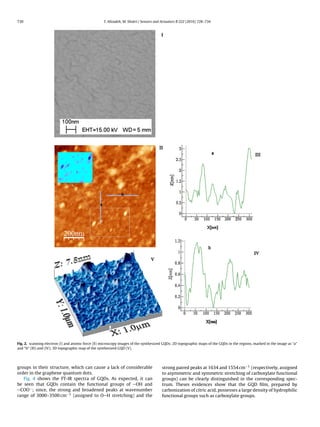
in Fig. 1. The scanning electron and atomic force microscopy images
of the synthesized GQDs are also shown in Fig. 2 (I) and (II), respec-
tively. As can be seen, the scanning electron microscopy image
Fig. 1. Schematic representation of the synthesis method of graphene quantum dots
by controlled carbonization of citric acid.
does not provide clear representation of the synthesized material
because of very small size of the synthesized GQDs. However, the
atomic force microscopy image of the GQDs (shown in Fig. 2(II))
and its related 2D (Fig. 2(III) and (IV)) and 3D (Fig. 2(V)) topographic
maps are clear enough to give useful information about the GQDs.
According to these illustrations, the average width of the GQDs was
calculated to be about 17 nm. Furthermore, the height of GQDs par-
ticles in the image was estimated to vary from 0.5 to 3 nm. These
results are in good agreement to the data reported by [23].
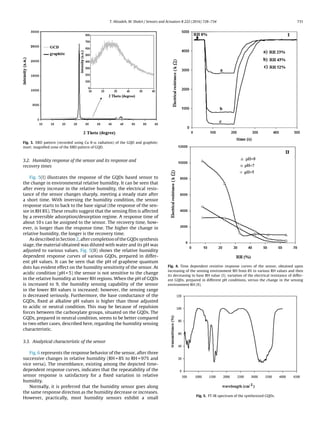
The XRD patterns of both graphite and GQDs are shown in Fig. 3.
It can be seen that the positions of main peaks (0 0 2) of GQDS
and graphite in axis direction (2 theta) are the same; although, the
peak, related to graphite, is sharper than that of GQDs. This clearly
suggests that the carbonization of citric acid leads to graphite like
structures. However, the absence of sharp peak in the case of XRD
pattern of the GQDs can be related to the disordered structure of
GQDs, as a result of presence of great deal of oxygenated functional
730 T. Alizadeh, M. Shokri / Sensors and Actuators B 222 (2016) 728–734
Fig. 2. scanning electron (I) and atomic force (II) microscopy images of the synthesized GQDs; 2D topographic maps of the GQDs in the regions, marked in the image as “a”
and “b” (III) and (IV); 3D topographic map of the synthesized GQD (V).
groups in their structure, which can cause a lack of considerable
order in the graphene quantum dots.
Fig. 4 shows the FT-IR spectra of GQDs. As expected, it can
be seen that GQDs contain the functional groups of OH and
COO−; since, the strong and broadened peaks at wavenumber
range of 3000–3500 cm−1 (assigned to O H stretching) and the
strong paired peaks at 1634 and 1554 cm−1 (respectively, assigned
to asymmetric and symmetric stretching of carboxylate functional
groups) can be clearly distinguished in the corresponding spec-
trum. Theses evidences show that the GQD film, prepared by
carbonization of citric acid, possesses a large density of hydrophilic
functional groups such as carboxylate groups.
T. Alizadeh, M. Shokri / Sensors and Actuators B 222 (2016) 728–734 731
Fig. 3. XRD pattern (recorded using Cu K-␣ radiation) of the GQD and graphite;
inset: magnified zone of the XRD pattern of GQD.
3.2. Humidity response of the sensor and its response and
recovery times
Fig. 5(I) illustrates the response of the GQDs based sensor to
the change in environmental relative humidity. It can be seen that
after every increase in the relative humidity, the electrical resis-
tance of the sensor changes sharply, meeting a steady state after
a short time. With inversing the humidity condition, the sensor
response starts to back to the base signal (the response of the sen-
sor in RH 8%). These results suggest that the sensing film is affected
by a reversible adsorption/desorption regime. A response time of
about 10 s can be assigned to the sensor. The recovery time, how-
ever, is longer than the response time. The higher the change in
relative humidity, the longer is the recovery time.
As described in Section 2, after completion of the GQDs synthesis
stage, the material obtained was diluted with water and its pH was
adjusted to various values. Fig. 5(II) shows the relative humidity
dependent response curves of various GQDs, prepared in differ-
ent pH values. It can be seen that the pH of graphene quantum
dots has evident effect on the humidity sensitivity of the sensor. At
acidic condition (pH = 5) the sensor is not sensitive to the change
in the relative humidity at lower RH regions. When the pH of GQDs
is increased to 9, the humidity sensing capability of the sensor
in the lower RH values is increased; however, the sensing range
is decreased seriously. Furthermore, the base conductance of the
GQDs, fixed at alkaline pH values is higher than those adjusted
to acidic or neutral condition. This may be because of repulsion
forces between the carboxylate groups, situated on the GQDs. The
GQDs, prepared in neutral condition, seems to be better compared
to two other cases, described here, regarding the humidity sensing
characteristic.
3.3. Analytical characteristic of the sensor
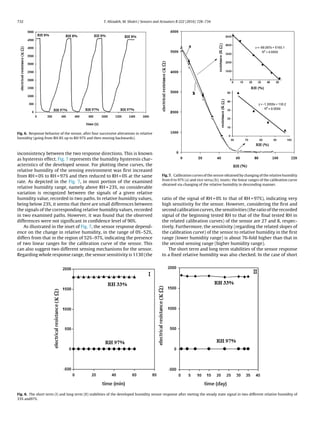
Fig. 6 represents the response behavior of the sensor, after three
successive changes in relative humidity (RH = 8% to RH = 97% and
vice versa). The resemblance, existing among the depicted time-
dependent response curves, indicates that the repeatability of the
sensor response is satisfactory for a fixed variation in relative
humidity.
Normally, it is preferred that the humidity sensor goes along
the same response direction as the humidity decrease or increases.
However, practically, most humidity sensors exhibit a small
Fig. 4. Time dependent resistive response curves of the sensor, obtained upon
increasing of the sensing environment RH from 8% to various RH values and then
its decreasing to base RH value (I); variation of the electrical resistance of differ-
ent GQDs, prepared in different pH conditions, versus the change in the sensing
environment RH (II).
Fig. 5. FT-IR spectrum of the synthesized GQDs.
732 T. Alizadeh, M. Shokri / Sensors and Actuators B 222 (2016) 728–734
Fig. 6. Response behavior of the sensor, after four successive alterations in relative
humidity (going from RH 8% up to RH 97% and then moving backwards).
inconsistency between the two response directions. This is known
as hysteresis effect. Fig. 7 represents the humidity hysteresis char-
acteristics of the developed sensor. For plotting these curves, the
relative humidity of the sensing environment was first increased
from RH = 0% to RH = 97% and then reduced to RH = 0% at the same
rate. As depicted in the Fig. 7, in most portion of the examined
relative humidity range, namely above RH = 23%, no considerable
variation is recognized between the signals of a given relative
humidity value, recorded in two paths. In relative humidity values,
being below 23%, it seems that there are small differences between
the signals of the corresponding relative humidity values, recorded
in two examined paths. However, it was found that the observed
differences were not significant in confidence level of 90%.
As illustrated in the inset of Fig. 7, the sensor response depend-
ence on the change in relative humidity, in the range of 0%–52%,
differs from that in the region of 52%–97%, indicating the presence
of two linear ranges for the calibration curve of the sensor. This
can also suggest two different sensing mechanisms for the sensor.
Regarding whole response range, the sensor sensitivity is 1130 (the
Fig. 7. Calibration curves of the sensor obtained by changing of the relative humidity
from 0 to 97% (a) and vice versa (b); insets: the linear ranges of the calibration curve
obtained via changing of the relative humidity in descending manner.
ratio of the signal of RH = 0% to that of RH = 97%), indicating very
high sensitivity for the sensor. However, considering the first and
second calibration curves, the sensitivities (the ratio of the recorded
signal of the beginning tested RH to that of the final tested RH in
the related calibration curves) of the sensor are 27 and 8, respec-
tively. Furthermore, the sensitivity (regarding the related slopes of
the calibration curve) of the sensor to relative humidity in the first
range (lower humidity range) is about 76-fold higher than that in
the second sensing range (higher humidity range).
The short term and long term stabilities of the sensor response
to a fixed relative humidity was also checked. In the case of short
Fig. 8. The short term (I) and long term (II) stabilities of the developed humidity sensor response after meting the steady state signal in two different relative humidity of
33% and97%.
T. Alizadeh, M. Shokri / Sensors and Actuators B 222 (2016) 728–734 733
Fig. 9. The temperature dependent response of the GQDs based sensor in two relative humidity ranges of 0–52% (I) and 52–97% (II).
term stability test, the sensor was exposed to a fixed relative humid-
ity and the obtained steady state response (after about 20 s) was
recorded between times intervals of 5 min. The checking of long
term stability of the sensor was similar to that of short term stabil-
ity, except that in this case, the sensor response to the given relative
humidity was examined every few days. The results obtained are
shown in Fig. 8. It can be seen that no significant variation in the
sensor response is observed upon about 1 h exposing of the sensor
to relative humidity of 33% and 97%. Furthermore, the long term sta-
bility of the sensor is satisfactory; since, after more than 1 month,
the response of the sensor to the tested relative humidity levels is
unchanged.
Fig. 9(I) and (II) shows the temperature dependent response of
the GQDs-based sensor in two relative humidity ranges of 0%–52%
and 52%–97%, respectively. As the temperature increases, the RH
dependent curves (in both humidity ranges) shift to lower elec-
trical resistance. The mean temperature coefficient at the tested
temperature range of 15–35 ◦C was calculated to be −0.52% and
−0.43% RH/◦C over the humidity range of 0%–52% RH and 52%–97%,
respectively.
3.4. Humidity response mechanism
As described in Fig. 7, the GQDs based sensing film represents
two humidity sensing ranges. This suggests two different mech-
anisms dominating the sensor response to the relative humidity.
The firs range is between 0% and 52% and the second is from 52% to
97%. In the first described range, the sensor is 76-fold sensitive than
that in the second range. Graphene quantum dots can be consid-
ered as p-type semiconductors [11,24]. However, according to the
FT-IR spectrum, the prepared GQDs include so many carboxylate
functional groups. The adsorption of water molecules to graphene
quantum dots may be rather facilitated via negatively charged car-
boxylate groups than the OH functionalities of GQDs. Adsorption of
water molecules, acting as electron withdrawing compound [19],
decrease the density of electron on the GQDs. This, subsequently,
leads to an increase in the number of the hole-type carriers in
p-type semiconductor of GQD, decreasing thus the electrical resis-
tance of the sensing film of the GQDs.
However, in the higher values of the relative humidity, other
sensing mechanism (described in the following) may be dominant.
At high RH values, the multilayer water molecules, adsorbed on
the GQDs, may be ionized to produce hydronium ions (H3O+) as
the charge carriers. The protons transport via ionic conductivity
can cause a decrease in sensor resistance [19].
4. Conclusion
In summary, a new humidity sensor based on the graphene
quantum dots, synthesized via carbonization of citric acid, was
introduced. The sensor was highly sensitive to change in rela-
tive humidity in wide range. Other than its higher sensitivity, the
capability of this sensor to be active in lower relative humidity val-
ues can be cited as an advantage of this sensor over most of the
previously reported humidity sensors. The sensor exhibited short
response time and no considerable hysteresis was observed for the
sensor. Since two distinct sensing ranges were seen for this sen-
sor, we supposed two sensing mechanism, dominating the sensor
response to relative humidity.
References
[1] A. Wexler, Humidity and Moisture Measurement and control in Science and
Industry, Reinhold, New York, 1965, pp. 219–414.
[2] B. Patissier, Humidity sensors for automotive, appliances and consumer
applications, Sens. Actuators B 59 (1999) 231–234.
[3] B.M. Kulwicki, Humidity sensors, J. Am. Ceram. Soc. 74 (1991) 697–708.
[4] Z. Chen, C. Lu, Humidity sensors: view of materials and mechanism, Sens. Lett.
3 (2005) 274–295.
[5] N. Yamazoe, Y. Shimizu, Humidity sensors: principles and applications, Sens.
Actuators 10 (1986) 379–398.
[6] E. Traversa, Ceramic sensors for humidity detection: the state-of-the-art and
future developments, Sens. Actuators B 23 (1995) 135–156.
[7] Y.C. Yeh, T.Y. Tseng, D.A. Chang, Electrical properties of TiO2–K2Ti6O13 porous
ceramic humidity sensor, J. Am. Ceram. Soc. 73 (1990) 1992–1998.
[8] H. Grange, C. Bieth, H. Boucher, G. Delapierre, A capacitive humidity sensor
with very fast response time and very low hysteresis, Sens. Actuators 12
(1987) 291–296.
[9] T. Alizadeh, F. Rezaloo, A new chemiresistor sensor based on a blend of carbon
nanotube, nano-sized molecularly imprinted polymer and poly methyl
methacrylate for the selective and sensitive determination of ethanol vapor,
Sens. Actuators B 176 (2013) 28–37.
[10] T. Alizadeh, S. Mirzagholipur, A Nafion-free non-enzymatic amperometric
glucose sensor based on copper oxide nanoparticles–graphene
nanocomposite, Sens. Actuators B 198 (2014) 438–447.
[11] J.T. Robinson, F.K. Perkins, E.S. Snow, Z. Wei, P.E. Sheehan, Reduced graphene
oxide molecular sensors, Nano Lett. 8 (2008) 3137–3140.
[12] R.K. Paul, S. Badhulika, N.M. Saucedo, A. Mulchandani, Graphene nanomesh as
highly sensitive chemiresistor gas sensor, Anal. Chem. 84 (2012) 8171–8178.
[13] J.W. Han, B. Kim, J. Li, M. Meyyappan, Carbon nanotube based humidity sensor
on cellulose paper, J. Phys. Chem. C 116 (2012) 22094–22097.
[14] T. Alizadeh, L.H. Soltani, Graphene/poly(methyl methacrylate) chemiresistor
sensor for formaldehyde odor sensing, J. Hazard. Mater. 248–249 (2013)
401–406.
734 T. Alizadeh, M. Shokri / Sensors and Actuators B 222 (2016) 728–734
[15] S. Basua, P. Bhattacharyya, Recent developments on graphene and graphene
oxide based solid state gas sensors, Sens. Actuators B 173 (2012) 1–21.
[16] H.W. Yu, H.K. Kim, T. Kim, K.M. Bae, S.M. Seo, J.M. Kim, T.J. Kang, Y.H. Kim,
Self-powered humidity sensor based on graphene oxide composite film
intercalated by poly(sodium 4-styrenesulfonate), ACS Appl. Mater. Interfaces
6 (2014) 8320–8326.
[17] D. Zhang, J. Tong, B. Xia, Humidity-sensing properties of chemically reduced
grapheneoxide/polymer nanocomposite film sensor based on layer-by-layer
nano self-assembly, Sens. Actuators B 197 (2014) 66–72.
[18] T. Fu, J. Zhu, M. Zhuo, B. Guan, J. Li, Z. Xu, Q. Li, Humidity sensors based on
graphene/SnOx/CF nanocomposites, J. Mater. Chem. C 2 (2014) 4861–4866.
[19] P.G. Su, C.F. Chiou, Electrical and humidity-sensing properties of reduced
graphene oxide thin film fabricated by layer-by-layer with covalent
anchoring on flexible substrate, Sens. Actuators B 200 (2014) 9–18.
[20] Y. Yao, X. Chen, H. Guo, Z. Wu, Graphene oxide thin film coated quartz crystal
microbalance for humidity detection, Appl. Surf. Sci. 257 (2011) 7778–7782.
[21] W.H. Lim, Y.K. Yap, W.Y. Chong, H. Ahmad, All-optical graphene oxide
humidity sensors, Sensors 14 (2014) 24329–24337.
[22] T.S. Sreeprasad, A.A. Rodriguez, J. Colston, A. Graham, E. Shishkin, V. Pallem, V.
Berry, Electron-tunneling modulation in percolating network of graphene
quantum dots: fabrication, henomenological understanding, and
humidity/pressure sensing applications, Nano Lett. 13 (2013) 1757–1763.
[23] Y. Dong, J. Shao, C. Chen, H. Li, R. Wang, Y. Chi, X. Lin, G. Chen, Blue
luminescent graphene quantum dots and graphene oxide prepared by tuning
the carbonization degree of citric acid, Carbon 50 (2012) 4738–4743.
[24] C.O. Kim, S.W. Hwang, S. Kim, D.H. Shin, S.S. Kang, J.M. Kim, C.W. Jang, J.H.
Kim, K.W. Lee, S.H. Choi, E. Hwang, High-performance graphene quantum dot
photodetectors, Sci. Rep. 4 (2014) 5603.
Biographies
Taher Alizadeh received the BS degree from the Univer-
sity of Guilan, Rasht, Iran, in 1999. He received MS degree
from the University of Tabriz, Iran, in 2002 and Ph.D.
degree from the University of Tehran, Iran, in 2006. He was
with University of Mohaghegh Ardabili, from September
2006 to October 2013. Now, he is continuing his research
activities as an associated professor in Department of Ana-
lytical Chemistry, Faculty of Chemistry, University Collage
of Science, University of Tehran, Iran. His current research
interests include the development of chemical sensors and
electronic nose based on new materials, Electrochemistry
and molecular/Ionic imprinting technology.
Mahrokh Shokri received the BS degree from the Uni-
versity of Mohaghegh Ardabili in 2011. She received
MS degree in analytical chemistry from Department of
Applied Chemistry, University of Mohaghegh Ardabili,
Ardabil, Iran, in 2014.

1 s2.0-s0925400515302999-main

  • 1.
    Sensors and ActuatorsB 222 (2016) 728–734 Contents lists available at ScienceDirect Sensors and Actuators B: Chemical journal homepage: www.elsevier.com/locate/snb A new humidity sensor based upon graphene quantum dots prepared via carbonization of citric acid Taher Alizadeha,∗ , Mahrokh Shokrib a Department of Analytical Chemistry, Faculty of Chemistry, University College of Science, University of Tehran, P.O. Box 14155-6455, Tehran, Iran b Department of Applied Chemistry, Faculty of Science, University of Mohaghegh Ardabili, Iran a r t i c l e i n f o Article history: Received 15 May 2015 Received in revised form 5 August 2015 Accepted 29 August 2015 Available online 1 September 2015 Keywords: Graphene quantum dot Humidity Sensor Citric acid a b s t r a c t A new humidity sensor was fabricated using graphene quantum dots (GQDs), synthesized via controlled carbonization of citric acid. The synthesized GQDs showed an outstandingly sensitivity to the varia- tion of environment humidity. The sensor exhibited two sensing regions situating between 0%–52% and 52%–97% of the relative humidity, indicating the dominance of two different sensing mechanisms. However, increasing of the relative humidity from 0% to 97% led to about 1387-fold variation in sensor response. Based on the results obtained, a sensing mechanism was proposed for the developed GQD- based humidity sensor. The response time of the sensor was about 10 s. However, the recovery time was found to be somewhat longer, compared to the response time. The sensor showed appropriate durability and reversibility as well as negligible hysteresis, responding to the change in relative humidity of the environment. © 2015 Elsevier B.V. All rights reserved. 1. Introduction Humidity is an important characteristic of the environment which drastically influences all things in the environment. Fur- thermore, it affects drastically many industries and technologies. The determination and continuous monitoring of humidity in numerous fields such as semiconductor manufacturing, packag- ing industry, soil moisture monitoring, pharmaceutical and food processing, civil engineering, electronic processing, household appliances and air conditioning systems is necessary [1,2]. Electrical parameters of some materials such as ceramics, poly- mers, metal oxides and their related composites can be varied as a result of their exposing to humidity. These characteristics of the described materials have been already utilized for the sensing of humidity [3–8]. Carbon nanomaterials such as carbon nanotubes and graphene have shown to be the ideal candidates in sensing field [9–13]. Graphene as a two dimensional carbon nanomaterial is an ideal choice for sensing applications owing to large surface-to-volume ratio and special electrical property [14,15]. ∗ Corresponding author. E-mail address: talizadeh@ut.ac.ir (T. Alizadeh). Recently, a new generation of humidity sensors has been introduced based on graphene, graphene oxide and reduced graphene oxide. These kinds of humidity sensors have improved the sensitivity and response time of the humidity sensors. Fur- thermore they have led to production of flexible and miniaturized sensors. Most of the reported cases are based on the change in the electrical characteristic of graphene oxide [16] or reduced graphene oxide [17–19] when exposing to humidified atmosphere. However, graphene oxide thin film coated quartz crystal microbalance [20] and optical graphene oxide sensor [21] have also been reported for sensing of relative humidity. Graphene quantum dot, prepared by conversion of graphene nano-ribbons via oxidative edge-roughening and cleavage, has recently been reported as an excellently sensitive humidity sen- sor [22]. This sensor has exhibited an excellent sensitivity between 0% and 40% of the relative humidity. The mechanism has been pos- tulated as the disturbance of electron tunneling between graphene quantum dot layers as a result of water molecule adsorption and the subsequent swelling of the GQD layers. An increase in the elec- trical resistance of the sensor has been observed when exposing of the sensor to humidity [22]. In this approach, we prepared graphene quantum dots via con- trolled carbonization of citric acid [23]. We found that these kinds of graphene quantum dots exhibited excellent sensitivity to rela- tive humidity in wider relative humidity range, compared to the http://dx.doi.org/10.1016/j.snb.2015.08.122 0925-4005/© 2015 Elsevier B.V. All rights reserved.
  • 2.
    T. Alizadeh, M.Shokri / Sensors and Actuators B 222 (2016) 728–734 729 previously reported humidity sensor. The electrical resistance of the citric acid derived GQD decreased as a result of increment in relative humidity, conversely to the previous report. This suggested a different sensing mechanism, which discussed in this approach. 2. Experimental 2.1. Materials Citric acid monohydrate was purchased from (Merck, Germany). Hydrazine hydrate (50–60%, reagent grade) was from Sigma Aldrich Company (USA). Saturated solutions of sodium hydroxide (NaOH), lithium chloride (LiCl), potassium acetate (CH3COOK), magnesium chloride (MgCl2), potassium carbonate (K2CO3), magnesium nitrate (Mg(NO3)2), sodium nitrite (NaNO2), sodium chloride (NaCl), potassium chloride (KCl) and potassium sulfate (K2SO4), used for adjusting the relative humidity of the sensing environment, were prepared from their related solids of analytical grade, purchased from (Merck, Germany). 2.2. Synthesis of GQDs Graphene quantum dots were prepared by pyrolyzing of citric acid according to the procedure reported by Chi et al. [23]. In a typical procedure, 2 g of citric acid was put into a 5 mL beaker and warmed to 200 ◦C. After 35 min, the color of the melted product became orange, hinting the formation of GQDs [23]. The obtained orange liquid was divided into three parts. The pHs of these parts were adjusted to 5, 7.0 and 9.0, respectively, using NaOH solution (0.1 M). 2.3. Sensor fabrication and its use for relative humidity sensing In order to prepare the humidity sensor, little amount of graphene quantum dot solution (0.1 mg mL−1) was dropped (4 ␮L, using a micropipette) on the interdigitated electrodes, deposited on a silicon wafer (10 pairs of Pt electrodes having line widths of 0.5 mm and electrode to electrode spacing of about 0.3 mm). After putting of GQD solution on the electrodes, it was transferred into an oven, fixed at 50 ◦C and stored over there for 24 h. A schematic diagram of the experimental setup, utilized for the testing of the sensor in various relative humidity (RH) is shown in Fig. 1. The humidity sensing property (the response of the sensor as a function of time) was investigated by exposing the sensor to various RH, achieved by saturated solutions of different salts and phosphorus pentoxide (P2O5) powder. Saturated aqueous solutions of NaOH, LiCl, CH3COOK, MgCl2, K2CO3, Mg(NO3)2, NaNO2, NaCl, KCl and K2SO4 in a closed vessel were used to yield nearly 8%, 11%, 23%, 33%, 43%, 52%, 64%, 75%, 85% and 97% RH levels, respectively. Dry environment (RH 0%) was established by P2O5 powder. The sensing experiments were carried out at an ambient temperature of 250. The electrical characteristic of the sensors (electrical resis- tance of the sensors at applied potential of 1 V and frequency of 1 kHz) was measured by a digital multimeter, (E4980AL, Keysight Technologies) connected to a PC at various relative humidity values. 3. Result and discussion 3.1. Characterization of graphene quantum dots Schematic representation of the synthesis method of graphene quantum dots by controlled carbonization of citric acid is illustrated in Fig. 1. The scanning electron and atomic force microscopy images of the synthesized GQDs are also shown in Fig. 2 (I) and (II), respec- tively. As can be seen, the scanning electron microscopy image Fig. 1. Schematic representation of the synthesis method of graphene quantum dots by controlled carbonization of citric acid. does not provide clear representation of the synthesized material because of very small size of the synthesized GQDs. However, the atomic force microscopy image of the GQDs (shown in Fig. 2(II)) and its related 2D (Fig. 2(III) and (IV)) and 3D (Fig. 2(V)) topographic maps are clear enough to give useful information about the GQDs. According to these illustrations, the average width of the GQDs was calculated to be about 17 nm. Furthermore, the height of GQDs par- ticles in the image was estimated to vary from 0.5 to 3 nm. These results are in good agreement to the data reported by [23]. The XRD patterns of both graphite and GQDs are shown in Fig. 3. It can be seen that the positions of main peaks (0 0 2) of GQDS and graphite in axis direction (2 theta) are the same; although, the peak, related to graphite, is sharper than that of GQDs. This clearly suggests that the carbonization of citric acid leads to graphite like structures. However, the absence of sharp peak in the case of XRD pattern of the GQDs can be related to the disordered structure of GQDs, as a result of presence of great deal of oxygenated functional
  • 3.
    730 T. Alizadeh,M. Shokri / Sensors and Actuators B 222 (2016) 728–734 Fig. 2. scanning electron (I) and atomic force (II) microscopy images of the synthesized GQDs; 2D topographic maps of the GQDs in the regions, marked in the image as “a” and “b” (III) and (IV); 3D topographic map of the synthesized GQD (V). groups in their structure, which can cause a lack of considerable order in the graphene quantum dots. Fig. 4 shows the FT-IR spectra of GQDs. As expected, it can be seen that GQDs contain the functional groups of OH and COO−; since, the strong and broadened peaks at wavenumber range of 3000–3500 cm−1 (assigned to O H stretching) and the strong paired peaks at 1634 and 1554 cm−1 (respectively, assigned to asymmetric and symmetric stretching of carboxylate functional groups) can be clearly distinguished in the corresponding spec- trum. Theses evidences show that the GQD film, prepared by carbonization of citric acid, possesses a large density of hydrophilic functional groups such as carboxylate groups.
  • 4.
    T. Alizadeh, M.Shokri / Sensors and Actuators B 222 (2016) 728–734 731 Fig. 3. XRD pattern (recorded using Cu K-␣ radiation) of the GQD and graphite; inset: magnified zone of the XRD pattern of GQD. 3.2. Humidity response of the sensor and its response and recovery times Fig. 5(I) illustrates the response of the GQDs based sensor to the change in environmental relative humidity. It can be seen that after every increase in the relative humidity, the electrical resis- tance of the sensor changes sharply, meeting a steady state after a short time. With inversing the humidity condition, the sensor response starts to back to the base signal (the response of the sen- sor in RH 8%). These results suggest that the sensing film is affected by a reversible adsorption/desorption regime. A response time of about 10 s can be assigned to the sensor. The recovery time, how- ever, is longer than the response time. The higher the change in relative humidity, the longer is the recovery time. As described in Section 2, after completion of the GQDs synthesis stage, the material obtained was diluted with water and its pH was adjusted to various values. Fig. 5(II) shows the relative humidity dependent response curves of various GQDs, prepared in differ- ent pH values. It can be seen that the pH of graphene quantum dots has evident effect on the humidity sensitivity of the sensor. At acidic condition (pH = 5) the sensor is not sensitive to the change in the relative humidity at lower RH regions. When the pH of GQDs is increased to 9, the humidity sensing capability of the sensor in the lower RH values is increased; however, the sensing range is decreased seriously. Furthermore, the base conductance of the GQDs, fixed at alkaline pH values is higher than those adjusted to acidic or neutral condition. This may be because of repulsion forces between the carboxylate groups, situated on the GQDs. The GQDs, prepared in neutral condition, seems to be better compared to two other cases, described here, regarding the humidity sensing characteristic. 3.3. Analytical characteristic of the sensor Fig. 6 represents the response behavior of the sensor, after three successive changes in relative humidity (RH = 8% to RH = 97% and vice versa). The resemblance, existing among the depicted time- dependent response curves, indicates that the repeatability of the sensor response is satisfactory for a fixed variation in relative humidity. Normally, it is preferred that the humidity sensor goes along the same response direction as the humidity decrease or increases. However, practically, most humidity sensors exhibit a small Fig. 4. Time dependent resistive response curves of the sensor, obtained upon increasing of the sensing environment RH from 8% to various RH values and then its decreasing to base RH value (I); variation of the electrical resistance of differ- ent GQDs, prepared in different pH conditions, versus the change in the sensing environment RH (II). Fig. 5. FT-IR spectrum of the synthesized GQDs.
  • 5.
    732 T. Alizadeh,M. Shokri / Sensors and Actuators B 222 (2016) 728–734 Fig. 6. Response behavior of the sensor, after four successive alterations in relative humidity (going from RH 8% up to RH 97% and then moving backwards). inconsistency between the two response directions. This is known as hysteresis effect. Fig. 7 represents the humidity hysteresis char- acteristics of the developed sensor. For plotting these curves, the relative humidity of the sensing environment was first increased from RH = 0% to RH = 97% and then reduced to RH = 0% at the same rate. As depicted in the Fig. 7, in most portion of the examined relative humidity range, namely above RH = 23%, no considerable variation is recognized between the signals of a given relative humidity value, recorded in two paths. In relative humidity values, being below 23%, it seems that there are small differences between the signals of the corresponding relative humidity values, recorded in two examined paths. However, it was found that the observed differences were not significant in confidence level of 90%. As illustrated in the inset of Fig. 7, the sensor response depend- ence on the change in relative humidity, in the range of 0%–52%, differs from that in the region of 52%–97%, indicating the presence of two linear ranges for the calibration curve of the sensor. This can also suggest two different sensing mechanisms for the sensor. Regarding whole response range, the sensor sensitivity is 1130 (the Fig. 7. Calibration curves of the sensor obtained by changing of the relative humidity from 0 to 97% (a) and vice versa (b); insets: the linear ranges of the calibration curve obtained via changing of the relative humidity in descending manner. ratio of the signal of RH = 0% to that of RH = 97%), indicating very high sensitivity for the sensor. However, considering the first and second calibration curves, the sensitivities (the ratio of the recorded signal of the beginning tested RH to that of the final tested RH in the related calibration curves) of the sensor are 27 and 8, respec- tively. Furthermore, the sensitivity (regarding the related slopes of the calibration curve) of the sensor to relative humidity in the first range (lower humidity range) is about 76-fold higher than that in the second sensing range (higher humidity range). The short term and long term stabilities of the sensor response to a fixed relative humidity was also checked. In the case of short Fig. 8. The short term (I) and long term (II) stabilities of the developed humidity sensor response after meting the steady state signal in two different relative humidity of 33% and97%.
  • 6.
    T. Alizadeh, M.Shokri / Sensors and Actuators B 222 (2016) 728–734 733 Fig. 9. The temperature dependent response of the GQDs based sensor in two relative humidity ranges of 0–52% (I) and 52–97% (II). term stability test, the sensor was exposed to a fixed relative humid- ity and the obtained steady state response (after about 20 s) was recorded between times intervals of 5 min. The checking of long term stability of the sensor was similar to that of short term stabil- ity, except that in this case, the sensor response to the given relative humidity was examined every few days. The results obtained are shown in Fig. 8. It can be seen that no significant variation in the sensor response is observed upon about 1 h exposing of the sensor to relative humidity of 33% and 97%. Furthermore, the long term sta- bility of the sensor is satisfactory; since, after more than 1 month, the response of the sensor to the tested relative humidity levels is unchanged. Fig. 9(I) and (II) shows the temperature dependent response of the GQDs-based sensor in two relative humidity ranges of 0%–52% and 52%–97%, respectively. As the temperature increases, the RH dependent curves (in both humidity ranges) shift to lower elec- trical resistance. The mean temperature coefficient at the tested temperature range of 15–35 ◦C was calculated to be −0.52% and −0.43% RH/◦C over the humidity range of 0%–52% RH and 52%–97%, respectively. 3.4. Humidity response mechanism As described in Fig. 7, the GQDs based sensing film represents two humidity sensing ranges. This suggests two different mech- anisms dominating the sensor response to the relative humidity. The firs range is between 0% and 52% and the second is from 52% to 97%. In the first described range, the sensor is 76-fold sensitive than that in the second range. Graphene quantum dots can be consid- ered as p-type semiconductors [11,24]. However, according to the FT-IR spectrum, the prepared GQDs include so many carboxylate functional groups. The adsorption of water molecules to graphene quantum dots may be rather facilitated via negatively charged car- boxylate groups than the OH functionalities of GQDs. Adsorption of water molecules, acting as electron withdrawing compound [19], decrease the density of electron on the GQDs. This, subsequently, leads to an increase in the number of the hole-type carriers in p-type semiconductor of GQD, decreasing thus the electrical resis- tance of the sensing film of the GQDs. However, in the higher values of the relative humidity, other sensing mechanism (described in the following) may be dominant. At high RH values, the multilayer water molecules, adsorbed on the GQDs, may be ionized to produce hydronium ions (H3O+) as the charge carriers. The protons transport via ionic conductivity can cause a decrease in sensor resistance [19]. 4. Conclusion In summary, a new humidity sensor based on the graphene quantum dots, synthesized via carbonization of citric acid, was introduced. The sensor was highly sensitive to change in rela- tive humidity in wide range. Other than its higher sensitivity, the capability of this sensor to be active in lower relative humidity val- ues can be cited as an advantage of this sensor over most of the previously reported humidity sensors. The sensor exhibited short response time and no considerable hysteresis was observed for the sensor. Since two distinct sensing ranges were seen for this sen- sor, we supposed two sensing mechanism, dominating the sensor response to relative humidity. References [1] A. Wexler, Humidity and Moisture Measurement and control in Science and Industry, Reinhold, New York, 1965, pp. 219–414. [2] B. Patissier, Humidity sensors for automotive, appliances and consumer applications, Sens. Actuators B 59 (1999) 231–234. [3] B.M. Kulwicki, Humidity sensors, J. Am. Ceram. Soc. 74 (1991) 697–708. [4] Z. Chen, C. Lu, Humidity sensors: view of materials and mechanism, Sens. Lett. 3 (2005) 274–295. [5] N. Yamazoe, Y. Shimizu, Humidity sensors: principles and applications, Sens. Actuators 10 (1986) 379–398. [6] E. Traversa, Ceramic sensors for humidity detection: the state-of-the-art and future developments, Sens. Actuators B 23 (1995) 135–156. [7] Y.C. Yeh, T.Y. Tseng, D.A. Chang, Electrical properties of TiO2–K2Ti6O13 porous ceramic humidity sensor, J. Am. Ceram. Soc. 73 (1990) 1992–1998. [8] H. Grange, C. Bieth, H. Boucher, G. Delapierre, A capacitive humidity sensor with very fast response time and very low hysteresis, Sens. Actuators 12 (1987) 291–296. [9] T. Alizadeh, F. Rezaloo, A new chemiresistor sensor based on a blend of carbon nanotube, nano-sized molecularly imprinted polymer and poly methyl methacrylate for the selective and sensitive determination of ethanol vapor, Sens. Actuators B 176 (2013) 28–37. [10] T. Alizadeh, S. Mirzagholipur, A Nafion-free non-enzymatic amperometric glucose sensor based on copper oxide nanoparticles–graphene nanocomposite, Sens. Actuators B 198 (2014) 438–447. [11] J.T. Robinson, F.K. Perkins, E.S. Snow, Z. Wei, P.E. Sheehan, Reduced graphene oxide molecular sensors, Nano Lett. 8 (2008) 3137–3140. [12] R.K. Paul, S. Badhulika, N.M. Saucedo, A. Mulchandani, Graphene nanomesh as highly sensitive chemiresistor gas sensor, Anal. Chem. 84 (2012) 8171–8178. [13] J.W. Han, B. Kim, J. Li, M. Meyyappan, Carbon nanotube based humidity sensor on cellulose paper, J. Phys. Chem. C 116 (2012) 22094–22097. [14] T. Alizadeh, L.H. Soltani, Graphene/poly(methyl methacrylate) chemiresistor sensor for formaldehyde odor sensing, J. Hazard. Mater. 248–249 (2013) 401–406.
  • 7.
    734 T. Alizadeh,M. Shokri / Sensors and Actuators B 222 (2016) 728–734 [15] S. Basua, P. Bhattacharyya, Recent developments on graphene and graphene oxide based solid state gas sensors, Sens. Actuators B 173 (2012) 1–21. [16] H.W. Yu, H.K. Kim, T. Kim, K.M. Bae, S.M. Seo, J.M. Kim, T.J. Kang, Y.H. Kim, Self-powered humidity sensor based on graphene oxide composite film intercalated by poly(sodium 4-styrenesulfonate), ACS Appl. Mater. Interfaces 6 (2014) 8320–8326. [17] D. Zhang, J. Tong, B. Xia, Humidity-sensing properties of chemically reduced grapheneoxide/polymer nanocomposite film sensor based on layer-by-layer nano self-assembly, Sens. Actuators B 197 (2014) 66–72. [18] T. Fu, J. Zhu, M. Zhuo, B. Guan, J. Li, Z. Xu, Q. Li, Humidity sensors based on graphene/SnOx/CF nanocomposites, J. Mater. Chem. C 2 (2014) 4861–4866. [19] P.G. Su, C.F. Chiou, Electrical and humidity-sensing properties of reduced graphene oxide thin film fabricated by layer-by-layer with covalent anchoring on flexible substrate, Sens. Actuators B 200 (2014) 9–18. [20] Y. Yao, X. Chen, H. Guo, Z. Wu, Graphene oxide thin film coated quartz crystal microbalance for humidity detection, Appl. Surf. Sci. 257 (2011) 7778–7782. [21] W.H. Lim, Y.K. Yap, W.Y. Chong, H. Ahmad, All-optical graphene oxide humidity sensors, Sensors 14 (2014) 24329–24337. [22] T.S. Sreeprasad, A.A. Rodriguez, J. Colston, A. Graham, E. Shishkin, V. Pallem, V. Berry, Electron-tunneling modulation in percolating network of graphene quantum dots: fabrication, henomenological understanding, and humidity/pressure sensing applications, Nano Lett. 13 (2013) 1757–1763. [23] Y. Dong, J. Shao, C. Chen, H. Li, R. Wang, Y. Chi, X. Lin, G. Chen, Blue luminescent graphene quantum dots and graphene oxide prepared by tuning the carbonization degree of citric acid, Carbon 50 (2012) 4738–4743. [24] C.O. Kim, S.W. Hwang, S. Kim, D.H. Shin, S.S. Kang, J.M. Kim, C.W. Jang, J.H. Kim, K.W. Lee, S.H. Choi, E. Hwang, High-performance graphene quantum dot photodetectors, Sci. Rep. 4 (2014) 5603. Biographies Taher Alizadeh received the BS degree from the Univer- sity of Guilan, Rasht, Iran, in 1999. He received MS degree from the University of Tabriz, Iran, in 2002 and Ph.D. degree from the University of Tehran, Iran, in 2006. He was with University of Mohaghegh Ardabili, from September 2006 to October 2013. Now, he is continuing his research activities as an associated professor in Department of Ana- lytical Chemistry, Faculty of Chemistry, University Collage of Science, University of Tehran, Iran. His current research interests include the development of chemical sensors and electronic nose based on new materials, Electrochemistry and molecular/Ionic imprinting technology. Mahrokh Shokri received the BS degree from the Uni- versity of Mohaghegh Ardabili in 2011. She received MS degree in analytical chemistry from Department of Applied Chemistry, University of Mohaghegh Ardabili, Ardabil, Iran, in 2014.