


Introduction to Photography
The word "photography" comes from the French photographie which
is based on the Greek φώς (phos) "light" + γραφίς (graphis) "stylus",
"paintbrush" or γραφή (graphê) "representation by means of lines" or
"drawing", together meaning "drawing with light." Traditionally, the
product of photography has been called a photograph, commonly
shortened to "photo"
Photography


The process and art of recording pictures by means of capturing
light on a light-sensitive medium, such as a film or electronic
sensor. Light patterns reflected or emitted from objects expose a
sensitive silver halide based chemical or electronic medium during
a timed exposure, usually through a photographic lens in a device
known as a camera that also stores the resulting information
chemically or electronically
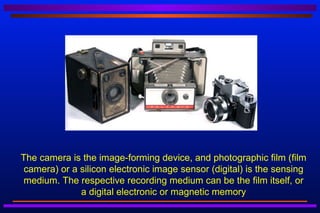
The camera is the image-forming device, and photographic film (film
 camera) or a silicon electronic image sensor (digital) is the sensing
 medium. The respective recording medium can be the film itself, or
              a digital electronic or magnetic memory
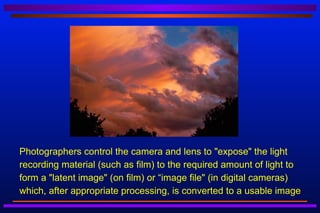
   Photographers control the camera and lens to "expose" the light
    recording material (such as film) to the required amount of light to
    form a "latent image" (on film) or “image file" (in digital cameras)
    which, after appropriate processing, is converted to a usable image
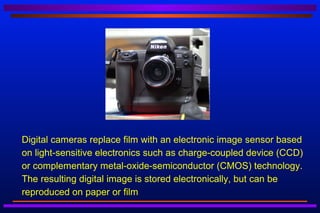
   Digital cameras replace film with an electronic image sensor based
    on light-sensitive electronics such as charge-coupled device (CCD)
    or complementary metal-oxide-semiconductor (CMOS) technology.
    The resulting digital image is stored electronically, but can be
    reproduced on paper or film
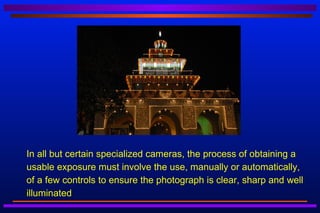
   In all but certain specialized cameras, the process of obtaining a
    usable exposure must involve the use, manually or automatically,
    of a few controls to ensure the photograph is clear, sharp and well
    illuminated
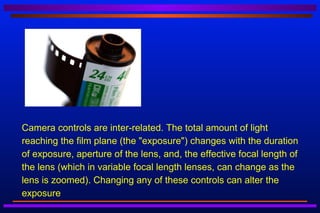
   Camera controls are inter-related. The total amount of light
    reaching the film plane (the "exposure") changes with the duration
    of exposure, aperture of the lens, and, the effective focal length of
    the lens (which in variable focal length lenses, can change as the
    lens is zoomed). Changing any of these controls can alter the
    exposure
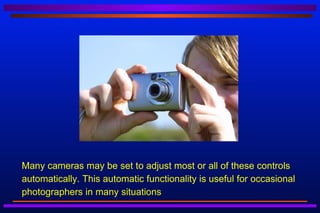
   Many cameras may be set to adjust most or all of these controls
    automatically. This automatic functionality is useful for occasional
    photographers in many situations
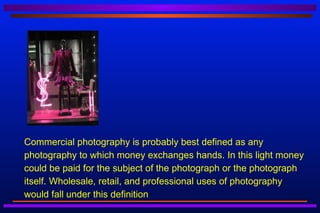
   Commercial photography is probably best defined as any
    photography to which money exchanges hands. In this light money
    could be paid for the subject of the photograph or the photograph
    itself. Wholesale, retail, and professional uses of photography
    would fall under this definition
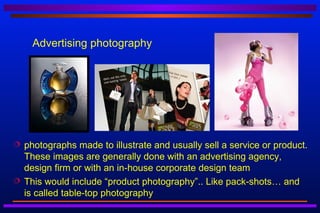
Advertising photography


   photographs made to illustrate and usually sell a service or product.
    These images are generally done with an advertising agency,
    design firm or with an in-house corporate design team
   This would include “product photography”.. Like pack-shots… and
    is called table-top photography
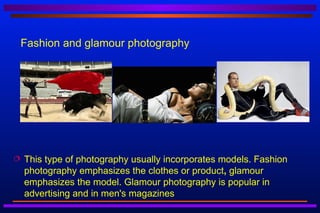
Fashion and glamour photography


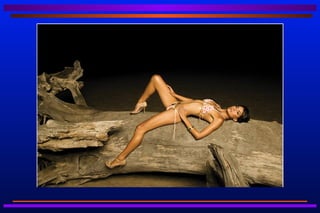
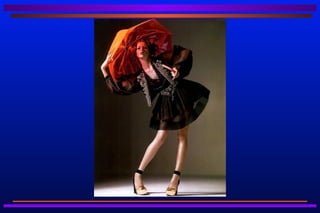
   This type of photography usually incorporates models. Fashion
    photography emphasizes the clothes or product, glamour
    emphasizes the model. Glamour photography is popular in
    advertising and in men's magazines
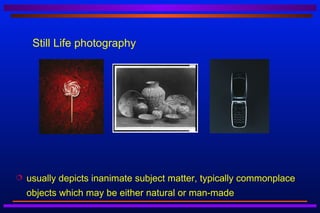
Still Life photography


   usually depicts inanimate subject matter, typically commonplace
    objects which may be either natural or man-made
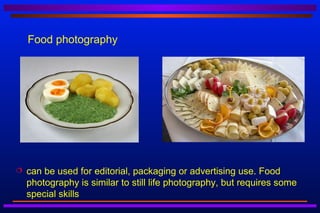
Food photography


   can be used for editorial, packaging or advertising use. Food
    photography is similar to still life photography, but requires some
    special skills
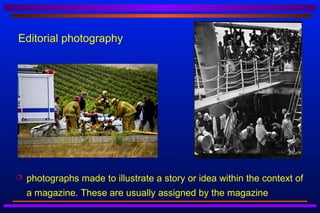
Editorial photography


   photographs made to illustrate a story or idea within the context of
    a magazine. These are usually assigned by the magazine
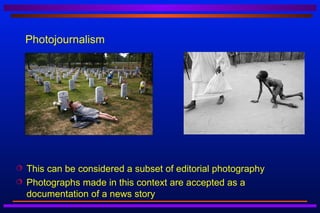
Photojournalism


   This can be considered a subset of editorial photography
   Photographs made in this context are accepted as a
    documentation of a news story
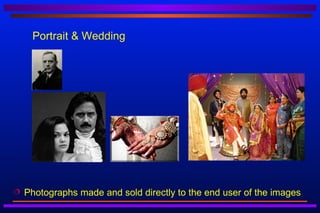
Portrait & Wedding


   Photographs made and sold directly to the end user of the images
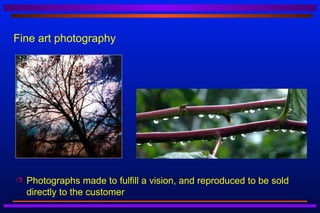
Fine art photography


   Photographs made to fulfill a vision, and reproduced to be sold
    directly to the customer
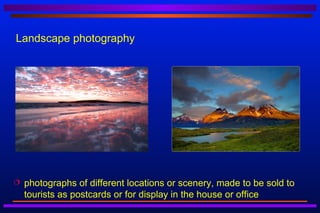
Landscape photography


   photographs of different locations or scenery, made to be sold to
    tourists as postcards or for display in the house or office
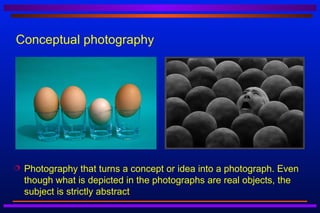
Conceptual photography


   Photography that turns a concept or idea into a photograph. Even
    though what is depicted in the photographs are real objects, the
    subject is strictly abstract
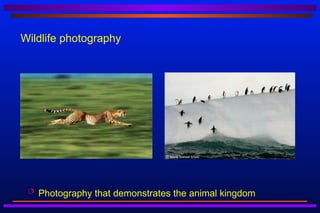
Wildlife photography


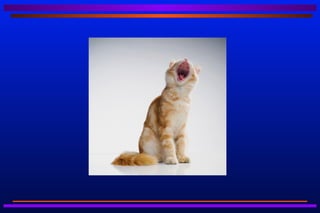
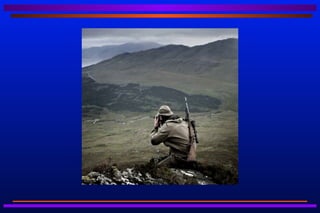
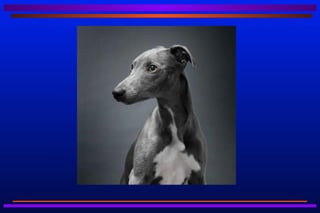
    Photography that demonstrates the animal kingdom
Overview of
                        Photographic process


   What does it really mean when you "take" a picture with a camera?
    When you click the shutter, you have frozen a moment in time by
    recording the visible light reflected from the objects in the camera's
    field of view. In order to do that, the reflected light causes a
    chemical change to the photographic film inside the camera. The
    chemical record is very stable, and can be subsequently
    developed, amplified and modified to produce a representation (a
    print) of that moment
Overview of
                    Photographic process


   To understand the whole process, you'll have to learn some of
    the science behind photography -- exposing the image,
    processing the image, and producing a print of the image
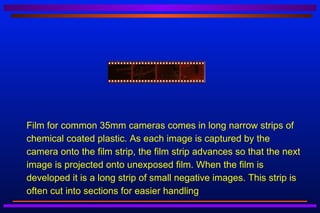
   Film for common 35mm cameras comes in long narrow strips of
    chemical coated plastic. As each image is captured by the
    camera onto the film strip, the film strip advances so that the next
    image is projected onto unexposed film. When the film is
    developed it is a long strip of small negative images. This strip is
    often cut into sections for easier handling
   These negative images are the master images, from which all other
    copies will be made, and they are treated with care and handled
    with caution
Role of photography and photographer in
     the process of communication
   Today, photography has become a powerful means of
    communication and a mode of visual expression that touches
    human life in many ways. For example, photography has become
    popular as a means of recording and storing memories. Most of the
    billions of photographs taken today are snapshots--casual records
    to document personal events such as vacations, birthdays, and
    weddings
   Photographs are used extensively by newspapers, magazines,
    books, and television to convey information and advertise products
    and services. Practical applications of photography are found in
    nearly every human endeavor from astronomy to medical diagnosis
    and industrial quality control to living spaces
   Today photography is widely recognized as a fine art. Photographs
    are displayed in art museums, prized by collectors, discussed by
    critics, and studied in art history courses. Because of the special
    nature of photography, however, this was not always the case. In
    the early days of photography some people considered the medium
    something of a poor relation to the older, established visual arts,
    such as drawing and painting
   The arguments stemmed from the fact that a camera is a
    mechanical instrument. Because the mechanical procedure of taking
    a picture is automatic, detractors claimed that photography required
    no coordination of hand and eye and none of the manual skills
    essential to drawing and painting. They also argued that
    photography required no creativity or imagination because the
    photographic subject was "ready-made" and did not require
    manipulation or control by the photographer
   As a nonverbal means of communication, photography can
    surmount the barriers of language and communicate through
    universal visual symbols. Photographs are well suited for use in the
    mass media. Today they are reproduced by the billions, and they
    can be found everywhere: in the pages of newspapers, magazines,
    books, catalogs, and brochures; on display in billboards, shop
    windows, and posters; broadcast over television; and organized into
    slide shows and film strips
   A camera, no matter how many automatic features it may have, is a
    lifeless piece of equipment until a person uses it. It then becomes a
    uniquely responsive tool--an extension of the photographer's eye
    and mind. A photographer creates a picture by a process of
    selection
   Photographers looking through the camera's viewfinder must decide
    what to include and what to exclude from the scene. They select the
    distance from which to take the picture and the precise angle that
    best suits their purpose. They select the instant in which to trip the
    shutter. This decision may require hours of patient waiting until the
    light is exactly right or it may be a split-second decision, but the
    photographer's sense of timing is always crucial
   Photographers can expand or flatten perspective by the use of
    certain lenses. They can freeze motion or record it as a blur,
    depending on their choice of shutter speed. They can create an
    infinite number of lighting effects with flashes or floodlights. They
    can alter the tonal values or colors in a picture by their choice of film
    and filters. These are only a few of the controls available to a
    photographer when taking a picture
Social   responsibility
True   representation without any distortion
Only   visual part of the communication
Show     something that the others do not see
A word about photos


It is really important when looking at photos to remember
that the photographer has shown us what he wanted to show
us
Photographs   can be altered easily and the message altered
Remember     that there is a lot of space outside of the photo
that you can’t see
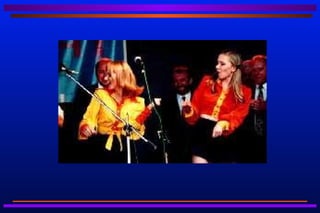
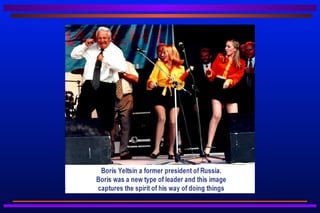
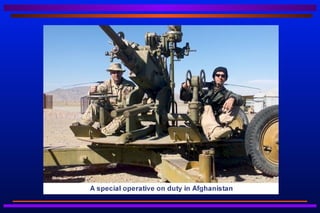
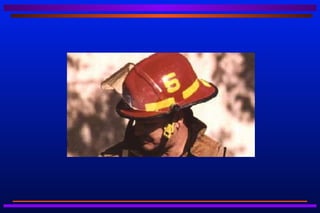
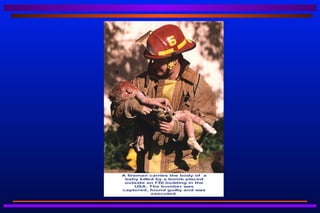
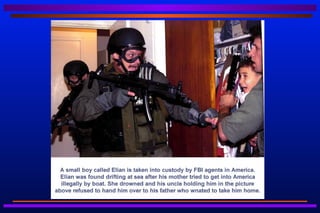
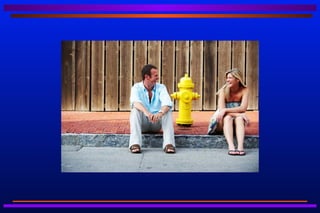
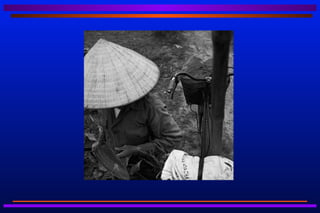
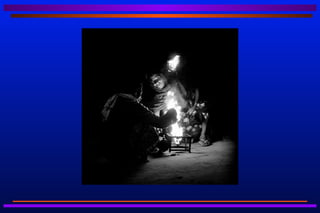
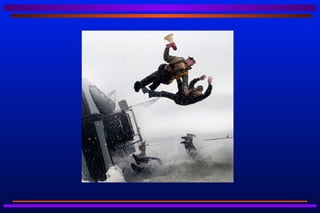
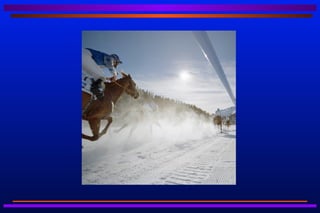
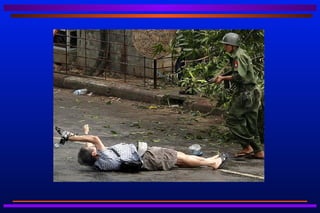
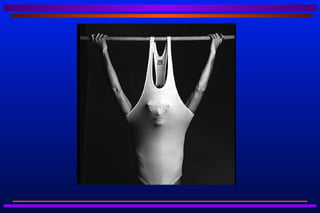
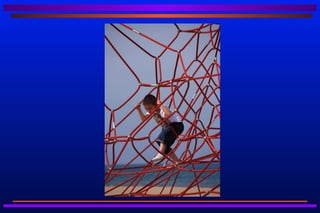
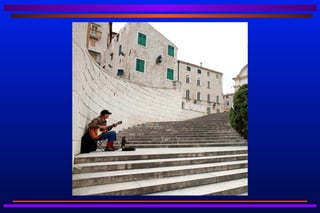
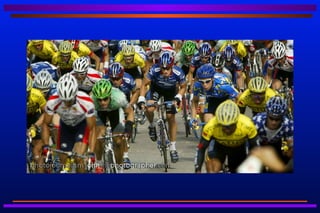
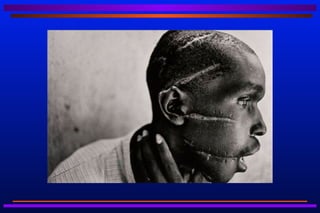
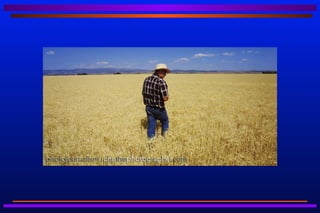
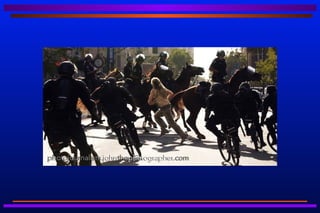
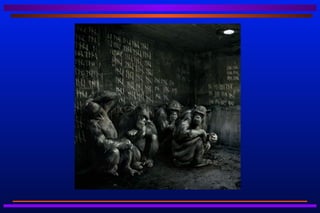
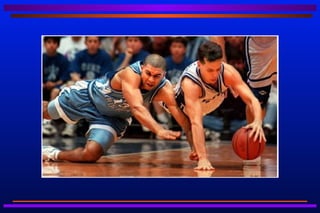
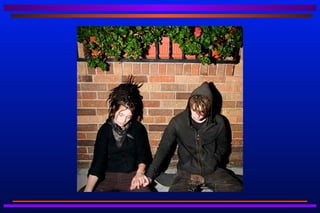
Look at the following photos and think about the following:


What   the people are feeling ?
What   are they doing ?
What   might be happening outside of the camera frame ?
Language     is a bond, a way of getting ideas across
Photography     is also a mode of visual expression
Visual   literacy involves visually literate photography
Some pictures
You've got to have the passion, Without the passion, you're nothing.
You have to throw yourself into it and be willing to take the risks to
grow. You also have to be willing to put in the time to learn by trial
and error. Do not hesitate to experiment. You also learn by creating a
network of like-minded people who are doing the same thing. We've
all learned communication through the years from our peers
Thank you

1 intro to photo 2012-new

  • 1.
  • 2.
    The word "photography"comes from the French photographie which is based on the Greek φώς (phos) "light" + γραφίς (graphis) "stylus", "paintbrush" or γραφή (graphê) "representation by means of lines" or "drawing", together meaning "drawing with light." Traditionally, the product of photography has been called a photograph, commonly shortened to "photo"
  • 3.
    Photography The process andart of recording pictures by means of capturing light on a light-sensitive medium, such as a film or electronic sensor. Light patterns reflected or emitted from objects expose a sensitive silver halide based chemical or electronic medium during a timed exposure, usually through a photographic lens in a device known as a camera that also stores the resulting information chemically or electronically
  • 4.
    The camera isthe image-forming device, and photographic film (film camera) or a silicon electronic image sensor (digital) is the sensing medium. The respective recording medium can be the film itself, or a digital electronic or magnetic memory
  • 5.
    Photographers control the camera and lens to "expose" the light recording material (such as film) to the required amount of light to form a "latent image" (on film) or “image file" (in digital cameras) which, after appropriate processing, is converted to a usable image
  • 6.
    Digital cameras replace film with an electronic image sensor based on light-sensitive electronics such as charge-coupled device (CCD) or complementary metal-oxide-semiconductor (CMOS) technology. The resulting digital image is stored electronically, but can be reproduced on paper or film
  • 7.
    In all but certain specialized cameras, the process of obtaining a usable exposure must involve the use, manually or automatically, of a few controls to ensure the photograph is clear, sharp and well illuminated
  • 8.
    Camera controls are inter-related. The total amount of light reaching the film plane (the "exposure") changes with the duration of exposure, aperture of the lens, and, the effective focal length of the lens (which in variable focal length lenses, can change as the lens is zoomed). Changing any of these controls can alter the exposure
  • 9.
    Many cameras may be set to adjust most or all of these controls automatically. This automatic functionality is useful for occasional photographers in many situations
  • 10.
    Commercial photography is probably best defined as any photography to which money exchanges hands. In this light money could be paid for the subject of the photograph or the photograph itself. Wholesale, retail, and professional uses of photography would fall under this definition
  • 11.
    Advertising photography  photographs made to illustrate and usually sell a service or product. These images are generally done with an advertising agency, design firm or with an in-house corporate design team  This would include “product photography”.. Like pack-shots… and is called table-top photography
  • 12.
    Fashion and glamourphotography  This type of photography usually incorporates models. Fashion photography emphasizes the clothes or product, glamour emphasizes the model. Glamour photography is popular in advertising and in men's magazines
  • 13.
    Still Life photography  usually depicts inanimate subject matter, typically commonplace objects which may be either natural or man-made
  • 14.
    Food photography  can be used for editorial, packaging or advertising use. Food photography is similar to still life photography, but requires some special skills
  • 15.
    Editorial photography  photographs made to illustrate a story or idea within the context of a magazine. These are usually assigned by the magazine
  • 16.
    Photojournalism  This can be considered a subset of editorial photography  Photographs made in this context are accepted as a documentation of a news story
  • 17.
    Portrait & Wedding  Photographs made and sold directly to the end user of the images
  • 18.
    Fine art photography  Photographs made to fulfill a vision, and reproduced to be sold directly to the customer
  • 19.
    Landscape photography  photographs of different locations or scenery, made to be sold to tourists as postcards or for display in the house or office
  • 20.
    Conceptual photography  Photography that turns a concept or idea into a photograph. Even though what is depicted in the photographs are real objects, the subject is strictly abstract
  • 21.
    Wildlife photography  Photography that demonstrates the animal kingdom
  • 22.
    Overview of Photographic process  What does it really mean when you "take" a picture with a camera? When you click the shutter, you have frozen a moment in time by recording the visible light reflected from the objects in the camera's field of view. In order to do that, the reflected light causes a chemical change to the photographic film inside the camera. The chemical record is very stable, and can be subsequently developed, amplified and modified to produce a representation (a print) of that moment
  • 23.
    Overview of Photographic process  To understand the whole process, you'll have to learn some of the science behind photography -- exposing the image, processing the image, and producing a print of the image
  • 24.
    Film for common 35mm cameras comes in long narrow strips of chemical coated plastic. As each image is captured by the camera onto the film strip, the film strip advances so that the next image is projected onto unexposed film. When the film is developed it is a long strip of small negative images. This strip is often cut into sections for easier handling
  • 25.
    These negative images are the master images, from which all other copies will be made, and they are treated with care and handled with caution
  • 26.
    Role of photographyand photographer in the process of communication
  • 27.
    Today, photography has become a powerful means of communication and a mode of visual expression that touches human life in many ways. For example, photography has become popular as a means of recording and storing memories. Most of the billions of photographs taken today are snapshots--casual records to document personal events such as vacations, birthdays, and weddings
  • 28.
    Photographs are used extensively by newspapers, magazines, books, and television to convey information and advertise products and services. Practical applications of photography are found in nearly every human endeavor from astronomy to medical diagnosis and industrial quality control to living spaces
  • 29.
    Today photography is widely recognized as a fine art. Photographs are displayed in art museums, prized by collectors, discussed by critics, and studied in art history courses. Because of the special nature of photography, however, this was not always the case. In the early days of photography some people considered the medium something of a poor relation to the older, established visual arts, such as drawing and painting
  • 30.
    The arguments stemmed from the fact that a camera is a mechanical instrument. Because the mechanical procedure of taking a picture is automatic, detractors claimed that photography required no coordination of hand and eye and none of the manual skills essential to drawing and painting. They also argued that photography required no creativity or imagination because the photographic subject was "ready-made" and did not require manipulation or control by the photographer
  • 31.
    As a nonverbal means of communication, photography can surmount the barriers of language and communicate through universal visual symbols. Photographs are well suited for use in the mass media. Today they are reproduced by the billions, and they can be found everywhere: in the pages of newspapers, magazines, books, catalogs, and brochures; on display in billboards, shop windows, and posters; broadcast over television; and organized into slide shows and film strips
  • 32.
    A camera, no matter how many automatic features it may have, is a lifeless piece of equipment until a person uses it. It then becomes a uniquely responsive tool--an extension of the photographer's eye and mind. A photographer creates a picture by a process of selection
  • 33.
    Photographers looking through the camera's viewfinder must decide what to include and what to exclude from the scene. They select the distance from which to take the picture and the precise angle that best suits their purpose. They select the instant in which to trip the shutter. This decision may require hours of patient waiting until the light is exactly right or it may be a split-second decision, but the photographer's sense of timing is always crucial
  • 34.
    Photographers can expand or flatten perspective by the use of certain lenses. They can freeze motion or record it as a blur, depending on their choice of shutter speed. They can create an infinite number of lighting effects with flashes or floodlights. They can alter the tonal values or colors in a picture by their choice of film and filters. These are only a few of the controls available to a photographer when taking a picture
  • 35.
    Social responsibility True representation without any distortion Only visual part of the communication Show something that the others do not see
  • 36.
    A word aboutphotos It is really important when looking at photos to remember that the photographer has shown us what he wanted to show us Photographs can be altered easily and the message altered Remember that there is a lot of space outside of the photo that you can’t see
  • 37.
    Look at thefollowing photos and think about the following: What the people are feeling ? What are they doing ? What might be happening outside of the camera frame ?
  • 46.
    Language is a bond, a way of getting ideas across Photography is also a mode of visual expression Visual literacy involves visually literate photography
  • 47.
  • 75.
    You've got tohave the passion, Without the passion, you're nothing. You have to throw yourself into it and be willing to take the risks to grow. You also have to be willing to put in the time to learn by trial and error. Do not hesitate to experiment. You also learn by creating a network of like-minded people who are doing the same thing. We've all learned communication through the years from our peers
  • 76.