Types of
Photography
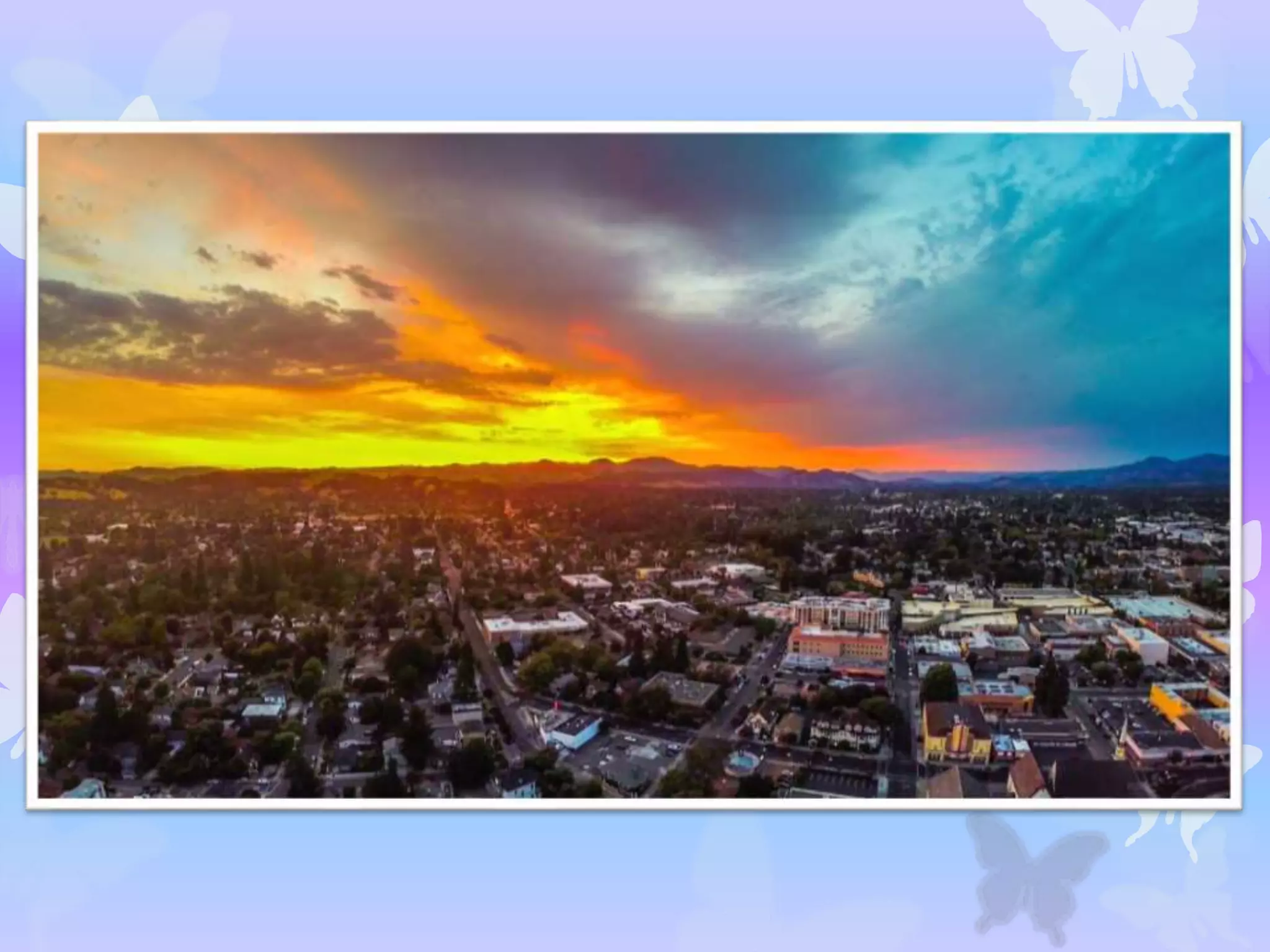
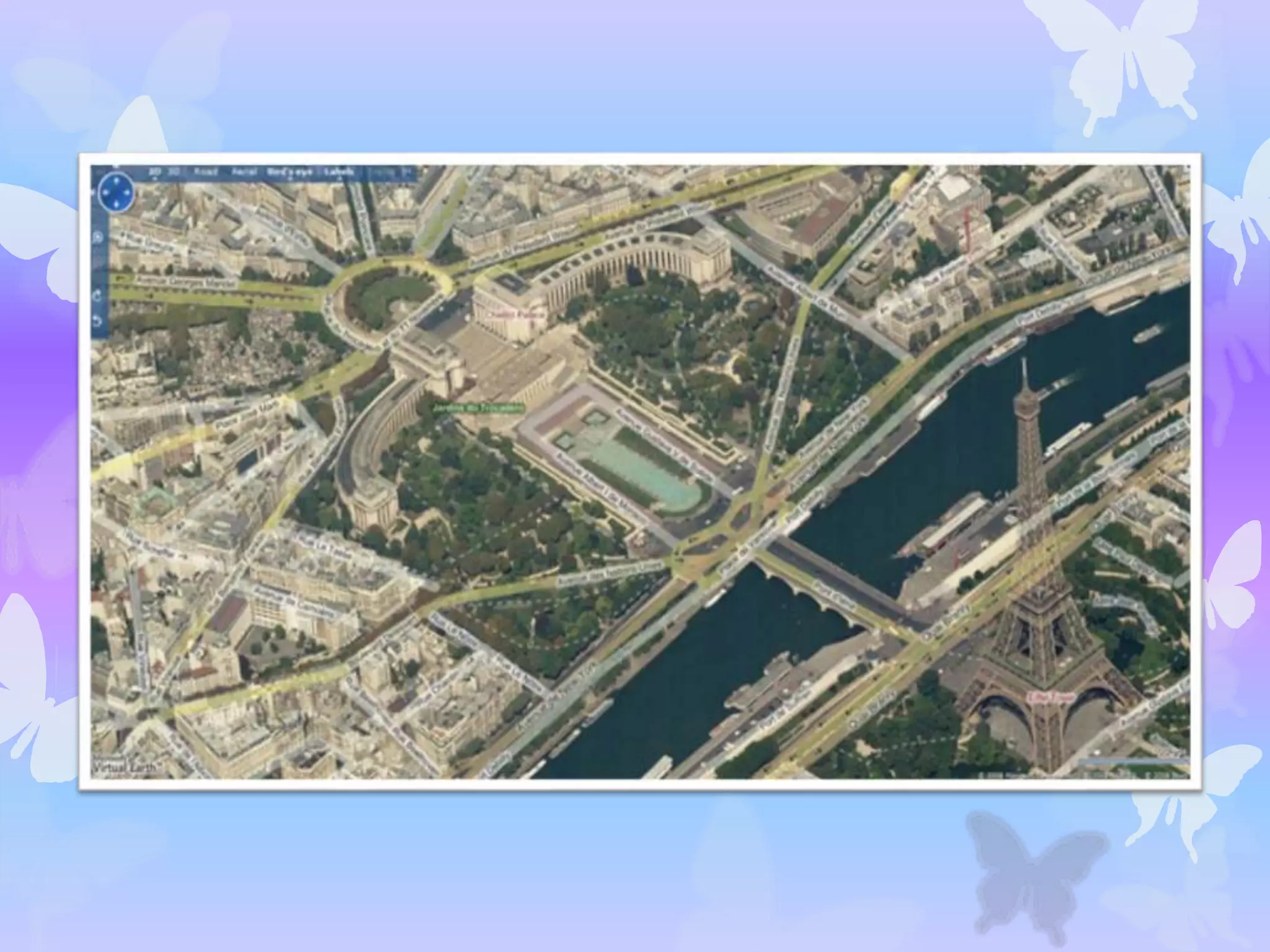
Aerial Photography
means any type of photography
taken from a camera that is not
attached to the ground in any way.
Photographs may be taken by a
human photographer or remote
controlled system.
Aerial photographs can be taken using
any of the following...
Fixed-wing aircraft
Helicopter
Balloon, blimp or dirigible
Kite
Skydiver
Rocket
Astrophotography
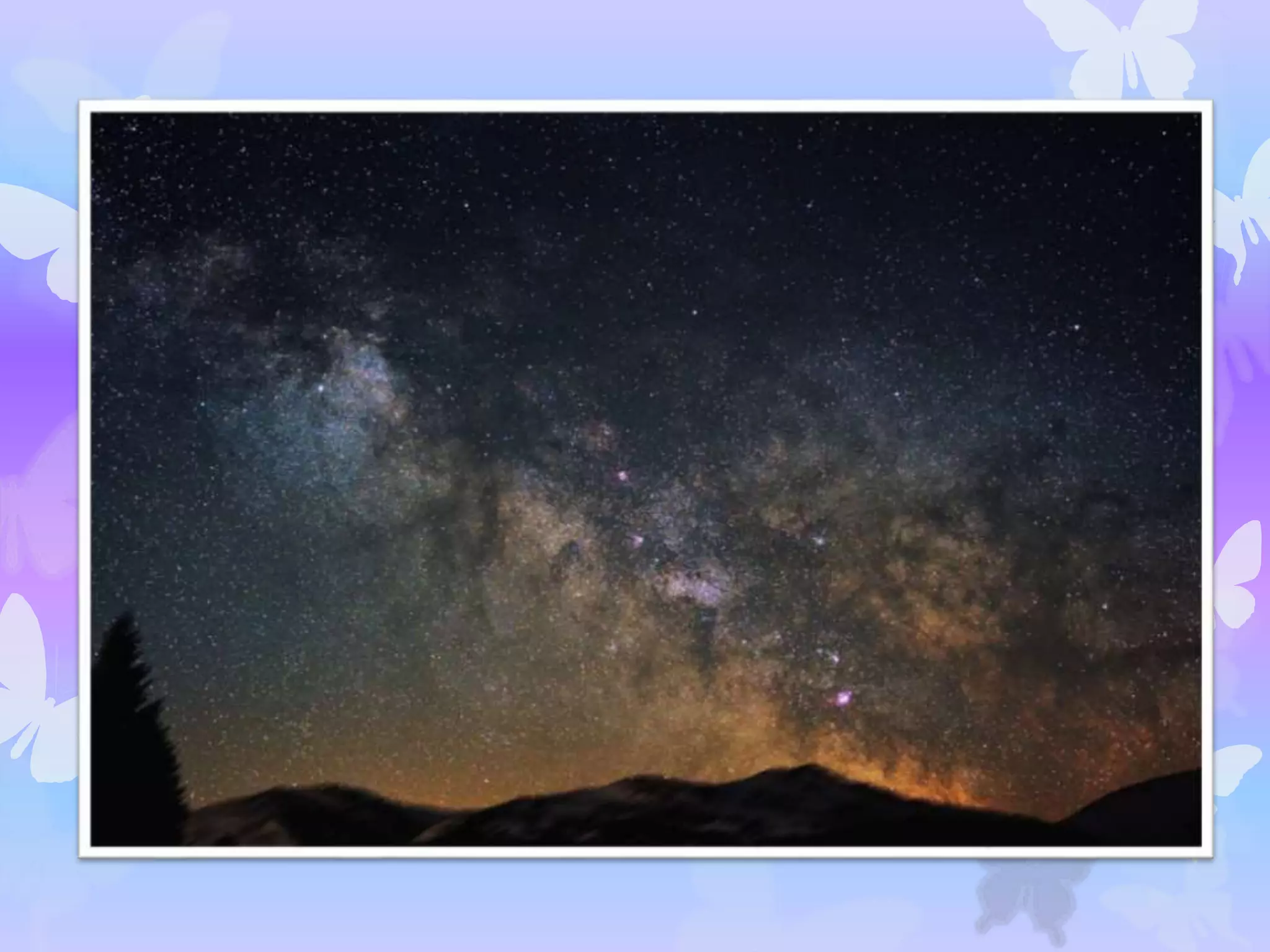
 Astrophotography is the name given to the
process of taking pictures of anything not on the
Earth, but out in space.
 Most of us probably think of images from the
Hubble Space Telescope when the word is
mentioned, but making good astrophotos doesn't
require billions of dollars or a ride in the Space
Shuttle.
Black and White Photography
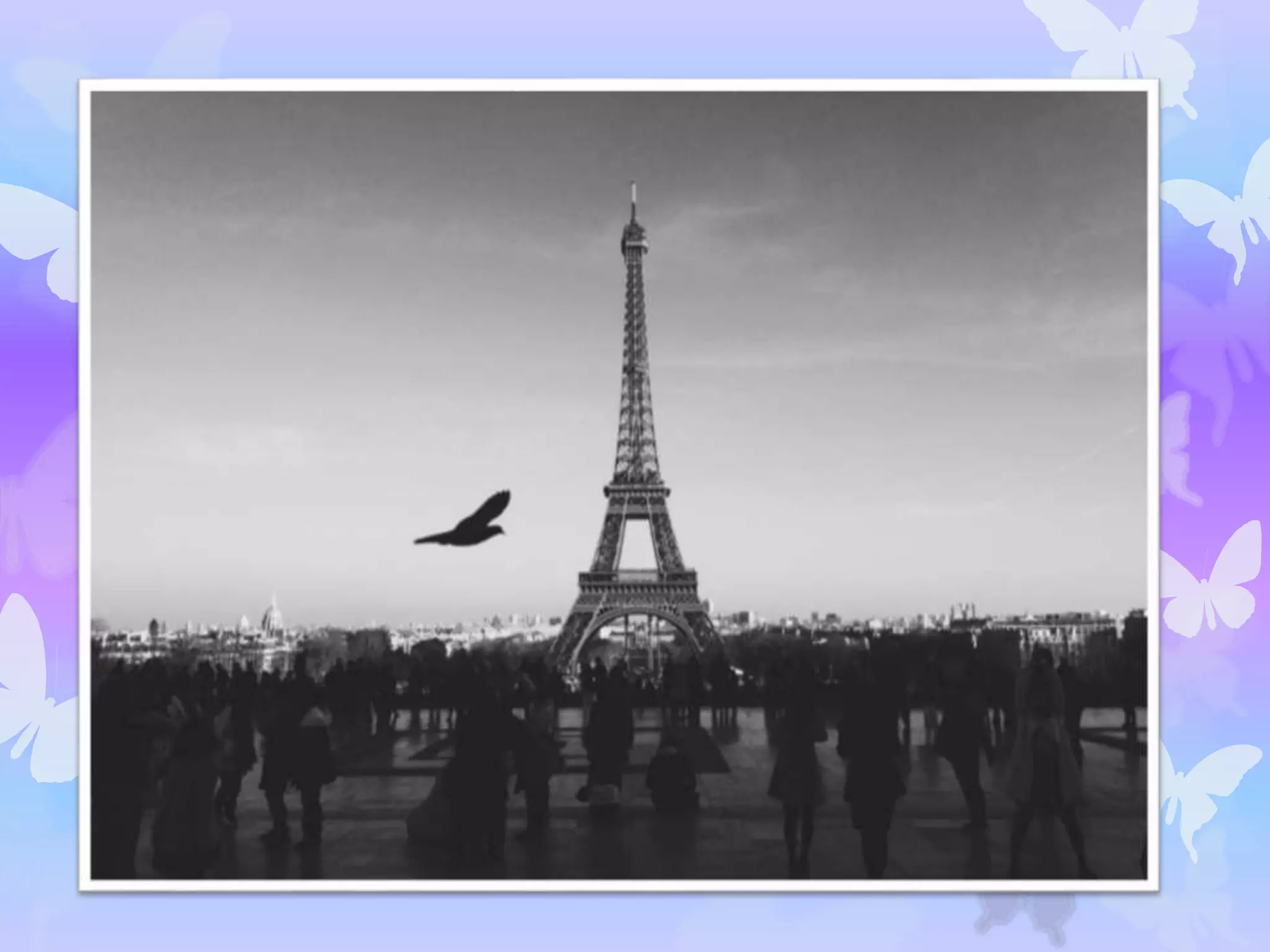
 Black-and-white (monochrome) is the oldest form of
photography — originally all photos were black and white.
These days it is a lot less common but still maintains a
strong following.
 Monochrome is more than the absence of colour. Black-
and-white photos have a style of their own, usually quite
dramatic. A good black-and-white photographer knows
how to use this format to maximise the impact of shapes,
textures and tones.
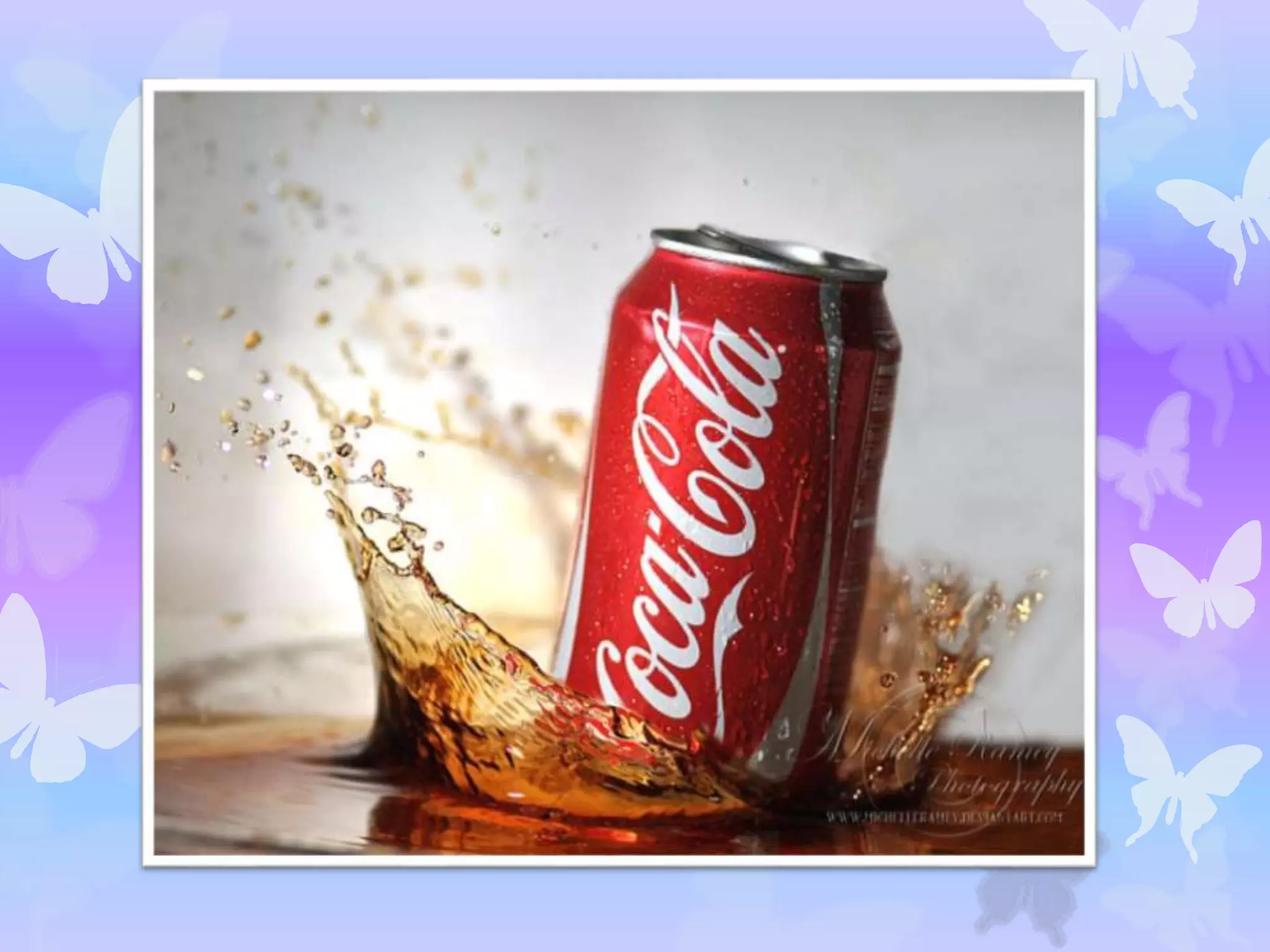
Commercial Photography
 Commercial Photography means taking photos
for commercial use. And by commercial we
mean for business, for sales, for money.
 Commercial photography is often associated
with advertisements, sales pitches, brochures,
product placements as well as merchandising.
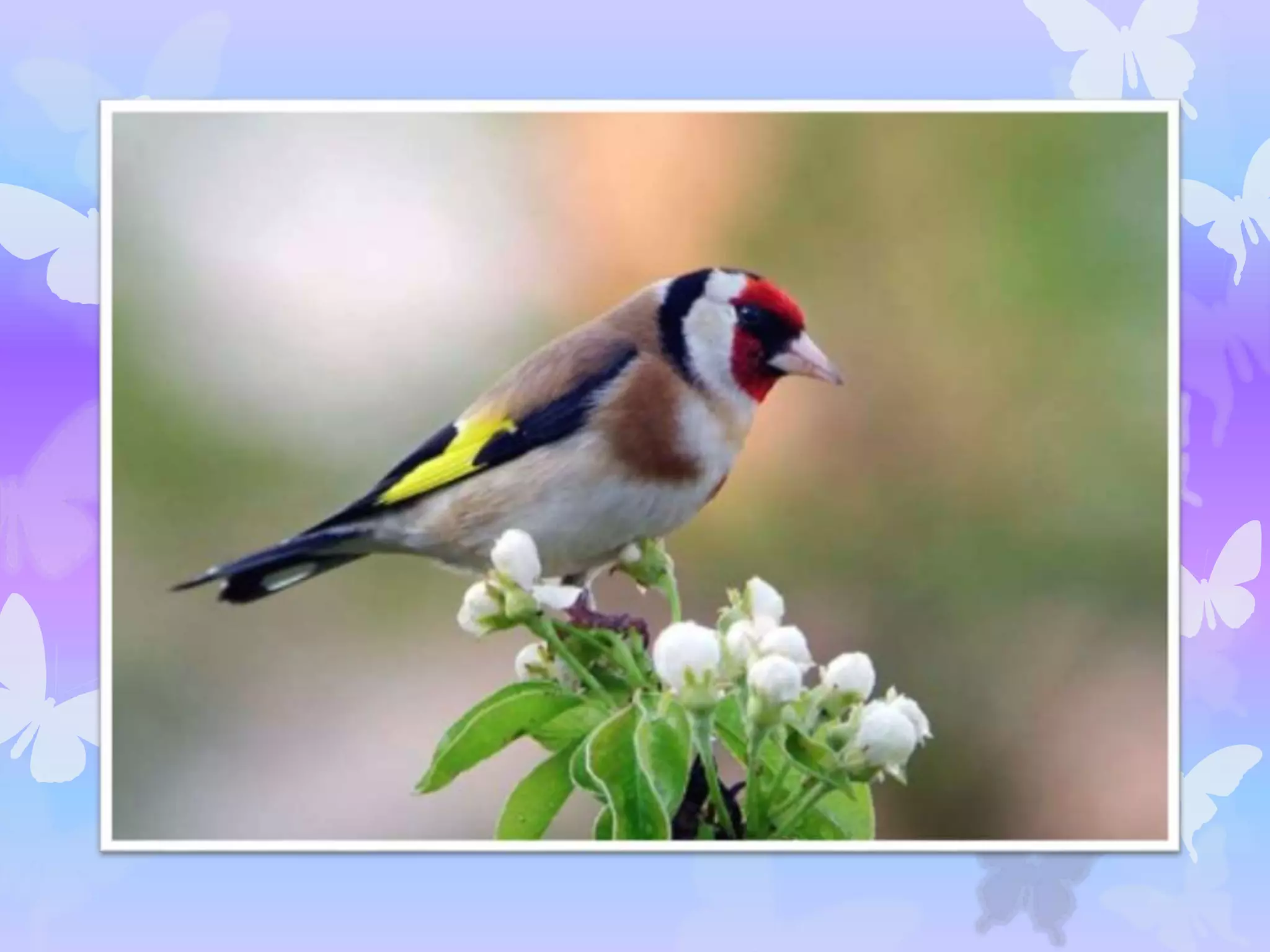
Digiscoping Photography
Digiscoping is a neologism for the activity
of using a digital camera to record distant
images by coupling it with an optical
telescope.
Try a spotting scope as an alternative to
an extreme telephoto lens for birding and
small wildlife shots.
Event Photography
 The term event photography covers a range of
subjects – from photographing your best friend’s
wedding to recording the perfect holiday
celebration.
 No matter what the event, there are some
techniques photographers can use to make sure
their shots are beautiful, memorable and special.
Forensic Photography
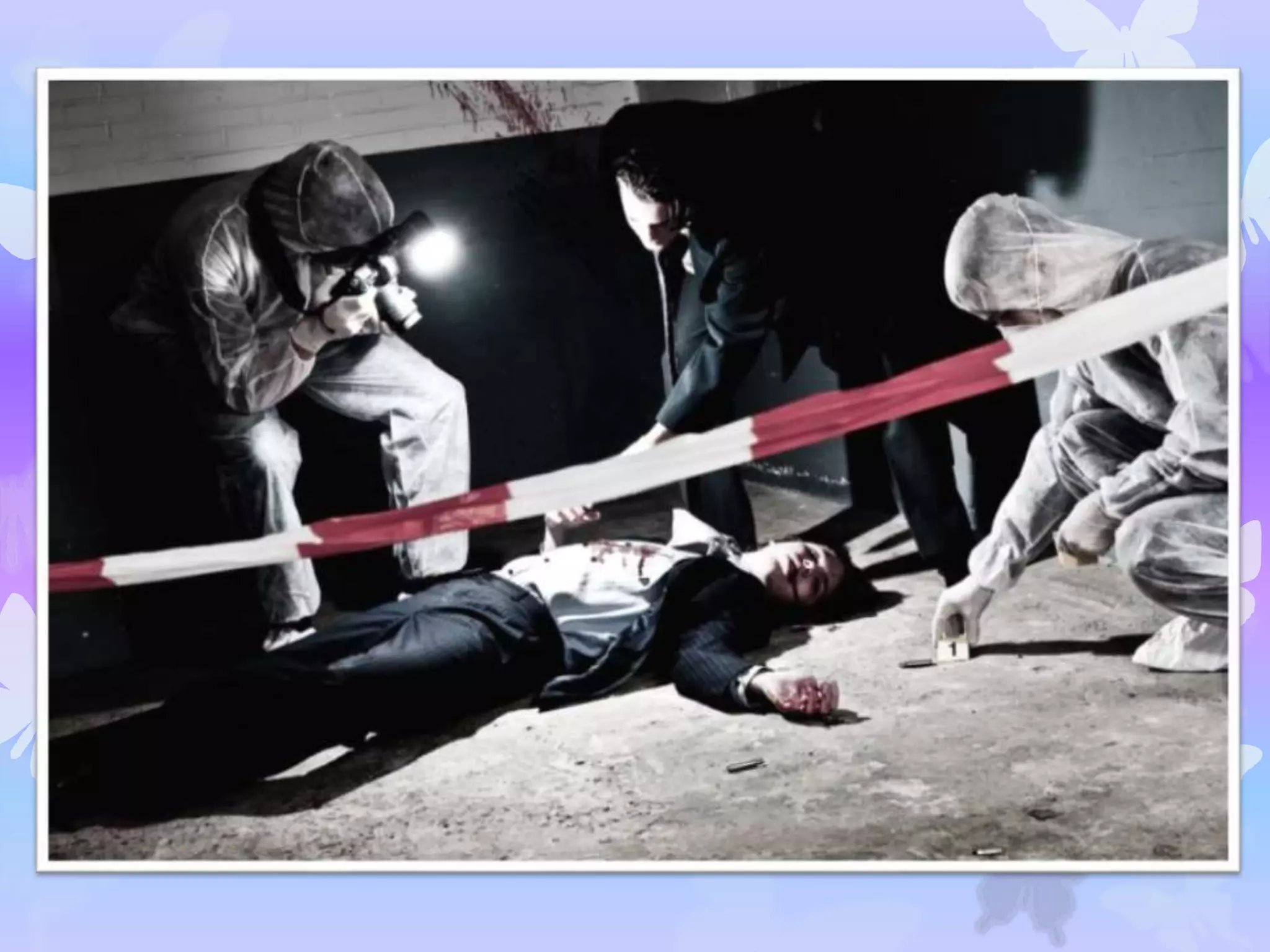
Forensic photography, also referred to as
crime scene photography, is an activity
that records the initial appearance of the
crime scene and physical evidence, in
order to provide a permanent record for
the courts.
Infrared Photography
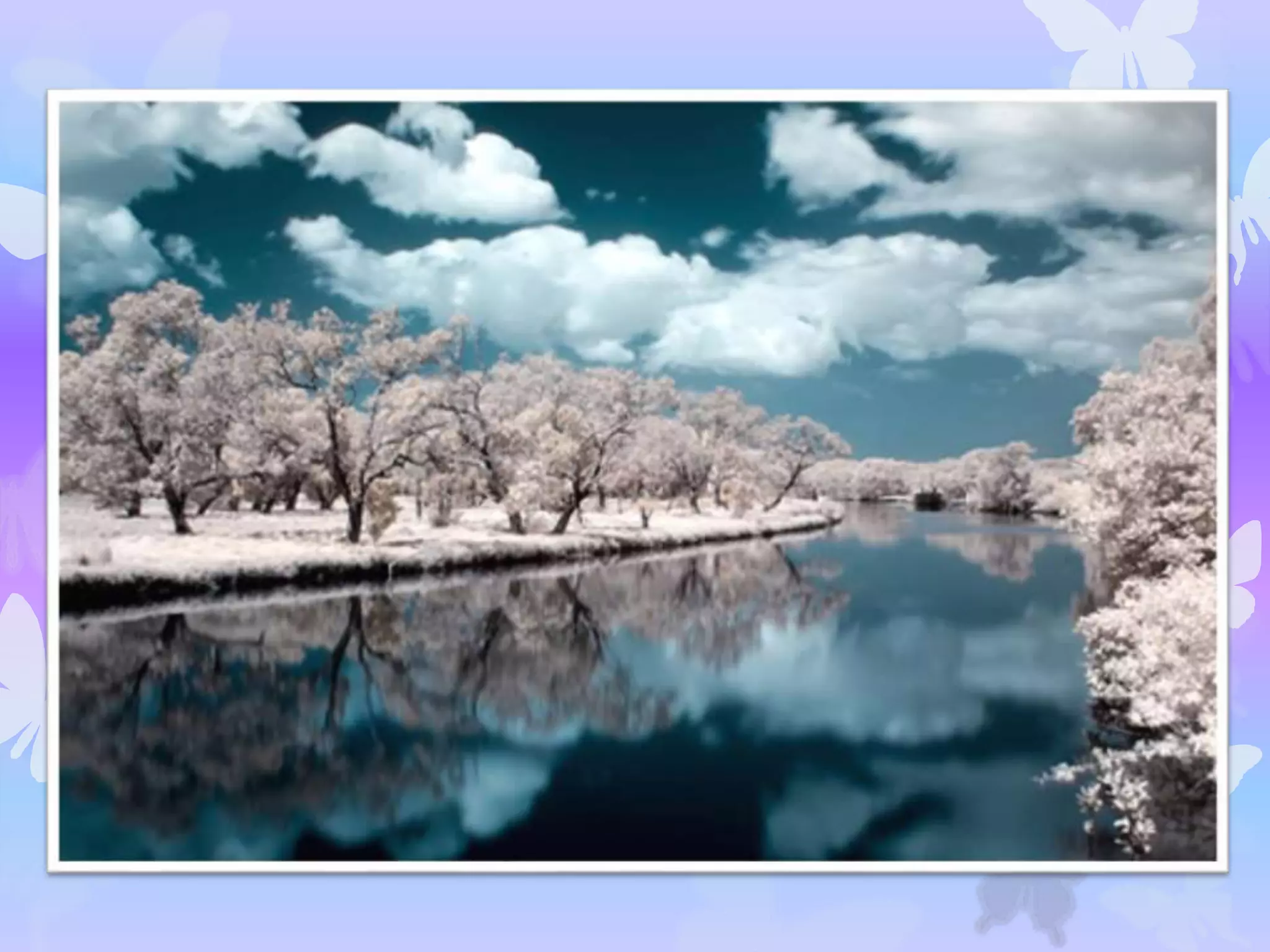
The film or image sensor used is
sensitive to infrared light. The part of the
spectrum used is referred to as near-
infrared to distinguish it from far-infrared,
which is the domain of thermal imaging.
Large Format Photography
 Large format refers to any imaging format of 4×5 inches
(102×127 mm) or larger. Large format is larger than
"medium format", the 6×6 cm (2¼×2¼ inch) or 6×9 cm
(2¼×3½ inch) size of Hasselblad, Rollei, Kowa, and
Pentax cameras (using 120- and 220-roll film), and much
larger than the 24×36 mm (~ 1.0x1.5 inch) frame of 35 mm
format.
 The main advantage of large format, film or digital, is
higher resolution at the same pixel pitch, or same
resolution with more larger pixels or grain. A 4×5 inch
image has about 16 times the area, and thus 16× the total
resolution, of a 35 mm frame.
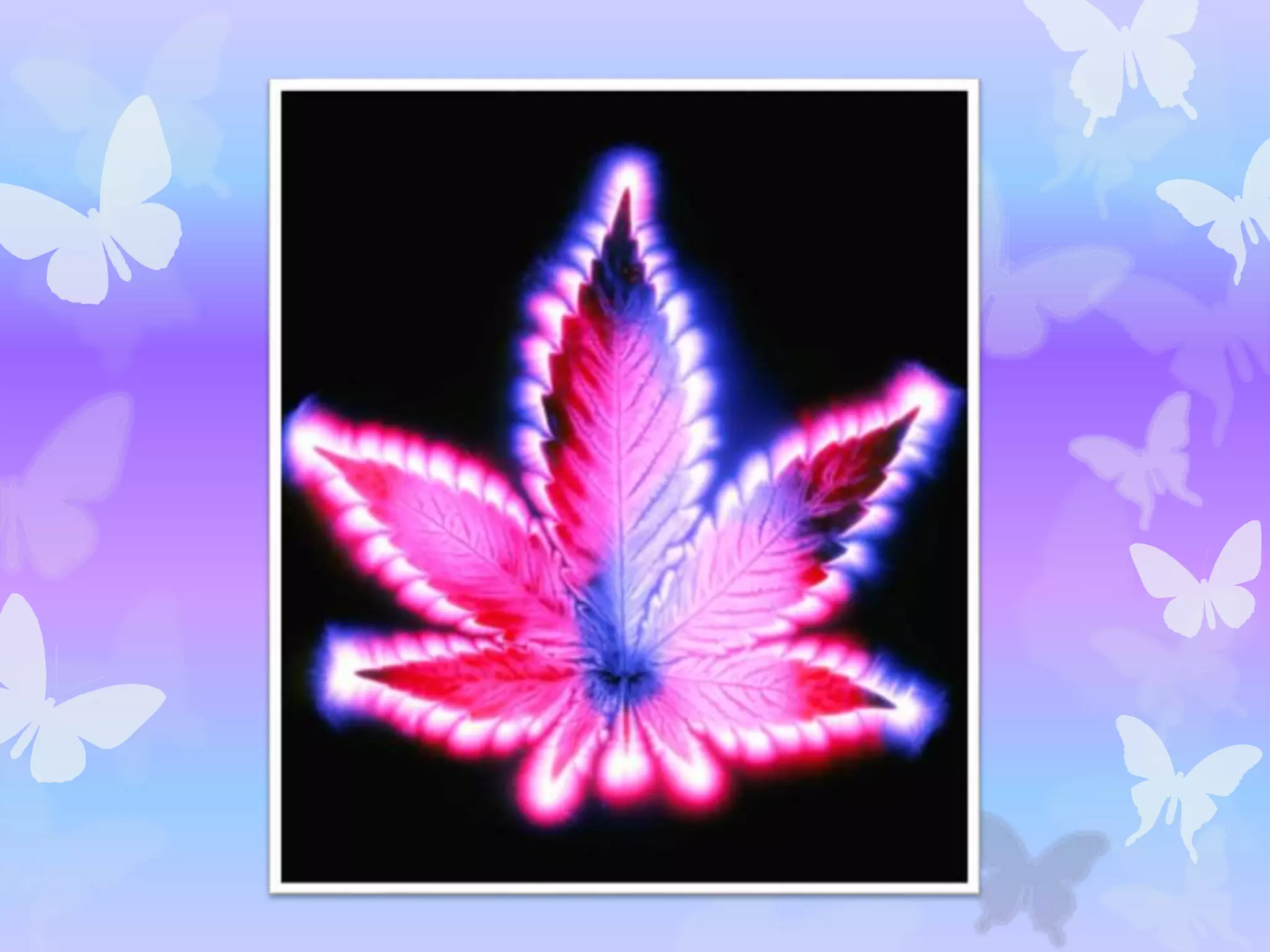
Kirlian Photography
a technique for recording
photographic images of corona
discharges and hence, supposedly,
the auras of living creatures.
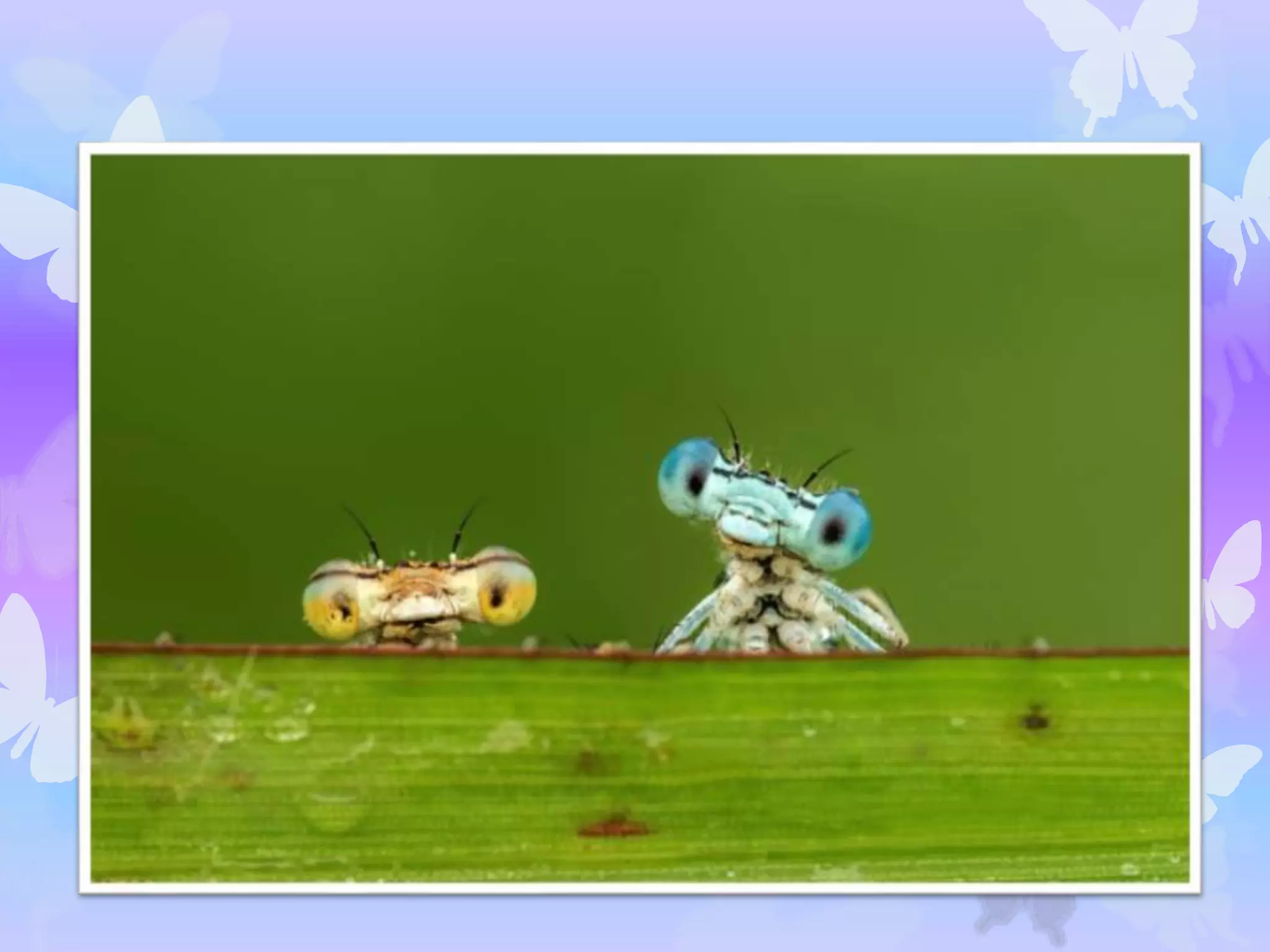
Macro Photography
photography producing
photographs of small items
larger than life size.
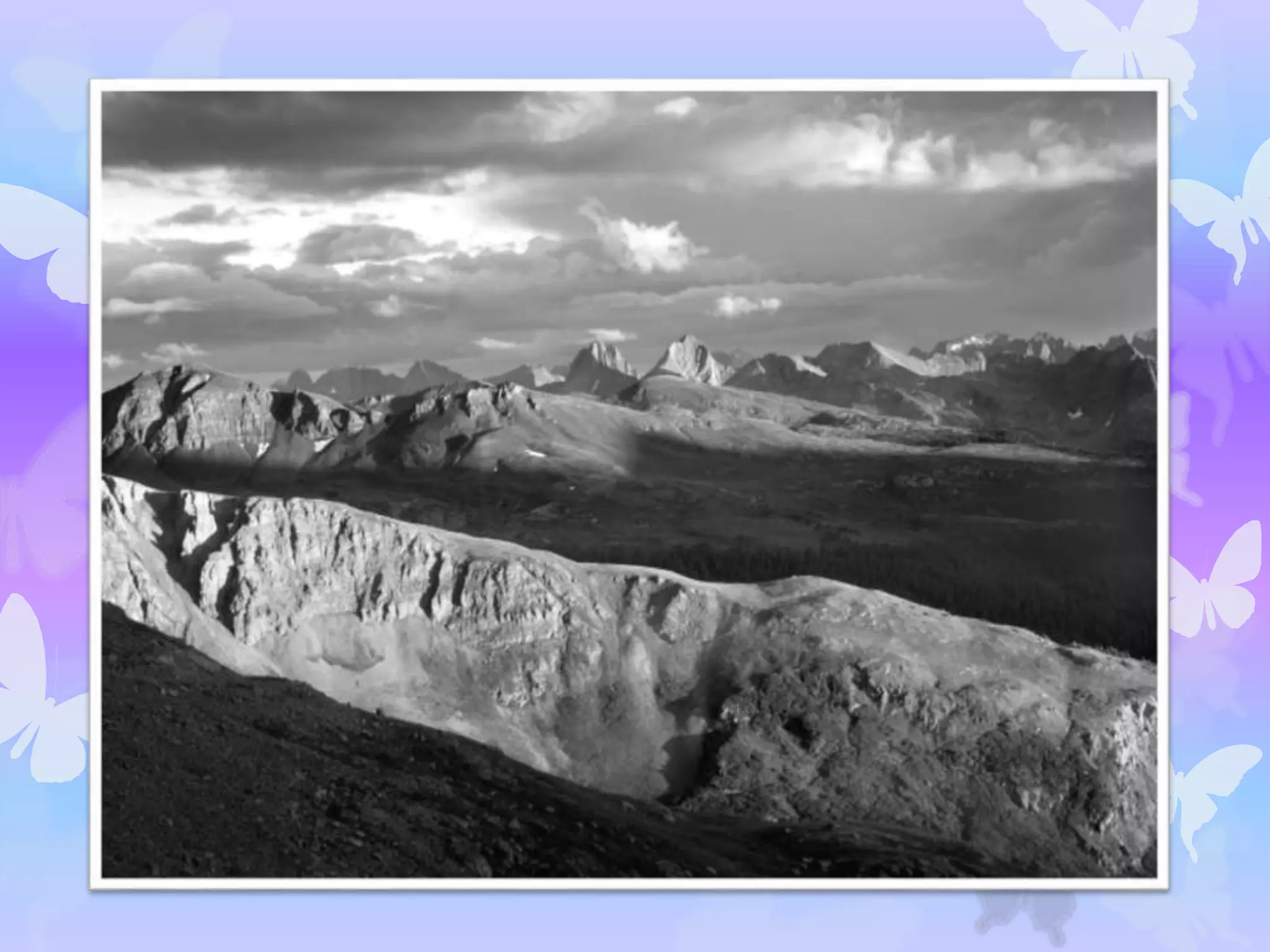
Nature photography
Nature photography refers to a wide
range of photography taken outdoors and
devoted to displaying natural elements
such as landscapes, wildlife, plants, and
close-ups of natural scenes and textures.
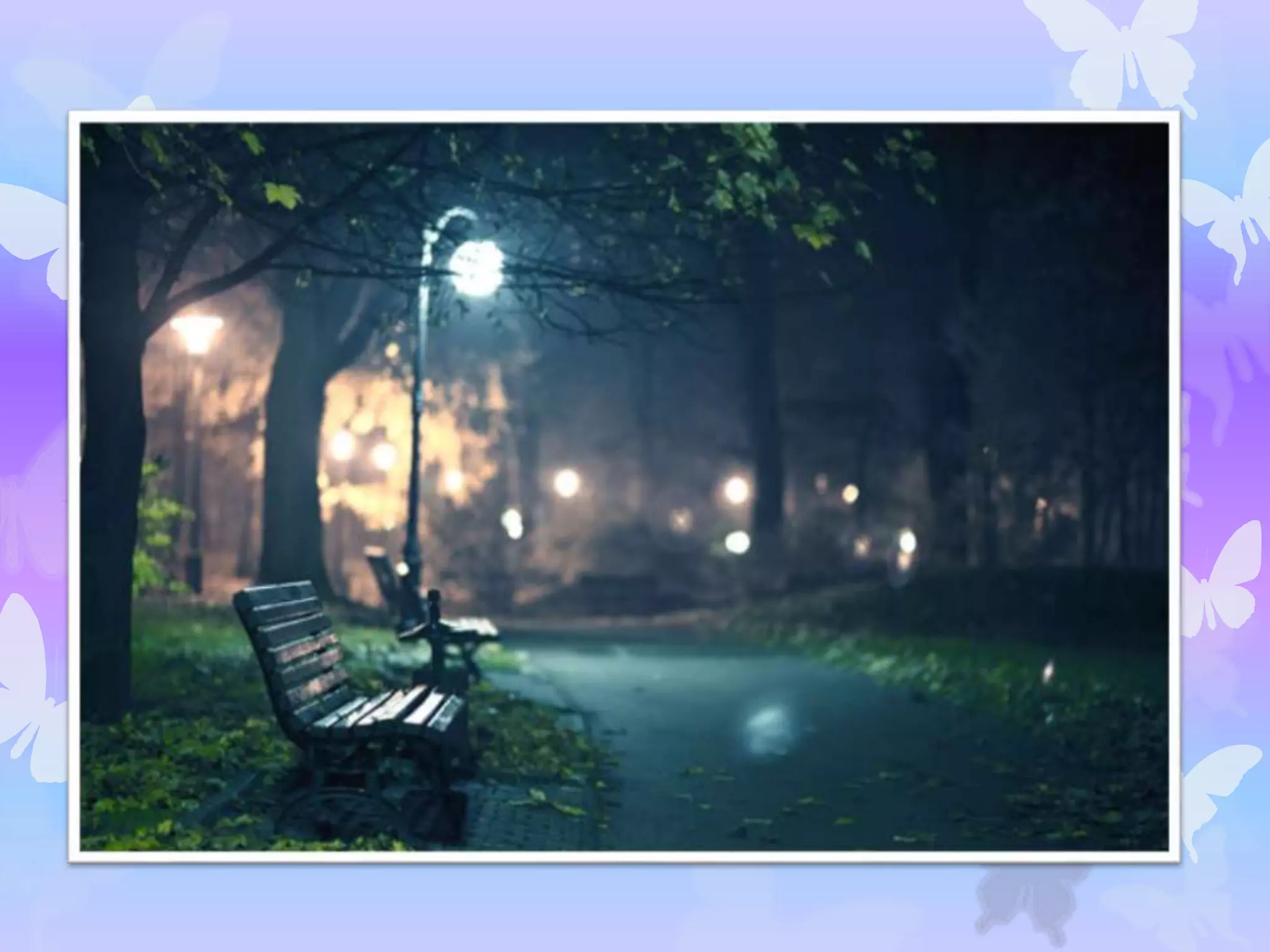
Night Photography
 taking photographs at night.
Panoramic Photography
 Panoramic photography is a technique of
photography, using specialized equipment or
software, that captures images with horizontally
elongated fields of view.
 It is sometimes known as wide format
photography.
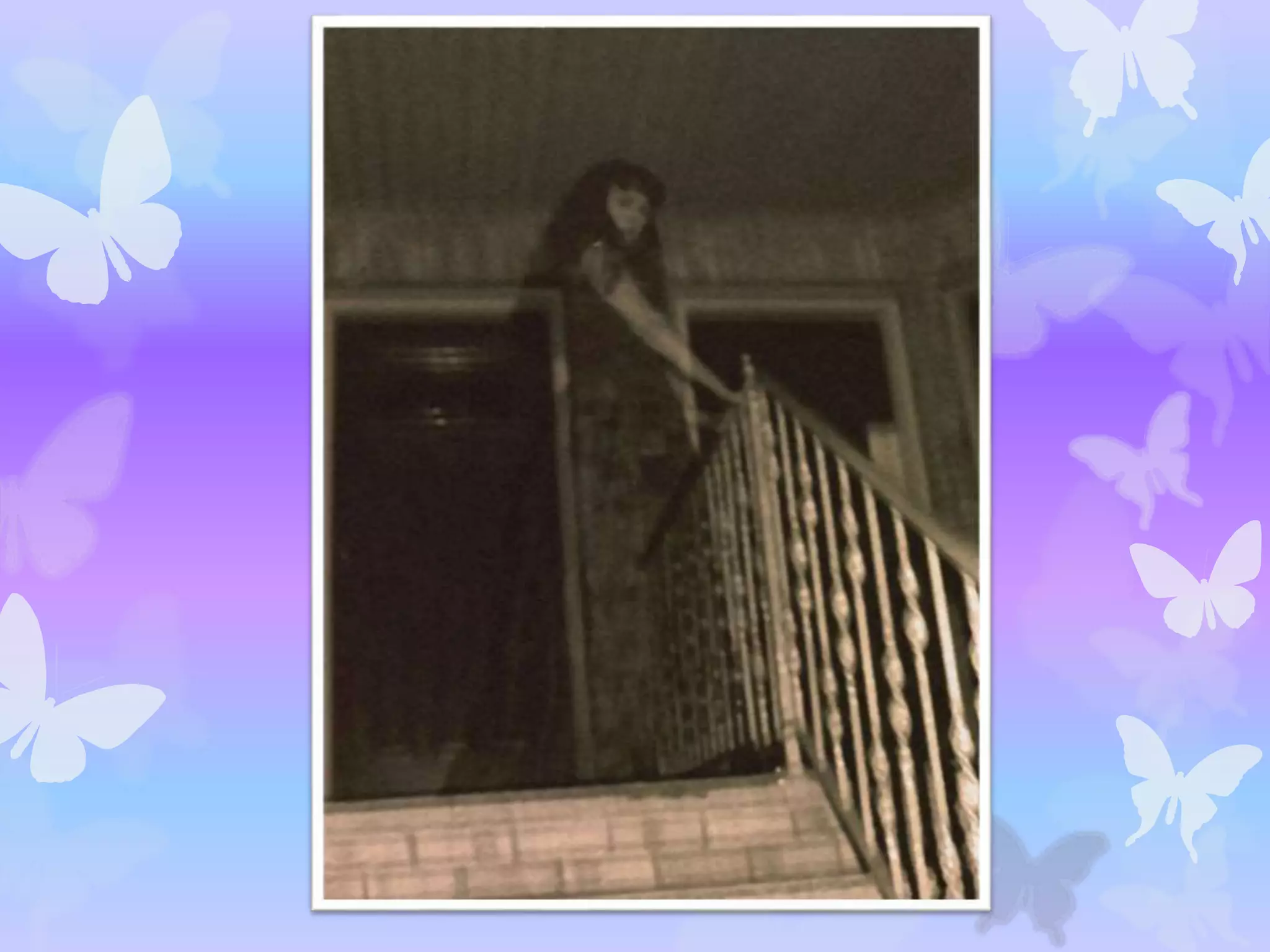
Paranormal Photography
is a type of photography whose primary
attempt is to capture images of ghosts
and other spiritual entities, especially in
ghost hunting and has a strong history
dating back to the late 19th century.
Pinhole Photography
 simple camera without a lens but with a tiny
aperture, a pinhole – effectively a light-proof box
with a small hole in one side.
 Light from a scene passes through the aperture
and projects an inverted image on the opposite
side of the box, which is known as the camera
obscura effect.
Satellite Photography
 Satellite imagery consists of images of Earth or
other planets collected by satellites.
 Imaging satellites are operated by governments
and businesses around the world.
 Satellite imaging companies sell images under
licence.
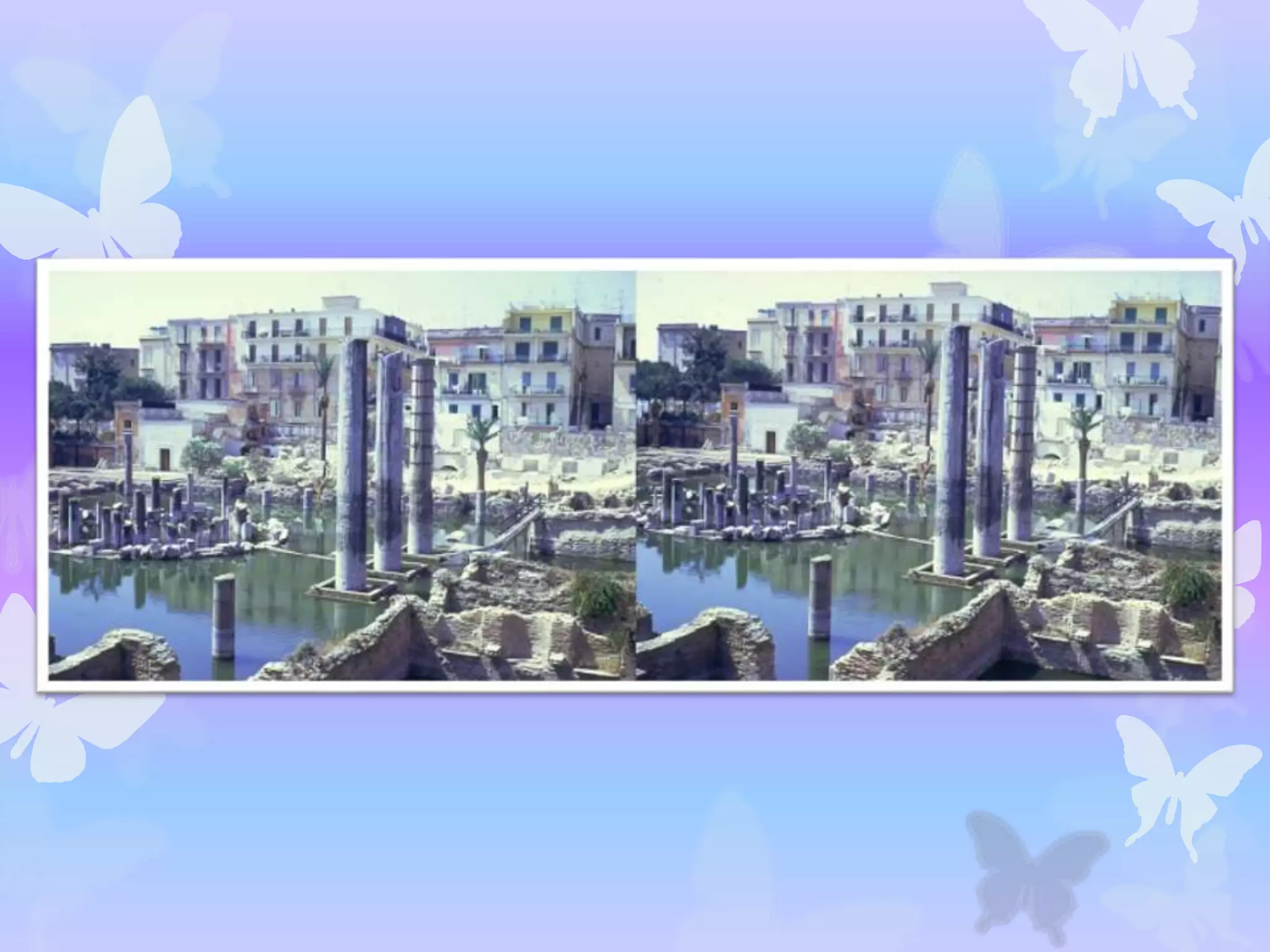
Stereoscopic (3D) Photography
Stereoscopy is a type of photography that
involves taking two simultaneous images
of the same subject in order to create a
three-dimensional view. The two images
are known as a stereo pair.
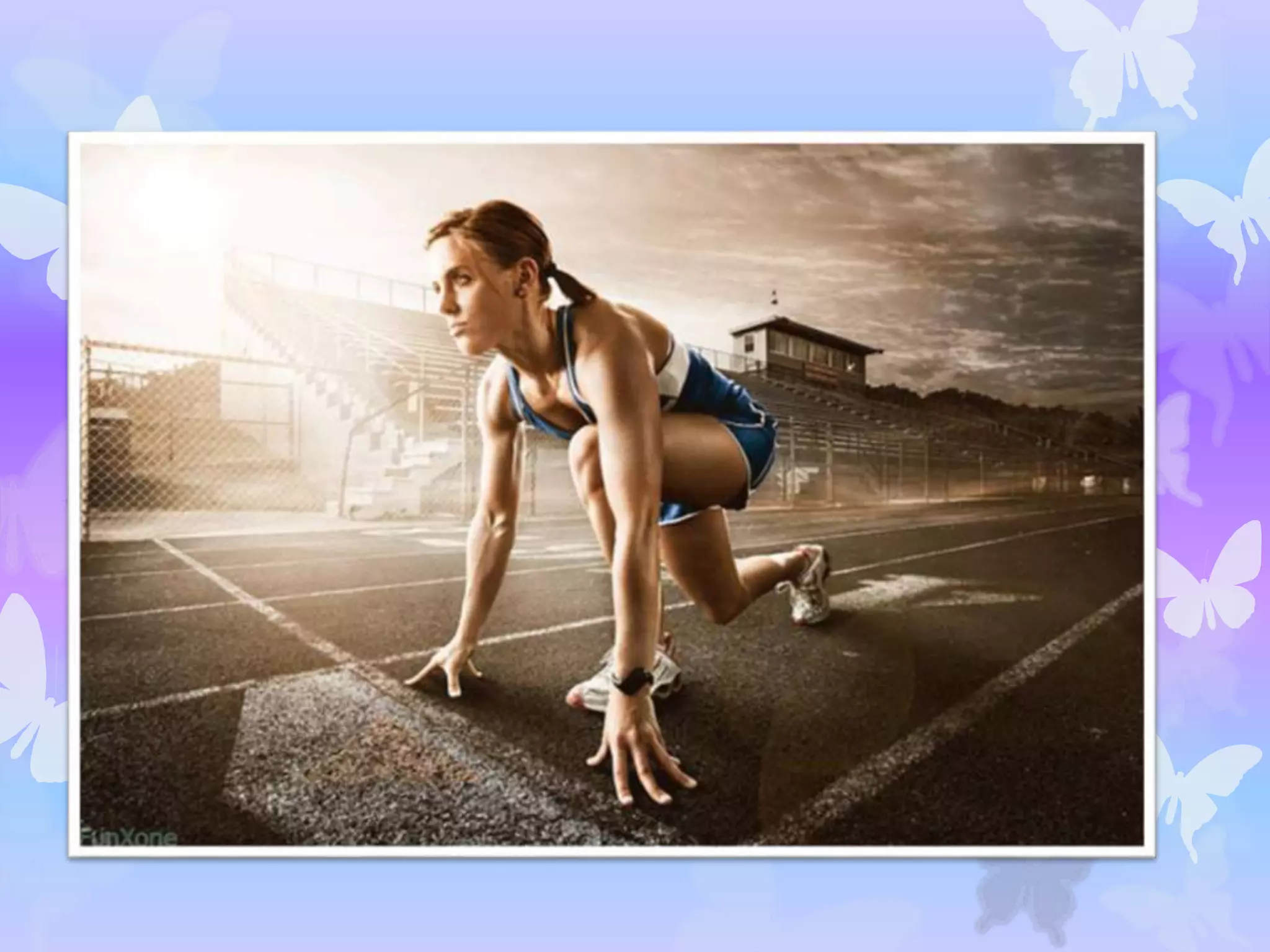
Sports Photography
Sports photography is one of the most
exciting and challenging types of
photography.
Capturing the action at its peak is your
ultimate goal; this requires planning and
skill.
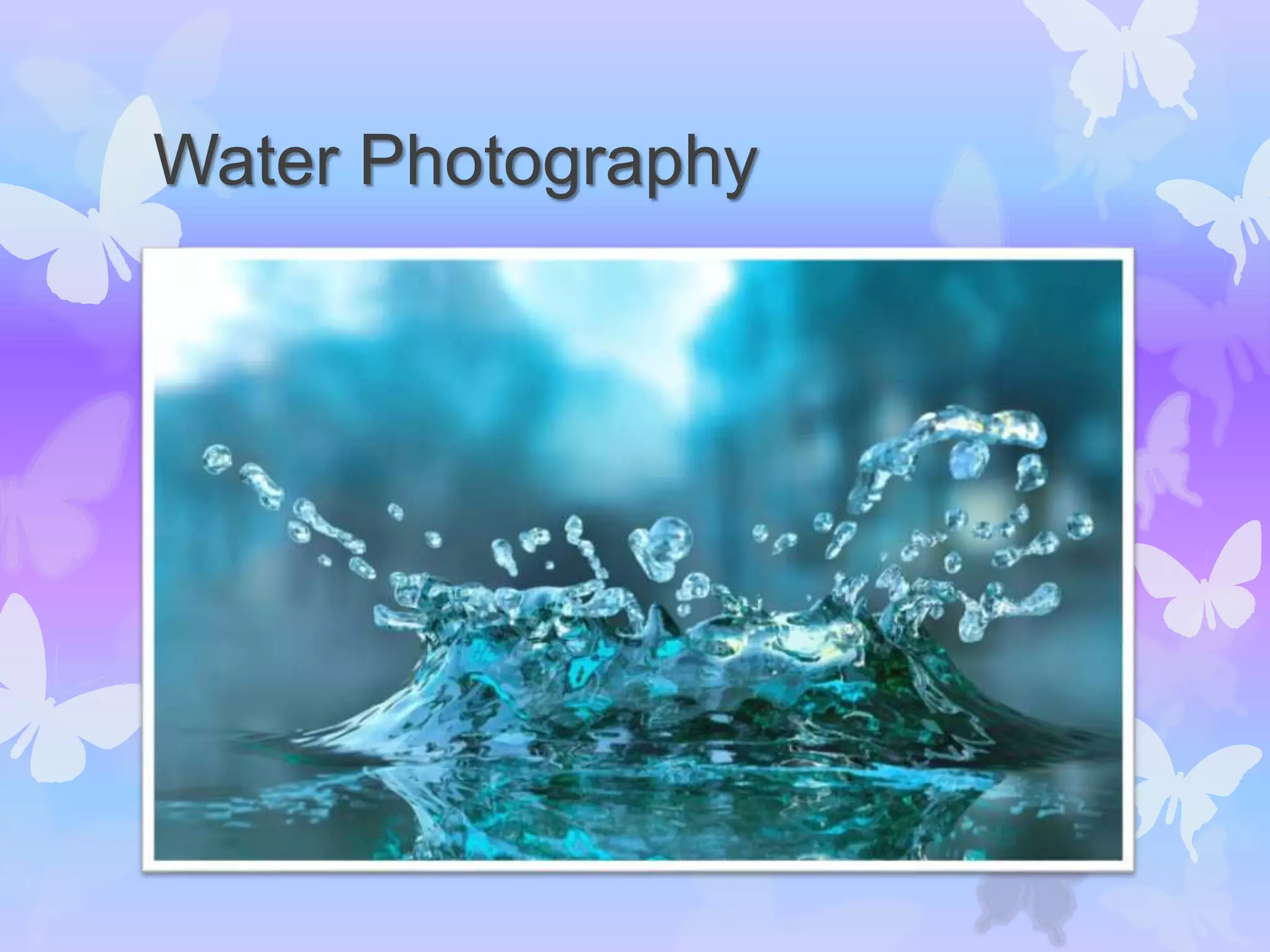
Water Photography
Travel Photography
Travel photography is a subcategory of
photography involving the documentation
of an area's landscape, people, cultures,
customs and history.
Ultraviolet Photography
 When it comes to the world around us there is
much more than meets the eye. What we
perceive as visible light is but a tiny fraction of
the spectrum – beyond that small fraction lies
the twin worlds of the infrared and ultraviolet.
 Ultraviolet photography can be a fascinating
hobby, but only for photographers who
understand the requirements.
Street Photography
 Street photography has become very popular recently, and
it’s a subject many photographers are experimenting with.
Street photography is simply documenting life around you
in towns and cities, and illustrating the people and places
seen every day.
 Candid photography in public places has been popular for
decades, and many photographers have become famous
for this style. Changing social trends and new technology
has led to this documentary style being called street
photography.
Questions:
1.) What is the
photographs may be
taken by a human
photographer or remote
controlled system?
2.) What photography
is taking pictures of
anything not on the
Earth, but out in
space?
3.) What is the
photography that has
simple camera without
a lens but with a tiny
aperture?
4.) What is the
photography that
taking photographs
at night?
5.) It is a type of
photography that involves
taking two simultaneous
images of the same subject
in order to create a three-
dimensional view.
Group 5:
Yesha Belano
Carl Lorence Damaso
Niña Kristine Fajarillo
Rochelle Charize Yazon
Drix Harvee Carandang
Harold Atienza

Types of Photography

  • 1.
  • 2.
    Aerial Photography means anytype of photography taken from a camera that is not attached to the ground in any way. Photographs may be taken by a human photographer or remote controlled system.
  • 3.
    Aerial photographs canbe taken using any of the following... Fixed-wing aircraft Helicopter Balloon, blimp or dirigible Kite Skydiver Rocket
  • 5.
    Astrophotography  Astrophotography isthe name given to the process of taking pictures of anything not on the Earth, but out in space.  Most of us probably think of images from the Hubble Space Telescope when the word is mentioned, but making good astrophotos doesn't require billions of dollars or a ride in the Space Shuttle.
  • 7.
    Black and WhitePhotography  Black-and-white (monochrome) is the oldest form of photography — originally all photos were black and white. These days it is a lot less common but still maintains a strong following.  Monochrome is more than the absence of colour. Black- and-white photos have a style of their own, usually quite dramatic. A good black-and-white photographer knows how to use this format to maximise the impact of shapes, textures and tones.
  • 9.
    Commercial Photography  CommercialPhotography means taking photos for commercial use. And by commercial we mean for business, for sales, for money.  Commercial photography is often associated with advertisements, sales pitches, brochures, product placements as well as merchandising.
  • 11.
    Digiscoping Photography Digiscoping isa neologism for the activity of using a digital camera to record distant images by coupling it with an optical telescope. Try a spotting scope as an alternative to an extreme telephoto lens for birding and small wildlife shots.
  • 13.
    Event Photography  Theterm event photography covers a range of subjects – from photographing your best friend’s wedding to recording the perfect holiday celebration.  No matter what the event, there are some techniques photographers can use to make sure their shots are beautiful, memorable and special.
  • 15.
    Forensic Photography Forensic photography,also referred to as crime scene photography, is an activity that records the initial appearance of the crime scene and physical evidence, in order to provide a permanent record for the courts.
  • 17.
    Infrared Photography The filmor image sensor used is sensitive to infrared light. The part of the spectrum used is referred to as near- infrared to distinguish it from far-infrared, which is the domain of thermal imaging.
  • 19.
    Large Format Photography Large format refers to any imaging format of 4×5 inches (102×127 mm) or larger. Large format is larger than "medium format", the 6×6 cm (2¼×2¼ inch) or 6×9 cm (2¼×3½ inch) size of Hasselblad, Rollei, Kowa, and Pentax cameras (using 120- and 220-roll film), and much larger than the 24×36 mm (~ 1.0x1.5 inch) frame of 35 mm format.  The main advantage of large format, film or digital, is higher resolution at the same pixel pitch, or same resolution with more larger pixels or grain. A 4×5 inch image has about 16 times the area, and thus 16× the total resolution, of a 35 mm frame.
  • 21.
    Kirlian Photography a techniquefor recording photographic images of corona discharges and hence, supposedly, the auras of living creatures.
  • 23.
    Macro Photography photography producing photographsof small items larger than life size.
  • 25.
    Nature photography Nature photographyrefers to a wide range of photography taken outdoors and devoted to displaying natural elements such as landscapes, wildlife, plants, and close-ups of natural scenes and textures.
  • 27.
    Night Photography  takingphotographs at night.
  • 29.
    Panoramic Photography  Panoramicphotography is a technique of photography, using specialized equipment or software, that captures images with horizontally elongated fields of view.  It is sometimes known as wide format photography.
  • 31.
    Paranormal Photography is atype of photography whose primary attempt is to capture images of ghosts and other spiritual entities, especially in ghost hunting and has a strong history dating back to the late 19th century.
  • 33.
    Pinhole Photography  simplecamera without a lens but with a tiny aperture, a pinhole – effectively a light-proof box with a small hole in one side.  Light from a scene passes through the aperture and projects an inverted image on the opposite side of the box, which is known as the camera obscura effect.
  • 35.
    Satellite Photography  Satelliteimagery consists of images of Earth or other planets collected by satellites.  Imaging satellites are operated by governments and businesses around the world.  Satellite imaging companies sell images under licence.
  • 37.
    Stereoscopic (3D) Photography Stereoscopyis a type of photography that involves taking two simultaneous images of the same subject in order to create a three-dimensional view. The two images are known as a stereo pair.
  • 39.
    Sports Photography Sports photographyis one of the most exciting and challenging types of photography. Capturing the action at its peak is your ultimate goal; this requires planning and skill.
  • 41.
  • 42.
    Travel Photography Travel photographyis a subcategory of photography involving the documentation of an area's landscape, people, cultures, customs and history.
  • 44.
    Ultraviolet Photography  Whenit comes to the world around us there is much more than meets the eye. What we perceive as visible light is but a tiny fraction of the spectrum – beyond that small fraction lies the twin worlds of the infrared and ultraviolet.  Ultraviolet photography can be a fascinating hobby, but only for photographers who understand the requirements.
  • 46.
    Street Photography  Streetphotography has become very popular recently, and it’s a subject many photographers are experimenting with. Street photography is simply documenting life around you in towns and cities, and illustrating the people and places seen every day.  Candid photography in public places has been popular for decades, and many photographers have become famous for this style. Changing social trends and new technology has led to this documentary style being called street photography.
  • 48.
    Questions: 1.) What isthe photographs may be taken by a human photographer or remote controlled system?
  • 49.
    2.) What photography istaking pictures of anything not on the Earth, but out in space?
  • 50.
    3.) What isthe photography that has simple camera without a lens but with a tiny aperture?
  • 51.
    4.) What isthe photography that taking photographs at night?
  • 52.
    5.) It isa type of photography that involves taking two simultaneous images of the same subject in order to create a three- dimensional view.
  • 53.
    Group 5: Yesha Belano CarlLorence Damaso Niña Kristine Fajarillo Rochelle Charize Yazon Drix Harvee Carandang Harold Atienza