Non Surgical Management of PPH Dr. Harris N Suharjono 21 st  April 2010
Postpartum deaths Critical period 60% of all pregnancy-related maternal deaths occur during the postpartum period and approximately 45% of them occur in the immediate post partum period
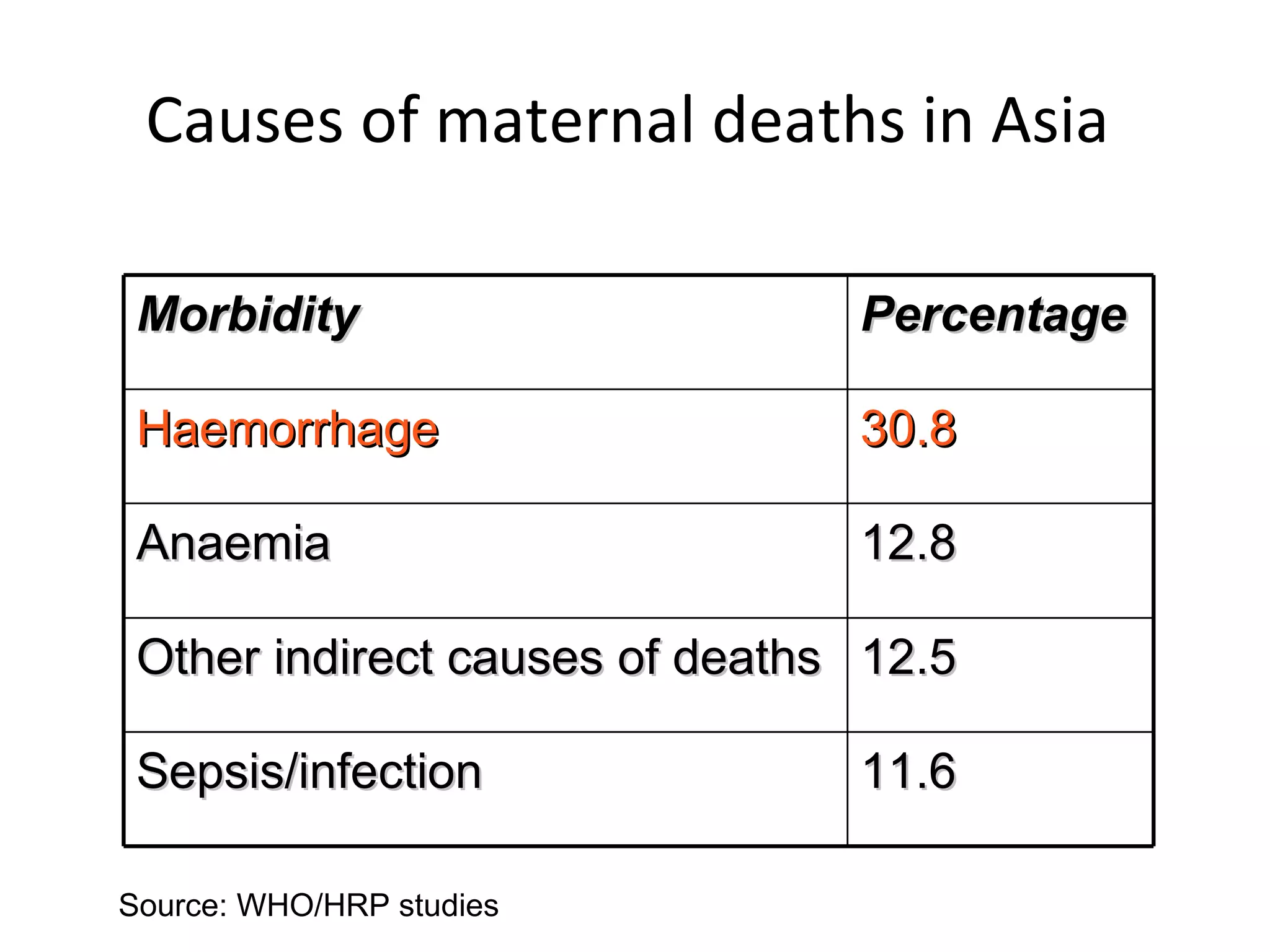
Causes of maternal deaths in Asia  Source: WHO/HRP studies Morbidity  Percentage  Haemorrhage  30.8 Anaemia  12.8 Other indirect causes of deaths  12.5 Sepsis/infection  11.6
Maternal Deaths in Malaysia 2001-2005: Causes
Maternal Mortality Secondary to PPH 50% associated with substandard care 3 main factors involved; 1.  Home deliveries 2.  Delay in resuscitating the mother 3.  Delay in transportation to GH 3 cases in Sarawak (2009) – 10.3% Morbidity secondary to PPH is significant!
Causes of PPH “The Four Ts”   Tone  – uterine atony  Tissues  – retained placenta, invasive  placenta  Trauma  – of any part of the genital tract,  inverted uterus  Thrombin  - coagulopathy, DIVC
Prevention is Better than Care
Who are at Risk?  Grande multiparity Delivery after APH (due to placenta praevia or abruptio placentae) Multiple pregnancy Polyhydramnios Big babies  Past history of PPH Prolonged labour Coagulation disorders
Policies to reduce mortality & morbidity in Sarawak Strongly discourage home deliveries  Effective family planning policies  Clinics conducting low risk deliveries must be appropriately equipped (incl. ambulance) and staffed….  ‘malang tidak berbau!’ All ‘at risk’ patients should deliver in hospitals and those at ‘high risk’ should deliver in specialist hospitals
Policies to reduce mortality & morbidity in Sarawak All deliveries in clinics and hospitals must adhere to available management norms and guidelines Active management of the third stage Obstetric drills for PPH: all birth attendants must undergo refresher courses on a regular basis Early referrals to hospitals/specialist hospitals
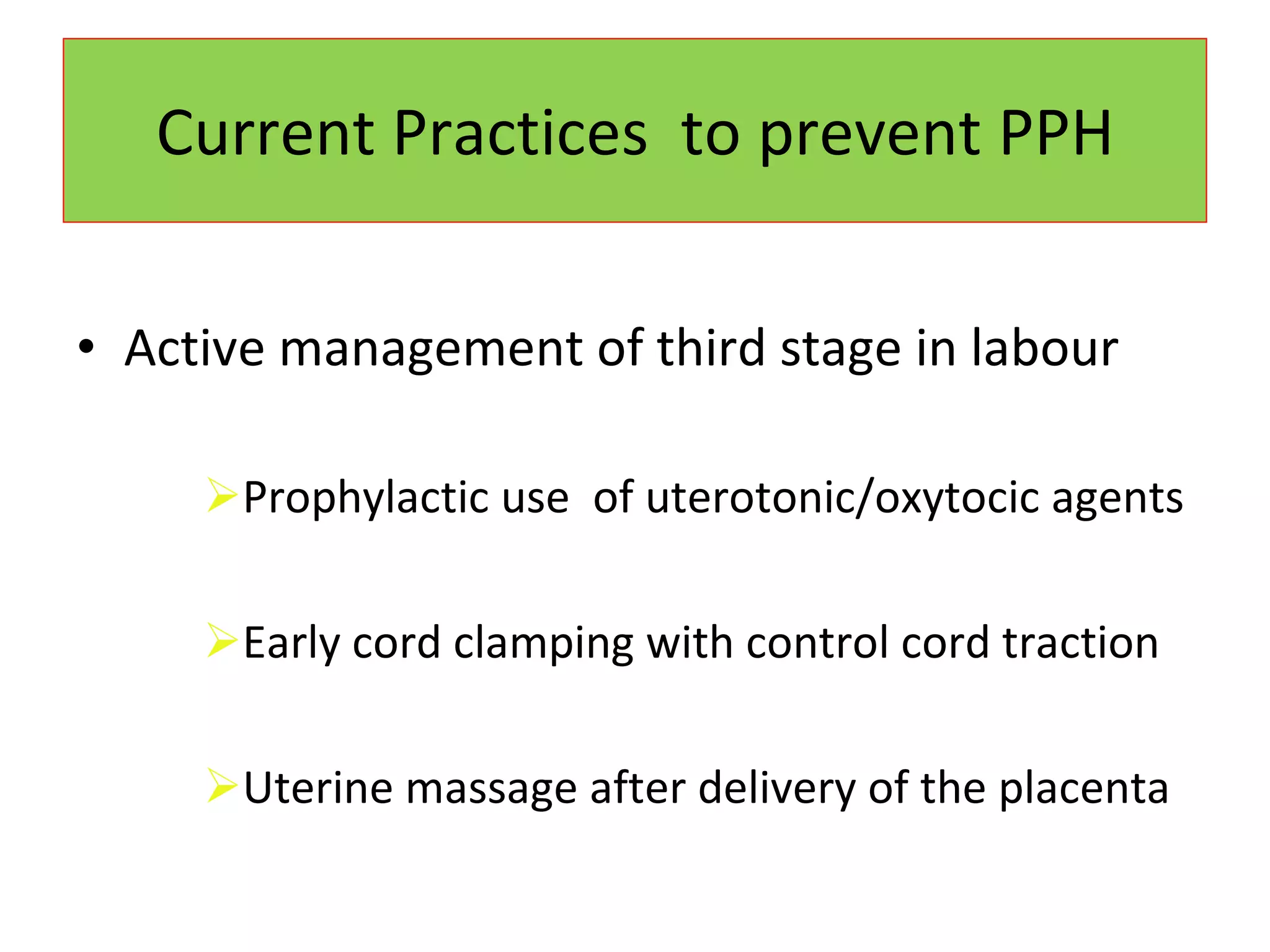
Current Practices  to prevent PPH Active management of third stage in labour Prophylactic use  of uterotonic/oxytocic agents Early cord clamping with control cord traction Uterine massage after delivery of the placenta
Ongoing initiatives to prevent PPH ‘ Red alert system’  in government hospitals  since 1993  PPH training manual 1998/1999 - 2005 Introduction of ‘Obstetric flying squad’ (retrieval squad) Risk coding of antenatal cards from 1987
Drug Therapy
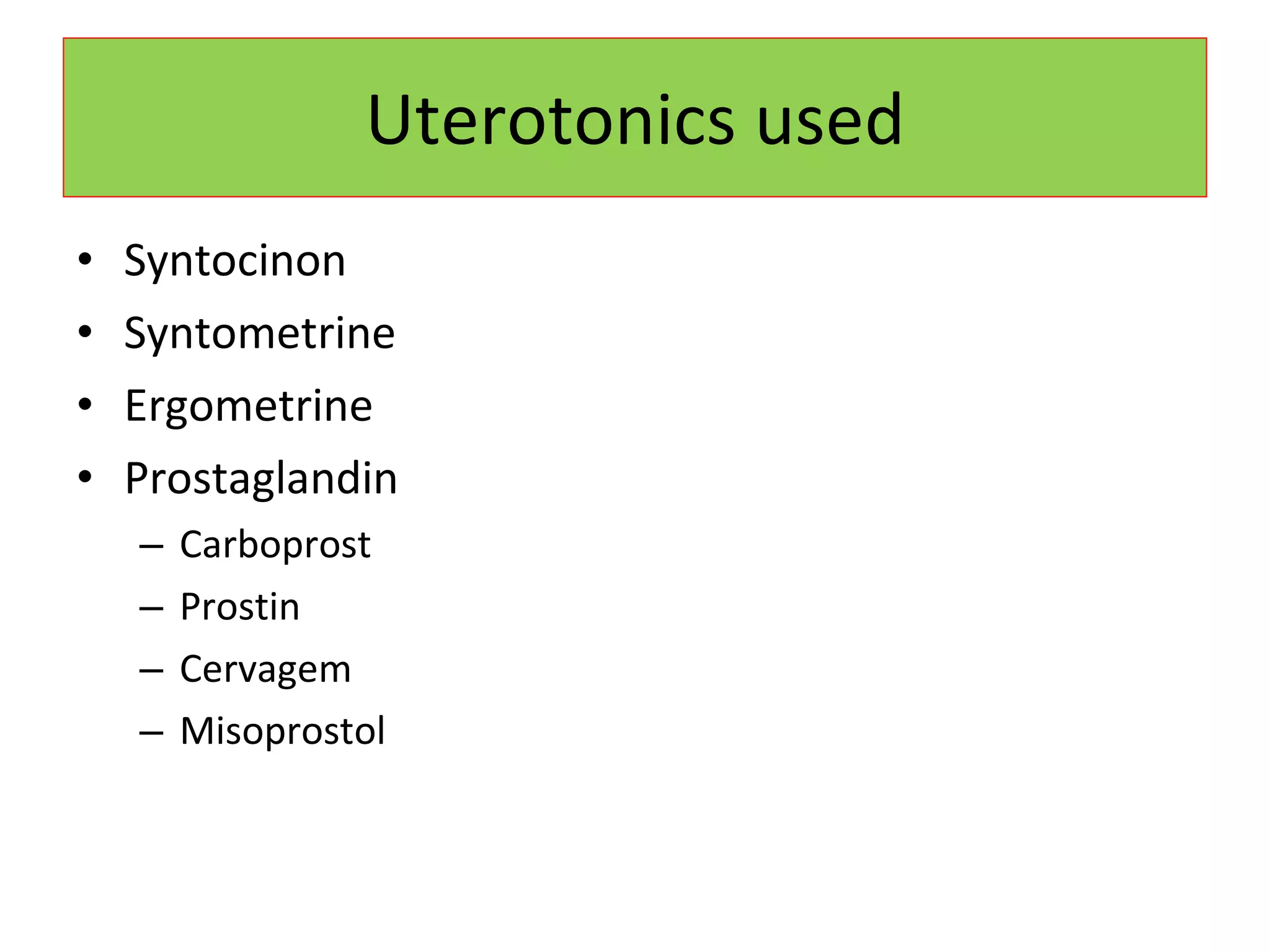
Uterotonics used Syntocinon Syntometrine Ergometrine Prostaglandin Carboprost Prostin Cervagem Misoprostol
Carboprost ( Haemabate) Is a 15-methyl prostaglandin F2 Each ampoule contains 250 ugms. Given by intramuscular route only. The dose can be repeated after every 15 to 30 minutes with a maximum of 2 mgs (8 doses). Nausea, vomiting and diarrhoea are common side effects.
Carboprost ( Haemabate) Contraindicated in mothers with bronchial asthma, heart disease, hypertension, severe liver dysfunction, glaucoma and decompensated diabetes. Stored below 6 degrees Celsius. At 4 degree Celsius has a shelf life of about 24 months. Direct intramyometrial injection has been studies and appears to have a faster onset of action and is more effective. Currently however it is not licensed for use by this route.
Drug Usage Misoprostol in the Treatment of Post-partum Haemorrhage rectal misoprostol 600 -800mcg has been shown to be useful  It may be appropriate for use in low resource settings and has been used alone, or in combination with oxytocin in patient experiencing PPH In the published literature, a variety of doses and routes of administration have shown promising results An optimal treatment regimen has not yet been determined Cochrane data base : No additional benefit when compared to syntometrine or oxytocin Benefits include stability in light and heat, costs.
Drug usage Misoprostol in the Treatment of Post-partum Haemorrhage Large study demonstrated Misoprostol can be use safely in a self directed manner Misoprostol is in the list of WHO essential drugs  Role in our country : orang asli People living in remote islands People living in interior of Borneo and Pahang Nomadic tribes like the Penans
 
Other Medical Therapies Recombinant Factor VIIa
Recombinant Factor VIIa (rFVIIa)  rFVIIa induces hemostasis at the site of injury. Studies showed that rFVIIa is highly effective & safe in allowing quick arrest of life-threatening PPH which is unresponsive to conventional Rx.  Administration of rFVIIa could be considered before hysterectomy & as an adjunct to invasive/surgical procedures, particularly in pt who wish to preserve fertIlity.  A trial of 1 to 4 four doses of rFVIIa can be justified in cases of uncontrolled bleeding which persists despite maximal medical and surgical treatment to achieve hemostasis.
Novo 7 Comes in vials of 60k IU  RM 2800 per vial Recommended dosage – 2~4 vials in severe haemorrhage
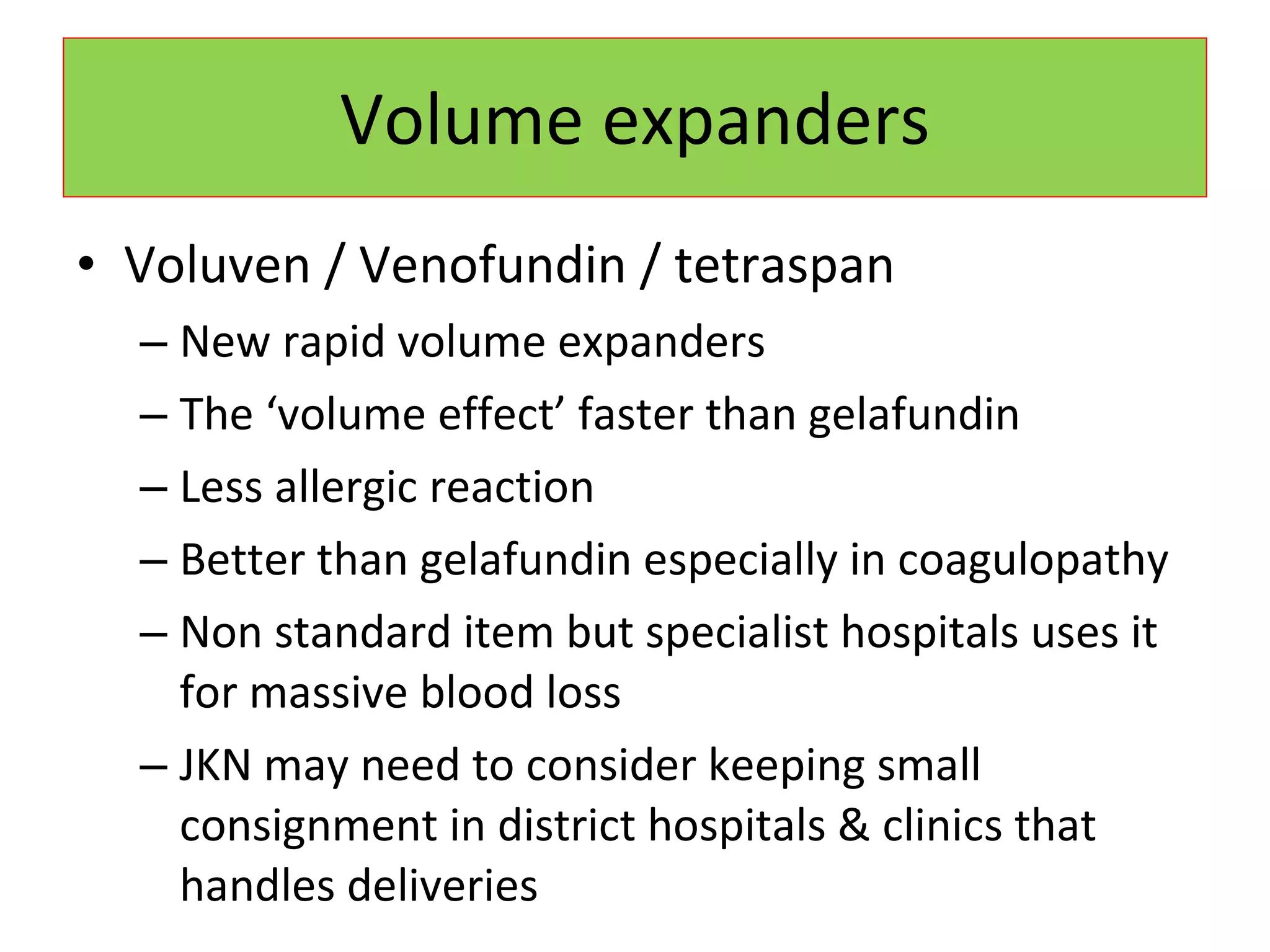
Volume expanders Voluven / Venofundin / tetraspan New rapid volume expanders The ‘volume effect’ faster than gelafundin Less allergic reaction Better than gelafundin especially in coagulopathy Non standard item but specialist hospitals uses it for massive blood loss JKN may need to consider keeping small consignment in district hospitals & clinics that handles deliveries
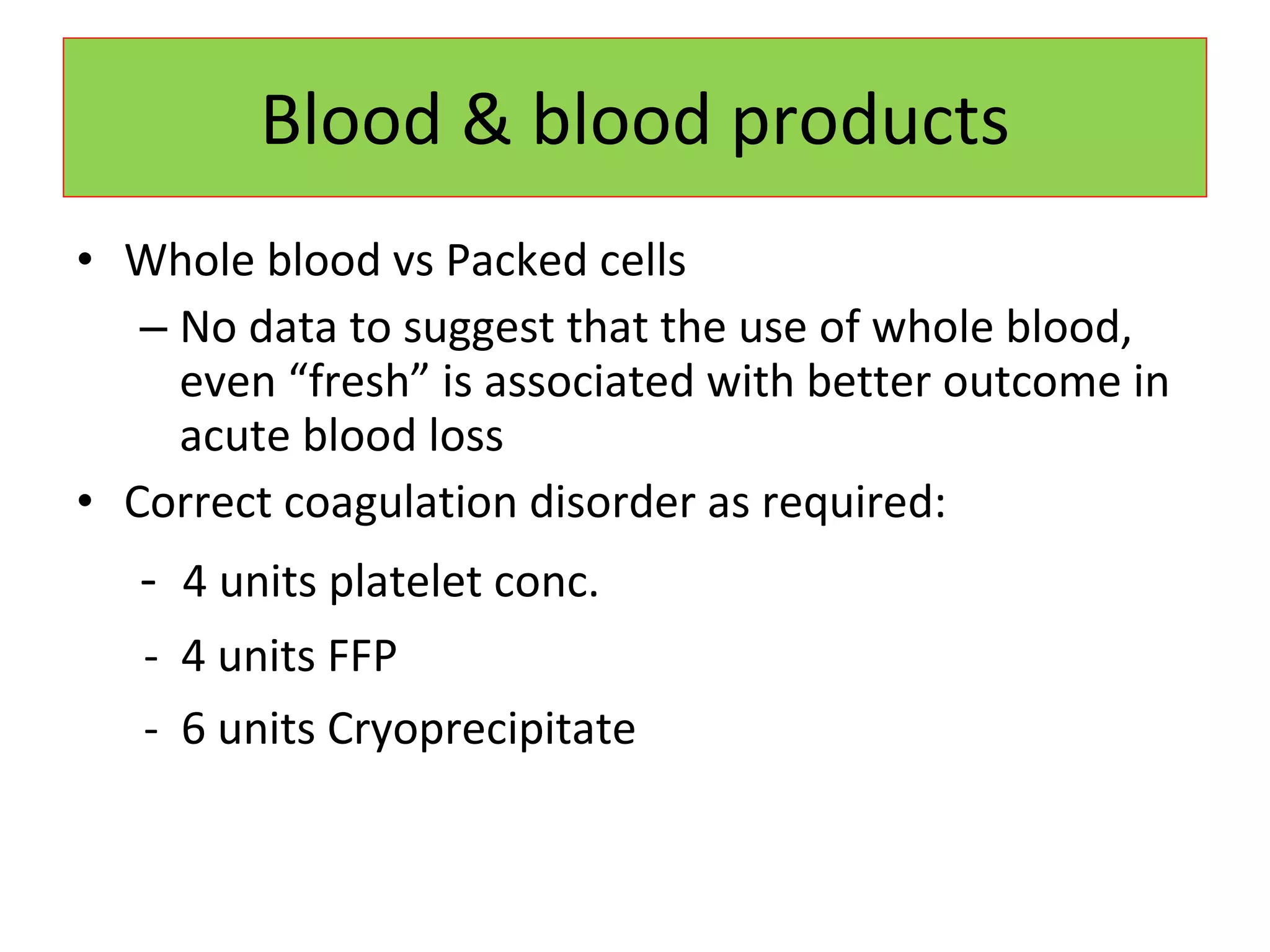
Blood & blood products Whole blood vs Packed cells No data to suggest that the use of whole blood, even “fresh” is associated with better outcome in acute blood loss Correct coagulation disorder as required: -  4 units platelet conc. -  4 units FFP -  6 units Cryoprecipitate
Medical Therapy Agent Dose Cautions Oxytocin  (Pitocin, Syntocinon) 10 IU im/iv followed by i/v infusion of 40 IU in 500mls of saline Hypotension when given rapid i/v bolus. Water intoxication with large volumes Ergometrine 0.25mg i/v or i/m Nausea, vomiting, dizziness. Contraindicated in HPT or Heart Disease Carboprost (Haemabate) 0.25 mg i/m, myometrial. Repeat every 15 minutes. Max 2 mg Bronchospasm, nausea, vomiting, diarrhea Dinoprostone (Prostin) 2mg p.r. 2 hourly Hypotension Gameprost (cervagem) 1-2mg intrauterine or 1 mg p.r. GI disturbance Misoprostol (Cytotec) 600-1000 ugm p.r. GI disturbance, shivering , pyrexia Tranxenemic Acid (Cyclokapron) 1 gm 8 hourly i.v. Risk of thrombosis rFV11a (Novoseven) 60-120 ugm/kg i.v. Fever, hypertension
Interventions for uterine conservation or as temporary measures for transfers or while awaiting surgical expertise for a post partum hysterectomy
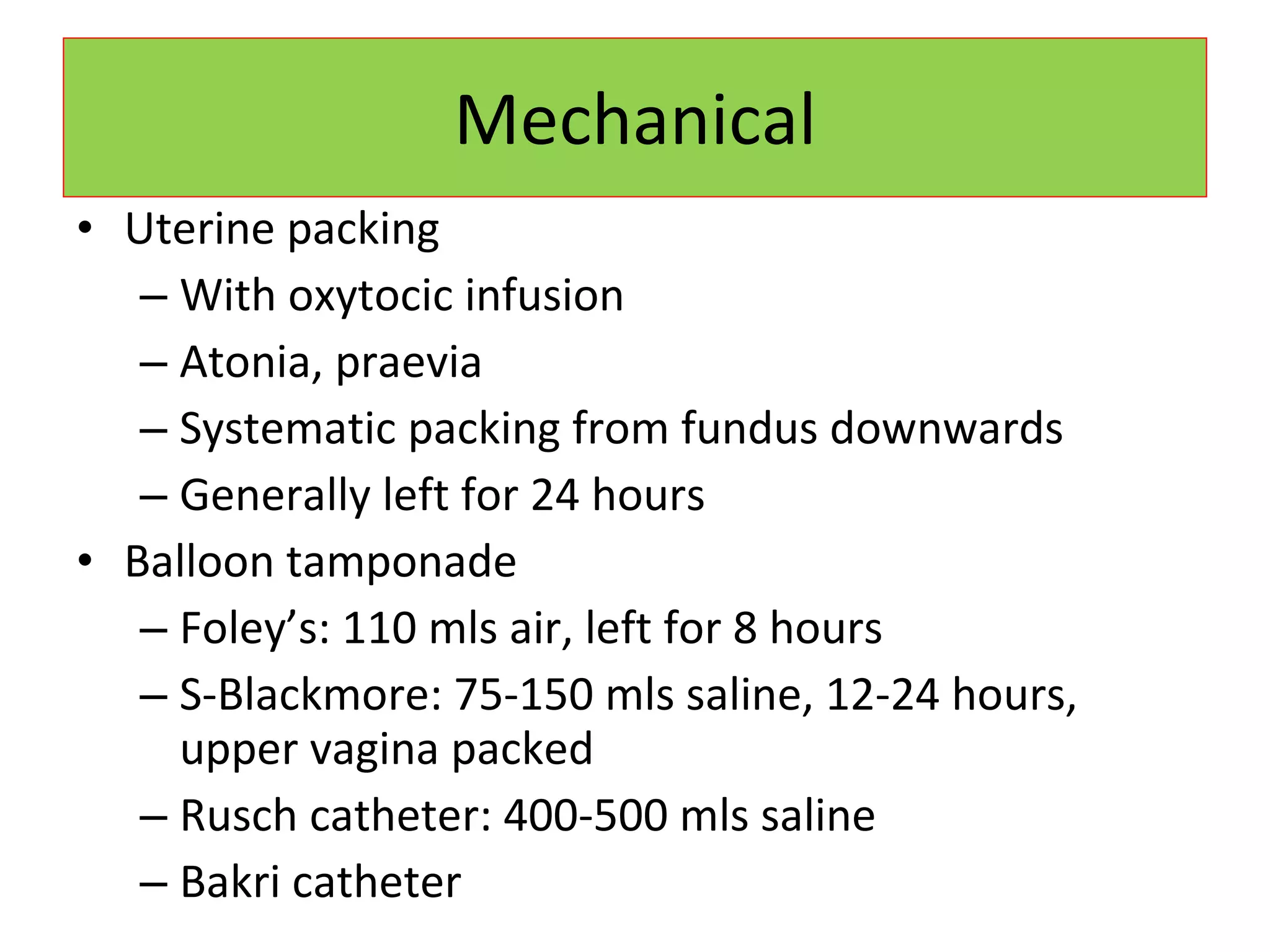
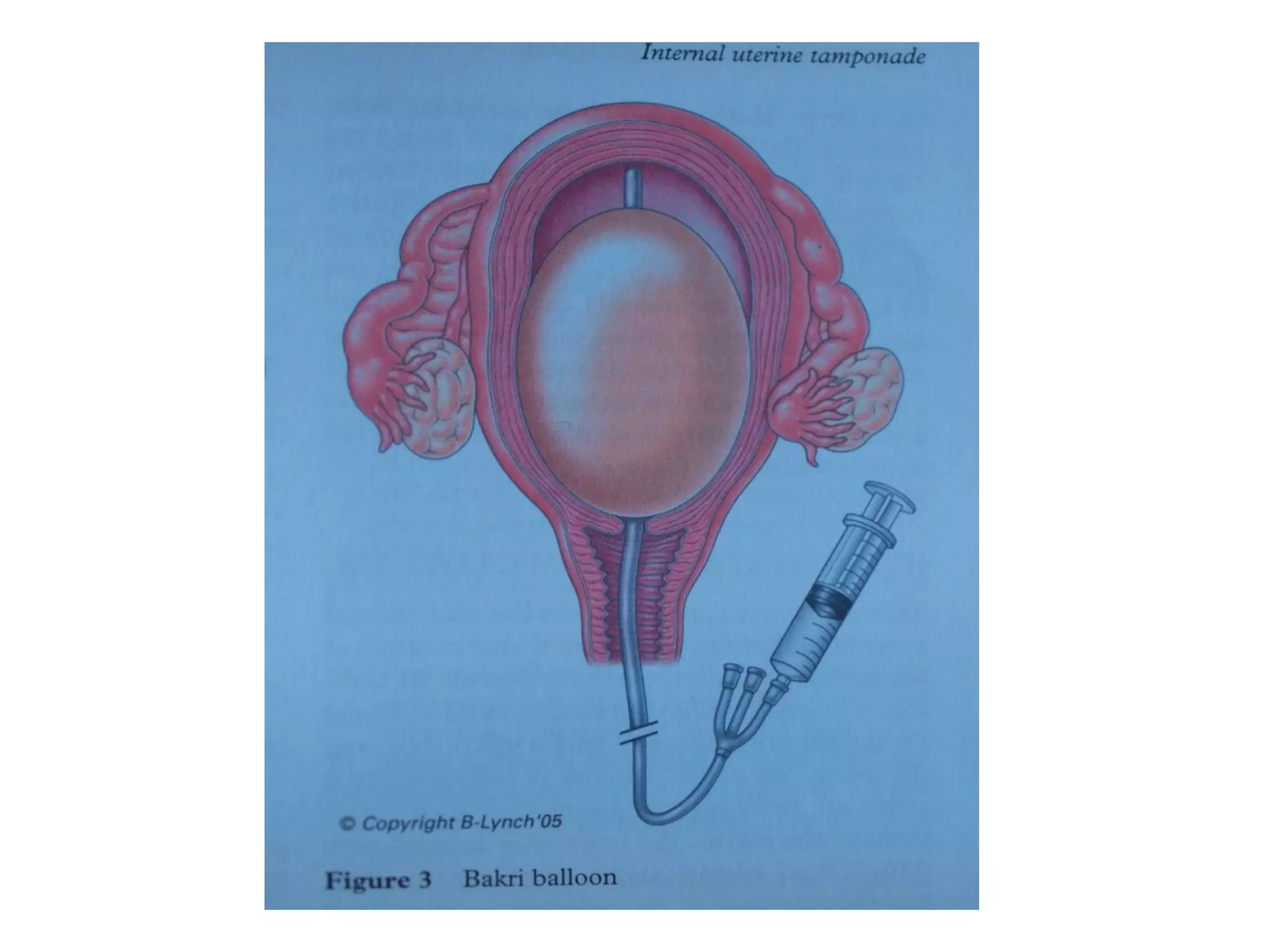
Mechanical Uterine packing With oxytocic infusion Atonia, praevia Systematic packing from fundus downwards Generally left for 24 hours Balloon tamponade Foley’s: 110 mls air, left for 8 hours S-Blackmore: 75-150 mls saline, 12-24 hours, upper vagina packed Rusch catheter: 400-500 mls saline Bakri catheter
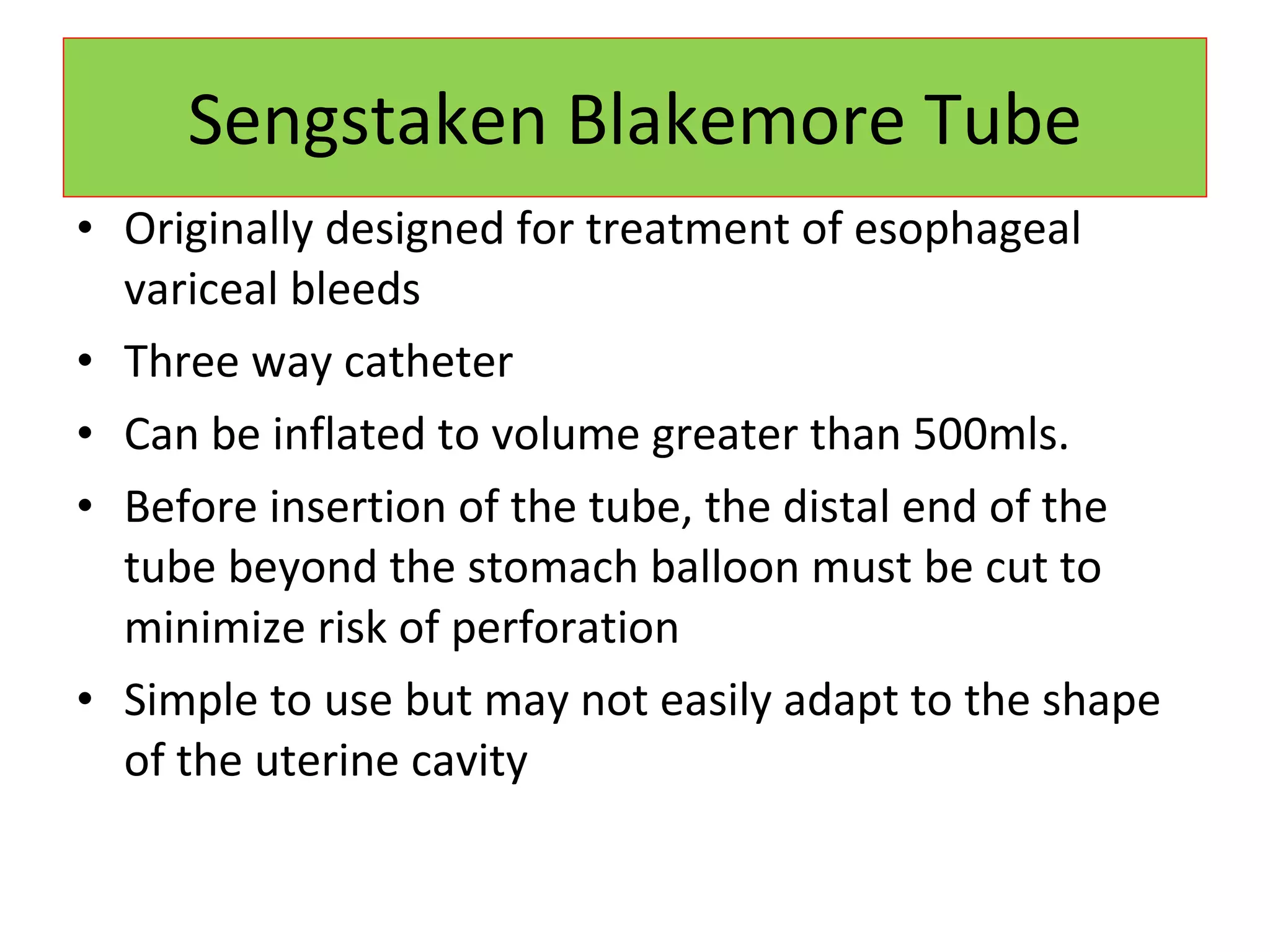
Sengstaken Blakemore Tube Originally designed for treatment of esophageal variceal bleeds Three way catheter Can be inflated to volume greater than 500mls. Before insertion of the tube, the distal end of the tube beyond the stomach balloon must be cut to minimize risk of perforation Simple to use but may not easily adapt to the shape of the uterine cavity
 
Rusch Hydrostatic Balloon 2 way Foley catheter type balloon Can hold volumes greater than 500mls. Inflated with warm saline
Bakri Balloon SOS Bakri Tamponade balloon – 100% silicon, purpose designed 2 way catheter. Simple technique of insertion Can be inserted under ultrasound guidance if uncertain
SOS BAKRI  TAMPONADE BALLOON CATHETER The Simple Solution for Postpartum Hemorrhage Illustration by Lisa Clark
 
Hydrostatic Condom Catheter Innovative way from Bangladesh Sterile rubber catheter fitted with an condom as a tamponade balloon device Sterile catheter is inserted into the condom and the mouth of the condom is tied with sterile silk thread.  Can be inflated with about 200 to 500 mls of warm saline Catheter end is folded and tied or clamped Vaginal cavity is packed with roller gauze to keep the balloon in situ
Uterine Packing Entails placing carefully and systematically several yards of gauze inside the uterine cavity Technique fell out of favour initially in the 1950s  May conceal hemorrhage and cause infection Re emerged in the 1980s Disadvantages Experience required to pack properly Delay in recognizing continued hemorrhage – blood soaks through the gauze before it becomes apparent Success of procedure not known immediately Tightness of pack difficult to determine Potential risk of trauma and infection Removal of pack may also be difficult and may require anaesthesia
Care after successful uterine tamponade Patients must be referred to specialist hospitals May need HDU/ ICU care Close monitoring of vital signs, input and output chart, fundal height and vaginal blood loss. Continued oxytocin infusion for 12 to 24 hour Antibiotic coverage Mean time for leaving balloon – 8 to 48 hours Gradual deflation of balloon is advised
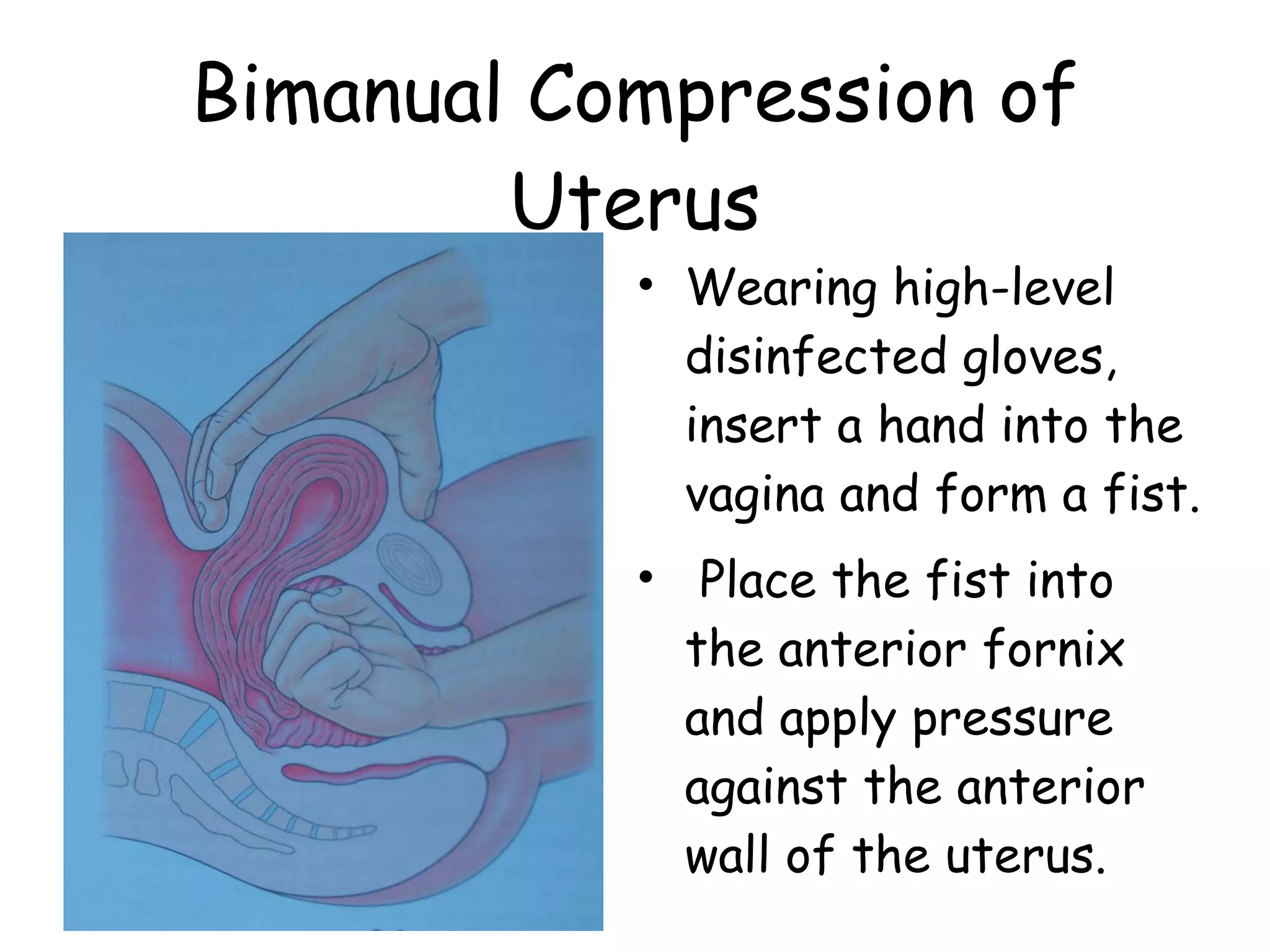
Others – Temporary Measures Aortic compression Uterine compression For temporary measures and for transfers
Aortic Compression
Bimanual Compression of Uterus Wearing high-level disinfected gloves, insert a hand into the vagina and form a fist. Place the fist into the anterior fornix and apply pressure against the anterior wall of the uterus.
Other Conservative but Invasive Approaches
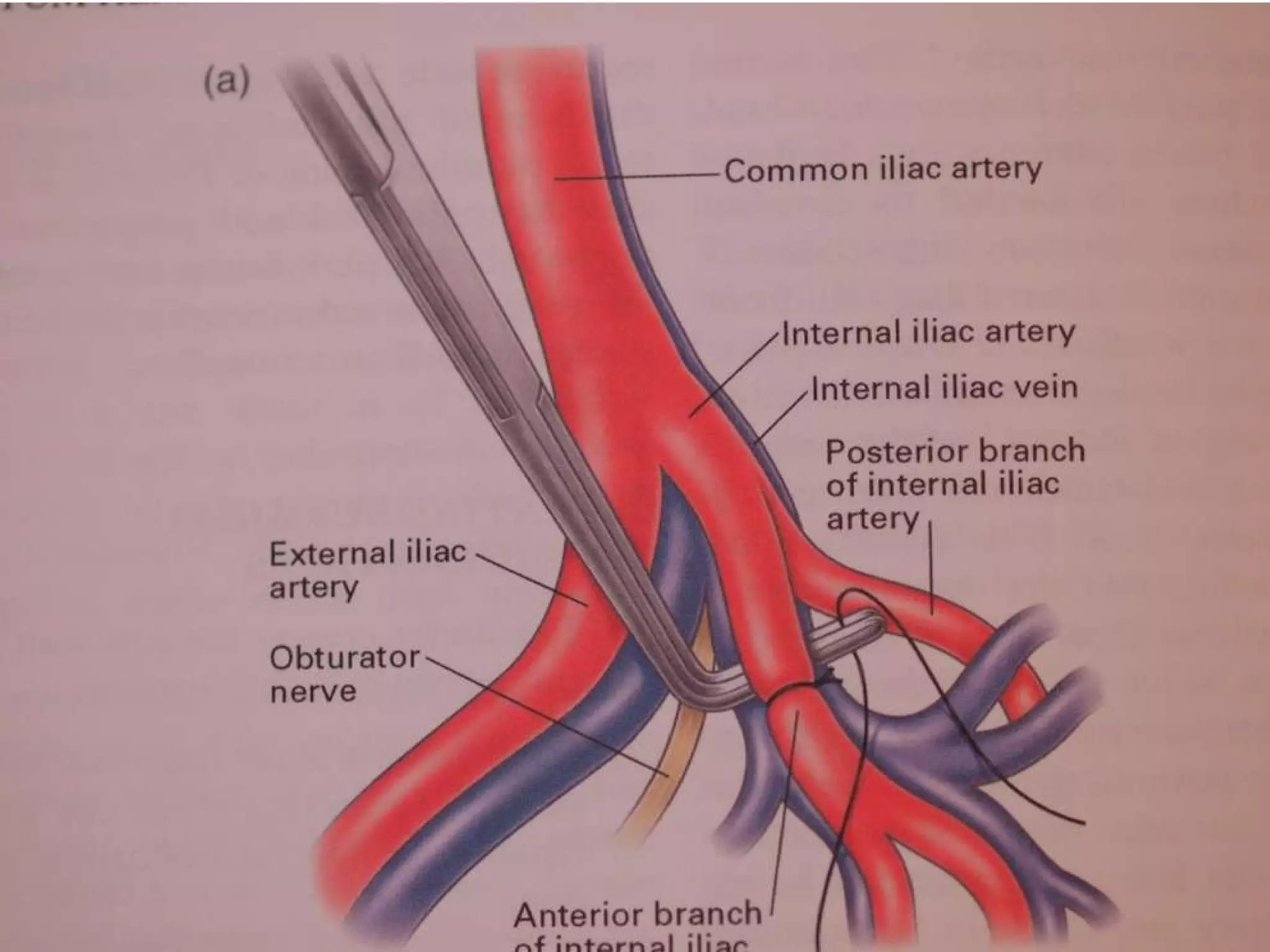
Embolization Interventional radiologist needed PT and aPTT pre procedure – may be complicated in patients with DIVC Cross sectional Imaging – MRI, to determine pelvic structures and  hematomas Can be done under sedation or GA Optimal method is to achieve super selective catheterization – uterine arteries If not possible – temporary balloon tamponade of the internal illiac arteries ( 1-2 hours)
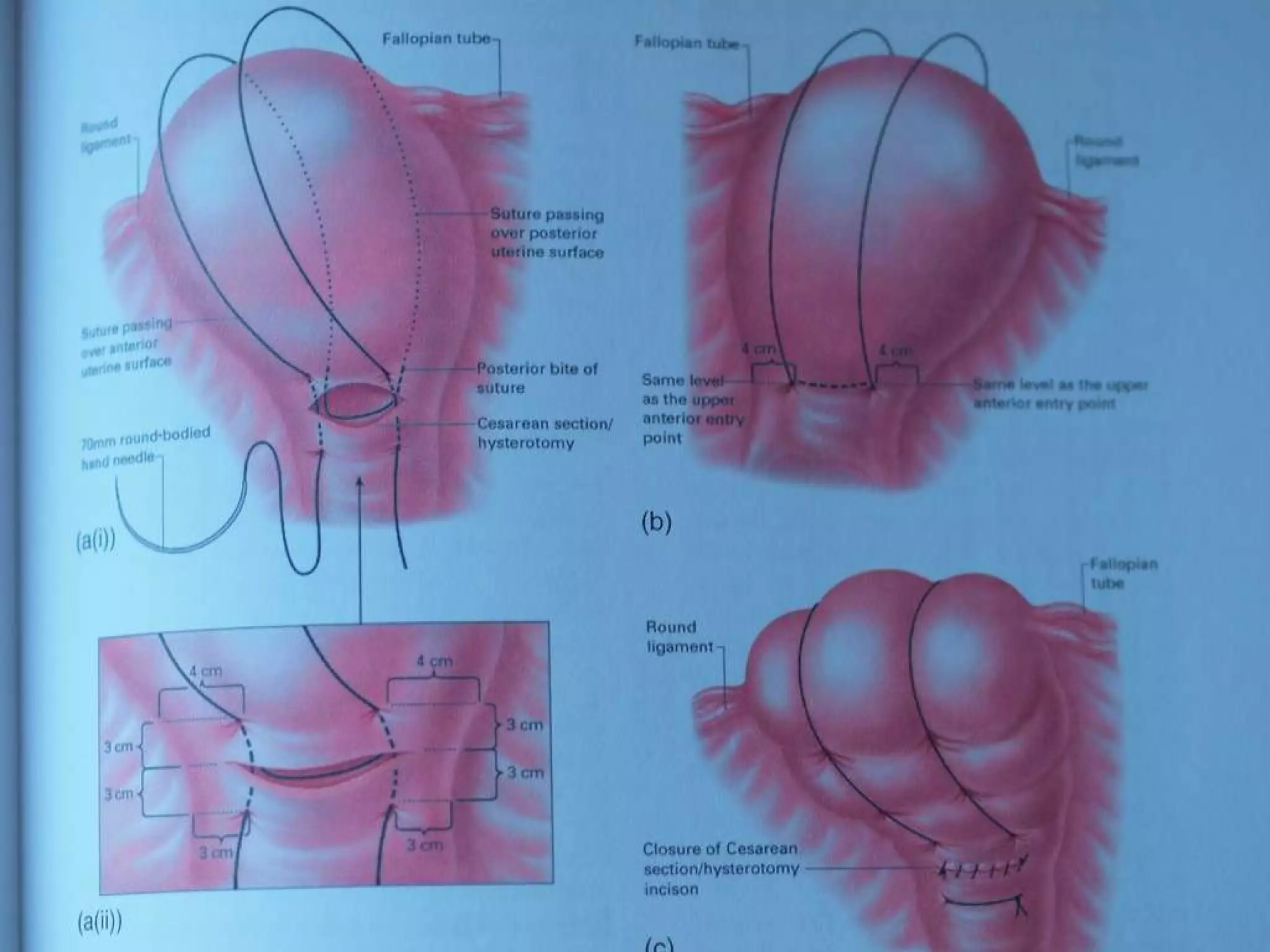
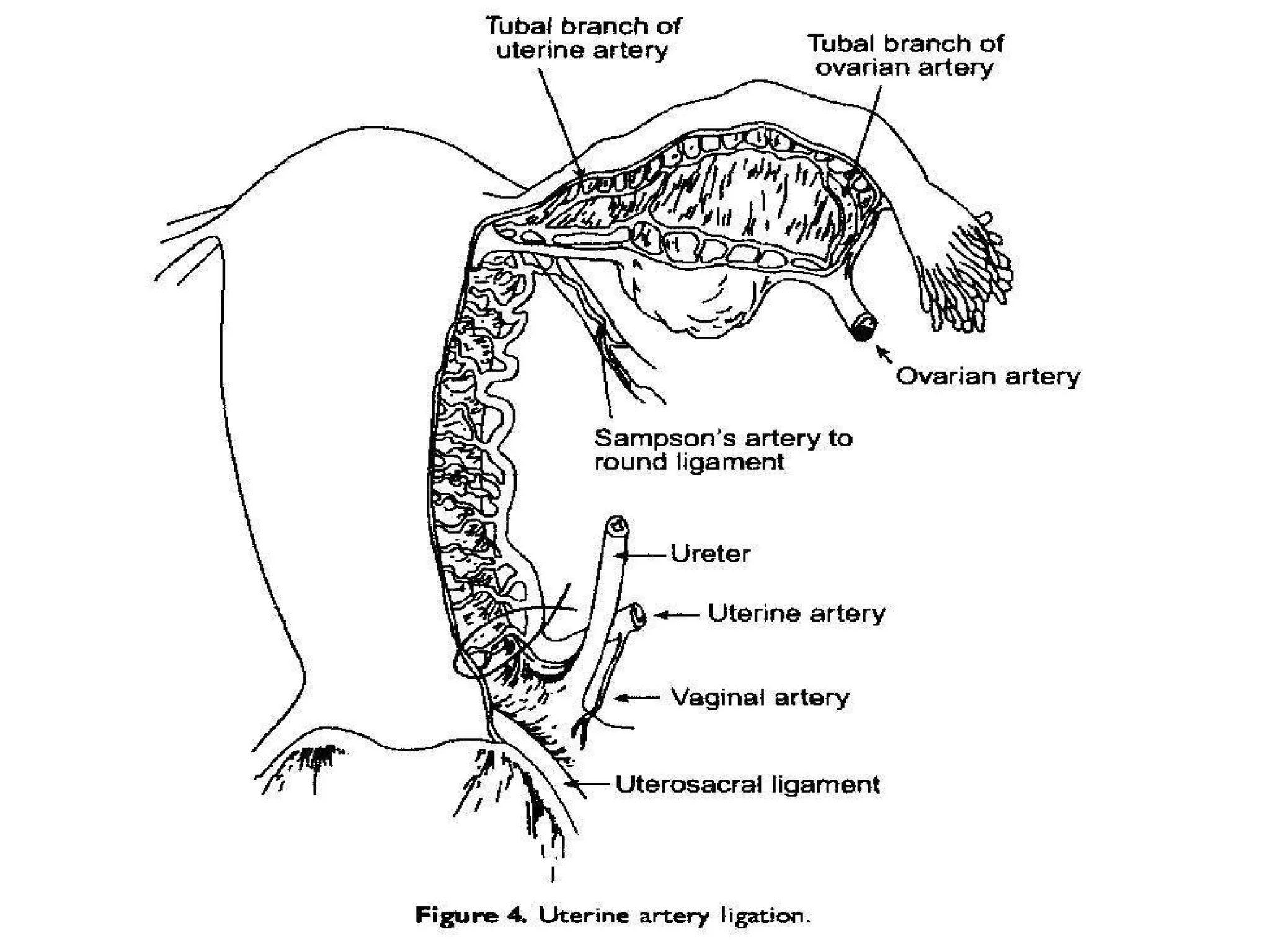
Surgical Vascular ligation Internal iliac (uni/bilateral) Uterine vessels (O’Leary) Brace sutures Bimanual compression is a good predictor of success B-Lynch or modifications Square suture technique To be considered especially when uterine conservation is considered


Surgical Intervention Needs to be timely Postpartum hysterectomy – total or subtotal May need to be combined with internal illiac artery ligation Abdominal packing? Replace blood loss & correct DIVC accordingly HDU/ICU care post-operatively
PPH: Refresher training Active management of third stage Regular refresher training Every attendant at birth needs to have the knowledge, skills and critical judgment required to carry out active management of the third stage of labor and access to appropriate supplies and equipment and good support systems The  concepts of Global Initiative on the Prevention of Postpartum Hemorrhage should be integrated into the curriculum of medical, midwifery and nursing schools
PPH - Area for improvement Training of specialist –  SKILL LABS TO BE SET UP Trainees should undergo and be competent in performing hysterectomies for PPH and perform ‘simple conservative surgery’, including   compression sutures and sequential devascularization Specialized technique i.e Internal iliac artery ligation during gazettment period of a specialist should be made mandatory Training to include new simple medical and surgical therapies available including the use of tamponade balloons, and shock pants to be decided by M/F committee / CEMD in tandem with colleges and Universities
PPH - Area for improvement Training of junior doctors Regular Labour Room drill to coordinate and handle emergency situation involving PPH Importance of regular updated labour room protocol Importance of early recognition and prompt communication with senior consultants
PPH-Areas for improvement Public Health Health Centres : important to improve the provision of care of obstetric emergencies Emphasis is on the importance of having a readily available  transport/ambulance service Training of ‘Jururawat Masyarakat’/MA/estate dressers  to handle PPH- setting of IV lines, administer uterotonics and early referral
PPH – High risk cases All high risk women should be delivered in a hospital with appropriate facilities and personnel (All placenta praevia & suspected placenta accreta should be delivered in tertiary hosp) Private hospitals need to be selective of high risk cases if facilities are inadequate Private specialist need to work closely with government colleagues in emergency situation - for early referral or surgical intervention
Obstetric Hemorrhage Equipment Tray Three vaginal retractors Four sponge forceps Sutures No 1 Polyglactin sutures, 0 and 2 chromic catgut with curved needles, Ethiguard needles Vaginal Packs, Roller gauze Uterine balloon Surgical gloves Urine catheters
References  A Textbook of POSTPARTUM HEMORRHAGE   A comprehensive guide to evaluation, management and surgical intervention   Edited by  Christopher B-Lynch  FRCS, FRCOG, D. Univ,  Louis G. Keith  MD, PhD,  Andre B. Lalonde  MD, FRCSC, FRCOG  and Mahantesh Karoshi  MBBS, MD
Free download http://www.sapienspublishing.com/medical-publications.php#1
Thank you

Non-Surgical Management of PPH

  • 1.
    Non Surgical Managementof PPH Dr. Harris N Suharjono 21 st April 2010
  • 2.
    Postpartum deaths Criticalperiod 60% of all pregnancy-related maternal deaths occur during the postpartum period and approximately 45% of them occur in the immediate post partum period
  • 3.
    Causes of maternaldeaths in Asia Source: WHO/HRP studies Morbidity Percentage Haemorrhage 30.8 Anaemia 12.8 Other indirect causes of deaths 12.5 Sepsis/infection 11.6
  • 4.
    Maternal Deaths inMalaysia 2001-2005: Causes
  • 5.
    Maternal Mortality Secondaryto PPH 50% associated with substandard care 3 main factors involved; 1. Home deliveries 2. Delay in resuscitating the mother 3. Delay in transportation to GH 3 cases in Sarawak (2009) – 10.3% Morbidity secondary to PPH is significant!
  • 6.
    Causes of PPH“The Four Ts” Tone – uterine atony Tissues – retained placenta, invasive placenta Trauma – of any part of the genital tract, inverted uterus Thrombin - coagulopathy, DIVC
  • 7.
  • 8.
    Who are atRisk? Grande multiparity Delivery after APH (due to placenta praevia or abruptio placentae) Multiple pregnancy Polyhydramnios Big babies Past history of PPH Prolonged labour Coagulation disorders
  • 9.
    Policies to reducemortality & morbidity in Sarawak Strongly discourage home deliveries Effective family planning policies Clinics conducting low risk deliveries must be appropriately equipped (incl. ambulance) and staffed…. ‘malang tidak berbau!’ All ‘at risk’ patients should deliver in hospitals and those at ‘high risk’ should deliver in specialist hospitals
  • 10.
    Policies to reducemortality & morbidity in Sarawak All deliveries in clinics and hospitals must adhere to available management norms and guidelines Active management of the third stage Obstetric drills for PPH: all birth attendants must undergo refresher courses on a regular basis Early referrals to hospitals/specialist hospitals
  • 11.
    Current Practices to prevent PPH Active management of third stage in labour Prophylactic use of uterotonic/oxytocic agents Early cord clamping with control cord traction Uterine massage after delivery of the placenta
  • 12.
    Ongoing initiatives toprevent PPH ‘ Red alert system’ in government hospitals since 1993 PPH training manual 1998/1999 - 2005 Introduction of ‘Obstetric flying squad’ (retrieval squad) Risk coding of antenatal cards from 1987
  • 13.
  • 14.
    Uterotonics used SyntocinonSyntometrine Ergometrine Prostaglandin Carboprost Prostin Cervagem Misoprostol
  • 15.
    Carboprost ( Haemabate)Is a 15-methyl prostaglandin F2 Each ampoule contains 250 ugms. Given by intramuscular route only. The dose can be repeated after every 15 to 30 minutes with a maximum of 2 mgs (8 doses). Nausea, vomiting and diarrhoea are common side effects.
  • 16.
    Carboprost ( Haemabate)Contraindicated in mothers with bronchial asthma, heart disease, hypertension, severe liver dysfunction, glaucoma and decompensated diabetes. Stored below 6 degrees Celsius. At 4 degree Celsius has a shelf life of about 24 months. Direct intramyometrial injection has been studies and appears to have a faster onset of action and is more effective. Currently however it is not licensed for use by this route.
  • 17.
    Drug Usage Misoprostolin the Treatment of Post-partum Haemorrhage rectal misoprostol 600 -800mcg has been shown to be useful It may be appropriate for use in low resource settings and has been used alone, or in combination with oxytocin in patient experiencing PPH In the published literature, a variety of doses and routes of administration have shown promising results An optimal treatment regimen has not yet been determined Cochrane data base : No additional benefit when compared to syntometrine or oxytocin Benefits include stability in light and heat, costs.
  • 18.
    Drug usage Misoprostolin the Treatment of Post-partum Haemorrhage Large study demonstrated Misoprostol can be use safely in a self directed manner Misoprostol is in the list of WHO essential drugs Role in our country : orang asli People living in remote islands People living in interior of Borneo and Pahang Nomadic tribes like the Penans
  • 19.
  • 20.
    Other Medical TherapiesRecombinant Factor VIIa
  • 21.
    Recombinant Factor VIIa(rFVIIa) rFVIIa induces hemostasis at the site of injury. Studies showed that rFVIIa is highly effective & safe in allowing quick arrest of life-threatening PPH which is unresponsive to conventional Rx. Administration of rFVIIa could be considered before hysterectomy & as an adjunct to invasive/surgical procedures, particularly in pt who wish to preserve fertIlity. A trial of 1 to 4 four doses of rFVIIa can be justified in cases of uncontrolled bleeding which persists despite maximal medical and surgical treatment to achieve hemostasis.
  • 22.
    Novo 7 Comesin vials of 60k IU RM 2800 per vial Recommended dosage – 2~4 vials in severe haemorrhage
  • 23.
    Volume expanders Voluven/ Venofundin / tetraspan New rapid volume expanders The ‘volume effect’ faster than gelafundin Less allergic reaction Better than gelafundin especially in coagulopathy Non standard item but specialist hospitals uses it for massive blood loss JKN may need to consider keeping small consignment in district hospitals & clinics that handles deliveries
  • 24.
    Blood & bloodproducts Whole blood vs Packed cells No data to suggest that the use of whole blood, even “fresh” is associated with better outcome in acute blood loss Correct coagulation disorder as required: - 4 units platelet conc. - 4 units FFP - 6 units Cryoprecipitate
  • 25.
    Medical Therapy AgentDose Cautions Oxytocin (Pitocin, Syntocinon) 10 IU im/iv followed by i/v infusion of 40 IU in 500mls of saline Hypotension when given rapid i/v bolus. Water intoxication with large volumes Ergometrine 0.25mg i/v or i/m Nausea, vomiting, dizziness. Contraindicated in HPT or Heart Disease Carboprost (Haemabate) 0.25 mg i/m, myometrial. Repeat every 15 minutes. Max 2 mg Bronchospasm, nausea, vomiting, diarrhea Dinoprostone (Prostin) 2mg p.r. 2 hourly Hypotension Gameprost (cervagem) 1-2mg intrauterine or 1 mg p.r. GI disturbance Misoprostol (Cytotec) 600-1000 ugm p.r. GI disturbance, shivering , pyrexia Tranxenemic Acid (Cyclokapron) 1 gm 8 hourly i.v. Risk of thrombosis rFV11a (Novoseven) 60-120 ugm/kg i.v. Fever, hypertension
  • 26.
    Interventions for uterineconservation or as temporary measures for transfers or while awaiting surgical expertise for a post partum hysterectomy
  • 27.
    Mechanical Uterine packingWith oxytocic infusion Atonia, praevia Systematic packing from fundus downwards Generally left for 24 hours Balloon tamponade Foley’s: 110 mls air, left for 8 hours S-Blackmore: 75-150 mls saline, 12-24 hours, upper vagina packed Rusch catheter: 400-500 mls saline Bakri catheter
  • 28.
    Sengstaken Blakemore TubeOriginally designed for treatment of esophageal variceal bleeds Three way catheter Can be inflated to volume greater than 500mls. Before insertion of the tube, the distal end of the tube beyond the stomach balloon must be cut to minimize risk of perforation Simple to use but may not easily adapt to the shape of the uterine cavity
  • 29.
  • 30.
    Rusch Hydrostatic Balloon2 way Foley catheter type balloon Can hold volumes greater than 500mls. Inflated with warm saline
  • 31.
    Bakri Balloon SOSBakri Tamponade balloon – 100% silicon, purpose designed 2 way catheter. Simple technique of insertion Can be inserted under ultrasound guidance if uncertain
  • 32.
    SOS BAKRI TAMPONADE BALLOON CATHETER The Simple Solution for Postpartum Hemorrhage Illustration by Lisa Clark
  • 33.
  • 34.
    Hydrostatic Condom CatheterInnovative way from Bangladesh Sterile rubber catheter fitted with an condom as a tamponade balloon device Sterile catheter is inserted into the condom and the mouth of the condom is tied with sterile silk thread. Can be inflated with about 200 to 500 mls of warm saline Catheter end is folded and tied or clamped Vaginal cavity is packed with roller gauze to keep the balloon in situ
  • 35.
    Uterine Packing Entailsplacing carefully and systematically several yards of gauze inside the uterine cavity Technique fell out of favour initially in the 1950s May conceal hemorrhage and cause infection Re emerged in the 1980s Disadvantages Experience required to pack properly Delay in recognizing continued hemorrhage – blood soaks through the gauze before it becomes apparent Success of procedure not known immediately Tightness of pack difficult to determine Potential risk of trauma and infection Removal of pack may also be difficult and may require anaesthesia
  • 36.
    Care after successfuluterine tamponade Patients must be referred to specialist hospitals May need HDU/ ICU care Close monitoring of vital signs, input and output chart, fundal height and vaginal blood loss. Continued oxytocin infusion for 12 to 24 hour Antibiotic coverage Mean time for leaving balloon – 8 to 48 hours Gradual deflation of balloon is advised
  • 37.
    Others – TemporaryMeasures Aortic compression Uterine compression For temporary measures and for transfers
  • 38.
  • 39.
    Bimanual Compression ofUterus Wearing high-level disinfected gloves, insert a hand into the vagina and form a fist. Place the fist into the anterior fornix and apply pressure against the anterior wall of the uterus.
  • 40.
    Other Conservative butInvasive Approaches
  • 41.
    Embolization Interventional radiologistneeded PT and aPTT pre procedure – may be complicated in patients with DIVC Cross sectional Imaging – MRI, to determine pelvic structures and hematomas Can be done under sedation or GA Optimal method is to achieve super selective catheterization – uterine arteries If not possible – temporary balloon tamponade of the internal illiac arteries ( 1-2 hours)
  • 42.
    Surgical Vascular ligationInternal iliac (uni/bilateral) Uterine vessels (O’Leary) Brace sutures Bimanual compression is a good predictor of success B-Lynch or modifications Square suture technique To be considered especially when uterine conservation is considered
  • 43.
  • 44.
  • 45.
  • 46.
  • 47.
    Surgical Intervention Needsto be timely Postpartum hysterectomy – total or subtotal May need to be combined with internal illiac artery ligation Abdominal packing? Replace blood loss & correct DIVC accordingly HDU/ICU care post-operatively
  • 48.
    PPH: Refresher trainingActive management of third stage Regular refresher training Every attendant at birth needs to have the knowledge, skills and critical judgment required to carry out active management of the third stage of labor and access to appropriate supplies and equipment and good support systems The concepts of Global Initiative on the Prevention of Postpartum Hemorrhage should be integrated into the curriculum of medical, midwifery and nursing schools
  • 49.
    PPH - Areafor improvement Training of specialist – SKILL LABS TO BE SET UP Trainees should undergo and be competent in performing hysterectomies for PPH and perform ‘simple conservative surgery’, including compression sutures and sequential devascularization Specialized technique i.e Internal iliac artery ligation during gazettment period of a specialist should be made mandatory Training to include new simple medical and surgical therapies available including the use of tamponade balloons, and shock pants to be decided by M/F committee / CEMD in tandem with colleges and Universities
  • 50.
    PPH - Areafor improvement Training of junior doctors Regular Labour Room drill to coordinate and handle emergency situation involving PPH Importance of regular updated labour room protocol Importance of early recognition and prompt communication with senior consultants
  • 51.
    PPH-Areas for improvementPublic Health Health Centres : important to improve the provision of care of obstetric emergencies Emphasis is on the importance of having a readily available transport/ambulance service Training of ‘Jururawat Masyarakat’/MA/estate dressers to handle PPH- setting of IV lines, administer uterotonics and early referral
  • 52.
    PPH – Highrisk cases All high risk women should be delivered in a hospital with appropriate facilities and personnel (All placenta praevia & suspected placenta accreta should be delivered in tertiary hosp) Private hospitals need to be selective of high risk cases if facilities are inadequate Private specialist need to work closely with government colleagues in emergency situation - for early referral or surgical intervention
  • 53.
    Obstetric Hemorrhage EquipmentTray Three vaginal retractors Four sponge forceps Sutures No 1 Polyglactin sutures, 0 and 2 chromic catgut with curved needles, Ethiguard needles Vaginal Packs, Roller gauze Uterine balloon Surgical gloves Urine catheters
  • 54.
    References ATextbook of POSTPARTUM HEMORRHAGE A comprehensive guide to evaluation, management and surgical intervention Edited by Christopher B-Lynch FRCS, FRCOG, D. Univ, Louis G. Keith MD, PhD, Andre B. Lalonde MD, FRCSC, FRCOG and Mahantesh Karoshi MBBS, MD
  • 55.
  • 56.