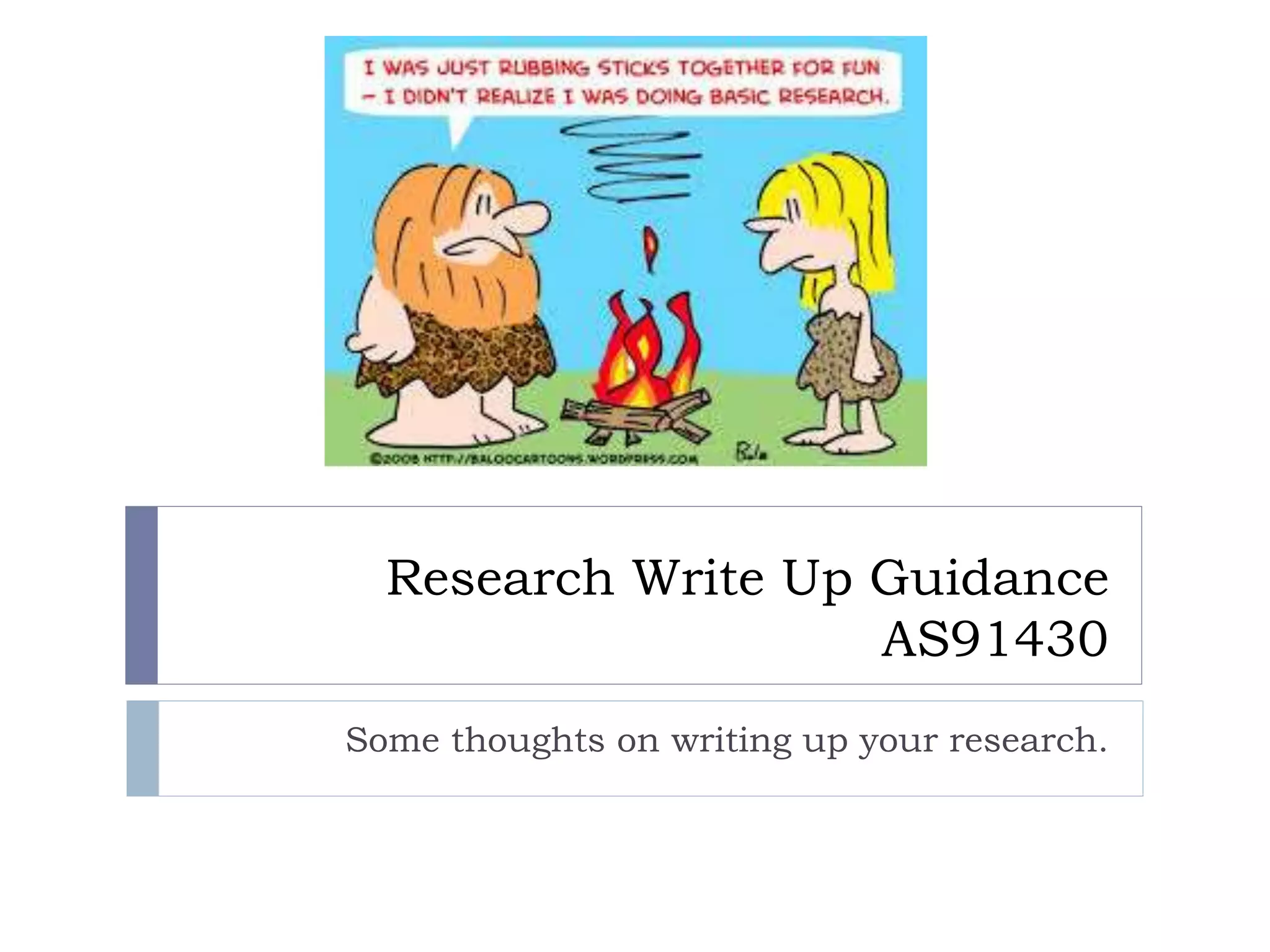
Research Write Up Guidance
AS91430
Some thoughts on writing up your research.
Please look at the NCEA website!
 http://www.nzqa.govt.nz/assets/qualifications-and-
standards/qualifications/ncea/NCEA-subject-
resources/Geography/91430-B/91430-EXP-B.pdf
 http://www.nzqa.govt.nz/qualifications-
standards/qualifications/ncea/subjects/geography/an
notated-exemplars/level-3-as91430-b/
Please keep all your planning and
questionnaires!
 You will need to hand in your research plan and your
completed questionnaires.
 You will need to write down any thoughts you have
on how well your fieldwork collection went.
 Be honest – any problems you encountered,
anything you think you should have done differently
– all this is part of your reflection.
 Write it down now so you won’t forget.
Start collecting your secondary data.
 Go back to your research plan and look at what else
you intended to collect.
 Complete research online and start getting all your
information together in one place.
 Make sure you always refer back to your aim – Have
you got enough information to actually answer your
question.
Present your information in the most
appropriate way.
 Tables
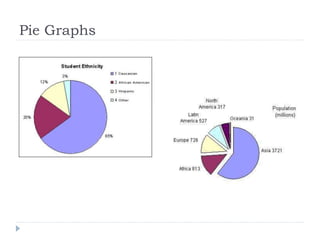
 Graphs, bar, pie, histogram, cartogram, line, scatter
etc..
 Maps
 Sketch maps
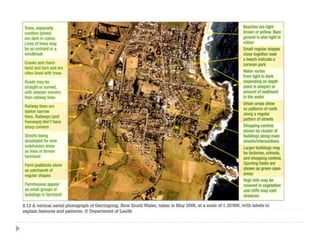
 Annotated photographs.
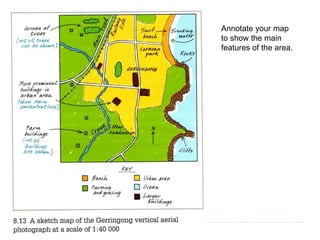
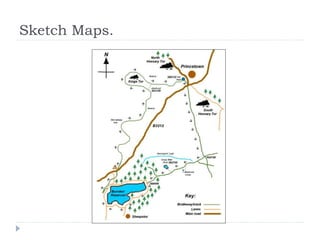
Annotate your map
to show the main
features of the area.
Pie Graphs
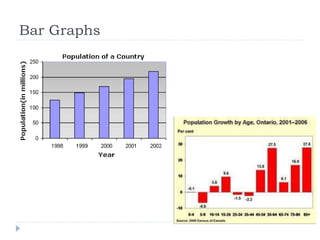
Bar Graphs
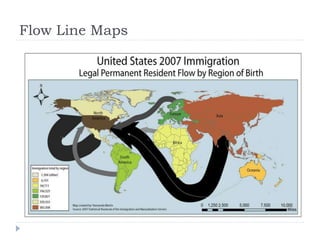
Flow Line Maps
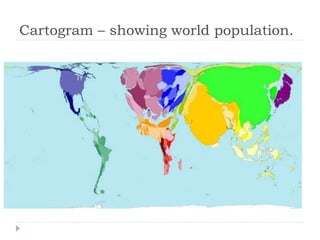
Cartogram – showing world population.
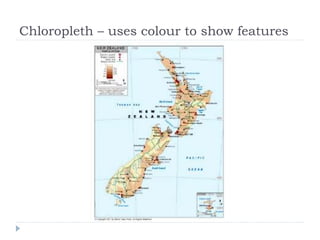
Chloropleth – uses colour to show features
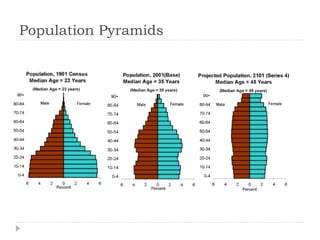
Population Pyramids
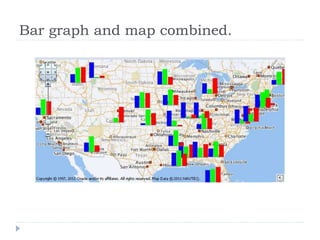
Bar graph and map combined.
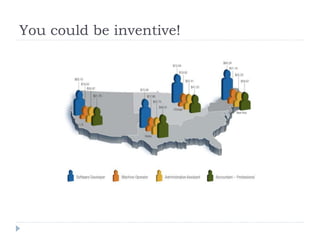
You could be inventive!
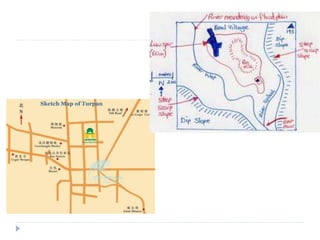
Sketch Maps.
So what do you need in your completed
research project.
 1. Research Plan and Aims.
 2. Fieldwork – completed questionnaires/surveys.
 3. Data and information you have collected presented in
an appropriate way. Tables, graphs, maps etc…
 4. Conclusion – what did you find out, in relation to your
aims.
 5. Reflections on your results. What did you do well, what
you could do better next time. Are there any limitations to
what the information you collected can tell you? Did you
need to collect more? Is any of it inaccurate or
misleading?
 6. Bibliography – websites, books, sources of secondary
data.
PLEASE LOOK AT YOUR INSTRUCTIONS FOR A MORE
DETAILED DESCRIPTION OF WHAT IS NEEDED!

Research write up guidance

  • 1.
    Research Write UpGuidance AS91430 Some thoughts on writing up your research.
  • 2.
    Please look atthe NCEA website!  http://www.nzqa.govt.nz/assets/qualifications-and- standards/qualifications/ncea/NCEA-subject- resources/Geography/91430-B/91430-EXP-B.pdf  http://www.nzqa.govt.nz/qualifications- standards/qualifications/ncea/subjects/geography/an notated-exemplars/level-3-as91430-b/
  • 3.
    Please keep allyour planning and questionnaires!  You will need to hand in your research plan and your completed questionnaires.  You will need to write down any thoughts you have on how well your fieldwork collection went.  Be honest – any problems you encountered, anything you think you should have done differently – all this is part of your reflection.  Write it down now so you won’t forget.
  • 4.
    Start collecting yoursecondary data.  Go back to your research plan and look at what else you intended to collect.  Complete research online and start getting all your information together in one place.  Make sure you always refer back to your aim – Have you got enough information to actually answer your question.
  • 5.
    Present your informationin the most appropriate way.  Tables  Graphs, bar, pie, histogram, cartogram, line, scatter etc..  Maps  Sketch maps  Annotated photographs.
  • 6.
    Annotate your map toshow the main features of the area.
  • 8.
  • 9.
  • 10.
  • 11.
    Cartogram – showingworld population.
  • 12.
    Chloropleth – usescolour to show features
  • 13.
  • 14.
    Bar graph andmap combined.
  • 15.
    You could beinventive!
  • 16.
  • 18.
    So what doyou need in your completed research project.  1. Research Plan and Aims.  2. Fieldwork – completed questionnaires/surveys.  3. Data and information you have collected presented in an appropriate way. Tables, graphs, maps etc…  4. Conclusion – what did you find out, in relation to your aims.  5. Reflections on your results. What did you do well, what you could do better next time. Are there any limitations to what the information you collected can tell you? Did you need to collect more? Is any of it inaccurate or misleading?  6. Bibliography – websites, books, sources of secondary data. PLEASE LOOK AT YOUR INSTRUCTIONS FOR A MORE DETAILED DESCRIPTION OF WHAT IS NEEDED!