


Keys to being first to market with special help from CRO’S
by
DR ANTHONY MELVIN CRASTO
Worlddrugtracker
INDIA
June 2016
Accelerating Generic
Approvals
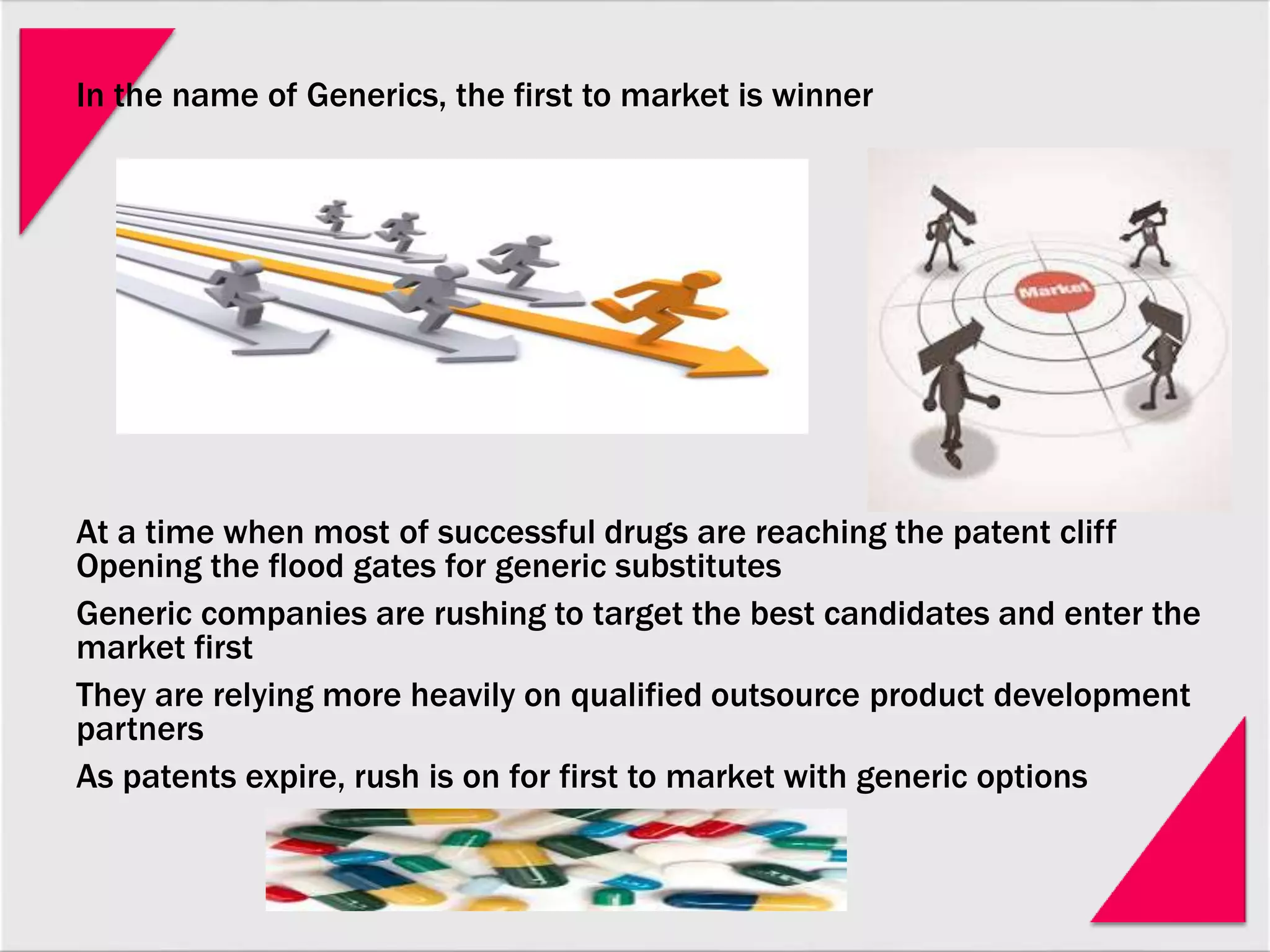
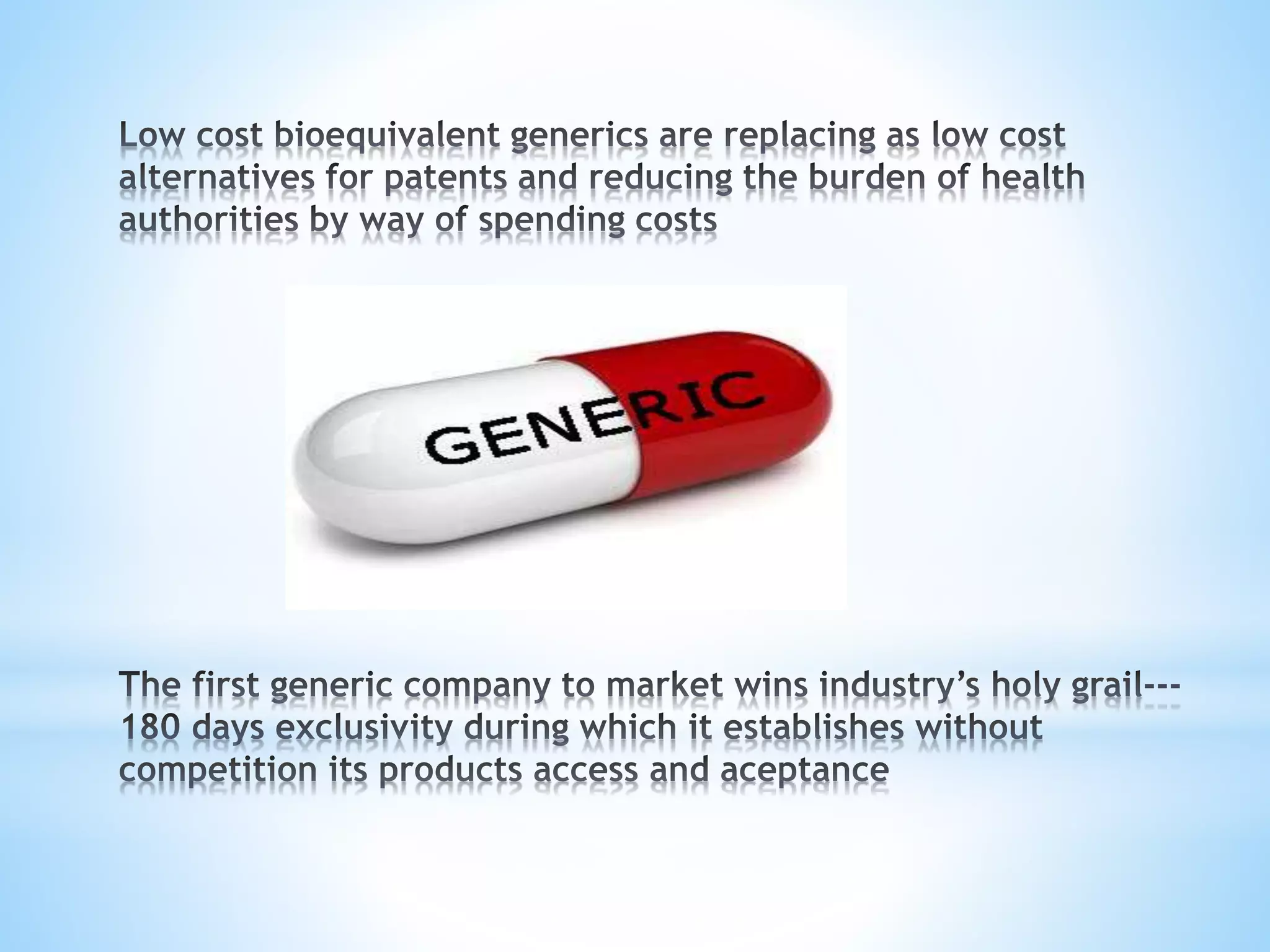
In the name of Generics, the first to market is winner
At a time when most of successful drugs are reaching the patent cliff
Opening the flood gates for generic substitutes
Generic companies are rushing to target the best candidates and enter the
market first
They are relying more heavily on qualified outsource product development
partners
As patents expire, rush is on for first to market with generic options
Time largely dictates the economic profile of
generic drug
They are relying on Qualified contract
research organisations (CRO’S) to
accelerate development
They get broad expertise in development
processes, advanced technology,
Scientific models, and infrastructre
Without adding significant capital
investment
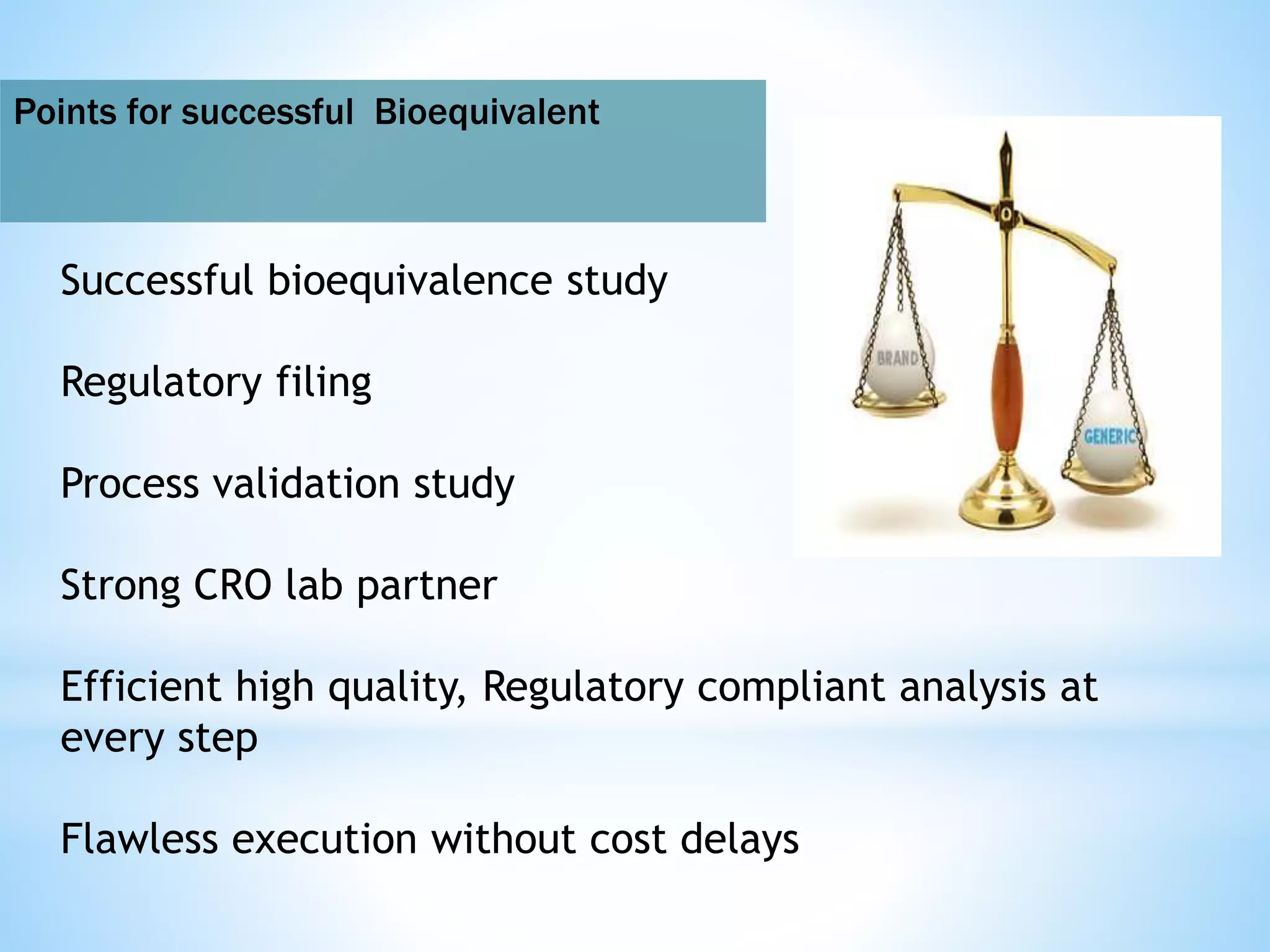
Points for successful Bioequivalent
Successful bioequivalence study
Regulatory filing
Process validation study
Strong CRO lab partner
Efficient high quality, Regulatory compliant analysis at
every step
Flawless execution without cost delays
Cont……….
Bioanalytical method development
Comprehensive pharma analysis
Stability program support
Method validation
Final product testing
Early phase research and development work
ANDA submission
Post market sample and stability testing
5 Common Development
Challenges
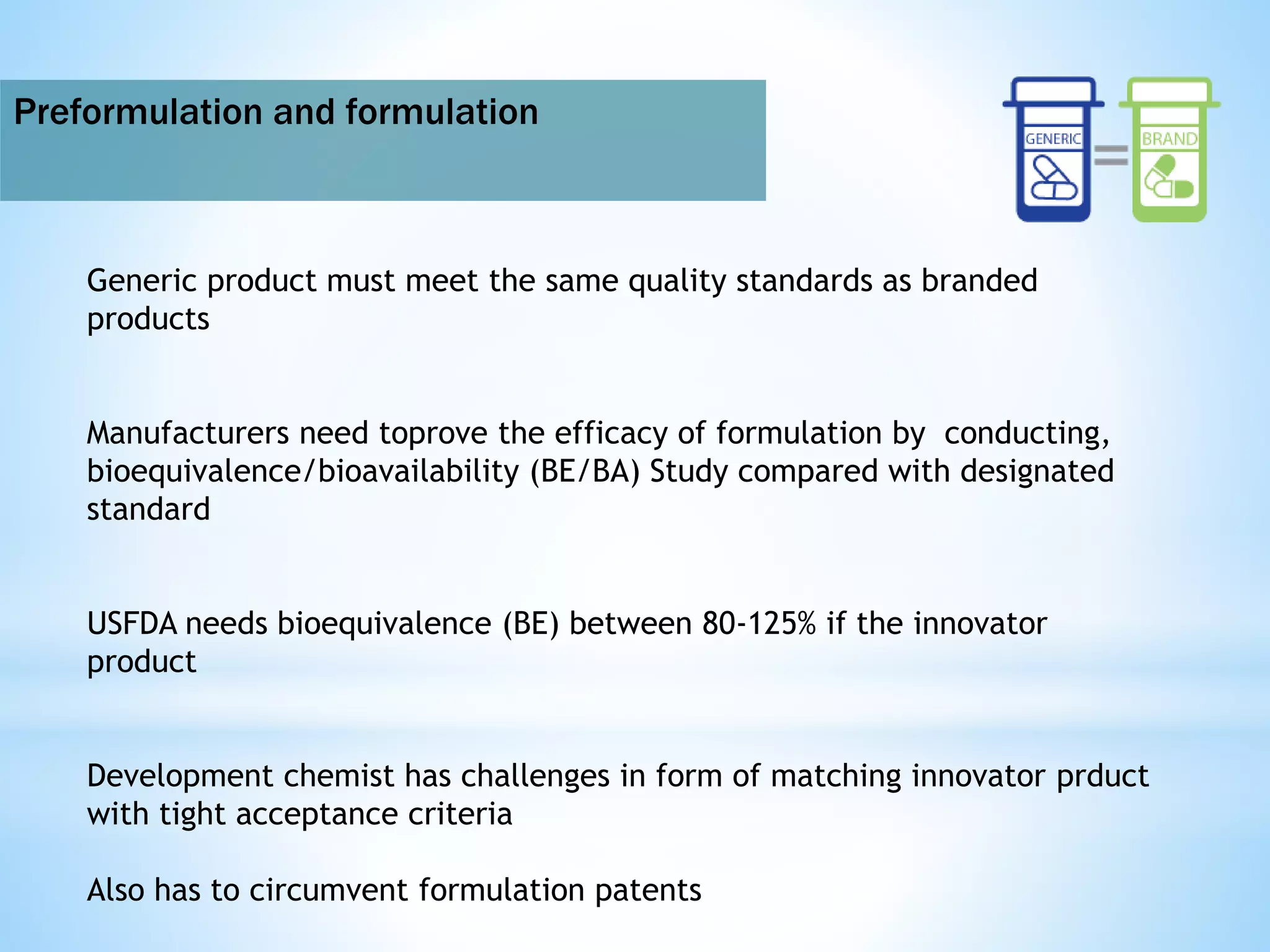
Preformulation and formulation
Generic product must meet the same quality standards as branded
products
Manufacturers need toprove the efficacy of formulation by conducting,
bioequivalence/bioavailability (BE/BA) Study compared with designated
standard
USFDA needs bioequivalence (BE) between 80-125% if the innovator
product
Development chemist has challenges in form of matching innovator prduct
with tight acceptance criteria
Also has to circumvent formulation patents
Contd……
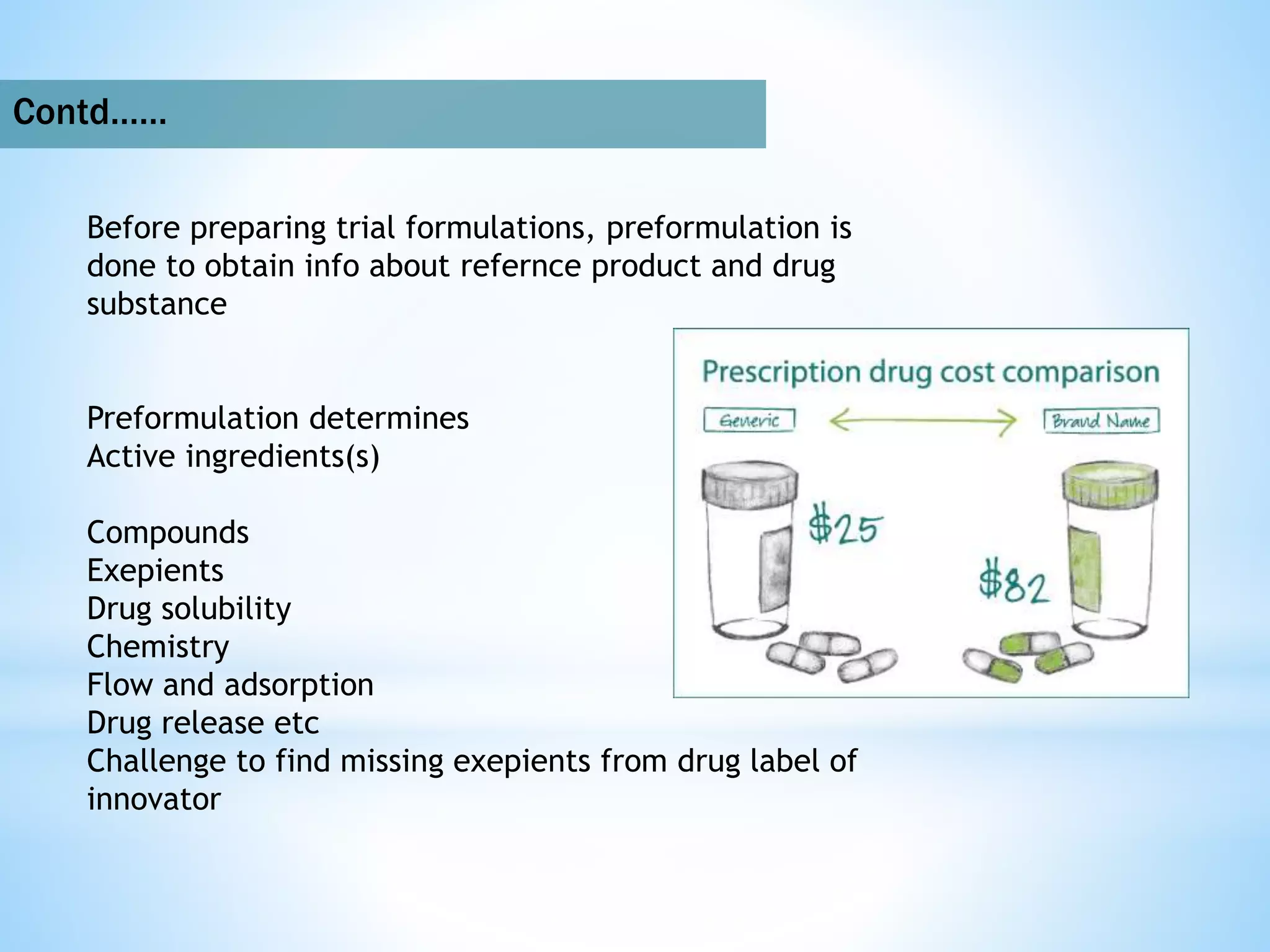
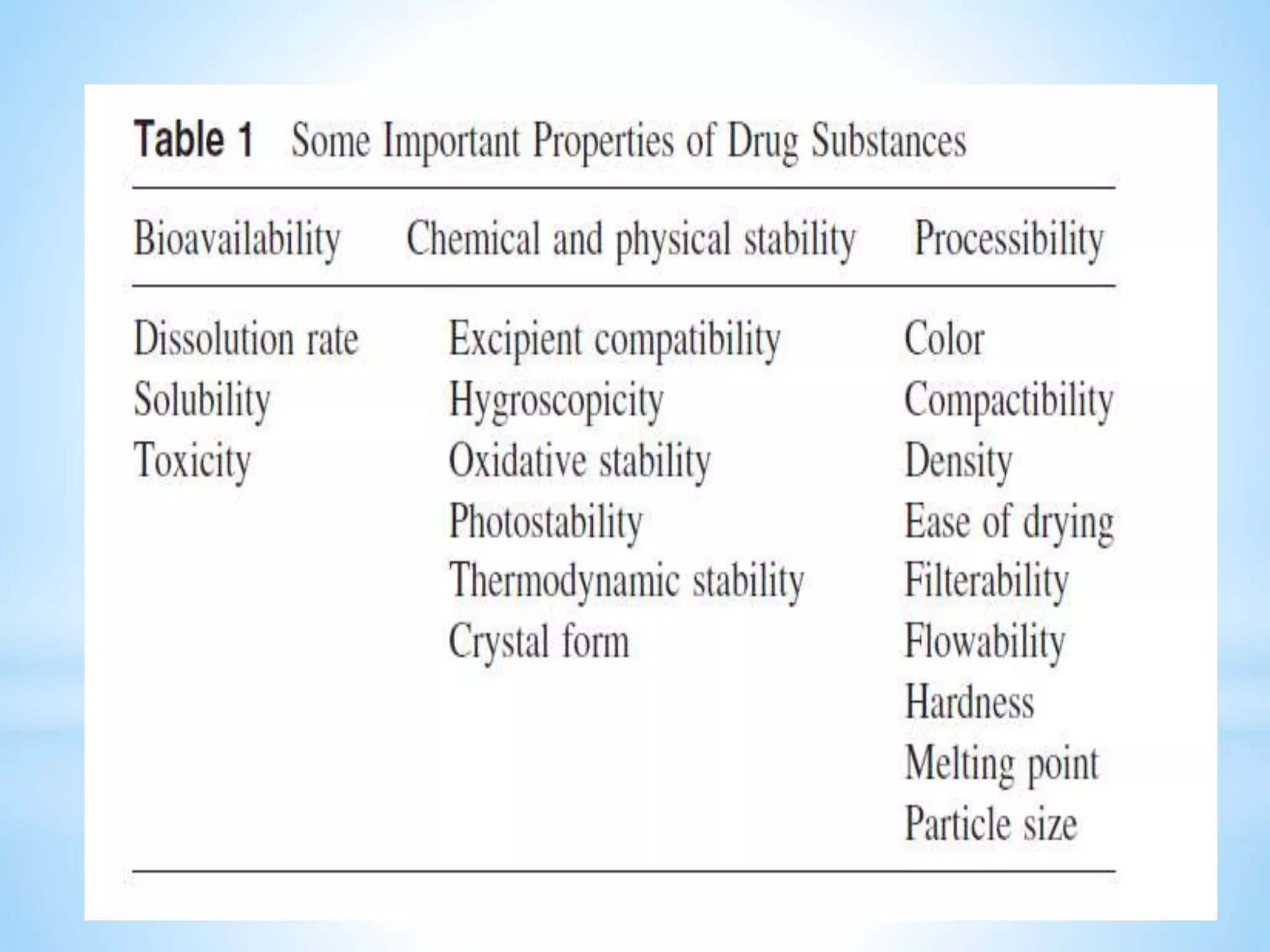
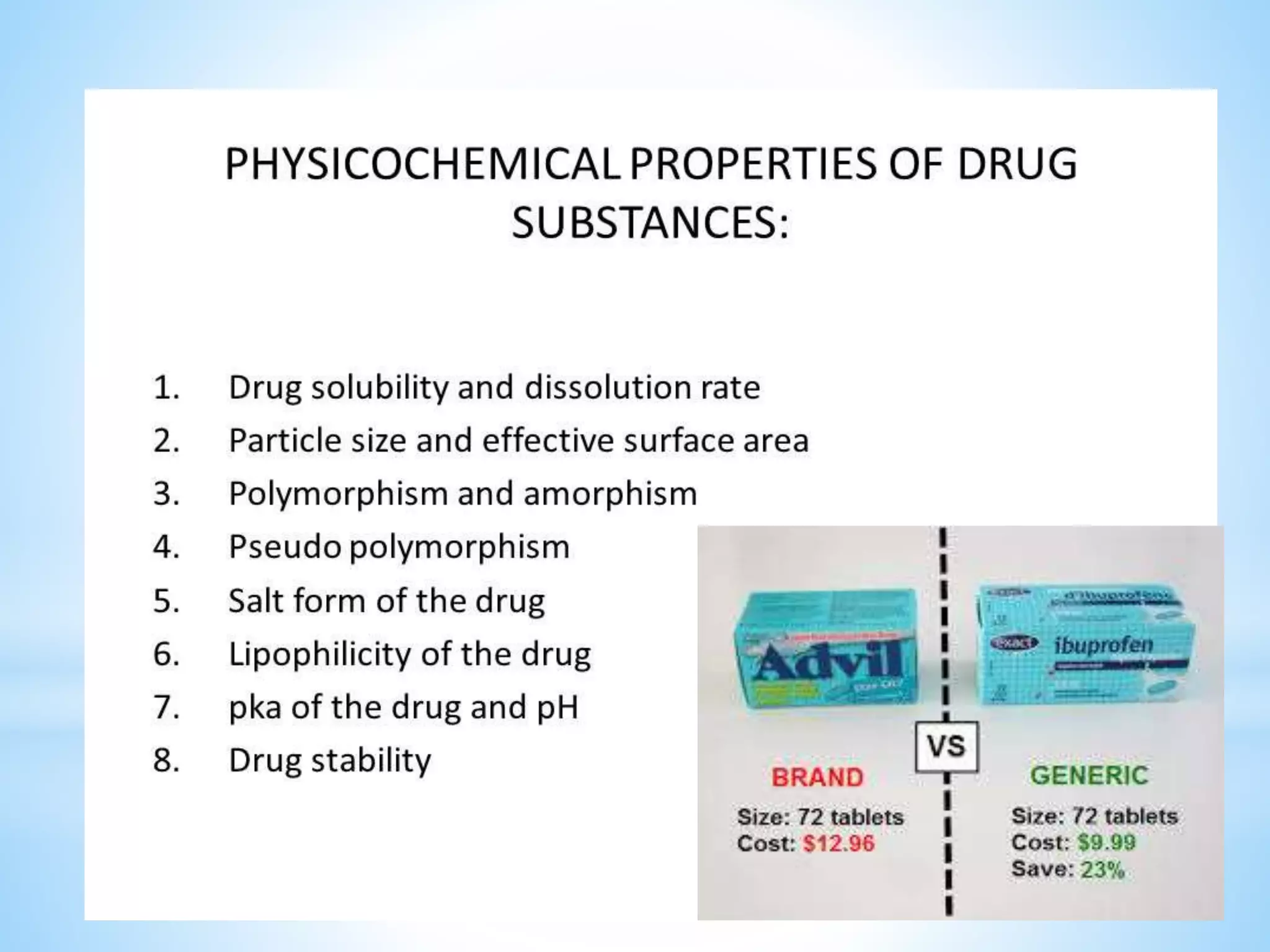
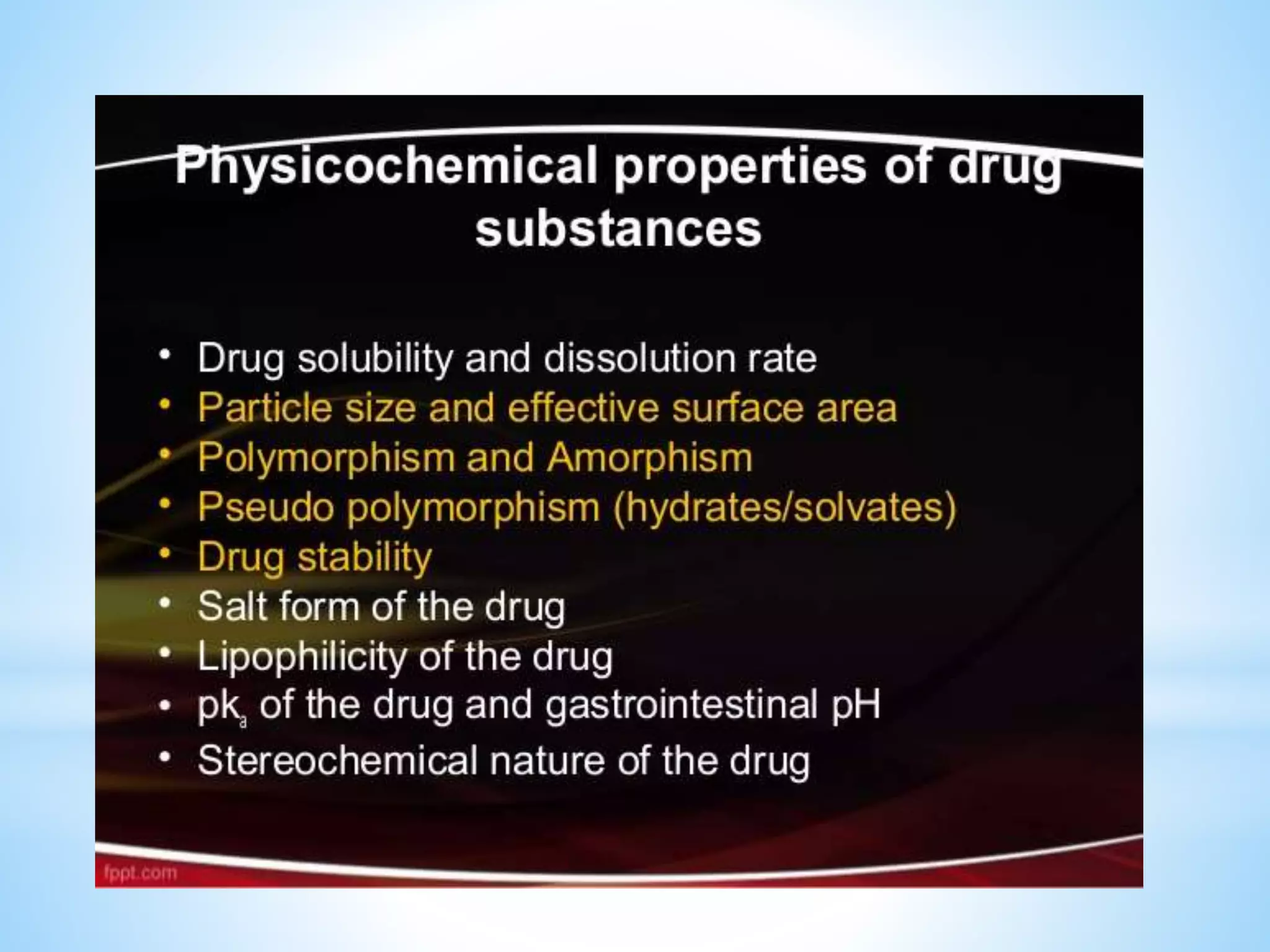
Before preparing trial formulations, preformulation is
done to obtain info about refernce product and drug
substance
Preformulation determines
Active ingredients(s)
Compounds
Exepients
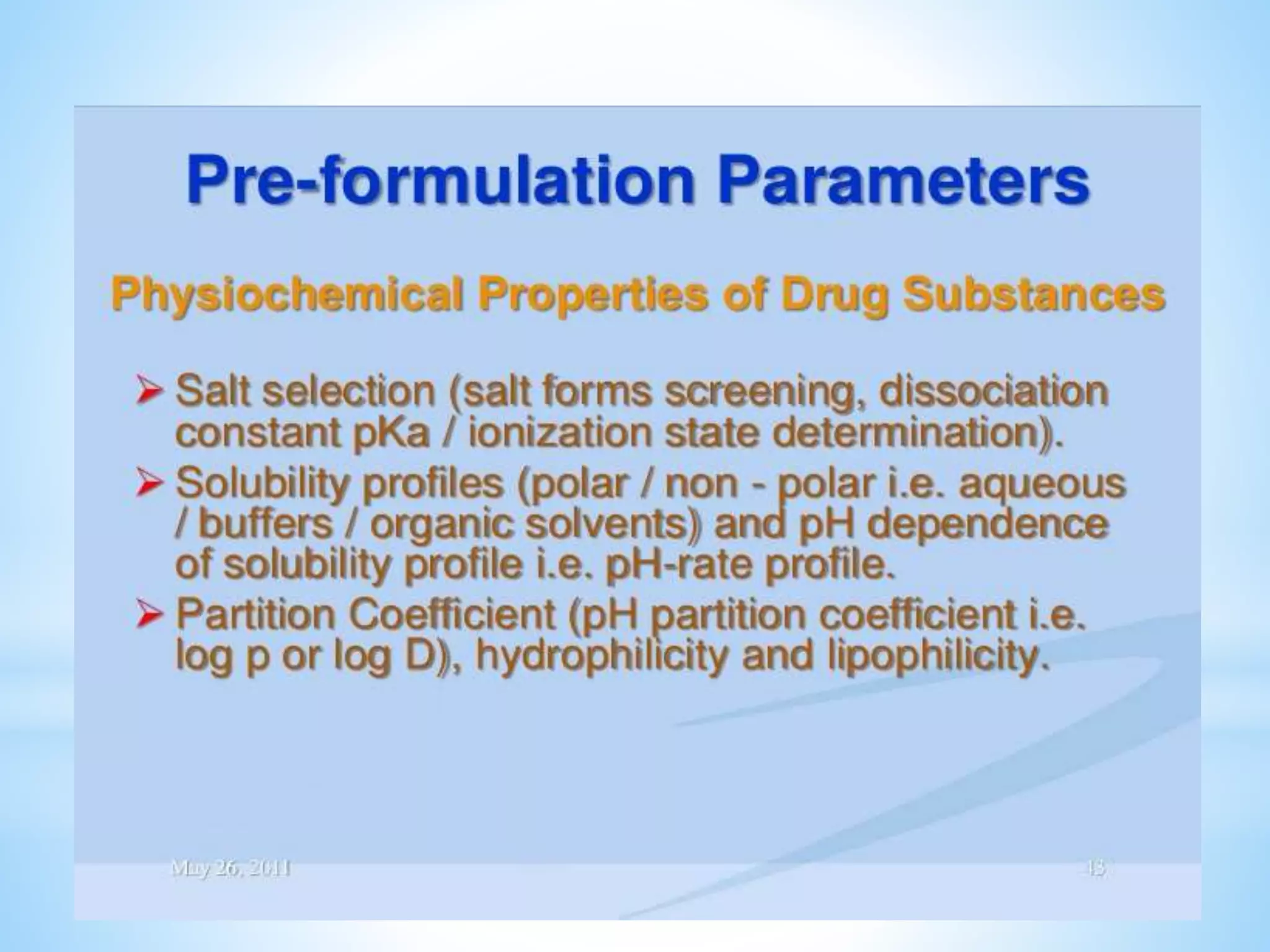
Drug solubility
Chemistry
Flow and adsorption
Drug release etc
Challenge to find missing exepients from drug label of
innovator
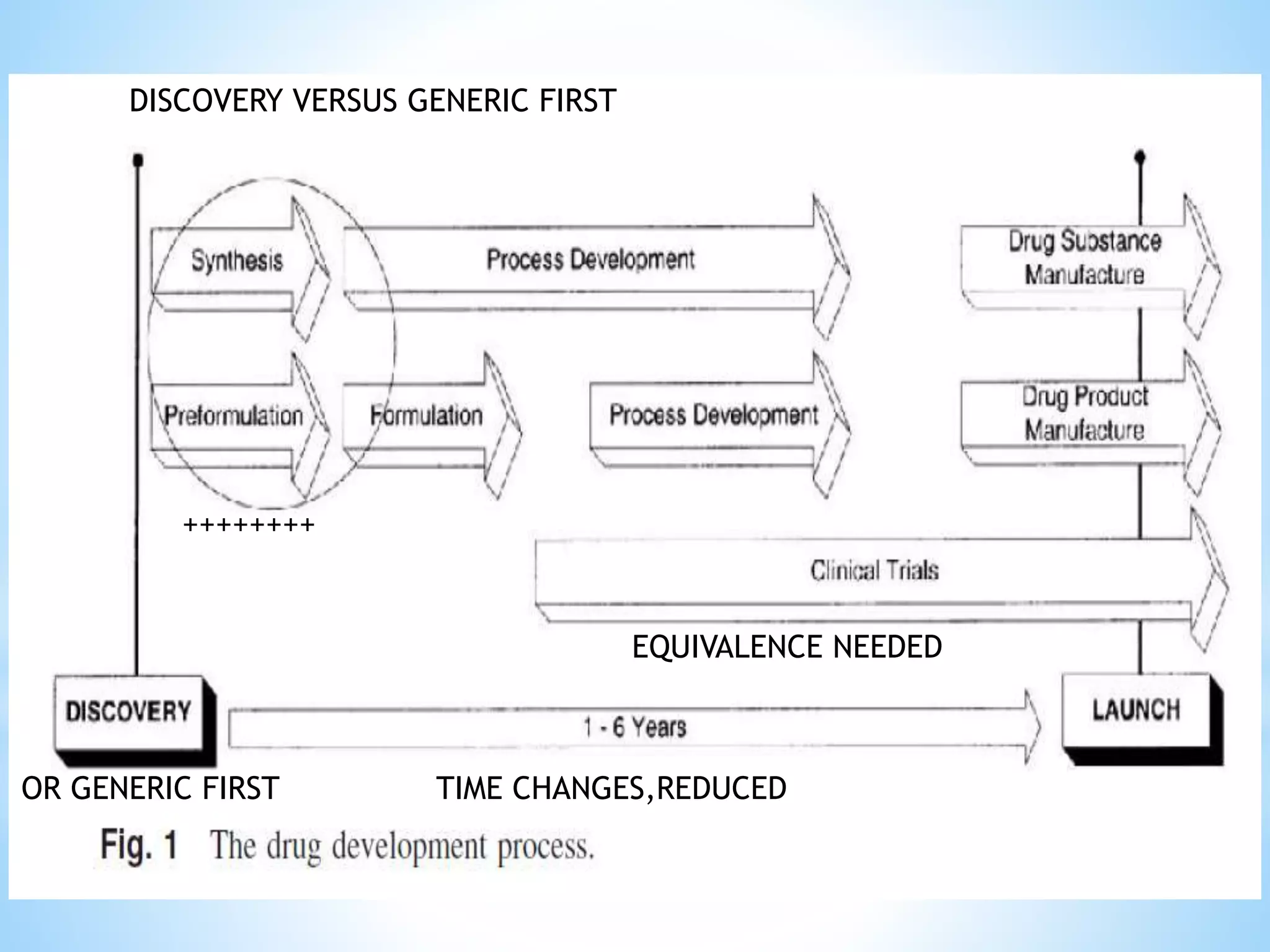
++++++++
EQUIVALENCE NEEDED
OR GENERIC FIRST TIME CHANGES,REDUCED
DISCOVERY VERSUS GENERIC FIRST
Analytical resting for each likely exepient is time consuming
Guesswork
Lack of experience
Considerable time to development process
CRO can accelerate development process
Advanced equipment
Efficient tests
Sop’s
During formulation, Recipe close to innovator without impurities
BE/BA Studies must comply with reg requirement of country
intended for marketing
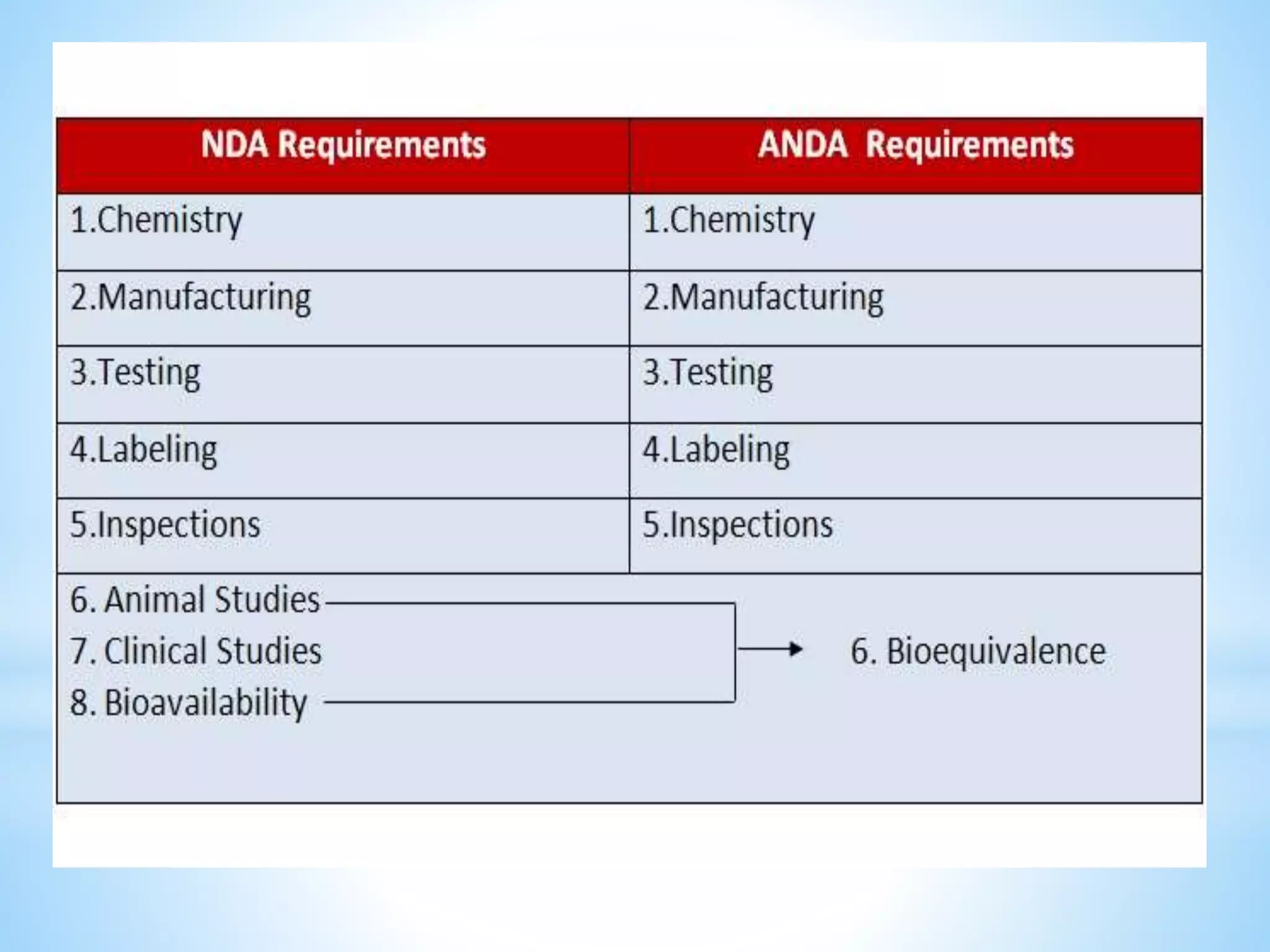
In USFDA has specific required in form of ANDA, Abbreviated new
drug application
Non patent infringing Raw material
Non patent infringing formulation
Stable
Bioequivalent
Accurate be studies will accelerate reg approvals
Wrong data/less data, costly delays
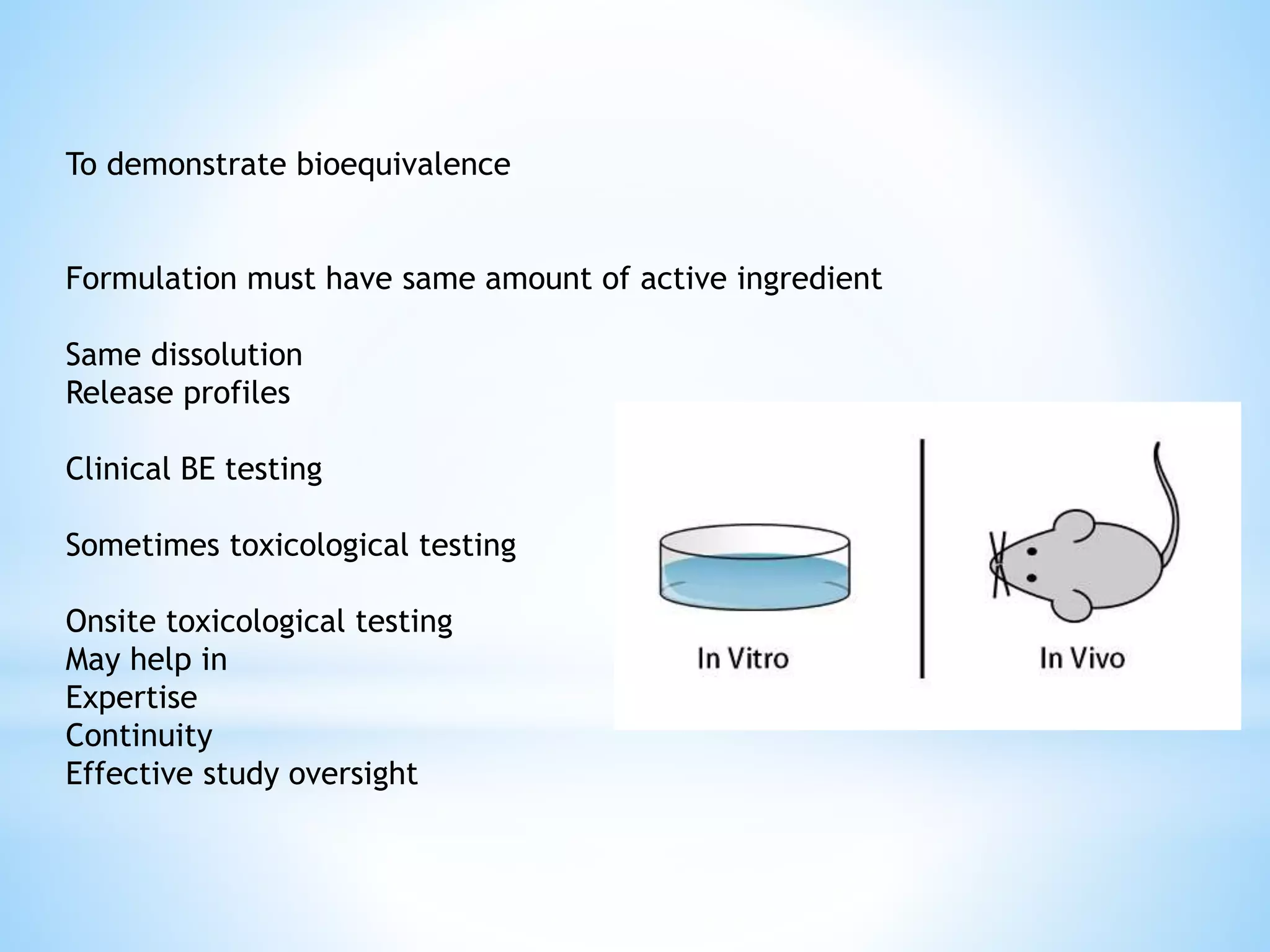
To demonstrate bioequivalence
Formulation must have same amount of active ingredient
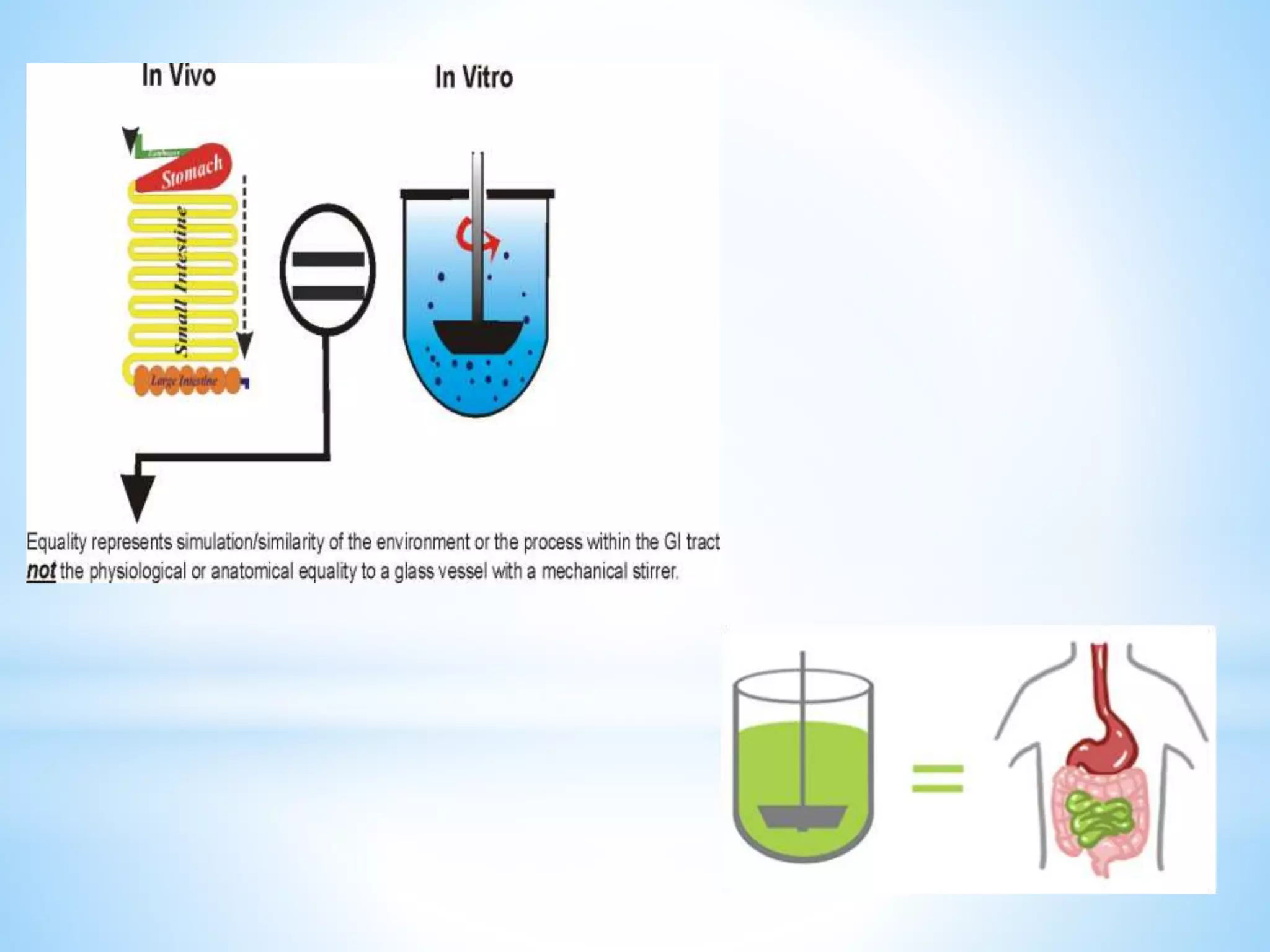
Same dissolution
Release profiles
Clinical BE testing
Sometimes toxicological testing
Onsite toxicological testing
May help in
Expertise
Continuity
Effective study oversight
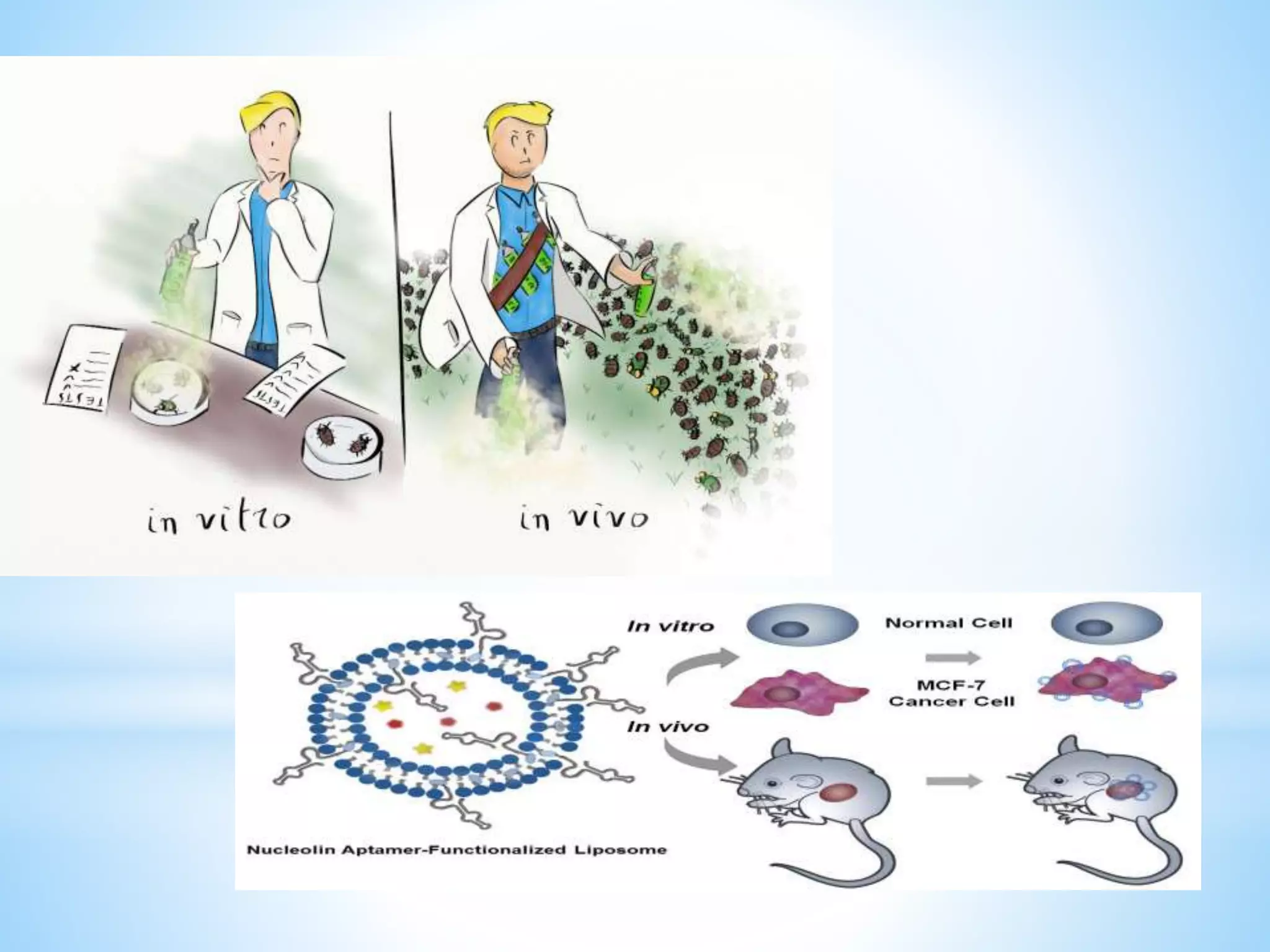
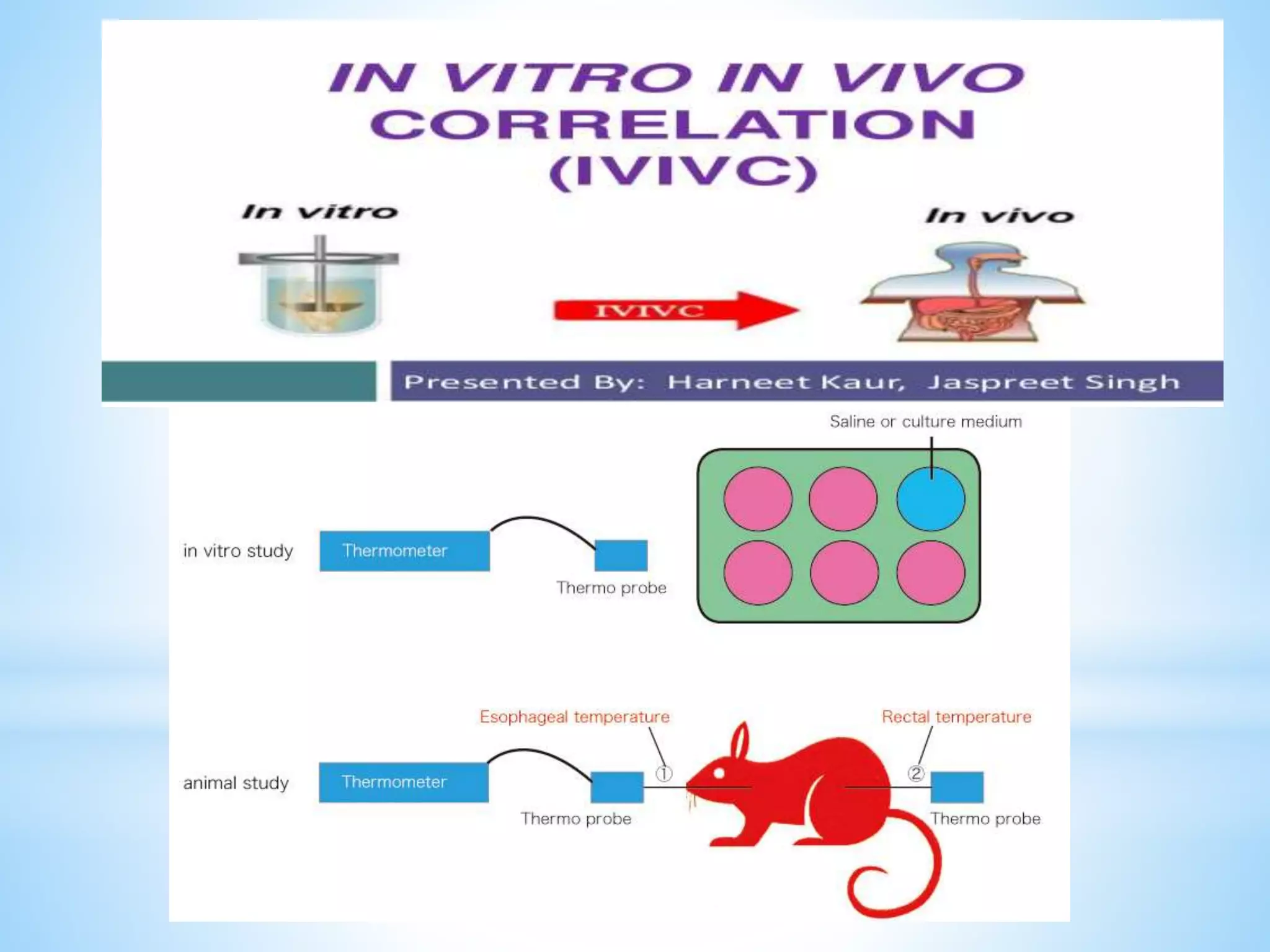
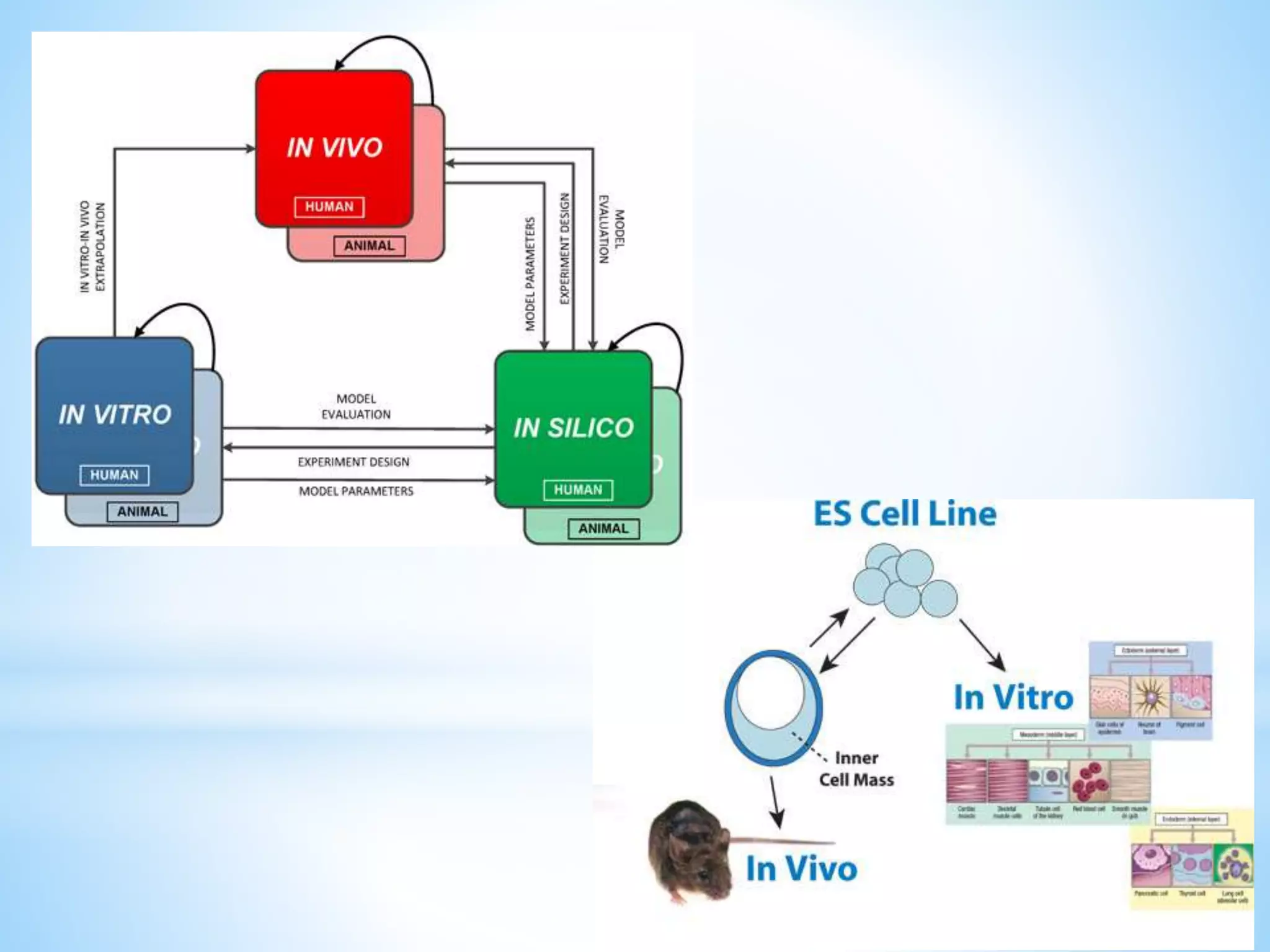
For invitro and invivo testing
Highly qualified tech and medical staff
Clinical and lab investigators
Sometimes human testing
Need to recruit subjects, and conduct study
Deep understanding of pharmacokinetic pk
variability, when designing studies
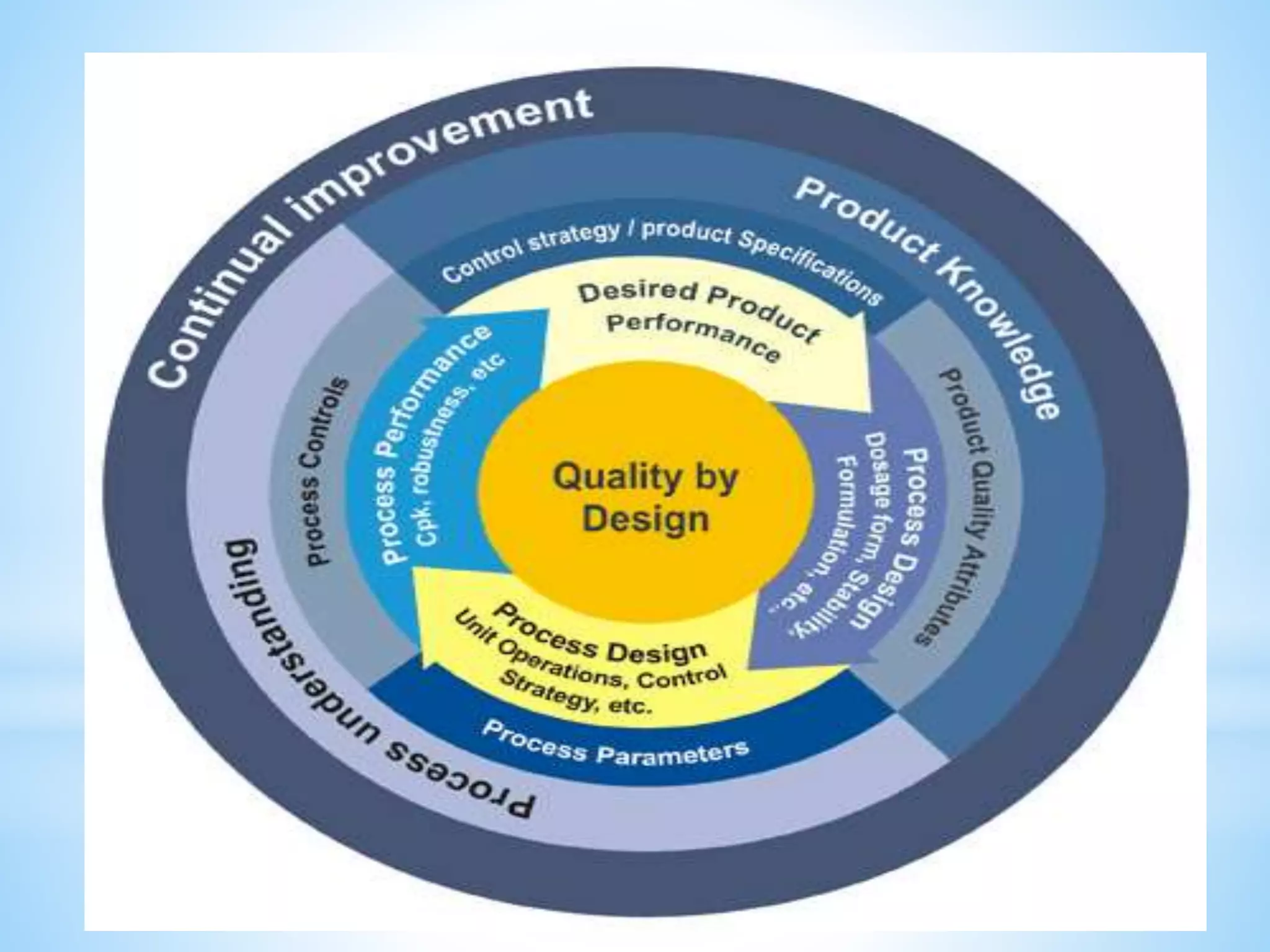
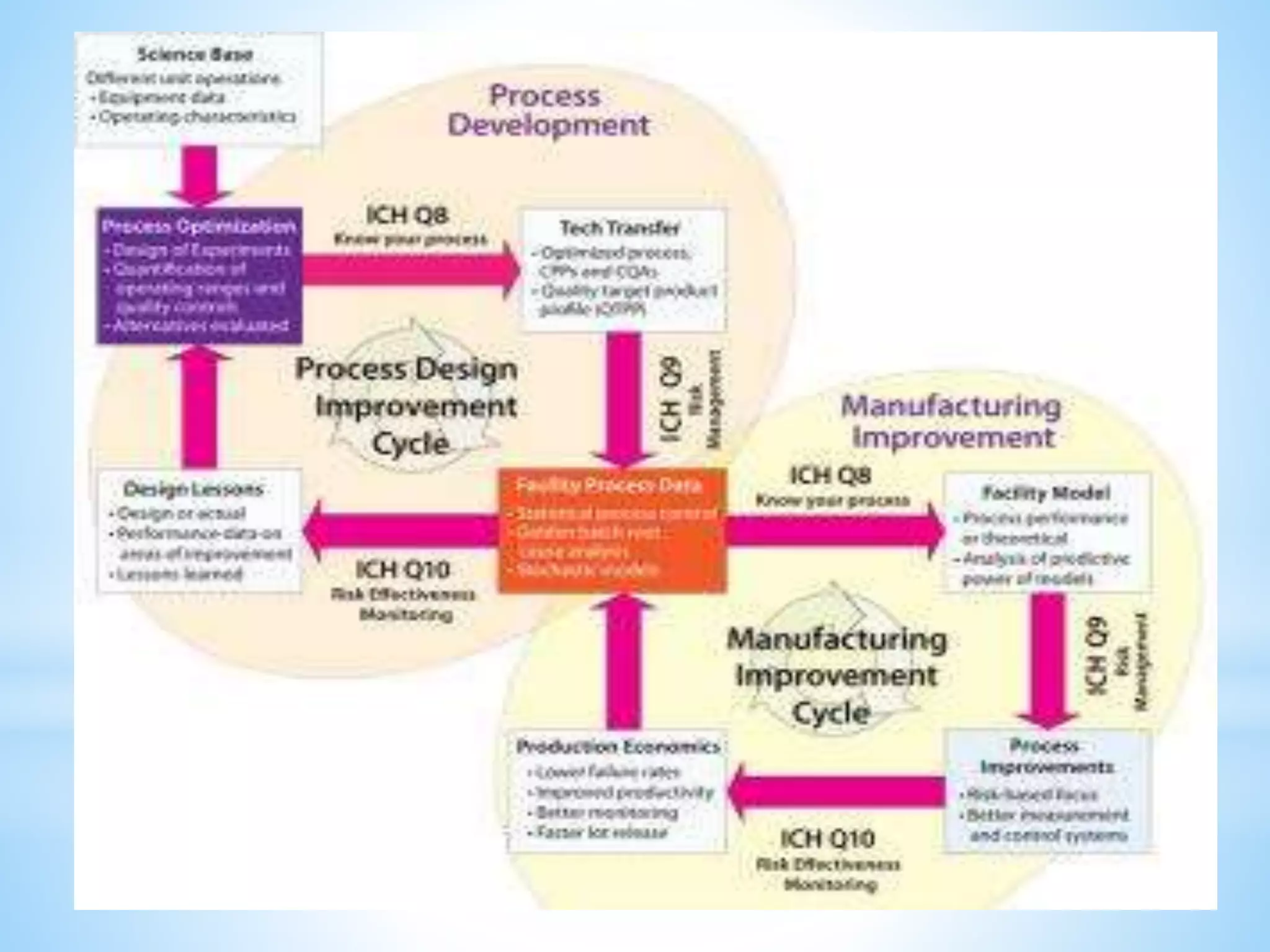
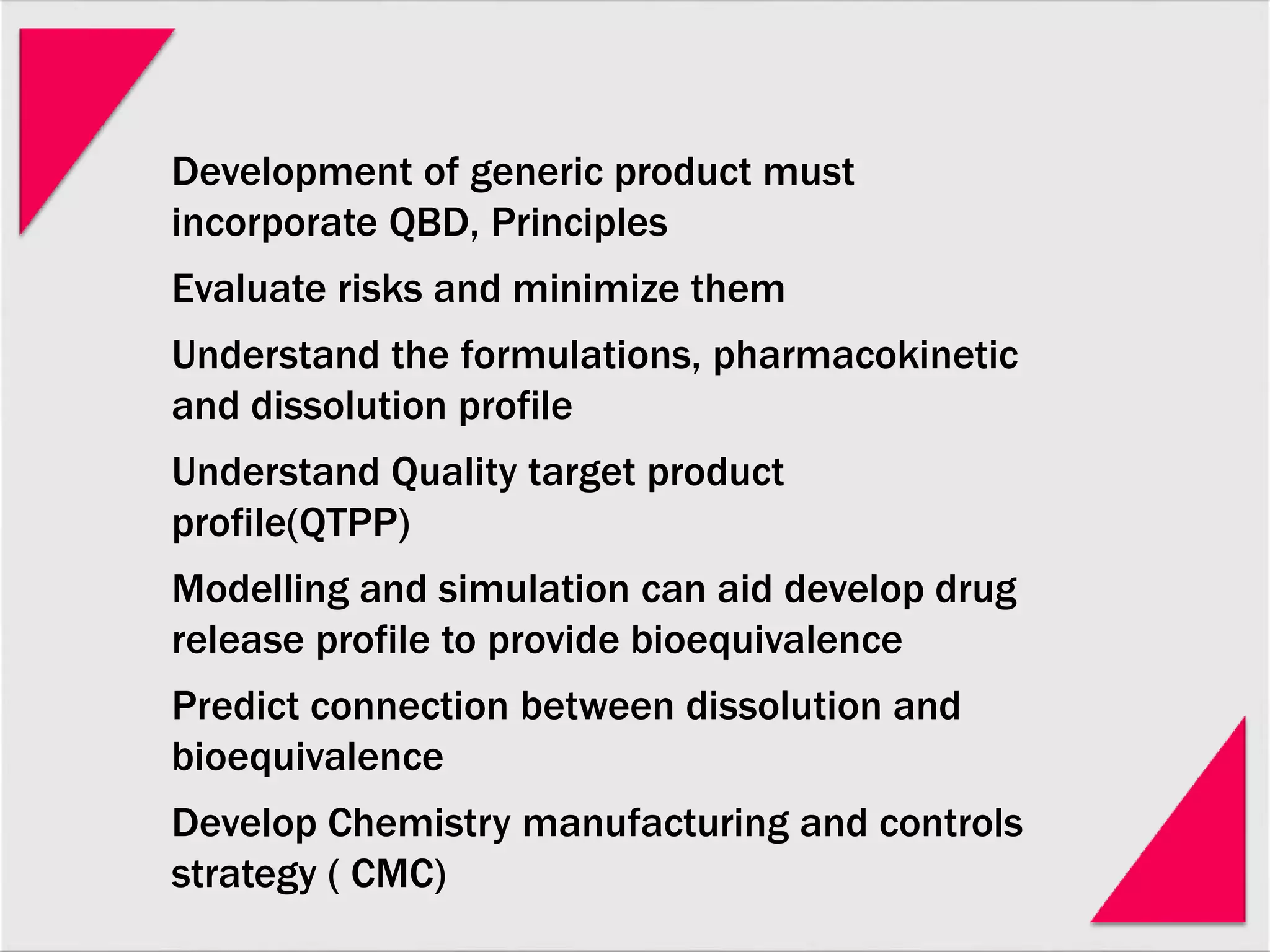
Development of generic product must
incorporate QBD, Principles
Evaluate risks and minimize them
Understand the formulations, pharmacokinetic
and dissolution profile
Understand Quality target product
profile(QTPP)
Modelling and simulation can aid develop drug
release profile to provide bioequivalence
Predict connection between dissolution and
bioequivalence
Develop Chemistry manufacturing and controls
strategy ( CMC)
PLANNING TO FILE ANDA
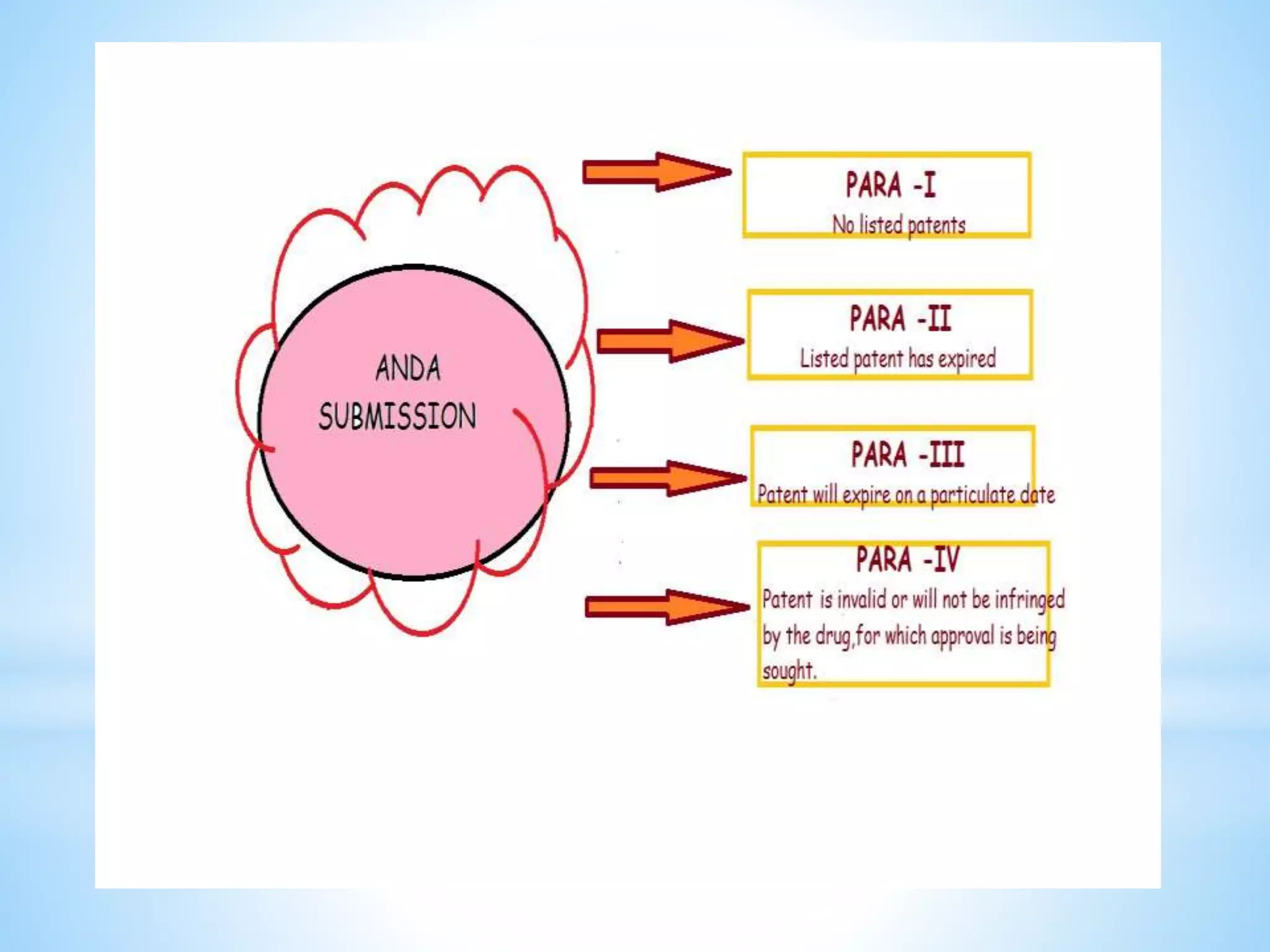
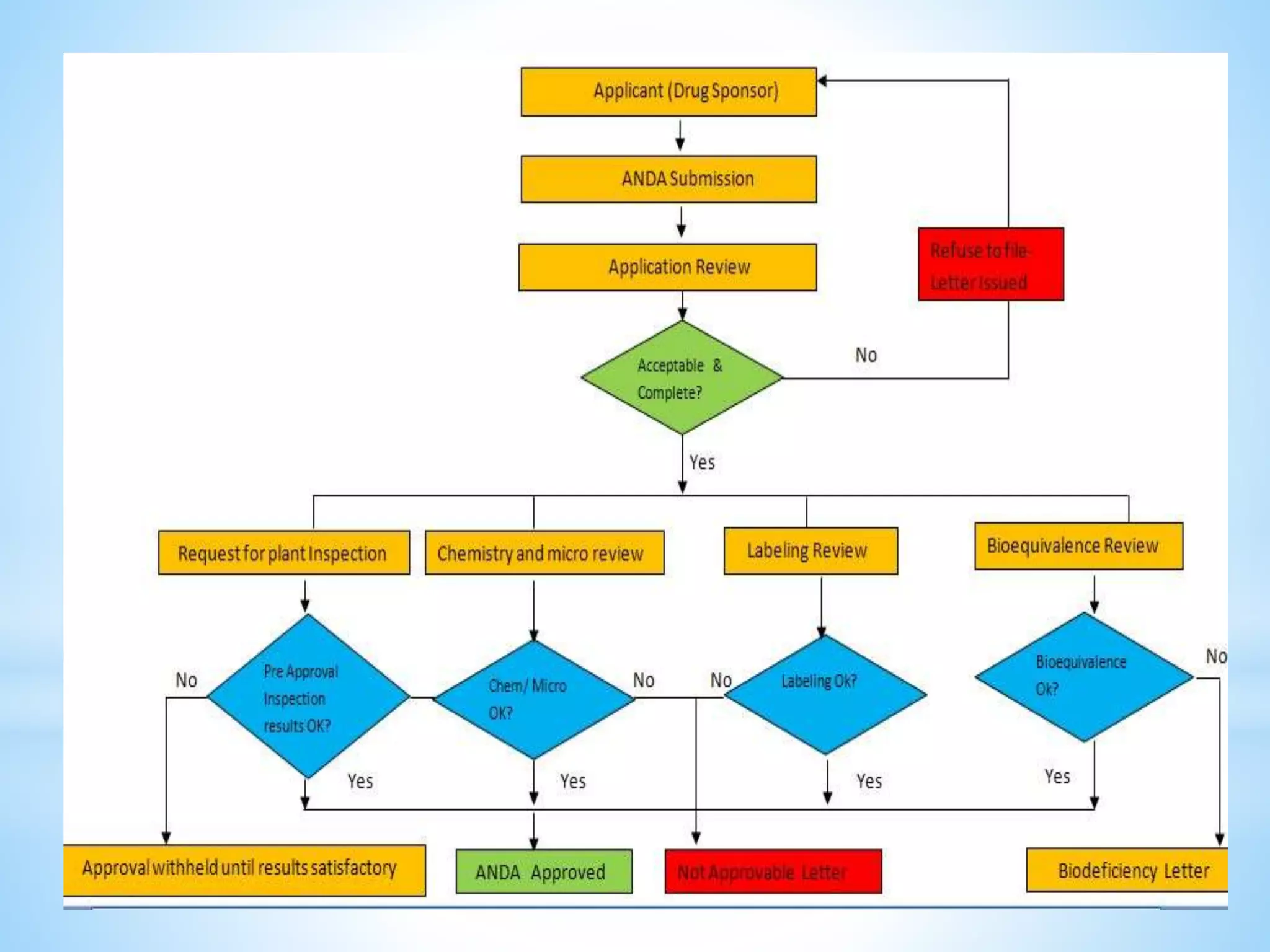
An Abbreviated New Drug Application (ANDA) contains
data which when submitted to FDA's Center for Drug
Evaluation and Research, Office of Generic Drugs,
provides for the review and ultimate approval of a
generic drug product.
Once approved, an applicant may manufacture and
market the generic drug product to provide a safe,
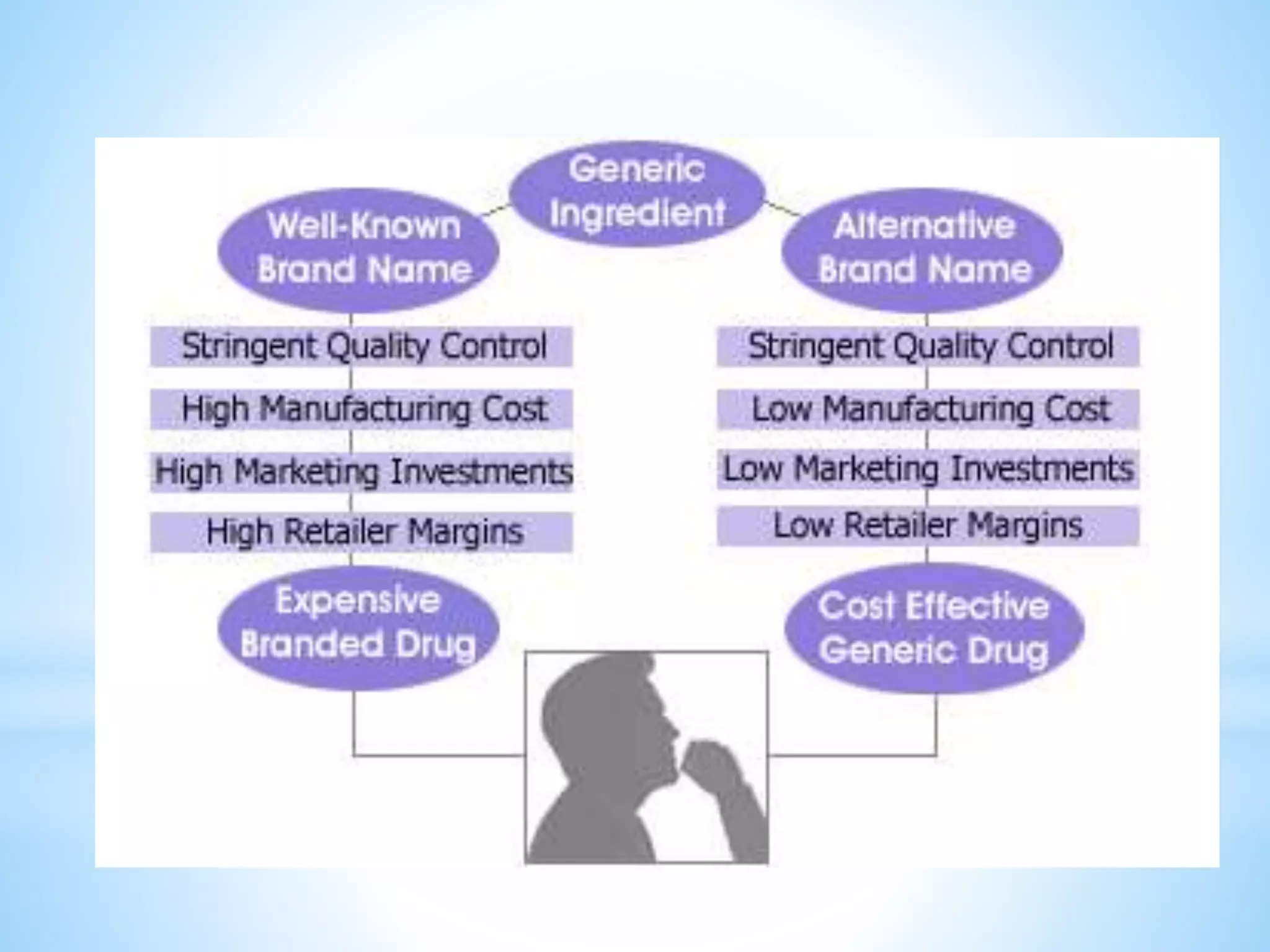
effective, low cost alternative to the American public.
A generic drug product is one that is comparable to an
innovator drug product in dosage form, strength, route of
administration, quality, performance characteristics and
intended use.
All approved products, both innovator and generic, are
listed in FDA's Approved Drug Products with Therapeutic
Equivalence Evaluations (Orange Book).
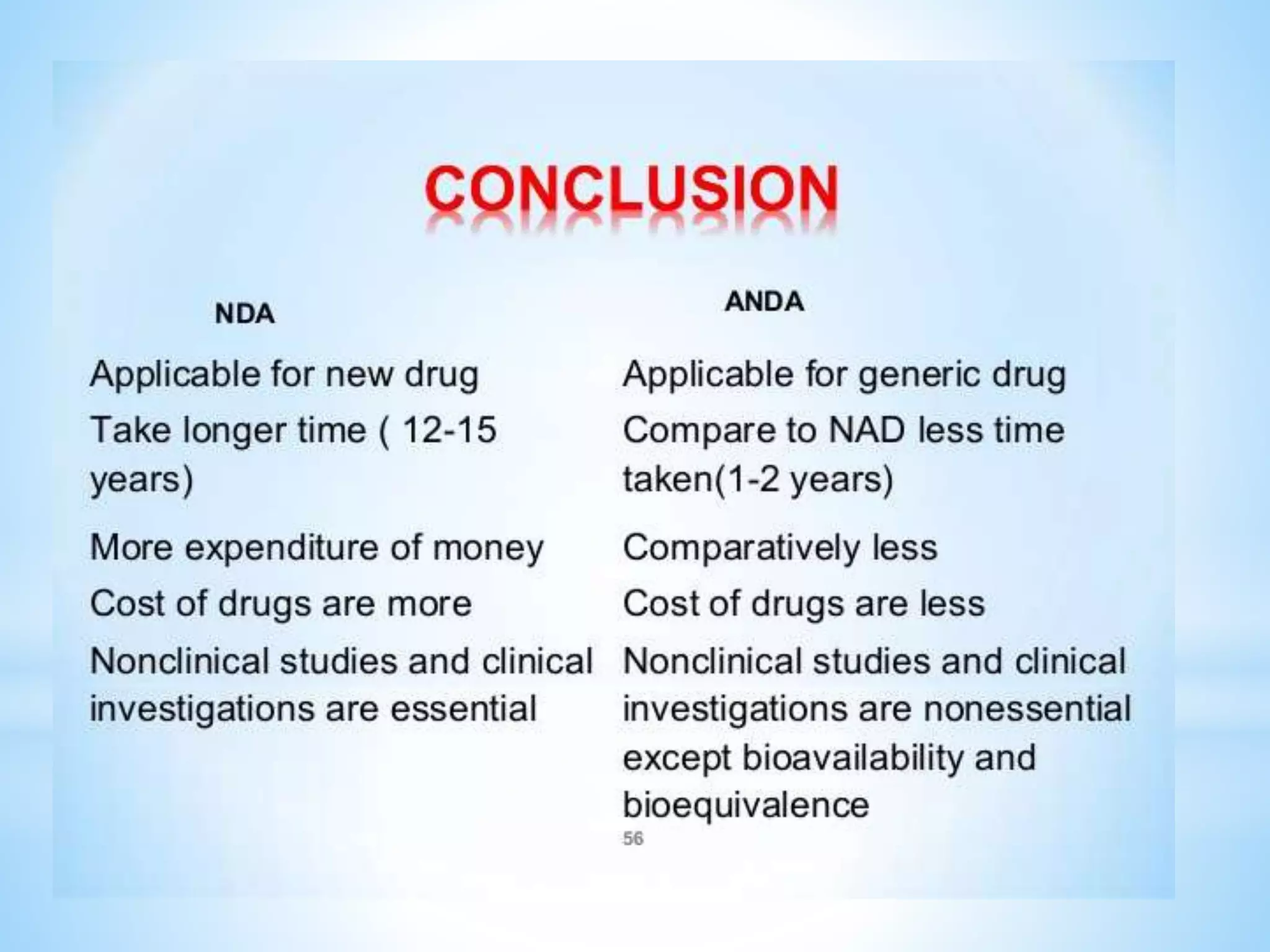
Generic drug applications are termed "abbreviated"
because they are generally not required to include
preclinical (animal) and clinical (human) data to
establish safety and effectiveness. Instead, generic
applicants must scientifically demonstrate that their
product is bioequivalent (i.e., performs in the same
manner as the innovator drug).
One way scientists demonstrate bioequivalence is to
measure the time it takes the generic drug to reach
the bloodstream in 24 to 36 healthy, volunteers. T
his gives them the rate of absorption, or
bioavailability, of the generic drug, which they can
then compare to that of the innovator drug. The
generic version must deliver the same amount of
active ingredients into a patient's bloodstream in the
same amount of time as the innovator drug.
Using bioequivalence as the basis for approving generic
copies of drug products was established by the "Drug
Price Competition and Patent Term Restoration Act of
1984," also known as the Waxman-Hatch Act. This Act
expedites the availability of less costly generic drugs by
permitting FDA to approve applications to market
generic versions of brand-name drugs without
conducting costly and duplicative clinical trials.
At the same time, the brand-name companies can apply
for up to five additional years longer patent protection
for the new medicines they developed to make up for
time lost while their products were going through FDA's
approval process. Brand-name drugs are subject to the
same bioequivalence tests as generics upon
reformulation.
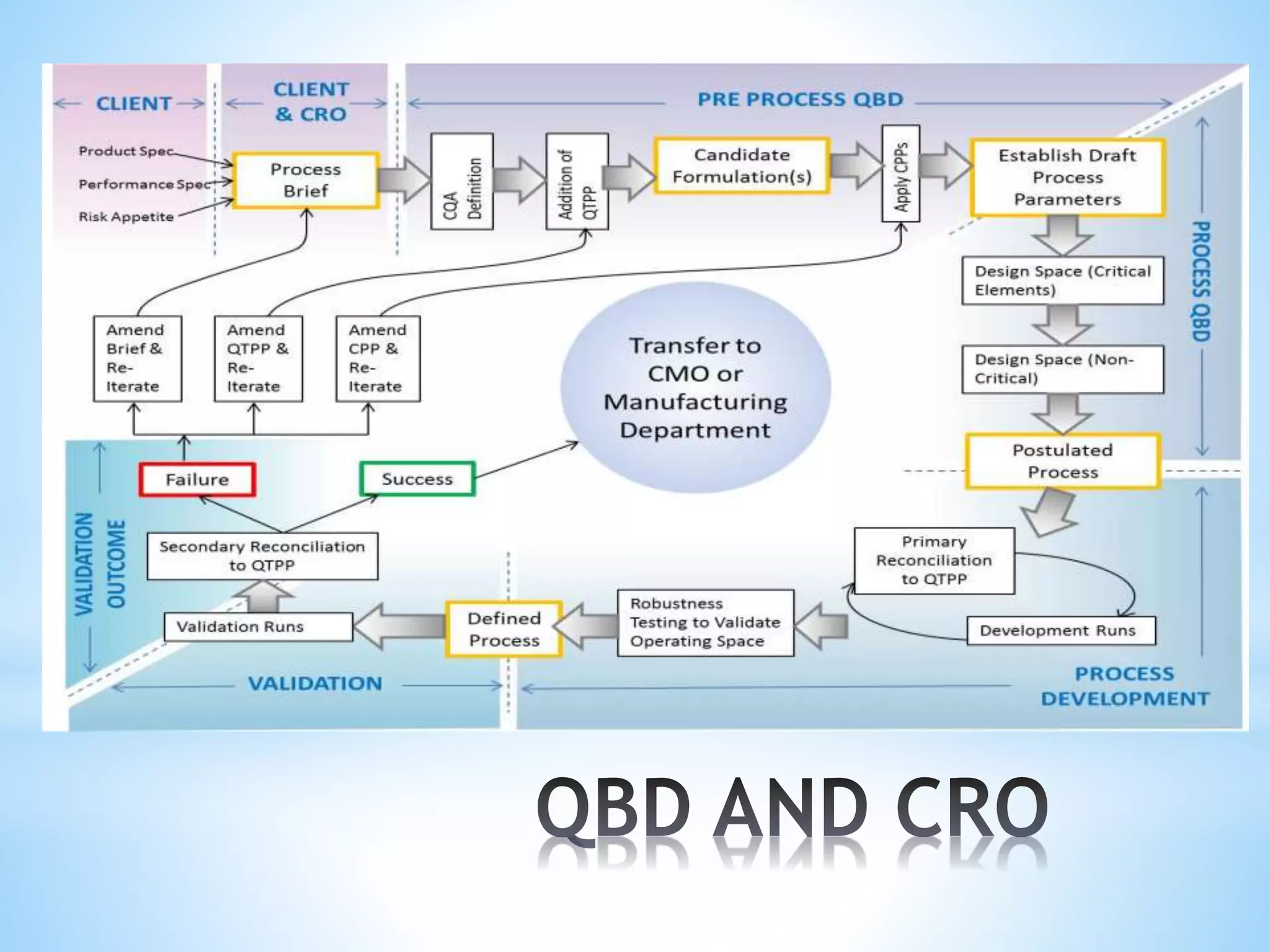
A contract research organization (CRO) is an organization that provides
support to the pharmaceutical, biotechnology, and medical device
industries in the form of research services outsourced on a contract
basis. A CRO may provide such services as biopharmaceutical
development, biologic assay development, commercialization, preclinical
research, clinical research, clinical trials management, and
pharmacovigilance.
CROs also support foundations, research institutions, and universities, in
addition to governmental organizations (such as the NIH, EMA, etc.).
Many CROs specifically provide clinical-study and clinical-trial support for
drugs and/or medical devices.
CROs range from large, international full-service organizations to small,
niche specialty groups.
CROs that specialize in clinical-trials services can offer their clients the
expertise of moving a new drug or device from its conception to FDA/EMA
marketing approval, without the drug sponsor having to maintain a staff
for these services.
Regulatory aspects
Specifically pertaining to CROs providing clinical-trials services, the
International Conference on Harmonisation of technical requirements for
registration of pharmaceuticals for human use (ICH-GCP) (E6 1.20) defines a
Contract Research Organization (CRO) as: "A person or an organization
(commercial, academic, or other) contracted by the sponsor to perform one
or more of a sponsor's trial-related duties and functions.“
(5.2.1) A sponsor may transfer any or all of the sponsor's trial-related duties
and functions to a CRO, but the ultimate responsibility for the quality and
integrity of the trial data always resides with the sponsor.
The CRO should implement quality assurance and quality control.
(5.2.2) Any trial-related duty and function that is transferred to and
assumed by a CRO should be specified in writing.
(5.2.3) Any trial-related duties and functions not specifically transferred to
and assumed by a CRO are retained by the sponsor.
(5.2.4) All references to a sponsor in this guideline also apply to a CRO to
the extent that a CRO has assumed the trial-related duties and functions of
a sponsor.
A significant portion of R&D budgets are spent on outsourcing services
(domestic and/or international) offered by the CRO industry, approximately
$25 billion in 2015. As of 2015, this figure is expected to grow at 9% over
the next ten to fifteen years.
There are over 1,100 CROs in the world, despite continued trends toward
consolidation (many CROs are being acquired in recent times or others go
out of business).
It is a very fragmented industry with the top 10 controlling 56.1% of the
market in 2008 and down to 55% in 2009.
One estimate had the size of the market set to reach $24 billion in 2010
and set to grow at a rate of 8.5% through 2015.
The top CROs, according to outsourcing-pharma.com, are Quintiles,
Parexel, Pharmaceutical Product Development (PPD), INC Research,
Covance, Medpace, PRA Health Sciences, inVentiv Health, Meditrial Europe
and Chiltern.
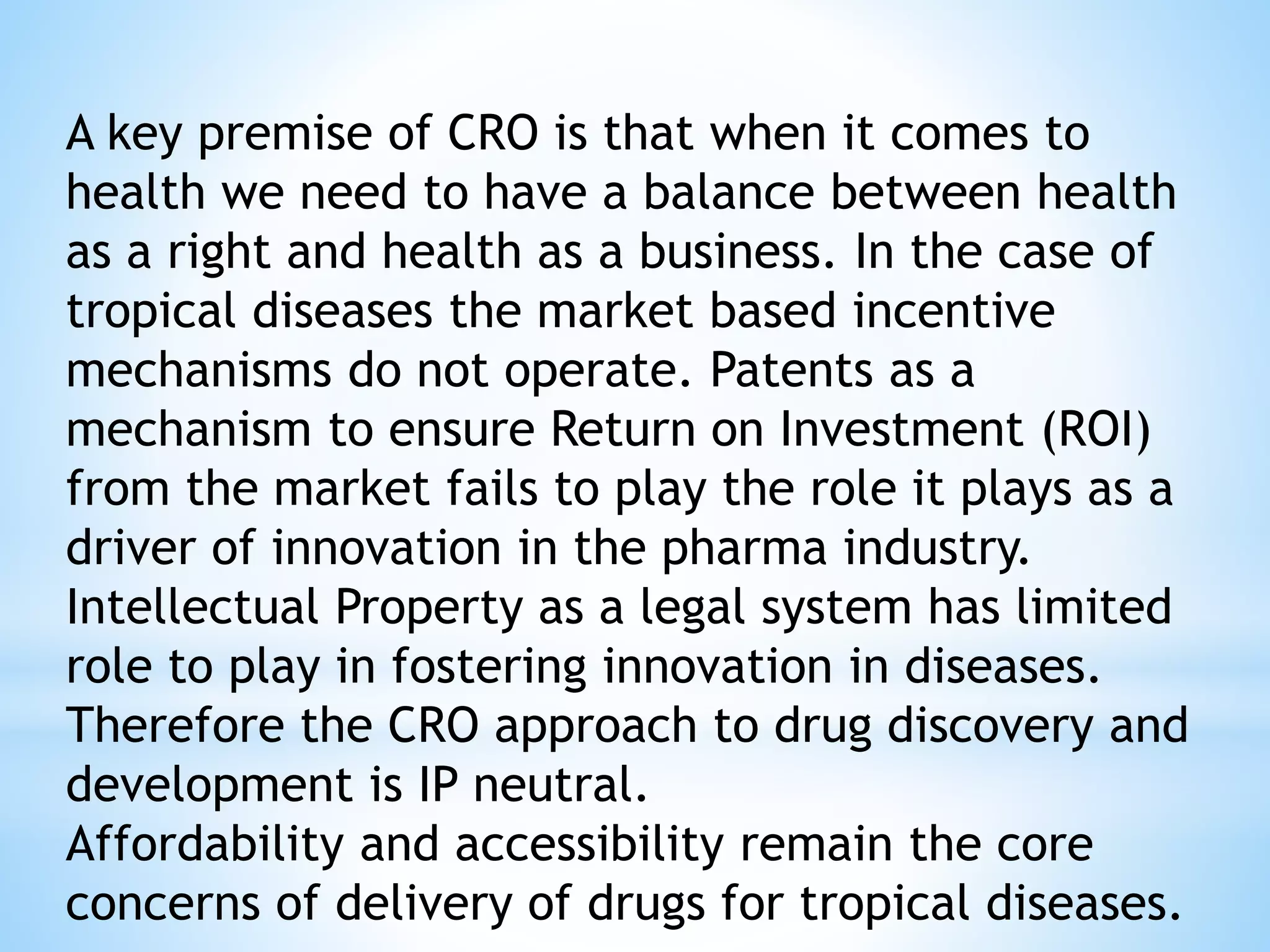
A key premise of CRO is that when it comes to
health we need to have a balance between health
as a right and health as a business. In the case of
tropical diseases the market based incentive
mechanisms do not operate. Patents as a
mechanism to ensure Return on Investment (ROI)
from the market fails to play the role it plays as a
driver of innovation in the pharma industry.
Intellectual Property as a legal system has limited
role to play in fostering innovation in diseases.
Therefore the CRO approach to drug discovery and
development is IP neutral.
Affordability and accessibility remain the core
concerns of delivery of drugs for tropical diseases.
The only successful market based model ensuring
both is the generic drug industry business model
where the market competition is driving the prices to
affordable levels and makes competitors seek
extended market reach ensuring accessibility.
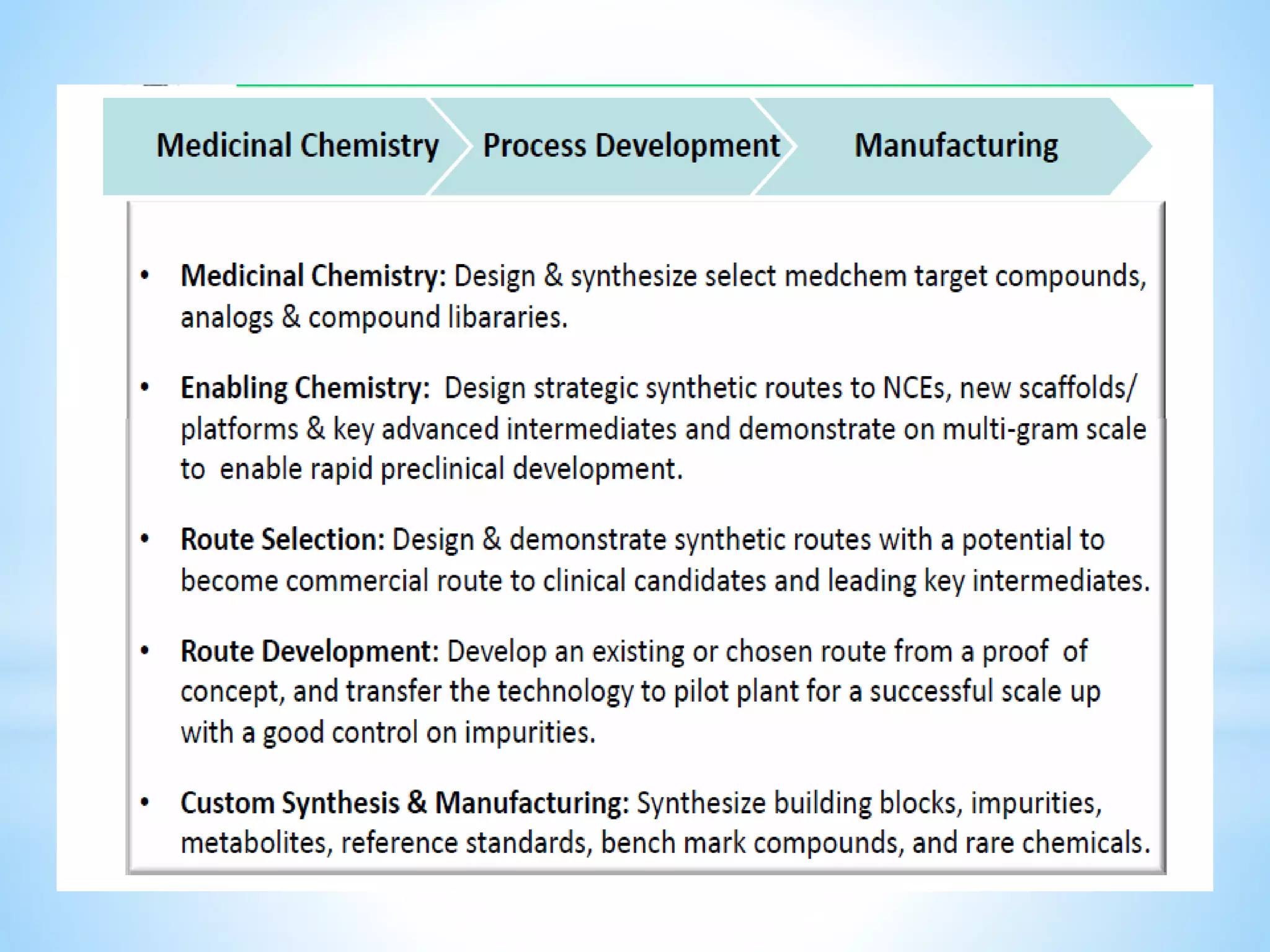
The fundamental principle of CRO is affordable
healthcare to the developing world.
Anything that is developed in CRO will be available to
the developing world in open source, generic mode,
without price monopolies. This means that there will
be no market monopoly associated with CRO drugs,
diagnostic or delivery mechanisms.
Markets are the key determinants for delivery of drugs. The drugs will be
discovered and developed with public funding. Once a drug is approved
for use by the regulatory agencies, CRO will depend on the business
model of generic drug industry which made drugs affordable in the
developing countries. CRO developed drugs will be available for any
industry player with appropriate manufacturing practices to distribute
the drugs to the market. The market competition will ensure
accessibility and affordability.
CRO also understands that researchers may be contributing patented
inventions to CRO or there may be cases where the inventors worked in
an open source environment yet would like to file patents. CRO will
encourage such patenting only for ensuring attribution to the inventors
and for proving the non-obviousness of the research.
In cases where CRO inventions are covered by patents, it will be used to
ensure:
i. Affordability and accessibility, by ensuring that the drugs are licensed
non exclusively, utilizing open competition in the market, removing the
monopolistic nature of IP for access in developing countries;
ii. For ensuring quality control of downstream drug manufacturing, by
licensing to only those entities who employs quality processes;
iii. That the subsequent innovations which follows on the existing patent
developed in open source also in open source through its drug clauses.
LIONEL MY SON
He was only in first standard in school when I was hit by a
deadly one in a million spine stroke called acute transverse
mylitis, it made me 90% paralysed and bound to a wheel
chair, He cried bitterly and we had never seen him so
depressed
Now I keep Lionel as my source of inspiration and helping
millions, thanks to millions of my readers who keep me
going and help me to keep my son and family happy.
MY BLOGS
ORGANIC SPECTROSCOPY INTERNATIONAL
LINK….. http://orgspectroscopyint.blogspot.in/
ORGANIC SPECTROSCOPY INTERNATIONAL
Organic Chemists from Industry and academics to Interact on
Spectroscopy Techniques for Organic Compounds ie NMR, MASS, IR,
UV Etc. Starters, Learners, advanced, all alike, contains content
which is basic or advanced, by Dr Anthony Melvin Crasto,
Worlddrugtracker, email me ........... amcrasto@gmail.com, call
+91 9323115463
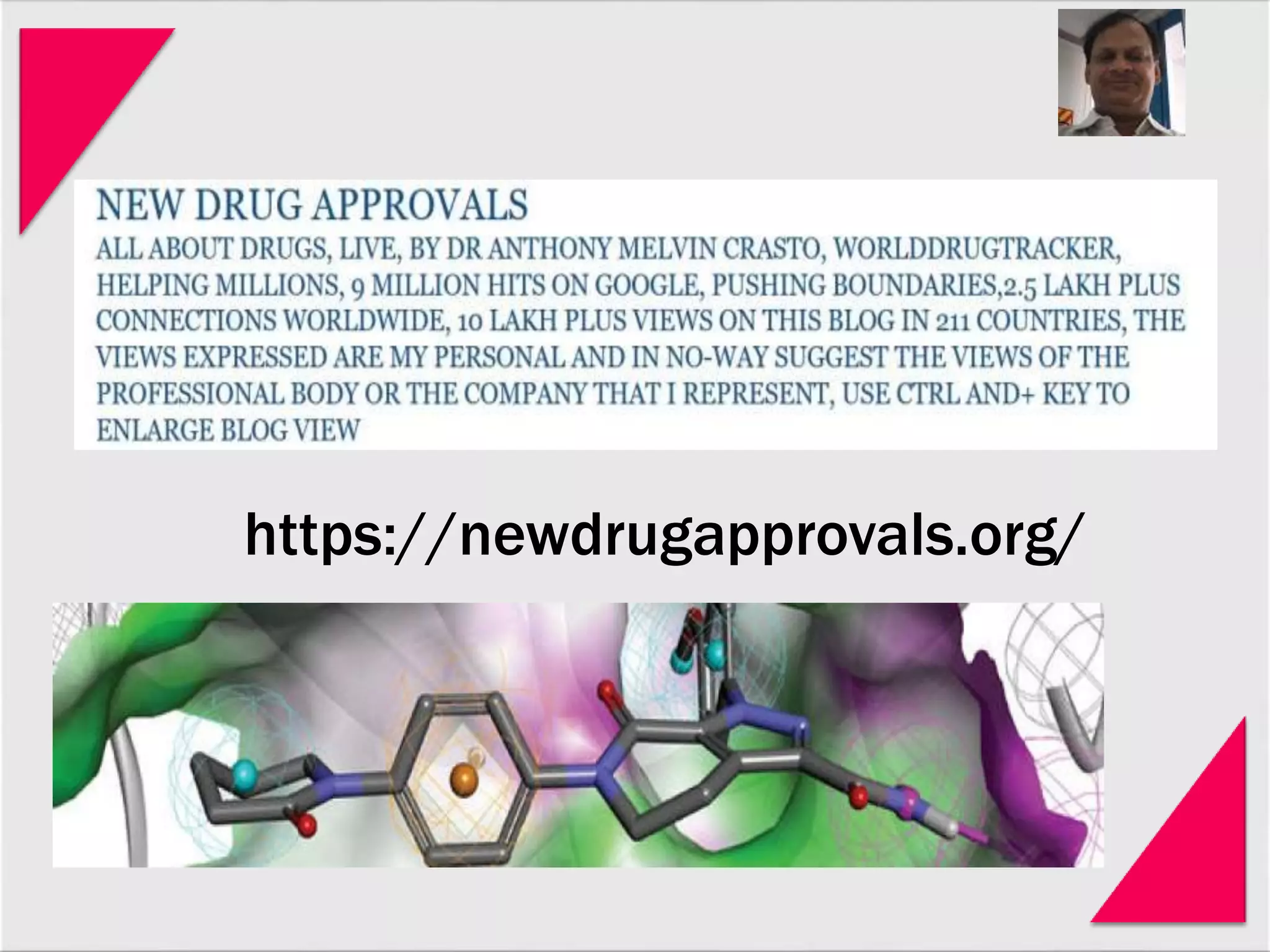
https://newdrugapprovals.org/
To take full advantage of Chemical Web content, it is essential
to use several Software:Winzip,Chemscape Chime, Shockwave,
Adobe Acrobat, Cosmo Player, Web Lab Viewer,
Paint Shop Pro, Rasmol, ChemOffice, Quick Time,etc
*

Accelerating Generic Approvals by Dr Anthony Crasto

  • 1.
    Keys to beingfirst to market with special help from CRO’S by DR ANTHONY MELVIN CRASTO Worlddrugtracker INDIA June 2016 Accelerating Generic Approvals
  • 3.
    In the nameof Generics, the first to market is winner At a time when most of successful drugs are reaching the patent cliff Opening the flood gates for generic substitutes Generic companies are rushing to target the best candidates and enter the market first They are relying more heavily on qualified outsource product development partners As patents expire, rush is on for first to market with generic options
  • 7.
    Time largely dictatesthe economic profile of generic drug They are relying on Qualified contract research organisations (CRO’S) to accelerate development They get broad expertise in development processes, advanced technology, Scientific models, and infrastructre Without adding significant capital investment
  • 8.
    Points for successfulBioequivalent Successful bioequivalence study Regulatory filing Process validation study Strong CRO lab partner Efficient high quality, Regulatory compliant analysis at every step Flawless execution without cost delays
  • 10.
    Cont………. Bioanalytical method development Comprehensivepharma analysis Stability program support Method validation Final product testing Early phase research and development work ANDA submission Post market sample and stability testing
  • 11.
  • 14.
    Preformulation and formulation Genericproduct must meet the same quality standards as branded products Manufacturers need toprove the efficacy of formulation by conducting, bioequivalence/bioavailability (BE/BA) Study compared with designated standard USFDA needs bioequivalence (BE) between 80-125% if the innovator product Development chemist has challenges in form of matching innovator prduct with tight acceptance criteria Also has to circumvent formulation patents
  • 15.
    Contd…… Before preparing trialformulations, preformulation is done to obtain info about refernce product and drug substance Preformulation determines Active ingredients(s) Compounds Exepients Drug solubility Chemistry Flow and adsorption Drug release etc Challenge to find missing exepients from drug label of innovator
  • 18.
    ++++++++ EQUIVALENCE NEEDED OR GENERICFIRST TIME CHANGES,REDUCED DISCOVERY VERSUS GENERIC FIRST
  • 23.
    Analytical resting foreach likely exepient is time consuming Guesswork Lack of experience Considerable time to development process CRO can accelerate development process Advanced equipment Efficient tests Sop’s During formulation, Recipe close to innovator without impurities
  • 25.
    BE/BA Studies mustcomply with reg requirement of country intended for marketing In USFDA has specific required in form of ANDA, Abbreviated new drug application Non patent infringing Raw material Non patent infringing formulation Stable Bioequivalent Accurate be studies will accelerate reg approvals Wrong data/less data, costly delays
  • 36.
    To demonstrate bioequivalence Formulationmust have same amount of active ingredient Same dissolution Release profiles Clinical BE testing Sometimes toxicological testing Onsite toxicological testing May help in Expertise Continuity Effective study oversight
  • 38.
    For invitro andinvivo testing Highly qualified tech and medical staff Clinical and lab investigators Sometimes human testing Need to recruit subjects, and conduct study Deep understanding of pharmacokinetic pk variability, when designing studies
  • 44.
    Development of genericproduct must incorporate QBD, Principles Evaluate risks and minimize them Understand the formulations, pharmacokinetic and dissolution profile Understand Quality target product profile(QTPP) Modelling and simulation can aid develop drug release profile to provide bioequivalence Predict connection between dissolution and bioequivalence Develop Chemistry manufacturing and controls strategy ( CMC)
  • 47.
  • 48.
    An Abbreviated NewDrug Application (ANDA) contains data which when submitted to FDA's Center for Drug Evaluation and Research, Office of Generic Drugs, provides for the review and ultimate approval of a generic drug product. Once approved, an applicant may manufacture and market the generic drug product to provide a safe, effective, low cost alternative to the American public. A generic drug product is one that is comparable to an innovator drug product in dosage form, strength, route of administration, quality, performance characteristics and intended use. All approved products, both innovator and generic, are listed in FDA's Approved Drug Products with Therapeutic Equivalence Evaluations (Orange Book).
  • 49.
    Generic drug applicationsare termed "abbreviated" because they are generally not required to include preclinical (animal) and clinical (human) data to establish safety and effectiveness. Instead, generic applicants must scientifically demonstrate that their product is bioequivalent (i.e., performs in the same manner as the innovator drug). One way scientists demonstrate bioequivalence is to measure the time it takes the generic drug to reach the bloodstream in 24 to 36 healthy, volunteers. T his gives them the rate of absorption, or bioavailability, of the generic drug, which they can then compare to that of the innovator drug. The generic version must deliver the same amount of active ingredients into a patient's bloodstream in the same amount of time as the innovator drug.
  • 50.
    Using bioequivalence asthe basis for approving generic copies of drug products was established by the "Drug Price Competition and Patent Term Restoration Act of 1984," also known as the Waxman-Hatch Act. This Act expedites the availability of less costly generic drugs by permitting FDA to approve applications to market generic versions of brand-name drugs without conducting costly and duplicative clinical trials. At the same time, the brand-name companies can apply for up to five additional years longer patent protection for the new medicines they developed to make up for time lost while their products were going through FDA's approval process. Brand-name drugs are subject to the same bioequivalence tests as generics upon reformulation.
  • 58.
    A contract researchorganization (CRO) is an organization that provides support to the pharmaceutical, biotechnology, and medical device industries in the form of research services outsourced on a contract basis. A CRO may provide such services as biopharmaceutical development, biologic assay development, commercialization, preclinical research, clinical research, clinical trials management, and pharmacovigilance. CROs also support foundations, research institutions, and universities, in addition to governmental organizations (such as the NIH, EMA, etc.). Many CROs specifically provide clinical-study and clinical-trial support for drugs and/or medical devices. CROs range from large, international full-service organizations to small, niche specialty groups. CROs that specialize in clinical-trials services can offer their clients the expertise of moving a new drug or device from its conception to FDA/EMA marketing approval, without the drug sponsor having to maintain a staff for these services.
  • 59.
    Regulatory aspects Specifically pertainingto CROs providing clinical-trials services, the International Conference on Harmonisation of technical requirements for registration of pharmaceuticals for human use (ICH-GCP) (E6 1.20) defines a Contract Research Organization (CRO) as: "A person or an organization (commercial, academic, or other) contracted by the sponsor to perform one or more of a sponsor's trial-related duties and functions.“ (5.2.1) A sponsor may transfer any or all of the sponsor's trial-related duties and functions to a CRO, but the ultimate responsibility for the quality and integrity of the trial data always resides with the sponsor. The CRO should implement quality assurance and quality control. (5.2.2) Any trial-related duty and function that is transferred to and assumed by a CRO should be specified in writing. (5.2.3) Any trial-related duties and functions not specifically transferred to and assumed by a CRO are retained by the sponsor. (5.2.4) All references to a sponsor in this guideline also apply to a CRO to the extent that a CRO has assumed the trial-related duties and functions of a sponsor.
  • 60.
    A significant portionof R&D budgets are spent on outsourcing services (domestic and/or international) offered by the CRO industry, approximately $25 billion in 2015. As of 2015, this figure is expected to grow at 9% over the next ten to fifteen years. There are over 1,100 CROs in the world, despite continued trends toward consolidation (many CROs are being acquired in recent times or others go out of business). It is a very fragmented industry with the top 10 controlling 56.1% of the market in 2008 and down to 55% in 2009. One estimate had the size of the market set to reach $24 billion in 2010 and set to grow at a rate of 8.5% through 2015. The top CROs, according to outsourcing-pharma.com, are Quintiles, Parexel, Pharmaceutical Product Development (PPD), INC Research, Covance, Medpace, PRA Health Sciences, inVentiv Health, Meditrial Europe and Chiltern.
  • 66.
    A key premiseof CRO is that when it comes to health we need to have a balance between health as a right and health as a business. In the case of tropical diseases the market based incentive mechanisms do not operate. Patents as a mechanism to ensure Return on Investment (ROI) from the market fails to play the role it plays as a driver of innovation in the pharma industry. Intellectual Property as a legal system has limited role to play in fostering innovation in diseases. Therefore the CRO approach to drug discovery and development is IP neutral. Affordability and accessibility remain the core concerns of delivery of drugs for tropical diseases.
  • 67.
    The only successfulmarket based model ensuring both is the generic drug industry business model where the market competition is driving the prices to affordable levels and makes competitors seek extended market reach ensuring accessibility. The fundamental principle of CRO is affordable healthcare to the developing world. Anything that is developed in CRO will be available to the developing world in open source, generic mode, without price monopolies. This means that there will be no market monopoly associated with CRO drugs, diagnostic or delivery mechanisms.
  • 68.
    Markets are thekey determinants for delivery of drugs. The drugs will be discovered and developed with public funding. Once a drug is approved for use by the regulatory agencies, CRO will depend on the business model of generic drug industry which made drugs affordable in the developing countries. CRO developed drugs will be available for any industry player with appropriate manufacturing practices to distribute the drugs to the market. The market competition will ensure accessibility and affordability. CRO also understands that researchers may be contributing patented inventions to CRO or there may be cases where the inventors worked in an open source environment yet would like to file patents. CRO will encourage such patenting only for ensuring attribution to the inventors and for proving the non-obviousness of the research. In cases where CRO inventions are covered by patents, it will be used to ensure: i. Affordability and accessibility, by ensuring that the drugs are licensed non exclusively, utilizing open competition in the market, removing the monopolistic nature of IP for access in developing countries; ii. For ensuring quality control of downstream drug manufacturing, by licensing to only those entities who employs quality processes; iii. That the subsequent innovations which follows on the existing patent developed in open source also in open source through its drug clauses.
  • 70.
    LIONEL MY SON Hewas only in first standard in school when I was hit by a deadly one in a million spine stroke called acute transverse mylitis, it made me 90% paralysed and bound to a wheel chair, He cried bitterly and we had never seen him so depressed Now I keep Lionel as my source of inspiration and helping millions, thanks to millions of my readers who keep me going and help me to keep my son and family happy.
  • 71.
    MY BLOGS ORGANIC SPECTROSCOPYINTERNATIONAL LINK….. http://orgspectroscopyint.blogspot.in/ ORGANIC SPECTROSCOPY INTERNATIONAL Organic Chemists from Industry and academics to Interact on Spectroscopy Techniques for Organic Compounds ie NMR, MASS, IR, UV Etc. Starters, Learners, advanced, all alike, contains content which is basic or advanced, by Dr Anthony Melvin Crasto, Worlddrugtracker, email me ........... amcrasto@gmail.com, call +91 9323115463
  • 72.
  • 73.
    To take fulladvantage of Chemical Web content, it is essential to use several Software:Winzip,Chemscape Chime, Shockwave, Adobe Acrobat, Cosmo Player, Web Lab Viewer, Paint Shop Pro, Rasmol, ChemOffice, Quick Time,etc
  • 75.

Editor's Notes