ASA Physical Status
Classification
Dr Anjali Kochhar
Associate Professor
VMMC & Safdarjung Hospital
Delhi
Learning objectives
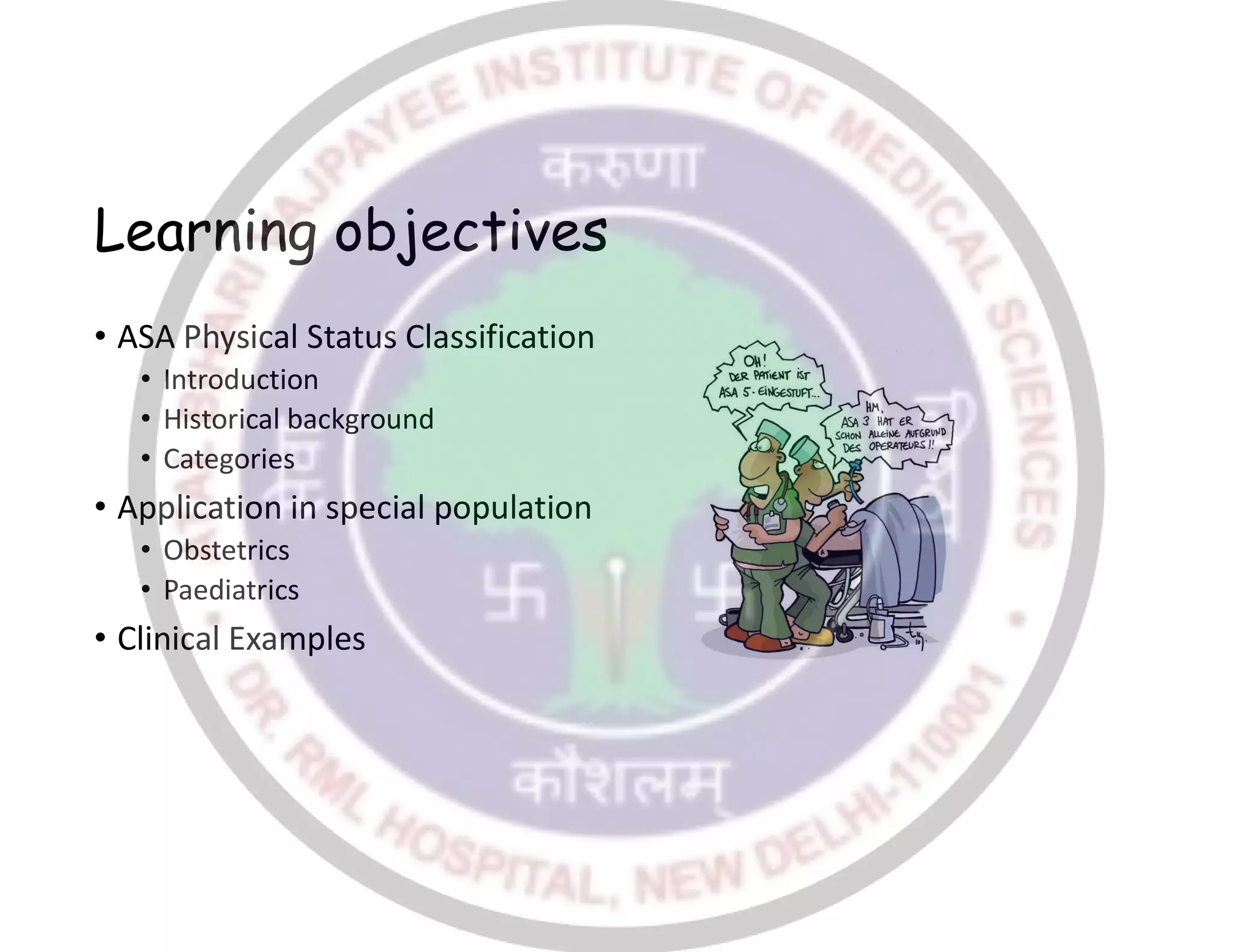
• ASA Physical Status Classification
• Introduction
• Historical background
• Categories
• Application in special population
• Obstetrics
• Paediatrics
• Clinical Examples
ASA Physical Status Classification
• Introduced by The American Society of Anaesthesiologists to grade
patients at the time of pre-anaesthetic evaluation
• ASA Physical Status (ASA-PS) given based on their medical history
• Used by anaesthesiologists world wide (Universal application)
• As a tool to assess patient’s physical fitness before surgery
• Although its not designed to be a risk predictor, ASA -PS is associated
with post-operative morbidity and mortality
Overall health status
of the patient
Historical background
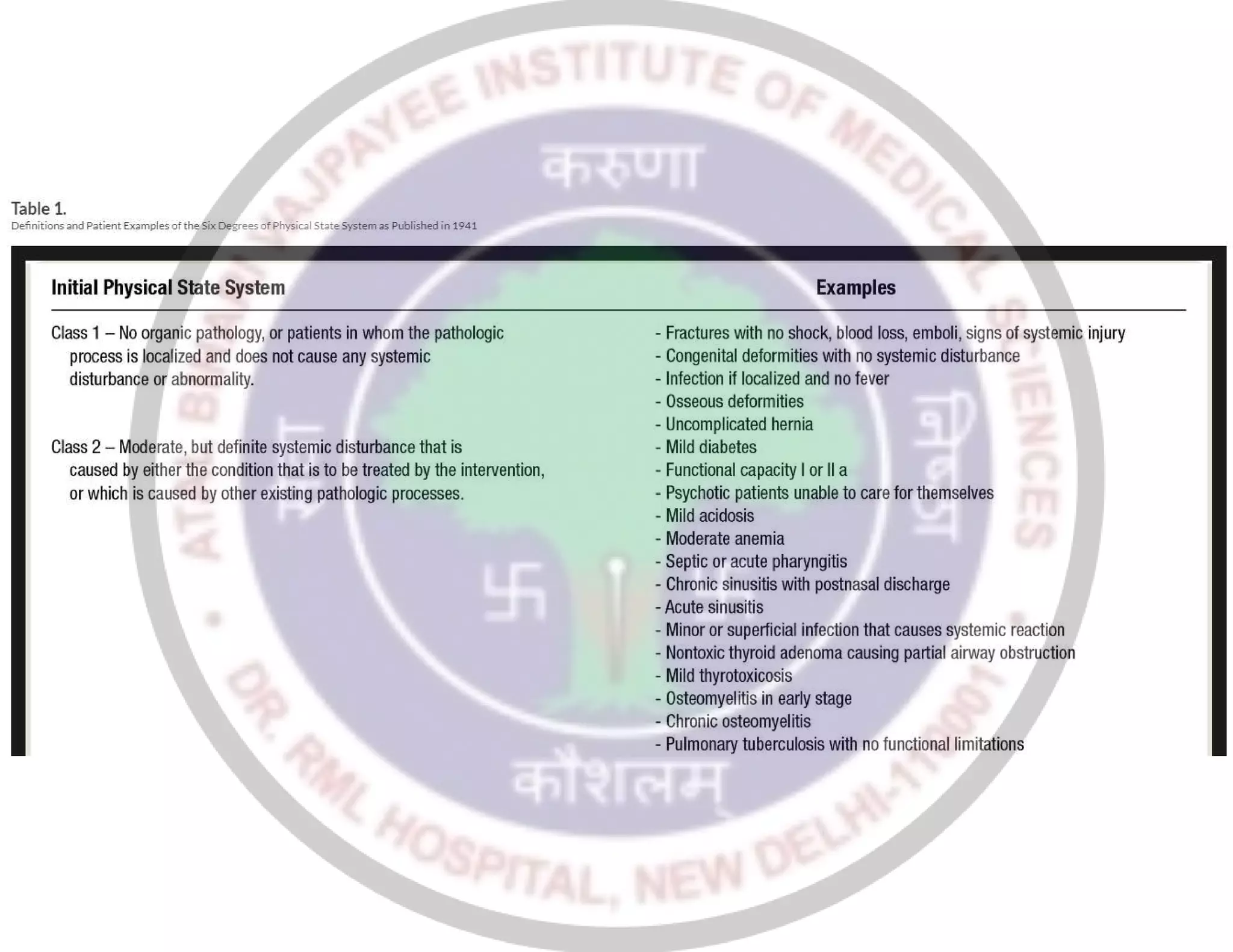
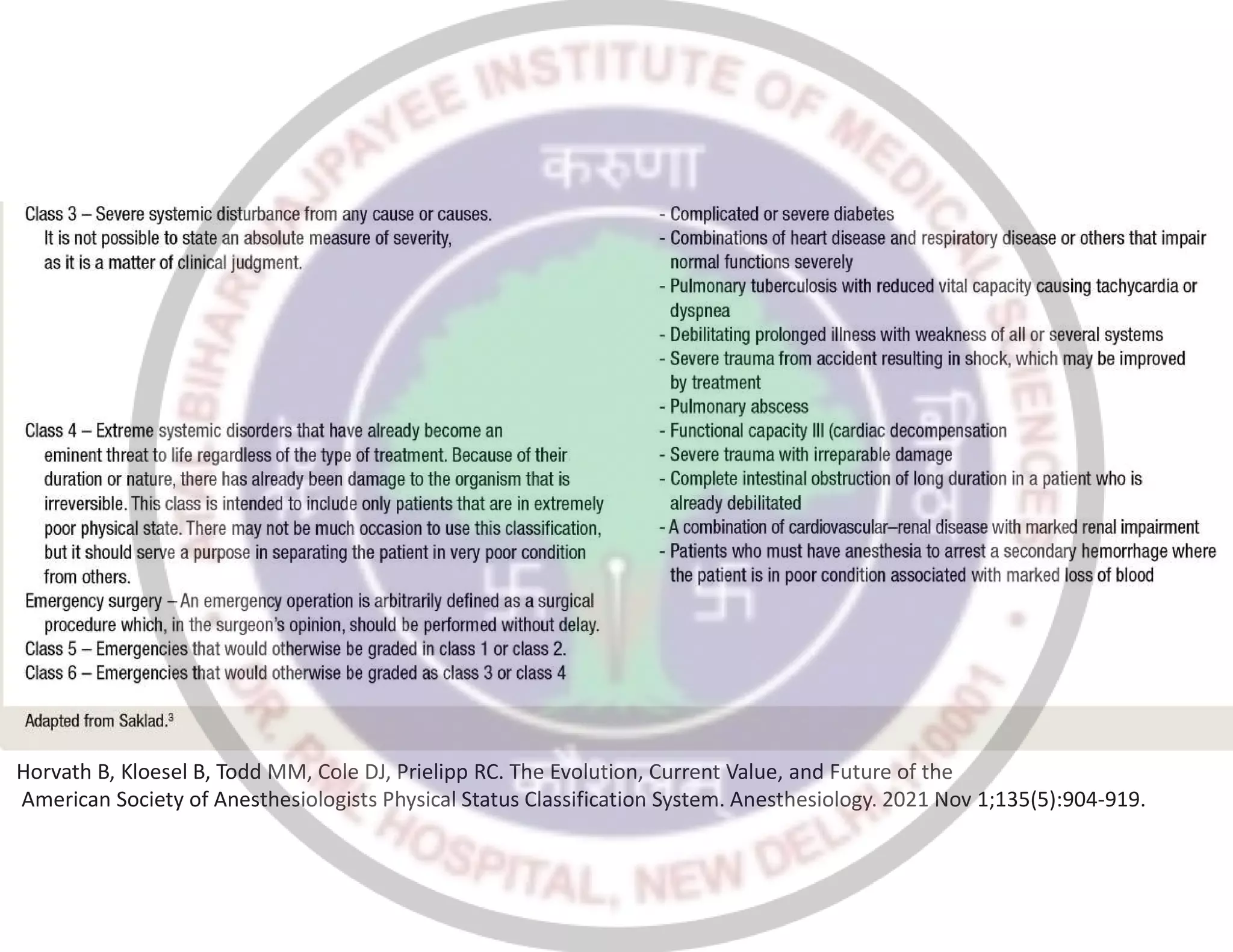
• ASA-PS Classification was first given by Saklad et al in 1941
• 6 classes were given with case examples
• Included functional status of the patient
• Objective evidence of cardiovascular disease
• Modified in 1961 by Dripps et al
• E was added denoting emergency surgery
• Did not include case examples or functional status
• Class 6 added in 1983 for brain stem dead organ donors
• Further revised in 2014 and case examples were added
• Latest amendment done in 2020 adding paediatric and obstetric examples
A committee was made by ASA society to study, examine, experiment and device
a system for collection and tabulation of statistical data in anaesthesia
-Meyer Saklad , E A Rovenstine , I B Taylor, 1941
Horvath B, Kloesel B, Todd MM, Cole DJ, Prielipp RC. The Evolution, Current Value, and Future of the
American Society of Anesthesiologists Physical Status Classification System. Anesthesiology. 2021 Nov 1;135(5):904-919.
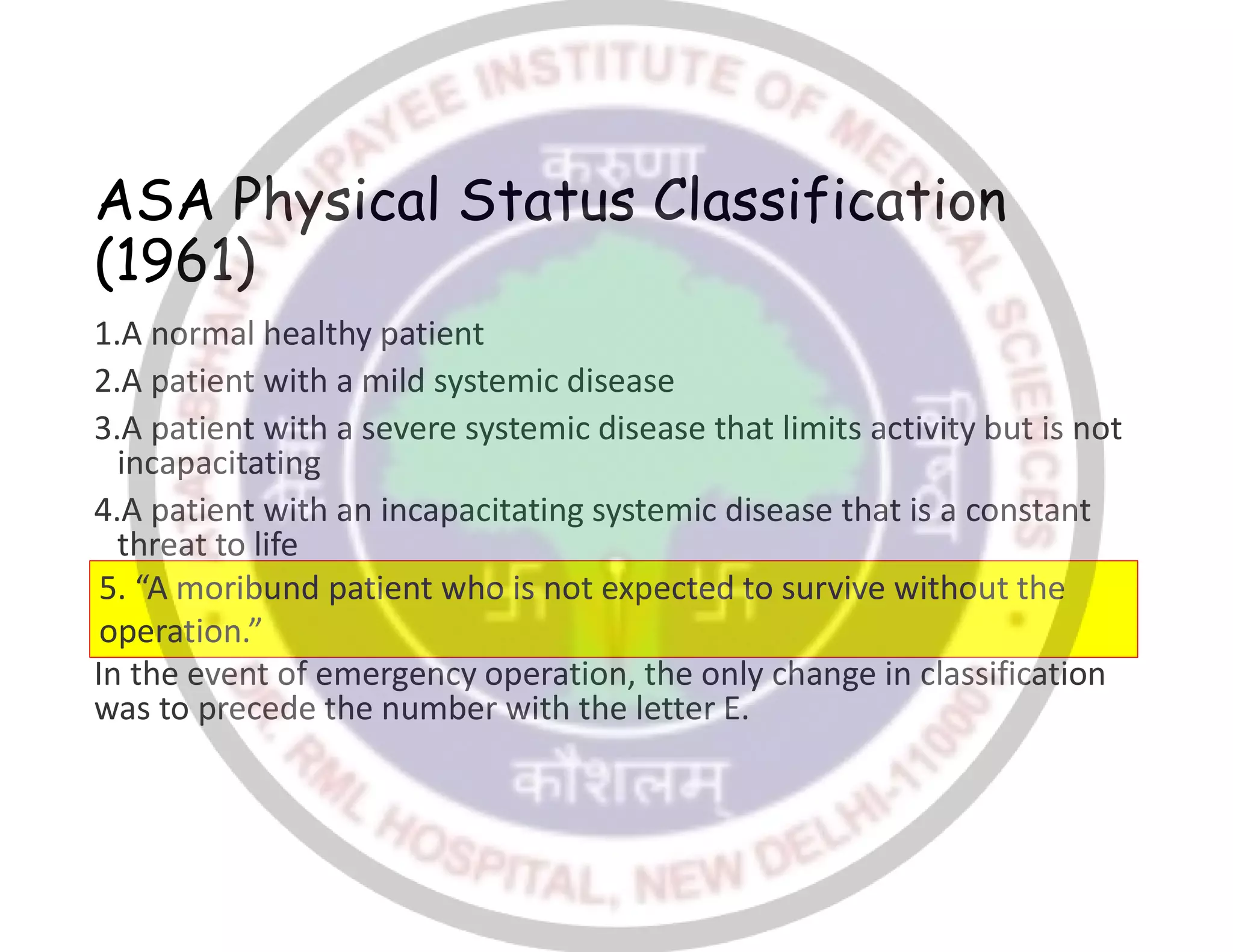
ASA Physical Status Classification
(1961)
1.A normal healthy patient
2.A patient with a mild systemic disease
3.A patient with a severe systemic disease that limits activity but is not
incapacitating
4.A patient with an incapacitating systemic disease that is a constant
threat to life
5.A moribund patient not expected to survive 24 h with or without
operation
In the event of emergency operation, the only change in classification
was to precede the number with the letter E.
5. “A moribund patient who is not expected to survive without the
operation.”
Historical background
• ASA-PS Classification was first given by Saklad et al in 1941
• 6 classes were given with case examples
• Included functional status of the patient
• Objective evidence of cardiovascular disease
• Modified in 1961 by Dripps et al
• E was added denoting emergency surgery
• Did not include case examples or functional status
• Class 6 added in 1983 for brain stem dead organ donors
• Further revised in 2014 and case examples were added
• Latest amendment done in 2020 adding paediatric and obstetric examples
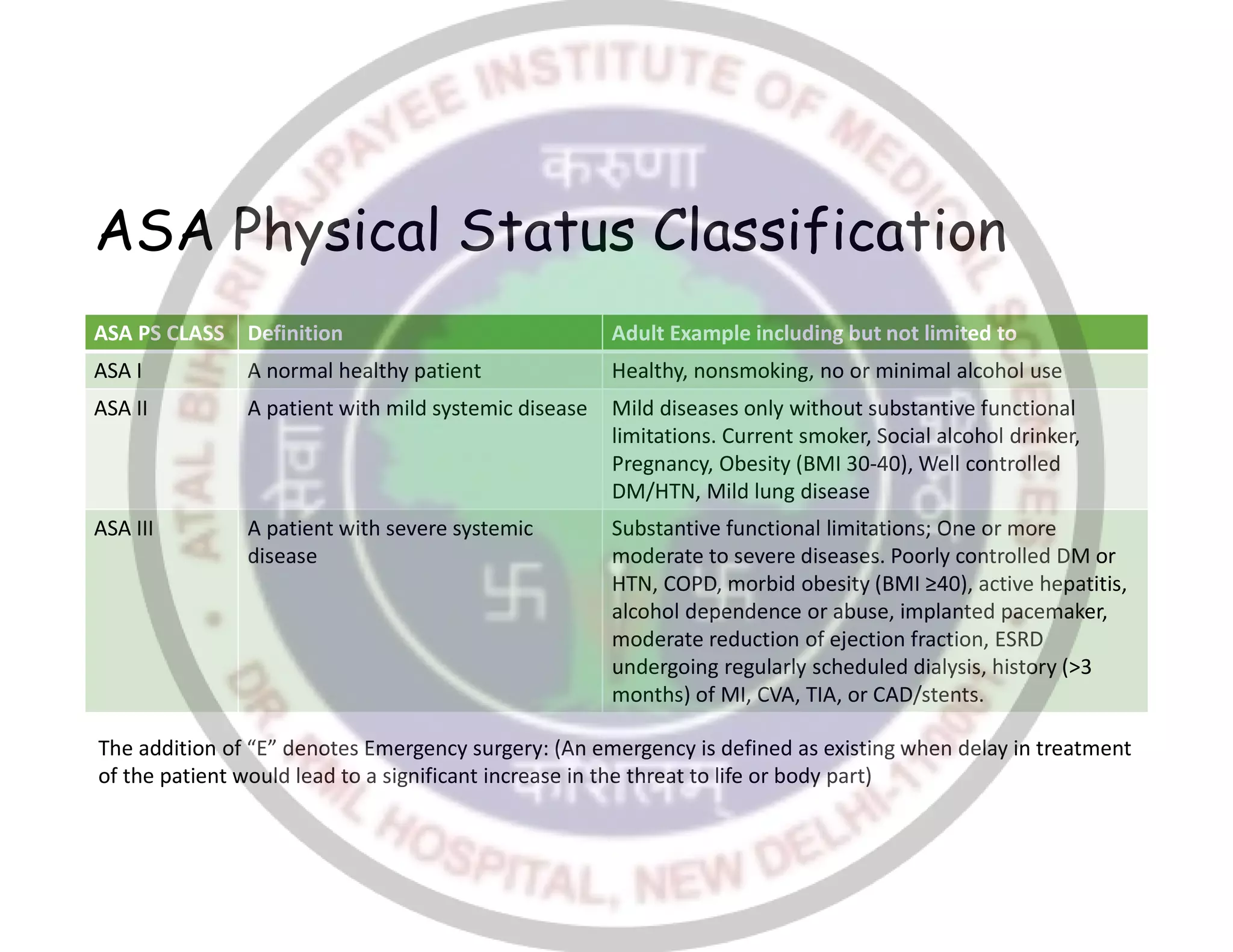
ASA Physical Status Classification
ASA PS CLASS Definition Adult Example including but not limited to
ASA I A normal healthy patient Healthy, nonsmoking, no or minimal alcohol use
ASA II A patient with mild systemic disease Mild diseases only without substantive functional
limitations. Current smoker, Social alcohol drinker,
Pregnancy, Obesity (BMI 30-40), Well controlled
DM/HTN, Mild lung disease
ASA III A patient with severe systemic
disease
Substantive functional limitations; One or more
moderate to severe diseases. Poorly controlled DM or
HTN, COPD, morbid obesity (BMI ≥40), active hepatitis,
alcohol dependence or abuse, implanted pacemaker,
moderate reduction of ejection fraction, ESRD
undergoing regularly scheduled dialysis, history (>3
months) of MI, CVA, TIA, or CAD/stents.
The addition of “E” denotes Emergency surgery: (An emergency is defined as existing when delay in treatment
of the patient would lead to a significant increase in the threat to life or body part)
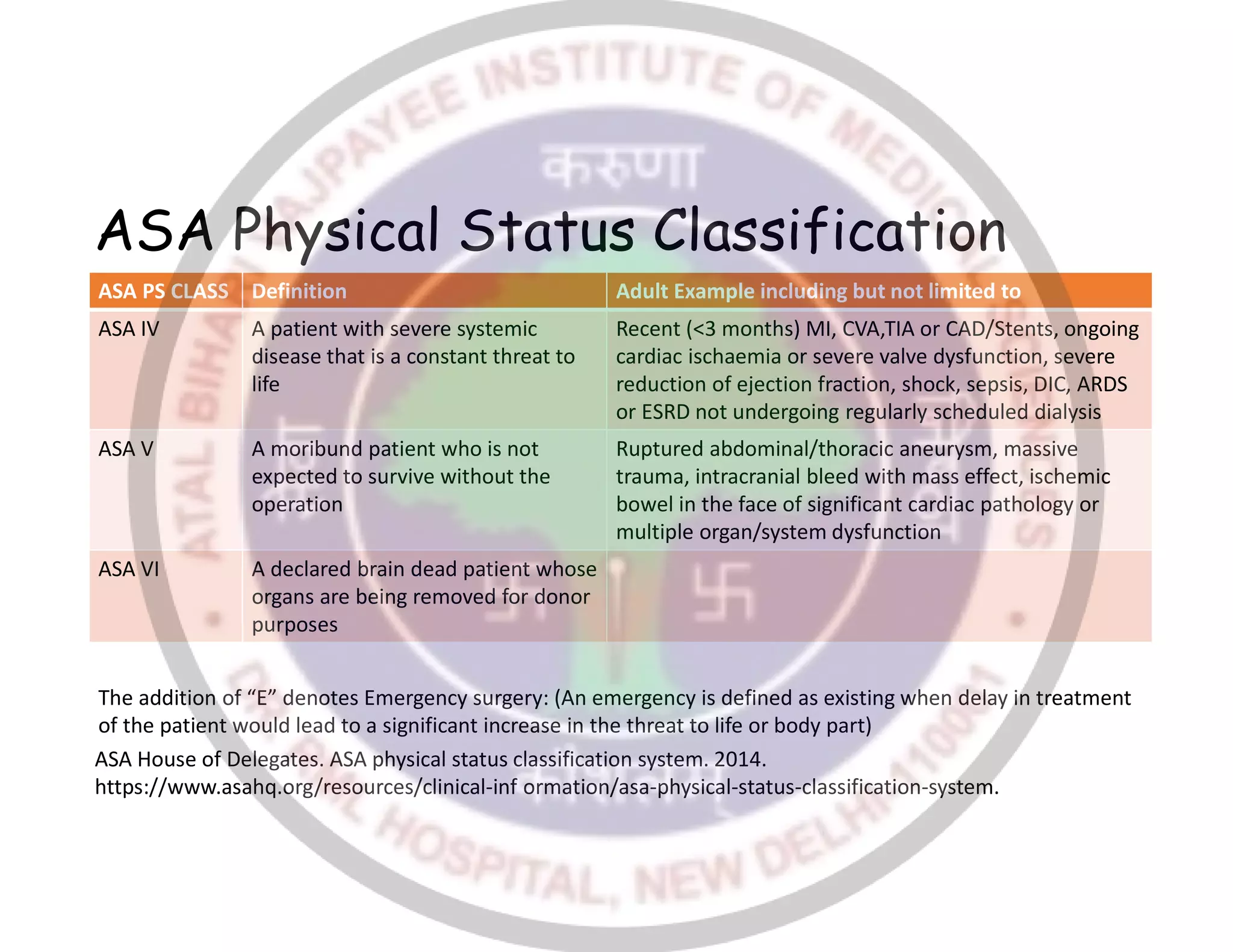
ASA Physical Status Classification
ASA PS CLASS Definition Adult Example including but not limited to
ASA IV A patient with severe systemic
disease that is a constant threat to
life
Recent (<3 months) MI, CVA,TIA or CAD/Stents, ongoing
cardiac ischaemia or severe valve dysfunction, severe
reduction of ejection fraction, shock, sepsis, DIC, ARDS
or ESRD not undergoing regularly scheduled dialysis
ASA V A moribund patient who is not
expected to survive without the
operation
Ruptured abdominal/thoracic aneurysm, massive
trauma, intracranial bleed with mass effect, ischemic
bowel in the face of significant cardiac pathology or
multiple organ/system dysfunction
ASA VI A declared brain dead patient whose
organs are being removed for donor
purposes
The addition of “E” denotes Emergency surgery: (An emergency is defined as existing when delay in treatment
of the patient would lead to a significant increase in the threat to life or body part)
ASA House of Delegates. ASA physical status classification system. 2014.
https://www.asahq.org/resources/clinical-inf ormation/asa-physical-status-classification-system.
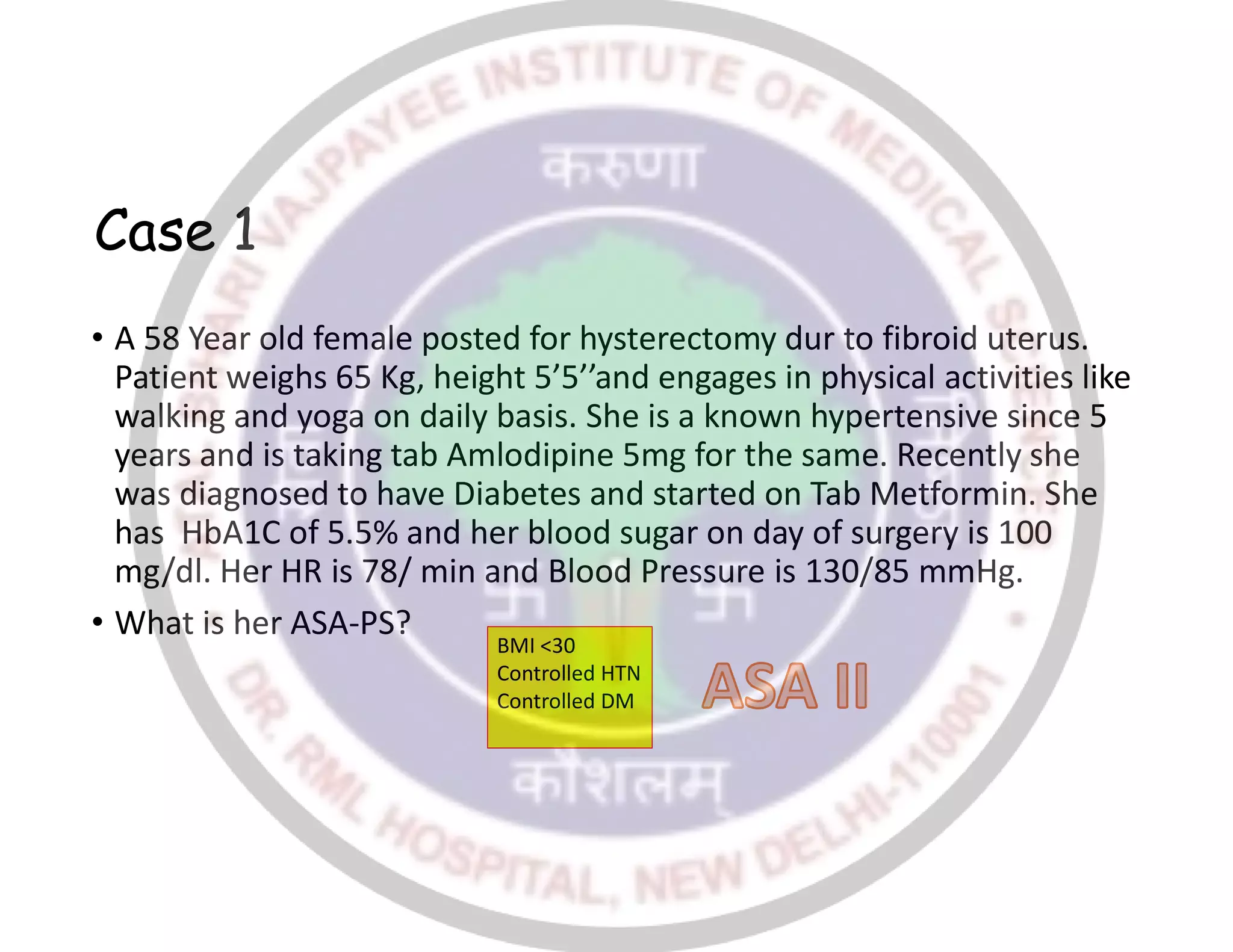
Case 1
• A 58 Year old female posted for hysterectomy dur to fibroid uterus.
Patient weighs 65 Kg, height 5’5’’and engages in physical activities like
walking and yoga on daily basis. She is a known hypertensive since 5
years and is taking tab Amlodipine 5mg for the same. Recently she
was diagnosed to have Diabetes and started on Tab Metformin. She
has HbA1C of 5.5% and her blood sugar on day of surgery is 100
mg/dl. Her HR is 78/ min and Blood Pressure is 130/85 mmHg.
• What is her ASA-PS?
BMI <30
Controlled HTN
Controlled DM
Case 2
• A 65 year old man is posted for laparoscopic inguinal hernia repair
surgery. He is 5’10’’ and weighs 80 Kgs. He is physically active and
goes for cycling every weekend. He is hypertensive with past history
of MI (3 year ago) for which stenting was done. He is currently on
aspirin and metoprolol. His HR is 62 /min and BP is 124/80.
• What is his ASA-PS
BMI <30
Controlled HTN
MI / Stent (past)
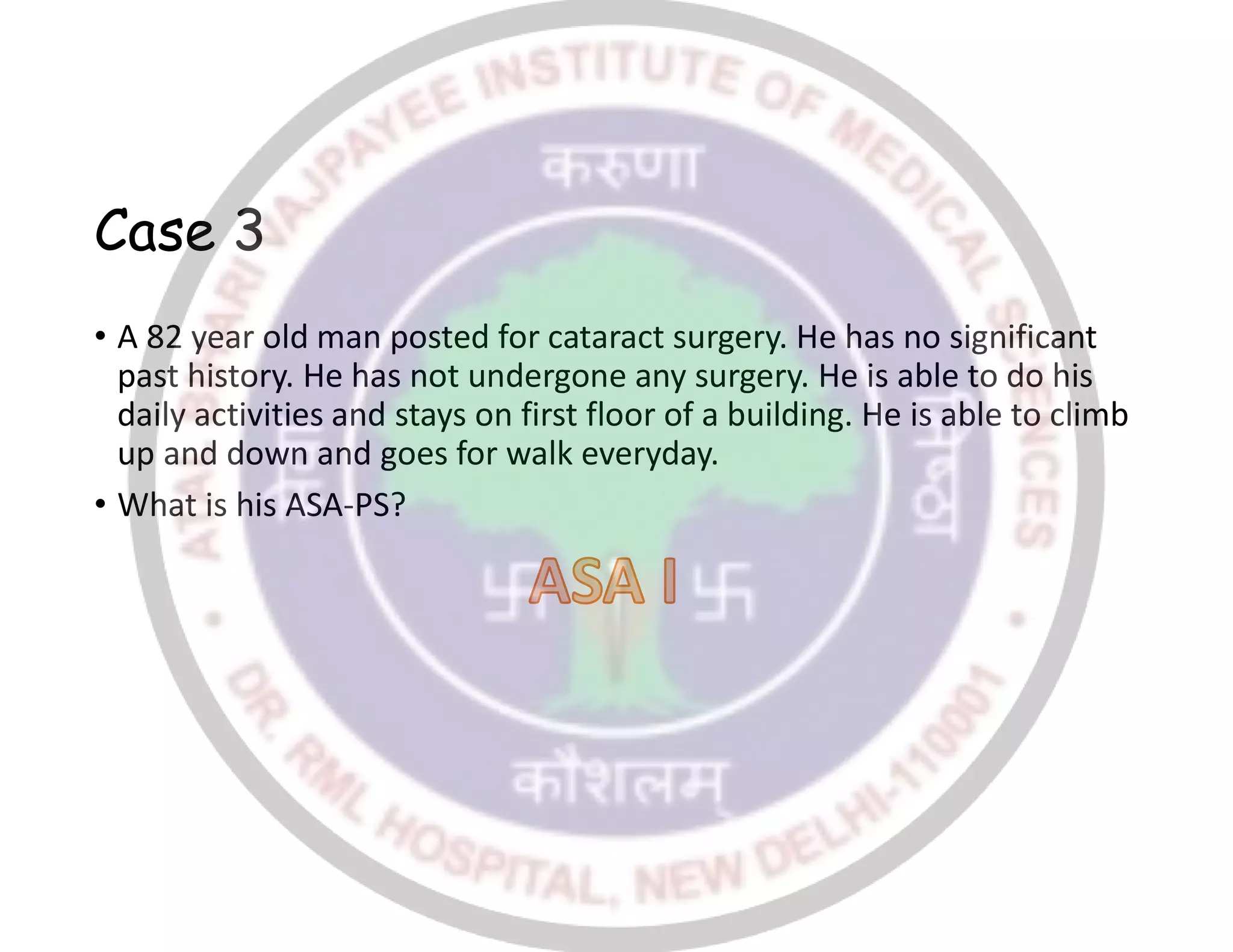
Case 3
• A 82 year old man posted for cataract surgery. He has no significant
past history. He has not undergone any surgery. He is able to do his
daily activities and stays on first floor of a building. He is able to climb
up and down and goes for walk everyday.
• What is his ASA-PS?
ASA-PS Classification -Obstetrics
ASA PS CLASS Definition Obstetric Example including but not limited to
ASA II A patient with mild
systemic disease
Normal pregnancy, well controlled gestational HTN, controlled
preeclampsia without severe features, diet-controlled gestational
DM
ASA III A patient with severe
systemic disease
Preeclampsia with severe features, gestational DM with
complications or high insulin requirements, a thrombophilic
disease requiring anticoagulation
ASA IV A patient with severe
systemic disease that is a
constant threat to life
Preeclampsia with severe features complicated by HELLP or other
adverse event, peripartum cardiomyopathy with EF <40,
uncorrected/decompensated heart disease, acquired or
congenital.
ASA V A moribund patient who is
not expected to survive
without the operation
Uterine rupture
Normal uncomplicated pregnancy is ASA II because parturient physiology is significantly altered.
The addition of “E” denotes Emergency surgery
No ASA PS Class I in Obstetrics
Case 4
• A 21 year old female is brought to emergency OT with acute
appendicitis. Patient is 20 weeks pregnant. She is undergoing regular
antenatal check ups. There is no other significant past history.
• What is her ASA-PS?
Pregnancy
Emergency Surgery
ASA-PS Classification -Paediatrics
ASA PS CLASS Definition Paediatric Example including but not limited to
ASA I A normal healthy
patient
Healthy (no acute or chronic disease), normal BMI percentile for age
ASA II A patient with mild
systemic disease
Asymptomatic congenital cardiac disease, well controlled
dysrhythmias, asthma without exacerbation, well controlled epilepsy,
noninsulin dependent diabetes mellitus, abnormal BMI percentile for
age, mild/moderate OSA, oncologic state in remission, autism with
mild limitations
ASA III A patient with severe
systemic disease
Uncorrected stable congenital cardiac abnormality, asthma with
exacerbation, poorly controlled epilepsy, insulin dependent diabetes
mellitus, morbid obesity, malnutrition, severe OSA, oncologic state,
renal failure, muscular dystrophy, cystic fibrosis, history of organ
transplantation, brain/spinal cord malformation, symptomatic
hydrocephalus, premature infant PCA <60 weeks, autism with severe
limitations, metabolic disease, difficult airway, long term parenteral
nutrition. Full term infants <6 weeks of age
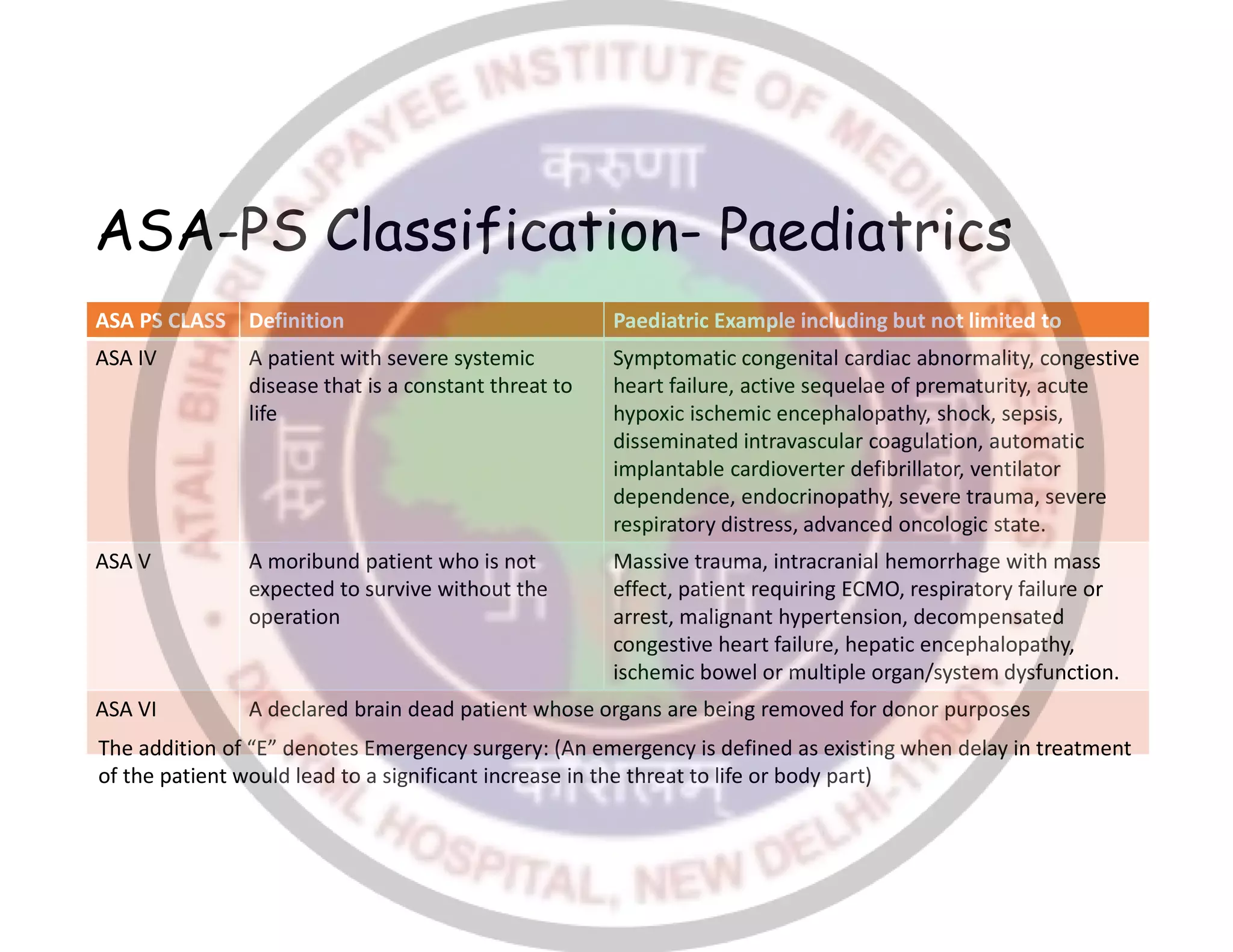
ASA-PS Classification- Paediatrics
ASA PS CLASS Definition Paediatric Example including but not limited to
ASA IV A patient with severe systemic
disease that is a constant threat to
life
Symptomatic congenital cardiac abnormality, congestive
heart failure, active sequelae of prematurity, acute
hypoxic ischemic encephalopathy, shock, sepsis,
disseminated intravascular coagulation, automatic
implantable cardioverter defibrillator, ventilator
dependence, endocrinopathy, severe trauma, severe
respiratory distress, advanced oncologic state.
ASA V A moribund patient who is not
expected to survive without the
operation
Massive trauma, intracranial hemorrhage with mass
effect, patient requiring ECMO, respiratory failure or
arrest, malignant hypertension, decompensated
congestive heart failure, hepatic encephalopathy,
ischemic bowel or multiple organ/system dysfunction.
ASA VI A declared brain dead patient whose organs are being removed for donor purposes
The addition of “E” denotes Emergency surgery: (An emergency is defined as existing when delay in treatment
of the patient would lead to a significant increase in the threat to life or body part)
Case 5
• A 4 year old healthy male child has come to PAC clinic. He is to be
posted for hernia repair. What is his ASA-PS?
• The same child comes to OT one month later for the hernia repair.
Child is having running nose and cough. There is no fever and chest is
clear. What is his ASA-PS?
Uses of ASA-PS Classification
• As a communication tool among anaesthesiologists/clinicians
• Helps in appropriate resource allocation, additional testing
• Used in all clinical investigations to compare data
• Gives a comparison of hospital performance
• Billing purpose
• Part of risk assessment scores
Choosing Wisely Initiative by ASA
• Don’t obtain baseline laboratory studies in patients without
significant systemic disease (ASA I or II) undergoing low-risk surgery –
specifically complete blood count, basic or comprehensive metabolic
panel, coagulation studies when blood loss (or fluid shifts) is/are
expected to be minimal
• However if there is a risk related to type of surgery being performed,
investigations can be undertaken
ASA-PS Classification as Risk
assessment tool
• Dripps et al reported a strong
correlation between ASA
Physical Status and
postoperative mortality
attributable to anesthesia.
• Low positive predictive value
(only 3% for ASA Physical Status
IV and V combined)
• ASA –PS related to complications
& death (Hackett et al)
ASA-PS Classification as part of Risk
Scores
• The American college of surgeons –National Surgical Quality
Improvement Program (ACS-NSQIP)
• 21 variables in total
• ASA PS one of the variable
• Surgical risk scale- UK
• SORT (Surgical outcome risk tool)
• NELA (National emergency laparotomy audit)
• 30 day mortality following emergency laparotomy
• ASA PS one of the variable
Limitations of ASA-PS Classification
• Subjective
• Addition of examples has added objectivity
• Further addition of functional status can be beneficial
• High inter-observer variability
• Overestimation- additional tests, referrals, cancellation
• Underestimation- inadequate optimization, resource allocation
• Does not include type of surgery
Summary
• ASA-PS Classification is a simple tool to categorize patients depending
on their pre-operative health status
• It is widely used to communicate among anaesthesiologists, case
assignments and research purposes
• It is not a risk assessment tool
• It has its limitations being subjective & has high inter-observer
variability
References
• Saklad M. Grading of patients for surgical procedures. Anesthesiology 1941; 2: 281–4
• Dripps RD, Lamont A, Eckenhoff JE. The role of anesthesia in surgical mortality. Journal of the American Medical
Association 1961; 178: 261–6.Horvath B, Kloesel B, Todd MM, Cole DJ, Prielipp RC. The Evolution, Current Value, and
Future of theAmerican Society of Anesthesiologists Physical Status Classification System. Anesthesiology. 2021 Nov
1;135(5):904-919.
• Mayhew D, Mendonca V, Murthy BVS. A review of ASA physical status - historical perspectives and modern developments.
Anaesthesia. 2019 Mar;74(3):373-379. doi: 10.1111/anae.14569. Epub 2019 Jan 15. PMID: 30648259.
• ASA House of Delegates. ASA physical status classification system. 2014. https://www.asahq.org/resources/clinical-inf
ormation/asa-physical-status-classification-system.
• Abouleish AE, Vinta SR, Shabot SM, Patel NV, Hurwitz EE, Krishnamurthy P, Simon M. Improving agreement of ASA physical
status class between pre-anesthesia screening and day of surgery by adding institutional-specific and ASA-approved
examples: a quality improvement project. Perioper Med (Lond). 2020 Nov 19;9(1):34.
• Nicholas J. Hackett, Gildasio S. De Oliveira, Umang K. Jain, John Y.S. Kim. ASA class is a reliable independent predictor of
medical complications and mortality following surgery. International Journal of Surgery. Vol 18,2015:184-90.
• Ferrari LR, Leahy I, Staffa SJ, Johnson C, Crofton C, Methot C, Berry JG. One Size Does Not Fit All: A Perspective on the
American Society of Anesthesiologists Physical Status Classification for Pediatric Patients. Anesth Analg. 2020
Jun;130(6):1685-1692. doi: 10.1213/ANE.0000000000004277. PMID: 31219919.
• Ferrari L, Leahy I, Staffa SJ, Berry JG. The Pediatric-Specific American Society of Anesthesiologists Physical Status Score: A
Multicenter Study. Anesth Analg. 2021 Mar 1;132(3):807-817. doi: 10.1213/ANE.0000000000005025. PMID: 32665468.
0820 - 0840 ASA Physical Classification.pptx PDF WM.pdf

0820 - 0840 ASA Physical Classification.pptx PDF WM.pdf

  • 1.
    ASA Physical Status Classification DrAnjali Kochhar Associate Professor VMMC & Safdarjung Hospital Delhi
  • 2.
    Learning objectives • ASAPhysical Status Classification • Introduction • Historical background • Categories • Application in special population • Obstetrics • Paediatrics • Clinical Examples
  • 3.
    ASA Physical StatusClassification • Introduced by The American Society of Anaesthesiologists to grade patients at the time of pre-anaesthetic evaluation • ASA Physical Status (ASA-PS) given based on their medical history • Used by anaesthesiologists world wide (Universal application) • As a tool to assess patient’s physical fitness before surgery • Although its not designed to be a risk predictor, ASA -PS is associated with post-operative morbidity and mortality Overall health status of the patient
  • 4.
    Historical background • ASA-PSClassification was first given by Saklad et al in 1941 • 6 classes were given with case examples • Included functional status of the patient • Objective evidence of cardiovascular disease • Modified in 1961 by Dripps et al • E was added denoting emergency surgery • Did not include case examples or functional status • Class 6 added in 1983 for brain stem dead organ donors • Further revised in 2014 and case examples were added • Latest amendment done in 2020 adding paediatric and obstetric examples
  • 5.
    A committee wasmade by ASA society to study, examine, experiment and device a system for collection and tabulation of statistical data in anaesthesia -Meyer Saklad , E A Rovenstine , I B Taylor, 1941
  • 7.
    Horvath B, KloeselB, Todd MM, Cole DJ, Prielipp RC. The Evolution, Current Value, and Future of the American Society of Anesthesiologists Physical Status Classification System. Anesthesiology. 2021 Nov 1;135(5):904-919.
  • 8.
    ASA Physical StatusClassification (1961) 1.A normal healthy patient 2.A patient with a mild systemic disease 3.A patient with a severe systemic disease that limits activity but is not incapacitating 4.A patient with an incapacitating systemic disease that is a constant threat to life 5.A moribund patient not expected to survive 24 h with or without operation In the event of emergency operation, the only change in classification was to precede the number with the letter E. 5. “A moribund patient who is not expected to survive without the operation.”
  • 9.
    Historical background • ASA-PSClassification was first given by Saklad et al in 1941 • 6 classes were given with case examples • Included functional status of the patient • Objective evidence of cardiovascular disease • Modified in 1961 by Dripps et al • E was added denoting emergency surgery • Did not include case examples or functional status • Class 6 added in 1983 for brain stem dead organ donors • Further revised in 2014 and case examples were added • Latest amendment done in 2020 adding paediatric and obstetric examples
  • 10.
    ASA Physical StatusClassification ASA PS CLASS Definition Adult Example including but not limited to ASA I A normal healthy patient Healthy, nonsmoking, no or minimal alcohol use ASA II A patient with mild systemic disease Mild diseases only without substantive functional limitations. Current smoker, Social alcohol drinker, Pregnancy, Obesity (BMI 30-40), Well controlled DM/HTN, Mild lung disease ASA III A patient with severe systemic disease Substantive functional limitations; One or more moderate to severe diseases. Poorly controlled DM or HTN, COPD, morbid obesity (BMI ≥40), active hepatitis, alcohol dependence or abuse, implanted pacemaker, moderate reduction of ejection fraction, ESRD undergoing regularly scheduled dialysis, history (>3 months) of MI, CVA, TIA, or CAD/stents. The addition of “E” denotes Emergency surgery: (An emergency is defined as existing when delay in treatment of the patient would lead to a significant increase in the threat to life or body part)
  • 11.
    ASA Physical StatusClassification ASA PS CLASS Definition Adult Example including but not limited to ASA IV A patient with severe systemic disease that is a constant threat to life Recent (<3 months) MI, CVA,TIA or CAD/Stents, ongoing cardiac ischaemia or severe valve dysfunction, severe reduction of ejection fraction, shock, sepsis, DIC, ARDS or ESRD not undergoing regularly scheduled dialysis ASA V A moribund patient who is not expected to survive without the operation Ruptured abdominal/thoracic aneurysm, massive trauma, intracranial bleed with mass effect, ischemic bowel in the face of significant cardiac pathology or multiple organ/system dysfunction ASA VI A declared brain dead patient whose organs are being removed for donor purposes The addition of “E” denotes Emergency surgery: (An emergency is defined as existing when delay in treatment of the patient would lead to a significant increase in the threat to life or body part) ASA House of Delegates. ASA physical status classification system. 2014. https://www.asahq.org/resources/clinical-inf ormation/asa-physical-status-classification-system.
  • 12.
    Case 1 • A58 Year old female posted for hysterectomy dur to fibroid uterus. Patient weighs 65 Kg, height 5’5’’and engages in physical activities like walking and yoga on daily basis. She is a known hypertensive since 5 years and is taking tab Amlodipine 5mg for the same. Recently she was diagnosed to have Diabetes and started on Tab Metformin. She has HbA1C of 5.5% and her blood sugar on day of surgery is 100 mg/dl. Her HR is 78/ min and Blood Pressure is 130/85 mmHg. • What is her ASA-PS? BMI <30 Controlled HTN Controlled DM
  • 13.
    Case 2 • A65 year old man is posted for laparoscopic inguinal hernia repair surgery. He is 5’10’’ and weighs 80 Kgs. He is physically active and goes for cycling every weekend. He is hypertensive with past history of MI (3 year ago) for which stenting was done. He is currently on aspirin and metoprolol. His HR is 62 /min and BP is 124/80. • What is his ASA-PS BMI <30 Controlled HTN MI / Stent (past)
  • 14.
    Case 3 • A82 year old man posted for cataract surgery. He has no significant past history. He has not undergone any surgery. He is able to do his daily activities and stays on first floor of a building. He is able to climb up and down and goes for walk everyday. • What is his ASA-PS?
  • 15.
    ASA-PS Classification -Obstetrics ASAPS CLASS Definition Obstetric Example including but not limited to ASA II A patient with mild systemic disease Normal pregnancy, well controlled gestational HTN, controlled preeclampsia without severe features, diet-controlled gestational DM ASA III A patient with severe systemic disease Preeclampsia with severe features, gestational DM with complications or high insulin requirements, a thrombophilic disease requiring anticoagulation ASA IV A patient with severe systemic disease that is a constant threat to life Preeclampsia with severe features complicated by HELLP or other adverse event, peripartum cardiomyopathy with EF <40, uncorrected/decompensated heart disease, acquired or congenital. ASA V A moribund patient who is not expected to survive without the operation Uterine rupture Normal uncomplicated pregnancy is ASA II because parturient physiology is significantly altered. The addition of “E” denotes Emergency surgery No ASA PS Class I in Obstetrics
  • 16.
    Case 4 • A21 year old female is brought to emergency OT with acute appendicitis. Patient is 20 weeks pregnant. She is undergoing regular antenatal check ups. There is no other significant past history. • What is her ASA-PS? Pregnancy Emergency Surgery
  • 17.
    ASA-PS Classification -Paediatrics ASAPS CLASS Definition Paediatric Example including but not limited to ASA I A normal healthy patient Healthy (no acute or chronic disease), normal BMI percentile for age ASA II A patient with mild systemic disease Asymptomatic congenital cardiac disease, well controlled dysrhythmias, asthma without exacerbation, well controlled epilepsy, noninsulin dependent diabetes mellitus, abnormal BMI percentile for age, mild/moderate OSA, oncologic state in remission, autism with mild limitations ASA III A patient with severe systemic disease Uncorrected stable congenital cardiac abnormality, asthma with exacerbation, poorly controlled epilepsy, insulin dependent diabetes mellitus, morbid obesity, malnutrition, severe OSA, oncologic state, renal failure, muscular dystrophy, cystic fibrosis, history of organ transplantation, brain/spinal cord malformation, symptomatic hydrocephalus, premature infant PCA <60 weeks, autism with severe limitations, metabolic disease, difficult airway, long term parenteral nutrition. Full term infants <6 weeks of age
  • 18.
    ASA-PS Classification- Paediatrics ASAPS CLASS Definition Paediatric Example including but not limited to ASA IV A patient with severe systemic disease that is a constant threat to life Symptomatic congenital cardiac abnormality, congestive heart failure, active sequelae of prematurity, acute hypoxic ischemic encephalopathy, shock, sepsis, disseminated intravascular coagulation, automatic implantable cardioverter defibrillator, ventilator dependence, endocrinopathy, severe trauma, severe respiratory distress, advanced oncologic state. ASA V A moribund patient who is not expected to survive without the operation Massive trauma, intracranial hemorrhage with mass effect, patient requiring ECMO, respiratory failure or arrest, malignant hypertension, decompensated congestive heart failure, hepatic encephalopathy, ischemic bowel or multiple organ/system dysfunction. ASA VI A declared brain dead patient whose organs are being removed for donor purposes The addition of “E” denotes Emergency surgery: (An emergency is defined as existing when delay in treatment of the patient would lead to a significant increase in the threat to life or body part)
  • 19.
    Case 5 • A4 year old healthy male child has come to PAC clinic. He is to be posted for hernia repair. What is his ASA-PS? • The same child comes to OT one month later for the hernia repair. Child is having running nose and cough. There is no fever and chest is clear. What is his ASA-PS?
  • 20.
    Uses of ASA-PSClassification • As a communication tool among anaesthesiologists/clinicians • Helps in appropriate resource allocation, additional testing • Used in all clinical investigations to compare data • Gives a comparison of hospital performance • Billing purpose • Part of risk assessment scores
  • 21.
    Choosing Wisely Initiativeby ASA • Don’t obtain baseline laboratory studies in patients without significant systemic disease (ASA I or II) undergoing low-risk surgery – specifically complete blood count, basic or comprehensive metabolic panel, coagulation studies when blood loss (or fluid shifts) is/are expected to be minimal • However if there is a risk related to type of surgery being performed, investigations can be undertaken
  • 22.
    ASA-PS Classification asRisk assessment tool • Dripps et al reported a strong correlation between ASA Physical Status and postoperative mortality attributable to anesthesia. • Low positive predictive value (only 3% for ASA Physical Status IV and V combined) • ASA –PS related to complications & death (Hackett et al)
  • 23.
    ASA-PS Classification aspart of Risk Scores • The American college of surgeons –National Surgical Quality Improvement Program (ACS-NSQIP) • 21 variables in total • ASA PS one of the variable • Surgical risk scale- UK • SORT (Surgical outcome risk tool) • NELA (National emergency laparotomy audit) • 30 day mortality following emergency laparotomy • ASA PS one of the variable
  • 24.
    Limitations of ASA-PSClassification • Subjective • Addition of examples has added objectivity • Further addition of functional status can be beneficial • High inter-observer variability • Overestimation- additional tests, referrals, cancellation • Underestimation- inadequate optimization, resource allocation • Does not include type of surgery
  • 25.
    Summary • ASA-PS Classificationis a simple tool to categorize patients depending on their pre-operative health status • It is widely used to communicate among anaesthesiologists, case assignments and research purposes • It is not a risk assessment tool • It has its limitations being subjective & has high inter-observer variability
  • 26.
    References • Saklad M.Grading of patients for surgical procedures. Anesthesiology 1941; 2: 281–4 • Dripps RD, Lamont A, Eckenhoff JE. The role of anesthesia in surgical mortality. Journal of the American Medical Association 1961; 178: 261–6.Horvath B, Kloesel B, Todd MM, Cole DJ, Prielipp RC. The Evolution, Current Value, and Future of theAmerican Society of Anesthesiologists Physical Status Classification System. Anesthesiology. 2021 Nov 1;135(5):904-919. • Mayhew D, Mendonca V, Murthy BVS. A review of ASA physical status - historical perspectives and modern developments. Anaesthesia. 2019 Mar;74(3):373-379. doi: 10.1111/anae.14569. Epub 2019 Jan 15. PMID: 30648259. • ASA House of Delegates. ASA physical status classification system. 2014. https://www.asahq.org/resources/clinical-inf ormation/asa-physical-status-classification-system. • Abouleish AE, Vinta SR, Shabot SM, Patel NV, Hurwitz EE, Krishnamurthy P, Simon M. Improving agreement of ASA physical status class between pre-anesthesia screening and day of surgery by adding institutional-specific and ASA-approved examples: a quality improvement project. Perioper Med (Lond). 2020 Nov 19;9(1):34. • Nicholas J. Hackett, Gildasio S. De Oliveira, Umang K. Jain, John Y.S. Kim. ASA class is a reliable independent predictor of medical complications and mortality following surgery. International Journal of Surgery. Vol 18,2015:184-90. • Ferrari LR, Leahy I, Staffa SJ, Johnson C, Crofton C, Methot C, Berry JG. One Size Does Not Fit All: A Perspective on the American Society of Anesthesiologists Physical Status Classification for Pediatric Patients. Anesth Analg. 2020 Jun;130(6):1685-1692. doi: 10.1213/ANE.0000000000004277. PMID: 31219919. • Ferrari L, Leahy I, Staffa SJ, Berry JG. The Pediatric-Specific American Society of Anesthesiologists Physical Status Score: A Multicenter Study. Anesth Analg. 2021 Mar 1;132(3):807-817. doi: 10.1213/ANE.0000000000005025. PMID: 32665468.