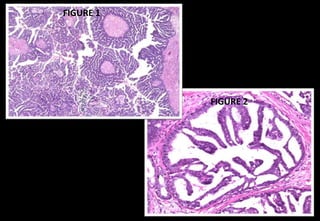
FIGURE 1
FIGURE 2
PATTERNS IN HISTOPATHOLOGY
PRESENTER- DR. ANKITA BAGHEL
MODERATOR- DR. HEMALATHA A.
OBJECTIVES
• By the end of this session you should be able to
differentiate between most of the patterns in
histopathology.
HOPEFULLY!!!!
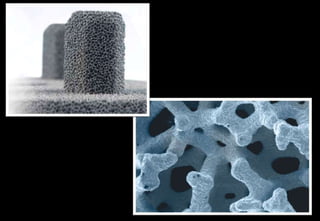
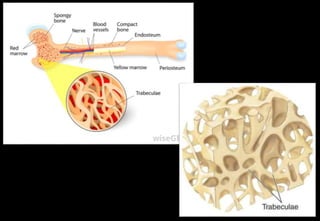
WHAT IS TRABECULAE?
• A small supporting beam or bar.
• Any of the supporting strands of connective tissue
projecting into an organ and constituting part of
the framework of that organ.
• Any of the fine spicules forming a network in cancellous
bone.
TRABECULAR PATTERN
• In cord-like arrays separated by fibrous septa in Long nests
and cords of cell groups
• Two cell-thick (microtrabecular pattern)
• Eight to Ten cell-thick (macrotrabecular pattern)
• Cells arranged perpendicular to the longest axis.
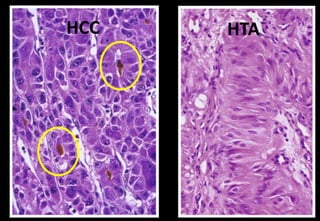
EXAMPLES?
HCC HTA
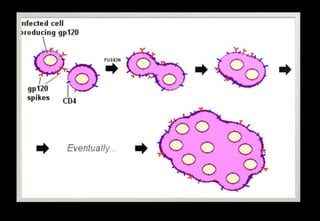
WHAT IS A SYNCYTIUM?
• a multinucleate mass of cytoplasm resulting from
fusion of cells.
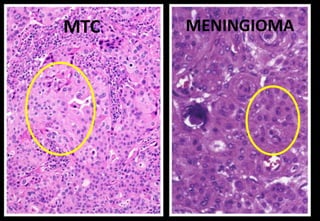
SYNCYTIAL PATTERN
• Having cytoplasmic continuity between the constituent
cells.
• Looks like a collection of nuclei without recognizable
borders.
EXAMPLES?
MTC MENINGIOMA
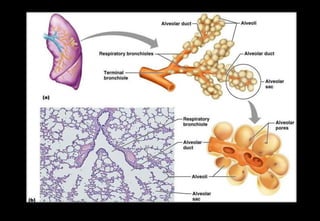
WHAT IS ALVEOLUS?
• a small cavity or pit
• a socket in the jaw for a tooth
• a small air-containing compartment of the lungs in
which the bronchioles terminate and from which
respiratory gases are exchanged with the
pulmonary capillaries
• an acinus of a compound gland
• a cell of a honeycomb
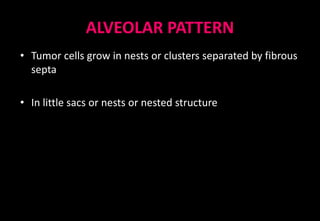
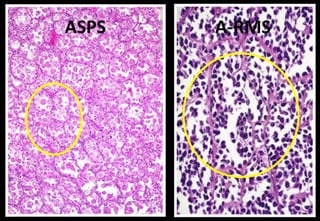
ALVEOLAR PATTERN
• Tumor cells grow in nests or clusters separated by fibrous
septa
• In little sacs or nests or nested structure
ASPS A-RMS
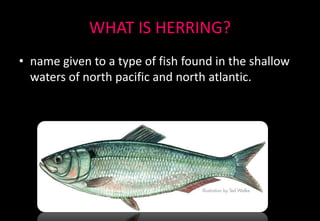
WHAT IS HERRING?
• name given to a type of fish found in the shallow
waters of north pacific and north atlantic.
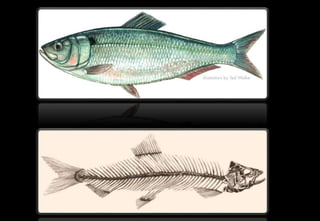
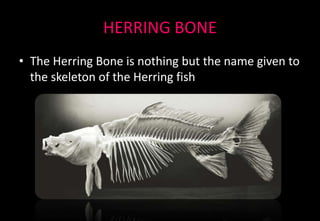
HERRING BONE
• The Herring Bone is nothing but the name given to
the skeleton of the Herring fish
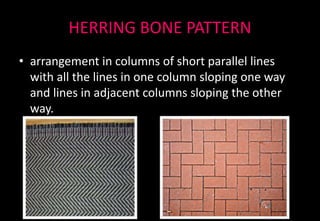
HERRING BONE PATTERN
• arrangement in columns of short parallel lines
with all the lines in one column sloping one way
and lines in adjacent columns sloping the other
way.
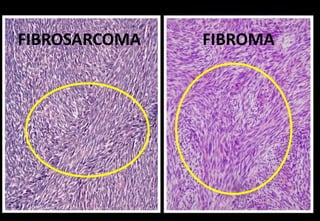
HERRINGBONE PATTERN
• Shows bundles intersecting in a zig-zag array
FIBROSARCOMA FIBROMA
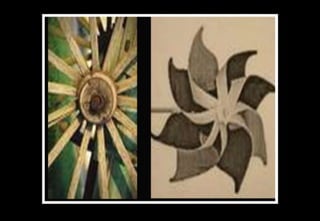
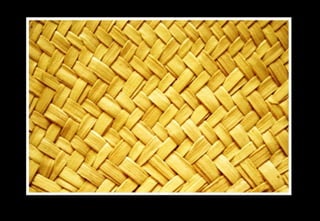
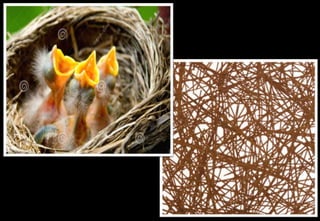
WHAT IS STORIFORM?
• having an irregularly whorled pattern somewhat
like that of a straw mat.
• Having a cartwheel pattern, such as spindle cells
having elongated nuclei radiating from a center.
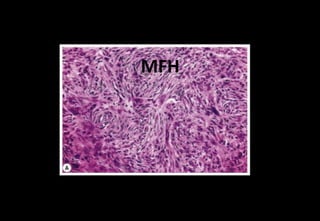
STORIFORM PATTERN
• Cartwheel pattern - spindle cells with elongated nuclei
radiating from a center point
• Cellular spindled lesion with whorls as opposed to parallel
fasicles or right angle bundles
MFH
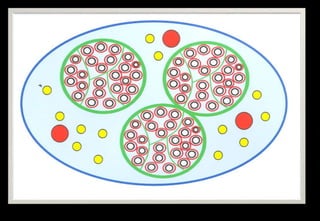
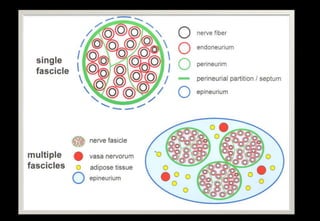
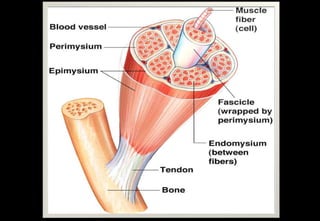
WHAT IS A FASCICLE?
• a section of a book or set of books being published
in installments as separate pamphlets or volumes.
• a small bundle, tight cluster, or the like.
• a close cluster, as of flowers or leaves.
• a small bundle of nerve or muscle fibers.
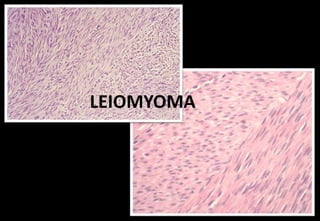
FASICULAR
• Bundles of elongated spindly cells streaming in polarized
arrays
LEIOMYOMA
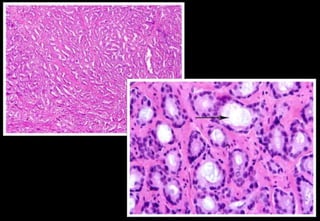
GLANDULAR PATTERN
• Forming gland structures with lumens having polarized
cells radiating around a lumen
WHAT IS CRIBRIFORM?
• Sieve-like; containing many perforations.
• describing a structure with many perforations or
punctures, as in the cribriform plate of the ethmoid
bone.
• descriptive term referring to a sieve-
like histologic pattern, in which sheets of epithelial cells
are punctuated by gland-like spaces
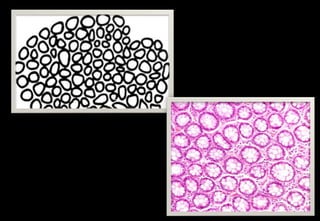
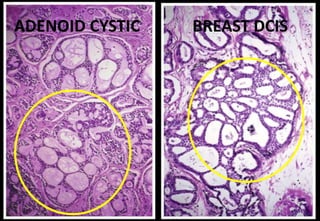
CRIBRIFORM PATTERN
• Perforated
• Appearance: Well-formed holes within a glandular lumen
ADENOID CYSTIC BREAST DCIS
WHAT IS TUBULE?
• a minute tube, especially as an anatomical
structure.
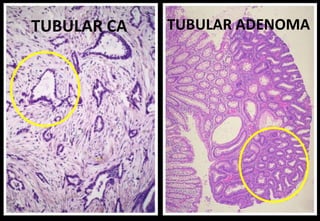
TUBULAR PATTERN
• Crowded small round tubules lined by single to multiple
layers of cuboidal to low columnar cells
TUBULAR CA TUBULAR ADENOMA
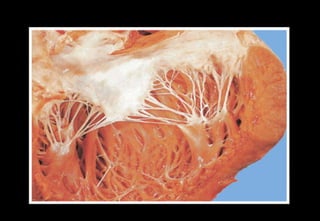
WHAT IS PAPPILAE?
• any small, nipplelike process or projection.
• one of certain small protuberances concerned with
the senses of touch,taste, and smell:
the papillae of the tongue.
• a small vascular process at the root of a hair.
• a papule or pimple.
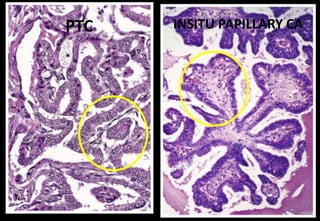
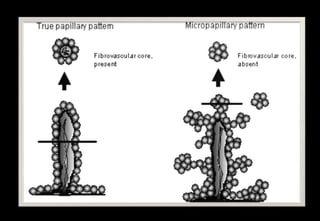
PAPILLARY PATTERN
• complex, branching, and randomly oriented, with
a central fibrovascular core and a single or
stratified lining
PTC INSITU PAPILLARY CA
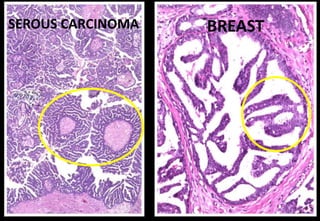
MICROPAPILLARY
• Papillary-shaped epithelial projections without true
fibrovascular cores
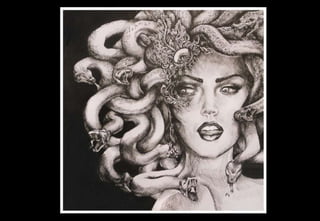
• medusa-head appearance
SEROUS CARCINOMA BREAST
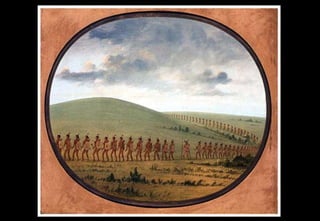
WHAT IS INDIAN FILE?
• a line of persons or things arranged one behind the
other.
• in a line: to walk single file
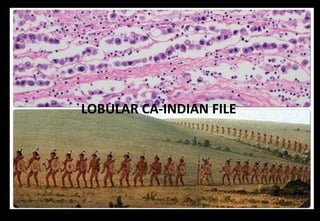
INDIAN FILE PATTERN
• Cells in a single line one after the other
LOBULAR CA-INDIAN FILE
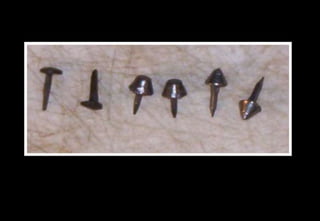
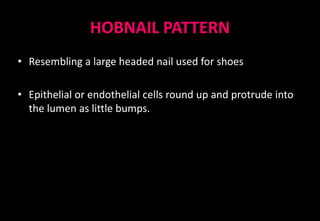
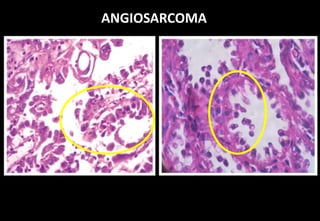
HOBNAIL PATTERN
• Resembling a large headed nail used for shoes
• Epithelial or endothelial cells round up and protrude into
the lumen as little bumps.
ANGIOSARCOMA
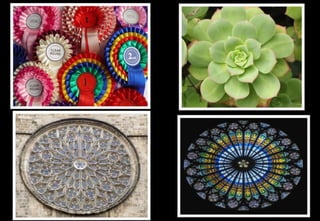
WHAT IS ROSSETTE?
• an ornament usually made of material gathered or pleated so as
to resemble a rose and worn as a badge of office, as evidence of
having won a decoration (as the Medal of Honor), or as trimming
• a disk of foliage or a floral design usually in relief used as a
decorative motif
• a cluster of leaves in crowded circles or spirals arising basally
from a crown (as in the dandelion) or apically from an axis with
greatly shortened internodes (as in many tropical palms)
• rose windows found in gothic cathedrals
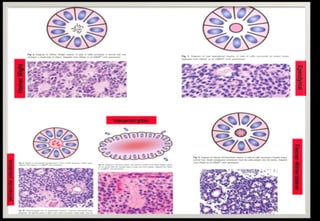
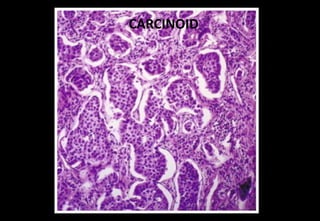
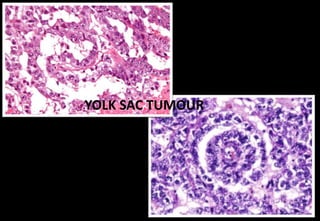
ROSSETTE IN PATHOLOGY
• A rosette is halo or "spoke-wheel" arrangement of
cells around a central structure (which can be a
lumen or cytoplasmic processes).
CARCINOID
YOLK SAC TUMOUR
MICROCYSTIC PATTERN
• consisting of a loose network of cystic spaces lined
by flattened epithelial cells Resembling a network
or net-like array
• Microcystic or honeycomb appearance
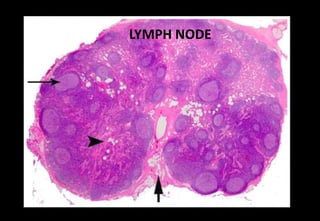
LYMPH NODE
WHAT IS A FOLLICLE?
• A small bodily cavity or sac.
• A crypt or minute cul-de-
sac or lacuna, such as the depression in the skin from whi
ch the hair emerges.
• An ovarian follicle.
• A spherical mass of cells usually containing
a cavity.
• Botany A dry, single chambered fruit that
splits along only one seam to release
its seeds, as inlarkspur and milkweed.
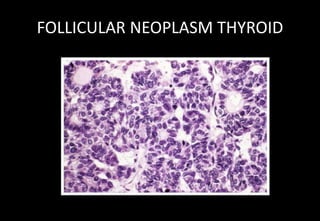
FOLLICULAR NEOPLASM THYROID
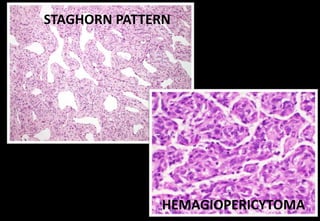
STAGHORN PATTERN
HEMAGIOPERICYTOMA
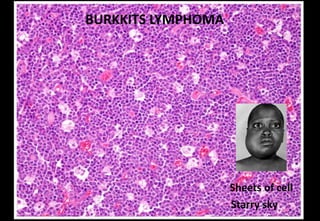
Sheets of cell
Starry sky
BURKKITS LYMPHOMA
REFERENCES
• Rosai and Ackerman surgical pathology 10th
edition
• www.pathologyoutlines.com
• www.pathpedia.com
Patterns in histopathology

Patterns in histopathology

  • 1.
  • 2.
    PATTERNS IN HISTOPATHOLOGY PRESENTER-DR. ANKITA BAGHEL MODERATOR- DR. HEMALATHA A.
  • 3.
    OBJECTIVES • By theend of this session you should be able to differentiate between most of the patterns in histopathology. HOPEFULLY!!!!
  • 6.
    WHAT IS TRABECULAE? •A small supporting beam or bar. • Any of the supporting strands of connective tissue projecting into an organ and constituting part of the framework of that organ. • Any of the fine spicules forming a network in cancellous bone.
  • 7.
    TRABECULAR PATTERN • Incord-like arrays separated by fibrous septa in Long nests and cords of cell groups • Two cell-thick (microtrabecular pattern) • Eight to Ten cell-thick (macrotrabecular pattern) • Cells arranged perpendicular to the longest axis.
  • 8.
  • 9.
  • 11.
    WHAT IS ASYNCYTIUM? • a multinucleate mass of cytoplasm resulting from fusion of cells.
  • 12.
    SYNCYTIAL PATTERN • Havingcytoplasmic continuity between the constituent cells. • Looks like a collection of nuclei without recognizable borders.
  • 13.
  • 14.
  • 16.
    WHAT IS ALVEOLUS? •a small cavity or pit • a socket in the jaw for a tooth • a small air-containing compartment of the lungs in which the bronchioles terminate and from which respiratory gases are exchanged with the pulmonary capillaries • an acinus of a compound gland • a cell of a honeycomb
  • 17.
    ALVEOLAR PATTERN • Tumorcells grow in nests or clusters separated by fibrous septa • In little sacs or nests or nested structure
  • 18.
  • 20.
    WHAT IS HERRING? •name given to a type of fish found in the shallow waters of north pacific and north atlantic.
  • 21.
    HERRING BONE • TheHerring Bone is nothing but the name given to the skeleton of the Herring fish
  • 22.
    HERRING BONE PATTERN •arrangement in columns of short parallel lines with all the lines in one column sloping one way and lines in adjacent columns sloping the other way.
  • 23.
    HERRINGBONE PATTERN • Showsbundles intersecting in a zig-zag array
  • 24.
  • 26.
    WHAT IS STORIFORM? •having an irregularly whorled pattern somewhat like that of a straw mat. • Having a cartwheel pattern, such as spindle cells having elongated nuclei radiating from a center.
  • 28.
    STORIFORM PATTERN • Cartwheelpattern - spindle cells with elongated nuclei radiating from a center point • Cellular spindled lesion with whorls as opposed to parallel fasicles or right angle bundles
  • 29.
  • 33.
    WHAT IS AFASCICLE? • a section of a book or set of books being published in installments as separate pamphlets or volumes. • a small bundle, tight cluster, or the like. • a close cluster, as of flowers or leaves. • a small bundle of nerve or muscle fibers.
  • 34.
    FASICULAR • Bundles ofelongated spindly cells streaming in polarized arrays
  • 35.
  • 37.
    GLANDULAR PATTERN • Forminggland structures with lumens having polarized cells radiating around a lumen
  • 40.
    WHAT IS CRIBRIFORM? •Sieve-like; containing many perforations. • describing a structure with many perforations or punctures, as in the cribriform plate of the ethmoid bone. • descriptive term referring to a sieve- like histologic pattern, in which sheets of epithelial cells are punctuated by gland-like spaces
  • 41.
    CRIBRIFORM PATTERN • Perforated •Appearance: Well-formed holes within a glandular lumen
  • 42.
  • 44.
    WHAT IS TUBULE? •a minute tube, especially as an anatomical structure.
  • 45.
    TUBULAR PATTERN • Crowdedsmall round tubules lined by single to multiple layers of cuboidal to low columnar cells
  • 46.
  • 49.
    WHAT IS PAPPILAE? •any small, nipplelike process or projection. • one of certain small protuberances concerned with the senses of touch,taste, and smell: the papillae of the tongue. • a small vascular process at the root of a hair. • a papule or pimple.
  • 50.
    PAPILLARY PATTERN • complex,branching, and randomly oriented, with a central fibrovascular core and a single or stratified lining
  • 51.
  • 53.
    MICROPAPILLARY • Papillary-shaped epithelialprojections without true fibrovascular cores • medusa-head appearance
  • 54.
  • 57.
    WHAT IS INDIANFILE? • a line of persons or things arranged one behind the other. • in a line: to walk single file
  • 58.
    INDIAN FILE PATTERN •Cells in a single line one after the other
  • 59.
  • 63.
    HOBNAIL PATTERN • Resemblinga large headed nail used for shoes • Epithelial or endothelial cells round up and protrude into the lumen as little bumps.
  • 64.
  • 66.
    WHAT IS ROSSETTE? •an ornament usually made of material gathered or pleated so as to resemble a rose and worn as a badge of office, as evidence of having won a decoration (as the Medal of Honor), or as trimming • a disk of foliage or a floral design usually in relief used as a decorative motif • a cluster of leaves in crowded circles or spirals arising basally from a crown (as in the dandelion) or apically from an axis with greatly shortened internodes (as in many tropical palms) • rose windows found in gothic cathedrals
  • 68.
    ROSSETTE IN PATHOLOGY •A rosette is halo or "spoke-wheel" arrangement of cells around a central structure (which can be a lumen or cytoplasmic processes).
  • 71.
  • 72.
  • 73.
    MICROCYSTIC PATTERN • consistingof a loose network of cystic spaces lined by flattened epithelial cells Resembling a network or net-like array • Microcystic or honeycomb appearance
  • 74.
  • 75.
    WHAT IS AFOLLICLE? • A small bodily cavity or sac. • A crypt or minute cul-de- sac or lacuna, such as the depression in the skin from whi ch the hair emerges. • An ovarian follicle. • A spherical mass of cells usually containing a cavity. • Botany A dry, single chambered fruit that splits along only one seam to release its seeds, as inlarkspur and milkweed.
  • 76.
  • 78.
  • 79.
    Sheets of cell Starrysky BURKKITS LYMPHOMA
  • 80.
    REFERENCES • Rosai andAckerman surgical pathology 10th edition • www.pathologyoutlines.com • www.pathpedia.com

Editor's Notes

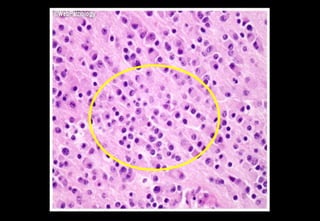
  • #13 Tumor cells in a medullary carcinoma have anaplastic nuclei, prominent nucleoli, and ill-defined cell borders giving the appearance of a syncytial pattern