A Presentation on the architectural proverb
      “FORM FOLLOWS FUNCTION”
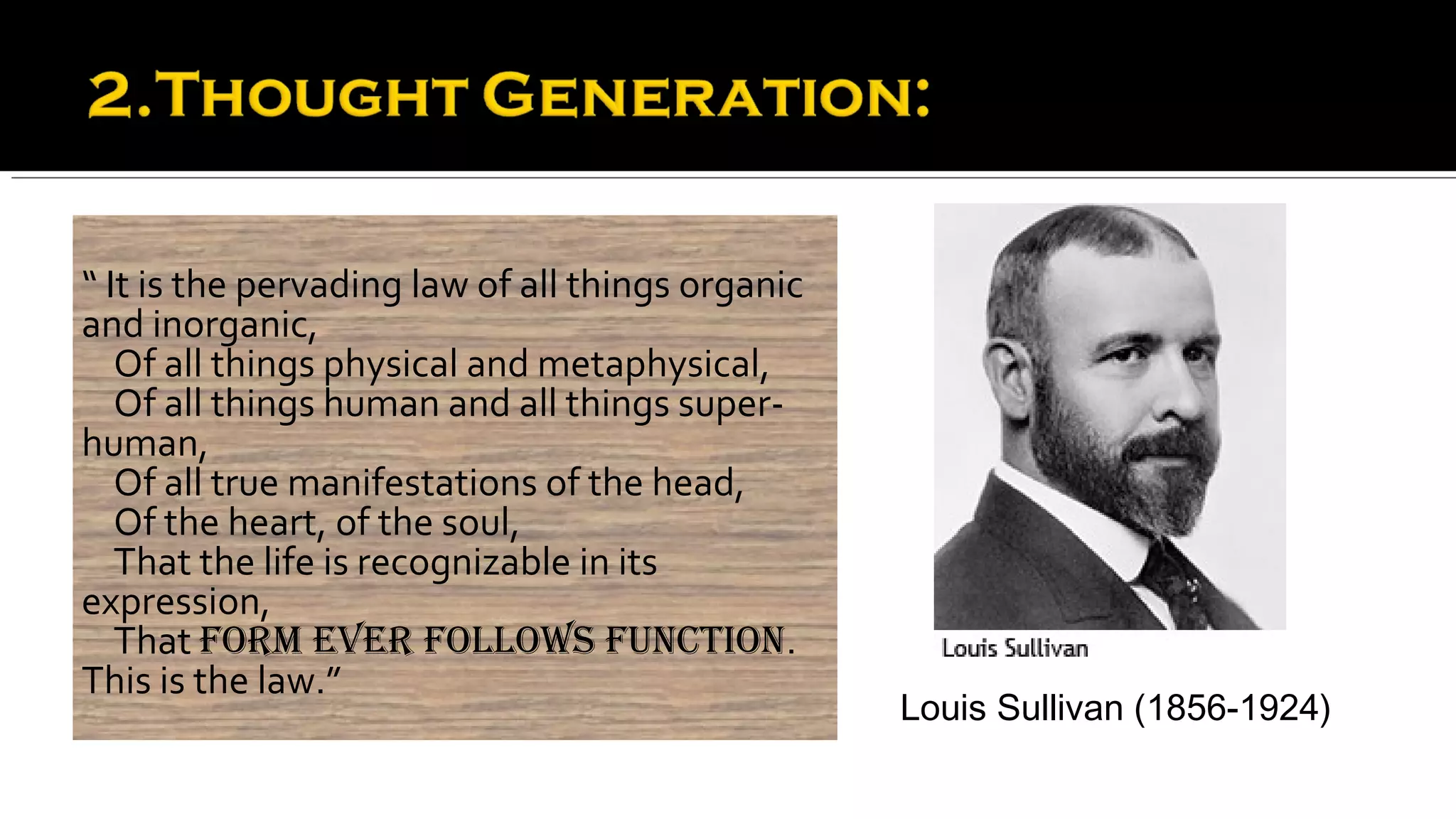
“ It is the pervading law of all things organic
and inorganic,
   Of all things physical and metaphysical,
   Of all things human and all things super-
human,
   Of all true manifestations of the head,
   Of the heart, of the soul,
   That the life is recognizable in its
expression,
   That form ever follows function.
This is the law.”
                                                  Louis Sullivan (1856-1924)
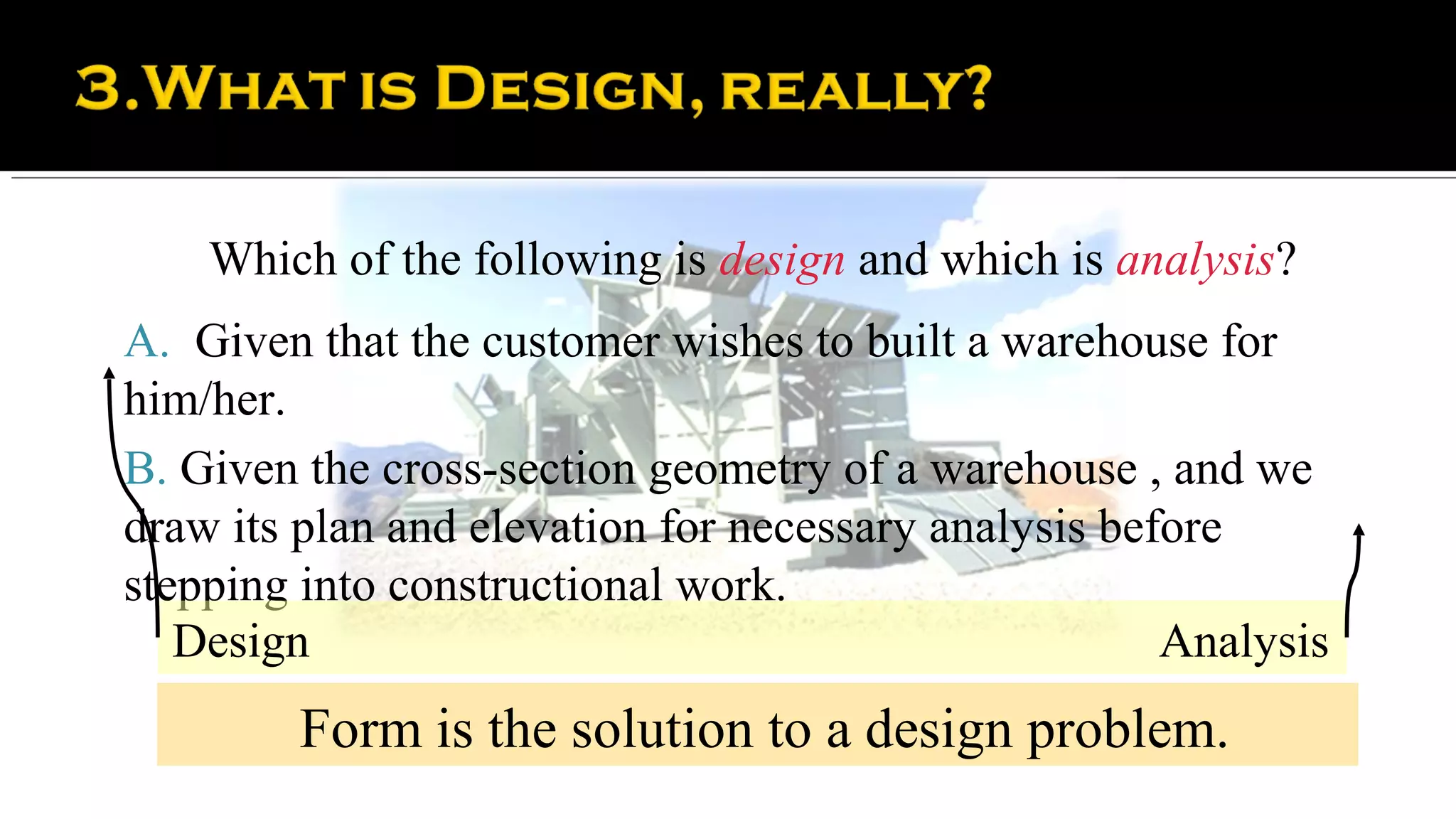
Which of the following is design and which is analysis?
A. Given that the customer wishes to built a warehouse for
him/her.
B. Given the cross-section geometry of a warehouse , and we
draw its plan and elevation for necessary analysis before
stepping into constructional work.
   Design                                             Analysis
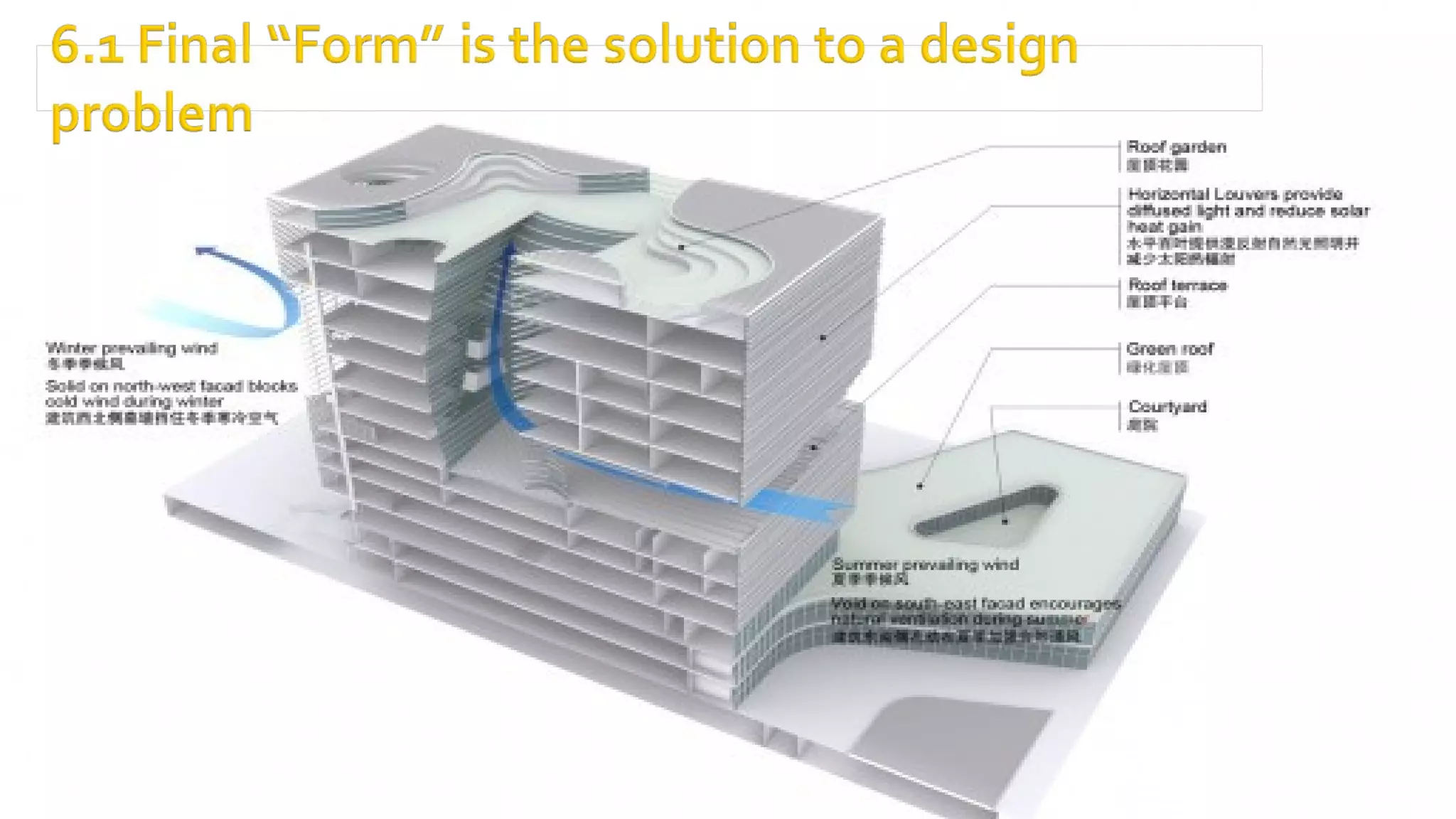
         Form is the solution to a design problem.


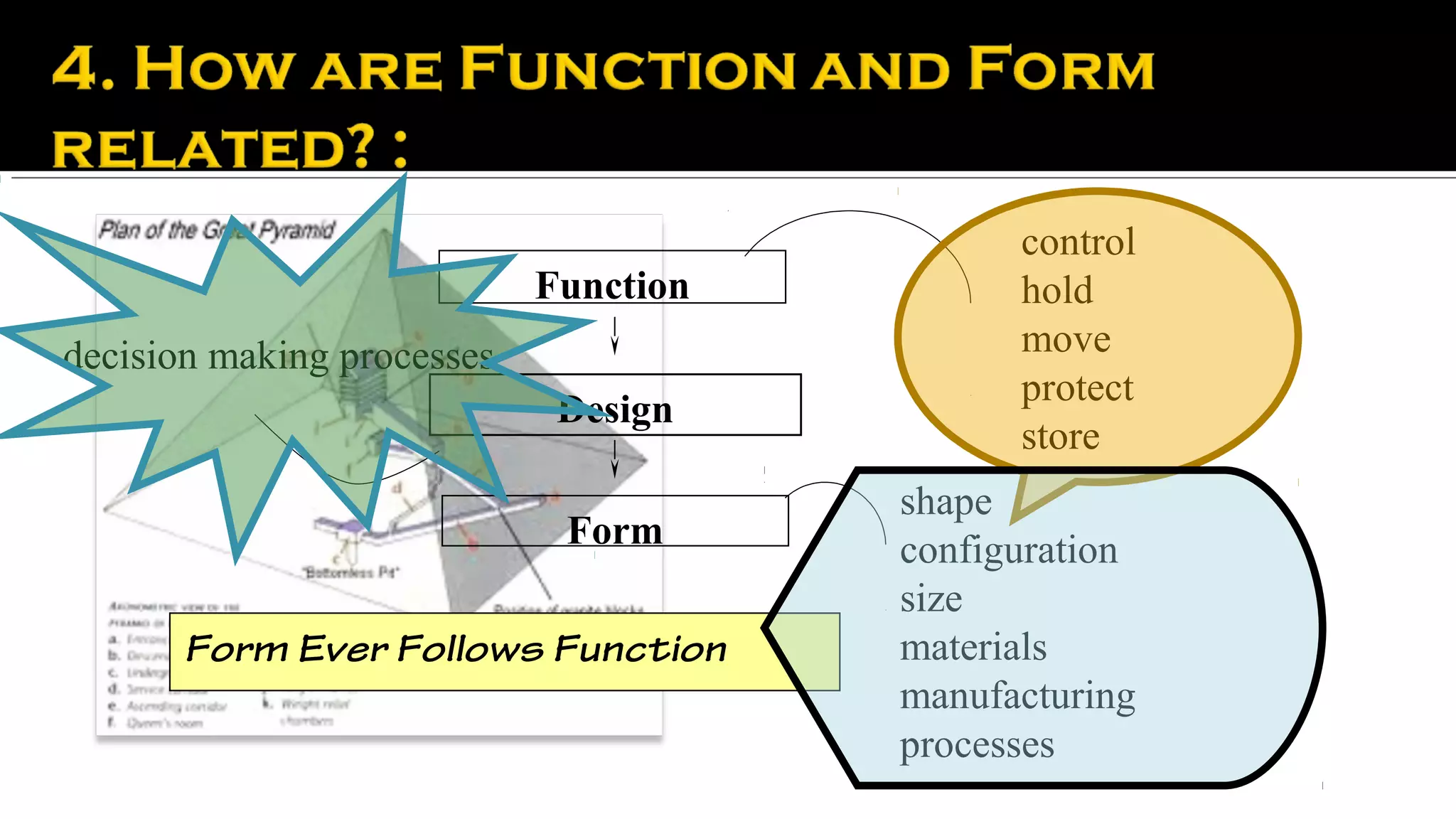
                                                 control
                                Function         hold
    decision making processes                    move
                                                 protect
                                 Design
                                                 store
                                           shape
                                 Form      configuration
                                           size
           Form Ever Follows Function      materials
                                           manufacturing
                                           processes
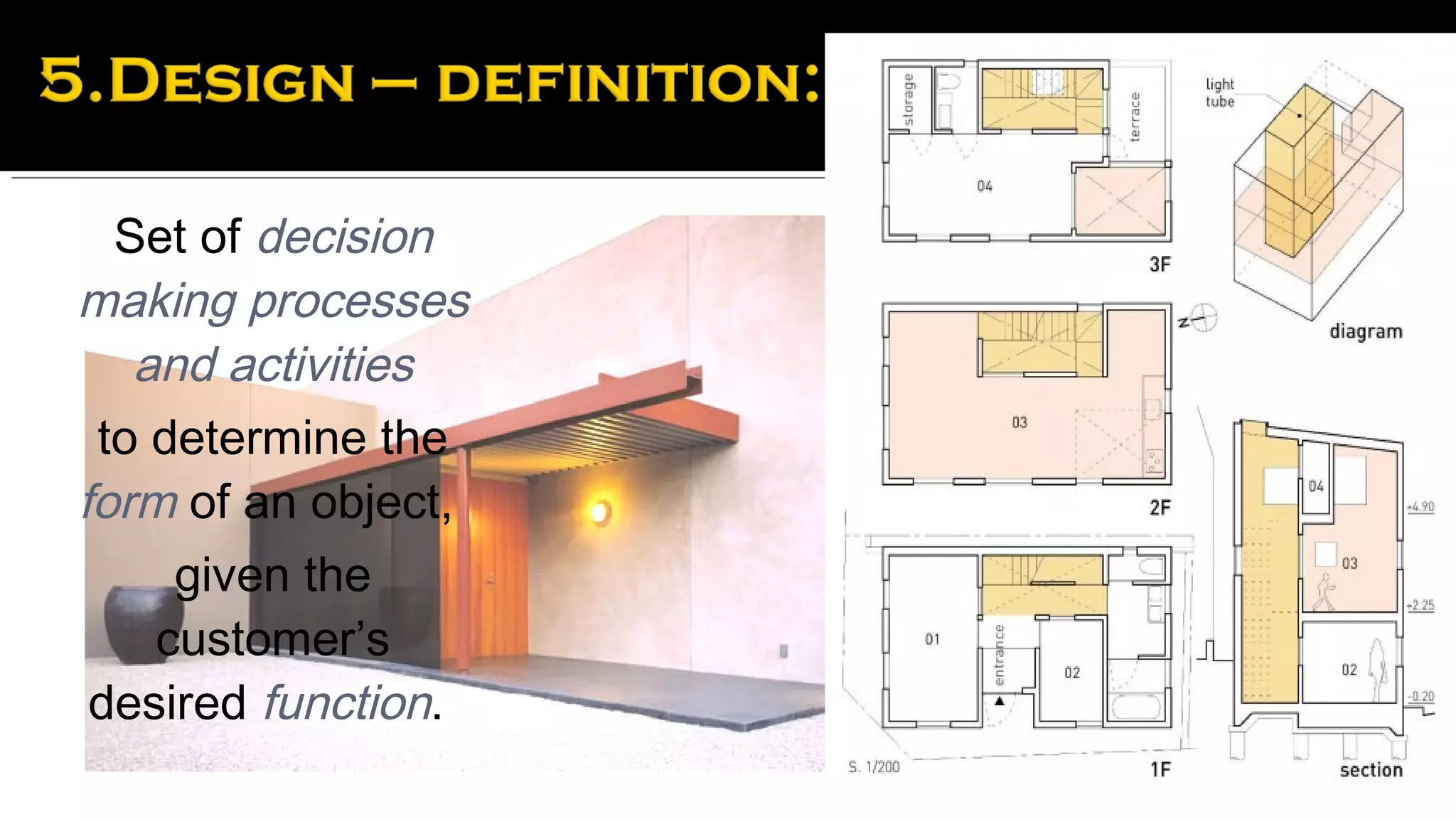
Set of decision
making processes
  and activities
 to determine the
form of an object,
    given the
   customer’s
desired function.
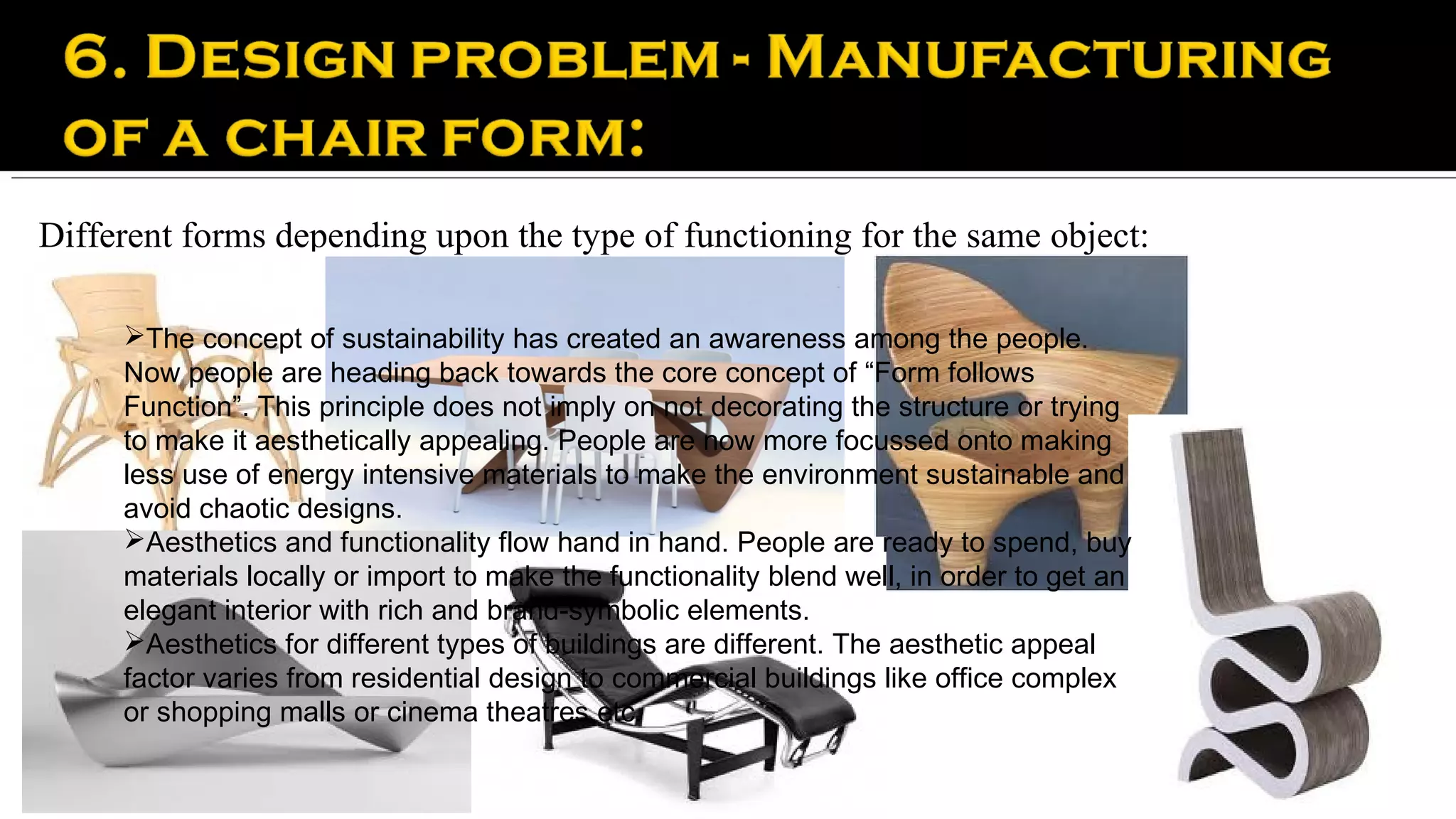
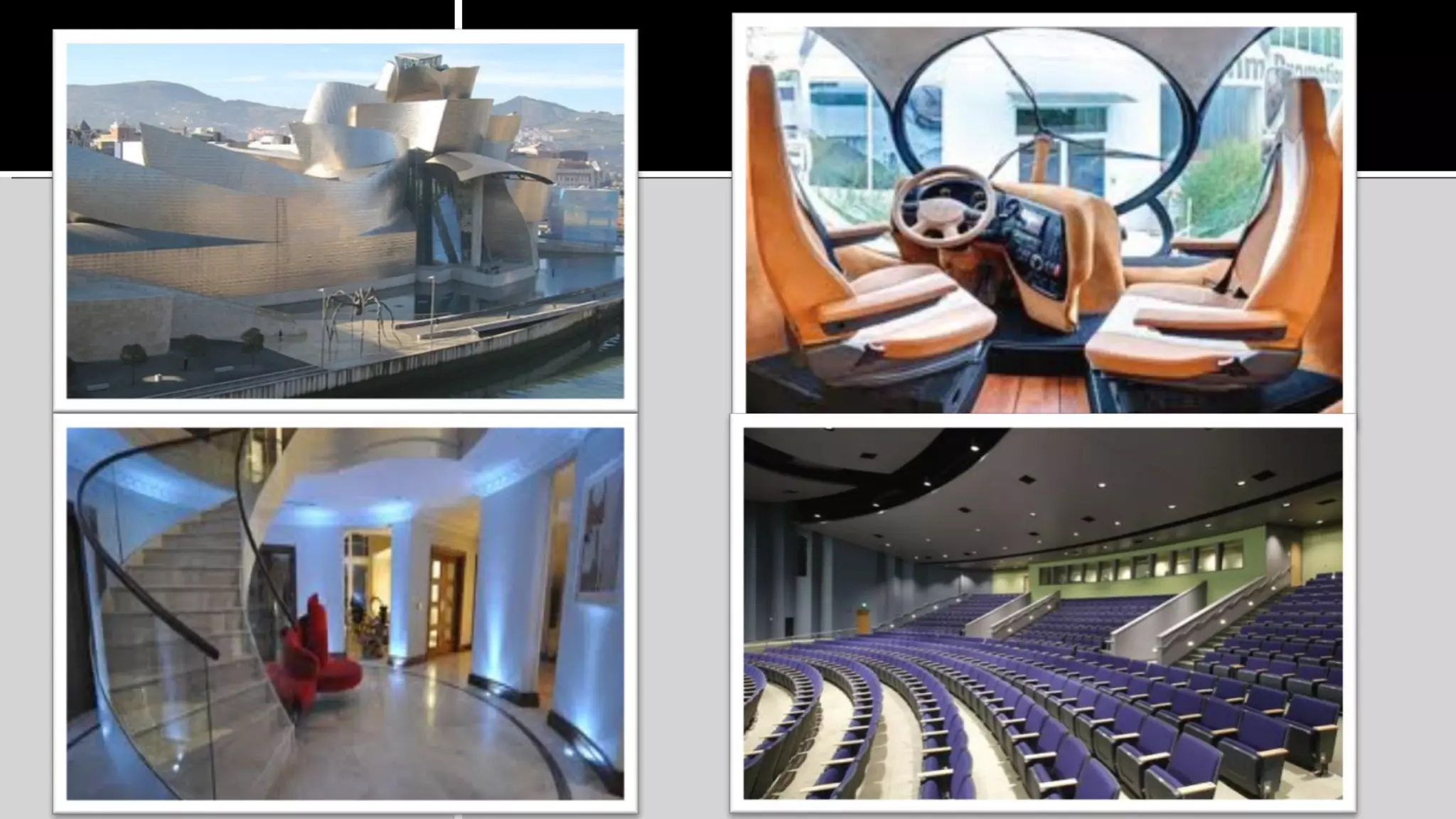
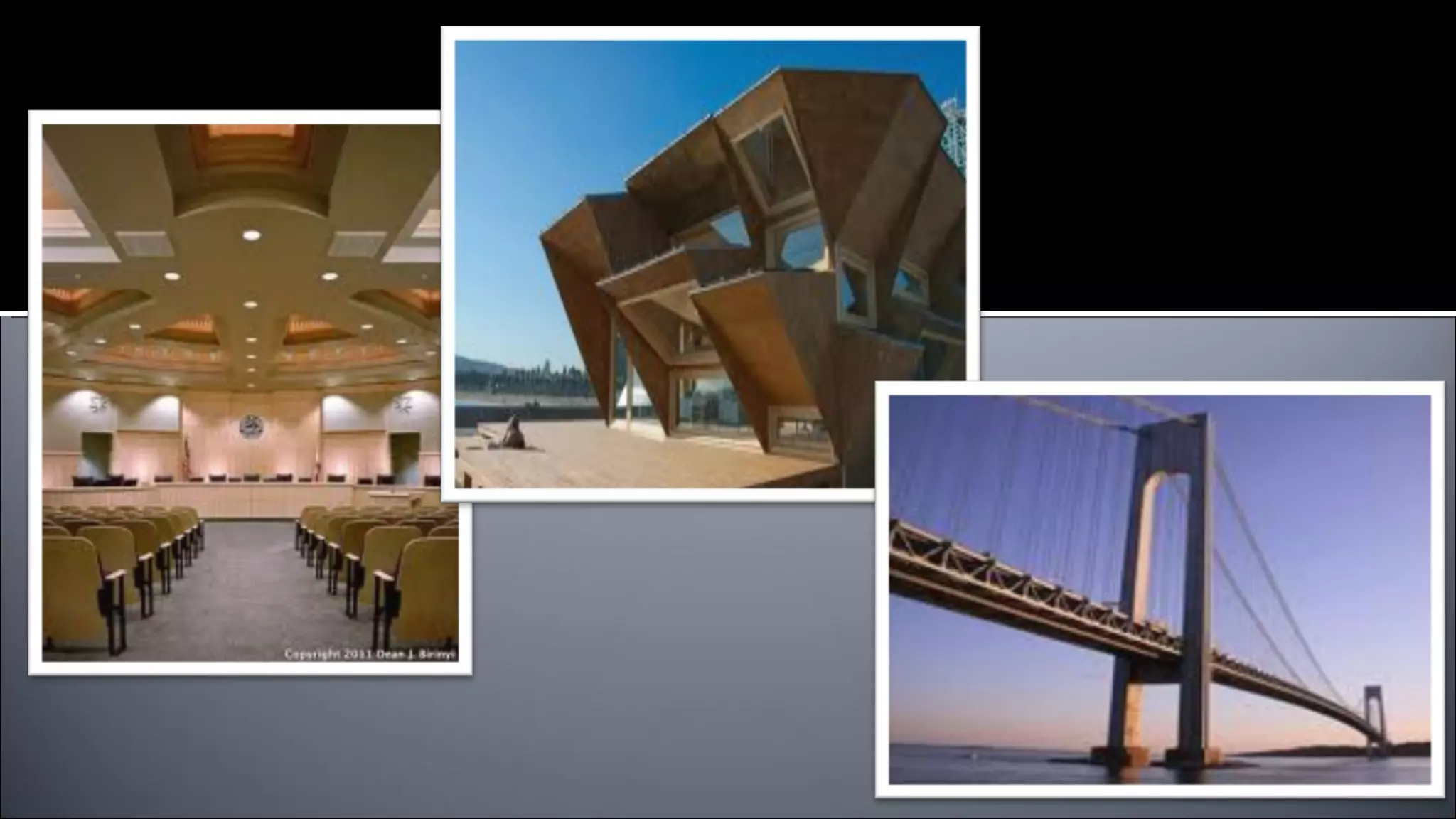
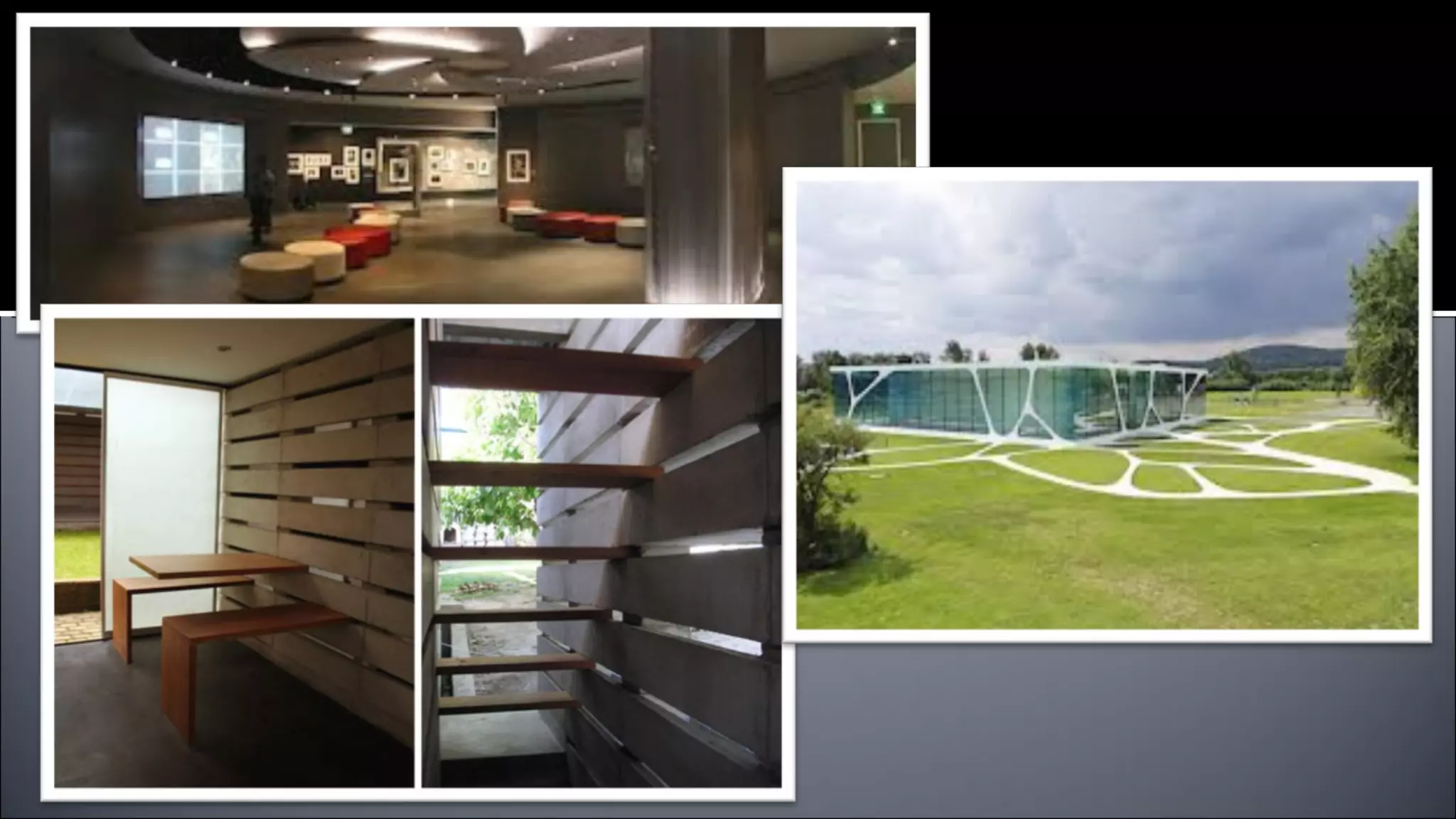
Different forms depending upon the type of functioning for the same object:

     The concept of sustainability has created an awareness among the people.
     Now people are heading back towards the core concept of “Form follows
     Function”. This principle does not imply on not decorating the structure or trying
     to make it aesthetically appealing. People are now more focussed onto making
     less use of energy intensive materials to make the environment sustainable and
     avoid chaotic designs.
     Aesthetics and functionality flow hand in hand. People are ready to spend, buy
     materials locally or import to make the functionality blend well, in order to get an
     elegant interior with rich and brand-symbolic elements.
     Aesthetics for different types of buildings are different. The aesthetic appeal
     factor varies from residential design to commercial buildings like office complex
     or shopping malls or cinema theatres etc.
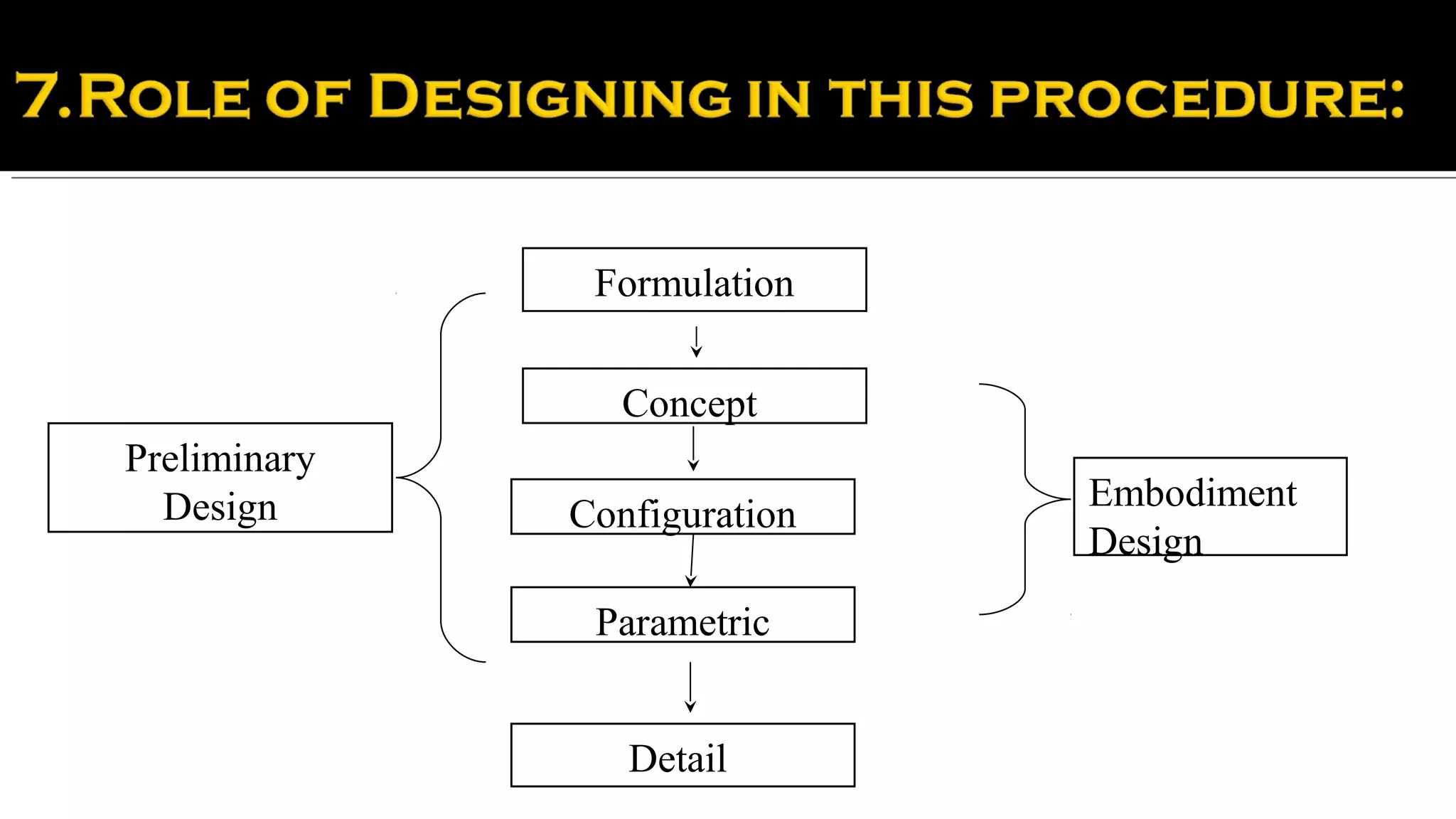
Form
Formulation

                 Concept
Preliminary
  Design                      Embodiment
              Configuration
                              Design

               Parametric


                 Detail
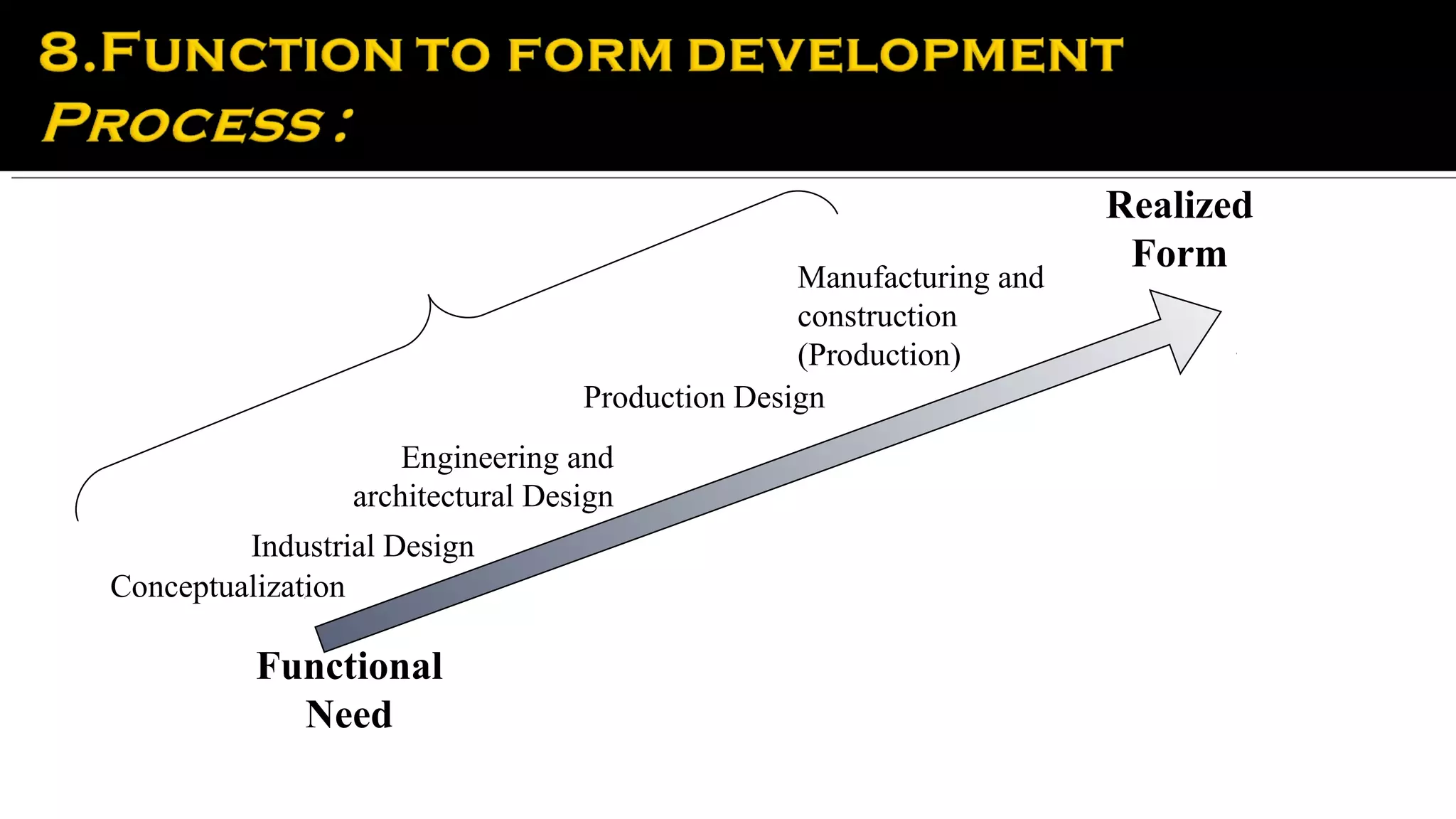
Realized
                                                                      Form
                                                 Manufacturing and
                                                 construction
                                                 (Production)
                                  Production Design
                     Engineering and
                 architectural Design
         Industrial Design
Conceptualization

          Functional
            Need
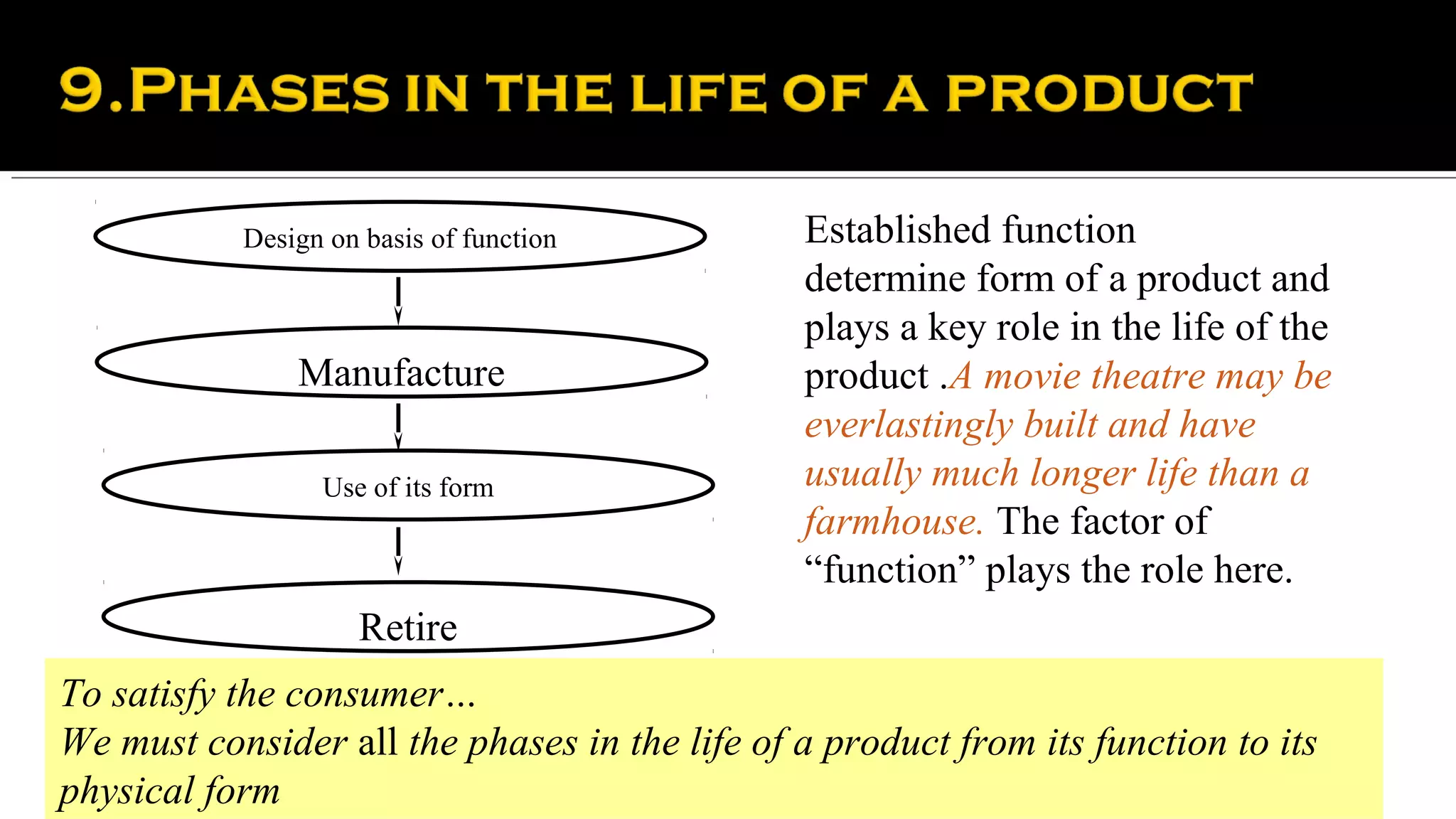
Design on basis of function         Established function
                                               determine form of a product and
                                               plays a key role in the life of the
               Manufacture                     product .A movie theatre may be
                                               everlastingly built and have
                 Use of its form               usually much longer life than a
                                               farmhouse. The factor of
                                               “function” plays the role here.
                    Retire
To satisfy the consumer…
We must consider all the phases in the life of a product from its function to its
physical form
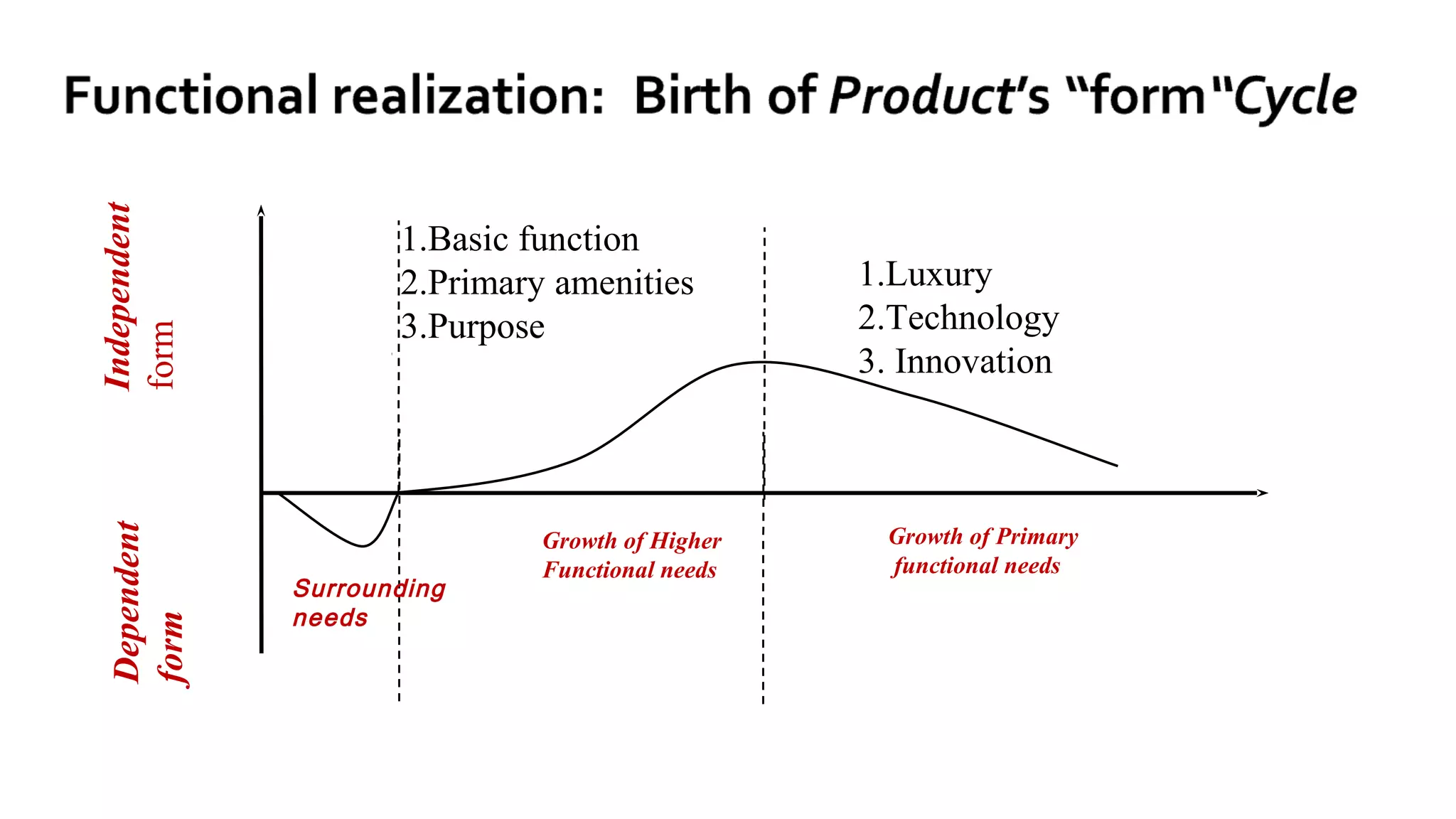
Independent


                     1.Basic function
                     2.Primary amenities         1.Luxury
                     3.Purpose                   2.Technology
form


                                                 3. Innovation
 Dependent


                              Growth of Higher    Growth of Primary
                              Functional needs    functional needs
              Surrounding
              needs
 form
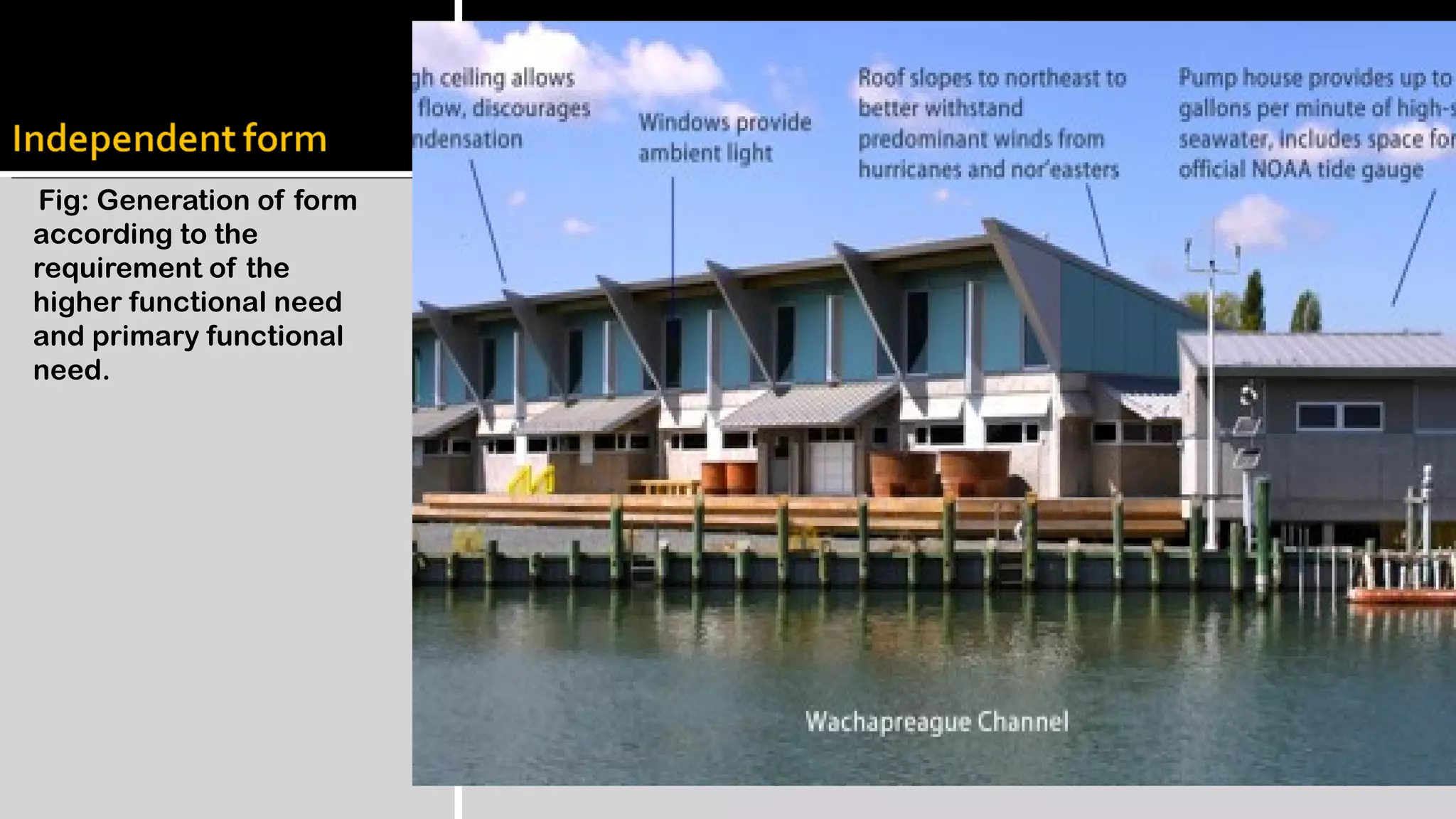
Fig: Generation of form
according to the
requirement of the
higher functional need
and primary functional
need.
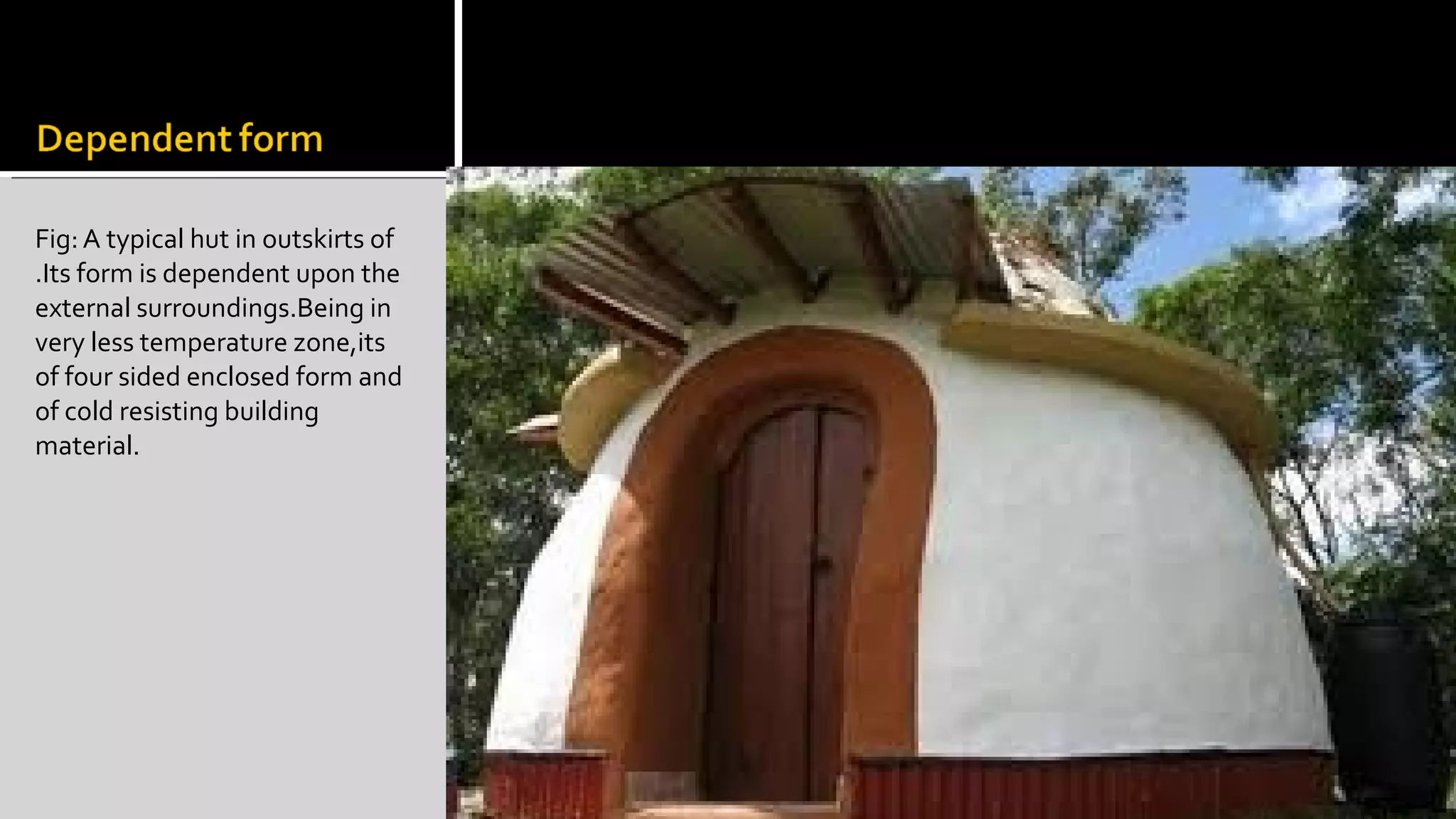
Fig: A typical hut in outskirts of
.Its form is dependent upon the
external surroundings.Being in
very less temperature zone,its
of four sided enclosed form and
of cold resisting building
material.
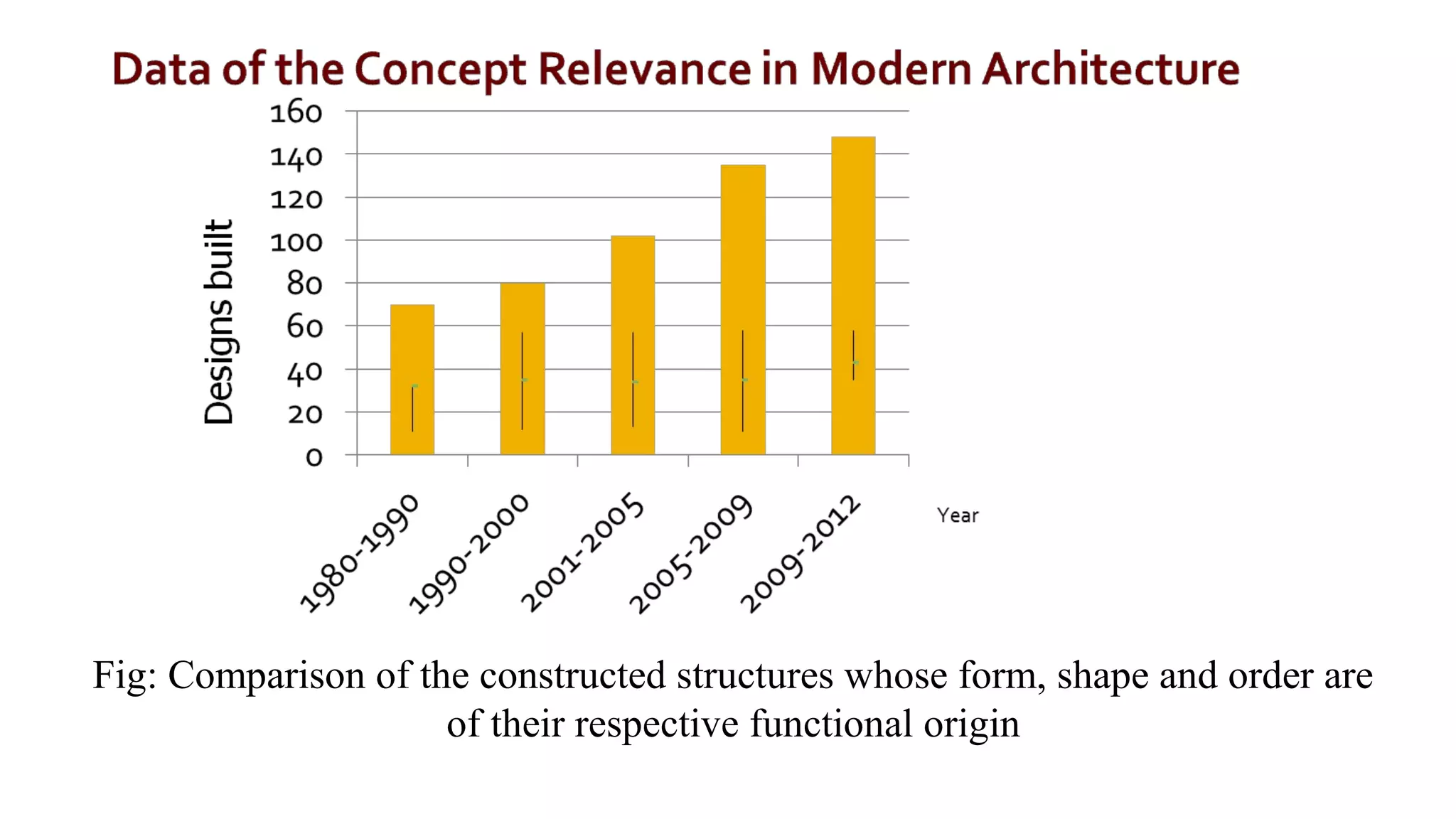
Fig: Comparison of the constructed structures whose form, shape and order are
                     of their respective functional origin
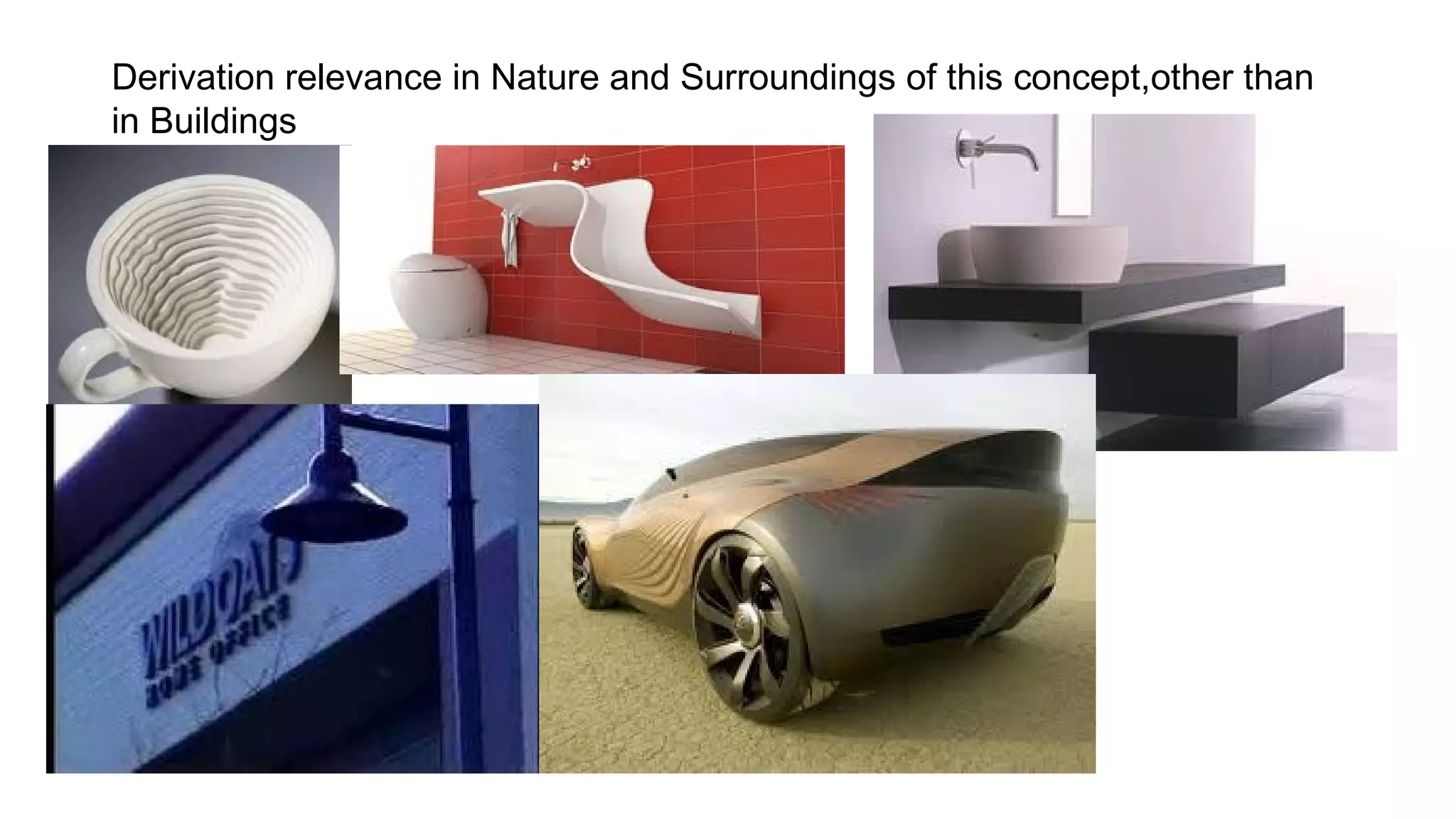
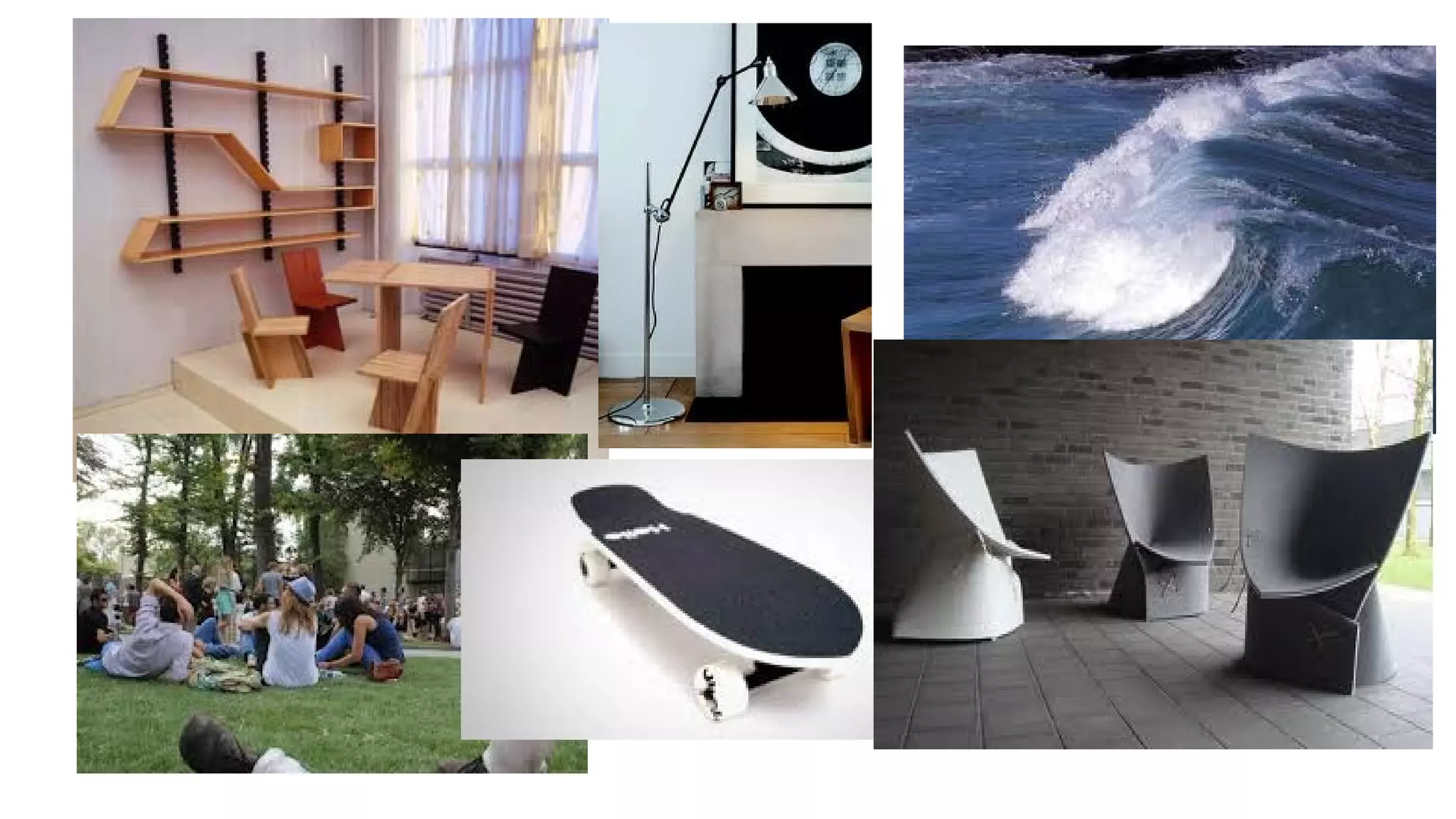
Derivation relevance in Nature and Surroundings of this concept,other than
in Buildings
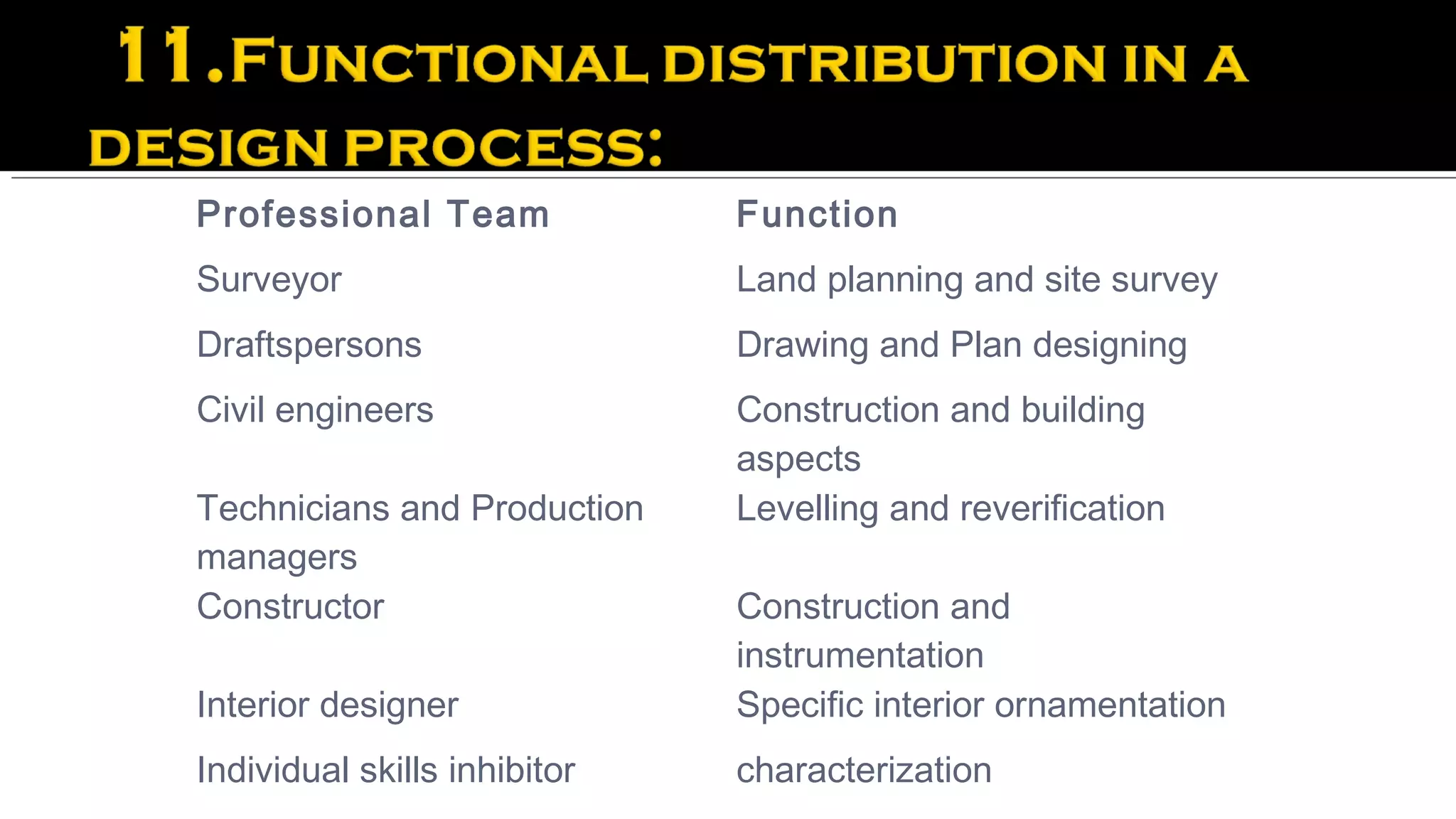
Professional Team             Function
Surveyor                      Land planning and site survey
Draftspersons                 Drawing and Plan designing
Civil engineers               Construction and building
                              aspects
Technicians and Production    Levelling and reverification
managers
Constructor                   Construction and
                              instrumentation
Interior designer             Specific interior ornamentation
Individual skills inhibitor   characterization
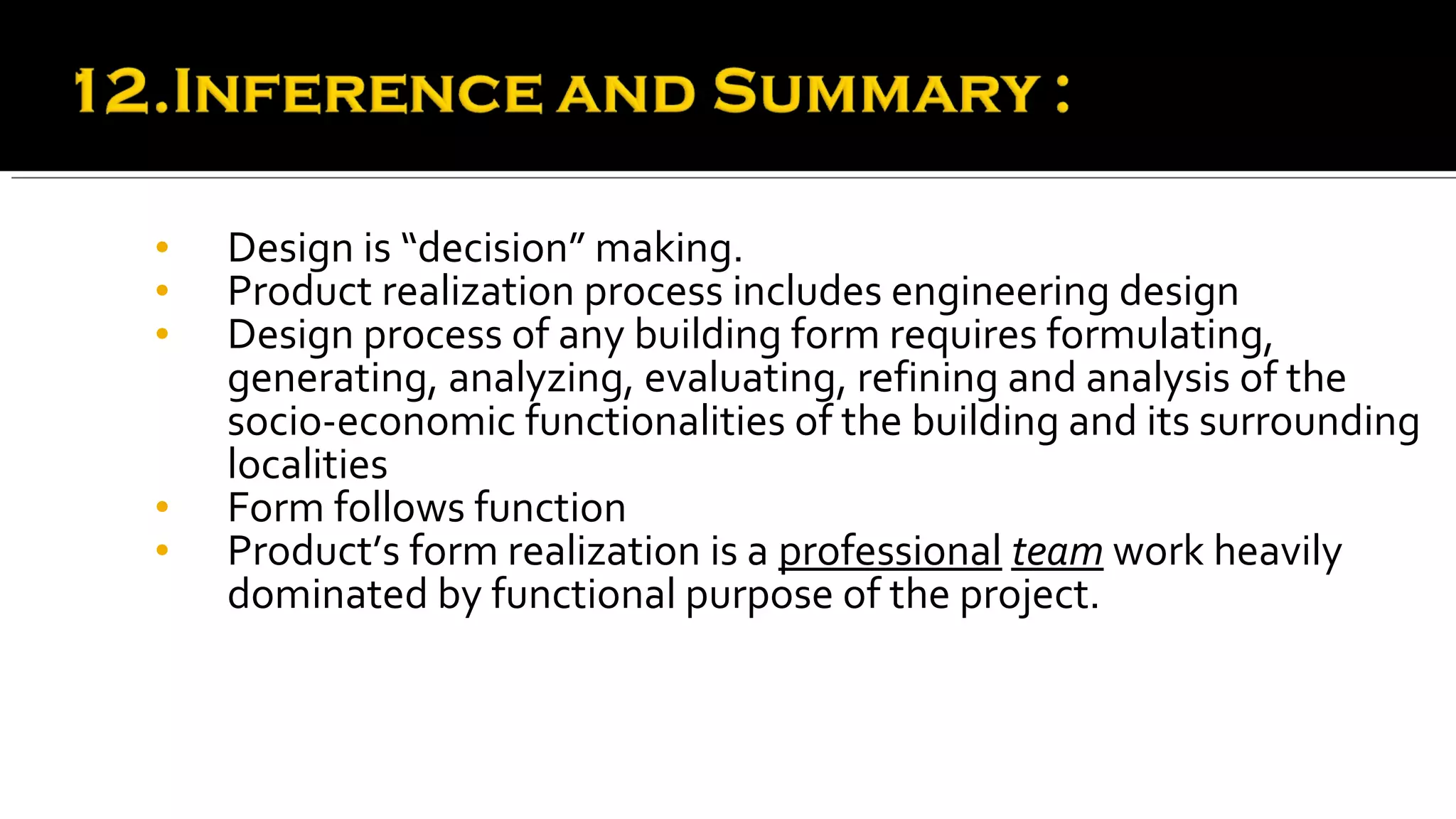
•   Design is “decision” making.
•   Product realization process includes engineering design
•   Design process of any building form requires formulating,
    generating, analyzing, evaluating, refining and analysis of the
    socio-economic functionalities of the building and its surrounding
    localities
•   Form follows function
•   Product’s form realization is a professional team work heavily
    dominated by functional purpose of the project.
1: Allen, Woody. "If the Impressionists Had Been Dentists: A fantasy exploring the transposition of
temperament. Without Feathers, New York: Warner Books, 1976.
2: Banham R. Theory and Design in the First Machine Age. London 1960.
3: Mumford L. "The Case Against 'Modern Architecture'." In: The Highway and the City. New York 1964: 162-175.
4: Collins P. Changing Ideals in Modern Architecture 1750-1950. London 1967.
5: Norberg-Schulz C. Intentions in Architecture. Cambridge, Mass. 1966.
6: Jencks C. Modern Movements in Architecture Harmondsworth 1980.
7: Brolin B.C. The Failure of Modern Architecture. London 1976.
8: Blake P. Form Follows Fiasco: Why Modern Architecture Hasn't Worked. Boston/Toronto 1977.
9: Watkin D. Morality and Architecture: The Development of a Theme in Architectural History and Theory from the
Gothic Revival to the Modern Movement. Oxford 1977.
10: Asplund H. Farv�ll till funktionalismen! Stockholm 1980.
11: Herdeg K. The Decorated Diagram: Harvard Architecture and the Failure of the Bauhaus Legacy. Cambridge,
Mass. 1983.
12a: Wolfe T. From Bauhaus to Our House. New York 1981.
12b: Krier, L. Architecture: Choice or Fate. Windsor, Berks, England 1998.
13a: Lawson, B. How Designers Think: The Design Process Demystified. Second ed. Oxford 1990 [1980].
- Atul Rajmani Pathak

'Form follows function'

  • 1.
    A Presentation onthe architectural proverb “FORM FOLLOWS FUNCTION”
  • 4.
    “ It isthe pervading law of all things organic and inorganic, Of all things physical and metaphysical, Of all things human and all things super- human, Of all true manifestations of the head, Of the heart, of the soul, That the life is recognizable in its expression, That form ever follows function. This is the law.” Louis Sullivan (1856-1924)
  • 5.
    Which of thefollowing is design and which is analysis? A. Given that the customer wishes to built a warehouse for him/her. B. Given the cross-section geometry of a warehouse , and we draw its plan and elevation for necessary analysis before stepping into constructional work. Design Analysis Form is the solution to a design problem.
  • 6.
      control Function hold decision making processes move protect Design store shape Form configuration size Form Ever Follows Function materials manufacturing processes
  • 7.
    Set of decision makingprocesses and activities to determine the form of an object, given the customer’s desired function.
  • 8.
    Different forms dependingupon the type of functioning for the same object: The concept of sustainability has created an awareness among the people. Now people are heading back towards the core concept of “Form follows Function”. This principle does not imply on not decorating the structure or trying to make it aesthetically appealing. People are now more focussed onto making less use of energy intensive materials to make the environment sustainable and avoid chaotic designs. Aesthetics and functionality flow hand in hand. People are ready to spend, buy materials locally or import to make the functionality blend well, in order to get an elegant interior with rich and brand-symbolic elements. Aesthetics for different types of buildings are different. The aesthetic appeal factor varies from residential design to commercial buildings like office complex or shopping malls or cinema theatres etc.
  • 9.
  • 10.
    Formulation Concept Preliminary Design Embodiment Configuration Design Parametric Detail
  • 11.
    Realized Form Manufacturing and construction (Production) Production Design Engineering and architectural Design Industrial Design Conceptualization Functional Need
  • 12.
    Design on basisof function Established function determine form of a product and plays a key role in the life of the Manufacture product .A movie theatre may be everlastingly built and have Use of its form usually much longer life than a farmhouse. The factor of “function” plays the role here. Retire To satisfy the consumer… We must consider all the phases in the life of a product from its function to its physical form
  • 13.
    Independent 1.Basic function 2.Primary amenities 1.Luxury 3.Purpose 2.Technology form 3. Innovation Dependent Growth of Higher Growth of Primary Functional needs functional needs Surrounding needs form
  • 14.
    Fig: Generation ofform according to the requirement of the higher functional need and primary functional need.
  • 15.
    Fig: A typicalhut in outskirts of .Its form is dependent upon the external surroundings.Being in very less temperature zone,its of four sided enclosed form and of cold resisting building material.
  • 16.
    Fig: Comparison ofthe constructed structures whose form, shape and order are of their respective functional origin
  • 20.
    Derivation relevance inNature and Surroundings of this concept,other than in Buildings
  • 22.
    Professional Team Function Surveyor Land planning and site survey Draftspersons Drawing and Plan designing Civil engineers Construction and building aspects Technicians and Production Levelling and reverification managers Constructor Construction and instrumentation Interior designer Specific interior ornamentation Individual skills inhibitor characterization
  • 23.
    Design is “decision” making. • Product realization process includes engineering design • Design process of any building form requires formulating, generating, analyzing, evaluating, refining and analysis of the socio-economic functionalities of the building and its surrounding localities • Form follows function • Product’s form realization is a professional team work heavily dominated by functional purpose of the project.
  • 24.
    1: Allen, Woody. "Ifthe Impressionists Had Been Dentists: A fantasy exploring the transposition of temperament. Without Feathers, New York: Warner Books, 1976. 2: Banham R. Theory and Design in the First Machine Age. London 1960. 3: Mumford L. "The Case Against 'Modern Architecture'." In: The Highway and the City. New York 1964: 162-175. 4: Collins P. Changing Ideals in Modern Architecture 1750-1950. London 1967. 5: Norberg-Schulz C. Intentions in Architecture. Cambridge, Mass. 1966. 6: Jencks C. Modern Movements in Architecture Harmondsworth 1980. 7: Brolin B.C. The Failure of Modern Architecture. London 1976. 8: Blake P. Form Follows Fiasco: Why Modern Architecture Hasn't Worked. Boston/Toronto 1977. 9: Watkin D. Morality and Architecture: The Development of a Theme in Architectural History and Theory from the Gothic Revival to the Modern Movement. Oxford 1977. 10: Asplund H. Farv�ll till funktionalismen! Stockholm 1980. 11: Herdeg K. The Decorated Diagram: Harvard Architecture and the Failure of the Bauhaus Legacy. Cambridge, Mass. 1983. 12a: Wolfe T. From Bauhaus to Our House. New York 1981. 12b: Krier, L. Architecture: Choice or Fate. Windsor, Berks, England 1998. 13a: Lawson, B. How Designers Think: The Design Process Demystified. Second ed. Oxford 1990 [1980].
  • 25.