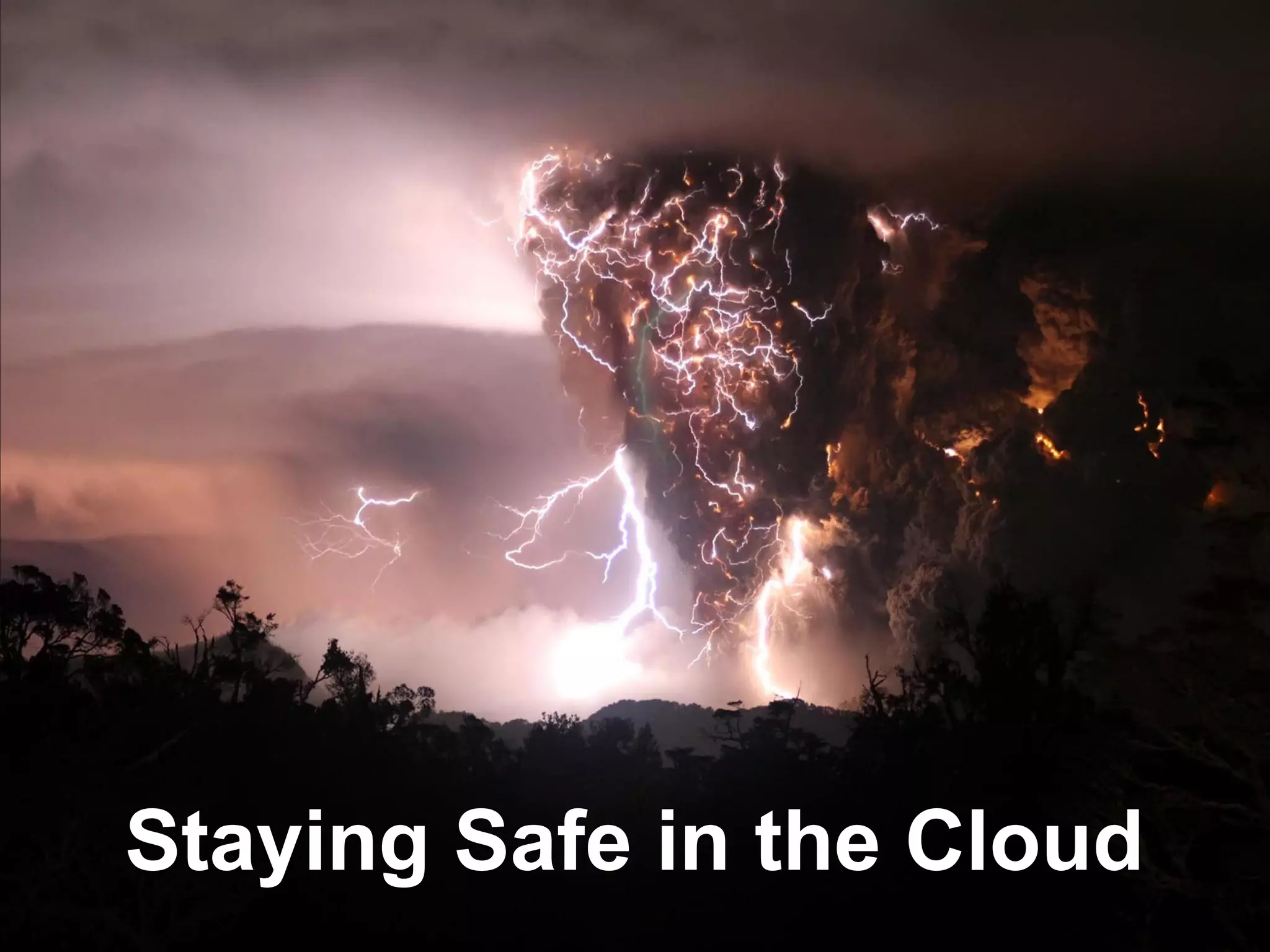








Staying Safe in the Cloud
/whois me
helsinkijs.org
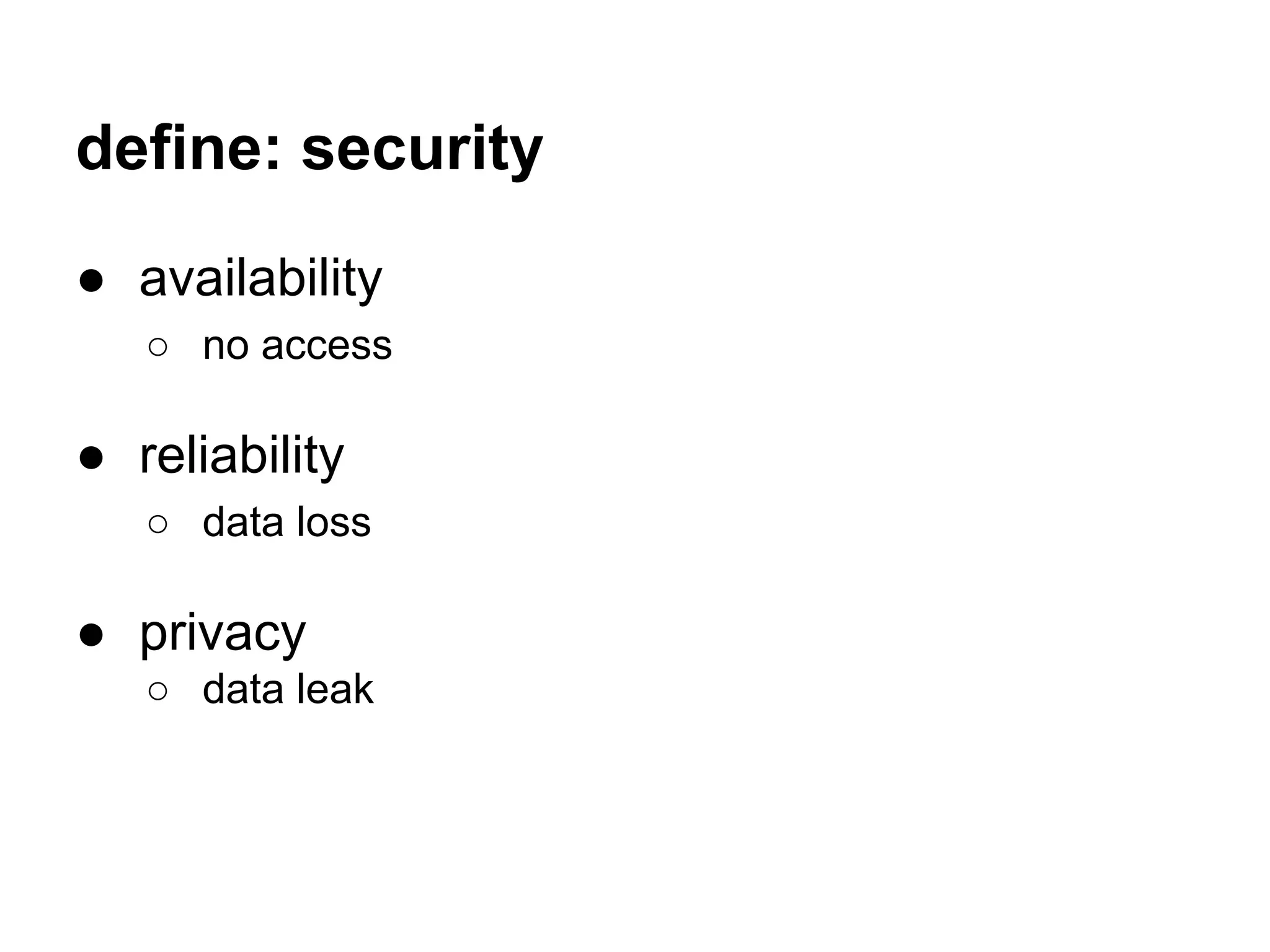
define: security
● availability
○ no access
● reliability
○ data loss
● privacy
○ data leak
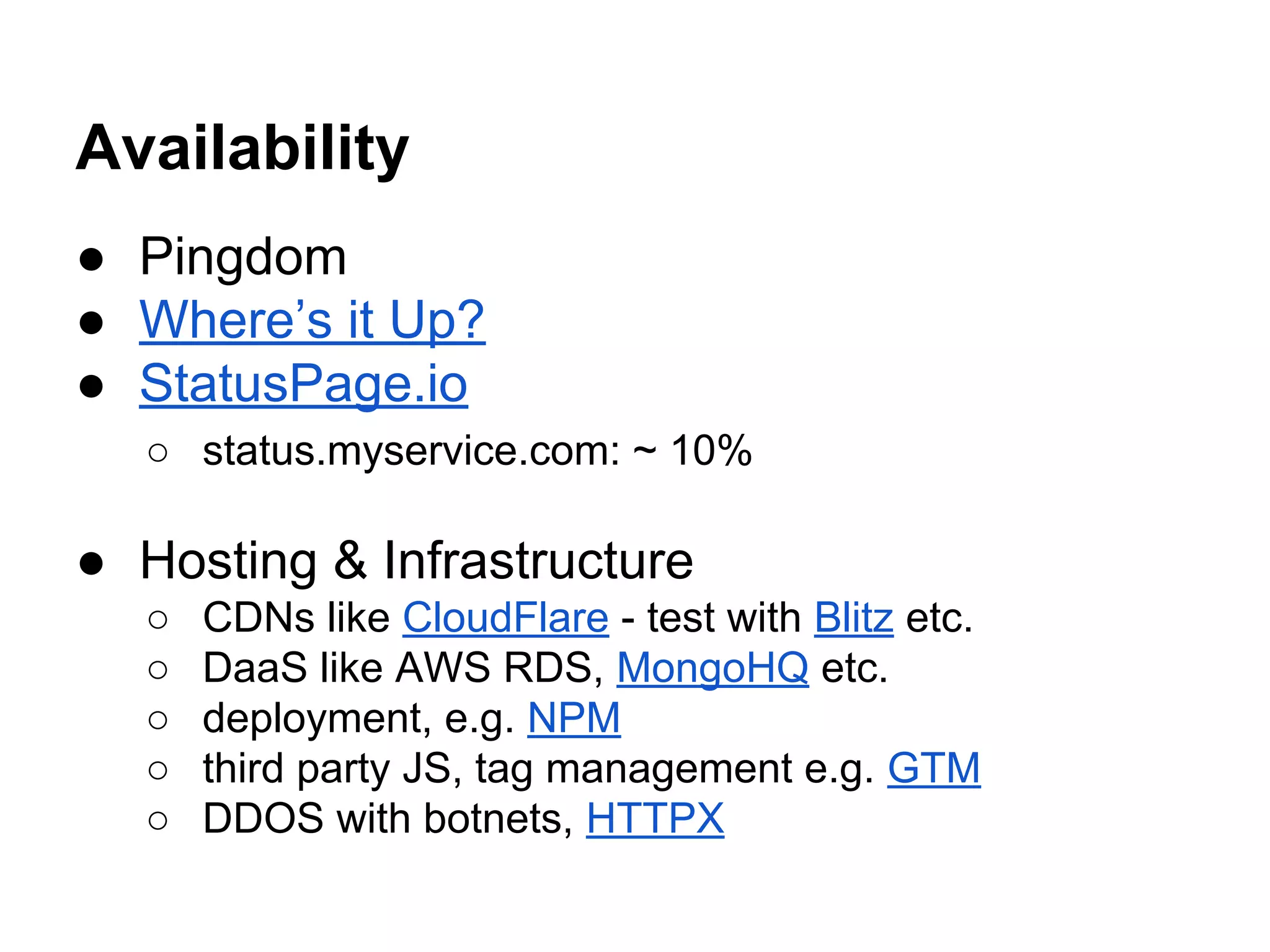
Availability
● Pingdom
● Where’s it Up?
● StatusPage.io
○ status.myservice.com: ~ 10%
● Hosting & Infrastructure
○ CDNs like CloudFlare - test with Blitz etc.
○ DaaS like AWS RDS, MongoHQ etc.
○ deployment, e.g. NPM
○ third party JS, tag management e.g. GTM
○ DDOS with botnets, HTTPX
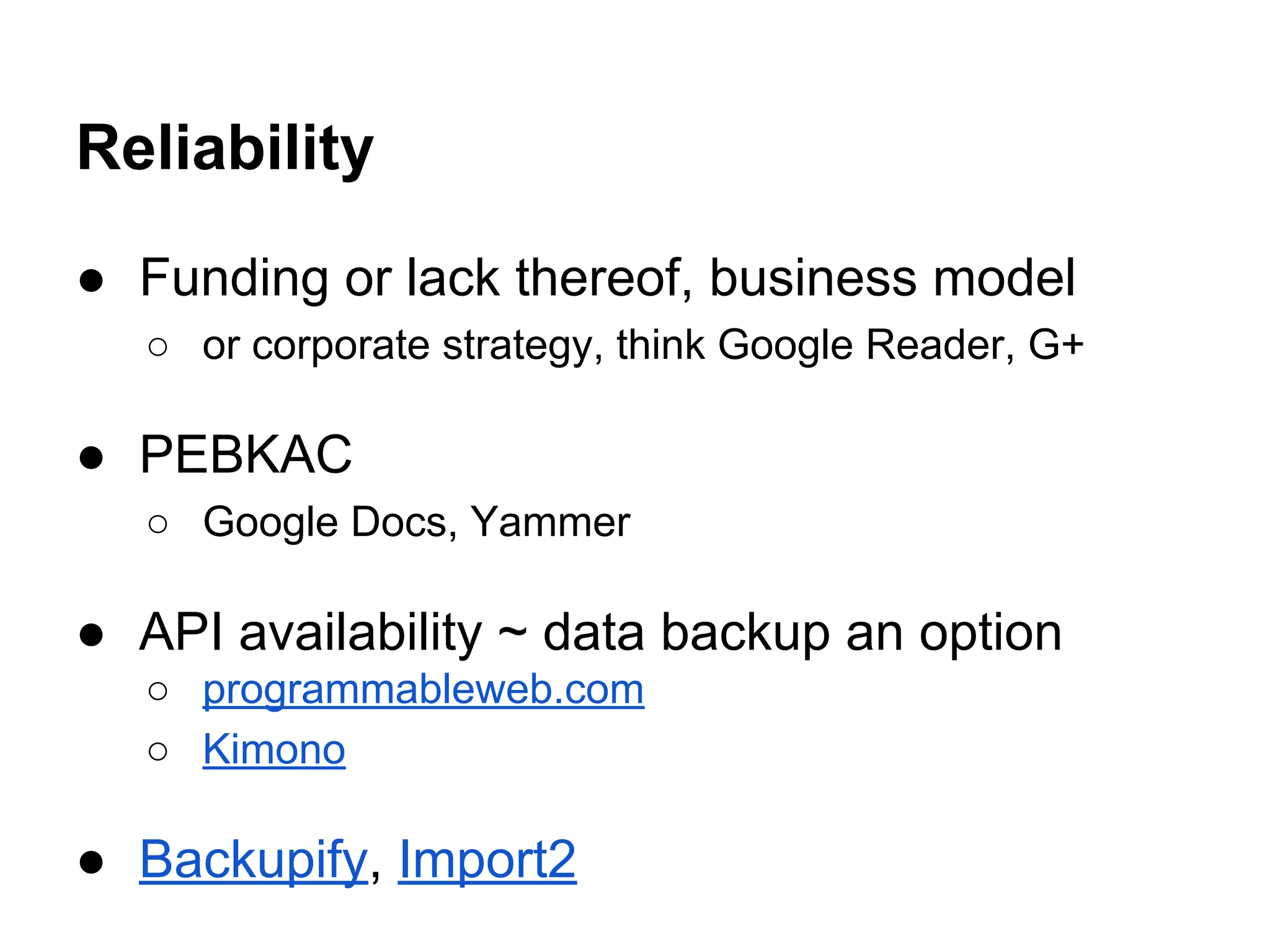
Reliability
● Funding or lack thereof, business model
○ or corporate strategy, think Google Reader, G+
● PEBKAC
○ Google Docs, Yammer
● API availability ~ data backup an option
○ programmableweb.com
○ Kimono
● Backupify, Import2
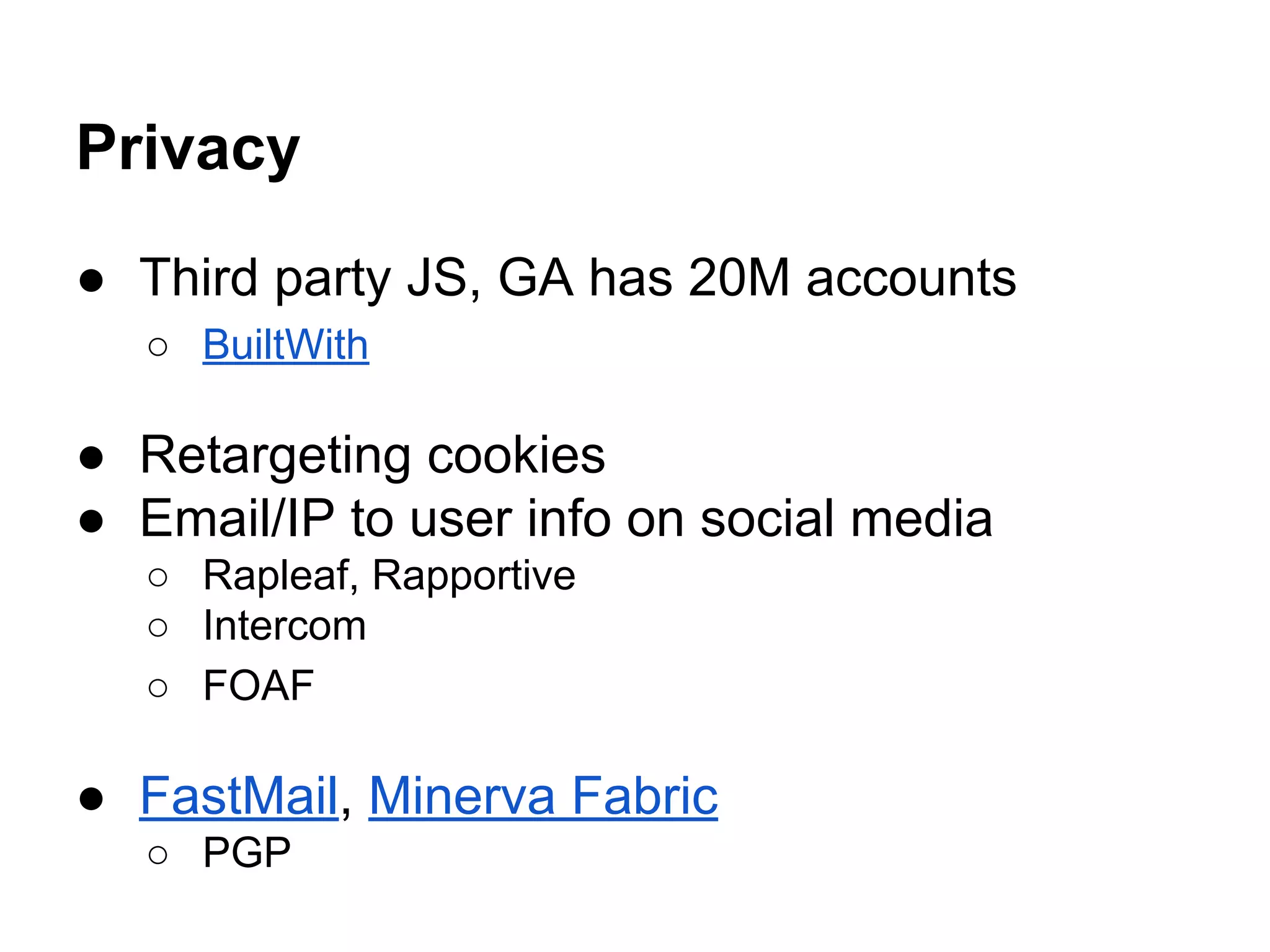
Privacy
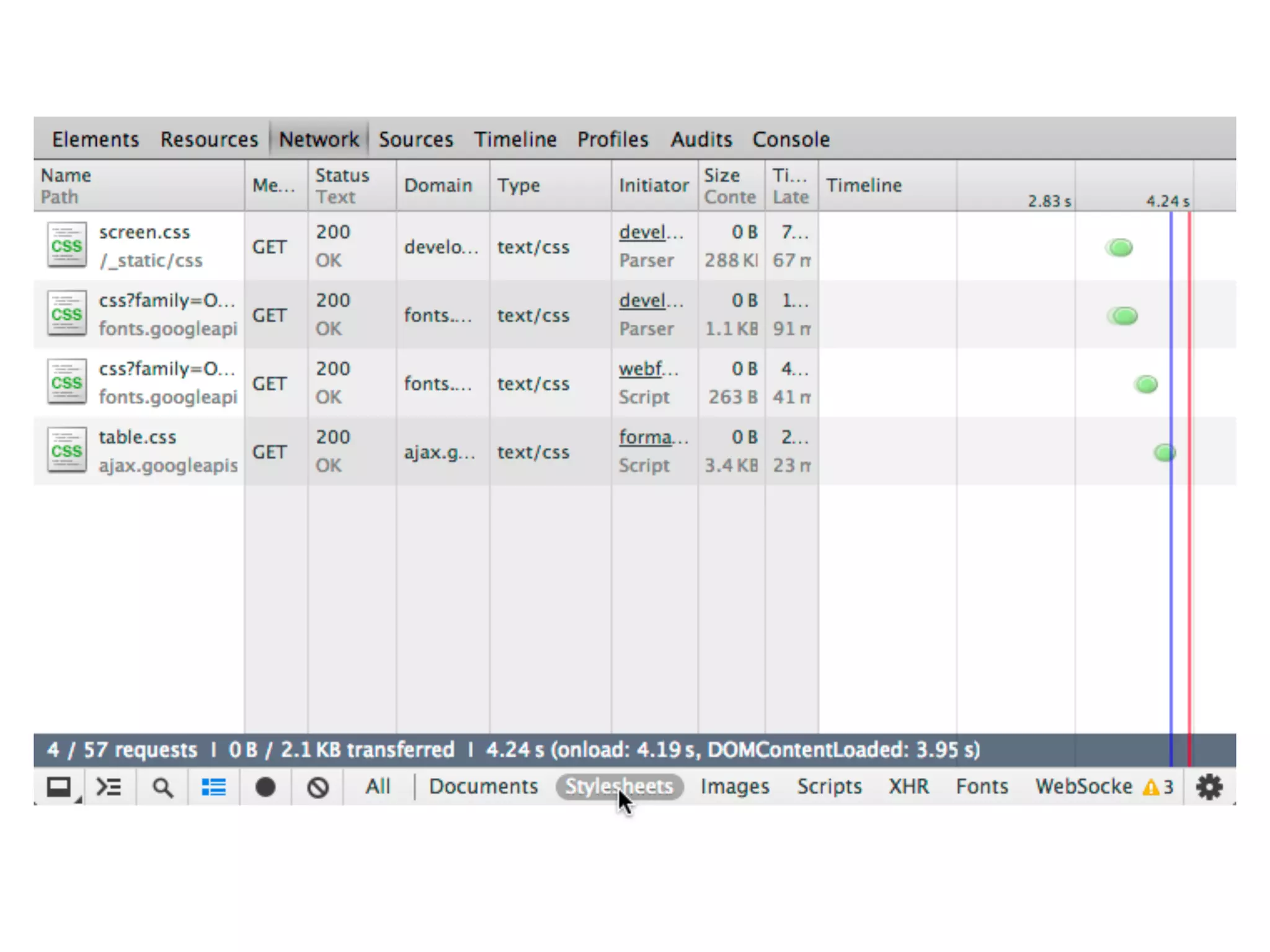
● Third party JS, GA has 20M accounts
○ BuiltWith
● Retargeting cookies
● Email/IP to user info on social media
○ Rapleaf, Rapportive
○ Intercom
○ FOAF
● FastMail, Minerva Fabric
○ PGP
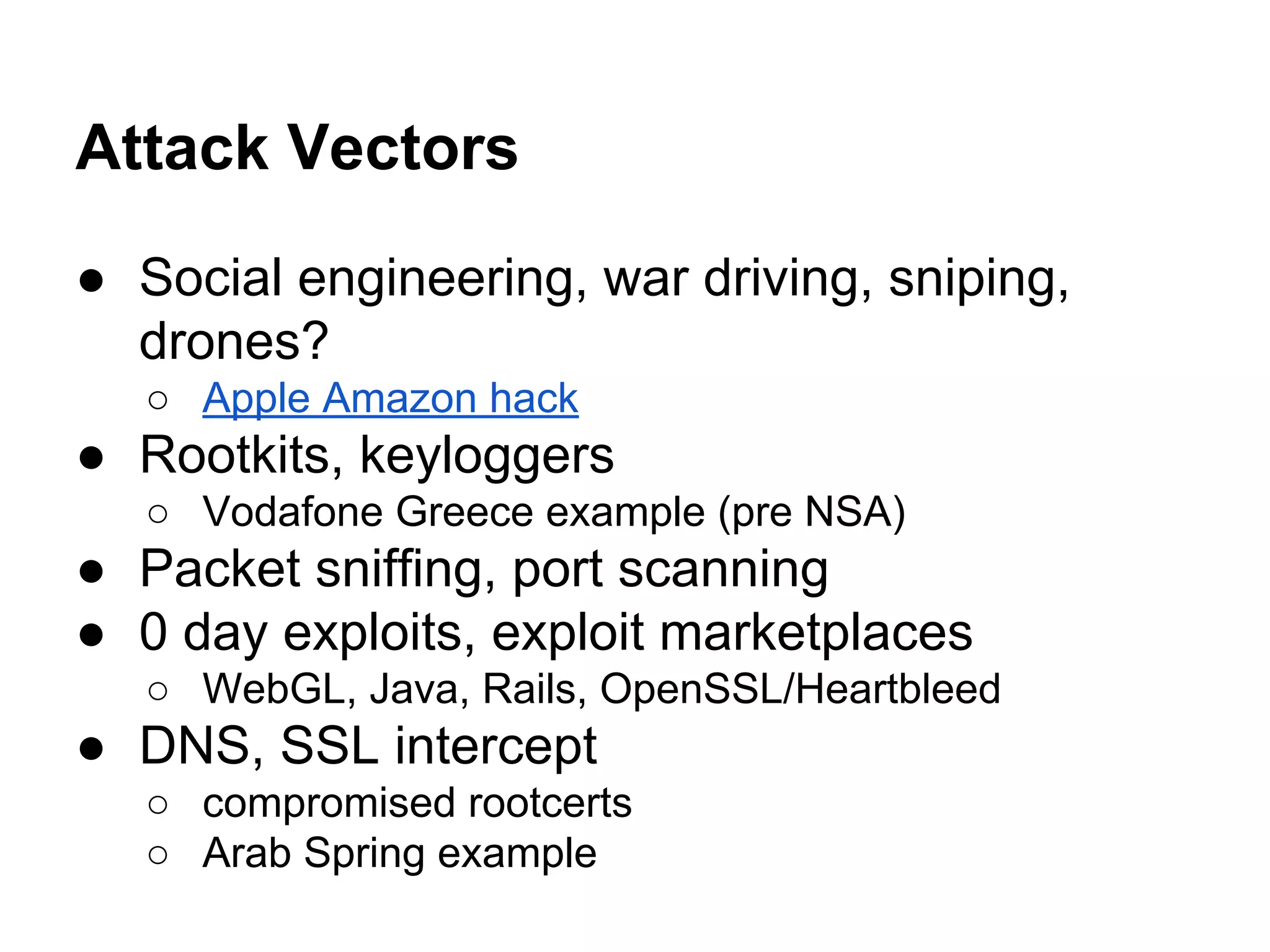
Attack Vectors
● Social engineering, war driving, sniping,
drones?
○ Apple Amazon hack
● Rootkits, keyloggers
○ Vodafone Greece example (pre NSA)
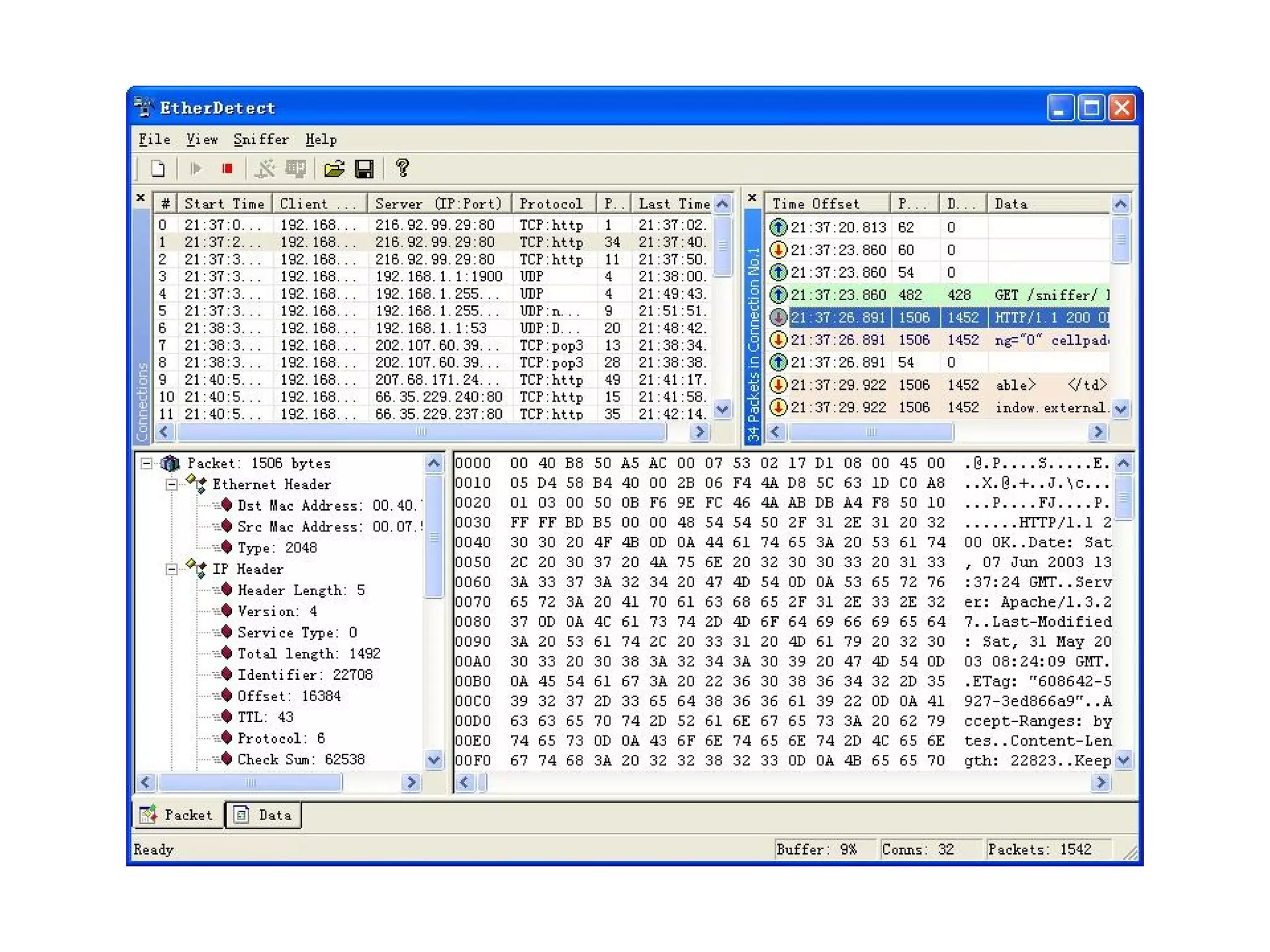
● Packet sniffing, port scanning
● 0 day exploits, exploit marketplaces
○ WebGL, Java, Rails, OpenSSL/Heartbleed
● DNS, SSL intercept
○ compromised rootcerts
○ Arab Spring example
Attack Vectors
● Infrastructure providers
○ HDDs reused
○ Internal sniffing, e.g. MongoDB
○ OSS clients libs not audited, Nodetime example
● Phishing mails
● Cross site attacks: XSS, CSRF
● Malicious extensions: e.g. Window Resizer
● OAuth, third party app access
○ ~60% use Google for login
● etc. etc.
Countermeasures
● Encrypted laptop drives
● Secure passwords
○ LastPass or PwdHash
● Two Factor Authentication 2FA
○ Not enforced by most
● Suspicious activity detection
● Access logs
○ per user audit trail?
Preemption
● Security audits
● “Honeypots”
● Production/Staging divide
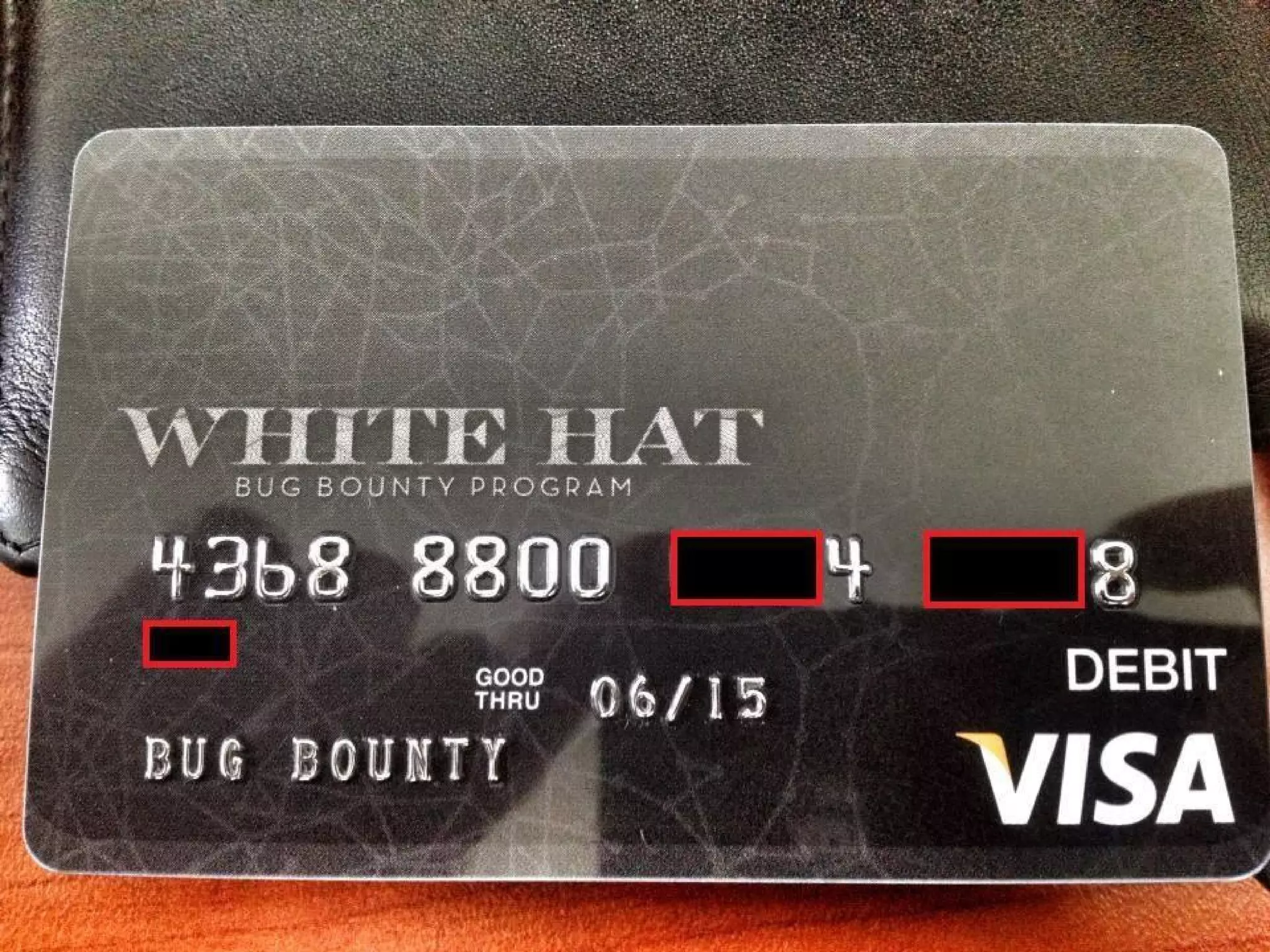
● Bug bounty programs
Politics: NSA, etc.
● Hosting outside of US by a non-US legal
entity is a competitive advantage
○ e.g. Upcloud, younited
○ caveat: traffic goes via Sweden
● How many SaaS companies from Estonia?
○ Sportlyzer
○ Weekdone
○ GoWorkaBit
○ InventoryAPI
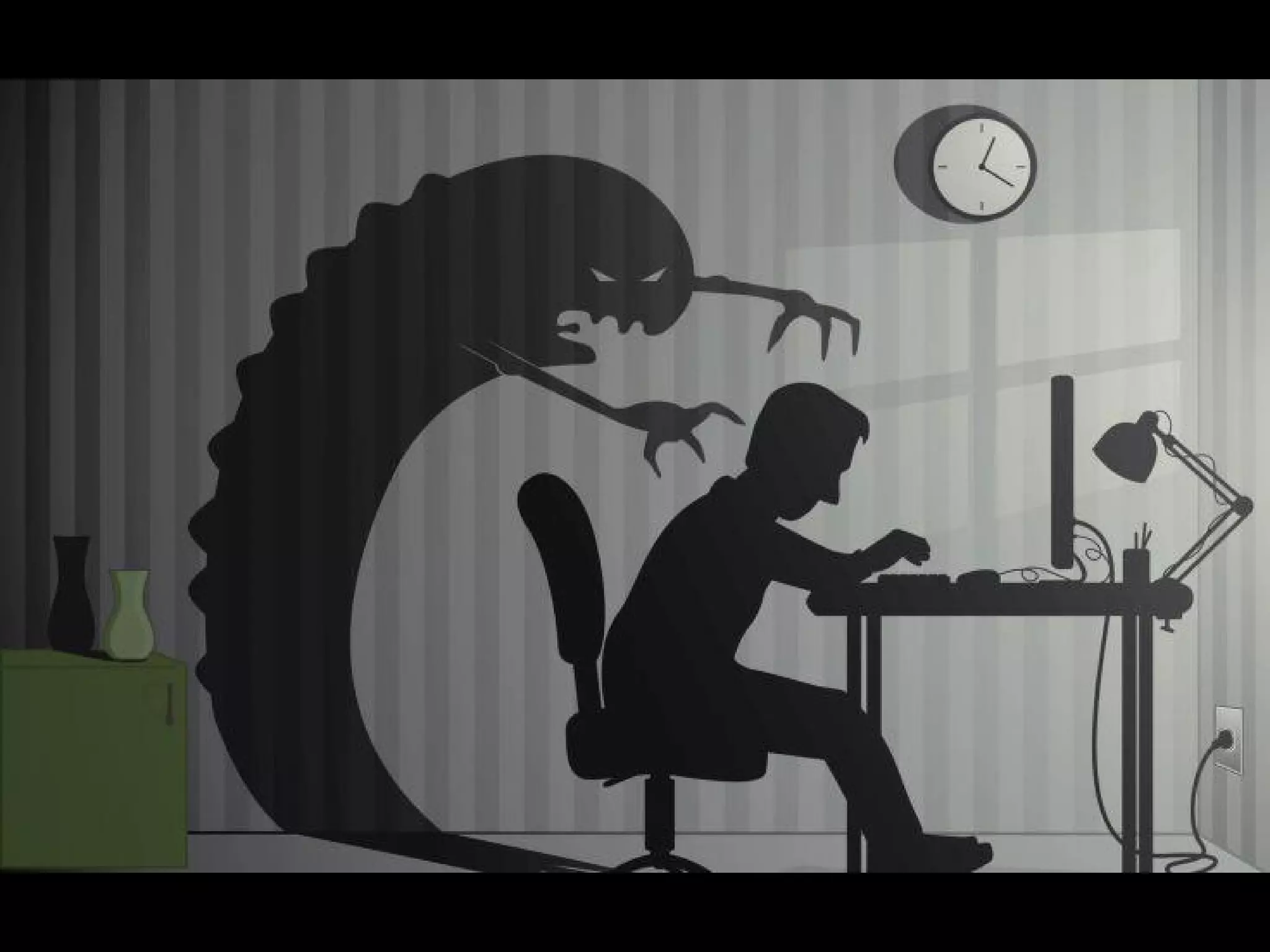
Shadow IT
● Bring Your Own Device (BYOD)
● Bring Your Own Service (BYOS)
● Most companies don’t know what software
their employees use
○ … and don’t want to know
● Shared accounts
○ Bitium, Meldium
Case Study: StartHQ
● first contact:
○ password reset mails
○ access log monitoring
○ break in
○ disable /admin
○ apply fix
● two weeks later:
○ second break in
○ mail sent to all @starthq.com
○ apply second fix, more attempts, no more breakins
Case Study: Buffer
Trade-offs
● Self Reliance vs. Reliability
○ Self host MongoDB or go with MongoHQ
○ Speed and time to market critical
● Security vs. Convenience?
Reality
● Everyone gets hacked
○ Atlassian story
● Users largely don’t care
● Case in point: StartHQ extension
○ see video
Resources
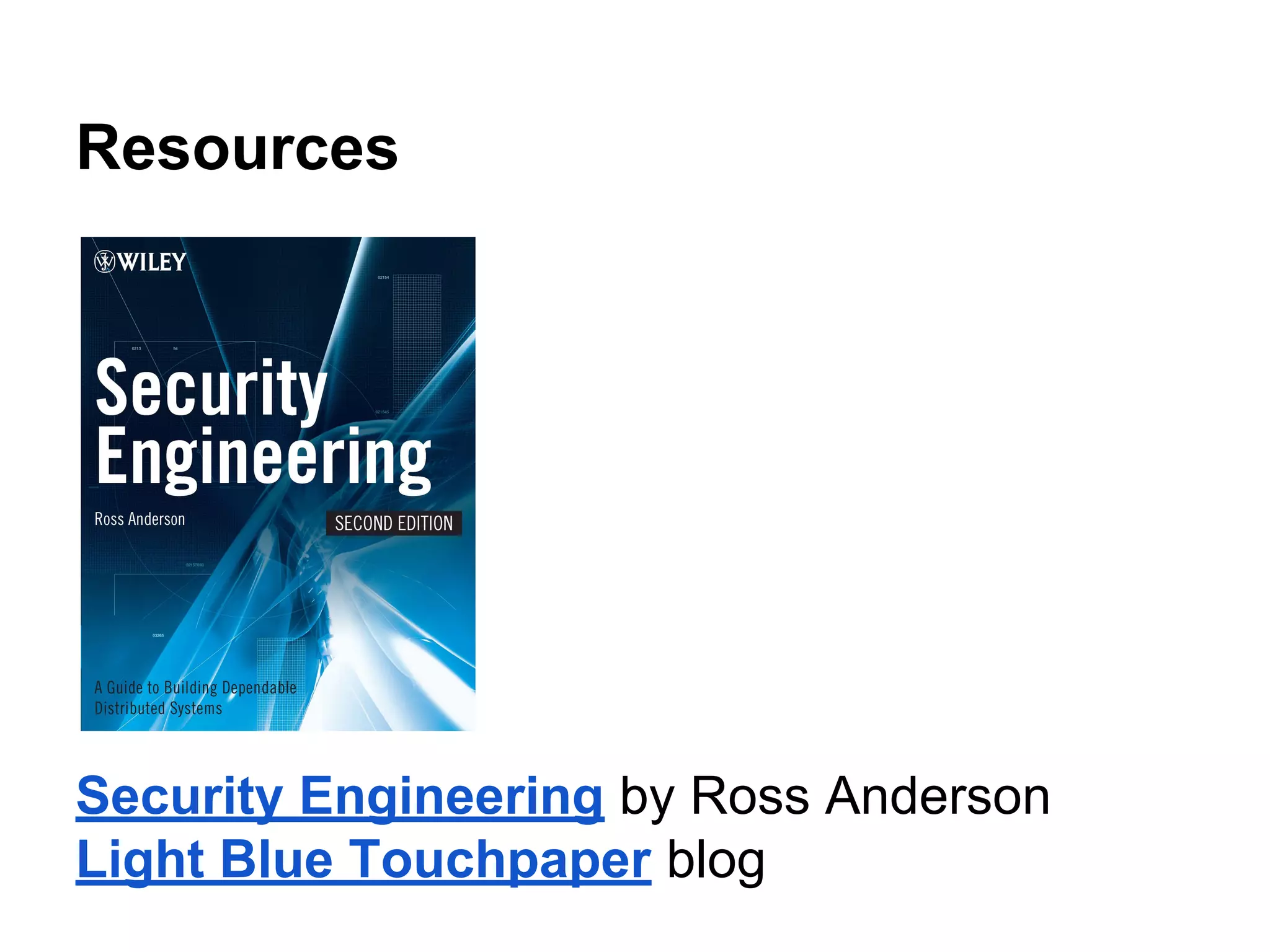
Security Engineering by Ross Anderson
Light Blue Touchpaper blog
Resources
Chaos Computer Club TV
Resources
OWASP Top 10 Project
Homakov blog
Thank you!
@olegpodsechin

Staying safe in the cloud

  • 1.
    Staying Safe inthe Cloud
  • 2.
  • 3.
  • 6.
    define: security ● availability ○no access ● reliability ○ data loss ● privacy ○ data leak
  • 7.
    Availability ● Pingdom ● Where’sit Up? ● StatusPage.io ○ status.myservice.com: ~ 10% ● Hosting & Infrastructure ○ CDNs like CloudFlare - test with Blitz etc. ○ DaaS like AWS RDS, MongoHQ etc. ○ deployment, e.g. NPM ○ third party JS, tag management e.g. GTM ○ DDOS with botnets, HTTPX
  • 9.
    Reliability ● Funding orlack thereof, business model ○ or corporate strategy, think Google Reader, G+ ● PEBKAC ○ Google Docs, Yammer ● API availability ~ data backup an option ○ programmableweb.com ○ Kimono ● Backupify, Import2
  • 10.
    Privacy ● Third partyJS, GA has 20M accounts ○ BuiltWith ● Retargeting cookies ● Email/IP to user info on social media ○ Rapleaf, Rapportive ○ Intercom ○ FOAF ● FastMail, Minerva Fabric ○ PGP
  • 11.
    Attack Vectors ● Socialengineering, war driving, sniping, drones? ○ Apple Amazon hack ● Rootkits, keyloggers ○ Vodafone Greece example (pre NSA) ● Packet sniffing, port scanning ● 0 day exploits, exploit marketplaces ○ WebGL, Java, Rails, OpenSSL/Heartbleed ● DNS, SSL intercept ○ compromised rootcerts ○ Arab Spring example
  • 16.
    Attack Vectors ● Infrastructureproviders ○ HDDs reused ○ Internal sniffing, e.g. MongoDB ○ OSS clients libs not audited, Nodetime example ● Phishing mails ● Cross site attacks: XSS, CSRF ● Malicious extensions: e.g. Window Resizer ● OAuth, third party app access ○ ~60% use Google for login ● etc. etc.
  • 19.
    Countermeasures ● Encrypted laptopdrives ● Secure passwords ○ LastPass or PwdHash ● Two Factor Authentication 2FA ○ Not enforced by most ● Suspicious activity detection ● Access logs ○ per user audit trail?
  • 20.
    Preemption ● Security audits ●“Honeypots” ● Production/Staging divide ● Bug bounty programs
  • 22.
    Politics: NSA, etc. ●Hosting outside of US by a non-US legal entity is a competitive advantage ○ e.g. Upcloud, younited ○ caveat: traffic goes via Sweden ● How many SaaS companies from Estonia? ○ Sportlyzer ○ Weekdone ○ GoWorkaBit ○ InventoryAPI
  • 24.
    Shadow IT ● BringYour Own Device (BYOD) ● Bring Your Own Service (BYOS) ● Most companies don’t know what software their employees use ○ … and don’t want to know ● Shared accounts ○ Bitium, Meldium
  • 26.
    Case Study: StartHQ ●first contact: ○ password reset mails ○ access log monitoring ○ break in ○ disable /admin ○ apply fix ● two weeks later: ○ second break in ○ mail sent to all @starthq.com ○ apply second fix, more attempts, no more breakins
  • 27.
  • 28.
    Trade-offs ● Self Reliancevs. Reliability ○ Self host MongoDB or go with MongoHQ ○ Speed and time to market critical ● Security vs. Convenience?
  • 29.
    Reality ● Everyone getshacked ○ Atlassian story ● Users largely don’t care ● Case in point: StartHQ extension ○ see video
  • 30.
    Resources Security Engineering byRoss Anderson Light Blue Touchpaper blog
  • 31.
  • 32.
    Resources OWASP Top 10Project Homakov blog
  • 33.