LISA STEVENS BABCOCK4S 22.06.16
I’M A LANGUAGE TEACHER…
HELP ME OUT HERE
BABCOCK4S CONFERENCE 22ND JUNE 2016
"Some are born Primary language
teachers, some become Primary
language teachers and some have
Primary language teaching thrust
upon them"
I’M A PRIMARY
LANGUAGE
TEACHER. HELP ME
OUT HERE!
• PoS
• how can we deliver it?
• support
• encouraging and enabling
colleagues
• embedding
• progression
JUST FUN AND FUNKY?
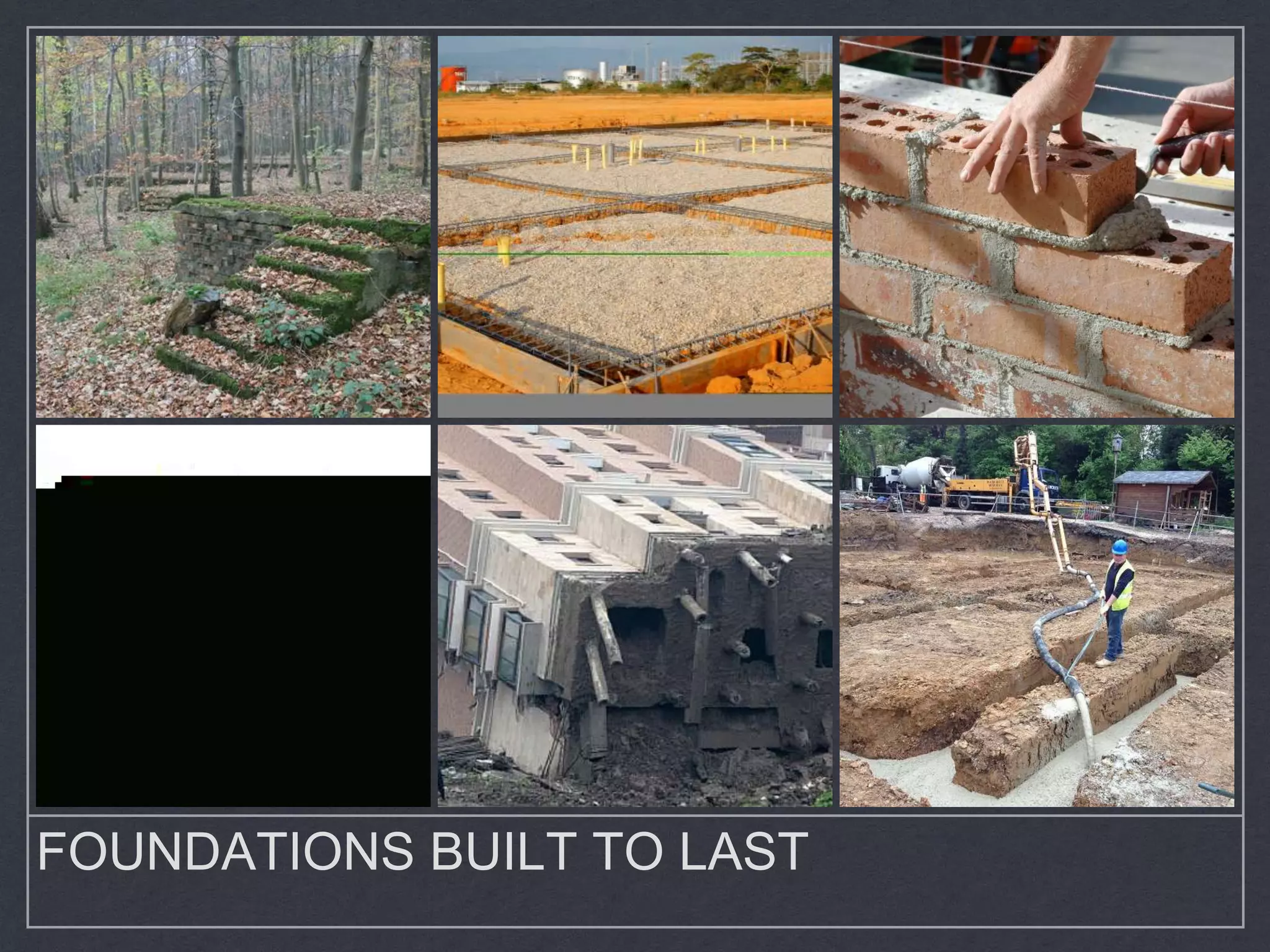
FOUNDATIONS BUILT TO LAST
What
should KS2
MFL do?
http://changing-
phase.blogspot.co.uk/2013/04/w
hat-should-ks2-mfl-do.html
http://www.expertsubjectgroups.co.uk/docs/ESAGMFLGr
oupAssessmentStatement.pdf
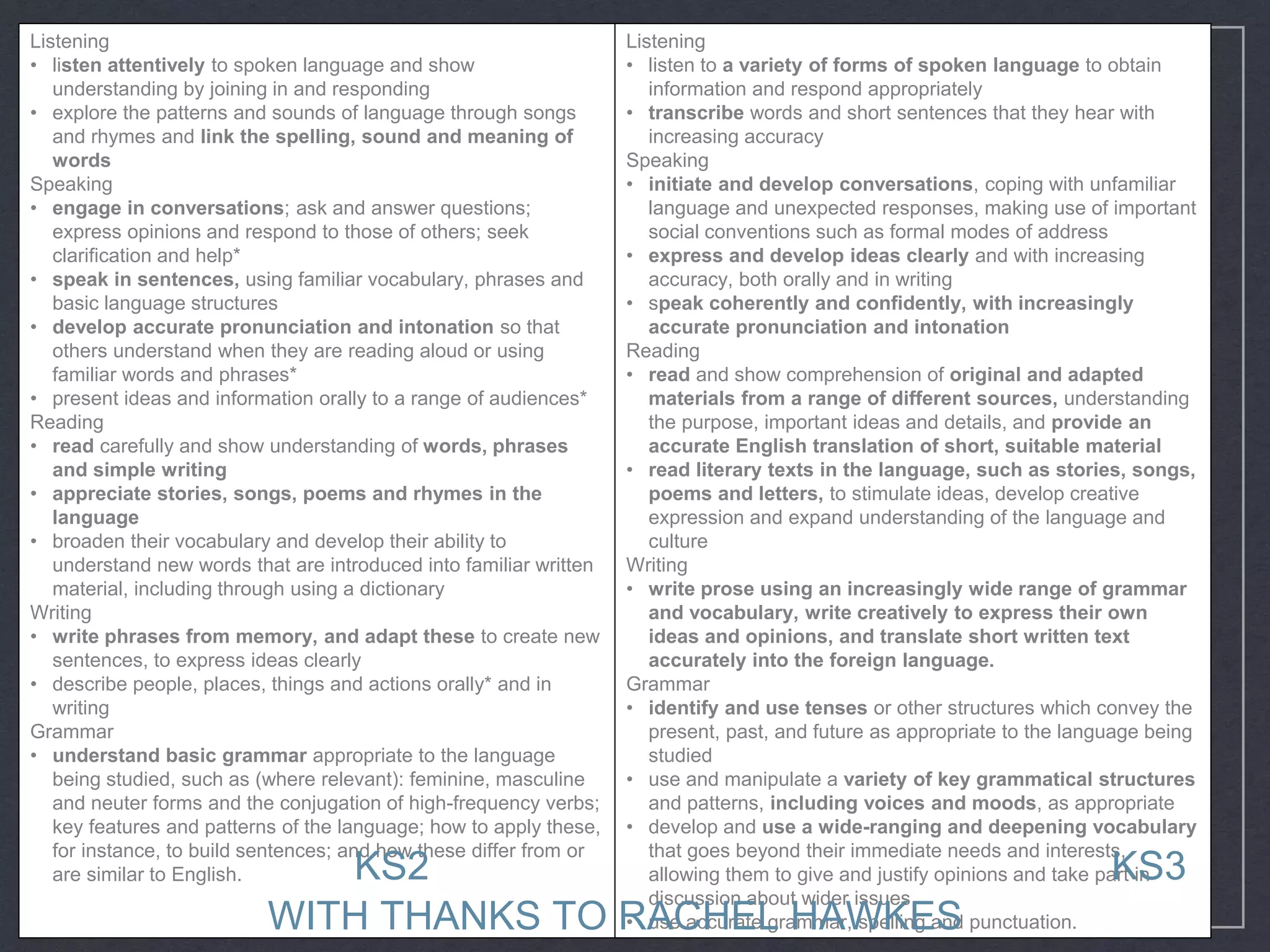
Listening
• listen attentively to spoken language and show
understanding by joining in and responding
• explore the patterns and sounds of language through songs
and rhymes and link the spelling, sound and meaning of
words
Speaking
• engage in conversations; ask and answer questions;
express opinions and respond to those of others; seek
clarification and help*
• speak in sentences, using familiar vocabulary, phrases and
basic language structures
• develop accurate pronunciation and intonation so that
others understand when they are reading aloud or using
familiar words and phrases*
• present ideas and information orally to a range of audiences*
Reading
• read carefully and show understanding of words, phrases
and simple writing
• appreciate stories, songs, poems and rhymes in the
language
• broaden their vocabulary and develop their ability to
understand new words that are introduced into familiar written
material, including through using a dictionary
Writing
• write phrases from memory, and adapt these to create new
sentences, to express ideas clearly
• describe people, places, things and actions orally* and in
writing
Grammar
• understand basic grammar appropriate to the language
being studied, such as (where relevant): feminine, masculine
and neuter forms and the conjugation of high-frequency verbs;
key features and patterns of the language; how to apply these,
for instance, to build sentences; and how these differ from or
are similar to English.
Listening
• listen to a variety of forms of spoken language to obtain
information and respond appropriately
• transcribe words and short sentences that they hear with
increasing accuracy
Speaking
• initiate and develop conversations, coping with unfamiliar
language and unexpected responses, making use of important
social conventions such as formal modes of address
• express and develop ideas clearly and with increasing
accuracy, both orally and in writing
• speak coherently and confidently, with increasingly
accurate pronunciation and intonation
Reading
• read and show comprehension of original and adapted
materials from a range of different sources, understanding
the purpose, important ideas and details, and provide an
accurate English translation of short, suitable material
• read literary texts in the language, such as stories, songs,
poems and letters, to stimulate ideas, develop creative
expression and expand understanding of the language and
culture
Writing
• write prose using an increasingly wide range of grammar
and vocabulary, write creatively to express their own
ideas and opinions, and translate short written text
accurately into the foreign language.
Grammar
• identify and use tenses or other structures which convey the
present, past, and future as appropriate to the language being
studied
• use and manipulate a variety of key grammatical structures
and patterns, including voices and moods, as appropriate
• develop and use a wide-ranging and deepening vocabulary
that goes beyond their immediate needs and interests,
allowing them to give and justify opinions and take part in
discussion about wider issues
• use accurate grammar, spelling and punctuation.
KS2 KS3
WITH THANKS TO RACHEL HAWKES
I don’t know where to
start… (support)
H E L P A N D S U P P O R T
• Association for Language Learning
• ALL Connect
• Facebook group - Languages in Primary
Schools
• Twitter - lists and #mfltwitterati
R E S O U R C E S
• LightBulbLanguages
• TES Resources
• BBC Primary
languages
• Pinterest
• Spanish Playground
• ALL recommends…
BLOGSANDWEBSITES
• ¡Vámonos! - Lisa Stevens
• Changing Phase - Clare Seccombe
• Janet Lloyd Network
• Zapatito Inglés - Erzsi Culshaw
• Bonjour Madame - Emilie Woodruffe
• PrinceLanguages - Julie Prince
• CaveLanguages - Sue Cave
HOW CAN WE DO IT?
(EXAMPLE ACTIVITIES
FOR POS)
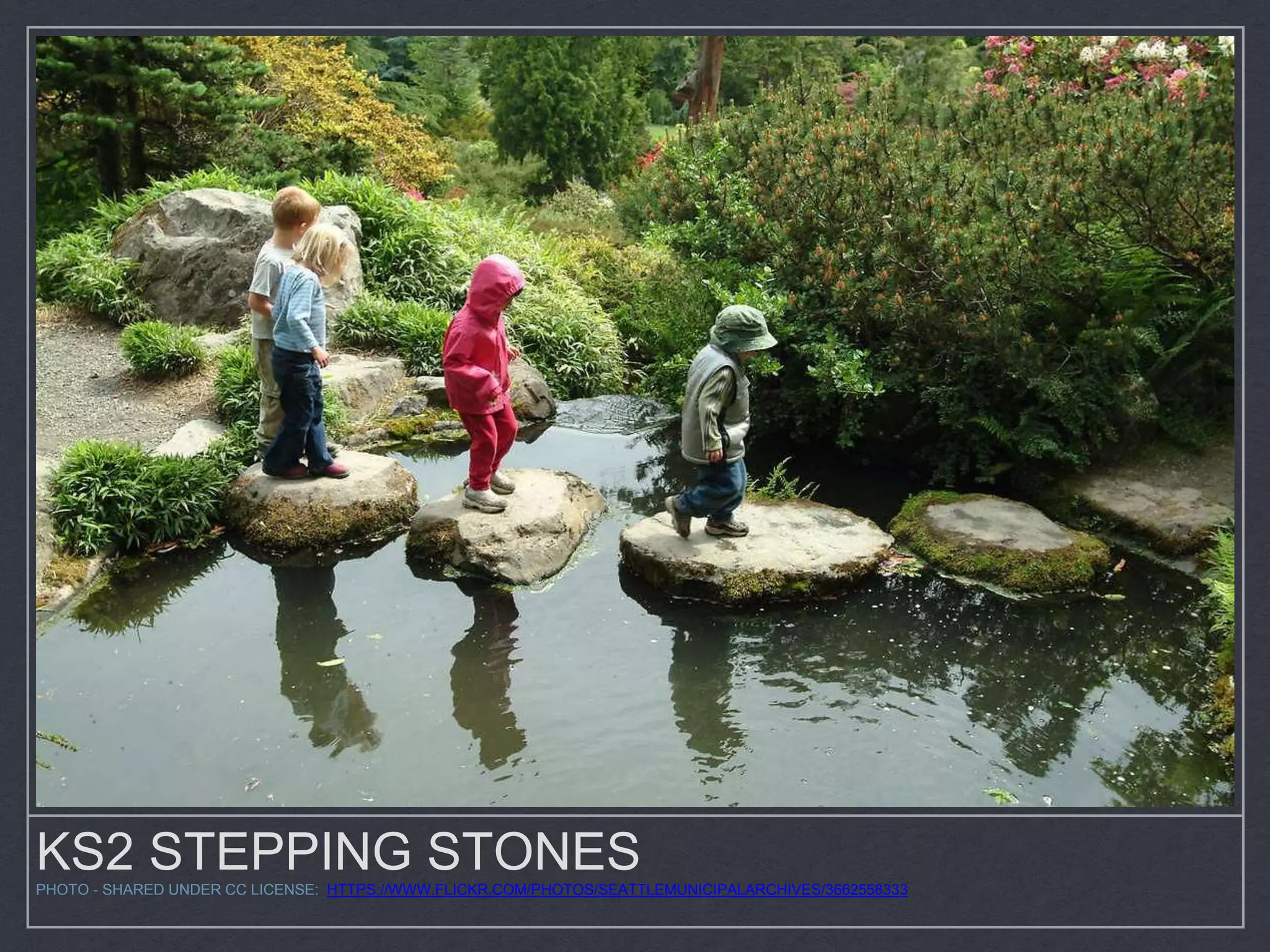
KS2 STEPPING STONESPHOTO - SHARED UNDER CC LICENSE: HTTPS://WWW.FLICKR.COM/PHOTOS/SEATTLEMUNICIPALARCHIVES/3662558333
RIVER KS2
WORD
PHRASE/
SHORT SENTENCE
SENTENCE
OR TWO
SHORT
PARAGRAPH
SHOWING
INDEPENDENCE
Pupils should be taught to:
• listen attentively to spoken language and
show understanding by joining in and
responding
• explore the patterns and sounds of
language through songs and rhymes and link
the spelling, sound and meaning of words
National Curriculum for England Languages Programme of
Study
DFE, 10/09/13
Listen attentively to spoken language and show
understanding by joining in and responding.
1. Repeat words modelled by a teacher; listen and show understanding of
single words through physical response.
2. Listen and show understanding of short phrases through physical response.
3. Listen and show understanding of more complex familiar phrases and
sentences.
4. Listen and show understanding of more complex sentences containing
familiar words and gist with unfamiliar words.
FROM SUE CAVE - SHARING GOOD PRACTIC
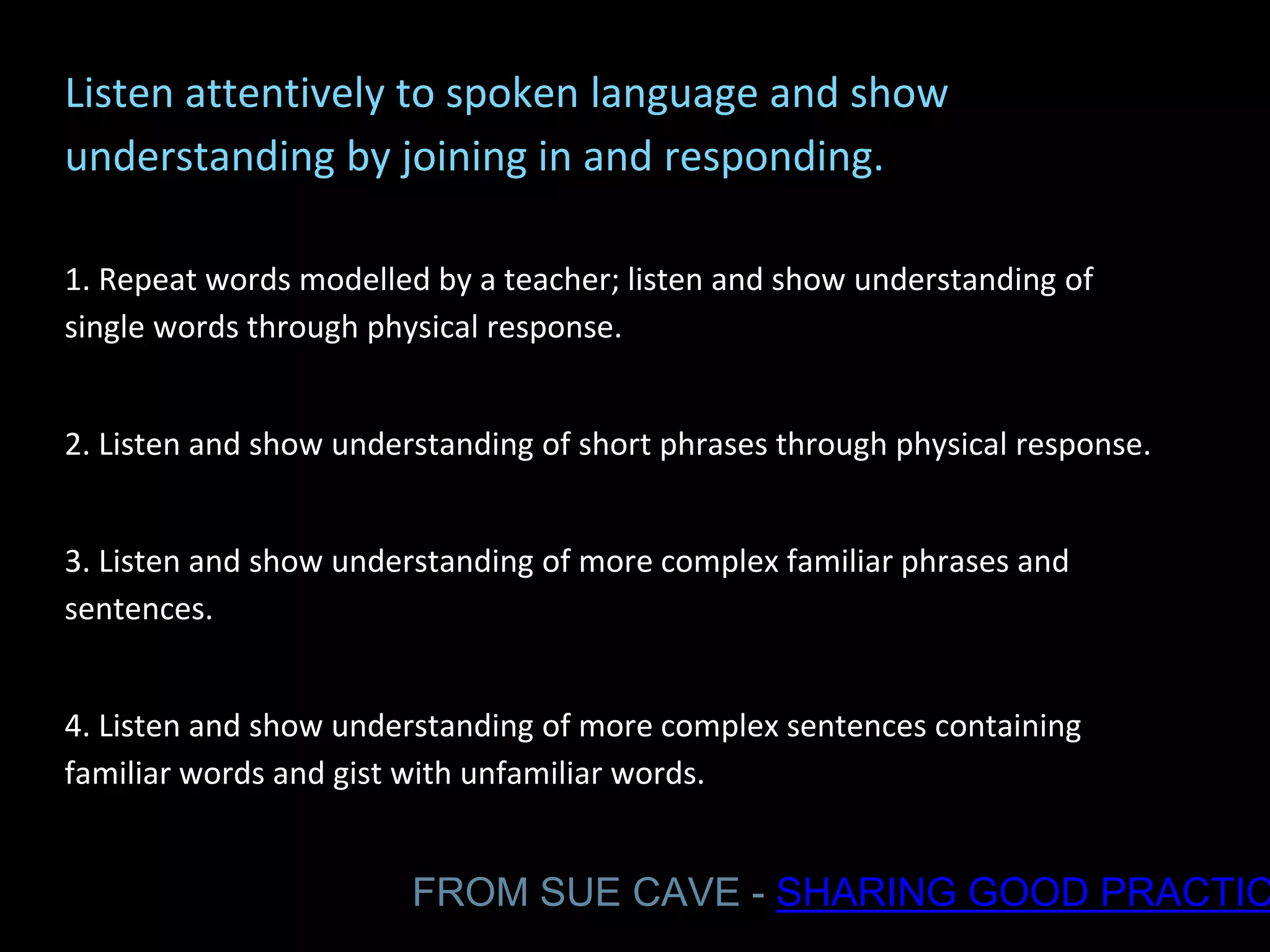
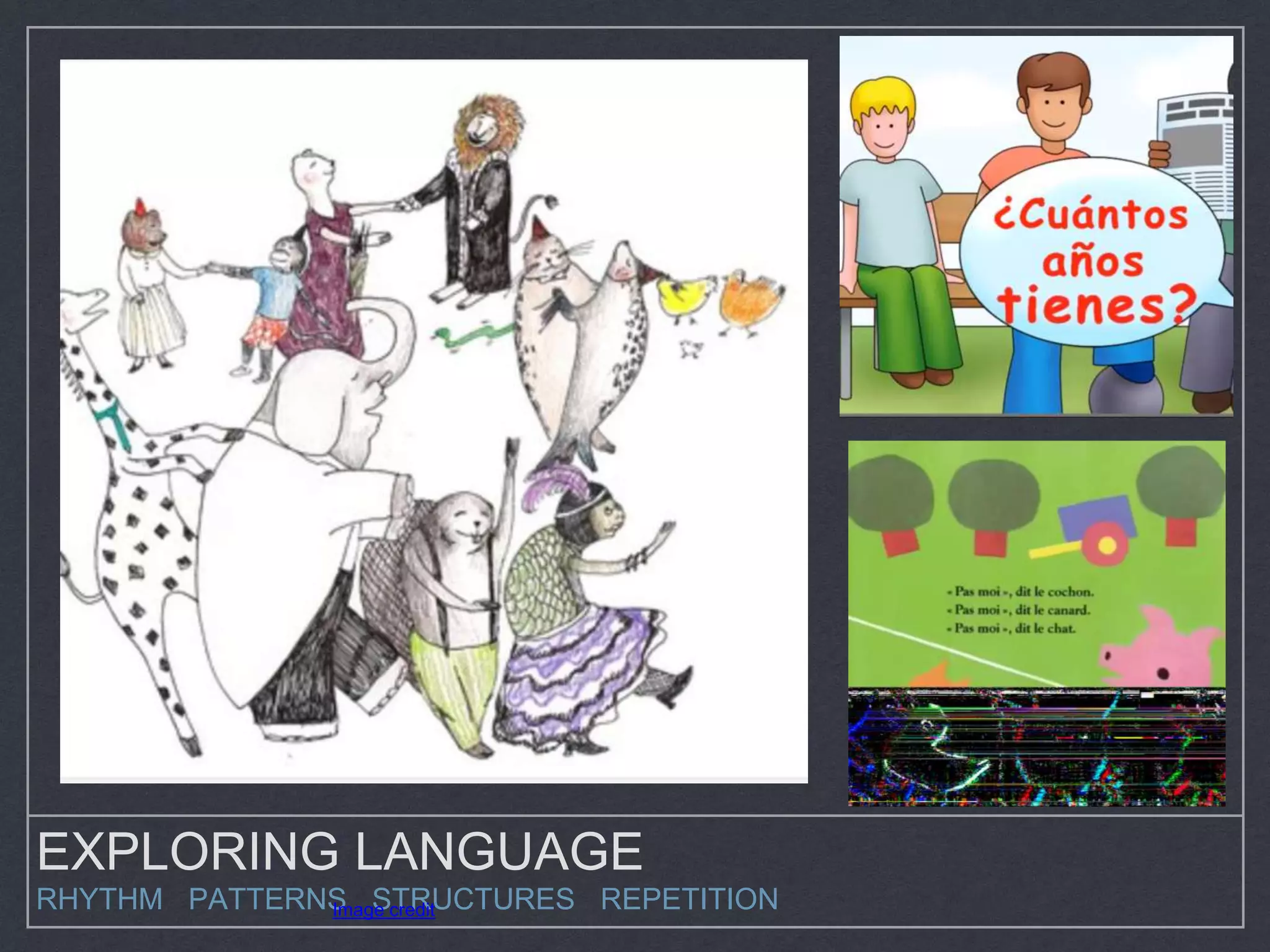
EXPLORING LANGUAGE
RHYTHM PATTERNS STRUCTURES REPETITIONImage credit
Eins, zwei, Polizei
drei, vier, Offizier
fünf, sechs, alte Hex'
sieben, acht, gute Nacht!
neun, zehn, auf Wiedersehen!
count the phonemes
pass something every time you hear a phoneme
do a different action for each phoneme eg stamp, clap
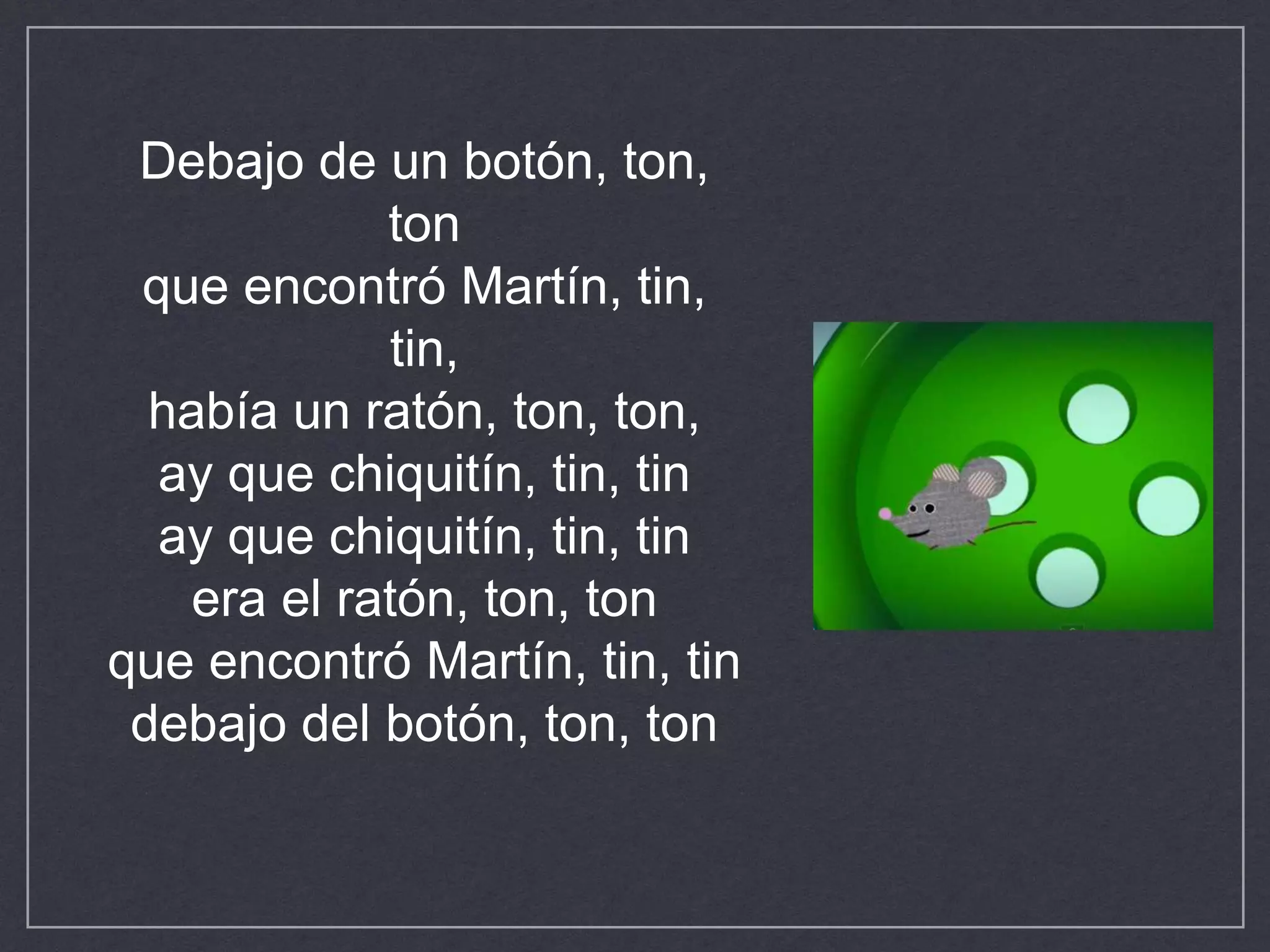
Debajo de un botón, ton,
ton
que encontró Martín, tin,
tin,
había un ratón, ton, ton,
ay que chiquitín, tin, tin
era el ratón, ton, ton
que encontró Martín, tin, tin
debajo del botón, ton, ton
Pupils should be taught to:
• engage in conversations; ask and
answer questions; express opinions and
respond to those of others; seek clarification
and help*
• speak in sentences, using familiar
vocabulary, phrases and basic language
structures
• develop accurate pronunciation and
intonation so that others understand when
they are reading aloud or using familiar words
and phrases*
• present ideas and information orally to a
range of audiences*
National Curriculum for England Languages Programme of
Study
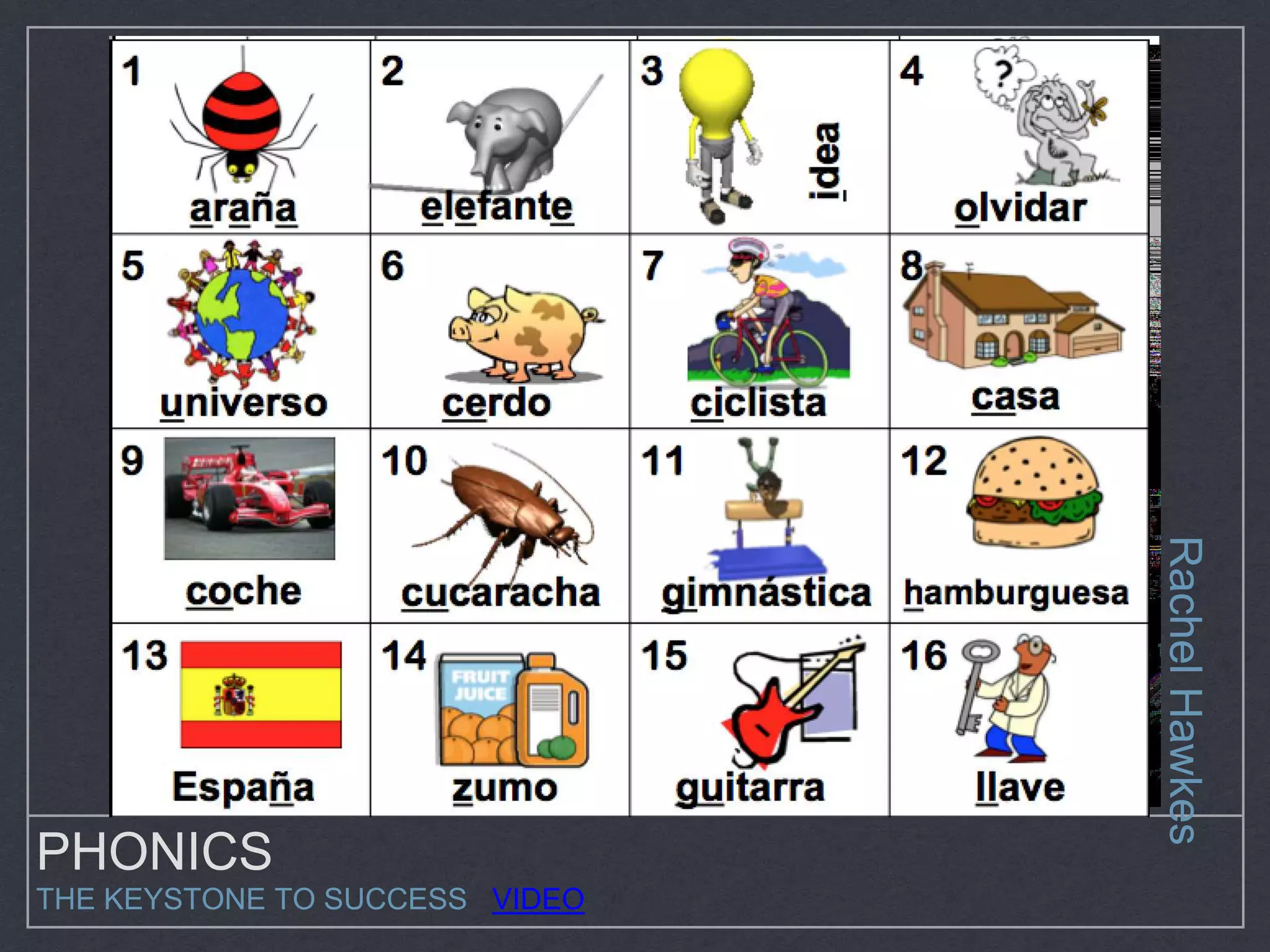
PHONICS
THE KEYSTONE TO SUCCESS VIDEO
RachelHawkes
A , E , I , O , U ( X 8 )
A , A R A Ñ A
E , E L E F A N T E
I , I D E A
O , O L V I D A R
U , U N I V E R S O
L I N K ( S T A R T S A T 1 . 3 0 - I S H )
PRACTICE
BUILDS
CONFIDENCE
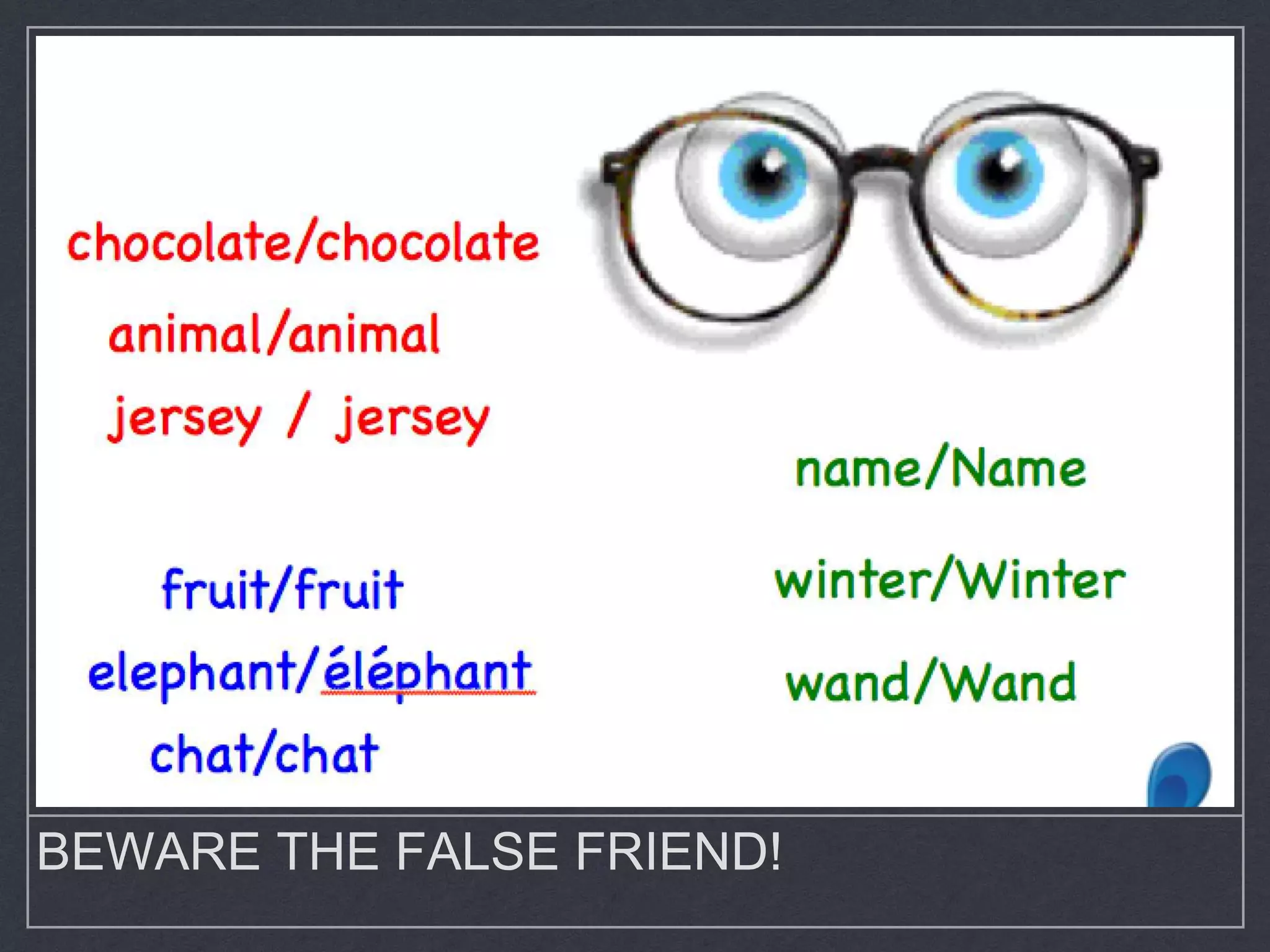
BEWARE THE FALSE FRIEND!
La lettre J comme…
J’aime bien le mois de juin.
On peut jouer dans le jardin.
multilingual tonguetwisters video
PROGRESSING IN SPEAKING
S T R U C T U R E S
un jersey azul grande
Llevo
un
pantalón
verde enorme
Lleva
un
vestido
rojo y pequeño
un
sombrer
o
amarillo minúsculo
un bikini negro largo
ASKING QUESTIONS TOOLS FOR EDUCATORS
Pupils should be taught to:
• read carefully and show understanding of
words, phrases and simple writing
• appreciate stories, songs, poems and
rhymes in the language
• broaden their vocabulary and develop
their ability to understand new words that are
introduced into familiar written material,
including through using a dictionary
National Curriculum for England Languages Programme of
Study
Read carefully and show understanding of words, phrases
and simple writing.
1. Read and show understanding of familiar single words.
2. Read and show understanding of simple familiar phrases and short
sentences.
3. Read and show understanding of a complex sentence using familiar
language.
4. Read and show understanding of a series of complex sentences using
familiar language.
Read and show understanding of a series of complex sentences using familiar language.
FROM SUE CAVE - SHARING GOOD PRACTIC
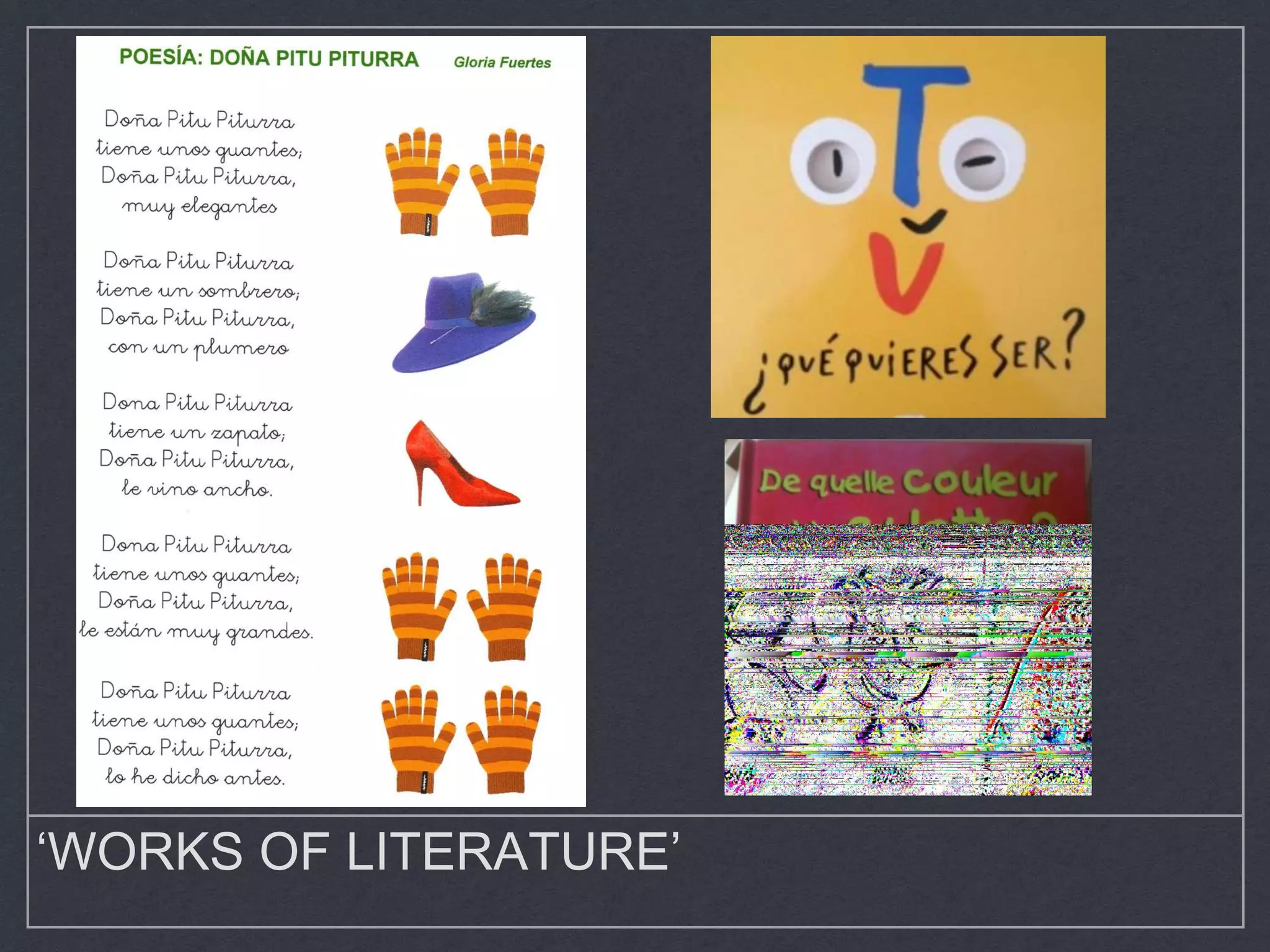
‘WORKS OF LITERATURE’
DECODING TEXTS
DO YOU REALLY NEED A DICTIONARY?
EXPLORATION OF LANGUAGE - EXPLAIN
*WHY*
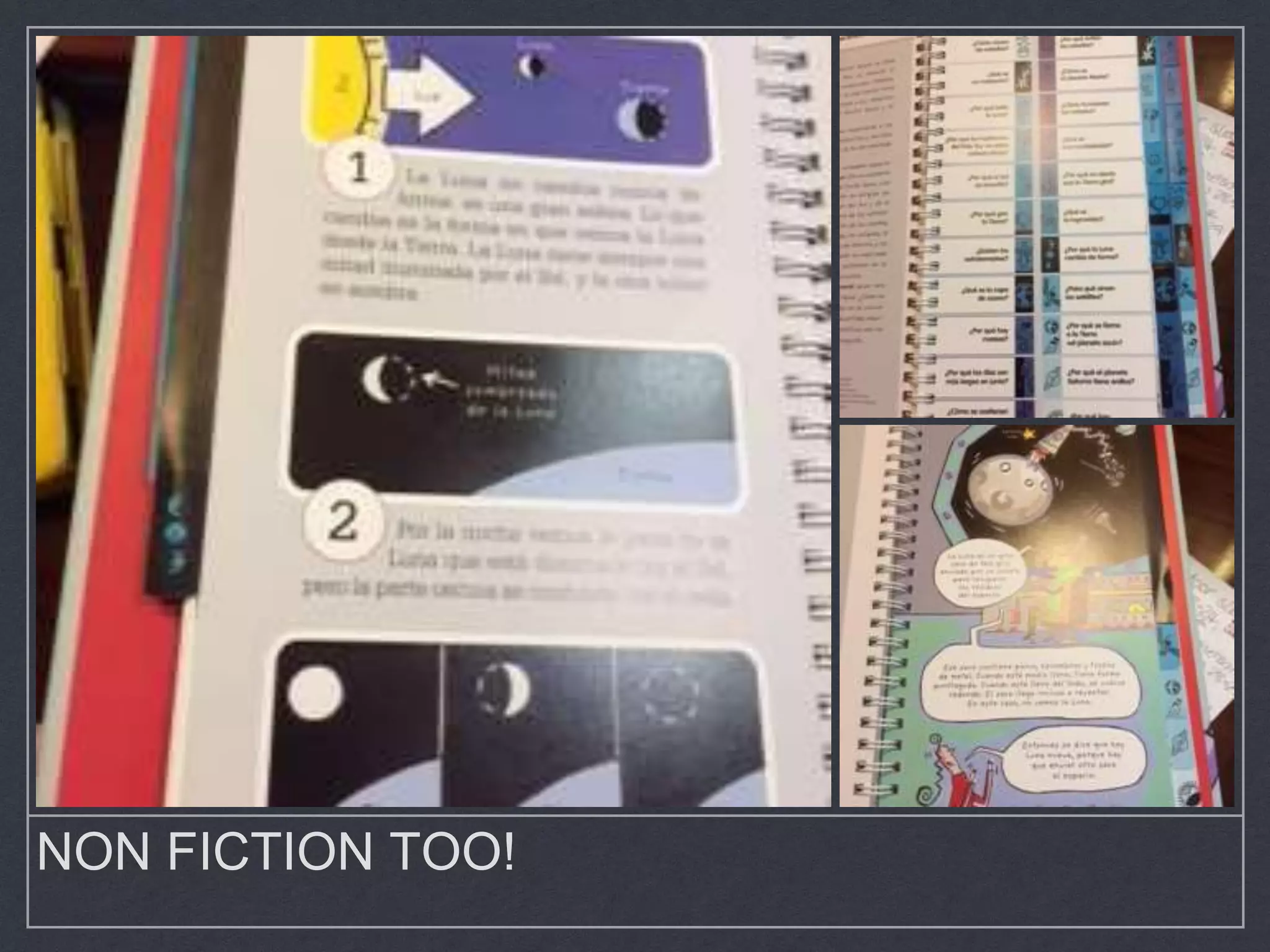
NON FICTION TOO!
DIY TEXTS
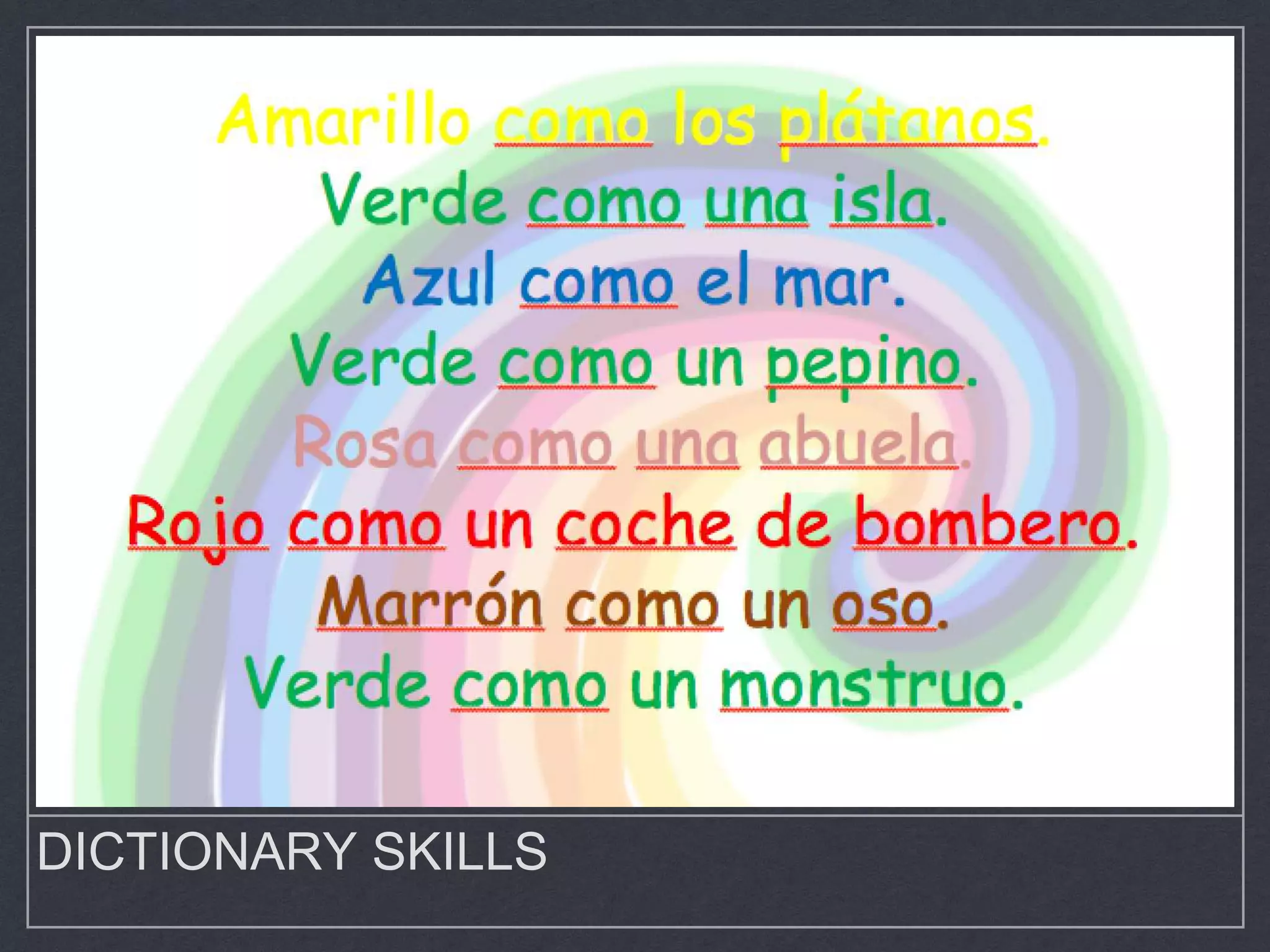
DICTIONARY SKILLS
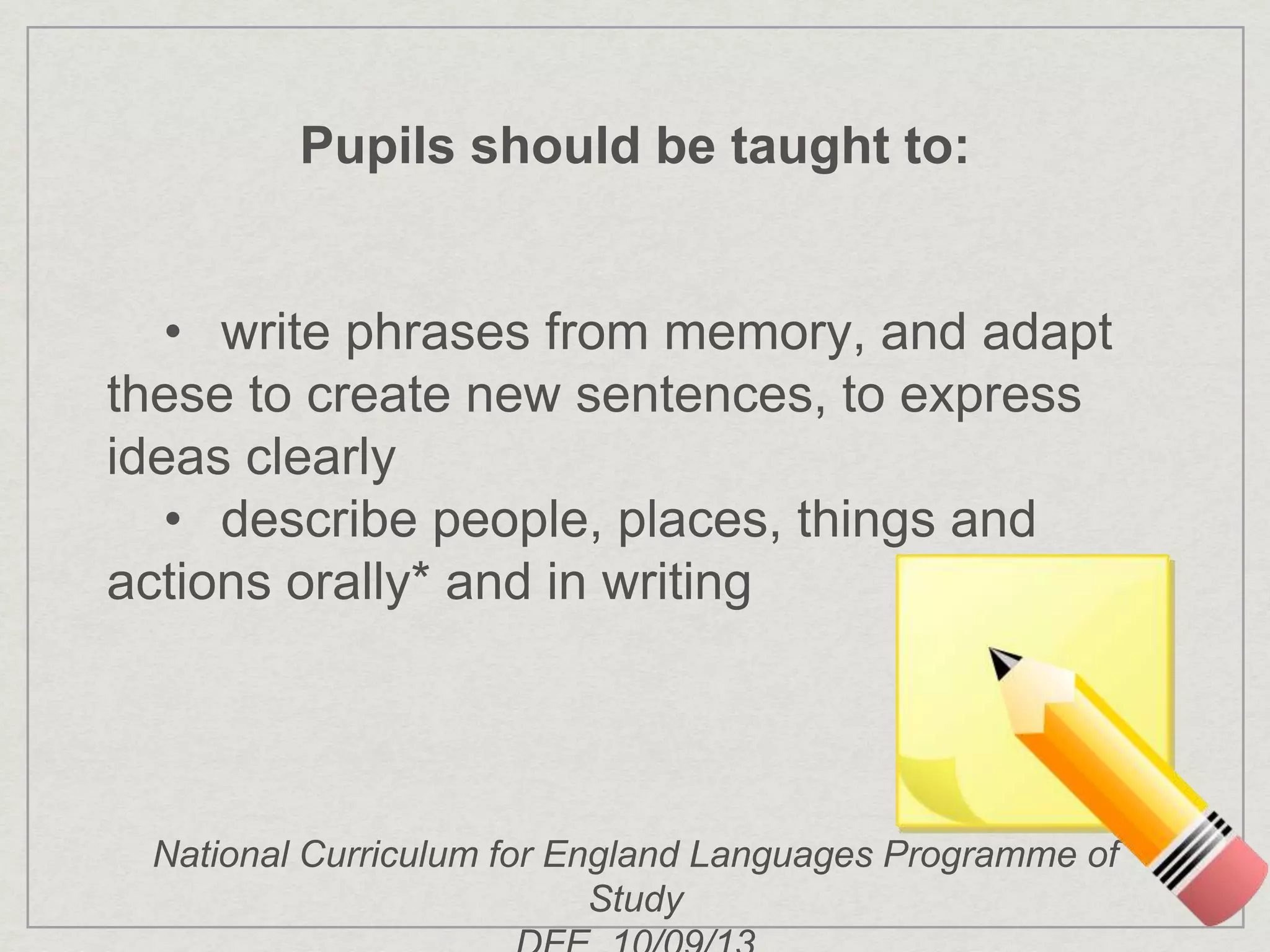
Pupils should be taught to:
• write phrases from memory, and adapt
these to create new sentences, to express
ideas clearly
• describe people, places, things and
actions orally* and in writing
National Curriculum for England Languages Programme of
Study
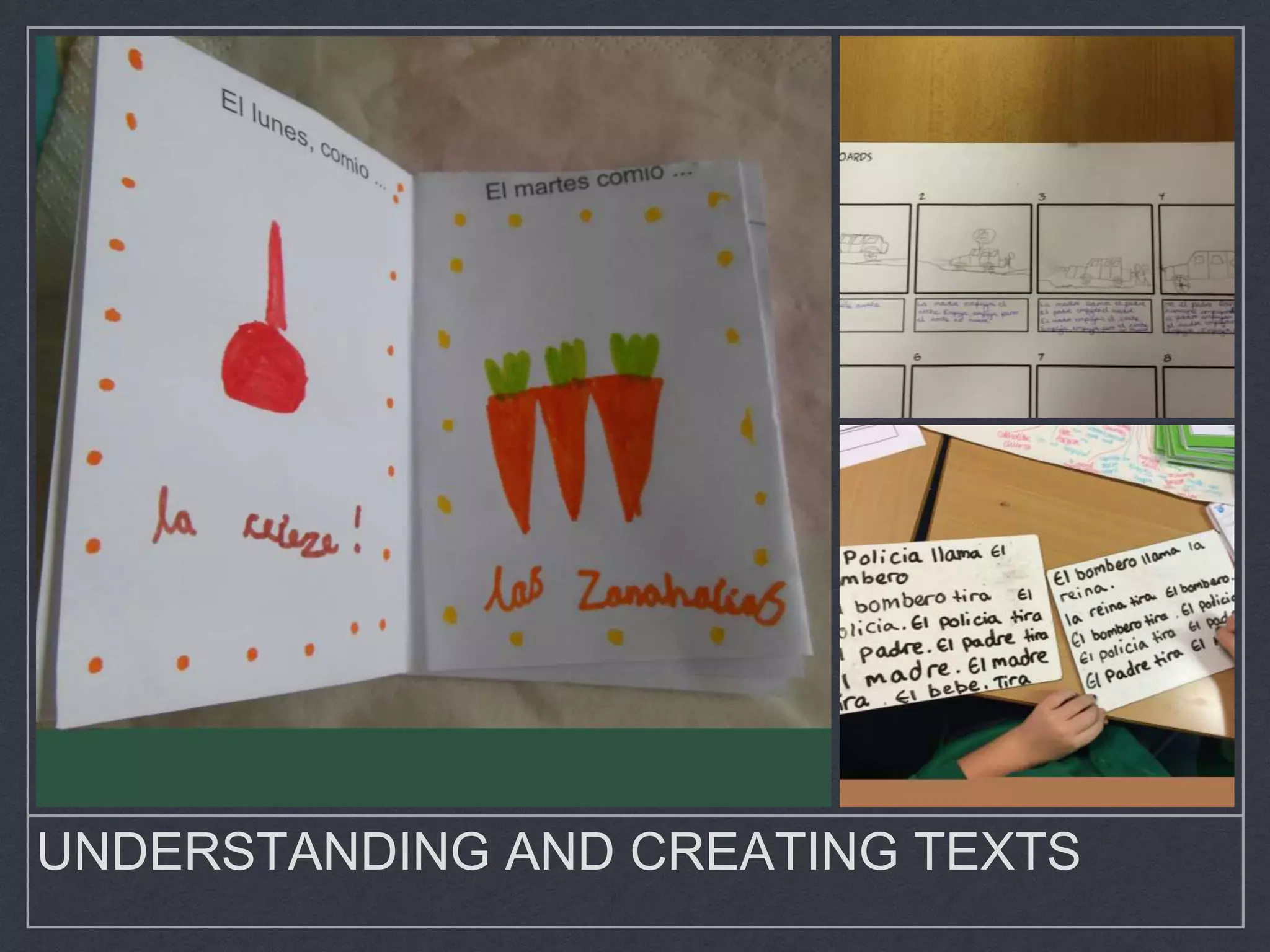
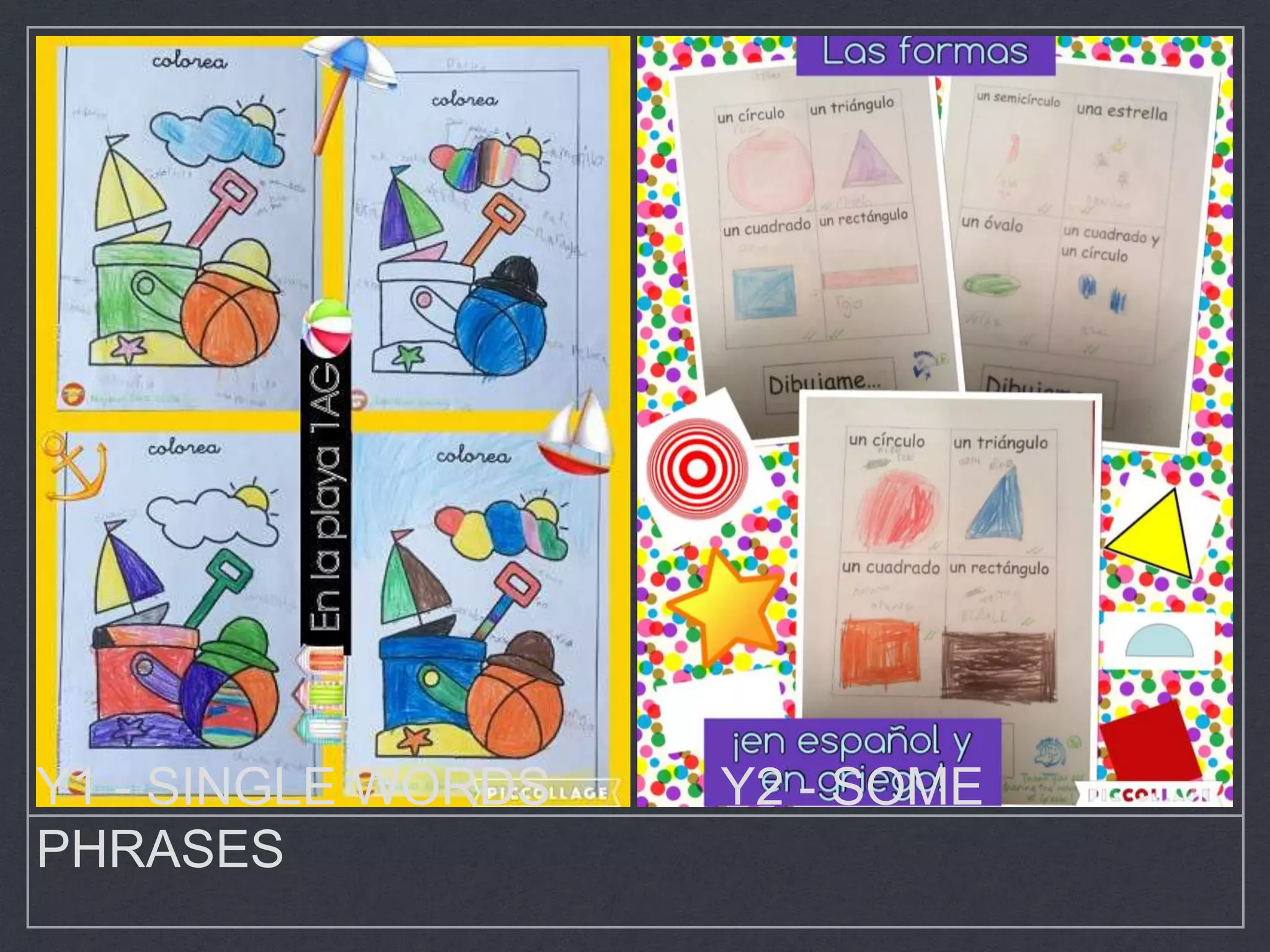
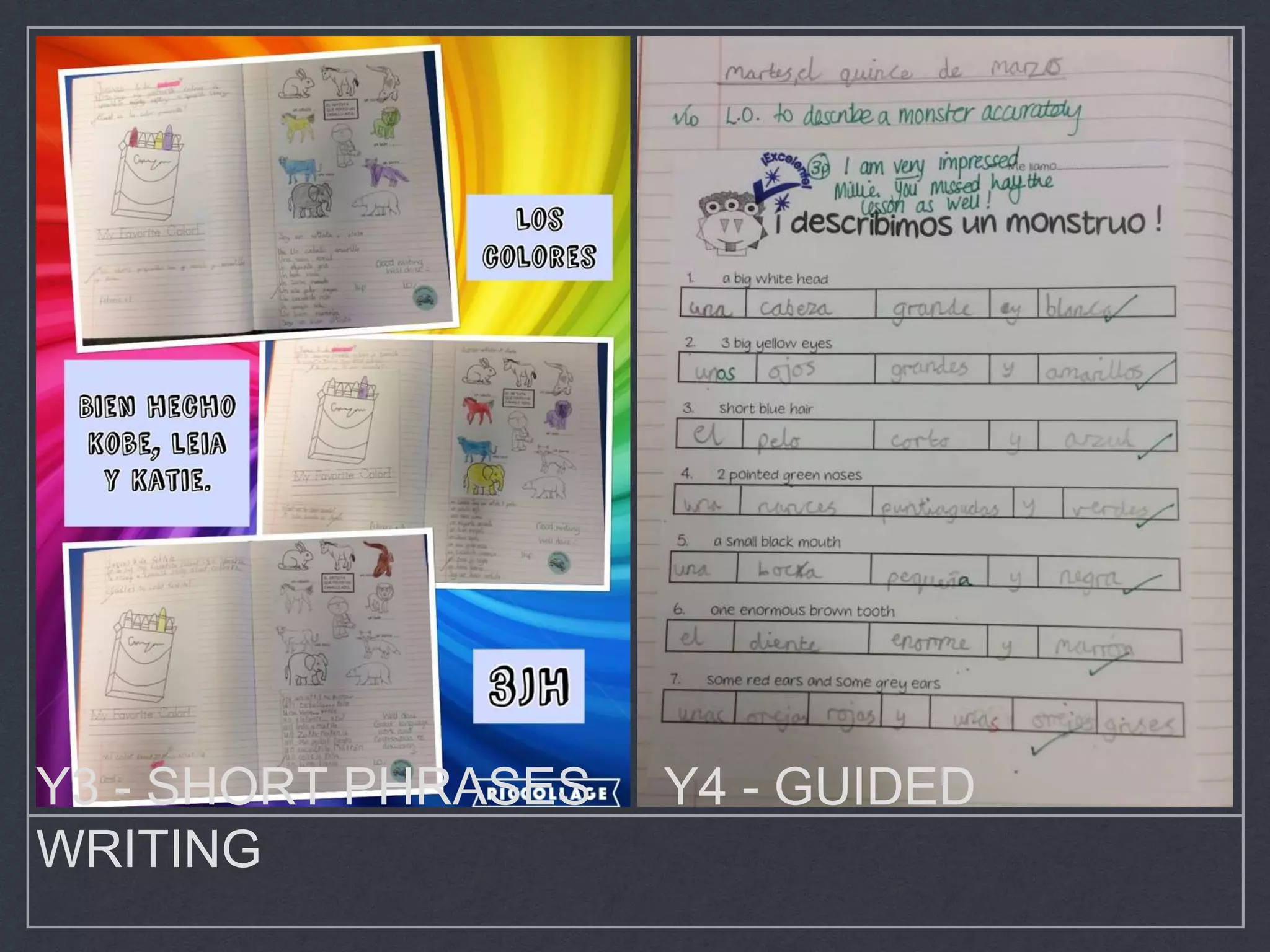
UNDERSTANDING AND CREATING TEXTS
Y1 - SINGLE WORDS Y2 - SOME
PHRASES
Y3 - SHORT PHRASES Y4 - GUIDED
WRITING
Y4 WRITING - WITH SCAFFOLDING
Y5 - SENTENCES WITH SOME FROM MEMORY
Y6 - STARTING TO ‘GO IT ALONE’ AND USING MULTIPLE
REFERENCES
USING OWN
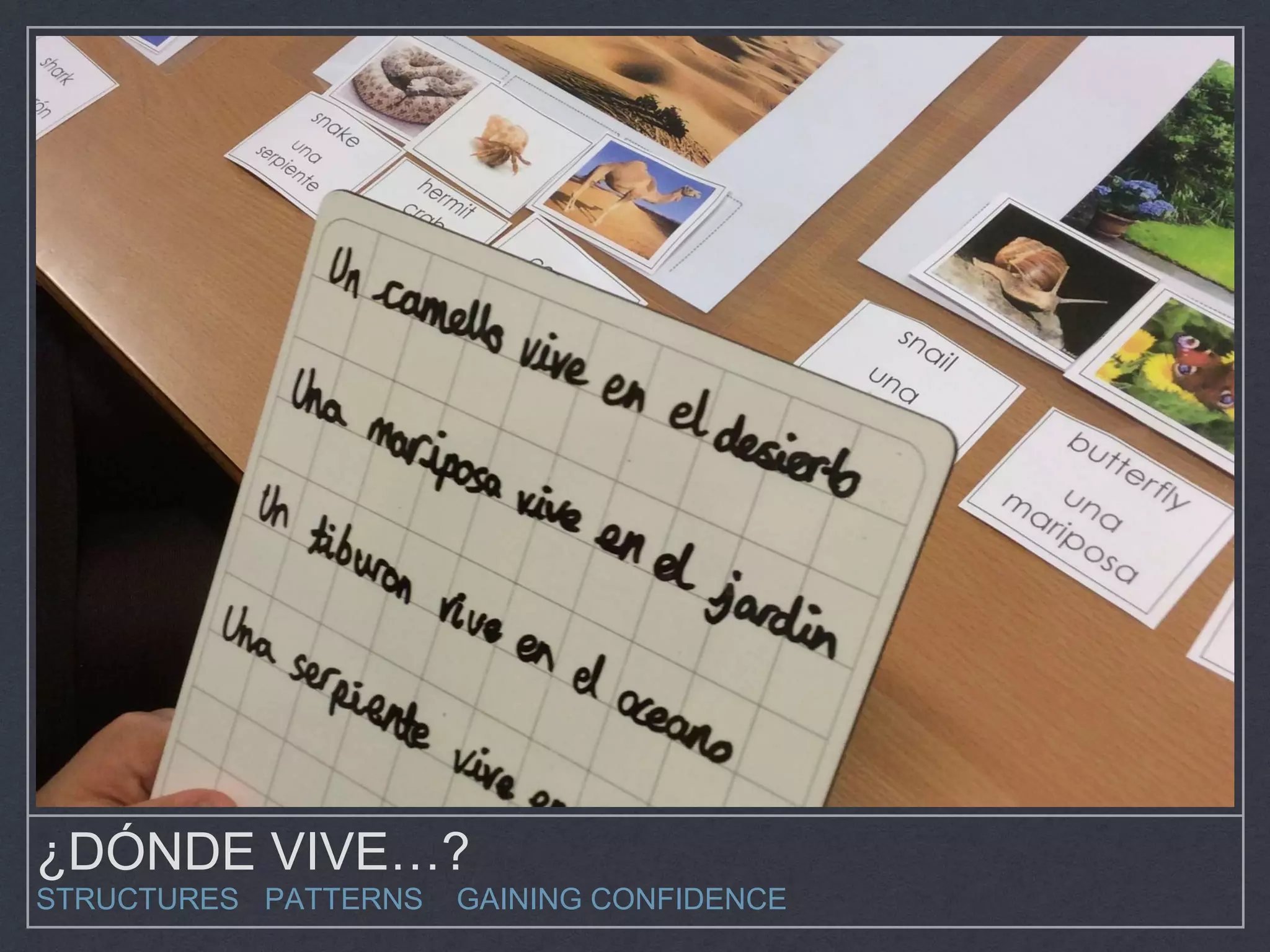
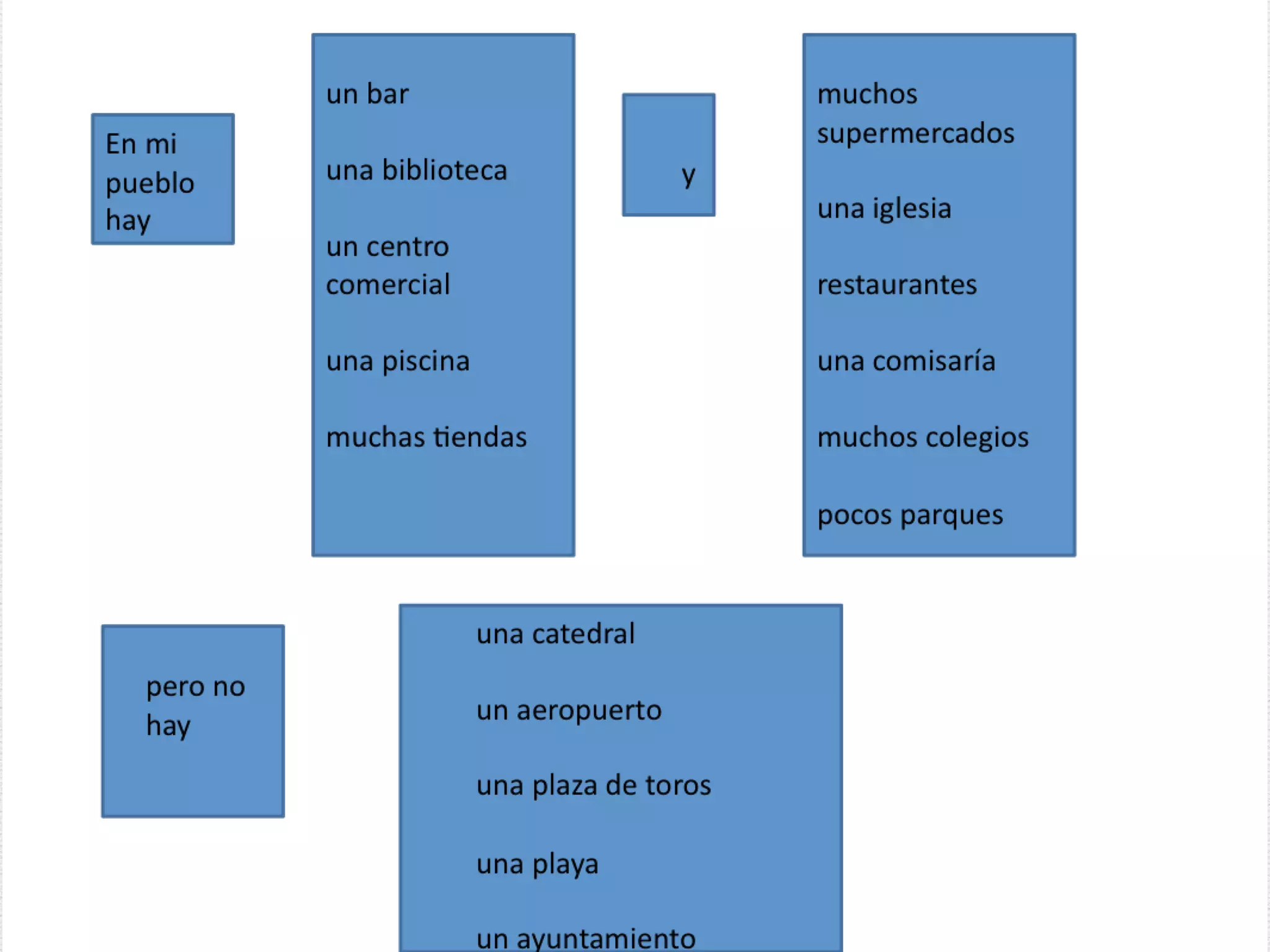
¿DÓNDE VIVE…?
STRUCTURES PATTERNS GAINING CONFIDENCE
Pupils should be taught to:
• understand basic grammar appropriate to
the language being studied, including (where
relevant): feminine, masculine and neuter
forms and the conjugation of high-frequency
verbs; key features and patterns of the
language; how to apply these, for instance,
to build sentences; and how these differ
from or are similar to English
National Curriculum for England
Languages Programme of Study
DFE, 10/09/13
BRICKS WITHOUT MORTAR
GRAMMAR IS THE MORTAR THAT STOPS IT BEING A PILE OF BRICKS!
¿POR QUÉ ES MI MOCHILA TAN PESADA?
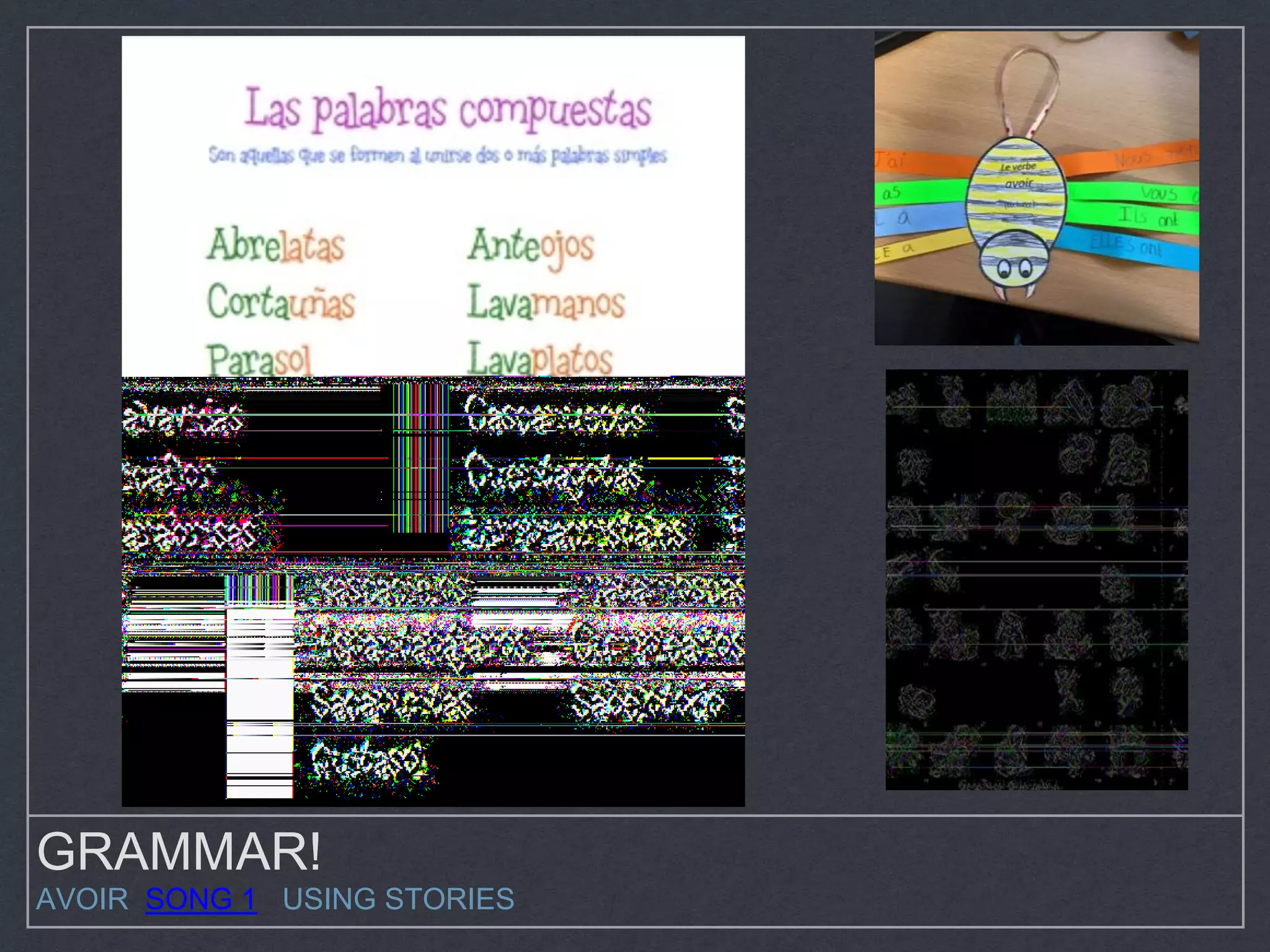
GRAMMAR!
AVOIR SONG 1 USING STORIES
ALAIN LE LAIT - AVOIR
THE VERB SEIN
CONJUGATIONS BACK
Raising the
profile of
language.
That’s all very well
but…
PASSION
CARBONNYC
CULTURE
LANGUAGE IN ISOLATION IS NOT GOOD!
CULUL CHUCLATI ROSAS CULUL SALMON CULUL ABU
CULUL UBI
NTSUNDU PINKI ORENJI NGWEVU MFU
COKLAT MERAH MUDA ORANYE ABU ABU
UNGU
KHAVE RENGI PEMBE TURUNCU GRI MOR
BRUN ROSA ORANSJE GRÅ
LILLA
KAPAMPANGAN
XHOSA
MALTESE
INDONESIAN
TURKISH
NORWEGIAN
EXCELLENCE AND ENJOYMENT
ENGAGEMENT
“We’re Secondary
ready; are you Primary
aware?”
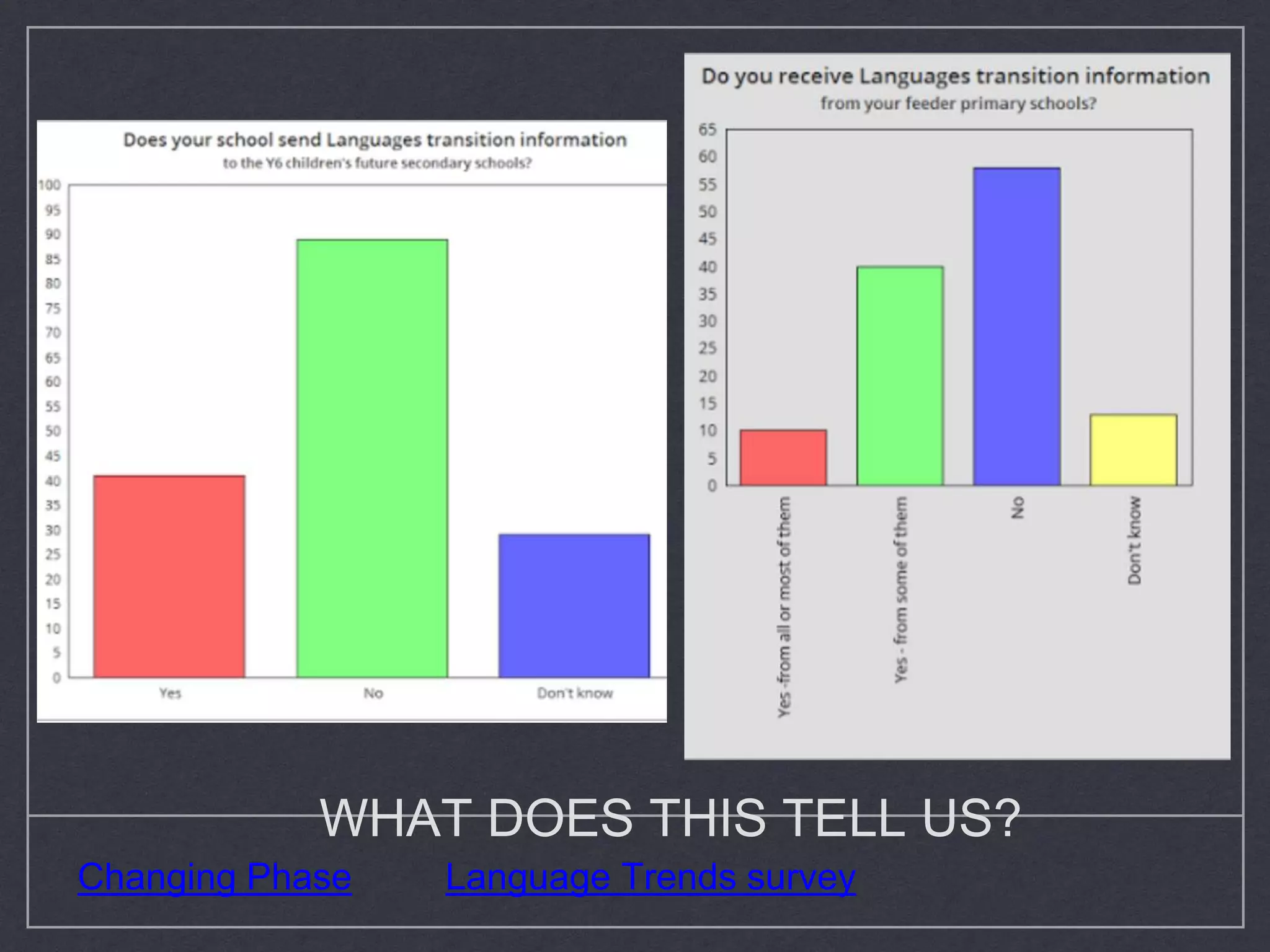
WHAT DOES THIS TELL US?
Changing Phase Language Trends survey
WHAT DO WE WANT? HOW WILL WE
ACHIEVE IT?
PRIMARY LANGUAGE EDUCATOR AND
CONSULTANT
LISIBO@ME.COM ¡VÁMONOS! - LISIBO.COM
TWITTER - @LISIBO
LTD

I'm a Primary Language Teacher - help me out here!

  • 1.
    LISA STEVENS BABCOCK4S22.06.16 I’M A LANGUAGE TEACHER… HELP ME OUT HERE BABCOCK4S CONFERENCE 22ND JUNE 2016
  • 2.
    "Some are bornPrimary language teachers, some become Primary language teachers and some have Primary language teaching thrust upon them"
  • 3.
    I’M A PRIMARY LANGUAGE TEACHER.HELP ME OUT HERE! • PoS • how can we deliver it? • support • encouraging and enabling colleagues • embedding • progression
  • 4.
  • 6.
  • 7.
  • 8.
    Listening • listen attentivelyto spoken language and show understanding by joining in and responding • explore the patterns and sounds of language through songs and rhymes and link the spelling, sound and meaning of words Speaking • engage in conversations; ask and answer questions; express opinions and respond to those of others; seek clarification and help* • speak in sentences, using familiar vocabulary, phrases and basic language structures • develop accurate pronunciation and intonation so that others understand when they are reading aloud or using familiar words and phrases* • present ideas and information orally to a range of audiences* Reading • read carefully and show understanding of words, phrases and simple writing • appreciate stories, songs, poems and rhymes in the language • broaden their vocabulary and develop their ability to understand new words that are introduced into familiar written material, including through using a dictionary Writing • write phrases from memory, and adapt these to create new sentences, to express ideas clearly • describe people, places, things and actions orally* and in writing Grammar • understand basic grammar appropriate to the language being studied, such as (where relevant): feminine, masculine and neuter forms and the conjugation of high-frequency verbs; key features and patterns of the language; how to apply these, for instance, to build sentences; and how these differ from or are similar to English. Listening • listen to a variety of forms of spoken language to obtain information and respond appropriately • transcribe words and short sentences that they hear with increasing accuracy Speaking • initiate and develop conversations, coping with unfamiliar language and unexpected responses, making use of important social conventions such as formal modes of address • express and develop ideas clearly and with increasing accuracy, both orally and in writing • speak coherently and confidently, with increasingly accurate pronunciation and intonation Reading • read and show comprehension of original and adapted materials from a range of different sources, understanding the purpose, important ideas and details, and provide an accurate English translation of short, suitable material • read literary texts in the language, such as stories, songs, poems and letters, to stimulate ideas, develop creative expression and expand understanding of the language and culture Writing • write prose using an increasingly wide range of grammar and vocabulary, write creatively to express their own ideas and opinions, and translate short written text accurately into the foreign language. Grammar • identify and use tenses or other structures which convey the present, past, and future as appropriate to the language being studied • use and manipulate a variety of key grammatical structures and patterns, including voices and moods, as appropriate • develop and use a wide-ranging and deepening vocabulary that goes beyond their immediate needs and interests, allowing them to give and justify opinions and take part in discussion about wider issues • use accurate grammar, spelling and punctuation. KS2 KS3 WITH THANKS TO RACHEL HAWKES
  • 9.
    I don’t knowwhere to start… (support)
  • 10.
    H E LP A N D S U P P O R T • Association for Language Learning • ALL Connect • Facebook group - Languages in Primary Schools • Twitter - lists and #mfltwitterati
  • 11.
    R E SO U R C E S • LightBulbLanguages • TES Resources • BBC Primary languages • Pinterest • Spanish Playground • ALL recommends…
  • 12.
    BLOGSANDWEBSITES • ¡Vámonos! -Lisa Stevens • Changing Phase - Clare Seccombe • Janet Lloyd Network • Zapatito Inglés - Erzsi Culshaw • Bonjour Madame - Emilie Woodruffe • PrinceLanguages - Julie Prince • CaveLanguages - Sue Cave
  • 13.
    HOW CAN WEDO IT? (EXAMPLE ACTIVITIES FOR POS)
  • 14.
    KS2 STEPPING STONESPHOTO- SHARED UNDER CC LICENSE: HTTPS://WWW.FLICKR.COM/PHOTOS/SEATTLEMUNICIPALARCHIVES/3662558333
  • 15.
    RIVER KS2 WORD PHRASE/ SHORT SENTENCE SENTENCE ORTWO SHORT PARAGRAPH SHOWING INDEPENDENCE
  • 16.
    Pupils should betaught to: • listen attentively to spoken language and show understanding by joining in and responding • explore the patterns and sounds of language through songs and rhymes and link the spelling, sound and meaning of words National Curriculum for England Languages Programme of Study DFE, 10/09/13
  • 17.
    Listen attentively tospoken language and show understanding by joining in and responding. 1. Repeat words modelled by a teacher; listen and show understanding of single words through physical response. 2. Listen and show understanding of short phrases through physical response. 3. Listen and show understanding of more complex familiar phrases and sentences. 4. Listen and show understanding of more complex sentences containing familiar words and gist with unfamiliar words. FROM SUE CAVE - SHARING GOOD PRACTIC
  • 18.
    EXPLORING LANGUAGE RHYTHM PATTERNSSTRUCTURES REPETITIONImage credit
  • 19.
    Eins, zwei, Polizei drei,vier, Offizier fünf, sechs, alte Hex' sieben, acht, gute Nacht! neun, zehn, auf Wiedersehen! count the phonemes pass something every time you hear a phoneme do a different action for each phoneme eg stamp, clap
  • 21.
    Debajo de unbotón, ton, ton que encontró Martín, tin, tin, había un ratón, ton, ton, ay que chiquitín, tin, tin ay que chiquitín, tin, tin era el ratón, ton, ton que encontró Martín, tin, tin debajo del botón, ton, ton
  • 23.
    Pupils should betaught to: • engage in conversations; ask and answer questions; express opinions and respond to those of others; seek clarification and help* • speak in sentences, using familiar vocabulary, phrases and basic language structures • develop accurate pronunciation and intonation so that others understand when they are reading aloud or using familiar words and phrases* • present ideas and information orally to a range of audiences* National Curriculum for England Languages Programme of Study
  • 24.
    PHONICS THE KEYSTONE TOSUCCESS VIDEO RachelHawkes
  • 25.
    A , E, I , O , U ( X 8 ) A , A R A Ñ A E , E L E F A N T E I , I D E A O , O L V I D A R U , U N I V E R S O L I N K ( S T A R T S A T 1 . 3 0 - I S H )
  • 27.
  • 28.
  • 29.
    La lettre Jcomme… J’aime bien le mois de juin. On peut jouer dans le jardin. multilingual tonguetwisters video
  • 30.
  • 31.
    S T RU C T U R E S un jersey azul grande Llevo un pantalón verde enorme Lleva un vestido rojo y pequeño un sombrer o amarillo minúsculo un bikini negro largo
  • 32.
  • 33.
    Pupils should betaught to: • read carefully and show understanding of words, phrases and simple writing • appreciate stories, songs, poems and rhymes in the language • broaden their vocabulary and develop their ability to understand new words that are introduced into familiar written material, including through using a dictionary National Curriculum for England Languages Programme of Study
  • 34.
    Read carefully andshow understanding of words, phrases and simple writing. 1. Read and show understanding of familiar single words. 2. Read and show understanding of simple familiar phrases and short sentences. 3. Read and show understanding of a complex sentence using familiar language. 4. Read and show understanding of a series of complex sentences using familiar language. Read and show understanding of a series of complex sentences using familiar language. Read and show understanding of a series of complex sentences using familiar language. FROM SUE CAVE - SHARING GOOD PRACTIC
  • 35.
  • 36.
    DECODING TEXTS DO YOUREALLY NEED A DICTIONARY?
  • 37.
    EXPLORATION OF LANGUAGE- EXPLAIN *WHY*
  • 38.
  • 39.
  • 40.
  • 41.
    Pupils should betaught to: • write phrases from memory, and adapt these to create new sentences, to express ideas clearly • describe people, places, things and actions orally* and in writing National Curriculum for England Languages Programme of Study
  • 42.
  • 43.
    Y1 - SINGLEWORDS Y2 - SOME PHRASES
  • 44.
    Y3 - SHORTPHRASES Y4 - GUIDED WRITING
  • 45.
    Y4 WRITING -WITH SCAFFOLDING
  • 46.
    Y5 - SENTENCESWITH SOME FROM MEMORY Y6 - STARTING TO ‘GO IT ALONE’ AND USING MULTIPLE REFERENCES USING OWN
  • 47.
  • 50.
    Pupils should betaught to: • understand basic grammar appropriate to the language being studied, including (where relevant): feminine, masculine and neuter forms and the conjugation of high-frequency verbs; key features and patterns of the language; how to apply these, for instance, to build sentences; and how these differ from or are similar to English National Curriculum for England Languages Programme of Study DFE, 10/09/13
  • 51.
    BRICKS WITHOUT MORTAR GRAMMARIS THE MORTAR THAT STOPS IT BEING A PILE OF BRICKS!
  • 53.
    ¿POR QUÉ ESMI MOCHILA TAN PESADA?
  • 54.
    GRAMMAR! AVOIR SONG 1USING STORIES
  • 55.
  • 56.
  • 57.
  • 58.
  • 59.
    That’s all verywell but…
  • 60.
  • 62.
  • 63.
    CULUL CHUCLATI ROSASCULUL SALMON CULUL ABU CULUL UBI NTSUNDU PINKI ORENJI NGWEVU MFU COKLAT MERAH MUDA ORANYE ABU ABU UNGU KHAVE RENGI PEMBE TURUNCU GRI MOR BRUN ROSA ORANSJE GRÅ LILLA KAPAMPANGAN XHOSA MALTESE INDONESIAN TURKISH NORWEGIAN
  • 64.
  • 65.
    “We’re Secondary ready; areyou Primary aware?”
  • 66.
    WHAT DOES THISTELL US? Changing Phase Language Trends survey
  • 67.
    WHAT DO WEWANT? HOW WILL WE ACHIEVE IT?
  • 68.
    PRIMARY LANGUAGE EDUCATORAND CONSULTANT LISIBO@ME.COM ¡VÁMONOS! - LISIBO.COM TWITTER - @LISIBO LTD

Editor's Notes

  • #2 Paraphrasing Shakespeare, "Some are born Primary language teachers, some become Primary language teachers and some have Primary language teaching thrust upon them" How can all three scenarios lead to confident successful teachers and learners, demonstrating significant progress by the end of KS2? We'll explore how to plan for progression (in the long and short term), share sources of support and inspiration and discuss how to best meet the challenges of the Languages Programmes of Study.
  • #7 built to last
  • #8 refer to two documents
  • #9 KS2 on the left and KS3 on the right Adapted to show more clearly the continuity between KS2 and KS3 Joining up KS2 and KS3 – arguably the most important piece of work we will do in our careers over the next 5 x years. The level of responsibility for this will differ, Heads of languages in secondary schools will have an obligation to grapple with it – otherwise their learners will not reach the levels required at the end of KS4 (even though we have not see what those are, we can guess from Curriculum 14 that the standards will be tough). But classroom teachers have the responsibility similarly to respond to what the learners in front of them know – to build on it, to notice the words, skills they already have, and not to assume a ‘from zero’ approach in Y7.
  • #19 animal symphony - explore patterns, phoneme bingo/hoops story - La oruga hambrienta/La petite poule rouge (pas moi/moi/moi non plus) thanks Rubiales ;) / Die drei kleinen schweinchen (TES - decafftea) http://www.docstoc.com/docs/105802196/Northumberland-NGfL-Three-Little-Pigs-German-Manual song/rhyme - Debajo de un botón - clap ton stamp tin Eins zwei drei, Polizei - count the ei /ie Using video/audio as starter to lesson eg ¿Cuántos años tienes?
  • #20  Eins zwei drei, Polizei - count the ei /ie
  • #22 song/rhyme - Debajo de un botón - clap ton stamp tin
  • #24 QQT trapdoor reciting
  • #25 exploring patterns to transcribing at KS3
  • #26 vowel Haka then I made it into a song using RH’s words - but could use any vocabulary!
  • #27 physical movement
  • #28 singing - la Vaca Lola conversations - role play trapdoor as way towards sentence speaking - Y6 this week picked up on ‘y’ as a connective and used it stress punching phonics v impt - site, Pinterest, video Rachel Hawkes - key to non-specialist confidence - sound phonic knowledge, sound example
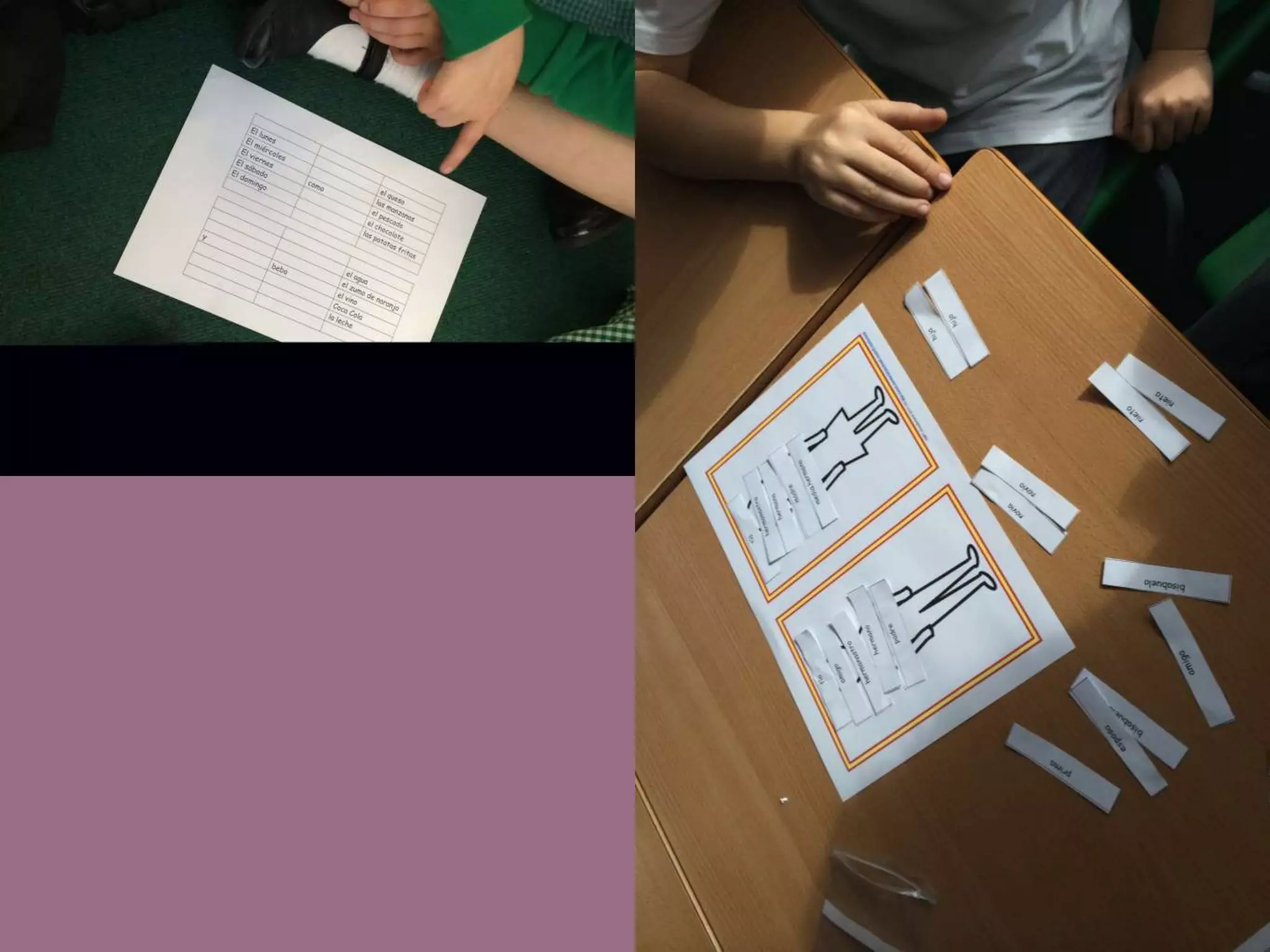
  • #30 tongue twisters too - very good for reciting confidently also like handwriting!
  • #32 using support - grids, small cards, mini whiteboards repetition, fun, make it a game
  • #36 rhymes - Doña Pitu Piturra http://youtu.be/9e7KTdj3Nmc - handwriting I’ve got box of cards books - not just fiction! songs -Los Planetas http://youtu.be/RQlAoG3q4fQ (original) http://youtu.be/3ZmvaSTIIOw (with widgets) / Das Fliegerlied http://www.ukgermanconnection.org/kids-fliegerlied give text and decode - what do you think it says? What skills are you using? http://padlet.com/wall/qy5rypop46
  • #40 non fiction texts v impt - boys particularly love them and not enough in school look at planets book; technology book - short texts, familiar subjects
  • #50 play Trapdoor
  • #51 highlighting texts - highlight all nouns in German text; compare English and Spanish text - look at word order human sentences - physically putting words in order word pyramids - uplevelling a phrase into a longer sentence grammar games - Toolsforeducators board games and dice / pronoun dice
  • #53 plurals!
  • #55 highlighting texts - highlight all nouns in German text; compare English and Spanish text - look at word order human sentences - physically putting words in order word pyramids - uplevelling a phrase into a longer sentence grammar games - Toolsforeducators board games and dice / pronoun dice Verb flowers - Claire Hampson/Suzi Bewell (spiders) Clare’s game me llamo ….. Me gusta ……… - http://changing-phase.blogspot.co.uk/2012/10/imprinting-verbs.html
  • #60 colleagues won’t play along don’t have language skills
  • #67 “The need to promote effective transition in languages between Key Stages 2 and 3 is not yet high on the agendas of either primary or secondary schools.” “the introduction of compulsory language learning has not yet stimulated increased contact between language teachers in state primary and secondary schools.” p69