Not another worksheet Miss!
Lisa Stevens
lisibo.com
@lisibo
Acapulco 2021 6th November
Activities for ambitious primary language
learners,
whatever their age or ability!
WORDS
PHONICS
GRAMMAR
RECALL
POETRY RHYME AND SONG
STORIES
WRITING
DIAGRAMS
WIDER LANGUAGE
CONTEXTS
This Photo by Unknown Author is licensed under CC BY-SA
PUTTING IT TOGETHER
NUMBERS SHAPE ANIMALS SPORT
Spotting patterns
from LightBulbLanguages Unit
16
cognates identifying gender
discuss
English/Spanish
false friends
reinforcing English
vocabulary
do children know
words that are
borrowed?
“It’s not mindless repetition.
It has a purpose.”
Kati Szeless
Vocabulary needs to be met
6-20 times for it to stick.
from a NCELP session
Squishy ball
Una palabra que no
sepa nadie
Educandy
Word shapes
Quiz Quiz Trade
El Repollo
Put on your glasses!
Revising and recall
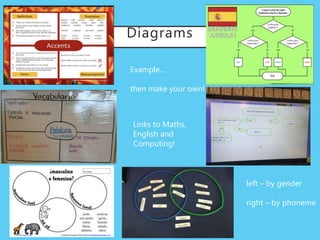
Diagrams
Example…
then make your own!
Links to Maths,
English and
Computing!
left – by gender
right – by phoneme
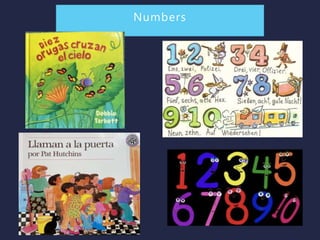
Numbers
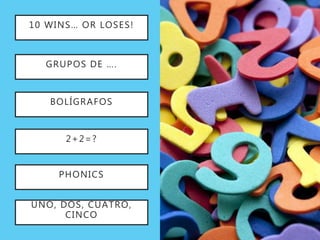
10 WINS… OR LOSES!
BOLÍGRAFOS
2+2=?
PHONICS
UNO, DOS, CUATRO,
CINCO
GRUPOS DE ….
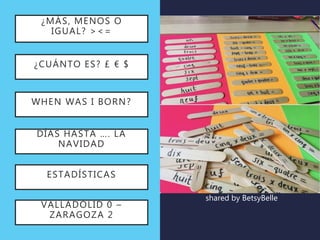
¿MÁS, MENOS O
IGUAL? ><=
WHEN WAS I BORN?
DÍAS HASTA …. LA
NAVIDAD
ESTADÍSTICAS
VALLADOLID 0 –
ZARAGOZA 2
¿CUÁNTO ES? £ € $
shared by BetsyBelle
:
“Very, very simple idea that I tried out
yesterday with a class of shy, reserved
learners in Year Four. We have been
learning numbers 1-31 so that we can go on
to say when our birthday is.”
c
1) For this activity, I said a number in French, and
rather than them telling me the English translation,
they had to tell me the colour of the line it was on. So,
if I said 'vingt-deux', they had to say orange. I knew
the higher ability pupils would also be able to tell me
which number I had said, but I wanted to give more
confidence to the lower ability/more nervous learners.
We have already done colours, so this was a chance
to revise colours as well. It worked really well.
2) Then I told them that I was going to say a number
and they had to highlight it (they had a copy on
Showbie on their ipads.) They seemed to enjoy this
more passive activity, compared to when I tried to
play Lotto and they just couldn't cope! An option
without an ipad would be to ask pupils to whisper to
each other which number they think it is and then ask
for a volunteer to come up and circle it on the board.
3) I then asked for volunteers to give me any number
in French from the 'bleu' line and the 'rouge' line etc.
This gave them some choice and independence.
4) I finished off by asking them to tell me something
interesting about any one of the numbers (based on
what we have learned). One pupil said that 21 and 31
were 'poky finger' numbers (because when we say 21
and 31 I make them poke their finger in the air to
remember the "et"). Another pupil told me lots of the
numbers on the purple line ended in "ze". They could
have said anything at all - it was just to coax
something out of the pupils who are reluctant to
speak in French, but still need to feel that they are
involved and making progress.
Not rocket science by any means, but thought I would
share as it took me about 45 seconds to prepare, but
the output was great.
'Compare bears’
Phonics
Marie-Odile Guillou
Rachel Hawkes
Sue Cave
Noémie
Neighbou
r
- Italian
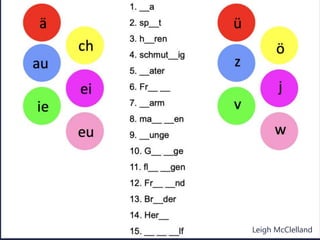
Leigh McClelland -
German
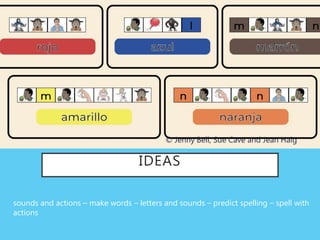
IDEAS
© Jenny Bell, Sue Cave and Jean Haig
sounds and actions – make words – letters and sounds – predict spelling – spell with
actions
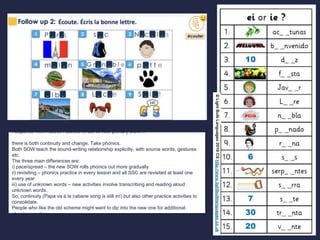
Response from Rachel Hawkes re old vs new primary SOW…
there is both continuity and change. Take phonics.
Both SOW teach the sound-writing relationship explicitly, with source words, gestures
etc.
The three main differences are:
i) pace/spread – the new SOW rolls phonics out more gradually
ii) revisiting – phonics practice in every lesson and all SSC are revisited at least one
every year
iii) use of unknown words – new activities involve transcribing and reading aloud
unknown words.
So, continuity (Papa va à la cabane song is still in!) but also other practice activities to
consolidate.
People who like the old scheme might want to dip into the new one for additional
phonics practice.
Leigh McClelland
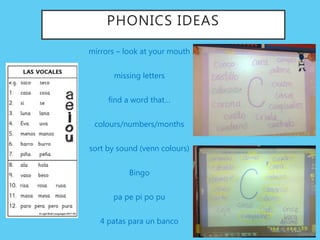
PHONICS IDEAS
mirrors – look at your mouth
missing letters
find a word that…
colours/numbers/months
sort by sound (venn colours)
Bingo
pa pe pi po pu
4 patas para un banco
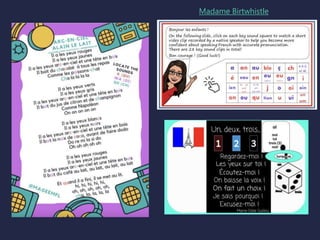
Madame Birtwhistle
POETRY AND SONG
https://youtu.be/PYfaNzQgFrk
https://youtu.be/tOj4hEk2CtU
https://youtu.b
e/yW9zLWBkk
qk
from
Lightbulb
Languag
es Unit
10
Lightbulb
Languages
Español Español
This Photo by Unknown Author is licensed under CC BY-NC-ND
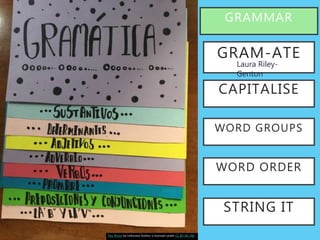
GRAMMAR
GRAM-ATE
CAPITALISE
WORD GROUPS
WORD ORDER
STRING IT
Laura Riley-
Genton
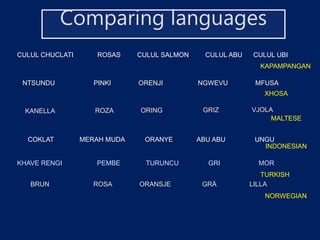
CULUL CHUCLATI ROSAS CULUL SALMON CULUL ABU CULUL UBI
NTSUNDU PINKI ORENJI NGWEVU MFUSA
COKLAT MERAH MUDA ORANYE ABU ABU UNGU
KHAVE RENGI PEMBE TURUNCU GRI MOR
BRUN ROSA ORANSJE GRÅ LILLA
KAPAMPANGAN
XHOSA
MALTESE
INDONESIAN
TURKISH
NORWEGIAN
Comparing languages
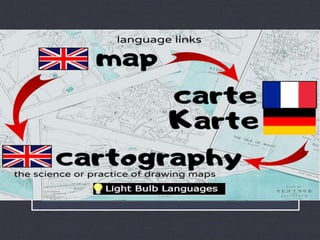
from LightBulbLanguages
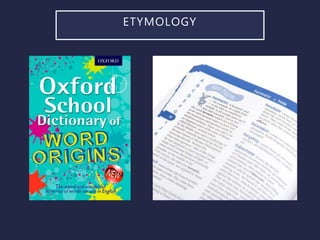
ETYMOLOGY
HTTPS://WWW.LIGHTBULBLANGUAGES.CO.UK/RESOURCES-LANGUAGE-LINKS.HTM
GRAMMAR IDEAS
thanks to Noelia RG >> Link
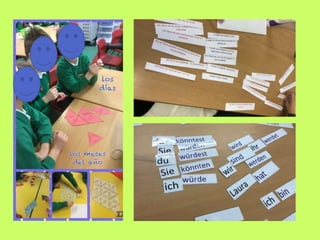
human sentences to
emphasise word
order
cards to rearrange use of colour
big e little i /
question sandwiches
compare and
contrast
reconstruct a text by
listening / using
logic
why can’t this be
correct?
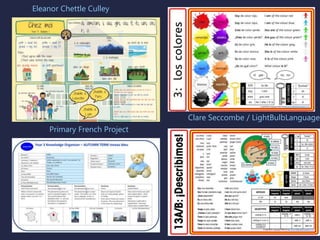
Eleanor Chettle Culley
Clare Seccombe / LightBulbLanguages
Primary French Project
Simo Na
Simo Na
Catherine Cantin
Things to do with sentence builders
Clare Seccombe
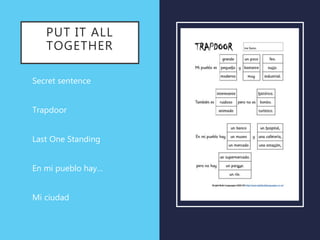
PUT IT ALL
TOGETHER
• Secret sentence
• Trapdoor
• Last One Standing
• En mi pueblo hay…
• Mi ciudad
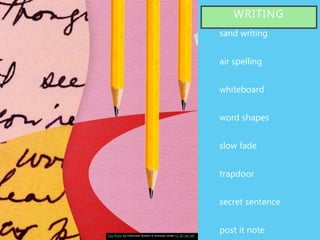
o sand writing
o air spelling
o whiteboard
o word shapes
o slow fade
o trapdoor
o
o secret sentence
o post it note
This Photo by Unknown Author is licensed under CC BY-NC-ND
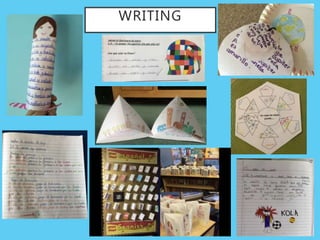
WRITING
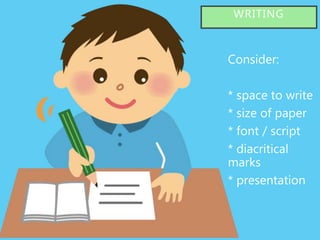
o Consider:
o * space to write
o * size of paper
o * font / script
o * diacritical
marks
o * presentation
WRITING
PUT IT ALL
TOGETHER
Play with language
Rewrite stories
Apply grammatical knowledge
Models to new versions
Adding ‘bells and whistles’
WRITING
PUT IT ALL TOGETHER
Link to La Selva
EL CARNVAL DE LOS ANIMALES
d
shared by Angela
Smith
Ce n’est pas une giraffe.
Ce n’est pas un poisson
C’est une giraffon!
Is it un or une? How do
we decide?
A favourite with
Y2
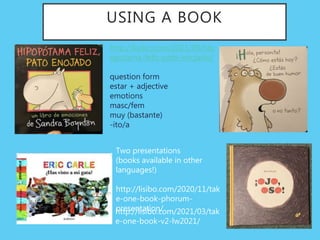
USING A BOOK
http://lisibo.com/2021/09/hip
opotama-feliz-pato-enojado/
question form
estar + adjective
emotions
masc/fem
muy (bastante)
-ito/a
Two presentations
(books available in other
languages!)
http://lisibo.com/2020/11/tak
e-one-book-phorum-
presentation/
http://lisibo.com/2021/03/tak
e-one-book-v2-lw2021/
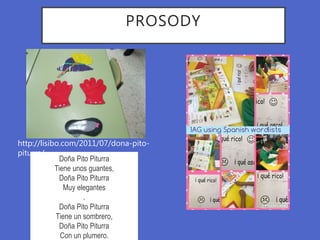
PROSODY
Doña Pito Piturra
Tiene unos guantes,
Doña Pito Piturra
Muy elegantes
.
Doña Pito Piturra
Tiene un sombrero,
Doña Pito Piturra
Con un plumero.
http://lisibo.com/2011/07/dona-pito-
piturra/
POETRY
http://lisibo.com/2021/02/un-paisaje-para-que-los-pintes-gloria-
fuertes/
http://lisibo.com/2021/02/en-un-pais-magico-gloria-fuertes/
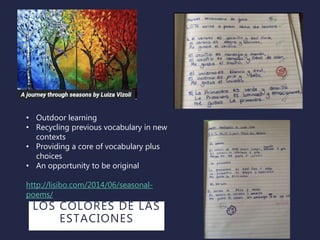
• Outdoor learning
• Recycling previous vocabulary in new
contexts
• Providing a core of vocabulary plus
choices
• An opportunity to be original
http://lisibo.com/2014/06/seasonal-
poems/
LOS COLORES DE LAS
ESTACIONES
CONTEXTS
1. Knowledge of Argentina – count the provinces, name
them, pronounce them. Countries that border Argentina.
2. Compass points / prepositions – Santa Cruz está en el
de Argentina. Jujuy está en el norte de Argentina en la
con Chile y Bolivia. Entre Ríos está en el este al norte de
Buenos Aires.
3. Colour – giving the name of a place and requiring the
colour(s) in response, either in a single word, a phrase or
sentence. Soy de Chubut ¿de qué color es mi
qué color es el poncho típico de San Luis? – blanco y
naranja/Es blanco y naranja/El poncho típico de San Luis
blanco y naranja.
4. Pattern – ¿Cómo es el poncho de Salta? Es rojo con una
franja negra en el cuello y en el borde. This site gives a
description of some in English as well as historical
about ponchos. And here is a more extensive article in
5. Combining all the above. Soy de Neuquen. Está en el
de Argentina, en la frontera con Chile, al norte de Río
sur de Mendoza y al oeste de La Pampa. El poncho típico
Neuquén es blanco con puntos azules.
6. Using the above, design your own poncho using
colours and patterns:
Mi poncho es …… El rojo significa ….. Tiene estampa…… Es
como el poncho de ….
http://lisibo.com/2017/05/ponchos/
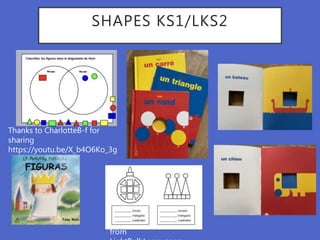
SHAPES KS1/LKS2
Thanks to CharlotteB-f for
sharing
https://youtu.be/X_b4O6Ko_3g
from
SHAPES UKS2
http://lisibo.com
/2017/05/veo-
veo-a-rubio-y-o-
villan/
http://lisibo.com
/2020/01/using-
a-game-for-
learning-
prepositions-
teachprimary-
issue-14-1/
https://www.slideshare.net/lisibo/year
-3-spanish-story-making
https://www.slideshare.n
et/lisibo/senor-cabeza-
naranja-mod
To use 1st, 2nd and 3rd
person of jugar and hacer.
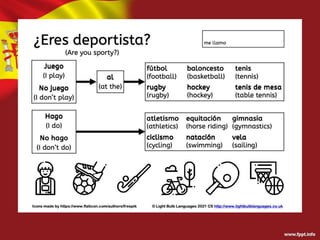
¿Puedes nombrar los deportes?
el surf
el golf
el ciclismo
la halterofilia
el esquí
el alpinismo
los bolos el tenis de mesa/
el pingpong
el baloncesto
el hockey
el remo
la escalada
el fútbol el fútbol americano
el buceo
el atletismo
el
skateboard
Oops!
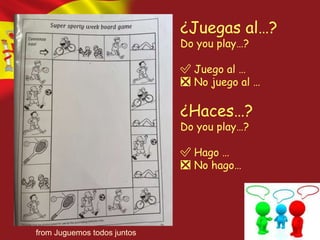
¿Juegas al…?
Do you play…?
✅ Juego al …
❎ No juego al …
¿Haces…?
Do you play…?
✅ Hago …
❎ No hago…
from Juguemos todos juntos
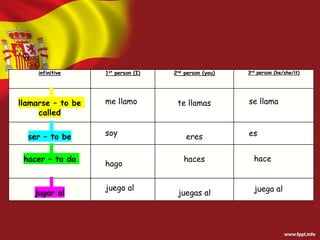
infinitive 1st person (I) 2nd person (you) 3rd person (he/she/it)
llamarse – to be
called
te llamas
ser – to be eres
hacer – to do haces
jugar al juegas al
me llamo
soy
hago
juego al
se llama
es
hace
juega al
Me llamo Michael
Phelps.
Soy de los Estados
Unidos.
Hago natación.
Se llama Michael
Phelps.
Es de los Estados
Unidos.
Hace natación.
1st
person
3rd
person
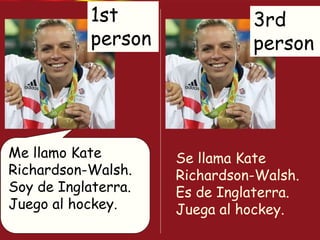
Me llamo Kate
Richardson-Walsh.
Soy de Inglaterra.
Juego al hockey.
Se llama Kate
Richardson-Walsh.
Es de Inglaterra.
Juega al hockey.
1st
person
3rd
person
Example text:
Me llamo Abdul. Juego al fútbol y al cricket. También hago
atletismo y ciclismo.
Mi amigo se llama Ricardo. Hace natación pero no hace
piragüismo. Juega al fútbol conmigo.
Mi amiga se llama Paula. No juega al fútbol; sin embargo
juega al rugby. Hace natación con Ricardo y también hace
equitación.
¿Juegas al fútbol? ¿Haces ciclismo?
• different people (1st and 3rd)
• at least one question (2nd
person)
• at least two conjunctions
• a variety of sports
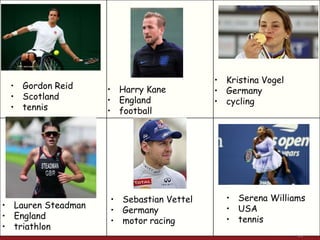
• Gordon Reid
• Scotland
• tennis
• Harry Kane
• England
• football
• Kristina Vogel
• Germany
• cycling
• Lauren Steadman
• England
• triathlon
• Sebastian Vettel
• Germany
• motor racing
• Serena Williams
• USA
• tennis
• Simone Biles
• USA
• gymnastics
• Siya Kolisi
• South Africa
• rugby
• Will Bayley
• England
• Table tennis
• Lionel Messi
• Argentina
• football
• Kylian Mbappé
• France
• football
• Shanice van der
Sanden
• Netherlands
• football
• Ibitihaj Muhammed
• USA
• fencing
• Mo Farah
• England
• athletics
• Geraint Thomas
• Wales
• cycling
• Joanna Rowsell
• England
• cycling
• Pau Gasols
• Spain
• basketball
• Sachin Tendulkar
• India
• cricket
Lisa Stevens
Twitter @lisibo
lisibo@me.com
Website: www.lisibo.com
Pinterest - www.pinterest.co.uk/lisibo/

Not another worksheet, Miss!

  • 1.
    Not another worksheetMiss! Lisa Stevens lisibo.com @lisibo Acapulco 2021 6th November Activities for ambitious primary language learners, whatever their age or ability!
  • 2.
    WORDS PHONICS GRAMMAR RECALL POETRY RHYME ANDSONG STORIES WRITING DIAGRAMS WIDER LANGUAGE CONTEXTS This Photo by Unknown Author is licensed under CC BY-SA PUTTING IT TOGETHER NUMBERS SHAPE ANIMALS SPORT
  • 3.
    Spotting patterns from LightBulbLanguagesUnit 16 cognates identifying gender discuss English/Spanish false friends reinforcing English vocabulary do children know words that are borrowed?
  • 4.
    “It’s not mindlessrepetition. It has a purpose.” Kati Szeless Vocabulary needs to be met 6-20 times for it to stick. from a NCELP session
  • 5.
    Squishy ball Una palabraque no sepa nadie Educandy Word shapes Quiz Quiz Trade El Repollo
  • 6.
    Put on yourglasses!
  • 7.
  • 8.
    Diagrams Example… then make yourown! Links to Maths, English and Computing! left – by gender right – by phoneme
  • 9.
  • 10.
    10 WINS… ORLOSES! BOLÍGRAFOS 2+2=? PHONICS UNO, DOS, CUATRO, CINCO GRUPOS DE ….
  • 11.
    ¿MÁS, MENOS O IGUAL?><= WHEN WAS I BORN? DÍAS HASTA …. LA NAVIDAD ESTADÍSTICAS VALLADOLID 0 – ZARAGOZA 2 ¿CUÁNTO ES? £ € $ shared by BetsyBelle
  • 12.
    : “Very, very simpleidea that I tried out yesterday with a class of shy, reserved learners in Year Four. We have been learning numbers 1-31 so that we can go on to say when our birthday is.” c 1) For this activity, I said a number in French, and rather than them telling me the English translation, they had to tell me the colour of the line it was on. So, if I said 'vingt-deux', they had to say orange. I knew the higher ability pupils would also be able to tell me which number I had said, but I wanted to give more confidence to the lower ability/more nervous learners. We have already done colours, so this was a chance to revise colours as well. It worked really well. 2) Then I told them that I was going to say a number and they had to highlight it (they had a copy on Showbie on their ipads.) They seemed to enjoy this more passive activity, compared to when I tried to play Lotto and they just couldn't cope! An option without an ipad would be to ask pupils to whisper to each other which number they think it is and then ask for a volunteer to come up and circle it on the board. 3) I then asked for volunteers to give me any number in French from the 'bleu' line and the 'rouge' line etc. This gave them some choice and independence. 4) I finished off by asking them to tell me something interesting about any one of the numbers (based on what we have learned). One pupil said that 21 and 31 were 'poky finger' numbers (because when we say 21 and 31 I make them poke their finger in the air to remember the "et"). Another pupil told me lots of the numbers on the purple line ended in "ze". They could have said anything at all - it was just to coax something out of the pupils who are reluctant to speak in French, but still need to feel that they are involved and making progress. Not rocket science by any means, but thought I would share as it took me about 45 seconds to prepare, but the output was great.
  • 13.
  • 14.
    Phonics Marie-Odile Guillou Rachel Hawkes SueCave Noémie Neighbou r - Italian Leigh McClelland - German
  • 15.
    IDEAS © Jenny Bell,Sue Cave and Jean Haig sounds and actions – make words – letters and sounds – predict spelling – spell with actions
  • 16.
    Response from RachelHawkes re old vs new primary SOW… there is both continuity and change. Take phonics. Both SOW teach the sound-writing relationship explicitly, with source words, gestures etc. The three main differences are: i) pace/spread – the new SOW rolls phonics out more gradually ii) revisiting – phonics practice in every lesson and all SSC are revisited at least one every year iii) use of unknown words – new activities involve transcribing and reading aloud unknown words. So, continuity (Papa va à la cabane song is still in!) but also other practice activities to consolidate. People who like the old scheme might want to dip into the new one for additional phonics practice.
  • 17.
  • 18.
    PHONICS IDEAS mirrors –look at your mouth missing letters find a word that… colours/numbers/months sort by sound (venn colours) Bingo pa pe pi po pu 4 patas para un banco
  • 19.
  • 20.
  • 21.
  • 22.
    This Photo byUnknown Author is licensed under CC BY-NC-ND GRAMMAR GRAM-ATE CAPITALISE WORD GROUPS WORD ORDER STRING IT Laura Riley- Genton
  • 23.
    CULUL CHUCLATI ROSASCULUL SALMON CULUL ABU CULUL UBI NTSUNDU PINKI ORENJI NGWEVU MFUSA COKLAT MERAH MUDA ORANYE ABU ABU UNGU KHAVE RENGI PEMBE TURUNCU GRI MOR BRUN ROSA ORANSJE GRÅ LILLA KAPAMPANGAN XHOSA MALTESE INDONESIAN TURKISH NORWEGIAN Comparing languages
  • 24.
  • 25.
  • 27.
  • 28.
    GRAMMAR IDEAS thanks toNoelia RG >> Link human sentences to emphasise word order cards to rearrange use of colour big e little i / question sandwiches compare and contrast reconstruct a text by listening / using logic why can’t this be correct?
  • 30.
    Eleanor Chettle Culley ClareSeccombe / LightBulbLanguages Primary French Project
  • 31.
    Simo Na Simo Na CatherineCantin Things to do with sentence builders Clare Seccombe
  • 32.
    PUT IT ALL TOGETHER •Secret sentence • Trapdoor • Last One Standing • En mi pueblo hay… • Mi ciudad
  • 33.
    o sand writing oair spelling o whiteboard o word shapes o slow fade o trapdoor o o secret sentence o post it note This Photo by Unknown Author is licensed under CC BY-NC-ND WRITING
  • 34.
    o Consider: o *space to write o * size of paper o * font / script o * diacritical marks o * presentation WRITING
  • 35.
    PUT IT ALL TOGETHER Playwith language Rewrite stories Apply grammatical knowledge Models to new versions Adding ‘bells and whistles’
  • 36.
  • 37.
    PUT IT ALLTOGETHER Link to La Selva EL CARNVAL DE LOS ANIMALES d shared by Angela Smith Ce n’est pas une giraffe. Ce n’est pas un poisson C’est une giraffon! Is it un or une? How do we decide? A favourite with Y2
  • 38.
    USING A BOOK http://lisibo.com/2021/09/hip opotama-feliz-pato-enojado/ questionform estar + adjective emotions masc/fem muy (bastante) -ito/a Two presentations (books available in other languages!) http://lisibo.com/2020/11/tak e-one-book-phorum- presentation/ http://lisibo.com/2021/03/tak e-one-book-v2-lw2021/
  • 39.
    PROSODY Doña Pito Piturra Tieneunos guantes, Doña Pito Piturra Muy elegantes . Doña Pito Piturra Tiene un sombrero, Doña Pito Piturra Con un plumero. http://lisibo.com/2011/07/dona-pito- piturra/
  • 41.
  • 42.
    • Outdoor learning •Recycling previous vocabulary in new contexts • Providing a core of vocabulary plus choices • An opportunity to be original http://lisibo.com/2014/06/seasonal- poems/ LOS COLORES DE LAS ESTACIONES
  • 43.
    CONTEXTS 1. Knowledge ofArgentina – count the provinces, name them, pronounce them. Countries that border Argentina. 2. Compass points / prepositions – Santa Cruz está en el de Argentina. Jujuy está en el norte de Argentina en la con Chile y Bolivia. Entre Ríos está en el este al norte de Buenos Aires. 3. Colour – giving the name of a place and requiring the colour(s) in response, either in a single word, a phrase or sentence. Soy de Chubut ¿de qué color es mi qué color es el poncho típico de San Luis? – blanco y naranja/Es blanco y naranja/El poncho típico de San Luis blanco y naranja. 4. Pattern – ¿Cómo es el poncho de Salta? Es rojo con una franja negra en el cuello y en el borde. This site gives a description of some in English as well as historical about ponchos. And here is a more extensive article in 5. Combining all the above. Soy de Neuquen. Está en el de Argentina, en la frontera con Chile, al norte de Río sur de Mendoza y al oeste de La Pampa. El poncho típico Neuquén es blanco con puntos azules. 6. Using the above, design your own poncho using colours and patterns: Mi poncho es …… El rojo significa ….. Tiene estampa…… Es como el poncho de …. http://lisibo.com/2017/05/ponchos/
  • 44.
    SHAPES KS1/LKS2 Thanks toCharlotteB-f for sharing https://youtu.be/X_b4O6Ko_3g from
  • 45.
  • 46.
    To use 1st,2nd and 3rd person of jugar and hacer.
  • 47.
  • 48.
    el surf el golf elciclismo la halterofilia el esquí el alpinismo los bolos el tenis de mesa/ el pingpong el baloncesto el hockey el remo la escalada el fútbol el fútbol americano el buceo el atletismo el skateboard
  • 49.
  • 51.
    ¿Juegas al…? Do youplay…? ✅ Juego al … ❎ No juego al … ¿Haces…? Do you play…? ✅ Hago … ❎ No hago… from Juguemos todos juntos
  • 52.
    infinitive 1st person(I) 2nd person (you) 3rd person (he/she/it) llamarse – to be called te llamas ser – to be eres hacer – to do haces jugar al juegas al me llamo soy hago juego al se llama es hace juega al
  • 53.
    Me llamo Michael Phelps. Soyde los Estados Unidos. Hago natación. Se llama Michael Phelps. Es de los Estados Unidos. Hace natación. 1st person 3rd person
  • 54.
    Me llamo Kate Richardson-Walsh. Soyde Inglaterra. Juego al hockey. Se llama Kate Richardson-Walsh. Es de Inglaterra. Juega al hockey. 1st person 3rd person
  • 55.
    Example text: Me llamoAbdul. Juego al fútbol y al cricket. También hago atletismo y ciclismo. Mi amigo se llama Ricardo. Hace natación pero no hace piragüismo. Juega al fútbol conmigo. Mi amiga se llama Paula. No juega al fútbol; sin embargo juega al rugby. Hace natación con Ricardo y también hace equitación. ¿Juegas al fútbol? ¿Haces ciclismo? • different people (1st and 3rd) • at least one question (2nd person) • at least two conjunctions • a variety of sports
  • 56.
    • Gordon Reid •Scotland • tennis • Harry Kane • England • football • Kristina Vogel • Germany • cycling • Lauren Steadman • England • triathlon • Sebastian Vettel • Germany • motor racing • Serena Williams • USA • tennis
  • 57.
    • Simone Biles •USA • gymnastics • Siya Kolisi • South Africa • rugby • Will Bayley • England • Table tennis • Lionel Messi • Argentina • football • Kylian Mbappé • France • football • Shanice van der Sanden • Netherlands • football
  • 58.
    • Ibitihaj Muhammed •USA • fencing • Mo Farah • England • athletics • Geraint Thomas • Wales • cycling • Joanna Rowsell • England • cycling • Pau Gasols • Spain • basketball • Sachin Tendulkar • India • cricket
  • 59.
    Lisa Stevens Twitter @lisibo lisibo@me.com Website:www.lisibo.com Pinterest - www.pinterest.co.uk/lisibo/

Editor's Notes

  • #6 small pot!
  • #14 sequencing big/small colour counting
  • #15 https://youtu.be/VDND1vGQ9Ew
  • #19 4 patas – 1 laugh 2 sing 3 cry 4 no! repeat your word /sound in that manner as a conversation
  • #20 https://app.box.com/s/1tt0phfjfdmg7y70bbntt7tqw2viz9mf?fbclid=IwAR2qk_crznMC_IJLWx1UyoyRJmVje2oD0_LPdnvoiiKZPp_i_kM1_p5dqCE Jane (Madame Birtwistle)
  • #24 deduction
  • #25 link https://www.lightbulblanguages.co.uk/resources/PrimarySpanish/days.pdf
  • #27 Worksheets https://global.oup.com/education/content/dictionaries/free-resources/oxford-school-dictionary-word-origins-free-resources/?region=uk
  • #34 size matters – don’t intimidate with size of paper Also sufficient space to write!
  • #35 size matters – don’t intimidate with size of paper Also sufficient space to write!
  • #38 debate - masc or fem??
  • #43 They are simple, yes. But they demonstrate to varying extents that they can write at varying length, for different purposes and audiences, using the variety of grammatical structure that they have learnt broaden their vocabulary and develop their ability to understand new words that are introduced into familiar written material, including through using a dictionary write phrases from memory, and adapt these to create new sentences, to express ideas clearly describe people, places, things and actions … and in writing       (Languages Programmes of Study: Key Stage 2)
  • #44 http://lisibo.com/2017/05/ponchos/
  • #50 plays table tennis and does cycling and athletics plays football and basketball, and does swimming does athleitcs and plays tennis does sailing and horseriding plays two raquet sports plays three ball games doesn’t do a sport that could make them wet doesn’t play a sport that needs a raquet.