Download as PDF, PPTX

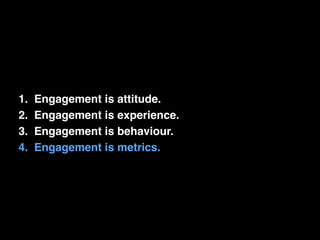

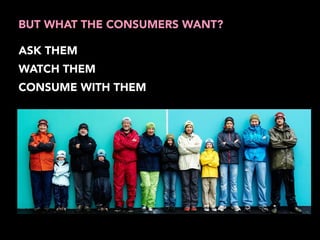
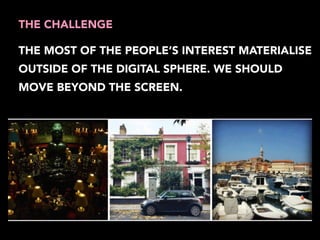

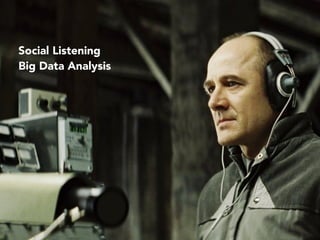
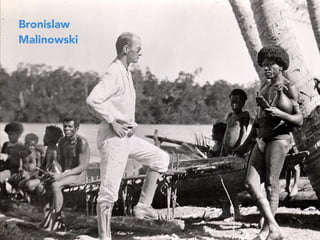

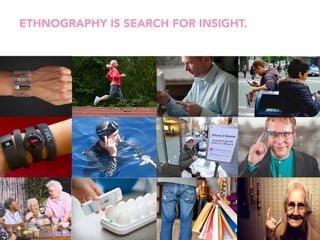

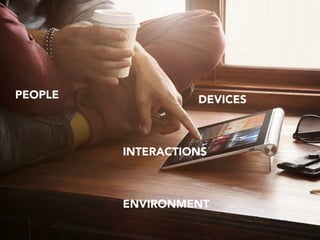
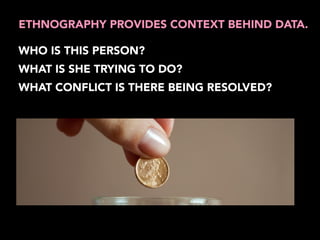


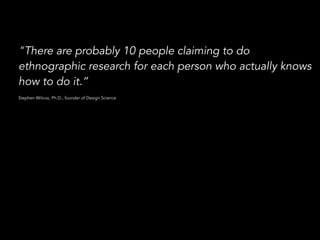
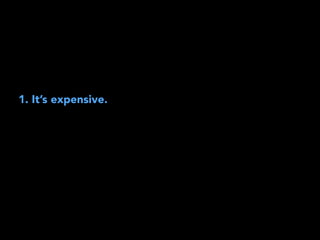
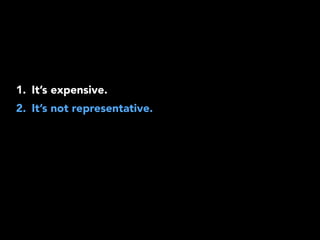
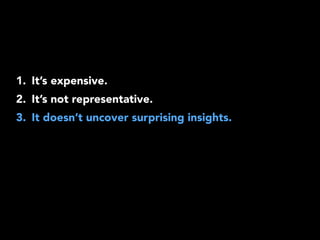
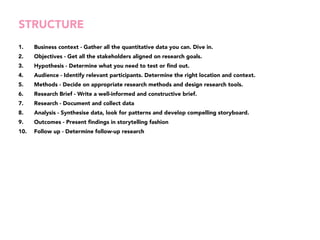
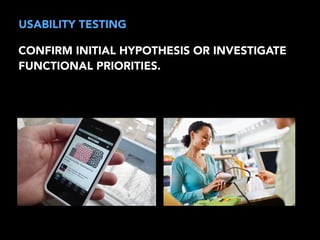
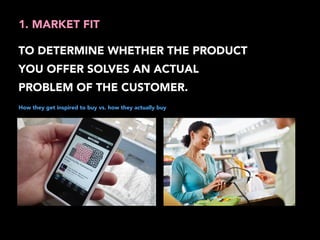
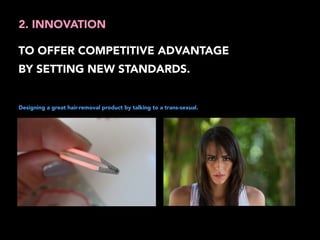
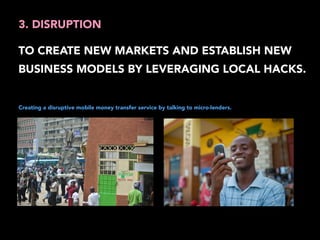

The document discusses the importance of engagement and ethnography for understanding customer behavior. It states that engagement results from an exchange between brands and users, but to successfully engage people, one must identify their motivations and triggers beyond just digital interactions. Ethnography is presented as a tool to provide context behind customer data by gaining insights into people's experiences and behaviors. Conducting ethnographic research requires structure, employing methods like interviews and observations to develop compelling stories and uncover surprising insights that can help connect business opportunities to customer relevance.


![[FDD 2016] Krzysztof Bartnicki - Wszechświat kontra programista systemów wbud...](https://cdn.slidesharecdn.com/ss_thumbnails/fddkbartnicki-170216090246-thumbnail.jpg?width=640&height=640&fit=bounds)
![[QE 2015] Krzysztof Trzewiczek - Specification by Example w praktyce](https://cdn.slidesharecdn.com/ss_thumbnails/5k-150603090132-lva1-app6892-thumbnail.jpg?width=640&height=640&fit=bounds)

![[QE 2015] Jarosław Pałka - Systematyczny architekt na drodze ku planowanemu p...](https://cdn.slidesharecdn.com/ss_thumbnails/9aj-150603083739-lva1-app6892-thumbnail.jpg?width=640&height=640&fit=bounds)
![[QE 2015] Katarzyna Mrowca - Refaktoring historyjek](https://cdn.slidesharecdn.com/ss_thumbnails/3k-150603090257-lva1-app6892-thumbnail.jpg?width=640&height=640&fit=bounds)


![[QE 2015] Mateusz Kocielski - W każdym programie jest jeszcze jeden błąd](https://cdn.slidesharecdn.com/ss_thumbnails/0m-150603090551-lva1-app6892-thumbnail.jpg?width=640&height=640&fit=bounds)


![[Quality Meetup #20] Michał Górski - Continuous Deployment w chmurze](https://cdn.slidesharecdn.com/ss_thumbnails/michalgorski-continuousdeploymentinthecloud-190416075855-thumbnail.jpg?width=640&height=640&fit=bounds)
![[Quality Meetup #20] Dorota Tadych - Hyperion - wystarczy jeden shake](https://cdn.slidesharecdn.com/ss_thumbnails/dorotatadych-hyperionwystarczyjedenshake-190410083846-thumbnail.jpg?width=640&height=640&fit=bounds)
![[Quality Meetup #19] Magdalena Drechsler-Nowak - Tester w pułapce myślenia](https://cdn.slidesharecdn.com/ss_thumbnails/tester-w-pulapce-myslenia-dopubl-190218092114-thumbnail.jpg?width=640&height=640&fit=bounds)
![[Quality Meetup #19] Adrian Gonciarz - Testerska ruletka](https://cdn.slidesharecdn.com/ss_thumbnails/testerskaruletka-190213104838-thumbnail.jpg?width=640&height=640&fit=bounds)
![[FDD 2018] Krzysztof Sikora - Jak Service Fabric rozwiąże twoje problemy z mi...](https://cdn.slidesharecdn.com/ss_thumbnails/servicefabric-181211102633-thumbnail.jpg?width=640&height=640&fit=bounds)
![[FDD 2018] Ł. Turchan, A. Hulist, M. Duchnowski - CUDA - results over coffee ...](https://cdn.slidesharecdn.com/ss_thumbnails/cuda-181211095540-thumbnail.jpg?width=640&height=640&fit=bounds)
![[FDD 2018] Lech Kalinowski - Prywatny Blockchain](https://cdn.slidesharecdn.com/ss_thumbnails/fddklinowskiv2-181211090419-thumbnail.jpg?width=640&height=640&fit=bounds)
![[FDD 2018] W. Malara, K. Kotowski - Autoenkodery – czyli zalety funkcji F(X)≈X](https://cdn.slidesharecdn.com/ss_thumbnails/autoenkoderykkotowski-181211084533-thumbnail.jpg?width=640&height=640&fit=bounds)
![[FDD 2018] Jarosław Ogiegło - Ludzie, zabezpieczajcie się! Wprowadzenie do OA...](https://cdn.slidesharecdn.com/ss_thumbnails/fddjogieglo-181211082946-thumbnail.jpg?width=640&height=640&fit=bounds)
![[JuraSIC! Meetup] Krzysztof Sikora- Jak Service Fabric rozwiąże twoje problem...](https://cdn.slidesharecdn.com/ss_thumbnails/servicefabric-181026074443-thumbnail.jpg?width=640&height=640&fit=bounds)
![[JuraSIC! Meetup] Mateusz Stasch - Monady w .NET](https://cdn.slidesharecdn.com/ss_thumbnails/jurasicmeetupmateuszstasch-monadyw-181026073433-thumbnail.jpg?width=640&height=640&fit=bounds)
![[QE 2018] Aleksandra Kornecka – Kognitywne podejście do testowania aplikacji ...](https://cdn.slidesharecdn.com/ss_thumbnails/korneckanowa-180711085328-thumbnail.jpg?width=640&height=640&fit=bounds)
![[QE 2018] Adam Stasiak – Nadchodzi React Native – czyli o testowaniu mobilnyc...](https://cdn.slidesharecdn.com/ss_thumbnails/nadchodzireactnative-czyliotestowaniumobilnychaplikacjihybrydowych-180702091451-thumbnail.jpg?width=640&height=640&fit=bounds)
![[QE 2018] Łukasz Gawron – Testing Batch and Streaming Spark Applications](https://cdn.slidesharecdn.com/ss_thumbnails/gawrontestingbatchandstreamingsparkapplications-180702090002-thumbnail.jpg?width=640&height=640&fit=bounds)
![[QE 2018] Marek Puchalski – Web Application Security Test Automation](https://cdn.slidesharecdn.com/ss_thumbnails/qualityexcitessecuritytestautomationpuchalski-180702085346-thumbnail.jpg?width=640&height=640&fit=bounds)
![[QE 2018] Rob Lambert – How to Thrive as a Software Tester](https://cdn.slidesharecdn.com/ss_thumbnails/howtothrive-180629131611-thumbnail.jpg?width=640&height=640&fit=bounds)
![[QE 2018] Paul Gerrard – Automating Assurance: Tools, Collaboration and DevOps](https://cdn.slidesharecdn.com/ss_thumbnails/automatingassurancegerrard-180629130855-thumbnail.jpg?width=640&height=640&fit=bounds)


