WHY HRM??
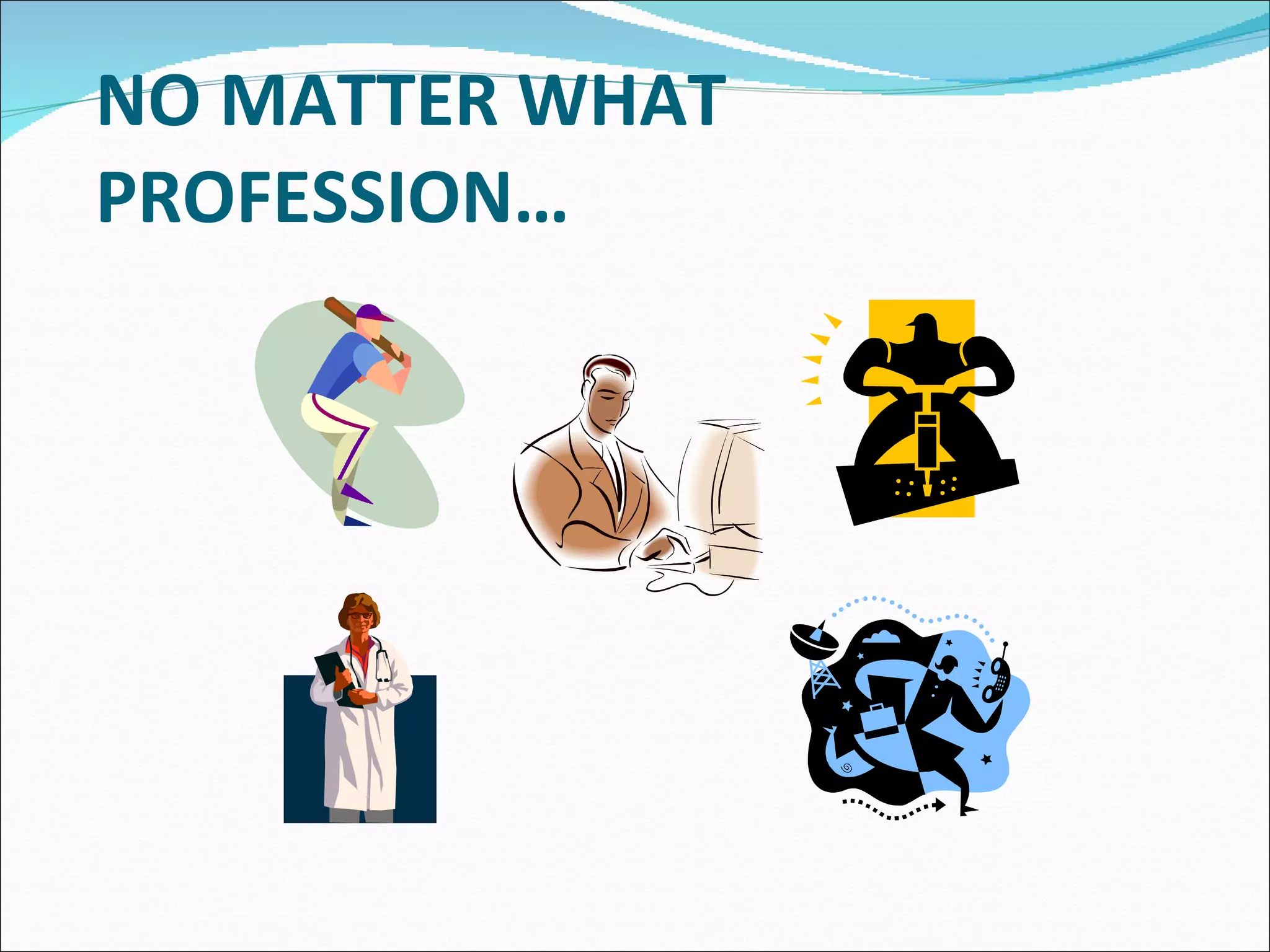
NO MATTER WHAT PROFESSION…
PEOPLE NEED TO GET TRAINED AND MOTIVATED… TO ACHIEVE……………….
TARGET’S
FOR ALL THESE TO HAPPEN WE NEED TO PROPERLY MANAGE PEOPLE AND TO ACHIEVE ALL THIS WE NEED… H R M
One of the biggest problems faced by today's companies is  High turnover……
FACTS TO THINK ABOUT…   • 90% COMPANIES HAVE RETENTION PROBLEMS  • 50% OF THESE ARE MANUFACTURING, SERVICES AND MARKETING COMPANIES  • THE SMALL-SIZED AND MEDIUM-SIZED COMPANIES LOSE MORE PEOPLE  • TURNOVER RATES ARE AS HIGH AS 7% IN MANUFACTURING AND 13% IN THE HI-TECH INDUSTRY  • EMPLOYEES GO TO - SMALL COMPANIES-FOR EXCITING OPPORTUNITIES AND GREATER IDENTITY / LARGE COMPANIES-FOR DEFINED ROLES, CLEARER CAREER PATHS AND BETTER HR SYSTEMS  ---- AIMA - BT Survey, July 1999.
Monotony (repetitiveness) and lack of challenge  Lack of responsibility  More money  Lack of value-addition to career  Lack of good developmental projects  Idle(inactive) time 'sitting on the bench'  Lack of transparency  'Promises not kept' and ill-treatment  Organization culture  Lack of quality consciousness
The old goal of HR Management - to minimize     overall   employee turnover - RETENTION
needs to be replaced by a new goal: to influence  who  leaves and  when  he leaves


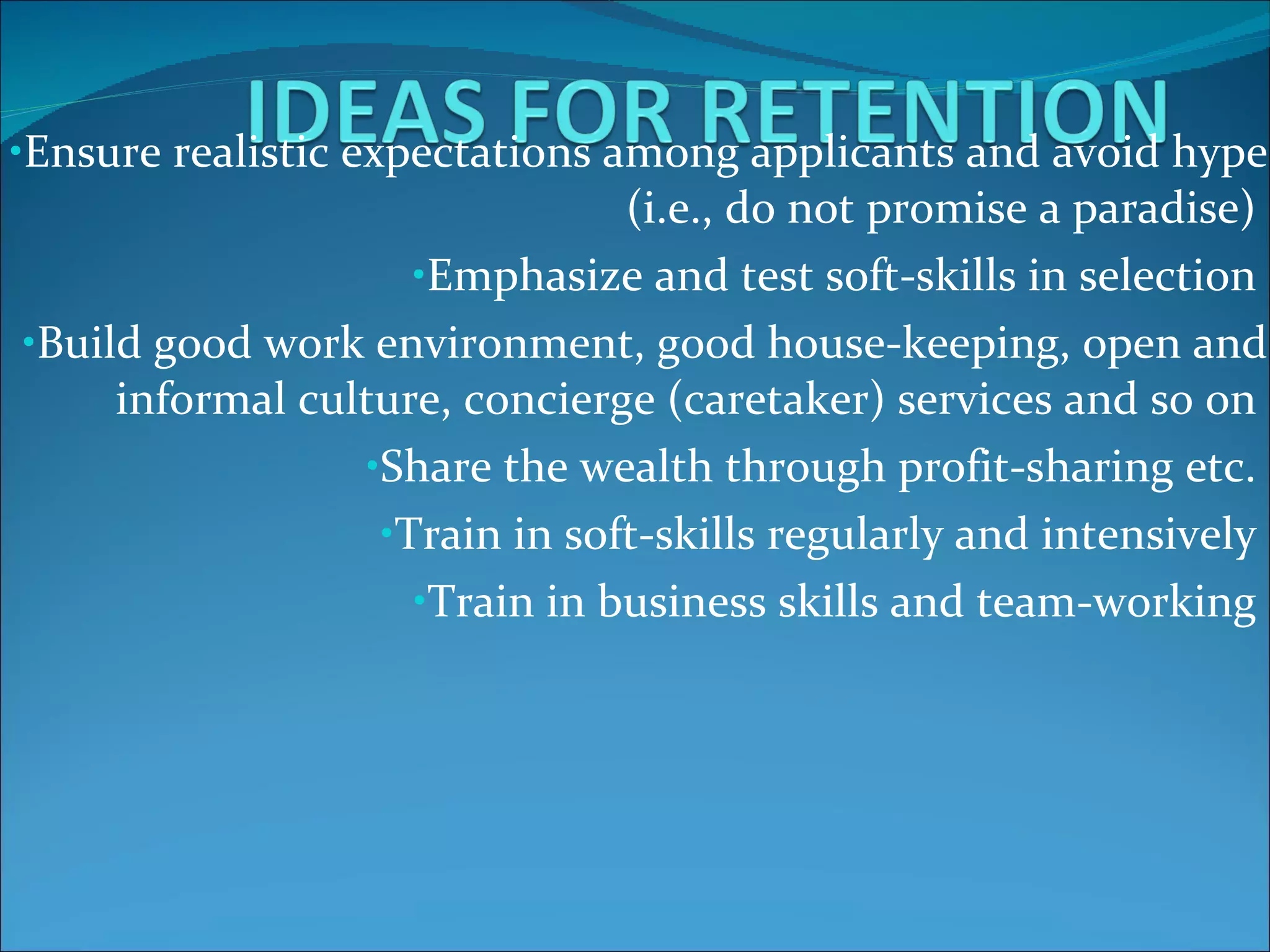
Ensure realistic expectations among applicants and avoid hype (i.e., do not promise a paradise)  Emphasize and test soft-skills in selection  Build good work environment, good house-keeping, open and informal culture, concierge (caretaker) services and so on  Share the wealth through profit-sharing etc.  Train in soft-skills regularly and intensively  Train in business skills and team-working
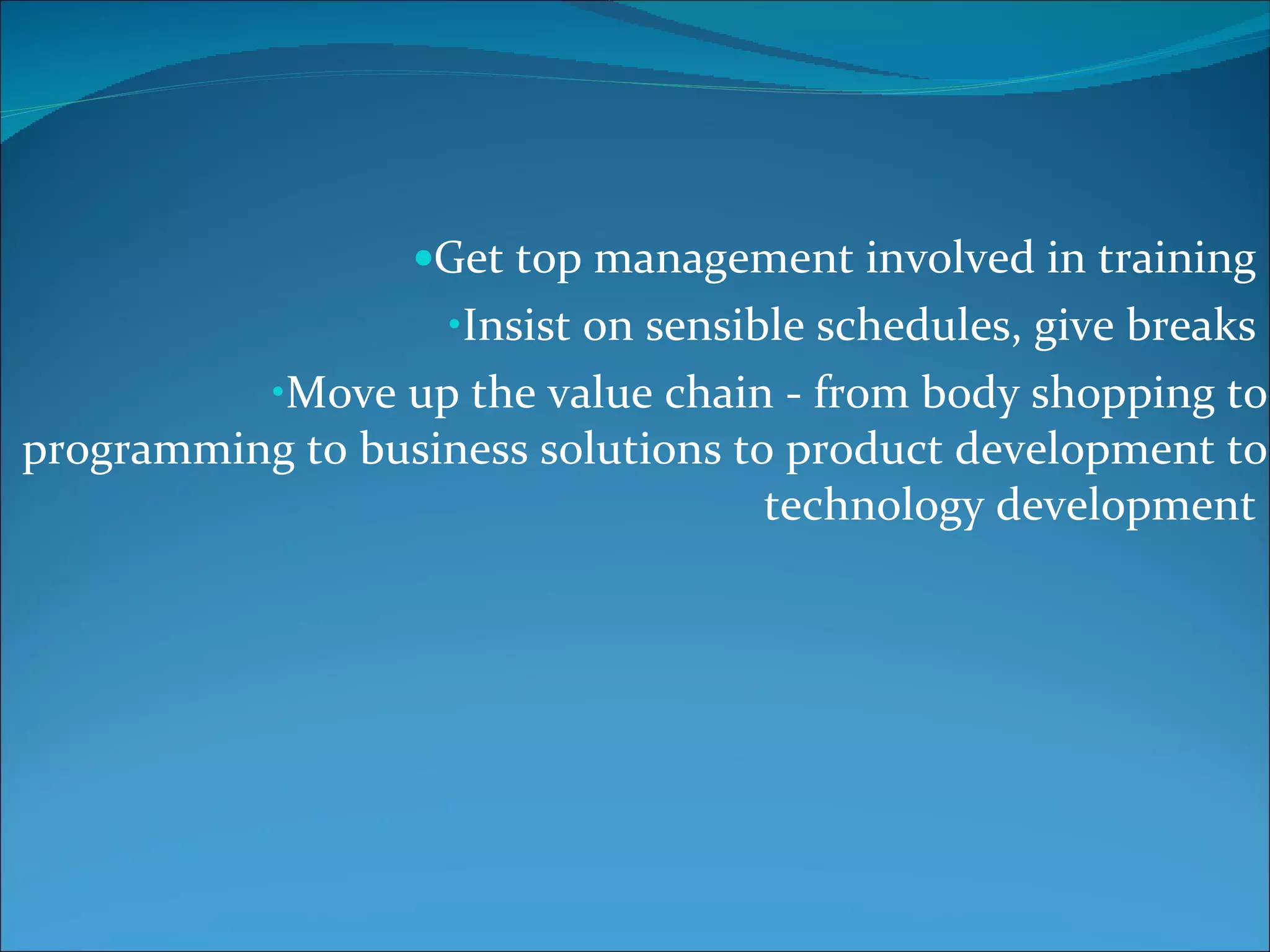
Get top management involved in training  Insist on sensible schedules, give breaks   Move up the value chain - from body shopping to programming to business solutions to product development to technology development
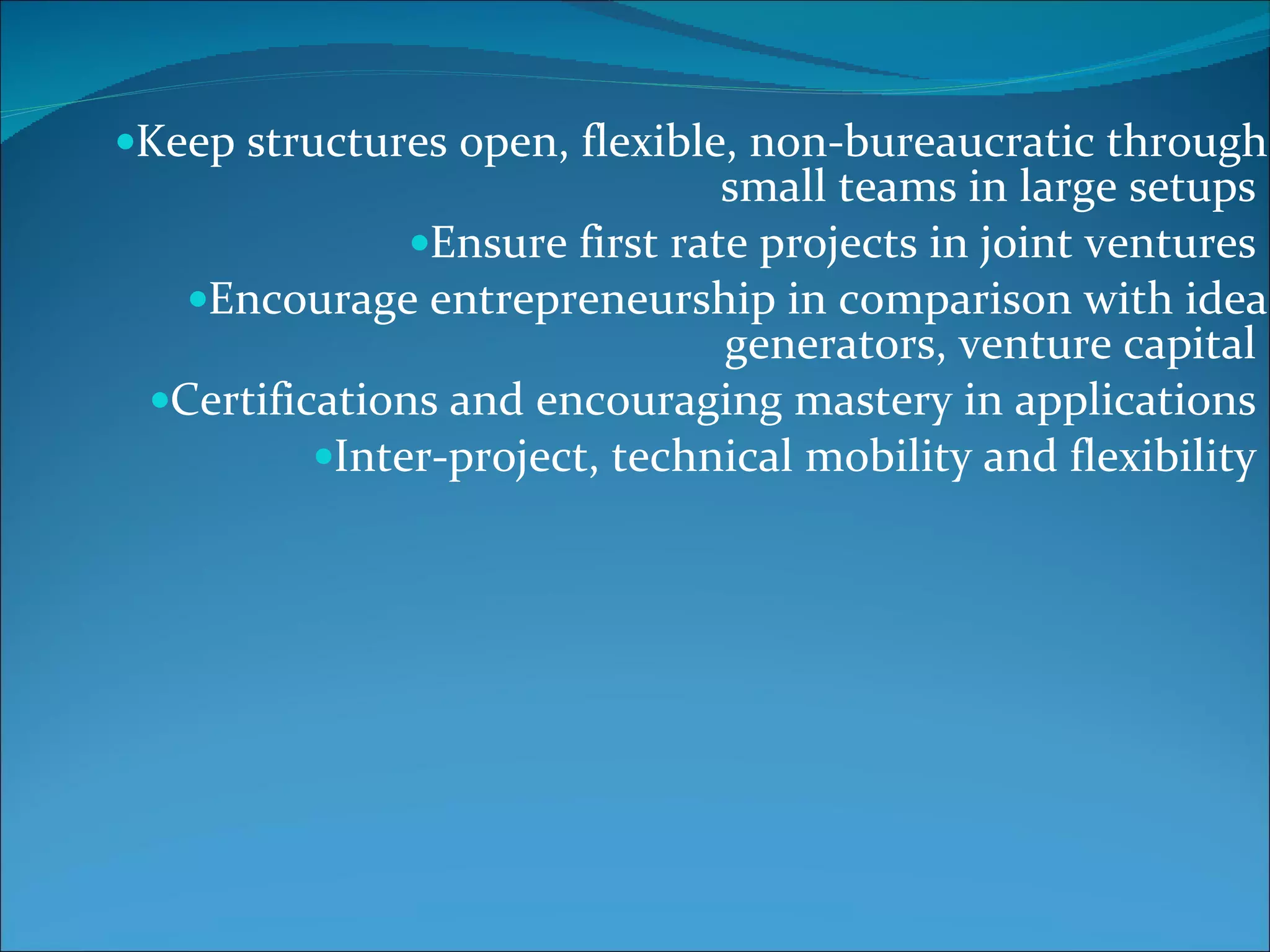
Keep structures open, flexible, non-bureaucratic through small teams in large setups  Ensure first rate projects in joint ventures  Encourage entrepreneurship in comparison with idea generators, venture capital  Certifications and encouraging mastery in applications  Inter-project, technical mobility and flexibility
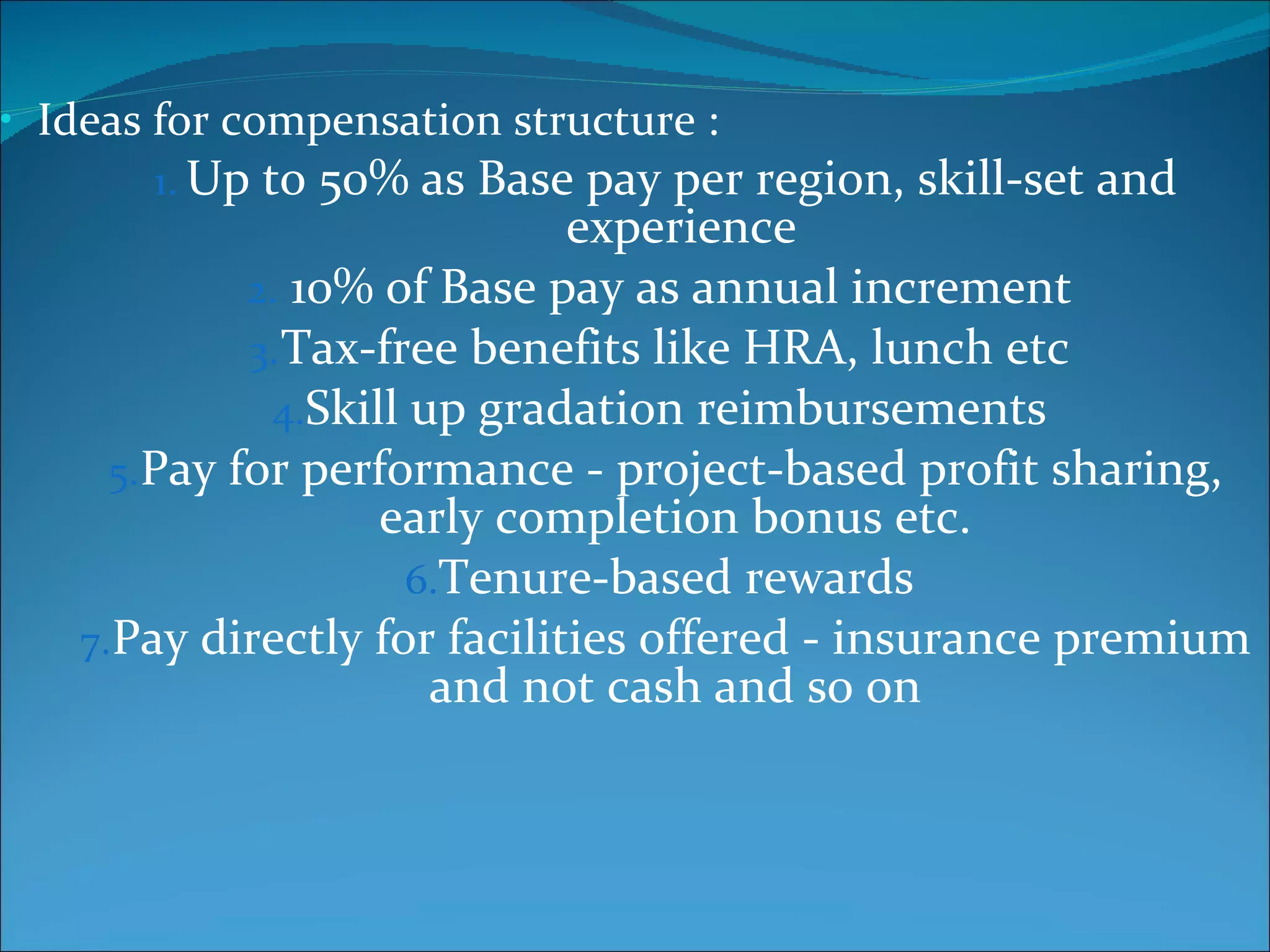
Ideas for compensation structure :  Up to 50% as Base pay per region, skill-set and experience 10% of Base pay as annual increment  Tax-free benefits like HRA, lunch etc  Skill up gradation reimbursements  Pay for performance - project-based profit sharing, early completion bonus etc.  Tenure-based rewards  Pay directly for facilities offered - insurance premium and not cash and so on
In some cases, companies have found that high turnover isn't as big a problem as it appears.   If there's a large pool of talented employees available, it might want to focus on recruitment rather than retention.   since new hires have lower salaries than long-term employees, the company is able to keep a lid on compensation levels.   Cooperating with competitors is another way of dealing with retention.
THANK YOU

Why hrm 145

  • 1.
  • 2.
    NO MATTER WHATPROFESSION…
  • 3.
    PEOPLE NEED TOGET TRAINED AND MOTIVATED… TO ACHIEVE……………….
  • 4.
  • 5.
    FOR ALL THESETO HAPPEN WE NEED TO PROPERLY MANAGE PEOPLE AND TO ACHIEVE ALL THIS WE NEED… H R M
  • 6.
    One of thebiggest problems faced by today's companies is High turnover……
  • 7.
    FACTS TO THINKABOUT… • 90% COMPANIES HAVE RETENTION PROBLEMS • 50% OF THESE ARE MANUFACTURING, SERVICES AND MARKETING COMPANIES • THE SMALL-SIZED AND MEDIUM-SIZED COMPANIES LOSE MORE PEOPLE • TURNOVER RATES ARE AS HIGH AS 7% IN MANUFACTURING AND 13% IN THE HI-TECH INDUSTRY • EMPLOYEES GO TO - SMALL COMPANIES-FOR EXCITING OPPORTUNITIES AND GREATER IDENTITY / LARGE COMPANIES-FOR DEFINED ROLES, CLEARER CAREER PATHS AND BETTER HR SYSTEMS ---- AIMA - BT Survey, July 1999.
  • 8.
    Monotony (repetitiveness) andlack of challenge Lack of responsibility More money Lack of value-addition to career Lack of good developmental projects Idle(inactive) time 'sitting on the bench' Lack of transparency 'Promises not kept' and ill-treatment Organization culture Lack of quality consciousness
  • 9.
    The old goalof HR Management - to minimize overall employee turnover - RETENTION
  • 10.
    needs to bereplaced by a new goal: to influence who leaves and when he leaves
  • 11.
  • 12.
  • 13.
  • 14.
  • 15.
    Ensure realistic expectationsamong applicants and avoid hype (i.e., do not promise a paradise) Emphasize and test soft-skills in selection Build good work environment, good house-keeping, open and informal culture, concierge (caretaker) services and so on Share the wealth through profit-sharing etc. Train in soft-skills regularly and intensively Train in business skills and team-working
  • 16.
    Get top managementinvolved in training Insist on sensible schedules, give breaks Move up the value chain - from body shopping to programming to business solutions to product development to technology development
  • 17.
    Keep structures open,flexible, non-bureaucratic through small teams in large setups Ensure first rate projects in joint ventures Encourage entrepreneurship in comparison with idea generators, venture capital Certifications and encouraging mastery in applications Inter-project, technical mobility and flexibility
  • 18.
    Ideas for compensationstructure : Up to 50% as Base pay per region, skill-set and experience 10% of Base pay as annual increment Tax-free benefits like HRA, lunch etc Skill up gradation reimbursements Pay for performance - project-based profit sharing, early completion bonus etc. Tenure-based rewards Pay directly for facilities offered - insurance premium and not cash and so on
  • 19.
    In some cases,companies have found that high turnover isn't as big a problem as it appears. If there's a large pool of talented employees available, it might want to focus on recruitment rather than retention. since new hires have lower salaries than long-term employees, the company is able to keep a lid on compensation levels. Cooperating with competitors is another way of dealing with retention.
  • 20.