White-tailed Deer
Odocoileus virginianus


  By Anthony Kessler
Whitetail deer terms

 Buck-Male deer
 Spike buck-two single horns and only a main beam that
  doesn’t split
 Button buck- yearling with no horns
 Doe- female deer
 Fawn- Deer with spots acting as camouflage breakup
 Scrape- scratching on the ground to attract breeding
  females; In my experience close to scrape is usually a
  rub or a snapped twig
 Rub- territorial marking of a tree and also to remove
  velvet
Buck in Velvet
Spike buck
Button buck:        Pronounced knob's on forehead
where the horns would be at.
Doe with fawn
Rub
Old Scrape
Track found in
    scrape
Bedding area for 2 doe seen in
later picture
Scat
Facts


 White-tailed deer grow up to 6ft to 7.75ft tall
 Lifespan of a captive deer 6 to 14 years
 Average lifespan of wild deer in Pennsylvania -3 ½ for a
  buck yet they are scarce in heavily hunted areas and
  doe is older
 Deer like a varying diet that is why they are called
  browsers
Habitat of Pennsylvania

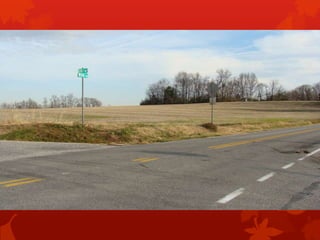
  Farmland                      Forests


 Large quantity of varying    Most Favored habitat of a
  food sources                  deer
 Edge habitat                 Diet of acorns and wild
                                plants
Edge+ Farmland habitat:   Close to cover and
access to food sources
Forest
Suburban                           City’s


 Land Broken up by small
  parks and recreational areas
                                    Little to no cover to offer for
 Variety of flowering plants
                                     deer
  and trees for food source
                                    Low food
 Offer a lot of protection from
  hunting which is why larger       Undesirable area for deer
  bucks are found here but not
  much area for hiding
Suburban
City/small town
CWD info and articles


 What is chronic wasting disease?
Pa. confirms 1st case of fatal deer disease
The Associated Press
Updated:   10/11/2012 09:47:30 PM EDT
HARRISBURG, Pa.—The state's first case of chronic wasting disease has been found at a central
Pennsylvania deer farm, and agriculture officials said Thursday they are working to prevent the
fatal illness from spreading among animals.
Officials have quarantined the property in New Oxford, Adams County, where a captive white-
tailed deer tested positive for the neurological disease. Farms in Williamsport, Lycoming County,
and Dover, York County, are also quarantined due to direct links to the infected deer. The
animal died last month, and its owner submitted the carcass for testing as part of
Pennsylvania's monitoring program for the illness, state veterinarian Craig Shultz told the
Evening Sun of Hanover. Pennsylvania is the 23rd state to have a confirmed case of chronic
wasting disease, which is deadly to deer, elk and moose, and can be spread among animals
through bodily fluids. There is no evidence the infection can be transmitted to humans,
according to the Centers for Disease Control and Prevention. The sickness has not been found in
the state's wild deer population, said Pennsylvania Game Commission Executive Director Carl G.
Roe. "Concerns over (chronic wasting disease) should not prevent anyone from enjoying deer
hunting and consuming meat from healthy animals." Roe said in a statement. Still, Roe said
that hunters should shoot only healthy-looking animals, and take precautions like wearing
rubber gloves when field-dressing their deer and washing thoroughly when finished. Symptoms
of chronic wasting disease include weight loss, excessive salivation, increased drinking and
urination, and abnormal behavior like stumbling, trembling and depression. There is no cure or
vaccine. Public education and outreach efforts are being coordinated by a state task force that
includes representatives of the departments of Agriculture, Environmental Protection and
Health, as well as the Pennsylvania Game Commission and the U.S. Department of Agriculture.
"Pennsylvania has an aggressive chronic wasting disease surveillance program and a strong
response plan," state Agriculture Secretary George Greig said in a statement. Chronic wasting
disease was first discovered in Colorado captive mule deer in 1967. Pennsylvania has conducted
monitoring for the illness since 1998.
Online:
Pennsylvania Department of Agriculture: http://www.agriculture.state.pa.us
Lyme disease
Sightings September


 September 7th, 2012 Temperature 50s clear and sunny
  Location: Behind house from climbing tree stand about
  30ft up. Time 6:30-7:30; 5 doe –one was yearling with
  spots
 September 14th, 2012 Temp. 50-60s clear and sunny
  Location: Behind house spooked as entering woods at
  6:15 it was 4 doe; after that I went off to the barn to sit
  at the brush edge and saw 2 yearlings and 2 doe enter
  the field just before dark
November Sightings

 November 6th, 2012 Temp. 20        time 7:15     out of area
  on Snyder lane farm; 1 doe
 Nov. 7th, 2012 time 6:15 Location: corn field parallel to
  blueberry farm 4 doe along road eating corn
 Nov. 10th, 2012 temp. 50 PGC sent out CWD letter; 3 doe
  at 6:15; 11 deer at 10:15; 3 more at 11:00
 Nov. 11th, 2012 clear sky temp. 39                      3
  doe at 5:15; 8 doe at 6:00 and 1 buck
 Nov 13th, 2012 clear sky temp 39
   3 doe at 5:15 8 doe at 6:00 1 Buck not sure of size
 Nov 22nd, 2012 overcast sky with moon 14 deer total at
  about 5:00
 Nov 23rd, 2012 cloudy sky      1 doe and one 6-12 pt buck
  at 9:30 spotting
Sighting areas
2 Whitetail doe
Alfalfa grass favored food source of
local deer
Apple trees seasonal food source
Funny thing with this picture
before I took it less than 20ft was
a bedded doe.
Trail camera pictures of Deer
Work Cited

White tailed deer

  • 1.
  • 2.
    Whitetail deer terms Buck-Male deer  Spike buck-two single horns and only a main beam that doesn’t split  Button buck- yearling with no horns  Doe- female deer  Fawn- Deer with spots acting as camouflage breakup  Scrape- scratching on the ground to attract breeding females; In my experience close to scrape is usually a rub or a snapped twig  Rub- territorial marking of a tree and also to remove velvet
  • 3.
  • 4.
  • 5.
    Button buck: Pronounced knob's on forehead where the horns would be at.
  • 6.
  • 7.
  • 8.
  • 9.
    Bedding area for2 doe seen in later picture
  • 10.
  • 11.
    Facts  White-tailed deergrow up to 6ft to 7.75ft tall  Lifespan of a captive deer 6 to 14 years  Average lifespan of wild deer in Pennsylvania -3 ½ for a buck yet they are scarce in heavily hunted areas and doe is older  Deer like a varying diet that is why they are called browsers
  • 12.
    Habitat of Pennsylvania Farmland Forests  Large quantity of varying  Most Favored habitat of a food sources deer  Edge habitat  Diet of acorns and wild plants
  • 13.
    Edge+ Farmland habitat: Close to cover and access to food sources
  • 14.
  • 15.
    Suburban City’s  Land Broken up by small parks and recreational areas  Little to no cover to offer for  Variety of flowering plants deer and trees for food source  Low food  Offer a lot of protection from hunting which is why larger  Undesirable area for deer bucks are found here but not much area for hiding
  • 16.
  • 17.
  • 18.
    CWD info andarticles  What is chronic wasting disease?
  • 19.
    Pa. confirms 1stcase of fatal deer disease The Associated Press Updated: 10/11/2012 09:47:30 PM EDT HARRISBURG, Pa.—The state's first case of chronic wasting disease has been found at a central Pennsylvania deer farm, and agriculture officials said Thursday they are working to prevent the fatal illness from spreading among animals. Officials have quarantined the property in New Oxford, Adams County, where a captive white- tailed deer tested positive for the neurological disease. Farms in Williamsport, Lycoming County, and Dover, York County, are also quarantined due to direct links to the infected deer. The animal died last month, and its owner submitted the carcass for testing as part of Pennsylvania's monitoring program for the illness, state veterinarian Craig Shultz told the Evening Sun of Hanover. Pennsylvania is the 23rd state to have a confirmed case of chronic wasting disease, which is deadly to deer, elk and moose, and can be spread among animals through bodily fluids. There is no evidence the infection can be transmitted to humans, according to the Centers for Disease Control and Prevention. The sickness has not been found in the state's wild deer population, said Pennsylvania Game Commission Executive Director Carl G. Roe. "Concerns over (chronic wasting disease) should not prevent anyone from enjoying deer hunting and consuming meat from healthy animals." Roe said in a statement. Still, Roe said that hunters should shoot only healthy-looking animals, and take precautions like wearing rubber gloves when field-dressing their deer and washing thoroughly when finished. Symptoms of chronic wasting disease include weight loss, excessive salivation, increased drinking and urination, and abnormal behavior like stumbling, trembling and depression. There is no cure or vaccine. Public education and outreach efforts are being coordinated by a state task force that includes representatives of the departments of Agriculture, Environmental Protection and Health, as well as the Pennsylvania Game Commission and the U.S. Department of Agriculture. "Pennsylvania has an aggressive chronic wasting disease surveillance program and a strong response plan," state Agriculture Secretary George Greig said in a statement. Chronic wasting disease was first discovered in Colorado captive mule deer in 1967. Pennsylvania has conducted monitoring for the illness since 1998. Online: Pennsylvania Department of Agriculture: http://www.agriculture.state.pa.us
  • 23.
  • 24.
    Sightings September  September7th, 2012 Temperature 50s clear and sunny Location: Behind house from climbing tree stand about 30ft up. Time 6:30-7:30; 5 doe –one was yearling with spots  September 14th, 2012 Temp. 50-60s clear and sunny Location: Behind house spooked as entering woods at 6:15 it was 4 doe; after that I went off to the barn to sit at the brush edge and saw 2 yearlings and 2 doe enter the field just before dark
  • 25.
    November Sightings  November6th, 2012 Temp. 20 time 7:15 out of area on Snyder lane farm; 1 doe  Nov. 7th, 2012 time 6:15 Location: corn field parallel to blueberry farm 4 doe along road eating corn  Nov. 10th, 2012 temp. 50 PGC sent out CWD letter; 3 doe at 6:15; 11 deer at 10:15; 3 more at 11:00  Nov. 11th, 2012 clear sky temp. 39 3 doe at 5:15; 8 doe at 6:00 and 1 buck  Nov 13th, 2012 clear sky temp 39 3 doe at 5:15 8 doe at 6:00 1 Buck not sure of size  Nov 22nd, 2012 overcast sky with moon 14 deer total at about 5:00  Nov 23rd, 2012 cloudy sky 1 doe and one 6-12 pt buck at 9:30 spotting
  • 26.
  • 28.
  • 29.
    Alfalfa grass favoredfood source of local deer
  • 30.
  • 39.
    Funny thing withthis picture before I took it less than 20ft was a bedded doe.
  • 41.
  • 42.