What areas warrant evaluation?
Marc Arbyn
Topics for systematic review
for EFC/ESGO guidelines
M. Arbyn1
(1) Unit of Cancer Epidemiology, Sciensano, Brussels, Belgium
6th SATELLITE EFC SYMPOSIUM
1st of December 2018, Pullman Hotel, Brussels
Introduction
• Unit of Cancer Epidemiology, Sciensano, BE:
specialised in systematic reviews related to
prevention & treatment of HPV-related (pre-)
cancer with the purpose to develop
evidence-based guidelines
4
Introduction-2
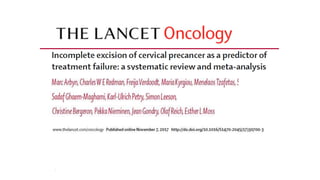
• Collaboration with EFC in 2016 has resulted
in a systematic review on the clinical
significance of neoplastic involvement of
section margins (excisional treatment of
cervical precancer)
5
6
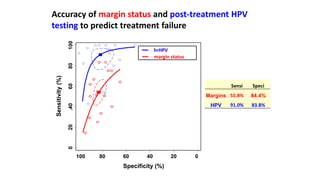
020.406080100
Sensitivity(%)
020406080100
Specificity (%)
hrHPV
margin status
Accuracy of margin status and post-treatment HPV
testing to predict treatment failure
Sensi Speci
Margins 55.8% 84.4%
HPV 91.0% 83.8%
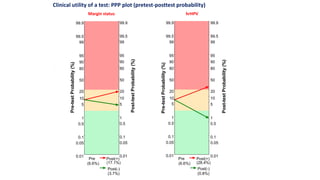
0.01
0.05
0.1
0.5
1
5
10
20
50
80
90
95
99
99.5
99.9
Post-testProbability(%)
0.01
0.05
0.1
0.5
1
5
10
20
50
80
90
95
99
99.5
99.9
Pre-testProbability(%)
Pre
(6.6%)
Post(+)
(28.4%)
Post(-)
(0.8%)
0.01
0.05
0.1
0.5
1
5
10
20
50
80
90
95
99
99.5
99.9
Post-testProbability(%)
20
0.01
0.05
0.1
0.5
1
5
10
50
80
90
95
99
99.5
99.9
Pre-testProbability(%)
Pre
(6.6%)
Post(+)
(17.1%)
Post(-)
(3.7%)
Margin status hrHPV
Clinical utility of a test: PPP plot (pretest-posttest probability)
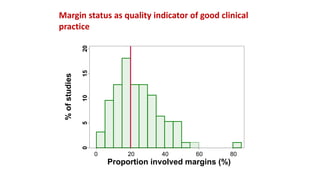
Margin status as quality indicator of good clinical
practice
05101520
%ofstudies
0 20 40 60 80
Proportion involved margins (%)
New topics which
require systematic review
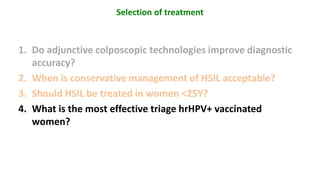
1. Do adjunctive colposcopic technologies improve diagnostic
accuracy?
2. When is conservative management of HSIL acceptable?
3. Should HSIL be treated in women <25Y?
4. What is the most effective triage hrHPV+ vaccinated
women?
Selection of treatment
5. What is the most effective way to maximise screening
coverage? SSampling
6. At what age should screening start?
7. Should HSIL be treated in pregnancy
8. When is see-&-treat the best option?
Titles
9. Does length of excision influence outcome? IPD pooling
10.Wat is the most effective way to inform women about the
risks of treatment?
11.How best to assess patient satisfaction after consultation?
12.Most effective way fo managing CGIN/AIS when local
management is desired.
Selection for treatment
13.What is the most effective way to assess the endo-cervical
canal to detect glandular disease in women with AGC? ECC
vs EC brushing?
14.At what age should screening start?
15.How long to follow-up ASC-US & LSIL before doing LLETZ?
16.What is the most effective test of cure after treatment of
cervical cancer? ****
Titles
17.How long to follow-up ASC-US & LSIL before doing LLETZ?
18.Should FU in immunocompromised patients differ from
other treated patients?
19.How should FU after T for CIN be performed in women who
developed stenosis?
20.How to manage stenosis after T?
21.Best way to management of persistent post-T HPV with
normal cyto/colpo?
Titles
Top 9: selection of T
• 1. What is the most effective way of assessing the
endocervical canal to exclude glandular neoplasia in patients
with atypical glandular cells (AGC)? 4.35
• 2. What is the most effective way to maximise coverage of the
target screening population? 4.30. CONTINUOUS UPDATE
• 3. When is conservative management of HSIL acceptable? 4.09
Top 9: Undertaking of T
• 4.What is the most effective way of managing
CGIN / AIS when local management is desired?
4.26
• 5. Does excision length influence outcome? 4.04
(pooled analysis of IPD data)
• 6. What is the most effective way to inform
women about the risks of treatment? 3.43
Top 9: FU after T
• 7. What is the most effective Test of Cure schedule after
treatment of cervical pre-cancer? 4.30*** Post-T
guideline
• 8. What is the best strategy regarding women with long
persistent HR-HPV infection after excisional treatment (or
no treatment), with normal colposcopic findings and
negative or low-grade cytology? 4.13
• 9. How should follow-up after treatment for CIN be
performed in women who develop cervical stenosis? 4.11
Other propositions
• Nomenclature CIN vs SIL?
• Macroscopic description of the excised tissue in the
histology lab
– Dimensions
– Margins
• Status of guidelines over the world
– Status praesens
– Updating the map: which country recommends HPV for
which indication
– Keeping it updated
– Role of colposcopy societies in WHO elimination of CC goal
Other propositions
• To RNA or not to RNA
• The quantitative relation between cone dimension
and obstetrical outcomes among women who
become pregnant after T of CIN (an IPD meta-
analysis)
• To write a letter to the EU commissioner for health,
president of the EU Commission, European Council:
claim for new CC prevention guidelines
• Ssampling: Point of care testing
Other propositions
• Pooling of individual patient data from
European colposcopy centres: cytology
triggering colpo, colpo findings, type of biopsy,
histo findings, treatment if done, histo of
excised cone, margin status, post treatment
outcomes, HPV findings.
• Registry linkage study assessing both success of
treatment and obstetrical harm. (IPD pooling)
22
Acknowledgements
• European Federation of Colposcopy
• Institut national du Cancer
• European Commission: CoHear(FP7)

What areas warrant evaluation? Marc Arbyn

  • 2.
    What areas warrantevaluation? Marc Arbyn
  • 3.
    Topics for systematicreview for EFC/ESGO guidelines M. Arbyn1 (1) Unit of Cancer Epidemiology, Sciensano, Brussels, Belgium 6th SATELLITE EFC SYMPOSIUM 1st of December 2018, Pullman Hotel, Brussels
  • 4.
    Introduction • Unit ofCancer Epidemiology, Sciensano, BE: specialised in systematic reviews related to prevention & treatment of HPV-related (pre-) cancer with the purpose to develop evidence-based guidelines 4
  • 5.
    Introduction-2 • Collaboration withEFC in 2016 has resulted in a systematic review on the clinical significance of neoplastic involvement of section margins (excisional treatment of cervical precancer) 5
  • 6.
  • 7.
    020.406080100 Sensitivity(%) 020406080100 Specificity (%) hrHPV margin status Accuracyof margin status and post-treatment HPV testing to predict treatment failure Sensi Speci Margins 55.8% 84.4% HPV 91.0% 83.8%
  • 8.
  • 9.
    Margin status asquality indicator of good clinical practice 05101520 %ofstudies 0 20 40 60 80 Proportion involved margins (%)
  • 10.
    New topics which requiresystematic review
  • 11.
    1. Do adjunctivecolposcopic technologies improve diagnostic accuracy? 2. When is conservative management of HSIL acceptable? 3. Should HSIL be treated in women <25Y? 4. What is the most effective triage hrHPV+ vaccinated women? Selection of treatment
  • 12.
    5. What isthe most effective way to maximise screening coverage? SSampling 6. At what age should screening start? 7. Should HSIL be treated in pregnancy 8. When is see-&-treat the best option? Titles
  • 13.
    9. Does lengthof excision influence outcome? IPD pooling 10.Wat is the most effective way to inform women about the risks of treatment? 11.How best to assess patient satisfaction after consultation? 12.Most effective way fo managing CGIN/AIS when local management is desired. Selection for treatment
  • 14.
    13.What is themost effective way to assess the endo-cervical canal to detect glandular disease in women with AGC? ECC vs EC brushing? 14.At what age should screening start? 15.How long to follow-up ASC-US & LSIL before doing LLETZ? 16.What is the most effective test of cure after treatment of cervical cancer? **** Titles
  • 15.
    17.How long tofollow-up ASC-US & LSIL before doing LLETZ? 18.Should FU in immunocompromised patients differ from other treated patients? 19.How should FU after T for CIN be performed in women who developed stenosis? 20.How to manage stenosis after T? 21.Best way to management of persistent post-T HPV with normal cyto/colpo? Titles
  • 16.
    Top 9: selectionof T • 1. What is the most effective way of assessing the endocervical canal to exclude glandular neoplasia in patients with atypical glandular cells (AGC)? 4.35 • 2. What is the most effective way to maximise coverage of the target screening population? 4.30. CONTINUOUS UPDATE • 3. When is conservative management of HSIL acceptable? 4.09
  • 17.
    Top 9: Undertakingof T • 4.What is the most effective way of managing CGIN / AIS when local management is desired? 4.26 • 5. Does excision length influence outcome? 4.04 (pooled analysis of IPD data) • 6. What is the most effective way to inform women about the risks of treatment? 3.43
  • 18.
    Top 9: FUafter T • 7. What is the most effective Test of Cure schedule after treatment of cervical pre-cancer? 4.30*** Post-T guideline • 8. What is the best strategy regarding women with long persistent HR-HPV infection after excisional treatment (or no treatment), with normal colposcopic findings and negative or low-grade cytology? 4.13 • 9. How should follow-up after treatment for CIN be performed in women who develop cervical stenosis? 4.11
  • 19.
    Other propositions • NomenclatureCIN vs SIL? • Macroscopic description of the excised tissue in the histology lab – Dimensions – Margins • Status of guidelines over the world – Status praesens – Updating the map: which country recommends HPV for which indication – Keeping it updated – Role of colposcopy societies in WHO elimination of CC goal
  • 20.
    Other propositions • ToRNA or not to RNA • The quantitative relation between cone dimension and obstetrical outcomes among women who become pregnant after T of CIN (an IPD meta- analysis) • To write a letter to the EU commissioner for health, president of the EU Commission, European Council: claim for new CC prevention guidelines • Ssampling: Point of care testing
  • 21.
    Other propositions • Poolingof individual patient data from European colposcopy centres: cytology triggering colpo, colpo findings, type of biopsy, histo findings, treatment if done, histo of excised cone, margin status, post treatment outcomes, HPV findings. • Registry linkage study assessing both success of treatment and obstetrical harm. (IPD pooling)
  • 22.
    22 Acknowledgements • European Federationof Colposcopy • Institut national du Cancer • European Commission: CoHear(FP7)