Week 2
Inquiry/Questioning
EDBE 8P24
2017-2018
Agenda
• Professional Learning Conversations
• Ontario Curriculum: Language
• TRC – What is it? Why does it matter?
• Inquiry Questions:
– KWL
– KWHLAQ
– Questioning/ Inquiry in 21C classrooms
• Research Study
• For next week: Explore Resources
Professional Learning Conversations
• PLCs will be led by the Literacy Leader
• Literacy Leader posts summary to Drop Box by
the end of today
• Sign up for the remaining PLCs
– Each person selects 2 sessions: 1 on a week for
“Explore Resources” and 1 on a week for
“Professional Reading”
• Literacy Leaders for Week 3 meet with Ruth at
end of class
Questions to consider for critical
understanding
• Who created this resource?
• For what purpose was it created?
• Is the information accurate and believable?
• What does the author want you to think?
• Whose voices are missing, silenced, or discounted?
• How does it help you think about social issues and
justice?
Critical Literacy…
• All texts are constructions
• All texts contain belief and value messages
• Each person interprets messages differently
• Texts serve different interests
• Each medium develops its own “language” in order to position
readers/viewers in certain ways
Author Event
• Dr. Jenny Kay Dupuis, author of “I Am Not a
Number” is speaking at the Burlington Public
Library on Monday, September 25, from 6:30-
8:30 pm.
• For more information, go to this link:
https://www.bpl.on.ca/feature/honouring-
truth#speakers
The Ontario Curriculum: Grades 1-8 -
Language
• http://www.edu.g
ov.on.ca/eng/curr
iculum/elementar
y/language18curr
b.pdf
• Launched in 2006
Ontario Curriculum – Language 1-8
• Oral Communication
• 1.
• 2.
• Media Studies
• 1.
• 2.
• Reading
• 1.
• 2.
• Writing
• 1.
• 2.
Curriculum expectations are
mandatory.
Overall expectations
• Describe in general terms
the knowledge and skills
students are expected to
achieve by the end of each
grade
Specific expectations
• Describe the expected
knowledge and skills in
greater detail often with
specific examples
9
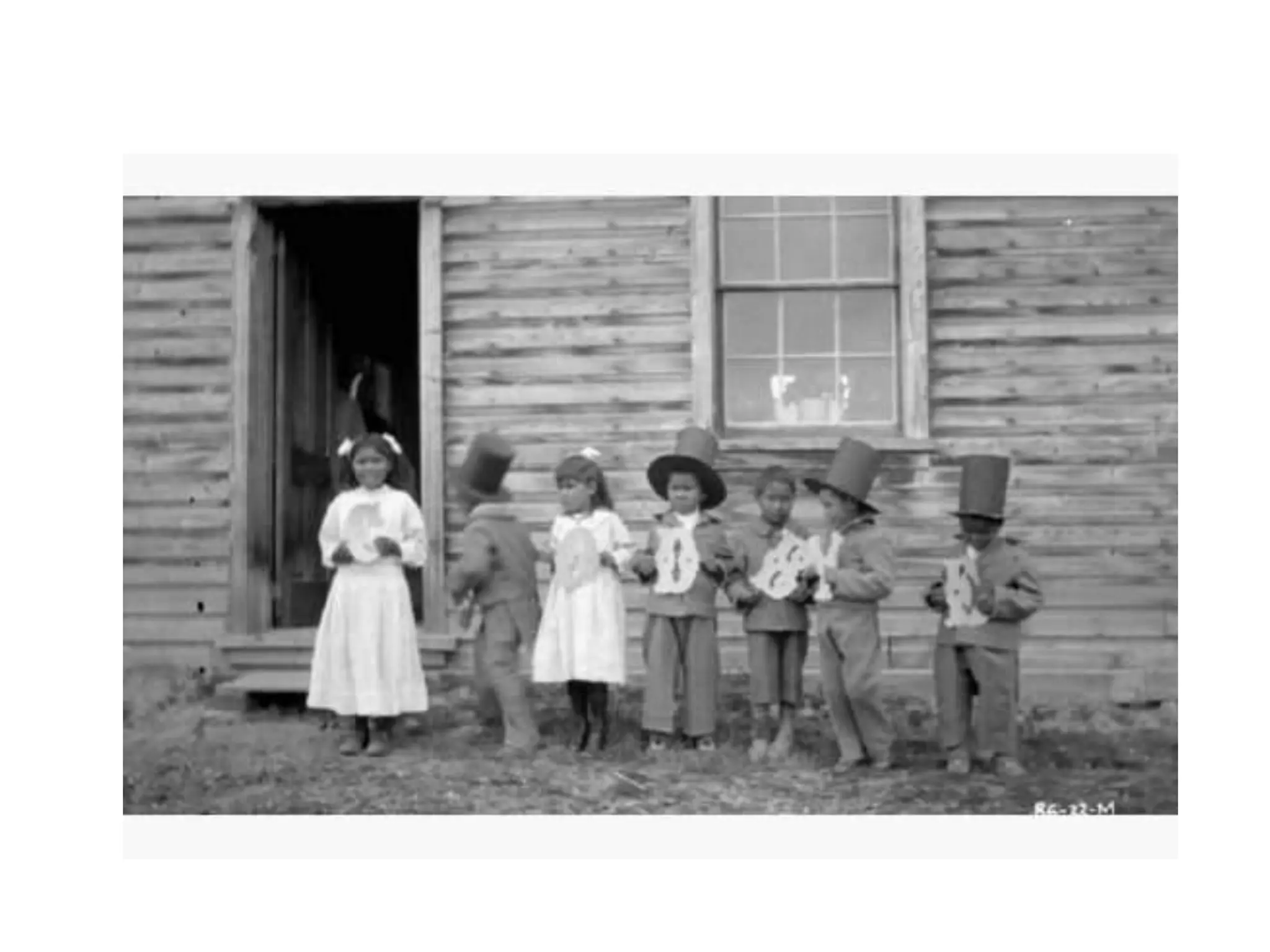
Aboriginal children at Fort Simpson Indian Residential
School in 1922
http://www.thestar.com/news/canada/2015/06/02/the-truth-and-
reconciliation-commission-report.html
J.F. Moran/Library & Archive
Truth & Reconciliation Commission Report
Ottawa, June 2, 2015
INQUIRY
KWHLAQ
Know
Want to know
How to find it
Learned
Action
Questions
21st Century Competencies
• Critical Thinking
• Communication
• Collaboration
• Creativity and Innovation
Curiosity: The 5th C in 21st Century
Learning
• Proposed by Andrew Minigan in “The
Importance of Curiosity and Questions in 21C
Learning” Education Week, May 24, 2017
• Curiosity: Importance of students asking
questions
• Supports the other 4 Cs and adds engagement
and empowerment
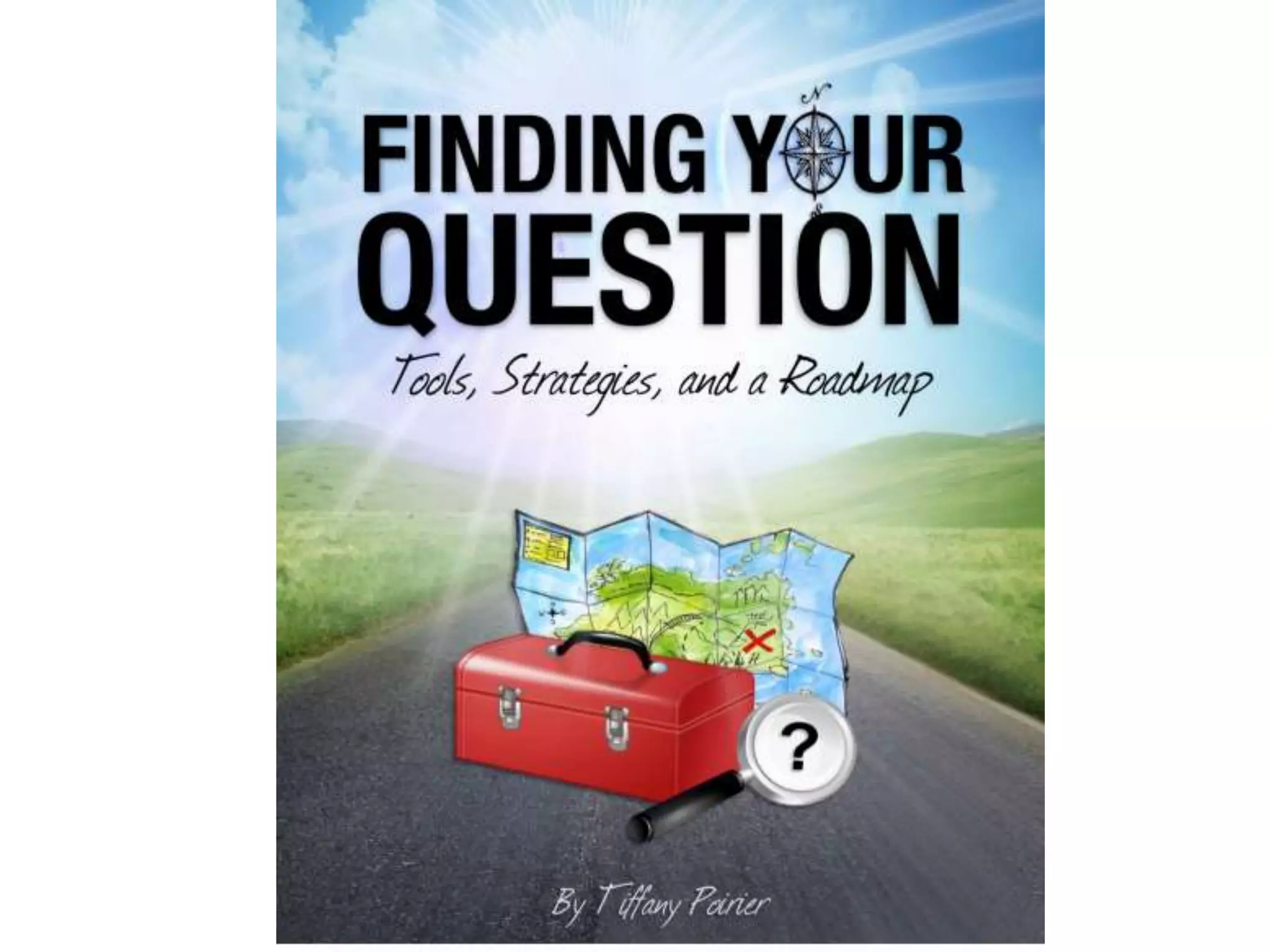
Finding Your Question
Access the PDF of this resource by going to:
https://inquiryninja.com/brock/
The link will take you to a keynote address by the
author. You will be asked to share your name and
email address and be willing to be notified when the
“Finding Your Question” video course is available.
Then you will be allowed to download the pdf of the
book.
Research Study
• Letter of Consent
• Questionnaire
Explore Resources
• Go to Sakai: Week 3 – Sept. 26
• Explore Resources: Educational Blogs
– read very carefully and follow directions
– Post to Forum by 8:00 pm, Sept. 25.
The 3 Ws

Week 2 critical literacy 2017

  • 1.
  • 2.
    Agenda • Professional LearningConversations • Ontario Curriculum: Language • TRC – What is it? Why does it matter? • Inquiry Questions: – KWL – KWHLAQ – Questioning/ Inquiry in 21C classrooms • Research Study • For next week: Explore Resources
  • 3.
    Professional Learning Conversations •PLCs will be led by the Literacy Leader • Literacy Leader posts summary to Drop Box by the end of today • Sign up for the remaining PLCs – Each person selects 2 sessions: 1 on a week for “Explore Resources” and 1 on a week for “Professional Reading” • Literacy Leaders for Week 3 meet with Ruth at end of class
  • 4.
    Questions to considerfor critical understanding • Who created this resource? • For what purpose was it created? • Is the information accurate and believable? • What does the author want you to think? • Whose voices are missing, silenced, or discounted? • How does it help you think about social issues and justice?
  • 5.
    Critical Literacy… • Alltexts are constructions • All texts contain belief and value messages • Each person interprets messages differently • Texts serve different interests • Each medium develops its own “language” in order to position readers/viewers in certain ways
  • 6.
    Author Event • Dr.Jenny Kay Dupuis, author of “I Am Not a Number” is speaking at the Burlington Public Library on Monday, September 25, from 6:30- 8:30 pm. • For more information, go to this link: https://www.bpl.on.ca/feature/honouring- truth#speakers
  • 7.
    The Ontario Curriculum:Grades 1-8 - Language • http://www.edu.g ov.on.ca/eng/curr iculum/elementar y/language18curr b.pdf • Launched in 2006
  • 8.
    Ontario Curriculum –Language 1-8 • Oral Communication • 1. • 2. • Media Studies • 1. • 2. • Reading • 1. • 2. • Writing • 1. • 2.
  • 9.
    Curriculum expectations are mandatory. Overallexpectations • Describe in general terms the knowledge and skills students are expected to achieve by the end of each grade Specific expectations • Describe the expected knowledge and skills in greater detail often with specific examples 9
  • 11.
    Aboriginal children atFort Simpson Indian Residential School in 1922 http://www.thestar.com/news/canada/2015/06/02/the-truth-and- reconciliation-commission-report.html J.F. Moran/Library & Archive
  • 12.
    Truth & ReconciliationCommission Report Ottawa, June 2, 2015
  • 15.
    INQUIRY KWHLAQ Know Want to know Howto find it Learned Action Questions
  • 16.
    21st Century Competencies •Critical Thinking • Communication • Collaboration • Creativity and Innovation
  • 17.
    Curiosity: The 5thC in 21st Century Learning • Proposed by Andrew Minigan in “The Importance of Curiosity and Questions in 21C Learning” Education Week, May 24, 2017 • Curiosity: Importance of students asking questions • Supports the other 4 Cs and adds engagement and empowerment
  • 19.
    Finding Your Question Accessthe PDF of this resource by going to: https://inquiryninja.com/brock/ The link will take you to a keynote address by the author. You will be asked to share your name and email address and be willing to be notified when the “Finding Your Question” video course is available. Then you will be allowed to download the pdf of the book.
  • 20.
    Research Study • Letterof Consent • Questionnaire
  • 21.
    Explore Resources • Goto Sakai: Week 3 – Sept. 26 • Explore Resources: Educational Blogs – read very carefully and follow directions – Post to Forum by 8:00 pm, Sept. 25.
  • 22.

Editor's Notes

  • #5 Quick review of the next 2 slides prior to PLCs to help guide discussions – beyond just reporting
  • #7 Alexandra Markes reviewed this book Week 2 Sakai
  • #8 Mention it is on Sakai under Resources/Curriculum Documents (or show Sakai)
  • #9 Overall expectations
  • #10 Note that each strand is prefaced with general introduction Activity: Assign a strand to each table. Ask them to go through it at different JI grade levels and notice how a General and Specific expectation evolves through the grades Note that while the expectations are mandatory examples are just that – considered suitable for this grade level
  • #14 At their tables fill in Know and Want to Know; groups then read newspaper articles displayed throughout the room. Can also go online to TRC website.
  • #15 https://senoraferguson.edublogs.org/files/2015/07/KWHLAQ-v2-tolisano-2g7unms.png
  • #17 Review from week 1