Water Quality ManagementIntroductionWater Pollutants and Their SourcesWater Quality Management in RiversWater Quality Management in Lakes
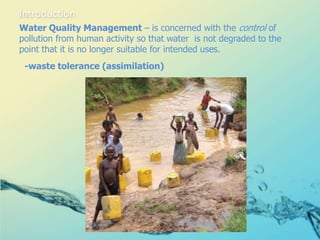
IntroductionWater Quality Management – is concerned with the control of pollution from human activity so that water  is not degraded to the point that it is no longer suitable for intended uses.-waste tolerance (assimilation)
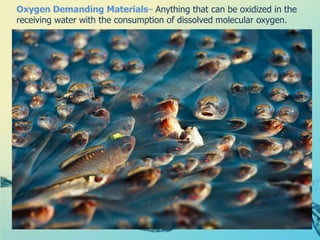
Oxygen Demanding Materials– Anything that can be oxidized in the receiving water with the consumption of dissolved molecular oxygen.
Nutrients– Nitrogen and Phosphorus.
Pathogenic Organisms– Bacteria, Viruses and Protozoa excreted by diseased persons or animals
Suspended Solids– Organic and Inorganic particles carried by wastewater
Salts– (TDS) they don’t evaporate.Toxic Metals and Toxic Organic Compounds– render a body of water nearly useless for long periods of timeEndocrine Disrupting Chemicals– (EDC) an external agent that interferes in some way with the role of natural hormones in the body. 
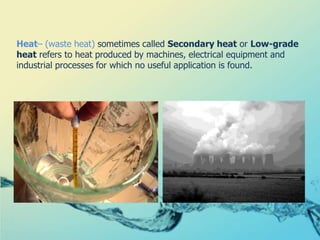
Heat– (waste heat) sometimes called Secondary heat or Low-grade heat refers to heat produced by machines, electrical equipment and industrial processes for which no useful application is found.
Water Quality Management in LakesLimnology– the study of lakesStratification and Turnover– annual changes in water temperature
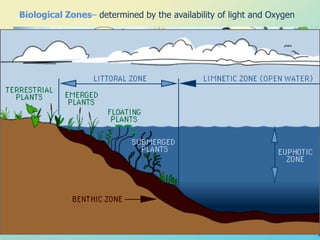
Biological Zones– determined by the availability of light and Oxygen
Lake Productivity– ability to support a food webLow level of productivity, limited supplyof nutrients to support algal growthIntermediateHigh level of productivity, abundant supply of algal nutrients
Senescent lakes– old shallow lakes with thick organic sedimentsand rooted plants in great abundance.
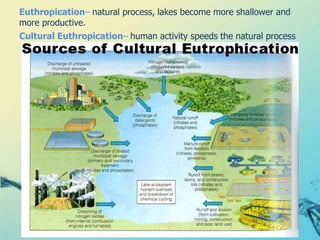
Euthropication– natural process, lakes become more shallower and more productive.Cultural Euthropication– human activity speeds the natural process
Algal Growth Requirement– macronutrients such as:Carbon– dissolved carbon dioxide in waterNitrogen– nitrates from external sourcesPhosporus– also from external sources
Control of Phosphorus
Municipal and Industrial WastewatersSeptic Tank SeepageAgricultural RunoffAcidification of Lakes
Thank You!

Water Quality Management