July 2-4, 2024
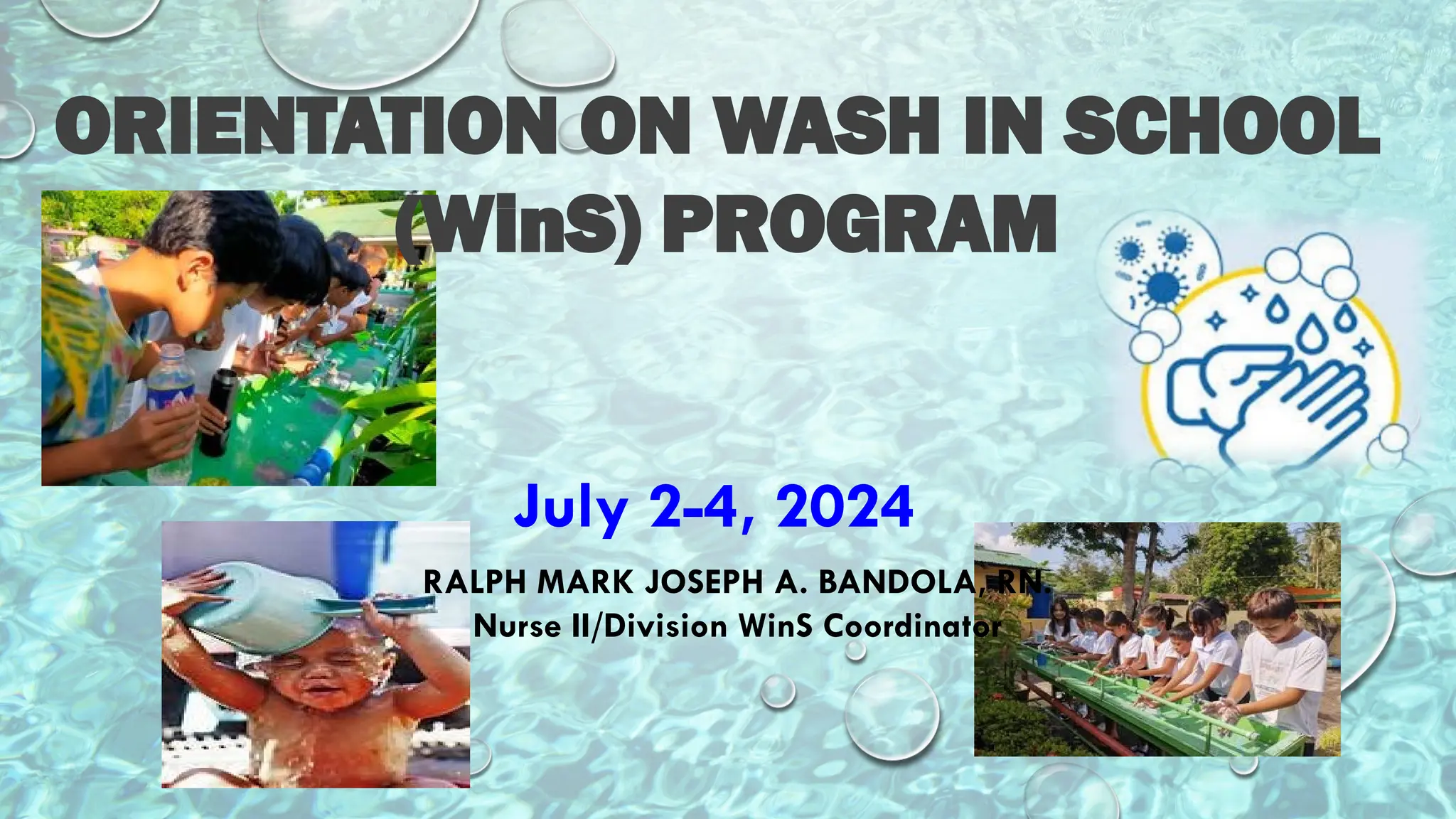
ORIENTATION ON WASH IN SCHOOL
(WinS) PROGRAM
RALPH MARK JOSEPH A. BANDOLA, RN.
Nurse II/Division WinS Coordinator
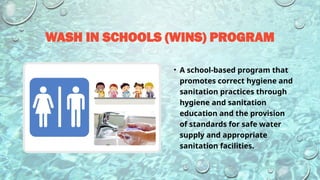
WASH IN SCHOOLS (WINS) PROGRAM
• A school-based program that
promotes correct hygiene and
sanitation practices through
hygiene and sanitation
education and the provision
of standards for safe water
supply and appropriate
sanitation facilities.
DEPARTMENT OF EDUCATION
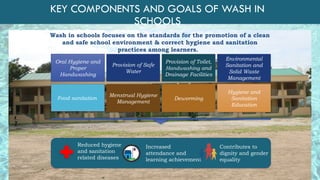
KEY COMPONENTS AND GOALS OF WASH IN
SCHOOLS
3
Oral Hygiene and
Proper
Handwashing
Provision of Safe
Water
Provision of Toilet,
Handwashing and
Drainage Facilities
Environmental
Sanitation and
Solid Waste
Management
Food sanitation
Menstrual Hygiene
Management
Deworming
Hygiene and
Sanitation
Education
Wash in schools focuses on the standards for the promotion of a clean
and safe school environment & correct hygiene and sanitation
practices among learners.
Reduced hygiene
and sanitation
related diseases
Increased
attendance and
learning achievement
Contributes to
dignity and gender
equality
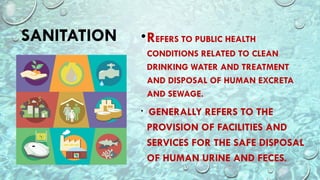
SANITATION •REFERS TO PUBLIC HEALTH
CONDITIONS RELATED TO CLEAN
DRINKING WATER AND TREATMENT
AND DISPOSAL OF HUMAN EXCRETA
AND SEWAGE.
• GENERALLY REFERS TO THE
PROVISION OF FACILITIES AND
SERVICES FOR THE SAFE DISPOSAL
OF HUMAN URINE AND FECES.
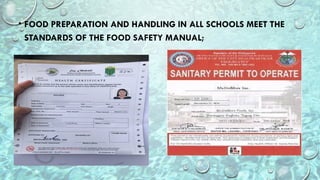
• FOOD PREPARATION AND HANDLING IN ALL SCHOOLS MEET THE
STANDARDS OF THE FOOD SAFETY MANUAL;
HYGIENE
• refers to conditions and practices that help to
maintain health and prevent the spread of
diseases.
• Medical hygiene therefore includes a specific
set of practices associated with this
preservation of health, for example
environmental cleaning, sterilization of
equipment, hand hygiene, water and
sanitation and safe disposal of medical waste.
PERSONAL HYGIENE
• Refers to maintaining cleanliness of one's body and clothing to
preserve overall health and well-being.
• It includes a number of different activities related to the
following general areas of self-care: washing or bathing,
including cleansing oneself after using the toilet; taking proper
care of the mouth; grooming and dressing; and keeping clothing
clean.
HAND HYGIENE
• Means cleaning your hands by either washing them with soap and
water, or by using a hand sanitizing gel.
• Hand hygiene is the number one way to prevent the spread of
germs and to prevent infections.
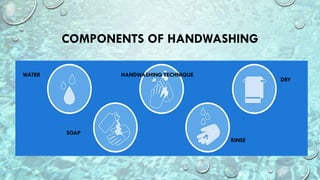
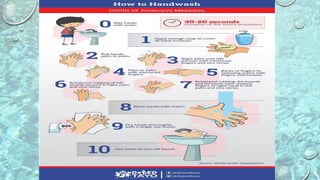
COMPONENTS OF HANDWASHING
WATER
SOAP
HANDWASHING TECHNIQUE
RINSE
DRY
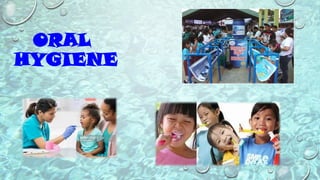
ORAL
HYGIENE
• Is a set of practices and habits that promote and protect
your teeth and gums.
• is the practice of keeping the mouth clean, and is considered to be
the best means of prevention of cavities (dental caries), gingivitis,
periodontitis, and other dental disorders.
• are terms used to describe infection prevention
measures to decrease the transmission of
respiratory illness
• is part of the standard precautions that should be
taken to prevent the spread of disease.
RESPIRATORY HYGIENE
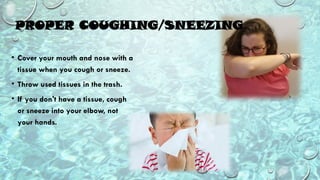
PROPER COUGHING/SNEEZING
• Cover your mouth and nose with a
tissue when you cough or sneeze.
• Throw used tissues in the trash.
• If you don't have a tissue, cough
or sneeze into your elbow, not
your hands.
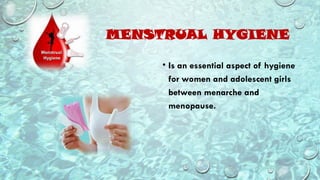
MENSTRUAL HYGIENE
• Is an essential aspect of hygiene
for women and adolescent girls
between menarche and
menopause.
FOOD HYGIENE
• Is a set of food manufacturing practices that aim to minimize
biological food hazards through safe and clean operations to
protect public health from foodborne diseases.
• handling, preparing and storing food in a way that best reduces
the risk of consumers becoming sick from the food-borne disease.
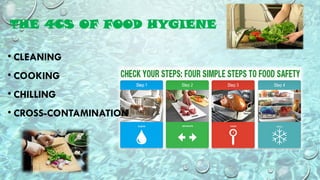
THE 4CS OF FOOD HYGIENE
• CLEANING
• COOKING
• CHILLING
• CROSS-CONTAMINATION
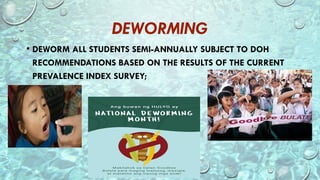
DEWORMING
• DEWORM ALL STUDENTS SEMI-ANNUALLY SUBJECT TO DOH
RECOMMENDATIONS BASED ON THE RESULTS OF THE CURRENT
PREVALENCE INDEX SURVEY;
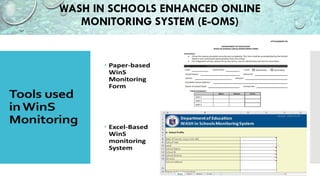
WASH IN SCHOOLS ENHANCED ONLINE
MONITORING SYSTEM (E-OMS)
• C:Users63949Downloadswinsomsform_2022_07_15 (1).xlsx
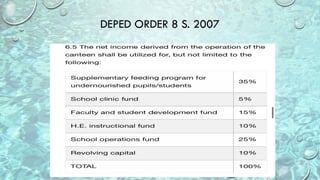
DEPED ORDER 8 S. 2007
REFERENCE:
DEPARTMENT OF HEALTH
WORLD HEALTH ORGANIZATION
UNICEF
DEPED ORDER NO. 10 S.2016
DEPED ORDER NO. 8 S. 2007

Wash in Schools Program (WinS) powerpoint presentation)

  • 1.
    July 2-4, 2024 ORIENTATIONON WASH IN SCHOOL (WinS) PROGRAM RALPH MARK JOSEPH A. BANDOLA, RN. Nurse II/Division WinS Coordinator
  • 2.
    WASH IN SCHOOLS(WINS) PROGRAM • A school-based program that promotes correct hygiene and sanitation practices through hygiene and sanitation education and the provision of standards for safe water supply and appropriate sanitation facilities.
  • 3.
    DEPARTMENT OF EDUCATION KEYCOMPONENTS AND GOALS OF WASH IN SCHOOLS 3 Oral Hygiene and Proper Handwashing Provision of Safe Water Provision of Toilet, Handwashing and Drainage Facilities Environmental Sanitation and Solid Waste Management Food sanitation Menstrual Hygiene Management Deworming Hygiene and Sanitation Education Wash in schools focuses on the standards for the promotion of a clean and safe school environment & correct hygiene and sanitation practices among learners. Reduced hygiene and sanitation related diseases Increased attendance and learning achievement Contributes to dignity and gender equality
  • 4.
    SANITATION •REFERS TOPUBLIC HEALTH CONDITIONS RELATED TO CLEAN DRINKING WATER AND TREATMENT AND DISPOSAL OF HUMAN EXCRETA AND SEWAGE. • GENERALLY REFERS TO THE PROVISION OF FACILITIES AND SERVICES FOR THE SAFE DISPOSAL OF HUMAN URINE AND FECES.
  • 5.
    • FOOD PREPARATIONAND HANDLING IN ALL SCHOOLS MEET THE STANDARDS OF THE FOOD SAFETY MANUAL;
  • 6.
    HYGIENE • refers toconditions and practices that help to maintain health and prevent the spread of diseases. • Medical hygiene therefore includes a specific set of practices associated with this preservation of health, for example environmental cleaning, sterilization of equipment, hand hygiene, water and sanitation and safe disposal of medical waste.
  • 7.
    PERSONAL HYGIENE • Refersto maintaining cleanliness of one's body and clothing to preserve overall health and well-being. • It includes a number of different activities related to the following general areas of self-care: washing or bathing, including cleansing oneself after using the toilet; taking proper care of the mouth; grooming and dressing; and keeping clothing clean.
  • 8.
    HAND HYGIENE • Meanscleaning your hands by either washing them with soap and water, or by using a hand sanitizing gel. • Hand hygiene is the number one way to prevent the spread of germs and to prevent infections.
  • 9.
  • 11.
  • 12.
    • Is aset of practices and habits that promote and protect your teeth and gums. • is the practice of keeping the mouth clean, and is considered to be the best means of prevention of cavities (dental caries), gingivitis, periodontitis, and other dental disorders.
  • 13.
    • are termsused to describe infection prevention measures to decrease the transmission of respiratory illness • is part of the standard precautions that should be taken to prevent the spread of disease. RESPIRATORY HYGIENE
  • 14.
    PROPER COUGHING/SNEEZING • Coveryour mouth and nose with a tissue when you cough or sneeze. • Throw used tissues in the trash. • If you don't have a tissue, cough or sneeze into your elbow, not your hands.
  • 15.
    MENSTRUAL HYGIENE • Isan essential aspect of hygiene for women and adolescent girls between menarche and menopause.
  • 16.
    FOOD HYGIENE • Isa set of food manufacturing practices that aim to minimize biological food hazards through safe and clean operations to protect public health from foodborne diseases. • handling, preparing and storing food in a way that best reduces the risk of consumers becoming sick from the food-borne disease.
  • 17.
    THE 4CS OFFOOD HYGIENE • CLEANING • COOKING • CHILLING • CROSS-CONTAMINATION
  • 18.
    DEWORMING • DEWORM ALLSTUDENTS SEMI-ANNUALLY SUBJECT TO DOH RECOMMENDATIONS BASED ON THE RESULTS OF THE CURRENT PREVALENCE INDEX SURVEY;
  • 19.
    WASH IN SCHOOLSENHANCED ONLINE MONITORING SYSTEM (E-OMS)
  • 20.
  • 21.
  • 22.
    REFERENCE: DEPARTMENT OF HEALTH WORLDHEALTH ORGANIZATION UNICEF DEPED ORDER NO. 10 S.2016 DEPED ORDER NO. 8 S. 2007

Editor's Notes

  • #3  Wash in Schools: Reduces morbidity and mortality among schoolchildren that stem from poor hygiene and sanitation practices and the lack of safe water and sanitation facilities. Promotes positive behaviour change among the young Improves their health, quality of life, and prospects for a productive future Promotes gender equality, and Affirms children’s right to health and education