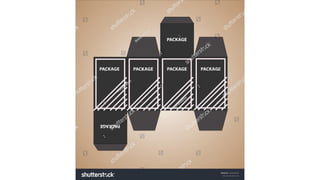
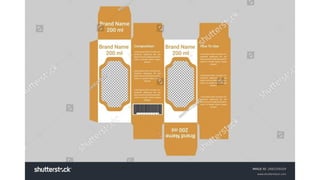
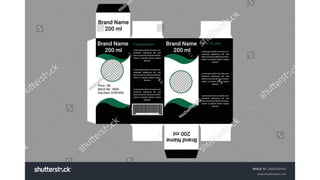
Packaging -VGD
• Visual graphic design in packaging refers to the creative process of designing how a
product looks on the outside.
It includes:
• Layout
• Typography
• Color scheme
• Images and illustrations
• Brand logo
• Material and shape use
• Labeling and information placement
Packaging design is not only about protection—it is a powerful communication tool that
tells customers what the product is, who it is for, and why they should choose it.
Why Packaging Matters in Marketing
• Packaging is often called the “silent salesman.”
• When you place products on a shelf, the packaging communicates even
before a salesperson speaks.
Packaging can:
• catch the customer’s attention
influence how the product is perceived
create brand identity
differentiate from competitors
trigger purchase decisions
build emotional connection
• In many cases, the packaging is the first interaction between the buyer and
the brand.
Key Visual Design Elements That Affect Products
A. Color
• Different colors evoke different emotions.
• Color can signal product category (ex: green = organic, blue =
trustworthy).
• Affects mood and buying behavior.
• Example:
Kids cereals use bright colors to attract children.
Key Visual Design Elements That Affect Products
B. Typography
• The style of the text communicates personality.
• Clean and bold fonts = modern & professional.
• Script fonts = luxury or artistic.
• Poor typography makes the product look cheap or unreliable.
Key Visual Design Elements That Affect Products
C. Imagery & Graphics
• Helps consumers visualize product use.
• Helps show ingredients, benefits, quality.
• Builds trust.
• Example: Juice packaging shows fresh fruits to imply quality and taste.
Key Visual Design Elements That Affect Products
D. Brand Logo
• Creates recognition.
• Signals company reputation.
• Important for loyalty and trust.
• Example: Coca-Cola, Nike, Nestlé — logos are powerful brand triggers.
Key Visual Design Elements That Affect Products
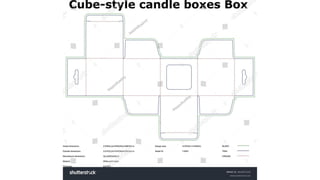
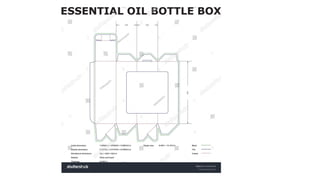
E. Shape and Structure
• Unique shapes attract curiosity.
• Ergonomic packaging improves user experience.
• Premium structure increases perceived value.
• Example: Perfume bottles use artistic shapes to signal luxury.
4. Psychological Effects of Packaging
Packaging affects:
• Perception of Quality
• Expensive-looking package = people assume expensive product.
• Perceived Safety
• Well-sealed, well-labelled packaging increases trust.
• Buyer Emotions
• Cute, nostalgic, inspiring, or elegant designs influence emotion-based
purchases.
• Decision-Making
• Humans judge products by appearance first before reading about them.
Economic Impact of Packaging Design
• Good packaging:
• increases sales
justifies price
builds repeat buyers
increases brand value
• Bad packaging:
• confuses consumers
lowers quality perception
loses shelf presence
decreases sales
How Packaging Supports Branding
A consistent packaging style builds:
• identity
• familiarity
• trust
• storytelling
• This is how brands stay alive in the market.

Visual Graphic Design - Packaging Design

Visual Graphic Design - Packaging Design

  • 2.
    Packaging -VGD • Visualgraphic design in packaging refers to the creative process of designing how a product looks on the outside. It includes: • Layout • Typography • Color scheme • Images and illustrations • Brand logo • Material and shape use • Labeling and information placement Packaging design is not only about protection—it is a powerful communication tool that tells customers what the product is, who it is for, and why they should choose it.
  • 3.
    Why Packaging Mattersin Marketing • Packaging is often called the “silent salesman.” • When you place products on a shelf, the packaging communicates even before a salesperson speaks. Packaging can: • catch the customer’s attention influence how the product is perceived create brand identity differentiate from competitors trigger purchase decisions build emotional connection • In many cases, the packaging is the first interaction between the buyer and the brand.
  • 4.
    Key Visual DesignElements That Affect Products A. Color • Different colors evoke different emotions. • Color can signal product category (ex: green = organic, blue = trustworthy). • Affects mood and buying behavior. • Example: Kids cereals use bright colors to attract children.
  • 5.
    Key Visual DesignElements That Affect Products B. Typography • The style of the text communicates personality. • Clean and bold fonts = modern & professional. • Script fonts = luxury or artistic. • Poor typography makes the product look cheap or unreliable.
  • 6.
    Key Visual DesignElements That Affect Products C. Imagery & Graphics • Helps consumers visualize product use. • Helps show ingredients, benefits, quality. • Builds trust. • Example: Juice packaging shows fresh fruits to imply quality and taste.
  • 7.
    Key Visual DesignElements That Affect Products D. Brand Logo • Creates recognition. • Signals company reputation. • Important for loyalty and trust. • Example: Coca-Cola, Nike, Nestlé — logos are powerful brand triggers.
  • 8.
    Key Visual DesignElements That Affect Products E. Shape and Structure • Unique shapes attract curiosity. • Ergonomic packaging improves user experience. • Premium structure increases perceived value. • Example: Perfume bottles use artistic shapes to signal luxury.
  • 9.
    4. Psychological Effectsof Packaging Packaging affects: • Perception of Quality • Expensive-looking package = people assume expensive product. • Perceived Safety • Well-sealed, well-labelled packaging increases trust. • Buyer Emotions • Cute, nostalgic, inspiring, or elegant designs influence emotion-based purchases. • Decision-Making • Humans judge products by appearance first before reading about them.
  • 10.
    Economic Impact ofPackaging Design • Good packaging: • increases sales justifies price builds repeat buyers increases brand value • Bad packaging: • confuses consumers lowers quality perception loses shelf presence decreases sales
  • 11.
    How Packaging SupportsBranding A consistent packaging style builds: • identity • familiarity • trust • storytelling • This is how brands stay alive in the market.