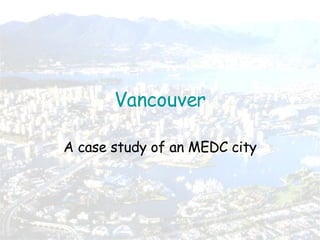
Vancouver A case study of an MEDC city
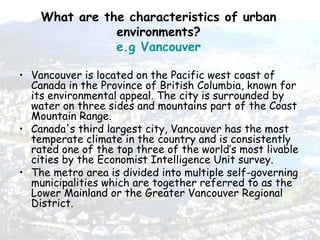
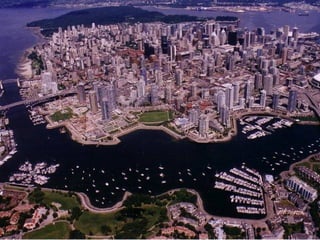
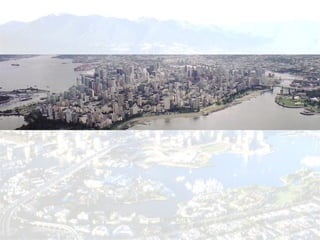
What are the characteristics of urban environments? e.g  Vancouver Vancouver is located on the Pacific west coast of Canada in the Province of British Columbia, known for its environmental appeal. The city is surrounded by water on three sides and mountains part of the Coast Mountain Range.  Canada's third largest city, Vancouver has the most temperate climate in the country and is consistently rated one of the top three of the world’s most livable cities by the Economist Intelligence Unit survey.  The metro area is divided into multiple self-governing municipalities which are together referred to as the Lower Mainland or the Greater Vancouver Regional District.


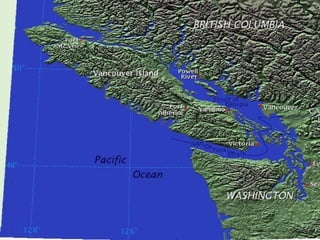
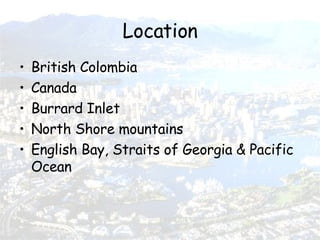
Location British Colombia Canada Burrard Inlet North Shore mountains English Bay, Straits of Georgia & Pacific Ocean
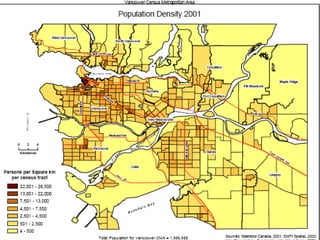
Population Greater Vancouver Population:  2,132,824 Vancouver City Population:  583,296 Cultural Make-up:  Vancouver is a widely multicultural society. The aboriginal Coast Salish people were the first to settle in the region and live here today. In the late 1800s the city saw major migration from Europe, China and Africa. Today more than 45% of Vancouver residents are immigrants, with the majority coming from Asian countries.
 
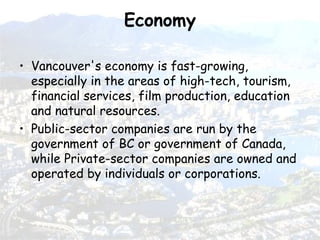
Economy Vancouver's economy is fast-growing, especially in the areas of high-tech, tourism, financial services, film production, education and natural resources.   Public-sector companies are run by the government of BC or government of Canada, while Private-sector companies are owned and operated by individuals or corporations. 
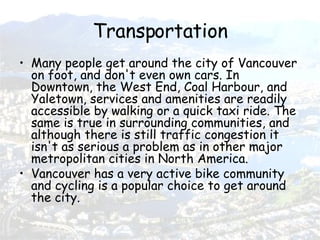
Transportation Many people get around the city of Vancouver on foot, and don't even own cars. In Downtown, the West End, Coal Harbour, and Yaletown, services and amenities are readily accessible by walking or a quick taxi ride. The same is true in surrounding communities, and although there is still traffic congestion it isn't as serious a problem as in other major metropolitan cities in North America. Vancouver has a very active bike community and cycling is a popular choice to get around the city.
History 1 st residents were Asian hunters & berry gatherers around 6000bc Hoei- Shin in AD 499 was probably 1 st  to arrive by sea (Chinese Buddhist priest) 13 th  June 1792 Captain George Vancouver entered the body of water he named Burrard’s Channel (now Vancouver harbour) 1846 US & Britain signed a treaty placing BC in Canada 1858 The British colony of British Colombia was created, following the discovery of gold on the Fraser River 1862 The McCleary family became the first settlers in Vancouver 20 th  July 1871 BC joins the confederation of Canada 23 rd May 1887 the first Canadian Pacific Railway passenger train reaches Vancouver
…continued 1902 Vancouver’s population = 30,000 1908 The university of BC is founded (pop. Today =30,000) 1 st  January 1929 pop = 240,000 with the amalgamation of two municipalities 22 nd  June 1931 Vancouver Airport & seaplane harbour opened 1965 Simon Fraser University opens 1986 Expo 86 attracts 21 million visitors 1996 New terminal opens at Vancouver airport 2010 Vancouver to host the Winter Olympics
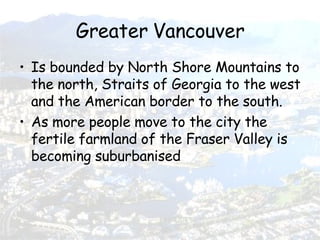
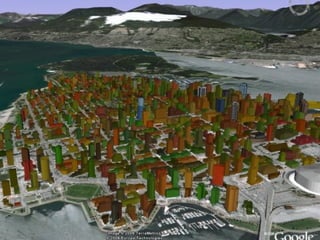
Greater Vancouver Is bounded by North Shore Mountains to the north, Straits of Georgia to the west and the American border to the south. As more people move to the city the fertile farmland of the Fraser Valley is becoming suburbanised
 
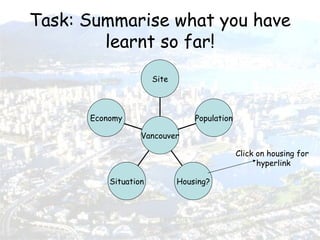
Task: Summarise what you have learnt so far! Click on housing for  hyperlink Economy Situation Housing? Population Site Vancouver

Vancouver Introduction

  • 1.
    Vancouver A casestudy of an MEDC city
  • 2.
    What are thecharacteristics of urban environments? e.g Vancouver Vancouver is located on the Pacific west coast of Canada in the Province of British Columbia, known for its environmental appeal. The city is surrounded by water on three sides and mountains part of the Coast Mountain Range. Canada's third largest city, Vancouver has the most temperate climate in the country and is consistently rated one of the top three of the world’s most livable cities by the Economist Intelligence Unit survey. The metro area is divided into multiple self-governing municipalities which are together referred to as the Lower Mainland or the Greater Vancouver Regional District.
  • 3.
  • 4.
  • 5.
  • 6.
    Location British ColombiaCanada Burrard Inlet North Shore mountains English Bay, Straits of Georgia & Pacific Ocean
  • 7.
    Population Greater VancouverPopulation: 2,132,824 Vancouver City Population: 583,296 Cultural Make-up: Vancouver is a widely multicultural society. The aboriginal Coast Salish people were the first to settle in the region and live here today. In the late 1800s the city saw major migration from Europe, China and Africa. Today more than 45% of Vancouver residents are immigrants, with the majority coming from Asian countries.
  • 8.
  • 9.
    Economy Vancouver's economyis fast-growing, especially in the areas of high-tech, tourism, financial services, film production, education and natural resources.  Public-sector companies are run by the government of BC or government of Canada, while Private-sector companies are owned and operated by individuals or corporations. 
  • 10.
    Transportation Many peopleget around the city of Vancouver on foot, and don't even own cars. In Downtown, the West End, Coal Harbour, and Yaletown, services and amenities are readily accessible by walking or a quick taxi ride. The same is true in surrounding communities, and although there is still traffic congestion it isn't as serious a problem as in other major metropolitan cities in North America. Vancouver has a very active bike community and cycling is a popular choice to get around the city.
  • 11.
    History 1 stresidents were Asian hunters & berry gatherers around 6000bc Hoei- Shin in AD 499 was probably 1 st to arrive by sea (Chinese Buddhist priest) 13 th June 1792 Captain George Vancouver entered the body of water he named Burrard’s Channel (now Vancouver harbour) 1846 US & Britain signed a treaty placing BC in Canada 1858 The British colony of British Colombia was created, following the discovery of gold on the Fraser River 1862 The McCleary family became the first settlers in Vancouver 20 th July 1871 BC joins the confederation of Canada 23 rd May 1887 the first Canadian Pacific Railway passenger train reaches Vancouver
  • 12.
    …continued 1902 Vancouver’spopulation = 30,000 1908 The university of BC is founded (pop. Today =30,000) 1 st January 1929 pop = 240,000 with the amalgamation of two municipalities 22 nd June 1931 Vancouver Airport & seaplane harbour opened 1965 Simon Fraser University opens 1986 Expo 86 attracts 21 million visitors 1996 New terminal opens at Vancouver airport 2010 Vancouver to host the Winter Olympics
  • 13.
    Greater Vancouver Isbounded by North Shore Mountains to the north, Straits of Georgia to the west and the American border to the south. As more people move to the city the fertile farmland of the Fraser Valley is becoming suburbanised
  • 14.
  • 15.
    Task: Summarise whatyou have learnt so far! Click on housing for hyperlink Economy Situation Housing? Population Site Vancouver