Using AWS, Eucalyptus
   and Chef for the
 Optimal Hybrid Cloud

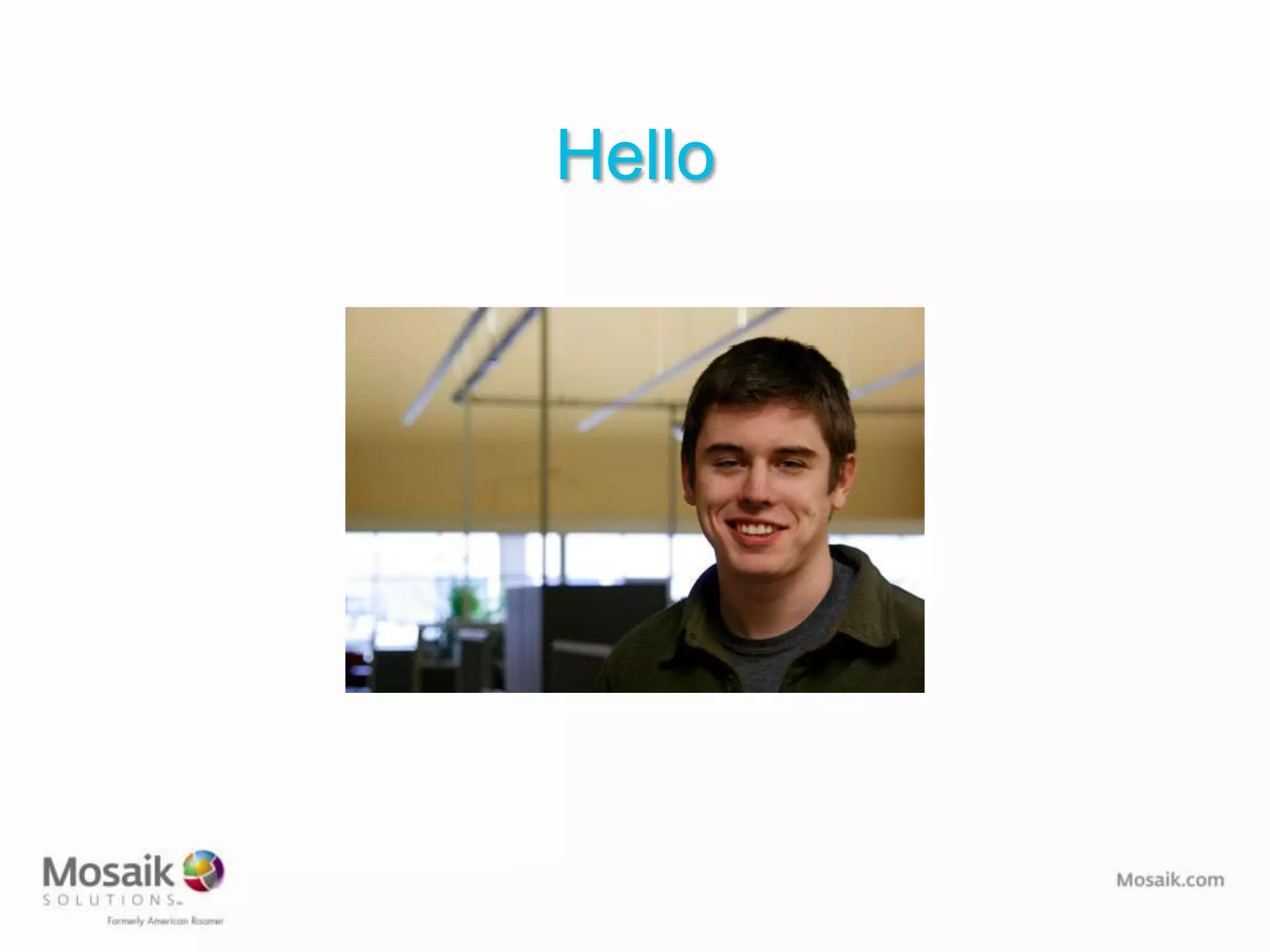
 Daniel Bozeman, Software Engineer
Hello
My Background
•   Software Development
•   Traditional Systems Administration and datacenter design
•   AWS
•   DevOps / Infrastructure Engineering

• My opinions are my own and do not necessarily represent
  those of my employer, Mosaik Solutions
About Mosaik
• Founded in 1988, creating roaming guides
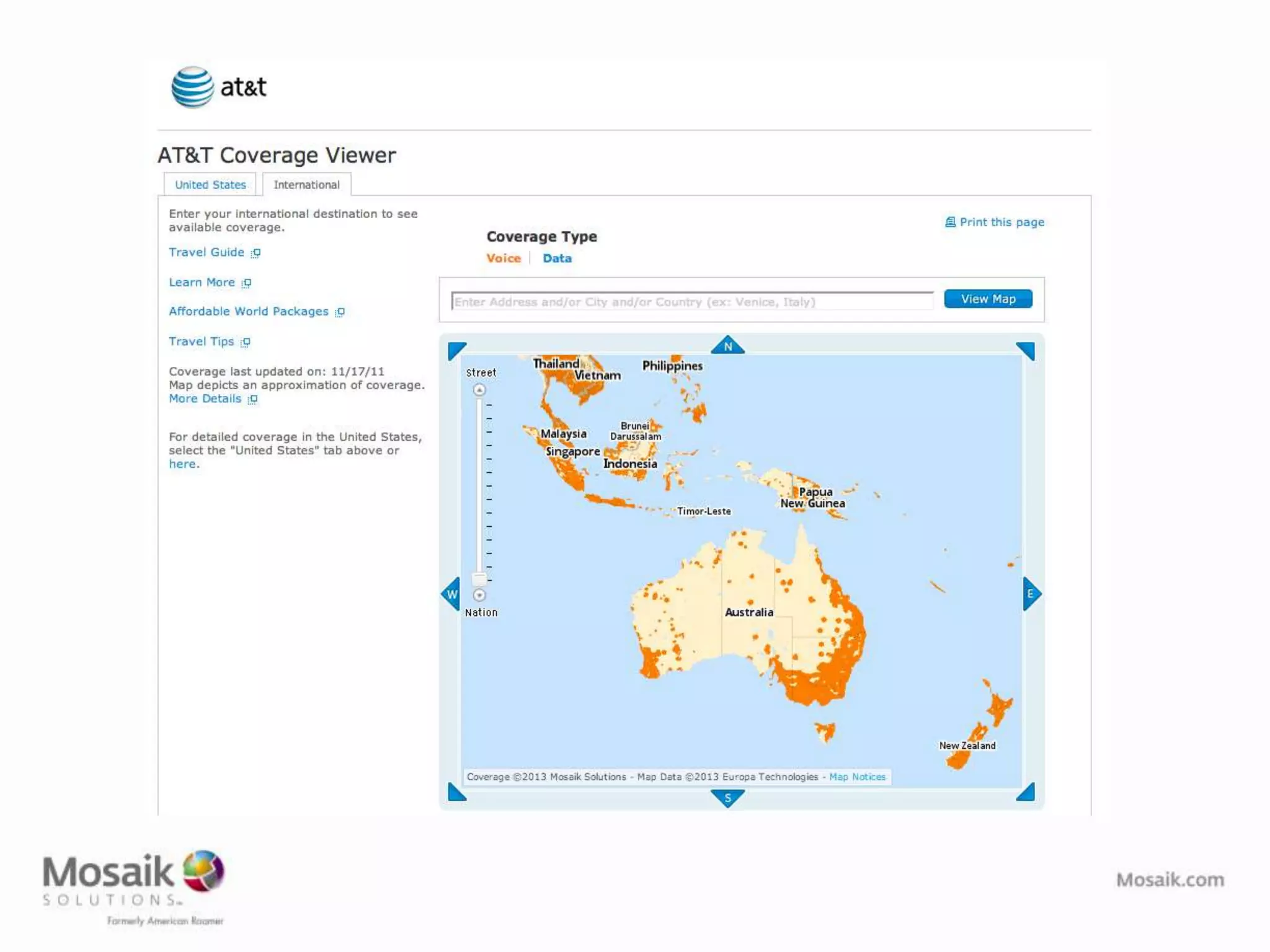
• Transitioned into making “coverage map” art assets for carrier
  retail locations and television
• Launched our first wireless industry intelligence web SaaS
  application, WiSARD, in 1999
• We’ve built highly skilled GIS, Research, Creative, and
  Development teams
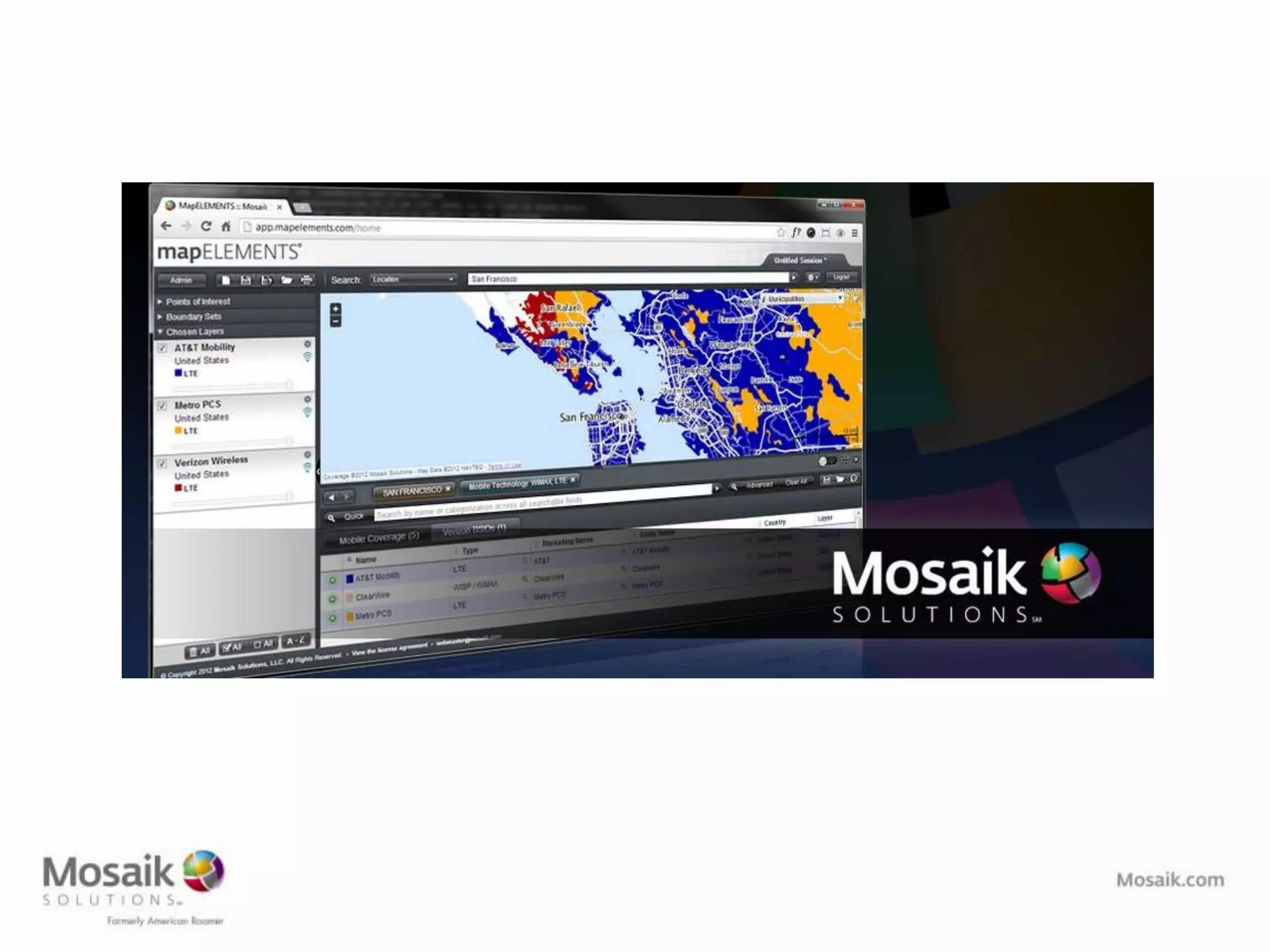
• Launched MapELEMENTS in 2011, putting powerful GIS tools
  into the hands of decision makers through the web browser
• Clients include Fortune 100 companies, Federal agencies, and
  regional and international mobile operators
On with the show!
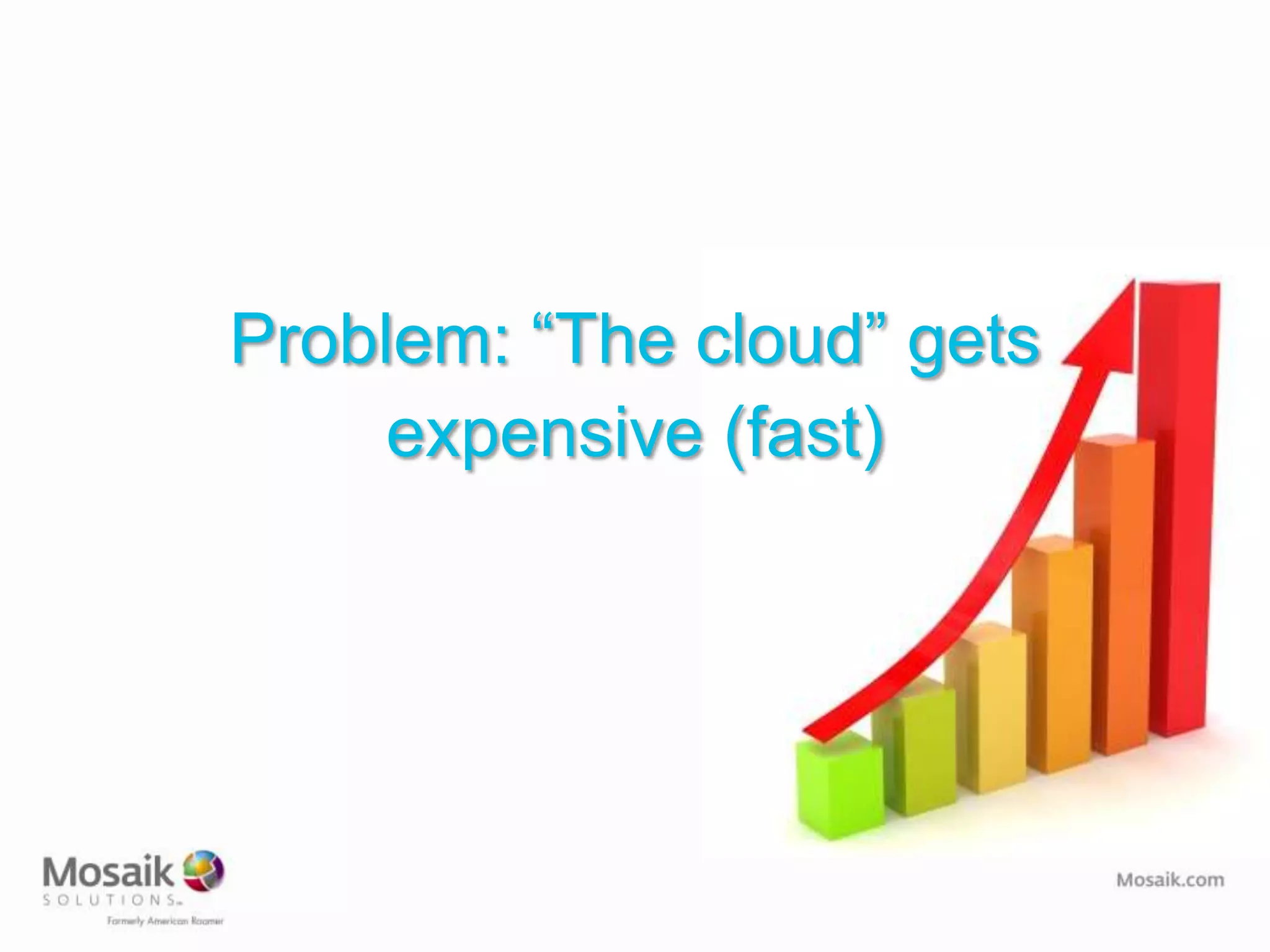
Problem: “The cloud” gets
     expensive (fast)
“The cloud” gets expensive (fast)
Requirements
We need to run an application in the cloud. It costs $5,000
per month. We also need a replica of the application stack to
stage new releases for in-house and customer testing. We
also need a replica of the application stack for development.

Problem
We just tripled the cost of our application!

Solution
Run your non-production stacks in-house on commodity
hardware.
Problem: Developers are Rock
           Stars
Developers are Rock Stars
Requirements
Developer autonomy can often lead to new products,
increases in efficiency, and overall developer happiness.

Problem
Despite having your best interests in mind, one of your
developers accidentally left five very expensive test servers
running for two weeks.

Solution
Give your developers a sandbox that minimizes your
organizations operational expenditures.
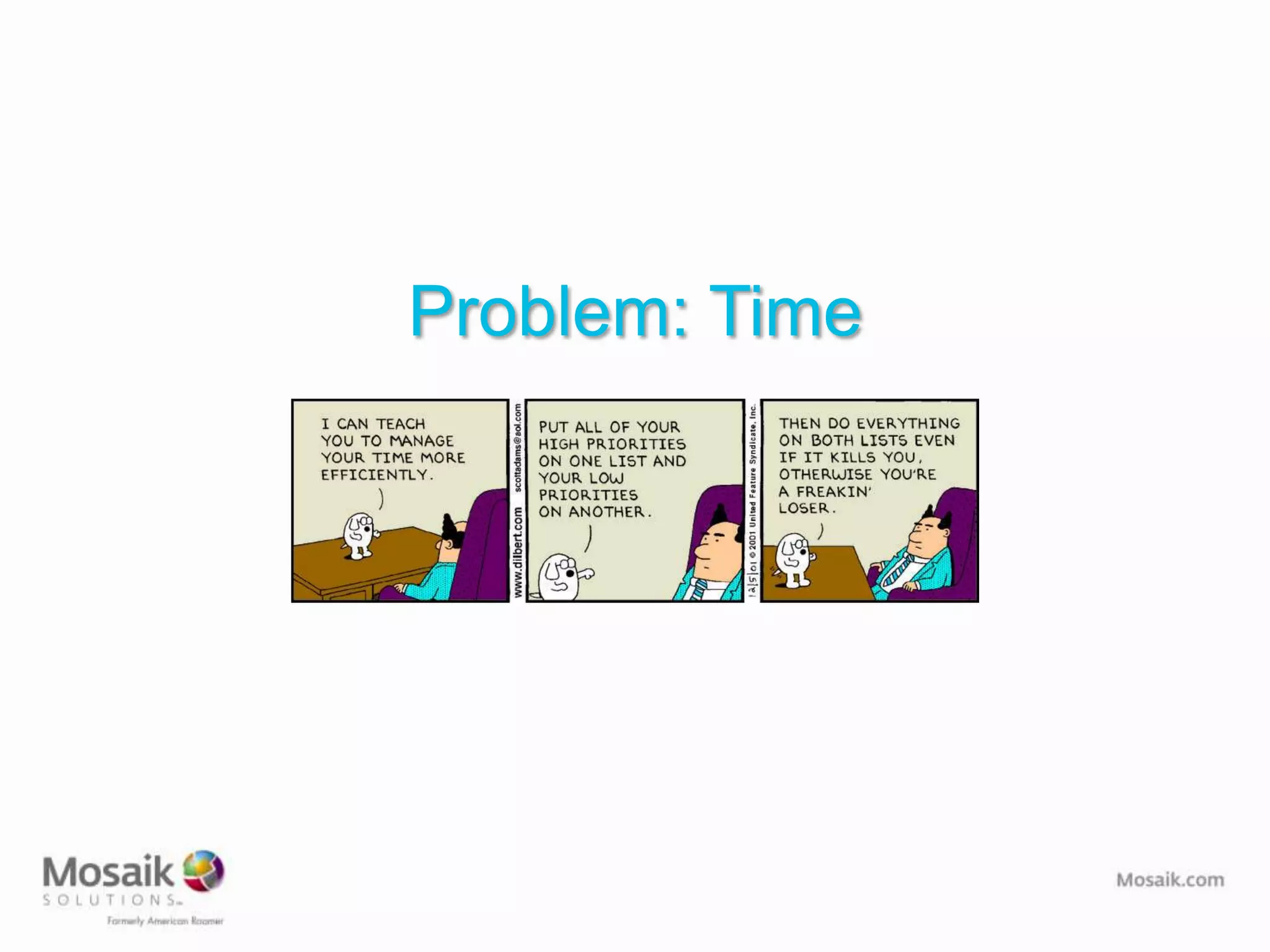
Problem: Time
Time
Developer:
“Hi sysadmin! I hope all is well with you today! Um, yeah, I
need a server with 4 cores and 16GB of memory, networking,
DNS, accounts for my entire team with public keys uploaded,
and the list of software packages listed below installed and
patched. It also needs to ship logging information to our log
collector cluster. I need five of them. I need them for a
customer demo in 30 minutes, so if you could get those
together in the next 10, that’d be great. Mkaay?”
Time
Systems Administrator:
“Sure, no problem! I just need to go show the sales team
how to restart their Outlook client and I’ll get right on that.
Oh, and I need to write a script to sanitize some of the data
in our CRM for marketing’s latest e-mail campaign. Uh oh, I
smell burning electronics. Also, even if I did know what you
were talking about, this is gonna take me 12 hours.”
Time
Solution:
Provide your developers with a self-serve cloud
infrastructure. Sometimes developers need to deploy in-
house tooling to keep the software closer to a big dataset or
for security purposes. Empowering your developers to use
the same provisioning and infrastructure engineering tools
they utilize in the public cloud on-site will give your team a
serious efficiency edge.
But is a private cloud for me?
Money Money Money Money
• Time to put those Excel skills to use
• Get an idea of your overall cloud spending
• Don’t forget to investigate EC2 reserved instances, etc. as part
  of your overall cloud savings plan
• Can any of my workloads by brought on-site?
• What are my capital expenditures going to be if I implement a
  private cloud?
• What is the cost in man-hours of implementing my private cloud?
• Why haven’t you made a pretty graph yet of projected potential
  savings over the next 36 months?
• Will you save enough money year over year for an additional
  hire?
• Yes? What are you waiting for!?
Back to Time
• If you’re heavily entrenched in a large-scale public cloud
  deployment, hopefully your team has implemented (or is in the
  progress of implementing) some infrastructure management and
  server provisioning tooling using Chef or Puppet.

• Pick a private cloud provider that best “synergizes” with your
  public cloud in order to minimize or eliminate re-tooling of your
  DevOps codebase and processes.

• Not only will this provide you with additional man-hour savings
  with your initial cloud deployment, but will allow you to migrate
  stateless services between the public and private cloud with little
  to no re-tooling. Some call this a “hybrid cloud”
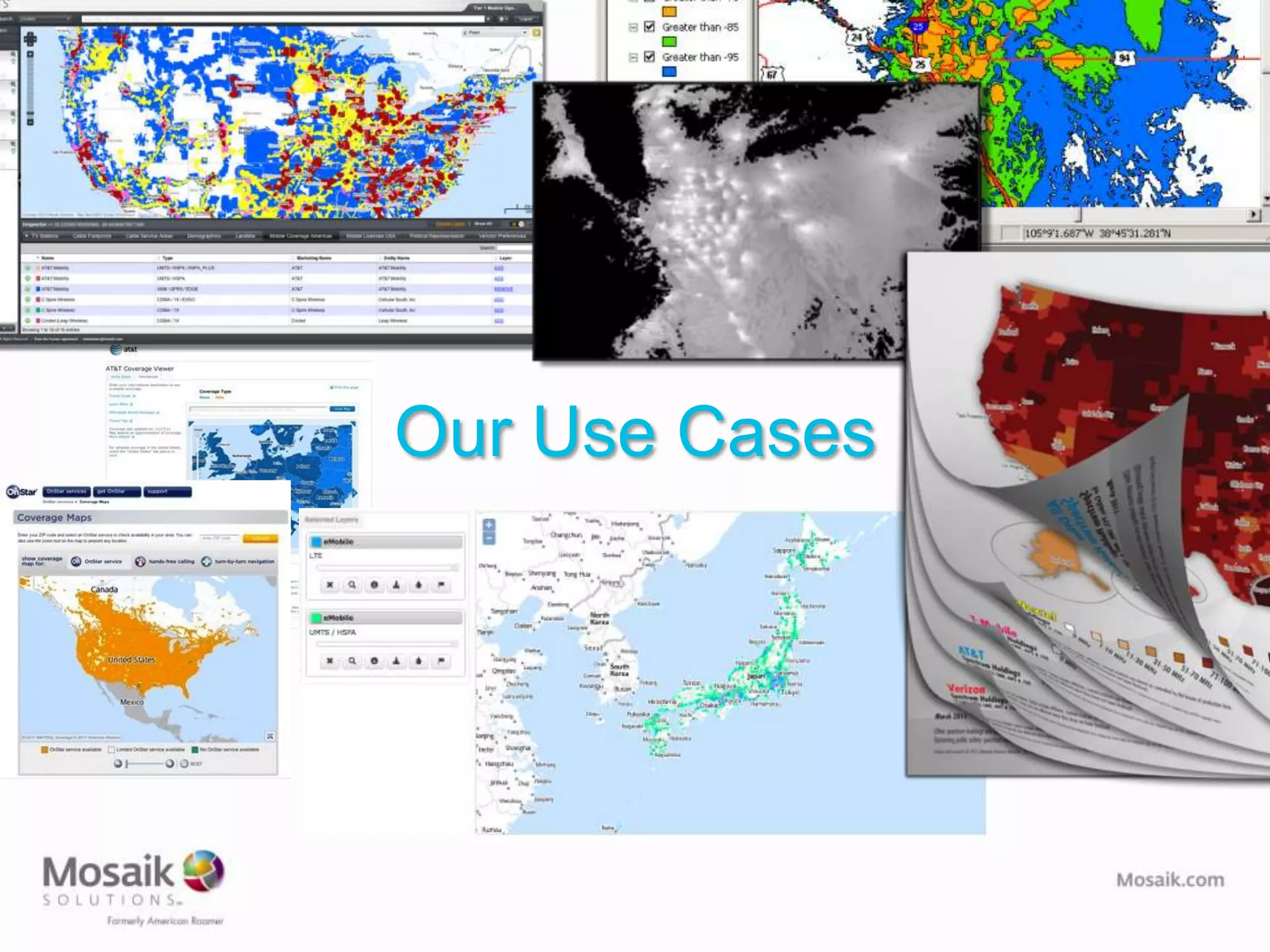
Our Use Cases
Development and Staging
• We host a full development and staging stack of our
  MapELEMENTS cloud-based GIS software solution on-site.
• We can play with new technologies and experiment on new Chef
  cookbooks without having to spin up public cloud instances.
• Anything developed, improved or updated on-site can easily be
  pushed into production in the public cloud thanks to Chef
  managing our servers and watching our software repositories for
  new commits to “production” branches.
• All internal tooling is now developed on and deployed to our
  internal infrastructure with Chef and Eucalyptus.
Another Problem: Solving
Complex Geospatial Problems
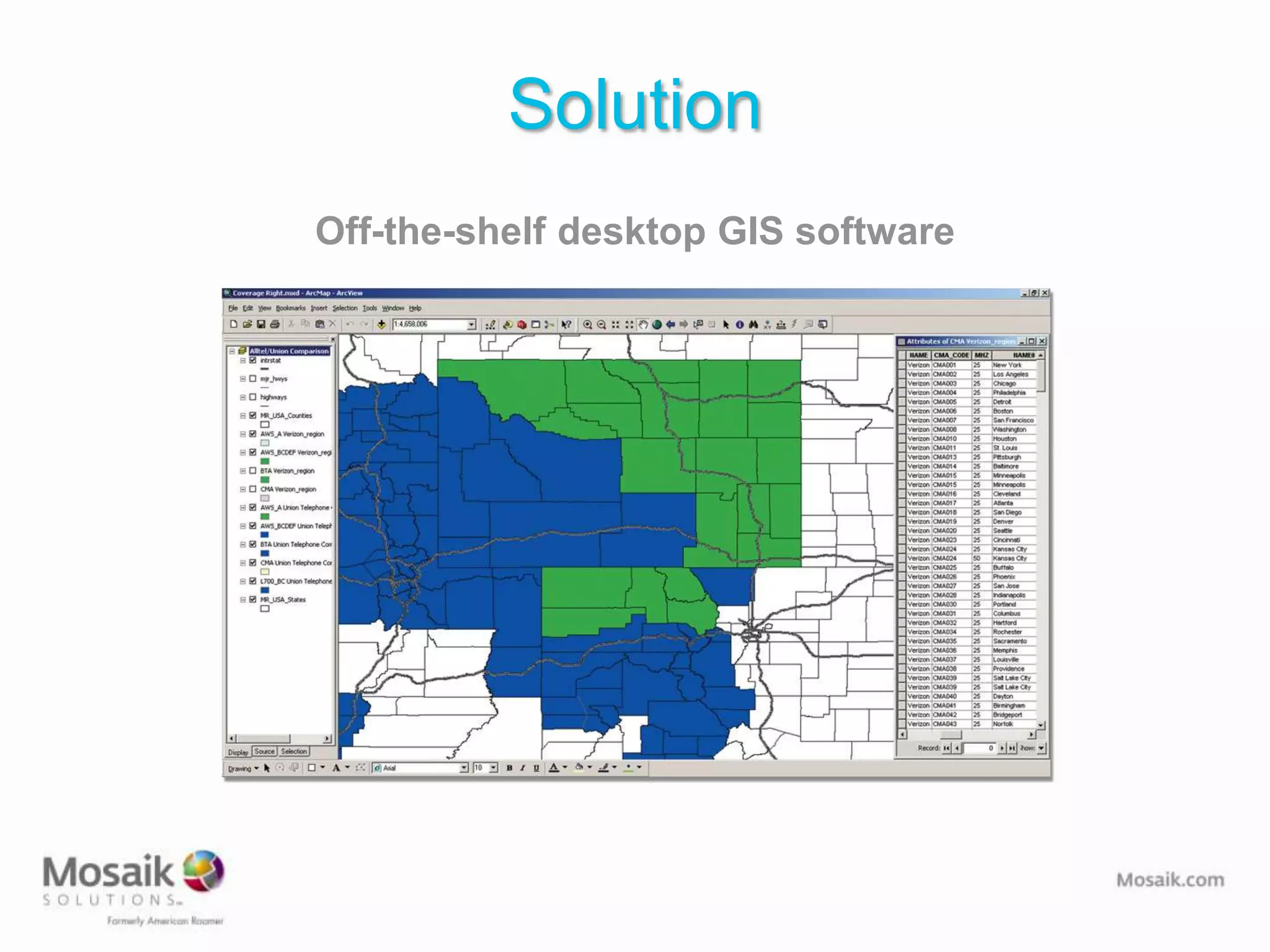
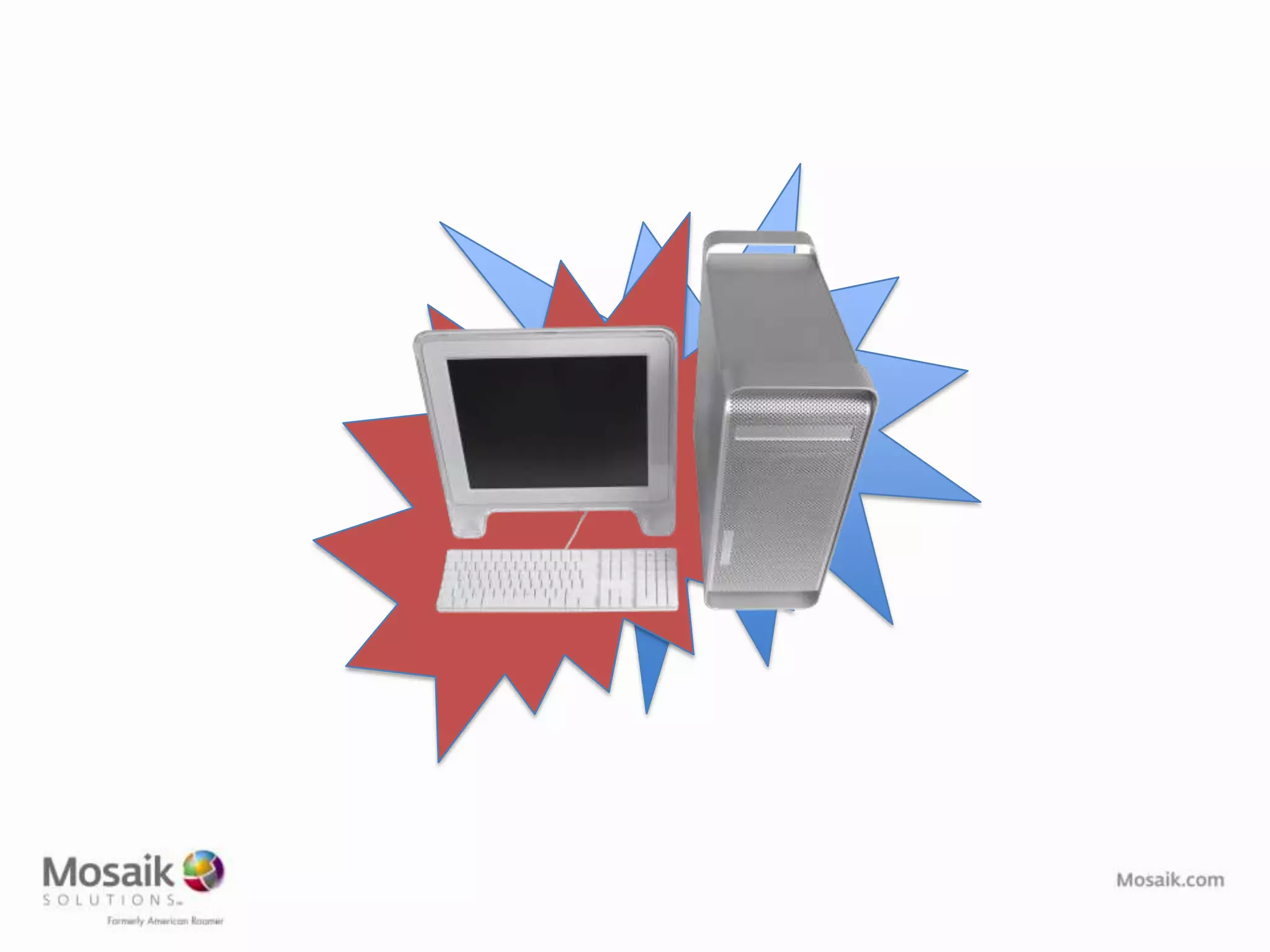
Solution
Off-the-shelf desktop GIS software
That was easy!
Yet Another Problem: Solving Extremely
  Complex Geospatial Problems Very
               Quickly
Distributed Geoprocessor
• Break the problem up into small chunks
• Fire up “worker” instances with Chef in Eucalyptus
• Workers ask a “master instance” for the next task in a work
  queue
• Workers complete their jobs and ask for a new task
• This process continues until the work queue is empty
• The job is done!
• This scales linearly. Should we need the job to complete faster to
  meet a client deadline, we can simply fire up more worker
  instances in Eucalyptus.
• Should we exceed our on-site resources, we can continue to fire
  up more worker instances in EC2.
Any Chef insights?
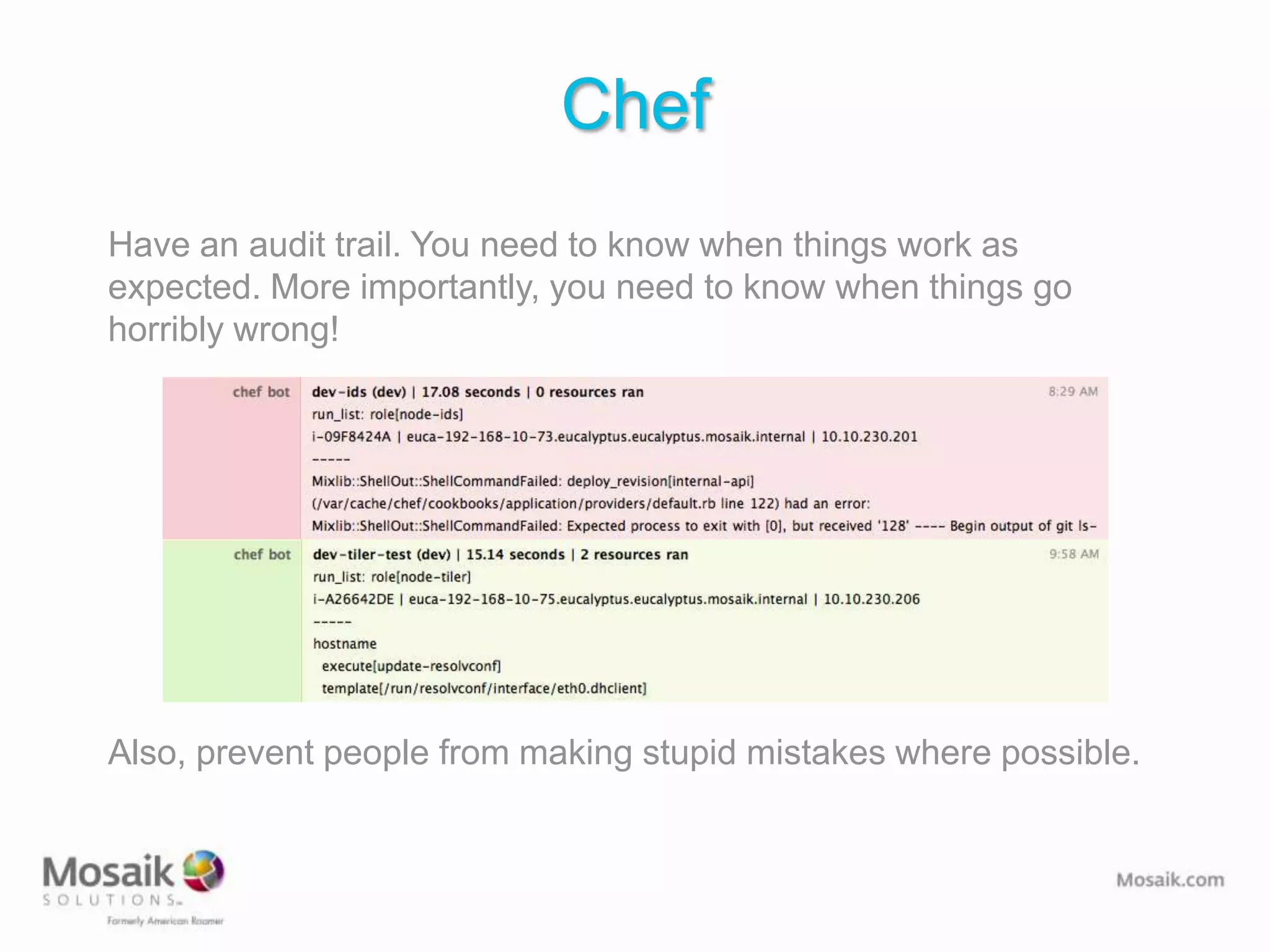
Chef
Have an audit trail. You need to know when things work as
expected. More importantly, you need to know when things go
horribly wrong!


Also, prevent people from making stupid mistakes where possible.
How you do that?
Chef
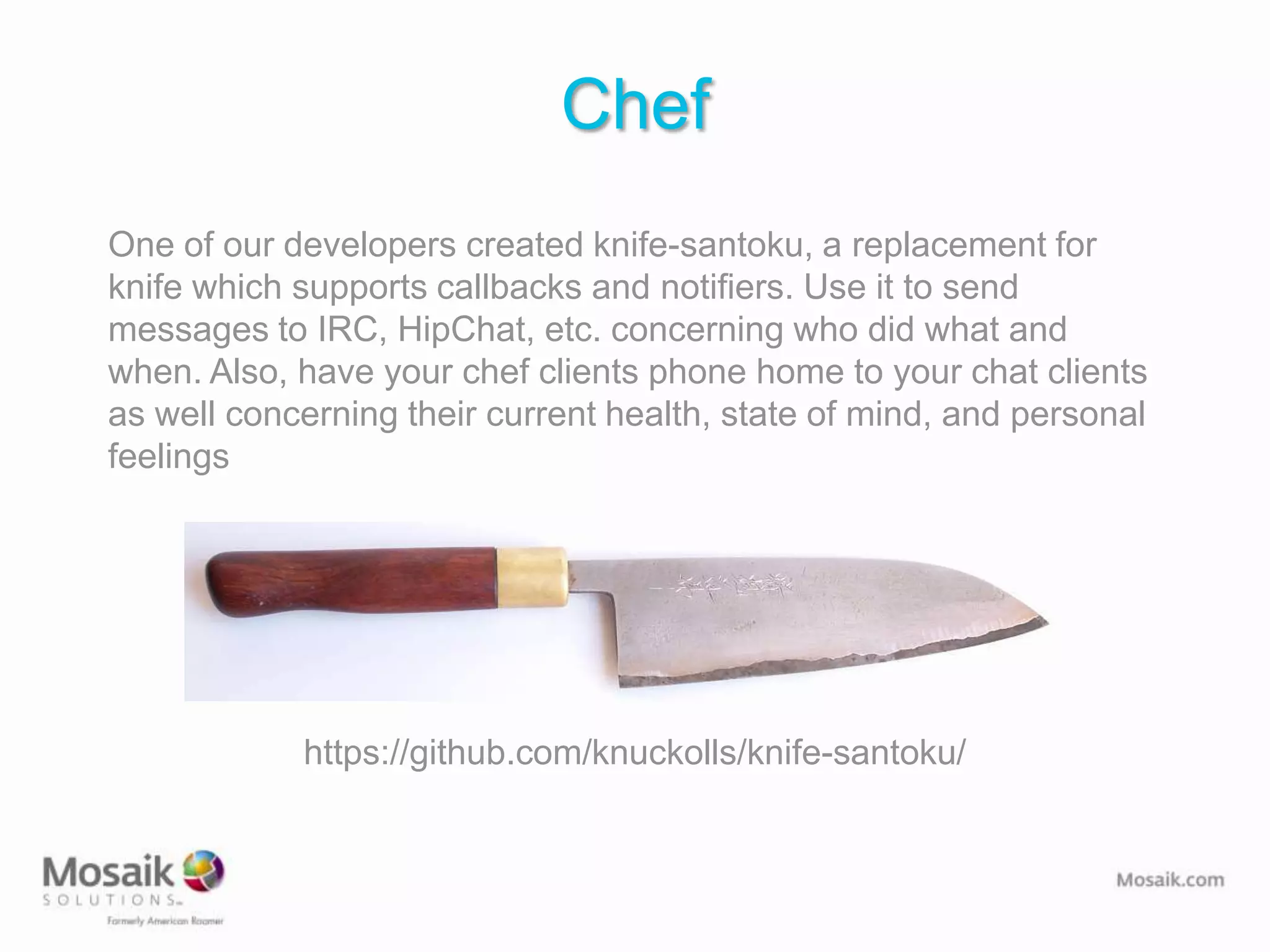
One of our developers created knife-santoku, a replacement for
knife which supports callbacks and notifiers. Use it to send
messages to IRC, HipChat, etc. concerning who did what and
when. Also, have your chef clients phone home to your chat clients
as well concerning their current health, state of mind, and personal
feelings


            https://github.com/knuckolls/knife-santoku/
I’ll share a link to these slides on my Twitter:
                     @dboze
Supporting Private and
                       Hybrid Cloud Infrastructure


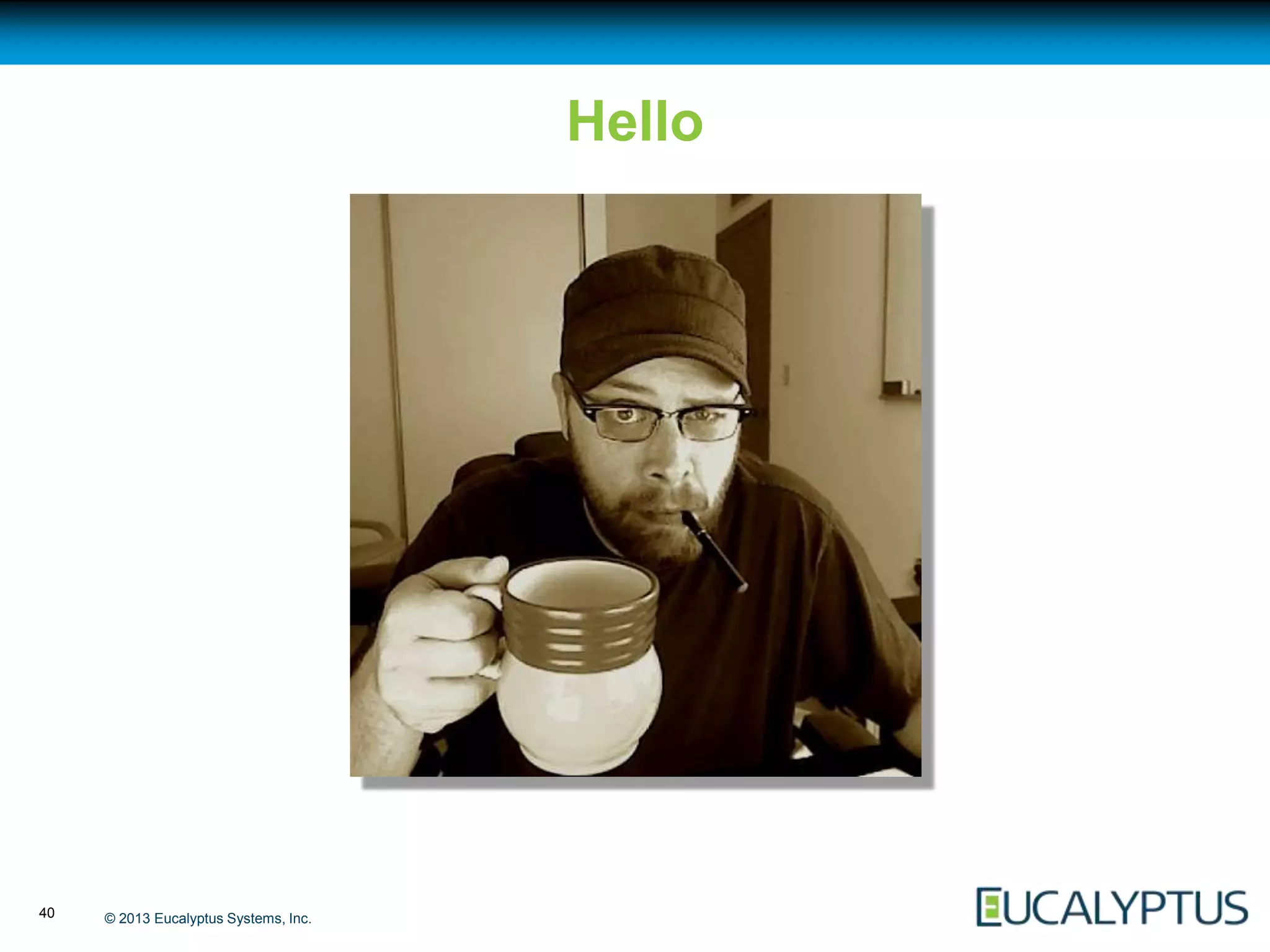
                                  David Federlein
                                  Customer Success Team


© 2013 Eucalyptus Systems, Inc.
Hello


40   © 2013 Eucalyptus Systems, Inc.
Cloud vs. Traditional Enterprise

                   • Bottom Up vs. Top Down


                   • “It's just an extension of virtualized infrastructure.”


                   • Silo'ed Teams vs. Collaborative DEVOPS


41   © 2013 Eucalyptus Systems, Inc.
Changes In Measurements of Success

       • Useful Deployments vs. Simple Milestone Goals


       • Engagement of Cross-functional Teams


       • Not All Metrics are the Same Weight When Measuring Success


42   © 2012 Eucalyptus Systems, Inc.
Support vs. Customer Success

                        • Metrics vs. Goal-oriented Success


                        • Cross-team Documentation and Communication


                        • “Knowing is half the battle.” (Go Joe!)

                                 • Documentation of Infrastructure
                                 • Documentation of Use Case


43   © 2013 Eucalyptus Systems, Inc.
“So, what's your point, man?”

                   • Seamless support from on-boarding to end of life of
                     platform built.


                   • Documentation is the key to reducing remedial
                     engagement times regardless of communication method.


                   • Traditional sales/support model is inferior to cross-
                     functional and success-oriented collaborative work.


44   © 2013 Eucalyptus Systems, Inc.
Questions?


45   © 2013 Eucalyptus Systems, Inc.
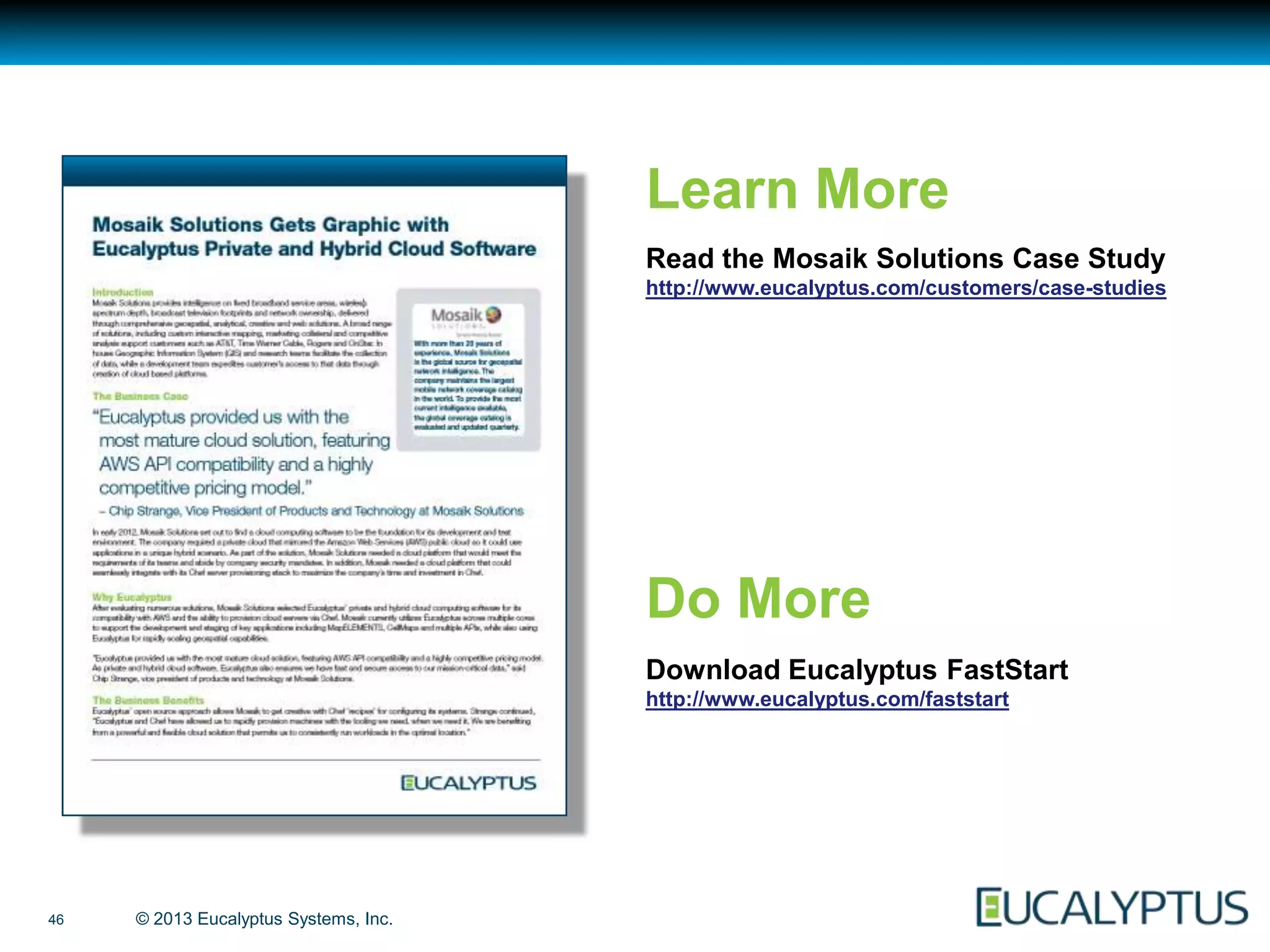
Learn More
                                       Read the Mosaik Solutions Case Study
                                       http://www.eucalyptus.com/customers/case-studies


                                       Do More
                                       Download Eucalyptus FastStart
                                       http://www.eucalyptus.com/faststart


46   © 2013 Eucalyptus Systems, Inc.
Thank you.

                                       David Federlein
                                  http://engage.eucalyptus.com


© 2012 Eucalyptus Systems, Inc.
Using AWS, Eucalyptus and Chef for the Optimal Hybrid Cloud

Using AWS, Eucalyptus and Chef for the Optimal Hybrid Cloud

  • 2.
    Using AWS, Eucalyptus and Chef for the Optimal Hybrid Cloud Daniel Bozeman, Software Engineer
  • 3.
  • 4.
    My Background • Software Development • Traditional Systems Administration and datacenter design • AWS • DevOps / Infrastructure Engineering • My opinions are my own and do not necessarily represent those of my employer, Mosaik Solutions
  • 5.
    About Mosaik • Foundedin 1988, creating roaming guides • Transitioned into making “coverage map” art assets for carrier retail locations and television • Launched our first wireless industry intelligence web SaaS application, WiSARD, in 1999 • We’ve built highly skilled GIS, Research, Creative, and Development teams • Launched MapELEMENTS in 2011, putting powerful GIS tools into the hands of decision makers through the web browser • Clients include Fortune 100 companies, Federal agencies, and regional and international mobile operators
  • 8.
  • 10.
    Problem: “The cloud”gets expensive (fast)
  • 11.
    “The cloud” getsexpensive (fast) Requirements We need to run an application in the cloud. It costs $5,000 per month. We also need a replica of the application stack to stage new releases for in-house and customer testing. We also need a replica of the application stack for development. Problem We just tripled the cost of our application! Solution Run your non-production stacks in-house on commodity hardware.
  • 12.
  • 14.
    Developers are RockStars Requirements Developer autonomy can often lead to new products, increases in efficiency, and overall developer happiness. Problem Despite having your best interests in mind, one of your developers accidentally left five very expensive test servers running for two weeks. Solution Give your developers a sandbox that minimizes your organizations operational expenditures.
  • 15.
  • 16.
    Time Developer: “Hi sysadmin! Ihope all is well with you today! Um, yeah, I need a server with 4 cores and 16GB of memory, networking, DNS, accounts for my entire team with public keys uploaded, and the list of software packages listed below installed and patched. It also needs to ship logging information to our log collector cluster. I need five of them. I need them for a customer demo in 30 minutes, so if you could get those together in the next 10, that’d be great. Mkaay?”
  • 17.
    Time Systems Administrator: “Sure, noproblem! I just need to go show the sales team how to restart their Outlook client and I’ll get right on that. Oh, and I need to write a script to sanitize some of the data in our CRM for marketing’s latest e-mail campaign. Uh oh, I smell burning electronics. Also, even if I did know what you were talking about, this is gonna take me 12 hours.”
  • 18.
    Time Solution: Provide your developerswith a self-serve cloud infrastructure. Sometimes developers need to deploy in- house tooling to keep the software closer to a big dataset or for security purposes. Empowering your developers to use the same provisioning and infrastructure engineering tools they utilize in the public cloud on-site will give your team a serious efficiency edge.
  • 19.
    But is aprivate cloud for me?
  • 20.
    Money Money MoneyMoney • Time to put those Excel skills to use • Get an idea of your overall cloud spending • Don’t forget to investigate EC2 reserved instances, etc. as part of your overall cloud savings plan • Can any of my workloads by brought on-site? • What are my capital expenditures going to be if I implement a private cloud? • What is the cost in man-hours of implementing my private cloud? • Why haven’t you made a pretty graph yet of projected potential savings over the next 36 months? • Will you save enough money year over year for an additional hire? • Yes? What are you waiting for!?
  • 21.
    Back to Time •If you’re heavily entrenched in a large-scale public cloud deployment, hopefully your team has implemented (or is in the progress of implementing) some infrastructure management and server provisioning tooling using Chef or Puppet. • Pick a private cloud provider that best “synergizes” with your public cloud in order to minimize or eliminate re-tooling of your DevOps codebase and processes. • Not only will this provide you with additional man-hour savings with your initial cloud deployment, but will allow you to migrate stateless services between the public and private cloud with little to no re-tooling. Some call this a “hybrid cloud”
  • 22.
  • 23.
    Development and Staging •We host a full development and staging stack of our MapELEMENTS cloud-based GIS software solution on-site. • We can play with new technologies and experiment on new Chef cookbooks without having to spin up public cloud instances. • Anything developed, improved or updated on-site can easily be pushed into production in the public cloud thanks to Chef managing our servers and watching our software repositories for new commits to “production” branches. • All internal tooling is now developed on and deployed to our internal infrastructure with Chef and Eucalyptus.
  • 24.
  • 25.
  • 26.
  • 27.
    Yet Another Problem:Solving Extremely Complex Geospatial Problems Very Quickly
  • 31.
    Distributed Geoprocessor • Breakthe problem up into small chunks • Fire up “worker” instances with Chef in Eucalyptus • Workers ask a “master instance” for the next task in a work queue • Workers complete their jobs and ask for a new task • This process continues until the work queue is empty • The job is done! • This scales linearly. Should we need the job to complete faster to meet a client deadline, we can simply fire up more worker instances in Eucalyptus. • Should we exceed our on-site resources, we can continue to fire up more worker instances in EC2.
  • 32.
  • 33.
    Chef Have an audittrail. You need to know when things work as expected. More importantly, you need to know when things go horribly wrong! Also, prevent people from making stupid mistakes where possible.
  • 34.
  • 35.
    Chef One of ourdevelopers created knife-santoku, a replacement for knife which supports callbacks and notifiers. Use it to send messages to IRC, HipChat, etc. concerning who did what and when. Also, have your chef clients phone home to your chat clients as well concerning their current health, state of mind, and personal feelings https://github.com/knuckolls/knife-santoku/
  • 36.
    I’ll share alink to these slides on my Twitter: @dboze
  • 39.
    Supporting Private and Hybrid Cloud Infrastructure David Federlein Customer Success Team © 2013 Eucalyptus Systems, Inc.
  • 40.
    Hello 40 © 2013 Eucalyptus Systems, Inc.
  • 41.
    Cloud vs. TraditionalEnterprise • Bottom Up vs. Top Down • “It's just an extension of virtualized infrastructure.” • Silo'ed Teams vs. Collaborative DEVOPS 41 © 2013 Eucalyptus Systems, Inc.
  • 42.
    Changes In Measurementsof Success • Useful Deployments vs. Simple Milestone Goals • Engagement of Cross-functional Teams • Not All Metrics are the Same Weight When Measuring Success 42 © 2012 Eucalyptus Systems, Inc.
  • 43.
    Support vs. CustomerSuccess • Metrics vs. Goal-oriented Success • Cross-team Documentation and Communication • “Knowing is half the battle.” (Go Joe!) • Documentation of Infrastructure • Documentation of Use Case 43 © 2013 Eucalyptus Systems, Inc.
  • 44.
    “So, what's yourpoint, man?” • Seamless support from on-boarding to end of life of platform built. • Documentation is the key to reducing remedial engagement times regardless of communication method. • Traditional sales/support model is inferior to cross- functional and success-oriented collaborative work. 44 © 2013 Eucalyptus Systems, Inc.
  • 45.
    Questions? 45 © 2013 Eucalyptus Systems, Inc.
  • 46.
    Learn More Read the Mosaik Solutions Case Study http://www.eucalyptus.com/customers/case-studies Do More Download Eucalyptus FastStart http://www.eucalyptus.com/faststart 46 © 2013 Eucalyptus Systems, Inc.
  • 47.
    Thank you. David Federlein http://engage.eucalyptus.com © 2012 Eucalyptus Systems, Inc.