Biykem Bozkurt, MD PhD, FHFSA, FACC, FAHA, FESC
Associate Provost for Faculty Affairs, Senior Associate Dean for Faculty Development
The Mary and Gordon Cain Chair & Professor of Medicine
Director, Winters Center for HF Research, Associate Director, Cardiovascular Research Institute
Baylor College of Medicine, Houston, TX
Medicine Chief, Michael E. DeBakey VA Medical Center
Past President, Heart Failure Society of America
@BiykemB
Update in HF Definition and Classification:
Universal Definition and Stages of HF (UDHF)
Treatment Implications and Knowledge Gaps
• Clinical Event Committee: Abbott, GUIDE HF
Trial
• Consultation: scPharmaceuticals, Amgen, Vifor,
• Relypsa, Respicardia
• DSMC: Anthem Trial, Liva Nova
Disclosures
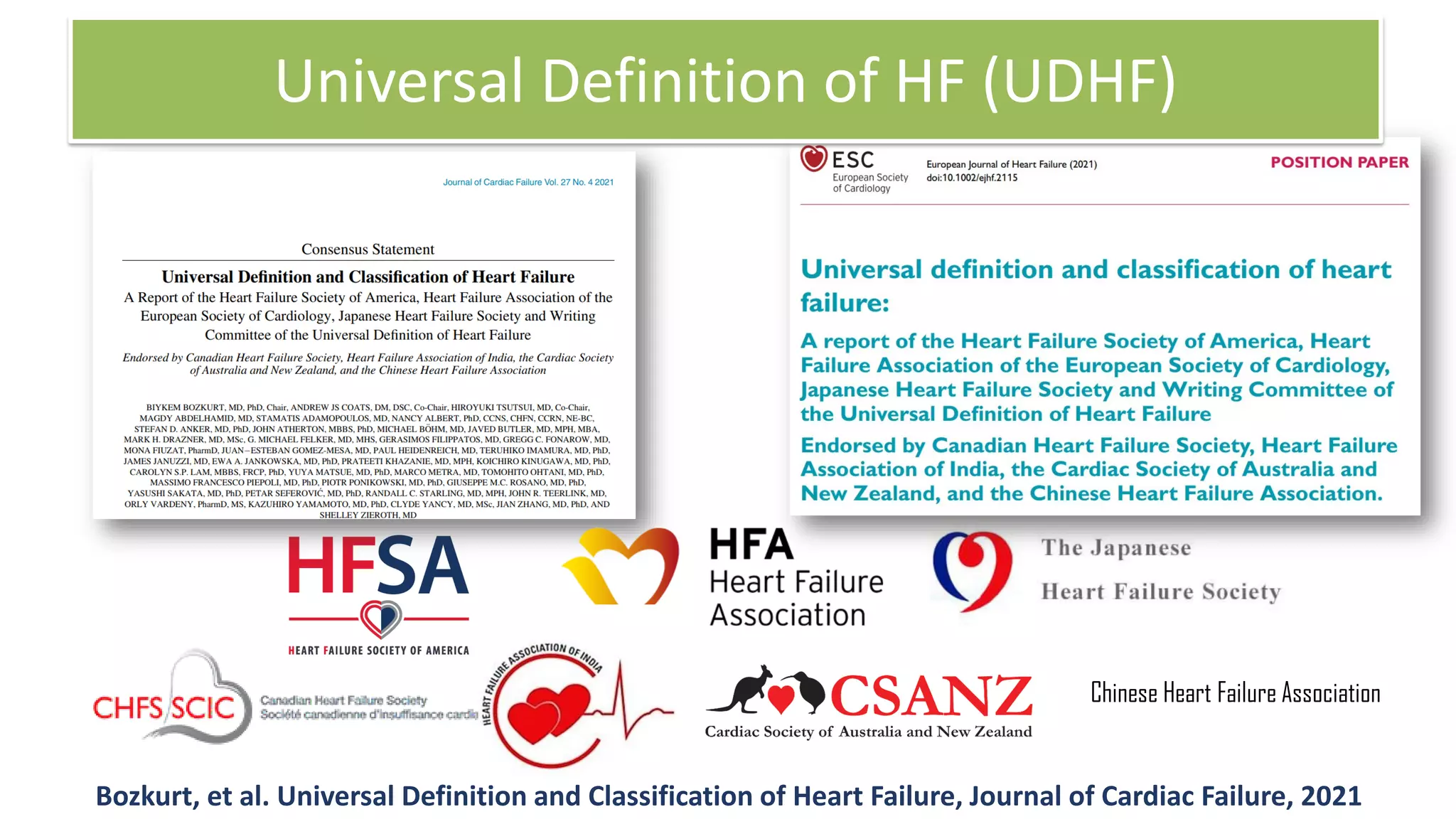
Universal Definition of HF (UDHF)
Chinese Heart Failure Association
Bozkurt, et al. Universal Definition and Classification of Heart Failure, Journal of Cardiac Failure, 2021
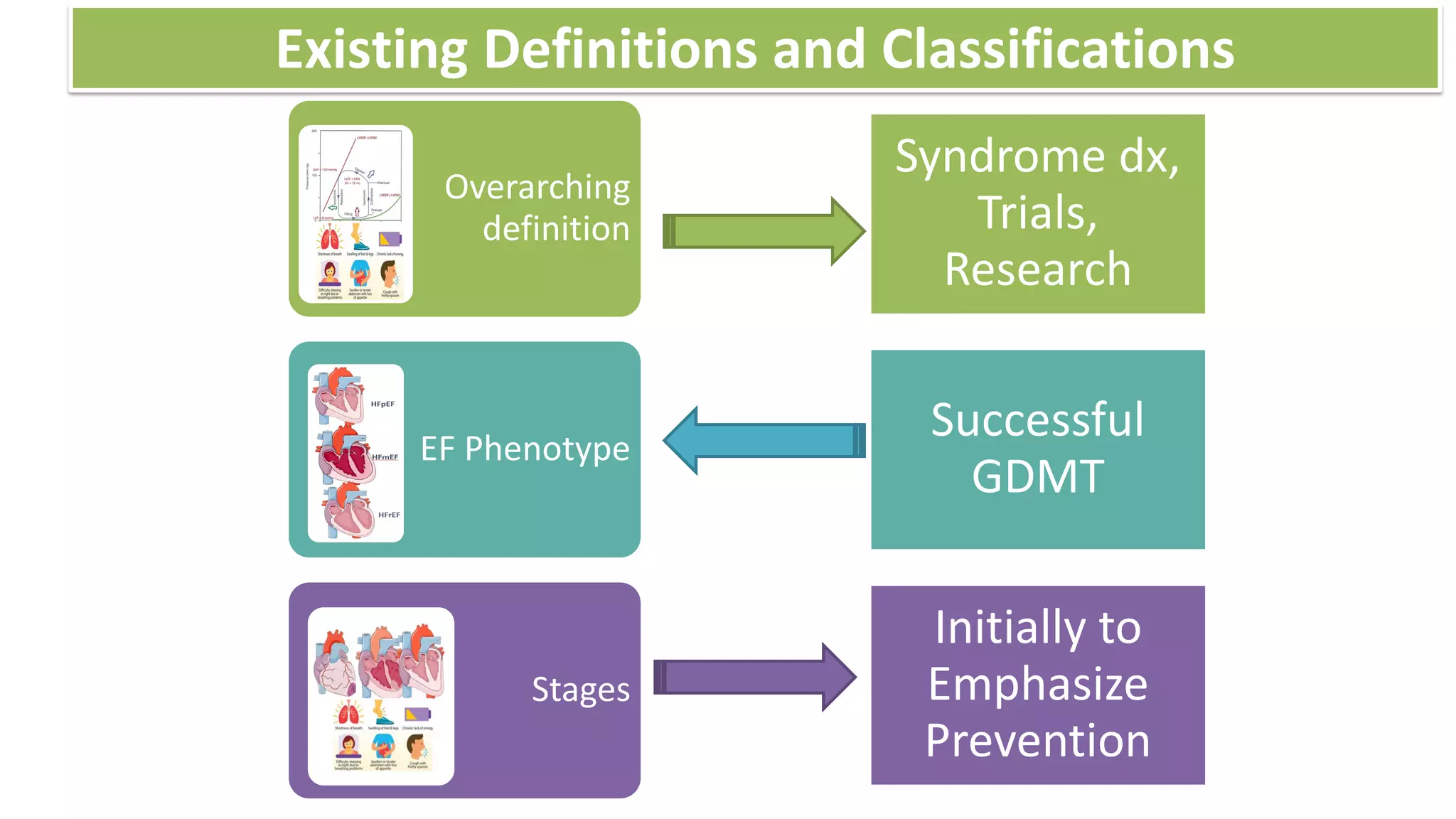
Overarching
definition
EF Phenotype
Stages
Syndrome dx,
Trials,
Research
Successful
GDMT
Initially to
Emphasize
Prevention
Existing Definitions and Classifications
“Textbook” definition :
“A clinical syndrome caused by the inability of the
heart to meet tissue metabolic requirements”
Former Definitions of Heart Failure
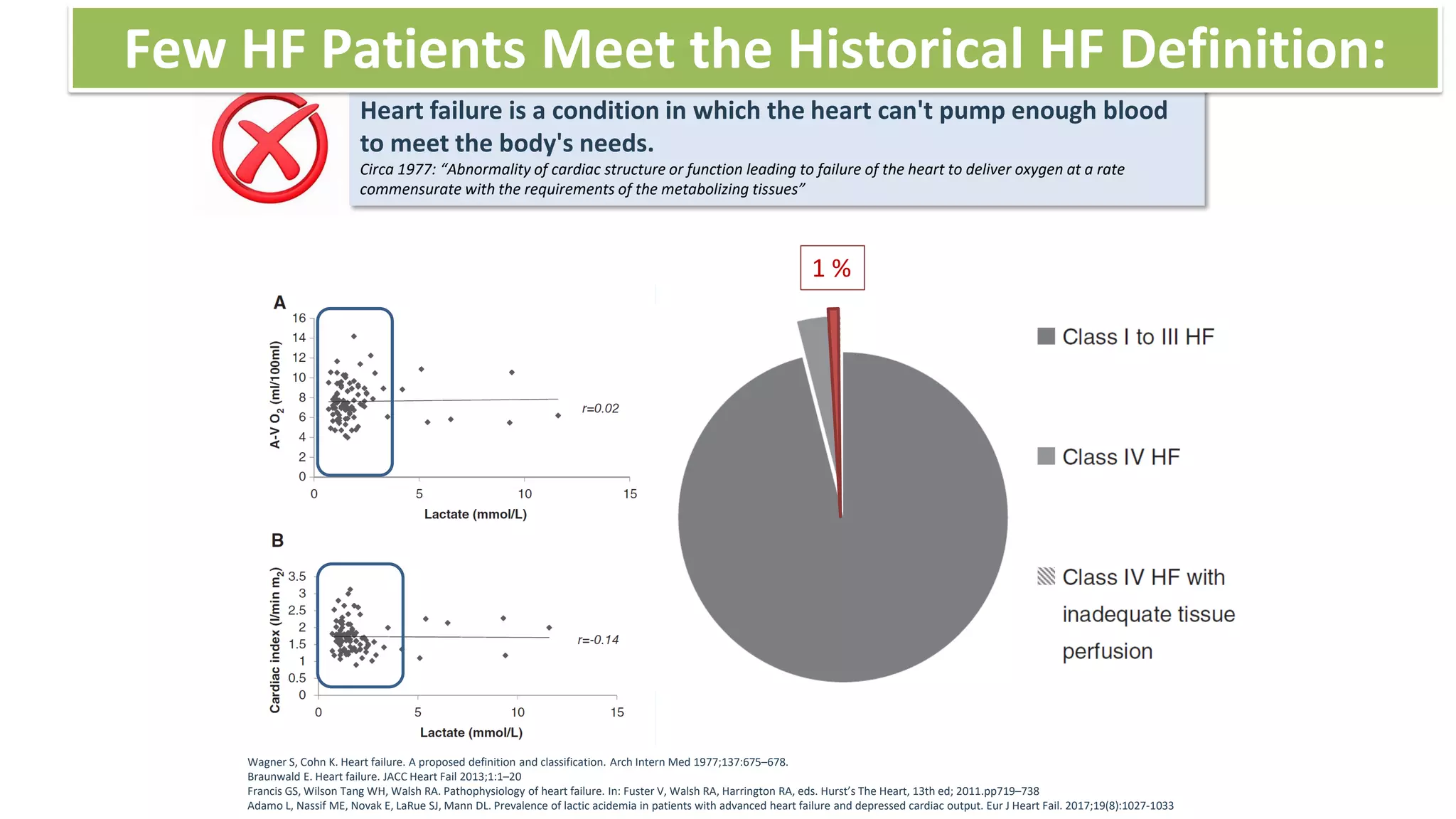
Heart failure is a condition in which the heart can't pump enough blood
to meet the body's needs.
Circa 1977: “Abnormality of cardiac structure or function leading to failure of the heart to deliver oxygen at a rate
commensurate with the requirements of the metabolizing tissues”
Wagner S, Cohn K. Heart failure. A proposed definition and classification. Arch Intern Med 1977;137:675–678.
Braunwald E. Heart failure. JACC Heart Fail 2013;1:1–20
Francis GS, Wilson Tang WH, Walsh RA. Pathophysiology of heart failure. In: Fuster V, Walsh RA, Harrington RA, eds. Hurst’s The Heart, 13th ed; 2011.pp719–738
Adamo L, Nassif ME, Novak E, LaRue SJ, Mann DL. Prevalence of lactic acidemia in patients with advanced heart failure and depressed cardiac output. Eur J Heart Fail. 2017;19(8):1027‐1033
1 %
Few HF Patients Meet the Historical HF Definition:
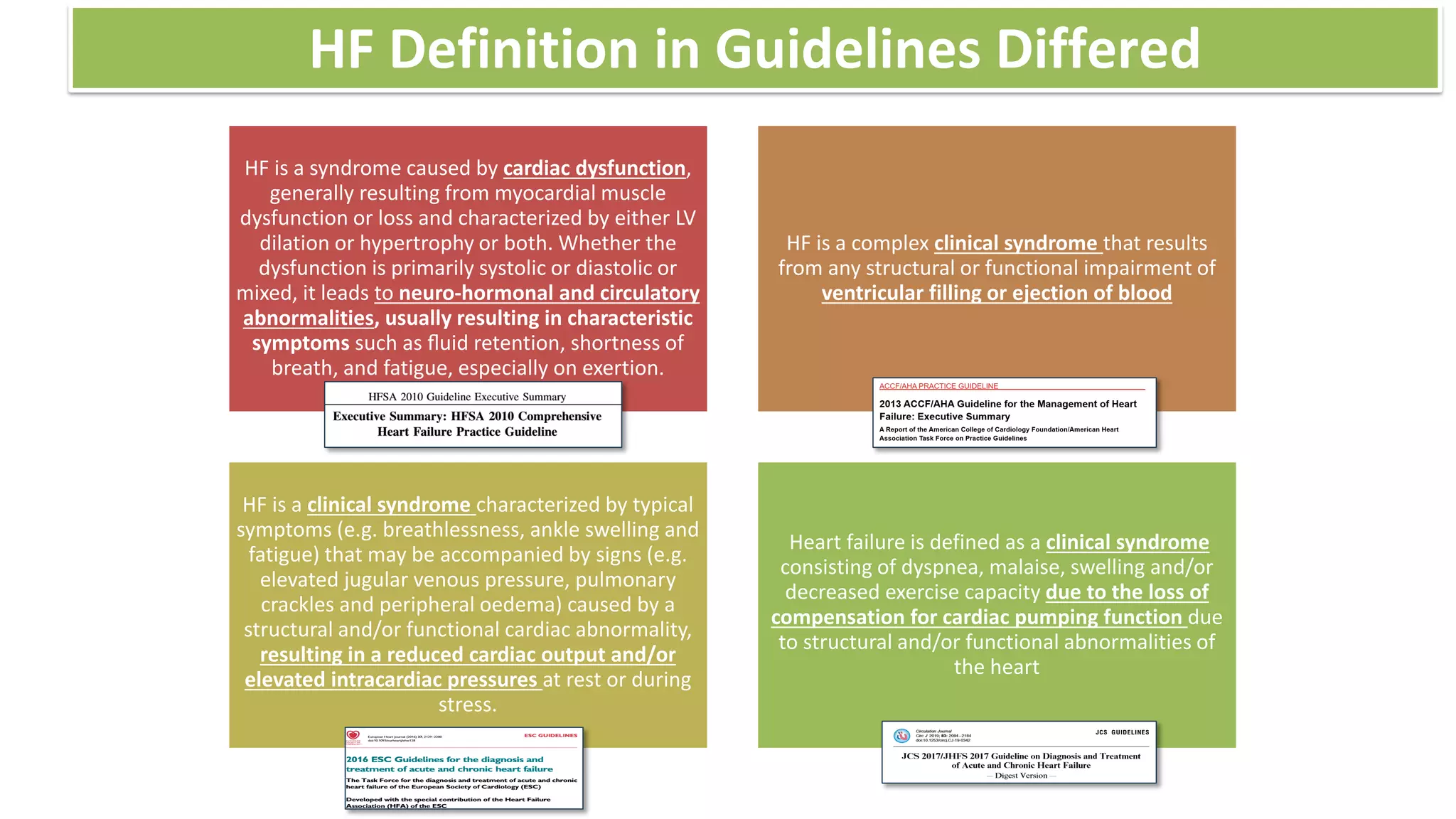
HF is a syndrome caused by cardiac dysfunction,
generally resulting from myocardial muscle
dysfunction or loss and characterized by either LV
dilation or hypertrophy or both. Whether the
dysfunction is primarily systolic or diastolic or
mixed, it leads to neuro-hormonal and circulatory
abnormalities, usually resulting in characteristic
symptoms such as fluid retention, shortness of
breath, and fatigue, especially on exertion.
HF is a complex clinical syndrome that results
from any structural or functional impairment of
ventricular filling or ejection of blood
HF is a clinical syndrome characterized by typical
symptoms (e.g. breathlessness, ankle swelling and
fatigue) that may be accompanied by signs (e.g.
elevated jugular venous pressure, pulmonary
crackles and peripheral oedema) caused by a
structural and/or functional cardiac abnormality,
resulting in a reduced cardiac output and/or
elevated intracardiac pressures at rest or during
stress.
Heart failure is defined as a clinical syndrome
consisting of dyspnea, malaise, swelling and/or
decreased exercise capacity due to the loss of
compensation for cardiac pumping function due
to structural and/or functional abnormalities of
the heart
HF Definition in Guidelines Differed
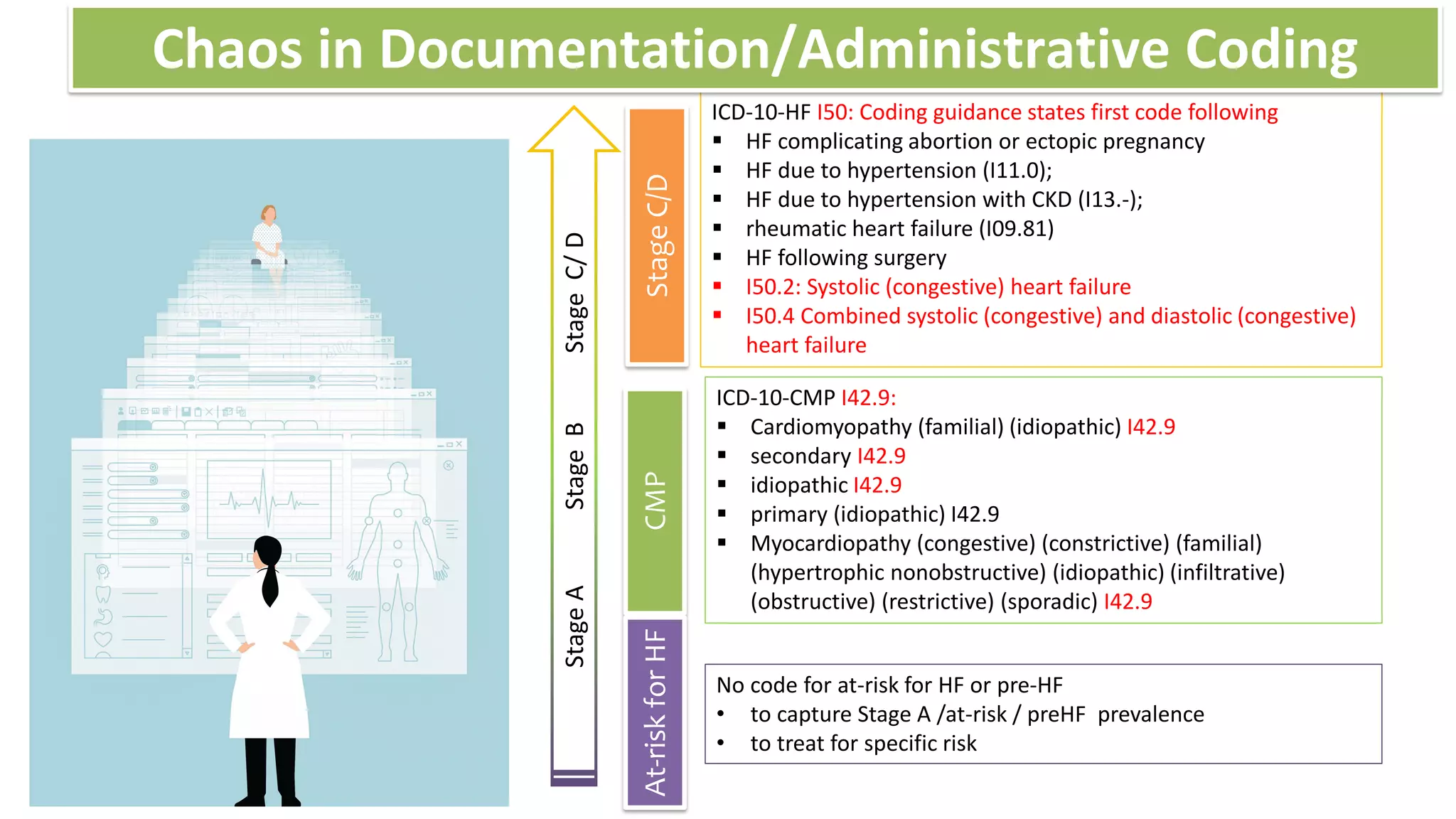
ICD-10-CMP I42.9:
 Cardiomyopathy (familial) (idiopathic) I42.9
 secondary I42.9
 idiopathic I42.9
 primary (idiopathic) I42.9
 Myocardiopathy (congestive) (constrictive) (familial)
(hypertrophic nonobstructive) (idiopathic) (infiltrative)
(obstructive) (restrictive) (sporadic) I42.9
CMP
Stage
C/D
ICD-10-HF I50: Coding guidance states first code following
 HF complicating abortion or ectopic pregnancy
 HF due to hypertension (I11.0);
 HF due to hypertension with CKD (I13.-);
 rheumatic heart failure (I09.81)
 HF following surgery
 I50.2: Systolic (congestive) heart failure
 I50.4 Combined systolic (congestive) and diastolic (congestive)
heart failure
No code for at-risk for HF or pre-HF
• to capture Stage A /at-risk / preHF prevalence
• to treat for specific risk
At-risk
for
HF
Stage
A
Stage
B
Stage
C/
D
Chaos in Documentation/Administrative Coding
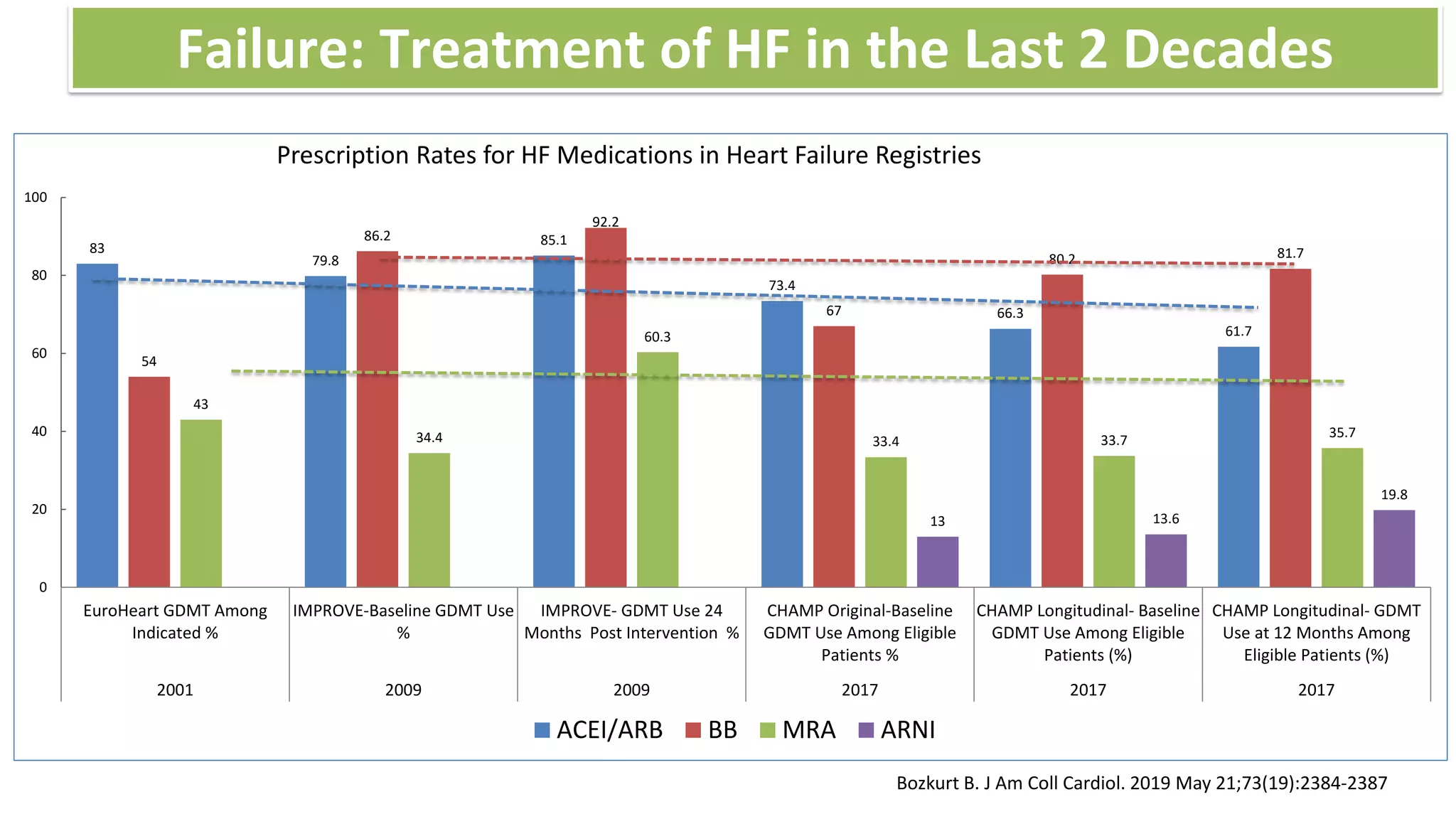
83
79.8
85.1
73.4
66.3
61.7
54
86.2
92.2
67
80.2 81.7
43
34.4
60.3
33.4 33.7
35.7
13 13.6
19.8
0
20
40
60
80
100
EuroHeart GDMT Among
Indicated %
IMPROVE-Baseline GDMT Use
%
IMPROVE- GDMT Use 24
Months Post Intervention %
CHAMP Original-Baseline
GDMT Use Among Eligible
Patients %
CHAMP Longitudinal- Baseline
GDMT Use Among Eligible
Patients (%)
CHAMP Longitudinal- GDMT
Use at 12 Months Among
Eligible Patients (%)
2001 2009 2009 2017 2017 2017
Prescription Rates for HF Medications in Heart Failure Registries
ACEI/ARB BB MRA ARNI
Bozkurt B. J Am Coll Cardiol. 2019 May 21;73(19):2384-2387
Failure: Treatment of HF in the Last 2 Decades
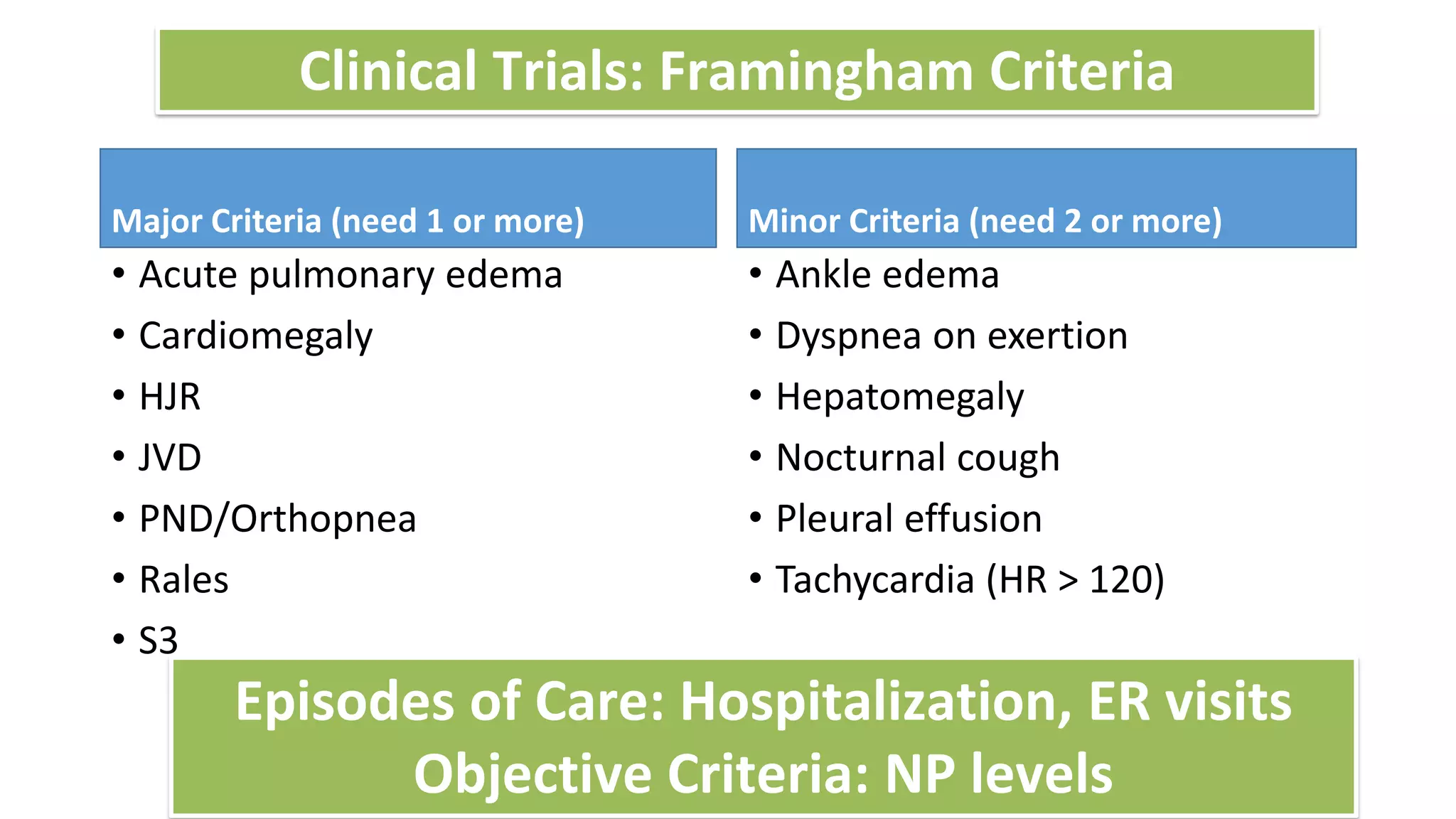
Major Criteria (need 1 or more)
• Acute pulmonary edema
• Cardiomegaly
• HJR
• JVD
• PND/Orthopnea
• Rales
• S3
Minor Criteria (need 2 or more)
• Ankle edema
• Dyspnea on exertion
• Hepatomegaly
• Nocturnal cough
• Pleural effusion
• Tachycardia (HR > 120)
Clinical Trials: Framingham Criteria
Episodes of Care: Hospitalization, ER visits
Objective Criteria: NP levels
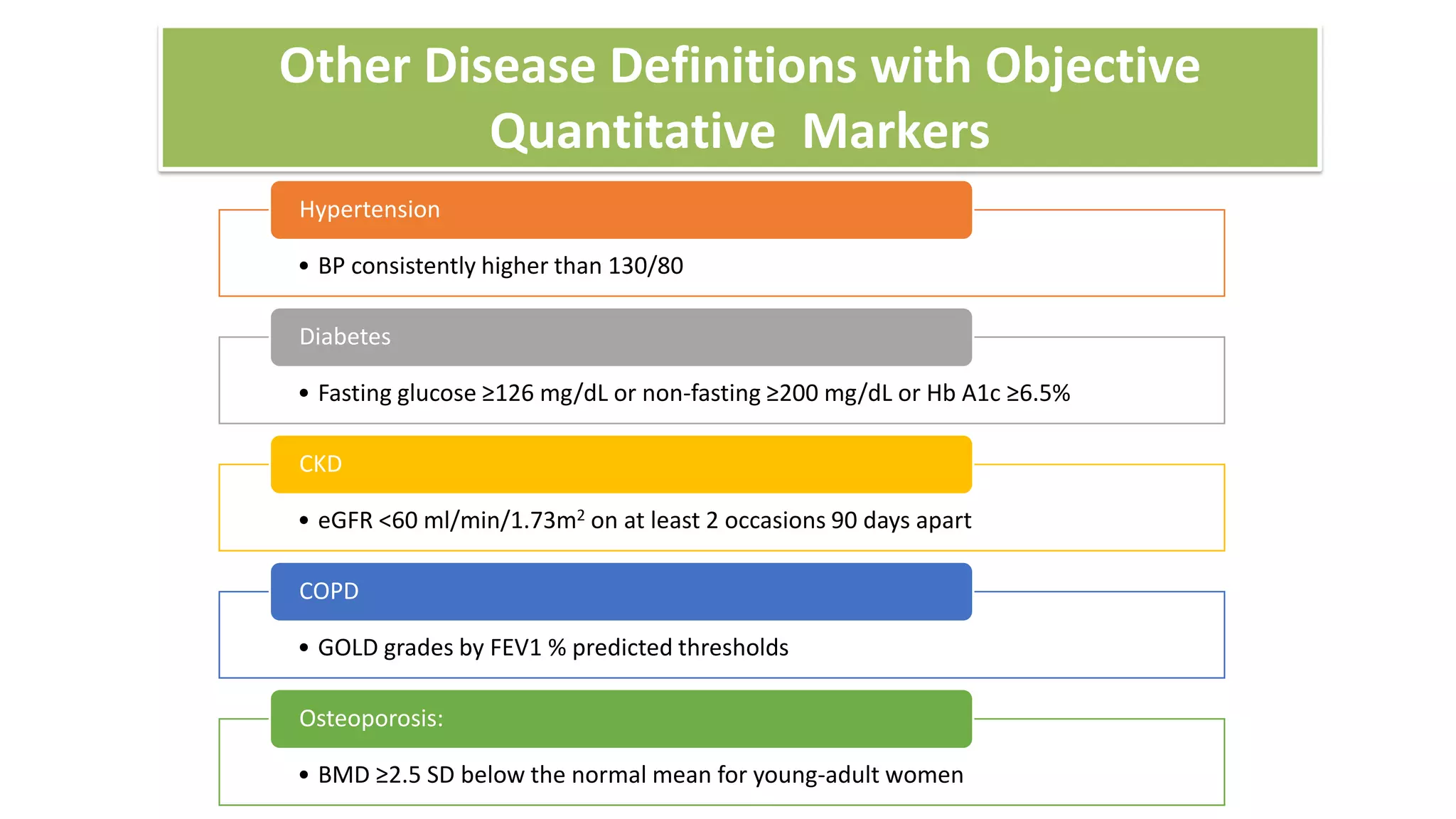
Other Disease Definitions with Objective
Quantitative Markers
• BP consistently higher than 130/80
Hypertension
• Fasting glucose ≥126 mg/dL or non-fasting ≥200 mg/dL or Hb A1c ≥6.5%
Diabetes
• eGFR <60 ml/min/1.73m2 on at least 2 occasions 90 days apart
CKD
• GOLD grades by FEV1 % predicted thresholds
COPD
• BMD ≥2.5 SD below the normal mean for young-adult women
Osteoporosis:
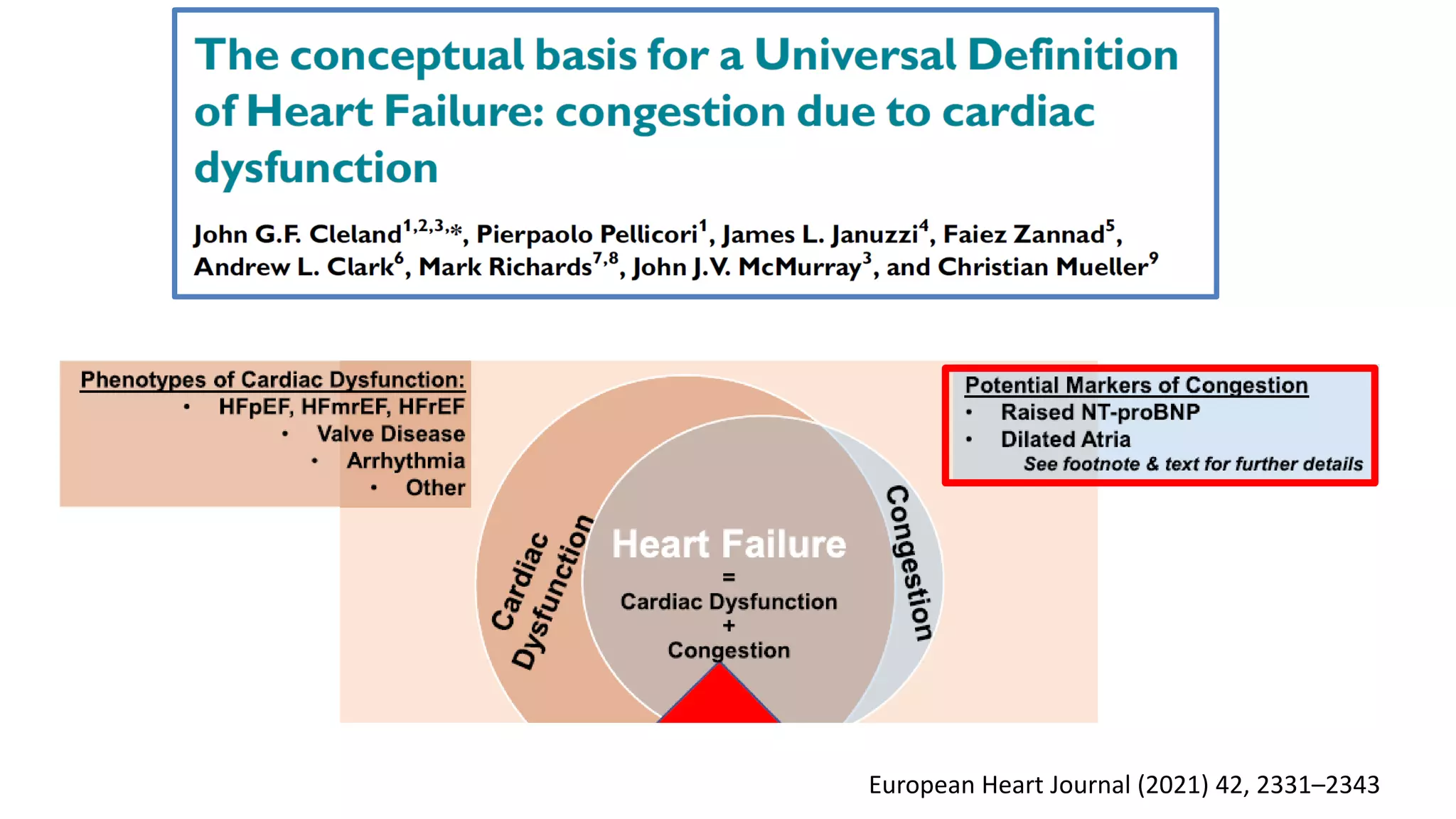
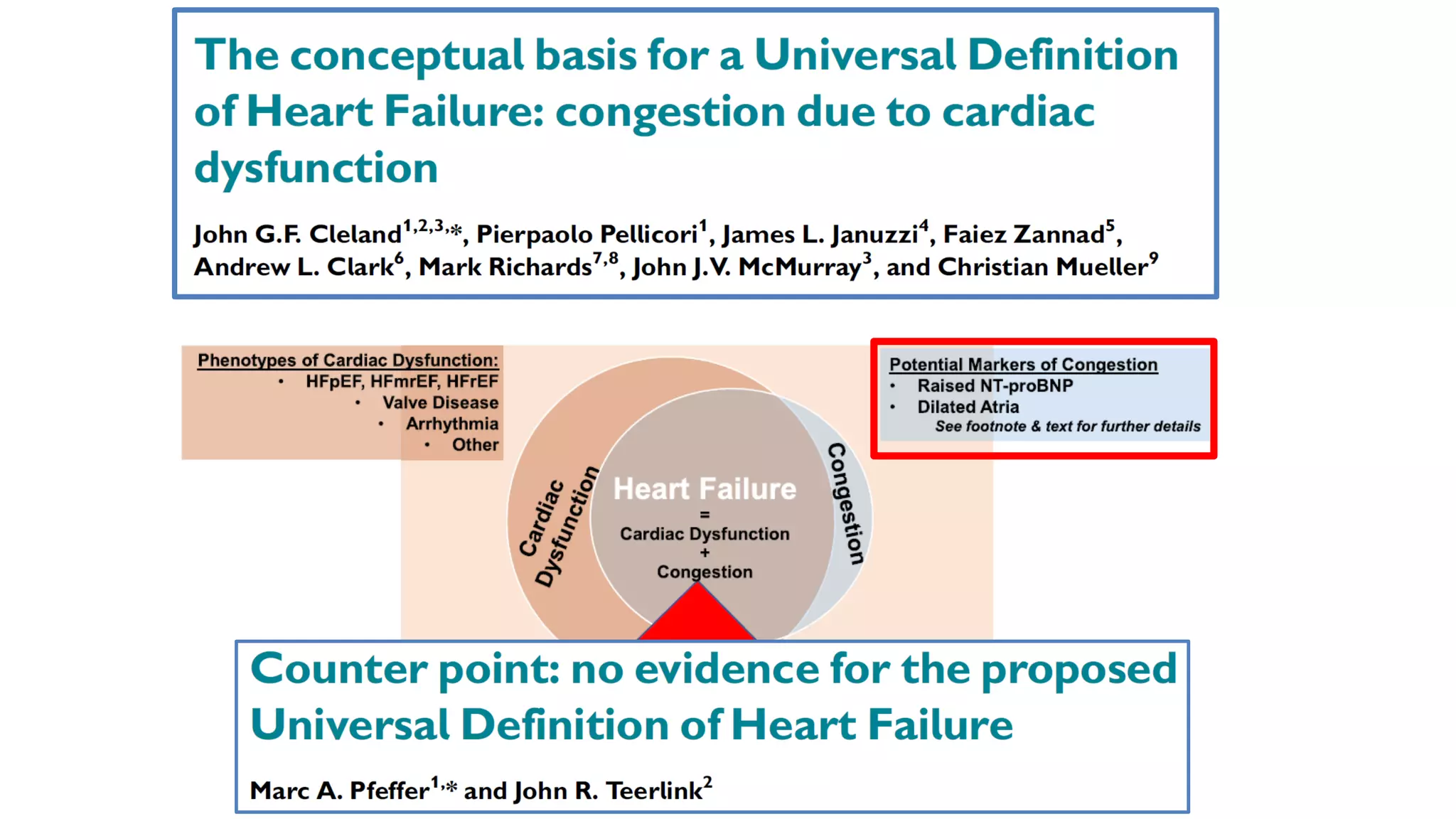
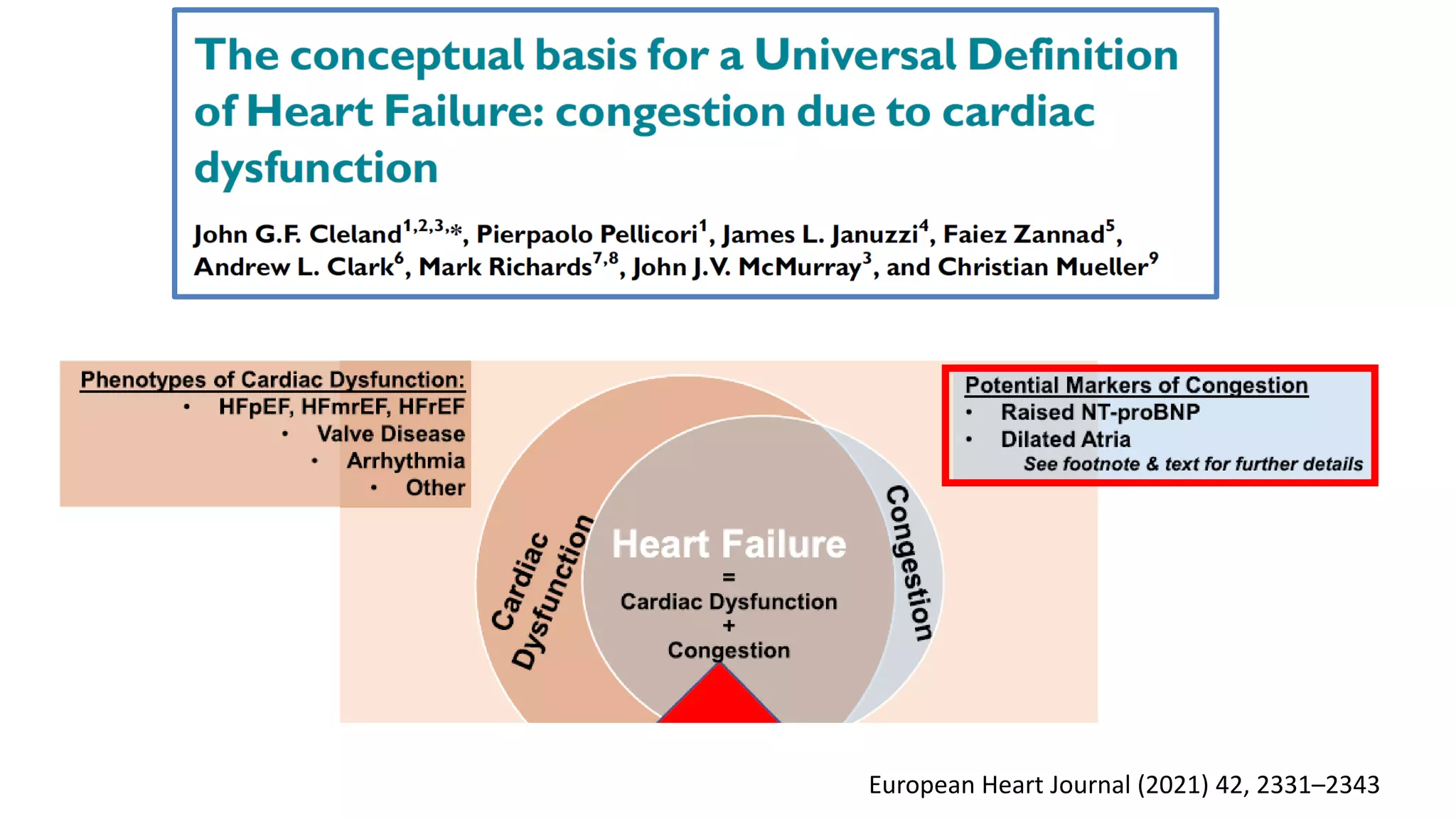
European Heart Journal (2021) 42, 2331–2343
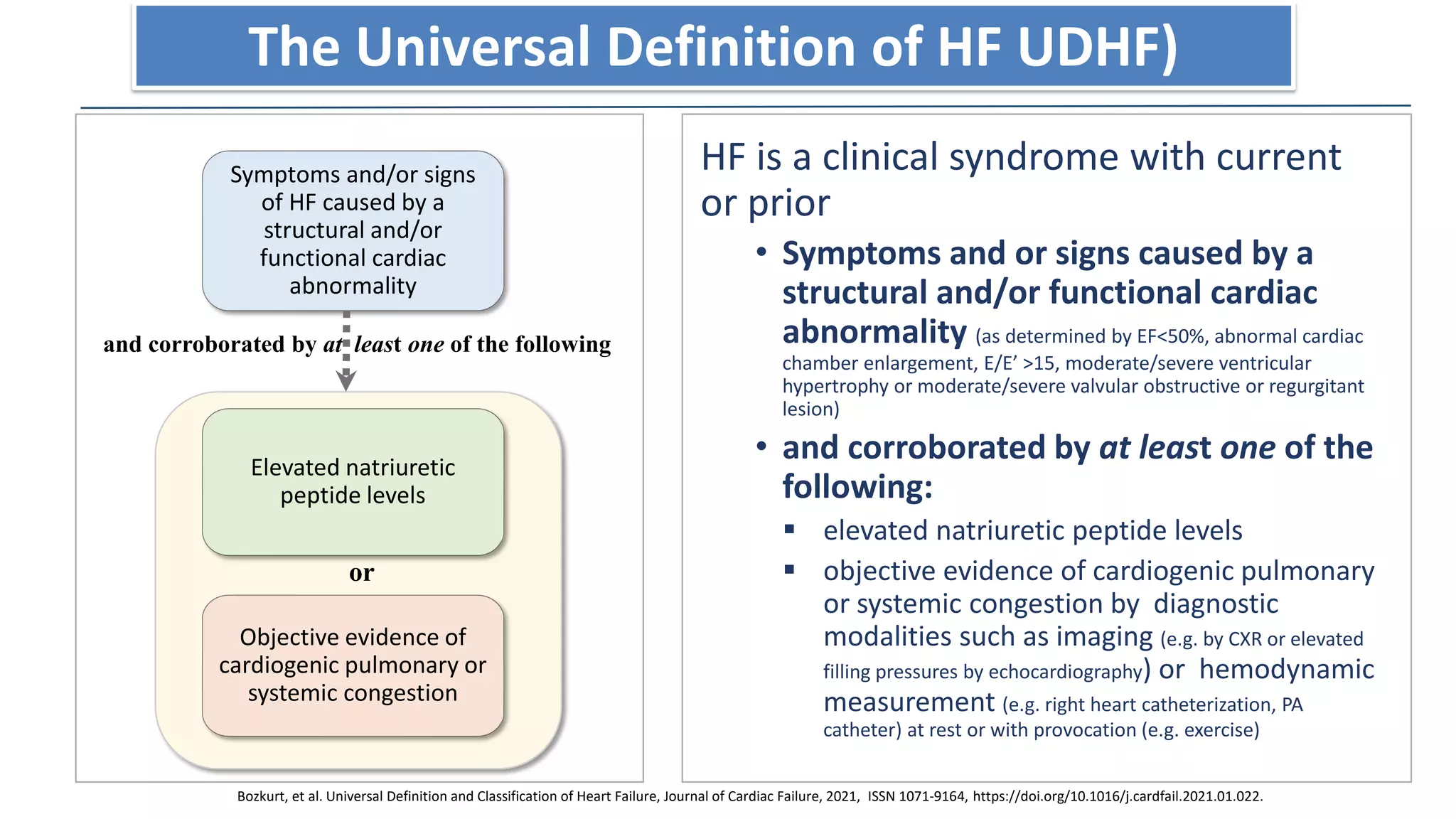
Symptoms and/or signs
of HF caused by a
structural and/or
functional cardiac
abnormality
Elevated natriuretic
peptide levels
Objective evidence of
cardiogenic pulmonary or
systemic congestion
and corroborated by at least one of the following
or
HF is a clinical syndrome with current
or prior
• Symptoms and or signs caused by a
structural and/or functional cardiac
abnormality (as determined by EF<50%, abnormal cardiac
chamber enlargement, E/E’ >15, moderate/severe ventricular
hypertrophy or moderate/severe valvular obstructive or regurgitant
lesion)
• and corroborated by at least one of the
following:
 elevated natriuretic peptide levels
 objective evidence of cardiogenic pulmonary
or systemic congestion by diagnostic
modalities such as imaging (e.g. by CXR or elevated
filling pressures by echocardiography) or hemodynamic
measurement (e.g. right heart catheterization, PA
catheter) at rest or with provocation (e.g. exercise)
Bozkurt, et al. Universal Definition and Classification of Heart Failure, Journal of Cardiac Failure, 2021, ISSN 1071-9164, https://doi.org/10.1016/j.cardfail.2021.01.022.
The Universal Definition of HF UDHF)
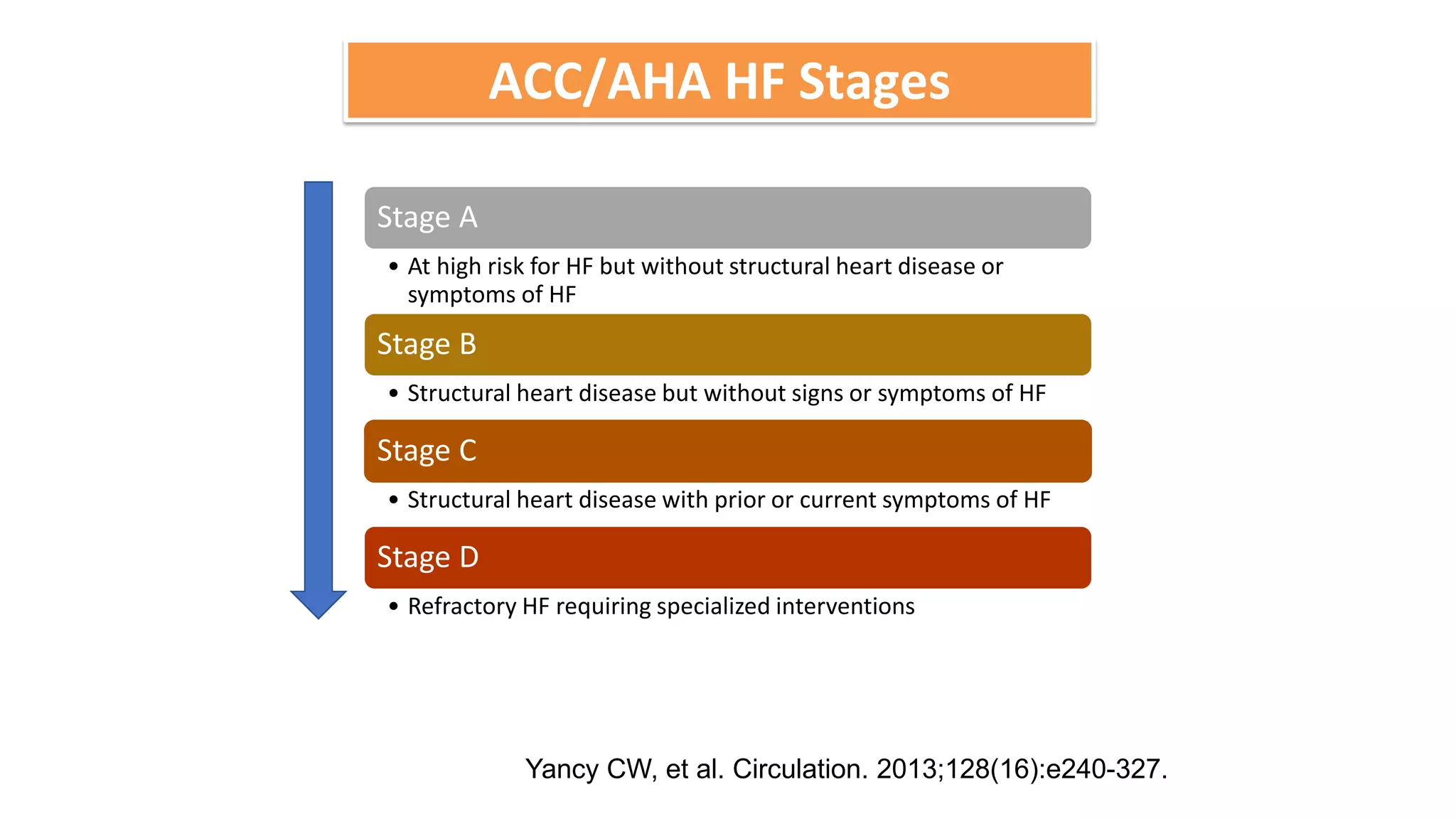
Stage A
• At high risk for HF but without structural heart disease or
symptoms of HF
Stage B
• Structural heart disease but without signs or symptoms of HF
Stage C
• Structural heart disease with prior or current symptoms of HF
Stage D
• Refractory HF requiring specialized interventions
Yancy CW, et al. Circulation. 2013;128(16):e240-327.
ACC/AHA HF Stages
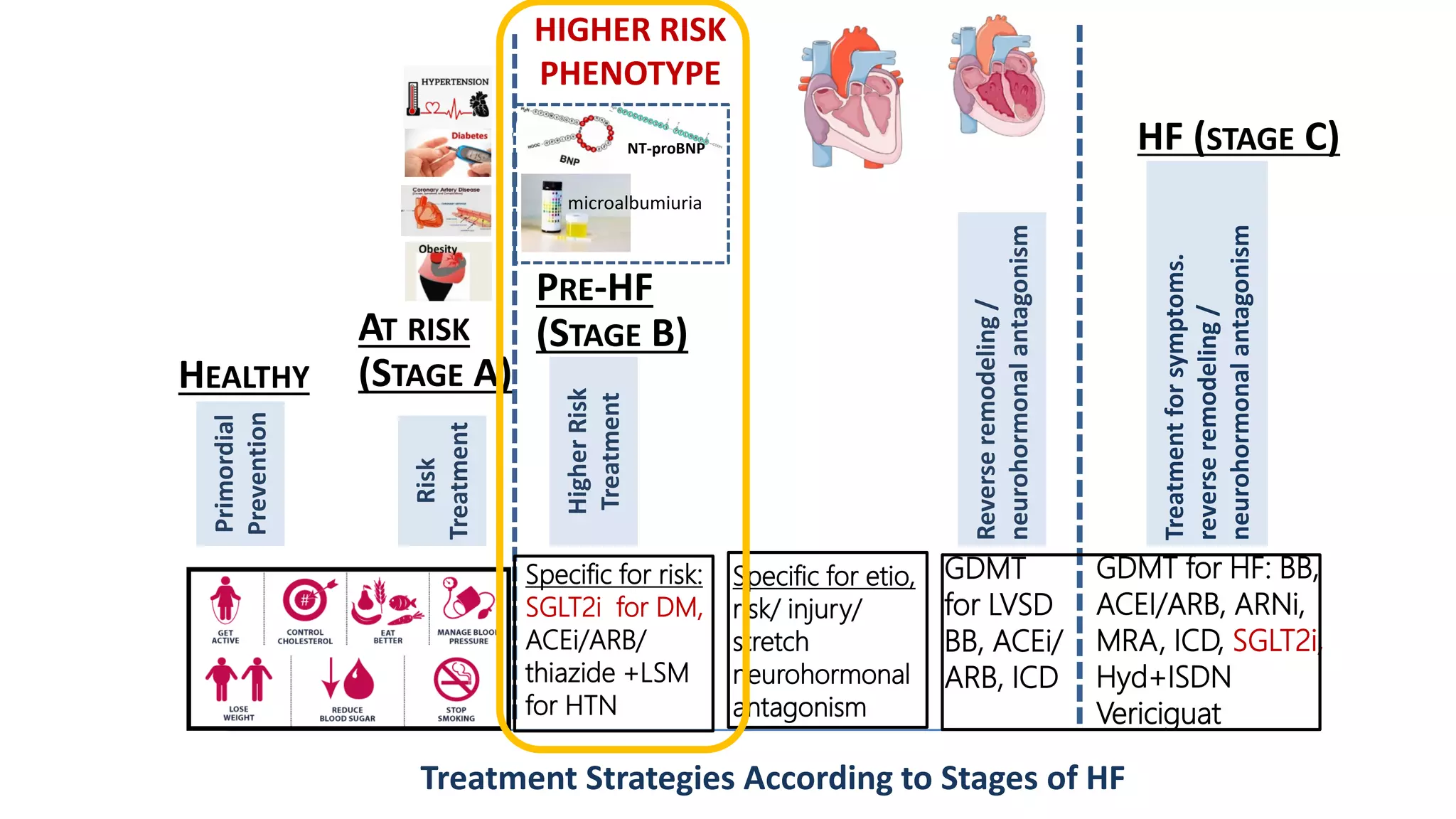
HEALTHY
AT RISK
(STAGE A)
PRE-HF
(STAGE B)
Treatment Strategies According to Stages of HF
HF (STAGE C)
Risk
Treatment
Primordial
Prevention
Specific for risk:
SGLT2i for DM,
ACEi/ARB/
thiazide +LSM
for HTN
GDMT
for LVSD
BB, ACEi/
ARB, ICD
GDMT for HF: BB,
ACEI/ARB, ARNi,
MRA, ICD, SGLT2i,
Hyd+ISDN
Vericiguat
Reverse
remodeling
/
neurohormonal
antagonism
Treatment
for
symptoms.
reverse
remodeling
/
neurohormonal
antagonism
Specific for etio,
risk/ injury/
stretch
neurohormonal
antagonism
Higher
Risk
Treatment
HIGHER RISK
PHENOTYPE
NT-proBNP
microalbumiuria
Persistent Heart
Failure
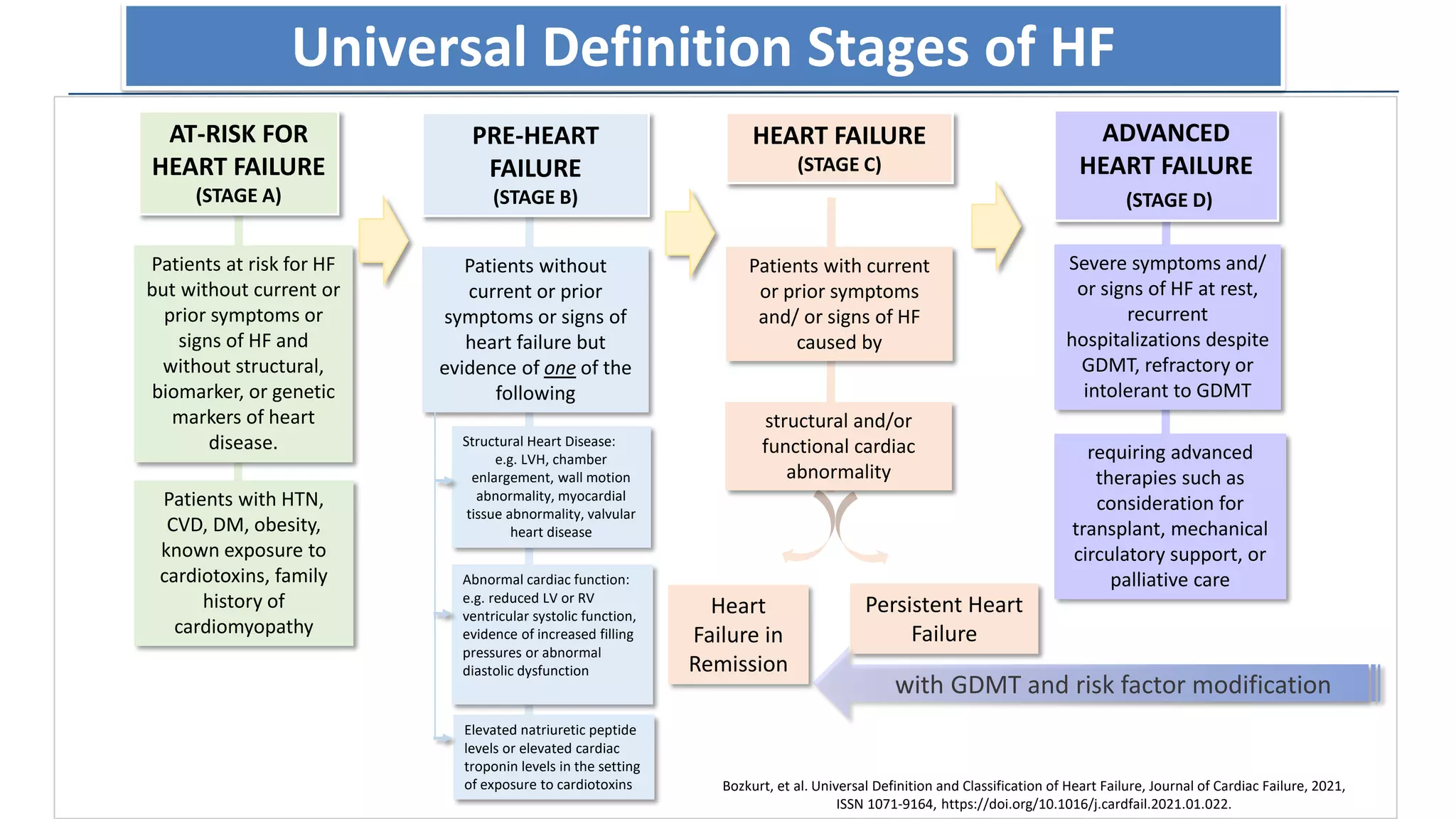
AT-RISK FOR
HEART FAILURE
(STAGE A)
PRE-HEART
FAILURE
(STAGE B)
HEART FAILURE
(STAGE C)
ADVANCED
HEART FAILURE
(STAGE D)
Patients with HTN,
CVD, DM, obesity,
known exposure to
cardiotoxins, family
history of
cardiomyopathy
Patients without
current or prior
symptoms or signs of
heart failure but
evidence of one of the
following
Patients at risk for HF
but without current or
prior symptoms or
signs of HF and
without structural,
biomarker, or genetic
markers of heart
disease. Structural Heart Disease:
e.g. LVH, chamber
enlargement, wall motion
abnormality, myocardial
tissue abnormality, valvular
heart disease
Abnormal cardiac function:
e.g. reduced LV or RV
ventricular systolic function,
evidence of increased filling
pressures or abnormal
diastolic dysfunction
Elevated natriuretic peptide
levels or elevated cardiac
troponin levels in the setting
of exposure to cardiotoxins
Patients with current
or prior symptoms
and/ or signs of HF
caused by
Severe symptoms and/
or signs of HF at rest,
recurrent
hospitalizations despite
GDMT, refractory or
intolerant to GDMT
structural and/or
functional cardiac
abnormality
requiring advanced
therapies such as
consideration for
transplant, mechanical
circulatory support, or
palliative care
with GDMT and risk factor modification
Heart
Failure in
Remission
Bozkurt, et al. Universal Definition and Classification of Heart Failure, Journal of Cardiac Failure, 2021,
ISSN 1071-9164, https://doi.org/10.1016/j.cardfail.2021.01.022.
Universal Definition Stages of HF
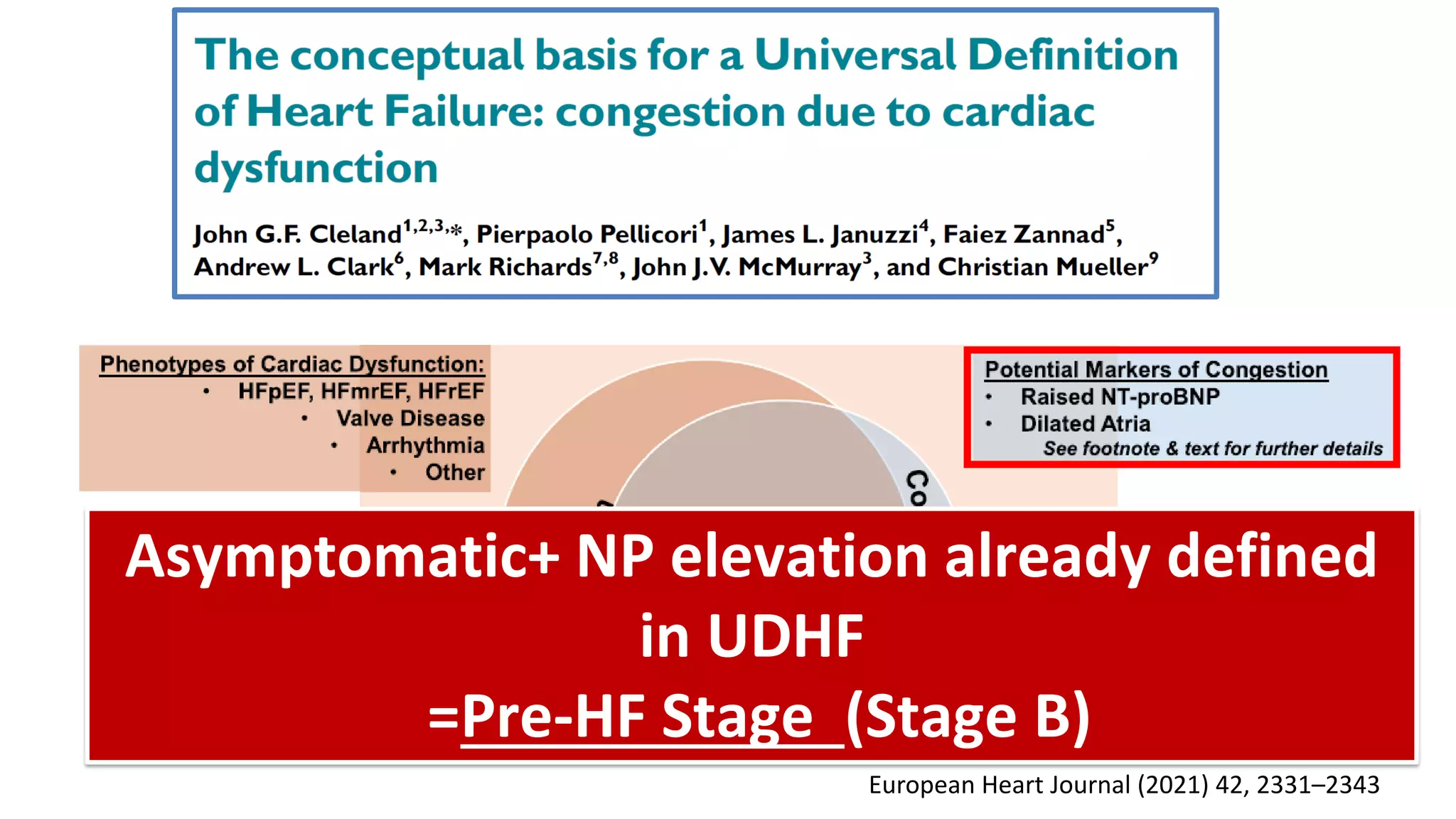
European Heart Journal (2021) 42, 2331–2343
Asymptomatic+ NP elevation already defined
in UDHF
=Pre-HF Stage (Stage B)
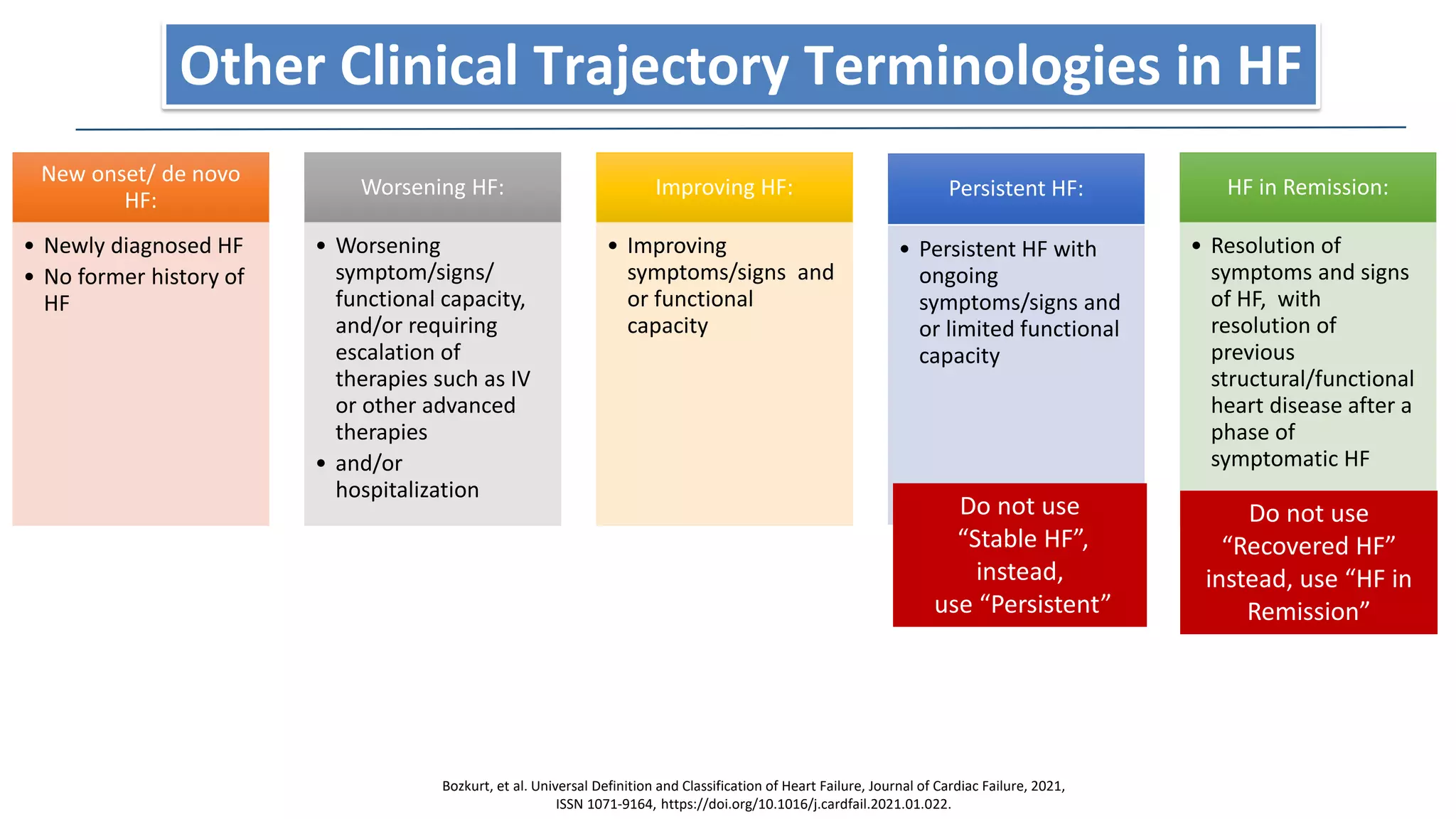
New onset/ de novo
HF:
• Newly diagnosed HF
• No former history of
HF
Worsening HF:
• Worsening
symptom/signs/
functional capacity,
and/or requiring
escalation of
therapies such as IV
or other advanced
therapies
• and/or
hospitalization
Improving HF:
• Improving
symptoms/signs and
or functional
capacity
Persistent HF:
• Persistent HF with
ongoing
symptoms/signs and
or limited functional
capacity
HF in Remission:
• Resolution of
symptoms and signs
of HF, with
resolution of
previous
structural/functional
heart disease after a
phase of
symptomatic HF
Do not use
“Recovered HF”
instead, use “HF in
Remission”
Do not use
“Stable HF”,
instead,
use “Persistent”
Bozkurt, et al. Universal Definition and Classification of Heart Failure, Journal of Cardiac Failure, 2021,
ISSN 1071-9164, https://doi.org/10.1016/j.cardfail.2021.01.022.
Other Clinical Trajectory Terminologies in HF
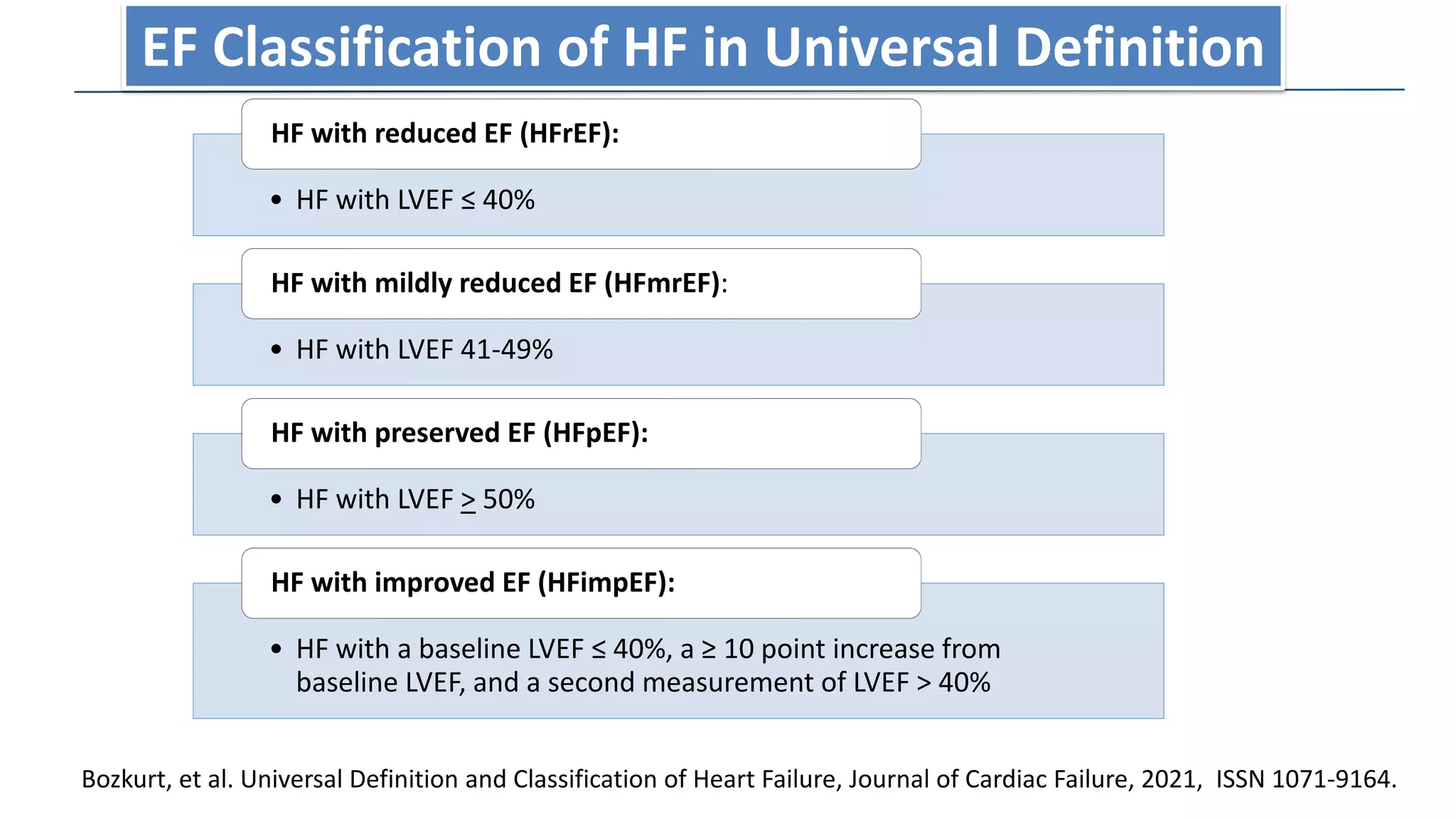
• HF with LVEF ≤ 40%
HF with reduced EF (HFrEF):
• HF with LVEF 41-49%
HF with mildly reduced EF (HFmrEF):
• HF with LVEF > 50%
HF with preserved EF (HFpEF):
• HF with a baseline LVEF ≤ 40%, a ≥ 10 point increase from
baseline LVEF, and a second measurement of LVEF > 40%
HF with improved EF (HFimpEF):
Bozkurt, et al. Universal Definition and Classification of Heart Failure, Journal of Cardiac Failure, 2021, ISSN 1071-9164.
EF Classification of HF in Universal Definition
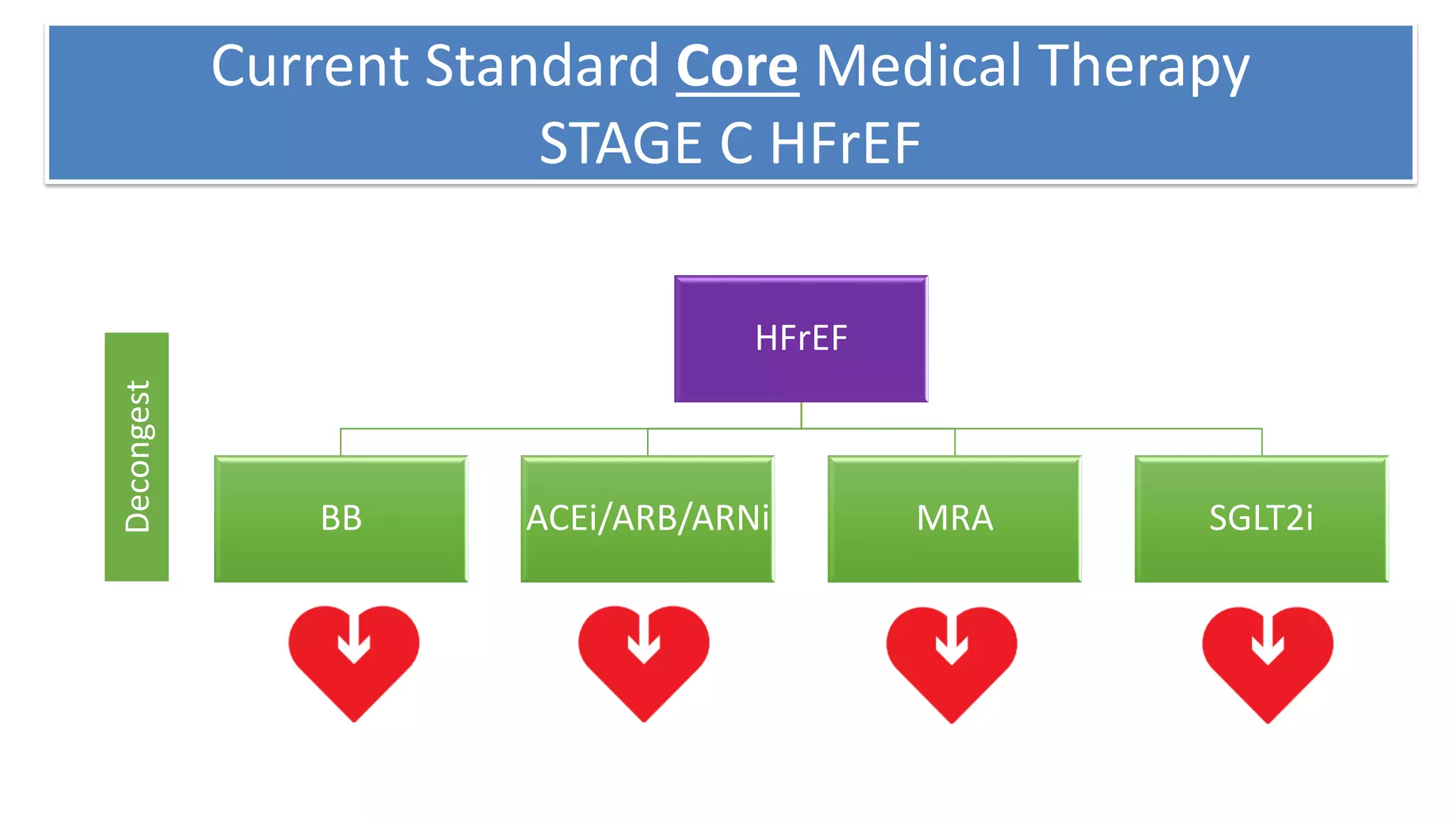
HFrEF
BB ACEi/ARB/ARNi MRA SGLT2i
Decongest
Current Standard Core Medical Therapy
STAGE C HFrEF
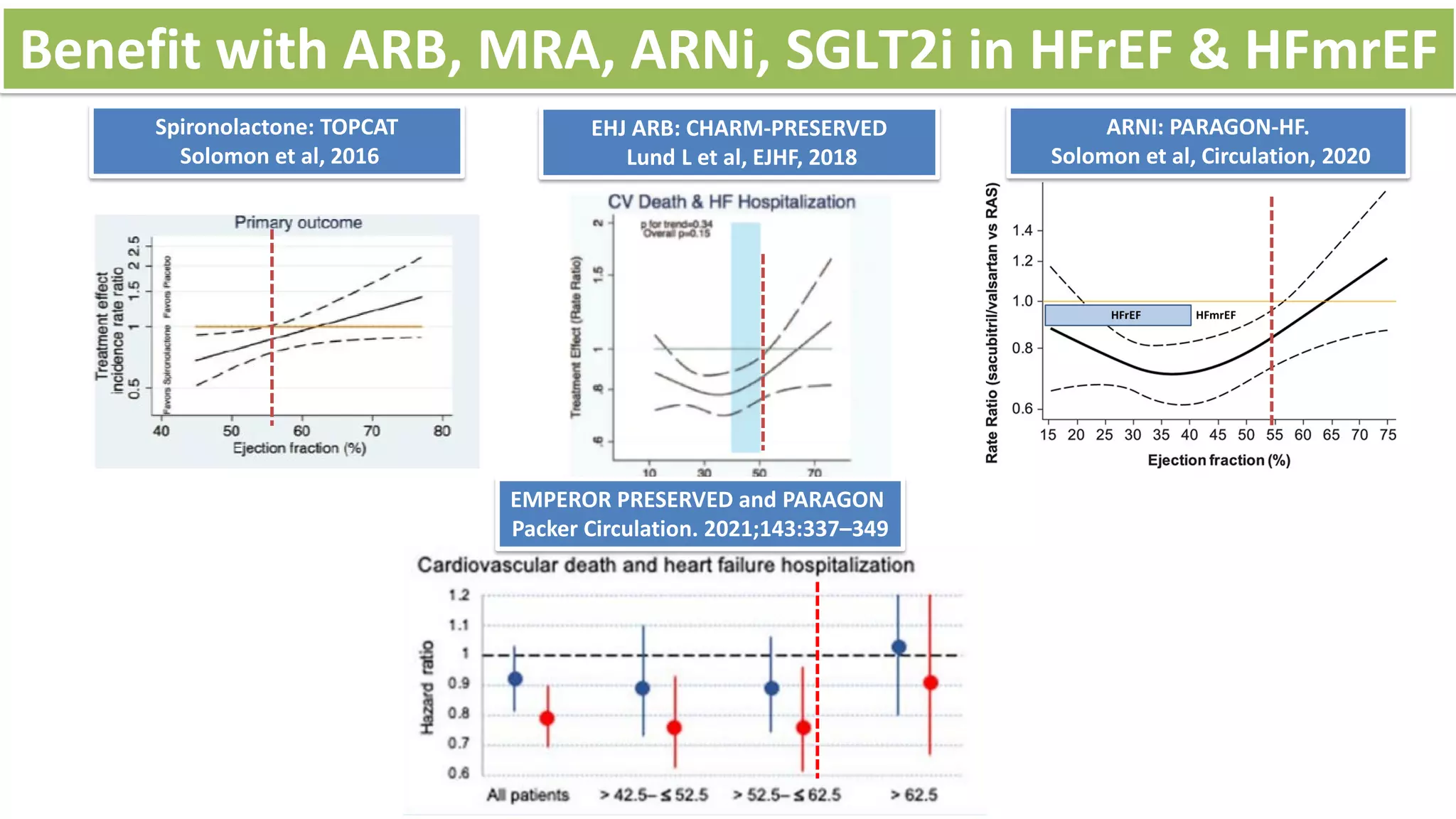
Benefit with ARB, MRA, ARNi, SGLT2i in HFrEF & HFmrEF
Spironolactone: TOPCAT
Solomon et al, 2016
EHJ ARB: CHARM-PRESERVED
Lund L et al, EJHF, 2018
ARNI: PARAGON-HF.
Solomon et al, Circulation, 2020
EMPEROR PRESERVED and PARAGON
Packer Circulation. 2021;143:337–349
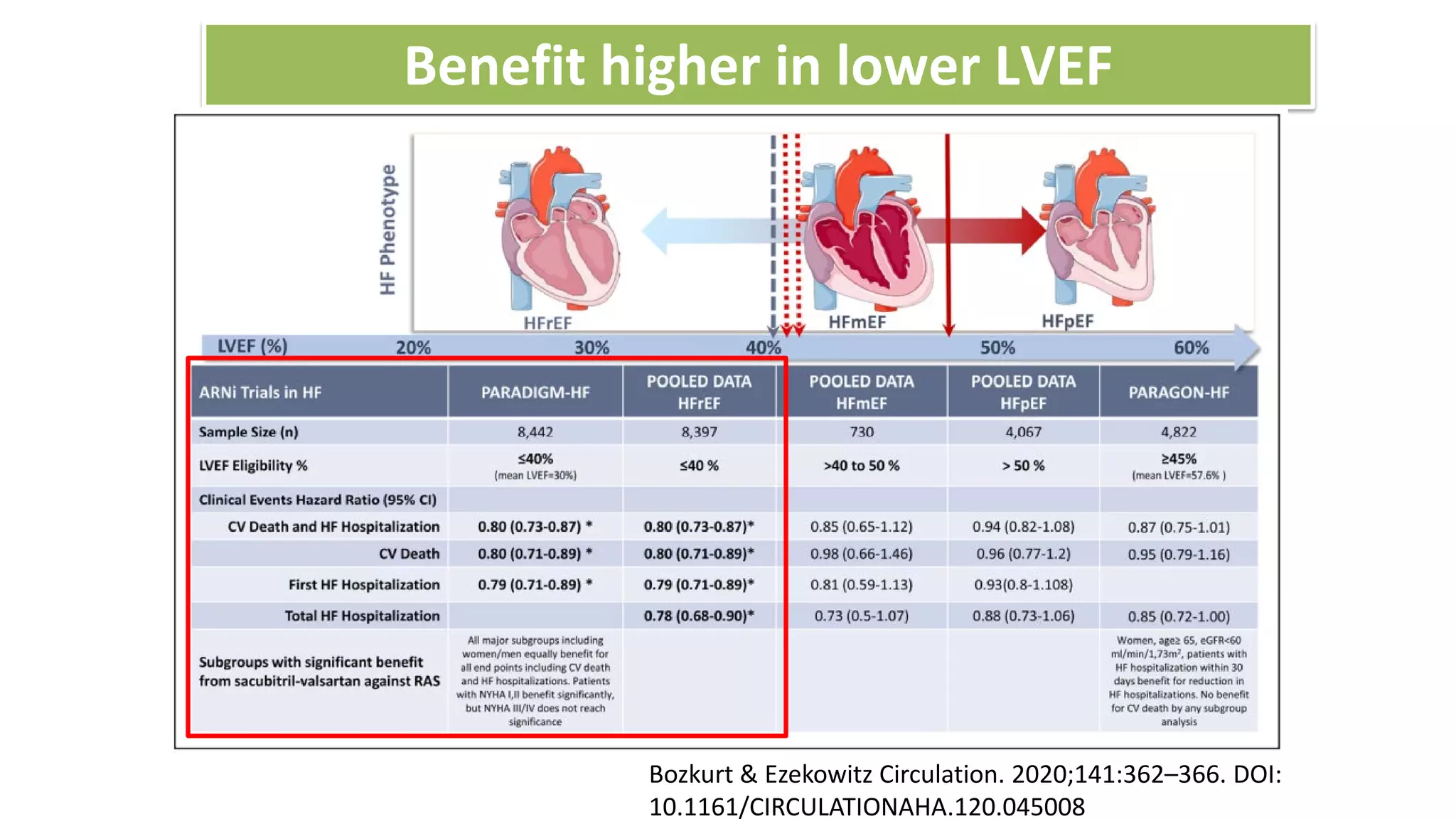
Benefit higher in lower LVEF
Bozkurt & Ezekowitz Circulation. 2020;141:362–366. DOI:
10.1161/CIRCULATIONAHA.120.045008
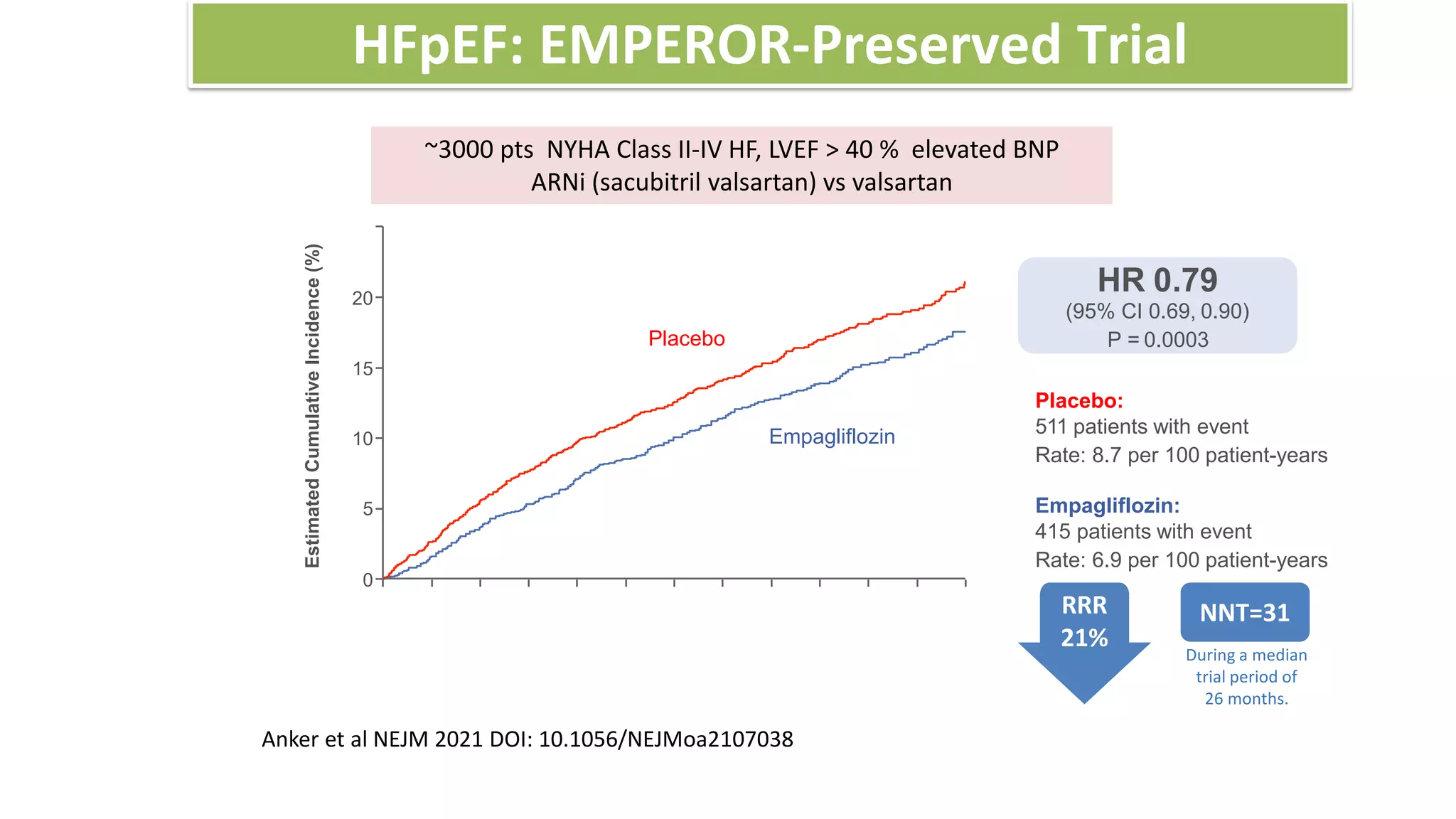
Anker et al NEJM 2021 DOI: 10.1056/NEJMoa2107038
~3000 pts NYHA Class II-IV HF, LVEF > 40 % elevated BNP
ARNi (sacubitril valsartan) vs valsartan
HFpEF: EMPEROR-Preserved Trial
HR 0.79
(95% CI 0.69, 0.90)
P = 0.0003
Placebo:
511 patients with event
Rate: 8.7 per 100 patient-years
20
15
10
5
0
Estimated
Cumulative
Incidence
(%)
Placebo
Empagliflozin
Empagliflozin:
415 patients with event
Rate: 6.9 per 100 patient-years
NNT=31
RRR
21%
During a median
trial period of
26 months.
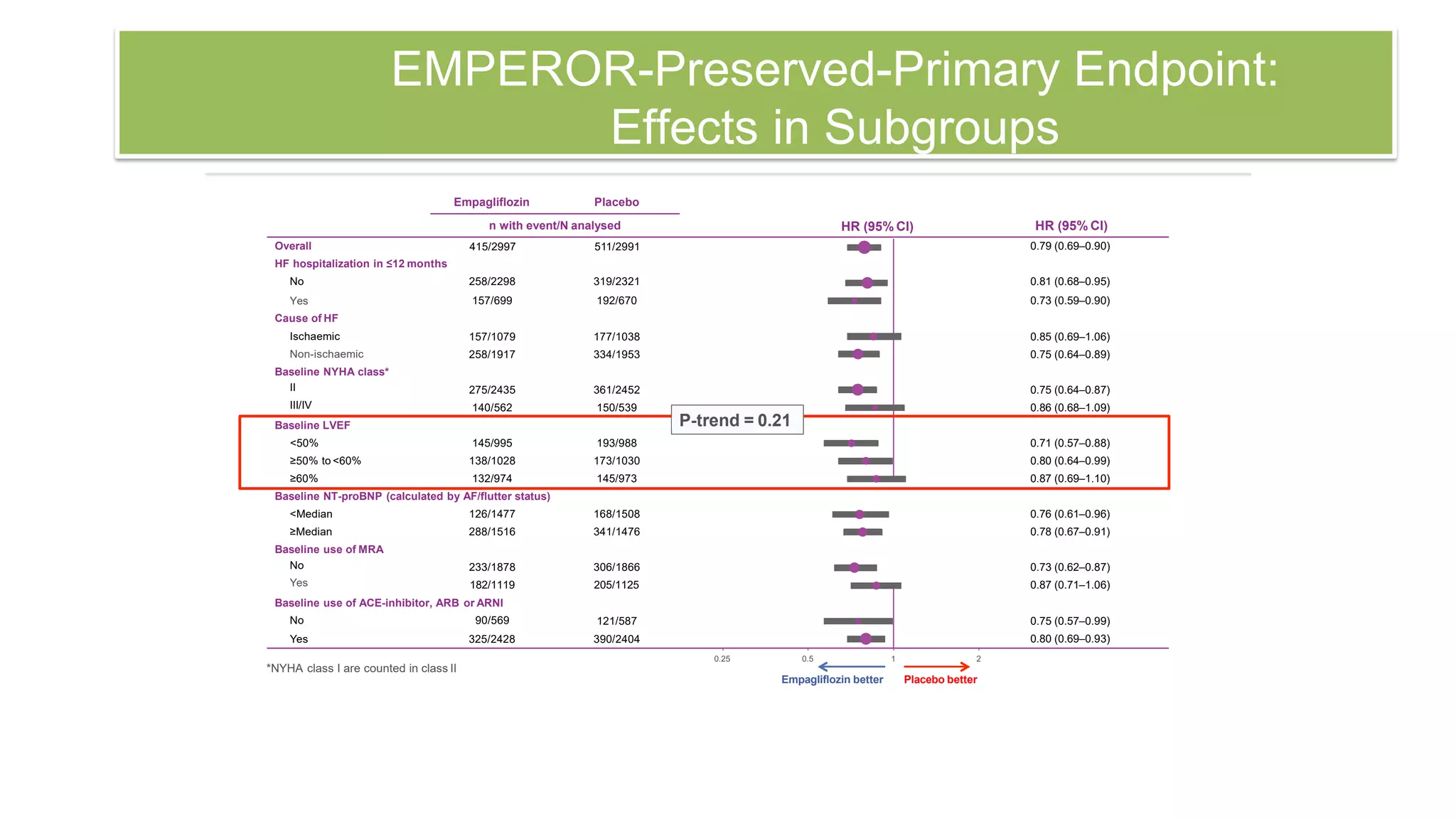
HR (95% CI)
Empagliflozin Placebo
n with event/N analysed
415/2997 511/2991 0.79 (0.69–0.90)
258/2298
157/699
319/2321
192/670
0.81 (0.68–0.95)
0.73 (0.59–0.90)
157/1079
258/1917
177/1038
334/1953
0.85 (0.69–1.06)
0.75 (0.64–0.89)
Overall
HF hospitalization in ≤12 months
No
Yes
Cause of HF
Ischaemic
Non-ischaemic
Baseline NYHA class*
II
III/IV
275/2435
140/562
361/2452
150/539
0.75 (0.64–0.87)
0.86 (0.68–1.09)
Baseline LVEF
<50%
≥50% to <60%
≥60%
145/995
138/1028
132/974
193/988
173/1030
145/973
0.71 (0.57–0.88)
0.80 (0.64–0.99)
0.87 (0.69–1.10)
Baseline NT-proBNP (calculated by AF/flutter status)
126/1477
288/1516
168/1508
341/1476
0.76 (0.61–0.96)
0.78 (0.67–0.91)
<Median
≥Median
Baseline use of MRA
No
Yes
233/1878
182/1119
306/1866
205/1125
0.73 (0.62–0.87)
0.87 (0.71–1.06)
Baseline use of ACE-inhibitor, ARB or ARNI
No 90/569 121/587
Yes 325/2428
*NYHA class I are counted in class II
390/2404
0.75 (0.57–0.99)
0.80 (0.69–0.93)
Placebo better
Empagliflozin better
HR (95% CI)
0.25 0.5 1 2
EMPEROR-Preserved-Primary Endpoint:
Effects in Subgroups
P-trend = 0.21
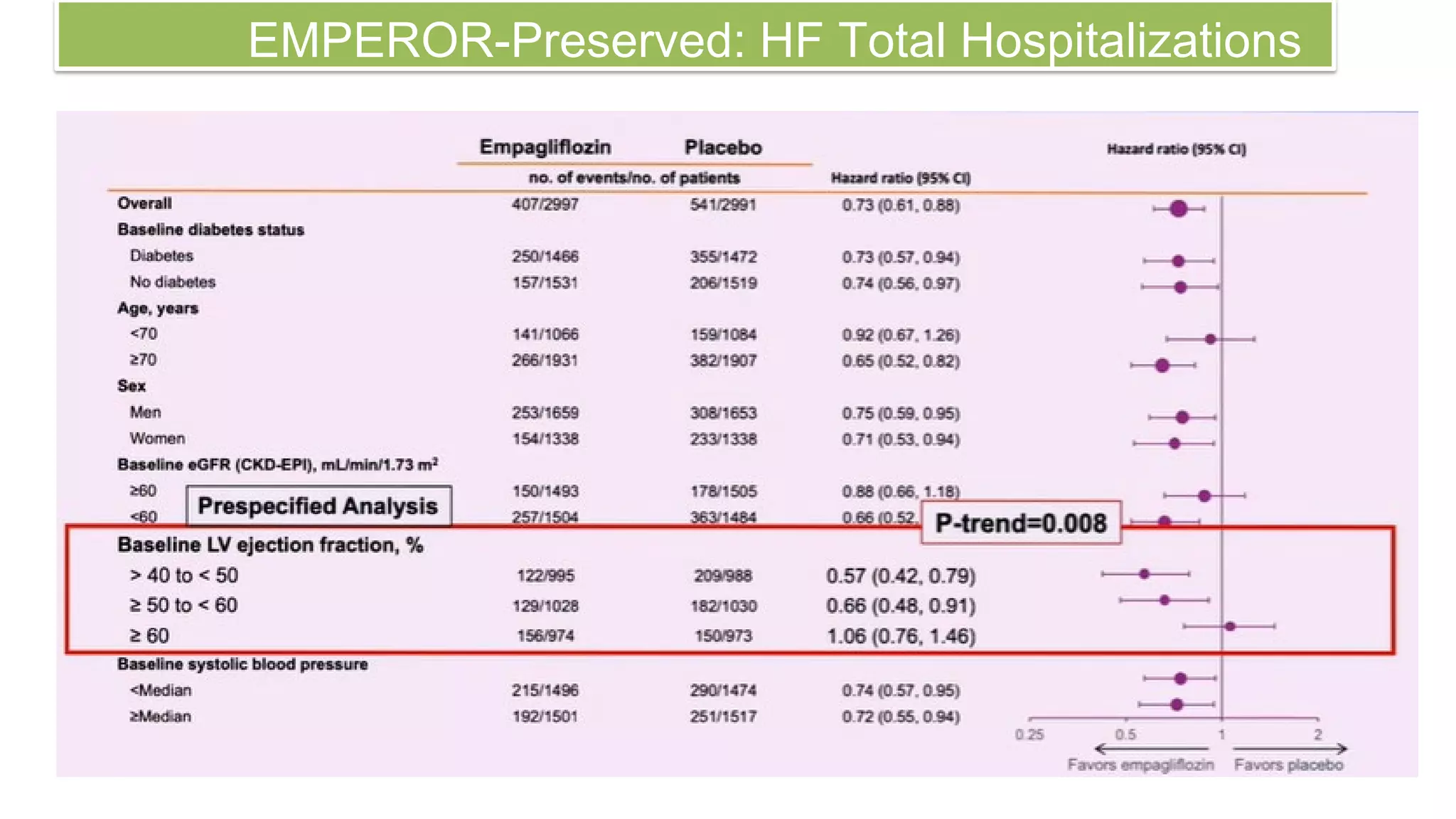
EMPEROR-Preserved: HF Total Hospitalizations
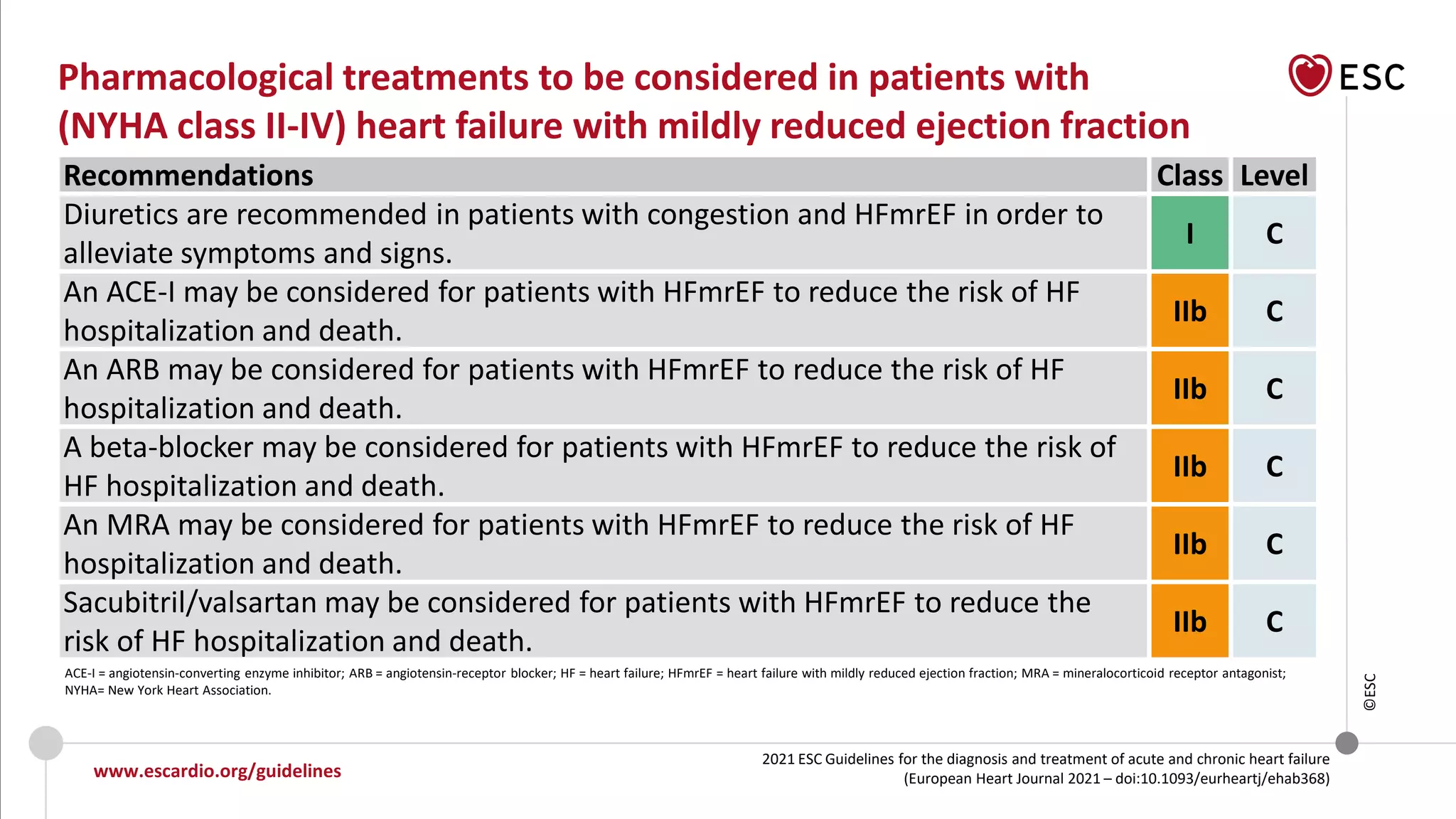
www.escardio.org/guidelines
©ESC
2021 ESC Guidelines for the diagnosis and treatment of acute and chronic heart failure
(European Heart Journal 2021 – doi:10.1093/eurheartj/ehab368)
Recommendations Class Level
Diuretics are recommended in patients with congestion and HFmrEF in order to
alleviate symptoms and signs.
I C
An ACE-I may be considered for patients with HFmrEF to reduce the risk of HF
hospitalization and death.
IIb C
An ARB may be considered for patients with HFmrEF to reduce the risk of HF
hospitalization and death.
IIb C
A beta-blocker may be considered for patients with HFmrEF to reduce the risk of
HF hospitalization and death.
IIb C
An MRA may be considered for patients with HFmrEF to reduce the risk of HF
hospitalization and death.
IIb C
Sacubitril/valsartan may be considered for patients with HFmrEF to reduce the
risk of HF hospitalization and death.
IIb C
Pharmacological treatments to be considered in patients with
(NYHA class II-IV) heart failure with mildly reduced ejection fraction
ACE-I = angiotensin-converting enzyme inhibitor; ARB = angiotensin-receptor blocker; HF = heart failure; HFmrEF = heart failure with mildly reduced ejection fraction; MRA = mineralocorticoid receptor antagonist;
NYHA= New York Heart Association.
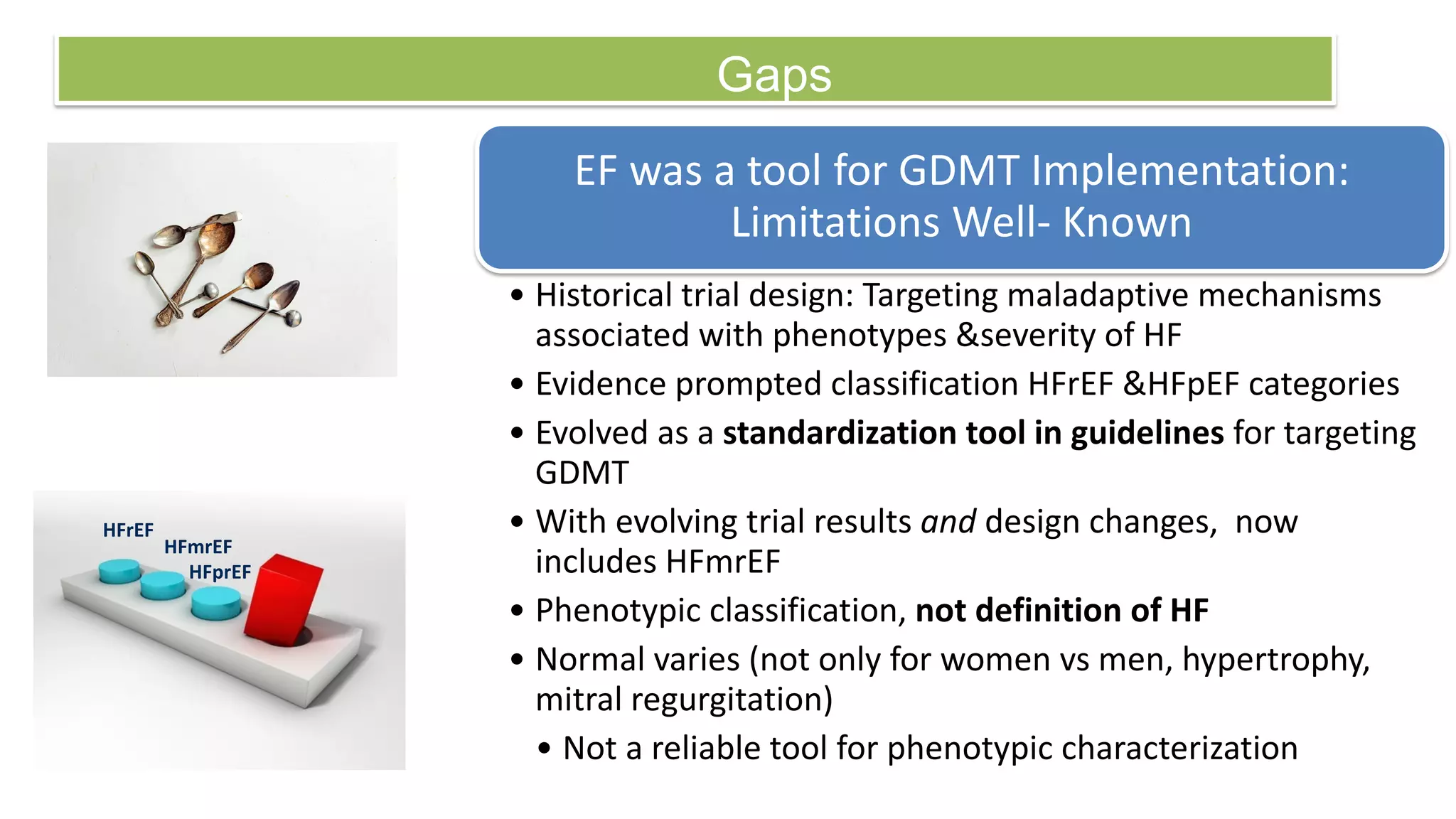
Gaps
EF was a tool for GDMT Implementation:
Limitations Well- Known
• Historical trial design: Targeting maladaptive mechanisms
associated with phenotypes &severity of HF
• Evidence prompted classification HFrEF &HFpEF categories
• Evolved as a standardization tool in guidelines for targeting
GDMT
• With evolving trial results and design changes, now
includes HFmrEF
• Phenotypic classification, not definition of HF
• Normal varies (not only for women vs men, hypertrophy,
mitral regurgitation)
• Not a reliable tool for phenotypic characterization
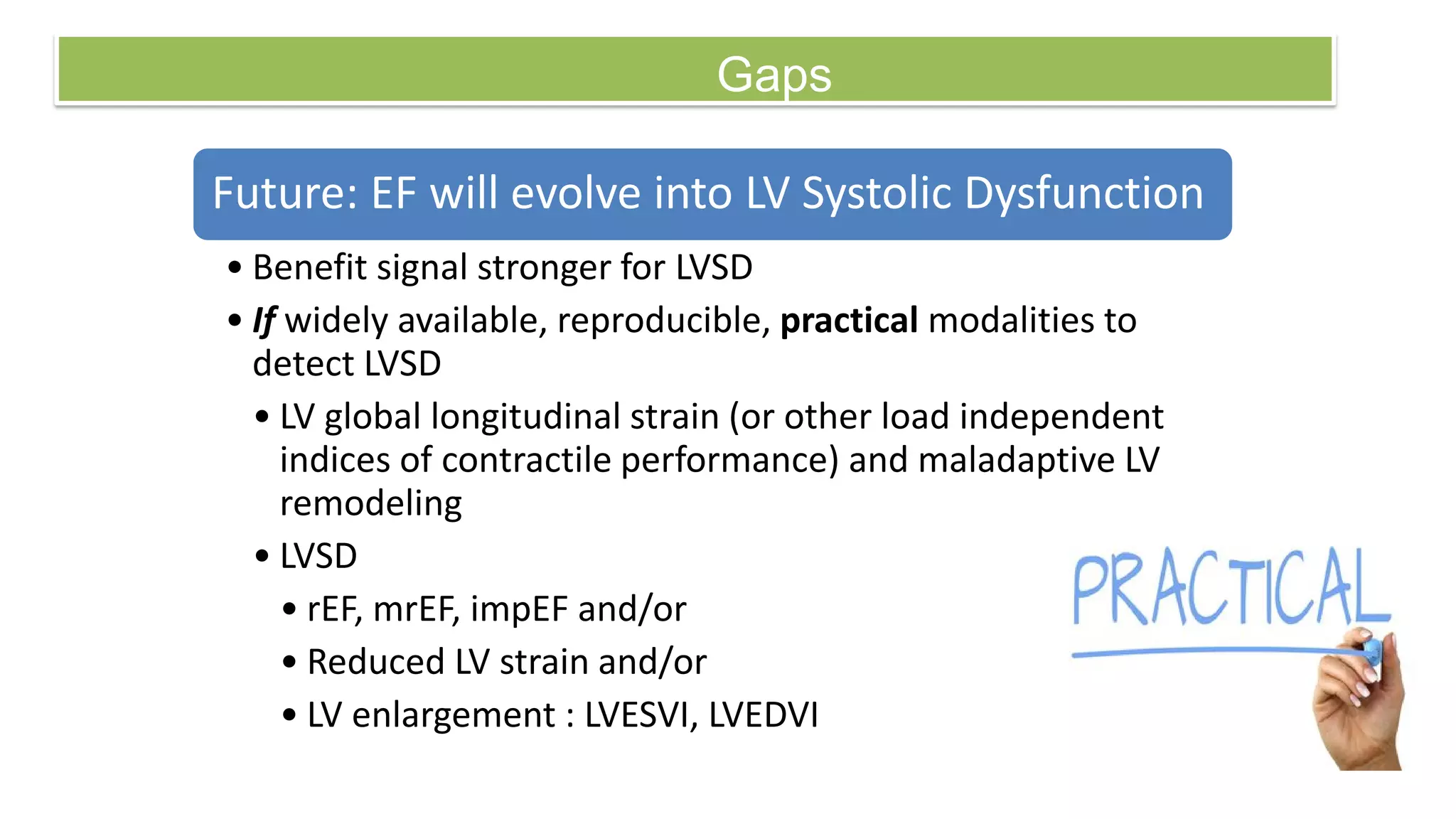
HFrEF
HFmrEF
HFprEF
Gaps
Future: EF will evolve into LV Systolic Dysfunction
• Benefit signal stronger for LVSD
• If widely available, reproducible, practical modalities to
detect LVSD
• LV global longitudinal strain (or other load independent
indices of contractile performance) and maladaptive LV
remodeling
• LVSD
• rEF, mrEF, impEF and/or
• Reduced LV strain and/or
• LV enlargement : LVESVI, LVEDVI
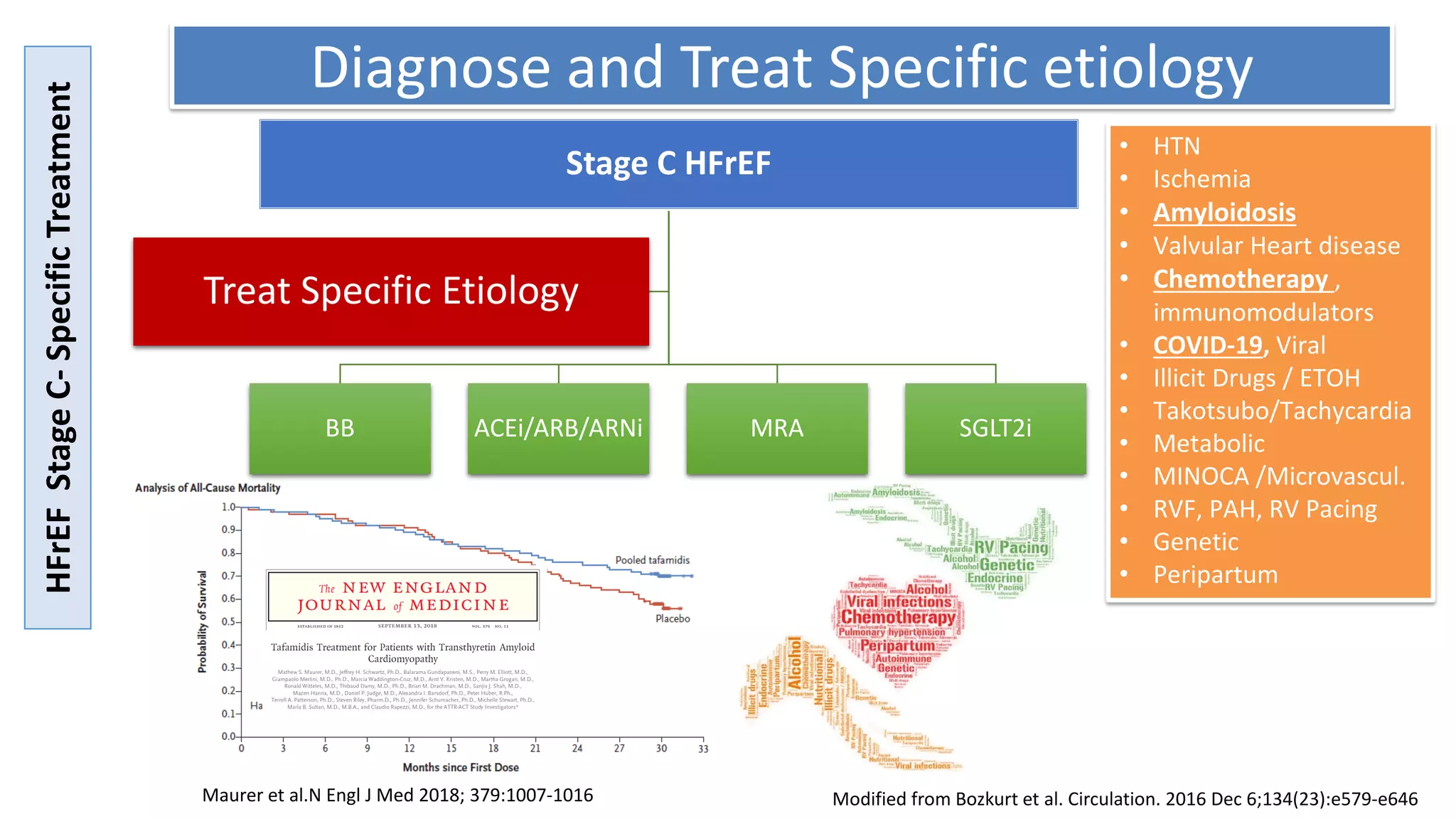
ESC 2021 HF Guidelines Harmonized with
2021 Universal Definition
www.escardio.org/guidelines
©ESC
2021 ESC Guidelines for the diagnosis and treatment of acute and chronic heart failure
(European Heart Journal 2021 – doi:10.1093/eurheartj/ehab368)
Type of HF HFrEF HFmrEF HFpEF
CRITERIA
1 Symptoms ± Signsa Symptoms ± Signsa Symptoms ± Signsa
2 LVEF ≤40% LVEF 41–49%b LVEF ≥50%
3 - - Objective evidence of cardiac structural
and/or functional
abnormalities consistent with the
presence of LV diastolic
dysfunction/raised LV filling pressures,
including raised natriuretic peptidesc
Definition of heart failure with reduced ejection fraction, mildly reduced
ejection fraction and preserved ejection fraction
HF = heart failure; HFmrEF = heart failure with mildly reduced ejection fraction; HFpEF = heart failure with preserved ejection fraction; HFrEF = heart failure with reduced ejection
fraction; LV = left ventricle; LVEF = left ventricular ejection fraction.
aSigns may not be present in the early stages of HF (especially in HFpEF) and in optimally treated patients.
bFor the diagnosis of HFmrEF, the presence of other evidence of structural heart disease (e.g. increased left atrial size, LV hypertrophy or echocardiographic measures of
impaired LV filling) makes the diagnosis more likely.
cFor the diagnosis of HFpEF, the greater the number of abnormalities present, the higher the likelihood of HFpEF.
HFrEF
Stage
C-
Specific
Treatment
Modified from Bozkurt et al. Circulation. 2016 Dec 6;134(23):e579-e646
• HTN
• Ischemia
• Amyloidosis
• Valvular Heart disease
• Chemotherapy ,
immunomodulators
• COVID-19, Viral
• Illicit Drugs / ETOH
• Takotsubo/Tachycardia
• Metabolic
• MINOCA /Microvascul.
• RVF, PAH, RV Pacing
• Genetic
• Peripartum
Stage C HFrEF
BB ACEi/ARB/ARNi MRA SGLT2i
Treat Specific Etiology
Diagnose and Treat Specific etiology
Maurer et al.N Engl J Med 2018; 379:1007-1016
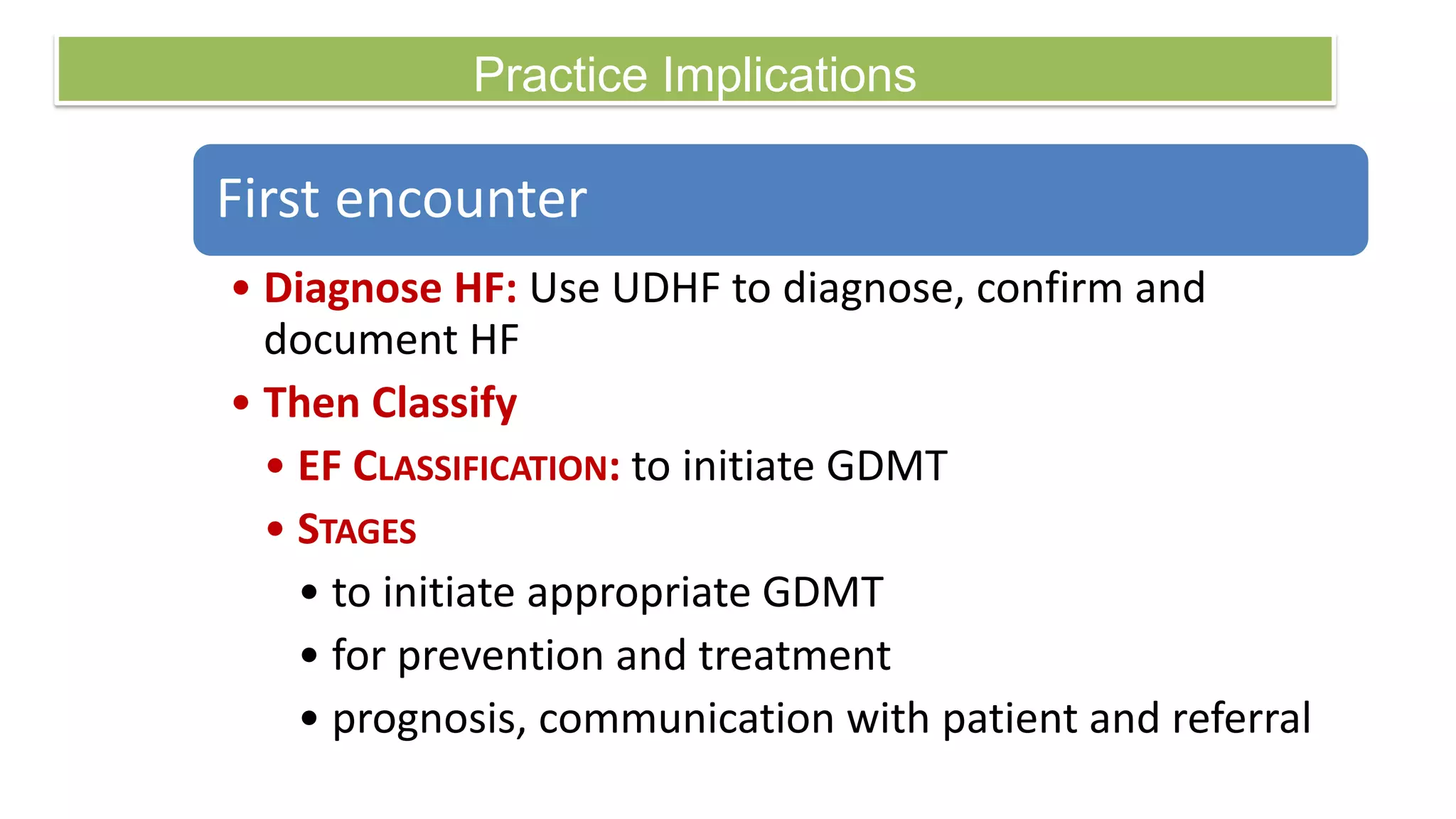
Practice Implications
First encounter
• Diagnose HF: Use UDHF to diagnose, confirm and
document HF
• Then Classify
• EF CLASSIFICATION: to initiate GDMT
• STAGES
• to initiate appropriate GDMT
• for prevention and treatment
• prognosis, communication with patient and referral
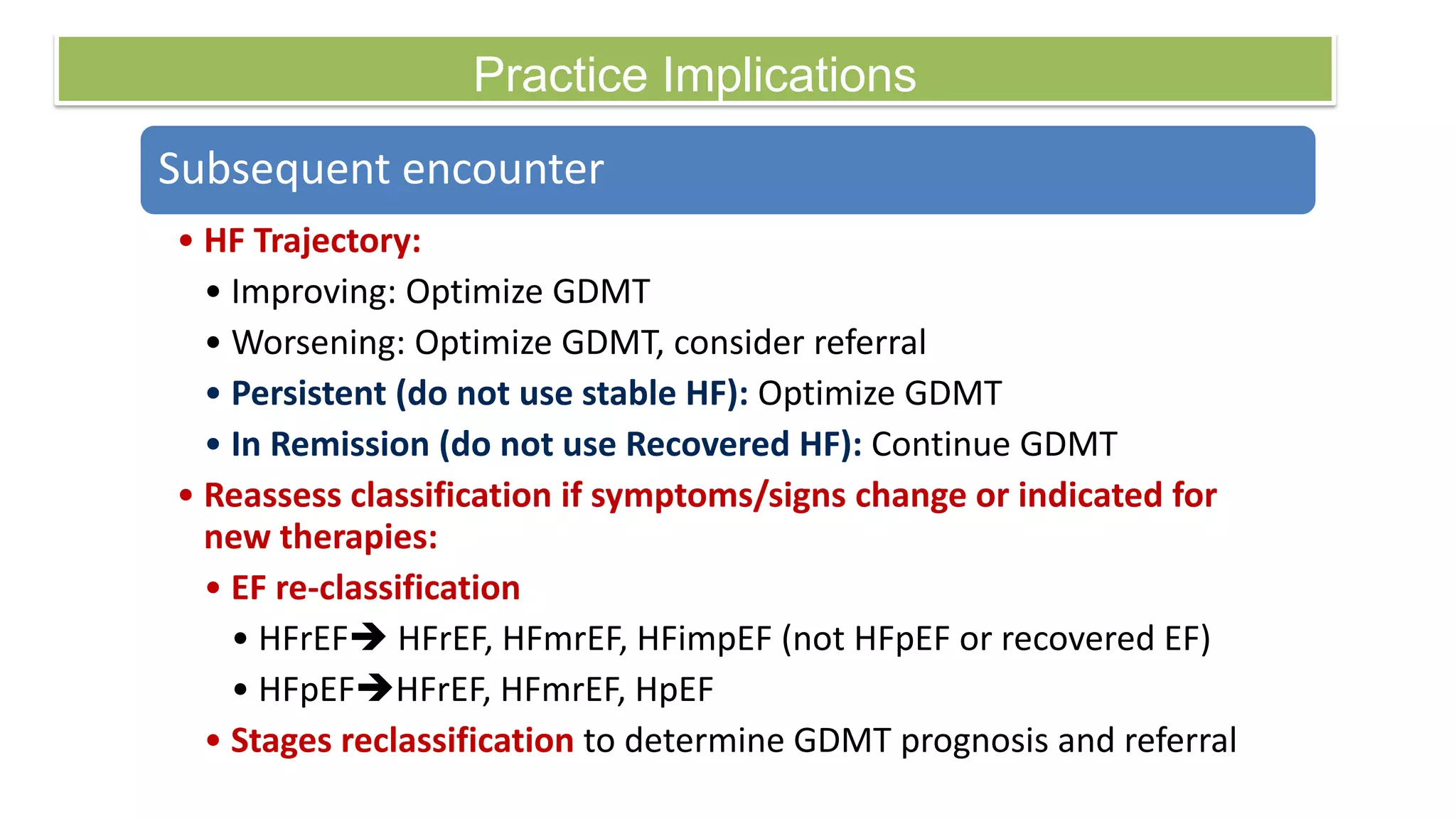
Practice Implications
Subsequent encounter
• HF Trajectory:
• Improving: Optimize GDMT
• Worsening: Optimize GDMT, consider referral
• Persistent (do not use stable HF): Optimize GDMT
• In Remission (do not use Recovered HF): Continue GDMT
• Reassess classification if symptoms/signs change or indicated for
new therapies:
• EF re-classification
• HFrEF HFrEF, HFmrEF, HFimpEF (not HFpEF or recovered EF)
• HFpEFHFrEF, HFmrEF, HpEF
• Stages reclassification to determine GDMT prognosis and referral
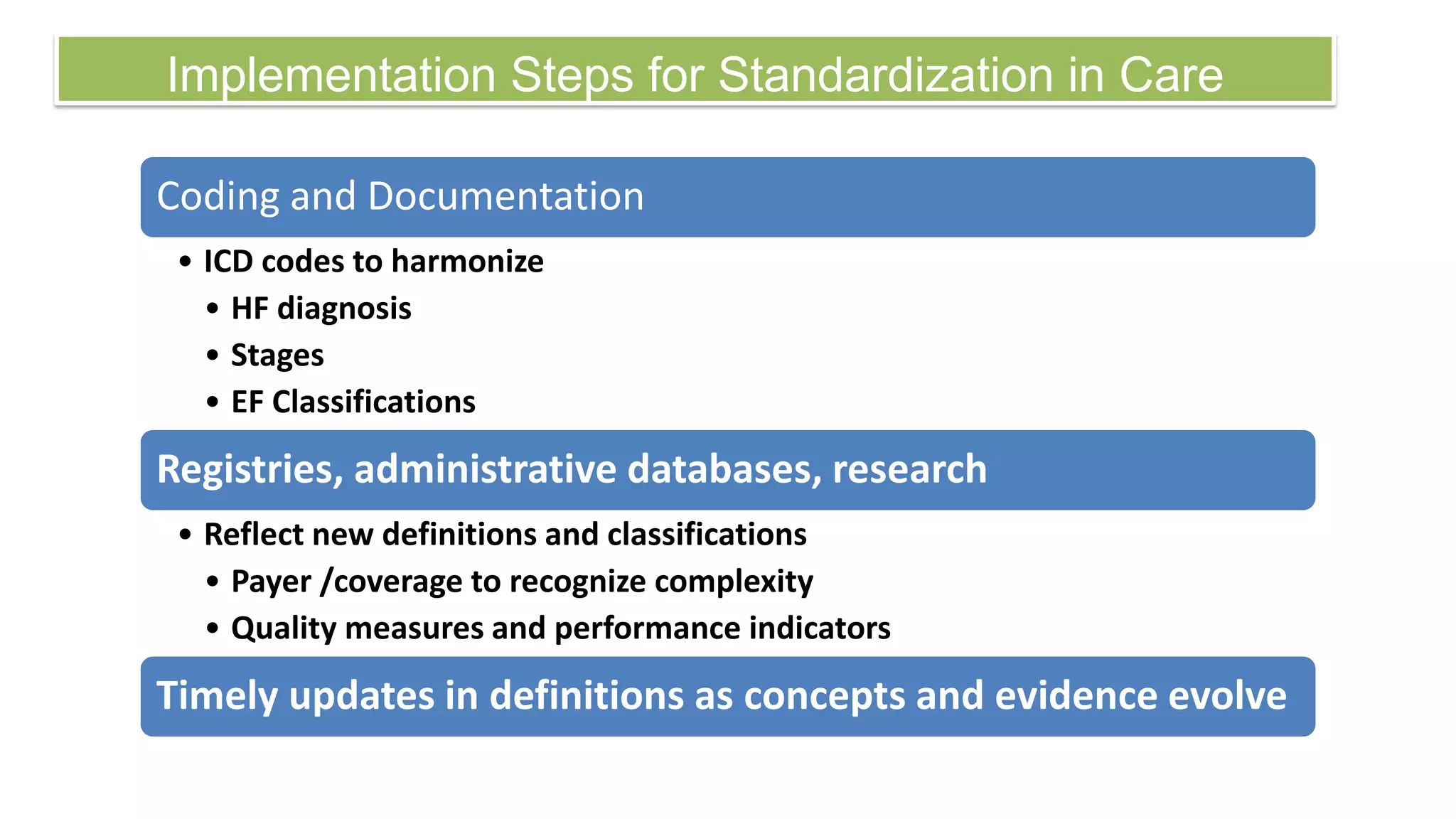
Implementation Steps for Standardization in Care
Coding and Documentation
• ICD codes to harmonize
• HF diagnosis
• Stages
• EF Classifications
Registries, administrative databases, research
• Reflect new definitions and classifications
• Payer /coverage to recognize complexity
• Quality measures and performance indicators
Timely updates in definitions as concepts and evidence evolve
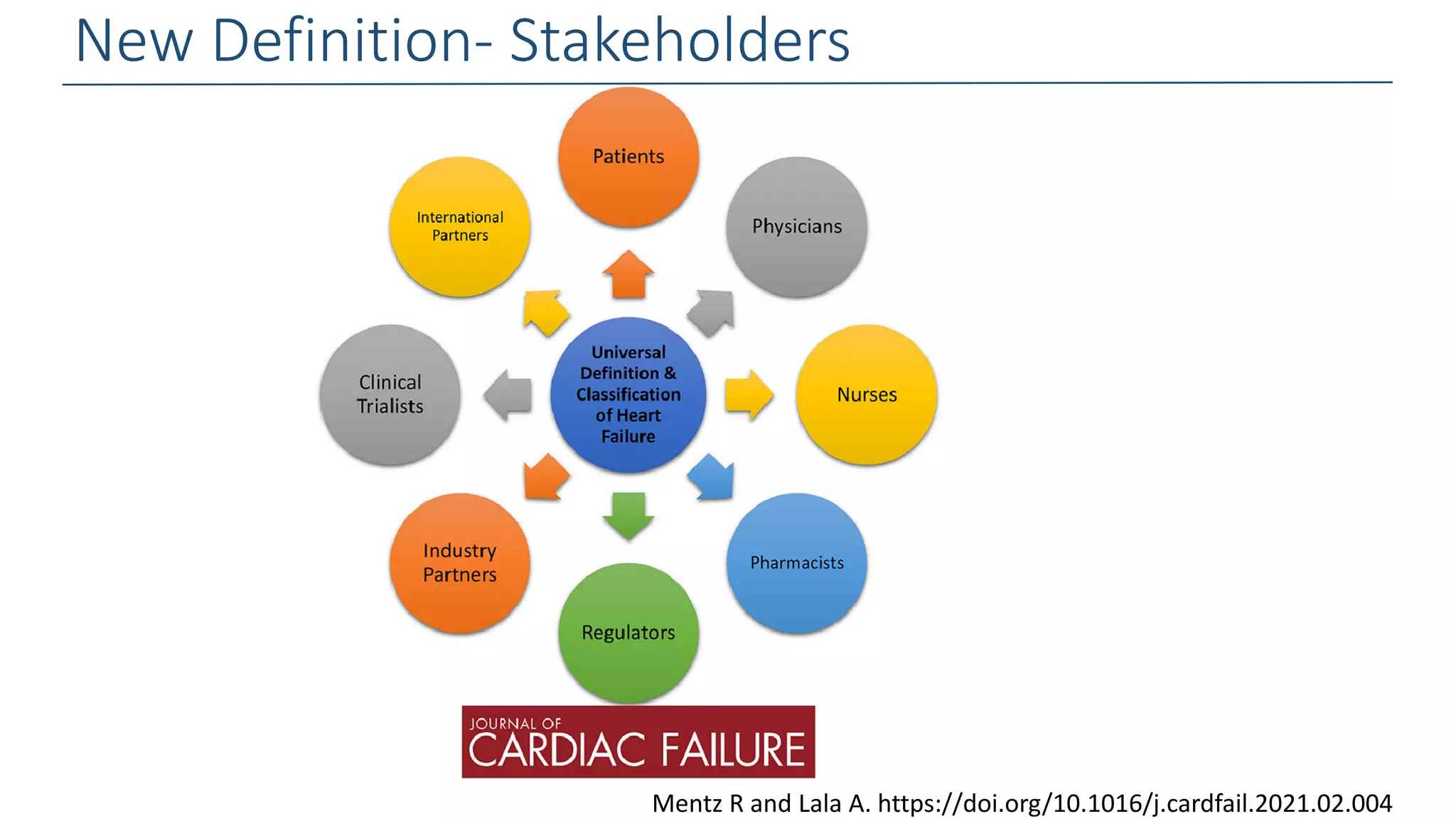
Mentz R and Lala A. https://doi.org/10.1016/j.cardfail.2021.02.004
New Definition- Stakeholders
Standardization
of HF syndrome
definition
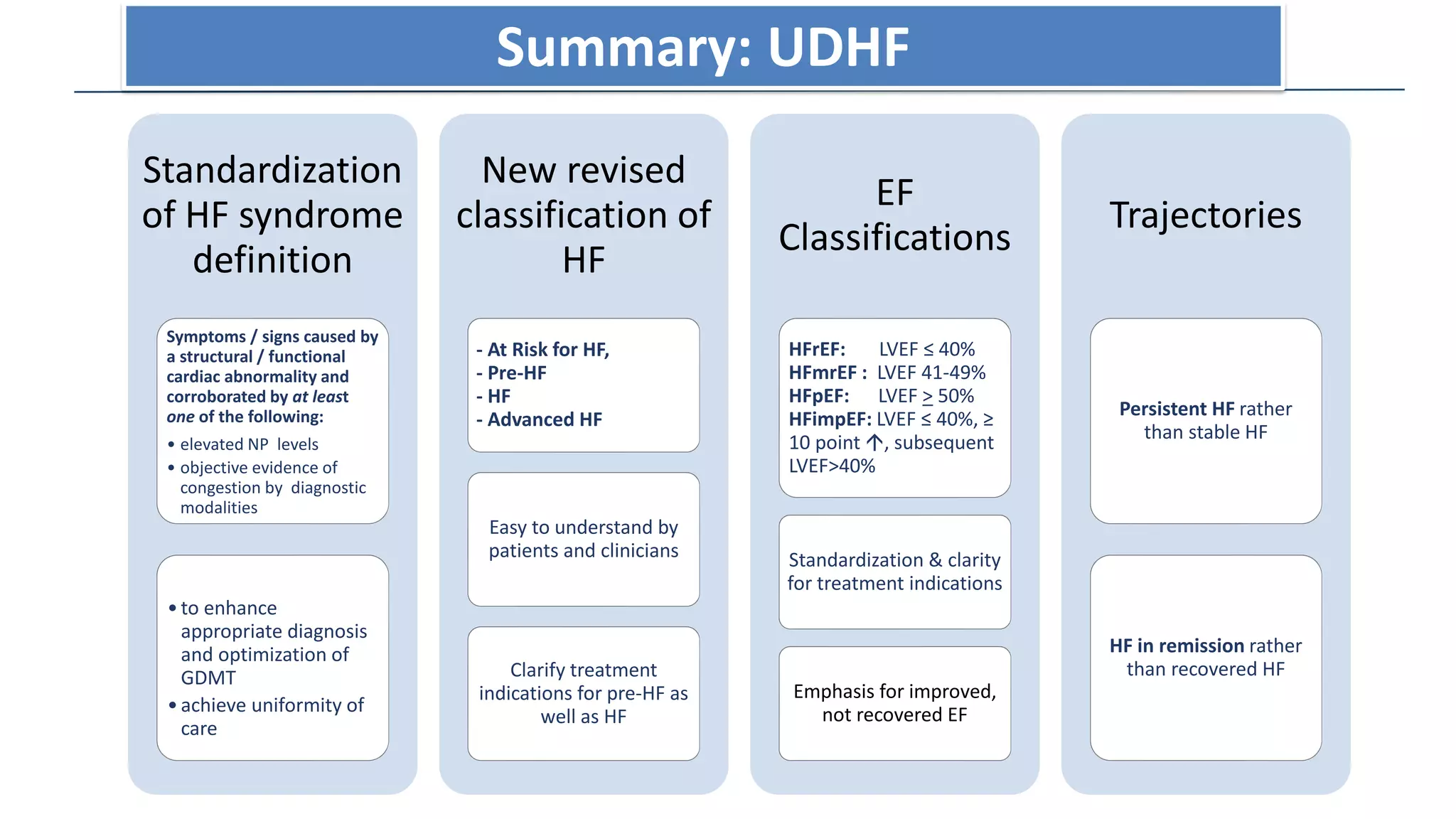
Symptoms / signs caused by
a structural / functional
cardiac abnormality and
corroborated by at least
one of the following:
• elevated NP levels
• objective evidence of
congestion by diagnostic
modalities
•to enhance
appropriate diagnosis
and optimization of
GDMT
•achieve uniformity of
care
New revised
classification of
HF
- At Risk for HF,
- Pre-HF
- HF
- Advanced HF
Easy to understand by
patients and clinicians
Clarify treatment
indications for pre-HF as
well as HF
EF
Classifications
HFrEF: LVEF ≤ 40%
HFmrEF : LVEF 41-49%
HFpEF: LVEF > 50%
HFimpEF: LVEF ≤ 40%, ≥
10 point , subsequent
LVEF>40%
Standardization & clarity
for treatment indications
Emphasis for improved,
not recovered EF
Trajectories
Persistent HF rather
than stable HF
HF in remission rather
than recovered HF
Summary: UDHF

Update in HF Definition and Classification: Universal Definition and Stages of HF (UDHF)

  • 1.
    Biykem Bozkurt, MDPhD, FHFSA, FACC, FAHA, FESC Associate Provost for Faculty Affairs, Senior Associate Dean for Faculty Development The Mary and Gordon Cain Chair & Professor of Medicine Director, Winters Center for HF Research, Associate Director, Cardiovascular Research Institute Baylor College of Medicine, Houston, TX Medicine Chief, Michael E. DeBakey VA Medical Center Past President, Heart Failure Society of America @BiykemB Update in HF Definition and Classification: Universal Definition and Stages of HF (UDHF) Treatment Implications and Knowledge Gaps
  • 2.
    • Clinical EventCommittee: Abbott, GUIDE HF Trial • Consultation: scPharmaceuticals, Amgen, Vifor, • Relypsa, Respicardia • DSMC: Anthem Trial, Liva Nova Disclosures
  • 3.
    Universal Definition ofHF (UDHF) Chinese Heart Failure Association Bozkurt, et al. Universal Definition and Classification of Heart Failure, Journal of Cardiac Failure, 2021
  • 4.
  • 5.
    “Textbook” definition : “Aclinical syndrome caused by the inability of the heart to meet tissue metabolic requirements” Former Definitions of Heart Failure
  • 6.
    Heart failure isa condition in which the heart can't pump enough blood to meet the body's needs. Circa 1977: “Abnormality of cardiac structure or function leading to failure of the heart to deliver oxygen at a rate commensurate with the requirements of the metabolizing tissues” Wagner S, Cohn K. Heart failure. A proposed definition and classification. Arch Intern Med 1977;137:675–678. Braunwald E. Heart failure. JACC Heart Fail 2013;1:1–20 Francis GS, Wilson Tang WH, Walsh RA. Pathophysiology of heart failure. In: Fuster V, Walsh RA, Harrington RA, eds. Hurst’s The Heart, 13th ed; 2011.pp719–738 Adamo L, Nassif ME, Novak E, LaRue SJ, Mann DL. Prevalence of lactic acidemia in patients with advanced heart failure and depressed cardiac output. Eur J Heart Fail. 2017;19(8):1027‐1033 1 % Few HF Patients Meet the Historical HF Definition:
  • 7.
    HF is asyndrome caused by cardiac dysfunction, generally resulting from myocardial muscle dysfunction or loss and characterized by either LV dilation or hypertrophy or both. Whether the dysfunction is primarily systolic or diastolic or mixed, it leads to neuro-hormonal and circulatory abnormalities, usually resulting in characteristic symptoms such as fluid retention, shortness of breath, and fatigue, especially on exertion. HF is a complex clinical syndrome that results from any structural or functional impairment of ventricular filling or ejection of blood HF is a clinical syndrome characterized by typical symptoms (e.g. breathlessness, ankle swelling and fatigue) that may be accompanied by signs (e.g. elevated jugular venous pressure, pulmonary crackles and peripheral oedema) caused by a structural and/or functional cardiac abnormality, resulting in a reduced cardiac output and/or elevated intracardiac pressures at rest or during stress. Heart failure is defined as a clinical syndrome consisting of dyspnea, malaise, swelling and/or decreased exercise capacity due to the loss of compensation for cardiac pumping function due to structural and/or functional abnormalities of the heart HF Definition in Guidelines Differed
  • 8.
    ICD-10-CMP I42.9:  Cardiomyopathy(familial) (idiopathic) I42.9  secondary I42.9  idiopathic I42.9  primary (idiopathic) I42.9  Myocardiopathy (congestive) (constrictive) (familial) (hypertrophic nonobstructive) (idiopathic) (infiltrative) (obstructive) (restrictive) (sporadic) I42.9 CMP Stage C/D ICD-10-HF I50: Coding guidance states first code following  HF complicating abortion or ectopic pregnancy  HF due to hypertension (I11.0);  HF due to hypertension with CKD (I13.-);  rheumatic heart failure (I09.81)  HF following surgery  I50.2: Systolic (congestive) heart failure  I50.4 Combined systolic (congestive) and diastolic (congestive) heart failure No code for at-risk for HF or pre-HF • to capture Stage A /at-risk / preHF prevalence • to treat for specific risk At-risk for HF Stage A Stage B Stage C/ D Chaos in Documentation/Administrative Coding
  • 9.
    83 79.8 85.1 73.4 66.3 61.7 54 86.2 92.2 67 80.2 81.7 43 34.4 60.3 33.4 33.7 35.7 1313.6 19.8 0 20 40 60 80 100 EuroHeart GDMT Among Indicated % IMPROVE-Baseline GDMT Use % IMPROVE- GDMT Use 24 Months Post Intervention % CHAMP Original-Baseline GDMT Use Among Eligible Patients % CHAMP Longitudinal- Baseline GDMT Use Among Eligible Patients (%) CHAMP Longitudinal- GDMT Use at 12 Months Among Eligible Patients (%) 2001 2009 2009 2017 2017 2017 Prescription Rates for HF Medications in Heart Failure Registries ACEI/ARB BB MRA ARNI Bozkurt B. J Am Coll Cardiol. 2019 May 21;73(19):2384-2387 Failure: Treatment of HF in the Last 2 Decades
  • 10.
    Major Criteria (need1 or more) • Acute pulmonary edema • Cardiomegaly • HJR • JVD • PND/Orthopnea • Rales • S3 Minor Criteria (need 2 or more) • Ankle edema • Dyspnea on exertion • Hepatomegaly • Nocturnal cough • Pleural effusion • Tachycardia (HR > 120) Clinical Trials: Framingham Criteria Episodes of Care: Hospitalization, ER visits Objective Criteria: NP levels
  • 11.
    Other Disease Definitionswith Objective Quantitative Markers • BP consistently higher than 130/80 Hypertension • Fasting glucose ≥126 mg/dL or non-fasting ≥200 mg/dL or Hb A1c ≥6.5% Diabetes • eGFR <60 ml/min/1.73m2 on at least 2 occasions 90 days apart CKD • GOLD grades by FEV1 % predicted thresholds COPD • BMD ≥2.5 SD below the normal mean for young-adult women Osteoporosis:
  • 12.
    European Heart Journal(2021) 42, 2331–2343
  • 14.
    Symptoms and/or signs ofHF caused by a structural and/or functional cardiac abnormality Elevated natriuretic peptide levels Objective evidence of cardiogenic pulmonary or systemic congestion and corroborated by at least one of the following or HF is a clinical syndrome with current or prior • Symptoms and or signs caused by a structural and/or functional cardiac abnormality (as determined by EF<50%, abnormal cardiac chamber enlargement, E/E’ >15, moderate/severe ventricular hypertrophy or moderate/severe valvular obstructive or regurgitant lesion) • and corroborated by at least one of the following:  elevated natriuretic peptide levels  objective evidence of cardiogenic pulmonary or systemic congestion by diagnostic modalities such as imaging (e.g. by CXR or elevated filling pressures by echocardiography) or hemodynamic measurement (e.g. right heart catheterization, PA catheter) at rest or with provocation (e.g. exercise) Bozkurt, et al. Universal Definition and Classification of Heart Failure, Journal of Cardiac Failure, 2021, ISSN 1071-9164, https://doi.org/10.1016/j.cardfail.2021.01.022. The Universal Definition of HF UDHF)
  • 15.
    Stage A • Athigh risk for HF but without structural heart disease or symptoms of HF Stage B • Structural heart disease but without signs or symptoms of HF Stage C • Structural heart disease with prior or current symptoms of HF Stage D • Refractory HF requiring specialized interventions Yancy CW, et al. Circulation. 2013;128(16):e240-327. ACC/AHA HF Stages
  • 16.
    HEALTHY AT RISK (STAGE A) PRE-HF (STAGEB) Treatment Strategies According to Stages of HF HF (STAGE C) Risk Treatment Primordial Prevention Specific for risk: SGLT2i for DM, ACEi/ARB/ thiazide +LSM for HTN GDMT for LVSD BB, ACEi/ ARB, ICD GDMT for HF: BB, ACEI/ARB, ARNi, MRA, ICD, SGLT2i, Hyd+ISDN Vericiguat Reverse remodeling / neurohormonal antagonism Treatment for symptoms. reverse remodeling / neurohormonal antagonism Specific for etio, risk/ injury/ stretch neurohormonal antagonism Higher Risk Treatment HIGHER RISK PHENOTYPE NT-proBNP microalbumiuria
  • 17.
    Persistent Heart Failure AT-RISK FOR HEARTFAILURE (STAGE A) PRE-HEART FAILURE (STAGE B) HEART FAILURE (STAGE C) ADVANCED HEART FAILURE (STAGE D) Patients with HTN, CVD, DM, obesity, known exposure to cardiotoxins, family history of cardiomyopathy Patients without current or prior symptoms or signs of heart failure but evidence of one of the following Patients at risk for HF but without current or prior symptoms or signs of HF and without structural, biomarker, or genetic markers of heart disease. Structural Heart Disease: e.g. LVH, chamber enlargement, wall motion abnormality, myocardial tissue abnormality, valvular heart disease Abnormal cardiac function: e.g. reduced LV or RV ventricular systolic function, evidence of increased filling pressures or abnormal diastolic dysfunction Elevated natriuretic peptide levels or elevated cardiac troponin levels in the setting of exposure to cardiotoxins Patients with current or prior symptoms and/ or signs of HF caused by Severe symptoms and/ or signs of HF at rest, recurrent hospitalizations despite GDMT, refractory or intolerant to GDMT structural and/or functional cardiac abnormality requiring advanced therapies such as consideration for transplant, mechanical circulatory support, or palliative care with GDMT and risk factor modification Heart Failure in Remission Bozkurt, et al. Universal Definition and Classification of Heart Failure, Journal of Cardiac Failure, 2021, ISSN 1071-9164, https://doi.org/10.1016/j.cardfail.2021.01.022. Universal Definition Stages of HF
  • 18.
    European Heart Journal(2021) 42, 2331–2343
  • 19.
    European Heart Journal(2021) 42, 2331–2343 Asymptomatic+ NP elevation already defined in UDHF =Pre-HF Stage (Stage B)
  • 20.
    New onset/ denovo HF: • Newly diagnosed HF • No former history of HF Worsening HF: • Worsening symptom/signs/ functional capacity, and/or requiring escalation of therapies such as IV or other advanced therapies • and/or hospitalization Improving HF: • Improving symptoms/signs and or functional capacity Persistent HF: • Persistent HF with ongoing symptoms/signs and or limited functional capacity HF in Remission: • Resolution of symptoms and signs of HF, with resolution of previous structural/functional heart disease after a phase of symptomatic HF Do not use “Recovered HF” instead, use “HF in Remission” Do not use “Stable HF”, instead, use “Persistent” Bozkurt, et al. Universal Definition and Classification of Heart Failure, Journal of Cardiac Failure, 2021, ISSN 1071-9164, https://doi.org/10.1016/j.cardfail.2021.01.022. Other Clinical Trajectory Terminologies in HF
  • 21.
    • HF withLVEF ≤ 40% HF with reduced EF (HFrEF): • HF with LVEF 41-49% HF with mildly reduced EF (HFmrEF): • HF with LVEF > 50% HF with preserved EF (HFpEF): • HF with a baseline LVEF ≤ 40%, a ≥ 10 point increase from baseline LVEF, and a second measurement of LVEF > 40% HF with improved EF (HFimpEF): Bozkurt, et al. Universal Definition and Classification of Heart Failure, Journal of Cardiac Failure, 2021, ISSN 1071-9164. EF Classification of HF in Universal Definition
  • 22.
    HFrEF BB ACEi/ARB/ARNi MRASGLT2i Decongest Current Standard Core Medical Therapy STAGE C HFrEF
  • 23.
    Benefit with ARB,MRA, ARNi, SGLT2i in HFrEF & HFmrEF Spironolactone: TOPCAT Solomon et al, 2016 EHJ ARB: CHARM-PRESERVED Lund L et al, EJHF, 2018 ARNI: PARAGON-HF. Solomon et al, Circulation, 2020 EMPEROR PRESERVED and PARAGON Packer Circulation. 2021;143:337–349
  • 24.
    Benefit higher inlower LVEF Bozkurt & Ezekowitz Circulation. 2020;141:362–366. DOI: 10.1161/CIRCULATIONAHA.120.045008
  • 25.
    Anker et alNEJM 2021 DOI: 10.1056/NEJMoa2107038 ~3000 pts NYHA Class II-IV HF, LVEF > 40 % elevated BNP ARNi (sacubitril valsartan) vs valsartan HFpEF: EMPEROR-Preserved Trial HR 0.79 (95% CI 0.69, 0.90) P = 0.0003 Placebo: 511 patients with event Rate: 8.7 per 100 patient-years 20 15 10 5 0 Estimated Cumulative Incidence (%) Placebo Empagliflozin Empagliflozin: 415 patients with event Rate: 6.9 per 100 patient-years NNT=31 RRR 21% During a median trial period of 26 months.
  • 26.
    HR (95% CI) EmpagliflozinPlacebo n with event/N analysed 415/2997 511/2991 0.79 (0.69–0.90) 258/2298 157/699 319/2321 192/670 0.81 (0.68–0.95) 0.73 (0.59–0.90) 157/1079 258/1917 177/1038 334/1953 0.85 (0.69–1.06) 0.75 (0.64–0.89) Overall HF hospitalization in ≤12 months No Yes Cause of HF Ischaemic Non-ischaemic Baseline NYHA class* II III/IV 275/2435 140/562 361/2452 150/539 0.75 (0.64–0.87) 0.86 (0.68–1.09) Baseline LVEF <50% ≥50% to <60% ≥60% 145/995 138/1028 132/974 193/988 173/1030 145/973 0.71 (0.57–0.88) 0.80 (0.64–0.99) 0.87 (0.69–1.10) Baseline NT-proBNP (calculated by AF/flutter status) 126/1477 288/1516 168/1508 341/1476 0.76 (0.61–0.96) 0.78 (0.67–0.91) <Median ≥Median Baseline use of MRA No Yes 233/1878 182/1119 306/1866 205/1125 0.73 (0.62–0.87) 0.87 (0.71–1.06) Baseline use of ACE-inhibitor, ARB or ARNI No 90/569 121/587 Yes 325/2428 *NYHA class I are counted in class II 390/2404 0.75 (0.57–0.99) 0.80 (0.69–0.93) Placebo better Empagliflozin better HR (95% CI) 0.25 0.5 1 2 EMPEROR-Preserved-Primary Endpoint: Effects in Subgroups P-trend = 0.21
  • 27.
  • 28.
    www.escardio.org/guidelines ©ESC 2021 ESC Guidelinesfor the diagnosis and treatment of acute and chronic heart failure (European Heart Journal 2021 – doi:10.1093/eurheartj/ehab368) Recommendations Class Level Diuretics are recommended in patients with congestion and HFmrEF in order to alleviate symptoms and signs. I C An ACE-I may be considered for patients with HFmrEF to reduce the risk of HF hospitalization and death. IIb C An ARB may be considered for patients with HFmrEF to reduce the risk of HF hospitalization and death. IIb C A beta-blocker may be considered for patients with HFmrEF to reduce the risk of HF hospitalization and death. IIb C An MRA may be considered for patients with HFmrEF to reduce the risk of HF hospitalization and death. IIb C Sacubitril/valsartan may be considered for patients with HFmrEF to reduce the risk of HF hospitalization and death. IIb C Pharmacological treatments to be considered in patients with (NYHA class II-IV) heart failure with mildly reduced ejection fraction ACE-I = angiotensin-converting enzyme inhibitor; ARB = angiotensin-receptor blocker; HF = heart failure; HFmrEF = heart failure with mildly reduced ejection fraction; MRA = mineralocorticoid receptor antagonist; NYHA= New York Heart Association.
  • 29.
    Gaps EF was atool for GDMT Implementation: Limitations Well- Known • Historical trial design: Targeting maladaptive mechanisms associated with phenotypes &severity of HF • Evidence prompted classification HFrEF &HFpEF categories • Evolved as a standardization tool in guidelines for targeting GDMT • With evolving trial results and design changes, now includes HFmrEF • Phenotypic classification, not definition of HF • Normal varies (not only for women vs men, hypertrophy, mitral regurgitation) • Not a reliable tool for phenotypic characterization HFrEF HFmrEF HFprEF
  • 30.
    Gaps Future: EF willevolve into LV Systolic Dysfunction • Benefit signal stronger for LVSD • If widely available, reproducible, practical modalities to detect LVSD • LV global longitudinal strain (or other load independent indices of contractile performance) and maladaptive LV remodeling • LVSD • rEF, mrEF, impEF and/or • Reduced LV strain and/or • LV enlargement : LVESVI, LVEDVI
  • 31.
    ESC 2021 HFGuidelines Harmonized with 2021 Universal Definition www.escardio.org/guidelines ©ESC 2021 ESC Guidelines for the diagnosis and treatment of acute and chronic heart failure (European Heart Journal 2021 – doi:10.1093/eurheartj/ehab368) Type of HF HFrEF HFmrEF HFpEF CRITERIA 1 Symptoms ± Signsa Symptoms ± Signsa Symptoms ± Signsa 2 LVEF ≤40% LVEF 41–49%b LVEF ≥50% 3 - - Objective evidence of cardiac structural and/or functional abnormalities consistent with the presence of LV diastolic dysfunction/raised LV filling pressures, including raised natriuretic peptidesc Definition of heart failure with reduced ejection fraction, mildly reduced ejection fraction and preserved ejection fraction HF = heart failure; HFmrEF = heart failure with mildly reduced ejection fraction; HFpEF = heart failure with preserved ejection fraction; HFrEF = heart failure with reduced ejection fraction; LV = left ventricle; LVEF = left ventricular ejection fraction. aSigns may not be present in the early stages of HF (especially in HFpEF) and in optimally treated patients. bFor the diagnosis of HFmrEF, the presence of other evidence of structural heart disease (e.g. increased left atrial size, LV hypertrophy or echocardiographic measures of impaired LV filling) makes the diagnosis more likely. cFor the diagnosis of HFpEF, the greater the number of abnormalities present, the higher the likelihood of HFpEF.
  • 32.
    HFrEF Stage C- Specific Treatment Modified from Bozkurtet al. Circulation. 2016 Dec 6;134(23):e579-e646 • HTN • Ischemia • Amyloidosis • Valvular Heart disease • Chemotherapy , immunomodulators • COVID-19, Viral • Illicit Drugs / ETOH • Takotsubo/Tachycardia • Metabolic • MINOCA /Microvascul. • RVF, PAH, RV Pacing • Genetic • Peripartum Stage C HFrEF BB ACEi/ARB/ARNi MRA SGLT2i Treat Specific Etiology Diagnose and Treat Specific etiology Maurer et al.N Engl J Med 2018; 379:1007-1016
  • 33.
    Practice Implications First encounter •Diagnose HF: Use UDHF to diagnose, confirm and document HF • Then Classify • EF CLASSIFICATION: to initiate GDMT • STAGES • to initiate appropriate GDMT • for prevention and treatment • prognosis, communication with patient and referral
  • 34.
    Practice Implications Subsequent encounter •HF Trajectory: • Improving: Optimize GDMT • Worsening: Optimize GDMT, consider referral • Persistent (do not use stable HF): Optimize GDMT • In Remission (do not use Recovered HF): Continue GDMT • Reassess classification if symptoms/signs change or indicated for new therapies: • EF re-classification • HFrEF HFrEF, HFmrEF, HFimpEF (not HFpEF or recovered EF) • HFpEFHFrEF, HFmrEF, HpEF • Stages reclassification to determine GDMT prognosis and referral
  • 35.
    Implementation Steps forStandardization in Care Coding and Documentation • ICD codes to harmonize • HF diagnosis • Stages • EF Classifications Registries, administrative databases, research • Reflect new definitions and classifications • Payer /coverage to recognize complexity • Quality measures and performance indicators Timely updates in definitions as concepts and evidence evolve
  • 36.
    Mentz R andLala A. https://doi.org/10.1016/j.cardfail.2021.02.004 New Definition- Stakeholders
  • 37.
    Standardization of HF syndrome definition Symptoms/ signs caused by a structural / functional cardiac abnormality and corroborated by at least one of the following: • elevated NP levels • objective evidence of congestion by diagnostic modalities •to enhance appropriate diagnosis and optimization of GDMT •achieve uniformity of care New revised classification of HF - At Risk for HF, - Pre-HF - HF - Advanced HF Easy to understand by patients and clinicians Clarify treatment indications for pre-HF as well as HF EF Classifications HFrEF: LVEF ≤ 40% HFmrEF : LVEF 41-49% HFpEF: LVEF > 50% HFimpEF: LVEF ≤ 40%, ≥ 10 point , subsequent LVEF>40% Standardization & clarity for treatment indications Emphasis for improved, not recovered EF Trajectories Persistent HF rather than stable HF HF in remission rather than recovered HF Summary: UDHF