TRACER TECHNIQUE
INTRODUCTION
• Tracer technique now widely employed in all branches
of science, had its origin in early part of last century,
when it was realized that elements existed with
identical chemical properties but with different
atomic weights.
• Such isotopes may be stable(13
C, 2
H)
or nucleus may be unstable.(14
C,3
H) and decay
with emission of radiation.
• If it is possible to detect these isotopes by suitable
means then they can be incorporated into presumed
precursor of plant constituents and used as markers in
biogenetic experiments.
DEFINATION
• It is a technique which utilizes a labeled compound to
trace or find out the different intermediates and
various steps involved in biosynthetic process in plant
at given rate and given time.
• When these labeled compounds are administered into
the plants they become a part of general metabolic
pool and undergo reactions characteristics to the
metabolism of that particular plant.
RADIOACTIVE TRACER
A radioactive tracer, or radioactive label, is a
chemical compound in which one or more atoms have
been replaced by a radioisotope. By virtue of its
radioactivity it can be used to explore the mechanism
of chemical reactions by tracing the path that the
radioisotope follows from reactants to products.
Radioisotopes of hydrogen, carbon, phosphorus,
sulphur, and iodine have been used extensively to trace
the path of biochemical reactions.
Significance of tracer techniques
• It is used for tracing of biosynthetic pathway by
incorporating radioactive isotopes into precursor or
starting material.
eg:By incorporation of 14
C to phenylalanine,the
biosynthesis of cyanogenetic glycoside prunacin can
be traced.
• Location and quantity of compound can be
determined within biological system.
• Radioactive tracer methods are used both in research
and routine analytical method.
Different tracer element for different
studies
• For studies on Proteins ,alkaloid and amino acids:
Nitrogen atom gives more specific information than
carbon atom.
• For studies on glycosidic linkage: O, N, S and C
atoms.
• For studies on Terpenoids: O atom
Basic steps involved in tracer
techniques
• Preparation of labelled compound.
• Incorporation of labelled compound to tissue system.
• Separation or isolation of labelled from tissue system.
• .Determination of nature of metabolites in various
biochemical fraction
Preparation of labelled
compound
• The labelled compounds may be prepared by use of
radioactive isotopes and stable isotopes.
• Radioactive isotopes14
C, 3
H,35
S,32
P,131
I, 60Co.
Criteria for selection of trace
elements
• The starting concentration of trace element must be
sufficient enough to withstand dilution in the course of
metabolism.
• For proper labelling the physical and chemical nature of
the compound must be known.
• Half life of the tracer isotope should be sufficiently long
• The labeled compound should not be damage to the
tissue system.
Introduction of labelled compound to
tissue system
• Root feeding
• Stem feeding
• Direct injection
• Infiltration
• Floating method
• Spraying technique
Root feeding
• The plant in which roots are biosynthetic sites;
this method is preferred e.g. Tobacco.
• In this type of experiment the plant are cultivated
hydroponically to avoid microbial contamination.
Stem feeding
• In this method substrate can be administered
through the cut ends of stem immersed in a solution.
• For latex containing plant; this method is not
suitable
Direct injection
• This method is applicable to the plant with hollow
stem. e.g. Umbelliferae and capsules bearing
plant(Opium poppy).
Infiltration : Wick feeding
• When it is desired to carryout feeding on plant rooted
in soil or other support without disturbing the
root ,wick feeding is applicable.
Floating method
• When small amount of material is available, floating
method is used. In this method leaf disc or chopped
leaves are floated on the substrate solution.
• This technique is also used in conjugation with
vacuum infiltration to remove gases.
Spray technique
• In this method compound are absorbed after being
sprayed on leaves in aqueous solution. e.g. Steroids
Separation or isolation of labelled
compound or metabolite
Depending on the nature of drug and its source different method of
extraction is employed:
• Soft and fresh tissue: Infusion, Maceration.
• Hard tissue: Decoction, Hot percolation.
• Unorganized drug: Maceration
Determination of nature of
metabolites
• Depending on nature of isotopes various instrumentation
techniques are used for determination of chemical nature of
intermediate and final product.
For radioactive isotopes
• GM-Counter
• Scintillation or liquid scintillation counter
• Ionization chamber
• These entire instruments characterized the nature of
radiation. Basically it depends upon the conversion of
kinetic energy of particle into fleeting pulse of light
as a result of its penetration into a suitable
luminescent medium
For stable isotopes
• Mass spectroscopy: gives molecular peaks depending
on mass/charge ratio.
• NMR: gives nature of carbon and proton.
Methods of tracer techniques
• Precursor-product sequence.
• Competitive feeding.
• Sequential analysis.
Precursor-product sequence
• In this method presumed precursor of the constituent
as under investigation in a labeled form is fed to
plant and after a particular time the constituent is
isolated, purified and its radioactivity is determined.
This method is used for biogenesis of morphine and
ergot alkaloid.
Competitive feeding
• This method is normally used to determine two
possible intermediates in the plants.
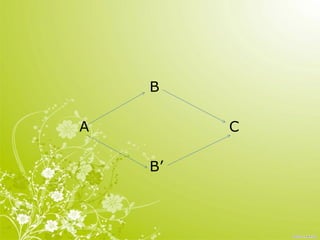
• Competitive feeding can distinguish whether B or B’
is the normal intermediate in the formation of C from A
B
A C
B’
• E.g. Biosynthesis of Hemlock alkaloids.
Connine and conhydrine.
Sequential Analysis
• The principle of this method of investigation is to
grow plants in the atmosphere of14
CO2 and
by analysis of plants at given intervals ,to obtain the
sequence in which various related compounds becomes
labelled .
• 14
CO2 and sequential analysis has been very
successfully used in the elucidation of the path
of carbon in photosynthesis.
• Determination of sequential formation of opium and
tobacco alkaloid
APPLICATIONS
• The application of radioactive tracers for the study of
biological processes originated with the hungarian-
bornphysical chemist George de Hevesy, who
performed his basic research in this area during the
1930'ies in Copenhagen
• Phosphorous-metabolism in mammalian bone tissue
• Transport of amino acids through small-intestinal
epithelium
• The dark reactions of photosynthesis
• Turnover and degradation of toxic compounds in the
liver
• Receptor-ligand binding studies
• Circadian variation in DNA-synthesis in rodent
mammary glands
• Biosynthesis of glycin-betain and its role in
osmoregulation in mussel

Tracers Used in Nuclear Medicine
Pharmaceutical Source Activity
(MBq)
Medical Use
Pertechnetate 99m
Tc 550 - 1200 Brain Imaging
Pyrophosphate 99m
Tc 400 - 600 Acute Cardiac Infarct
Imaging
Diethylene Triamine
Pentaacetic Acid (DTPA)
99m
Tc 20 - 40 Lung Ventilation
Imaging
Benzoylmercaptoacetyltri
glycerine (MAG3)
99m
Tc 50 - 400 Renogram Imaging
Methylene Diphosphonate
(MDP)
99m
Tc 350 - 750 Bone Scans
THANK YOU

TRACER TECHNIQUES FOR QUANTIFICATION.pptx

  • 1.
  • 2.
    INTRODUCTION • Tracer techniquenow widely employed in all branches of science, had its origin in early part of last century, when it was realized that elements existed with identical chemical properties but with different atomic weights. • Such isotopes may be stable(13 C, 2 H)
  • 3.
    or nucleus maybe unstable.(14 C,3 H) and decay with emission of radiation. • If it is possible to detect these isotopes by suitable means then they can be incorporated into presumed precursor of plant constituents and used as markers in biogenetic experiments.
  • 4.
    DEFINATION • It isa technique which utilizes a labeled compound to trace or find out the different intermediates and various steps involved in biosynthetic process in plant at given rate and given time. • When these labeled compounds are administered into the plants they become a part of general metabolic pool and undergo reactions characteristics to the metabolism of that particular plant.
  • 5.
    RADIOACTIVE TRACER A radioactivetracer, or radioactive label, is a chemical compound in which one or more atoms have been replaced by a radioisotope. By virtue of its radioactivity it can be used to explore the mechanism of chemical reactions by tracing the path that the radioisotope follows from reactants to products. Radioisotopes of hydrogen, carbon, phosphorus, sulphur, and iodine have been used extensively to trace the path of biochemical reactions.
  • 6.
    Significance of tracertechniques • It is used for tracing of biosynthetic pathway by incorporating radioactive isotopes into precursor or starting material. eg:By incorporation of 14 C to phenylalanine,the biosynthesis of cyanogenetic glycoside prunacin can be traced.
  • 7.
    • Location andquantity of compound can be determined within biological system. • Radioactive tracer methods are used both in research and routine analytical method.
  • 8.
    Different tracer elementfor different studies • For studies on Proteins ,alkaloid and amino acids: Nitrogen atom gives more specific information than carbon atom. • For studies on glycosidic linkage: O, N, S and C atoms. • For studies on Terpenoids: O atom
  • 9.
    Basic steps involvedin tracer techniques • Preparation of labelled compound. • Incorporation of labelled compound to tissue system. • Separation or isolation of labelled from tissue system. • .Determination of nature of metabolites in various biochemical fraction
  • 10.
    Preparation of labelled compound •The labelled compounds may be prepared by use of radioactive isotopes and stable isotopes. • Radioactive isotopes14 C, 3 H,35 S,32 P,131 I, 60Co.
  • 11.
    Criteria for selectionof trace elements • The starting concentration of trace element must be sufficient enough to withstand dilution in the course of metabolism. • For proper labelling the physical and chemical nature of the compound must be known. • Half life of the tracer isotope should be sufficiently long • The labeled compound should not be damage to the tissue system.
  • 12.
    Introduction of labelledcompound to tissue system • Root feeding • Stem feeding • Direct injection • Infiltration • Floating method • Spraying technique
  • 13.
    Root feeding • Theplant in which roots are biosynthetic sites; this method is preferred e.g. Tobacco. • In this type of experiment the plant are cultivated hydroponically to avoid microbial contamination.
  • 14.
    Stem feeding • Inthis method substrate can be administered through the cut ends of stem immersed in a solution. • For latex containing plant; this method is not suitable
  • 15.
    Direct injection • Thismethod is applicable to the plant with hollow stem. e.g. Umbelliferae and capsules bearing plant(Opium poppy).
  • 16.
    Infiltration : Wickfeeding • When it is desired to carryout feeding on plant rooted in soil or other support without disturbing the root ,wick feeding is applicable.
  • 17.
    Floating method • Whensmall amount of material is available, floating method is used. In this method leaf disc or chopped leaves are floated on the substrate solution. • This technique is also used in conjugation with vacuum infiltration to remove gases.
  • 18.
    Spray technique • Inthis method compound are absorbed after being sprayed on leaves in aqueous solution. e.g. Steroids
  • 19.
    Separation or isolationof labelled compound or metabolite Depending on the nature of drug and its source different method of extraction is employed: • Soft and fresh tissue: Infusion, Maceration. • Hard tissue: Decoction, Hot percolation. • Unorganized drug: Maceration
  • 20.
    Determination of natureof metabolites • Depending on nature of isotopes various instrumentation techniques are used for determination of chemical nature of intermediate and final product. For radioactive isotopes • GM-Counter • Scintillation or liquid scintillation counter • Ionization chamber
  • 21.
    • These entireinstruments characterized the nature of radiation. Basically it depends upon the conversion of kinetic energy of particle into fleeting pulse of light as a result of its penetration into a suitable luminescent medium
  • 22.
    For stable isotopes •Mass spectroscopy: gives molecular peaks depending on mass/charge ratio. • NMR: gives nature of carbon and proton.
  • 23.
    Methods of tracertechniques • Precursor-product sequence. • Competitive feeding. • Sequential analysis.
  • 24.
    Precursor-product sequence • Inthis method presumed precursor of the constituent as under investigation in a labeled form is fed to plant and after a particular time the constituent is isolated, purified and its radioactivity is determined. This method is used for biogenesis of morphine and ergot alkaloid.
  • 25.
    Competitive feeding • Thismethod is normally used to determine two possible intermediates in the plants. • Competitive feeding can distinguish whether B or B’ is the normal intermediate in the formation of C from A
  • 26.
  • 27.
    • E.g. Biosynthesisof Hemlock alkaloids. Connine and conhydrine.
  • 28.
    Sequential Analysis • Theprinciple of this method of investigation is to grow plants in the atmosphere of14 CO2 and by analysis of plants at given intervals ,to obtain the sequence in which various related compounds becomes labelled .
  • 29.
    • 14 CO2 andsequential analysis has been very successfully used in the elucidation of the path of carbon in photosynthesis. • Determination of sequential formation of opium and tobacco alkaloid
  • 30.
    APPLICATIONS • The applicationof radioactive tracers for the study of biological processes originated with the hungarian- bornphysical chemist George de Hevesy, who performed his basic research in this area during the 1930'ies in Copenhagen
  • 31.
    • Phosphorous-metabolism inmammalian bone tissue • Transport of amino acids through small-intestinal epithelium • The dark reactions of photosynthesis • Turnover and degradation of toxic compounds in the liver
  • 32.
    • Receptor-ligand bindingstudies • Circadian variation in DNA-synthesis in rodent mammary glands • Biosynthesis of glycin-betain and its role in osmoregulation in mussel
  • 33.
    Tracers Used inNuclear Medicine Pharmaceutical Source Activity (MBq) Medical Use Pertechnetate 99m Tc 550 - 1200 Brain Imaging Pyrophosphate 99m Tc 400 - 600 Acute Cardiac Infarct Imaging Diethylene Triamine Pentaacetic Acid (DTPA) 99m Tc 20 - 40 Lung Ventilation Imaging Benzoylmercaptoacetyltri glycerine (MAG3) 99m Tc 50 - 400 Renogram Imaging Methylene Diphosphonate (MDP) 99m Tc 350 - 750 Bone Scans
  • 34.