Lesson Plan – TTT frawork
Name: Mario Samson Date: 7th
May 2023
Lesson focus: Vocabulary Level/Grade: 11th
TP No. 04 No. of students: 5 Time: 45’
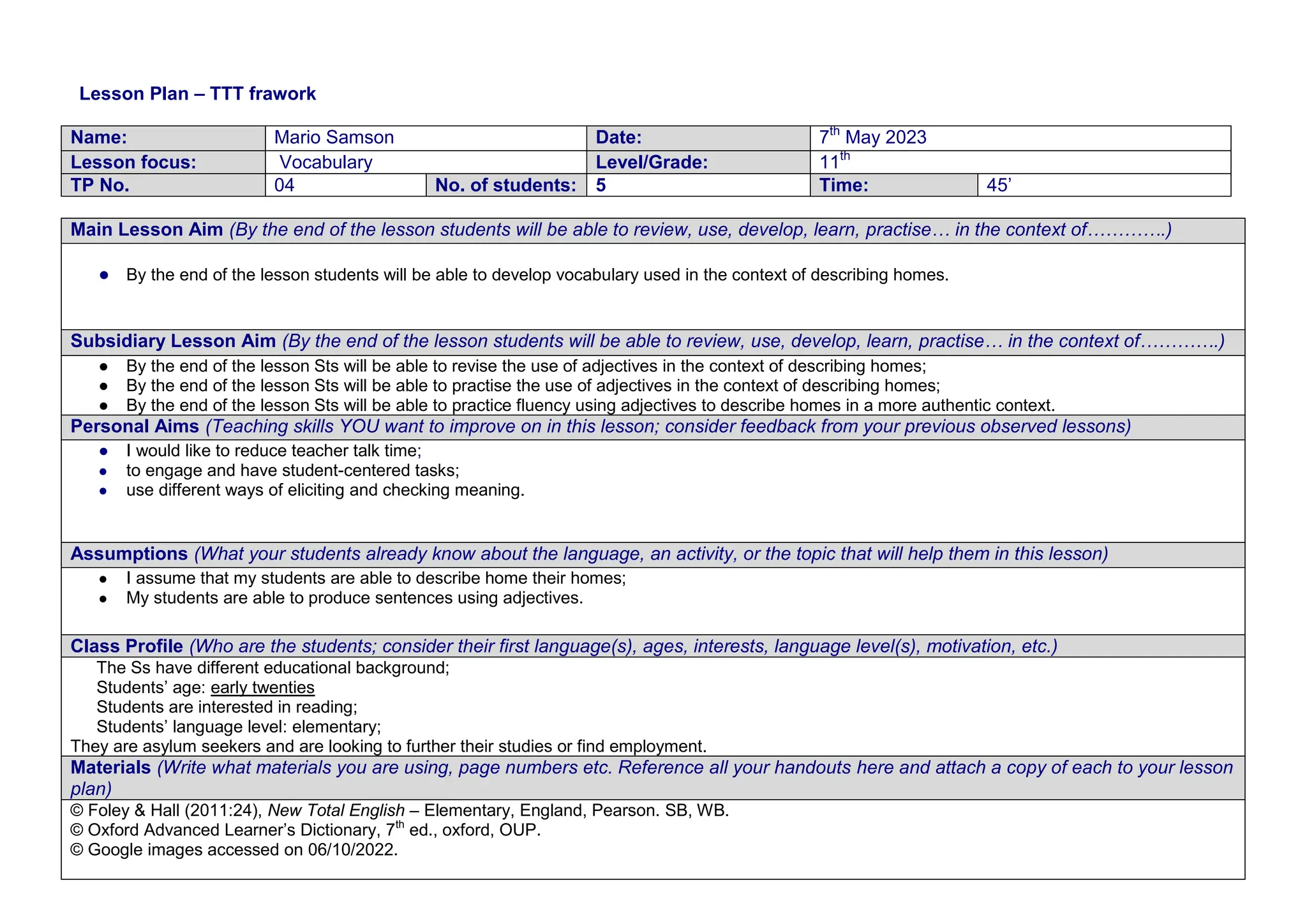
Main Lesson Aim (By the end of the lesson students will be able to review, use, develop, learn, practise… in the context of………….)
● By the end of the lesson students will be able to develop vocabulary used in the context of describing homes.
Subsidiary Lesson Aim (By the end of the lesson students will be able to review, use, develop, learn, practise… in the context of………….)
● By the end of the lesson Sts will be able to revise the use of adjectives in the context of describing homes;
● By the end of the lesson Sts will be able to practise the use of adjectives in the context of describing homes;
● By the end of the lesson Sts will be able to practice fluency using adjectives to describe homes in a more authentic context.
Personal Aims (Teaching skills YOU want to improve on in this lesson; consider feedback from your previous observed lessons)
● I would like to reduce teacher talk time;
● to engage and have student-centered tasks;
● use different ways of eliciting and checking meaning.
Assumptions (What your students already know about the language, an activity, or the topic that will help them in this lesson)
● I assume that my students are able to describe home their homes;
● My students are able to produce sentences using adjectives.
Class Profile (Who are the students; consider their first language(s), ages, interests, language level(s), motivation, etc.)
The Ss have different educational background;
Students’ age: early twenties
Students are interested in reading;
Students’ language level: elementary;
They are asylum seekers and are looking to further their studies or find employment.
Materials (Write what materials you are using, page numbers etc. Reference all your handouts here and attach a copy of each to your lesson
plan)
© Foley & Hall (2011:24), New Total English – Elementary, England, Pearson. SB, WB.
© Oxford Advanced Learner’s Dictionary, 7th
ed., oxford, OUP.
© Google images accessed on 06/10/2022.
Pre-taught Language Analysis Sheet for a Receptive Skills lesson (Vocabulary)
Analyse the Pre-taught Language
of your lesson here:
I will check students’
understanding of meaning using:
I will clarify and highlight the
following form on the board:
I will drill the following words
and highlight pronunciation:
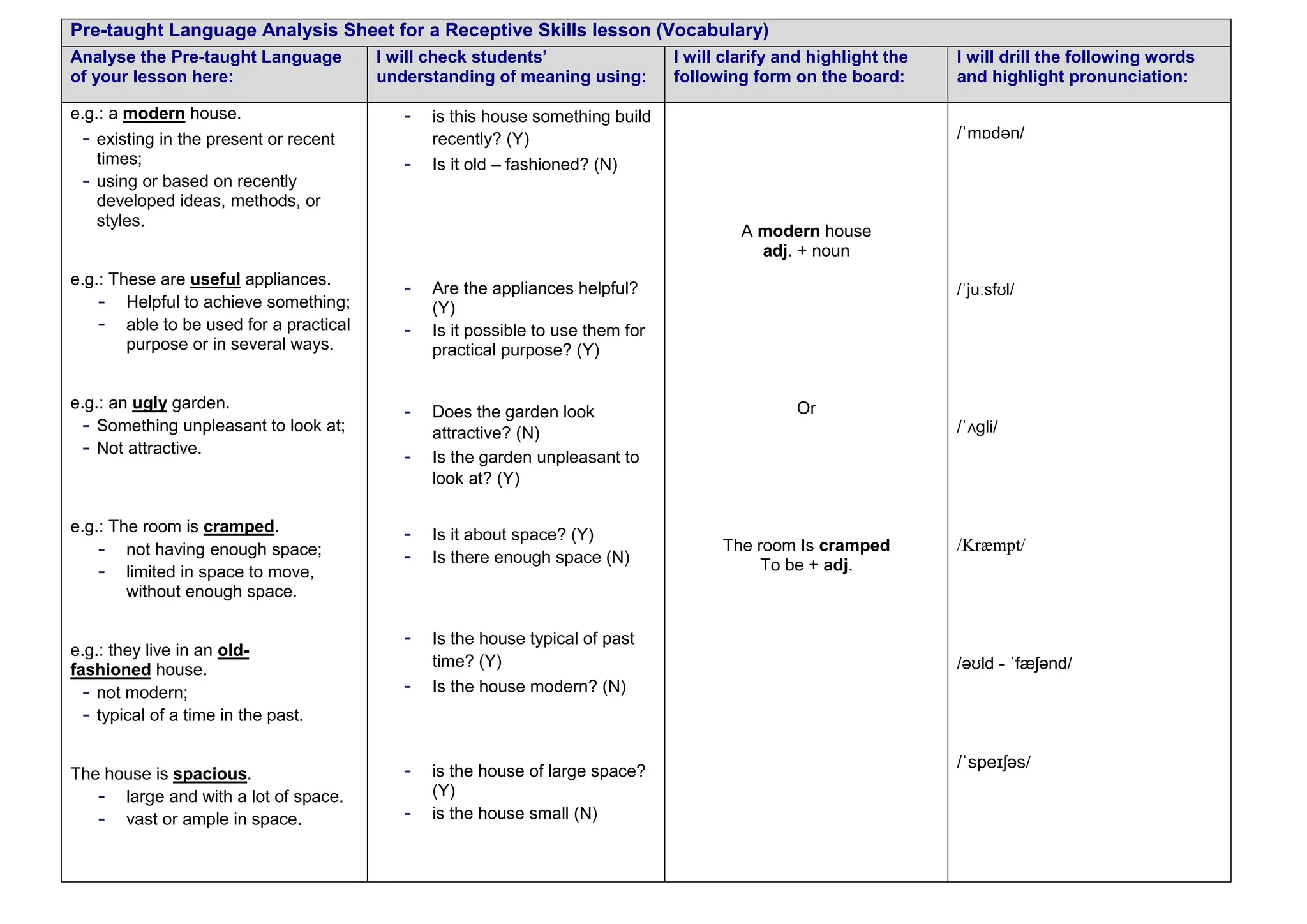
e.g.: a modern house.
- existing in the present or recent
times;
- using or based on recently
developed ideas, methods, or
styles.
e.g.: These are useful appliances.
- Helpful to achieve something;
- able to be used for a practical
purpose or in several ways.
e.g.: an ugly garden.
- Something unpleasant to look at;
- Not attractive.
e.g.: The room is cramped.
- not having enough space;
- limited in space to move,
without enough space.
e.g.: they live in an old-
fashioned house.
- not modern;
- typical of a time in the past.
The house is spacious.
- large and with a lot of space.
- vast or ample in space.
- is this house something build
recently? (Y)
- Is it old – fashioned? (N)
- Are the appliances helpful?
(Y)
- Is it possible to use them for
practical purpose? (Y)
- Does the garden look
attractive? (N)
- Is the garden unpleasant to
look at? (Y)
- Is it about space? (Y)
- Is there enough space (N)
- Is the house typical of past
time? (Y)
- Is the house modern? (N)
- is the house of large space?
(Y)
- is the house small (N)
A modern house
adj. + noun
Or
The room Is cramped
To be + adj.
/ˈmɒdən/
/ˈjuːsfʊl/
/ˈʌgli/
/Kræmpt/
/əʊld - ˈfæʃənd/
/ˈspeɪʃəs/
Anticipated problems and solutions
Anticipated problems with meaning of target language (What
could the students misuse/misunderstand?)
Solutions (What will you do to help the students?)
- Sts may make confusion between specious and cramped in terms
of meaning.
- Use the CCQs to clarify the use and meaning;
- Give more examples containing the target language.
Anticipated problems with form of target language (What could
students leave out, add, change, etc?)
Solutions (What will you do to help the students?)
- Sts may place the adjective after the object (He bought an scarf
ugly.)
Give and explain more tasks on adjectives.
Anticipated problems with pronunciation of target language
(Which sounds could be difficult for students to pronounce? What
might they pronounce incorrectly?)
Solutions (What will you do to help the students?)
- Sts may say /ˈmɒdərn/ instead of /ˈmɒdən/;
- Sts may say /ˈhɒrɪblɛ/ instead of /ˈhɒrɪb(ə)l/.
- Model and drill chorally and individually;
- Use phonemes to show word stress.
Other anticipated problems (Problems with materials, learners
and classroom management.)
Solutions (What will you do to help the students?)
- T. may face difficulties in copying the exercise due to load
shedding;
- Number of copies might not be enough for the students.
- Make copies of the exercise in advance (a day before the date of the
expected classes);
- Add extra 4 copies, when taking copies of the exercise.
Procedure (Please include all stages, and enough detail for the reader to understand exactly what the teacher and students do)
Stage Aim Focus Time Procedure Observer’s Comments
Lead – in To set context of the
lesson.
T – S
S – S
5 – 8
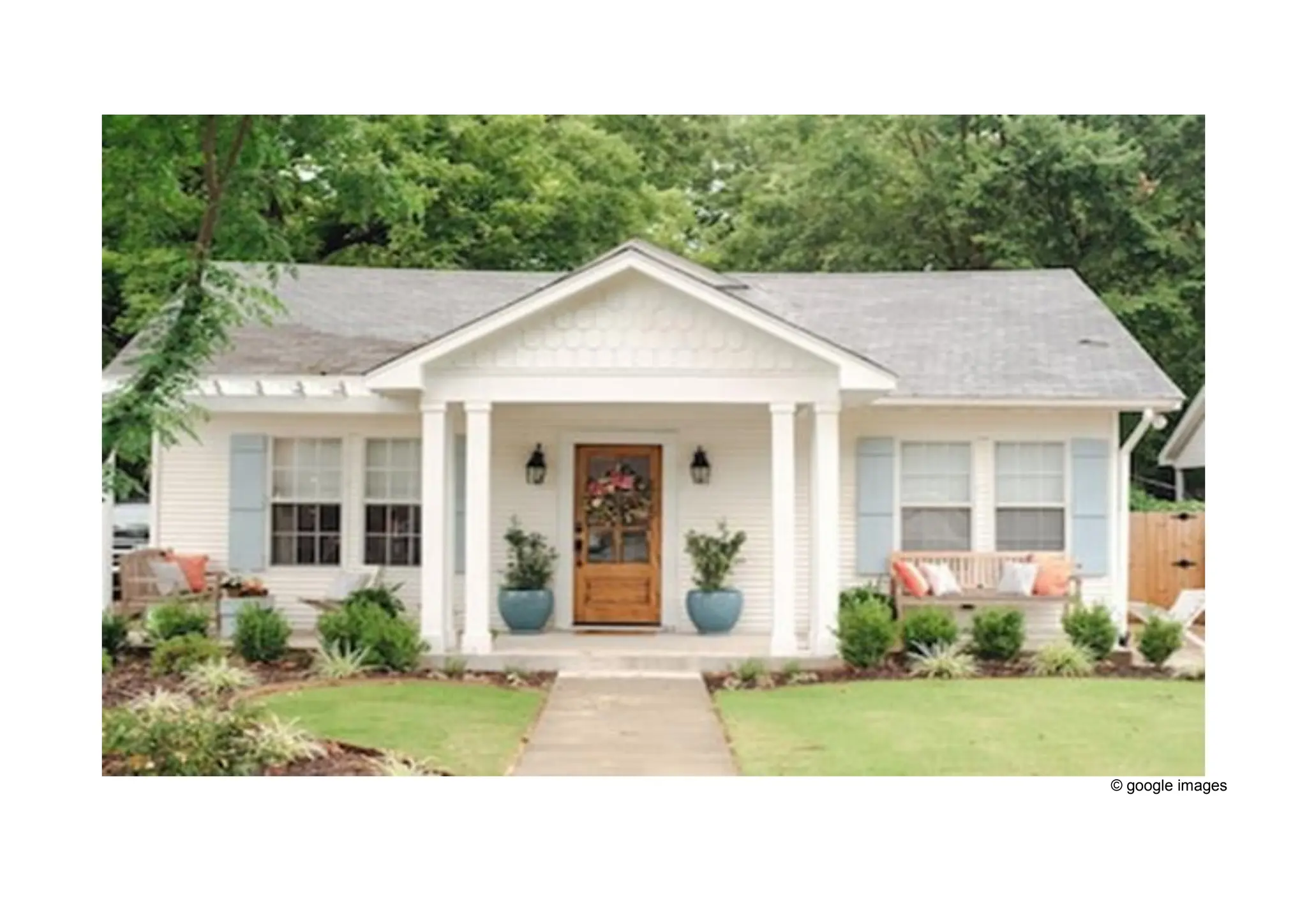
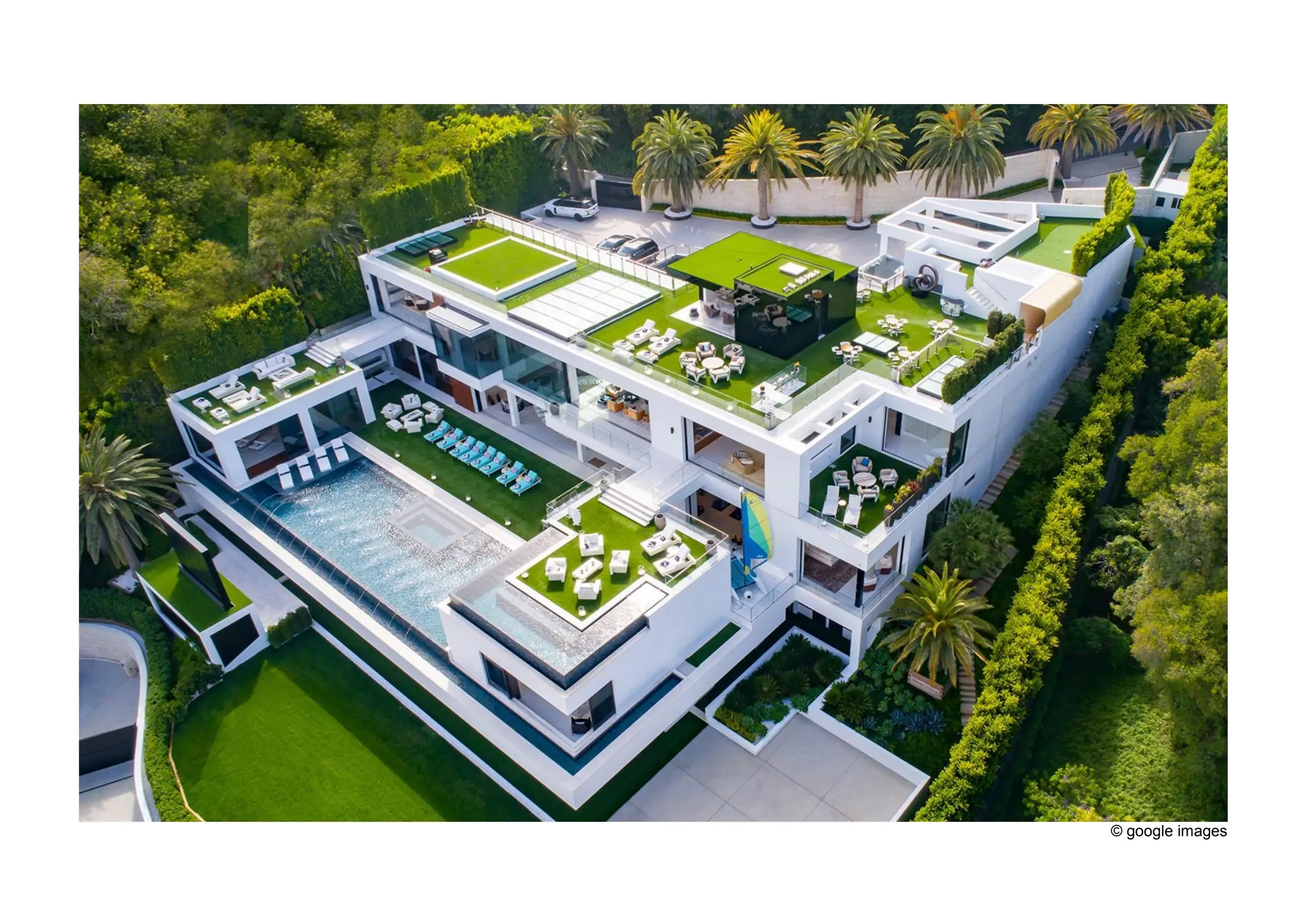
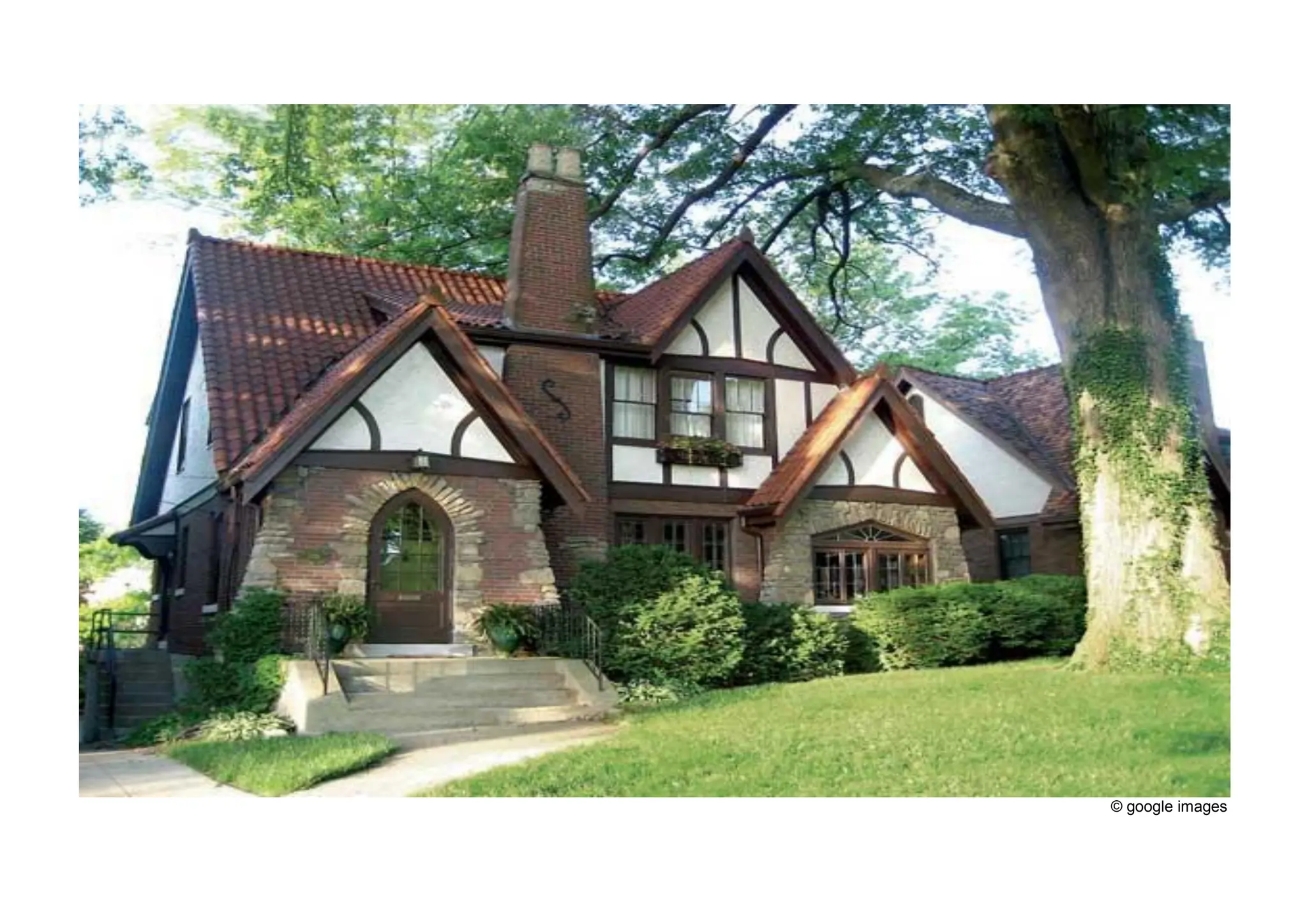
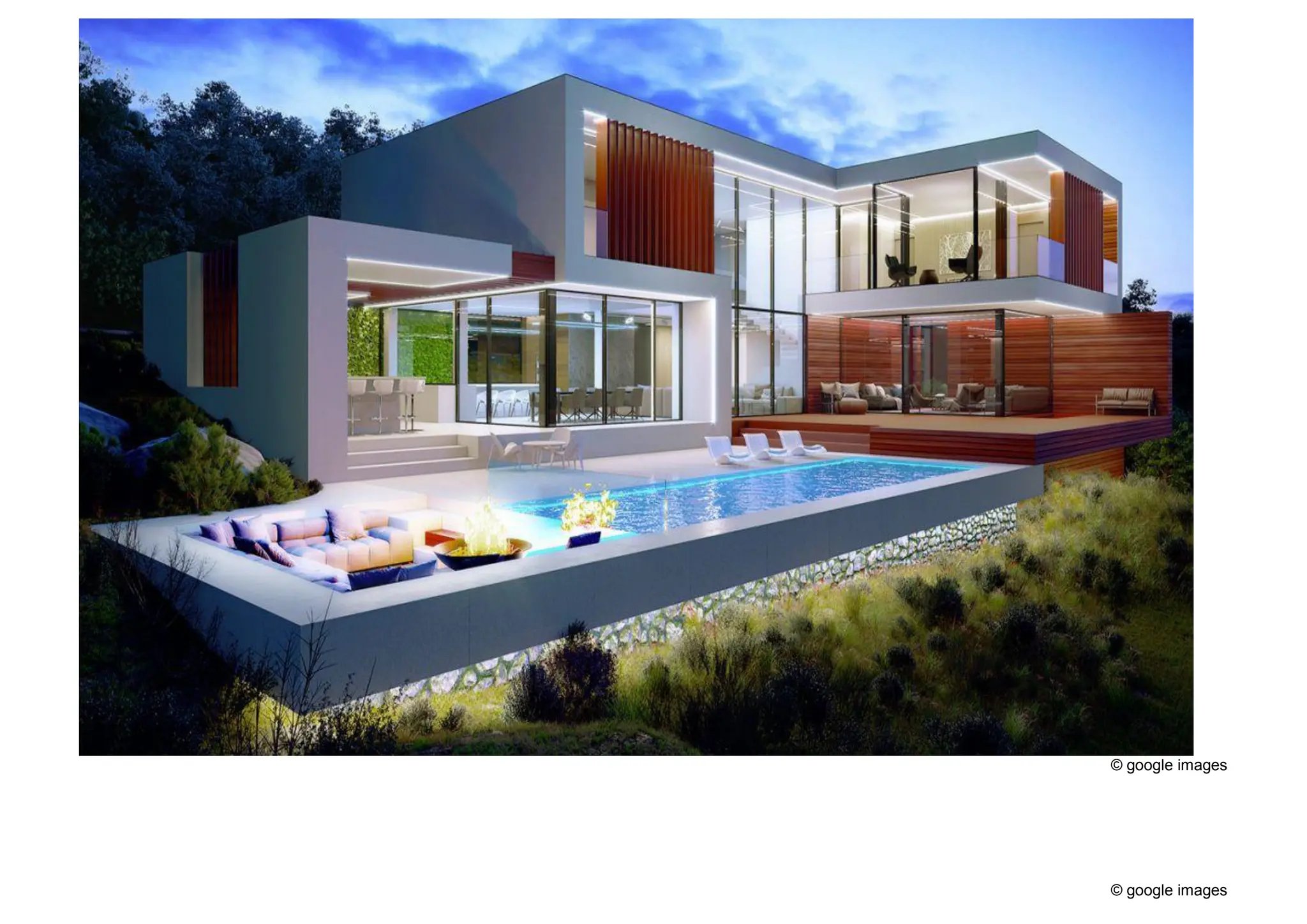
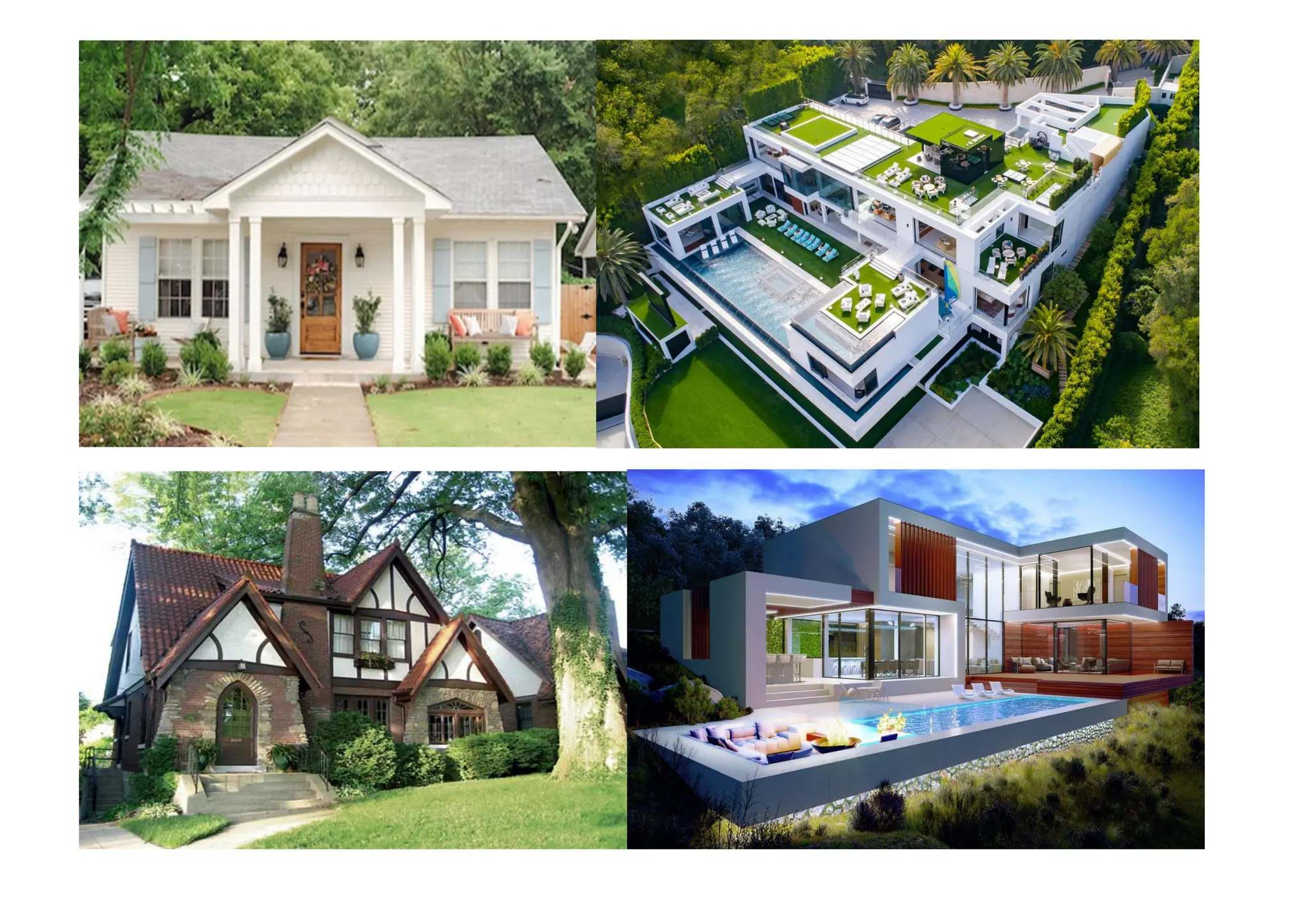
T. shows Sts 4 pictures of different houses (1 - small
cottage, 2 - mansion, 3 – old fashion house, and 4 – an
ultra-modern home made of glass; see attachment 02);
T. tells Sts which one is his favourite and why.
T. asks the Sts to work in pairs and discuss which house
they prefer and why.
T. does OCF.
Test 1
To test the Sts’
knowledge of the target
language.
S – S 5 - 8
T. presents and explains the activity to be done.
Sts complete the exercise by choosing an appropriate
adjective from the box (see attachment 01).
T. monitors.
Sts compare answers in pairs.
T. does OCF.
Teach
To teach the language
items the Sts are having
problems with (as well
as revise the items they
are familiar with).
T – S
8 - 10
T. elicits answers from the Sts.
T. writes the adjectives + nouns on the board
T. checks M. F. P.
Test 2
To test whether Sts
have understood the
target language.
S - S 5 - 8
T. presents and explains activity 02 – see attachment 01.
Sts complete the exercise using the correct adjective
(learned target language) based on the pictures.
T. monitors.
Sts compare their answers in pairs.
T. does OCF.
Production
To allow Sts use the
target language in a
more authentic context.
S - S 10 -12
T. presents and explains activity 03.
Activity: In pairs, describe your home using the learned
adjectives.
Sts work in pairs and T. monitors the activity.
T. does OCF.
© google images
© google images
© google images
© google images
© google images
Attachment 01
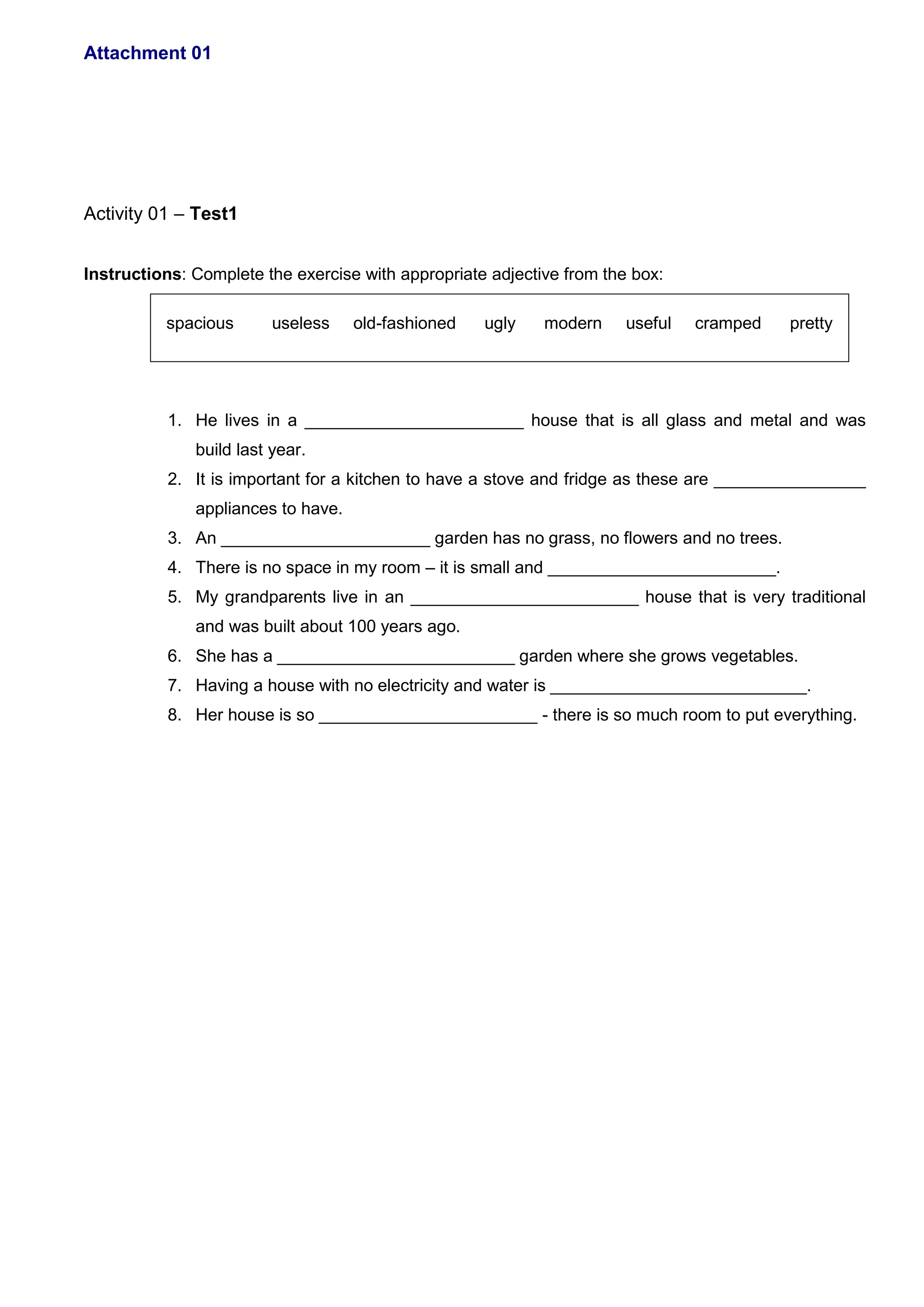
Activity 01 – Test1
Instructions: Complete the exercise with appropriate adjective from the box:
spacious useless old-fashioned ugly modern useful cramped pretty
1. He lives in a _______________________ house that is all glass and metal and was
build last year.
2. It is important for a kitchen to have a stove and fridge as these are ________________
appliances to have.
3. An ______________________ garden has no grass, no flowers and no trees.
4. There is no space in my room – it is small and ________________________.
5. My grandparents live in an ________________________ house that is very traditional
and was built about 100 years ago.
6. She has a _________________________ garden where she grows vegetables.
7. Having a house with no electricity and water is ___________________________.
8. Her house is so _______________________ - there is so much room to put everything.
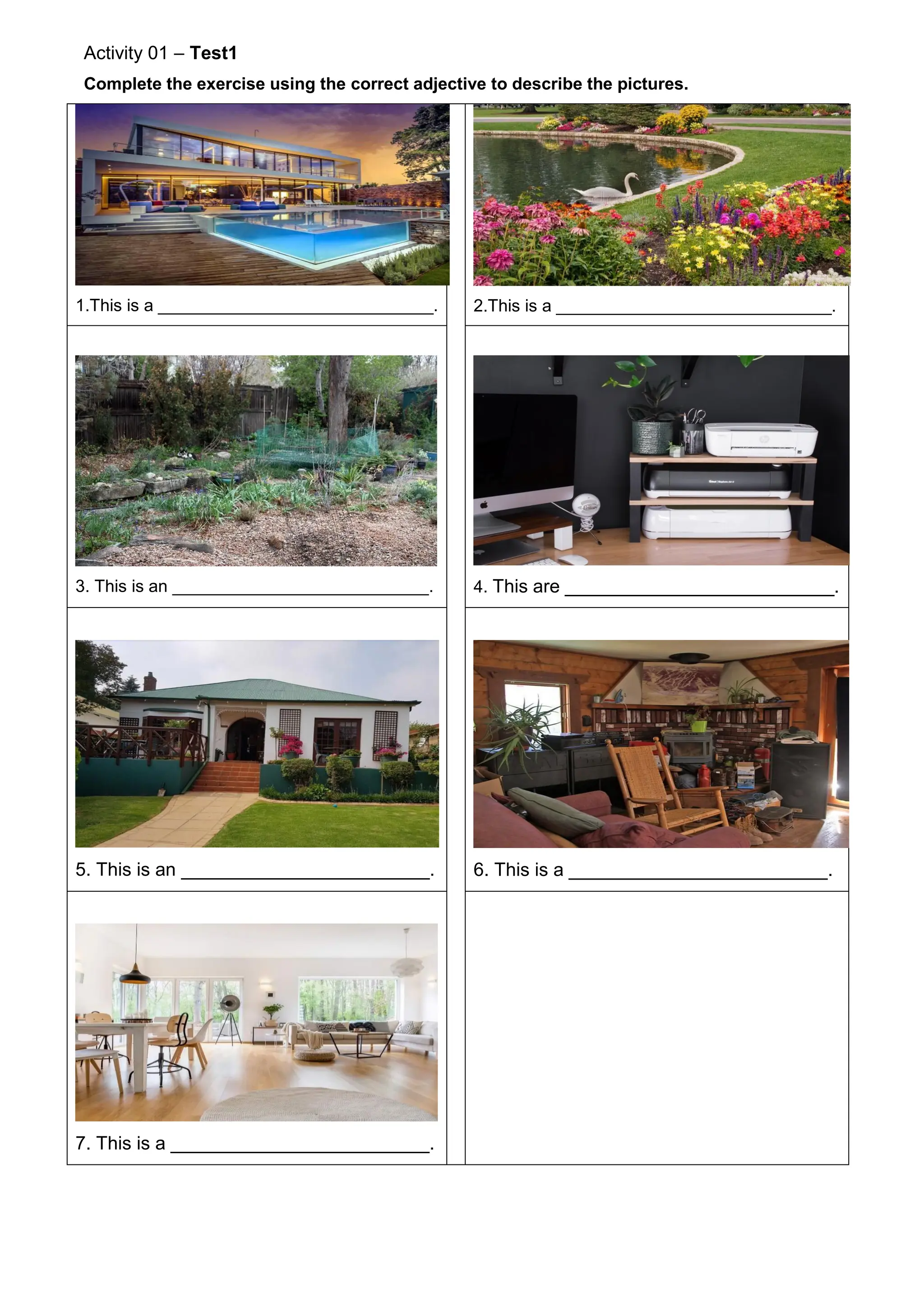
Activity 01 – Test1
Complete the exercise using the correct adjective to describe the pictures.
1.This is a _____________________________. 2.This is a _____________________________.
3. This is an ___________________________. 4. This are __________________________.
5. This is an ________________________. 6. This is a _________________________.
7. This is a _________________________.
TP 04 Lesson Plan TTT. another typeof lessonpdf

  • 1.
    Lesson Plan –TTT frawork Name: Mario Samson Date: 7th May 2023 Lesson focus: Vocabulary Level/Grade: 11th TP No. 04 No. of students: 5 Time: 45’ Main Lesson Aim (By the end of the lesson students will be able to review, use, develop, learn, practise… in the context of………….) ● By the end of the lesson students will be able to develop vocabulary used in the context of describing homes. Subsidiary Lesson Aim (By the end of the lesson students will be able to review, use, develop, learn, practise… in the context of………….) ● By the end of the lesson Sts will be able to revise the use of adjectives in the context of describing homes; ● By the end of the lesson Sts will be able to practise the use of adjectives in the context of describing homes; ● By the end of the lesson Sts will be able to practice fluency using adjectives to describe homes in a more authentic context. Personal Aims (Teaching skills YOU want to improve on in this lesson; consider feedback from your previous observed lessons) ● I would like to reduce teacher talk time; ● to engage and have student-centered tasks; ● use different ways of eliciting and checking meaning. Assumptions (What your students already know about the language, an activity, or the topic that will help them in this lesson) ● I assume that my students are able to describe home their homes; ● My students are able to produce sentences using adjectives. Class Profile (Who are the students; consider their first language(s), ages, interests, language level(s), motivation, etc.) The Ss have different educational background; Students’ age: early twenties Students are interested in reading; Students’ language level: elementary; They are asylum seekers and are looking to further their studies or find employment. Materials (Write what materials you are using, page numbers etc. Reference all your handouts here and attach a copy of each to your lesson plan) © Foley & Hall (2011:24), New Total English – Elementary, England, Pearson. SB, WB. © Oxford Advanced Learner’s Dictionary, 7th ed., oxford, OUP. © Google images accessed on 06/10/2022.
  • 2.
    Pre-taught Language AnalysisSheet for a Receptive Skills lesson (Vocabulary) Analyse the Pre-taught Language of your lesson here: I will check students’ understanding of meaning using: I will clarify and highlight the following form on the board: I will drill the following words and highlight pronunciation: e.g.: a modern house. - existing in the present or recent times; - using or based on recently developed ideas, methods, or styles. e.g.: These are useful appliances. - Helpful to achieve something; - able to be used for a practical purpose or in several ways. e.g.: an ugly garden. - Something unpleasant to look at; - Not attractive. e.g.: The room is cramped. - not having enough space; - limited in space to move, without enough space. e.g.: they live in an old- fashioned house. - not modern; - typical of a time in the past. The house is spacious. - large and with a lot of space. - vast or ample in space. - is this house something build recently? (Y) - Is it old – fashioned? (N) - Are the appliances helpful? (Y) - Is it possible to use them for practical purpose? (Y) - Does the garden look attractive? (N) - Is the garden unpleasant to look at? (Y) - Is it about space? (Y) - Is there enough space (N) - Is the house typical of past time? (Y) - Is the house modern? (N) - is the house of large space? (Y) - is the house small (N) A modern house adj. + noun Or The room Is cramped To be + adj. /ˈmɒdən/ /ˈjuːsfʊl/ /ˈʌgli/ /Kræmpt/ /əʊld - ˈfæʃənd/ /ˈspeɪʃəs/
  • 3.
    Anticipated problems andsolutions Anticipated problems with meaning of target language (What could the students misuse/misunderstand?) Solutions (What will you do to help the students?) - Sts may make confusion between specious and cramped in terms of meaning. - Use the CCQs to clarify the use and meaning; - Give more examples containing the target language. Anticipated problems with form of target language (What could students leave out, add, change, etc?) Solutions (What will you do to help the students?) - Sts may place the adjective after the object (He bought an scarf ugly.) Give and explain more tasks on adjectives. Anticipated problems with pronunciation of target language (Which sounds could be difficult for students to pronounce? What might they pronounce incorrectly?) Solutions (What will you do to help the students?) - Sts may say /ˈmɒdərn/ instead of /ˈmɒdən/; - Sts may say /ˈhɒrɪblɛ/ instead of /ˈhɒrɪb(ə)l/. - Model and drill chorally and individually; - Use phonemes to show word stress. Other anticipated problems (Problems with materials, learners and classroom management.) Solutions (What will you do to help the students?) - T. may face difficulties in copying the exercise due to load shedding; - Number of copies might not be enough for the students. - Make copies of the exercise in advance (a day before the date of the expected classes); - Add extra 4 copies, when taking copies of the exercise.
  • 4.
    Procedure (Please includeall stages, and enough detail for the reader to understand exactly what the teacher and students do) Stage Aim Focus Time Procedure Observer’s Comments Lead – in To set context of the lesson. T – S S – S 5 – 8 T. shows Sts 4 pictures of different houses (1 - small cottage, 2 - mansion, 3 – old fashion house, and 4 – an ultra-modern home made of glass; see attachment 02); T. tells Sts which one is his favourite and why. T. asks the Sts to work in pairs and discuss which house they prefer and why. T. does OCF. Test 1 To test the Sts’ knowledge of the target language. S – S 5 - 8 T. presents and explains the activity to be done. Sts complete the exercise by choosing an appropriate adjective from the box (see attachment 01). T. monitors. Sts compare answers in pairs. T. does OCF. Teach To teach the language items the Sts are having problems with (as well as revise the items they are familiar with). T – S 8 - 10 T. elicits answers from the Sts. T. writes the adjectives + nouns on the board T. checks M. F. P. Test 2 To test whether Sts have understood the target language. S - S 5 - 8 T. presents and explains activity 02 – see attachment 01. Sts complete the exercise using the correct adjective (learned target language) based on the pictures. T. monitors. Sts compare their answers in pairs. T. does OCF. Production To allow Sts use the target language in a more authentic context. S - S 10 -12 T. presents and explains activity 03. Activity: In pairs, describe your home using the learned adjectives. Sts work in pairs and T. monitors the activity. T. does OCF.
  • 5.
  • 6.
  • 7.
  • 8.
    © google images ©google images
  • 10.
    Attachment 01 Activity 01– Test1 Instructions: Complete the exercise with appropriate adjective from the box: spacious useless old-fashioned ugly modern useful cramped pretty 1. He lives in a _______________________ house that is all glass and metal and was build last year. 2. It is important for a kitchen to have a stove and fridge as these are ________________ appliances to have. 3. An ______________________ garden has no grass, no flowers and no trees. 4. There is no space in my room – it is small and ________________________. 5. My grandparents live in an ________________________ house that is very traditional and was built about 100 years ago. 6. She has a _________________________ garden where she grows vegetables. 7. Having a house with no electricity and water is ___________________________. 8. Her house is so _______________________ - there is so much room to put everything.
  • 11.
    Activity 01 –Test1 Complete the exercise using the correct adjective to describe the pictures. 1.This is a _____________________________. 2.This is a _____________________________. 3. This is an ___________________________. 4. This are __________________________. 5. This is an ________________________. 6. This is a _________________________. 7. This is a _________________________.