Dr. Tushar B. Patil, MD
         Senior Resident
    Departmet of Neurology
King George’s Medical University ,
         Lucknow, India
Introduction
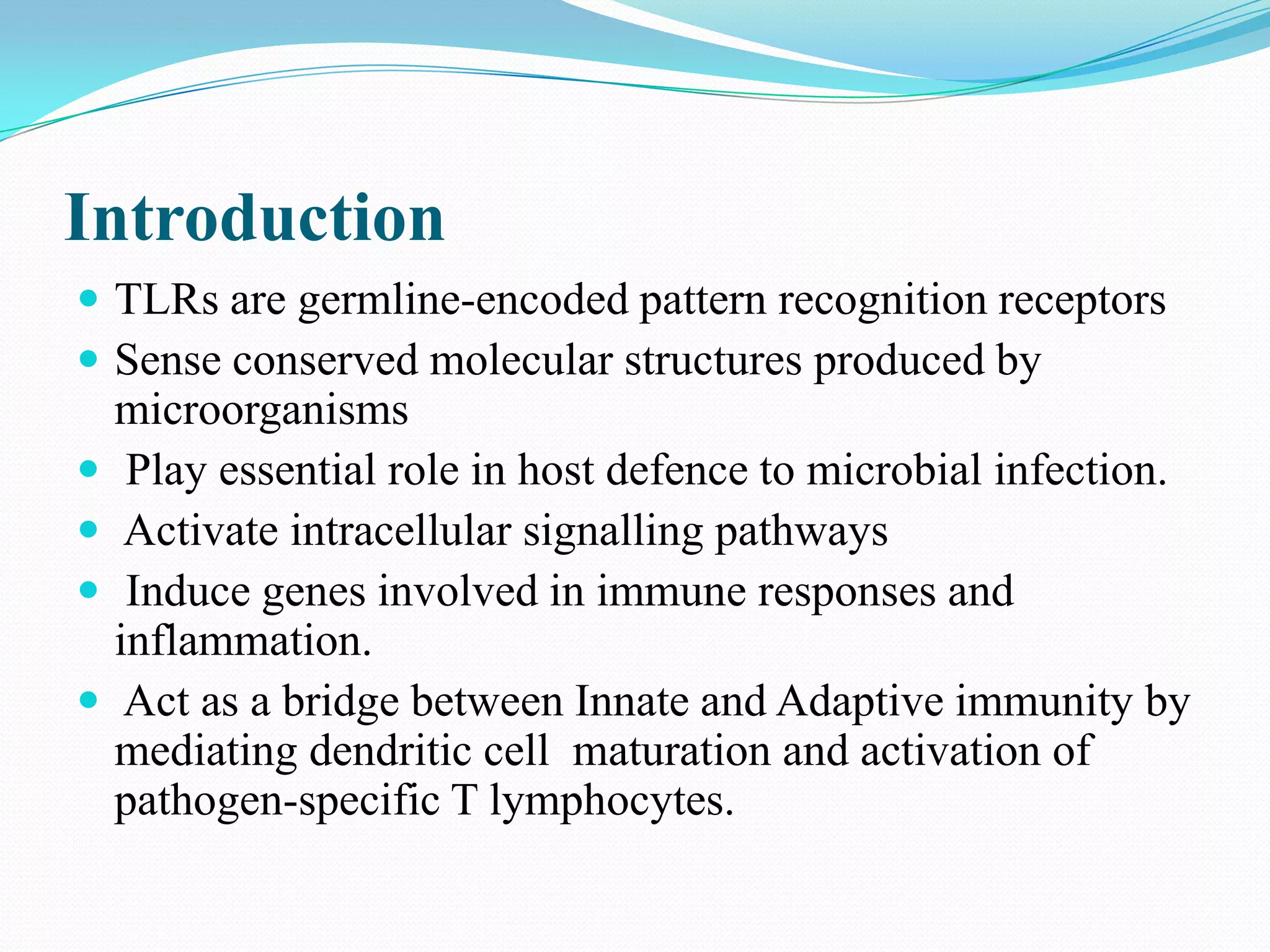
 TLRs are germline-encoded pattern recognition receptors
 Sense conserved molecular structures produced by
    microorganisms
    Play essential role in host defence to microbial infection.
    Activate intracellular signalling pathways
    Induce genes involved in immune responses and
    inflammation.
    Act as a bridge between Innate and Adaptive immunity by
    mediating dendritic cell maturation and activation of
    pathogen-specific T lymphocytes.
Introduction
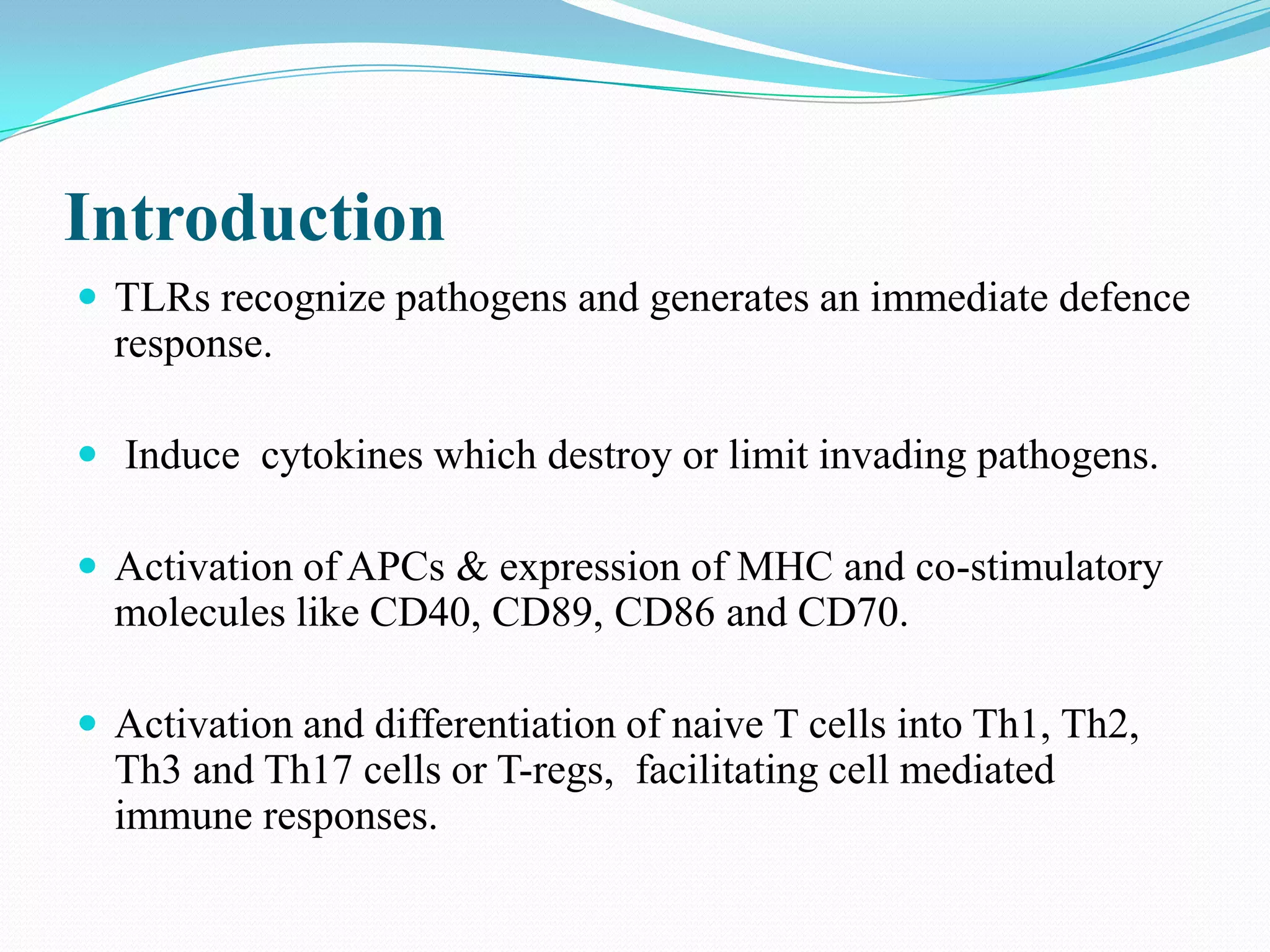
 TLRs recognize pathogens and generates an immediate defence
  response.

 Induce cytokines which destroy or limit invading pathogens.

 Activation of APCs & expression of MHC and co-stimulatory
  molecules like CD40, CD89, CD86 and CD70.

 Activation and differentiation of naive T cells into Th1, Th2,
  Th3 and Th17 cells or T-regs, facilitating cell mediated
  immune responses.
Toll: Origin of the word (1985)


 The gene in question, when mutated, makes the Drosophila (fruit fly) embryo look
  unusual.

 The researchers were so surprised that they spontaneously shouted out in German
  "Das ist ja toll!" which translates as "That's great!".

  [The Nobel Prize in Physiology or Medicine 1995:Edward B. Lewis, Christiane
  Nüsslein-Volhard, Eric F. Wieschaus]
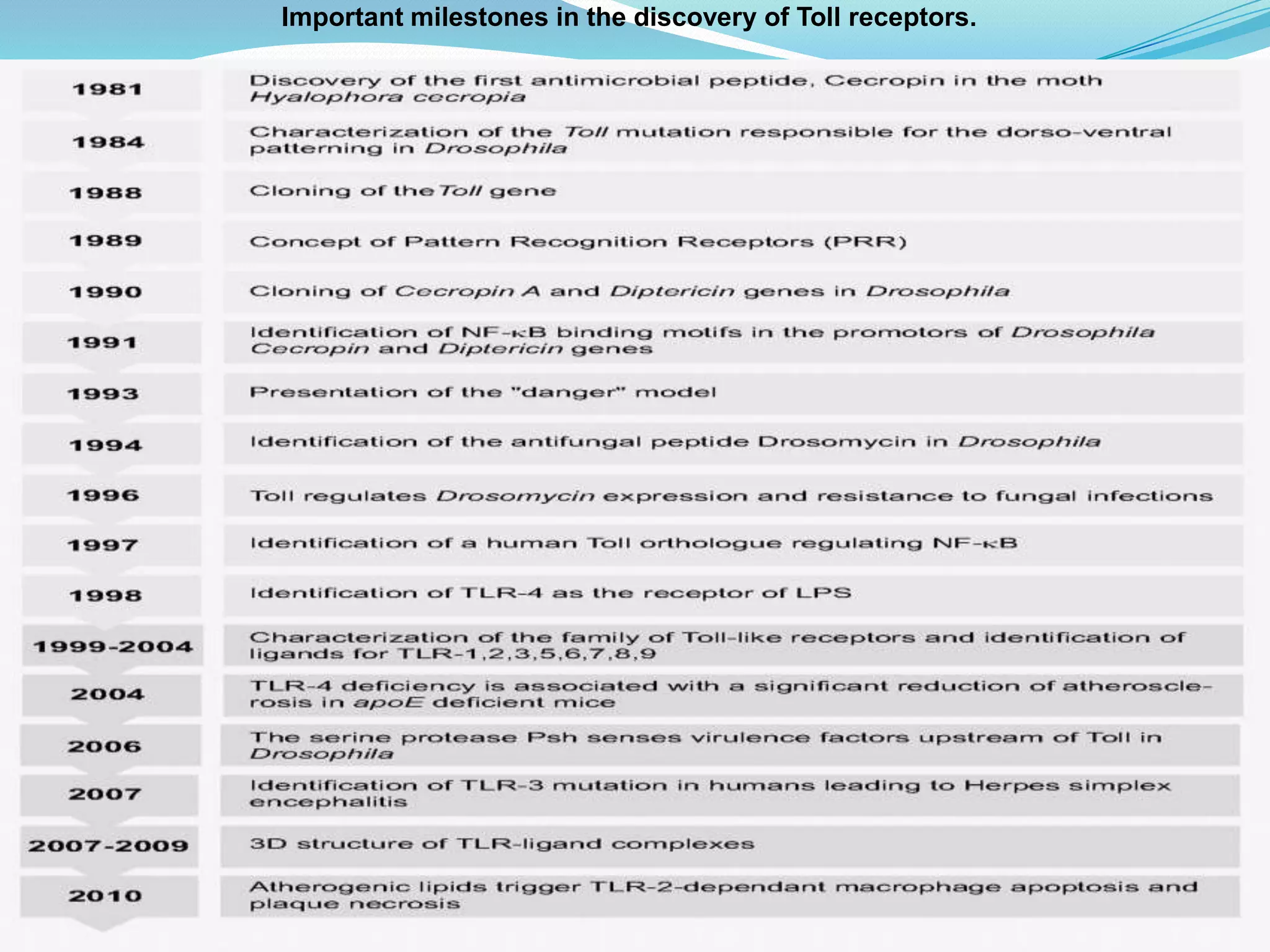
Important milestones in the discovery of Toll receptors.
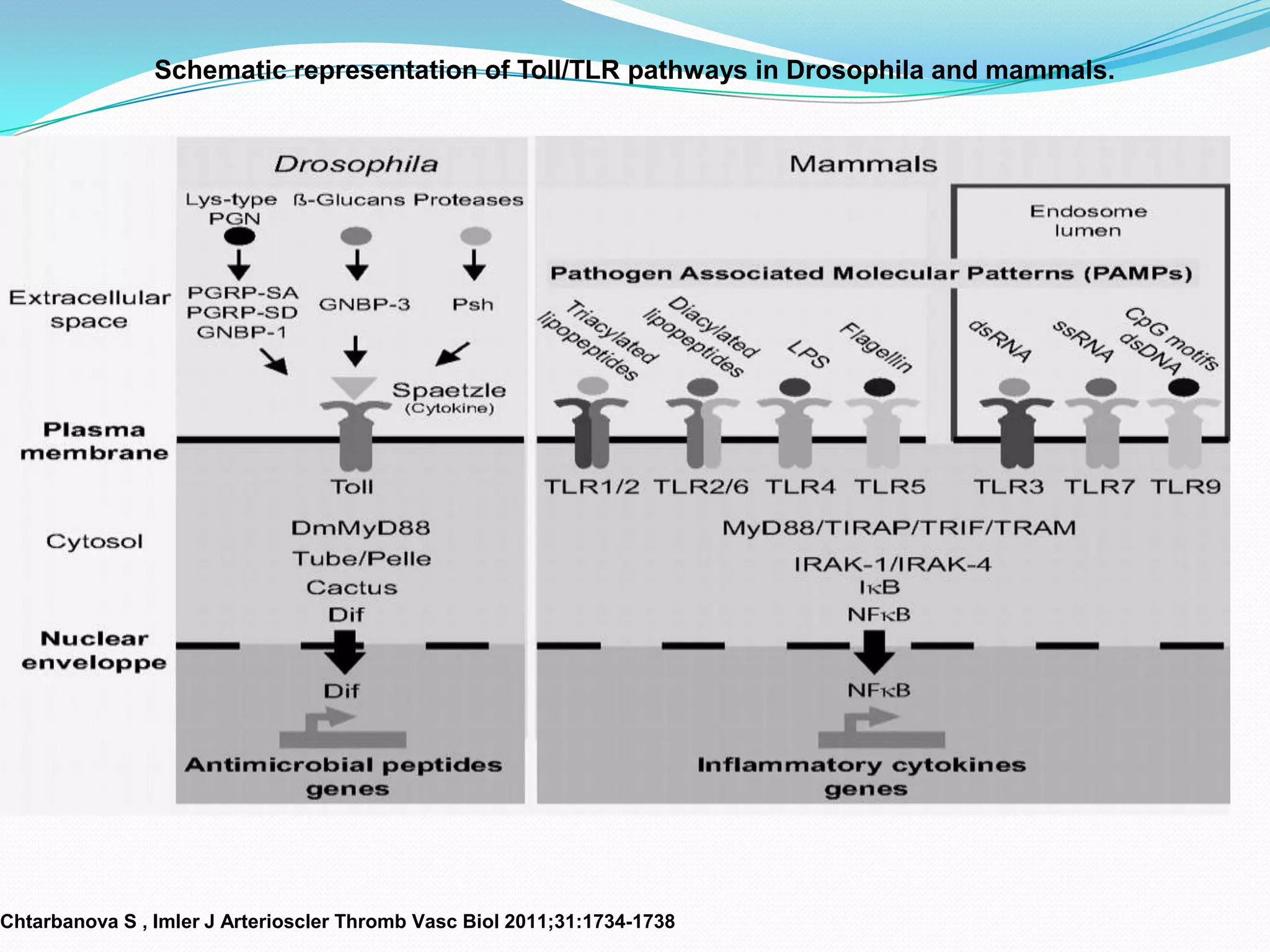
Schematic representation of Toll/TLR pathways in Drosophila and mammals.


Chtarbanova S , Imler J Arterioscler Thromb Vasc Biol 2011;31:1734-1738
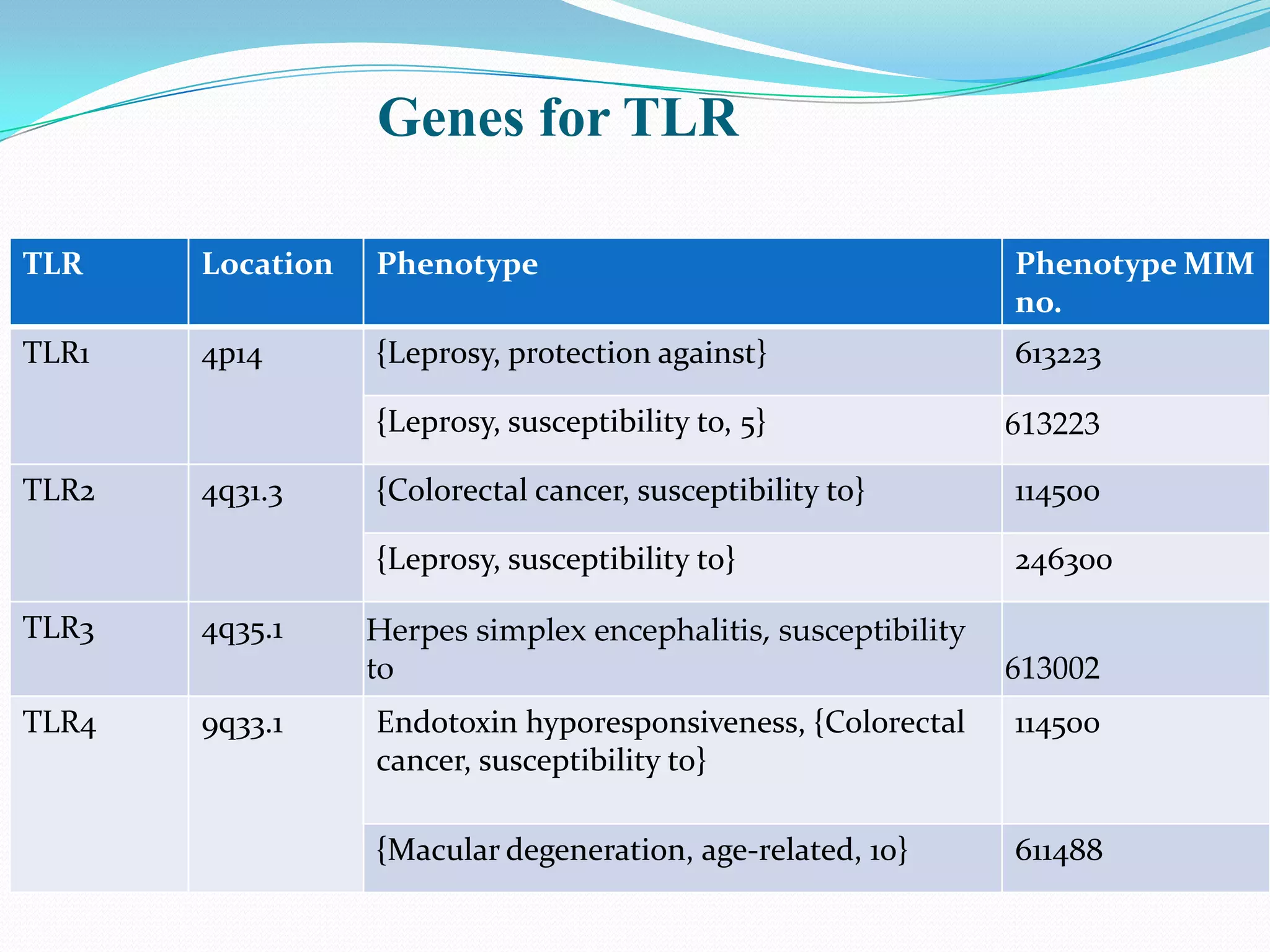
Genes for TLR

TLR    Location   Phenotype                                     Phenotype MIM
                                                                no.
TLR1   4p14       {Leprosy, protection against}                 613223

                  {Leprosy, susceptibility to, 5}               613223

TLR2   4q31.3     {Colorectal cancer, susceptibility to}        114500

                  {Leprosy, susceptibility to}                  246300

TLR3   4q35.1     Herpes simplex encephalitis, susceptibility
                  to                                            613002
TLR4   9q33.1     Endotoxin hyporesponsiveness, {Colorectal     114500
                  cancer, susceptibility to}

                  {Macular degeneration, age-related, 10}       611488
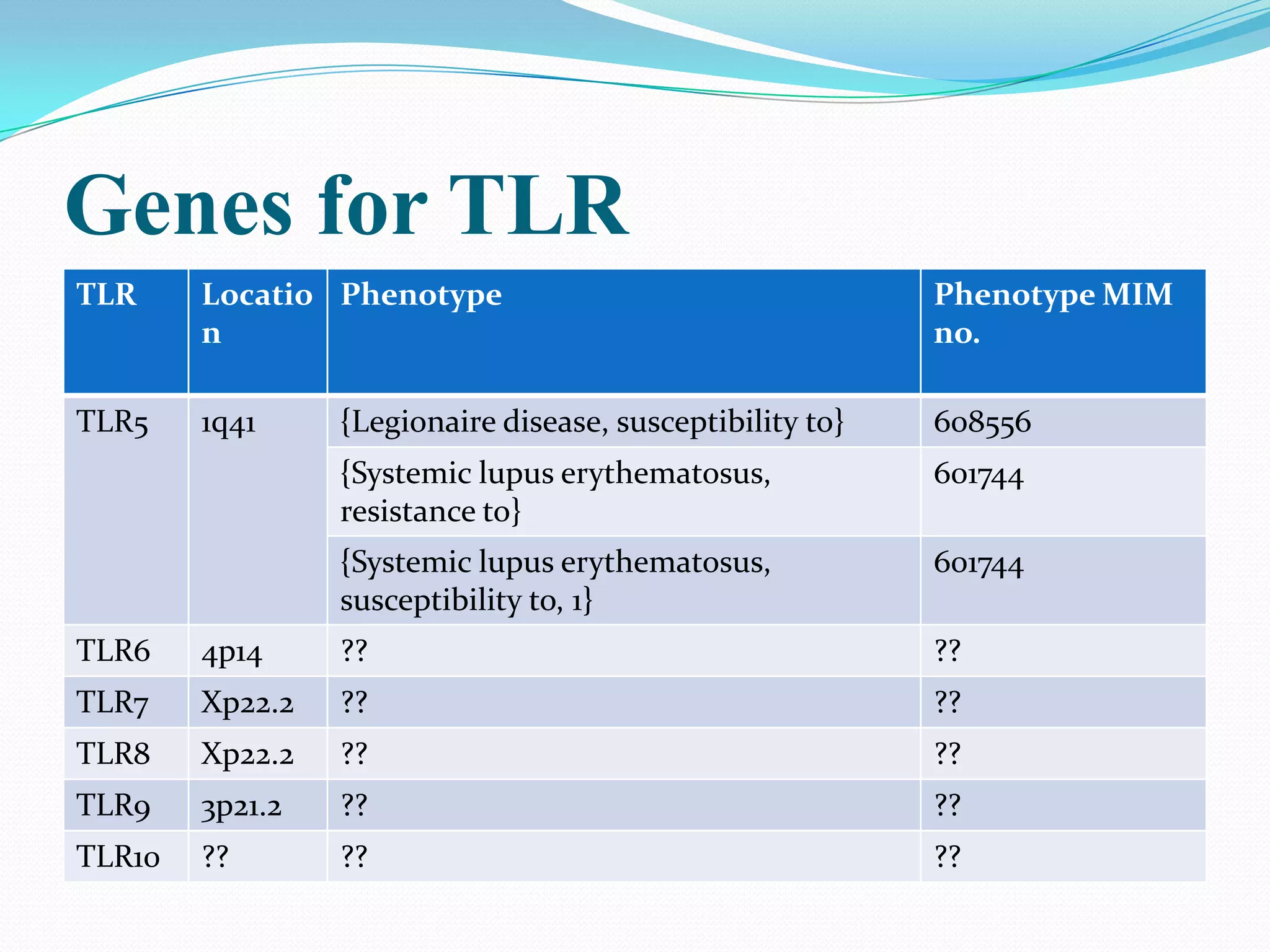
Genes for TLR
TLR     Locatio Phenotype                                  Phenotype MIM
        n                                                  no.

TLR5    1q41     {Legionaire disease, susceptibility to}   608556
                 {Systemic lupus erythematosus,            601744
                 resistance to}
                 {Systemic lupus erythematosus,            601744
                 susceptibility to, 1}
TLR6    4p14     ??                                        ??
TLR7    Xp22.2   ??                                        ??
TLR8    Xp22.2   ??                                        ??
TLR9    3p21.2   ??                                        ??
TLR10   ??       ??                                        ??
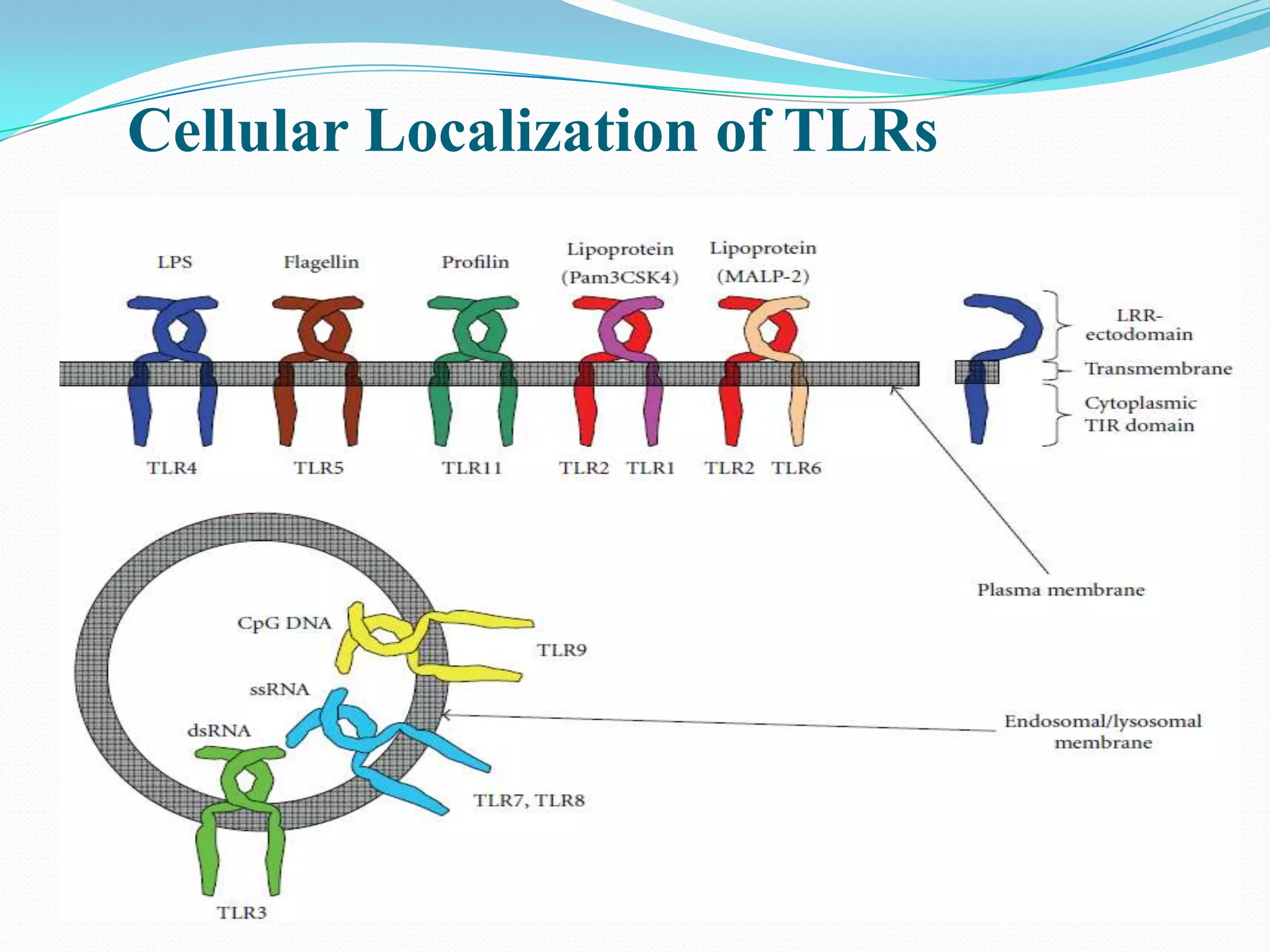
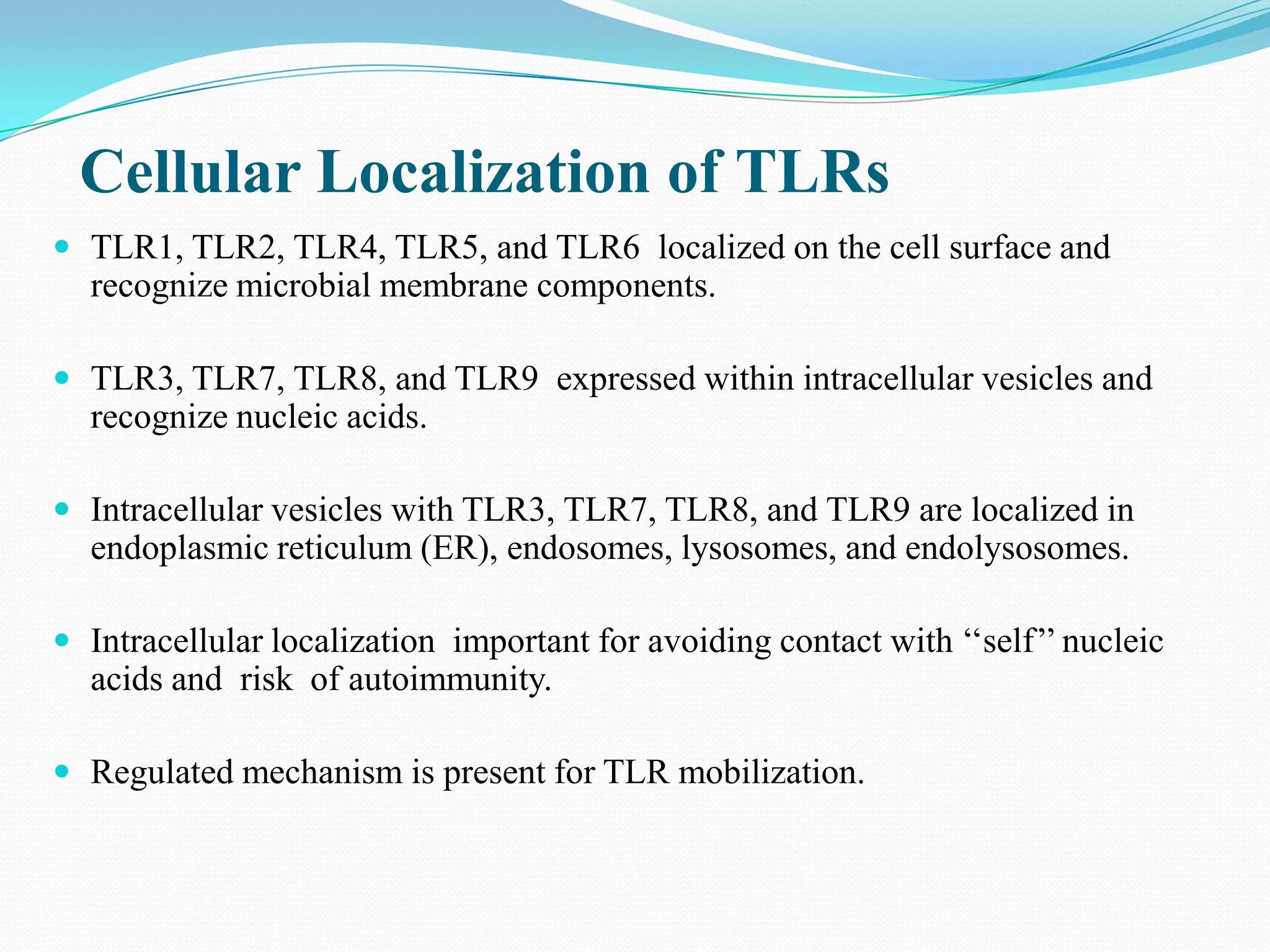
Cellular Localization of TLRs
 TLR1, TLR2, TLR4, TLR5, and TLR6 localized on the cell surface and
  recognize microbial membrane components.

 TLR3, TLR7, TLR8, and TLR9 expressed within intracellular vesicles and
  recognize nucleic acids.

 Intracellular vesicles with TLR3, TLR7, TLR8, and TLR9 are localized in
  endoplasmic reticulum (ER), endosomes, lysosomes, and endolysosomes.

 Intracellular localization important for avoiding contact with ‘‘self’’ nucleic
  acids and risk of autoimmunity.

 Regulated mechanism is present for TLR mobilization.
Structure of TLRs
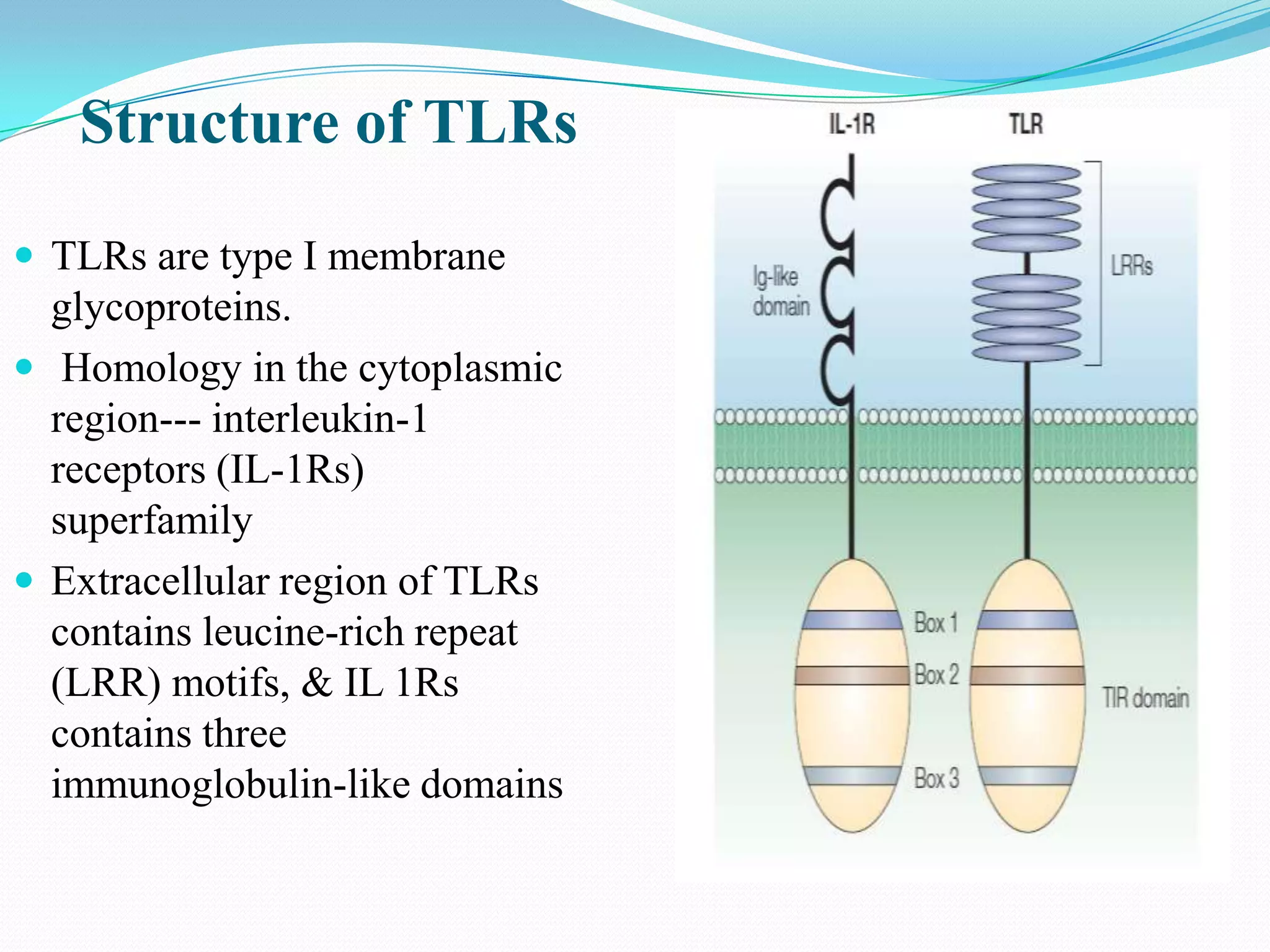
 TLRs are type I membrane
  glycoproteins.
 Homology in the cytoplasmic
  region--- interleukin-1
  receptors (IL-1Rs)
  superfamily
 Extracellular region of TLRs
  contains leucine-rich repeat
  (LRR) motifs, & IL 1Rs
  contains three
  immunoglobulin-like domains
Structure of TLRs
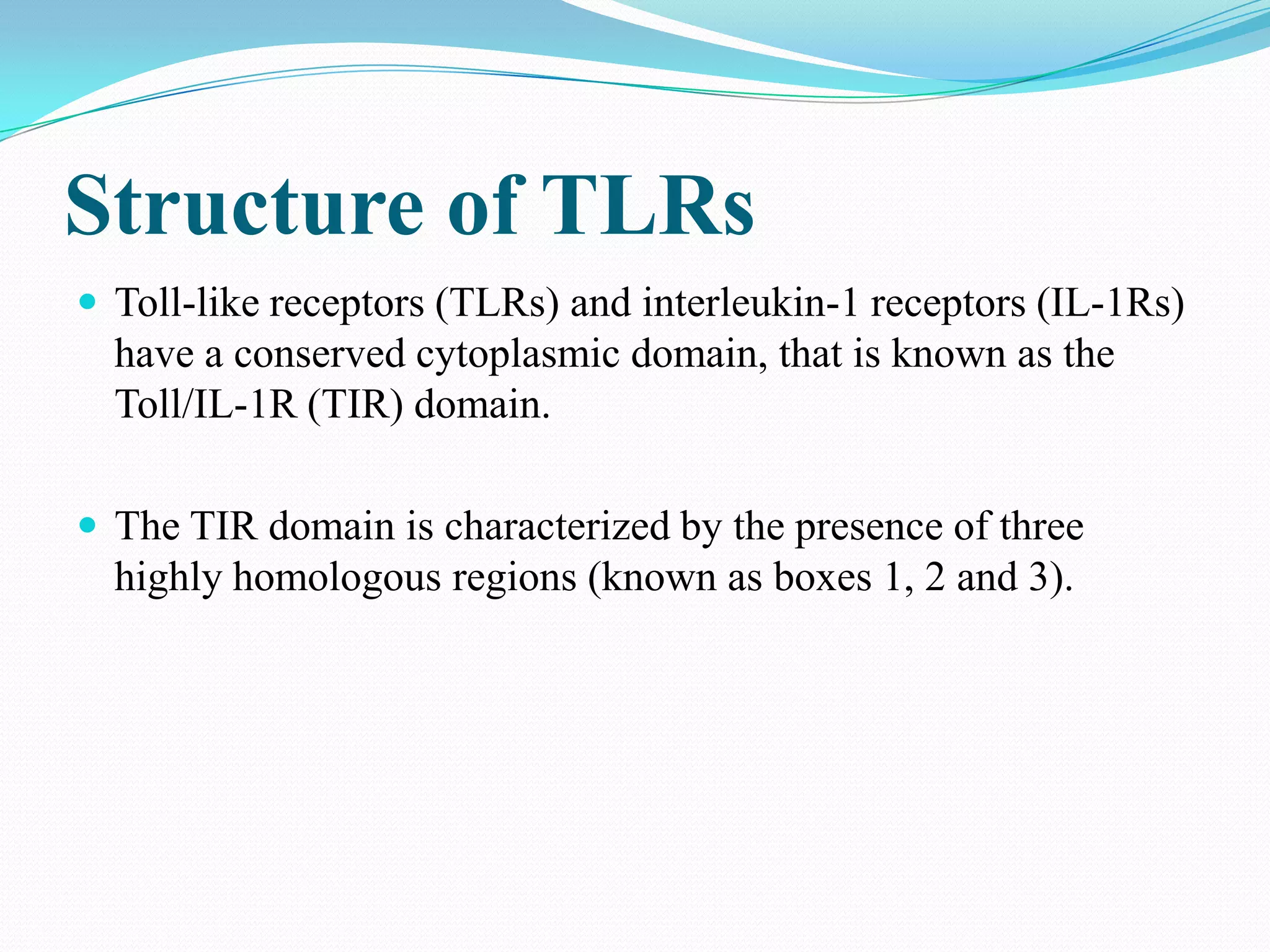
 Toll-like receptors (TLRs) and interleukin-1 receptors (IL-1Rs)
  have a conserved cytoplasmic domain, that is known as the
  Toll/IL-1R (TIR) domain.

 The TIR domain is characterized by the presence of three
  highly homologous regions (known as boxes 1, 2 and 3).
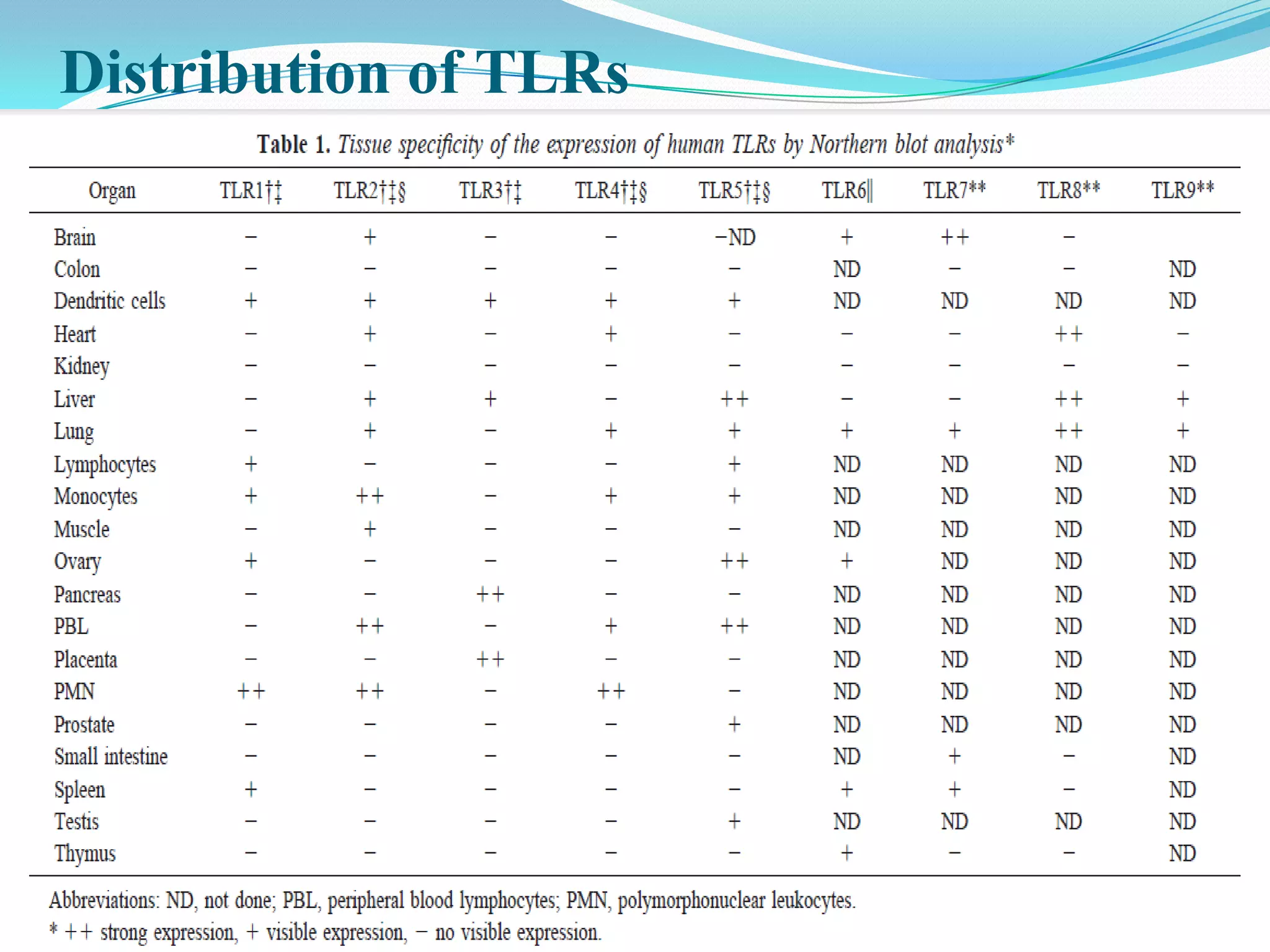
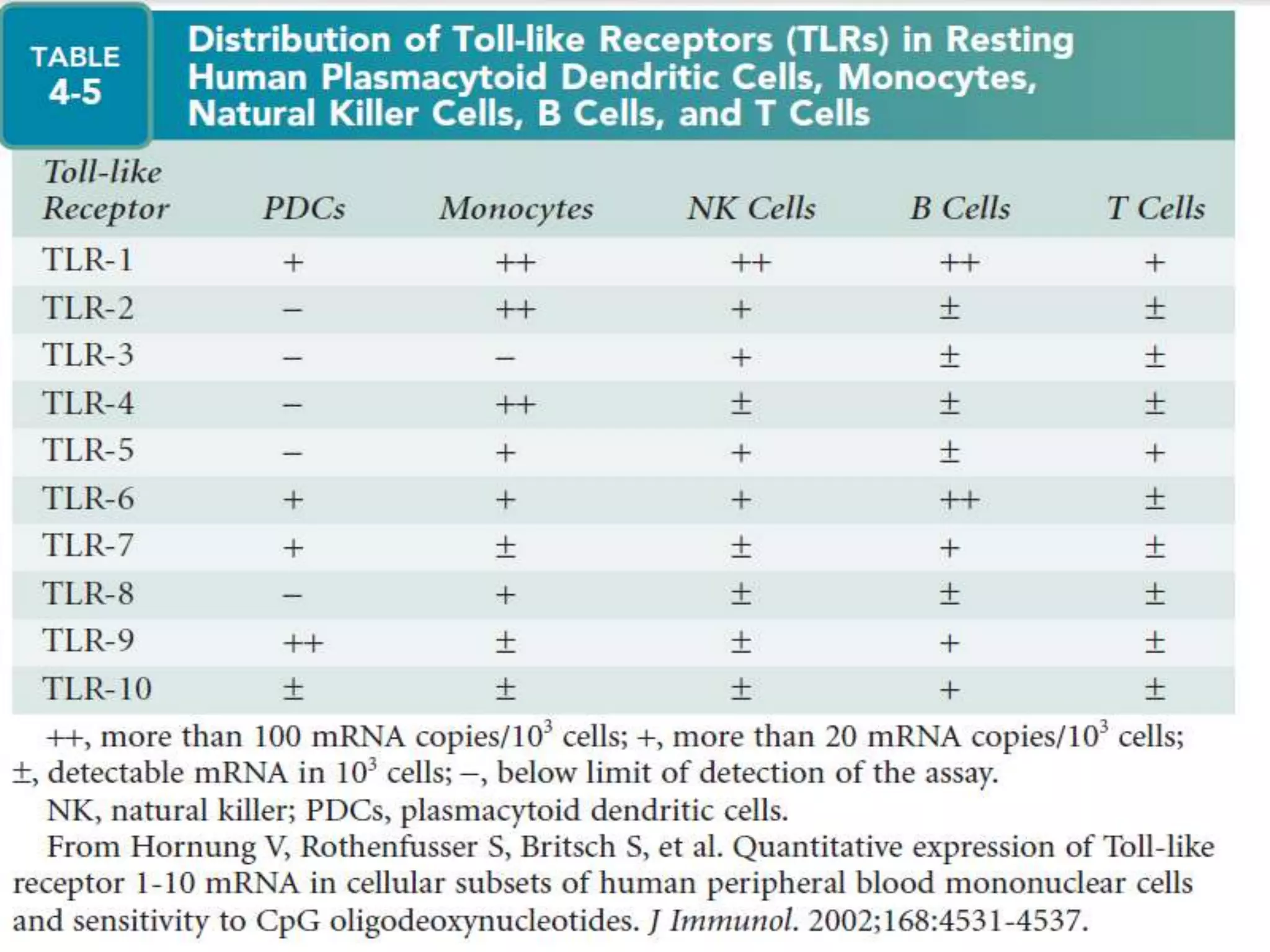
Distribution of TLRs
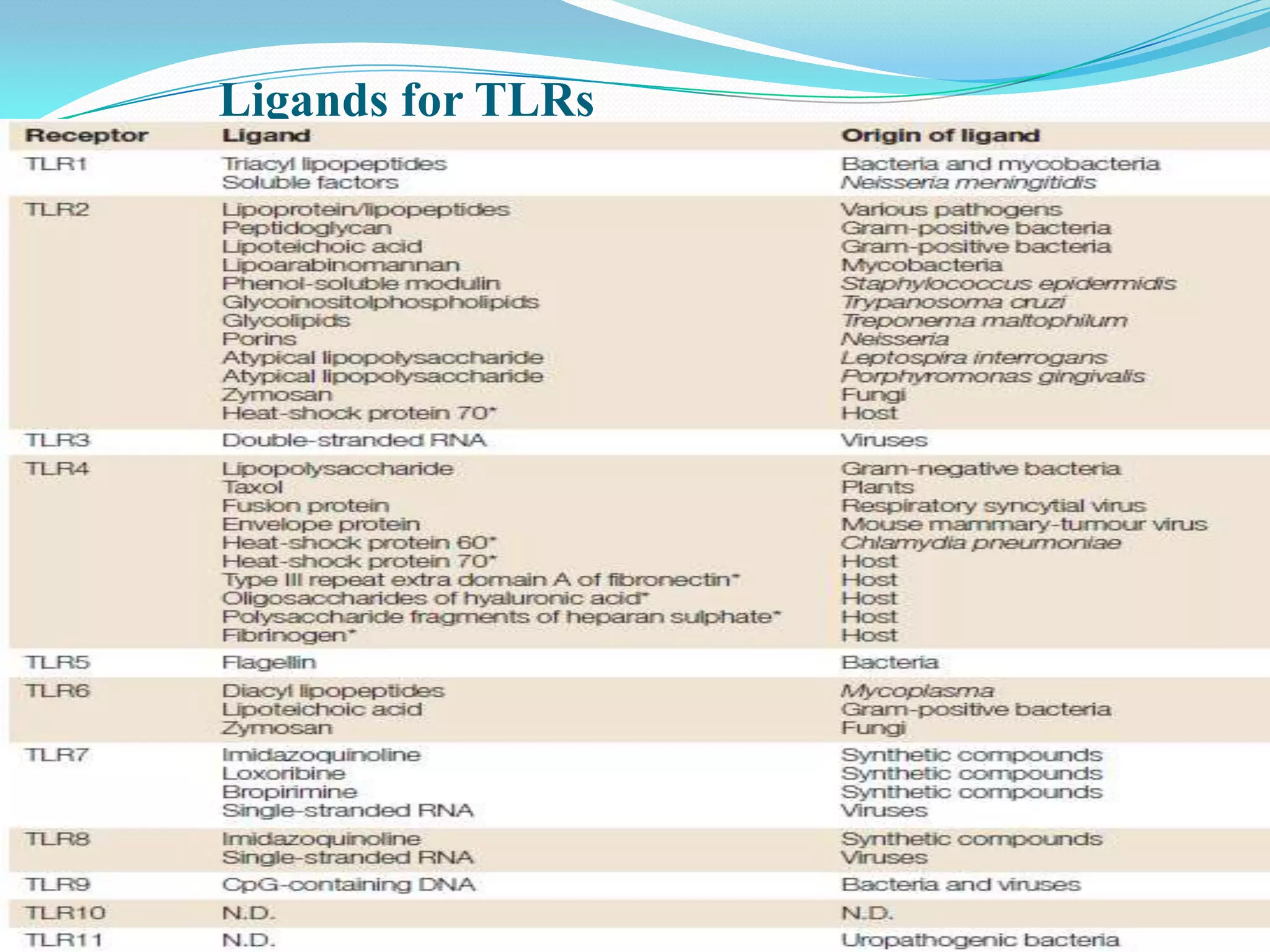
Ligands for TLRs
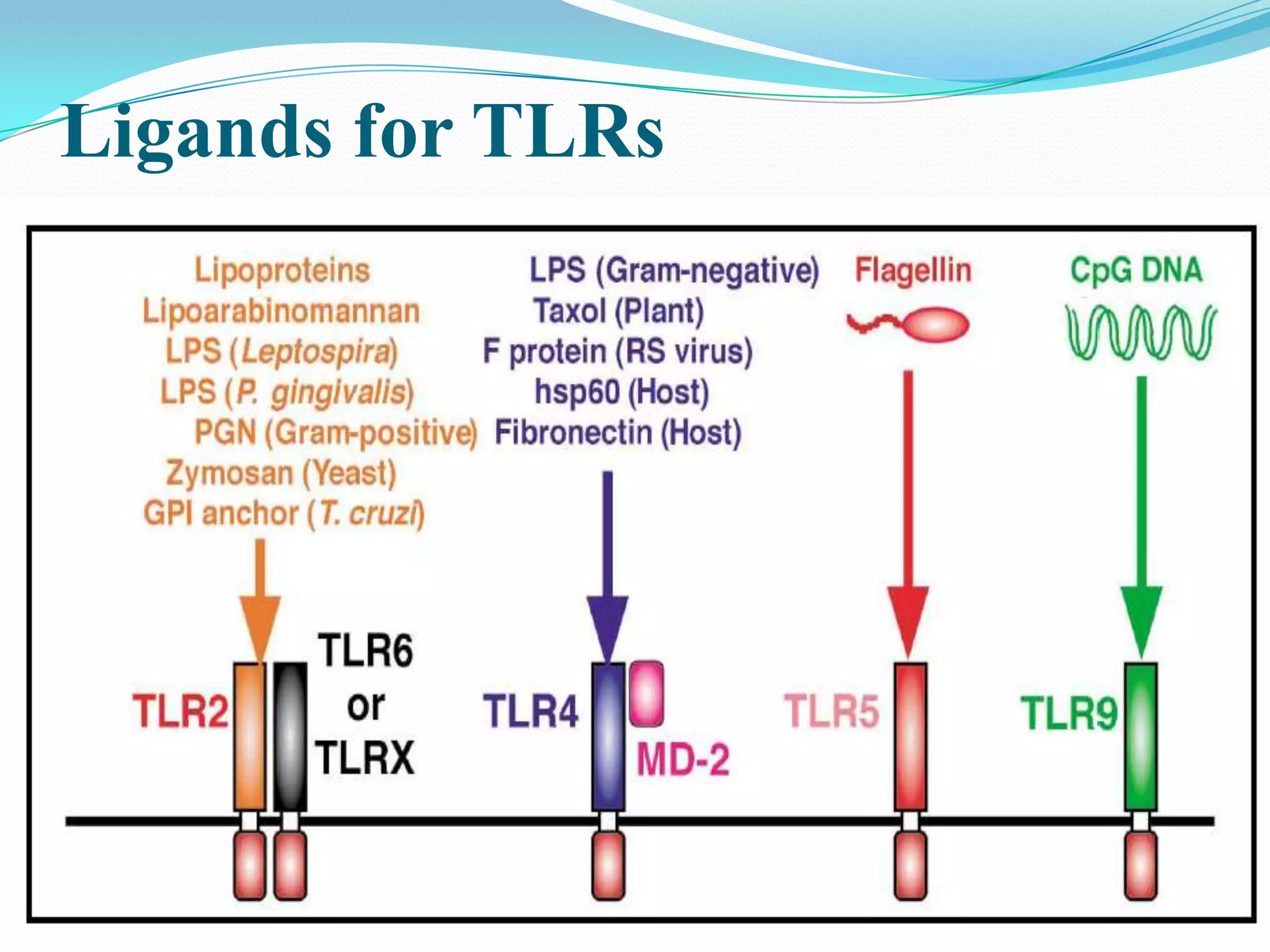
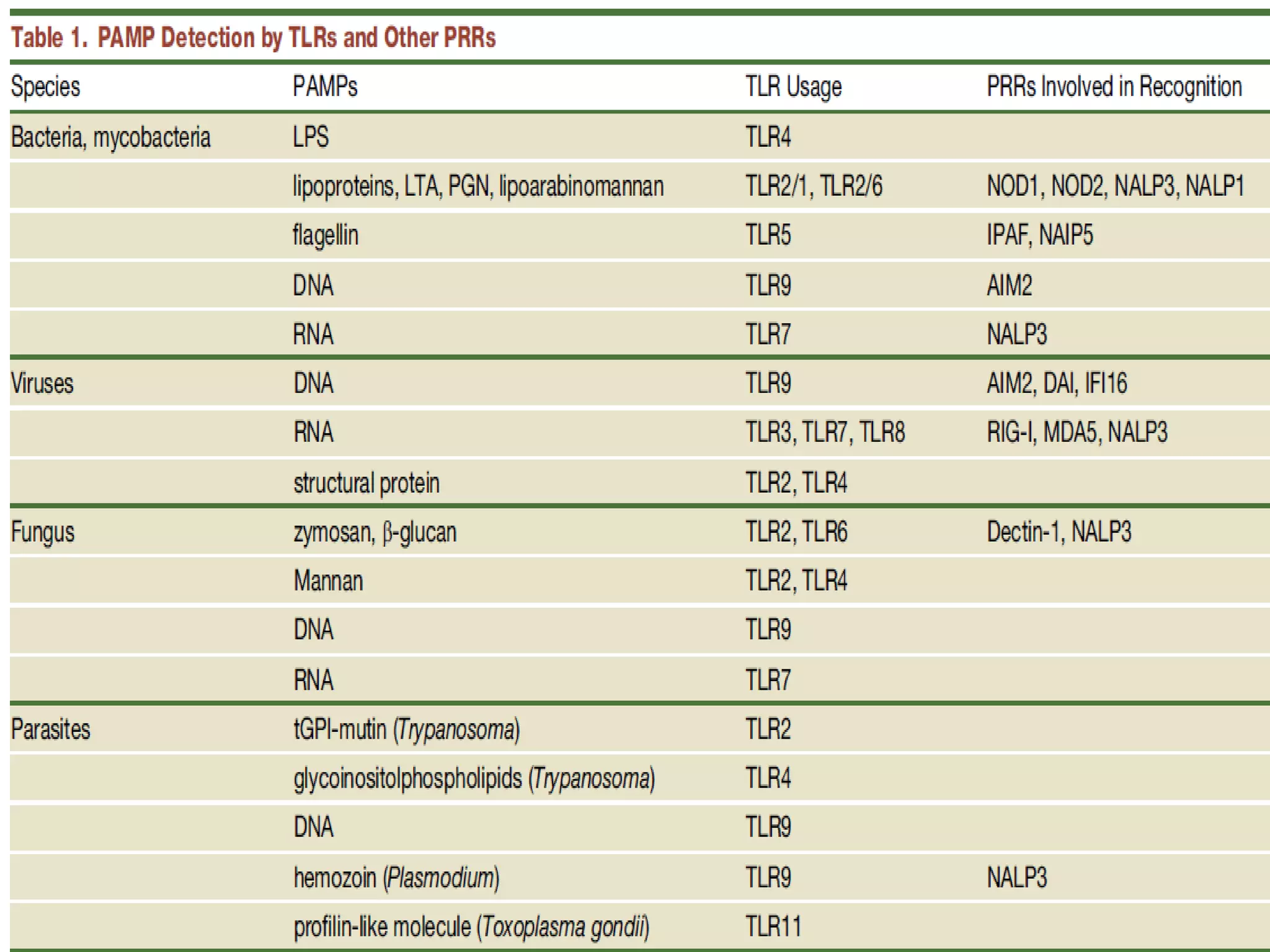
Ligands for TLRs
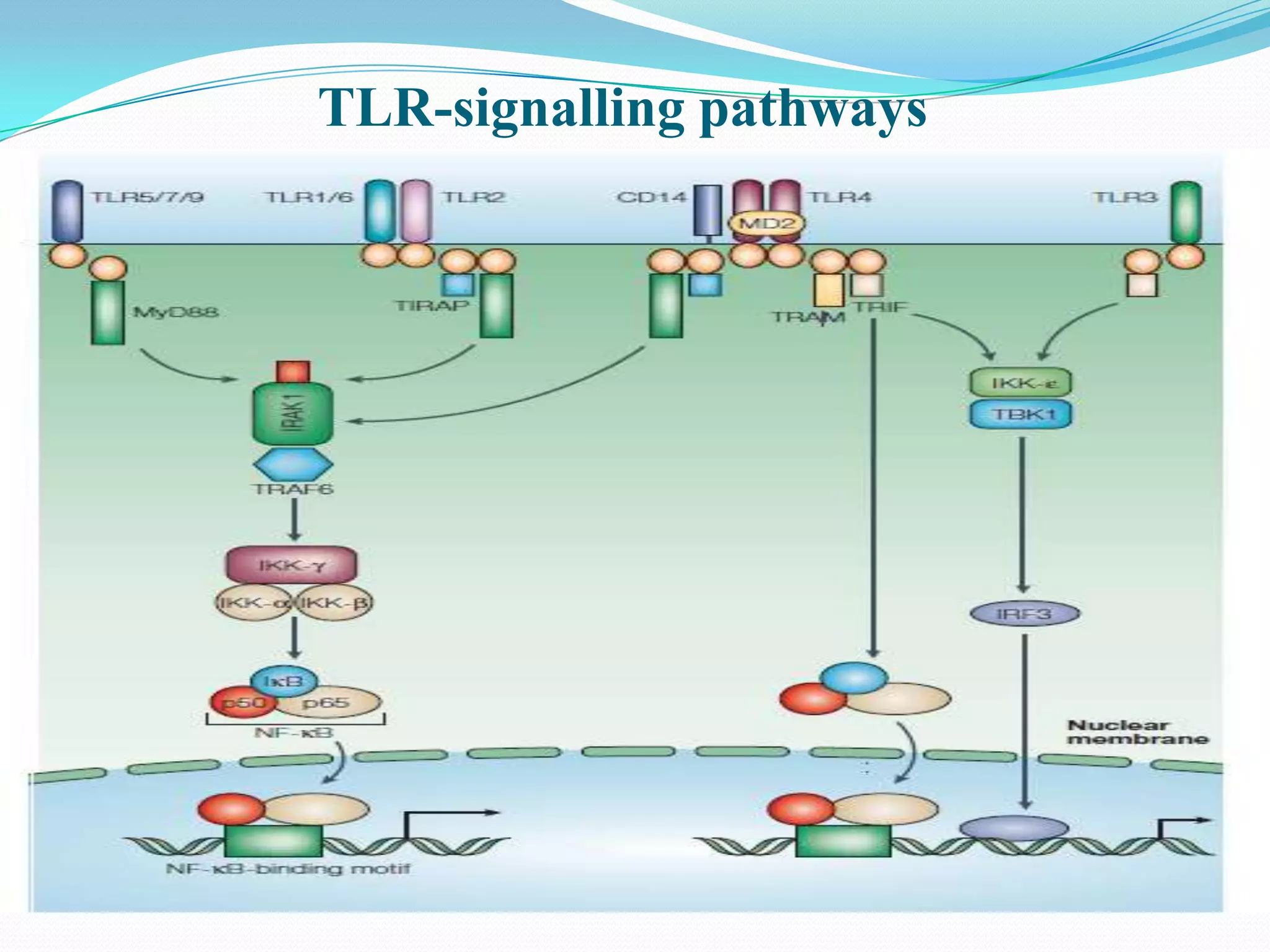
TLR Signaling Pathway
1]MyD88 (myeloid differentiation primary-response protein 88)
 Forms homodimers through DD–DD and TIR-domain–TIR-domain interactions and exists
   as a dimer when recruited to the receptor complex.
 Functions as adaptor linking TLRs/IL-1Rs with downstream signalling molecules that have
   DDs.
2] IRAK family (IL-1-receptor-associated kinases)
 Four IRAKs — IRAK1,IRAK2,IRAK4 and IRAK-M identified
 The kinase activity of IRAK1 increases strongly following TLR/IL-1R stimulation, and its
   kinase domain is essential for signalling through nuclear factor-κB (NF-κB)
3] TRAF6 (tumour-necrosis-factorreceptor- associated factor 6)
 Signalling mediator for both the TNF-receptor superfamily and the TLR/IL-1R
   superfamily, interacting directly with members of the TNF-receptor superfamily
4] NF-κB (nuclear factor-κB)
 Promote expression of genes and synthesis of cytokines
TLR-signalling pathways
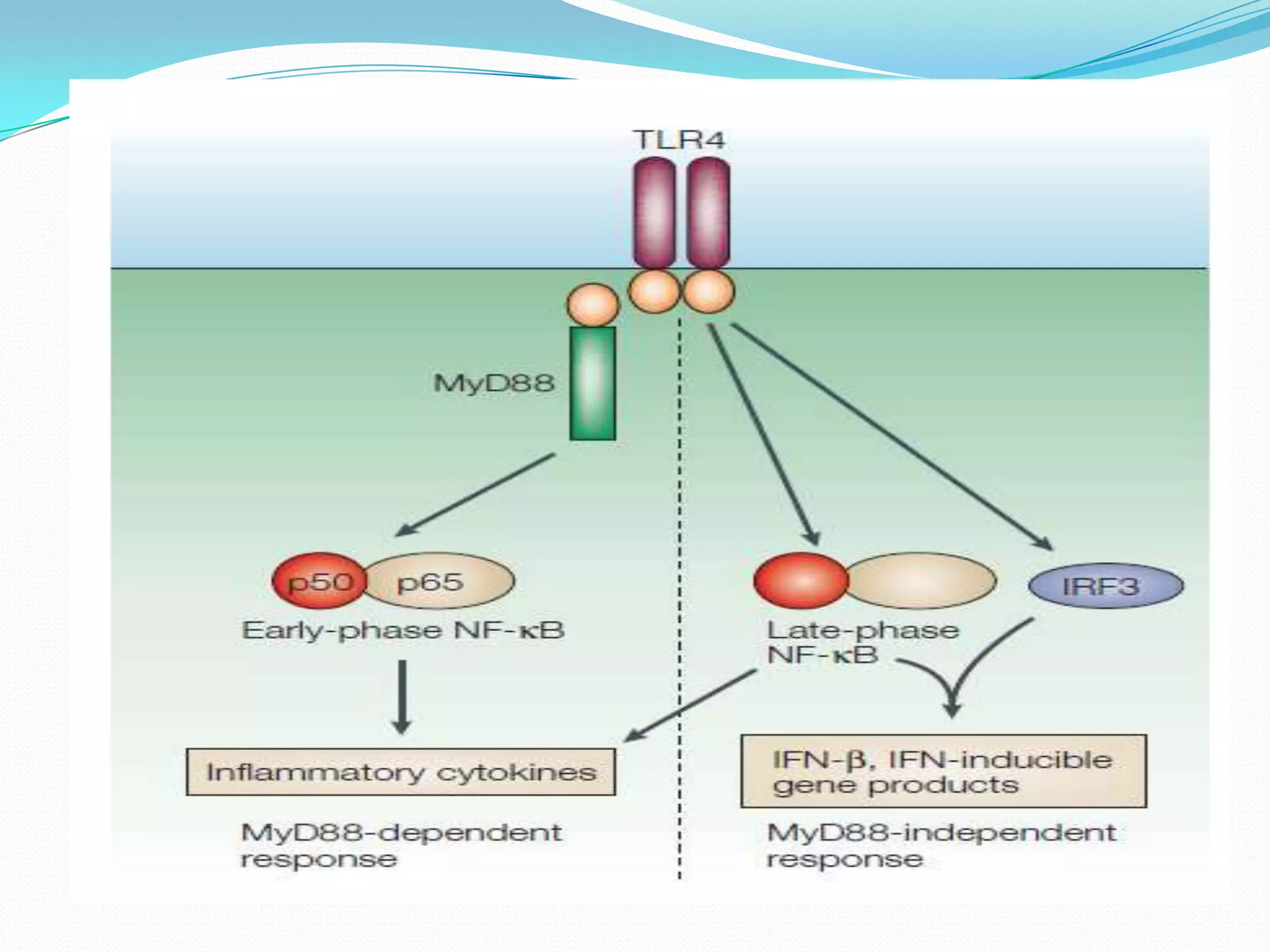
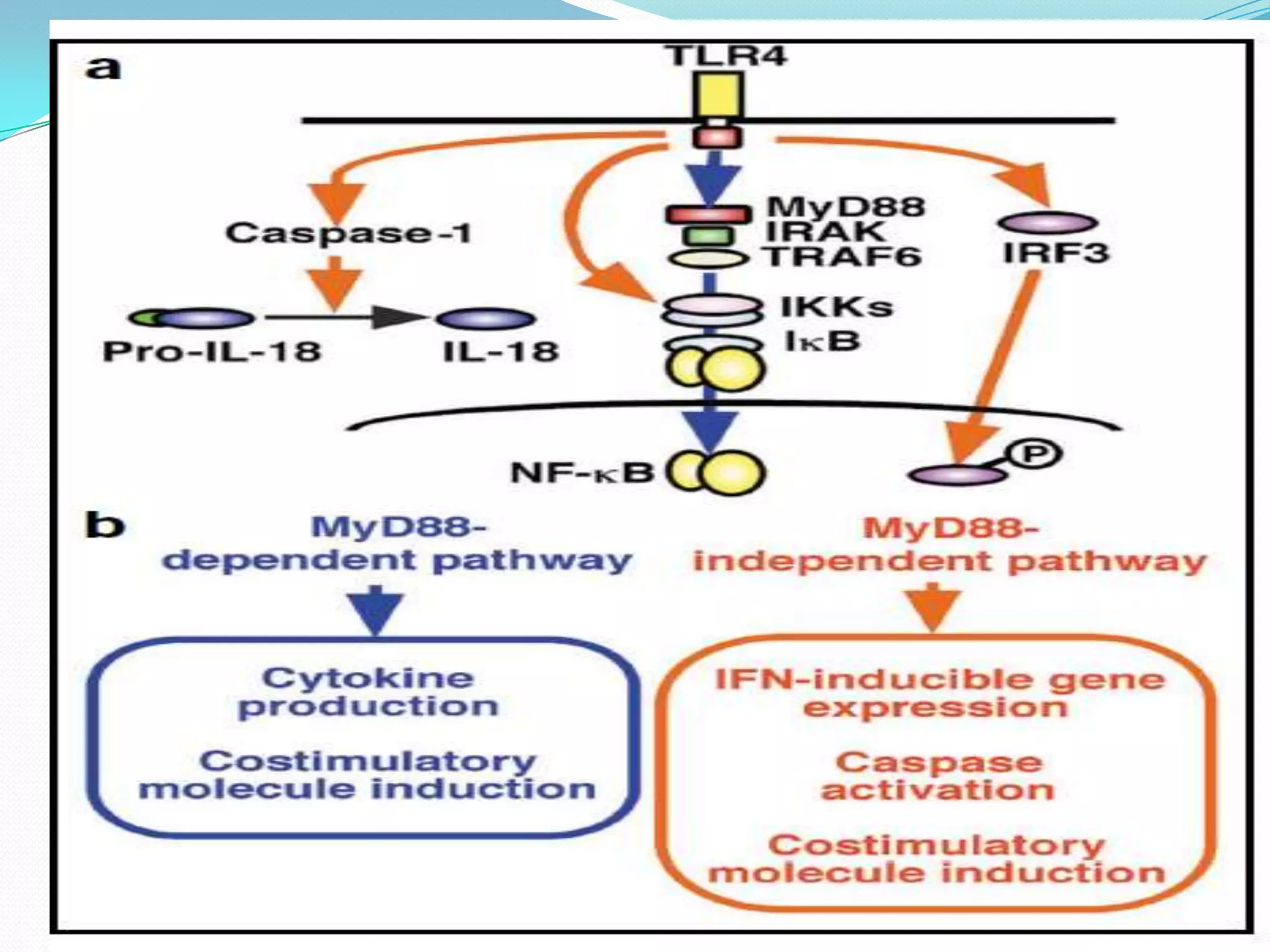
 TIR-domain-containing MyD88 mediates TLR pathway that activates
    IRAKs and TRAF6
   Activation of the IKK complex (inhibitor of nuclear factor-κB (IκB)- kinase
    complex), which consists of IKK-α, IKK-β and IKK-γ (also known as
    IKK1,IKK2 and NF-κB and releases NF-κB from its inhibitor so
   NF-κB translocates to the nucleus and induces expression of inflammatory
    cytokines.
   TIRAP (TIRdomain- containing adaptor protein), is involved in the MyD88-
    dependent signalling pathway through TLR2 and TLR4.
   TLR3- and TLR4-mediated activation of interferon (IFN)-regulatory factor
    3 (IRF3) and the induction of IFN-β are observed in a MyD88-independent
    manner.
TLRs and susceptibility to diseases
TLR 1
1]PROTECTION AGAINST LEPROSY
 SNP in TLR1, 1805T-G, that results in an ile602-to-ser (I602S) substitution
  at the junction of the transmembrane and intracellular domains of TLR1.[
  Johnson et al. 2007, Misch et al.2008]

2] SUSCEPTIBILITY TO LEPROSY
 Association of an asn248-to-ser (N248S) SNP in the TLR1 gene and leprosy
   (LPRS5; 613223) in a Bangladeshi population consisting of 842 patients
   and 543 controls.[Schuring et al. (2009)]
 Homozygosity for S248 significantly associated with leprosy (OR = 1.34)
   & heterozygosity was found to be protective against leprosy (OR = 0.78)
 Homozygous N248 genotype was equally distributed among patients and
   controls
 Patients with erythema nodosum leprosum reactions were more likely to
   have the N248 allele (68%) than were patients who had no reactions (46%)
TLR2
1]Susceptibility to Leprosy
 Arg677-to-trp polymorphism (R677W; 603028.0001) in the intracellular domain
  of TLR2 in 10 (22%) of 45 Korean lepromatous leprosy patients [Kang and Chae
  2001]

 R677W leads to poor cellular immune response associated with lepromatous
  leprosy.[Bochud et al. 2003]

 R677W was undetectable in the Japanese patients [Mikita et al. 2009], similar to
  the findings in Indian patients reported by [Malhotra et al. 2005]

 Bochud et al. (2008 )analyzed 3 TLR2 polymorphisms in 441 patients and 187
  controls in 3 Ethiopian groups.

 597C-T SNP was associated with reduced susceptibility to reversal reaction


 Homozygous for a 280-bp microsatellite marker had an increased risk of reversal
  reaction
TLR2
1] Lyme Disease
 Monocytes and lymphocytes from healthy subjects produced more TNF
  and IFNG, respectively, in response to high concentrations of Borrelia
  lysate than did healthy subjects heterozygous for an arg753-to-gln (R753Q)
  SNP. [Schroder et al. 2005]
 R753Q SNP may protect from development of late-stage Lyme disease due
  to reduced signaling via TLR2/TLR1.

2] Tuberculosis
 Increased risk of TB in carriers of a nonsynonymous 2258G-A SNP in the
   TLR2 gene, which causes the R753Q substitution [Ogus et al. (2004)]

3] Colorectal Cancer
 Boraska Jelavic et al. (2006) GT microsatellite repeat polymorphism in
   intron 2 of the TLR2 gene in sporadic colorectal cancer patients
 Frequency of TLR2 alleles with 20 and 21 GT repeats was decreased &
   that of 31 GT repeats was increased in patients versus controls.
TLR3
1] Herpes Simplex Encephalitis
 Zhang et al. (2007) detected a heterozygous P554S mutation in the
  TLR3 gene. The mutation occurred on different TLR3 haplotypes in
  the children.
 TLR3 is vital for natural immunity to HSV-1 in the CNS and
  neurotropic viruses have contributed to the evolutionary maintenance
  of TLR3.

2] Age-related macular degeneration
 T allele of rs3775291 in the TLR3 gene, which results in a L412F
  substitution, is protective against the development of geographic
  atrophy or advanced dry age-related macular degeneration
TLR4 (The human homolog of Drosophila Toll)
1] ENDOTOXIN HYPORESPONSIVENESS
 Arbour et al. (2000) showed that 2 common cosegregating missense mutations
   (asp299 to gly and thr399 to ile) that affect the extracellular domain of the TLR4
   receptor are associated with blunted response to inhaled lipopolysaccharide in
   humans.
 Susceptibility to Gm negative sepsis.
2] D299G allele - Lower Levels Of Certain Proinflammatory Cytokines, More
   Susceptibility To Severe Bacterial Infections, Lower Risk Of Carotid
   Atherosclerosis, And A Smaller Intima-media Thickness In The Common Carotid
   Artery. [Kiechl et al. (2002)]
3] gly299 allele of the TLR4 gene was more frequent in colorectal cancer patients
   than controls
4] D299G and T399I variants of TLR4 as contributors to susceptibility to age-related
   macular degeneration
5] D299G polymorphism– metastasis after breast cancer surgery
6] D299G polymorphism in TLR4 may influence the immunologic component of
   anthracycline-based chemotherapy in human cancer.
TLR5
1] Susceptibility to Legionnaire disease
 C-to-T transition at nucleotide 1174, changed arg392 to a stop codon
   (R392X) [
   Hawn et al. 2003]

2] Resistance to systemic lupus erythematosus
 allele 1174C of TLR5, but not allele 1174T, which encodes the premature
   stop codon, was preferentially transmitted to SLE-affected
   offspring. [Hawn et al. 2005]
TLR6


 Enhancement of Lewis Lung Carcinoma (LLC) cell
  line growth.
TLR 7
 Target of investigational agents with antitumor and
  antiviral properties
FUNCTIONS OF TOLL-LIKE RECEPTORS IN CNS
 TLR4 expression in the CNS is necessary to mount an appropriate cytokine
    response in the brain in response to systemic LPS exposure
   mice with peripheral TLR4-expressing cells, but lacking specific CNS TLR4, were
    unable to mount a CNS cytokine response
   TLRs may play important roles in cerebral cell proliferation and brain
    development.
   Inflammation has a strong effect on progenitor cells and reduces adult hippocampal
    neurogenesis.
   TLR2 deficiency in mice resulted in impaired hippocampal neurogenesis.
   absence of TLR4 enhanced proliferation and neuronal differentiation.
   Detrimental effects of TLR4 on progenitor cells was shown to be dependent on
    prostaglandin E2 receptors.
   protective effect on hippocampal neurogenesis by cyclooxygenase inhibitors
   TLR8 is also expressed at high levels during brain development, and in cultured
    cortical neurons, TLR8 stimulation inhibits neurite outgrowth
 Immunostaining of cultured microglia and astrocytes for TLR3 and TLR4,
  revealed two opposite features.

 Both TLR3 and TLR4 were found exclusively localized in vesicular structures
  inside microglia and not on the surface of the cells.

 With cultured astrocytes, TLR3 and TLR4 were found only on the cellular
  surface
 Microglial TLRs are crucial as a first line of defence against bacterial or viral
  infection.
 human astrocytes have been reported to express TLRs 1–5 and TLR 9


 TLR signaling in astrocyte can activate the production of a wide range of
  neuroprotective and anti-inflammatory mediators rather than merely stimulating
  proinflammatory factors.
 The preference of astrocyte to express up to 200-fold elevated levels of TLR3
  upon activation is puzzling since the only currently known ligand for TLR3 is
  dsRNA, which is believed to emerge as an intermediate during viral replication.
 TLR Signaling Link to Neurotoxicity
 TLR Signaling Link to Neurogenesis
 TLR Signaling in Neurodegenerative Diseases
Neurological diseases with possible link to TLR
pathway
1]Leprosy                       9]Bacterial meningitis
2]Herpes Simplex Encephalitis   10] Alzheimer’s Disease
3]Entero and flaviviral         11] Prion Diseases
  encephalitis                  12] Amyotrophic Lateral
4]Malaria                         Sclerosis.
5]Toxoplasmosis                 13] Parkinson’s Disease
6]Trypanosomiasis               14]Perinatal brain injury
7]Lyme disease                  15] Multiple sclerosis
8]Neurocysticercosis            and ?????????????????
Targeting TLR as Therapeutic Application in AD

 TLR activation may modulate glial cell activity in AD.
 Recent research suggests the involvement of TLRs 2, 4, 5, 7, and 9 in the
    proinflammatory response of microglia toward Aβ, which may be linked to
    neurotoxicity
    Activation of TLRs 2, 4, and 9 were also linked to both phagocytosis of
    the neurotoxic Aβ and to an anti-inflammatory response (TLR9), which
    may lead to neuroprotection (Figure 1).
    Therefore, elevated expression levels of TLRs 2, 4, and 9, through genetic
    modification or toward specific agonists, may be a therapeutic application
    in AD.
    Use of TLRs 2 and 4 agonist as a specific macrophage activator to increase
    the clearance of Aβ in an AD mouse model.
   An alternative therapeutic approach may be the reduction of TLR5 and 7,
    by using shRNA or specific antagonists
 Bisdemethoxycurcumin is a natural curcumin, a minor
  constituent of turmeric , that enhances phagocytosis and the
  clearance of Aβ in cells from most AD patients, and increases
  transcription of the MGAT and TLR genes

 Administration of CpG, a TLR9 activator, in APP transgenic
  mice, resulted in clearance of Aβ from microglial cells.
Targeting TLR as Therapeutic Application in Prion Diseases
   It has been suggested that TLR9 expression may be linked to the progression of
    prion diseases.

   Treatment with synthetic oligodeoxynucleotides that contain cytosine phosphate
    guanosine (CpG-ODN) motifs, known to bind to TLR9, have been suggested as
    possible treatment for prion diseases in a mouse model, by delaying the disease
    onset.

   Another explanation may be the effect of CpG-ODN on microglia activation that
    may lead to prion degradation .

   As the activation of TLRs in other amyloidogenic diseases, such as AD, has been
    linked to the clearance of neurotoxic amyloid, it may prove to be a potential
    therapeutic approach to the prion diseases.
Targeting TLR as a Therapeutic Application in Amyotrophic
                 Lateral Sclerosis.
 A potential link between TLR signaling and an increase in
  neurotrophic factor secretion from glial cells may prove to be a
  therapeutic approach in ALS.
Targeting TLR as Therapeutic Application in
Parkinson’s Disease.
 α-synuclein immunization in a PD animal model may
  ameliorate disease progression.

 Targeting mechanisms in which α-synuclein activates TLR
  signaling, may open a new horizon for therapeutic application
  in PD.
Other therapeutic implications
Toll-Like Receptor 4: Agonism and
Antagonism
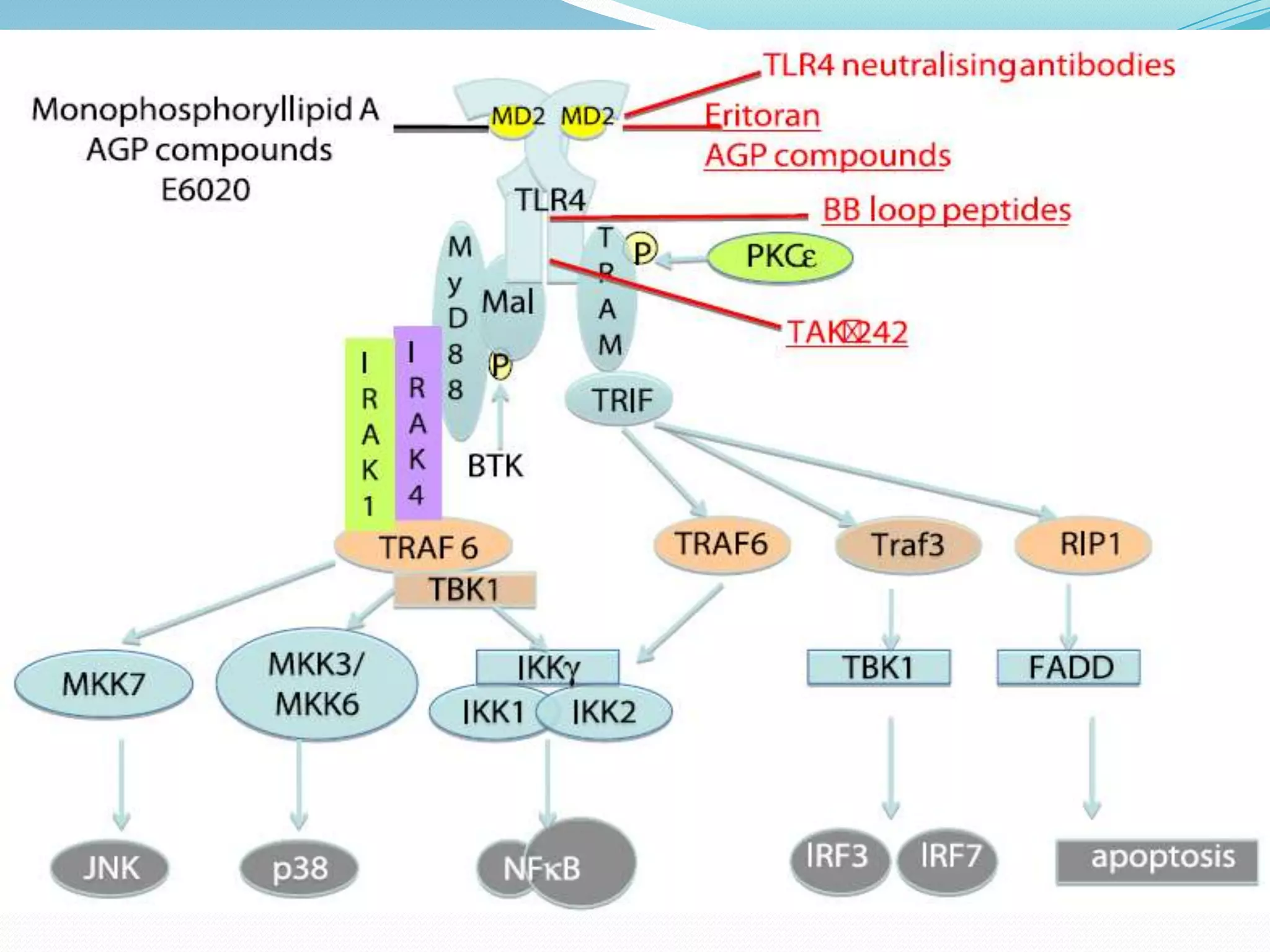
 The best characterized ligand for the MD-2/TLR4 complex is lipid A (the
  biologically active component of LPS)

 Different lipid A structures may be agonists or antagonists at the MD-
  2/TLR4 (Walsh et al., 2008).

 A synthetic compound CRX-527 is an agonist, but decreasing the
  secondary acyl chain length below 6 or increasing it above 14 results in a
  loss of agonist activity

 Binding of lipid A to MD-2/TLR4 (Raetz et al., 2006) induces structural
  rearrangements that trigger oligomerisation of TLR4 and initiate signal
  transduction
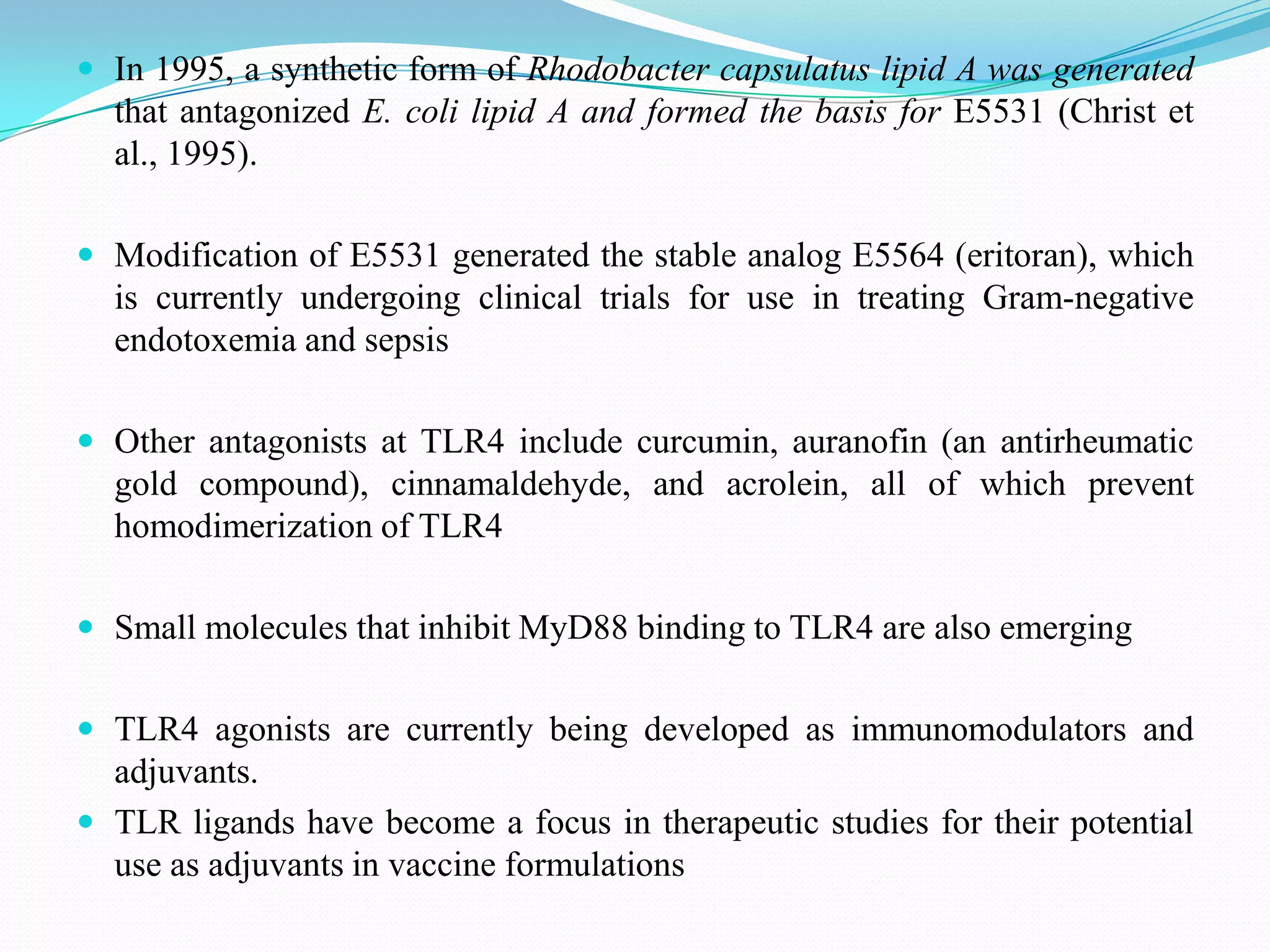
 In 1995, a synthetic form of Rhodobacter capsulatus lipid A was generated
  that antagonized E. coli lipid A and formed the basis for E5531 (Christ et
  al., 1995).

 Modification of E5531 generated the stable analog E5564 (eritoran), which
  is currently undergoing clinical trials for use in treating Gram-negative
  endotoxemia and sepsis

 Other antagonists at TLR4 include curcumin, auranofin (an antirheumatic
  gold compound), cinnamaldehyde, and acrolein, all of which prevent
  homodimerization of TLR4

 Small molecules that inhibit MyD88 binding to TLR4 are also emerging


 TLR4 agonists are currently being developed as immunomodulators and
  adjuvants.
 TLR ligands have become a focus in therapeutic studies for their potential
  use as adjuvants in vaccine formulations
Toll-Like Receptor 2: Agonism and Antagonism

   Currently, the major use for compounds that activate TLR2 are
      as adjuvants.
      The synthetic compounds, such as Pam3CSK4 and MALP-2,
      could be developed for adjuvant usage.
     Another approach to blocking TLR2 is with a neutralizing
      antibody.
      One such antibody, T2.5, has been shown to prevent sepsis
      induced by TLR2 ligands (Meng et al., 2004)
     Furthermore, when T2.5 is used in combination with an anti-
      TLR4/MD-2 antibody, it protects mice against sepsis induced
      by Salmonella enterica or E. coli when given with antibiotics
Toll-Like Receptor 5: Agonism and
Antagonism
 M2e is immunogenic component of influenza A
 M2e was recently fused with the TLR5 ligand S. typhimurium
  flagellin (STF2). The resulting fusion protein can activate cells in
  a TLR5-dependent manner and elicits potent antibody responses
  in mice.
 M2e sequence linked to the TLR5 ligand provides an effective
  approach to developing vaccines against wide-spread epidemic
  and pandemic influenza
 In the case of IBD, TLRs can also amplify inappropriate immune
  responses that ultimately cause chronic inflammation.
 At low concentrations, flagellin can stimulate TLR5 on CD4 T
  cells and enhance the expression of FOXP3, allowing for an
  increased suppressive capacity
Toll-Like Receptors 7 and 8: Small-Molecule
Targets
 Activated by synthetic small-molecularweight compounds of the
    imidazoquinoline family, such as resiquimod and imiquimod.
   TLR7/TLR8 agonists act as“antiviral agents.”
   Imiquimod is the first approved topically active TLR7 agonist.
   It is prescribed for treatment of external virus induced skin
    lesions, such as the genital and perianal warts resulting from
    papillomavirus infection
   Therapeutic interest in TLR7/TLR8 for cancer treatment came
    about because of the antitumoral activity of TLR7/TLR8 agonists
Toll-Like Receptor 9
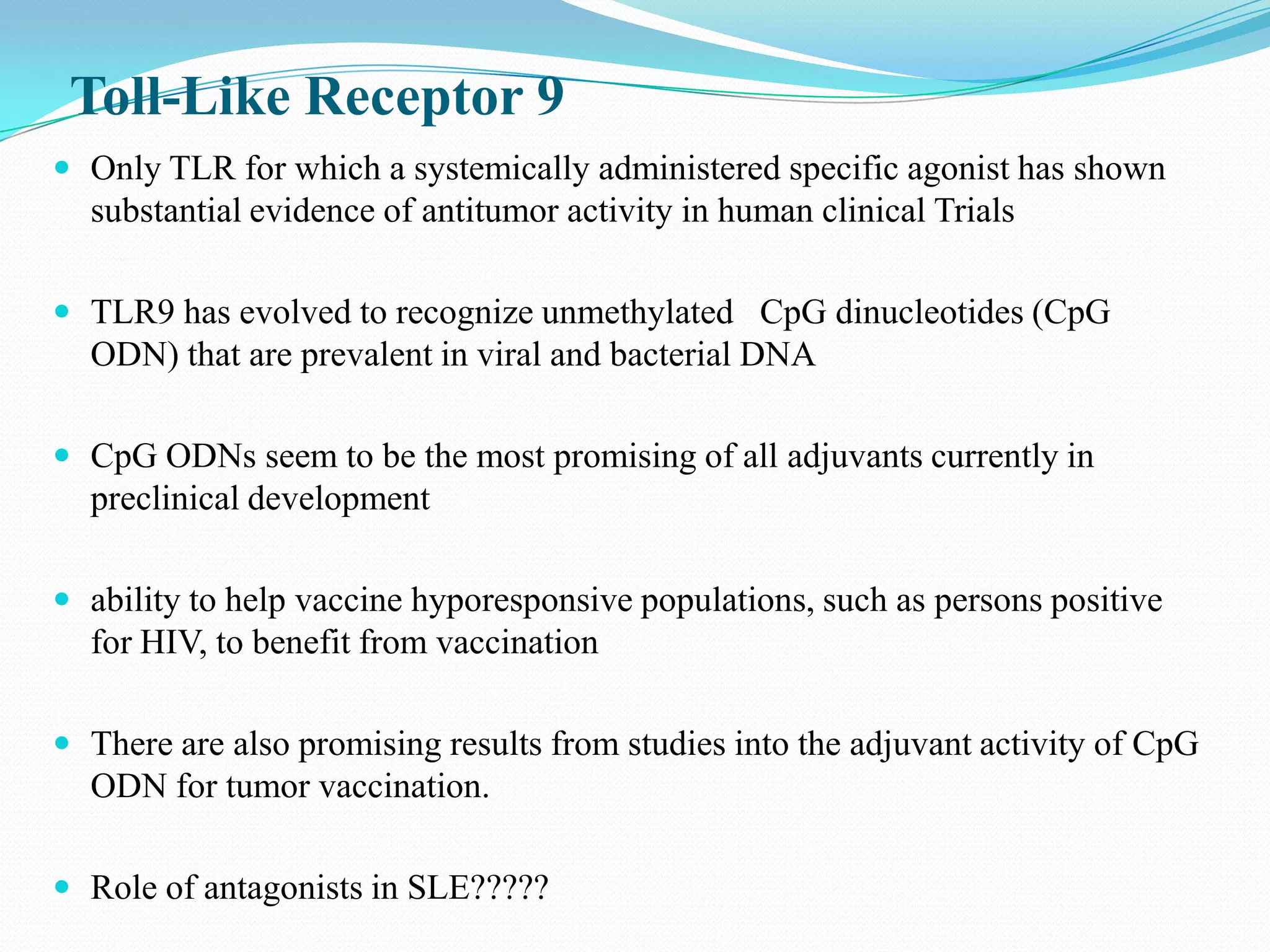
 Only TLR for which a systemically administered specific agonist has shown
  substantial evidence of antitumor activity in human clinical Trials

 TLR9 has evolved to recognize unmethylated CpG dinucleotides (CpG
  ODN) that are prevalent in viral and bacterial DNA

 CpG ODNs seem to be the most promising of all adjuvants currently in
  preclinical development

 ability to help vaccine hyporesponsive populations, such as persons positive
  for HIV, to benefit from vaccination

 There are also promising results from studies into the adjuvant activity of CpG
  ODN for tumor vaccination.

 Role of antagonists in SLE?????
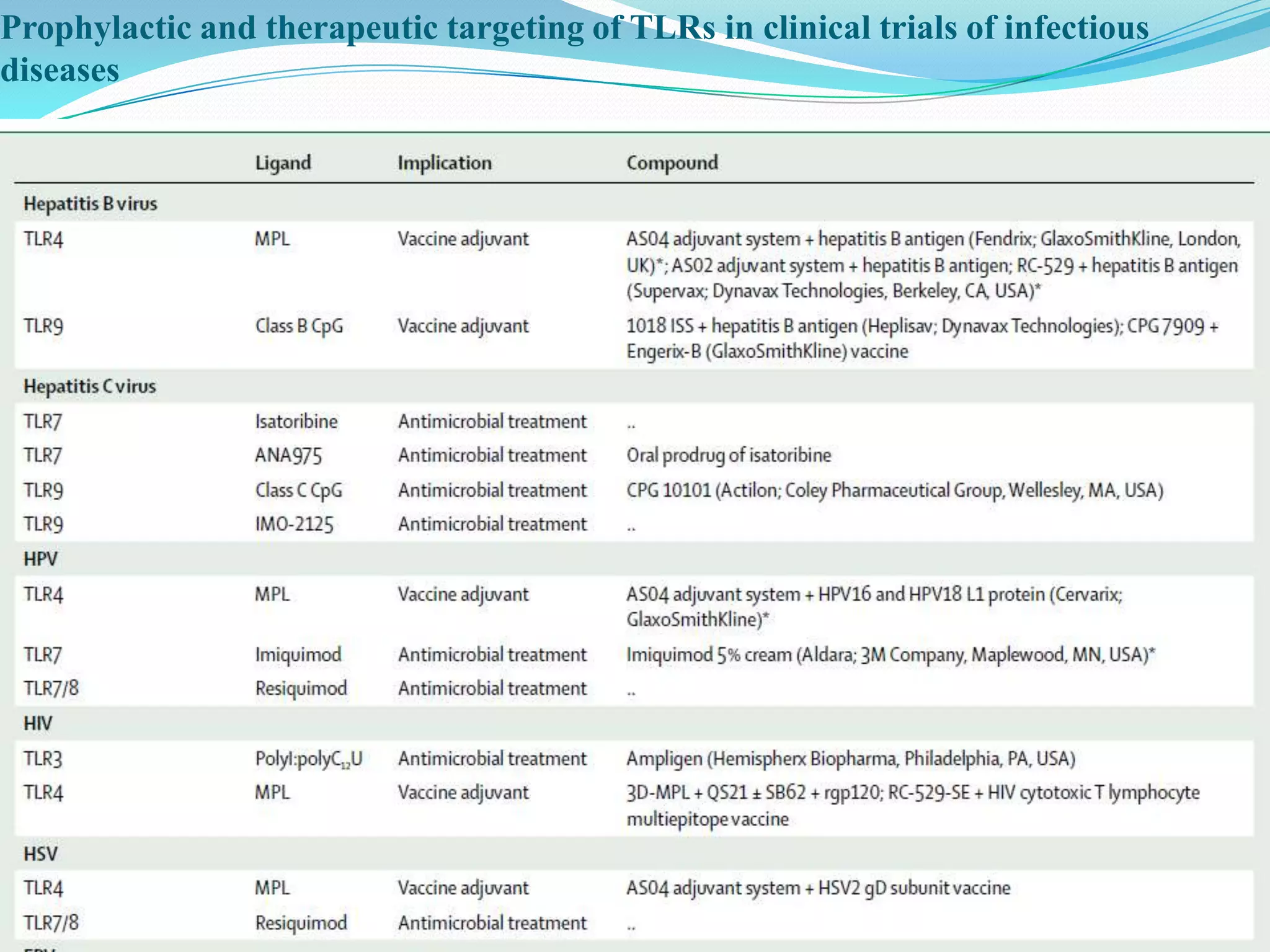
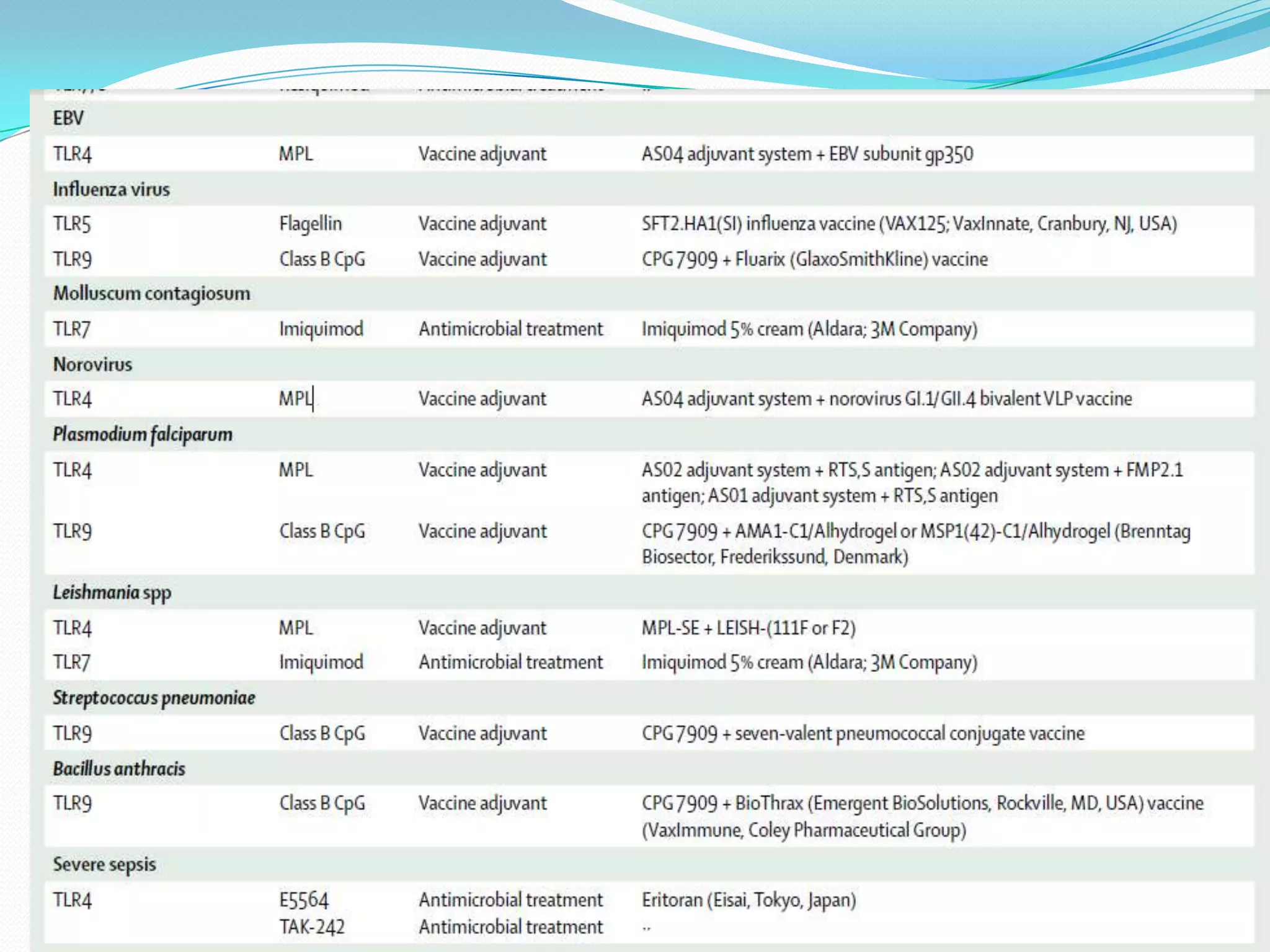
Prophylactic and therapeutic targeting of TLRs in clinical trials of infectious
diseases
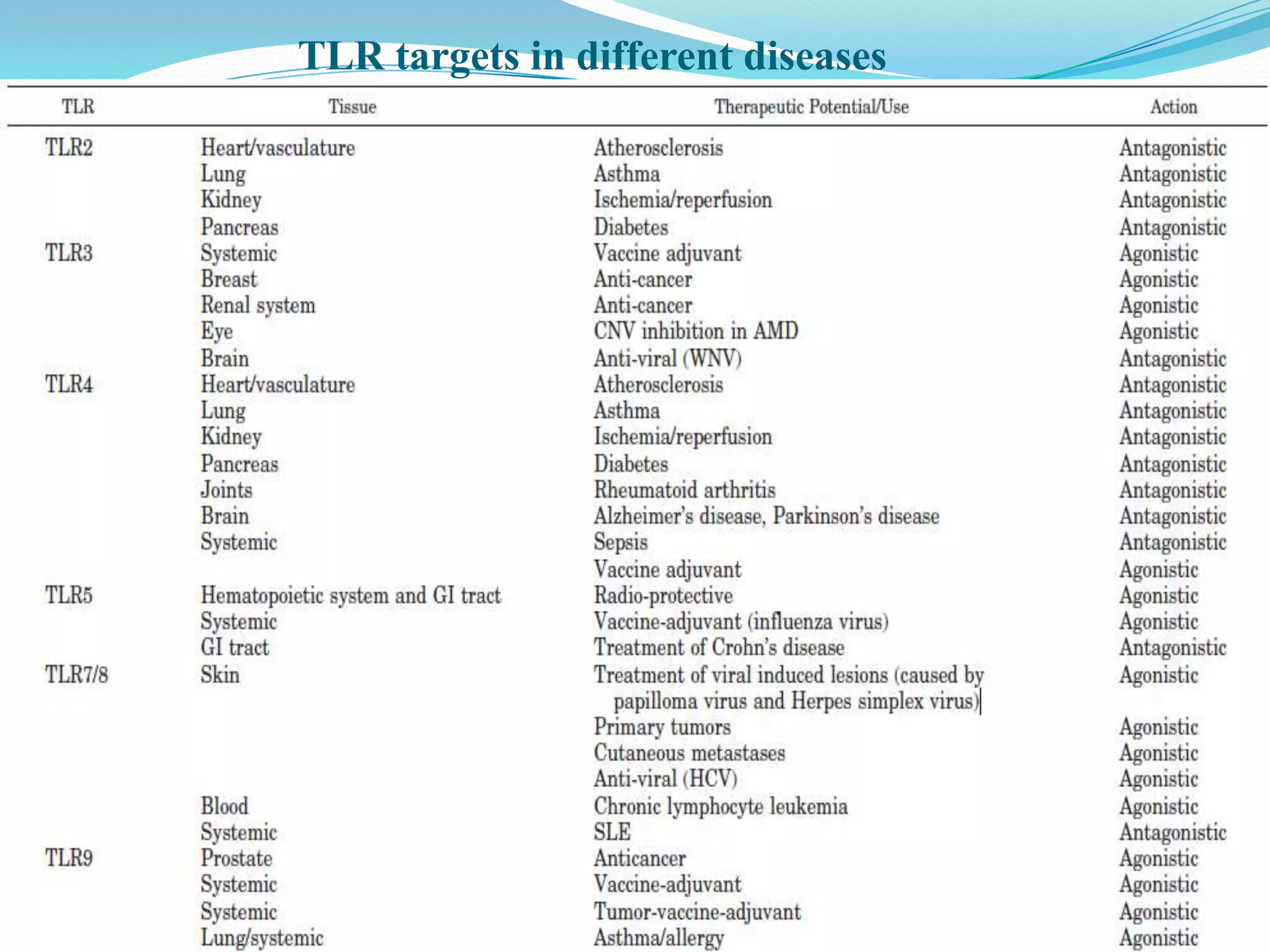
TLR targets in different diseases
 We have come a long way from the discovery of the first Toll
  in the fruit fly.


 The intense interest around TLRs, shared by immunologists,
  biomedical researchers, and pharmacologists, should surely
  yield badly needed therapies for major pathologic conditions.
THANK YOU

Toll like receptors

  • 1.
    Dr. Tushar B.Patil, MD Senior Resident Departmet of Neurology King George’s Medical University , Lucknow, India
  • 2.
    Introduction  TLRs aregermline-encoded pattern recognition receptors  Sense conserved molecular structures produced by microorganisms  Play essential role in host defence to microbial infection.  Activate intracellular signalling pathways  Induce genes involved in immune responses and inflammation.  Act as a bridge between Innate and Adaptive immunity by mediating dendritic cell maturation and activation of pathogen-specific T lymphocytes.
  • 3.
    Introduction  TLRs recognizepathogens and generates an immediate defence response.  Induce cytokines which destroy or limit invading pathogens.  Activation of APCs & expression of MHC and co-stimulatory molecules like CD40, CD89, CD86 and CD70.  Activation and differentiation of naive T cells into Th1, Th2, Th3 and Th17 cells or T-regs, facilitating cell mediated immune responses.
  • 4.
    Toll: Origin ofthe word (1985)  The gene in question, when mutated, makes the Drosophila (fruit fly) embryo look unusual.  The researchers were so surprised that they spontaneously shouted out in German "Das ist ja toll!" which translates as "That's great!". [The Nobel Prize in Physiology or Medicine 1995:Edward B. Lewis, Christiane Nüsslein-Volhard, Eric F. Wieschaus]
  • 5.
    Important milestones inthe discovery of Toll receptors.
  • 6.
    Schematic representation ofToll/TLR pathways in Drosophila and mammals. Chtarbanova S , Imler J Arterioscler Thromb Vasc Biol 2011;31:1734-1738
  • 7.
    Genes for TLR TLR Location Phenotype Phenotype MIM no. TLR1 4p14 {Leprosy, protection against} 613223 {Leprosy, susceptibility to, 5} 613223 TLR2 4q31.3 {Colorectal cancer, susceptibility to} 114500 {Leprosy, susceptibility to} 246300 TLR3 4q35.1 Herpes simplex encephalitis, susceptibility to 613002 TLR4 9q33.1 Endotoxin hyporesponsiveness, {Colorectal 114500 cancer, susceptibility to} {Macular degeneration, age-related, 10} 611488
  • 8.
    Genes for TLR TLR Locatio Phenotype Phenotype MIM n no. TLR5 1q41 {Legionaire disease, susceptibility to} 608556 {Systemic lupus erythematosus, 601744 resistance to} {Systemic lupus erythematosus, 601744 susceptibility to, 1} TLR6 4p14 ?? ?? TLR7 Xp22.2 ?? ?? TLR8 Xp22.2 ?? ?? TLR9 3p21.2 ?? ?? TLR10 ?? ?? ??
  • 9.
  • 10.
    Cellular Localization ofTLRs  TLR1, TLR2, TLR4, TLR5, and TLR6 localized on the cell surface and recognize microbial membrane components.  TLR3, TLR7, TLR8, and TLR9 expressed within intracellular vesicles and recognize nucleic acids.  Intracellular vesicles with TLR3, TLR7, TLR8, and TLR9 are localized in endoplasmic reticulum (ER), endosomes, lysosomes, and endolysosomes.  Intracellular localization important for avoiding contact with ‘‘self’’ nucleic acids and risk of autoimmunity.  Regulated mechanism is present for TLR mobilization.
  • 11.
    Structure of TLRs TLRs are type I membrane glycoproteins.  Homology in the cytoplasmic region--- interleukin-1 receptors (IL-1Rs) superfamily  Extracellular region of TLRs contains leucine-rich repeat (LRR) motifs, & IL 1Rs contains three immunoglobulin-like domains
  • 12.
    Structure of TLRs Toll-like receptors (TLRs) and interleukin-1 receptors (IL-1Rs) have a conserved cytoplasmic domain, that is known as the Toll/IL-1R (TIR) domain.  The TIR domain is characterized by the presence of three highly homologous regions (known as boxes 1, 2 and 3).
  • 13.
  • 15.
  • 16.
  • 18.
    TLR Signaling Pathway 1]MyD88(myeloid differentiation primary-response protein 88)  Forms homodimers through DD–DD and TIR-domain–TIR-domain interactions and exists as a dimer when recruited to the receptor complex.  Functions as adaptor linking TLRs/IL-1Rs with downstream signalling molecules that have DDs. 2] IRAK family (IL-1-receptor-associated kinases)  Four IRAKs — IRAK1,IRAK2,IRAK4 and IRAK-M identified  The kinase activity of IRAK1 increases strongly following TLR/IL-1R stimulation, and its kinase domain is essential for signalling through nuclear factor-κB (NF-κB) 3] TRAF6 (tumour-necrosis-factorreceptor- associated factor 6)  Signalling mediator for both the TNF-receptor superfamily and the TLR/IL-1R superfamily, interacting directly with members of the TNF-receptor superfamily 4] NF-κB (nuclear factor-κB)  Promote expression of genes and synthesis of cytokines
  • 19.
  • 20.
     TIR-domain-containing MyD88mediates TLR pathway that activates IRAKs and TRAF6  Activation of the IKK complex (inhibitor of nuclear factor-κB (IκB)- kinase complex), which consists of IKK-α, IKK-β and IKK-γ (also known as IKK1,IKK2 and NF-κB and releases NF-κB from its inhibitor so  NF-κB translocates to the nucleus and induces expression of inflammatory cytokines.  TIRAP (TIRdomain- containing adaptor protein), is involved in the MyD88- dependent signalling pathway through TLR2 and TLR4.  TLR3- and TLR4-mediated activation of interferon (IFN)-regulatory factor 3 (IRF3) and the induction of IFN-β are observed in a MyD88-independent manner.
  • 23.
  • 24.
    TLR 1 1]PROTECTION AGAINSTLEPROSY  SNP in TLR1, 1805T-G, that results in an ile602-to-ser (I602S) substitution at the junction of the transmembrane and intracellular domains of TLR1.[ Johnson et al. 2007, Misch et al.2008] 2] SUSCEPTIBILITY TO LEPROSY  Association of an asn248-to-ser (N248S) SNP in the TLR1 gene and leprosy (LPRS5; 613223) in a Bangladeshi population consisting of 842 patients and 543 controls.[Schuring et al. (2009)]  Homozygosity for S248 significantly associated with leprosy (OR = 1.34) & heterozygosity was found to be protective against leprosy (OR = 0.78)  Homozygous N248 genotype was equally distributed among patients and controls  Patients with erythema nodosum leprosum reactions were more likely to have the N248 allele (68%) than were patients who had no reactions (46%)
  • 25.
    TLR2 1]Susceptibility to Leprosy Arg677-to-trp polymorphism (R677W; 603028.0001) in the intracellular domain of TLR2 in 10 (22%) of 45 Korean lepromatous leprosy patients [Kang and Chae 2001]  R677W leads to poor cellular immune response associated with lepromatous leprosy.[Bochud et al. 2003]  R677W was undetectable in the Japanese patients [Mikita et al. 2009], similar to the findings in Indian patients reported by [Malhotra et al. 2005]  Bochud et al. (2008 )analyzed 3 TLR2 polymorphisms in 441 patients and 187 controls in 3 Ethiopian groups.  597C-T SNP was associated with reduced susceptibility to reversal reaction  Homozygous for a 280-bp microsatellite marker had an increased risk of reversal reaction
  • 26.
    TLR2 1] Lyme Disease Monocytes and lymphocytes from healthy subjects produced more TNF and IFNG, respectively, in response to high concentrations of Borrelia lysate than did healthy subjects heterozygous for an arg753-to-gln (R753Q) SNP. [Schroder et al. 2005]  R753Q SNP may protect from development of late-stage Lyme disease due to reduced signaling via TLR2/TLR1. 2] Tuberculosis  Increased risk of TB in carriers of a nonsynonymous 2258G-A SNP in the TLR2 gene, which causes the R753Q substitution [Ogus et al. (2004)] 3] Colorectal Cancer  Boraska Jelavic et al. (2006) GT microsatellite repeat polymorphism in intron 2 of the TLR2 gene in sporadic colorectal cancer patients  Frequency of TLR2 alleles with 20 and 21 GT repeats was decreased & that of 31 GT repeats was increased in patients versus controls.
  • 27.
    TLR3 1] Herpes SimplexEncephalitis  Zhang et al. (2007) detected a heterozygous P554S mutation in the TLR3 gene. The mutation occurred on different TLR3 haplotypes in the children.  TLR3 is vital for natural immunity to HSV-1 in the CNS and neurotropic viruses have contributed to the evolutionary maintenance of TLR3. 2] Age-related macular degeneration  T allele of rs3775291 in the TLR3 gene, which results in a L412F substitution, is protective against the development of geographic atrophy or advanced dry age-related macular degeneration
  • 28.
    TLR4 (The humanhomolog of Drosophila Toll) 1] ENDOTOXIN HYPORESPONSIVENESS  Arbour et al. (2000) showed that 2 common cosegregating missense mutations (asp299 to gly and thr399 to ile) that affect the extracellular domain of the TLR4 receptor are associated with blunted response to inhaled lipopolysaccharide in humans.  Susceptibility to Gm negative sepsis. 2] D299G allele - Lower Levels Of Certain Proinflammatory Cytokines, More Susceptibility To Severe Bacterial Infections, Lower Risk Of Carotid Atherosclerosis, And A Smaller Intima-media Thickness In The Common Carotid Artery. [Kiechl et al. (2002)] 3] gly299 allele of the TLR4 gene was more frequent in colorectal cancer patients than controls 4] D299G and T399I variants of TLR4 as contributors to susceptibility to age-related macular degeneration 5] D299G polymorphism– metastasis after breast cancer surgery 6] D299G polymorphism in TLR4 may influence the immunologic component of anthracycline-based chemotherapy in human cancer.
  • 29.
    TLR5 1] Susceptibility toLegionnaire disease  C-to-T transition at nucleotide 1174, changed arg392 to a stop codon (R392X) [ Hawn et al. 2003] 2] Resistance to systemic lupus erythematosus  allele 1174C of TLR5, but not allele 1174T, which encodes the premature stop codon, was preferentially transmitted to SLE-affected offspring. [Hawn et al. 2005]
  • 30.
    TLR6  Enhancement ofLewis Lung Carcinoma (LLC) cell line growth.
  • 31.
    TLR 7  Targetof investigational agents with antitumor and antiviral properties
  • 32.
    FUNCTIONS OF TOLL-LIKERECEPTORS IN CNS  TLR4 expression in the CNS is necessary to mount an appropriate cytokine response in the brain in response to systemic LPS exposure  mice with peripheral TLR4-expressing cells, but lacking specific CNS TLR4, were unable to mount a CNS cytokine response  TLRs may play important roles in cerebral cell proliferation and brain development.  Inflammation has a strong effect on progenitor cells and reduces adult hippocampal neurogenesis.  TLR2 deficiency in mice resulted in impaired hippocampal neurogenesis.  absence of TLR4 enhanced proliferation and neuronal differentiation.  Detrimental effects of TLR4 on progenitor cells was shown to be dependent on prostaglandin E2 receptors.  protective effect on hippocampal neurogenesis by cyclooxygenase inhibitors  TLR8 is also expressed at high levels during brain development, and in cultured cortical neurons, TLR8 stimulation inhibits neurite outgrowth
  • 33.
     Immunostaining ofcultured microglia and astrocytes for TLR3 and TLR4, revealed two opposite features.  Both TLR3 and TLR4 were found exclusively localized in vesicular structures inside microglia and not on the surface of the cells.  With cultured astrocytes, TLR3 and TLR4 were found only on the cellular surface  Microglial TLRs are crucial as a first line of defence against bacterial or viral infection.  human astrocytes have been reported to express TLRs 1–5 and TLR 9  TLR signaling in astrocyte can activate the production of a wide range of neuroprotective and anti-inflammatory mediators rather than merely stimulating proinflammatory factors.  The preference of astrocyte to express up to 200-fold elevated levels of TLR3 upon activation is puzzling since the only currently known ligand for TLR3 is dsRNA, which is believed to emerge as an intermediate during viral replication.
  • 34.
     TLR SignalingLink to Neurotoxicity  TLR Signaling Link to Neurogenesis  TLR Signaling in Neurodegenerative Diseases
  • 35.
    Neurological diseases withpossible link to TLR pathway 1]Leprosy 9]Bacterial meningitis 2]Herpes Simplex Encephalitis 10] Alzheimer’s Disease 3]Entero and flaviviral 11] Prion Diseases encephalitis 12] Amyotrophic Lateral 4]Malaria Sclerosis. 5]Toxoplasmosis 13] Parkinson’s Disease 6]Trypanosomiasis 14]Perinatal brain injury 7]Lyme disease 15] Multiple sclerosis 8]Neurocysticercosis and ?????????????????
  • 36.
    Targeting TLR asTherapeutic Application in AD  TLR activation may modulate glial cell activity in AD.  Recent research suggests the involvement of TLRs 2, 4, 5, 7, and 9 in the proinflammatory response of microglia toward Aβ, which may be linked to neurotoxicity  Activation of TLRs 2, 4, and 9 were also linked to both phagocytosis of the neurotoxic Aβ and to an anti-inflammatory response (TLR9), which may lead to neuroprotection (Figure 1).  Therefore, elevated expression levels of TLRs 2, 4, and 9, through genetic modification or toward specific agonists, may be a therapeutic application in AD.  Use of TLRs 2 and 4 agonist as a specific macrophage activator to increase the clearance of Aβ in an AD mouse model.  An alternative therapeutic approach may be the reduction of TLR5 and 7, by using shRNA or specific antagonists
  • 37.
     Bisdemethoxycurcumin isa natural curcumin, a minor constituent of turmeric , that enhances phagocytosis and the clearance of Aβ in cells from most AD patients, and increases transcription of the MGAT and TLR genes  Administration of CpG, a TLR9 activator, in APP transgenic mice, resulted in clearance of Aβ from microglial cells.
  • 38.
    Targeting TLR asTherapeutic Application in Prion Diseases  It has been suggested that TLR9 expression may be linked to the progression of prion diseases.  Treatment with synthetic oligodeoxynucleotides that contain cytosine phosphate guanosine (CpG-ODN) motifs, known to bind to TLR9, have been suggested as possible treatment for prion diseases in a mouse model, by delaying the disease onset.  Another explanation may be the effect of CpG-ODN on microglia activation that may lead to prion degradation .  As the activation of TLRs in other amyloidogenic diseases, such as AD, has been linked to the clearance of neurotoxic amyloid, it may prove to be a potential therapeutic approach to the prion diseases.
  • 39.
    Targeting TLR asa Therapeutic Application in Amyotrophic Lateral Sclerosis.  A potential link between TLR signaling and an increase in neurotrophic factor secretion from glial cells may prove to be a therapeutic approach in ALS.
  • 40.
    Targeting TLR asTherapeutic Application in Parkinson’s Disease.  α-synuclein immunization in a PD animal model may ameliorate disease progression.  Targeting mechanisms in which α-synuclein activates TLR signaling, may open a new horizon for therapeutic application in PD.
  • 41.
  • 42.
    Toll-Like Receptor 4:Agonism and Antagonism  The best characterized ligand for the MD-2/TLR4 complex is lipid A (the biologically active component of LPS)  Different lipid A structures may be agonists or antagonists at the MD- 2/TLR4 (Walsh et al., 2008).  A synthetic compound CRX-527 is an agonist, but decreasing the secondary acyl chain length below 6 or increasing it above 14 results in a loss of agonist activity  Binding of lipid A to MD-2/TLR4 (Raetz et al., 2006) induces structural rearrangements that trigger oligomerisation of TLR4 and initiate signal transduction
  • 43.
     In 1995,a synthetic form of Rhodobacter capsulatus lipid A was generated that antagonized E. coli lipid A and formed the basis for E5531 (Christ et al., 1995).  Modification of E5531 generated the stable analog E5564 (eritoran), which is currently undergoing clinical trials for use in treating Gram-negative endotoxemia and sepsis  Other antagonists at TLR4 include curcumin, auranofin (an antirheumatic gold compound), cinnamaldehyde, and acrolein, all of which prevent homodimerization of TLR4  Small molecules that inhibit MyD88 binding to TLR4 are also emerging  TLR4 agonists are currently being developed as immunomodulators and adjuvants.  TLR ligands have become a focus in therapeutic studies for their potential use as adjuvants in vaccine formulations
  • 45.
    Toll-Like Receptor 2:Agonism and Antagonism  Currently, the major use for compounds that activate TLR2 are as adjuvants.  The synthetic compounds, such as Pam3CSK4 and MALP-2, could be developed for adjuvant usage.  Another approach to blocking TLR2 is with a neutralizing antibody.  One such antibody, T2.5, has been shown to prevent sepsis induced by TLR2 ligands (Meng et al., 2004)  Furthermore, when T2.5 is used in combination with an anti- TLR4/MD-2 antibody, it protects mice against sepsis induced by Salmonella enterica or E. coli when given with antibiotics
  • 46.
    Toll-Like Receptor 5:Agonism and Antagonism  M2e is immunogenic component of influenza A  M2e was recently fused with the TLR5 ligand S. typhimurium flagellin (STF2). The resulting fusion protein can activate cells in a TLR5-dependent manner and elicits potent antibody responses in mice.  M2e sequence linked to the TLR5 ligand provides an effective approach to developing vaccines against wide-spread epidemic and pandemic influenza  In the case of IBD, TLRs can also amplify inappropriate immune responses that ultimately cause chronic inflammation.  At low concentrations, flagellin can stimulate TLR5 on CD4 T cells and enhance the expression of FOXP3, allowing for an increased suppressive capacity
  • 47.
    Toll-Like Receptors 7and 8: Small-Molecule Targets  Activated by synthetic small-molecularweight compounds of the imidazoquinoline family, such as resiquimod and imiquimod.  TLR7/TLR8 agonists act as“antiviral agents.”  Imiquimod is the first approved topically active TLR7 agonist.  It is prescribed for treatment of external virus induced skin lesions, such as the genital and perianal warts resulting from papillomavirus infection  Therapeutic interest in TLR7/TLR8 for cancer treatment came about because of the antitumoral activity of TLR7/TLR8 agonists
  • 48.
    Toll-Like Receptor 9 Only TLR for which a systemically administered specific agonist has shown substantial evidence of antitumor activity in human clinical Trials  TLR9 has evolved to recognize unmethylated CpG dinucleotides (CpG ODN) that are prevalent in viral and bacterial DNA  CpG ODNs seem to be the most promising of all adjuvants currently in preclinical development  ability to help vaccine hyporesponsive populations, such as persons positive for HIV, to benefit from vaccination  There are also promising results from studies into the adjuvant activity of CpG ODN for tumor vaccination.  Role of antagonists in SLE?????
  • 49.
    Prophylactic and therapeutictargeting of TLRs in clinical trials of infectious diseases
  • 51.
    TLR targets indifferent diseases
  • 52.
     We havecome a long way from the discovery of the first Toll in the fruit fly.  The intense interest around TLRs, shared by immunologists, biomedical researchers, and pharmacologists, should surely yield badly needed therapies for major pathologic conditions.
  • 53.