Tissues
DEFINITION, TYPES, CHARACTERISTICS,
CLASSIFICATION & LOCATION
PROF.CHITHRAVEL.V
PRINCIPAL
MMNC
RANCHI
Tissues
Definition:
• A tissue is a group of cells that usually have a
common embryonic origin and function
together to carry out specialized activities.
• Histology: is the science that deals with the
study of tissues.
• Pathologist: Is a physician who specializes in
laboratory studies of cells and tissues to help
other physicians make accurate diagnosis.
Classification of body tissues
1. Epithelial tissue
2. Connective tissue
3. Muscular tissue
4. Nervous tissue
Epithelial tissue
• Covers the body surfaces and lines
hollow organs, body cavities and ducts.
• It also forms glands.
Connective tissue
• Protects and supports the body and its
organs.
• Various types of connective tissue bind
organs together.
• Store energy reserves as fat and help
provide immunity to disease causing
organisims.
Muscular tissues
• Generates the physical force needed to
make body structures move and
generates body heat.
Nervous tissue
• Detects changes in a variety of
conditions inside and outside the body
and responds to generating action
potential (nerve impulse) the activate
muscular contractions.
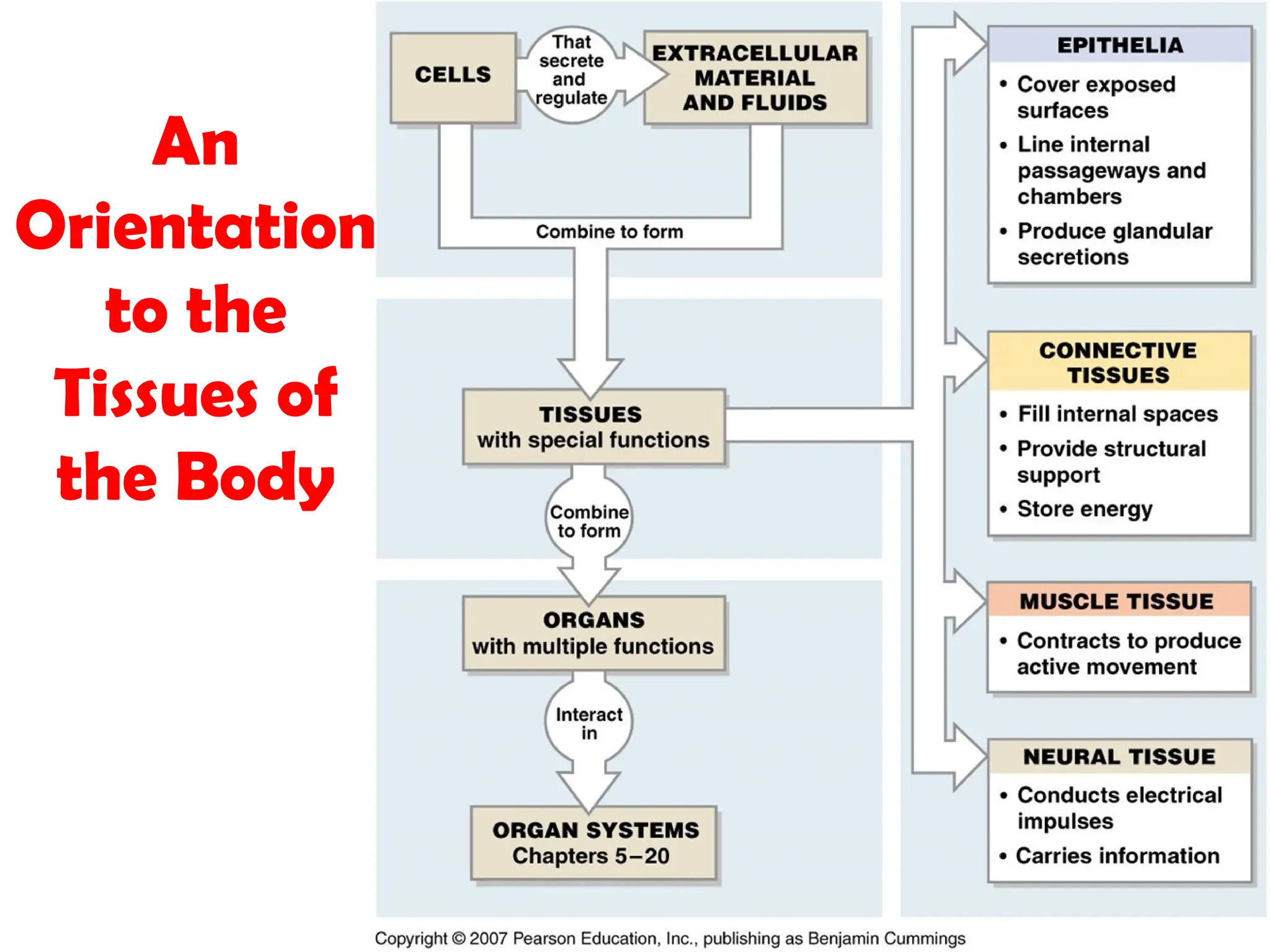
An
Orientation
to the
Tissues of
the Body
How are cells tissues held together
There are two major ways in which cells in
tissues can be held together:
• An extracellular matrix of macromolecules
can form a lattice-work that can then be
used by the associated cells to move,
change position and a framework in which
cells can interact with one another
• Cell junctions can create firm, direct,
specialized points of fusion between two
cells in direct physical contact.
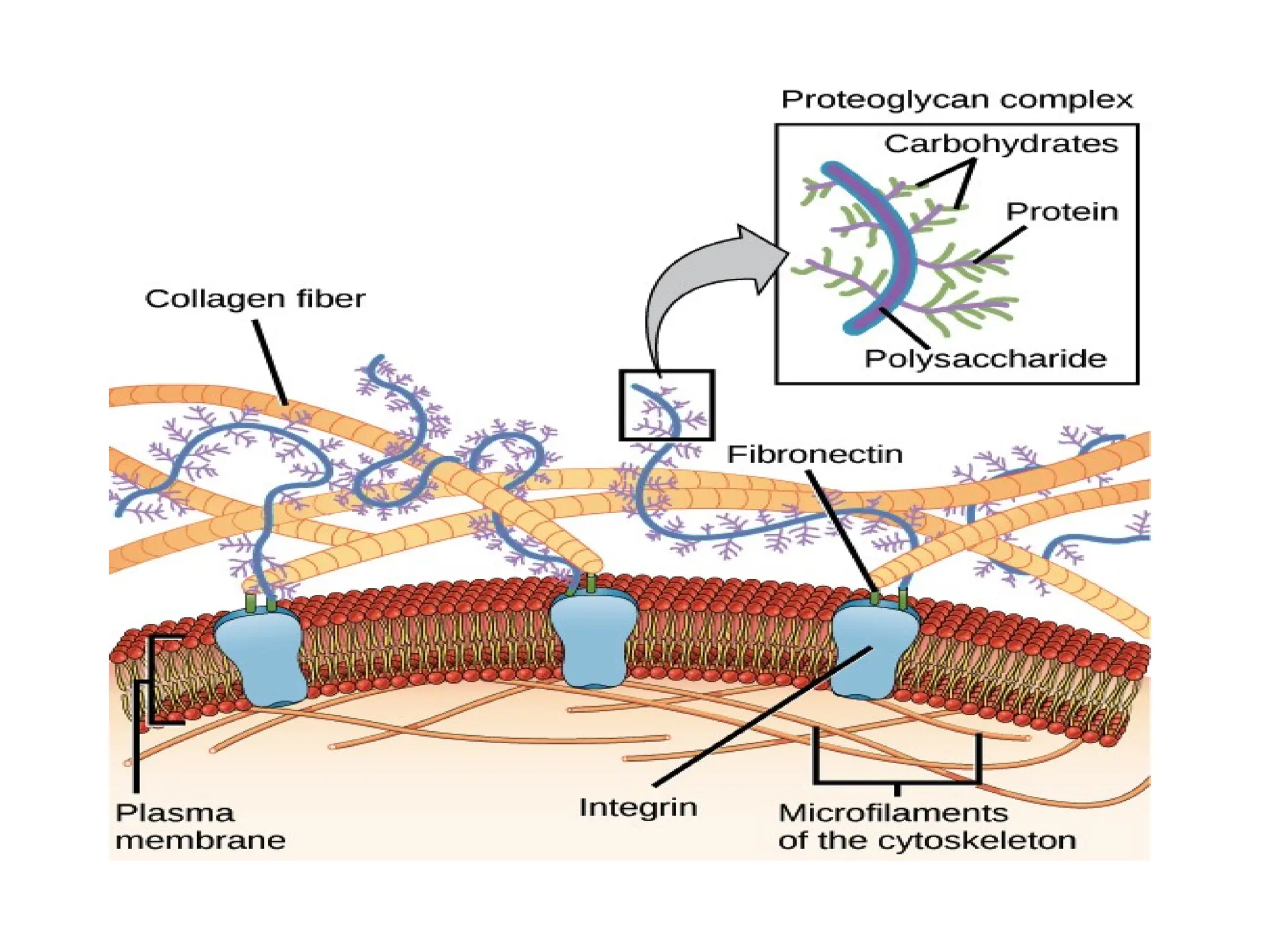
ECM- Extracellular Matrix
• The extracellular matrix provides the physical
microenvironment in which cells exist.
• It provides a substrate for cell anchorage,
serves as a tissue scaffold, guides cell migration
during embryonic development and wound
repair, and has a key roles in tissue
morphogenesis.
• The extracellular matrix is also responsible for
transmitting environmental signals to cells,
which ultimately affects cell proliferation,
differentiation and death.
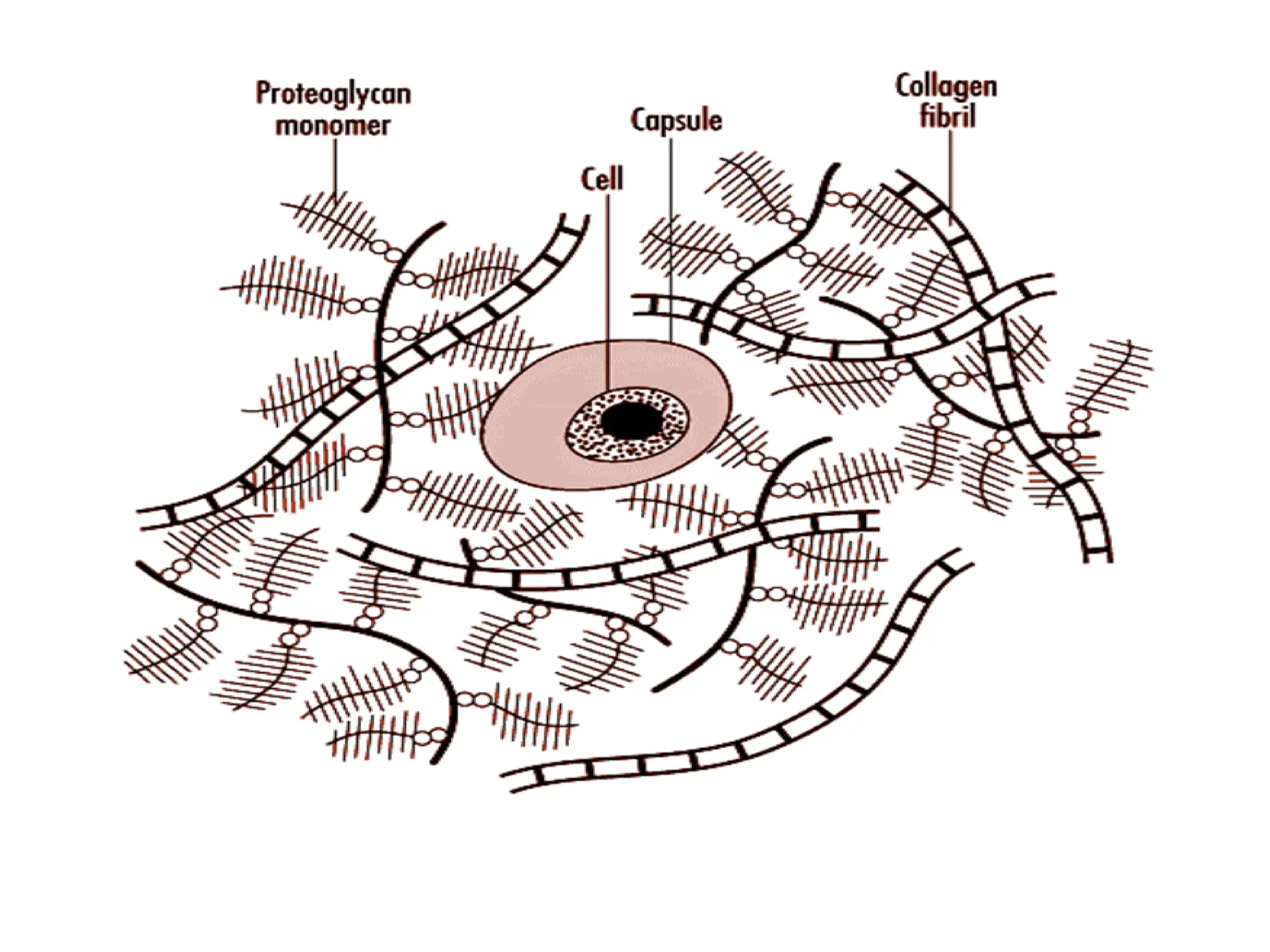
Extracellular Matrix Components
The extracellular matrix has three major
components:
• Highly viscous proteoglycans (heparan sulfate,
keratan sulfate, chondroitin sulfate), which
cushion cells
• Insoluble collagen fibers, which provide
strength and resilience
• Soluble multi-adhesive extracellular matrix
proteins (fibronectin, laminin), which bind
proteoglycans and collagen fibers to receptors
on the cell surface
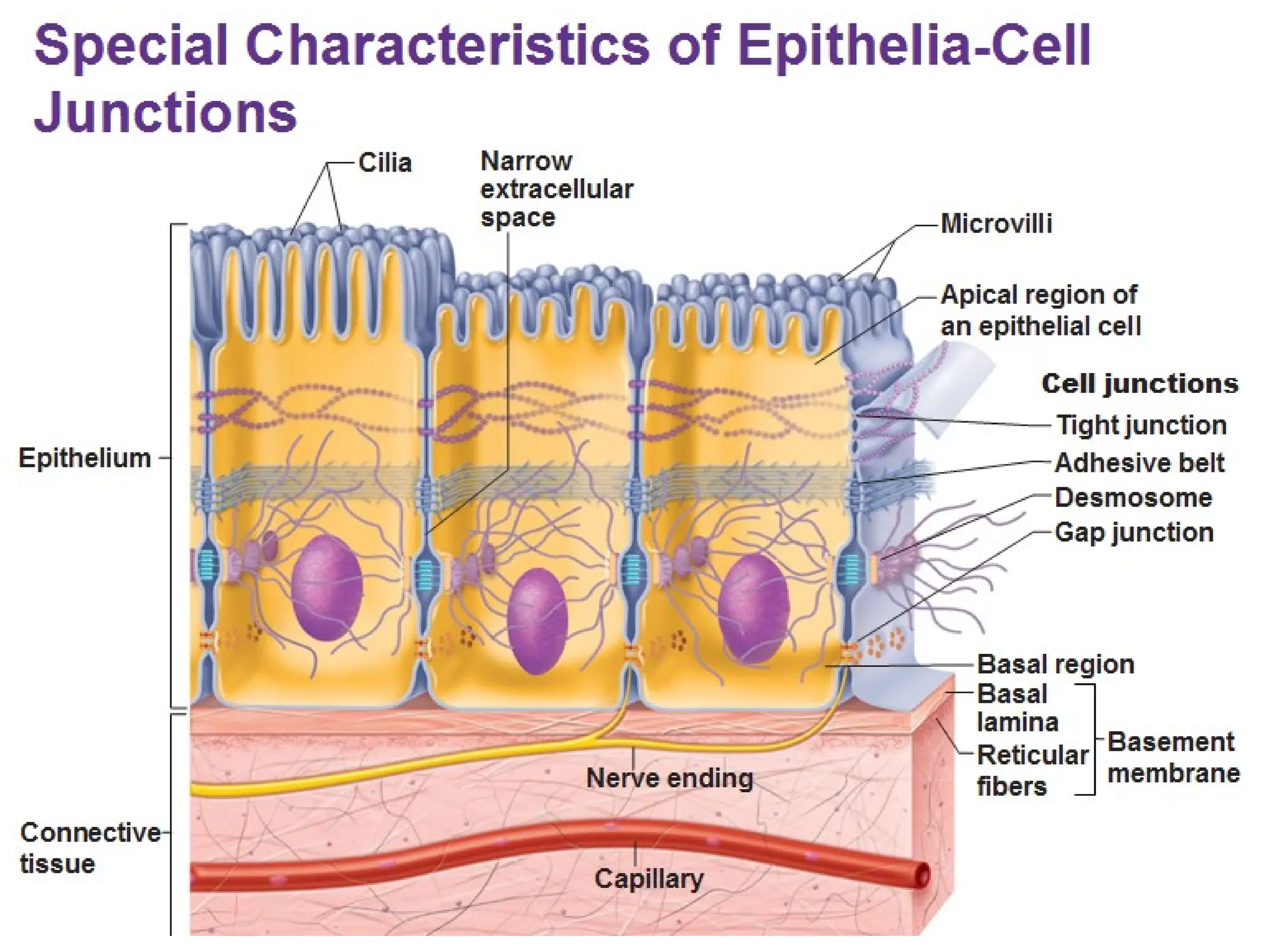
Cell junctions
• Definition: Cell junctions are contact points
between the plasma membrane of tissue
cells.
Types:
• Tight junctions
• Adherens junctions
• Desmosomes
• Hemi-desmosomes
• Gap junctions
Epithelial tissue
General features:
• Consists of cells arranged in continuous sheets. In either
single layer or multiple layers.
Structure:
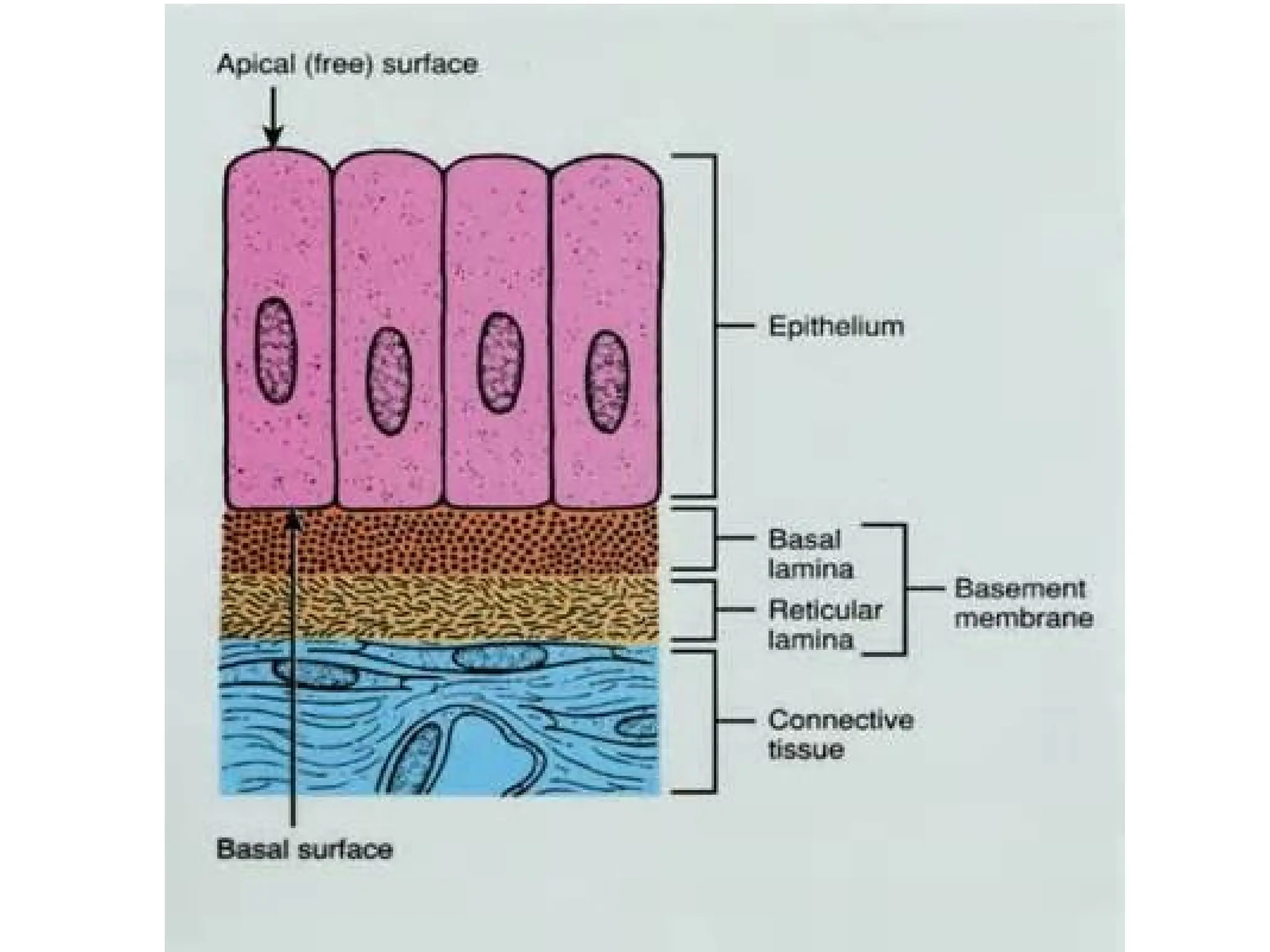
• Apical surface:
 Most superficial layer of cells
 Faces the body surface, the body cavity, lumen of integral
organs, tubular ducts that receive cellular secretions.
• Basal surface:
 Opposite to apical surface
 Deepest layer of epithelial cells
 Adhere to the extracellular material.
Basement membrane:
• Is a thin extracellular layer that commonly consists of
two layers:
The basal lamina
The reticular lamina
Point of attachment and support for the overlying
epithelial tissue
The basal lamina:
Thin layer
Is closer to and is secreted by epithelial cells
Contains proteins such as laminin and collagen,
glycoproteins, proteoglycans.
The reticular lamina:
• Closer to underlying connective tissue.
• Contains proteins such as fibroblasts
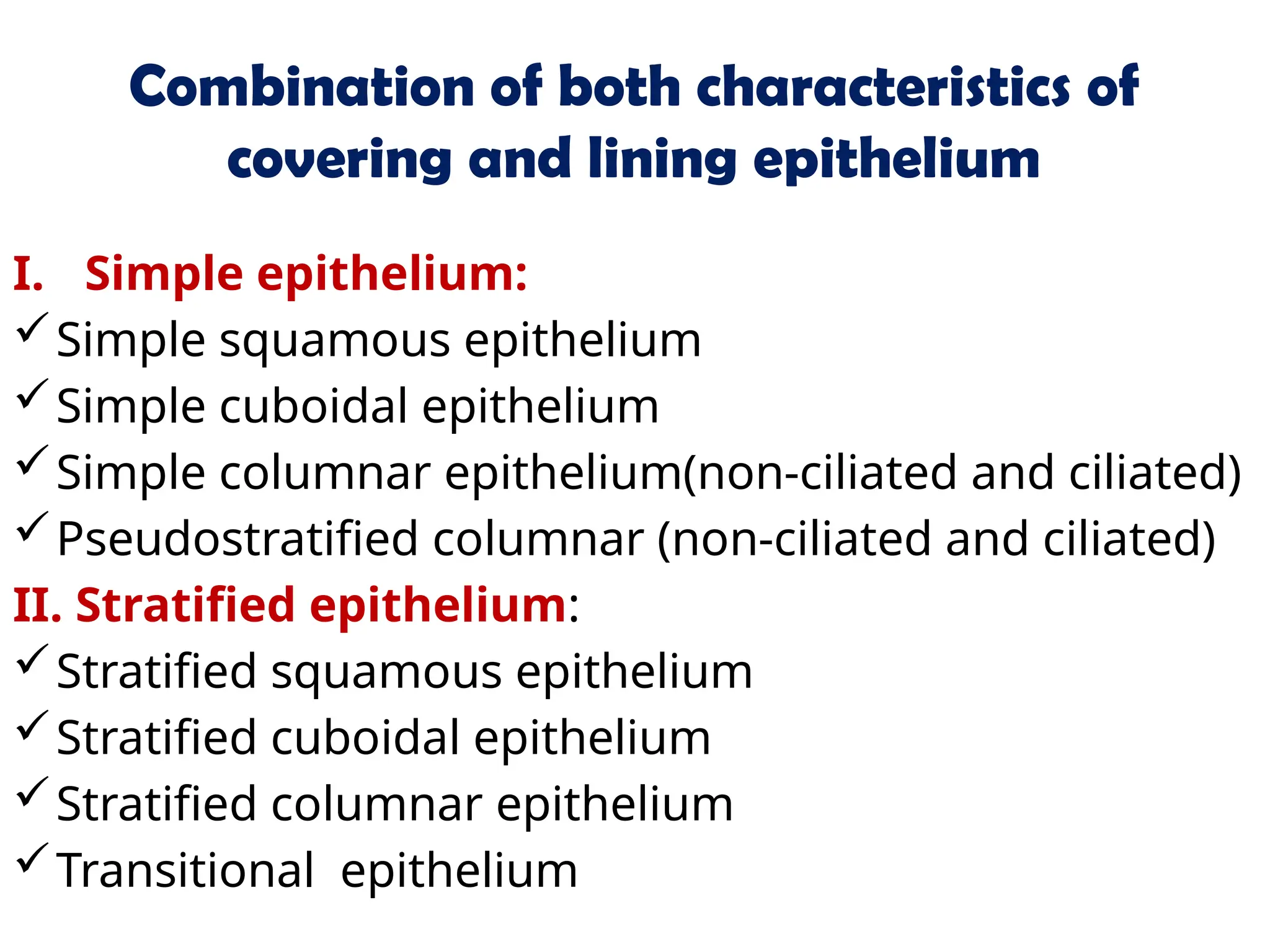
Combination of both characteristics of
covering and lining epithelium
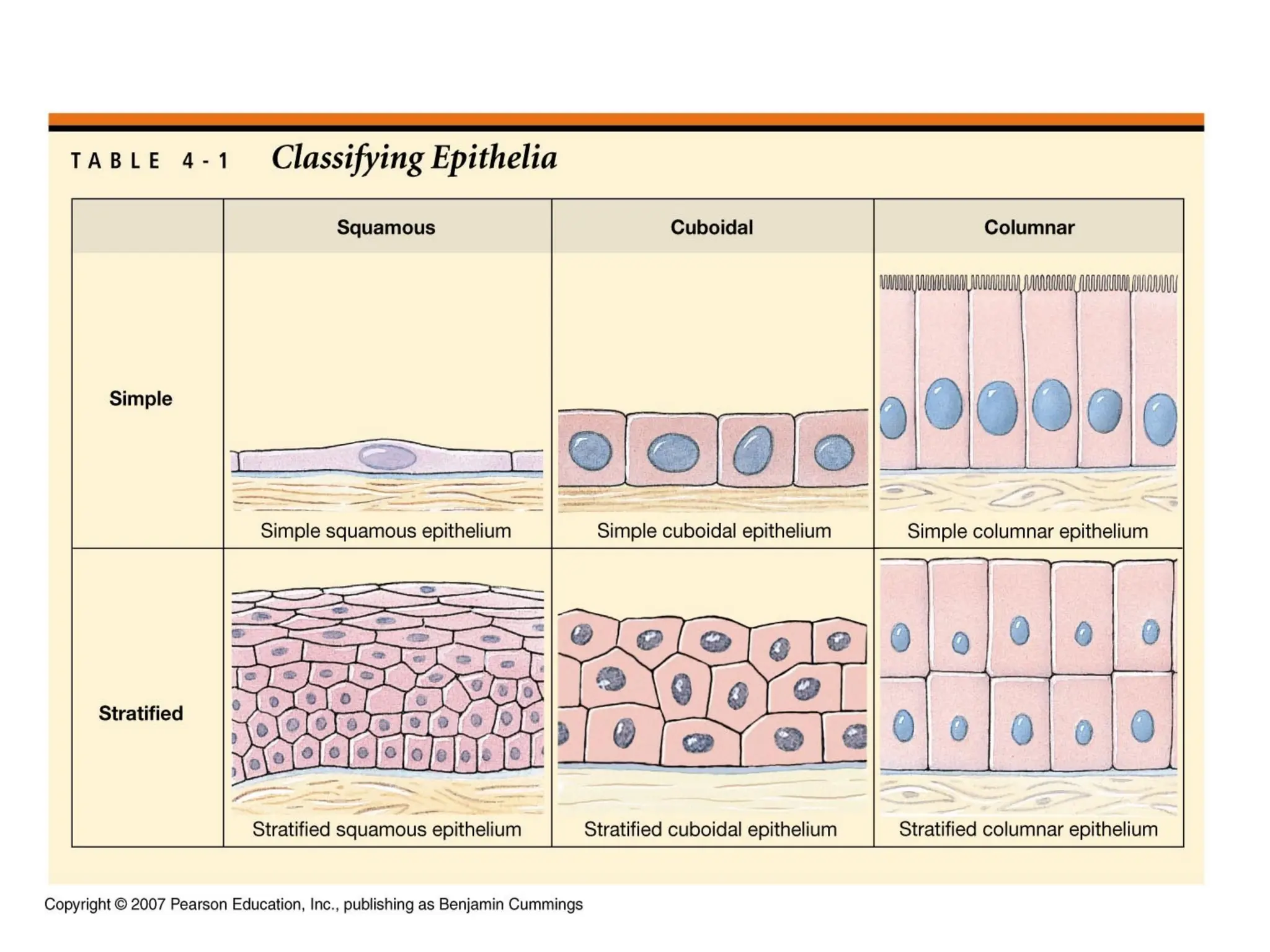
I. Simple epithelium:
Simple squamous epithelium
Simple cuboidal epithelium
Simple columnar epithelium(non-ciliated and ciliated)
Pseudostratified columnar (non-ciliated and ciliated)
II. Stratified epithelium:
Stratified squamous epithelium
Stratified cuboidal epithelium
Stratified columnar epithelium
Transitional epithelium
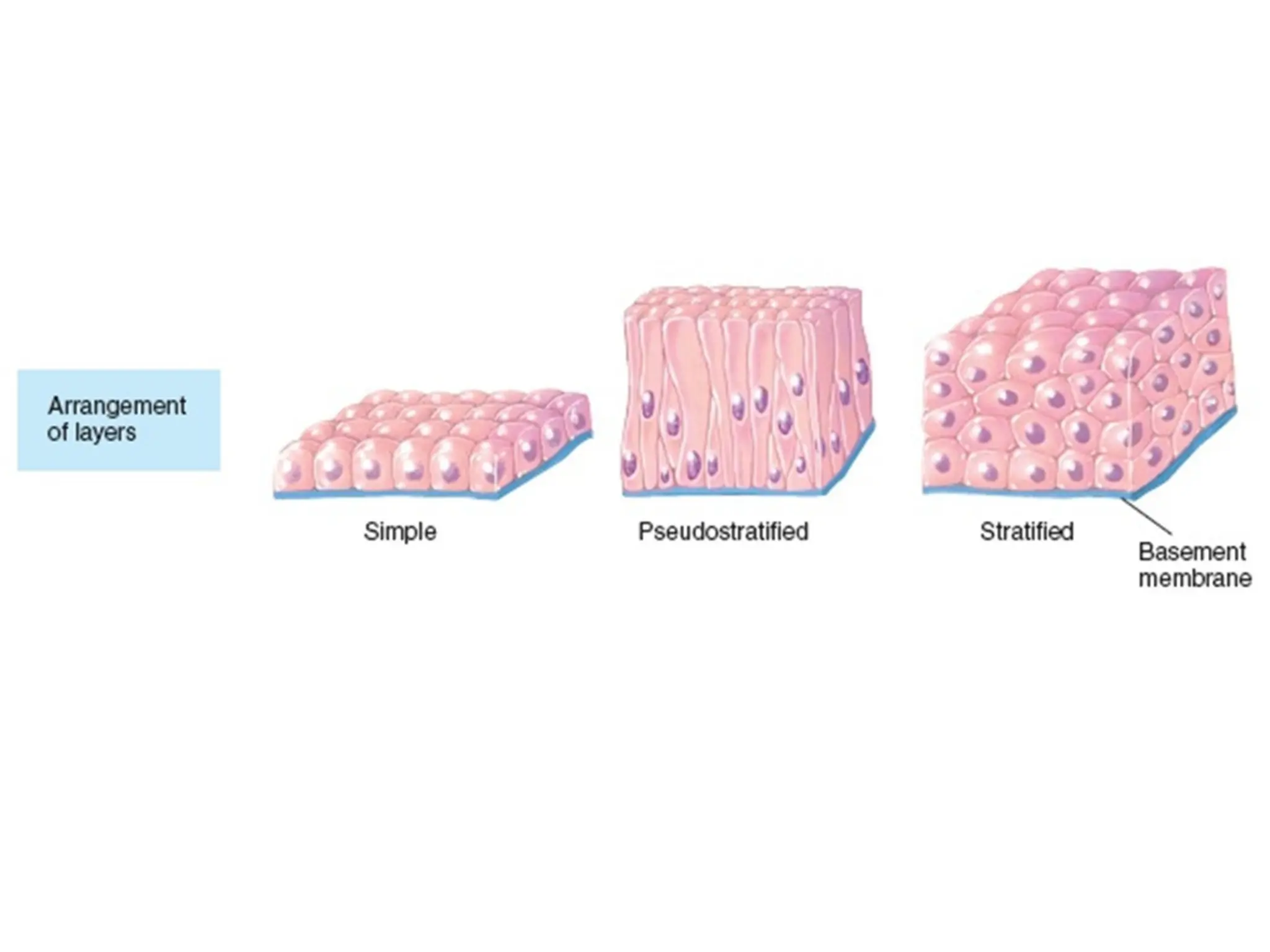
Simple epithelium
• Single layer of cells.
Functions:
• Diffusion, osmosis, filtration, secretion,
absorption.
• Secretion: productions and release of
substances such as mucus, sweat or
enzymes.
• Absorption: is the intake of fluids or other
substances such as digested food from the
intestinal tract.
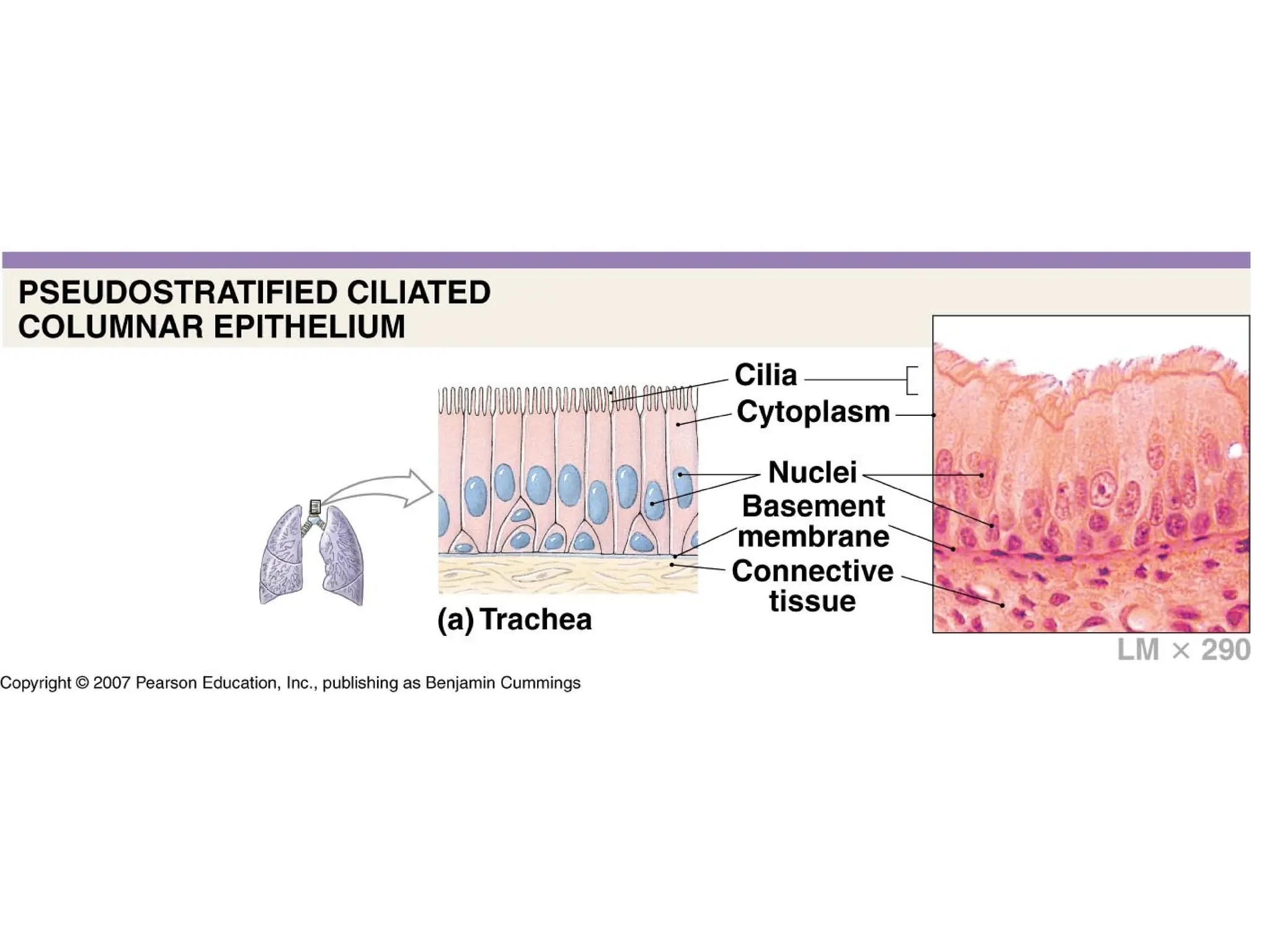
Pseudo-stratified epithelium
• Appears to have multiple layer of cells,
because the cell nuclei lie at different
levels and not all cells reach the apical
surface.
• Cells that do not extend to the apical
surface may have cilia, goblet
cells( produce mucus).
Stratified epithelium
• Consists of two or more layers of cells
that protect underlying tissues in
locations where there is considerable
wear and tear.
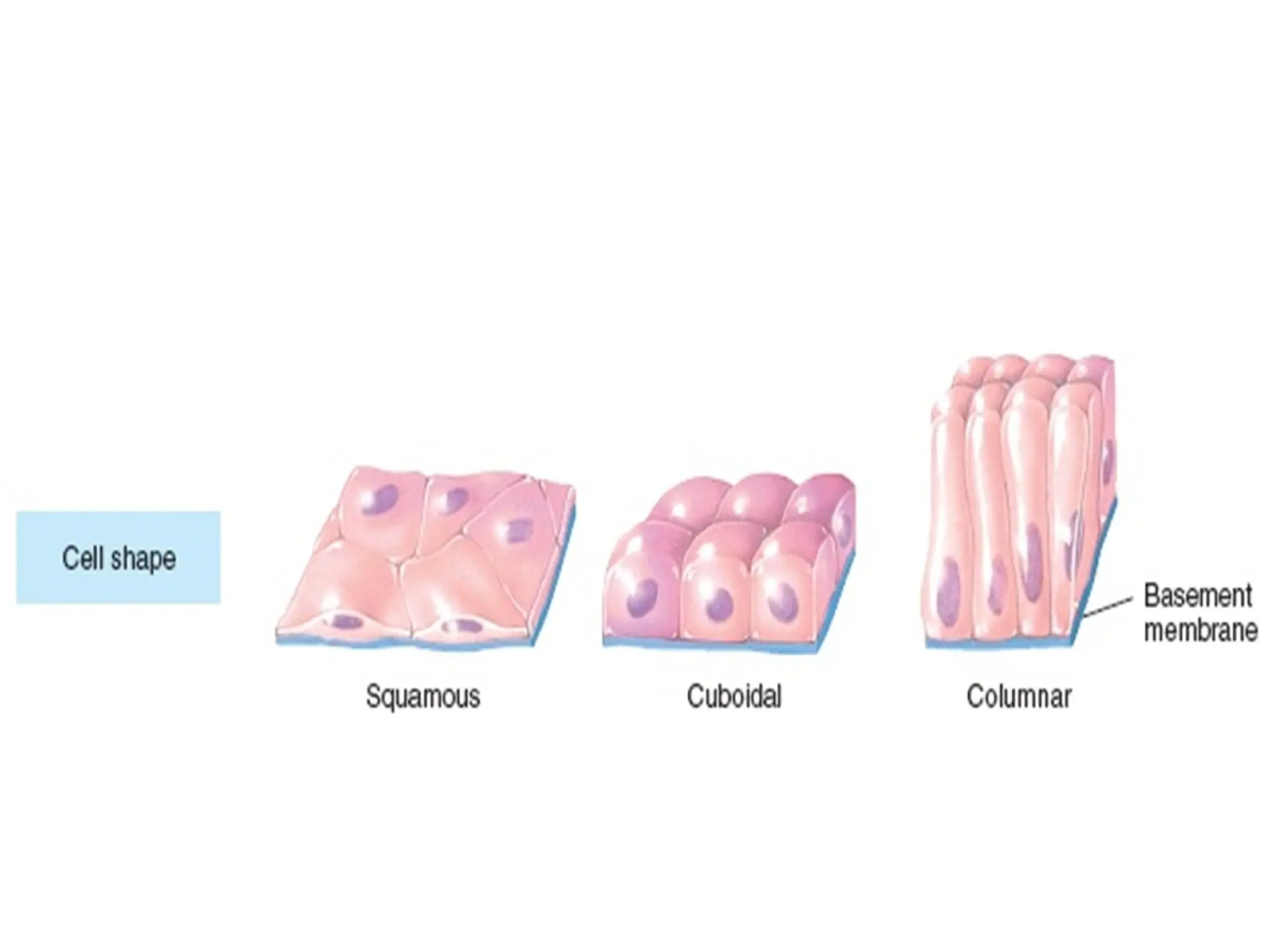
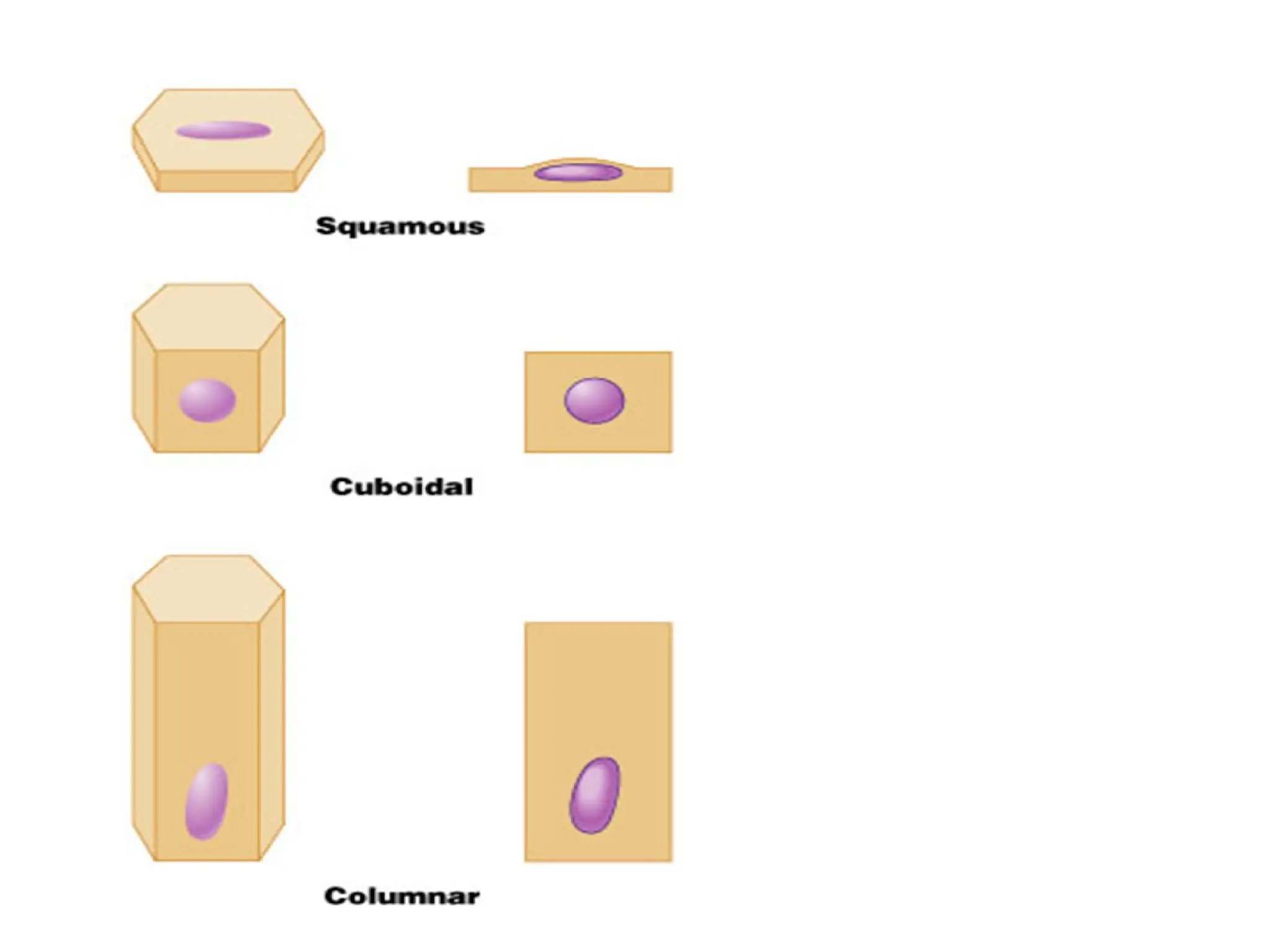
Cell shape:
• Squamous cells: arranged like floor
tiles, are thin, allow rapid passage of
substances.
• Cuboidal cells:
Are as tall as they are wide
Shaped like tubes or hexagons
May have microvilli at their apical
surfaces.
Function in secretion and absorption
• Columnar cells:
Are much taller than they are wide, like
columns.
Protect underlying tissues.
Apical surfaces have many cilia and
microvilli.
Often are specialized for secretion and
absorption.
• Transitional cells:
Cells change shape from flat to cuboidal
and back.
Eg; urinary bladder cells
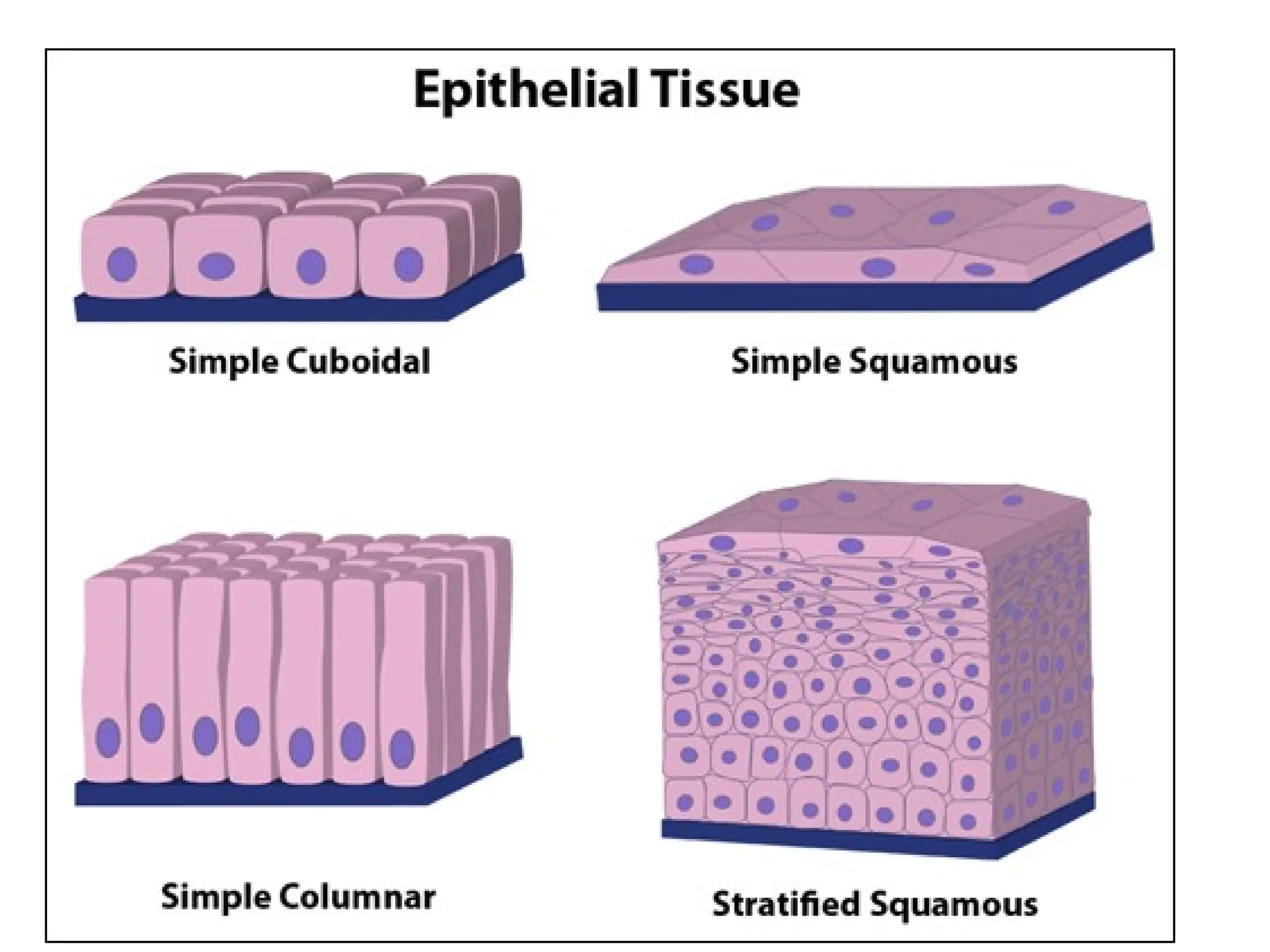
Simple squamous epithelium
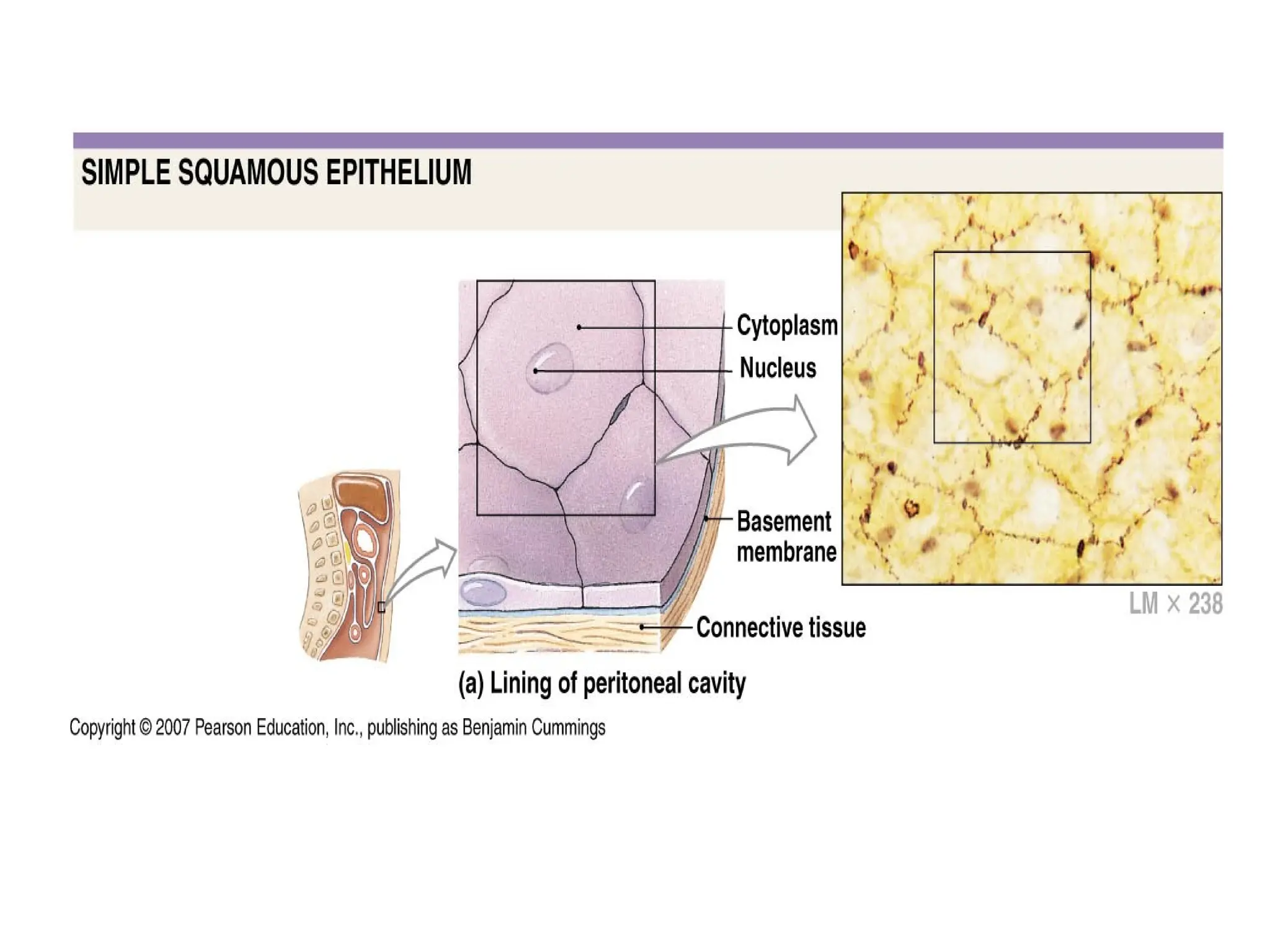
• The tissue consists of single layer of flat cells.
• Resemble tiles floor
• Nucleus: flattened oval or sphere, centrally located.
• Location: lines heart, blood vessels, lymphatic
vessels, air sacs of lungs, glomerular capsule of
kidneys, inner surface of tympanic membrane
(eardrum), forms epithelial layer of serous
membranes, such as peritoneum, pericardium and
pleura
• Function: filtration, diffusion, osmosis and
secretion in serous membranes.
Simple cuboidal epithelium
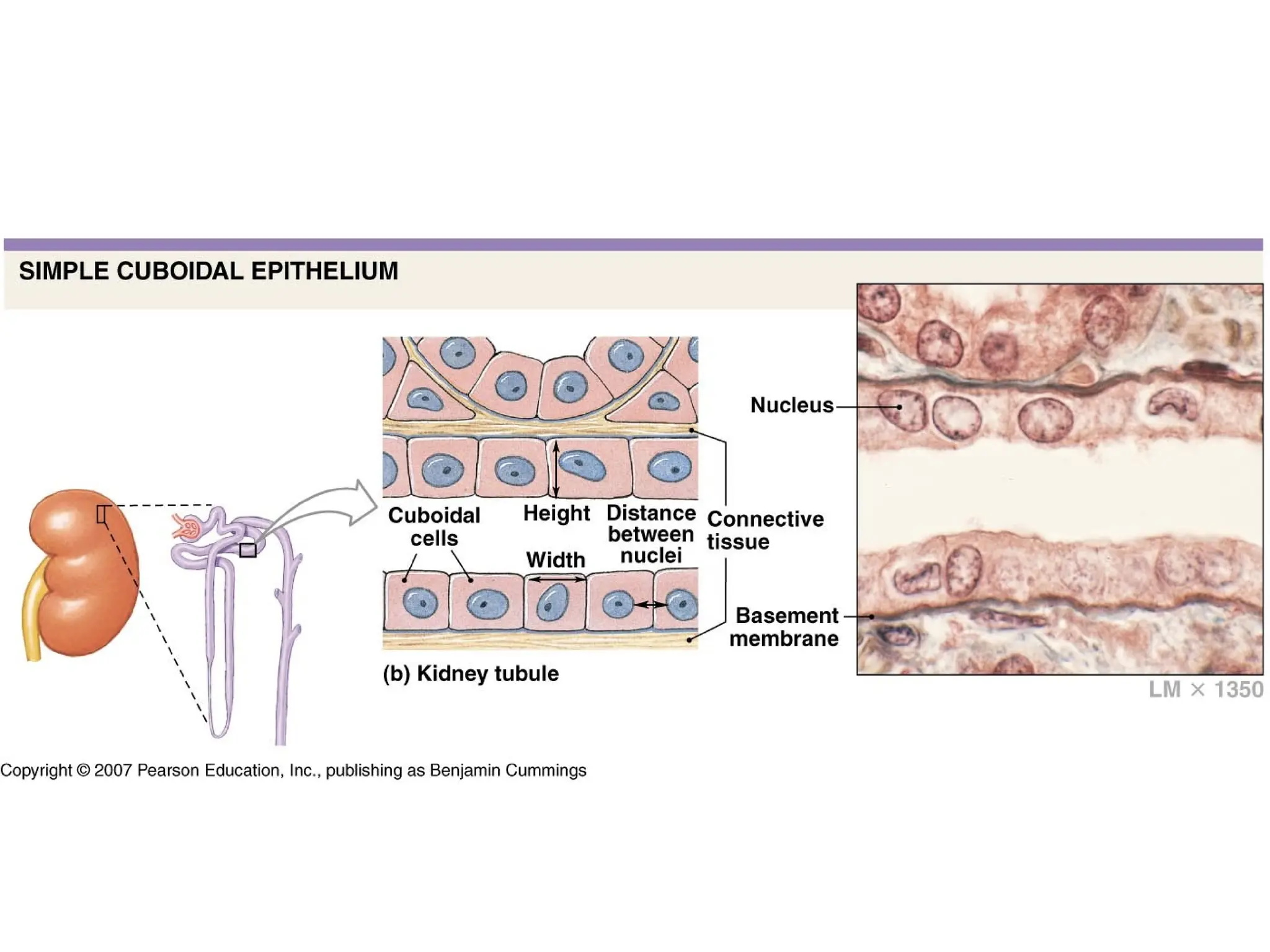
• Description: single layer of cube shaped cells,
centrally located nucleus.
• Location: covers surface of ovary, lines anterior
surface of capsule of lens of the eyes, forms
pigmented epithelium at the posterior surface of
the eye, lines kidney tubules and smaller ducts of
many glands, makes up secretory portion of
some glands such as the thyroid gland and ducts
of some glands such as pancreas.
• Function: secretion and absorption.
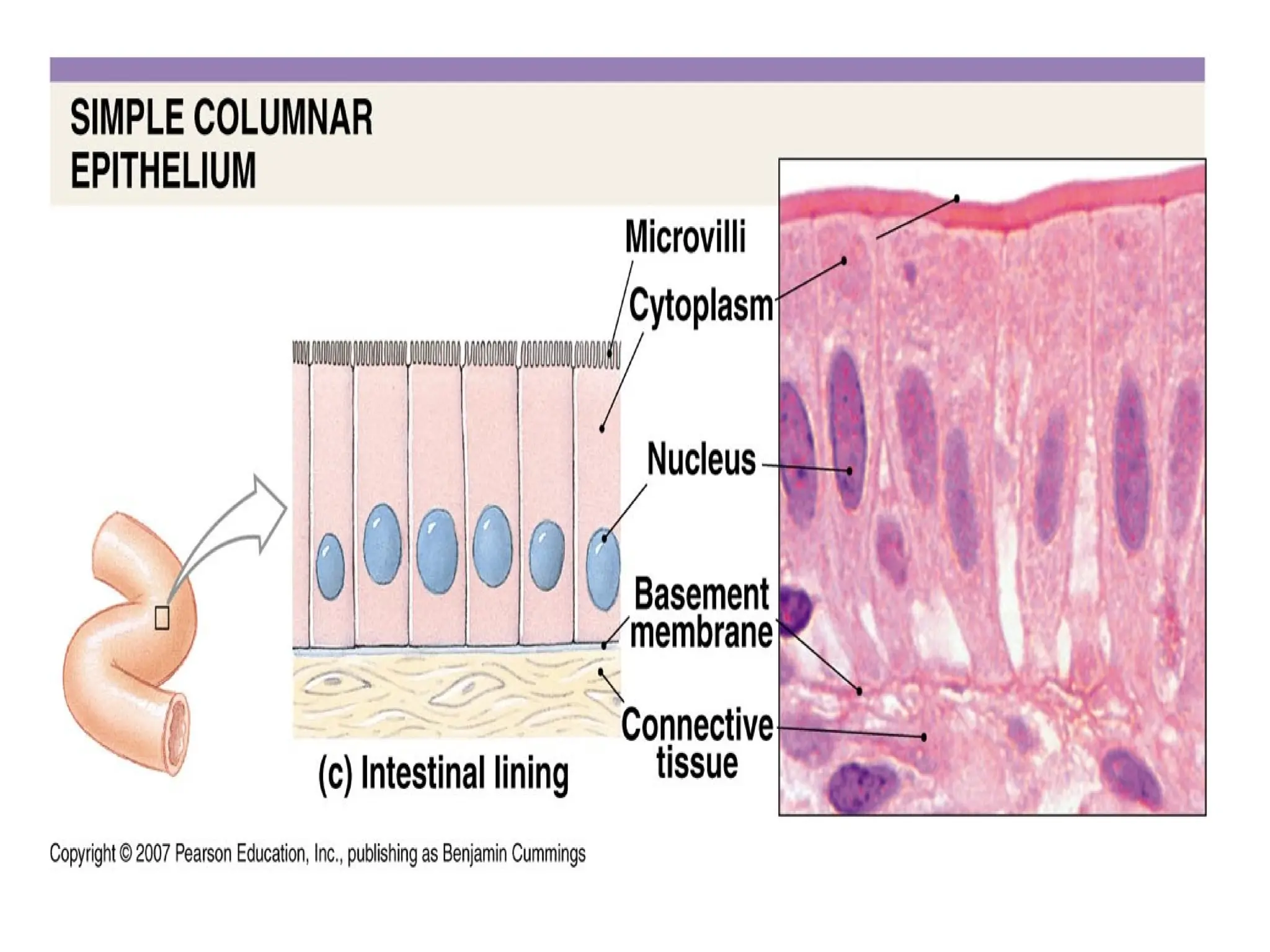
Simple columnar epithelium
Non ciliated Simple columnar epithelium
Contains two type of cells:
• Columnar epithelial cells with microvilli at their
apical surface.
• Goblet cells
Columnar epithelial cells with microvilli at
their apical surface.
• Microvilli, fingerlike cytoplasmic projections,
increase the surface area of plasma membrane,
thus increasing the rate of absorption of the cell.
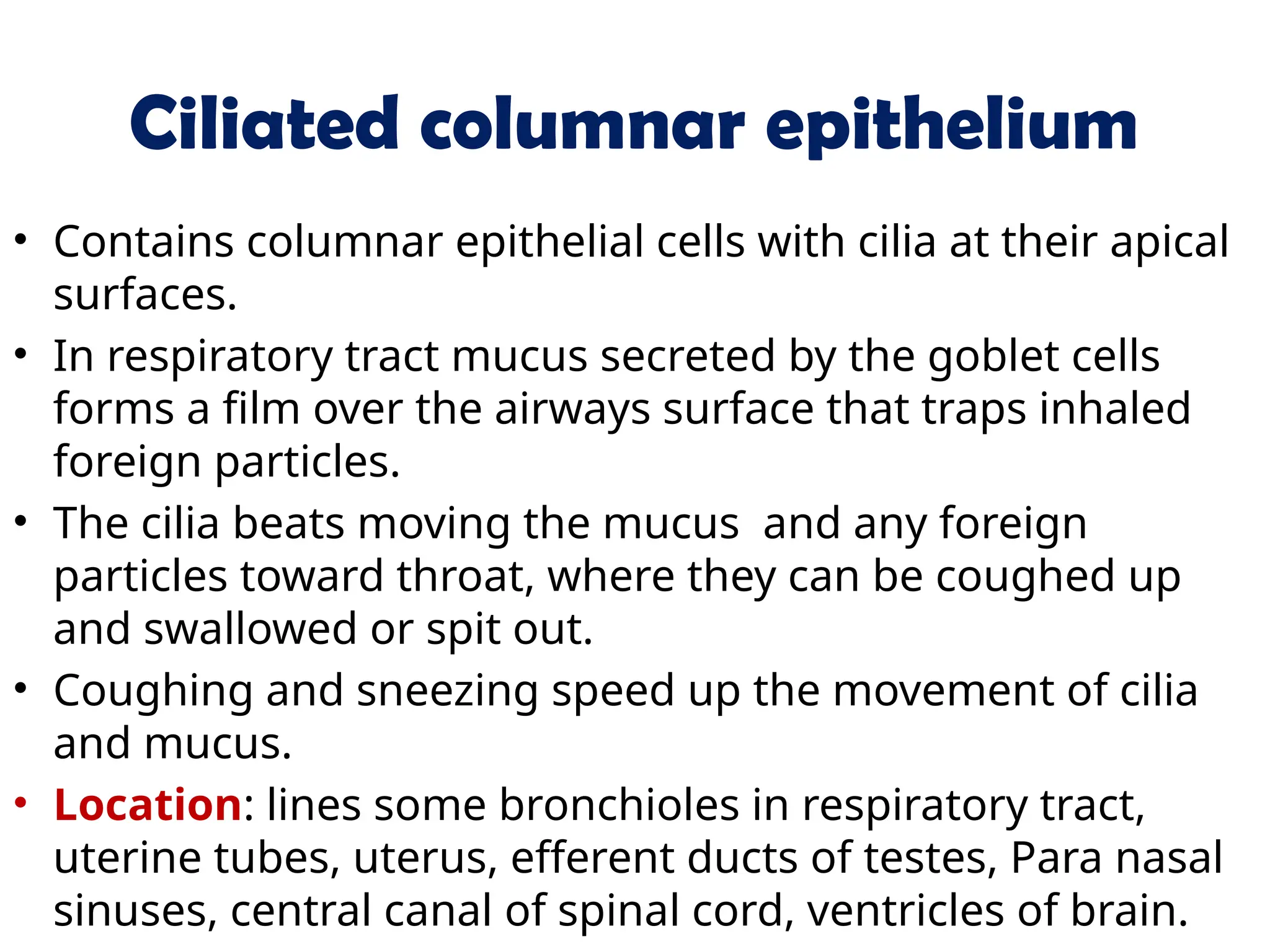
Ciliated columnar epithelium
• Contains columnar epithelial cells with cilia at their apical
surfaces.
• In respiratory tract mucus secreted by the goblet cells
forms a film over the airways surface that traps inhaled
foreign particles.
• The cilia beats moving the mucus and any foreign
particles toward throat, where they can be coughed up
and swallowed or spit out.
• Coughing and sneezing speed up the movement of cilia
and mucus.
• Location: lines some bronchioles in respiratory tract,
uterine tubes, uterus, efferent ducts of testes, Para nasal
sinuses, central canal of spinal cord, ventricles of brain.
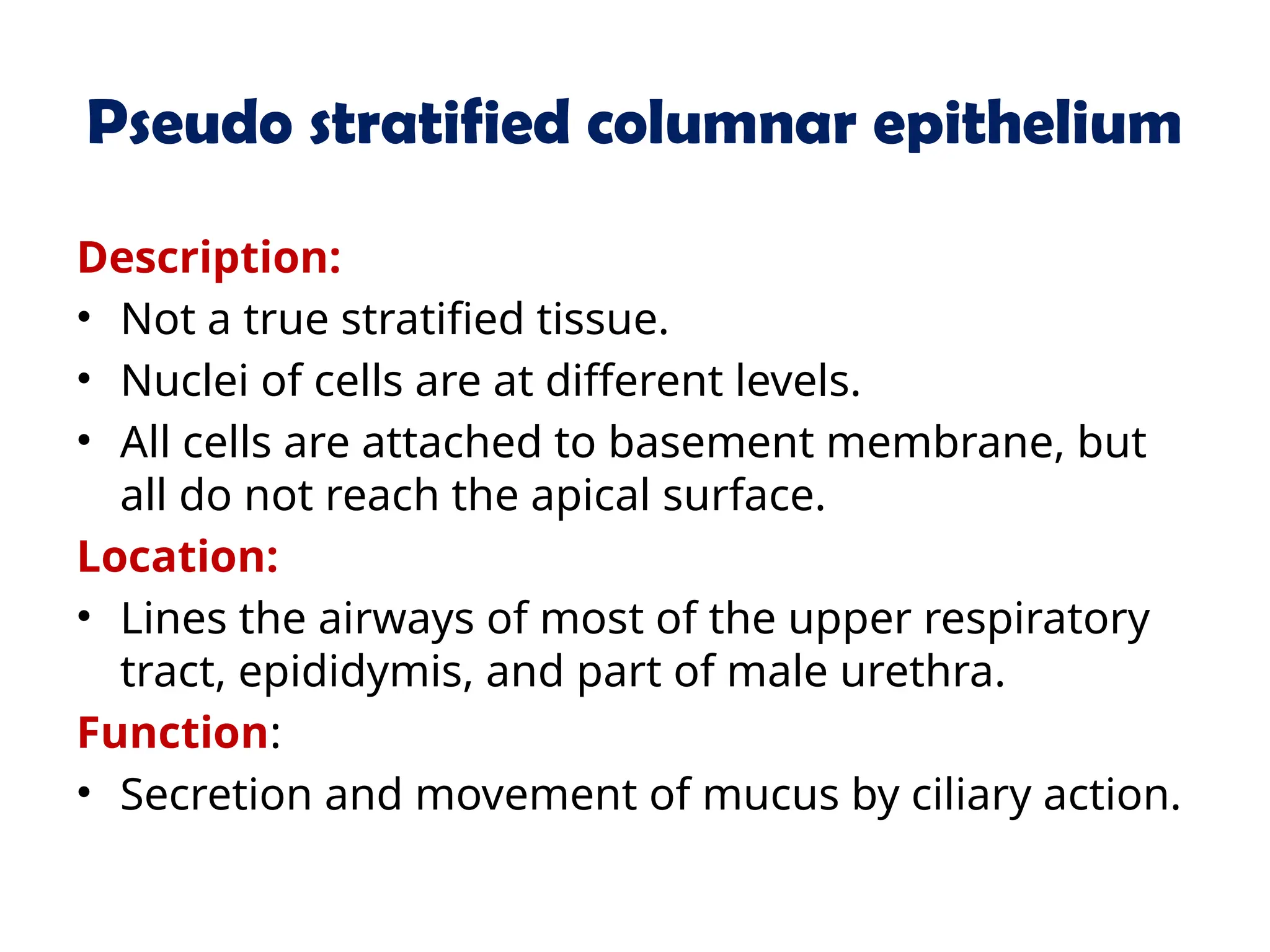
Pseudo stratified columnar epithelium
Description:
• Not a true stratified tissue.
• Nuclei of cells are at different levels.
• All cells are attached to basement membrane, but
all do not reach the apical surface.
Location:
• Lines the airways of most of the upper respiratory
tract, epididymis, and part of male urethra.
Function:
• Secretion and movement of mucus by ciliary action.
Stratified epithelium:
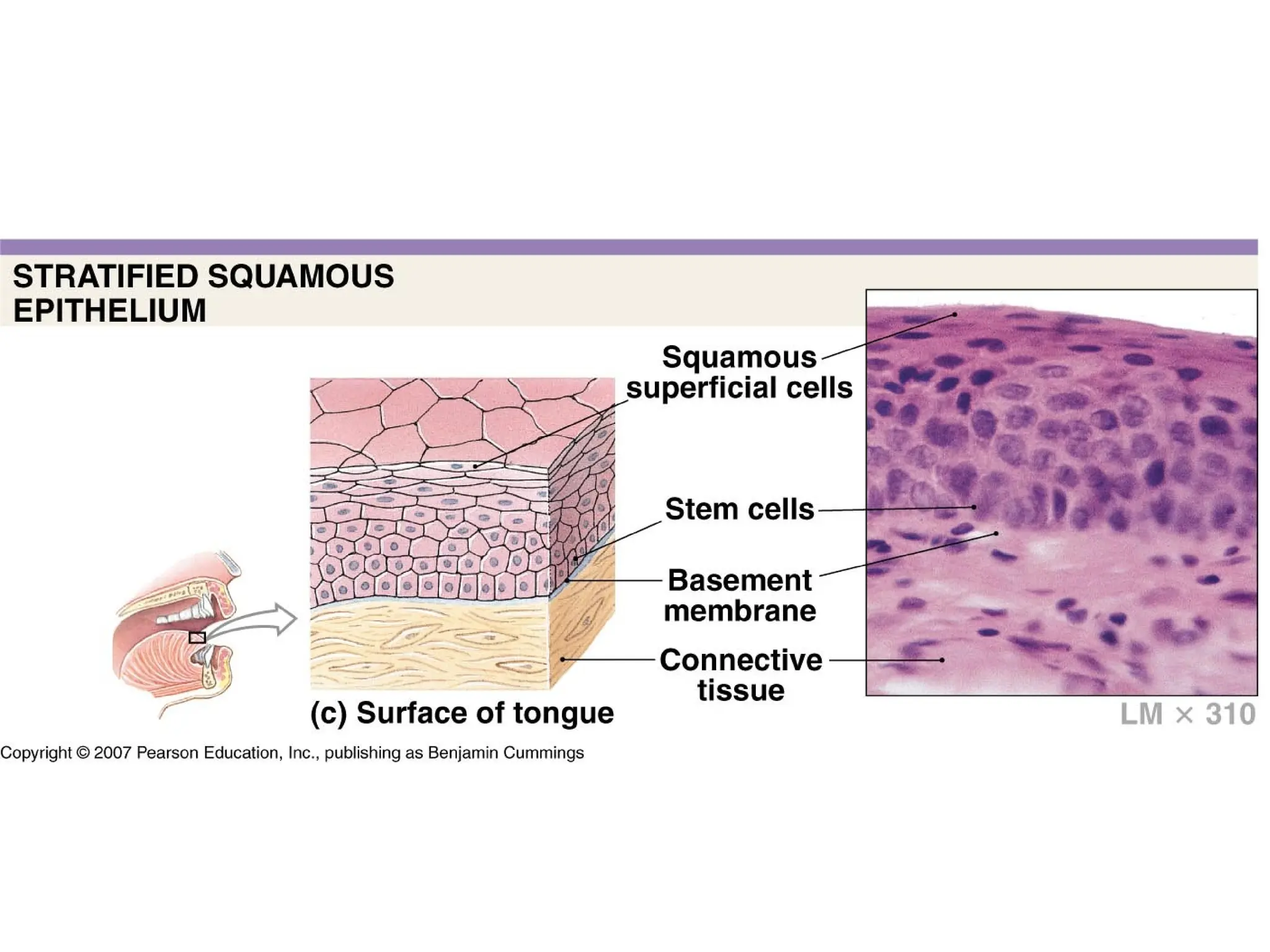
Stratified squamous epithelium
• Has two or more layers of cells.
Description:
• Several layers of cells, cuboidal to columnar
in shape in deep layers, squamous cells
from the apical layer.
Types:
• Keratinized stratified squamous epithelium
• Non-keratinized stratified squamous
epithelium
Keratinized stratified squamous epithelium:
• The apical layer and several layers deep to it are
partially dehydrated and contain a layer of keratin, (a
tough fibrous protein that helps protect the skin and
underlying tissues from heat, microbes and
chemicals).
• Forms superficial layer of the skin.
Non-keratinized stratified squamous
epithelium:
• Location: Lines the mouth and esophagus, part of
larynx, part of pharynx, vagina, covers the tongue(wet
surfaces).
• Does not contain keratin in apical layer.
Function: Protection (first line of defense against the
microbes).
Stratified cuboidal epithelium
Description:
• Two or more layers of the cells in which the
cells in the apical layer are cube shaped.
Location:
• Ducts of the adult sweat glands and
esophagus glands and part of the male
urethra.
Function:
• Protections and limited secretion and
absorption.
Stratified columnar epithelium
Description:
• Several layers of irregular shaped cells.
• Only the apical layer has columnar cells.
Location:
• Lines part of the urethra, large excretory ducts
of some glands, such as esophageal glands,
small areas in anal mucous membranes, and
part of the conjunctiva of the eye.
Function:
• Protection and secretion
Transitional epithelium
Description:
• Appearance is variable (transitional).
• Shape of the cells in apical layer ranges
from squamous (when stretched) to
cuboidal (when relaxed).
Location:
• Lines urinary bladder and portions of the
ureters and the urethra.
Function:
• Permits distension
Connective tissue
Connective tissue
• Connective tissue is one of the most abundant
and widely distributed tissues in the body.
Functions:
• Binds body tissues
• Supports the body tissues
• Protects and insulates internal organs
• Serves major transport system within the
body(blood).
• Is primary location of stored energy reserves
(adipose, or fat tissue)
• Is the main source of immune response.
General features of connective tissues
Consists of two basic elements:
• Extracellular matrix
• Cells
Extracellular matrix: is the material
located between its widely spaced cell.
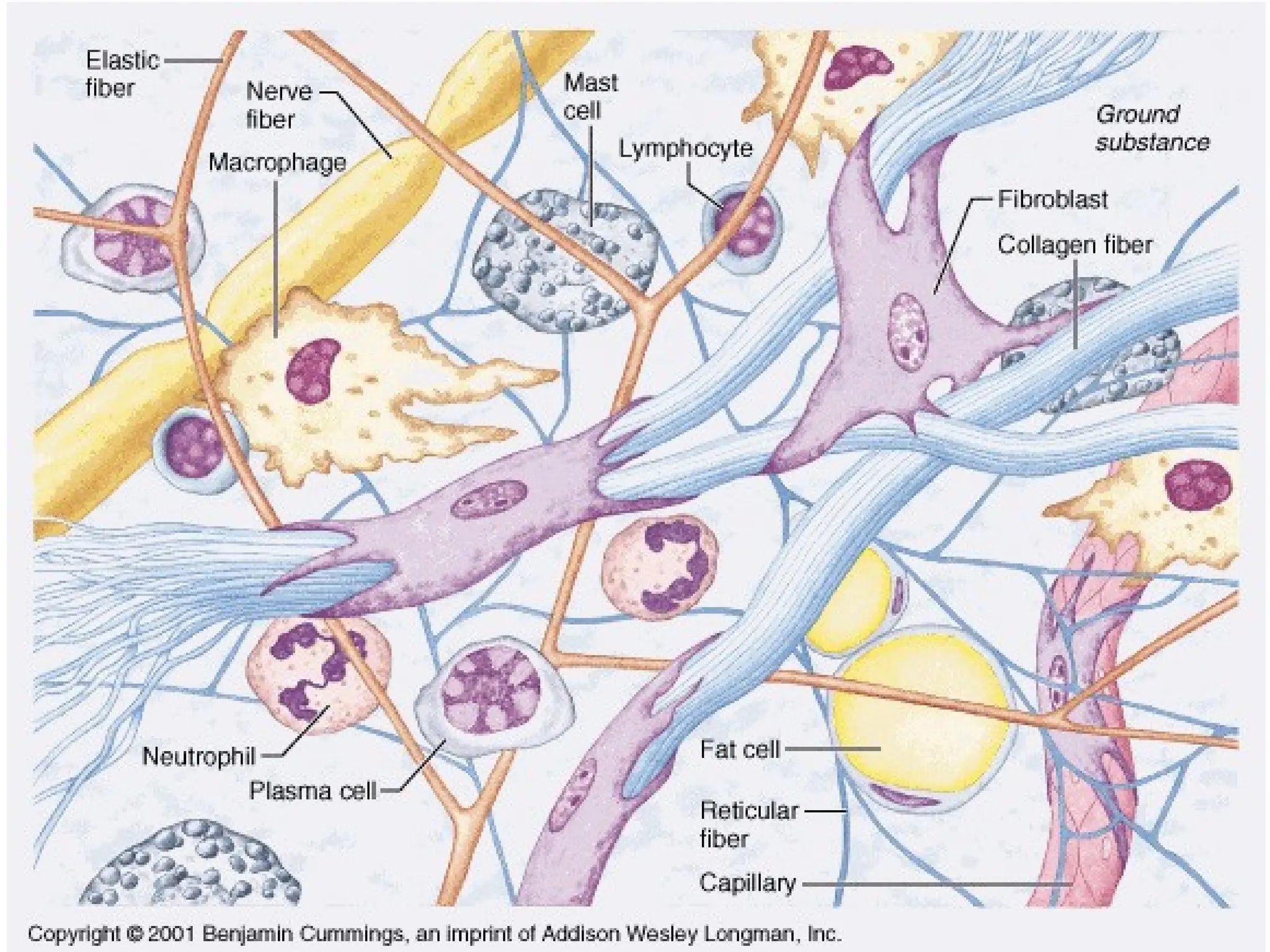
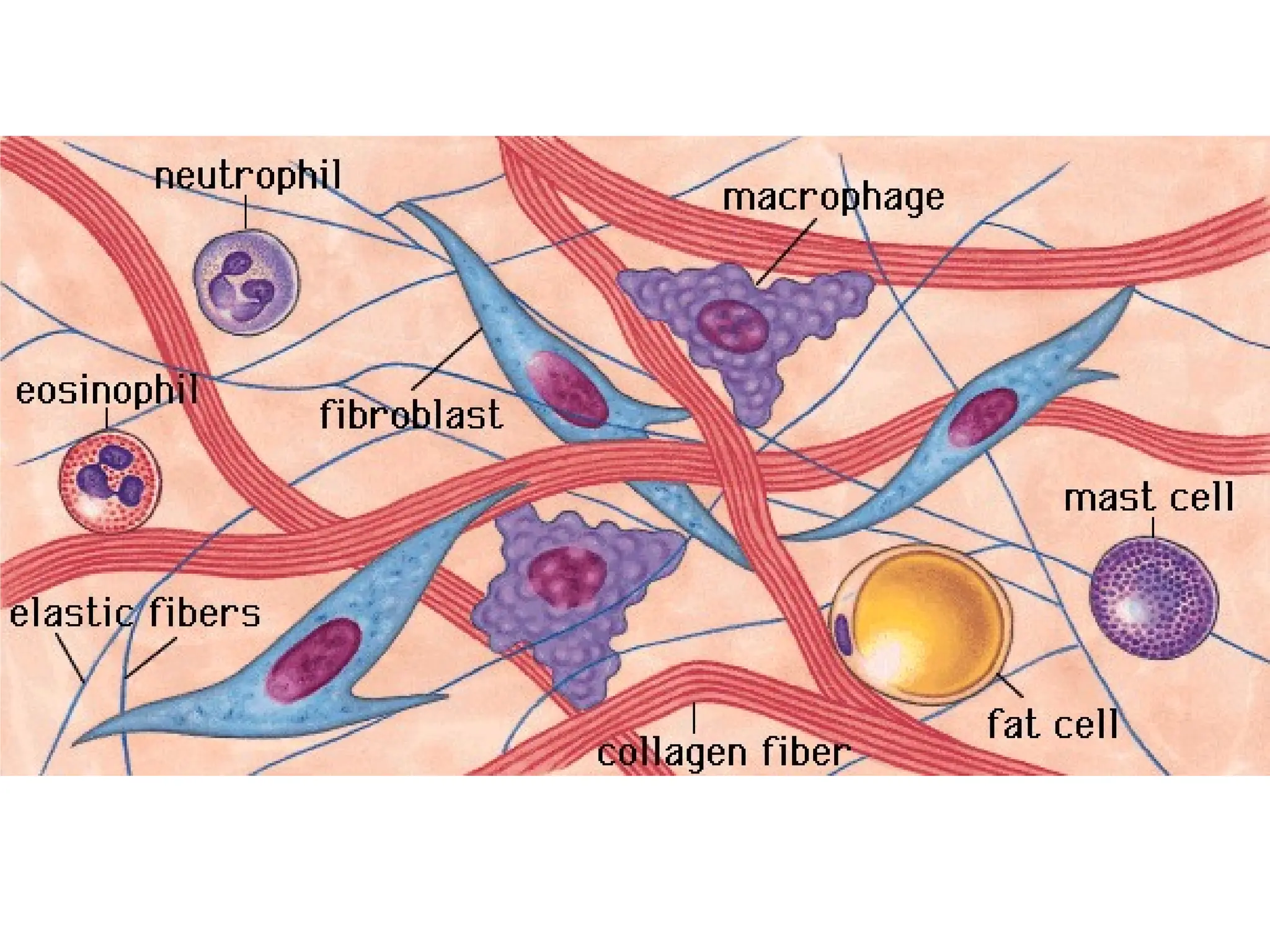
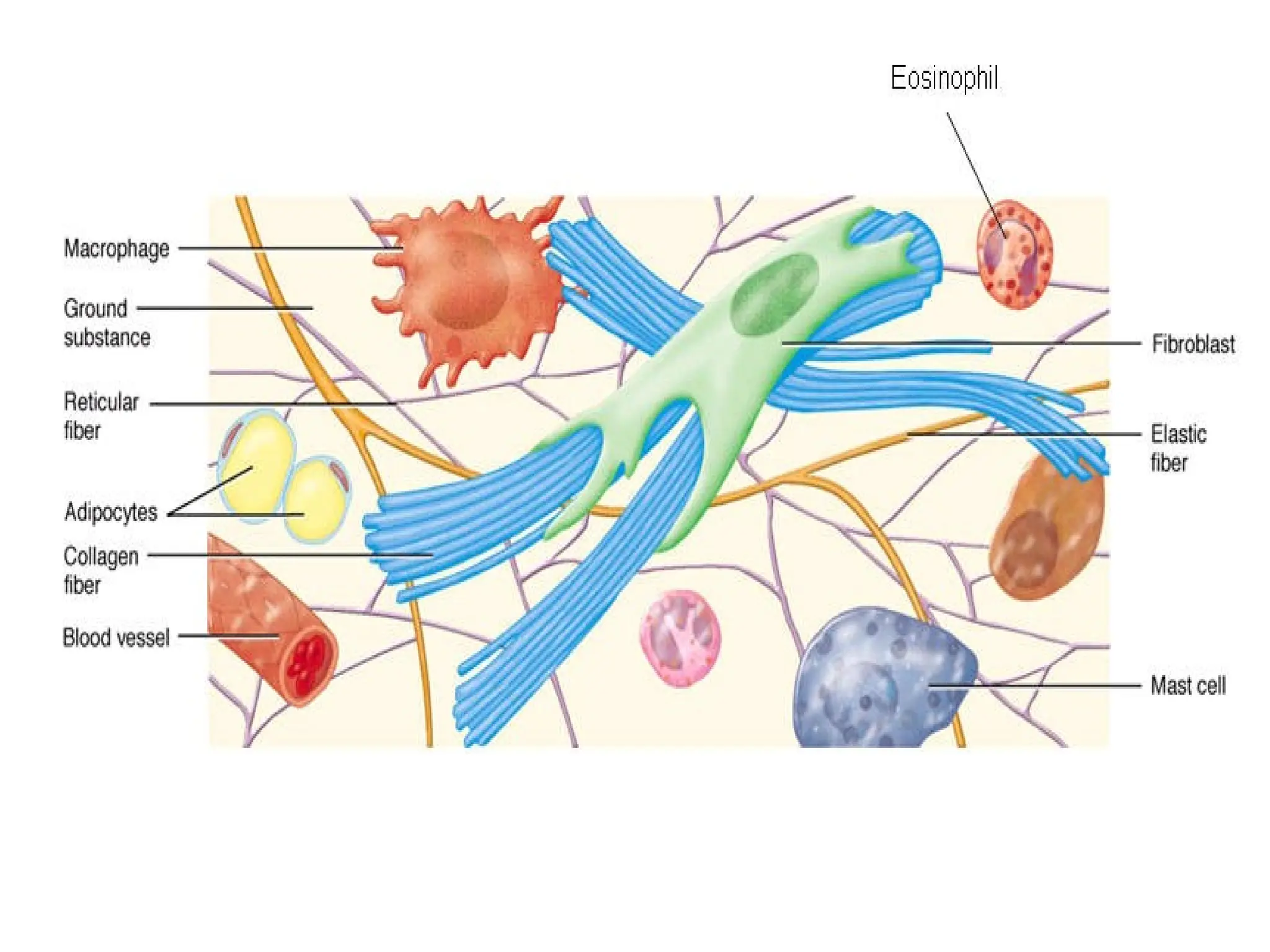
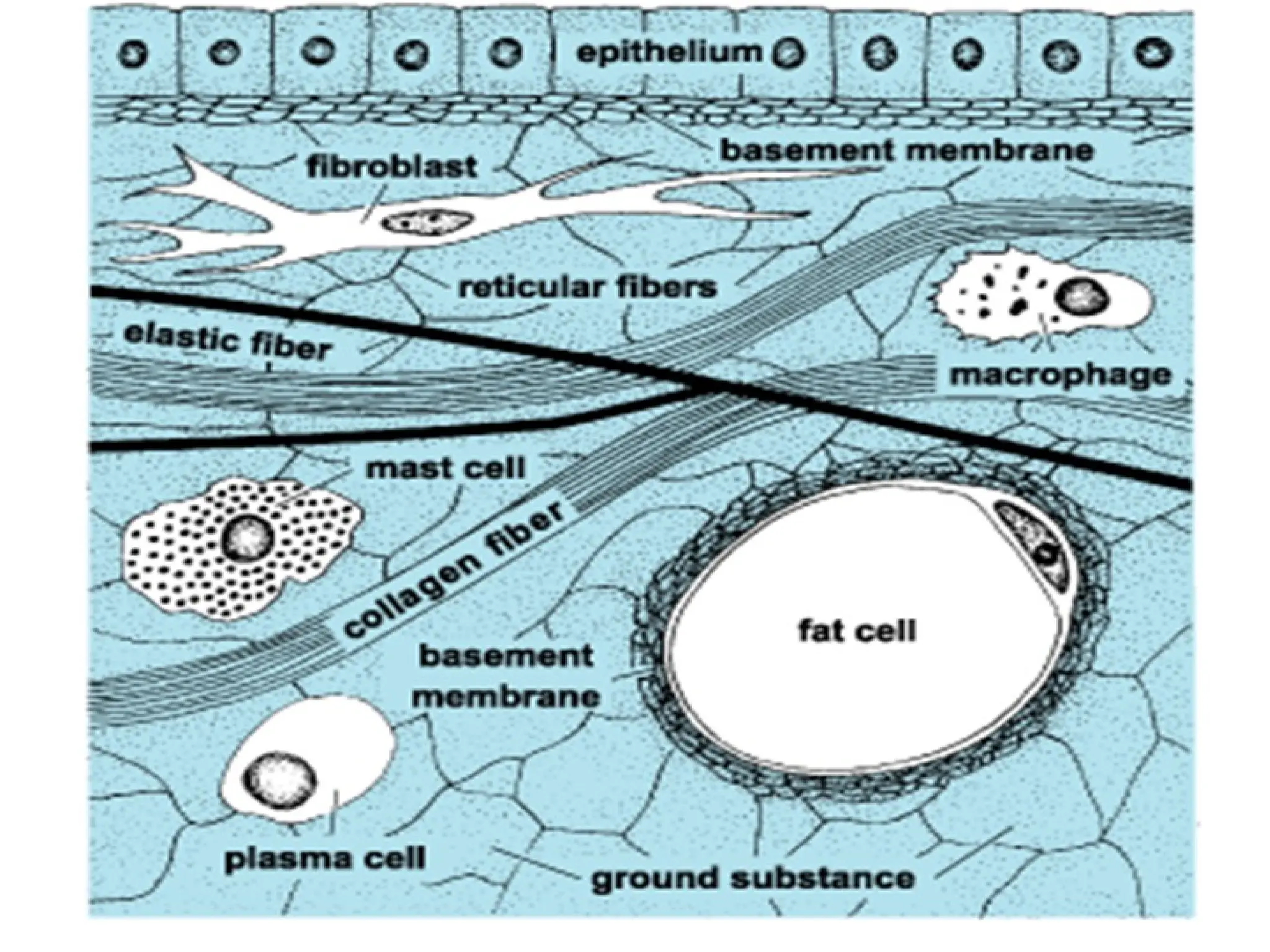
Connective tissue cells
The types of connective tissue cells vary
according to the type of tissue and include
the following:
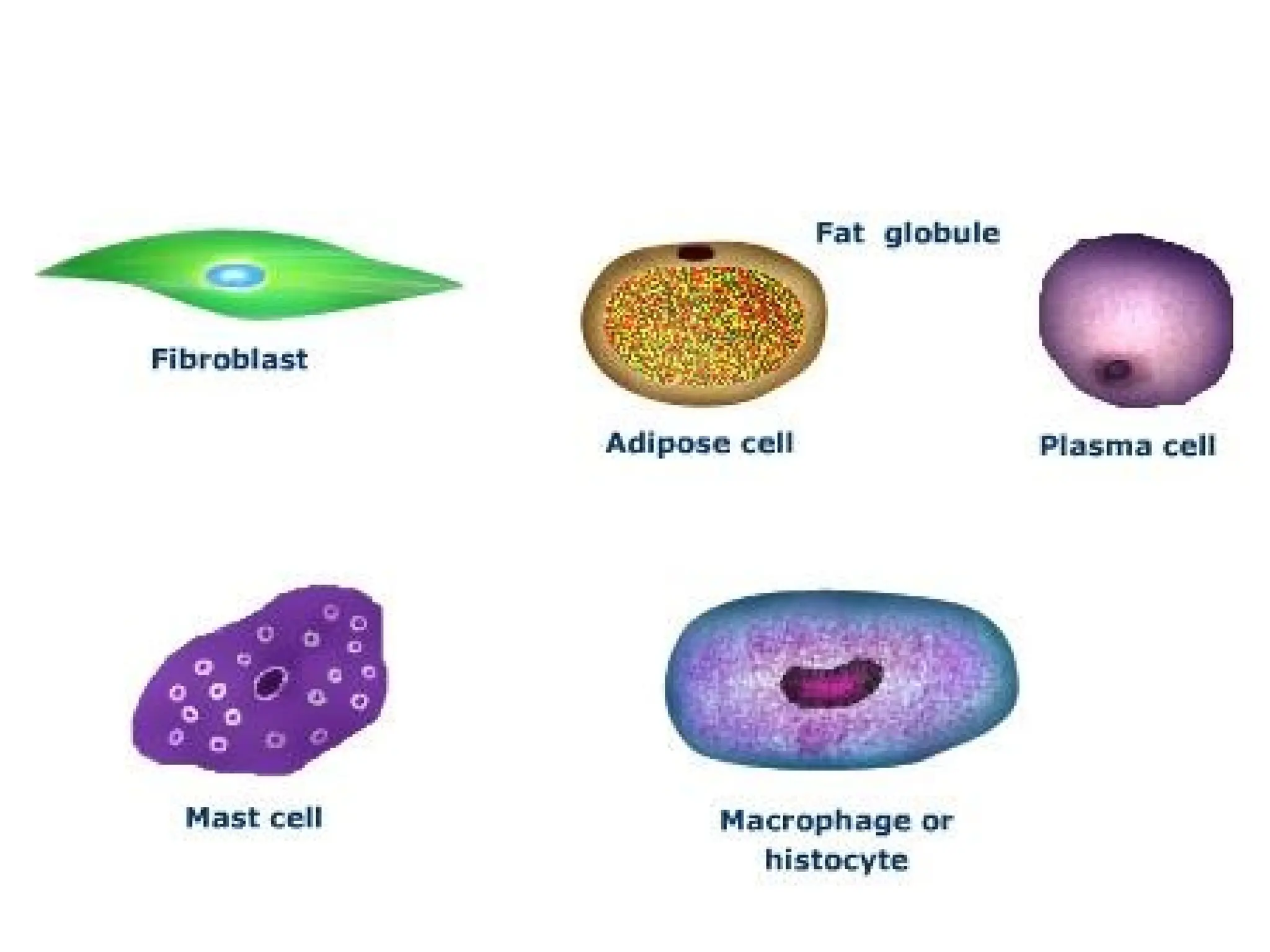
• Fibroblasts
• Adipocytes
• Mast cells
• White blood cells
• Macrophages
• Plasma cells
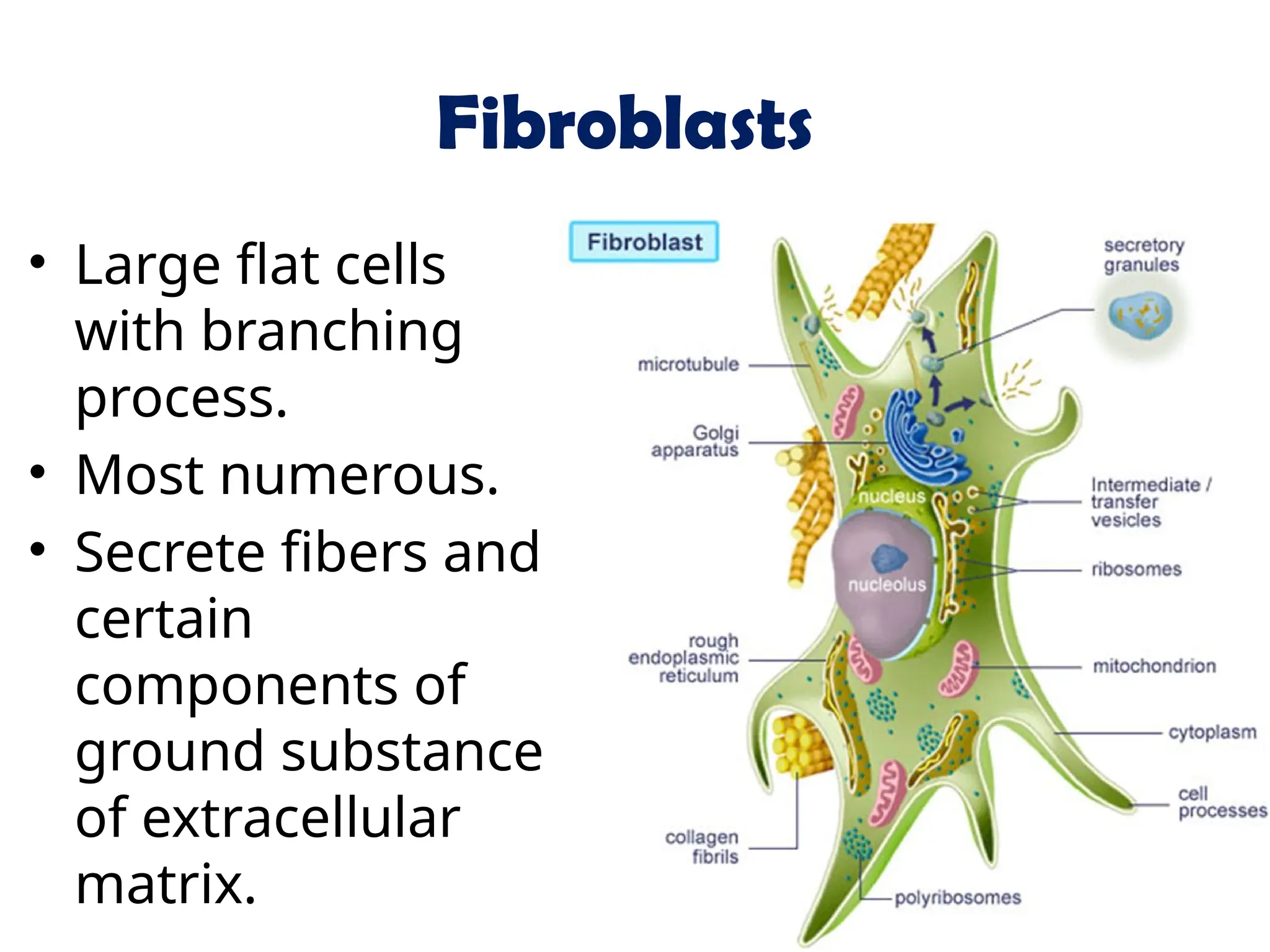
Fibroblasts
• Large flat cells
with branching
process.
• Most numerous.
• Secrete fibers and
certain
components of
ground substance
of extracellular
matrix.
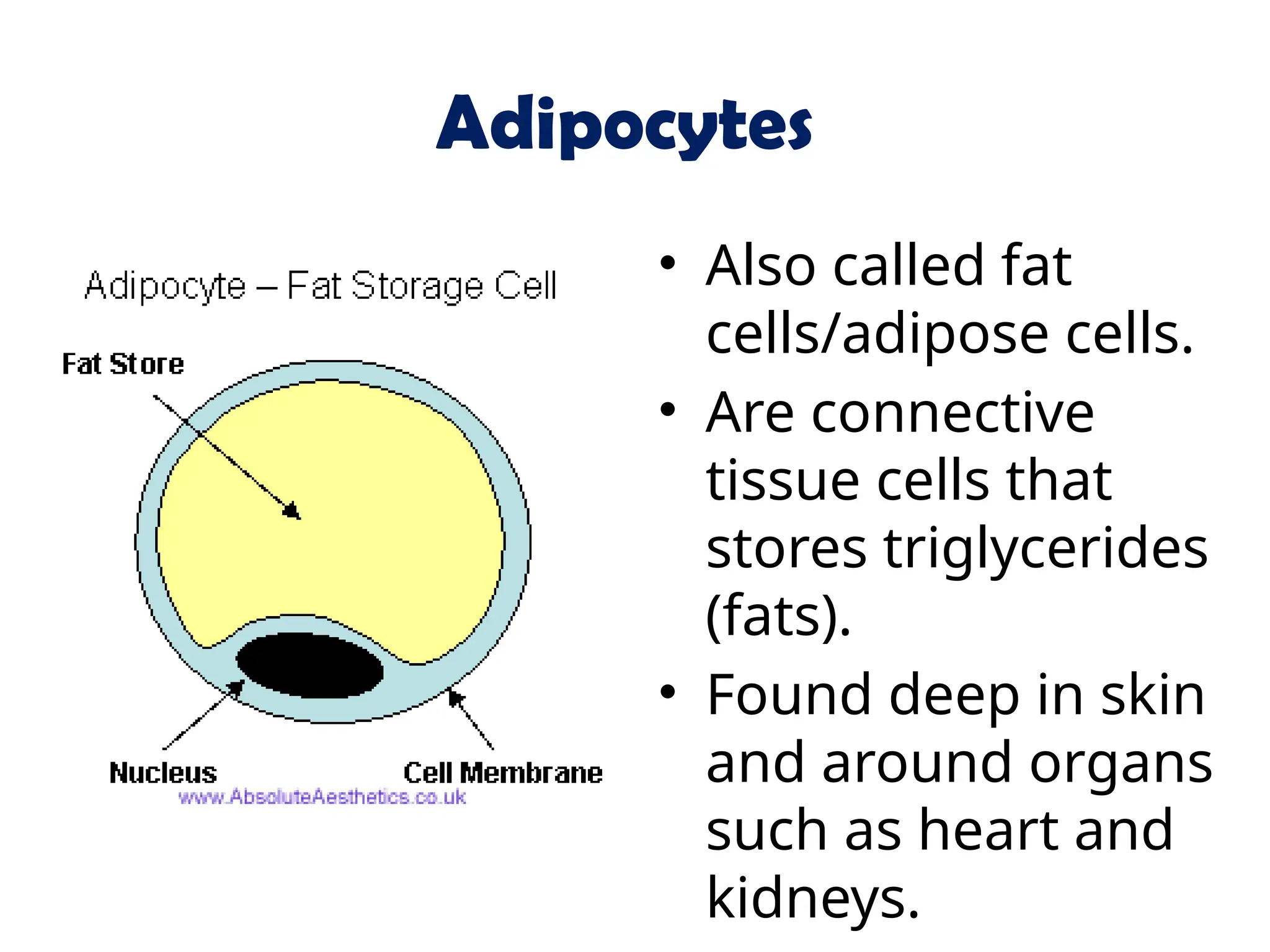
Adipocytes
• Also called fat
cells/adipose cells.
• Are connective
tissue cells that
stores triglycerides
(fats).
• Found deep in skin
and around organs
such as heart and
kidneys.
White blood cells
• Not found in significant number in
normal connective tissue.
• Gather at site of infection.
• Migrate to sites of parasitic invasion
and allergic responses.
• E.g. neutrophils, eosinophil
Macrophages
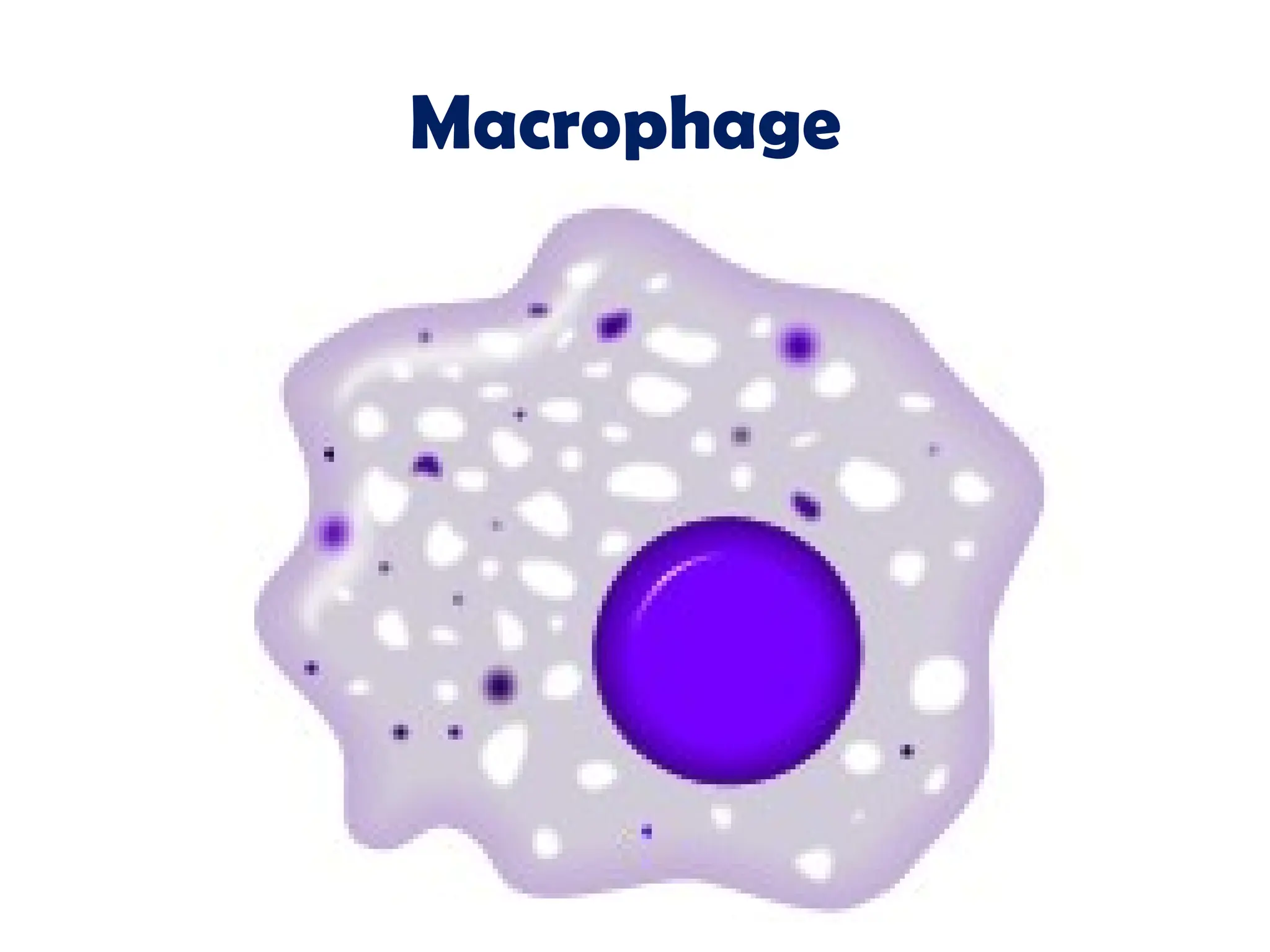
• Also called large eaters.
• Develop from monocytes (type of WBC)
• Have irregular shape with short branching projections
• Process: phagocytosis
Types:
• Fixed macrophages: reside in particular tissue;
examples include alveolar macrophages in lungs or
splenic macrophages in spleen.
• Wandering macrophages: have the ability to move
throughout the tissue and gather at sites of infection
and inflammation.
Macrophage
Microphages
 Microphage plays an important role in
our immune system.
 Moreover, microphage can be a small
neutrophil or an eosinophil.
 They are cable of eating or ingesting
small infectious particles such as bacteria.
Mast cells
 A type of white blood cell that is found in connective tissues all
through the body, especially under the skin, near blood vessels
and lymph vessels, in nerves, and in the lungs and intestines.
 Mast cells play an important role in how the immune system
responds to certain bacteria and parasites and they help control
other types of immune responses.
 They contain chemicals such as histamine, heparin, cytokines,
and growth factors. They release these chemicals during allergic
reactions and certain immune responses.
 During an allergic response, they can cause flushing (a hot, red
face) and itching.
 In large amounts, they can also cause abdominal cramps, muscle
pain, nausea, vomiting, diarrhea, low blood pressure, and shock.
Plasma cells
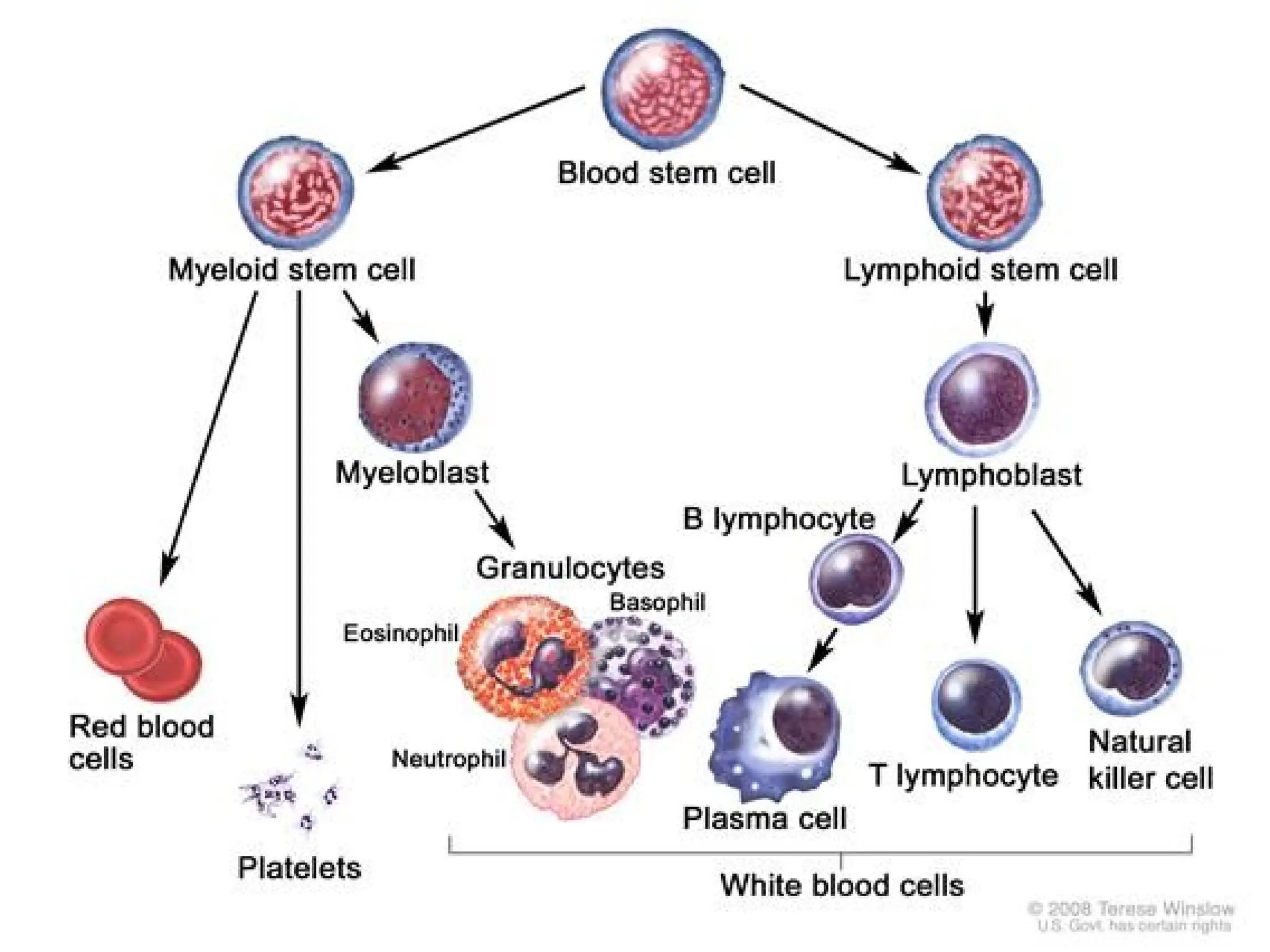
• Small cell that develop from a type of
white blood cells called B lymphocytes.
• Plasma cells secrete antibodies,
proteins that attack and neutralize the
foreign substances.
• Found in gastrointestinal and
respiratory tract.
• Abundant in salivary glands, lymph
nodes, spleen and bone marrow.
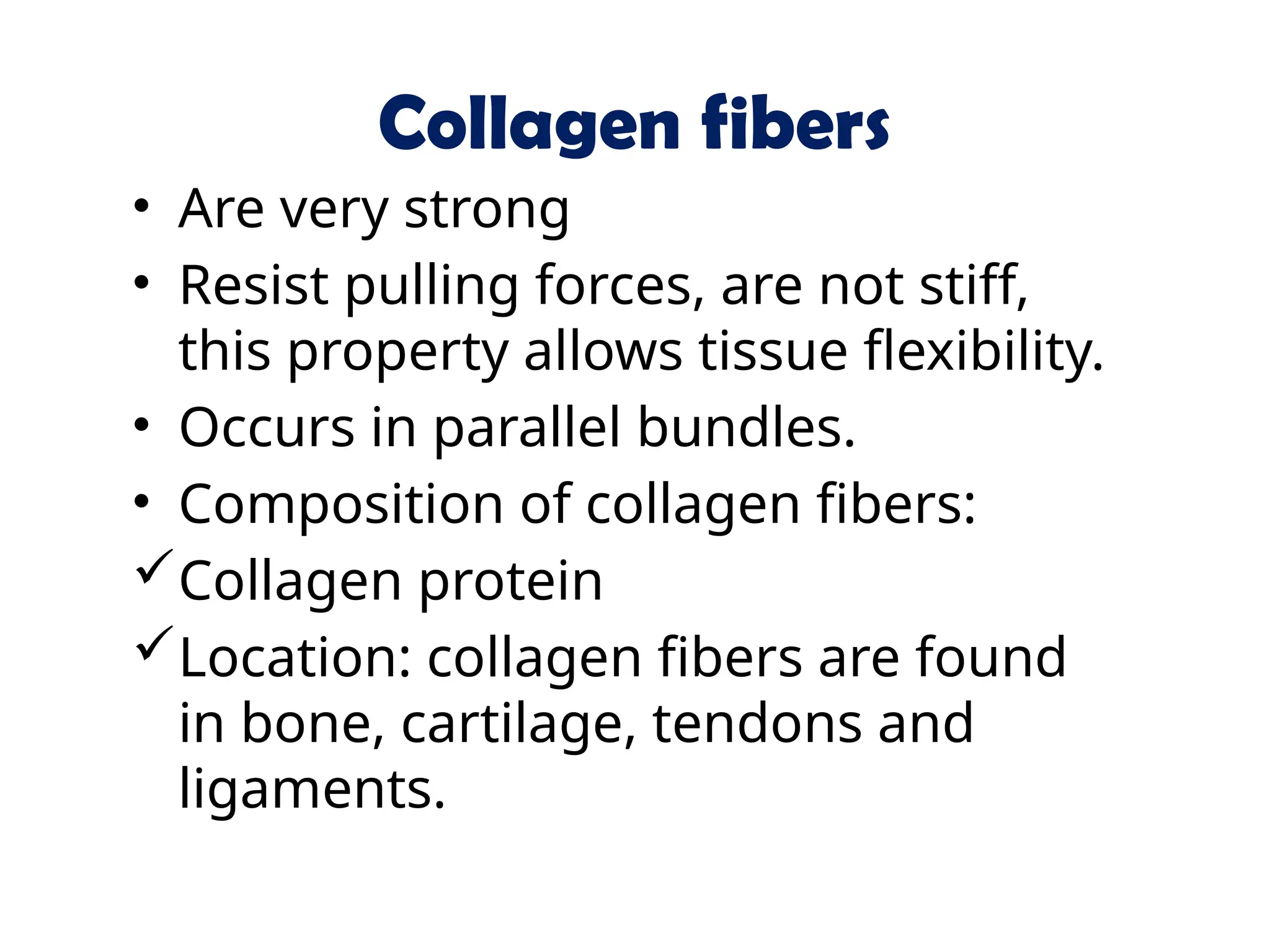
Collagen fibers
• Are very strong
• Resist pulling forces, are not stiff,
this property allows tissue flexibility.
• Occurs in parallel bundles.
• Composition of collagen fibers:
Collagen protein
Location: collagen fibers are found
in bone, cartilage, tendons and
ligaments.
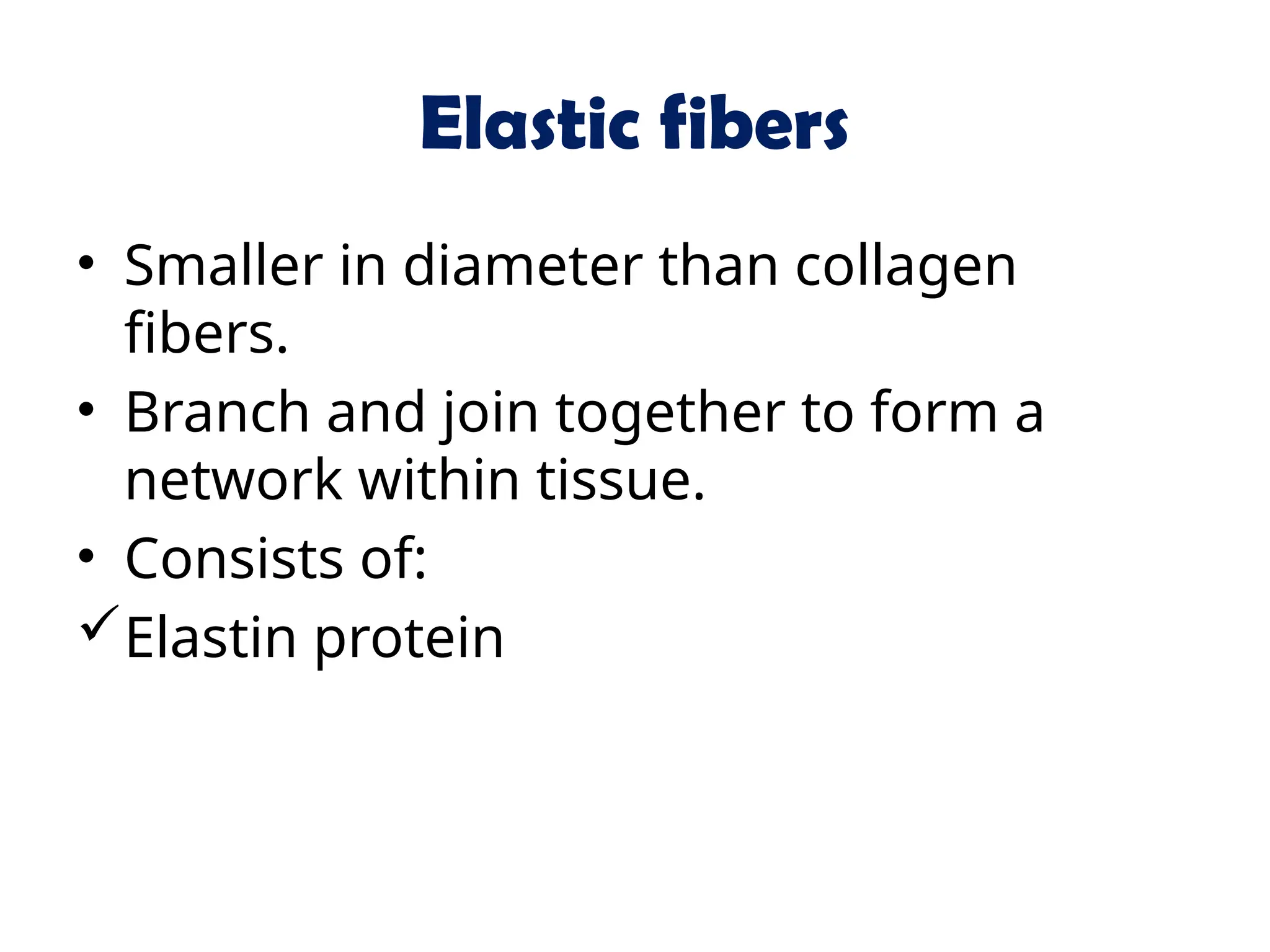
Elastic fibers
• Smaller in diameter than collagen
fibers.
• Branch and join together to form a
network within tissue.
• Consists of:
Elastin protein
Reticular fibers
• Consists of collagen arranged in fine
bundles with a coating of glycoprotein.
• Support in the walls of blood vessels and
form a network around the cells in some
tissues, such as areolar connective
tissue, adipose tissue and smooth
muscle tissue.
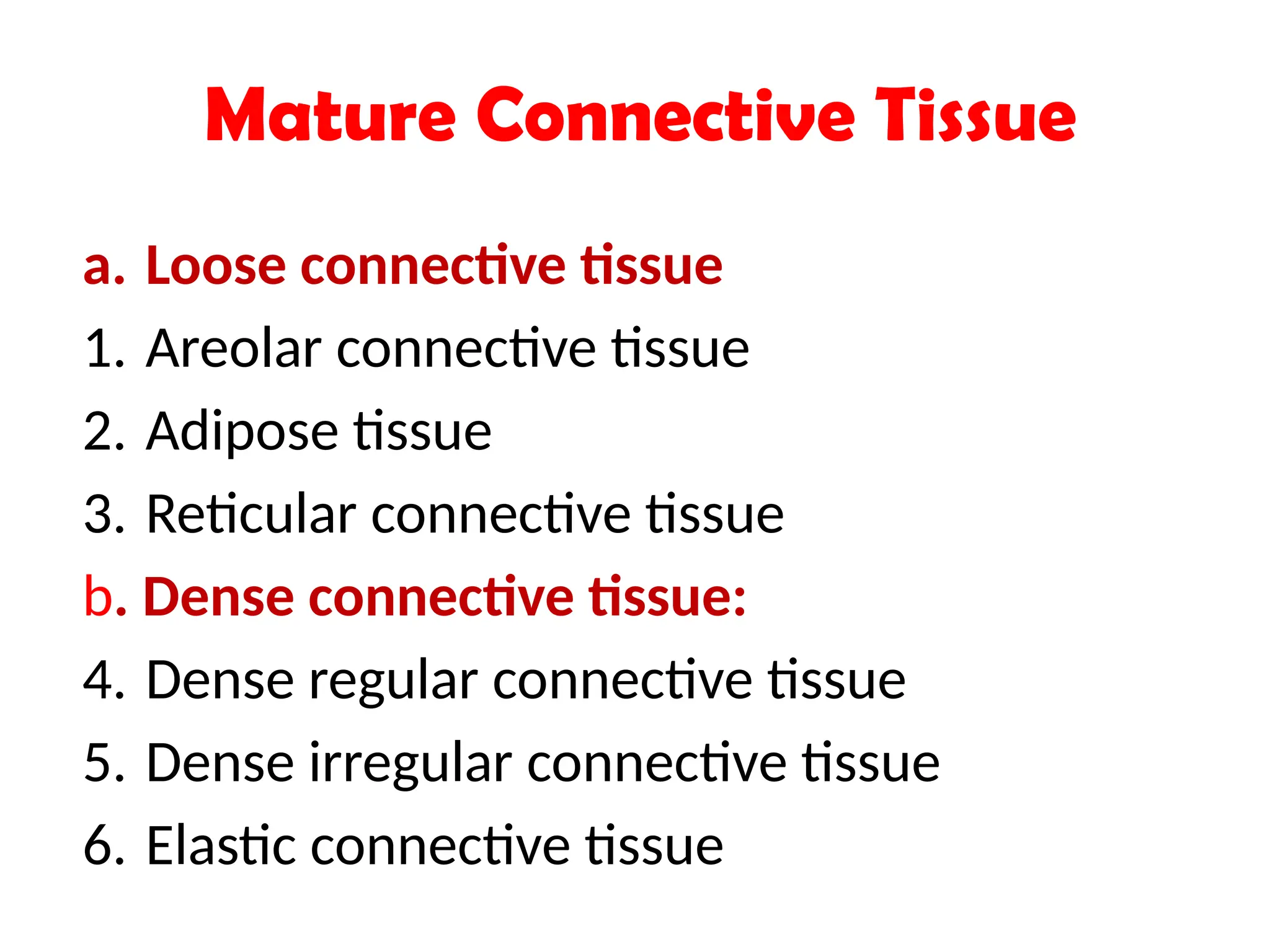
Mature Connective Tissue
a. Loose connective tissue
1. Areolar connective tissue
2. Adipose tissue
3. Reticular connective tissue
b. Dense connective tissue:
4. Dense regular connective tissue
5. Dense irregular connective tissue
6. Elastic connective tissue
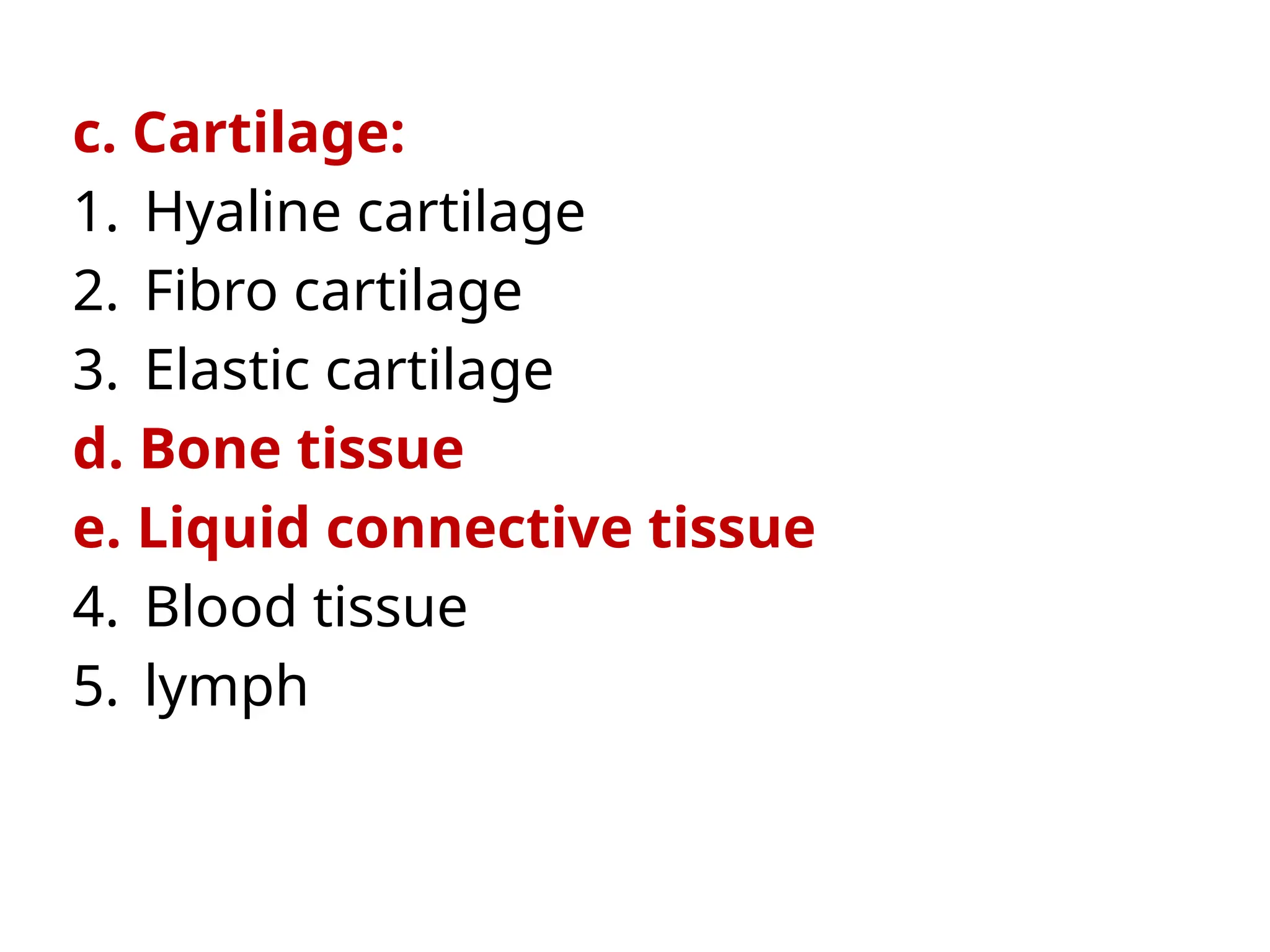
c. Cartilage:
1. Hyaline cartilage
2. Fibro cartilage
3. Elastic cartilage
d. Bone tissue
e. Liquid connective tissue
4. Blood tissue
5. lymph
Loose connective tissue
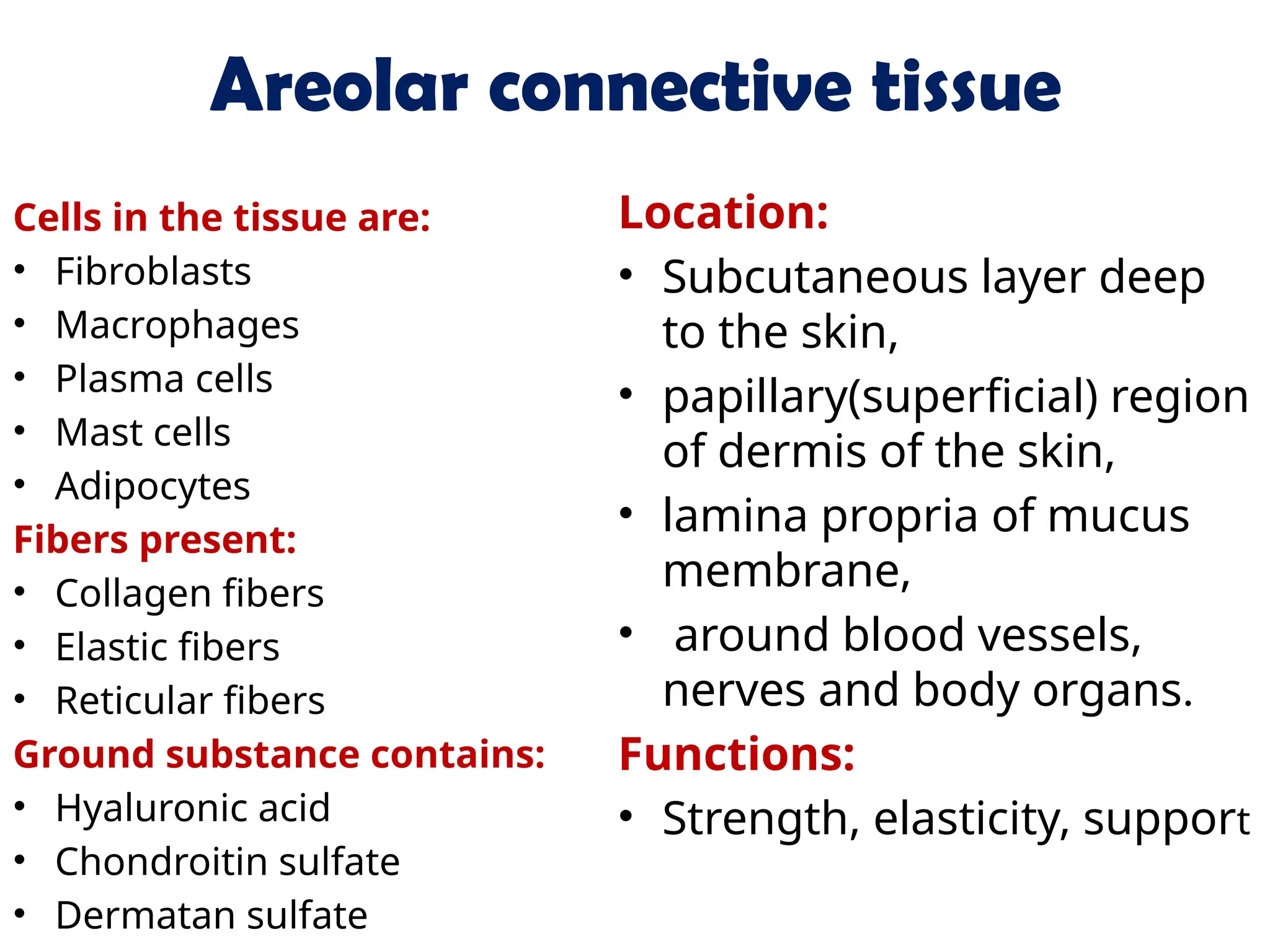
Areolar connective tissue
Cells in the tissue are:
• Fibroblasts
• Macrophages
• Plasma cells
• Mast cells
• Adipocytes
Fibers present:
• Collagen fibers
• Elastic fibers
• Reticular fibers
Ground substance contains:
• Hyaluronic acid
• Chondroitin sulfate
• Dermatan sulfate
Location:
• Subcutaneous layer deep
to the skin,
• papillary(superficial) region
of dermis of the skin,
• lamina propria of mucus
membrane,
• around blood vessels,
nerves and body organs.
Functions:
• Strength, elasticity, support
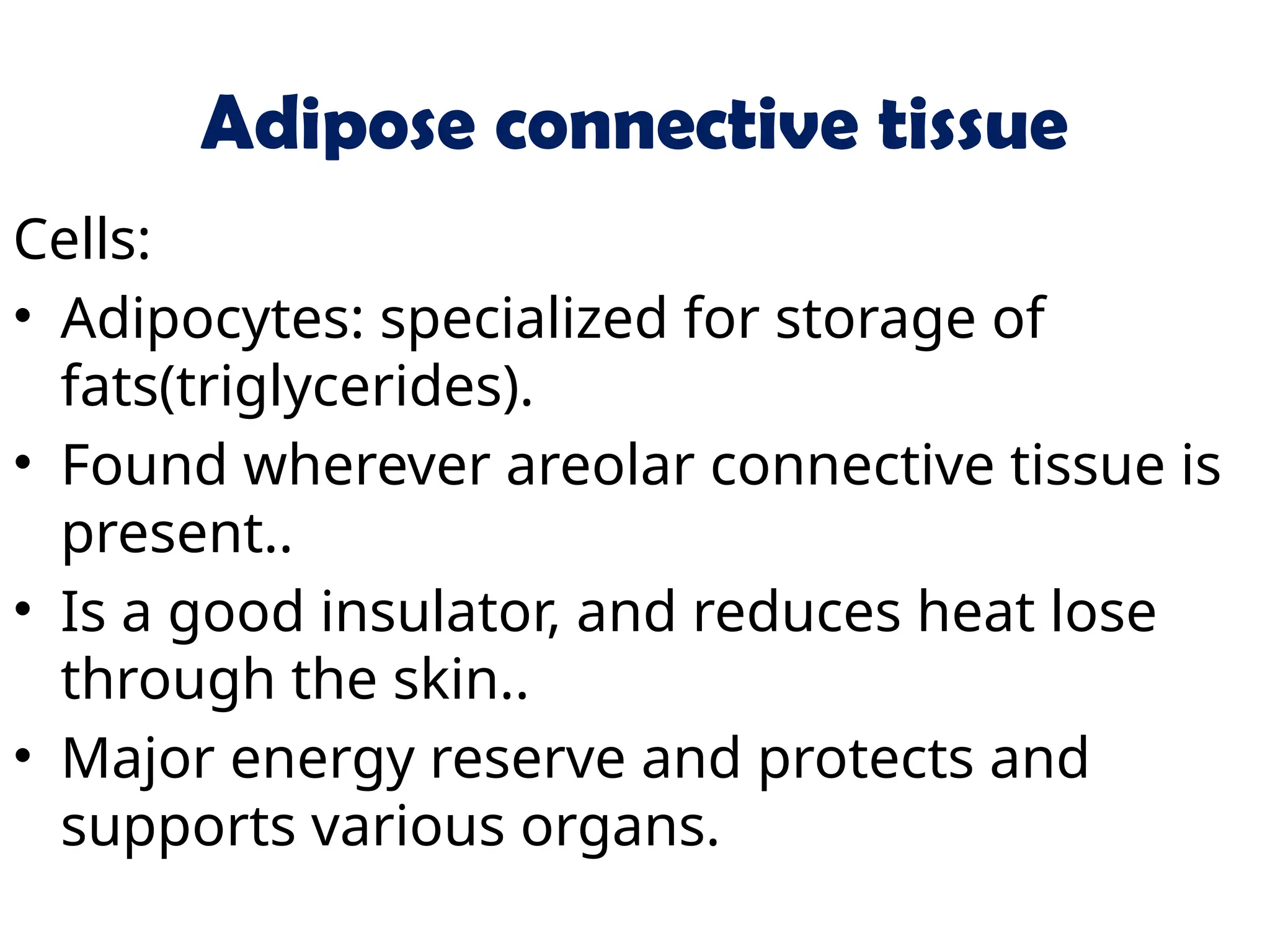
Adipose connective tissue
Cells:
• Adipocytes: specialized for storage of
fats(triglycerides).
• Found wherever areolar connective tissue is
present..
• Is a good insulator, and reduces heat lose
through the skin..
• Major energy reserve and protects and
supports various organs.
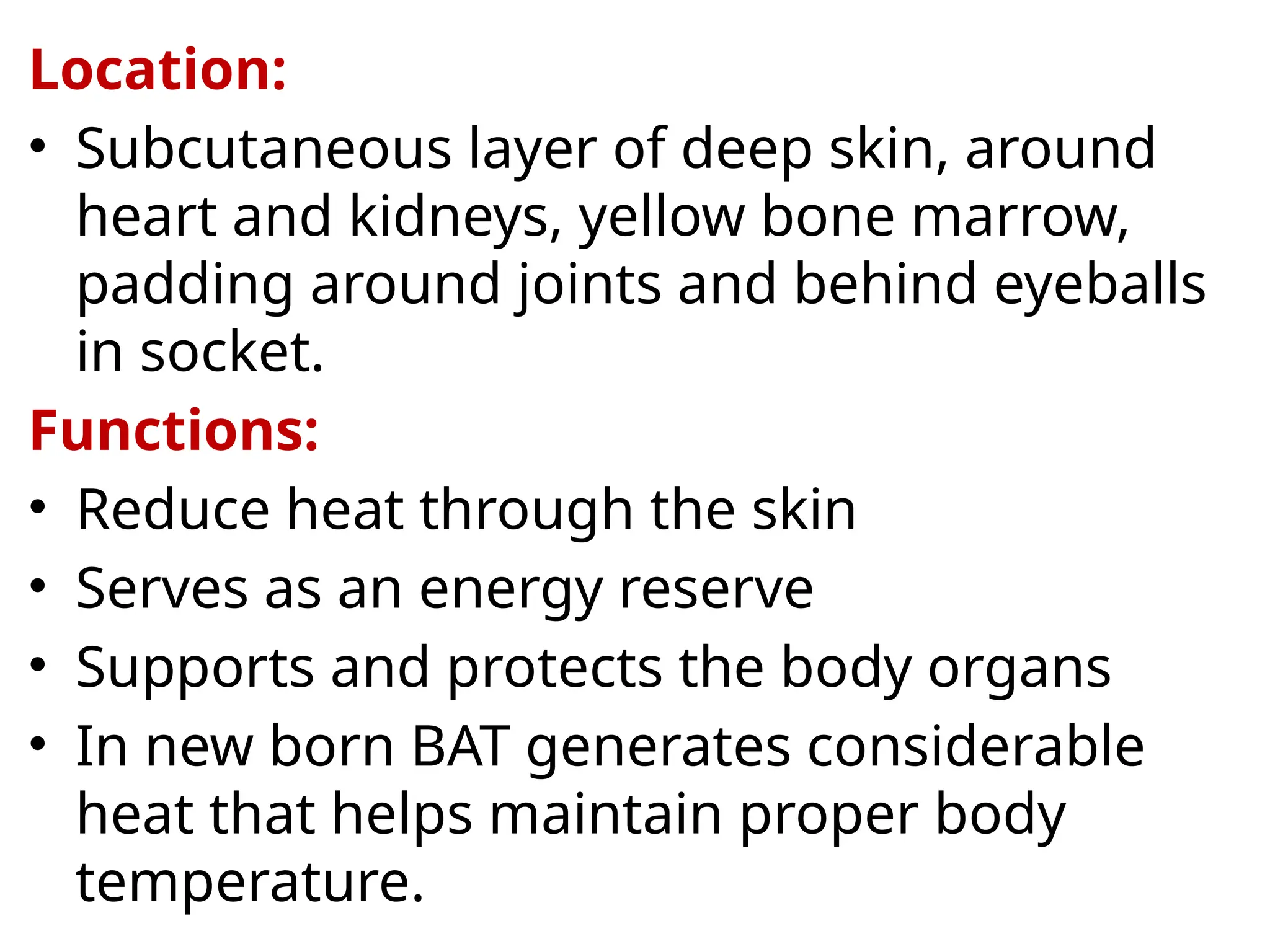
Location:
• Subcutaneous layer of deep skin, around
heart and kidneys, yellow bone marrow,
padding around joints and behind eyeballs
in socket.
Functions:
• Reduce heat through the skin
• Serves as an energy reserve
• Supports and protects the body organs
• In new born BAT generates considerable
heat that helps maintain proper body
temperature.
Reticular connective tissue
Description:
• A network of interlacing reticular fibers
and reticular cells
Location:
• Stroma of liver, spleen, lymph nodes, red
bone marrow, which gives rise to blood cells,
reticular lamina of the basement membrane,
and around blood vessels and muscles.
Dense connective tissue
Description
• Dense connective tissue”
• Contains more numerous, thicker and
dense fibers (packed more closely).
• Has fewer cells than connective tissue.
Types:
• Dense regular connective tissue
• Dense irregular connective tissue
• Elastic connective tissue
Dense regular connective tissue
• Description: extracellular matrix looks shiny
white.
• Fibers: Collagen fibers, arranged in bundles
• Cells: Fibroblasts (present in rows between
bundles).
• Location: forms tendons (attach muscle to
bone), most ligaments (attach bone to bone),
and Apo-neuroses (sheet like tendons that
attach muscle to muscle or muscle to bone).
• Function: provide strong attachment between
various structures.
Dense irregular connective tissue
Description: Found in parts of the body where pulling
forces are exerted in various directions, the tissue often
occurs in sheets.
• Fibers: collagen fibers
• Cells: few fibroblasts
Location: fasciae (tissue beneath skin and around
muscles and other organs, reticular (deeper) region of
dermis of skin, periosteum of bone,
perichondrium(tissue surrounding cartilage) of
cartilage, joint capsules, membrane capsule around
various organs(kidney, liver, testes, lymph nodes)
pericardium of heart and heart valves.
• Function: provides strength
Elastic connective tissue
• Description: yellowish color due to
presence of elastic fibers.
• Fibers: Elastic fibers
• Cells: Fibroblasts
• Location: Lung tissue, walls of elastic
arteries, trachea, bronchial tubes, true
vocal cords, suspensory ligament of
penis, some ligaments between
vertebrae.
PERICHONDRIUM contains two layers:
• Outer fibrous layer: consists of collagen
fibers, blood vessels and fibroblasts.
• Inner cellular layer: consists of cells
involved in the growth of cartilage.
• Cartilage does not have any blood
supply, because it secretes an ant
angiogenesis factor, a substance that
prevents blood vessels growth.
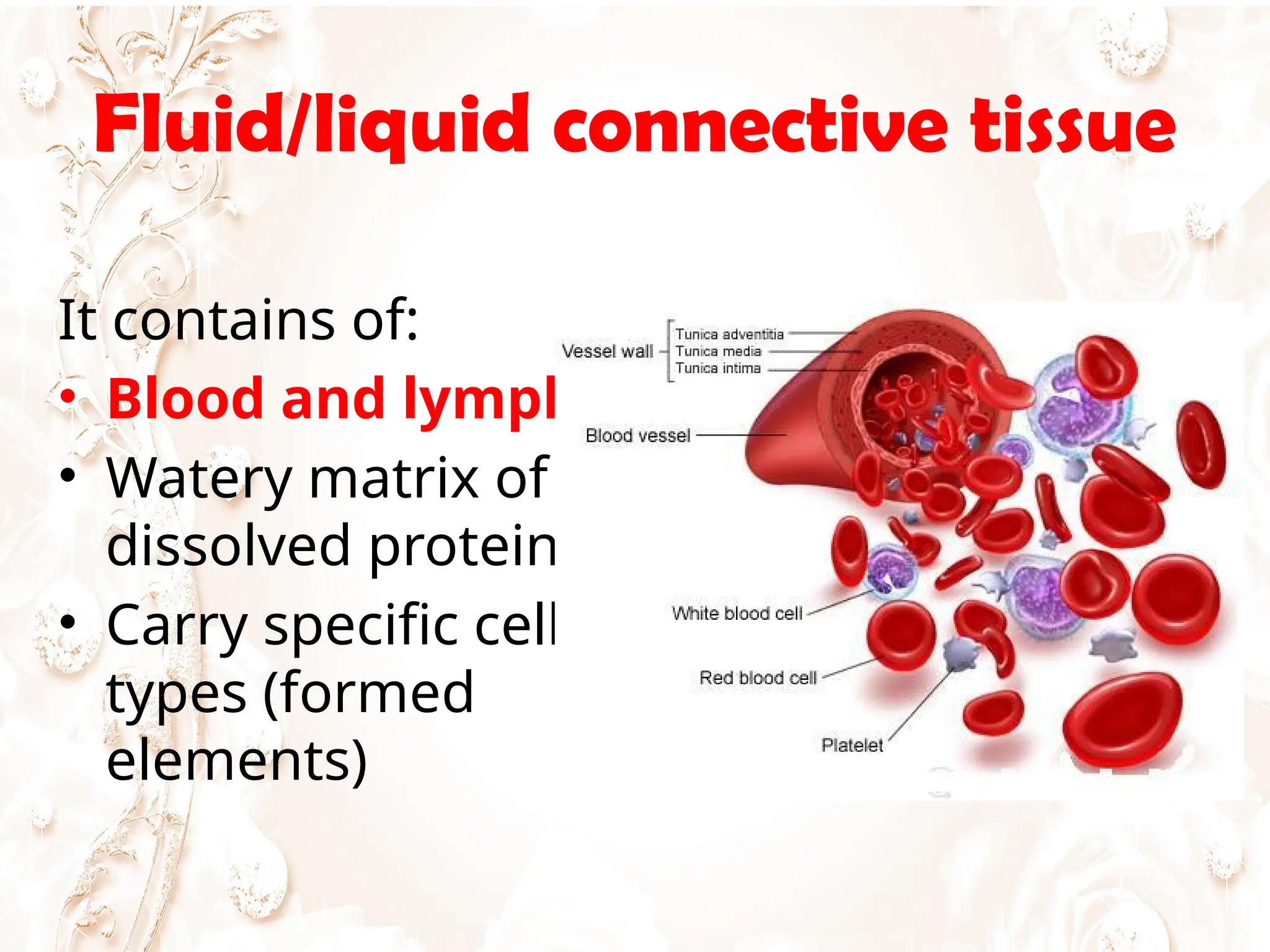
Fluid/liquid connective tissue
It contains of:
• Blood and lymph
• Watery matrix of
dissolved proteins
• Carry specific cell
types (formed
elements)
Liquid connective tissue
It includes:
• Blood & Lymph
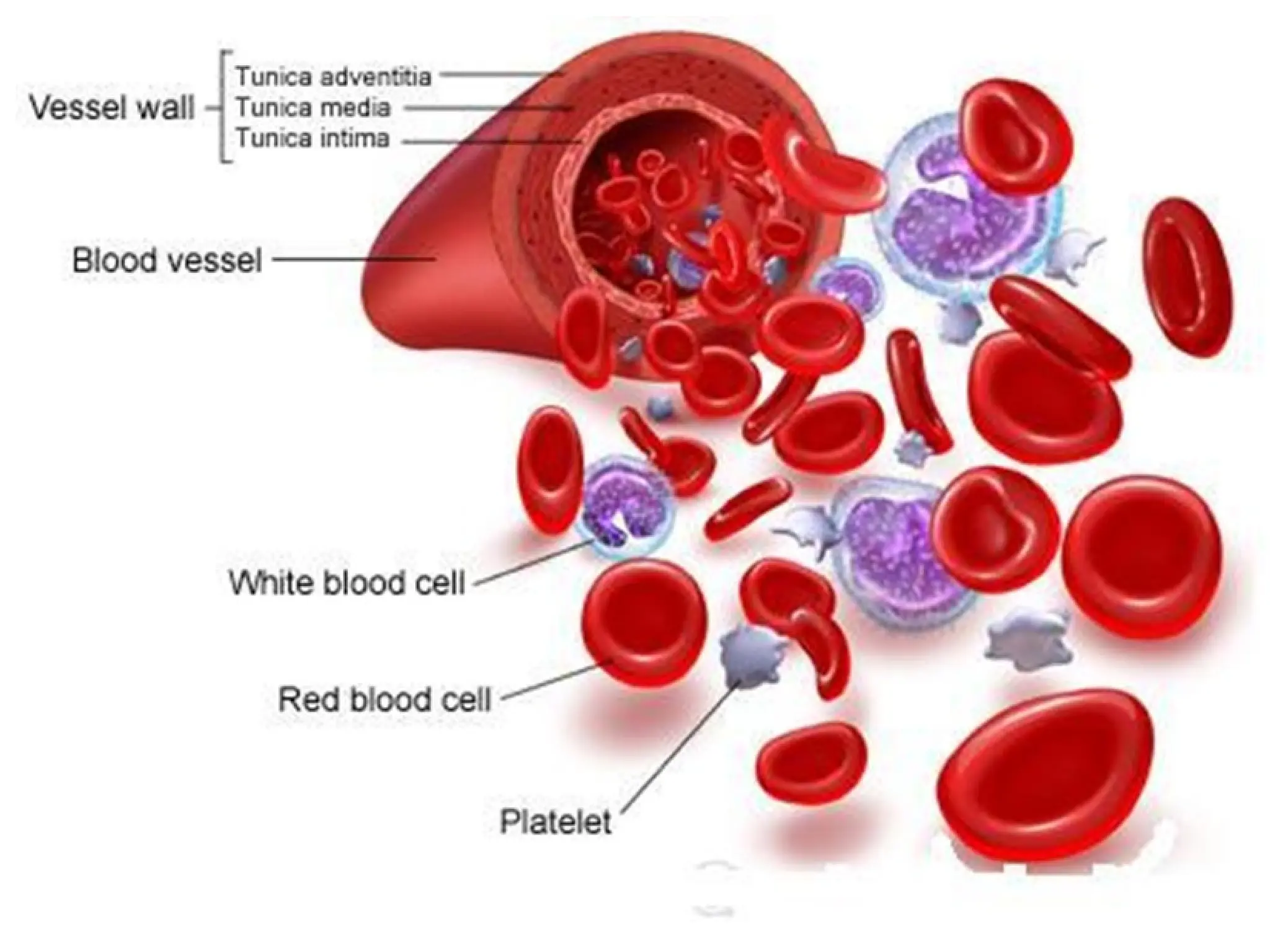
Blood: has:
Liquid extracellular matrix: pale yellow
fluid that consist mostly of water with a wide
variety of dissolved substances- nutrients,
wastes, enzymes, plasma proteins,
hormones, respiratory gases and ions.
Other elements: RBC’s (erythrocytes),
WBC’s (leukocytes), platelets (thrombocytes).
• Red blood cells : transport oxygen to body cells and
remove some carbon dioxide from them.
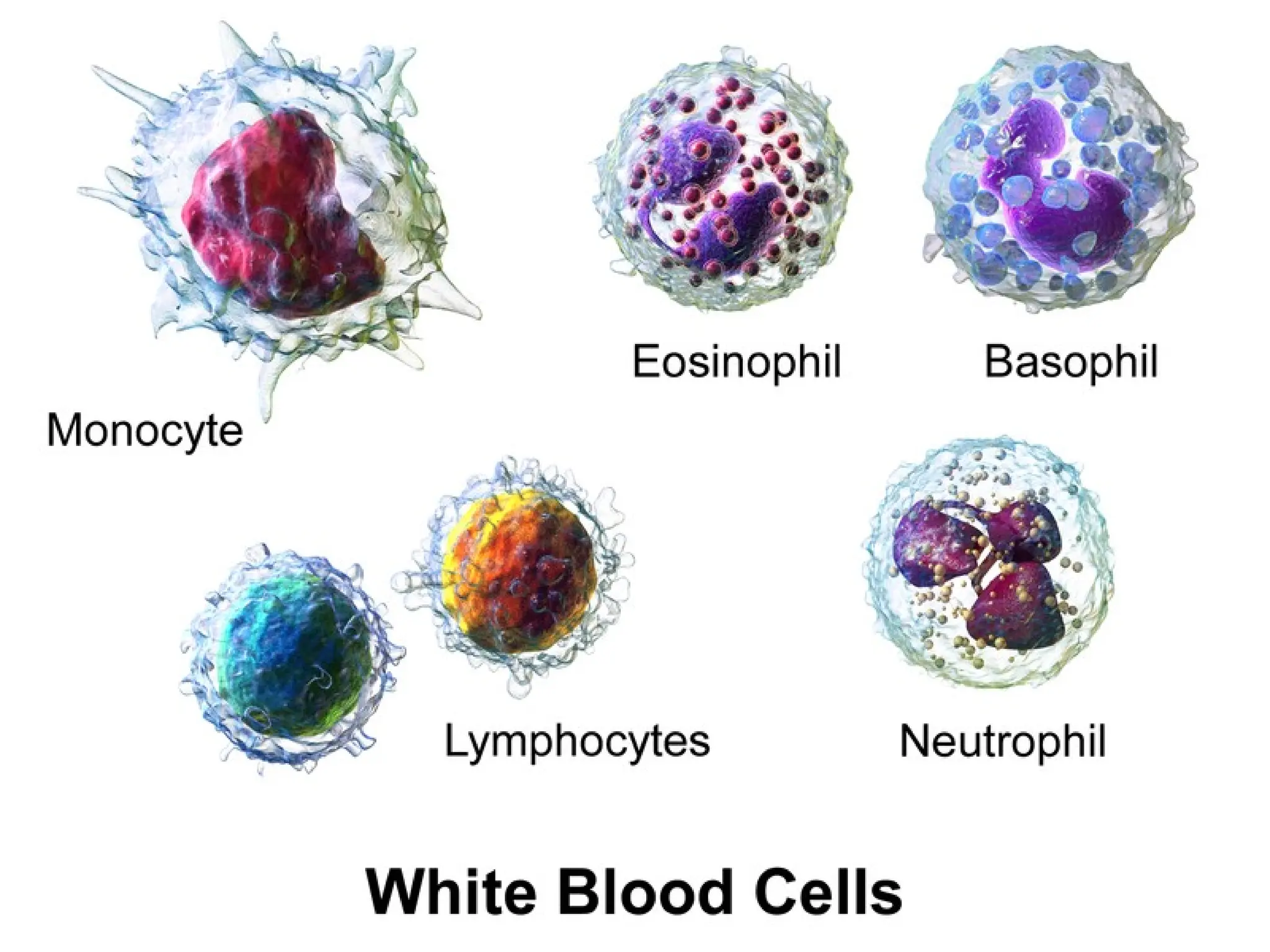
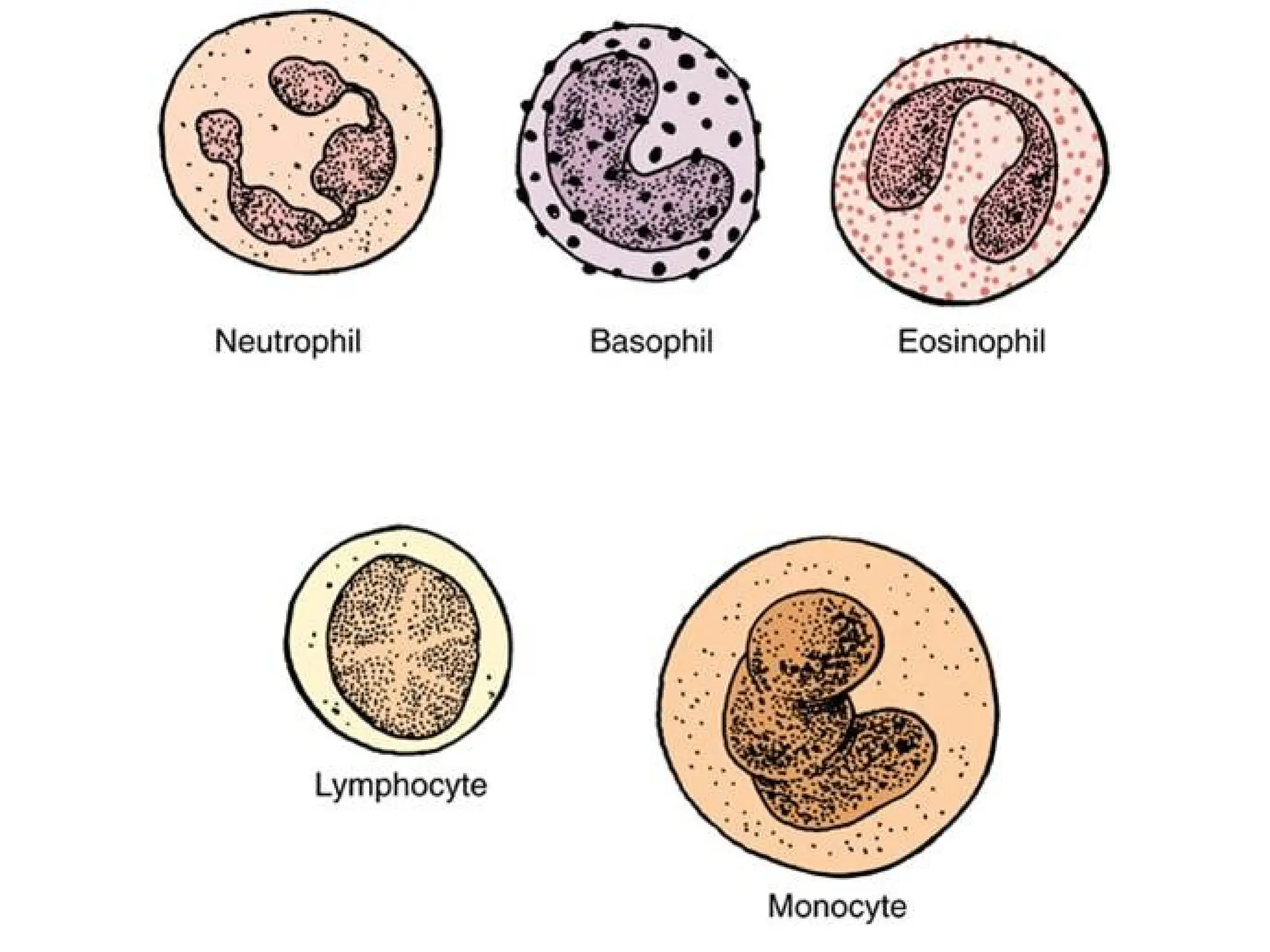
• White blood cells: are involved in phagocytosis,
immunity and allergic reactions.
• White blood cells include the phagocytic microphages
( neutrophils and eosinophils ), basophils, lymphocytes
, and monocytes.
• White blood cells are important components of the
immune system, which protects the body from
infection and disease.
• Platelets: Tiny membrane–enclosed packets of
cytoplasm
• Participate in blood clotting.
• These cell fragments, which contain enzymes and
special proteins, function in the clotting response that
seals breaks in the endothelial lining
Extracellular fluid
Extracellular fluid includes three major
subdivisions:
• Plasma
• Interstitial fluid
• Lymph
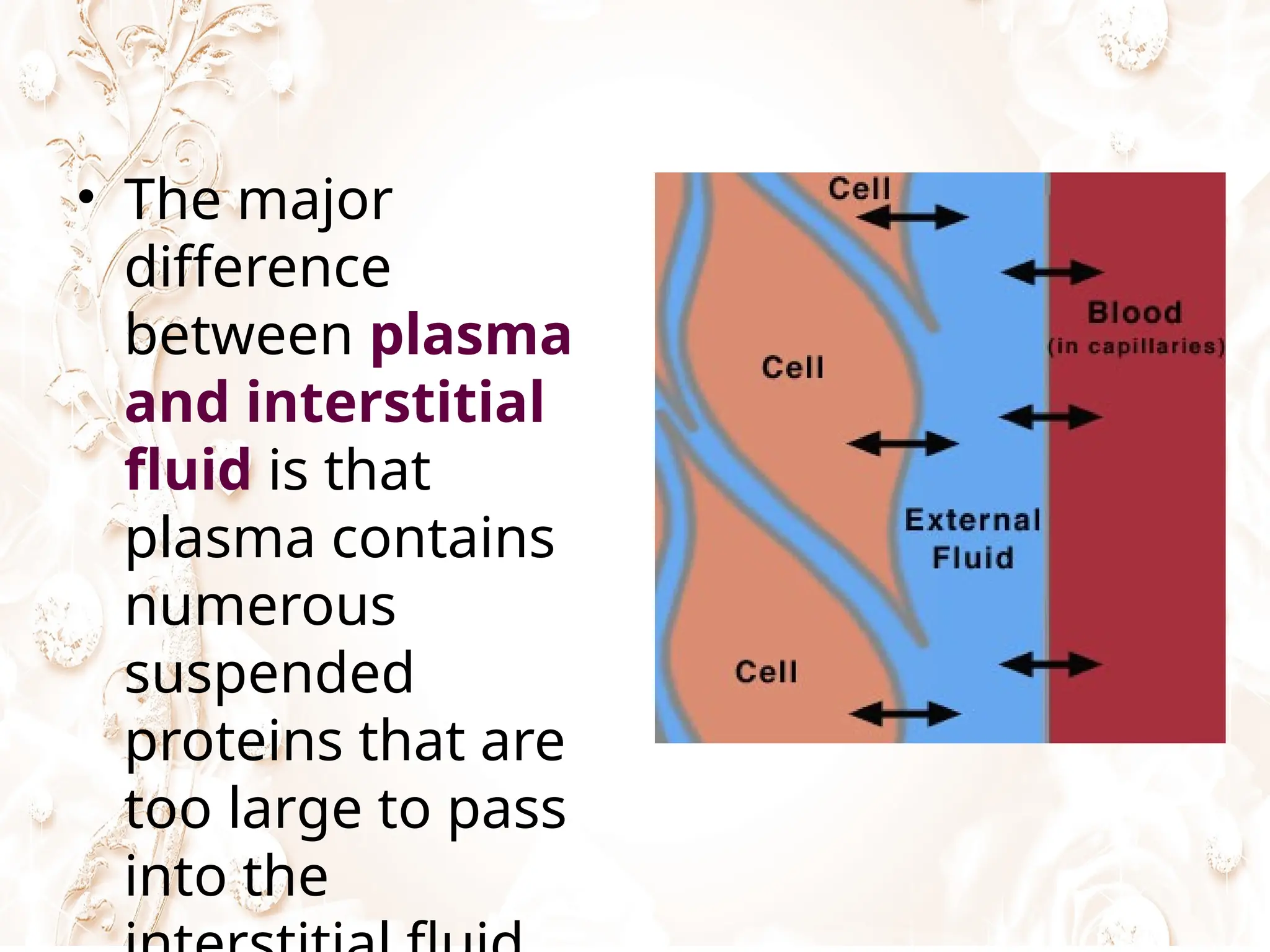
Plasma is normally confined to the
vessels of the circulatory system, and
contractions of the heart keep it in
motion.
• The major
difference
between plasma
and interstitial
fluid is that
plasma contains
numerous
suspended
proteins that are
too large to pass
into the
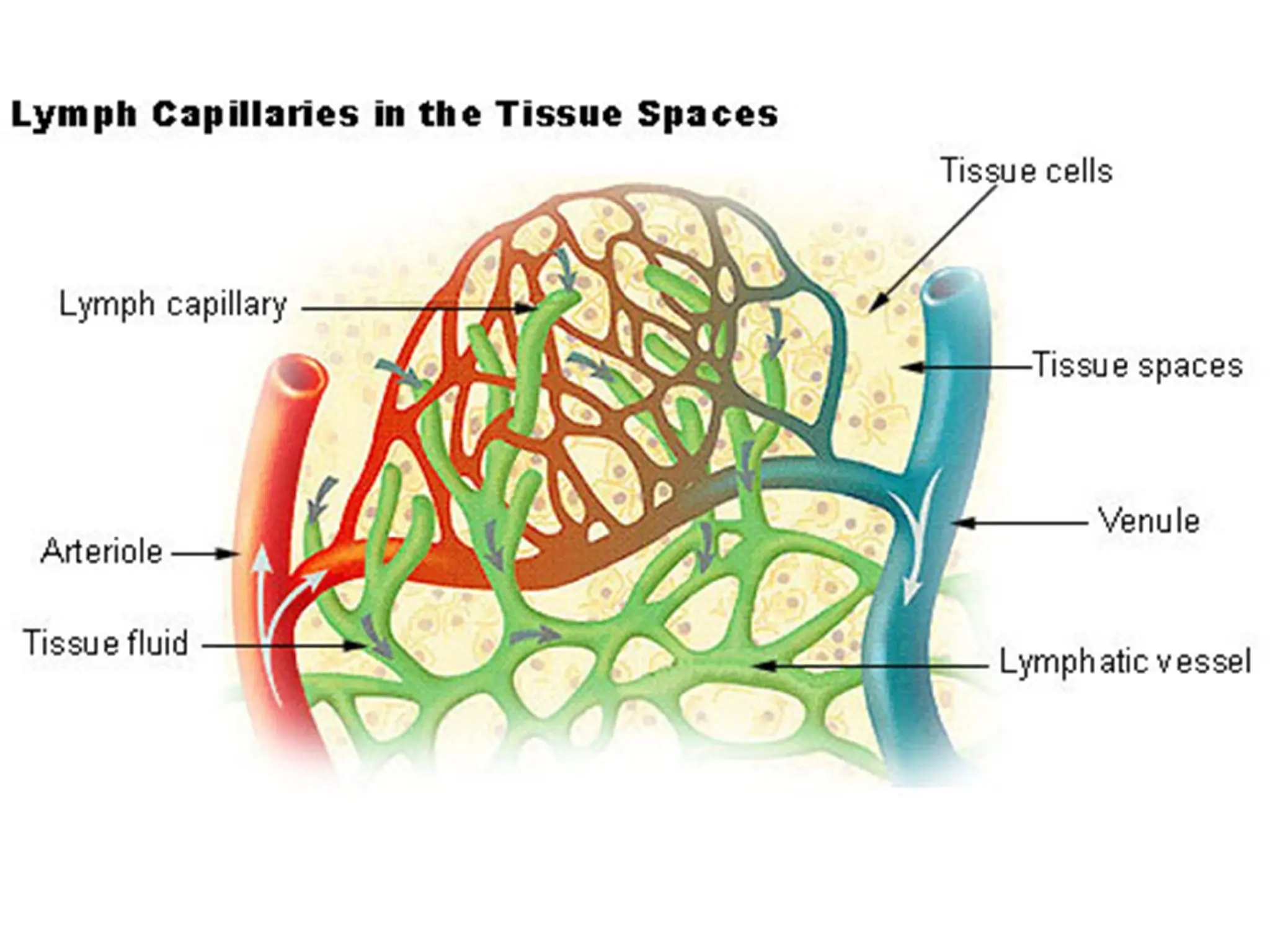
Lymph:
• Is the extracellular fluid that flows in lymphatic
vessels.
• Consist of several types of cells in clear liquid
extracellular matrix that is similar to blood plasma
but with much less protein.
• As fluid passes along the lymphatic vessels, cells of
the immune system monitor the composition of the
lymph and respond to signs of injury or infection.
• The number of cells in lymph may vary, but
ordinarily 99 percent of them are lymphocytes.
• The rest are primarily macrophages or
microphages
MUSCLE TISSUE
• Consists of elongated cells called
muscle fibers or monocytes that can
use ATP to generate force.
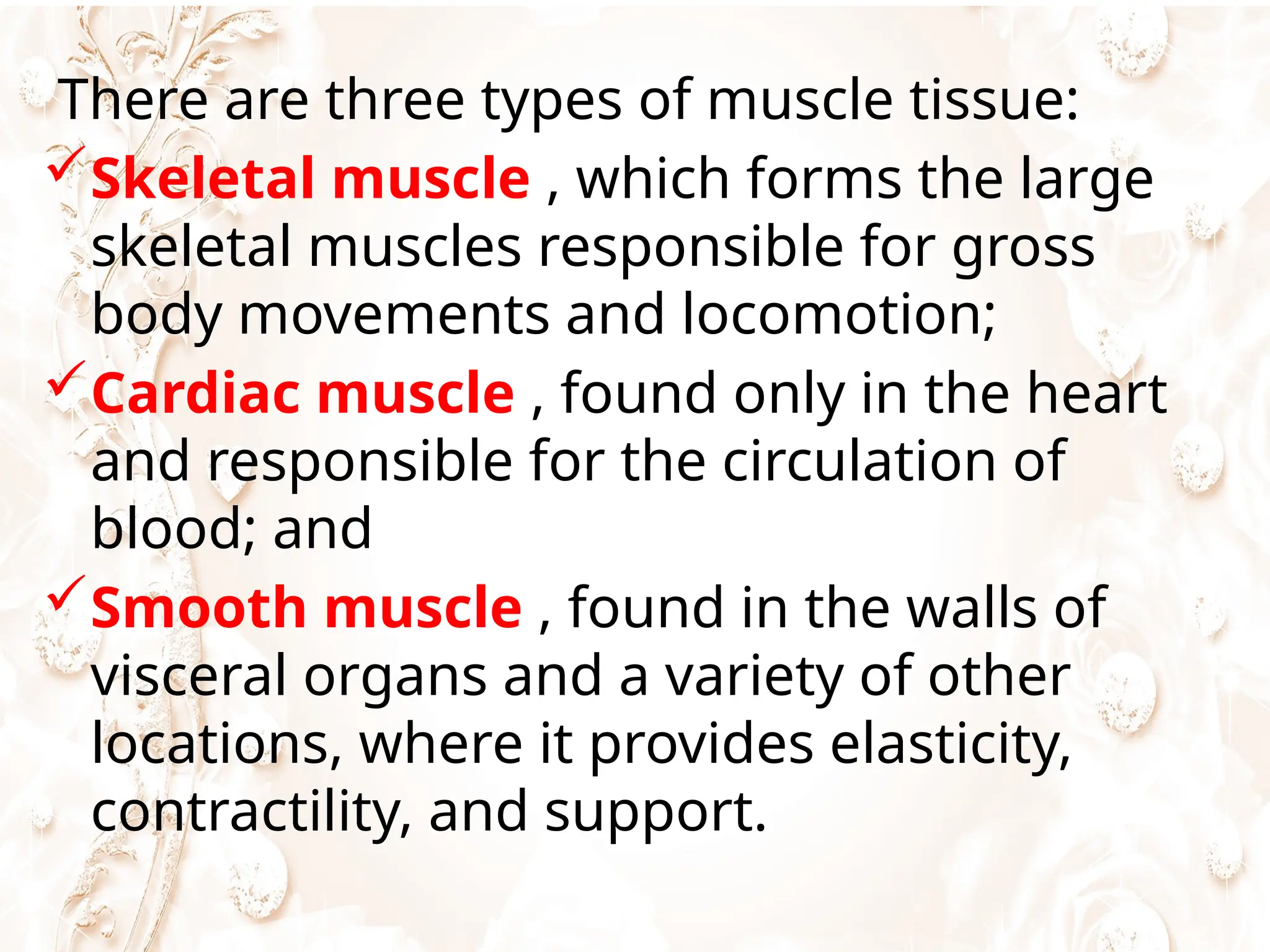
There are three types of muscle tissue:
Skeletal muscle , which forms the large
skeletal muscles responsible for gross
body movements and locomotion;
Cardiac muscle , found only in the heart
and responsible for the circulation of
blood; and
Smooth muscle , found in the walls of
visceral organs and a variety of other
locations, where it provides elasticity,
contractility, and support.
NEURAL TISSUE
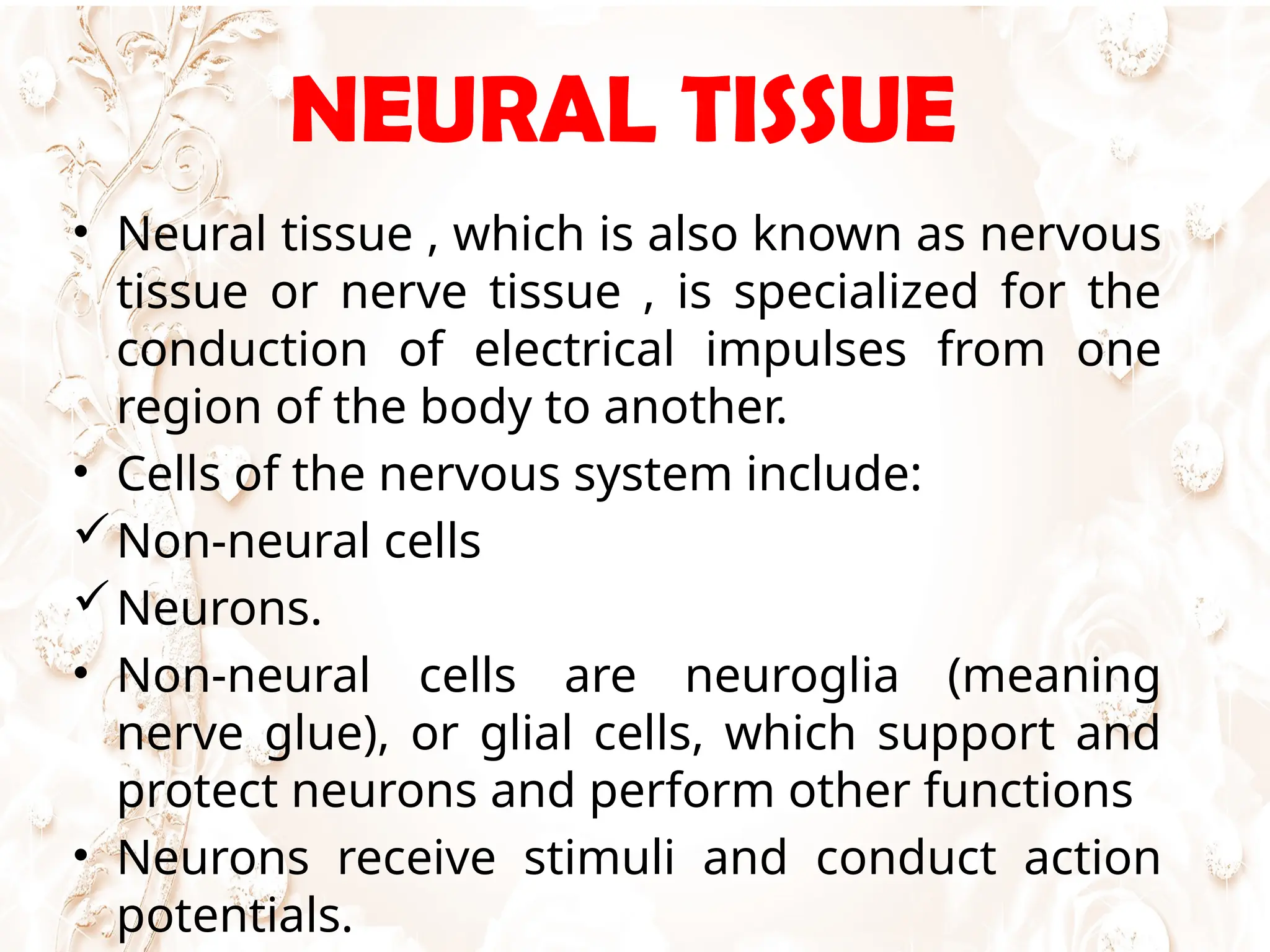
• Neural tissue , which is also known as nervous
tissue or nerve tissue , is specialized for the
conduction of electrical impulses from one
region of the body to another.
• Cells of the nervous system include:
Non-neural cells
Neurons.
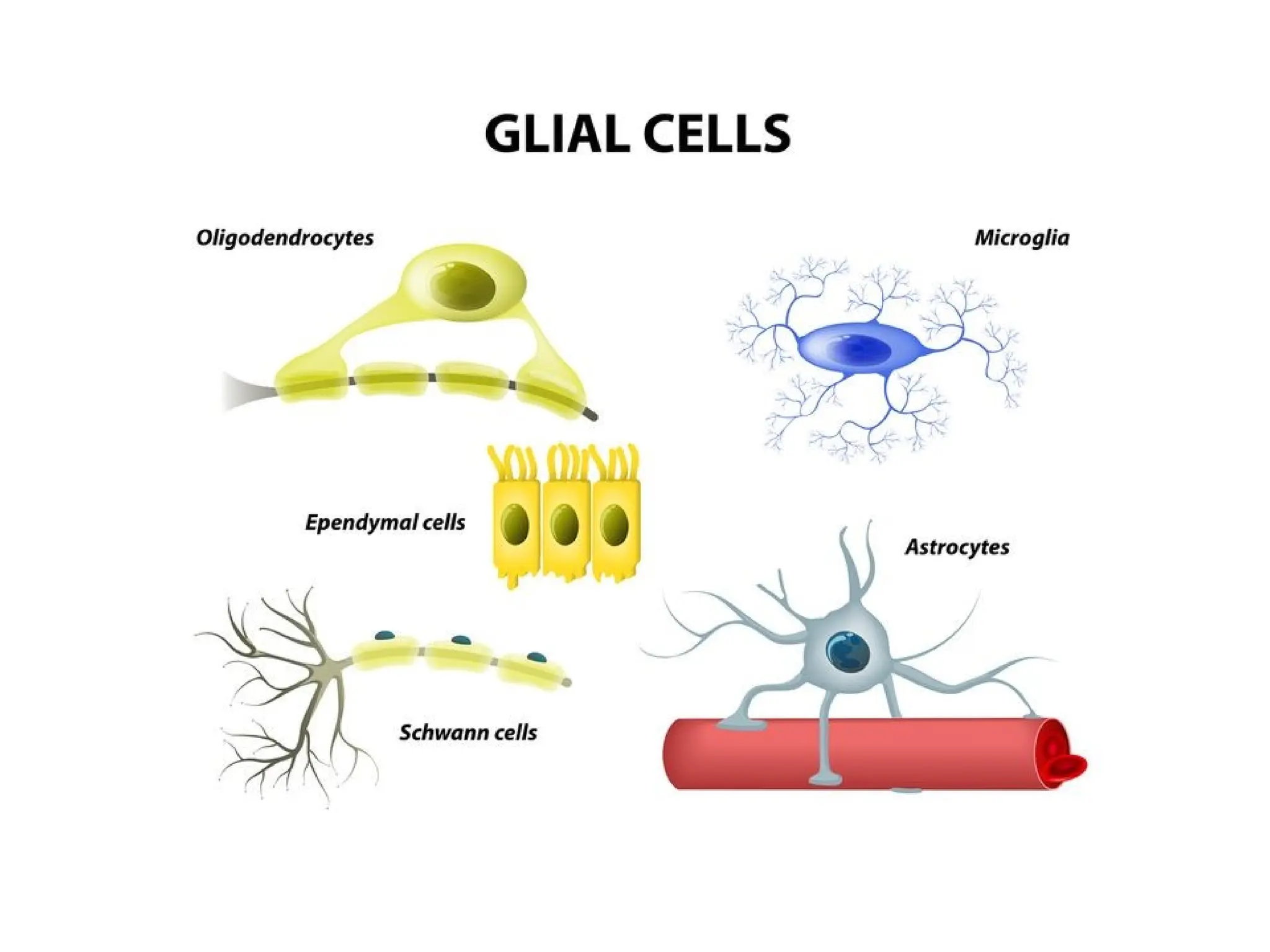
• Non-neural cells are neuroglia (meaning
nerve glue), or glial cells, which support and
protect neurons and perform other functions
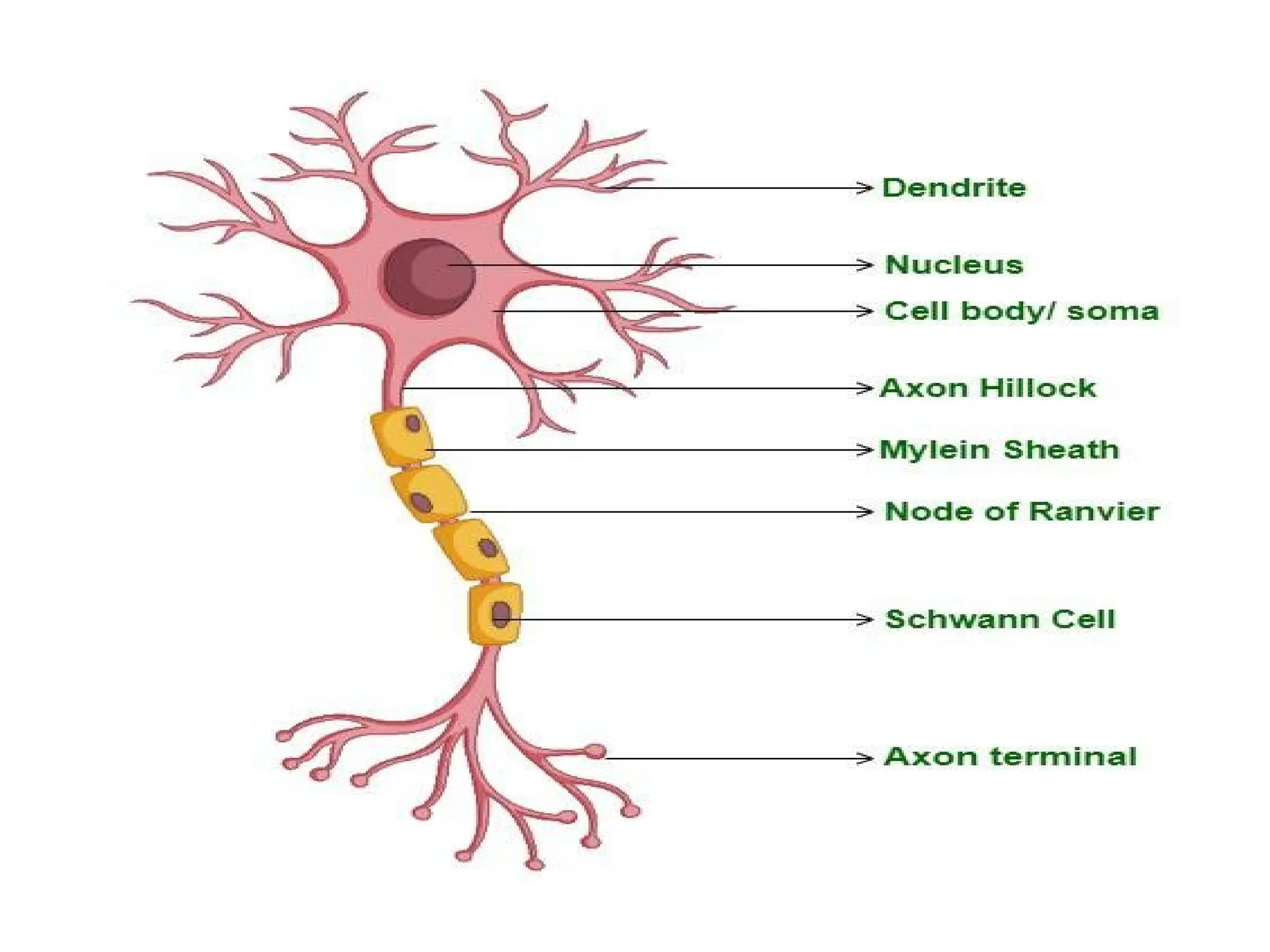
• Neurons receive stimuli and conduct action
potentials.
Types of Neuraglia
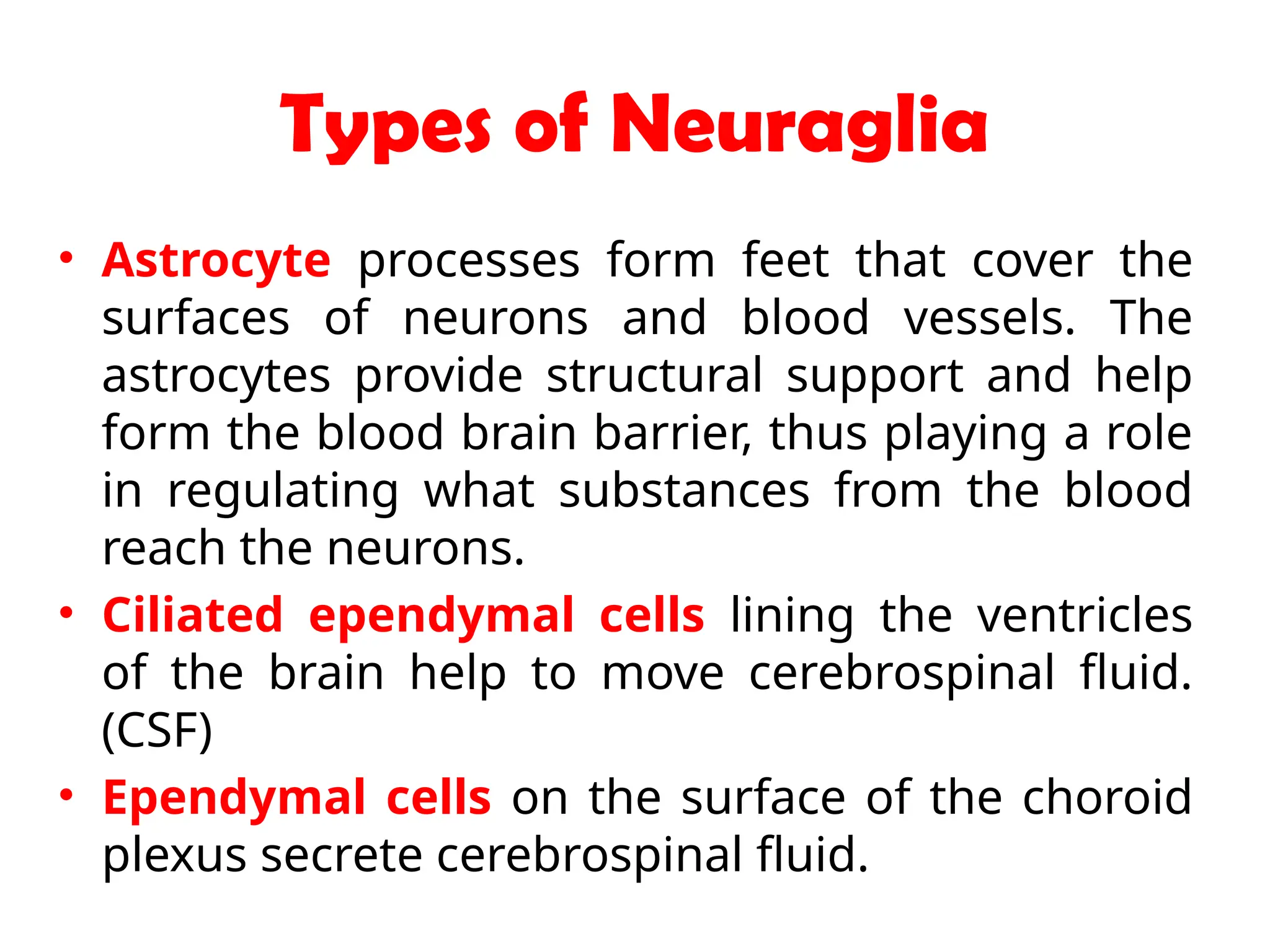
• Astrocyte processes form feet that cover the
surfaces of neurons and blood vessels. The
astrocytes provide structural support and help
form the blood brain barrier, thus playing a role
in regulating what substances from the blood
reach the neurons.
• Ciliated ependymal cells lining the ventricles
of the brain help to move cerebrospinal fluid.
(CSF)
• Ependymal cells on the surface of the choroid
plexus secrete cerebrospinal fluid.
TISSUES - TYPES characteristics classification and location

TISSUES - TYPES characteristics classification and location

  • 1.
    Tissues DEFINITION, TYPES, CHARACTERISTICS, CLASSIFICATION& LOCATION PROF.CHITHRAVEL.V PRINCIPAL MMNC RANCHI
  • 2.
    Tissues Definition: • A tissueis a group of cells that usually have a common embryonic origin and function together to carry out specialized activities. • Histology: is the science that deals with the study of tissues. • Pathologist: Is a physician who specializes in laboratory studies of cells and tissues to help other physicians make accurate diagnosis.
  • 3.
    Classification of bodytissues 1. Epithelial tissue 2. Connective tissue 3. Muscular tissue 4. Nervous tissue
  • 4.
    Epithelial tissue • Coversthe body surfaces and lines hollow organs, body cavities and ducts. • It also forms glands.
  • 5.
    Connective tissue • Protectsand supports the body and its organs. • Various types of connective tissue bind organs together. • Store energy reserves as fat and help provide immunity to disease causing organisims.
  • 6.
    Muscular tissues • Generatesthe physical force needed to make body structures move and generates body heat.
  • 7.
    Nervous tissue • Detectschanges in a variety of conditions inside and outside the body and responds to generating action potential (nerve impulse) the activate muscular contractions.
  • 8.
  • 10.
    How are cellstissues held together There are two major ways in which cells in tissues can be held together: • An extracellular matrix of macromolecules can form a lattice-work that can then be used by the associated cells to move, change position and a framework in which cells can interact with one another • Cell junctions can create firm, direct, specialized points of fusion between two cells in direct physical contact.
  • 11.
    ECM- Extracellular Matrix •The extracellular matrix provides the physical microenvironment in which cells exist. • It provides a substrate for cell anchorage, serves as a tissue scaffold, guides cell migration during embryonic development and wound repair, and has a key roles in tissue morphogenesis. • The extracellular matrix is also responsible for transmitting environmental signals to cells, which ultimately affects cell proliferation, differentiation and death.
  • 12.
    Extracellular Matrix Components Theextracellular matrix has three major components: • Highly viscous proteoglycans (heparan sulfate, keratan sulfate, chondroitin sulfate), which cushion cells • Insoluble collagen fibers, which provide strength and resilience • Soluble multi-adhesive extracellular matrix proteins (fibronectin, laminin), which bind proteoglycans and collagen fibers to receptors on the cell surface
  • 13.
    Cell junctions • Definition:Cell junctions are contact points between the plasma membrane of tissue cells. Types: • Tight junctions • Adherens junctions • Desmosomes • Hemi-desmosomes • Gap junctions
  • 14.
    Epithelial tissue General features: •Consists of cells arranged in continuous sheets. In either single layer or multiple layers. Structure: • Apical surface:  Most superficial layer of cells  Faces the body surface, the body cavity, lumen of integral organs, tubular ducts that receive cellular secretions. • Basal surface:  Opposite to apical surface  Deepest layer of epithelial cells  Adhere to the extracellular material.
  • 16.
    Basement membrane: • Isa thin extracellular layer that commonly consists of two layers: The basal lamina The reticular lamina Point of attachment and support for the overlying epithelial tissue The basal lamina: Thin layer Is closer to and is secreted by epithelial cells Contains proteins such as laminin and collagen, glycoproteins, proteoglycans. The reticular lamina: • Closer to underlying connective tissue. • Contains proteins such as fibroblasts
  • 18.
    Combination of bothcharacteristics of covering and lining epithelium I. Simple epithelium: Simple squamous epithelium Simple cuboidal epithelium Simple columnar epithelium(non-ciliated and ciliated) Pseudostratified columnar (non-ciliated and ciliated) II. Stratified epithelium: Stratified squamous epithelium Stratified cuboidal epithelium Stratified columnar epithelium Transitional epithelium
  • 19.
    Simple epithelium • Singlelayer of cells. Functions: • Diffusion, osmosis, filtration, secretion, absorption. • Secretion: productions and release of substances such as mucus, sweat or enzymes. • Absorption: is the intake of fluids or other substances such as digested food from the intestinal tract.
  • 21.
    Pseudo-stratified epithelium • Appearsto have multiple layer of cells, because the cell nuclei lie at different levels and not all cells reach the apical surface. • Cells that do not extend to the apical surface may have cilia, goblet cells( produce mucus).
  • 22.
    Stratified epithelium • Consistsof two or more layers of cells that protect underlying tissues in locations where there is considerable wear and tear.
  • 24.
    Cell shape: • Squamouscells: arranged like floor tiles, are thin, allow rapid passage of substances. • Cuboidal cells: Are as tall as they are wide Shaped like tubes or hexagons May have microvilli at their apical surfaces. Function in secretion and absorption
  • 26.
    • Columnar cells: Aremuch taller than they are wide, like columns. Protect underlying tissues. Apical surfaces have many cilia and microvilli. Often are specialized for secretion and absorption. • Transitional cells: Cells change shape from flat to cuboidal and back. Eg; urinary bladder cells
  • 29.
    Simple squamous epithelium •The tissue consists of single layer of flat cells. • Resemble tiles floor • Nucleus: flattened oval or sphere, centrally located. • Location: lines heart, blood vessels, lymphatic vessels, air sacs of lungs, glomerular capsule of kidneys, inner surface of tympanic membrane (eardrum), forms epithelial layer of serous membranes, such as peritoneum, pericardium and pleura • Function: filtration, diffusion, osmosis and secretion in serous membranes.
  • 31.
    Simple cuboidal epithelium •Description: single layer of cube shaped cells, centrally located nucleus. • Location: covers surface of ovary, lines anterior surface of capsule of lens of the eyes, forms pigmented epithelium at the posterior surface of the eye, lines kidney tubules and smaller ducts of many glands, makes up secretory portion of some glands such as the thyroid gland and ducts of some glands such as pancreas. • Function: secretion and absorption.
  • 33.
  • 34.
    Non ciliated Simplecolumnar epithelium Contains two type of cells: • Columnar epithelial cells with microvilli at their apical surface. • Goblet cells Columnar epithelial cells with microvilli at their apical surface. • Microvilli, fingerlike cytoplasmic projections, increase the surface area of plasma membrane, thus increasing the rate of absorption of the cell.
  • 36.
    Ciliated columnar epithelium •Contains columnar epithelial cells with cilia at their apical surfaces. • In respiratory tract mucus secreted by the goblet cells forms a film over the airways surface that traps inhaled foreign particles. • The cilia beats moving the mucus and any foreign particles toward throat, where they can be coughed up and swallowed or spit out. • Coughing and sneezing speed up the movement of cilia and mucus. • Location: lines some bronchioles in respiratory tract, uterine tubes, uterus, efferent ducts of testes, Para nasal sinuses, central canal of spinal cord, ventricles of brain.
  • 37.
    Pseudo stratified columnarepithelium Description: • Not a true stratified tissue. • Nuclei of cells are at different levels. • All cells are attached to basement membrane, but all do not reach the apical surface. Location: • Lines the airways of most of the upper respiratory tract, epididymis, and part of male urethra. Function: • Secretion and movement of mucus by ciliary action.
  • 39.
    Stratified epithelium: Stratified squamousepithelium • Has two or more layers of cells. Description: • Several layers of cells, cuboidal to columnar in shape in deep layers, squamous cells from the apical layer. Types: • Keratinized stratified squamous epithelium • Non-keratinized stratified squamous epithelium
  • 41.
    Keratinized stratified squamousepithelium: • The apical layer and several layers deep to it are partially dehydrated and contain a layer of keratin, (a tough fibrous protein that helps protect the skin and underlying tissues from heat, microbes and chemicals). • Forms superficial layer of the skin. Non-keratinized stratified squamous epithelium: • Location: Lines the mouth and esophagus, part of larynx, part of pharynx, vagina, covers the tongue(wet surfaces). • Does not contain keratin in apical layer. Function: Protection (first line of defense against the microbes).
  • 42.
    Stratified cuboidal epithelium Description: •Two or more layers of the cells in which the cells in the apical layer are cube shaped. Location: • Ducts of the adult sweat glands and esophagus glands and part of the male urethra. Function: • Protections and limited secretion and absorption.
  • 43.
    Stratified columnar epithelium Description: •Several layers of irregular shaped cells. • Only the apical layer has columnar cells. Location: • Lines part of the urethra, large excretory ducts of some glands, such as esophageal glands, small areas in anal mucous membranes, and part of the conjunctiva of the eye. Function: • Protection and secretion
  • 44.
    Transitional epithelium Description: • Appearanceis variable (transitional). • Shape of the cells in apical layer ranges from squamous (when stretched) to cuboidal (when relaxed). Location: • Lines urinary bladder and portions of the ureters and the urethra. Function: • Permits distension
  • 45.
  • 46.
    Connective tissue • Connectivetissue is one of the most abundant and widely distributed tissues in the body. Functions: • Binds body tissues • Supports the body tissues • Protects and insulates internal organs • Serves major transport system within the body(blood). • Is primary location of stored energy reserves (adipose, or fat tissue) • Is the main source of immune response.
  • 47.
    General features ofconnective tissues Consists of two basic elements: • Extracellular matrix • Cells Extracellular matrix: is the material located between its widely spaced cell.
  • 48.
    Connective tissue cells Thetypes of connective tissue cells vary according to the type of tissue and include the following: • Fibroblasts • Adipocytes • Mast cells • White blood cells • Macrophages • Plasma cells
  • 50.
    Fibroblasts • Large flatcells with branching process. • Most numerous. • Secrete fibers and certain components of ground substance of extracellular matrix.
  • 51.
    Adipocytes • Also calledfat cells/adipose cells. • Are connective tissue cells that stores triglycerides (fats). • Found deep in skin and around organs such as heart and kidneys.
  • 52.
    White blood cells •Not found in significant number in normal connective tissue. • Gather at site of infection. • Migrate to sites of parasitic invasion and allergic responses. • E.g. neutrophils, eosinophil
  • 54.
    Macrophages • Also calledlarge eaters. • Develop from monocytes (type of WBC) • Have irregular shape with short branching projections • Process: phagocytosis Types: • Fixed macrophages: reside in particular tissue; examples include alveolar macrophages in lungs or splenic macrophages in spleen. • Wandering macrophages: have the ability to move throughout the tissue and gather at sites of infection and inflammation.
  • 55.
  • 56.
    Microphages  Microphage playsan important role in our immune system.  Moreover, microphage can be a small neutrophil or an eosinophil.  They are cable of eating or ingesting small infectious particles such as bacteria.
  • 57.
    Mast cells  Atype of white blood cell that is found in connective tissues all through the body, especially under the skin, near blood vessels and lymph vessels, in nerves, and in the lungs and intestines.  Mast cells play an important role in how the immune system responds to certain bacteria and parasites and they help control other types of immune responses.  They contain chemicals such as histamine, heparin, cytokines, and growth factors. They release these chemicals during allergic reactions and certain immune responses.  During an allergic response, they can cause flushing (a hot, red face) and itching.  In large amounts, they can also cause abdominal cramps, muscle pain, nausea, vomiting, diarrhea, low blood pressure, and shock.
  • 58.
    Plasma cells • Smallcell that develop from a type of white blood cells called B lymphocytes. • Plasma cells secrete antibodies, proteins that attack and neutralize the foreign substances. • Found in gastrointestinal and respiratory tract. • Abundant in salivary glands, lymph nodes, spleen and bone marrow.
  • 62.
    Collagen fibers • Arevery strong • Resist pulling forces, are not stiff, this property allows tissue flexibility. • Occurs in parallel bundles. • Composition of collagen fibers: Collagen protein Location: collagen fibers are found in bone, cartilage, tendons and ligaments.
  • 64.
    Elastic fibers • Smallerin diameter than collagen fibers. • Branch and join together to form a network within tissue. • Consists of: Elastin protein
  • 65.
    Reticular fibers • Consistsof collagen arranged in fine bundles with a coating of glycoprotein. • Support in the walls of blood vessels and form a network around the cells in some tissues, such as areolar connective tissue, adipose tissue and smooth muscle tissue.
  • 68.
    Mature Connective Tissue a.Loose connective tissue 1. Areolar connective tissue 2. Adipose tissue 3. Reticular connective tissue b. Dense connective tissue: 4. Dense regular connective tissue 5. Dense irregular connective tissue 6. Elastic connective tissue
  • 69.
    c. Cartilage: 1. Hyalinecartilage 2. Fibro cartilage 3. Elastic cartilage d. Bone tissue e. Liquid connective tissue 4. Blood tissue 5. lymph
  • 70.
  • 71.
    Areolar connective tissue Cellsin the tissue are: • Fibroblasts • Macrophages • Plasma cells • Mast cells • Adipocytes Fibers present: • Collagen fibers • Elastic fibers • Reticular fibers Ground substance contains: • Hyaluronic acid • Chondroitin sulfate • Dermatan sulfate Location: • Subcutaneous layer deep to the skin, • papillary(superficial) region of dermis of the skin, • lamina propria of mucus membrane, • around blood vessels, nerves and body organs. Functions: • Strength, elasticity, support
  • 72.
    Adipose connective tissue Cells: •Adipocytes: specialized for storage of fats(triglycerides). • Found wherever areolar connective tissue is present.. • Is a good insulator, and reduces heat lose through the skin.. • Major energy reserve and protects and supports various organs.
  • 73.
    Location: • Subcutaneous layerof deep skin, around heart and kidneys, yellow bone marrow, padding around joints and behind eyeballs in socket. Functions: • Reduce heat through the skin • Serves as an energy reserve • Supports and protects the body organs • In new born BAT generates considerable heat that helps maintain proper body temperature.
  • 74.
    Reticular connective tissue Description: •A network of interlacing reticular fibers and reticular cells Location: • Stroma of liver, spleen, lymph nodes, red bone marrow, which gives rise to blood cells, reticular lamina of the basement membrane, and around blood vessels and muscles.
  • 75.
  • 76.
    Description • Dense connectivetissue” • Contains more numerous, thicker and dense fibers (packed more closely). • Has fewer cells than connective tissue. Types: • Dense regular connective tissue • Dense irregular connective tissue • Elastic connective tissue
  • 77.
    Dense regular connectivetissue • Description: extracellular matrix looks shiny white. • Fibers: Collagen fibers, arranged in bundles • Cells: Fibroblasts (present in rows between bundles). • Location: forms tendons (attach muscle to bone), most ligaments (attach bone to bone), and Apo-neuroses (sheet like tendons that attach muscle to muscle or muscle to bone). • Function: provide strong attachment between various structures.
  • 78.
    Dense irregular connectivetissue Description: Found in parts of the body where pulling forces are exerted in various directions, the tissue often occurs in sheets. • Fibers: collagen fibers • Cells: few fibroblasts Location: fasciae (tissue beneath skin and around muscles and other organs, reticular (deeper) region of dermis of skin, periosteum of bone, perichondrium(tissue surrounding cartilage) of cartilage, joint capsules, membrane capsule around various organs(kidney, liver, testes, lymph nodes) pericardium of heart and heart valves. • Function: provides strength
  • 79.
    Elastic connective tissue •Description: yellowish color due to presence of elastic fibers. • Fibers: Elastic fibers • Cells: Fibroblasts • Location: Lung tissue, walls of elastic arteries, trachea, bronchial tubes, true vocal cords, suspensory ligament of penis, some ligaments between vertebrae.
  • 80.
    PERICHONDRIUM contains twolayers: • Outer fibrous layer: consists of collagen fibers, blood vessels and fibroblasts. • Inner cellular layer: consists of cells involved in the growth of cartilage. • Cartilage does not have any blood supply, because it secretes an ant angiogenesis factor, a substance that prevents blood vessels growth.
  • 81.
    Fluid/liquid connective tissue Itcontains of: • Blood and lymph • Watery matrix of dissolved proteins • Carry specific cell types (formed elements)
  • 82.
    Liquid connective tissue Itincludes: • Blood & Lymph Blood: has: Liquid extracellular matrix: pale yellow fluid that consist mostly of water with a wide variety of dissolved substances- nutrients, wastes, enzymes, plasma proteins, hormones, respiratory gases and ions. Other elements: RBC’s (erythrocytes), WBC’s (leukocytes), platelets (thrombocytes).
  • 84.
    • Red bloodcells : transport oxygen to body cells and remove some carbon dioxide from them. • White blood cells: are involved in phagocytosis, immunity and allergic reactions. • White blood cells include the phagocytic microphages ( neutrophils and eosinophils ), basophils, lymphocytes , and monocytes. • White blood cells are important components of the immune system, which protects the body from infection and disease. • Platelets: Tiny membrane–enclosed packets of cytoplasm • Participate in blood clotting. • These cell fragments, which contain enzymes and special proteins, function in the clotting response that seals breaks in the endothelial lining
  • 86.
    Extracellular fluid Extracellular fluidincludes three major subdivisions: • Plasma • Interstitial fluid • Lymph Plasma is normally confined to the vessels of the circulatory system, and contractions of the heart keep it in motion.
  • 87.
    • The major difference betweenplasma and interstitial fluid is that plasma contains numerous suspended proteins that are too large to pass into the
  • 88.
    Lymph: • Is theextracellular fluid that flows in lymphatic vessels. • Consist of several types of cells in clear liquid extracellular matrix that is similar to blood plasma but with much less protein. • As fluid passes along the lymphatic vessels, cells of the immune system monitor the composition of the lymph and respond to signs of injury or infection. • The number of cells in lymph may vary, but ordinarily 99 percent of them are lymphocytes. • The rest are primarily macrophages or microphages
  • 90.
    MUSCLE TISSUE • Consistsof elongated cells called muscle fibers or monocytes that can use ATP to generate force.
  • 91.
    There are threetypes of muscle tissue: Skeletal muscle , which forms the large skeletal muscles responsible for gross body movements and locomotion; Cardiac muscle , found only in the heart and responsible for the circulation of blood; and Smooth muscle , found in the walls of visceral organs and a variety of other locations, where it provides elasticity, contractility, and support.
  • 92.
    NEURAL TISSUE • Neuraltissue , which is also known as nervous tissue or nerve tissue , is specialized for the conduction of electrical impulses from one region of the body to another. • Cells of the nervous system include: Non-neural cells Neurons. • Non-neural cells are neuroglia (meaning nerve glue), or glial cells, which support and protect neurons and perform other functions • Neurons receive stimuli and conduct action potentials.
  • 94.
    Types of Neuraglia •Astrocyte processes form feet that cover the surfaces of neurons and blood vessels. The astrocytes provide structural support and help form the blood brain barrier, thus playing a role in regulating what substances from the blood reach the neurons. • Ciliated ependymal cells lining the ventricles of the brain help to move cerebrospinal fluid. (CSF) • Ependymal cells on the surface of the choroid plexus secrete cerebrospinal fluid.